इकाई 16
शब्द 301–320 · control, already, concern, product, lose, story
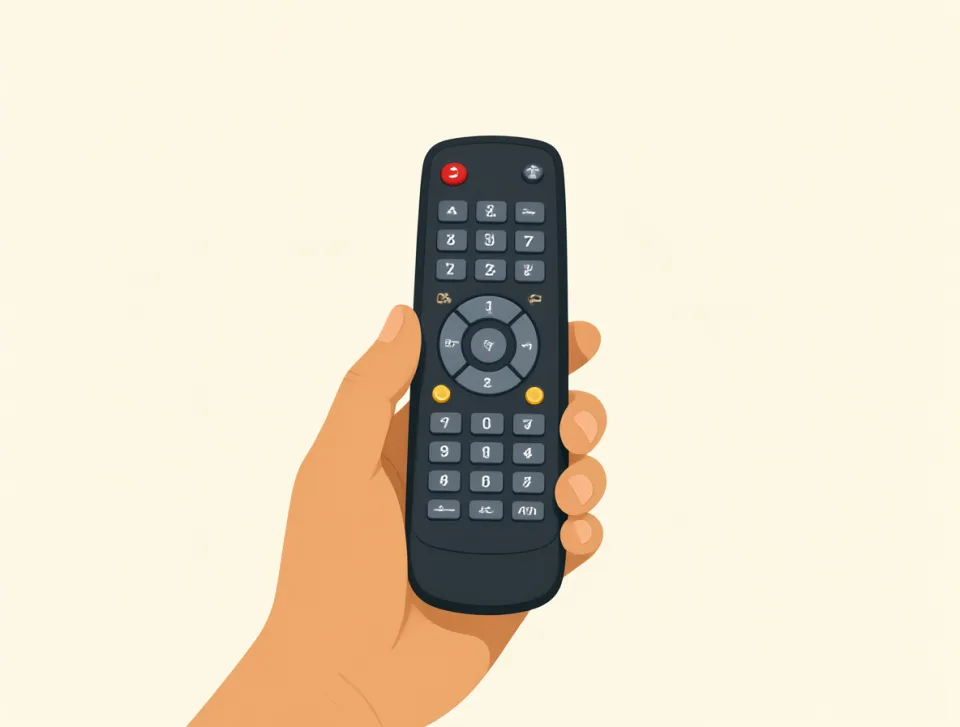
control
#301noun, verb
नियंत्रण
The power to direct people or manage what happens.
लोगों को निर्देशित करने या घटनाओं को संभालने की शक्ति।
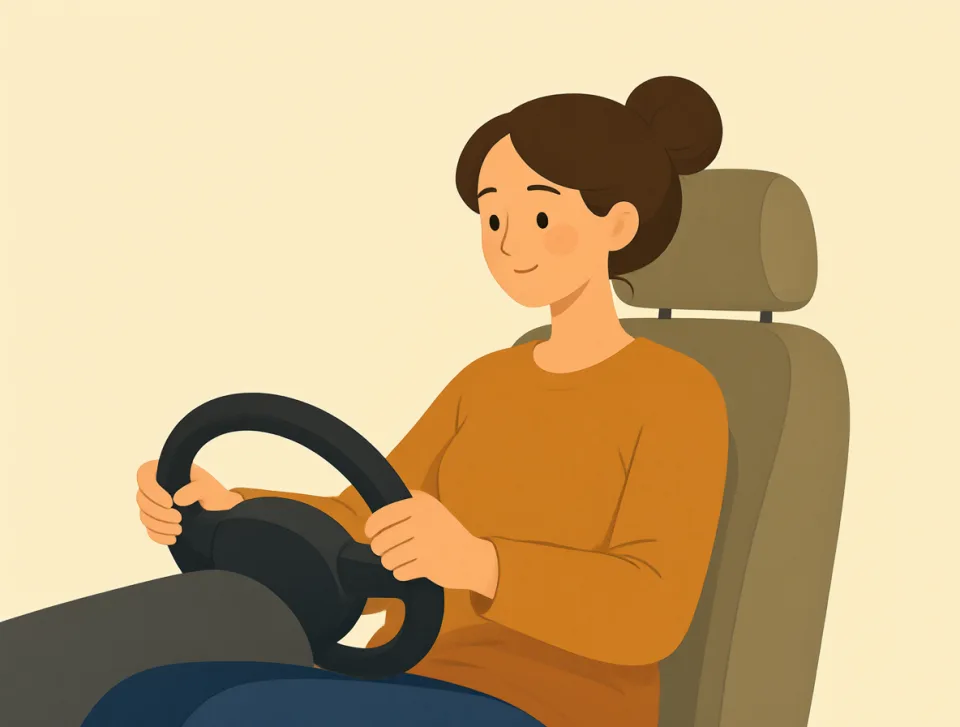
She is in control of the car.
वह कार पर नियंत्रण रखती है।
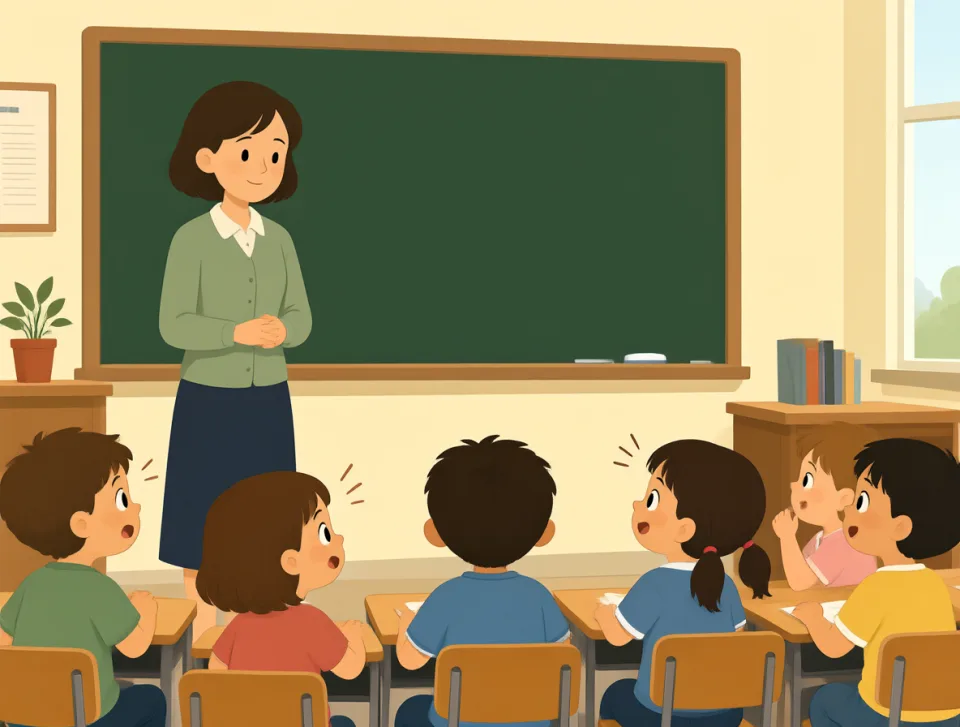
The teacher controls the noisy classroom.
शिक्षक शोर मचाती कक्षा को नियंत्रित करते हैं।
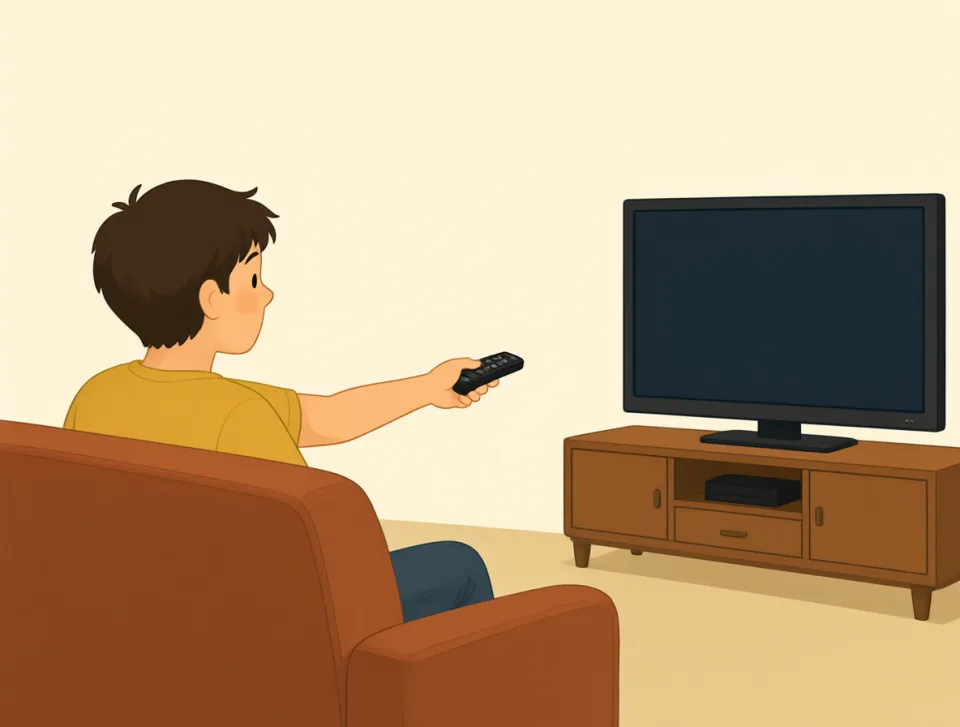
Use the remote control to change channels.
चैनल बदलने के लिए रिमोट कंट्रोल का इस्तेमाल करें।
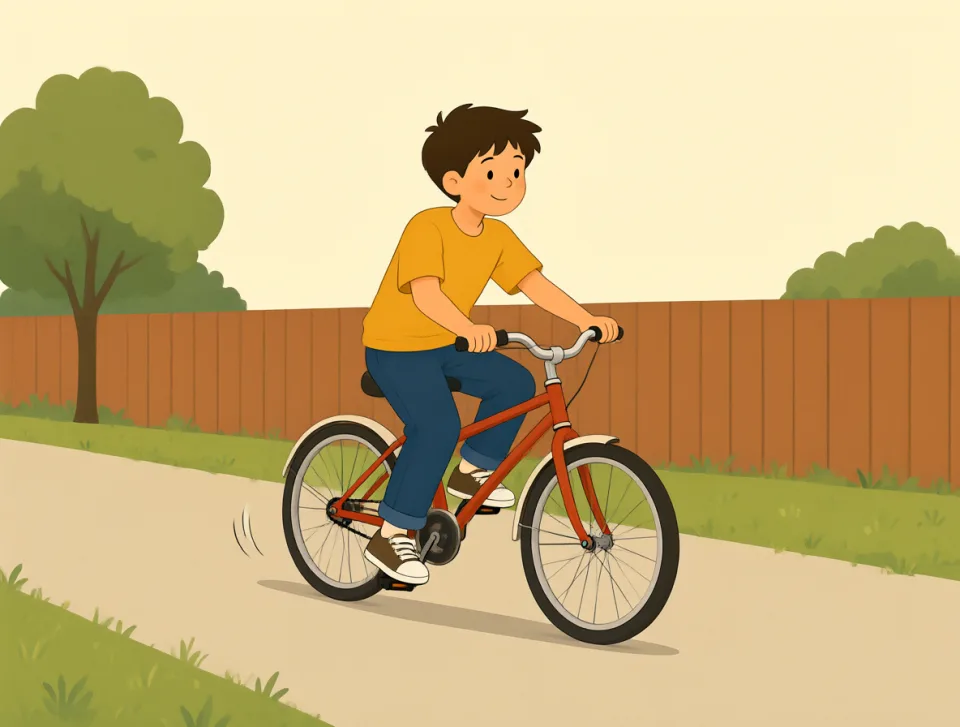
He lost control of his bike.
उसने अपनी साइकिल पर नियंत्रण खो दिया।
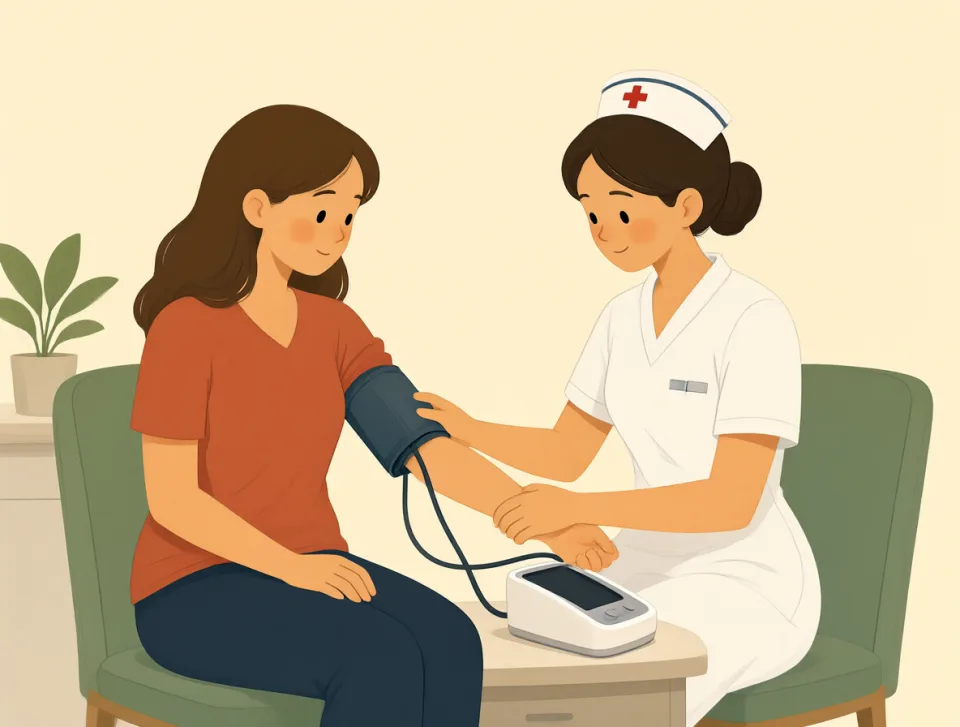
The nurse checked her blood pressure control.
नर्स ने उसके रक्तचाप के नियंत्रण की जाँच की।
already
#302adverb
पहले से
before now or before a particular time
अभी से पहले या किसी खास समय से पहले
I have already eaten breakfast.
मैं नाश्ता पहले ही कर चुका हूँ।

She already knows the answer.
उसे जवाब पहले से ही पता है।
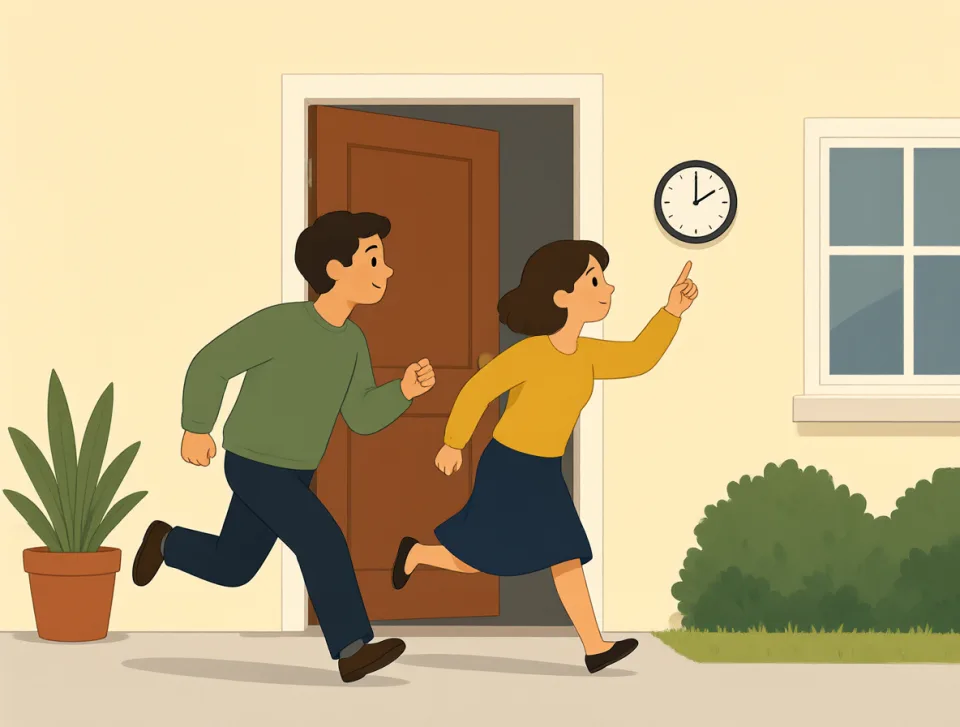
We are already late for work.
हमें काम पर पहुँचने में पहले ही देर हो चुकी है।

The store has already closed.
दुकान पहले ही बंद हो चुकी है।

Have you already seen this movie?
क्या तुमने यह फ़िल्म पहले ही देख ली है?
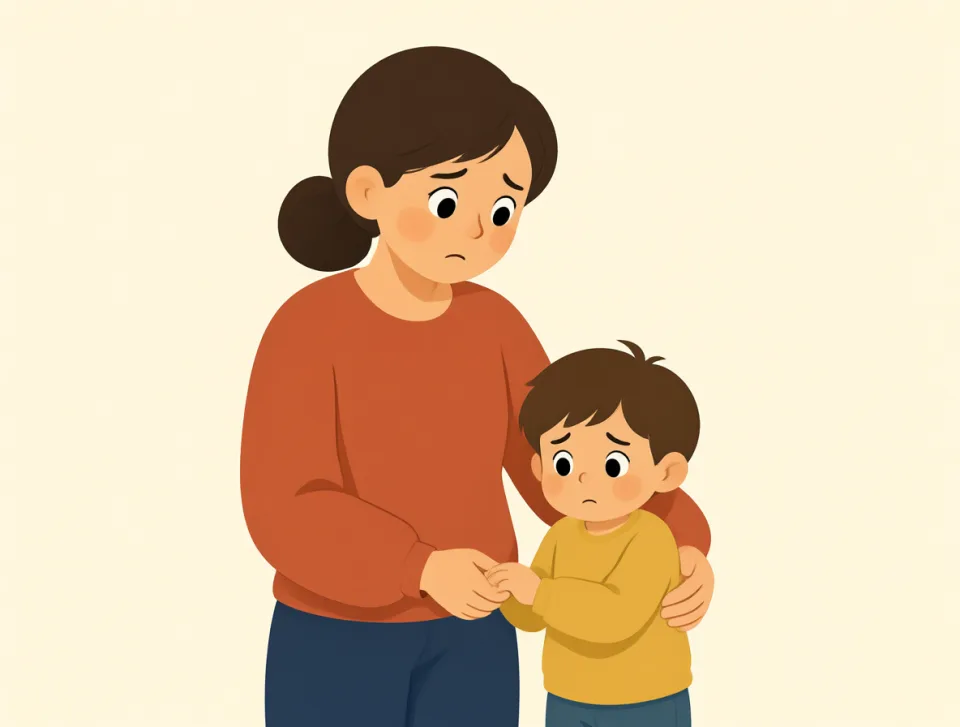
concern
#303noun, verb
चिंता
a worry or problem, or to make someone feel worried
कोई चिंता या समस्या, या किसी को चिंतित करना
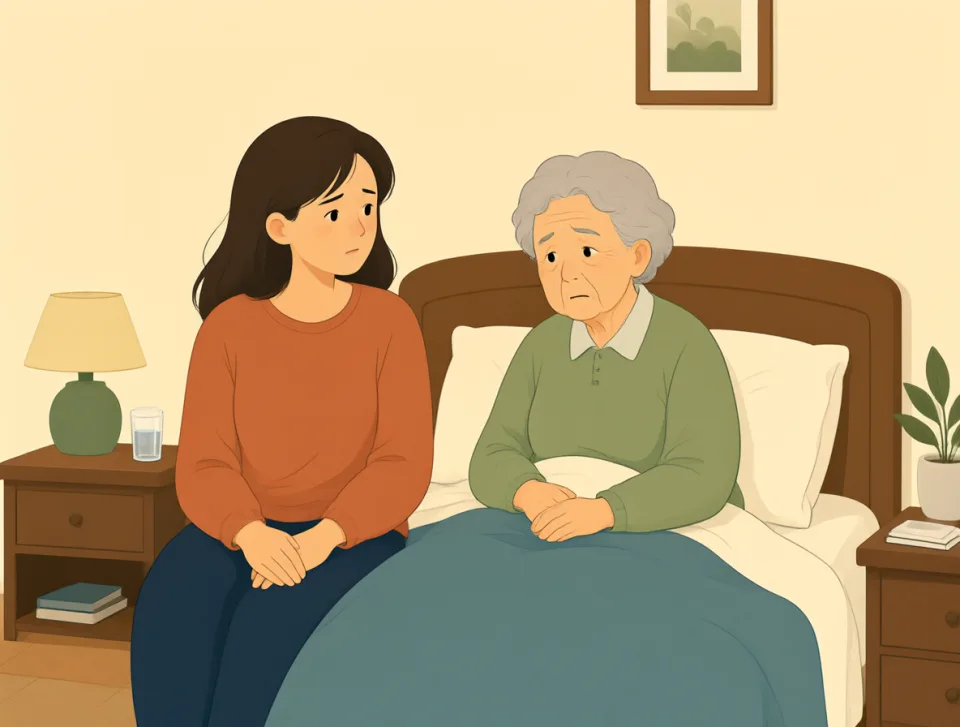
Her main concern is her sick mother.
उसकी सबसे बड़ी चिंता उसकी बीमार माँ है।
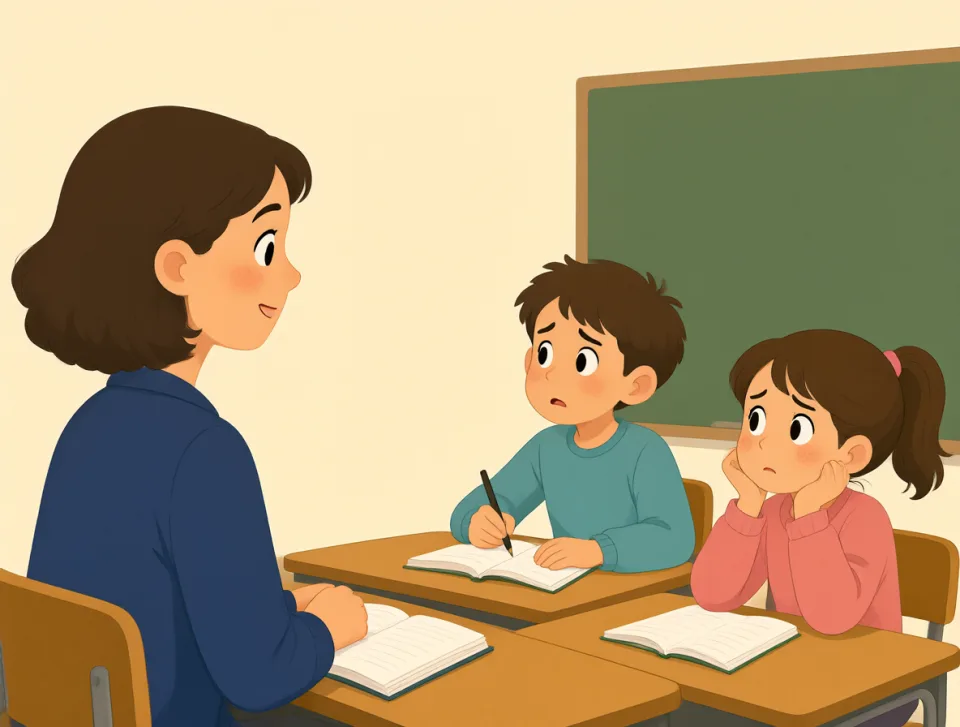
The teacher listened to our concerns.
शिक्षक ने हमारी चिंताओं को सुना।

Please contact us if you have any concerns.
अगर आपको कोई चिंता हो, तो कृपया हमसे संपर्क करें।
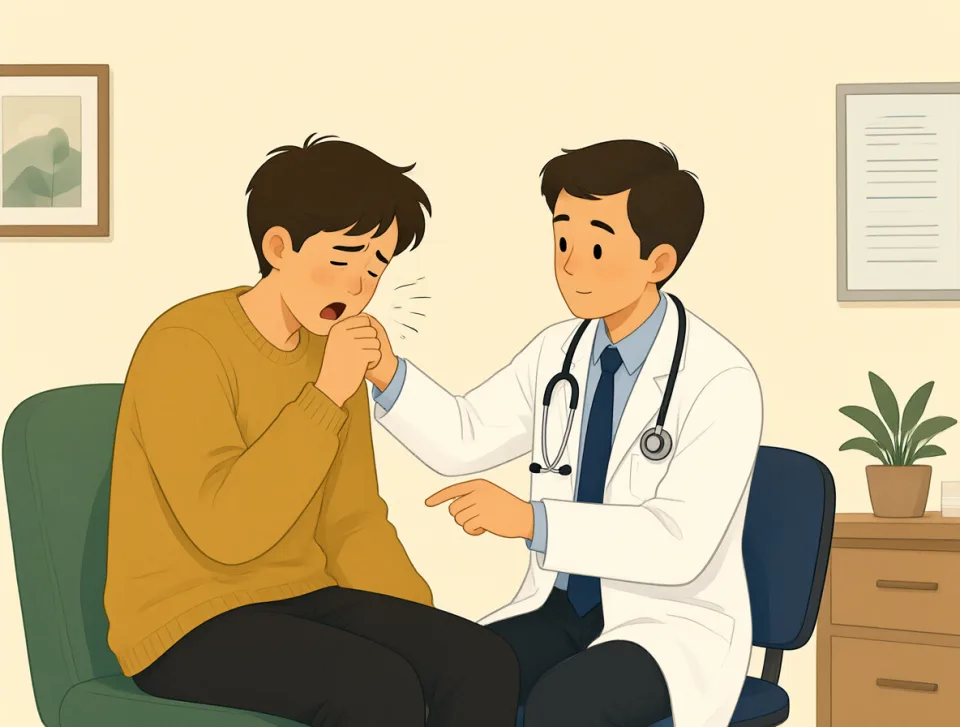
His sudden cough concerned his doctor.
उसकी अचानक हुई खाँसी से उसके डॉक्टर चिंतित हो गए।
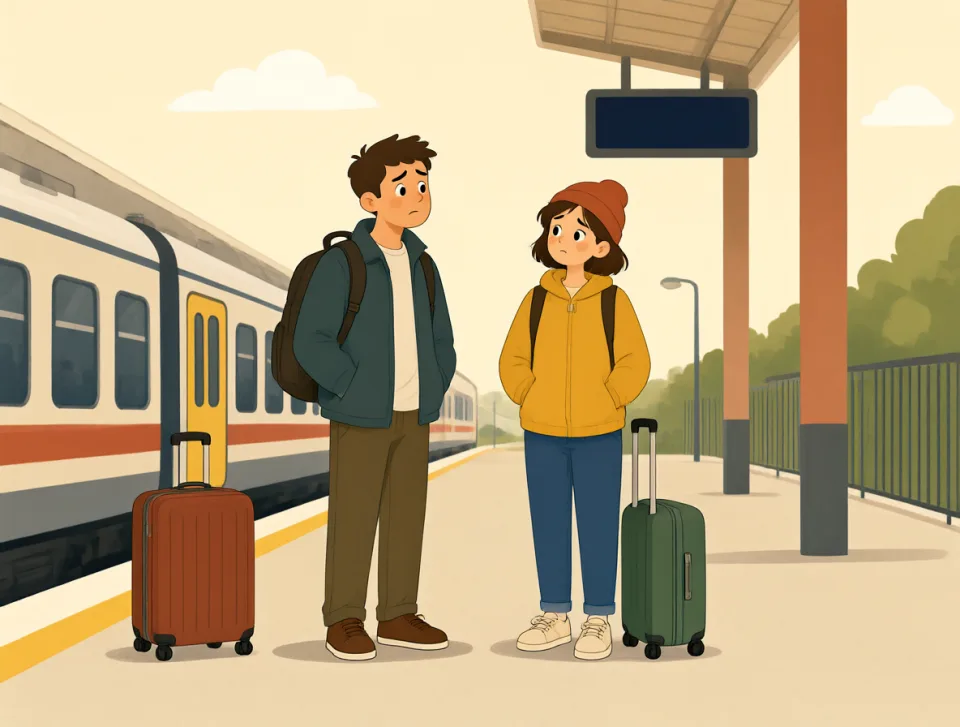
We are concerned about the late train.
हमें देर से आने वाली ट्रेन की चिंता है।
product
#304noun
उत्पाद
Something made or grown to be sold or used.
बेचने या इस्तेमाल करने के लिए बनाई या उगाई गई कोई चीज़।
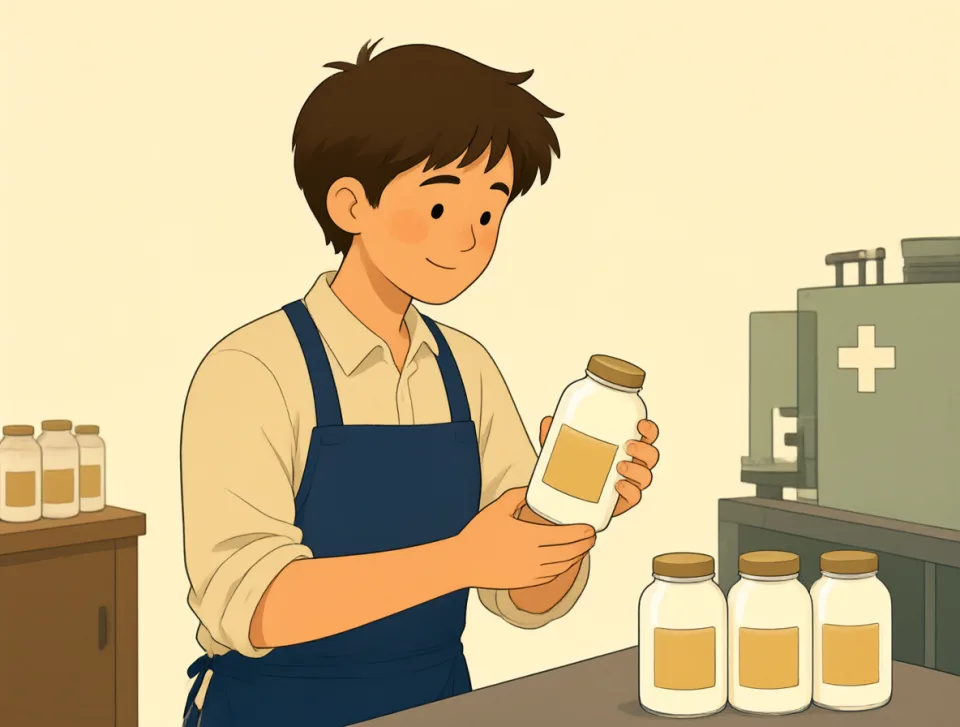
This product is made from natural ingredients.
यह उत्पाद प्राकृतिक सामग्रियों से बना है।
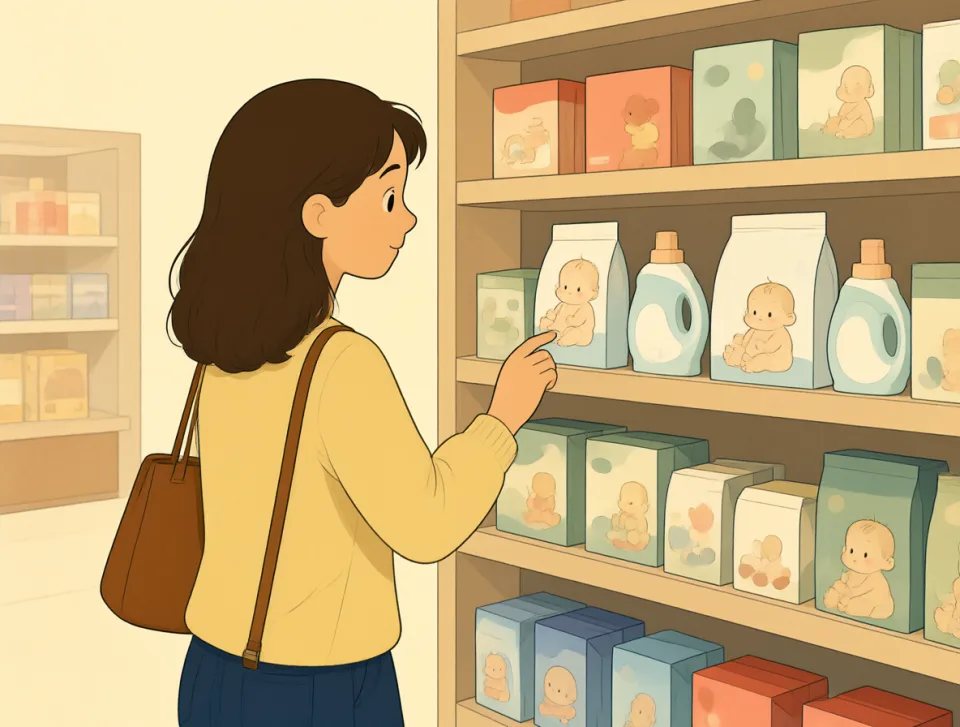
The store sells products for babies.
यह दुकान बच्चों के लिए उत्पाद बेचती है।
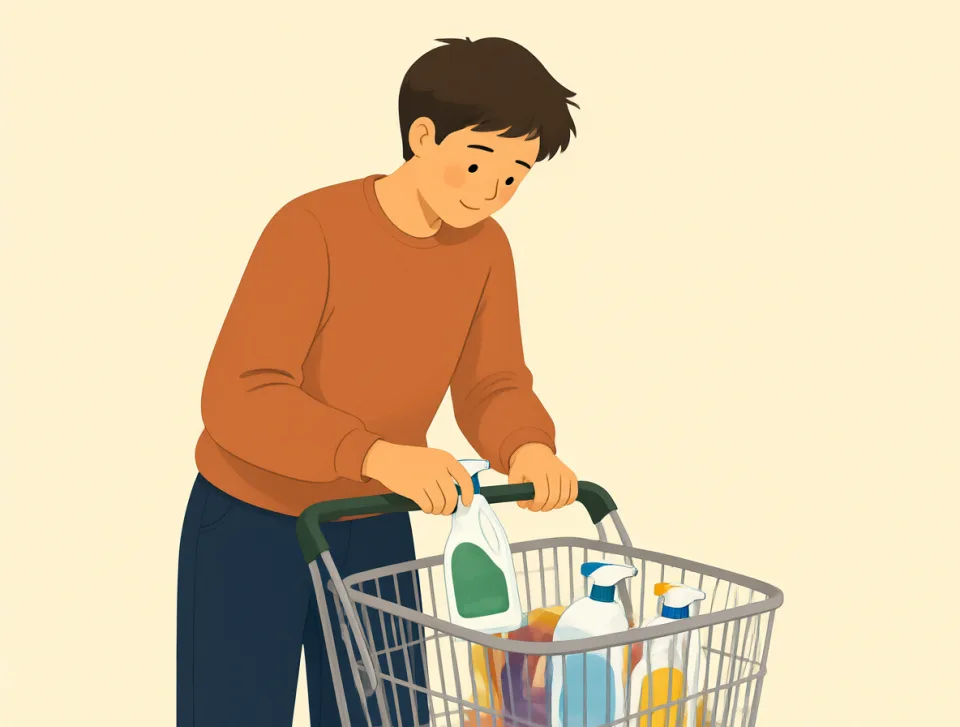
I bought a new cleaning product yesterday.
मैंने कल सफ़ाई का एक नया उत्पाद खरीदा।

Our team is developing a new product.
हमारी टीम एक नया उत्पाद विकसित कर रही है।
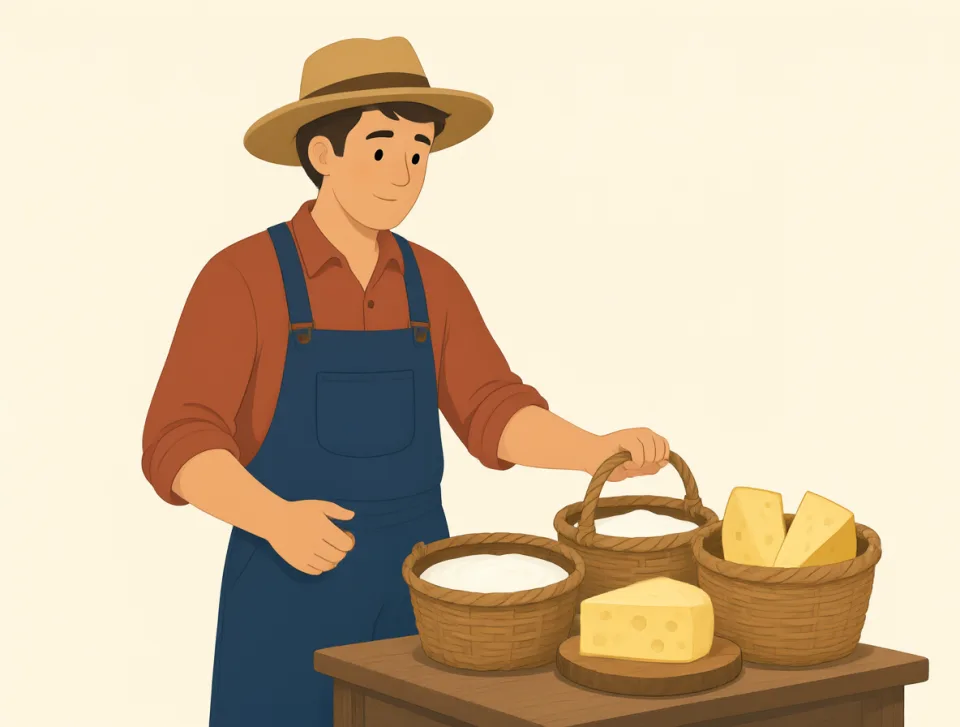
This farm produces fresh dairy products.
यह खेत ताज़े डेयरी उत्पाद बनाता है।
lose
#305verb
खो देना
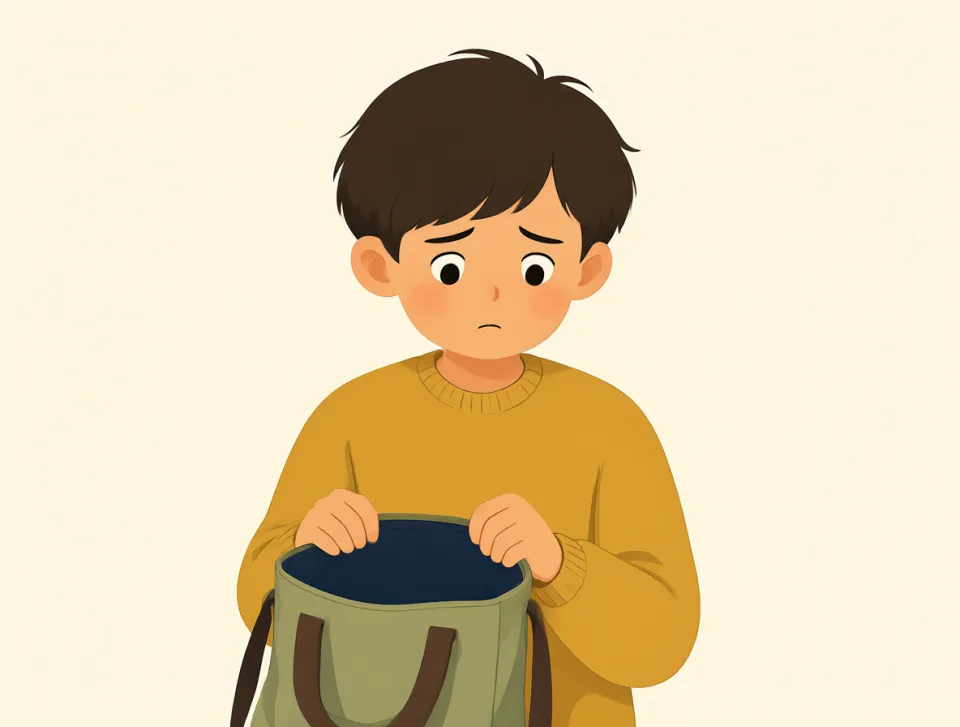
to no longer have something because it is gone, taken, or forgotten
किसी चीज़ का न रहना, क्योंकि वह खो गई, छीन ली गई या भूल गए।
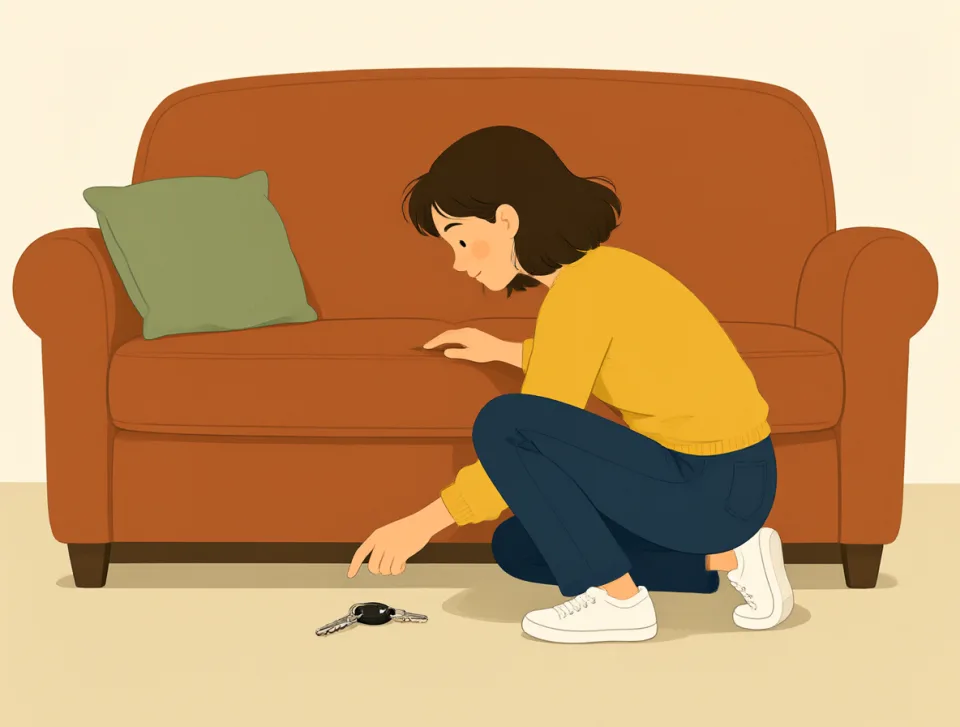
I often lose my keys at home.
मैं अक्सर घर पर अपनी चाबियाँ खो देता हूँ।
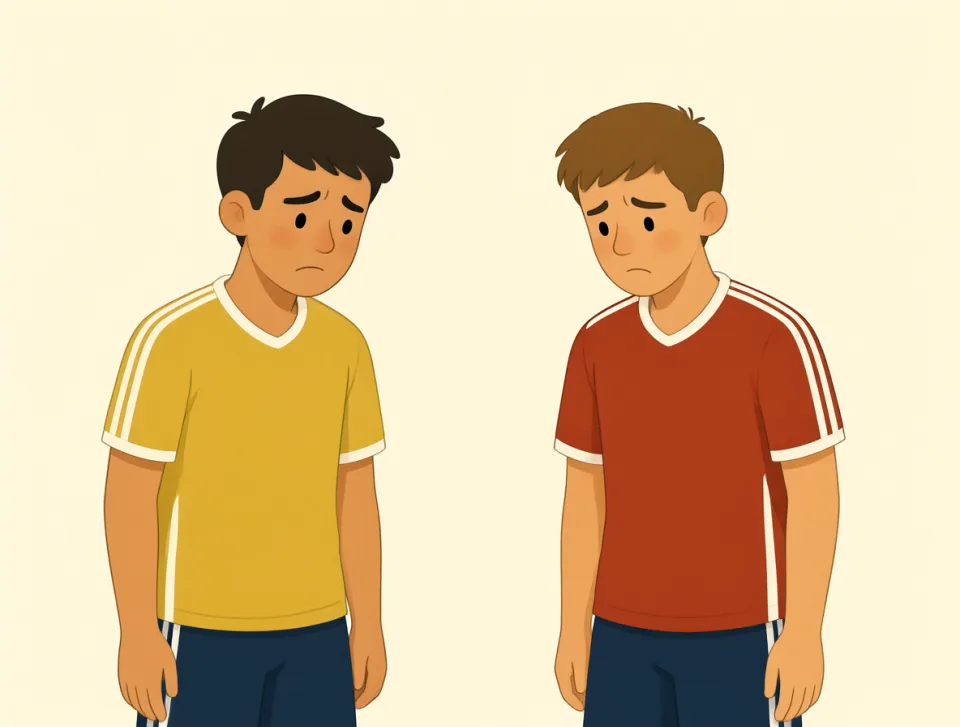
Our team lost the game yesterday.
हमारी टीम कल खेल हार गई।

She lost her wallet on the bus.
उसने बस में अपना बटुआ खो दिया।
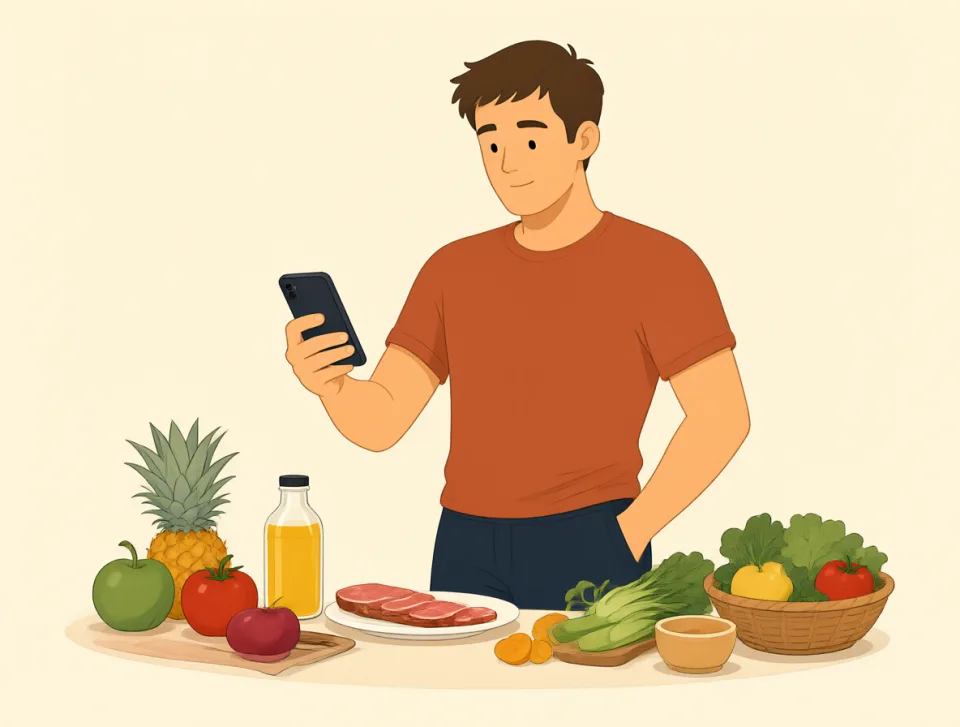
He is losing weight with healthy food.
वह सेहतमंद खाना खाकर वज़न घटा रहा है।

Do not lose your ticket at the airport.
हवाई अड्डे पर अपना टिकट मत खोना।
story
#306noun
कहानी
A description of events, real or imagined, told to entertain or inform people.
घटनाओं का ऐसा वर्णन, जो वास्तविक या काल्पनिक हो और लोगों का मनोरंजन करने या उन्हें जानकारी देने के लिए सुनाया जाए।
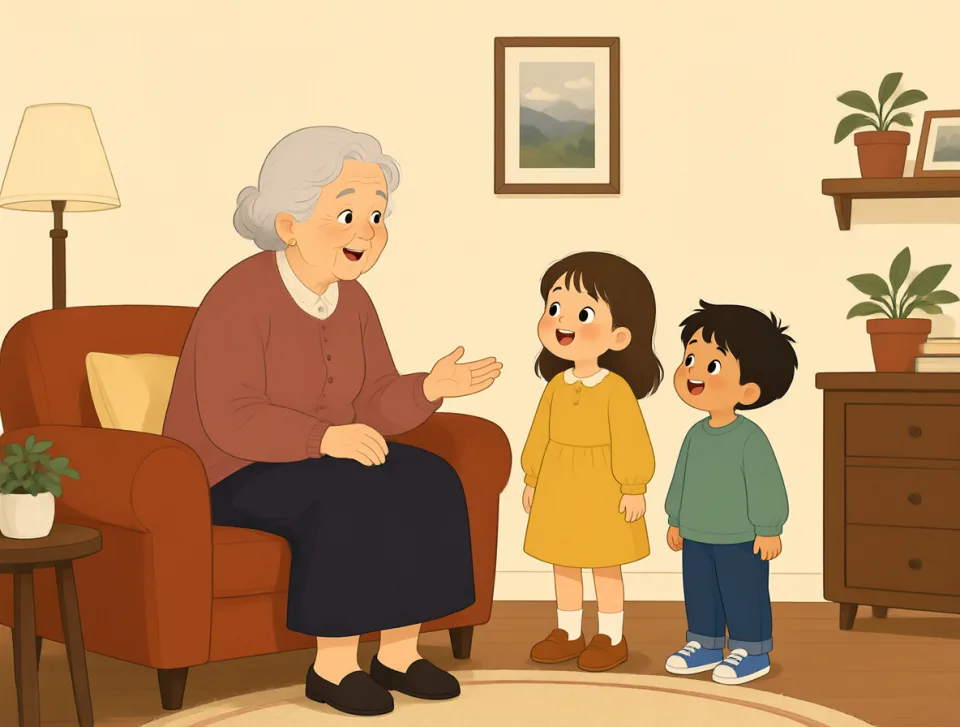
Grandma told us a funny story.
दादी ने हमें एक मज़ेदार कहानी सुनाई।

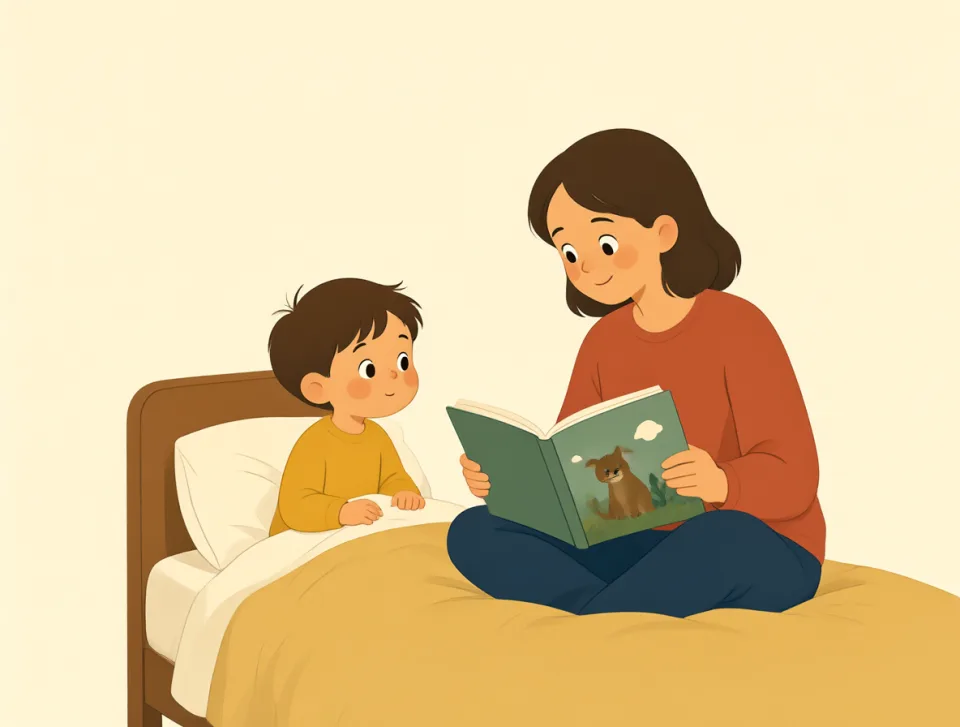
I read a story before bed.
मैं सोने से पहले एक कहानी पढ़ता हूँ।
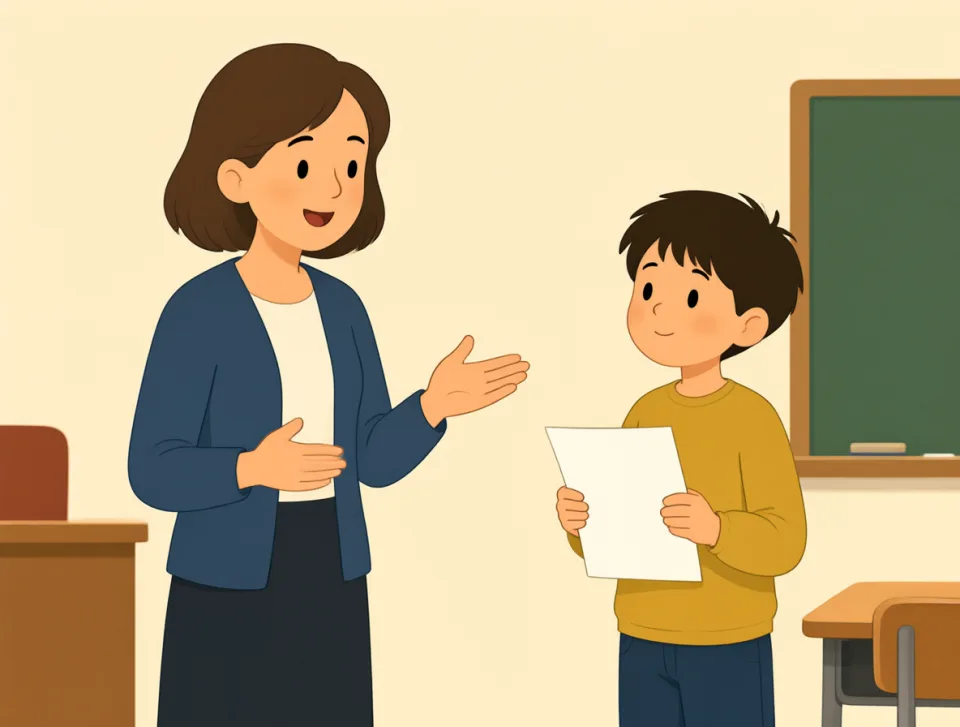
The teacher asked for a short story.
शिक्षक ने एक छोटी कहानी लिखने को कहा।

He shared his travel story with friends.
उसने दोस्तों के साथ अपनी यात्रा की कहानी साझा की।
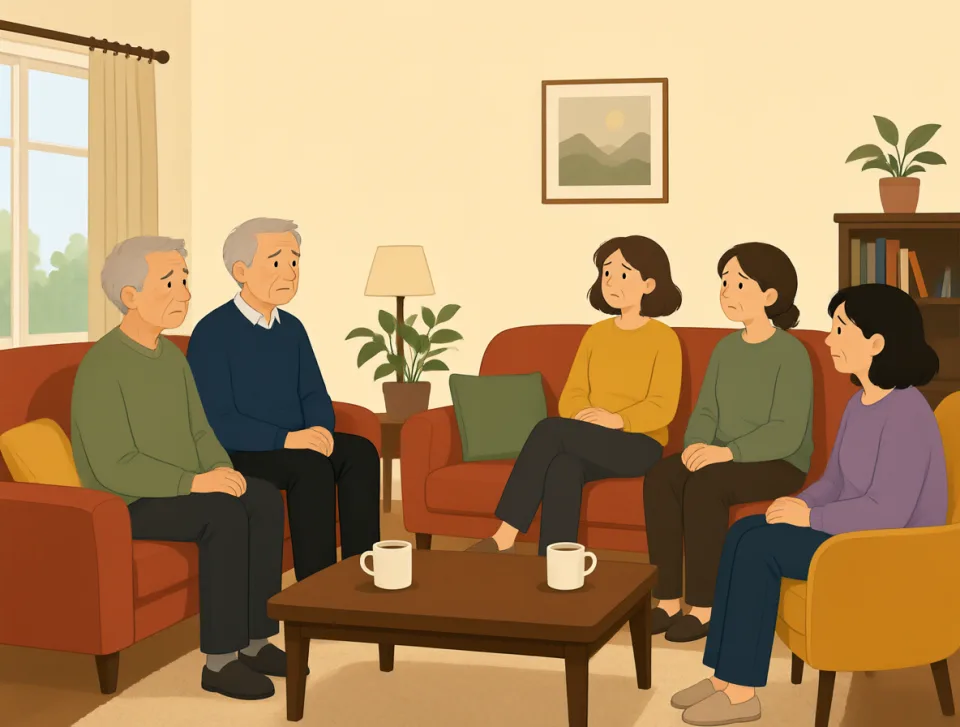
The news story made everyone worried.
खबर की कहानी ने सबको चिंतित कर दिया।
almost
#307adverb
लगभग
Nearly, but not completely or quite.
करीब-करीब, लेकिन पूरी तरह या बिल्कुल नहीं।
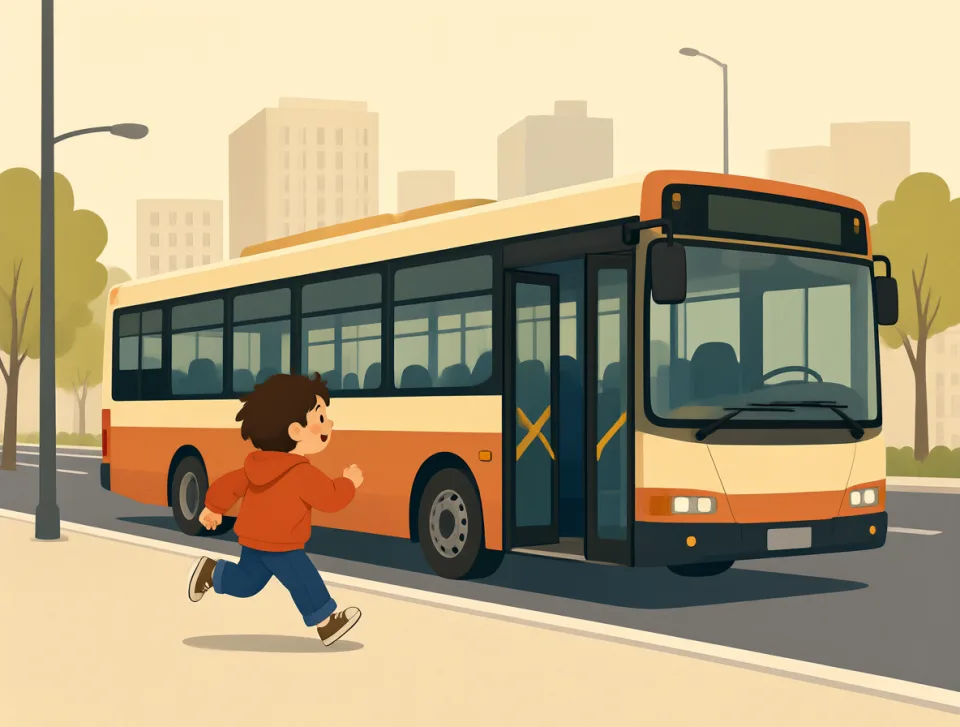
I almost missed the bus this morning.
आज सुबह मेरी बस लगभग छूट ही गई थी।
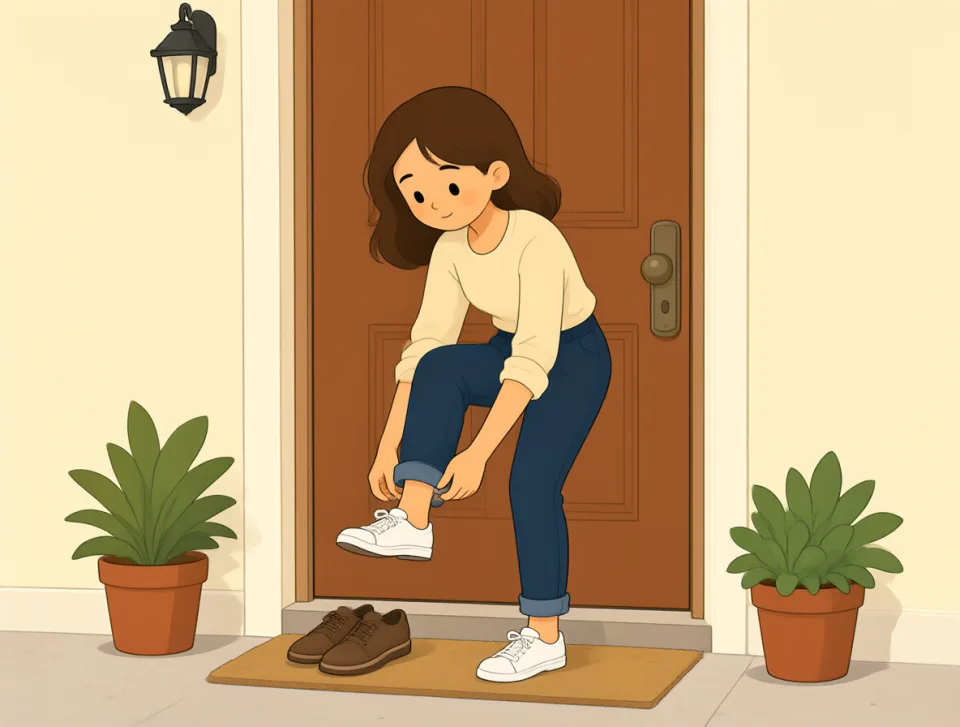
She is almost ready to leave.
वह जाने के लिए लगभग तैयार है।

We almost finished the project at work.
हमने काम पर परियोजना लगभग पूरी कर ली थी।
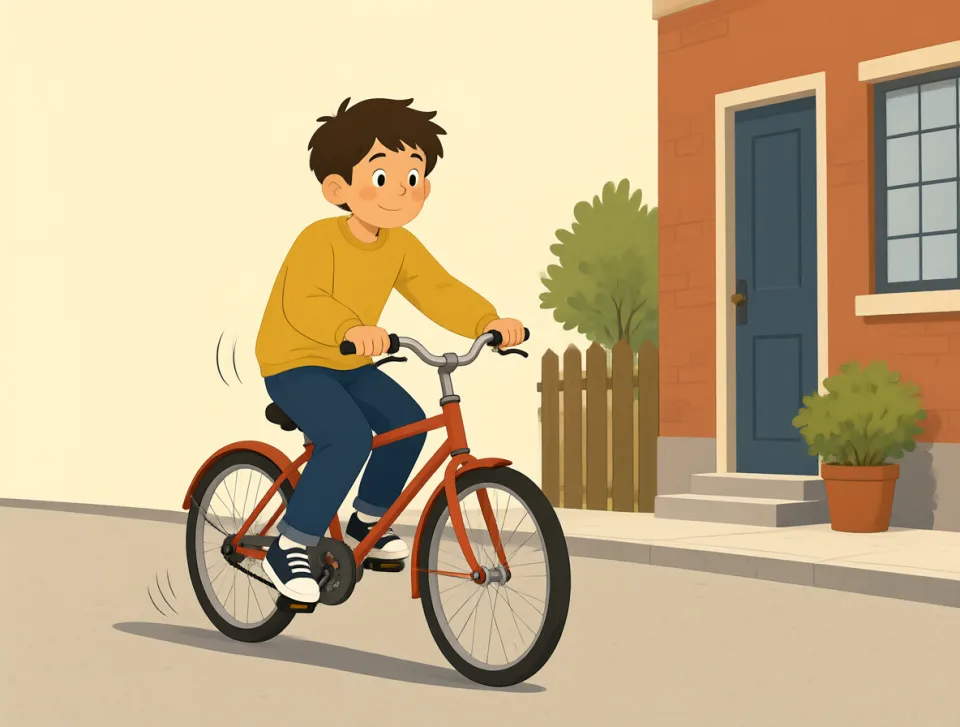
He almost fell while riding his bike.
साइकिल चलाते समय वह लगभग गिर ही गया था।
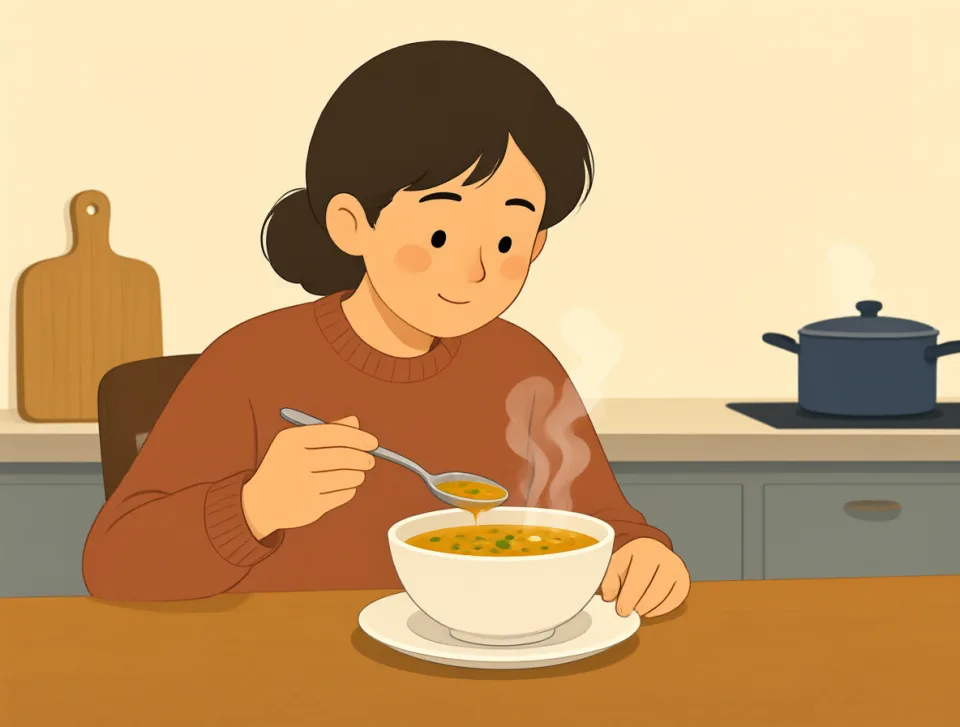
The soup is almost hot enough to eat.
सूप खाने लायक गर्म लगभग हो गया है।
continue
#308verb
जारी रखना
to keep doing something or keep happening without stopping
बिना रुके कुछ करते रहना या किसी घटना का होते रहना।
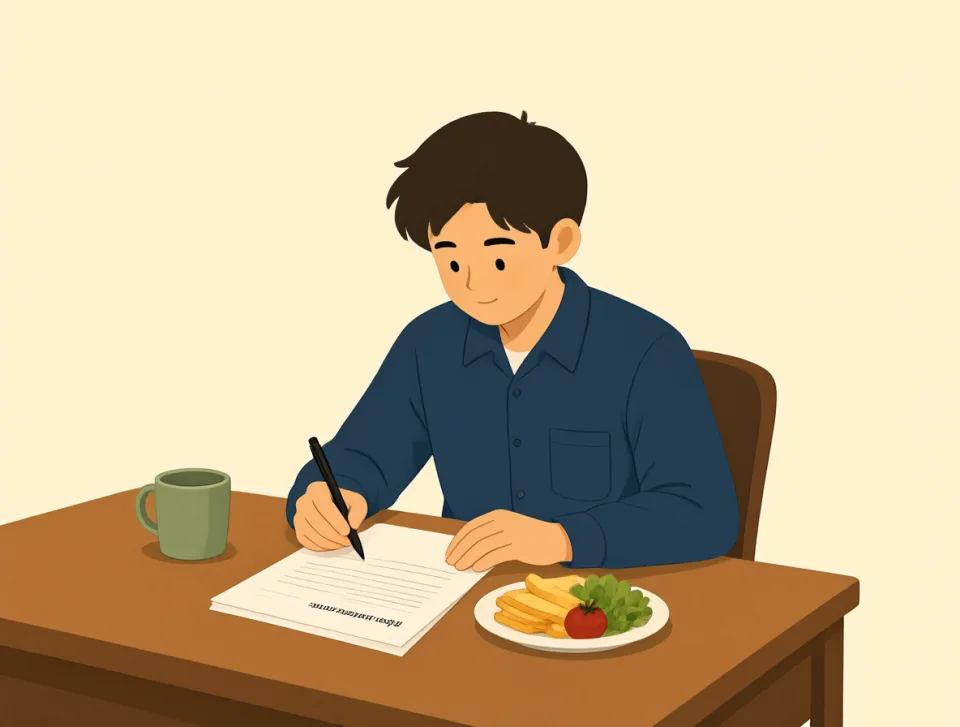
Please continue your work after lunch.
कृपया दोपहर के खाने के बाद अपना काम जारी रखें।
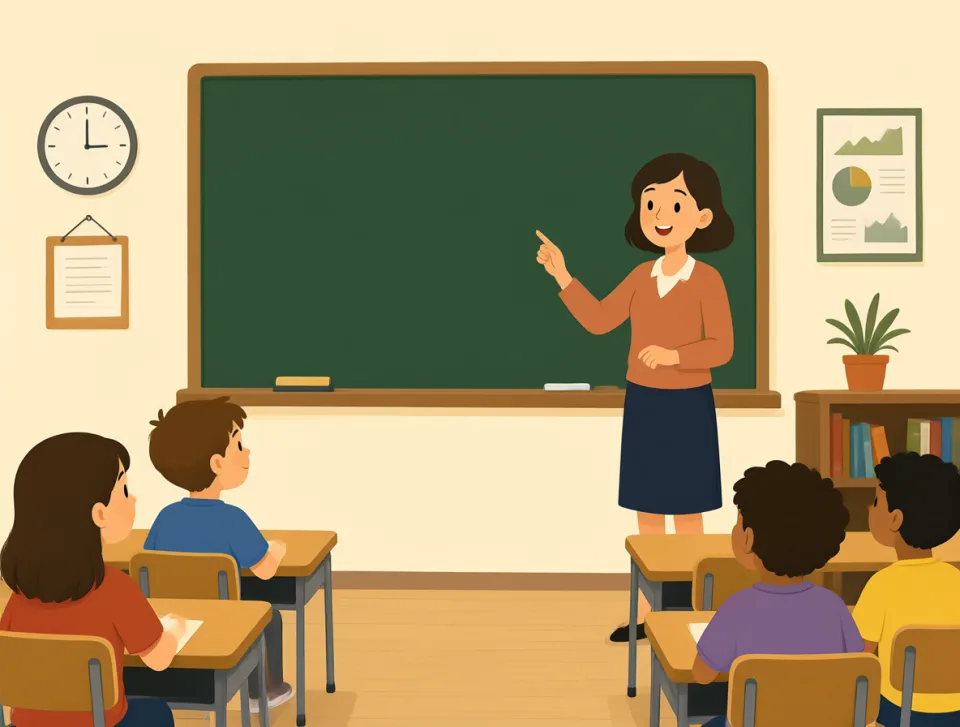
The teacher continued the lesson after the break.
विराम के बाद शिक्षक ने पाठ जारी रखा।

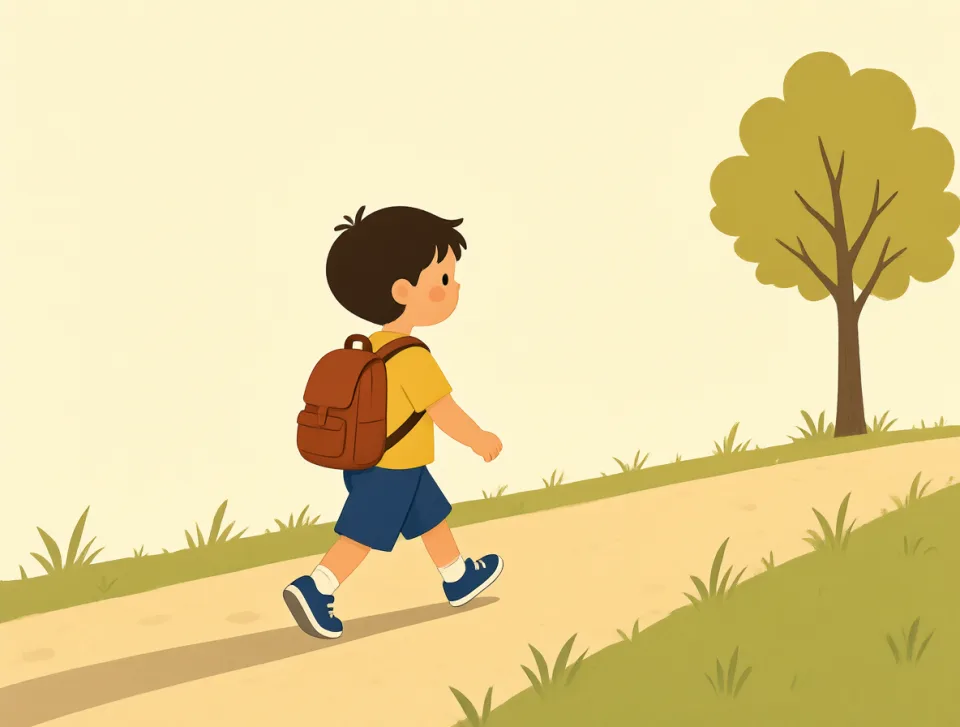
We continued walking through the park.
हम पार्क में चलते रहे।
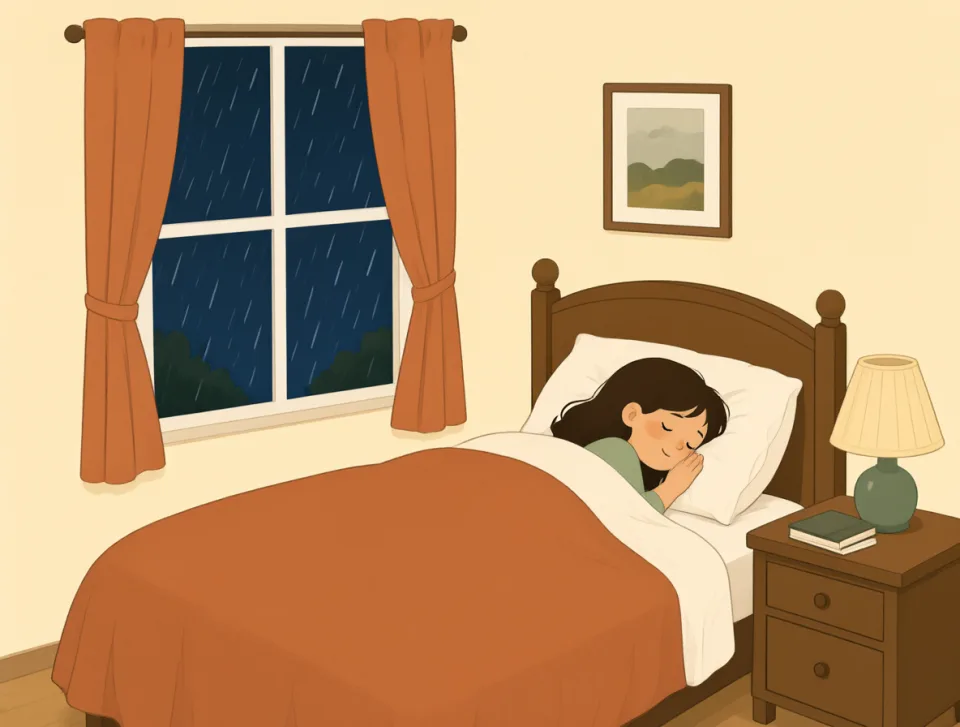
The rain continued all night.
पूरी रात बारिश होती रही।
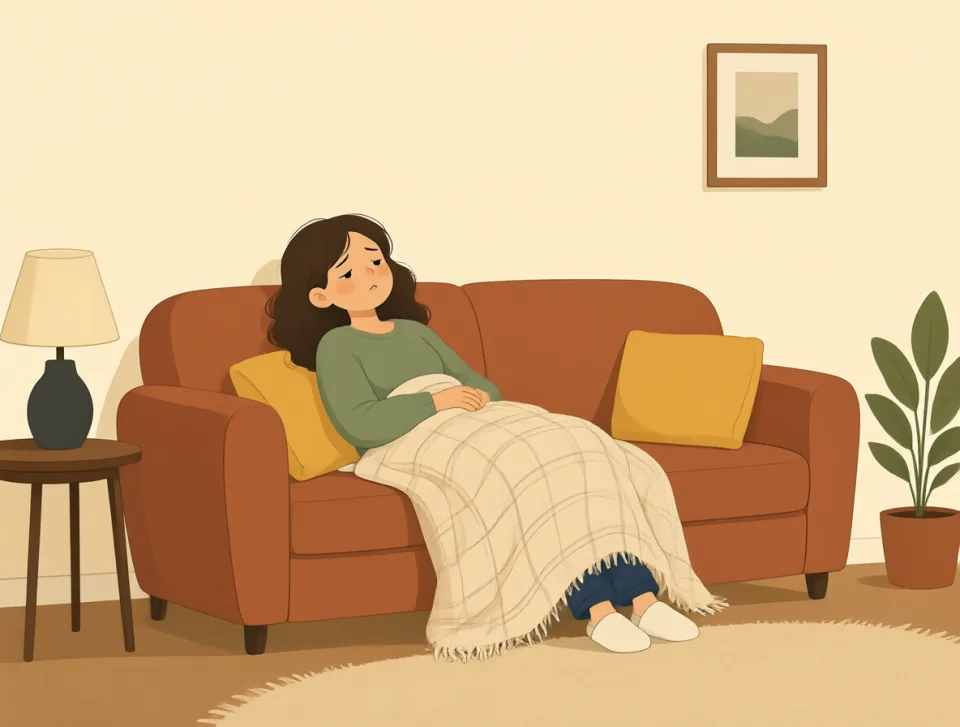
She continued to feel tired after resting.
आराम करने के बाद भी उसे थकान महसूस होती रही।
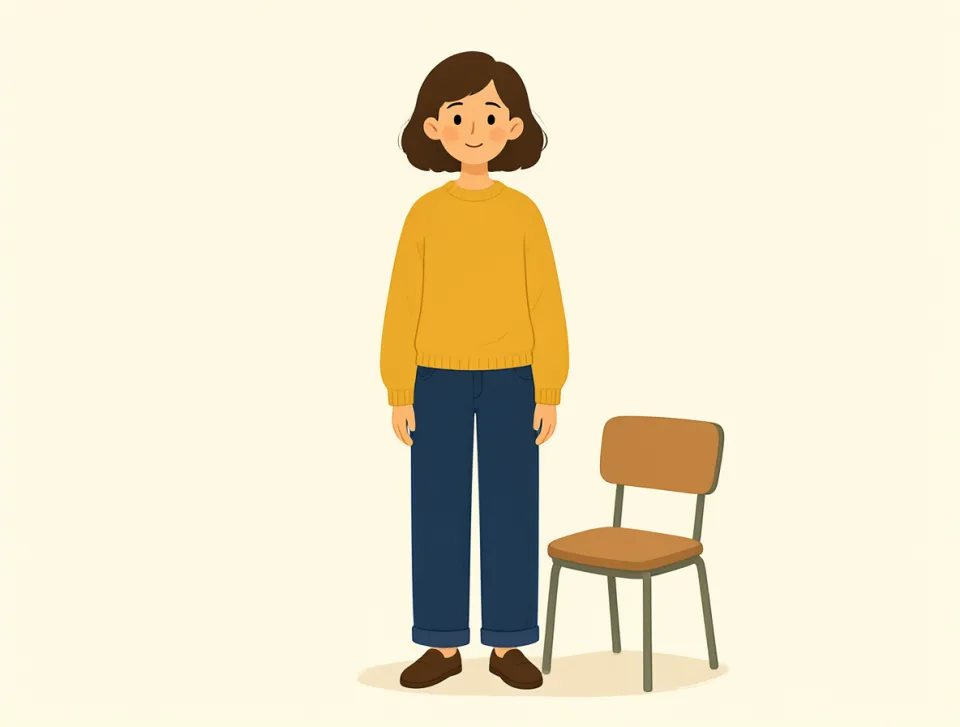
stand
#309verb, noun
खड़ा होना; सहारा देना
to be upright on your feet, or to support someone or something
पैरों पर सीधे खड़े होना, या किसी व्यक्ति या चीज़ को सहारा देना।
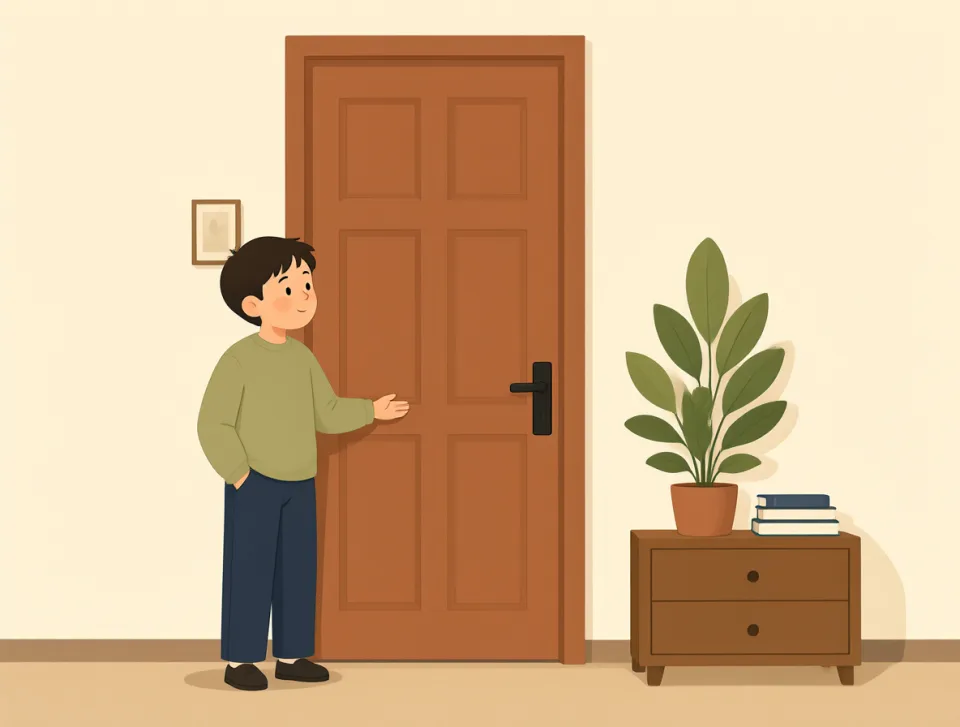
Please stand near the door.
कृपया दरवाज़े के पास खड़े हो जाइए।
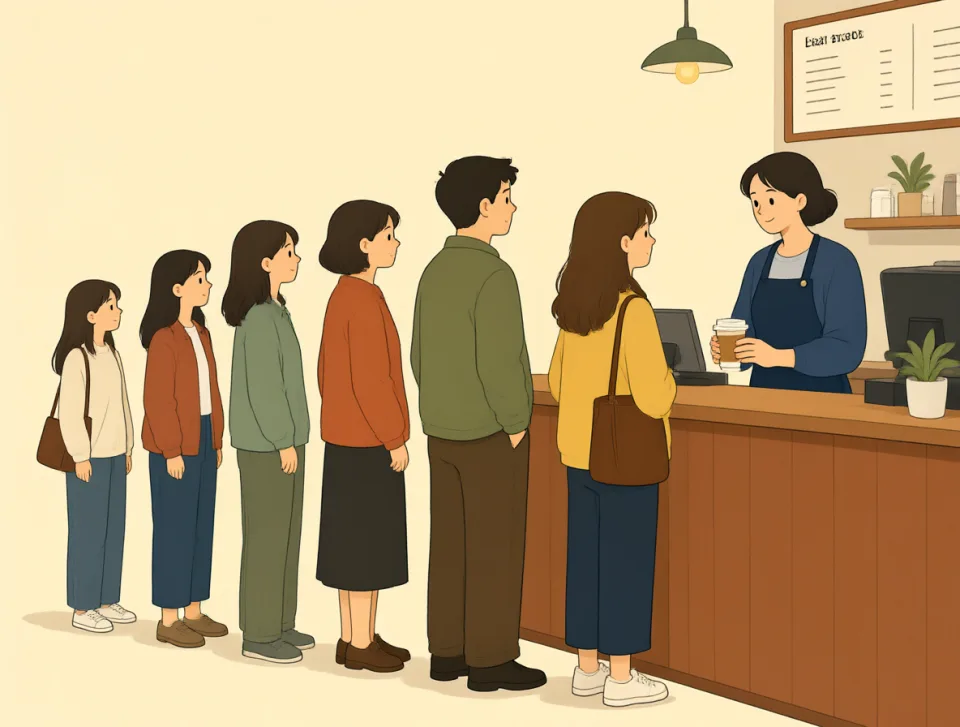
We stood in line for coffee.
हम कॉफ़ी लेने के लिए कतार में खड़े थे।
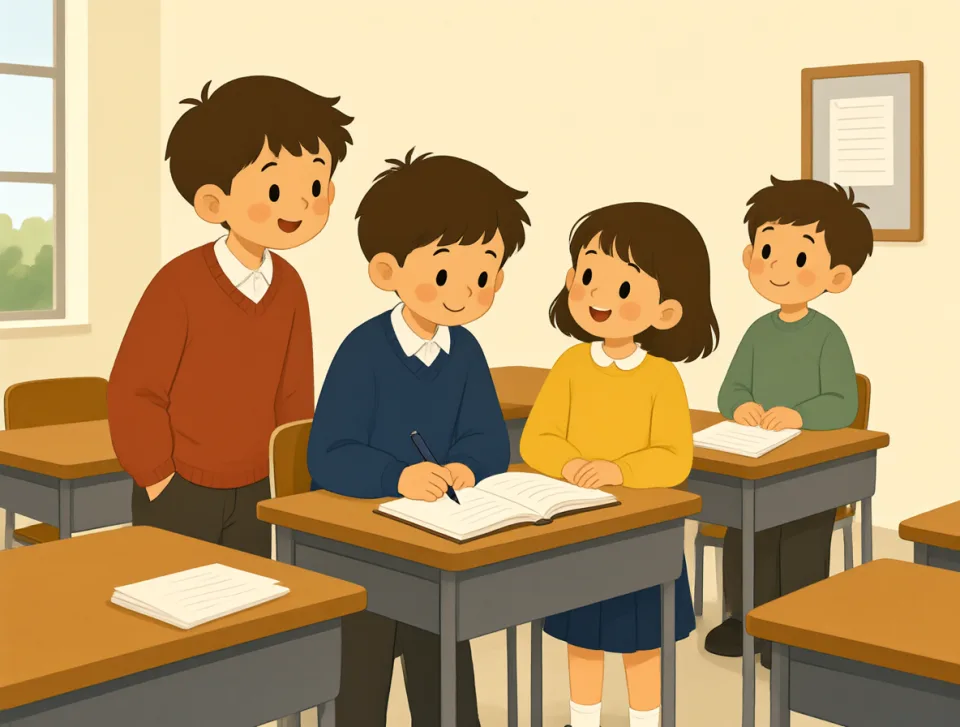
The children stand at their desks.
बच्चे अपनी मेज़ों के पास खड़े रहते हैं।

She bought a phone stand.
उसने फ़ोन रखने का स्टैंड खरीदा।
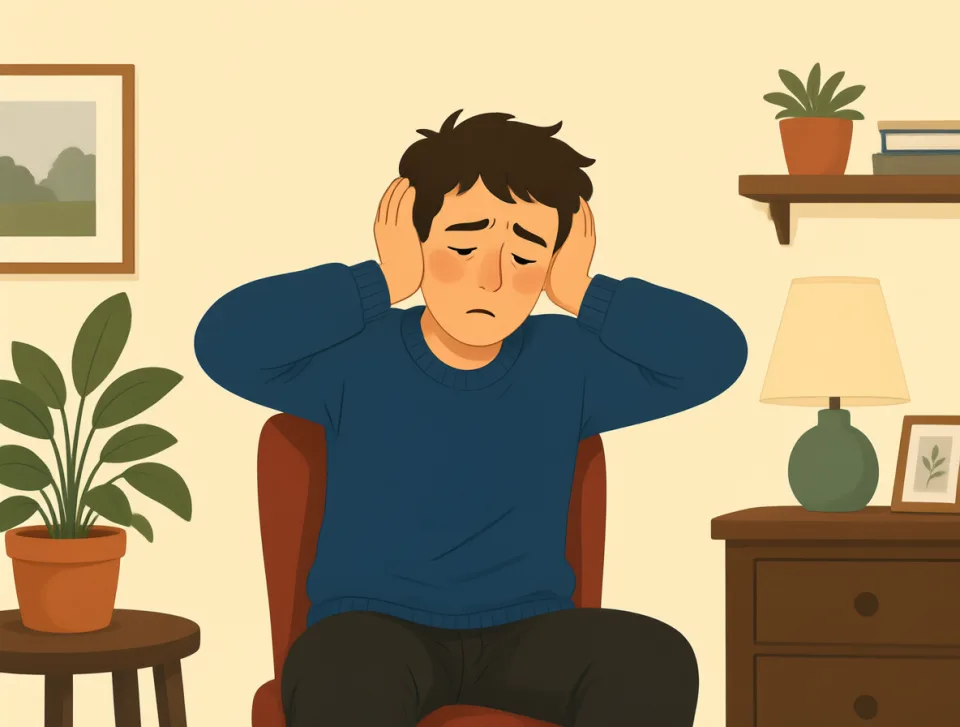
He cannot stand the loud noise.
वह तेज़ शोर बर्दाश्त नहीं कर सकता।
whole
#310adjective, noun, determiner, adverb
पूरा; संपूर्ण
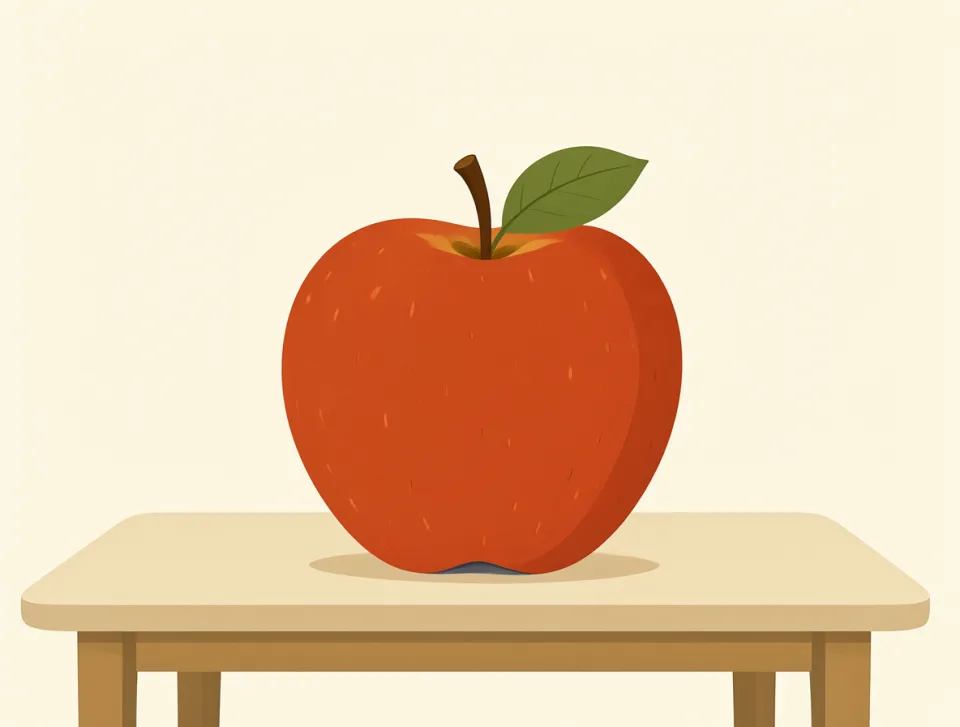
Complete, with all parts together; or all of something.
जिसके सभी हिस्से साथ हों और कुछ भी अधूरा न हो; या किसी चीज़ का पूरा हिस्सा।
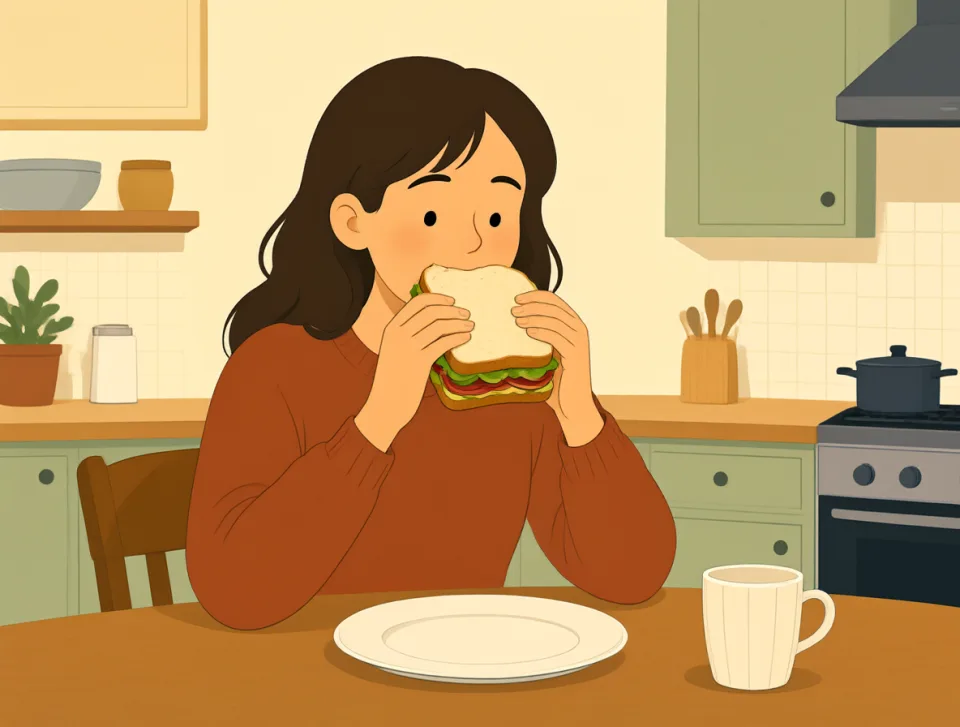
I ate the whole sandwich for lunch.
मैंने दोपहर के खाने में पूरा सैंडविच खा लिया।
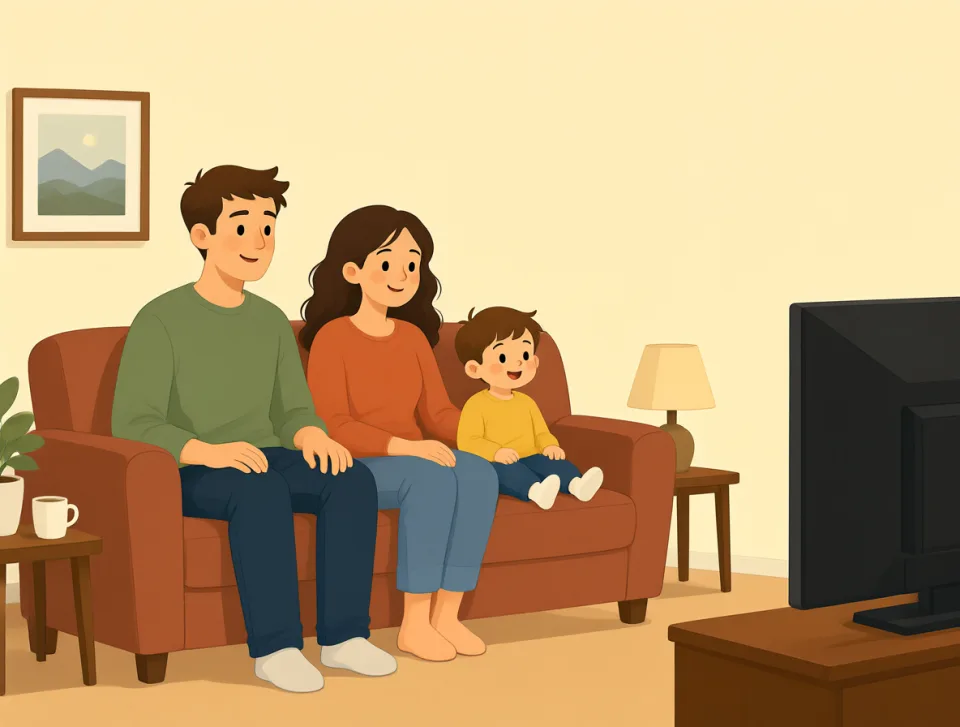
The whole family watched a movie together.
पूरे परिवार ने साथ में फ़िल्म देखी।

She spent the whole day at school.
उसने पूरा दिन स्कूल में बिताया।

We waited a whole hour for the bus.
हमने बस के लिए पूरा एक घंटा इंतज़ार किया।
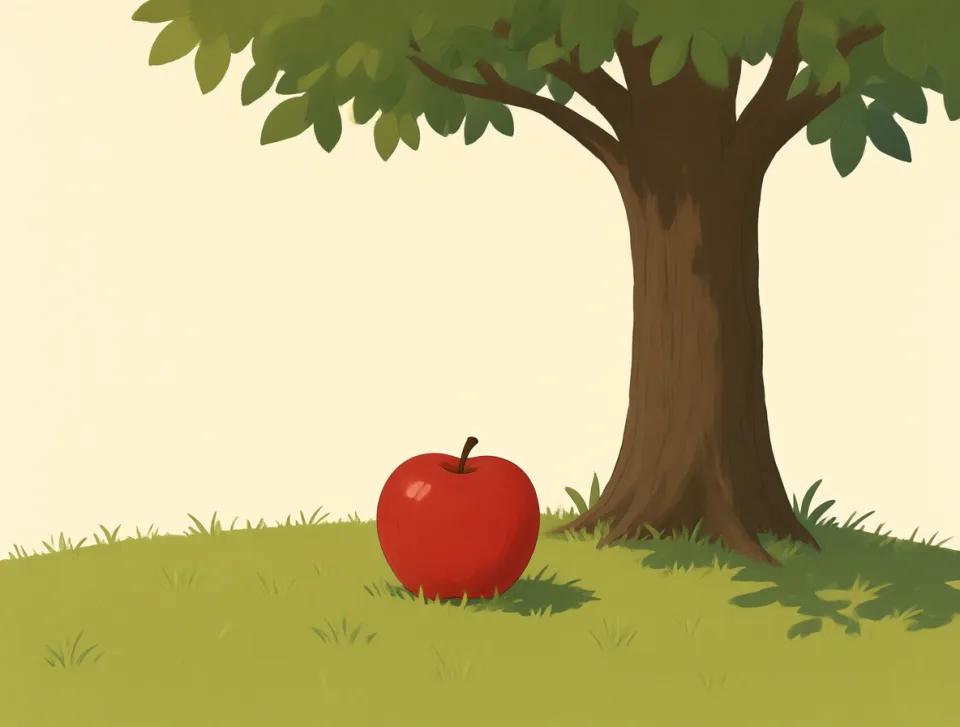
The whole apple fell from the tree.
पूरा सेब पेड़ से गिर गया।
yet
#311adverb, conjunction
अभी तक
Used to say something has not happened until now or to add a surprising contrast.
यह बताने के लिए इस्तेमाल होता है कि कोई बात अब तक नहीं हुई है, या किसी चौंकाने वाले विरोधाभास को जोड़ने के लिए।
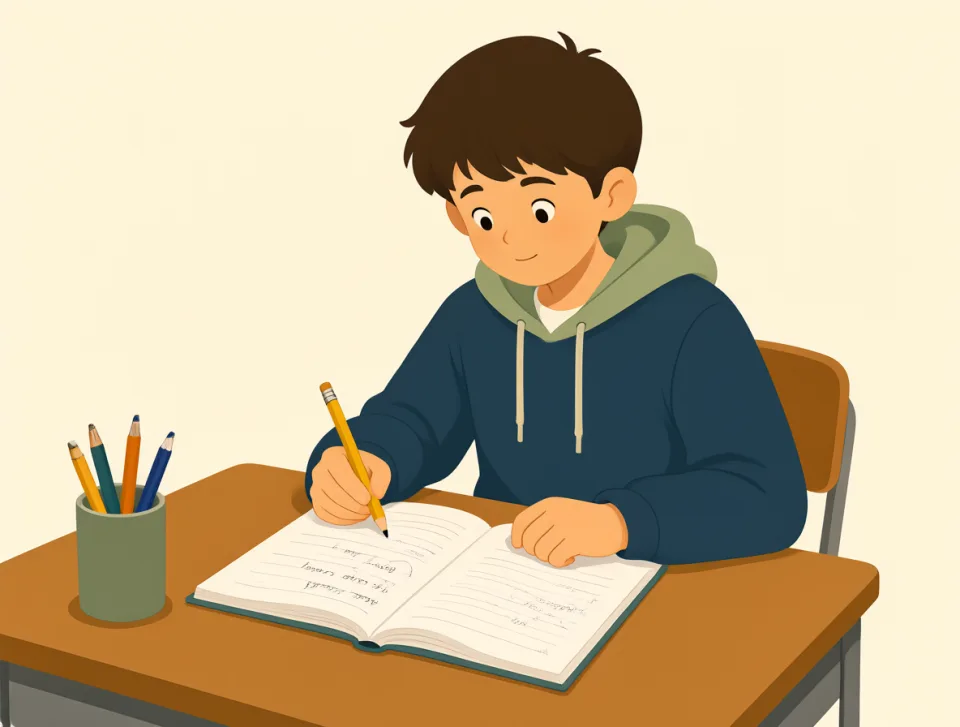
I haven't finished my homework yet.
मैंने अभी तक अपना गृहकार्य पूरा नहीं किया है।

Have you eaten lunch yet?
क्या तुमने अभी तक दोपहर का खाना खा लिया?

She is not ready yet.
वह अभी तक तैयार नहीं है।
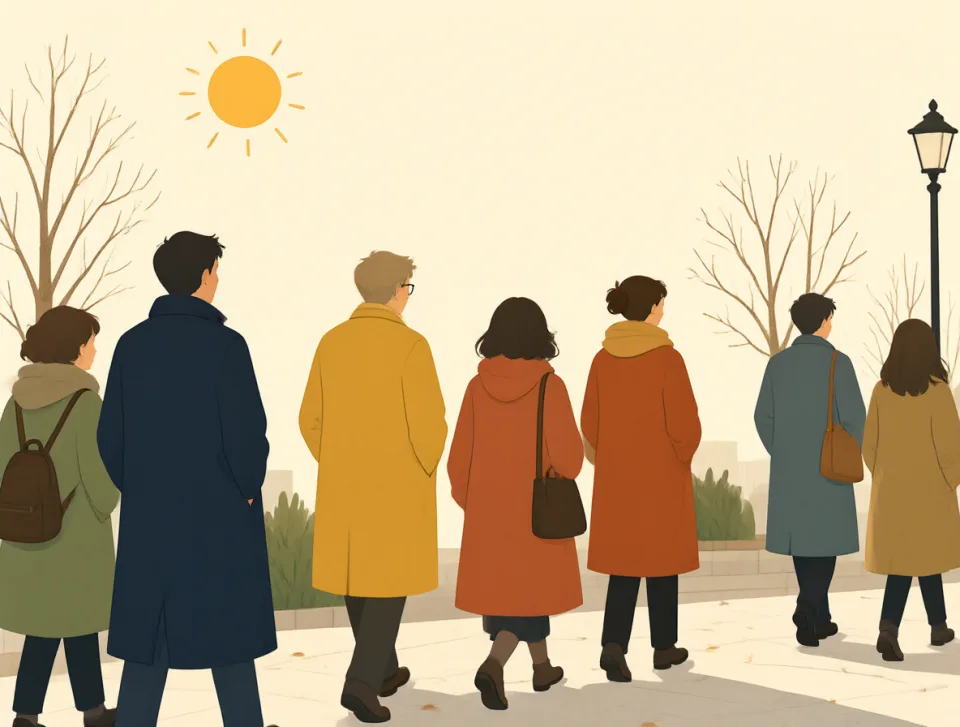
It is cold, yet the sun is shining.
ठंड है, फिर भी धूप निकल रही है।
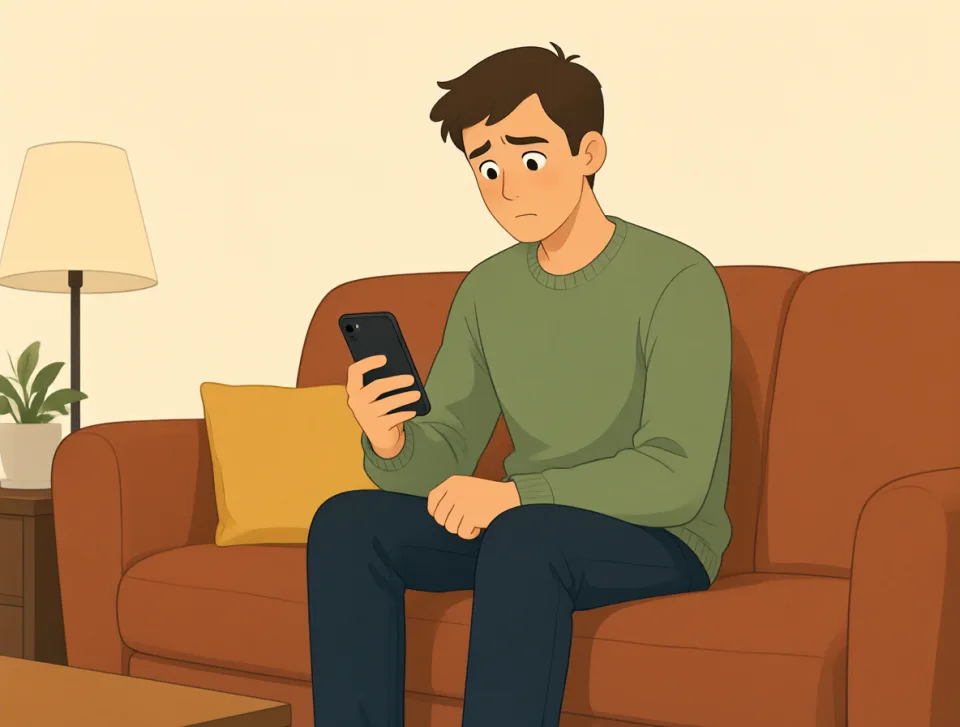
He has not called yet.
उसने अभी तक फ़ोन नहीं किया है।

rate
#312noun, verb
दर; मूल्यांकन करना
A level, price, or amount compared with another; to judge something or give it a score.
किसी दूसरी चीज़ की तुलना में स्तर, कीमत या मात्रा; किसी चीज़ का आकलन करना या उसे अंक देना।
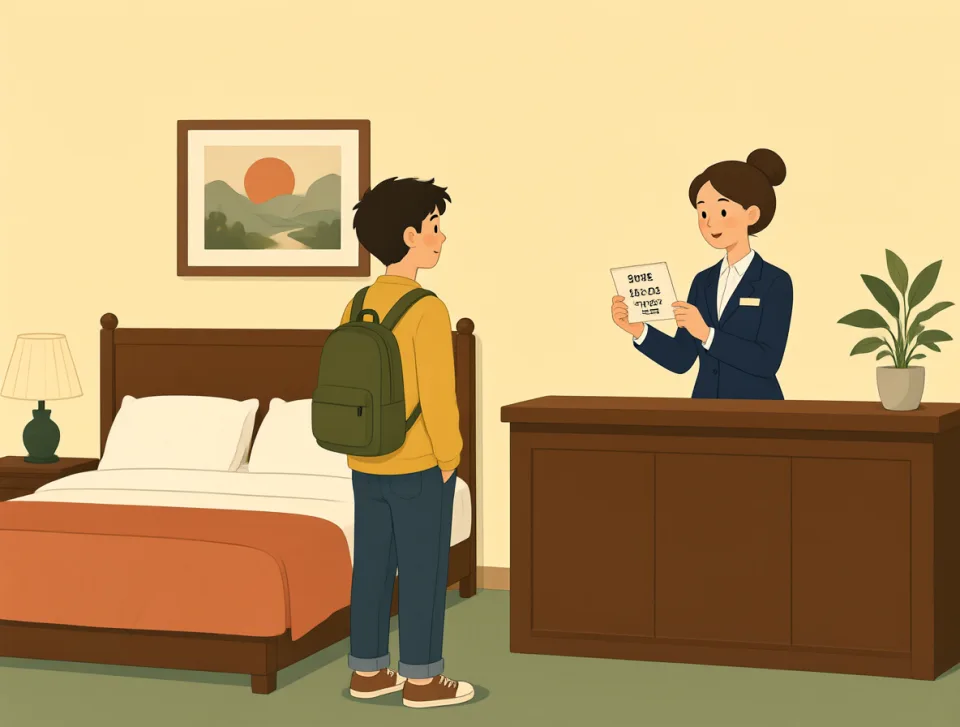
The hotel has a high room rate.
होटल में कमरों का किराया ज़्यादा है।
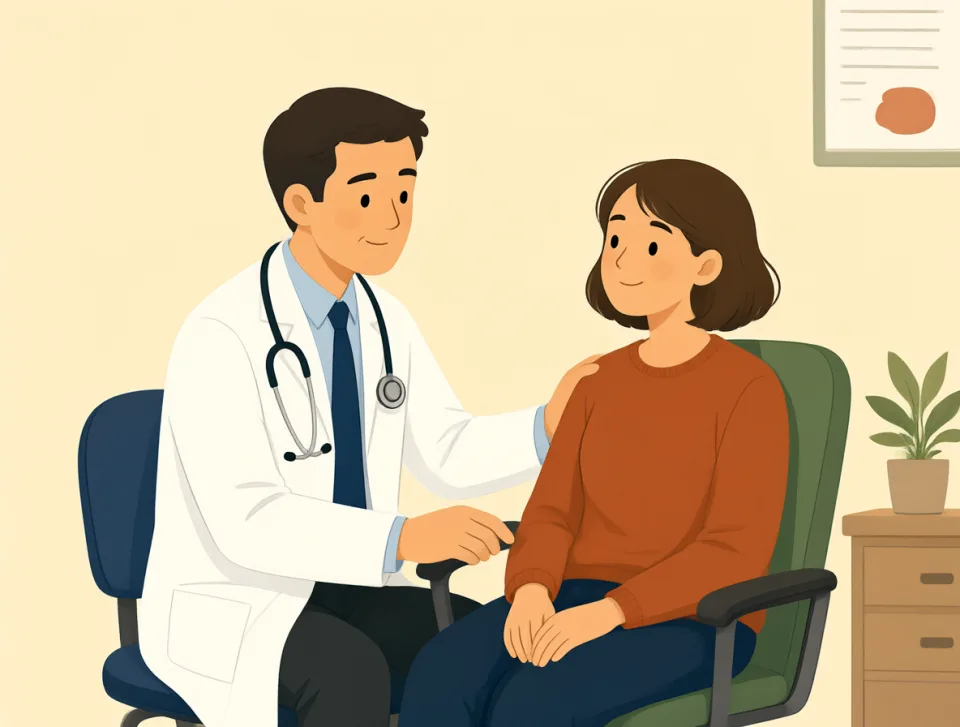
The doctor rated my pain as mild.
डॉक्टर ने मेरे दर्द को हल्का बताया।

This restaurant rates among the best nearby.
यह रेस्तरां आसपास के सबसे अच्छे रेस्तरां में गिना जाता है।

She rated the book five stars.
उसने किताब को पाँच सितारे दिए।
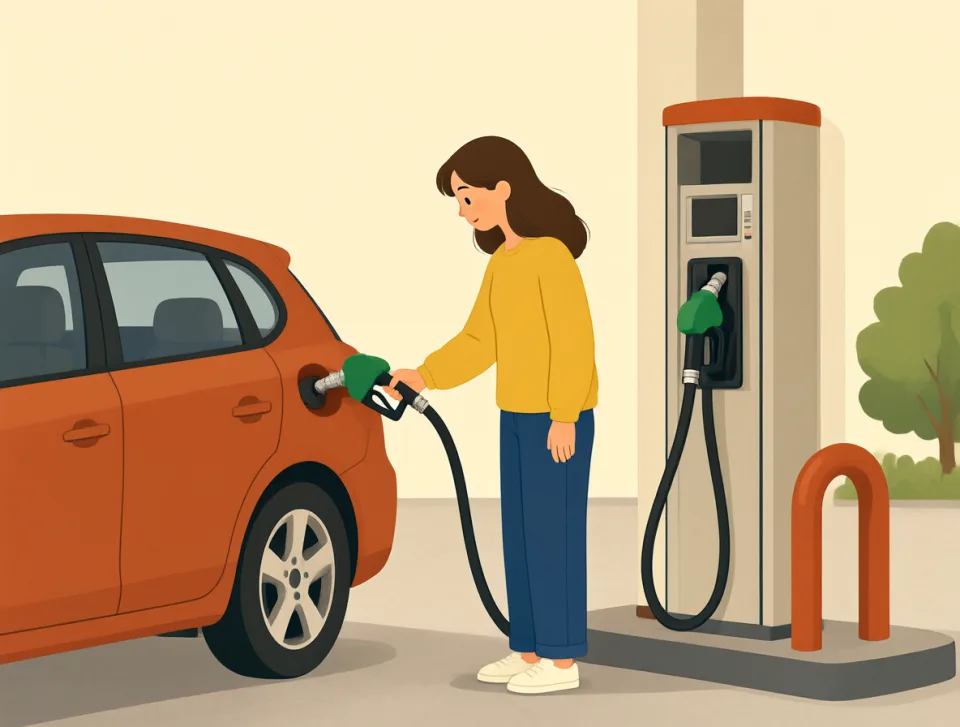
The car gets a good fuel rate.
इस कार का ईंधन औसत अच्छा है।
care
#313noun, verb
परवाह करना; देखभाल करना
To feel concern for someone or something, or to look after them.
किसी व्यक्ति या चीज़ की चिंता करना या उसकी देखभाल करना।
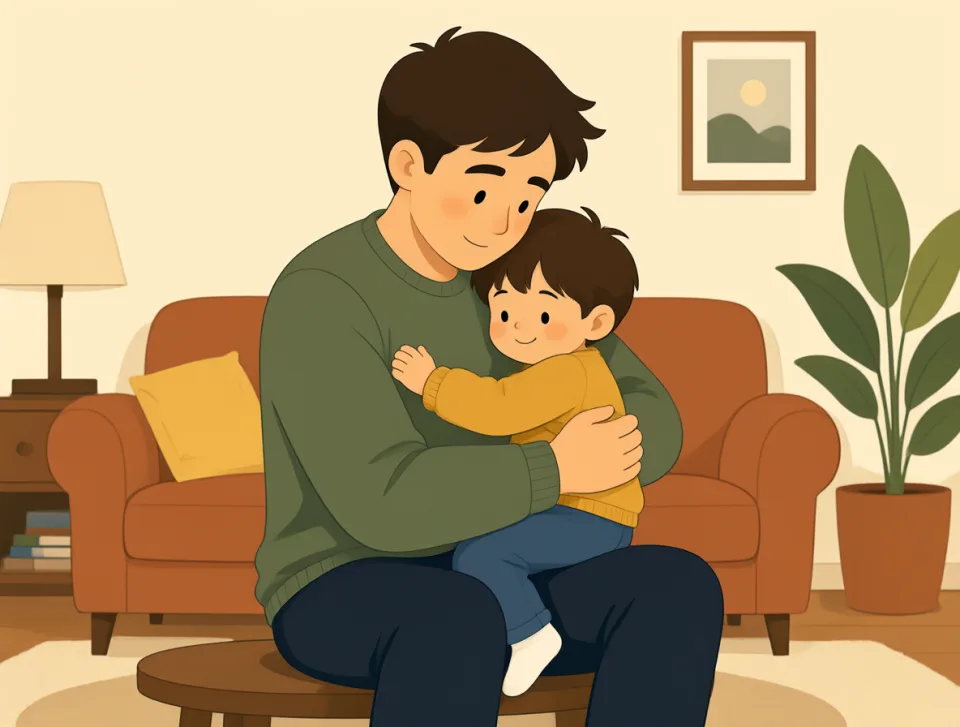
I care about my family very much.
मैं अपने परिवार की बहुत परवाह करता हूँ।
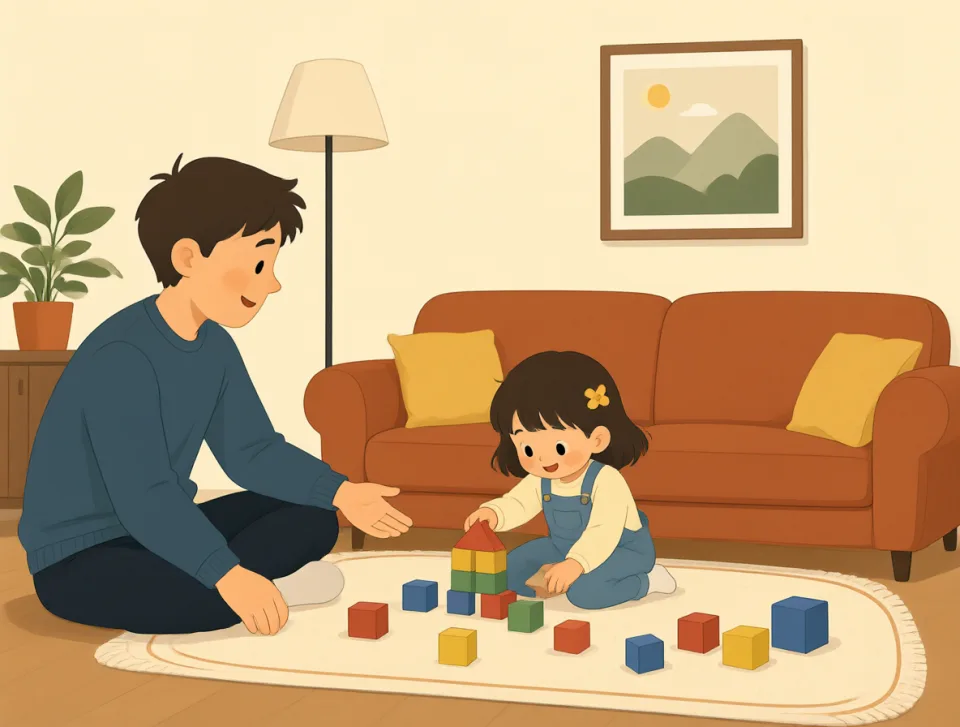
Please take care of your little sister.
कृपया अपनी छोटी बहन का ध्यान रखना।
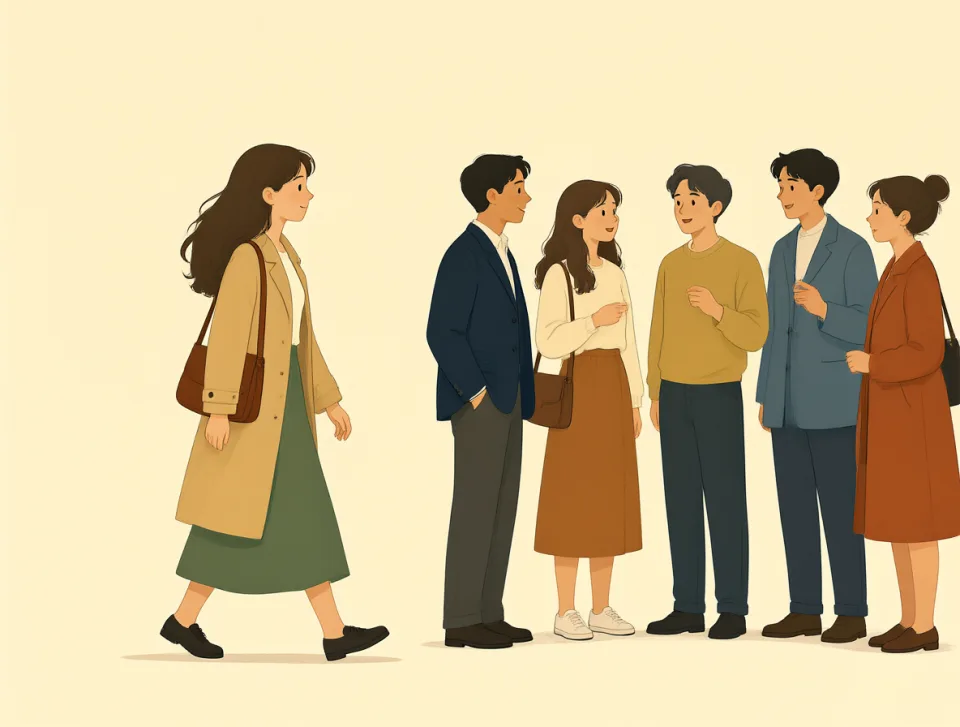
She does not care what people think.
उसे इस बात की परवाह नहीं कि लोग क्या सोचते हैं।
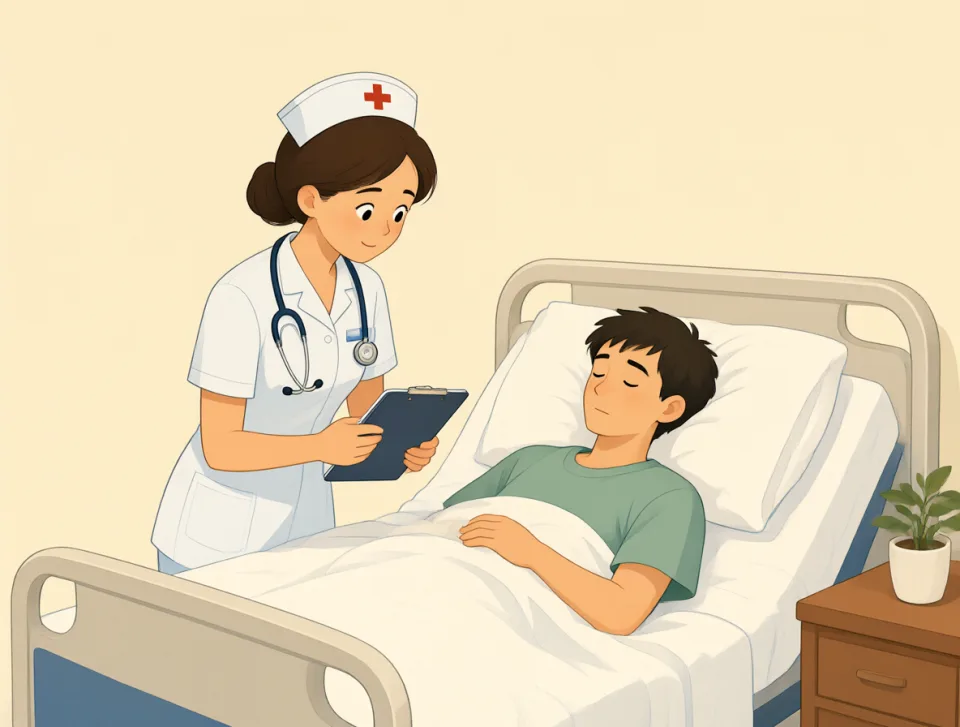
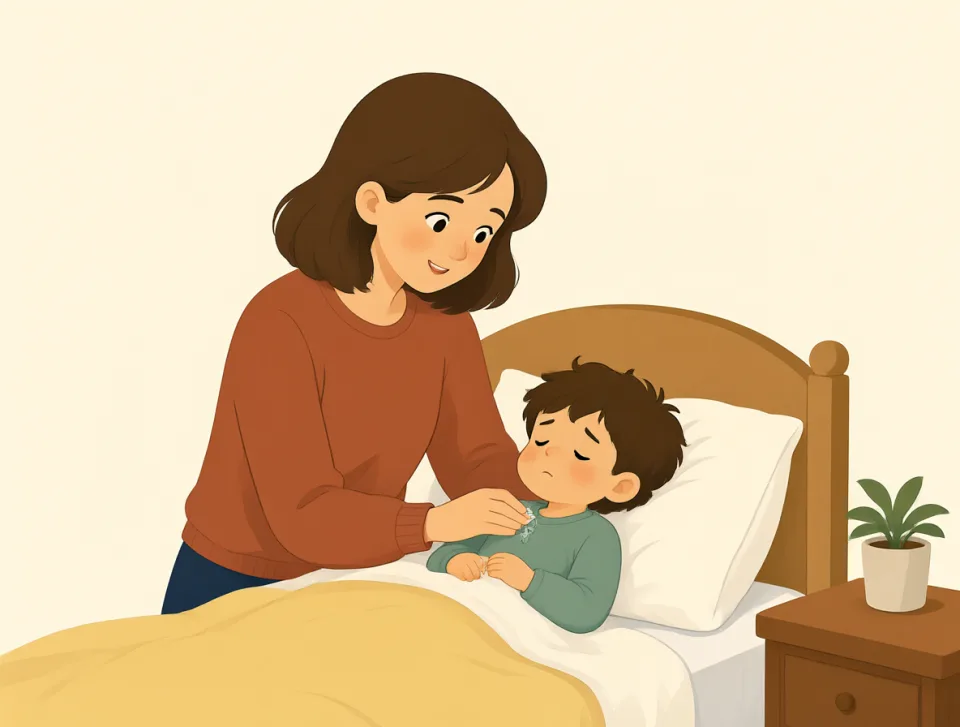
The nurse cared for the patient all night.
नर्स ने पूरी रात मरीज़ की देखभाल की।
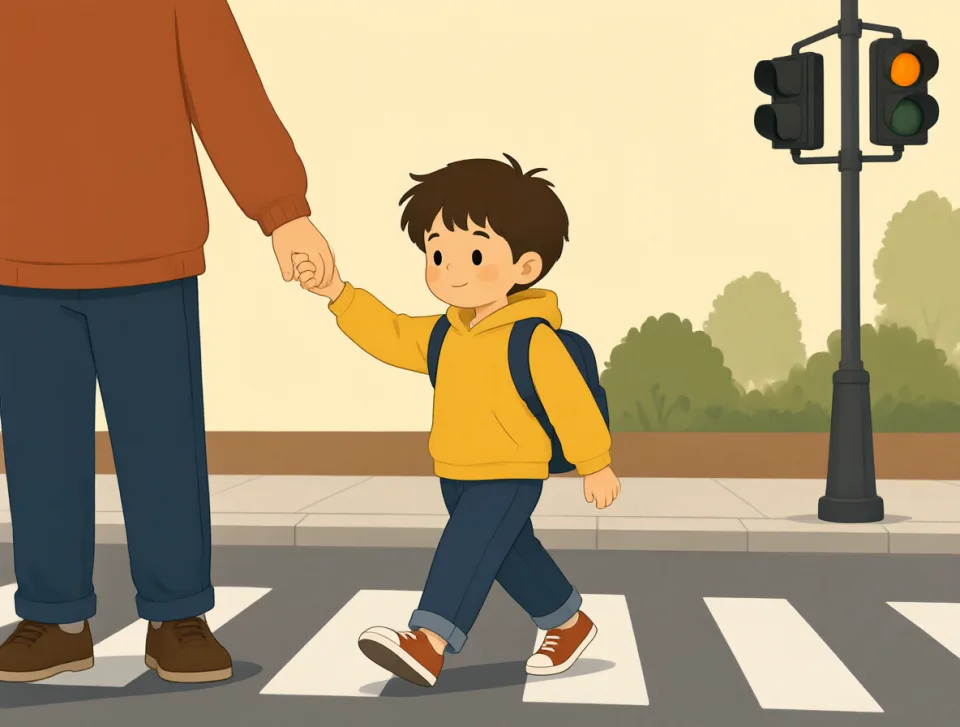
Take care when you cross the busy street.
व्यस्त सड़क पार करते समय सावधान रहना।

expect
#314verb
उम्मीद करना
To think something will happen or believe someone will do something.
यह सोचना कि कुछ होगा या विश्वास करना कि कोई कुछ करेगा।
I expect a package tomorrow.
मुझे कल एक पार्सल मिलने की उम्मीद है।
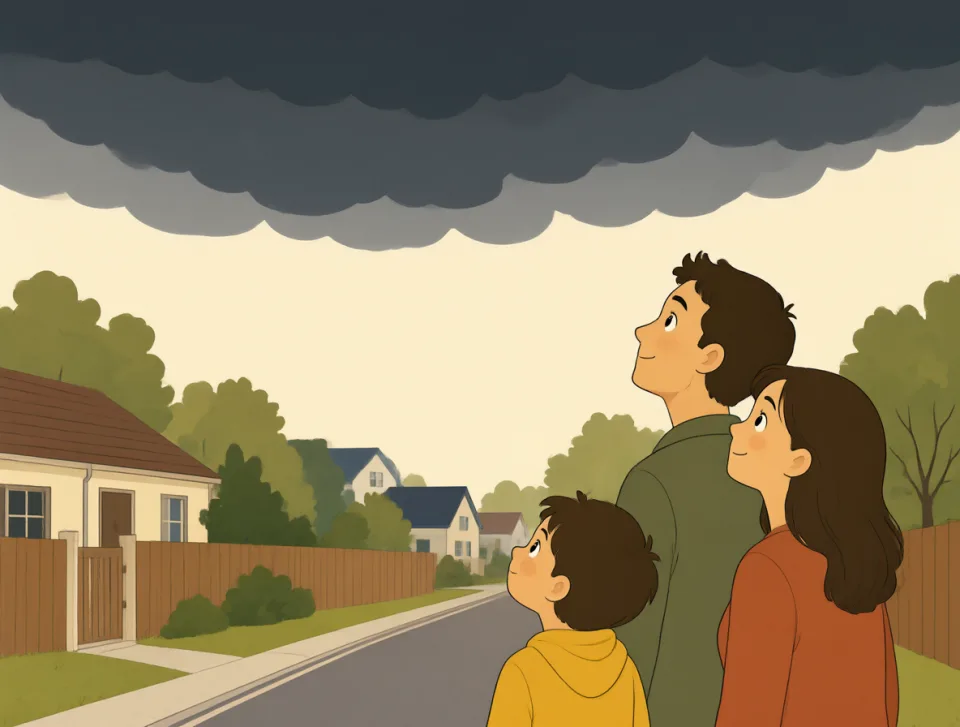
We expect rain this afternoon.
हमें आज दोपहर बारिश होने की उम्मीद है।
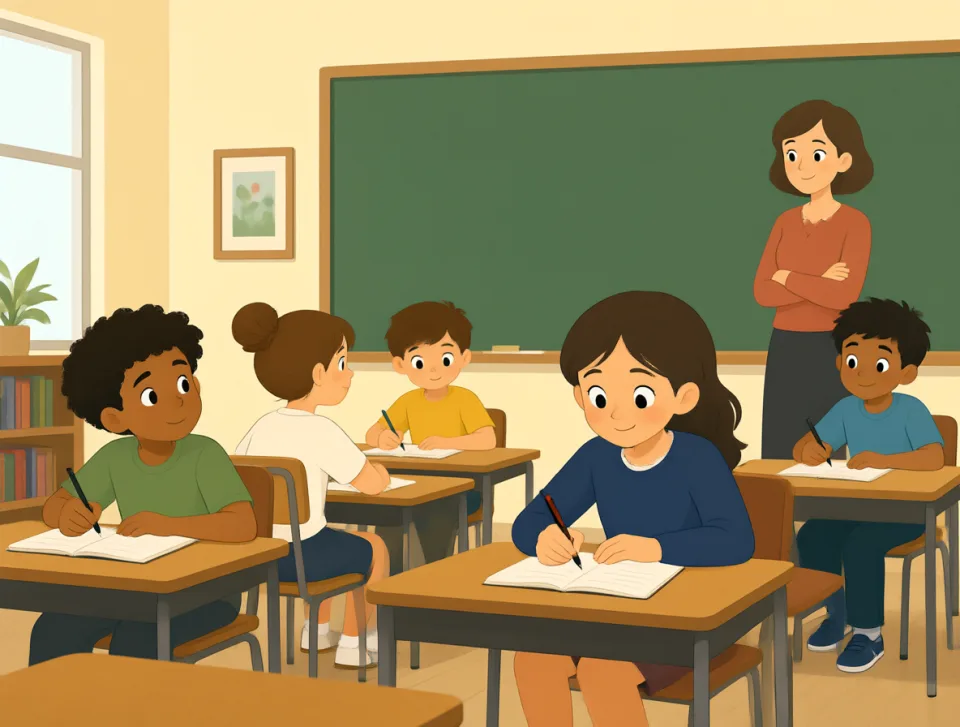
The teacher expects us to finish today.
शिक्षक को उम्मीद है कि हम आज काम पूरा कर लेंगे।
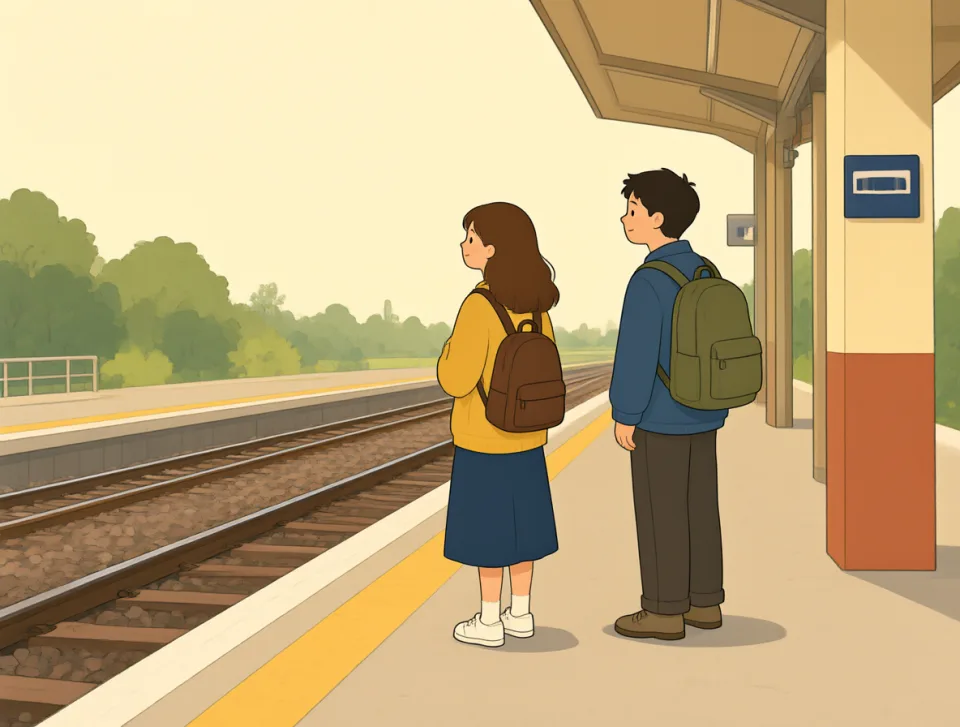
They expect the train to arrive soon.
उन्हें उम्मीद है कि ट्रेन जल्द ही आ जाएगी।
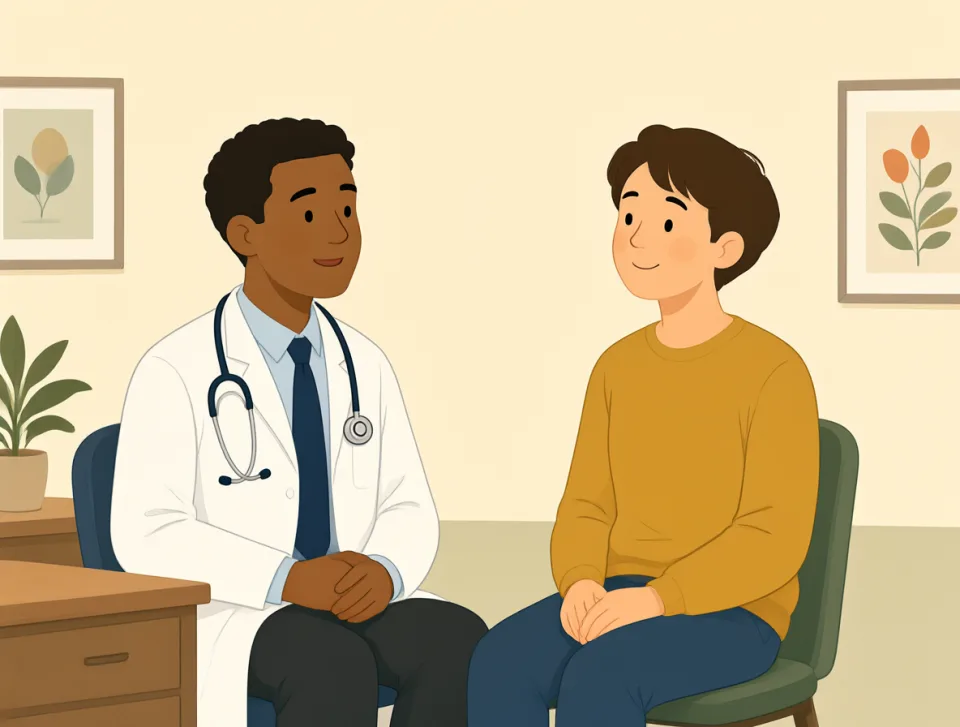
The doctor expects you to feel better soon.
डॉक्टर को उम्मीद है कि तुम जल्द ही बेहतर महसूस करोगे।
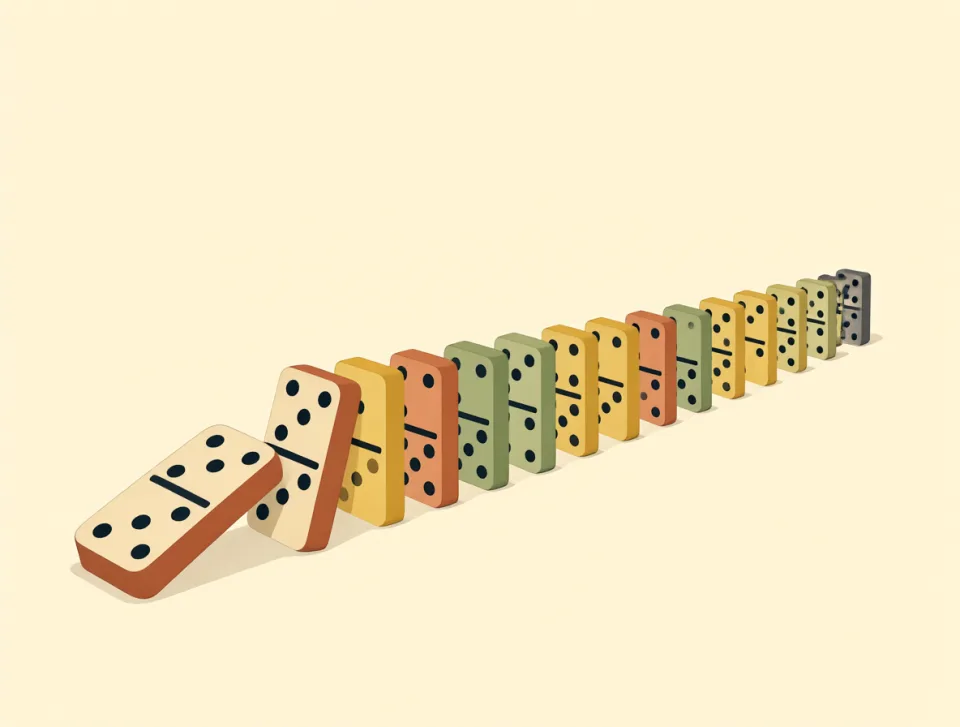
effect
#315noun, verb
असर; प्रभावित करना
A change caused by something, or to make a change happen.
किसी चीज़ के कारण होने वाला बदलाव, या बदलाव लाना।

The medicine had a good effect on her.
उस दवा का उस पर अच्छा असर हुआ।
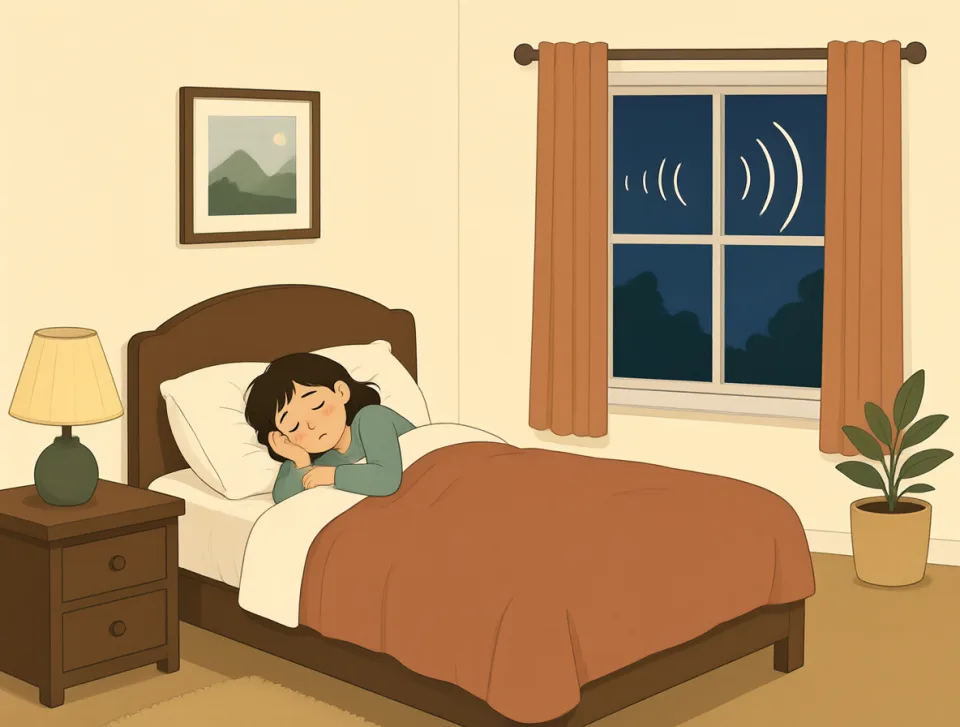
The loud noise affected my sleep.
तेज़ शोर ने मेरी नींद पर असर डाला।

Sunlight has a strong effect on plants.
धूप का पौधों पर गहरा असर पड़ता है।
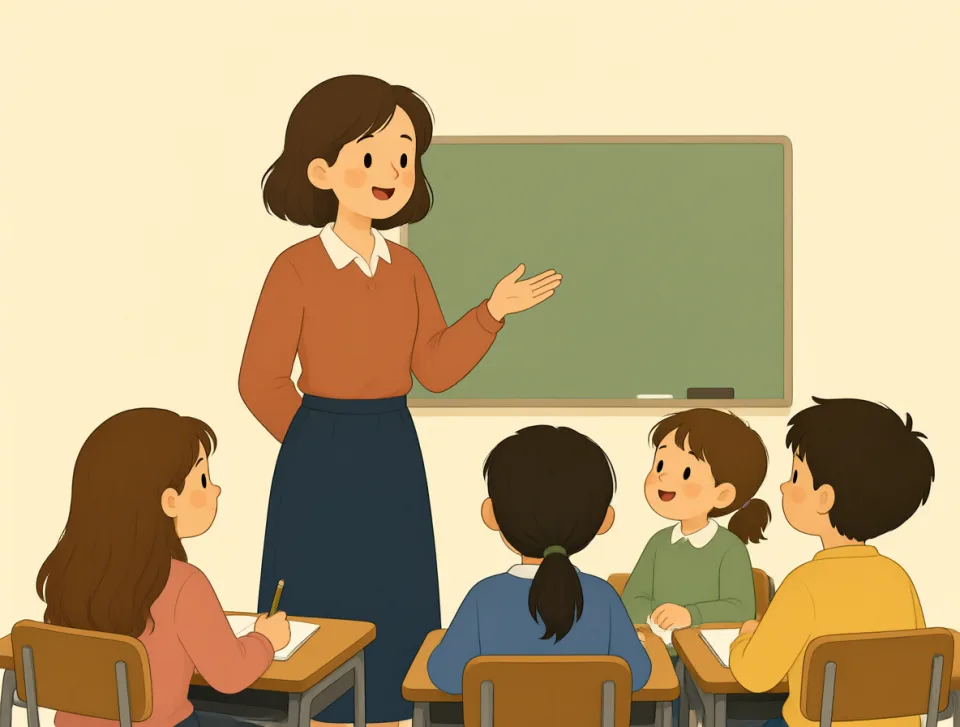
The new rule will affect all students.
नया नियम सभी छात्रों को प्रभावित करेगा।
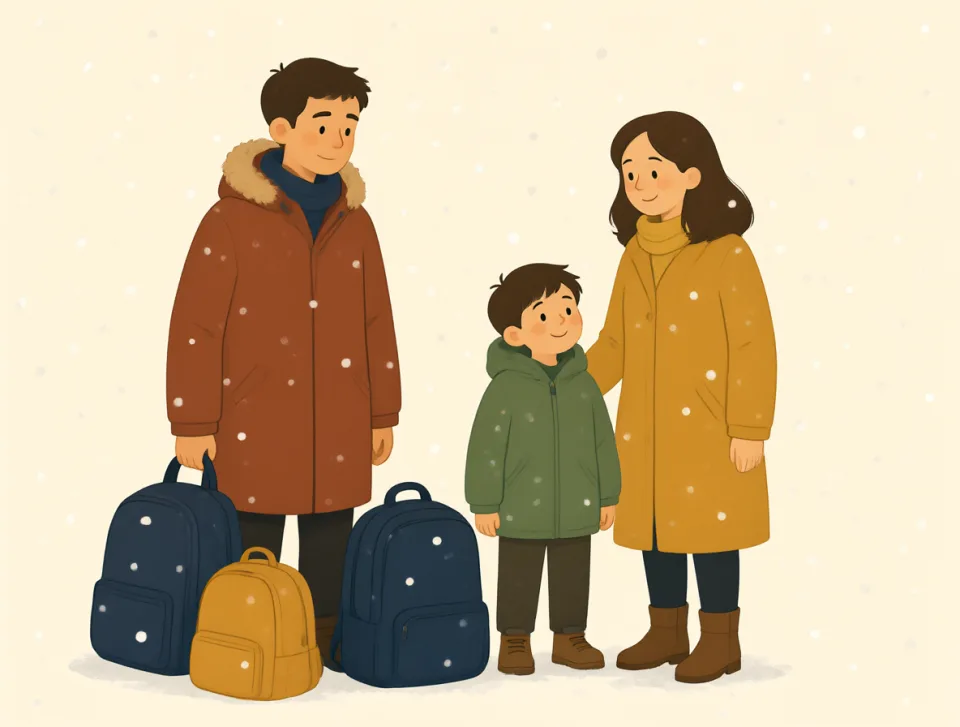
The cold weather affected our travel plans.
ठंड के मौसम ने हमारी यात्रा की योजनाओं पर असर डाला।
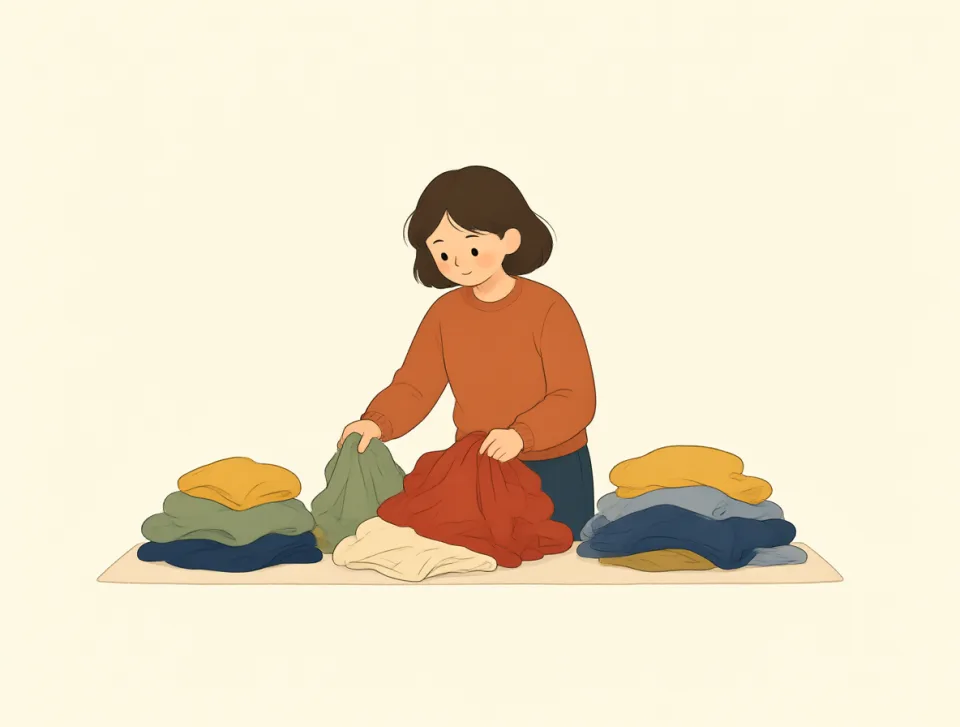
sort
#316noun, verb
किस्म
A type of something; to put things into groups.
किसी चीज़ का प्रकार; चीज़ों को समूहों में बाँटना।

What sort of music do you like?
तुम्हें किस तरह का संगीत पसंद है?
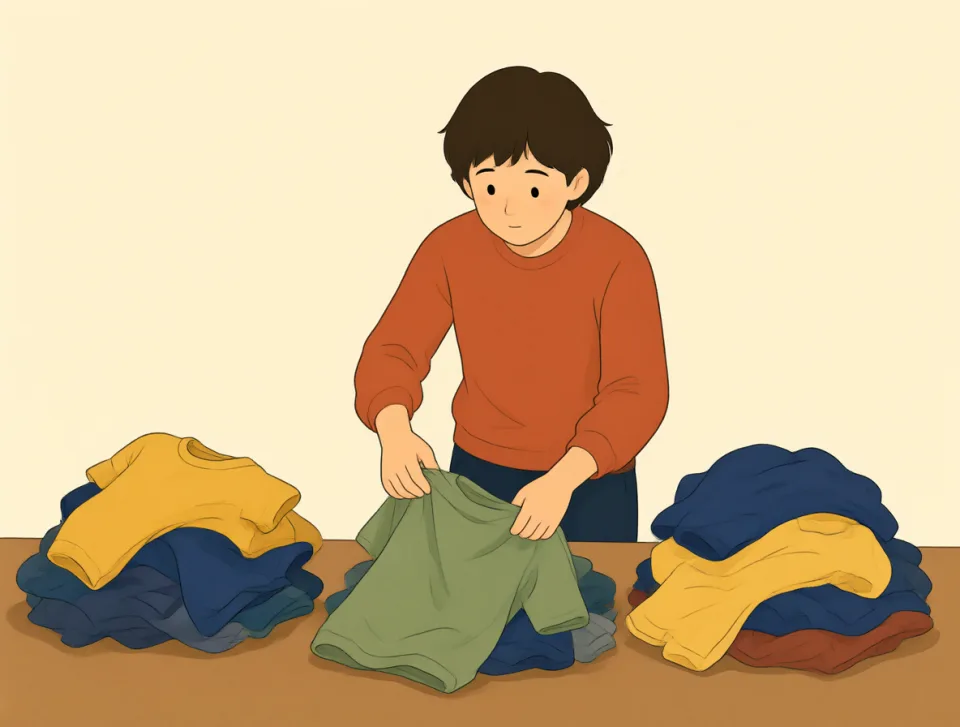
Please sort these clothes by color.
कृपया इन कपड़ों को रंग के हिसाब से अलग-अलग कर दीजिए।
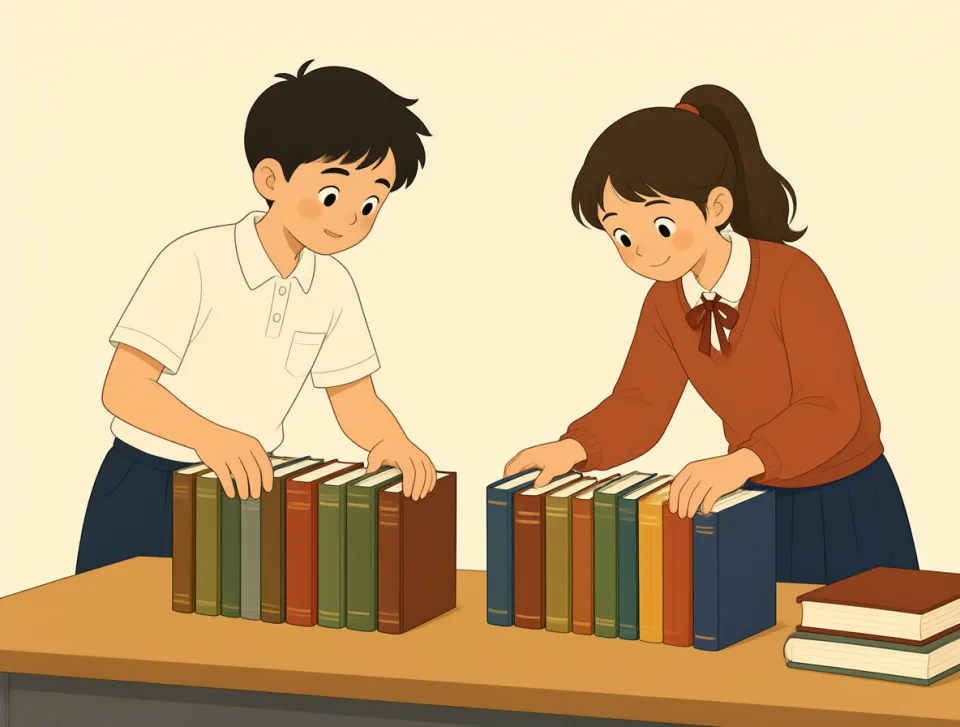
We sorted the books by size.
हमने किताबों को आकार के हिसाब से छाँटा।
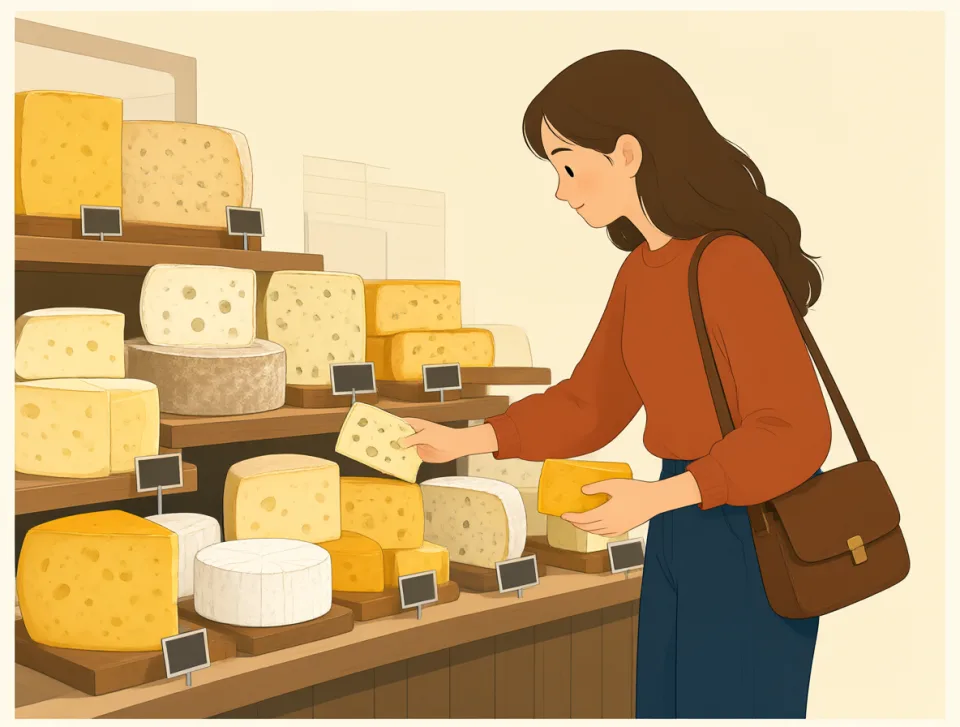
She bought several sorts of cheese.
उसने कई तरह के चीज़ खरीदे।
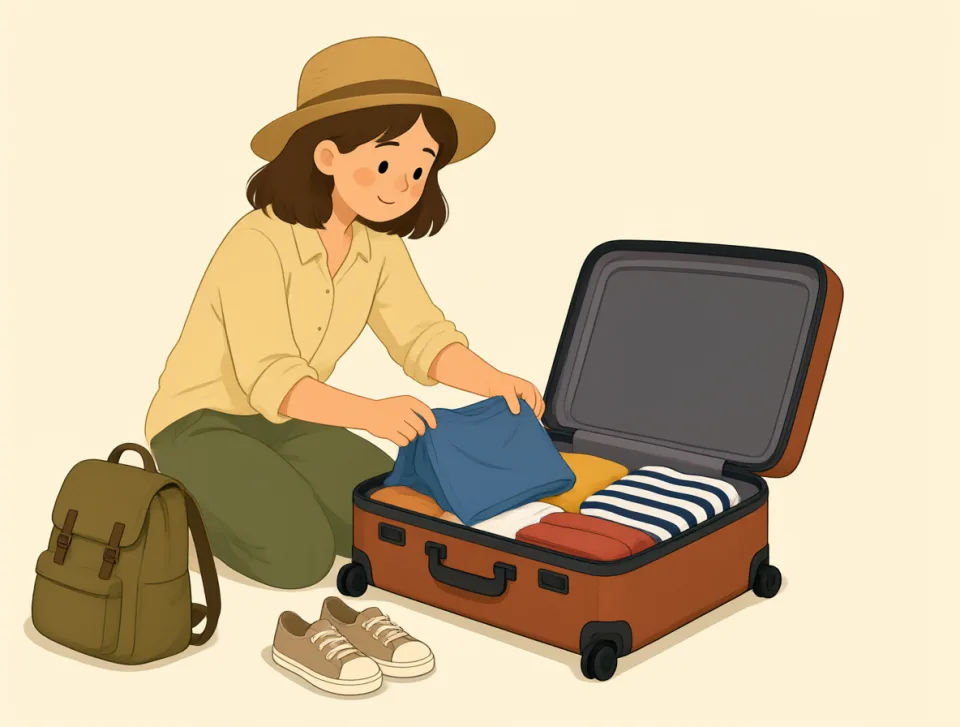
I need to sort out my travel plans.
मुझे अपनी यात्रा की योजनाएँ तय करनी हैं।

ever
#317adverb
कभी
At any time, or at any time before now.
किसी भी समय, या अब तक किसी समय।
Have you ever visited another country?
क्या तुम कभी किसी दूसरे देश गए हो?

This is the best pizza I have ever eaten.
यह अब तक का सबसे अच्छा पिज़्ज़ा है जो मैंने खाया है।
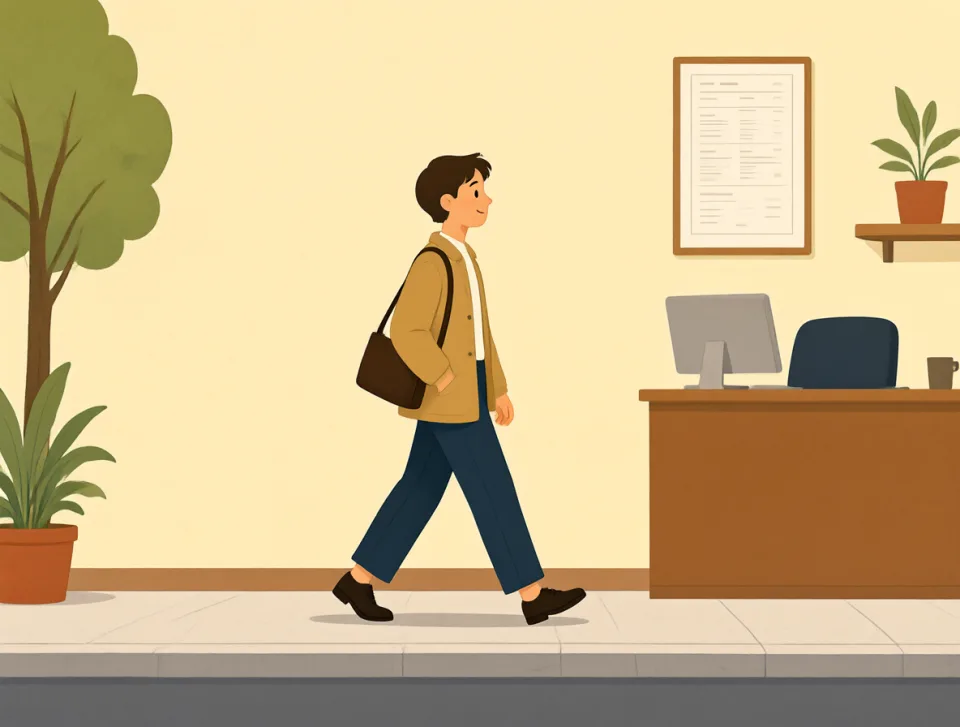
Do you ever walk to work?
क्या तुम कभी पैदल काम पर जाते हो?

If you ever need help, call me.
अगर तुम्हें कभी मदद की ज़रूरत हो, तो मुझे फ़ोन करना।

He hardly ever drinks coffee in the evening.
वह शाम को शायद ही कभी कॉफ़ी पीता है।
anything
#318pronoun, determiner
कुछ भी
A thing of any kind, or no particular thing.
किसी भी तरह की चीज़, या कोई खास चीज़ नहीं।
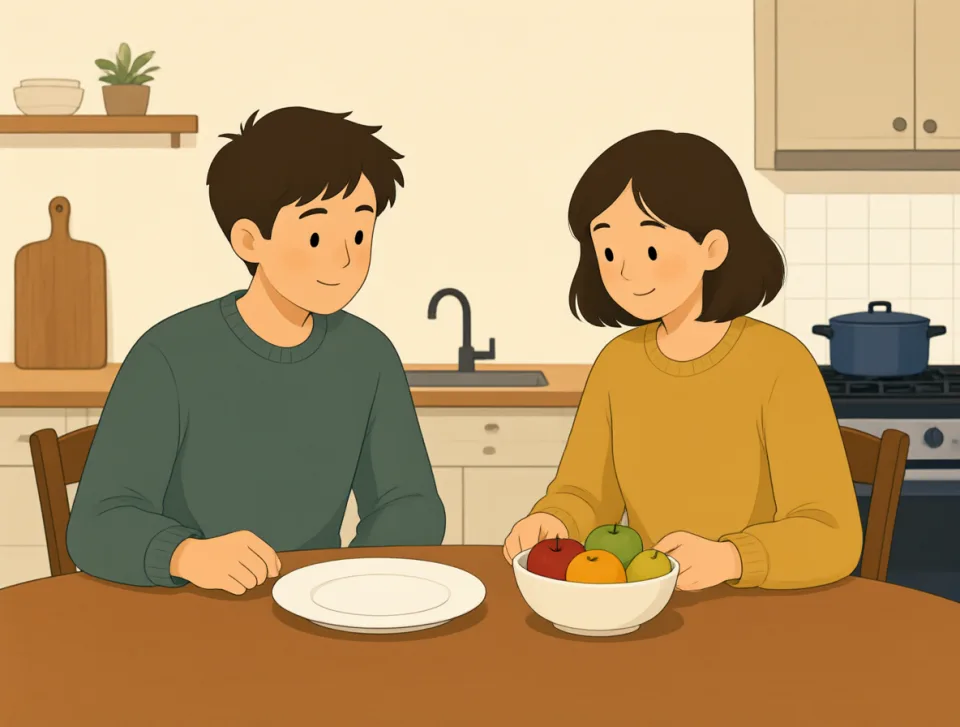
Would you like anything to eat?
क्या आप खाने के लिए कुछ लेना चाहेंगे?
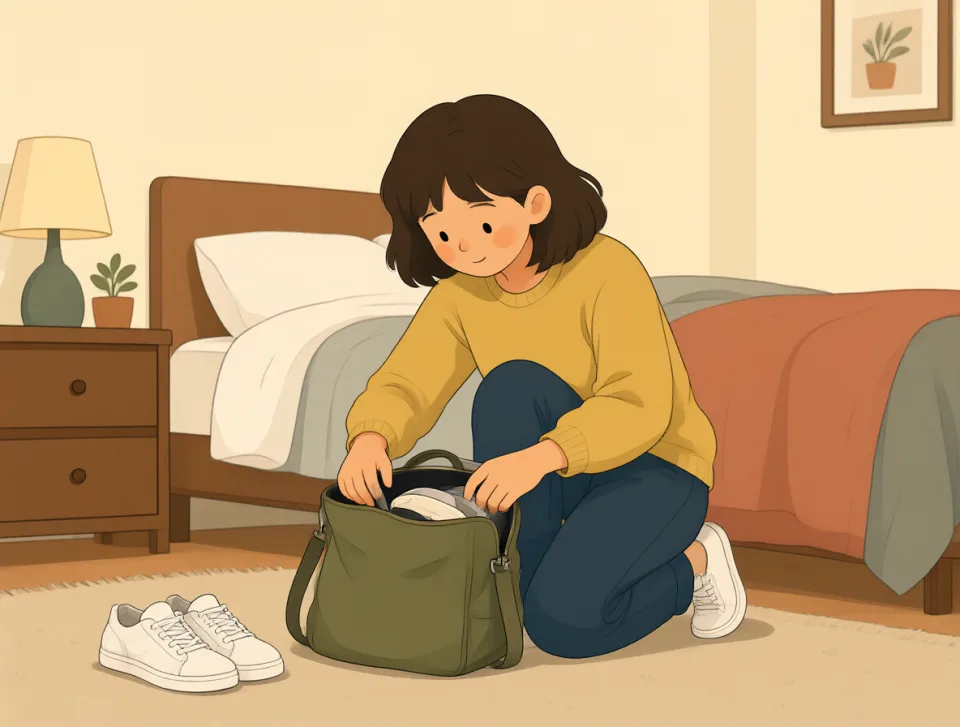
I cannot find anything in this bag.
मुझे इस बैग में कुछ भी नहीं मिल रहा।
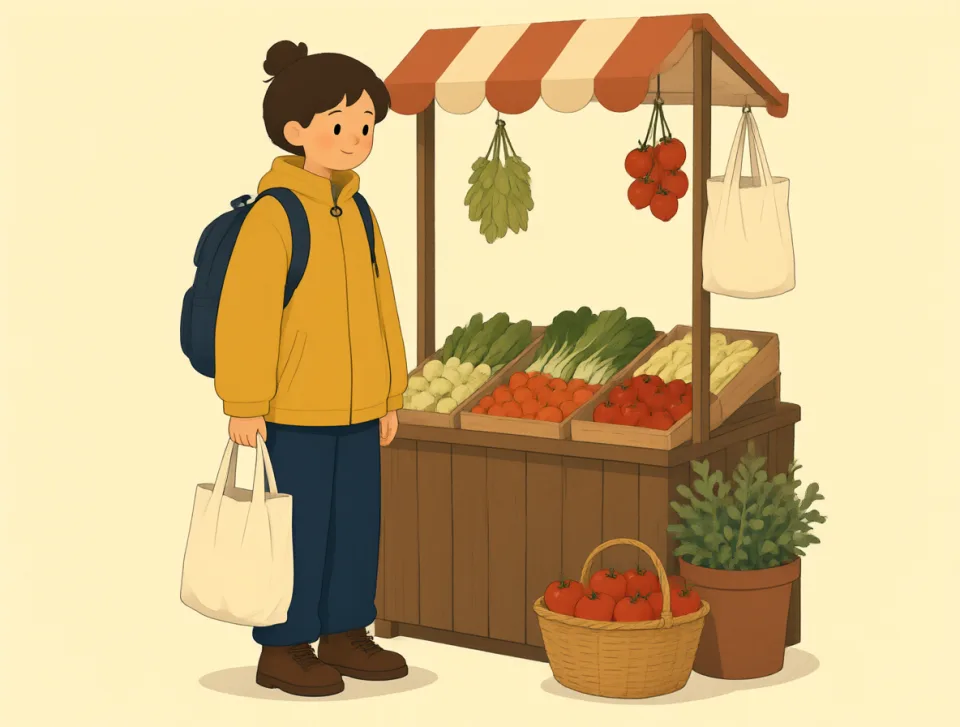
Did you buy anything at the market?
क्या तुमने बाज़ार से कुछ खरीदा?
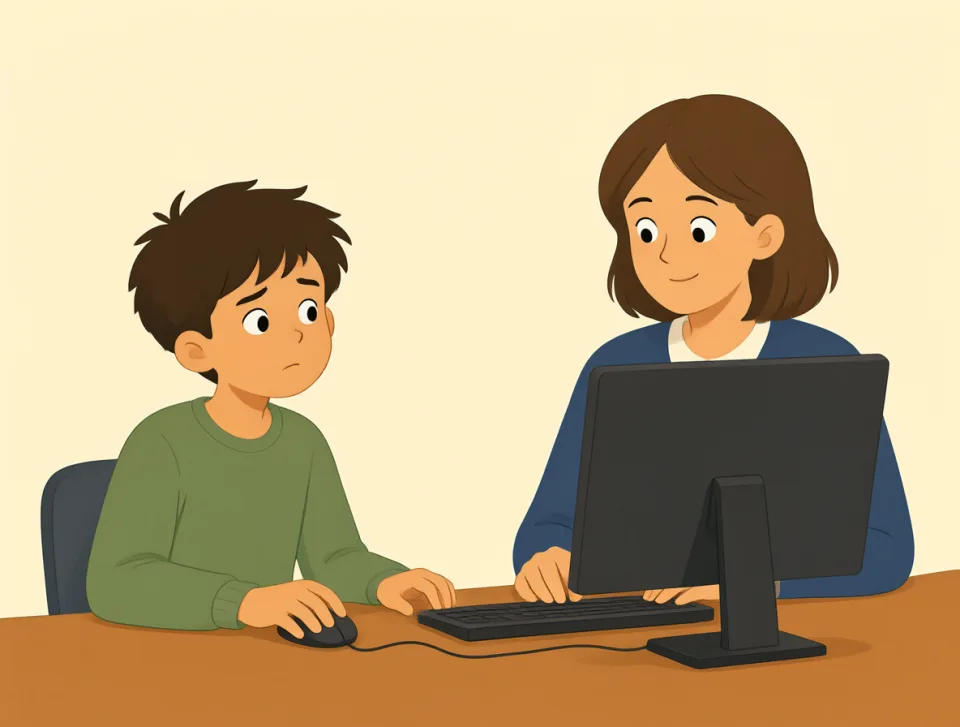
She knows anything about computers.
वह कंप्यूटर के बारे में सब कुछ जानती है।
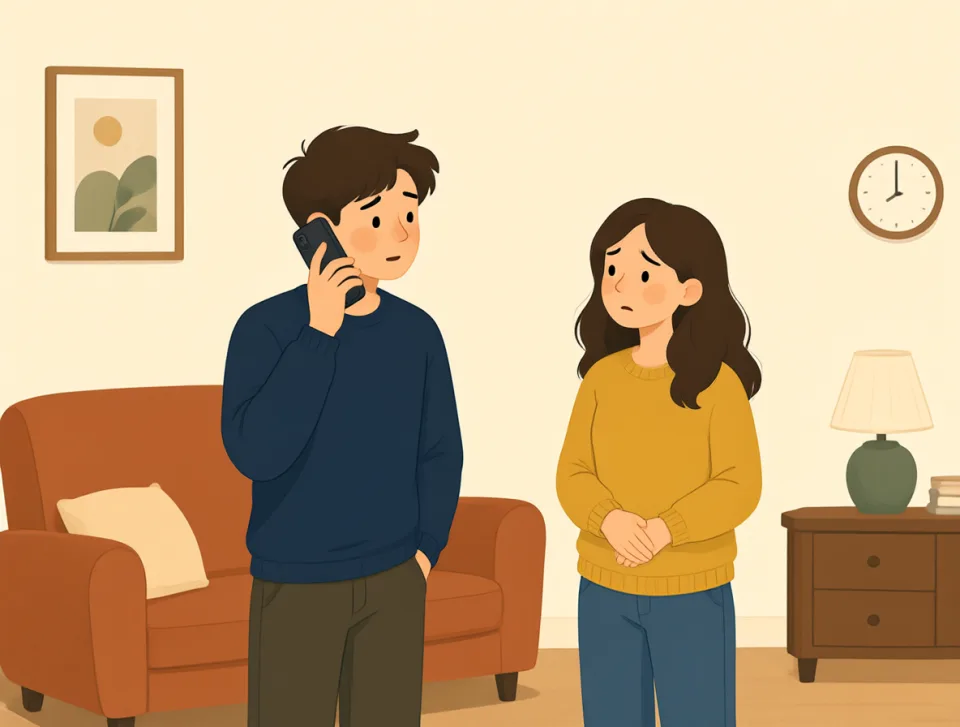
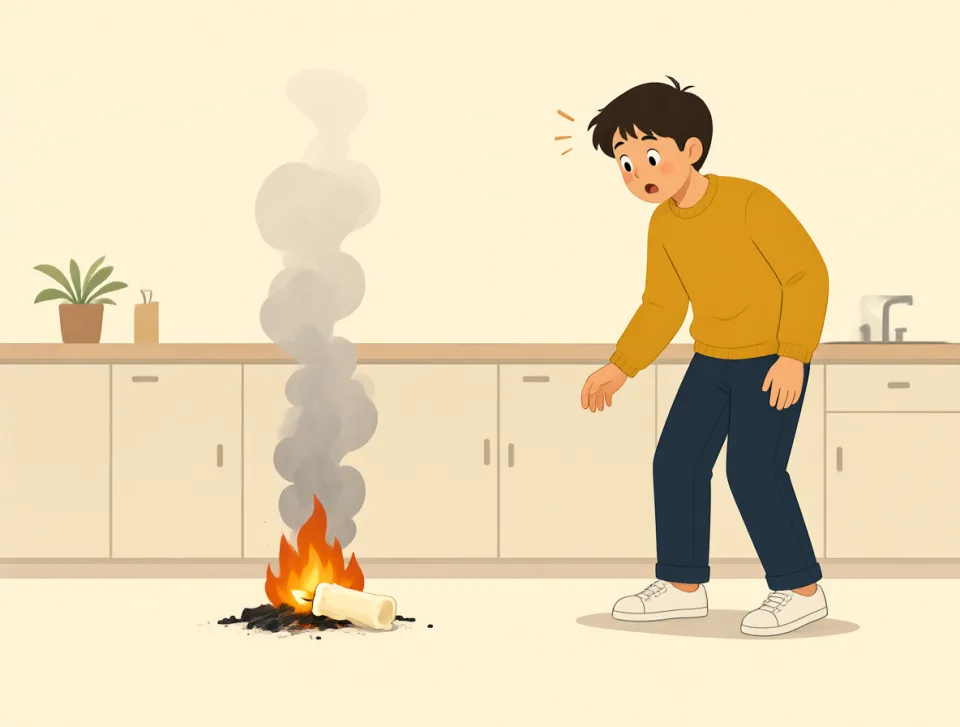
Please call me if anything happens.
अगर कुछ भी हो जाए, तो कृपया मुझे फ़ोन करना।
cause
#319noun, verb
कारण
A reason something happens; to make something happen.
किसी घटना के होने की वजह; किसी चीज़ को घटित करना।
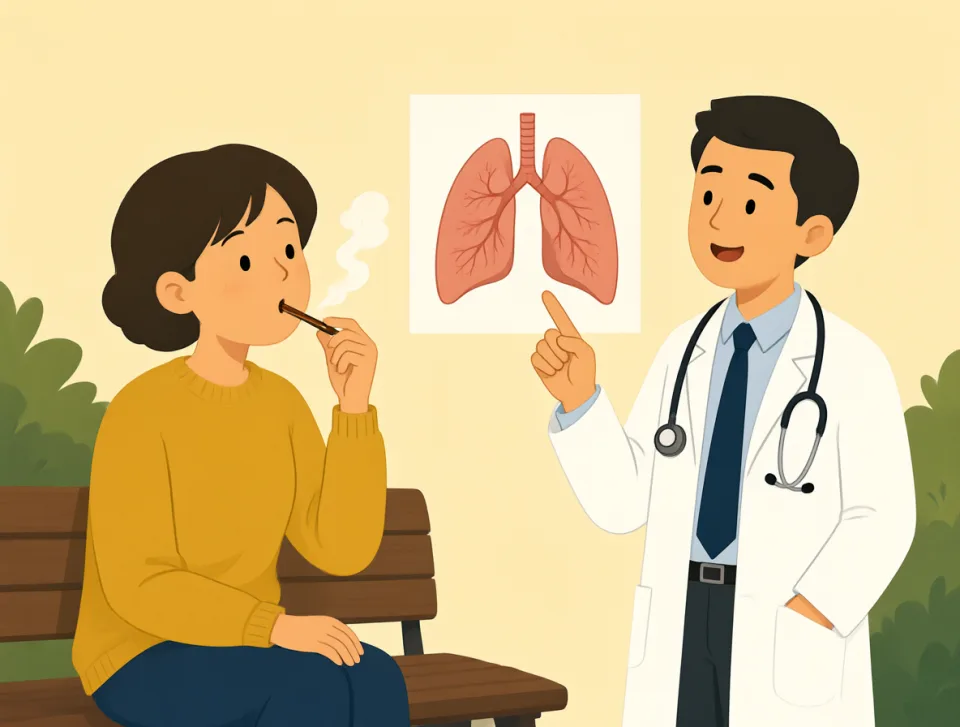
Smoking can cause serious health problems.
धूम्रपान से स्वास्थ्य संबंधी गंभीर समस्याएँ हो सकती हैं।
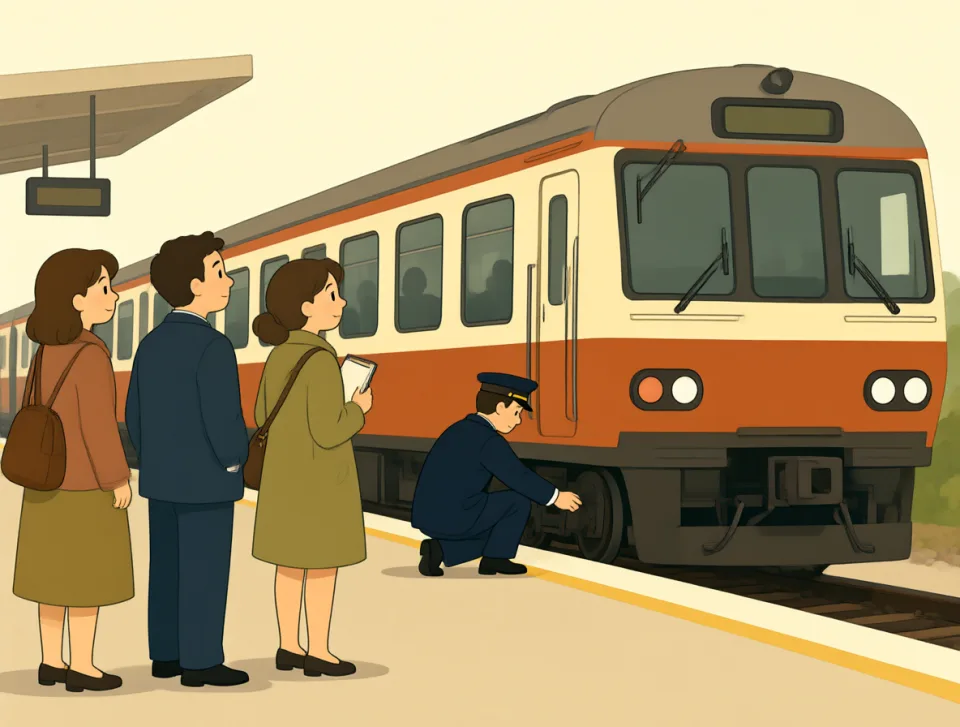
What caused the train delay this morning?
आज सुबह ट्रेन देर से क्यों आई?
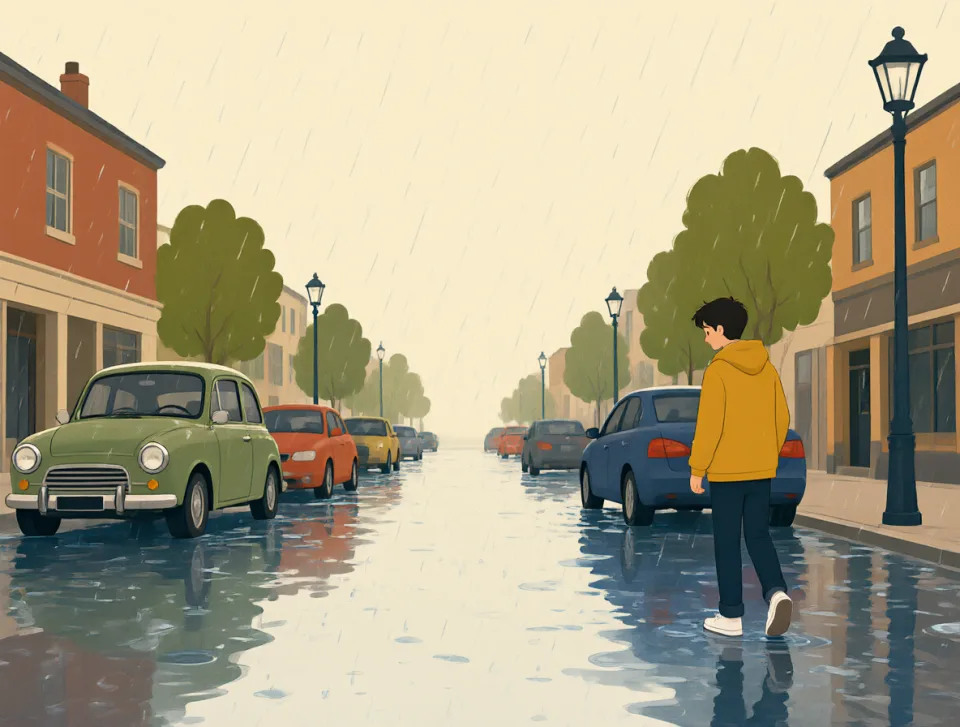
The heavy rain caused a flood.
भारी बारिश के कारण बाढ़ आ गई।
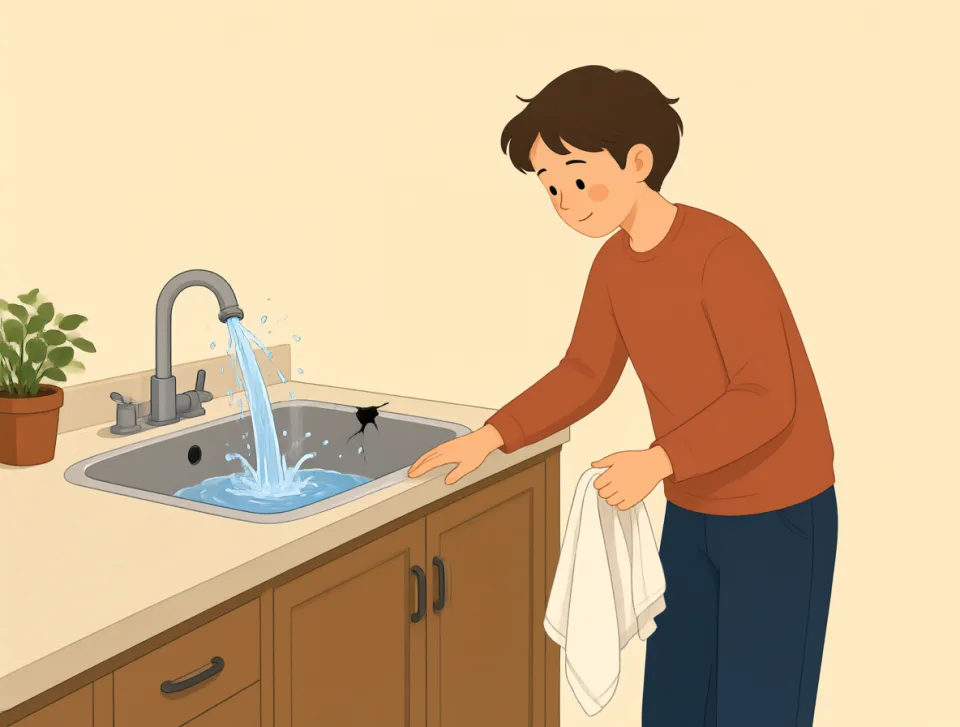
A broken pipe caused water damage at home.
पाइप टूटने से घर में पानी से नुकसान हुआ।
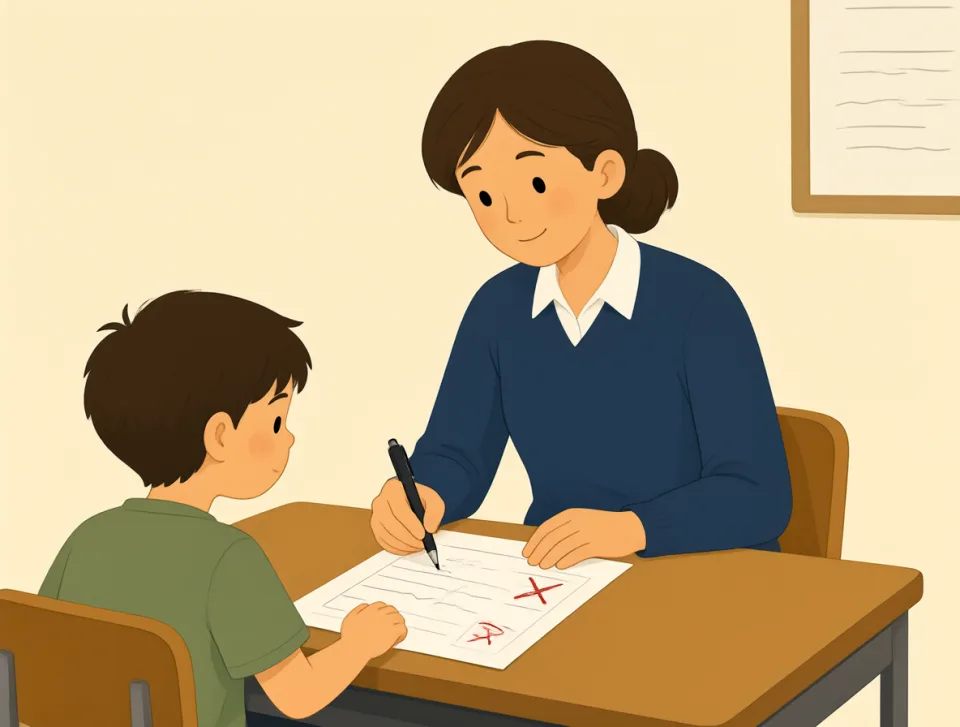
The teacher explained the cause of the mistake.
शिक्षक ने गलती का कारण समझाया।
fall
#320verb, noun
गिरना
To move down suddenly, or the season between summer and winter.
अचानक नीचे गिरना, या गर्मी और सर्दी के बीच का मौसम।
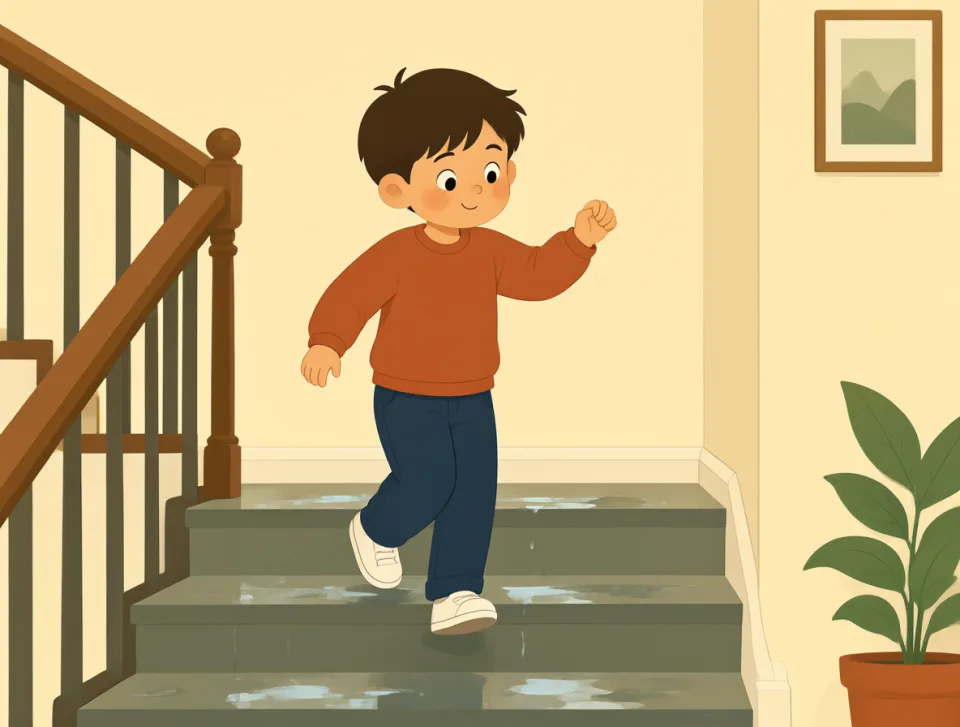
Be careful, or you may fall down.
सावधान रहो, वरना तुम गिर सकते हो।

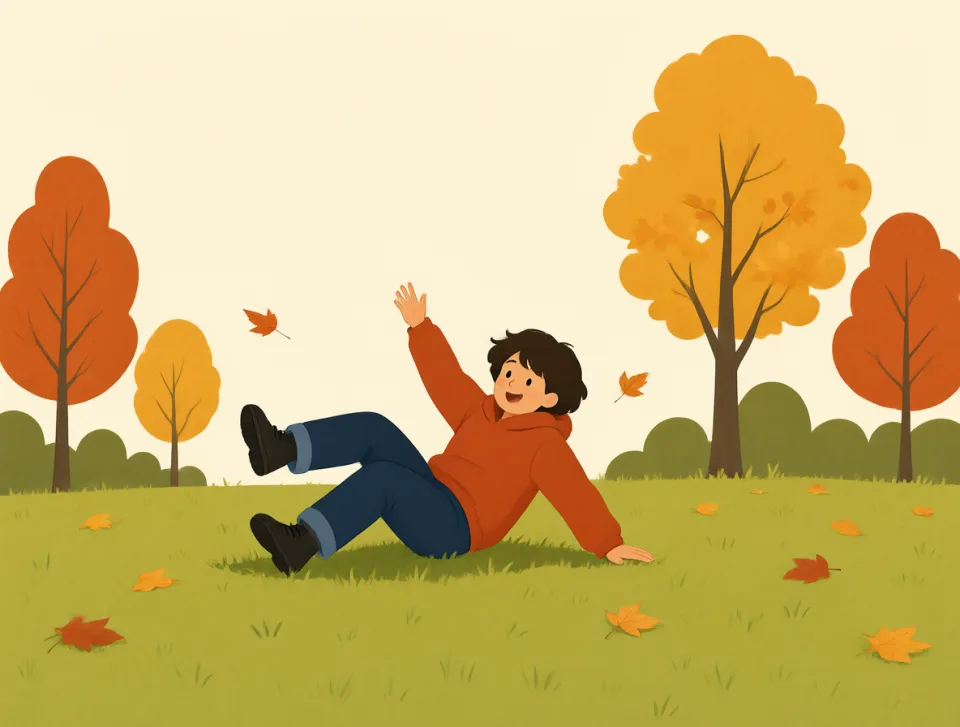
The leaves fall from the trees in autumn.
पतझड़ में पेड़ों से पत्ते गिरते हैं।
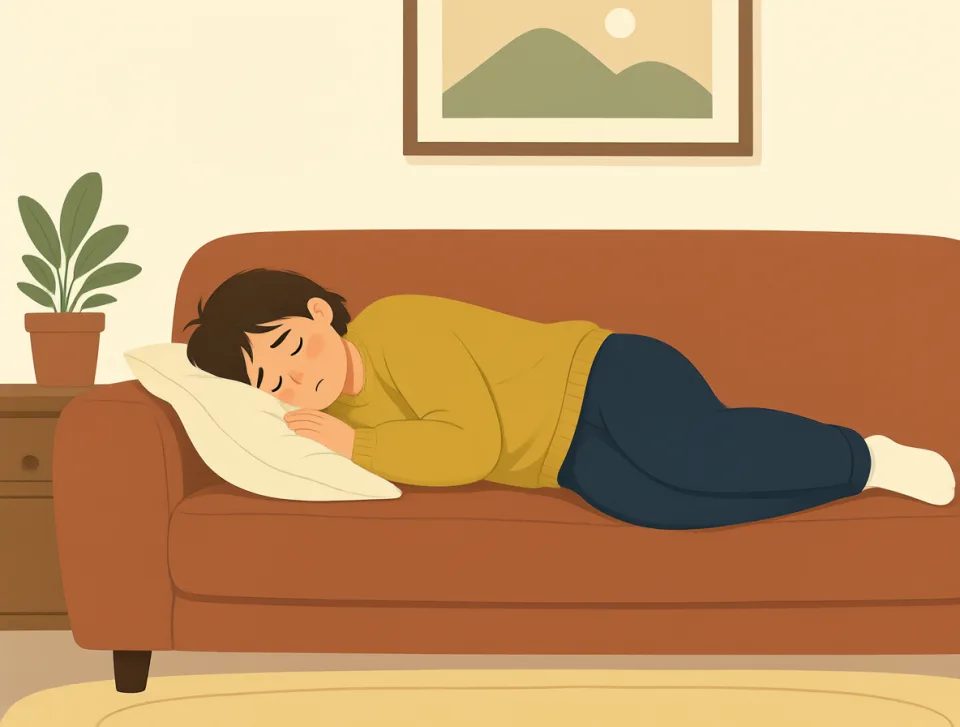
I fell asleep on the sofa.
मैं सोफ़े पर ही सो गया।
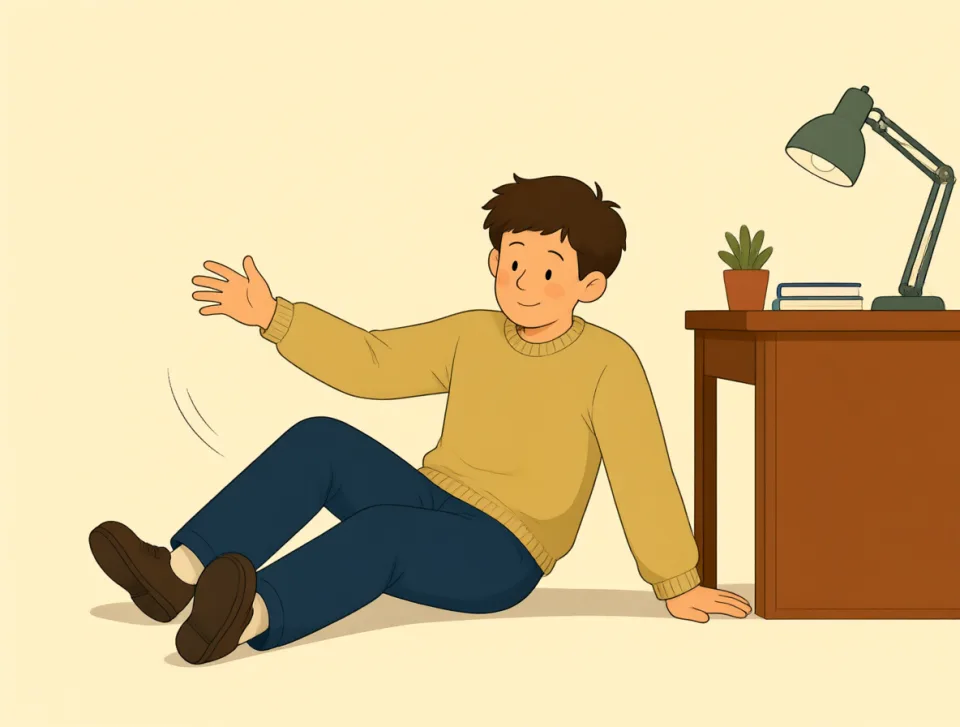
She had a bad fall at work.
काम पर वह बुरी तरह गिर गई।

We visited Canada last fall.
हमने पिछले पतझड़ में कनाडा की यात्रा की थी।