Блок 16
Слова 301–320 · control, already, concern, product, lose, story
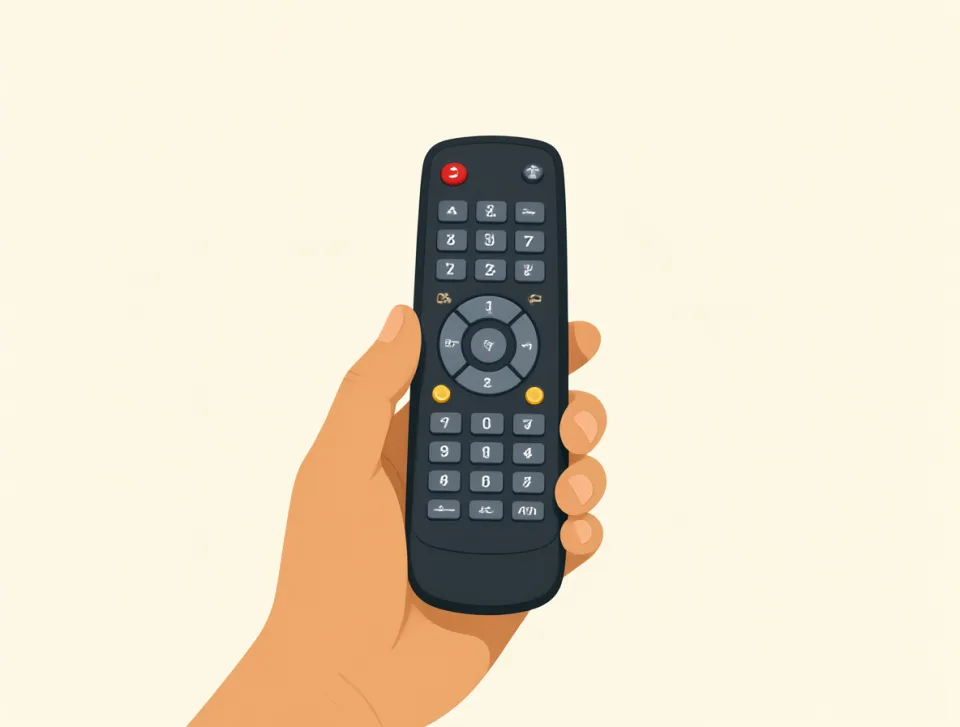
control
#301noun, verb
контроль
The power to direct people or manage what happens.
Способность руководить людьми или управлять происходящим.
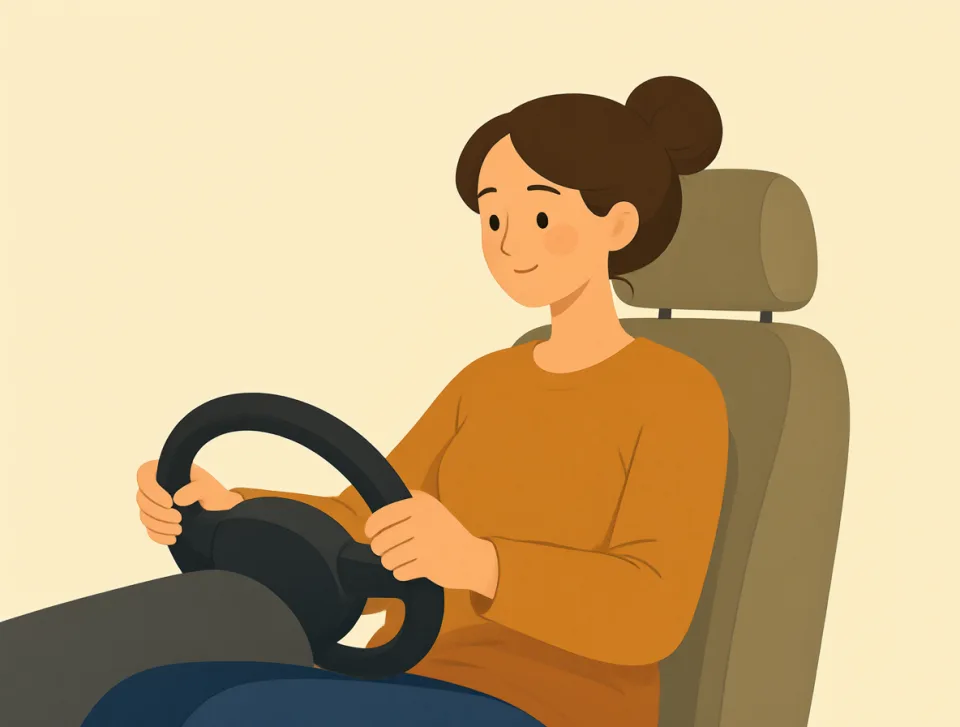
She is in control of the car.
Она управляет машиной.
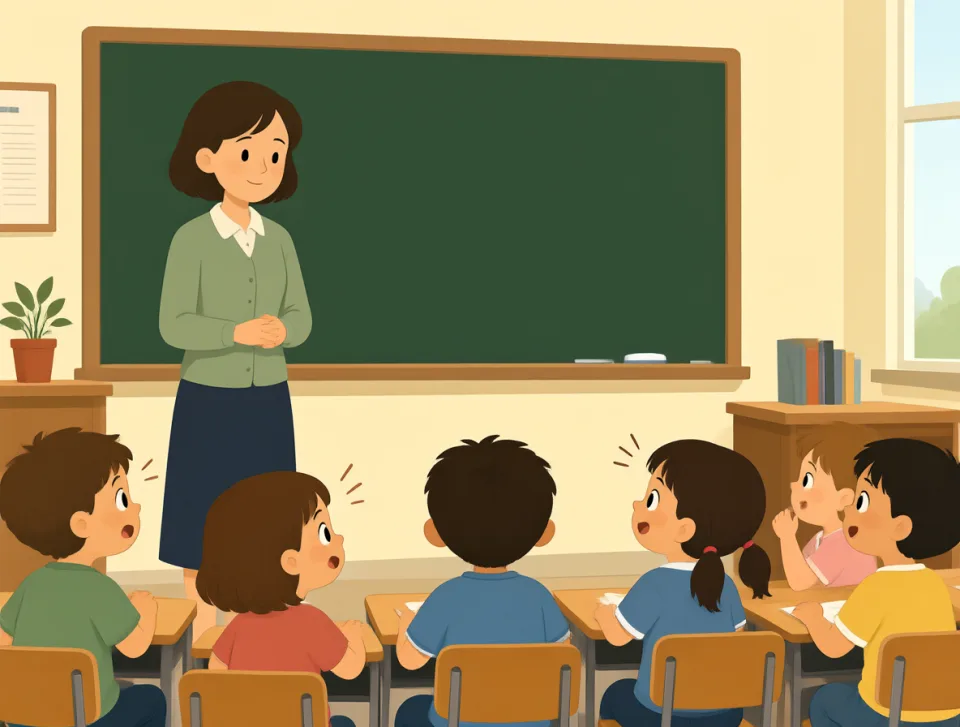
The teacher controls the noisy classroom.
Учитель контролирует шумный класс.
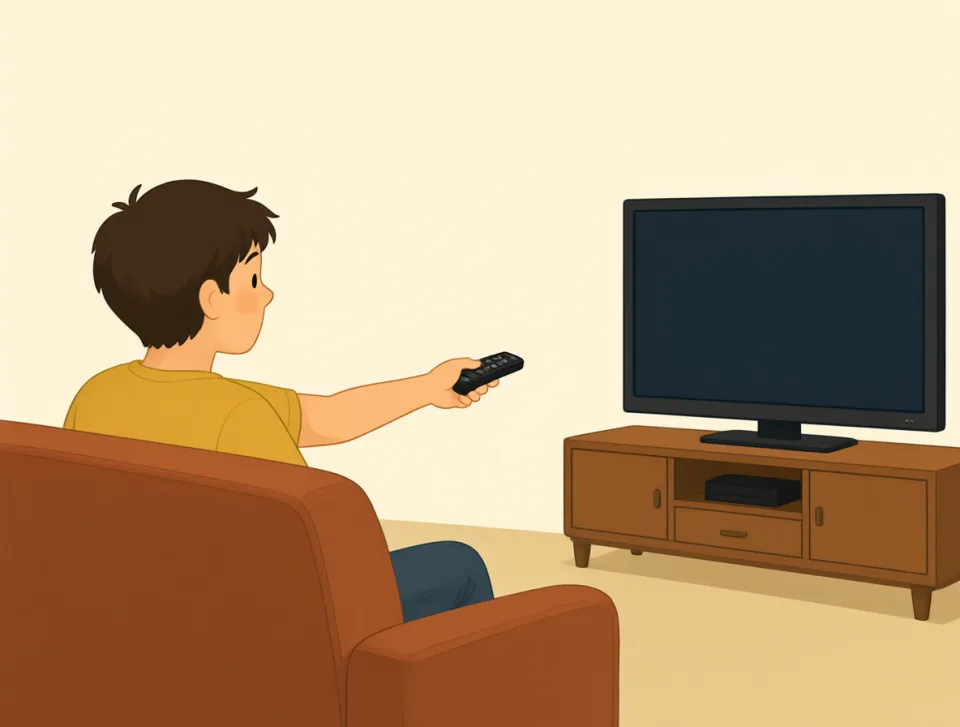
Use the remote control to change channels.
Переключайте каналы с помощью пульта дистанционного управления.
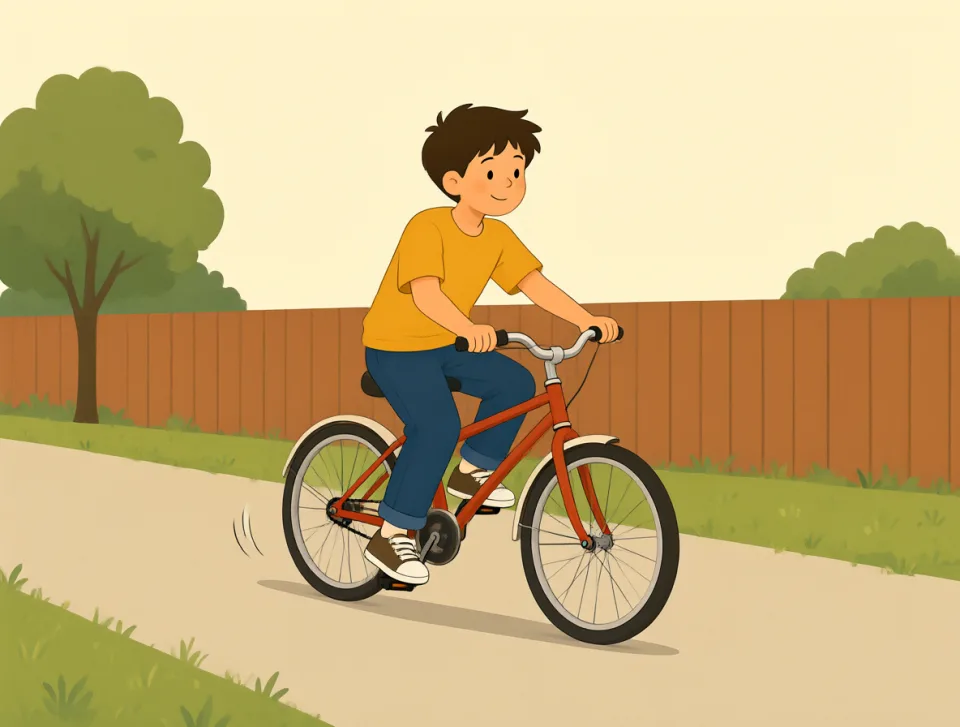
He lost control of his bike.
Он потерял контроль над велосипедом.
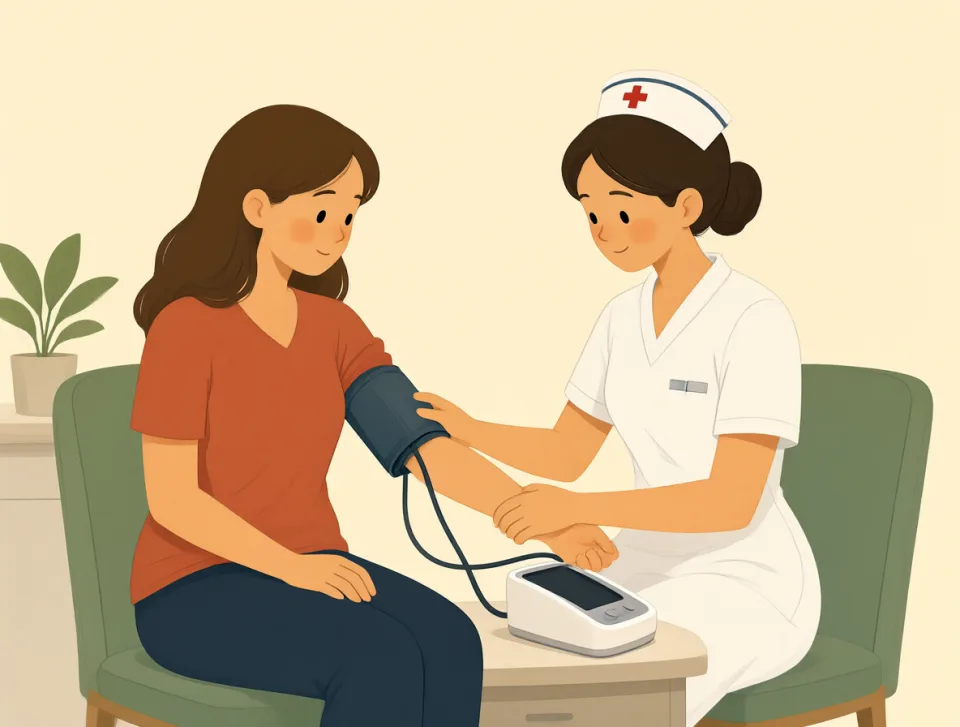
The nurse checked her blood pressure control.
Медсестра проверила, как контролируется её артериальное давление.
already
#302adverb
уже
before now or before a particular time
До настоящего момента или до определённого времени.
I have already eaten breakfast.
Я уже позавтракал.

She already knows the answer.
Она уже знает ответ.
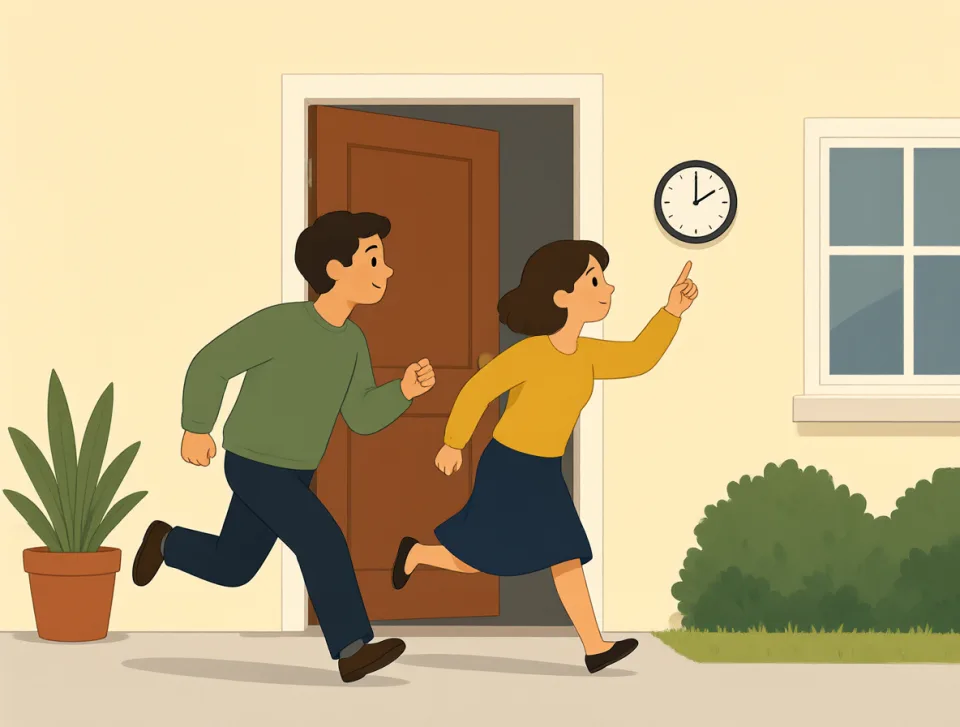
We are already late for work.
Мы уже опаздываем на работу.

The store has already closed.
Магазин уже закрылся.

Have you already seen this movie?
Ты уже смотрел этот фильм?
concern
#303noun, verb
беспокойство; волновать
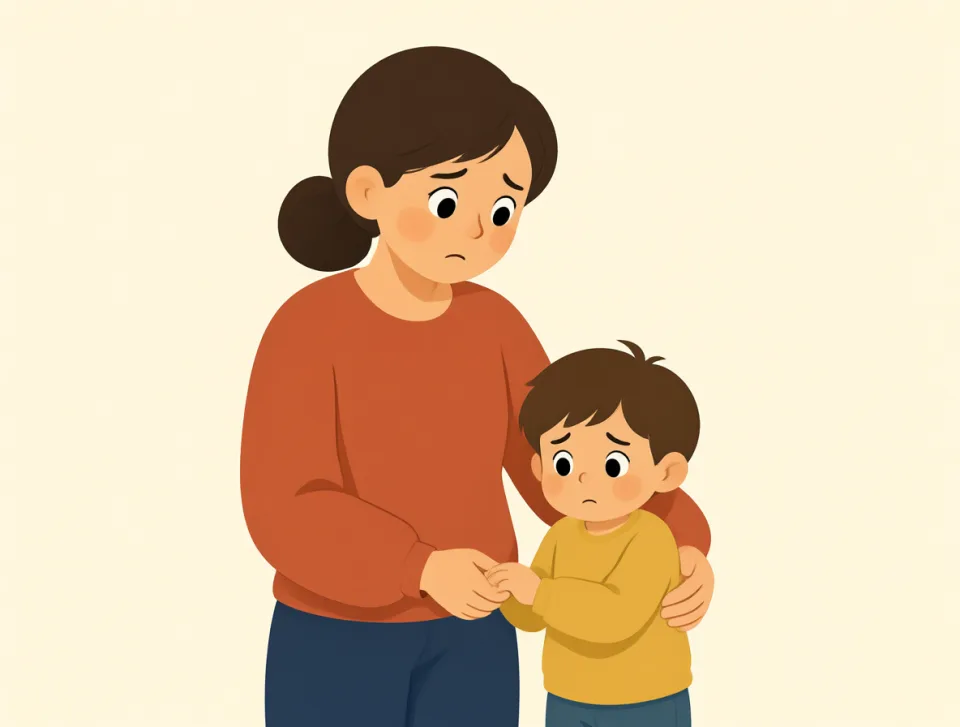
a worry or problem, or to make someone feel worried
Тревога или проблема; также — заставлять кого-либо волноваться.
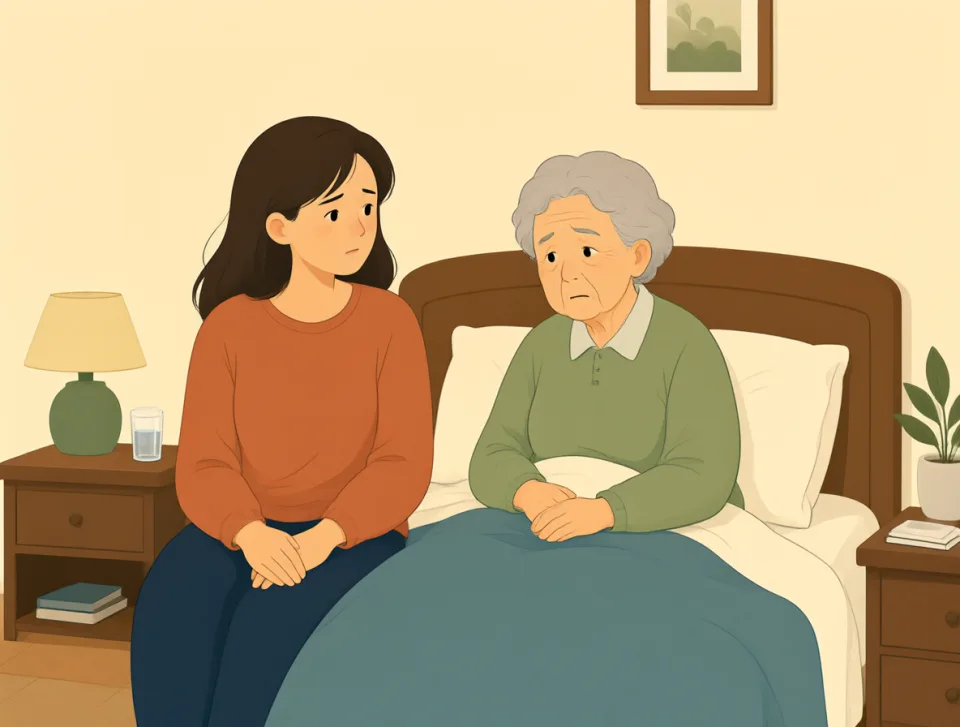
Her main concern is her sick mother.
Больше всего её беспокоит больная мать.
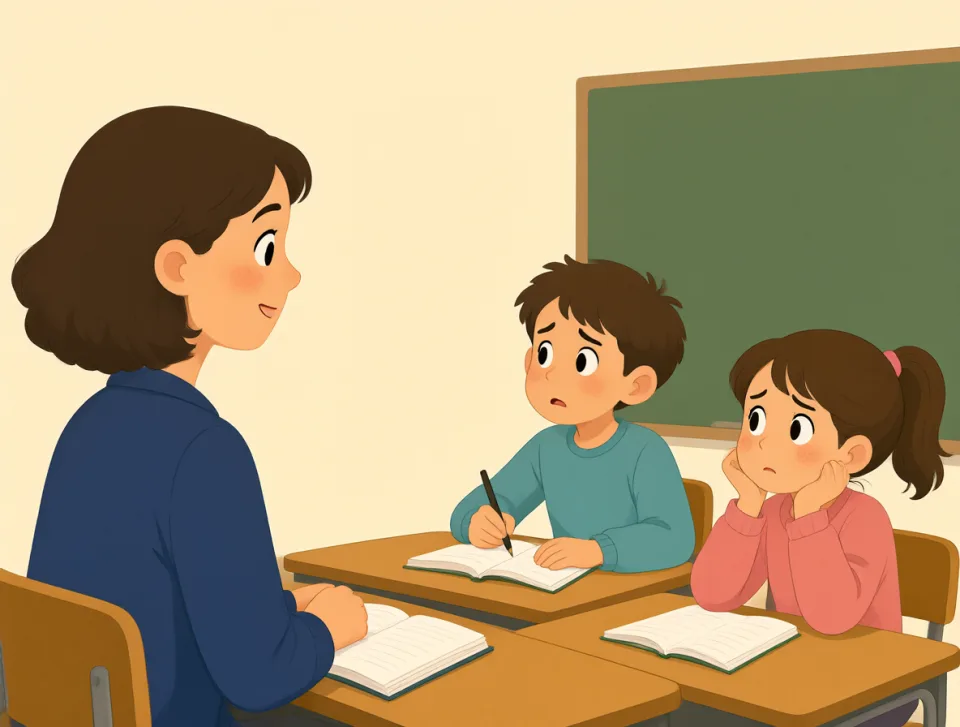
The teacher listened to our concerns.
Учитель выслушал наши опасения.

Please contact us if you have any concerns.
Свяжитесь с нами, если у вас возникнут вопросы или опасения.
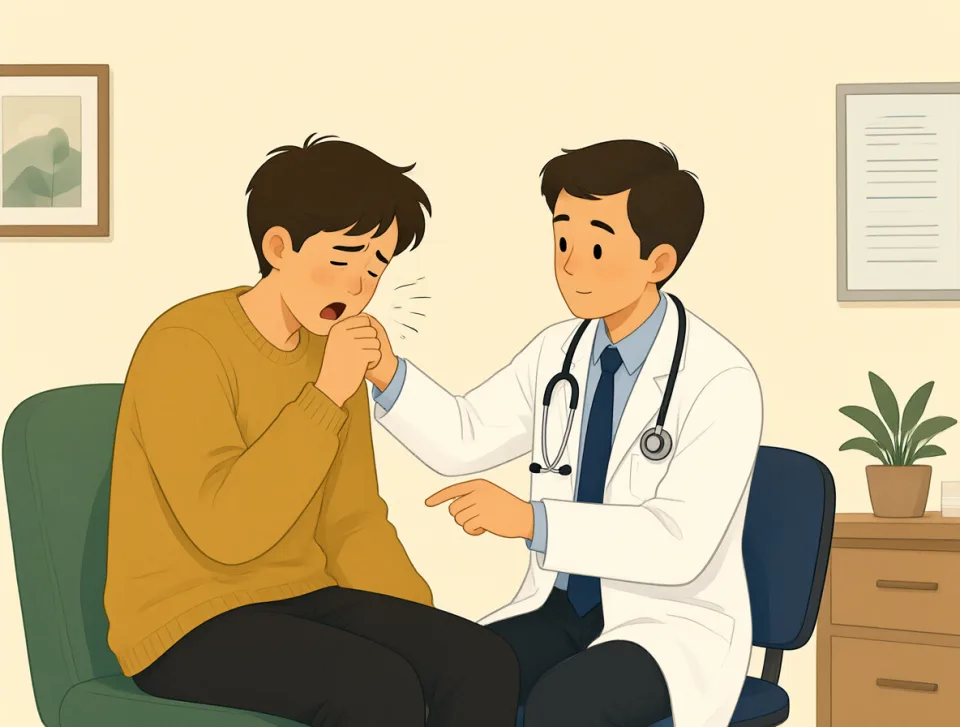
His sudden cough concerned his doctor.
Его внезапный кашель обеспокоил врача.

We are concerned about the late train.
Мы беспокоимся из-за опаздывающего поезда.

product
#304noun
продукт; товар
Something made or grown to be sold or used.
То, что изготовлено или выращено для продажи или использования.

This product is made from natural ingredients.
Этот продукт изготовлен из натуральных ингредиентов.
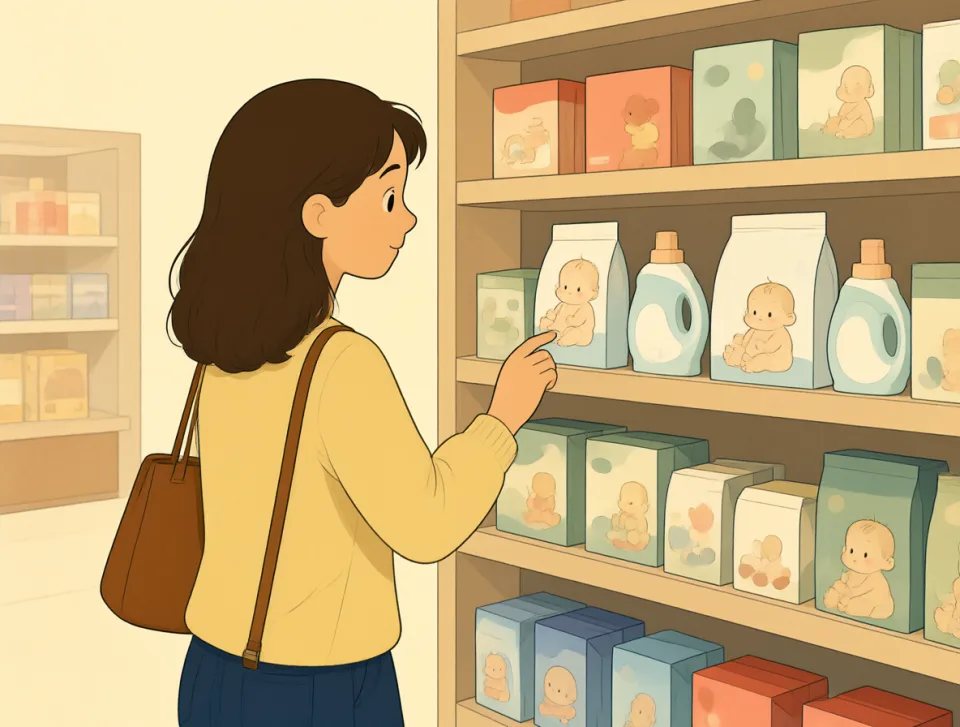
The store sells products for babies.
В магазине продаются товары для малышей.
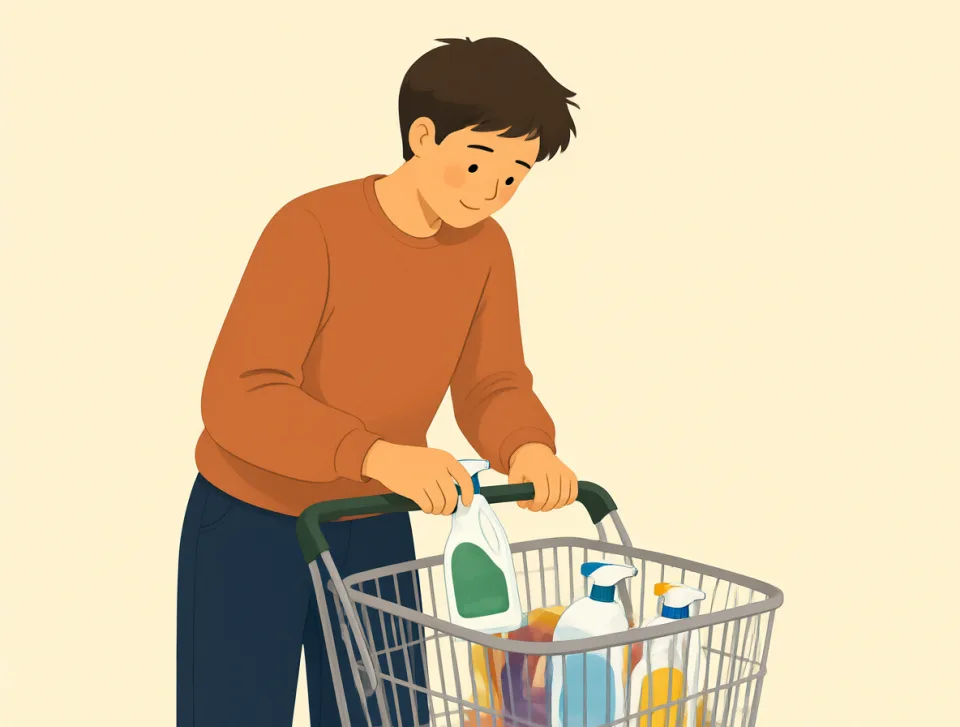
I bought a new cleaning product yesterday.
Вчера я купил новое чистящее средство.

Our team is developing a new product.
Наша команда разрабатывает новый продукт.
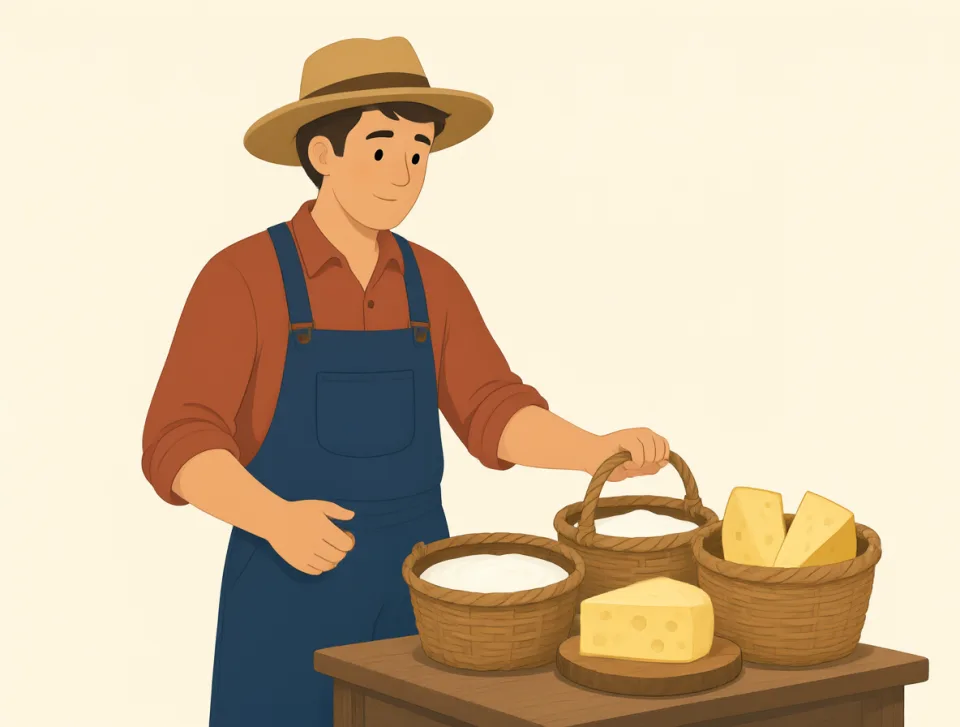
This farm produces fresh dairy products.
На этой ферме производят свежие молочные продукты.
lose
#305verb
терять
to no longer have something because it is gone, taken, or forgotten
Перестать иметь что-либо, потому что оно пропало, было отнято или забыто.
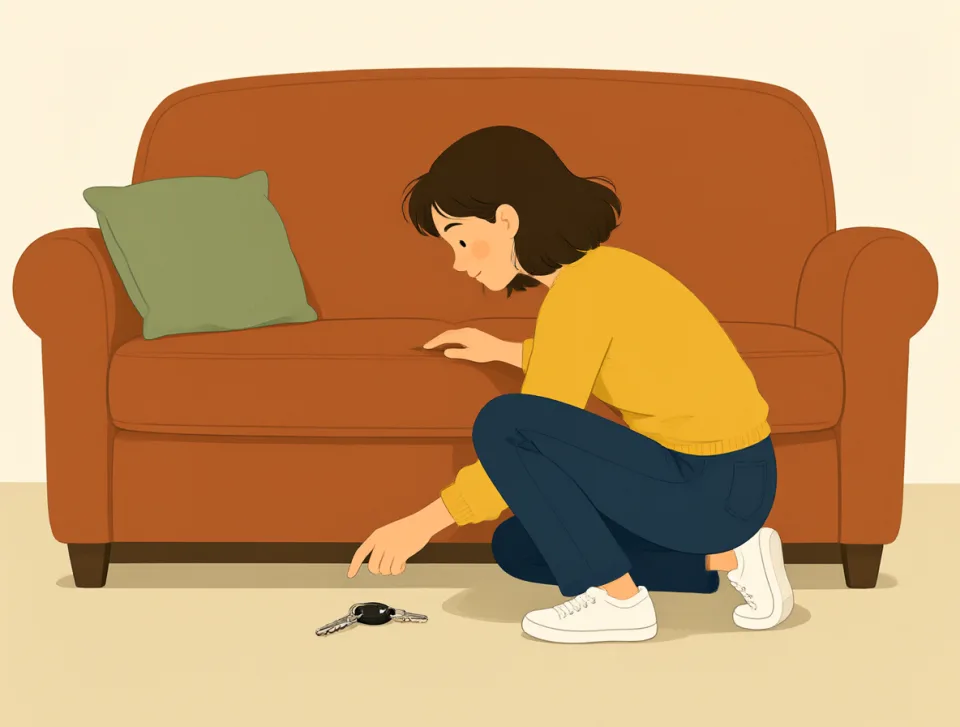
I often lose my keys at home.
Я часто теряю дома ключи.
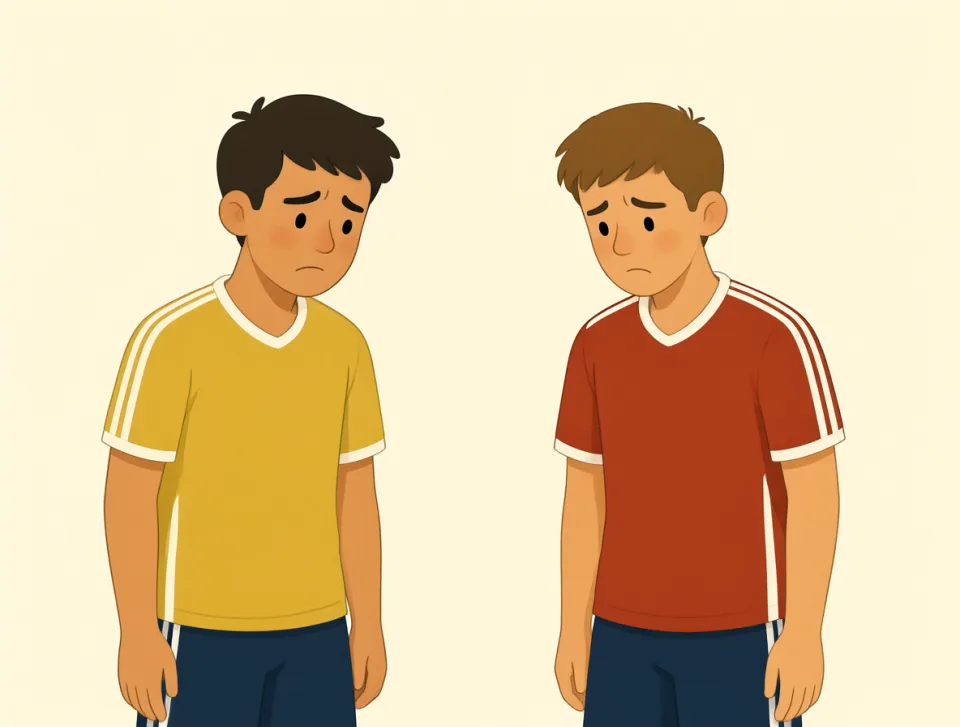
Our team lost the game yesterday.
Вчера наша команда проиграла матч.

She lost her wallet on the bus.
Она потеряла кошелёк в автобусе.
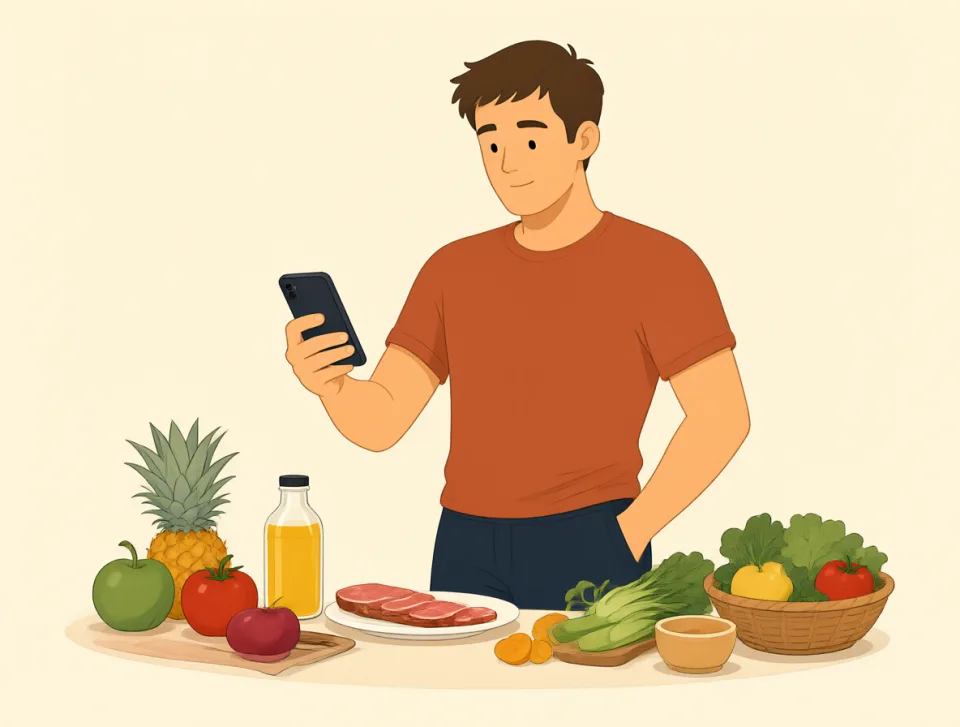
He is losing weight with healthy food.
Он худеет благодаря здоровому питанию.

Do not lose your ticket at the airport.
Не потеряйте билет в аэропорту.
story
#306noun
история
A description of events, real or imagined, told to entertain or inform people.
Описание реальных или вымышленных событий, рассказанное, чтобы развлечь или проинформировать людей.
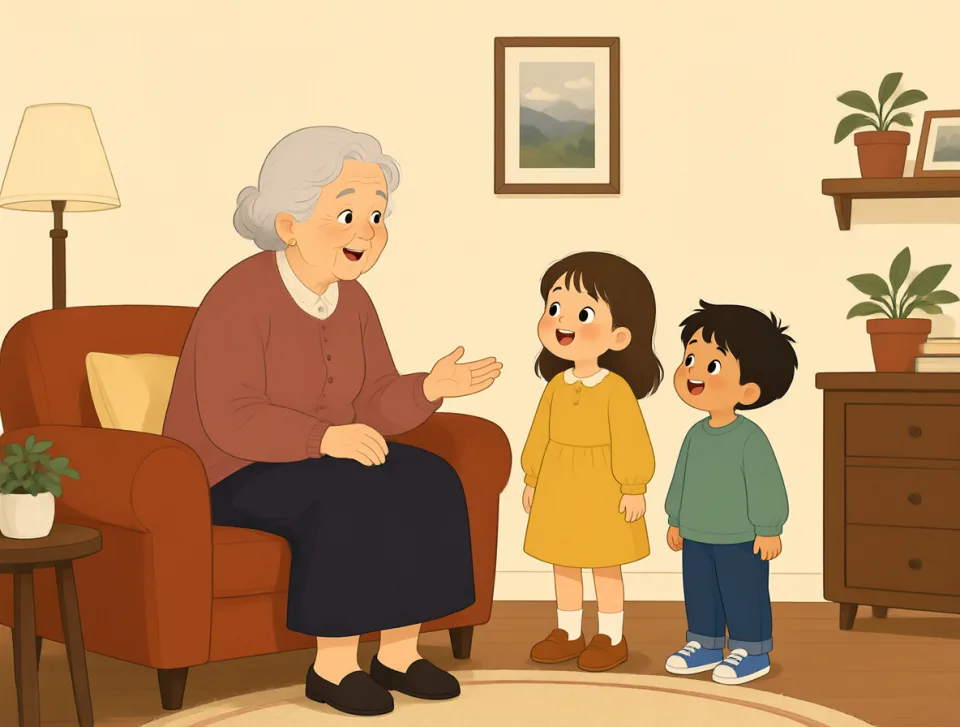
Grandma told us a funny story.
Бабушка рассказала нам забавную историю.

I read a story before bed.
Перед сном я читаю рассказ.
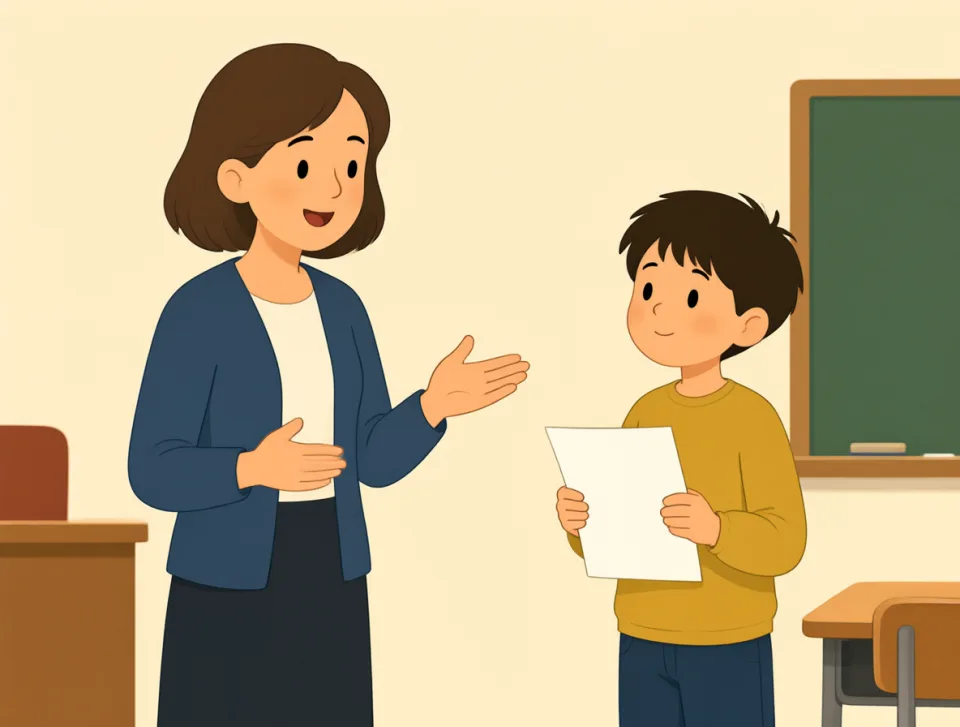
The teacher asked for a short story.
Учитель попросил написать короткий рассказ.

He shared his travel story with friends.
Он поделился с друзьями историей о своей поездке.
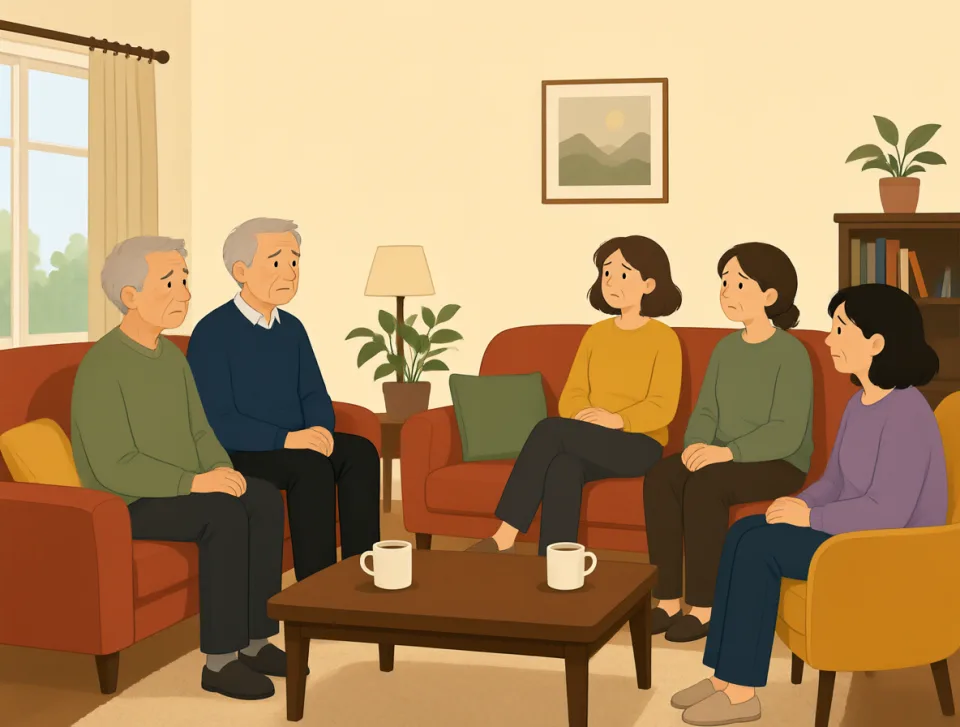
The news story made everyone worried.
Эта новость всех встревожила.
almost
#307adverb
почти
Nearly, but not completely or quite.
Почти, но не полностью или не совсем.
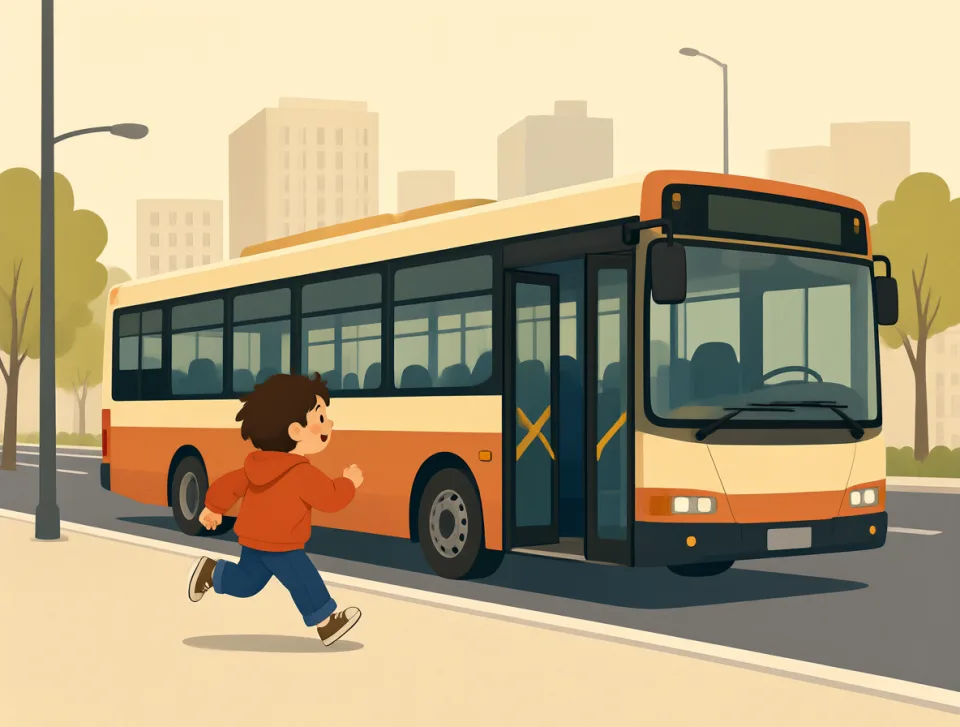
I almost missed the bus this morning.
Сегодня утром я чуть не опоздал на автобус.
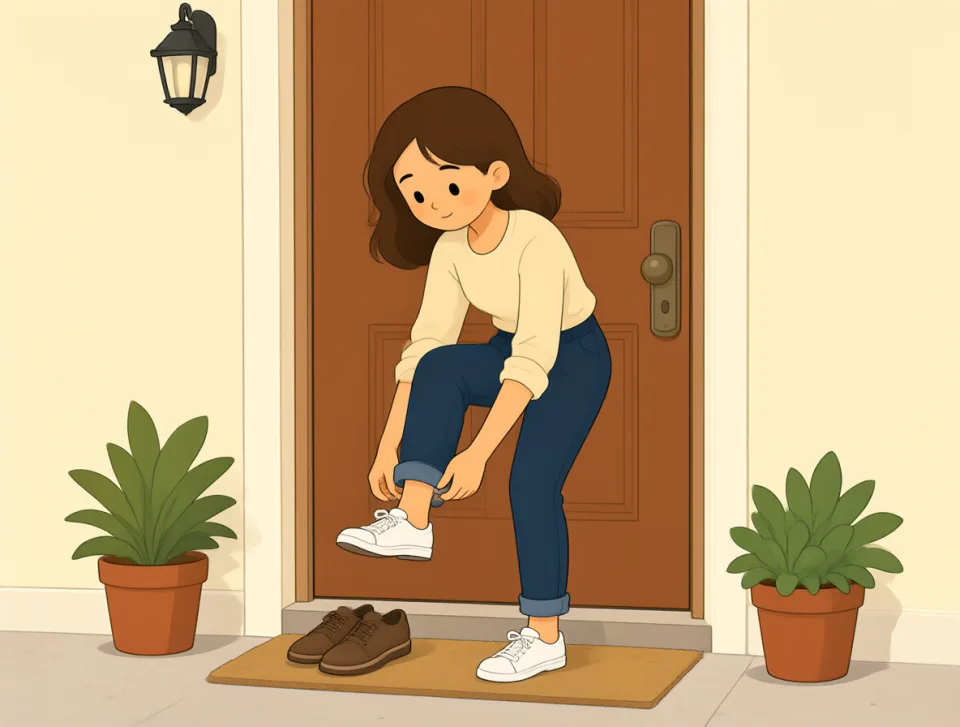
She is almost ready to leave.
Она почти готова уходить.

We almost finished the project at work.
На работе мы почти закончили проект.
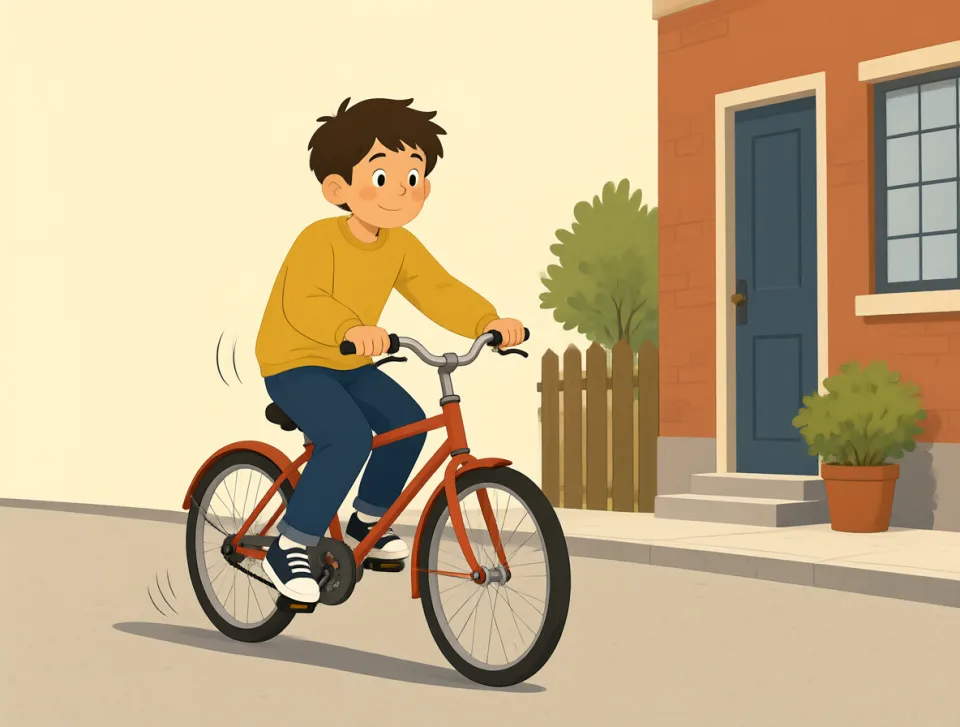
He almost fell while riding his bike.
Он чуть не упал, когда ехал на велосипеде.
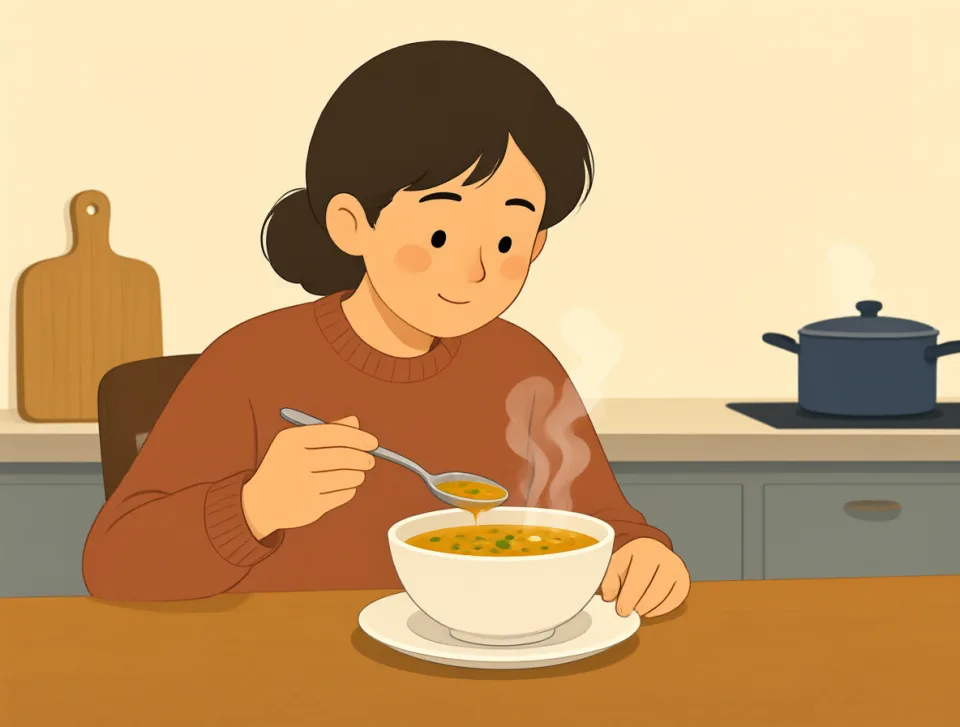
The soup is almost hot enough to eat.
Суп почти достаточно горячий, чтобы его есть.
continue
#308verb
продолжать
to keep doing something or keep happening without stopping
Продолжать что-либо делать или происходить без остановки.

Please continue your work after lunch.
Пожалуйста, продолжайте работу после обеда.
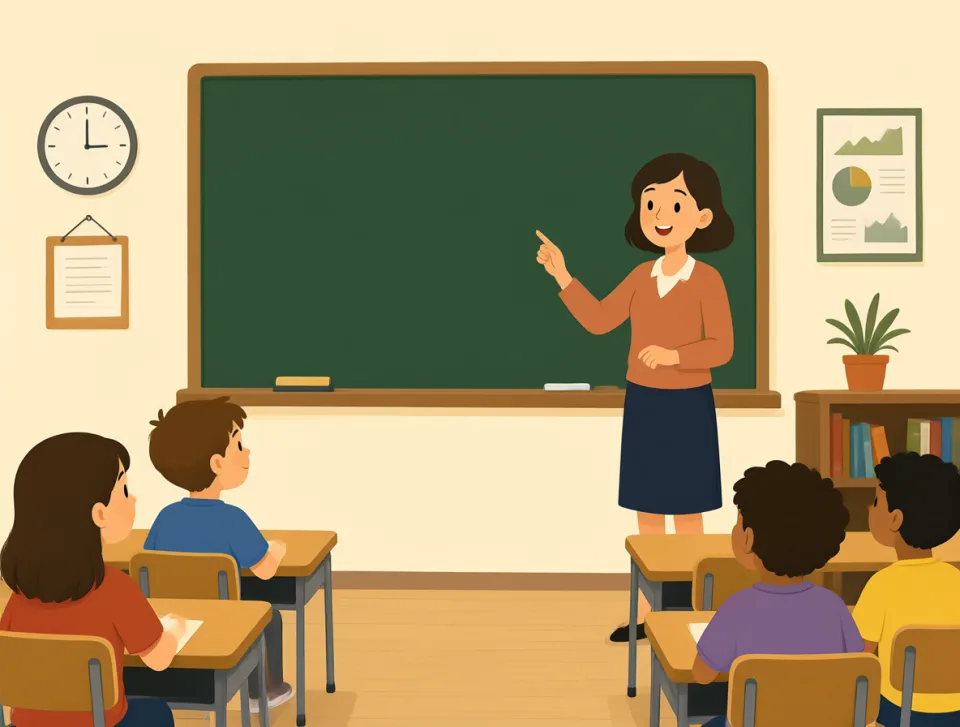
The teacher continued the lesson after the break.
После перерыва учитель продолжил урок.

We continued walking through the park.
Мы продолжили гулять по парку.
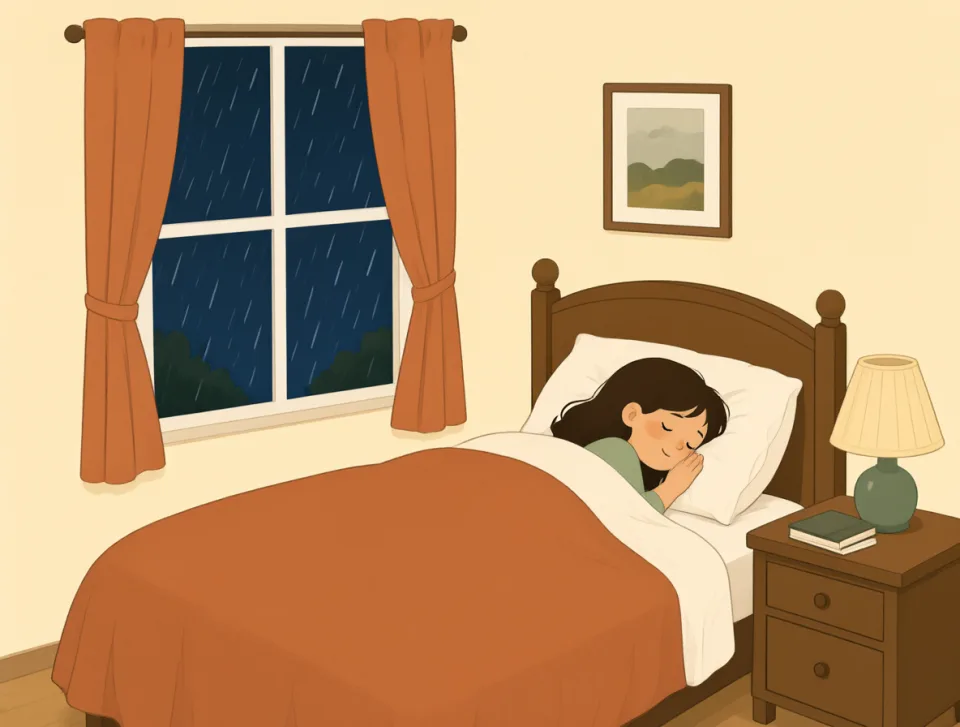
The rain continued all night.
Дождь шёл всю ночь.

She continued to feel tired after resting.
Даже после отдыха она продолжала чувствовать усталость.
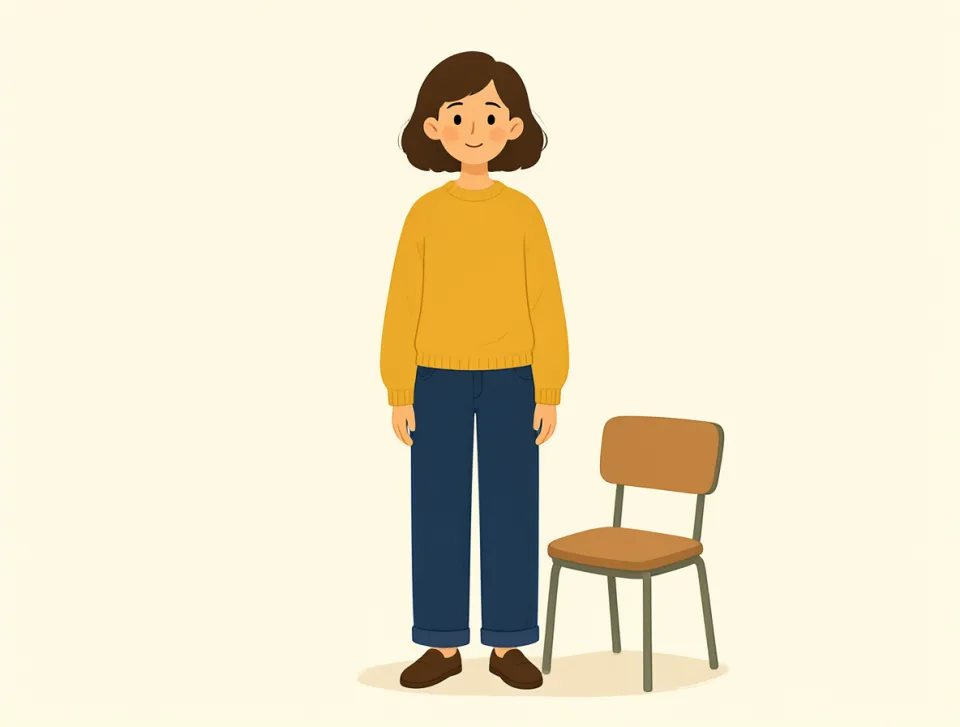
stand
#309verb, noun
стоять
to be upright on your feet, or to support someone or something
Находиться в вертикальном положении на ногах или поддерживать кого-либо либо что-либо.
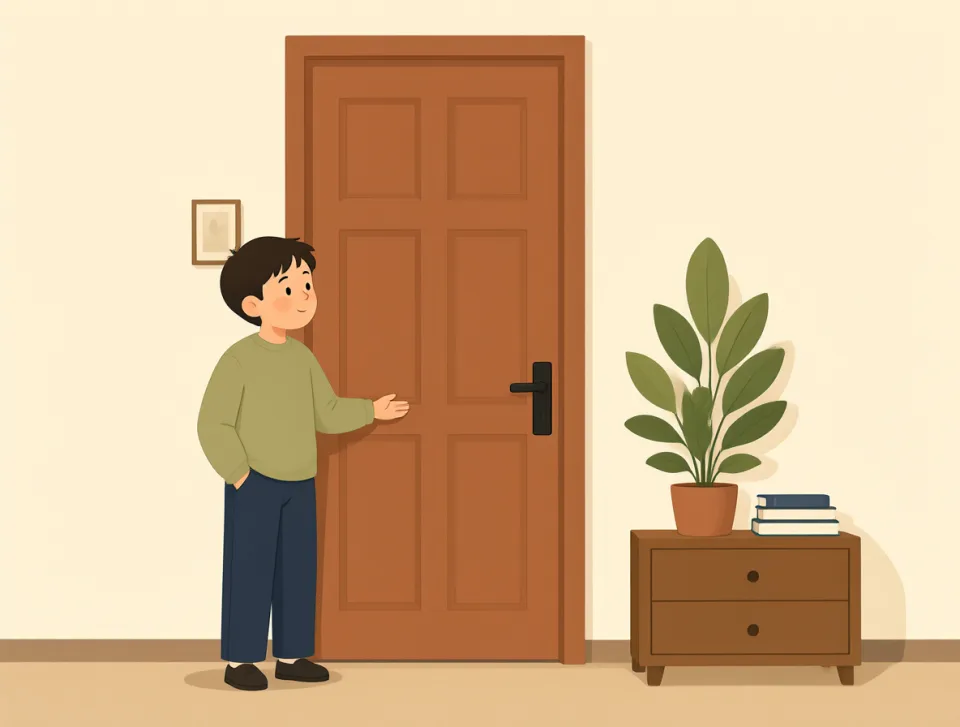
Please stand near the door.
Пожалуйста, встаньте у двери.
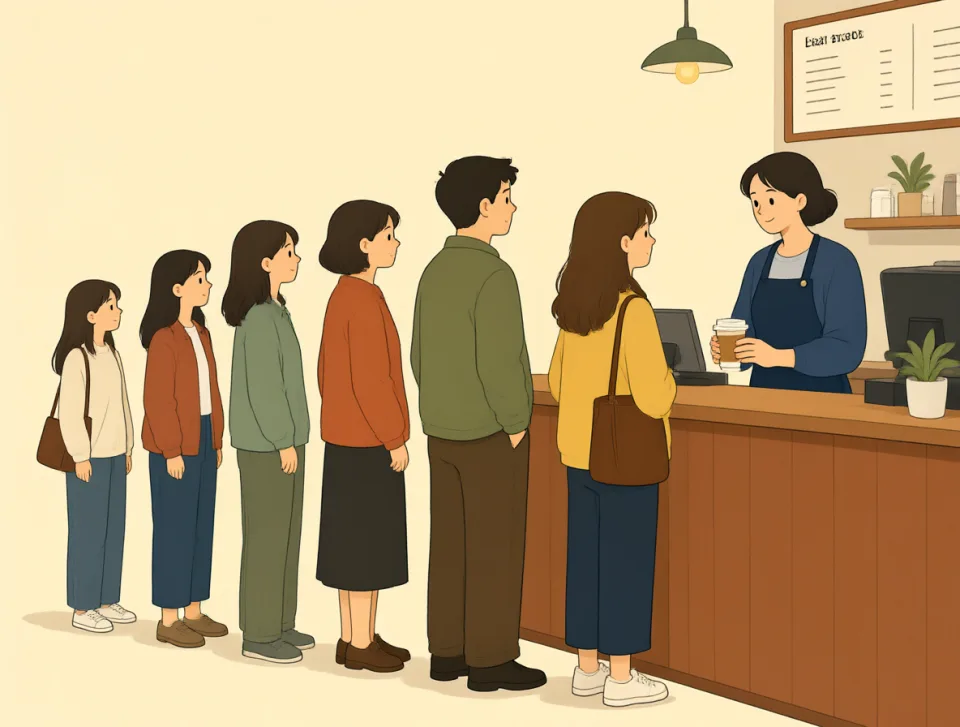
We stood in line for coffee.
Мы стояли в очереди за кофе.
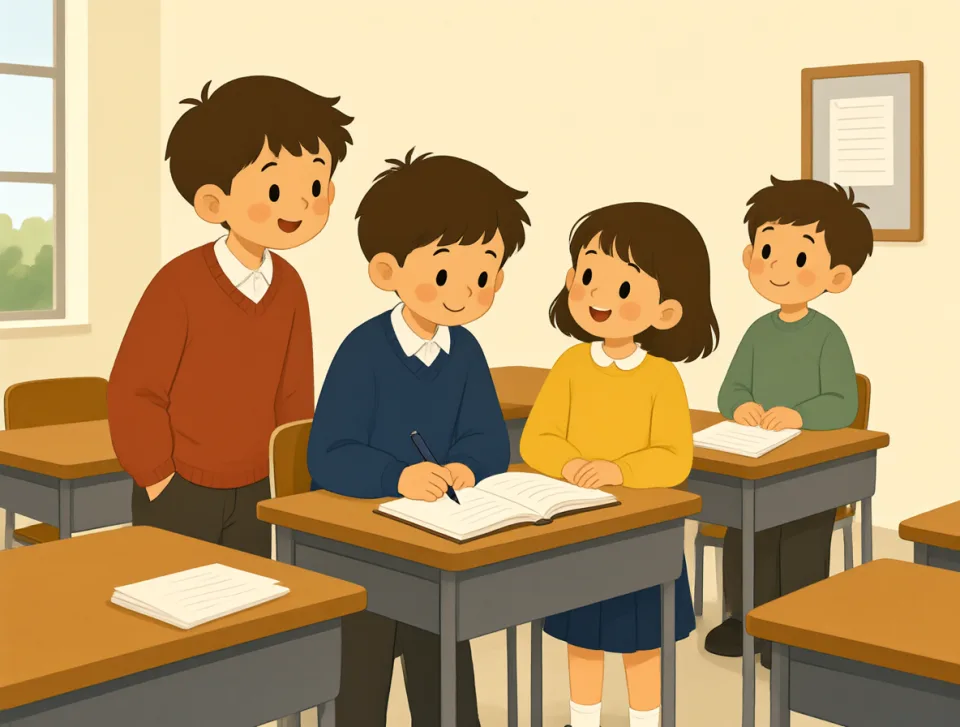
The children stand at their desks.
Дети стоят у своих парт.

She bought a phone stand.
Она купила подставку для телефона.
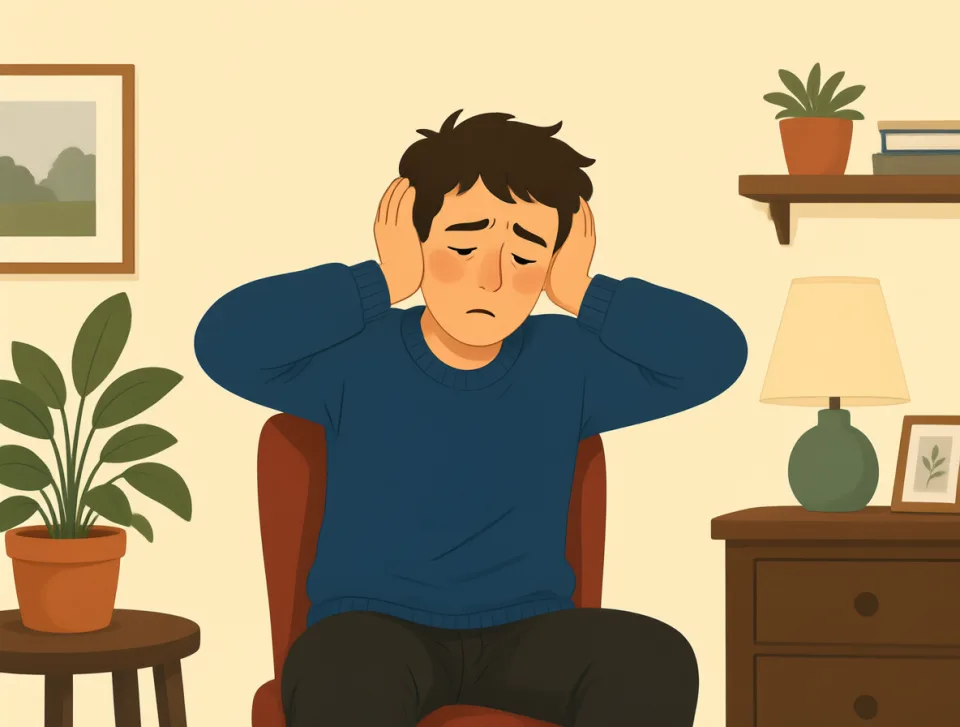
He cannot stand the loud noise.
Он не выносит громкий шум.
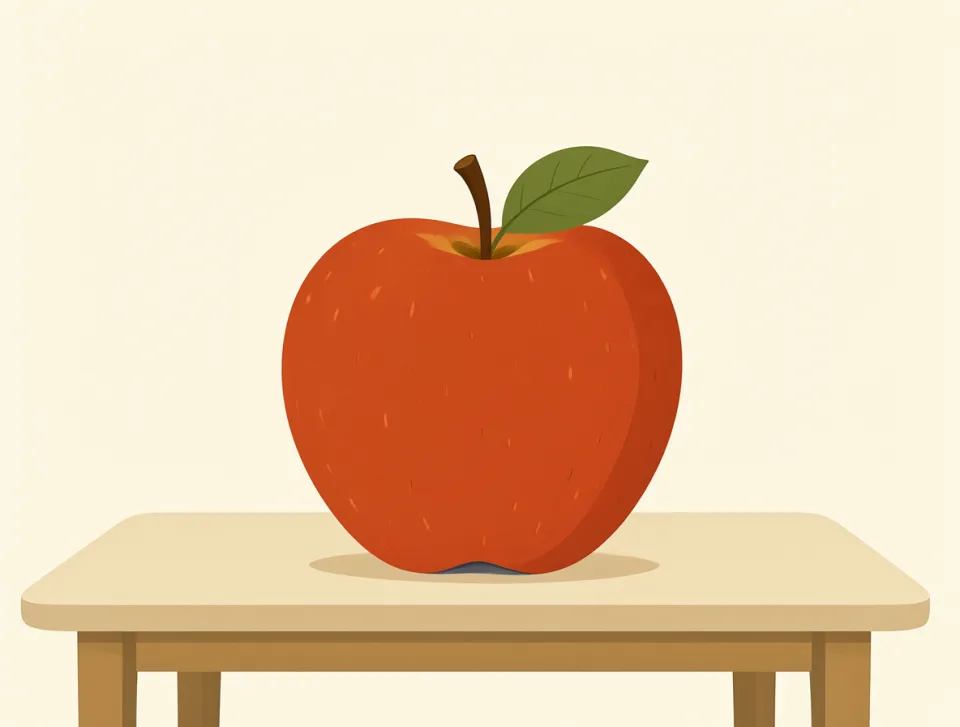
whole
#310adjective, noun, determiner, adverb
весь; целый
Complete, with all parts together; or all of something.
Полный, состоящий из всех частей; или всё целиком.

I ate the whole sandwich for lunch.
На обед я съел целый сэндвич.
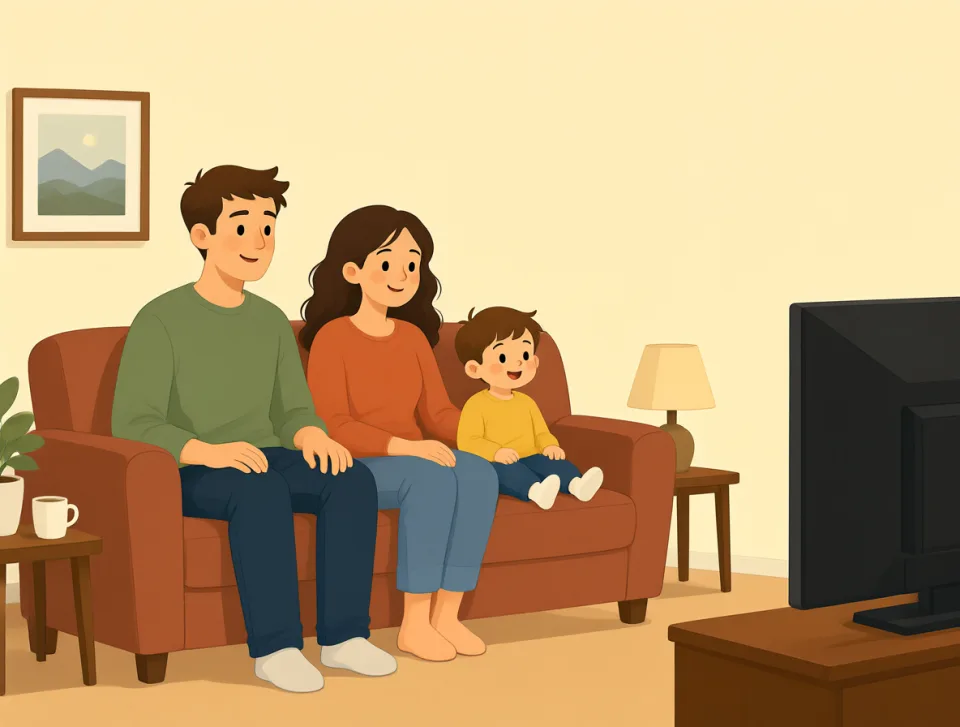
The whole family watched a movie together.
Вся семья вместе посмотрела фильм.

She spent the whole day at school.
Она провела весь день в школе.

We waited a whole hour for the bus.
Мы прождали целый час автобус.
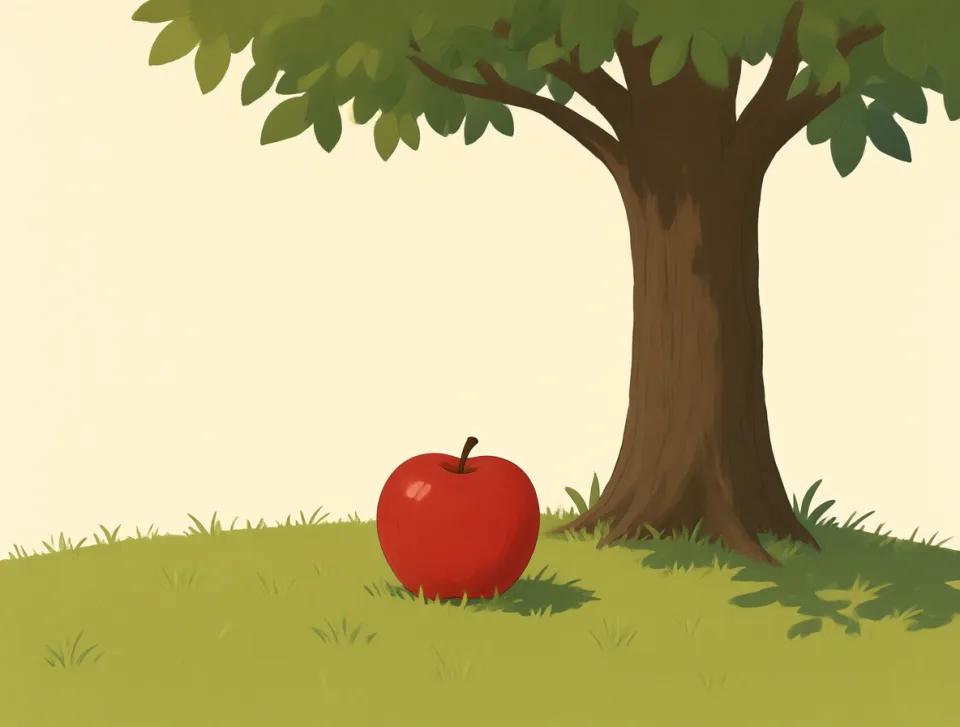
The whole apple fell from the tree.
Целое яблоко упало с дерева.
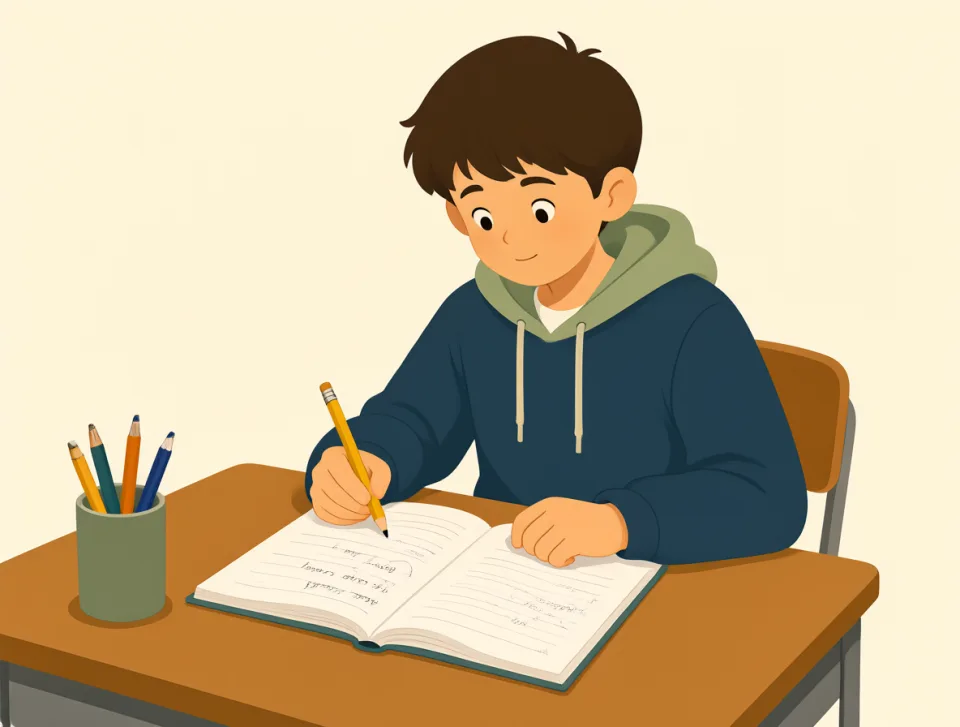
yet
#311adverb, conjunction
ещё
Used to say something has not happened until now or to add a surprising contrast.
Используется, чтобы сказать, что что-то ещё не произошло, или подчеркнуть неожиданный контраст.
I haven't finished my homework yet.
Я ещё не закончил домашнее задание.

Have you eaten lunch yet?
Ты уже пообедал?

She is not ready yet.
Она ещё не готова.

It is cold, yet the sun is shining.
Холодно, но светит солнце.
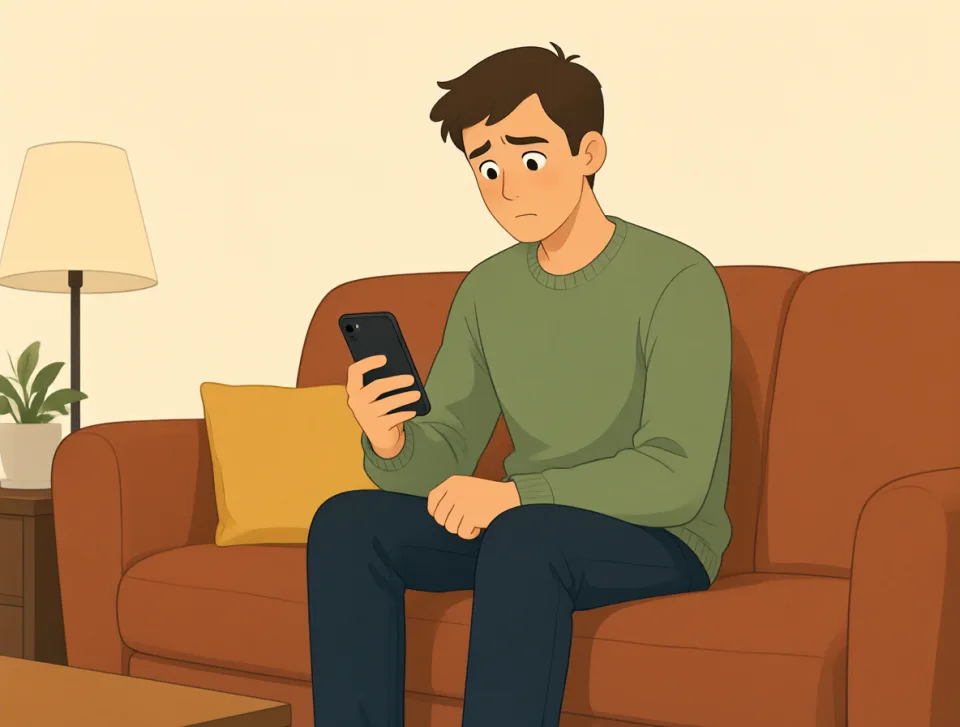
He has not called yet.
Он ещё не позвонил.

rate
#312noun, verb
ставка; оценивать
A level, price, or amount compared with another; to judge something or give it a score.
Уровень, цена или количество в сравнении с другим; оценивать что-либо или выставлять оценку.
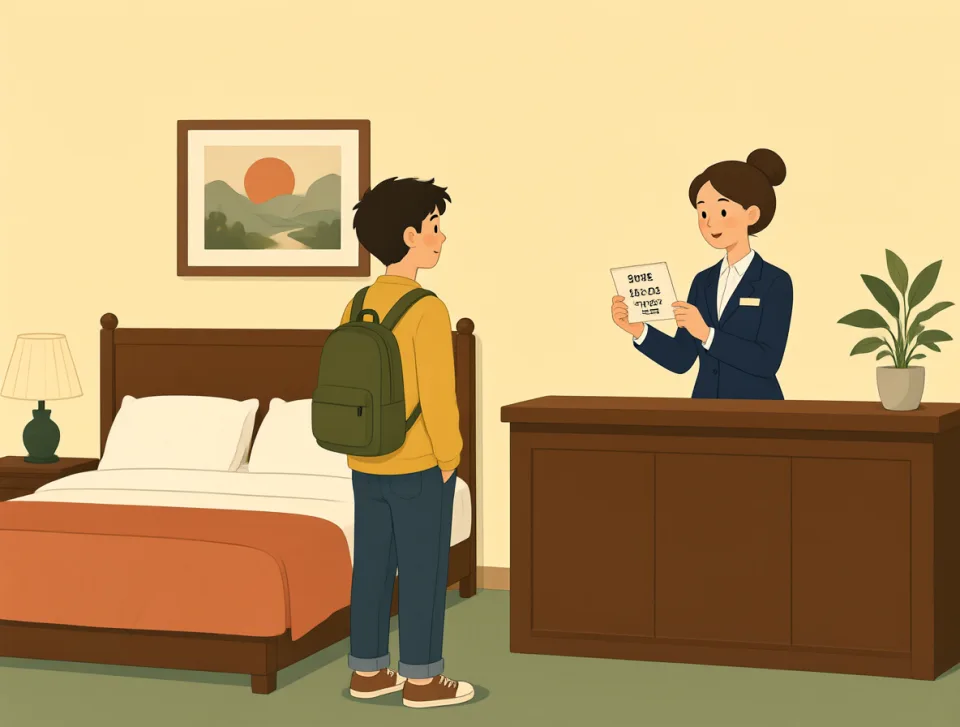
The hotel has a high room rate.
В отеле высокая стоимость проживания.
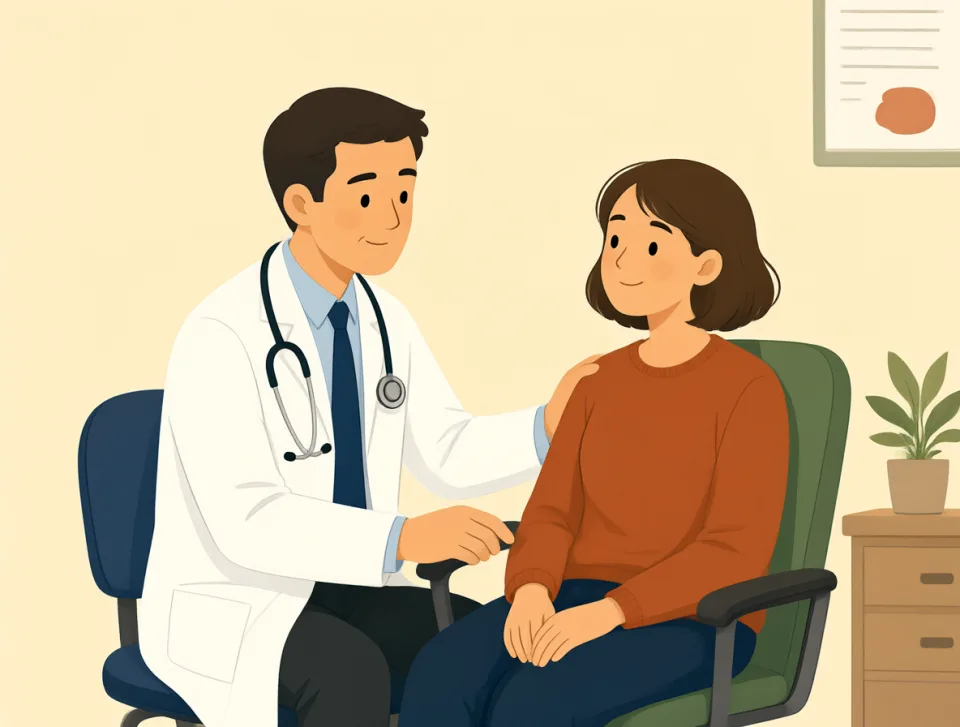
The doctor rated my pain as mild.
Врач оценил мою боль как слабую.

This restaurant rates among the best nearby.
Этот ресторан входит в число лучших поблизости.

She rated the book five stars.
Она оценила книгу на пять звёзд.
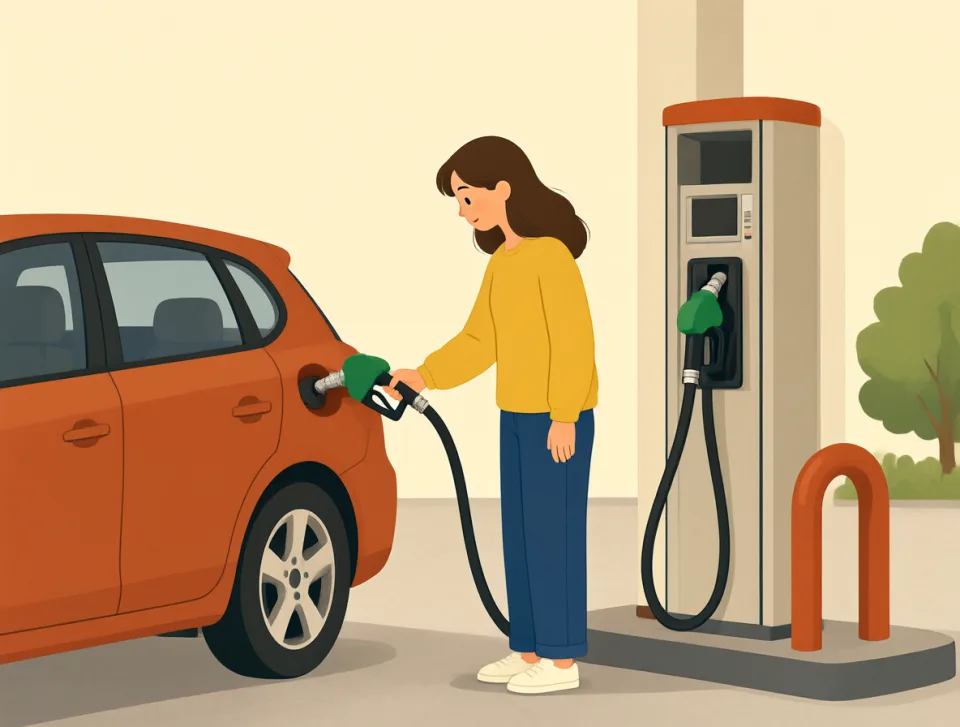
The car gets a good fuel rate.
У этой машины хороший расход топлива.
care
#313noun, verb
заботиться
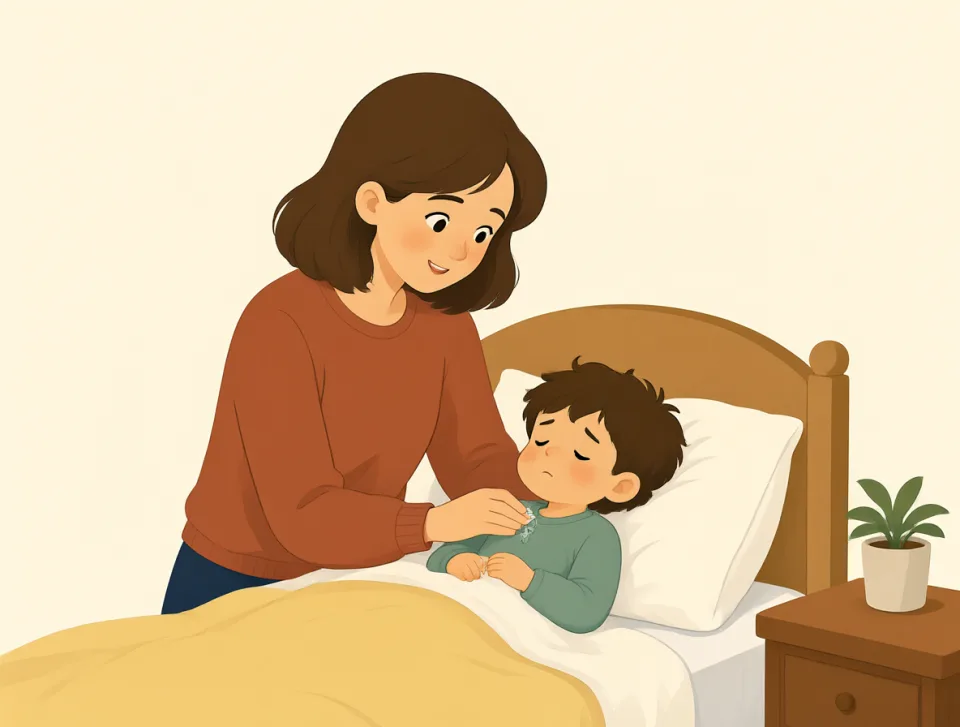
To feel concern for someone or something, or to look after them.
Испытывать беспокойство за кого-либо или что-либо либо заботиться о них.
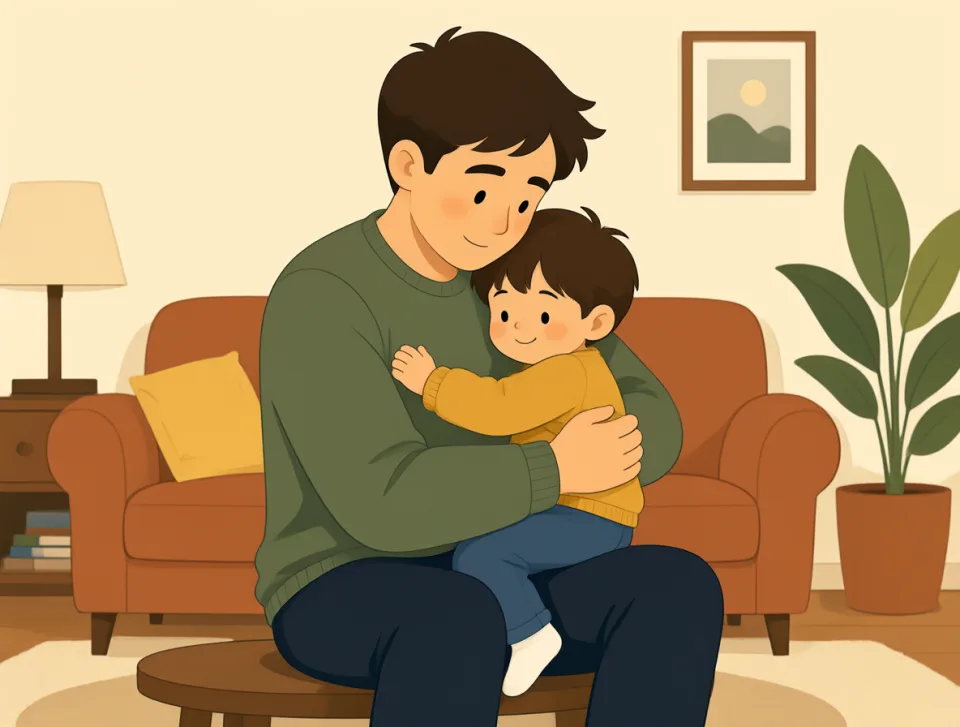
I care about my family very much.
Я очень забочусь о своей семье.
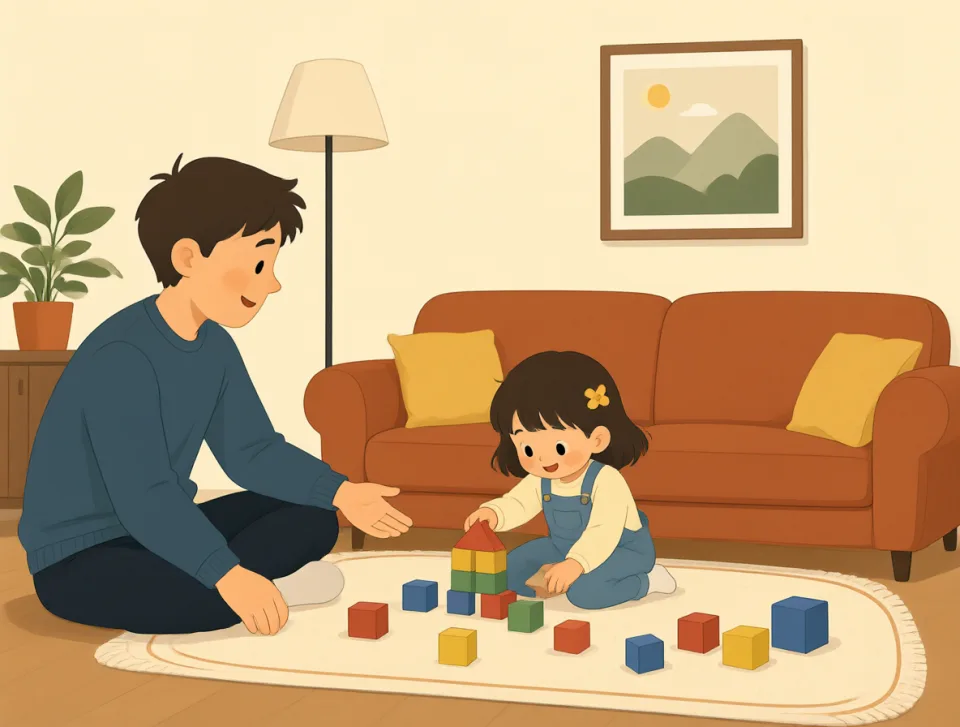
Please take care of your little sister.
Пожалуйста, присмотри за младшей сестрой.
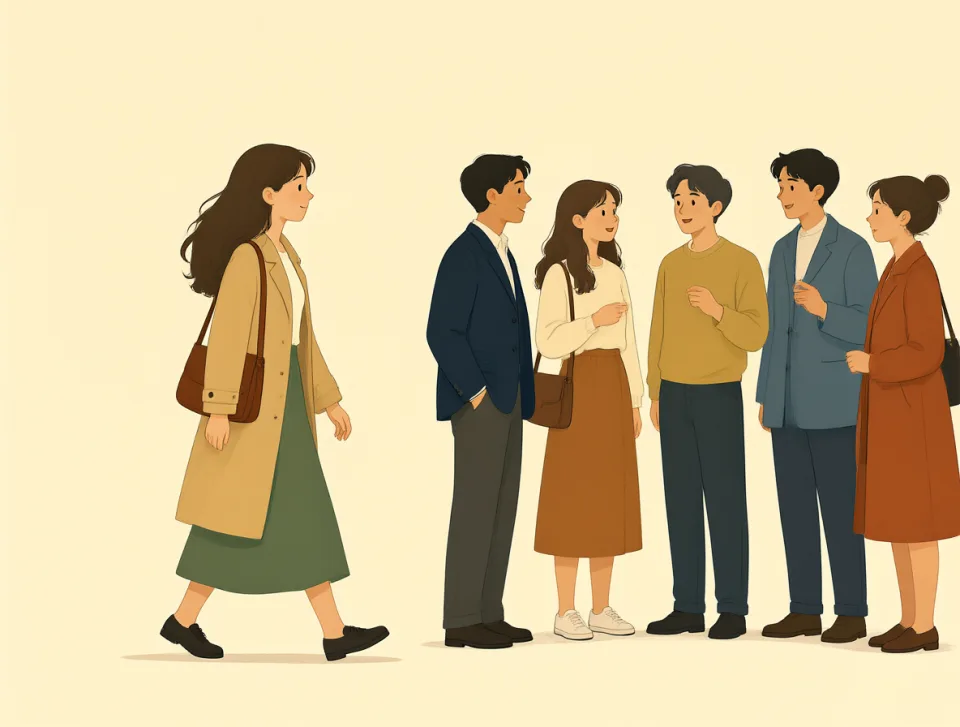
She does not care what people think.
Ей всё равно, что думают люди.
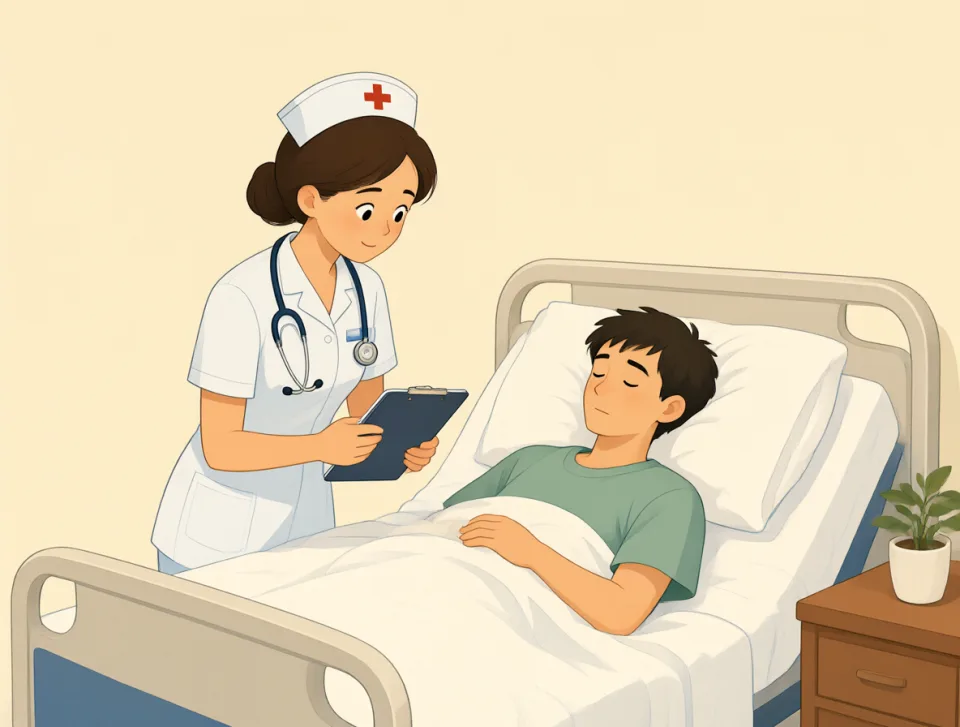
The nurse cared for the patient all night.
Медсестра ухаживала за пациентом всю ночь.
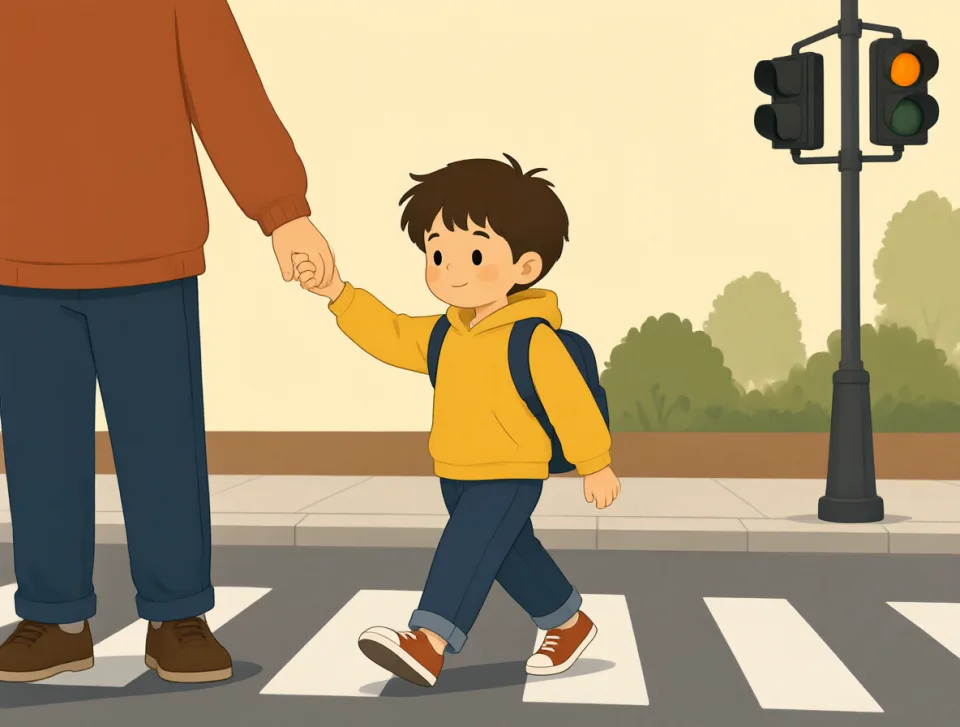
Take care when you cross the busy street.
Будь осторожен, переходя оживлённую улицу.

expect
#314verb
ожидать
To think something will happen or believe someone will do something.
Думать, что что-то произойдёт, или верить, что кто-то что-то сделает.
I expect a package tomorrow.
Я ожидаю посылку завтра.
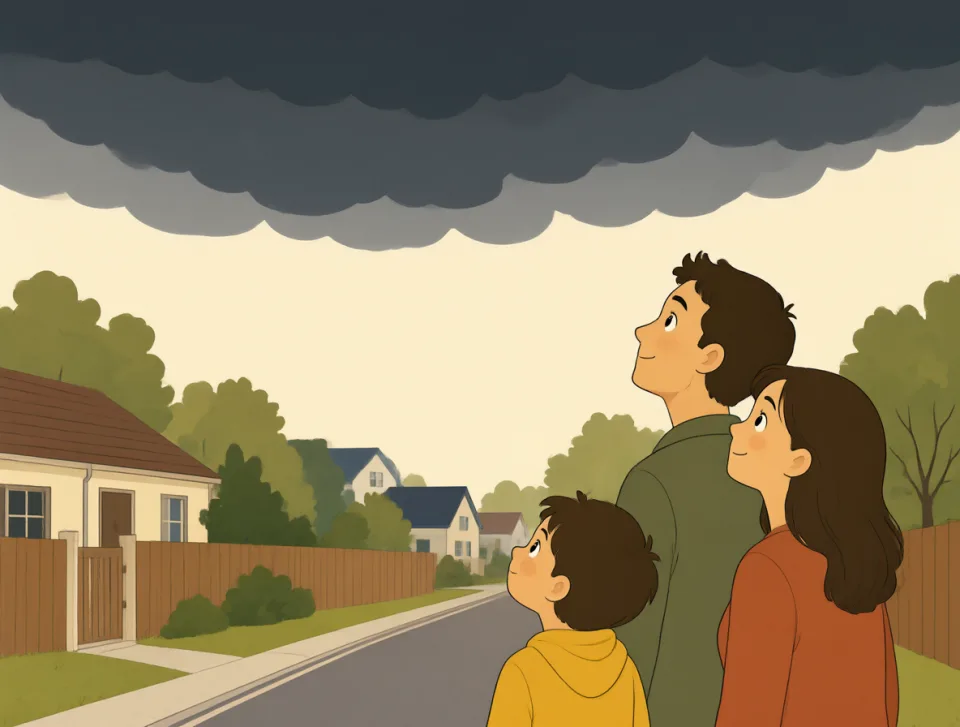
We expect rain this afternoon.
Мы ждём дождя сегодня днём.
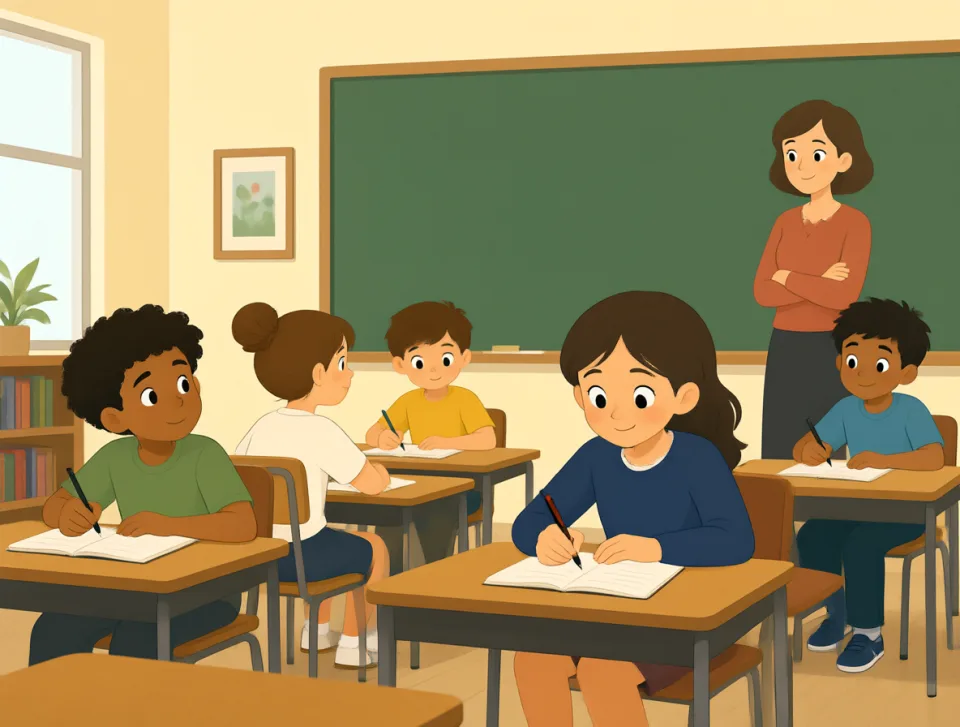
The teacher expects us to finish today.
Учитель ожидает, что мы закончим сегодня.

They expect the train to arrive soon.
Они ожидают, что поезд скоро прибудет.

The doctor expects you to feel better soon.
Врач ожидает, что скоро вам станет лучше.
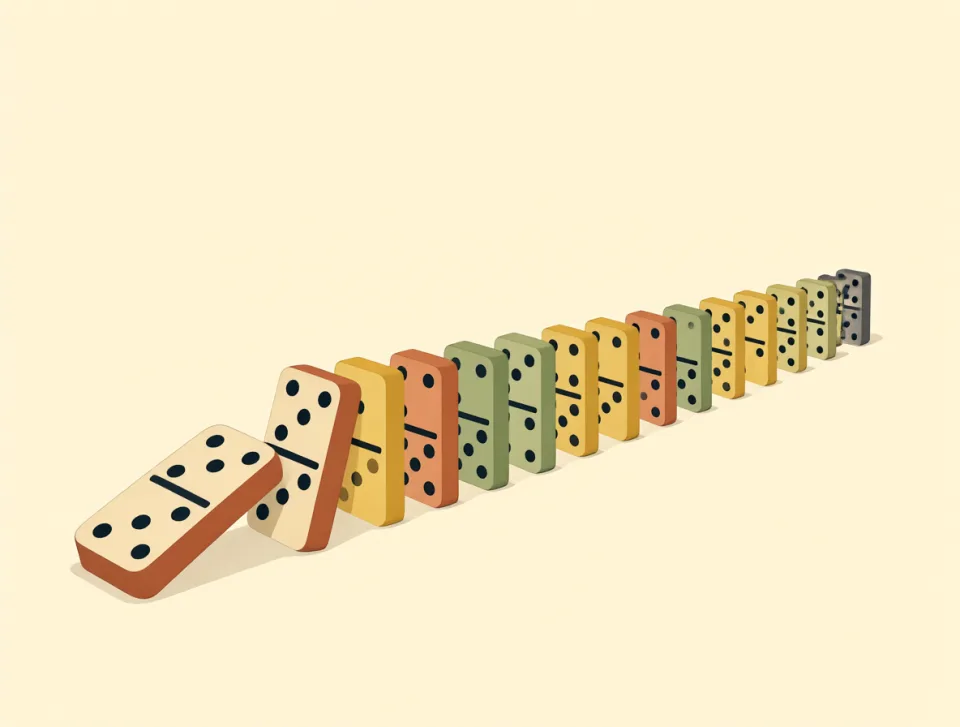
effect
#315noun, verb
эффект; воздействовать
A change caused by something, or to make a change happen.
Изменение, вызванное чем-либо, или действие, которое приводит к изменению.

The medicine had a good effect on her.
Лекарство оказало на неё благотворное воздействие.
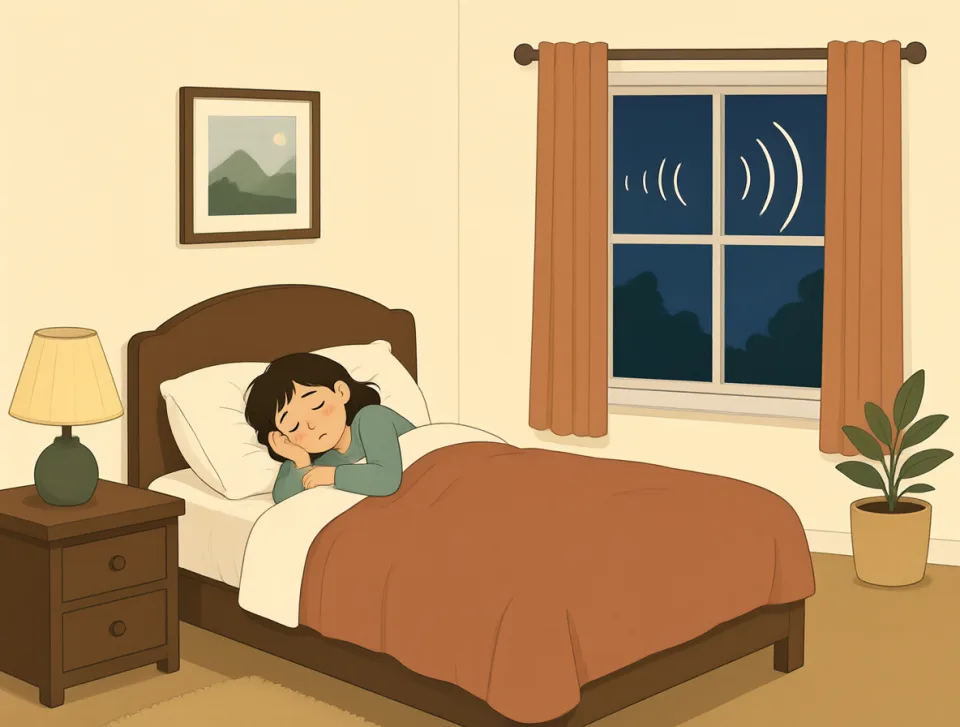
The loud noise affected my sleep.
Громкий шум нарушил мой сон.

Sunlight has a strong effect on plants.
Солнечный свет сильно влияет на растения.
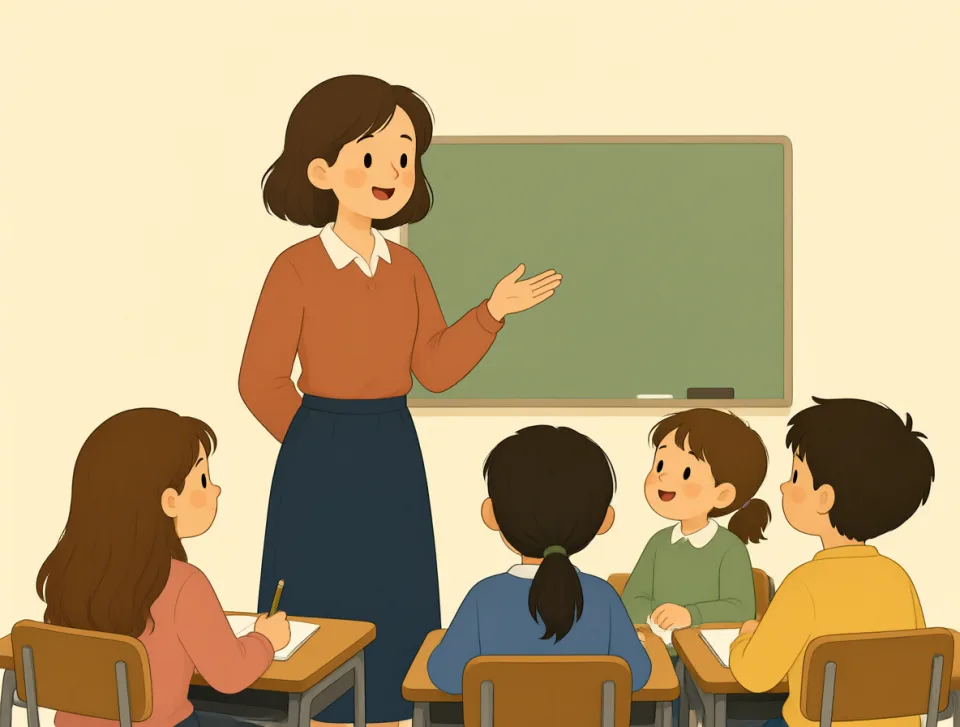
The new rule will affect all students.
Новое правило коснётся всех учеников.
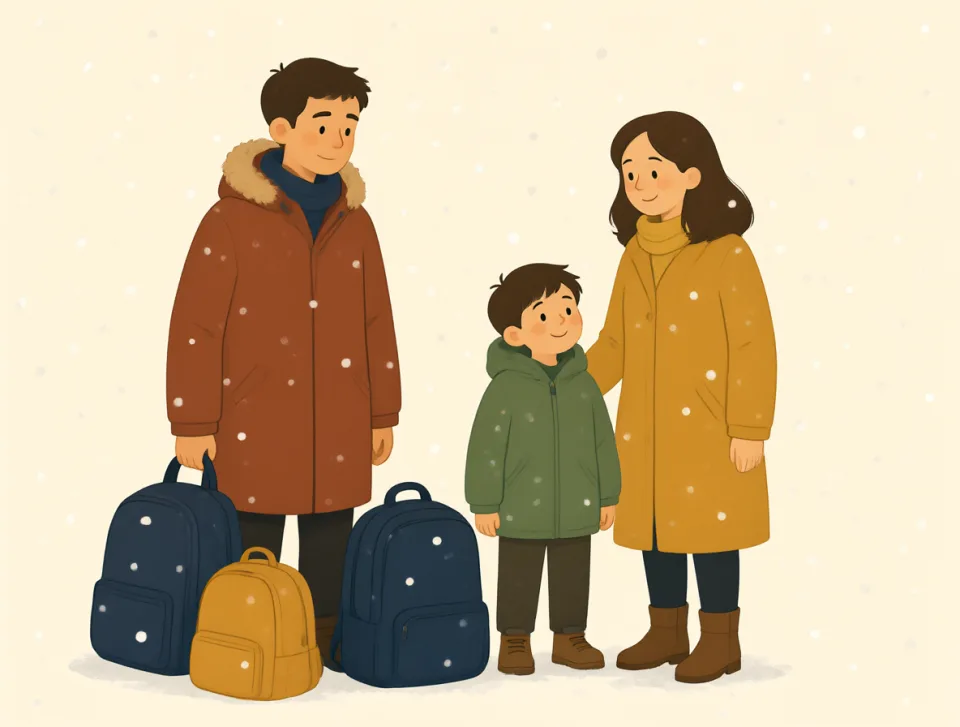
The cold weather affected our travel plans.
Холодная погода повлияла на наши планы поездки.
sort
#316noun, verb
сорт; вид
A type of something; to put things into groups.
Вид чего-либо; распределять вещи по группам.

What sort of music do you like?
Какую музыку ты любишь?
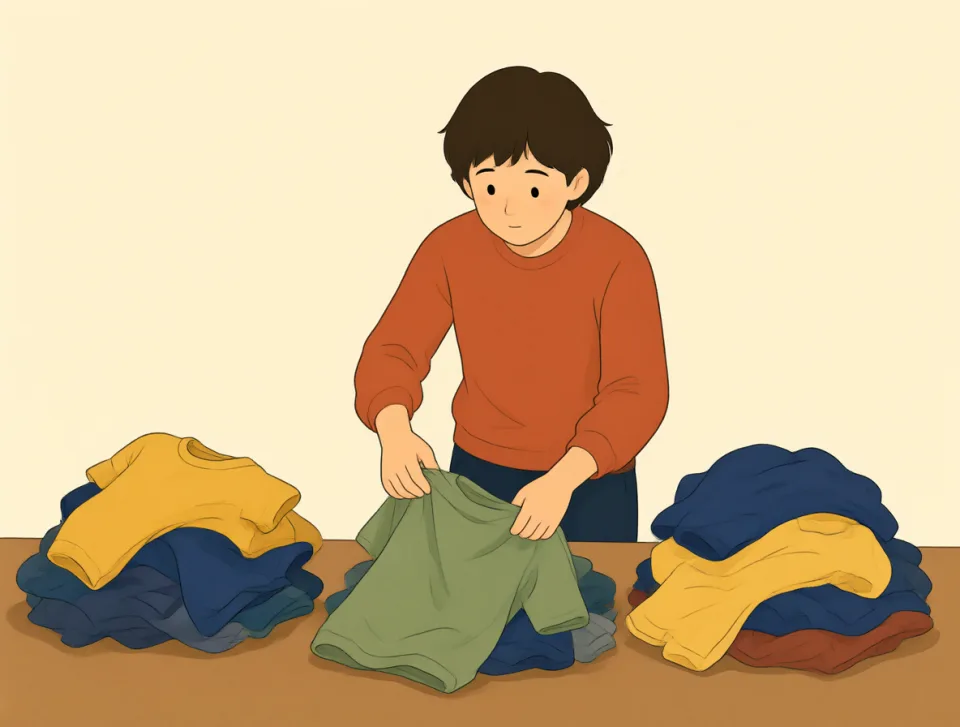
Please sort these clothes by color.
Пожалуйста, рассортируй эту одежду по цвету.
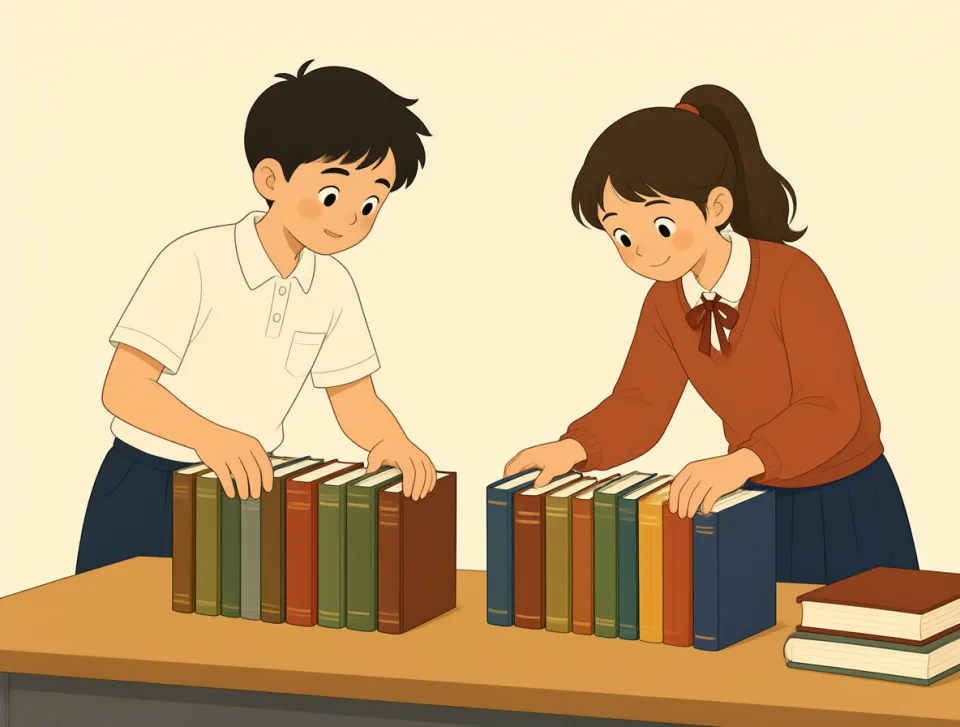
We sorted the books by size.
Мы рассортировали книги по размеру.
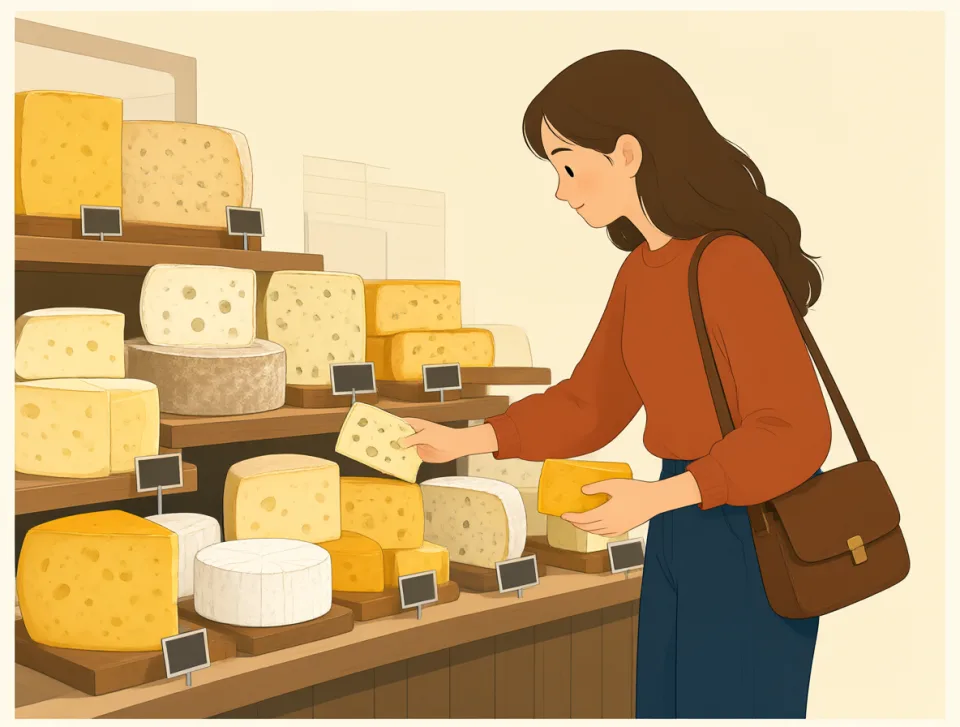
She bought several sorts of cheese.
Она купила несколько сортов сыра.
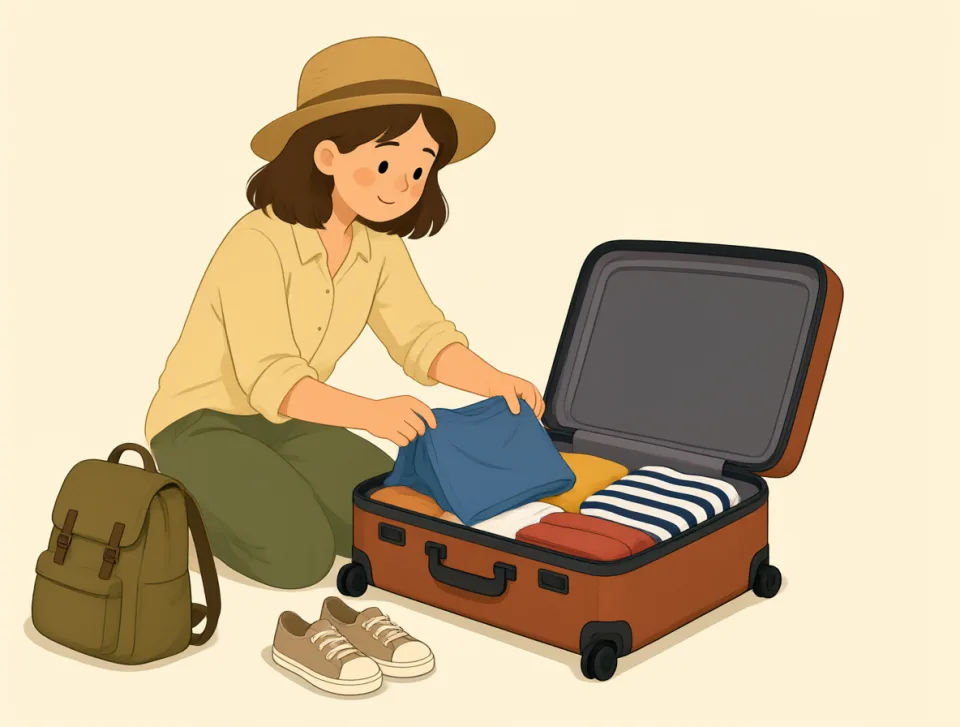
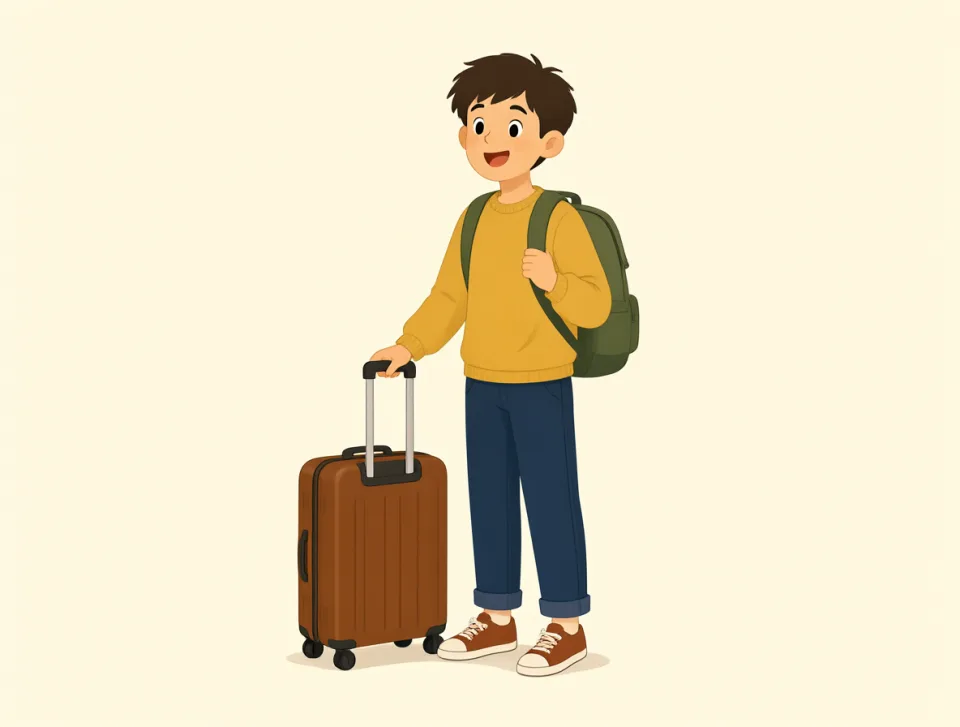
I need to sort out my travel plans.
Мне нужно привести в порядок свои планы на поездку.
ever
#317adverb
когда-либо; когда-нибудь
At any time, or at any time before now.
В любое время или когда-либо до настоящего момента.
Have you ever visited another country?
Ты когда-нибудь бывал в другой стране?

This is the best pizza I have ever eaten.
Это лучшая пицца, которую я когда-либо ел.

Do you ever walk to work?
Ты когда-нибудь ходишь на работу пешком?

If you ever need help, call me.
Если тебе когда-нибудь понадобится помощь, позвони мне.

He hardly ever drinks coffee in the evening.
Он почти никогда не пьёт кофе по вечерам.
anything
#318pronoun, determiner
что-нибудь; что-либо
A thing of any kind, or no particular thing.
Любая вещь или что-то определённое.
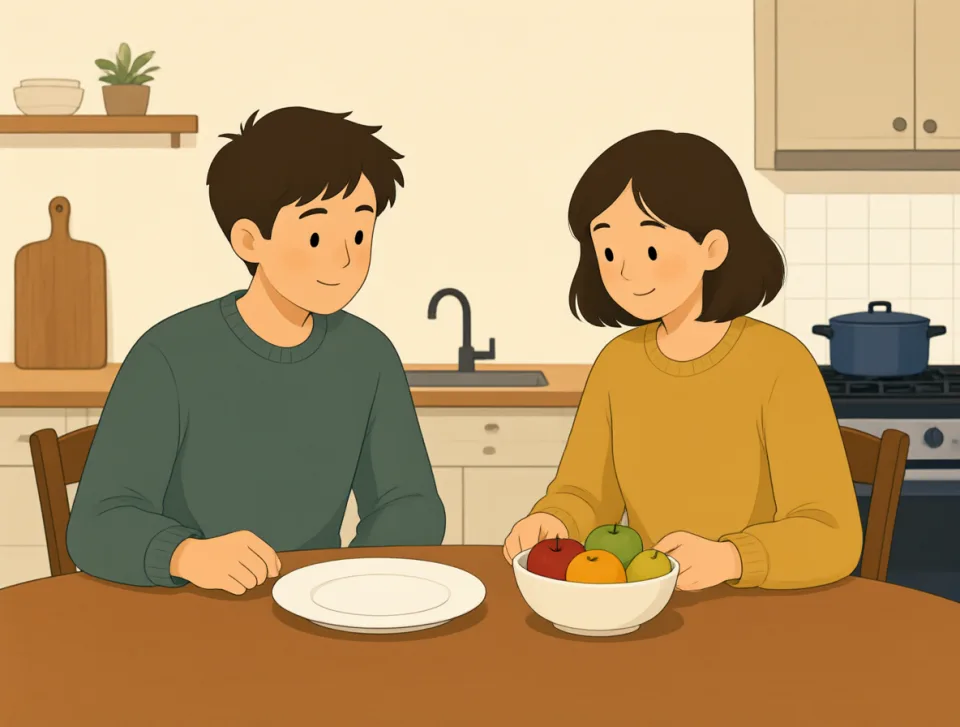
Would you like anything to eat?
Не хотите чего-нибудь поесть?
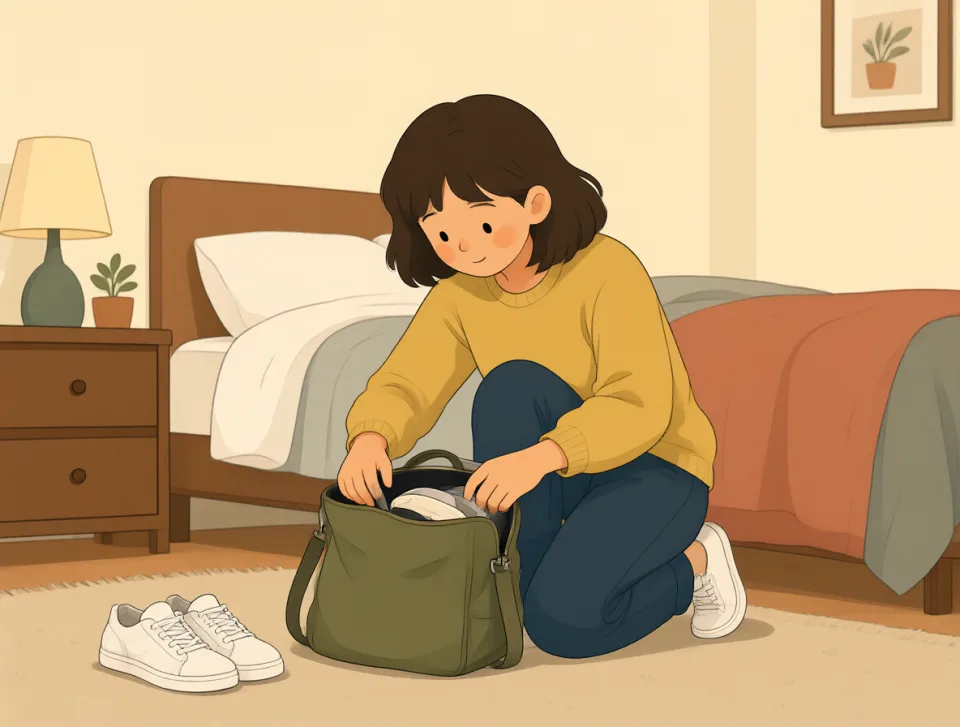
I cannot find anything in this bag.
Я не могу найти ничего в этой сумке.
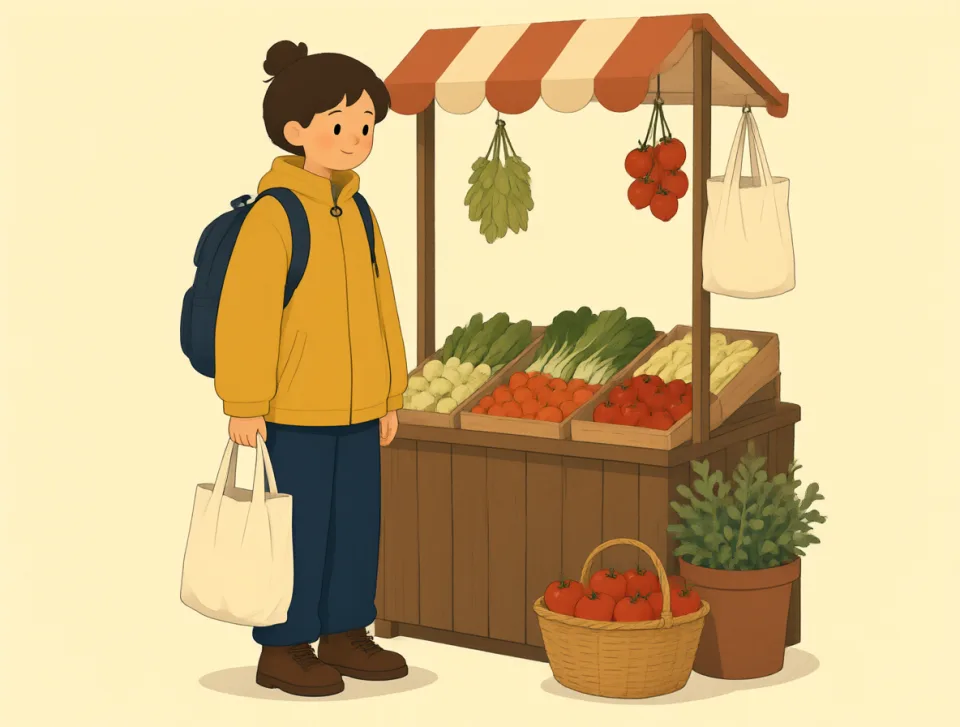
Did you buy anything at the market?
Ты купил что-нибудь на рынке?
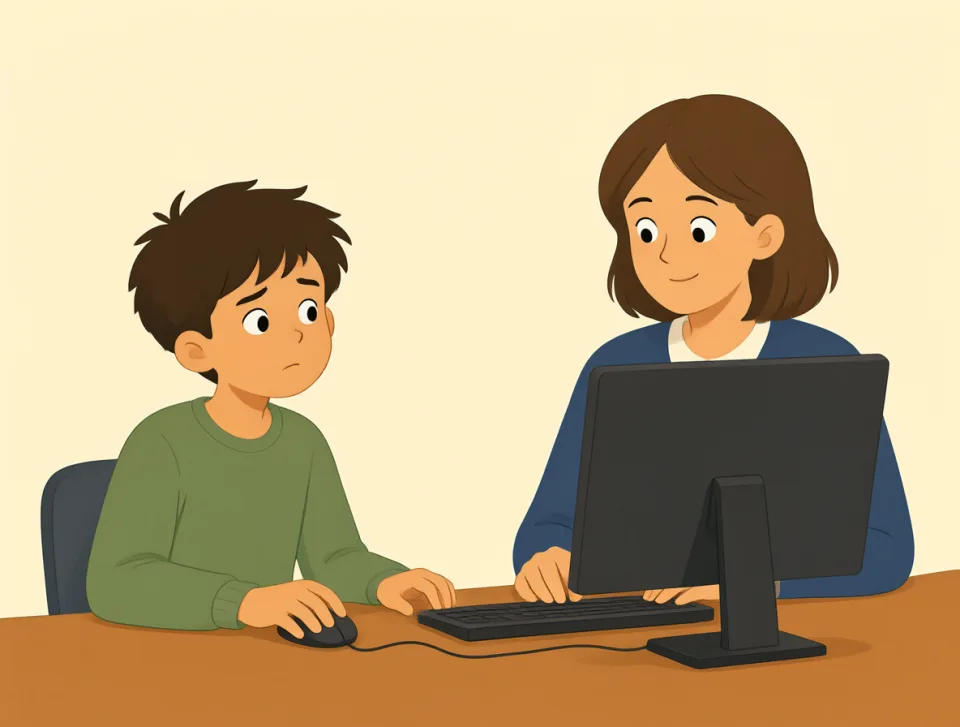
She knows anything about computers.
Она кое-что знает о компьютерах.
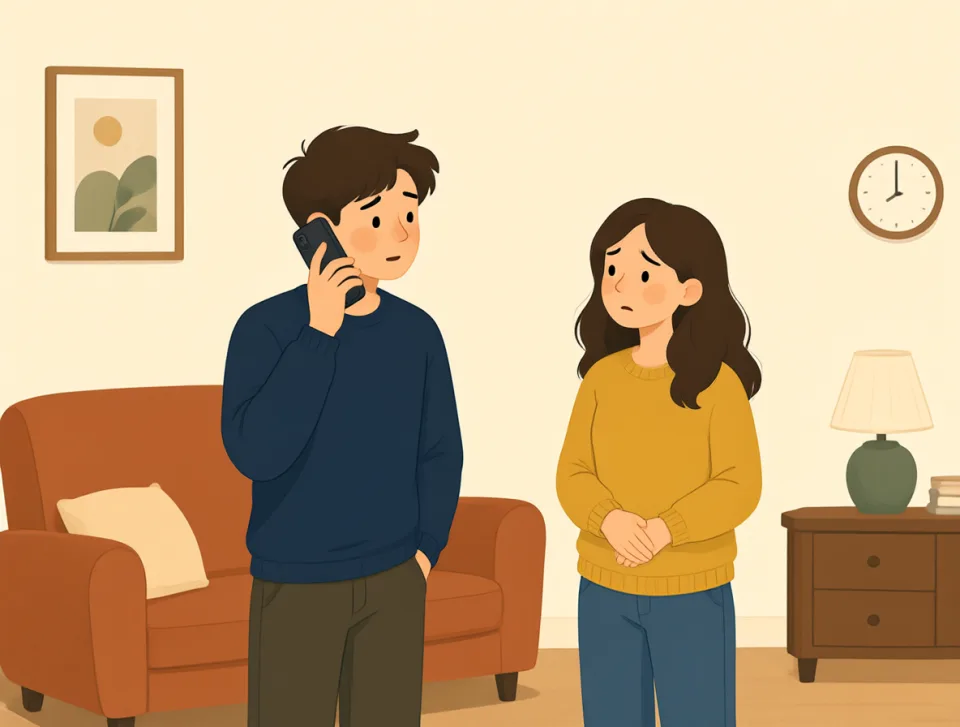
Please call me if anything happens.
Пожалуйста, позвони мне, если что-нибудь случится.
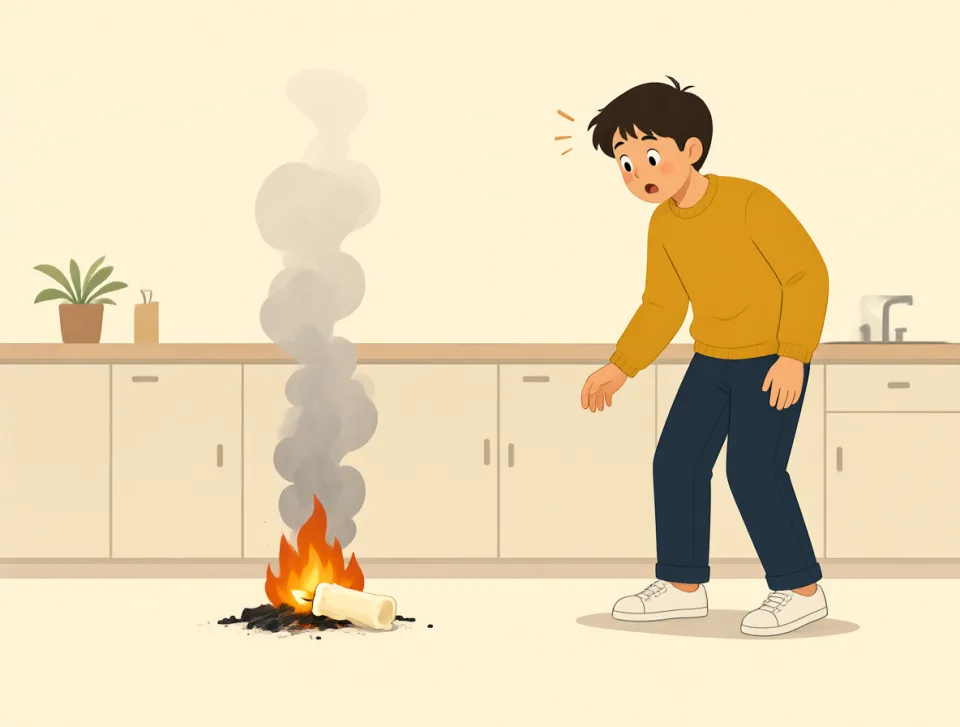
cause
#319noun, verb
причина; вызывать
A reason something happens; to make something happen.
Причина, по которой что-то происходит; сделать так, чтобы что-то произошло.
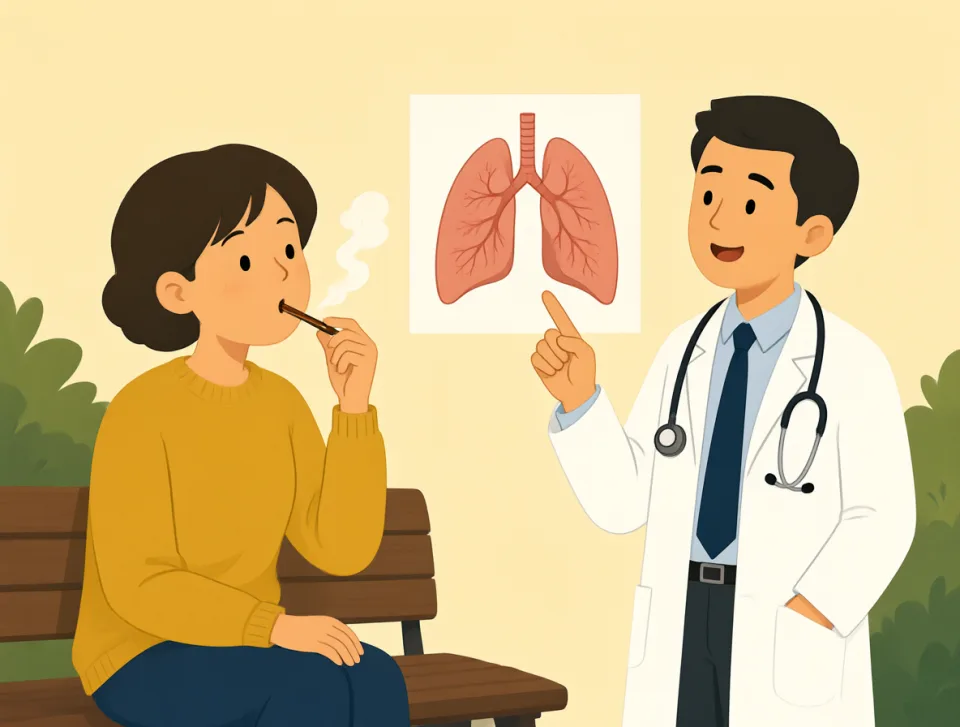
Smoking can cause serious health problems.
Курение может вызвать серьёзные проблемы со здоровьем.
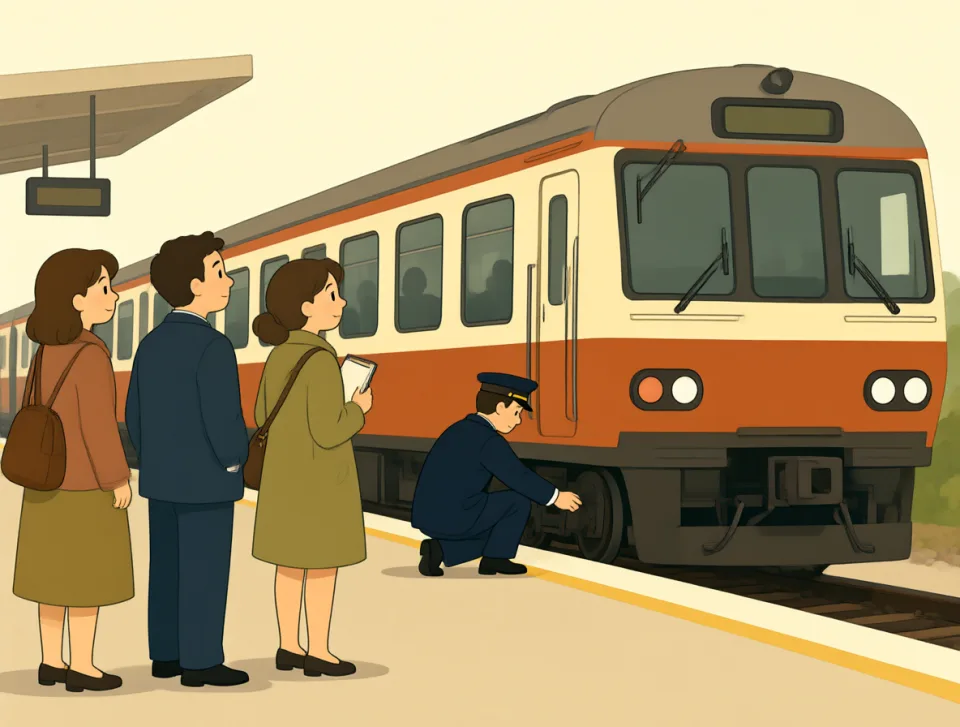
What caused the train delay this morning?
Что стало причиной задержки поезда сегодня утром?

The heavy rain caused a flood.
Сильный дождь вызвал наводнение.
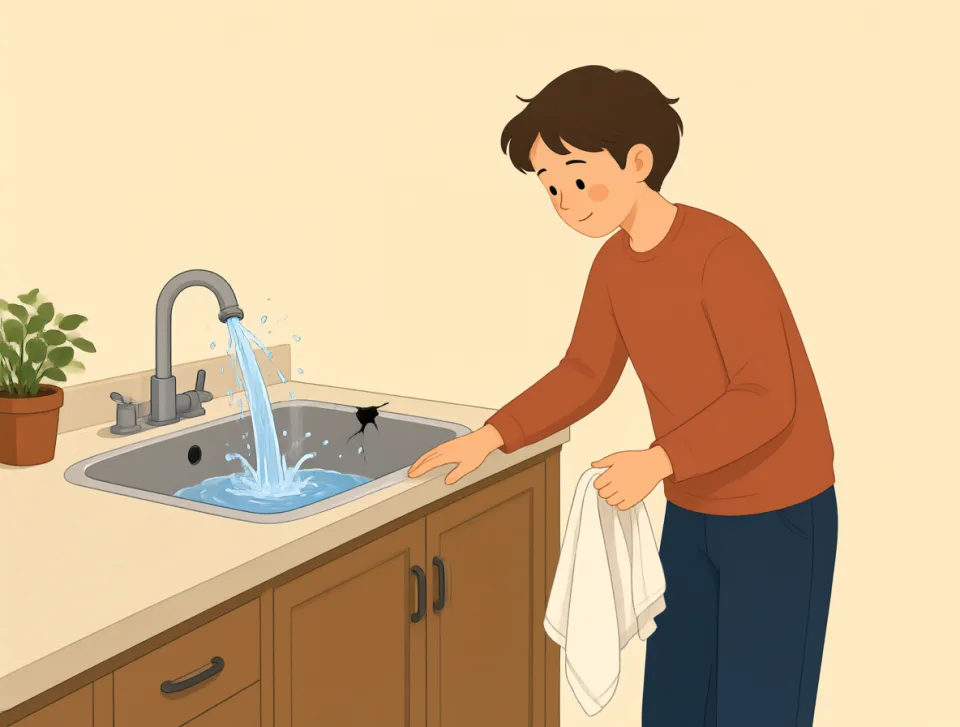
A broken pipe caused water damage at home.
Из-за прорвавшейся трубы дома пострадало имущество.
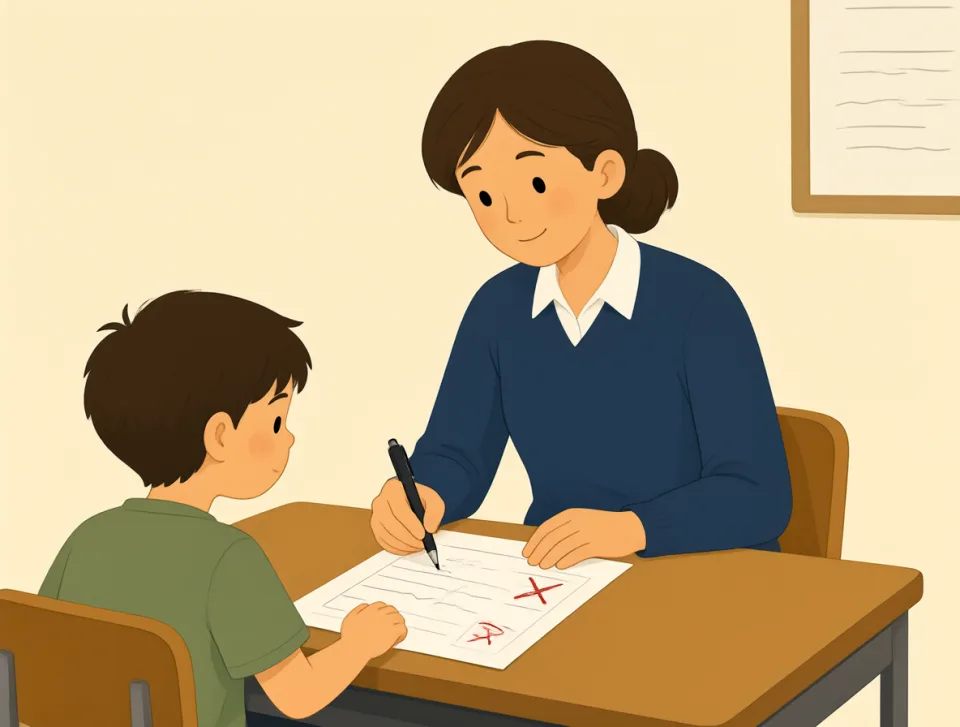
The teacher explained the cause of the mistake.
Учитель объяснил причину ошибки.
fall
#320verb, noun
падать; осень
To move down suddenly, or the season between summer and winter.
Резко опуститься вниз или время года между летом и зимой.
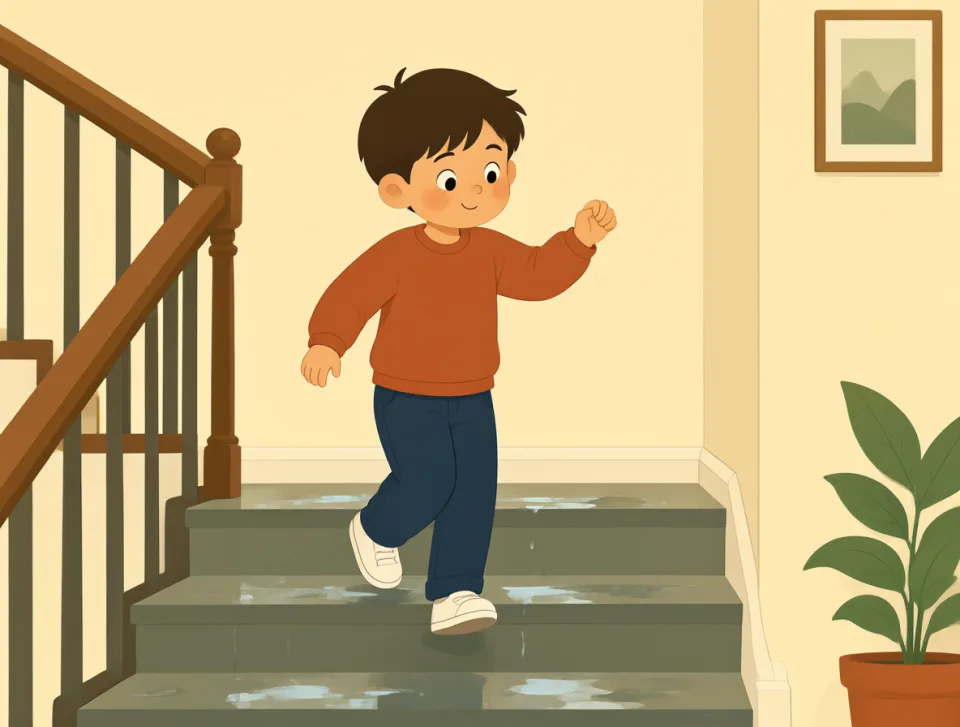
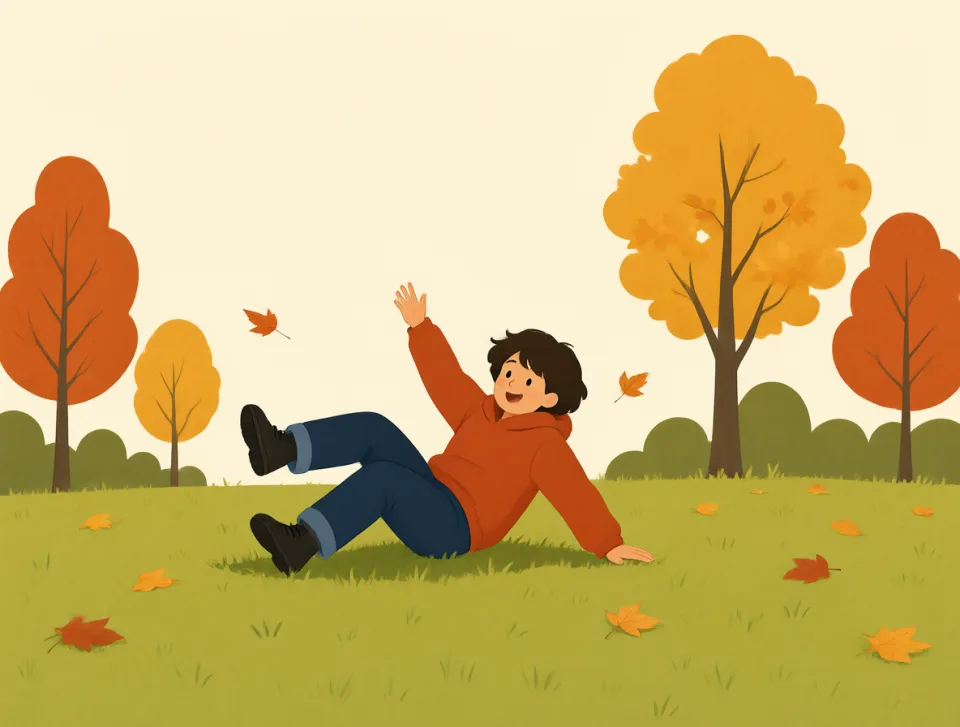
Be careful, or you may fall down.
Осторожно, а то можешь упасть.

The leaves fall from the trees in autumn.
Осенью листья падают с деревьев.

I fell asleep on the sofa.
Я уснул на диване.
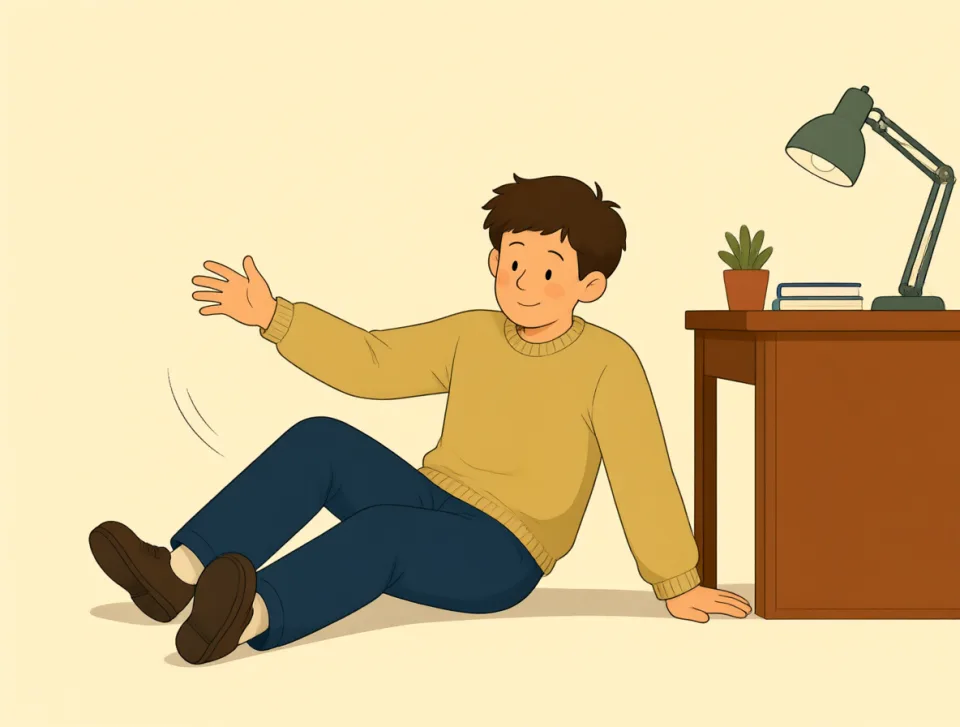
She had a bad fall at work.
На работе она сильно упала.

We visited Canada last fall.
Мы ездили в Канаду прошлой осенью.