16단원
301–320번 단어 · control, already, concern, product, lose, story
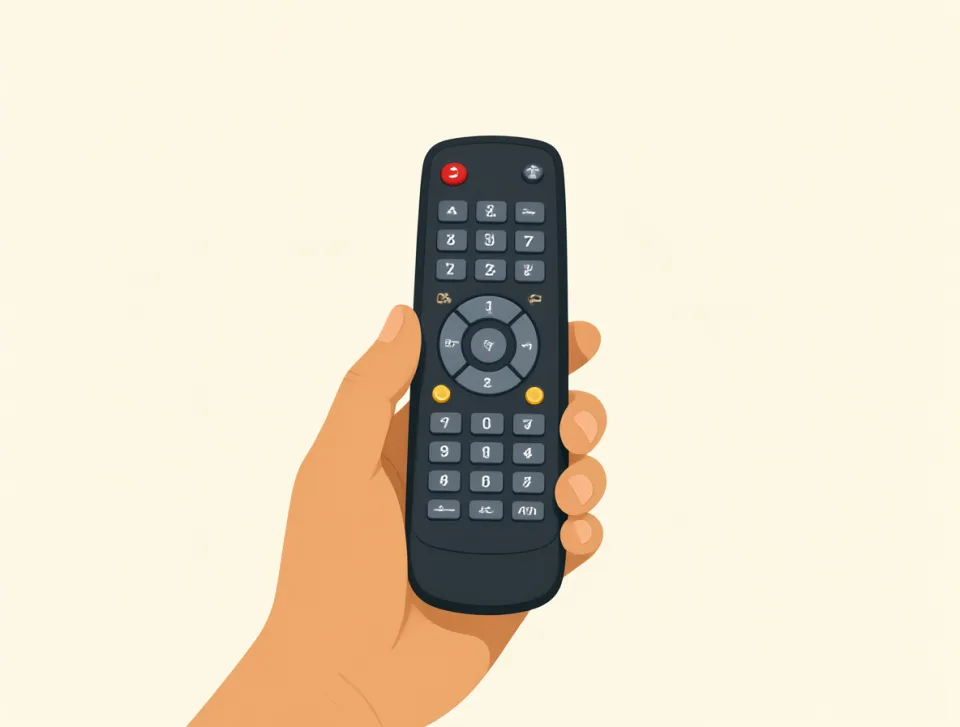
control
#301noun, verb
통제; 지배; 조절
The power to direct people or manage what happens.
사람들을 지휘하거나 어떤 일이 일어날지 관리할 수 있는 힘
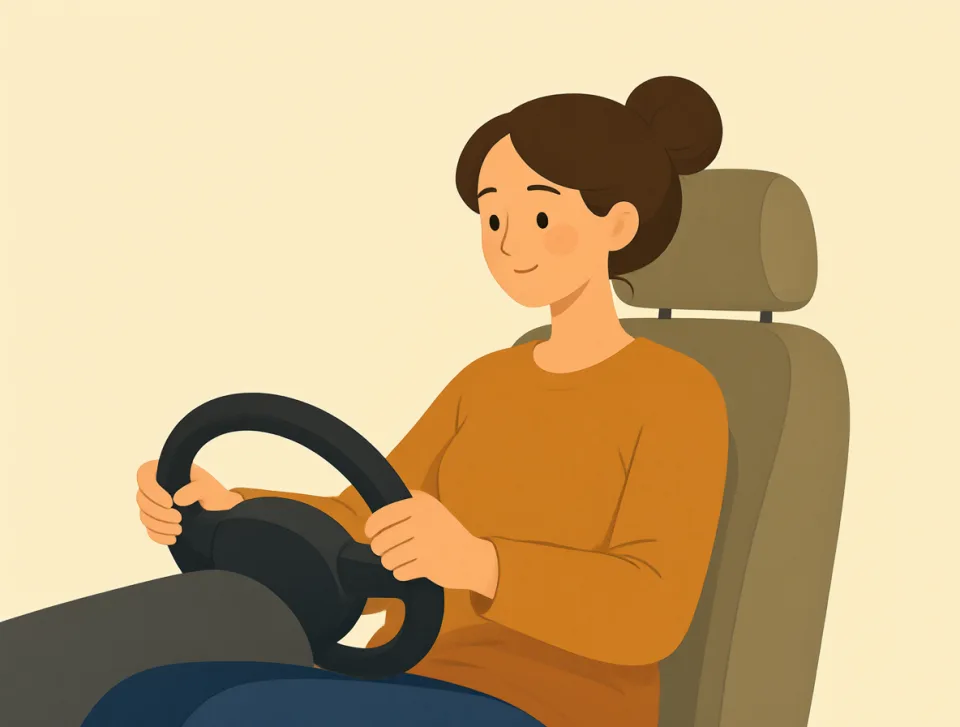
She is in control of the car.
그녀가 차를 통제하고 있어요.
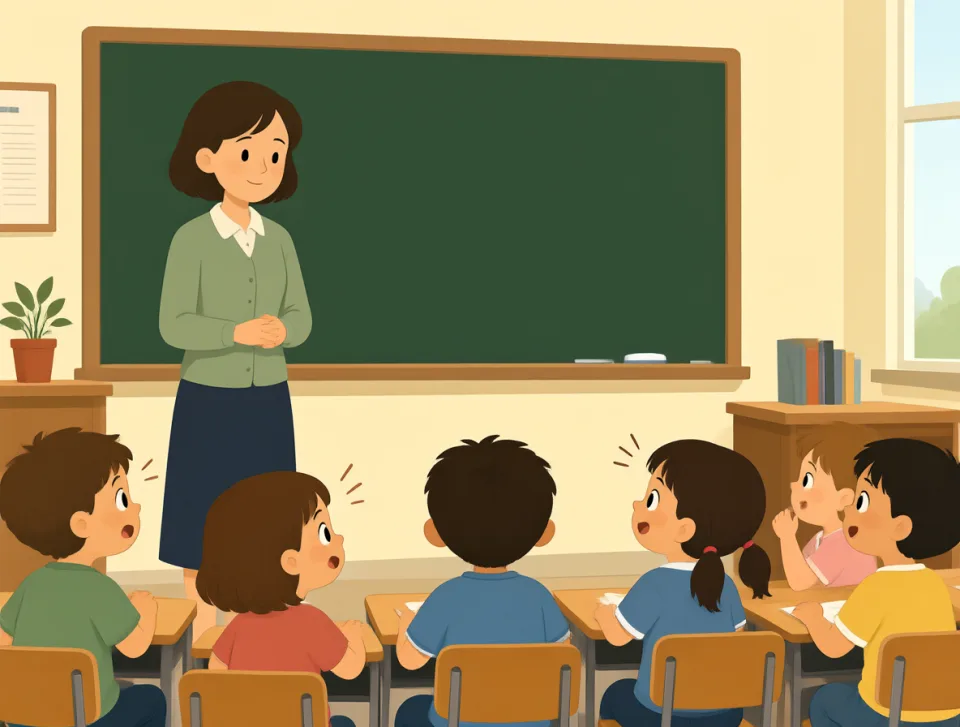
The teacher controls the noisy classroom.
그 선생님은 시끄러운 교실을 통제해요.
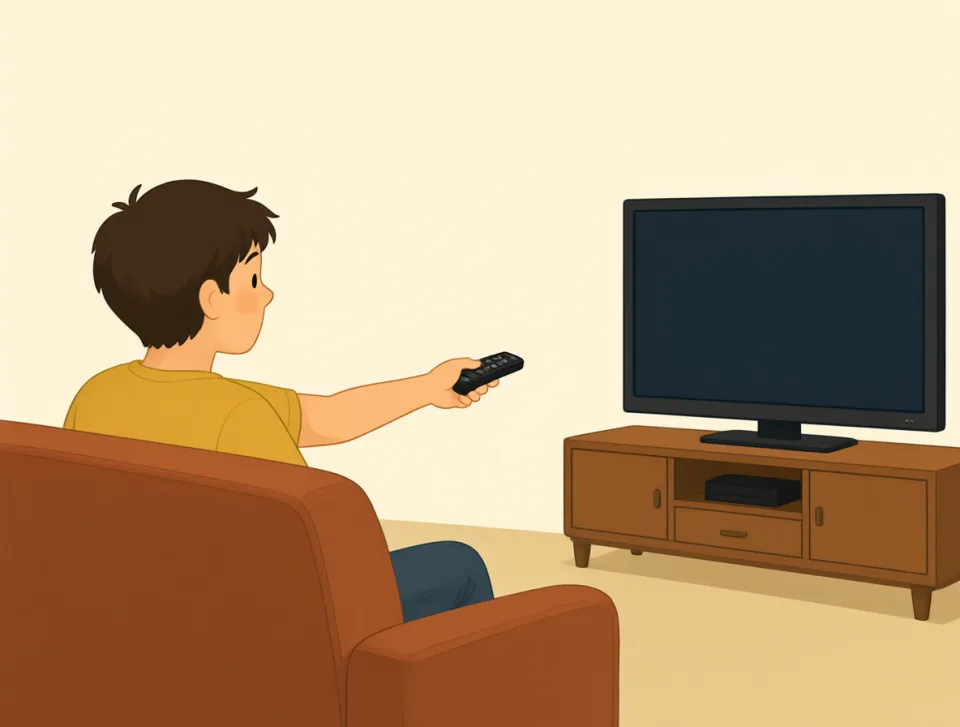
Use the remote control to change channels.
채널을 바꾸려면 리모컨을 사용하세요.
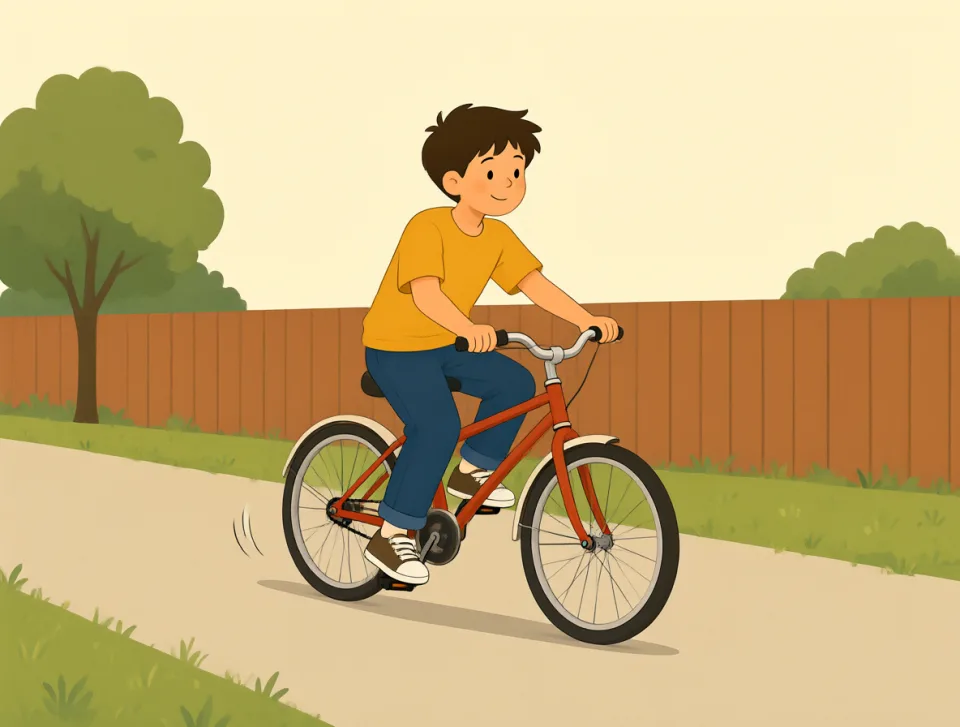
He lost control of his bike.
그는 자전거를 제어하지 못했어요.
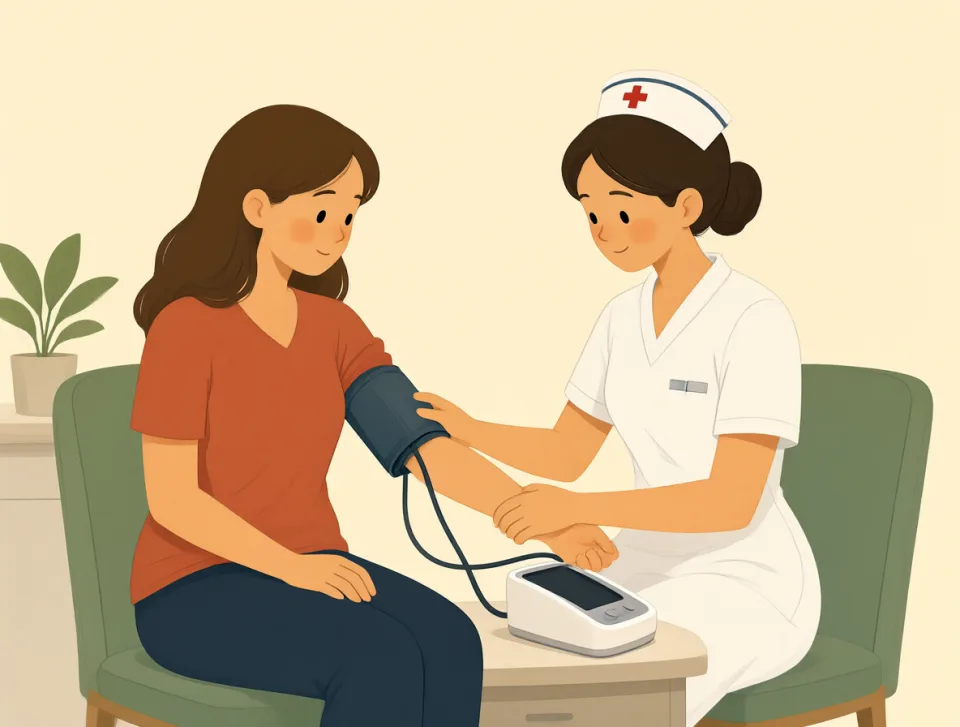
The nurse checked her blood pressure control.
간호사는 그녀의 혈압 조절 상태를 확인했어요.
already
#302adverb
이미; 벌써
before now or before a particular time
지금보다 앞서 또는 특정한 시간보다 앞서
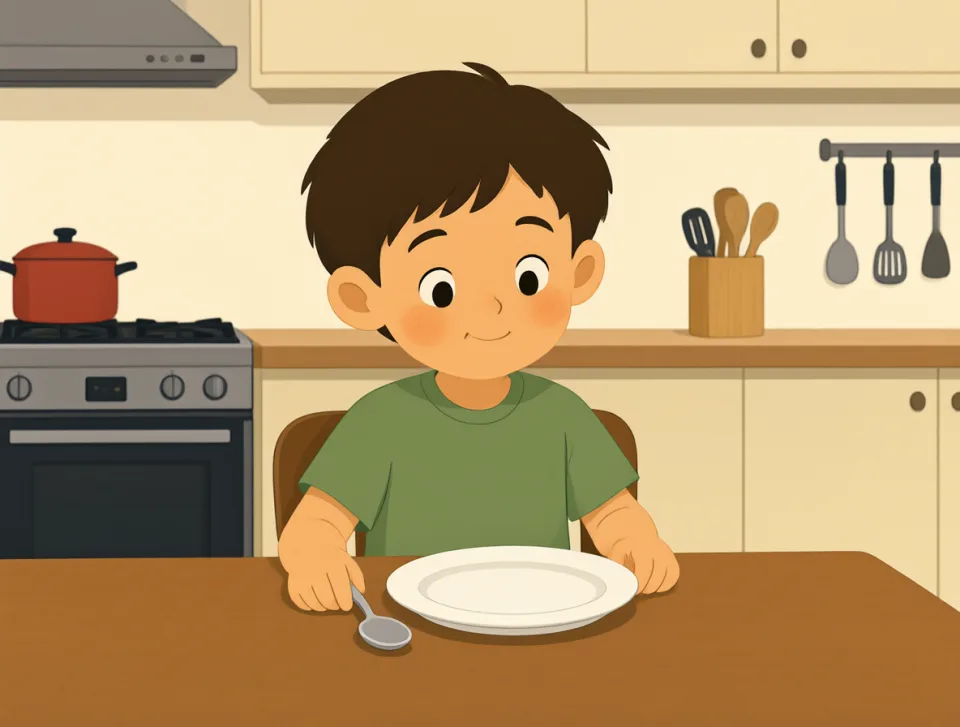
I have already eaten breakfast.
나는 이미 아침을 먹었어.
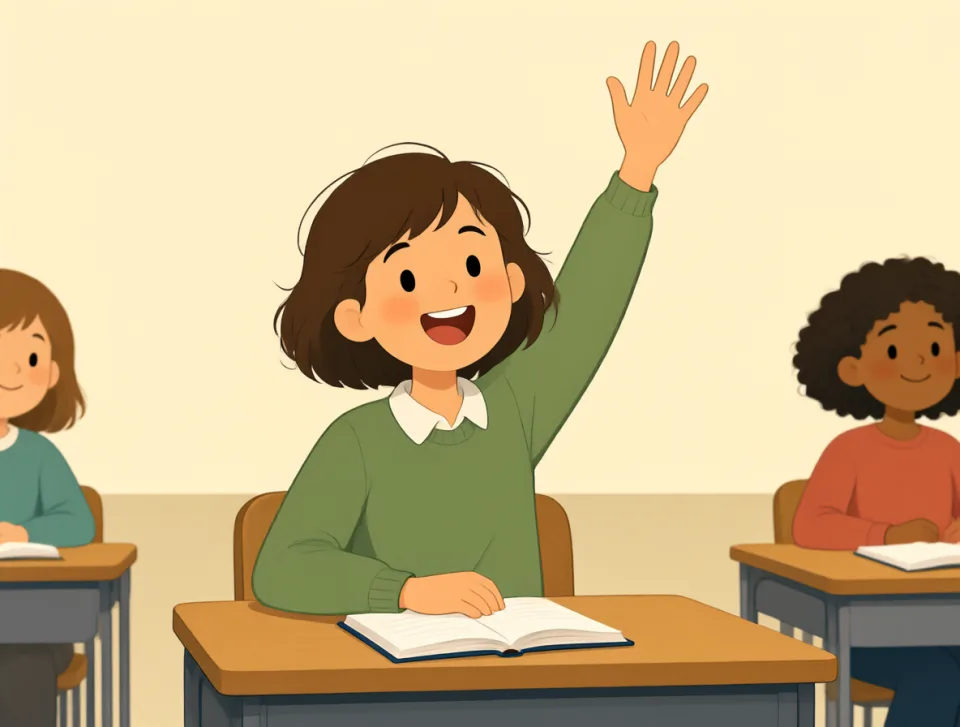
She already knows the answer.
그녀는 이미 답을 알고 있어.
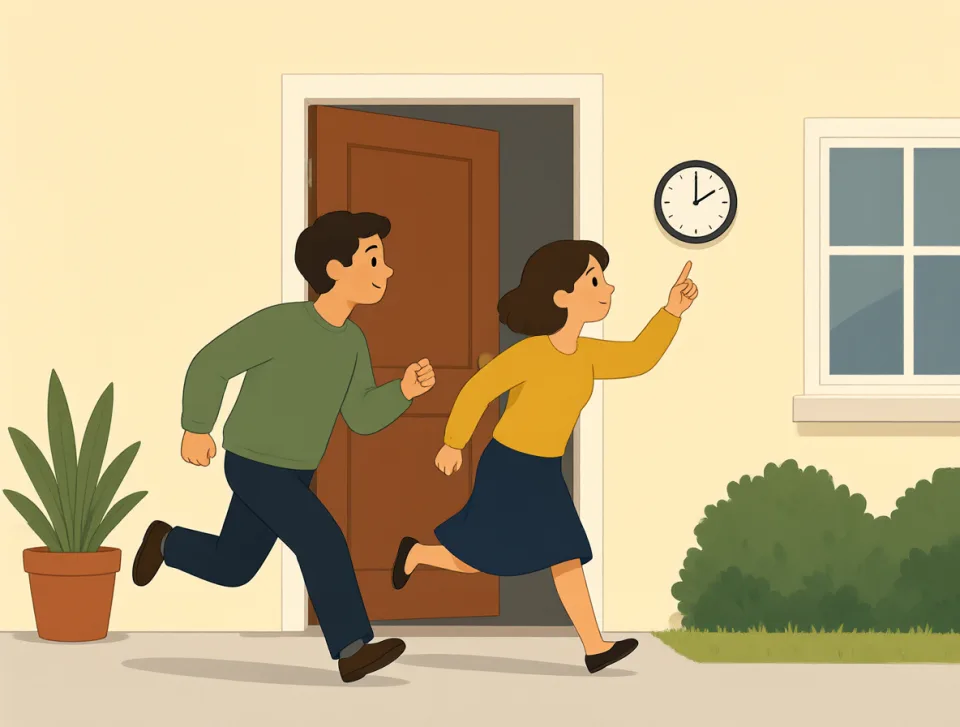
We are already late for work.
우리는 이미 회사에 늦었어.
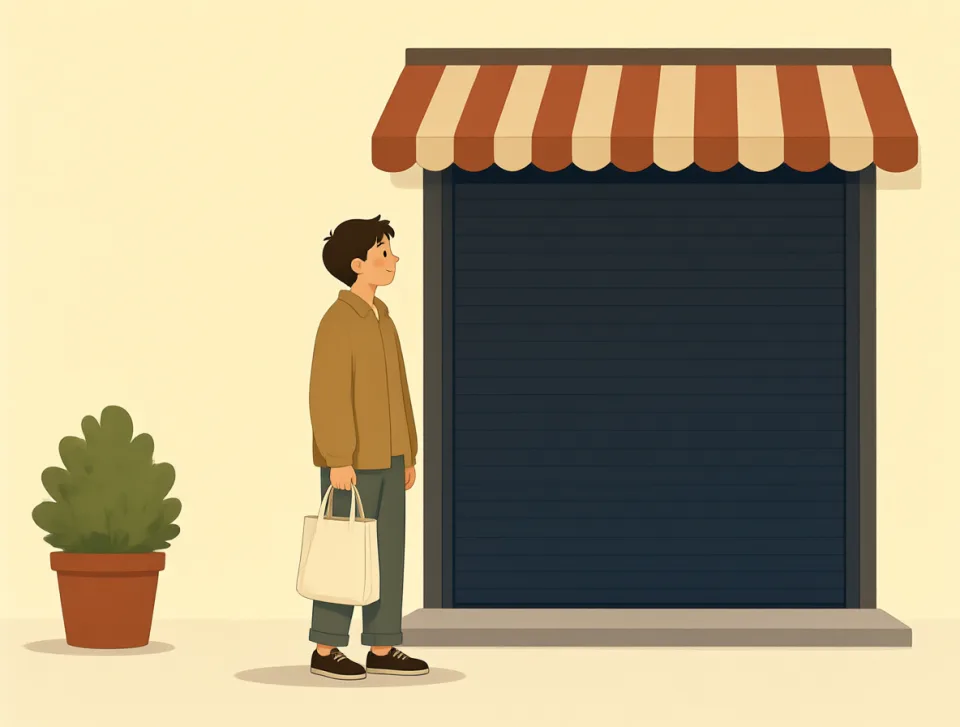
The store has already closed.
그 가게는 이미 문을 닫았어.
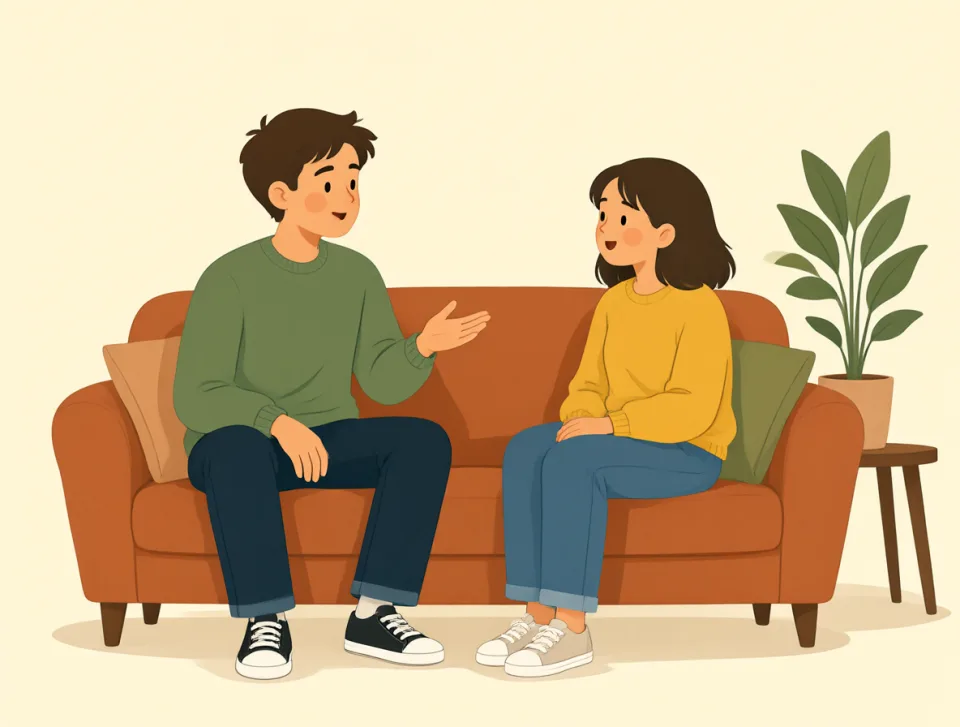
Have you already seen this movie?
너는 이미 이 영화를 본 적 있어?
concern
#303noun, verb
걱정; 우려; 걱정시키다
a worry or problem, or to make someone feel worried
걱정이나 문제, 또는 누군가를 걱정하게 만드는 것
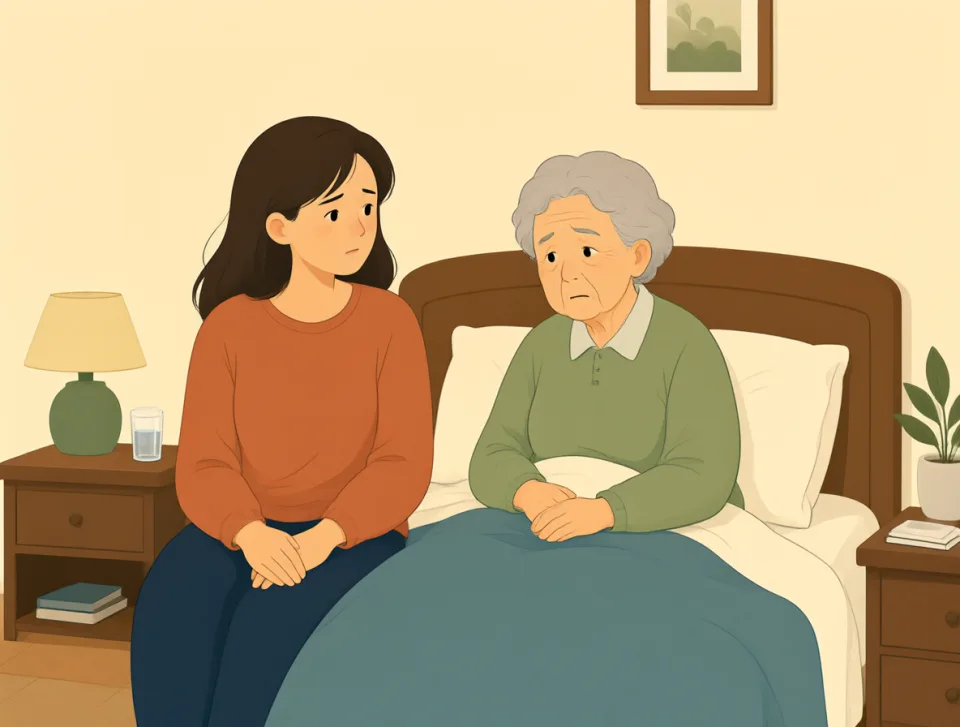
Her main concern is her sick mother.
그녀가 가장 걱정하는 것은 아픈 어머니이다.
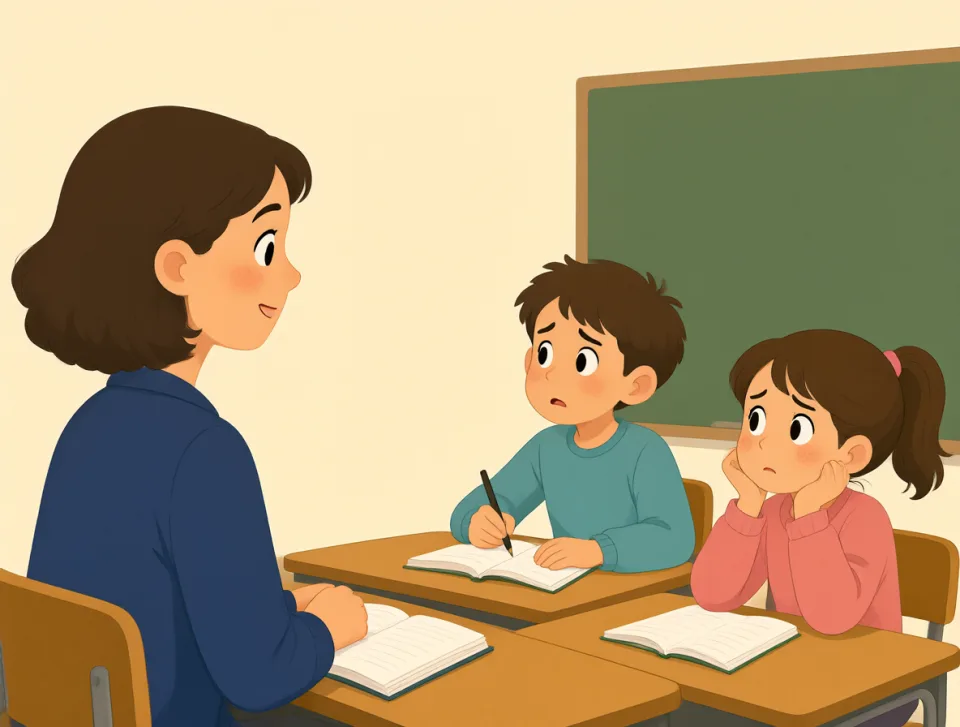
The teacher listened to our concerns.
선생님은 우리의 걱정을 들어 주셨다.
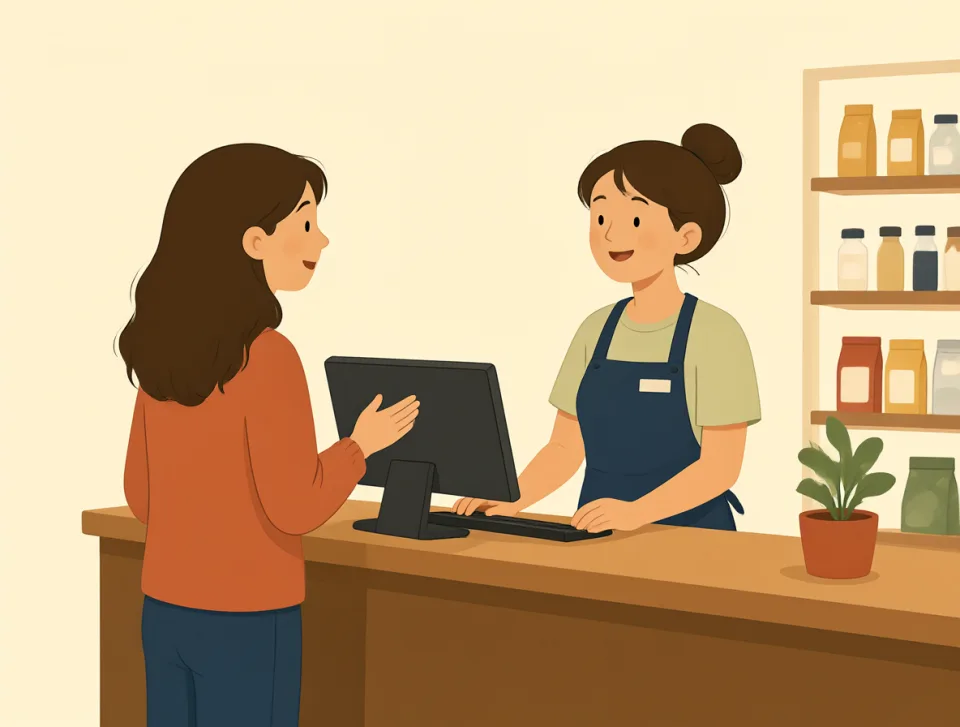
Please contact us if you have any concerns.
걱정되는 점이 있으면 저희에게 연락해 주세요.
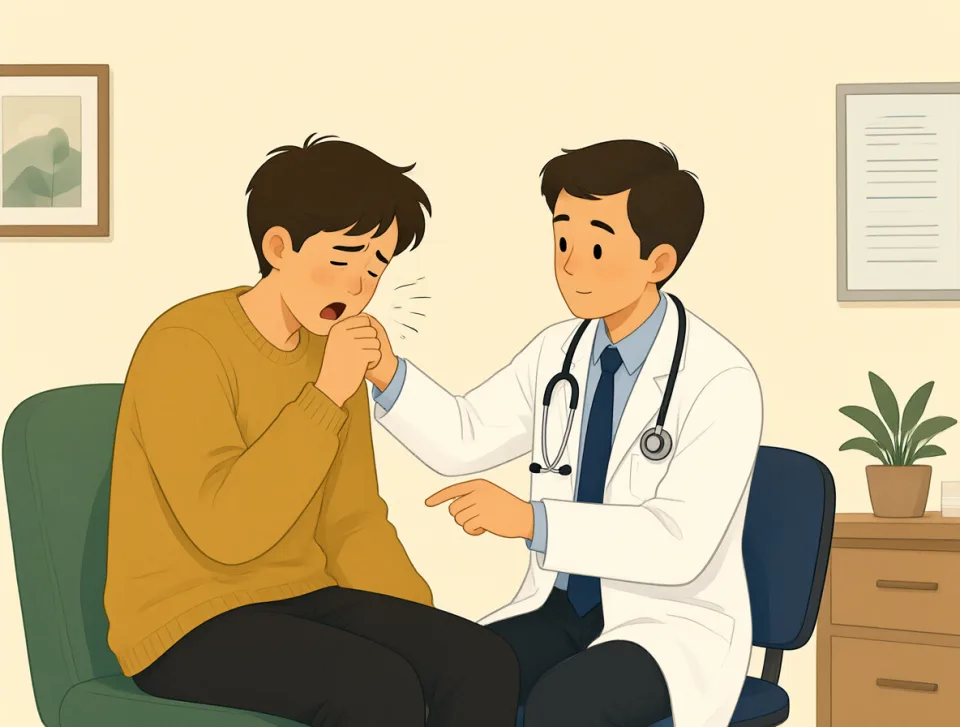
His sudden cough concerned his doctor.
그가 갑자기 기침을 하자 담당 의사는 걱정했다.
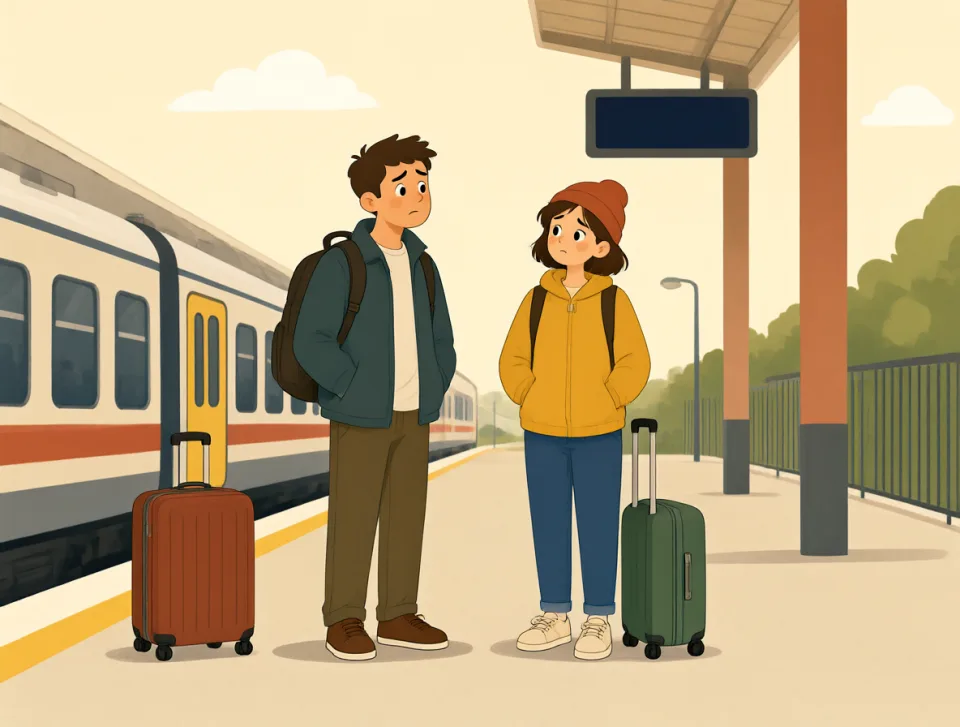
We are concerned about the late train.
우리는 늦게 오는 기차를 걱정하고 있다.
product
#304noun
제품; 상품
Something made or grown to be sold or used.
팔거나 사용하기 위해 만들어지거나 재배된 것
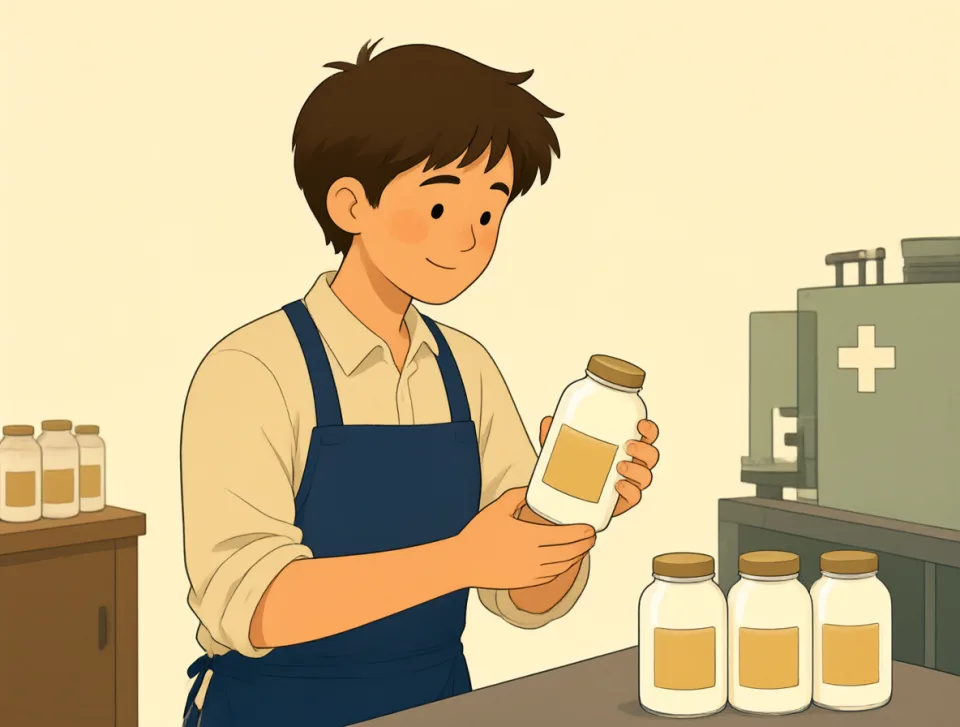
This product is made from natural ingredients.
이 제품은 천연 성분으로 만들어졌습니다.
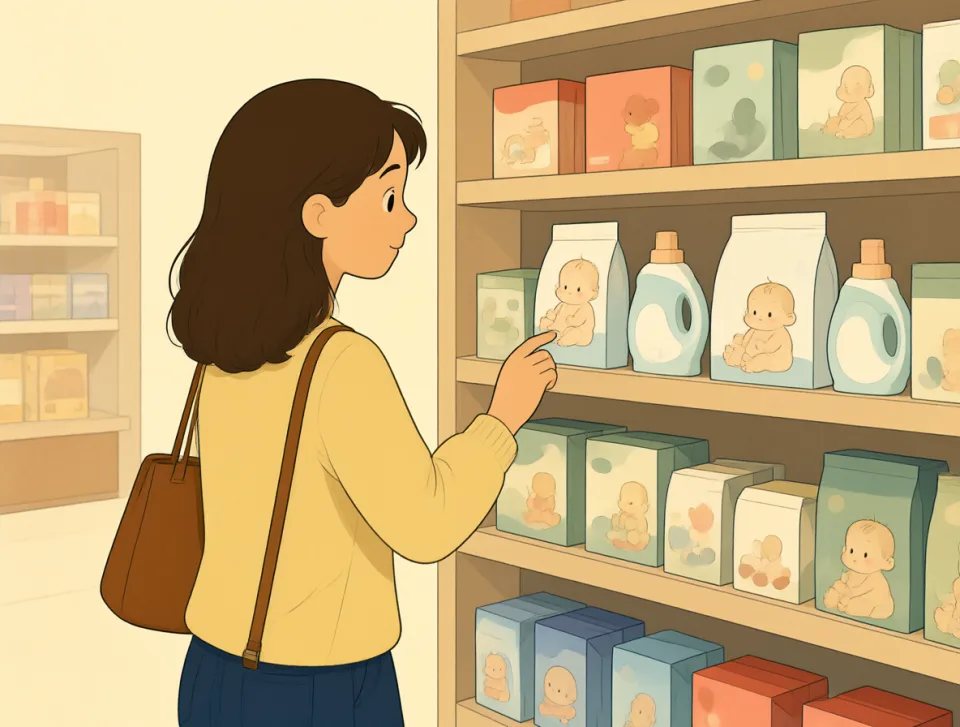
The store sells products for babies.
그 가게는 아기용 제품을 판매합니다.
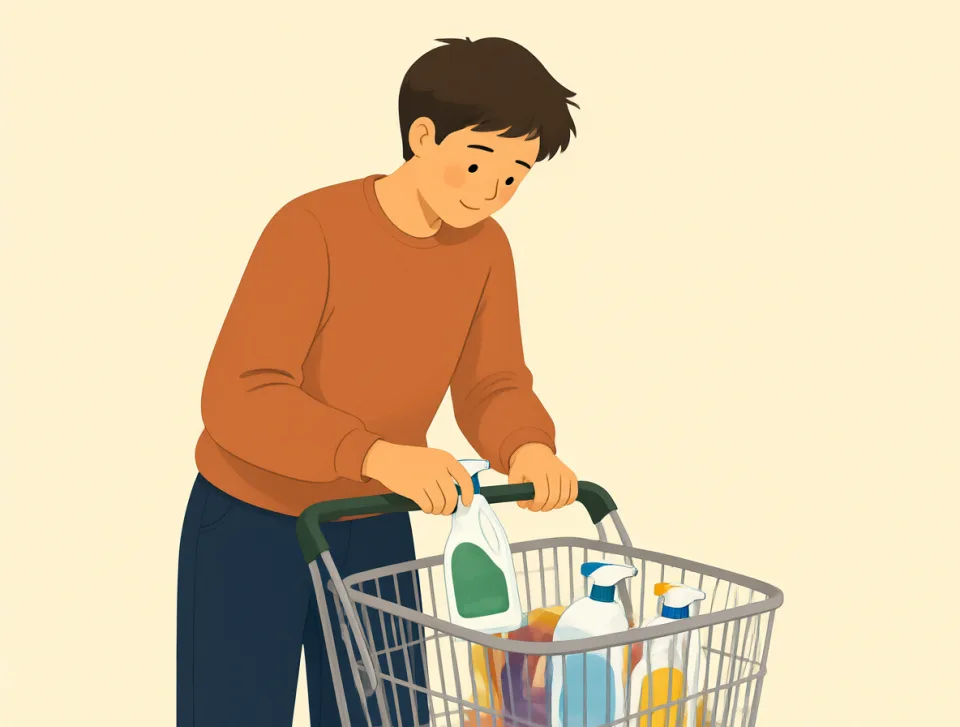
I bought a new cleaning product yesterday.
어제 새 세정제를 샀습니다.
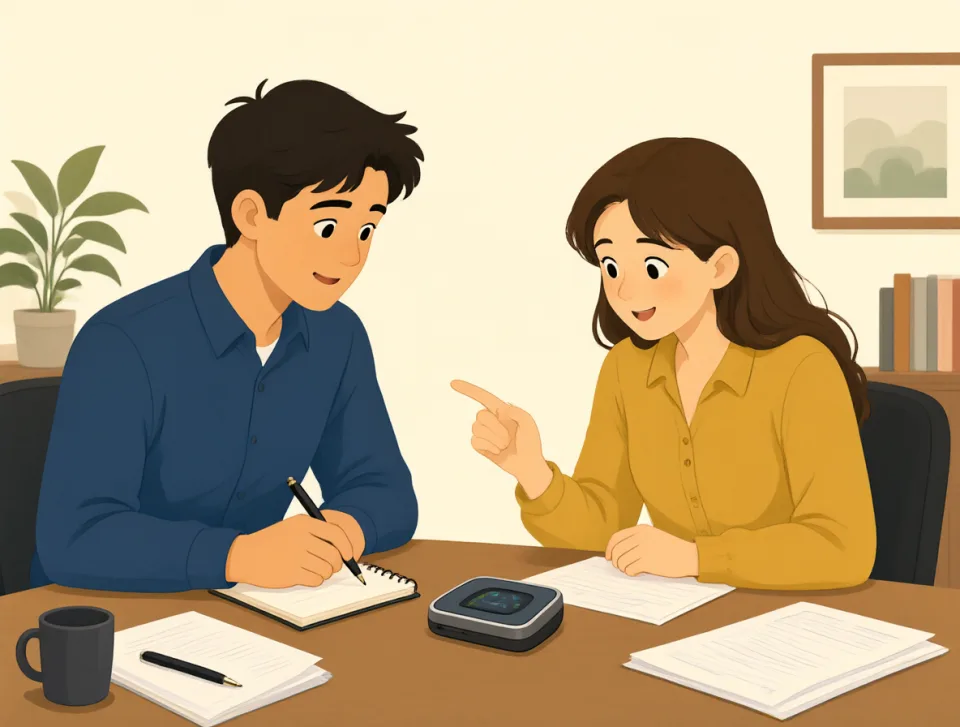
Our team is developing a new product.
우리 팀은 새로운 제품을 개발하고 있습니다.
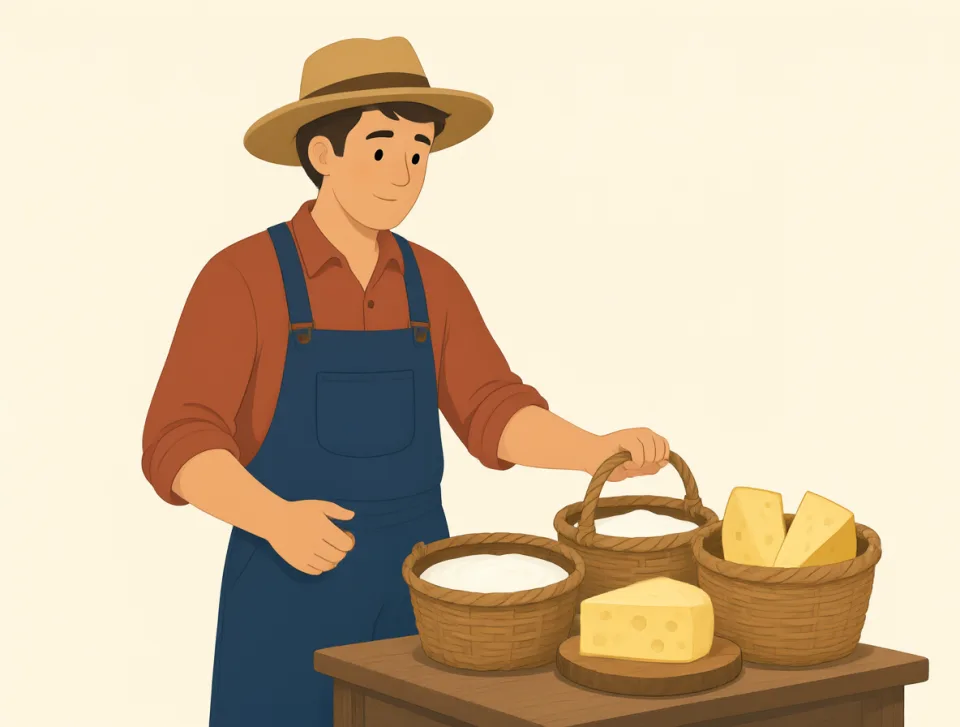
This farm produces fresh dairy products.
이 농장에서는 신선한 유제품을 생산합니다.
lose
#305verb
잃다; 지다; 빠지다
to no longer have something because it is gone, taken, or forgotten
무언가가 사라지거나, 빼앗기거나, 잊어버려서 더 이상 가지지 않게 되다
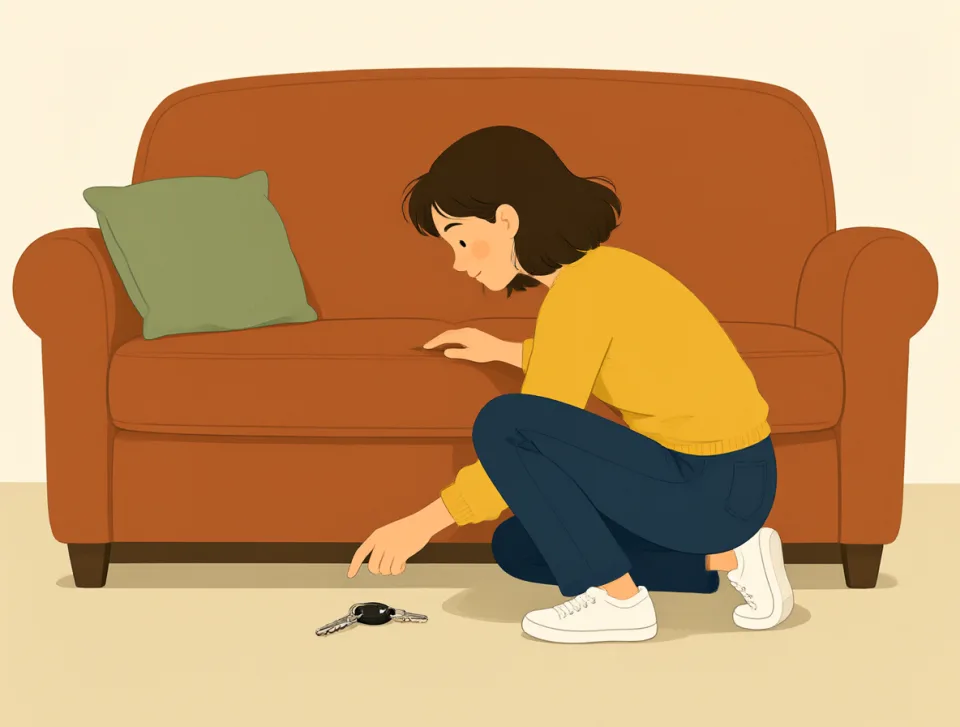
I often lose my keys at home.
나는 집에서 열쇠를 자주 잃어버린다.
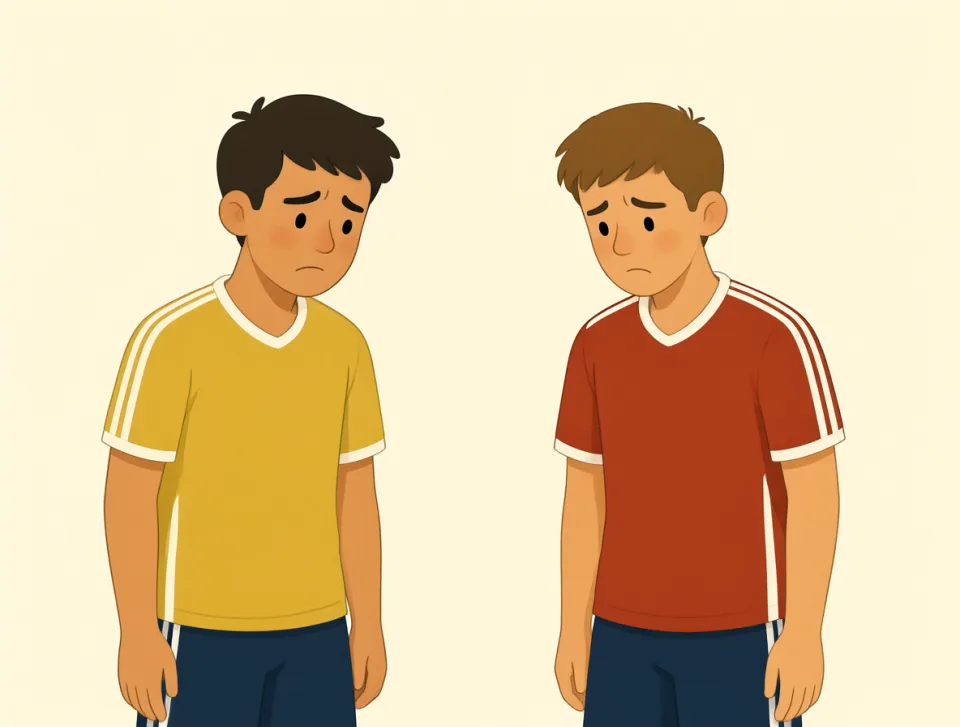
Our team lost the game yesterday.
우리 팀은 어제 경기에서 졌다.
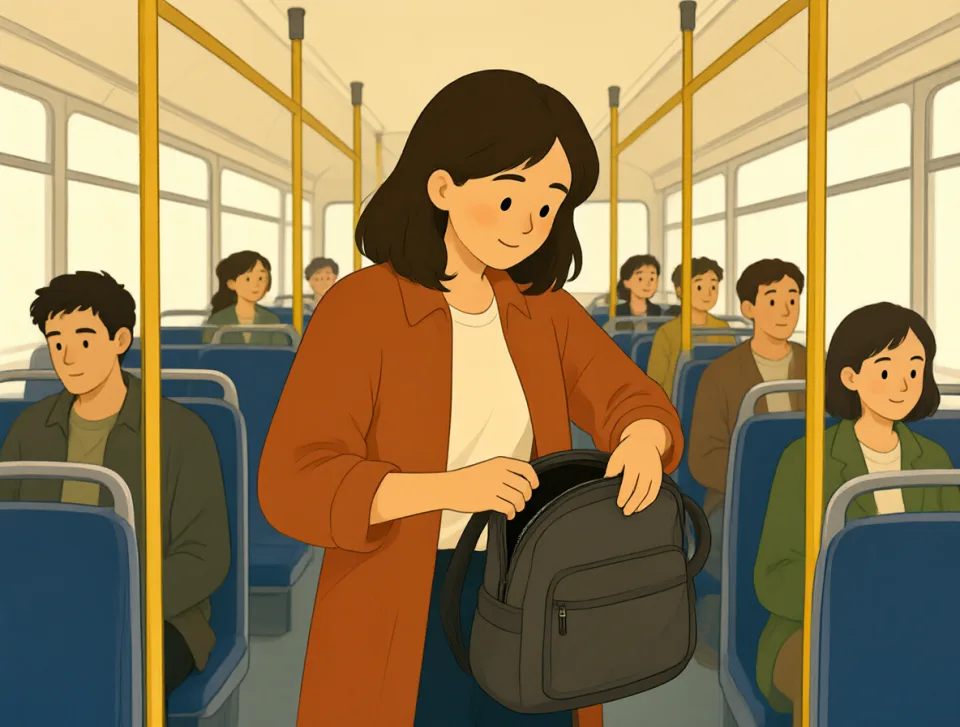
She lost her wallet on the bus.
그녀는 버스에서 지갑을 잃어버렸다.
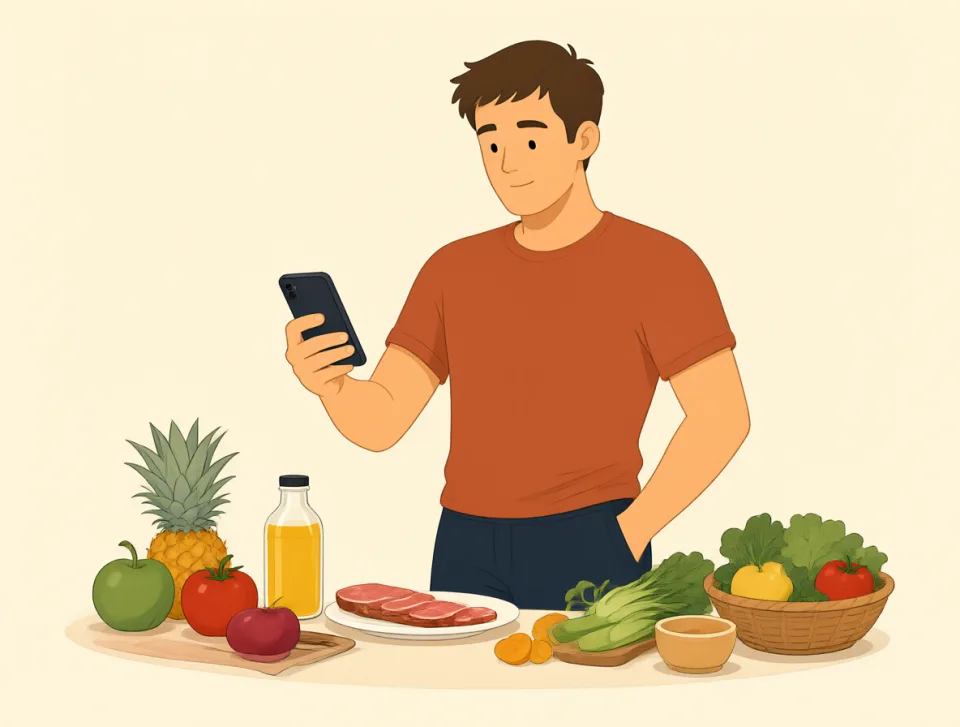
He is losing weight with healthy food.
그는 건강한 음식을 먹으며 살을 빼고 있다.
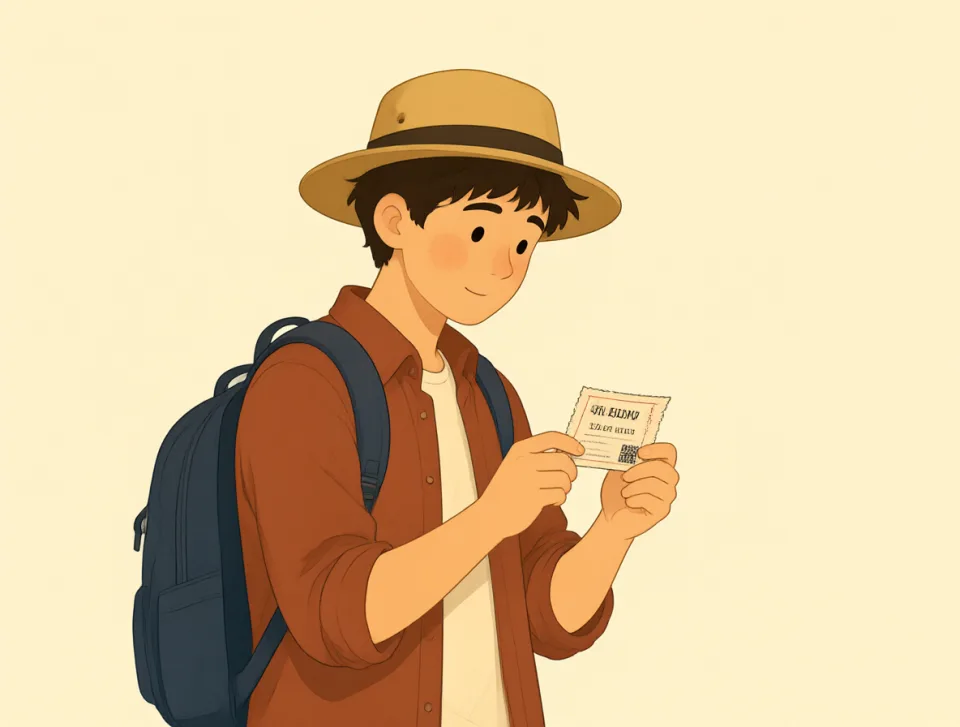
Do not lose your ticket at the airport.
공항에서 표를 잃어버리지 마세요.
story
#306noun
이야기; 기사
A description of events, real or imagined, told to entertain or inform people.
사람들을 즐겁게 하거나 정보를 전달하기 위해 실제로 일어난 일이나 상상한 일을 들려주는 설명
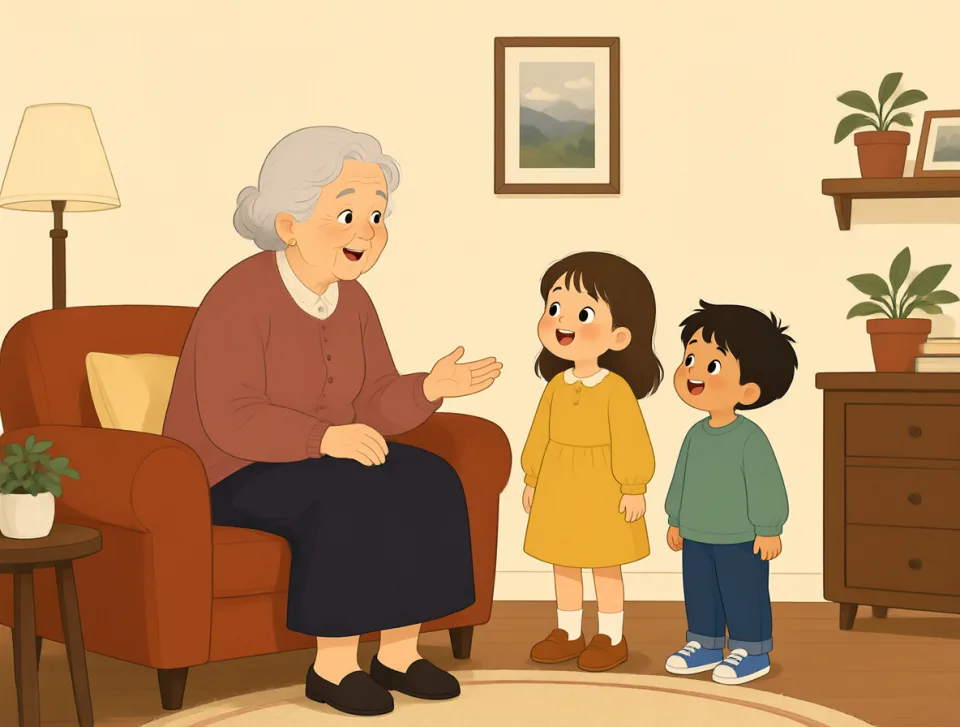
Grandma told us a funny story.
할머니가 우리에게 재미있는 이야기를 들려주셨어요.
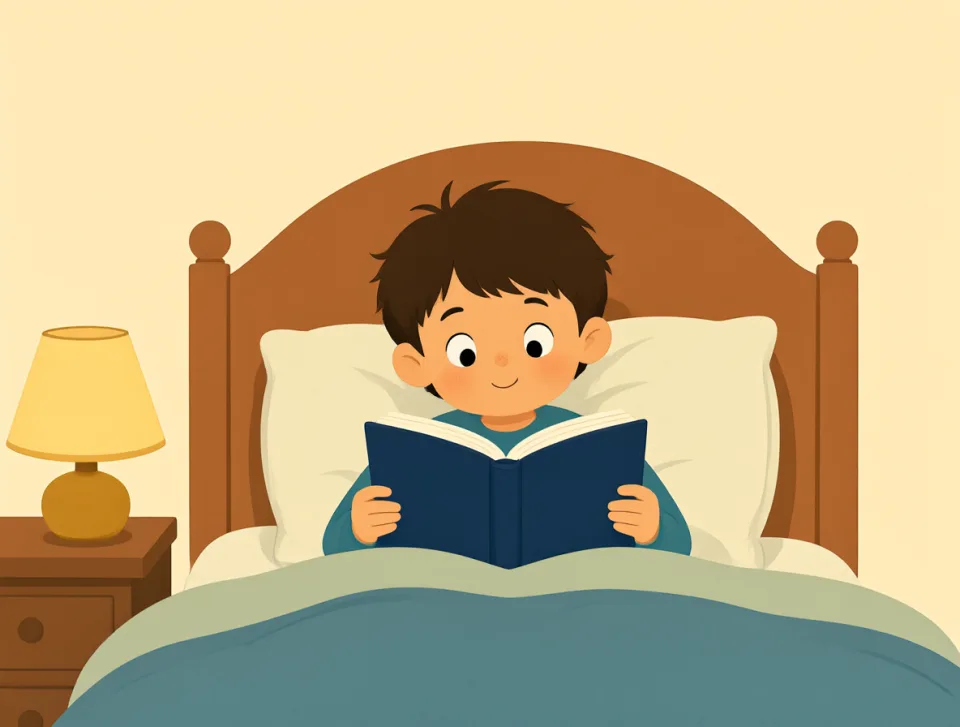
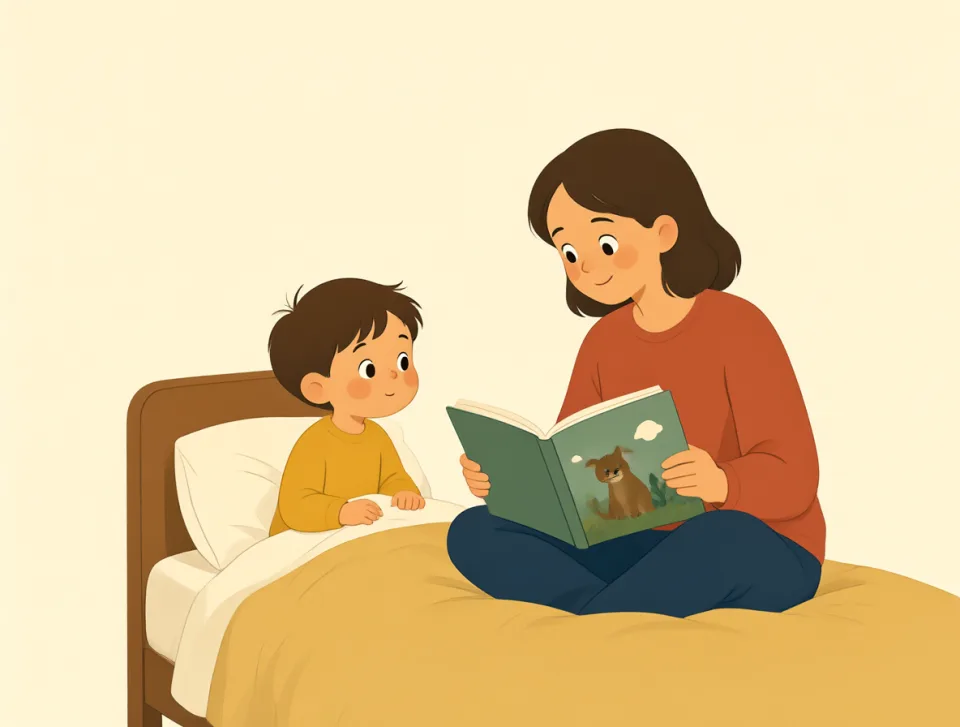
I read a story before bed.
나는 자기 전에 이야기를 하나 읽었어요.
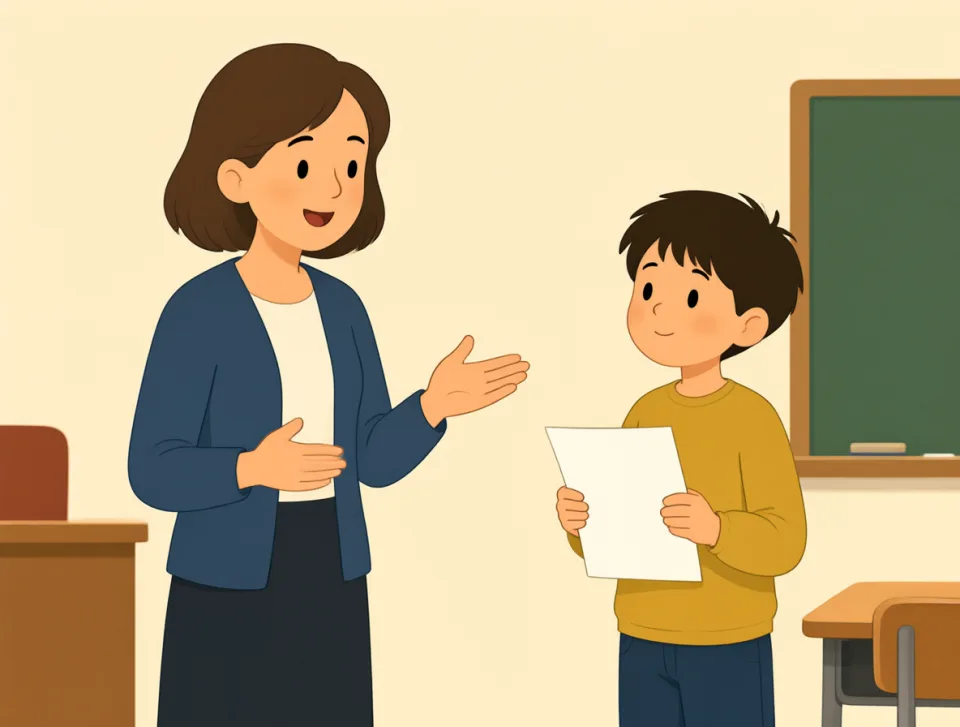
The teacher asked for a short story.
선생님은 짧은 이야기를 써 오라고 하셨어요.
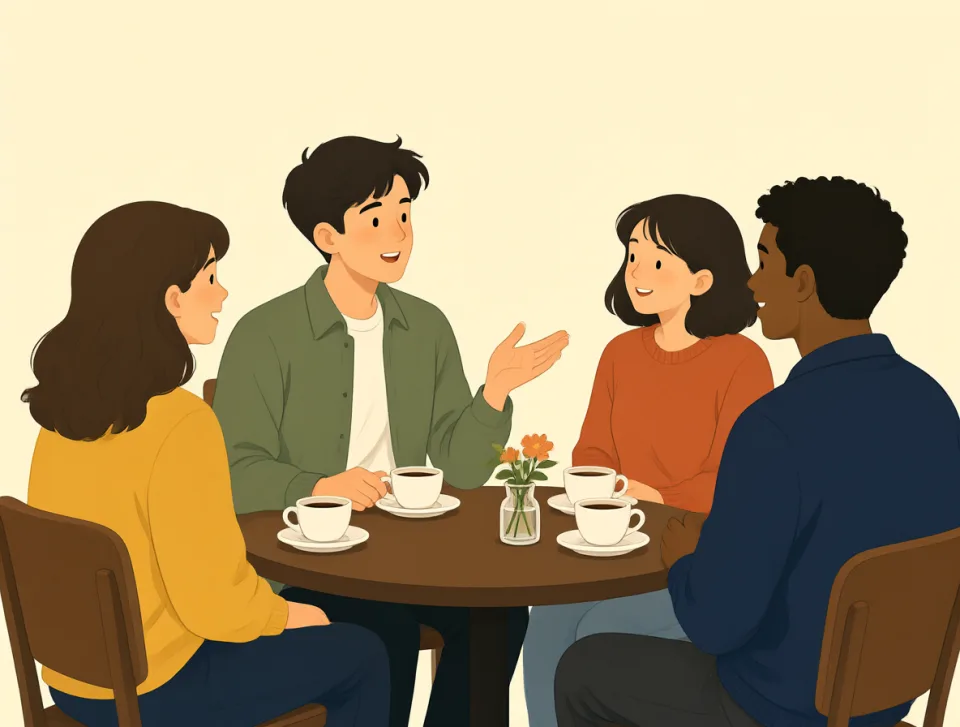
He shared his travel story with friends.
그는 친구들에게 자신의 여행 이야기를 들려줬어요.
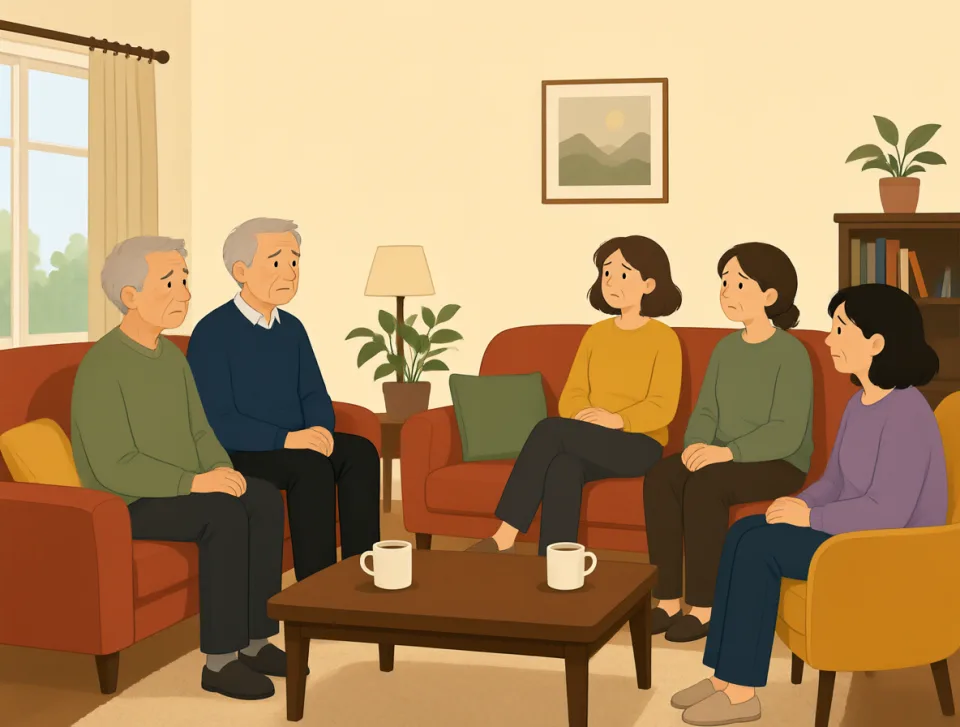
The news story made everyone worried.
그 뉴스 기사는 모두를 걱정하게 만들었어요.
almost
#307adverb
거의
Nearly, but not completely or quite.
거의 그렇지만 완전히 그렇지는 않은
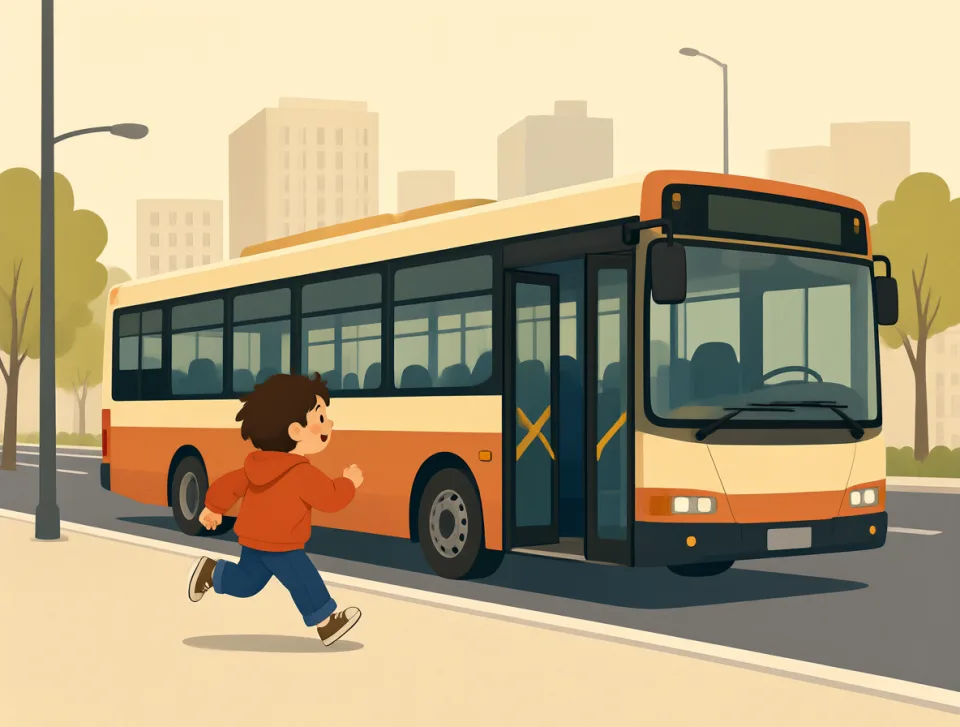
I almost missed the bus this morning.
나는 오늘 아침에 버스를 놓칠 뻔했다.
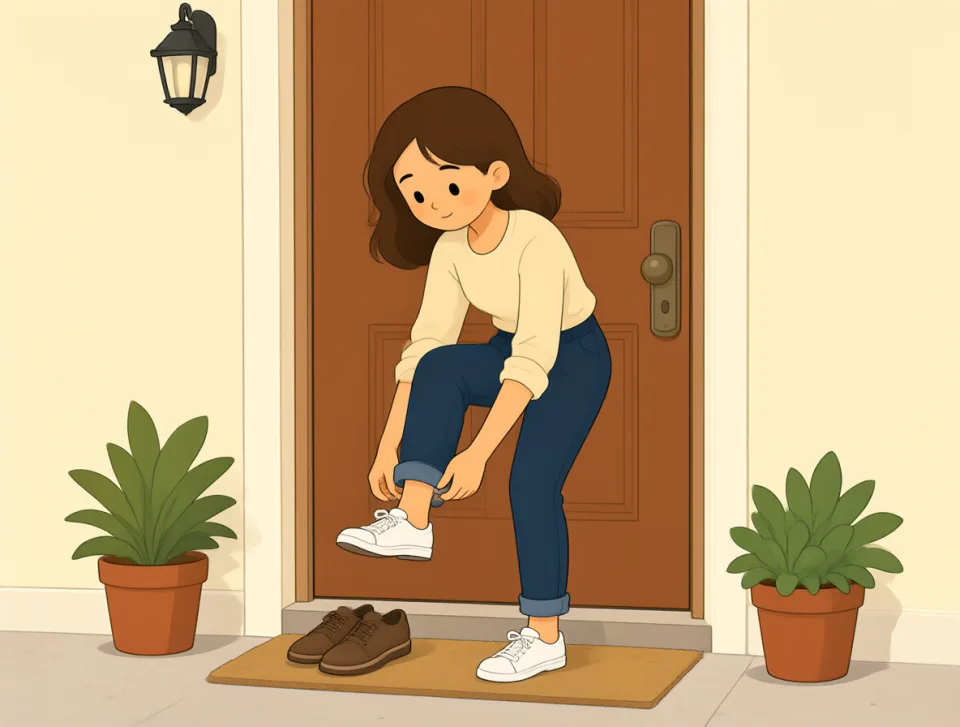
She is almost ready to leave.
그녀는 떠날 준비가 거의 다 됐다.

We almost finished the project at work.
우리는 직장에서 프로젝트를 거의 끝냈다.
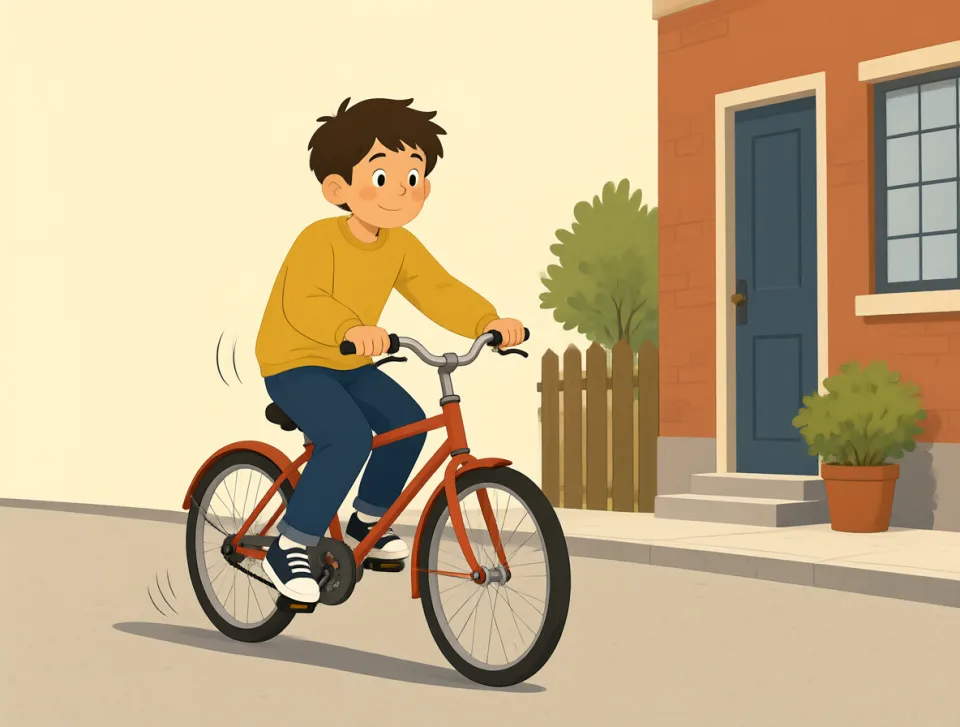
He almost fell while riding his bike.
그는 자전거를 타다가 넘어질 뻔했다.
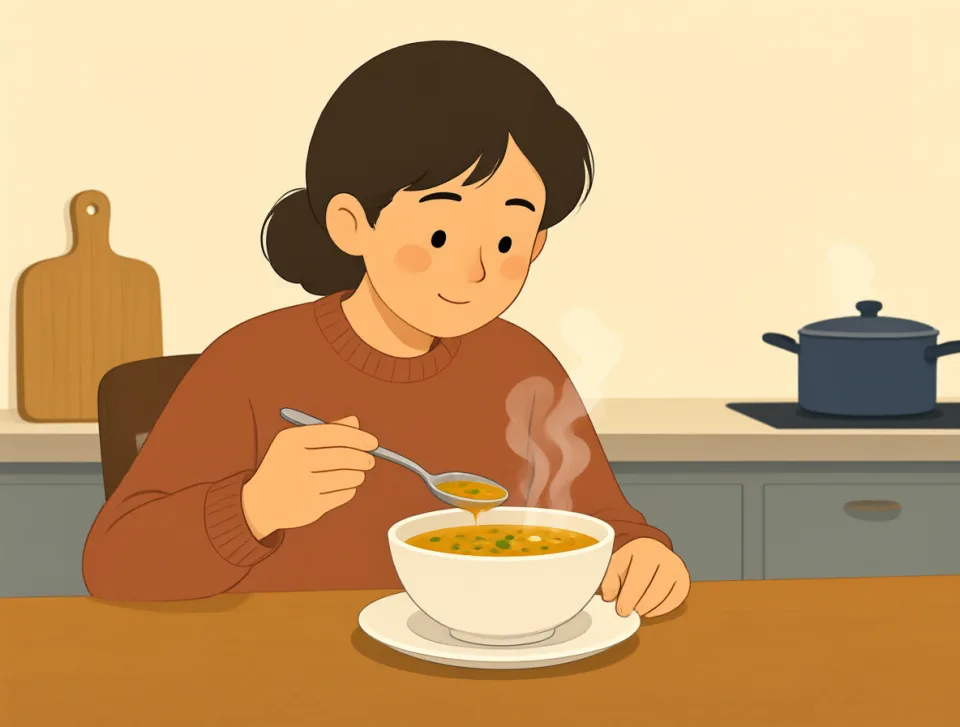
The soup is almost hot enough to eat.
그 수프는 먹기에 충분히 뜨거워지기 직전이다.
continue
#308verb
계속하다; 계속되다
to keep doing something or keep happening without stopping
멈추지 않고 어떤 일을 계속 하거나 어떤 일이 계속 일어나다
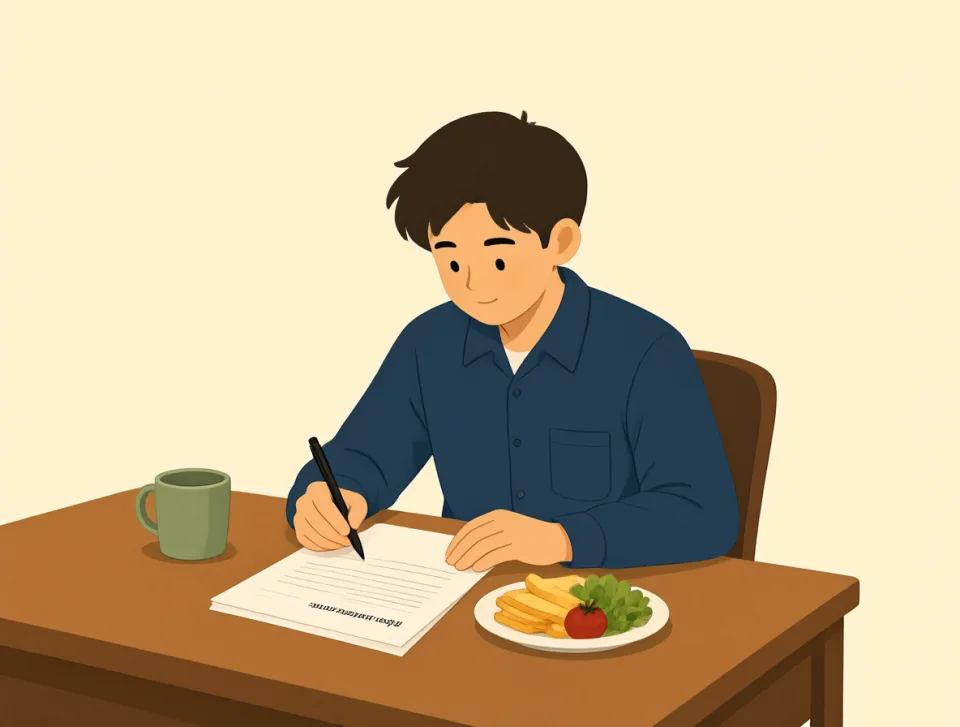
Please continue your work after lunch.
점심 식사 후에 하던 일을 계속해 주세요.
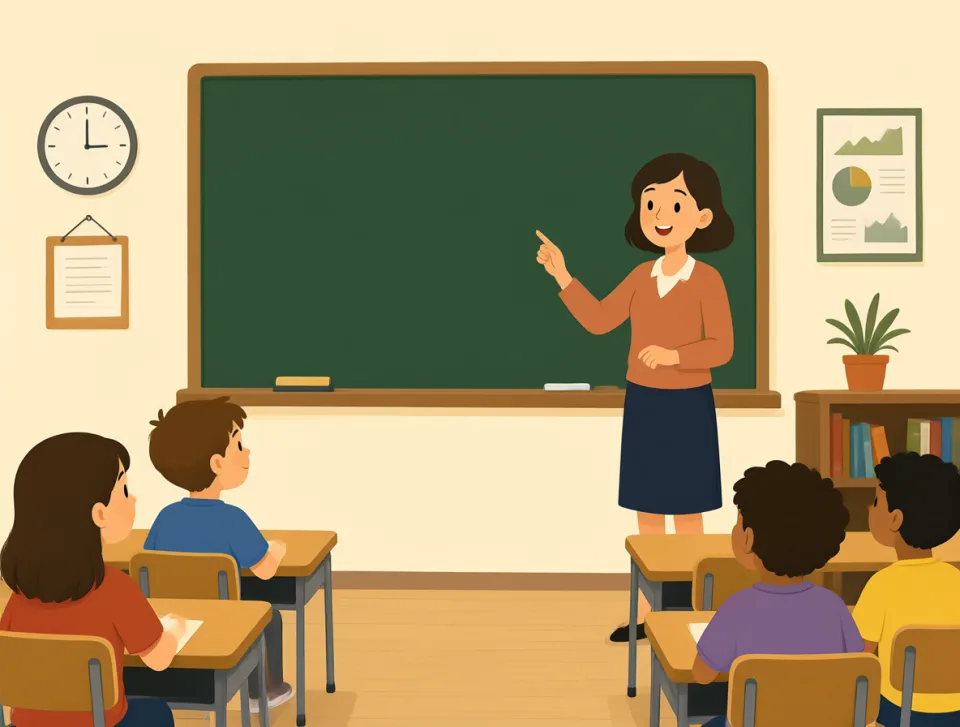
The teacher continued the lesson after the break.
선생님은 쉬는 시간 후에 수업을 계속하셨다.

We continued walking through the park.
우리는 공원을 계속 걸어갔다.
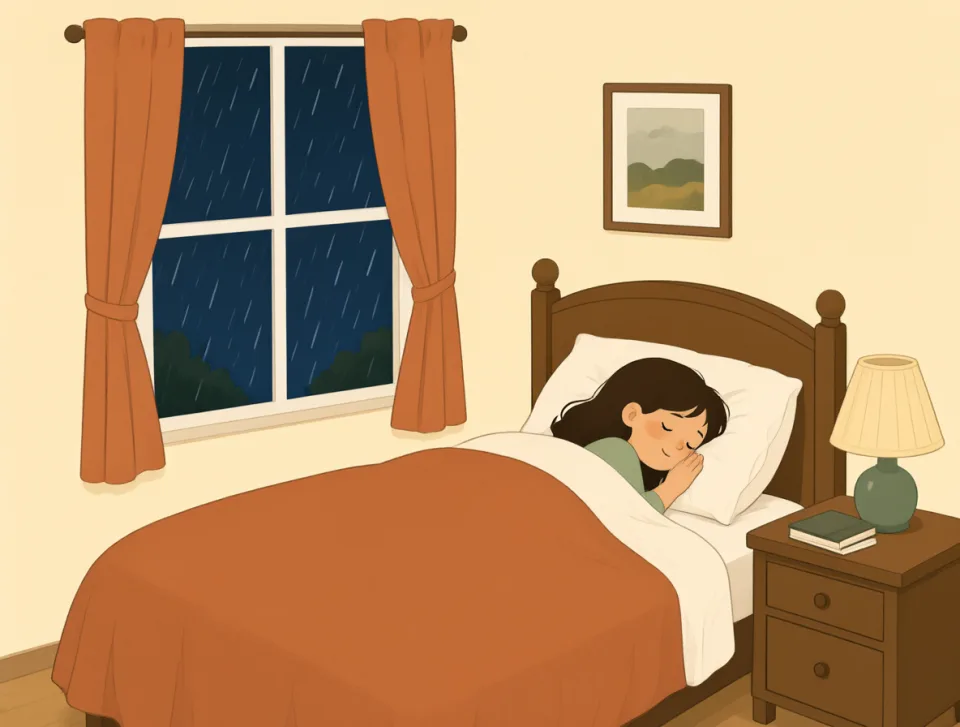
The rain continued all night.
비는 밤새 계속 내렸다.
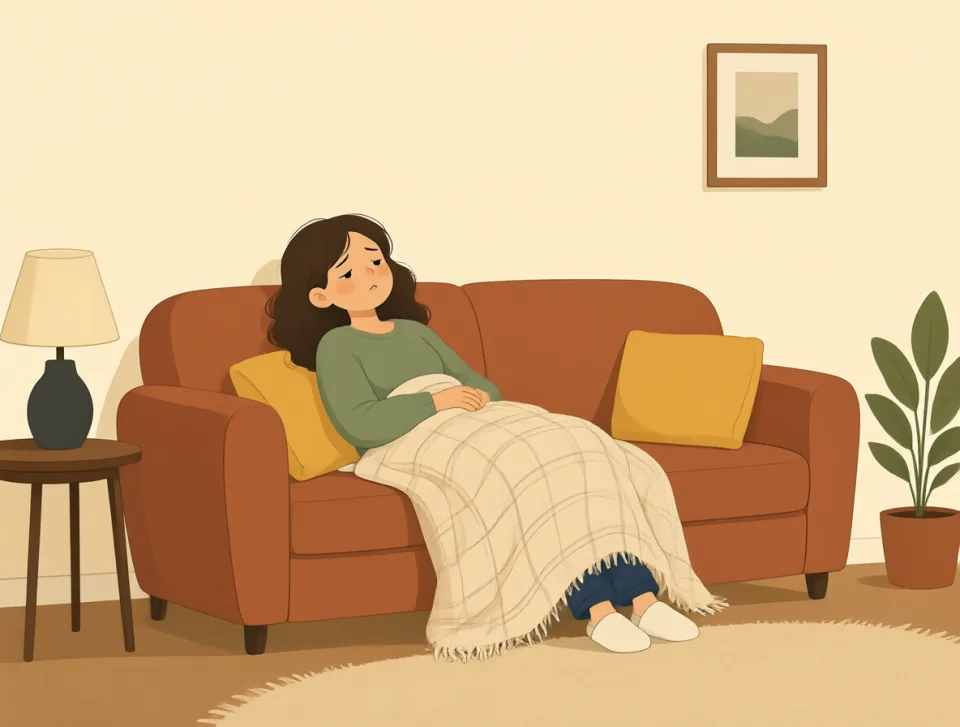
She continued to feel tired after resting.
그녀는 쉬고 나서도 계속 피곤했다.
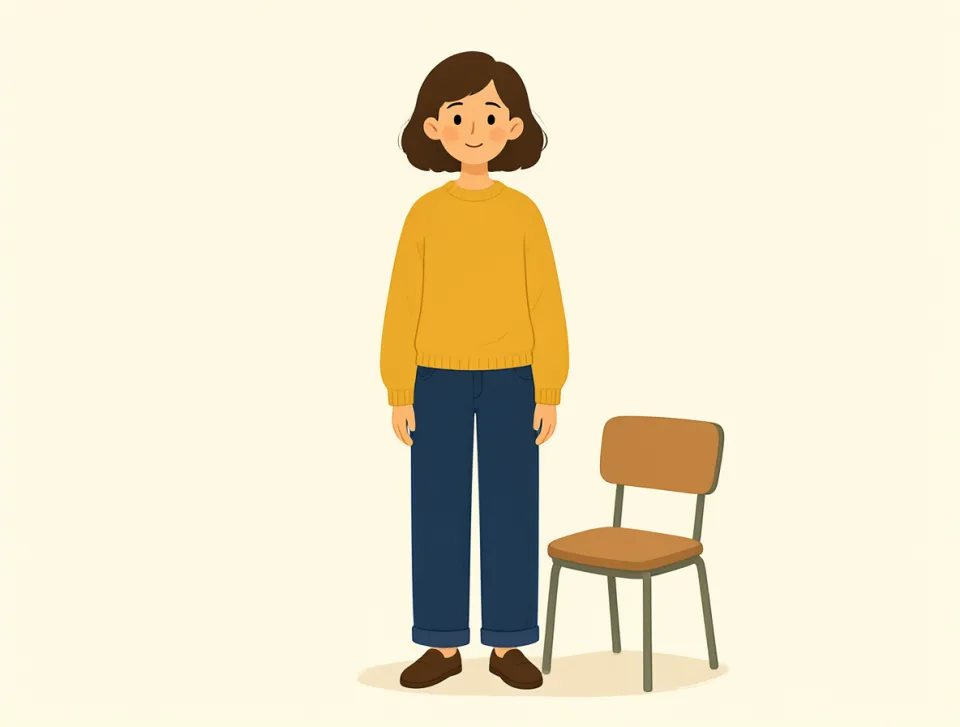
stand
#309verb, noun
서다; 세우다; 받침대; 참다
to be upright on your feet, or to support someone or something
똑바로 서 있거나 누군가 또는 무언가를 받치다
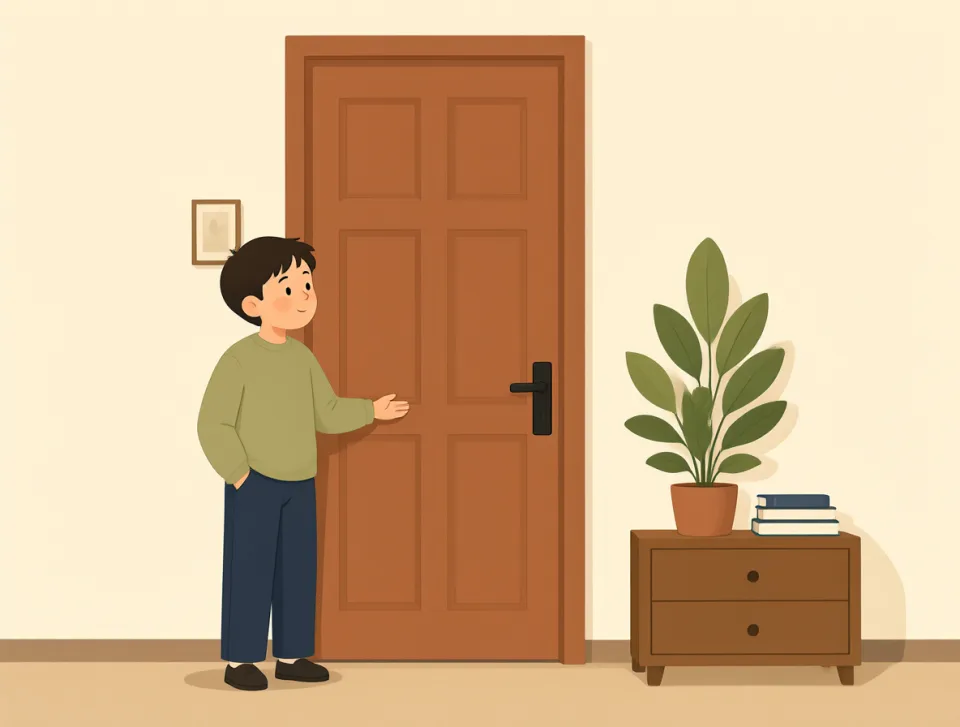
Please stand near the door.
문 근처에 서 주세요.
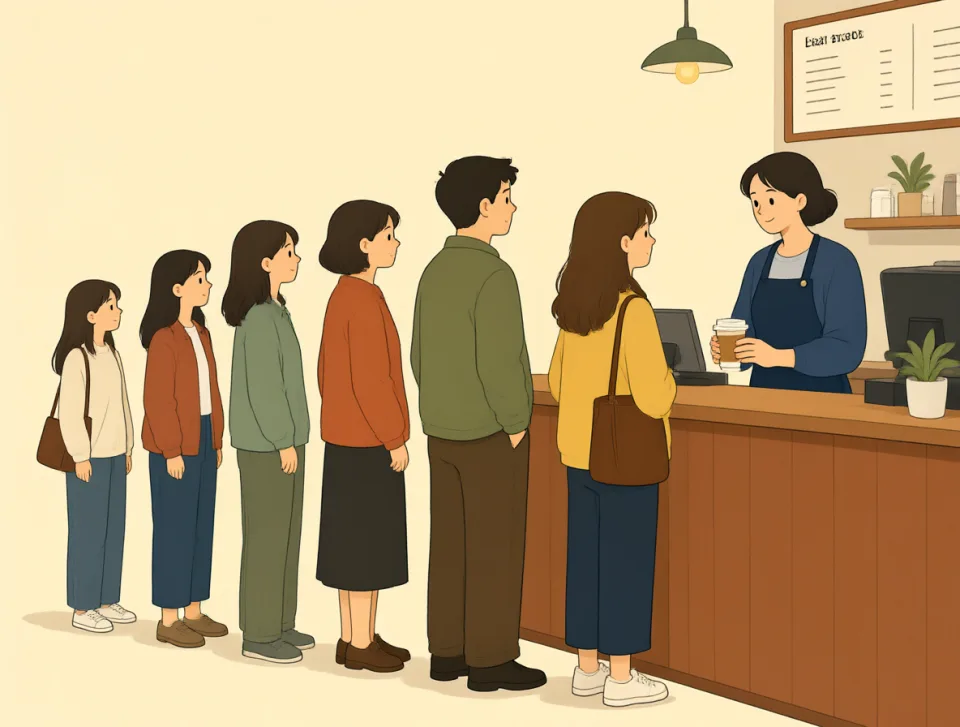
We stood in line for coffee.
우리는 커피를 사려고 줄을 서서 기다렸어요.
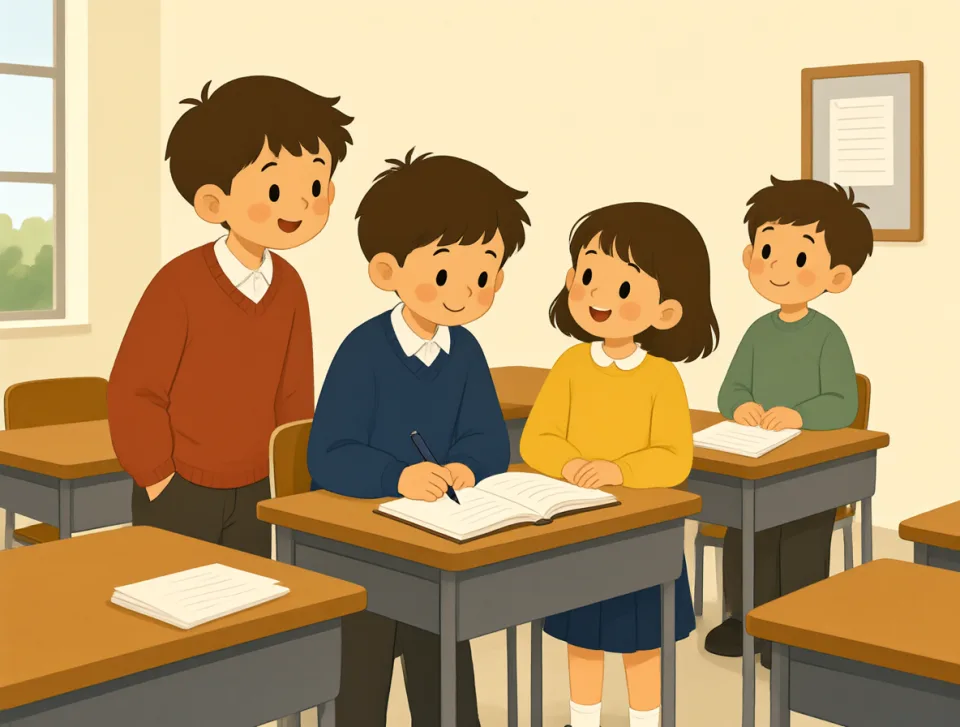
The children stand at their desks.
아이들은 책상 앞에 서 있어요.
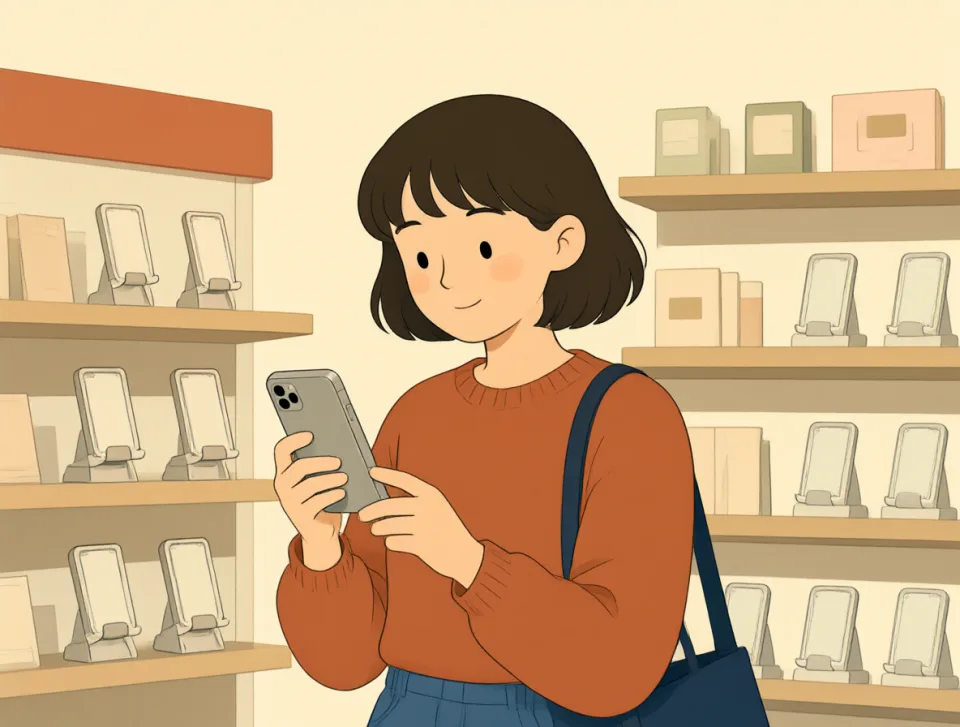
She bought a phone stand.
그녀는 휴대폰 거치대를 샀어요.
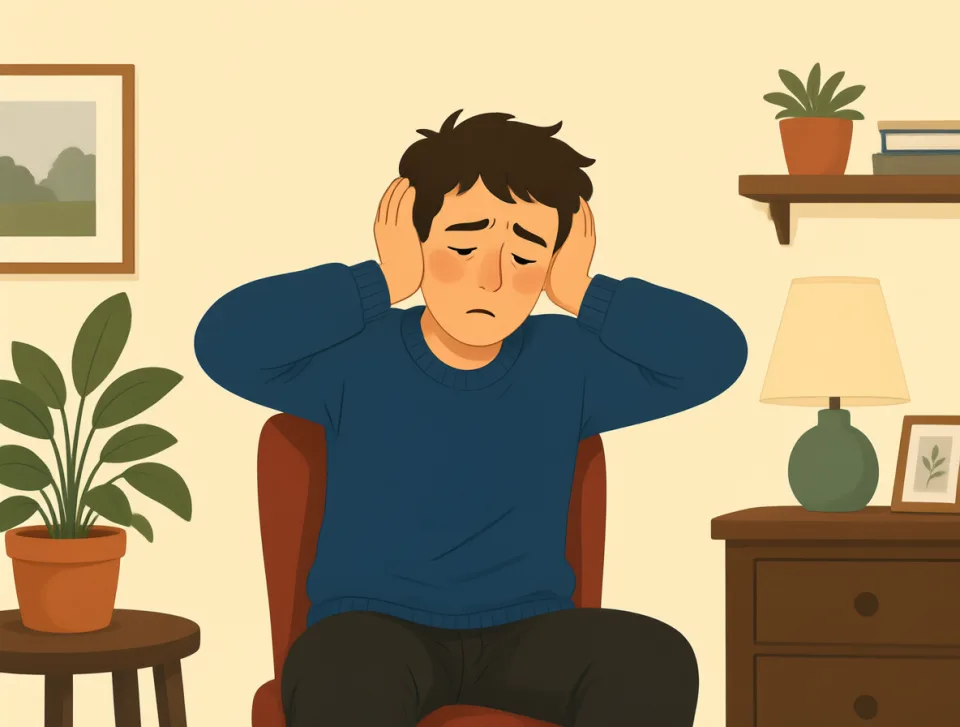
He cannot stand the loud noise.
그는 큰 소음을 견디지 못해요.
whole
#310adjective, noun, determiner, adverb
전체의; 모든
Complete, with all parts together; or all of something.
모든 부분이 함께 있는 완전한 상태의; 또는 어떤 것의 전부인
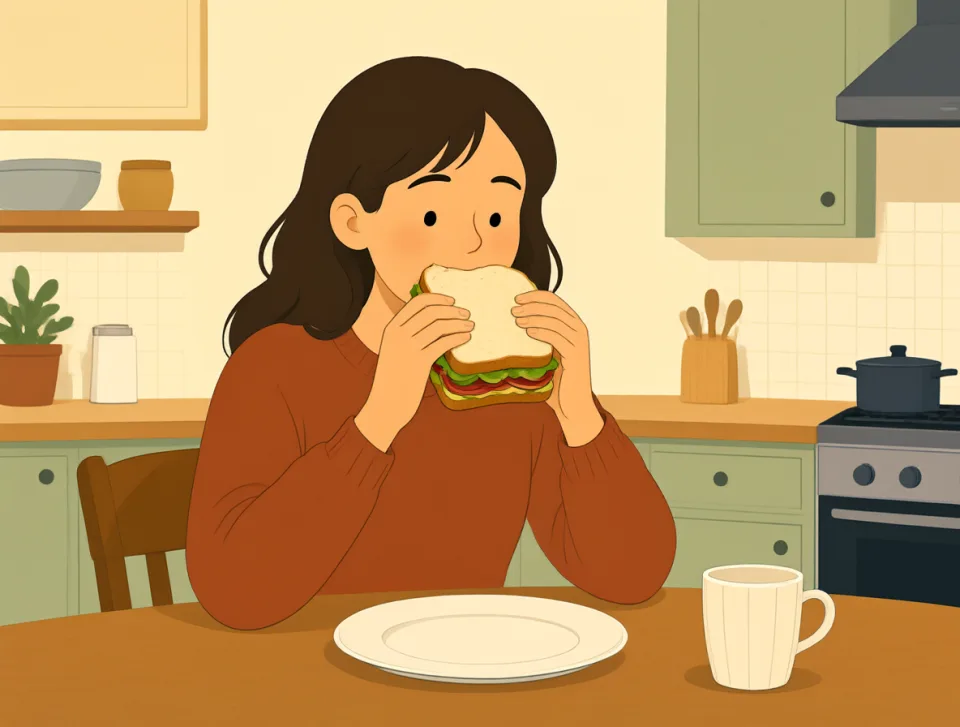
I ate the whole sandwich for lunch.
나는 점심으로 샌드위치 하나를 통째로 먹었다.
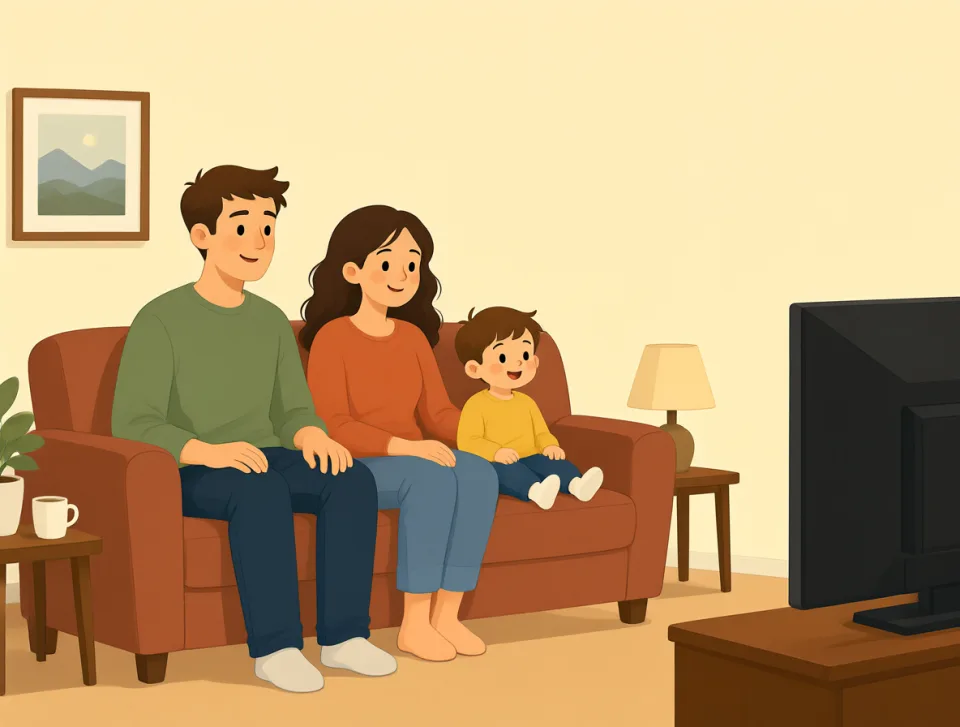
The whole family watched a movie together.
온 가족이 함께 영화를 봤다.
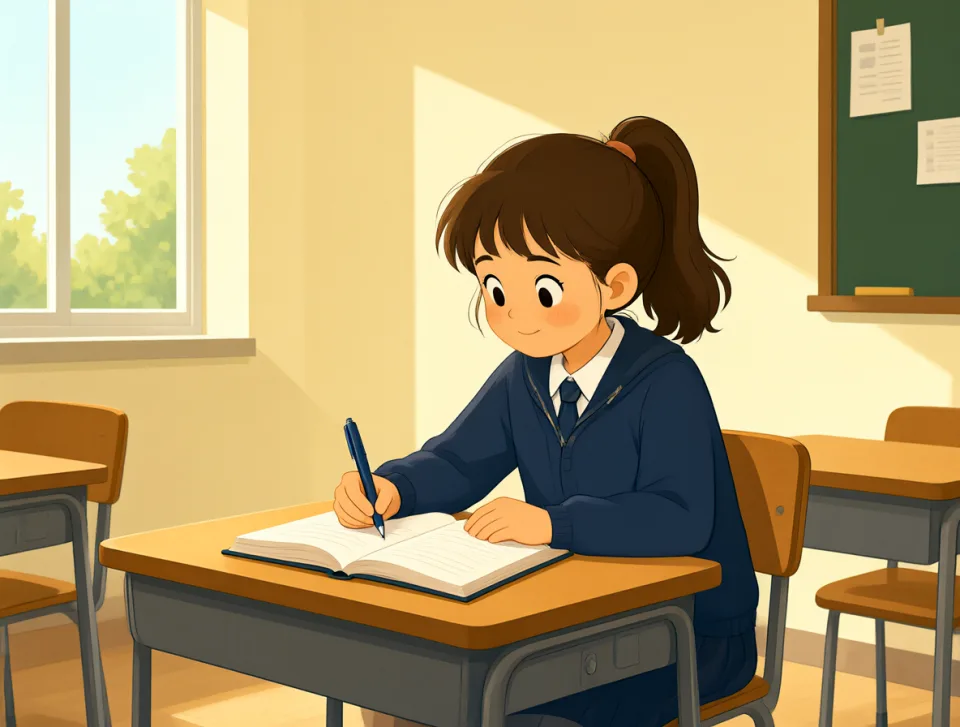
She spent the whole day at school.
그녀는 하루 종일 학교에서 보냈다.

We waited a whole hour for the bus.
우리는 버스를 한 시간이나 기다렸다.
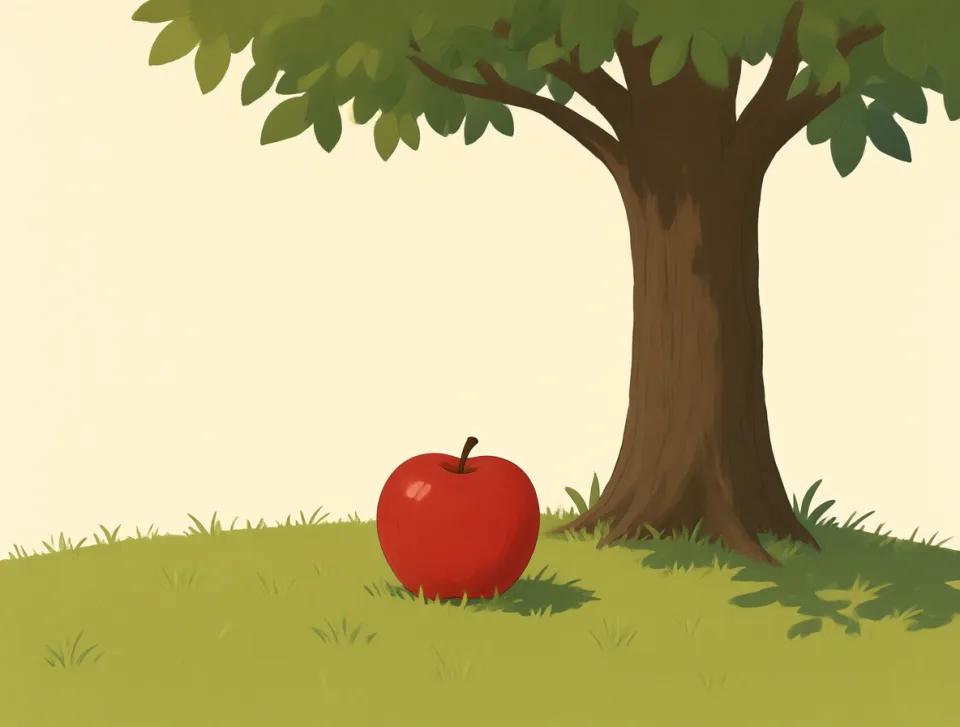
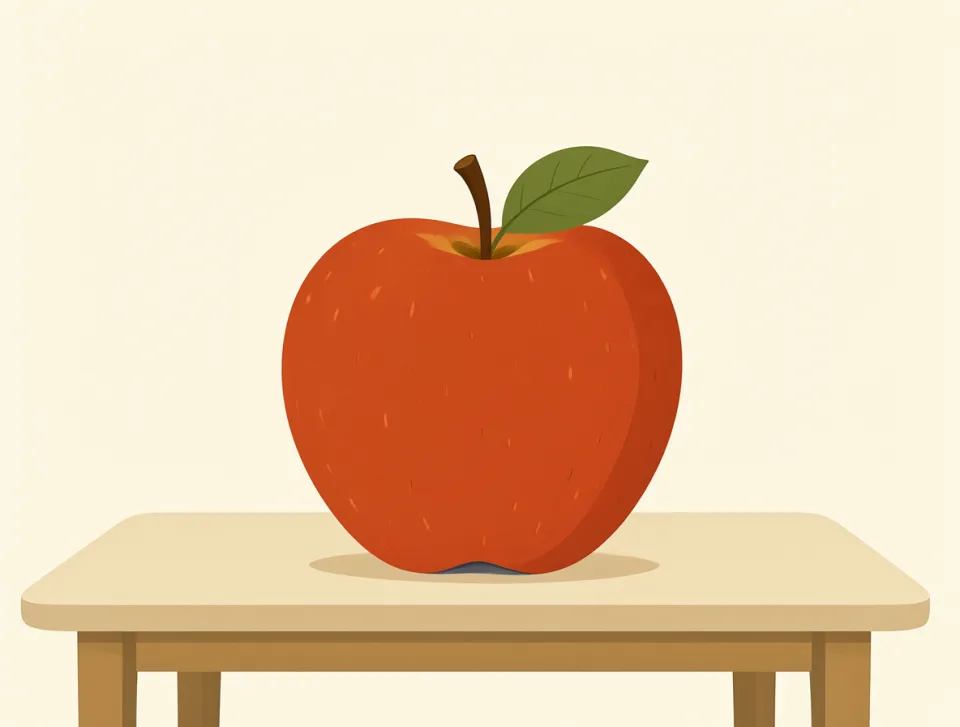
The whole apple fell from the tree.
사과가 통째로 나무에서 떨어졌다.
yet
#311adverb, conjunction
아직; 그런데도
Used to say something has not happened until now or to add a surprising contrast.
어떤 일이 지금까지 일어나지 않았음을 나타내거나, 의외의 대조를 덧붙일 때 사용하는 말
I haven't finished my homework yet.
나는 아직 숙제를 끝내지 못했어.

Have you eaten lunch yet?
너 아직 점심 안 먹었어?
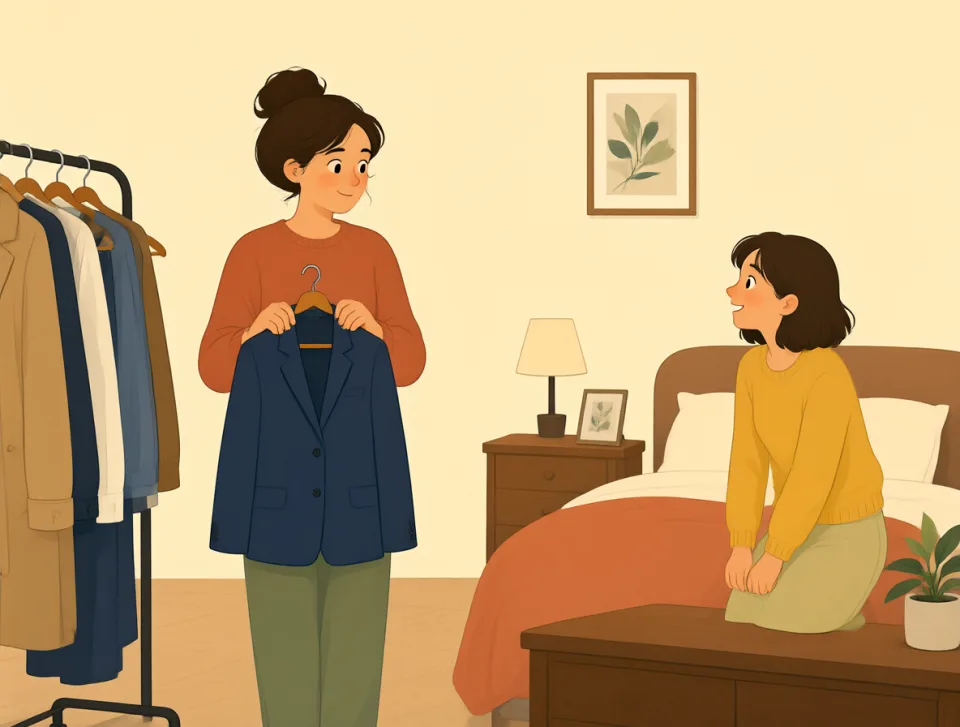
She is not ready yet.
그녀는 아직 준비가 안 됐어.
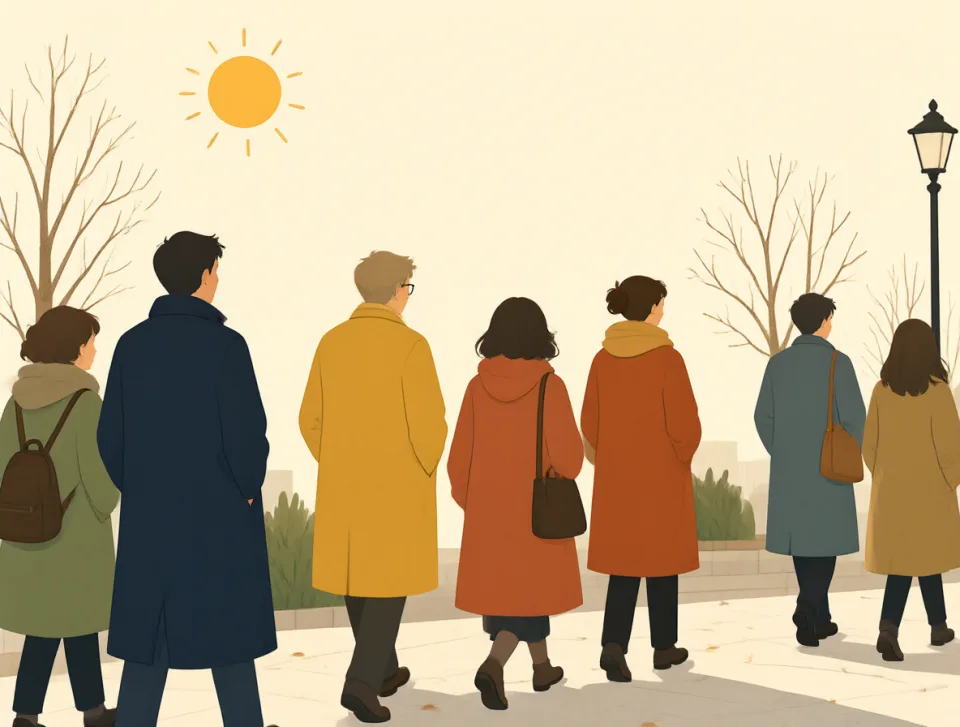
It is cold, yet the sun is shining.
날씨는 춥지만, 햇빛은 비치고 있어.
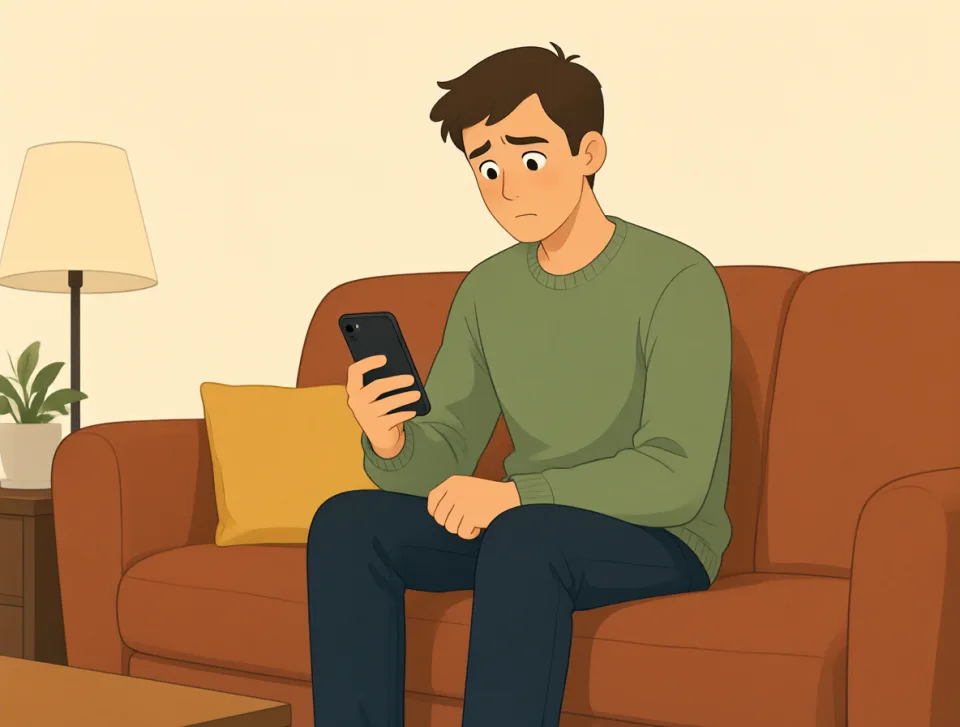
He has not called yet.
그는 아직 전화하지 않았어.
rate
#312noun, verb
비율; 요금; 평가하다; 등급을 매기다
A level, price, or amount compared with another; to judge something or give it a score.
다른 것과 비교한 수준, 가격 또는 양; 어떤 것을 판단하거나 점수를 매기다.
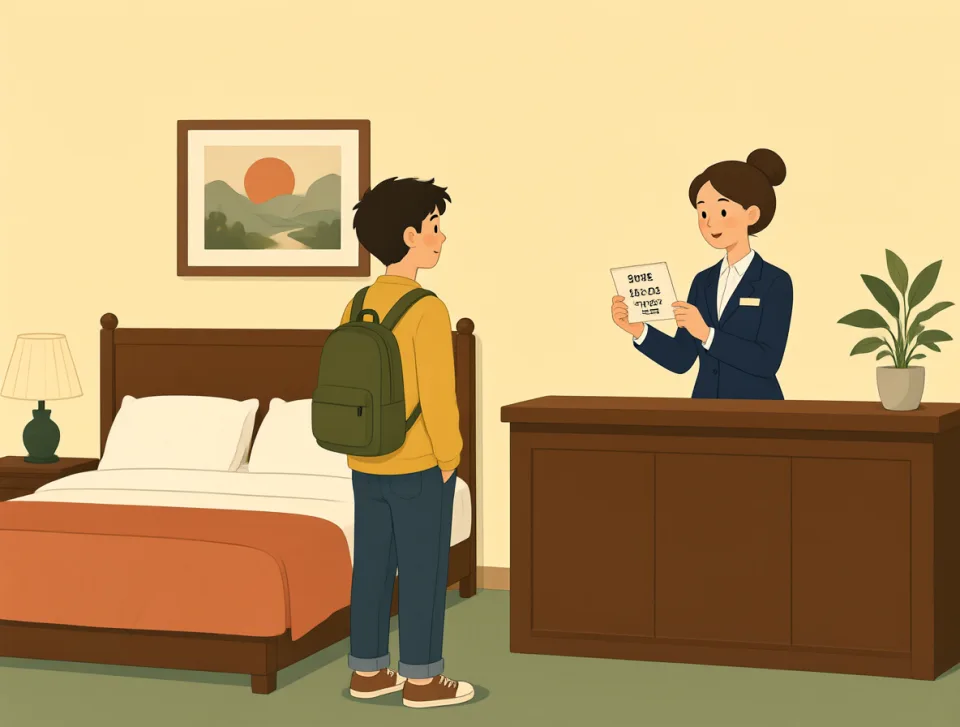
The hotel has a high room rate.
그 호텔은 객실 요금이 비싸다.
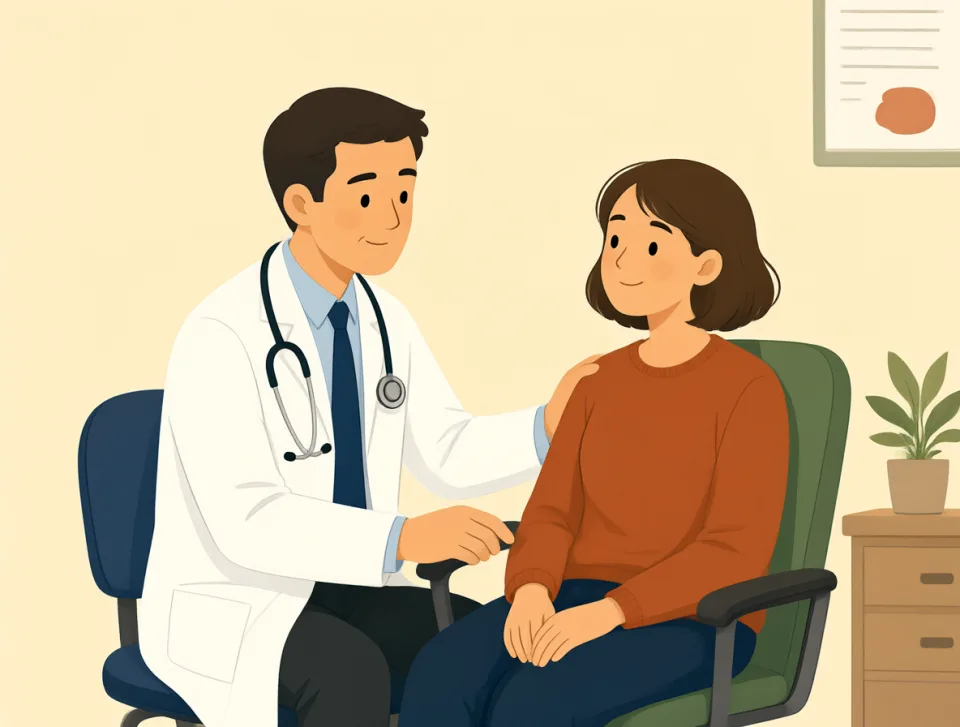
The doctor rated my pain as mild.
의사는 내 통증을 가벼운 정도라고 평가했다.
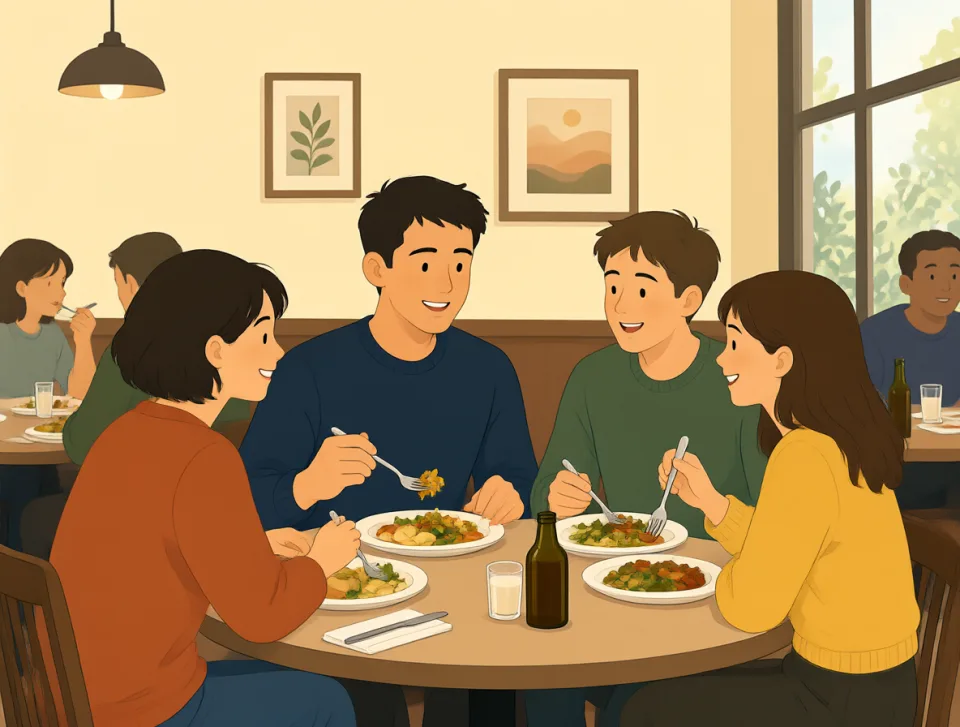
This restaurant rates among the best nearby.
이 식당은 근처 최고의 식당 중 하나로 손꼽힌다.
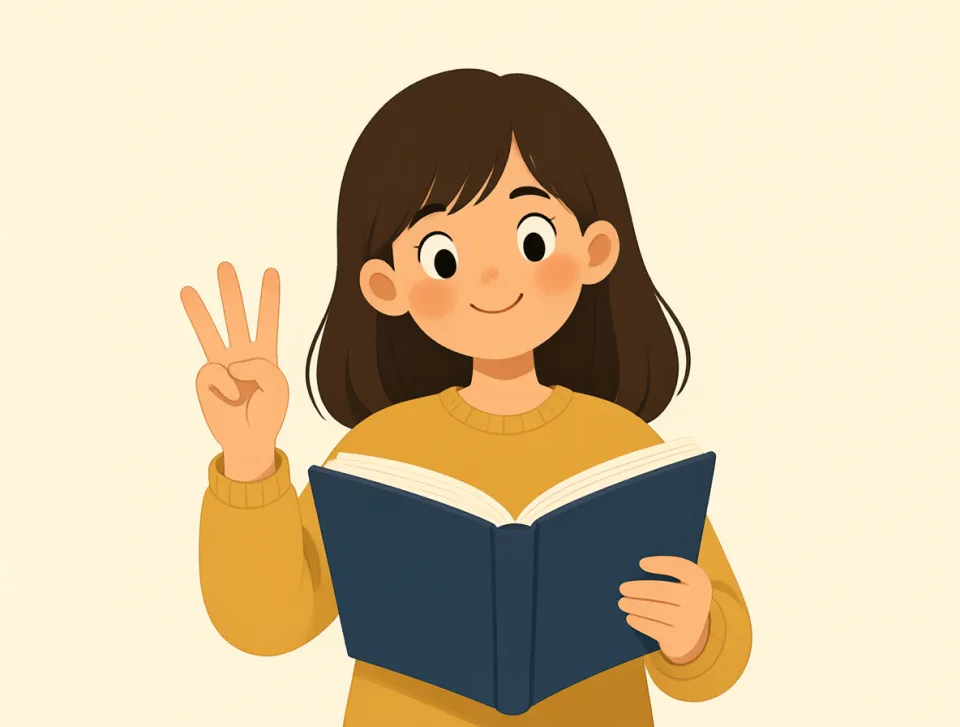
She rated the book five stars.
그녀는 그 책에 별 다섯 개를 매겼다.
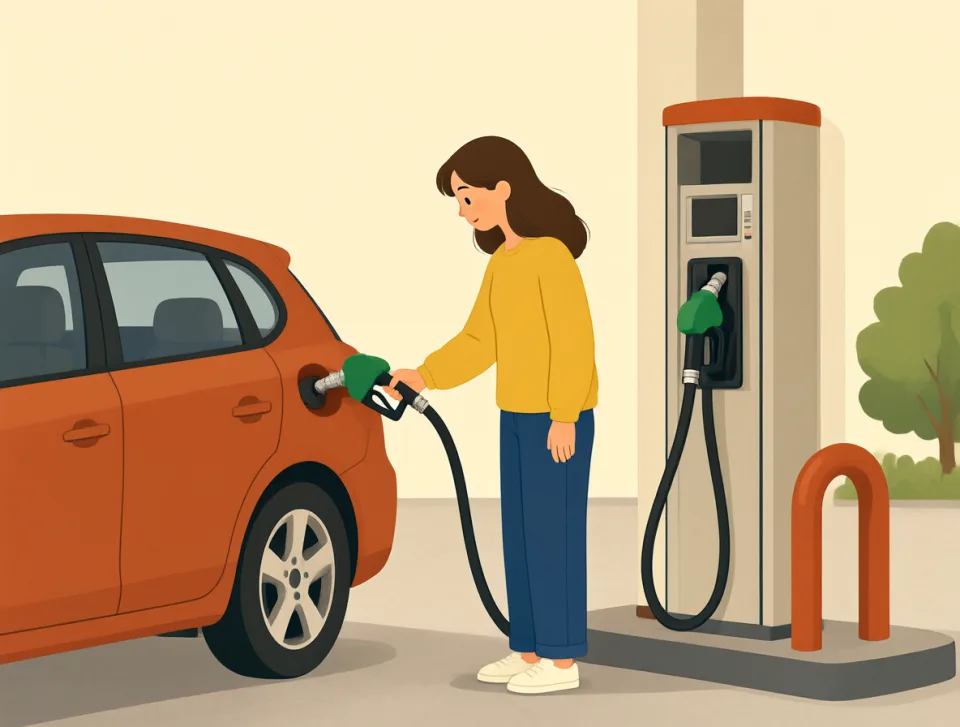
The car gets a good fuel rate.
그 차는 연비가 좋다.
care
#313noun, verb
신경 쓰다; 돌보다; 관심을 가지다
To feel concern for someone or something, or to look after them.
누군가 또는 무언가를 걱정하거나 관심을 가지거나, 돌보는 것
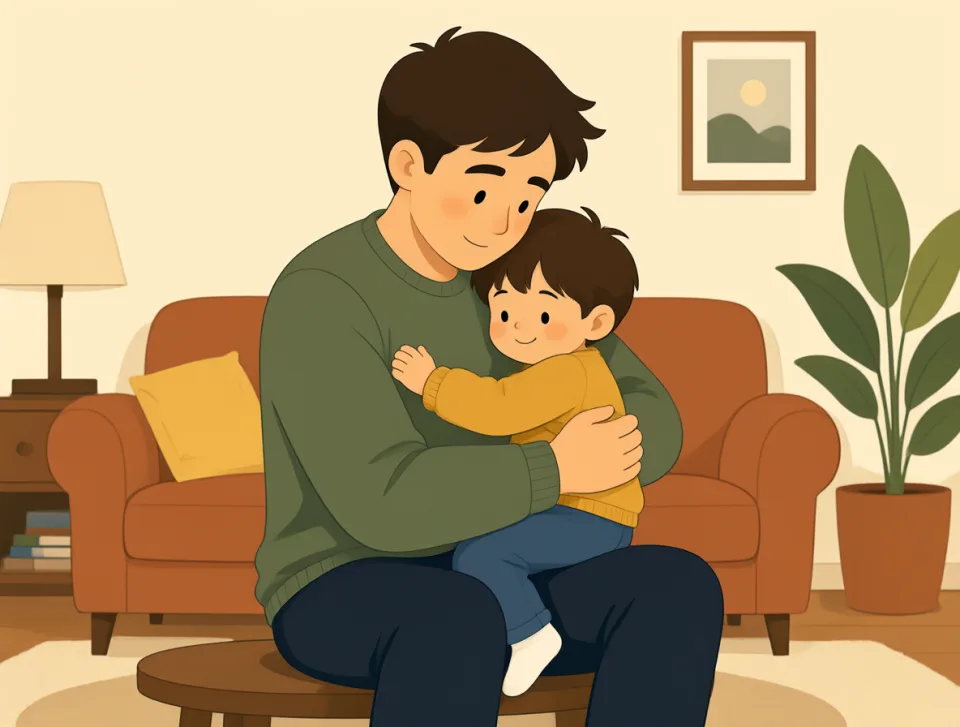
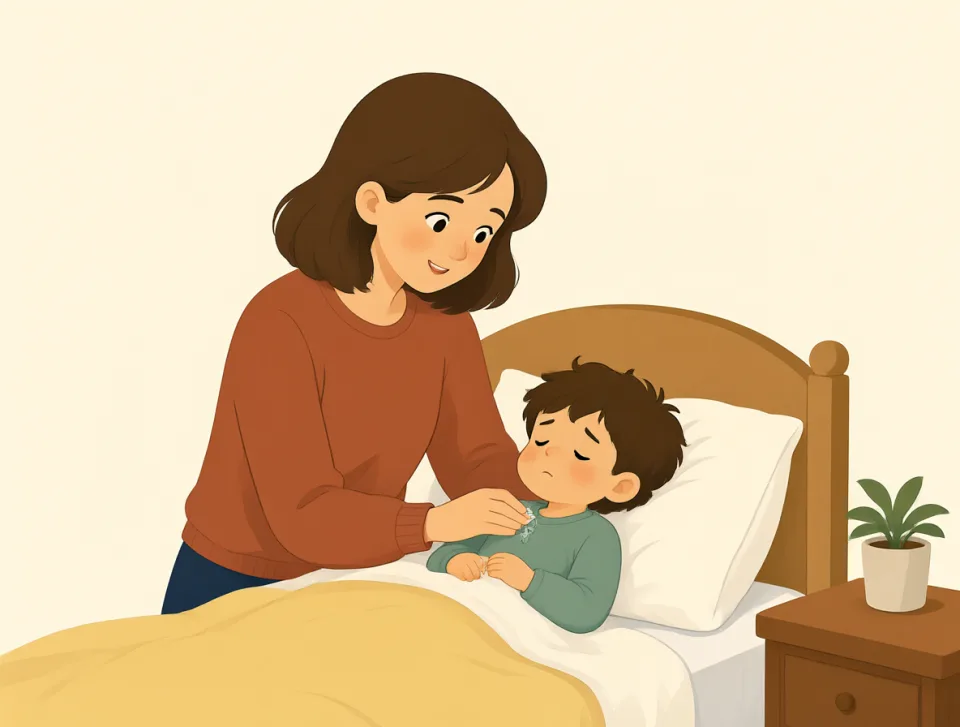
I care about my family very much.
나는 가족을 정말 많이 아낀다.
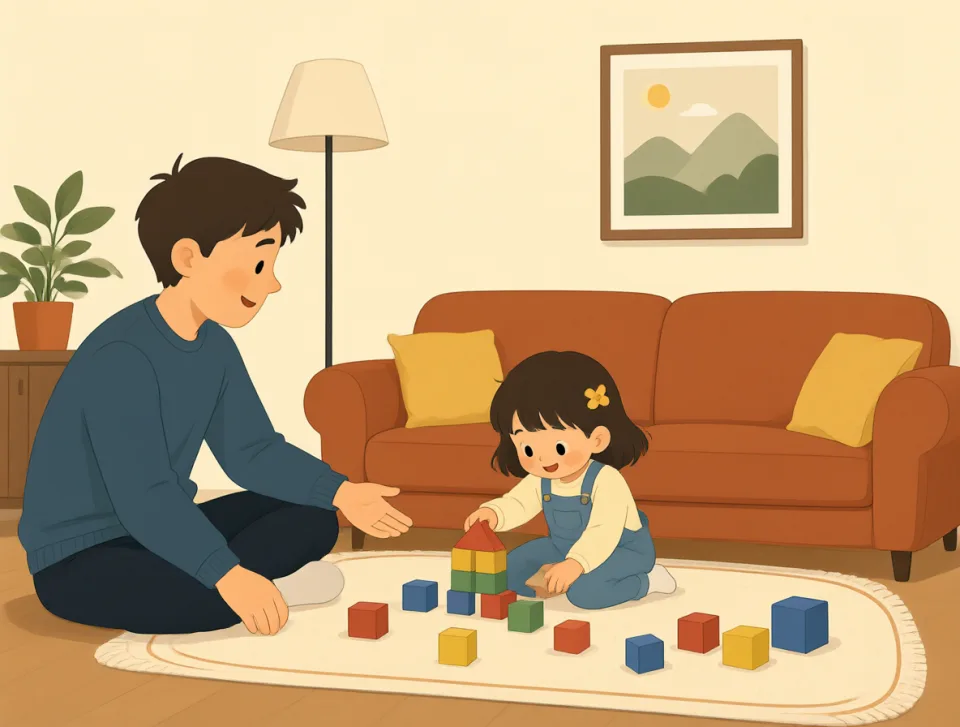
Please take care of your little sister.
어린 여동생을 잘 돌봐 주세요.
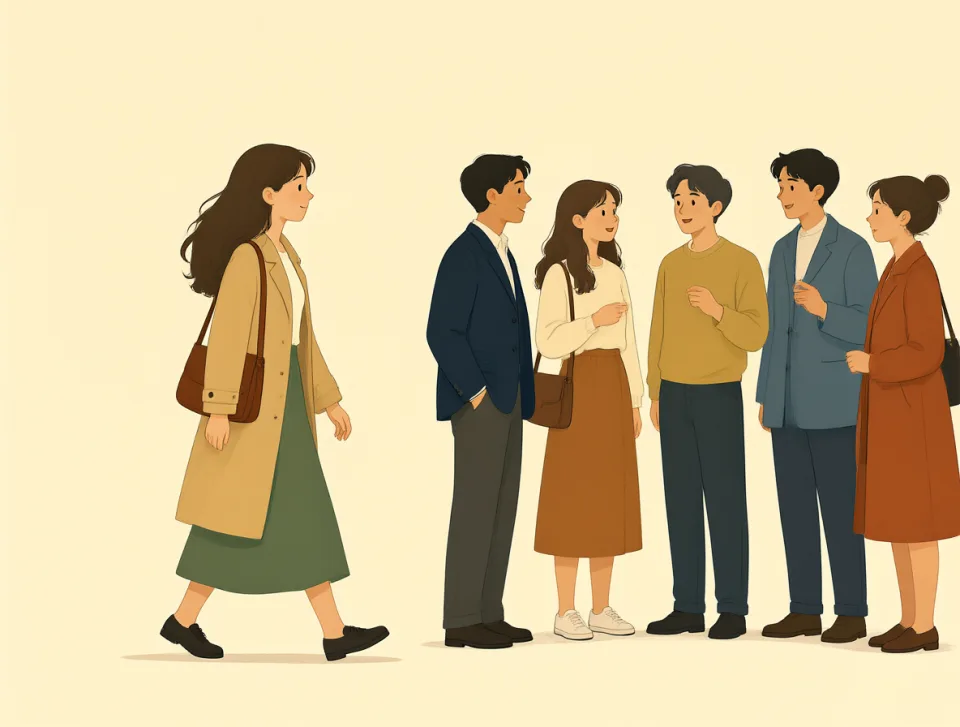
She does not care what people think.
그녀는 사람들이 어떻게 생각하는지 신경 쓰지 않는다.
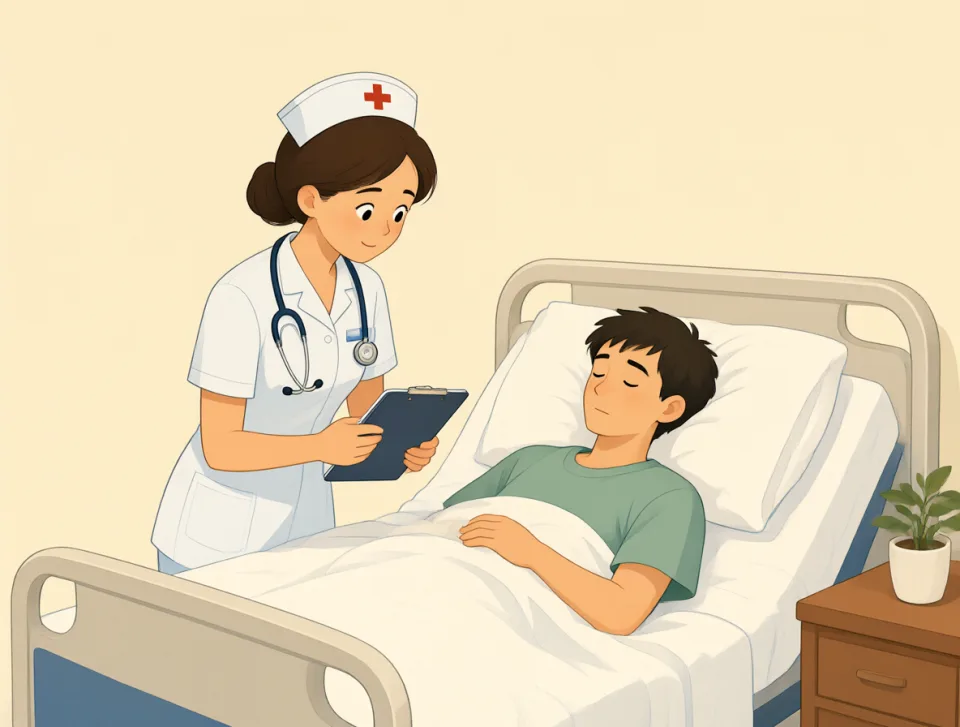
The nurse cared for the patient all night.
간호사는 밤새 환자를 돌보았다.
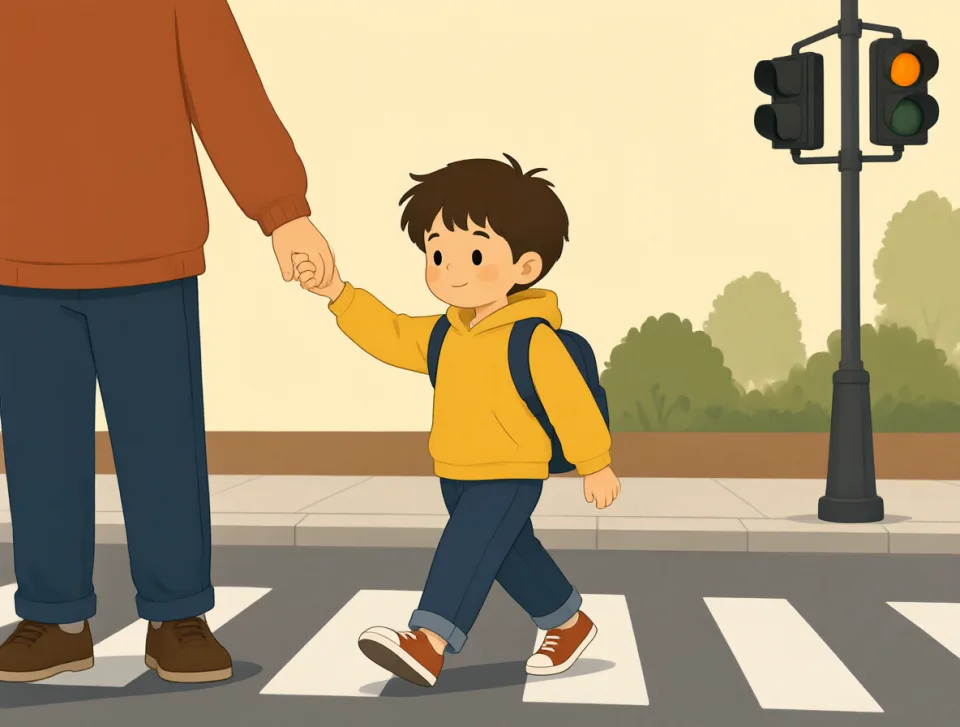
Take care when you cross the busy street.
차가 많이 다니는 길을 건널 때는 조심하세요.

expect
#314verb
예상하다; 기대하다
To think something will happen or believe someone will do something.
어떤 일이 일어날 것이라고 생각하거나 누군가가 어떤 일을 할 것이라고 믿다.
I expect a package tomorrow.
나는 내일 소포가 올 것으로 예상해.
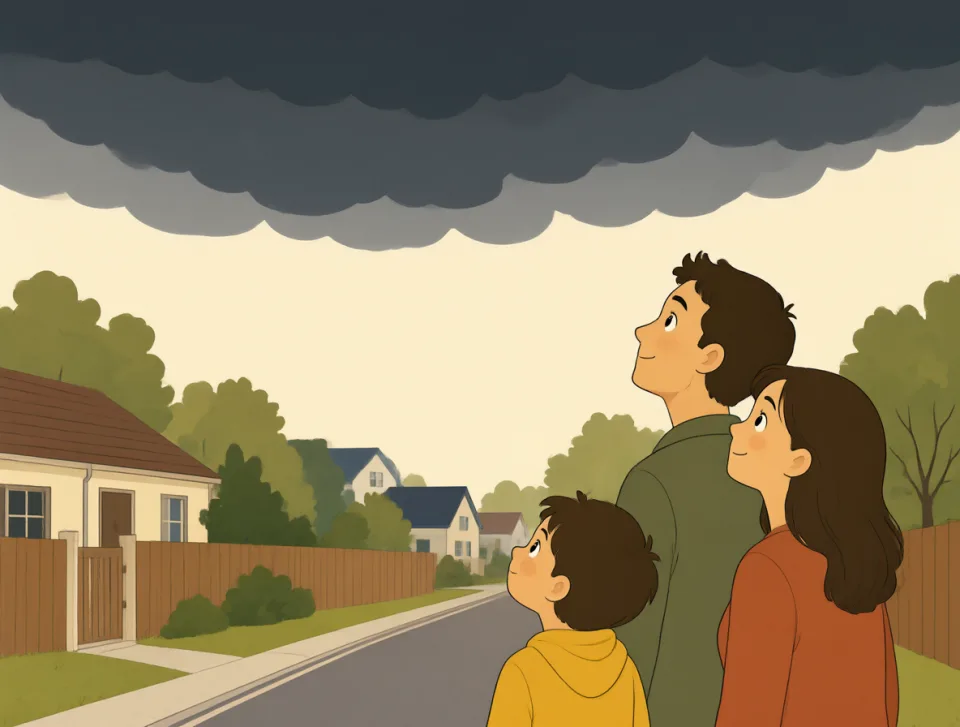
We expect rain this afternoon.
오늘 오후에는 비가 올 것으로 예상돼.
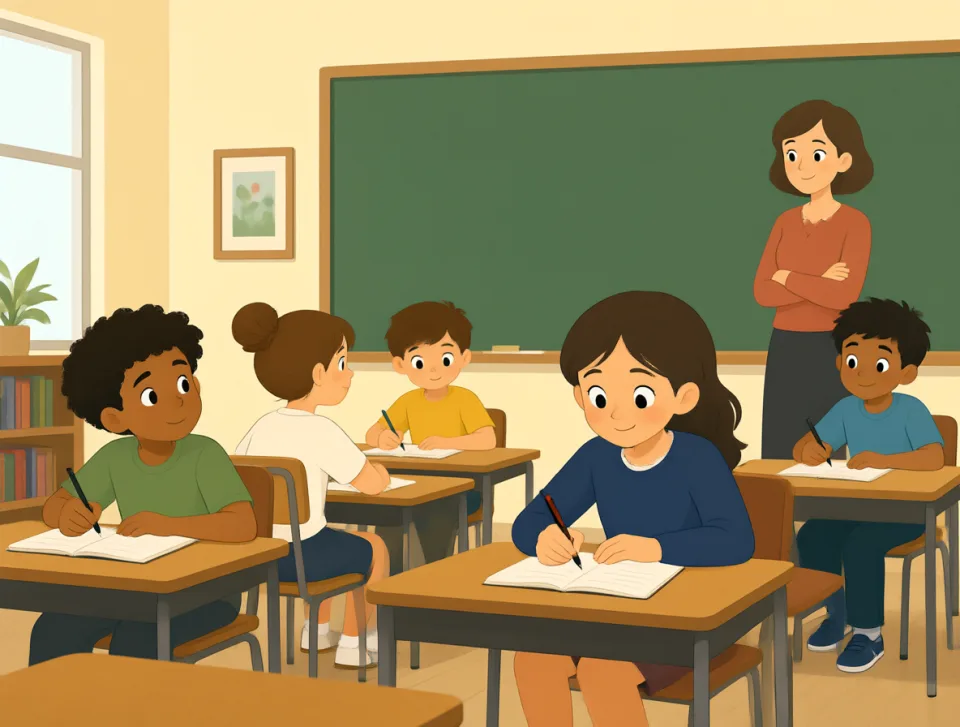
The teacher expects us to finish today.
선생님은 우리가 오늘 끝내기를 기대하셔.
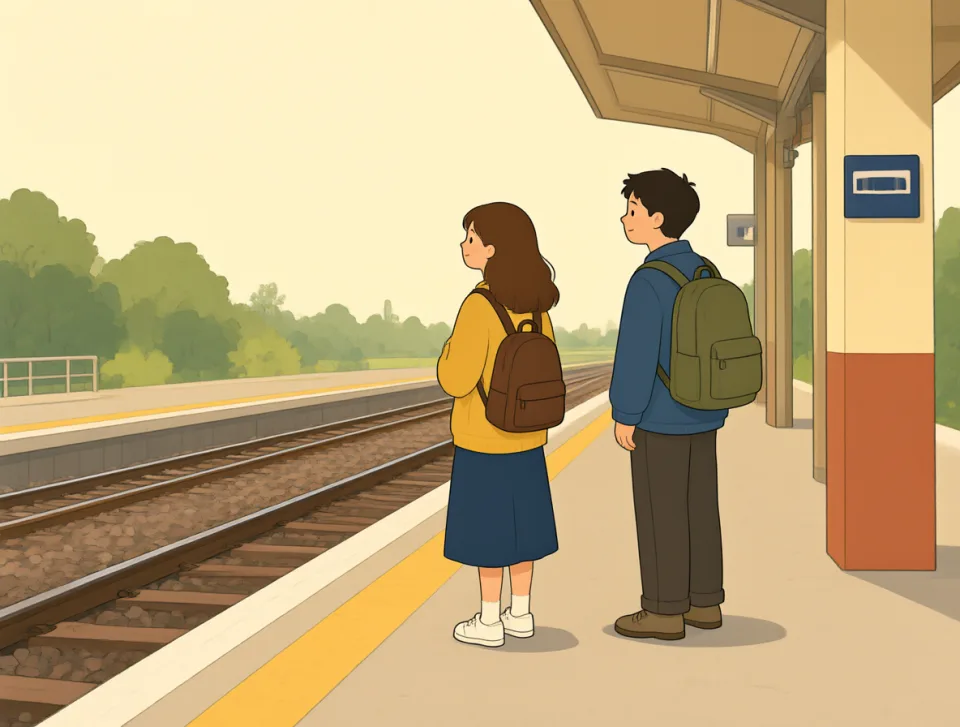
They expect the train to arrive soon.
그들은 기차가 곧 도착할 것으로 예상해.
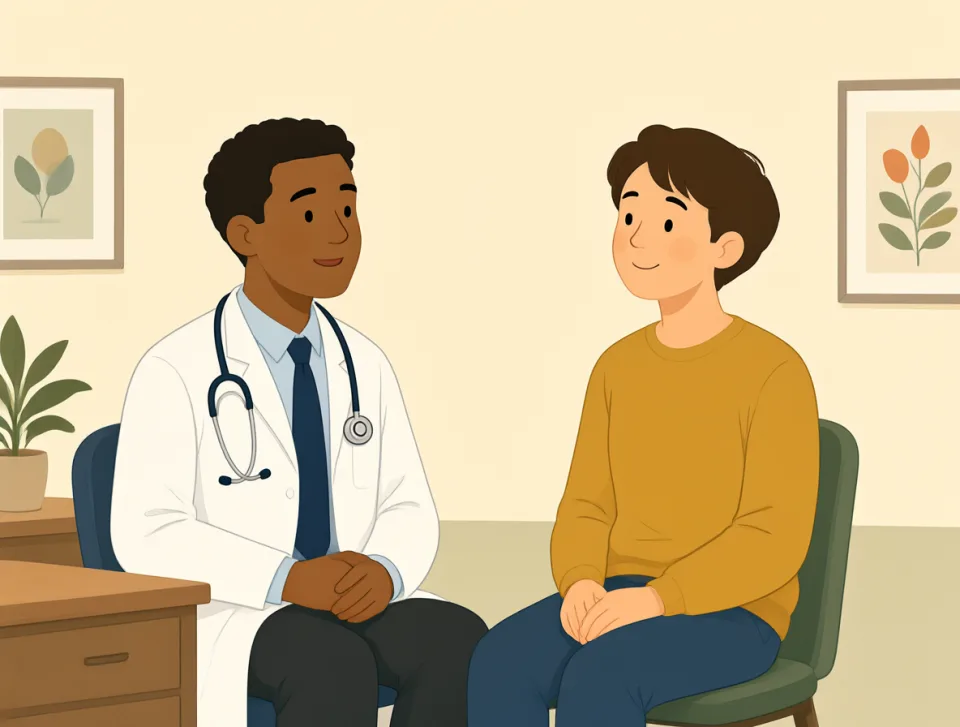
The doctor expects you to feel better soon.
의사는 당신이 곧 나아질 것으로 예상해요.
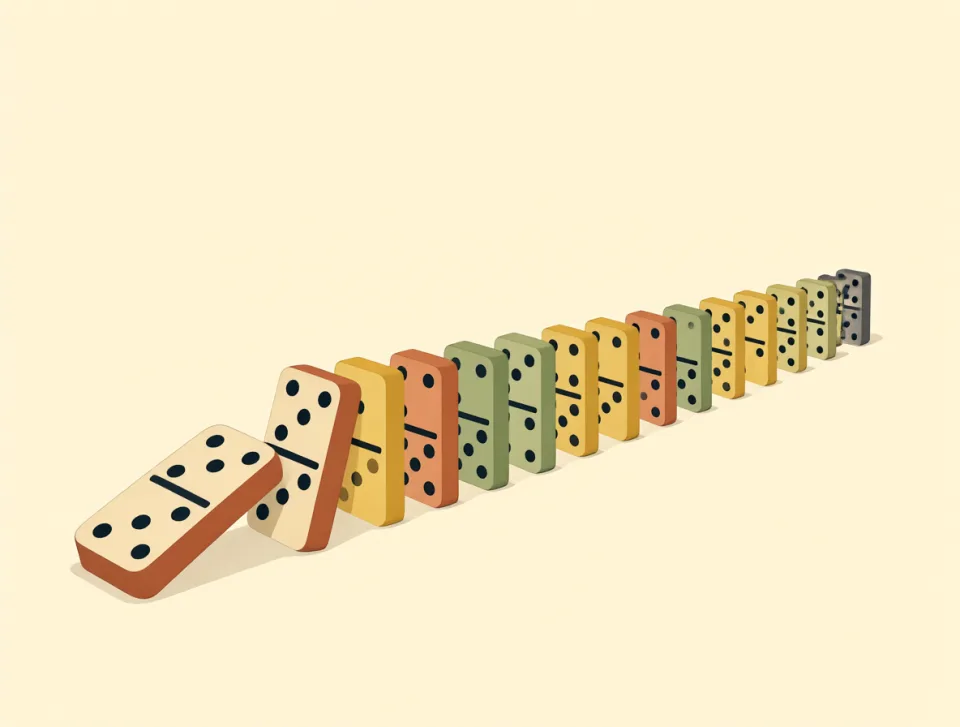
effect
#315noun, verb
영향; 효과; 영향을 미치다; 초래하다
A change caused by something, or to make a change happen.
무언가로 인해 생긴 변화 또는 변화를 일으키는 것
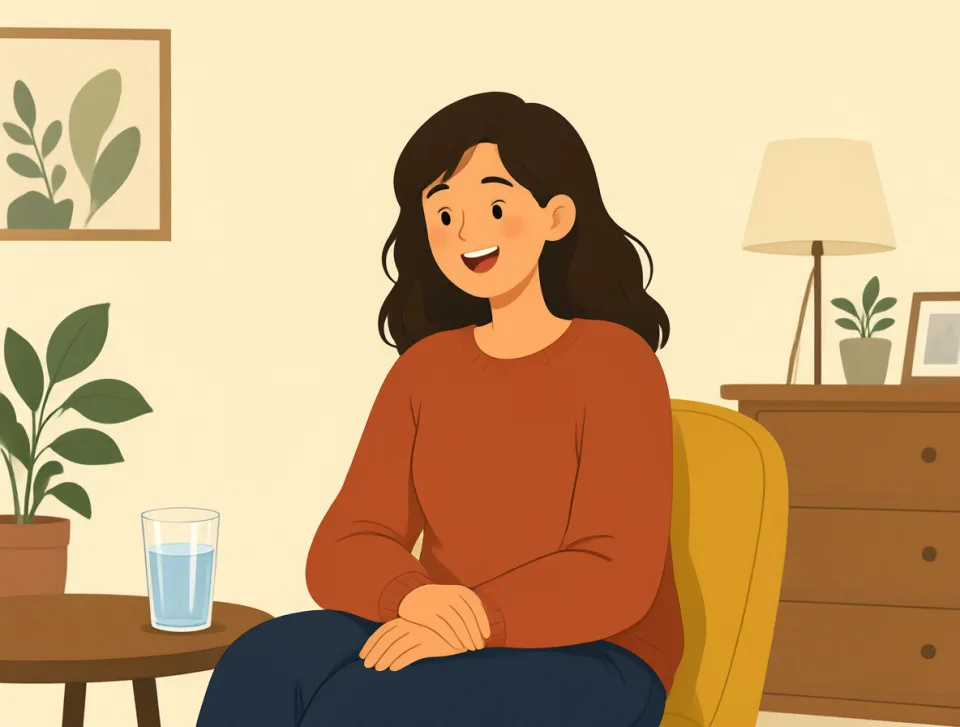
The medicine had a good effect on her.
그 약은 그녀에게 좋은 효과가 있었다.
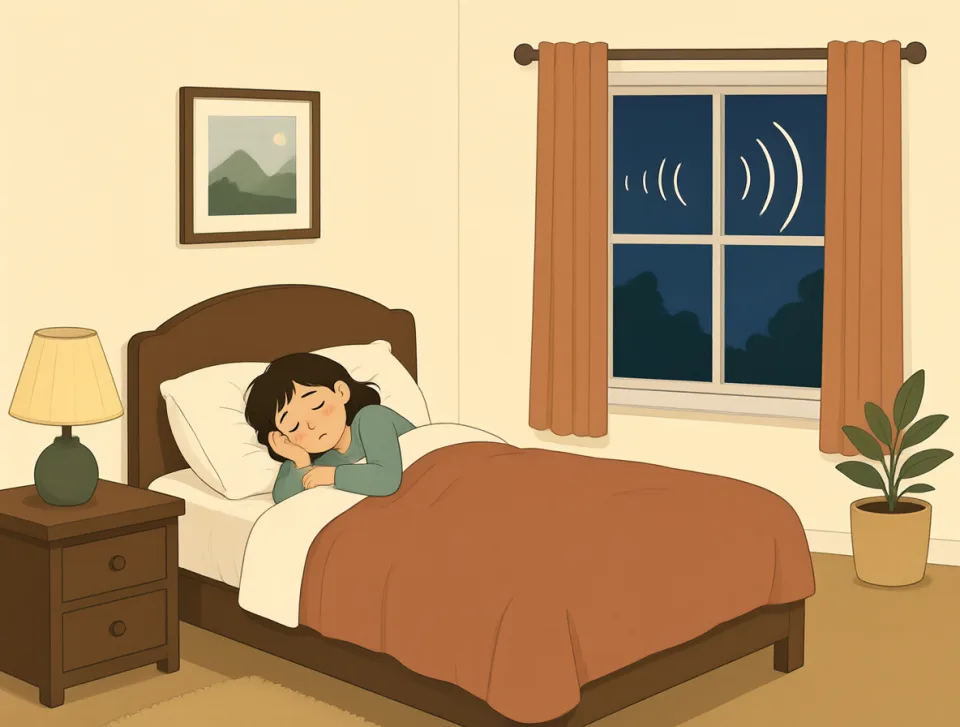
The loud noise affected my sleep.
큰 소음이 내 수면에 영향을 미쳤다.
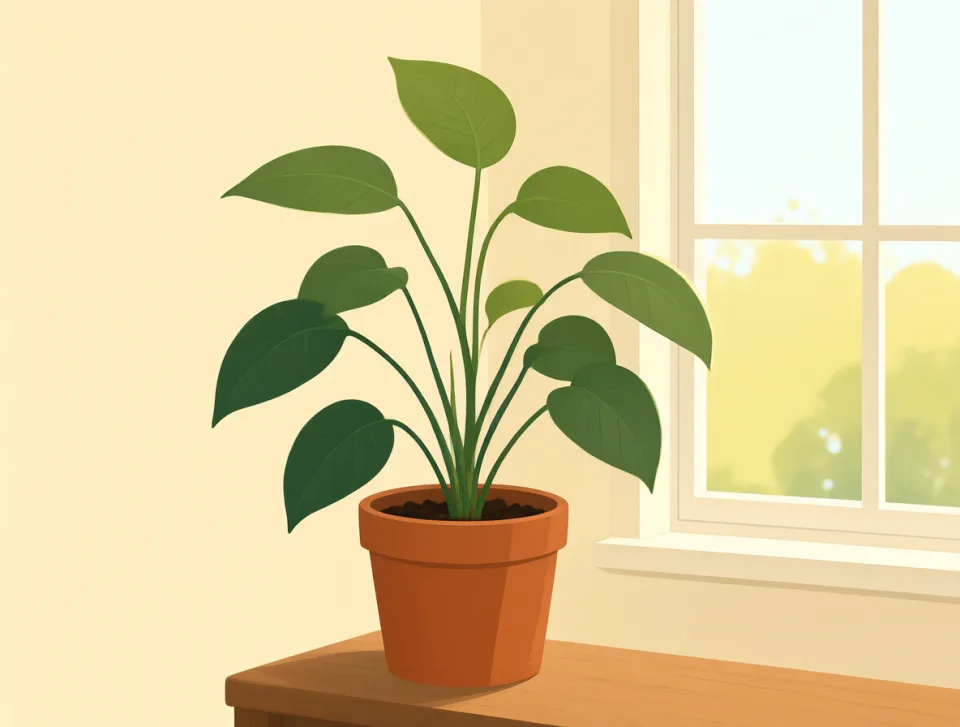
Sunlight has a strong effect on plants.
햇빛은 식물에 강한 영향을 미친다.
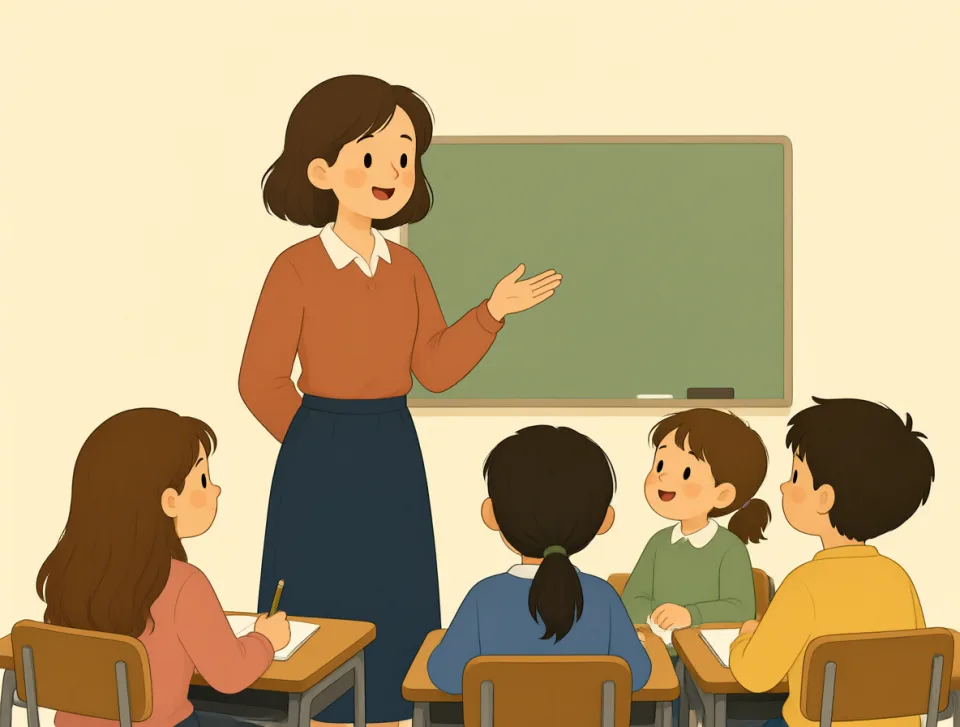
The new rule will affect all students.
새 규정은 모든 학생에게 영향을 미칠 것이다.
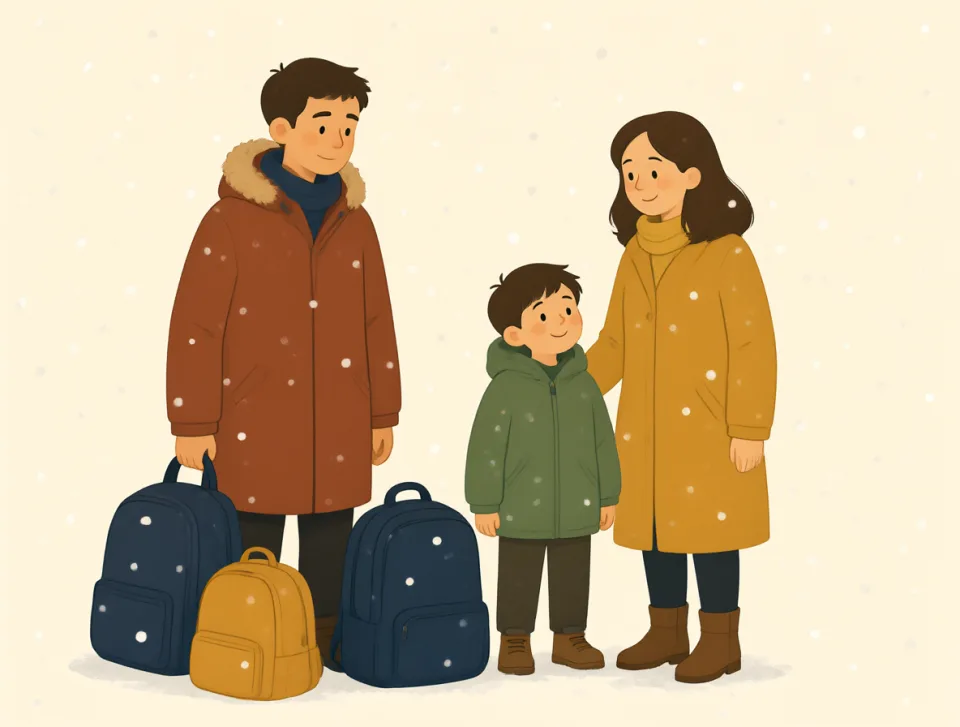
The cold weather affected our travel plans.
추운 날씨가 우리의 여행 계획에 영향을 미쳤다.
sort
#316noun, verb
종류; 분류하다
A type of something; to put things into groups.
어떤 것의 종류; 물건을 여러 그룹으로 나누다.

What sort of music do you like?
어떤 종류의 음악을 좋아하세요?
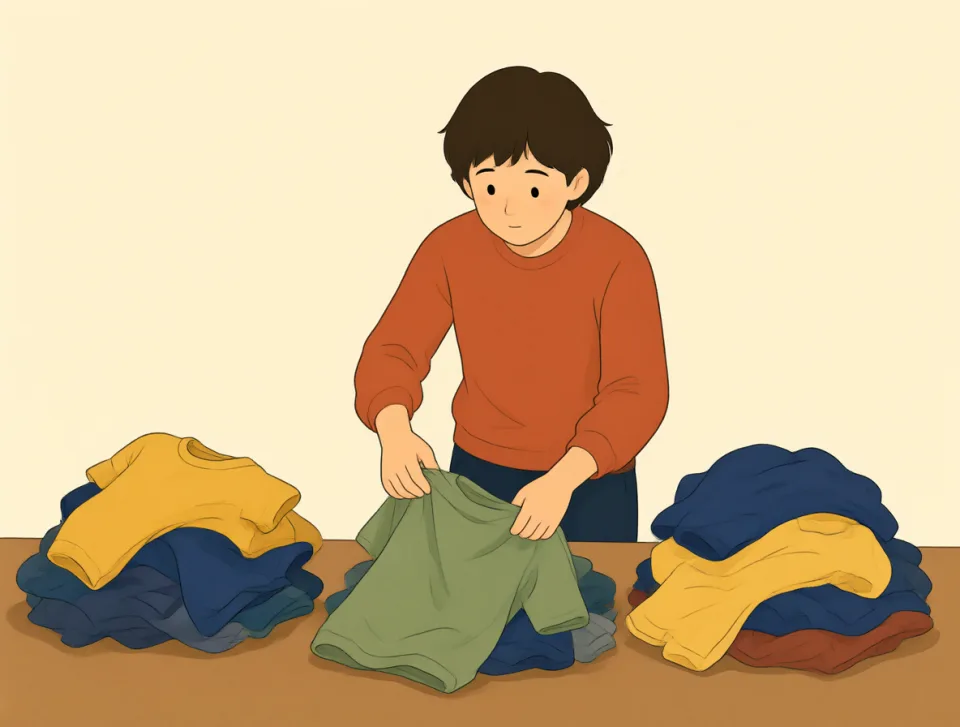
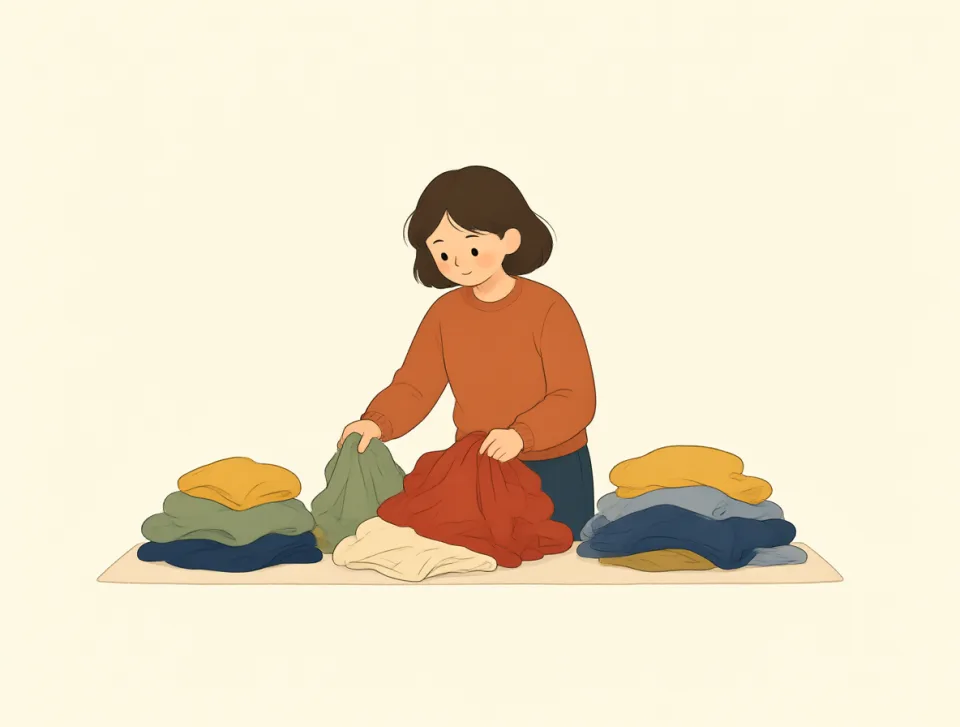
Please sort these clothes by color.
이 옷들을 색깔별로 분류해 주세요.
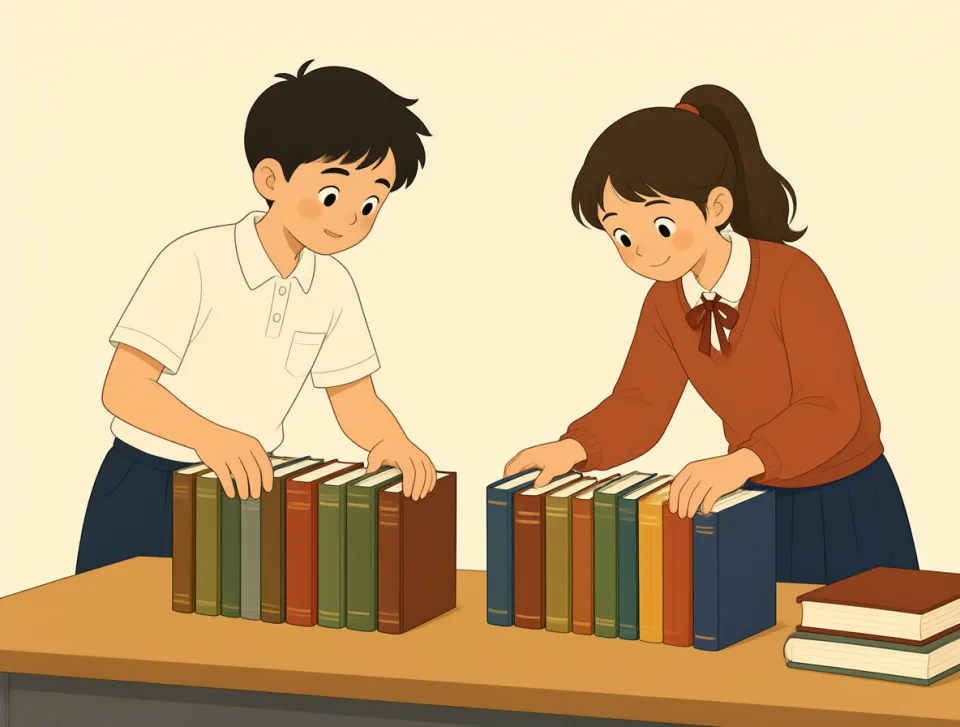
We sorted the books by size.
우리는 책을 크기별로 분류했어요.
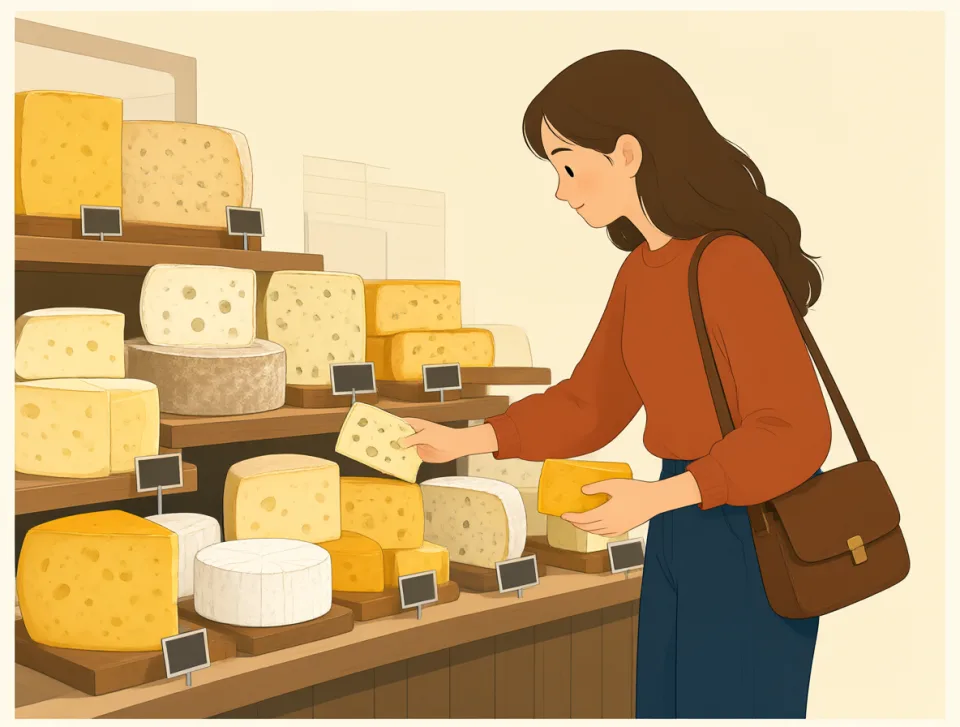
She bought several sorts of cheese.
그녀는 여러 종류의 치즈를 샀어요.
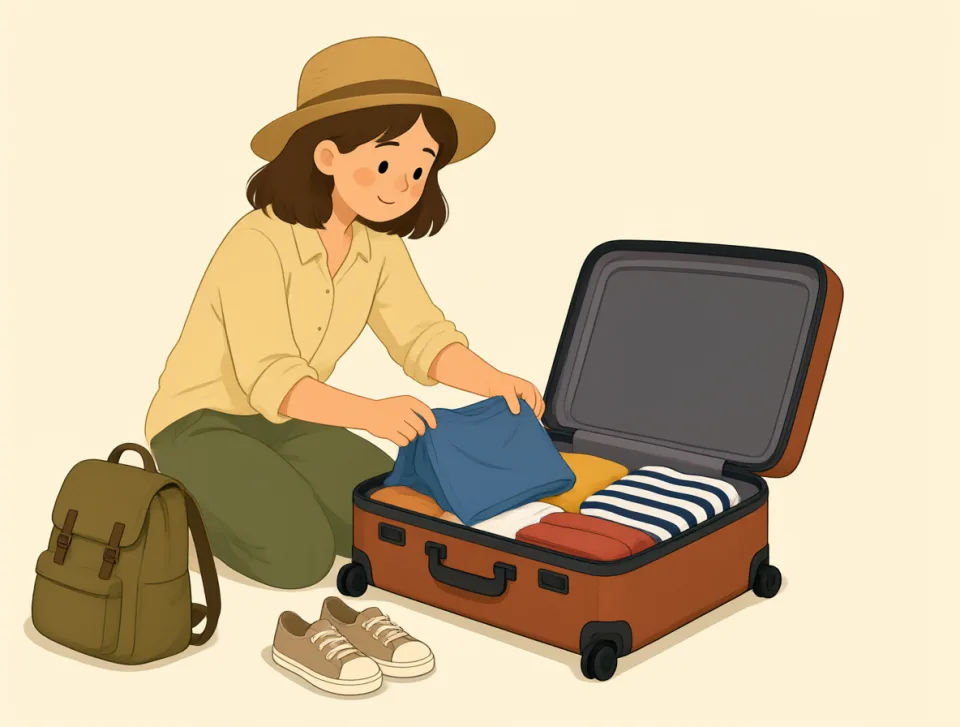
I need to sort out my travel plans.
여행 계획을 정리해야 해요.
ever
#317adverb
언제든; 지금까지
At any time, or at any time before now.
어느 때든, 또는 지금보다 이전의 어느 때든
Have you ever visited another country?
다른 나라에 가 본 적 있어?

This is the best pizza I have ever eaten.
이건 내가 지금까지 먹어 본 피자 중에서 제일 맛있어.
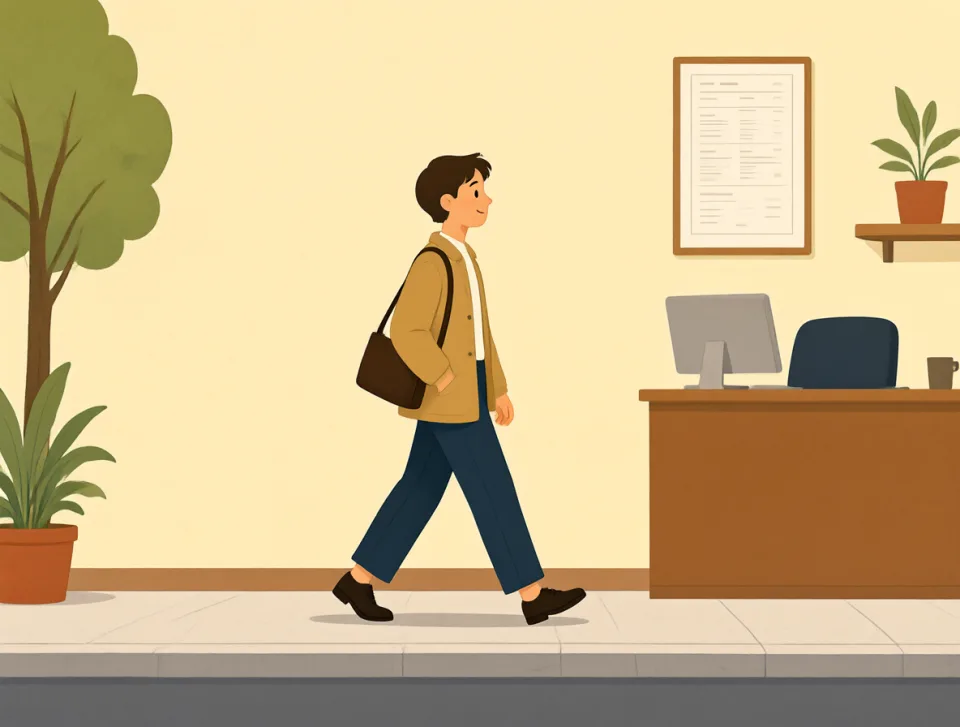
Do you ever walk to work?
너는 직장에 걸어서 갈 때도 있어?

If you ever need help, call me.
도움이 필요하면 언제든 나한테 전화해.
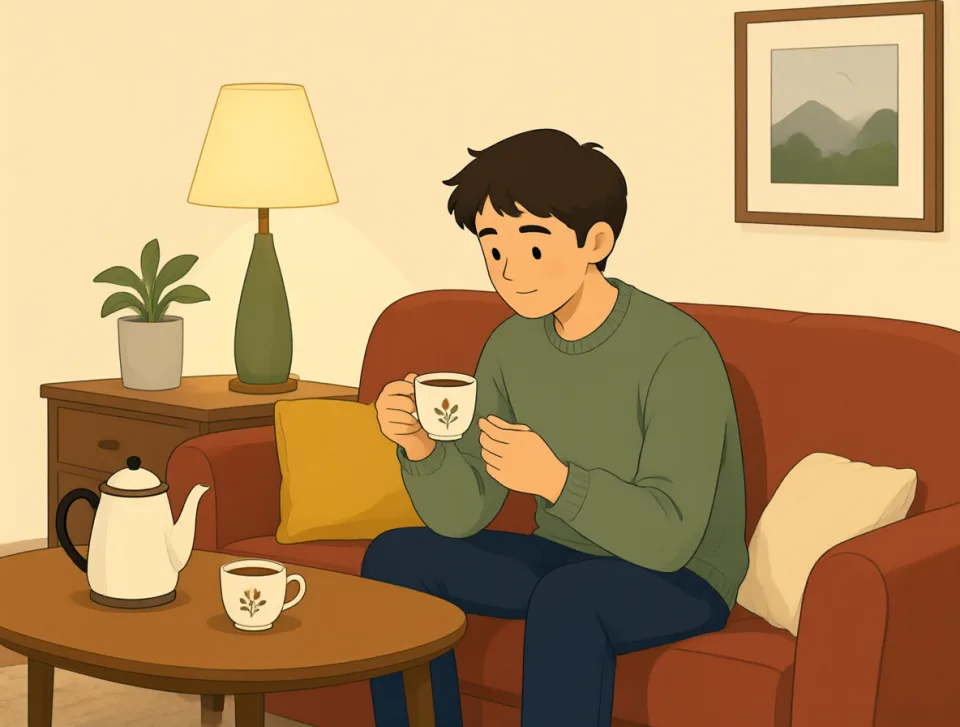
He hardly ever drinks coffee in the evening.
그는 저녁에는 커피를 거의 마시지 않아.
anything
#318pronoun, determiner
무엇이든; 아무것도
A thing of any kind, or no particular thing.
어떤 종류의 것이든, 또는 특별히 정해지지 않은 것
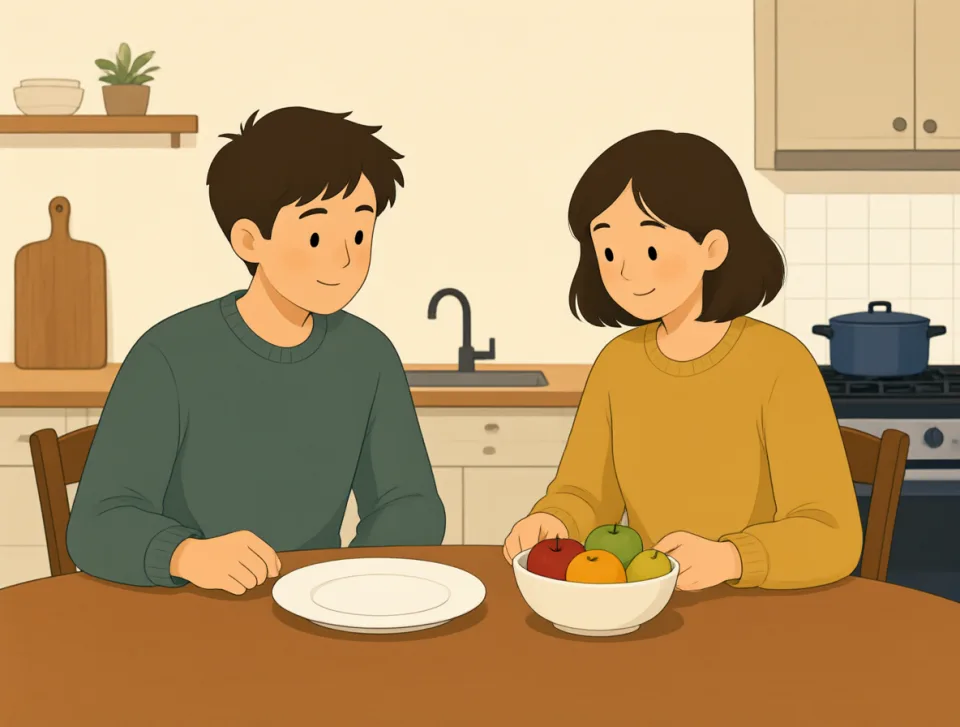
Would you like anything to eat?
먹을 것 좀 드릴까요?
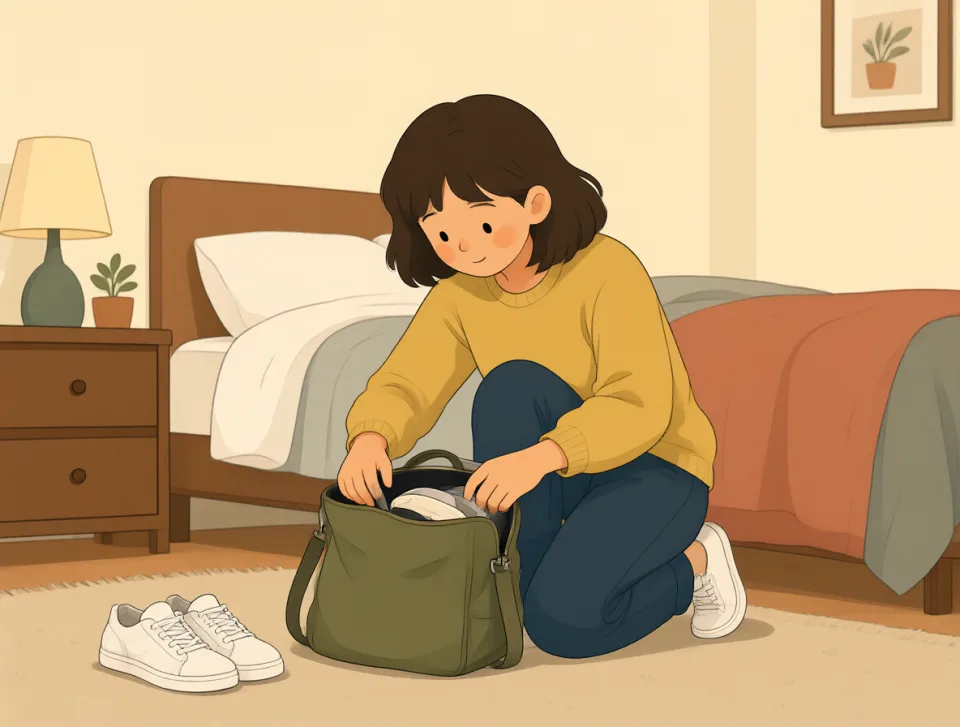
I cannot find anything in this bag.
이 가방 안에서 아무것도 찾을 수 없어요.
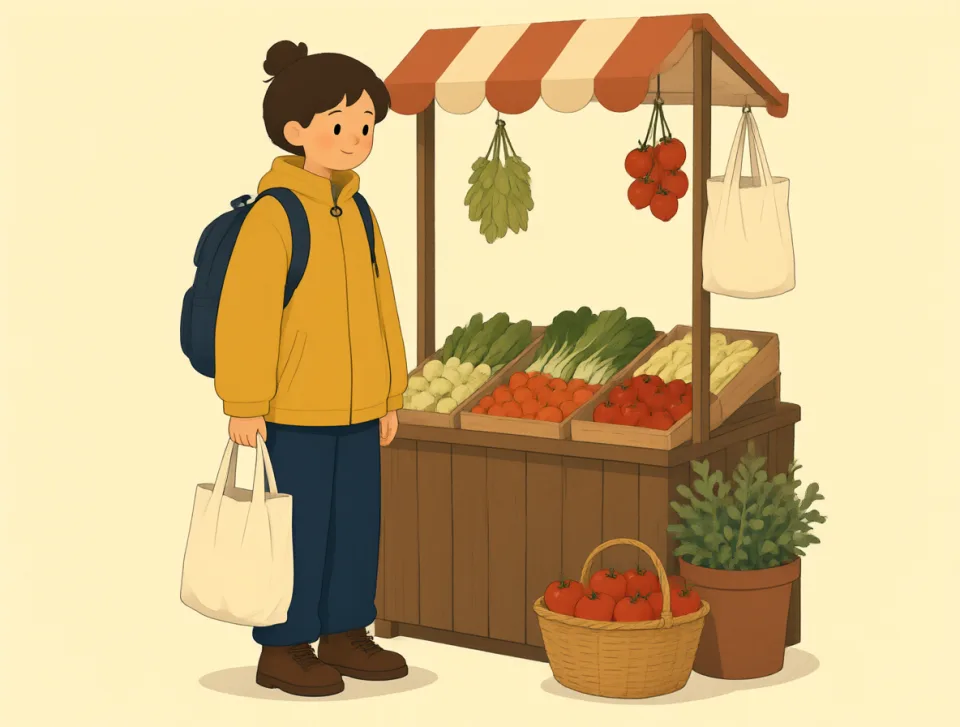
Did you buy anything at the market?
시장에 가서 뭐라도 샀어요?
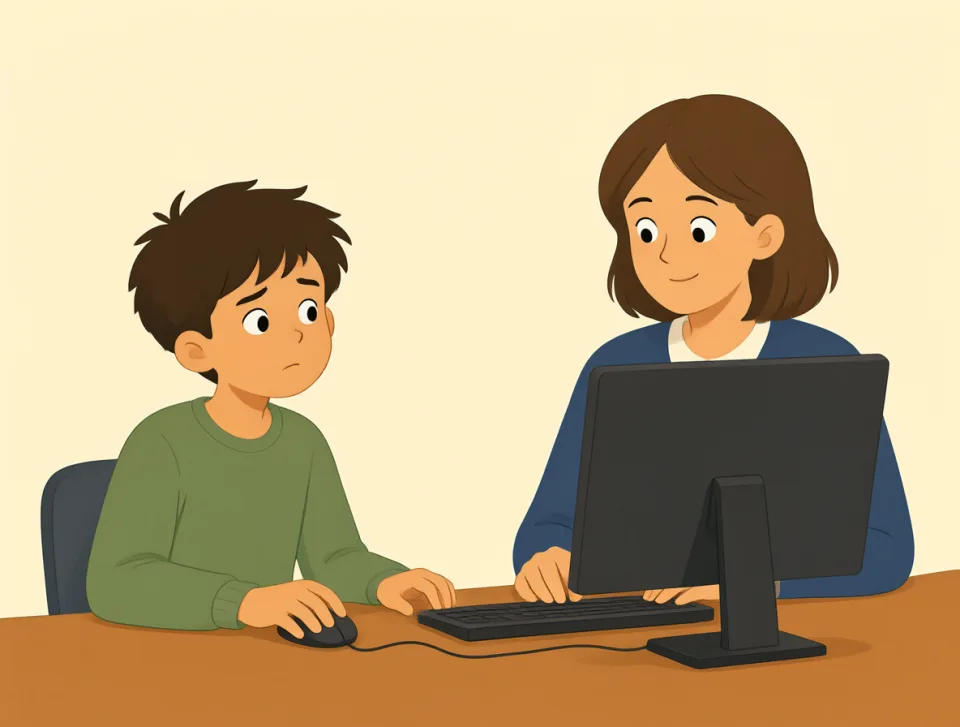
She knows anything about computers.
그녀는 컴퓨터에 대해 아무것도 몰라요.
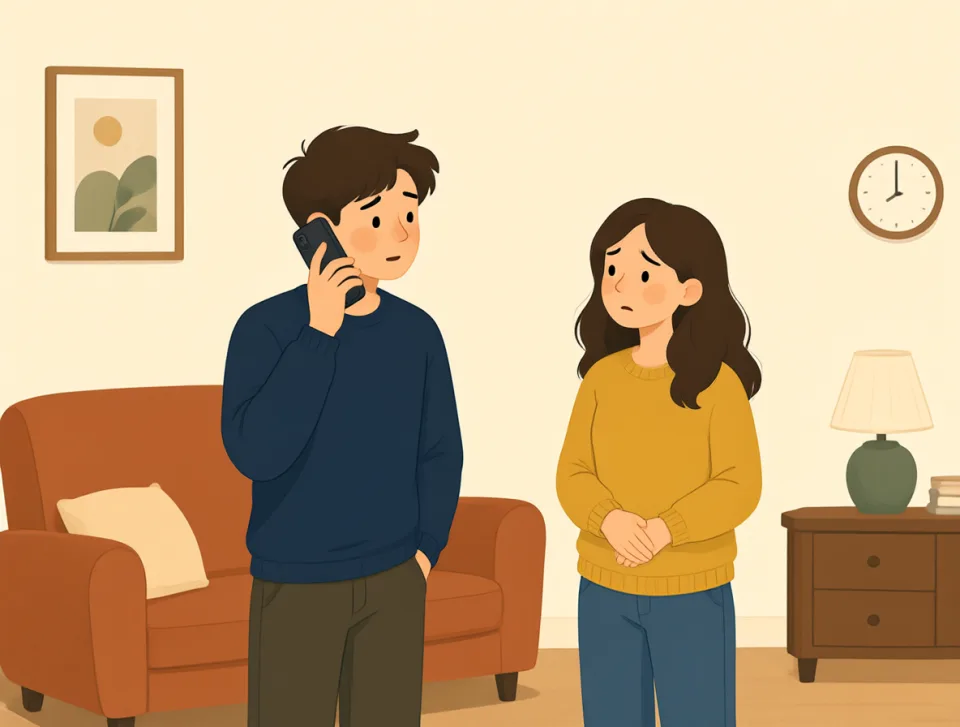
Please call me if anything happens.
무슨 일이 생기면 저한테 전화해 주세요.
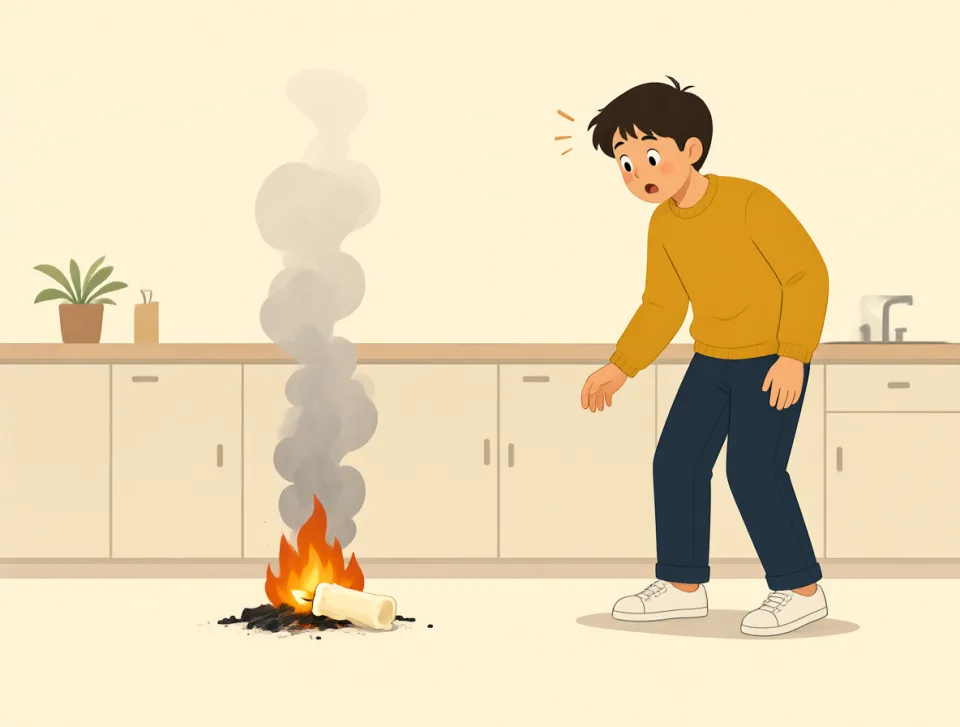
cause
#319noun, verb
원인; 일으키다
A reason something happens; to make something happen.
어떤 일이 일어나는 이유; 어떤 일이 일어나게 하다.
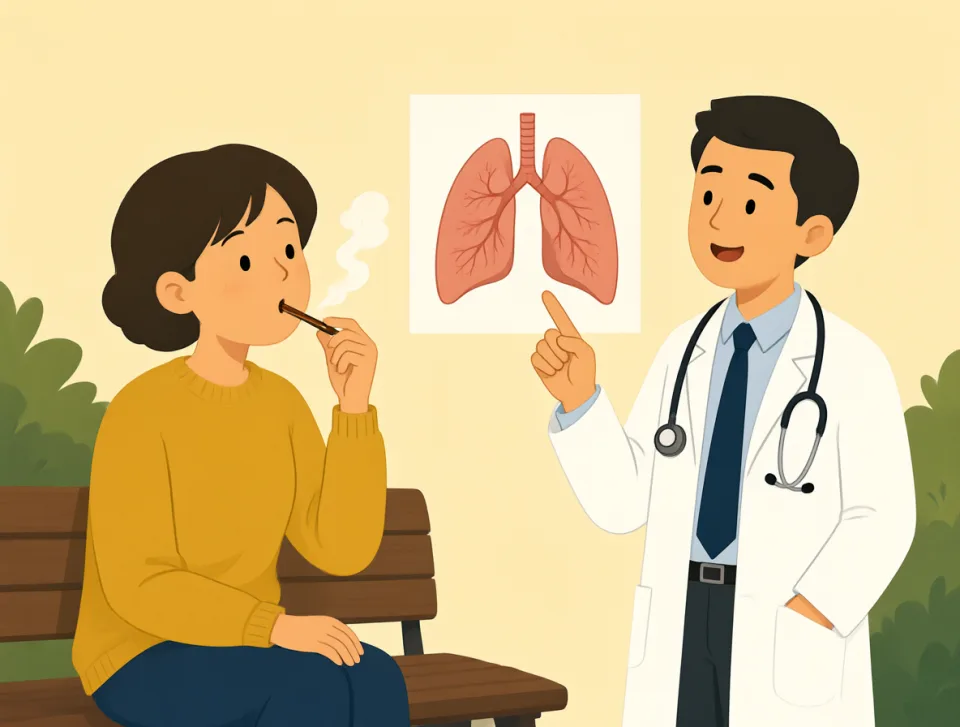
Smoking can cause serious health problems.
흡연은 심각한 건강 문제를 일으킬 수 있습니다.
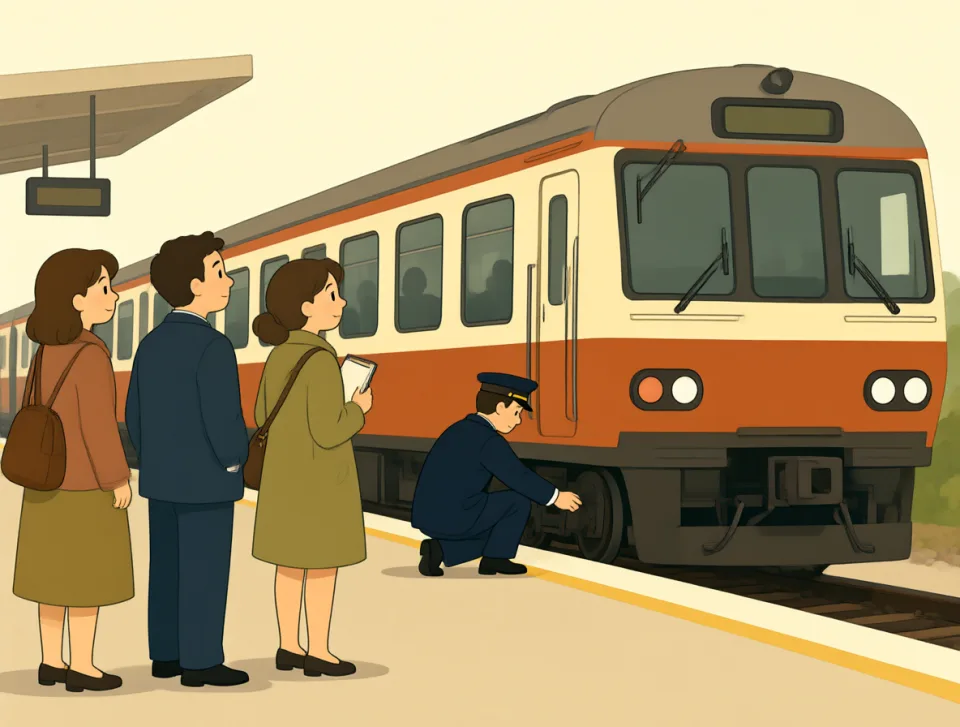
What caused the train delay this morning?
오늘 아침 기차가 지연된 원인은 무엇이었나요?
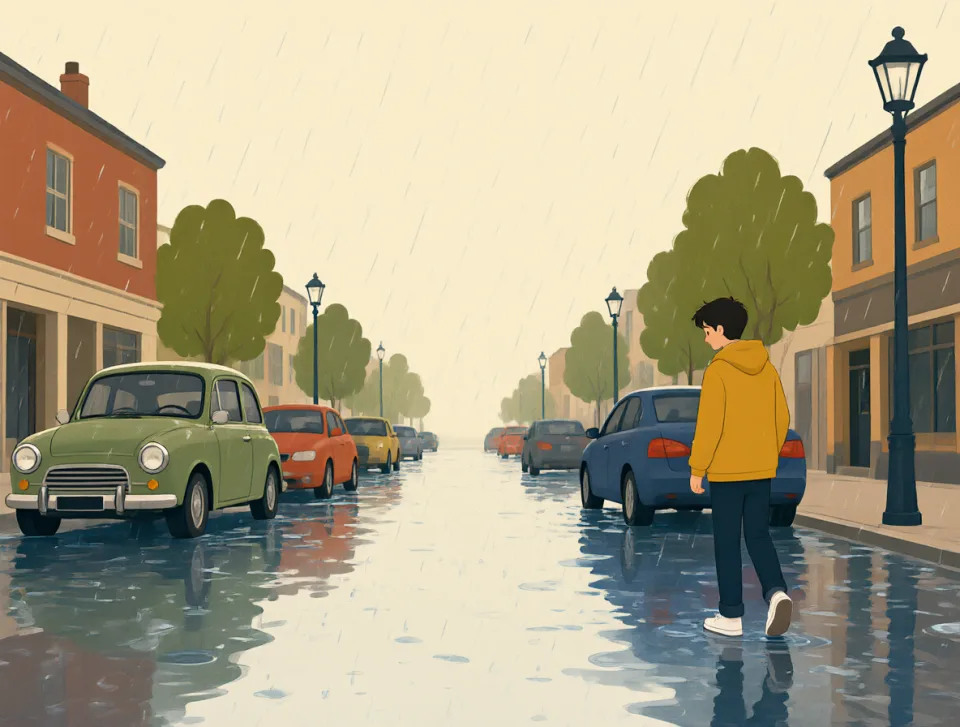
The heavy rain caused a flood.
폭우로 홍수가 났습니다.
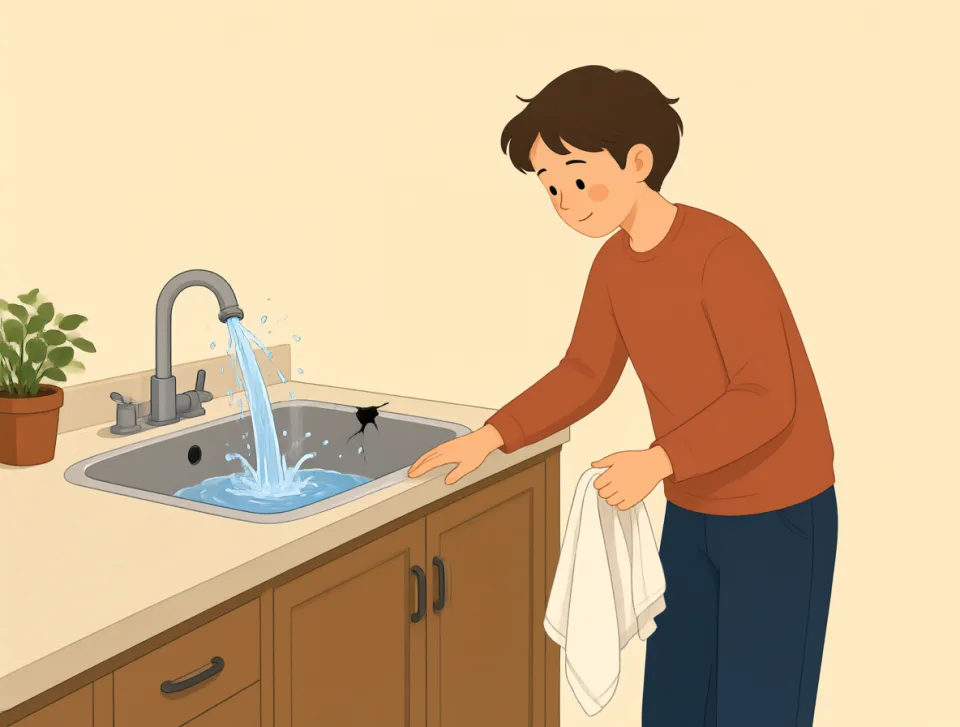
A broken pipe caused water damage at home.
파이프가 망가져 집에 물이 새서 피해가 발생했습니다.
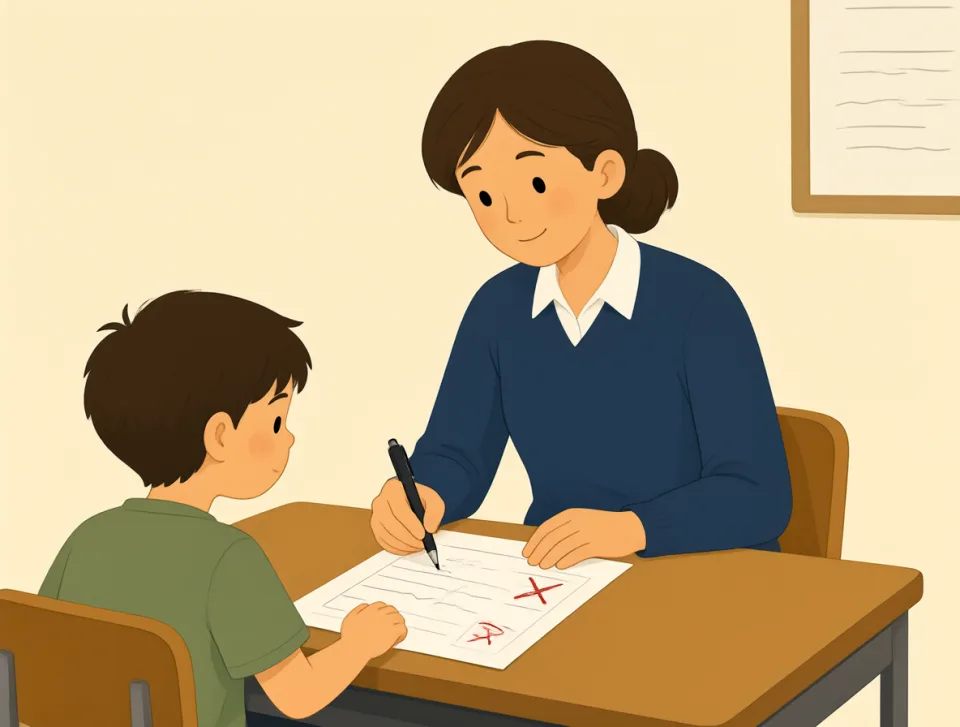
The teacher explained the cause of the mistake.
선생님은 그 실수가 발생한 원인을 설명해 주셨습니다.
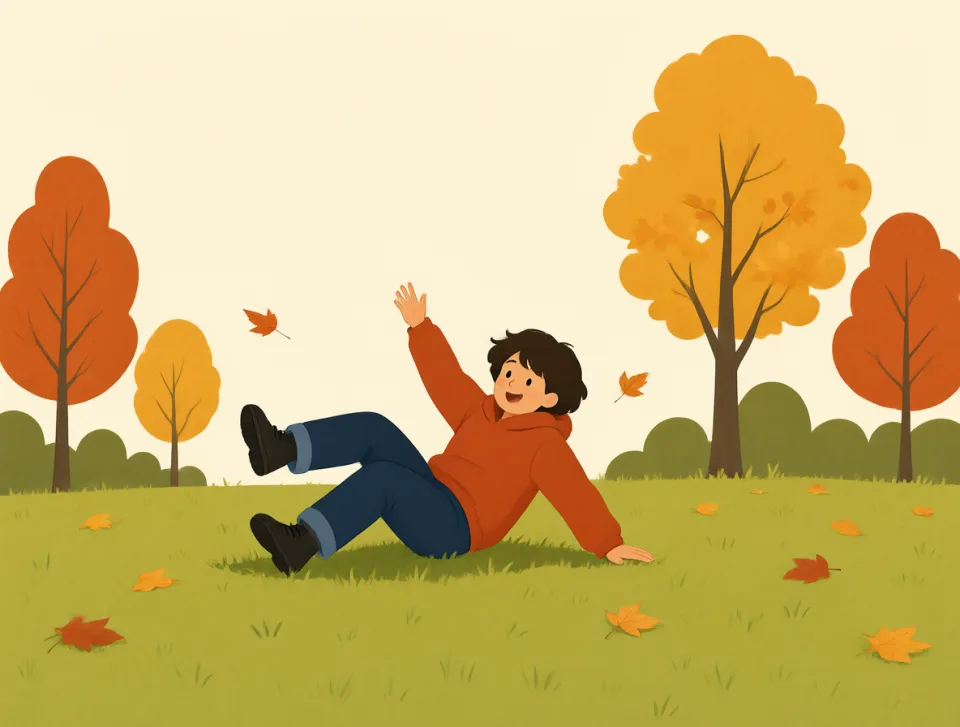
fall
#320verb, noun
떨어지다; 가을
To move down suddenly, or the season between summer and winter.
갑자기 아래로 내려가거나, 여름과 겨울 사이의 계절인 가을
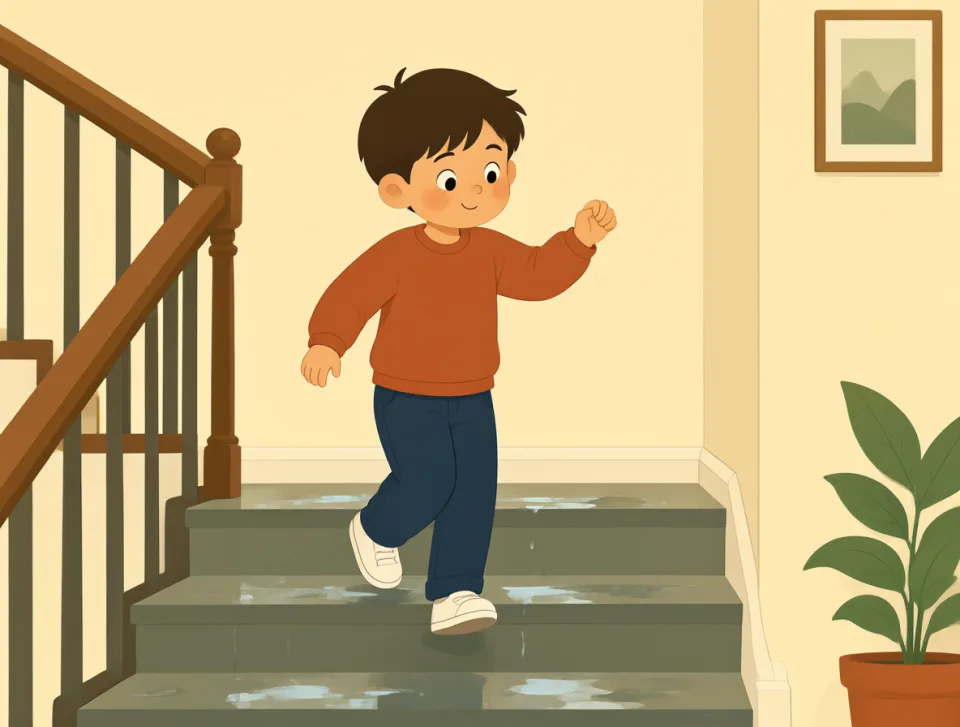
Be careful, or you may fall down.
조심하지 않으면 넘어질 수 있어.
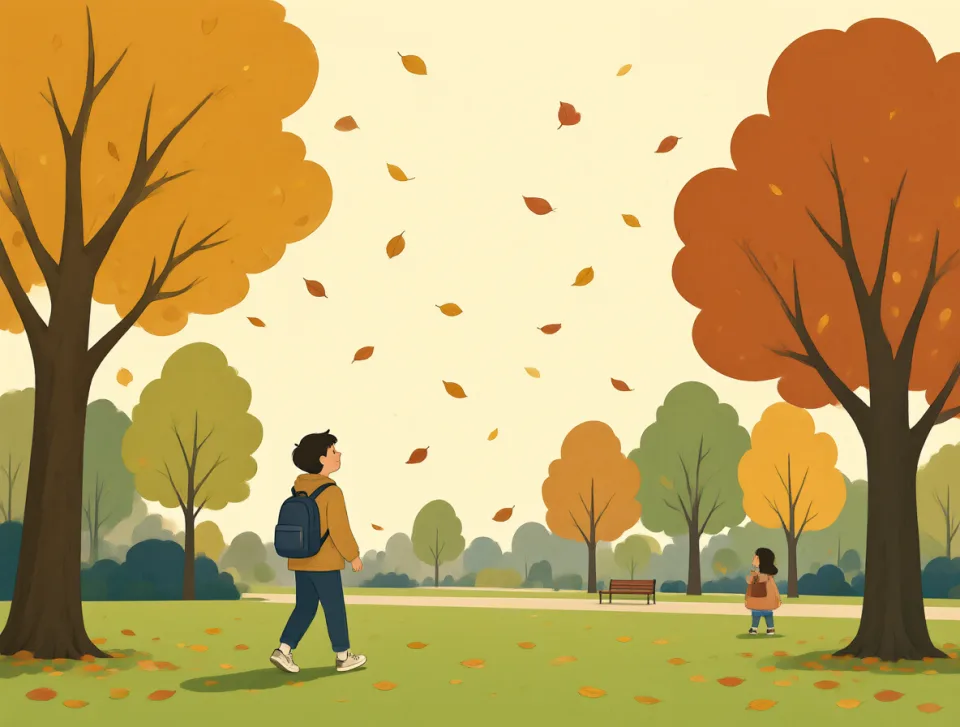
The leaves fall from the trees in autumn.
가을이 되면 나뭇잎이 나무에서 떨어진다.
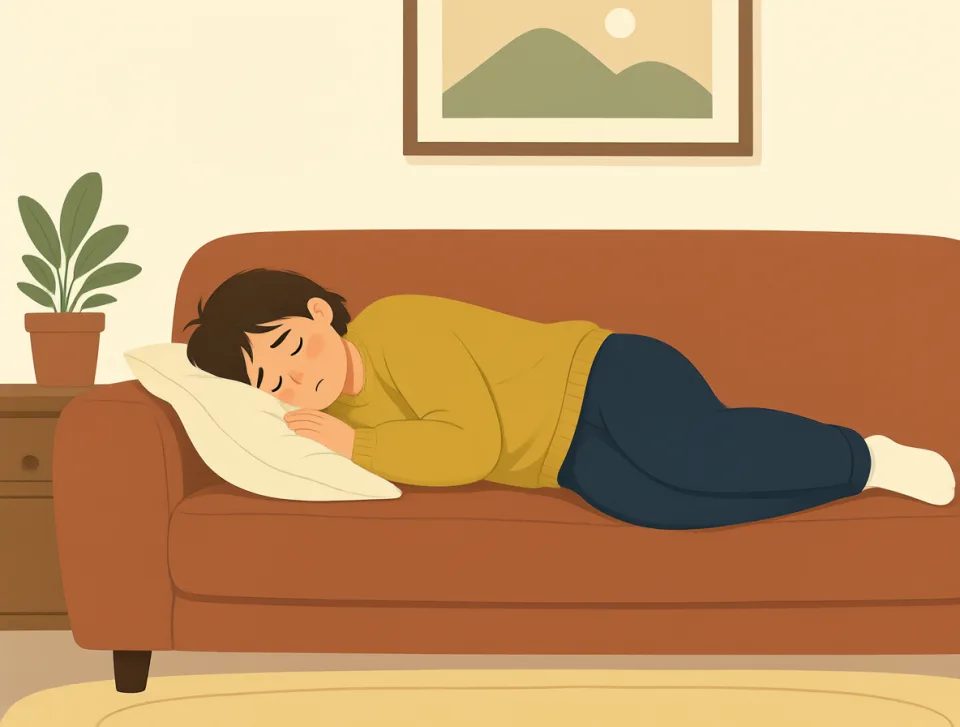
I fell asleep on the sofa.
나는 소파에서 잠이 들었다.
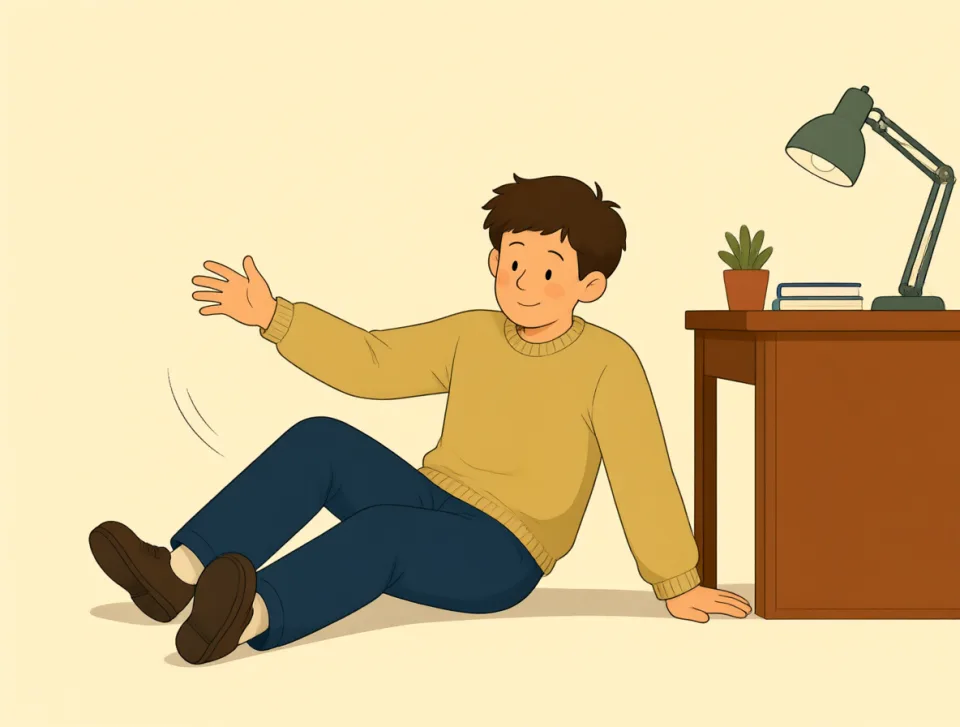
She had a bad fall at work.
그녀는 직장에서 심하게 넘어졌다.

We visited Canada last fall.
우리는 지난가을에 캐나다를 방문했다.