單元 16
單字 301–320 · control, already, concern, product, lose, story

control
#301noun, verb
控制;掌控
The power to direct people or manage what happens.
指導他人或管理事情發展的權力。
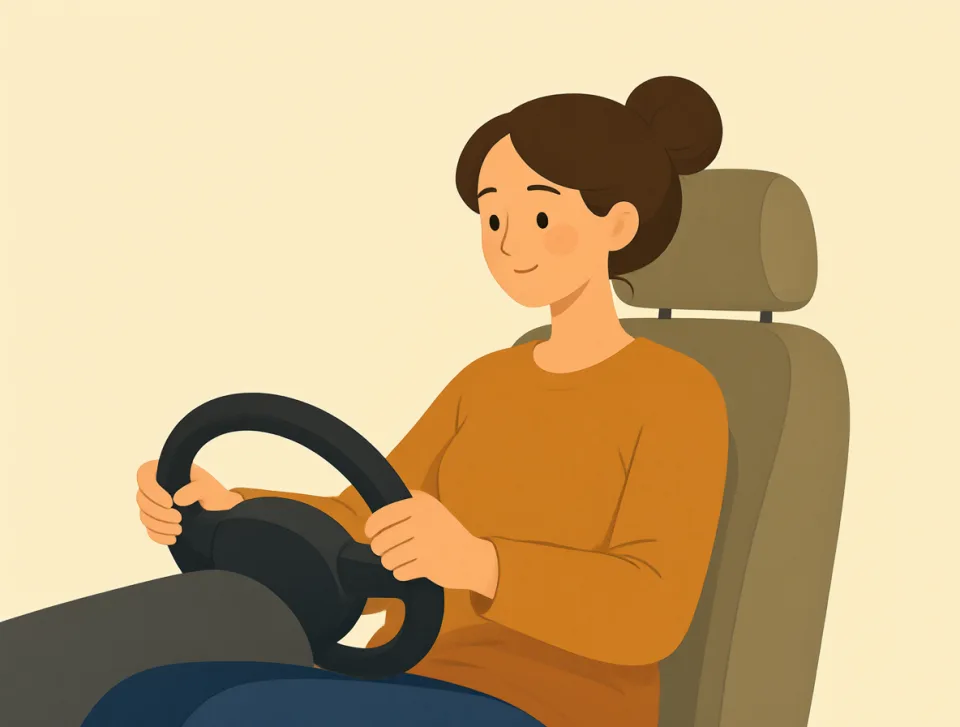
She is in control of the car.
她能控制這輛車。
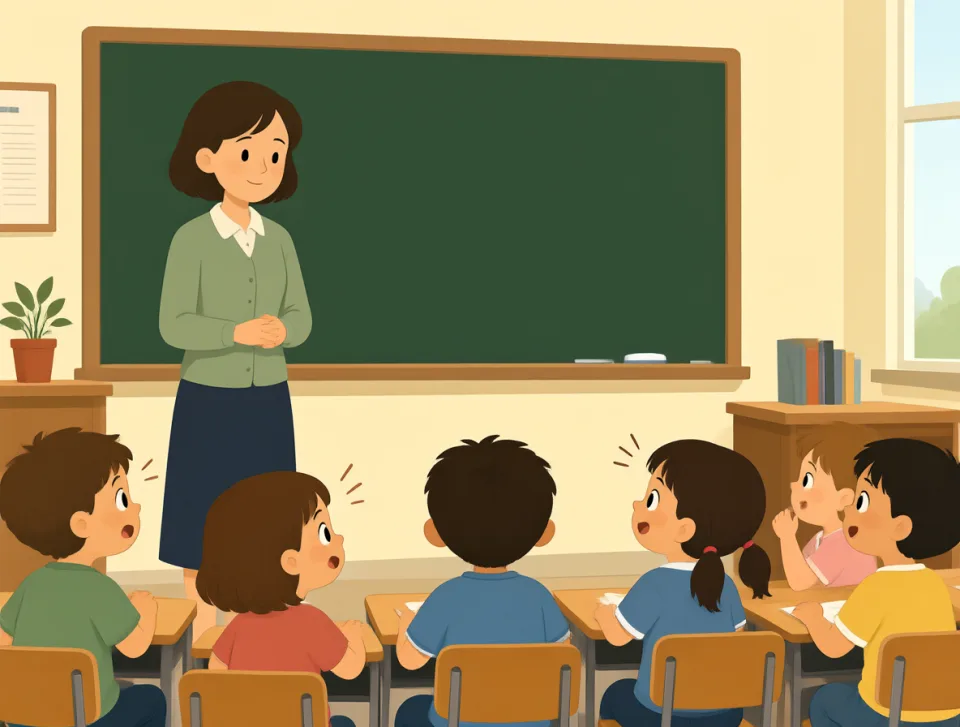
The teacher controls the noisy classroom.
老師控制住了喧鬧的教室。
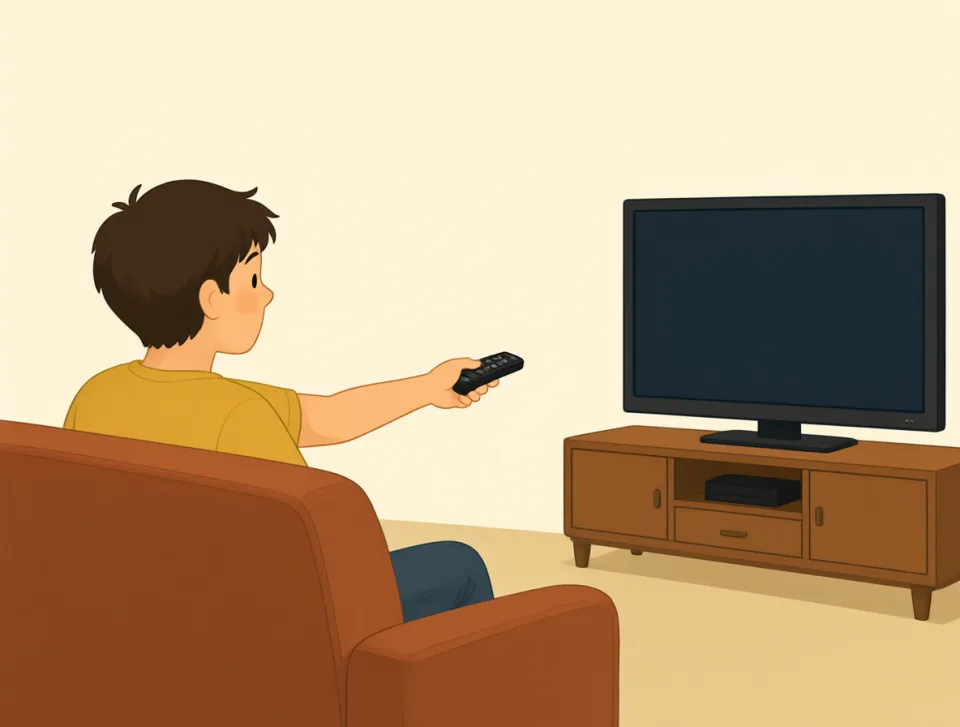
Use the remote control to change channels.
用遙控器換頻道。
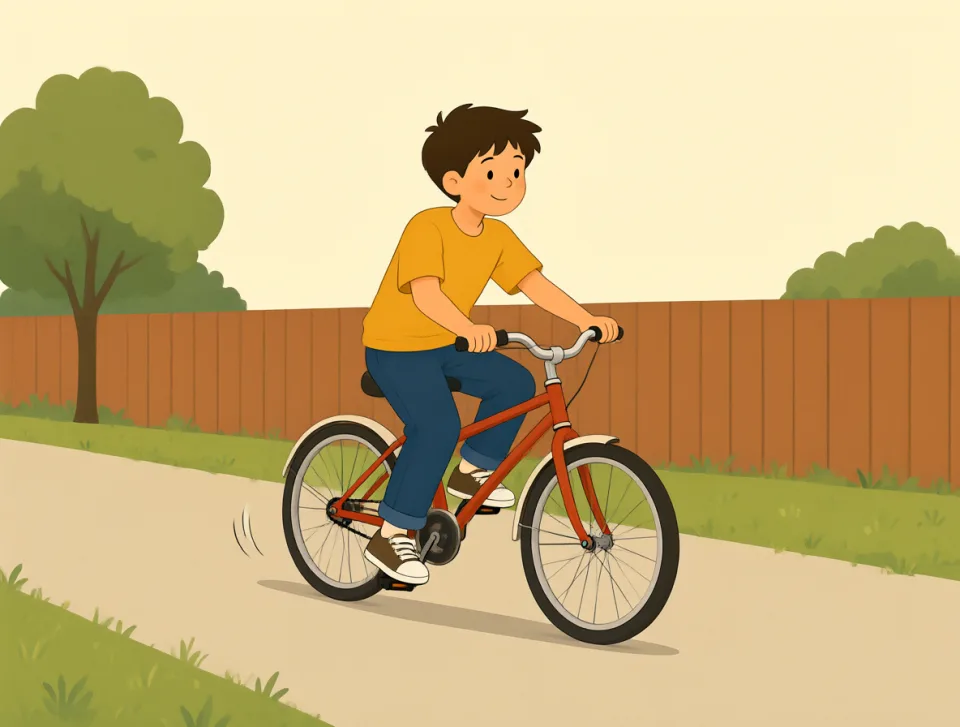
He lost control of his bike.
他騎腳踏車時失去了控制。
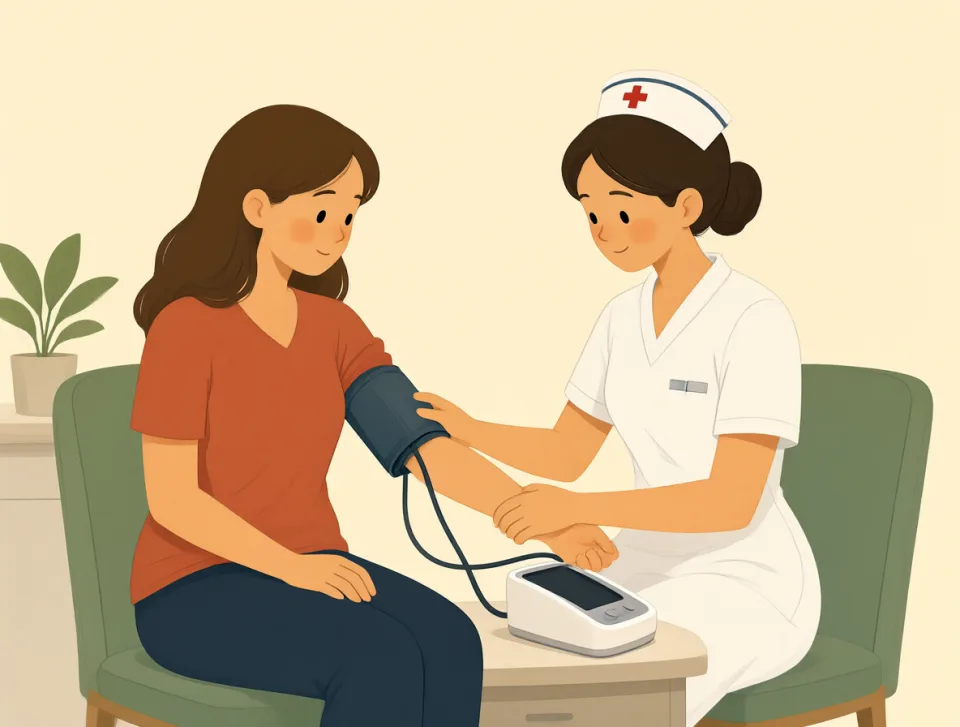
The nurse checked her blood pressure control.
護士檢查了她的血壓控制情況。
already
#302adverb
已經;早已
before now or before a particular time
在現在之前或某個特定時間之前
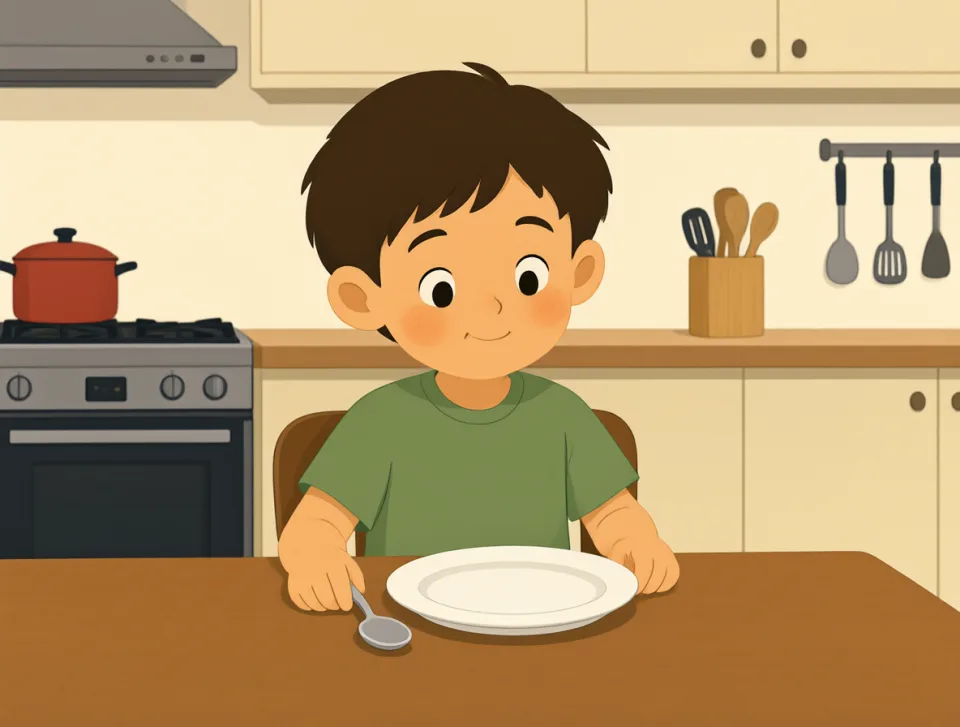
I have already eaten breakfast.
我已經吃過早飯了。

She already knows the answer.
她已經知道答案了。

We are already late for work.
我們上班已經遲到了。

The store has already closed.
商店已經關門了。

Have you already seen this movie?
你已經看過這部電影了嗎?
concern
#303noun, verb
擔憂;關心;涉及
a worry or problem, or to make someone feel worried
擔憂或問題,或使某人感到擔憂
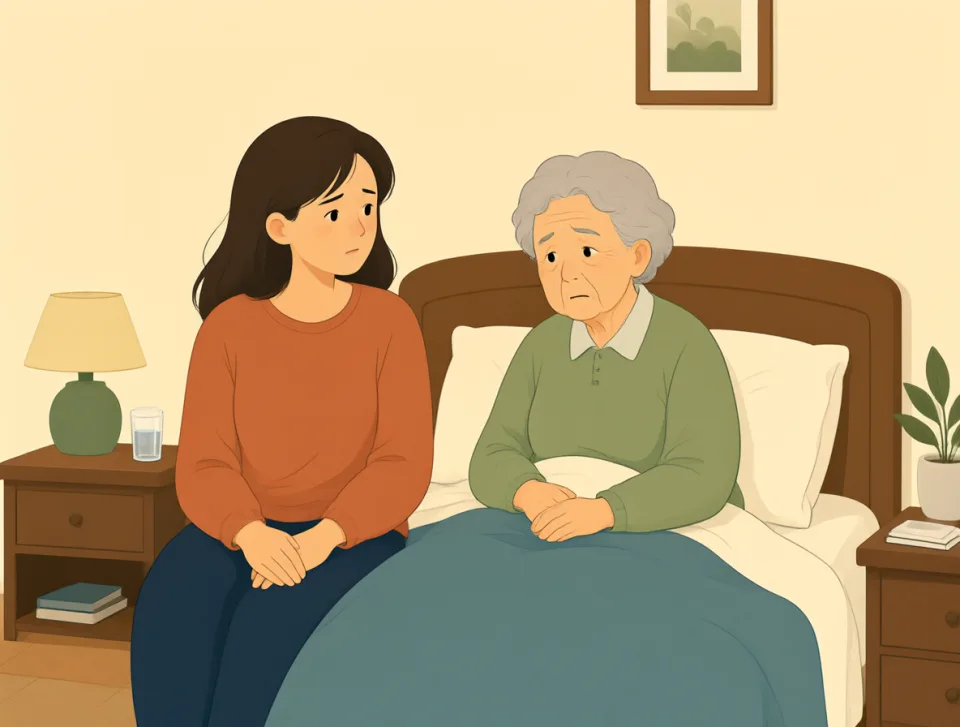
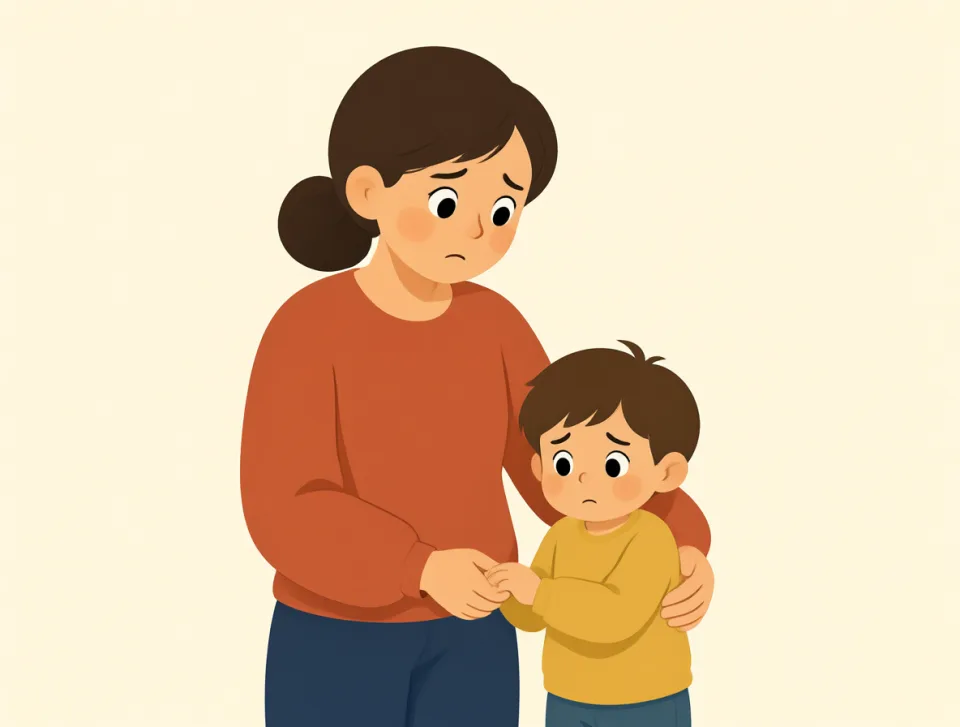
Her main concern is her sick mother.
她最擔心的是生病的母親。
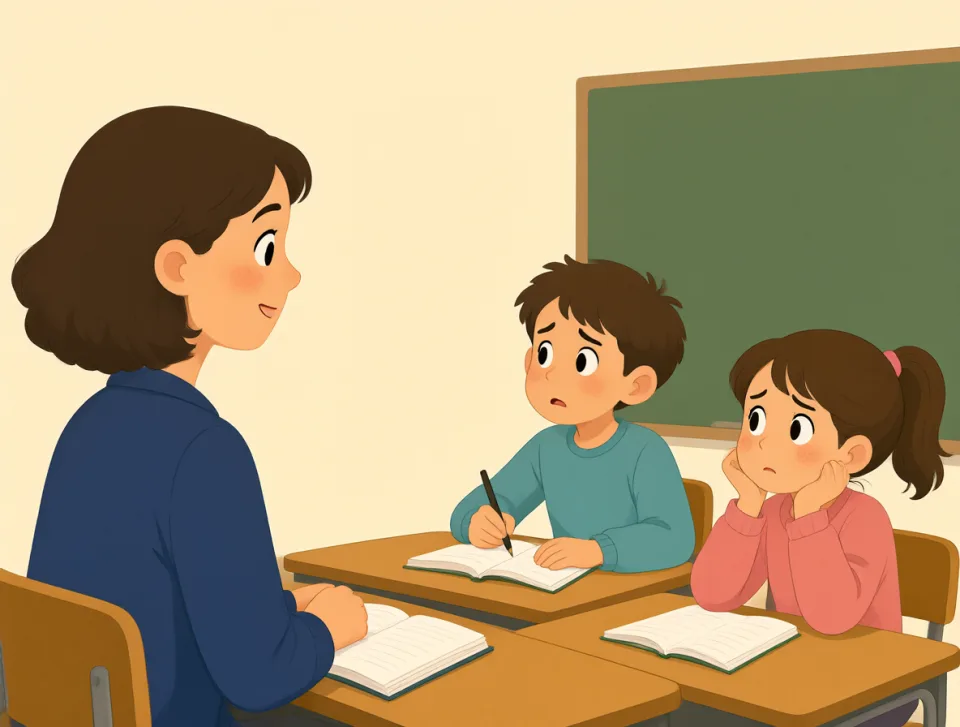
The teacher listened to our concerns.
老師聽取了我們的擔憂。

Please contact us if you have any concerns.
如果您有任何疑問,請聯絡我們。
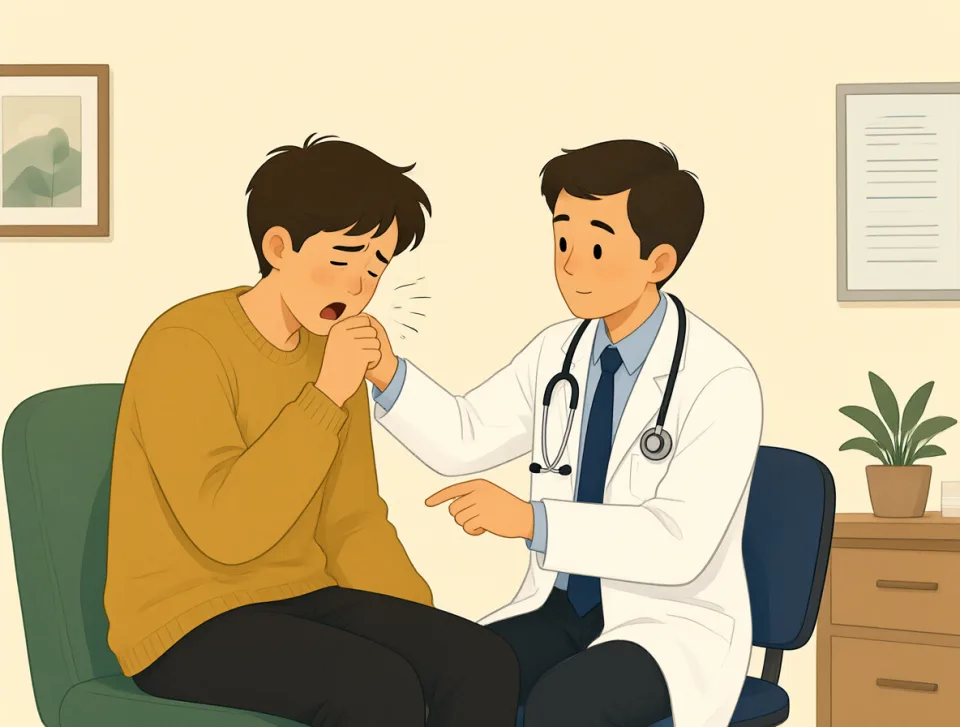
His sudden cough concerned his doctor.
他突然咳嗽讓他的醫生感到擔心。

We are concerned about the late train.
我們擔心晚點的火車。
product
#304noun
產品;商品
Something made or grown to be sold or used.
製造或種植出來,用於出售或使用的東西。
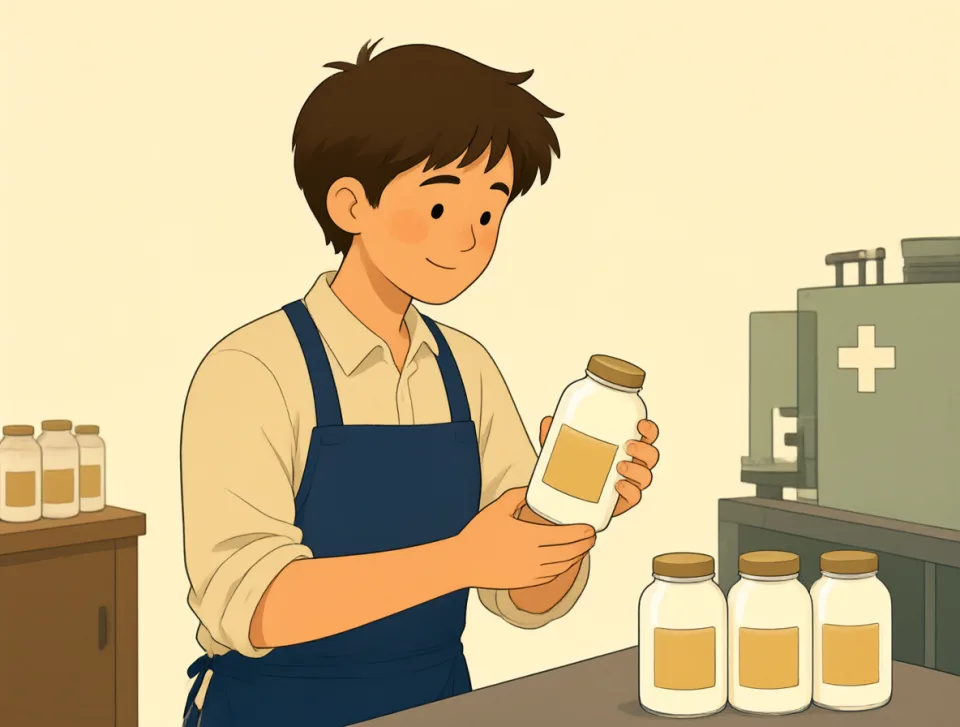
This product is made from natural ingredients.
這款產品由天然成分製成。
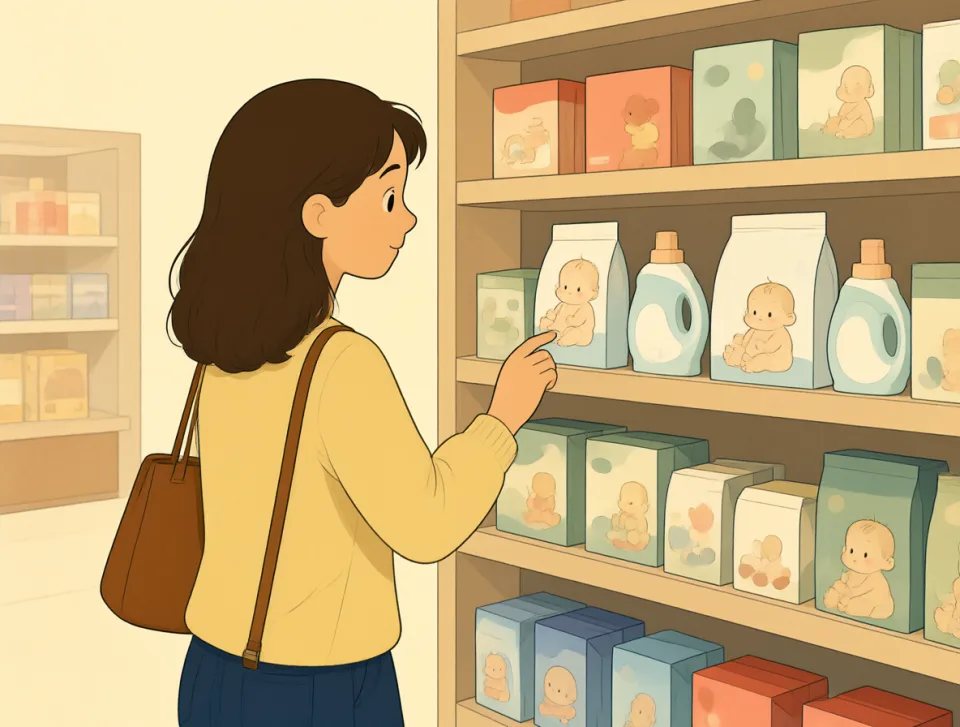
The store sells products for babies.
這家商店銷售嬰兒用品。
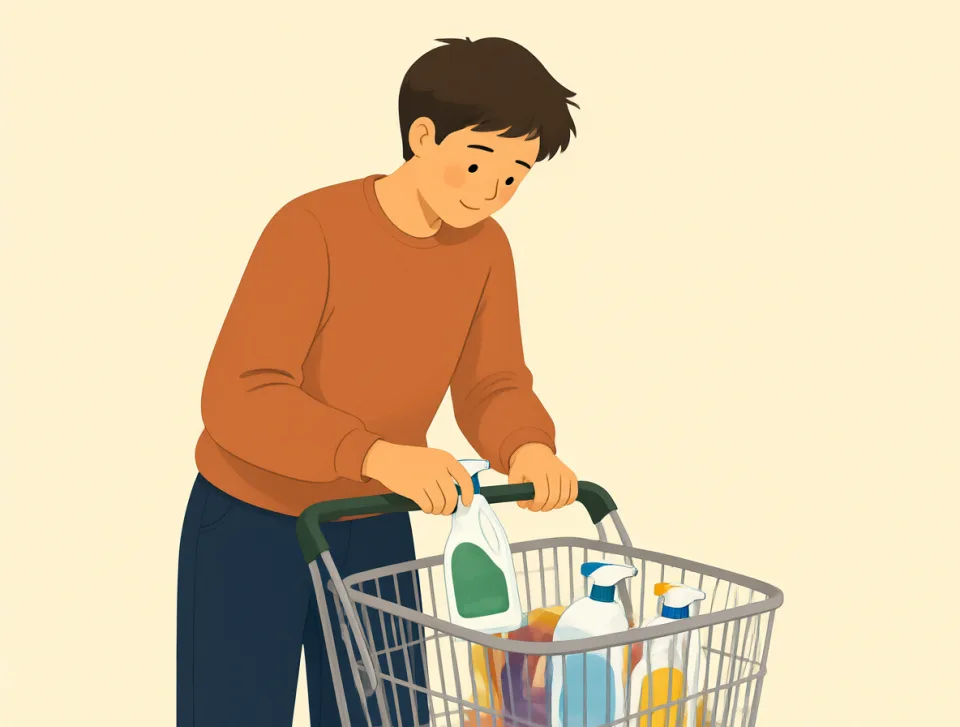
I bought a new cleaning product yesterday.
我昨天買了一種新的清潔產品。

Our team is developing a new product.
我們的團隊正在開發一款新產品。
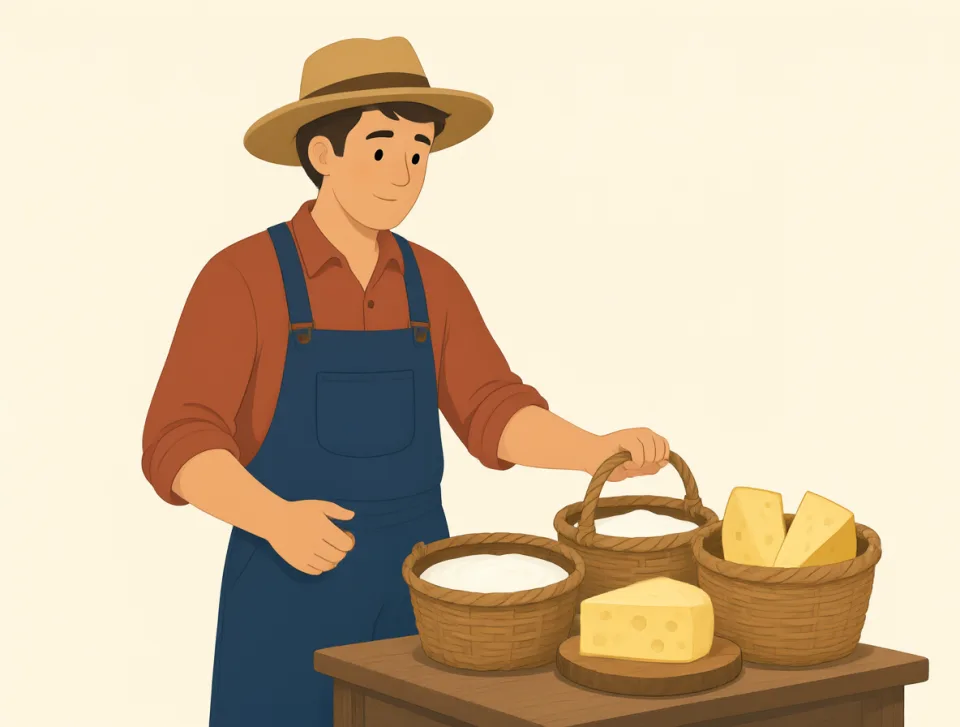
This farm produces fresh dairy products.
這個農場生產新鮮的乳製品。
lose
#305verb
丟失;輸;減重
to no longer have something because it is gone, taken, or forgotten
因為某物不見了、被拿走或忘記了,所以不再擁有它
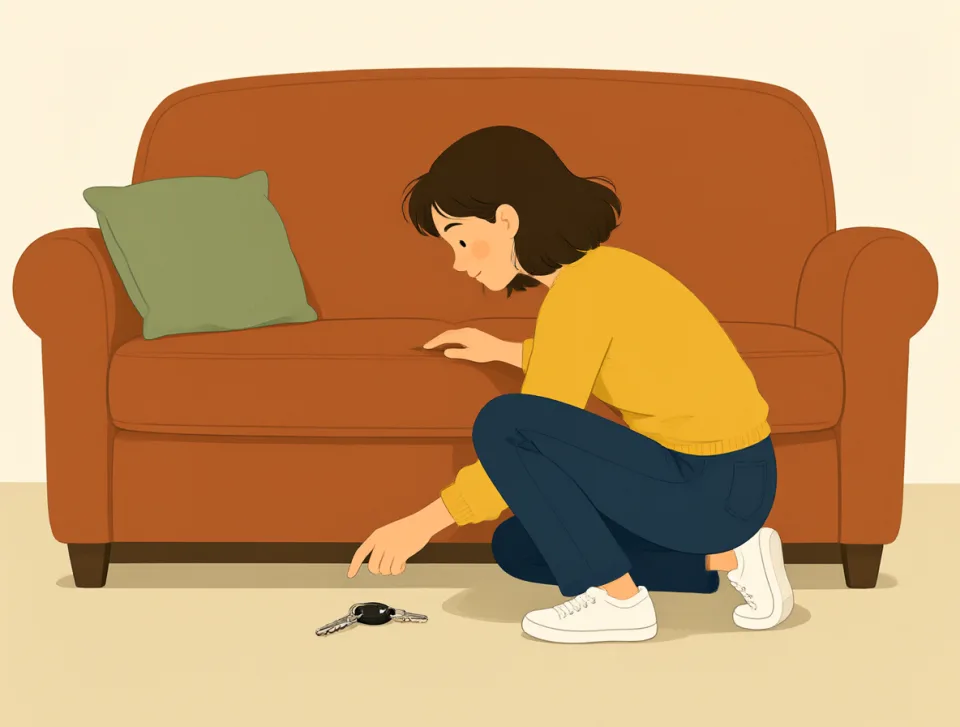
I often lose my keys at home.
我經常在家裡找不到鑰匙。
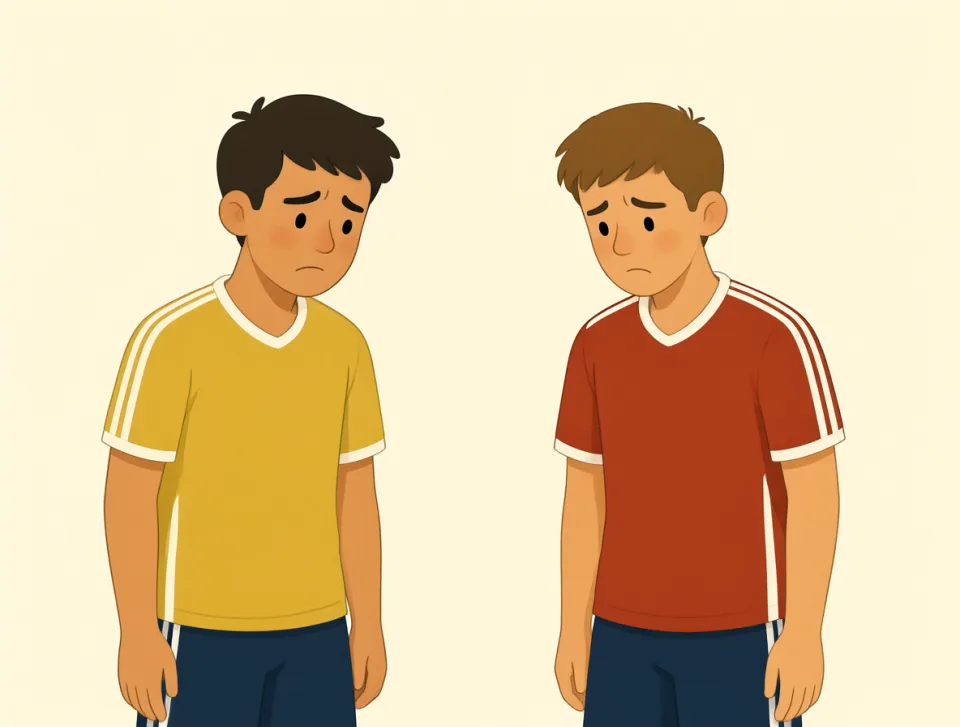
Our team lost the game yesterday.
我們隊昨天輸了比賽。

She lost her wallet on the bus.
她把錢包落在公交車上了。
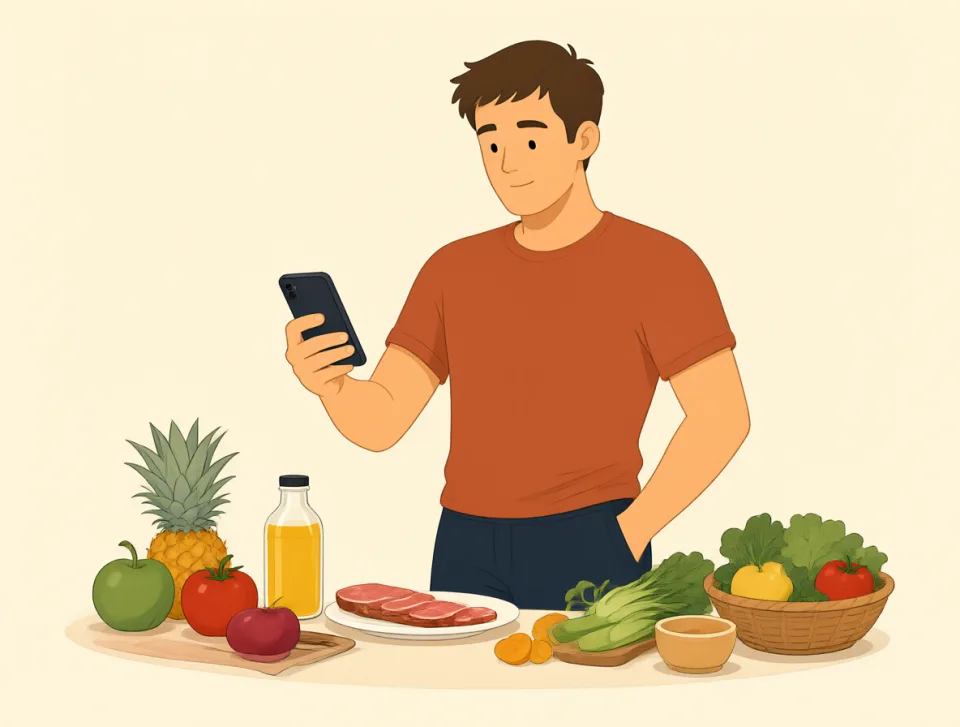
He is losing weight with healthy food.
她透過健康飲食正在減肥。

Do not lose your ticket at the airport.
在機場千萬別把票弄丟了。
story
#306noun
故事
A description of events, real or imagined, told to entertain or inform people.
對真實或虛構事件的描述,用來娛樂或提供資訊。
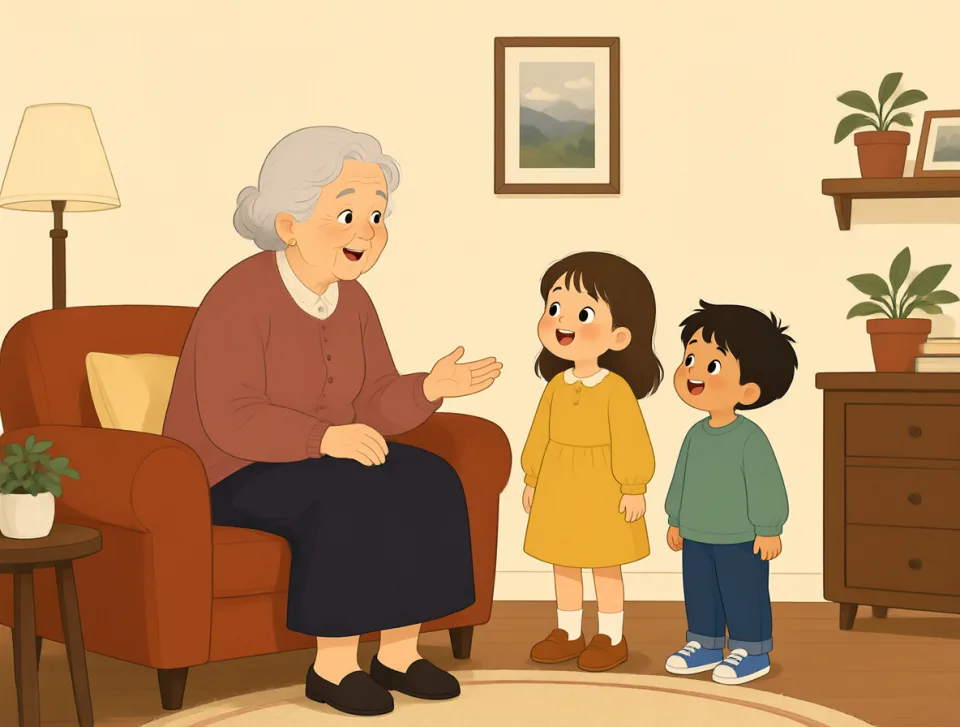
Grandma told us a funny story.
奶奶給我們講了一個有趣的故事。

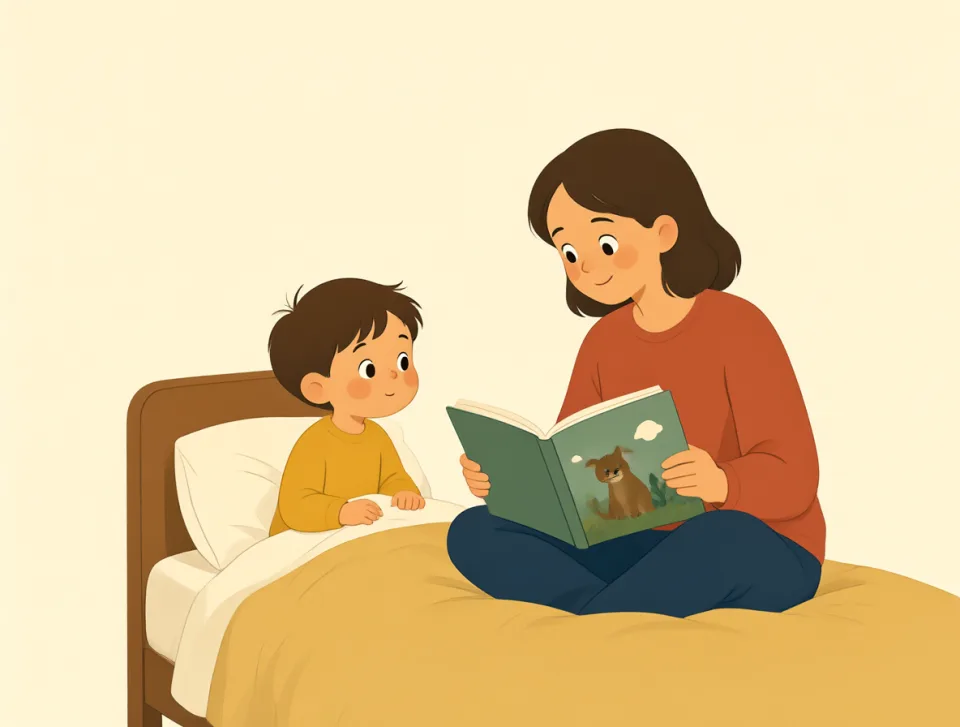
I read a story before bed.
我睡前讀了一個故事。

The teacher asked for a short story.
老師要求寫一篇短篇故事。

He shared his travel story with friends.
他和朋友們分享了自己的旅行故事。
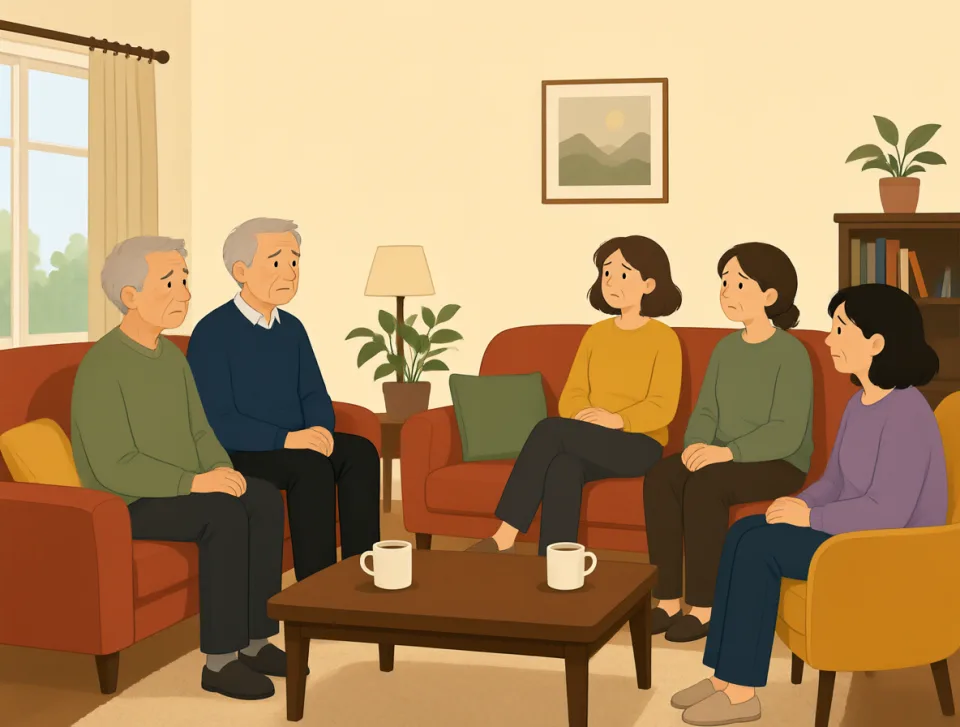
The news story made everyone worried.
這則新聞讓大家都很擔心。
almost
#307adverb
幾乎;差不多
Nearly, but not completely or quite.
接近,但還沒有完全達到或做到。
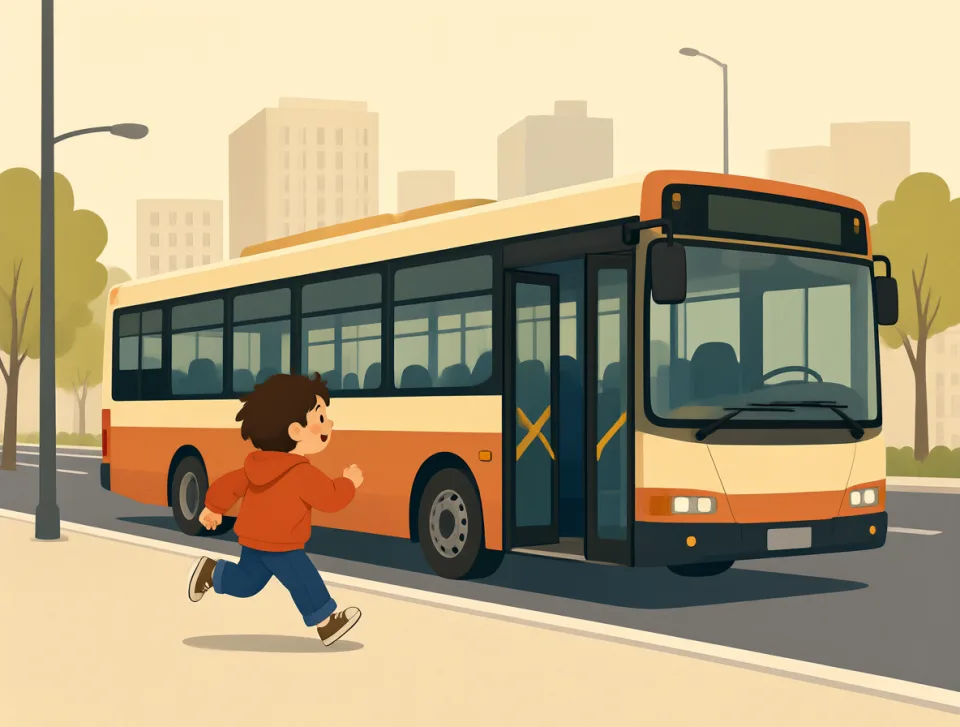
I almost missed the bus this morning.
我今天早上差點沒趕上公交車。

She is almost ready to leave.
她差不多準備好要走了。

We almost finished the project at work.
我們在工作中差點完成這個專案。
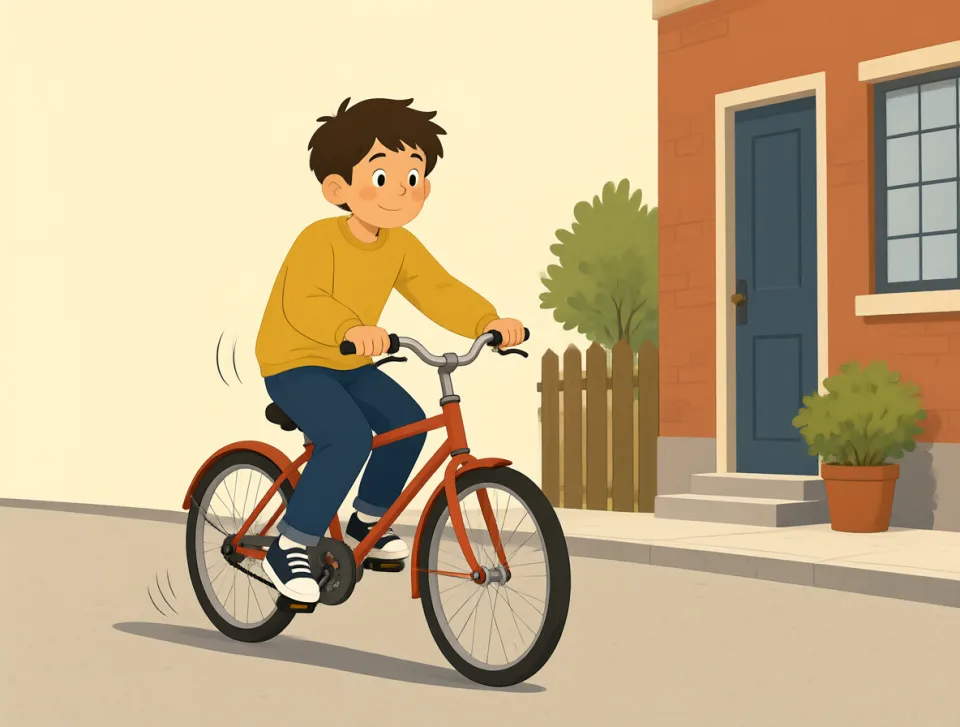
He almost fell while riding his bike.
他騎腳踏車時差點摔倒。
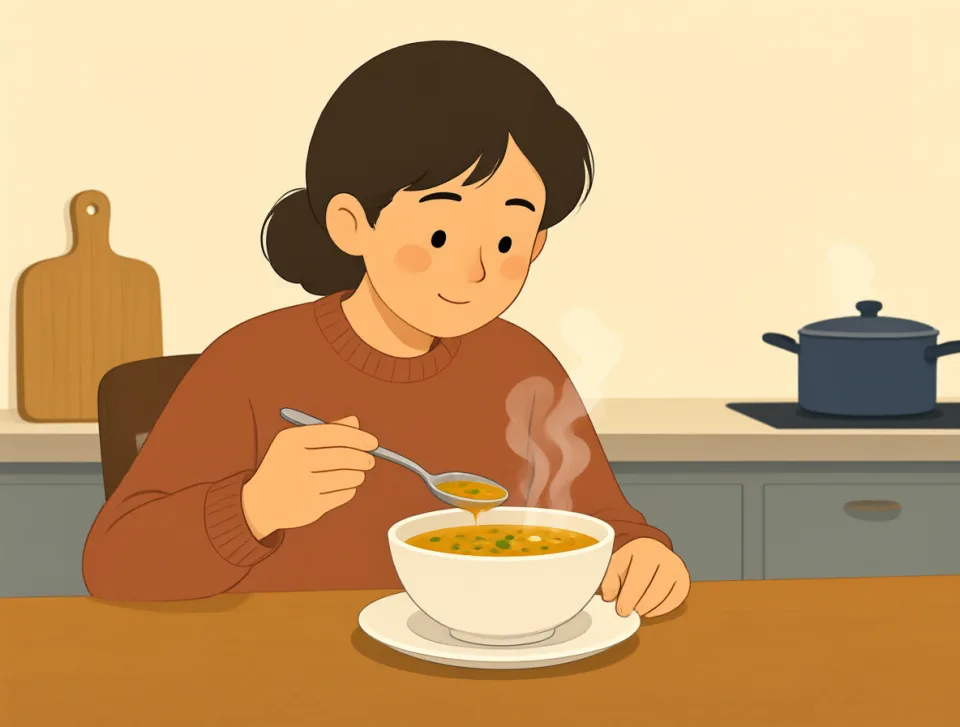
The soup is almost hot enough to eat.
湯差不多夠熱了,可以喝了。
continue
#308verb
繼續;持續
to keep doing something or keep happening without stopping
不停地做某事或持續發生
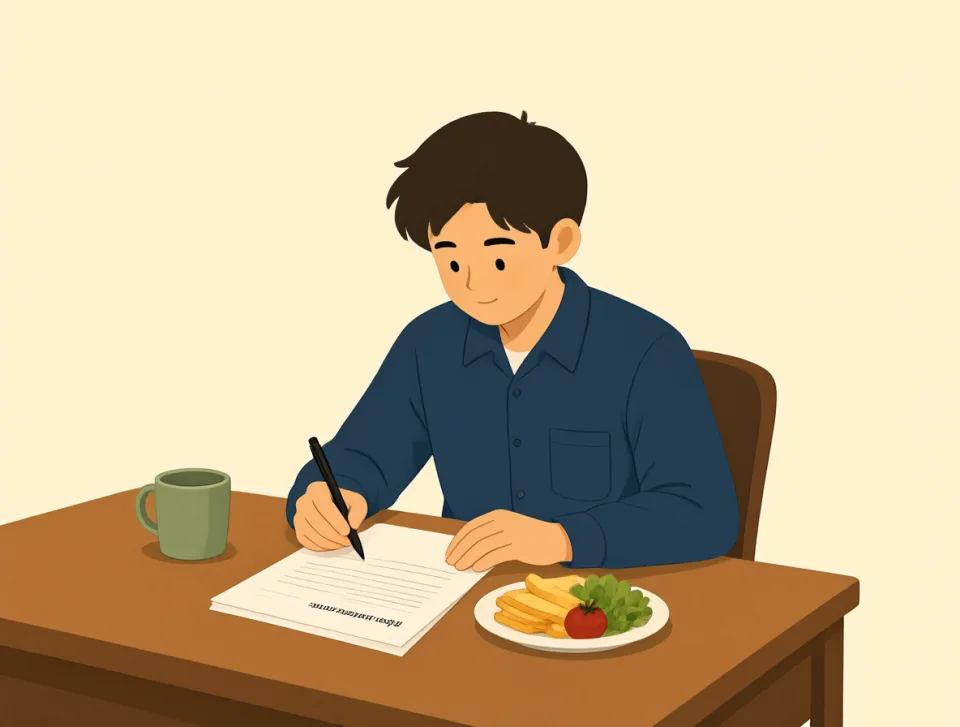
Please continue your work after lunch.
請在午飯後繼續工作。
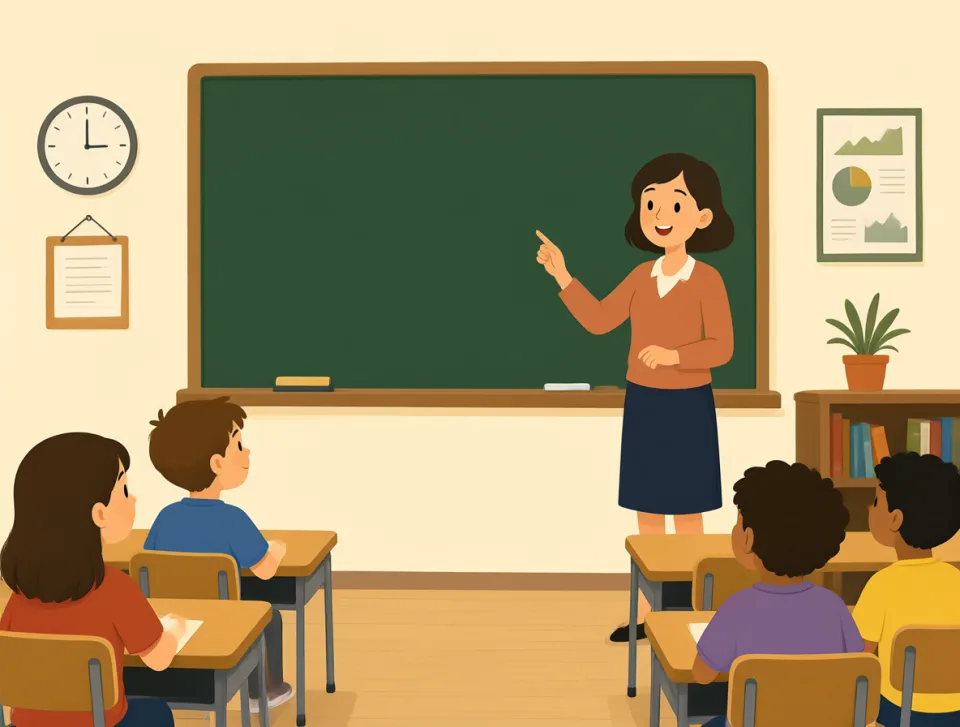
The teacher continued the lesson after the break.
休息後,老師繼續上課。

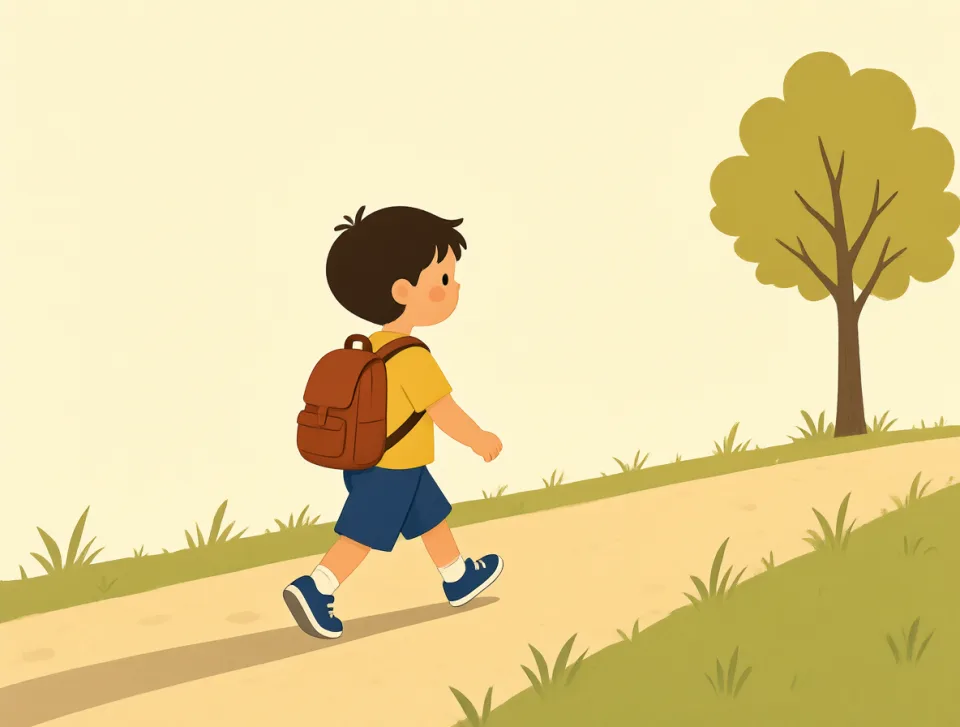
We continued walking through the park.
我們繼續在公園裡散步。

The rain continued all night.
雨下了一整夜。

She continued to feel tired after resting.
休息後,她還是覺得很累。
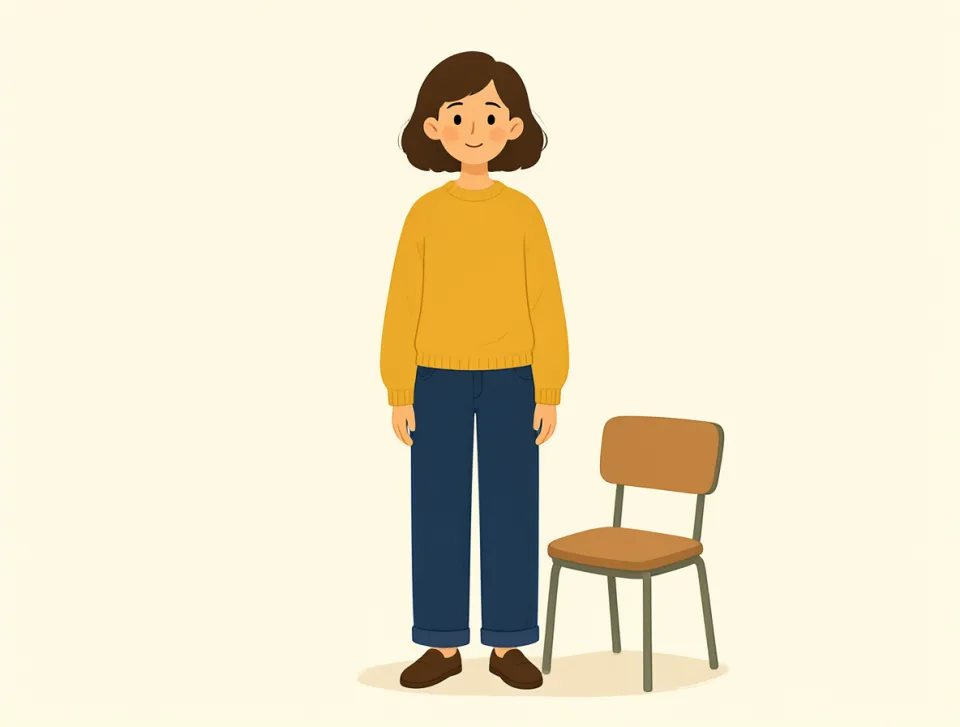
stand
#309verb, noun
站立;忍受;架子
to be upright on your feet, or to support someone or something
用腳保持直立,或支撐某人或某物
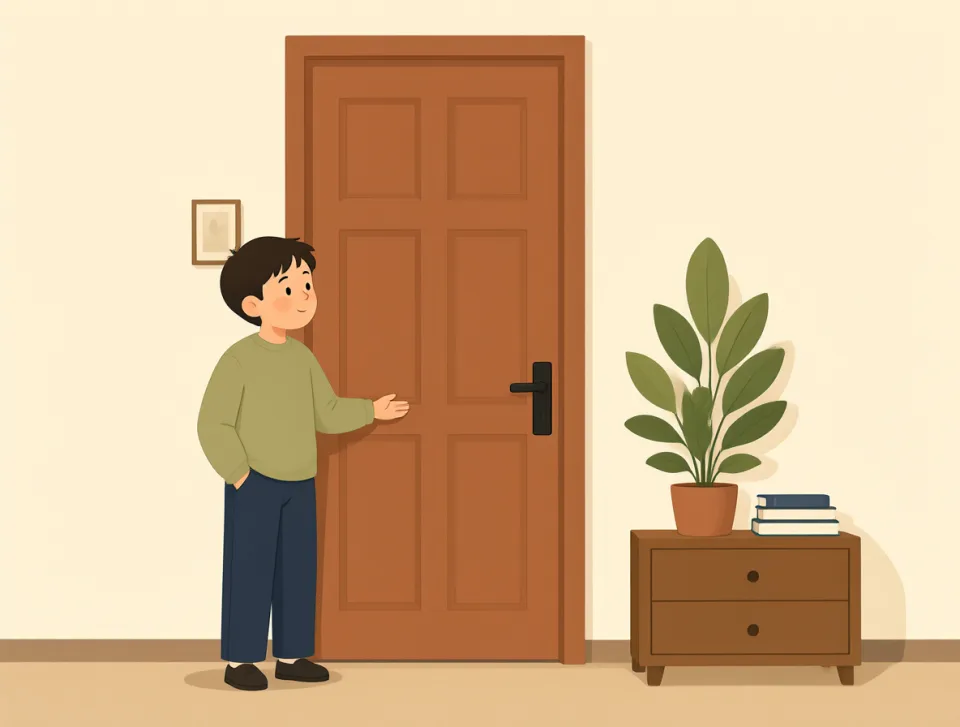
Please stand near the door.
請站在門旁邊。
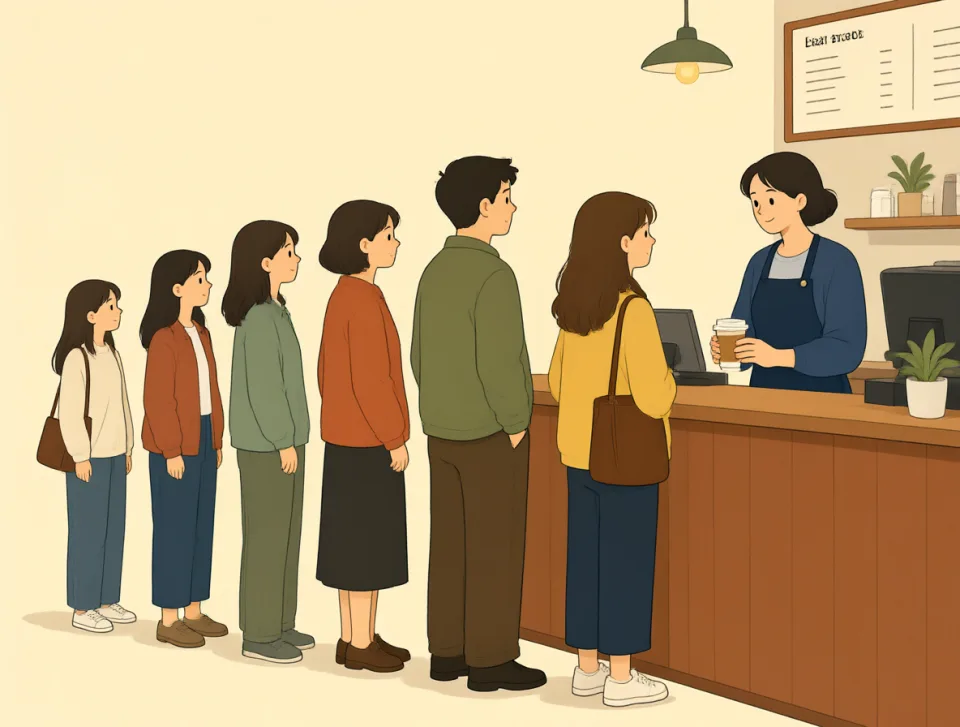
We stood in line for coffee.
我們排隊等咖啡。
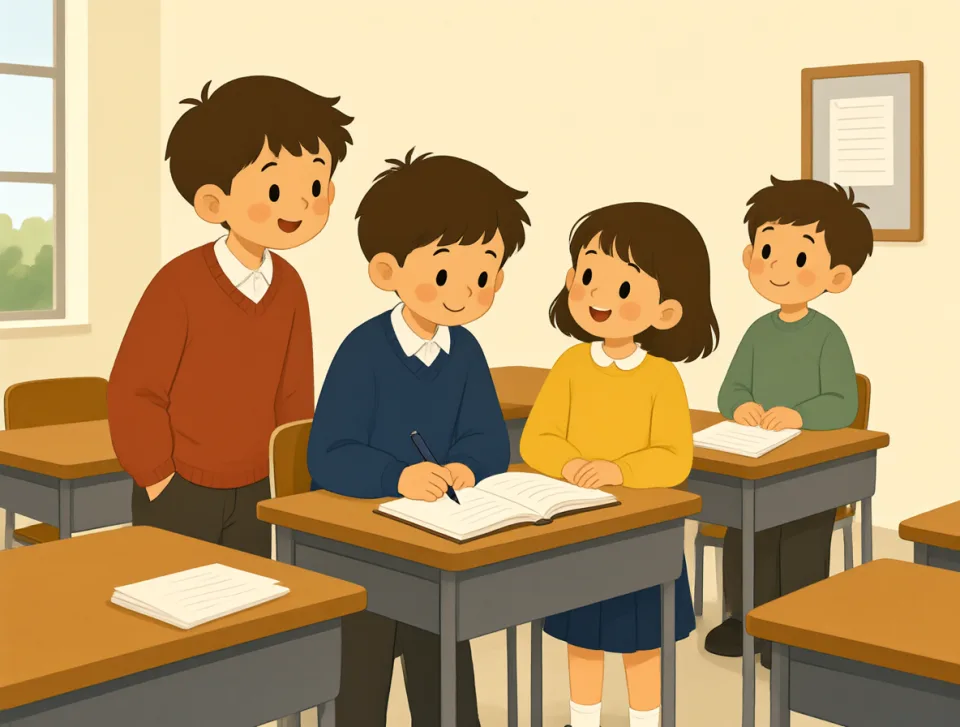
The children stand at their desks.
孩子們站在自己的課桌旁。

She bought a phone stand.
她買了一個手機支架。
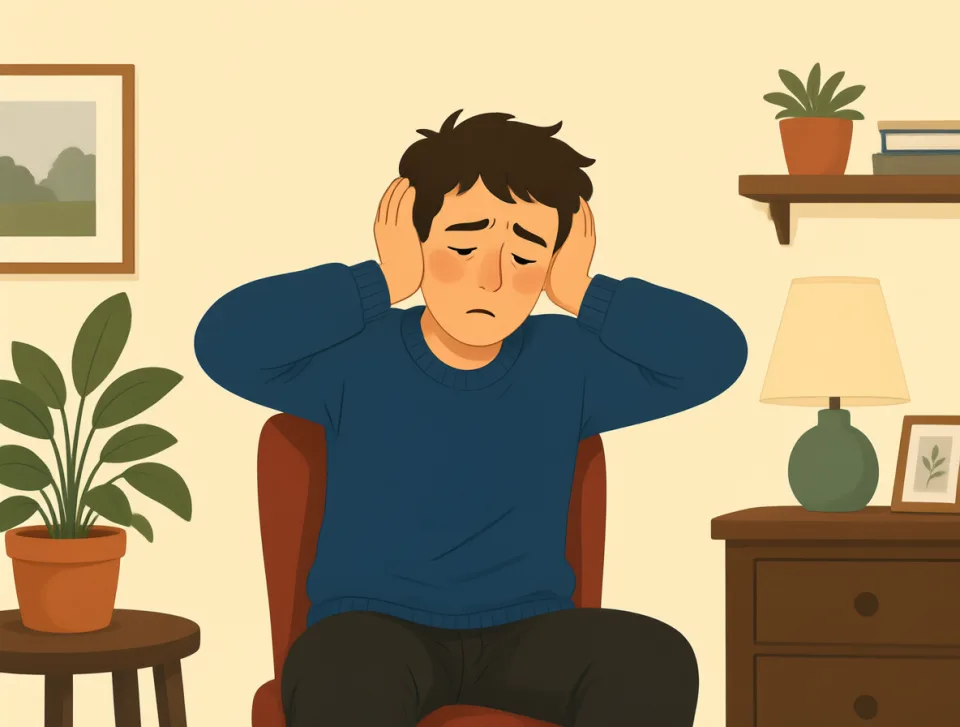
He cannot stand the loud noise.
他受不了嘈雜的噪音。
whole
#310adjective, noun, determiner, adverb
整個的;全部;完整的
Complete, with all parts together; or all of something.
完整的,所有部分都在一起;或指全部的某物。
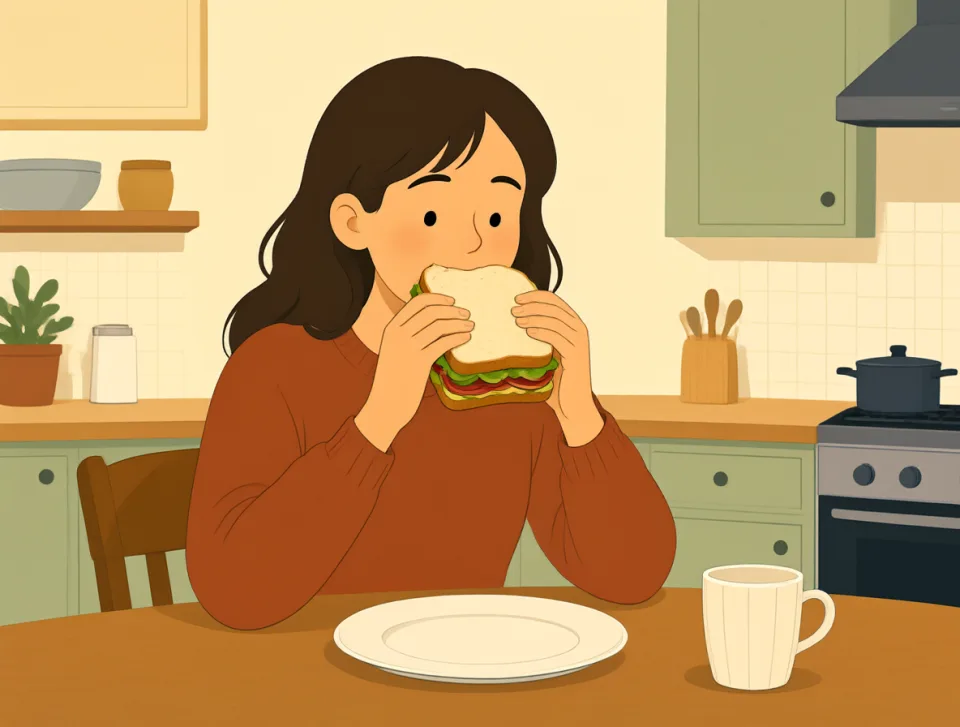
I ate the whole sandwich for lunch.
我午餐把整個三明治都吃了。

The whole family watched a movie together.
全家人一起看了電影。

She spent the whole day at school.
她一整天都在學校。

We waited a whole hour for the bus.
我們整整等了一個小時的公交車。
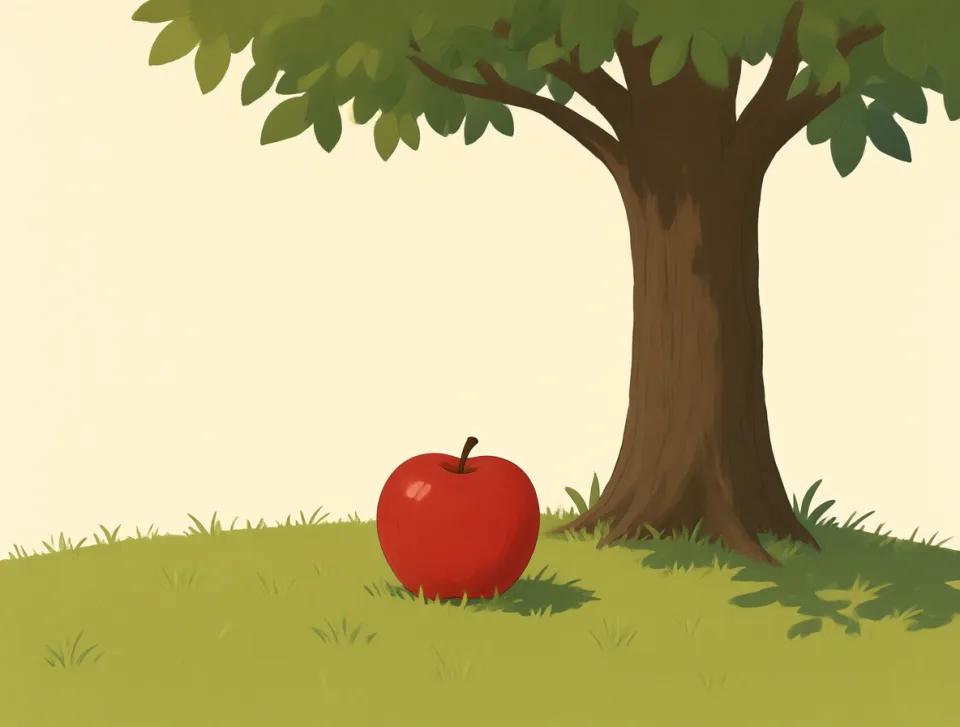
The whole apple fell from the tree.
整個蘋果從樹上掉了下來。

yet
#311adverb, conjunction
還;然而
Used to say something has not happened until now or to add a surprising contrast.
用於表示某事到現在還沒有發生,或表示出人意料的對比。
I haven't finished my homework yet.
我還沒做完作業。

Have you eaten lunch yet?
你吃午飯了嗎?

She is not ready yet.
她還沒準備好。

It is cold, yet the sun is shining.
天氣很冷,然而陽光明媚。

He has not called yet.
他還沒打電話來。

rate
#312noun, verb
比率;價格;評價;評級
A level, price, or amount compared with another; to judge something or give it a score.
與其他事物相比的水平、價格或數量;判斷某事物,或給它打分。
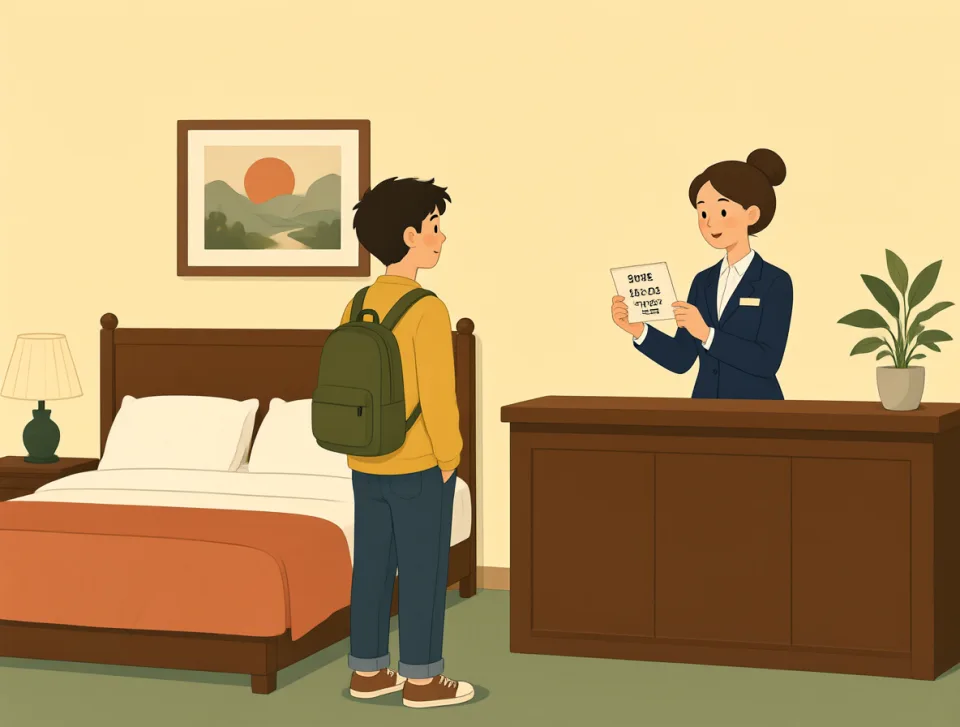
The hotel has a high room rate.
這家酒店的房價很高。

The doctor rated my pain as mild.
醫生評估我的疼痛程度為輕微。

This restaurant rates among the best nearby.
這家餐廳在附近的餐館中名列前茅。

She rated the book five stars.
她給這本書打了五顆星。
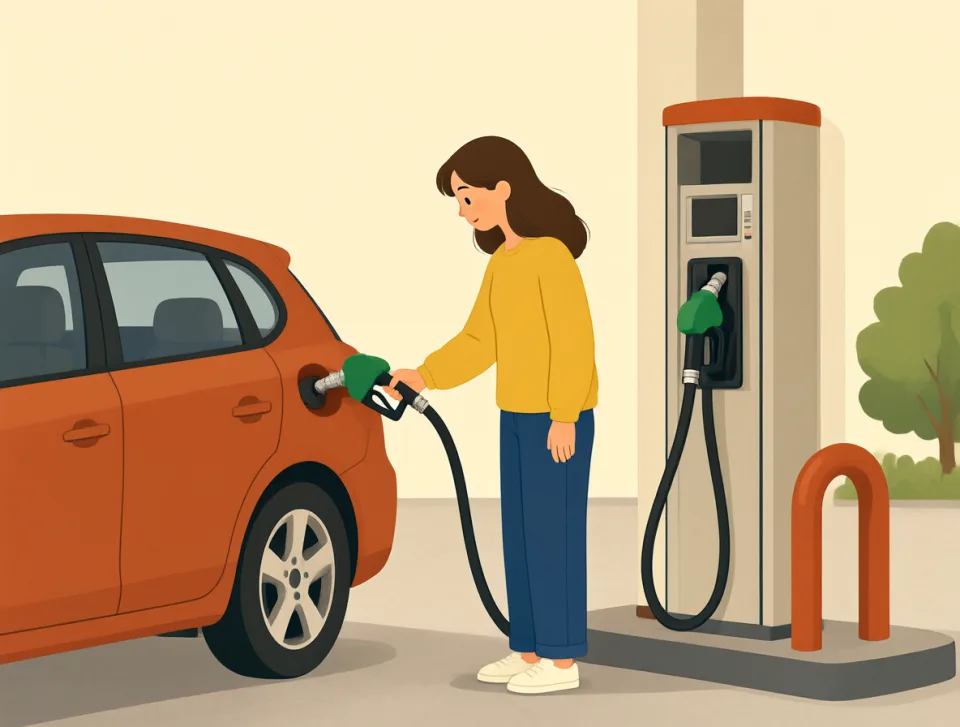
The car gets a good fuel rate.
這輛車的燃油經濟性很好。

care
#313noun, verb
關心;照顧;在意
To feel concern for someone or something, or to look after them.
對某人或某事感到關心,或照料他們。

I care about my family very much.
我非常關心我的家人。
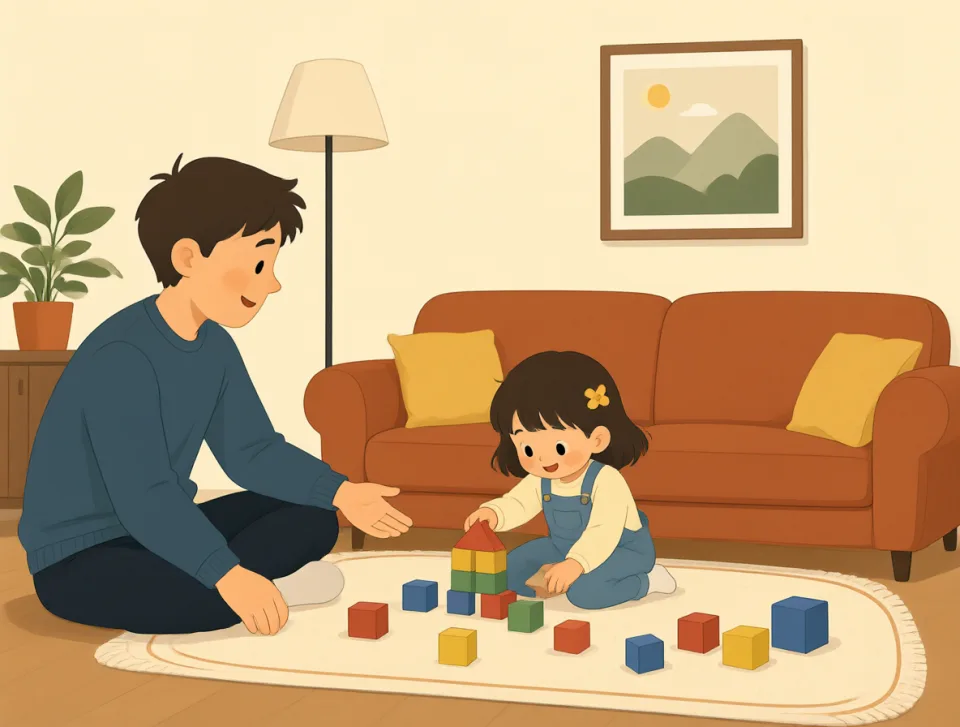
Please take care of your little sister.
請照顧好你的妹妹。
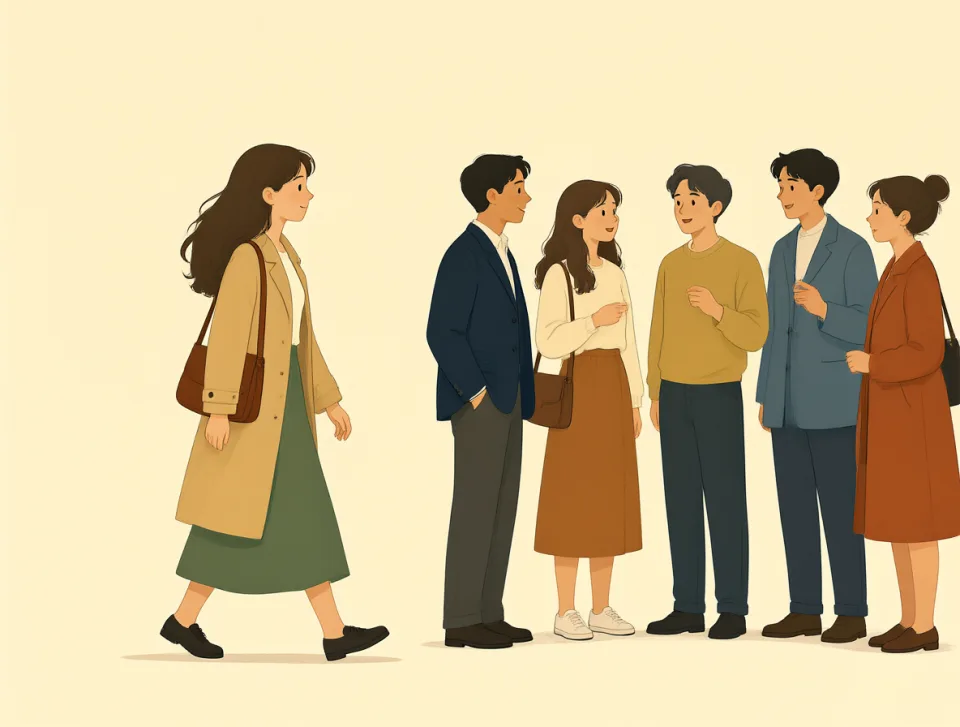
She does not care what people think.
她不在意別人怎麼想。
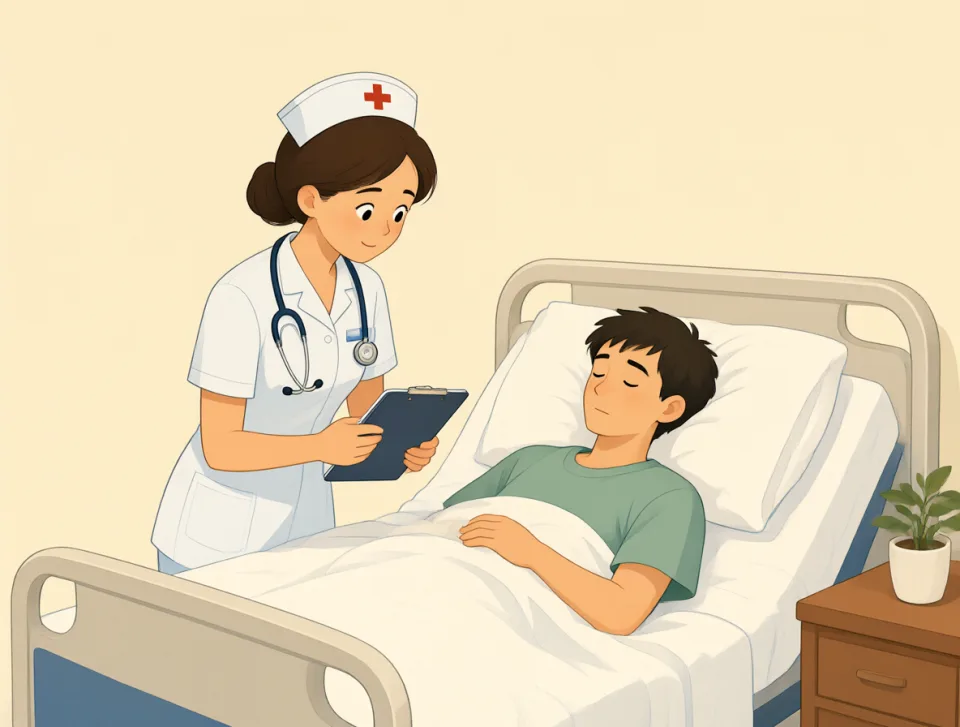
The nurse cared for the patient all night.
護士照顧了病人一整夜。
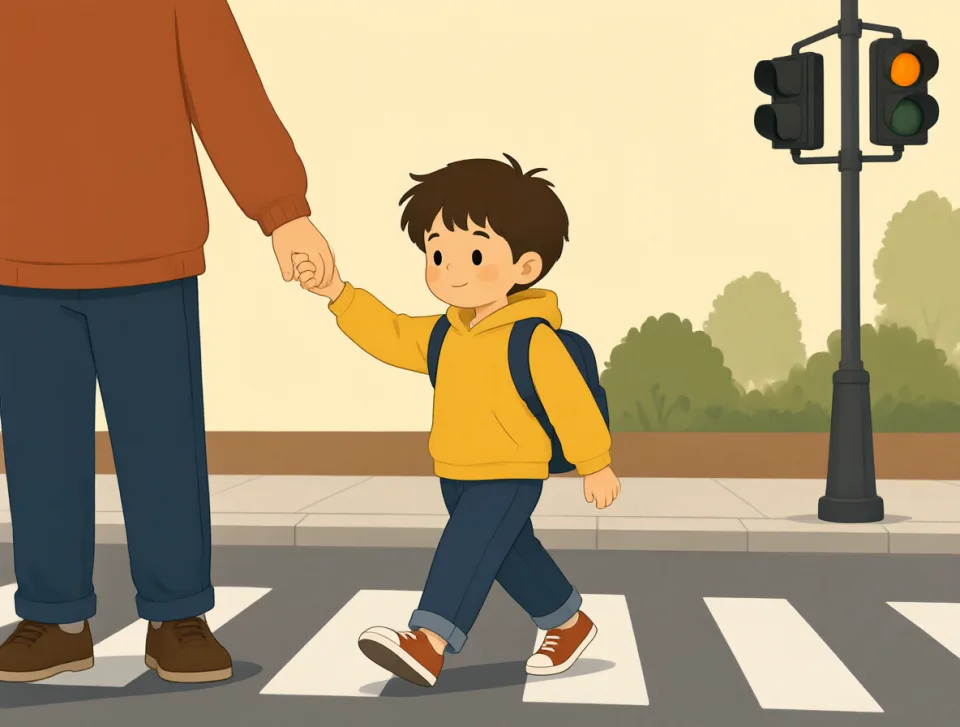
Take care when you cross the busy street.
過繁忙的馬路時要小心。

expect
#314verb
期待;預計
To think something will happen or believe someone will do something.
認為某事會發生,或相信某人會做某事。
I expect a package tomorrow.
我預計明天會收到一個包裹。
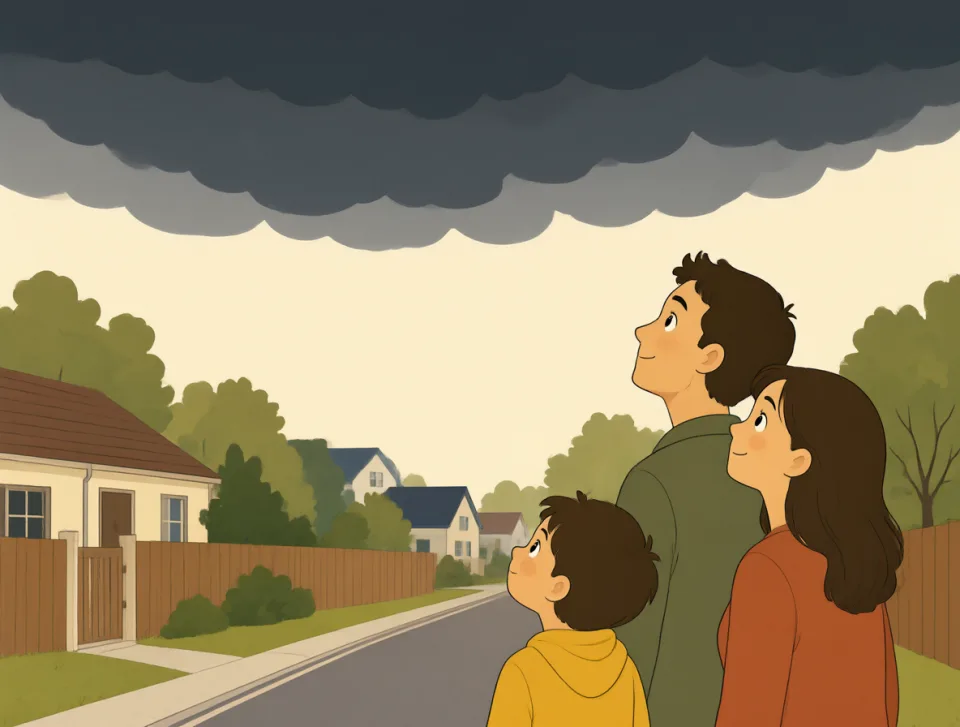
We expect rain this afternoon.
我們預計今天下午會下雨。
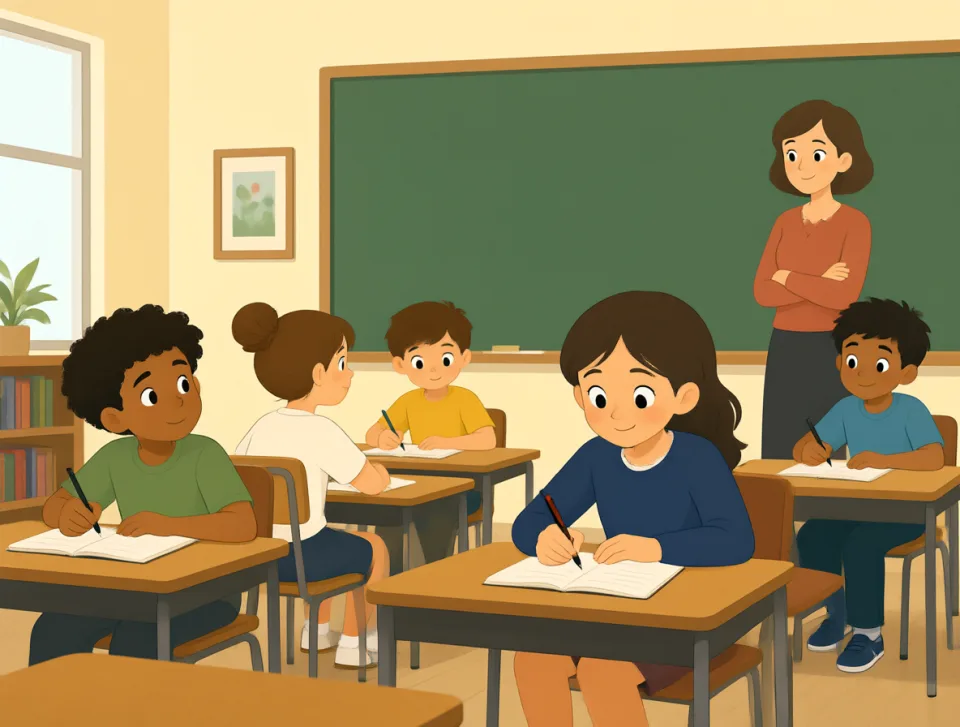
The teacher expects us to finish today.
老師希望我們今天完成。

They expect the train to arrive soon.
他們預計火車很快就會到達。

The doctor expects you to feel better soon.
醫生預計你很快就會好起來。
effect
#315noun, verb
影響;作用;使發生變化
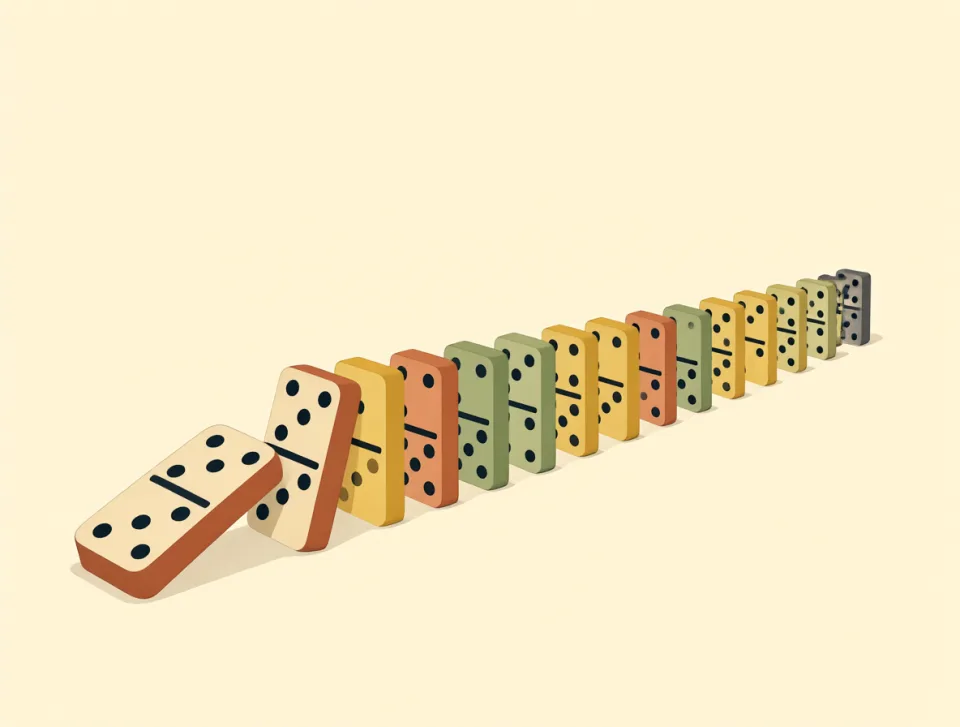
A change caused by something, or to make a change happen.
由某事引起的變化,或使變化發生

The medicine had a good effect on her.
這種藥對她有很好的療效。

The loud noise affected my sleep.
巨大的噪音影響了我的睡眠。

Sunlight has a strong effect on plants.
陽光對植物有很大的影響。
The new rule will affect all students.
新規定將影響所有學生。
The cold weather affected our travel plans.
寒冷的天氣影響了我們的旅行計劃。
sort
#316noun, verb
種類;分類;整理
A type of something; to put things into groups.
某種型別的東西;把東西分成不同的組。

What sort of music do you like?
你喜歡哪種音樂?
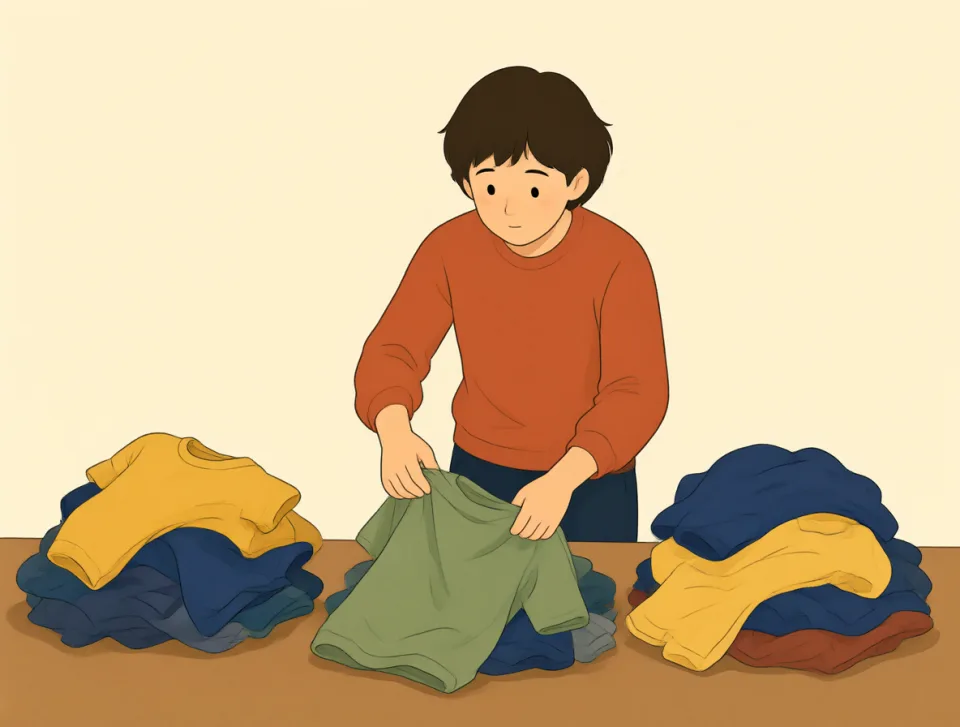
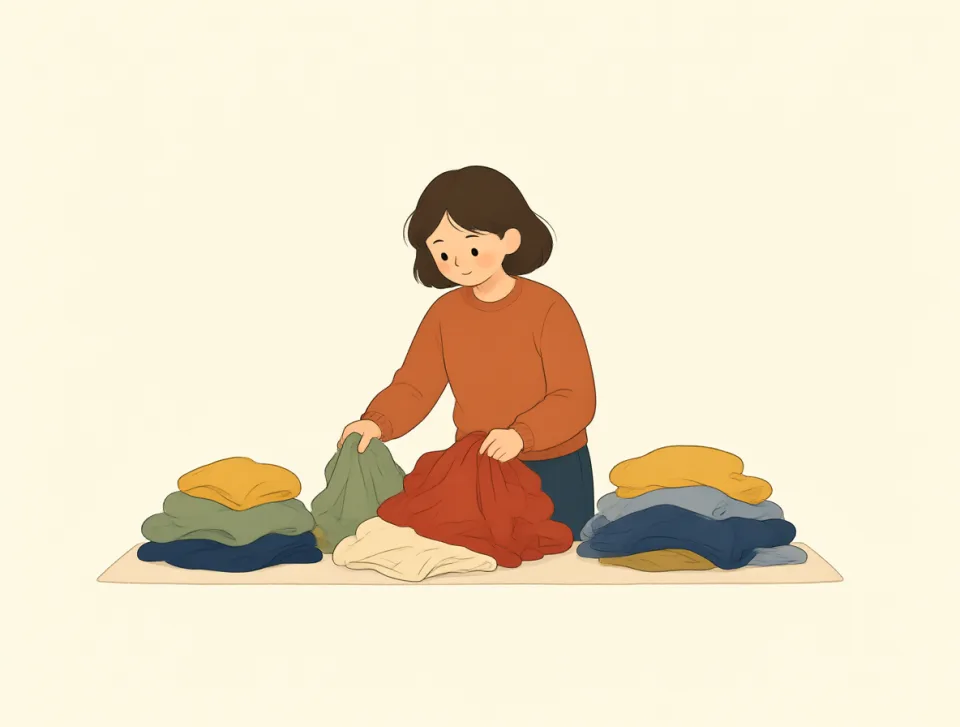
Please sort these clothes by color.
請按顏色把這些衣服分類。
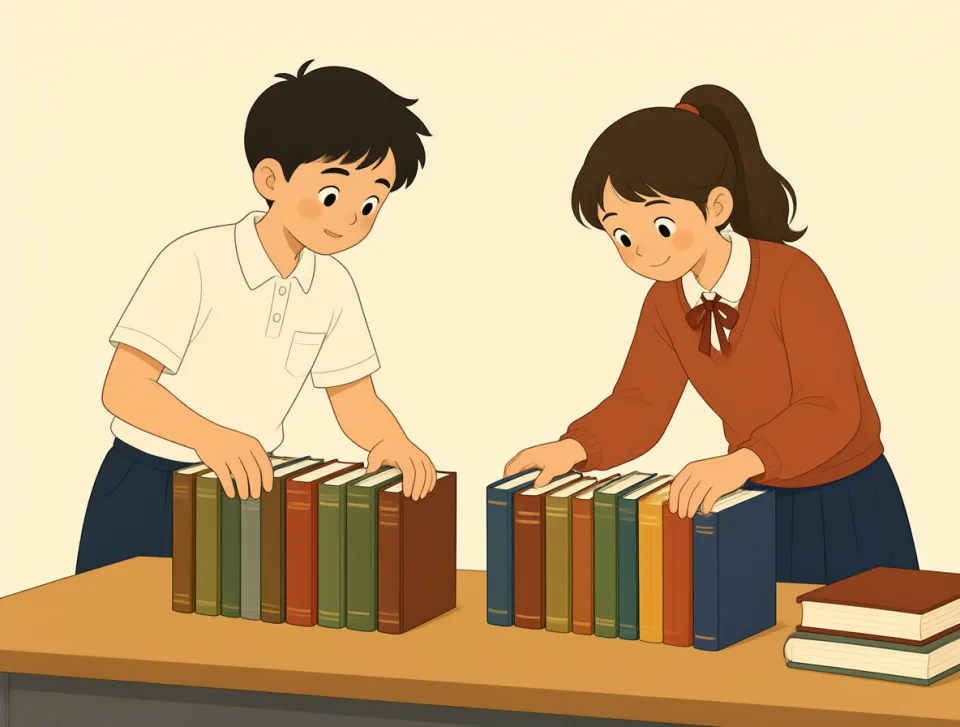
We sorted the books by size.
我們按大小給這些書分了類。
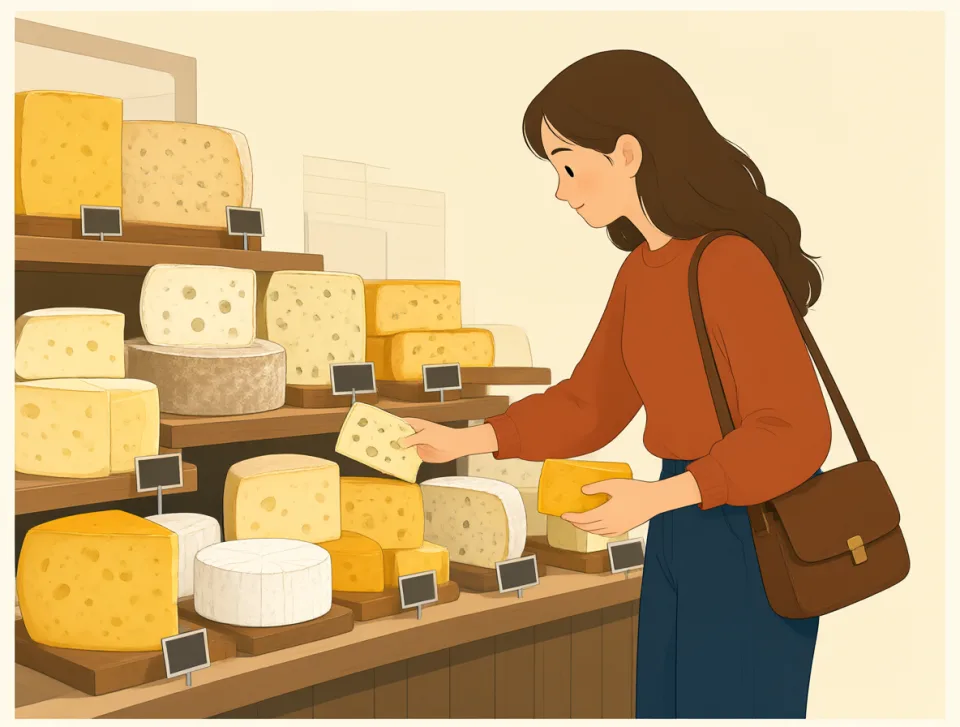
She bought several sorts of cheese.
她買了好幾種乳酪。

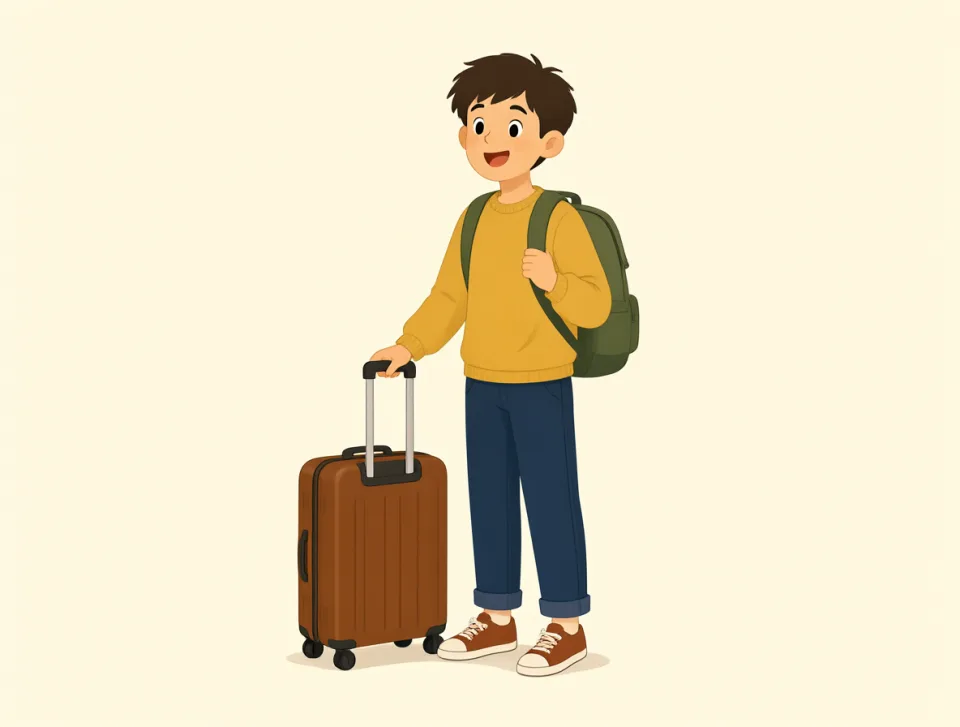
I need to sort out my travel plans.
我需要整理一下我的旅行計劃。
ever
#317adverb
曾經;任何時候
At any time, or at any time before now.
在任何時候,或在現在之前的任何時候。
Have you ever visited another country?
你曾經去過其他國家嗎?

This is the best pizza I have ever eaten.
這是我吃過的最好吃的披薩。

Do you ever walk to work?
你有沒有步行去上班過?

If you ever need help, call me.
如果你什麼時候需要幫助,就給我打電話。

He hardly ever drinks coffee in the evening.
他晚上幾乎從不喝咖啡。
anything
#318pronoun, determiner
任何東西;任何事情
A thing of any kind, or no particular thing.
任何種類的東西,或沒有特定指代的東西。
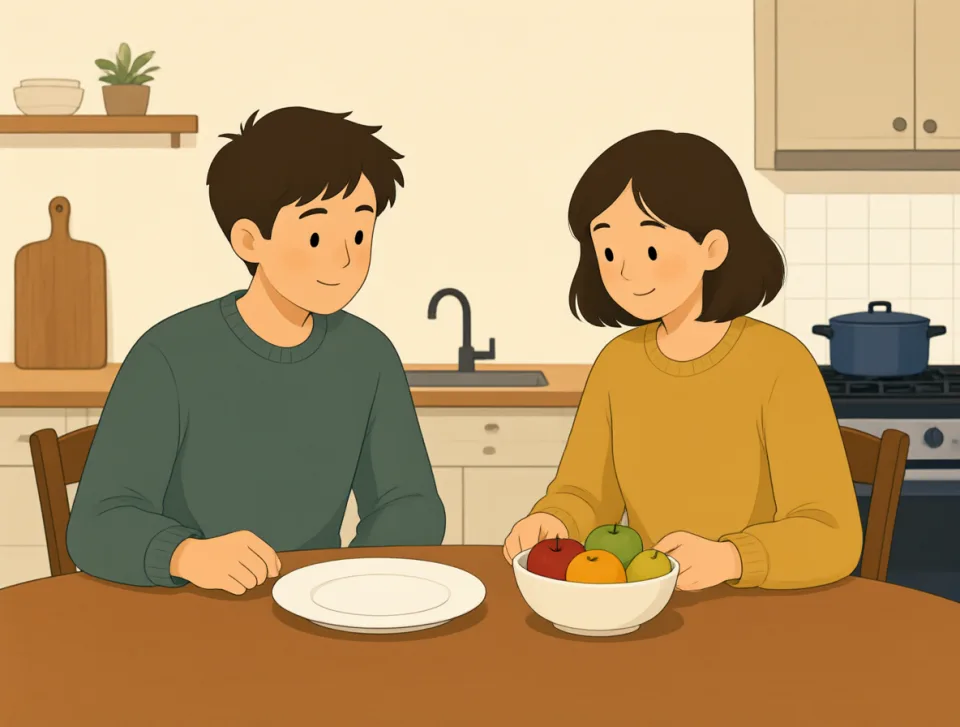
Would you like anything to eat?
你想吃點什麼嗎?
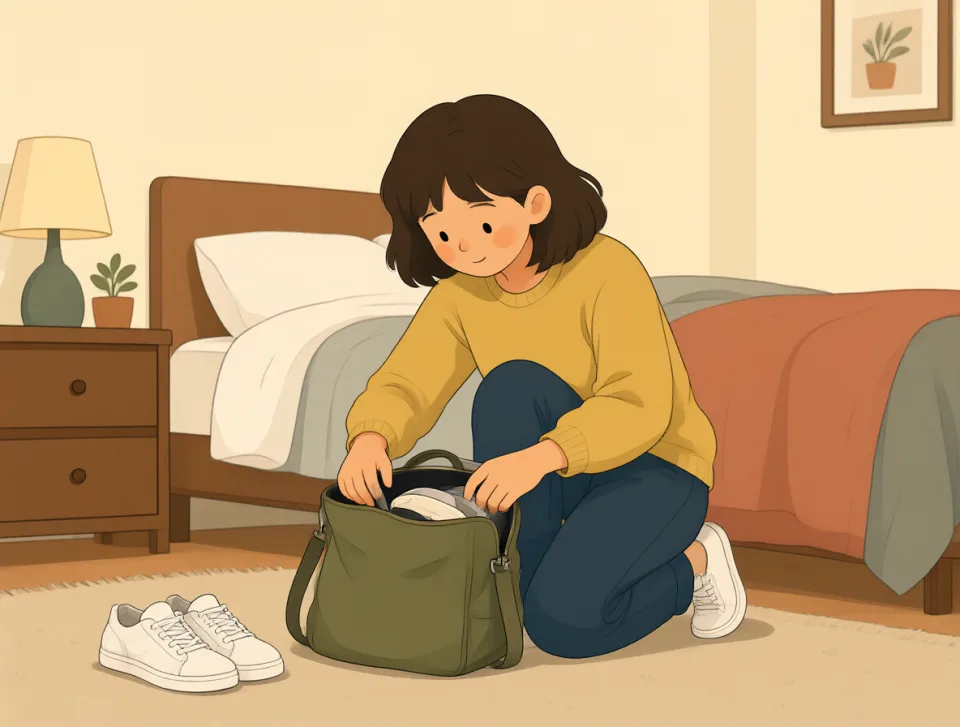
I cannot find anything in this bag.
我在這個包裡什麼也找不到。
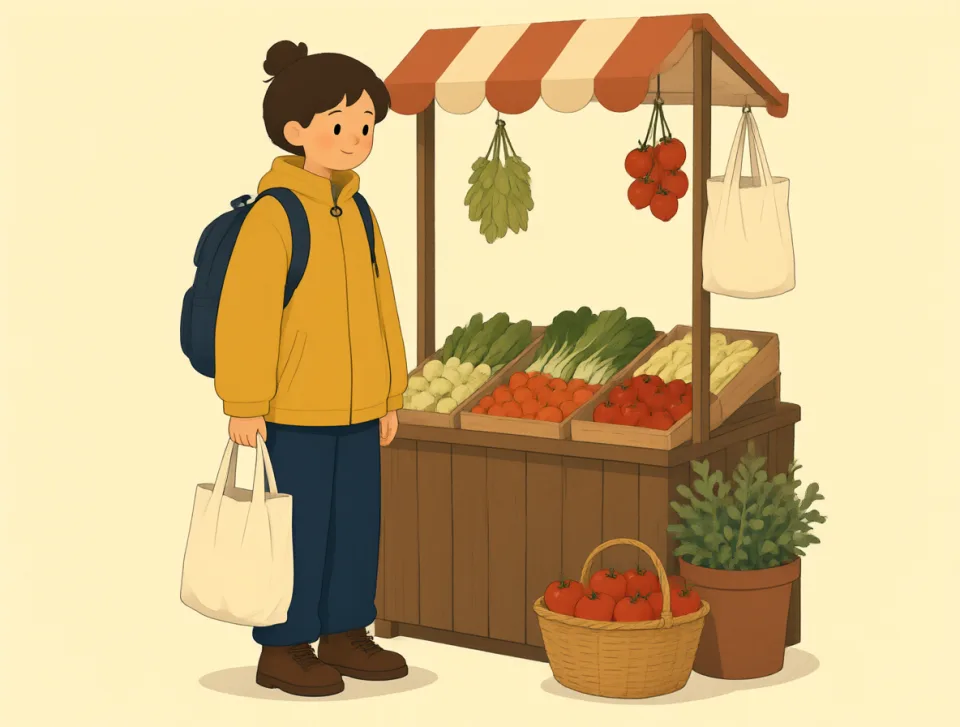
Did you buy anything at the market?
你在市場上買什麼東西了嗎?
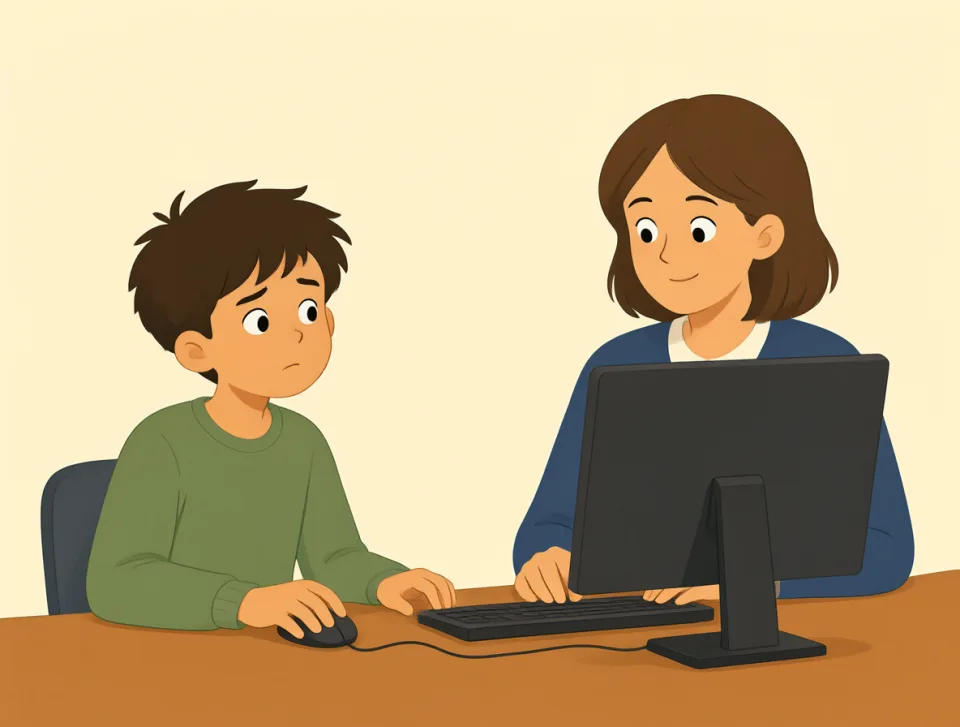
She knows anything about computers.
她對電腦什麼都知道。

Please call me if anything happens.
如果發生任何事情,請給我打電話。
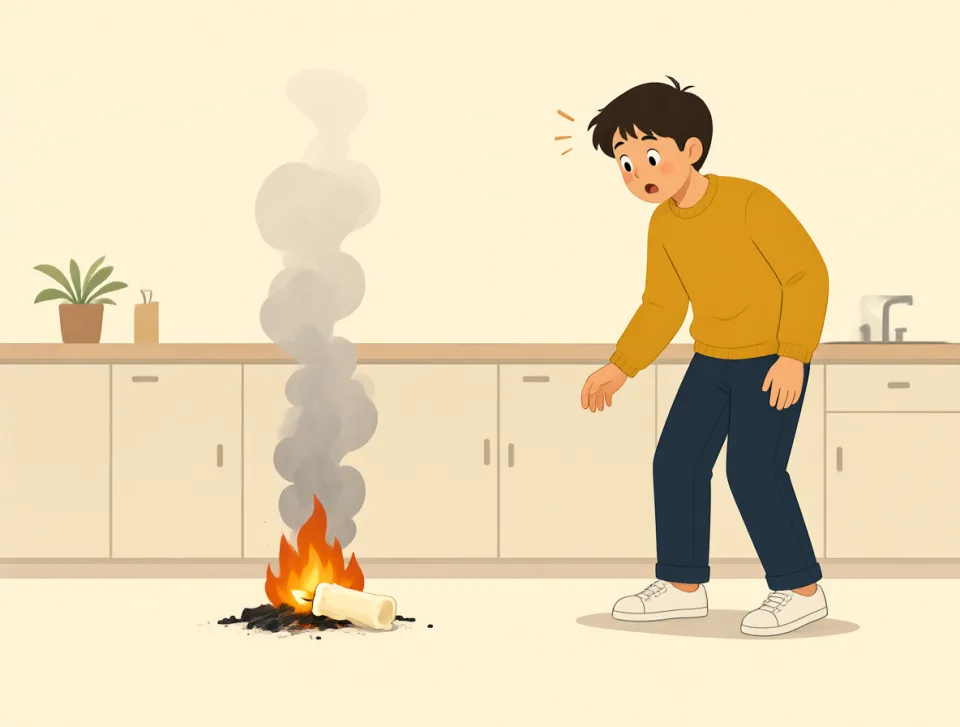
cause
#319noun, verb
原因;導致
A reason something happens; to make something happen.
某件事發生的原因;使某件事發生
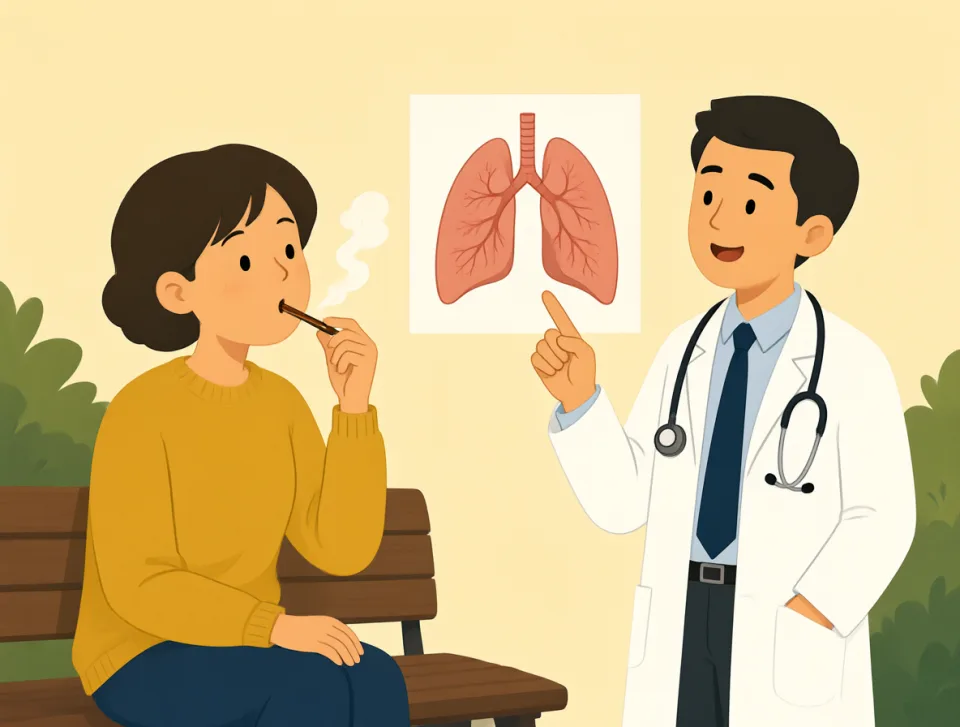
Smoking can cause serious health problems.
吸菸會導致嚴重的健康問題。
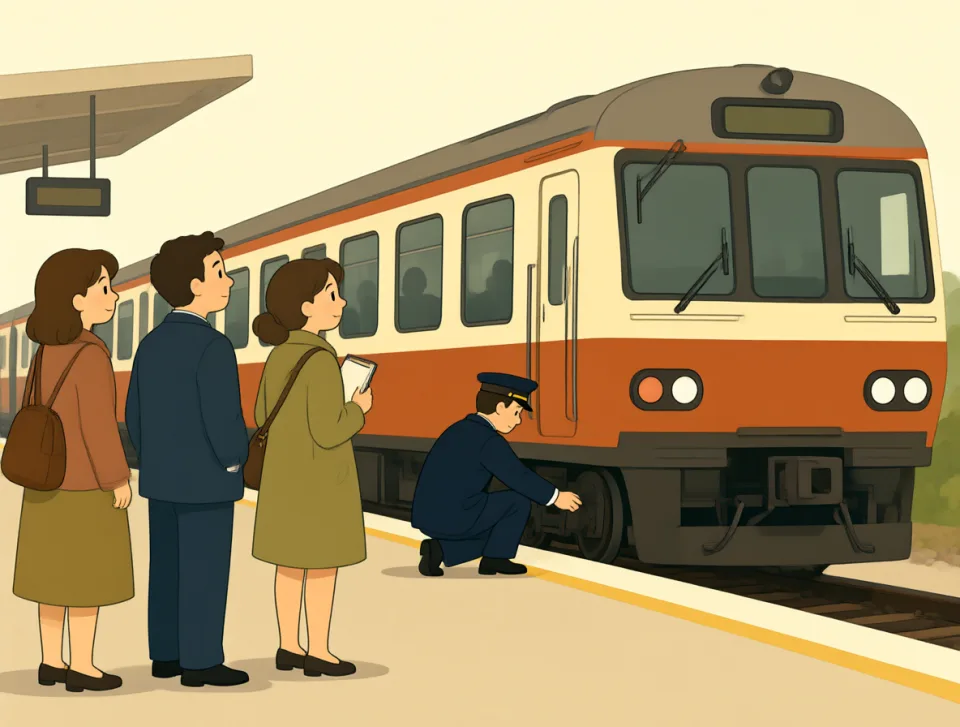
What caused the train delay this morning?
今天早上是什麼導致了火車晚點?

The heavy rain caused a flood.
大雨導致了洪水。

A broken pipe caused water damage at home.
水管破裂導致家裡進水受損。
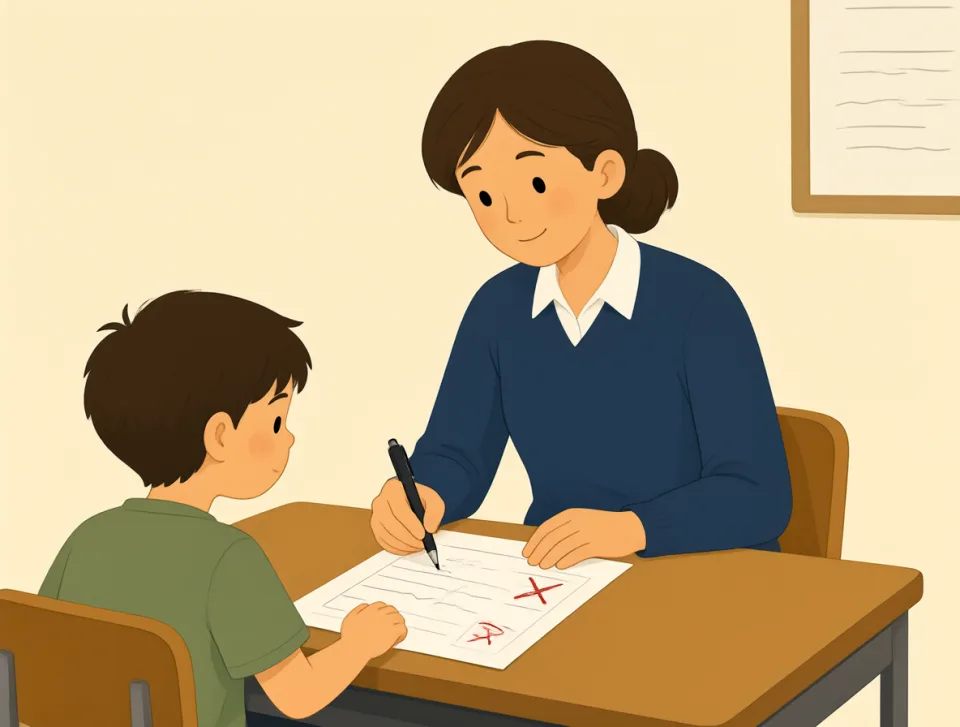
The teacher explained the cause of the mistake.
老師解釋了這次錯誤的原因。

fall
#320verb, noun
落下;跌倒;秋天
To move down suddenly, or the season between summer and winter.
突然向下移動,或指夏季和冬季之間的季節。
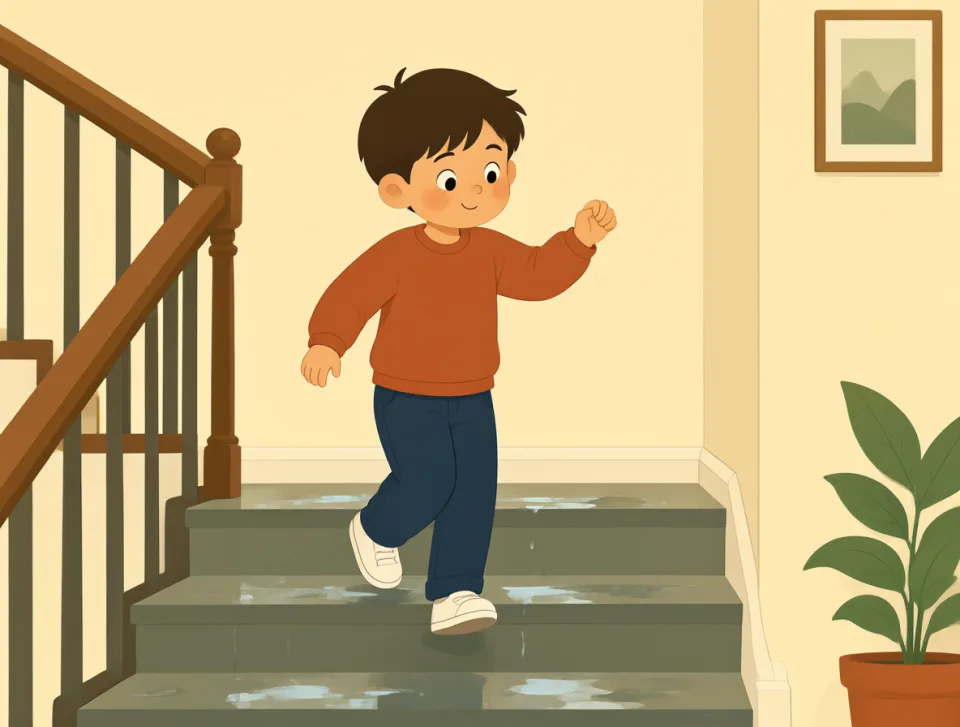
Be careful, or you may fall down.
小心,否則你可能會摔倒。

The leaves fall from the trees in autumn.
秋天,樹葉從樹上落下來。

I fell asleep on the sofa.
我在沙發上睡著了。

She had a bad fall at work.
她在工作時摔得很重。

We visited Canada last fall.
我們去年秋天去了加拿大。