Đơn vị 16
Từ 301–320 · control, already, concern, product, lose, story
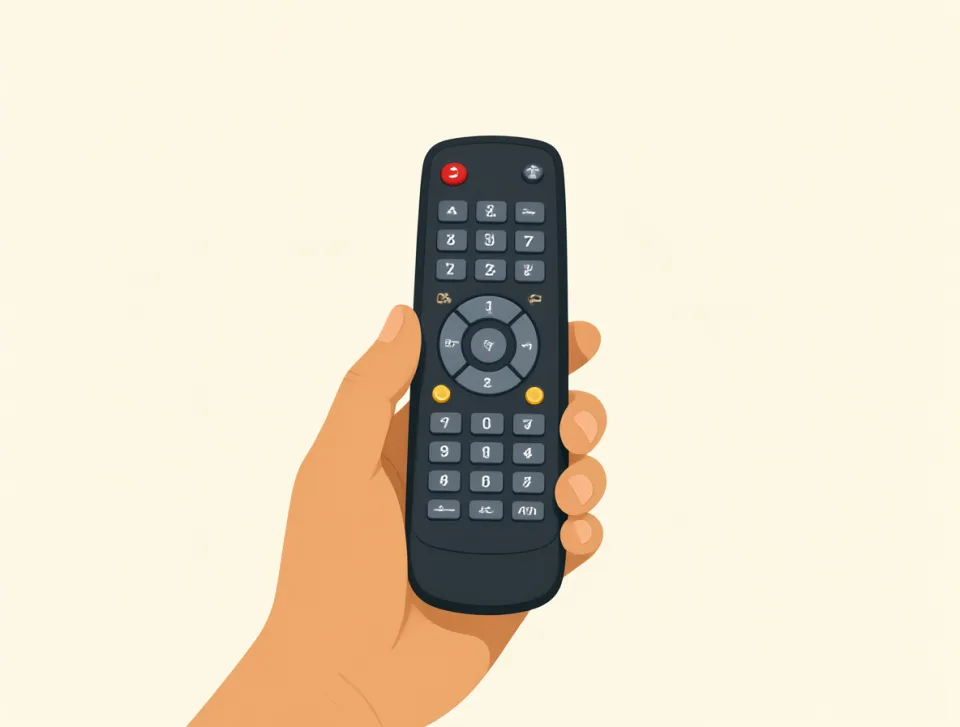
control
#301noun, verb
kiểm soát
The power to direct people or manage what happens.
Quyền điều khiển người khác hoặc quản lý những gì xảy ra.
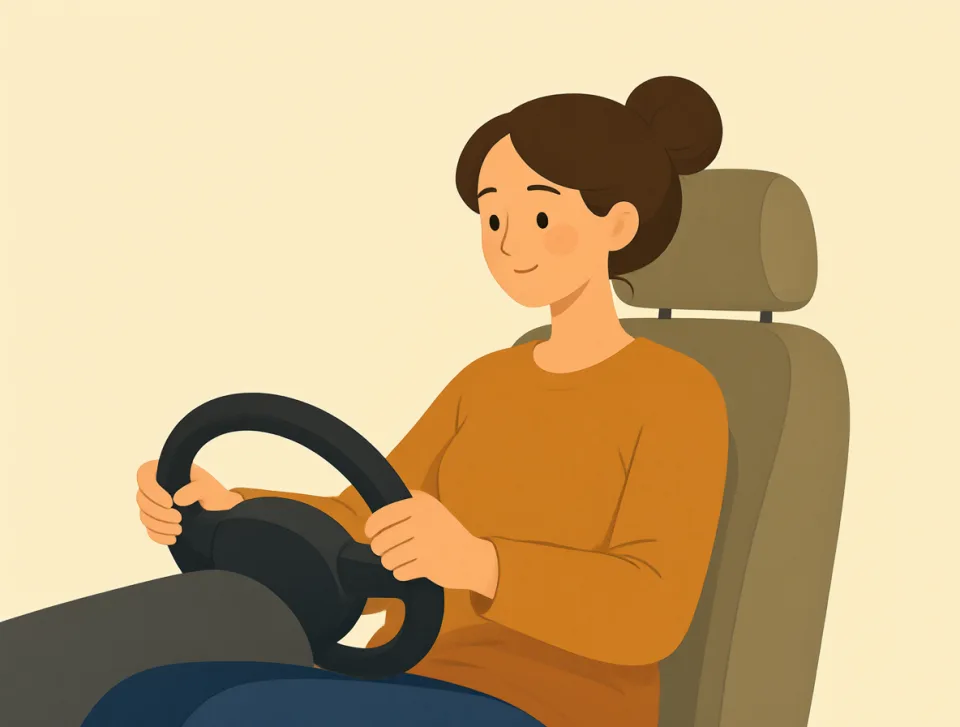
She is in control of the car.
Cô ấy đang cầm lái chiếc xe.
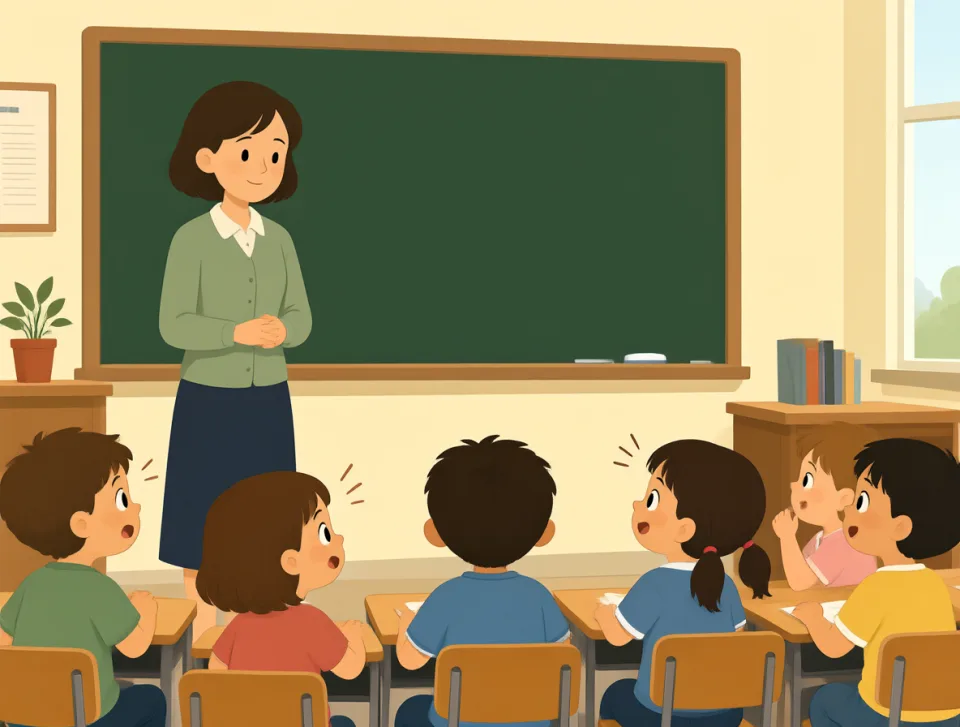
The teacher controls the noisy classroom.
Giáo viên kiểm soát lớp học ồn ào.
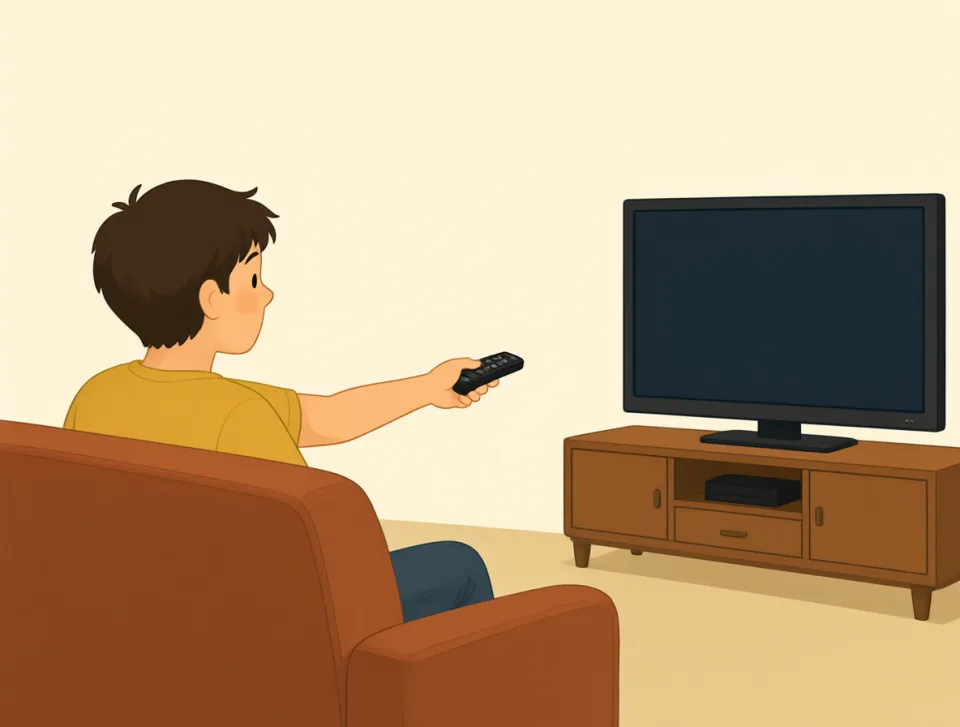
Use the remote control to change channels.
Dùng điều khiển từ xa để chuyển kênh.
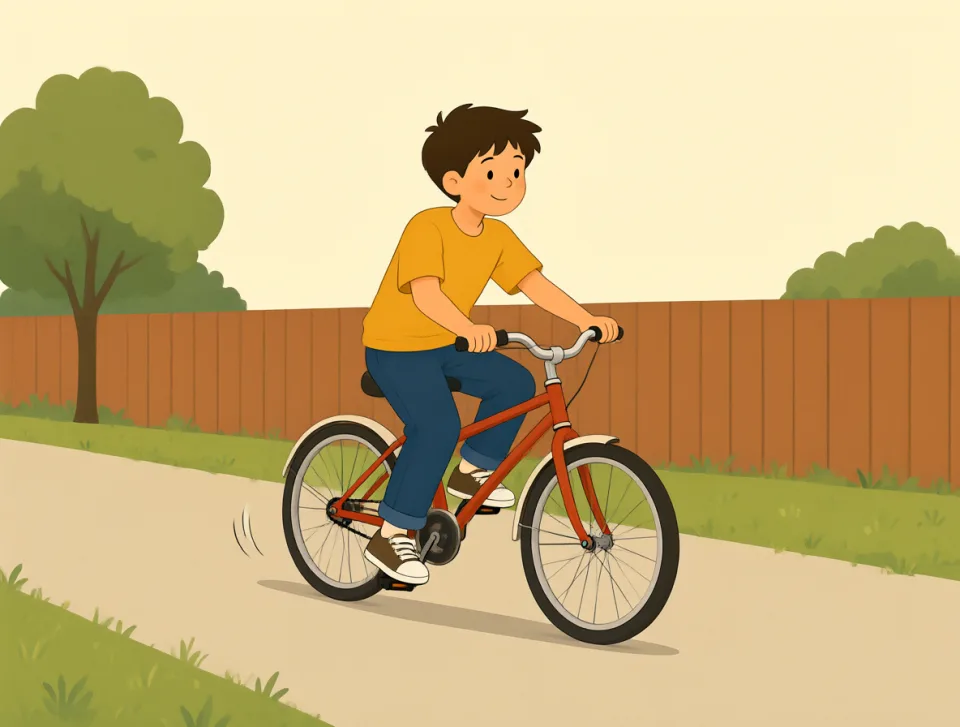
He lost control of his bike.
Anh ấy mất kiểm soát chiếc xe đạp.
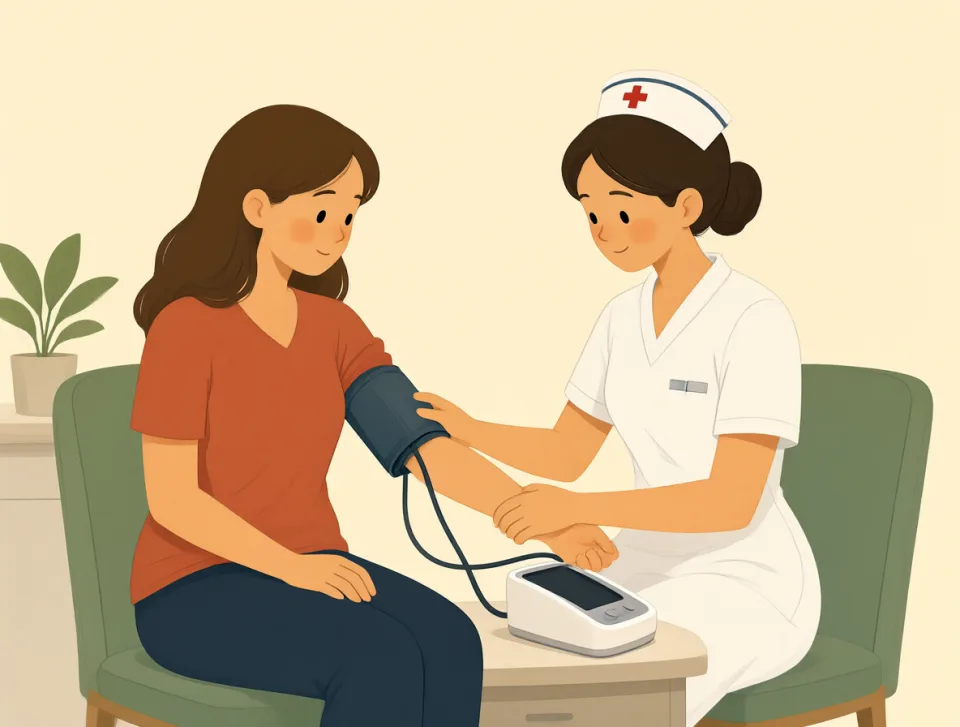
The nurse checked her blood pressure control.
Y tá kiểm tra khả năng kiểm soát huyết áp của cô ấy.
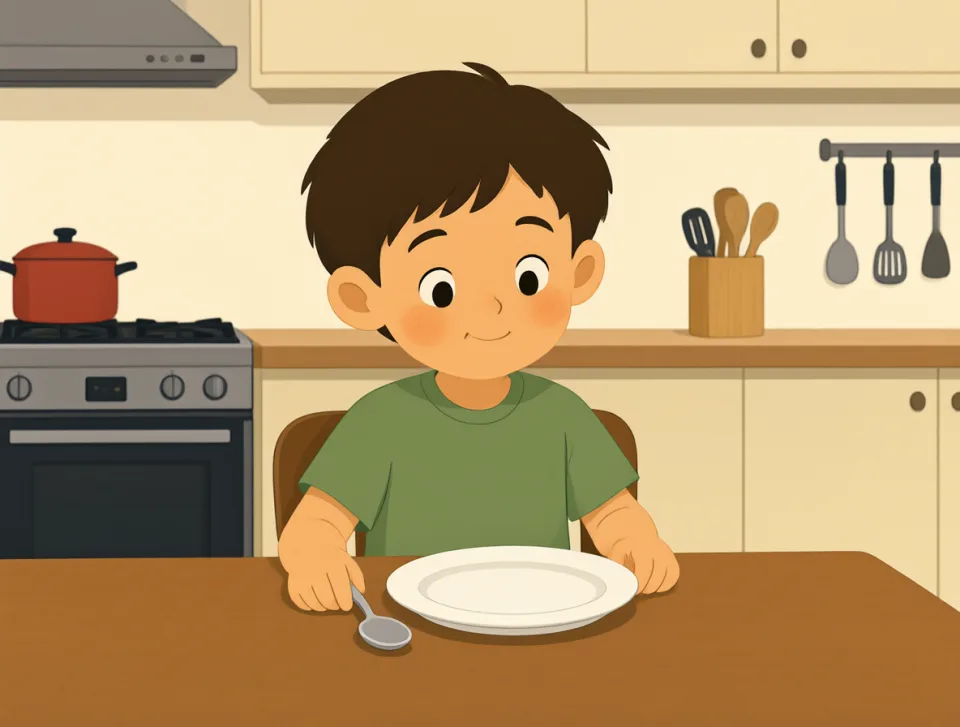
already
#302adverb
đã
before now or before a particular time
Trước thời điểm hiện tại hoặc trước một thời điểm cụ thể.
I have already eaten breakfast.
Tôi ăn sáng rồi.

She already knows the answer.
Cô ấy đã biết câu trả lời.

We are already late for work.
Chúng ta đã muộn giờ làm rồi.
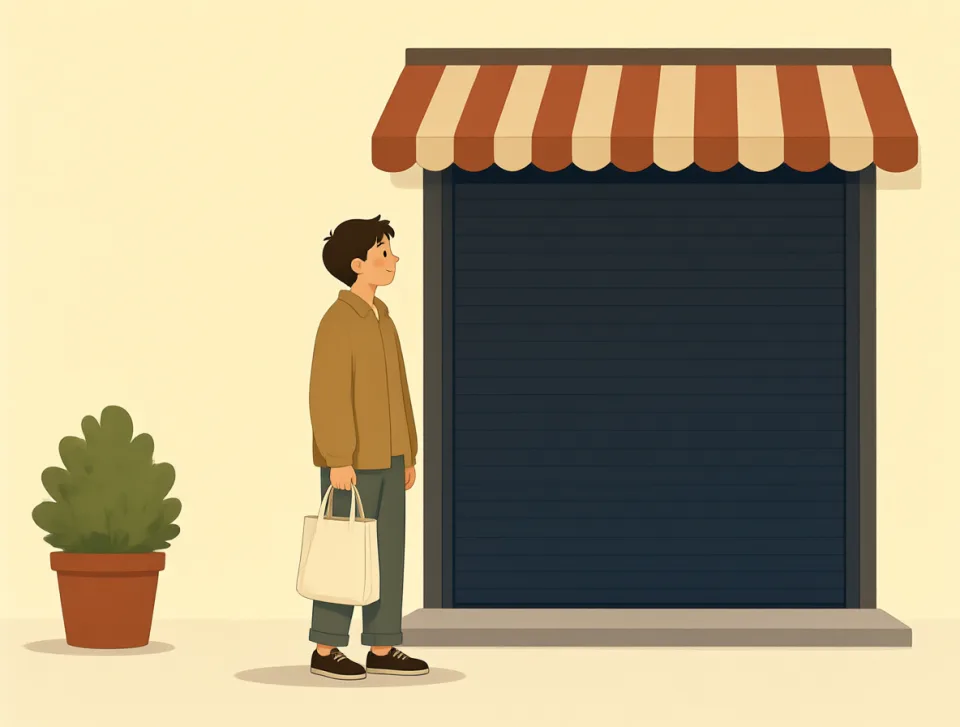
The store has already closed.
Cửa hàng đã đóng cửa rồi.

Have you already seen this movie?
Bạn đã xem bộ phim này chưa?
concern
#303noun, verb
mối lo ngại; khiến lo lắng
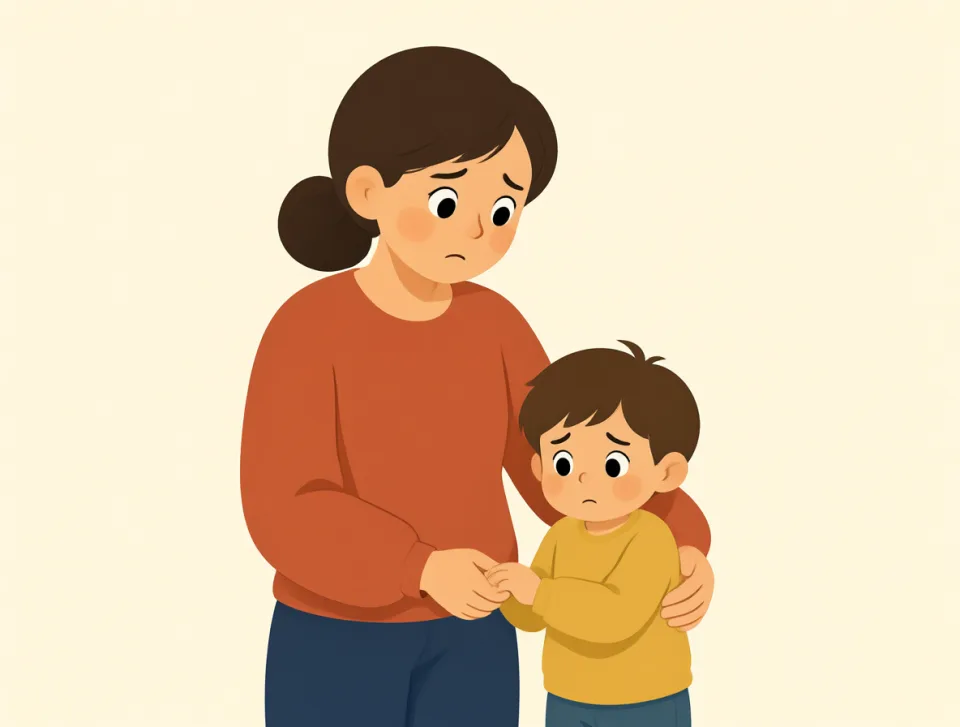
a worry or problem, or to make someone feel worried
Điều khiến bạn lo lắng hoặc gây ra vấn đề; hoặc làm ai đó cảm thấy lo lắng.
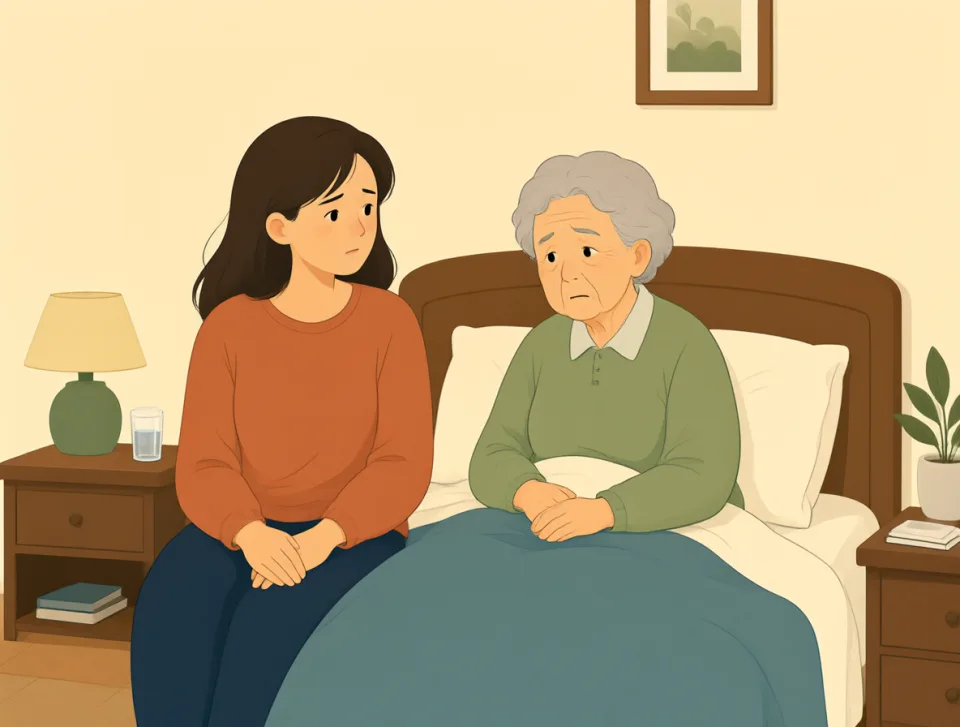
Her main concern is her sick mother.
Điều cô ấy lo lắng nhất là người mẹ đang ốm.

The teacher listened to our concerns.
Giáo viên lắng nghe những điều chúng tôi lo ngại.
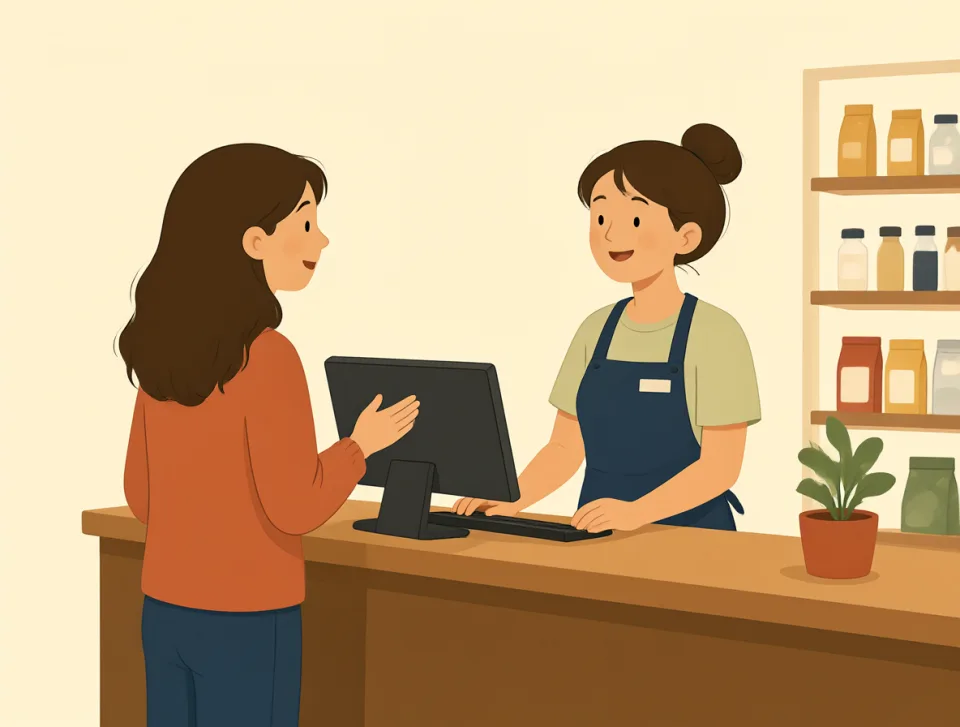
Please contact us if you have any concerns.
Vui lòng liên hệ với chúng tôi nếu bạn có điều gì lo ngại.

His sudden cough concerned his doctor.
Cơn ho đột ngột của anh ấy khiến bác sĩ lo lắng.

We are concerned about the late train.
Chúng tôi lo chuyến tàu sẽ đến muộn.
product
#304noun
sản phẩm
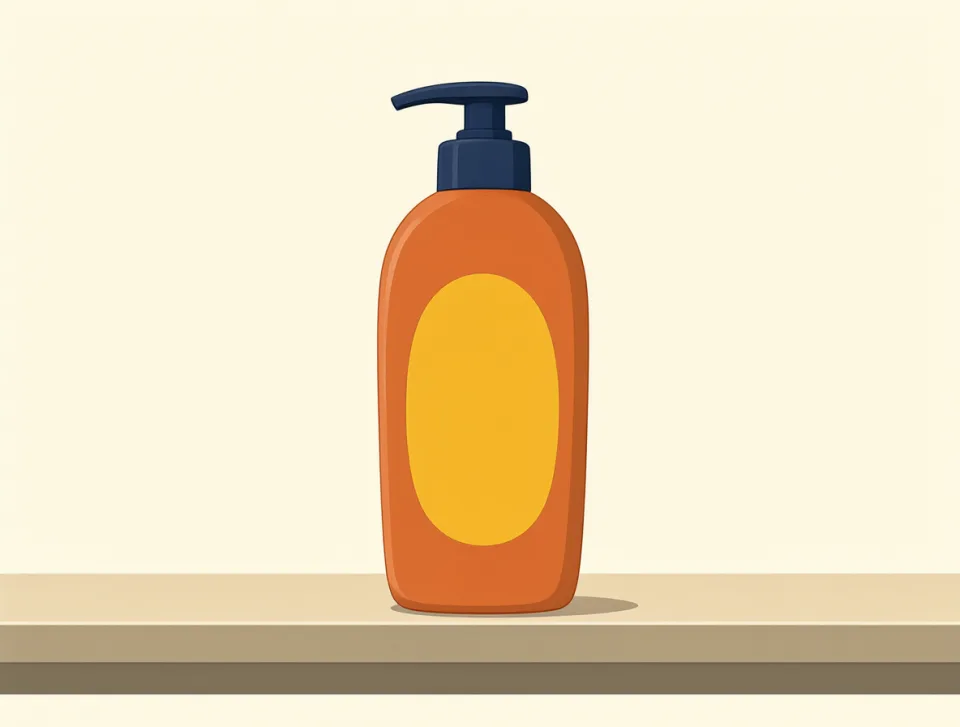
Something made or grown to be sold or used.
Thứ được làm ra hoặc trồng để bán hay sử dụng.

This product is made from natural ingredients.
Sản phẩm này được làm từ các nguyên liệu tự nhiên.
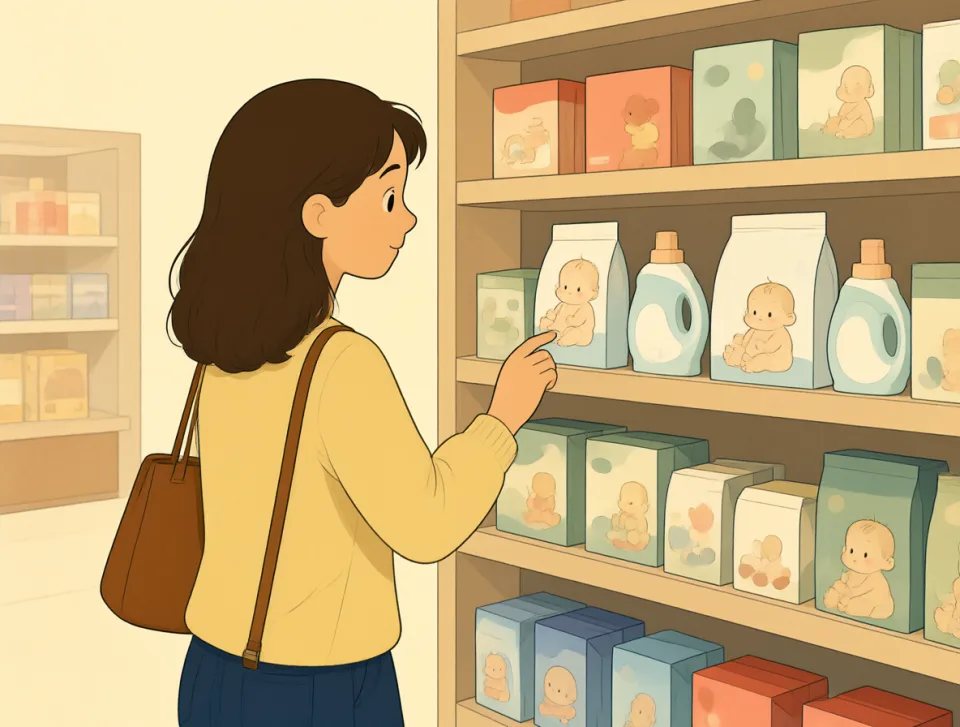
The store sells products for babies.
Cửa hàng bán các sản phẩm dành cho trẻ sơ sinh.
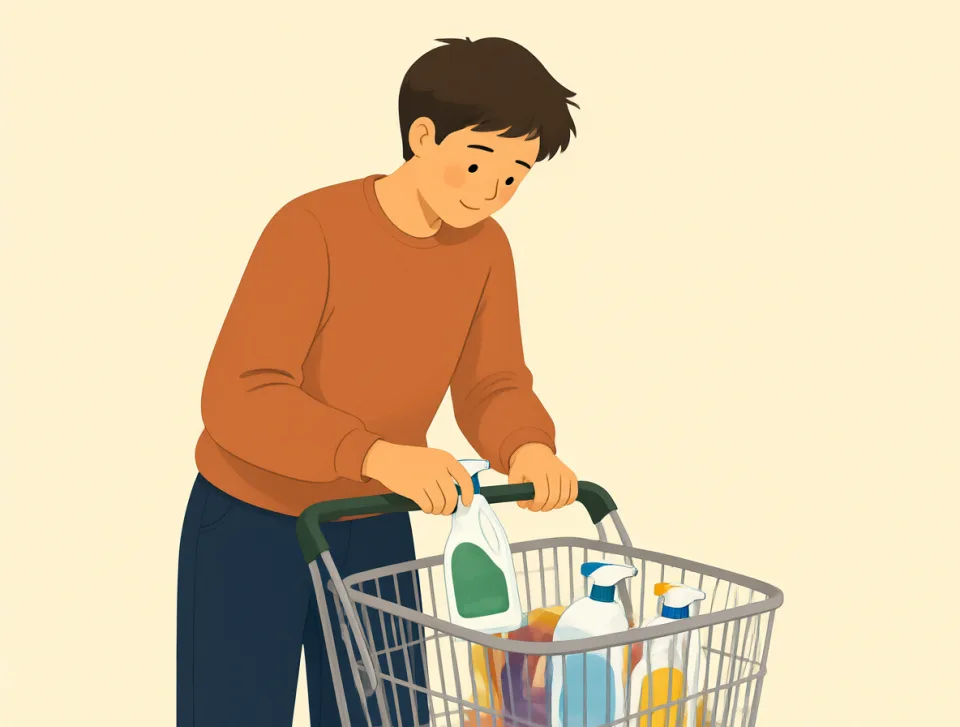
I bought a new cleaning product yesterday.
Hôm qua tôi đã mua một sản phẩm tẩy rửa mới.

Our team is developing a new product.
Đội của chúng tôi đang phát triển một sản phẩm mới.
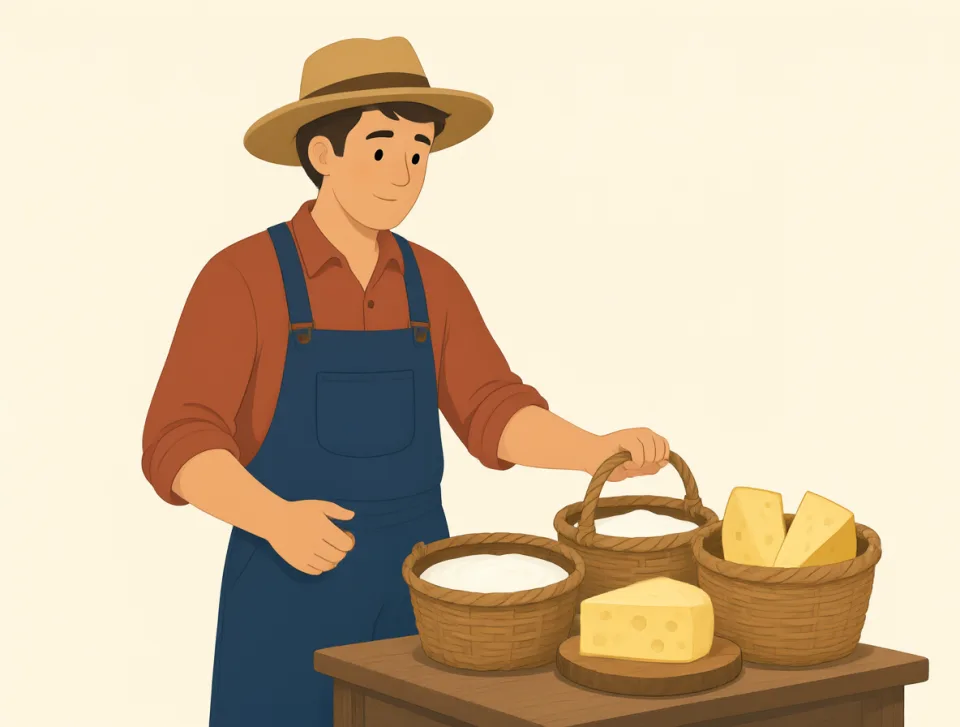
This farm produces fresh dairy products.
Trang trại này sản xuất các sản phẩm từ sữa tươi.
lose
#305verb
mất
to no longer have something because it is gone, taken, or forgotten
Không còn có thứ gì đó vì nó đã biến mất, bị lấy đi hoặc bị quên mất.
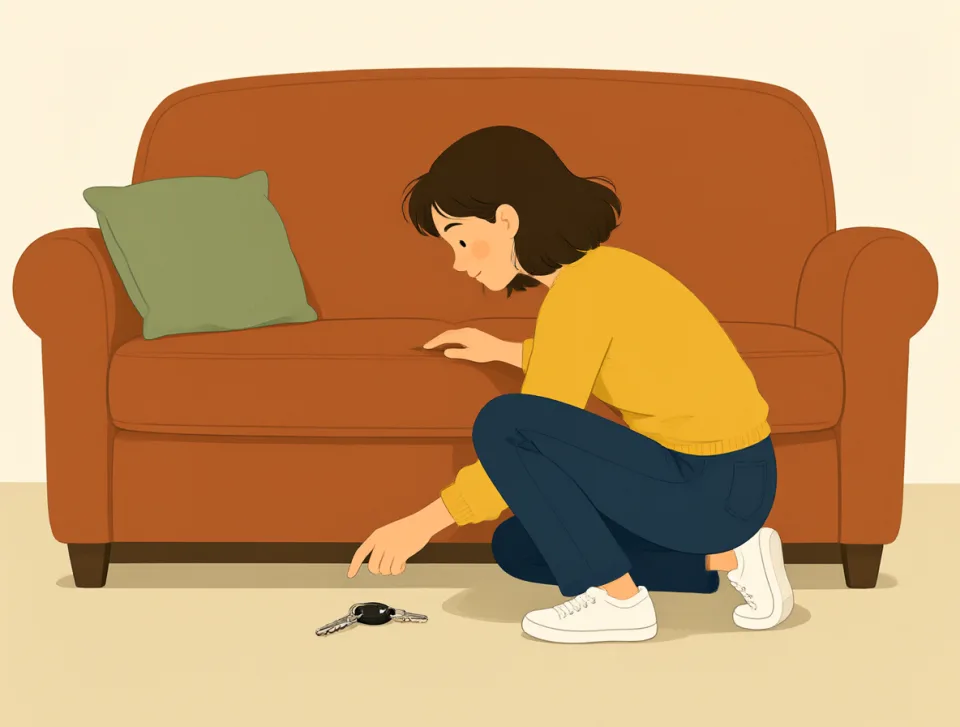
I often lose my keys at home.
Tôi thường làm mất chìa khóa ở nhà.
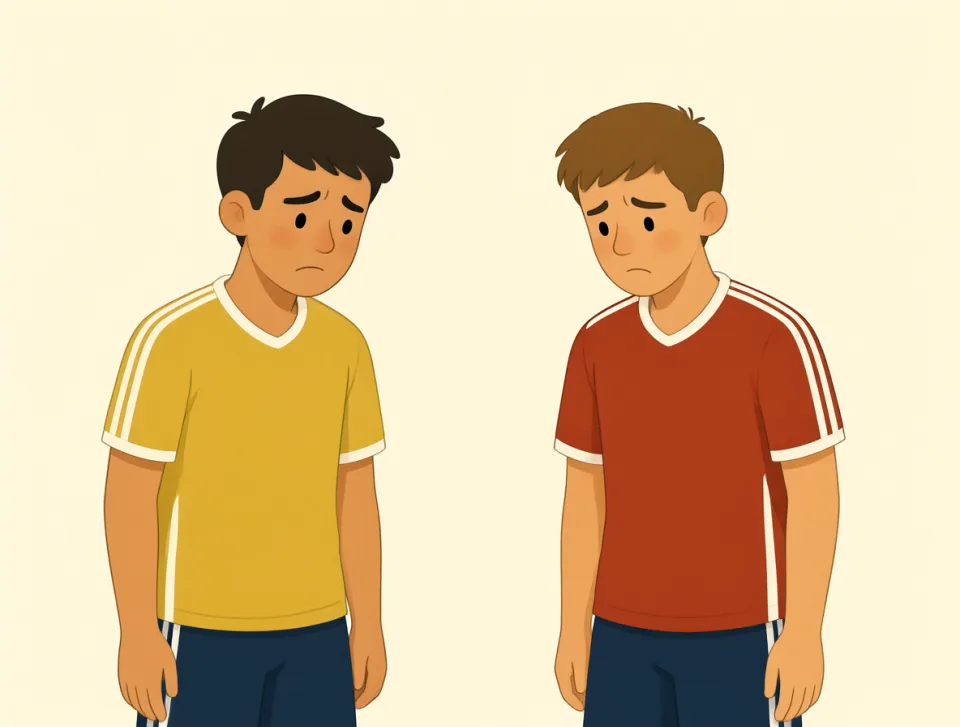
Our team lost the game yesterday.
Hôm qua đội chúng tôi đã thua trận.

She lost her wallet on the bus.
Cô ấy làm mất ví trên xe buýt.
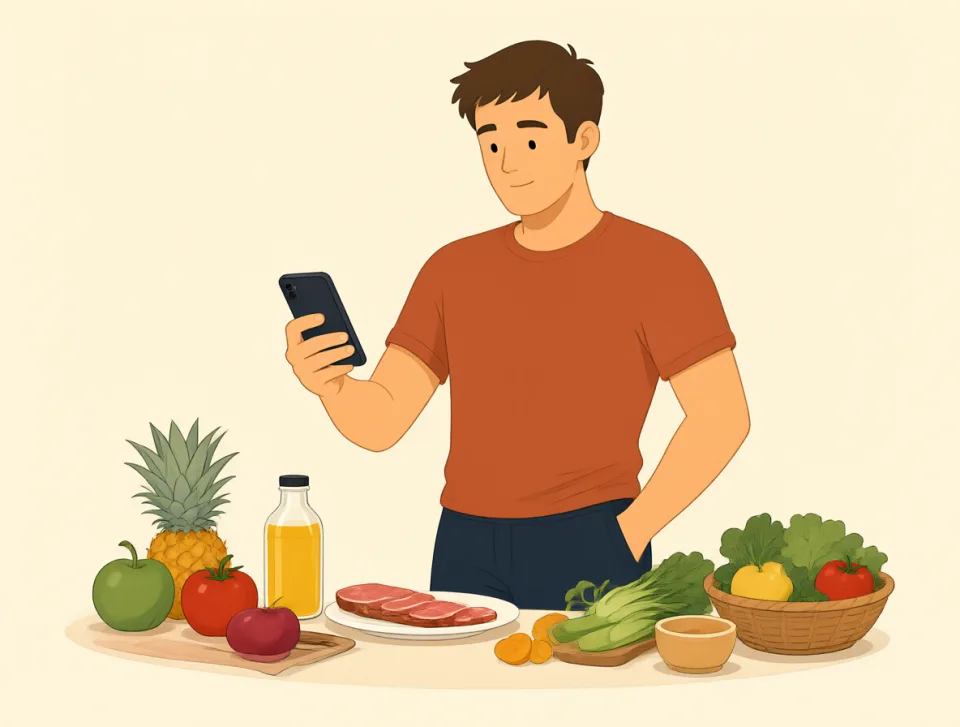
He is losing weight with healthy food.
Anh ấy đang giảm cân nhờ ăn uống lành mạnh.

Do not lose your ticket at the airport.
Đừng làm mất vé ở sân bay.

story
#306noun
câu chuyện
A description of events, real or imagined, told to entertain or inform people.
Lời kể về những sự việc có thật hoặc tưởng tượng, nhằm giải trí hoặc cung cấp thông tin.
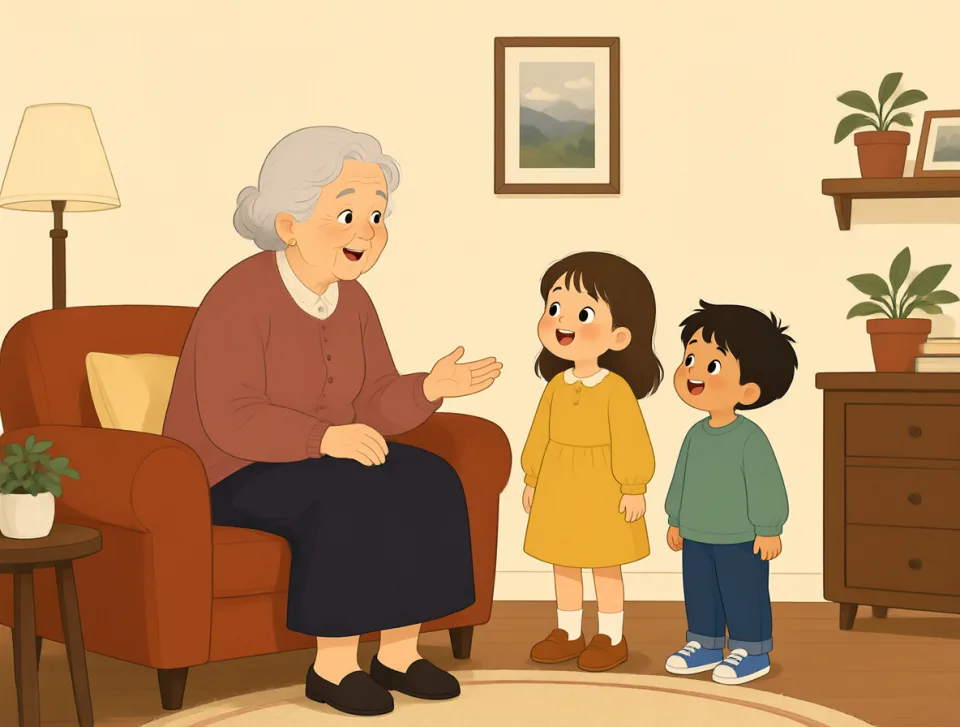
Grandma told us a funny story.
Bà kể cho chúng tôi nghe một câu chuyện hài hước.

I read a story before bed.
Tôi đọc một câu chuyện trước khi đi ngủ.
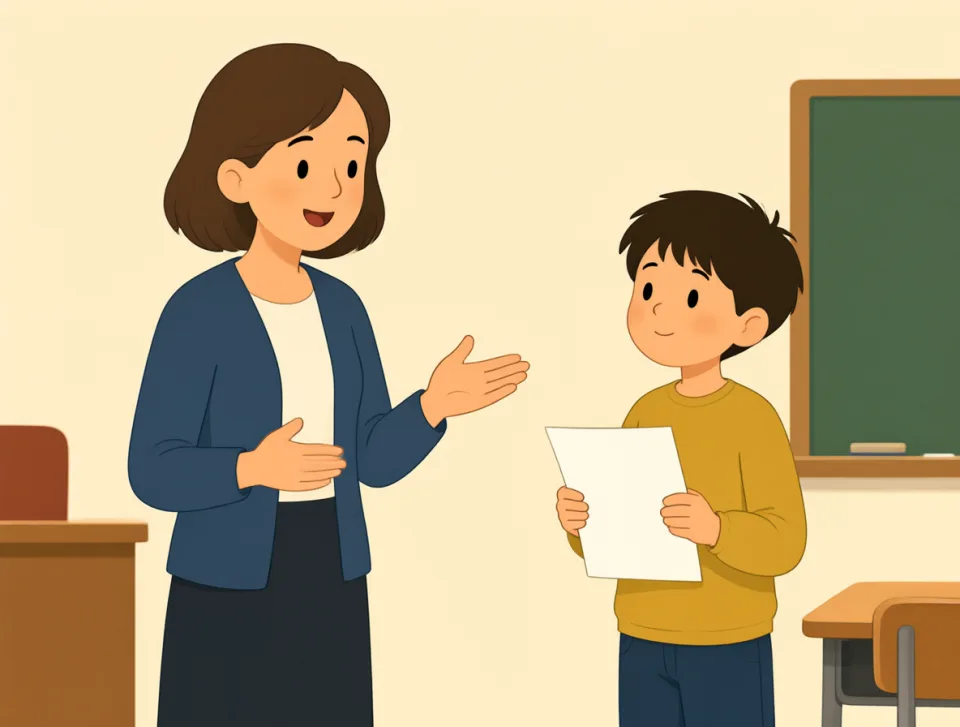
The teacher asked for a short story.
Thầy giáo yêu cầu viết một câu chuyện ngắn.

He shared his travel story with friends.
Anh ấy kể cho bạn bè nghe chuyện chuyến đi của mình.
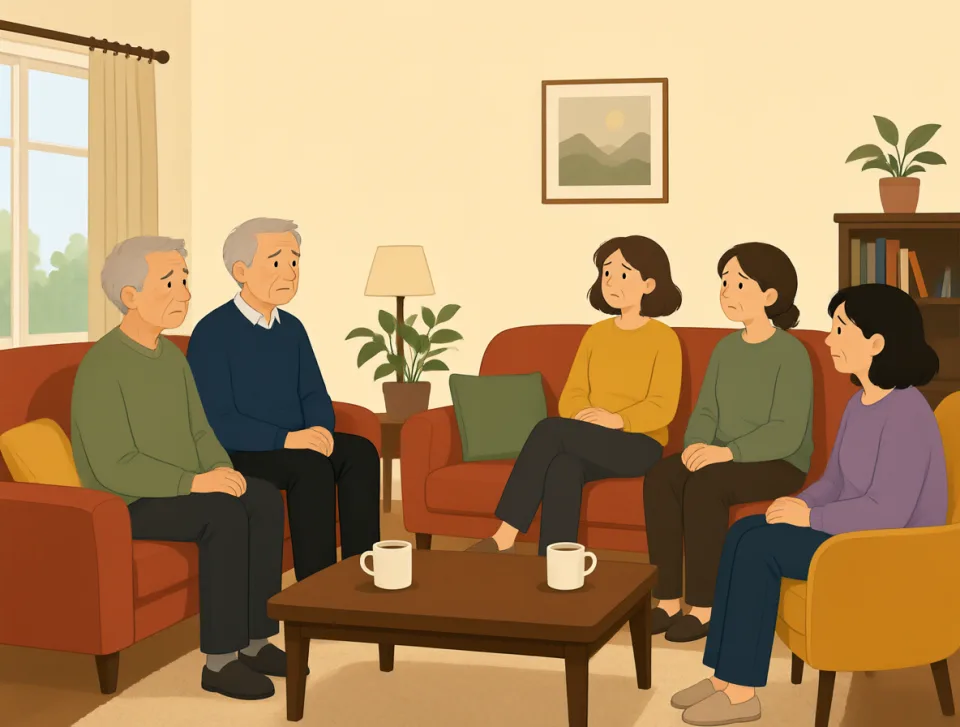
The news story made everyone worried.
Bản tin đó khiến mọi người lo lắng.
almost
#307adverb
gần như
Nearly, but not completely or quite.
Gần đạt đến mức nào đó nhưng vẫn chưa hoàn toàn.
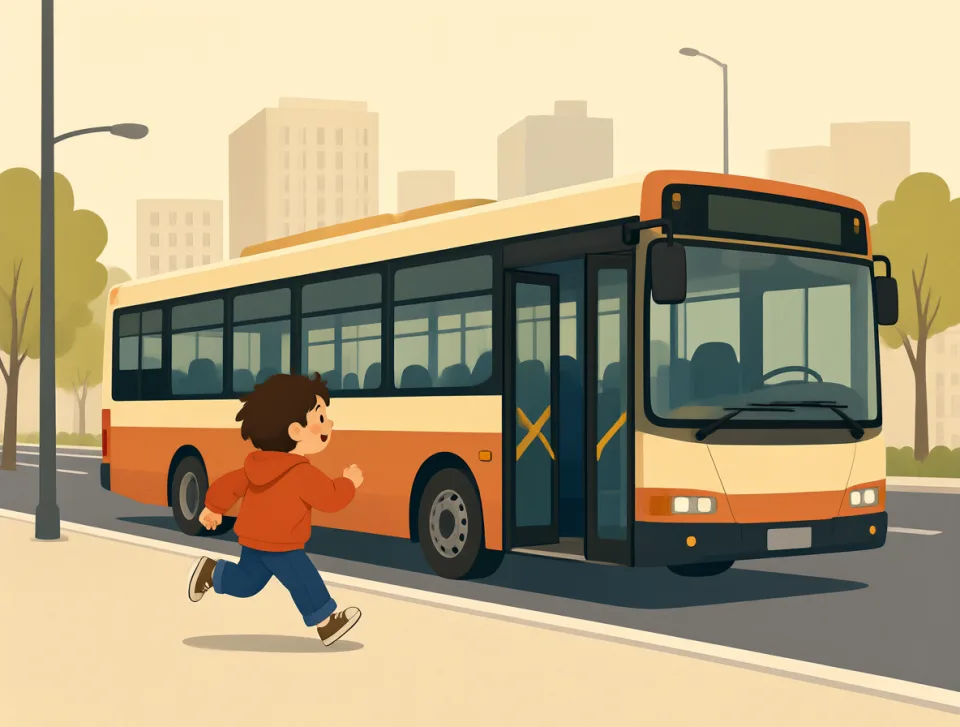
I almost missed the bus this morning.
Sáng nay tôi suýt lỡ xe buýt.

She is almost ready to leave.
Cô ấy gần như đã sẵn sàng để đi.

We almost finished the project at work.
Chúng tôi gần hoàn thành dự án ở chỗ làm.
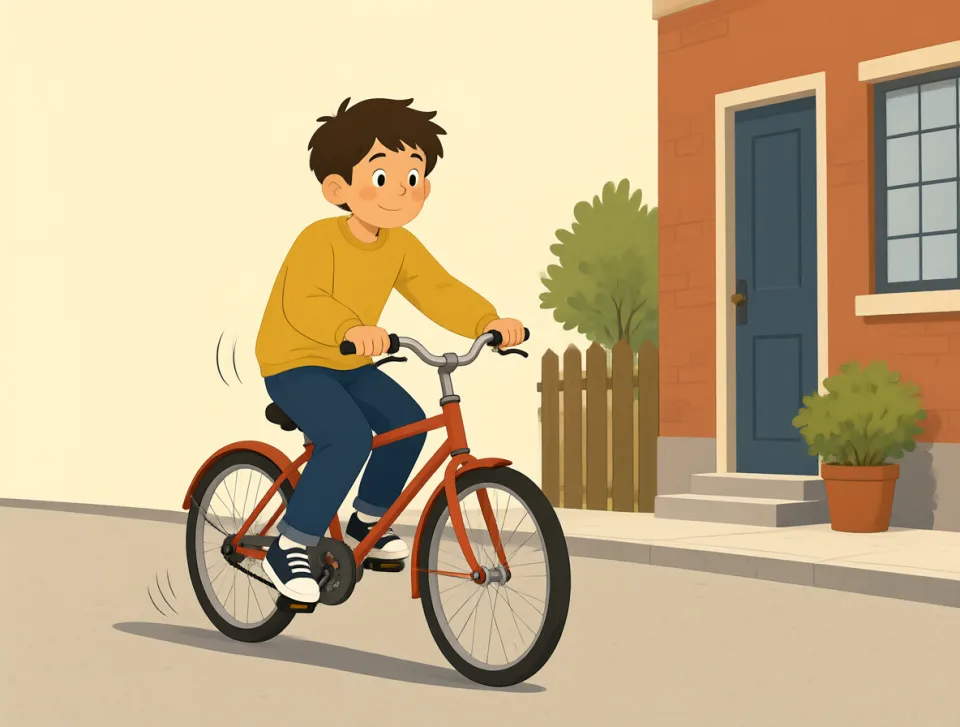
He almost fell while riding his bike.
Anh ấy suýt ngã khi đang đạp xe.

The soup is almost hot enough to eat.
Món súp gần đủ nóng để ăn rồi.
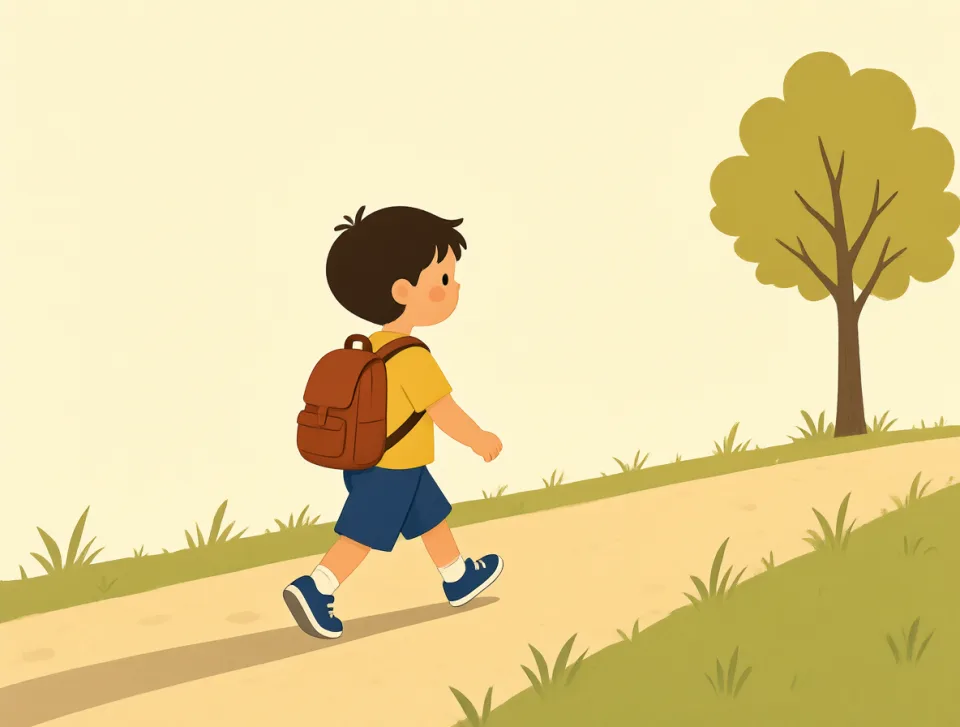
continue
#308verb
tiếp tục
to keep doing something or keep happening without stopping
Tiếp tục làm việc gì hoặc tiếp tục diễn ra mà không dừng lại.
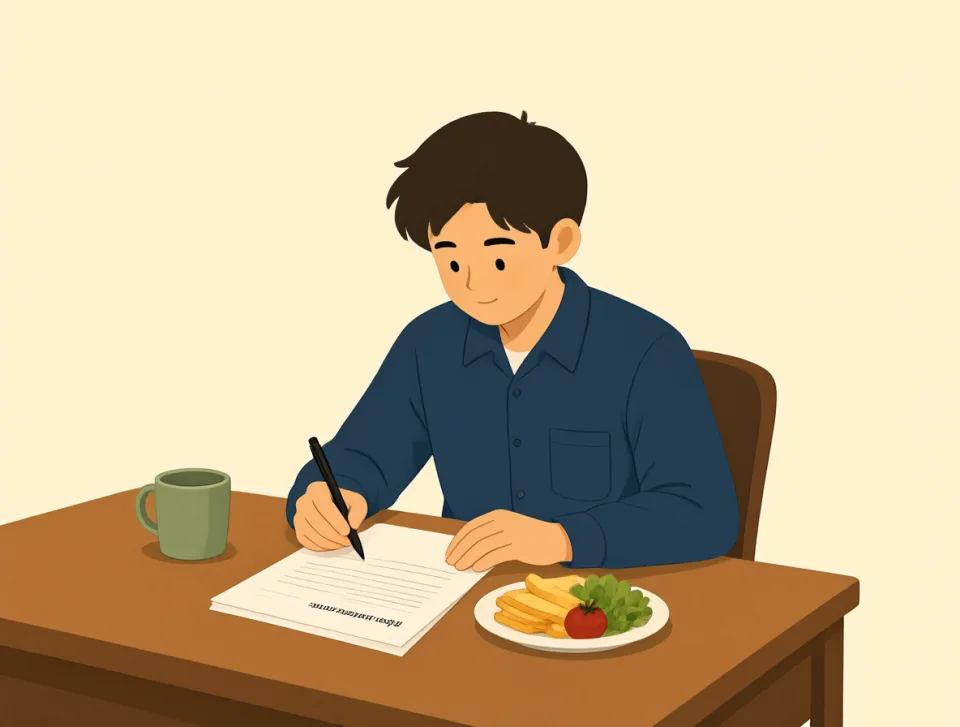
Please continue your work after lunch.
Vui lòng tiếp tục công việc sau bữa trưa.

The teacher continued the lesson after the break.
Thầy giáo tiếp tục bài học sau giờ nghỉ.

We continued walking through the park.
Chúng tôi tiếp tục đi bộ qua công viên.

The rain continued all night.
Trời mưa suốt cả đêm.

She continued to feel tired after resting.
Cô ấy vẫn cảm thấy mệt sau khi nghỉ ngơi.
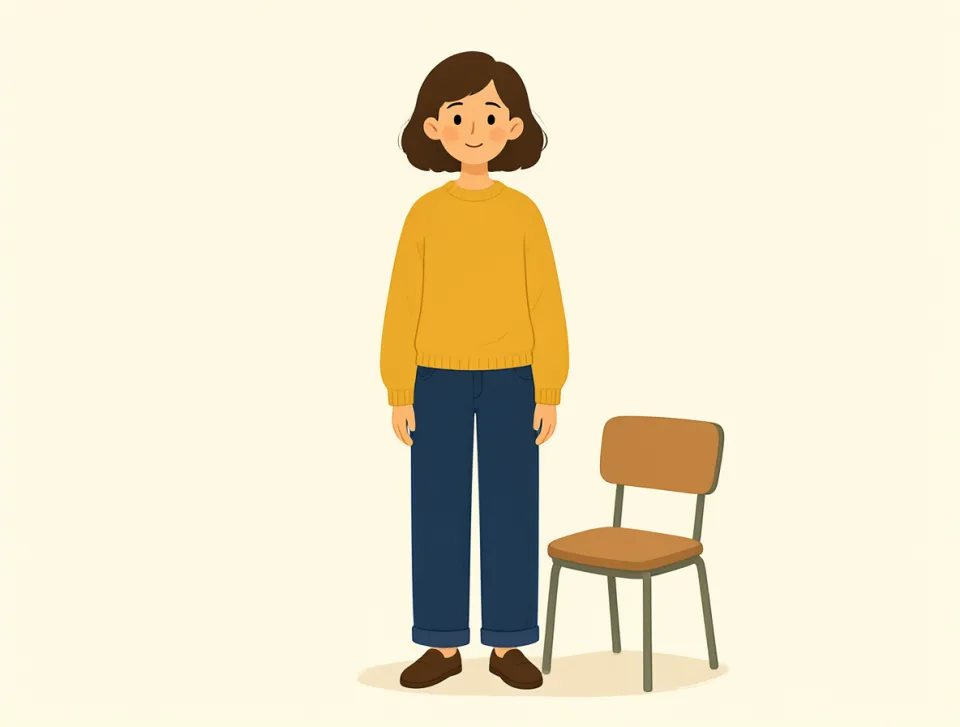
stand
#309verb, noun
đứng
to be upright on your feet, or to support someone or something
Ở tư thế thẳng bằng hai chân, hoặc làm chỗ đỡ cho ai hay vật gì.
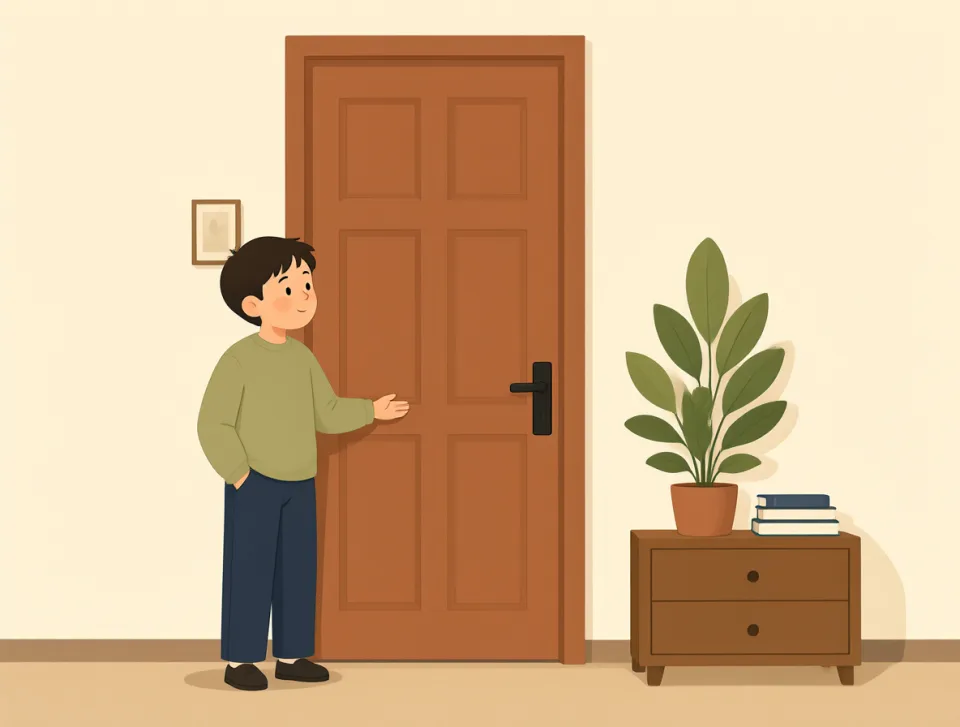
Please stand near the door.
Vui lòng đứng gần cửa.
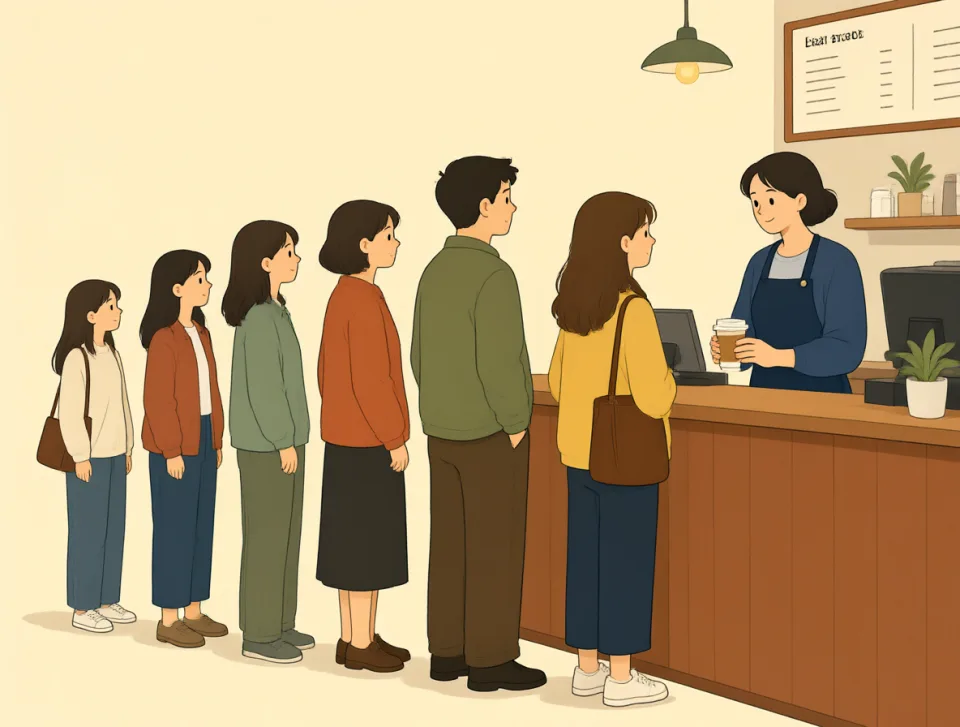
We stood in line for coffee.
Chúng tôi xếp hàng mua cà phê.
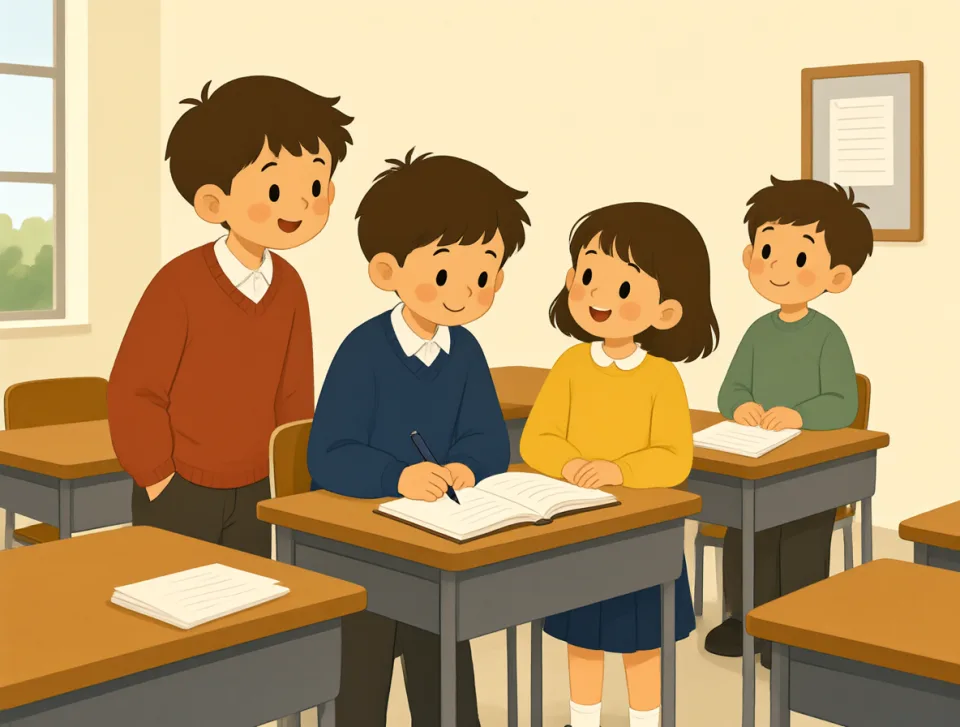
The children stand at their desks.
Bọn trẻ đứng cạnh bàn học.

She bought a phone stand.
Cô ấy mua một chiếc giá đỡ điện thoại.
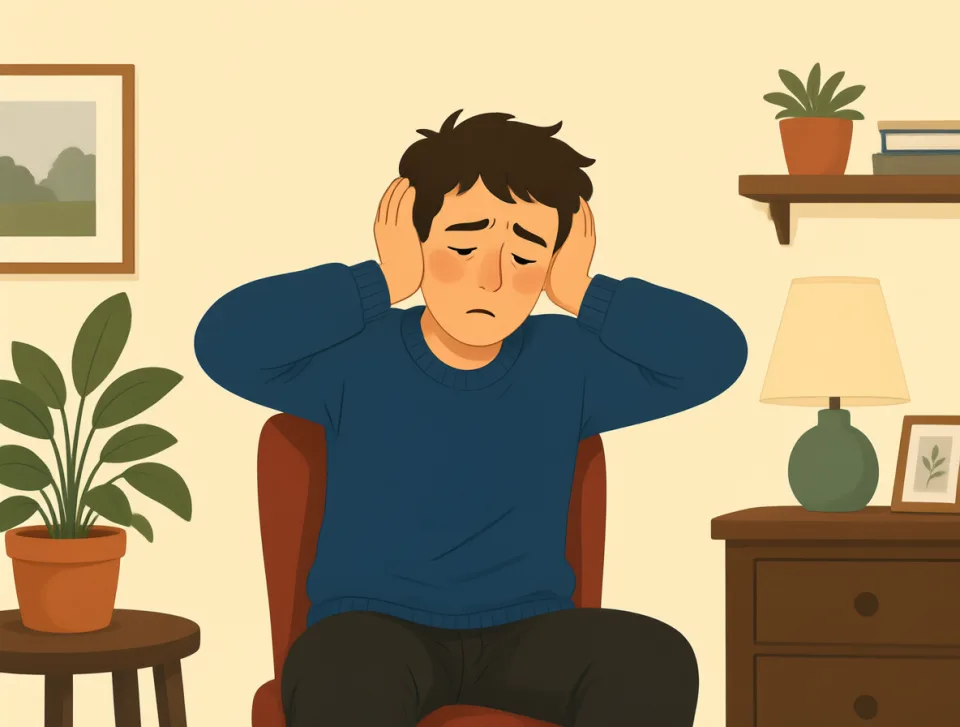
He cannot stand the loud noise.
Anh ấy không chịu nổi tiếng ồn lớn.
whole
#310adjective, noun, determiner, adverb
toàn bộ
Complete, with all parts together; or all of something.
Đầy đủ, gồm tất cả các phần; hoặc toàn bộ một thứ gì đó.
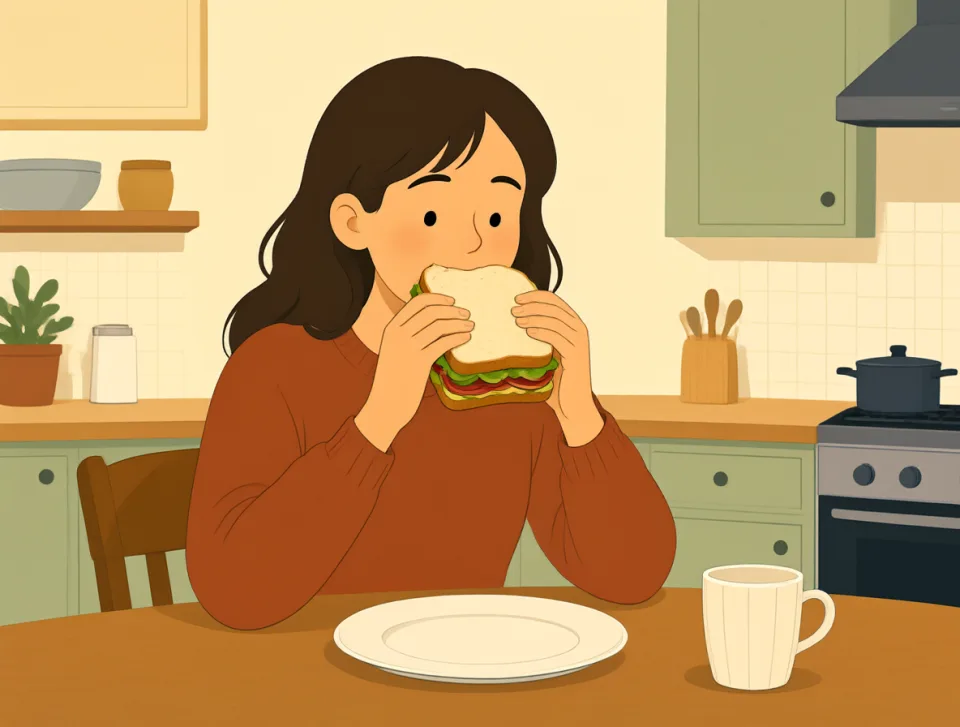
I ate the whole sandwich for lunch.
Tôi ăn hết chiếc bánh mì kẹp vào bữa trưa.
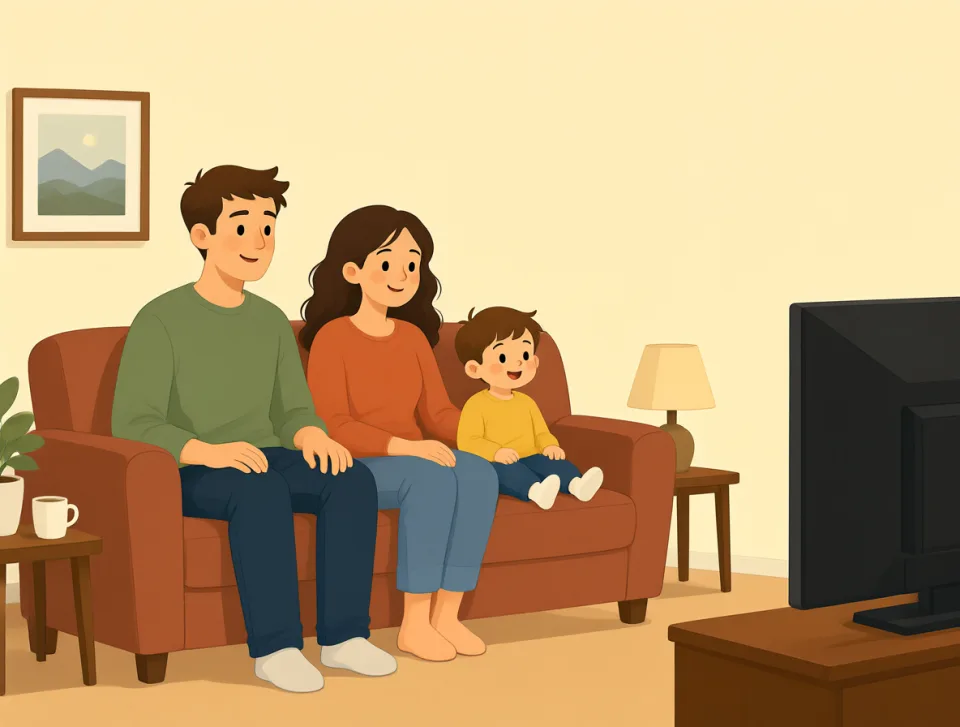
The whole family watched a movie together.
Cả gia đình cùng xem một bộ phim.

She spent the whole day at school.
Cô ấy dành cả ngày ở trường.

We waited a whole hour for the bus.
Chúng tôi đợi xe buýt suốt một tiếng đồng hồ.
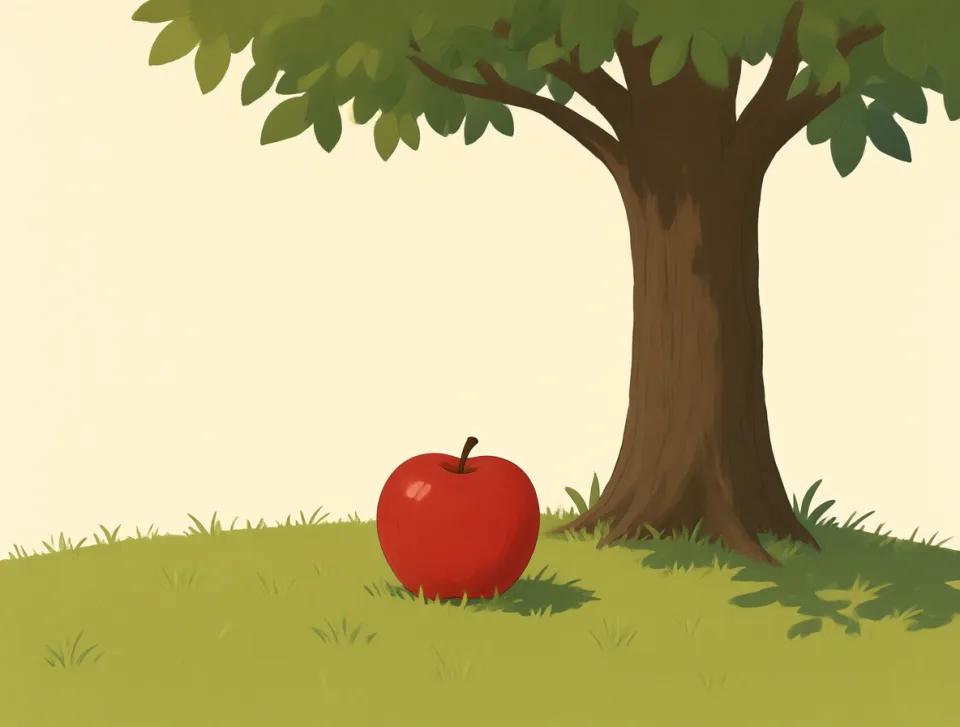
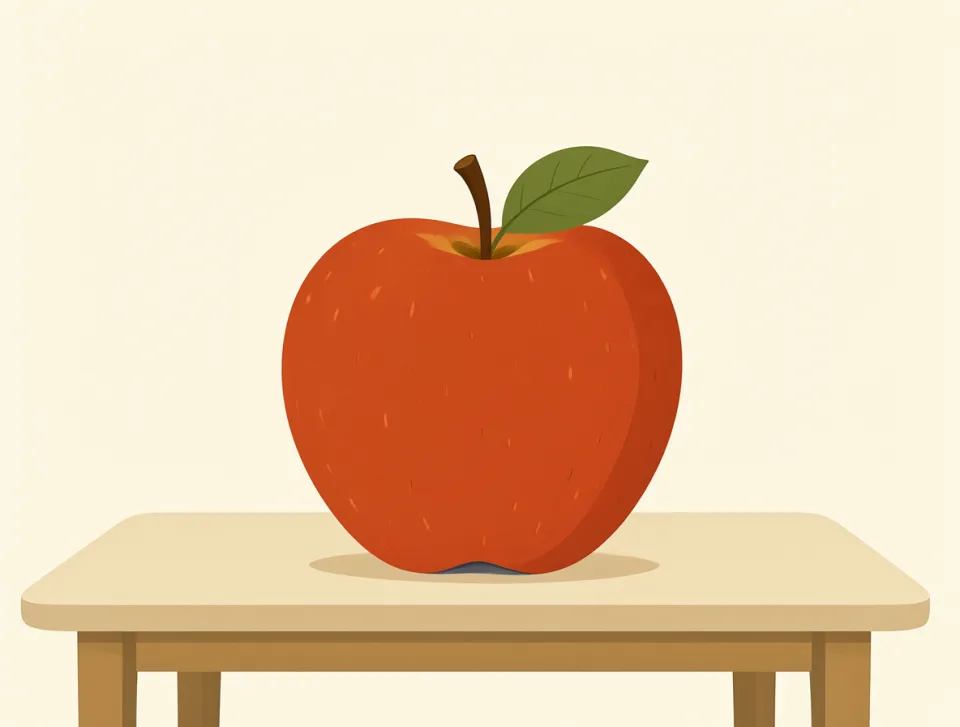
The whole apple fell from the tree.
Cả quả táo rơi khỏi cây.

yet
#311adverb, conjunction
vẫn chưa
Used to say something has not happened until now or to add a surprising contrast.
Dùng để nói rằng điều gì đó vẫn chưa xảy ra cho đến hiện tại, hoặc để nêu một sự tương phản bất ngờ.
I haven't finished my homework yet.
Tôi vẫn chưa làm xong bài tập về nhà.

Have you eaten lunch yet?
Bạn ăn trưa chưa?

She is not ready yet.
Cô ấy vẫn chưa sẵn sàng.

It is cold, yet the sun is shining.
Trời lạnh, vậy mà mặt trời vẫn đang chiếu sáng.

He has not called yet.
Anh ấy vẫn chưa gọi.
rate
#312noun, verb
mức; đánh giá
A level, price, or amount compared with another; to judge something or give it a score.
Mức độ, giá cả hoặc số lượng được so sánh với một thứ khác; đánh giá điều gì đó hoặc cho điểm.

The hotel has a high room rate.
Khách sạn có giá phòng cao.

The doctor rated my pain as mild.
Bác sĩ đánh giá cơn đau của tôi ở mức nhẹ.

This restaurant rates among the best nearby.
Nhà hàng này được xếp vào hàng những nơi ngon nhất gần đây.

She rated the book five stars.
Cô ấy chấm cuốn sách năm sao.
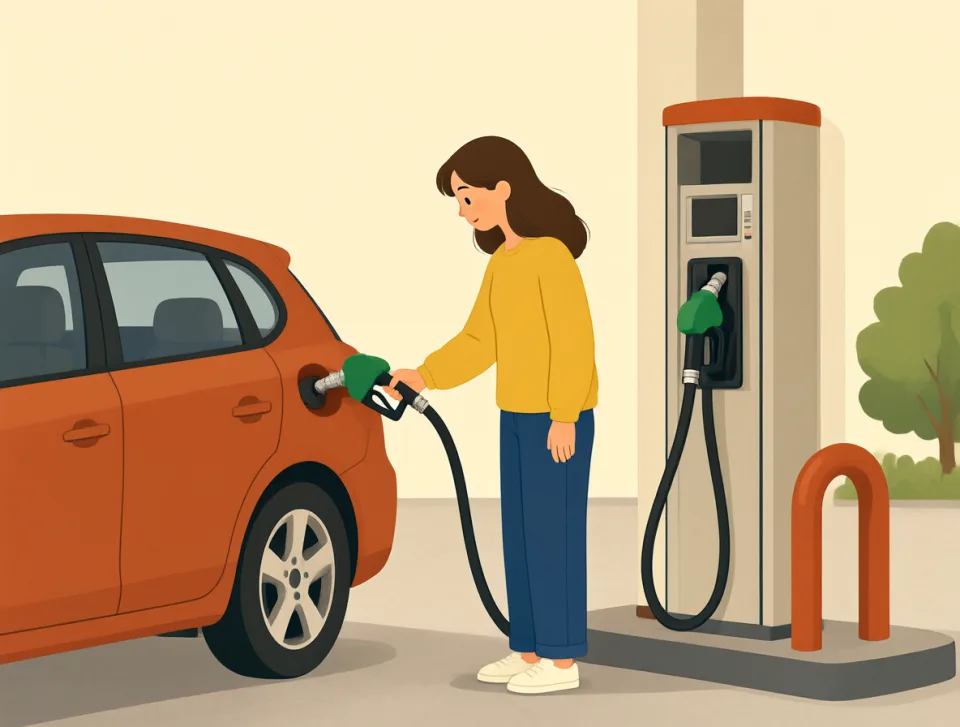
The car gets a good fuel rate.
Chiếc xe tiết kiệm nhiên liệu tốt.

care
#313noun, verb
quan tâm; chăm sóc
To feel concern for someone or something, or to look after them.
Cảm thấy lo lắng, quan tâm đến ai đó hoặc điều gì đó, hoặc chăm sóc họ.

I care about my family very much.
Tôi rất quan tâm đến gia đình mình.
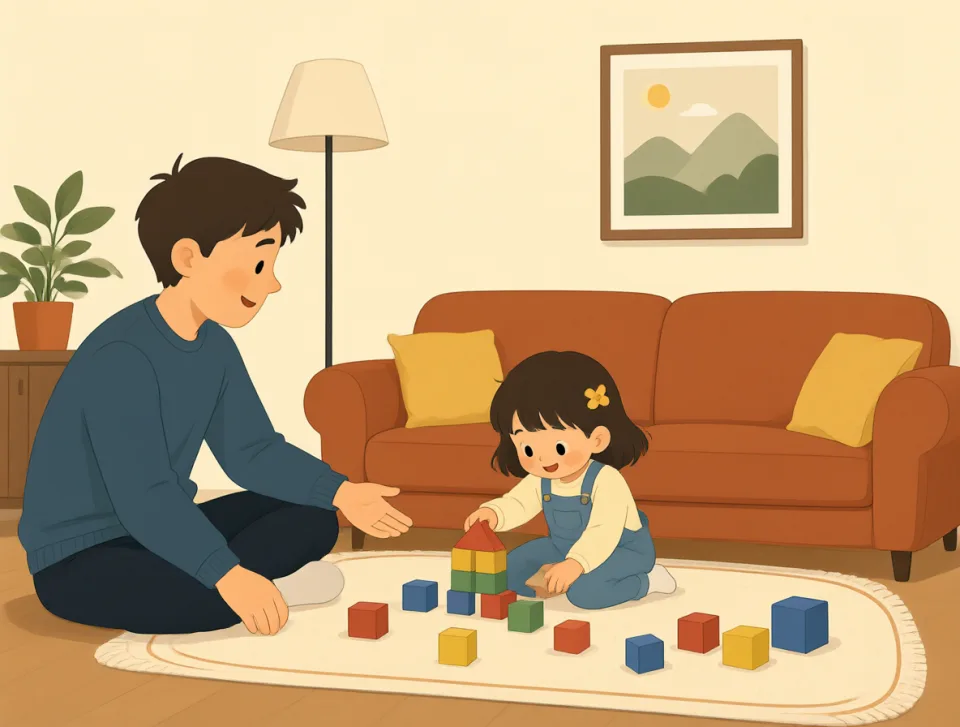
Please take care of your little sister.
Làm ơn chăm sóc em gái nhỏ của con nhé.
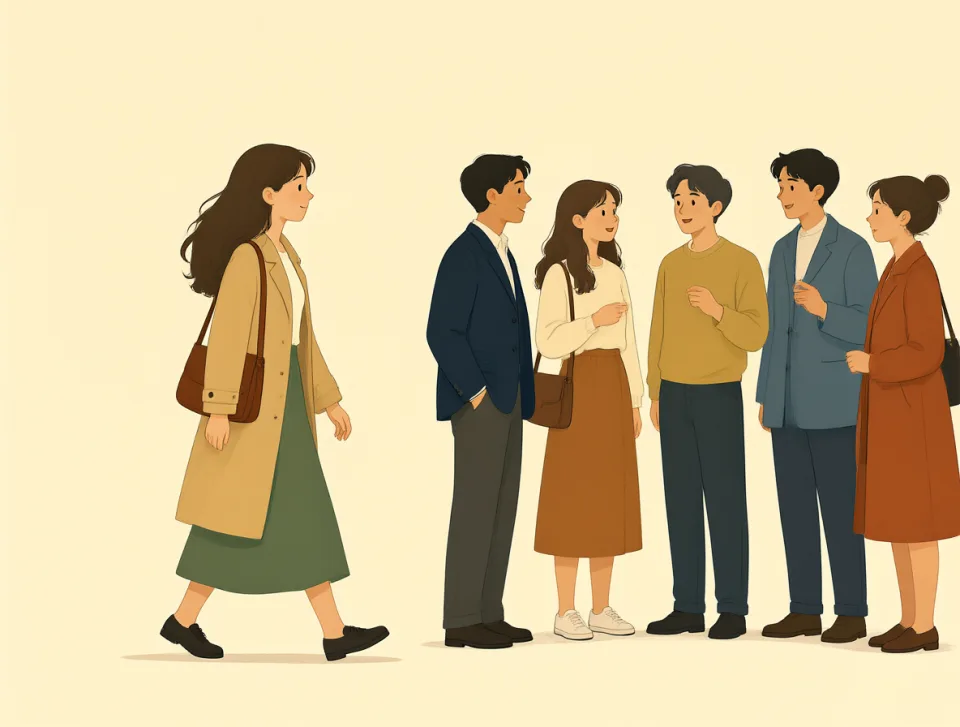
She does not care what people think.
Cô ấy không quan tâm người khác nghĩ gì.

The nurse cared for the patient all night.
Y tá chăm sóc bệnh nhân suốt đêm.
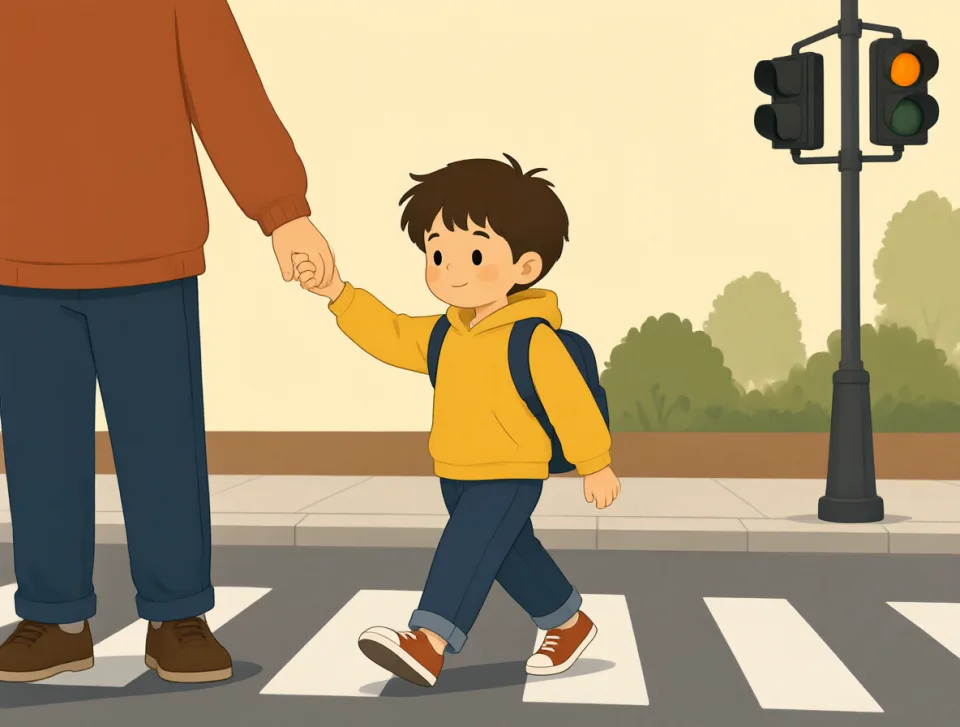
Take care when you cross the busy street.
Hãy cẩn thận khi băng qua con đường đông đúc.

expect
#314verb
mong đợi
To think something will happen or believe someone will do something.
Cho rằng điều gì đó sẽ xảy ra hoặc tin rằng ai đó sẽ làm điều gì.
I expect a package tomorrow.
Tôi mong ngày mai sẽ nhận được một bưu kiện.
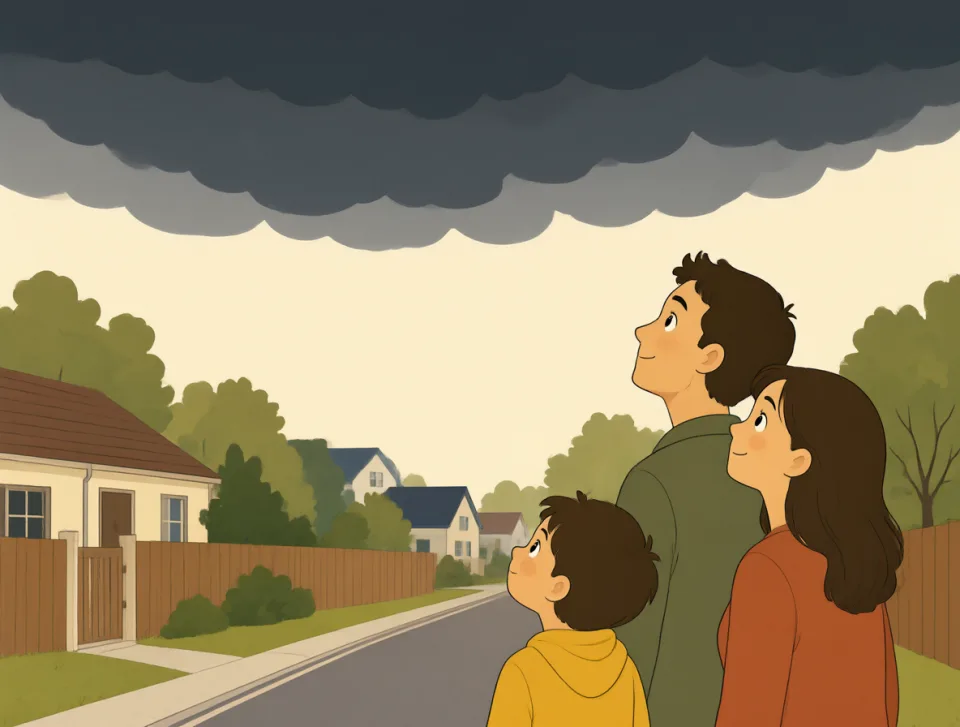
We expect rain this afternoon.
Chúng tôi dự đoán chiều nay trời sẽ mưa.
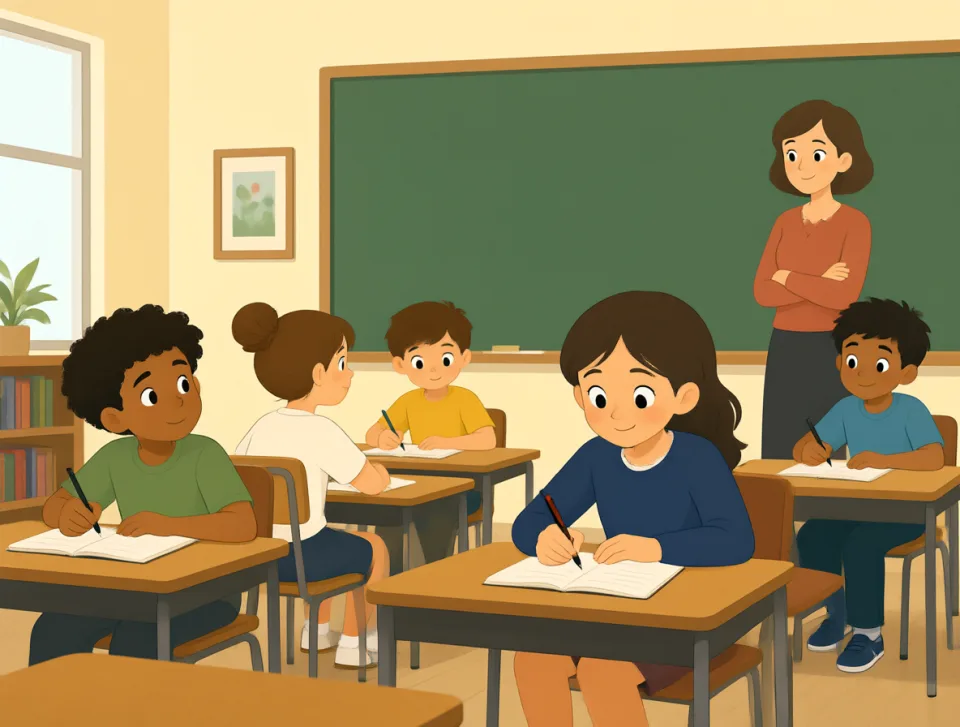
The teacher expects us to finish today.
Giáo viên mong chúng tôi hoàn thành bài hôm nay.

They expect the train to arrive soon.
Họ nghĩ tàu sẽ sớm đến.

The doctor expects you to feel better soon.
Bác sĩ nghĩ bạn sẽ sớm cảm thấy khỏe hơn.
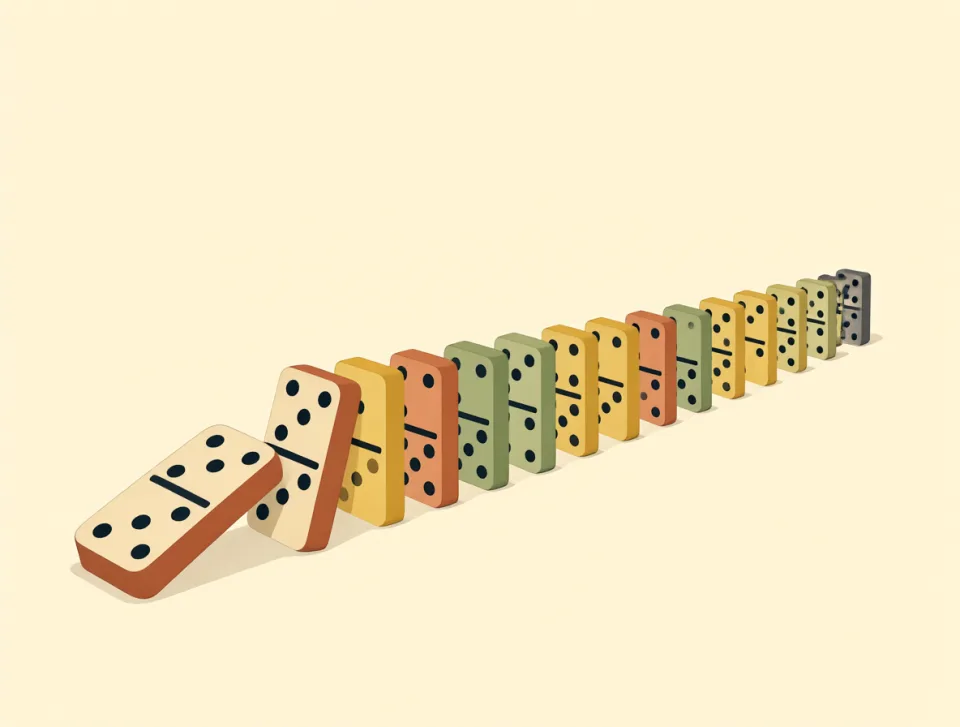
effect
#315noun, verb
ảnh hưởng; tác động
A change caused by something, or to make a change happen.
Sự thay đổi do điều gì đó gây ra, hoặc làm cho một sự thay đổi xảy ra.

The medicine had a good effect on her.
Thuốc có tác dụng tốt với cô ấy.
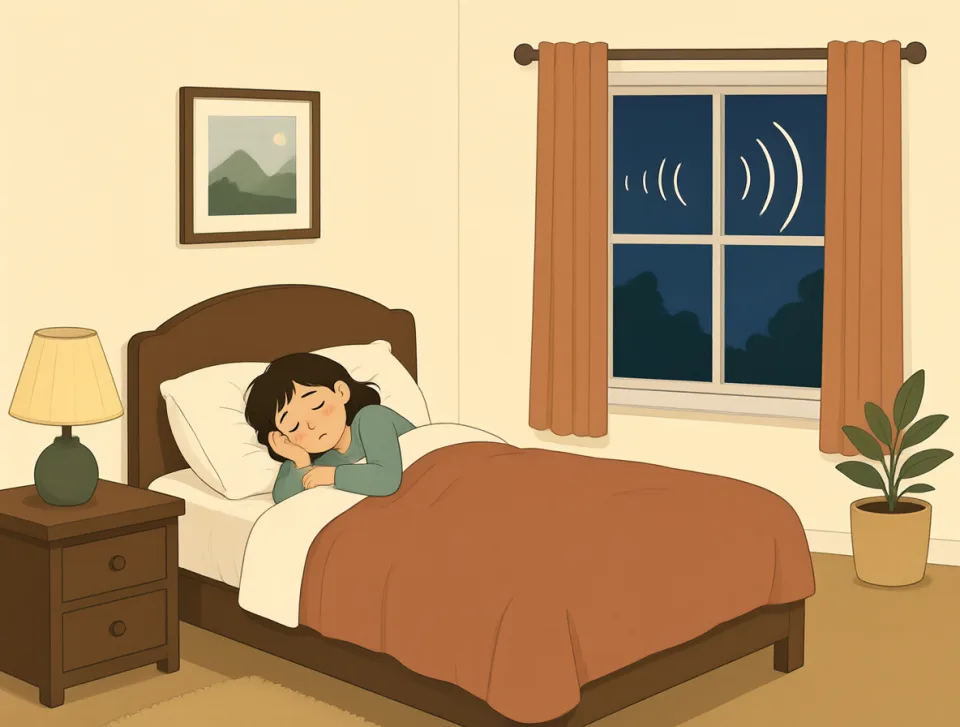
The loud noise affected my sleep.
Tiếng động lớn ảnh hưởng đến giấc ngủ của tôi.

Sunlight has a strong effect on plants.
Ánh nắng có ảnh hưởng mạnh đến cây cối.

The new rule will affect all students.
Quy định mới sẽ ảnh hưởng đến tất cả học sinh.

The cold weather affected our travel plans.
Thời tiết lạnh đã ảnh hưởng đến kế hoạch đi lại của chúng tôi.
sort
#316noun, verb
loại
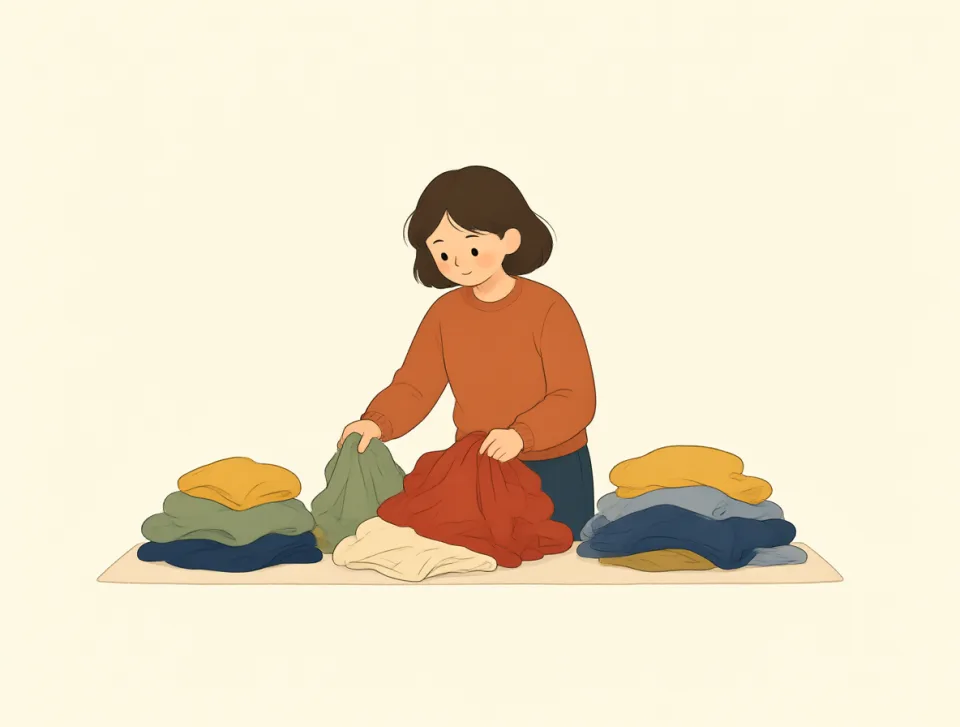
A type of something; to put things into groups.
Một loại của thứ gì đó; phân loại các đồ vật thành từng nhóm.

What sort of music do you like?
Bạn thích loại nhạc nào?
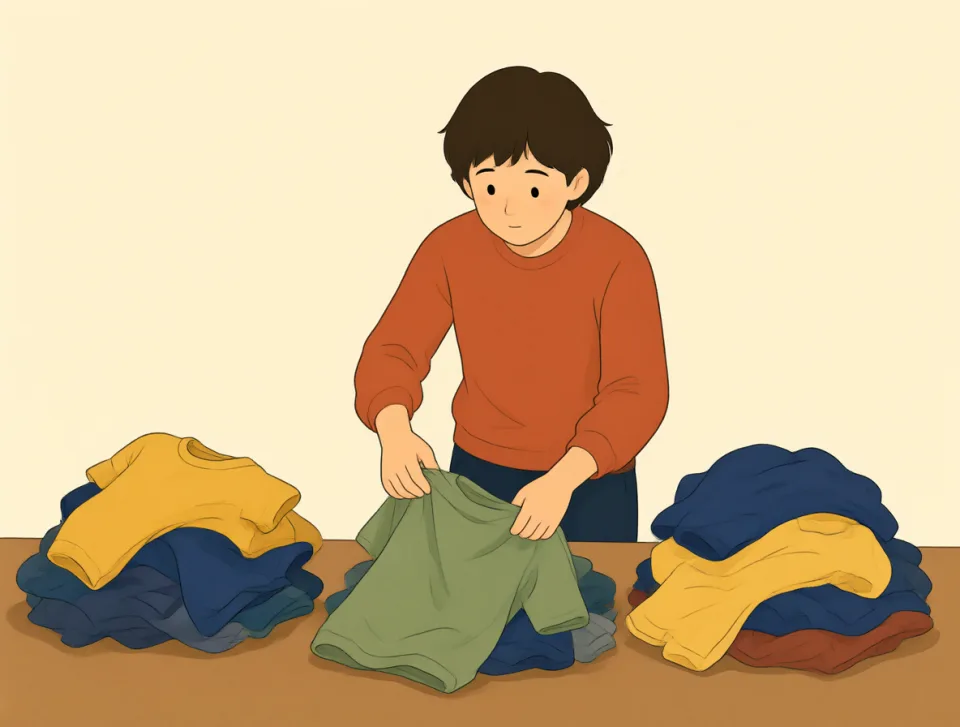
Please sort these clothes by color.
Làm ơn phân loại những bộ quần áo này theo màu sắc.
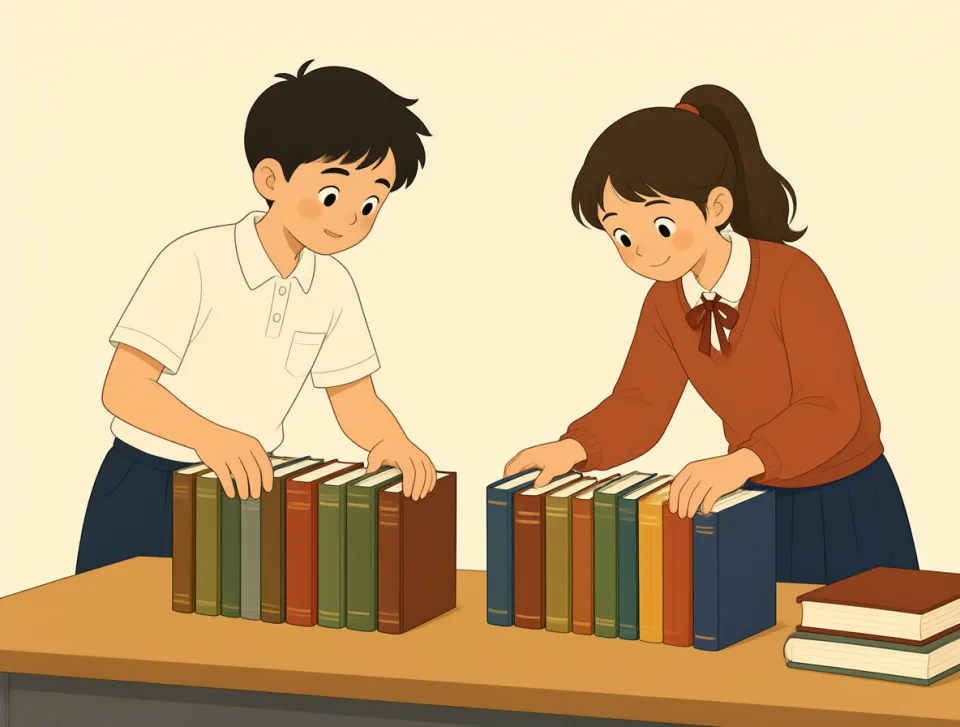
We sorted the books by size.
Chúng tôi đã phân loại sách theo kích cỡ.
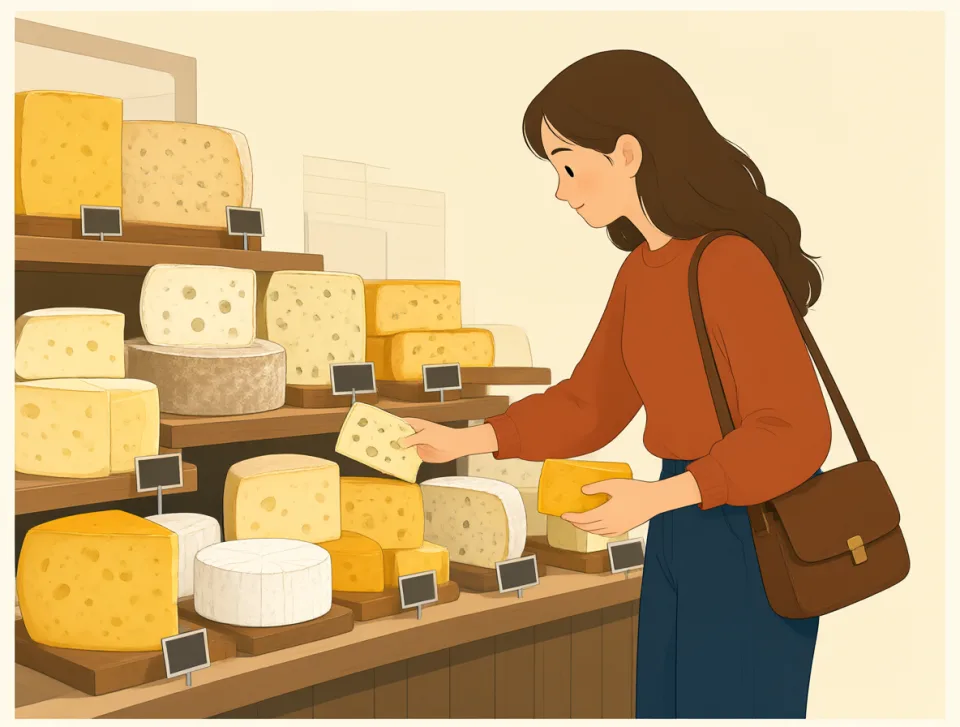
She bought several sorts of cheese.
Cô ấy mua vài loại phô mai.

I need to sort out my travel plans.
Tôi cần sắp xếp lại kế hoạch đi du lịch.

ever
#317adverb
từng
At any time, or at any time before now.
Vào bất cứ lúc nào, hoặc vào bất cứ thời điểm nào trước đây.
Have you ever visited another country?
Bạn đã từng đến một đất nước khác chưa?

This is the best pizza I have ever eaten.
Đây là chiếc pizza ngon nhất mà tôi từng ăn.

Do you ever walk to work?
Bạn có bao giờ đi bộ đến chỗ làm không?

If you ever need help, call me.
Nếu có khi nào cần giúp đỡ, cứ gọi cho tôi nhé.

He hardly ever drinks coffee in the evening.
Anh ấy hầu như không bao giờ uống cà phê vào buổi tối.

anything
#318pronoun, determiner
bất cứ thứ gì
A thing of any kind, or no particular thing.
Một thứ bất kỳ, hoặc không có thứ cụ thể nào.
Would you like anything to eat?
Bạn có muốn ăn gì không?

I cannot find anything in this bag.
Tôi không tìm thấy thứ gì trong chiếc túi này.
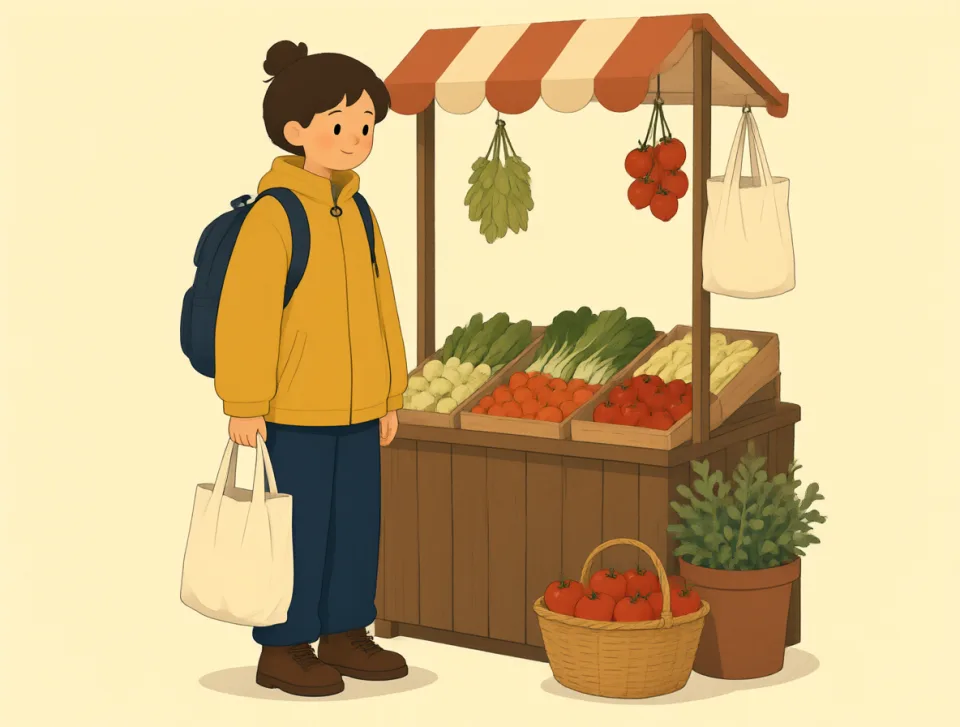
Did you buy anything at the market?
Bạn có mua gì ở chợ không?
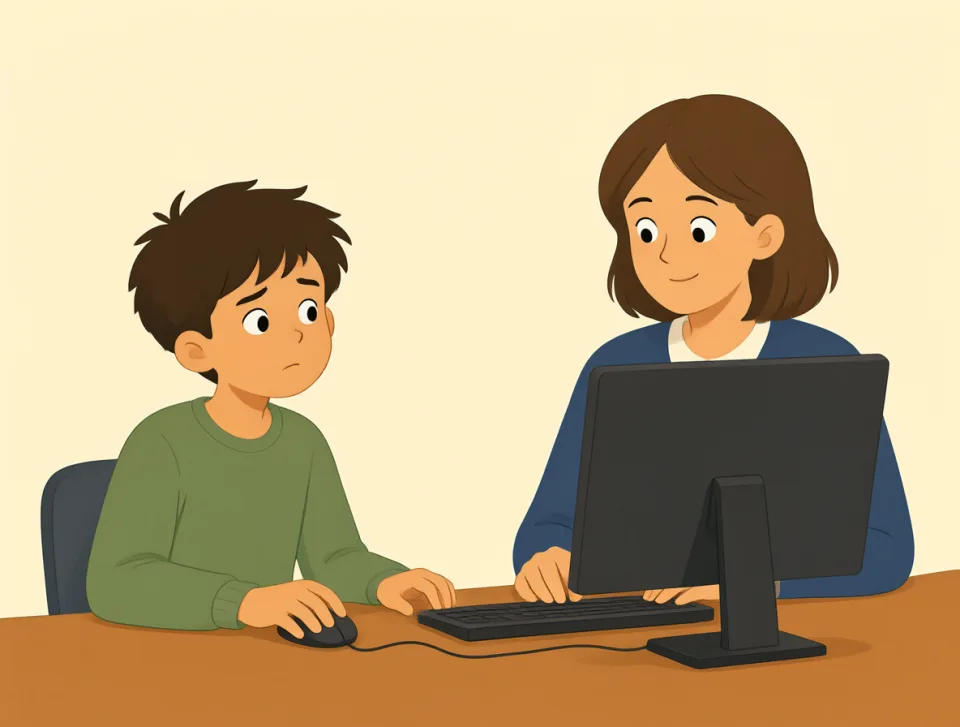
She knows anything about computers.
Cô ấy biết mọi thứ về máy tính.

Please call me if anything happens.
Làm ơn gọi cho tôi nếu có chuyện gì xảy ra.
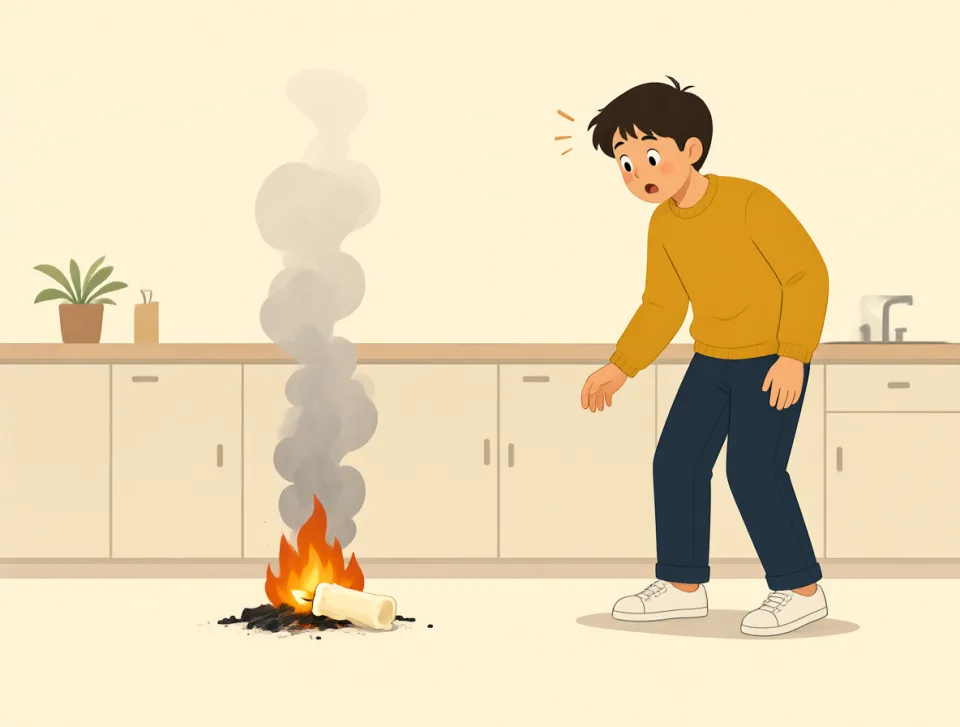
cause
#319noun, verb
nguyên nhân; gây ra
A reason something happens; to make something happen.
Lý do khiến điều gì đó xảy ra; làm cho điều gì đó xảy ra.
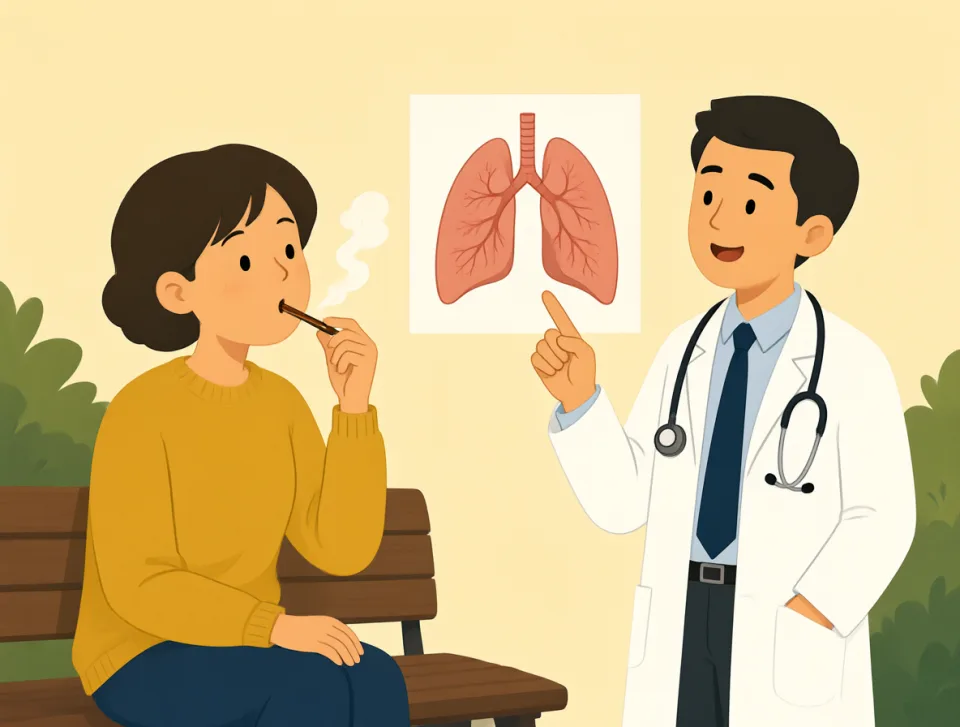
Smoking can cause serious health problems.
Hút thuốc có thể gây ra những vấn đề sức khỏe nghiêm trọng.
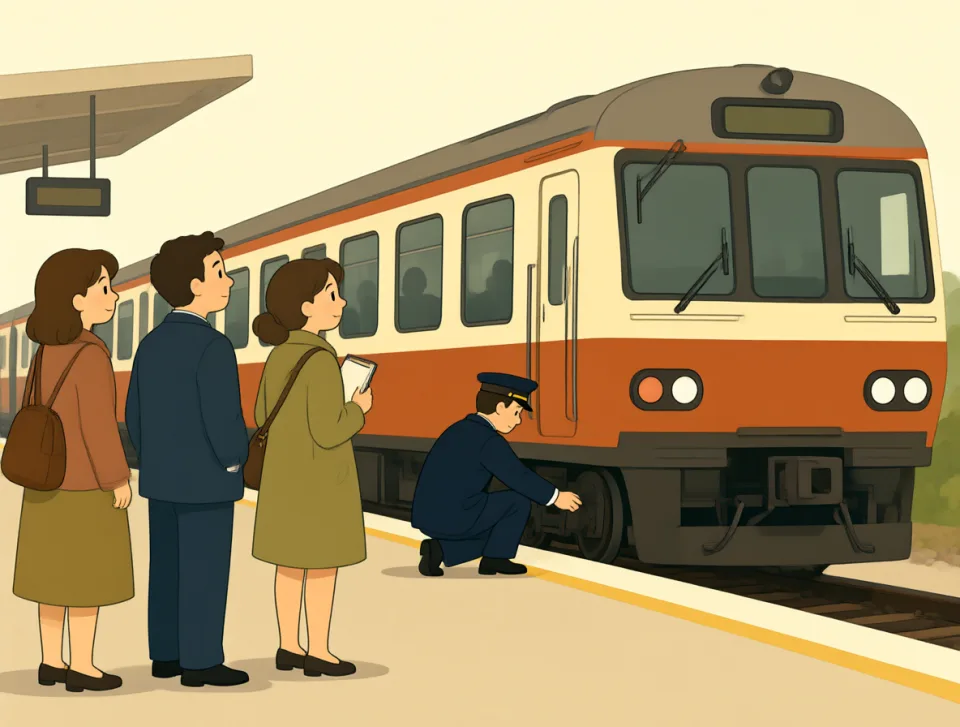
What caused the train delay this morning?
Điều gì đã khiến tàu bị trễ sáng nay?

The heavy rain caused a flood.
Mưa lớn đã gây ra lũ lụt.

A broken pipe caused water damage at home.
Một đường ống bị vỡ đã gây hư hại do nước trong nhà.
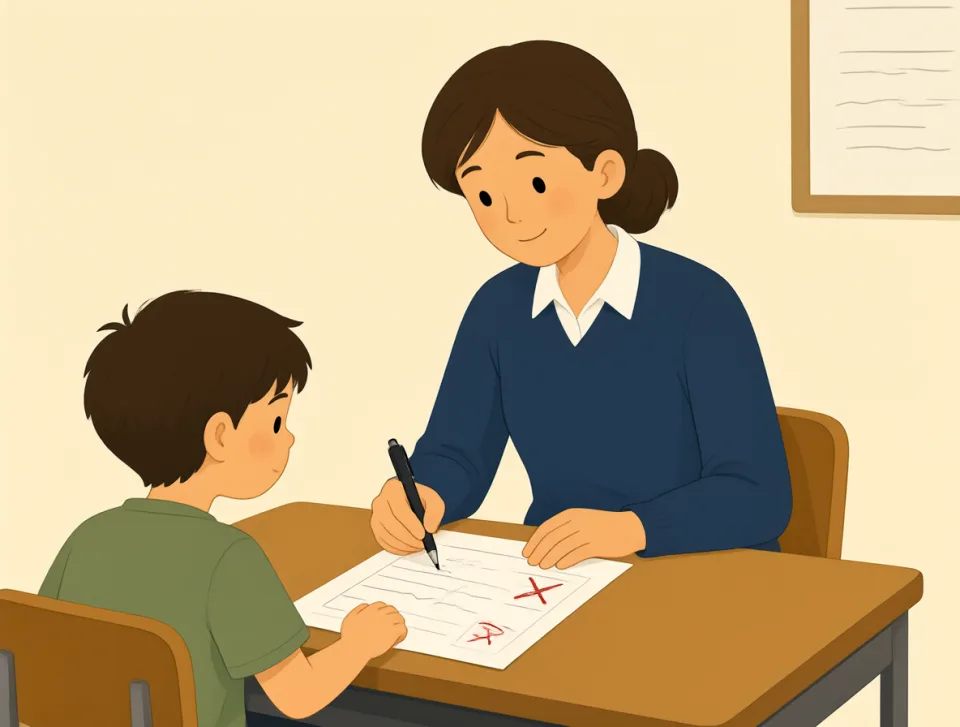
The teacher explained the cause of the mistake.
Giáo viên đã giải thích nguyên nhân của lỗi sai.

fall
#320verb, noun
ngã; mùa thu
To move down suddenly, or the season between summer and winter.
Bất ngờ rơi xuống, hoặc mùa giữa mùa hè và mùa đông.
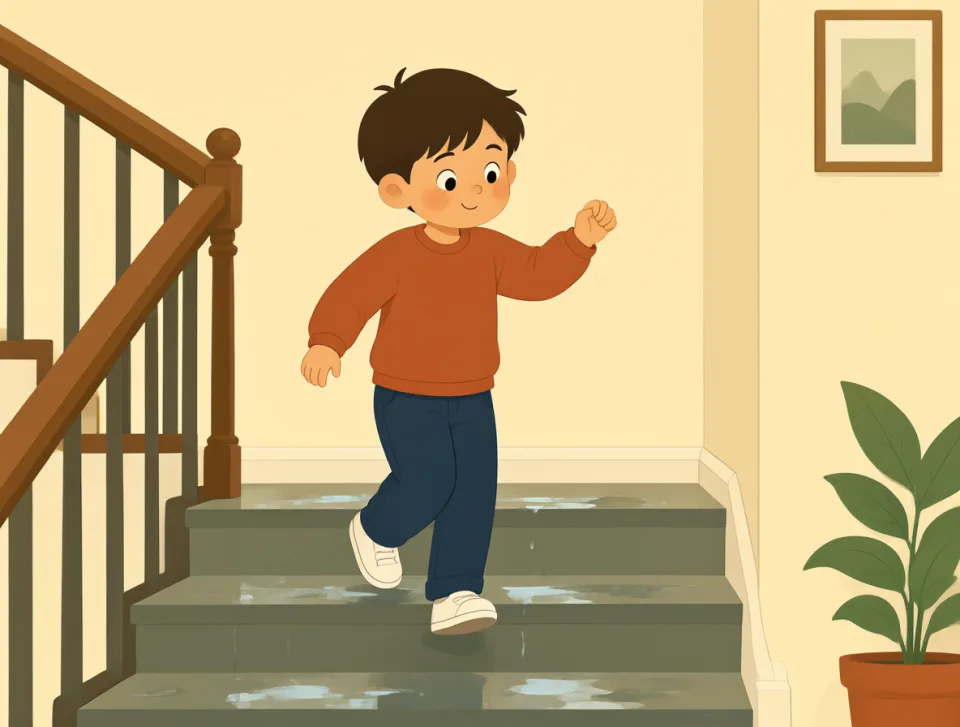
Be careful, or you may fall down.
Cẩn thận, nếu không bạn có thể bị ngã.

The leaves fall from the trees in autumn.
Lá rụng khỏi cây vào mùa thu.

I fell asleep on the sofa.
Tôi ngủ thiếp đi trên ghế sofa.

She had a bad fall at work.
Cô ấy bị ngã khá nặng ở chỗ làm.

We visited Canada last fall.
Chúng tôi đã đến Canada vào mùa thu năm ngoái.