Блок 119
Слова 2361–2380 · cousin, visual, stupid, keen, ethnic, twin

cousin
#2361noun
двоюродный брат или сестра
A child of your aunt or uncle, or a person with a similar family relationship.
Ребёнок вашей тёти или дяди, а также человек, связанный с вами похожими родственными узами.

My cousin lives nearby, so we often visit each other after school.
Мой двоюродный брат живёт неподалёку, поэтому мы часто ходим друг к другу после школы.
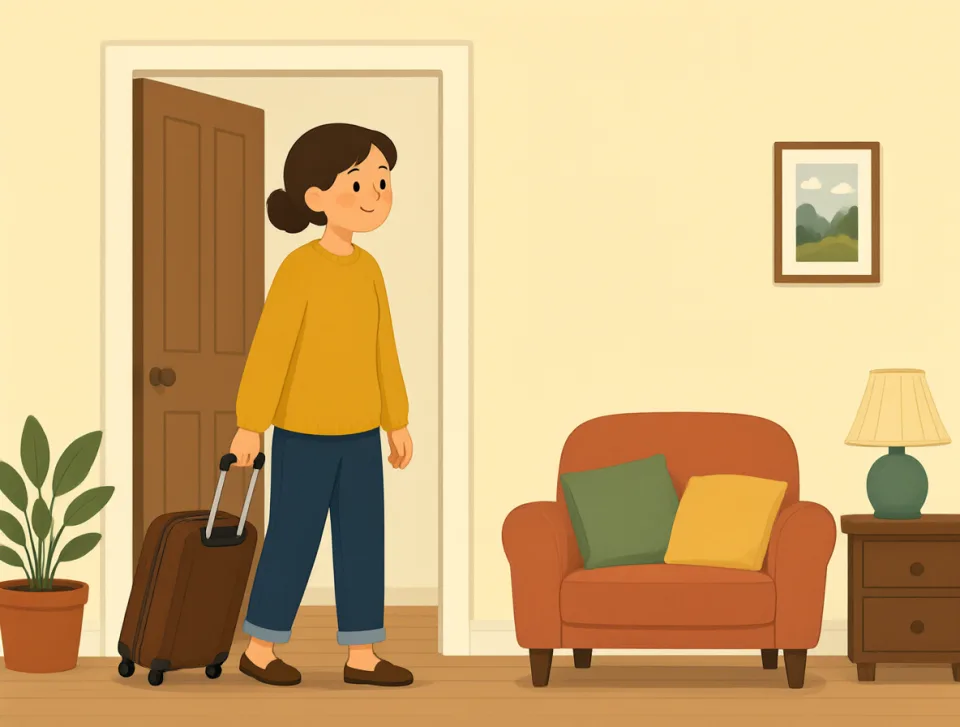
I am staying with my cousin while I look for a new apartment.
Я живу у двоюродного брата, пока ищу новую квартиру.

My cousin and I bought matching jackets at the shopping center.
Мы с двоюродным братом купили одинаковые куртки в торговом центре.
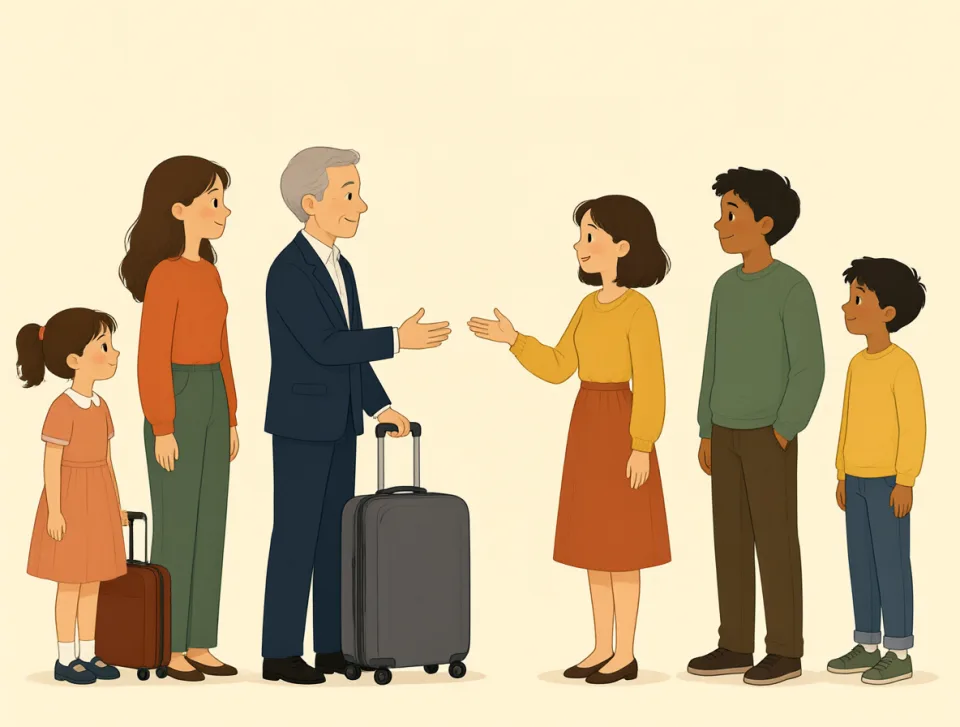
We met our cousins at the airport before traveling to Spain.
Перед поездкой в Испанию мы встретились с двоюродными братьями и сёстрами в аэропорту.
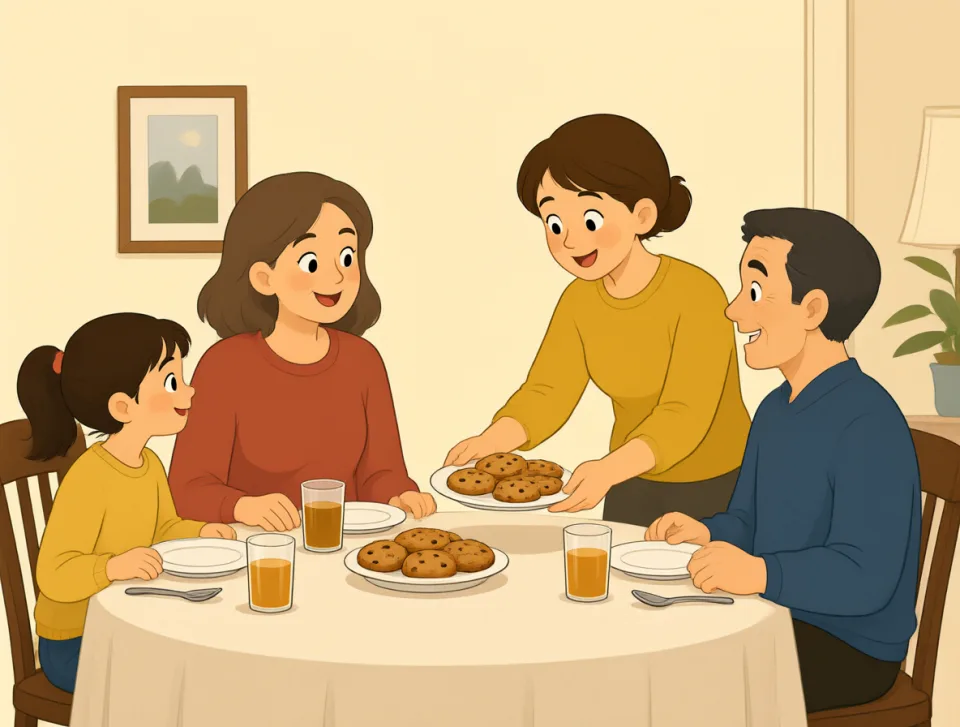
My cousin brought homemade cookies to our family dinner.
Мой двоюродный брат принёс домашнее печенье на семейный ужин.

visual
#2362adjective, noun
визуальный
Connected with seeing, or shown through pictures, images, or other things people can see.
Связанный со зрением или представленный в виде картинок, изображений и других объектов, которые можно увидеть.

The visual effect of the sunset made everyone stop and take photographs.
Визуальный эффект заката заставил всех остановиться и сделать фотографии.
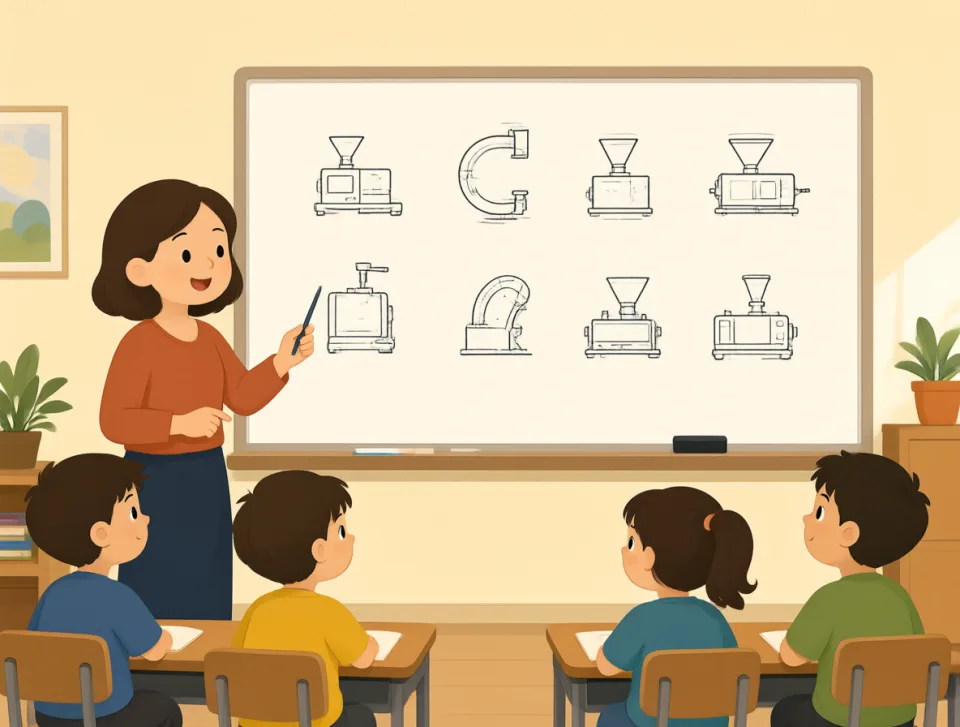
The teacher used visual examples to explain how the machine worked.
Учитель использовал наглядные примеры, чтобы объяснить, как работает машина.

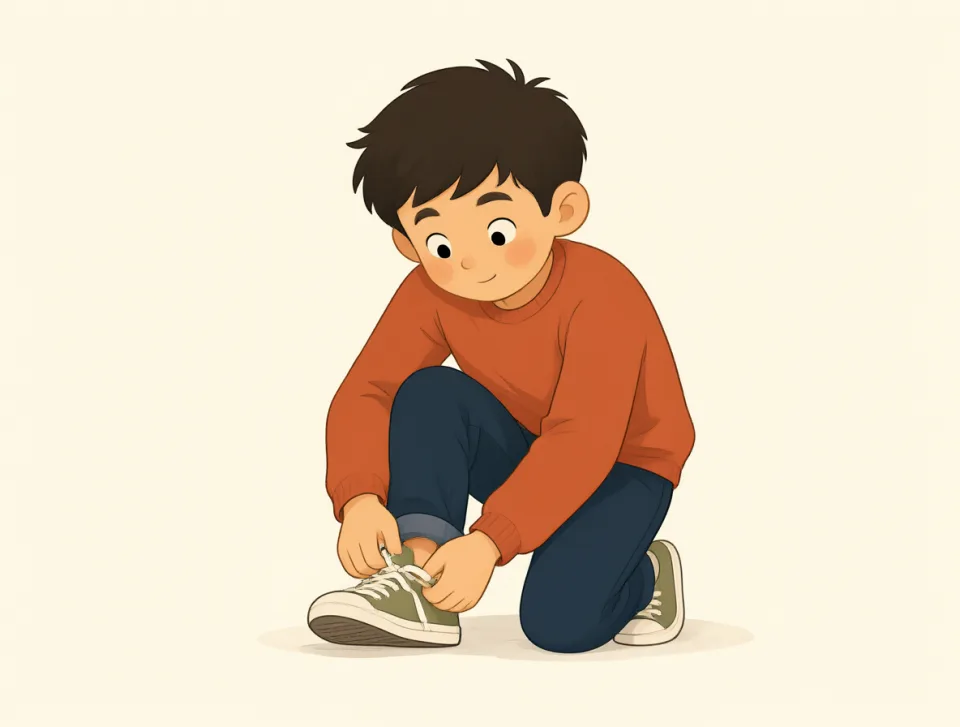
Our presentation needs more visual information and fewer long paragraphs.
В нашей презентации нужно больше наглядной информации и меньше длинных абзацев.

The shop created a visual display of colorful clothes near the entrance.
У входа магазин оформил витрину с яркой одеждой.

She has a visual problem and needs new glasses for reading.
У неё проблемы со зрением, и для чтения ей нужны новые очки.
stupid
#2363adjective
глупый
Not intelligent, sensible, or careful; showing poor judgment.
Неумный, неразумный или неосторожный; свидетельствующий о плохом суждении.

That was a stupid mistake, but everyone makes mistakes sometimes.
Это была глупая ошибка, но иногда ошибки делают все.

It was stupid to leave the house without checking the weather.
Было глупо выходить из дома, не проверив погоду.
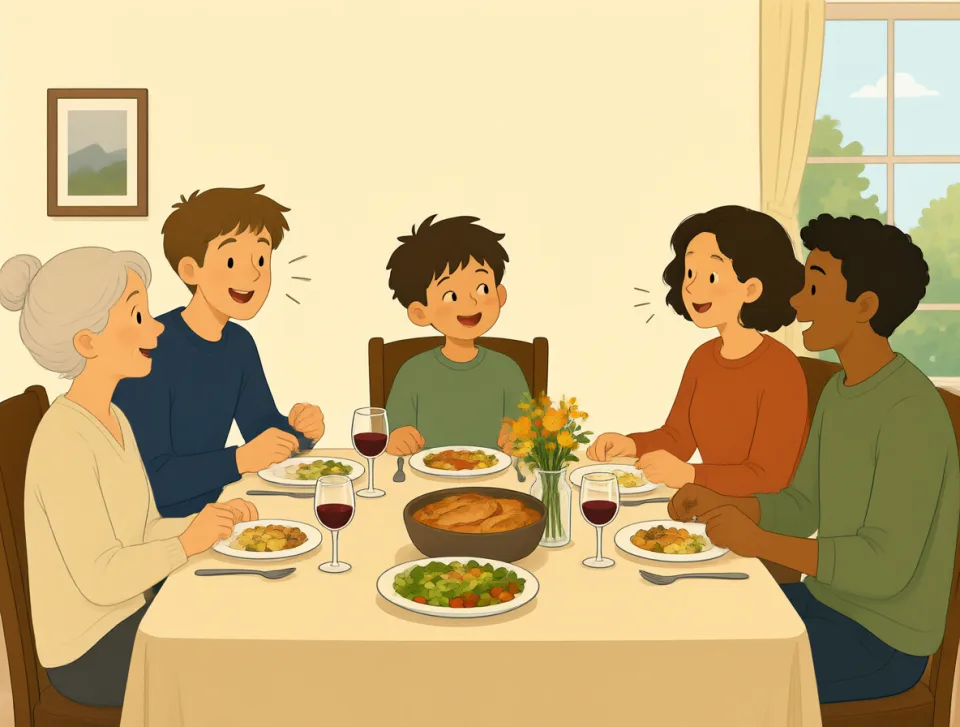
My brother told a stupid joke during dinner, and nobody laughed.
За ужином мой брат рассказал глупую шутку, и никто не засмеялся.

I felt stupid when I forgot my friend's name at the party.
На вечеринке я почувствовал себя глупо, когда забыл имя друга.
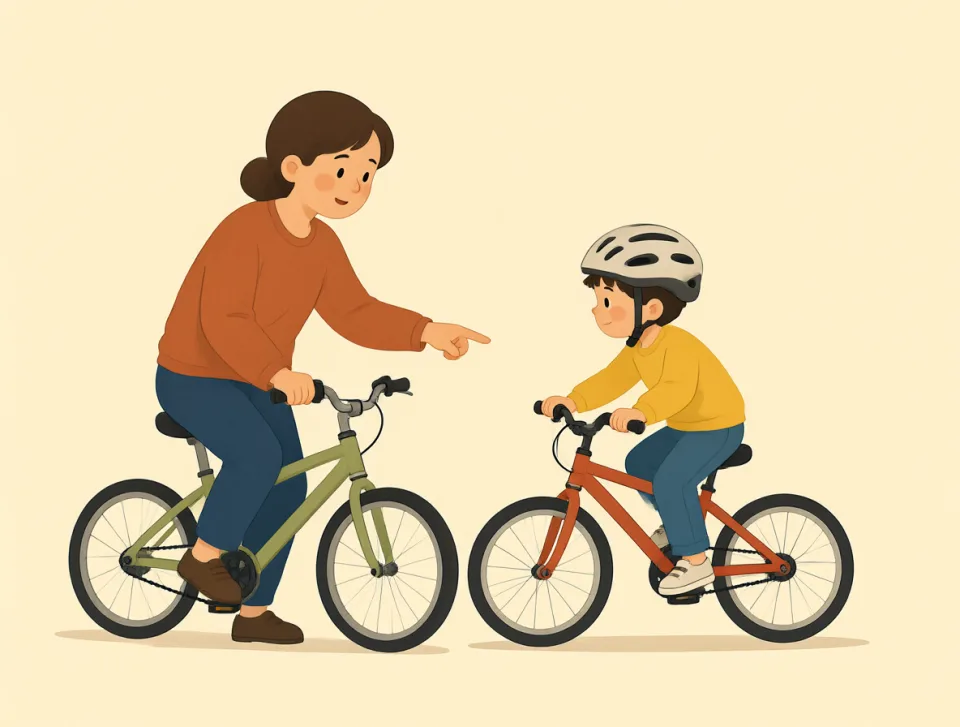
Don't be stupid; wear a helmet before riding your bike.
Не глупи: надень шлем, прежде чем ехать на велосипеде.

keen
#2364adjective
увлечённый; заинтересованный
Very interested in doing something or having something happen.
Испытывающий большой интерес к тому, чтобы что-то сделать или чтобы что-то произошло.

I’m keen to learn more about the new job.
Мне очень хочется побольше узнать о новой работе.

She is keen on running, so she exercises every morning.
Она увлекается бегом и поэтому тренируется каждое утро.
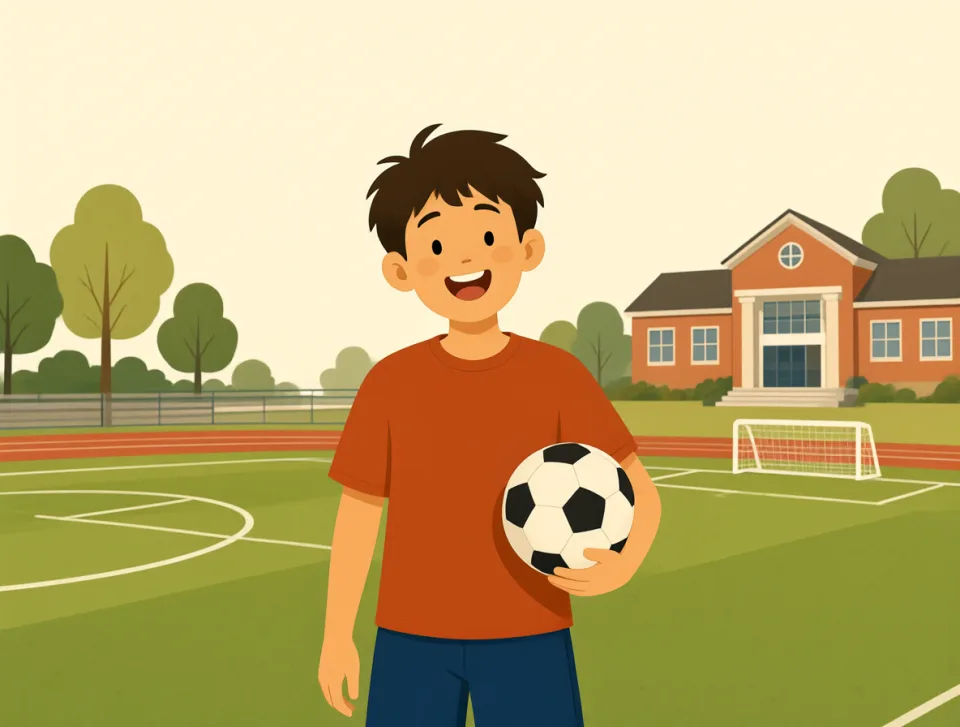
My son is keen to join the school football team.
Мой сын очень хочет попасть в школьную футбольную команду.

The manager was keen to hear everyone’s ideas at the meeting.
Руководитель хотел услышать идеи каждого на собрании.

Are you keen on trying the spicy noodles at this restaurant?
Ты не против попробовать острые лапшу в этом ресторане?
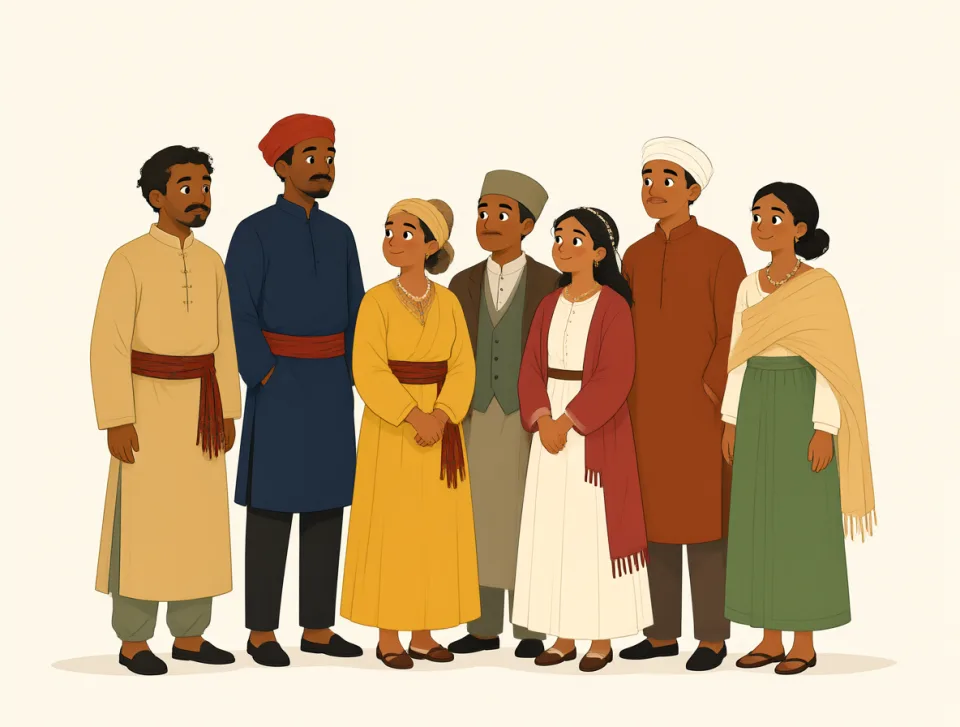
ethnic
#2365adjective
этнический
Related to a group of people who share the same culture, language, or history.
Связанный с группой людей, которых объединяют общая культура, язык или история.

The city is famous for its ethnic diversity and welcoming communities.
Город славится этническим разнообразием и гостеприимными общинами.
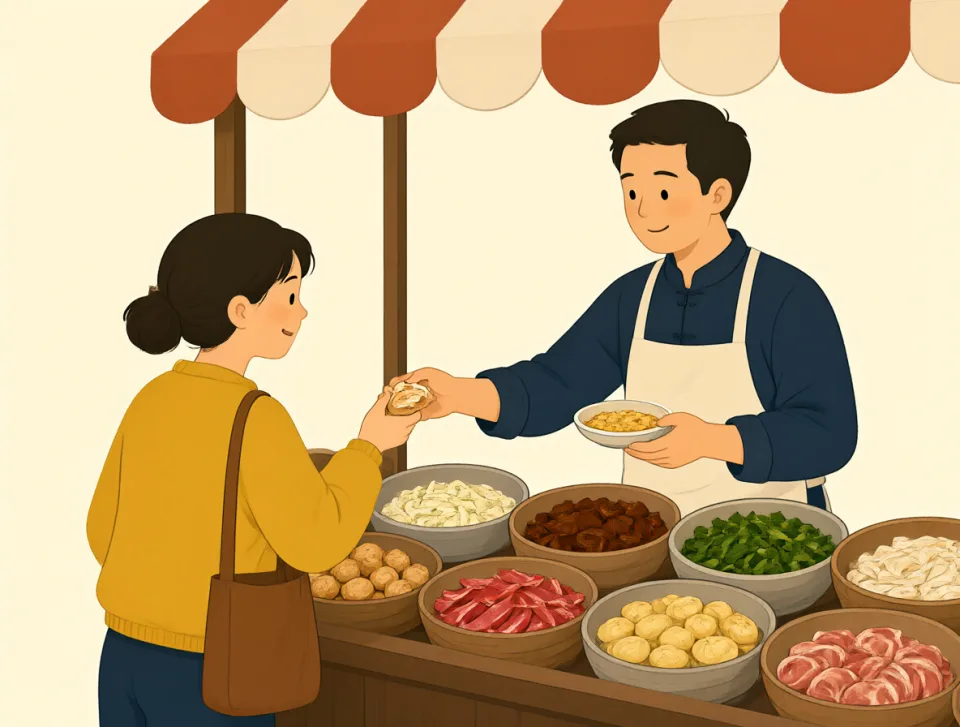
We bought fresh ethnic food from a small market near our home.
Мы купили свежую еду разных национальных кухонь на маленьком рынке недалеко от дома.
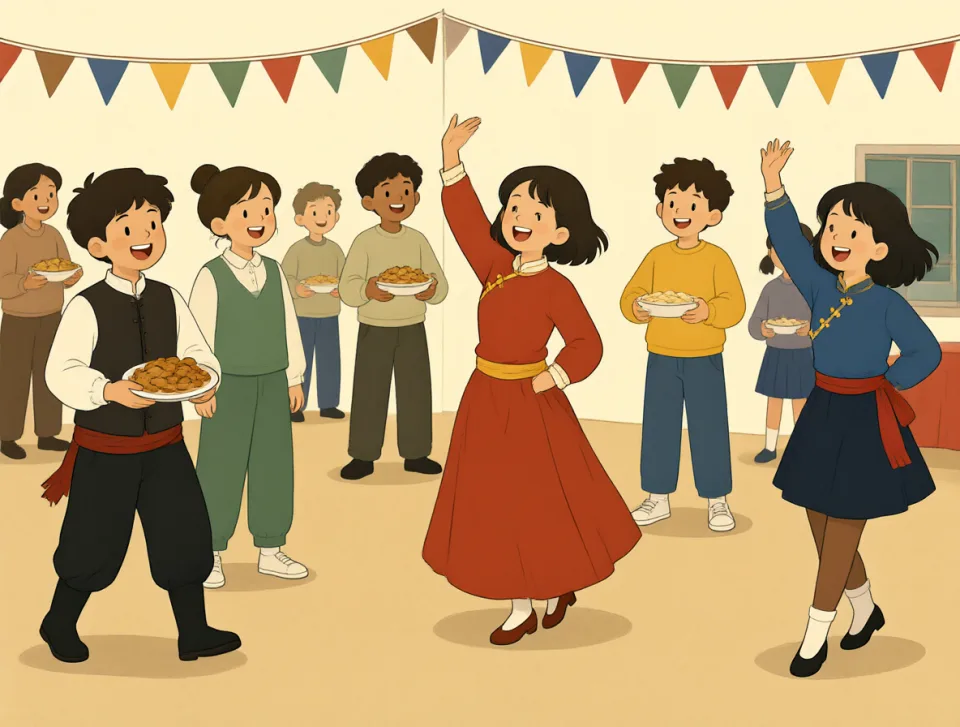
The school celebrates different ethnic traditions during its annual festival.
Во время ежегодного фестиваля в школе отмечают различные этнические традиции.

Our guide told us about the island’s ethnic groups during the tour.
Во время экскурсии наш гид рассказал нам об этнических группах острова.

The doctor asked about my ethnic background before completing the health survey.
Перед заполнением анкеты о здоровье врач спросил о моём этническом происхождении.
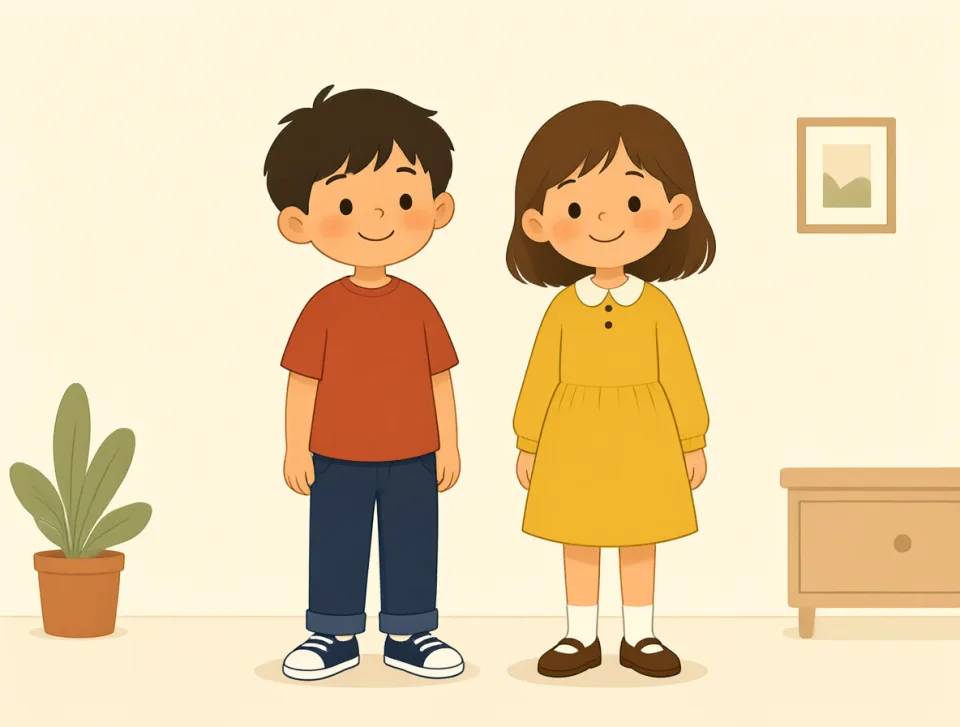
twin
#2366noun, adjective
близнец
One of two children born at the same time to the same mother.
Один из двух детей, родившихся одновременно у одной матери.
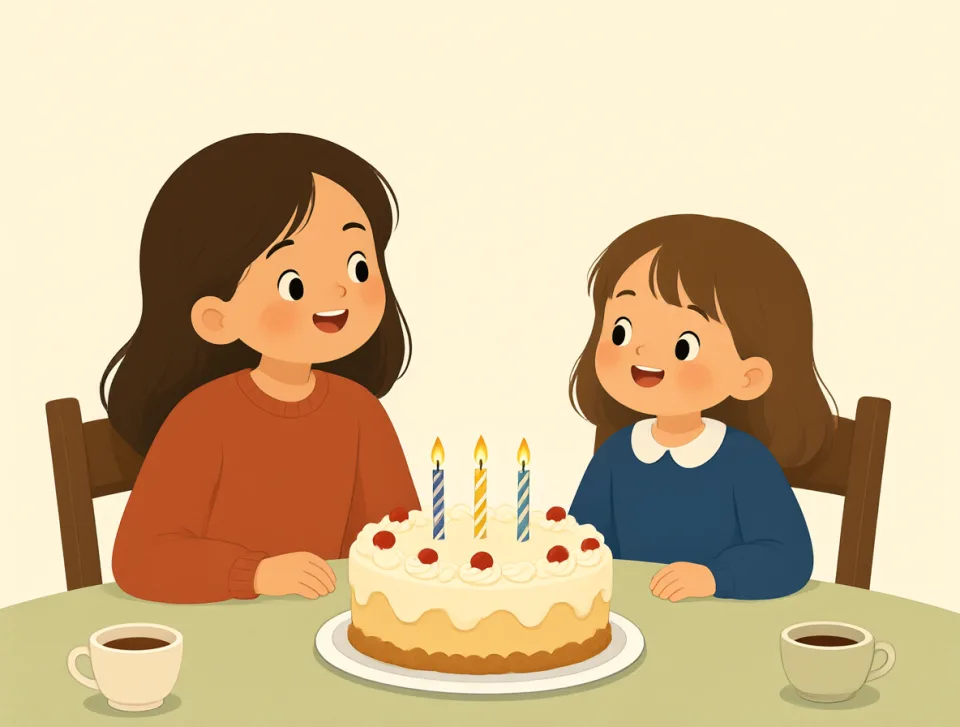
My twin sister and I share the same birthday every year.
У моей сестры-близнеца и меня каждый год один и тот же день рождения.

The twins wore matching jackets during their walk to school.
Во время прогулки в школу близнецы были одеты в одинаковые куртки.

She discovered that her new coworker was her twin brother.
Она обнаружила, что её новый коллега — её брат-близнец.
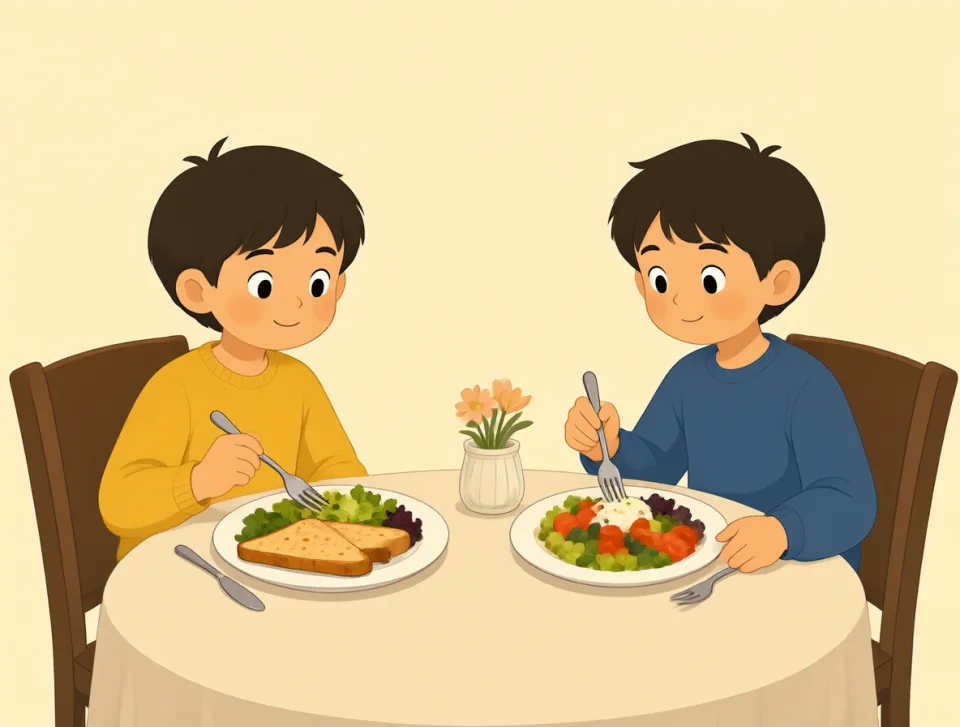
The twins ordered different meals at the restaurant to try more food.
В ресторане близнецы заказали разные блюда, чтобы попробовать побольше.

His twin helped him recover after a difficult operation.
Его брат-близнец помог ему восстановиться после тяжёлой операции.

clinical
#2367adjective
клинический
Related to medical treatment, testing, or the careful study of patients and their health.
Связанный с лечением, обследованием или тщательным изучением пациентов и их здоровья.

The doctor ordered several clinical tests to find the cause of my stomach pain.
Врач назначил несколько клинических анализов, чтобы выяснить причину боли в животе.

She gained valuable clinical experience while working at a busy city hospital.
Работая в оживлённой городской больнице, она получила ценный клинический опыт.

The new medicine is still undergoing clinical trials with adult volunteers.
Новое лекарство всё ещё проходит клинические испытания с участием взрослых добровольцев.
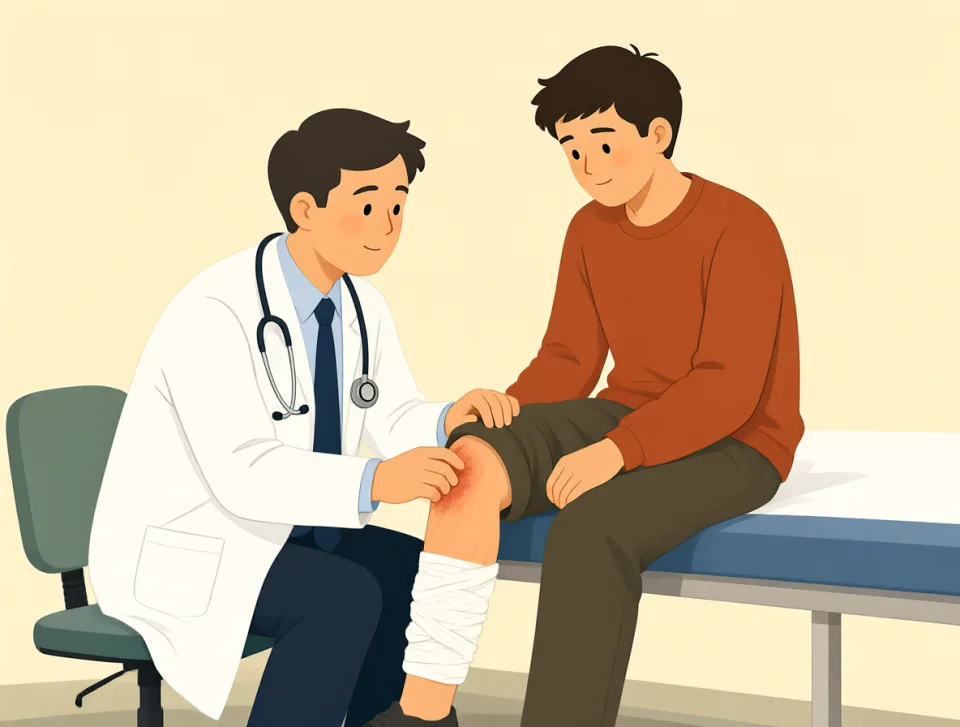
His clinical examination showed that his knee injury was less serious than expected.
Клиническое обследование показало, что травма колена у него менее серьёзная, чем ожидалось.
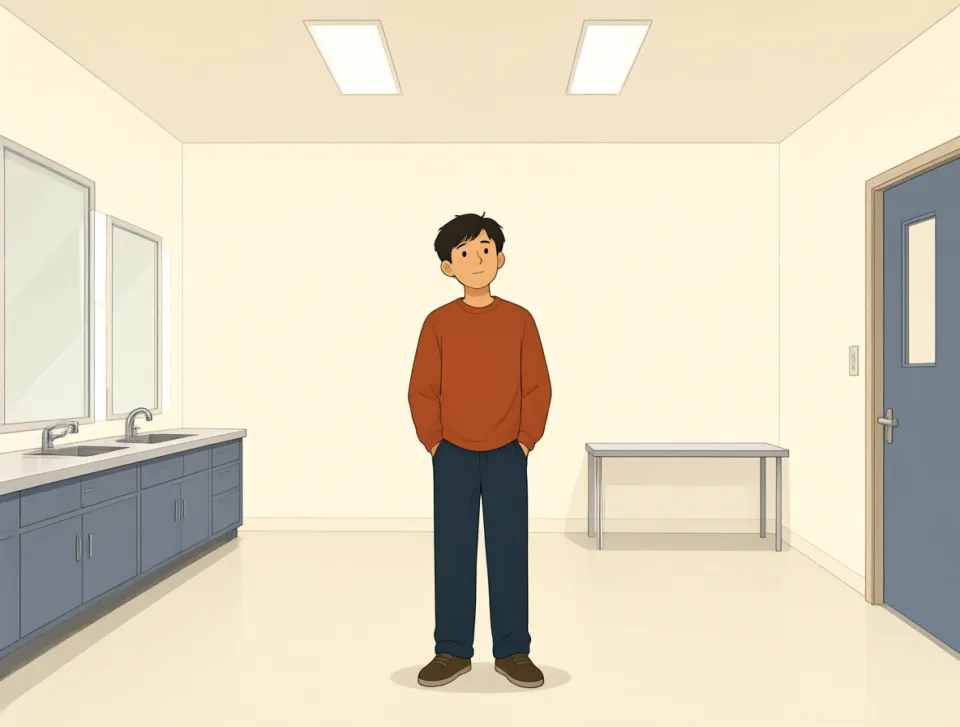
The room looked clean and clinical, with white walls and bright lights.
Комната выглядела чистой и стерильной: белые стены и яркий свет.

eastern
#2368adjective
восточный
from or in the east part of a place or country
Находящийся или происходящий в восточной части какого-либо места или страны.

She grew up in eastern Canada and still misses the cold winters.
Она выросла в восточной Канаде и до сих пор скучает по холодным зимам.

The eastern side of the city has many parks and quiet neighborhoods.
В восточной части города много парков и тихих жилых районов.

We drove along the eastern coast and stopped at several small fishing villages.
Мы ехали вдоль восточного побережья и останавливались в нескольких небольших рыбацких деревнях.
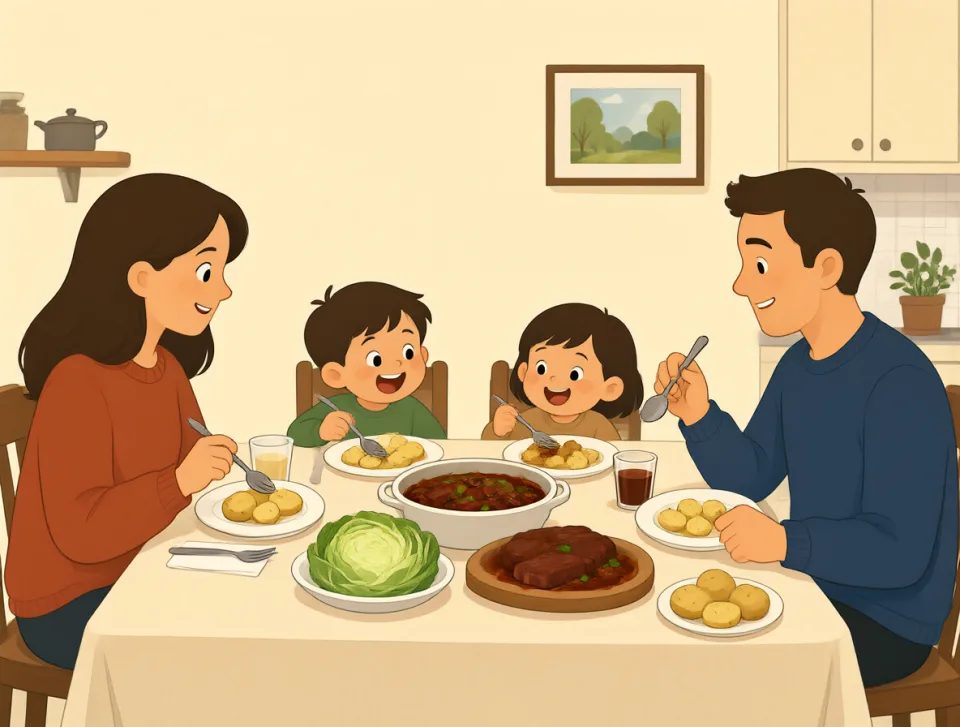
Eastern European food often includes potatoes, cabbage, and rich meat dishes.
Восточноевропейская кухня часто включает картофель, капусту и сытные мясные блюда.

The eastern entrance was closed, so we walked around to the main door.
Восточный вход был закрыт, поэтому мы обошли здание и направились к главному входу.
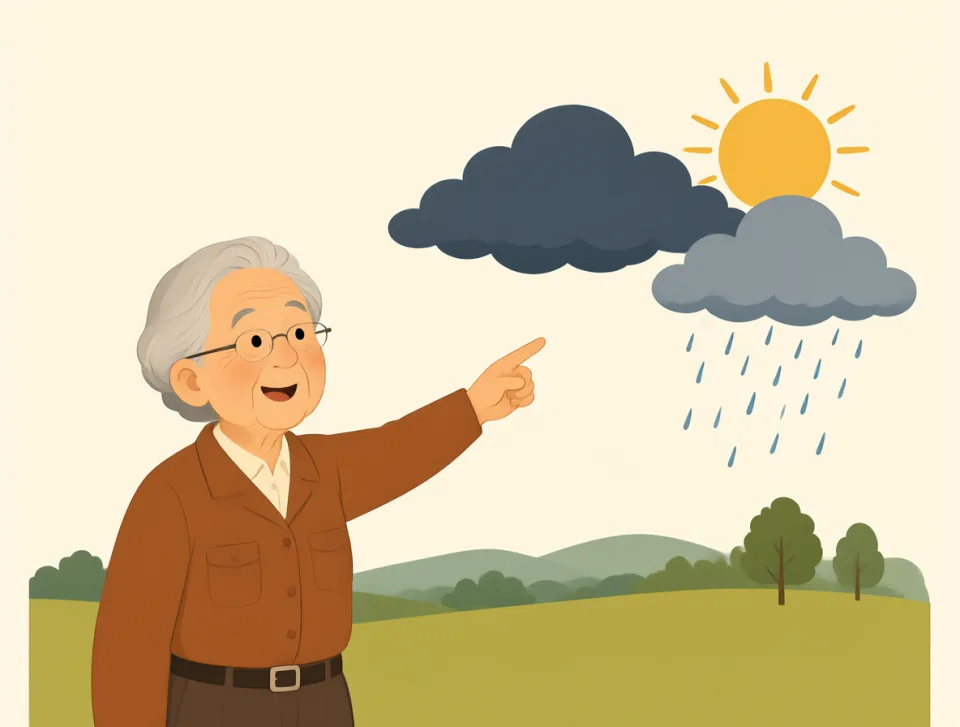
forecast
#2369noun, verb
прогноз; прогнозировать
A prediction about what will happen, especially the weather; to predict future conditions.
Предсказание того, что произойдёт, особенно прогноза погоды; предсказывать будущие условия.
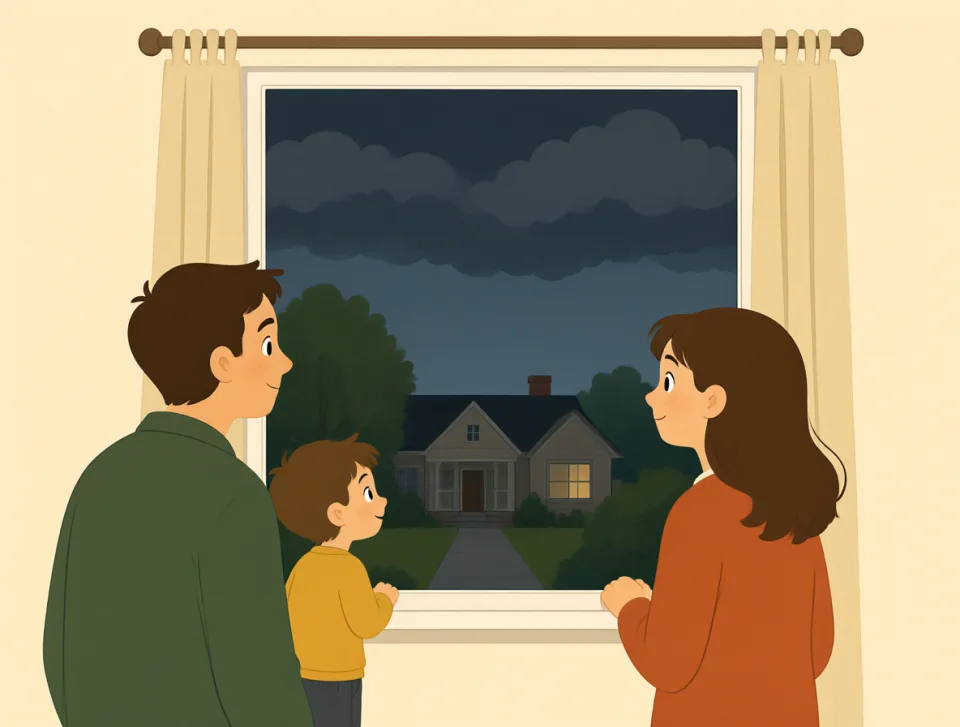
The weather forecast says it will rain this afternoon.
По прогнозу погоды, сегодня днём будет дождь.

Check the forecast before you plan the outdoor party.
Проверь прогноз, прежде чем планировать вечеринку на открытом воздухе.

The airline canceled several flights because of the storm forecast.
Авиакомпания отменила несколько рейсов из-за прогноза шторма.

Our sales forecast shows that business will improve next month.
Наш прогноз продаж показывает, что в следующем месяце дела пойдут лучше.

The doctor forecast a quick recovery after the treatment.
Врач предсказал, что после лечения пациент быстро поправится.

segment
#2370noun, verb
сегмент; делить на части
A part of something that is separated from the whole, or to divide something into parts.
Часть чего-либо, отделённая от целого, или действие по разделению чего-либо на части.
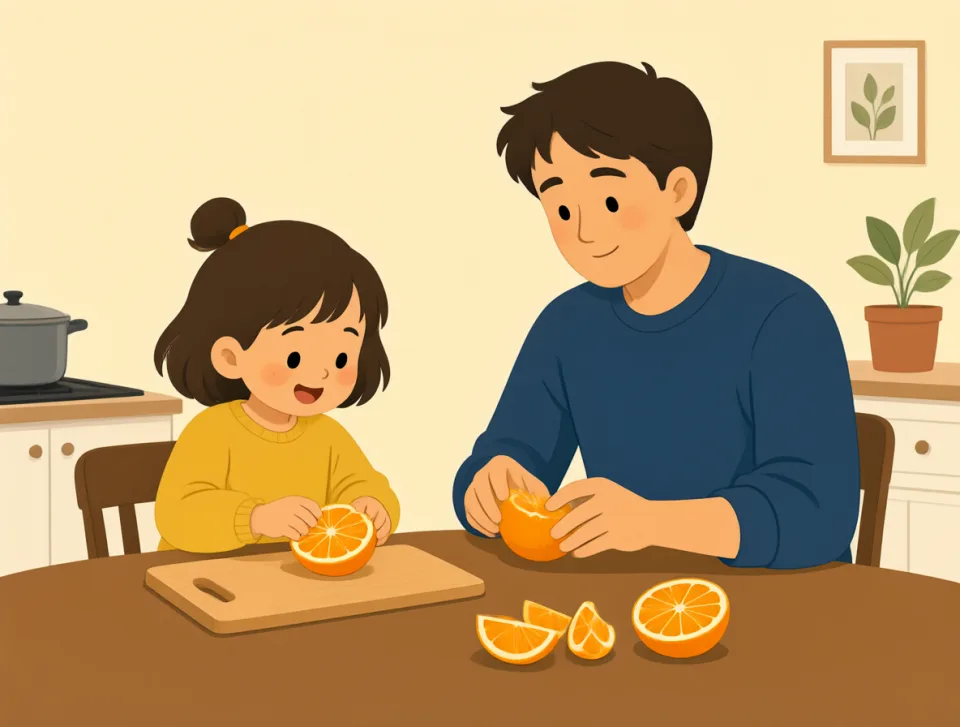
The orange was divided into segments before we shared it.
Апельсин разделили на дольки, прежде чем мы стали делиться.

The report has a separate segment about customer needs.
В отчёте есть отдельный раздел о потребностях клиентов.

The train stopped briefly at each segment of the mountain route.
Поезд ненадолго останавливался на каждом участке горного маршрута.

The fitness class included a short stretching segment after the main exercise.
В занятие по фитнесу после основной тренировки входила короткая растяжка.

The shop divided its customers into segments based on their shopping habits.
Магазин разделил покупателей на группы в зависимости от их покупательских привычек.

custom
#2371noun, adjective
обычай
A traditional way of behaving, or made specially for a particular person or purpose.
Традиционный способ поведения или изготовленный специально для определённого человека или цели.
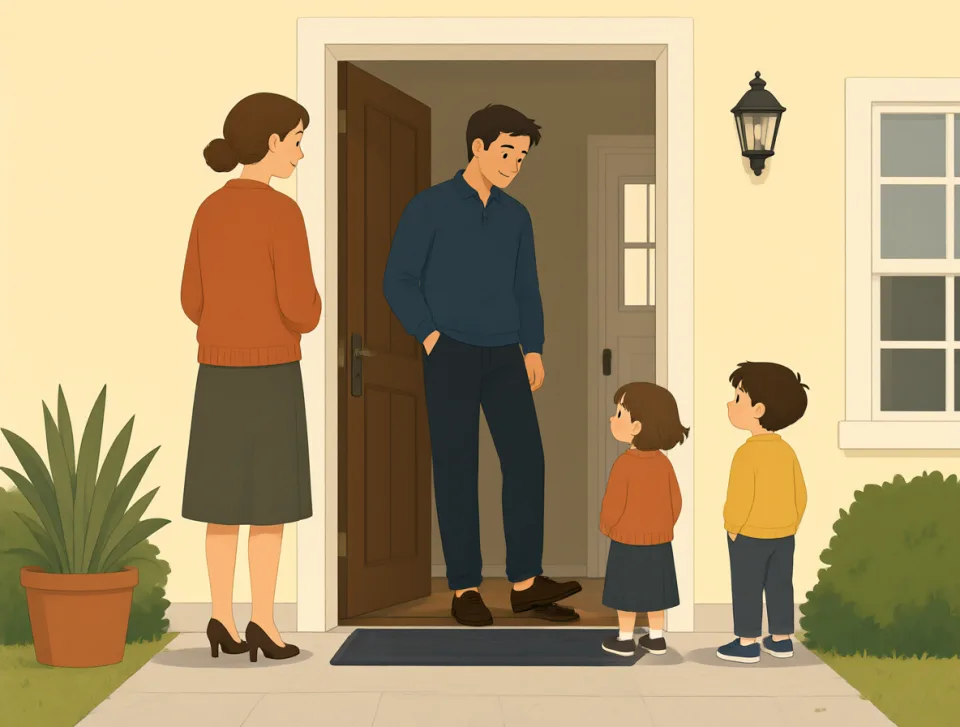
It is a local custom to remove your shoes before entering a home.
В этом регионе принято снимать обувь перед тем, как войти в дом.

The company offers custom furniture designed to fit each customer's room.
Компания предлагает мебель на заказ, изготовленную с учётом особенностей комнаты каждого клиента.

She ordered a custom cake with fresh strawberries for her daughter's birthday.
Она заказала торт с клубникой для дня рождения дочери.
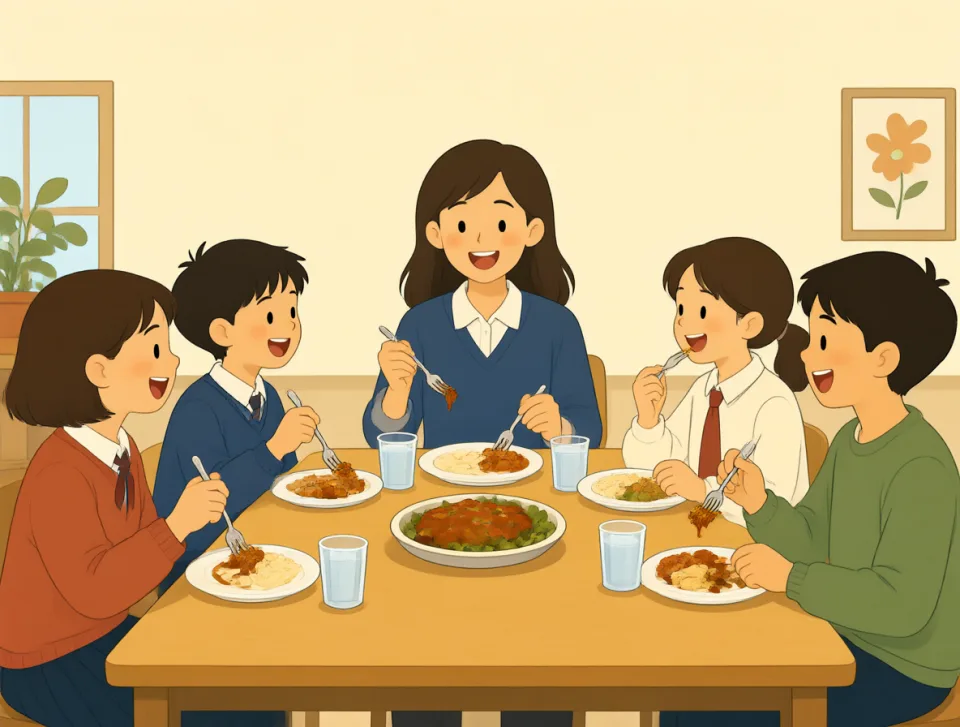
The school has a custom of celebrating new students with a welcome lunch.
В школе есть традиция устраивать приветственный обед для новых учеников.

We chose a custom travel package that included trains, hotels, and guided tours.
Мы выбрали индивидуальный туристический пакет, в который входили поездки на поездах, проживание в отелях и экскурсии с гидом.

adapt
#2372verb
адаптироваться
to change your behavior or plans so you can deal with a new situation
Изменить своё поведение или планы, чтобы справиться с новой ситуацией.

Animals adapt to changes in their environment to survive.
Животные приспосабливаются к изменениям окружающей среды, чтобы выжить.

We had to adapt our plans because the train was canceled.
Нам пришлось изменить планы, потому что поезд отменили.

She quickly adapted to her new job and friendly coworkers.
Она быстро освоилась на новой работе и привыкла к дружелюбным коллегам.
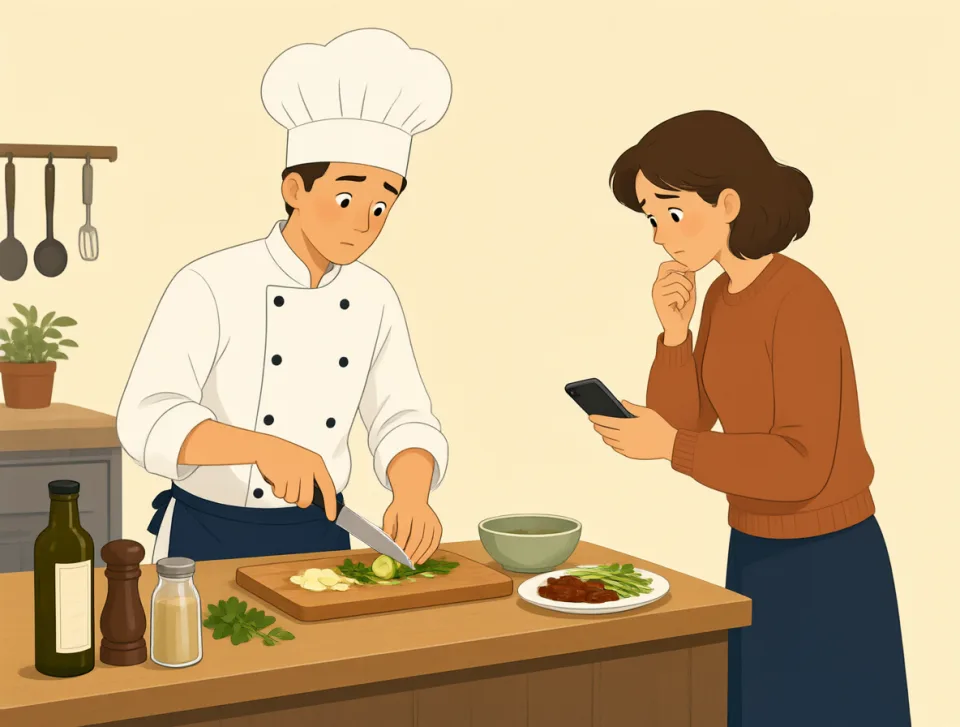
The chef adapted the recipe for guests with food allergies.
Повар изменил рецепт для гостей с пищевой аллергией.
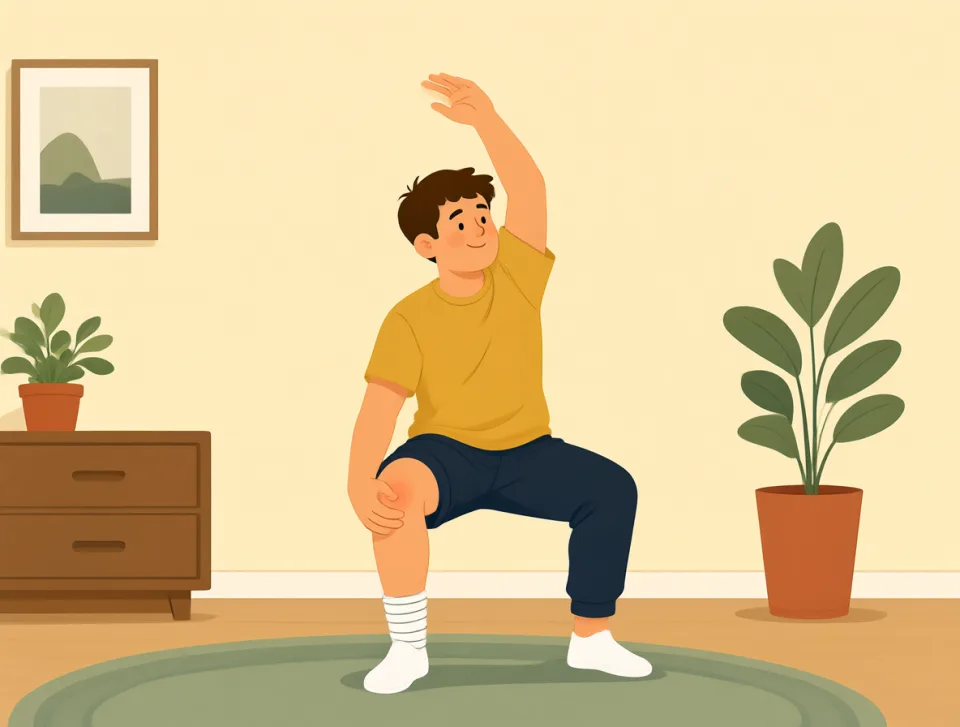
He is adapting his exercise routine after hurting his knee.
После травмы колена он меняет свой режим тренировок.
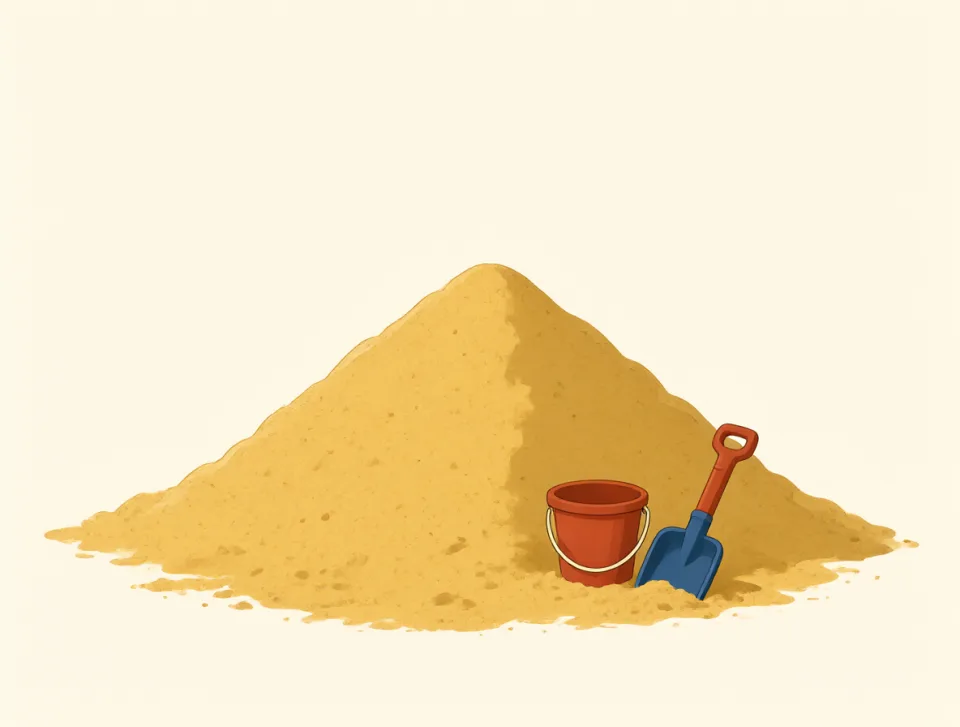
sand
#2373noun
песок
Very small pieces of rock found on beaches, in deserts, and in some building materials.
Мелкие частицы горных пород, встречающиеся на пляжах, в пустынях и в некоторых строительных материалах.
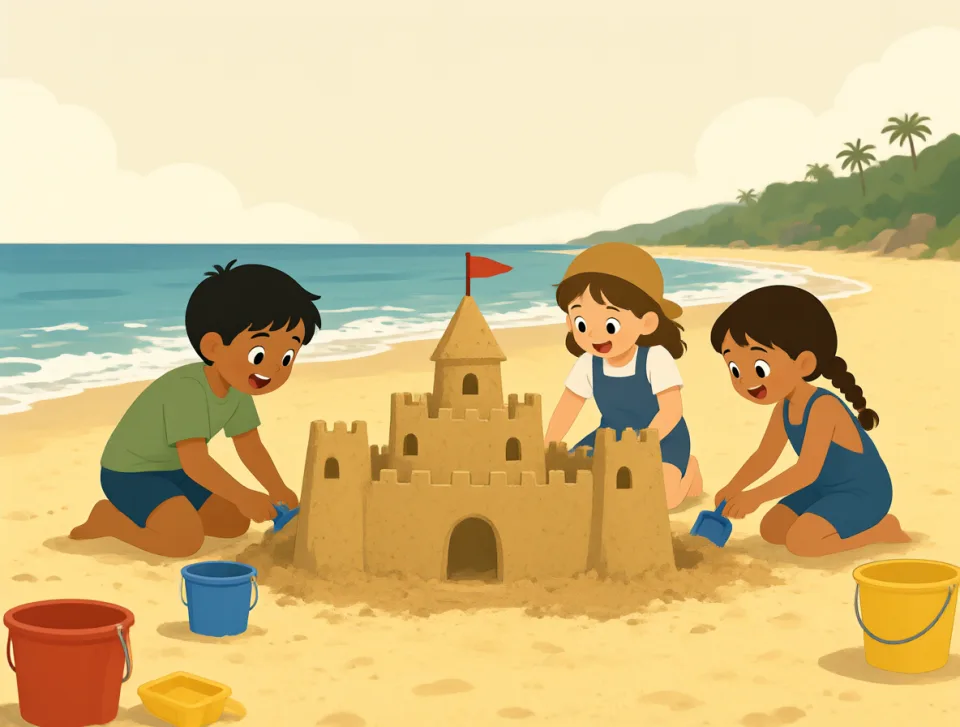
The children built a sandcastle near the water during their summer holiday.
Во время летних каникул дети построили замок из песка у воды.

Please brush the sand off your shoes before coming into the house.
Пожалуйста, стряхни песок с обуви, прежде чем войти в дом.

The workers spread sand over the icy road to make it safer.
Рабочие посыпали обледеневшую дорогу песком, чтобы сделать её безопаснее.

We found sand in our picnic food after a windy afternoon at the beach.
После ветреного дня на пляже мы обнаружили песок в еде для пикника.

The hotel room had sand everywhere after our children played outside.
После игр детей на улице песок был повсюду в гостиничном номере.

cap
#2374noun, verb
кепка; ограничивать
A soft or hard covering for the top of your head; to limit or control an amount.
Мягкий или твёрдый головной убор; устанавливать предел или ограничивать количество.

He always wears a cap when he goes running outside.
Когда он бегает на улице, то всегда надевает кепку.

She bought a warm wool cap for her winter trip.
Она купила тёплую шерстяную шапку для зимней поездки.

Please cap the bottle tightly before putting it in your bag.
Пожалуйста, плотно закройте бутылку крышкой, прежде чем положить её в сумку.
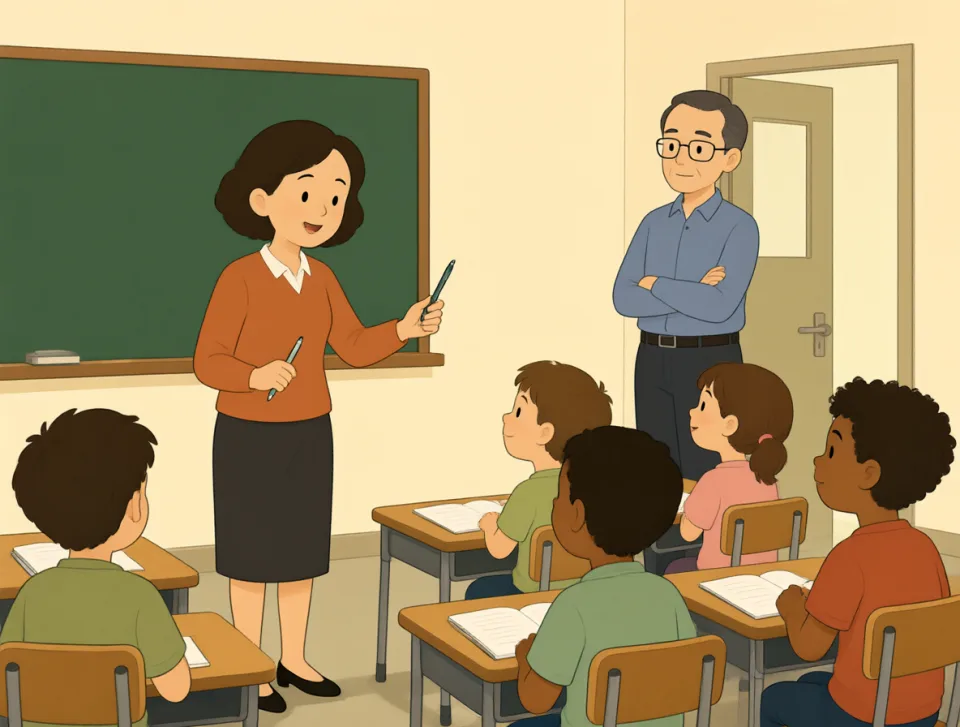
The school caps each class at twenty students this year.
В этом году в каждом классе школы будет не больше двадцати учеников.
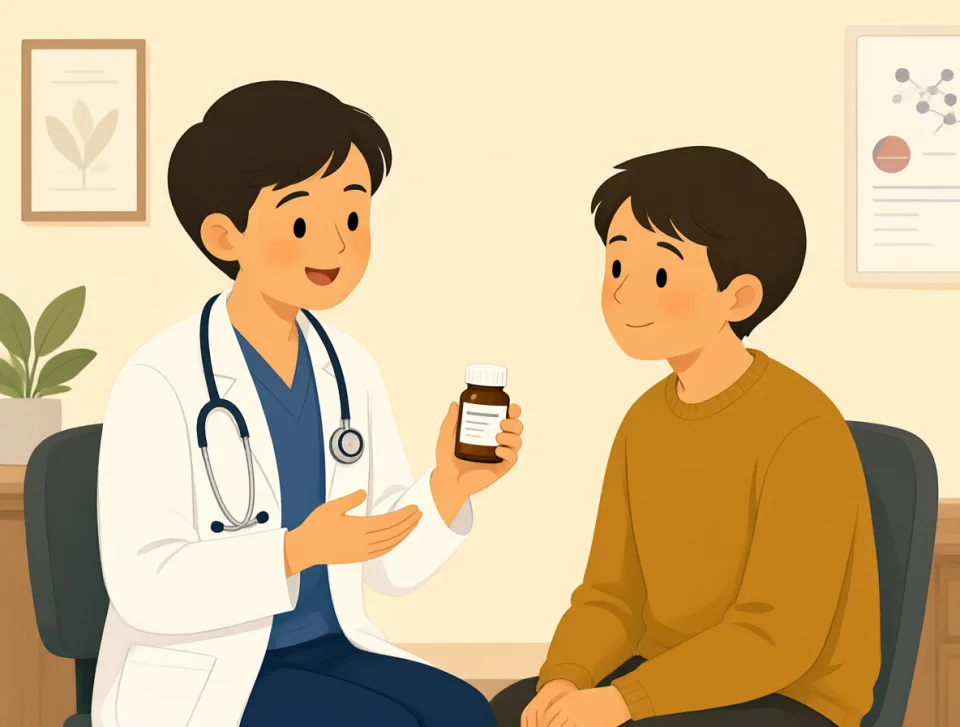
The doctor capped my medicine at two tablets each day.
Врач ограничил дозу моего лекарства двумя таблетками в день.
prompt
#2375noun, verb, adjective
подсказка
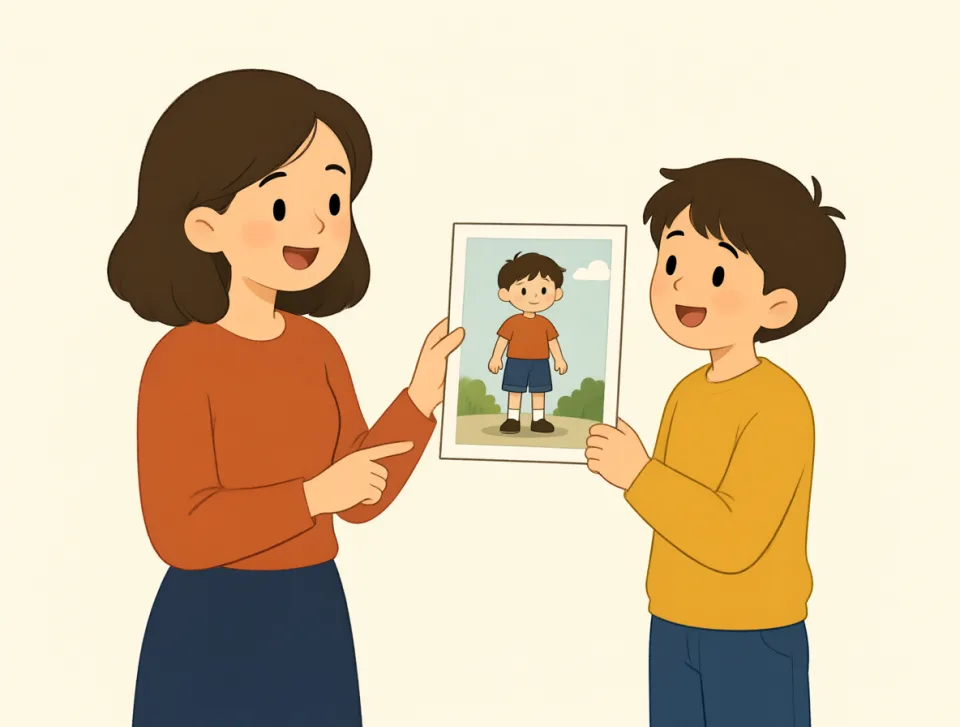
A prompt is a question or instruction that encourages someone to speak, write, or act.
Вопрос или указание, побуждающее кого-либо говорить, писать или действовать.

The teacher gave us a writing prompt about our favorite holiday.
Учитель дал нам тему для сочинения: наш любимый праздник.

Please prompt me if I forget to call the doctor tomorrow.
Пожалуйста, напомни мне, если я завтра забуду позвонить врачу.

The advertisement prompted many shoppers to try the new soup.
Реклама побудила многих покупателей попробовать новый суп.

She gave a prompt reply when her manager asked about the problem.
Когда менеджер спросил о проблеме, она сразу же ответила.

The actor missed his prompt and stood silently on stage.
Актёр пропустил реплику-подсказку и молча стоял на сцене.

charm
#2376noun, verb
обаяние
A pleasant quality that makes someone or something attractive, or to attract someone in this way.
Приятное качество, благодаря которому человек или вещь становятся привлекательными; также — очаровывать кого-либо.

Her warm smile and friendly charm made everyone feel welcome at the party.
Её тёплая улыбка и дружелюбное обаяние помогли всем почувствовать себя желанными гостями на вечеринке.
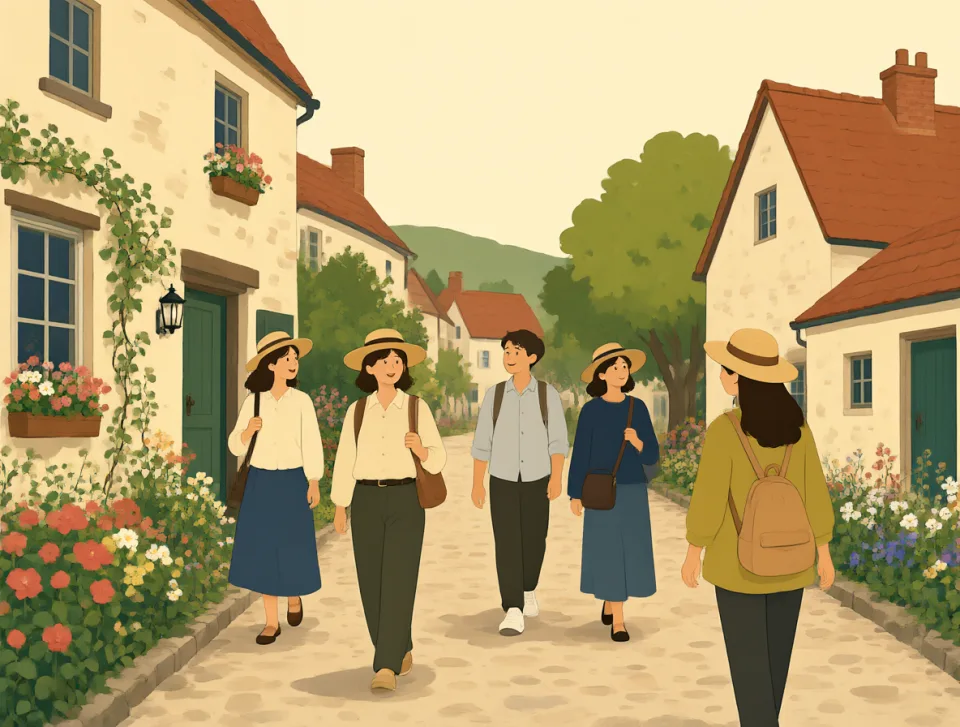
The small village has a special charm that attracts visitors every summer.
У этой маленькой деревни есть особое очарование, которое каждое лето привлекает туристов.

He charmed the shop assistant, who helped him find a cheaper jacket.
Он очаровал продавца, и тот помог ему найти куртку подешевле.

The old restaurant charms customers with homemade food and personal service.
Старый ресторан привлекает посетителей домашней едой и внимательным обслуживанием.
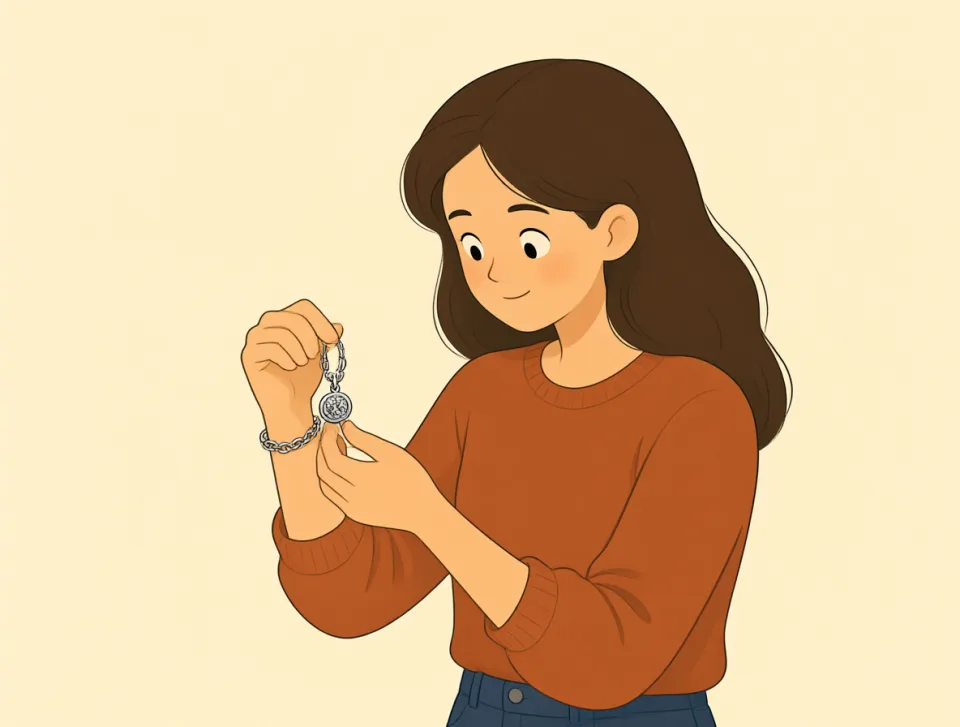
She wore a silver charm on her bracelet to remember her grandmother.
Она носила на браслете серебряную подвеску, чтобы помнить о бабушке.
react
#2377verb
реагировать
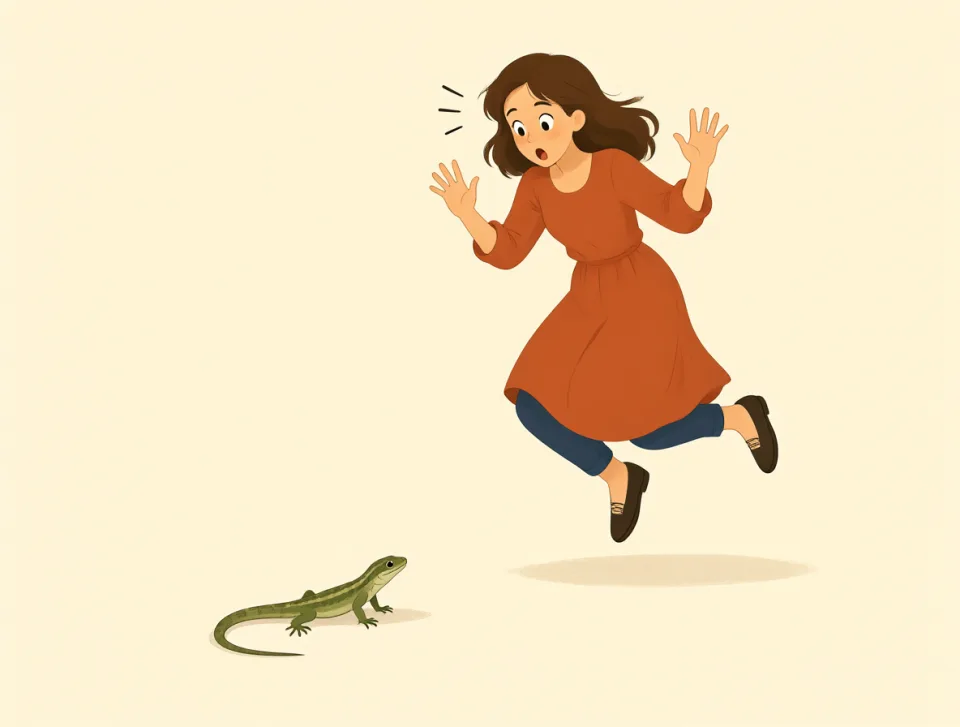
to respond to something by showing a feeling or taking action
Отвечать на что-либо, проявляя чувства или предпринимая действия.
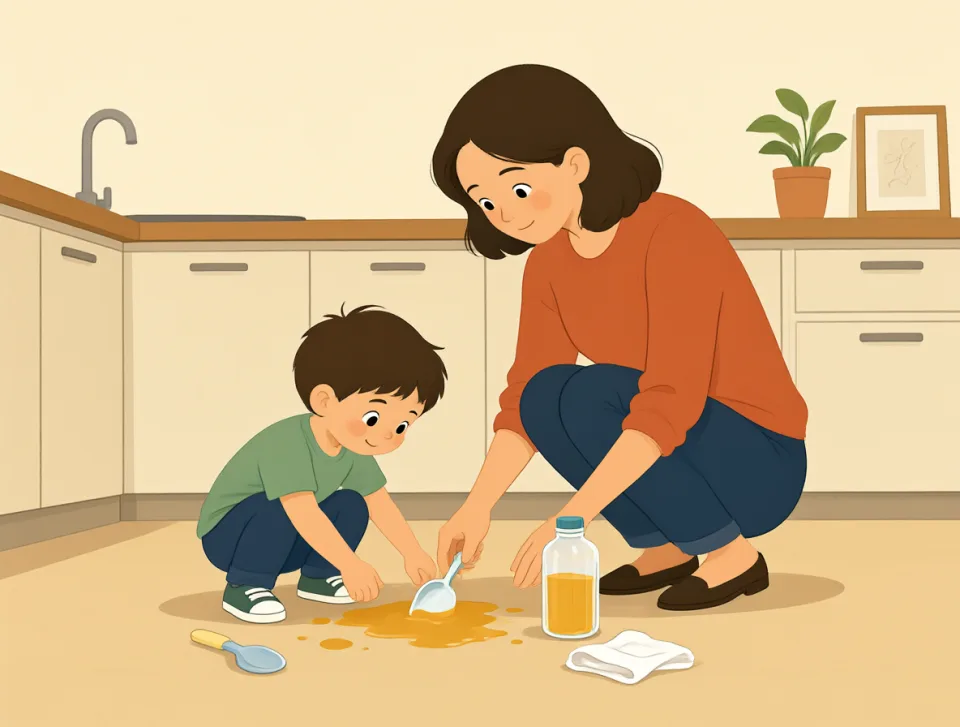
She reacted calmly when her young son spilled juice on the kitchen floor.
Она спокойно отреагировала, когда её маленький сын пролил сок на кухонный пол.

How did your manager react to the news about the delayed project?
Как твой руководитель отреагировал на новость о задержке проекта?

Some people react badly to spicy food, especially when they eat too much.
У некоторых людей бывает плохая реакция на острую еду, особенно если они едят её слишком много.

The students reacted with excitement when their teacher announced a surprise trip.
Ученики радостно отреагировали, когда учитель объявил о неожиданной поездке.

My skin reacted to the new soap, so I stopped using it immediately.
У меня появилась реакция на новое мыло, поэтому я сразу перестал им пользоваться.

lecture
#2378noun, verb
лекция
A talk that teaches people about a subject, or to give such a talk.
Выступление, посвящённое обучению людей какому-либо предмету; также — читать такую лекцию.

We attended a lecture about healthy eating at the community center.
Мы посетили лекцию о здоровом питании в общественном центре.

The professor gave a fascinating lecture on ancient Egyptian history.
Профессор прочитал увлекательную лекцию об истории Древнего Египта.

I have to prepare my lecture before the conference next week.
Мне нужно подготовить лекцию к конференции на следующей неделе.

My father lectured me about driving too fast on the highway.
Отец прочитал мне нотацию из-за того, что я слишком быстро ехал по шоссе.

The doctor lectured us on the dangers of smoking during our appointment.
Во время приёма врач прочитал нам лекцию об опасности курения.

venture
#2379noun, verb
рискованное начинание
a new business activity involving risk; to go somewhere or do something difficult
Новое деловое начинание, связанное с риском; отправляться куда-либо или браться за что-то трудное.
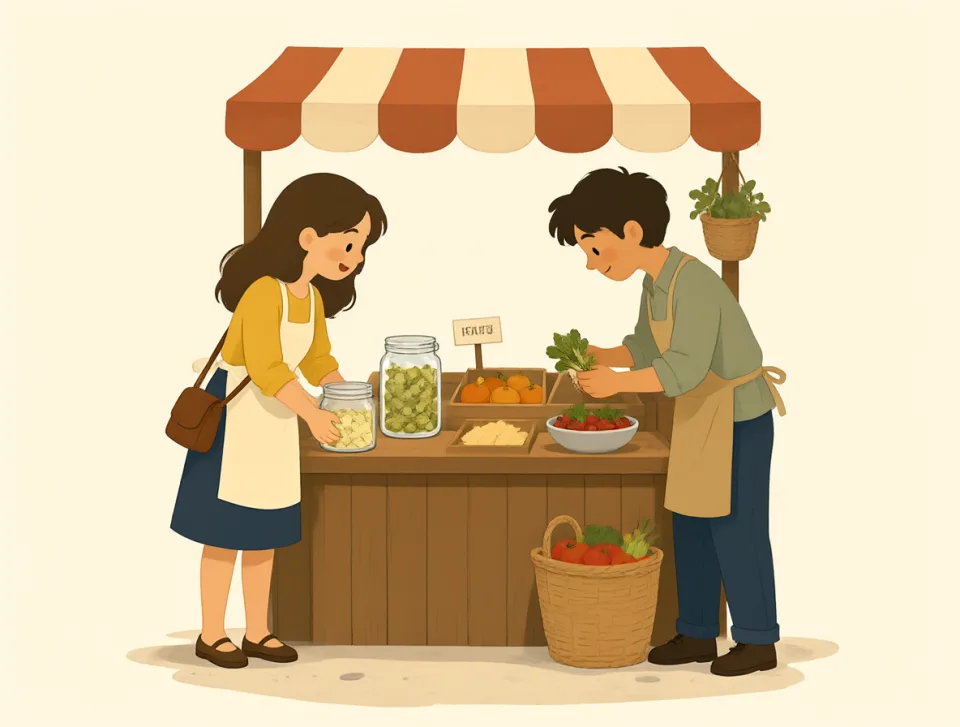
They started a new business venture selling healthy meals to busy office workers.
Они начали новое дело — стали продавать полезные готовые блюда занятым офисным работникам.

We ventured into the forest before sunrise to find a quiet camping place.
До восхода солнца мы отправились в лес, чтобы найти тихое место для лагеря.

She rarely ventures out alone after dark because the streets feel unsafe.
После наступления темноты она редко выходит одна, потому что улицы кажутся небезопасными.

The company is venturing into online shopping for the first time this year.
В этом году компания впервые выходит на рынок онлайн-торговли.
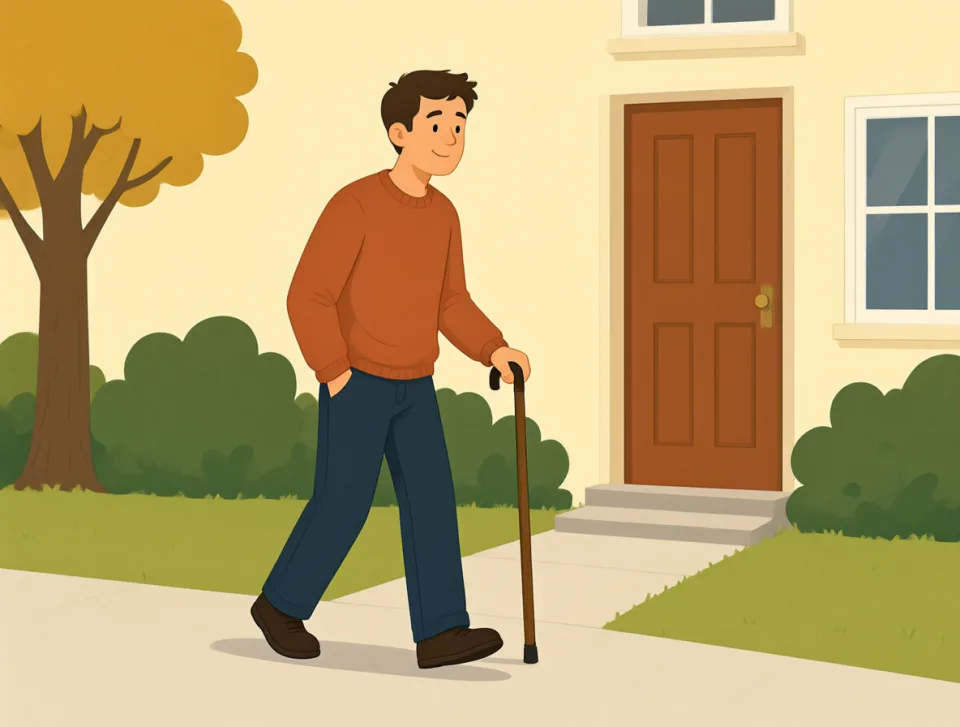
After recovering from surgery, he ventured outside for a short walk.
После восстановления после операции он решился выйти на короткую прогулку.

compound
#2380noun, adjective, verb
комплекс
A group of buildings; something made from two or more parts; to combine things.
Группа зданий; нечто, состоящее из двух или более частей; объединять разные элементы.
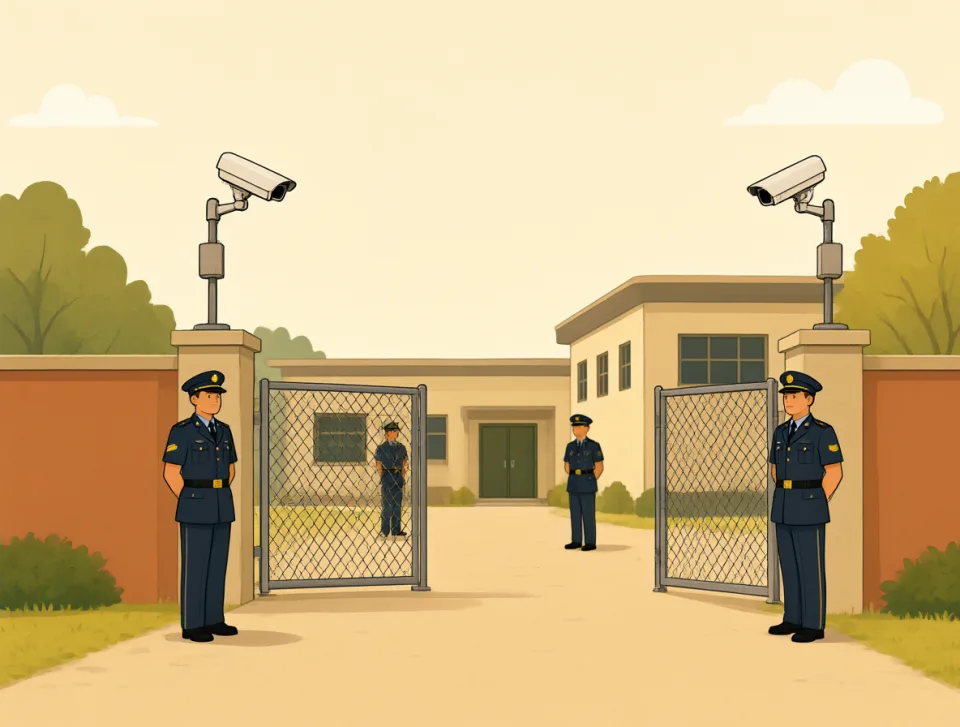
The military compound is surrounded by a high fence and security cameras.
Военный комплекс окружён высоким забором и камерами наблюдения.

Scientists are testing a new chemical compound in the laboratory.
Учёные испытывают в лаборатории новое химическое соединение.

This word is a compound made from two shorter words.
Это слово — сложное слово, образованное из двух более коротких слов.

The hotel compound includes several buildings, a pool, and a small restaurant.
В гостиничный комплекс входят несколько зданий, бассейн и небольшой ресторан.

The two companies are compounding their problems by refusing to cooperate.
Отказываясь сотрудничать, две компании усугубляют свои проблемы.