Блок 130
Слова 2581–2600 · shelter, mere, carbon, regulate, cheese, trigger
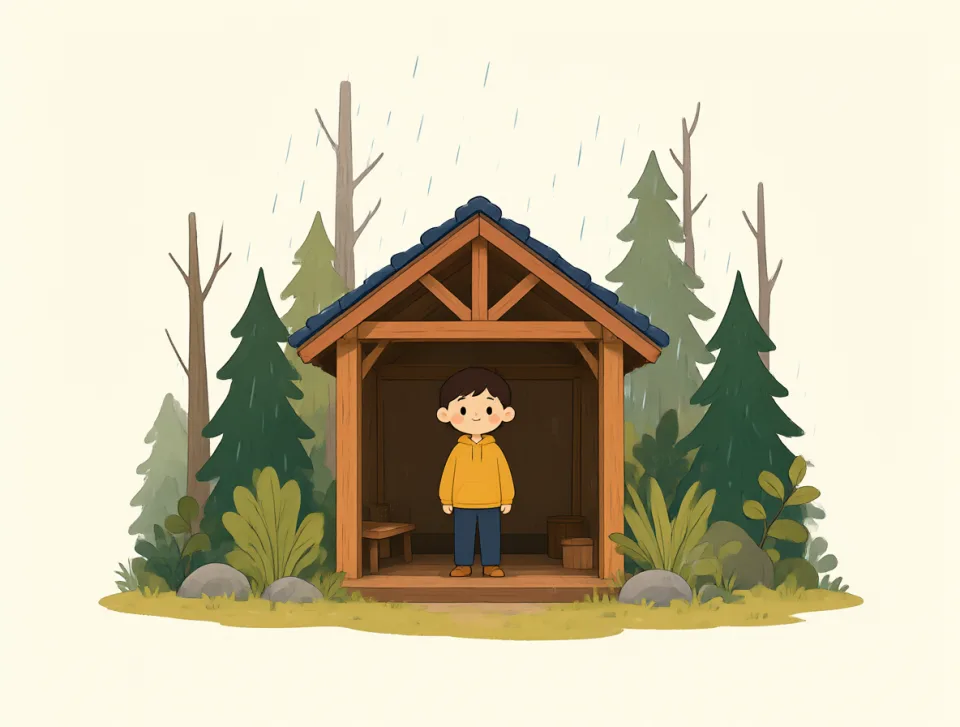
shelter
#2581noun, verb
убежище
A safe place that protects people or animals from danger or bad weather.
Безопасное место, которое защищает людей или животных от опасности и плохой погоды.
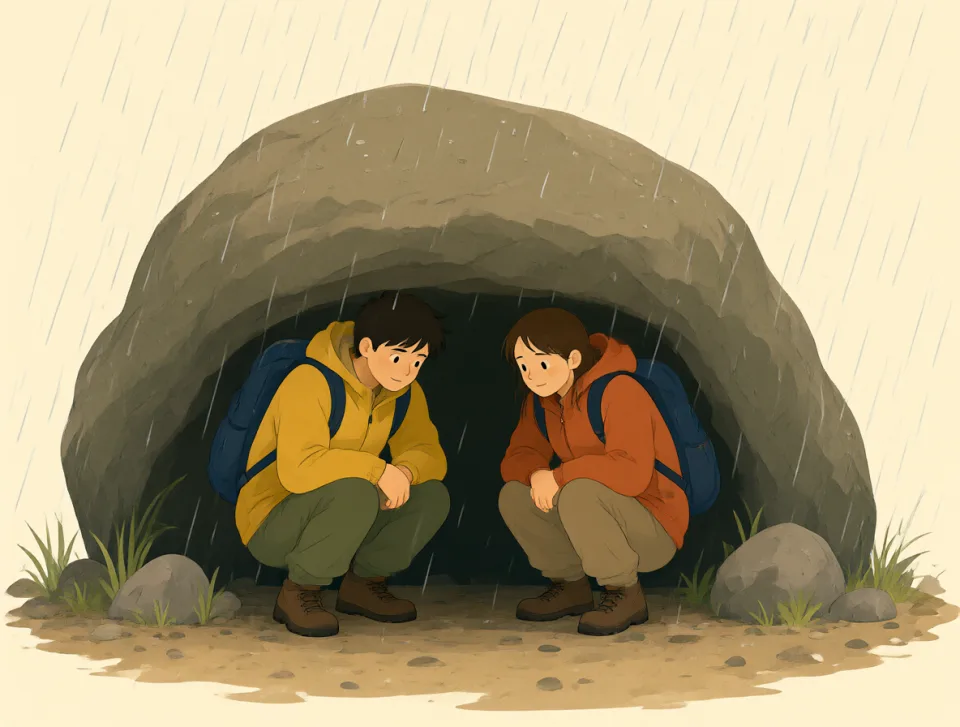
The hikers found shelter from the heavy rain under a large rock.
Во время сильного дождя туристы укрылись под большим камнем.
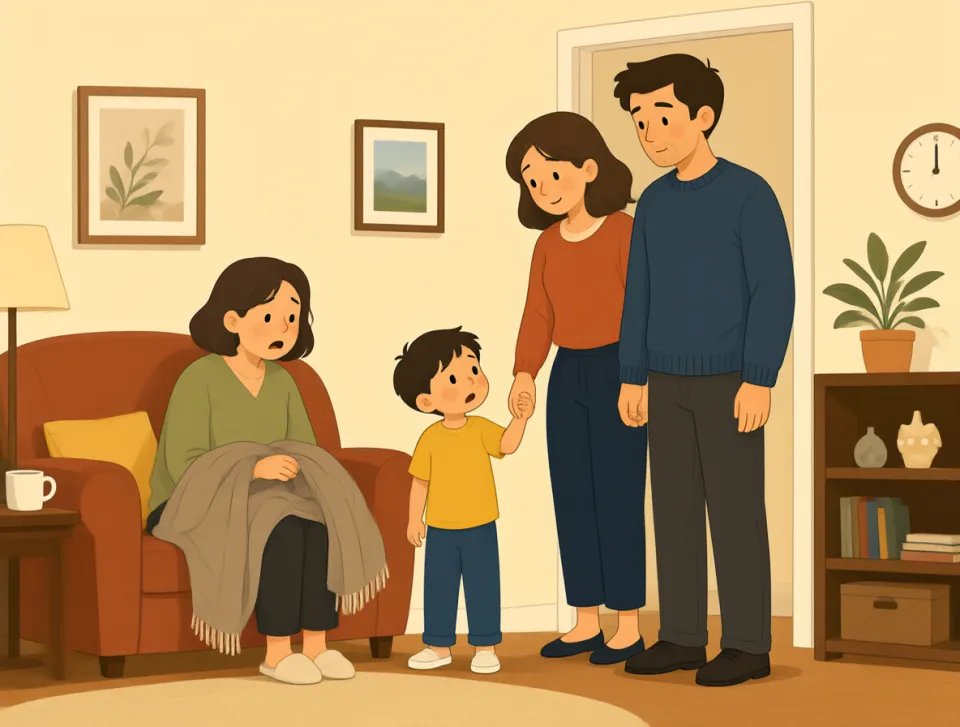
The family opened their home as a shelter for a homeless neighbor.
Семья открыла свой дом, чтобы приютить соседа, которому негде было жить.
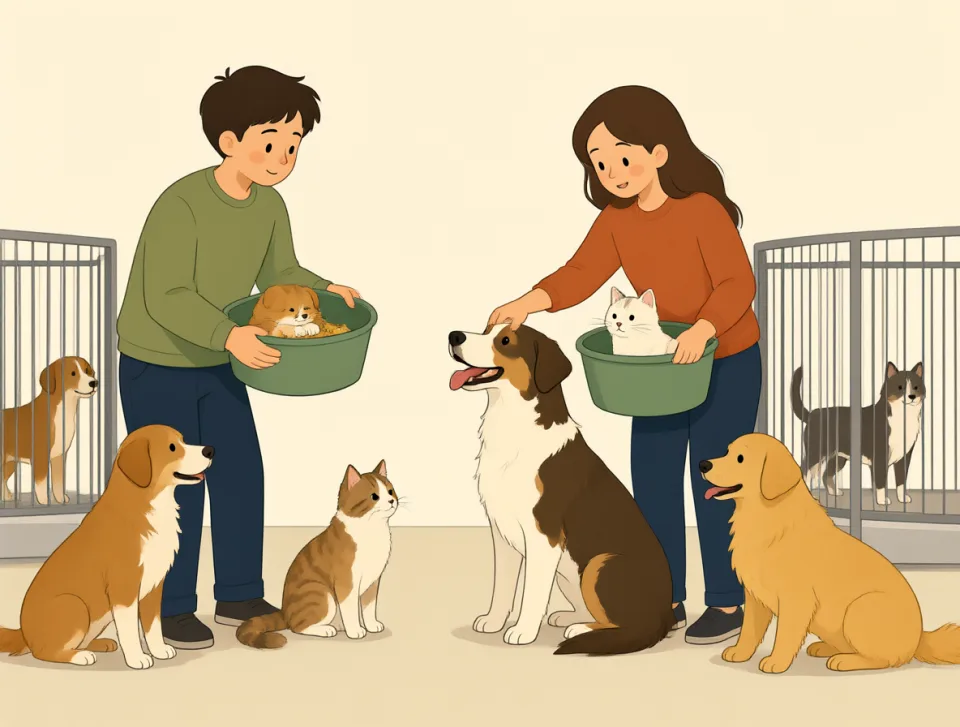
The animal shelter needs volunteers to care for abandoned dogs and cats.
Приюту для животных нужны добровольцы, которые будут заботиться о брошенных собаках и кошках.
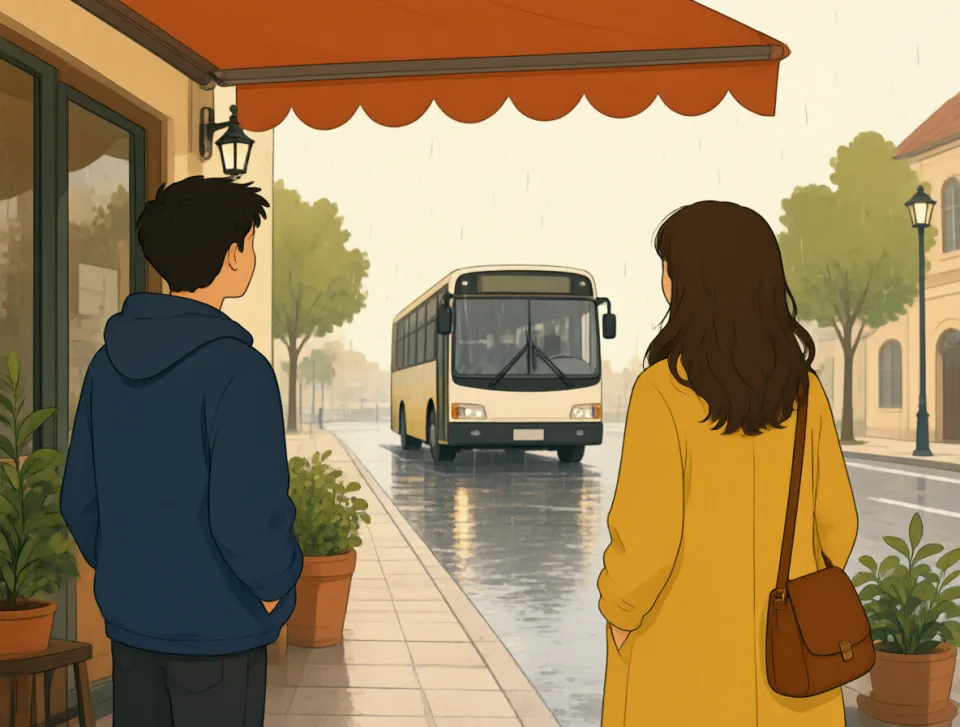
We sheltered under a café roof while waiting for the bus.
Пока мы ждали автобус, мы укрылись под крышей кафе.
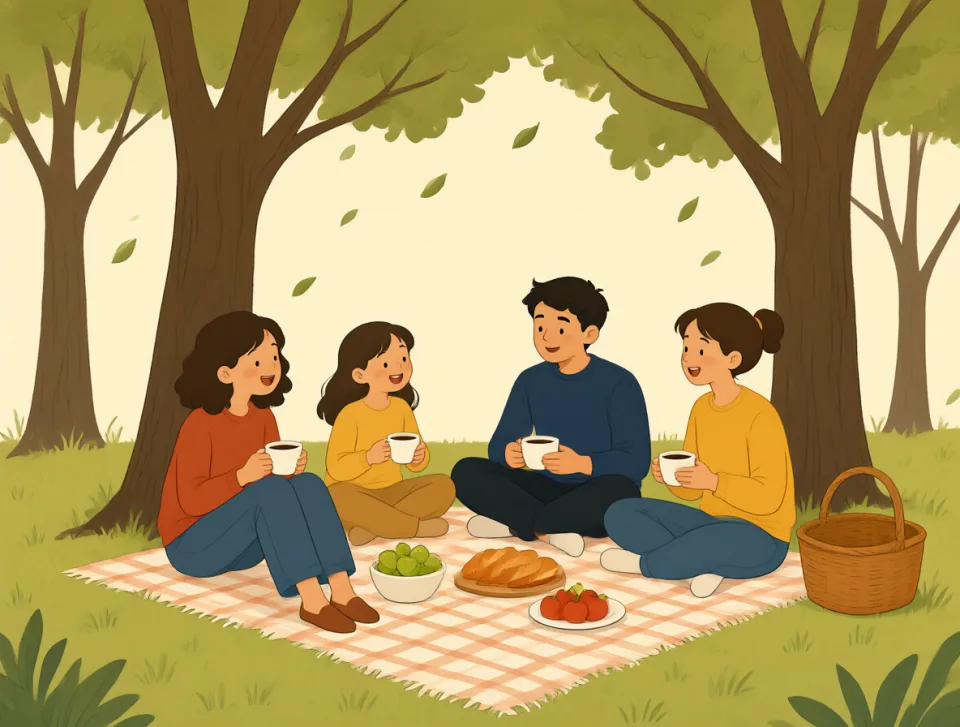
The trees sheltered us from the cold wind during our picnic.
Во время пикника деревья защищали нас от холодного ветра.
mere
#2582adjective, determiner
всего лишь
used to emphasize that something is small, unimportant, or less than expected
Используется, чтобы подчеркнуть, что что-то незначительно, маловажно или меньше, чем ожидалось.
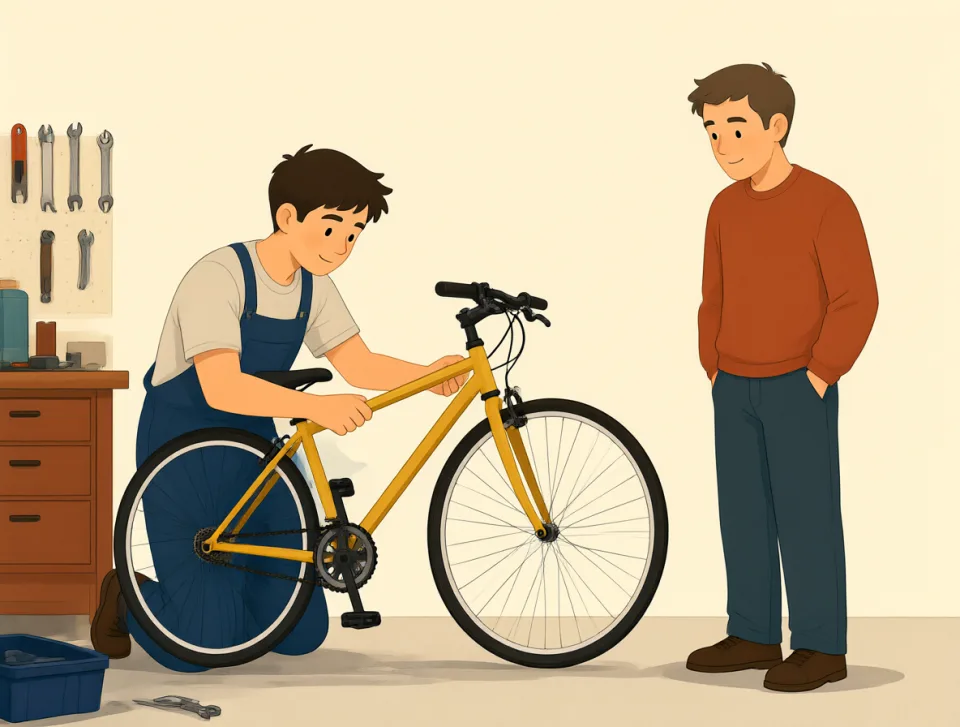
The repair took a mere ten minutes and cost almost nothing.
Ремонт занял всего десять минут и почти ничего не стоил.
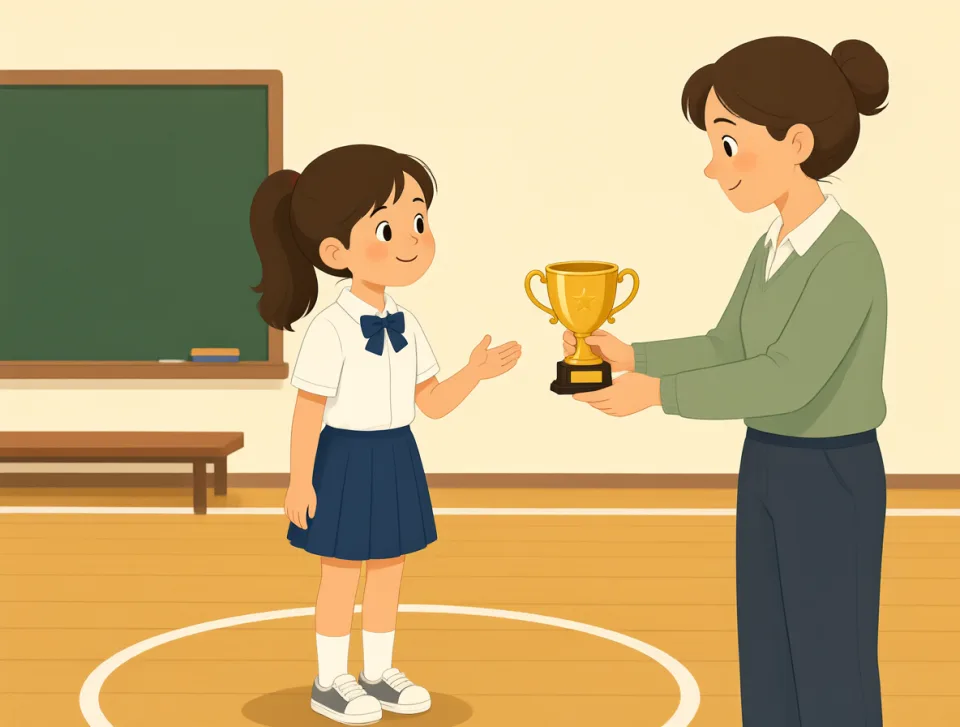
She won the competition by a mere two points.
Она выиграла соревнование, опередив соперников всего на два очка.

For mere convenience, he ordered dinner online after work.
Просто ради удобства он заказал ужин онлайн после работы.
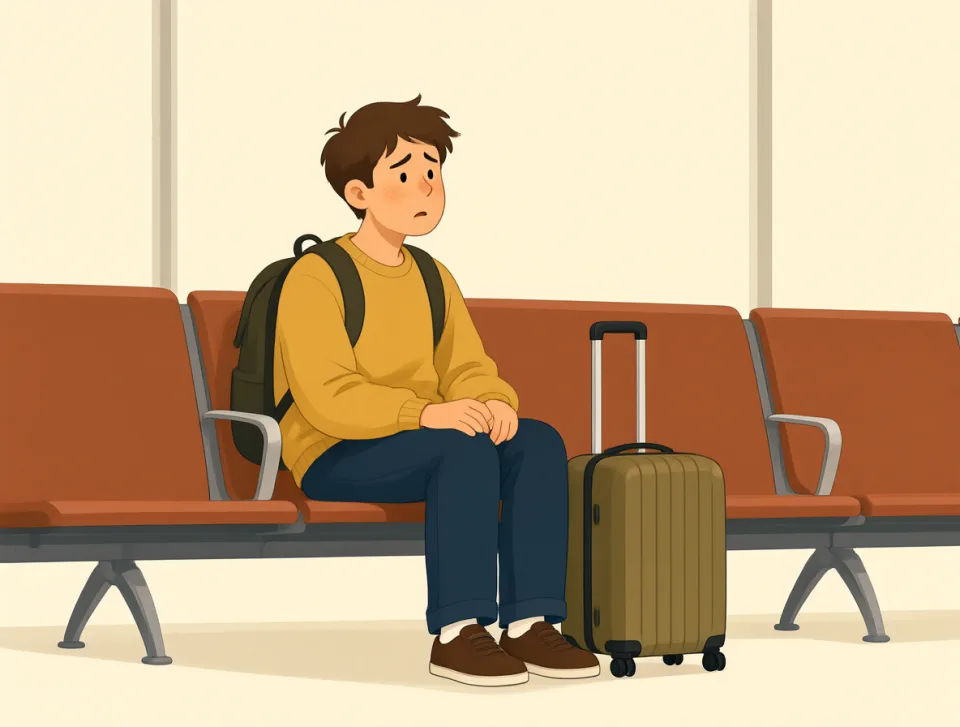
The mere thought of flying makes him feel nervous.
От одной мысли о полёте ему становится не по себе.

It was a mere misunderstanding, so the two friends quickly apologized.
Это было всего лишь недоразумение, поэтому друзья быстро извинились друг перед другом.
carbon
#2583noun
углерод
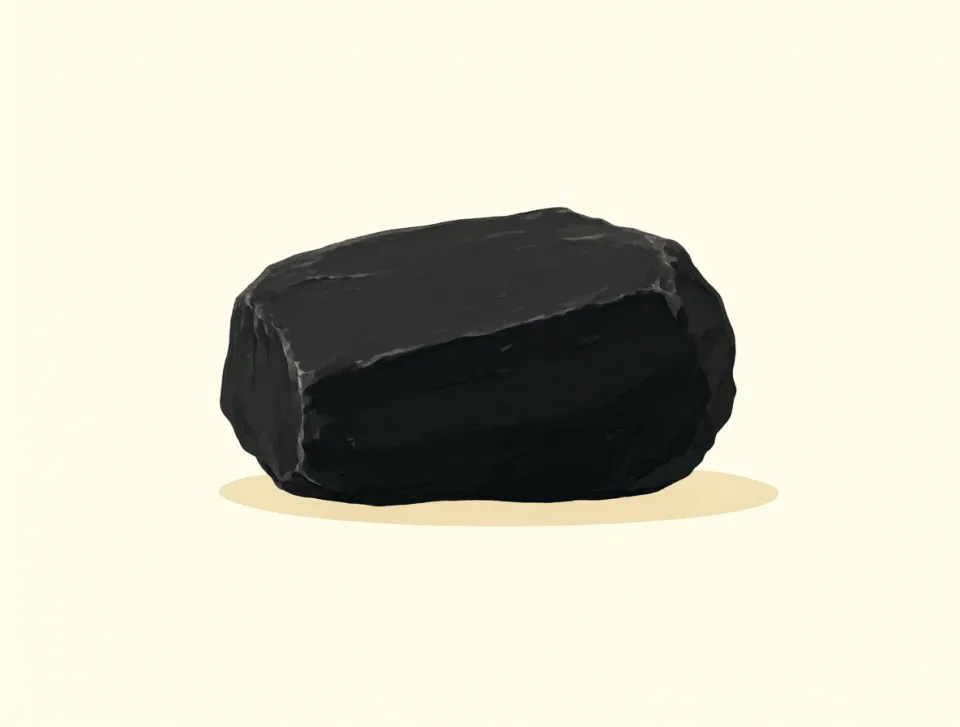
a chemical element found in all living things, coal, oil, and many other materials
Химический элемент, содержащийся во всех живых организмах, угле, нефти и многих других материалах.
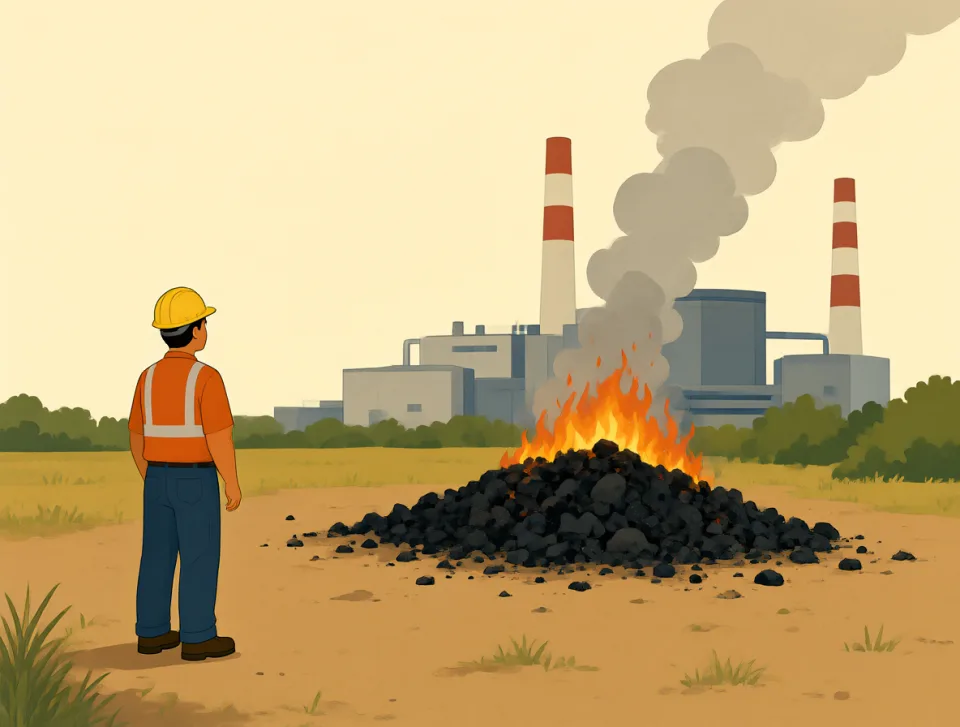
Burning coal releases carbon dioxide, which contributes to climate change.
При сжигании угля выделяется углекислый газ, который способствует изменению климата.

We are reducing our carbon footprint by walking and using less electricity.
Мы уменьшаем свой углеродный след, ходя пешком и расходуя меньше электричества.
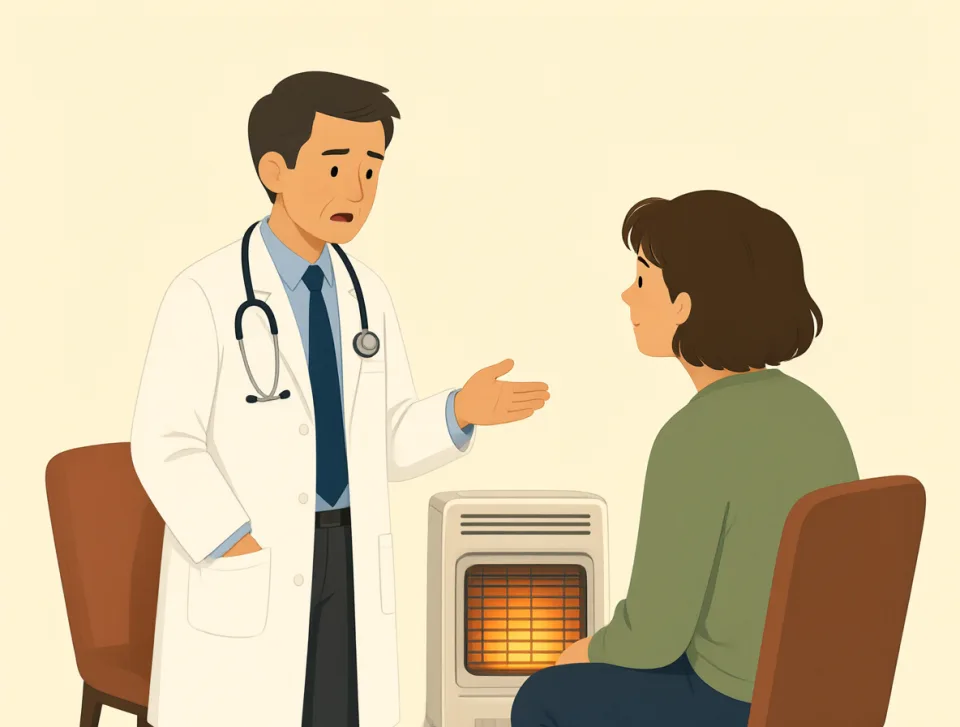
The doctor warned that carbon monoxide from the heater could be dangerous.
Врач предупредил, что угарный газ от обогревателя может быть опасен.
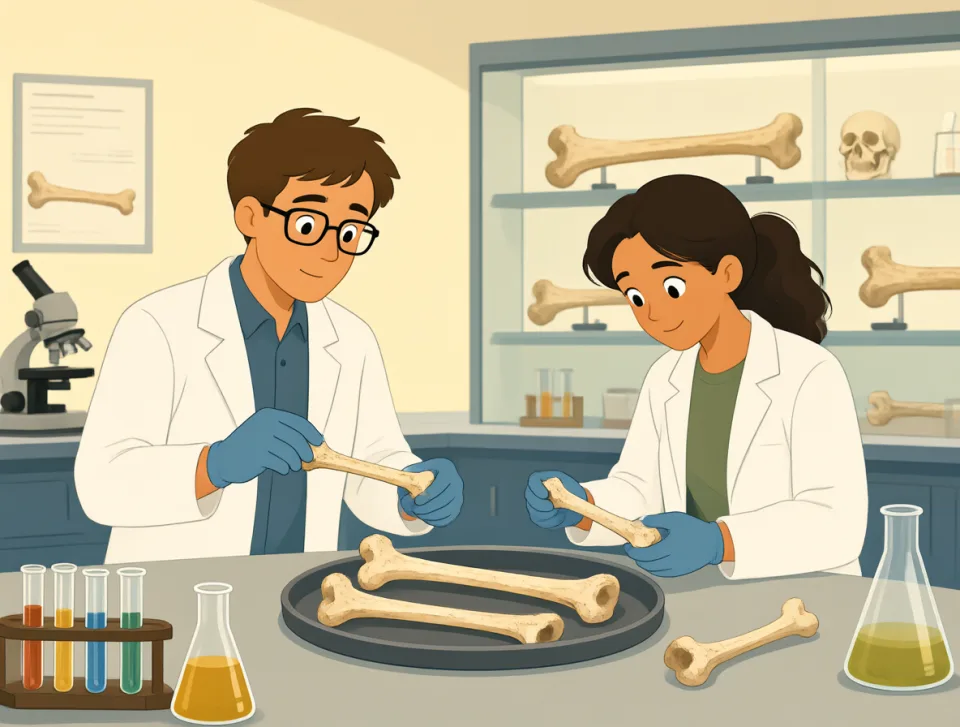
Scientists use carbon dating to estimate the age of ancient bones.
Учёные используют радиоуглеродный анализ, чтобы определить возраст древних костей.
This water filter contains activated carbon to remove unpleasant tastes and smells.
Этот фильтр для воды содержит активированный уголь, который устраняет неприятные привкусы и запахи.
regulate
#2584verb
регулировать
to control something by using rules or adjusting it
Контролировать что-либо с помощью правил или корректировки.

The government regulates banks to protect people’s money.
Правительство регулирует деятельность банков, чтобы защитить деньги людей.
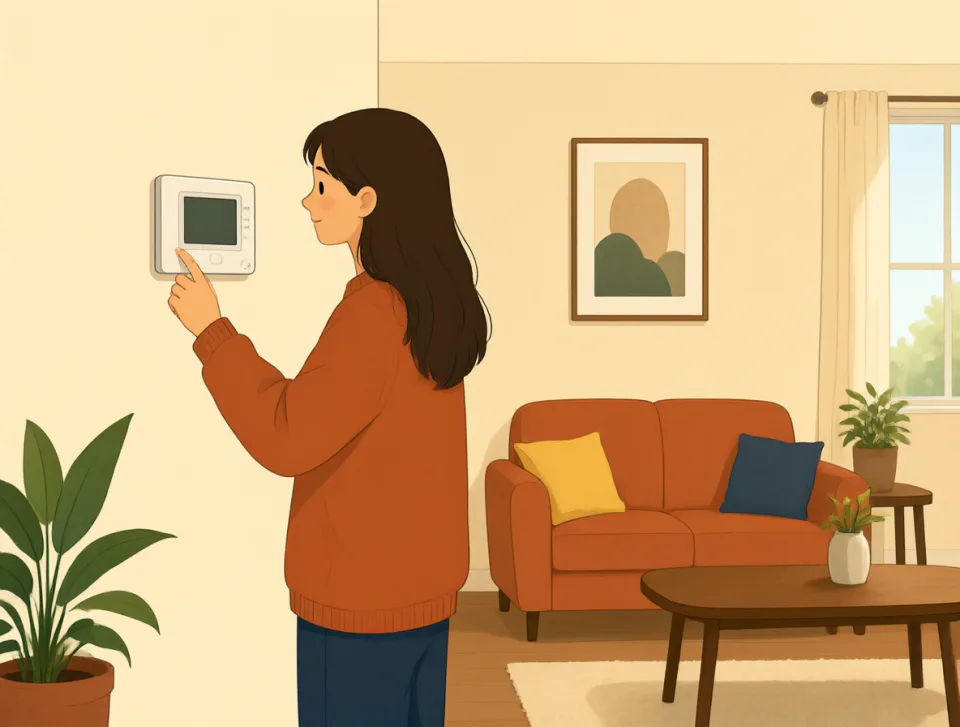
This thermostat regulates the temperature in our apartment automatically.
Этот термостат автоматически регулирует температуру в нашей квартире.
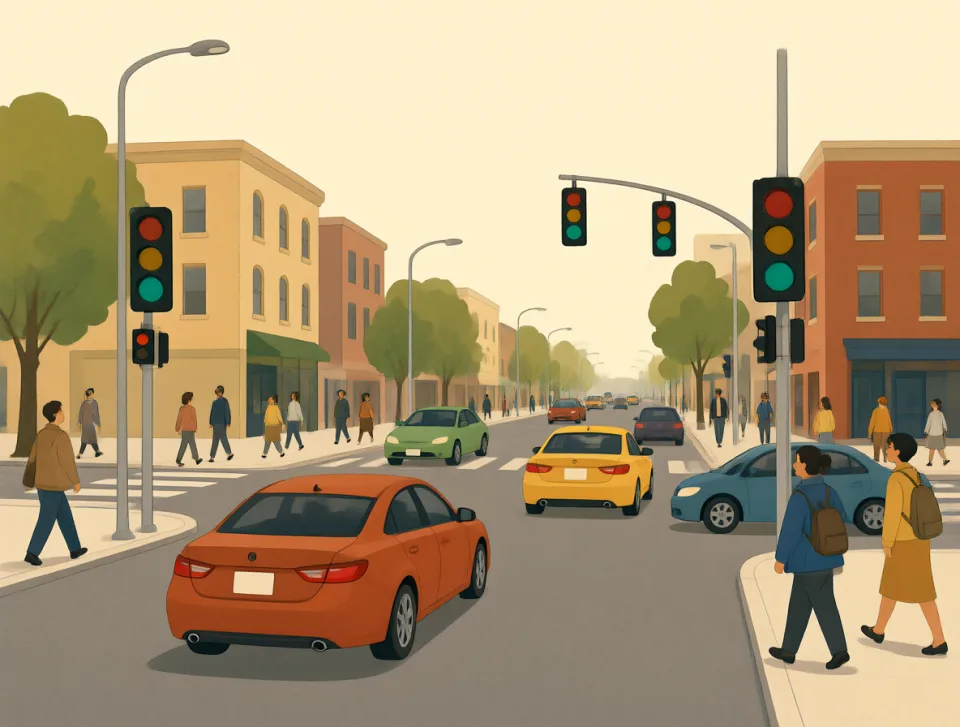
Traffic lights help regulate traffic during the busy morning rush.
Светофоры помогают регулировать движение в час пик по утрам.
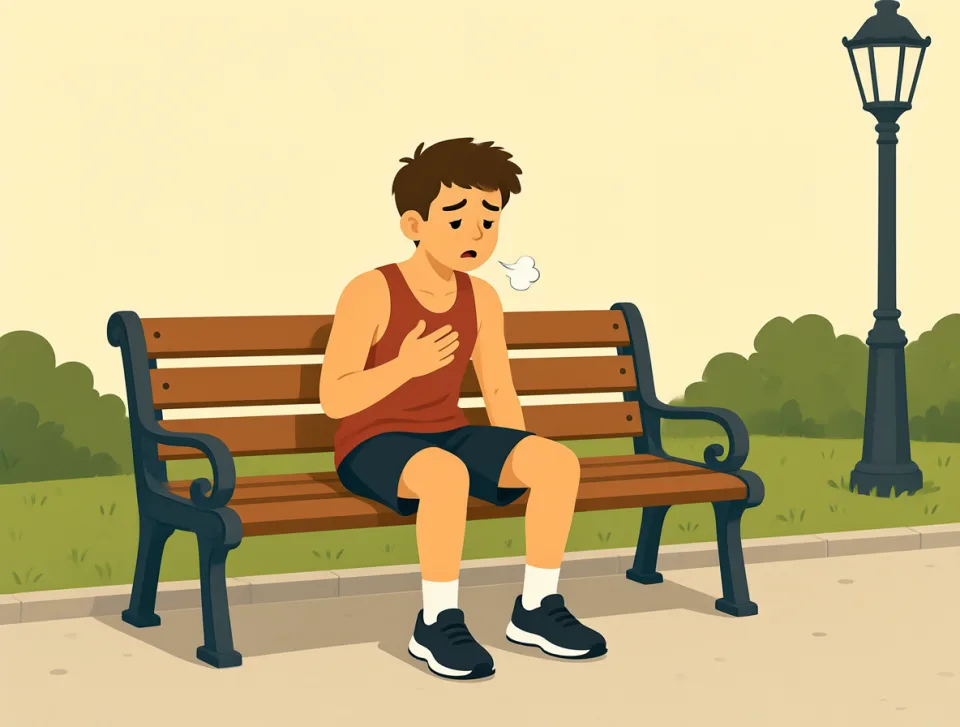
Deep breathing can help regulate your heart rate after exercise.
Глубокое дыхание помогает нормализовать пульс после тренировки.
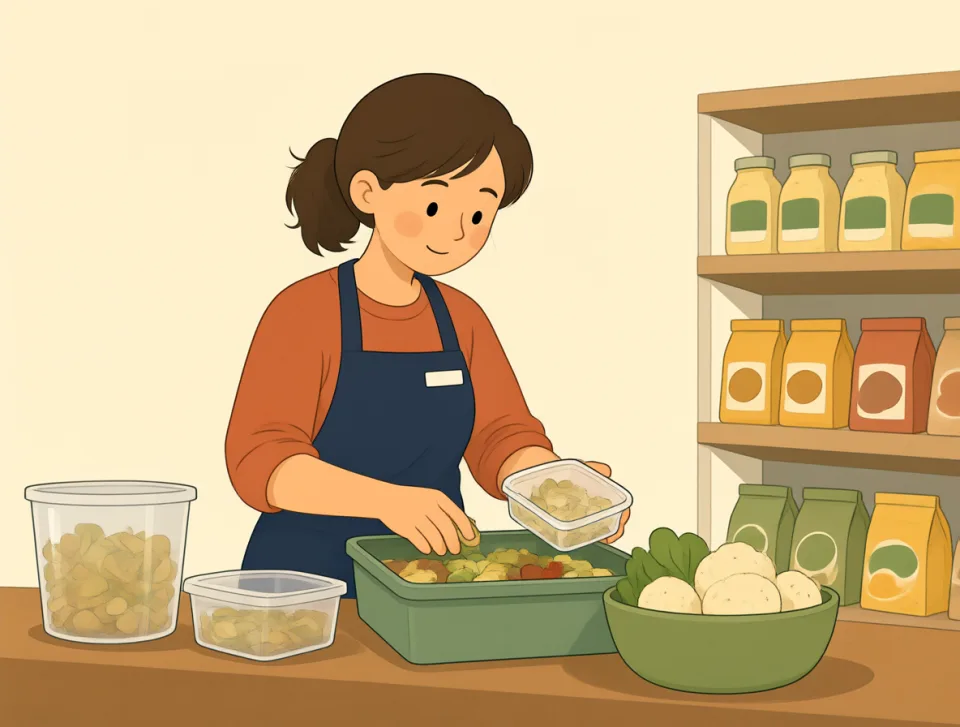
New rules regulate how much food shops may throw away.
Новые правила ограничивают количество продуктов, которые магазины могут выбрасывать.
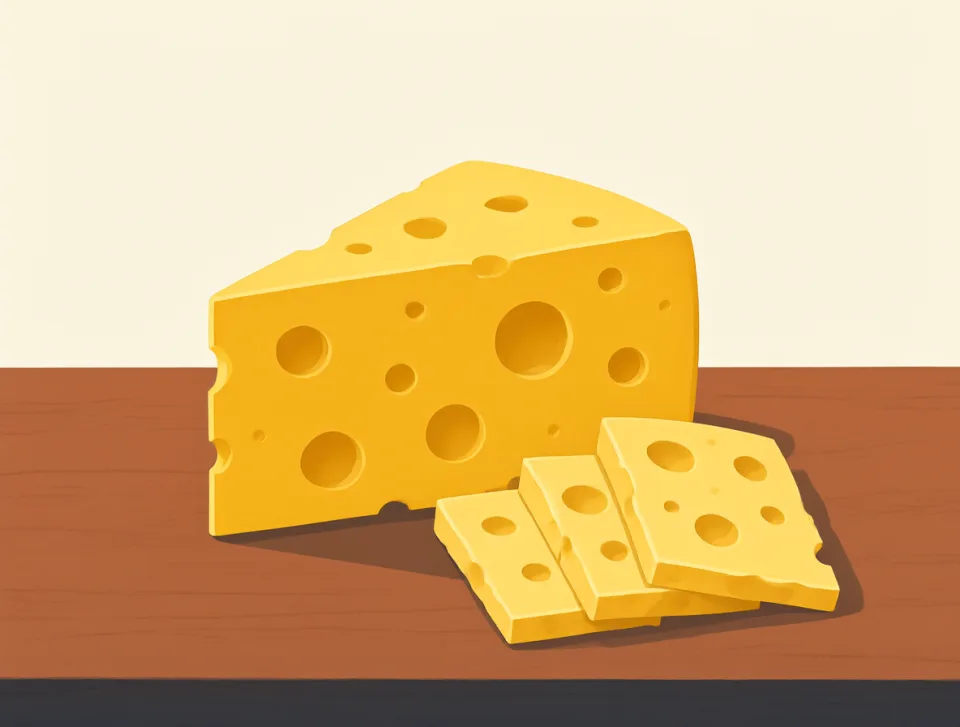
cheese
#2585noun
сыр
A food made from milk, often sliced, grated, or added to other dishes.
Продукт из молока, который часто нарезают ломтиками, натирают или добавляют в другие блюда.
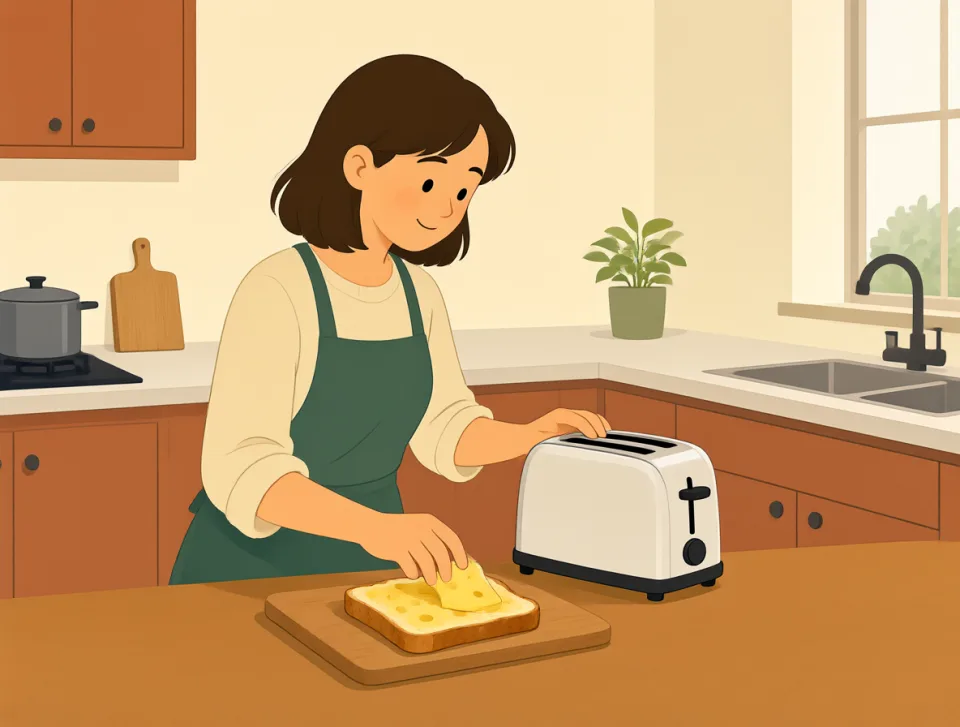
I put some cheese on my toast before leaving for work.
Перед уходом на работу я положил немного сыра на тост.

We ordered a cheese pizza and two salads for dinner.
На ужин мы заказали пиццу с сыром и два салата.
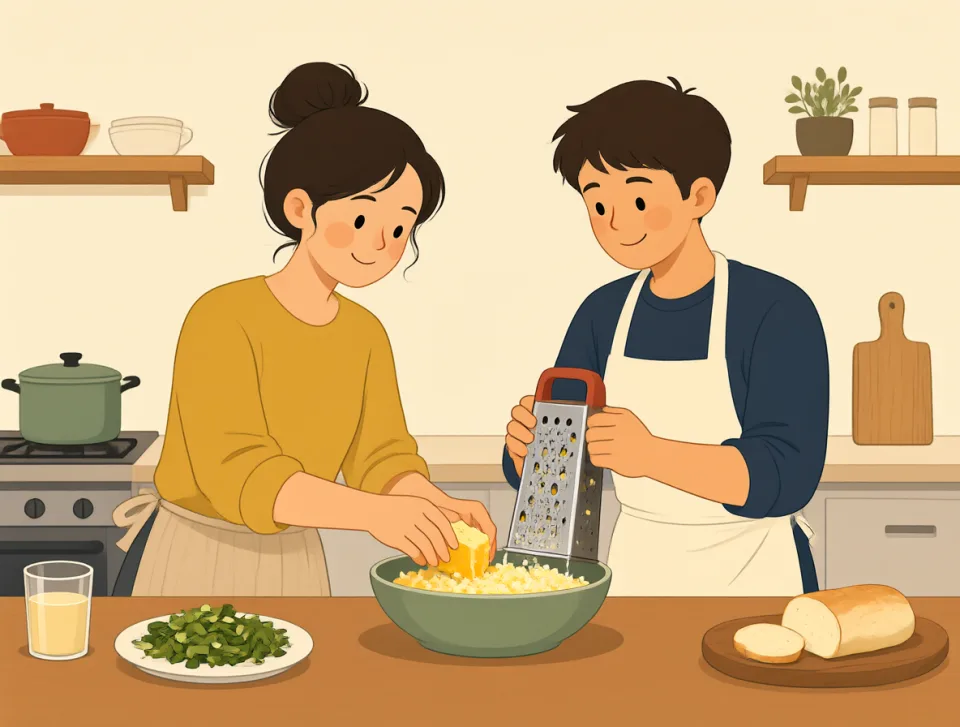
Could you grate the cheese while I prepare the pasta?
Не мог бы ты натереть сыр, пока я готовлю пасту?
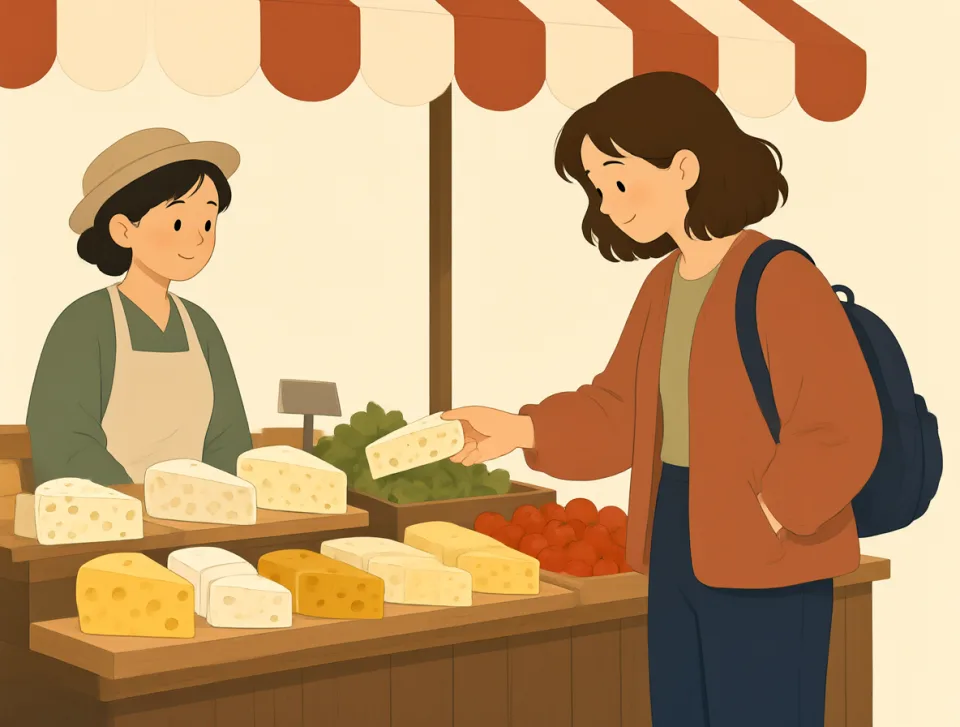
She bought a small piece of cheese at the market for lunch.
На рынке она купила на обед небольшой кусок сыра.
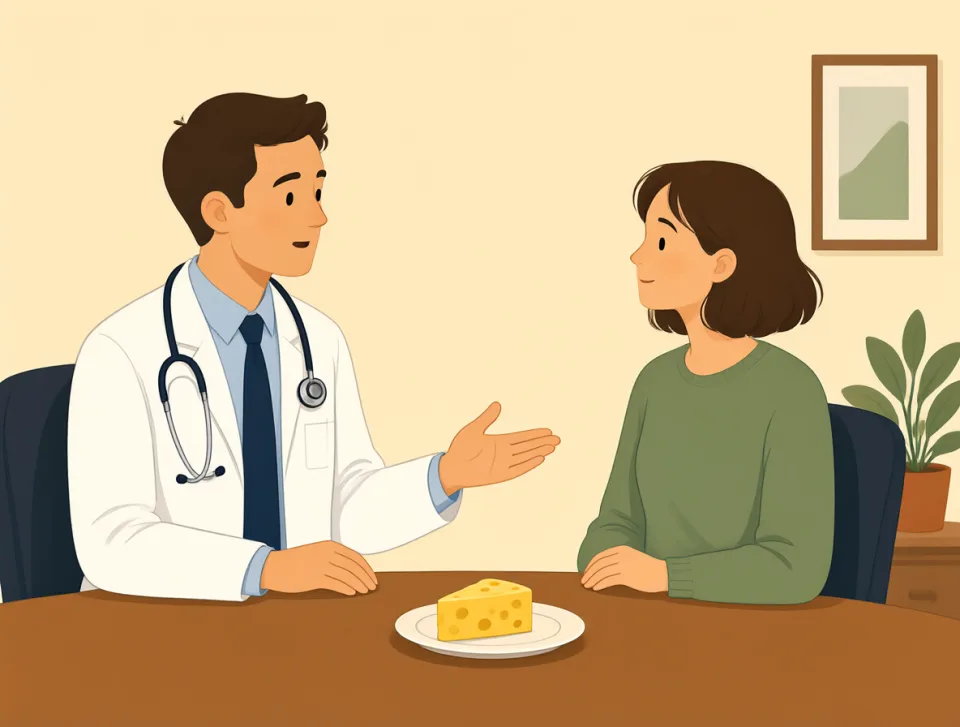
The doctor advised him to eat less cheese because of his high cholesterol.
Врач посоветовал ему есть меньше сыра из-за высокого уровня холестерина.
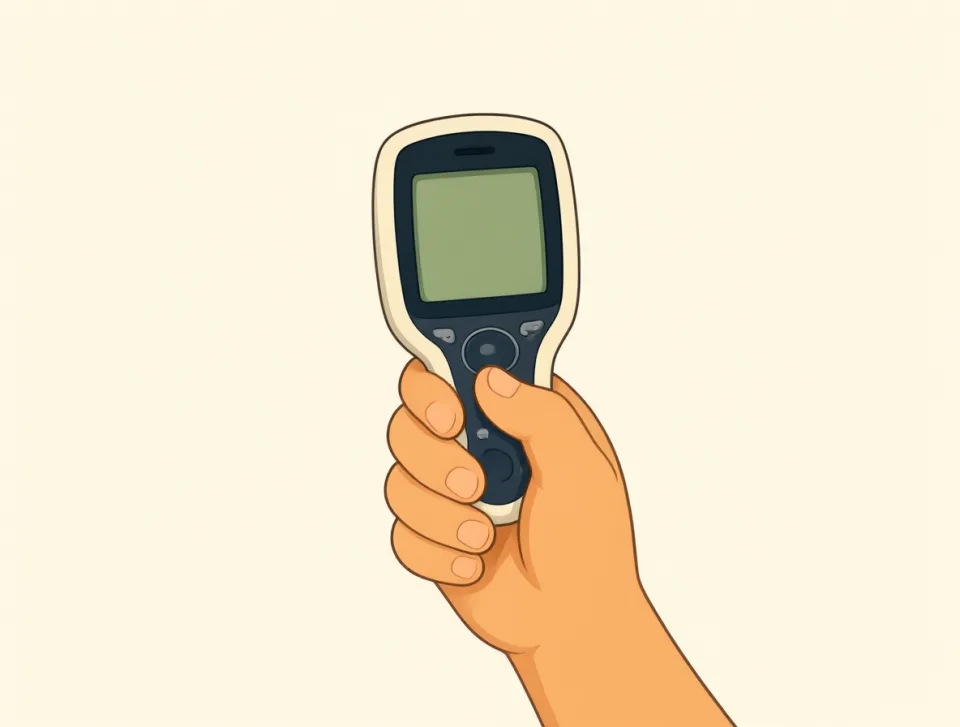
trigger
#2586noun, verb
спусковой крючок; провоцировать
a thing that causes a reaction, or to cause a reaction or event
то, что вызывает реакцию; вызывать реакцию или какое-либо событие
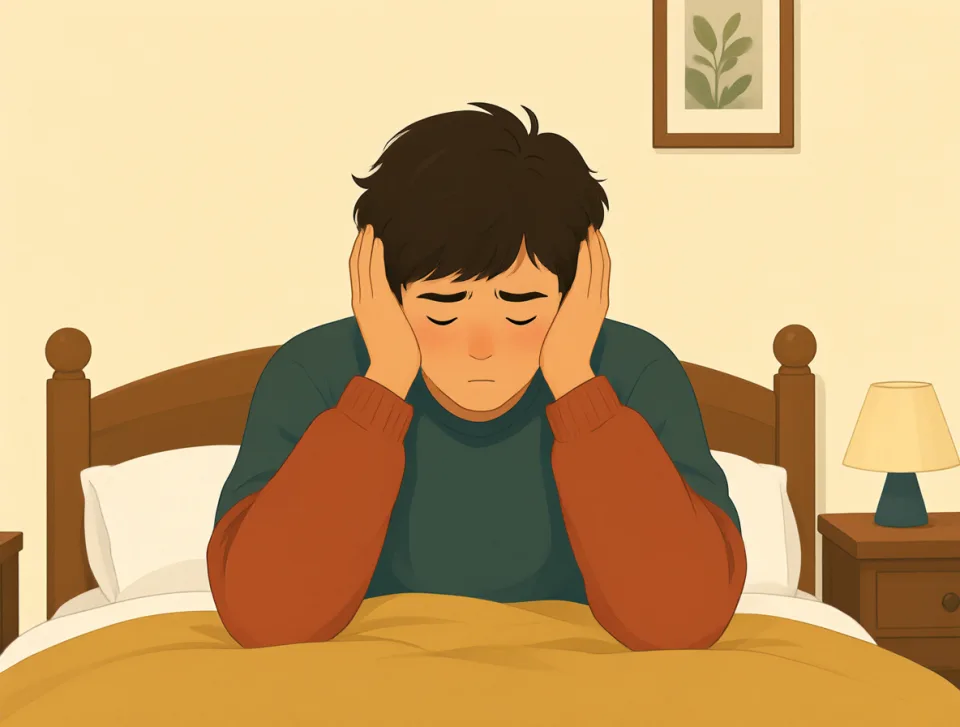
Loud noises can trigger headaches for some people.
Громкие звуки могут вызывать головную боль у некоторых людей.
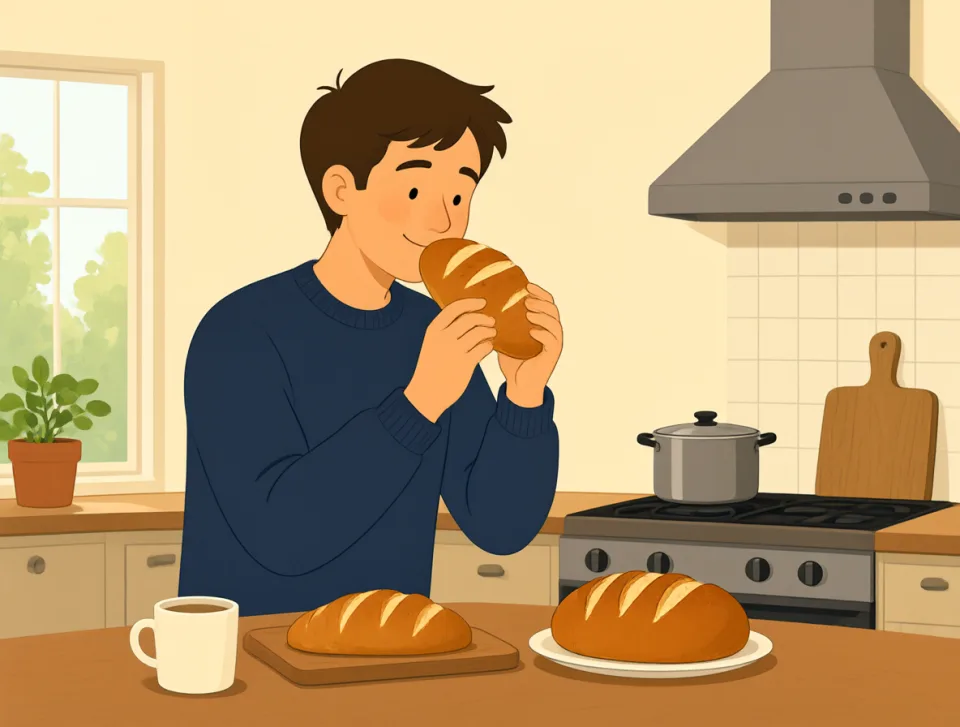
The smell of fresh bread triggered memories of his childhood home.
Запах свежего хлеба пробудил в нём воспоминания о доме, где он провёл детство.
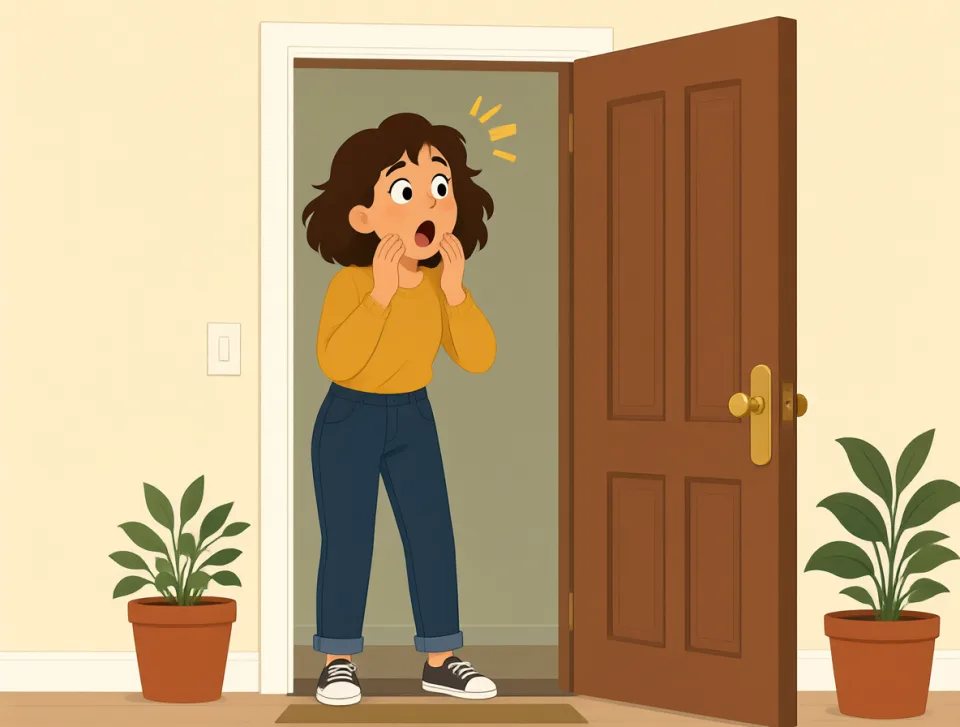
The alarm was triggered when someone opened the back door.
Сработала сигнализация, когда кто-то открыл заднюю дверь.

The teacher's question triggered an interesting discussion among the students.
Вопрос учителя вызвал интересное обсуждение среди учеников.
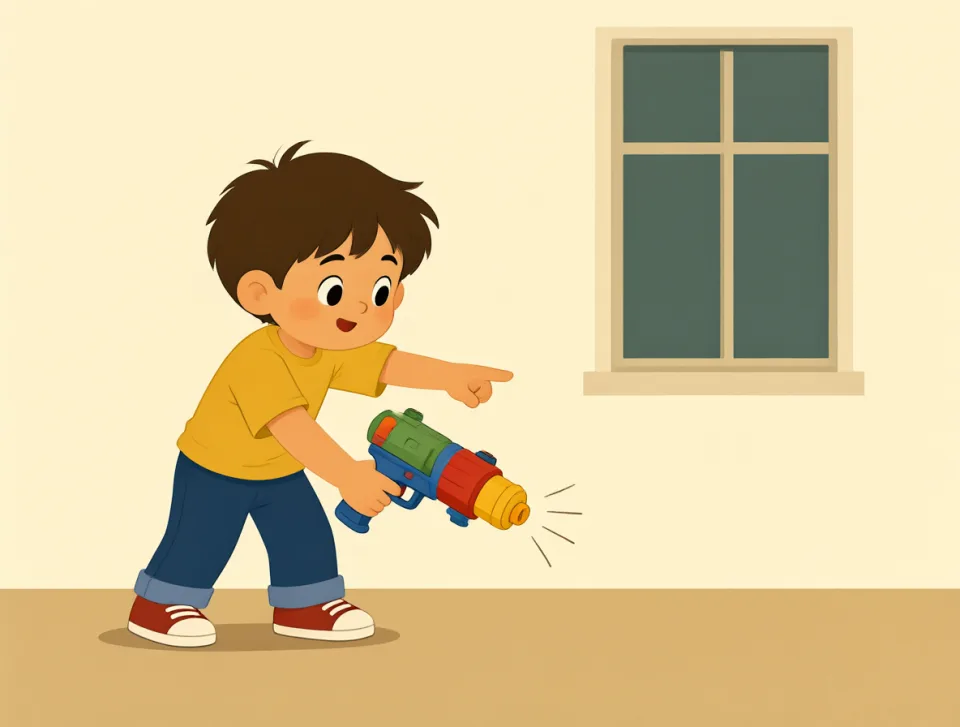
Pulling the trigger made the toy gun produce a loud popping sound.
При нажатии на спусковой крючок игрушечный пистолет издал громкий хлопок.
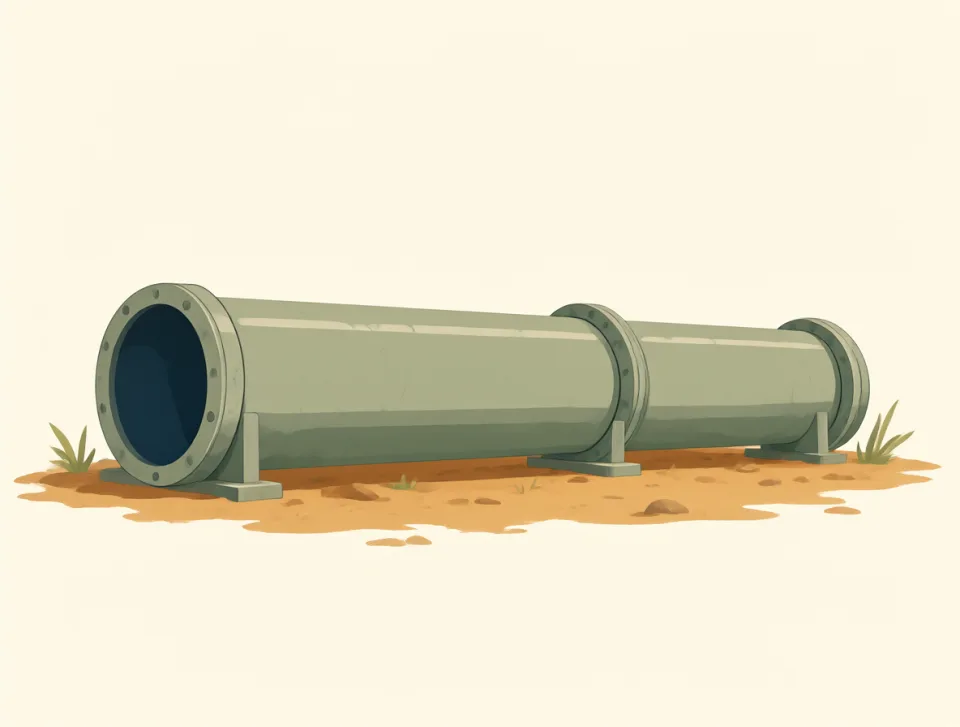
pipe
#2587noun, verb
труба
a long hollow tube that carries liquid, gas, or other substances
длинная полая трубка, по которой перемещаются жидкости, газы или другие вещества
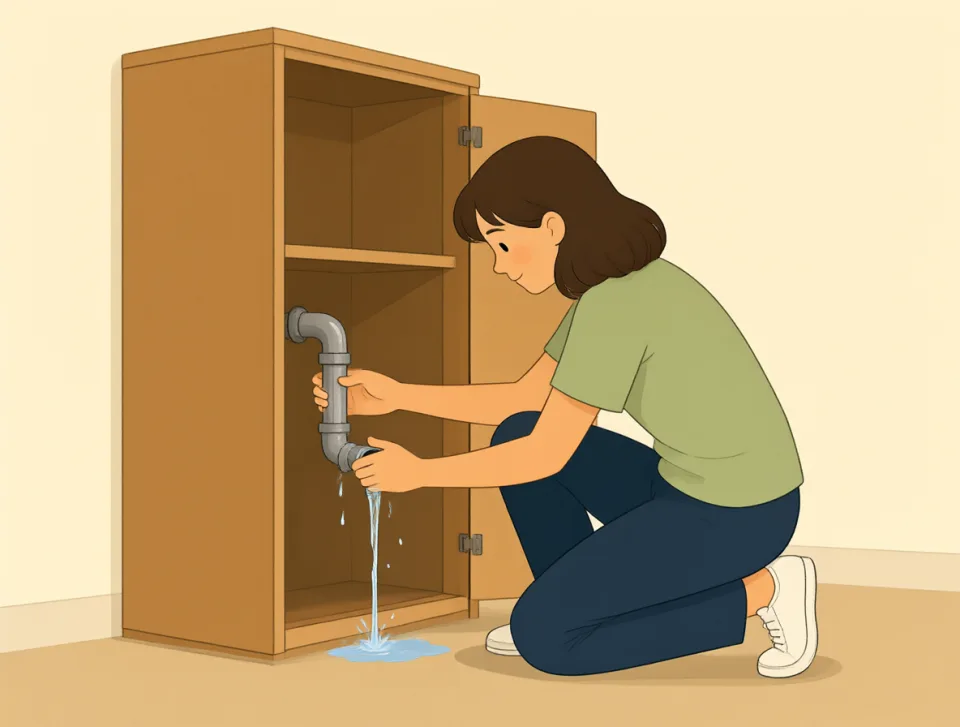
Water was leaking from a broken pipe under the kitchen sink.
Из сломанной трубы под кухонной раковиной текла вода.
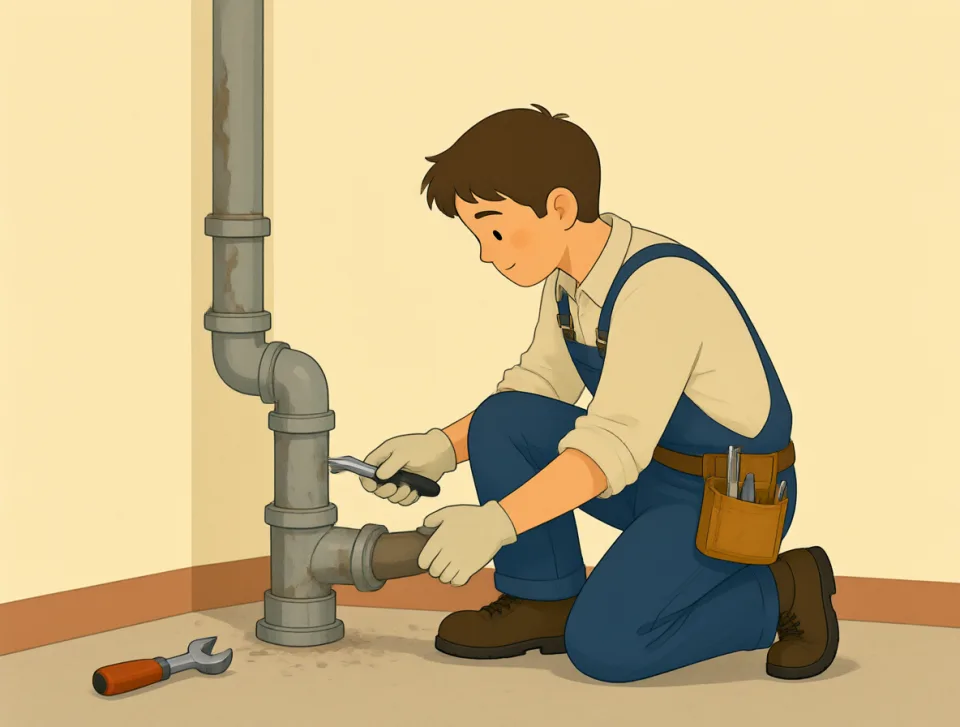
The plumber replaced the old pipes before winter arrived.
Сантехник заменил старые трубы до наступления зимы.
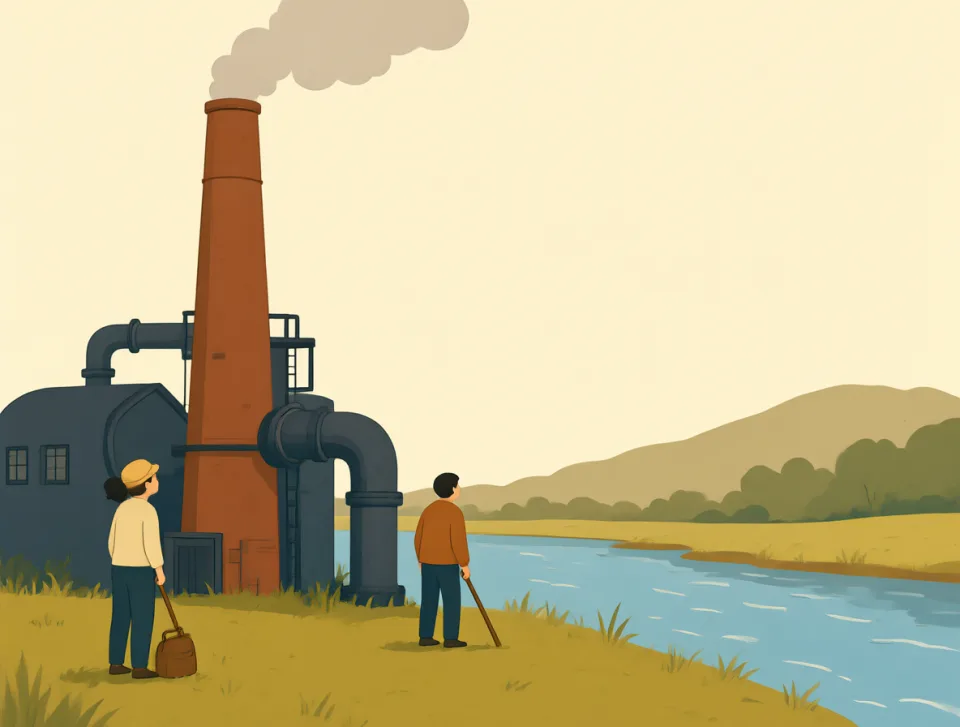
Smoke rose from the pipe of the factory across the river.
Из трубы завода на другом берегу реки поднимался дым.
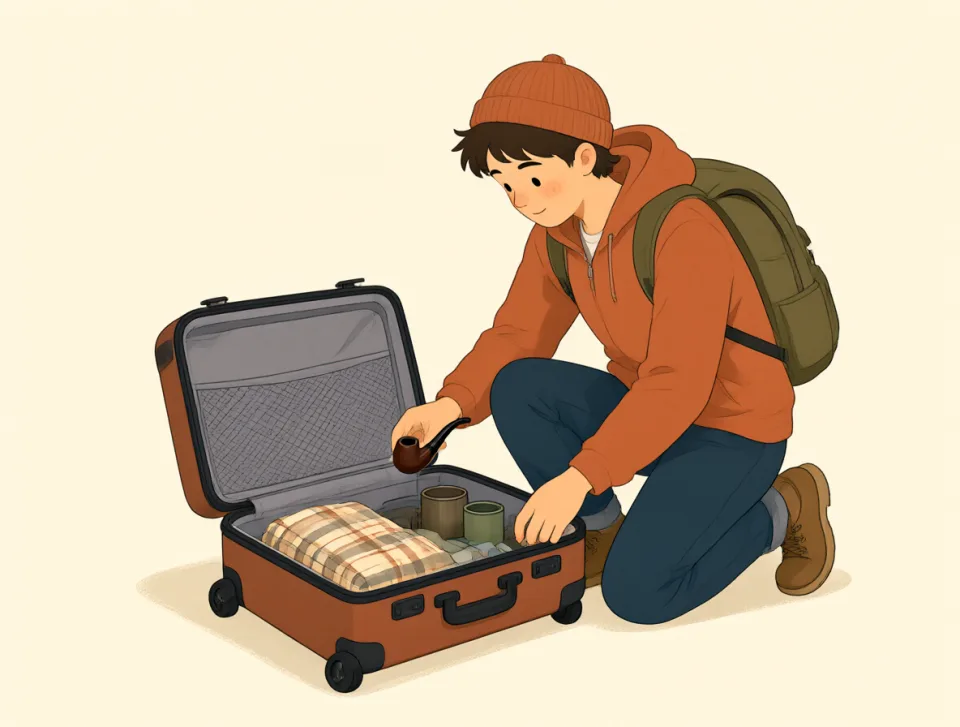
He packed a small pipe in his suitcase for the camping trip.
Он положил в чемодан небольшую трубку для похода.
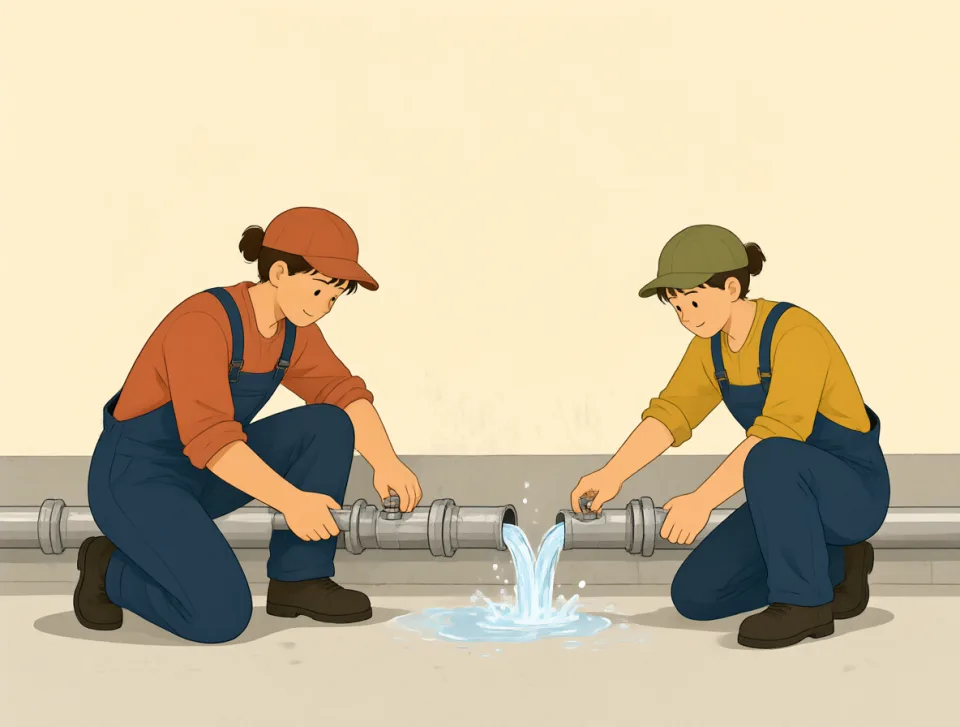
The workers are piping hot water through the new system.
Рабочие подают горячую воду по новой системе.
destruction
#2588noun
разрушение
The act or result of destroying something completely.
действие или результат полного уничтожения чего-либо.
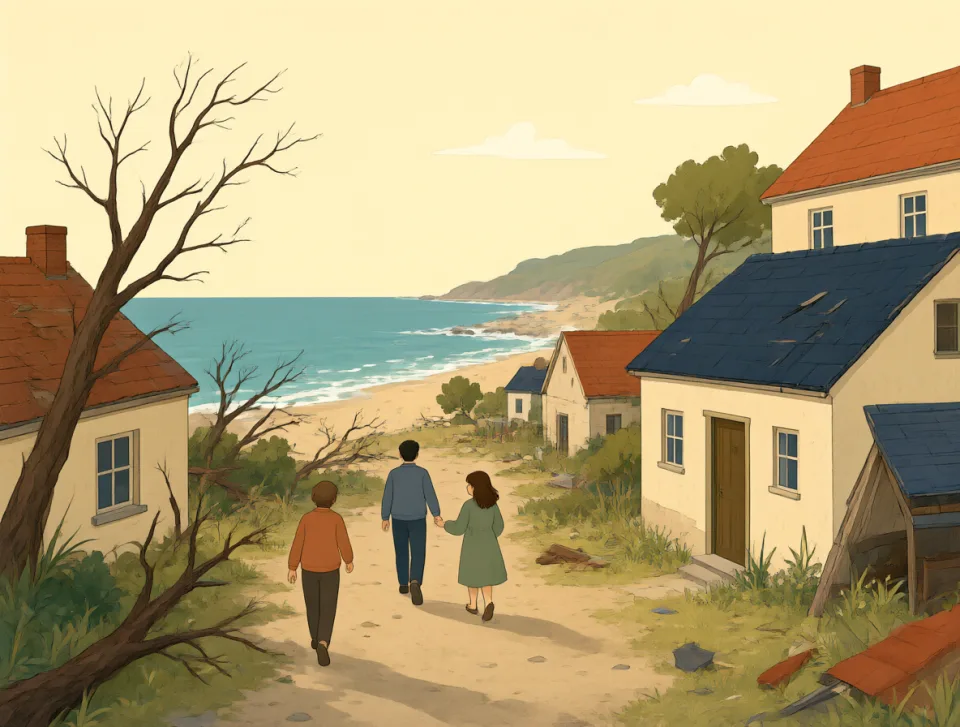
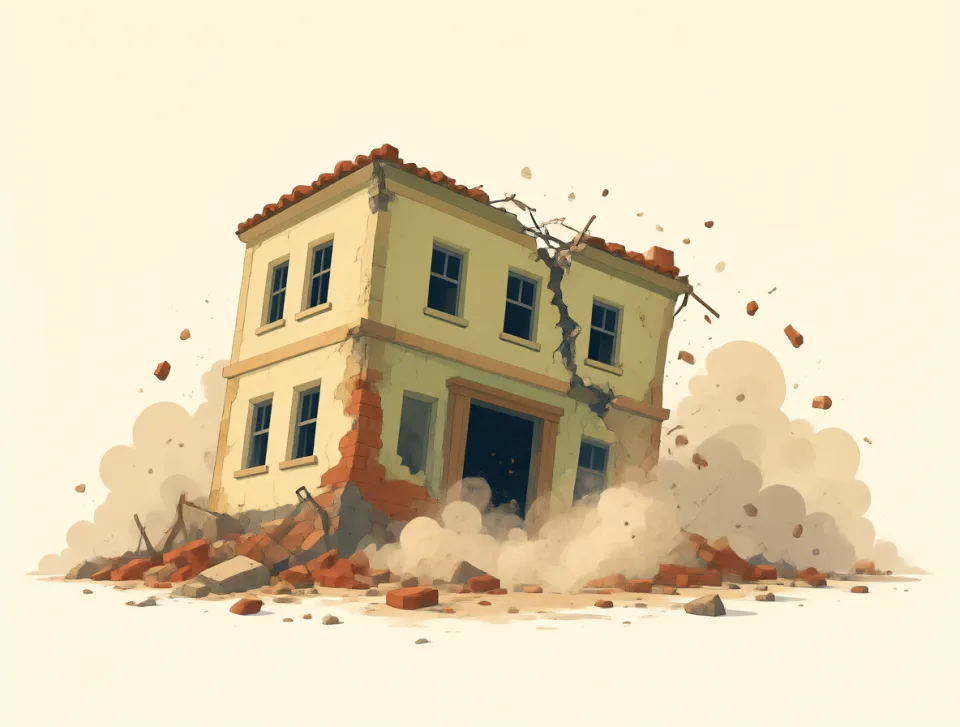
The storm caused serious destruction across the coastal town.
Шторм причинил серьёзные разрушения в прибрежном городе.
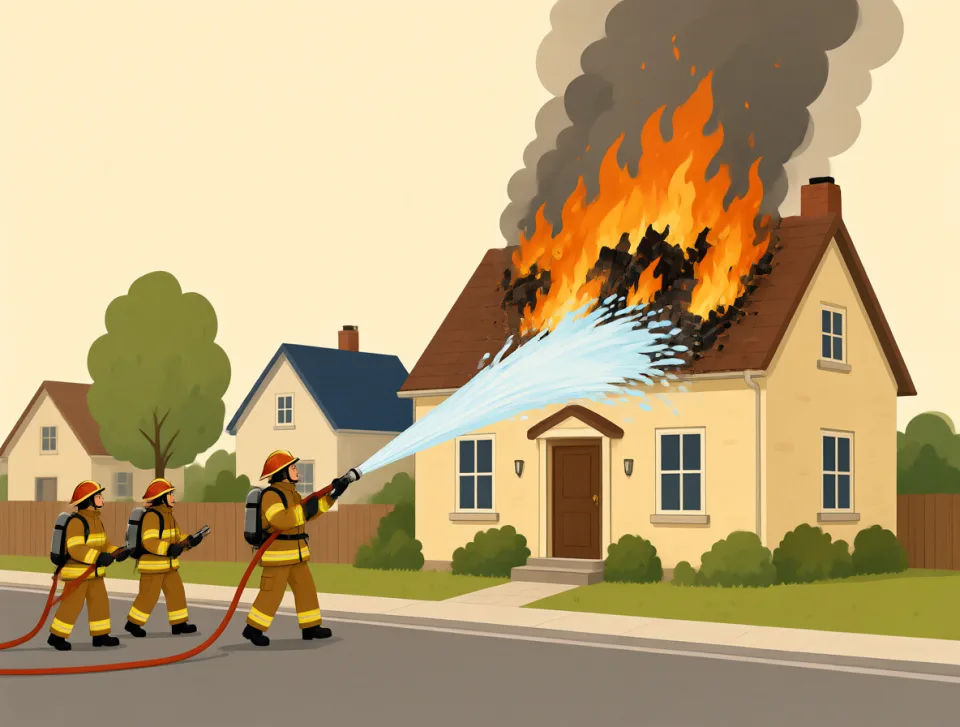
Firefighters worked all night to prevent the destruction of nearby homes.
Пожарные всю ночь старались не допустить разрушения соседних домов.
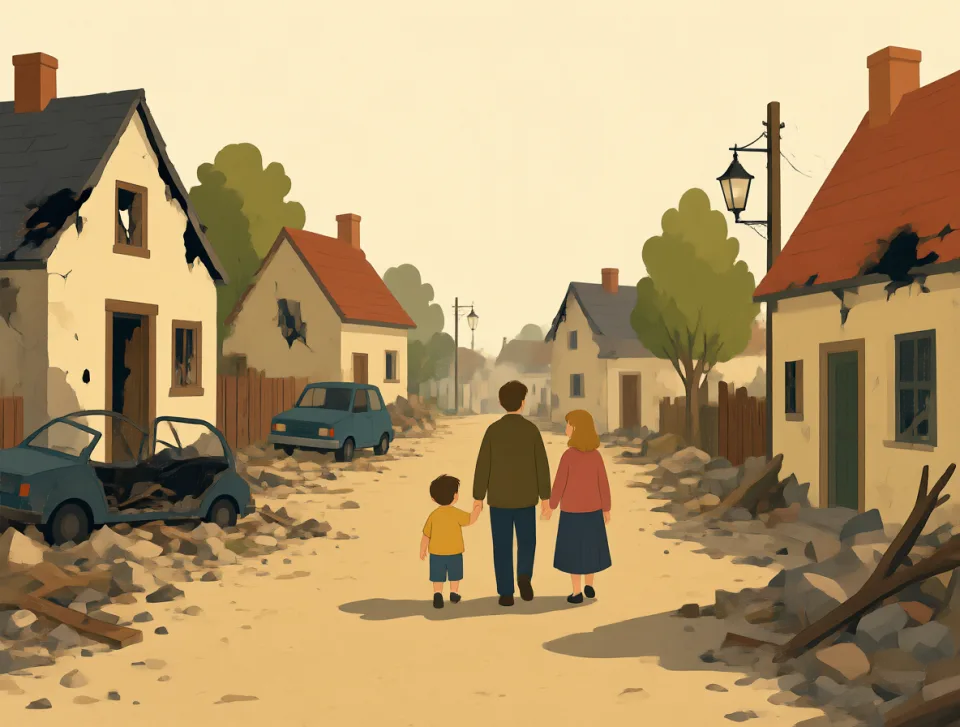
The war left a trail of destruction through several villages.
После войны за ней тянулась полоса разрушений, охватившая несколько деревень.
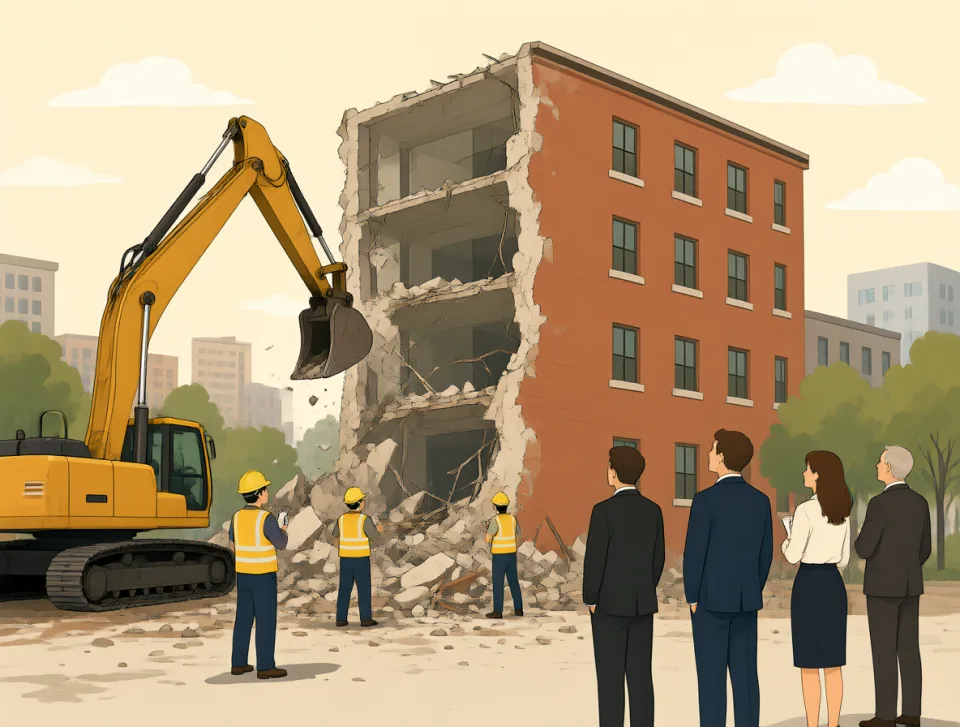
The company paid for the destruction of the old office building.
Компания оплатила снос старого офисного здания.
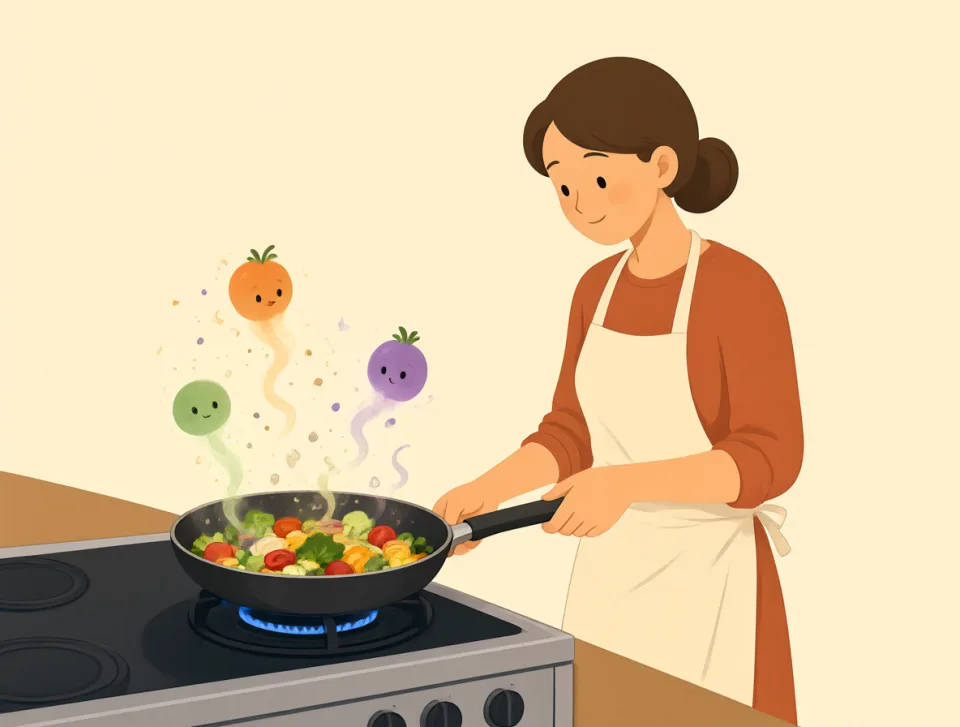
Too much heat can cause the destruction of important vitamins in food.
Слишком высокая температура может привести к разрушению важных витаминов в пище.
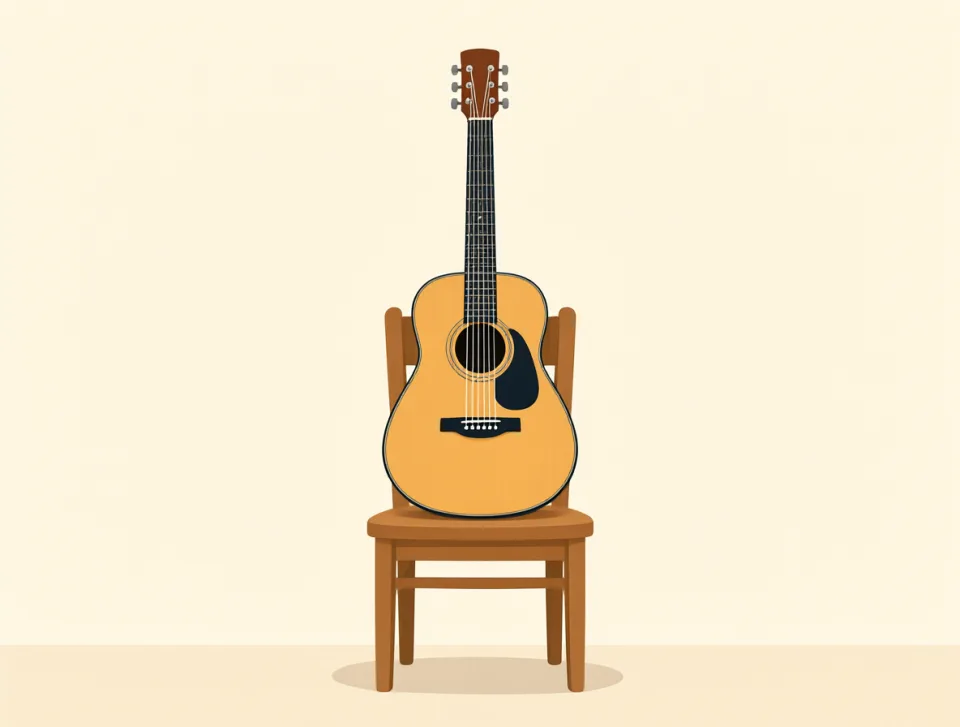
guitar
#2589noun
гитара
a musical instrument with six strings, played by moving your fingers across them
музыкальный инструмент с шестью струнами, по которым перебирают пальцами
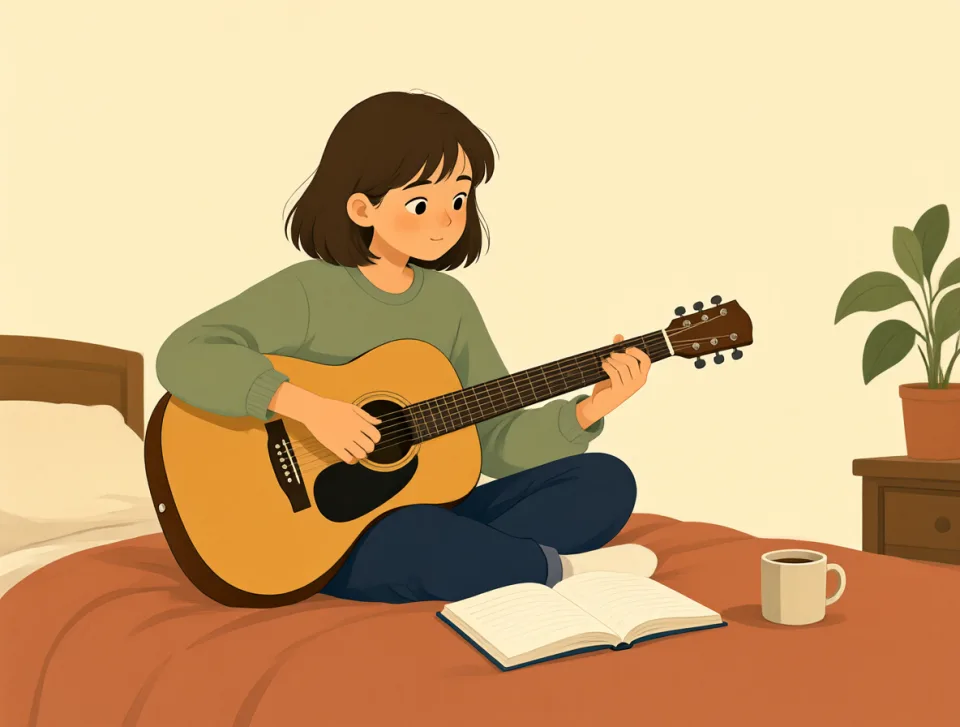
She plays the guitar every evening after finishing her homework.
Каждый вечер после уроков она играет на гитаре.
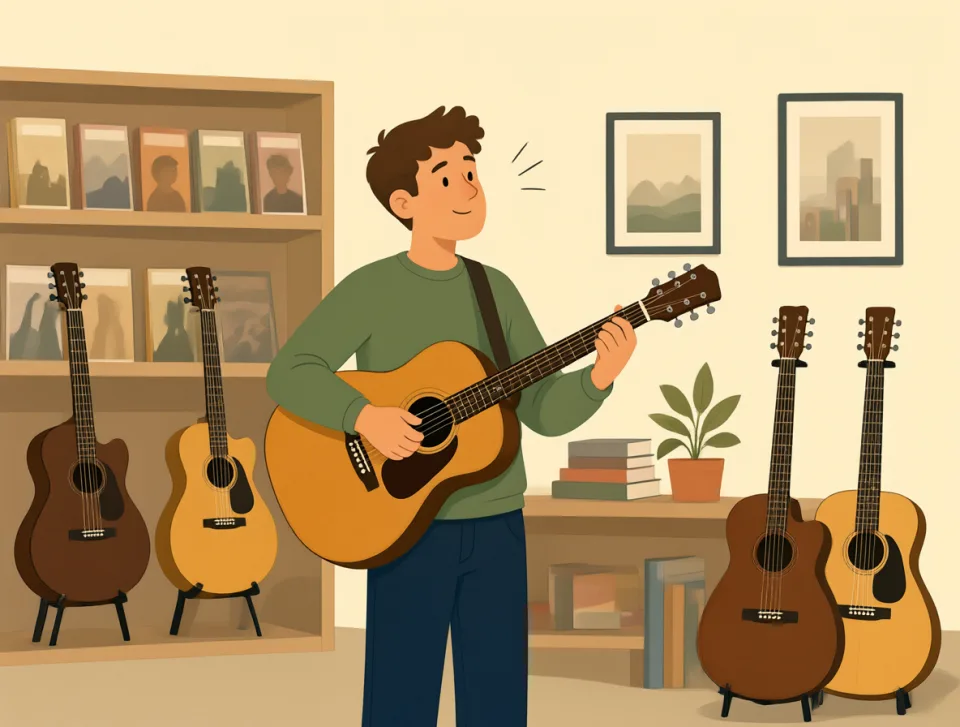
He bought a new guitar from the music shop downtown.
Он купил новую гитару в музыкальном магазине в центре города.
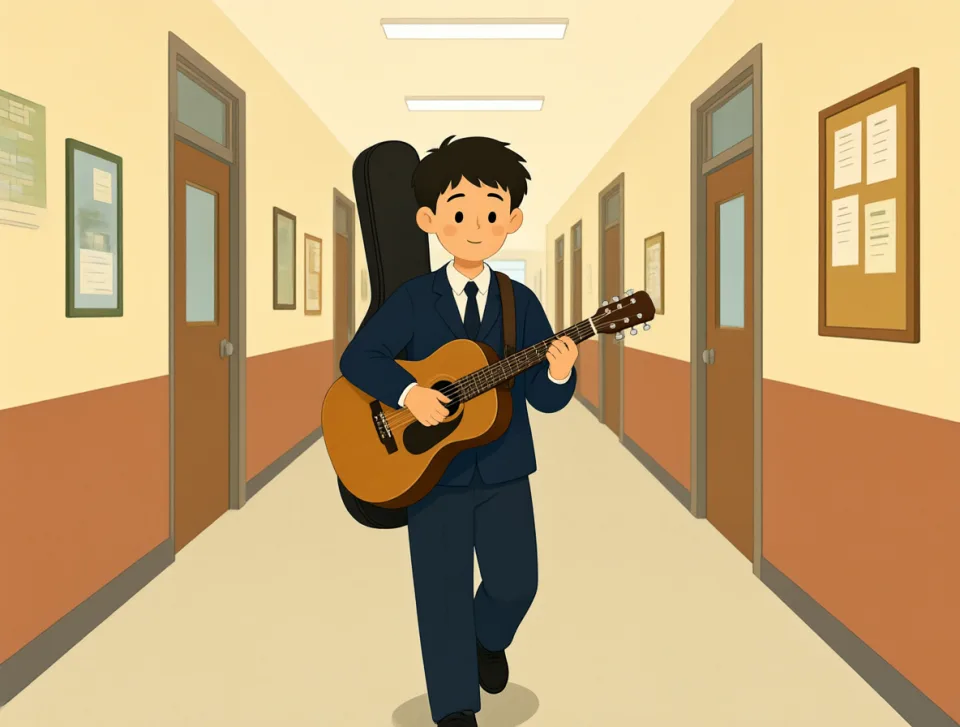
Our teacher asked me to bring my guitar to school tomorrow.
Учитель попросил меня завтра принести гитару в школу.
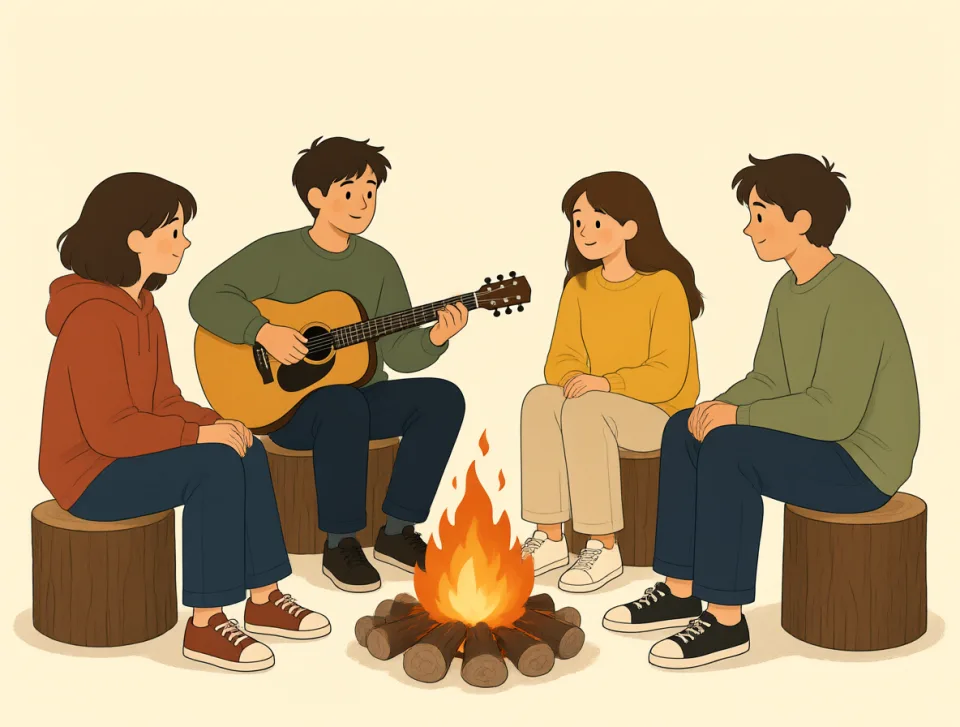
We sang songs and played guitar around the campfire last night.
Вчера вечером мы пели песни и играли на гитаре у костра.
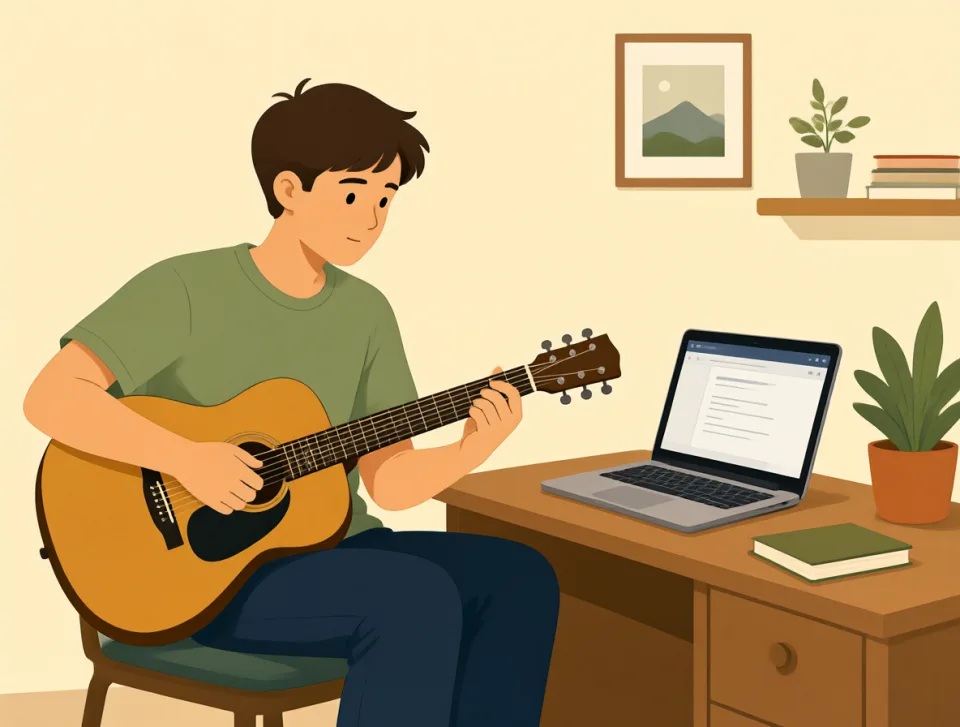
My brother is learning to play the guitar with online lessons.
Мой брат учится играть на гитаре по онлайн-урокам.

flag
#2590noun, verb
флаг; отмечать
A piece of colored cloth showing a country, group, or symbol; to signal a problem or danger.
кусок цветной ткани, обозначающий страну, группу или символ; указывать на проблему или опасность.
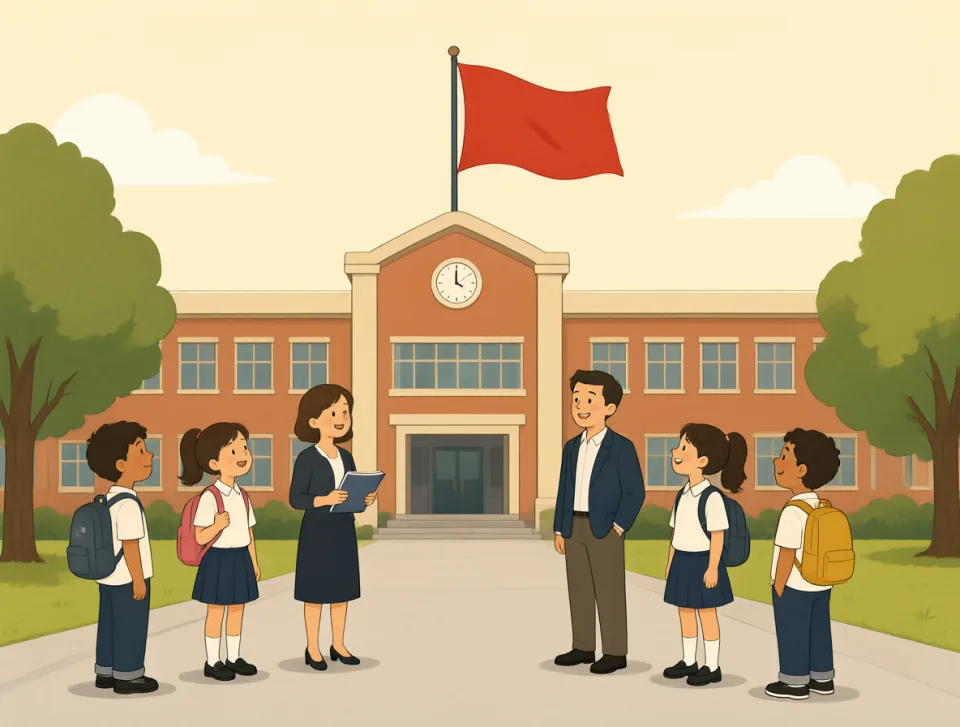
The flag was flying above the school entrance during the ceremony.
Во время церемонии над входом в школу развевался флаг.
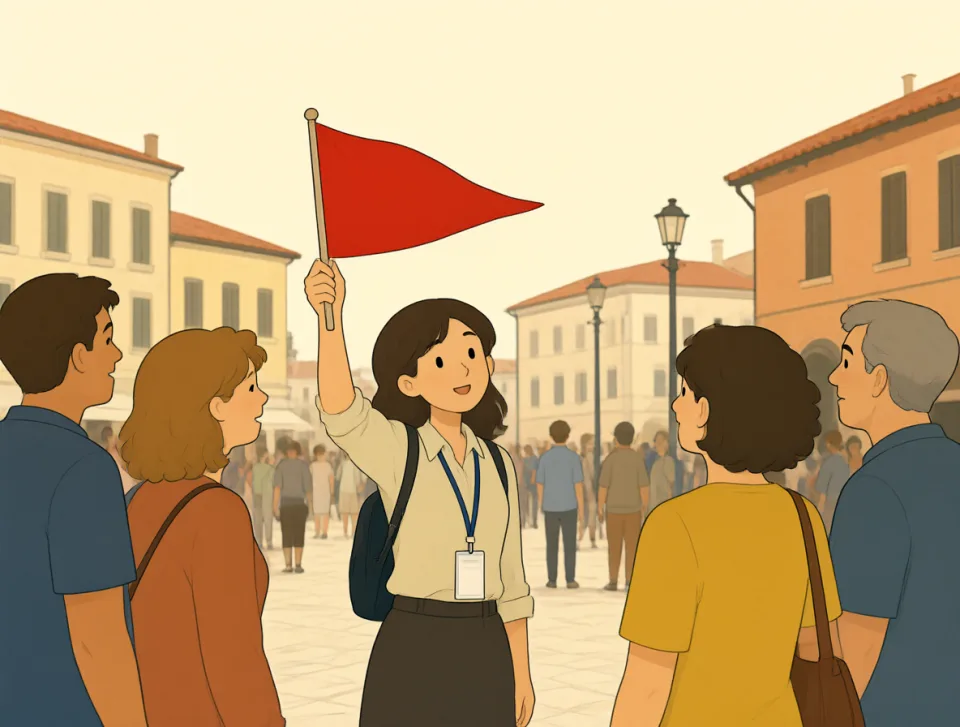
The tour guide raised a flag so the group could find her.
Экскурсовод подняла флаг, чтобы группа могла её найти.

Please flag any problems in the report before the meeting tomorrow.
Пожалуйста, отметьте все проблемы в отчёте до завтрашнего собрания.

The hotel put a small flag on our table when dinner was ready.
Когда ужин был готов, в отеле поставили на наш стол небольшой флажок.
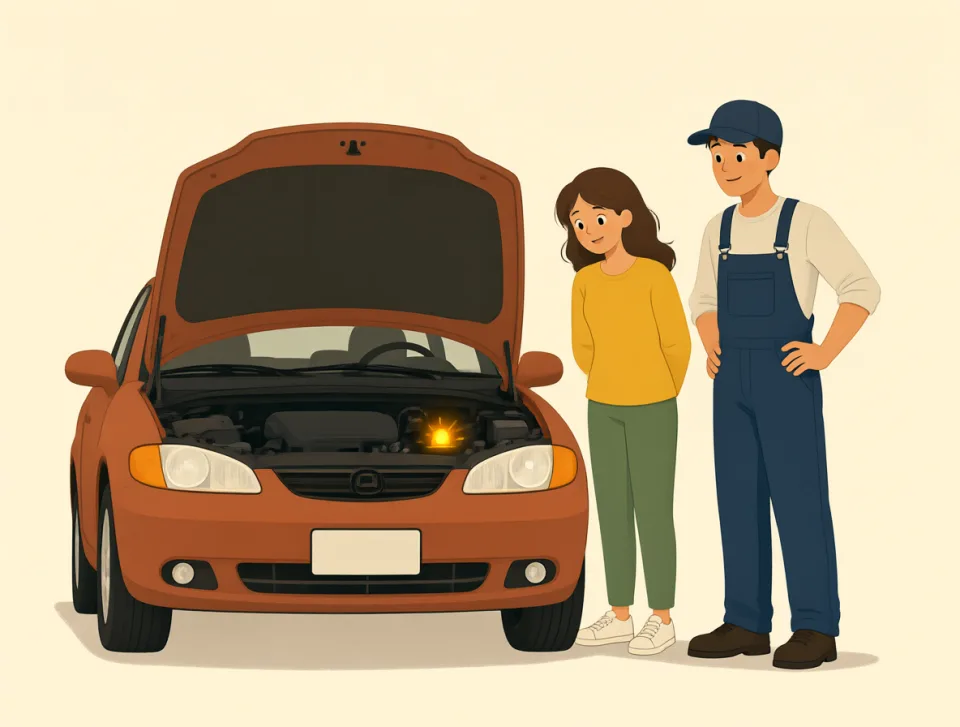
The warning light flagged a possible problem with the car engine.
Сигнальная лампочка указала на возможную проблему с двигателем автомобиля.
piano
#2591noun
пианино
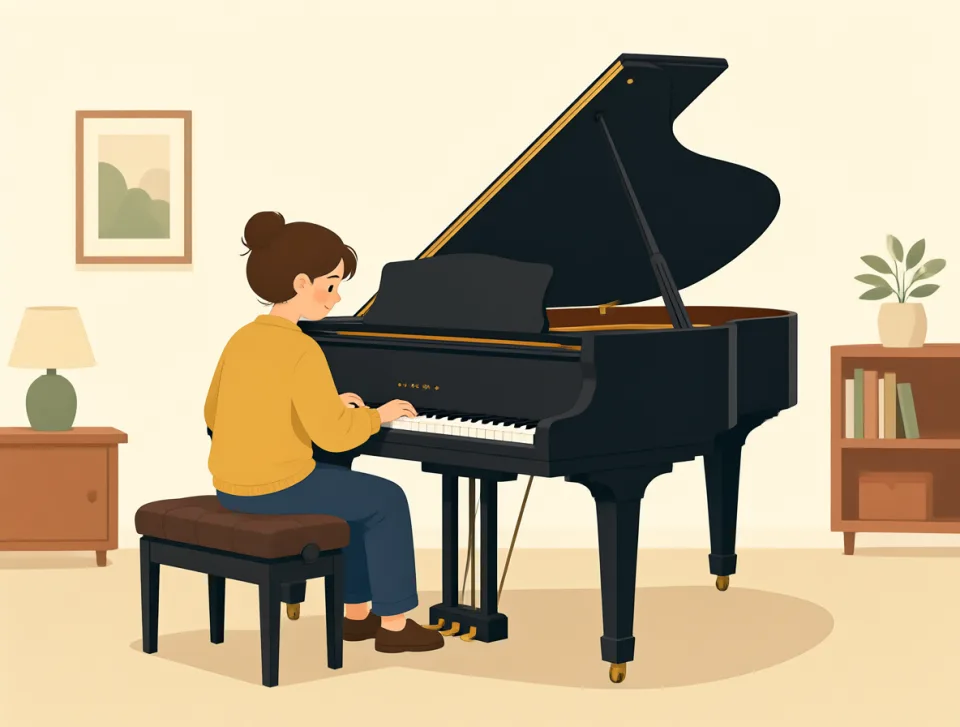
a large musical instrument with black and white keys that you play with your fingers
Большой музыкальный инструмент с чёрными и белыми клавишами, на котором играют пальцами.
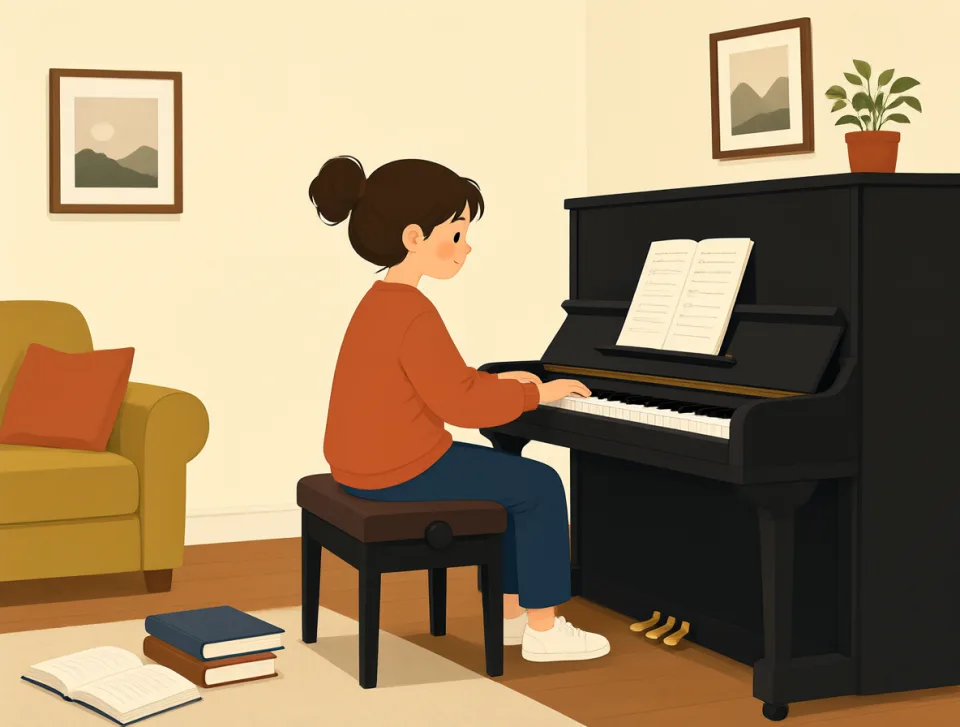
My sister practices the piano every evening after she finishes her homework.
Моя сестра занимается на пианино каждый вечер после того, как заканчивает делать уроки.
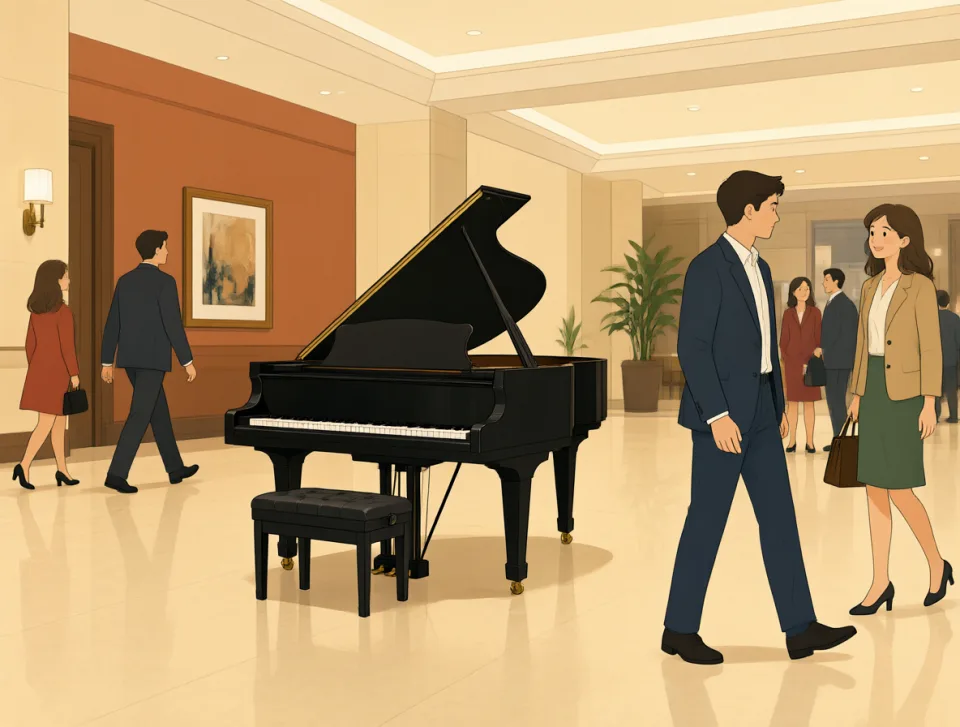
There is a beautiful piano in the corner of our hotel lobby.
В углу холла нашего отеля стоит красивое пианино.
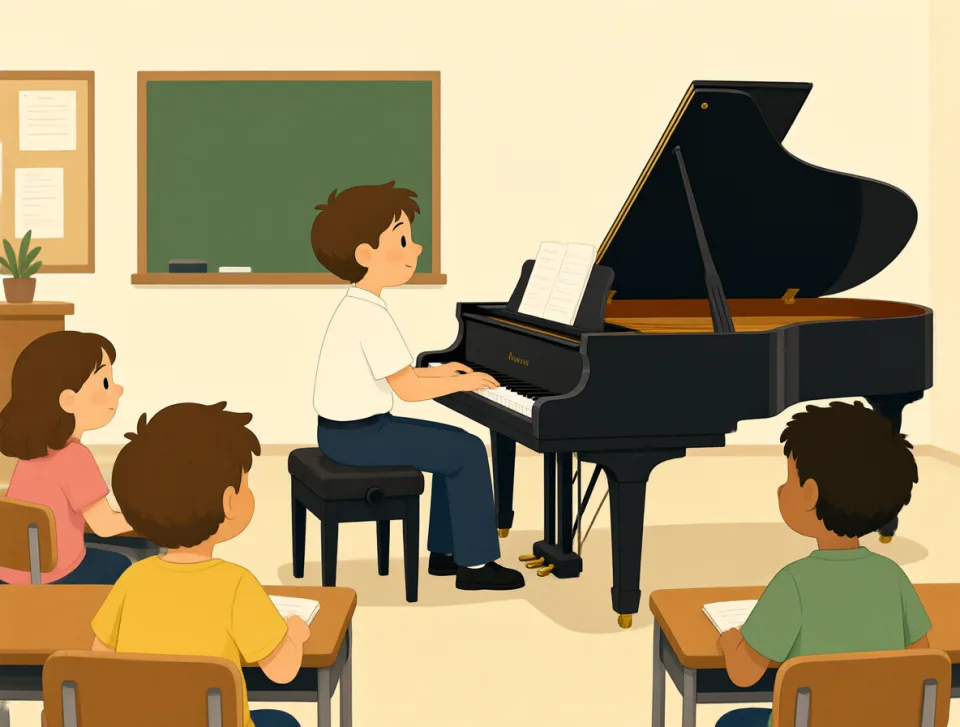
The music teacher asked Tom to play the piano for the class.
Учитель музыки попросил Тома сыграть для класса на пианино.
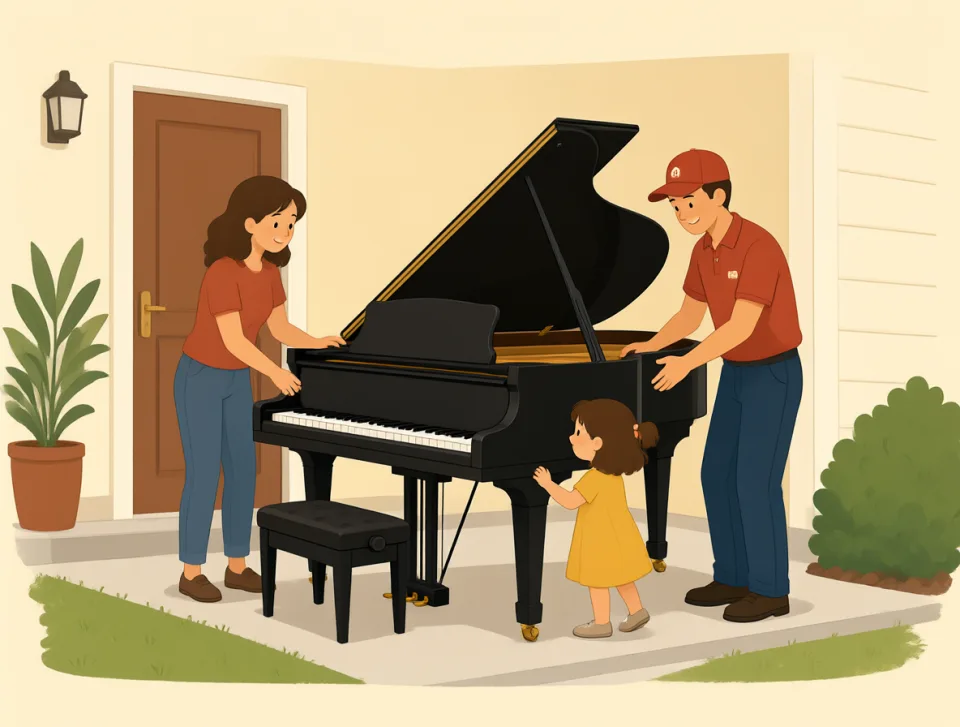
We bought a second-hand piano from a family moving to another city.
Мы купили пианино с рук у семьи, которая переезжала в другой город.
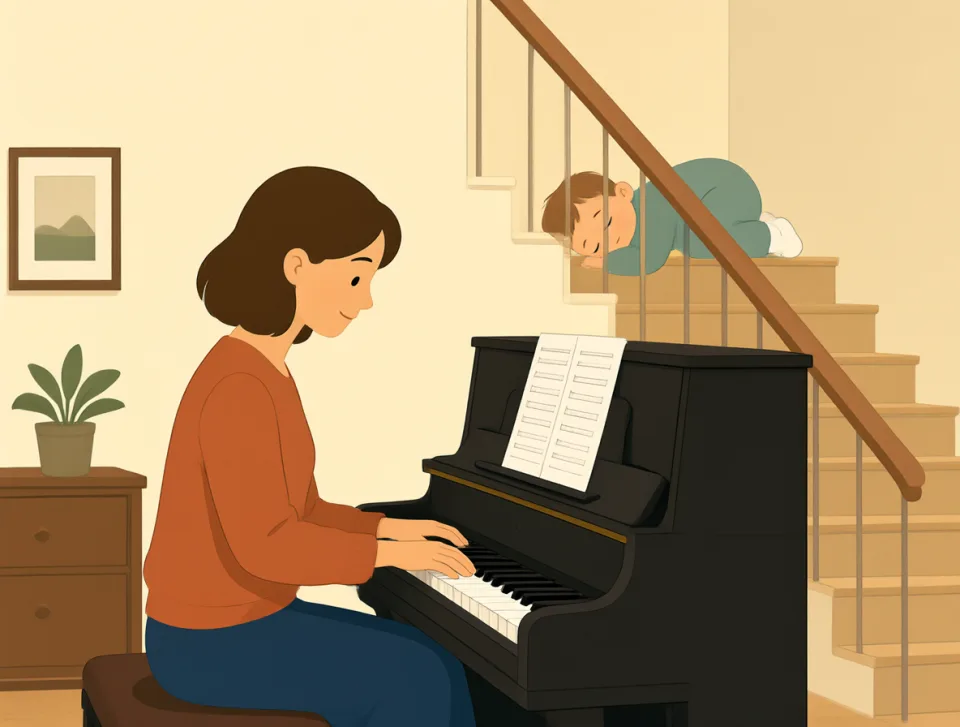
She played the piano softly while her baby slept upstairs.
Она тихо играла на пианино, пока её малыш спал наверху.

magic
#2592noun, adjective
магия
A special power that seems to make impossible things happen; wonderful or exciting.
Особая сила, благодаря которой, кажется, происходят невозможные вещи; нечто удивительное или захватывающее.

The magician performed a magic trick at my daughter's birthday party.
На дне рождения моей дочери фокусник показал фокус с магией.

A little magic can make an ordinary evening feel special.
Немного магии может сделать обычный вечер особенным.
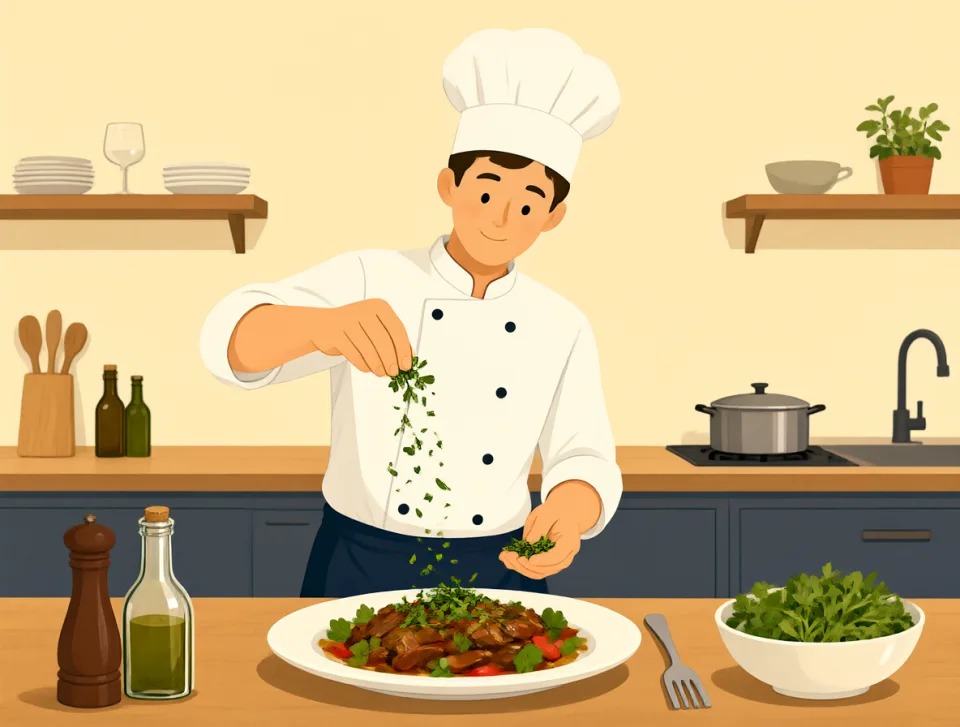
The chef added some magic to the meal with fresh herbs and spices.
Повар добавил в блюдо немного волшебства с помощью свежей зелени и специй.
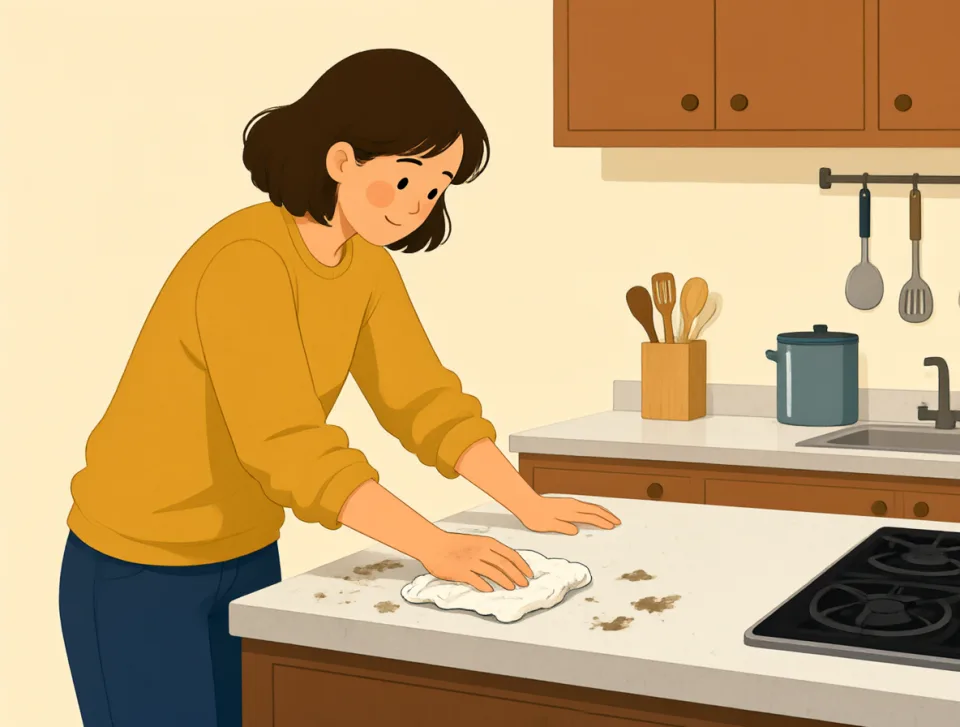
This cleaning spray works like magic on dirty kitchen surfaces.
Это чистящее средство волшебным образом очищает грязные кухонные поверхности.
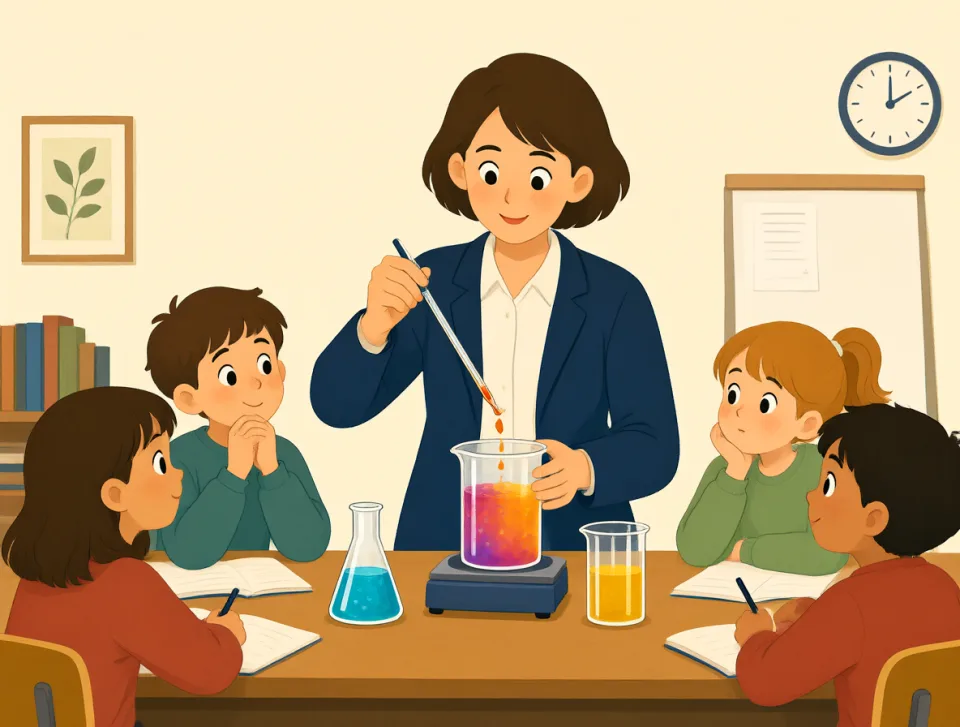
The teacher used magic to make the science lesson exciting.
Учитель использовал магию, чтобы сделать урок естествознания интересным.

mystery
#2593noun
загадка
Something difficult to understand or explain, especially a strange event or unknown situation.
То, что трудно понять или объяснить, особенно странное событие или неизвестная ситуация.

The police are trying to solve the mystery of the missing painting.
Полиция пытается раскрыть тайну исчезнувшей картины.
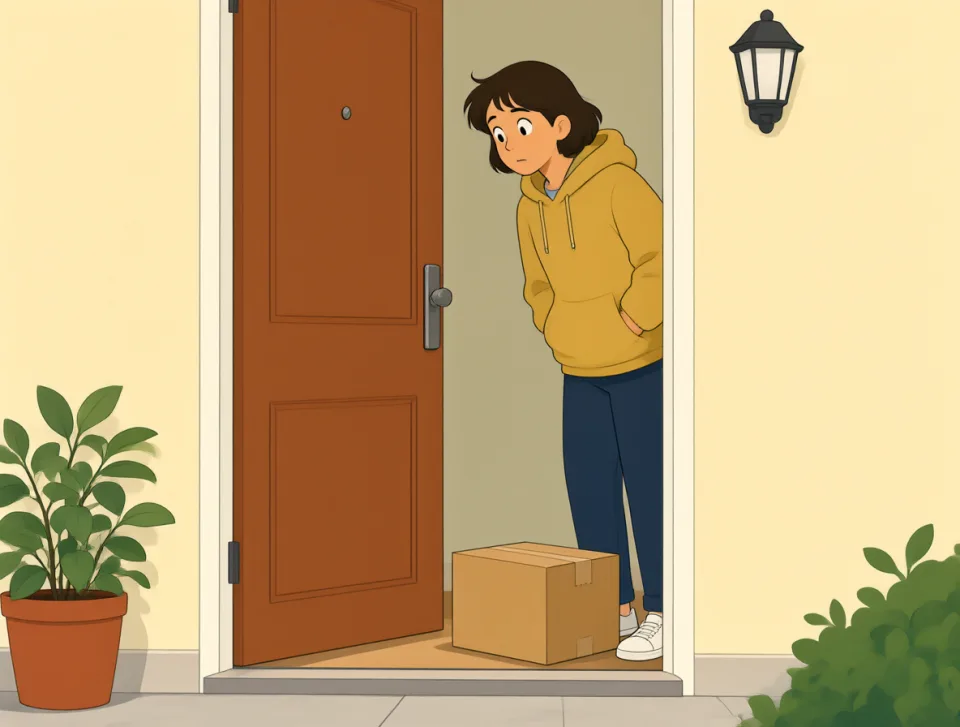
There was a mystery package waiting for me outside my front door.
У моей входной двери меня ждала загадочная посылка.
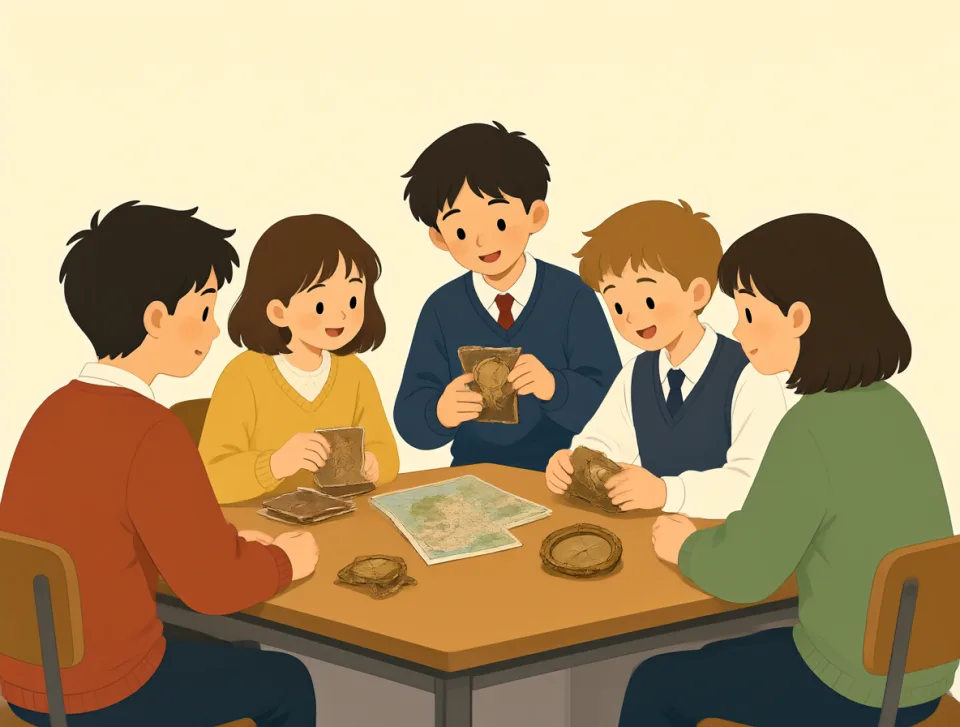
The teacher gave us a history mystery to discuss in small groups.
Учитель дал нам историческую загадку для обсуждения в небольших группах.

We watched a mystery movie during our train journey through the mountains.
Во время поездки на поезде через горы мы посмотрели детективный фильм.
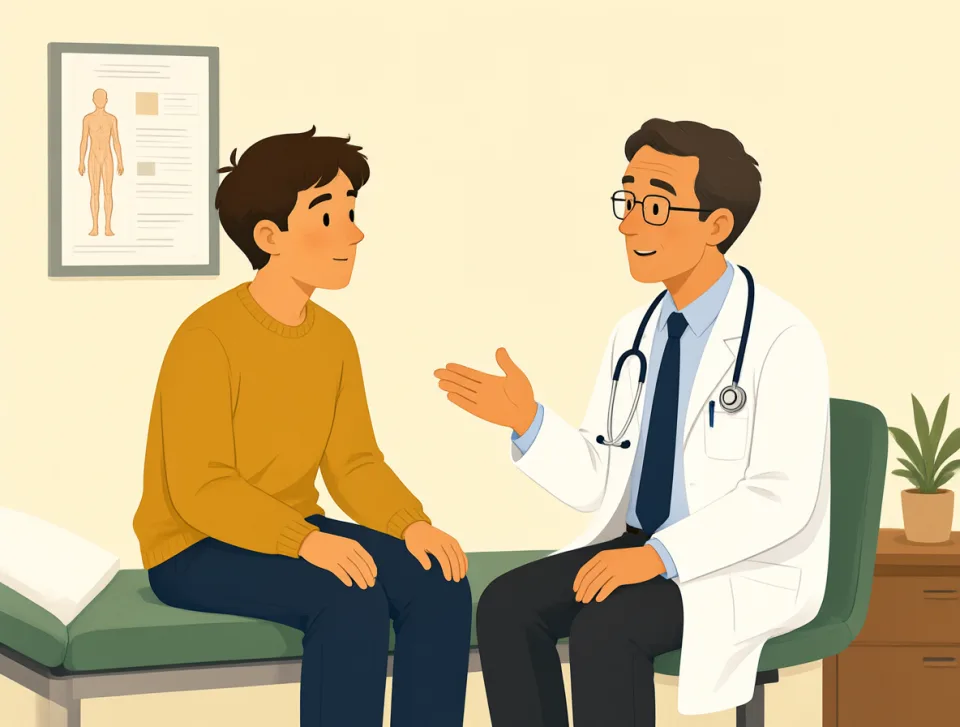
The doctor solved the mystery of my stomach pain after several tests.
После нескольких обследований врач разгадал причину моей боли в животе.
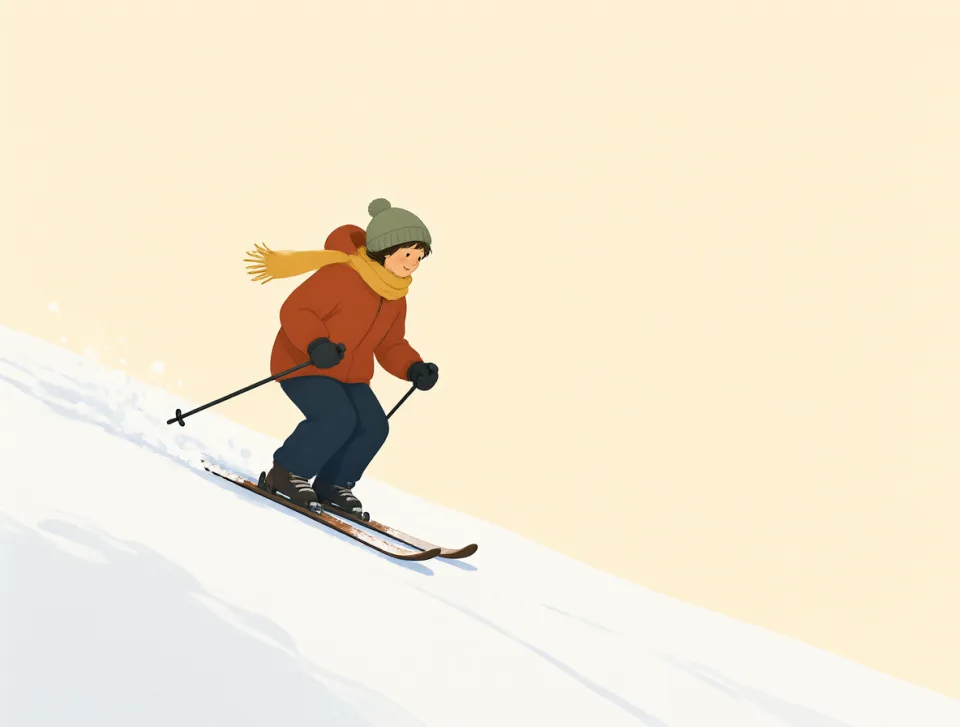
ski
#2594noun, verb
лыжа; кататься на лыжах
A narrow board for sliding over snow, or to move over snow using skis.
Узкая доска для скольжения по снегу; также — передвигаться по снегу на лыжах.
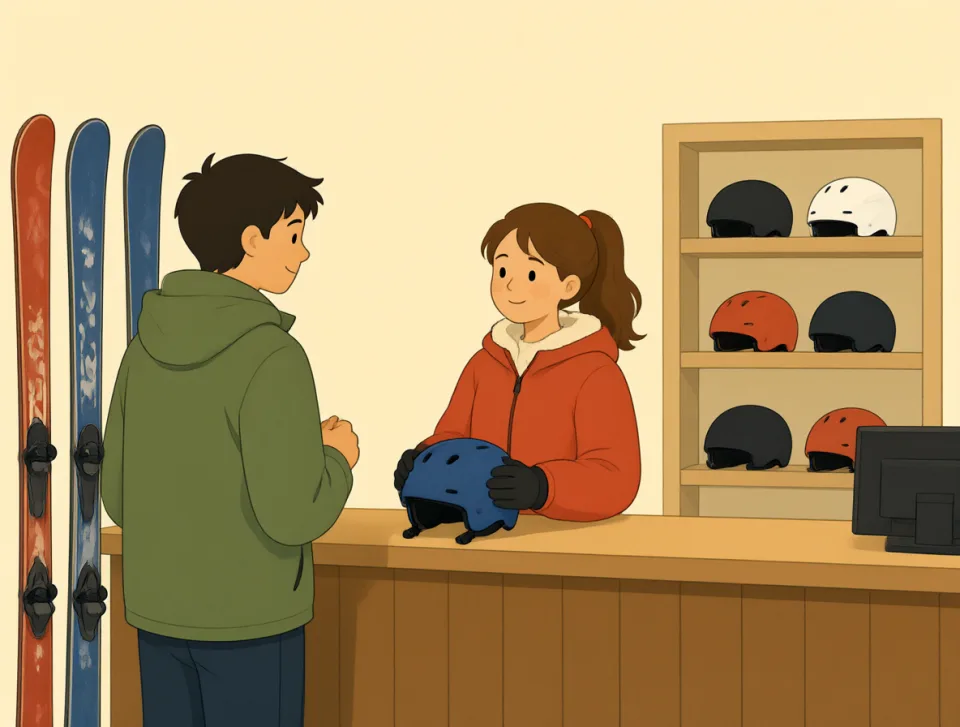
We rented skis and helmets before going up the mountain.
Перед подъёмом на гору мы взяли напрокат лыжи и шлемы.
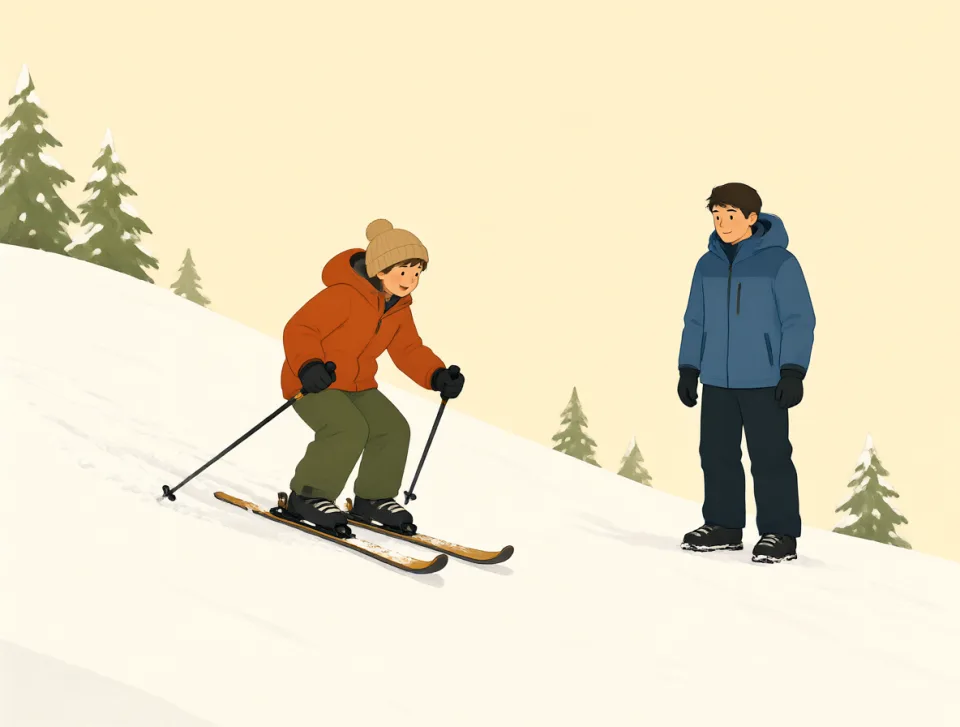
My brother learned to ski during his winter holiday in Canada.
Мой брат научился кататься на лыжах во время зимних каникул в Канаде.
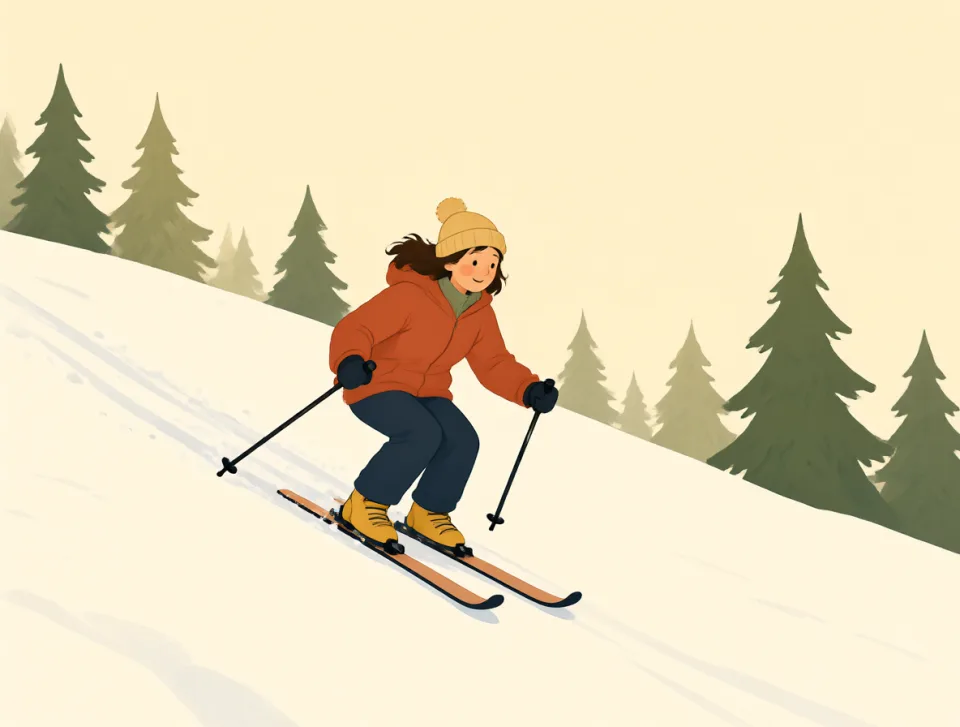
She skis every weekend when the weather is cold and sunny.
Она катается на лыжах каждые выходные, когда стоит холодная и солнечная погода.
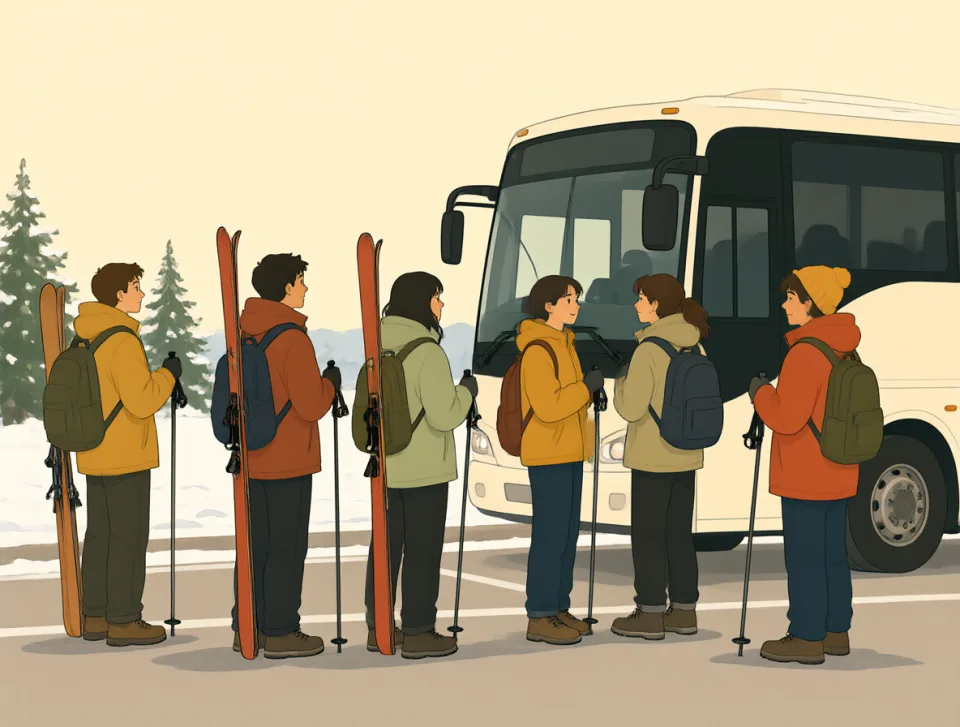
The school organized a ski trip for students during the winter break.
На зимних каникулах школа организовала для учеников лыжную поездку.
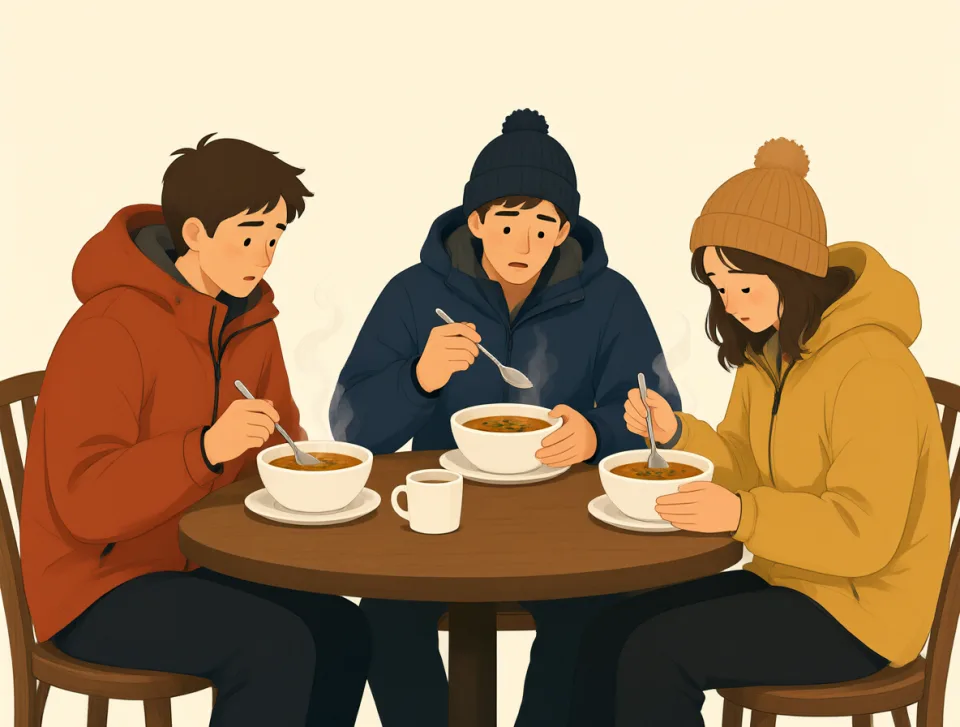
After skiing all day, we ate hot soup in the mountain café.
Покатавшись на лыжах весь день, мы поели горячего супа в горном кафе.
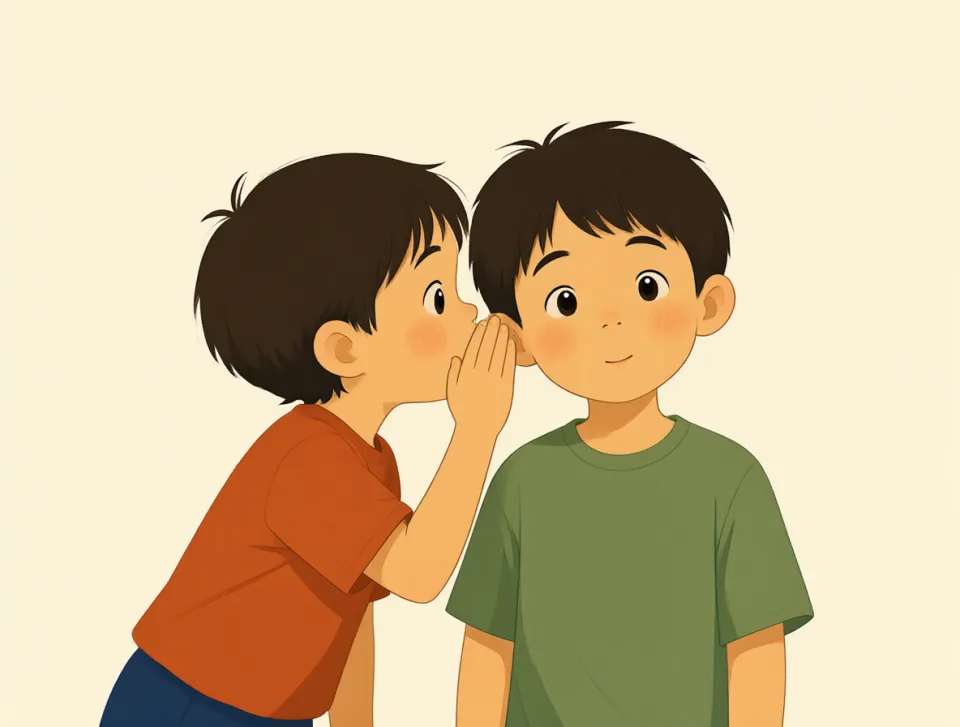
whisper
#2595noun, verb
шептать; шёпот
To speak very quietly, or a quiet way of speaking.
Говорить очень тихо; также — тихая манера речи.
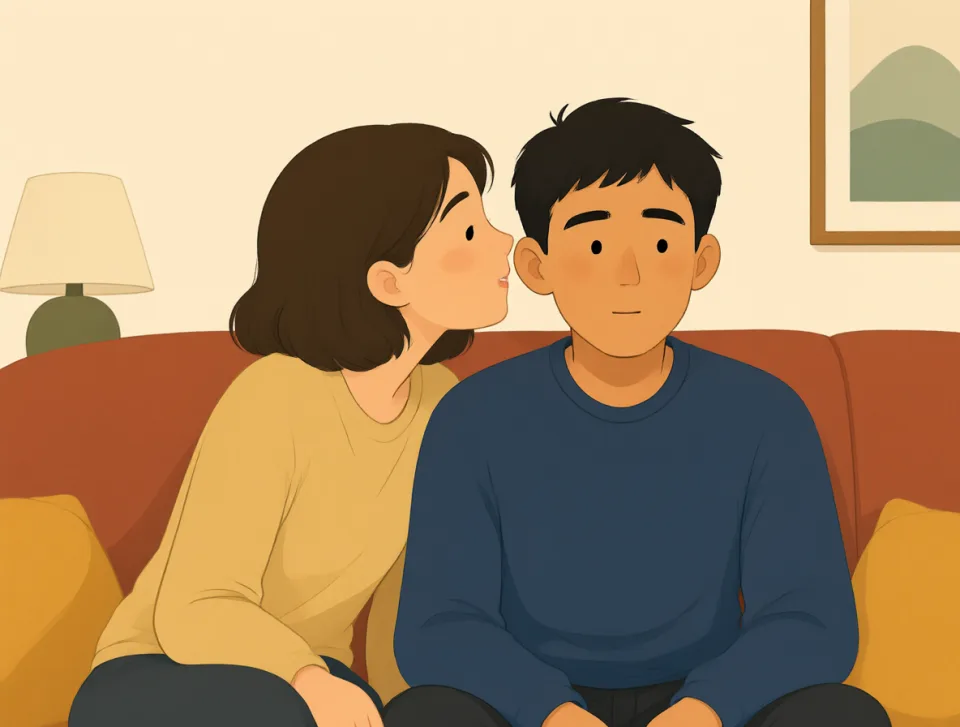
She whispered my name so nobody else could hear.
Она прошептала моё имя, чтобы никто другой не услышал.
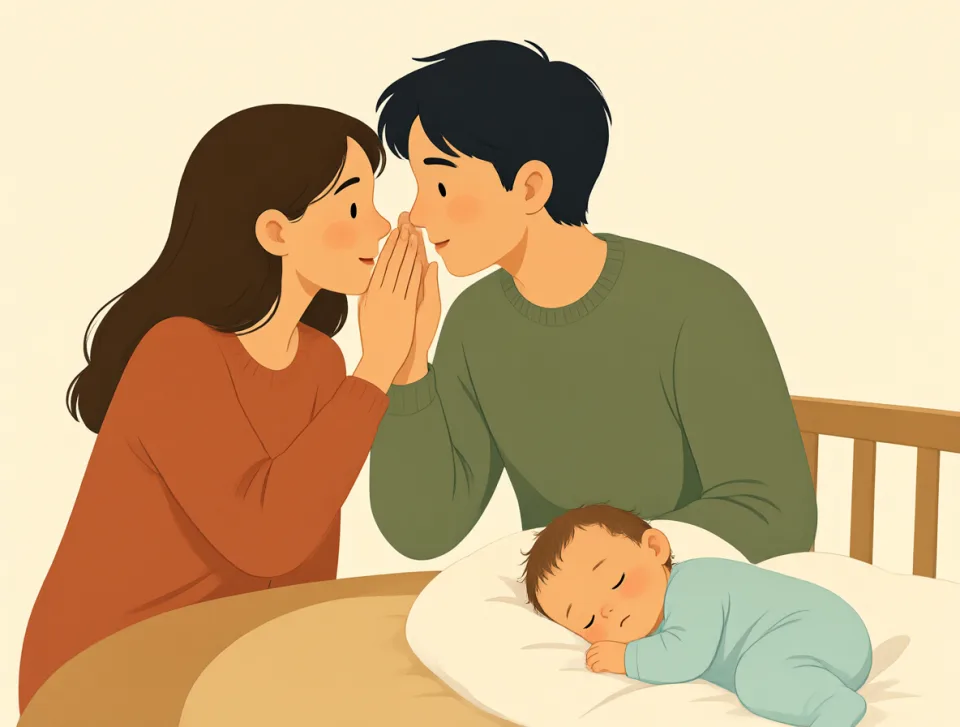
Please whisper; the baby is sleeping in the next room.
Пожалуйста, говори шёпотом: в соседней комнате спит ребёнок.
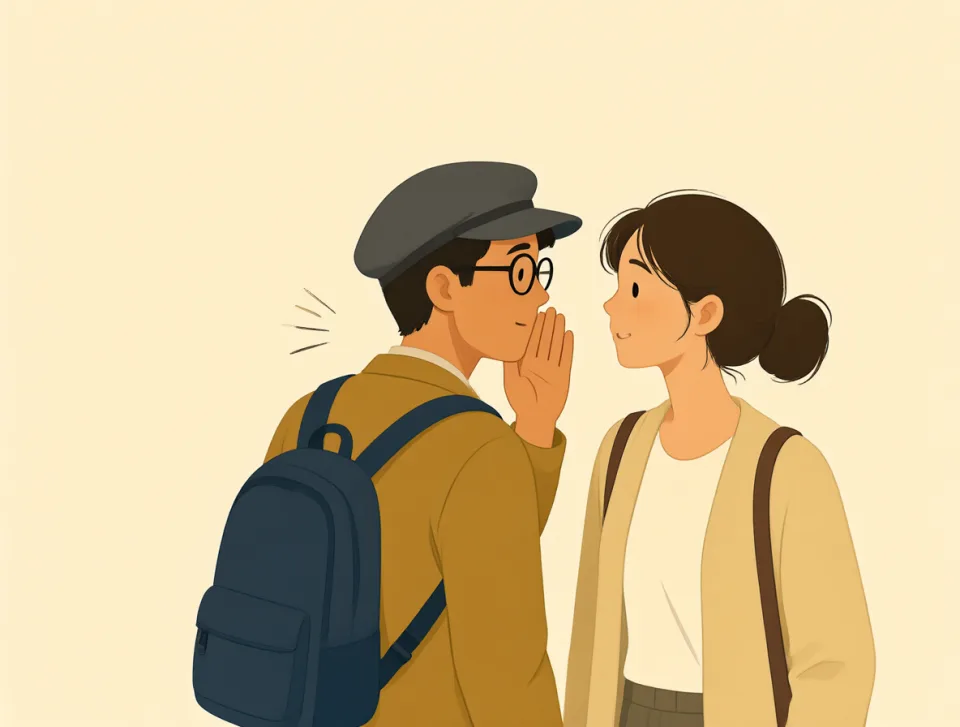
I heard a whisper behind me while waiting for the train.
Пока я ждал поезд, я услышал позади себя чей-то шёпот.
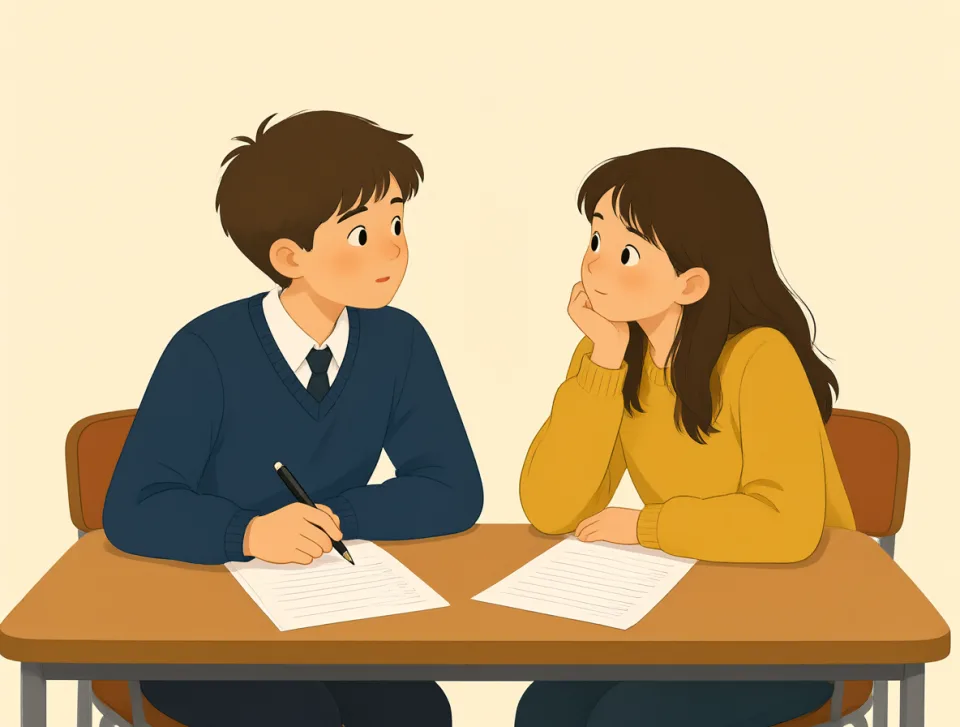
The students whispered to each other during the difficult test.
Во время сложного контрольного ученики перешёптывались.
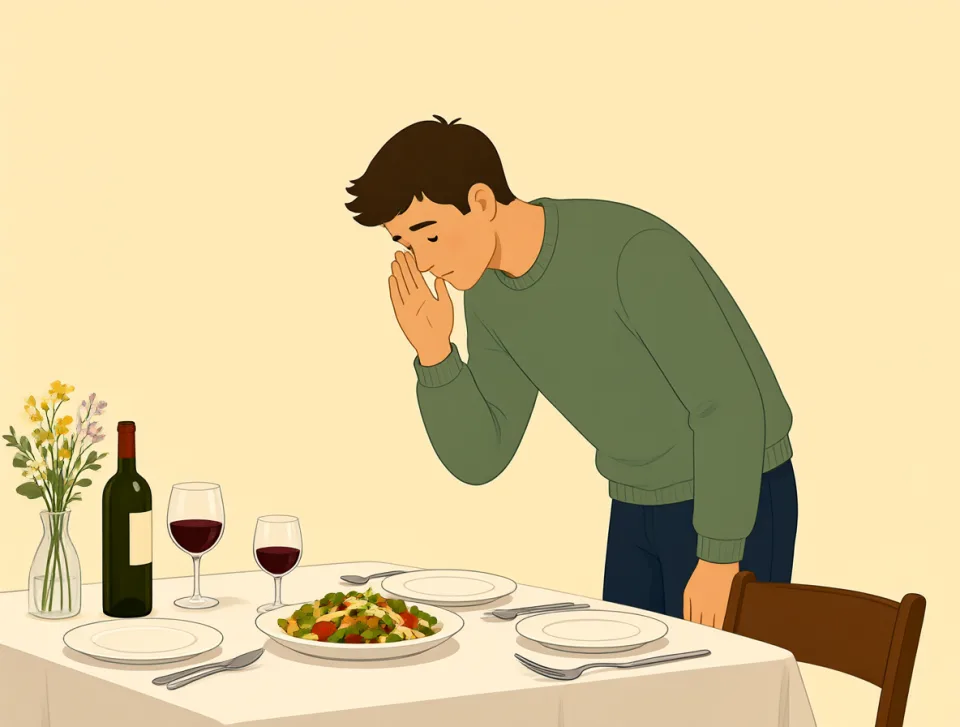
He whispered a prayer before eating his dinner.
Перед ужином он прошептал молитву.
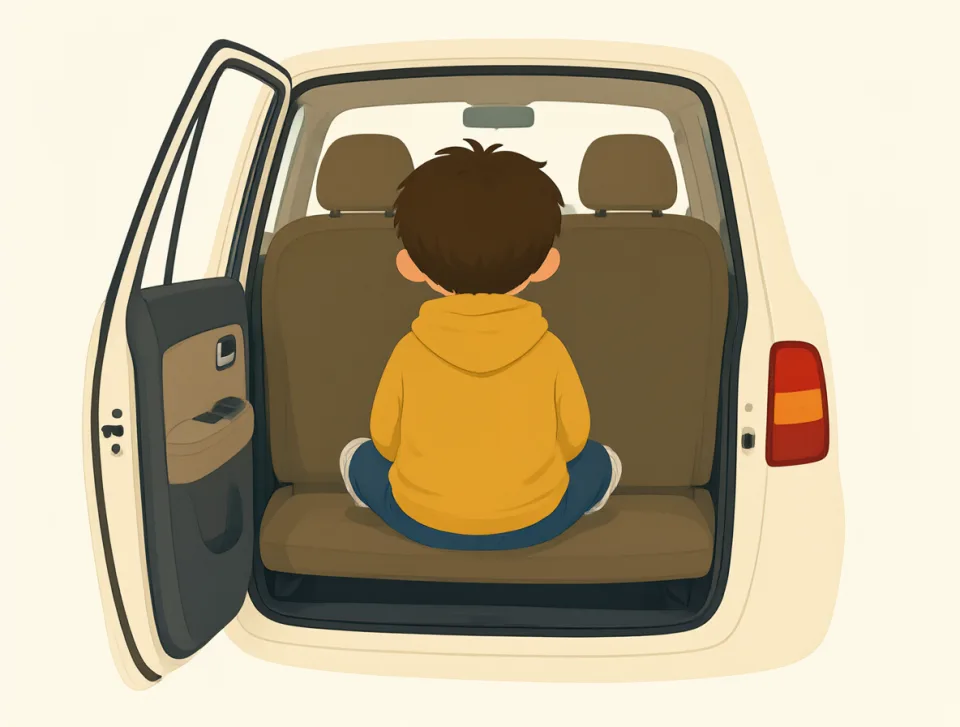
rear
#2596noun, verb, adjective
задняя часть; воспитывать
The back part of something, or to raise and care for children or animals.
Задняя часть чего-либо; также глагол «выращивать» или «воспитывать» детей и животных.
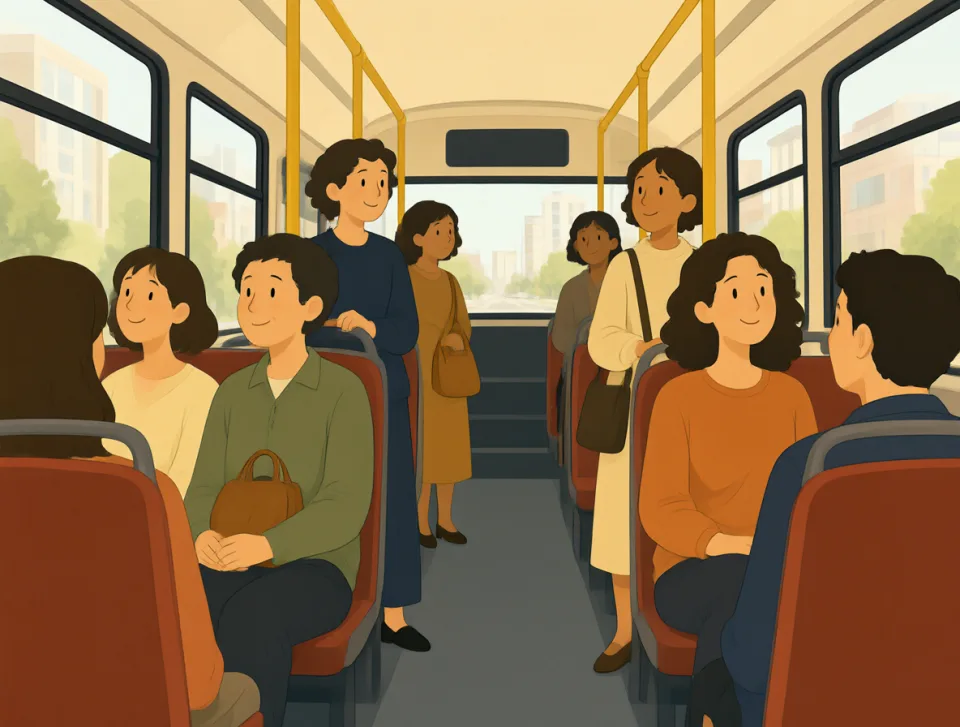
Please sit in the rear of the bus because the front seats are full.
Пожалуйста, садитесь в задней части автобуса: передние места заняты.

The restaurant has a quiet garden at the rear of the building.
Позади здания у ресторана есть тихий сад.
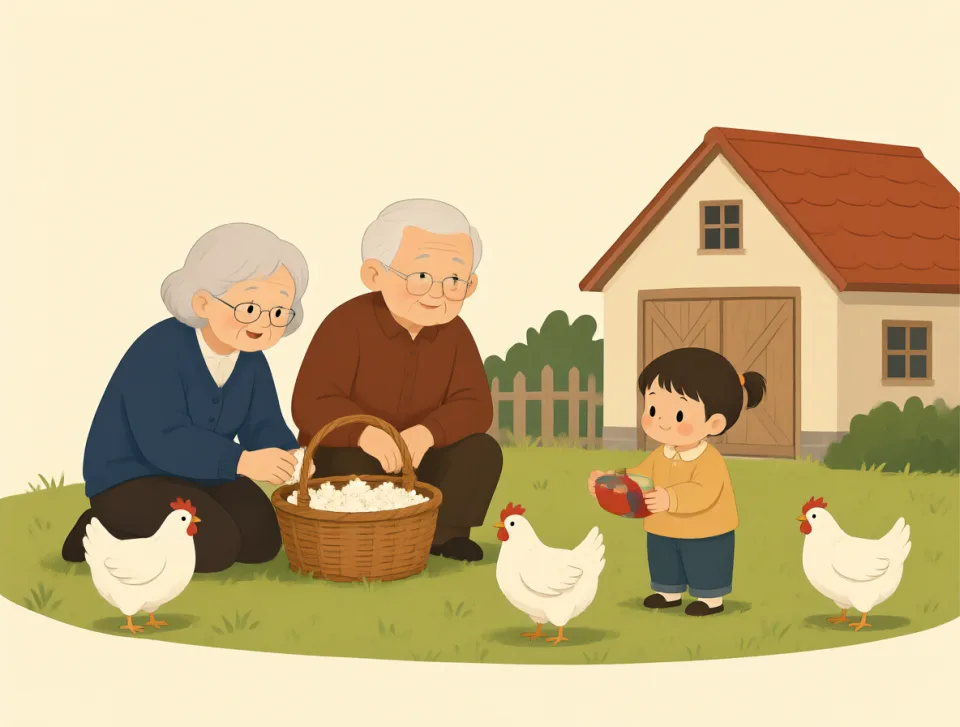
She was raised by grandparents who reared three children on their farm.
Её воспитывали бабушка и дедушка, которые вырастили на своей ферме троих детей.
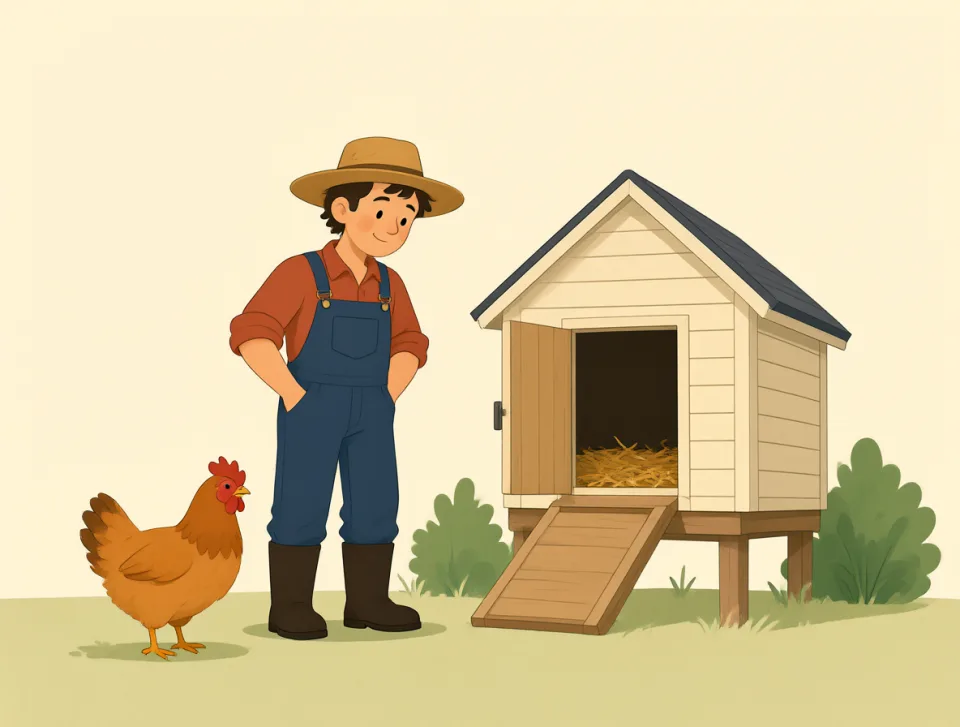
The farmer is rearing chickens for fresh eggs and meat.
Фермер выращивает кур, чтобы получать свежие яйца и мясо.
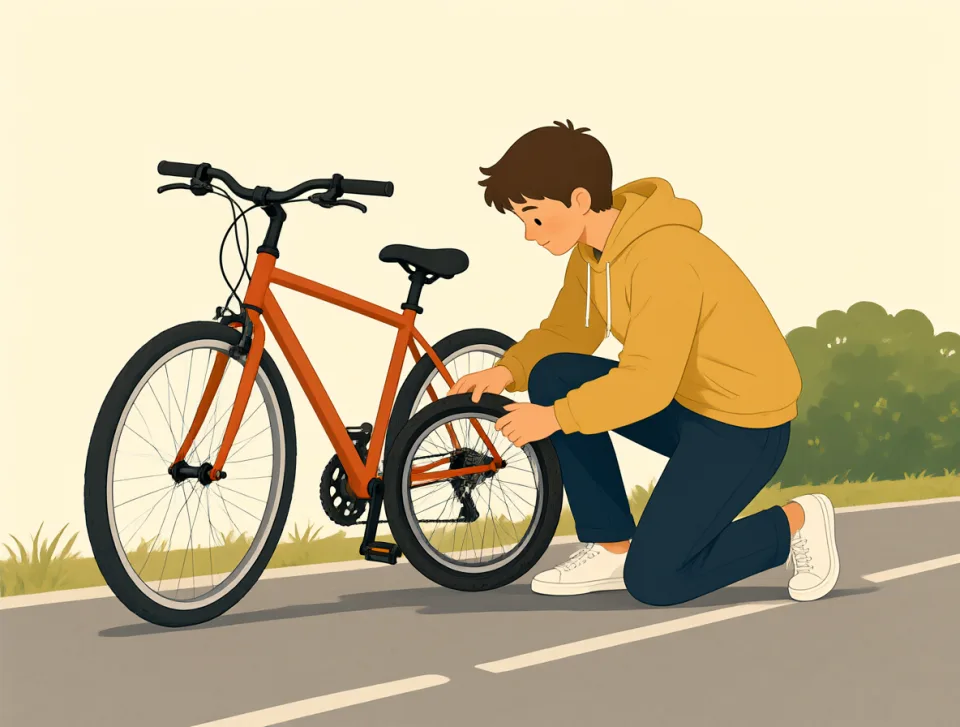
The rear tire of my bicycle went flat during the ride home.
По дороге домой у моего велосипеда спустило заднее колесо.

menu
#2597noun
меню
A list of food and drinks available in a restaurant or for a meal.
Список блюд и напитков, которые можно заказать в ресторане или подать к трапезе.
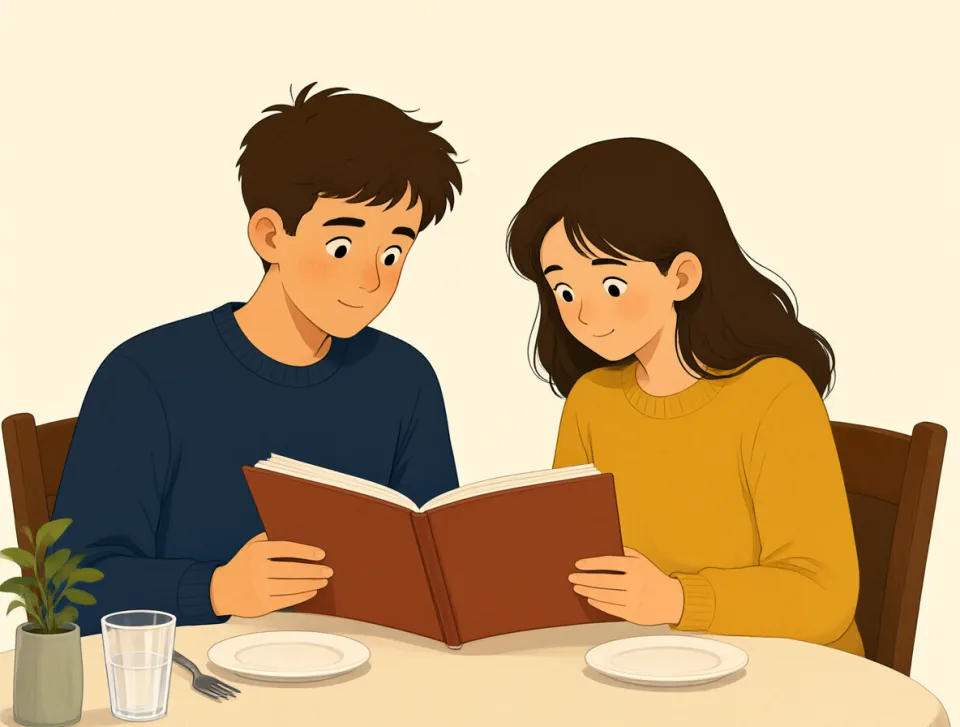
We looked at the menu before choosing our meals.
Прежде чем выбрать блюда, мы посмотрели меню.
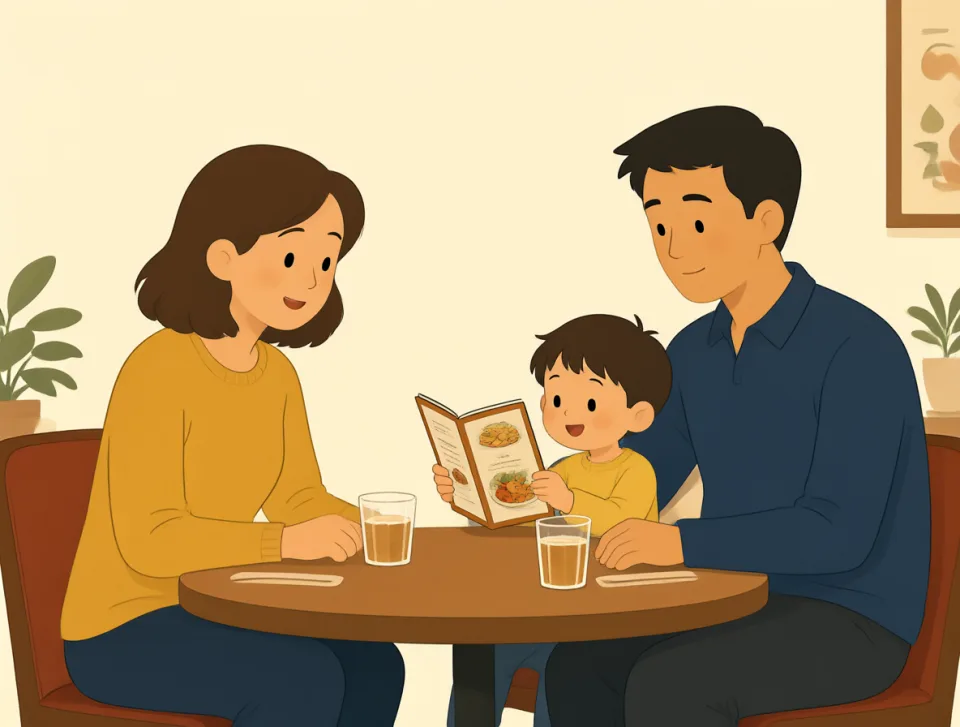
The restaurant has a separate menu for children.
В ресторане есть отдельное меню для детей.

Could I see the dessert menu, please?
Можно мне, пожалуйста, посмотреть меню десертов?
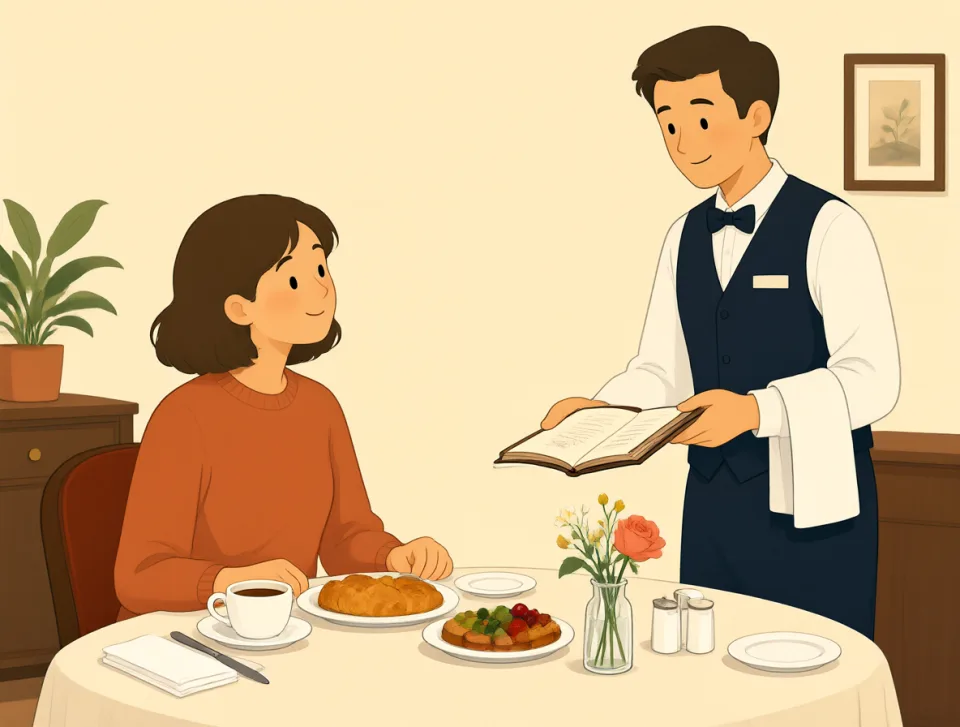
Our hotel offers a breakfast menu from seven until ten.
В нашем отеле подают завтраки по меню с семи до десяти.
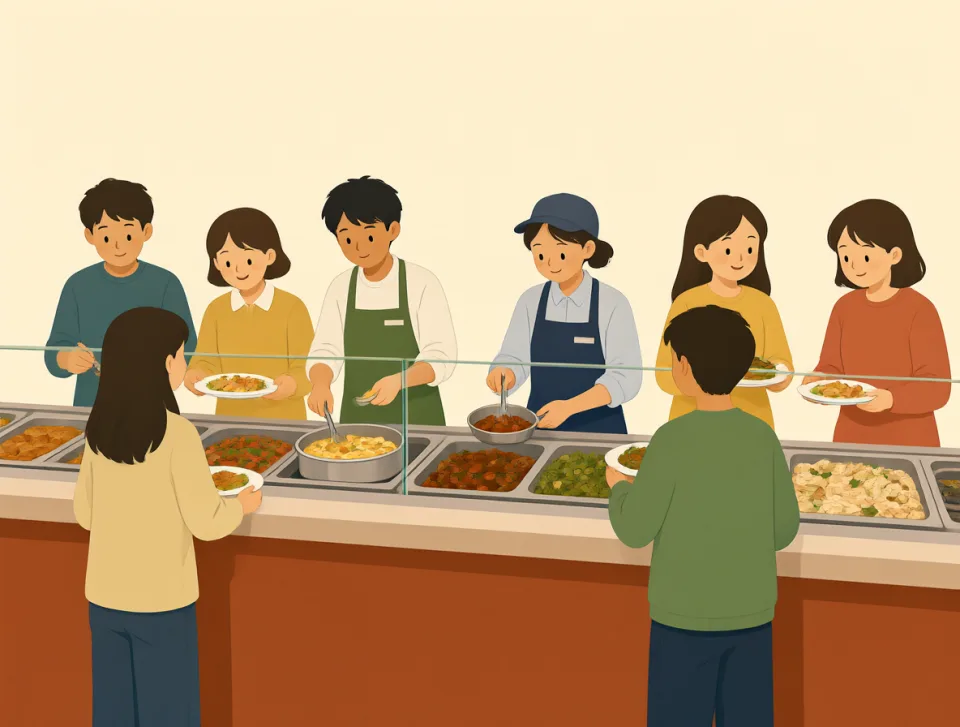
The school cafeteria changes its menu every Friday.
Столовая в школе меняет меню каждую пятницу.
species
#2598noun
вид
A group of similar animals, plants, or other living things that can reproduce together.
Группа похожих животных, растений или других живых организмов, которые могут размножаться друг с другом.
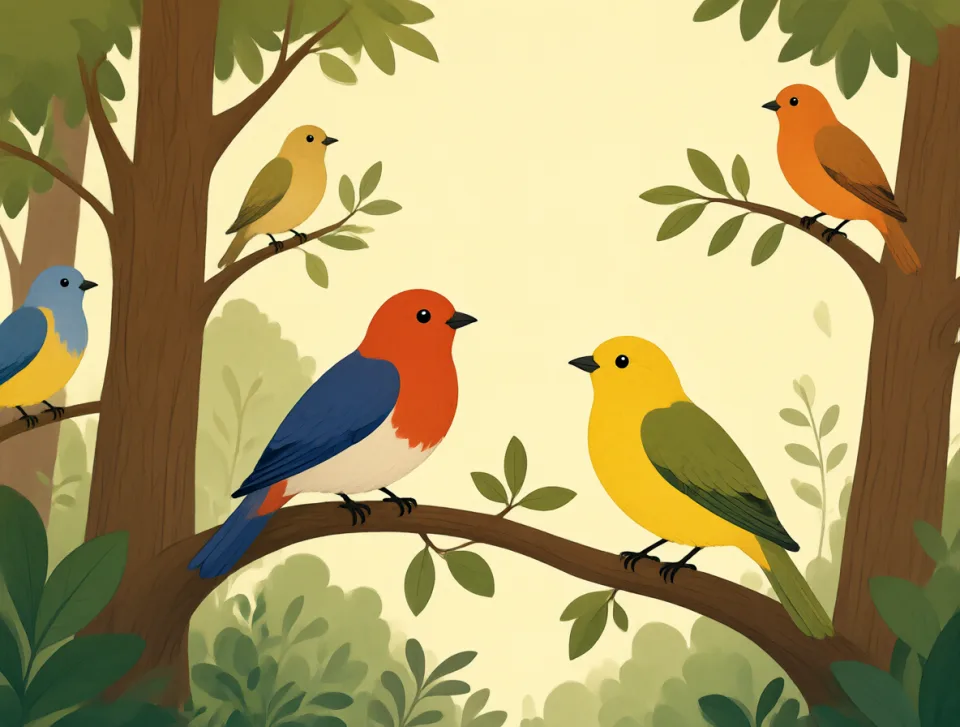
Many species of birds live in this forest throughout the year.
В этом лесу круглый год обитает множество видов птиц.
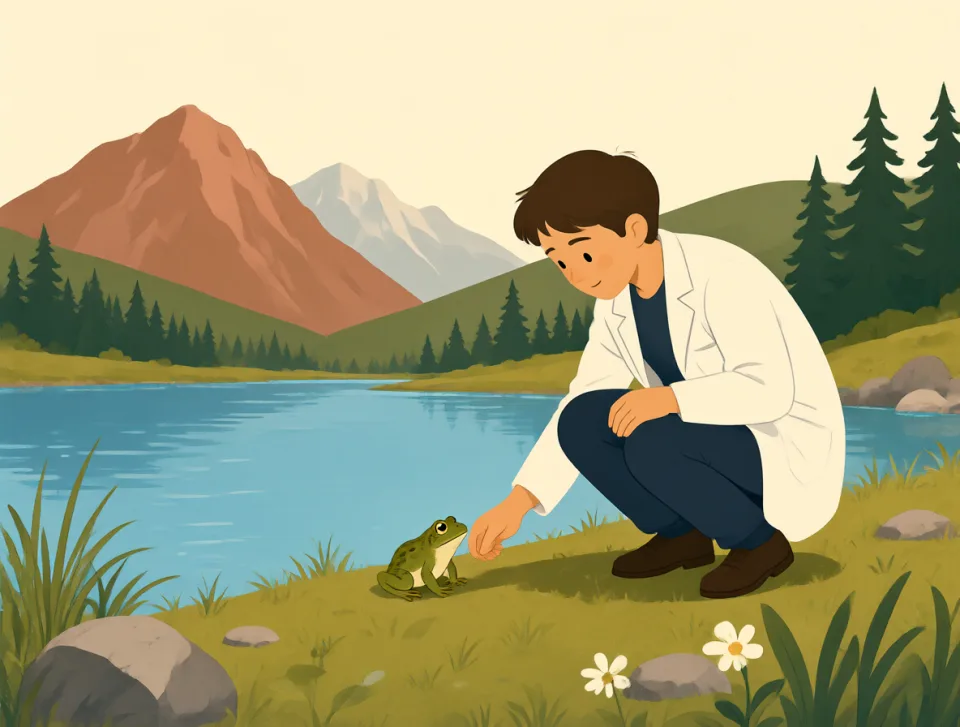
Scientists discovered a new species of frog near the mountain lake.
Учёные обнаружили новый вид лягушек возле горного озера.
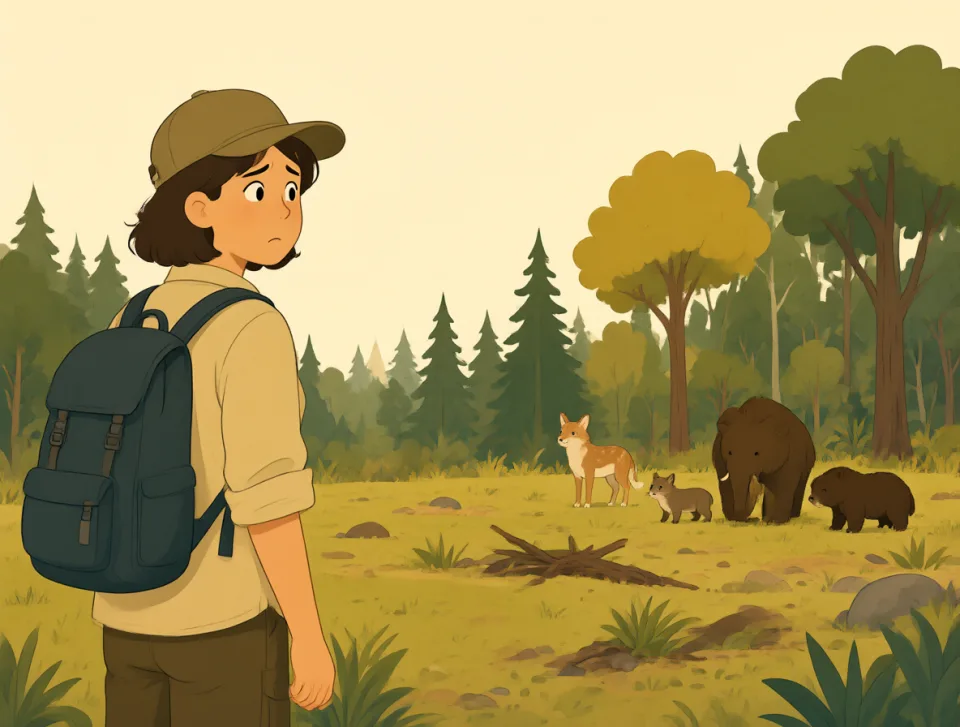
Some species are becoming rare because their natural homes are disappearing.
Некоторые виды становятся редкими, потому что их естественная среда обитания исчезает.
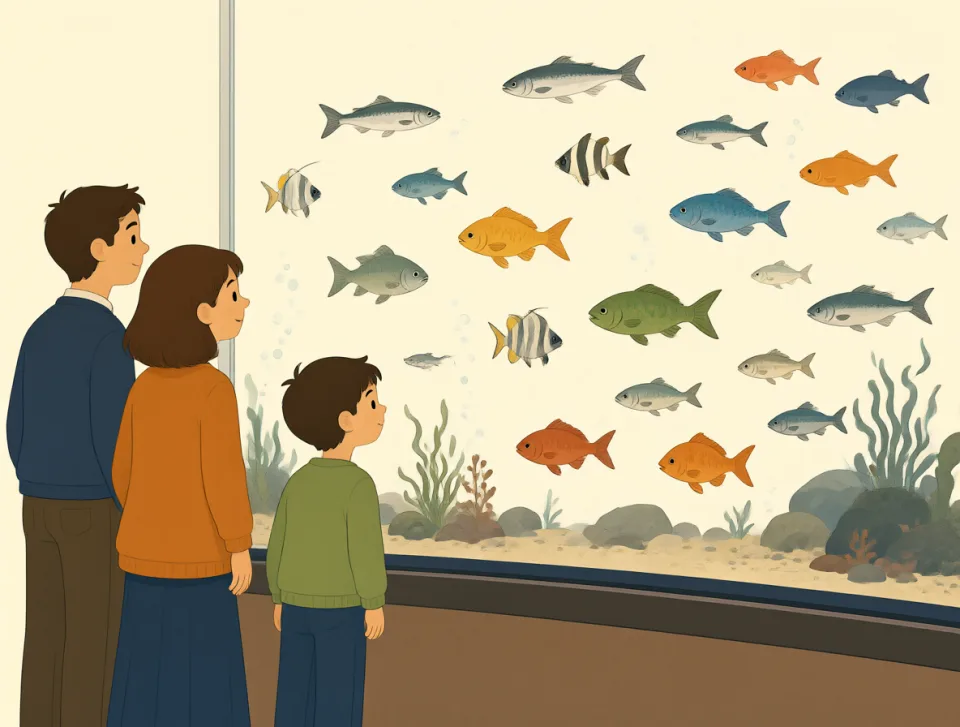
This aquarium has more than fifty species of fish from around the world.
В этом аквариуме обитает более пятидесяти видов рыб со всего мира.
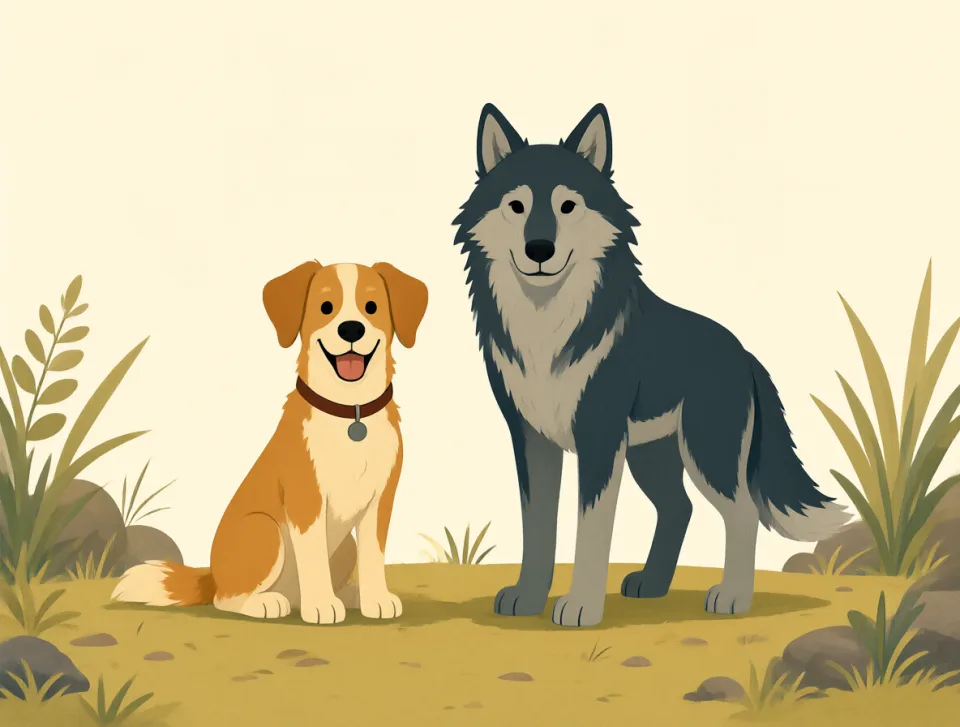
Dogs and wolves belong to different species, although they look similar.
Собаки и волки относятся к разным видам, хотя и похожи друг на друга.

moon
#2599noun, verb
луна; отдыхать без дела
The large round object that shines in the sky at night, or to spend time relaxing.
Большое круглое небесное тело, которое светит ночью; также глагол, означающий проводить время в расслабленном безделье.
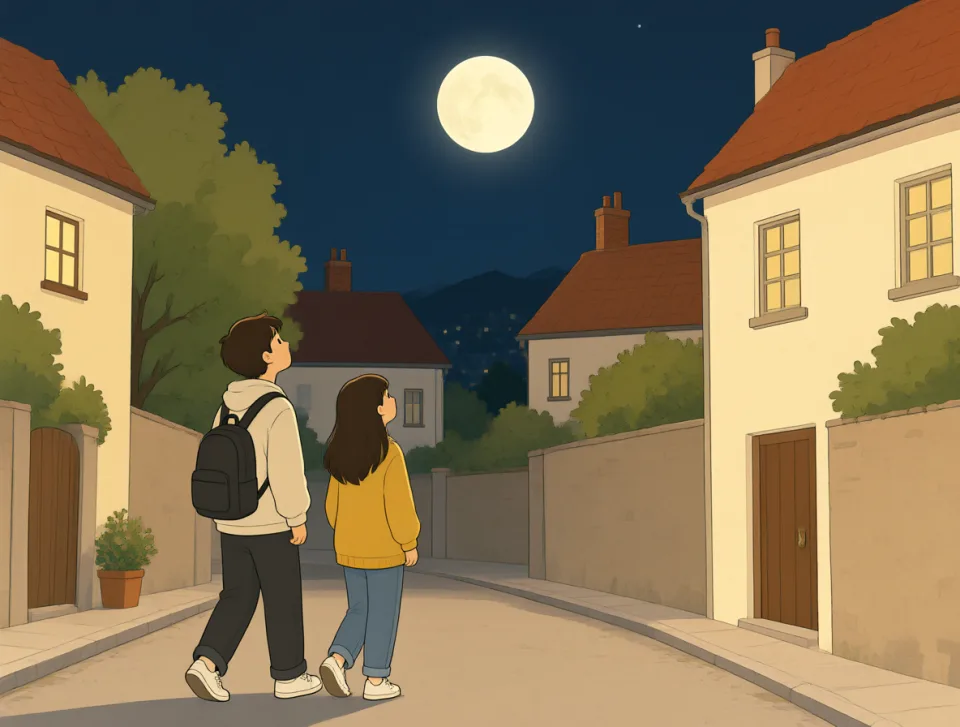
The moon looked bright above the houses as we walked home after dinner.
Когда мы после ужина шли домой, луна ярко светила над домами.

We watched the moon rise over the sea from our hotel balcony.
С балкона нашего отеля мы наблюдали, как луна поднимается над морем.
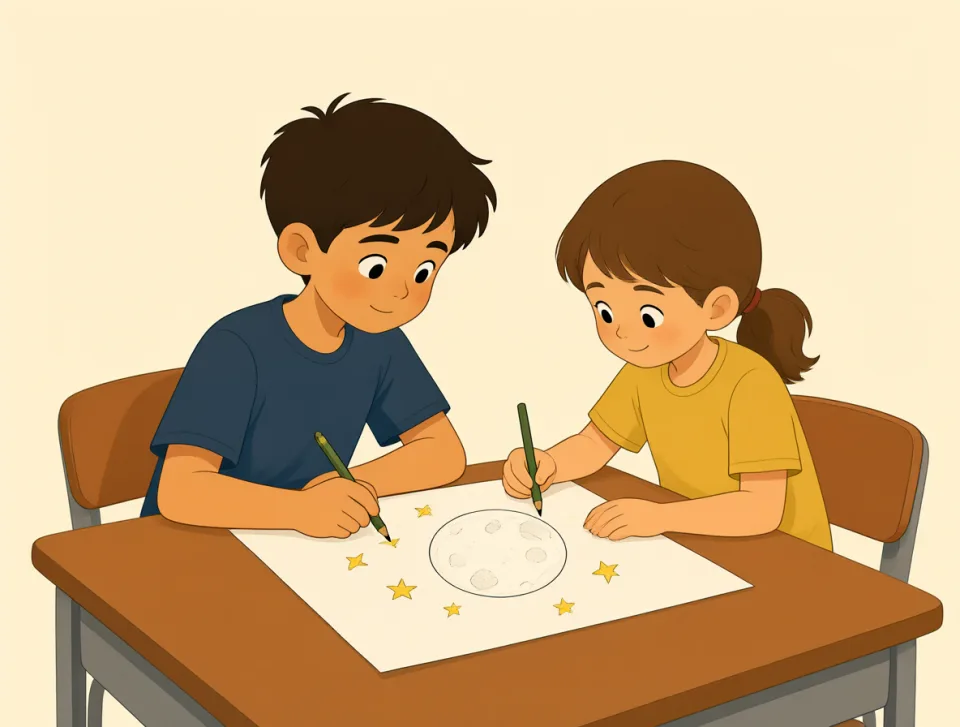
The children drew a moon and stars for their science project at school.
Для школьного проекта по естествознанию дети нарисовали луну и звёзды.

My brother is over the moon because he got the job he wanted.
Мой брат на седьмом небе от счастья: он получил работу, о которой мечтал.

After the busy week, we just want to moon around at home on Saturday.
После напряжённой недели в субботу нам хочется просто поваляться дома.
presumably
#2600adverb
по всей видимости
used to say that something is probably true based on what you know
Используется, чтобы сказать, что что-то, вероятно, правда, исходя из того, что вам известно.
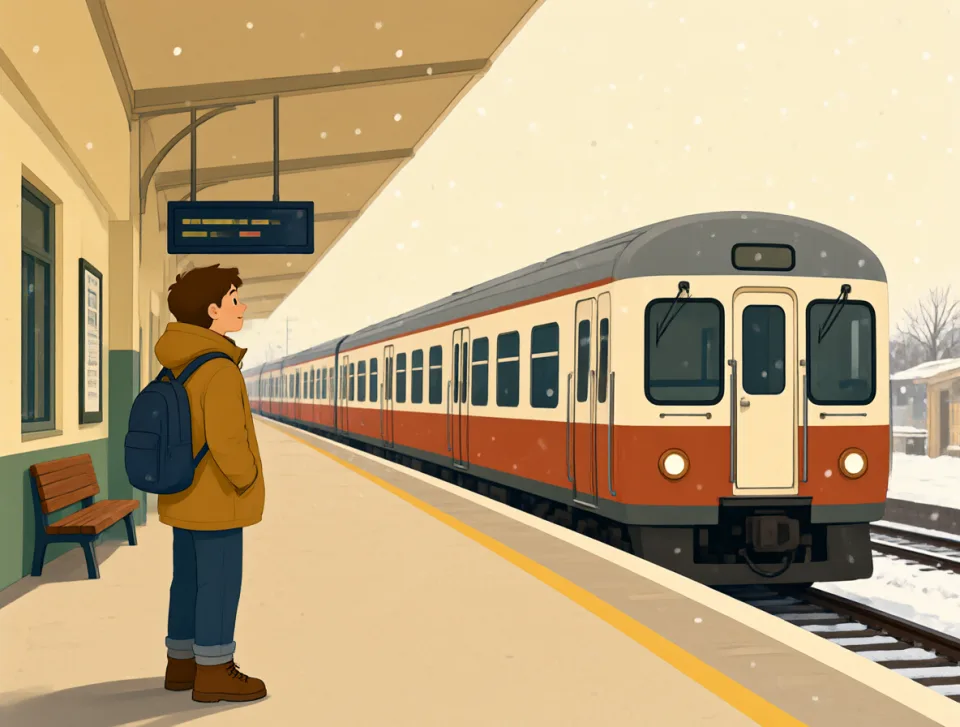
Presumably, the train is late because of the heavy snow.
По всей видимости, поезд опаздывает из-за сильного снегопада.
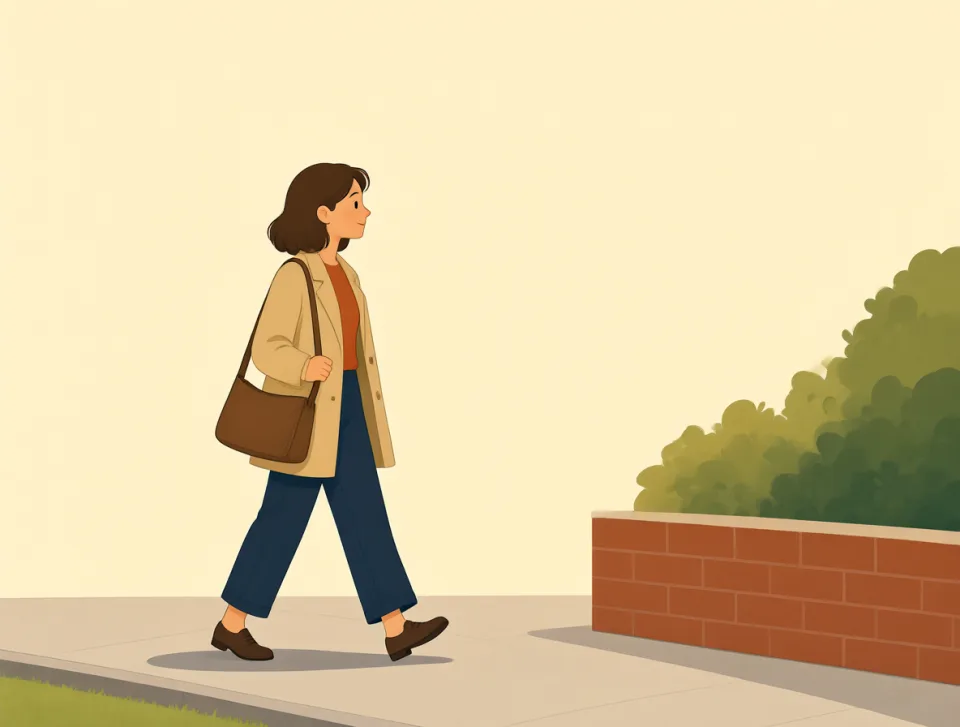
She left her umbrella at home, presumably because the sky looked clear.
Она оставила зонт дома, вероятно, потому что небо казалось ясным.
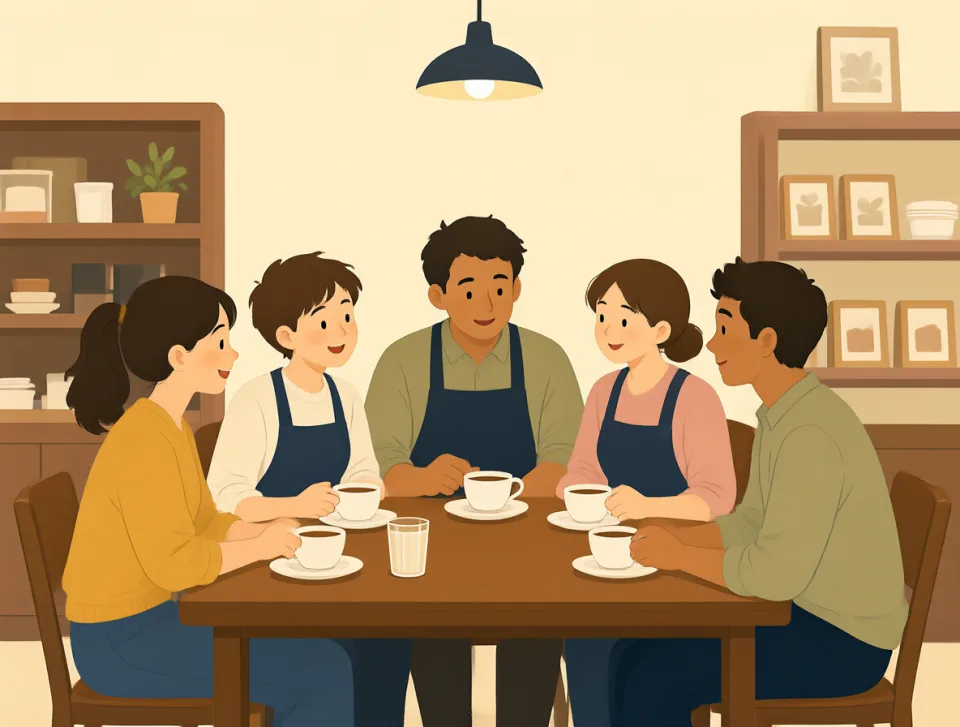
The shop is closed today, presumably for a staff meeting.
Магазин сегодня закрыт, по всей видимости, из-за собрания сотрудников.
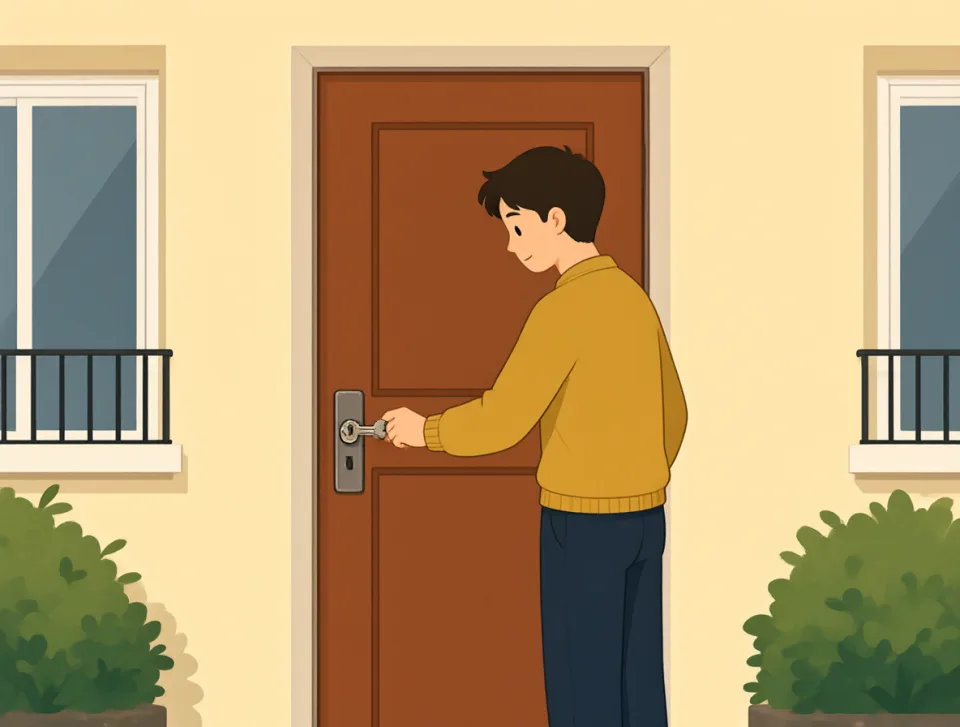
He has a key, so presumably he lives in the building.
У него есть ключ, значит, он, вероятно, живёт в этом доме.
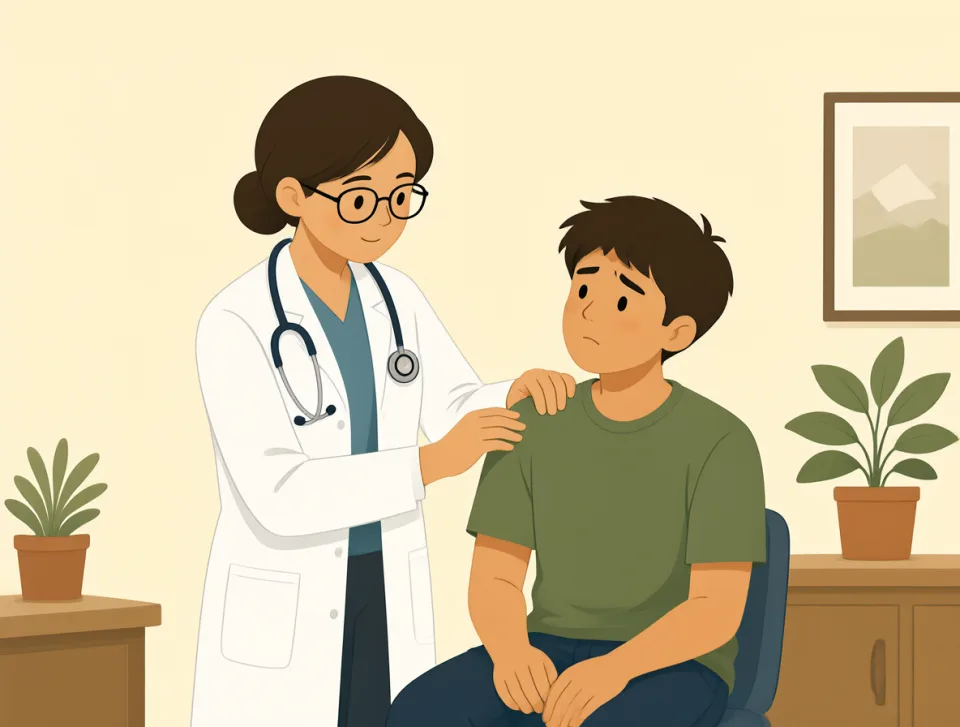
The doctor said the pain was presumably caused by a pulled muscle.
Врач сказал, что боль, вероятно, вызвана растяжением мышцы.