5단원
81–100번 단어 · find, over, any, after, day, where

find
#81verb, noun
찾다; 발견하다
to discover, get, or notice something, often after looking for it
무언가를 찾은 끝에 발견하거나, 얻거나, 알아차리다
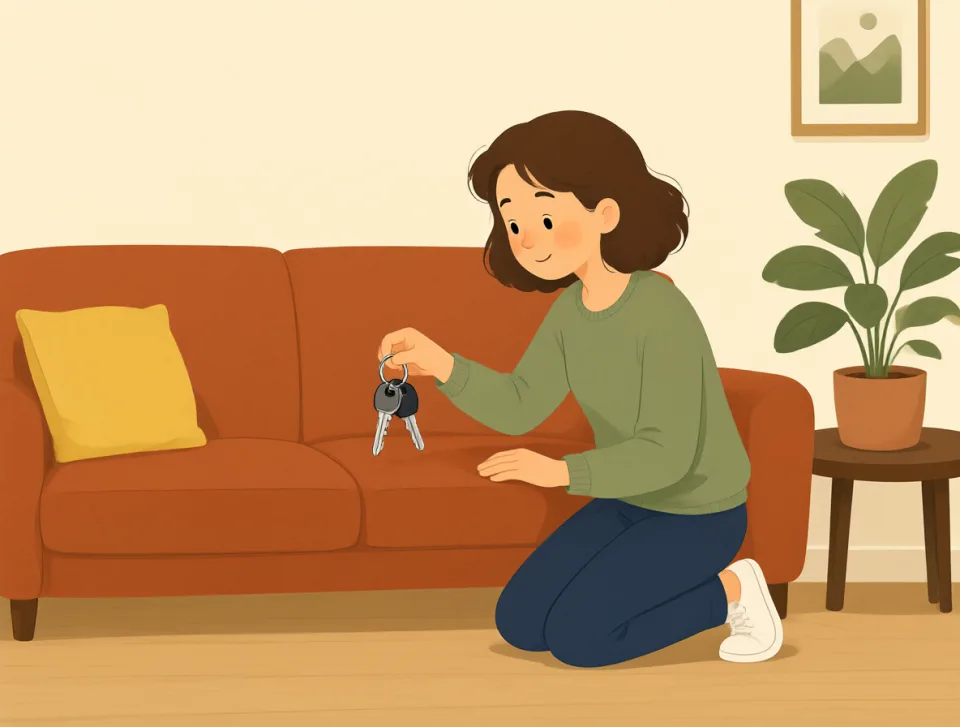
I can't find my keys anywhere.
내 열쇠를 어디에서도 찾을 수 없어.

We found a nice hotel near the beach.
우리는 해변 근처에서 괜찮은 호텔을 찾았어.

She found a job at a local shop.
그녀는 동네 가게에서 일자리를 구했어.
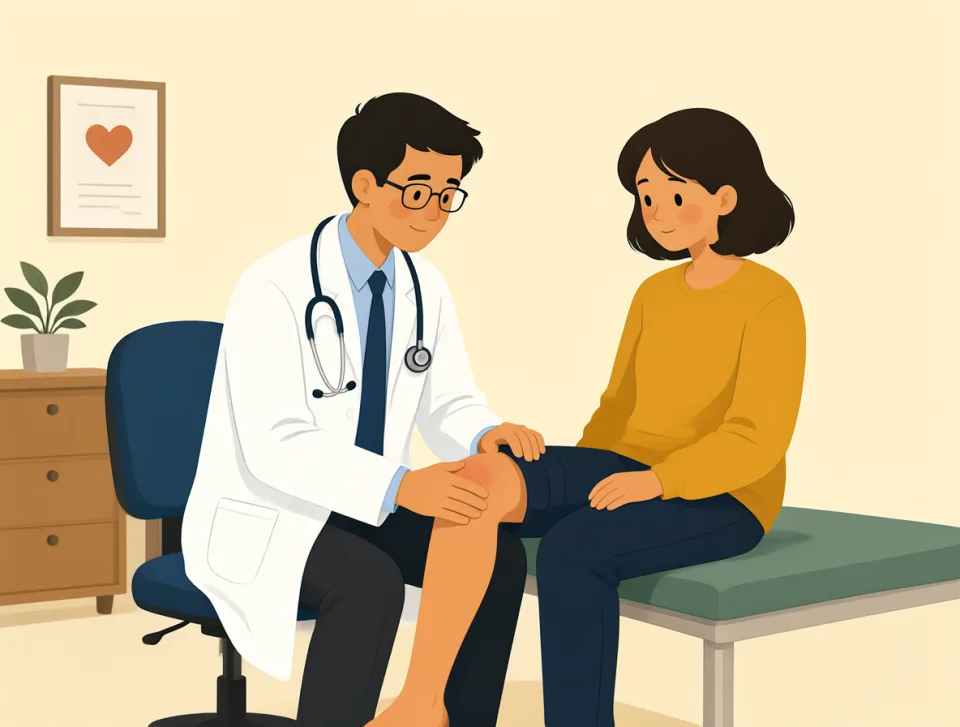
The doctor found a problem with my knee.
의사는 내 무릎에 문제가 있는 것을 발견했어.
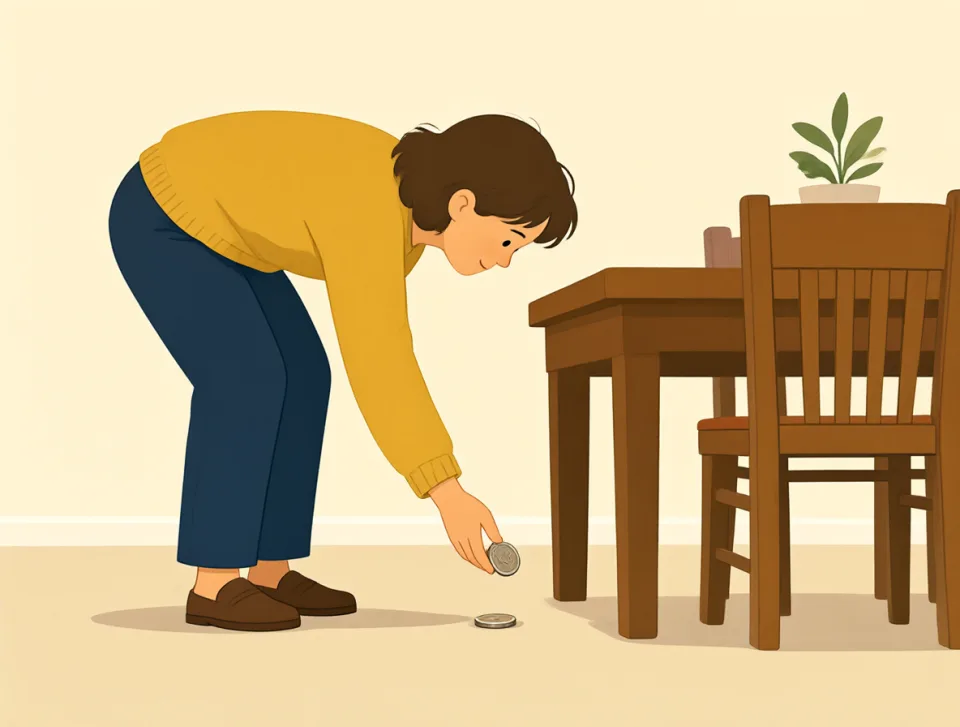
I found a coin under the table.
나는 탁자 밑에서 동전 하나를 발견했어.

over
#82adverb, preposition, adjective, noun
~위에; 건너; 끝난; 동안
above or across something; finished; more than; during a period of time
무언가의 위에 또는 가로질러; 끝난; ~보다 많은; 일정한 기간 동안

The plane flew over the city.
비행기가 도시 위를 날아갔다.

She put a blanket over the baby.
그녀는 아기 위에 담요를 덮어 주었다.
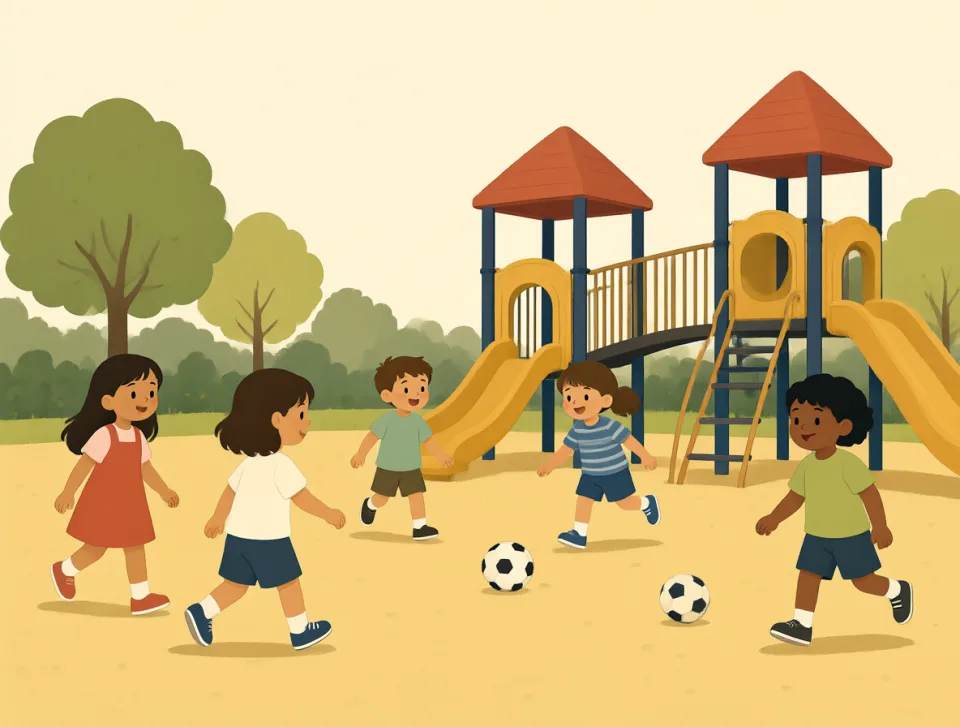
The game is over now.
이제 경기가 끝났다.

We talked over lunch.
우리는 점심을 먹으며 이야기를 나눴다.
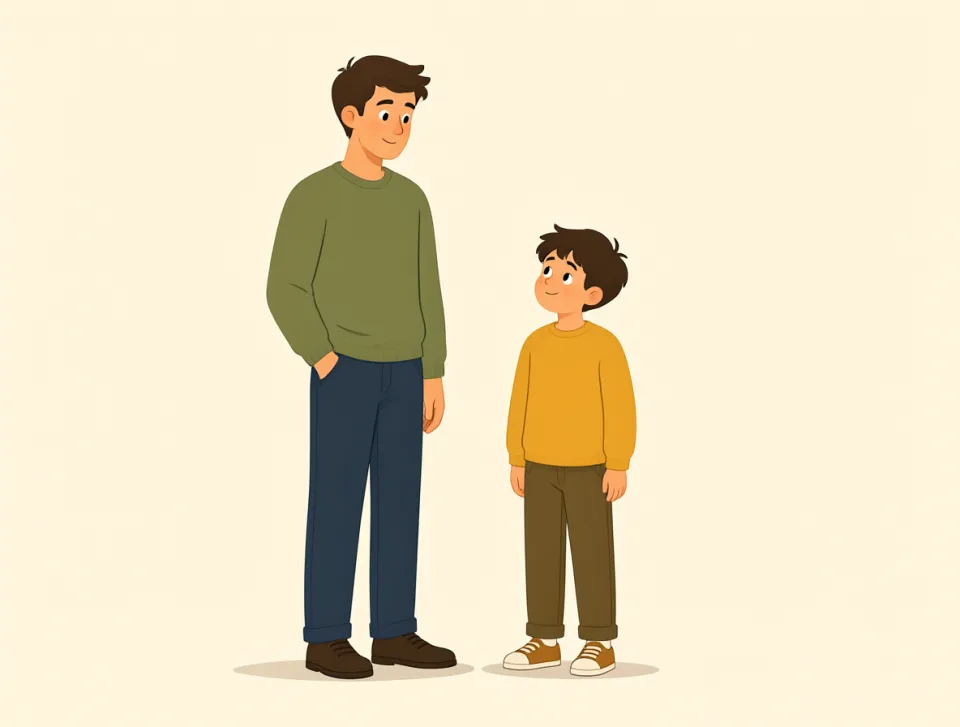
He is over six feet tall.
그는 키가 6피트가 넘는다.
any
#83determiner, pronoun, adverb
어떤; 어느; 조금이라도
One, some, or even one of a group, usually in questions or negative sentences.
보통 의문문이나 부정문에서, 한 명이나 한 가지, 일부 또는 무리 중 어느 하나를 나타냄
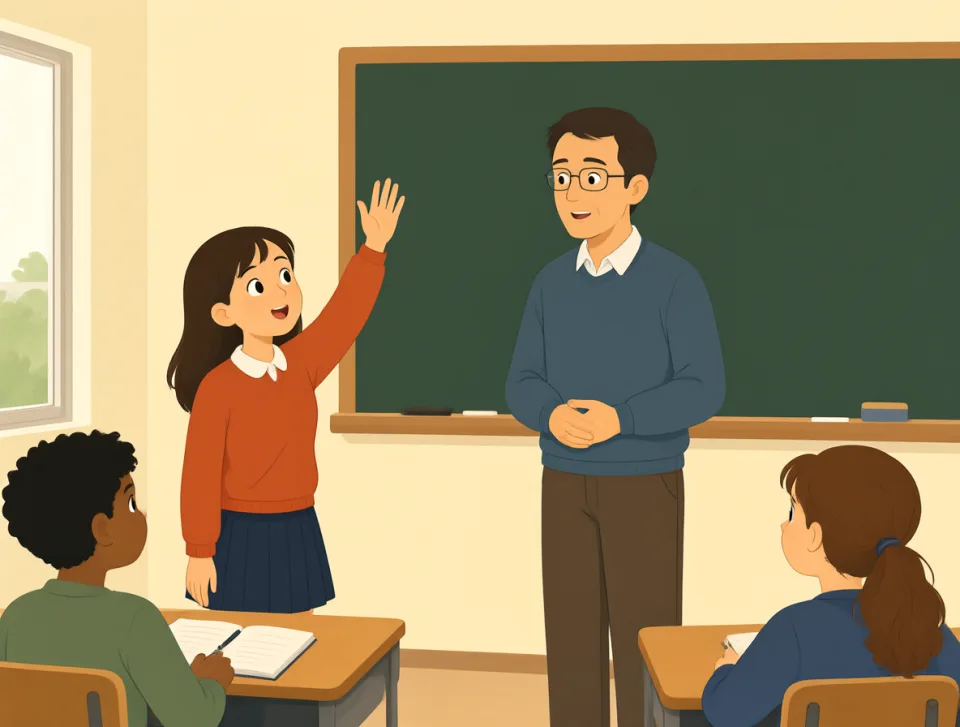
Do you have any questions?
질문이 있나요?

I do not have any money.
나는 돈이 전혀 없어.

You can choose any color.
어떤 색이든 골라도 돼.

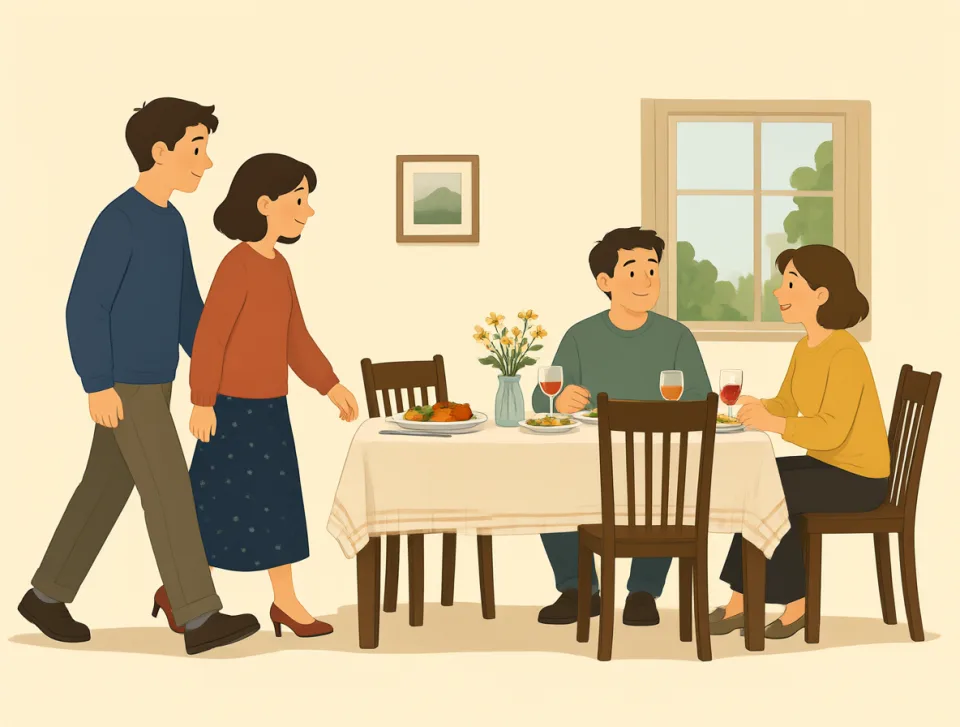
We did not see any birds.
우리는 새를 한 마리도 보지 못했어.

I hardly slept any last night.
나는 어젯밤에 거의 못 잤어.
after
#84adverb, preposition, conjunction
~후에; ~뒤에
Later than a time or event; following someone or something.
어떤 시간이나 사건보다 늦게; 누군가 또는 무언가를 뒤따라
We went home after dinner.
우리는 저녁 식사 후에 집에 갔다.

Call me after work.
퇴근 후에 전화해.

Wash your hands after using the bathroom.
화장실을 사용한 후에는 손을 씻으세요.

She felt better after taking medicine.
그녀는 약을 먹은 후에 상태가 나아졌다.

After it rained, the streets were wet.
비가 온 후에 길이 젖어 있었다.

day
#85noun, adjective
날; 하루
A period of twenty-four hours, from midnight to midnight.
자정부터 다음 날 자정까지의 24시간 동안.

I go to work every day.
나는 매일 출근해.

We had a great day at the beach.
우리는 해변에서 멋진 하루를 보냈어.

She stayed home all day.
그녀는 하루 종일 집에 있었어.

The store is closed on Sundays.
그 가게는 일요일에 문을 닫아.
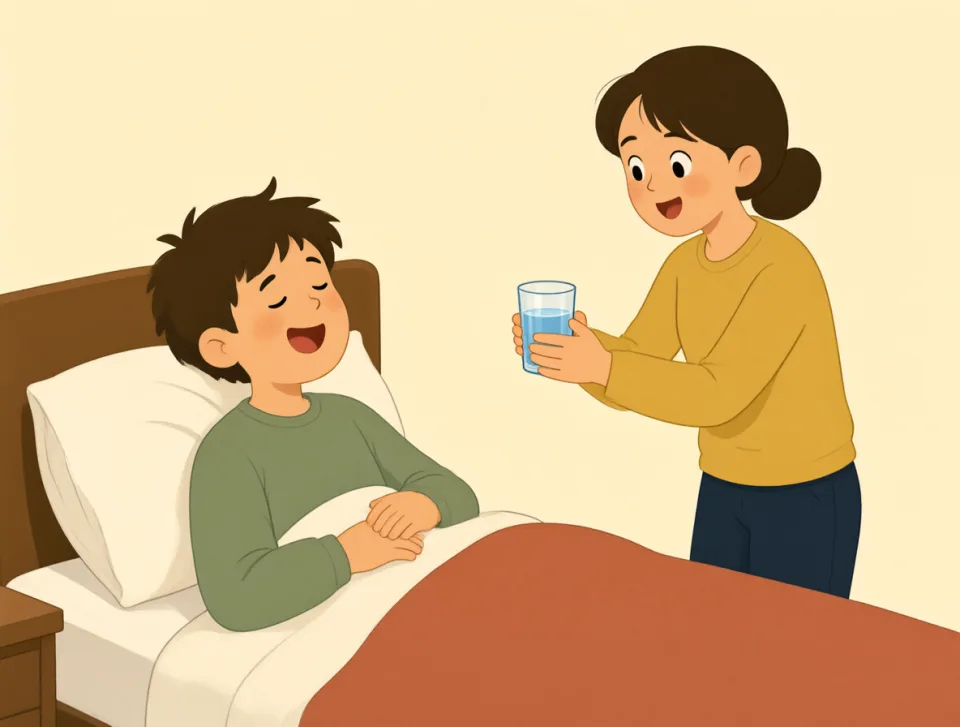
I felt better after a few days.
며칠 지나고 나니 기분이 나아졌어.

where
#86adverb, conjunction, pronoun
어디; ~하는 곳; 어디에
Used to ask about or describe the place or situation something is in.
무언가가 있는 장소나 상황에 대해 묻거나 설명할 때 사용한다.
Where do you live?
너는 어디에 사니?

This is where we met last year.
여기가 우리가 작년에 만났던 곳이야.
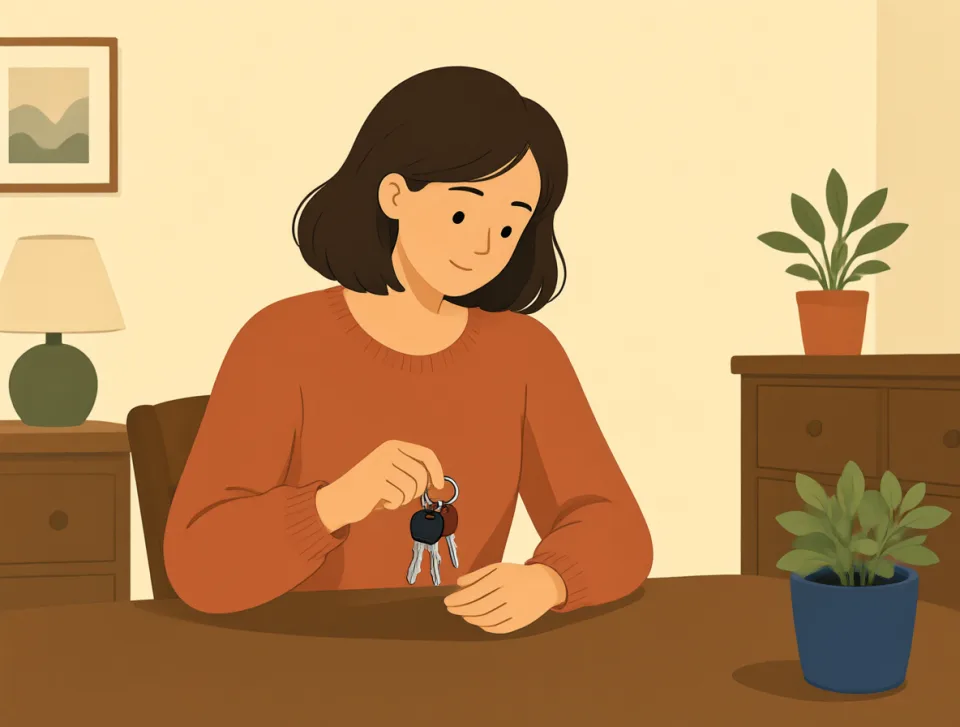
Do you know where my keys are?
내 열쇠가 어디에 있는지 아니?
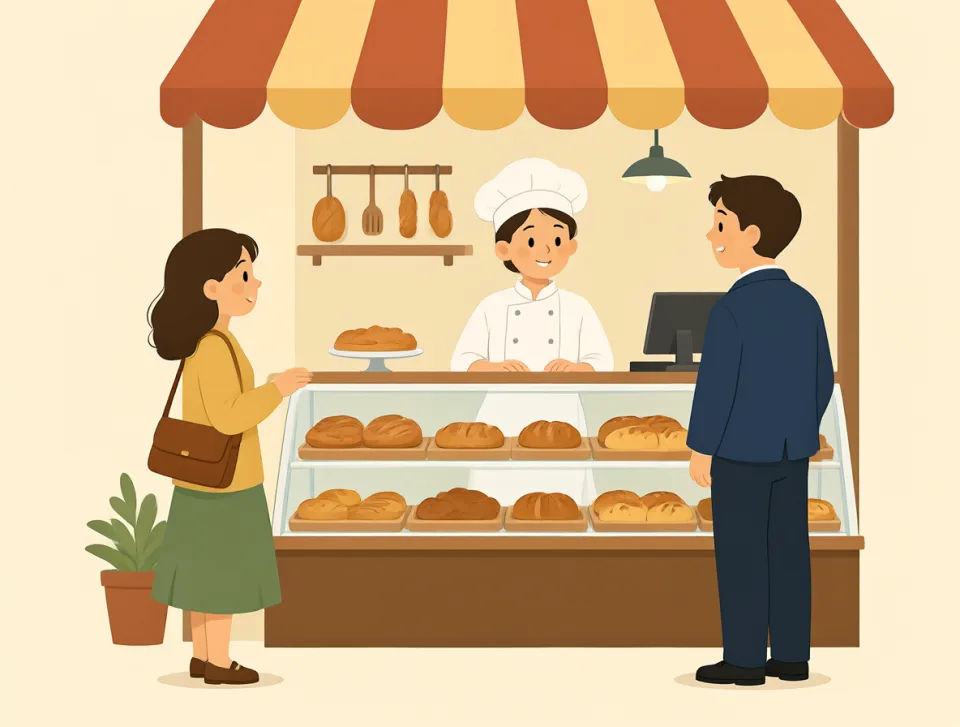
Tell me where to buy fresh bread.
신선한 빵을 어디에서 살 수 있는지 알려 줘.
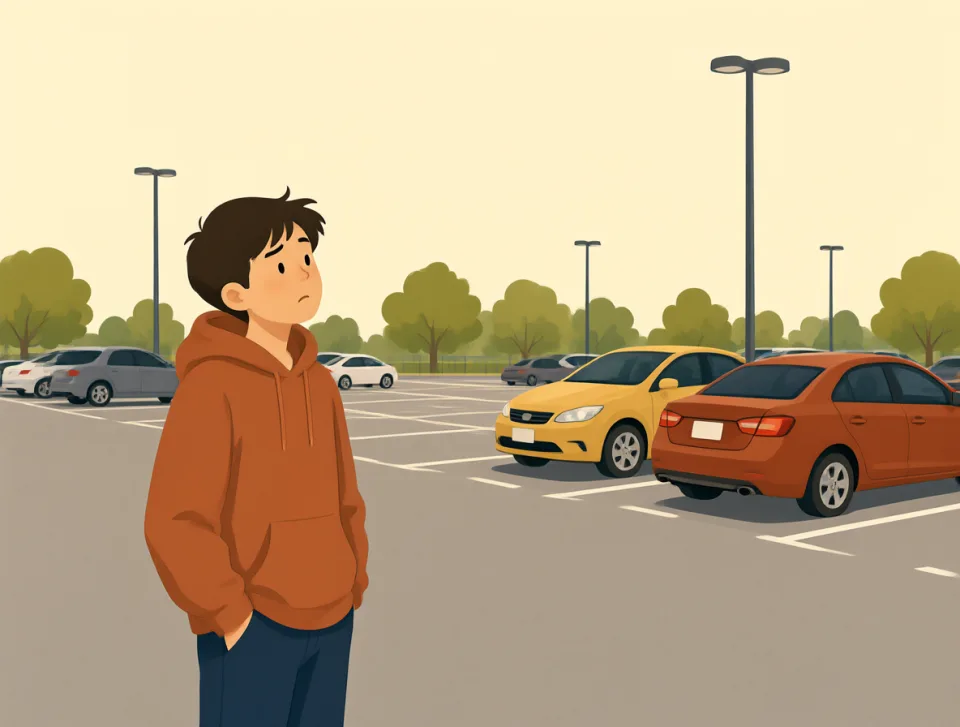
I forgot where I parked the car.
차를 어디에 주차했는지 잊어버렸어.

thing
#87noun
것; 물건; 일
An object, idea, or event that you do not name or describe exactly.
정확히 이름을 말하거나 구체적으로 설명하지 않은 물건, 생각 또는 사건
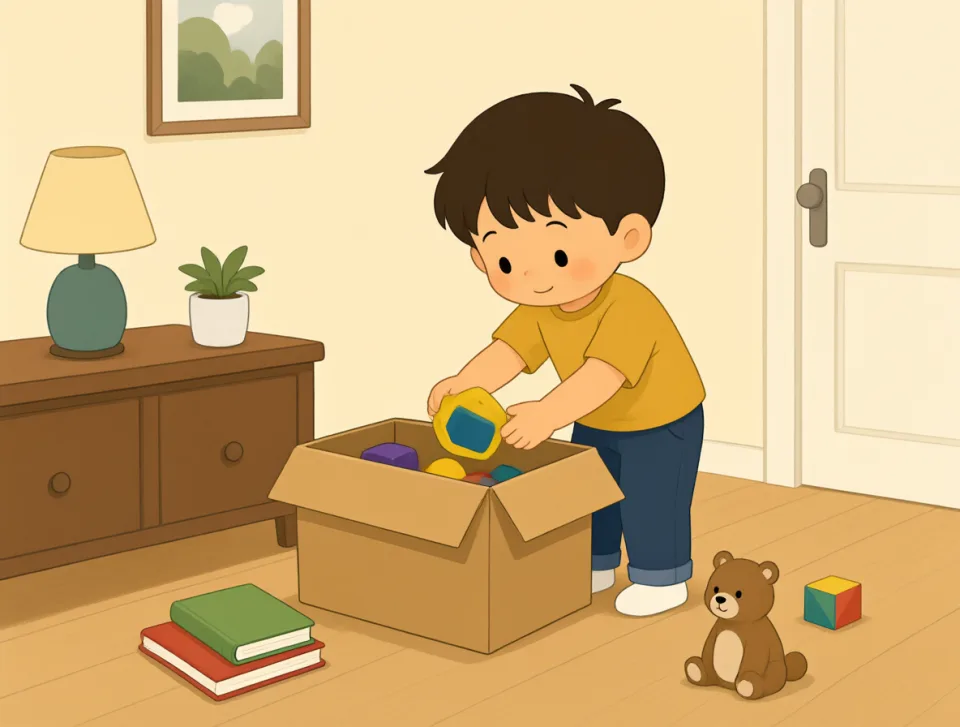
Put your things away before dinner.
저녁 먹기 전에 네 물건들을 치워 둬.

The best thing is to ask for help.
가장 좋은 방법은 도움을 요청하는 거야.
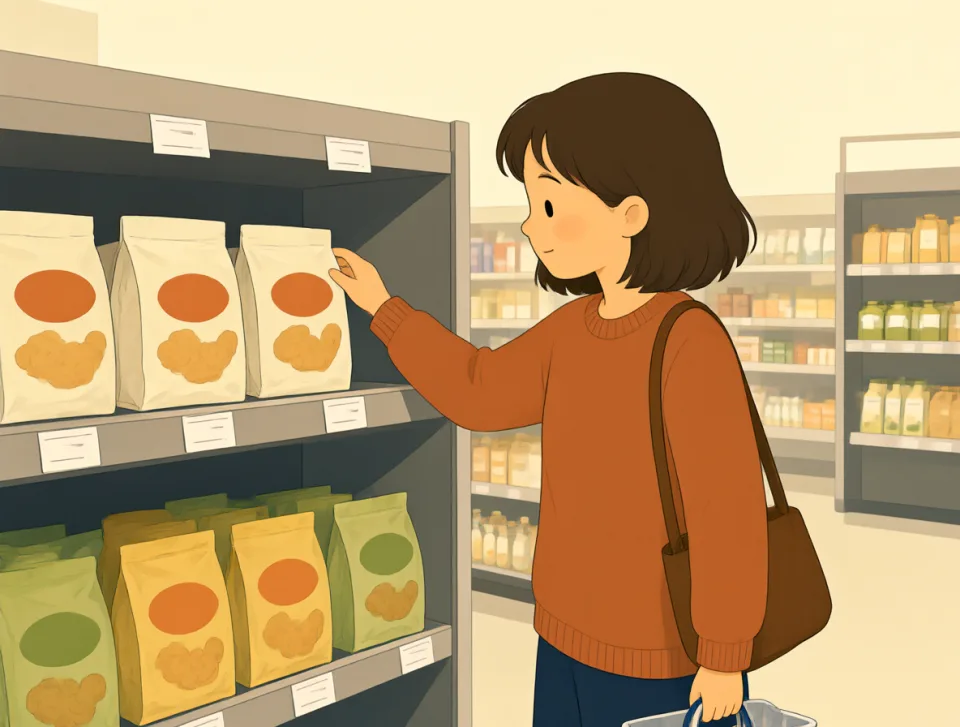
I need a few things from the store.
가게에서 살 물건이 몇 가지 있어.

One strange thing happened on the train.
기차에서 이상한 일이 하나 일어났어.
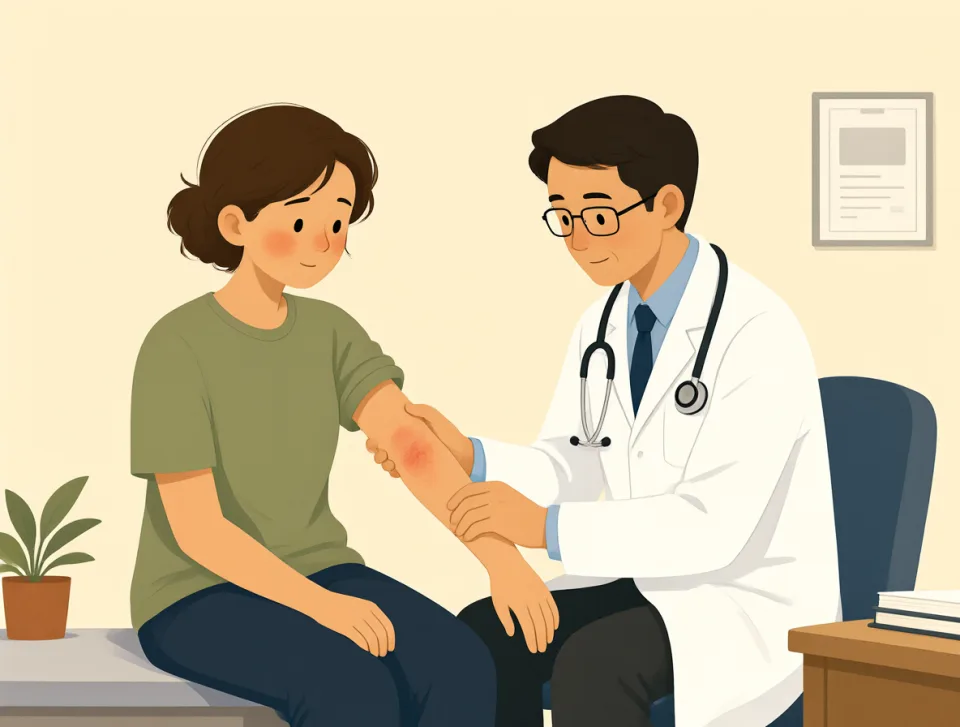
The doctor checked the painful thing on my arm.
의사가 내 팔에 난 아픈 부위를 진찰했어.

most
#88determiner, pronoun, adverb, adjective
대부분; 가장 많은; 가장; 매우
More than half of a group or amount; the greatest number or amount.
어떤 집단이나 양의 절반을 넘는 수 또는 양; 가장 많은 수 또는 양
Most people drink coffee in the morning.
대부분의 사람들은 아침에 커피를 마셔요.

Most of the cake is gone.
케이크가 대부분 없어졌어요.

She works most days of the week.
그녀는 일주일 중 대부분의 날에 일해요.

Which color do you like most?
어떤 색을 가장 좋아해요?
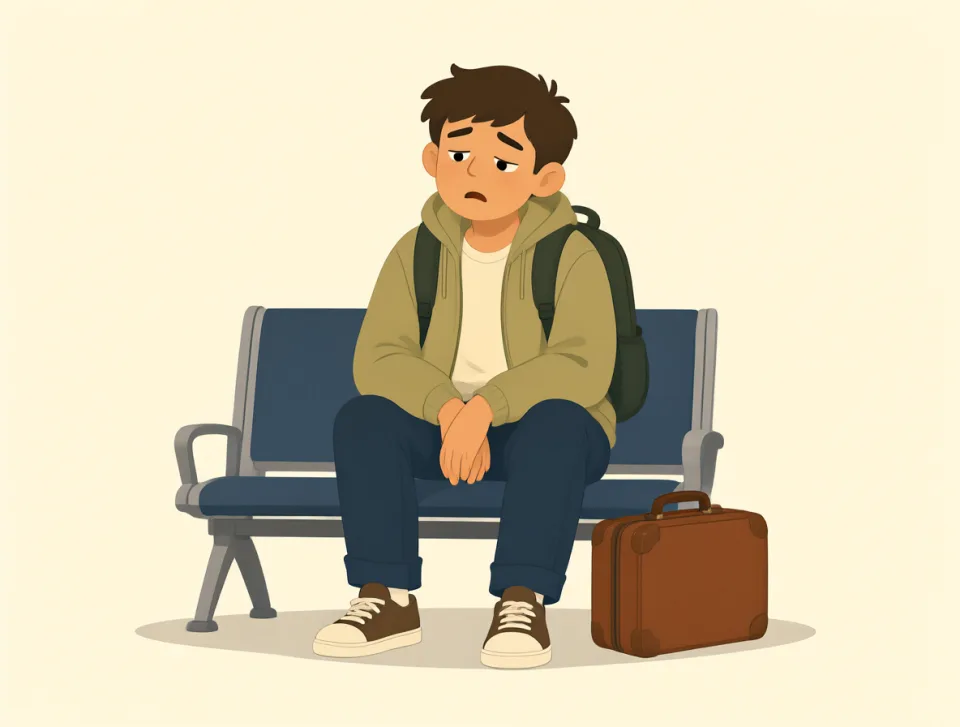
I was most tired after the long flight.
장시간 비행 후에 가장 피곤했어요.

should
#89modal verb
~해야 한다; ~하는 것이 좋다
Used to say what is best, expected, or likely to happen.
무엇을 하는 것이 가장 좋거나, 어떤 일이 일어날 것으로 예상되거나 가능성이 높음을 나타낼 때 씁니다.
You should drink more water every day.
너는 매일 물을 더 많이 마시는 게 좋아.
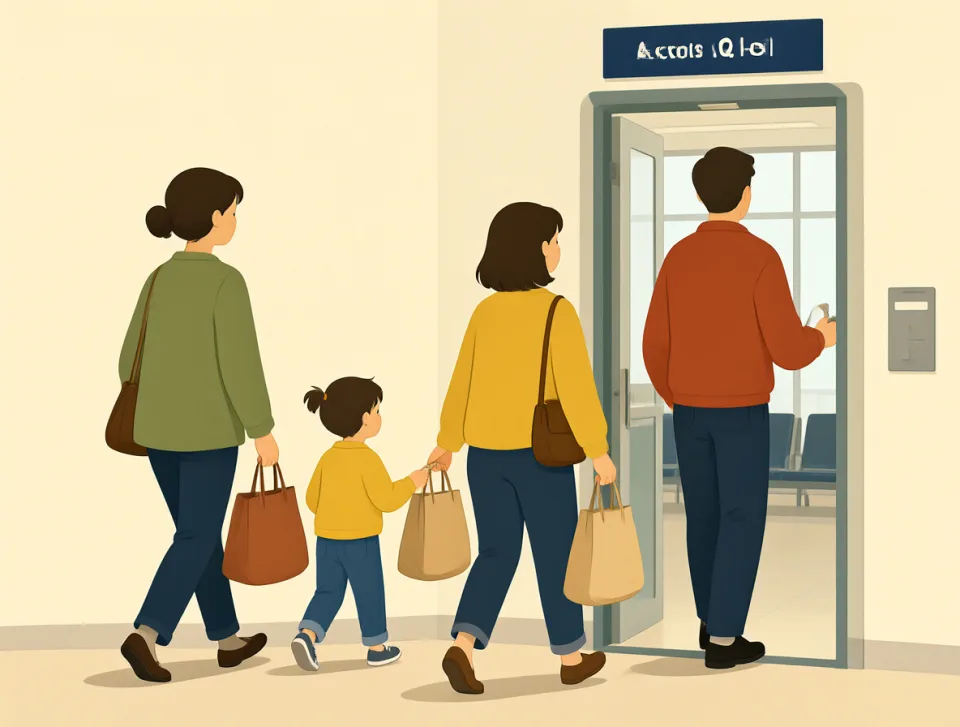
We should leave now for the airport.
우리 지금 공항으로 출발해야 해.

Should I call the doctor today?
오늘 내가 의사에게 전화해야 할까?

You should try the vegetable soup.
이 채소 수프를 먹어 봐.

The package should arrive tomorrow.
그 소포는 내일 도착할 거야.
need
#90verb, noun
필요로 하다; 필요
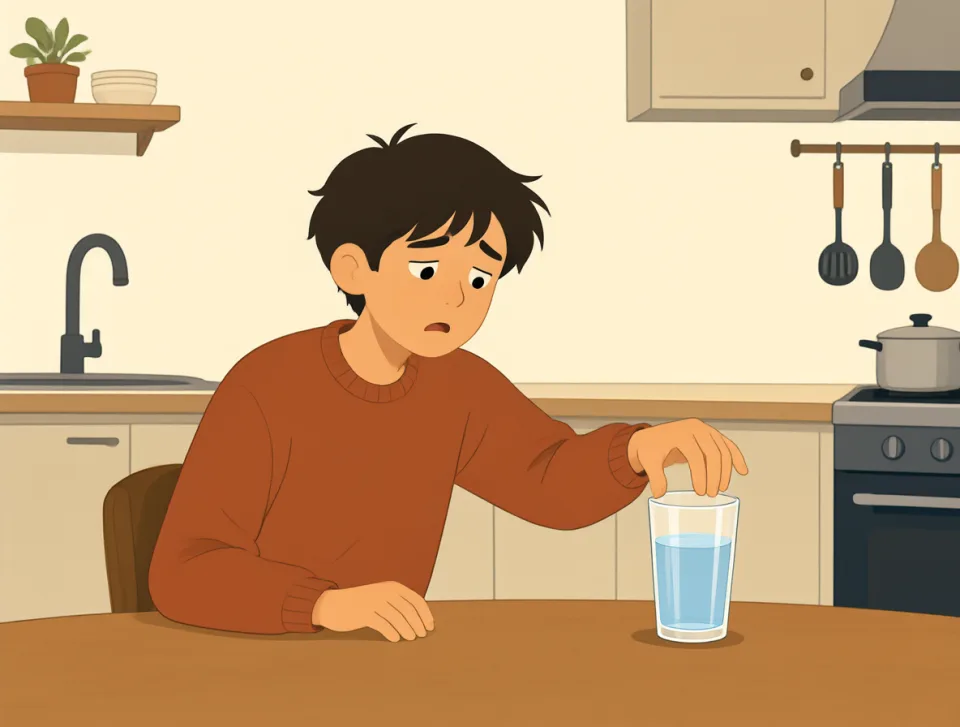
To require something or feel that something is necessary.
무언가를 필요로 하거나 무언가가 필요하다고 느끼다.
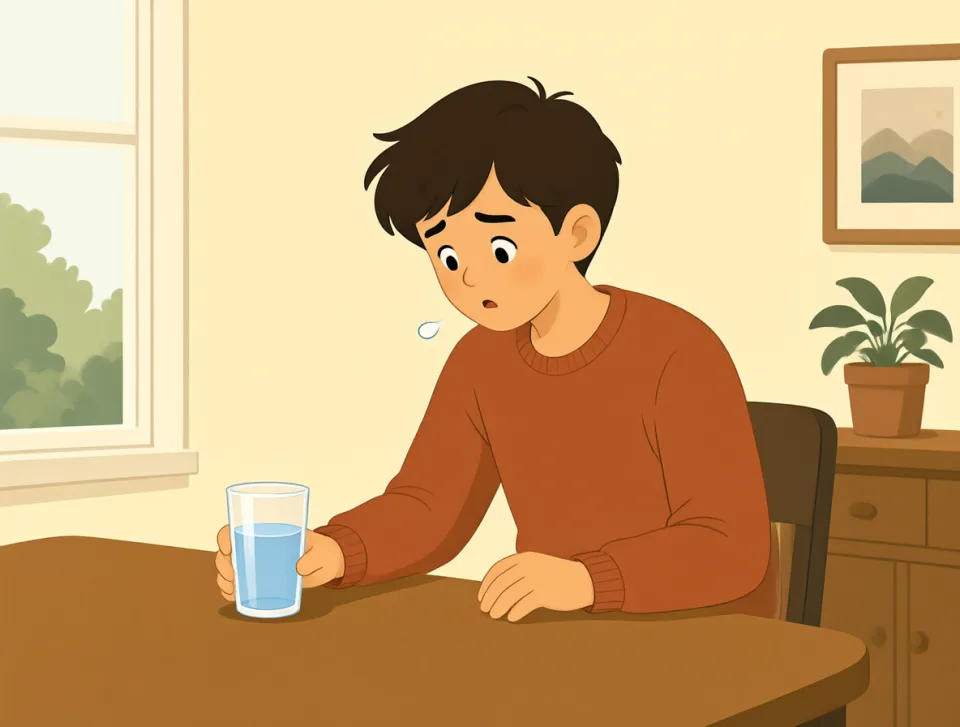
I need some water, please.
물 좀 필요해요.

We need to leave early tomorrow.
우리는 내일 일찍 출발해야 해요.

She needs help with her homework.
그녀는 숙제를 하는 데 도움이 필요해요.

Do you need anything from the shop?
가게에서 필요한 것 있어요?

The baby needs a warm blanket.
아기는 따뜻한 담요가 필요해요.
much
#91adverb, determiner, pronoun
많이; 많은; 상당히
A large amount or a lot; used mostly in questions and negative sentences.
많은 양 또는 상당한 양을 뜻하며, 주로 의문문과 부정문에서 사용됩니다.
I don't have much time today.
오늘은 시간이 많지 않아요.
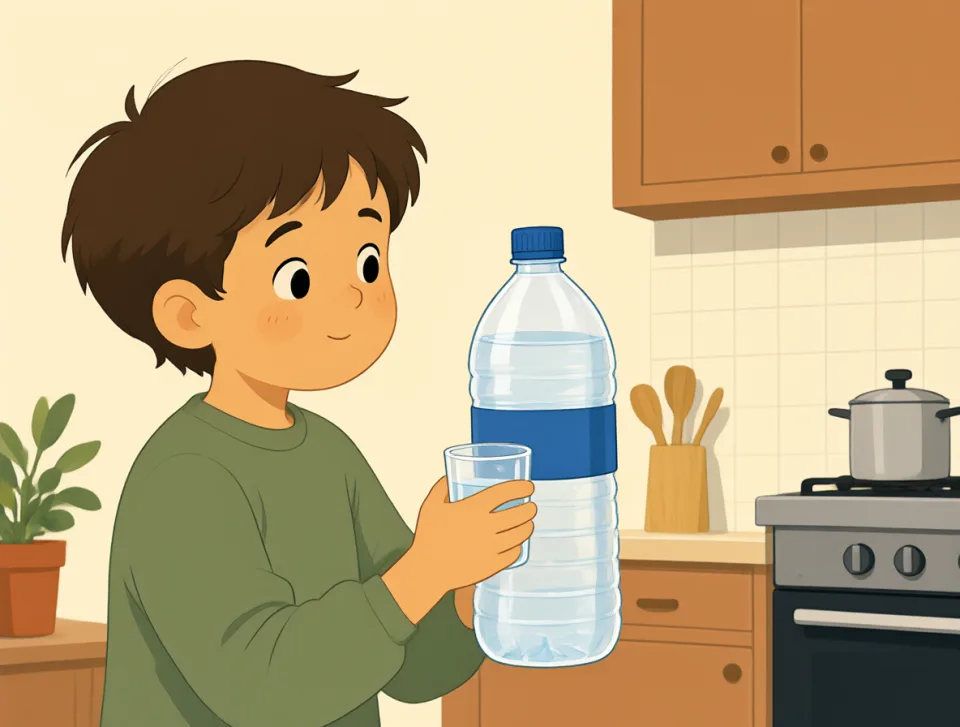
How much water do you drink?
물을 얼마나 많이 마셔요?
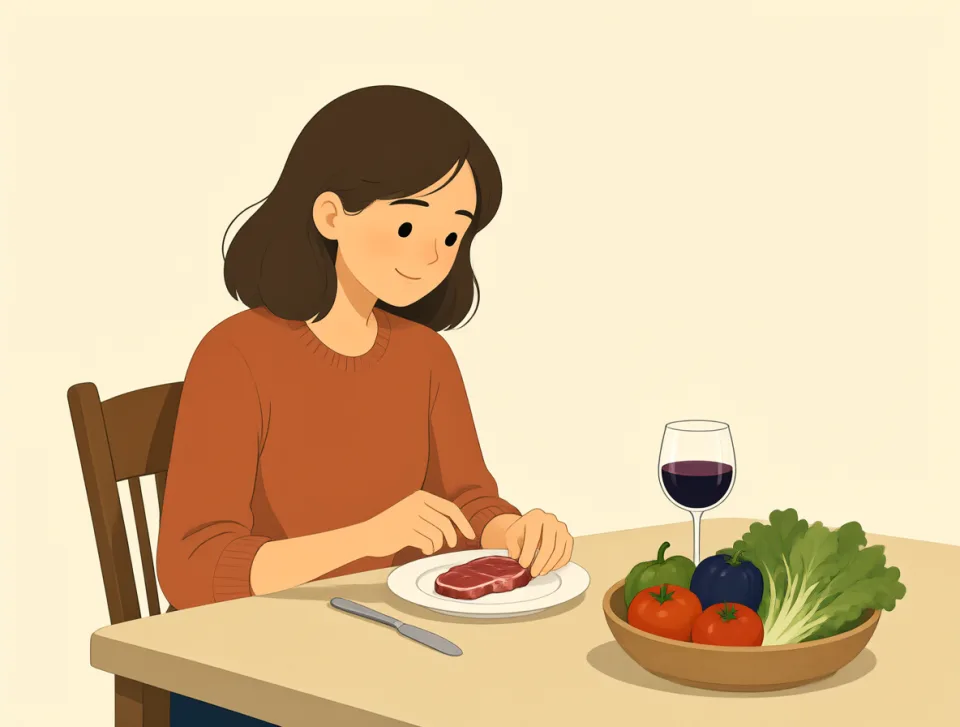
She doesn't eat much meat.
그녀는 고기를 많이 먹지 않아요.

Thank you very much for your help.
도와주셔서 정말 감사합니다.

We learned much from our teacher.
우리는 선생님에게서 많은 것을 배웠어요.

right
#92adjective, adverb, noun
맞는; 오른쪽; 바로; 권리
Correct, or on the side opposite your left hand.
맞거나, 왼손의 반대쪽에 있는.

Your answer is right.
네 답이 맞아.

Please turn right at the next street.
다음 길에서 오른쪽으로 도세요.

I need to leave right now.
나는 지금 당장 떠나야 해.

The bank is on the right.
은행은 오른쪽에 있어요.

You have the right to ask questions.
당신에게는 질문할 권리가 있습니다.

how
#93adverb, conjunction, pronoun
어떻게; 얼마나; 어떤 방식으로
Used to ask or explain the way something happens or is done.
어떤 일이 일어나거나 이루어지는 방식을 묻거나 설명할 때 쓰인다.
How are you feeling today?
오늘 기분이 어때?
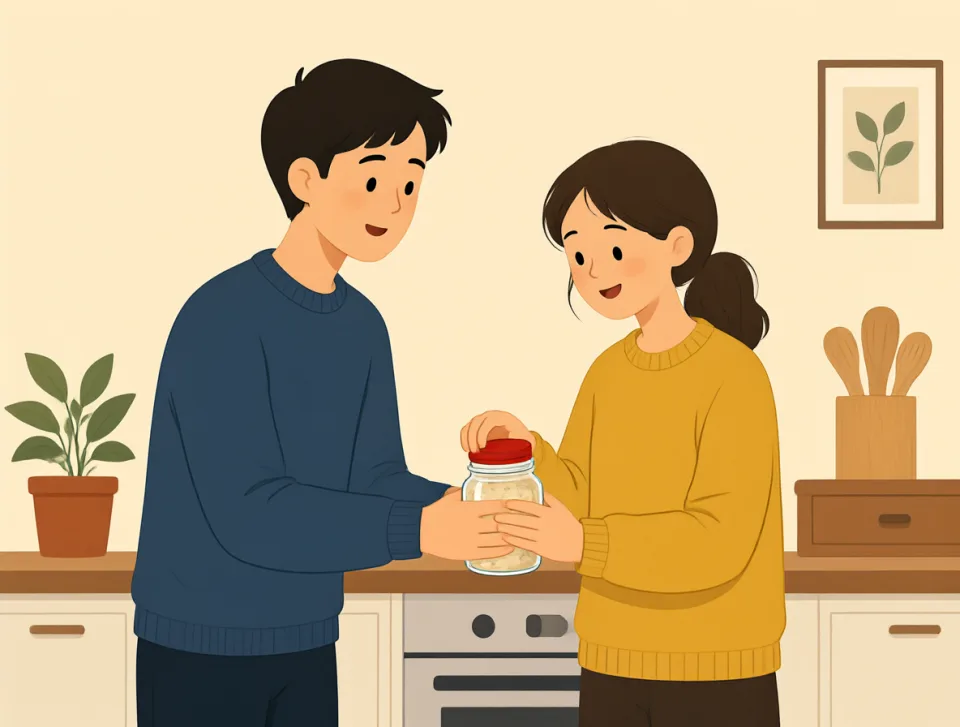
Can you show me how to open it?
그걸 어떻게 여는지 보여 줄래?
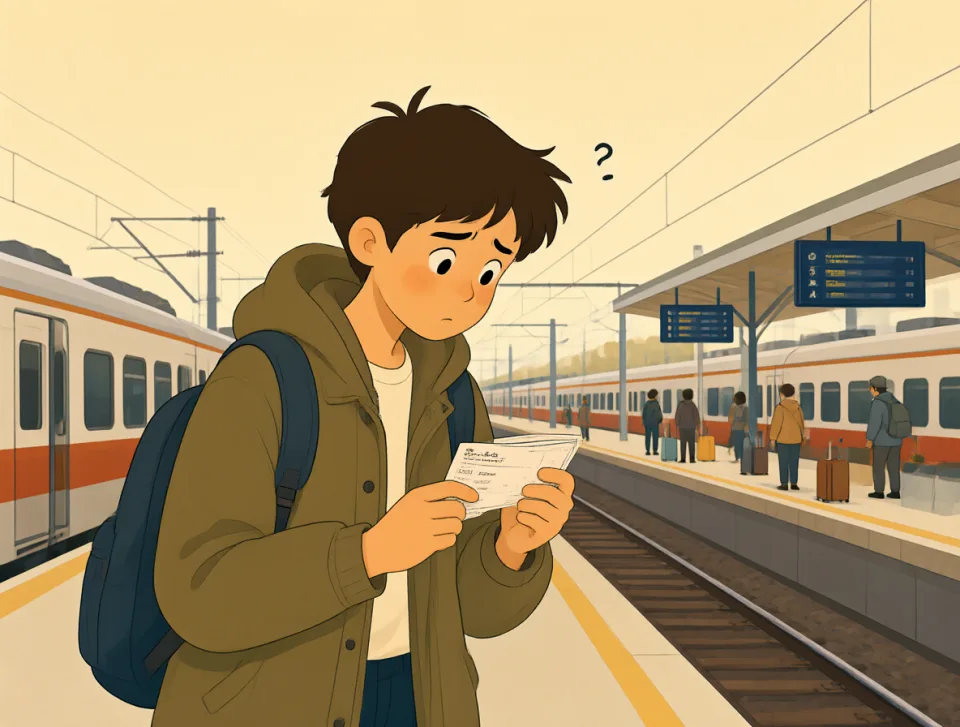
I forgot how much the tickets cost.
표 가격이 얼마였는지 잊어버렸어.
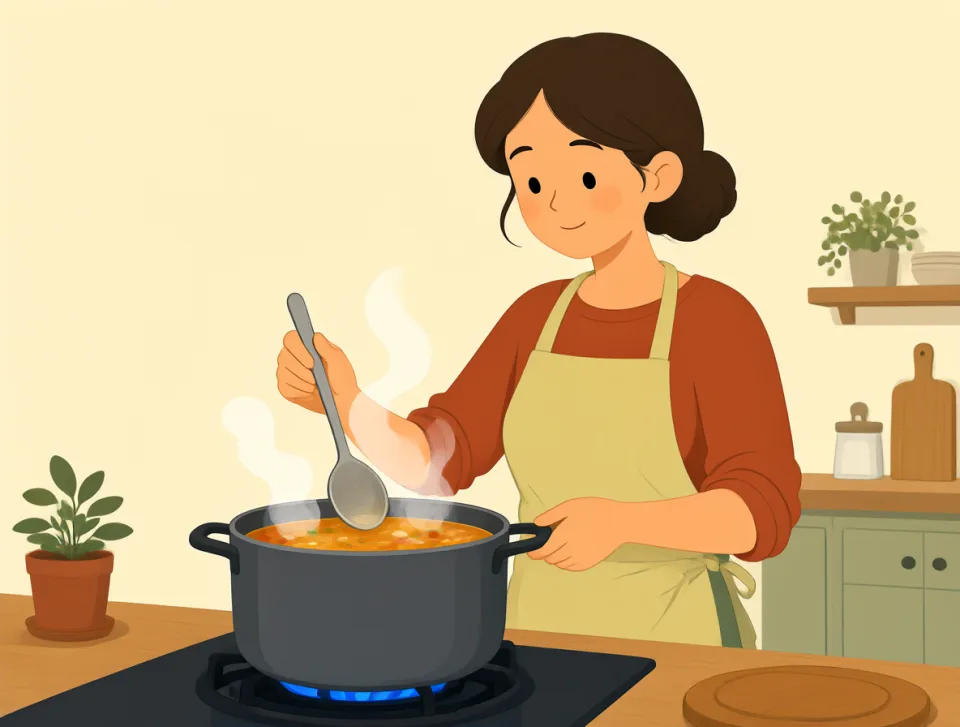
She knows how to make good soup.
그녀는 맛있는 수프를 어떻게 만드는지 알아.

How did you get home so late?
너는 왜 그렇게 늦게 집에 왔어?

back
#94noun, verb, adjective, adverb, preposition
등; 뒤; 뒤로; 후진하다
The part of your body opposite your chest, or toward the place you came from.
가슴의 반대쪽에 있는 신체 부위 또는 왔던 곳을 향한 방향
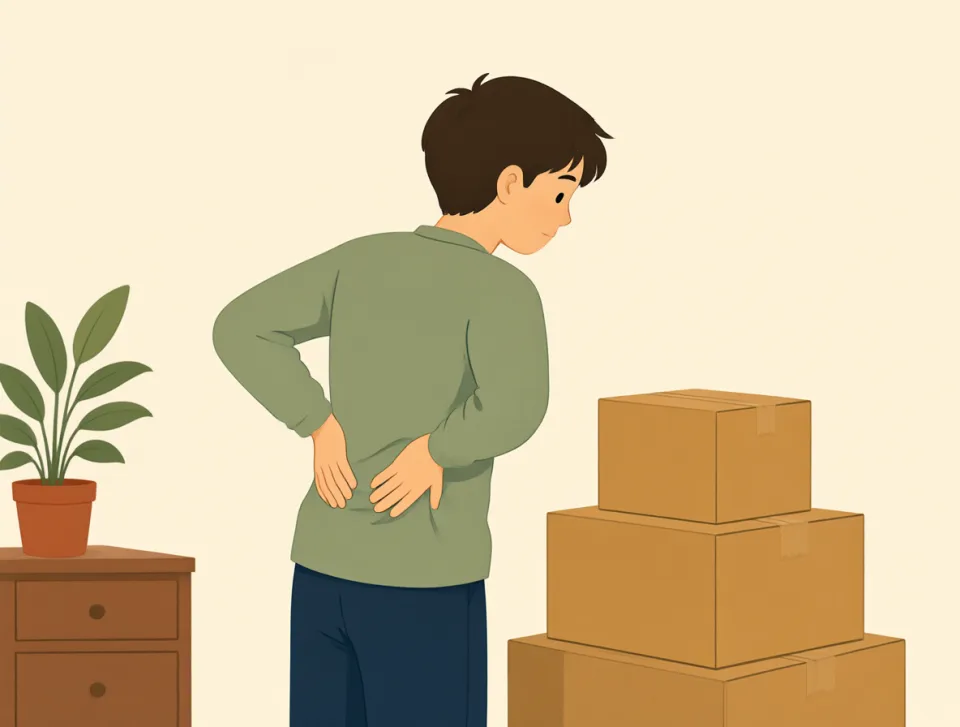
My back hurts after carrying the boxes.
상자를 나르고 나니 등이 아프다.

Please put the book back on the shelf.
책을 책장에 다시 꽂아 주세요.

We walked back to the hotel after dinner.
저녁 식사 후에 호텔까지 걸어서 돌아갔다.
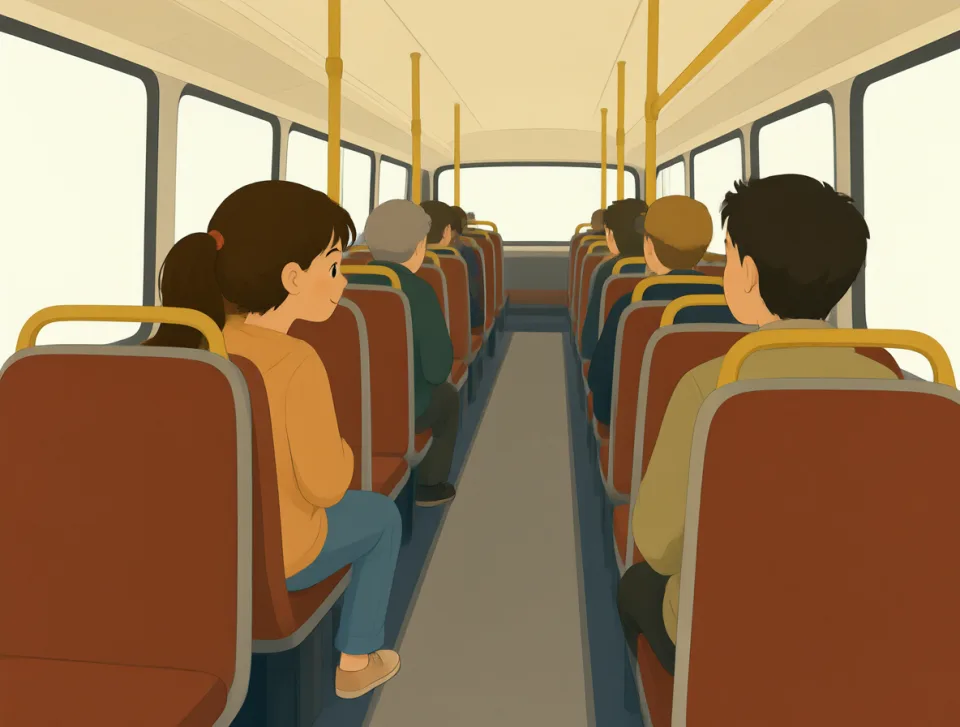
She sat in the back of the bus.
그녀는 버스 뒤쪽에 앉았다.

He backed the car into the garage.
그는 차를 차고 안으로 후진해 넣었다.
mean
#95verb, adjective, noun
의미하다; 뜻하다; 의미가 있다; 못되다
To mean is to have a particular meaning or intend to say something.
어떤 특정한 의미를 지니거나 무엇을 말하려고 하다.
What does this word mean?
이 단어는 무슨 뜻이에요?

I mean we should leave now.
내 말은, 우리는 지금 떠나야 한다는 거야.

This gift means a lot to me.
이 선물은 나에게 정말 큰 의미가 있어.
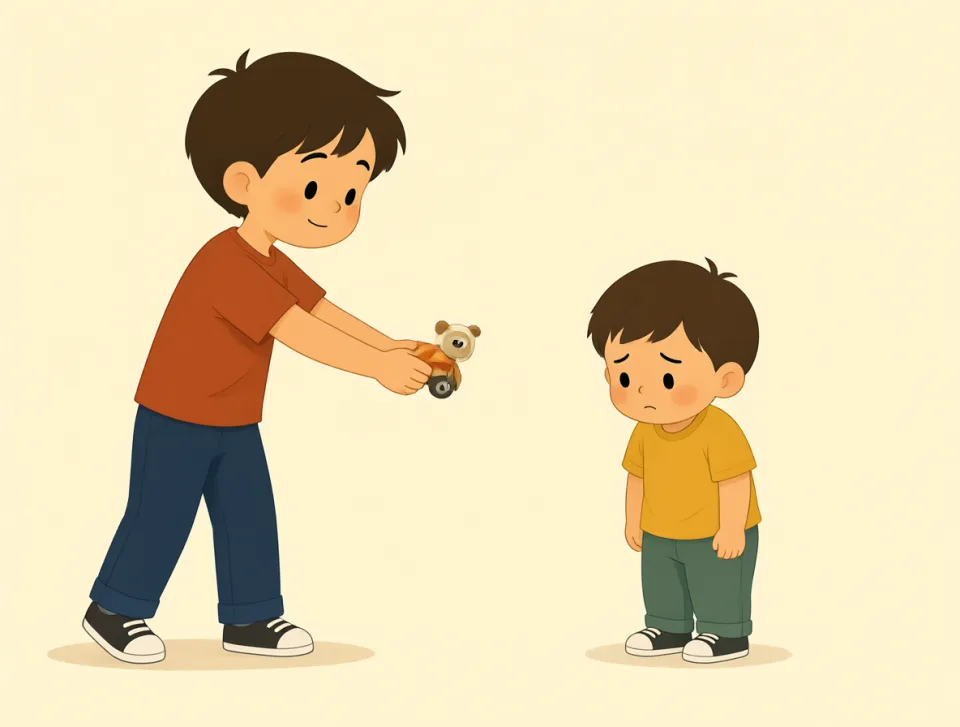
He was mean to his little brother.
그는 남동생에게 못되게 굴었어요.
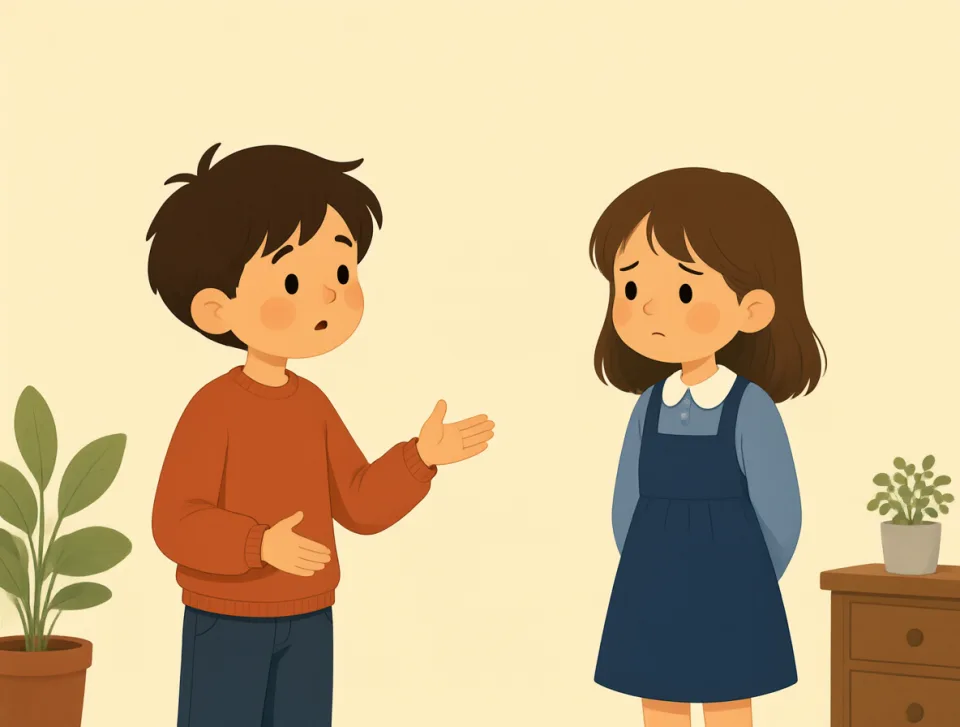
That was a mean joke.
그건 못된 농담이었어요.

even
#96adverb, adjective, verb
심지어; 평평한; 고른; 공평한
Used to show something surprising, equal, flat, or fair.
놀랍거나, 같거나, 평평하거나, 공평한 것을 나타낼 때 씁니다.
Even my brother likes this song.
내 동생조차도 이 노래를 좋아해요.

She was tired, but she even finished the work.
그녀는 피곤했지만 일까지 끝냈어요.
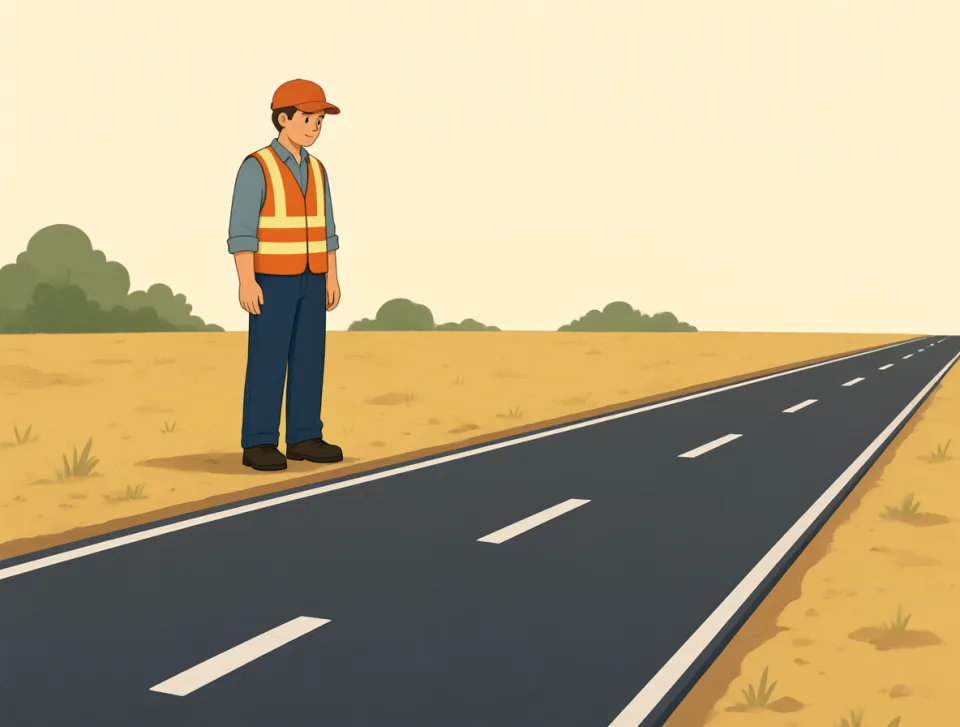
The road is even after the repairs.
수리하고 나니 도로가 평평해졌어요.
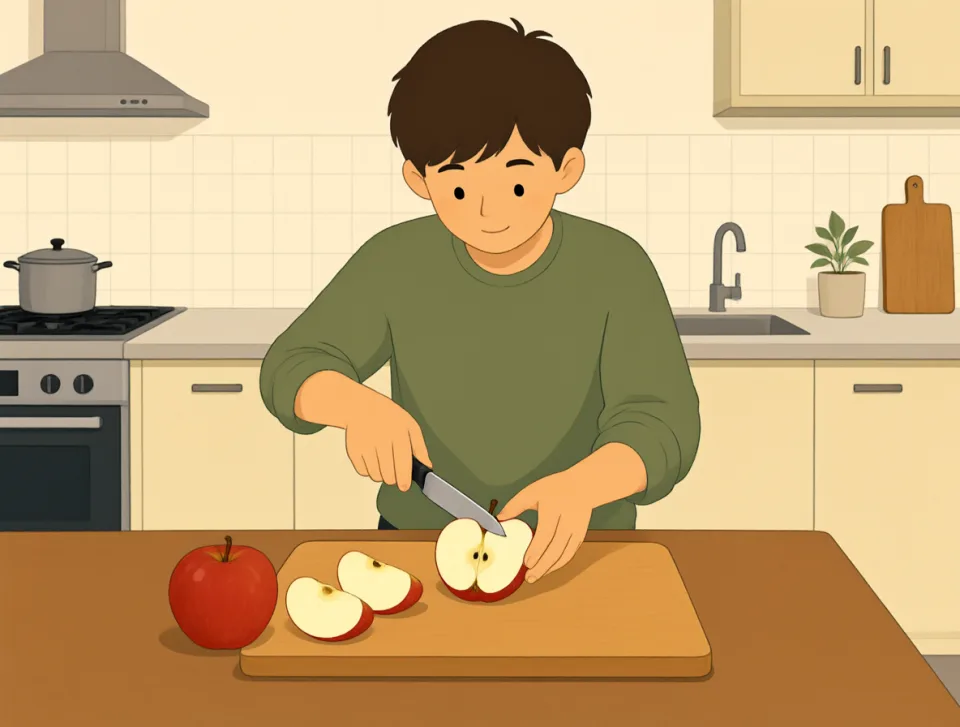
Cut the apple into even pieces.
사과를 같은 크기로 잘라 주세요.

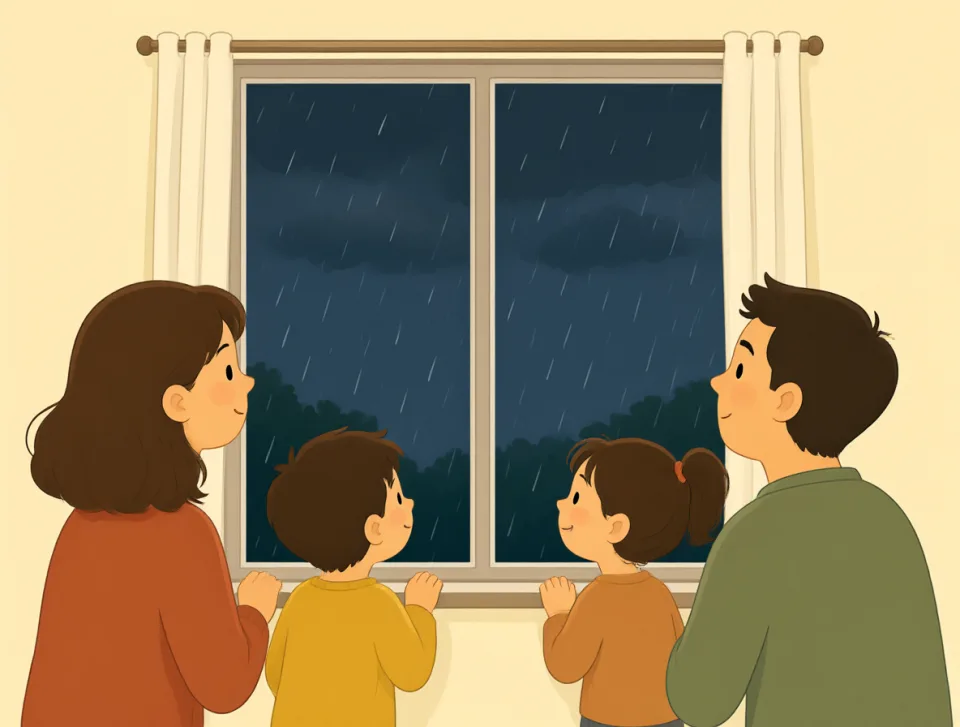
We played on an even team.
우리는 실력이 비슷한 팀끼리 경기했어요.
may
#97modal verb, noun
~일지도 모른다; 허가; 5월
Used to say that something is possible or to ask for permission.
어떤 일이 일어날 가능성이 있거나 허락을 요청할 때 사용한다.
It may rain this afternoon.
오늘 오후에 비가 올지도 몰라요.
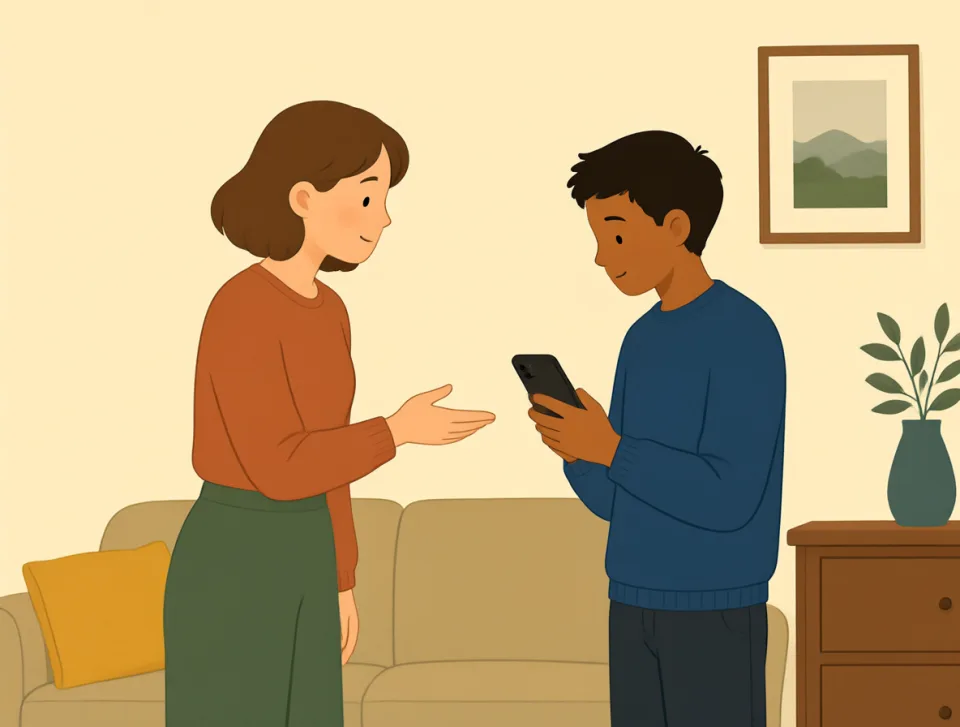
May I use your phone?
전화기를 사용해도 될까요?

You may leave work early today.
오늘은 일찍 퇴근해도 돼요.
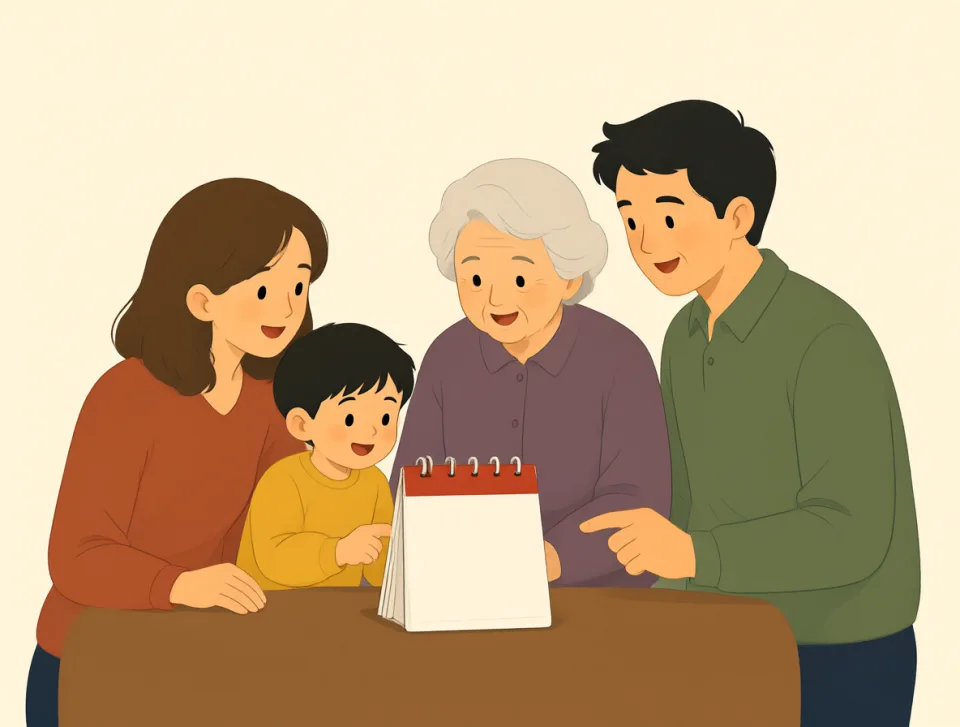
We may visit Grandma this weekend.
이번 주말에 Grandma를 방문할지도 몰라요.
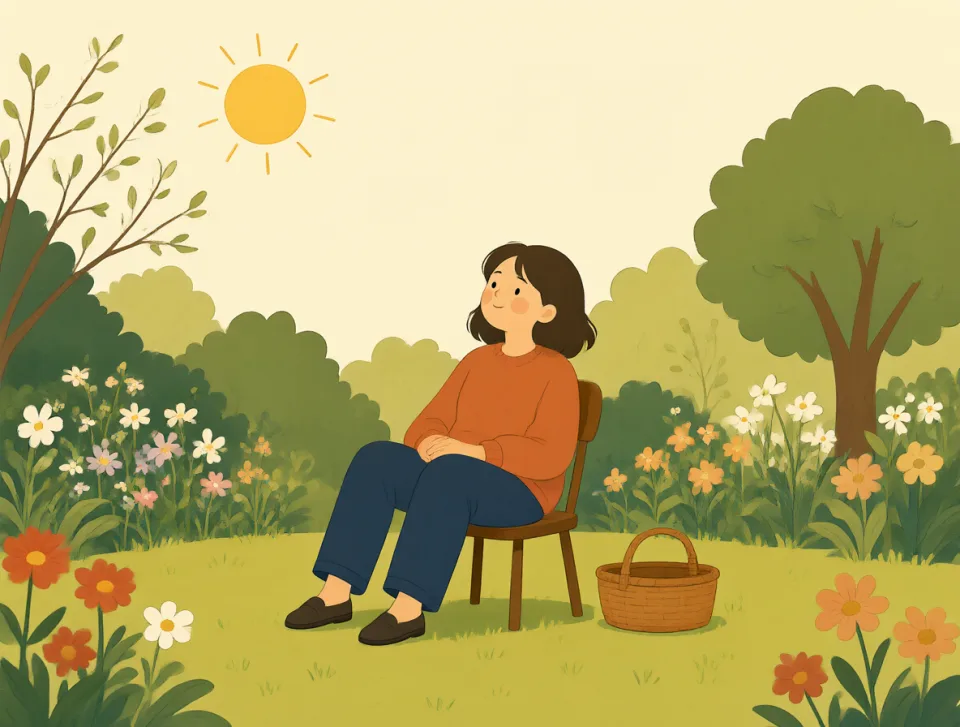
May is my favorite month.
5월은 제가 가장 좋아하는 달이에요.

here
#98adverb, pronoun, adjective, noun
여기; 이곳
in, at, or to this place
이곳에, 이곳에서, 또는 이곳으로

Please sit here beside me.
제 옆 여기로 앉으세요.
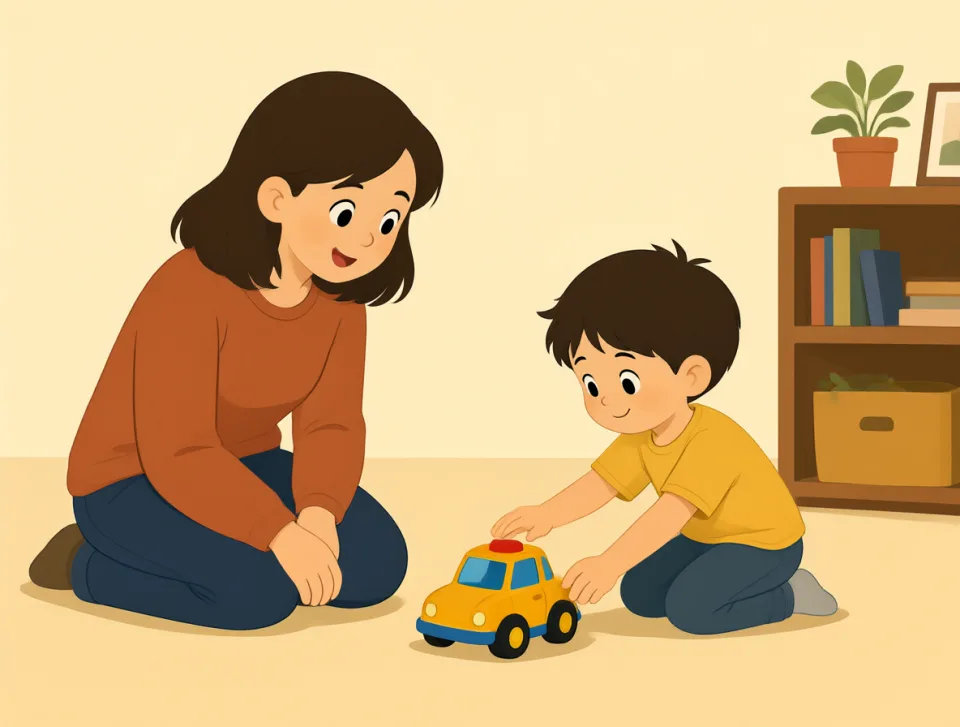
Come here and look at this.
여기로 와서 이거 봐.

Is anyone here from our class?
우리 반에서 여기 온 사람 있어요?
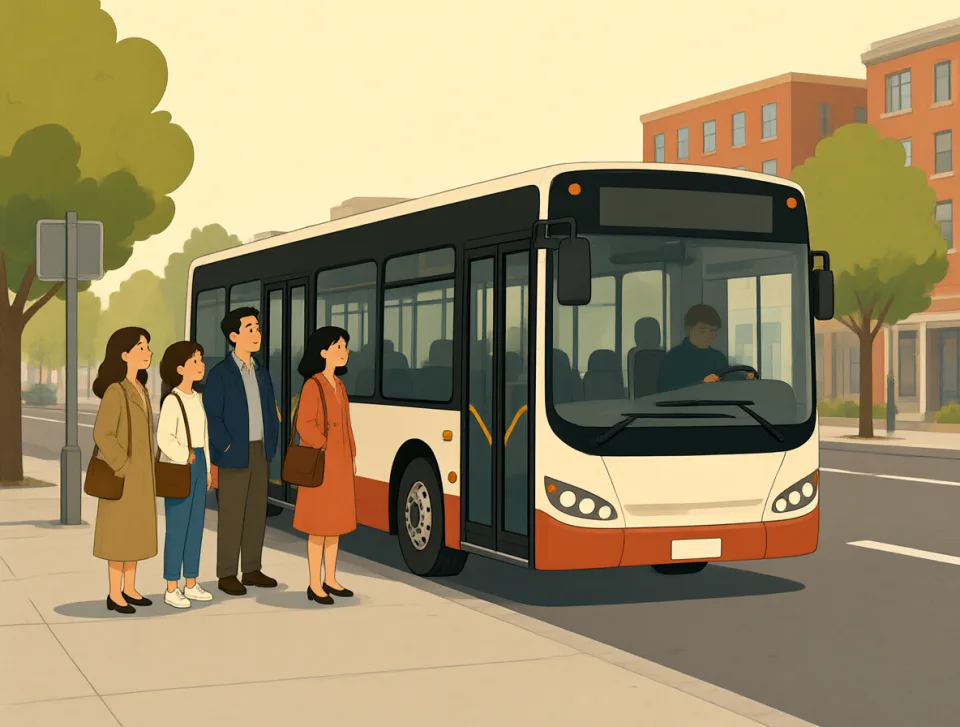
The bus stops here every morning.
버스는 매일 아침 여기에 정차합니다.
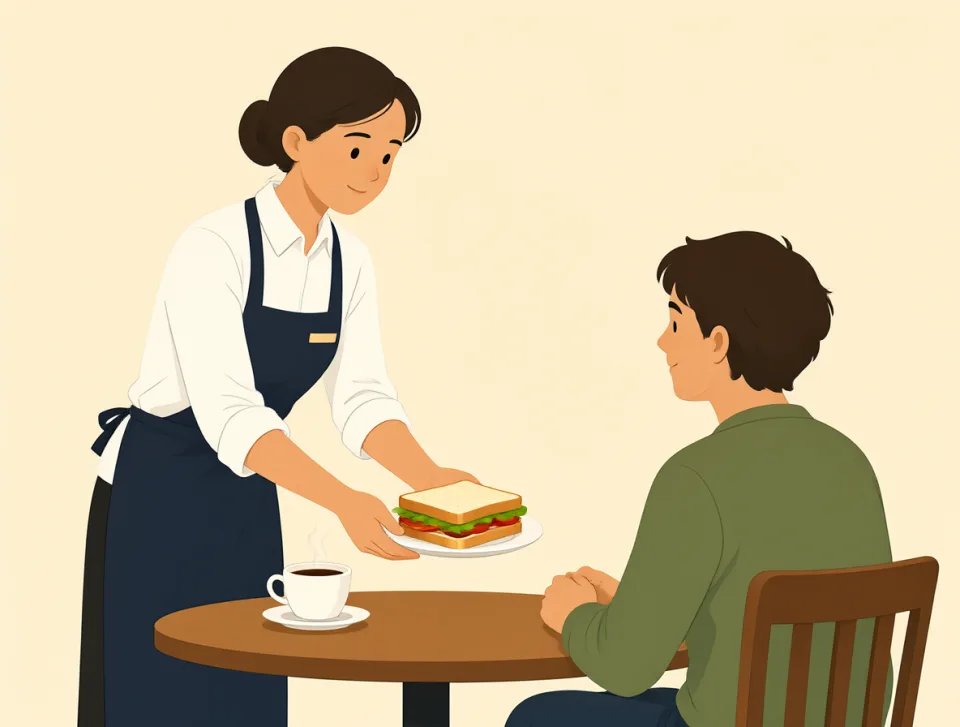
Here is your coffee and sandwich.
여기 커피와 샌드위치 드세요.
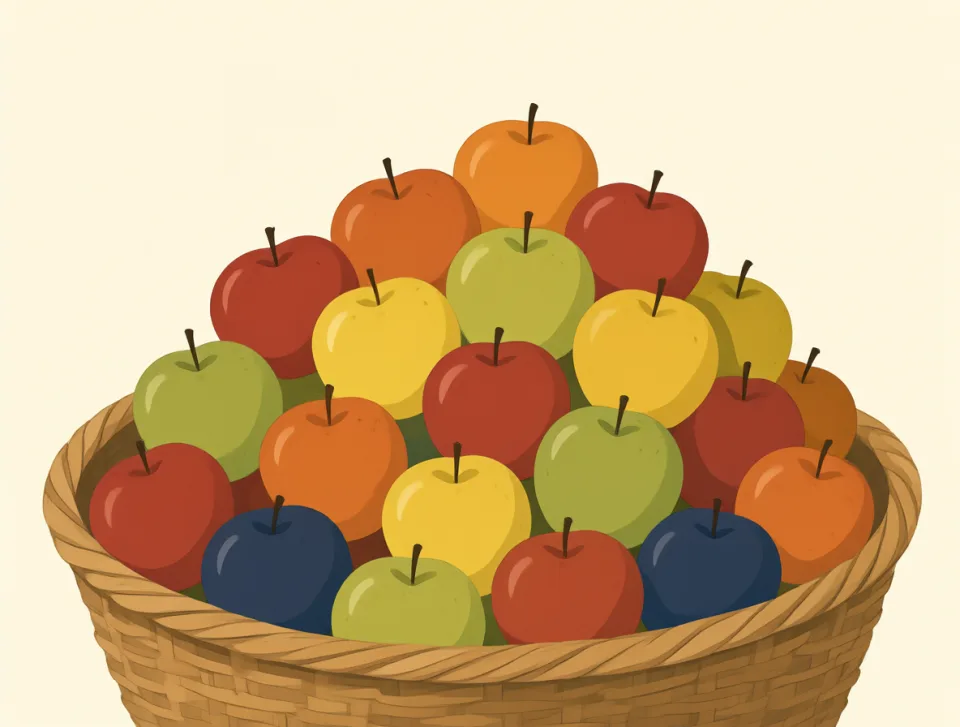
many
#99determiner, pronoun
많은; 여러
A large number of people or things.
사람이나 사물의 수가 많은

Many people enjoy walking in the park.
많은 사람들이 공원에서 산책하는 것을 좋아합니다.
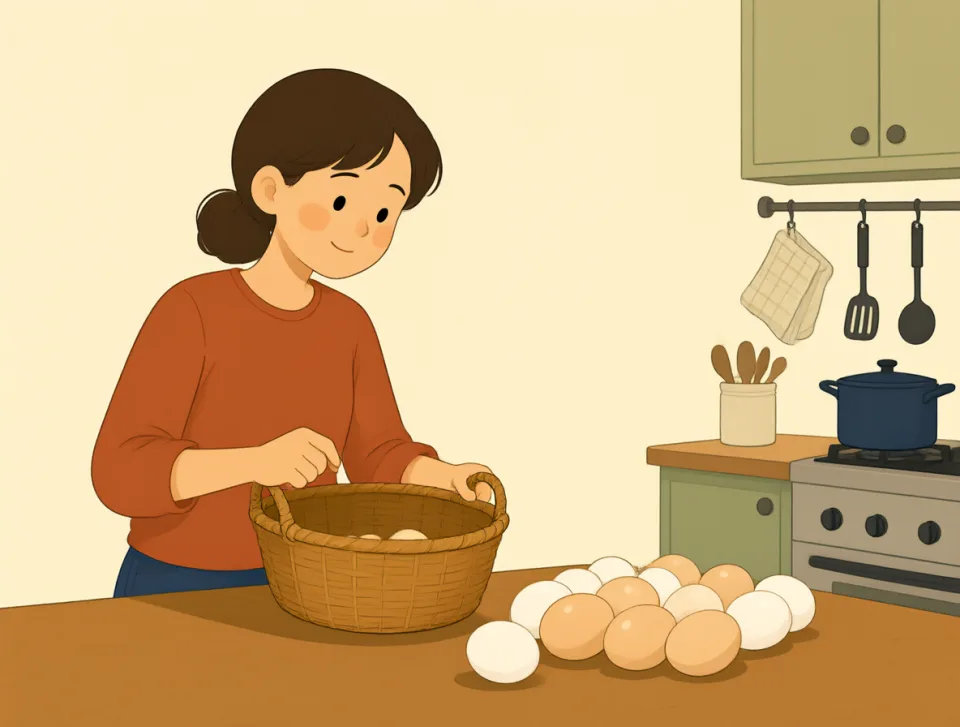
How many eggs do we need?
달걀이 몇 개나 필요해요?

I have many friends at school.
저는 학교에 친구가 많아요.

There are many shops near the hotel.
호텔 근처에 가게가 많아요.

Many children like eating ice cream.
많은 아이들이 아이스크림을 먹는 것을 좋아합니다.

such
#100determiner, pronoun, adverb
그러한; 그렇게; 아주
Used to show something is like or as great as what was just mentioned.
방금 언급한 것과 비슷하거나 그만큼 대단한 것을 나타낼 때 씀.
I have never seen such a beautiful place.
나는 그렇게 아름다운 곳을 본 적이 한 번도 없다.

She is such a good friend.
그녀는 정말 좋은 친구야.

We had such a busy day at work.
우리는 직장에서 정말 바쁜 하루를 보냈다.

Why are you in such a hurry?
왜 그렇게 서두르는 거야?
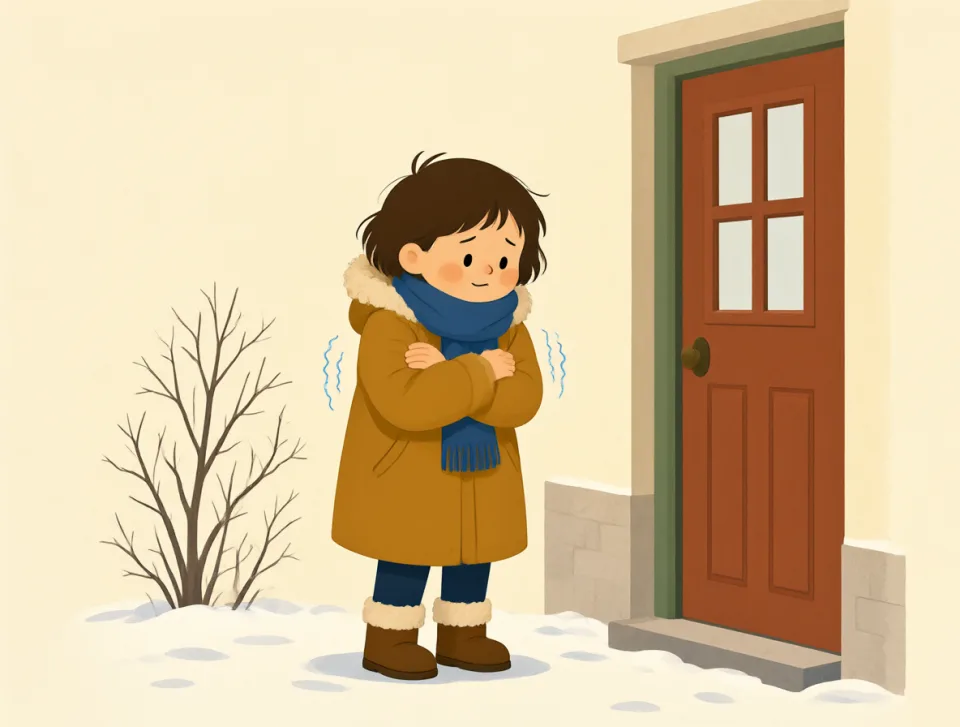
It was such a cold morning.
정말 추운 아침이었다.