الوحدة 5
الكلمات من 81 إلى 100 · find, over, any, after, day, where
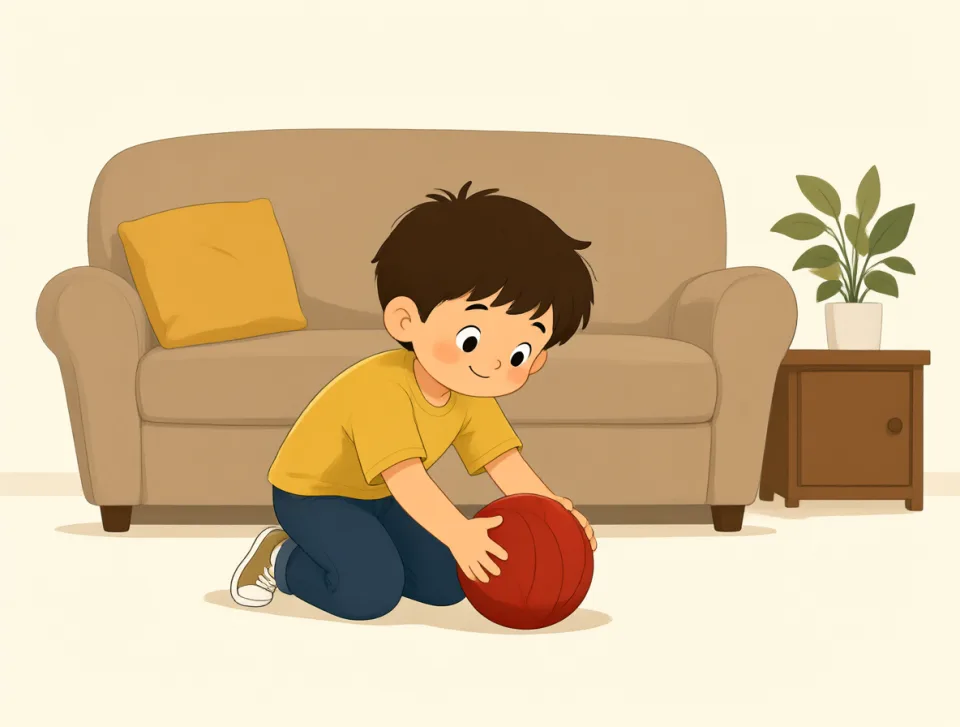
find
#81verb, noun
يجد
to discover, get, or notice something, often after looking for it
أن يكتشف شيئًا أو يحصل عليه أو يلاحظه، غالبًا بعد البحث عنه
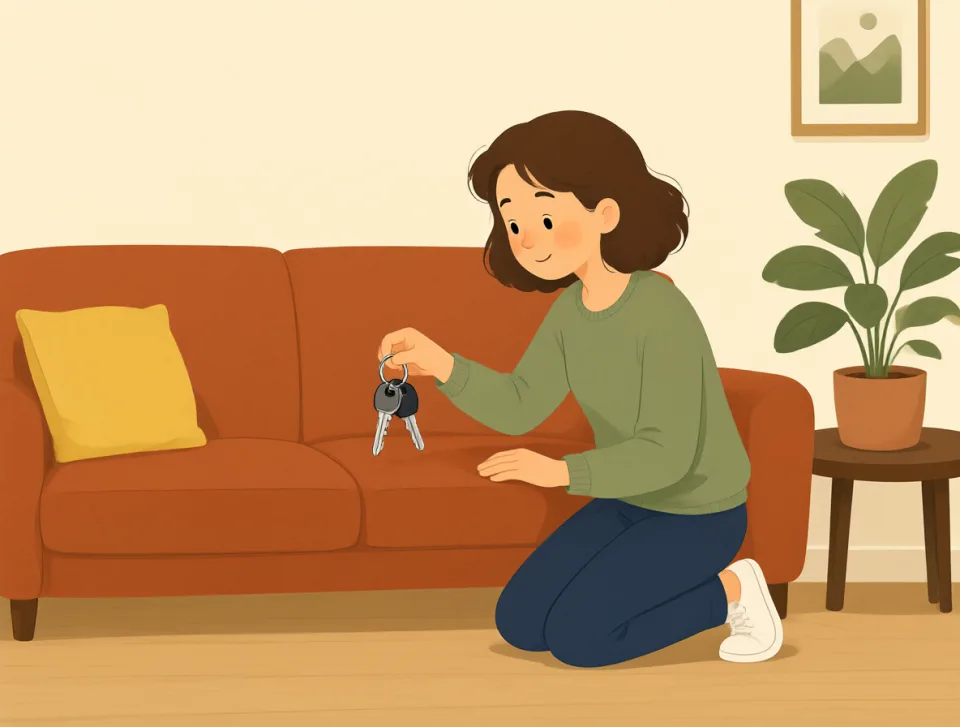
I can't find my keys anywhere.
لا أستطيع العثور على مفاتيحي في أي مكان.

We found a nice hotel near the beach.
وجدنا فندقًا جميلًا بالقرب من الشاطئ.

She found a job at a local shop.
وجدت وظيفة في متجر محلي.
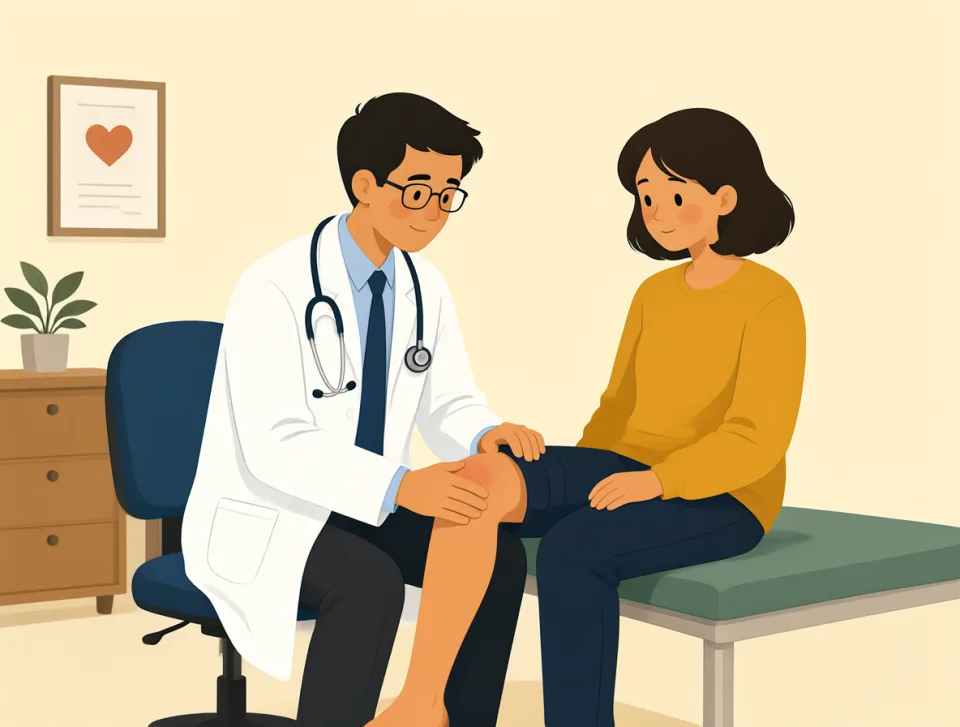
The doctor found a problem with my knee.
اكتشف الطبيب مشكلة في ركبتي.
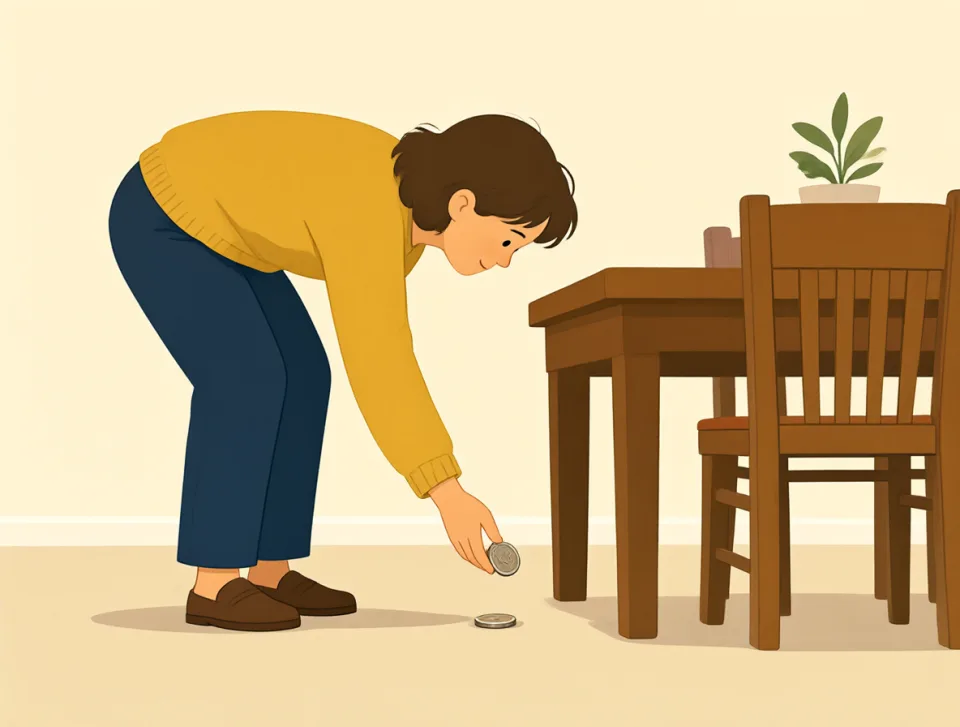
I found a coin under the table.
وجدت قطعة نقدية تحت الطاولة.

over
#82adverb, preposition, adjective, noun
فوق؛ عبر؛ انتهى؛ أكثر من؛ أثناء
above or across something; finished; more than; during a period of time
أعلى شيء أو على امتداده؛ منتهي؛ أكثر من؛ خلال فترة زمنية

The plane flew over the city.
حلّقت الطائرة فوق المدينة.

She put a blanket over the baby.
وضعت بطانية فوق الطفل.
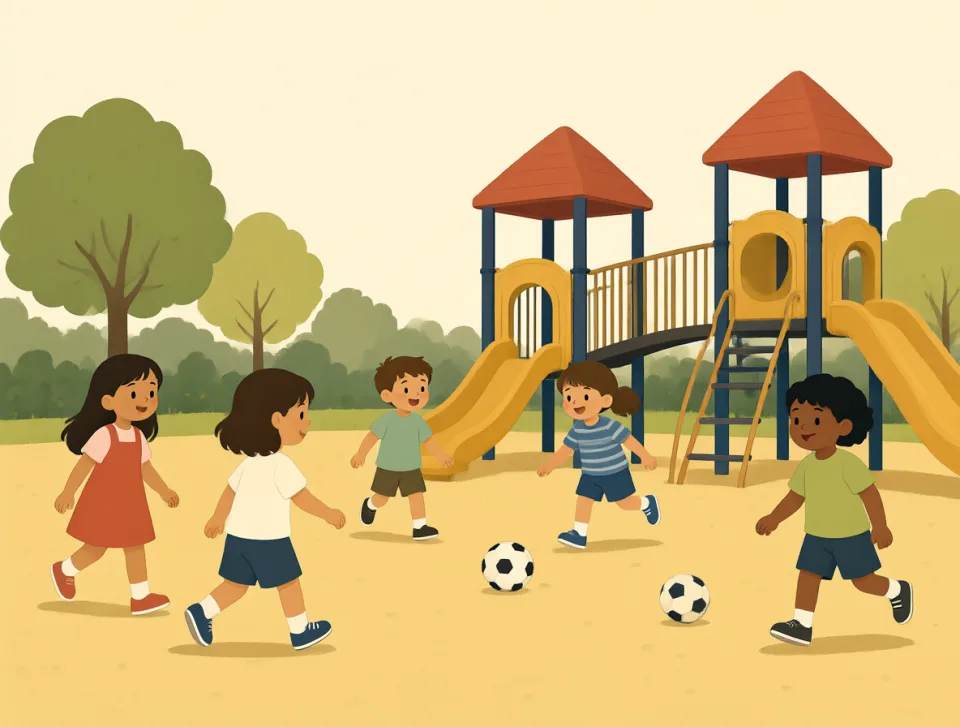
The game is over now.
انتهت المباراة الآن.

We talked over lunch.
تحدثنا أثناء الغداء.
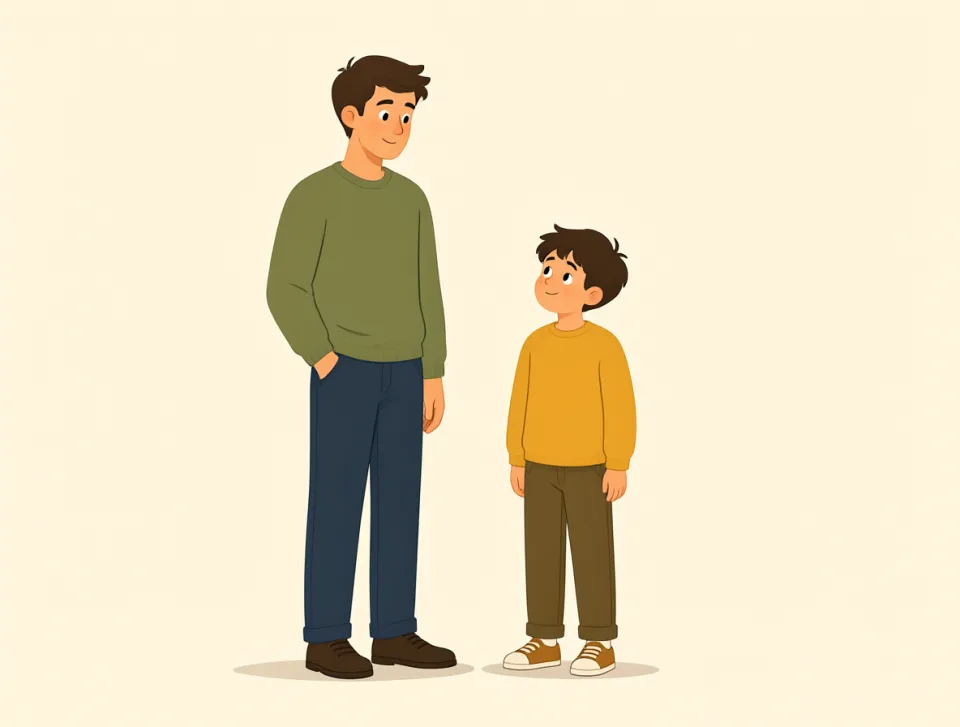
He is over six feet tall.
يبلغ طوله أكثر من ستة أقدام.
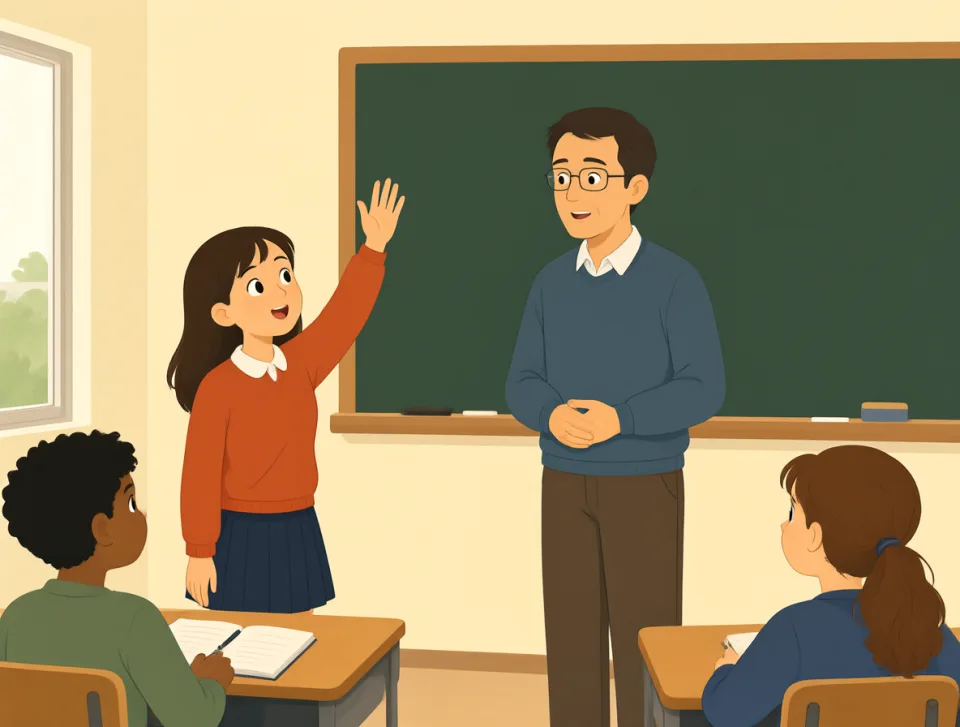
any
#83determiner, pronoun, adverb
أيّ
One, some, or even one of a group, usually in questions or negative sentences.
واحد أو بعض أو حتى فرد واحد من مجموعة، وتُستخدم عادةً في الأسئلة أو الجمل المنفية.
Do you have any questions?
هل لديكم أي أسئلة؟

I do not have any money.
ليس لدي أي مال.

You can choose any color.
يمكنك اختيار أي لون.

We did not see any birds.
لم نرَ أي طيور.

I hardly slept any last night.
لم أنم إلا قليلًا البارحة.
after
#84adverb, preposition, conjunction
بعد
Later than a time or event; following someone or something.
في وقت لاحق لوقت أو حدث ما؛ أو متبوعًا بشخص أو شيء.
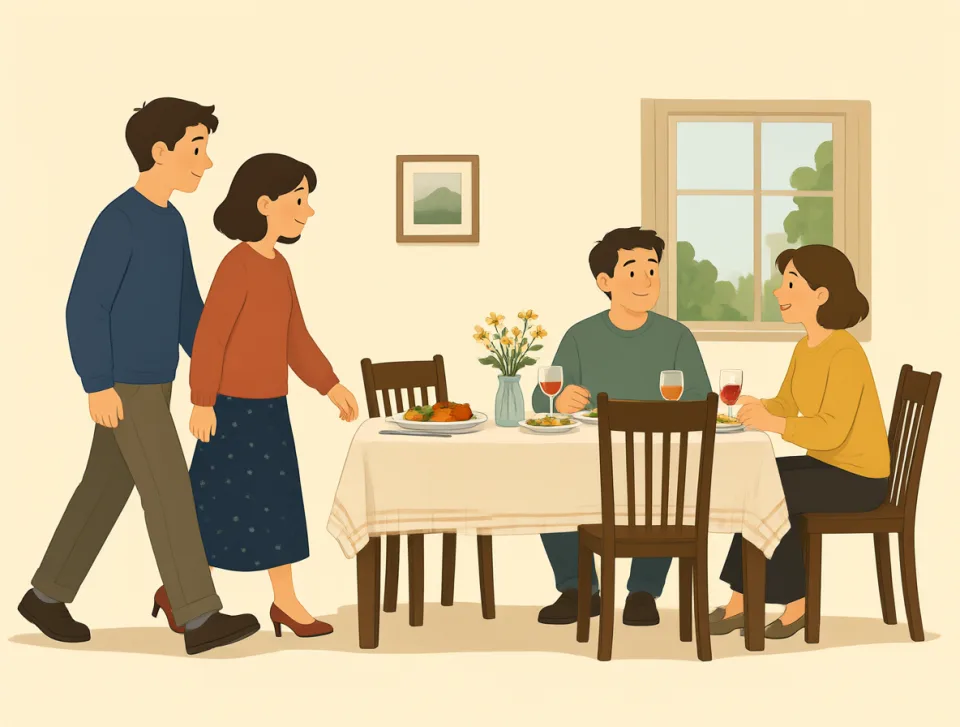
We went home after dinner.
عدنا إلى المنزل بعد العشاء.

Call me after work.
اتصل بي بعد العمل.
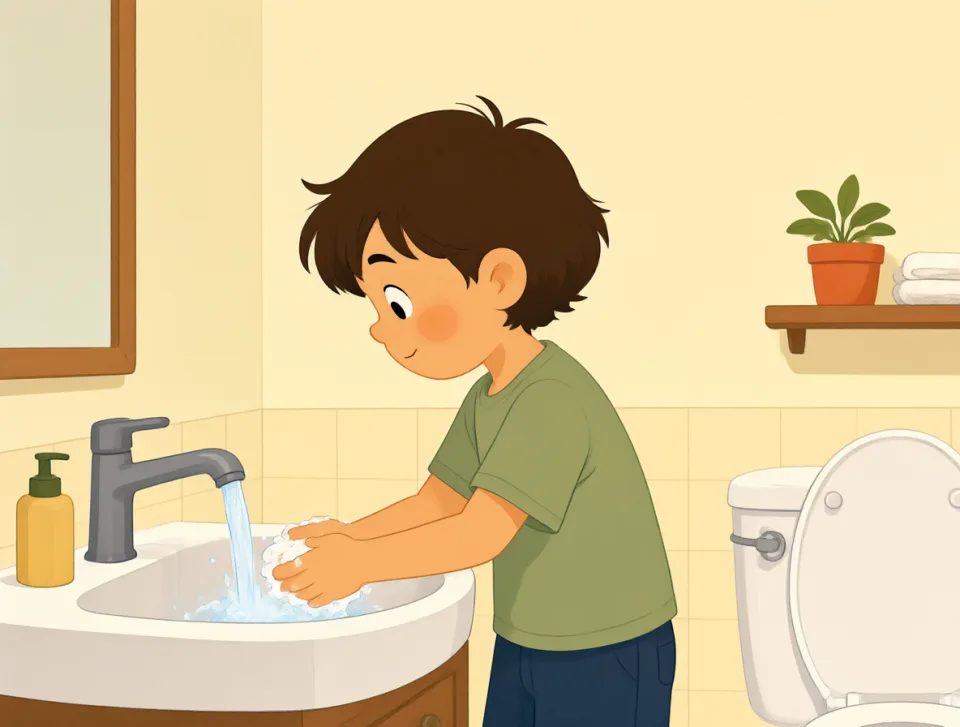
Wash your hands after using the bathroom.
اغسل يديك بعد استخدام الحمام.

She felt better after taking medicine.
شعرت بتحسن بعد تناول الدواء.

After it rained, the streets were wet.
بعد أن هطلت الأمطار، ابتلت الشوارع.

day
#85noun, adjective
يوم
A period of twenty-four hours, from midnight to midnight.
فترة من أربع وعشرين ساعة، من منتصف الليل إلى منتصف الليل.
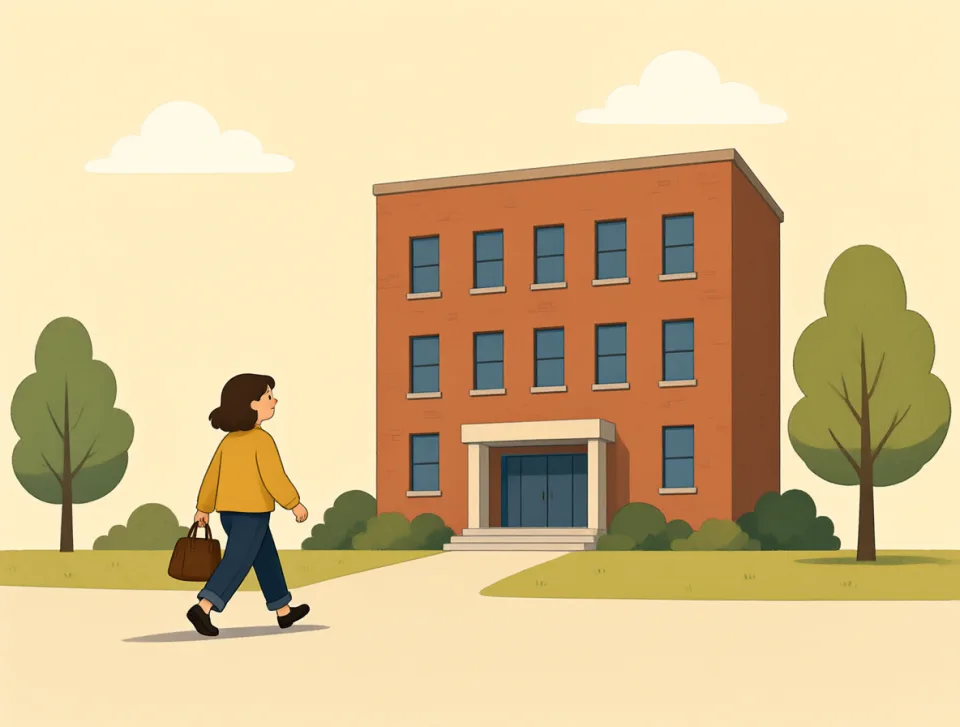
I go to work every day.
أذهب إلى العمل كل يوم.

We had a great day at the beach.
قضينا يومًا رائعًا على الشاطئ.

She stayed home all day.
بقيت في المنزل طوال اليوم.
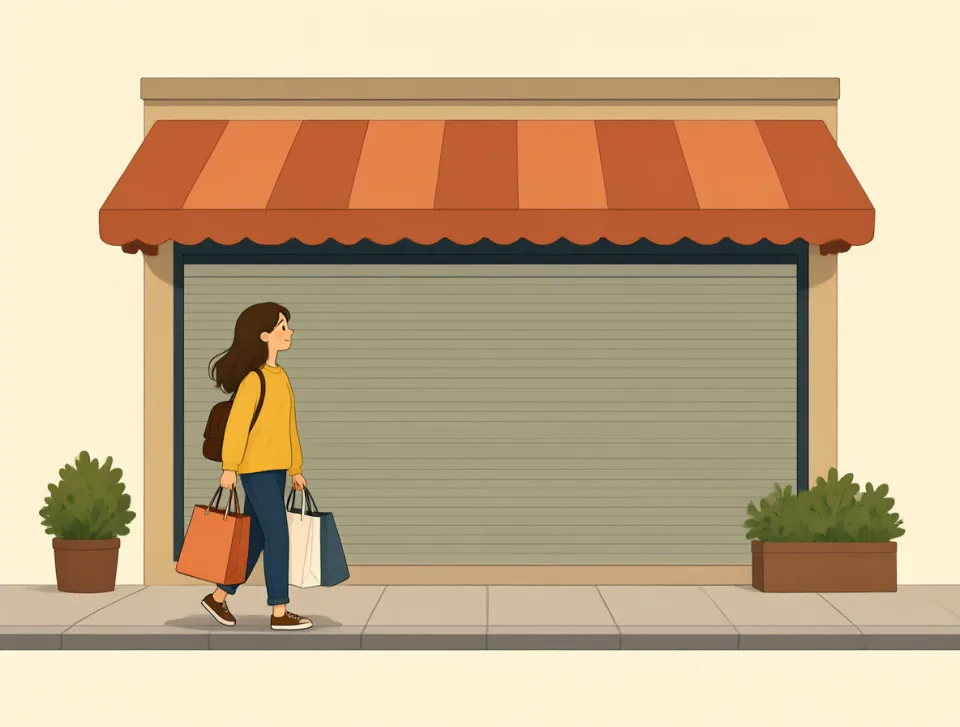
The store is closed on Sundays.
المتجر مغلق أيام الأحد.
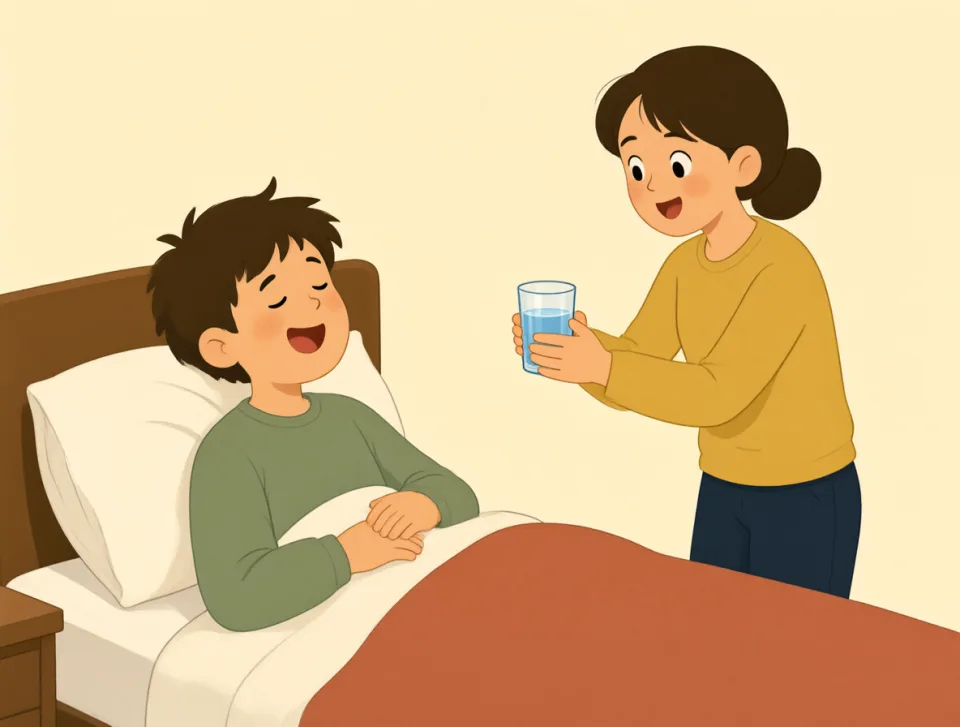
I felt better after a few days.
شعرت بتحسن بعد بضعة أيام.
where
#86adverb, conjunction, pronoun
أين
Used to ask about or describe the place or situation something is in.
تُستخدم للسؤال عن المكان أو الوضع الذي يوجد فيه شيء ما أو لوصفه.
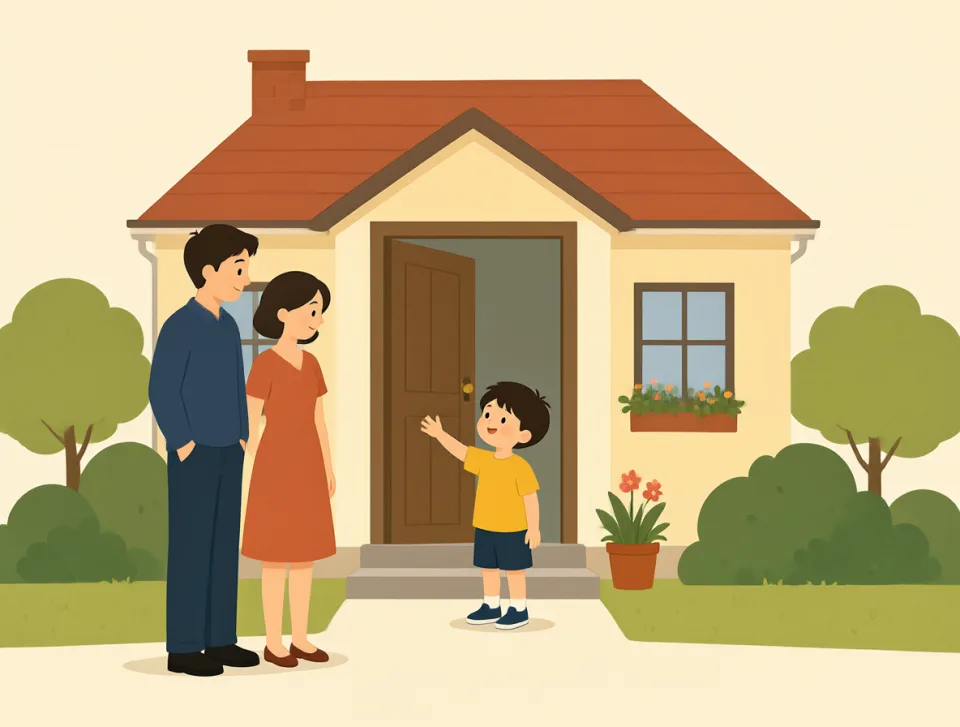
Where do you live?
أين تعيش؟

This is where we met last year.
هذا هو المكان الذي التقينا فيه العام الماضي.
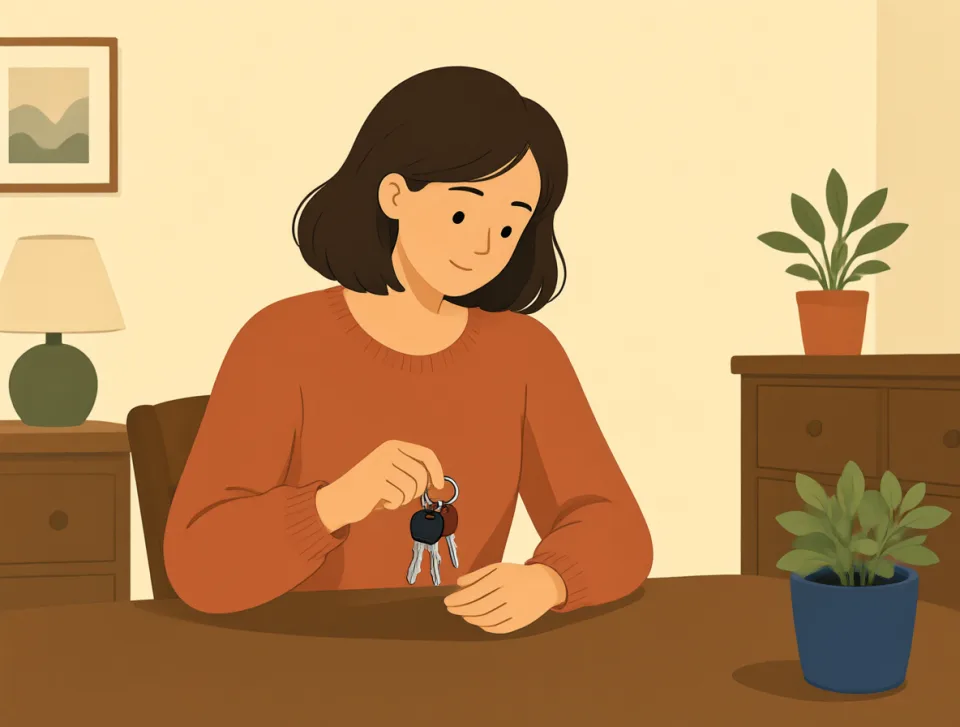
Do you know where my keys are?
هل تعرف أين مفاتيحي؟
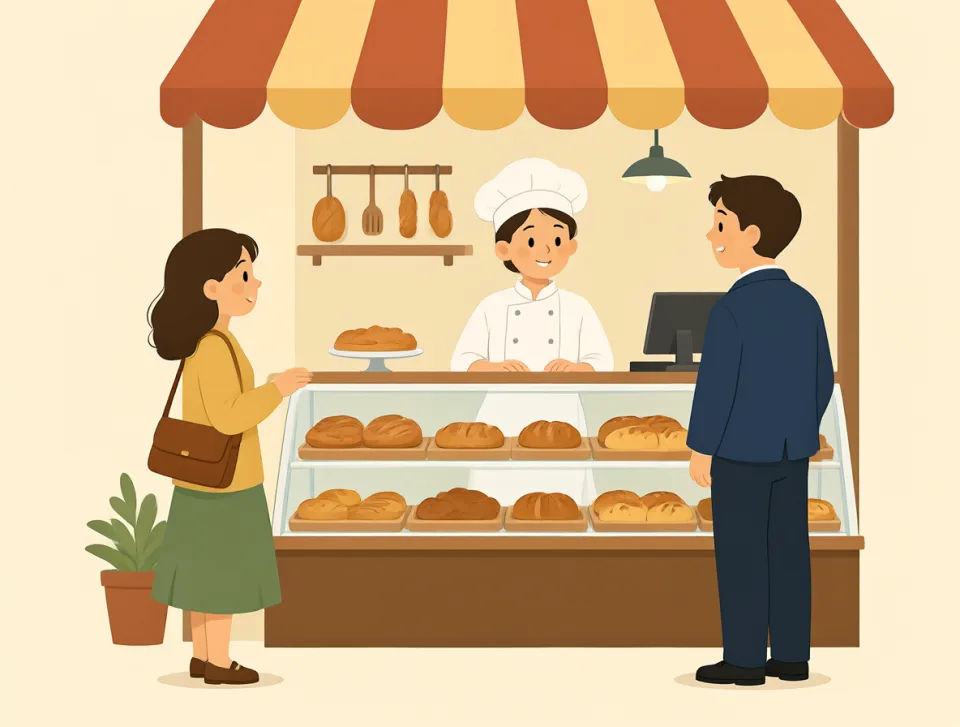
Tell me where to buy fresh bread.
أخبرني أين أشتري خبزًا طازجًا.
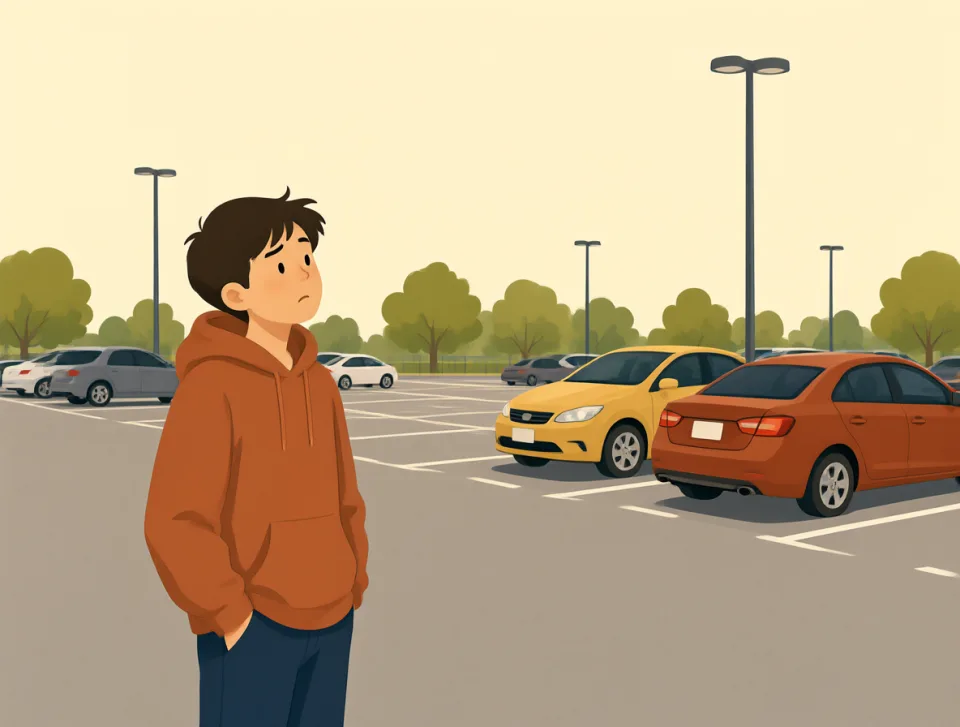
I forgot where I parked the car.
نسيت أين أوقفت السيارة.
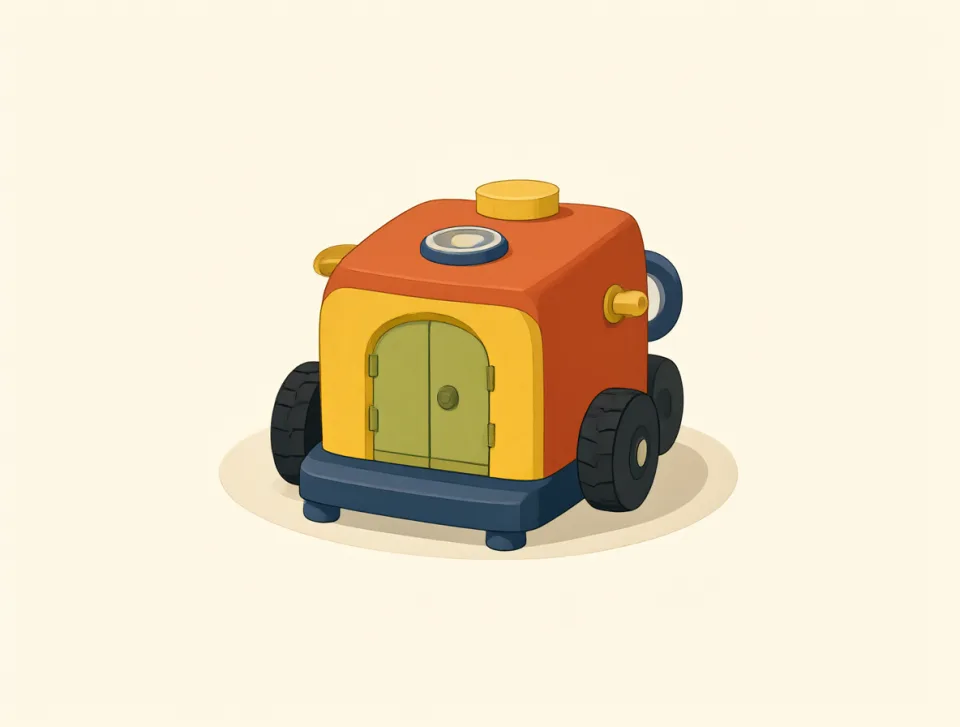
thing
#87noun
شيء
An object, idea, or event that you do not name or describe exactly.
غرض أو فكرة أو حدث لا تسمّيه أو تصفه بدقة.
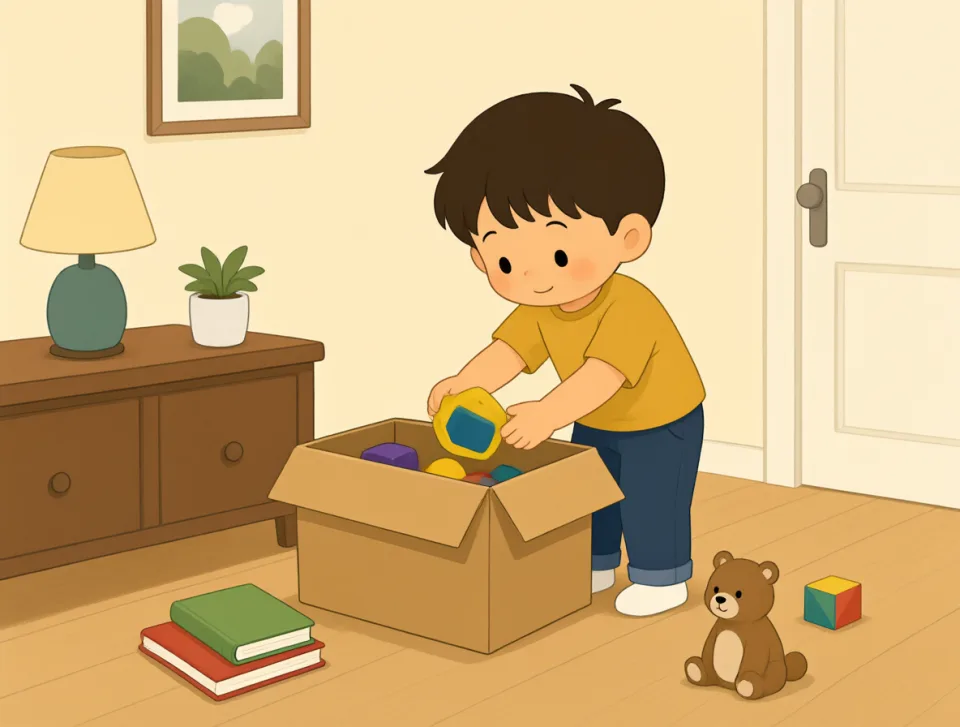
Put your things away before dinner.
رتّبوا أغراضكم قبل العشاء.

The best thing is to ask for help.
أفضل ما يمكن فعله هو طلب المساعدة.
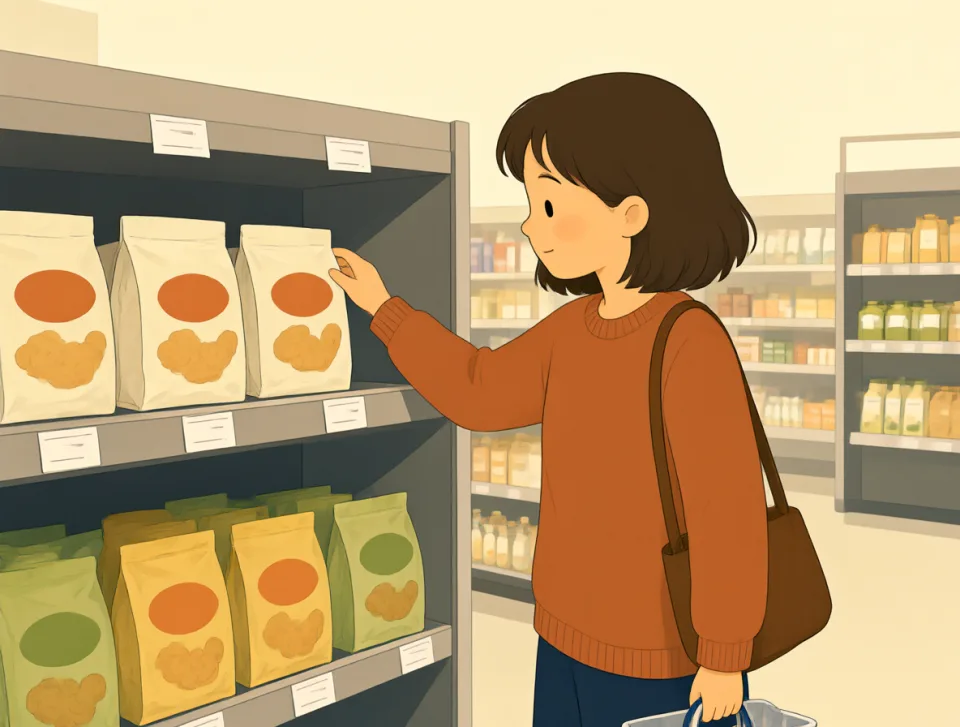
I need a few things from the store.
أحتاج إلى بعض الأغراض من المتجر.

One strange thing happened on the train.
حدث أمر غريب في القطار.
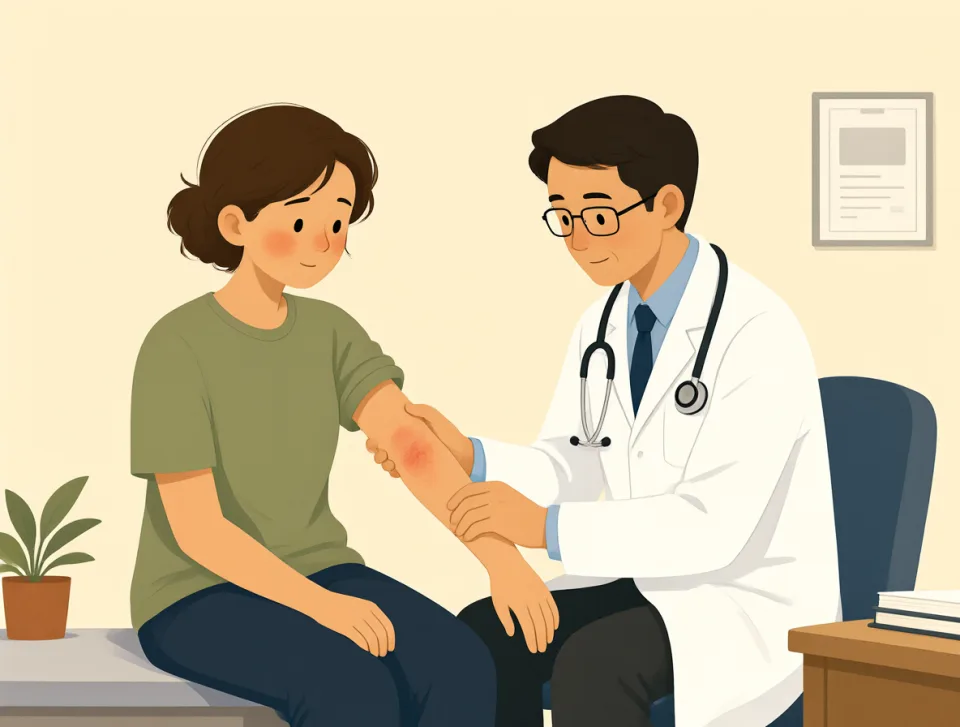
The doctor checked the painful thing on my arm.
فحص الطبيب الموضع المؤلم في ذراعي.
most
#88determiner, pronoun, adverb, adjective
معظم
More than half of a group or amount; the greatest number or amount.
أكثر من نصف مجموعة أو كمية؛ أو العدد أو الكمية الأكبر.
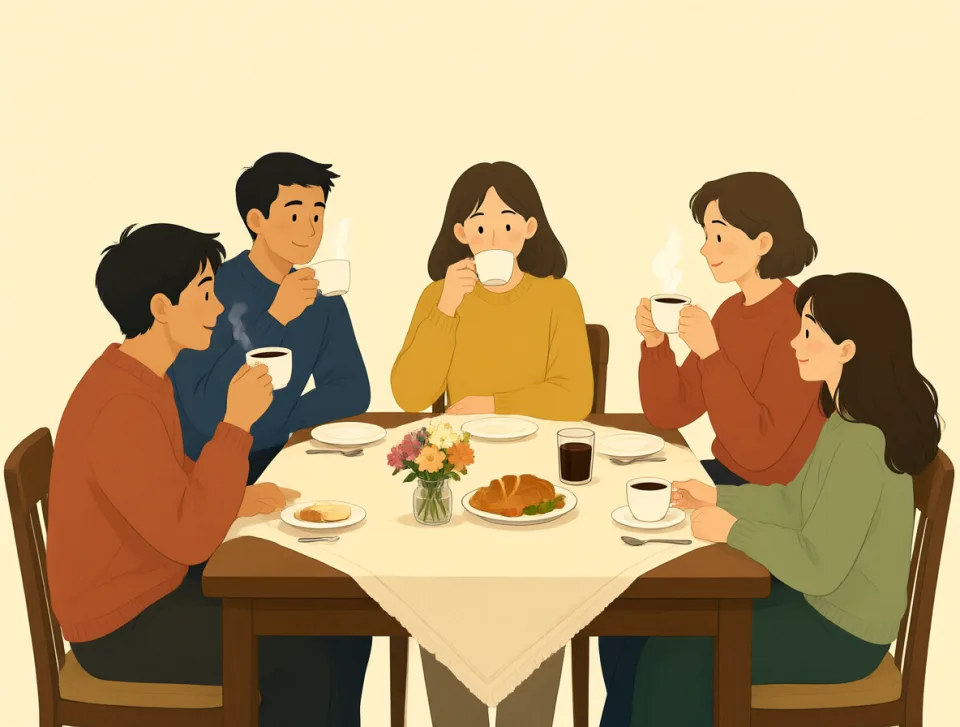
Most people drink coffee in the morning.
يشرب معظم الناس القهوة في الصباح.
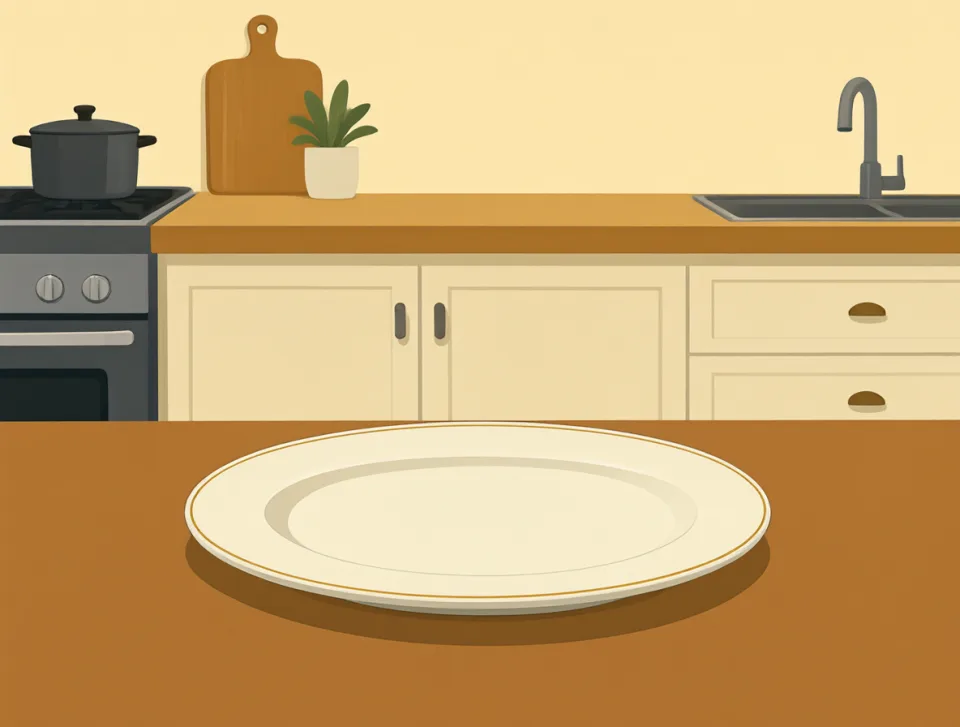
Most of the cake is gone.
اختفى معظم الكعك.

She works most days of the week.
تعمل في معظم أيام الأسبوع.

Which color do you like most?
أي لون تحب أكثر؟
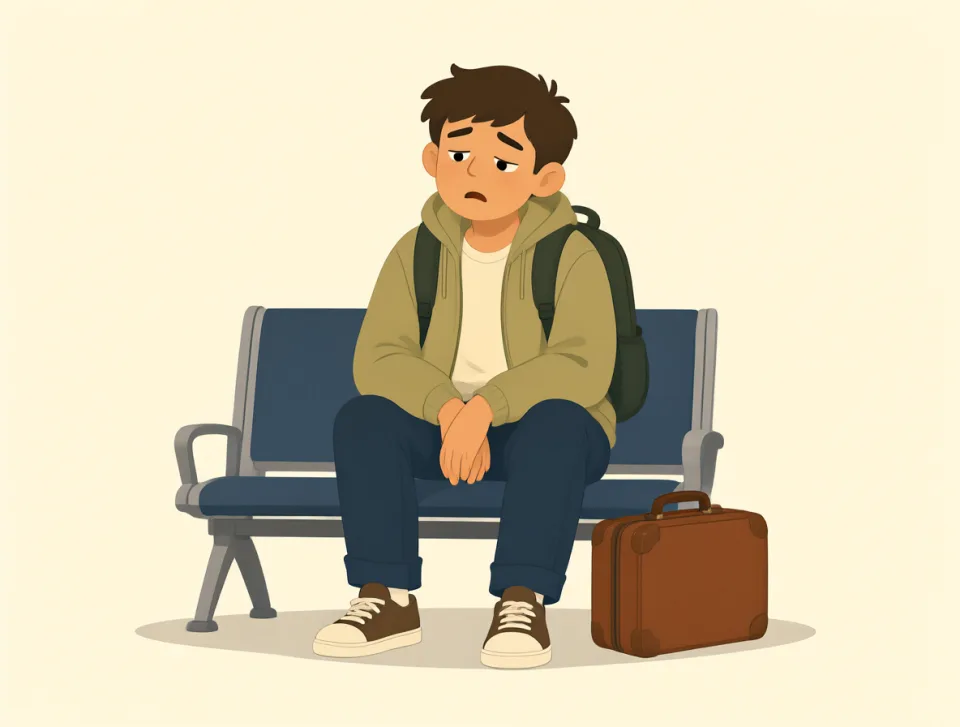
I was most tired after the long flight.
كنت في أشد حالات التعب بعد الرحلة الجوية الطويلة.

should
#89modal verb
ينبغي
Used to say what is best, expected, or likely to happen.
تُستخدم للتعبير عما هو الأفضل أو متوقع أو مرجح الحدوث.
You should drink more water every day.
ينبغي أن تشرب مزيدًا من الماء كل يوم.
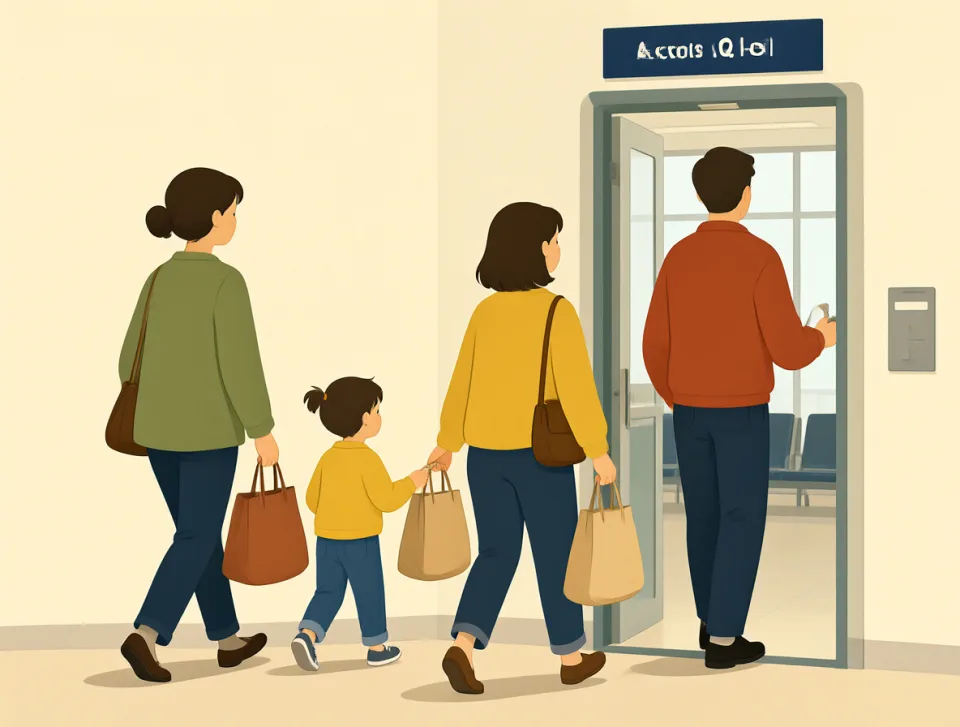
We should leave now for the airport.
ينبغي أن نغادر الآن إلى المطار.

Should I call the doctor today?
هل ينبغي أن أتصل بالطبيب اليوم؟

You should try the vegetable soup.
ينبغي أن تجرّب حساء الخضار.
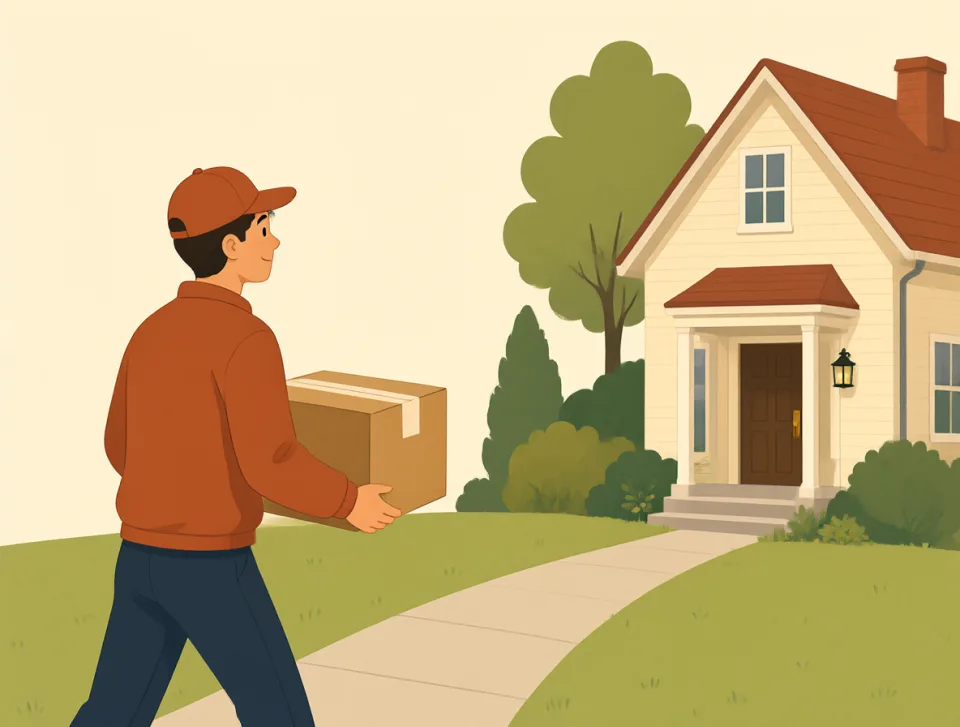
The package should arrive tomorrow.
من المفترض أن تصل الطرد غدًا.
need
#90verb, noun
يحتاج
To require something or feel that something is necessary.
يكون بحاجة إلى شيء أو يشعر بأن شيئًا ما ضروري.
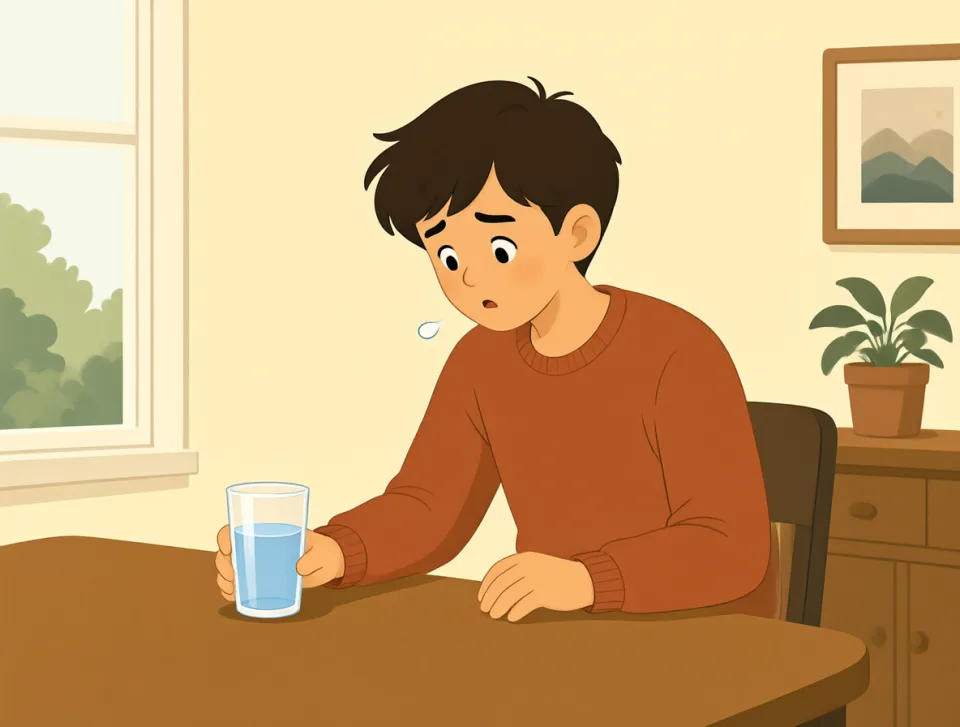
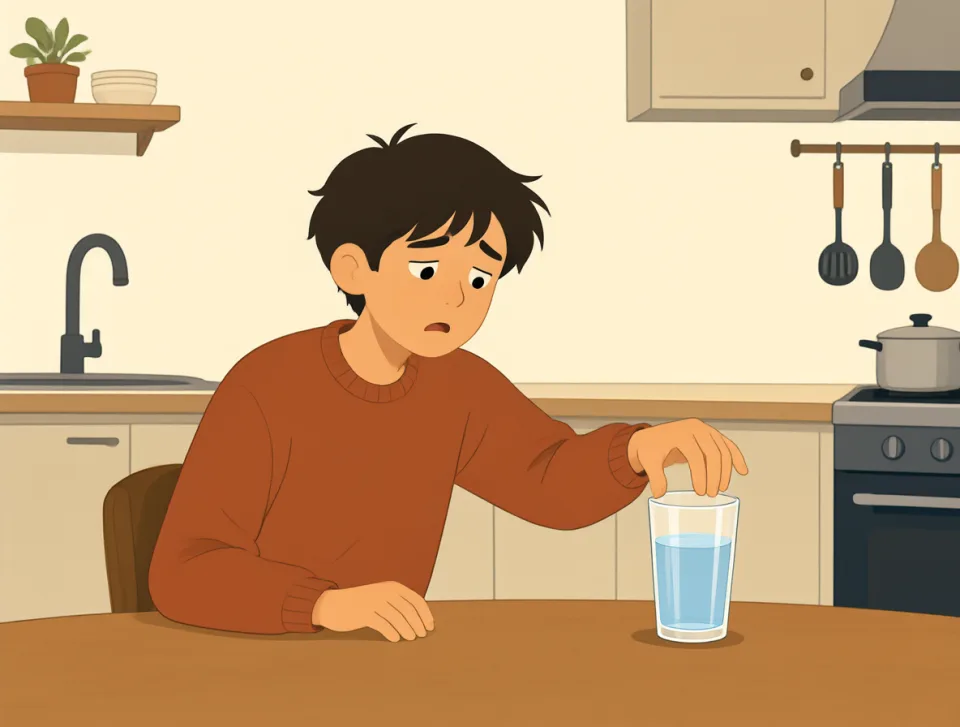
I need some water, please.
أحتاج إلى بعض الماء، من فضلك.
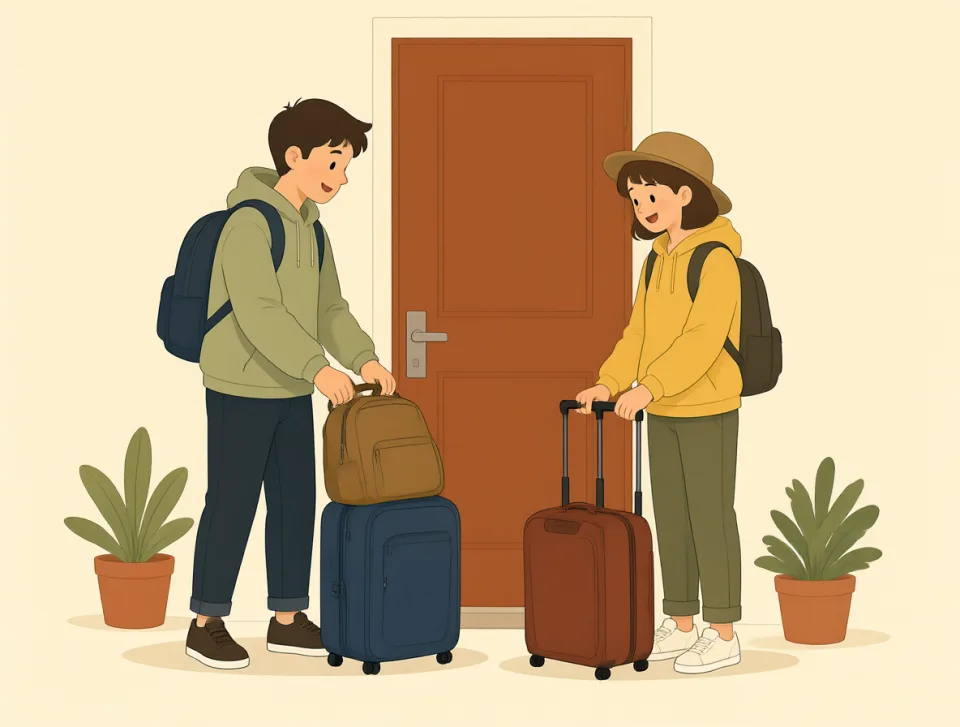
We need to leave early tomorrow.
نحتاج إلى المغادرة مبكرًا غدًا.

She needs help with her homework.
هي بحاجة إلى مساعدة في واجباتها المدرسية.

Do you need anything from the shop?
هل تحتاج إلى شيء من المتجر؟
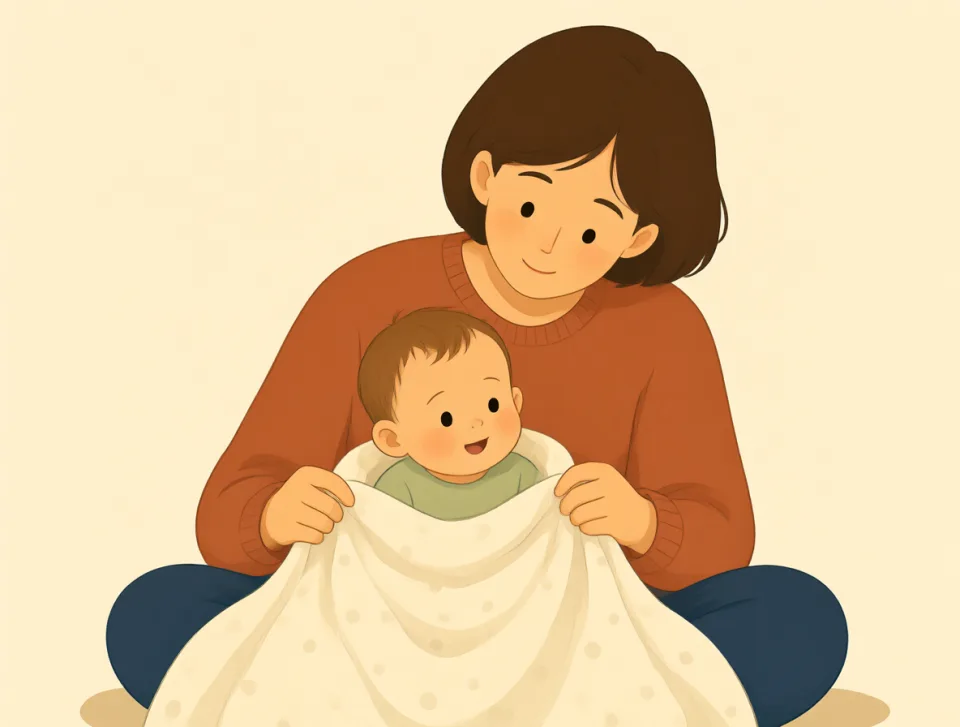
The baby needs a warm blanket.
يحتاج الطفل إلى بطانية دافئة.
much
#91adverb, determiner, pronoun
كثير
A large amount or a lot; used mostly in questions and negative sentences.
كمية كبيرة؛ تُستخدم غالبًا في الأسئلة والجمل المنفية.
I don't have much time today.
ليس لديّ وقت كثير اليوم.
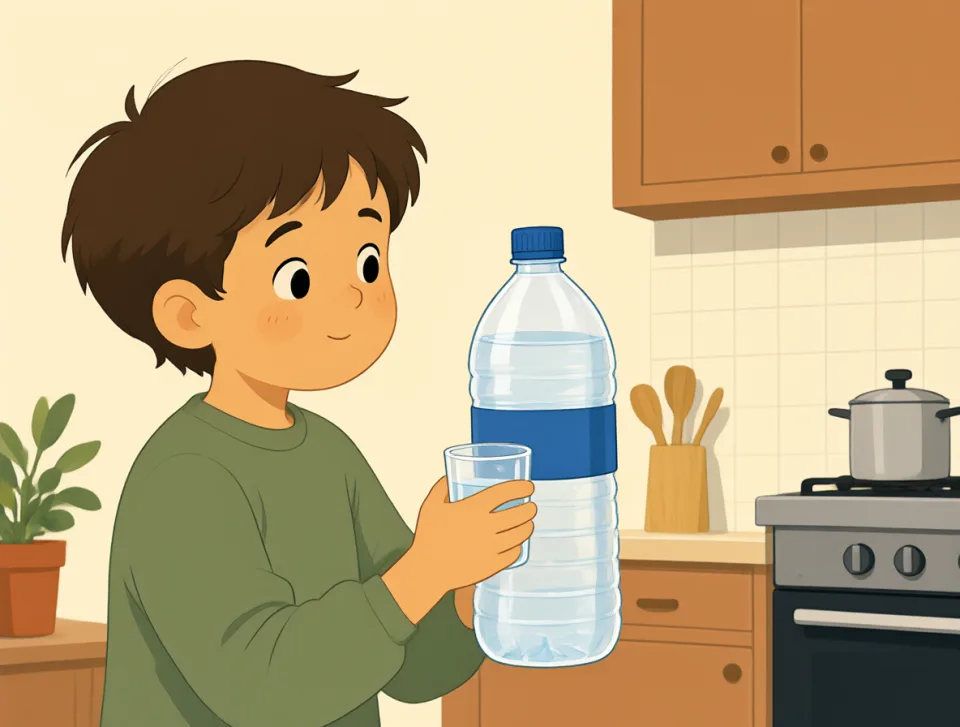
How much water do you drink?
كمية الماء التي تشربها كبيرة؟
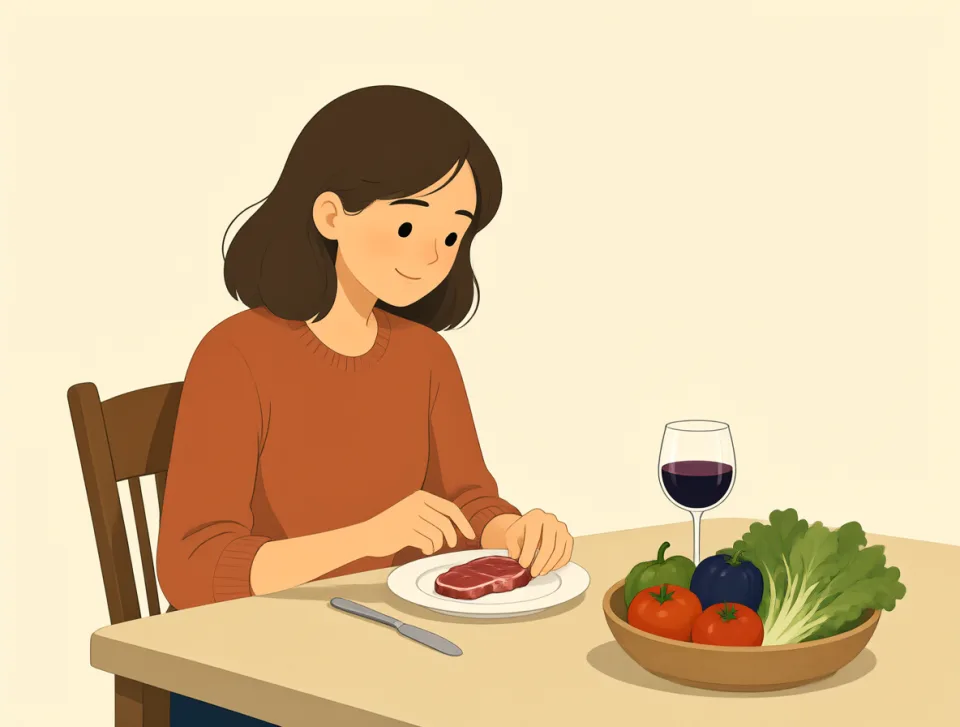
She doesn't eat much meat.
هي لا تأكل الكثير من اللحم.
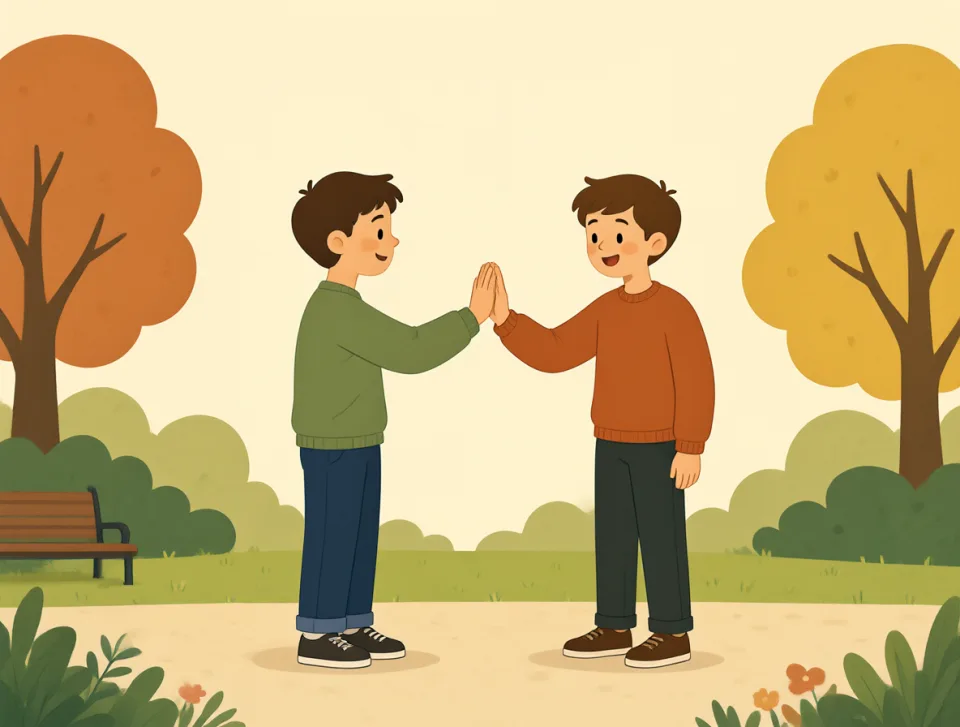
Thank you very much for your help.
شكرًا جزيلًا على مساعدتك.

We learned much from our teacher.
تعلّمنا الكثير من معلّمنا.
right
#92adjective, adverb, noun
صحيح؛ يمين
Correct, or on the side opposite your left hand.
صحيح، أو واقع على الجانب المقابل ليدك اليسرى.

Your answer is right.
إجابتك صحيحة.
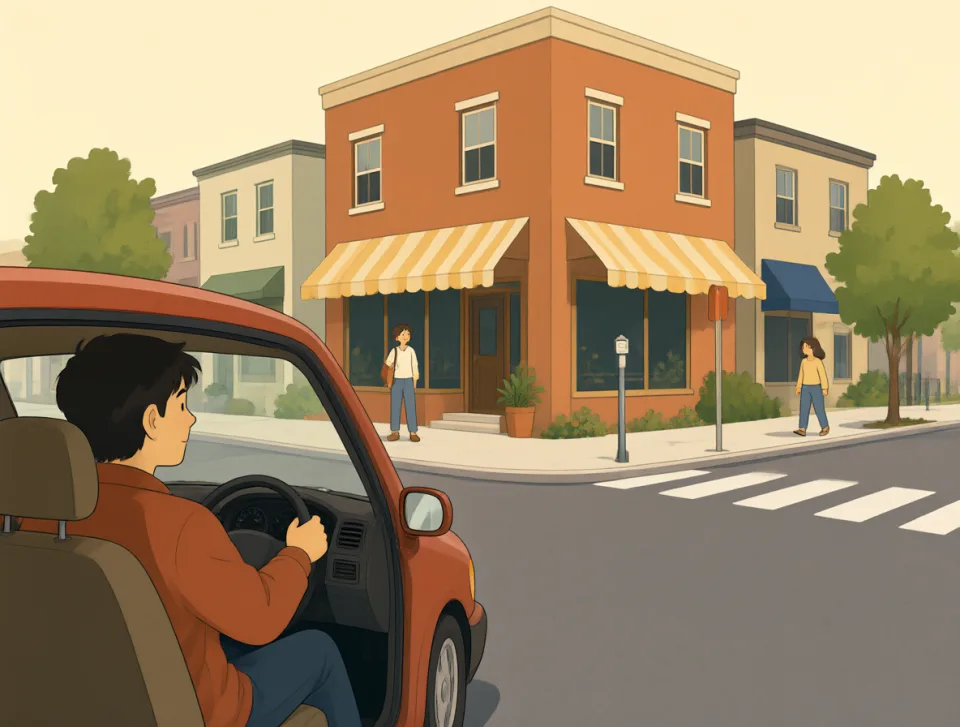
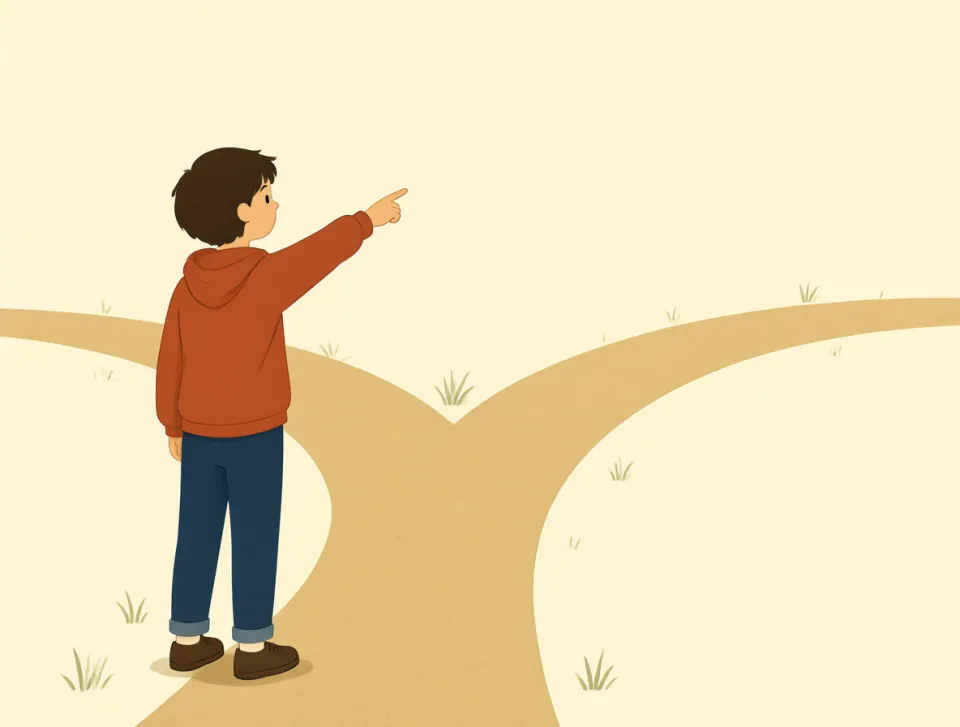
Please turn right at the next street.
من فضلك انعطف يمينًا عند الشارع القادم.

I need to leave right now.
أحتاج إلى المغادرة الآن.

The bank is on the right.
يقع المصرف على اليمين.

You have the right to ask questions.
لديك الحق في طرح الأسئلة.
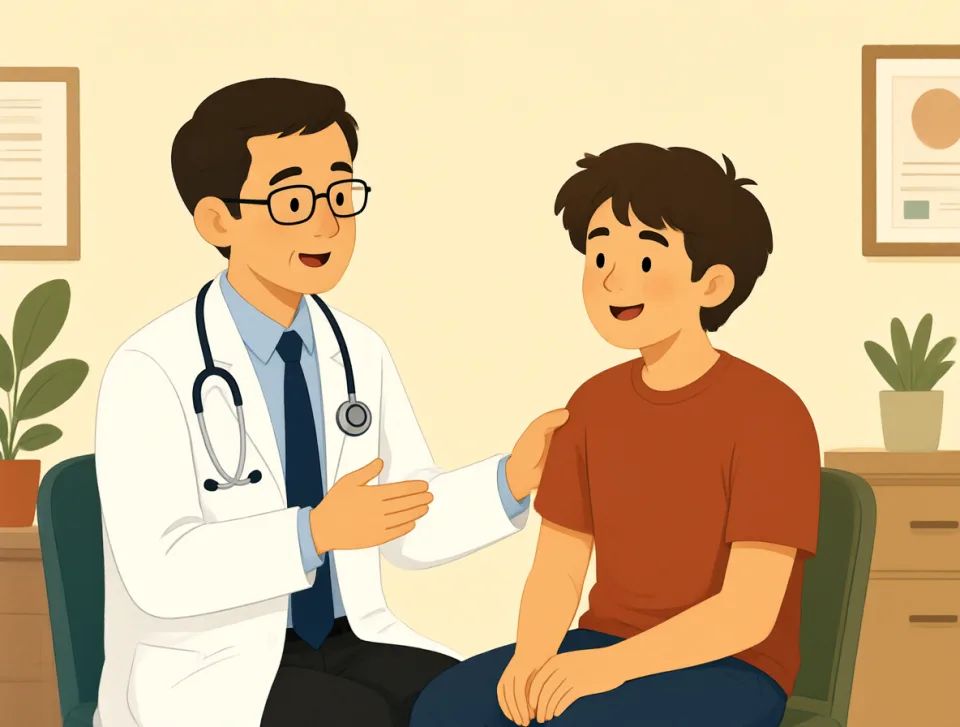
how
#93adverb, conjunction, pronoun
كيف
Used to ask or explain the way something happens or is done.
تُستخدم للسؤال عن الطريقة التي يحدث بها شيء ما أو يُنجز بها، أو لشرحها.
How are you feeling today?
كيف تشعر اليوم؟
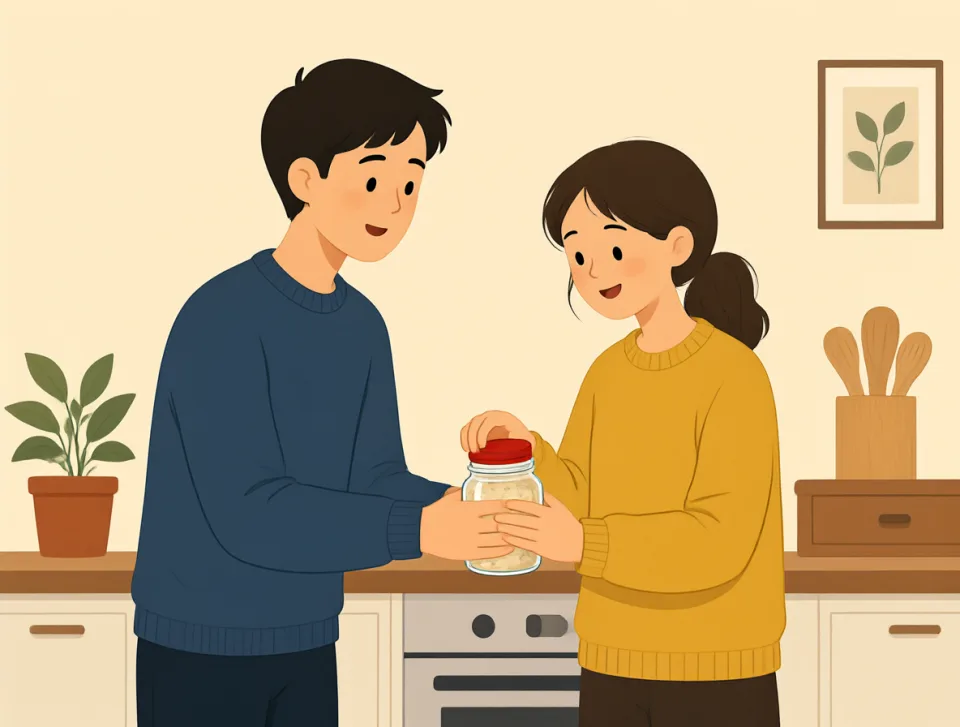
Can you show me how to open it?
هل يمكنك أن تريني كيف أفتحه؟
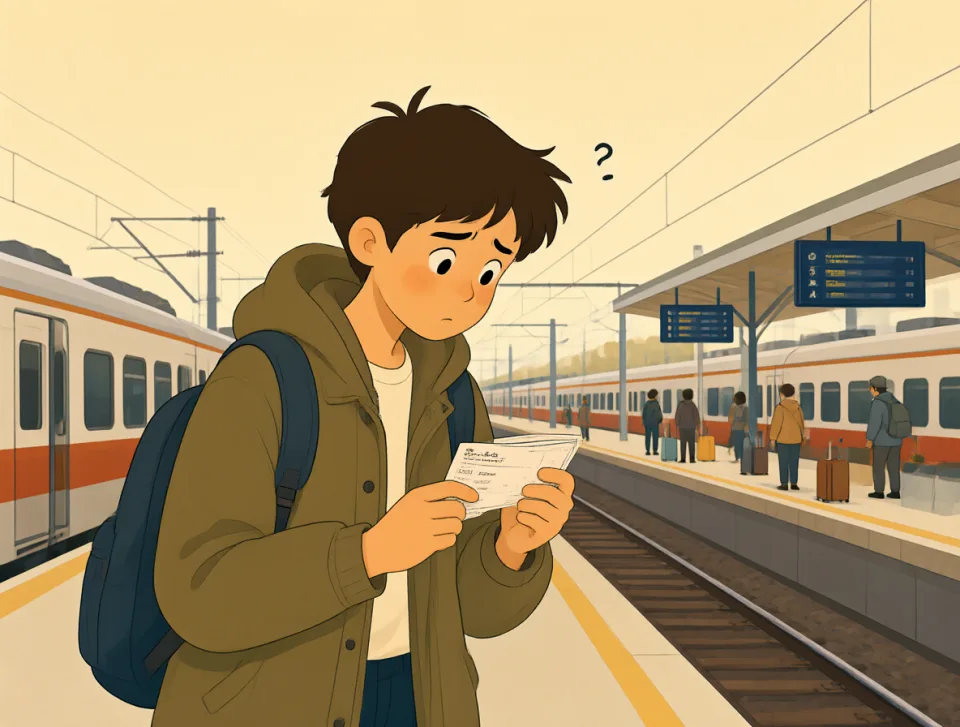
I forgot how much the tickets cost.
نسيت كم كان ثمن التذاكر.
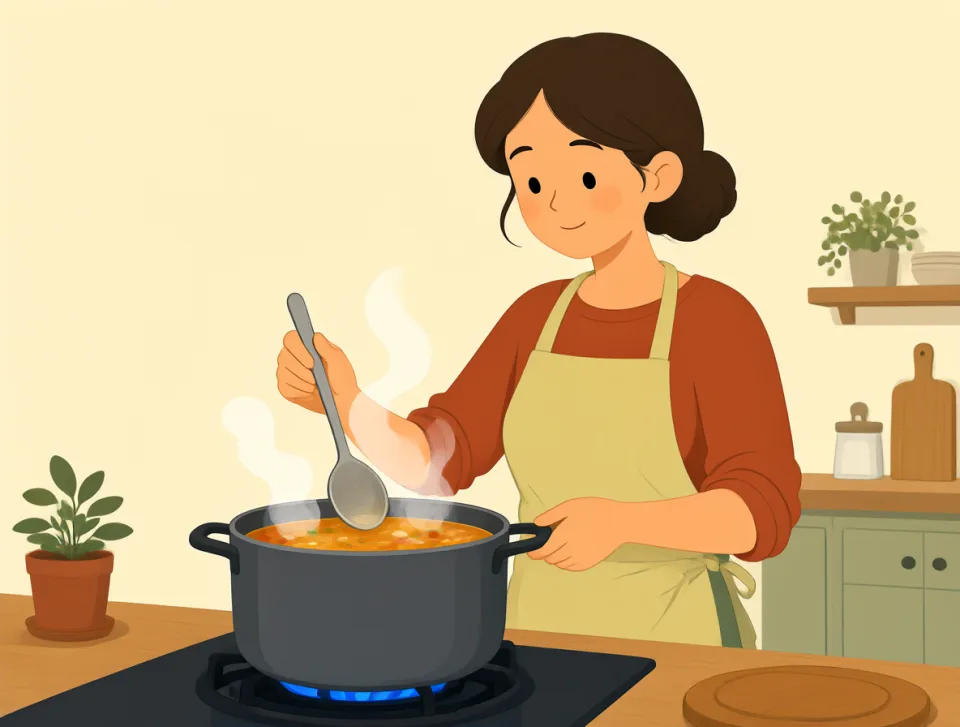
She knows how to make good soup.
هي تعرف كيف تعدّ حساءً لذيذًا.

How did you get home so late?
كيف وصلت إلى المنزل في وقت متأخر كهذا؟
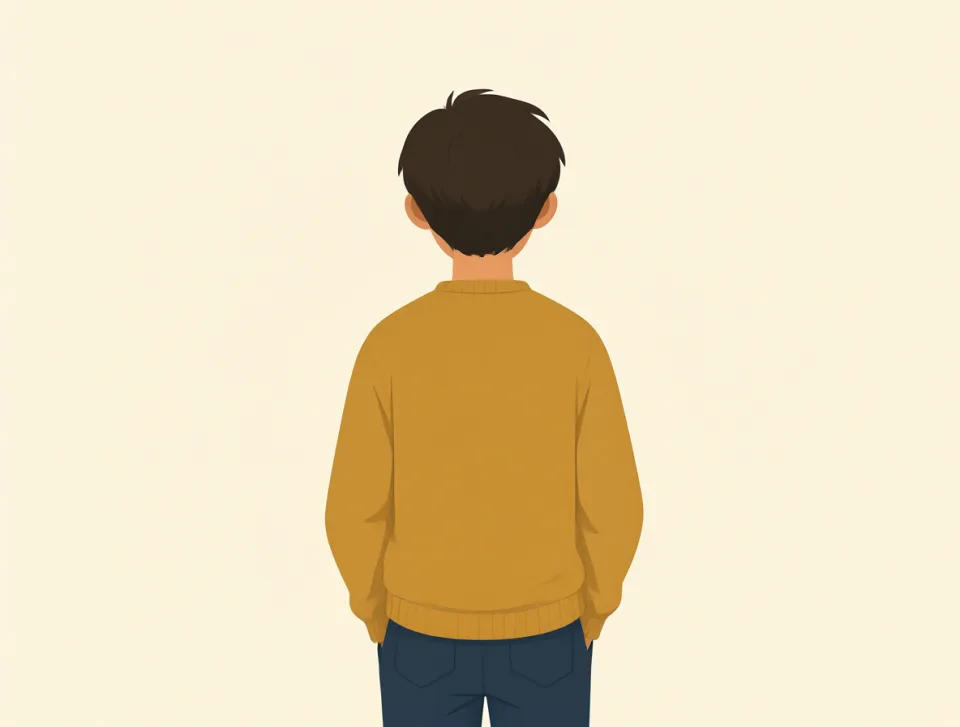
back
#94noun, verb, adjective, adverb, preposition
الظهر؛ إلى الخلف
The part of your body opposite your chest, or toward the place you came from.
الجزء من جسمك المقابل لصدرك، أو في اتجاه المكان الذي أتيت منه.
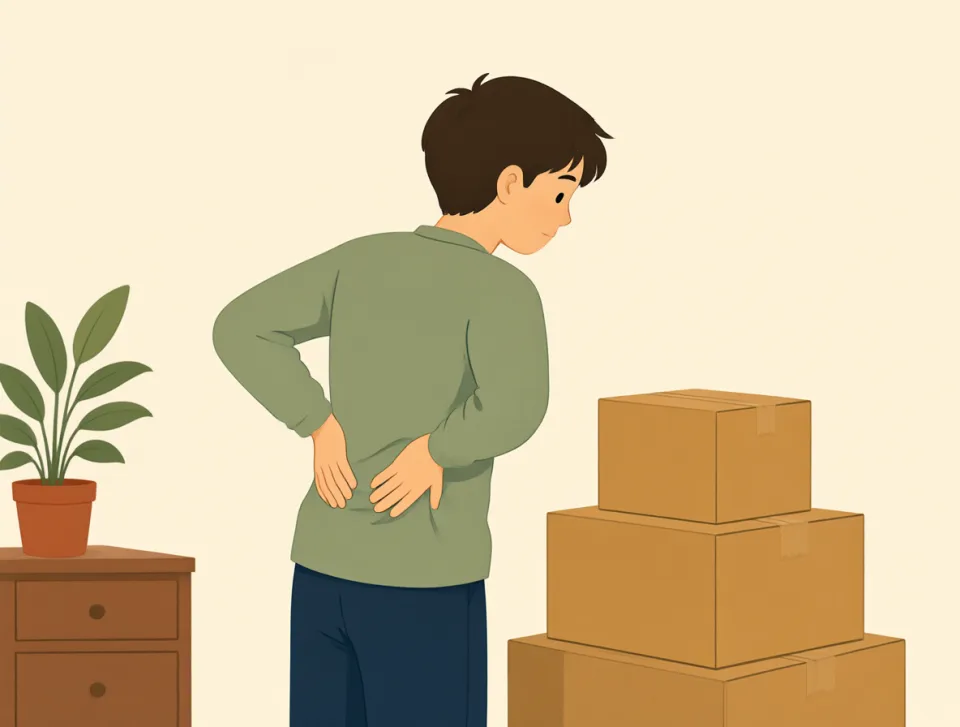
My back hurts after carrying the boxes.
يؤلمني ظهري بعد حمل الصناديق.

Please put the book back on the shelf.
من فضلك أعد الكتاب إلى الرف.

We walked back to the hotel after dinner.
عدنا مشيًا إلى الفندق بعد العشاء.
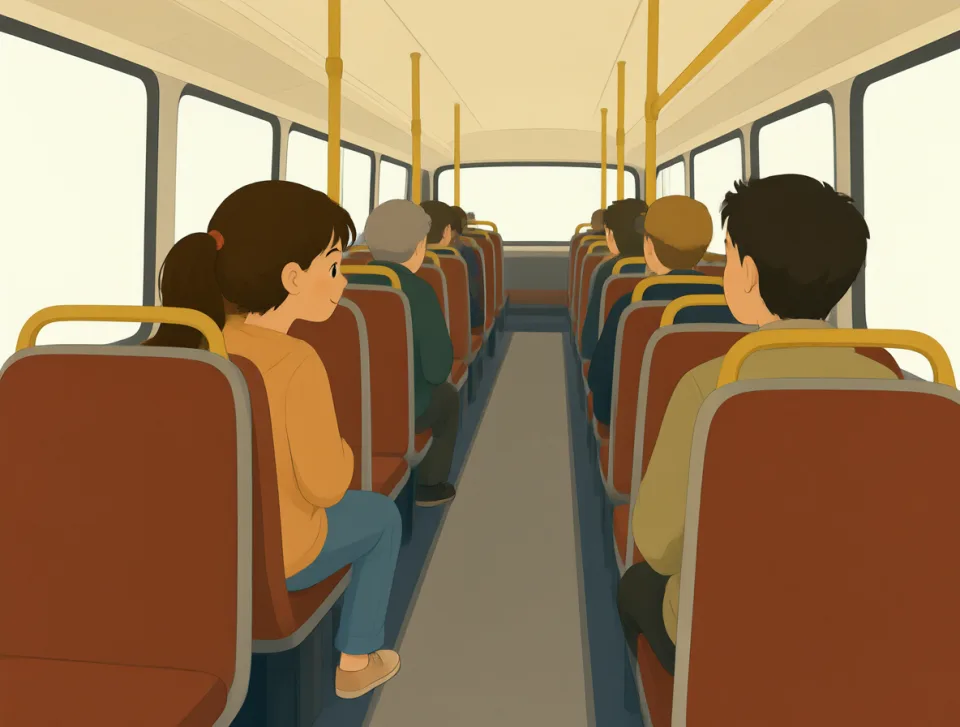
She sat in the back of the bus.
جلست في مؤخرة الحافلة.

He backed the car into the garage.
أرجع السيارة إلى داخل المرأب.
mean
#95verb, adjective, noun
يعني؛ يقصد
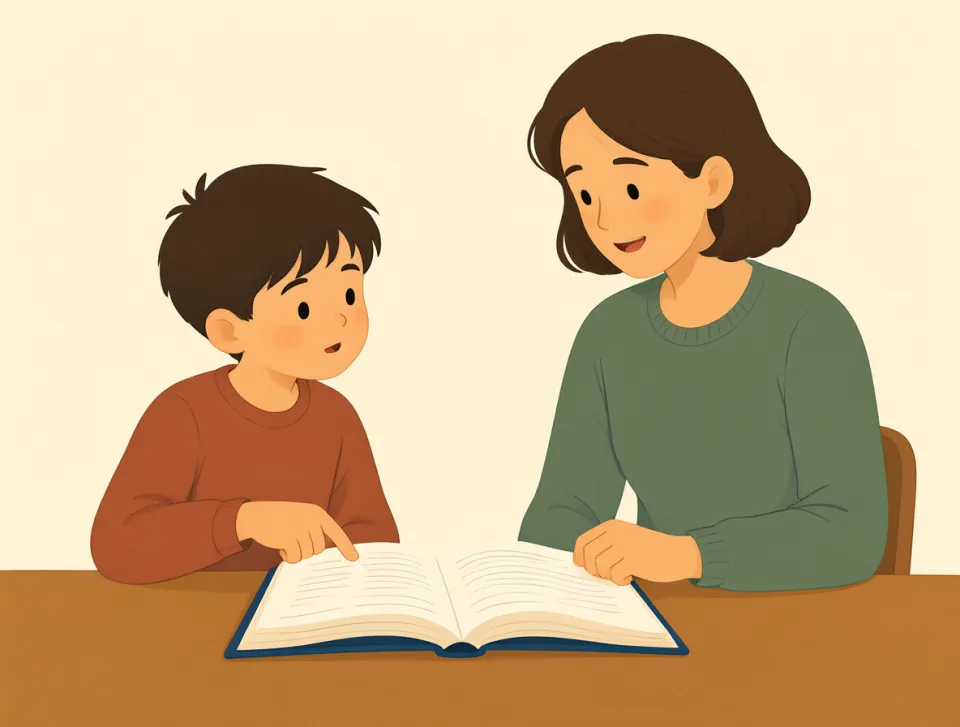
To mean is to have a particular meaning or intend to say something.
يعني الفعل «يعني» أن يكون لشيء ما معنى محدد، أو أن تقصد قول شيء ما.
What does this word mean?
ماذا تعني هذه الكلمة؟
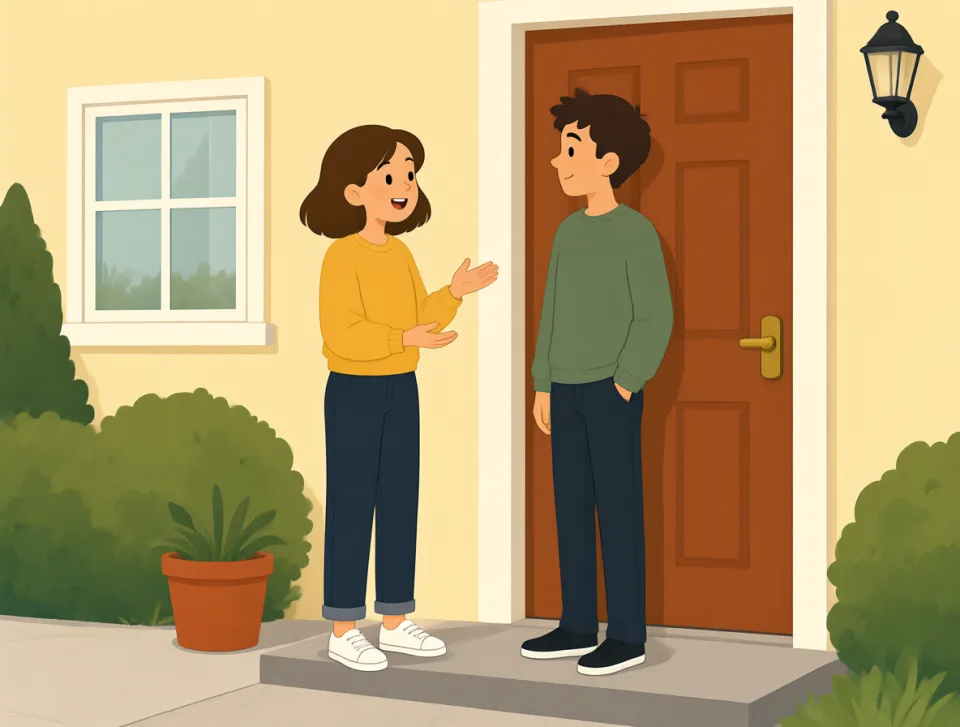
I mean we should leave now.
أعني أنه ينبغي لنا أن نغادر الآن.

This gift means a lot to me.
هذه الهدية تعني لي الكثير.
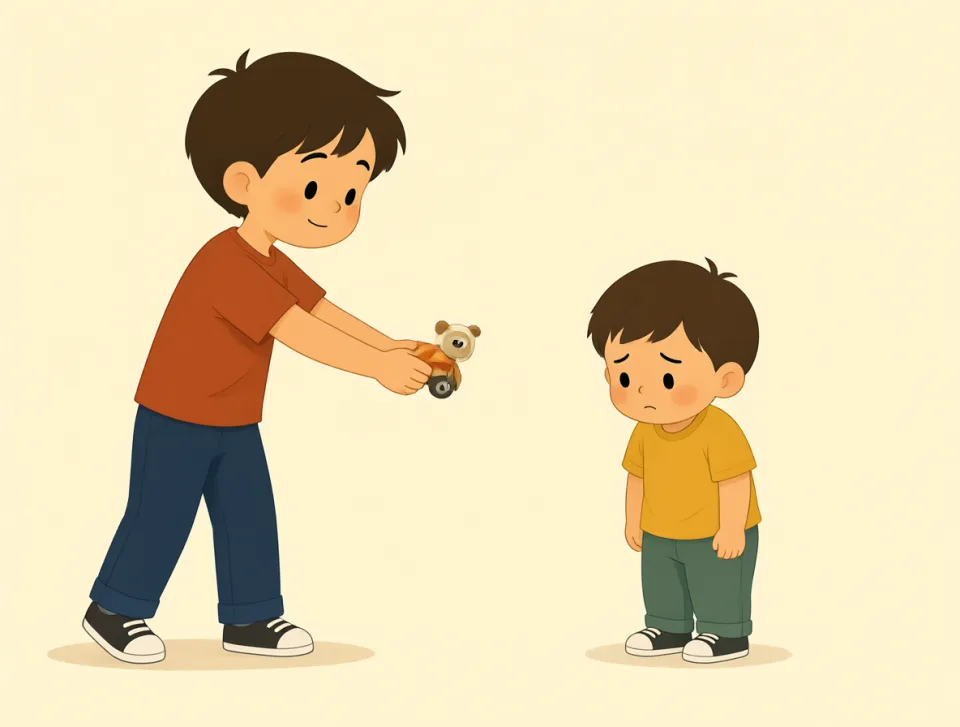
He was mean to his little brother.
كان قاسيًا مع أخيه الصغير.
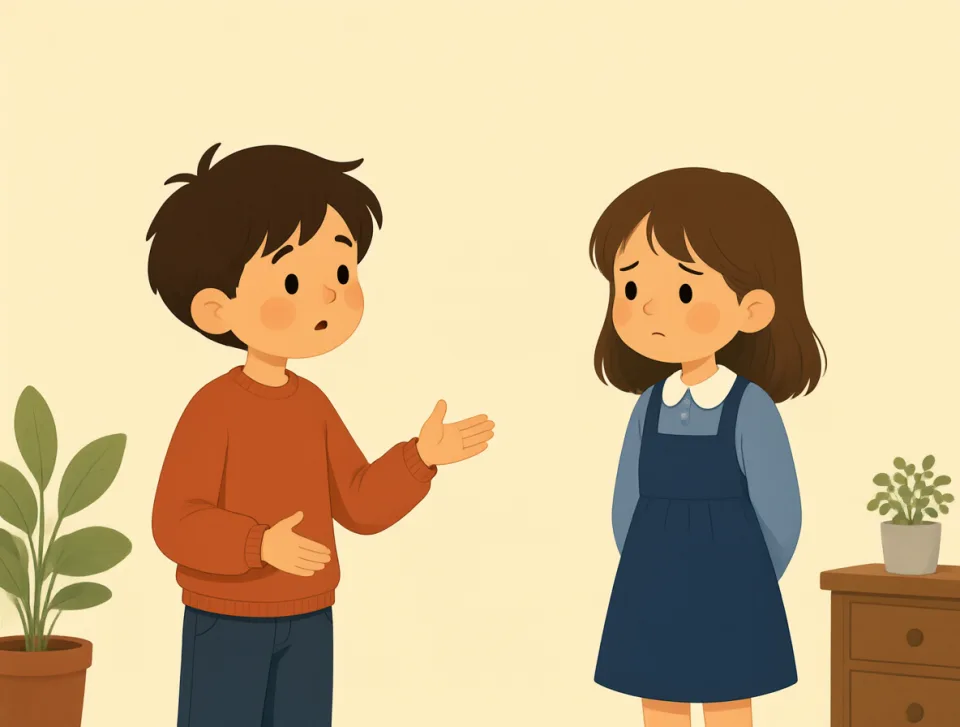
That was a mean joke.
كانت تلك مزحة لئيمة.

even
#96adverb, adjective, verb
حتى
Used to show something surprising, equal, flat, or fair.
تُستخدم للدلالة على شيء مفاجئ، أو متساوٍ، أو مستوٍ، أو عادل.
Even my brother likes this song.
حتى أخي يحب هذه الأغنية.

She was tired, but she even finished the work.
كانت متعبة، لكنها حتى أنهت العمل.
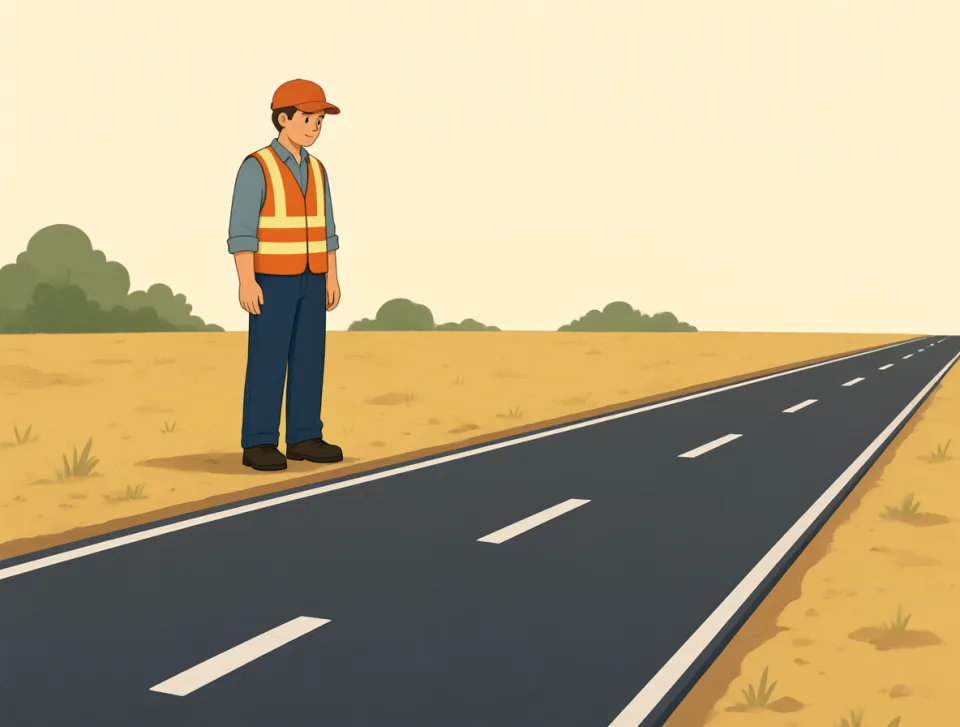
The road is even after the repairs.
أصبح الطريق مستويًا بعد الإصلاحات.
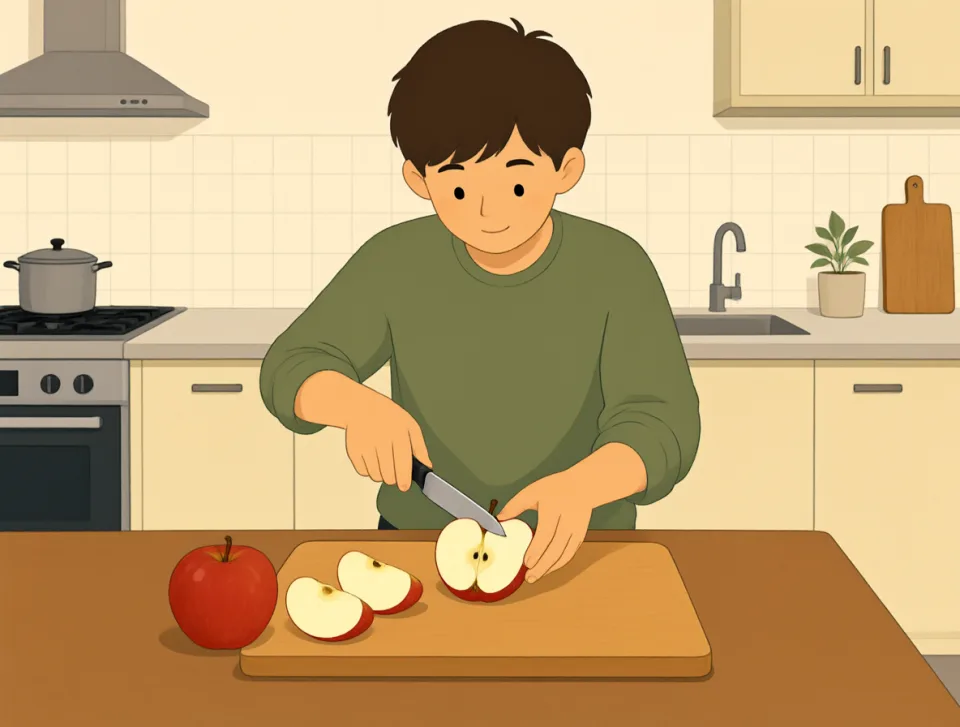
Cut the apple into even pieces.
قطّع التفاحة إلى قطع متساوية.
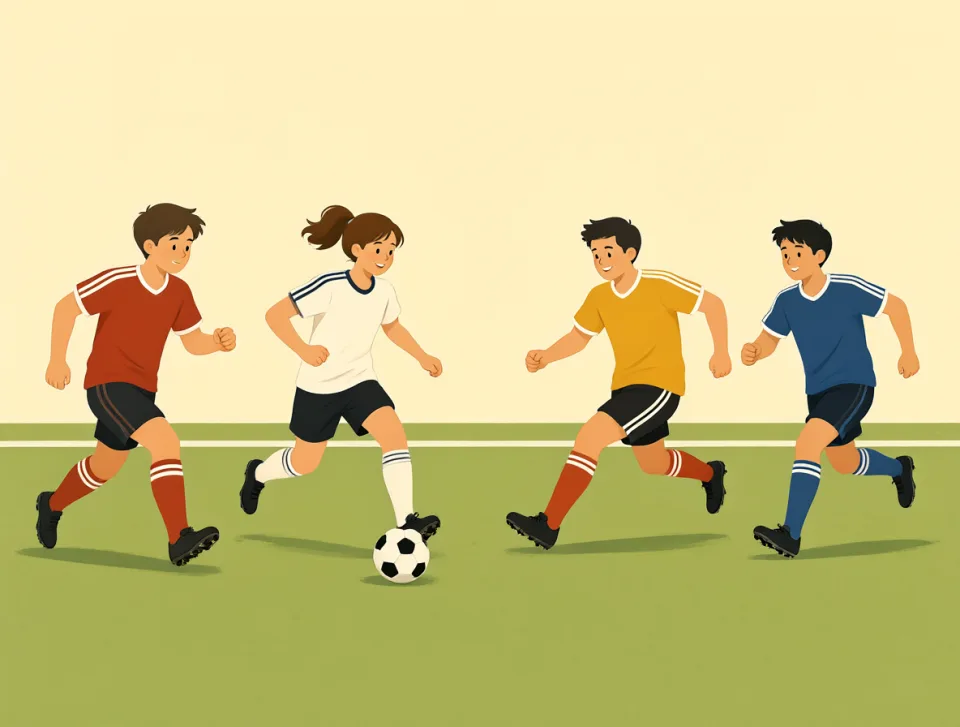
We played on an even team.
لعبنا ضمن فريق متكافئ.
may
#97modal verb, noun
قد
Used to say that something is possible or to ask for permission.
تُستخدم للتعبير عن احتمال حدوث شيء أو لطلب الإذن.
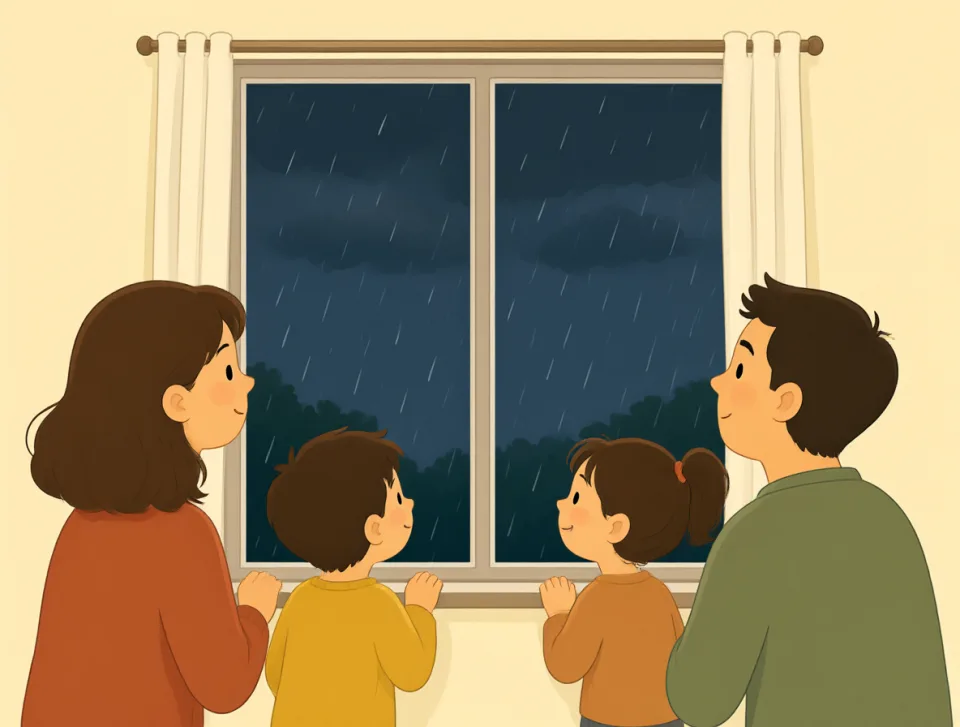
It may rain this afternoon.
قد تمطر بعد ظهر اليوم.
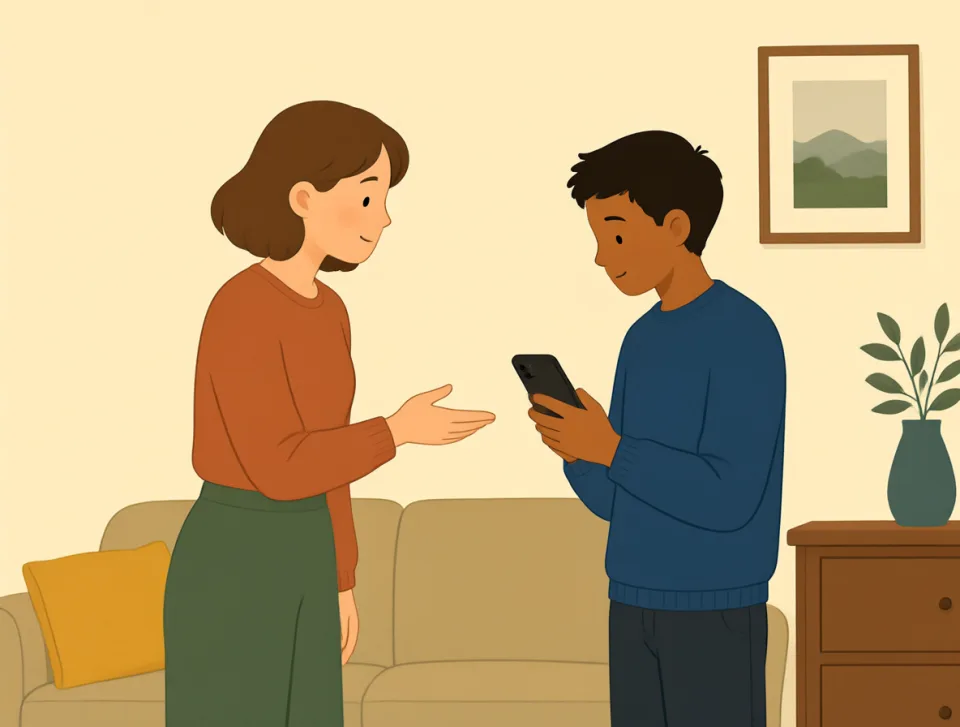
May I use your phone?
هل يمكنني استخدام هاتفك؟

You may leave work early today.
يمكنك مغادرة العمل مبكرًا اليوم.
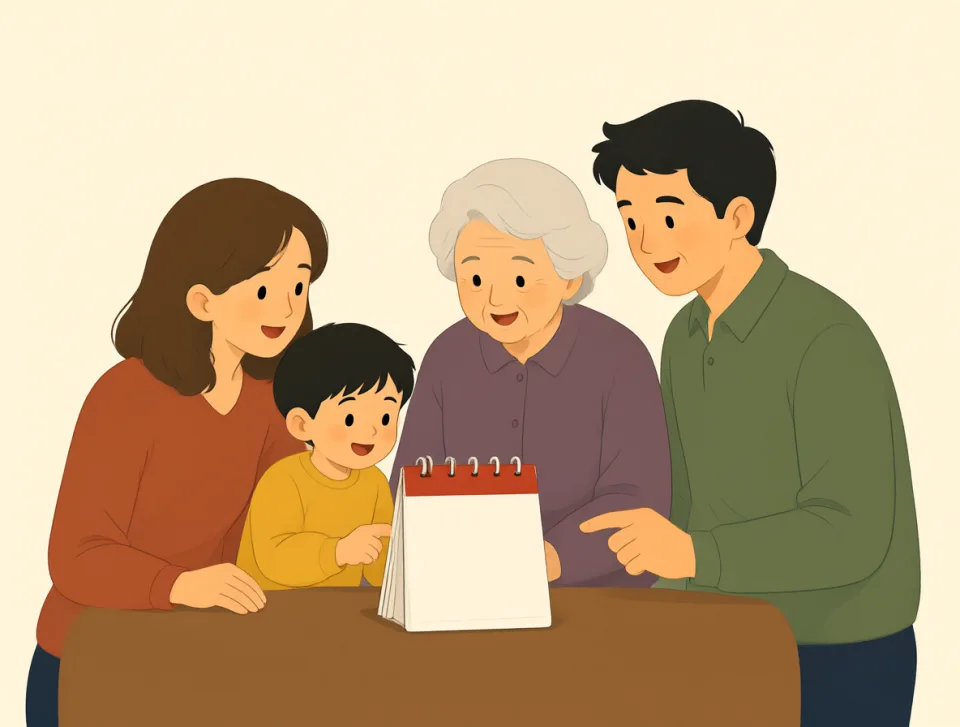
We may visit Grandma this weekend.
قد نزور جدتنا في نهاية هذا الأسبوع.
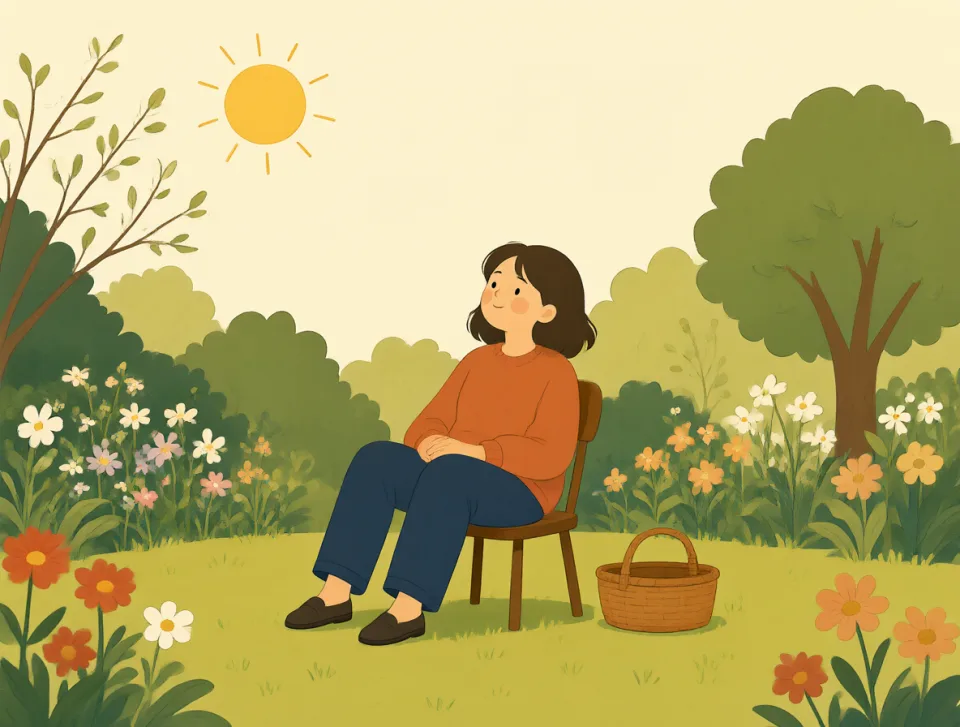
May is my favorite month.
مايو هو شهري المفضل.
here
#98adverb, pronoun, adjective, noun
هنا
in, at, or to this place
في هذا المكان أو عنده أو إليه.

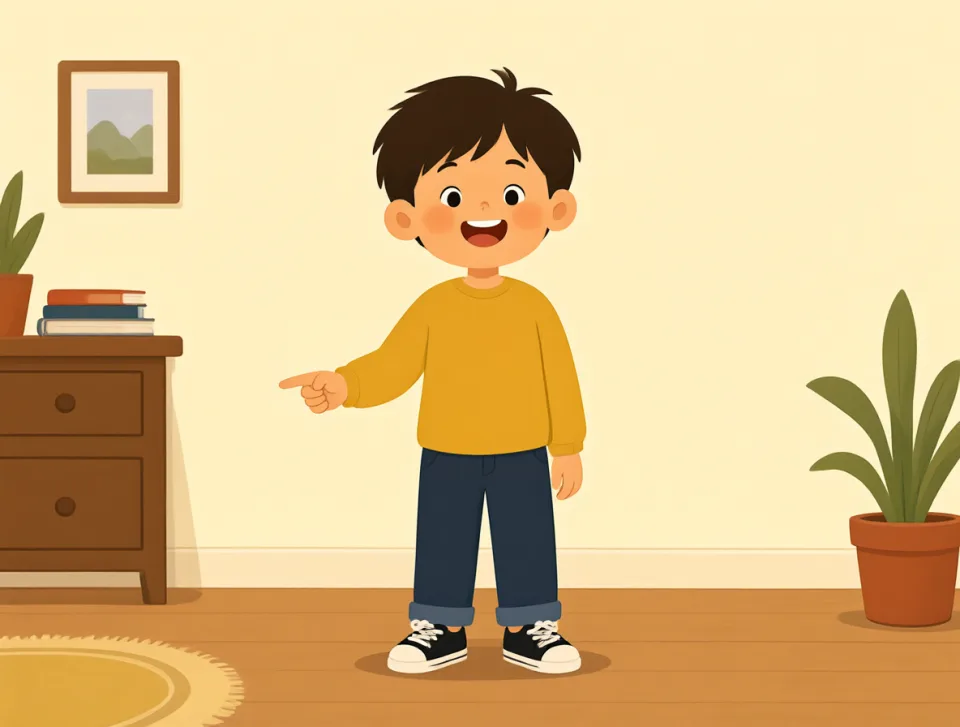
Please sit here beside me.
تفضل بالجلوس هنا إلى جانبي.
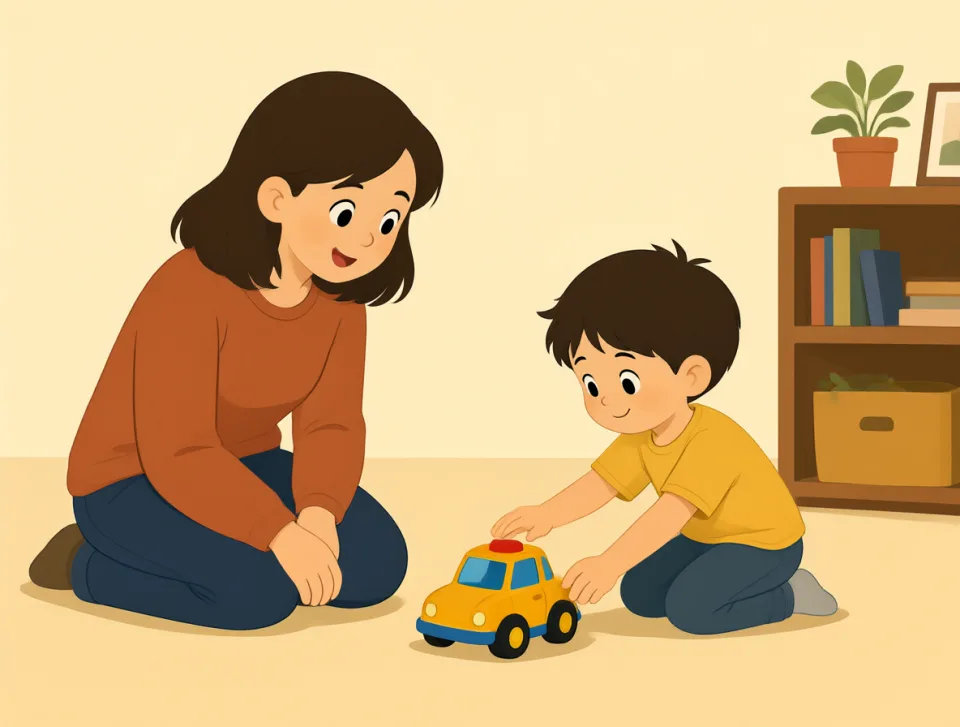
Come here and look at this.
تعال إلى هنا وانظر إلى هذا.
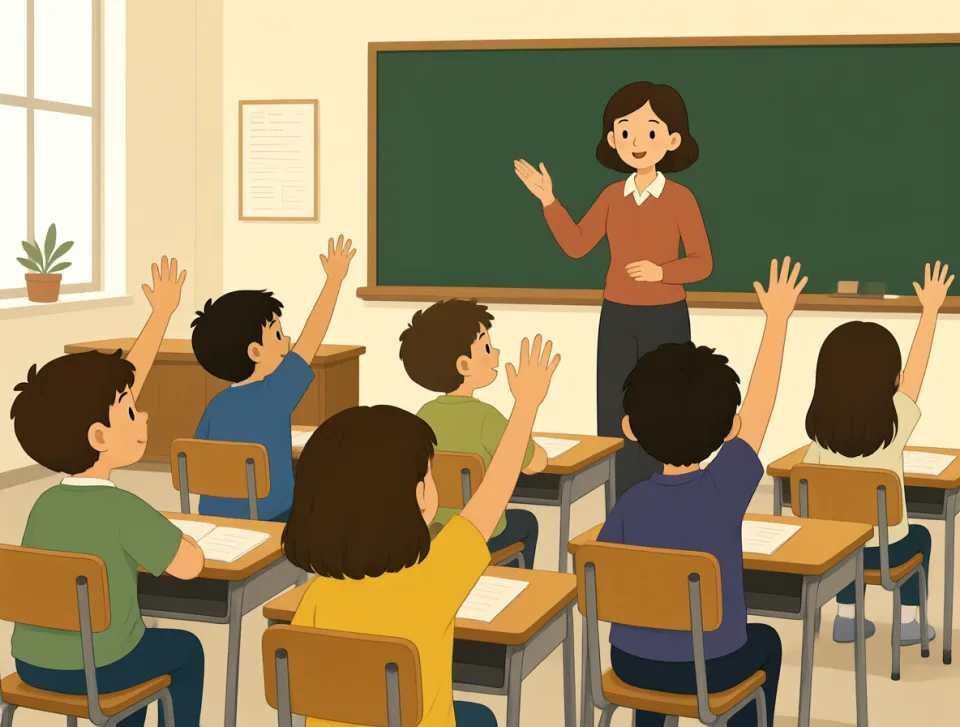
Is anyone here from our class?
هل يوجد هنا أحد من صفنا؟
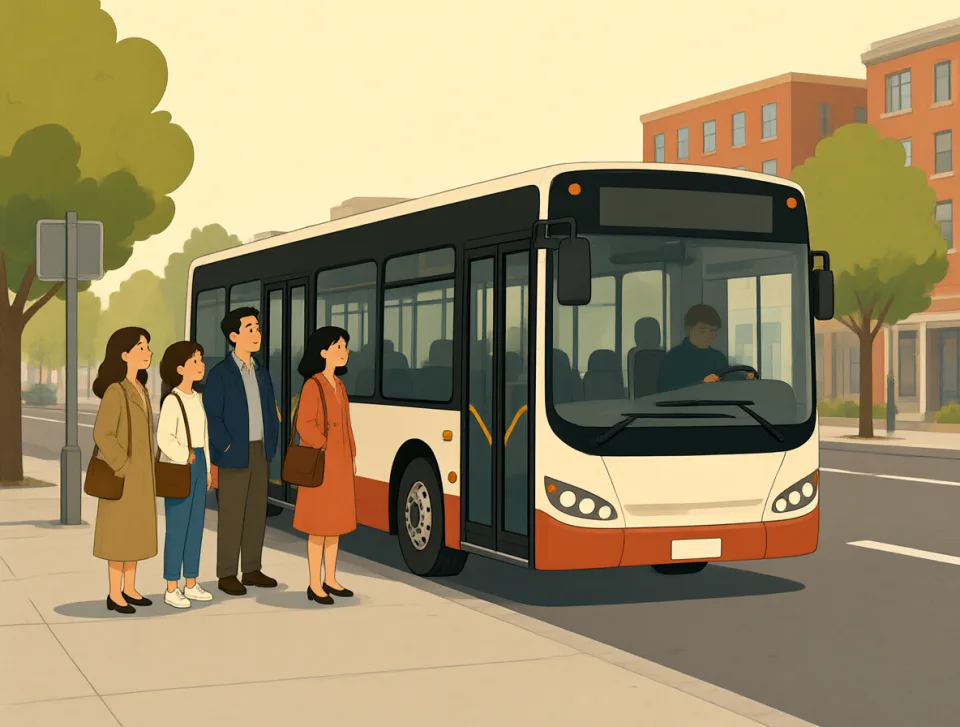
The bus stops here every morning.
تتوقف الحافلة هنا كل صباح.
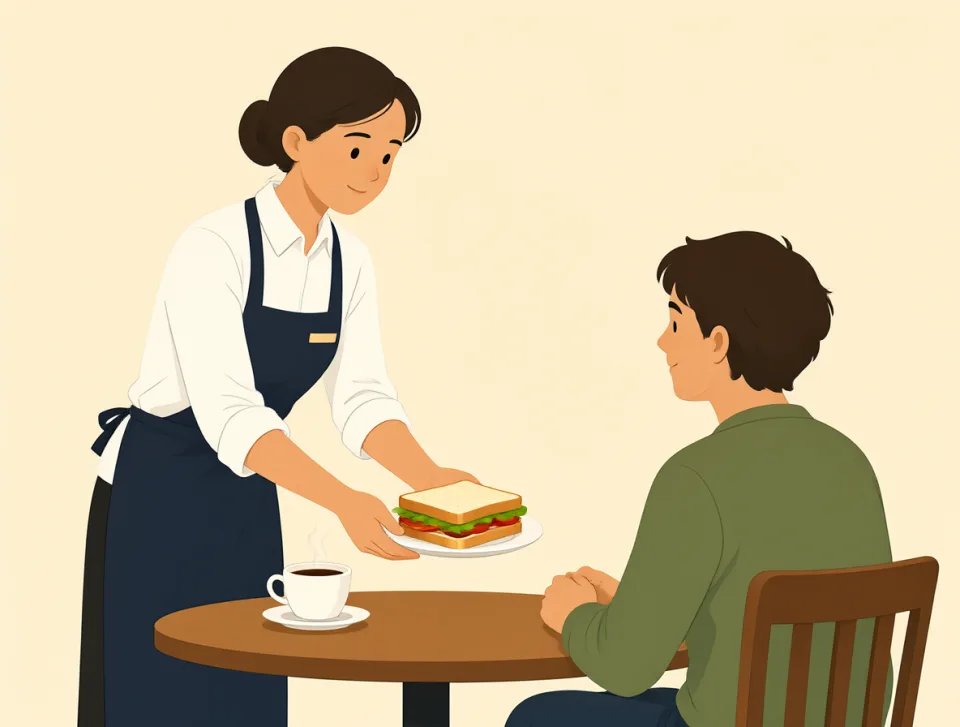
Here is your coffee and sandwich.
تفضل، هذا قهوتك وشطيرتك.
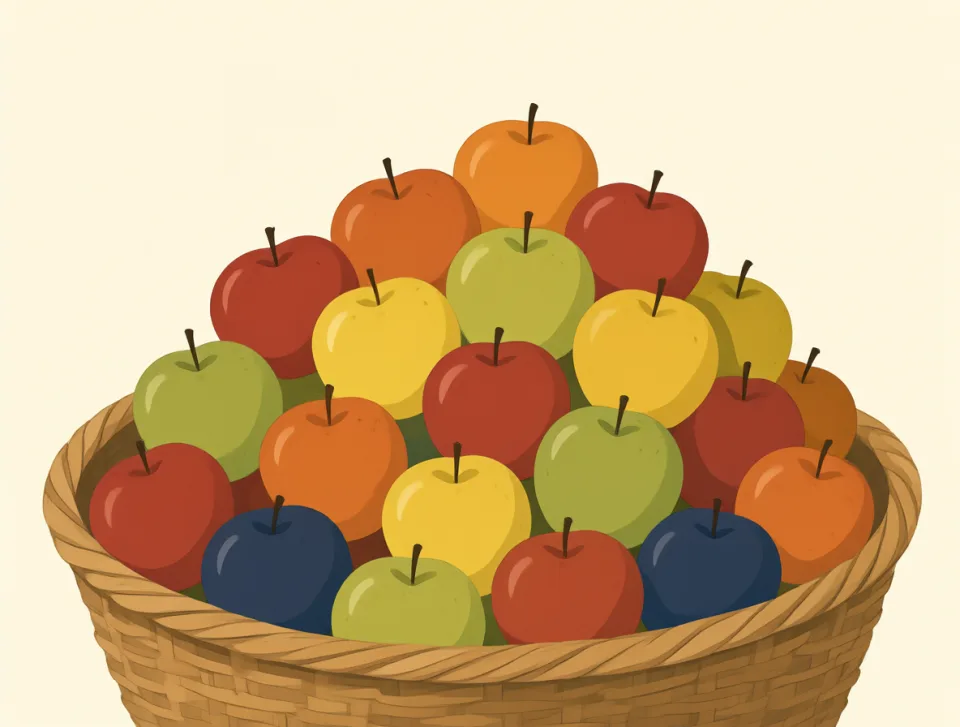
many
#99determiner, pronoun
كثير
A large number of people or things.
عدد كبير من الأشخاص أو الأشياء.

Many people enjoy walking in the park.
يستمتع كثير من الناس بالمشي في الحديقة.
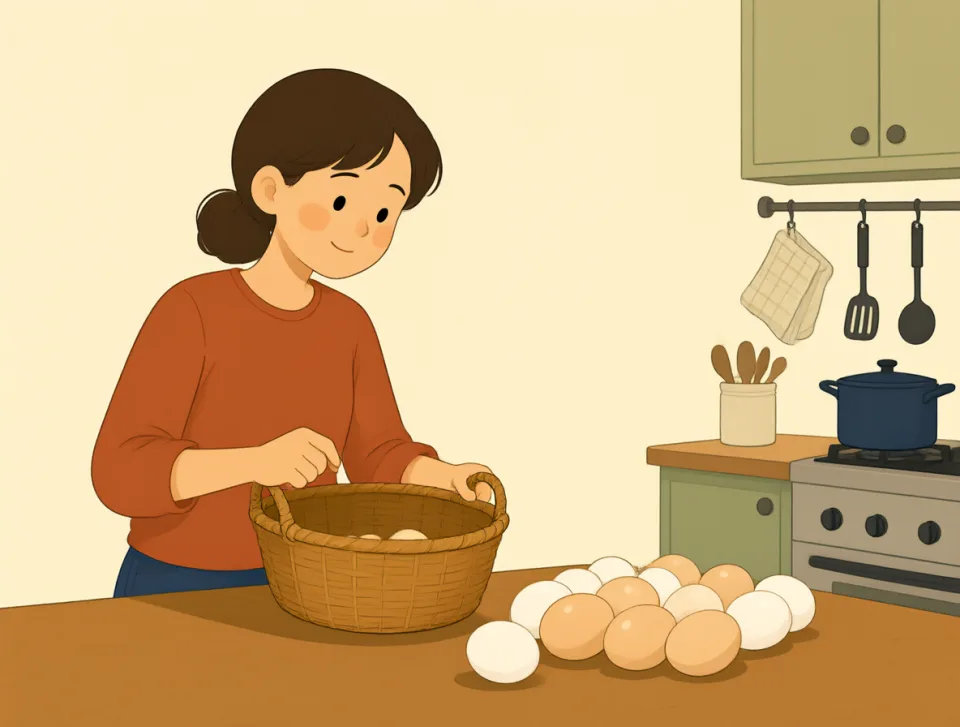
How many eggs do we need?
كم بيضة نحتاج؟
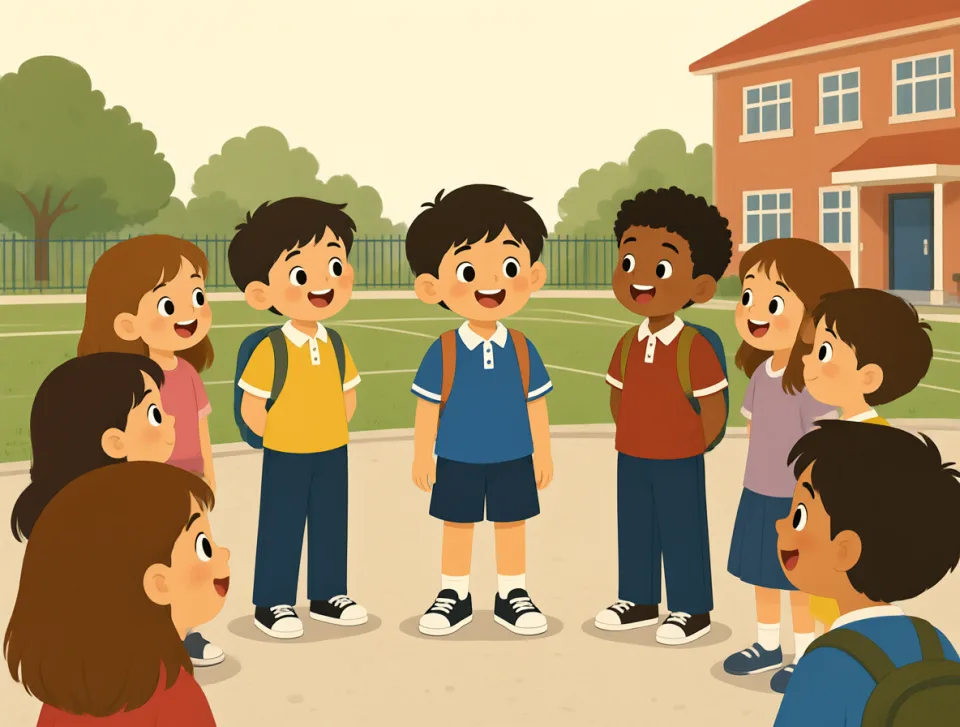
I have many friends at school.
لدي أصدقاء كثيرون في المدرسة.
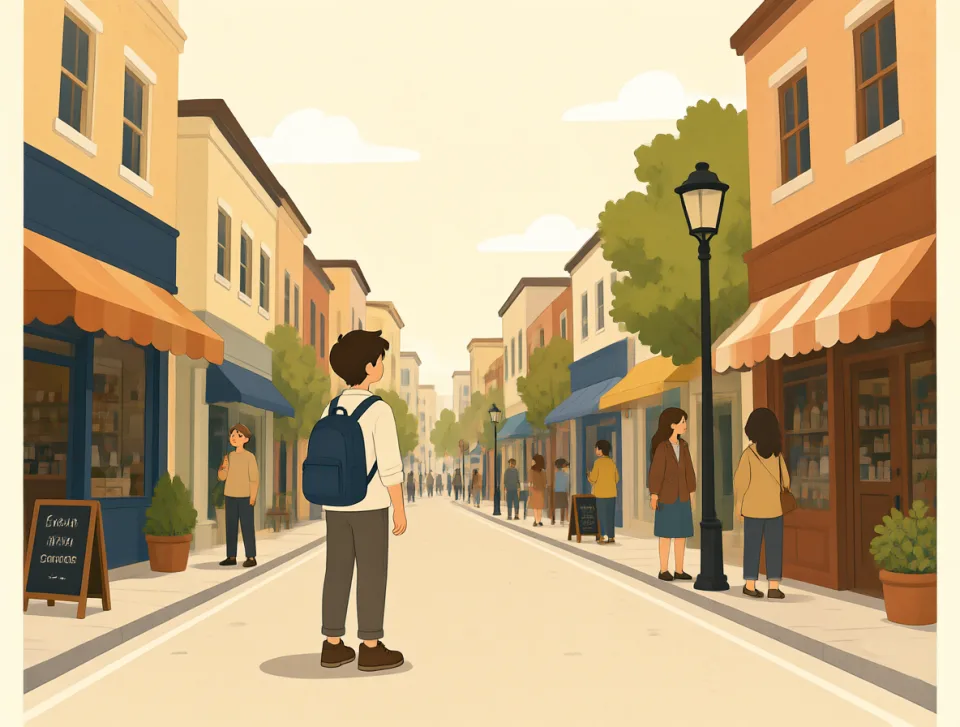
There are many shops near the hotel.
توجد متاجر كثيرة بالقرب من الفندق.
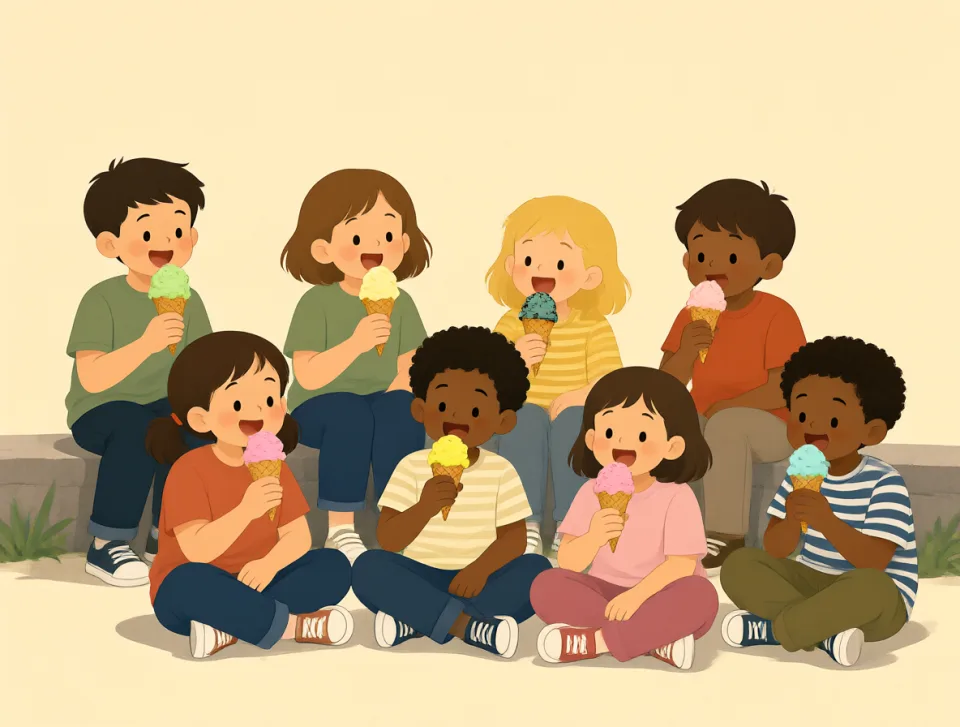
Many children like eating ice cream.
يحب كثير من الأطفال تناول المثلجات.

such
#100determiner, pronoun, adverb
مثل هذا؛ إلى هذا الحد
Used to show something is like or as great as what was just mentioned.
تُستخدم للدلالة على أن شيئًا يشبه ما ذُكر للتو أو يبلغه في الدرجة.
I have never seen such a beautiful place.
لم أرَ قط مكانًا جميلًا كهذا.

She is such a good friend.
إنها صديقة رائعة حقًا.

We had such a busy day at work.
كان يومنا مزدحمًا جدًا في العمل.

Why are you in such a hurry?
لماذا أنت على هذا القدر من العجلة؟
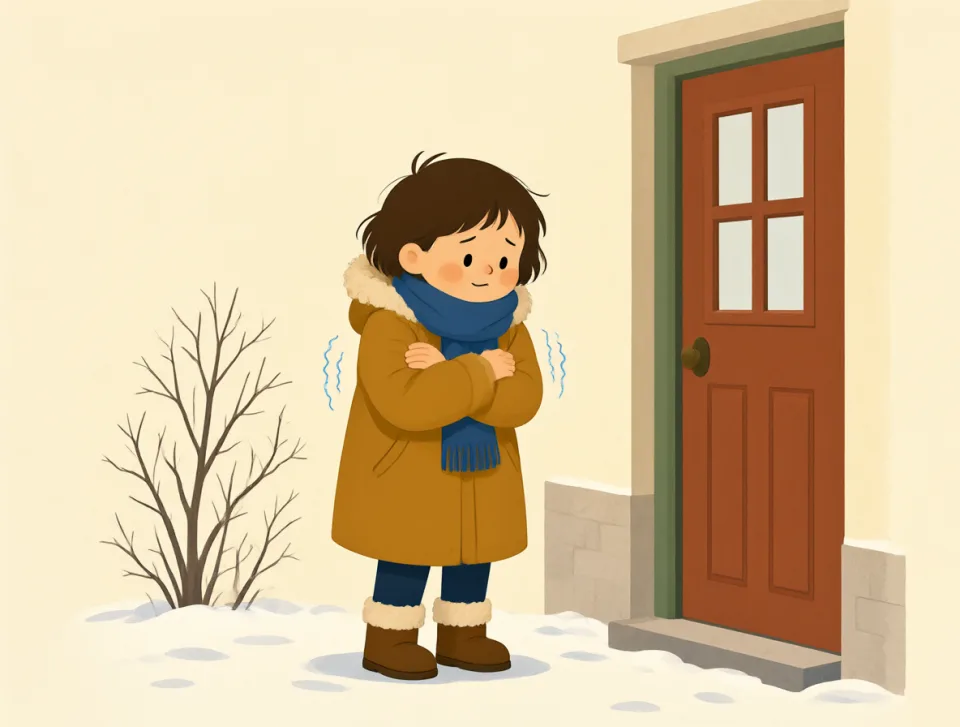
It was such a cold morning.
كان صباحًا باردًا جدًا.