Блок 5
Слова 81–100 · find, over, any, after, day, where

find
#81verb, noun
находить
to discover, get, or notice something, often after looking for it
обнаружить, получить или заметить что-либо, часто после поисков
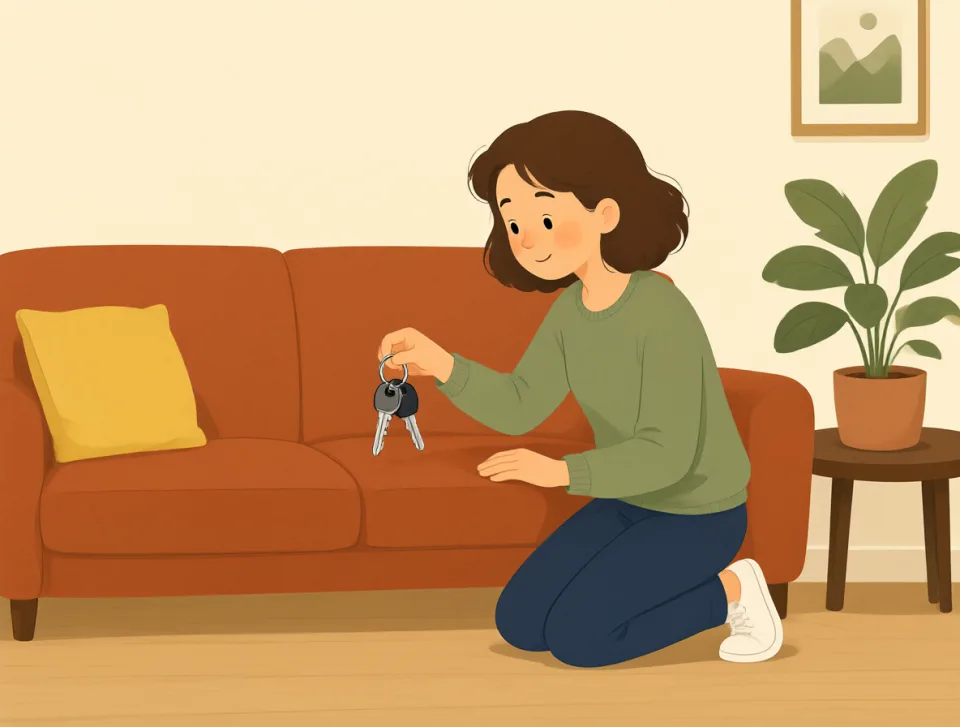
I can't find my keys anywhere.
Я нигде не могу найти свои ключи.

We found a nice hotel near the beach.
Мы нашли хороший отель недалеко от пляжа.

She found a job at a local shop.
Она нашла работу в местном магазине.
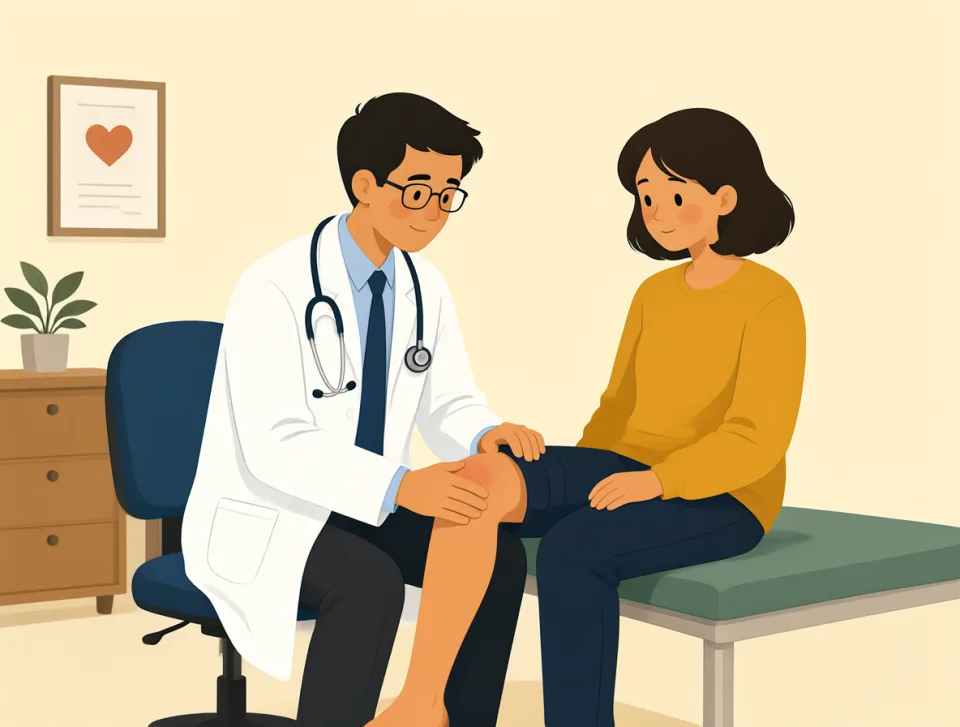
The doctor found a problem with my knee.
Врач обнаружил проблему с моим коленом.
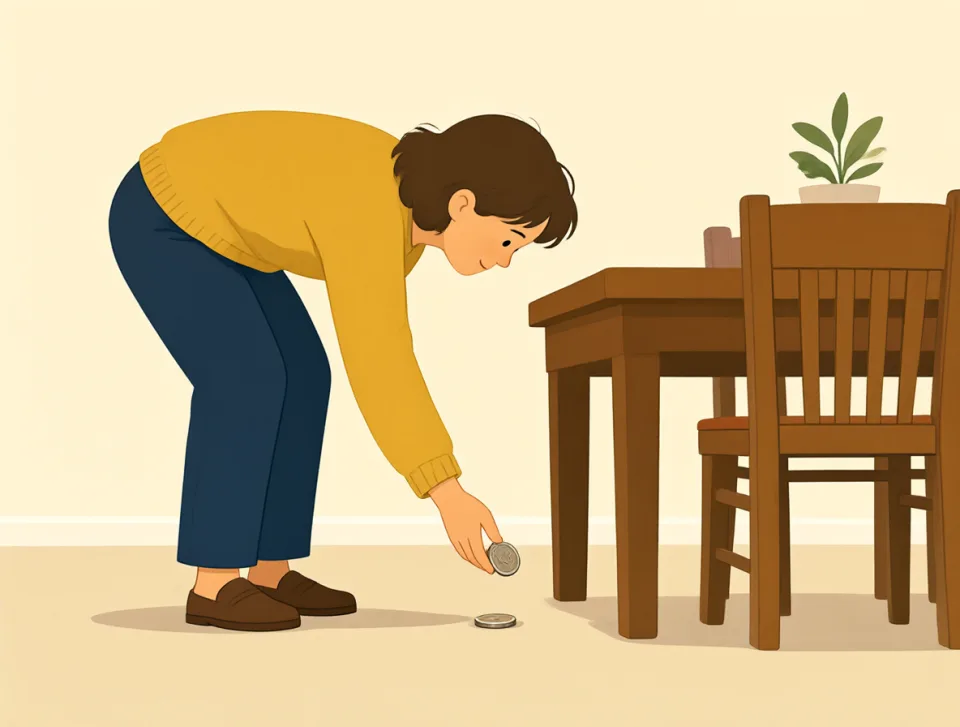
I found a coin under the table.
Я нашёл монету под столом.

over
#82adverb, preposition, adjective, noun
над; через; законченный; более чем; во время
above or across something; finished; more than; during a period of time
Выше или по другую сторону чего-либо; законченный; больше чем; на протяжении какого-либо периода времени.

The plane flew over the city.
Самолёт пролетел над городом.

She put a blanket over the baby.
Она накрыла малыша одеялом.
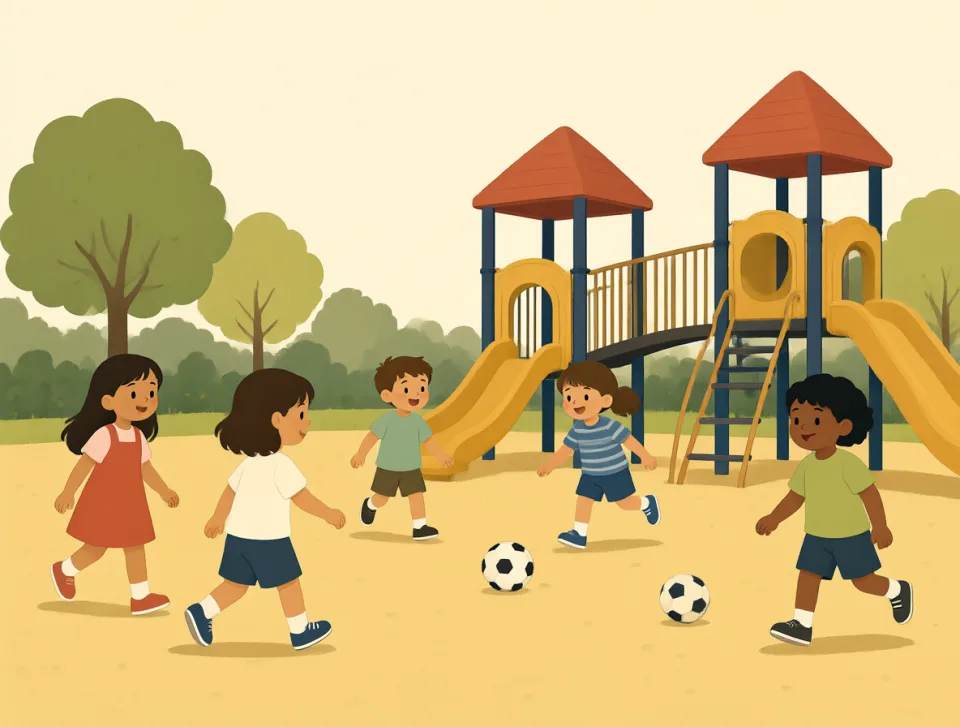
The game is over now.
Игра уже закончилась.

We talked over lunch.
Мы разговаривали за обедом.
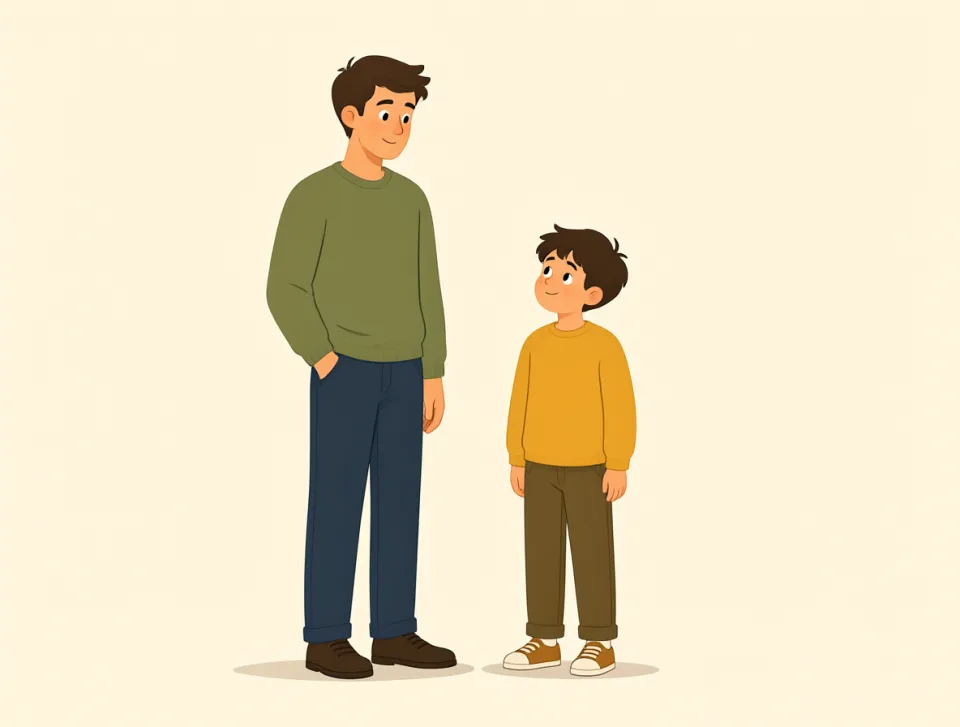
He is over six feet tall.
Его рост — больше шести футов.

any
#83determiner, pronoun, adverb
какой-либо; сколько-нибудь; любой
One, some, or even one of a group, usually in questions or negative sentences.
Один, несколько или даже хотя бы один из группы; обычно употребляется в вопросах и отрицательных предложениях.
Do you have any questions?
У вас есть вопросы?

I do not have any money.
У меня совсем нет денег.

You can choose any color.
Можешь выбрать любой цвет.

We did not see any birds.
Мы не видели ни одной птицы.

I hardly slept any last night.
Прошлой ночью я почти совсем не спал.

after
#84adverb, preposition, conjunction
после
Later than a time or event; following someone or something.
Позже какого-либо времени или события; следующий за кем-либо или чем-либо.
We went home after dinner.
Мы пошли домой после ужина.

Call me after work.
Позвони мне после работы.

Wash your hands after using the bathroom.
Мой руки после посещения туалета.

She felt better after taking medicine.
После лекарства ей стало лучше.

After it rained, the streets were wet.
После дождя улицы были мокрыми.

day
#85noun, adjective
день
A period of twenty-four hours, from midnight to midnight.
Период в двадцать четыре часа — от полуночи до полуночи.

I go to work every day.
Я каждый день хожу на работу.

We had a great day at the beach.
Мы отлично провели день на пляже.

She stayed home all day.
Она весь день оставалась дома.

The store is closed on Sundays.
По воскресеньям магазин закрыт.
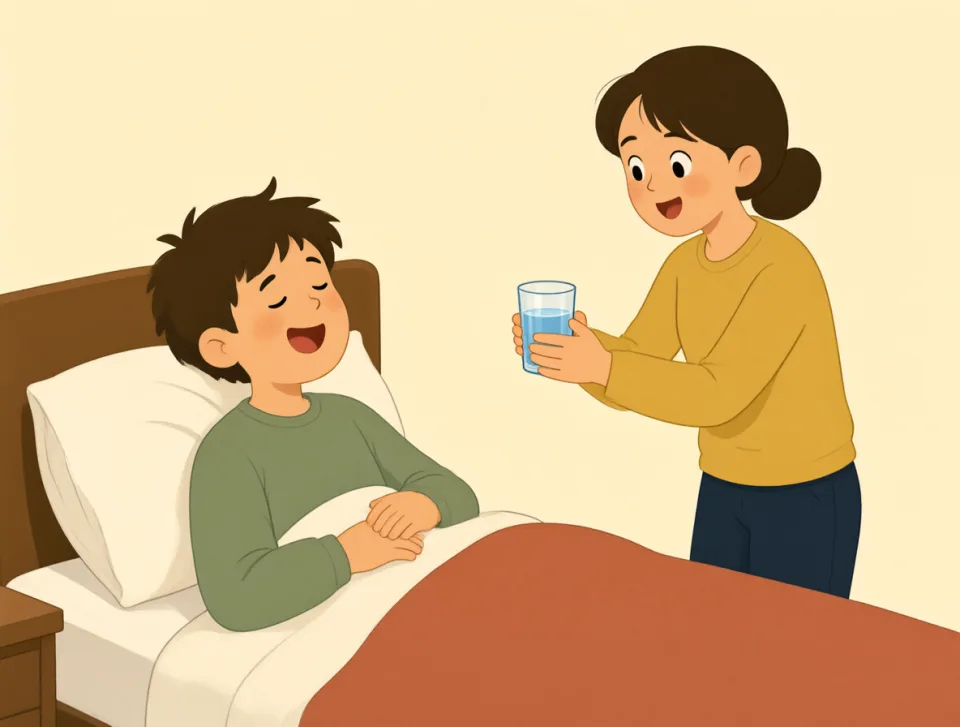
I felt better after a few days.
Через несколько дней мне стало лучше.

where
#86adverb, conjunction, pronoun
где
Used to ask about or describe the place or situation something is in.
Используется, чтобы спросить или рассказать о месте или ситуации, в которой что-то находится или происходит.
Where do you live?
Где ты живёшь?

This is where we met last year.
Это место, где мы познакомились в прошлом году.

Do you know where my keys are?
Ты знаешь, где мои ключи?

Tell me where to buy fresh bread.
Скажи мне, где купить свежий хлеб.

I forgot where I parked the car.
Я забыл, где припарковал машину.

thing
#87noun
вещь
An object, idea, or event that you do not name or describe exactly.
Предмет, идея или событие, которое вы не называете и не описываете точно.
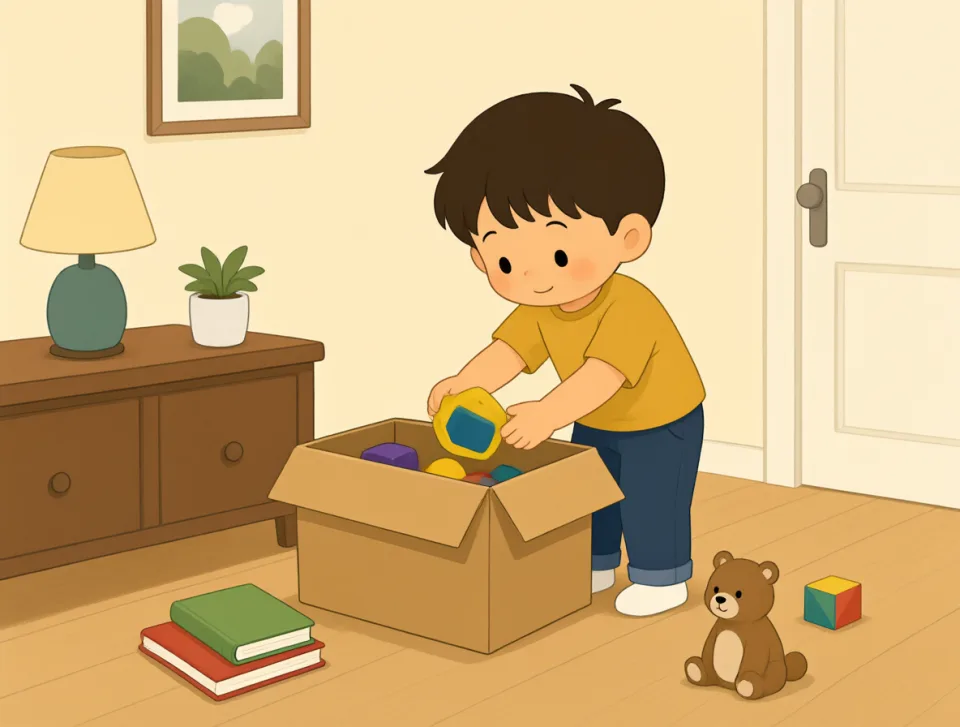
Put your things away before dinner.
Убери свои вещи перед ужином.

The best thing is to ask for help.
Лучше всего попросить о помощи.
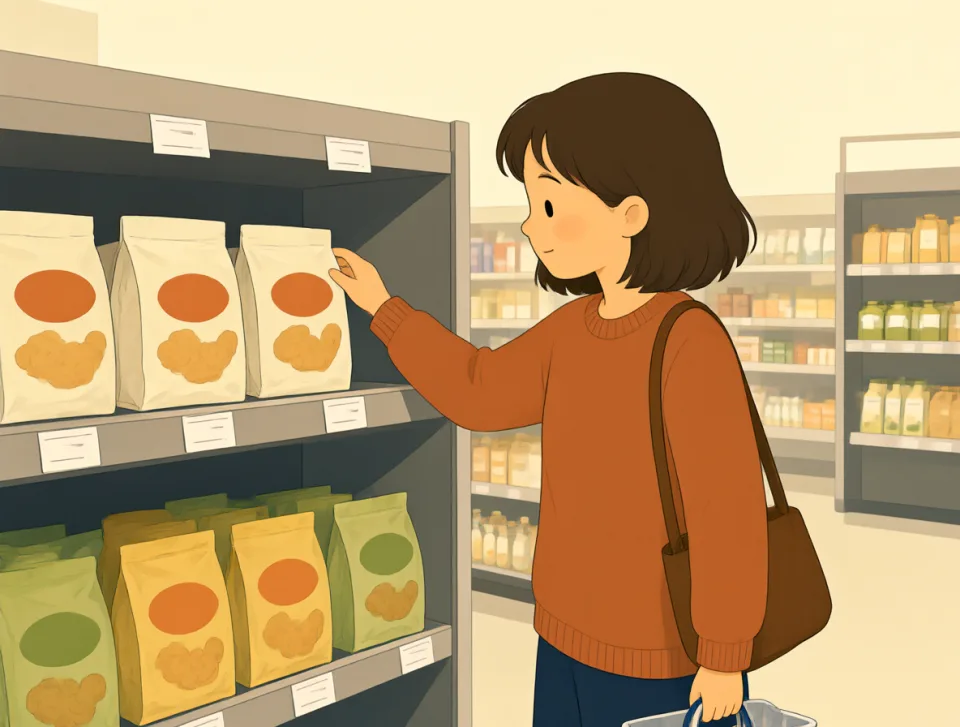
I need a few things from the store.
Мне нужно купить кое-что в магазине.

One strange thing happened on the train.
В поезде случилось что-то странное.
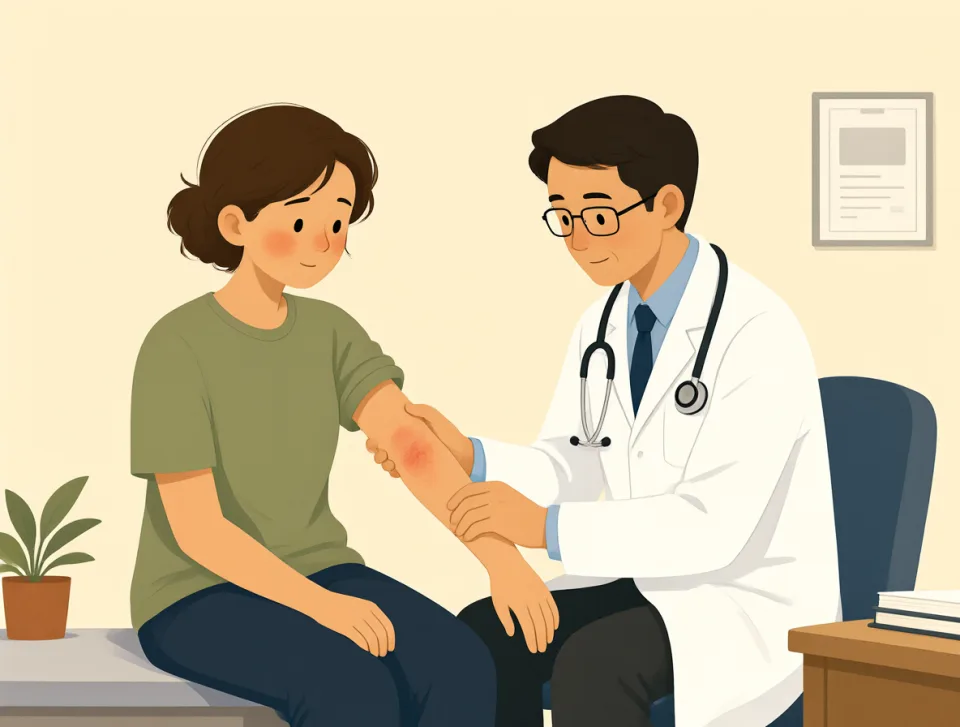
The doctor checked the painful thing on my arm.
Врач осмотрел болезненное место у меня на руке.

most
#88determiner, pronoun, adverb, adjective
большинство
More than half of a group or amount; the greatest number or amount.
Больше половины группы или количества; наибольшее число или количество.
Most people drink coffee in the morning.
Большинство людей пьют кофе по утрам.

Most of the cake is gone.
От торта почти ничего не осталось.

She works most days of the week.
Она работает почти каждый день недели.

Which color do you like most?
Какой цвет тебе нравится больше всего?
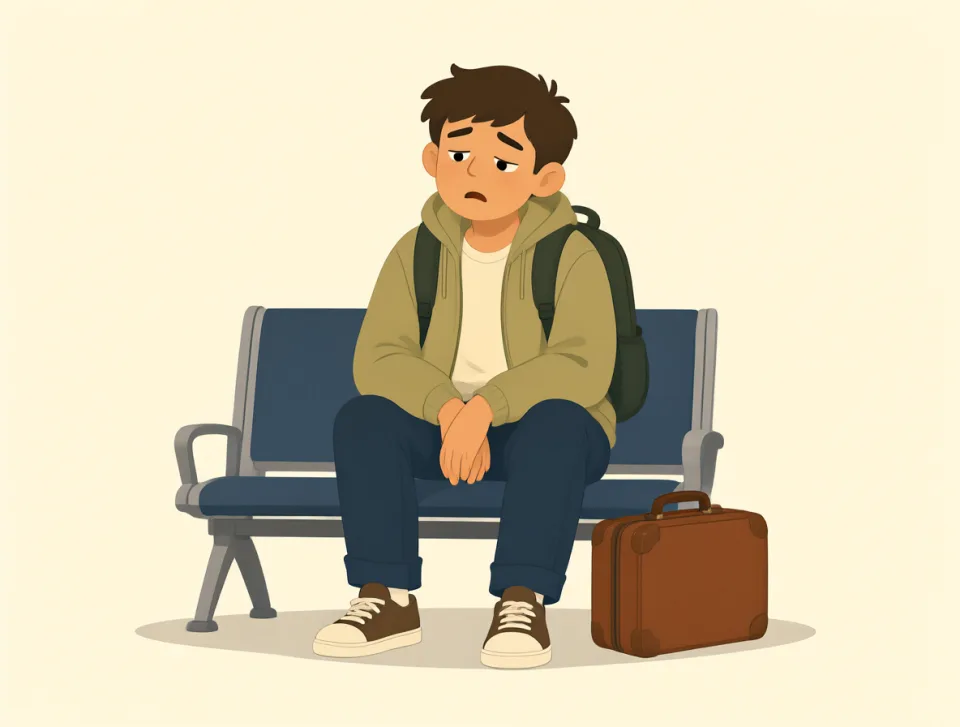
I was most tired after the long flight.
Сильнее всего я устал после долгого перелёта.

should
#89modal verb
следует
Used to say what is best, expected, or likely to happen.
Используется, чтобы сказать, как лучше поступить, чего ожидают или что, вероятно, произойдёт.
You should drink more water every day.
Тебе следует каждый день пить больше воды.
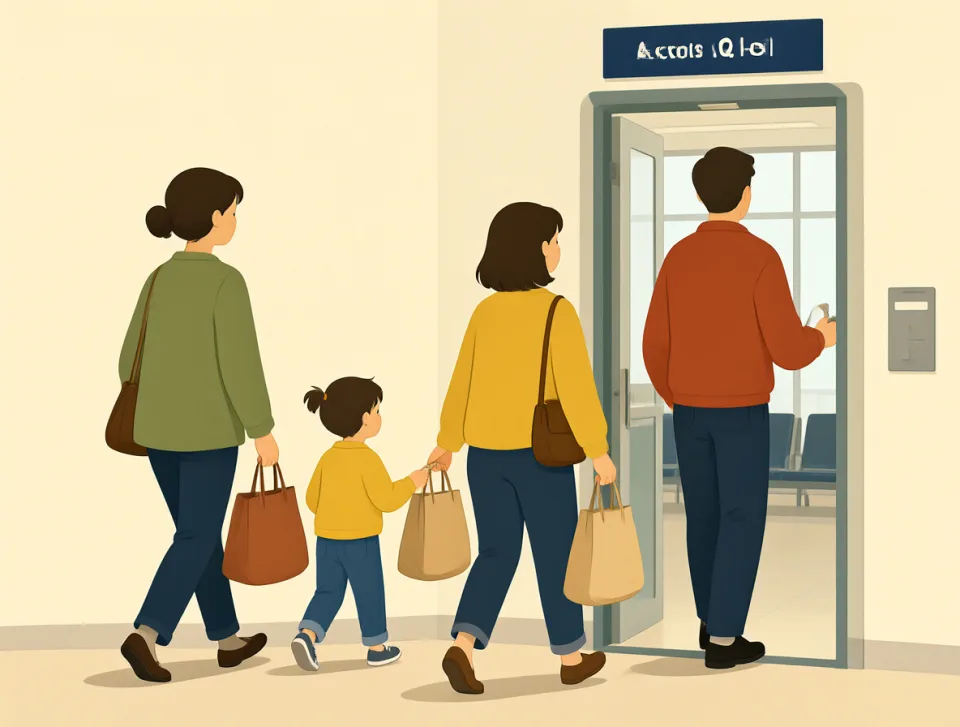
We should leave now for the airport.
Нам следует сейчас выехать в аэропорт.

Should I call the doctor today?
Мне сегодня позвонить врачу?

You should try the vegetable soup.
Тебе стоит попробовать овощной суп.

The package should arrive tomorrow.
Посылка должна прибыть завтра.

need
#90verb, noun
нуждаться
To require something or feel that something is necessary.
Требовать что-либо или чувствовать, что что-либо необходимо.
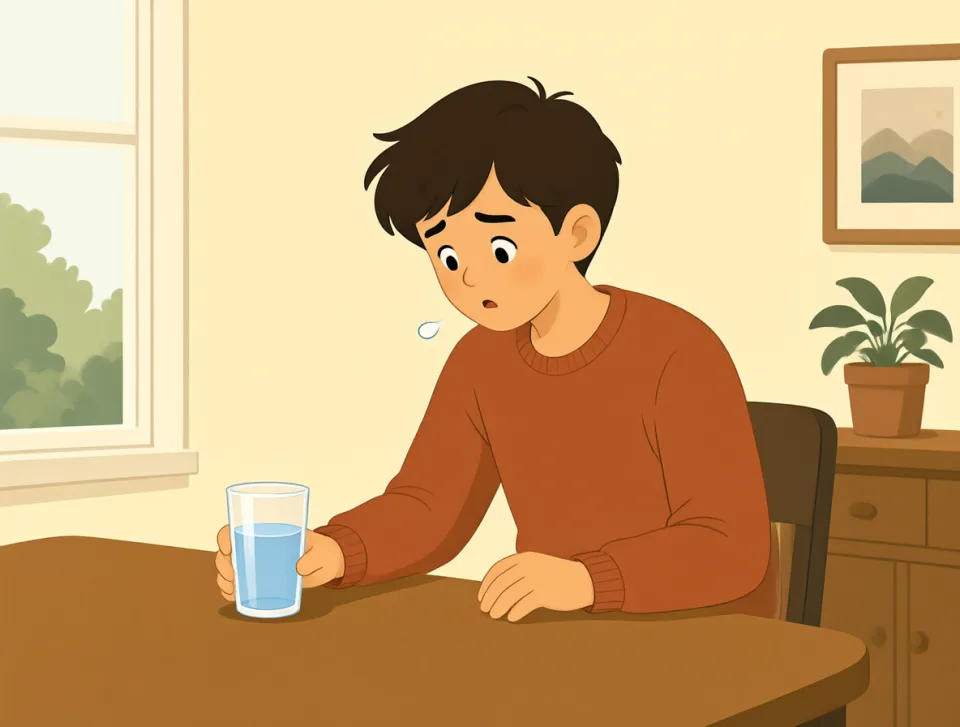
I need some water, please.
Мне, пожалуйста, немного воды.

We need to leave early tomorrow.
Нам нужно завтра рано уехать.

She needs help with her homework.
Ей нужна помощь с домашним заданием.

Do you need anything from the shop?
Тебе что-нибудь купить в магазине?

The baby needs a warm blanket.
Малышу нужно тёплое одеяло.

much
#91adverb, determiner, pronoun
много
A large amount or a lot; used mostly in questions and negative sentences.
Большое количество; обычно употребляется в вопросительных и отрицательных предложениях.
I don't have much time today.
Сегодня у меня не так много времени.
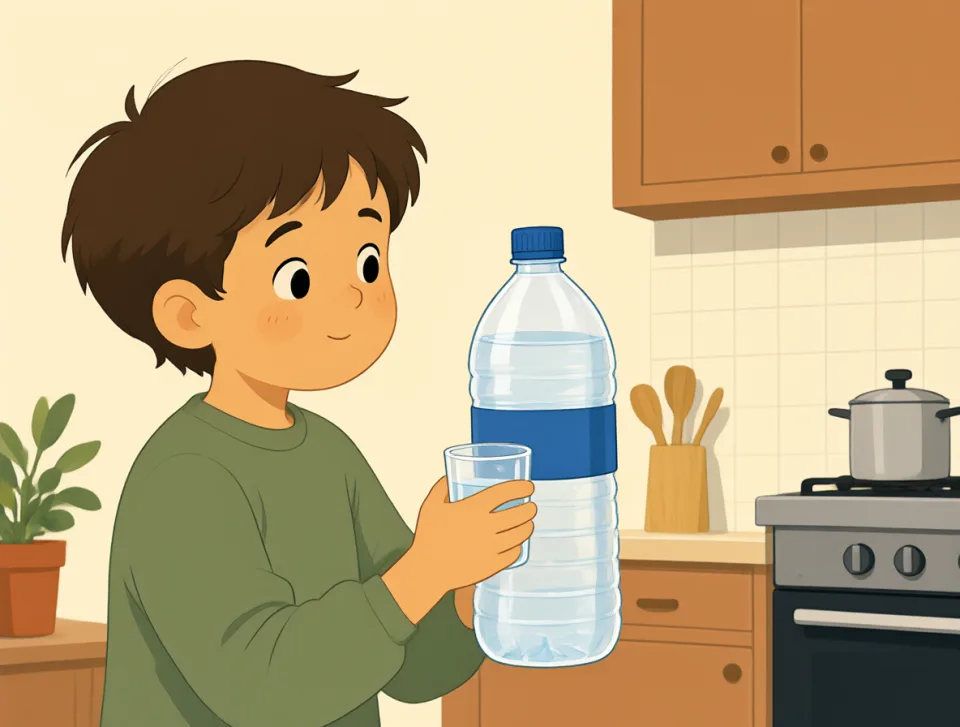
How much water do you drink?
Сколько воды ты пьёшь?
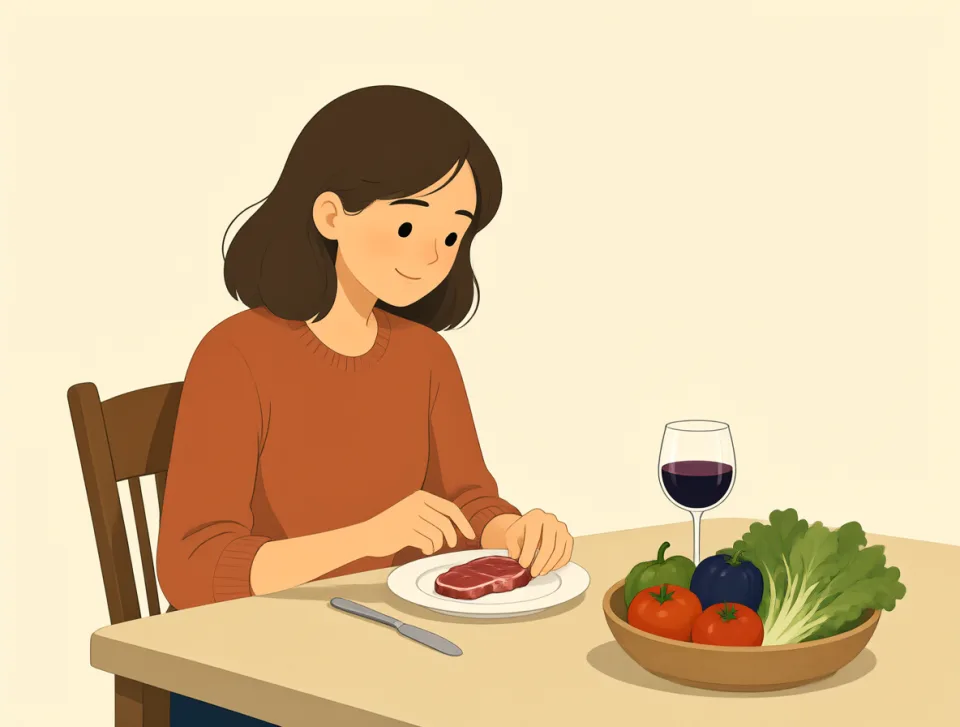
She doesn't eat much meat.
Она ест не так много мяса.

Thank you very much for your help.
Большое спасибо за помощь.

We learned much from our teacher.
Мы многому научились у нашего учителя.

right
#92adjective, adverb, noun
правильный; направо
Correct, or on the side opposite your left hand.
Правильный или находящийся с противоположной от левой руки стороны.

Your answer is right.
Твой ответ правильный.

Please turn right at the next street.
На следующей улице, пожалуйста, поверните направо.

I need to leave right now.
Мне нужно уйти прямо сейчас.

The bank is on the right.
Банк находится справа.

You have the right to ask questions.
Вы имеете право задавать вопросы.

how
#93adverb, conjunction, pronoun
как
Used to ask or explain the way something happens or is done.
Используется, чтобы спросить или объяснить, каким образом что-то происходит или делается.
How are you feeling today?
Как ты себя сегодня чувствуешь?

Can you show me how to open it?
Можешь показать мне, как это открыть?

I forgot how much the tickets cost.
Я забыл, сколько стоят билеты.

She knows how to make good soup.
Она умеет готовить вкусный суп.

How did you get home so late?
Как ты добрался домой так поздно?

back
#94noun, verb, adjective, adverb, preposition
спина; назад
The part of your body opposite your chest, or toward the place you came from.
Часть тела с противоположной от груди стороны или направление к месту, откуда вы пришли.
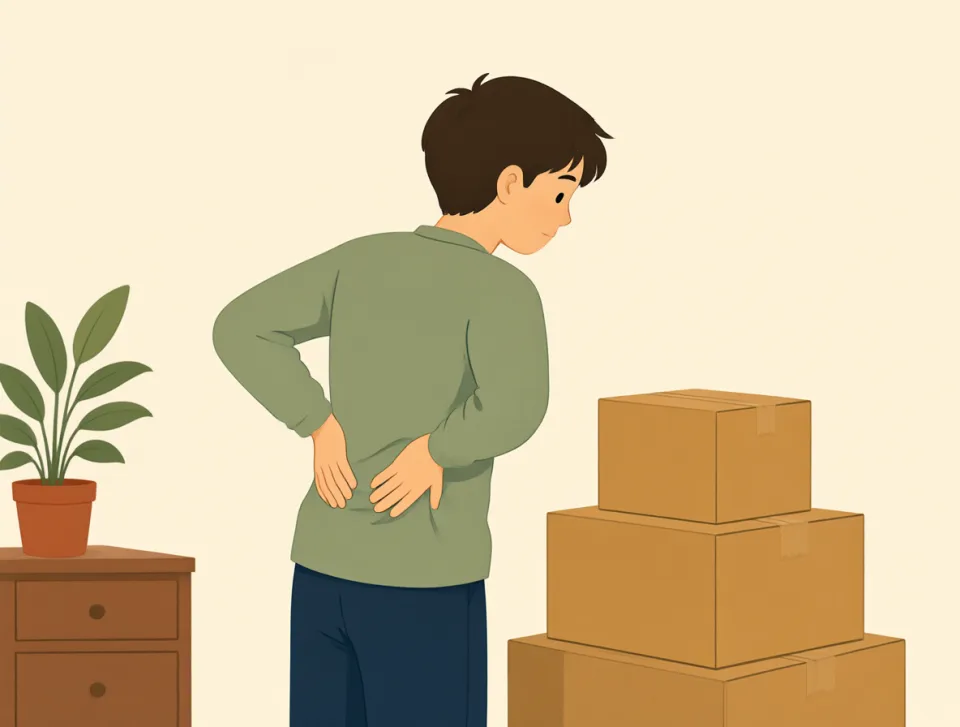
My back hurts after carrying the boxes.
У меня болит спина после того, как я перенёс коробки.

Please put the book back on the shelf.
Пожалуйста, поставь книгу обратно на полку.

We walked back to the hotel after dinner.
После ужина мы пешком вернулись в отель.
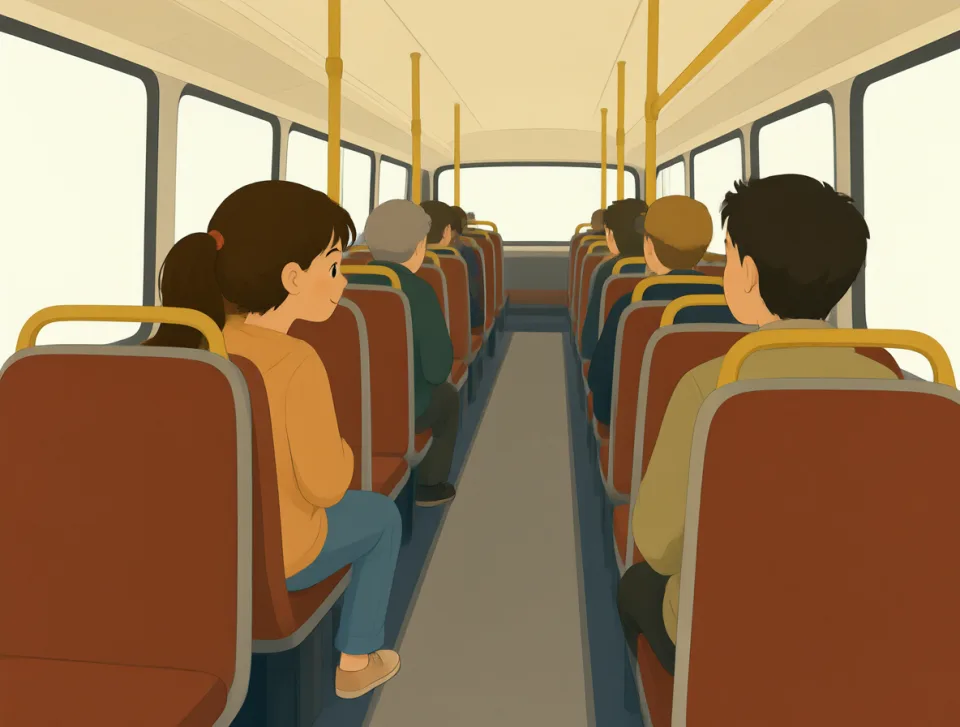
She sat in the back of the bus.
Она сидела в задней части автобуса.

He backed the car into the garage.
Он сдал машину задним ходом в гараж.

mean
#95verb, adjective, noun
значить
To mean is to have a particular meaning or intend to say something.
Глагол «значить» означает иметь определённое значение или подразумевать что-либо.
What does this word mean?
Что значит это слово?

I mean we should leave now.
Я имею в виду, что нам пора уходить.

This gift means a lot to me.
Этот подарок очень много для меня значит.
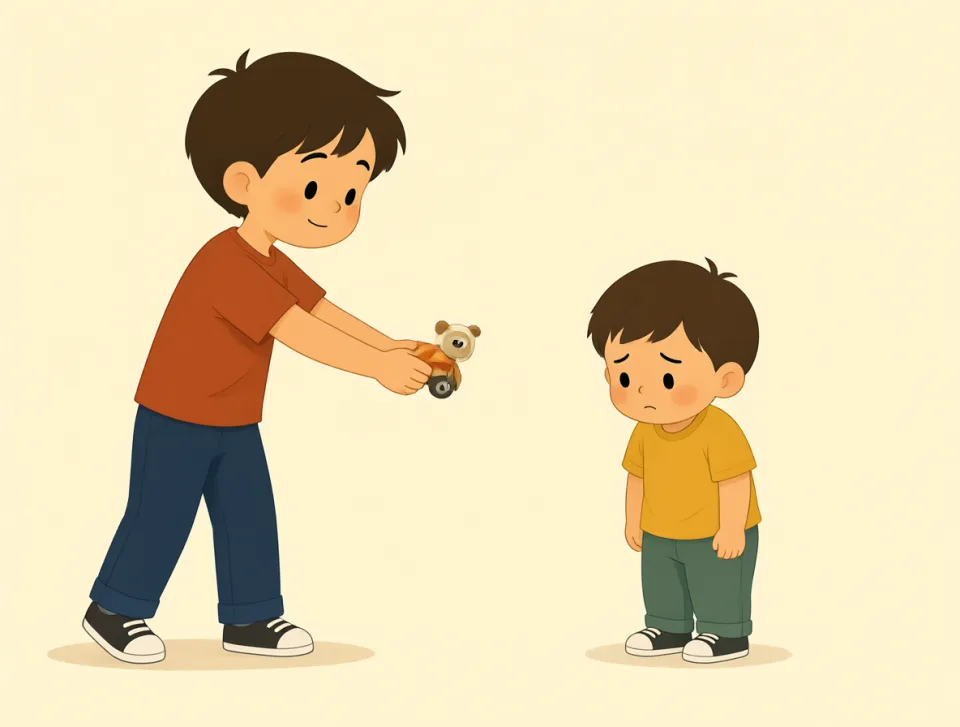
He was mean to his little brother.
Он плохо обращался со своим младшим братом.
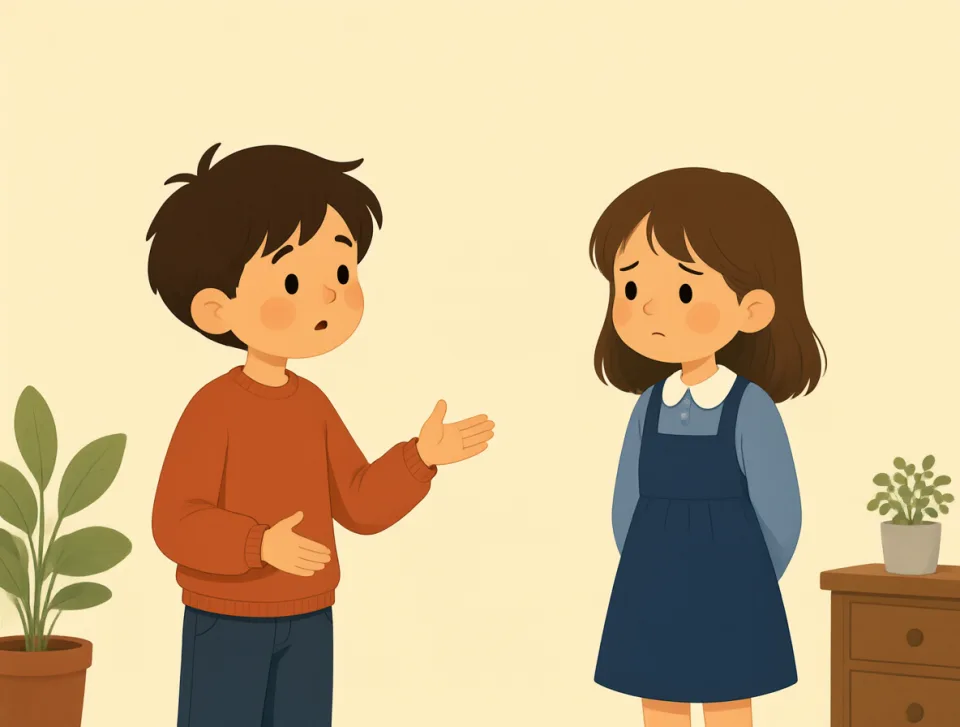
That was a mean joke.
Это была злая шутка.

even
#96adverb, adjective, verb
даже; ровный
Used to show something surprising, equal, flat, or fair.
Используется, чтобы подчеркнуть что-то неожиданное, равное, ровное или справедливое.
Even my brother likes this song.
Даже моему брату нравится эта песня.

She was tired, but she even finished the work.
Она устала, но всё-таки закончила работу.

The road is even after the repairs.
После ремонта дорога стала ровной.
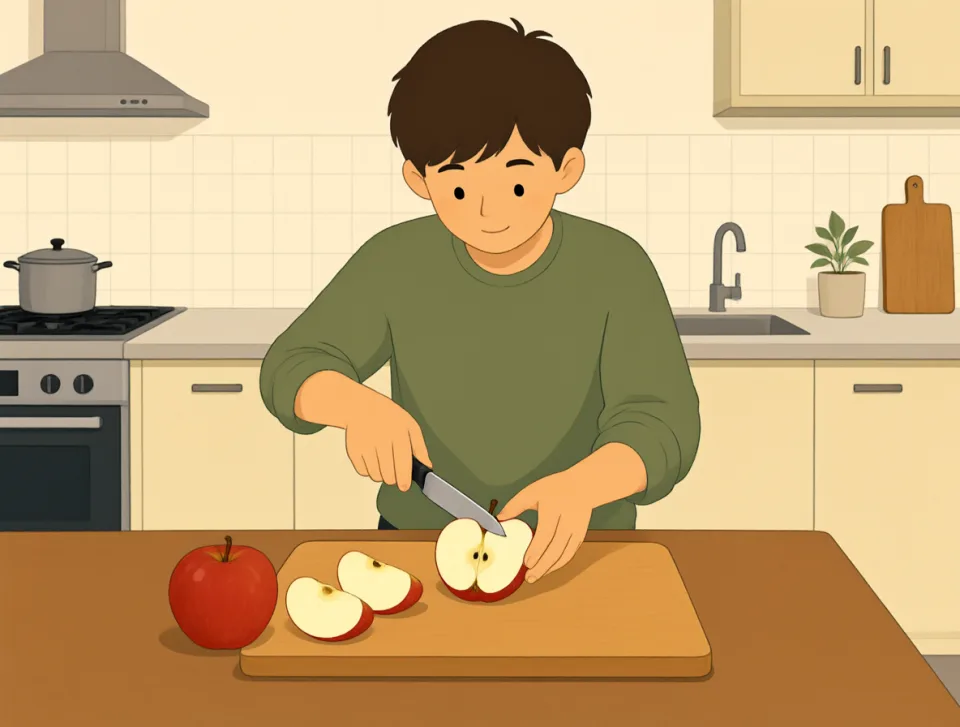
Cut the apple into even pieces.
Разрежь яблоко на одинаковые кусочки.

We played on an even team.
Мы играли в команде, где силы были равны.
may
#97modal verb, noun
может; можно
Used to say that something is possible or to ask for permission.
Используется, чтобы сказать, что что-то возможно, или попросить разрешения.
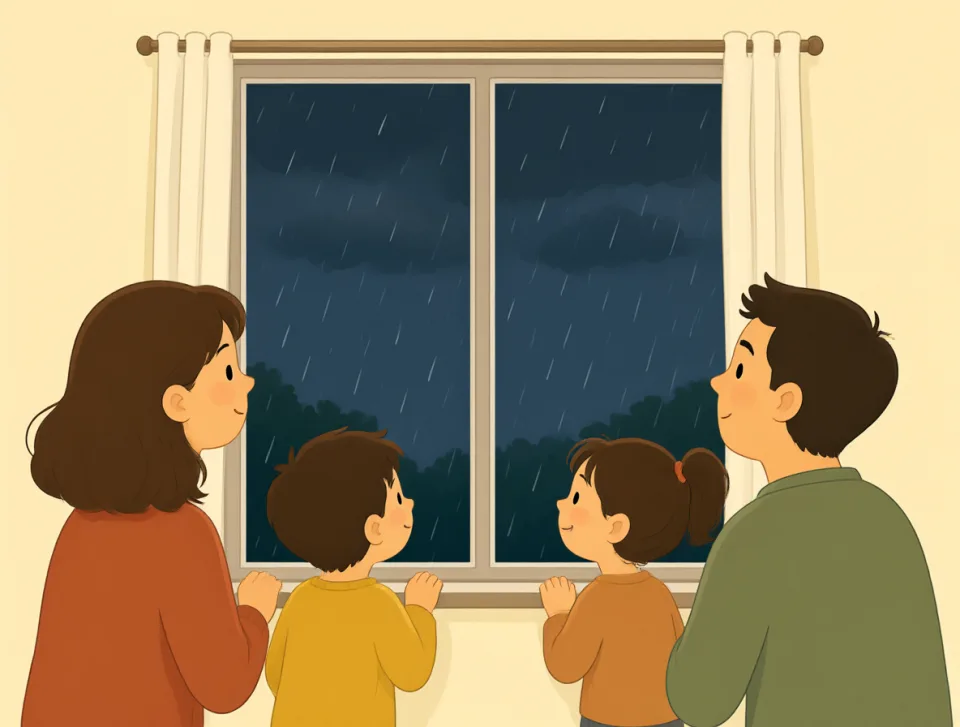
It may rain this afternoon.
Сегодня днём может пойти дождь.
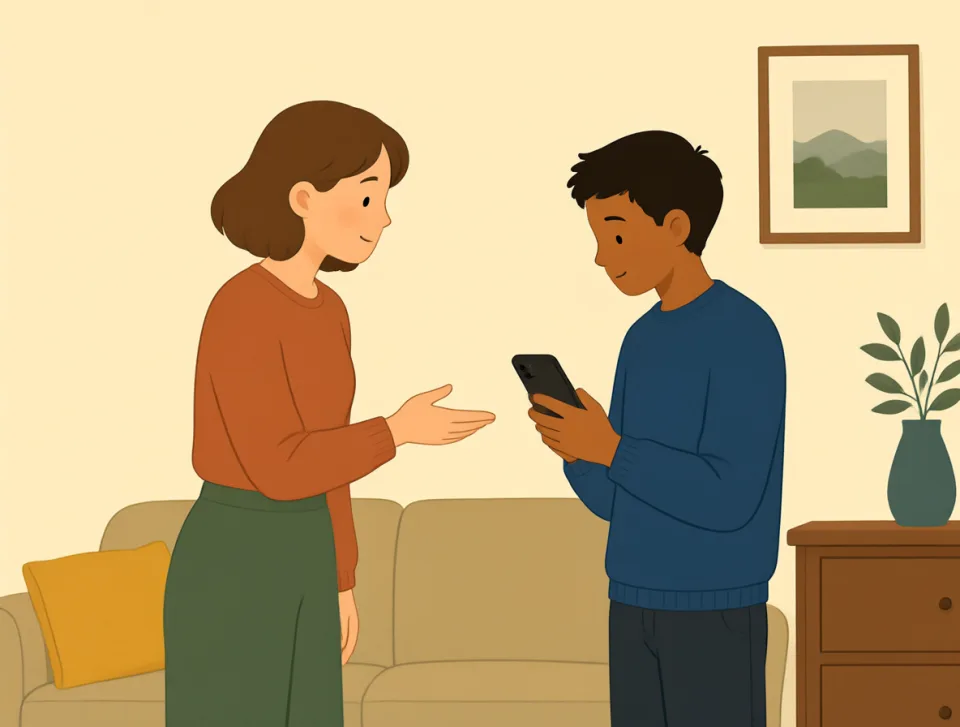
May I use your phone?
Можно воспользоваться твоим телефоном?

You may leave work early today.
Сегодня можешь уйти с работы пораньше.
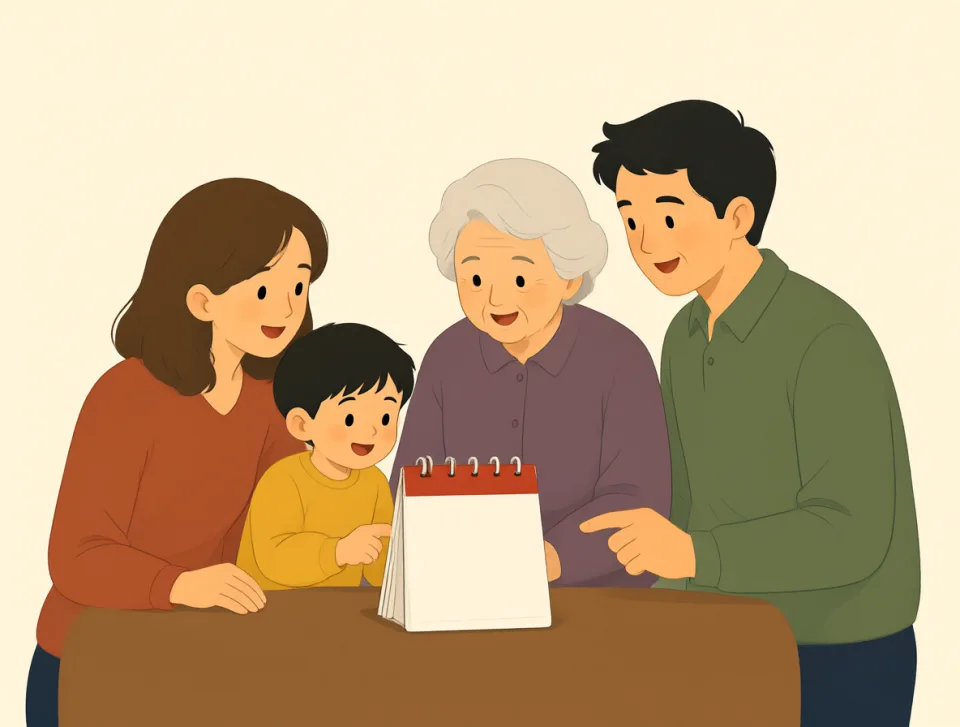
We may visit Grandma this weekend.
На этих выходных мы, возможно, навестим бабушку.
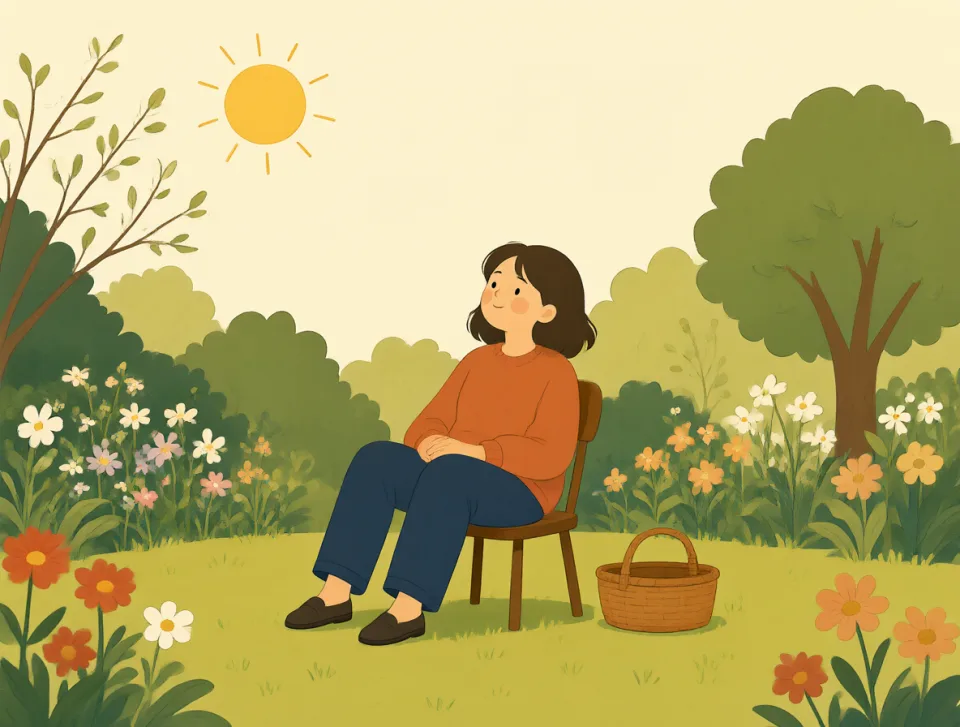
May is my favorite month.
Май — мой любимый месяц.

here
#98adverb, pronoun, adjective, noun
здесь; сюда
in, at, or to this place
В этом месте, у этого места или в это место.

Please sit here beside me.
Пожалуйста, садись здесь, рядом со мной.
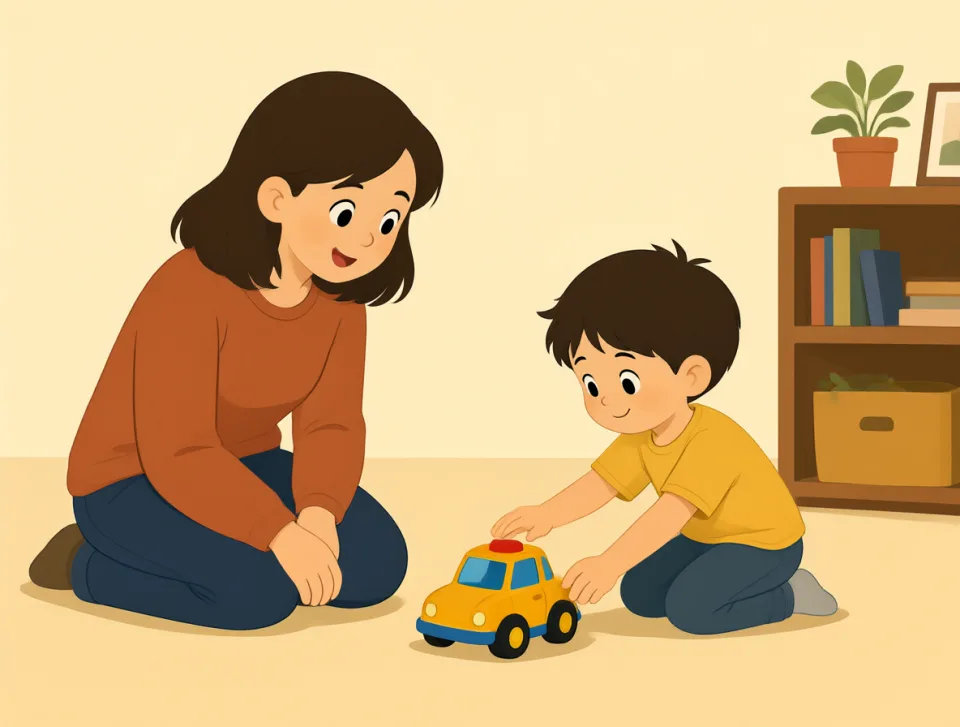
Come here and look at this.
Иди сюда и посмотри на это.

Is anyone here from our class?
Здесь есть кто-нибудь из нашего класса?

The bus stops here every morning.
Автобус останавливается здесь каждое утро.

Here is your coffee and sandwich.
Вот ваш кофе и сэндвич.

many
#99determiner, pronoun
много
A large number of people or things.
Большое количество людей или предметов.

Many people enjoy walking in the park.
Многим нравится гулять в парке.
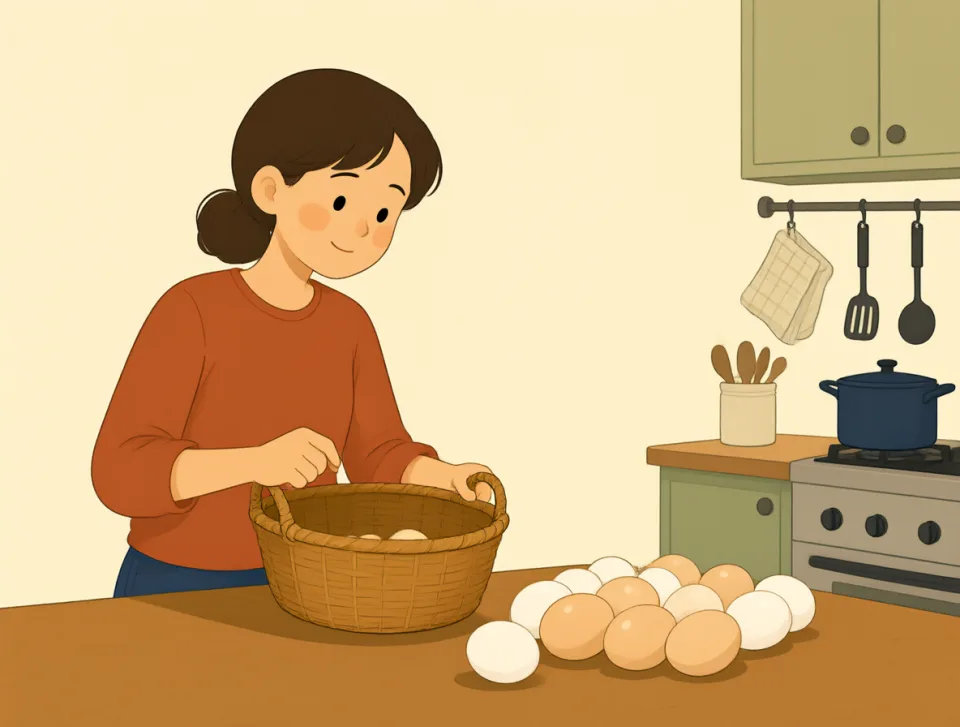
How many eggs do we need?
Сколько яиц нам нужно?

I have many friends at school.
В школе у меня много друзей.

There are many shops near the hotel.
Рядом с отелем много магазинов.

Many children like eating ice cream.
Многие дети любят есть мороженое.

such
#100determiner, pronoun, adverb
такой; настолько
Used to show something is like or as great as what was just mentioned.
Используется, чтобы показать, что что-то похоже на упомянутое ранее или обладает такой же степенью какого-либо качества.
I have never seen such a beautiful place.
Я никогда не видел такого красивого места.

She is such a good friend.
Она такая хорошая подруга.

We had such a busy day at work.
У нас был такой напряжённый день на работе.

Why are you in such a hurry?
Почему ты так торопишься?
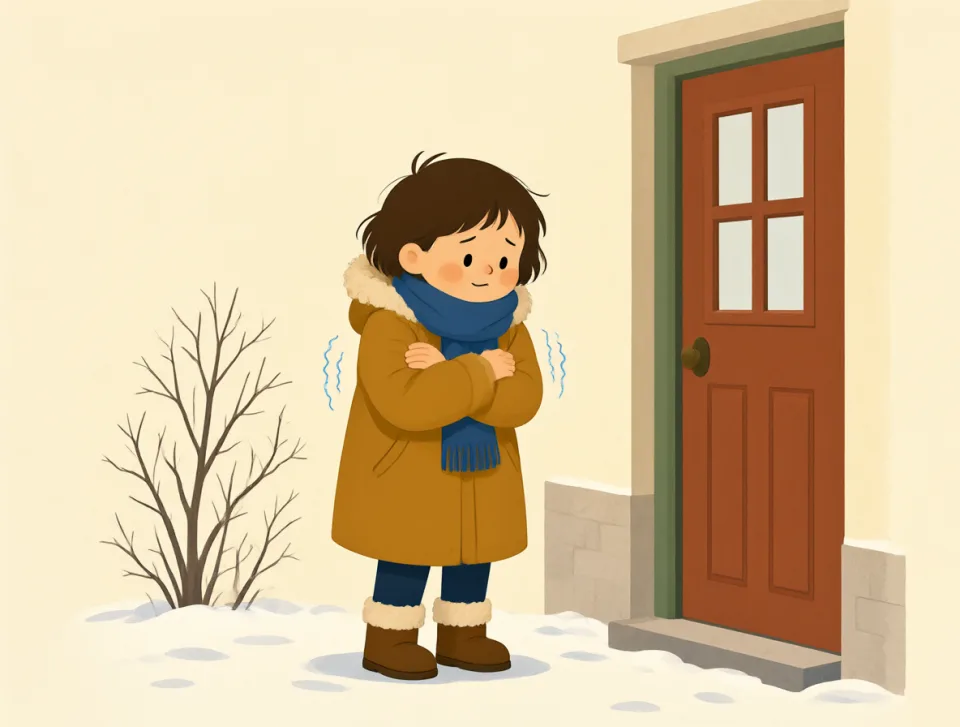
It was such a cold morning.
Утро было таким холодным.