第 5 单元
第 81–100 个单词 · find, over, any, after, day, where

find
#81verb, noun
找到;发现
to discover, get, or notice something, often after looking for it
发现、得到或注意到某样东西,通常是在寻找之后
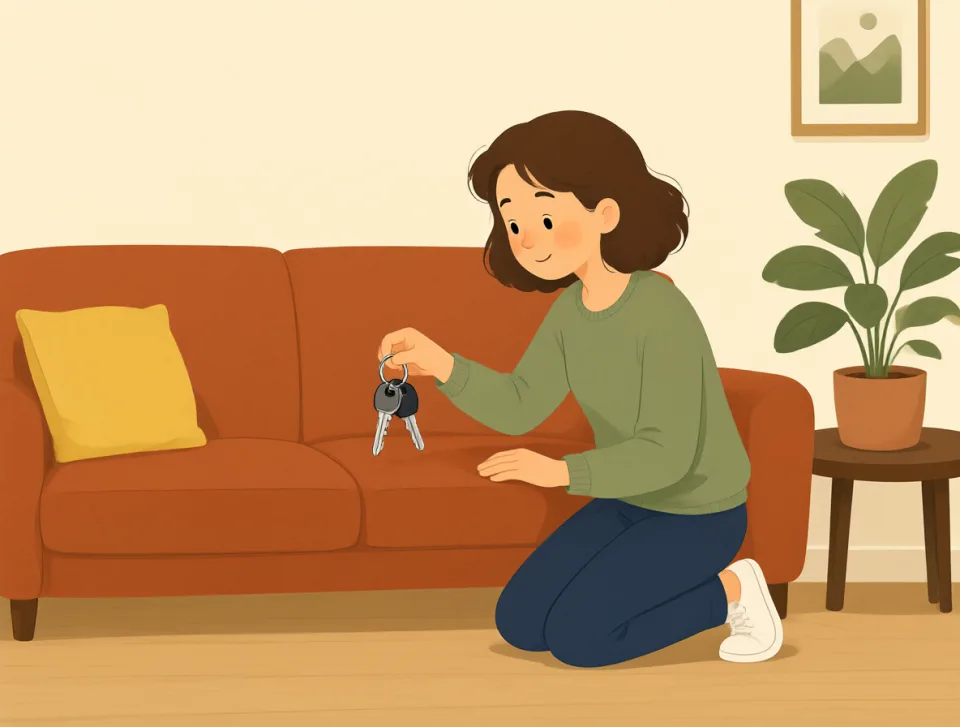
I can't find my keys anywhere.
我到处都找不到我的钥匙。

We found a nice hotel near the beach.
我们在海滩附近找到了一家不错的酒店。

She found a job at a local shop.
她在当地一家商店找到了一份工作。

The doctor found a problem with my knee.
医生发现我的膝盖有问题。
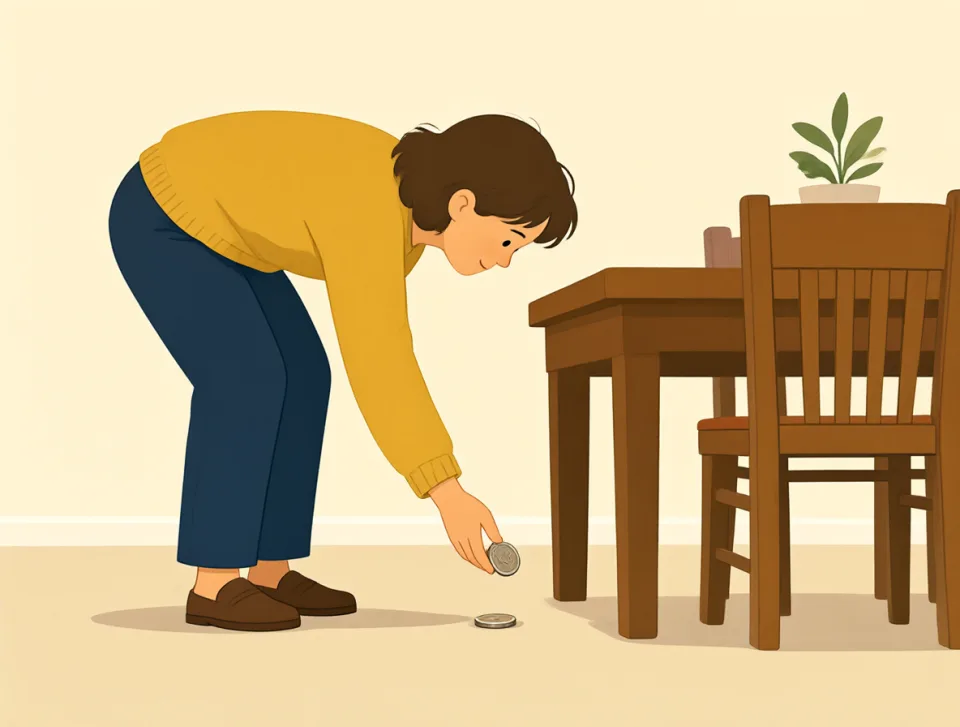
I found a coin under the table.
我在桌子底下发现了一枚硬币。

over
#82adverb, preposition, adjective, noun
在……上方;覆盖;结束;超过
above or across something; finished; more than; during a period of time
在某物上方或越过某物;结束;多于;在一段时间内

The plane flew over the city.
飞机飞过了这座城市。

She put a blanket over the baby.
她把毯子盖在婴儿身上。
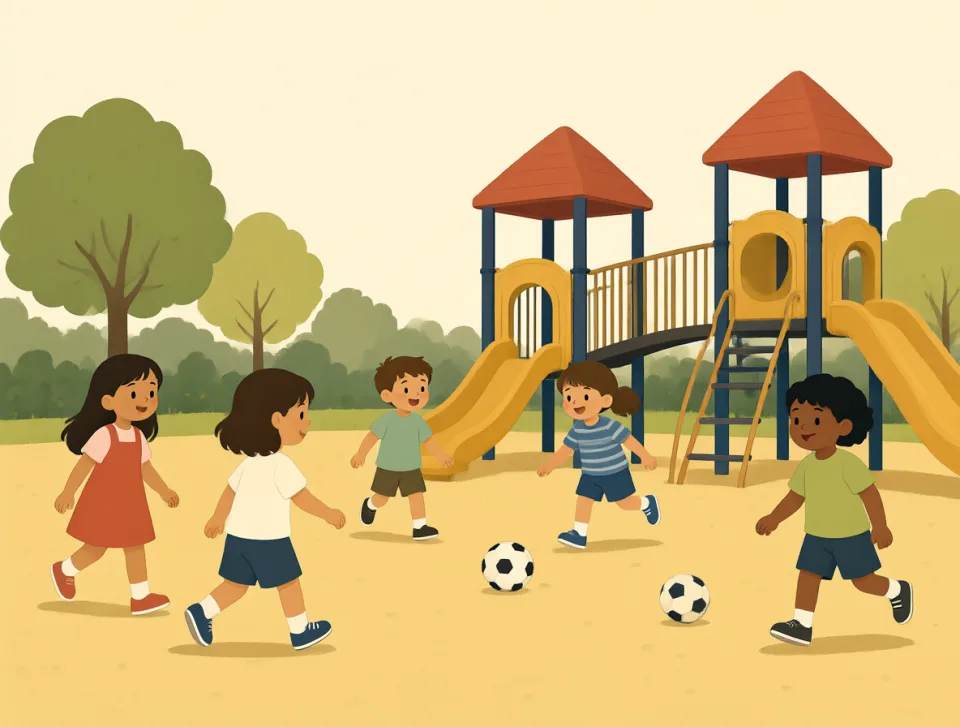
The game is over now.
比赛现在结束了。

We talked over lunch.
我们边吃午饭边聊天。
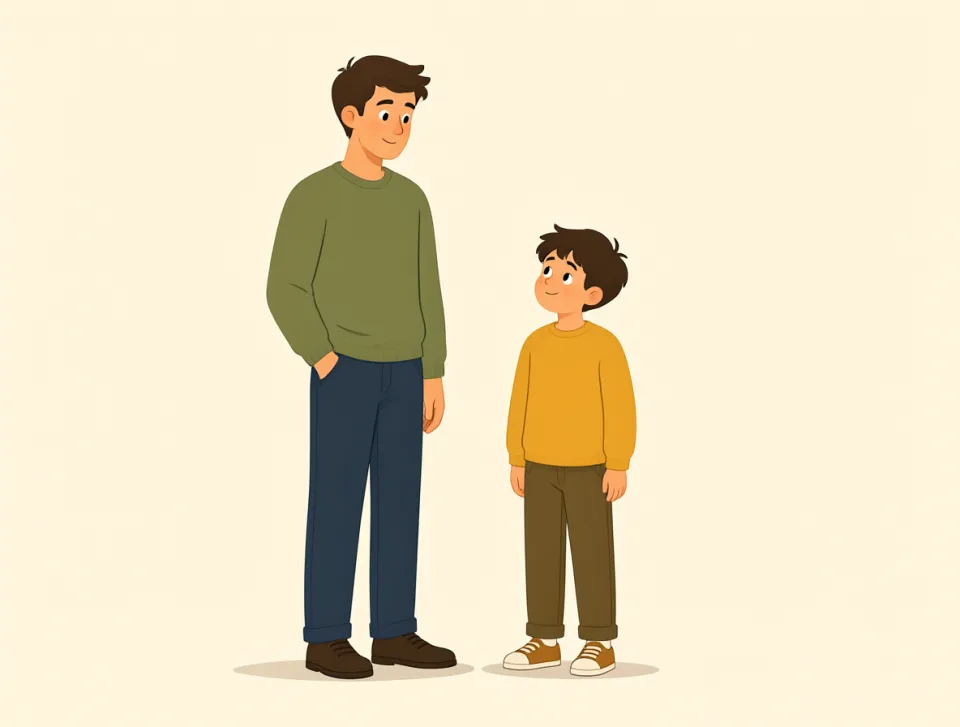
He is over six feet tall.
他的身高超过六英尺。

any
#83determiner, pronoun, adverb
任何;一些
One, some, or even one of a group, usually in questions or negative sentences.
一个、一些,甚至是某一组中的任何一个,通常用于疑问句或否定句。
Do you have any questions?
你有什么问题吗?

I do not have any money.
我没有钱。

You can choose any color.
你可以选择任何颜色。

We did not see any birds.
我们一只鸟也没看见。

I hardly slept any last night.
我昨晚几乎一点儿也没睡。

after
#84adverb, preposition, conjunction
在……之后;后来
Later than a time or event; following someone or something.
晚于某个时间或事件;跟在某人或某物之后。
We went home after dinner.
我们晚饭后回家了。

Call me after work.
下班后给我打电话。

Wash your hands after using the bathroom.
上完厕所后洗手。

She felt better after taking medicine.
吃药后她感觉好多了。

After it rained, the streets were wet.
下雨后,街道都湿了。

day
#85noun, adjective
天;日子;白天
A period of twenty-four hours, from midnight to midnight.
从午夜到午夜的二十四小时。

I go to work every day.
我每天都去上班。

We had a great day at the beach.
我们在海滩上度过了美好的一天。

She stayed home all day.
她一整天都待在家里。

The store is closed on Sundays.
这家商店星期天关门。

I felt better after a few days.
过了几天后,我感觉好多了。

where
#86adverb, conjunction, pronoun
哪里;在哪儿;……的地方
Used to ask about or describe the place or situation something is in.
用于询问或描述某人或某物所在的地点或情况。
Where do you live?
你住在哪里?

This is where we met last year.
这就是我们去年见面的地方。

Do you know where my keys are?
你知道我的钥匙在哪里吗?

Tell me where to buy fresh bread.
告诉我去哪里买新鲜面包。
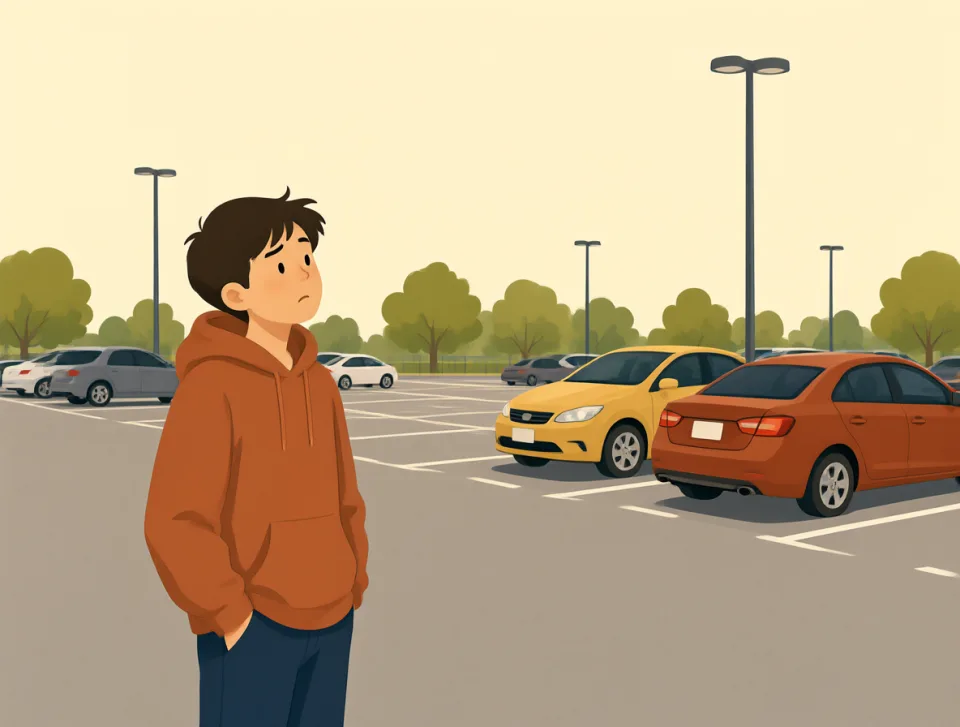
I forgot where I parked the car.
我忘了把车停在哪里了。
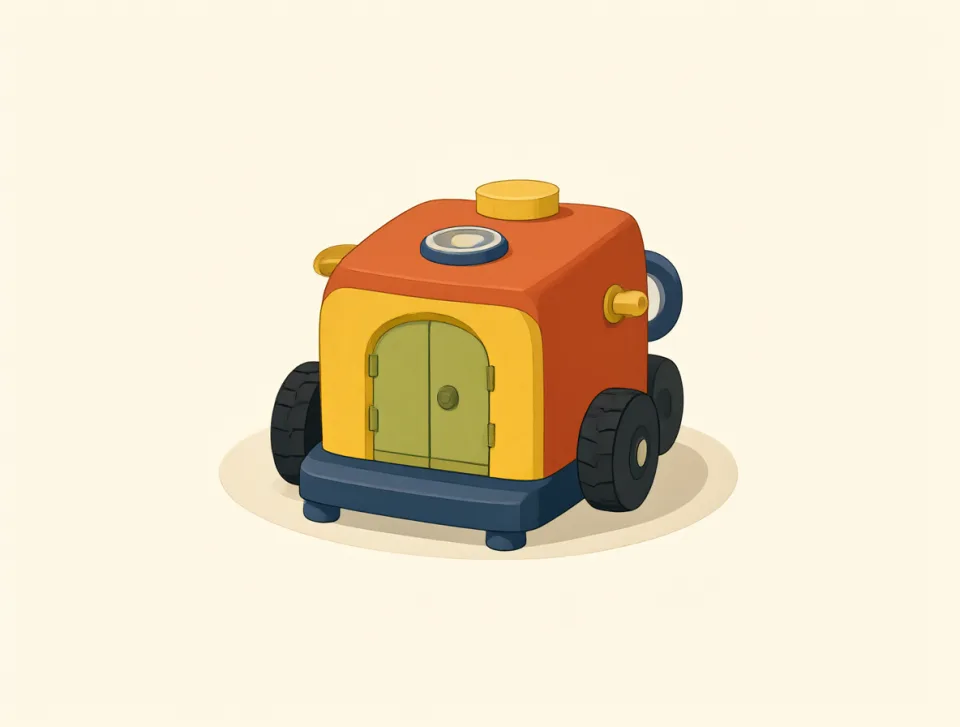
thing
#87noun
东西;事情;物品
An object, idea, or event that you do not name or describe exactly.
一个你没有准确说出名称或具体描述的物体、想法或事件。

Put your things away before dinner.
晚饭前把你的东西收好。

The best thing is to ask for help.
最好的办法是寻求帮助。
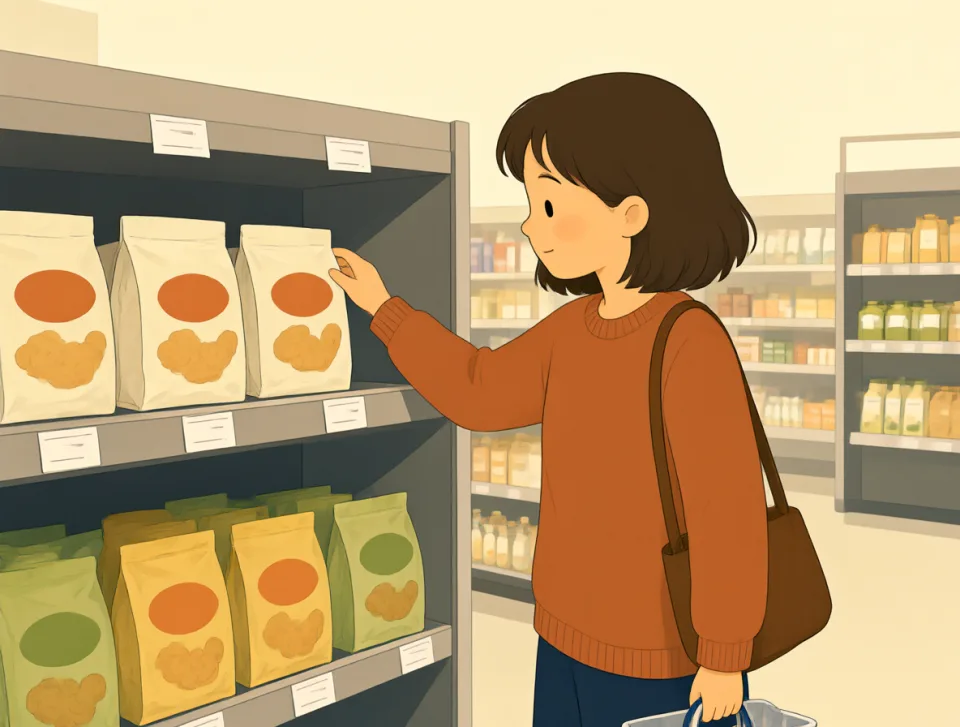
I need a few things from the store.
我需要从商店买几样东西。

One strange thing happened on the train.
火车上发生了一件奇怪的事。

The doctor checked the painful thing on my arm.
医生检查了我手臂上那个疼痛的地方。

most
#88determiner, pronoun, adverb, adjective
大多数;最;非常
More than half of a group or amount; the greatest number or amount.
一个群体或数量中超过一半的部分;数量或数额最大的部分。
Most people drink coffee in the morning.
大多数人早上喝咖啡。

Most of the cake is gone.
蛋糕大部分都吃完了。

She works most days of the week.
她一周中大多数日子都上班。

Which color do you like most?
你最喜欢哪种颜色?

I was most tired after the long flight.
长途飞行后我感到最累。

should
#89modal verb
应该;应当
Used to say what is best, expected, or likely to happen.
用于表示某件事是最好的选择、预期会发生或很可能发生。
You should drink more water every day.
你应该每天多喝水。
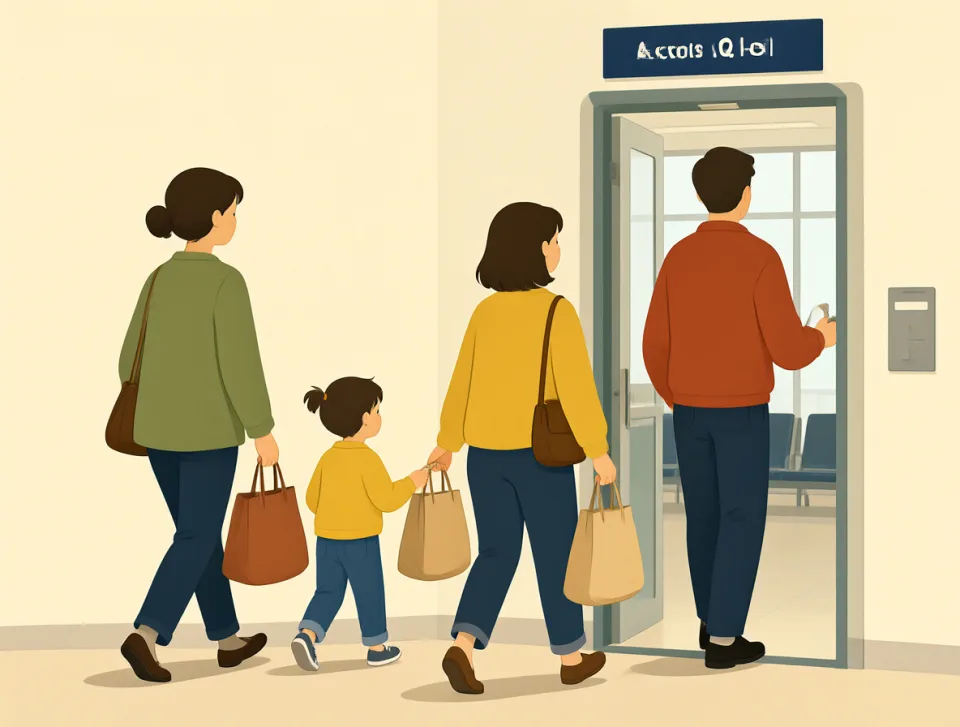
We should leave now for the airport.
我们现在应该出发去机场了。

Should I call the doctor today?
我今天应该给医生打电话吗?

You should try the vegetable soup.
你应该尝尝这道蔬菜汤。

The package should arrive tomorrow.
包裹应该明天送到。

need
#90verb, noun
需要;需求
To require something or feel that something is necessary.
需要某样东西,或觉得某件事是必要的。

I need some water, please.
请给我一些水。

We need to leave early tomorrow.
我们明天需要早点出发。

She needs help with her homework.
她需要帮助完成家庭作业。

Do you need anything from the shop?
你需要我从商店带什么东西吗?

The baby needs a warm blanket.
宝宝需要一条暖和的毯子。

much
#91adverb, determiner, pronoun
很多;大量;非常
A large amount or a lot; used mostly in questions and negative sentences.
大量或许多;主要用于疑问句和否定句中。
I don't have much time today.
我今天没有多少时间。

How much water do you drink?
你喝多少水?
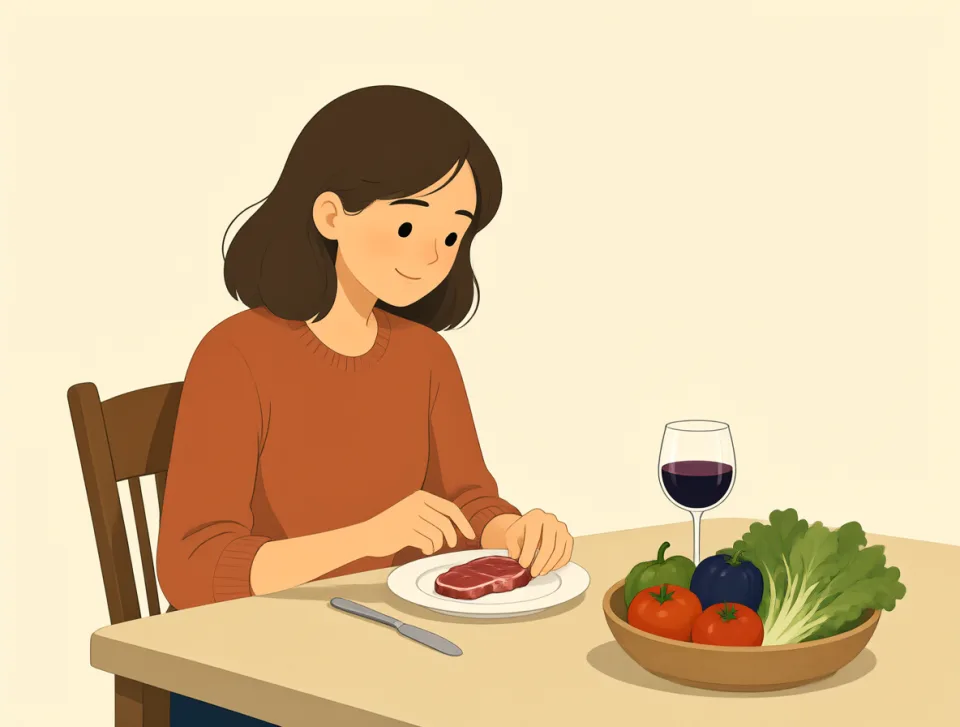
She doesn't eat much meat.
她不怎么吃肉。

Thank you very much for your help.
非常感谢你的帮助。

We learned much from our teacher.
我们从老师那里学到了很多。
right
#92adjective, adverb, noun
正确的;右边;正好;权利
Correct, or on the side opposite your left hand.
正确的,或在与左手相反的一侧。

Your answer is right.
你的答案是正确的。

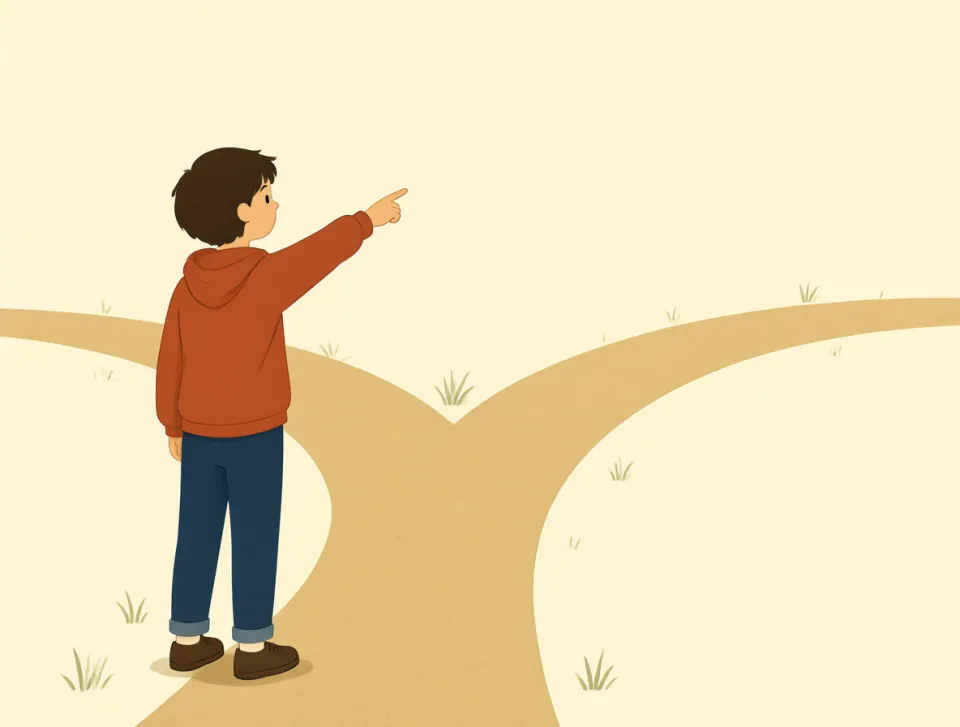
Please turn right at the next street.
请在下一个路口向右转。

I need to leave right now.
我现在就得离开。

The bank is on the right.
银行在右边。

You have the right to ask questions.
你有权提问。

how
#93adverb, conjunction, pronoun
怎样;如何;多么
Used to ask or explain the way something happens or is done.
用于询问或解释某件事发生或完成的方式。
How are you feeling today?
你今天感觉怎么样?

Can you show me how to open it?
你能教我怎么打开它吗?

I forgot how much the tickets cost.
我忘了票多少钱。

She knows how to make good soup.
她知道怎么煮出美味的汤。

How did you get home so late?
你这么晚才回到家,是怎么回事?

back
#94noun, verb, adjective, adverb, preposition
背部;后面;后退;支持
The part of your body opposite your chest, or toward the place you came from.
身体上与胸部相对的部位,或指朝向你来时的地方。
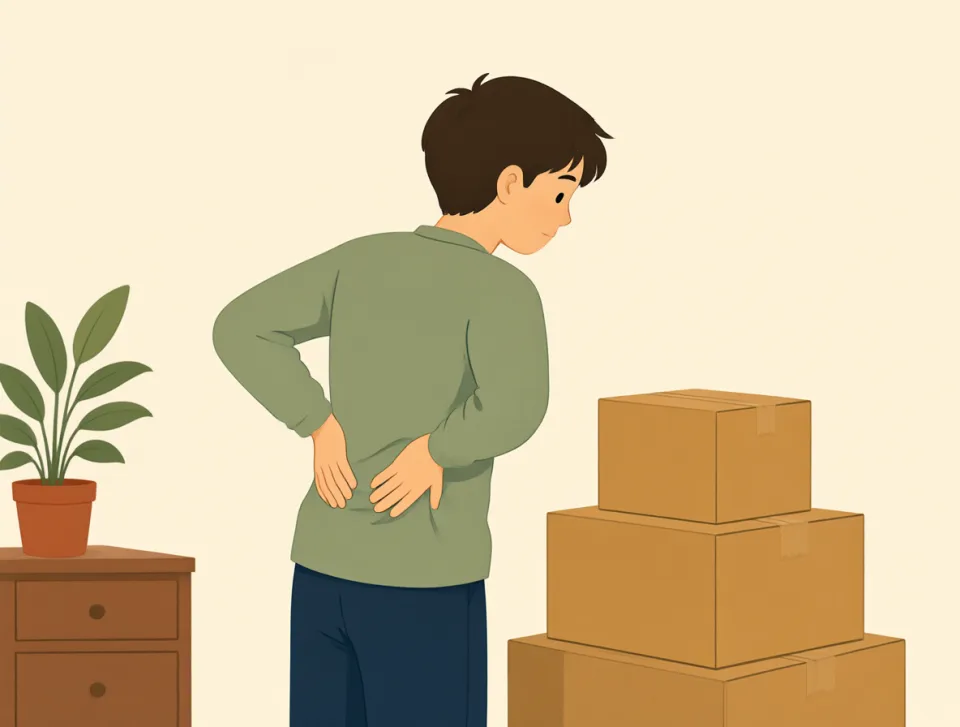
My back hurts after carrying the boxes.
搬完这些箱子后,我的背很疼。

Please put the book back on the shelf.
请把书放回书架上。

We walked back to the hotel after dinner.
晚饭后,我们走回了酒店。
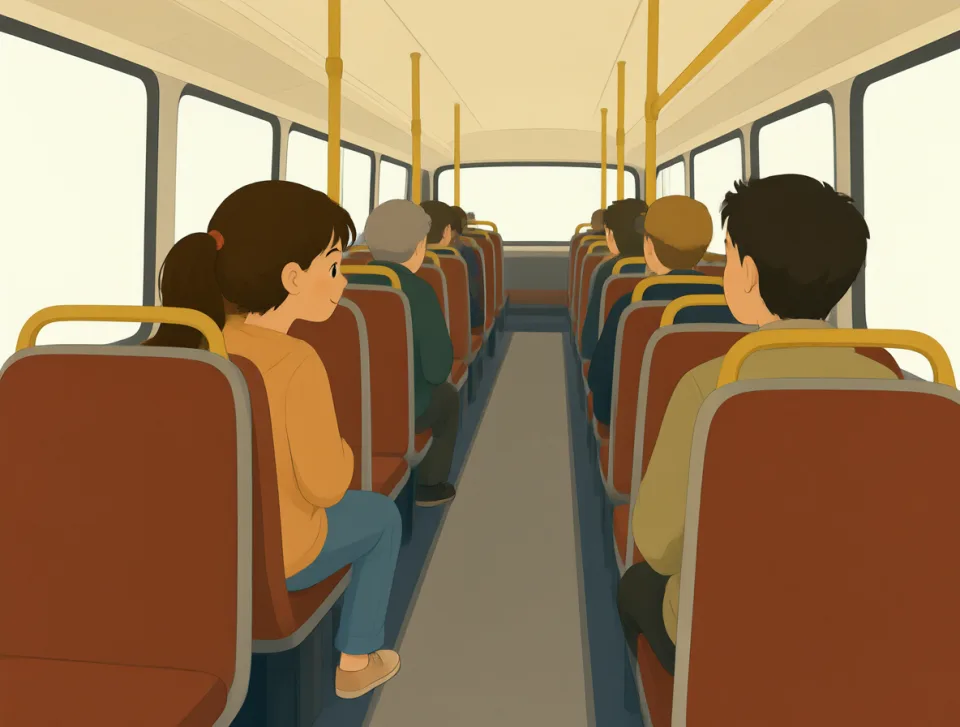
She sat in the back of the bus.
她坐在公交车的后排。

He backed the car into the garage.
他把车倒进了车库。

mean
#95verb, adjective, noun
意思;打算;对……刻薄;刻薄的
To mean is to have a particular meaning or intend to say something.
Mean 表示具有某种特定的含义,或打算表达某种意思。
What does this word mean?
这个词是什么意思?

I mean we should leave now.
我的意思是我们现在应该走了。

This gift means a lot to me.
这份礼物对我意义重大。
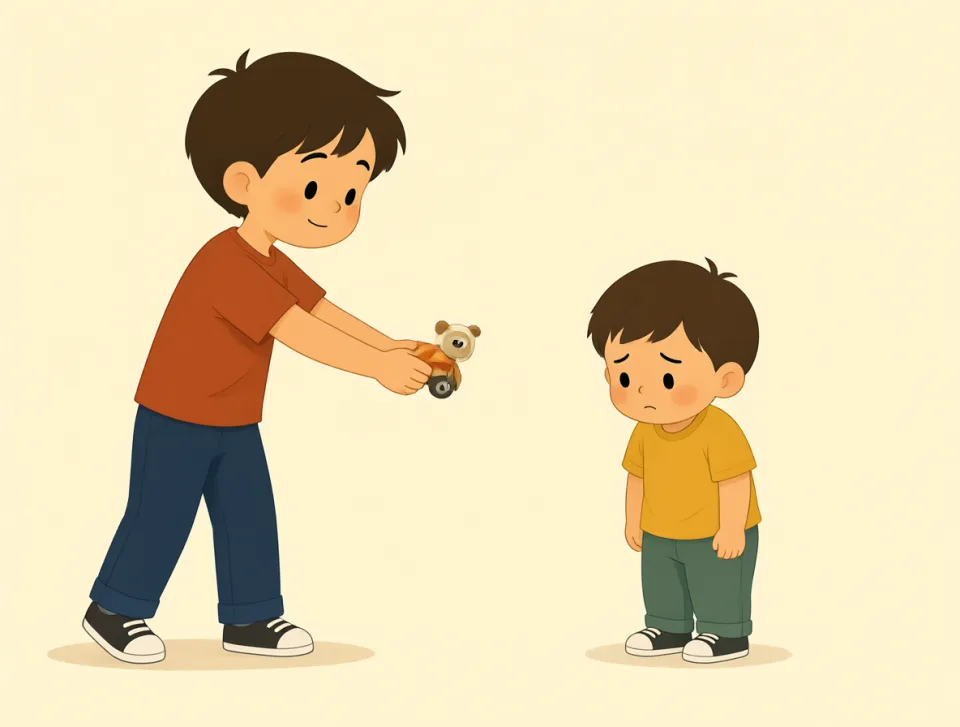
He was mean to his little brother.
他对弟弟很刻薄。

That was a mean joke.
那是个刻薄的玩笑。

even
#96adverb, adjective, verb
甚至;平坦的;均匀的;公平的
Used to show something surprising, equal, flat, or fair.
用于表示某事令人惊讶、相等、平坦或公平。
Even my brother likes this song.
甚至连我哥哥都喜欢这首歌。

She was tired, but she even finished the work.
她很累,但甚至还是把工作做完了。
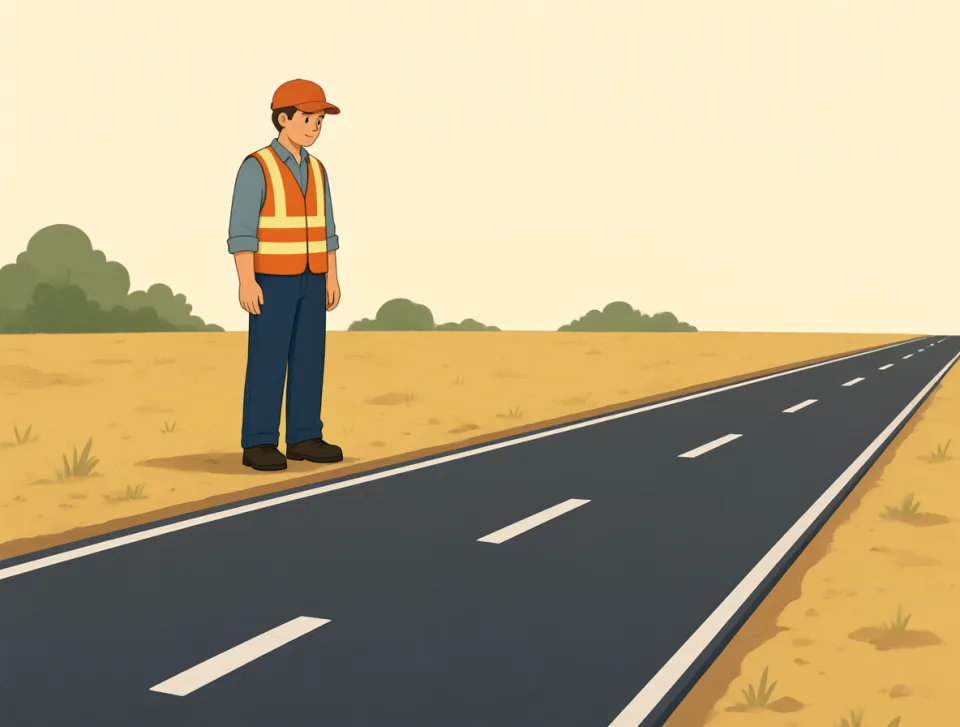
The road is even after the repairs.
修理后,这条路变平坦了。
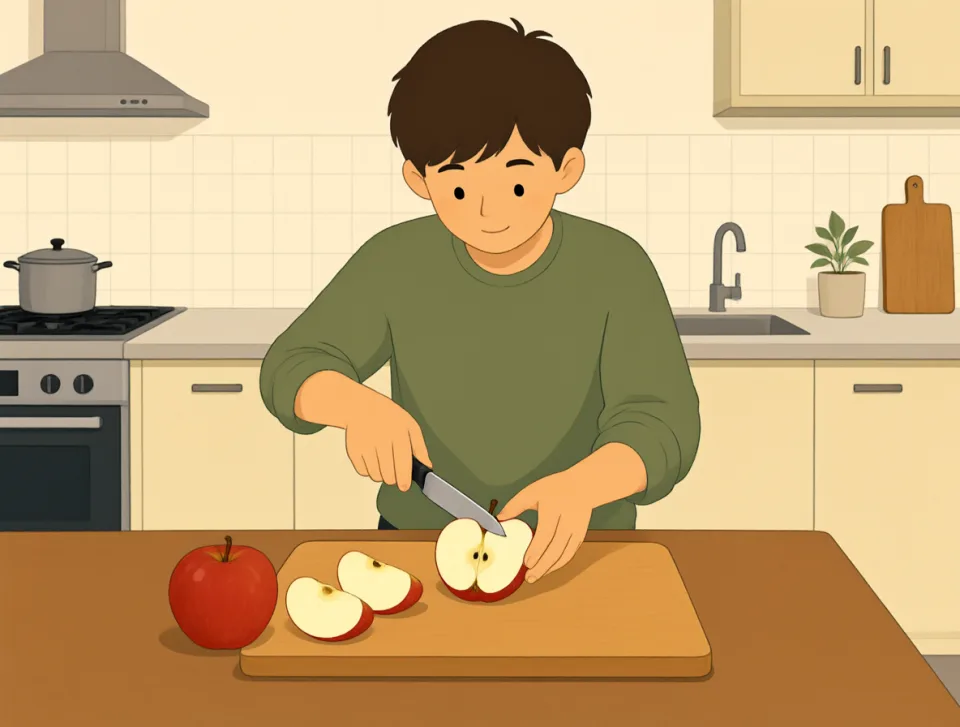
Cut the apple into even pieces.
把苹果切成大小均匀的几块。

We played on an even team.
我们和一支实力相当的队伍比赛。
may
#97modal verb, noun
可能; 可以; 五月
Used to say that something is possible or to ask for permission.
用于表示某事有可能发生,或请求许可。
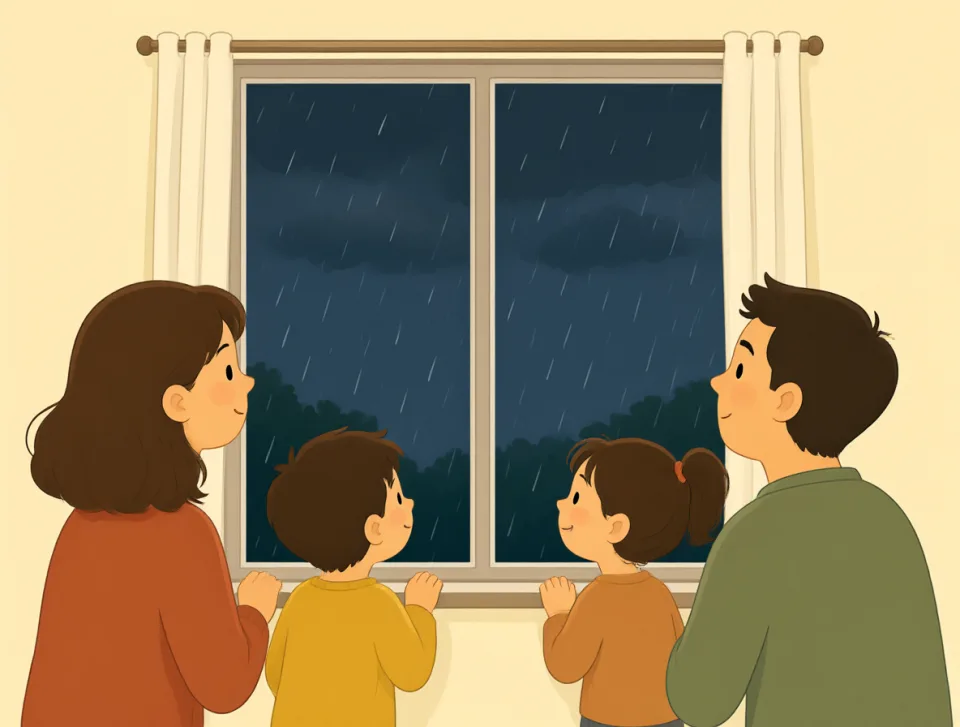
It may rain this afternoon.
今天下午可能会下雨。

May I use your phone?
我可以用一下你的手机吗?

You may leave work early today.
你今天可以早点下班。
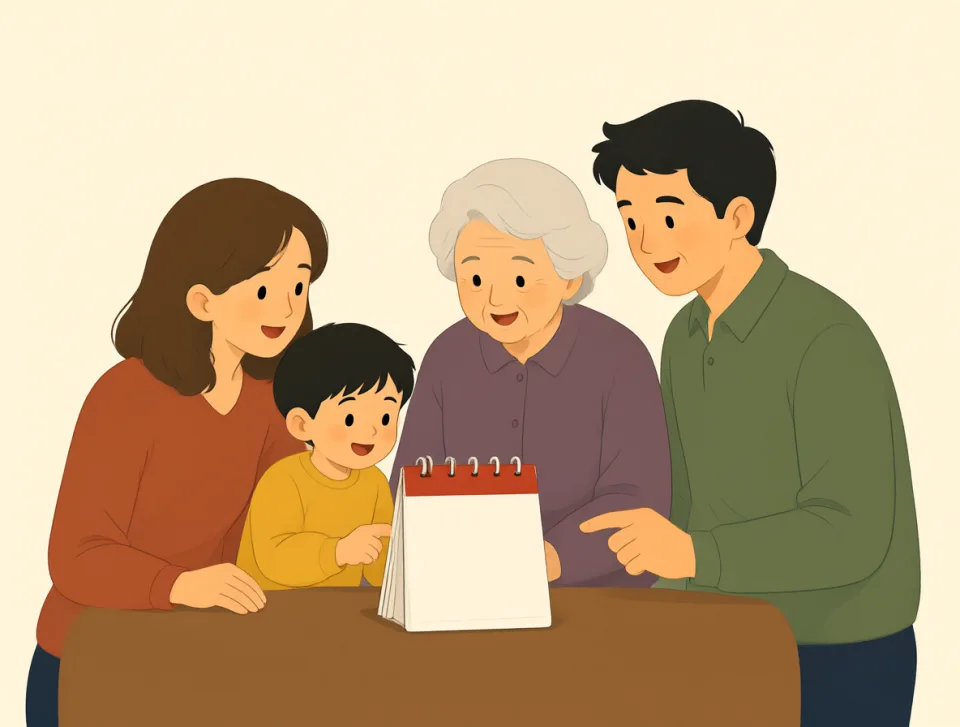
We may visit Grandma this weekend.
我们这个周末可能会去看望奶奶。
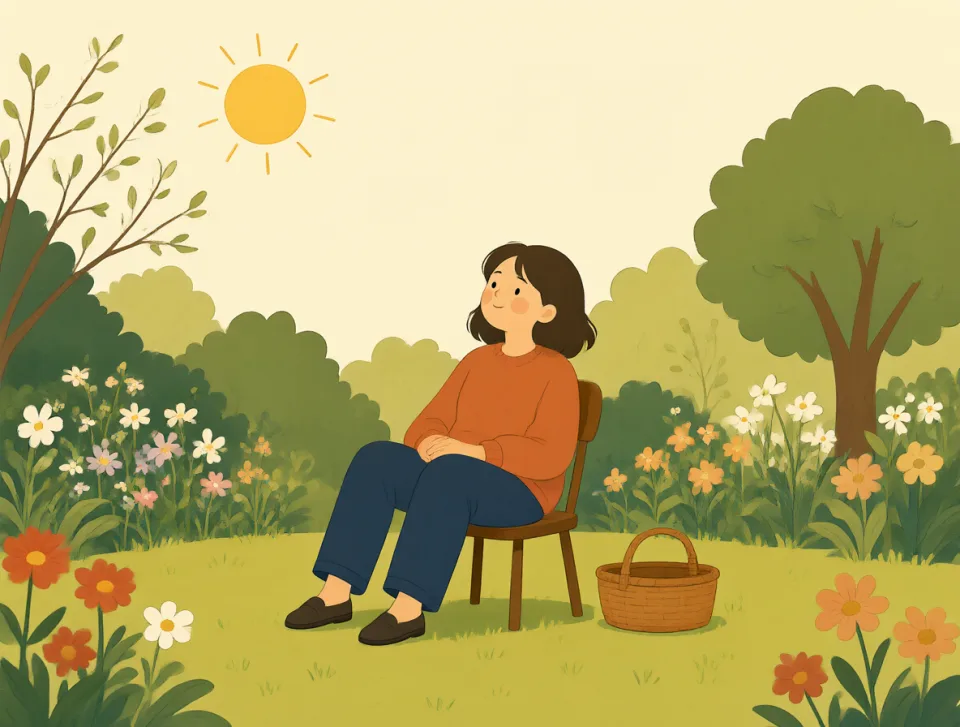
May is my favorite month.
五月是我最喜欢的月份。

here
#98adverb, pronoun, adjective, noun
这里;这儿
in, at, or to this place
在、位于或到这个地方

Please sit here beside me.
请坐在我旁边这里。
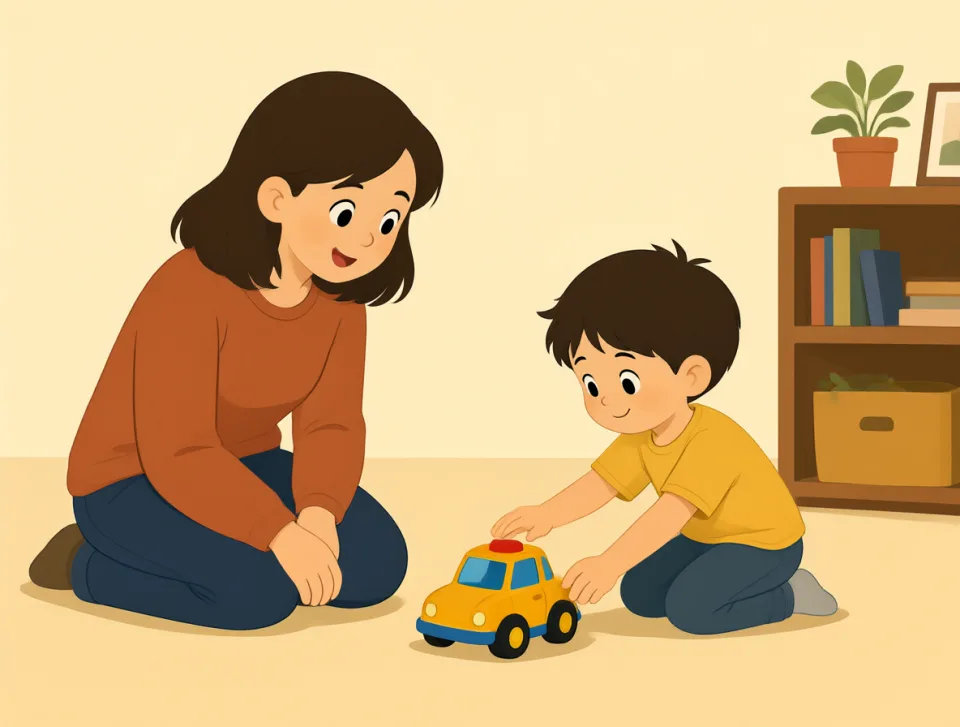
Come here and look at this.
到这儿来看看这个。

Is anyone here from our class?
有人是我们班的吗?
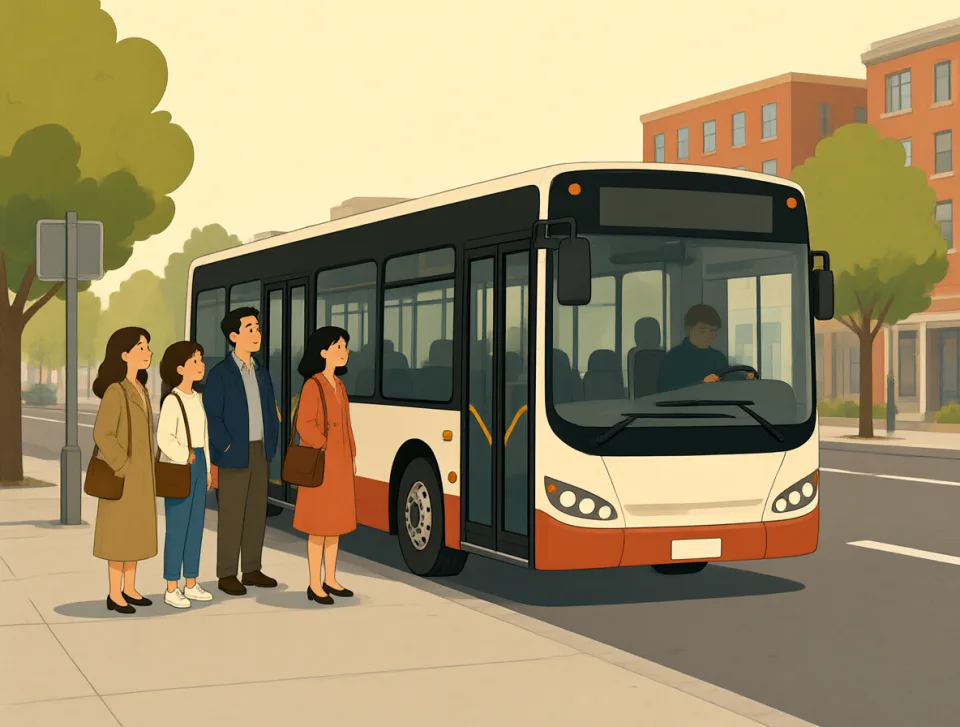
The bus stops here every morning.
公交车每天早上都在这里停。

Here is your coffee and sandwich.
这是你的咖啡和三明治。
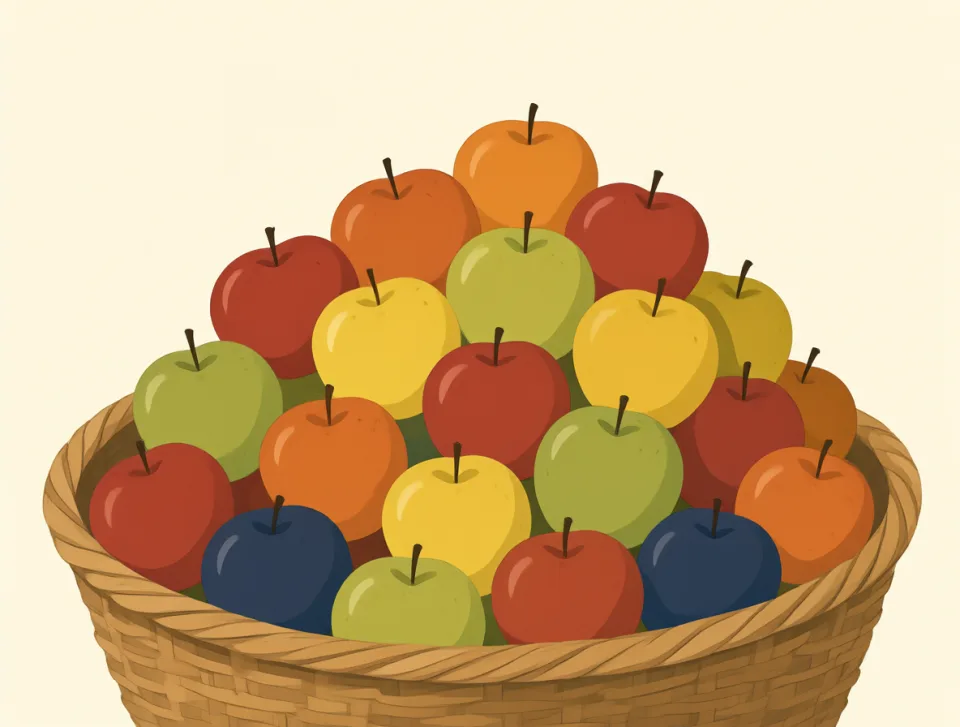
many
#99determiner, pronoun
许多;很多
A large number of people or things.
大量的人或事物。

Many people enjoy walking in the park.
许多人喜欢在公园里散步。
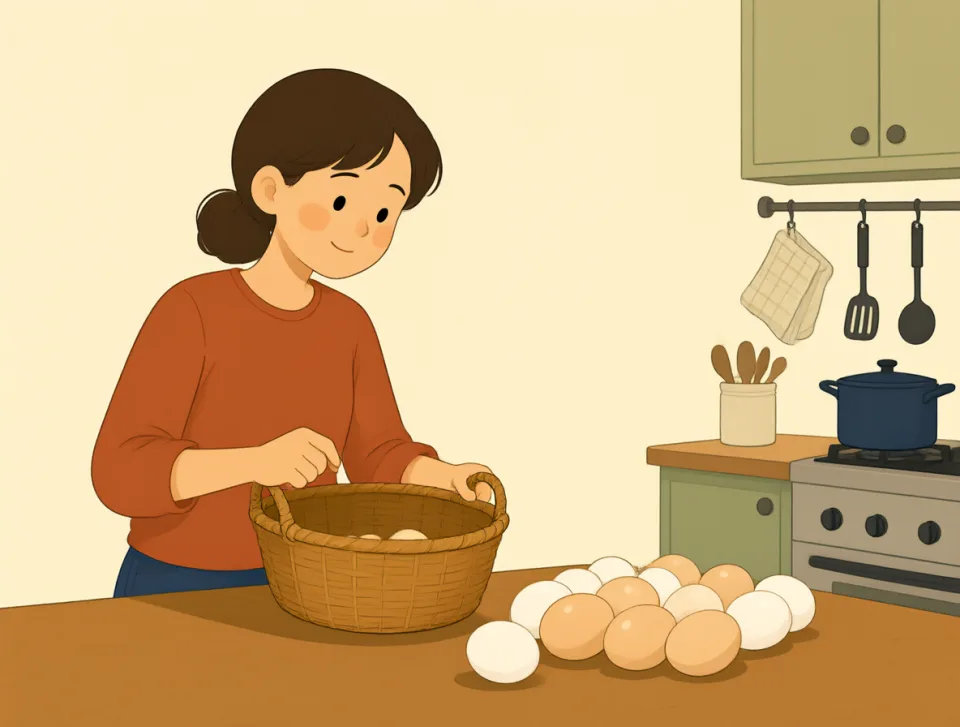
How many eggs do we need?
我们需要多少个鸡蛋?

I have many friends at school.
我在学校有很多朋友。
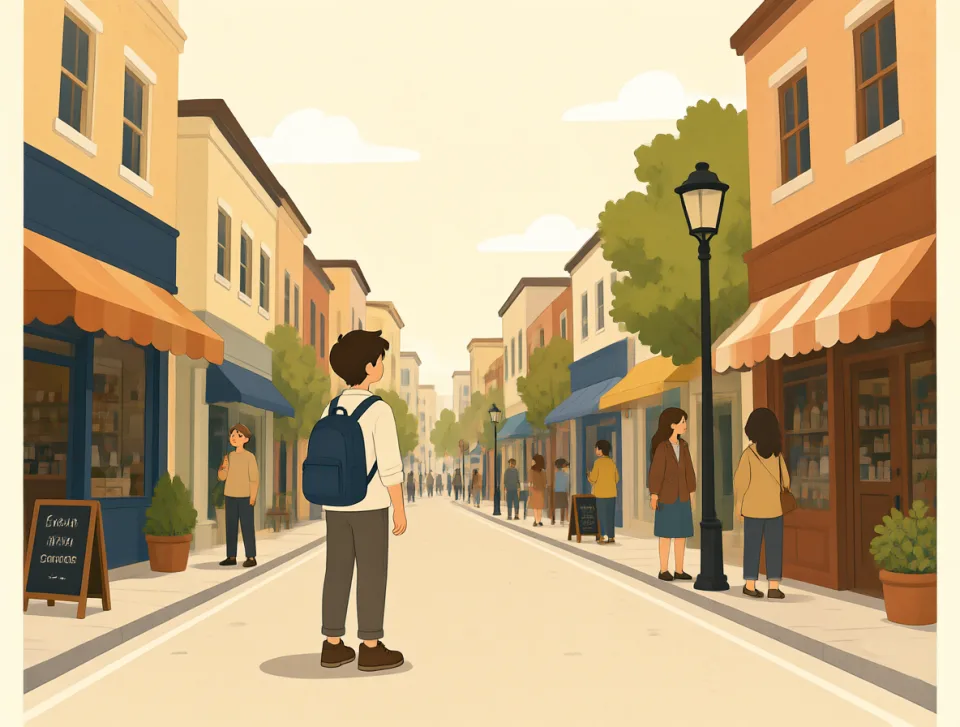
There are many shops near the hotel.
酒店附近有许多商店。

Many children like eating ice cream.
许多孩子喜欢吃冰淇淋。

such
#100determiner, pronoun, adverb
这样的;如此的
Used to show something is like or as great as what was just mentioned.
用来表示某事物与刚才提到的事物相似,或程度同样高。
I have never seen such a beautiful place.
我从来没见过这么美丽的地方。

She is such a good friend.
她真是个好朋友。

We had such a busy day at work.
我们在工作中度过了非常忙碌的一天。

Why are you in such a hurry?
你为什么这么着急?
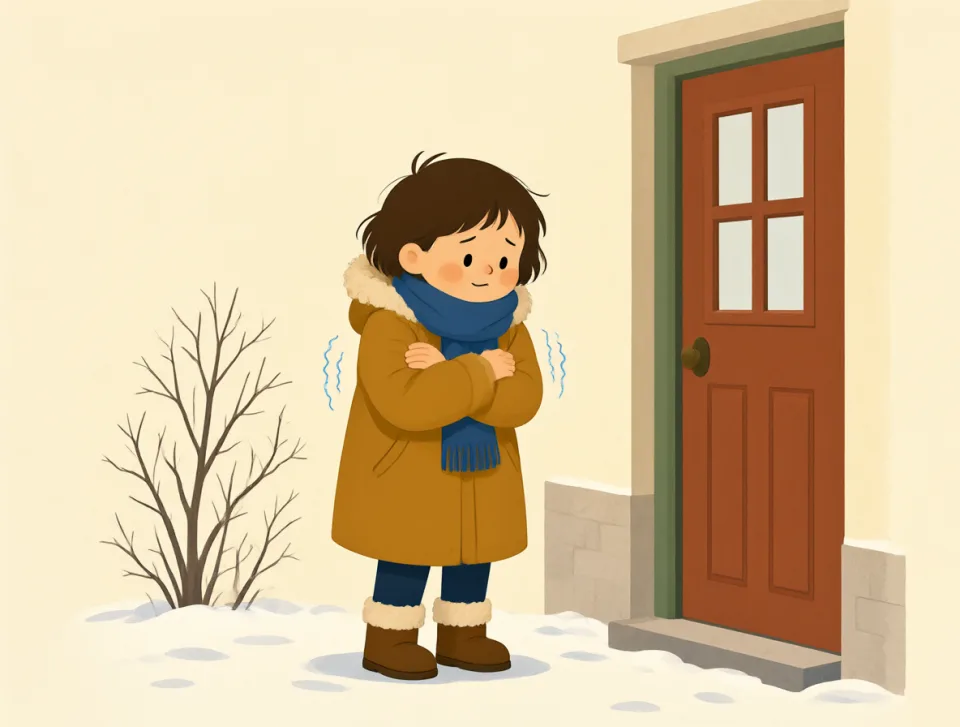
It was such a cold morning.
那是一个非常寒冷的早晨。