ইউনিট 5
শব্দ 81–100 · find, over, any, after, day, where

find
#81verb, noun
খুঁজে পাওয়া
to discover, get, or notice something, often after looking for it
কোনো কিছু খুঁজে বের করা, পেয়ে যাওয়া বা লক্ষ করা—প্রায়ই খোঁজাখুঁজির পর।
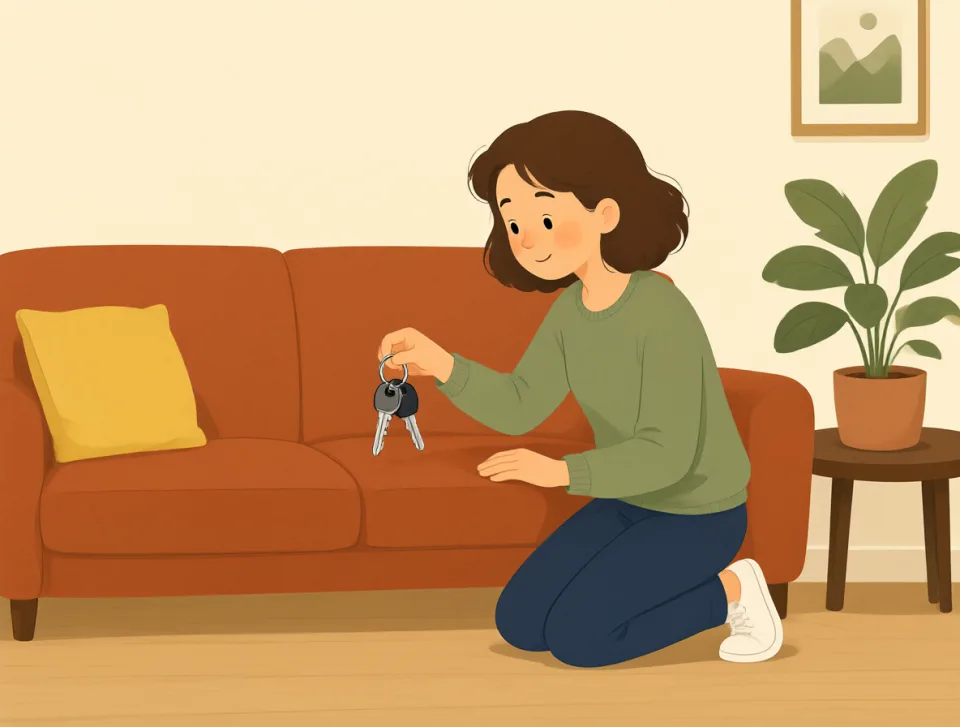
I can't find my keys anywhere.
আমি আমার চাবিগুলো কোথাও খুঁজে পাচ্ছি না।

We found a nice hotel near the beach.
আমরা সমুদ্রসৈকতের কাছে একটি সুন্দর হোটেল পেয়েছিলাম।

She found a job at a local shop.
সে স্থানীয় একটি দোকানে চাকরি পেয়েছিল।
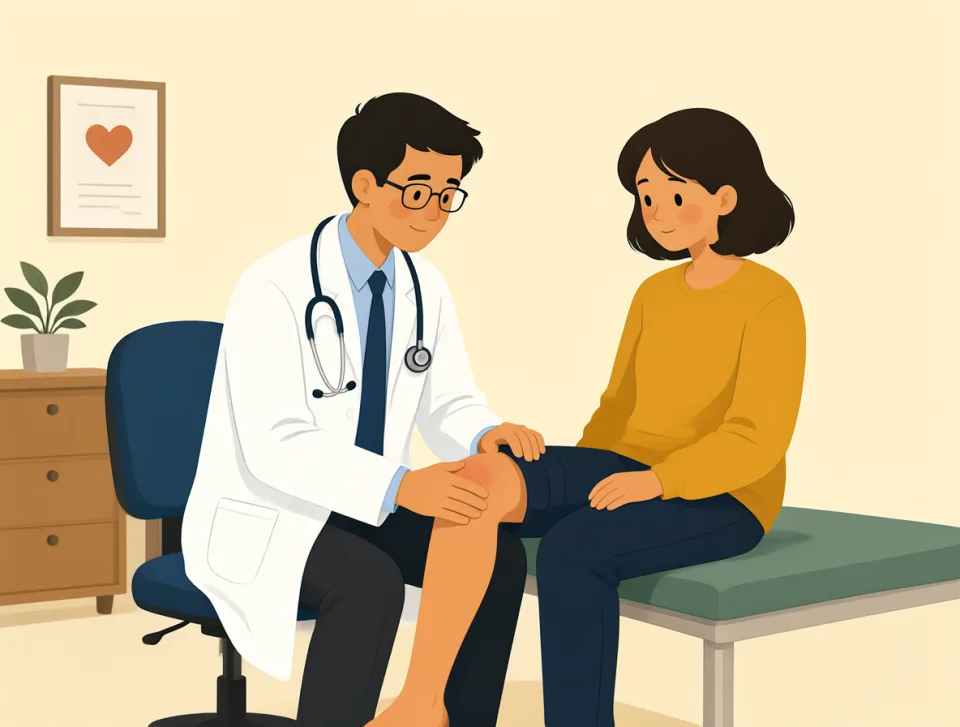
The doctor found a problem with my knee.
ডাক্তার আমার হাঁটুতে একটি সমস্যা পেয়েছেন।
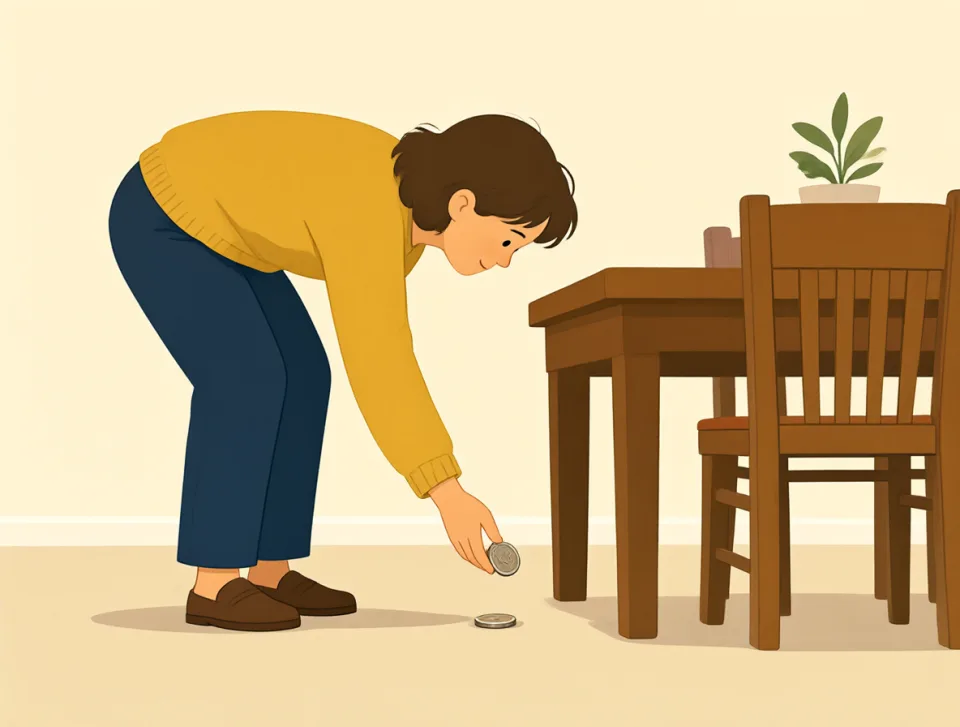
I found a coin under the table.
আমি টেবিলের নিচে একটি কয়েন পেয়েছিলাম।

over
#82adverb, preposition, adjective, noun
ওপর দিয়ে; শেষ; বেশি
above or across something; finished; more than; during a period of time
কোনো কিছুর ওপরে বা এপার-ওপার; শেষ; নির্দিষ্ট পরিমাণের বেশি; কোনো সময়কালে।

The plane flew over the city.
বিমানটি শহরের ওপর দিয়ে উড়ে গেল।

She put a blanket over the baby.
সে শিশুটির গায়ে একটি কম্বল জড়িয়ে দিল।
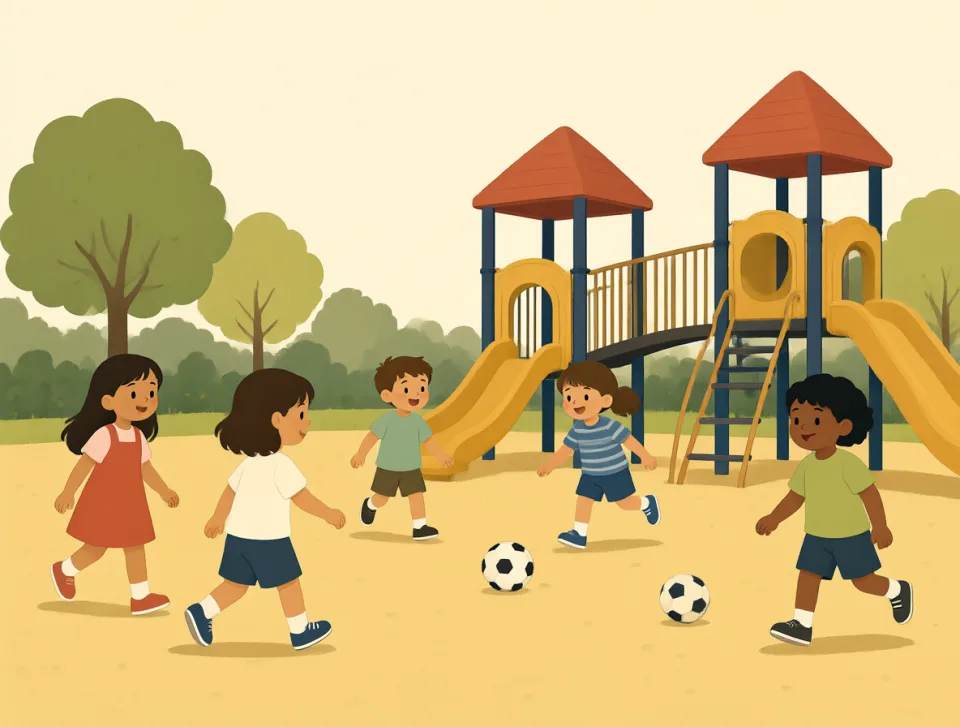
The game is over now.
খেলাটা এখন শেষ।

We talked over lunch.
আমরা দুপুরের খাবারের সময় কথা বলেছিলাম।
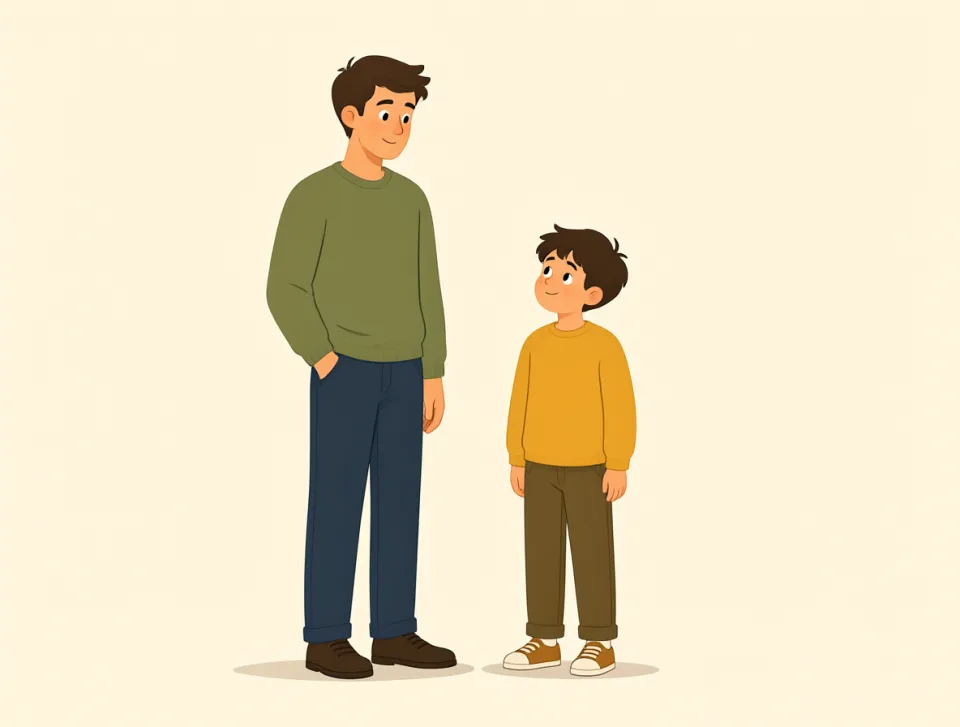
He is over six feet tall.
তার উচ্চতা ছয় ফুটের বেশি।

any
#83determiner, pronoun, adverb
কোনো; যেকোনো
One, some, or even one of a group, usually in questions or negative sentences.
একটি, কয়েকটি বা কোনো গোষ্ঠীর যেকোনো একটি; সাধারণত প্রশ্ন বা নেতিবাচক বাক্যে ব্যবহৃত হয়।
Do you have any questions?
আপনার কি কোনো প্রশ্ন আছে?

I do not have any money.
আমার কাছে কোনো টাকা নেই।

You can choose any color.
তুমি যেকোনো রং বেছে নিতে পারো।

We did not see any birds.
আমরা কোনো পাখি দেখিনি।

I hardly slept any last night.
গত রাতে আমি প্রায় একেবারেই ঘুমাইনি।

after
#84adverb, preposition, conjunction
পরে
Later than a time or event; following someone or something.
কোনো সময় বা ঘটনার পরে; কারও বা কোনো কিছুর পরবর্তী।
We went home after dinner.
রাতের খাবারের পর আমরা বাড়ি গিয়েছিলাম।

Call me after work.
কাজের পরে আমাকে ফোন কোরো।

Wash your hands after using the bathroom.
বাথরুম ব্যবহারের পর হাত ধুয়ে নাও।

She felt better after taking medicine.
ওষুধ খাওয়ার পর তার ভালো লাগছিল।

After it rained, the streets were wet.
বৃষ্টি হওয়ার পর রাস্তাগুলো ভিজে গিয়েছিল।

day
#85noun, adjective
দিন
A period of twenty-four hours, from midnight to midnight.
মধ্যরাত থেকে পরের মধ্যরাত পর্যন্ত চব্বিশ ঘণ্টার সময়কাল।

I go to work every day.
আমি প্রতিদিন কাজে যাই।

We had a great day at the beach.
সমুদ্রসৈকতে আমাদের দিনটা দারুণ কেটেছিল।

She stayed home all day.
সে সারাদিন বাড়িতে ছিল।

The store is closed on Sundays.
রবিবার দোকান বন্ধ থাকে।
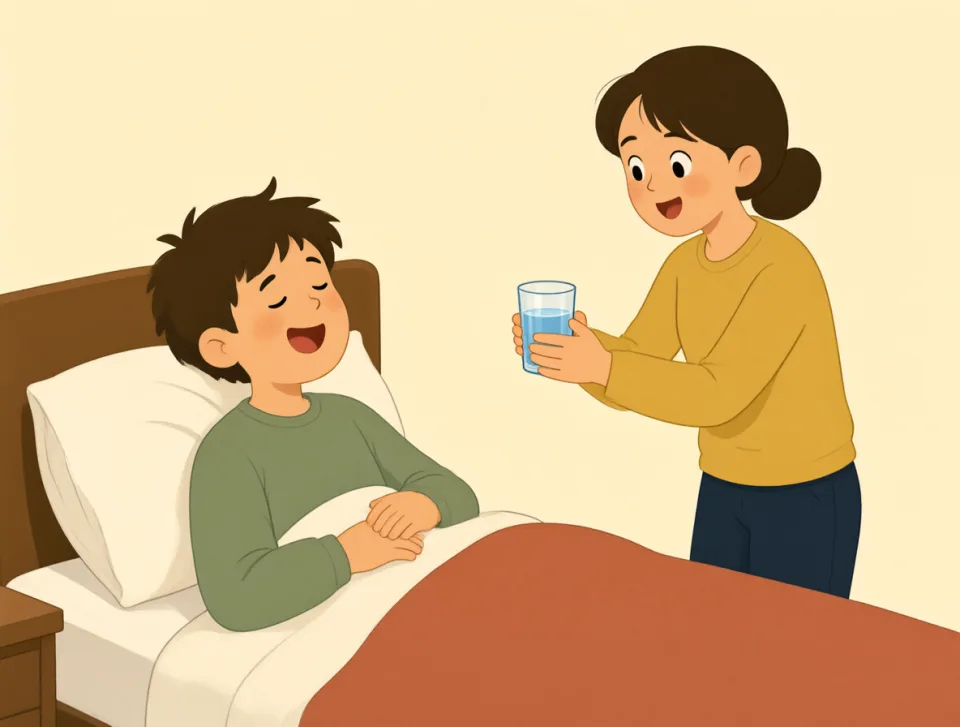
I felt better after a few days.
কয়েক দিন পর আমার ভালো লাগছিল।

where
#86adverb, conjunction, pronoun
কোথায়
Used to ask about or describe the place or situation something is in.
কোনো কিছু কোন স্থান বা পরিস্থিতিতে আছে, তা জানতে বা বর্ণনা করতে ব্যবহৃত হয়।
Where do you live?
তুমি কোথায় থাকো?

This is where we met last year.
গত বছর আমরা যেখানে দেখা করেছিলাম, এটি সেই জায়গা।

Do you know where my keys are?
তুমি কি জানো, আমার চাবিগুলো কোথায়?
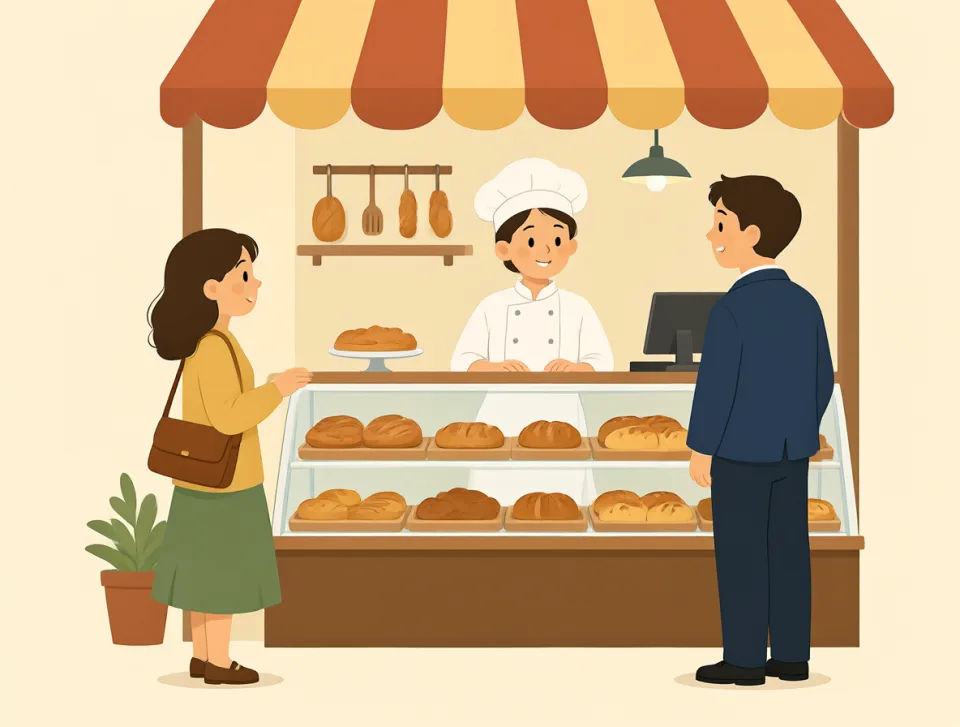
Tell me where to buy fresh bread.
তাজা রুটি কোথায় কিনতে পারি, আমাকে বলো।
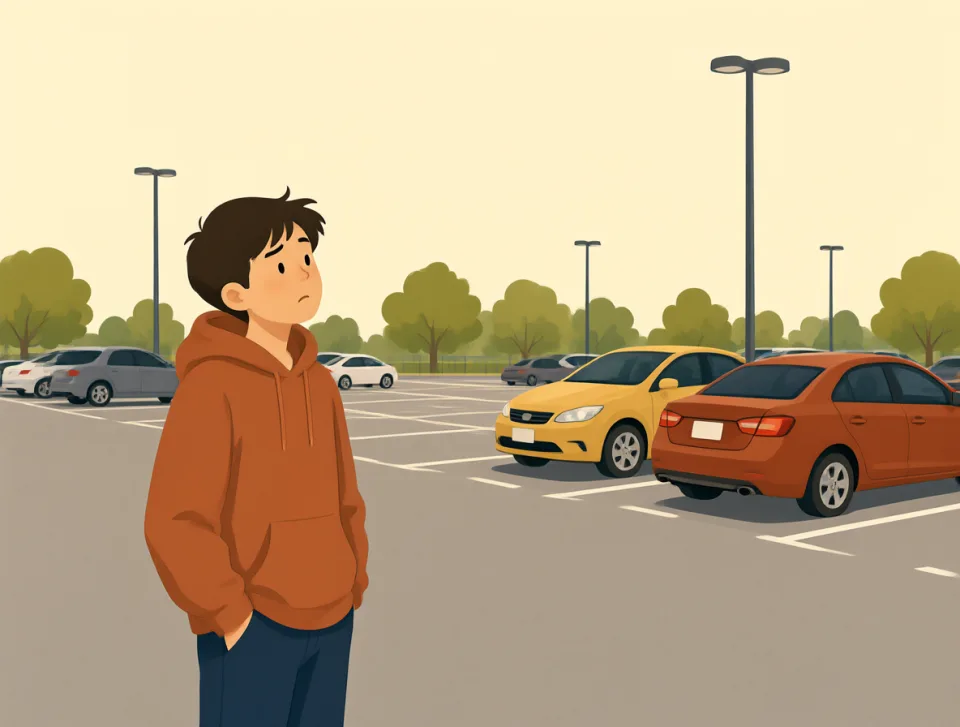
I forgot where I parked the car.
গাড়িটা কোথায় পার্ক করেছিলাম, তা ভুলে গেছি।

thing
#87noun
জিনিস
An object, idea, or event that you do not name or describe exactly.
এমন কোনো বস্তু, ধারণা বা ঘটনা, যার নাম বা বর্ণনা নির্দিষ্টভাবে দেওয়া হয় না।

Put your things away before dinner.
রাতের খাবারের আগে তোমার জিনিসপত্র গুছিয়ে রাখো।

The best thing is to ask for help.
সাহায্য চাওয়াই সবচেয়ে ভালো কাজ।
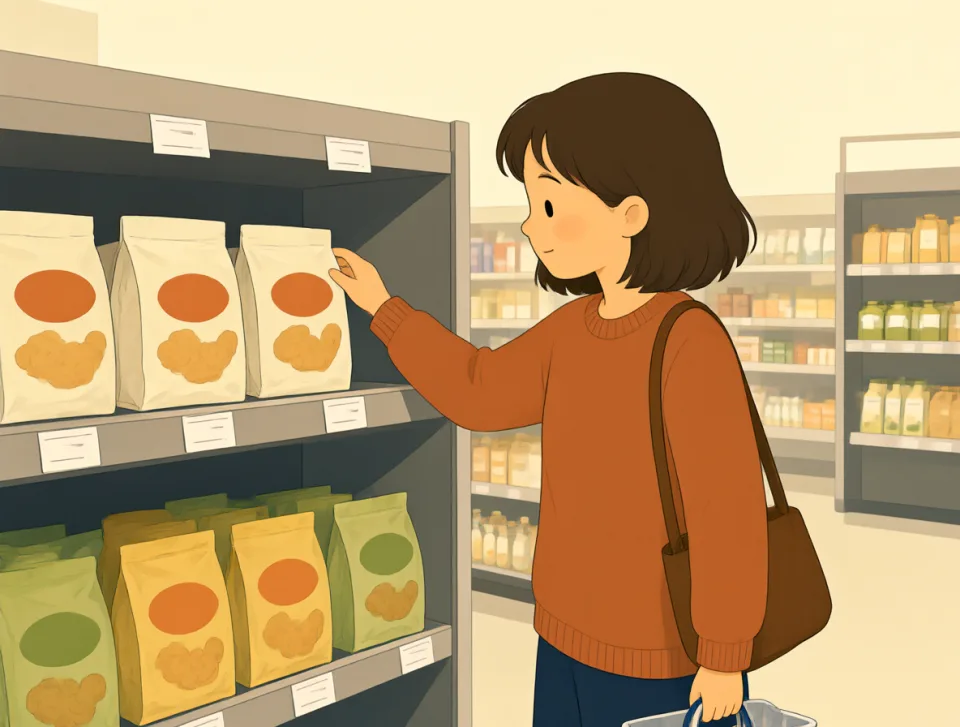
I need a few things from the store.
দোকান থেকে আমার কয়েকটা জিনিস দরকার।

One strange thing happened on the train.
ট্রেনে একটি অদ্ভুত ঘটনা ঘটেছিল।

The doctor checked the painful thing on my arm.
ডাক্তার আমার বাহুতে ব্যথা করা জায়গাটা পরীক্ষা করলেন।

most
#88determiner, pronoun, adverb, adjective
অধিকাংশ; সবচেয়ে বেশি
More than half of a group or amount; the greatest number or amount.
কোনো দল বা পরিমাণের অর্ধেকের বেশি; সর্বাধিক সংখ্যা বা পরিমাণ।
Most people drink coffee in the morning.
বেশিরভাগ মানুষ সকালে কফি পান করে।

Most of the cake is gone.
কেকের বেশিরভাগটাই শেষ হয়ে গেছে।

She works most days of the week.
সপ্তাহের বেশিরভাগ দিনই সে কাজ করে।

Which color do you like most?
কোন রং তোমার সবচেয়ে বেশি পছন্দ?
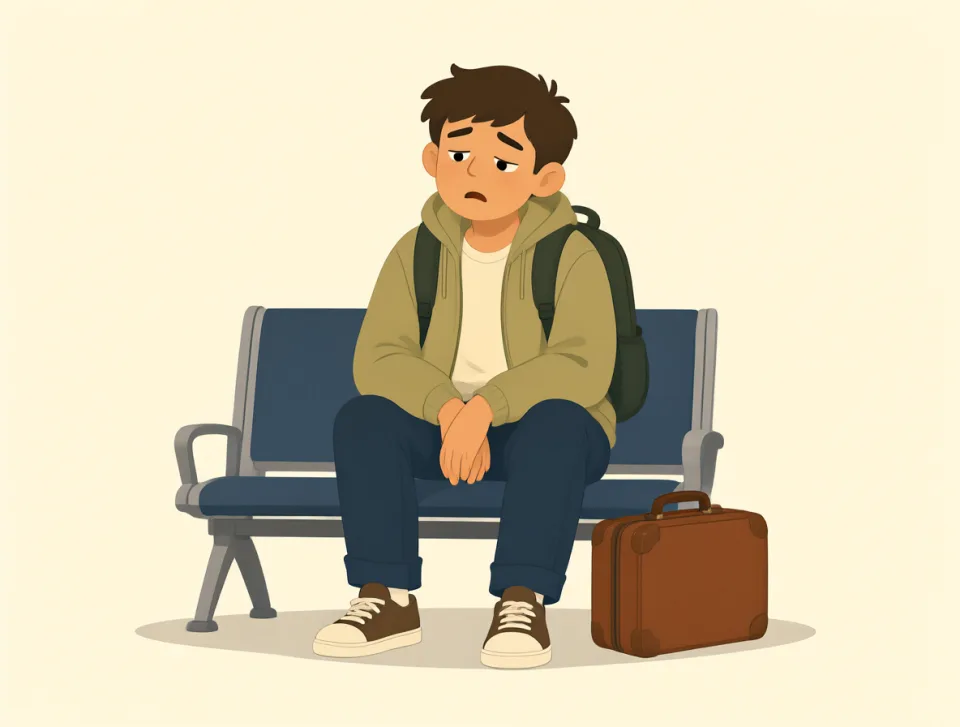
I was most tired after the long flight.
দীর্ঘ ফ্লাইটের পর আমি সবচেয়ে বেশি ক্লান্ত ছিলাম।

should
#89modal verb
উচিত
Used to say what is best, expected, or likely to happen.
কোনো কাজ সবচেয়ে ভালো, প্রত্যাশিত বা ঘটার সম্ভাবনা বেশি—এমন কথা বলতে ব্যবহৃত হয়।
You should drink more water every day.
তোমার প্রতিদিন আরও বেশি পানি পান করা উচিত।
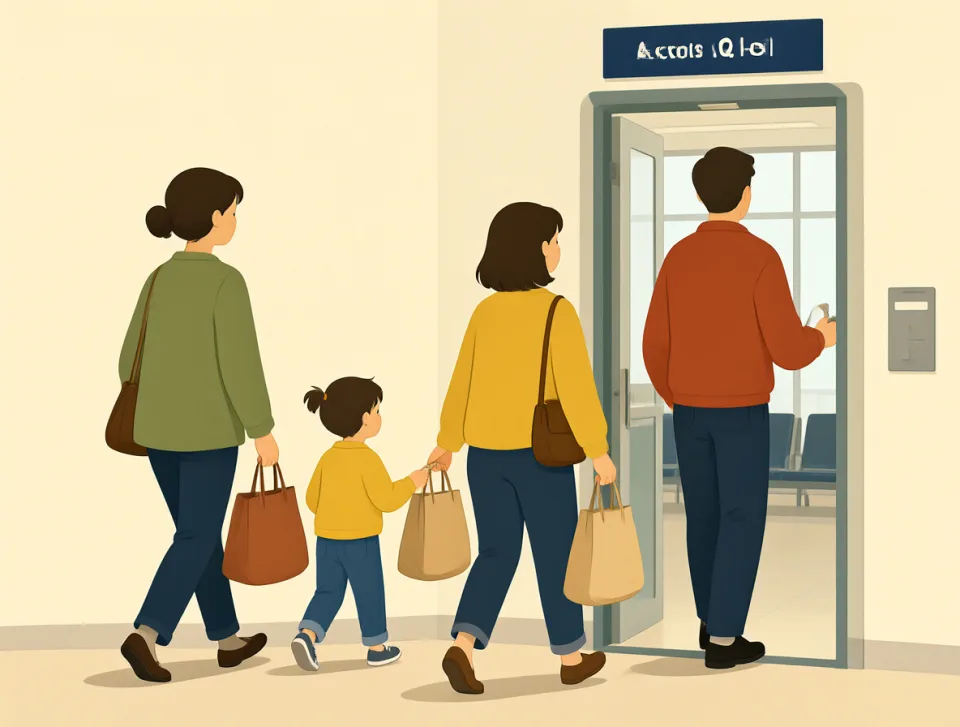
We should leave now for the airport.
বিমানবন্দরের উদ্দেশে আমাদের এখনই রওনা হওয়া উচিত।

Should I call the doctor today?
আজ কি আমার ডাক্তারকে ফোন করা উচিত?

You should try the vegetable soup.
তোমার সবজির স্যুপটা খেয়ে দেখা উচিত।

The package should arrive tomorrow.
প্যাকেটটি আগামীকাল এসে পৌঁছানোর কথা।

need
#90verb, noun
প্রয়োজন হওয়া; দরকার হওয়া
To require something or feel that something is necessary.
কোনো কিছু আবশ্যক হওয়া বা কোনো কিছুর প্রয়োজন বোধ করা।

I need some water, please.
আমার একটু পানি দরকার, দয়া করে।

We need to leave early tomorrow.
আগামীকাল আমাদের ভোরে বের হতে হবে।

She needs help with her homework.
তার বাড়ির কাজের জন্য সাহায্য দরকার।

Do you need anything from the shop?
দোকান থেকে তোমার কি কিছু দরকার?

The baby needs a warm blanket.
শিশুটির একটি উষ্ণ কম্বল দরকার।

much
#91adverb, determiner, pronoun
অনেক
A large amount or a lot; used mostly in questions and negative sentences.
বড় পরিমাণ বা অনেকটা বোঝায়; সাধারণত প্রশ্নবোধক ও নেতিবাচক বাক্যে ব্যবহৃত হয়।
I don't have much time today.
আজ আমার হাতে বেশি সময় নেই।

How much water do you drink?
তুমি কতটা পানি পান করো?
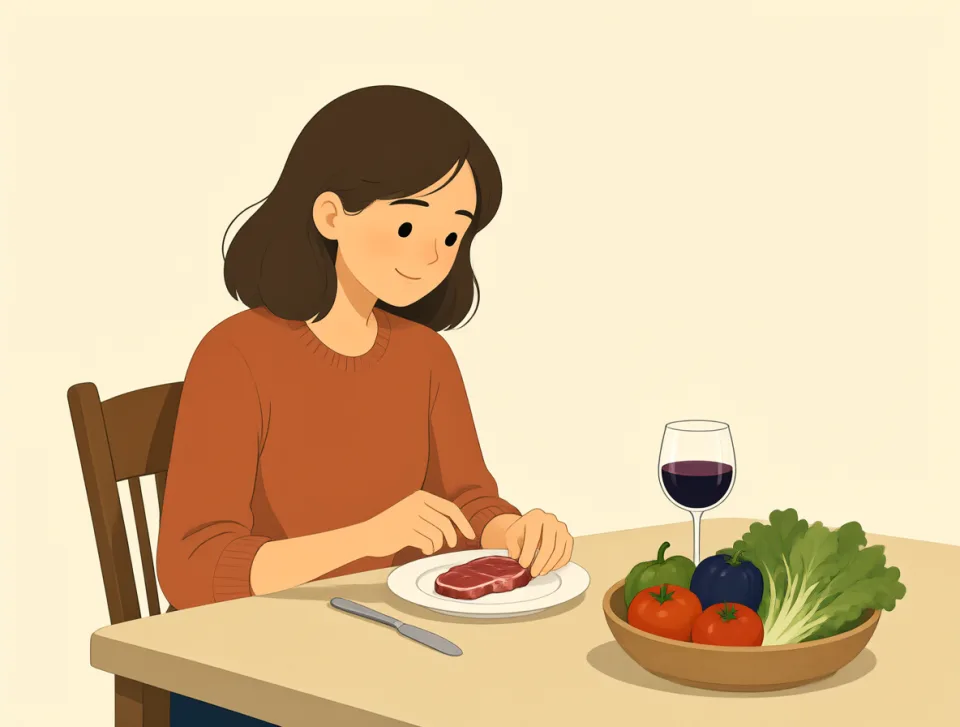
She doesn't eat much meat.
সে বেশি মাংস খায় না।

Thank you very much for your help.
তোমার সাহায্যের জন্য অনেক ধন্যবাদ।

We learned much from our teacher.
আমরা আমাদের শিক্ষকের কাছ থেকে অনেক কিছু শিখেছি।

right
#92adjective, adverb, noun
সঠিক; ডান
Correct, or on the side opposite your left hand.
সঠিক, অথবা আপনার বাঁ হাতের বিপরীত দিক।

Your answer is right.
তোমার উত্তরটি সঠিক।

Please turn right at the next street.
পরের রাস্তায় দয়া করে ডান দিকে মোড় নিন।

I need to leave right now.
আমাকে এখনই চলে যেতে হবে।

The bank is on the right.
ব্যাংকটি ডান দিকে।

You have the right to ask questions.
প্রশ্ন করার অধিকার তোমার আছে।

how
#93adverb, conjunction, pronoun
কীভাবে
Used to ask or explain the way something happens or is done.
কোনো কিছু কীভাবে ঘটে বা করা হয়, তা জানতে বা বোঝাতে ব্যবহৃত হয়।
How are you feeling today?
আজ তোমার কেমন লাগছে?

Can you show me how to open it?
এটা কীভাবে খুলতে হয়, আমাকে দেখাতে পারবে?
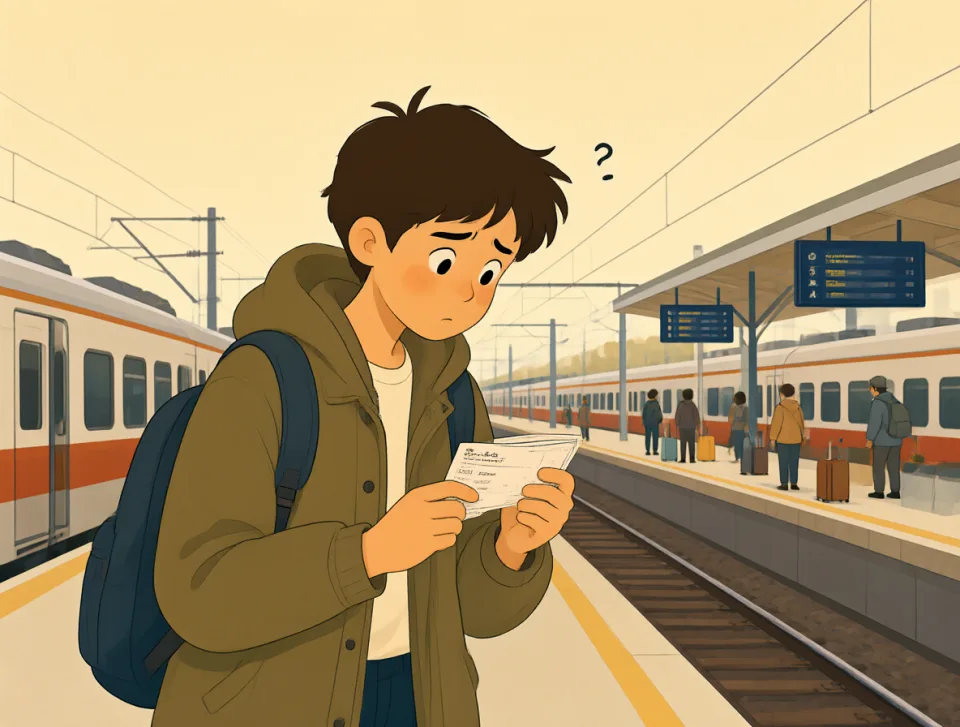
I forgot how much the tickets cost.
টিকিটের দাম কত ছিল, তা আমার মনে নেই।

She knows how to make good soup.
সে ভালো স্যুপ বানাতে জানে।

How did you get home so late?
তুমি এত রাতে কীভাবে বাড়ি ফিরলে?

back
#94noun, verb, adjective, adverb, preposition
পিঠ; ফিরে
The part of your body opposite your chest, or toward the place you came from.
শরীরের বুকের বিপরীত দিকের অংশ, অথবা যেদিক থেকে এসেছেন সেদিকে ফিরে যাওয়া।
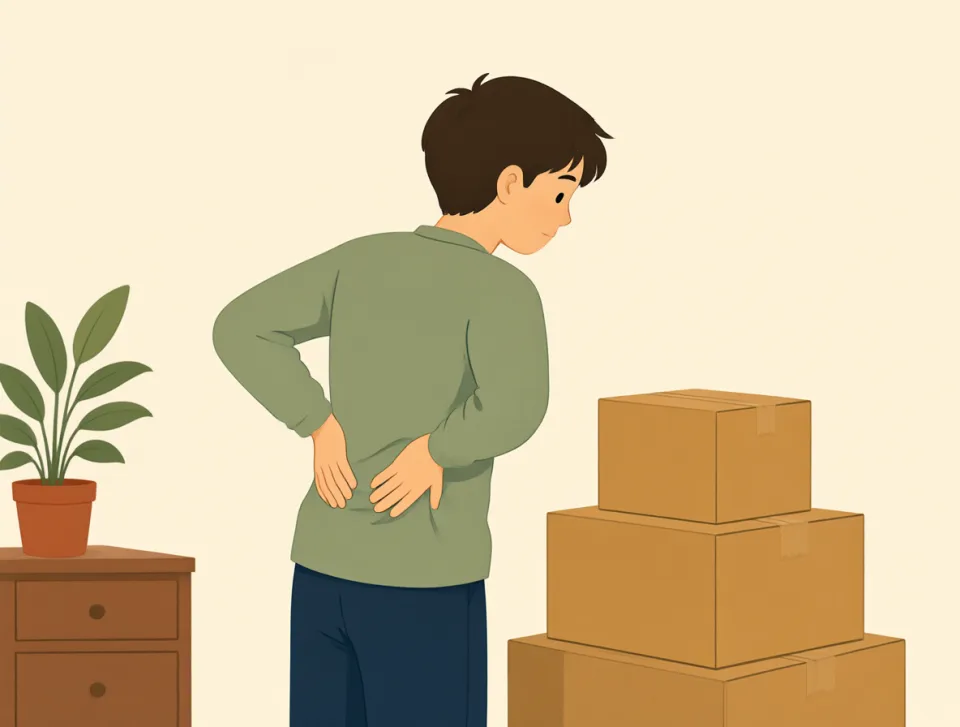
My back hurts after carrying the boxes.
বাক্সগুলো বহন করার পর আমার পিঠে ব্যথা করছে।

Please put the book back on the shelf.
বইটা দয়া করে আবার তাকের ওপর রাখুন।

We walked back to the hotel after dinner.
রাতের খাবারের পর আমরা হেঁটে হেঁটে হোটেলে ফিরে গেলাম।
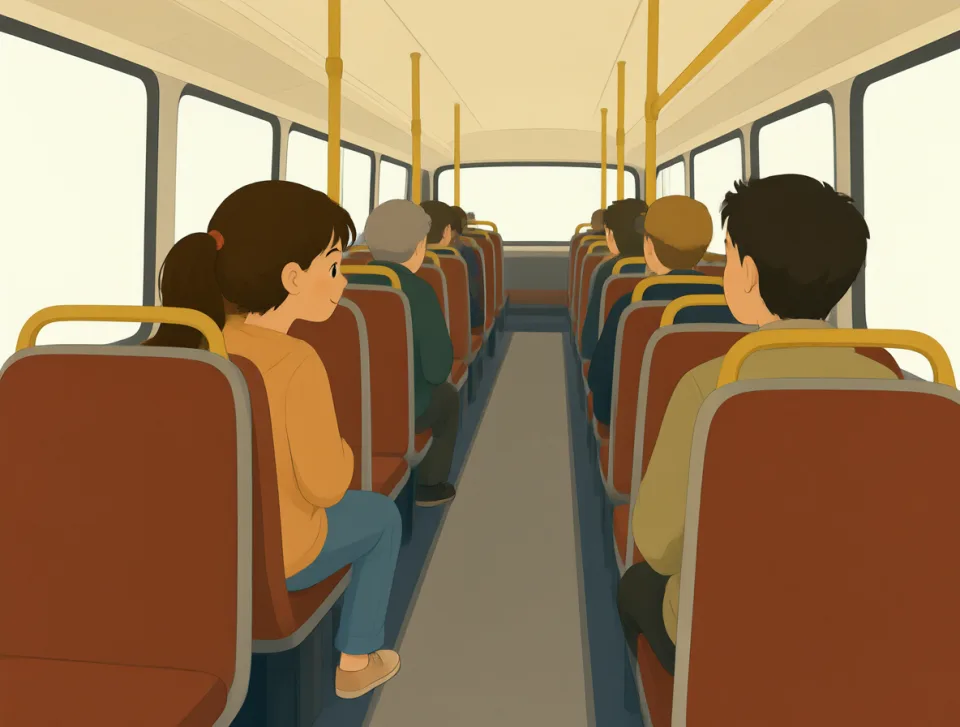
She sat in the back of the bus.
সে বাসের পেছনের দিকে বসেছিল।

He backed the car into the garage.
সে গাড়িটি পিছিয়ে গ্যারেজে ঢোকাল।

mean
#95verb, adjective, noun
মানে হওয়া; বোঝানো
To mean is to have a particular meaning or intend to say something.
কোনো নির্দিষ্ট অর্থ থাকা বা কিছু বলতে চাওয়া বোঝায়।
What does this word mean?
এই শব্দটার মানে কী?

I mean we should leave now.
আমি বলতে চাইছি, আমাদের এখনই চলে যাওয়া উচিত।

This gift means a lot to me.
এই উপহারটি আমার কাছে খুব মূল্যবান।
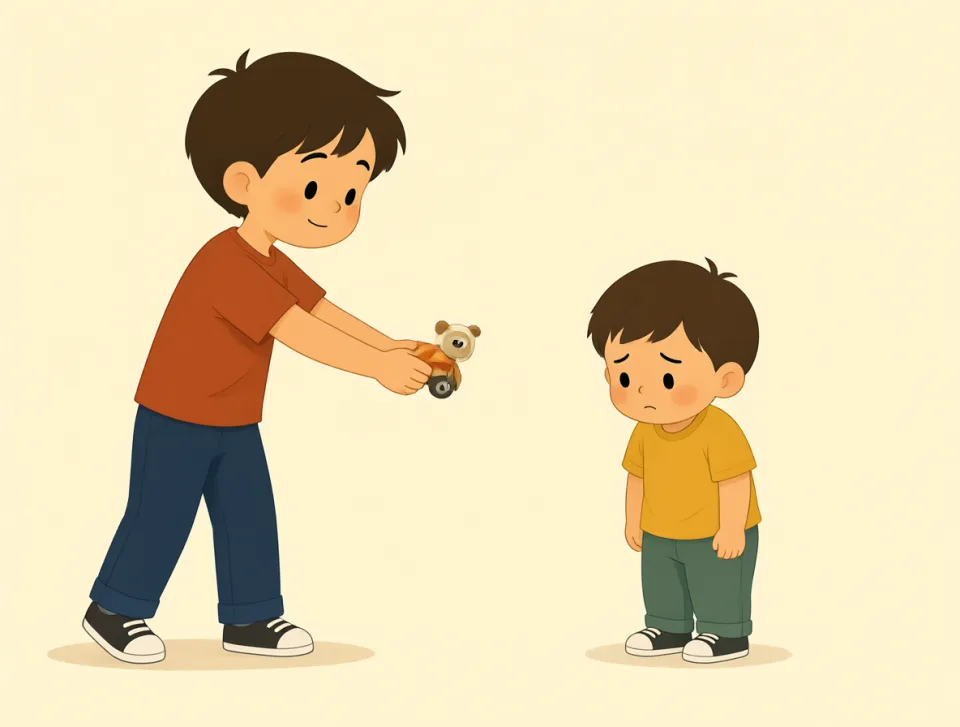
He was mean to his little brother.
সে তার ছোট ভাইয়ের সঙ্গে খারাপ ব্যবহার করেছিল।

That was a mean joke.
ওটা ছিল একটা নিষ্ঠুর রসিকতা।

even
#96adverb, adjective, verb
এমনকি
Used to show something surprising, equal, flat, or fair.
কোনো কিছু আশ্চর্যজনক, সমান, সমতল বা ন্যায্য—এমনটা বোঝাতে ব্যবহৃত হয়।
Even my brother likes this song.
এমনকি আমার ভাইও এই গানটা পছন্দ করে।

She was tired, but she even finished the work.
সে ক্লান্ত ছিল, তবু কাজটা শেষও করেছিল।

The road is even after the repairs.
মেরামতের পর রাস্তাটা সমান হয়েছে।
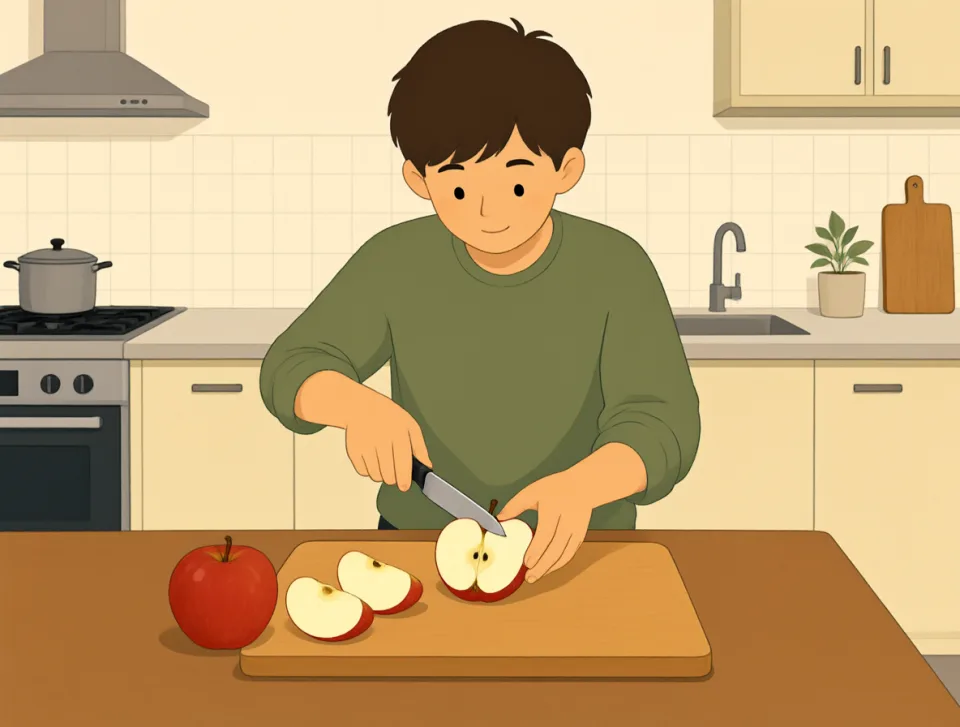
Cut the apple into even pieces.
আপেলটা সমান আকারের টুকরো করে কাটো।

We played on an even team.
আমরা সমান শক্তির একটা দলে খেলেছিলাম।

may
#97modal verb, noun
হতে পারে; পারা
Used to say that something is possible or to ask for permission.
কোনো কিছু সম্ভব—এ কথা বলতে বা অনুমতি চাইতে ব্যবহৃত হয়।
It may rain this afternoon.
আজ বিকেলে বৃষ্টি হতে পারে।

May I use your phone?
আমি কি তোমার ফোনটা ব্যবহার করতে পারি?

You may leave work early today.
আজ তুমি কাজ থেকে তাড়াতাড়ি চলে যেতে পারো।
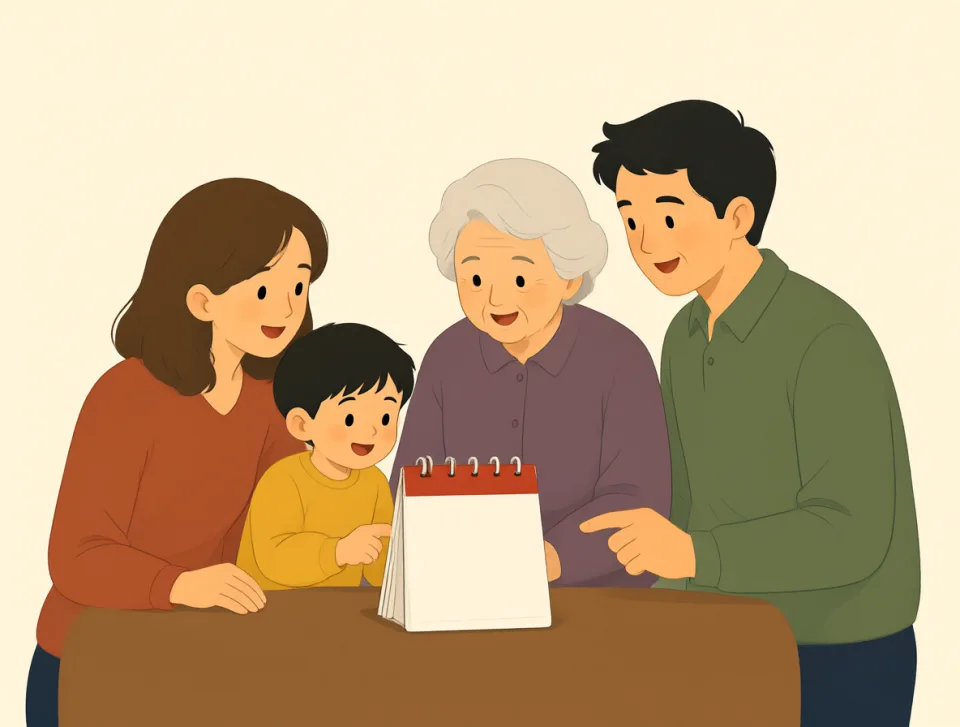
We may visit Grandma this weekend.
এই সপ্তাহান্তে আমরা দিদা-দাদুর বাড়ি যেতে পারি।
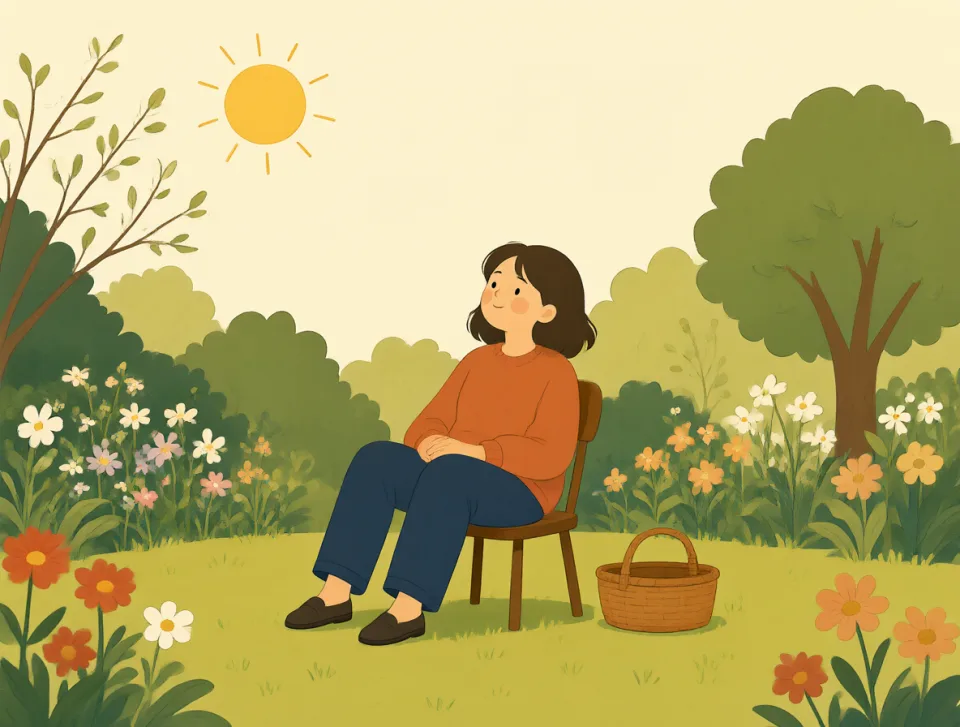
May is my favorite month.
মে মাস আমার সবচেয়ে প্রিয় মাস।

here
#98adverb, pronoun, adjective, noun
এখানে
in, at, or to this place
এই জায়গায়, এই জায়গার মধ্যে বা এই জায়গায় আসা বোঝায়।

Please sit here beside me.
দয়া করে আমার পাশে এখানে বসো।

Come here and look at this.
এখানে এসো, এটা দেখো।

Is anyone here from our class?
আমাদের ক্লাসের কেউ কি এখানে আছে?

The bus stops here every morning.
বাসটা প্রতিদিন সকালে এখানে থামে।

Here is your coffee and sandwich.
এই নিন আপনার কফি আর স্যান্ডউইচ।

many
#99determiner, pronoun
অনেক
A large number of people or things.
মানুষ বা জিনিসের বড় সংখ্যা।

Many people enjoy walking in the park.
অনেকেই পার্কে হাঁটতে ভালোবাসেন।
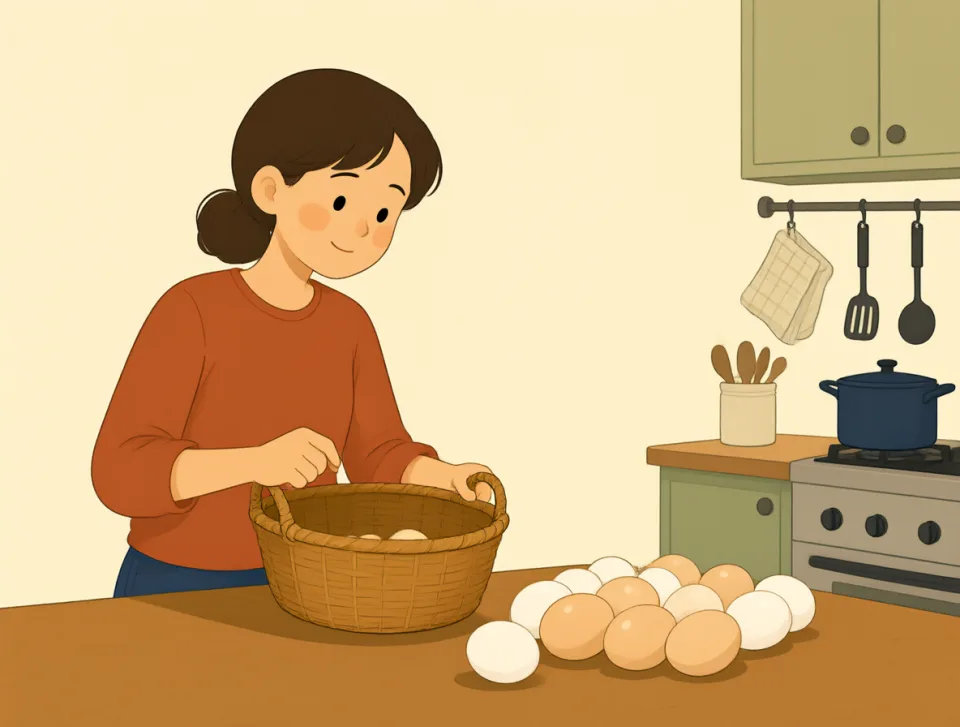
How many eggs do we need?
আমাদের কয়টা ডিম লাগবে?

I have many friends at school.
স্কুলে আমার অনেক বন্ধু আছে।

There are many shops near the hotel.
হোটেলের কাছাকাছি অনেক দোকান আছে।

Many children like eating ice cream.
অনেক শিশুই আইসক্রিম খেতে পছন্দ করে।

such
#100determiner, pronoun, adverb
এমন
Used to show something is like or as great as what was just mentioned.
আগে উল্লেখ করা কিছুর মতো বা ততটা বেশি—এমনটা বোঝাতে ব্যবহৃত হয়।
I have never seen such a beautiful place.
আমি এত সুন্দর জায়গা কখনো দেখিনি।

She is such a good friend.
সে এমন একজন ভালো বন্ধু।

We had such a busy day at work.
কাজে আমাদের দিনটা ভীষণ ব্যস্ত ছিল।

Why are you in such a hurry?
তুমি এত তাড়াহুড়ো করছ কেন?
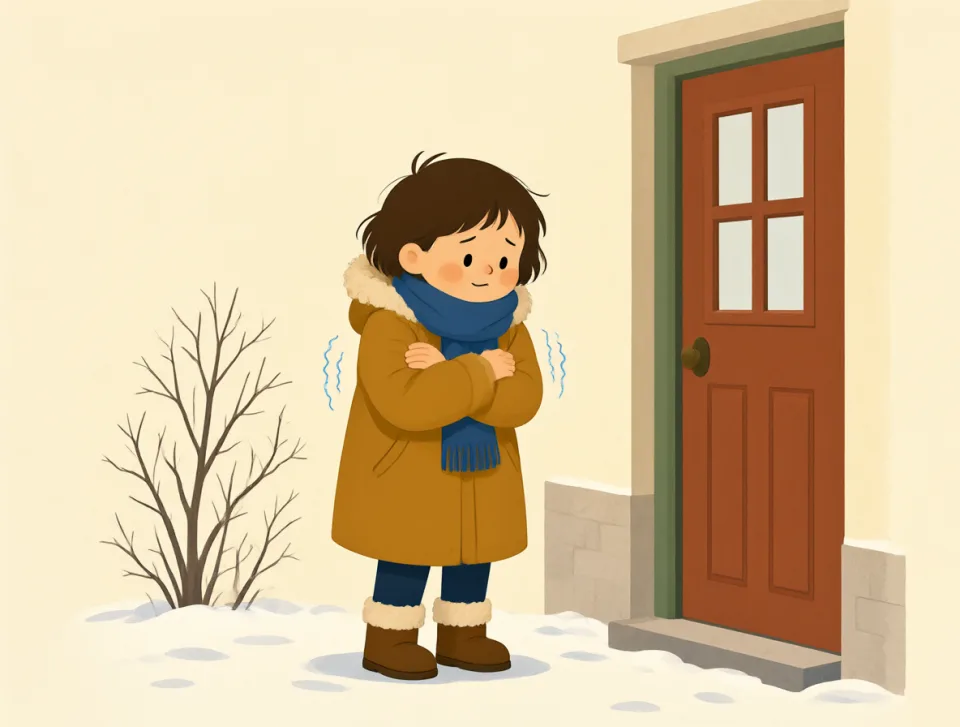
It was such a cold morning.
সকালটা ছিল ভীষণ ঠান্ডা।