Unidad 5
Palabras 81–100 · find, over, any, after, day, where
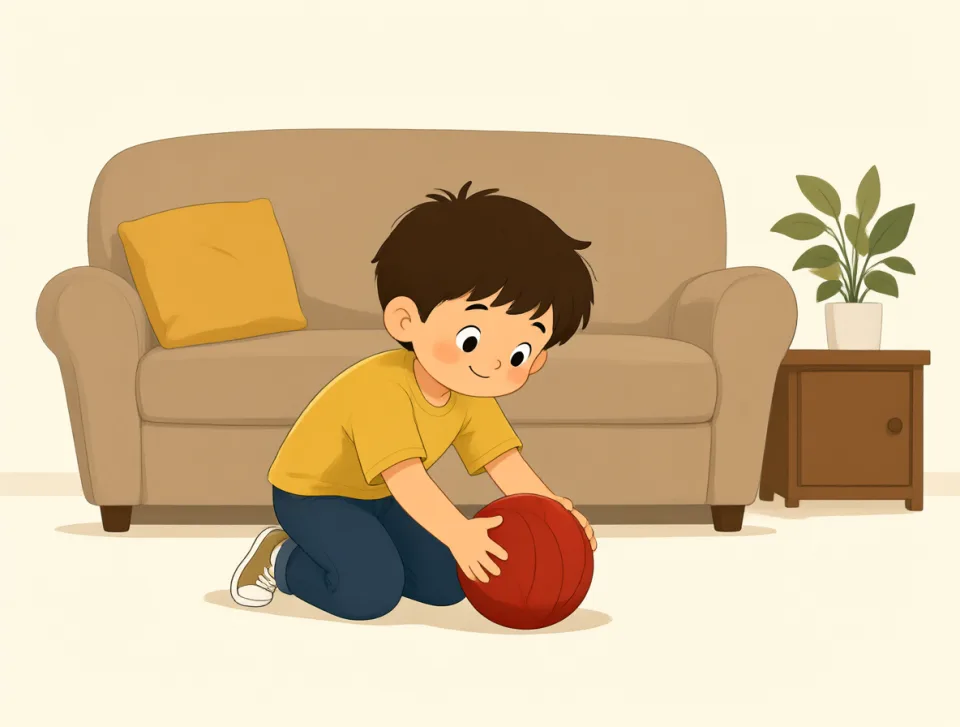
find
#81verb, noun
encontrar; descubrimiento
to discover, get, or notice something, often after looking for it
descubrir, conseguir o notar algo, a menudo después de buscarlo
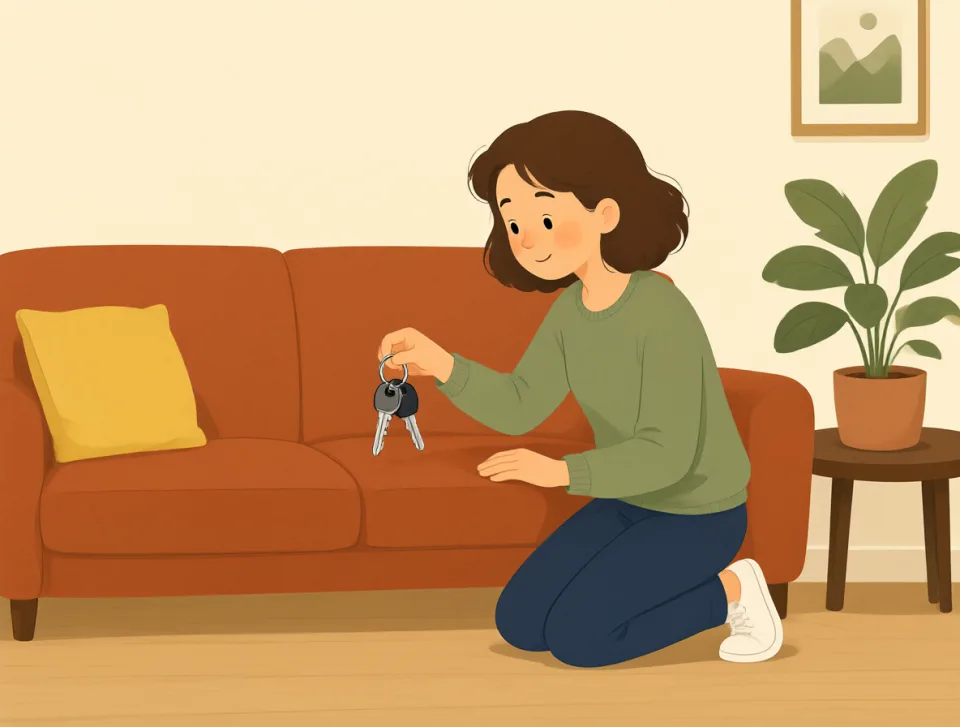
I can't find my keys anywhere.
No encuentro mis llaves por ninguna parte.

We found a nice hotel near the beach.
Encontramos un hotel bonito cerca de la playa.

She found a job at a local shop.
Encontró trabajo en una tienda local.
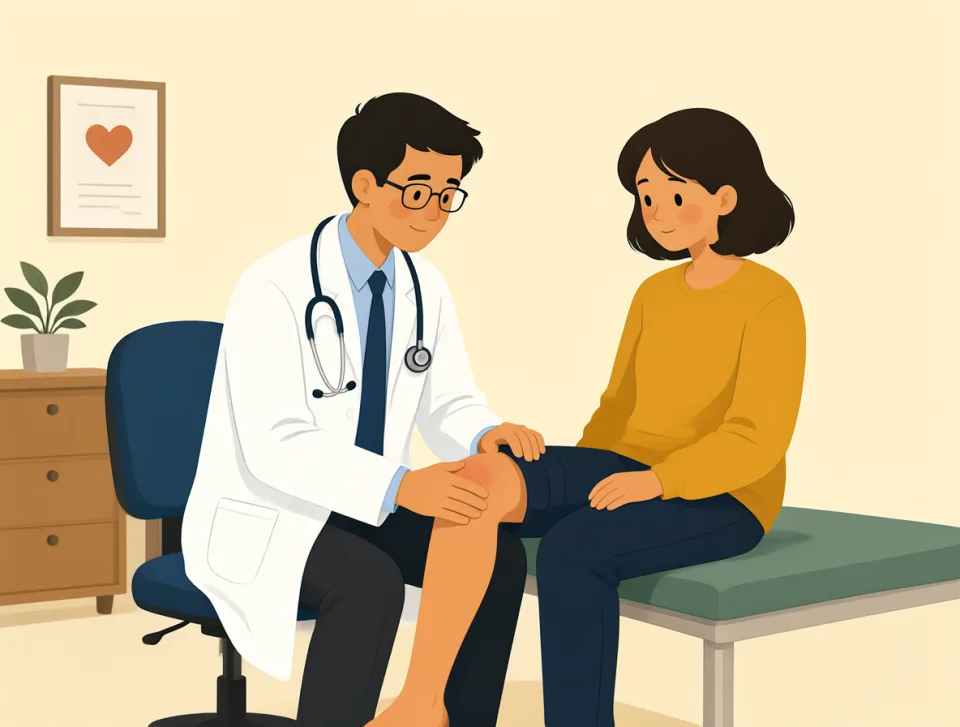
The doctor found a problem with my knee.
El médico encontró un problema en mi rodilla.
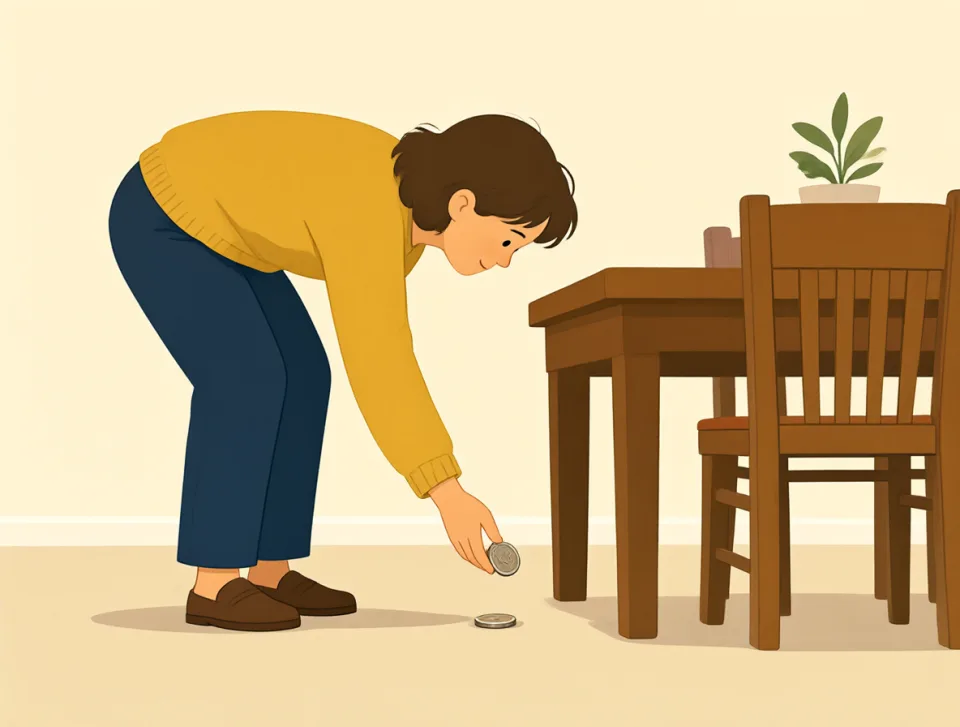
I found a coin under the table.
Encontré una moneda debajo de la mesa.
over
#82adverb, preposition, adjective, noun
sobre; encima de; terminado; más de; durante
above or across something; finished; more than; during a period of time
encima o atravesando algo; terminado; más de; durante un período de tiempo

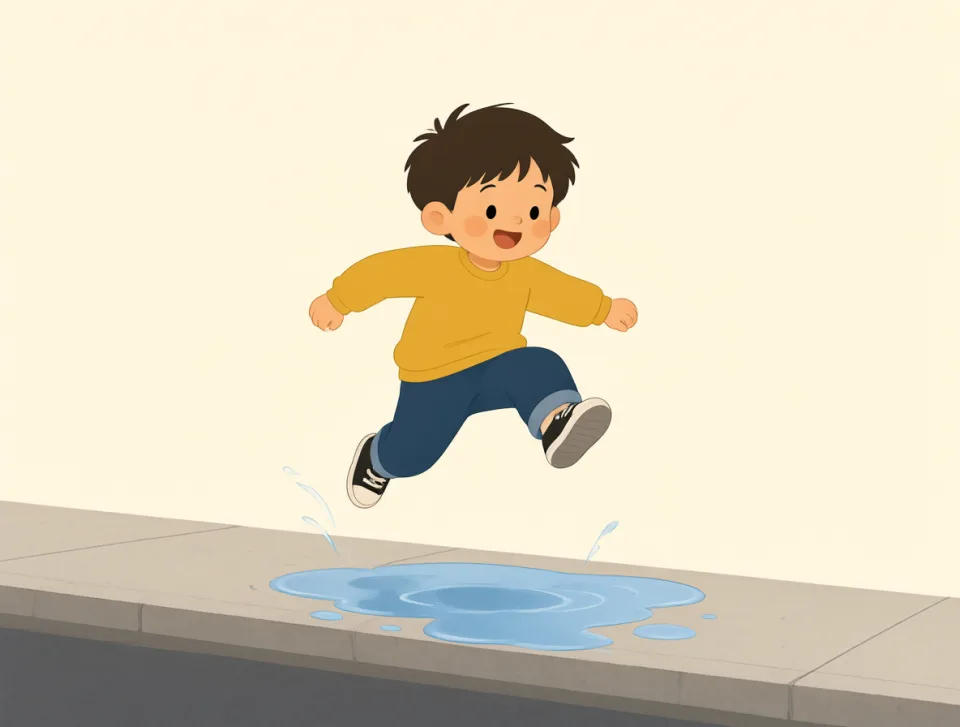
The plane flew over the city.
El avión voló sobre la ciudad.
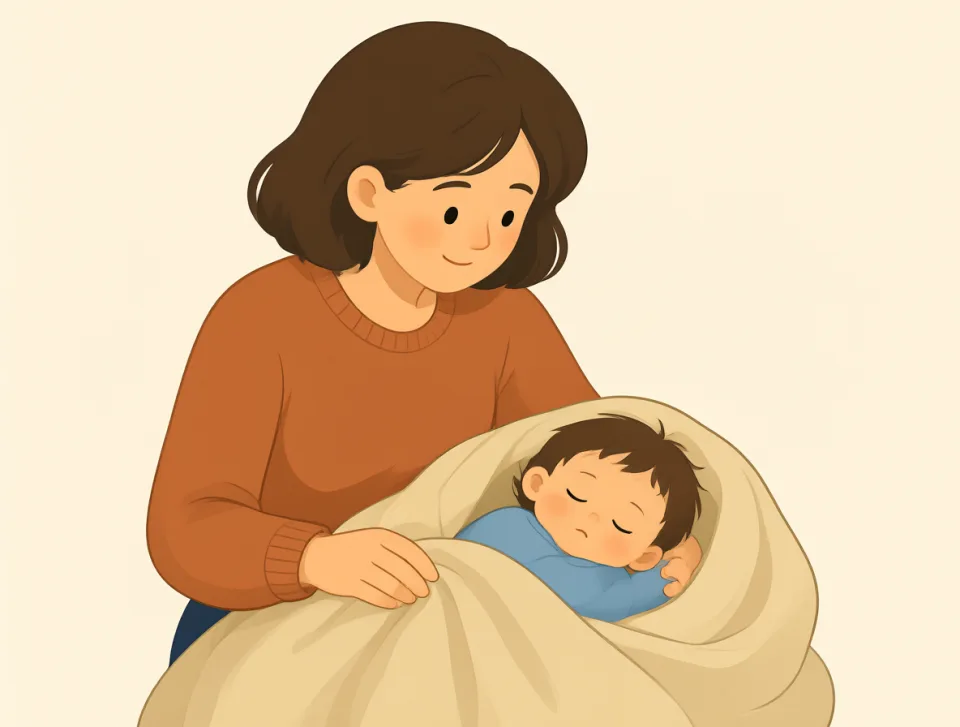
She put a blanket over the baby.
Ella puso una manta sobre el bebé.
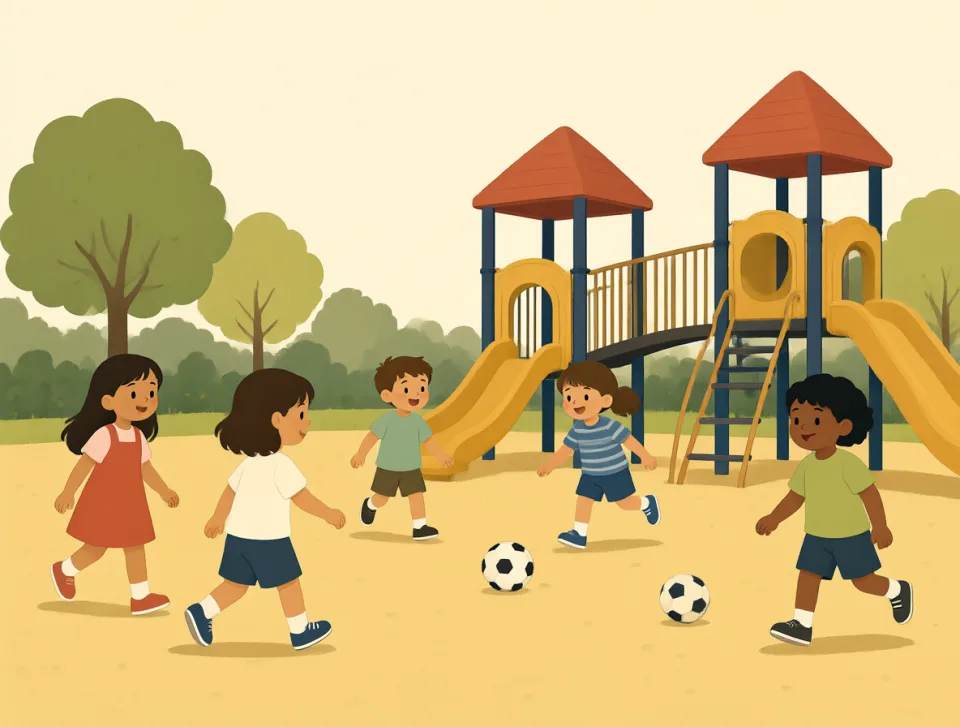
The game is over now.
El partido ya terminó.

We talked over lunch.
Hablamos durante el almuerzo.
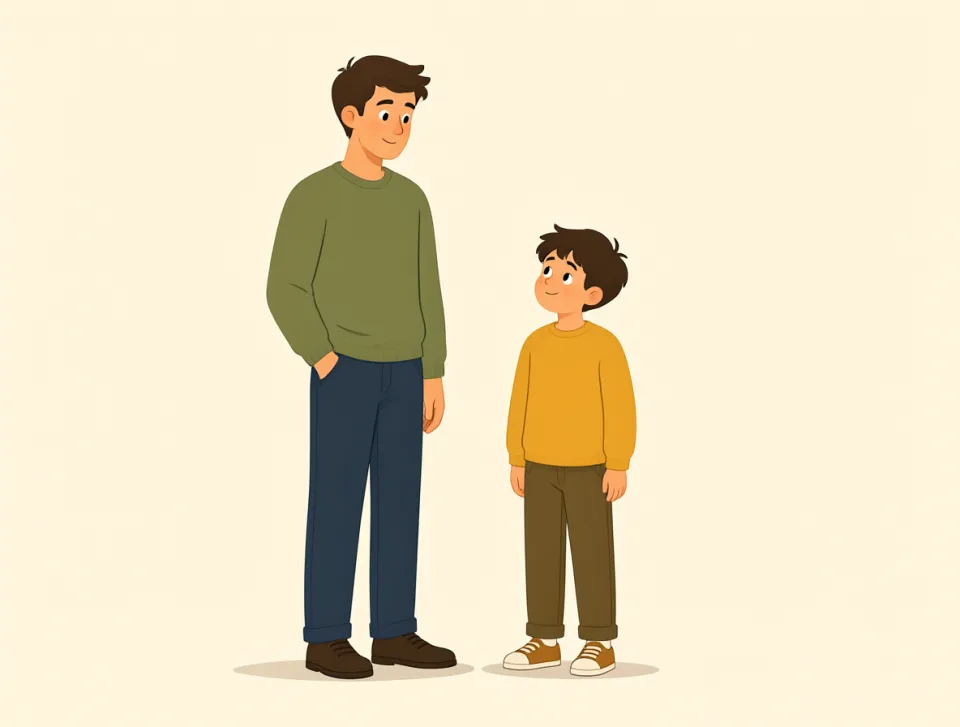
He is over six feet tall.
Mide más de seis pies.
any
#83determiner, pronoun, adverb
cualquier; algún; nada de
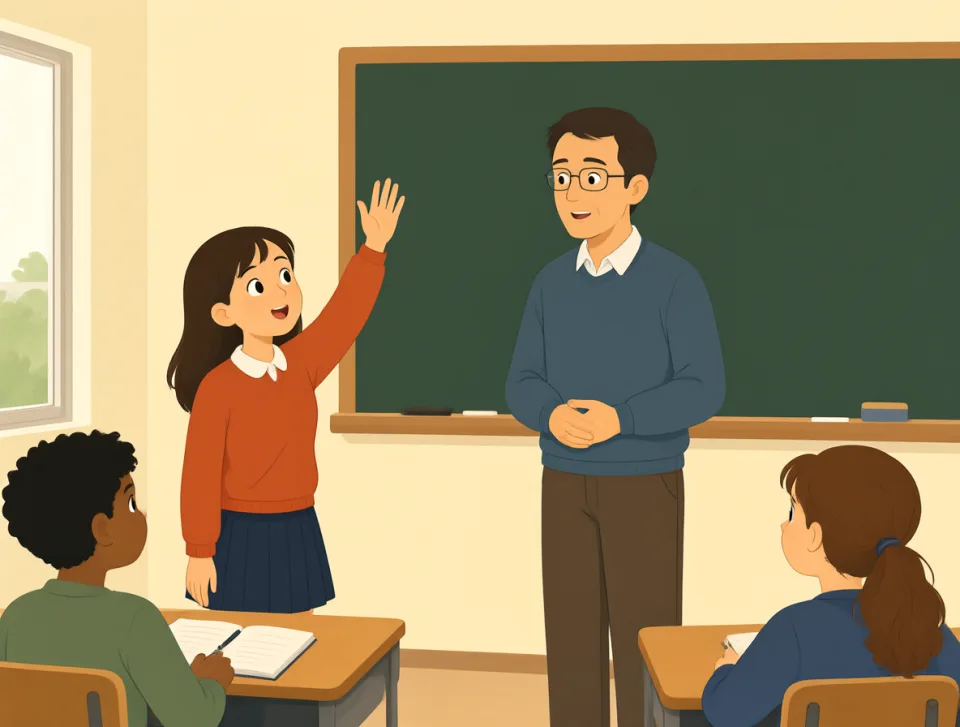
One, some, or even one of a group, usually in questions or negative sentences.
Uno, alguno o incluso cualquiera de un grupo, generalmente en preguntas o frases negativas.
Do you have any questions?
¿Tienes alguna pregunta?
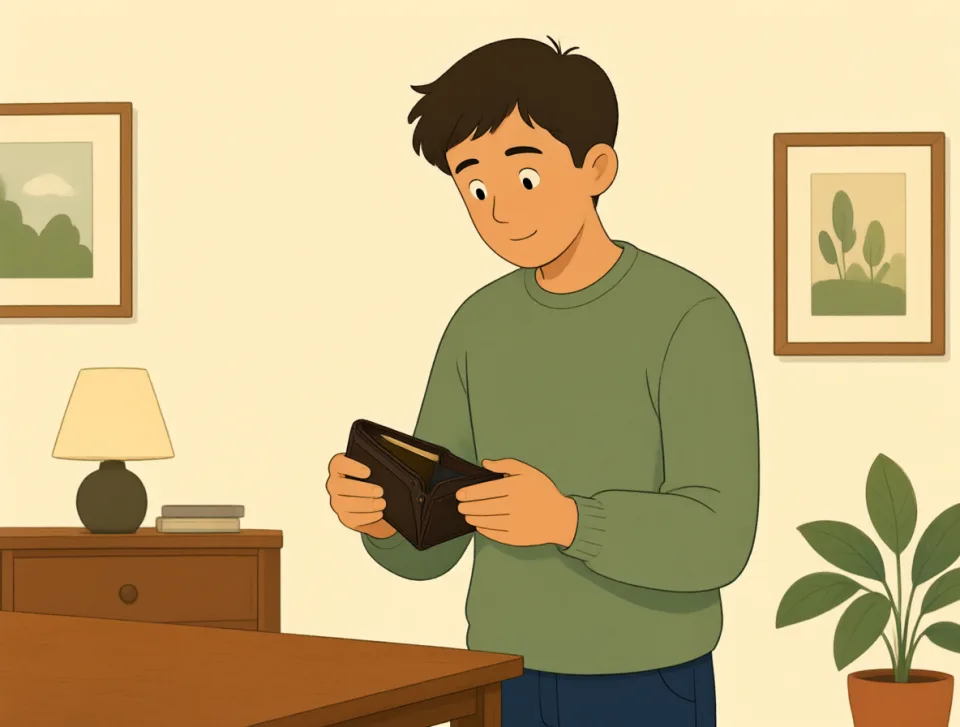
I do not have any money.
No tengo nada de dinero.

You can choose any color.
Puedes elegir cualquier color.

We did not see any birds.
No vimos ningún pájaro.
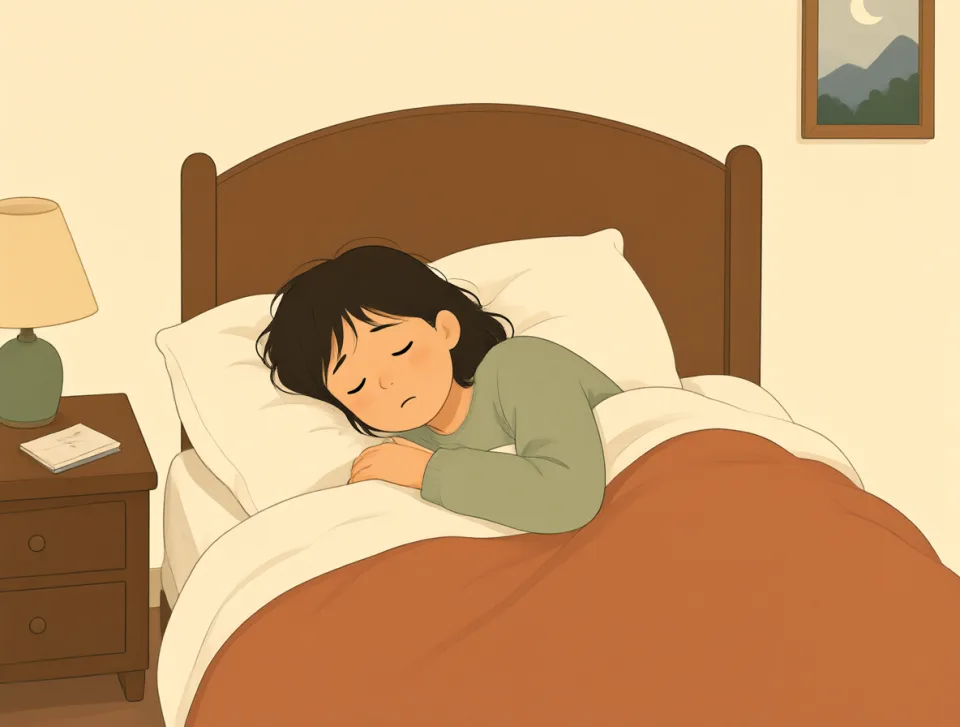
I hardly slept any last night.
Anoche apenas dormí.
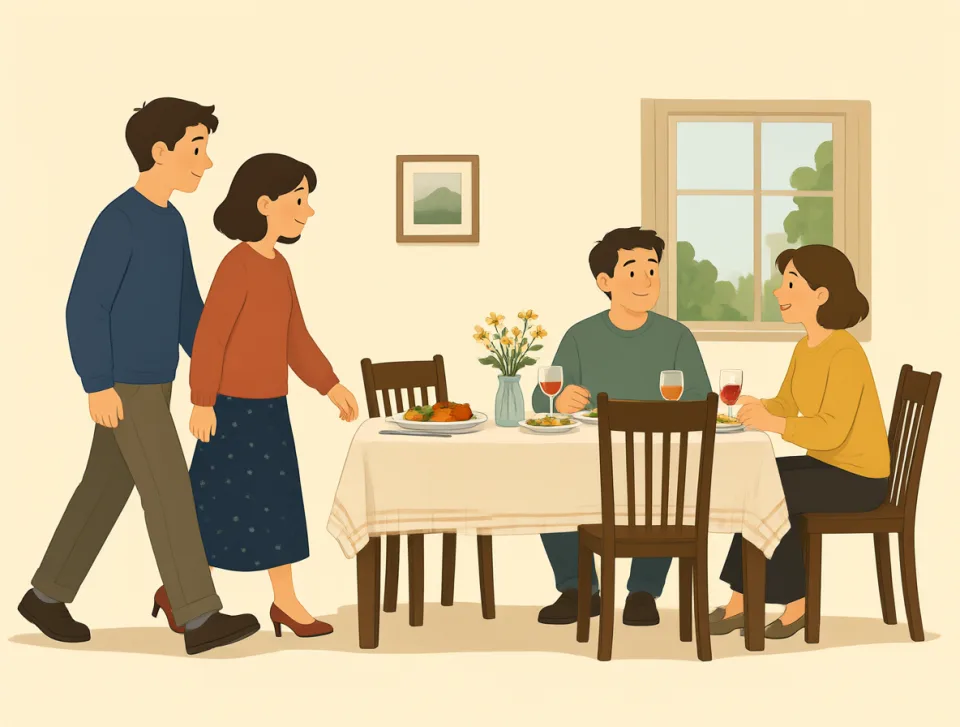
after
#84adverb, preposition, conjunction
después; luego; tras
Later than a time or event; following someone or something.
Más tarde que un momento o acontecimiento; después de alguien o algo.
We went home after dinner.
Nos fuimos a casa después de cenar.

Call me after work.
Llámame después del trabajo.
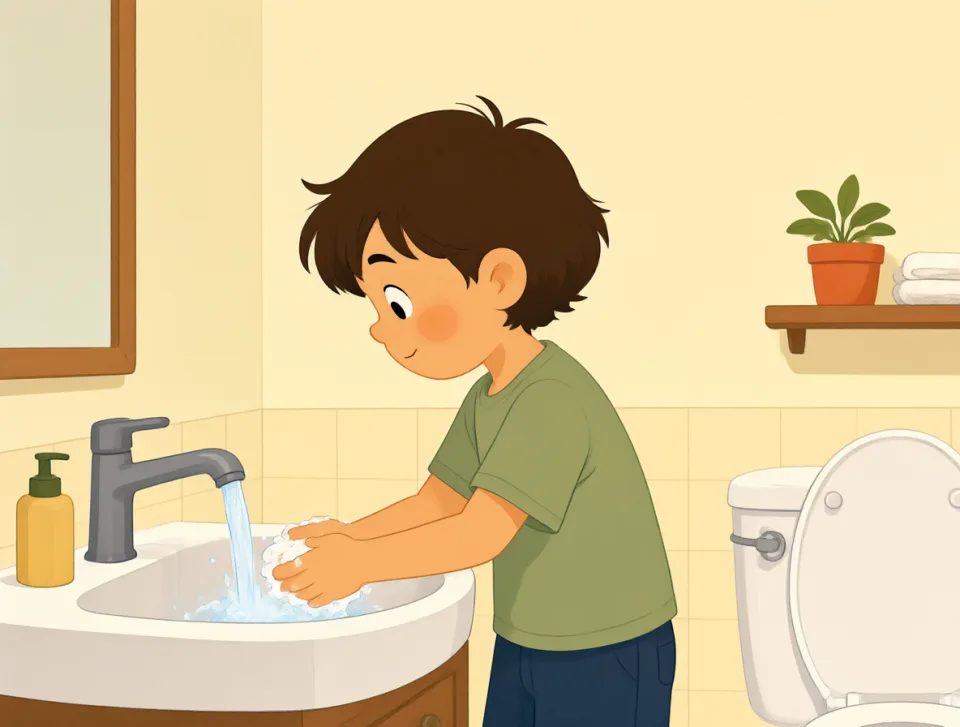
Wash your hands after using the bathroom.
Lávate las manos después de usar el baño.
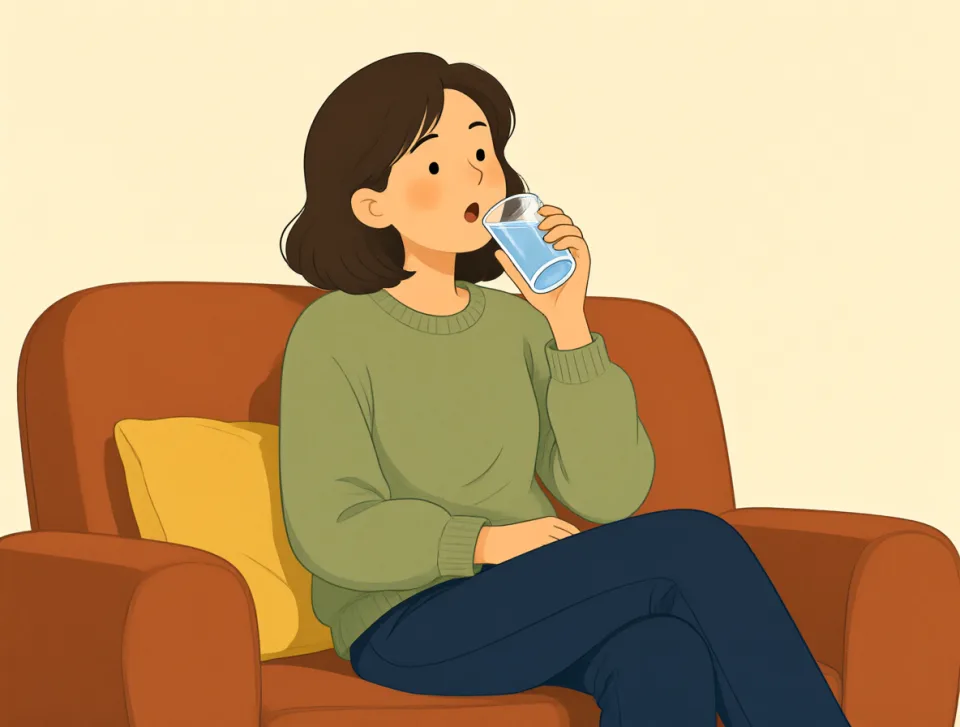
She felt better after taking medicine.
Se sintió mejor después de tomar la medicina.

After it rained, the streets were wet.
Después de que llovió, las calles estaban mojadas.
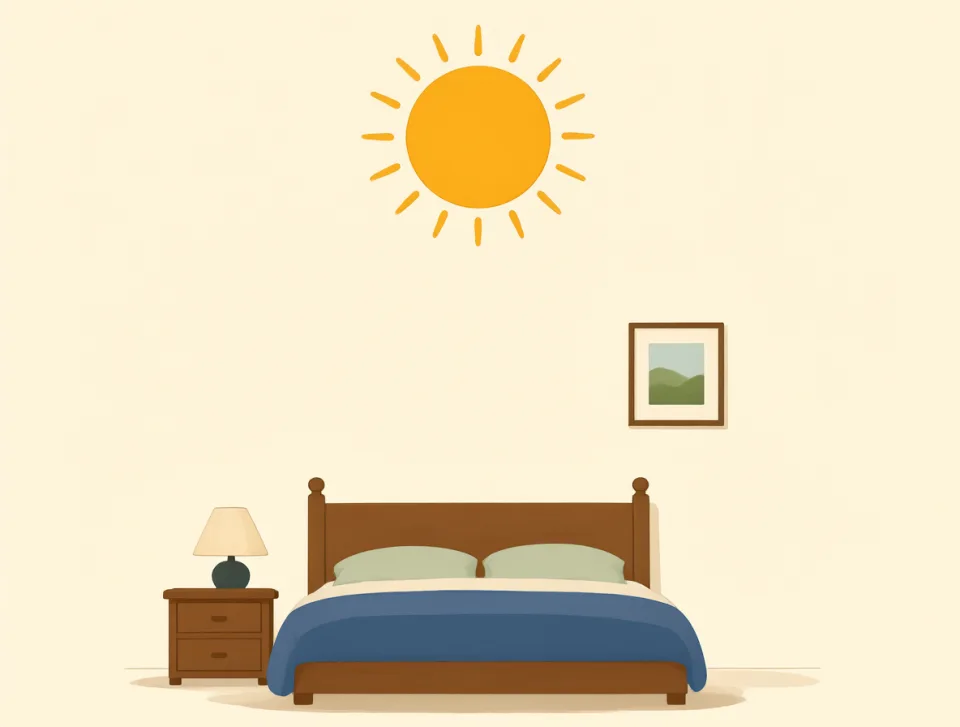
day
#85noun, adjective
día
A period of twenty-four hours, from midnight to midnight.
Un período de veinticuatro horas, de medianoche a medianoche.
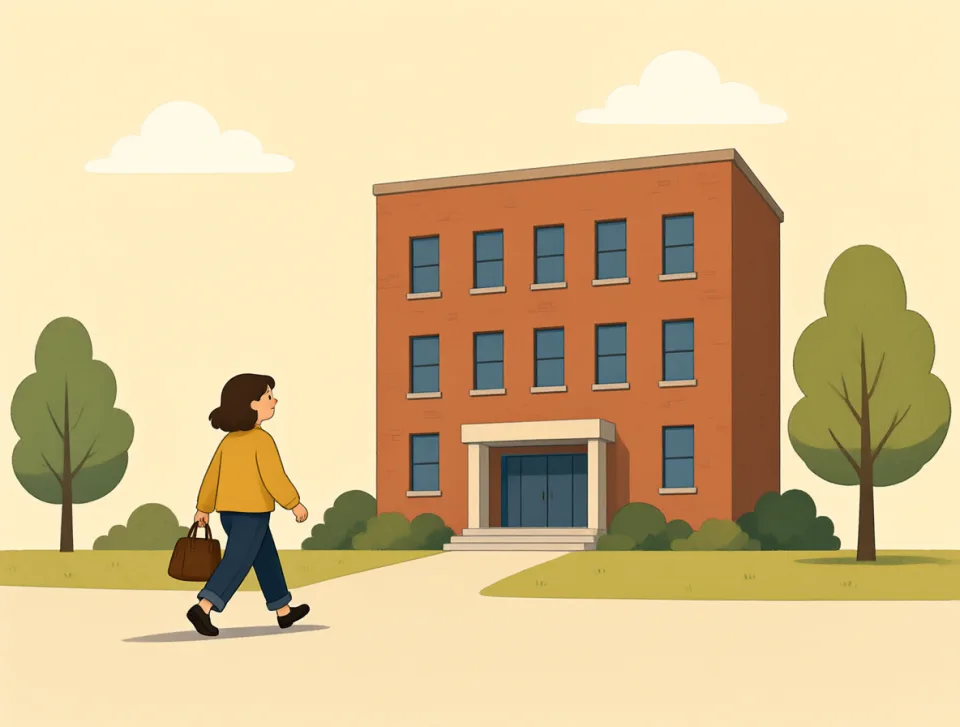
I go to work every day.
Voy a trabajar todos los días.

We had a great day at the beach.
Pasamos un día estupendo en la playa.

She stayed home all day.
Se quedó en casa todo el día.
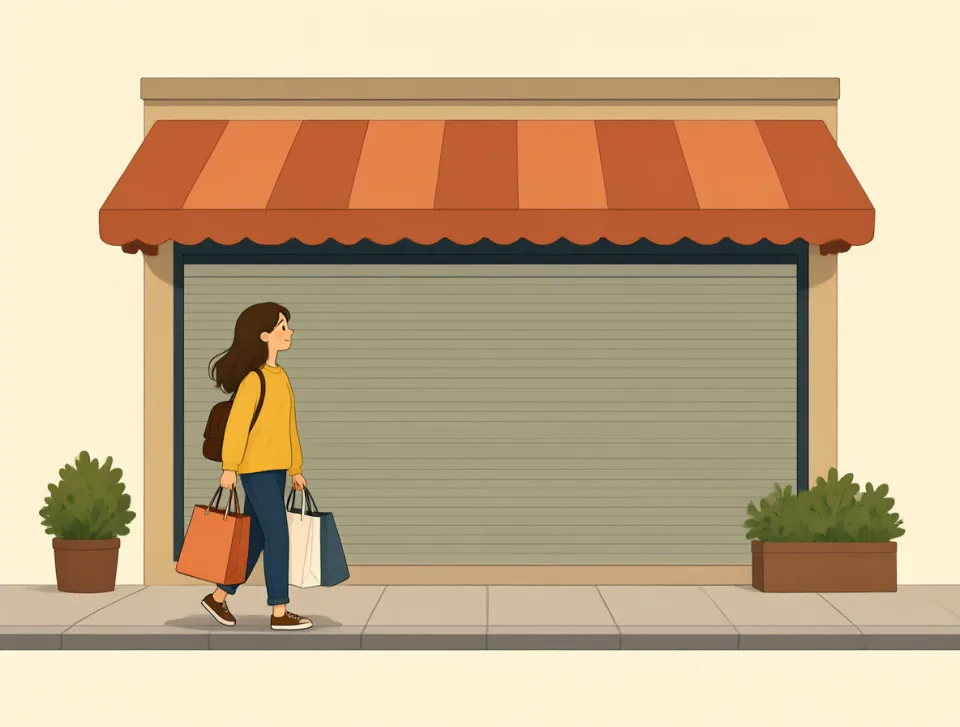
The store is closed on Sundays.
La tienda está cerrada los domingos.
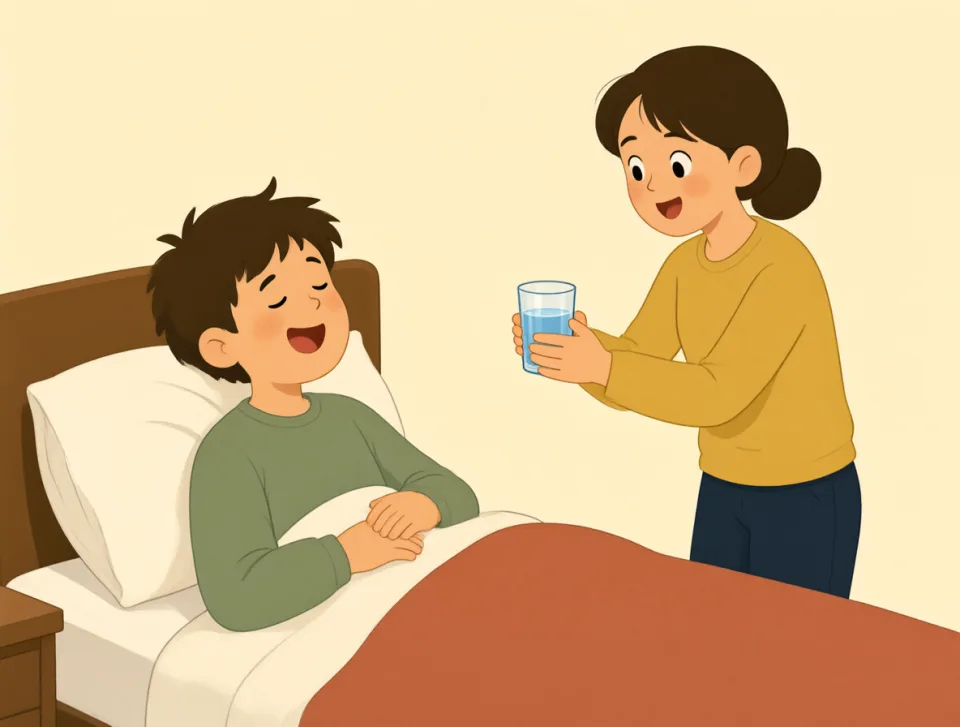
I felt better after a few days.
Me sentí mejor después de unos días.
where
#86adverb, conjunction, pronoun
dónde; donde
Used to ask about or describe the place or situation something is in.
Se usa para preguntar o describir el lugar o la situación en la que se encuentra algo.
Where do you live?
¿Dónde vives?

This is where we met last year.
Aquí es donde nos conocimos el año pasado.
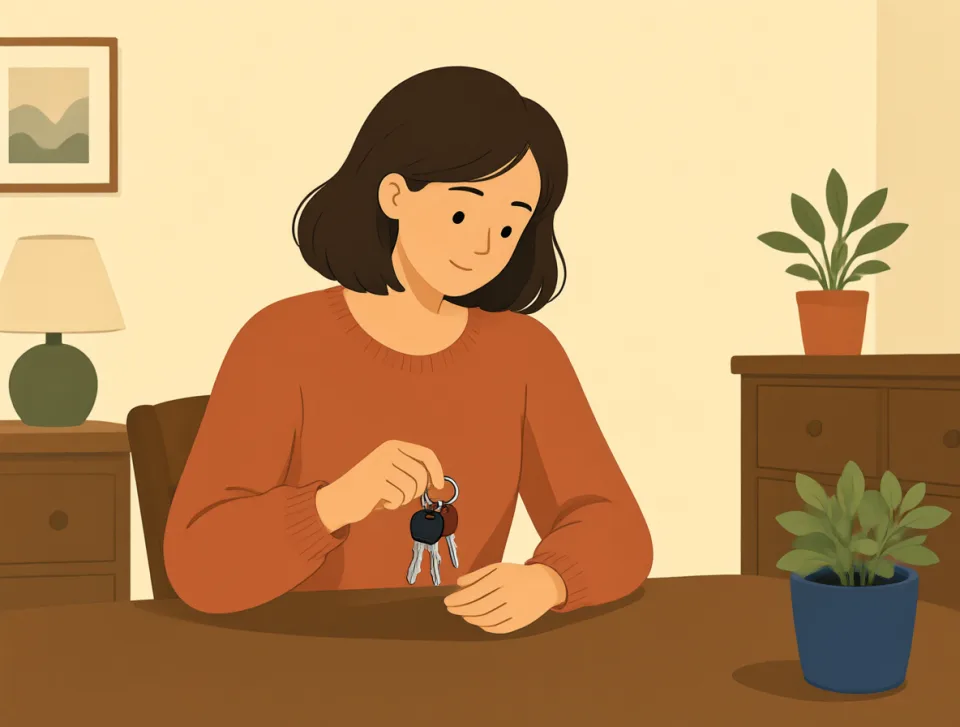
Do you know where my keys are?
¿Sabes dónde están mis llaves?
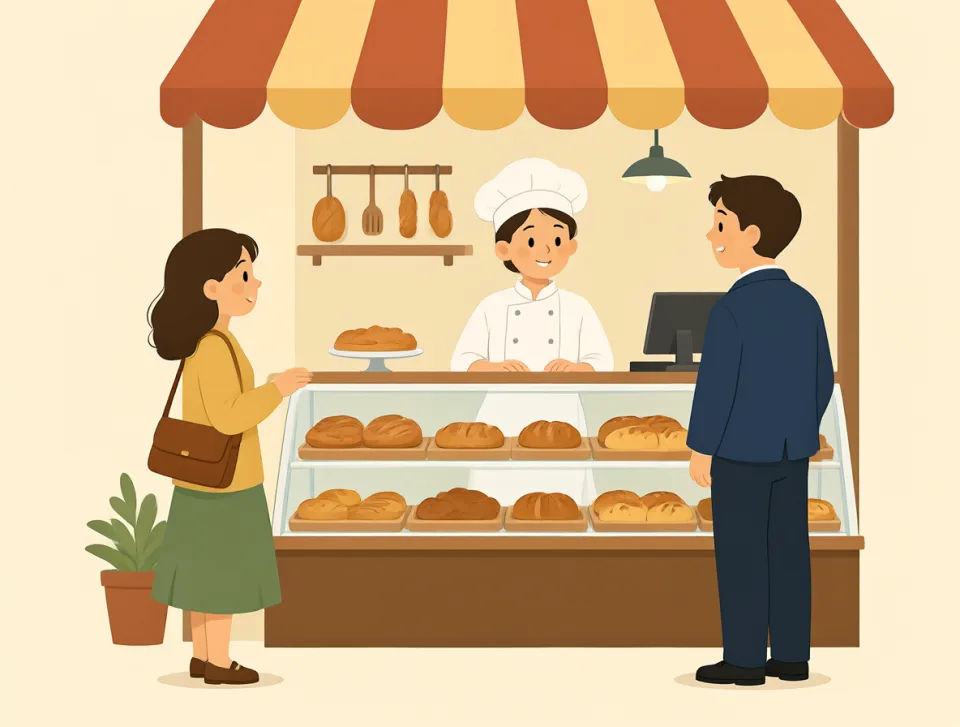
Tell me where to buy fresh bread.
Dime dónde comprar pan fresco.
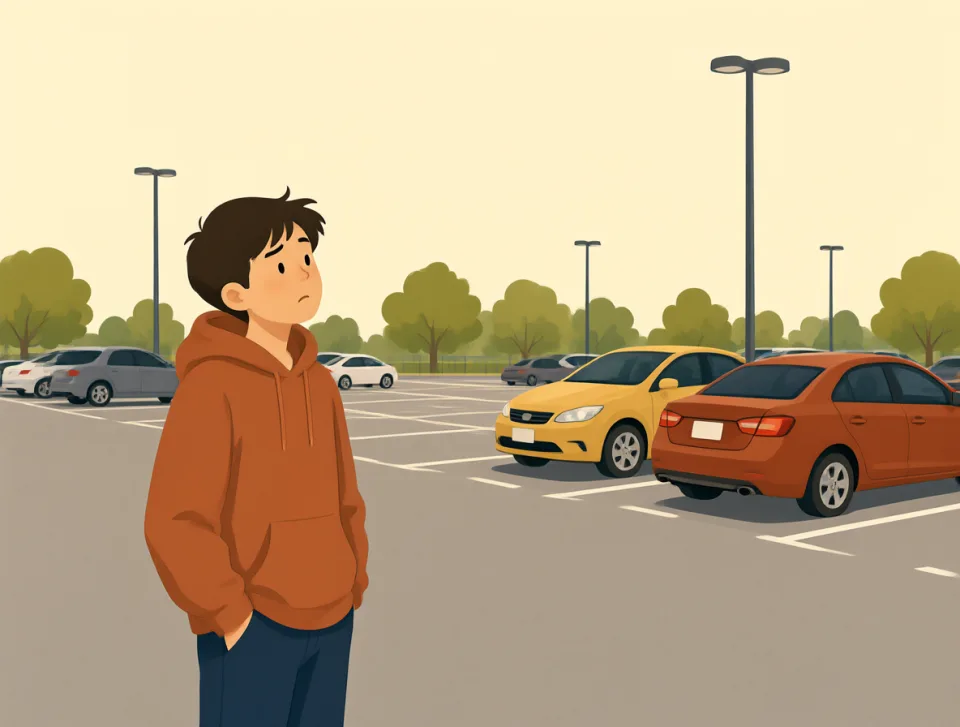
I forgot where I parked the car.
Olvidé dónde estacioné el auto.
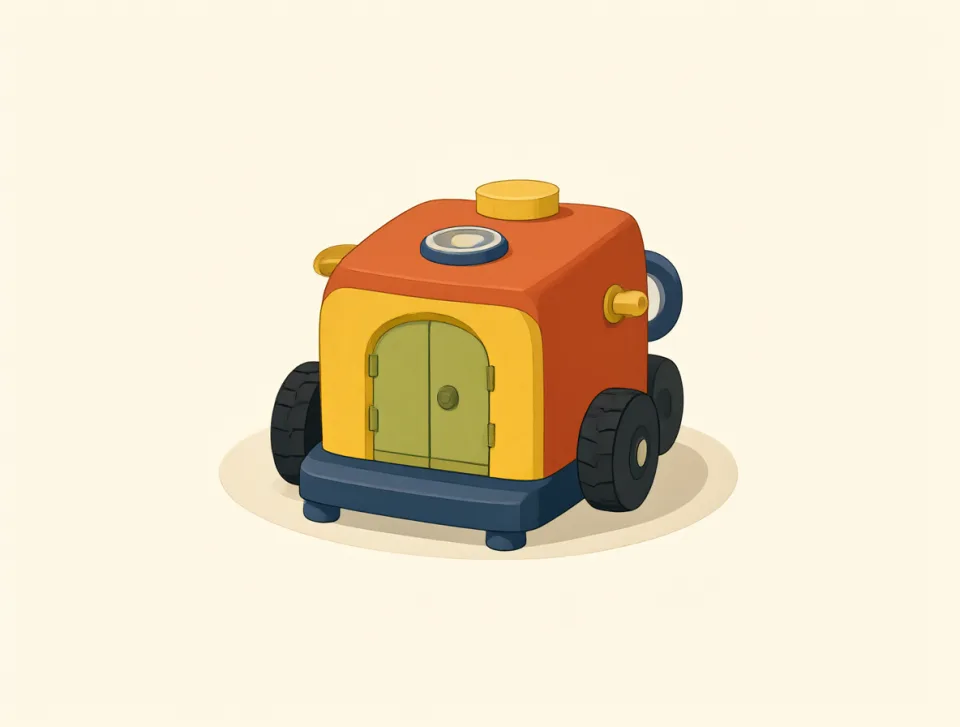
thing
#87noun
cosa; asunto; objeto
An object, idea, or event that you do not name or describe exactly.
Un objeto, una idea o un acontecimiento que no nombras ni describes con exactitud.
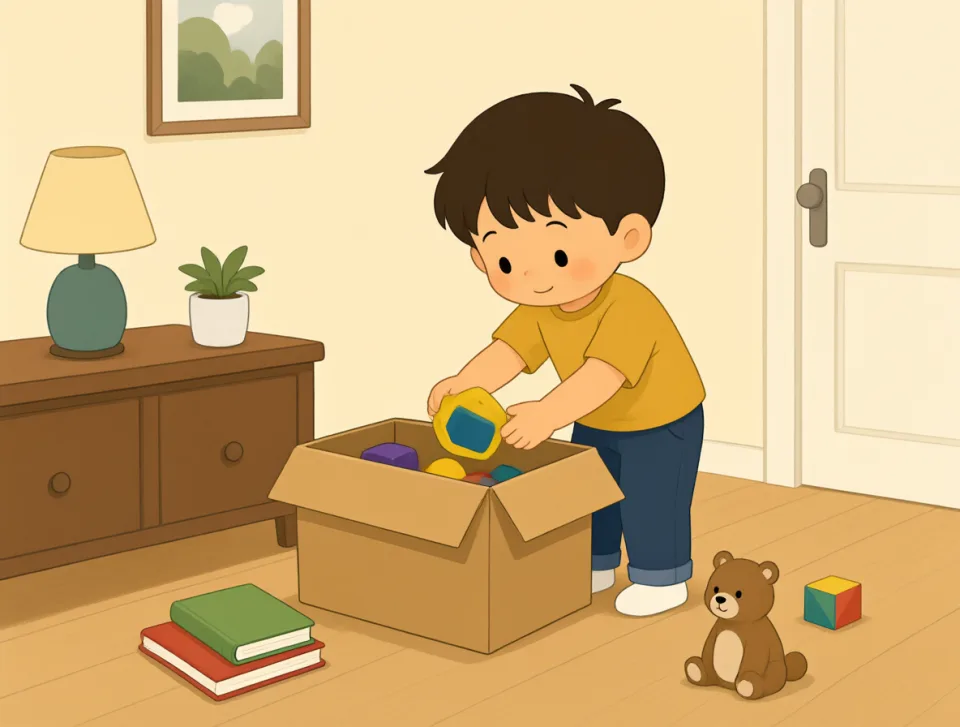
Put your things away before dinner.
Guarda tus cosas antes de cenar.

The best thing is to ask for help.
Lo mejor es pedir ayuda.
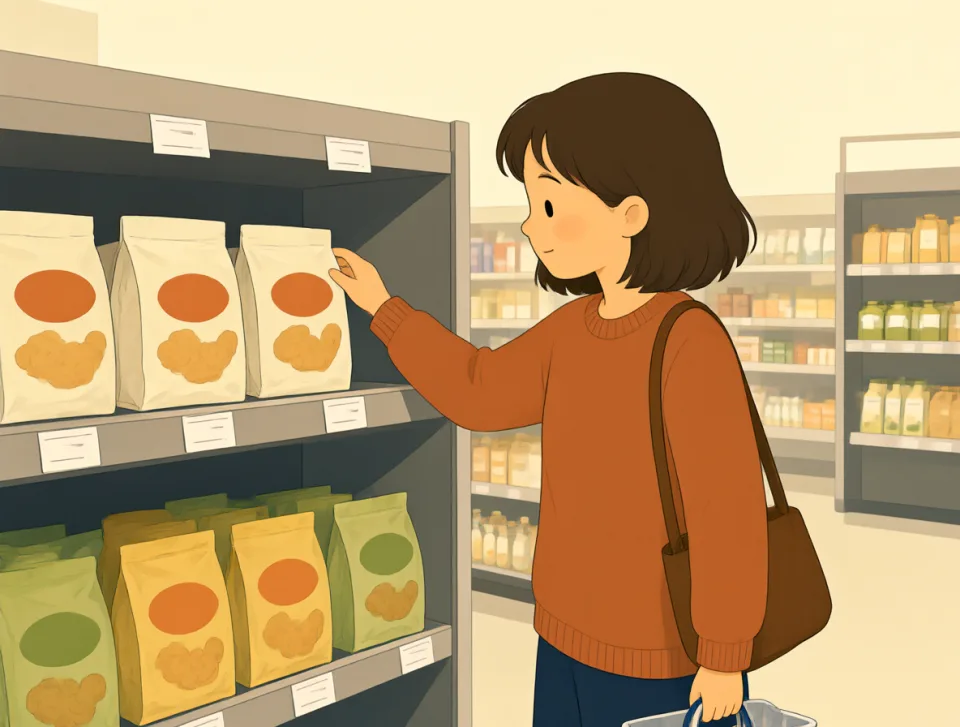
I need a few things from the store.
Necesito algunas cosas de la tienda.

One strange thing happened on the train.
Una cosa extraña ocurrió en el tren.
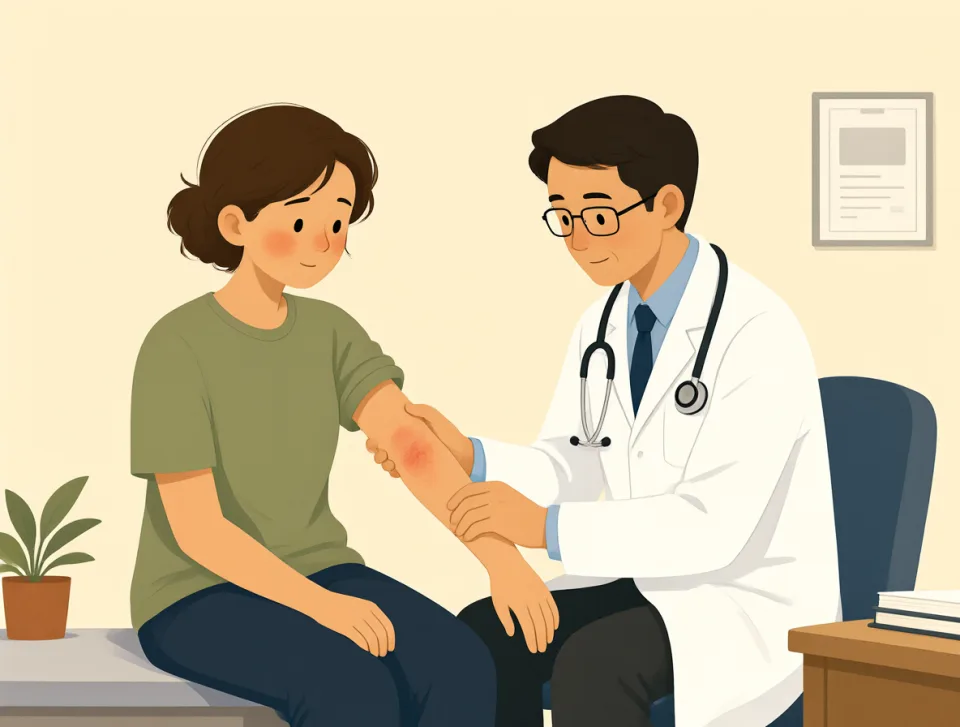
The doctor checked the painful thing on my arm.
El médico examinó la zona dolorida de mi brazo.
most
#88determiner, pronoun, adverb, adjective
la mayoría; más; lo que más; sumamente
More than half of a group or amount; the greatest number or amount.
Más de la mitad de un grupo o cantidad; el mayor número o cantidad.
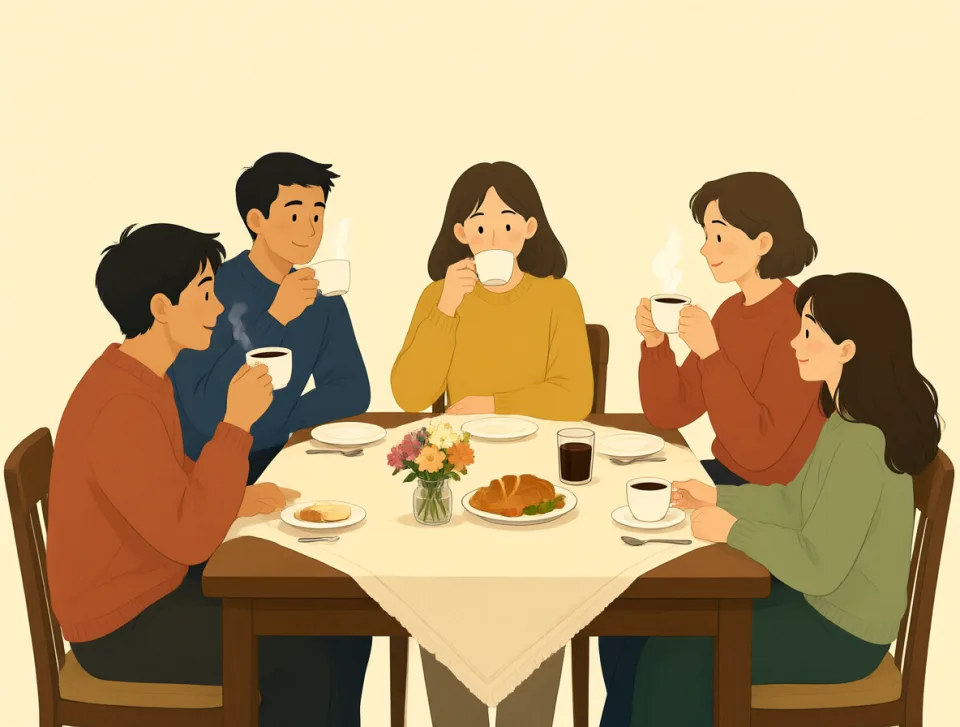
Most people drink coffee in the morning.
La mayoría de la gente toma café por la mañana.
Most of the cake is gone.
Ya no queda casi nada del pastel.

She works most days of the week.
Trabaja la mayoría de los días de la semana.

Which color do you like most?
¿Qué color te gusta más?
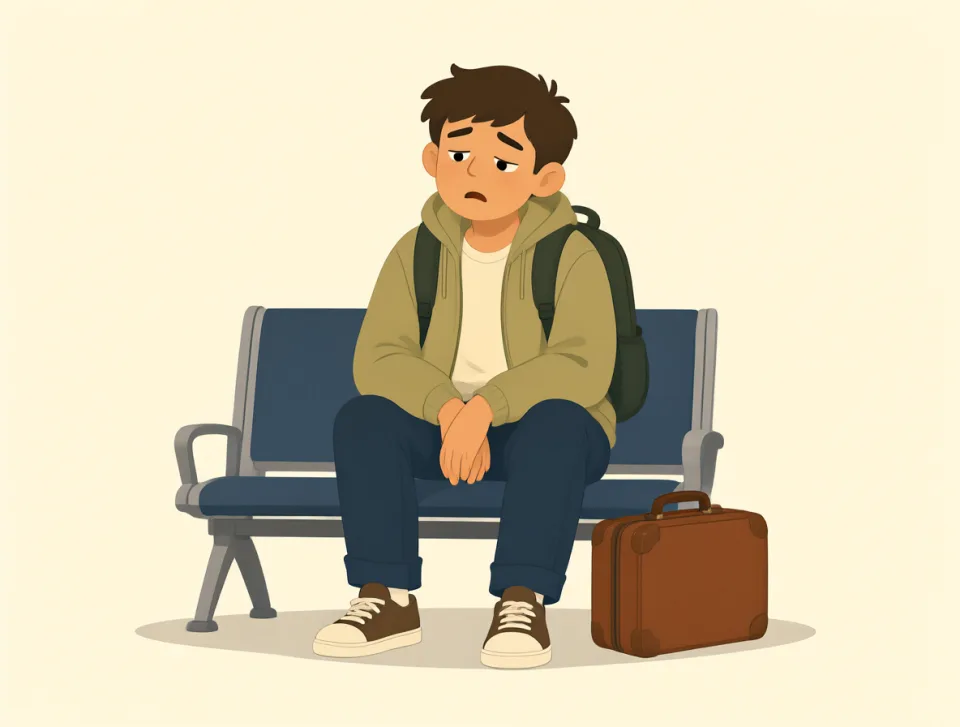
I was most tired after the long flight.
Estaba sumamente cansado después del largo vuelo.

should
#89modal verb
deber; tener que
Used to say what is best, expected, or likely to happen.
Se usa para decir qué es mejor, qué se espera o qué es probable que ocurra.
You should drink more water every day.
Deberías beber más agua todos los días.
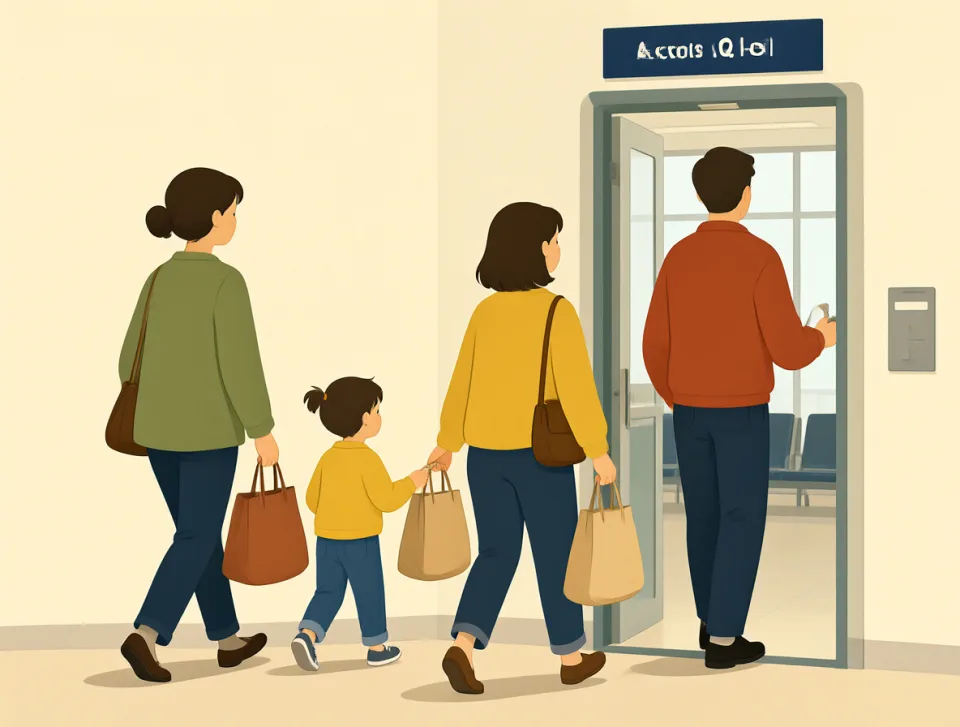
We should leave now for the airport.
Deberíamos salir ya para el aeropuerto.
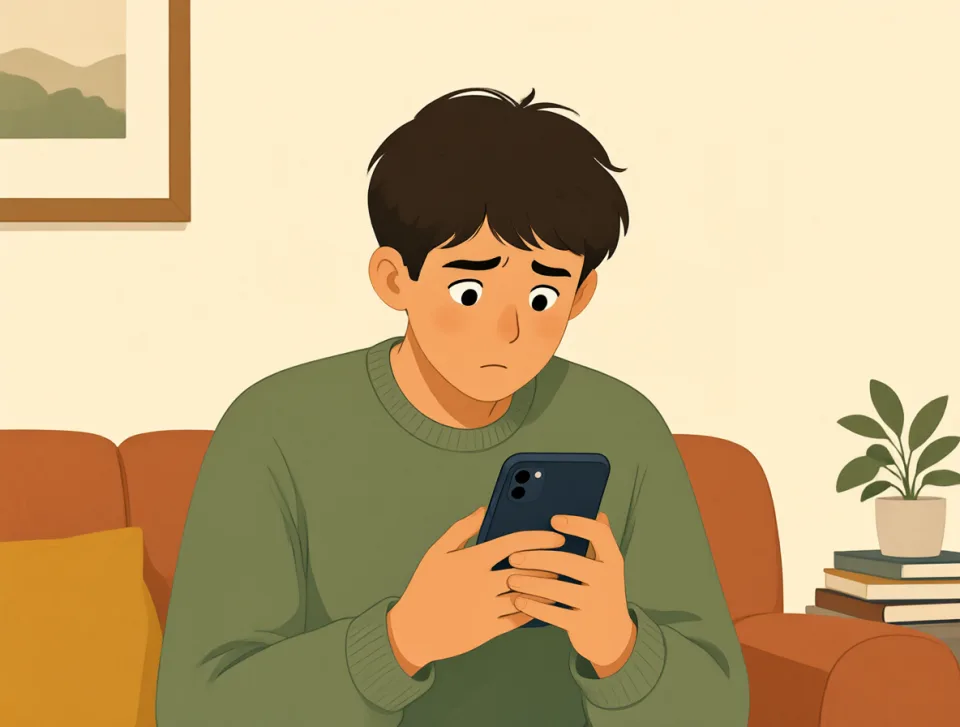
Should I call the doctor today?
¿Debería llamar al médico hoy?

You should try the vegetable soup.
Deberías probar la sopa de verduras.
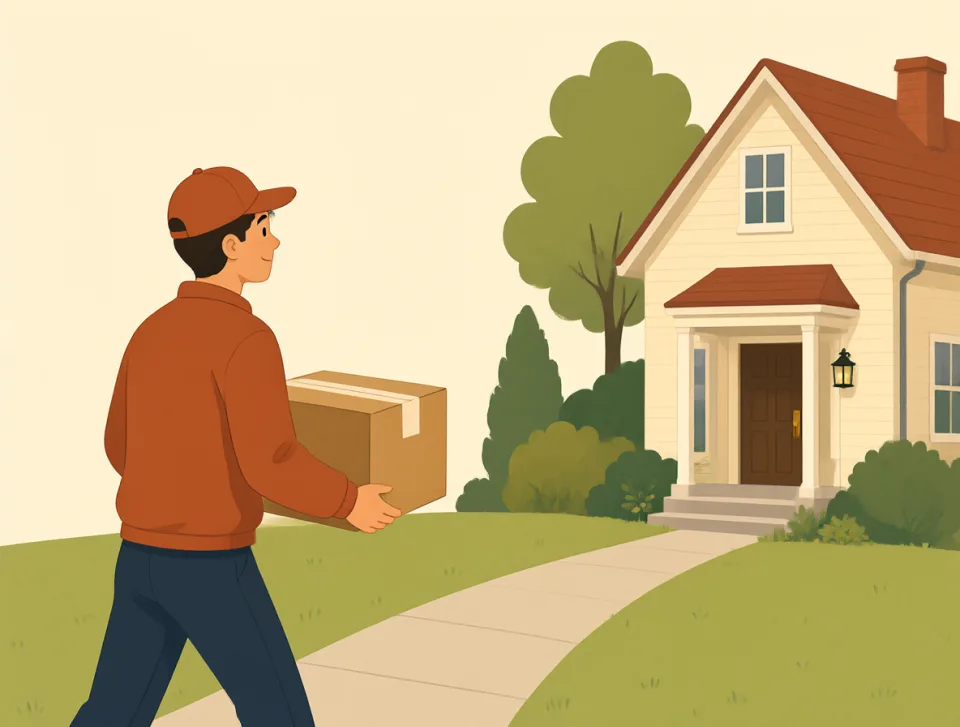
The package should arrive tomorrow.
El paquete debería llegar mañana.
need
#90verb, noun
necesitar; necesidad
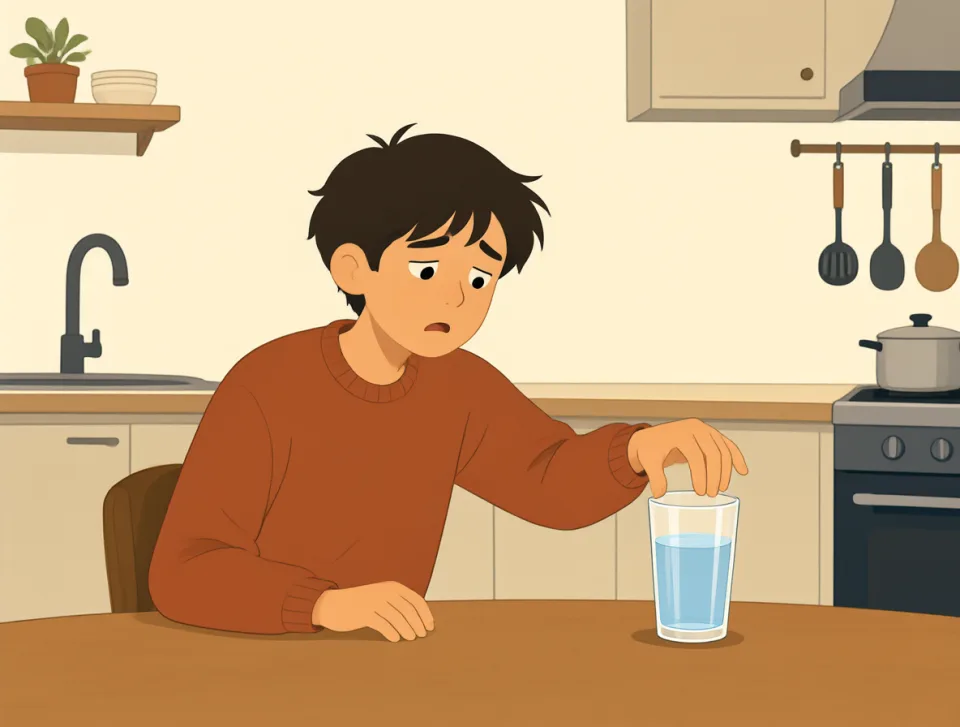
To require something or feel that something is necessary.
Requerir algo o sentir que algo es necesario.
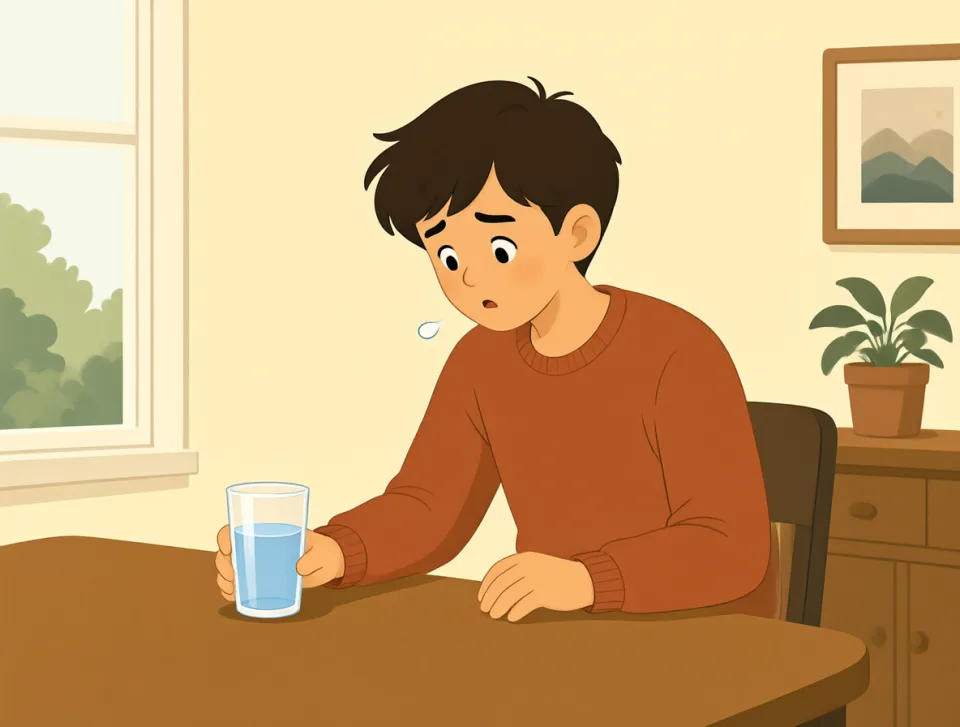
I need some water, please.
Necesito un poco de agua, por favor.
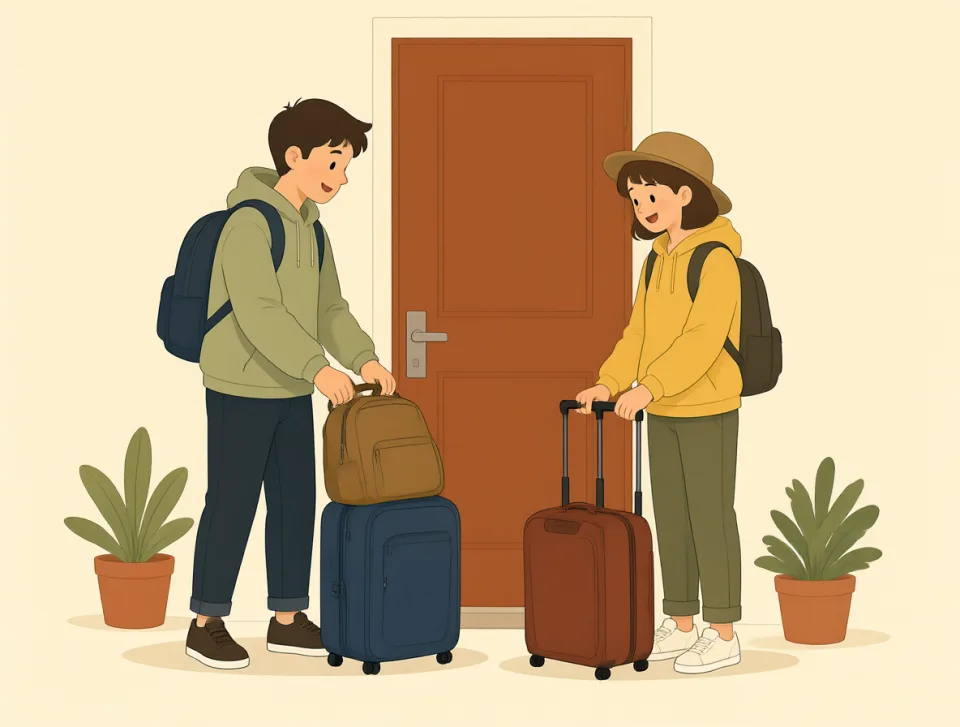
We need to leave early tomorrow.
Tenemos que salir temprano mañana.

She needs help with her homework.
Ella necesita ayuda con sus deberes.

Do you need anything from the shop?
¿Necesitas algo de la tienda?
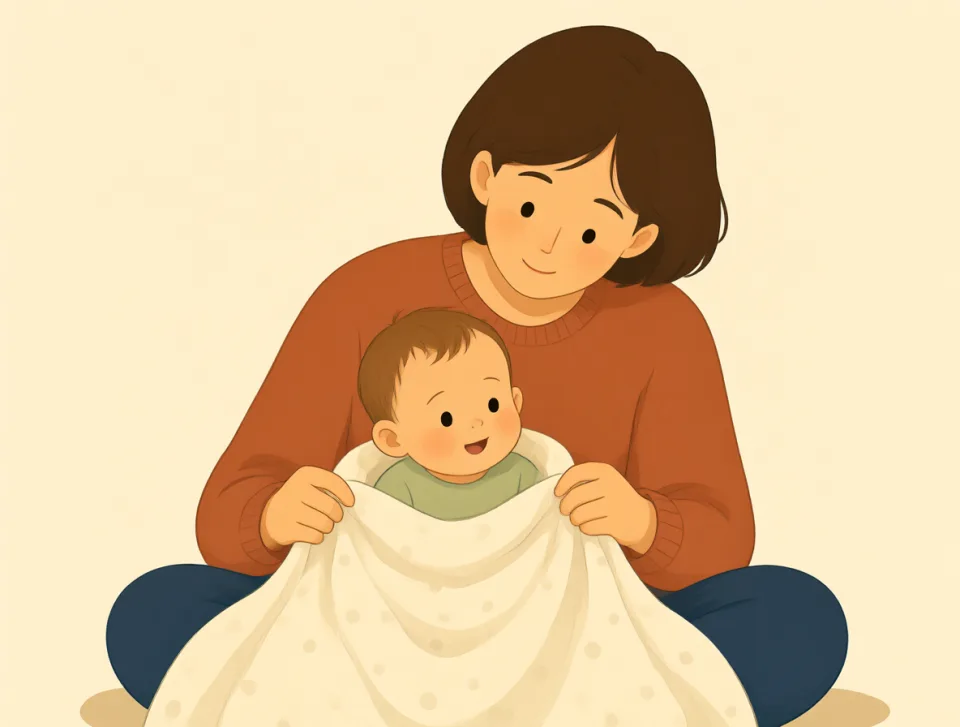
The baby needs a warm blanket.
El bebé necesita una manta abrigada.
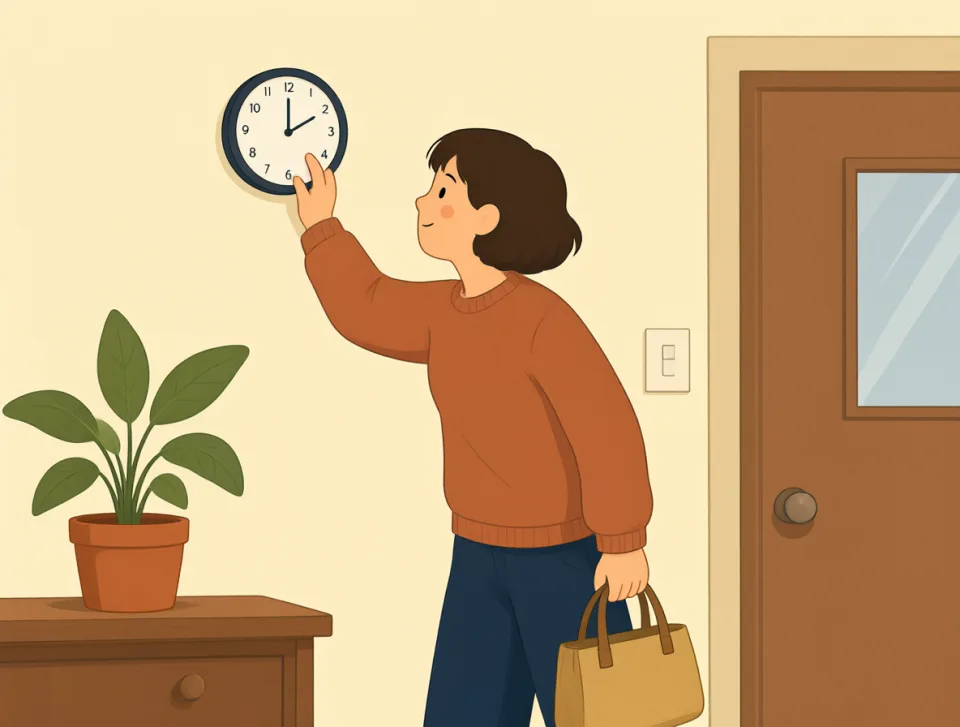
much
#91adverb, determiner, pronoun
mucho; mucha; muchos; muchas
A large amount or a lot; used mostly in questions and negative sentences.
Una gran cantidad o mucho; se usa principalmente en preguntas y oraciones negativas.
I don't have much time today.
Hoy no tengo mucho tiempo.
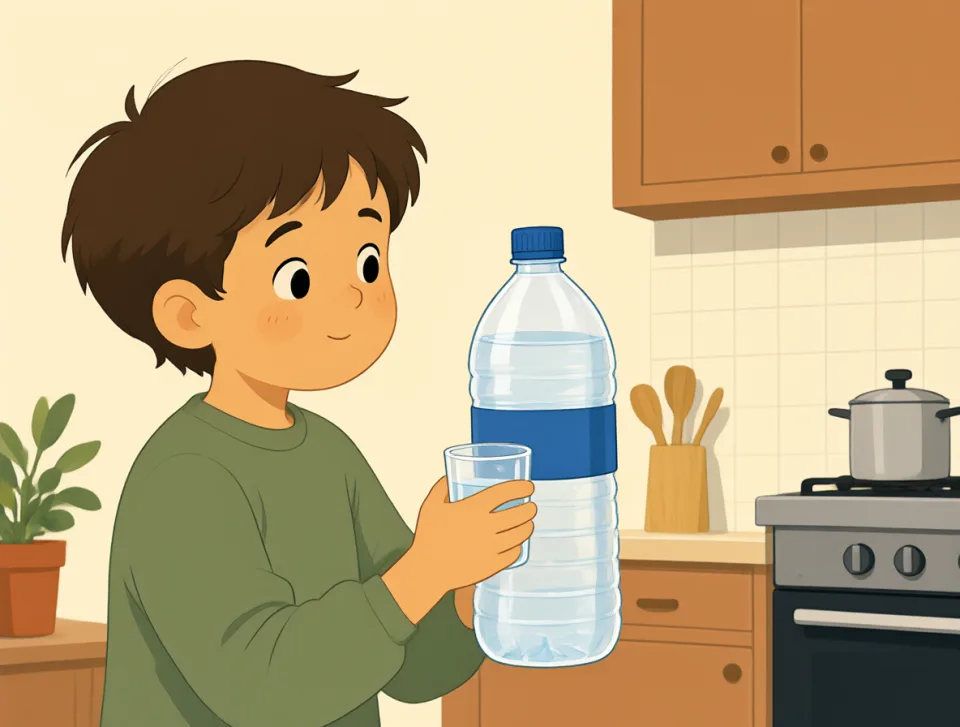
How much water do you drink?
¿Cuánta agua bebes?
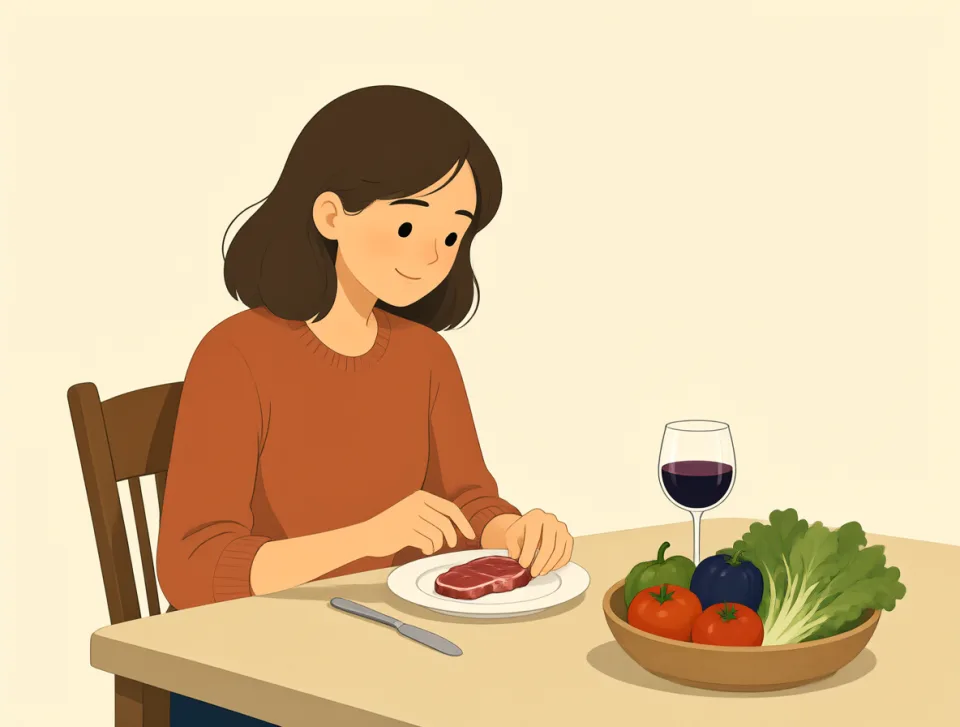
She doesn't eat much meat.
Ella no come mucha carne.
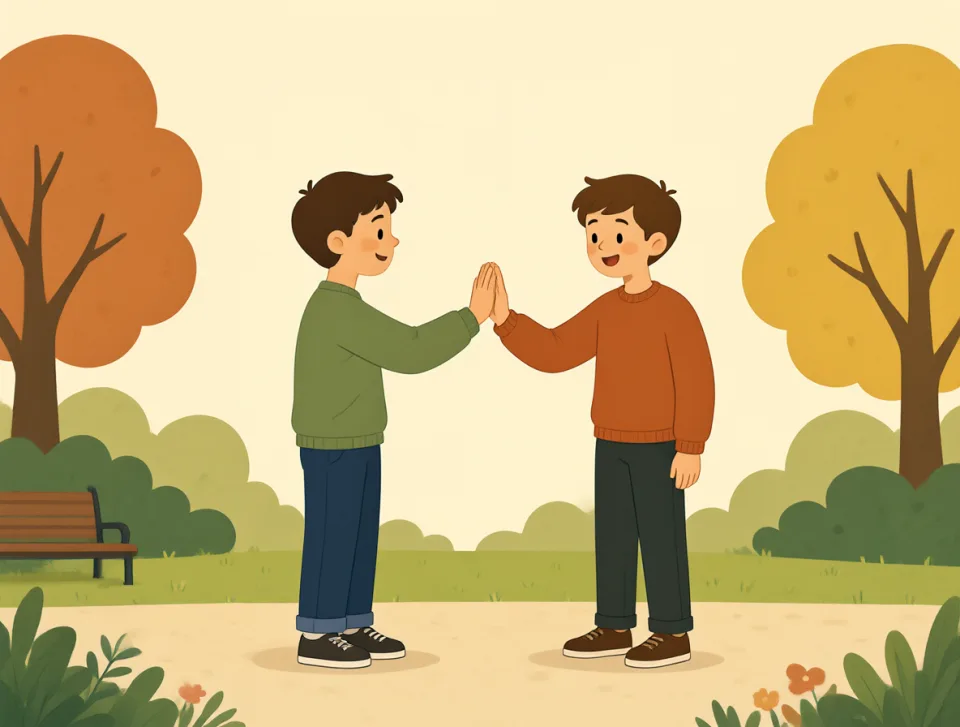
Thank you very much for your help.
Muchas gracias por tu ayuda.

We learned much from our teacher.
Aprendimos mucho de nuestro profesor.
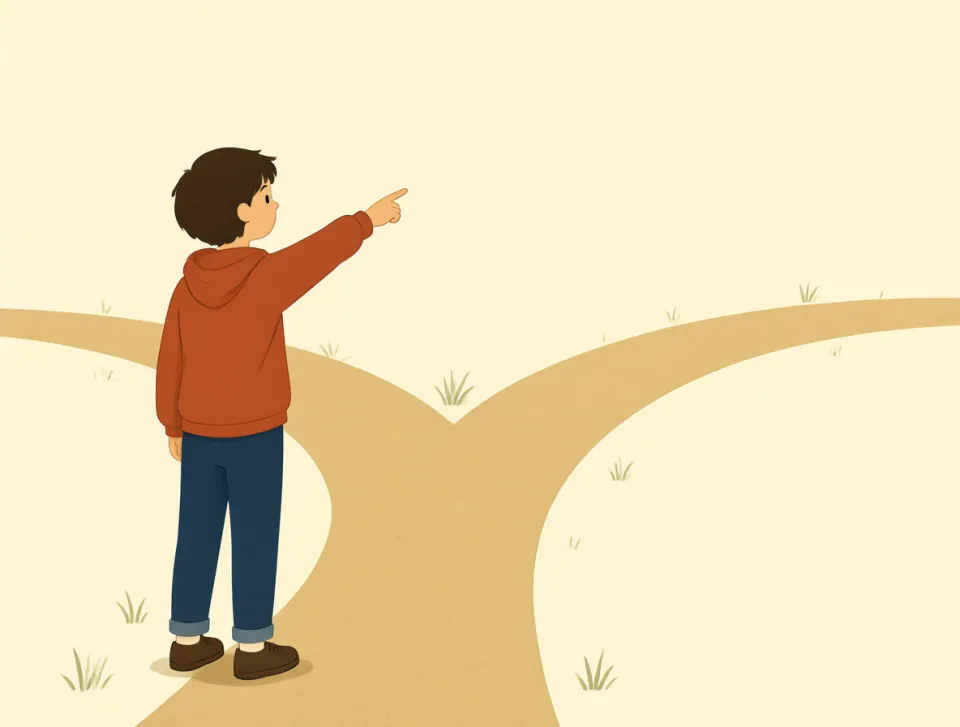
right
#92adjective, adverb, noun
correcto; derecha; justo; derecho
Correct, or on the side opposite your left hand.
Correcto o del lado opuesto a la mano izquierda.
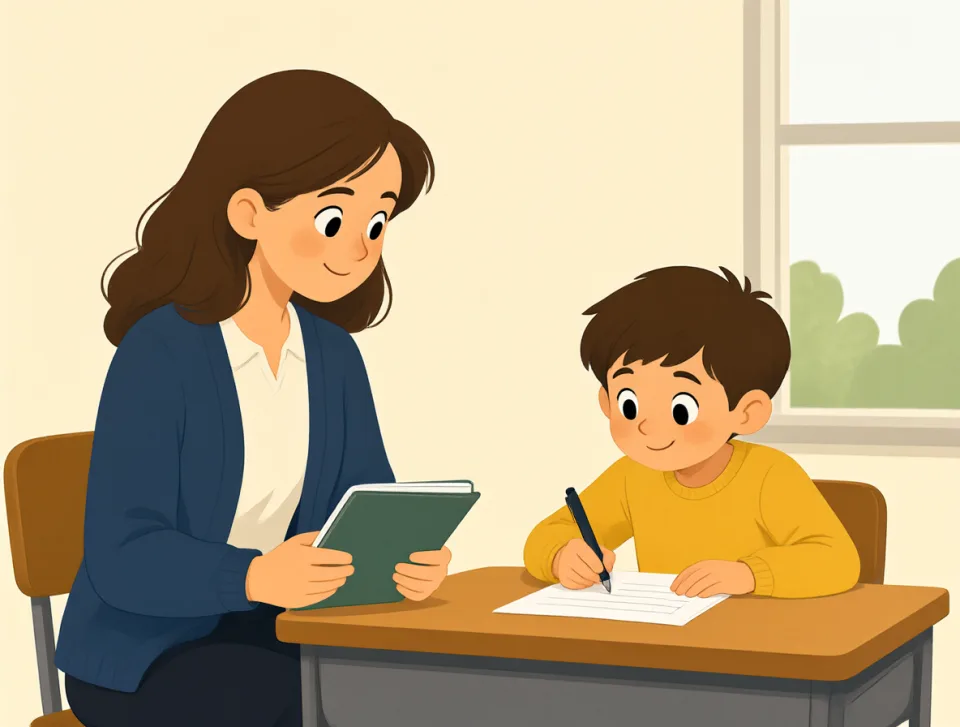
Your answer is right.
Tu respuesta es correcta.
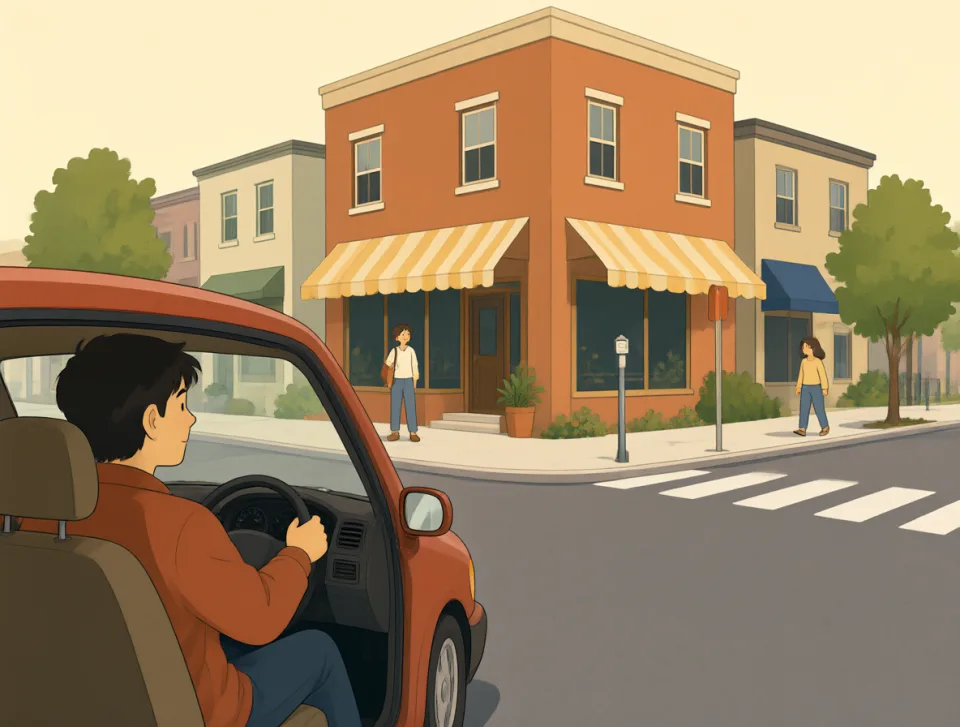
Please turn right at the next street.
Gira a la derecha en la próxima calle.
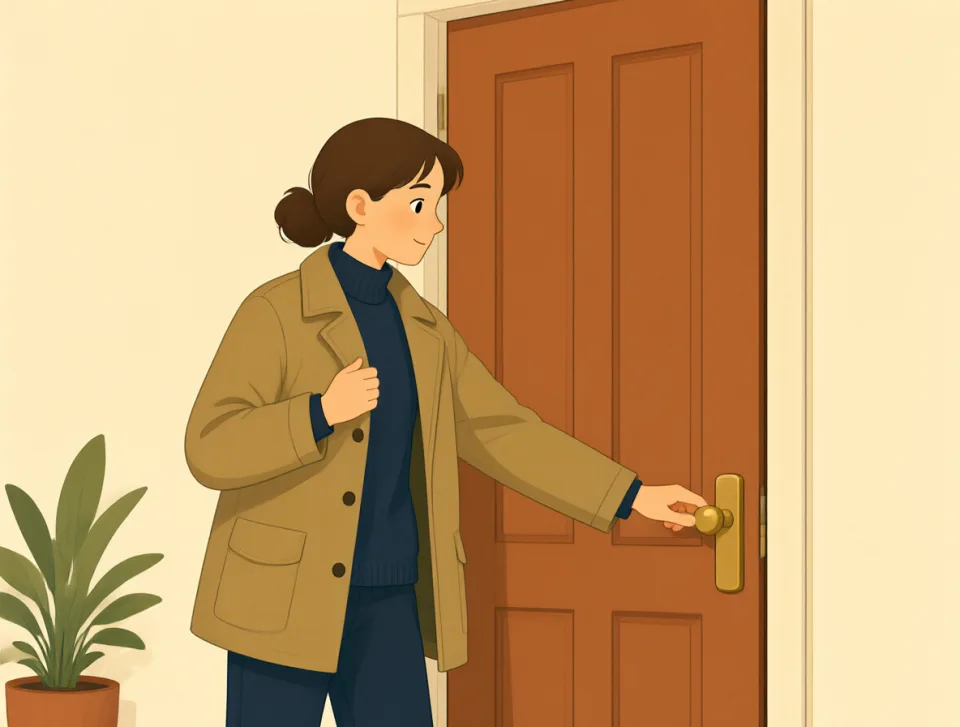
I need to leave right now.
Necesito irme ahora mismo.
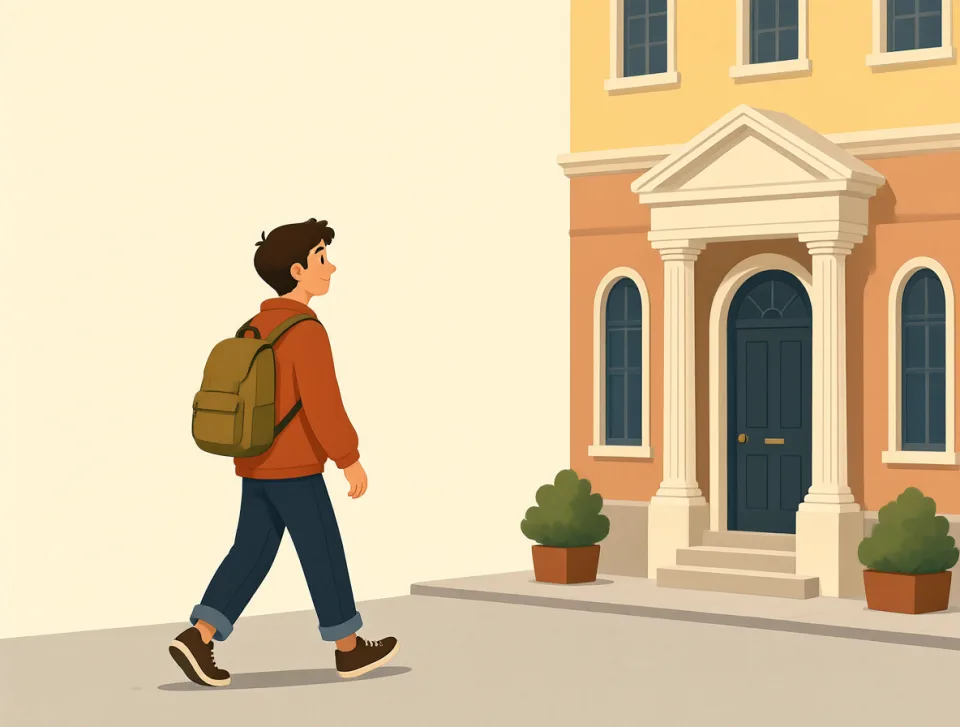
The bank is on the right.
El banco está a la derecha.

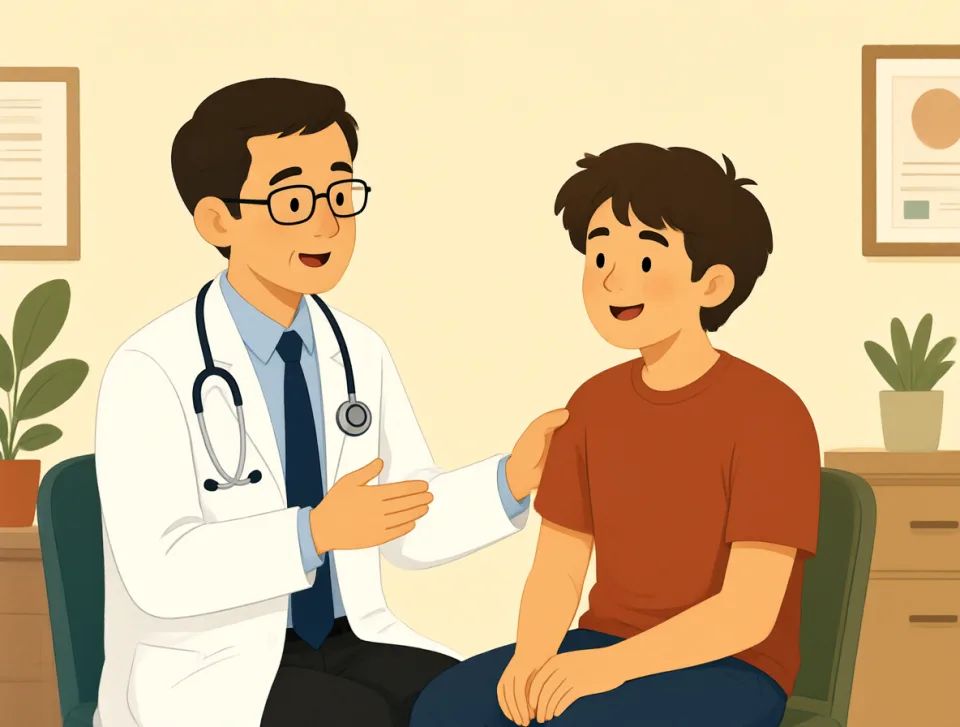
You have the right to ask questions.
Tienes derecho a hacer preguntas.
how
#93adverb, conjunction, pronoun
cómo; qué tan; cuánto
Used to ask or explain the way something happens or is done.
Se usa para preguntar o explicar la manera en que sucede o se hace algo.
How are you feeling today?
¿Cómo te sientes hoy?
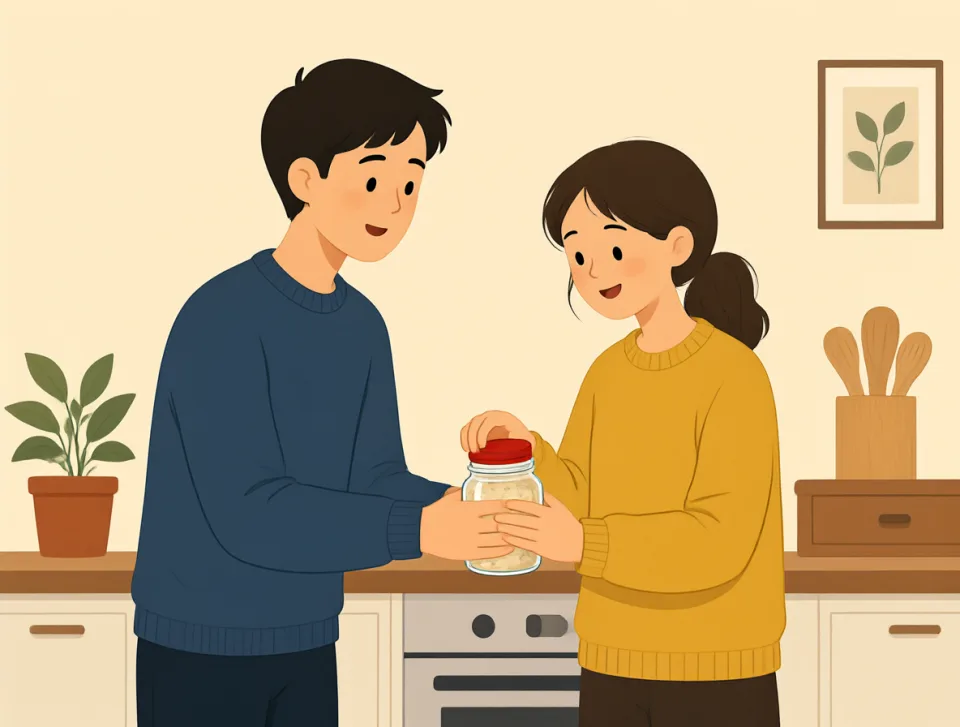
Can you show me how to open it?
¿Puedes enseñarme cómo abrirlo?
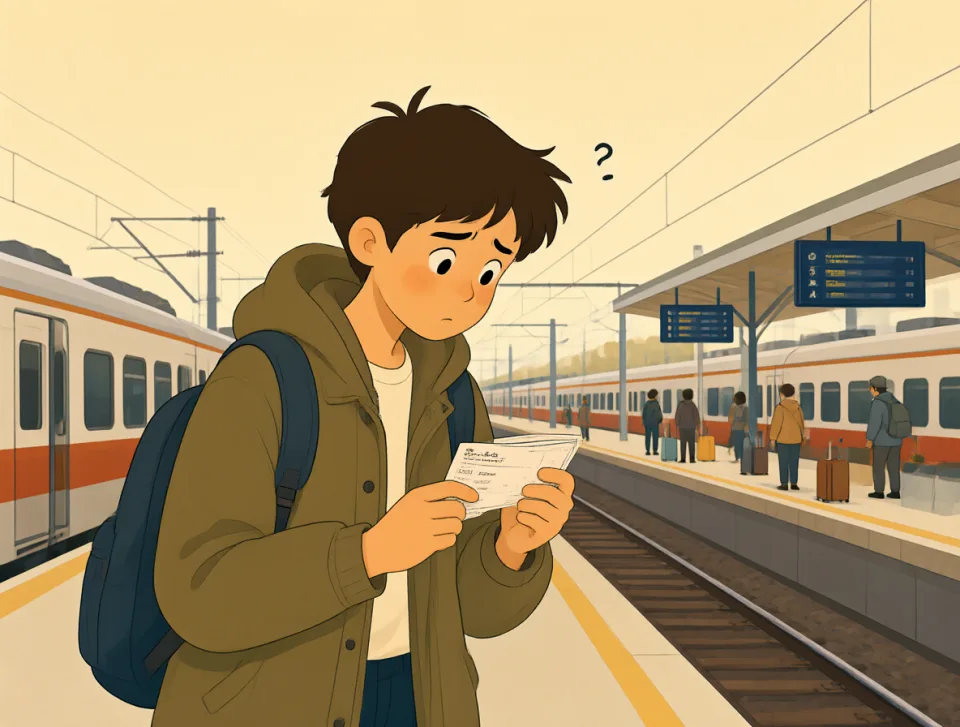
I forgot how much the tickets cost.
Se me olvidó cuánto costaban las entradas.
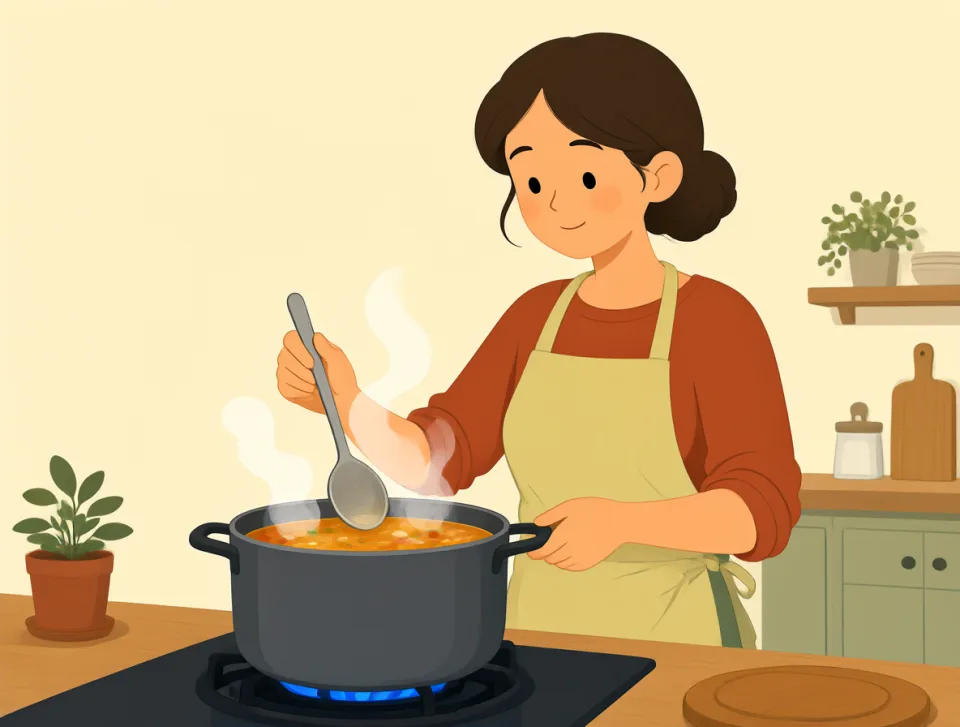
She knows how to make good soup.
Ella sabe hacer una buena sopa.

How did you get home so late?
¿Cómo llegaste a casa tan tarde?
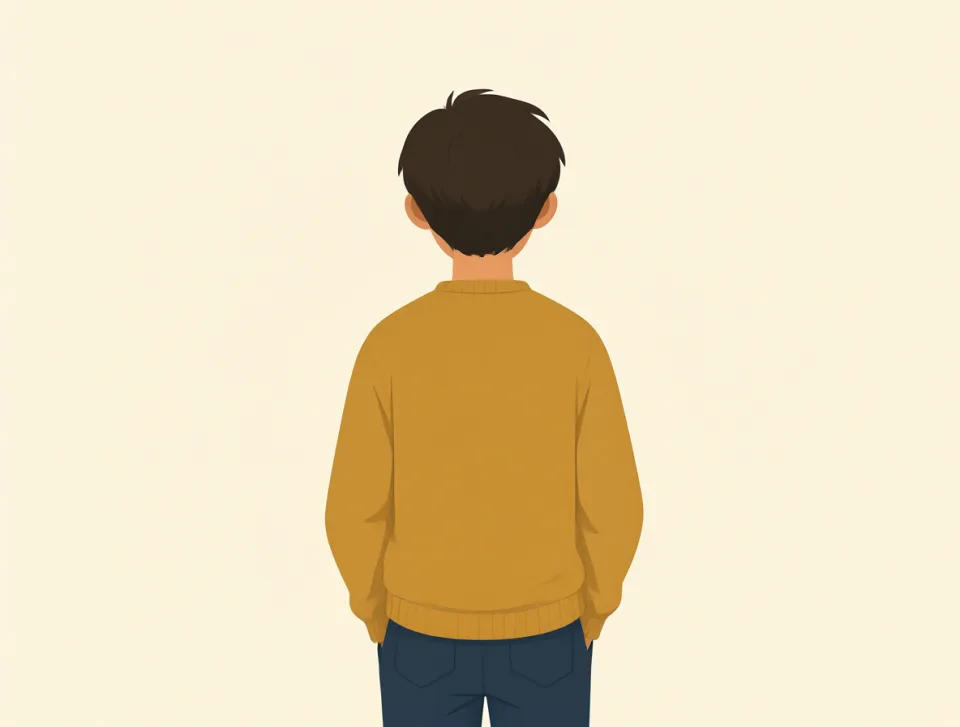
back
#94noun, verb, adjective, adverb, preposition
espalda; atrás; trasero; retroceder
The part of your body opposite your chest, or toward the place you came from.
La parte del cuerpo opuesta al pecho, o en dirección al lugar de donde vienes.
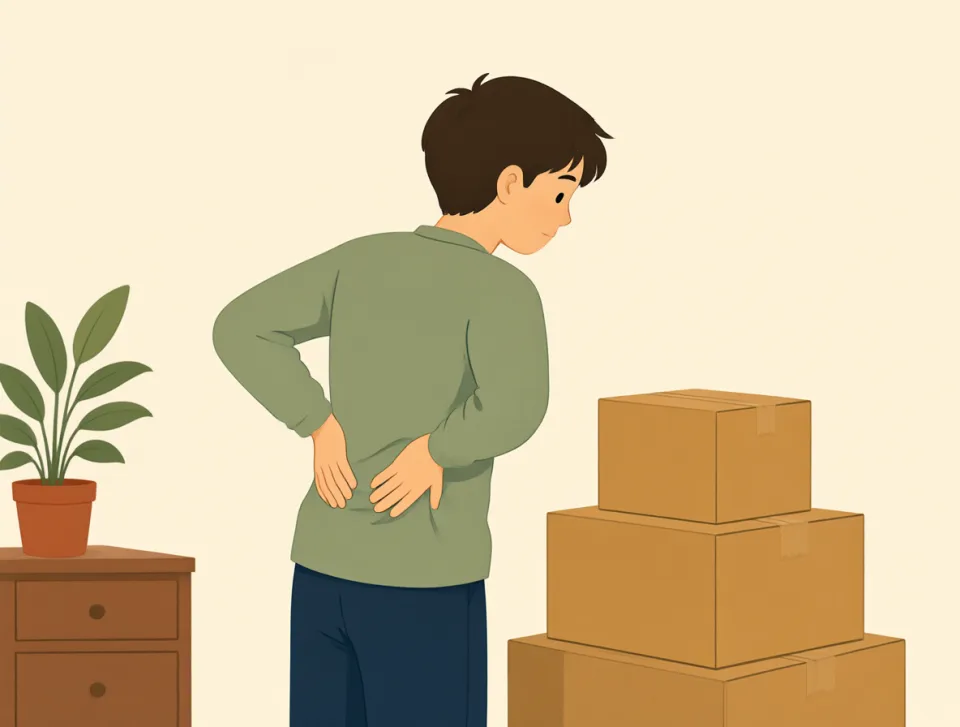
My back hurts after carrying the boxes.
Me duele la espalda después de cargar las cajas.
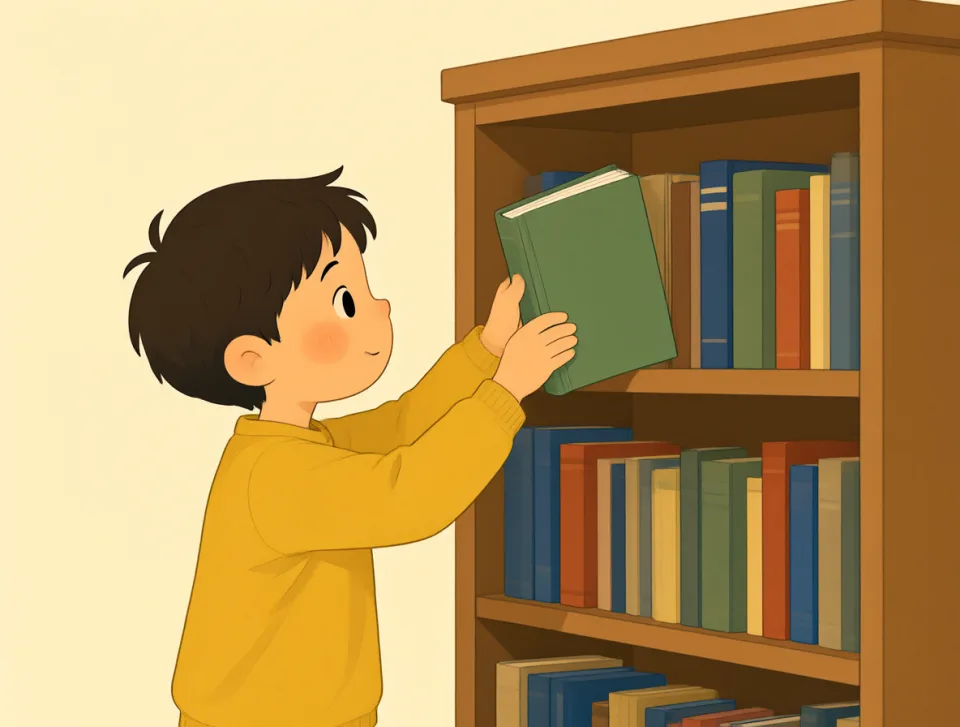
Please put the book back on the shelf.
Por favor, vuelve a poner el libro en la estantería.

We walked back to the hotel after dinner.
Después de cenar, caminamos de vuelta al hotel.
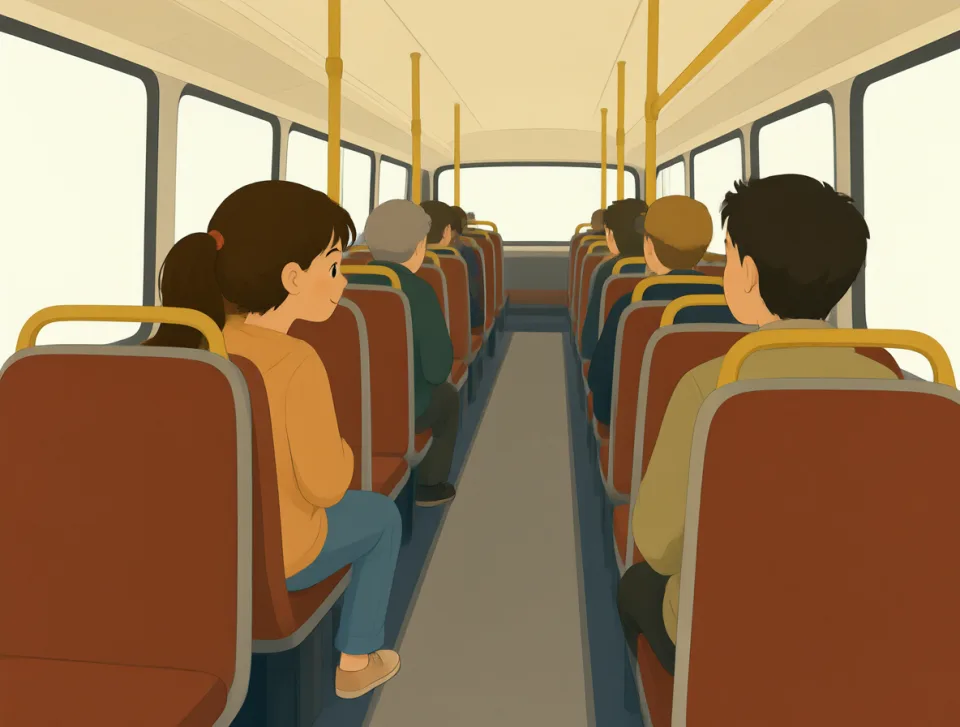
She sat in the back of the bus.
Se sentó en la parte de atrás del autobús.
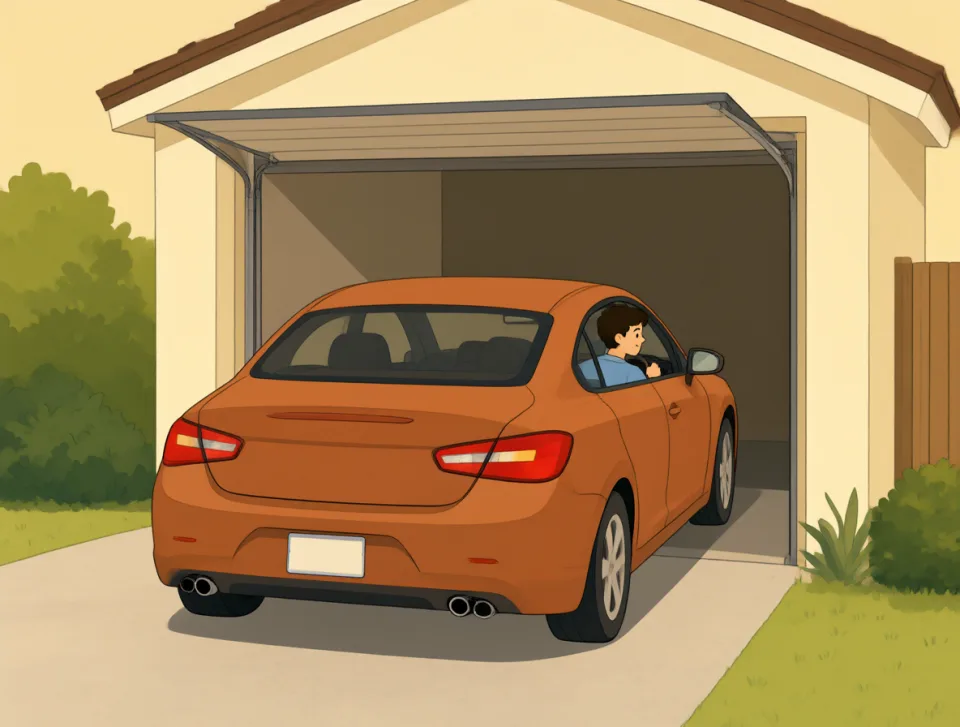
He backed the car into the garage.
Metió el coche marcha atrás en el garaje.
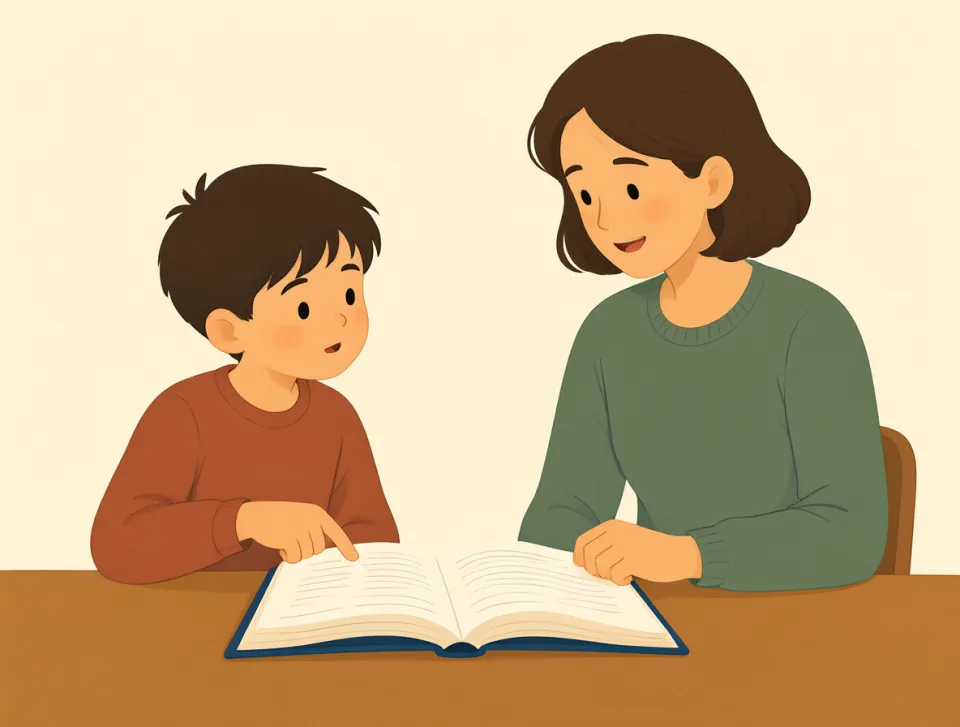
mean
#95verb, adjective, noun
significar; querer decir; tacaño; malo
To mean is to have a particular meaning or intend to say something.
Significar es tener un significado específico o tener la intención de decir algo.
What does this word mean?
¿Qué significa esta palabra?
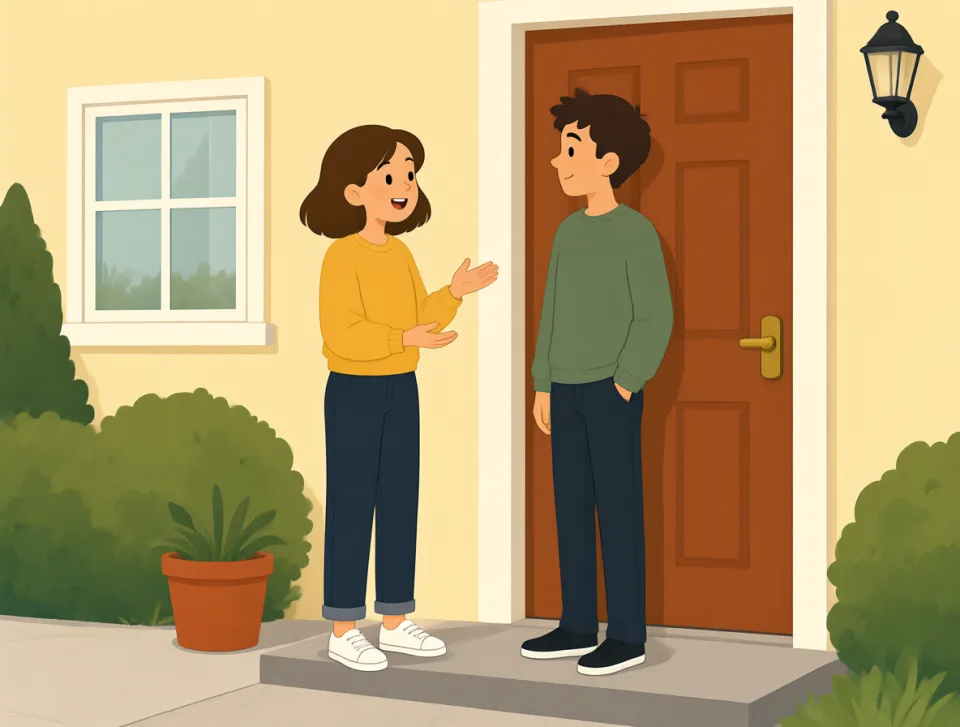
I mean we should leave now.
Quiero decir que deberíamos irnos ahora.
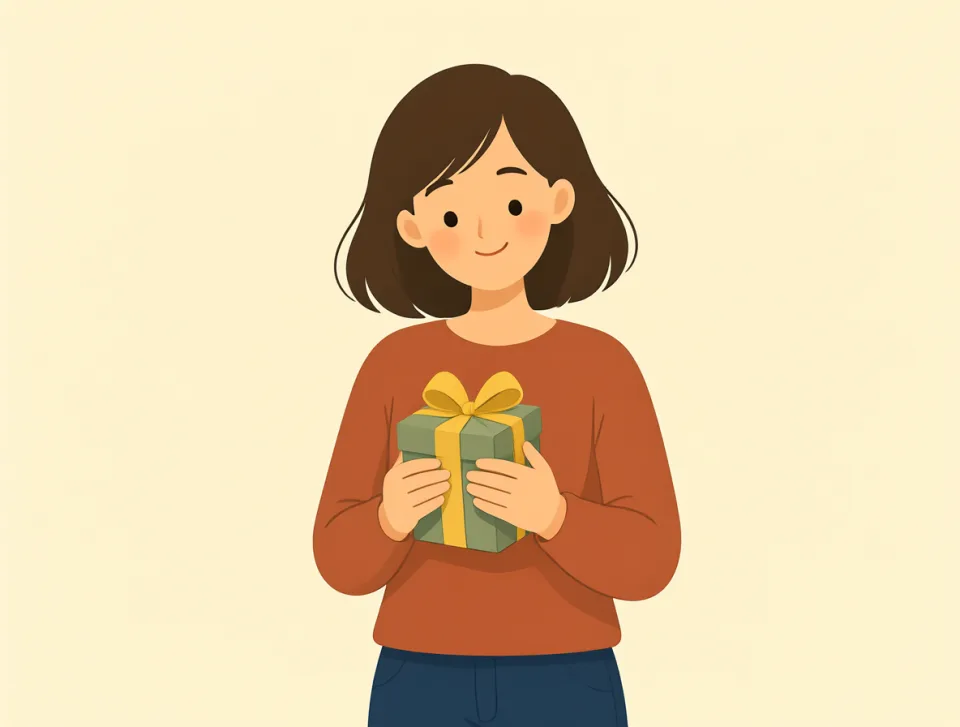
This gift means a lot to me.
Este regalo significa mucho para mí.
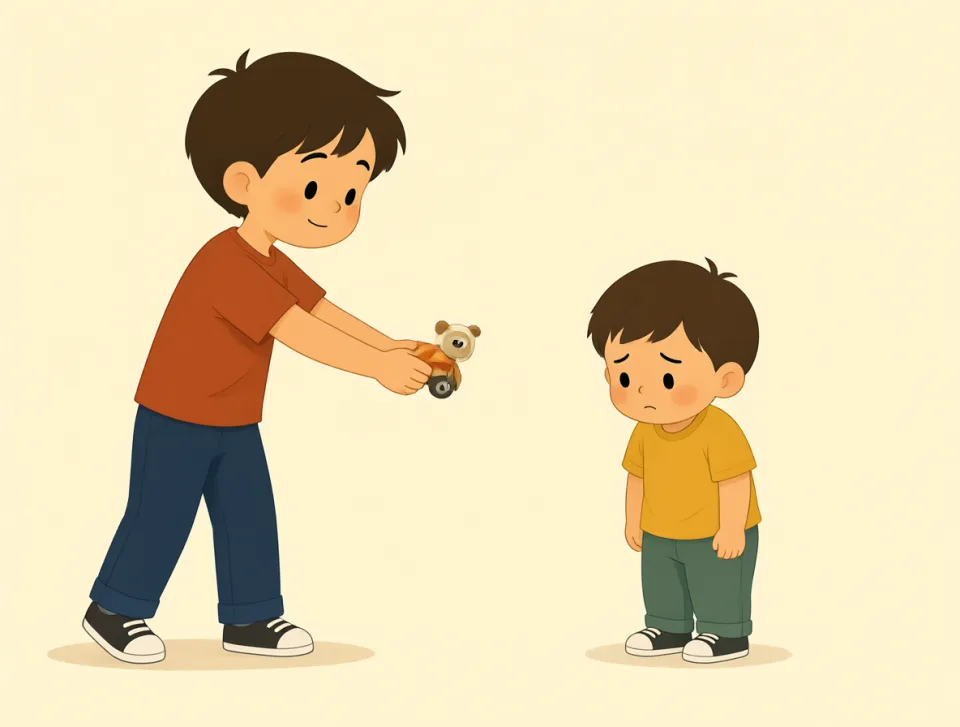
He was mean to his little brother.
Era malo con su hermanito.
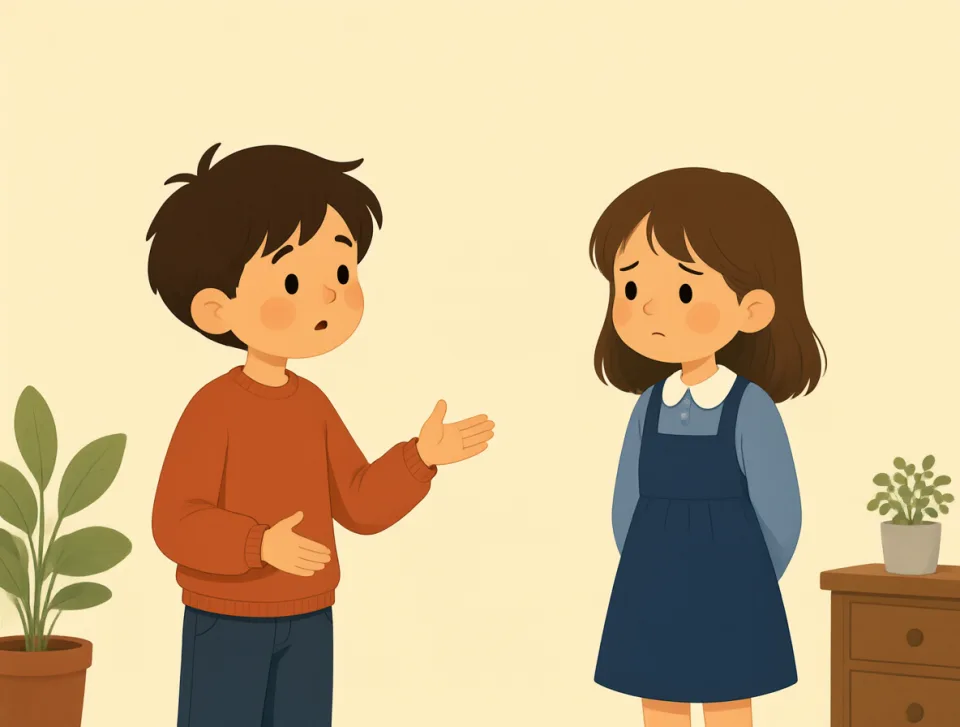
That was a mean joke.
Ese fue un chiste cruel.

even
#96adverb, adjective, verb
incluso; par; plano; justo
Used to show something surprising, equal, flat, or fair.
Se usa para indicar que algo es sorprendente, igual, plano o justo.
Even my brother likes this song.
Incluso a mi hermano le gusta esta canción.
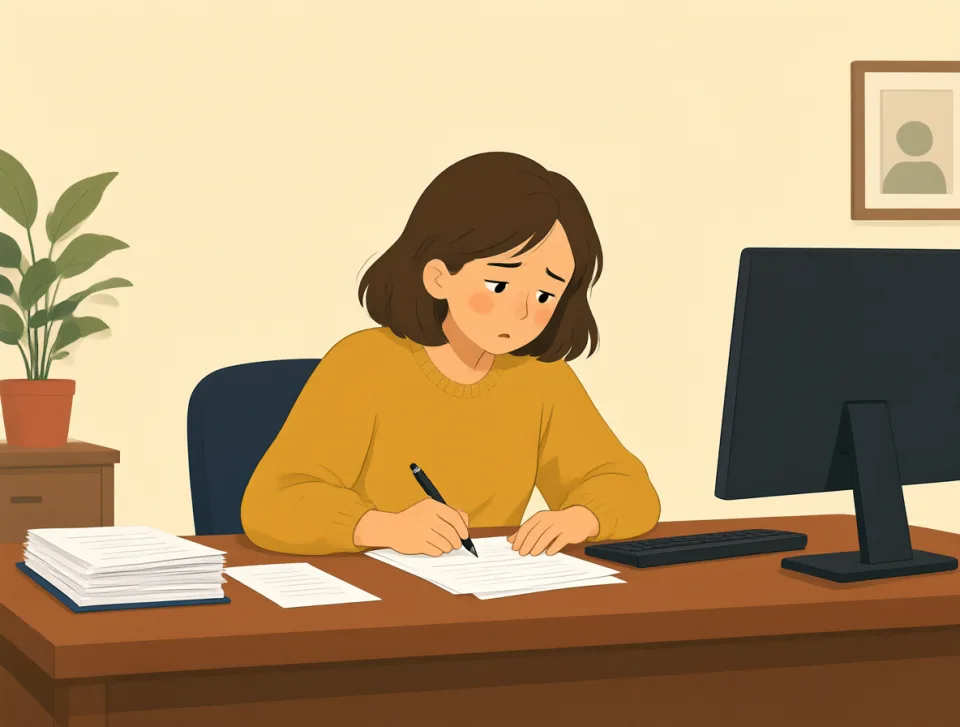
She was tired, but she even finished the work.
Estaba cansada, pero incluso terminó el trabajo.
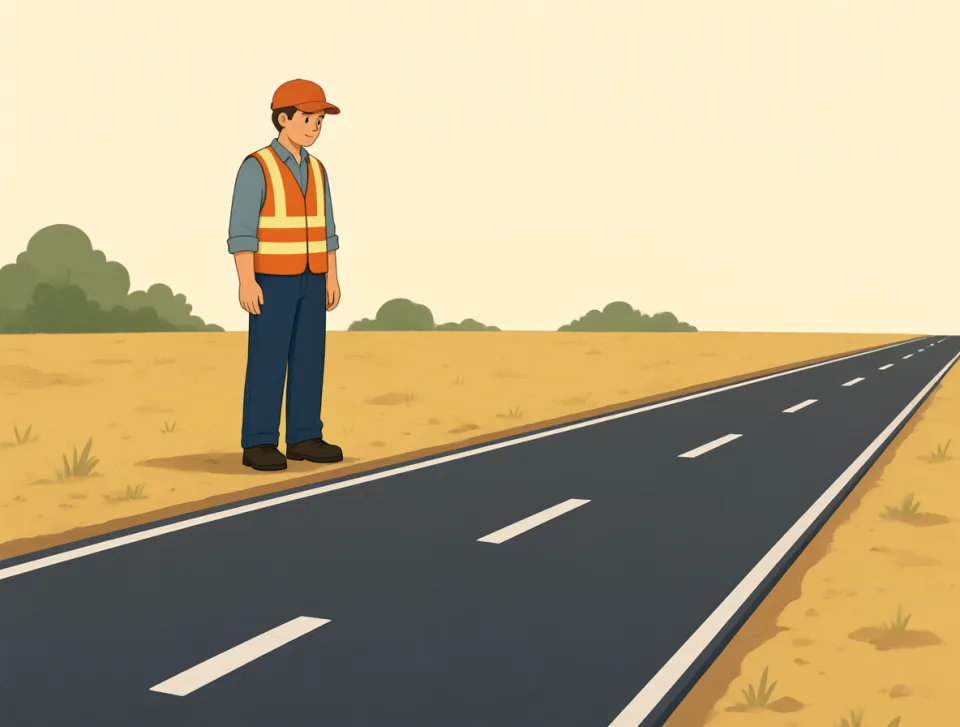
The road is even after the repairs.
La carretera está lisa después de las reparaciones.
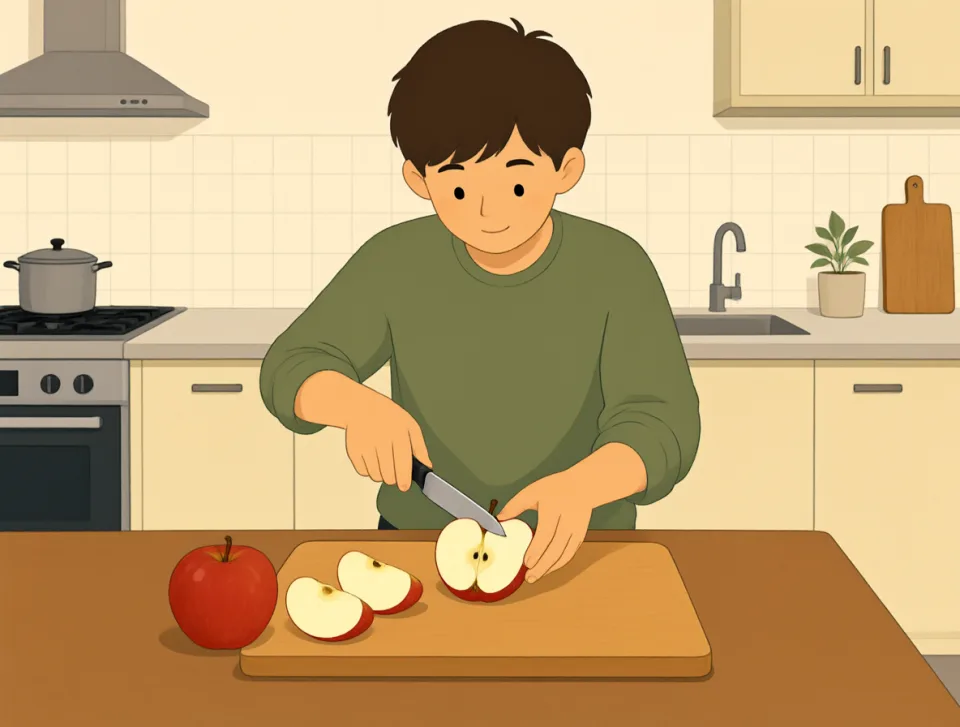
Cut the apple into even pieces.
Corta la manzana en trozos iguales.
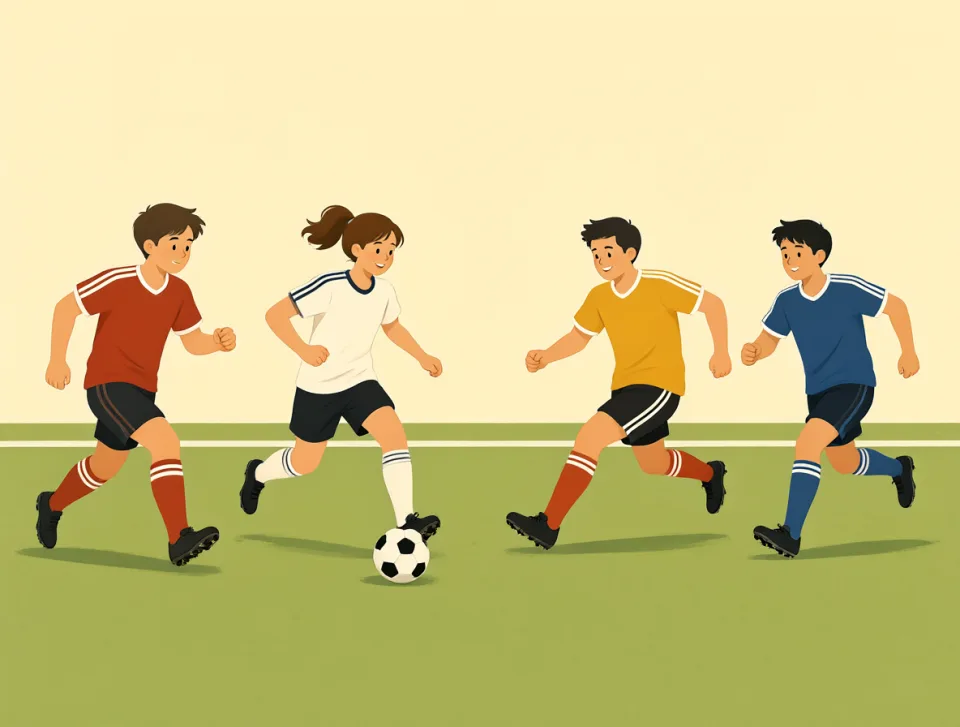
We played on an even team.
Jugamos en un equipo equilibrado.
may
#97modal verb, noun
puede que; poder; mayo
Used to say that something is possible or to ask for permission.
Se usa para decir que algo es posible o para pedir permiso.
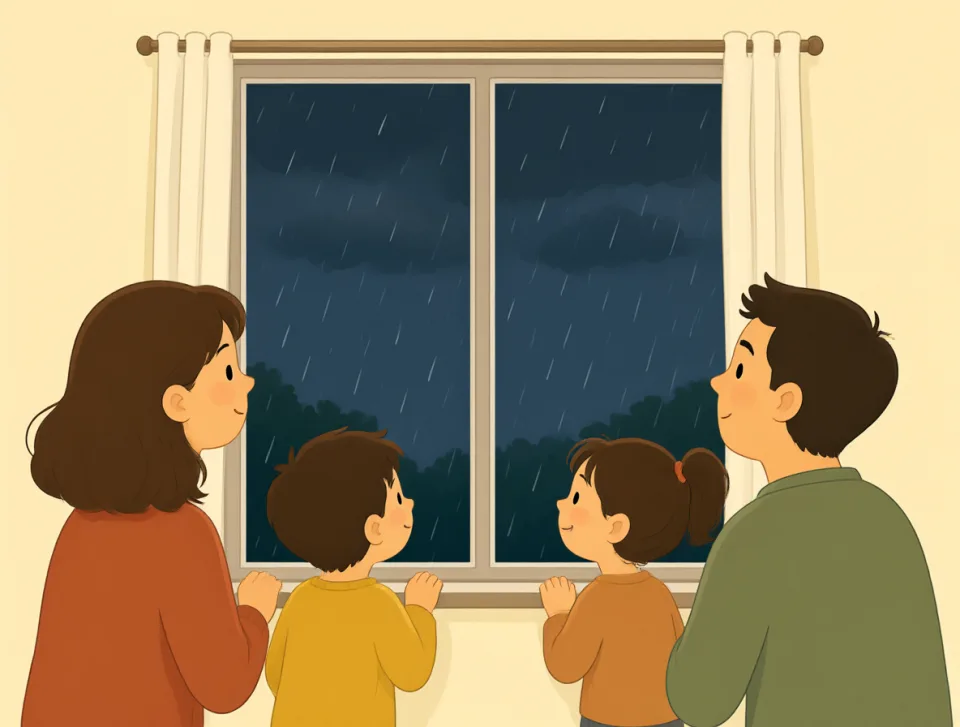
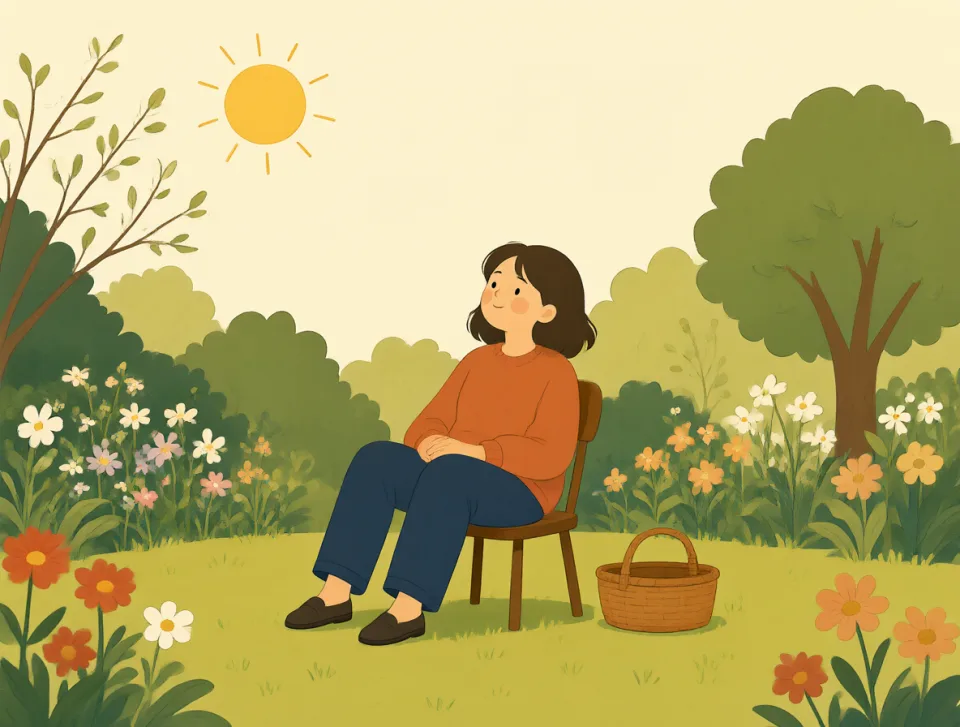
It may rain this afternoon.
Puede que llueva esta tarde.
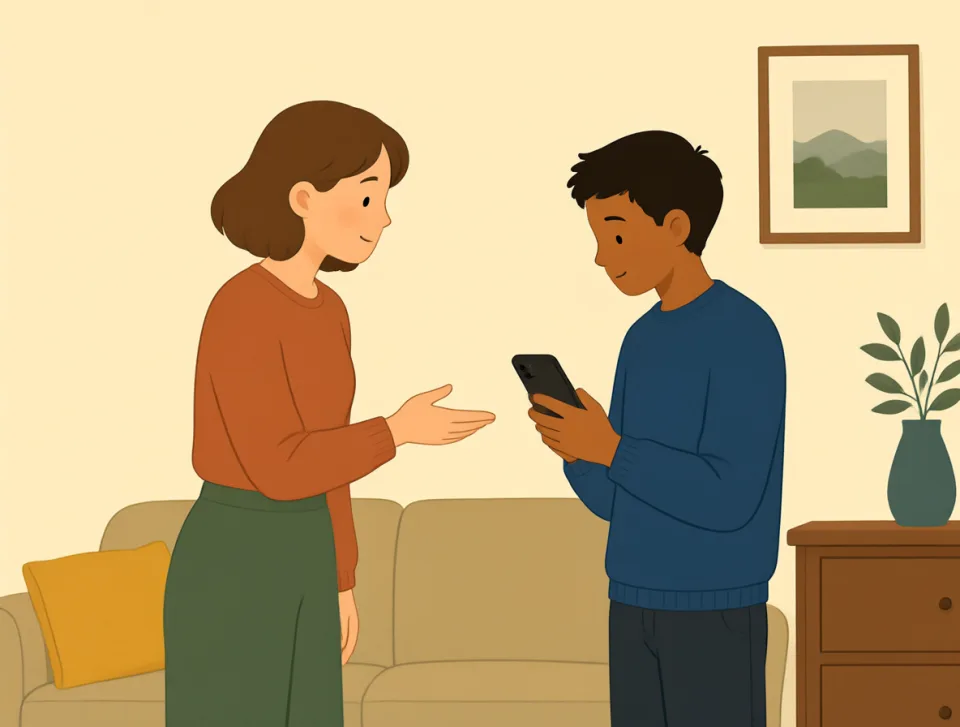
May I use your phone?
¿Puedo usar tu teléfono?

You may leave work early today.
Hoy puedes salir temprano del trabajo.
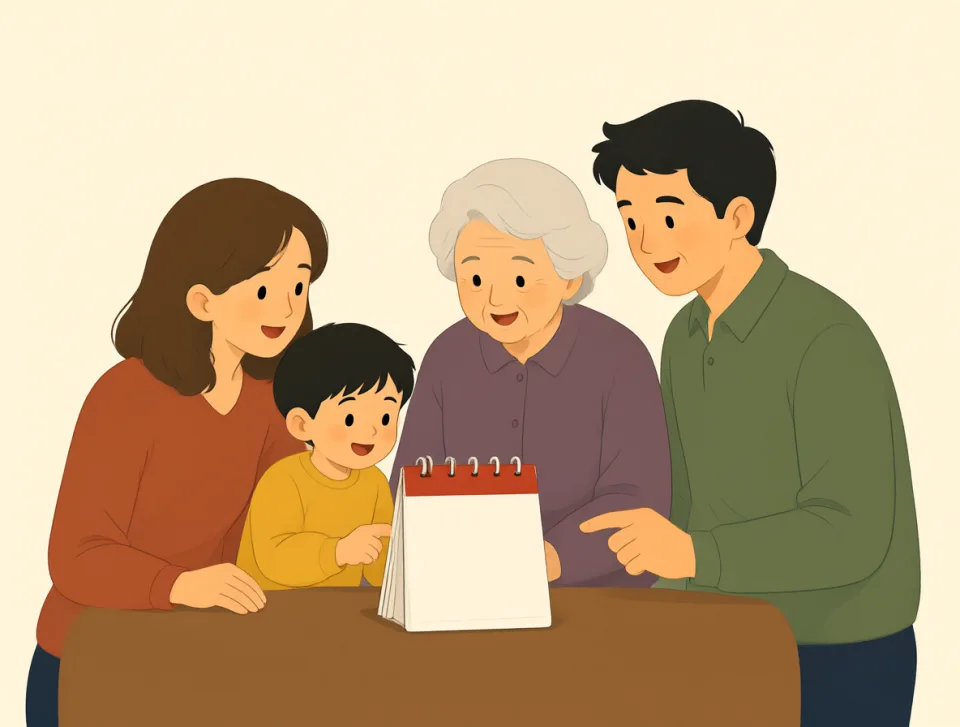
We may visit Grandma this weekend.
Puede que visitemos a Grandma este fin de semana.
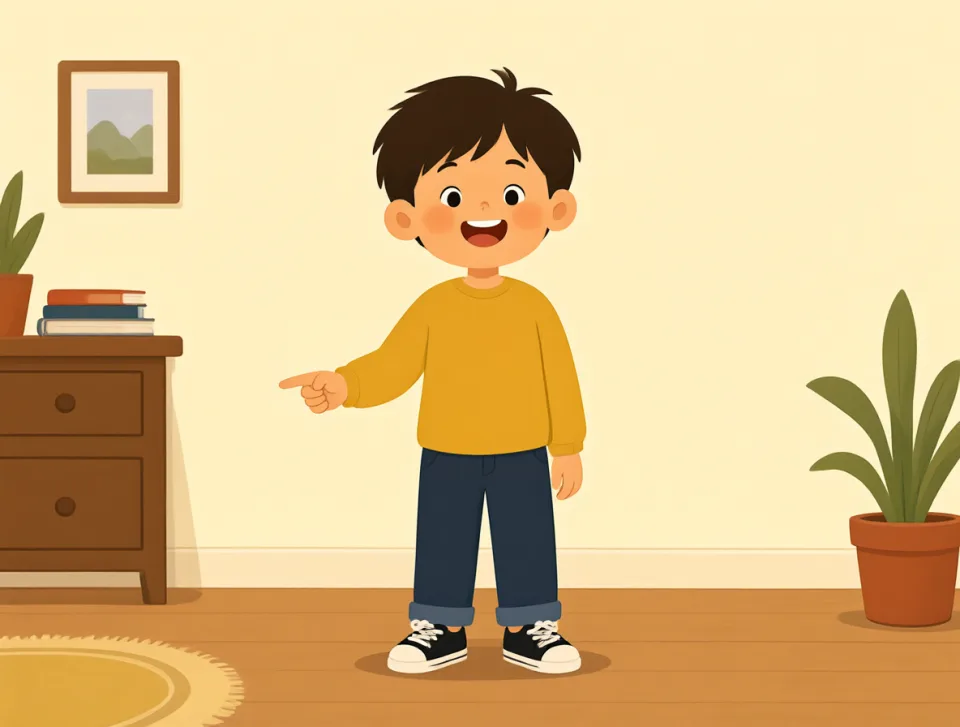
May is my favorite month.
Mayo es mi mes favorito.
here
#98adverb, pronoun, adjective, noun
aquí; acá
in, at, or to this place
en, en este lugar o hacia este lugar

Please sit here beside me.
Siéntate aquí a mi lado, por favor.
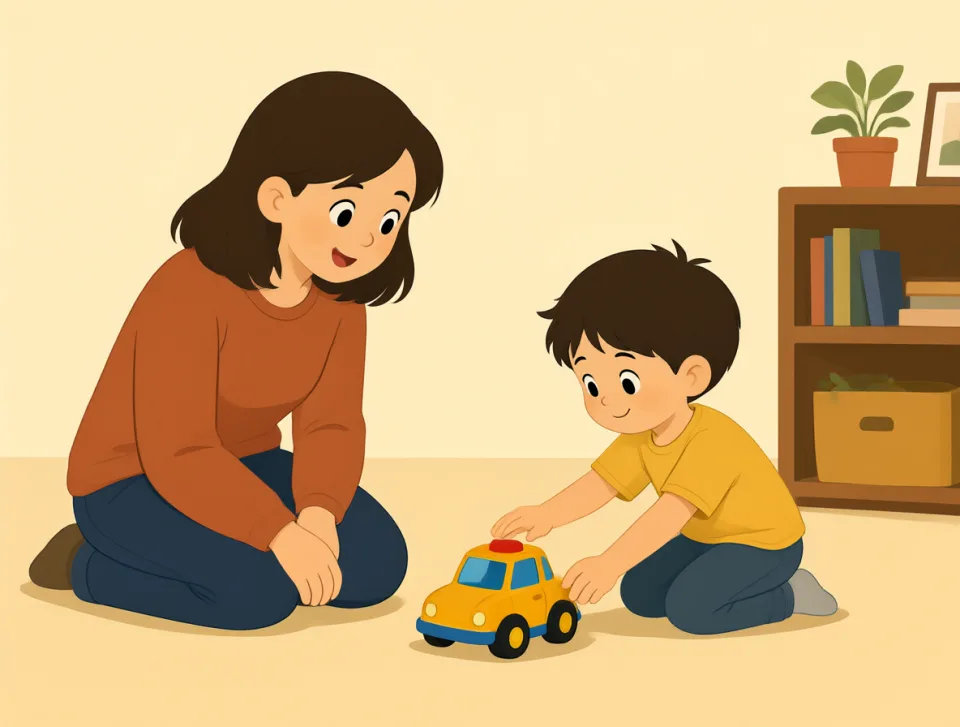
Come here and look at this.
Ven aquí y mira esto.
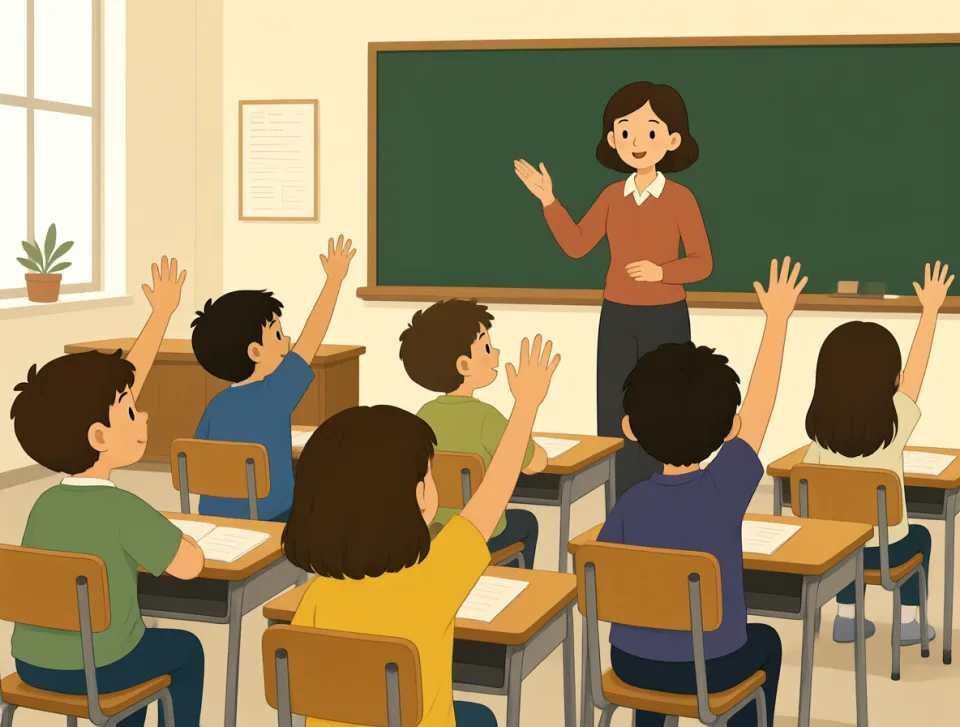
Is anyone here from our class?
¿Hay alguien de nuestra clase aquí?
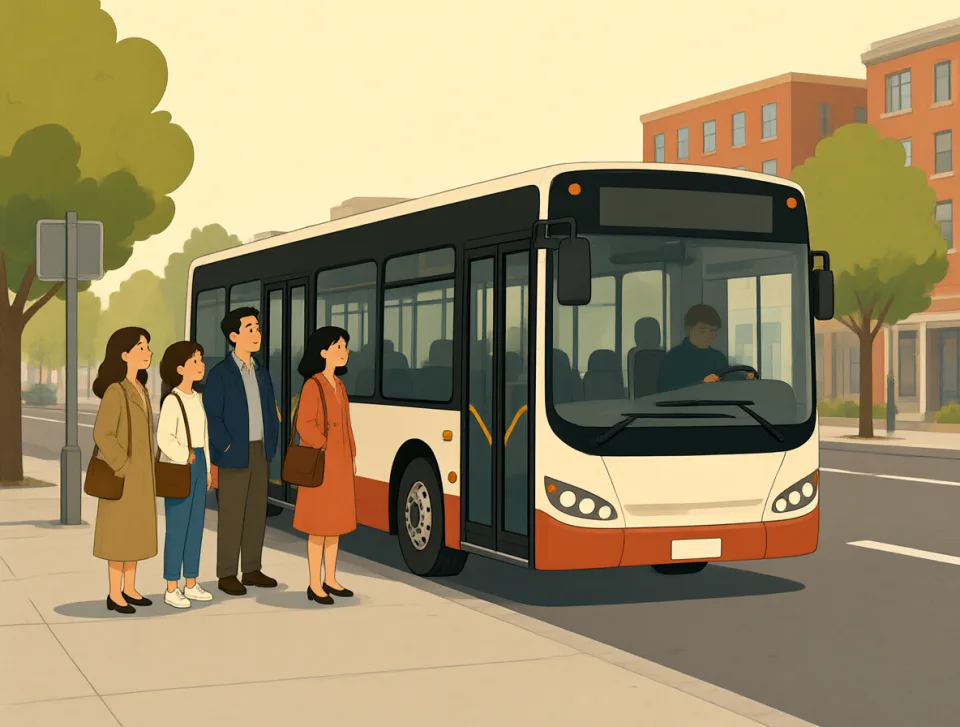
The bus stops here every morning.
El autobús para aquí todas las mañanas.
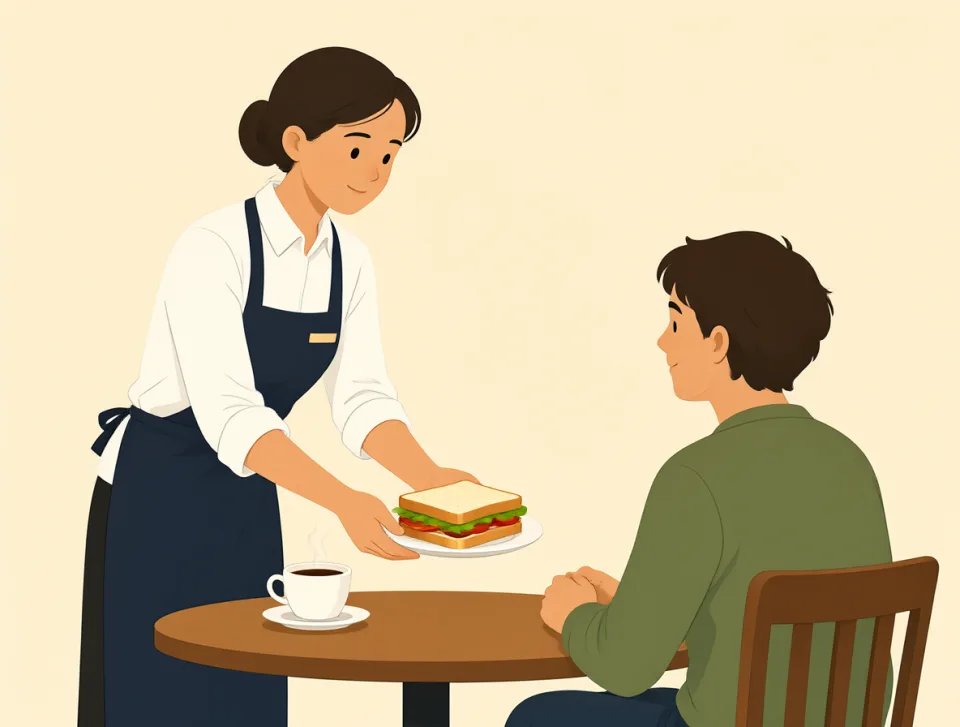
Here is your coffee and sandwich.
Aquí tienes tu café y tu sándwich.
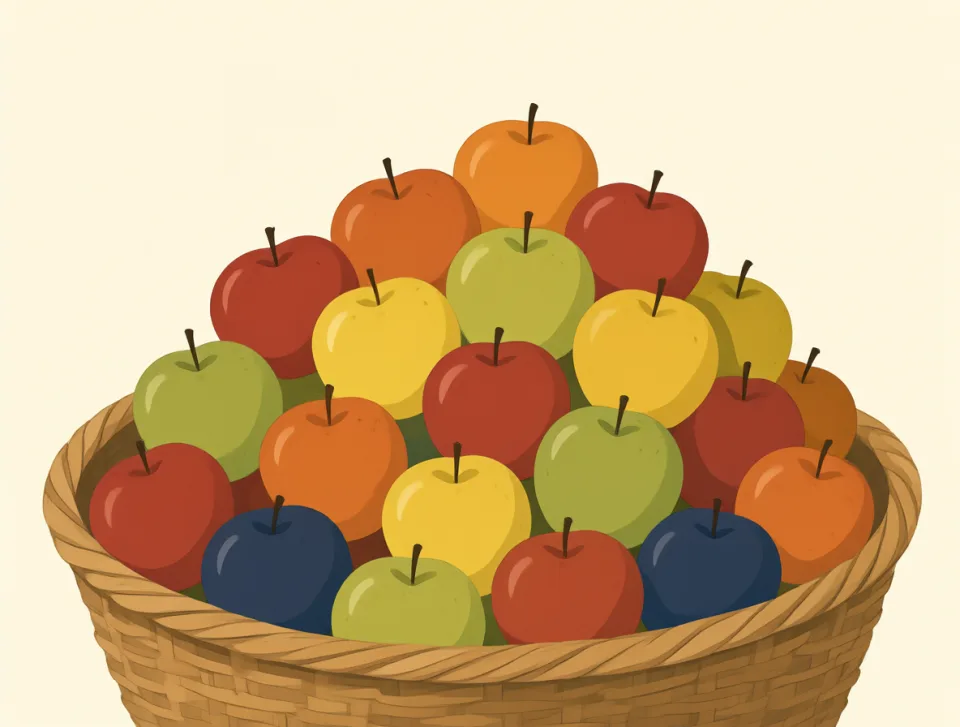
many
#99determiner, pronoun
muchos; muchas
A large number of people or things.
Una gran cantidad de personas o cosas.
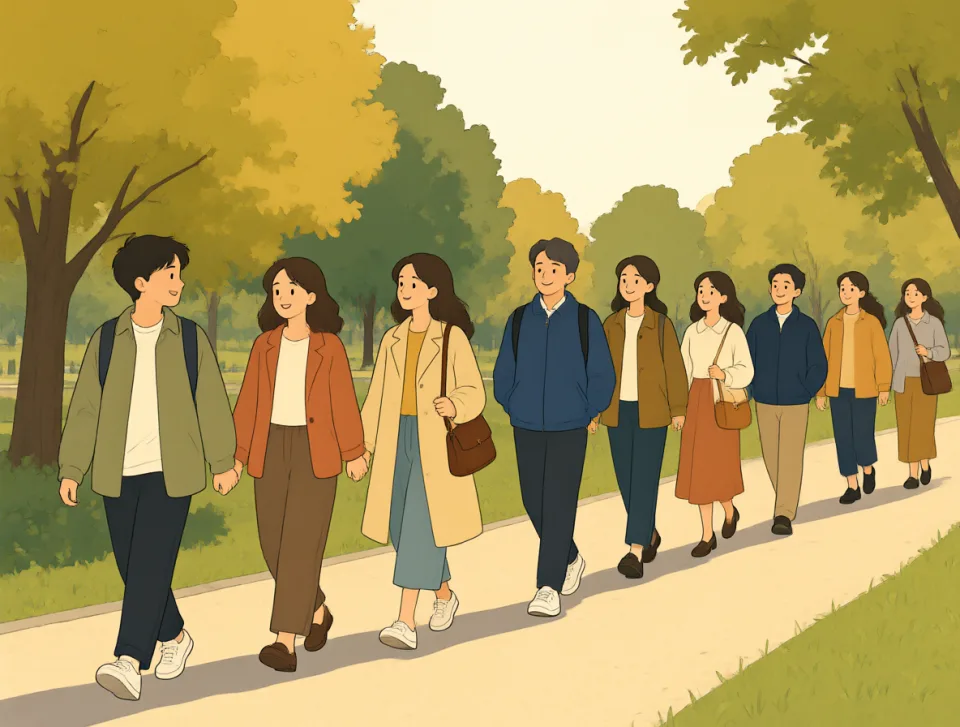
Many people enjoy walking in the park.
A muchas personas les gusta caminar por el parque.
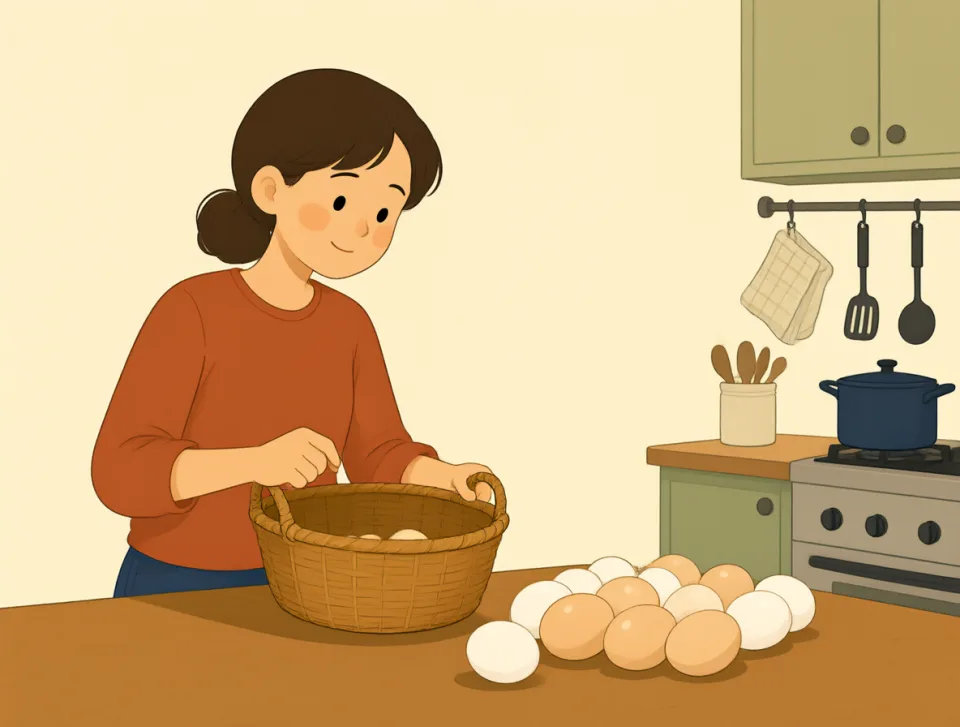
How many eggs do we need?
¿Cuántos huevos necesitamos?

I have many friends at school.
Tengo muchos amigos en la escuela.
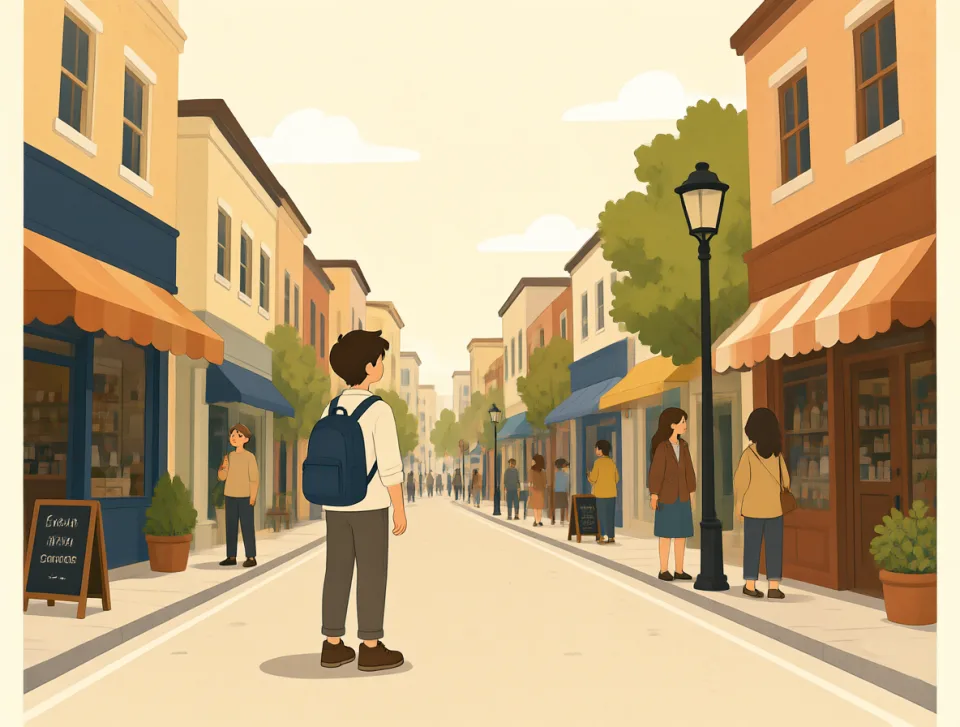
There are many shops near the hotel.
Hay muchas tiendas cerca del hotel.
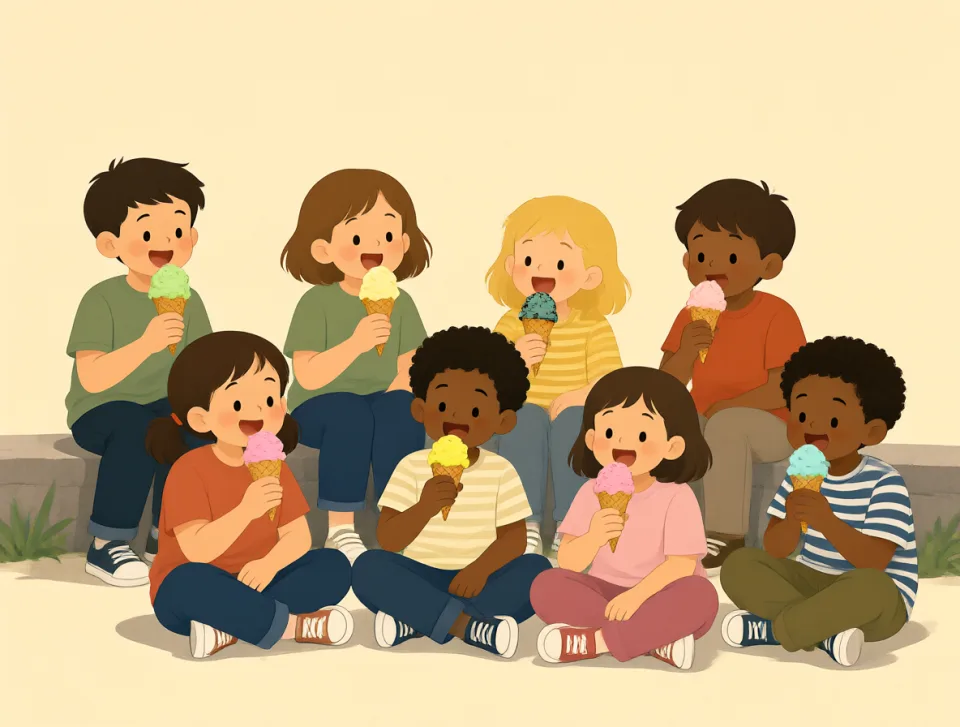
Many children like eating ice cream.
A muchos niños les gusta comer helado.

such
#100determiner, pronoun, adverb
tal; semejante; tan; tanto
Used to show something is like or as great as what was just mentioned.
Se usa para mostrar que algo es como lo que se acaba de mencionar o que es tan grande como eso.
I have never seen such a beautiful place.
Nunca había visto un lugar tan hermoso.

She is such a good friend.
Es una amiga tan buena.
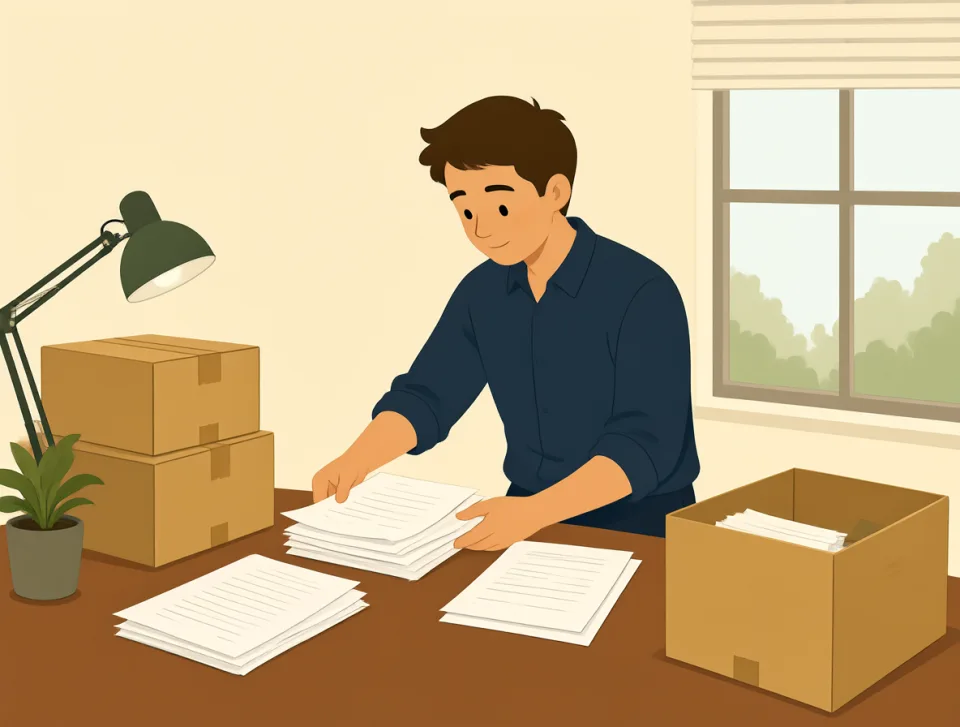
We had such a busy day at work.
Tuvimos un día tan ocupado en el trabajo.
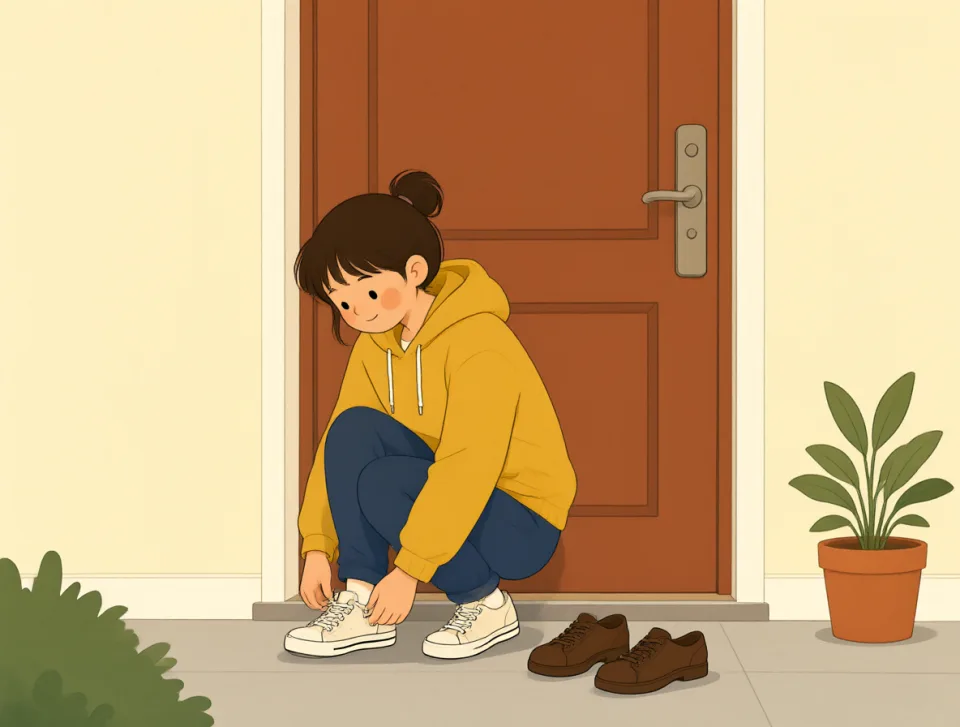
Why are you in such a hurry?
¿Por qué tienes tanta prisa?
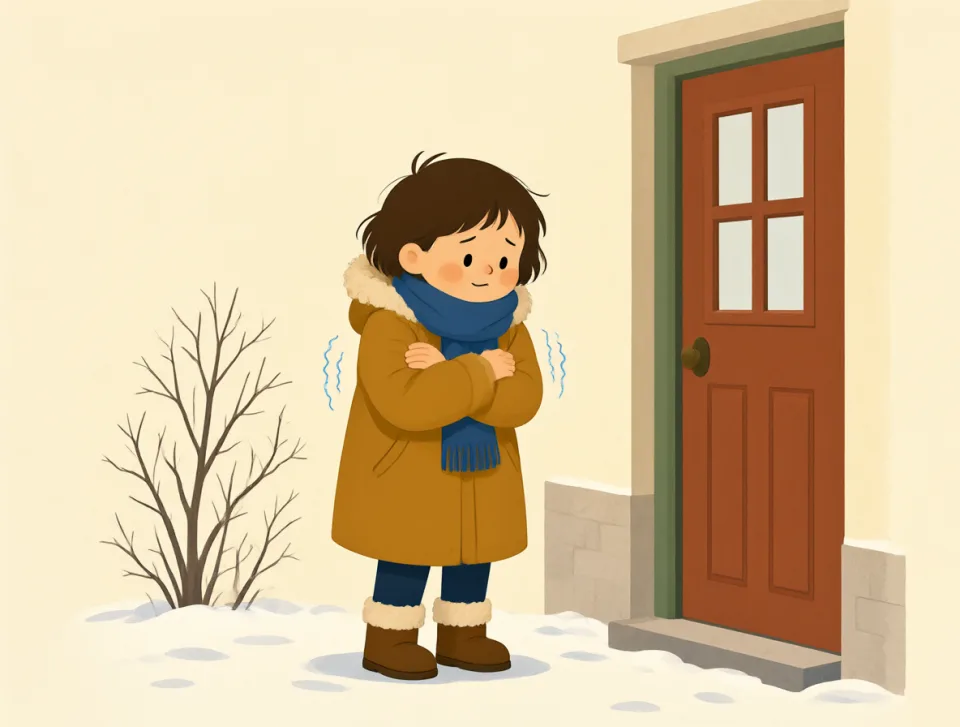
It was such a cold morning.
Era una mañana tan fría.