Unit 5
Kata 81–100 · find, over, any, after, day, where

find
#81verb, noun
menemukan
to discover, get, or notice something, often after looking for it
menemukan, mendapatkan, atau menyadari sesuatu, sering kali setelah mencarinya
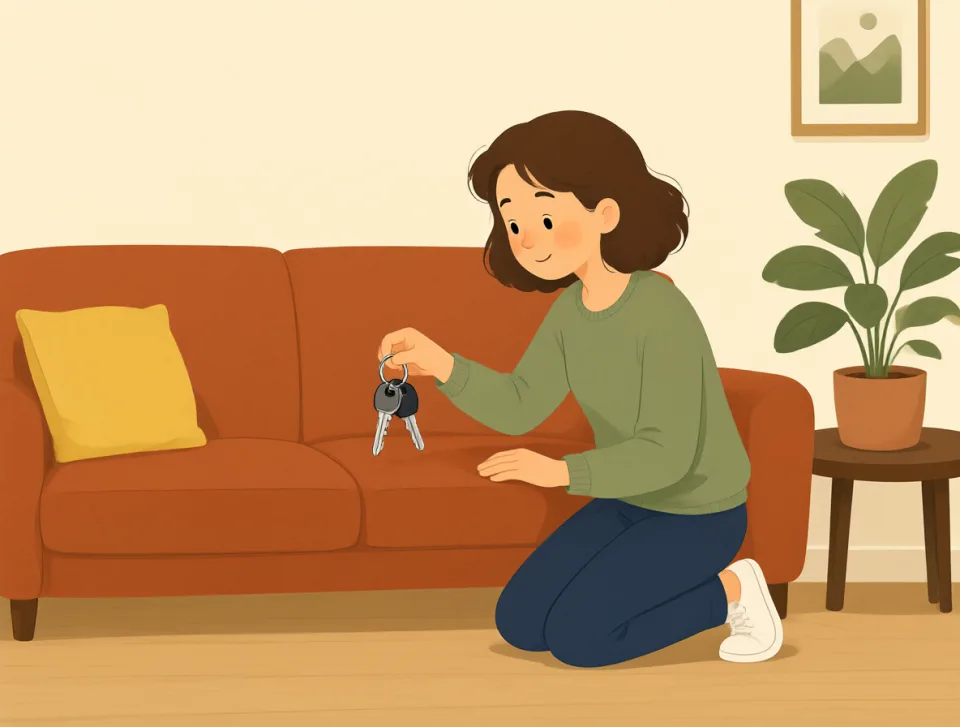
I can't find my keys anywhere.
Aku tidak bisa menemukan kunciku di mana pun.

We found a nice hotel near the beach.
Kami menemukan hotel bagus di dekat pantai.

She found a job at a local shop.
Dia mendapat pekerjaan di toko setempat.

The doctor found a problem with my knee.
Dokter menemukan masalah pada lututku.

I found a coin under the table.
Aku menemukan sekeping koin di bawah meja.

over
#82adverb, preposition, adjective, noun
di atas; melewati; selesai; lebih dari; selama
above or across something; finished; more than; during a period of time
berada di atas atau melintasi sesuatu; selesai; lebih dari; selama suatu jangka waktu

The plane flew over the city.
Pesawat itu terbang melintasi kota.

She put a blanket over the baby.
Dia menyelimuti bayi itu dengan selimut.
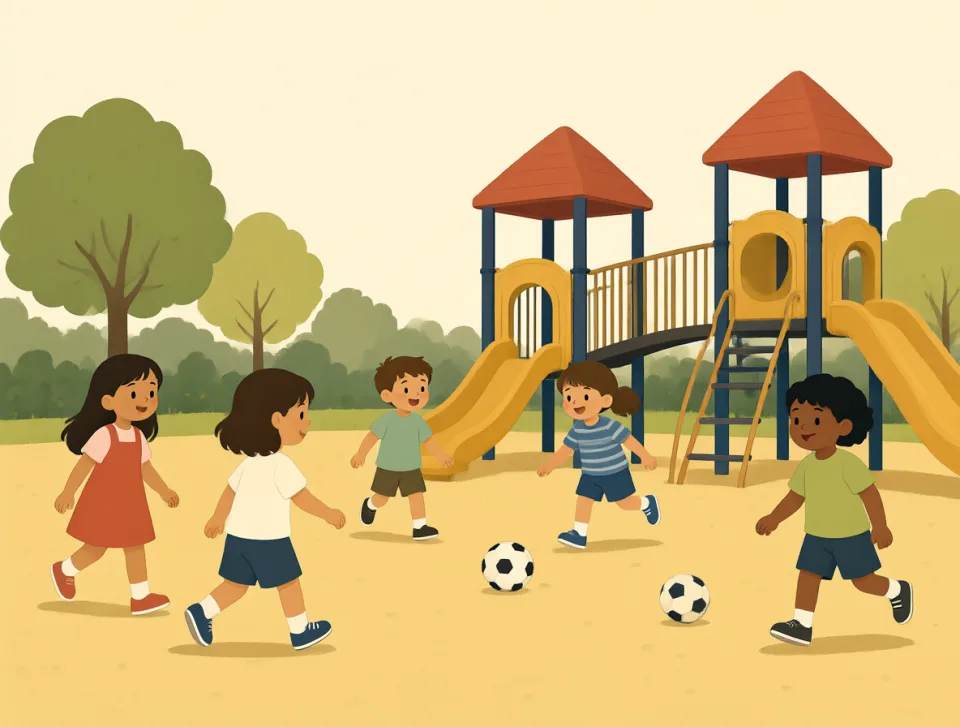
The game is over now.
Pertandingannya sekarang sudah selesai.

We talked over lunch.
Kami mengobrol sambil makan siang.
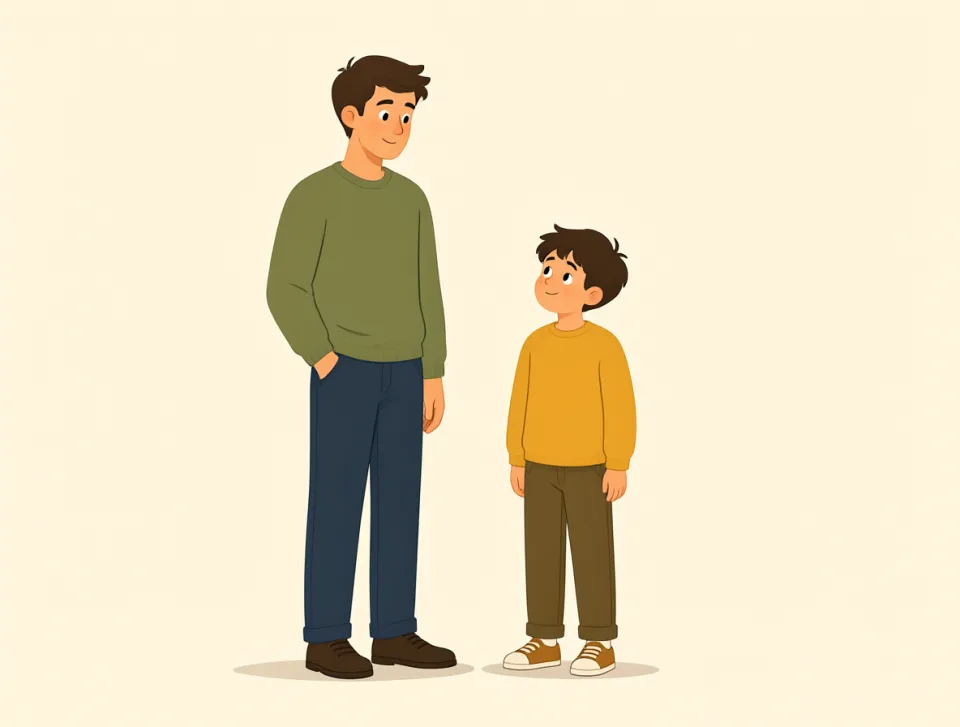
He is over six feet tall.
Tingginya lebih dari enam kaki.

any
#83determiner, pronoun, adverb
apa pun; beberapa; satu pun
One, some, or even one of a group, usually in questions or negative sentences.
Satu, beberapa, atau bahkan satu saja dari suatu kelompok, biasanya digunakan dalam pertanyaan atau kalimat negatif.
Do you have any questions?
Apa kamu punya pertanyaan?

I do not have any money.
Aku tidak punya uang sama sekali.

You can choose any color.
Kamu bisa memilih warna apa saja.

We did not see any birds.
Kami tidak melihat burung satu pun.

I hardly slept any last night.
Tadi malam aku hampir tidak tidur sama sekali.

after
#84adverb, preposition, conjunction
setelah
Later than a time or event; following someone or something.
Lebih lambat dari suatu waktu atau peristiwa; mengikuti seseorang atau sesuatu.
We went home after dinner.
Kami pulang setelah makan malam.

Call me after work.
Telepon aku setelah kerja.

Wash your hands after using the bathroom.
Cuci tangan setelah menggunakan kamar mandi.

She felt better after taking medicine.
Dia merasa lebih baik setelah minum obat.

After it rained, the streets were wet.
Setelah hujan, jalanan menjadi basah.

day
#85noun, adjective
hari
A period of twenty-four hours, from midnight to midnight.
Jangka waktu dua puluh empat jam, dari tengah malam hingga tengah malam berikutnya.

I go to work every day.
Aku pergi kerja setiap hari.

We had a great day at the beach.
Kami bersenang-senang di pantai hari itu.

She stayed home all day.
Dia tinggal di rumah sepanjang hari.

The store is closed on Sundays.
Toko itu tutup pada hari Minggu.

I felt better after a few days.
Aku merasa lebih baik setelah beberapa hari.

where
#86adverb, conjunction, pronoun
di mana
Used to ask about or describe the place or situation something is in.
Digunakan untuk menanyakan atau menjelaskan tempat atau situasi sesuatu berada.
Where do you live?
Di mana kamu tinggal?

This is where we met last year.
Di sinilah kita bertemu tahun lalu.
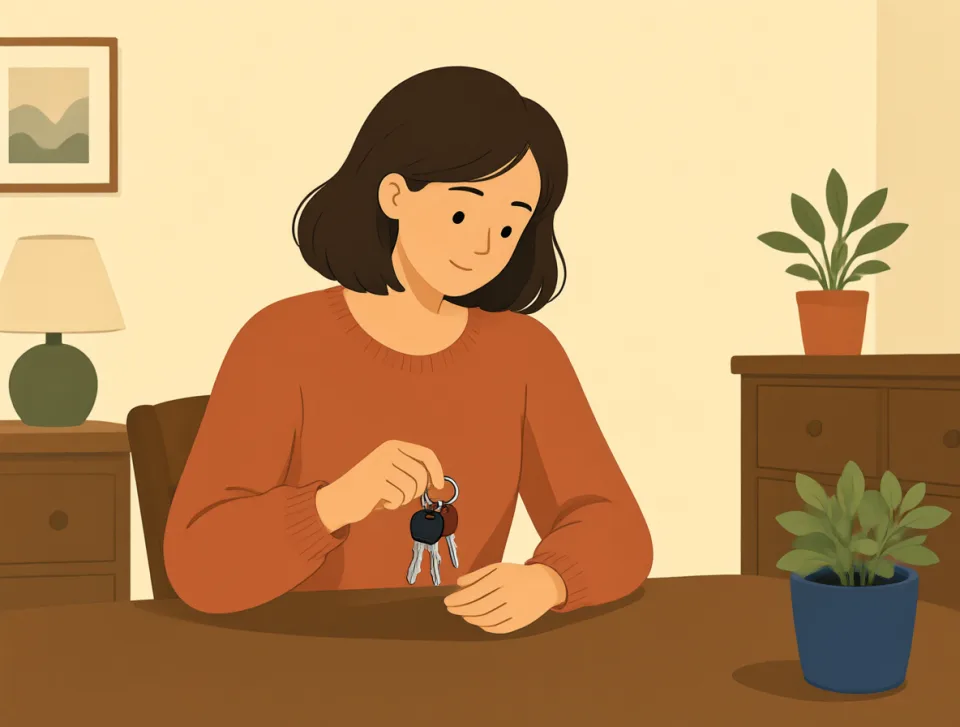
Do you know where my keys are?
Kamu tahu di mana kunciku?

Tell me where to buy fresh bread.
Beri tahu aku di mana bisa membeli roti segar.
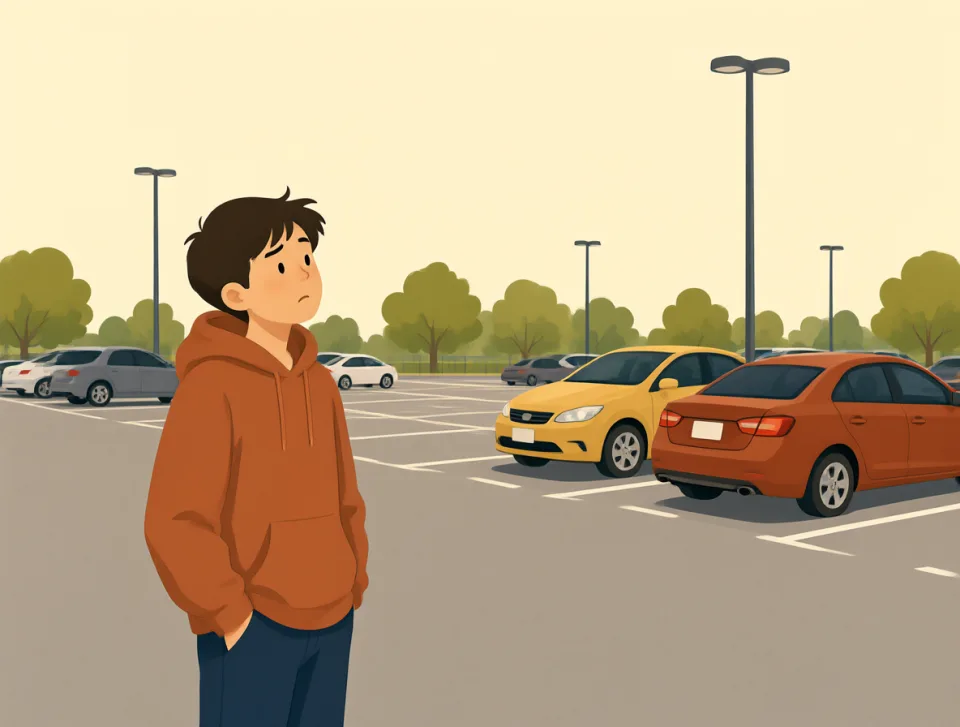
I forgot where I parked the car.
Aku lupa di mana memarkir mobil.
thing
#87noun
benda; hal
An object, idea, or event that you do not name or describe exactly.
Benda, gagasan, atau peristiwa yang tidak disebutkan atau dijelaskan secara spesifik.

Put your things away before dinner.
Rapikan barang-barangmu sebelum makan malam.

The best thing is to ask for help.
Hal terbaik yang bisa dilakukan adalah meminta bantuan.
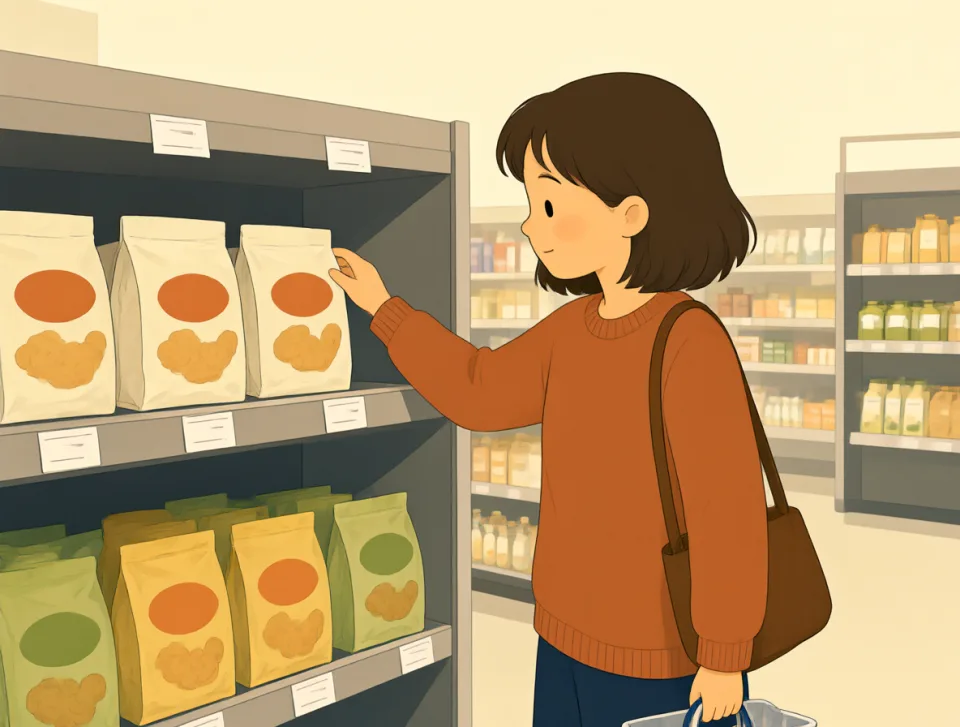
I need a few things from the store.
Aku perlu membeli beberapa barang di toko.

One strange thing happened on the train.
Ada kejadian aneh di kereta.
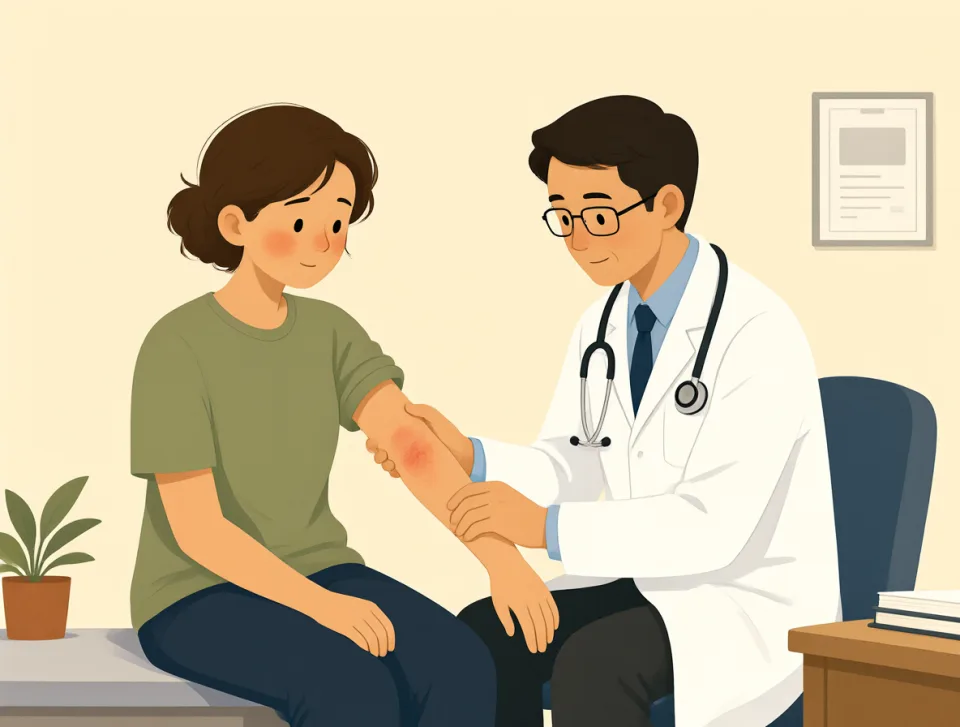
The doctor checked the painful thing on my arm.
Dokter memeriksa bagian lenganku yang terasa sakit.

most
#88determiner, pronoun, adverb, adjective
sebagian besar; paling banyak
More than half of a group or amount; the greatest number or amount.
Lebih dari separuh suatu kelompok atau jumlah; jumlah atau kuantitas terbesar.
Most people drink coffee in the morning.
Kebanyakan orang minum kopi pada pagi hari.

Most of the cake is gone.
Sebagian besar kue itu sudah habis.

She works most days of the week.
Dia bekerja hampir setiap hari dalam seminggu.

Which color do you like most?
Warna apa yang paling kamu suka?
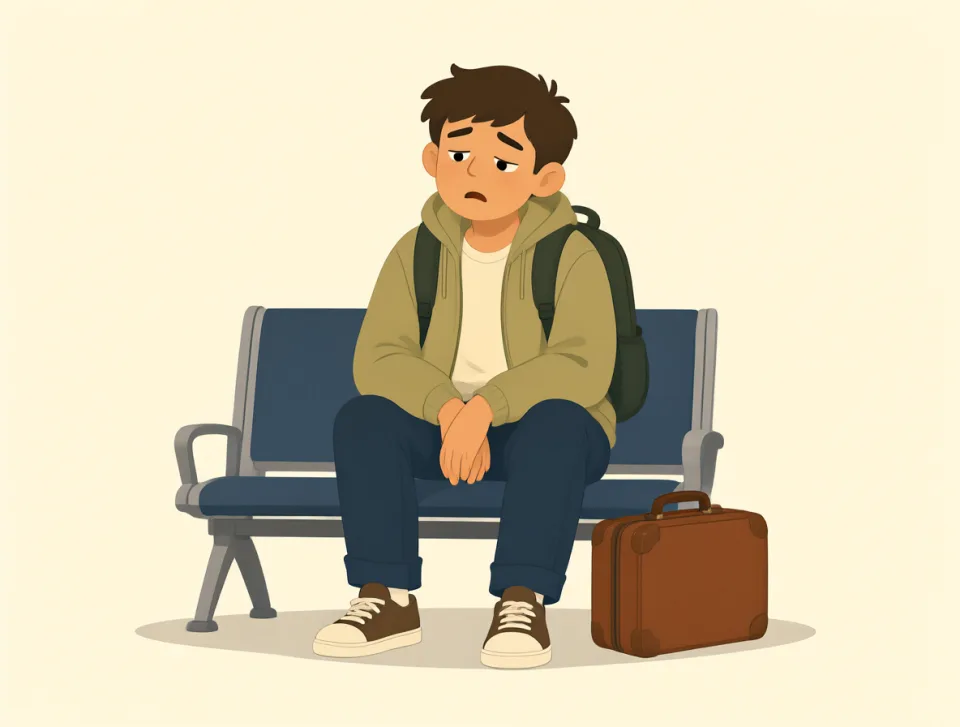
I was most tired after the long flight.
Aku paling lelah setelah penerbangan panjang itu.

should
#89modal verb
sebaiknya; seharusnya
Used to say what is best, expected, or likely to happen.
Digunakan untuk menyatakan hal yang terbaik, diharapkan, atau kemungkinan akan terjadi.
You should drink more water every day.
Kamu sebaiknya minum lebih banyak air setiap hari.
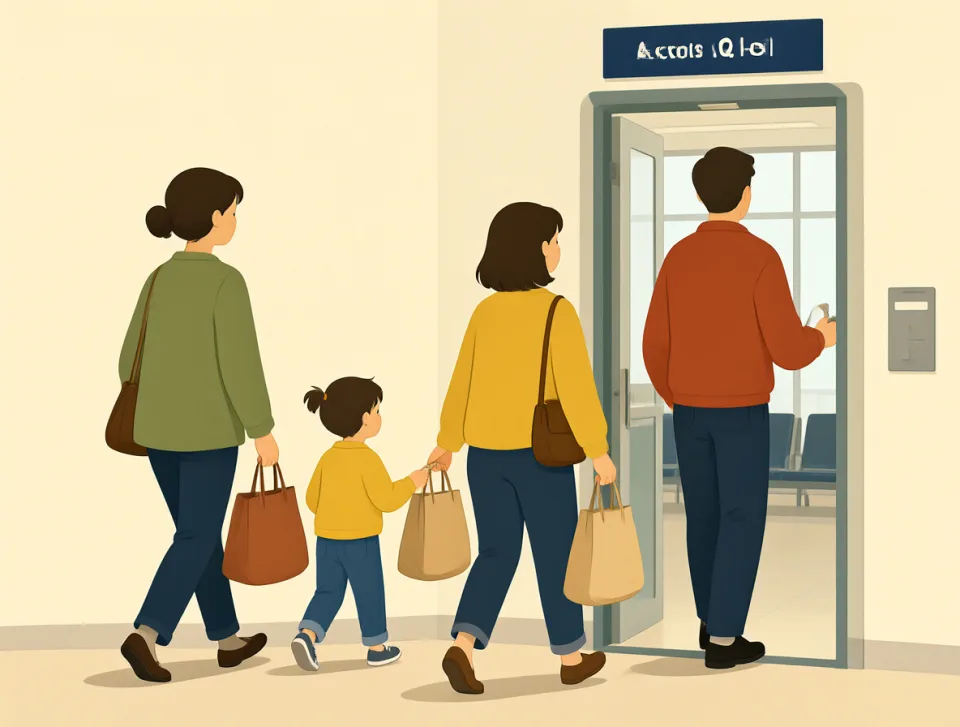
We should leave now for the airport.
Kita sebaiknya berangkat sekarang ke bandara.

Should I call the doctor today?
Sebaiknya aku menelepon dokter hari ini?

You should try the vegetable soup.
Kamu sebaiknya mencoba sup sayur itu.

The package should arrive tomorrow.
Paketnya seharusnya tiba besok.

need
#90verb, noun
membutuhkan
To require something or feel that something is necessary.
Memerlukan sesuatu atau merasa bahwa sesuatu itu perlu.

I need some water, please.
Saya perlu air, tolong.

We need to leave early tomorrow.
Kita perlu berangkat pagi-pagi besok.

She needs help with her homework.
Dia membutuhkan bantuan untuk mengerjakan PR-nya.

Do you need anything from the shop?
Apa kamu perlu sesuatu dari toko?

The baby needs a warm blanket.
Bayi itu membutuhkan selimut yang hangat.

much
#91adverb, determiner, pronoun
banyak
A large amount or a lot; used mostly in questions and negative sentences.
Jumlah yang besar atau banyak; biasanya digunakan dalam pertanyaan dan kalimat negatif.
I don't have much time today.
Hari ini saya tidak punya banyak waktu.

How much water do you drink?
Berapa banyak air yang kamu minum?
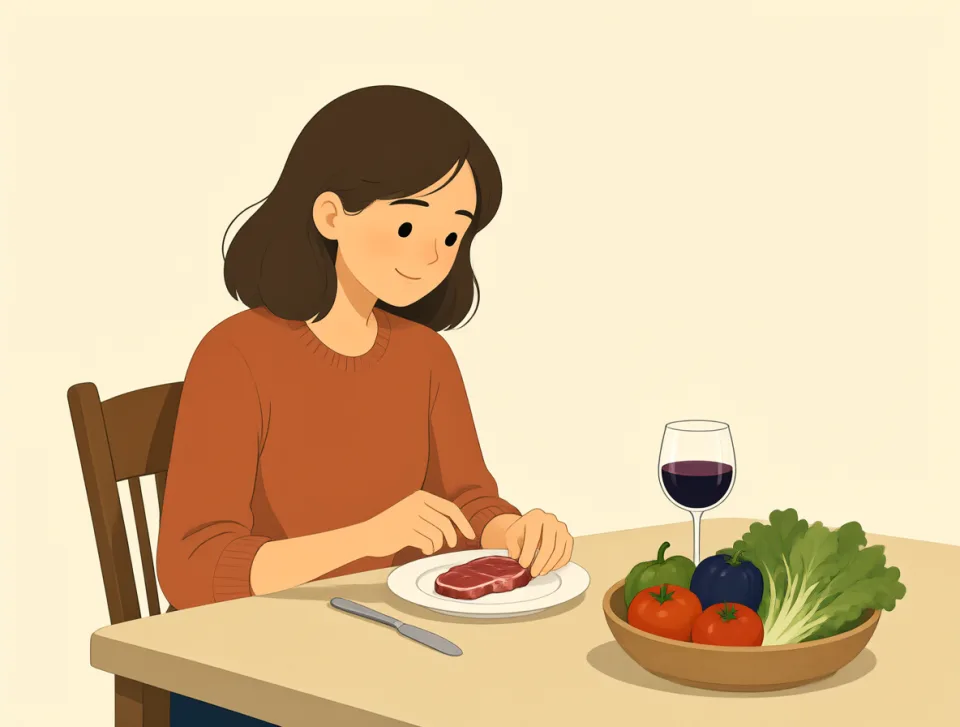
She doesn't eat much meat.
Dia tidak makan banyak daging.

Thank you very much for your help.
Terima kasih banyak atas bantuanmu.

We learned much from our teacher.
Kami belajar banyak dari guru kami.

right
#92adjective, adverb, noun
benar; kanan
Correct, or on the side opposite your left hand.
Benar, atau berada di sisi yang berlawanan dengan tangan kiri Anda.

Your answer is right.
Jawabanmu benar.

Please turn right at the next street.
Silakan belok kanan di jalan berikutnya.

I need to leave right now.
Saya harus pergi sekarang juga.

The bank is on the right.
Bank itu berada di sebelah kanan.

You have the right to ask questions.
Kamu berhak mengajukan pertanyaan.

how
#93adverb, conjunction, pronoun
bagaimana
Used to ask or explain the way something happens or is done.
Digunakan untuk menanyakan atau menjelaskan cara sesuatu terjadi atau dilakukan.
How are you feeling today?
Bagaimana perasaanmu hari ini?

Can you show me how to open it?
Bisakah kamu menunjukkan cara membukanya?
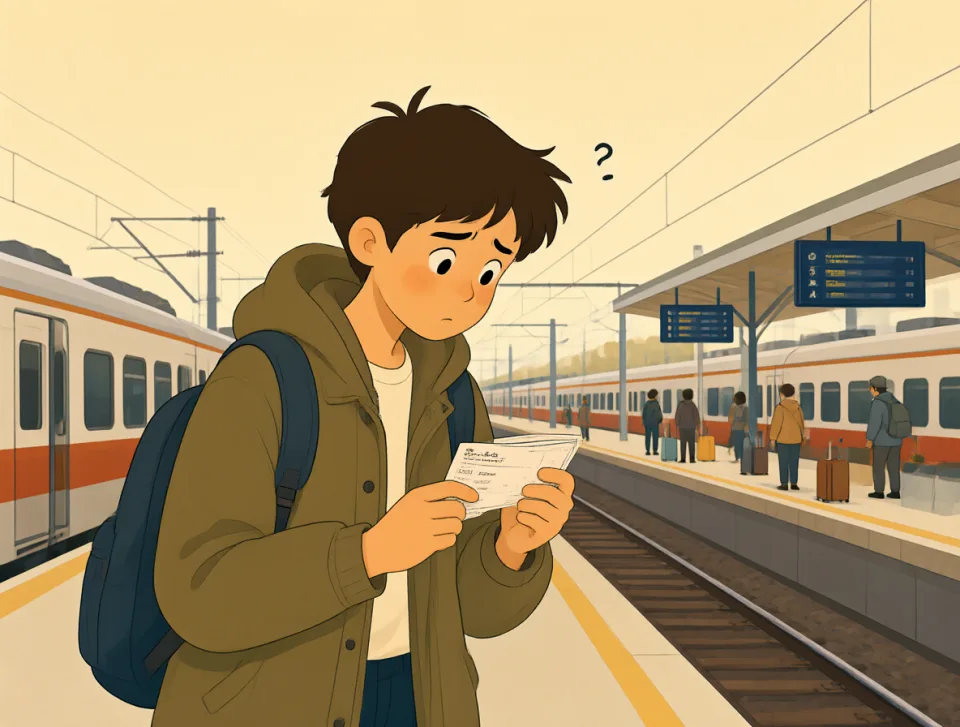
I forgot how much the tickets cost.
Saya lupa berapa harga tiketnya.
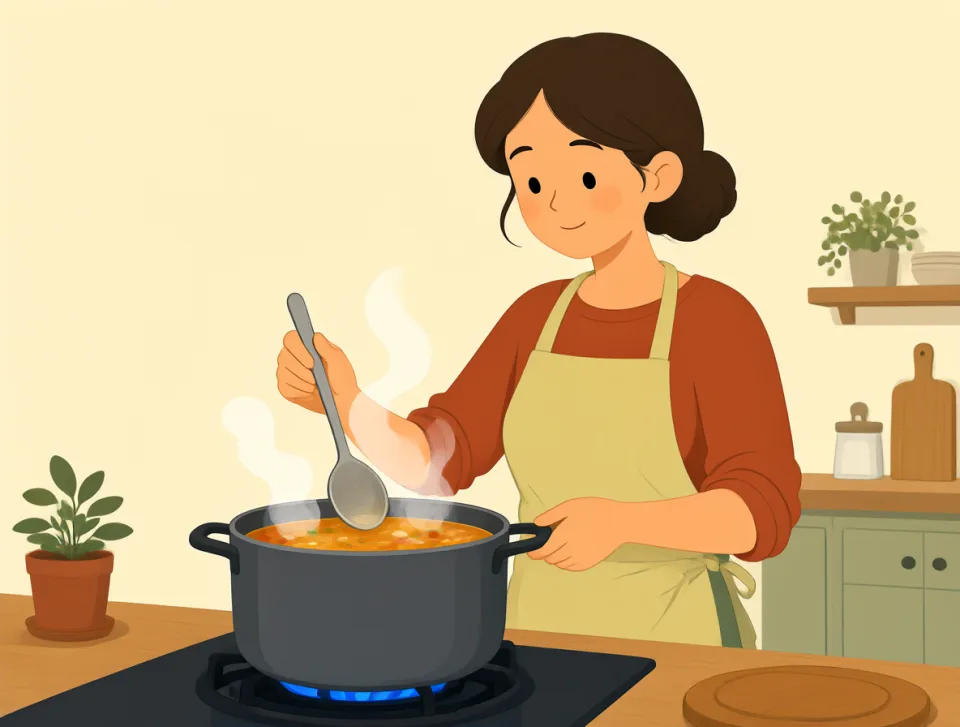
She knows how to make good soup.
Dia tahu cara membuat sup yang enak.

How did you get home so late?
Bagaimana kamu bisa sampai di rumah larut sekali?

back
#94noun, verb, adjective, adverb, preposition
punggung; kembali
The part of your body opposite your chest, or toward the place you came from.
Bagian tubuh yang berlawanan dengan dada, atau menuju tempat asal Anda.
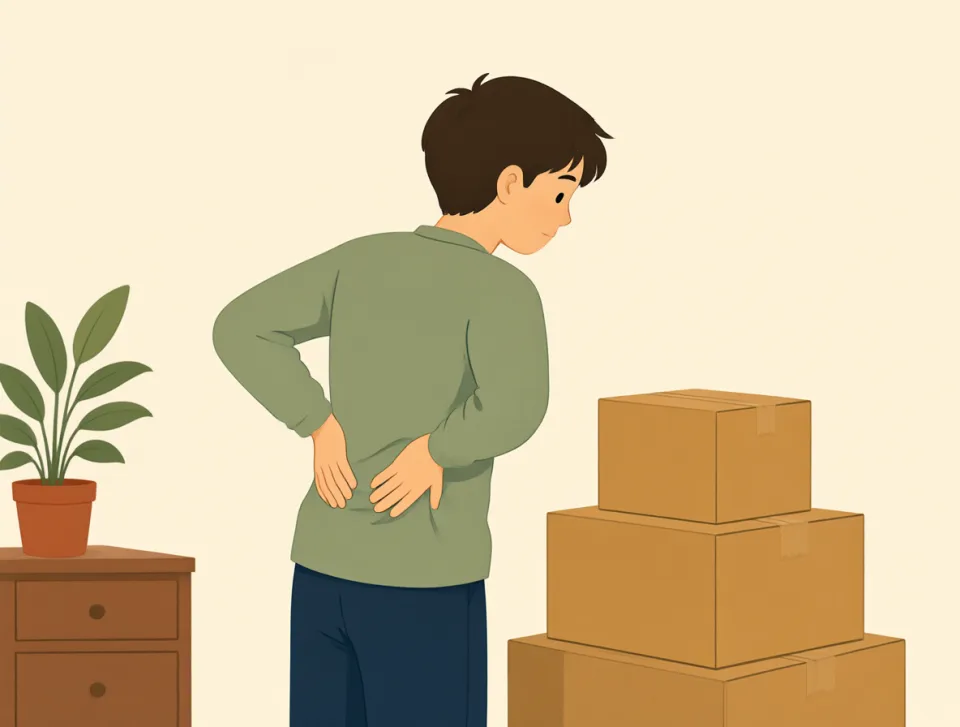
My back hurts after carrying the boxes.
Punggung saya sakit setelah mengangkat kotak-kotak itu.

Please put the book back on the shelf.
Tolong kembalikan buku itu ke rak.

We walked back to the hotel after dinner.
Kami berjalan kembali ke hotel setelah makan malam.

She sat in the back of the bus.
Dia duduk di bagian belakang bus.

He backed the car into the garage.
Dia memundurkan mobil ke dalam garasi.

mean
#95verb, adjective, noun
berarti
To mean is to have a particular meaning or intend to say something.
Mean berarti memiliki makna tertentu atau bermaksud mengatakan sesuatu.
What does this word mean?
Apa arti kata ini?

I mean we should leave now.
Maksud saya, kita harus pergi sekarang.

This gift means a lot to me.
Hadiah ini sangat berarti bagi saya.
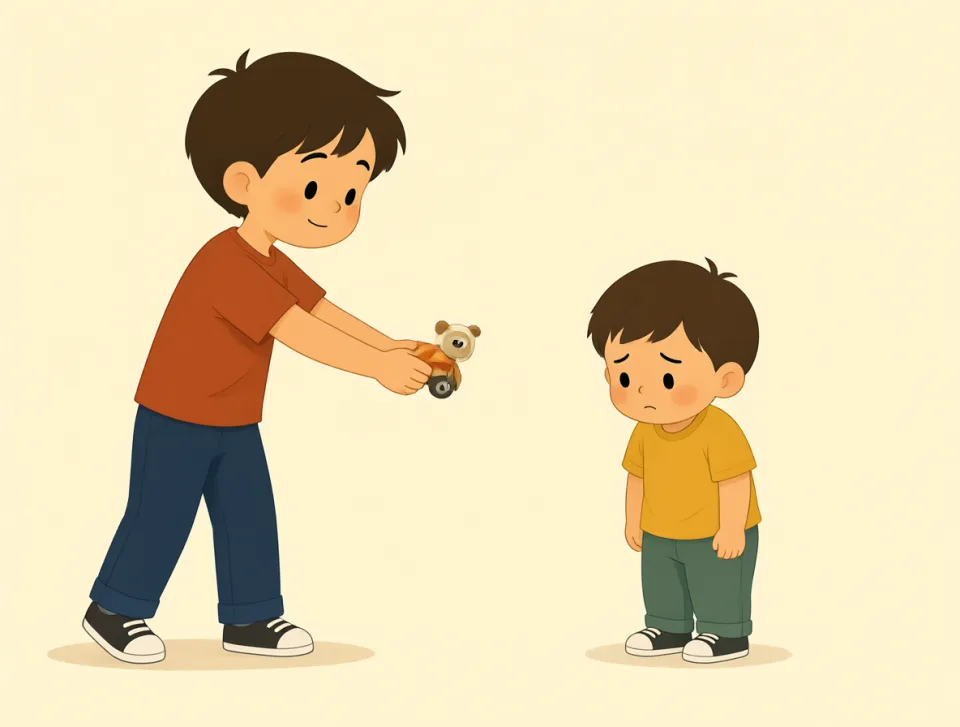
He was mean to his little brother.
Dia bersikap jahat kepada adik laki-lakinya.
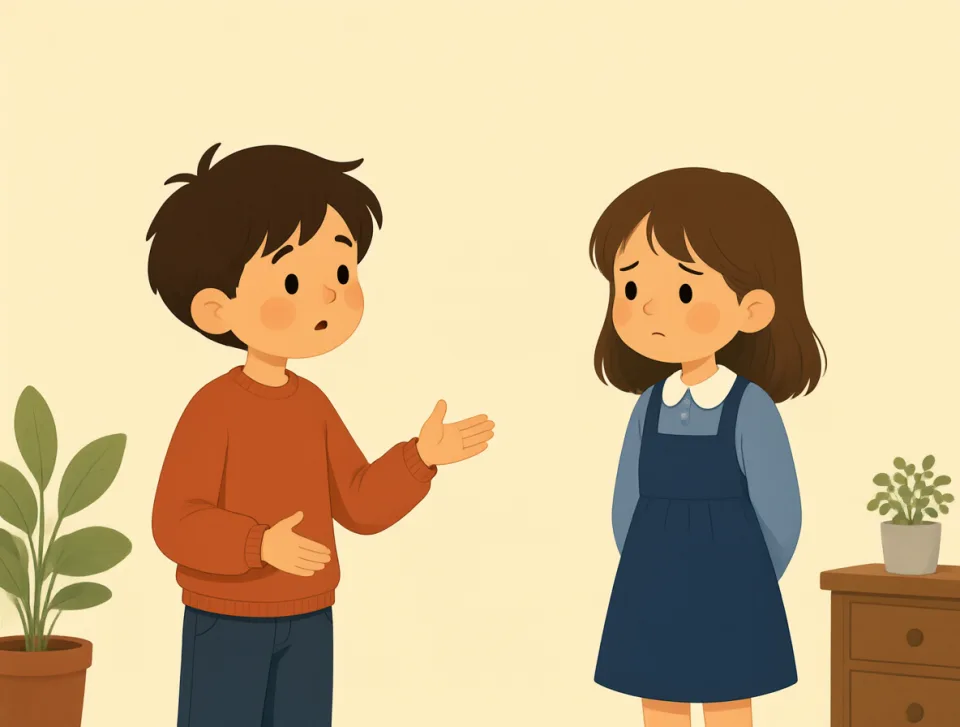
That was a mean joke.
Itu lelucon yang kejam.

even
#96adverb, adjective, verb
bahkan; genap; rata
Used to show something surprising, equal, flat, or fair.
Digunakan untuk menunjukkan sesuatu yang mengejutkan, setara, rata, atau adil.
Even my brother likes this song.
Bahkan kakakku suka lagu ini.

She was tired, but she even finished the work.
Dia lelah, tetapi bahkan tetap menyelesaikan pekerjaannya.

The road is even after the repairs.
Jalannya sudah rata setelah diperbaiki.
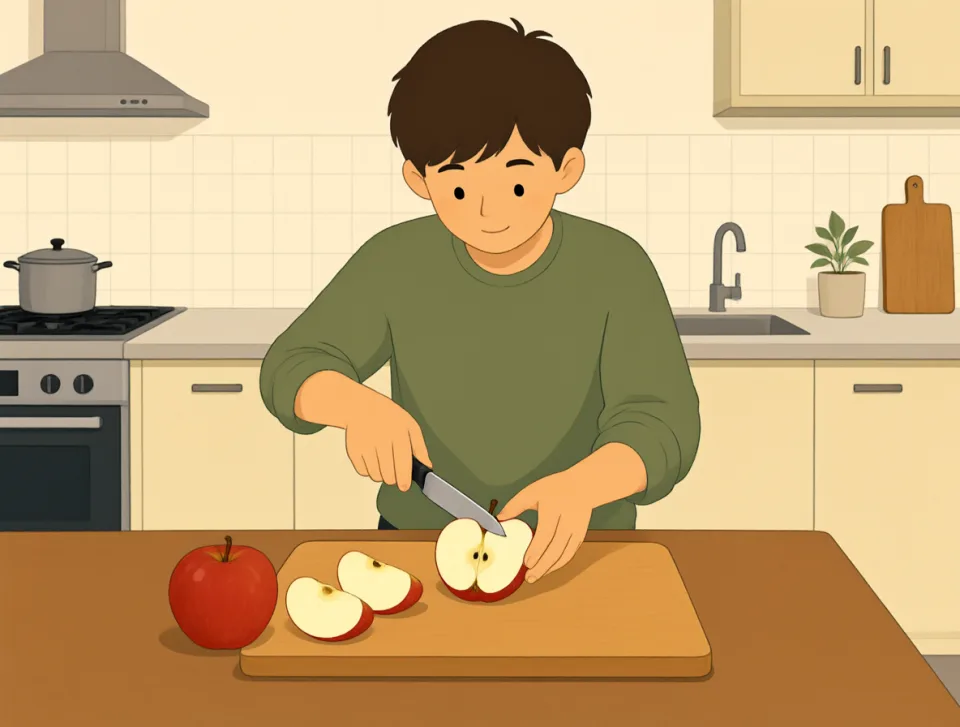
Cut the apple into even pieces.
Potong apel itu menjadi beberapa bagian yang sama besar.

We played on an even team.
Kami bermain dalam tim yang seimbang.

may
#97modal verb, noun
mungkin; boleh
Used to say that something is possible or to ask for permission.
Digunakan untuk menyatakan bahwa sesuatu mungkin terjadi atau untuk meminta izin.
It may rain this afternoon.
Mungkin nanti sore akan hujan.
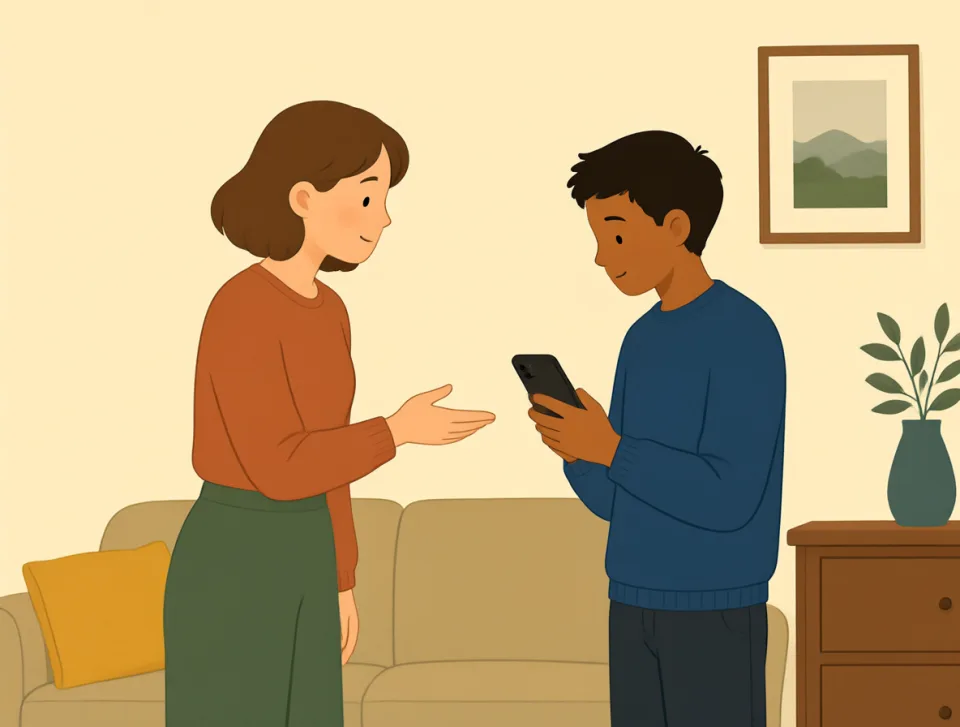
May I use your phone?
Bolehkah saya memakai ponselmu?

You may leave work early today.
Kamu boleh pulang kerja lebih awal hari ini.
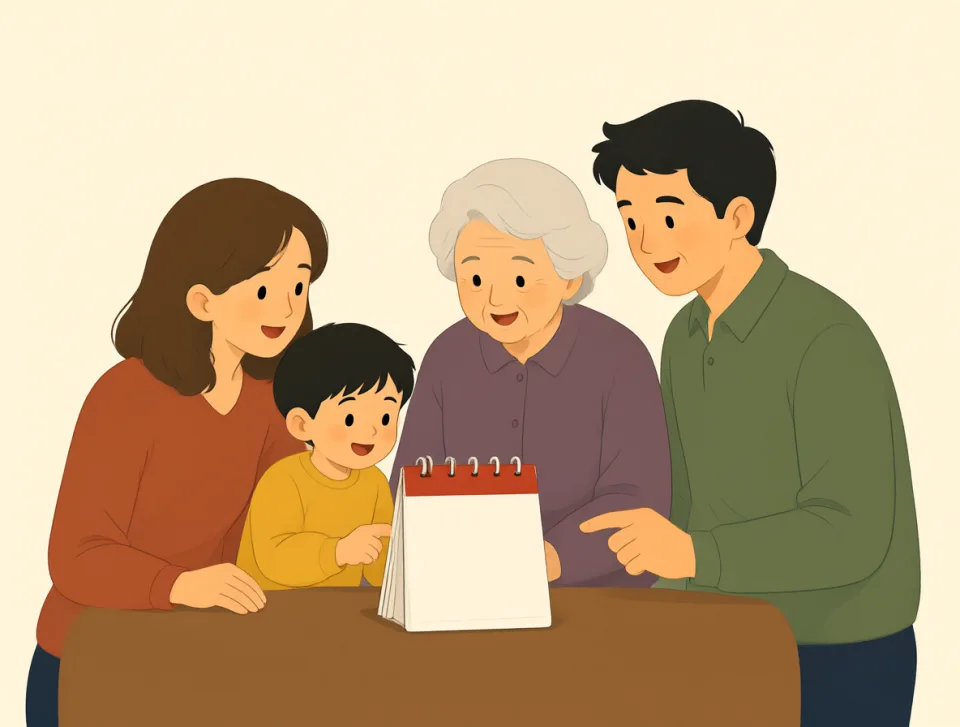
We may visit Grandma this weekend.
Mungkin akhir pekan ini kami akan mengunjungi Nenek.
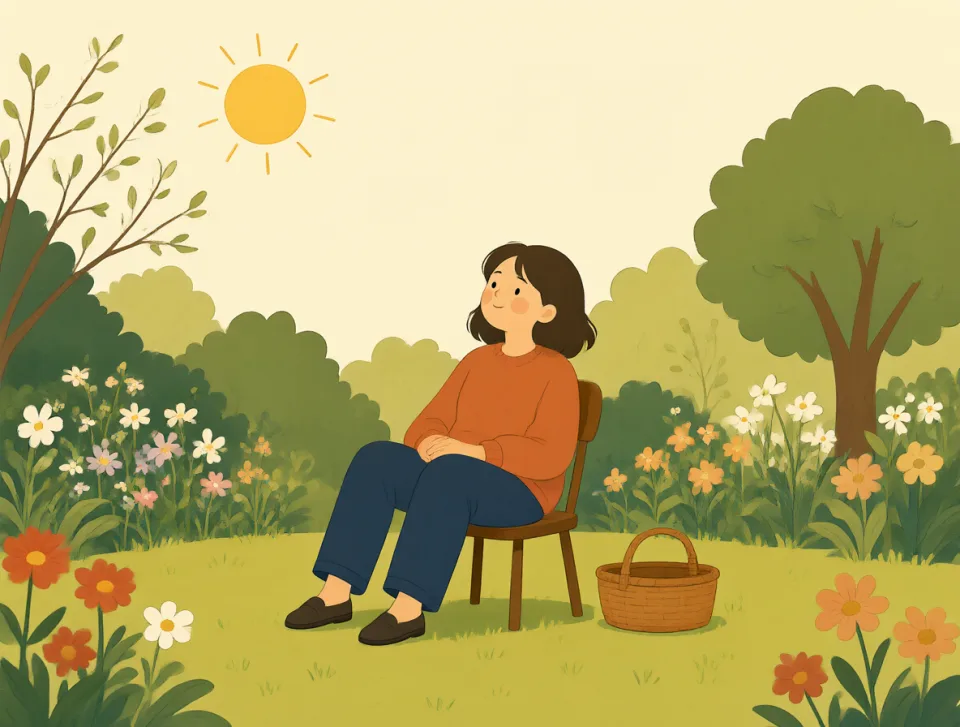
May is my favorite month.
Mei adalah bulan favoritku.

here
#98adverb, pronoun, adjective, noun
di sini; ke sini
in, at, or to this place
di, pada, atau ke tempat ini

Please sit here beside me.
Silakan duduk di sini di sampingku.
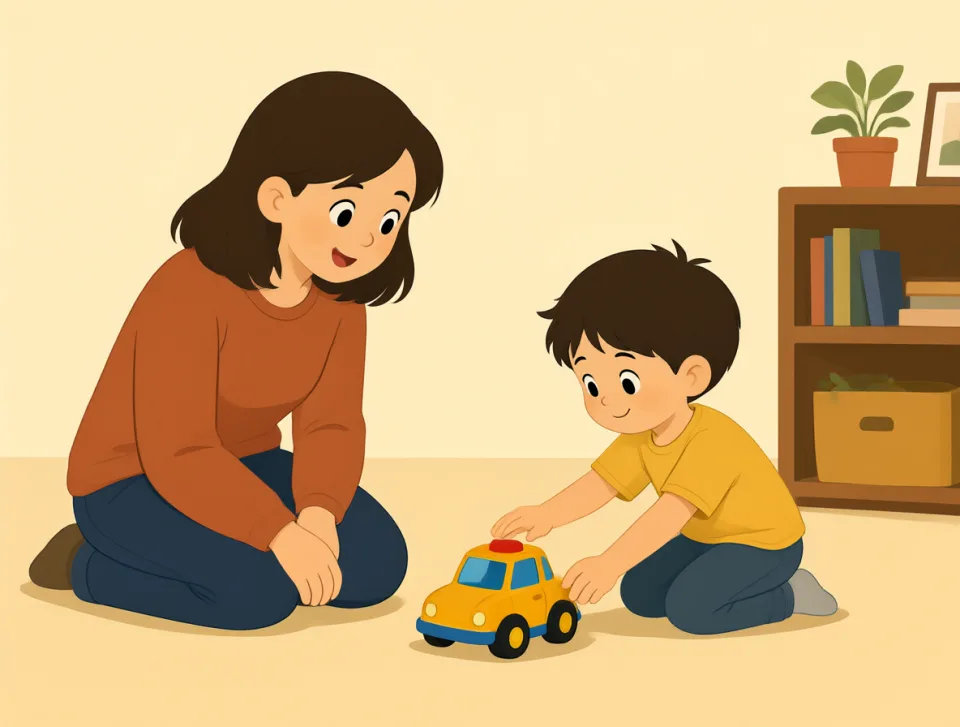
Come here and look at this.
Kemarilah dan lihat ini.

Is anyone here from our class?
Apakah ada orang dari kelas kita di sini?

The bus stops here every morning.
Bus berhenti di sini setiap pagi.

Here is your coffee and sandwich.
Ini kopi dan sandwich Anda.
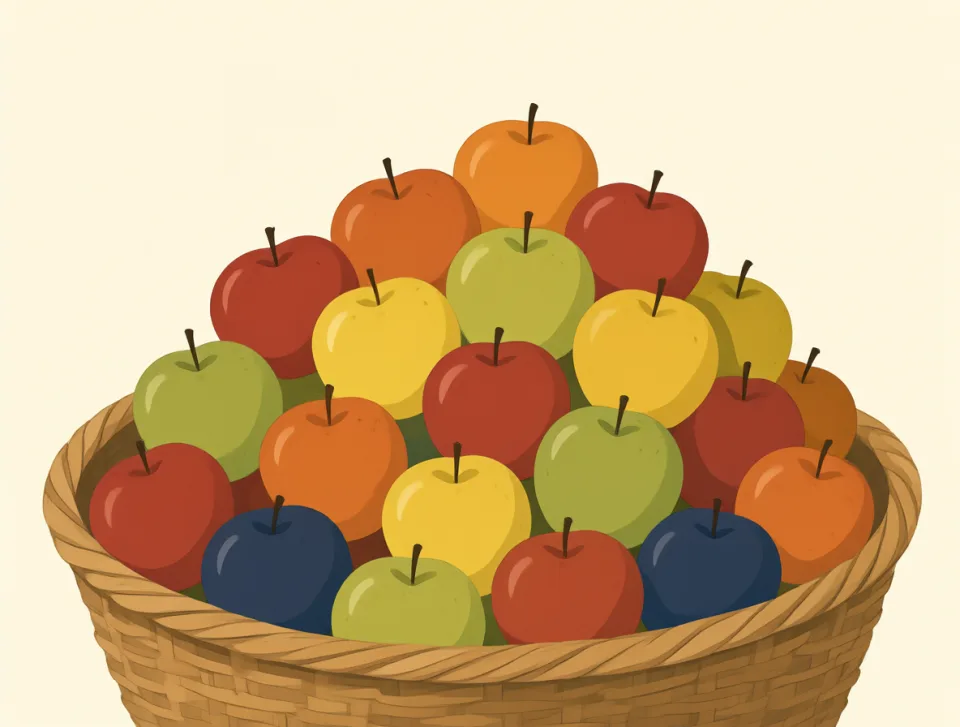
many
#99determiner, pronoun
banyak
A large number of people or things.
Jumlah orang atau benda yang besar.

Many people enjoy walking in the park.
Banyak orang senang berjalan-jalan di taman.
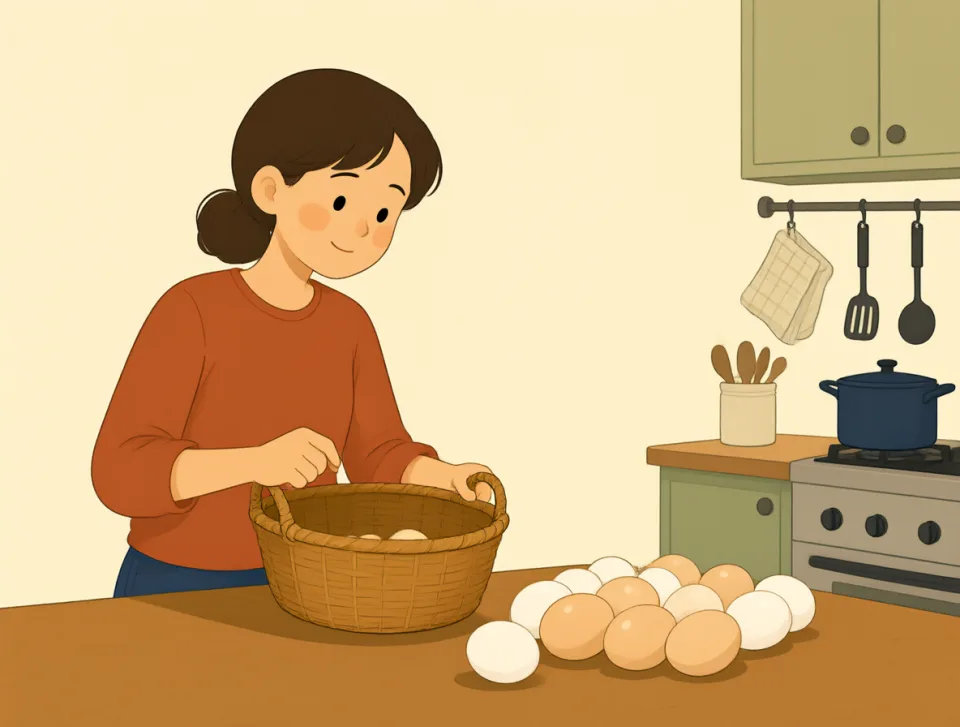
How many eggs do we need?
Kita perlu berapa banyak telur?

I have many friends at school.
Aku punya banyak teman di sekolah.

There are many shops near the hotel.
Ada banyak toko di dekat hotel.

Many children like eating ice cream.
Banyak anak suka makan es krim.

such
#100determiner, pronoun, adverb
seperti itu; sedemikian
Used to show something is like or as great as what was just mentioned.
Digunakan untuk menunjukkan bahwa sesuatu mirip atau sama hebatnya dengan hal yang baru saja disebutkan.
I have never seen such a beautiful place.
Aku belum pernah melihat tempat seindah ini.

She is such a good friend.
Dia teman yang sangat baik.

We had such a busy day at work.
Hari itu sangat sibuk di tempat kerja.

Why are you in such a hurry?
Kenapa kamu terburu-buru sekali?
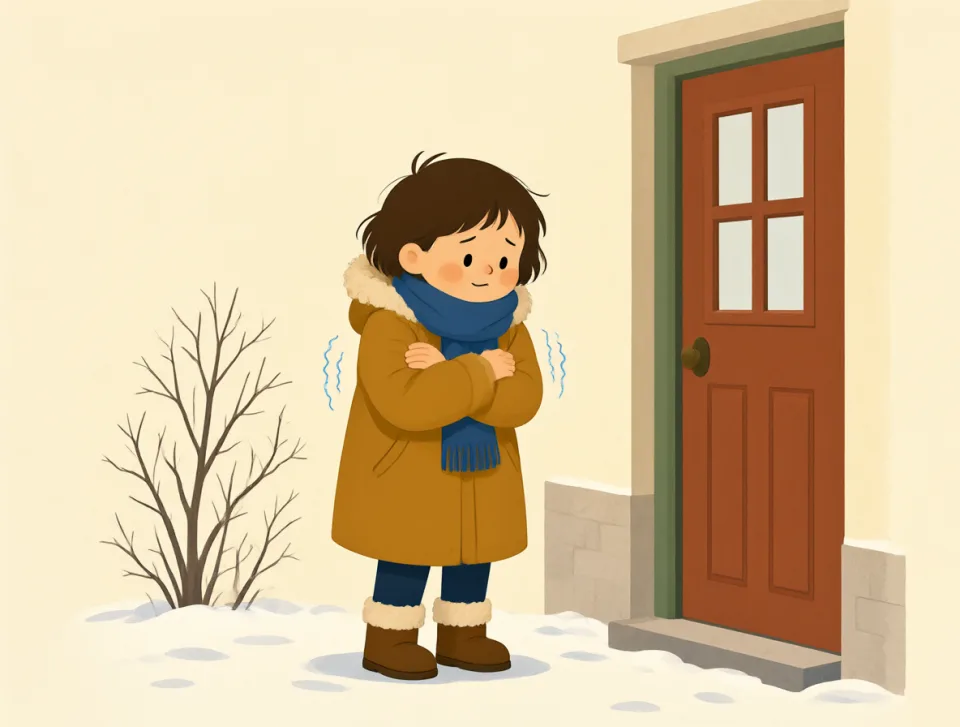
It was such a cold morning.
Pagi itu sangat dingin.