इकाई 5
शब्द 81–100 · find, over, any, after, day, where
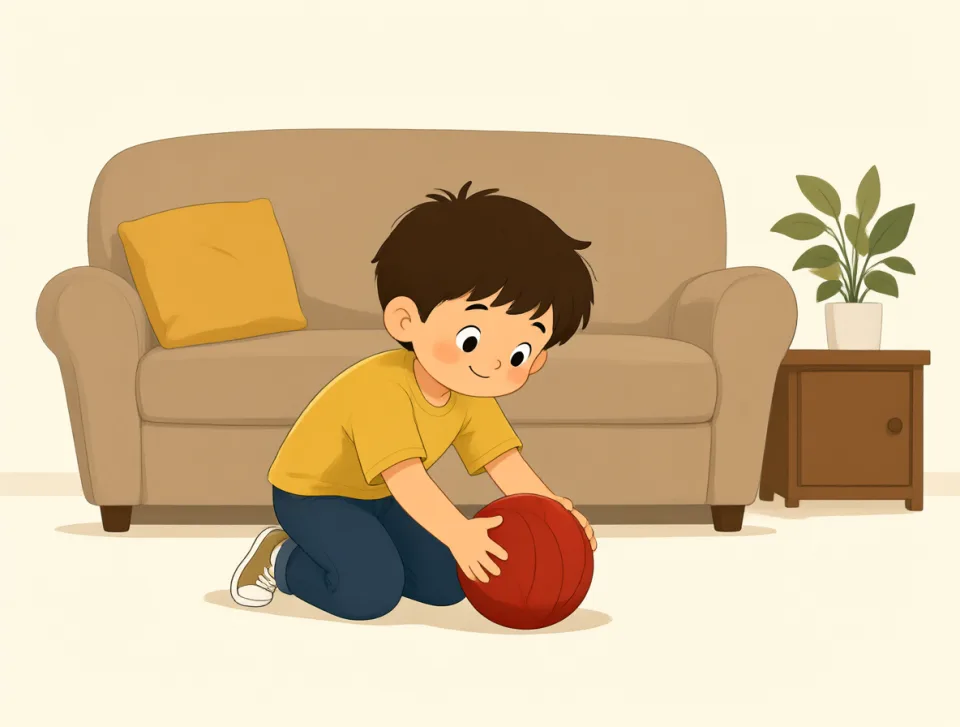
find
#81verb, noun
ढूँढ़ना
to discover, get, or notice something, often after looking for it
किसी चीज़ को ढूँढ़कर पाना या उस पर ध्यान जाना, अक्सर तलाश करने के बाद
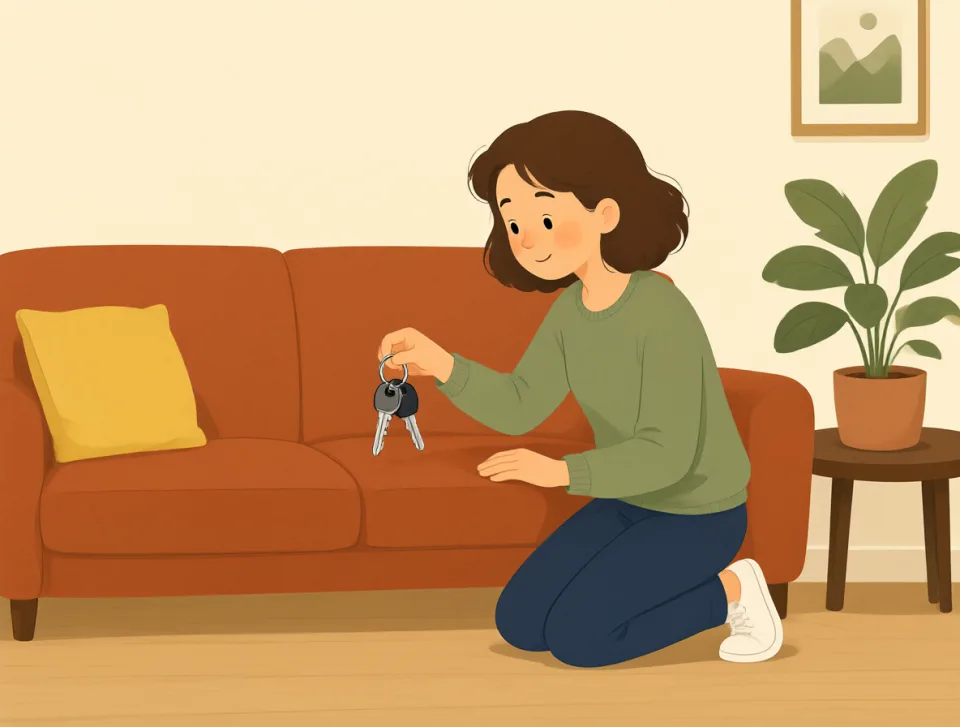
I can't find my keys anywhere.
मुझे अपनी चाबियाँ कहीं भी नहीं मिल रहीं।

We found a nice hotel near the beach.
हमें समुद्र तट के पास एक अच्छा होटल मिला।

She found a job at a local shop.
उसे एक स्थानीय दुकान में नौकरी मिली।
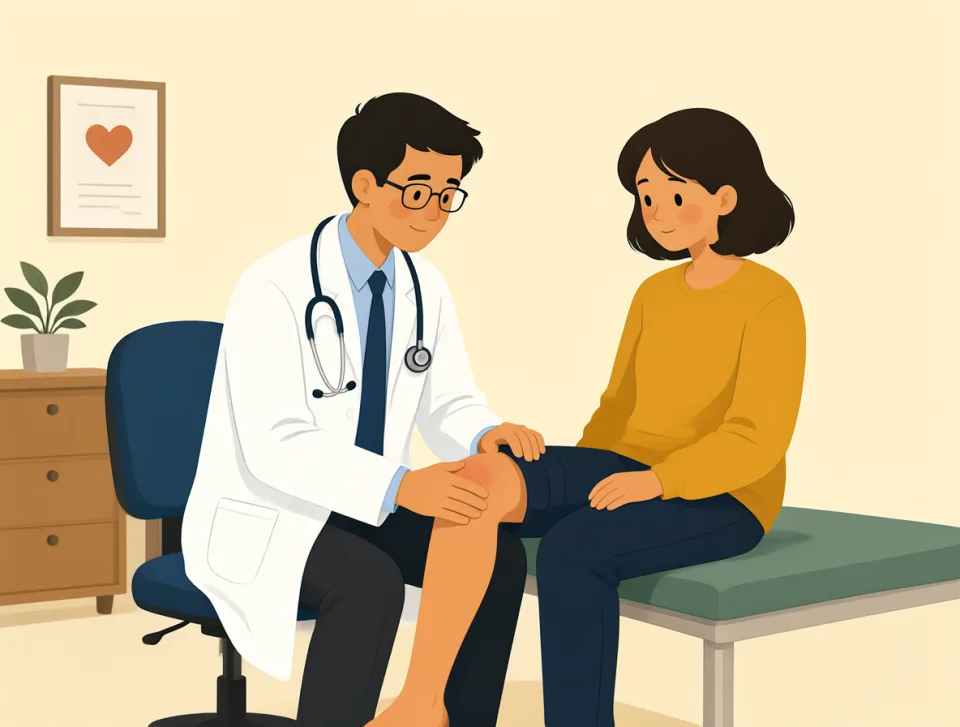
The doctor found a problem with my knee.
डॉक्टर को मेरे घुटने में एक समस्या मिली।
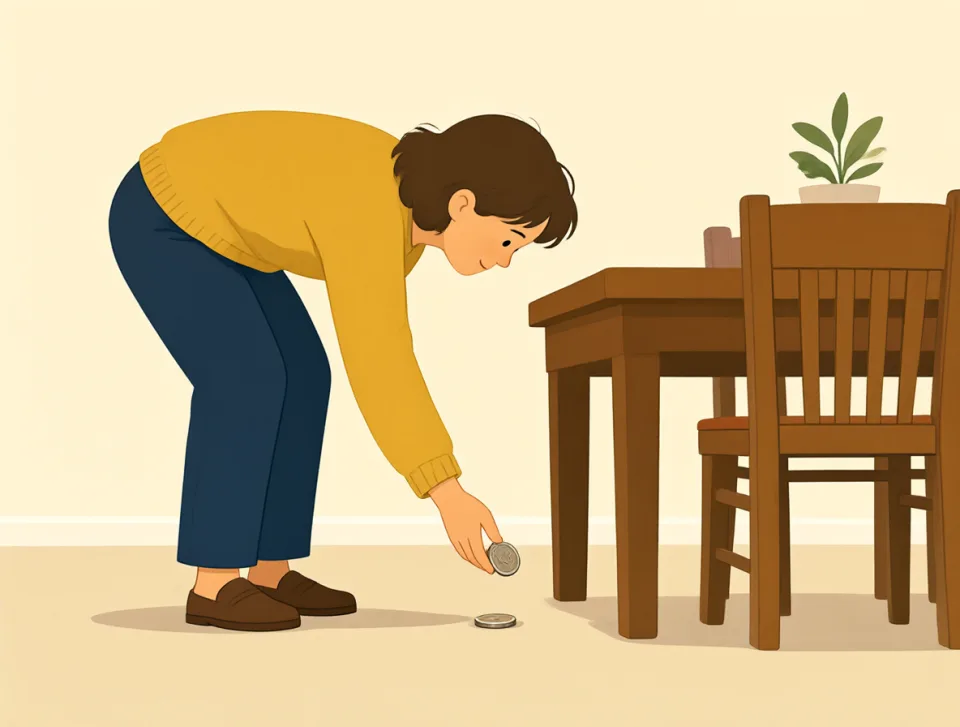
I found a coin under the table.
मुझे मेज़ के नीचे एक सिक्का मिला।

over
#82adverb, preposition, adjective, noun
ऊपर; पार; ख़त्म; से अधिक; के दौरान
above or across something; finished; more than; during a period of time
किसी चीज़ के ऊपर या उसके पार; समाप्त; से अधिक; किसी समयावधि के दौरान

The plane flew over the city.
विमान शहर के ऊपर से उड़ा।
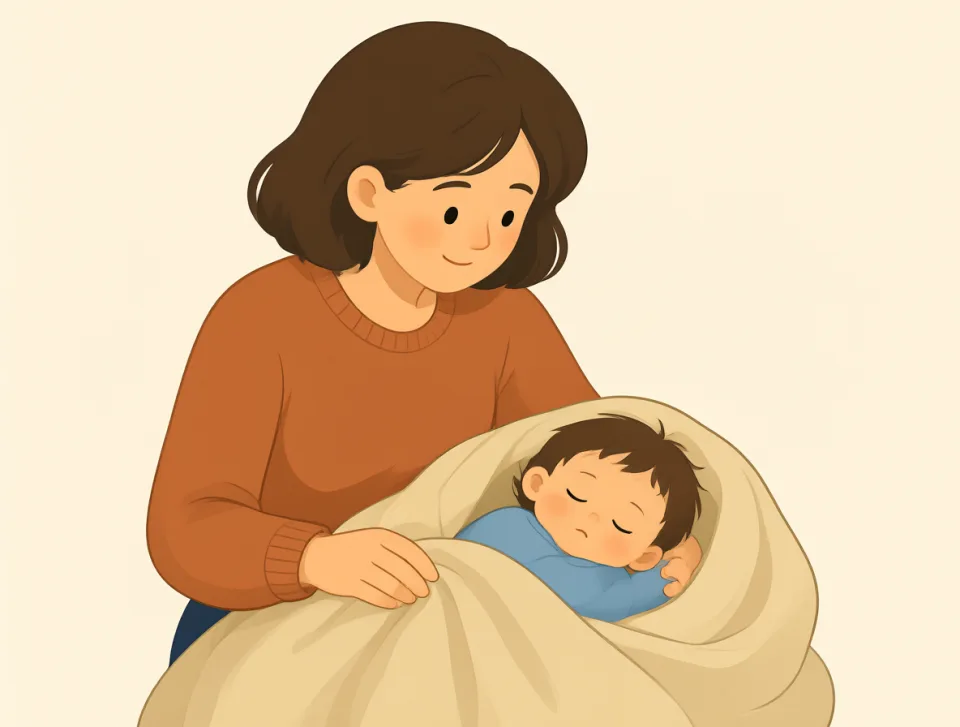
She put a blanket over the baby.
उसने बच्चे के ऊपर कंबल डाल दिया।
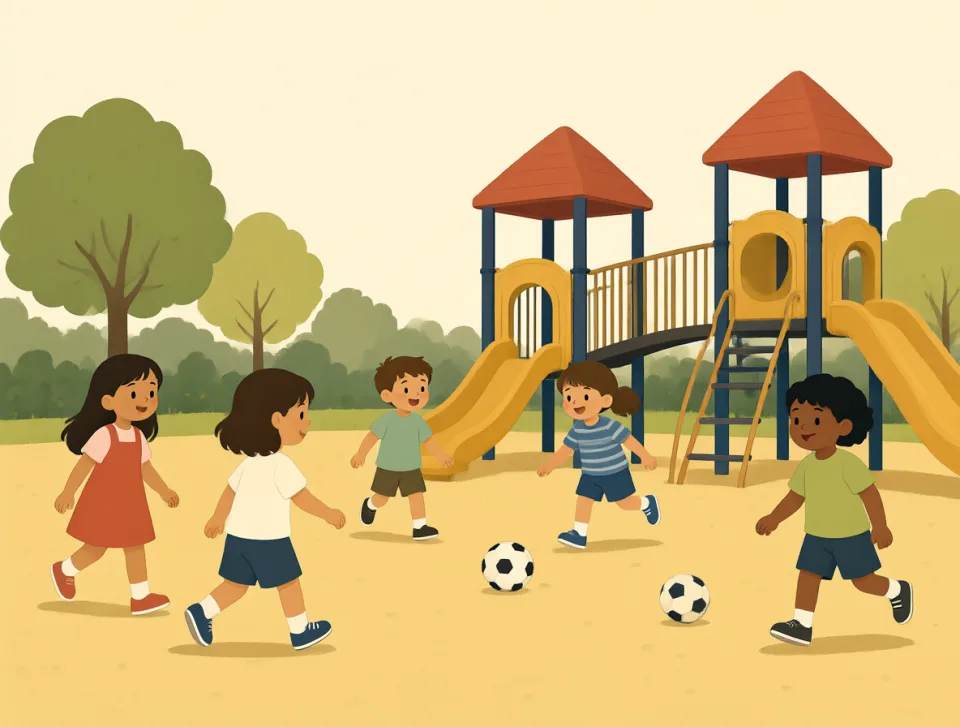
The game is over now.
अब खेल ख़त्म हो गया है।

We talked over lunch.
हमने दोपहर के खाने के दौरान बातचीत की।
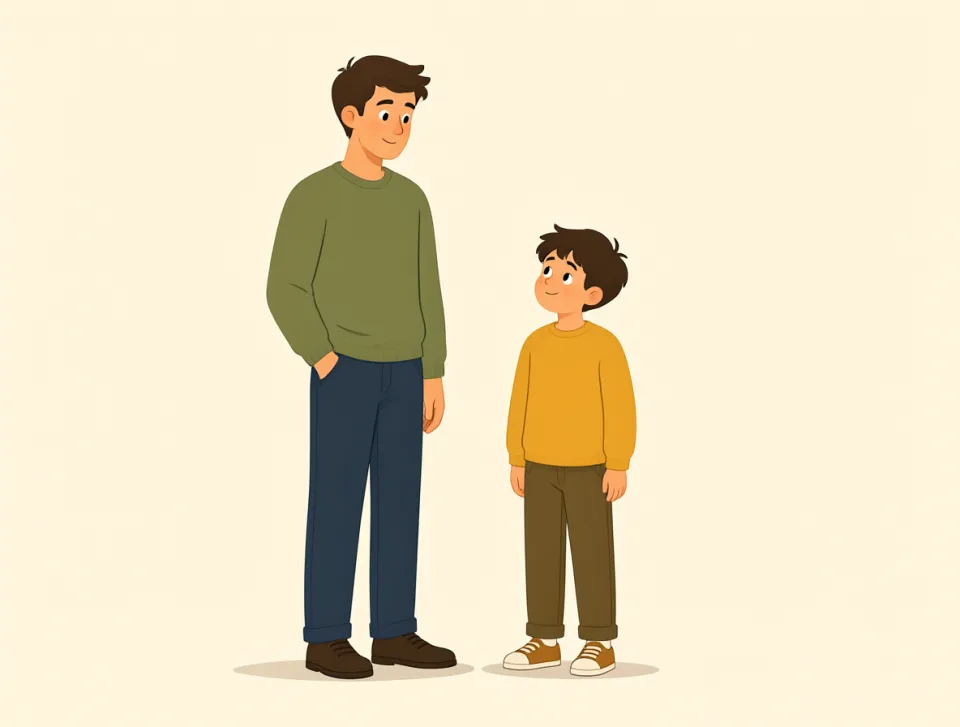
He is over six feet tall.
उसकी लंबाई छह फ़ुट से ज़्यादा है।
any
#83determiner, pronoun, adverb
कोई; कुछ
One, some, or even one of a group, usually in questions or negative sentences.
किसी समूह में से एक, कुछ या एक भी—आमतौर पर सवालों या नकारात्मक वाक्यों में।
Do you have any questions?
क्या आपके कोई सवाल हैं?
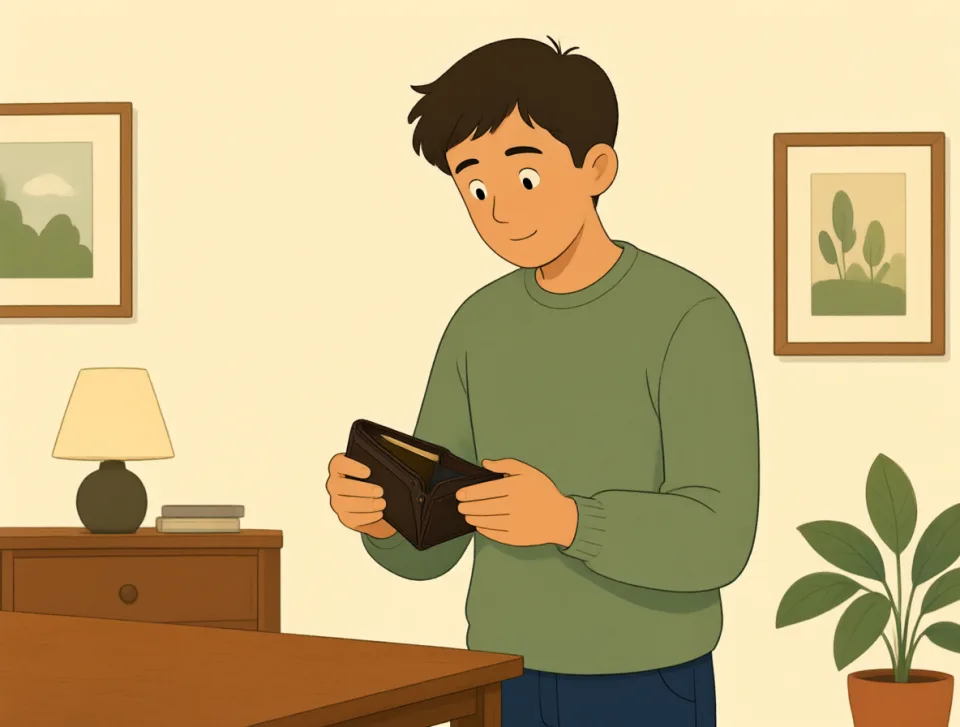
I do not have any money.
मेरे पास बिल्कुल भी पैसे नहीं हैं।

You can choose any color.
आप कोई भी रंग चुन सकते हैं।

We did not see any birds.
हमने कोई पक्षी नहीं देखा।
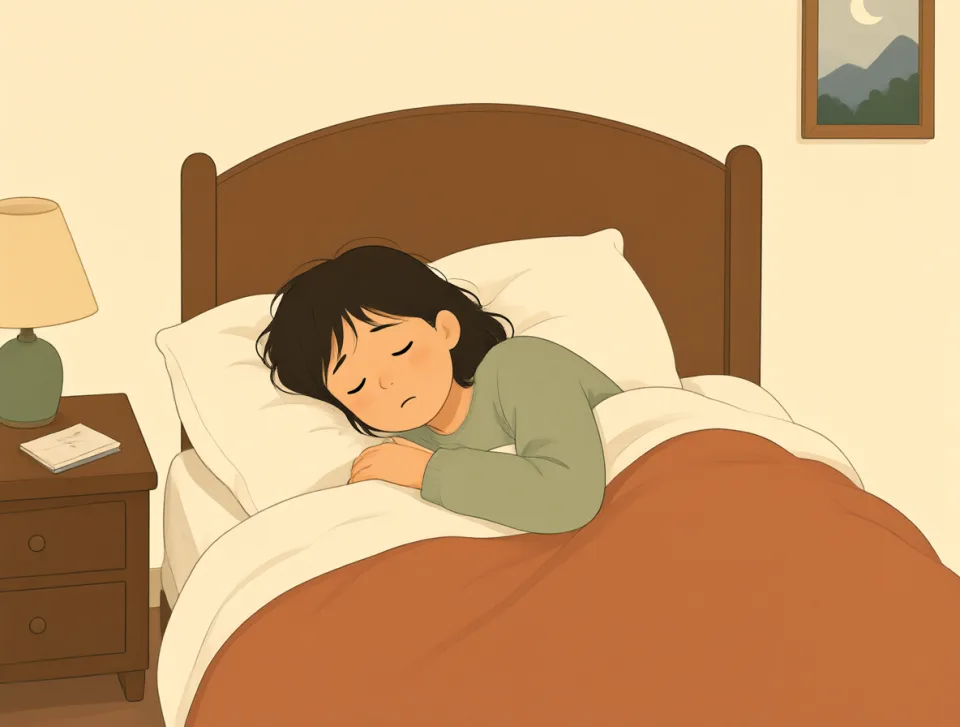
I hardly slept any last night.
मैं कल रात मुश्किल से ही सो पाया।
after
#84adverb, preposition, conjunction
के बाद
Later than a time or event; following someone or something.
किसी समय या घटना के बाद; किसी व्यक्ति या चीज़ के पीछे।
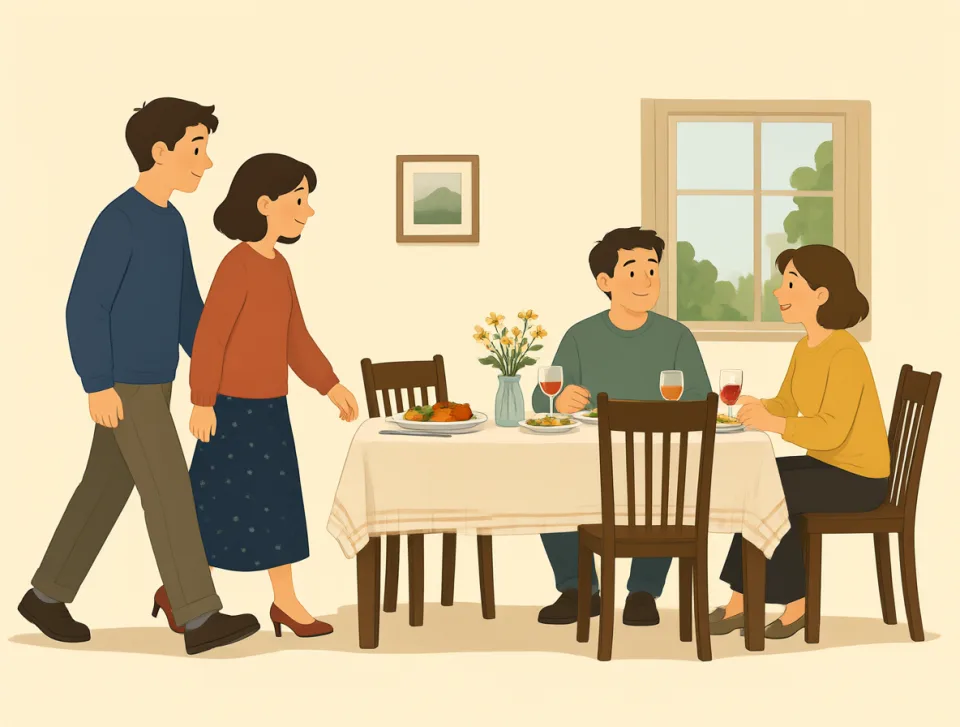
We went home after dinner.
हम रात का खाना खाने के बाद घर गए।

Call me after work.
काम के बाद मुझे फ़ोन करना।
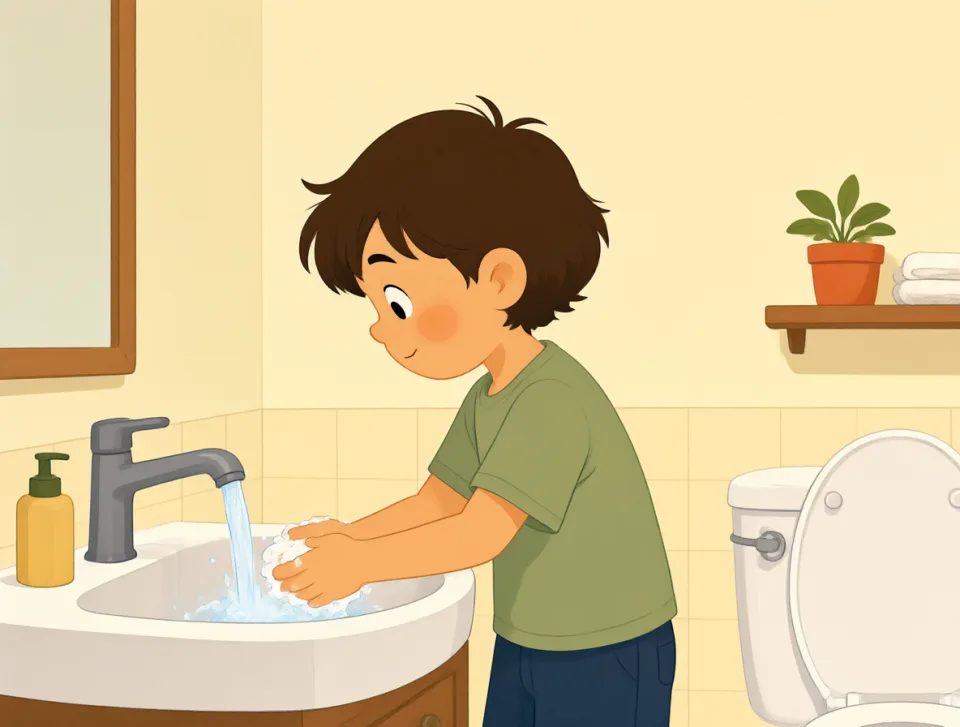
Wash your hands after using the bathroom.
बाथरूम इस्तेमाल करने के बाद अपने हाथ धो लें।
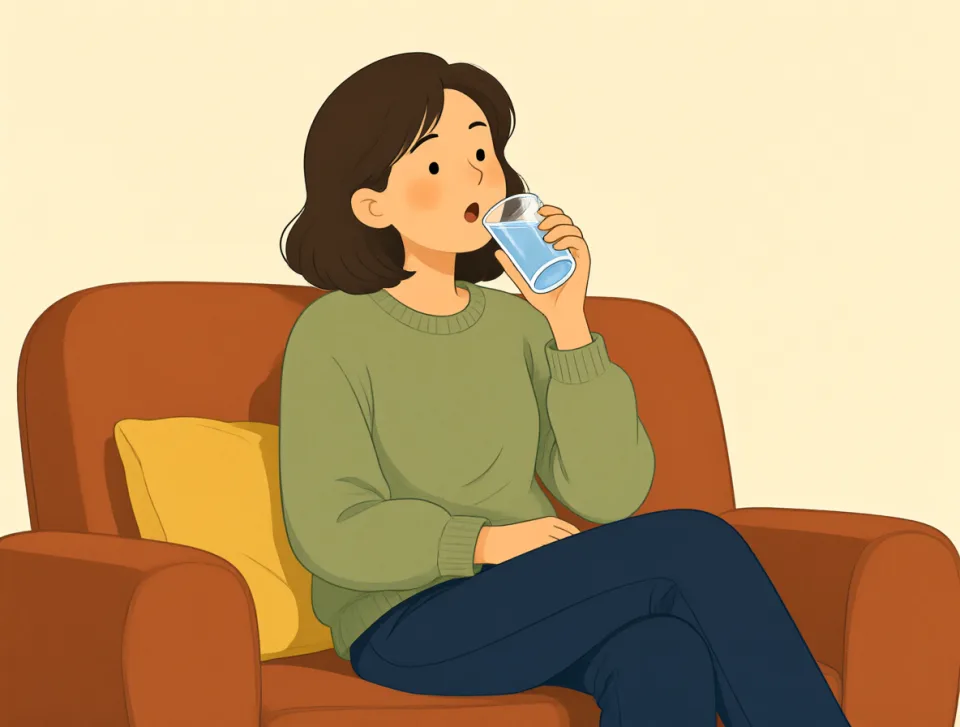
She felt better after taking medicine.
दवा लेने के बाद उसे बेहतर महसूस हुआ।

After it rained, the streets were wet.
बारिश होने के बाद सड़कें गीली थीं।

day
#85noun, adjective
दिन
A period of twenty-four hours, from midnight to midnight.
चौबीस घंटे की अवधि, आधी रात से अगली आधी रात तक।
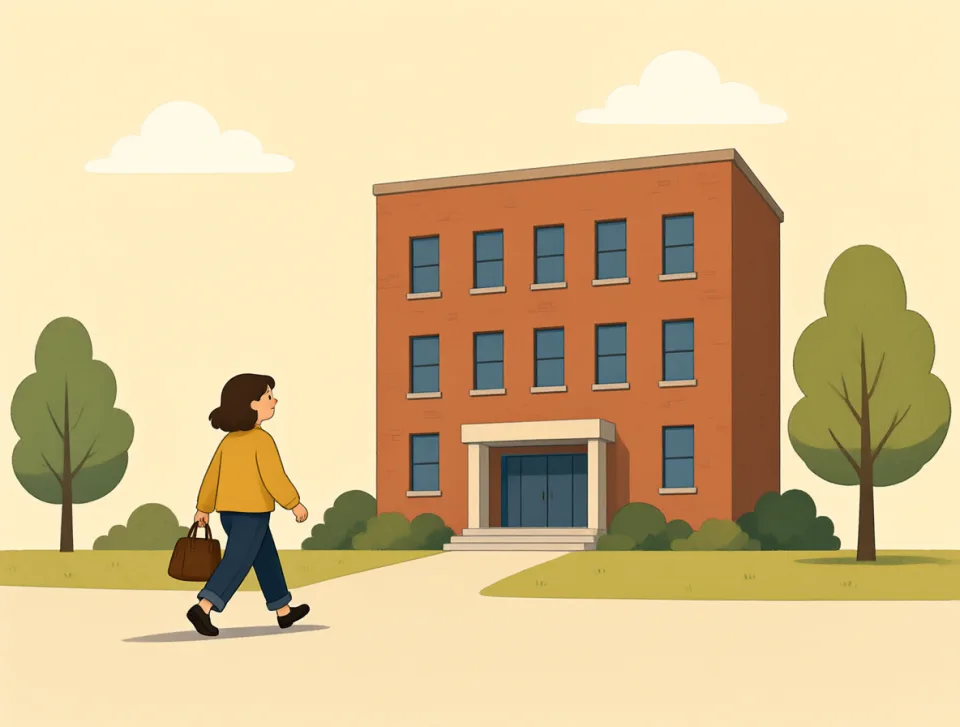
I go to work every day.
मैं हर दिन काम पर जाता हूँ।

We had a great day at the beach.
समुद्र तट पर हमारा दिन बहुत अच्छा बीता।

She stayed home all day.
वह पूरा दिन घर पर रही।
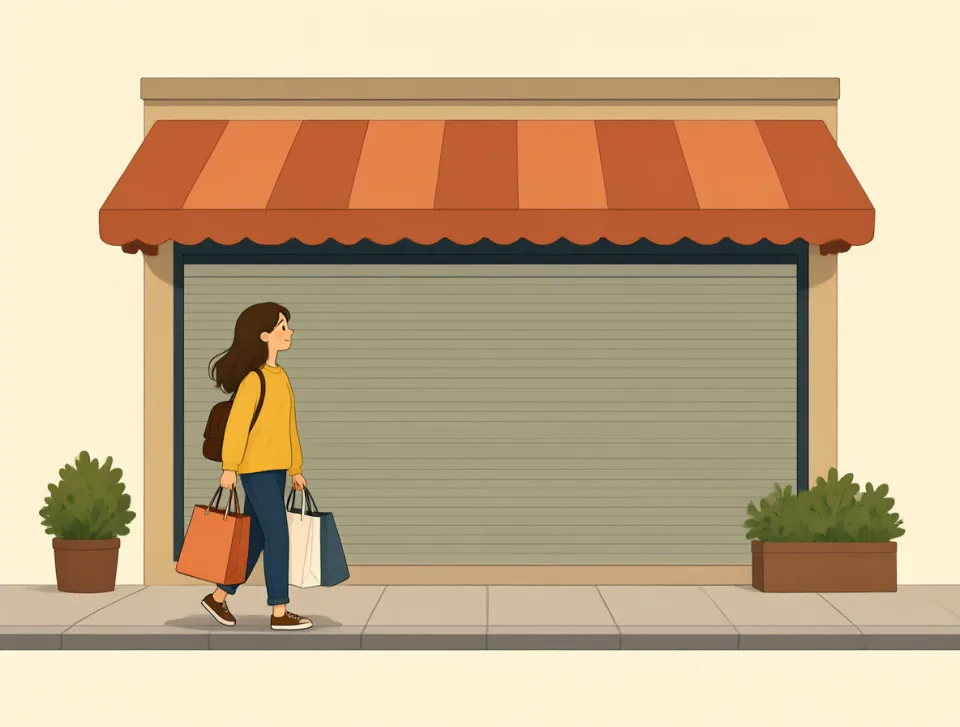
The store is closed on Sundays.
दुकान रविवार को बंद रहती है।
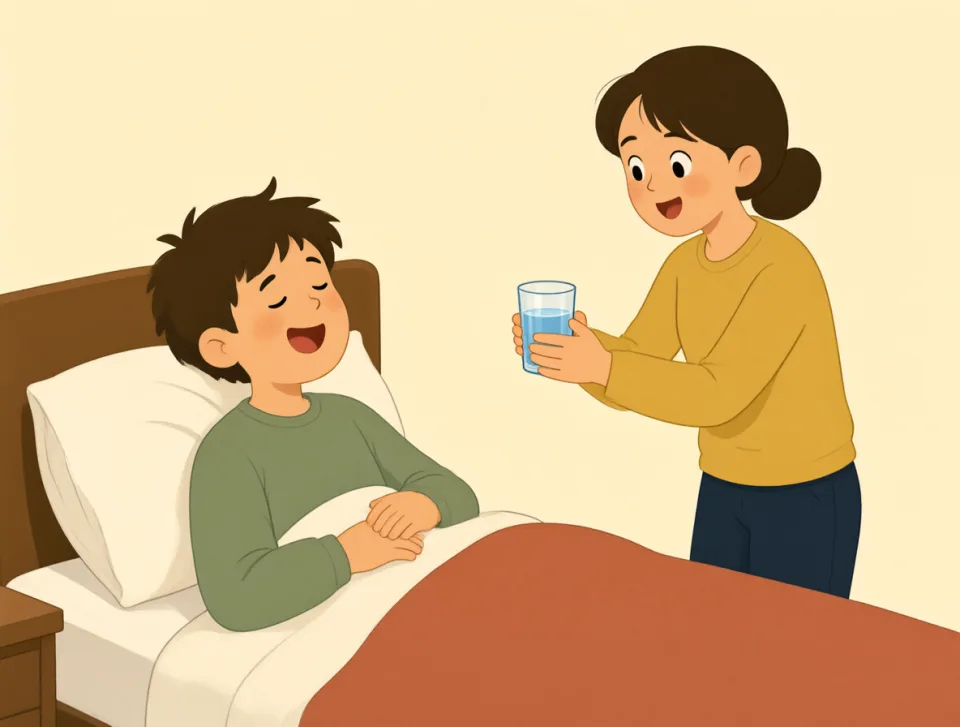
I felt better after a few days.
कुछ दिनों बाद मुझे बेहतर महसूस हुआ।
where
#86adverb, conjunction, pronoun
कहाँ
Used to ask about or describe the place or situation something is in.
किसी जगह या स्थिति के बारे में पूछने या उसका वर्णन करने के लिए इस्तेमाल होता है।
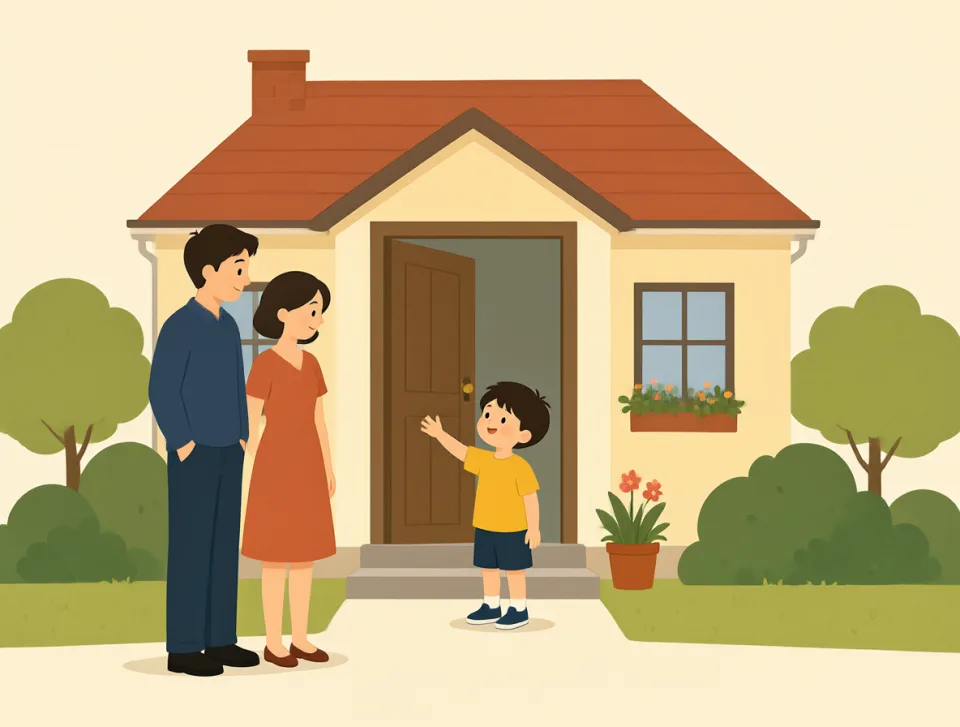
Where do you live?
तुम कहाँ रहते हो?

This is where we met last year.
हम पिछले साल यहाँ मिले थे।
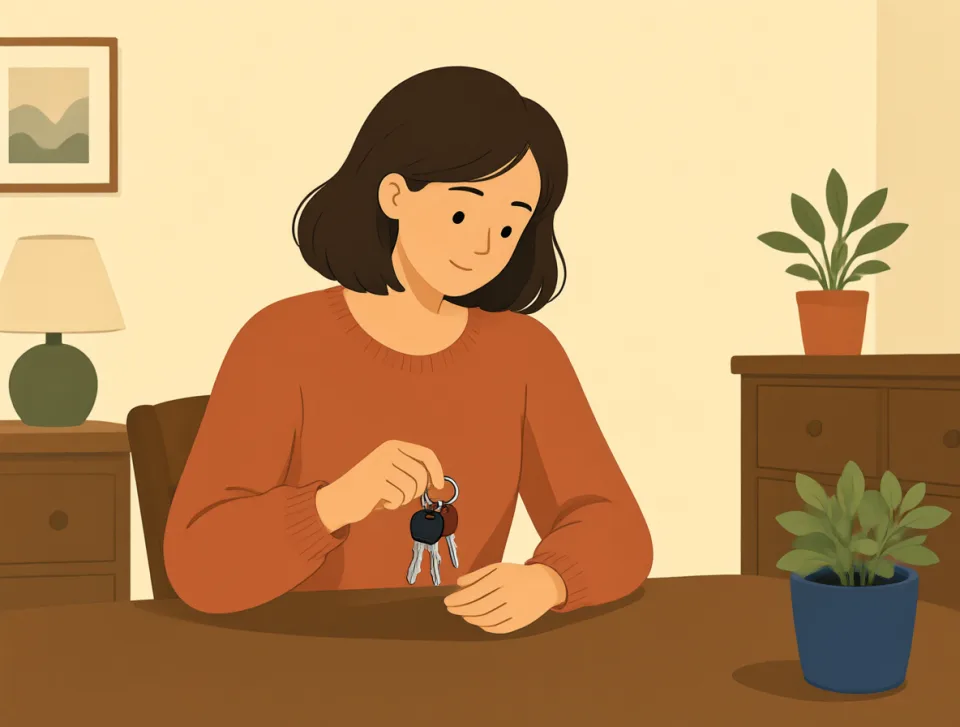
Do you know where my keys are?
क्या तुम्हें पता है कि मेरी चाबियाँ कहाँ हैं?
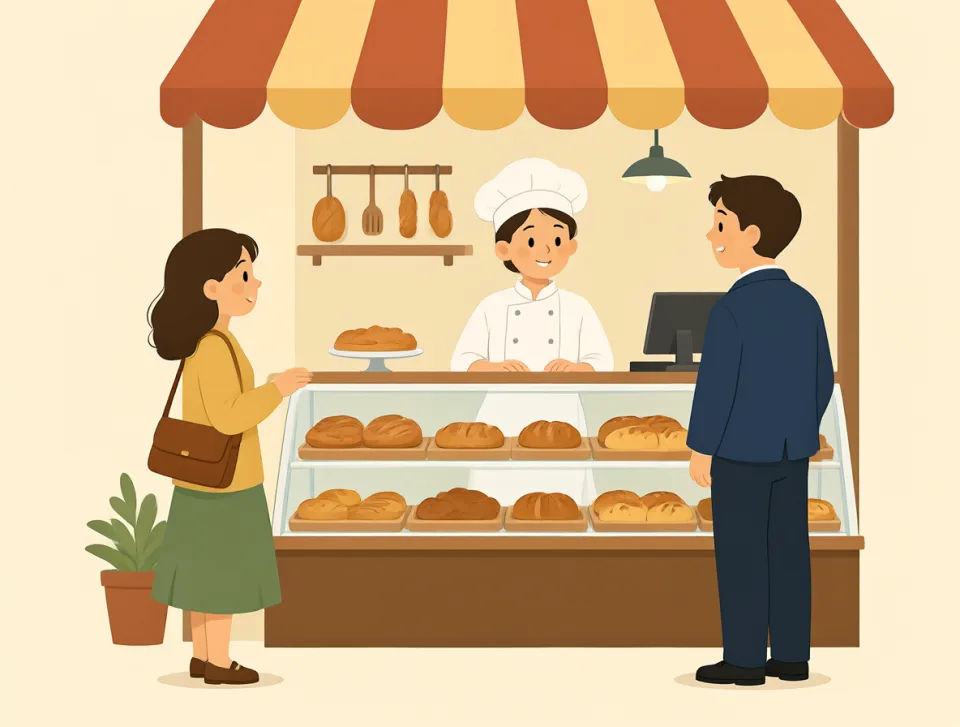
Tell me where to buy fresh bread.
मुझे बताओ कि ताज़ी ब्रेड कहाँ मिलेगी।
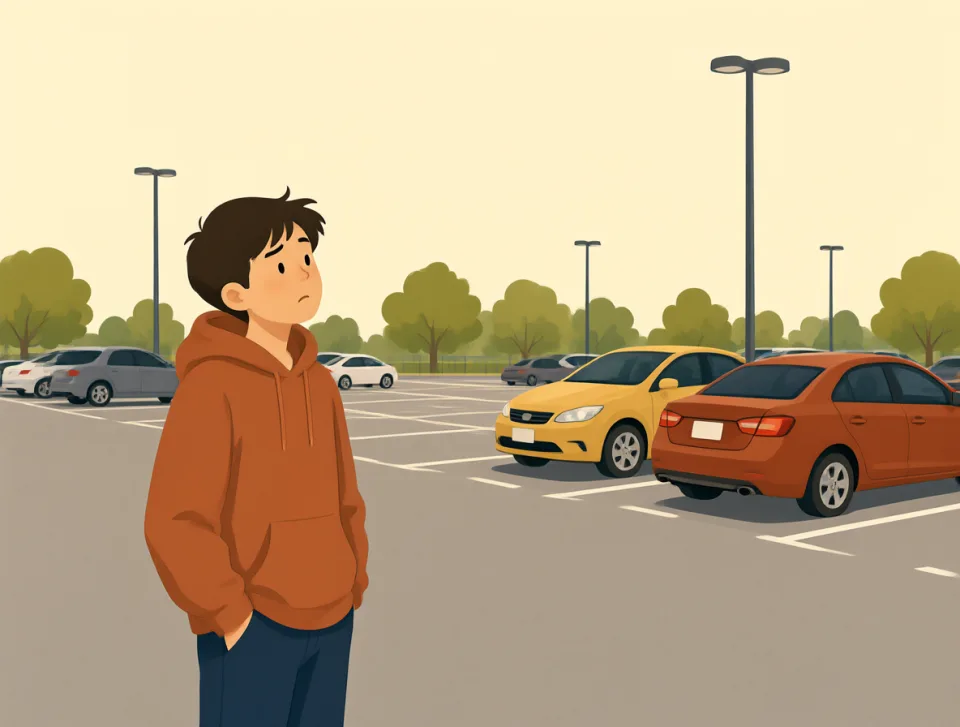
I forgot where I parked the car.
मैं भूल गया कि मैंने कार कहाँ खड़ी की थी।
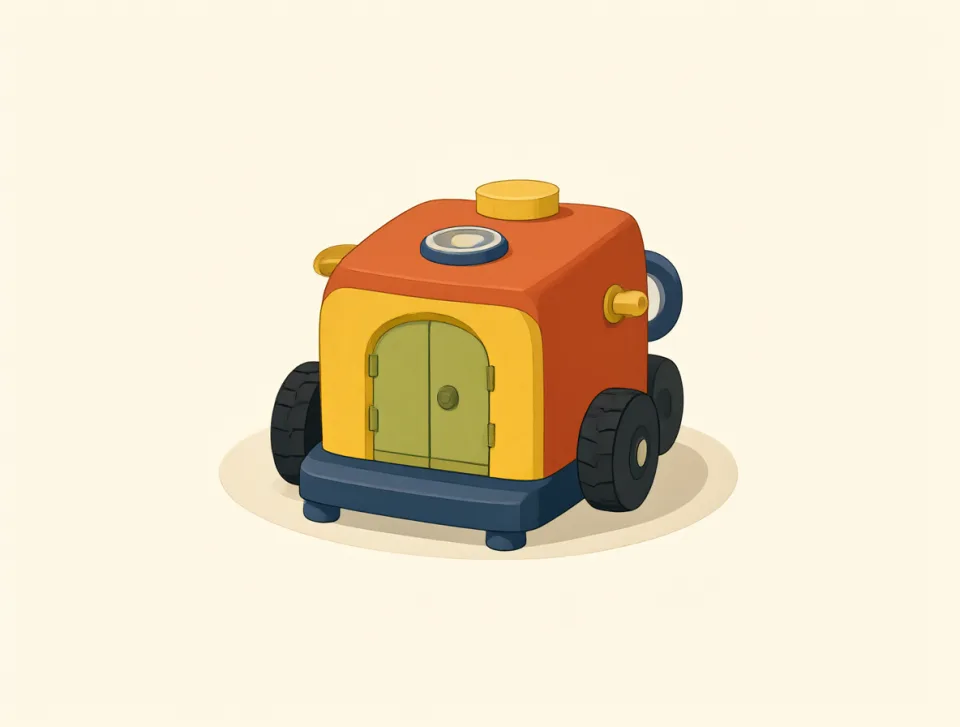
thing
#87noun
चीज़
An object, idea, or event that you do not name or describe exactly.
कोई ऐसी वस्तु, विचार या घटना जिसका नाम या वर्णन आप ठीक-ठीक न करें।
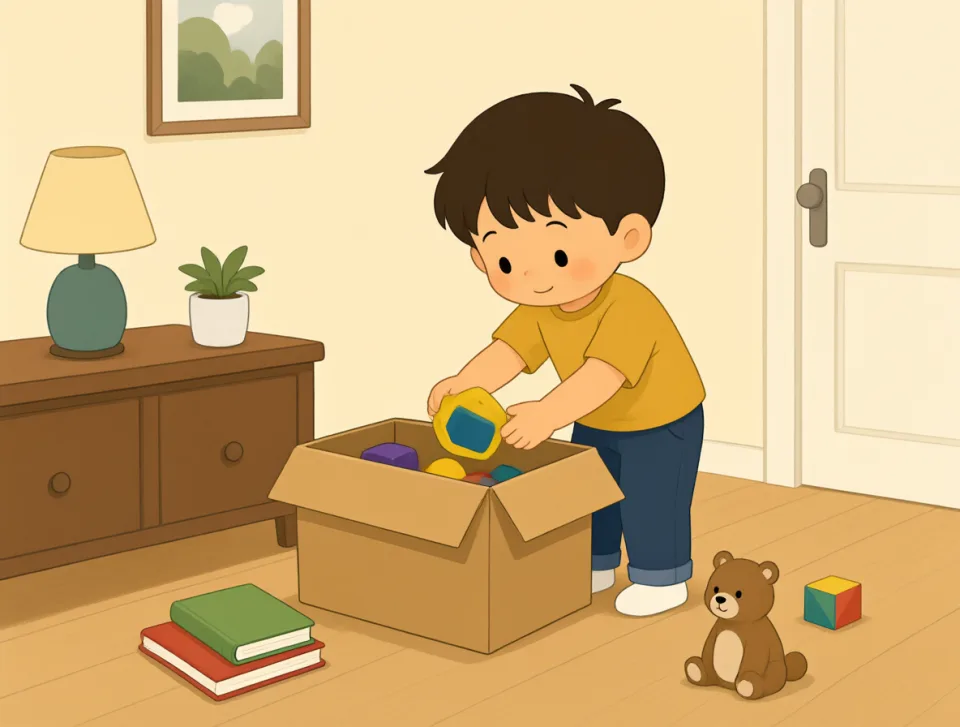
Put your things away before dinner.
खाने से पहले अपना सामान समेट लो।

The best thing is to ask for help.
सबसे अच्छा यही है कि मदद माँगी जाए।
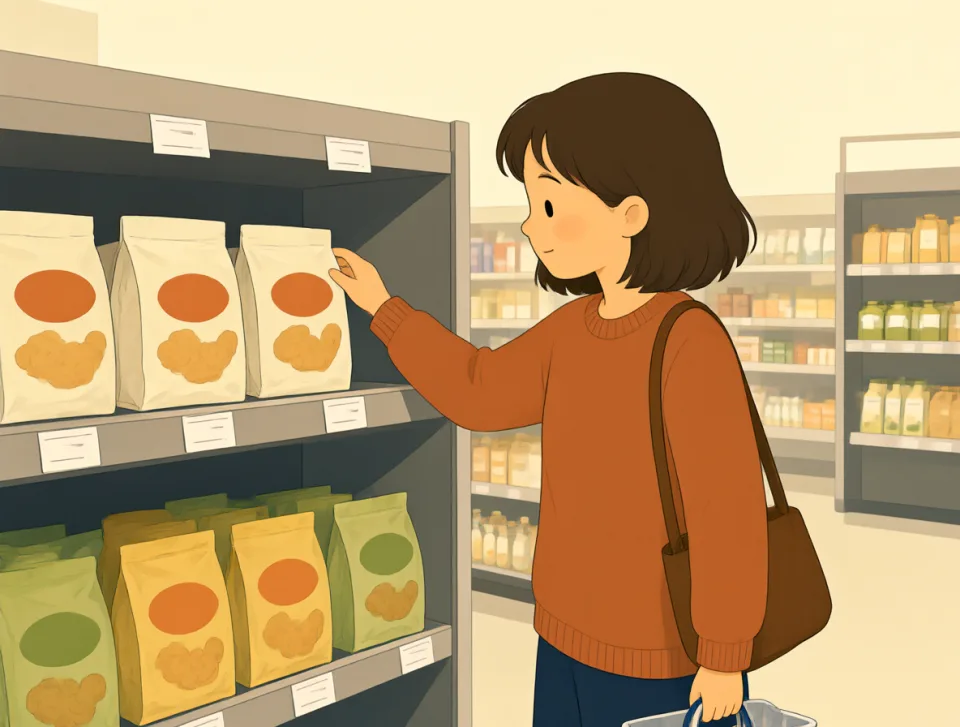
I need a few things from the store.
मुझे दुकान से कुछ चीज़ें लेनी हैं।

One strange thing happened on the train.
ट्रेन में एक अजीब बात हुई।
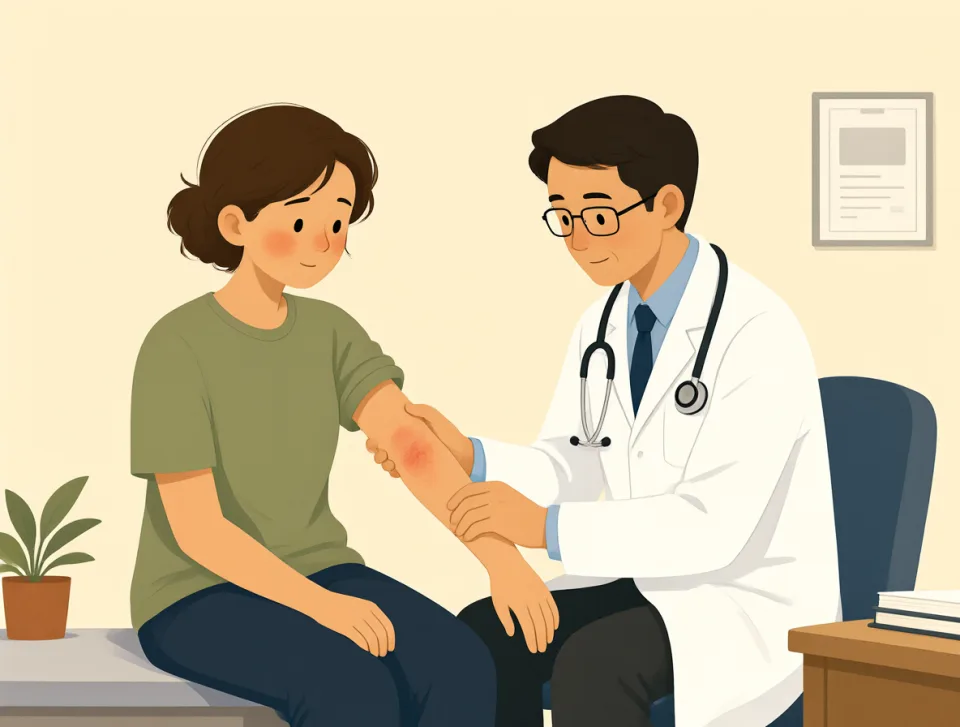
The doctor checked the painful thing on my arm.
डॉक्टर ने मेरी बाँह पर दर्द वाली जगह की जाँच की।
most
#88determiner, pronoun, adverb, adjective
ज़्यादातर
More than half of a group or amount; the greatest number or amount.
किसी समूह या मात्रा के आधे से अधिक; सबसे बड़ी संख्या या मात्रा।
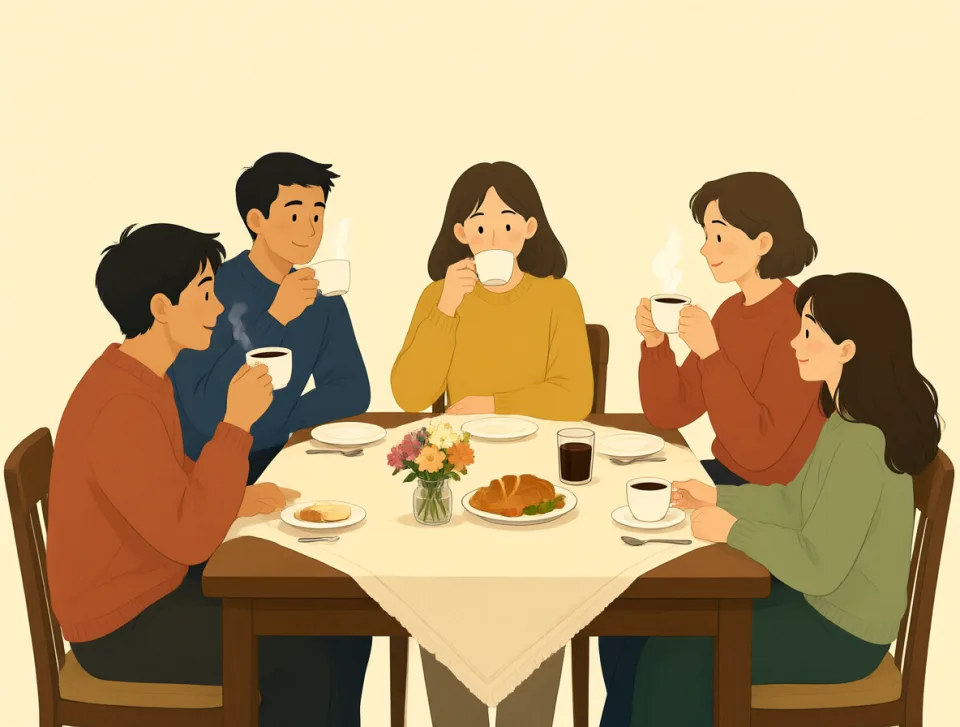
Most people drink coffee in the morning.
ज़्यादातर लोग सुबह कॉफ़ी पीते हैं।
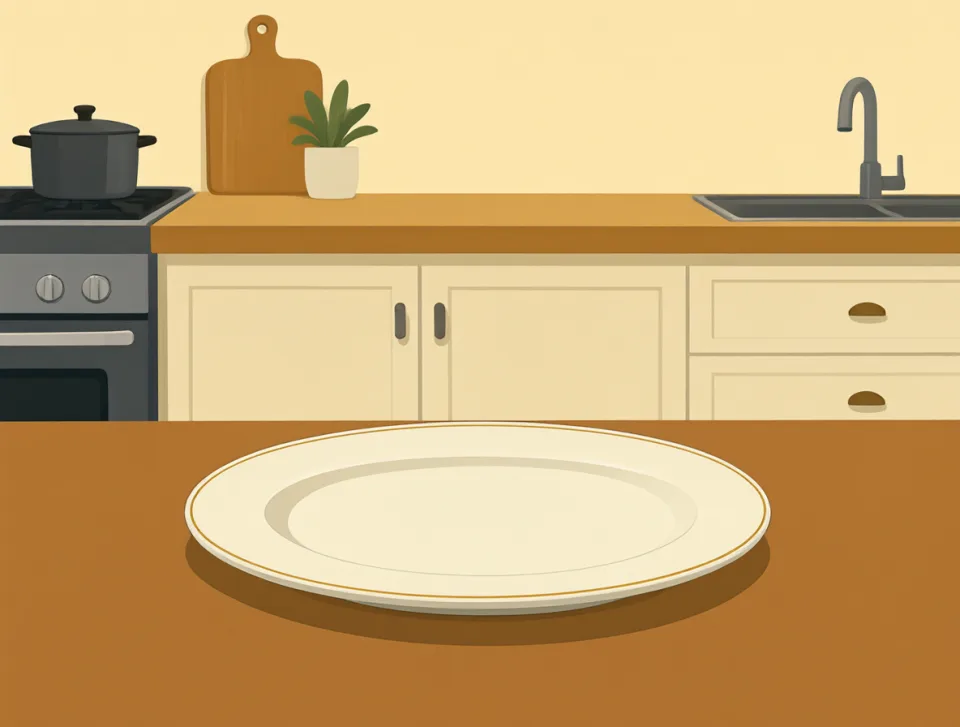
Most of the cake is gone.
केक का ज़्यादातर हिस्सा ख़त्म हो चुका है।

She works most days of the week.
वह हफ़्ते के ज़्यादातर दिनों में काम करती है।

Which color do you like most?
तुम्हें कौन-सा रंग सबसे ज़्यादा पसंद है?
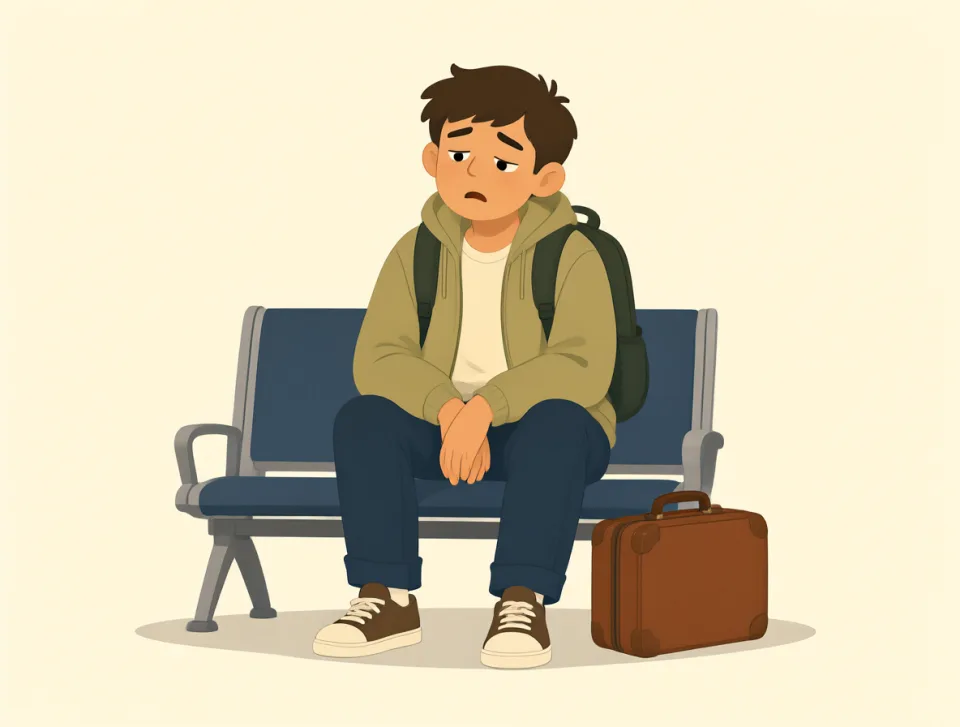
I was most tired after the long flight.
लंबी उड़ान के बाद मैं सबसे ज़्यादा थका हुआ था।

should
#89modal verb
करना चाहिए
Used to say what is best, expected, or likely to happen.
यह बताने के लिए इस्तेमाल होता है कि क्या करना सबसे अच्छा है, क्या अपेक्षित है या क्या होने की संभावना है।
You should drink more water every day.
तुम्हें हर दिन ज़्यादा पानी पीना चाहिए।
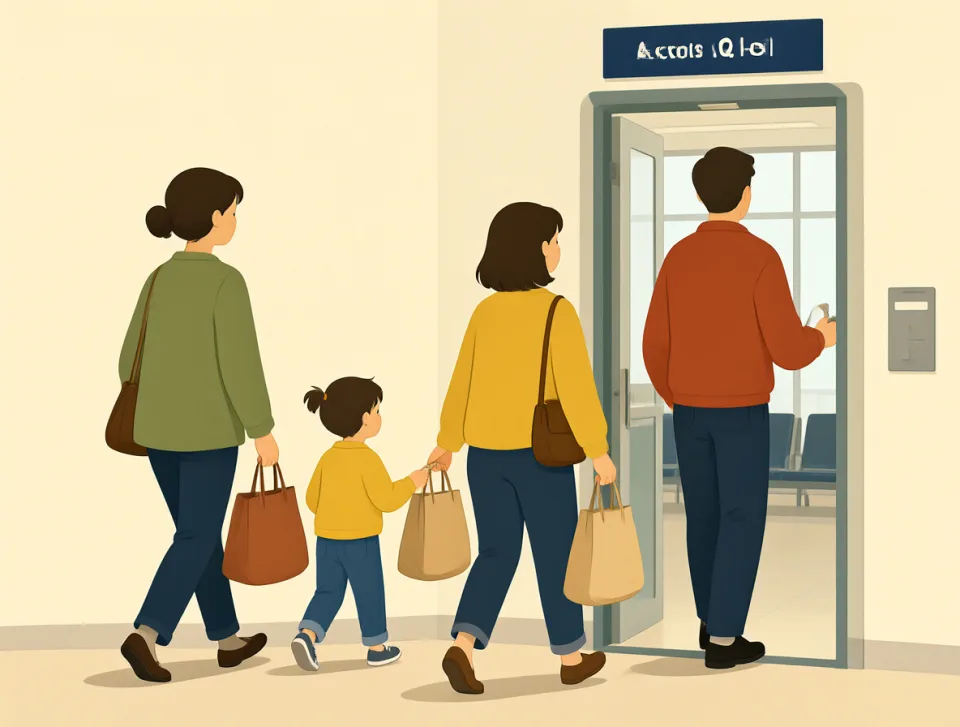
We should leave now for the airport.
हमें हवाई अड्डे के लिए अभी निकल जाना चाहिए।
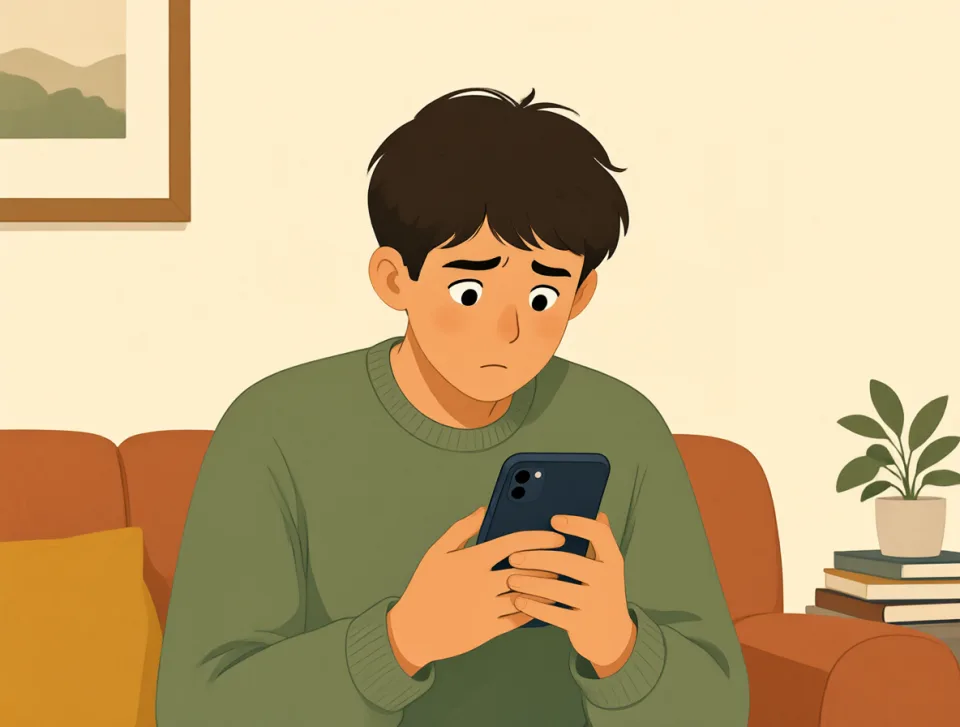
Should I call the doctor today?
क्या मुझे आज डॉक्टर को फ़ोन करना चाहिए?

You should try the vegetable soup.
तुम्हें सब्ज़ियों का सूप ज़रूर चखना चाहिए।
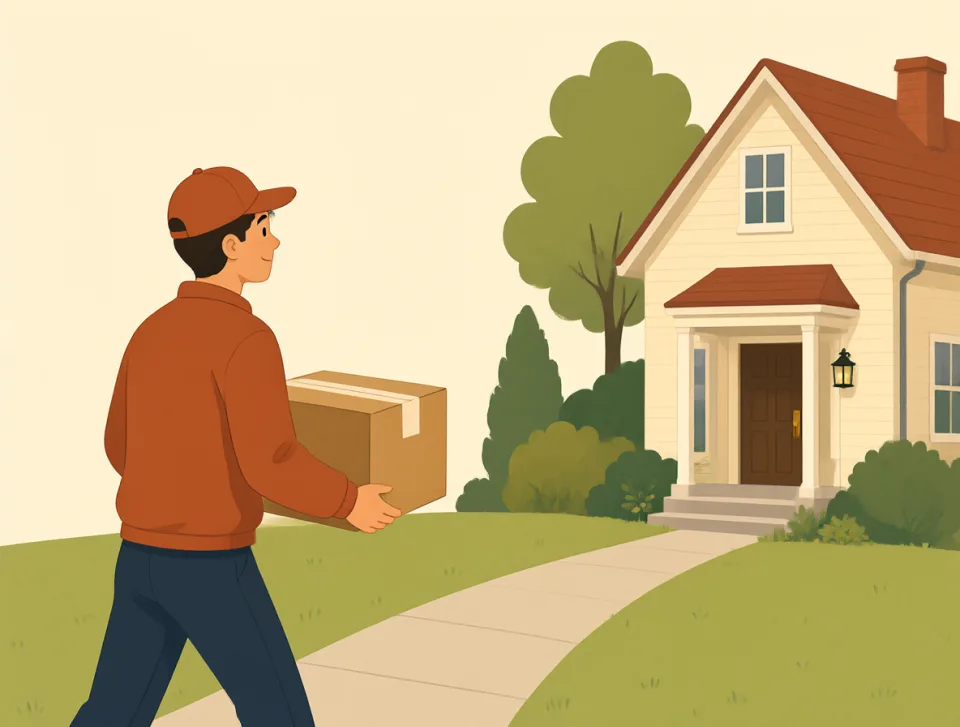
The package should arrive tomorrow.
पार्सल कल पहुँच जाना चाहिए।
need
#90verb, noun
ज़रूरत होना
To require something or feel that something is necessary.
किसी चीज़ की आवश्यकता होना या उसका ज़रूरी महसूस होना।
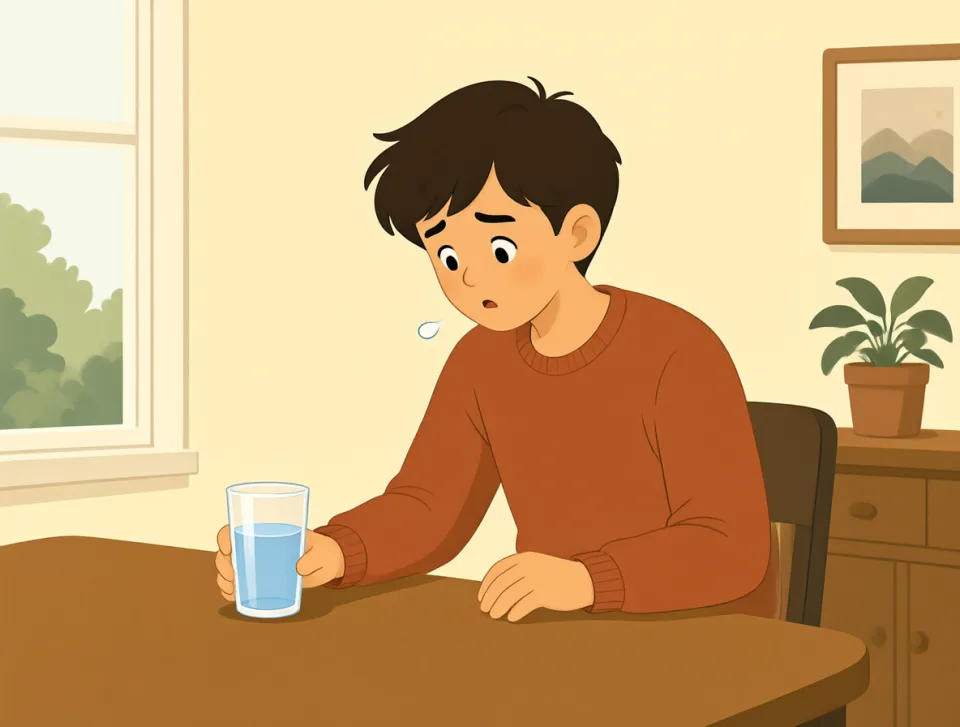
I need some water, please.
मुझे थोड़ा पानी चाहिए, कृपया।
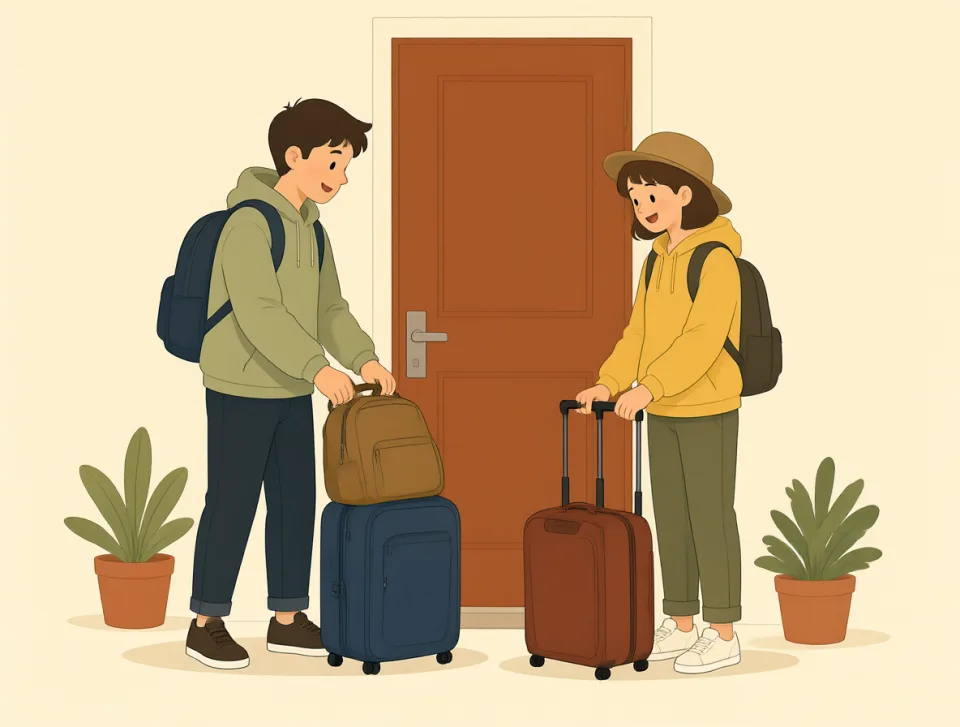
We need to leave early tomorrow.
हमें कल सुबह जल्दी निकलना होगा।

She needs help with her homework.
उसे अपना होमवर्क करने में मदद चाहिए।

Do you need anything from the shop?
क्या तुम्हें दुकान से कुछ चाहिए?
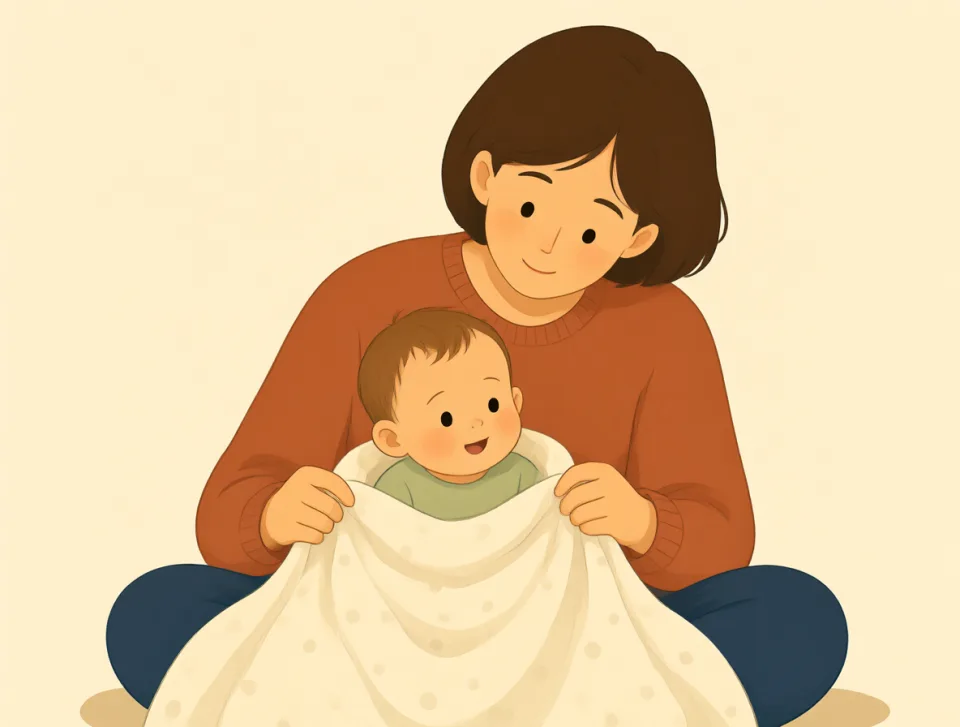
The baby needs a warm blanket.
बच्चे को गर्म कंबल चाहिए।
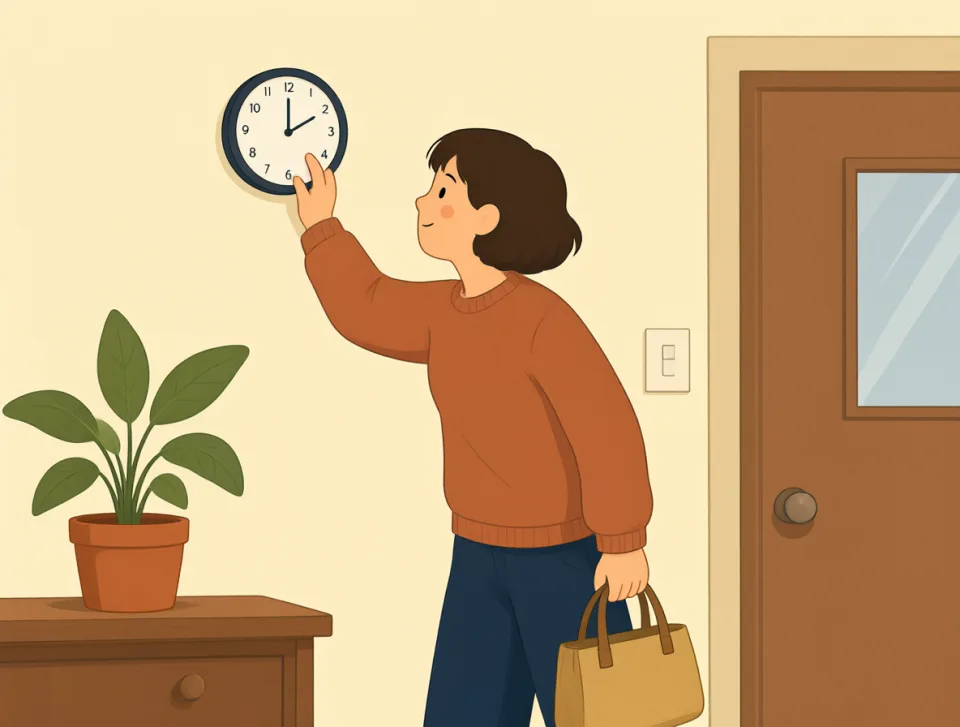
much
#91adverb, determiner, pronoun
बहुत
A large amount or a lot; used mostly in questions and negative sentences.
बड़ी मात्रा या बहुत सारा; इसका इस्तेमाल ज़्यादातर सवालों और नकारात्मक वाक्यों में होता है।
I don't have much time today.
आज मेरे पास ज़्यादा समय नहीं है।
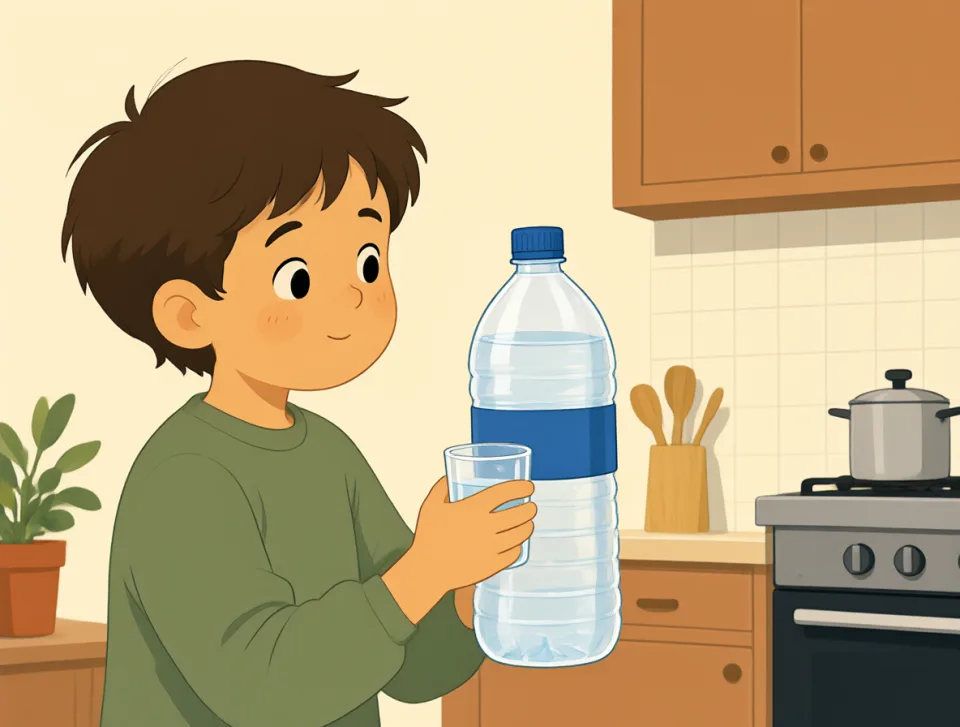
How much water do you drink?
तुम कितना पानी पीते हो?
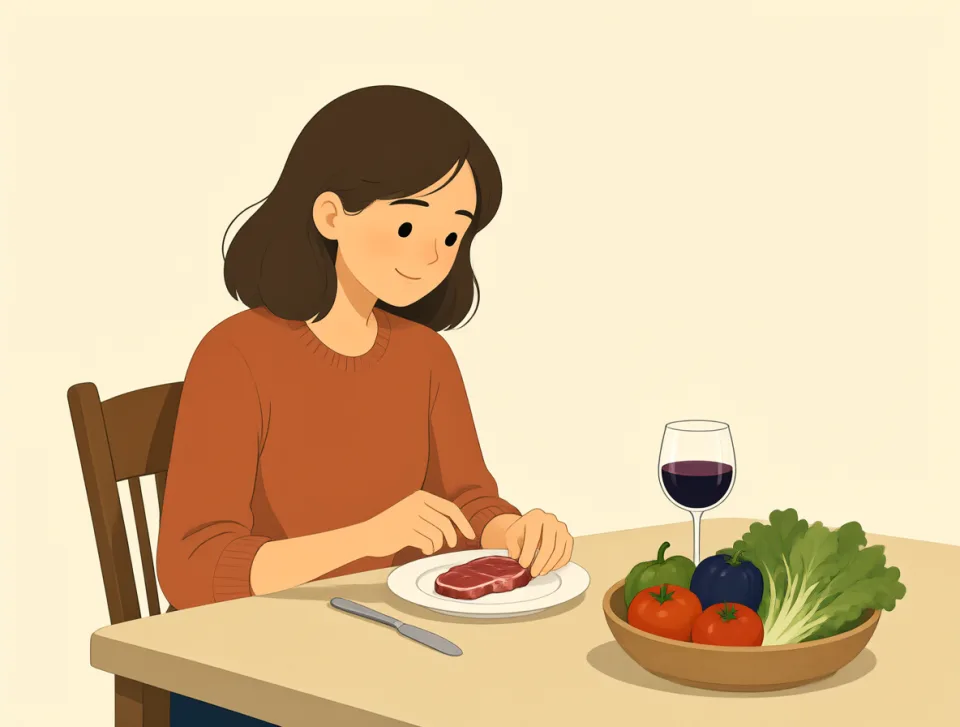
She doesn't eat much meat.
वह ज़्यादा मांस नहीं खाती।
Thank you very much for your help.
आपकी मदद के लिए आपका बहुत-बहुत धन्यवाद।

We learned much from our teacher.
हमने अपने शिक्षक से बहुत कुछ सीखा।
right
#92adjective, adverb, noun
सही; दायाँ
Correct, or on the side opposite your left hand.
सही, या आपके बाएँ हाथ की विपरीत दिशा में।
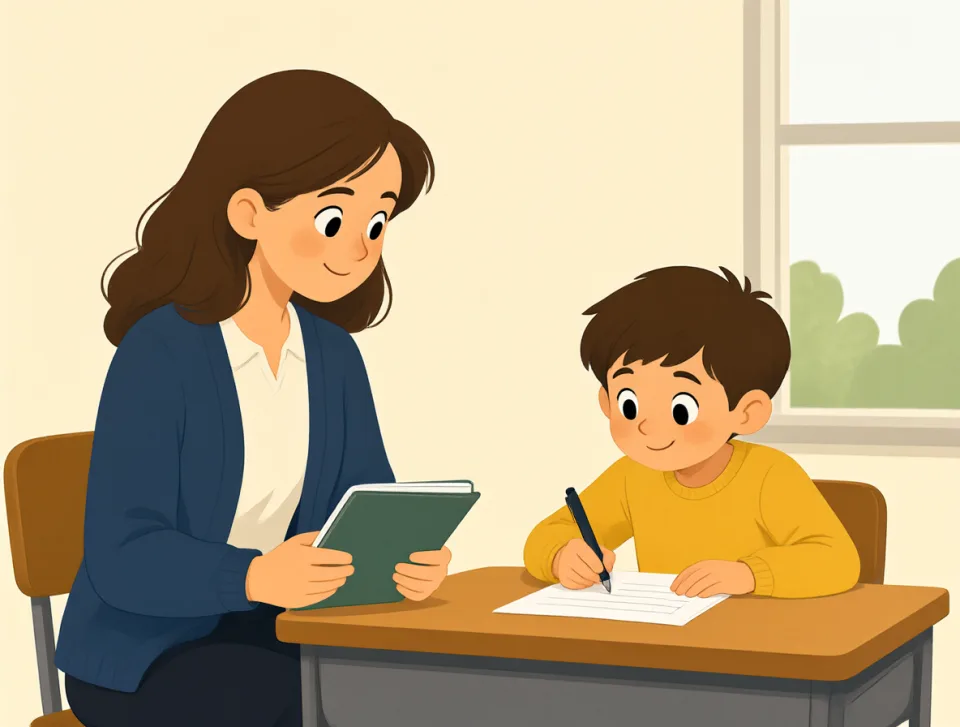
Your answer is right.
तुम्हारा जवाब सही है।
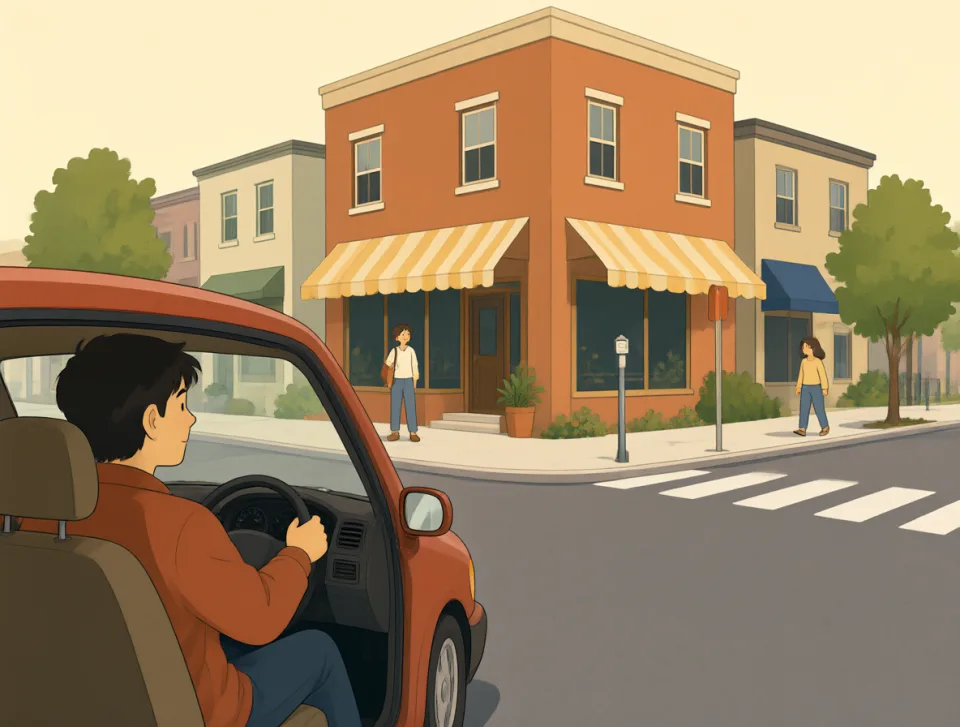
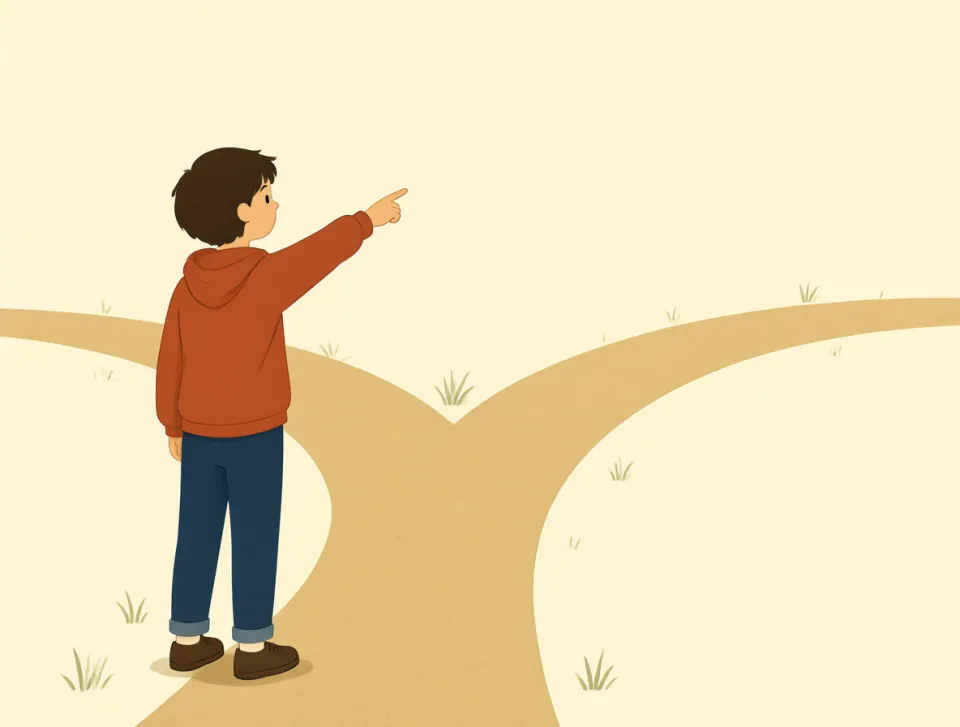
Please turn right at the next street.
कृपया अगली सड़क पर दाएँ मुड़ें।

I need to leave right now.
मुझे अभी निकलना होगा।

The bank is on the right.
बैंक दाईं ओर है।

You have the right to ask questions.
आपको सवाल पूछने का अधिकार है।
how
#93adverb, conjunction, pronoun
कैसे
Used to ask or explain the way something happens or is done.
किसी काम के होने या किए जाने का तरीका पूछने या बताने के लिए इस्तेमाल होता है।
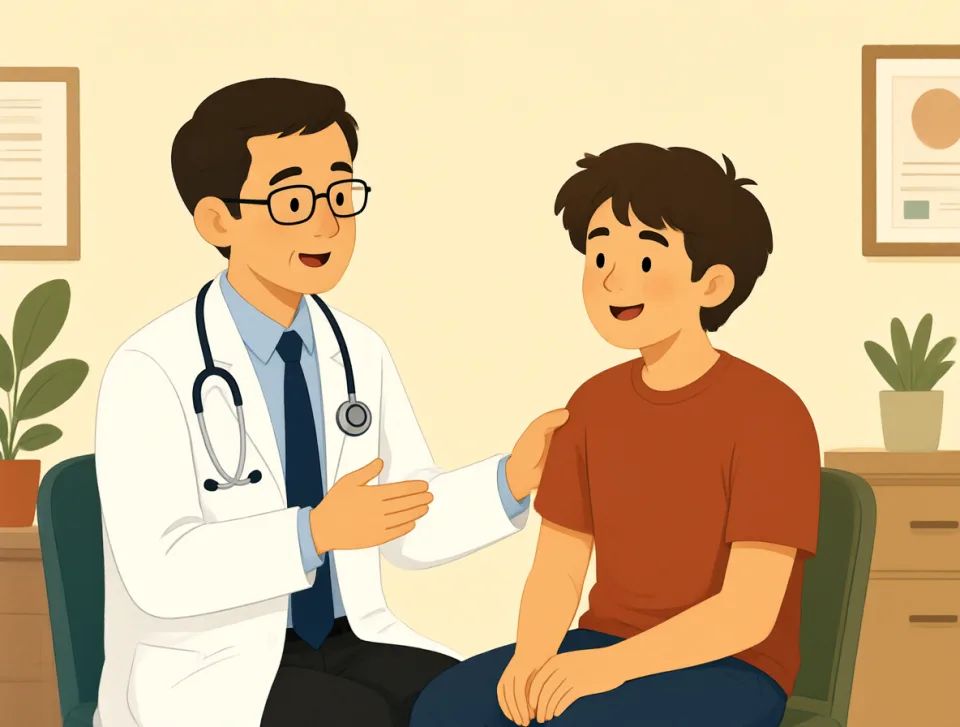
How are you feeling today?
आज तुम्हारी तबीयत कैसी है?
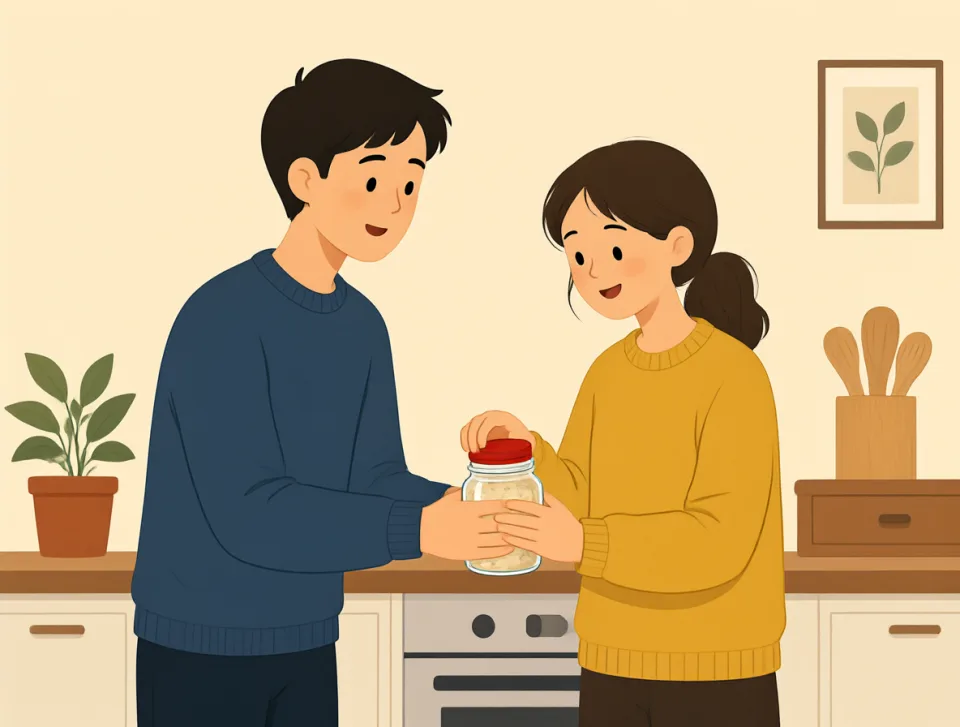
Can you show me how to open it?
क्या तुम मुझे दिखा सकते हो कि इसे कैसे खोलें?
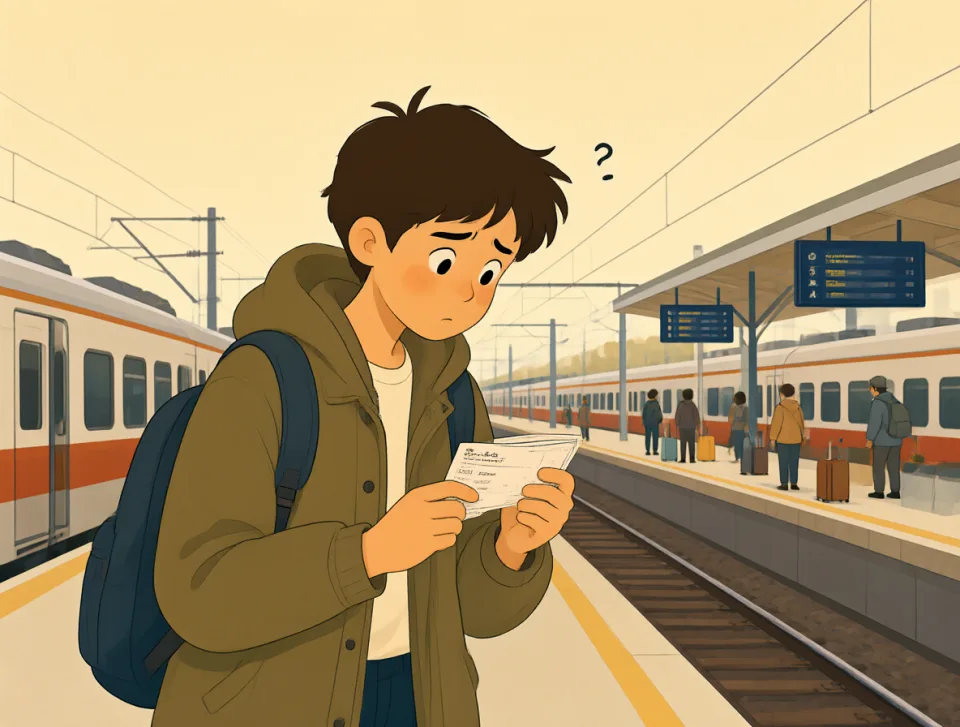
I forgot how much the tickets cost.
मैं भूल गया कि टिकटों की कीमत कितनी थी।
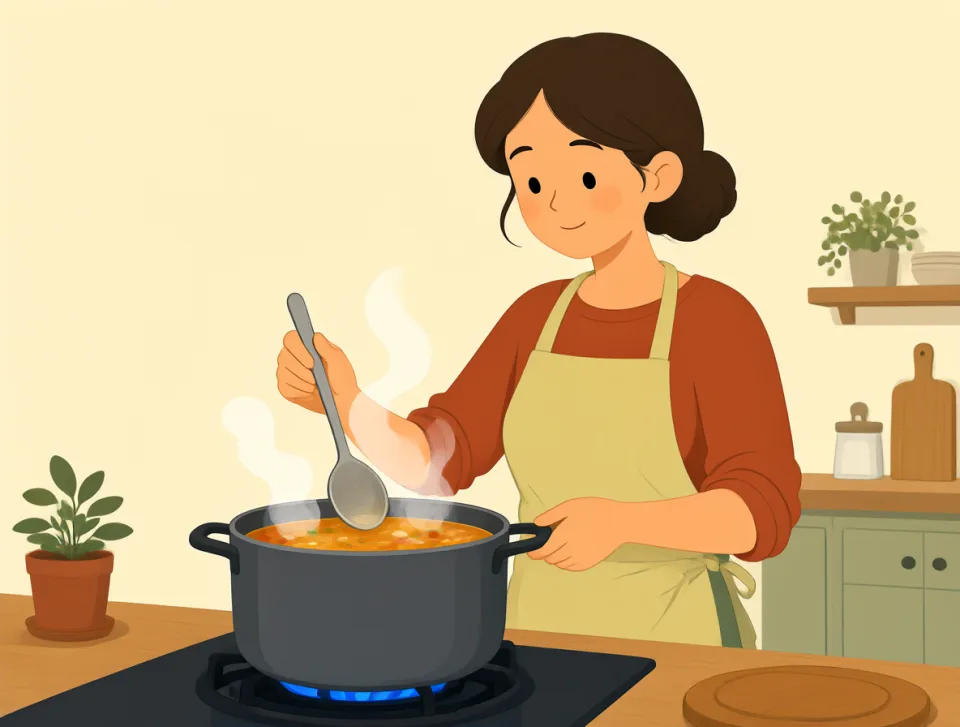
She knows how to make good soup.
उसे अच्छा सूप बनाना आता है।

How did you get home so late?
तुम इतनी देर से घर कैसे पहुँचे?
back
#94noun, verb, adjective, adverb, preposition
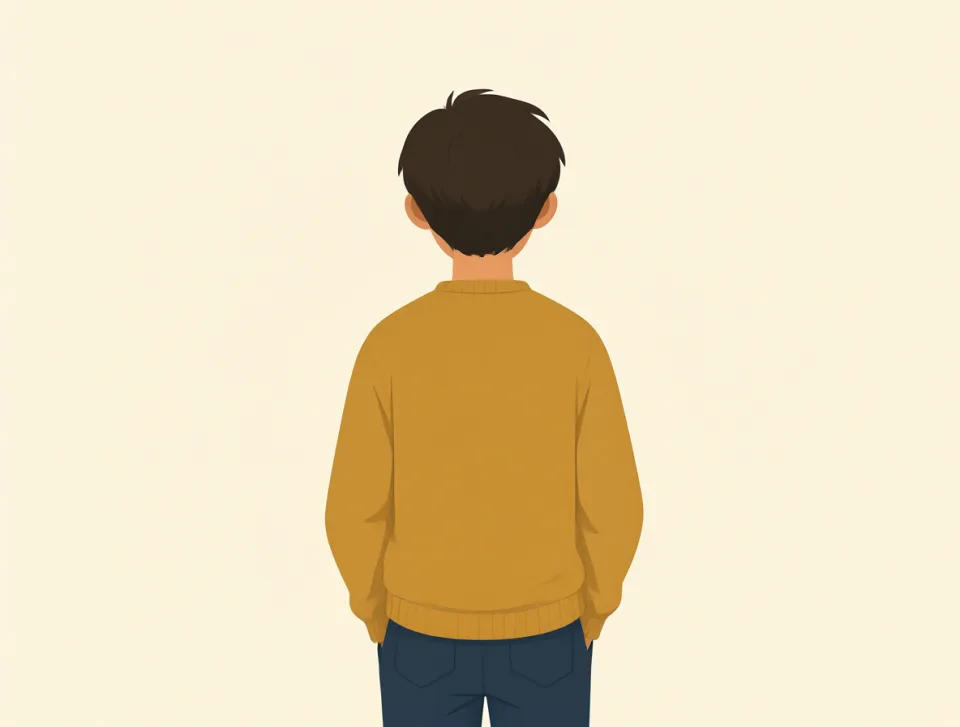
पीठ; वापस
The part of your body opposite your chest, or toward the place you came from.
आपके शरीर का वह हिस्सा जो छाती के पीछे होता है, या उस जगह की ओर जहाँ से आप आए थे।
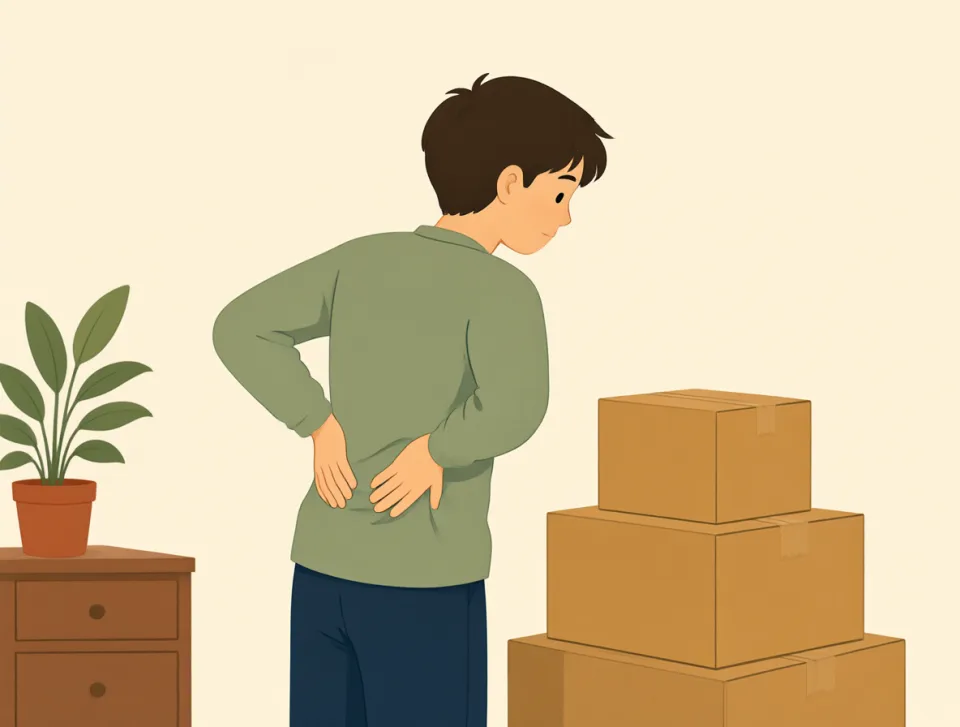
My back hurts after carrying the boxes.
डिब्बे उठाने के बाद मेरी पीठ में दर्द हो रहा है।

Please put the book back on the shelf.
कृपया किताब को वापस शेल्फ़ पर रख दें।

We walked back to the hotel after dinner.
खाने के बाद हम पैदल होटल लौटे।
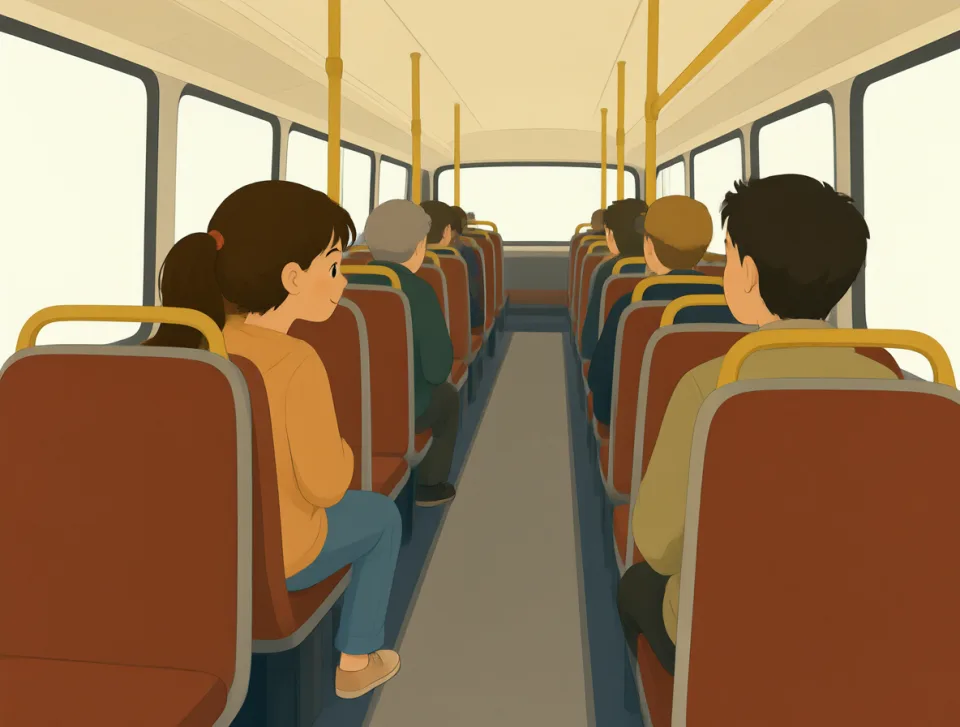
She sat in the back of the bus.
वह बस के पीछे वाली सीट पर बैठी।
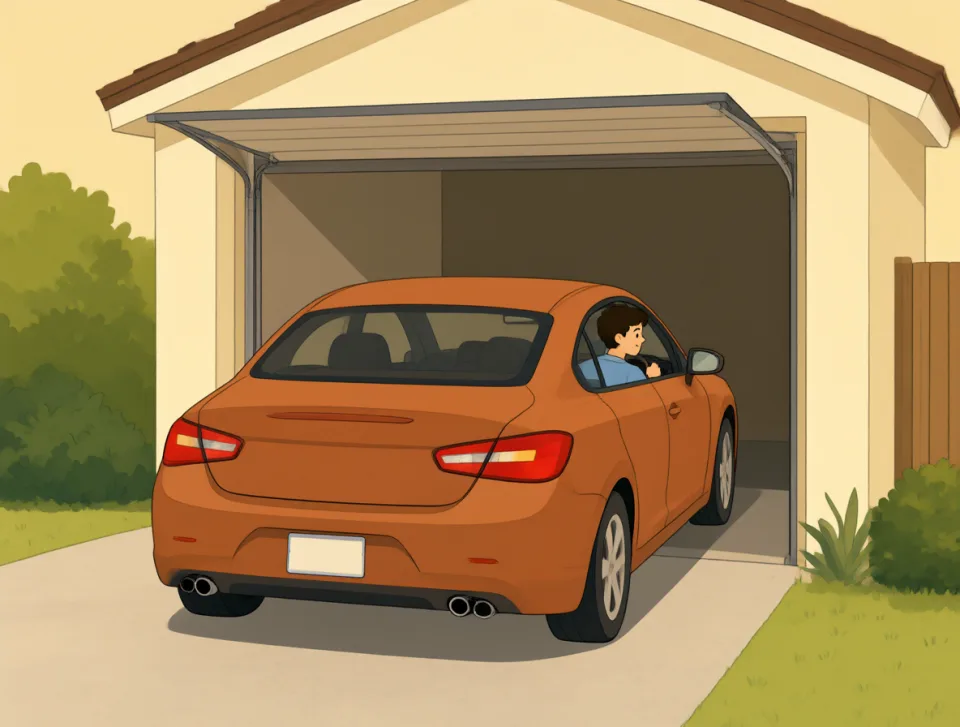
He backed the car into the garage.
उसने कार को पीछे करते हुए गैरेज में ले गया।
mean
#95verb, adjective, noun
मतलब होना
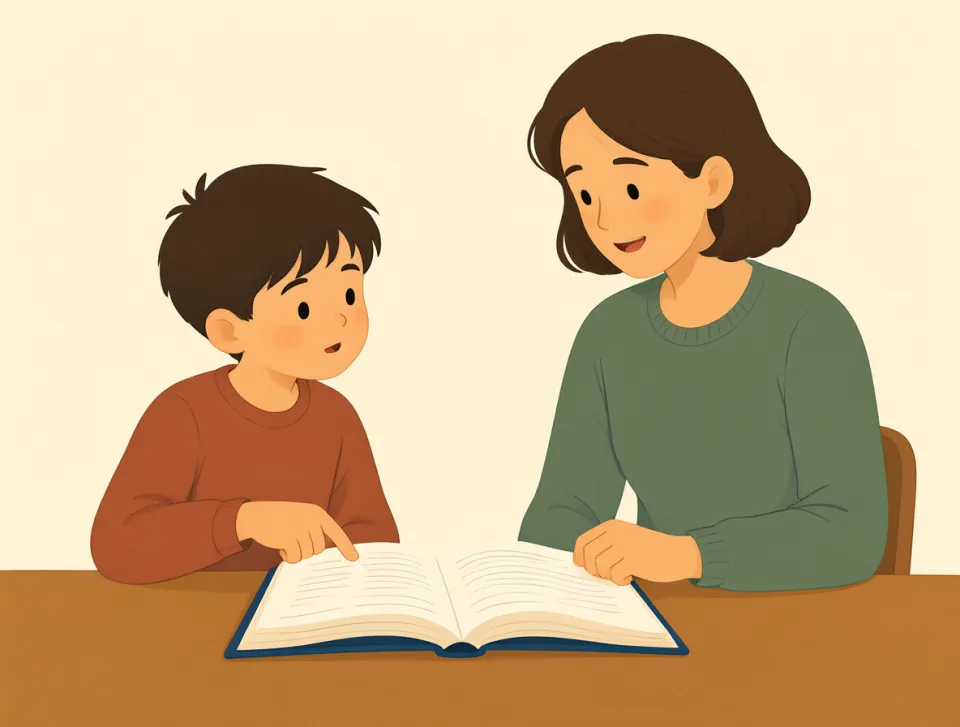
To mean is to have a particular meaning or intend to say something.
Mean का अर्थ है किसी खास अर्थ का होना या कुछ कहने का इरादा रखना।
What does this word mean?
इस शब्द का क्या मतलब है?

I mean we should leave now.
मेरा मतलब है कि हमें अभी निकल जाना चाहिए।

This gift means a lot to me.
यह तोहफ़ा मेरे लिए बहुत मायने रखता है।
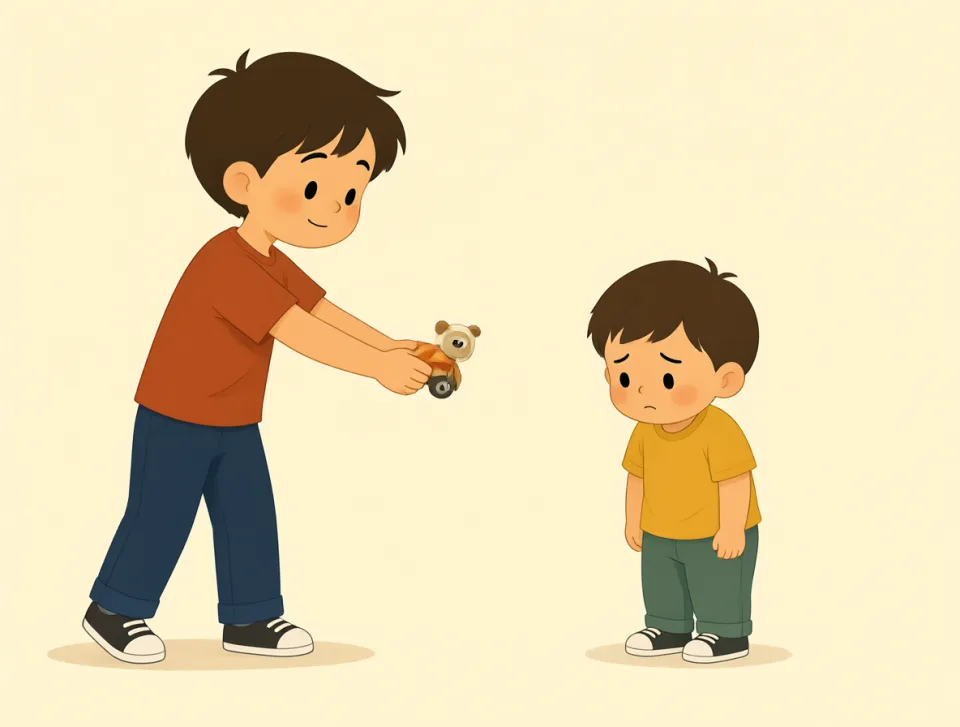
He was mean to his little brother.
वह अपने छोटे भाई के साथ बुरा बर्ताव करता था।
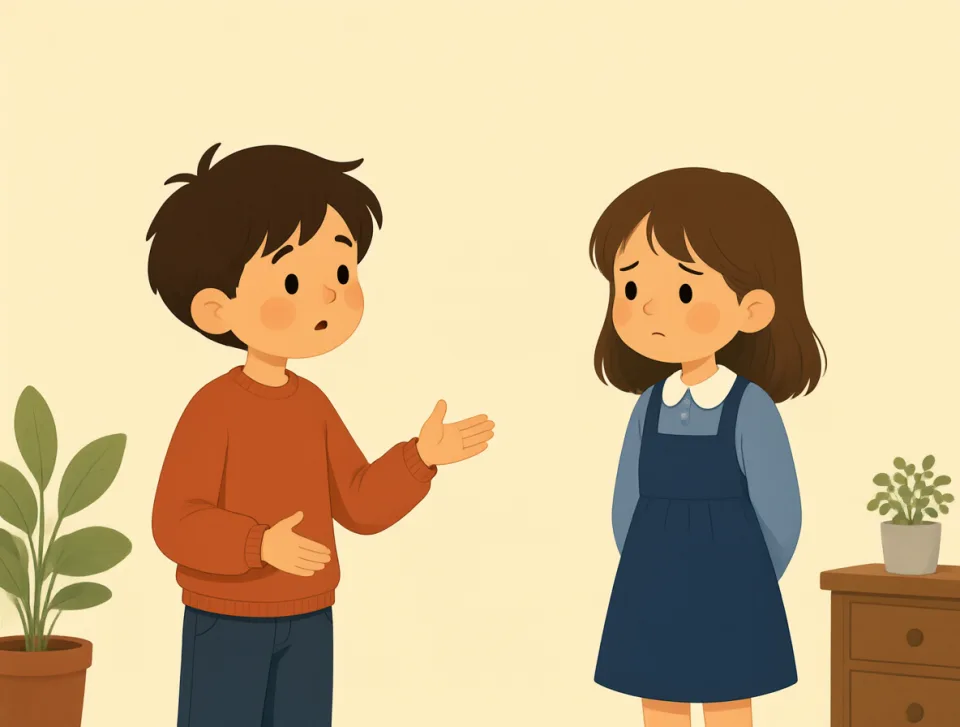
That was a mean joke.
वह एक घटिया मज़ाक था।

even
#96adverb, adjective, verb
भी
Used to show something surprising, equal, flat, or fair.
किसी आश्चर्यजनक बात, समानता, सपाटपन या निष्पक्षता को दिखाने के लिए इस्तेमाल होता है।
Even my brother likes this song.
मेरे भाई को भी यह गाना पसंद है।
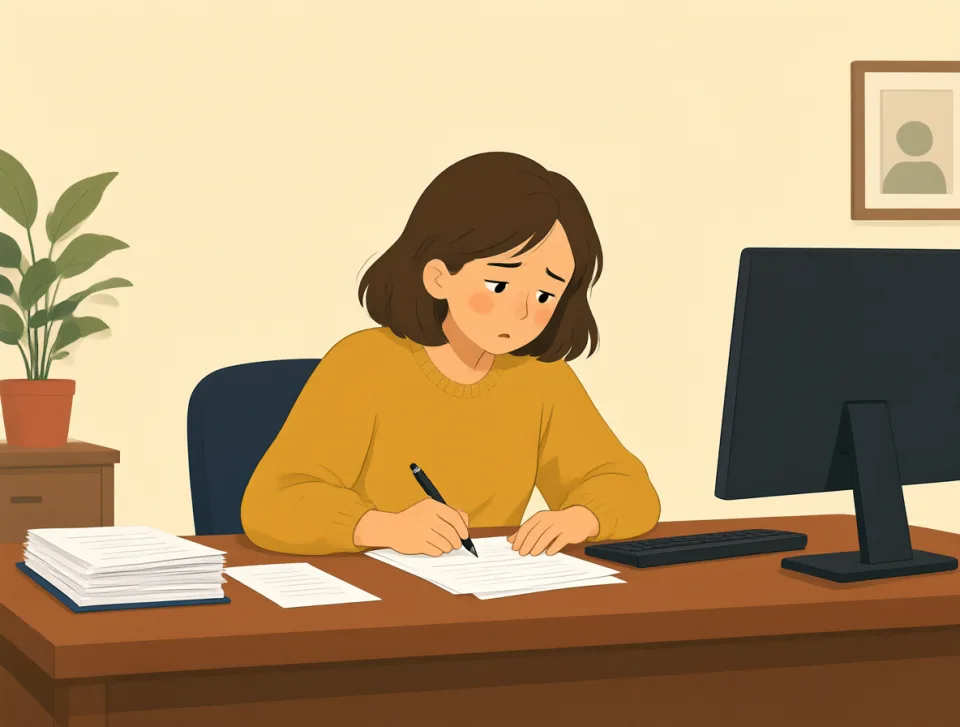
She was tired, but she even finished the work.
वह थकी हुई थी, लेकिन उसने काम भी पूरा कर लिया।
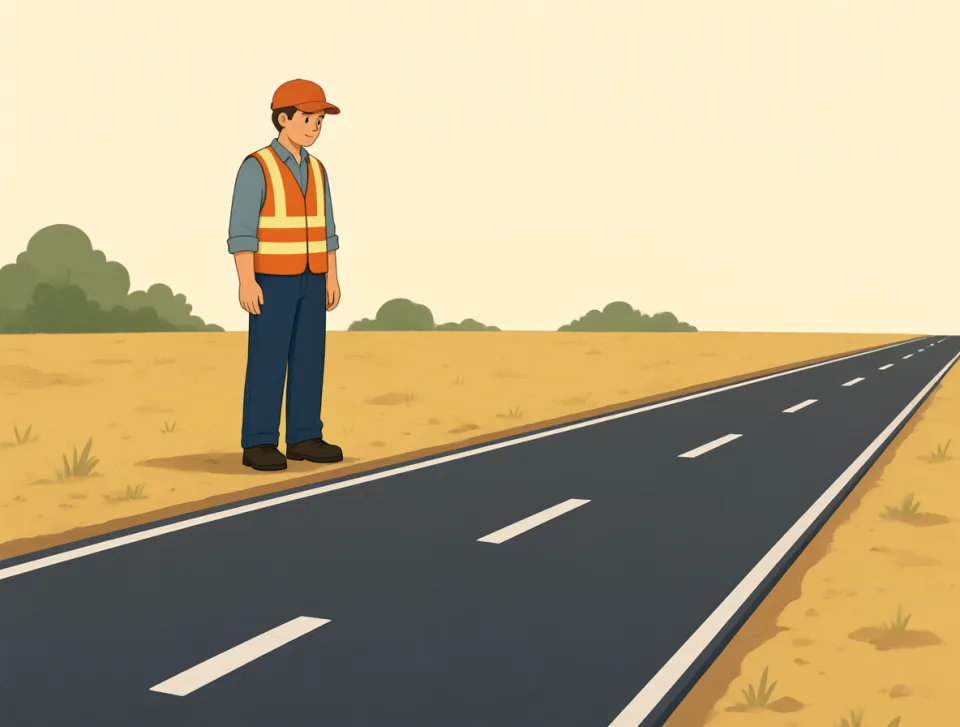
The road is even after the repairs.
मरम्मत के बाद सड़क समतल है।
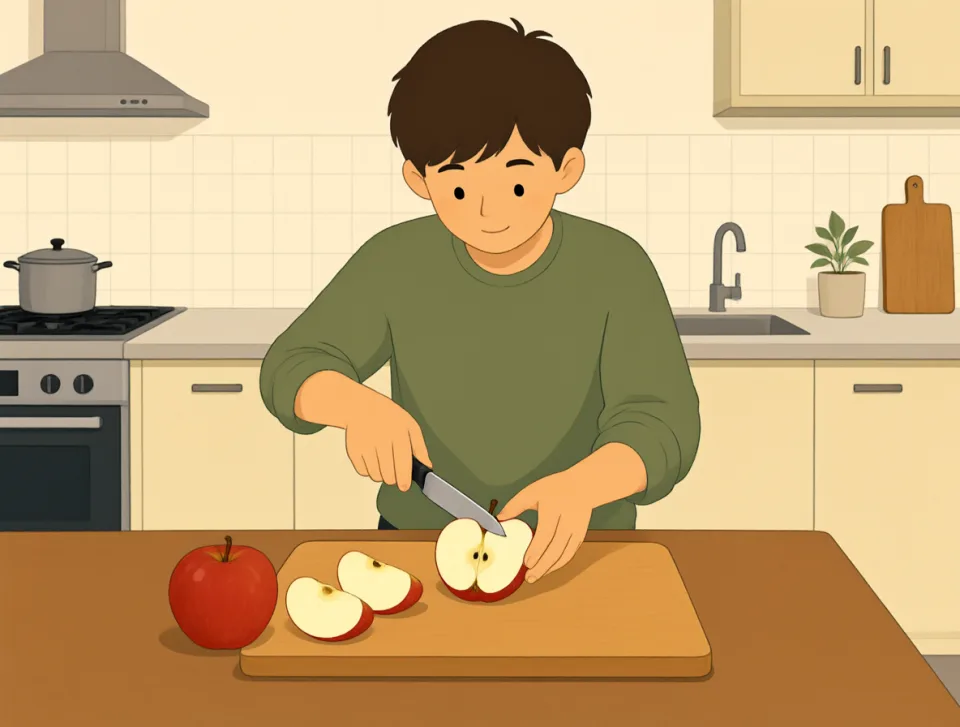
Cut the apple into even pieces.
सेब को बराबर टुकड़ों में काटो।
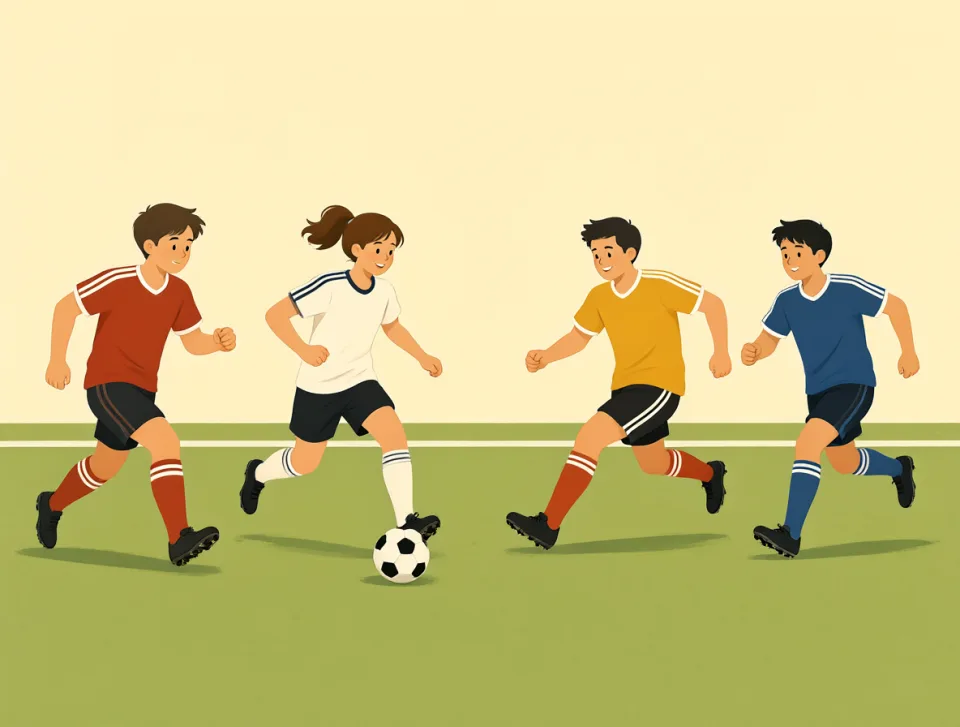
We played on an even team.
हमने बराबरी की टीमों में खेला।
may
#97modal verb, noun
हो सकता है; क्या मैं…?
Used to say that something is possible or to ask for permission.
किसी बात की संभावना बताने या अनुमति माँगने के लिए इस्तेमाल होता है।
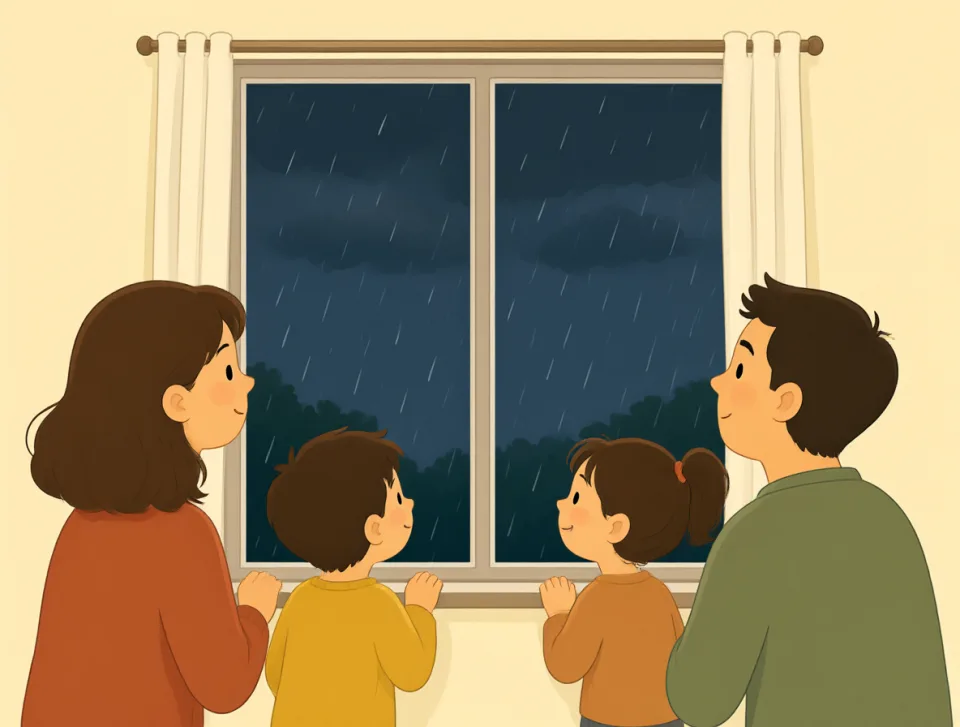
It may rain this afternoon.
आज दोपहर बारिश हो सकती है।
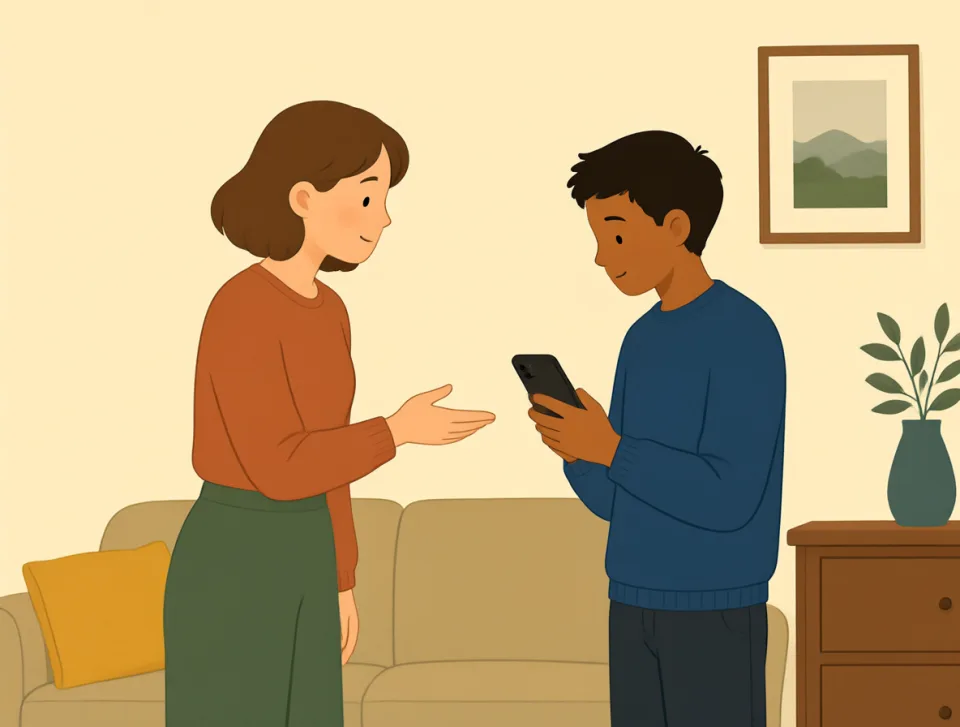
May I use your phone?
क्या मैं आपका फ़ोन इस्तेमाल कर सकता हूँ?

You may leave work early today.
आज आप काम से जल्दी जा सकते हैं।
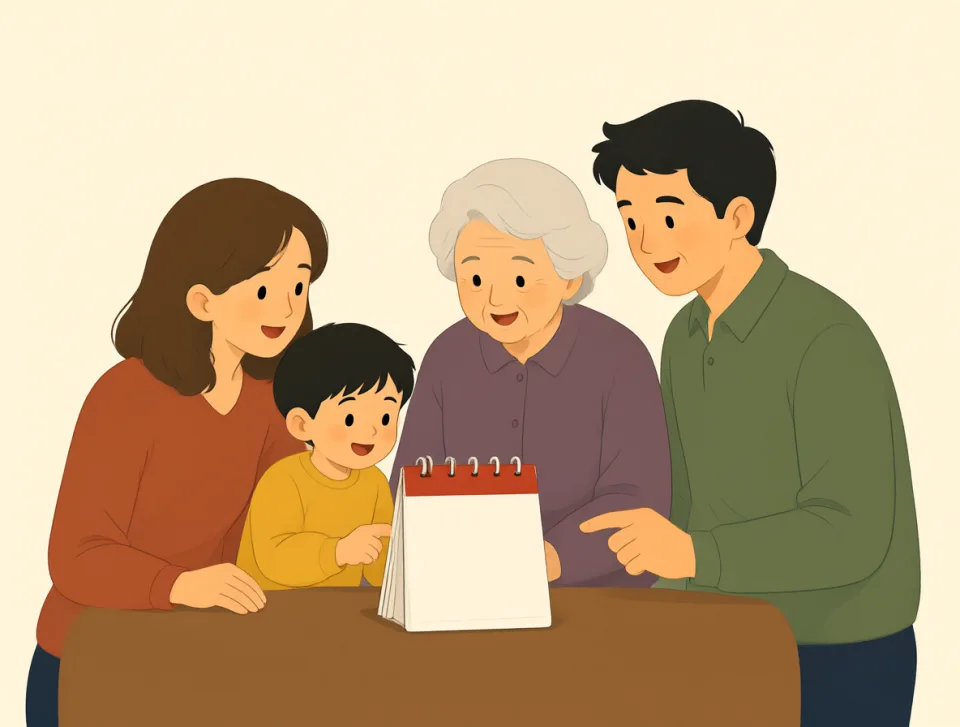
We may visit Grandma this weekend.
हम इस सप्ताहांत दादी से मिलने जा सकते हैं।
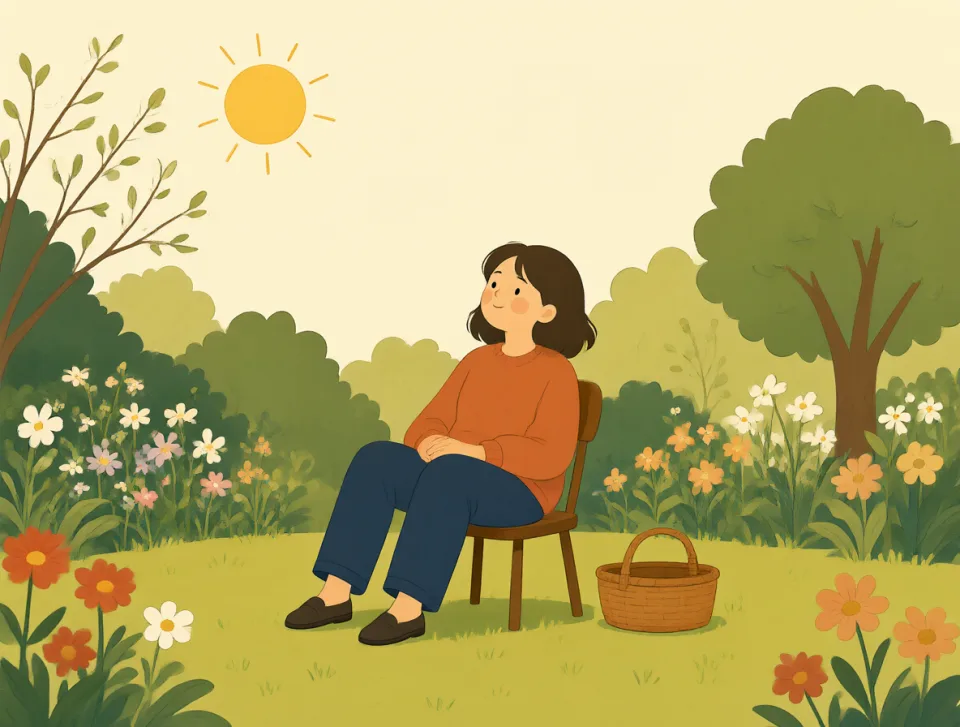
May is my favorite month.
मई मेरा पसंदीदा महीना है।
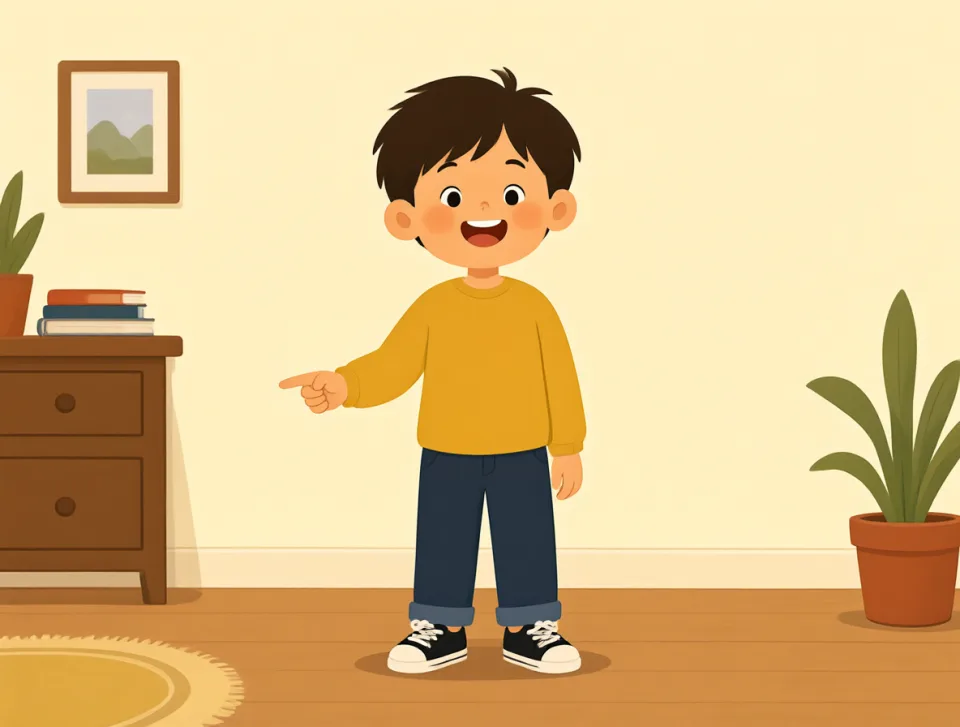
here
#98adverb, pronoun, adjective, noun
यहाँ
in, at, or to this place
इस जगह में, इस जगह पर या इस जगह की ओर

Please sit here beside me.
कृपया मेरे पास यहाँ बैठिए।
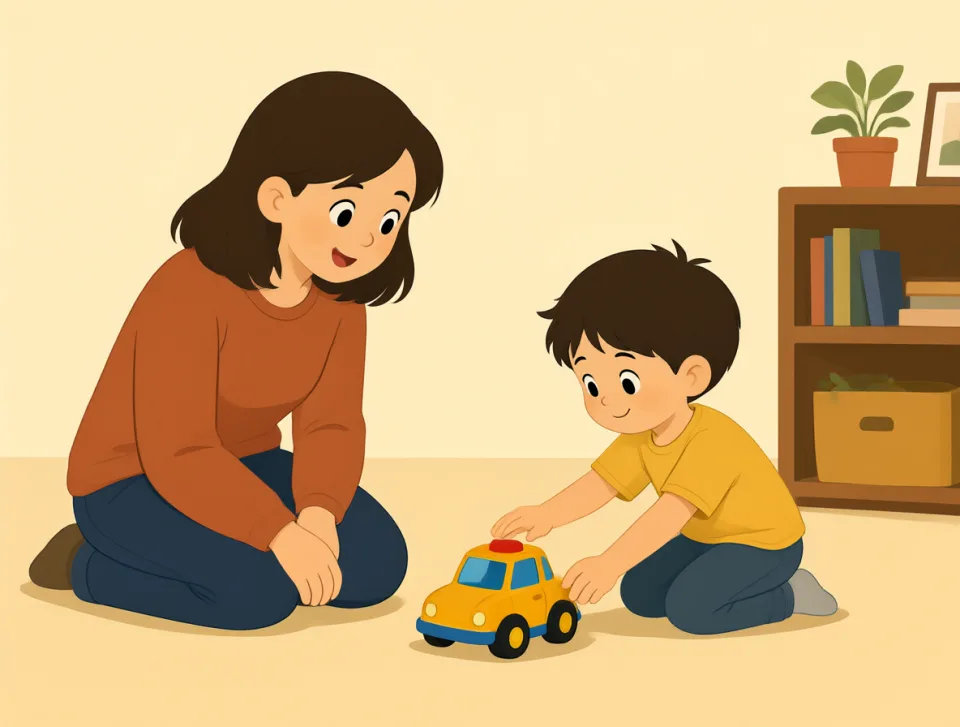
Come here and look at this.
यहाँ आओ और इसे देखो।
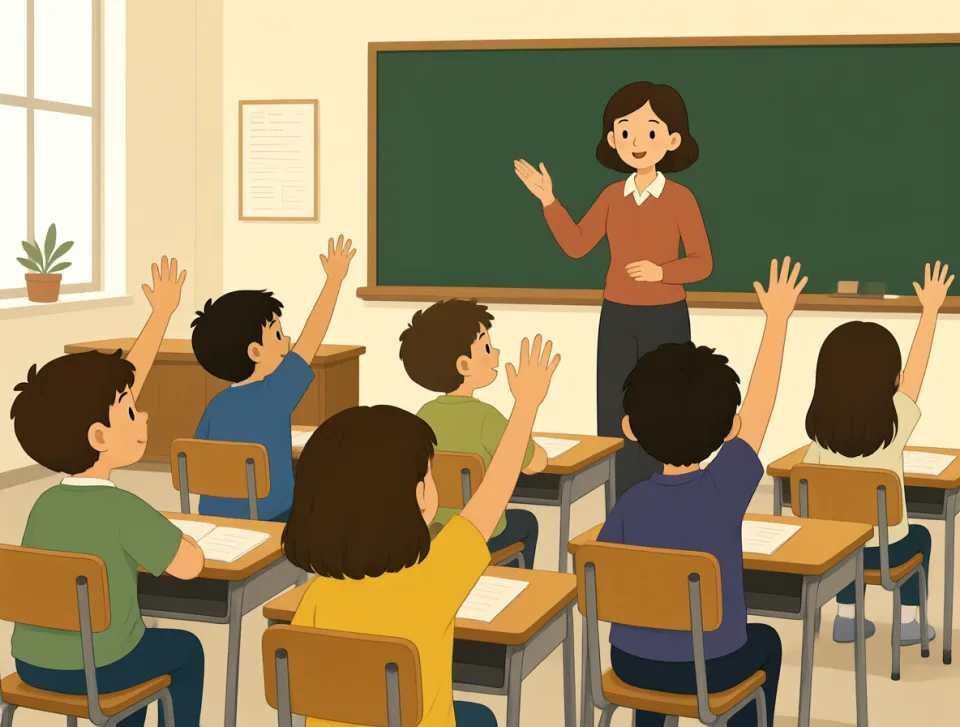
Is anyone here from our class?
क्या हमारी कक्षा से कोई यहाँ है?
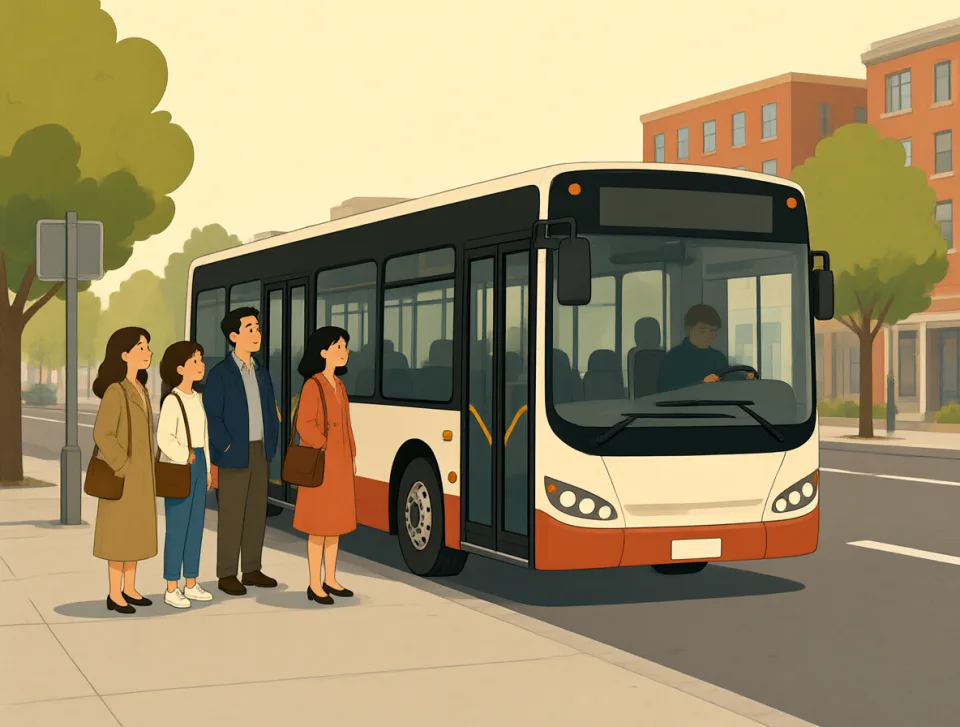
The bus stops here every morning.
बस हर सुबह यहाँ रुकती है।
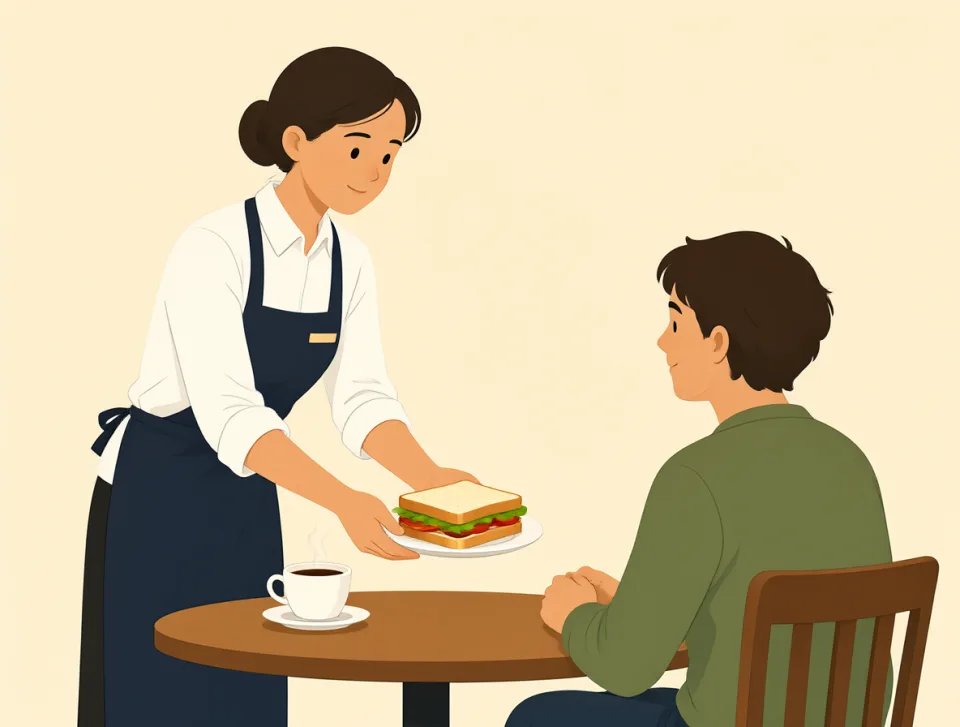
Here is your coffee and sandwich.
ये लीजिए आपकी कॉफ़ी और सैंडविच।
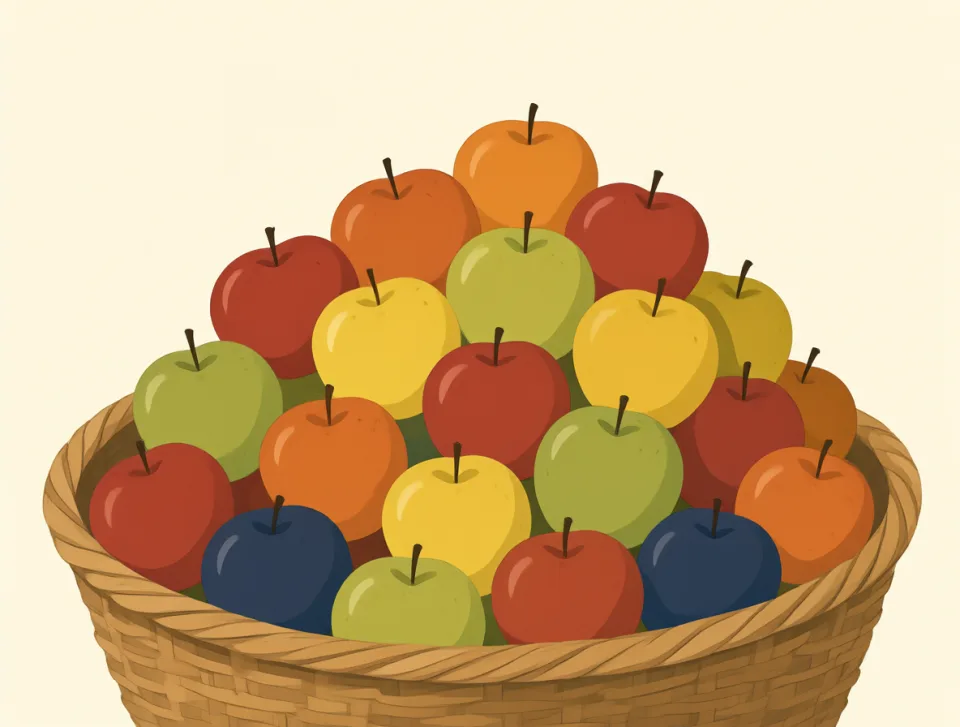
many
#99determiner, pronoun
बहुत-से
A large number of people or things.
लोगों या चीज़ों की बड़ी संख्या।

Many people enjoy walking in the park.
बहुत-से लोगों को पार्क में टहलना पसंद है।
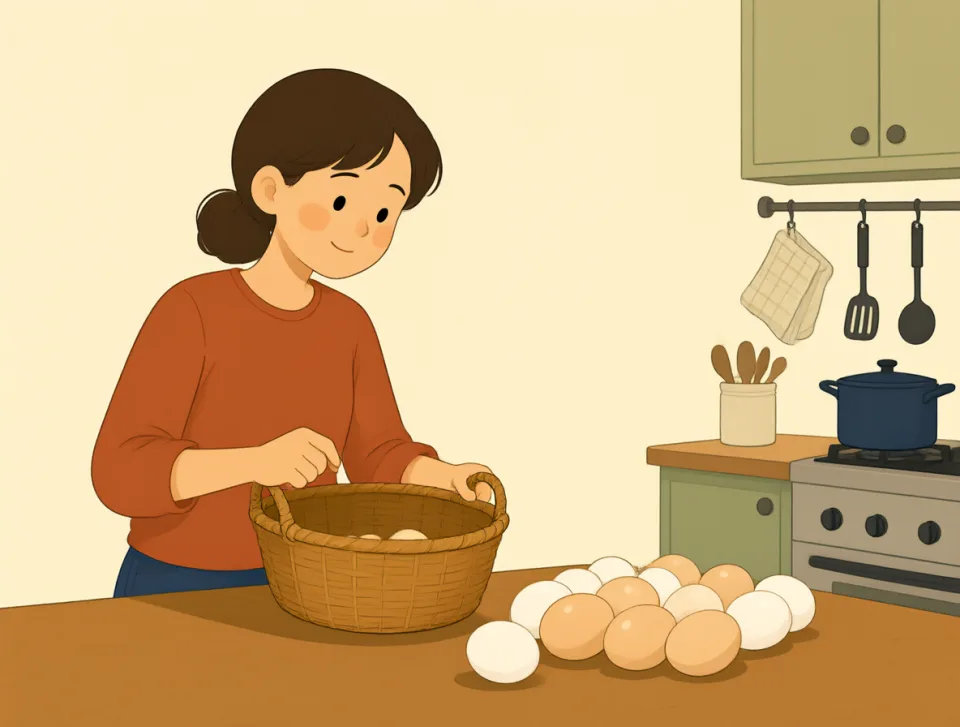
How many eggs do we need?
हमें कितने अंडों की ज़रूरत है?

I have many friends at school.
स्कूल में मेरे बहुत-से दोस्त हैं।
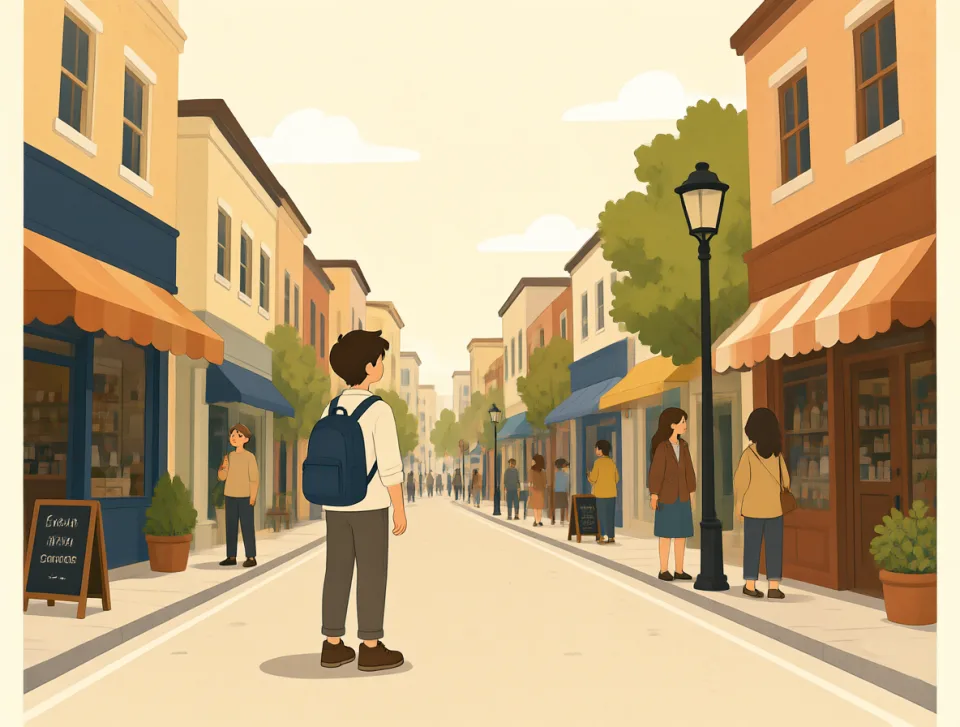
There are many shops near the hotel.
होटल के पास बहुत-सी दुकानें हैं।
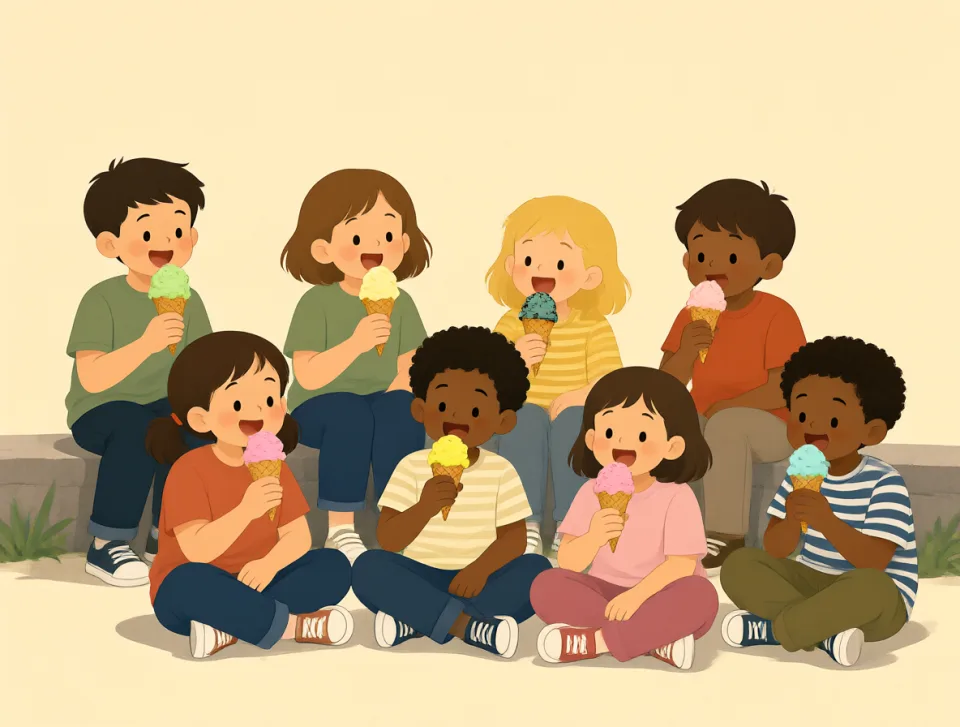
Many children like eating ice cream.
बहुत-से बच्चों को आइसक्रीम खाना पसंद है।

such
#100determiner, pronoun, adverb
ऐसा
Used to show something is like or as great as what was just mentioned.
यह दिखाने के लिए इस्तेमाल होता है कि कोई चीज़ अभी बताई गई बात जैसी है या उतनी ही बढ़िया है।
I have never seen such a beautiful place.
मैंने इतनी खूबसूरत जगह पहले कभी नहीं देखी।

She is such a good friend.
वह इतनी अच्छी दोस्त है।
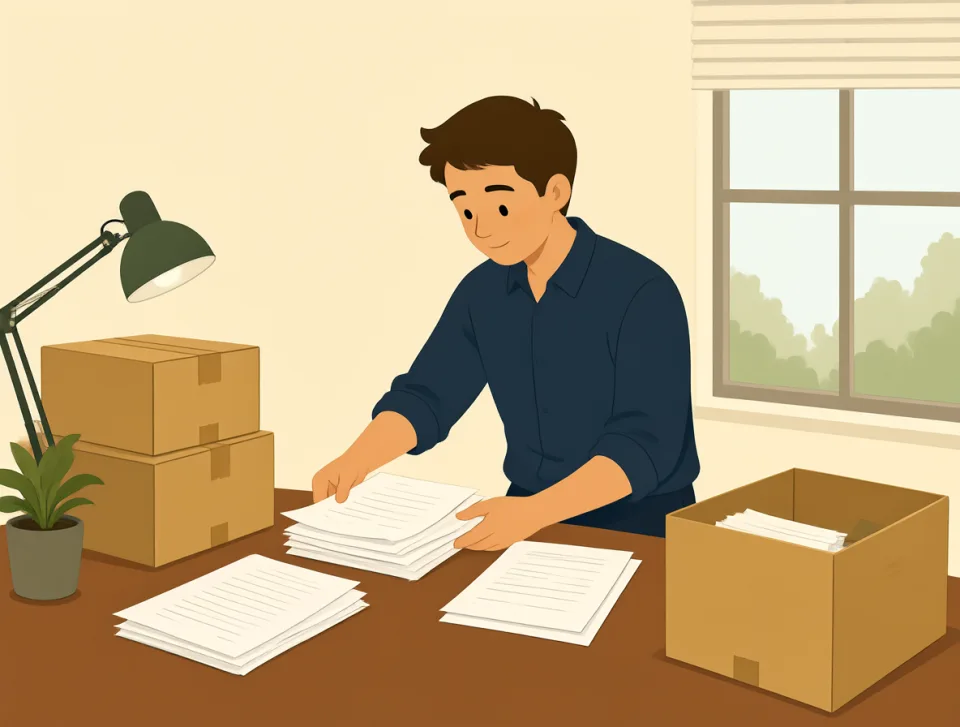
We had such a busy day at work.
काम पर हमारा दिन इतना व्यस्त रहा।
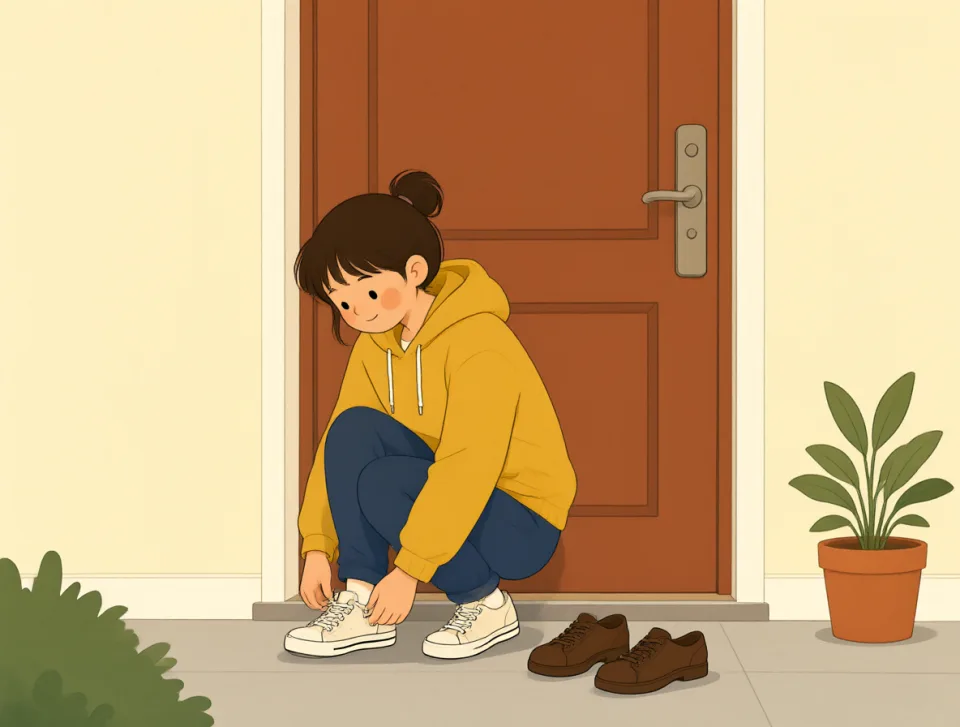
Why are you in such a hurry?
तुम इतनी जल्दी में क्यों हो?
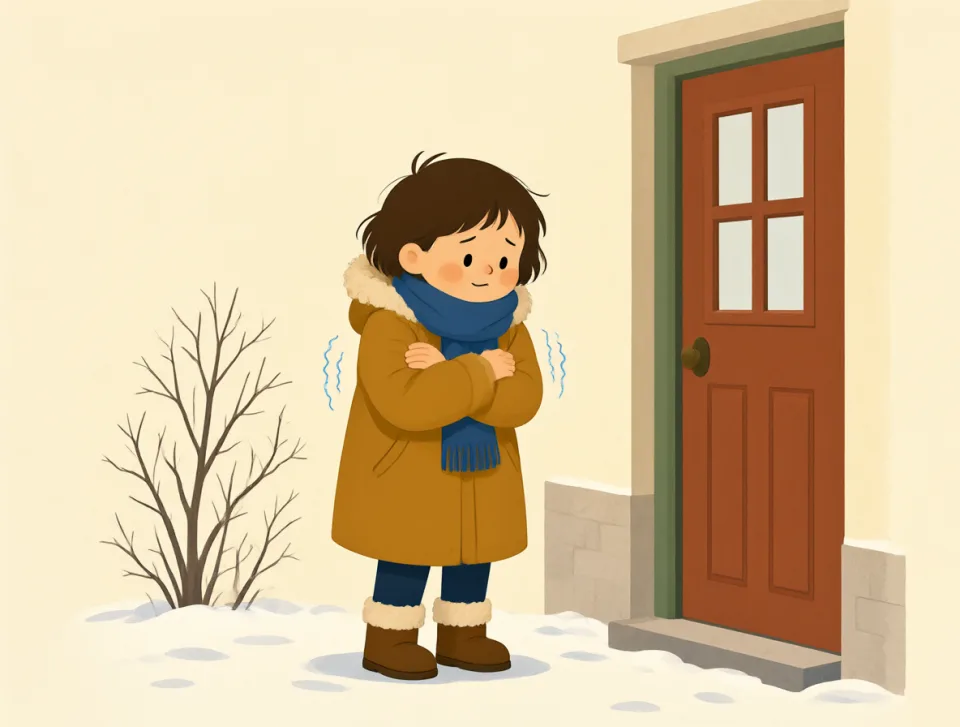
It was such a cold morning.
सुबह इतनी ठंडी थी।