ユニット 5
81〜100語 · find, over, any, after, day, where
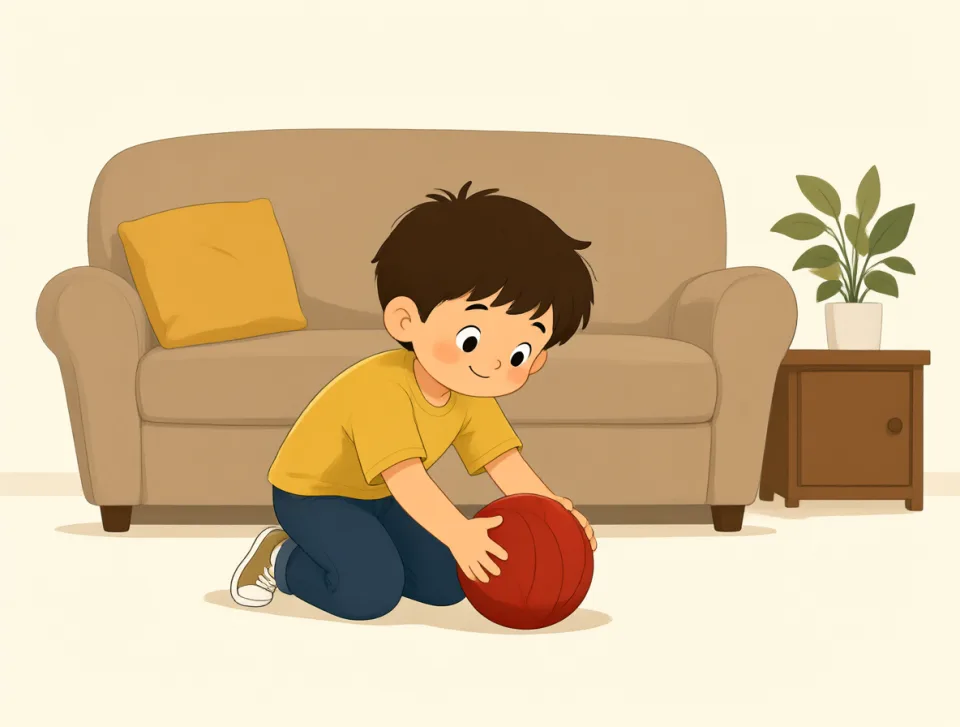
find
#81verb, noun
見つける; 発見する; 気づく
to discover, get, or notice something, often after looking for it
探したりして、何かを発見したり、手に入れたり、気づいたりする
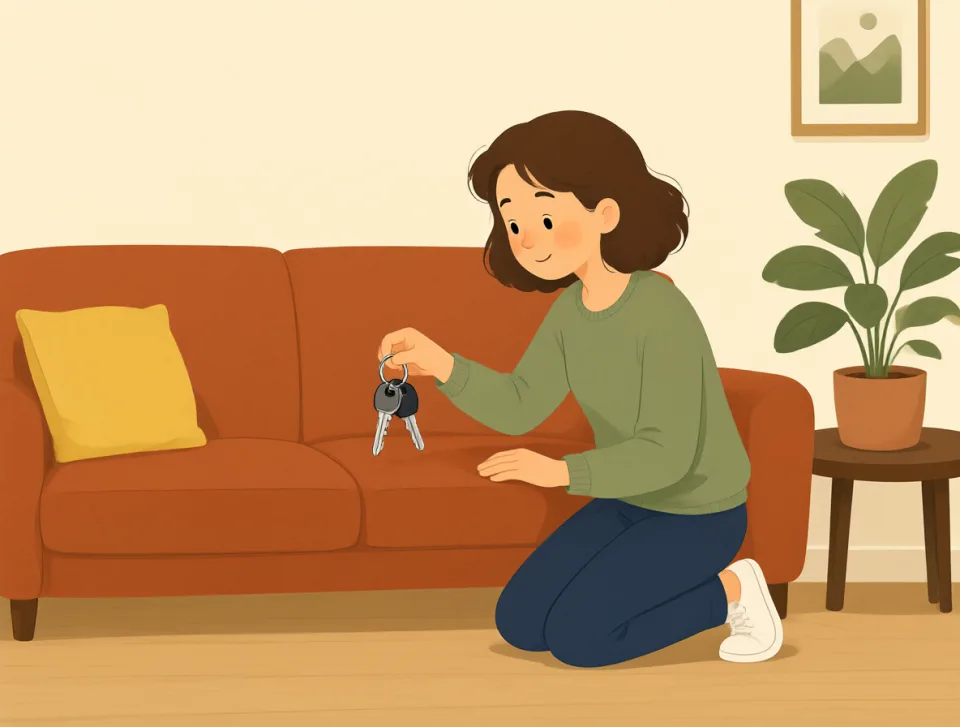
I can't find my keys anywhere.
どこを探しても鍵が見つからない。

We found a nice hotel near the beach.
私たちはビーチの近くに素敵なホテルを見つけた。

She found a job at a local shop.
彼女は地元の店で仕事を見つけた。
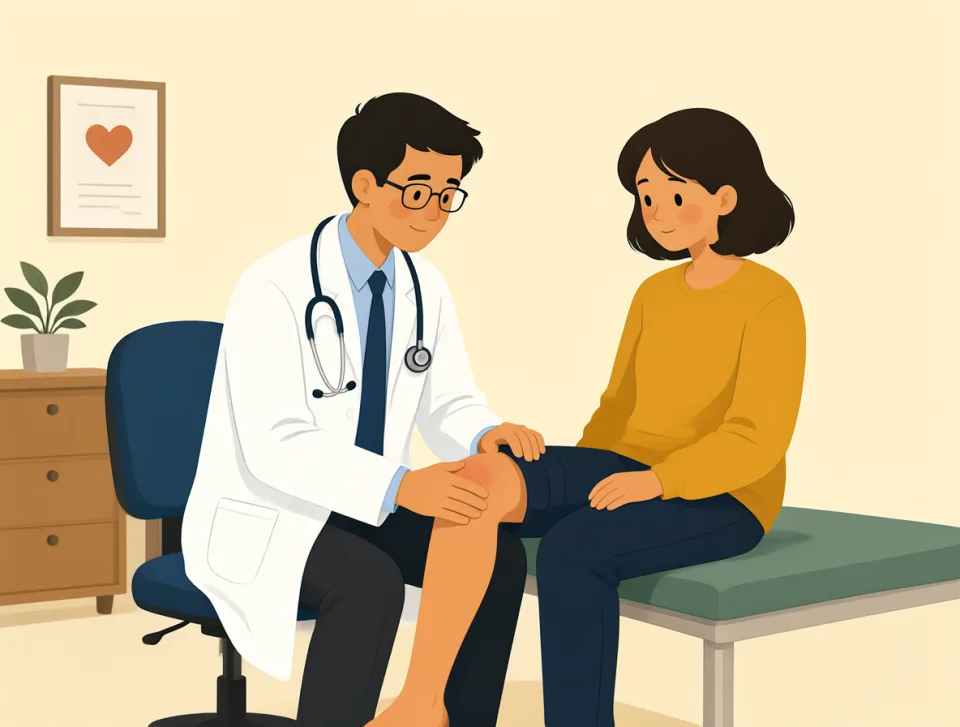
The doctor found a problem with my knee.
医師は私の膝に問題があることを見つけた。
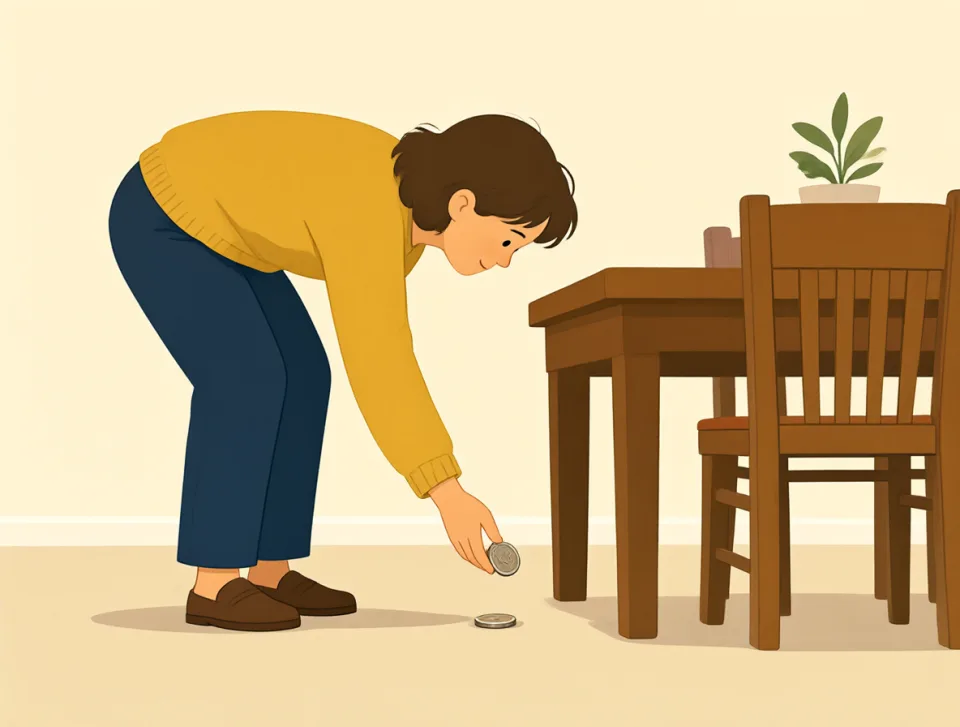
I found a coin under the table.
テーブルの下でコインを見つけた。

over
#82adverb, preposition, adjective, noun
〜の上に; 〜を越えて; 終わって; 〜以上; 〜の間に
above or across something; finished; more than; during a period of time
何かの上または向こう側に;終わって;〜以上;ある期間中に

The plane flew over the city.
その飛行機は街の上空を飛んだ。

She put a blanket over the baby.
彼女は赤ちゃんに毛布をかけた。
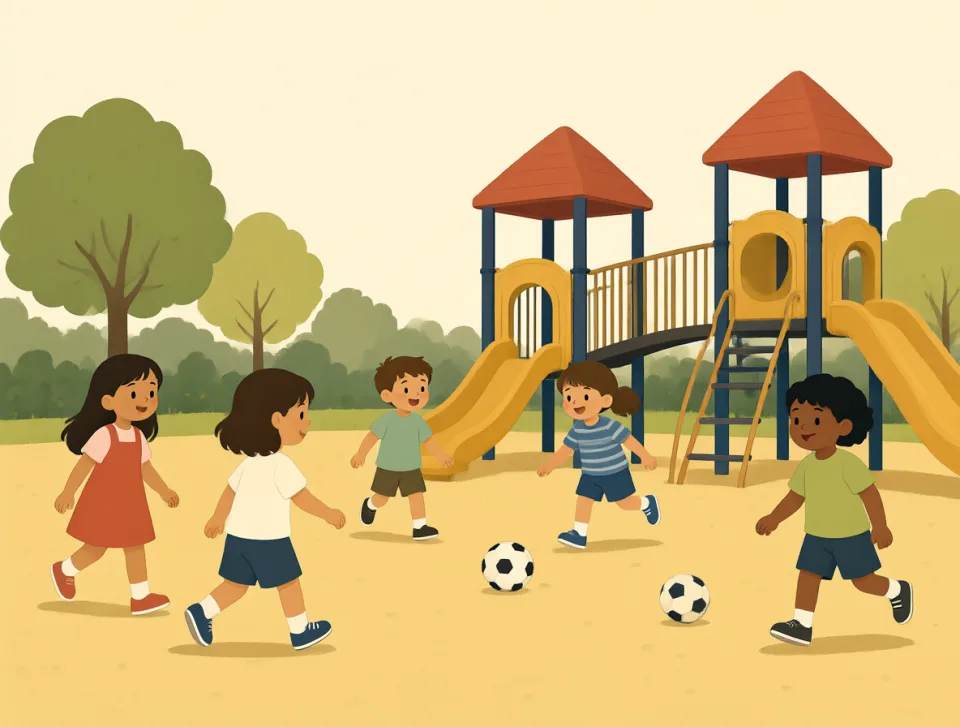
The game is over now.
試合はもう終わった。

We talked over lunch.
私たちは昼食を食べながら話した。
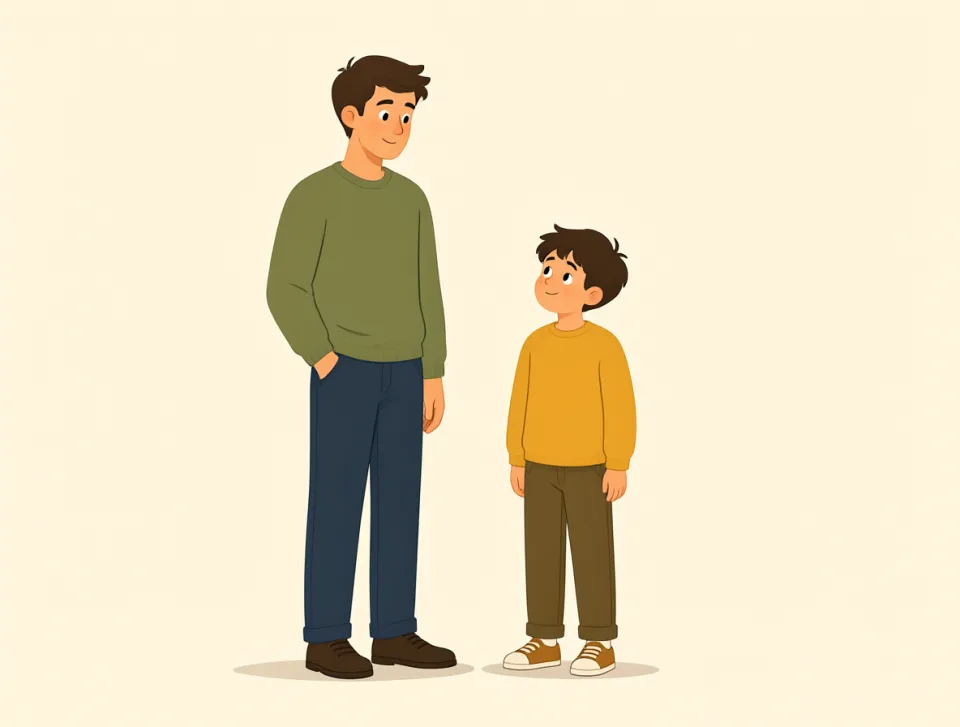
He is over six feet tall.
彼の身長は6フィートを超えている。
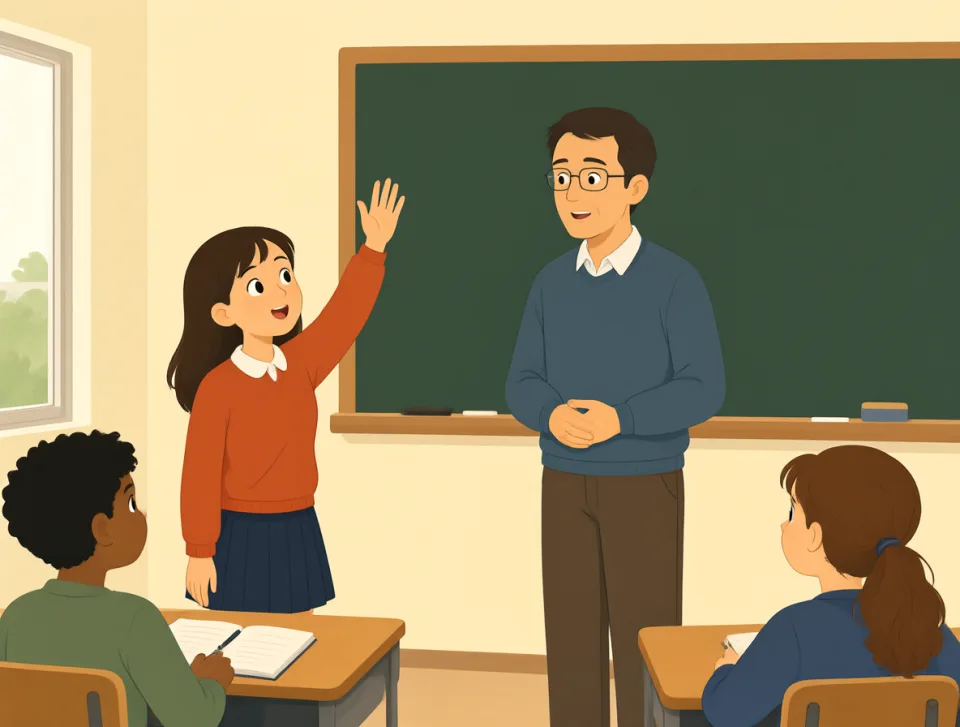
any
#83determiner, pronoun, adverb
いくらかの; どれでも; 少しも
One, some, or even one of a group, usually in questions or negative sentences.
一つ、いくつか、または集団の中のどれか一つ。通常、疑問文や否定文で使われる。
Do you have any questions?
何か質問はありますか?
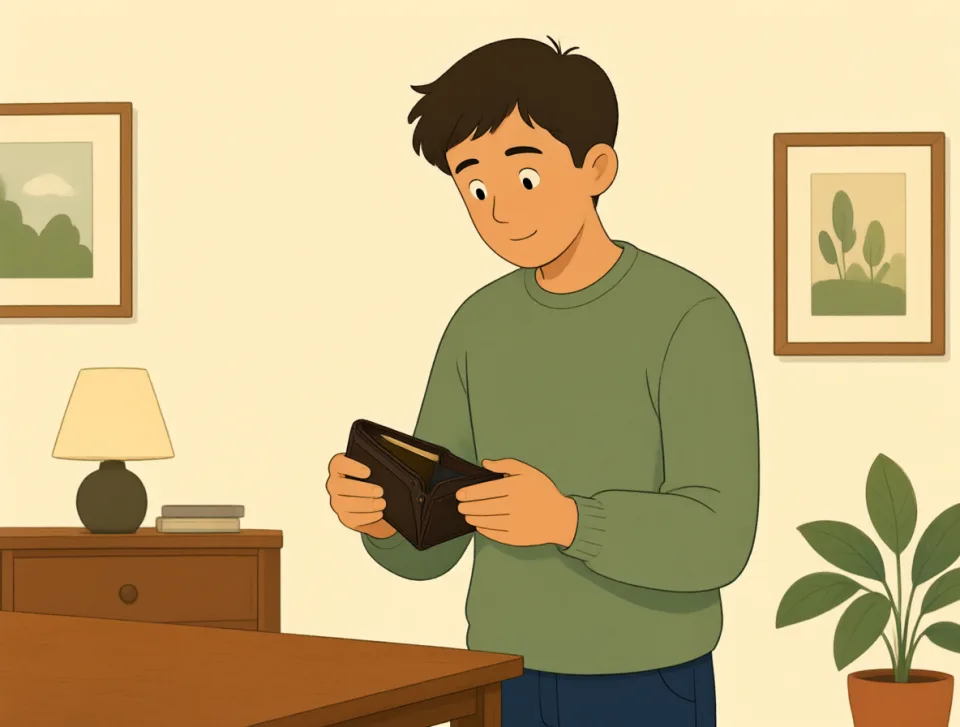
I do not have any money.
お金をまったく持っていません。

You can choose any color.
どんな色でも選べます。

We did not see any birds.
鳥は一羽も見ませんでした。

I hardly slept any last night.
昨夜はほとんど眠れませんでした。
after
#84adverb, preposition, conjunction
後で; 〜の後に; 〜してから
Later than a time or event; following someone or something.
ある時間や出来事より後、誰かや何かに続いて起こること。
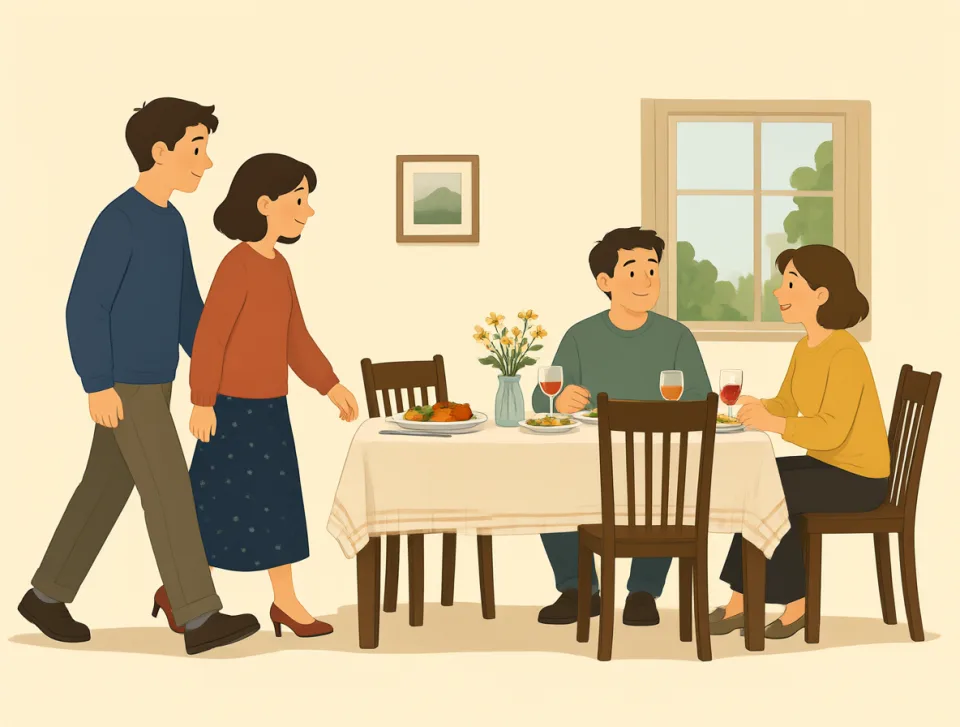
We went home after dinner.
私たちは夕食の後に家に帰りました。

Call me after work.
仕事の後に電話して。
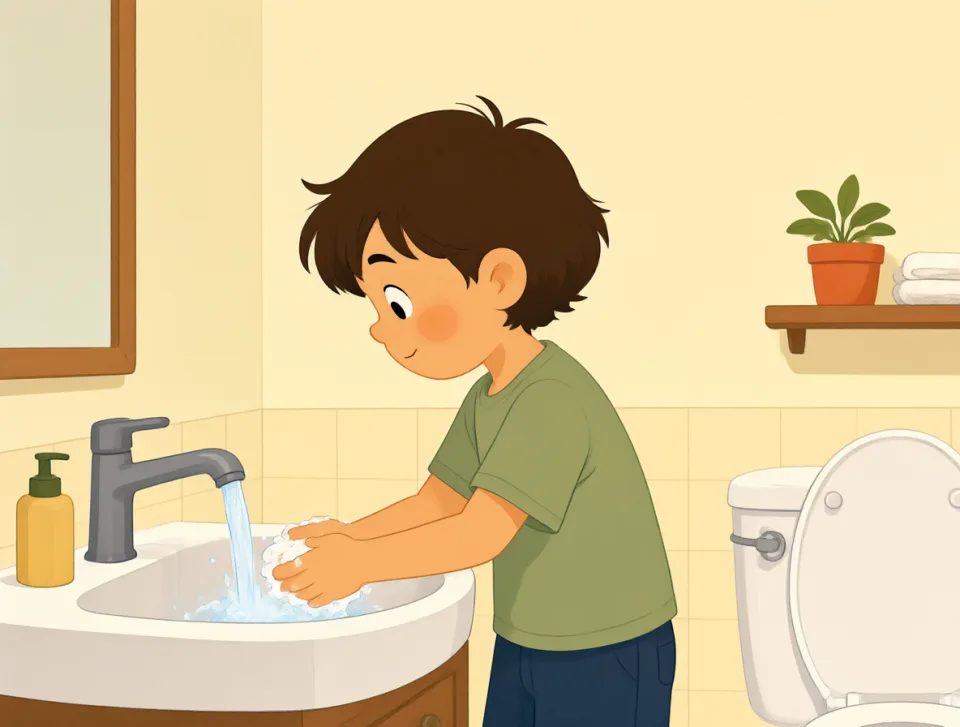
Wash your hands after using the bathroom.
トイレを使った後は手を洗いましょう。

She felt better after taking medicine.
薬を飲んだ後、彼女は気分がよくなりました。

After it rained, the streets were wet.
雨が降った後、通りは濡れていました。

day
#85noun, adjective
日; 一日; 日中
A period of twenty-four hours, from midnight to midnight.
真夜中から次の真夜中までの24時間の期間。
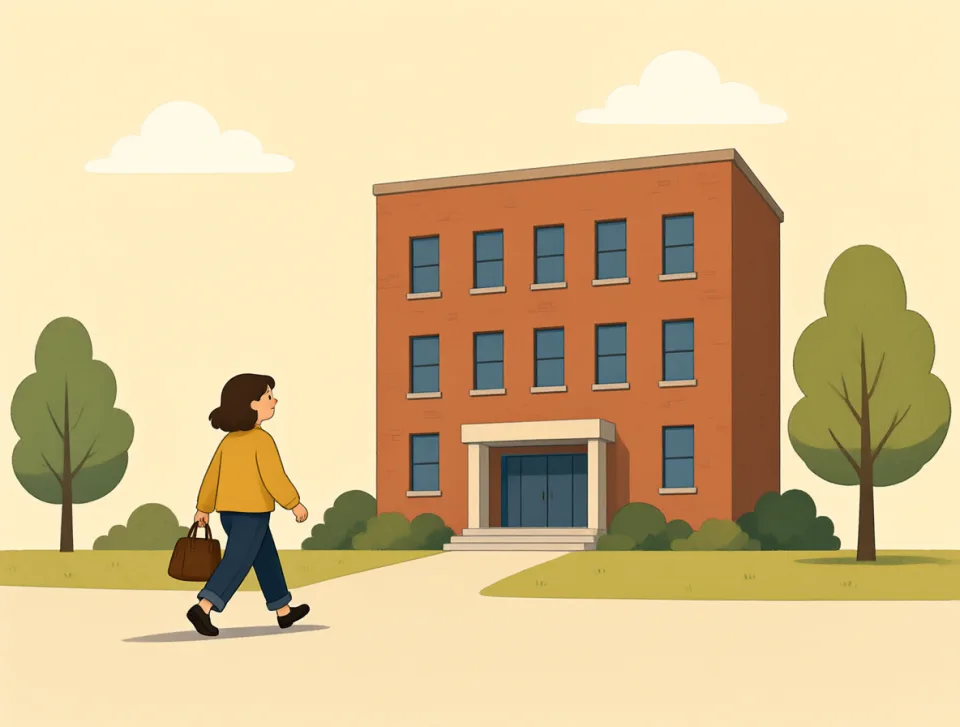
I go to work every day.
私は毎日仕事に行きます。

We had a great day at the beach.
私たちはビーチで素晴らしい一日を過ごしました。

She stayed home all day.
彼女は一日中家にいました。

The store is closed on Sundays.
その店は日曜日は休みです。
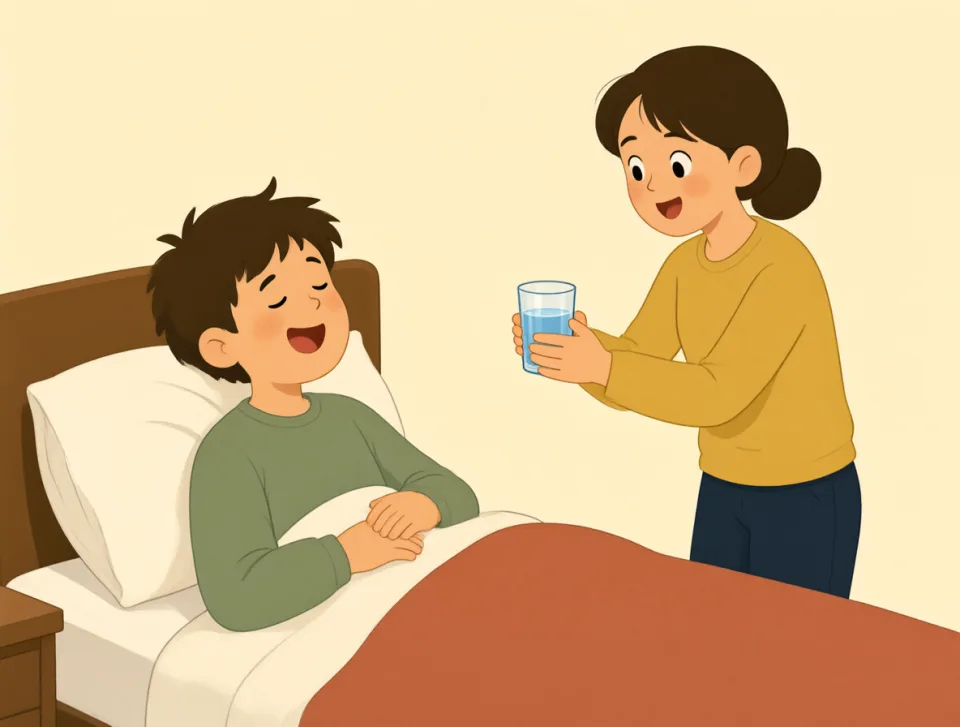
I felt better after a few days.
数日たつと、気分がよくなりました。
where
#86adverb, conjunction, pronoun
どこ; どこで; どこに
Used to ask about or describe the place or situation something is in.
何かがある場所や状況について尋ねたり説明したりするときに使う。
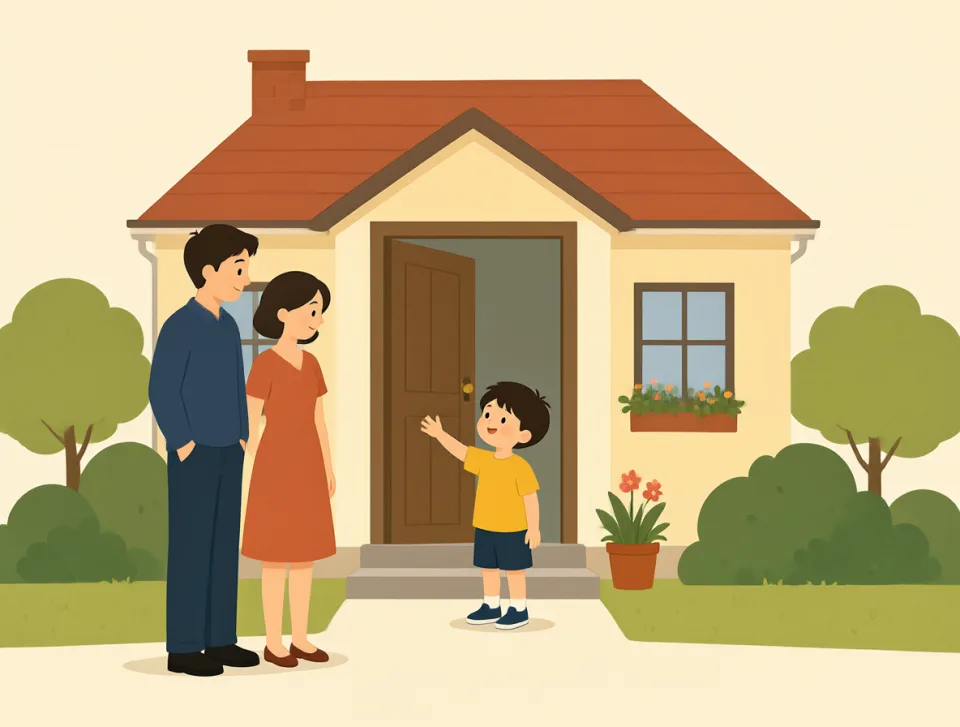
Where do you live?
あなたはどこに住んでいますか?

This is where we met last year.
ここが去年私たちが出会った場所です。
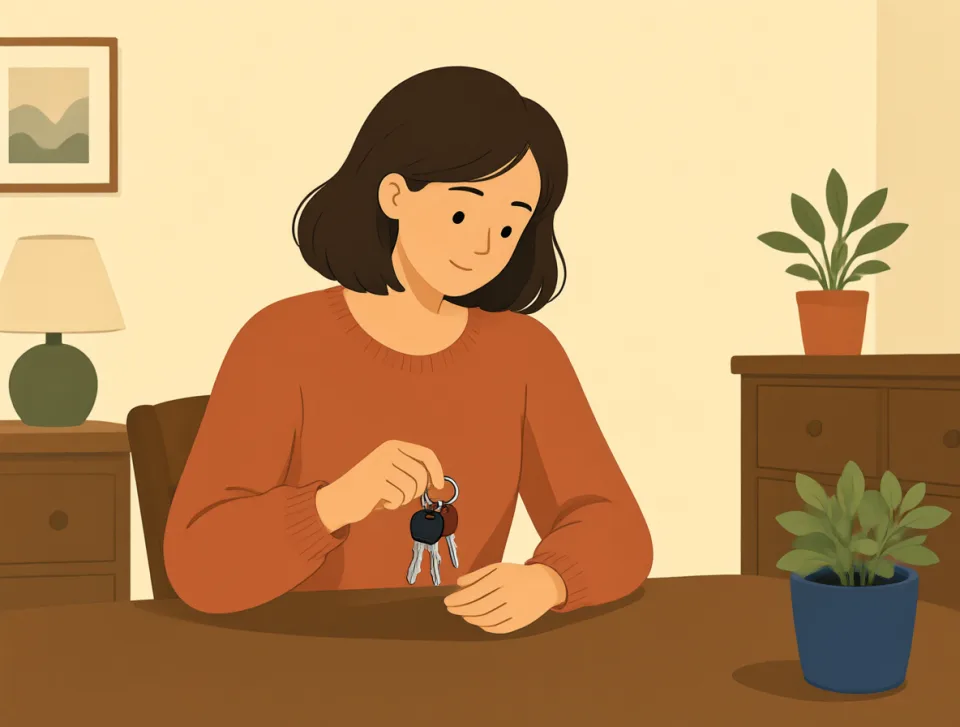
Do you know where my keys are?
私の鍵がどこにあるか知っていますか?
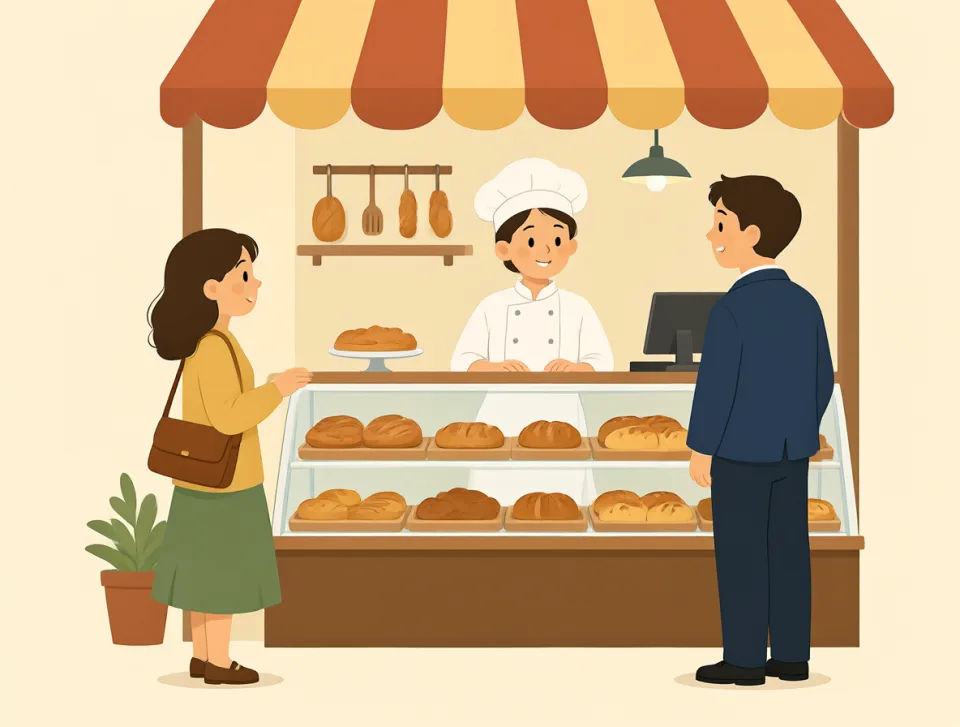
Tell me where to buy fresh bread.
焼きたてのパンをどこで買えるか教えてください。
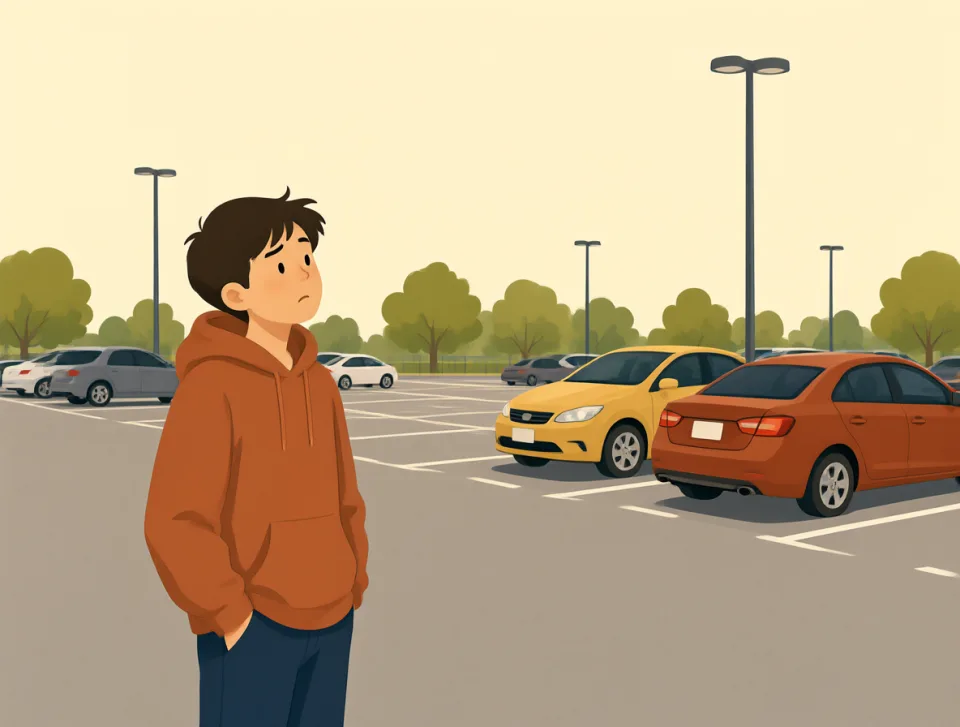
I forgot where I parked the car.
車をどこに駐車したか忘れてしまいました。
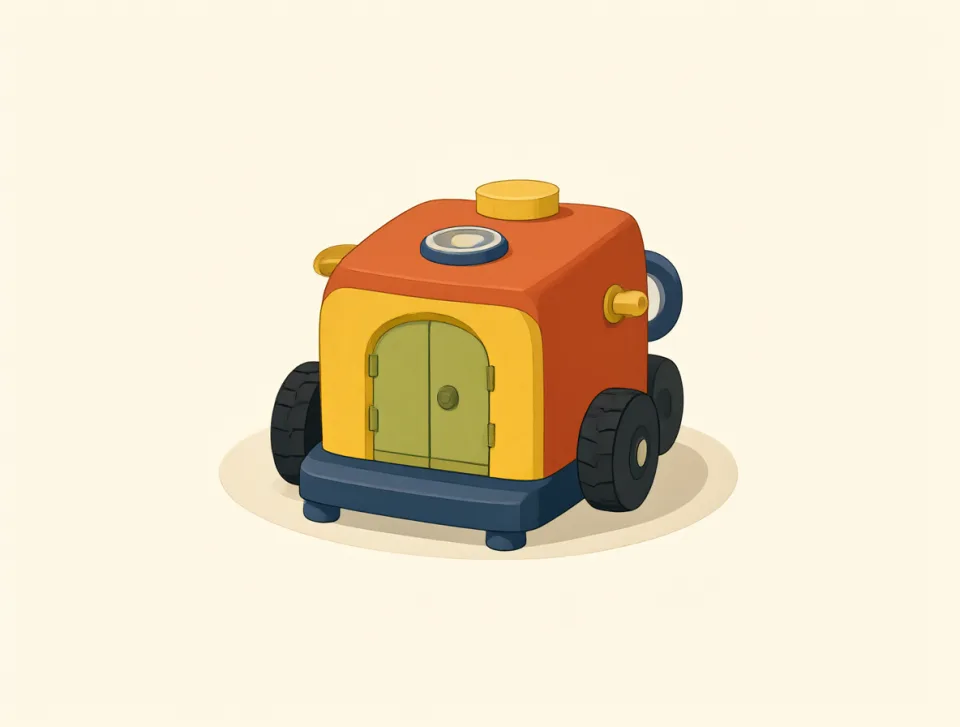
thing
#87noun
もの; こと
An object, idea, or event that you do not name or describe exactly.
名前や詳しい説明をしない物、考え、出来事。
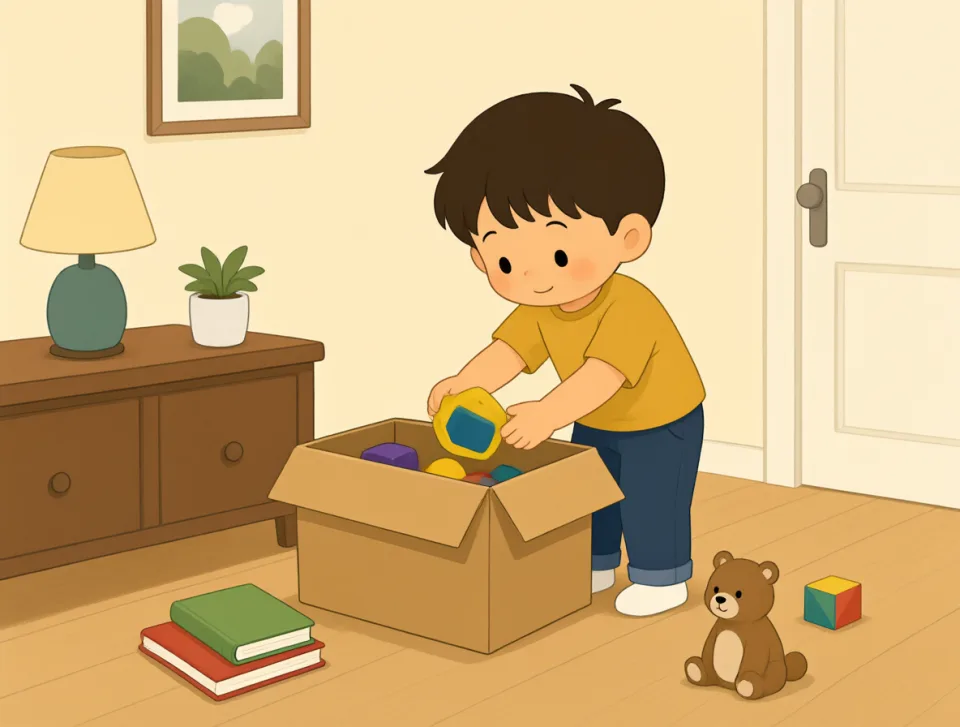
Put your things away before dinner.
夕食の前に自分のものを片づけて。

The best thing is to ask for help.
一番いいのは助けを求めることです。
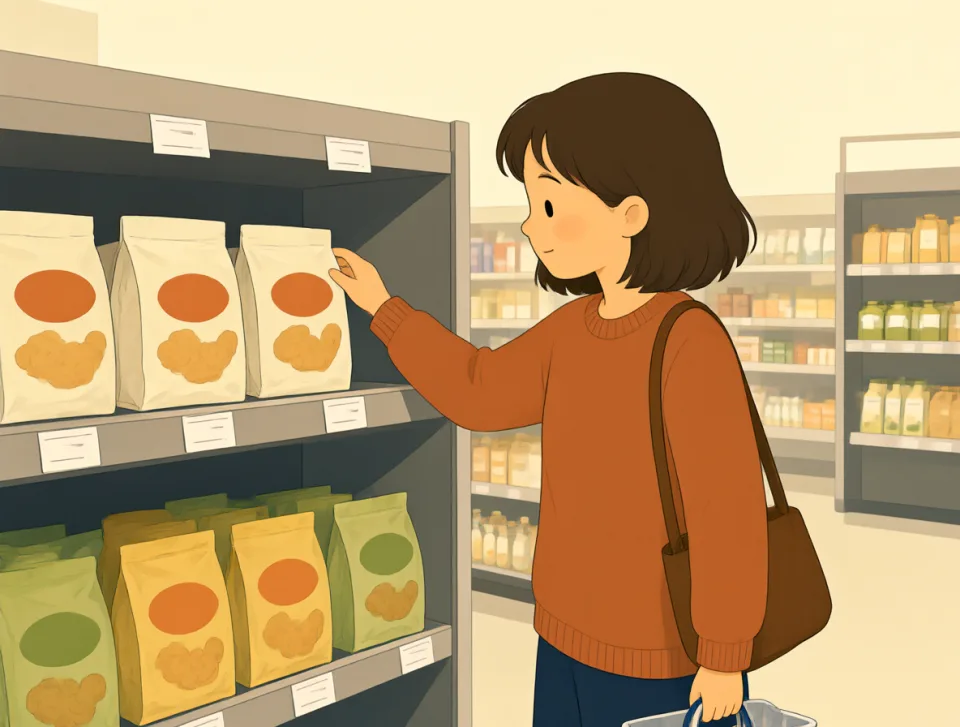
I need a few things from the store.
店でいくつか買うものがある。

One strange thing happened on the train.
電車の中で奇妙なことが一つ起きた。
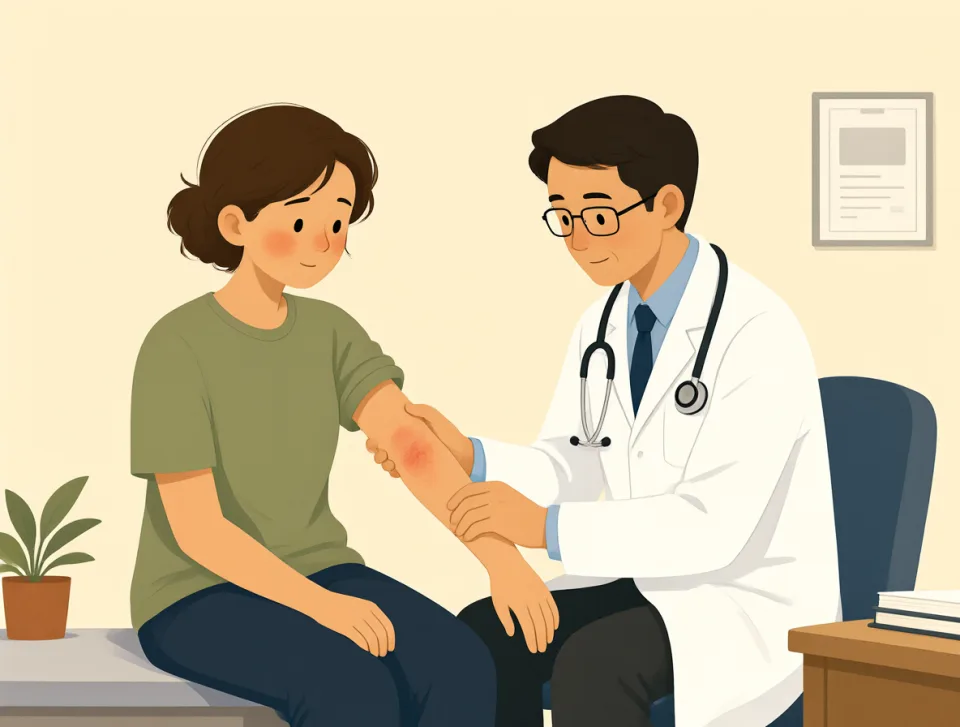
The doctor checked the painful thing on my arm.
医師は私の腕の痛いところを診察した。
most
#88determiner, pronoun, adverb, adjective
最も多くの; ほとんどの; 最も; とても
More than half of a group or amount; the greatest number or amount.
集団や量の半分を超えるもの、または最も多い数や量。
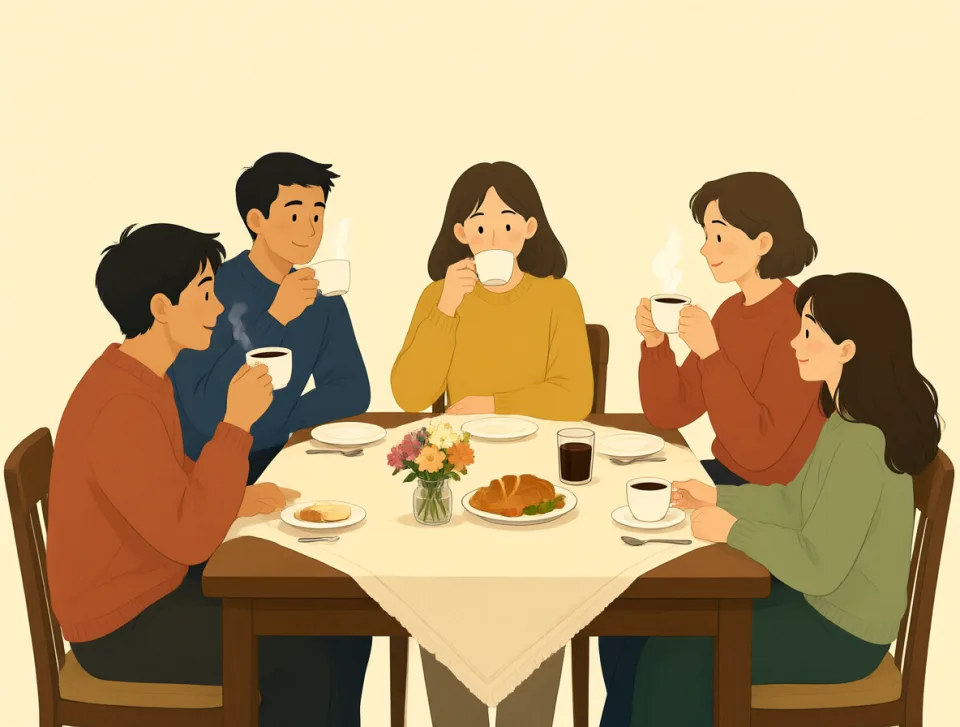
Most people drink coffee in the morning.
ほとんどの人は朝にコーヒーを飲みます。

Most of the cake is gone.
ケーキのほとんどがなくなりました。

She works most days of the week.
彼女は週のほとんどの日に働きます。

Which color do you like most?
どの色が一番好きですか?
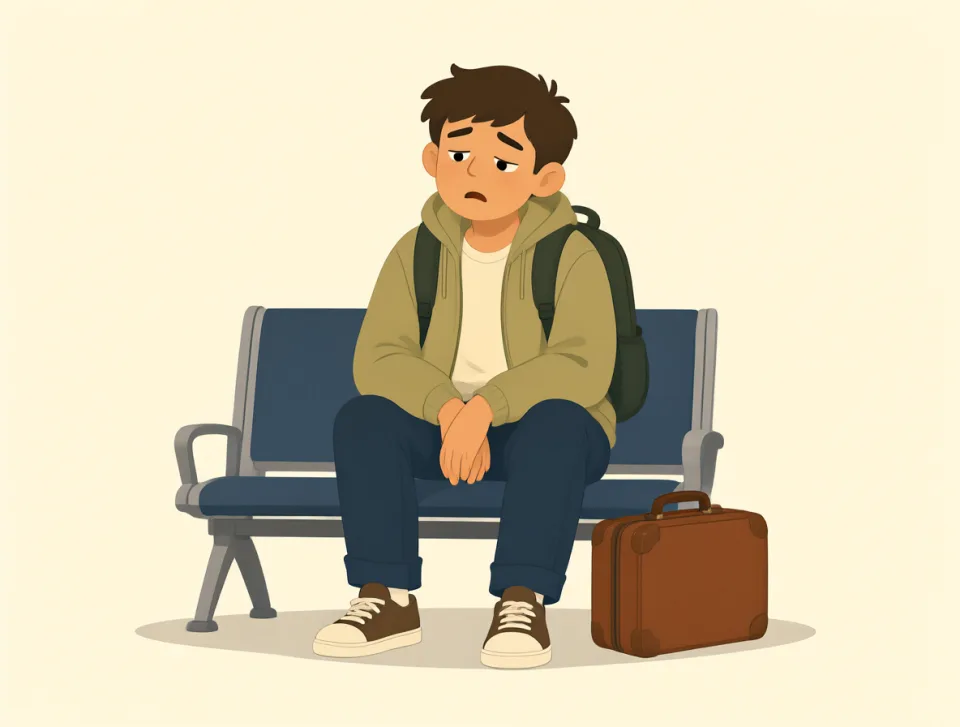
I was most tired after the long flight.
長時間のフライトの後が一番疲れました。

should
#89modal verb
〜すべきだ; 〜したほうがいい; 〜のはずだ
Used to say what is best, expected, or likely to happen.
最善のことや、予想されること、起こりそうなことを表すときに使う。
You should drink more water every day.
毎日もっと水を飲んだほうがいいですよ。
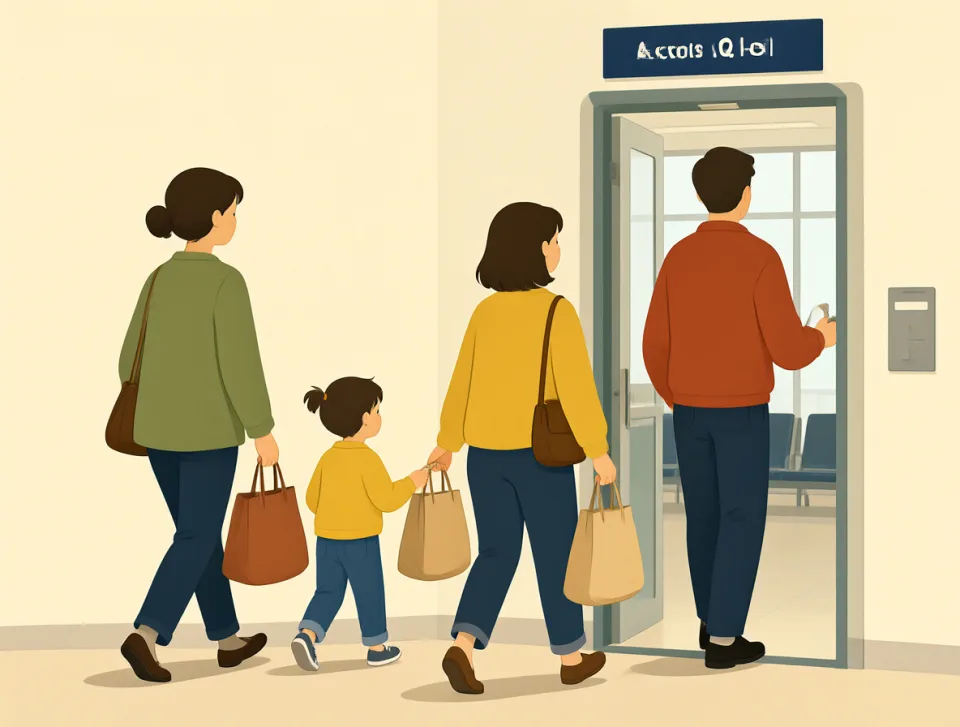
We should leave now for the airport.
今、空港に向けて出発したほうがいい。

Should I call the doctor today?
今日、医者に電話したほうがいいですか?

You should try the vegetable soup.
その野菜スープを試してみたらいいですよ。
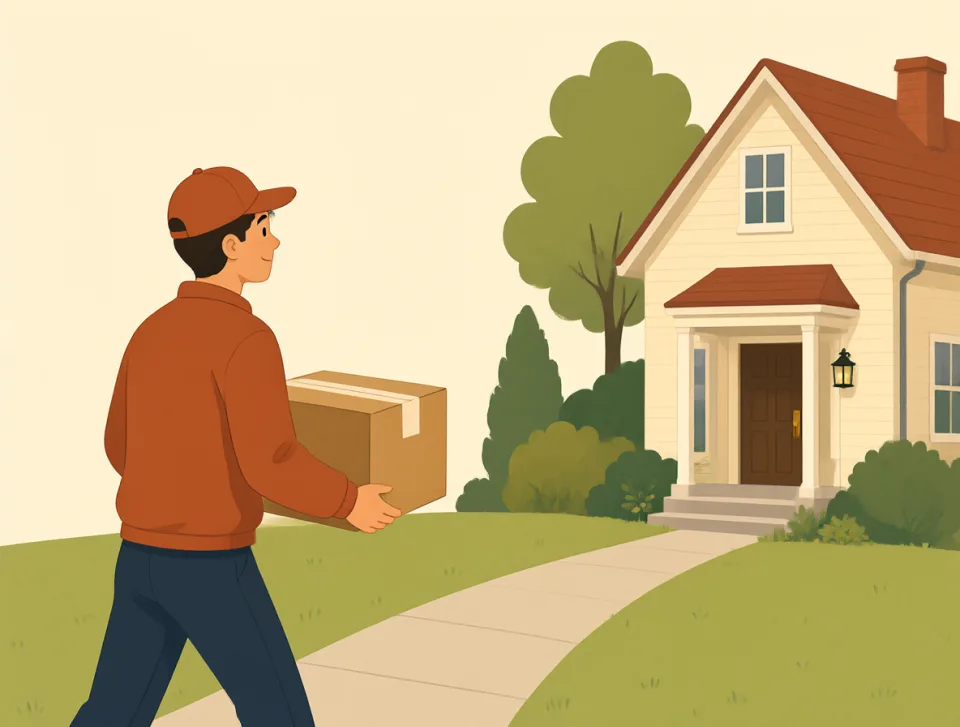
The package should arrive tomorrow.
荷物は明日届くはずです。
need
#90verb, noun
必要とする; 必要
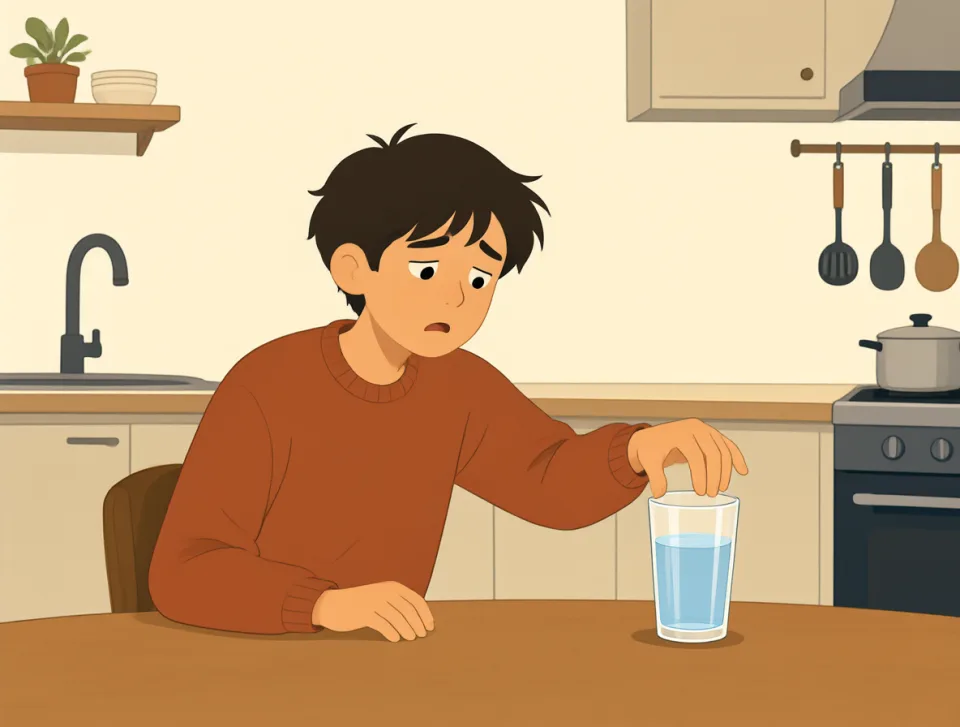
To require something or feel that something is necessary.
何かを必要としたり、何かが必要だと感じたりすること。
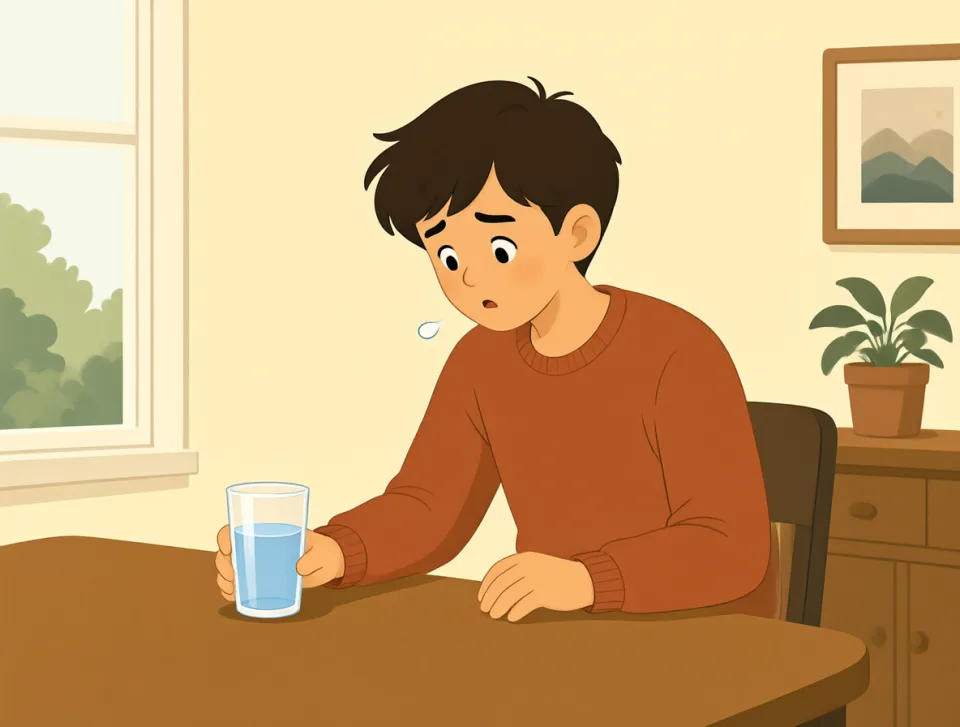
I need some water, please.
水を少しください。

We need to leave early tomorrow.
私たちは明日、早く出発する必要があります。

She needs help with her homework.
彼女は宿題を手伝ってもらう必要があります。

Do you need anything from the shop?
お店で何か買ってくるものはありますか?

The baby needs a warm blanket.
赤ちゃんには暖かい毛布が必要です。
much
#91adverb, determiner, pronoun
たくさんの; 多くの; とても
A large amount or a lot; used mostly in questions and negative sentences.
大量の、たくさんのという意味。主に疑問文や否定文で使われます。
I don't have much time today.
今日はあまり時間がありません。
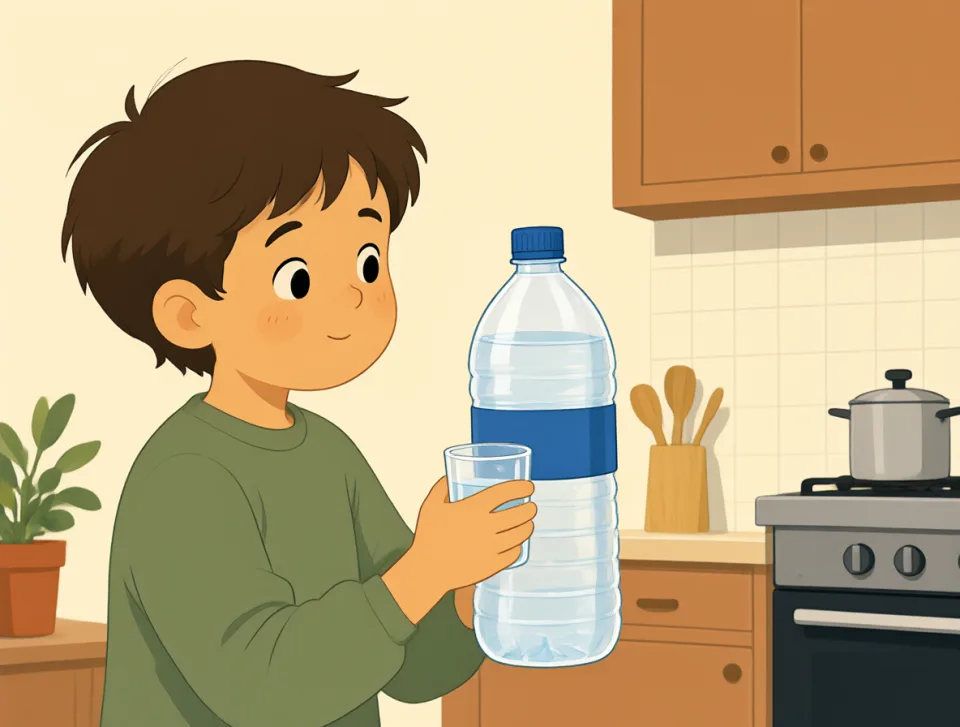
How much water do you drink?
あなたはどのくらい水を飲みますか?
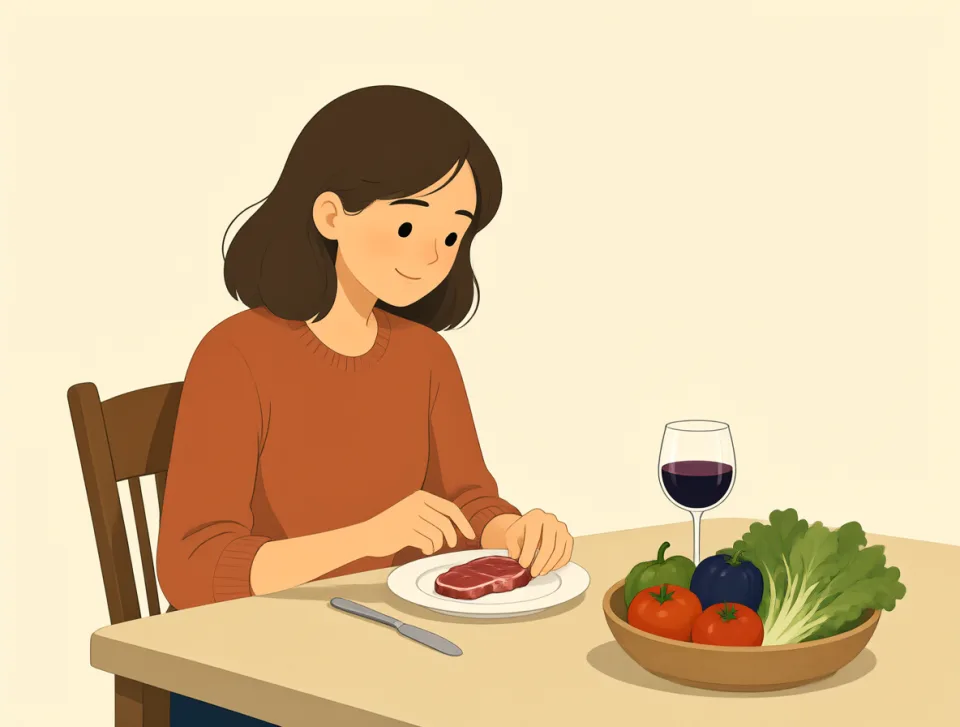
She doesn't eat much meat.
彼女は肉をあまり食べません。

Thank you very much for your help.
助けてくれて本当にありがとう。

We learned much from our teacher.
私たちは先生から多くを学びました。
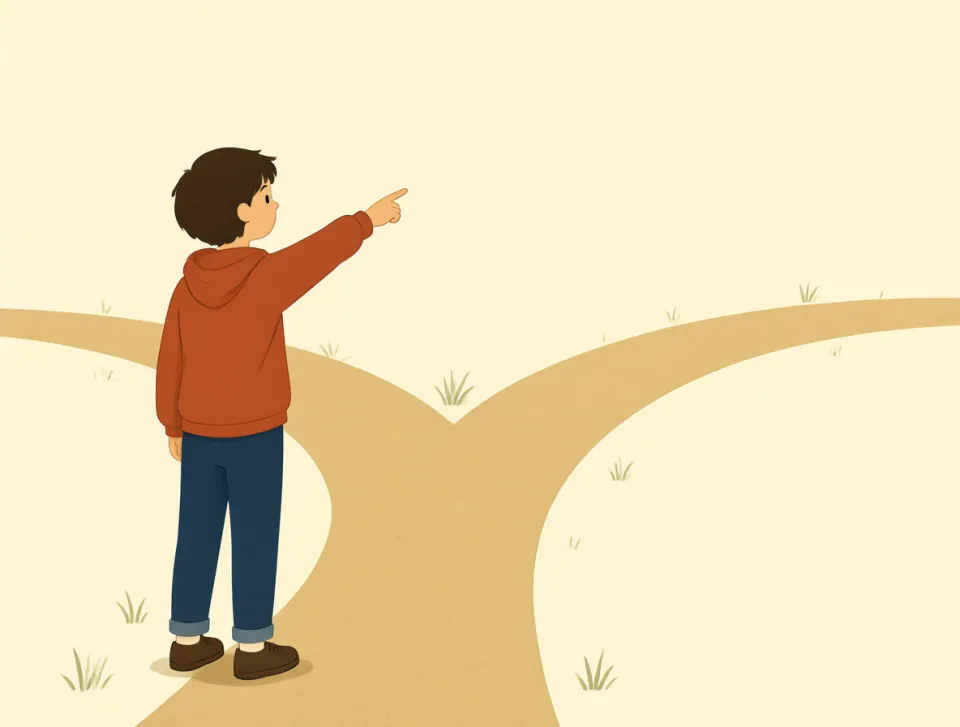
right
#92adjective, adverb, noun
正しい;右;すぐに;権利
Correct, or on the side opposite your left hand.
正しいこと、または左手の反対側にあること。

Your answer is right.
あなたの答えは正しいです。
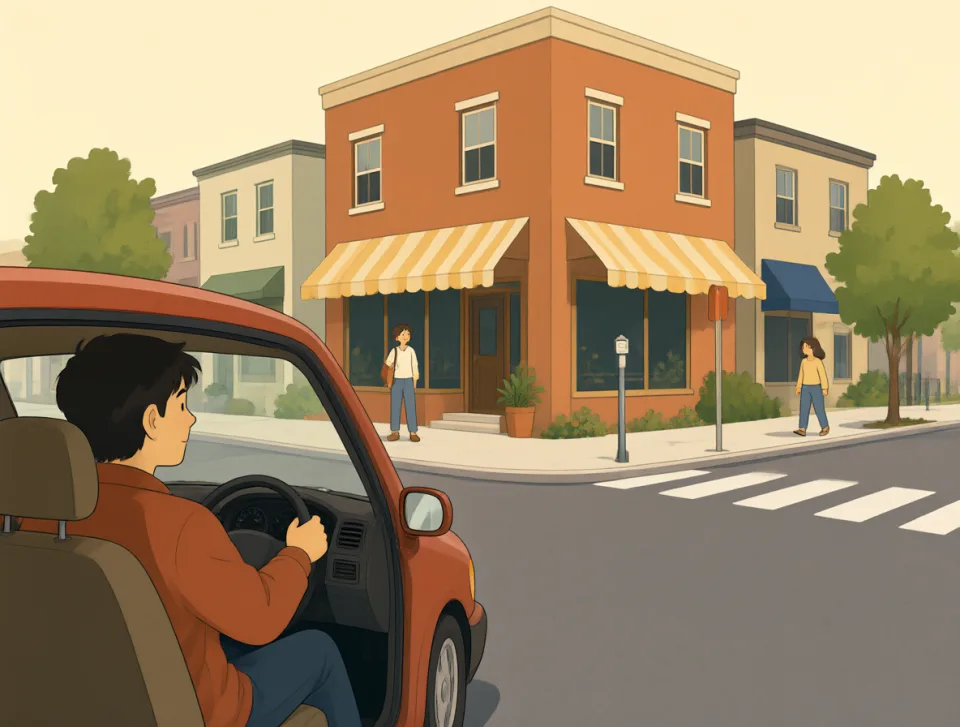
Please turn right at the next street.
次の通りを右に曲がってください。

I need to leave right now.
今すぐ出発しなければなりません。

The bank is on the right.
銀行は右側にあります。

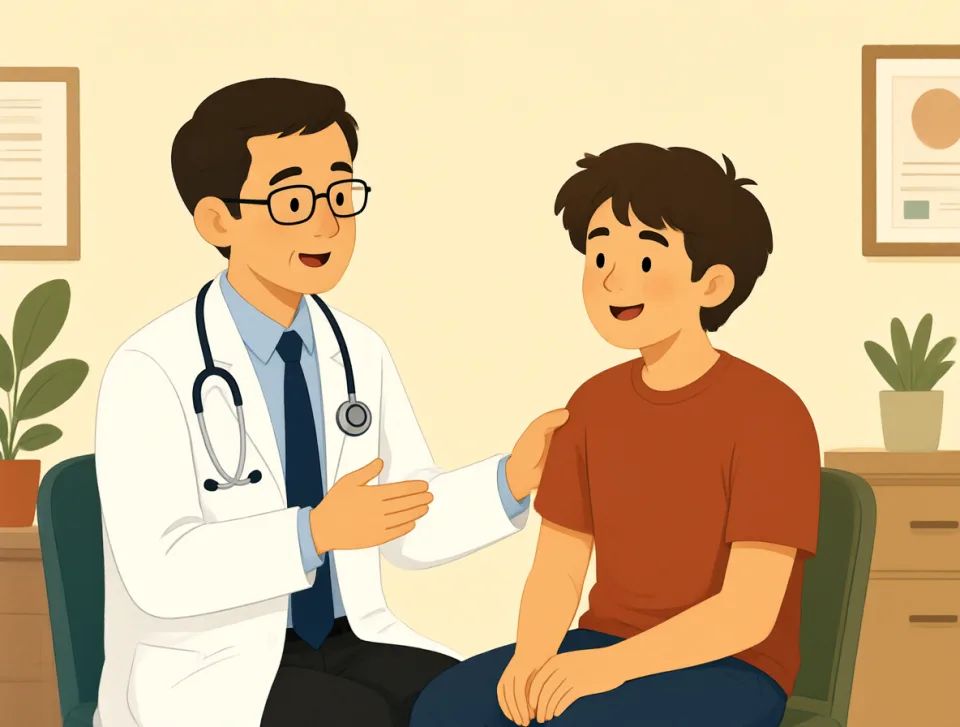
You have the right to ask questions.
あなたには質問する権利があります。
how
#93adverb, conjunction, pronoun
どう;どのように;どれくらい;どんなふうに
Used to ask or explain the way something happens or is done.
何かがどのように起こるのか、またはどのように行われるのかを尋ねたり説明したりするときに使う。
How are you feeling today?
今日は気分どう?
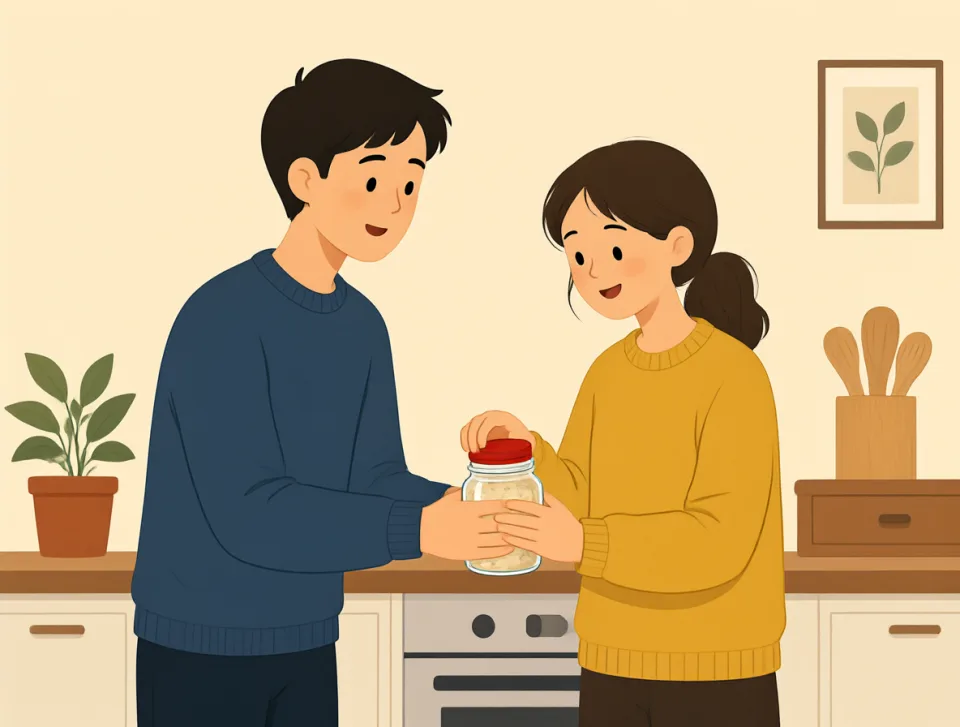
Can you show me how to open it?
どうやって開けるか見せてくれる?
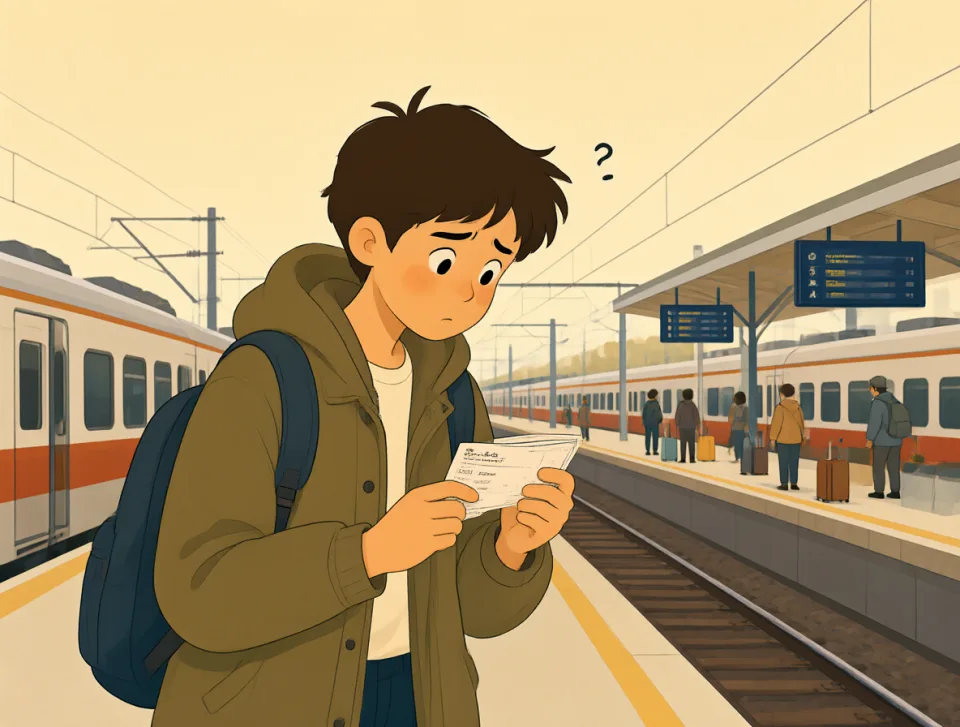
I forgot how much the tickets cost.
チケットがいくらだったか忘れちゃった。
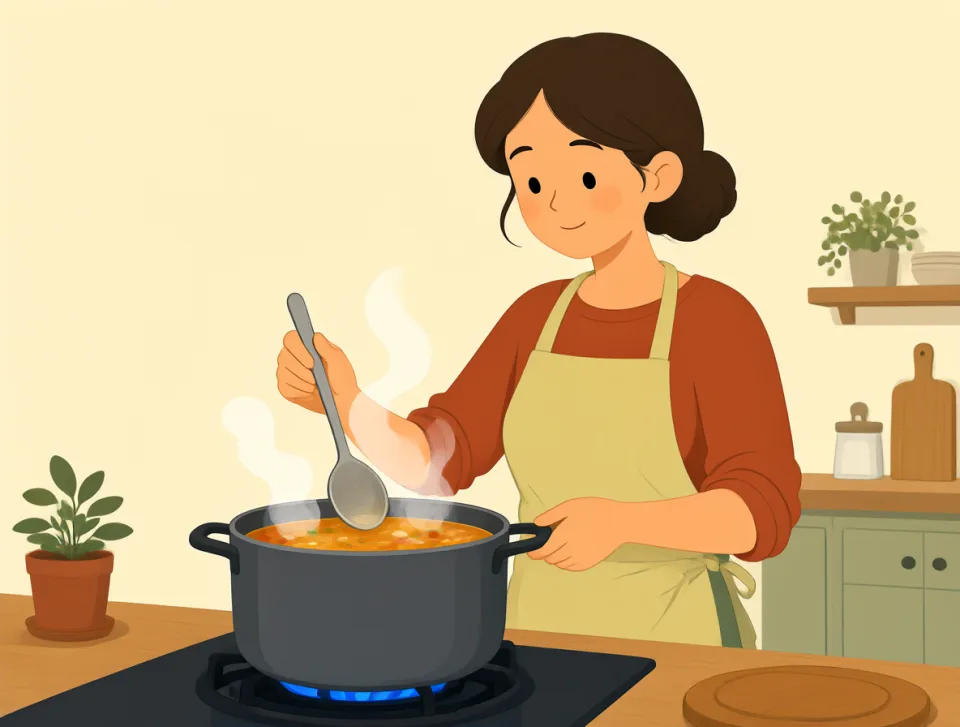
She knows how to make good soup.
彼女はおいしいスープの作り方を知っている。

How did you get home so late?
こんなに遅く、どうやって家に帰ったの?

back
#94noun, verb, adjective, adverb, preposition
背中;戻す;後ろの;後ろへ;〜の後ろに
The part of your body opposite your chest, or toward the place you came from.
胸の反対側にある体の部分、または来た場所の方へ
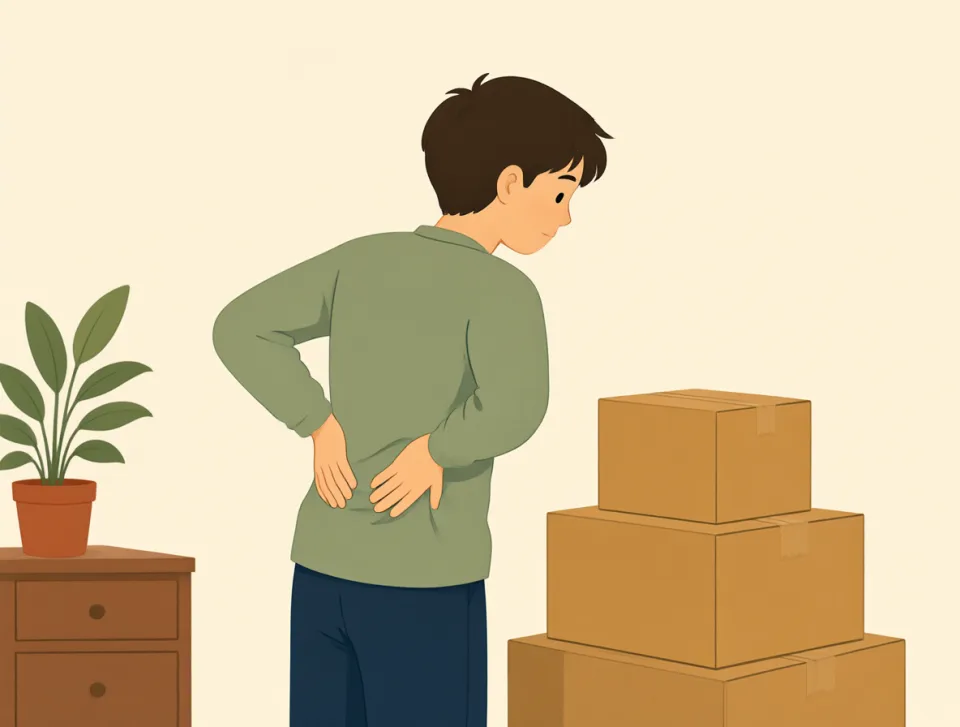
My back hurts after carrying the boxes.
箱を運んだら背中が痛くなった。

Please put the book back on the shelf.
その本を棚に戻してください。

We walked back to the hotel after dinner.
夕食の後、私たちはホテルまで歩いて戻った。
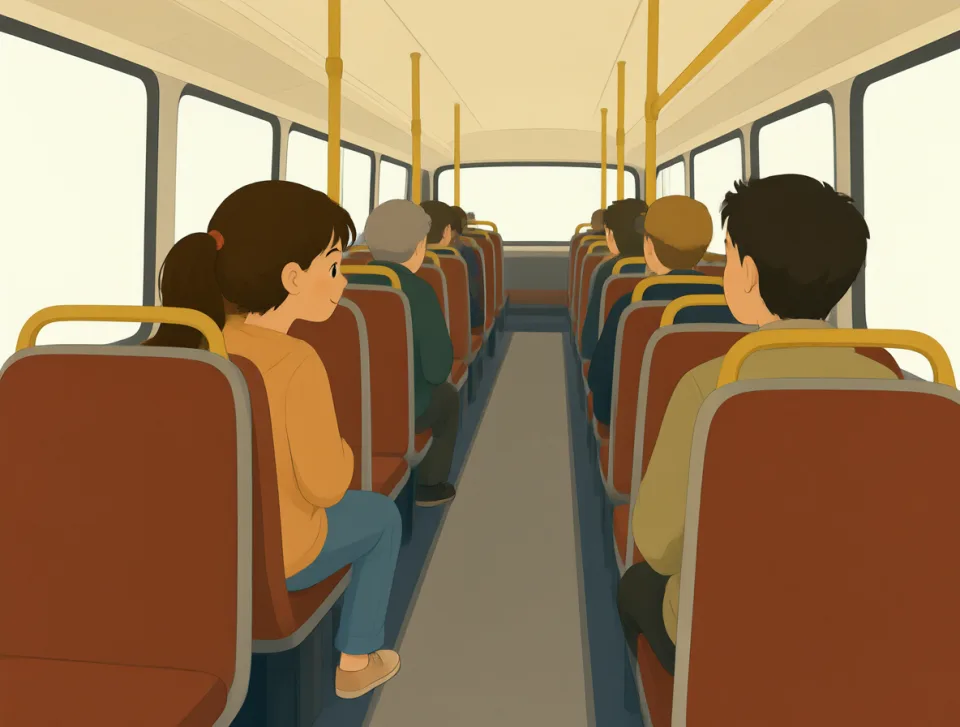
She sat in the back of the bus.
彼女はバスの後ろの方に座った。

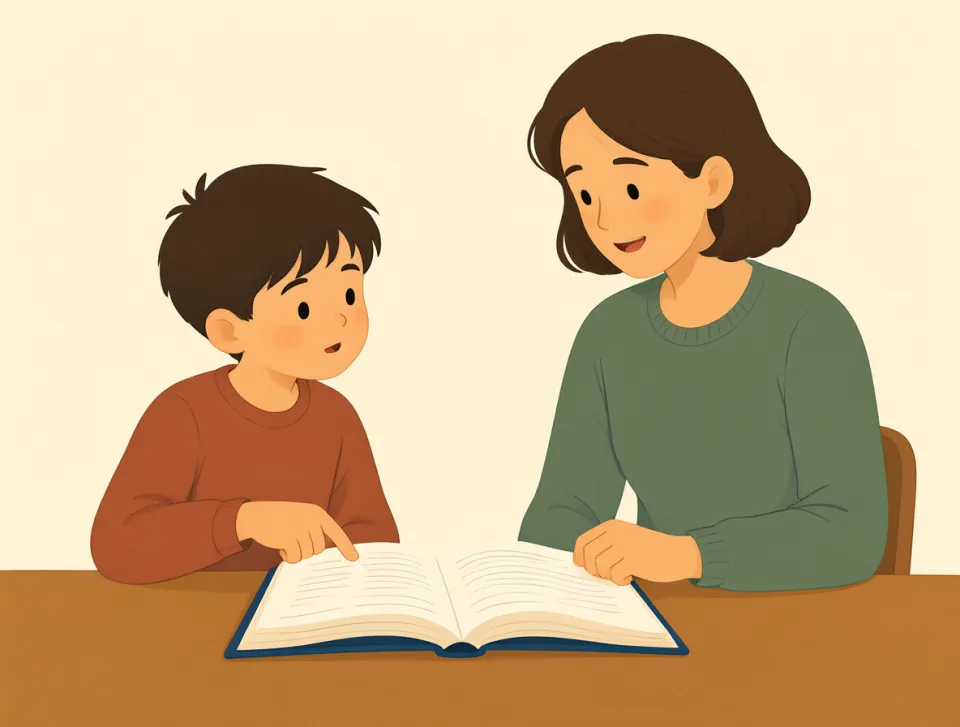
He backed the car into the garage.
彼は車をバックさせてガレージに入れた。
mean
#95verb, adjective, noun
意味する; 意図する; 重要である; 意地悪な
To mean is to have a particular meaning or intend to say something.
meanとは、特定の意味を持つこと、または何かを言おうとすることです。
What does this word mean?
この単語はどういう意味ですか?

I mean we should leave now.
つまり、今出発すべきだということです。

This gift means a lot to me.
この贈り物は私にとってとても大切です。
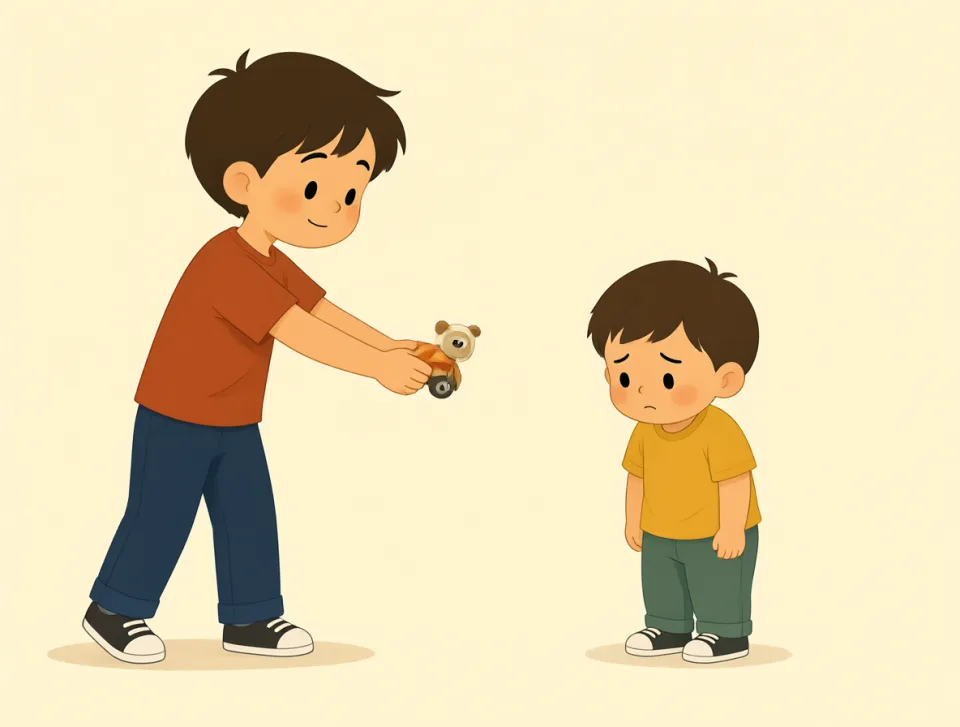
He was mean to his little brother.
彼は弟に意地悪でした。
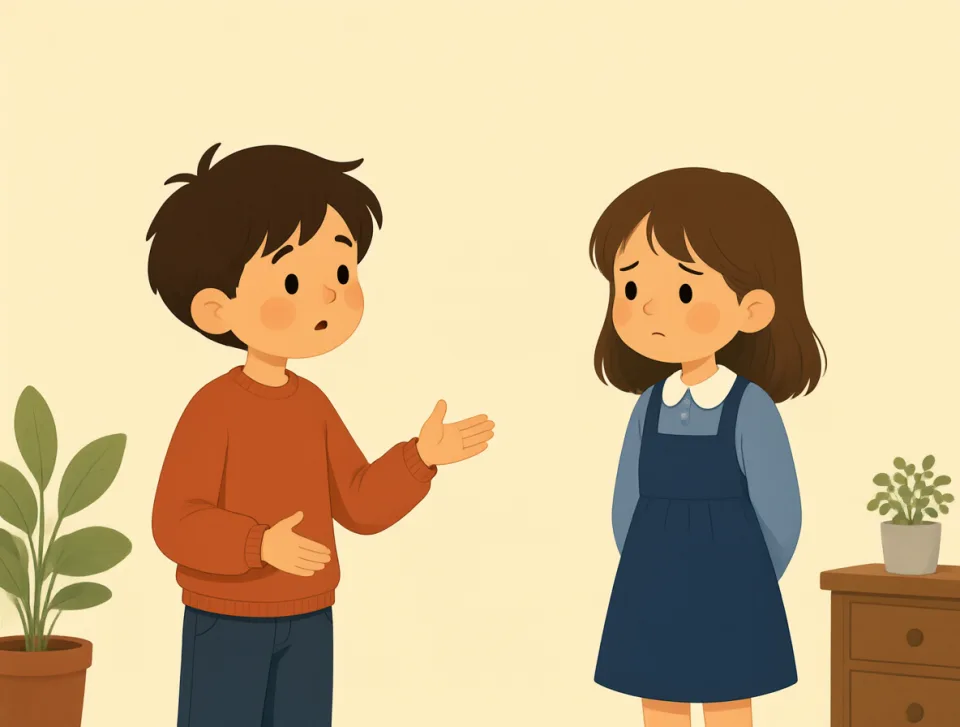
That was a mean joke.
それは意地悪な冗談でした。

even
#96adverb, adjective, verb
さえ; 平らな; 均等な; 対等な
Used to show something surprising, equal, flat, or fair.
驚きや同じであること、平らであること、公平であることを表すために使われる。
Even my brother likes this song.
私の兄でさえこの歌が好きです。

She was tired, but she even finished the work.
彼女は疲れていたが、それでも仕事を終わらせた。
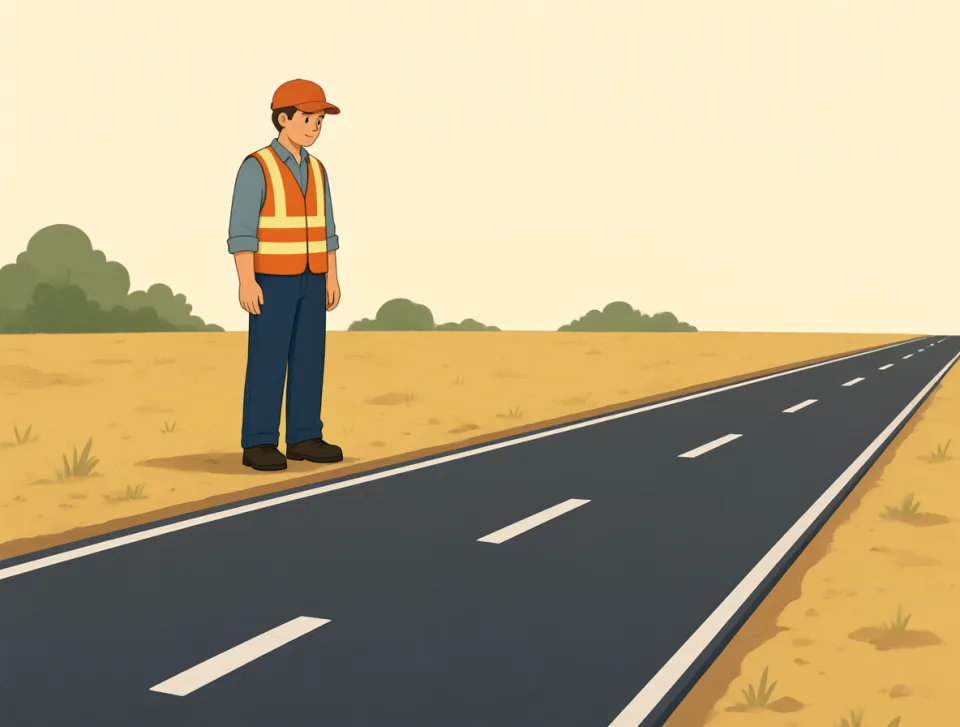
The road is even after the repairs.
修理の後、道路は平らになっています。
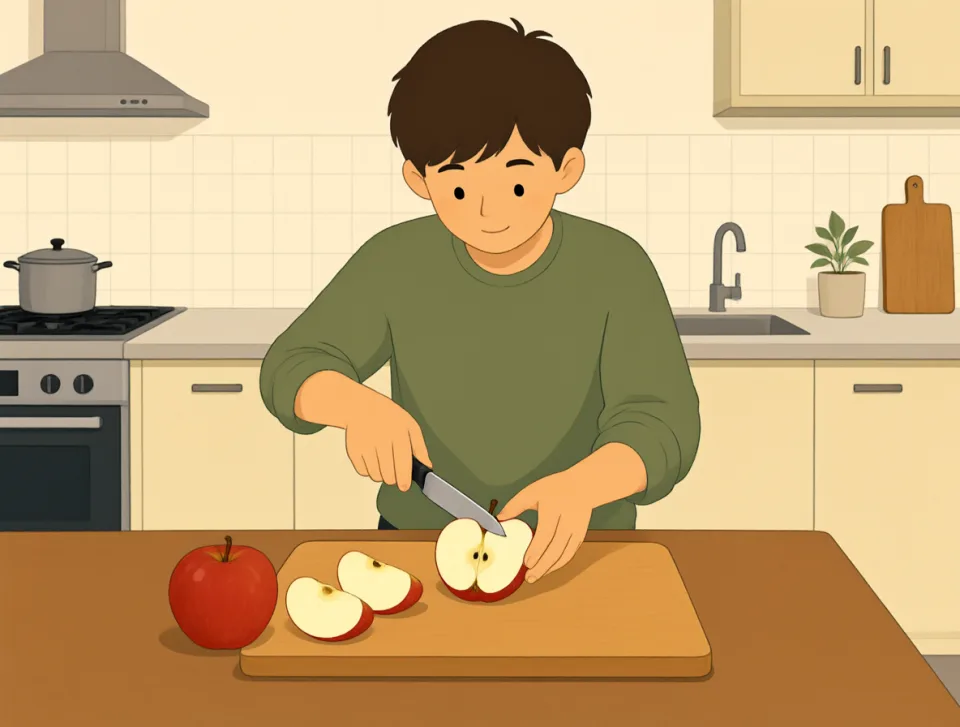
Cut the apple into even pieces.
そのりんごを均等な大きさに切ってください。

We played on an even team.
私たちは互角のチームで試合をしました。
may
#97modal verb, noun
〜してもよい; 〜かもしれない; 5月
Used to say that something is possible or to ask for permission.
何かが起こる可能性があることを述べたり、許可を求めたりするときに使う。
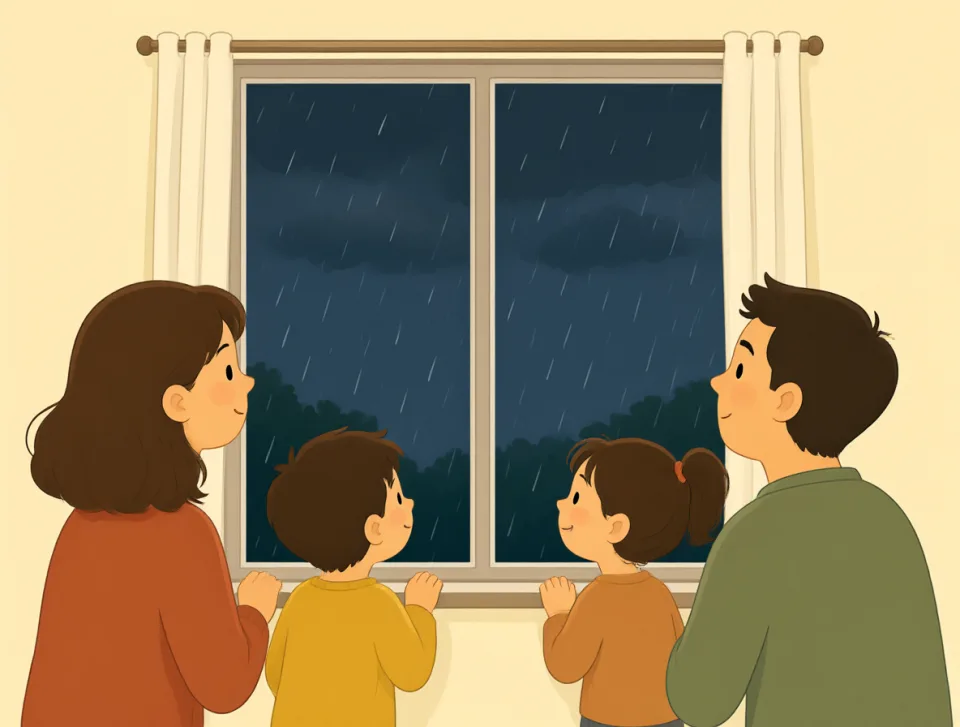
It may rain this afternoon.
今日の午後は雨が降るかもしれません。
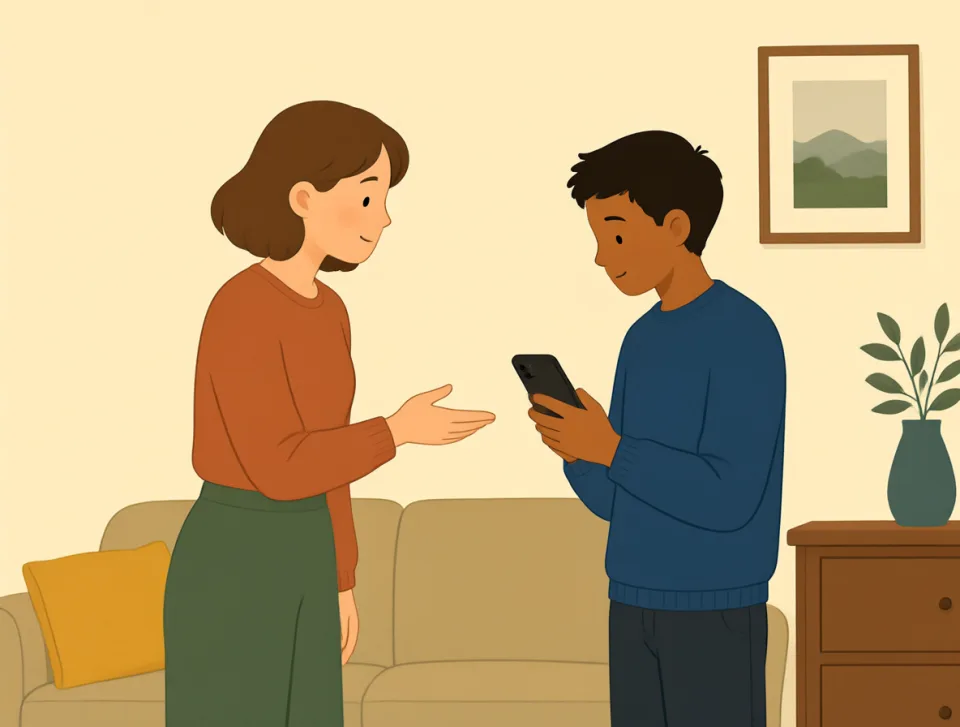
May I use your phone?
あなたの電話を使ってもいいですか?

You may leave work early today.
今日は仕事を早く上がってもいいですよ。
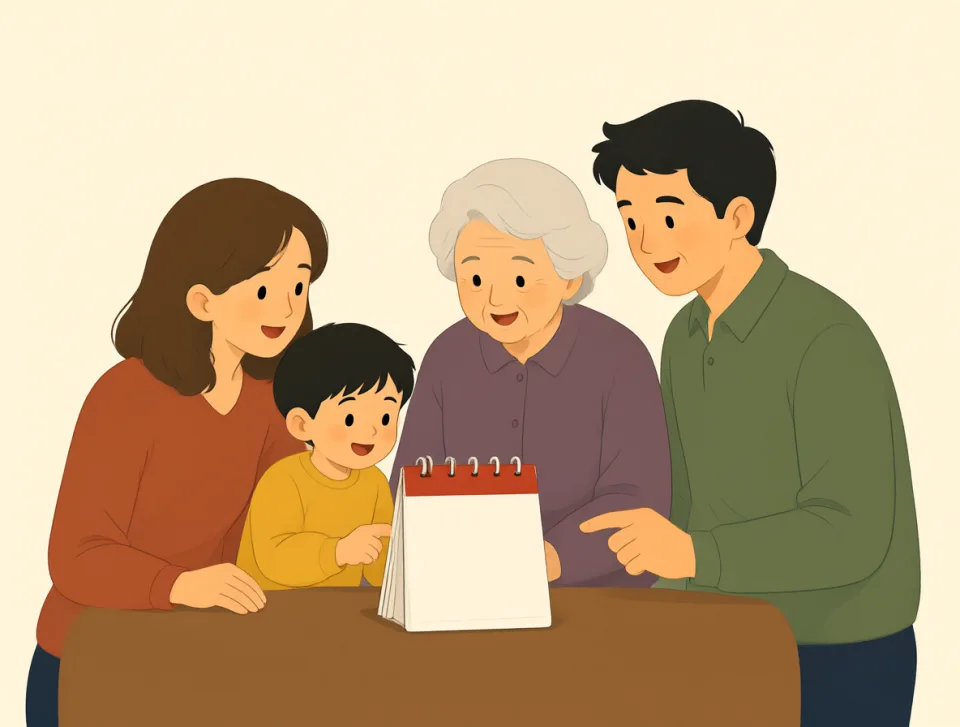
We may visit Grandma this weekend.
今週末、祖母を訪ねるかもしれません。
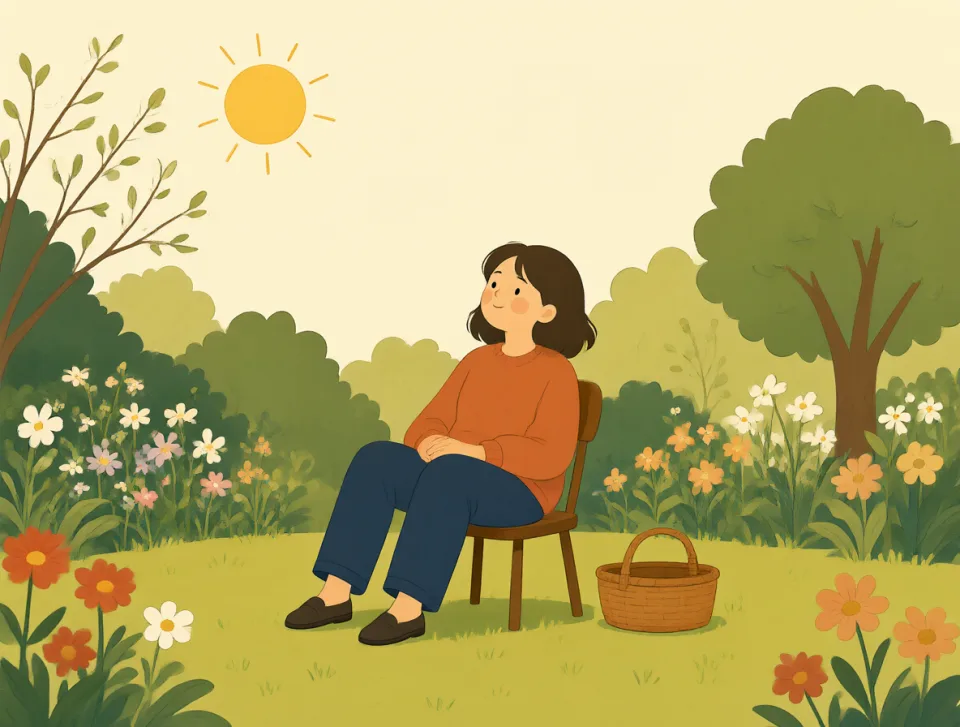
May is my favorite month.
5月が私のいちばん好きな月です。

here
#98adverb, pronoun, adjective, noun
ここ; こちら; この場所
in, at, or to this place
この場所に、またはこの場所で

Please sit here beside me.
私の隣のここに座ってください。
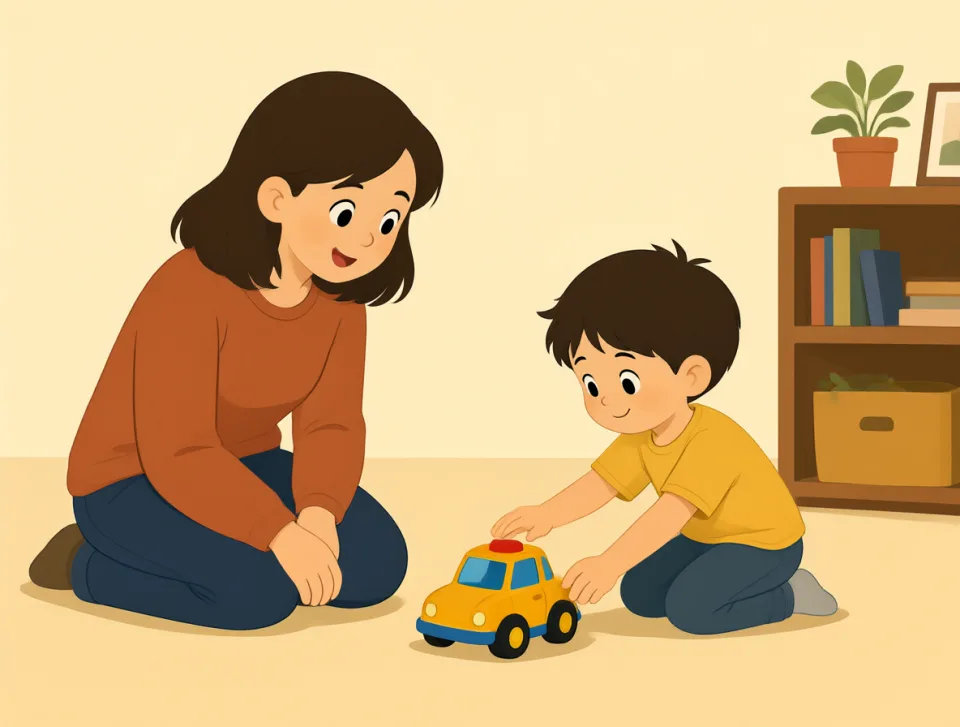
Come here and look at this.
ここに来て、これを見て。
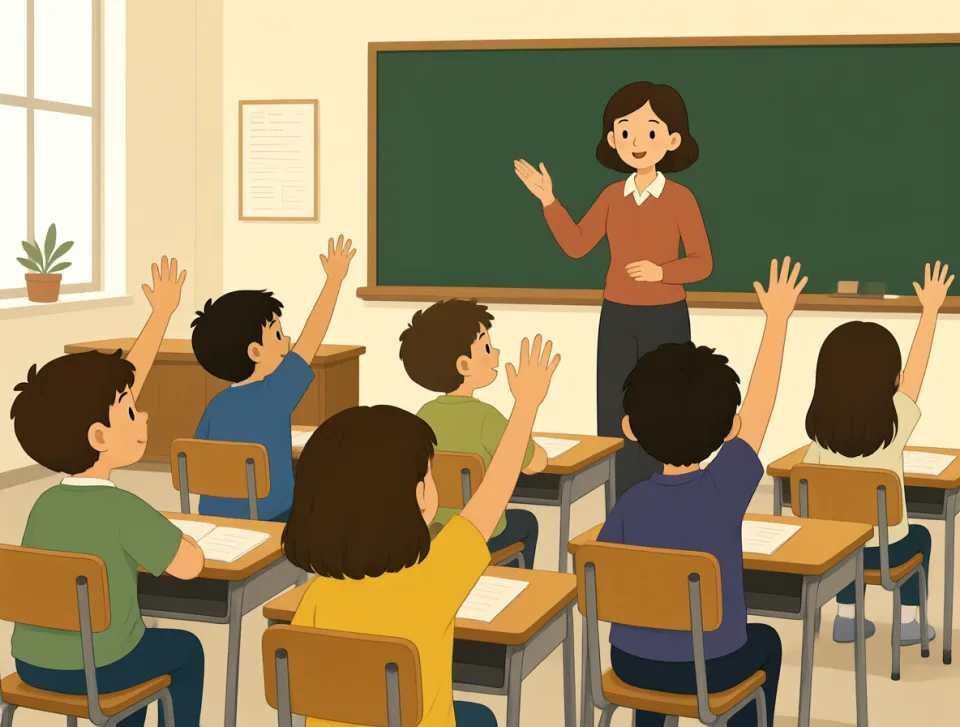
Is anyone here from our class?
ここに私たちのクラスの人はいますか?
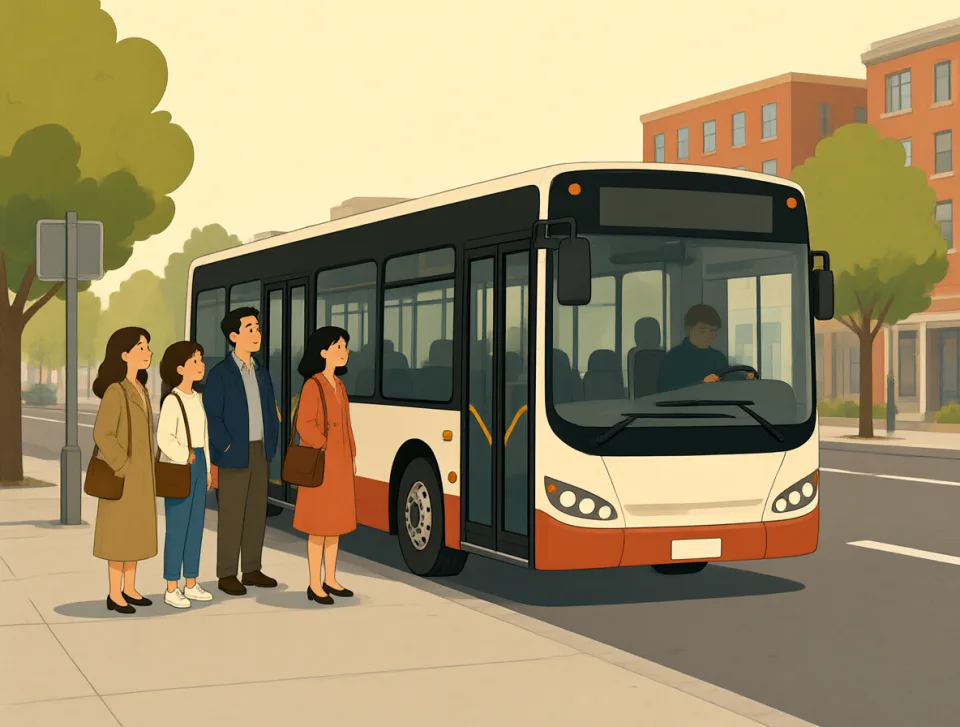
The bus stops here every morning.
そのバスは毎朝ここに停まります。
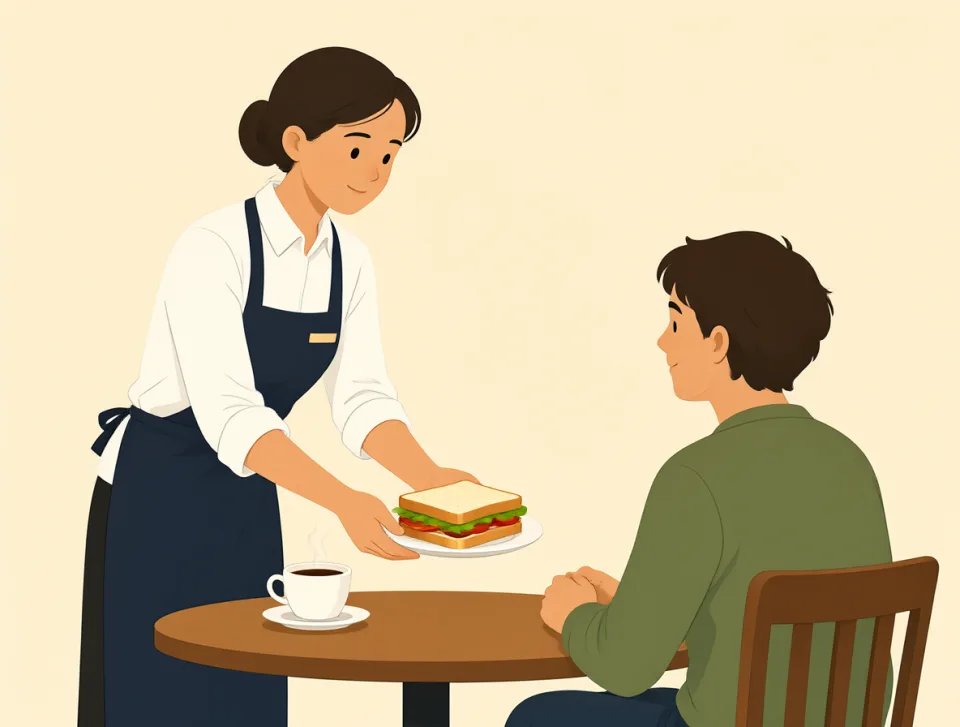
Here is your coffee and sandwich.
こちらがあなたのコーヒーとサンドイッチです。
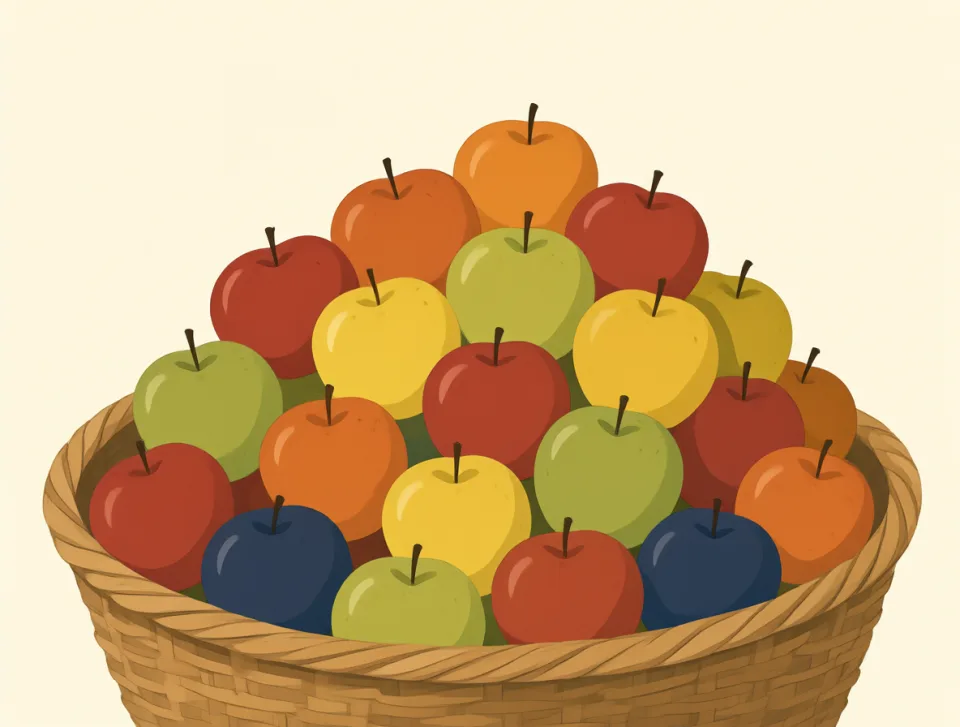
many
#99determiner, pronoun
たくさんの; 多くの
A large number of people or things.
人や物が多数あること。

Many people enjoy walking in the park.
多くの人が公園を歩くのを楽しみます。
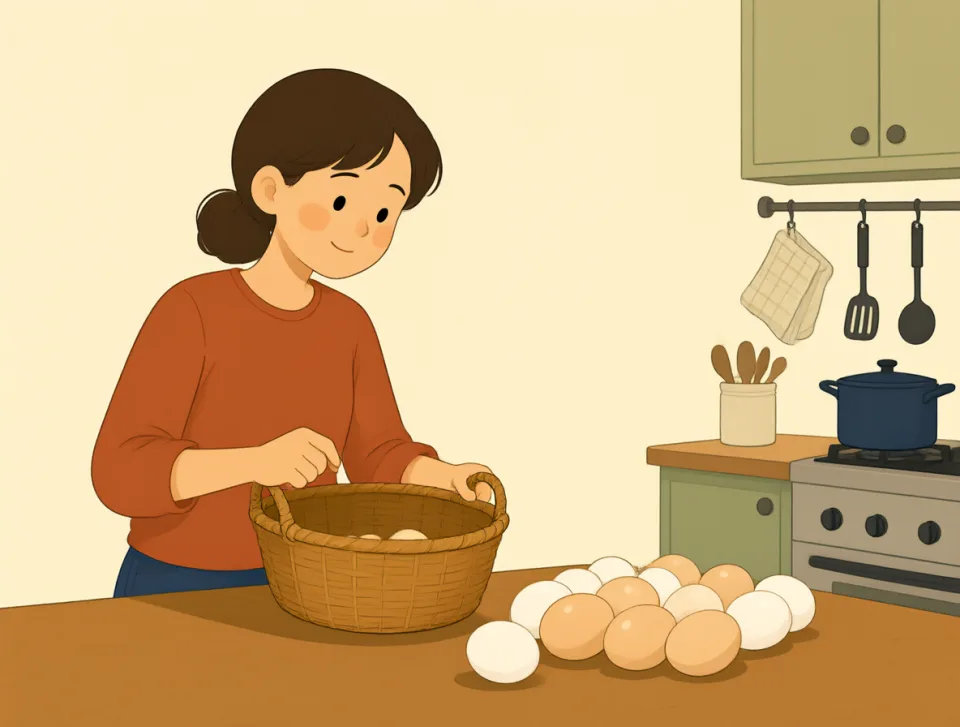
How many eggs do we need?
卵はいくつ必要ですか?

I have many friends at school.
私は学校にたくさん友達がいます。
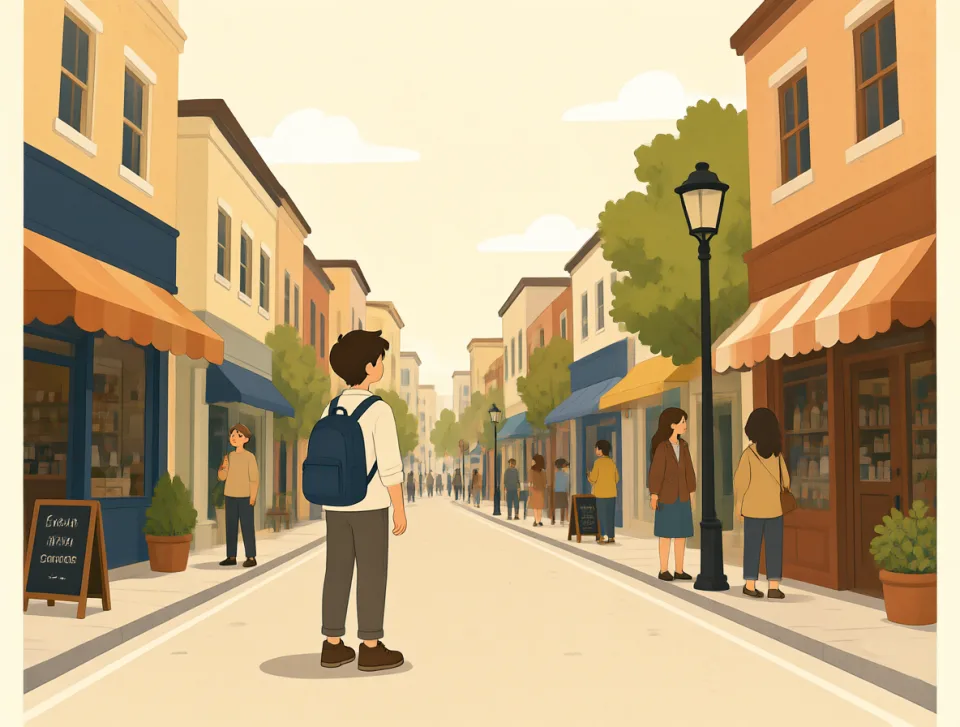
There are many shops near the hotel.
ホテルの近くにはたくさんのお店があります。

Many children like eating ice cream.
多くの子どもたちはアイスクリームを食べるのが好きです。

such
#100determiner, pronoun, adverb
こんなに; そんなに; あのような
Used to show something is like or as great as what was just mentioned.
直前に述べたものと同じようなもの、または同じくらいすごいものだと示すために使う。
I have never seen such a beautiful place.
私はこんなに美しい場所を見たことがありません。

She is such a good friend.
彼女は本当に良い友達です。

We had such a busy day at work.
私たちは仕事でとても忙しい一日を過ごしました。

Why are you in such a hurry?
どうしてそんなに急いでいるのですか?
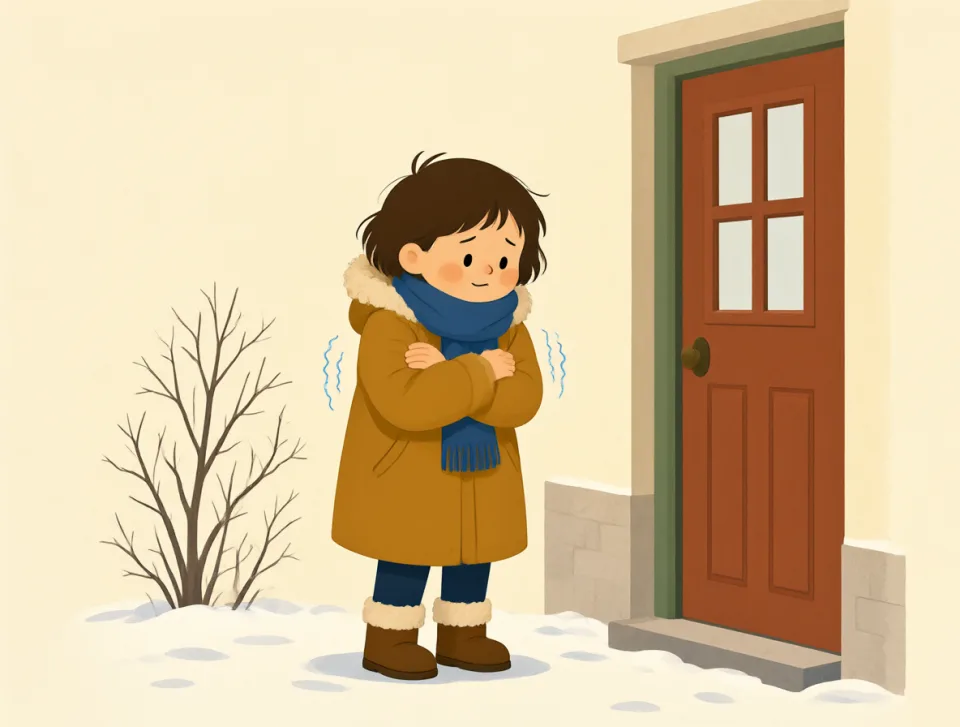
It was such a cold morning.
とても寒い朝でした。