Unit 4
Kata 61–80 · well, because, very, just, come, could

well
#61adverb, adjective, noun, verb
dengan baik; sumur
In a good, healthy, or successful way; a deep hole for water.
Dengan cara yang baik, sehat, atau berhasil; lubang dalam untuk mengambil air.

She speaks English very well.
Dia berbicara bahasa Inggris dengan sangat baik.
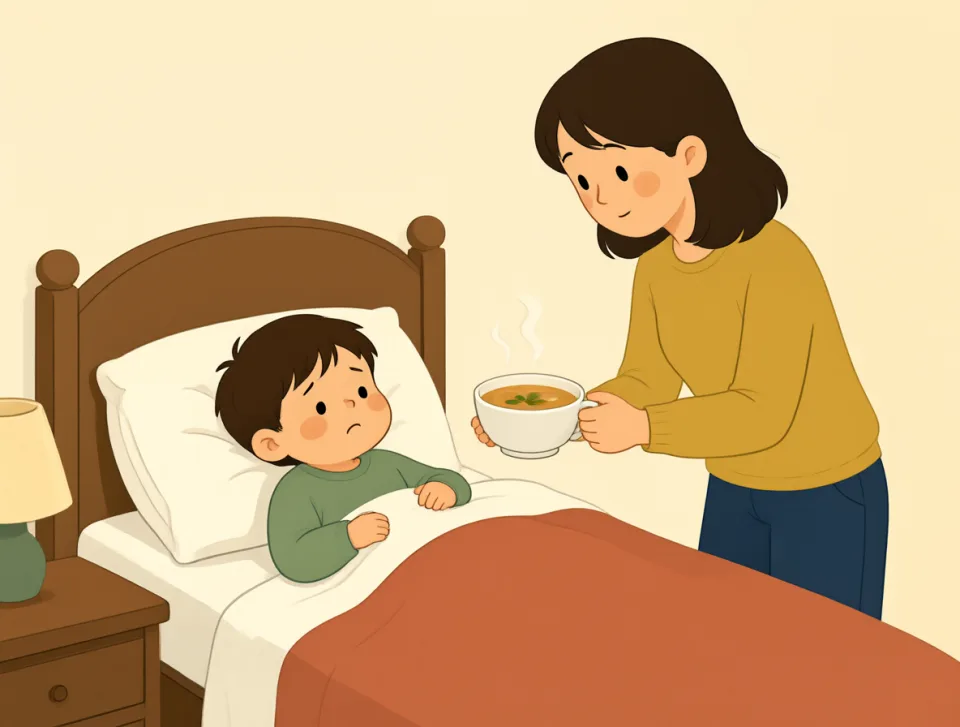
I hope you get well soon.
Semoga kamu segera sembuh.

Well, let's start the lesson.
Nah, mari kita mulai pelajarannya.
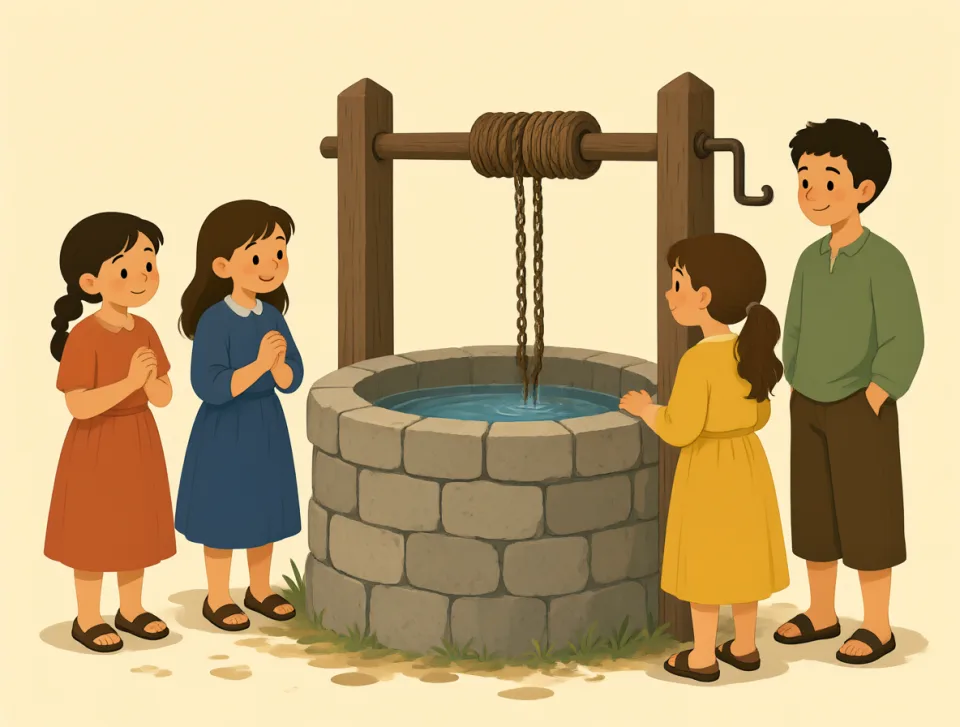
The village has an old stone well.
Desa itu memiliki sumur batu tua.

They well up with tears.
Mata mereka mulai berkaca-kaca.

because
#62conjunction
karena
for the reason that something happens
digunakan untuk menjelaskan alasan terjadinya sesuatu
I stayed home because I felt sick.
Aku tinggal di rumah karena merasa sakit.
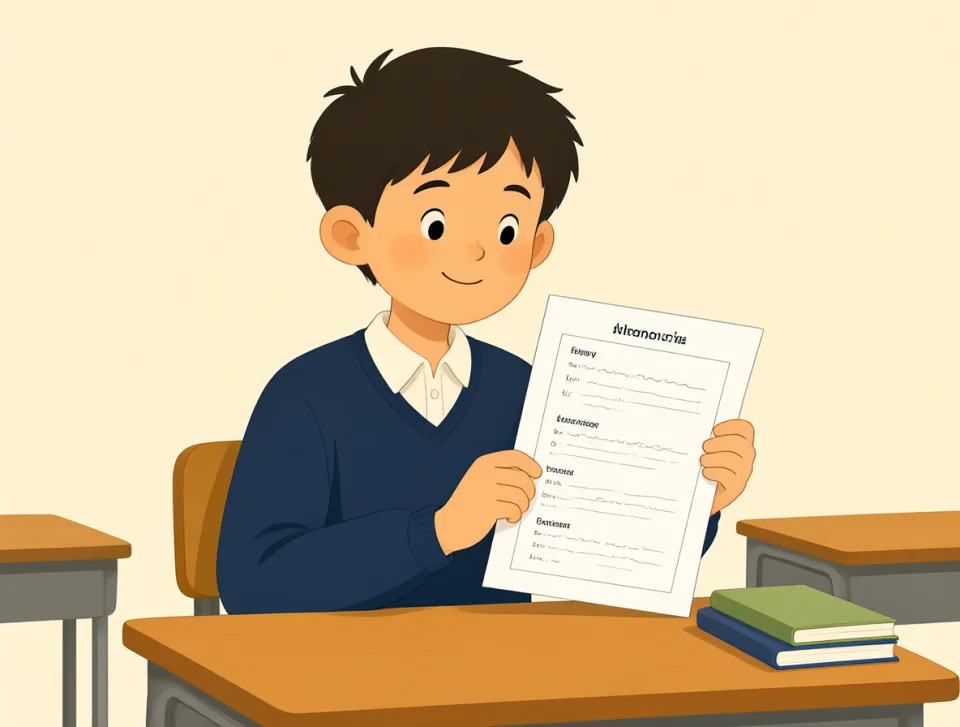
She is happy because she passed her test.
Dia senang karena lulus ujian.
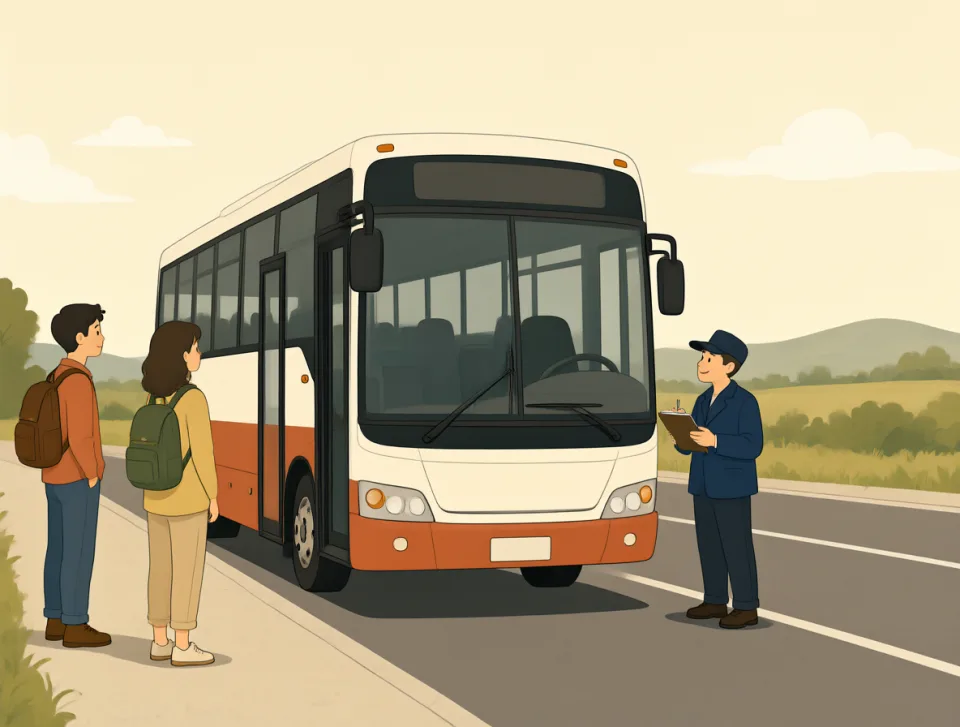
We were late because the bus broke down.
Kami terlambat karena busnya mogok.

He bought an umbrella because it was raining.
Dia membeli payung karena sedang hujan.

They eat early because they have a flight.
Mereka makan lebih awal karena harus naik pesawat.
very
#63adverb
sangat
Used before an adjective or adverb to mean to a high degree.
Digunakan sebelum kata sifat atau kata keterangan untuk menunjukkan tingkat yang tinggi.
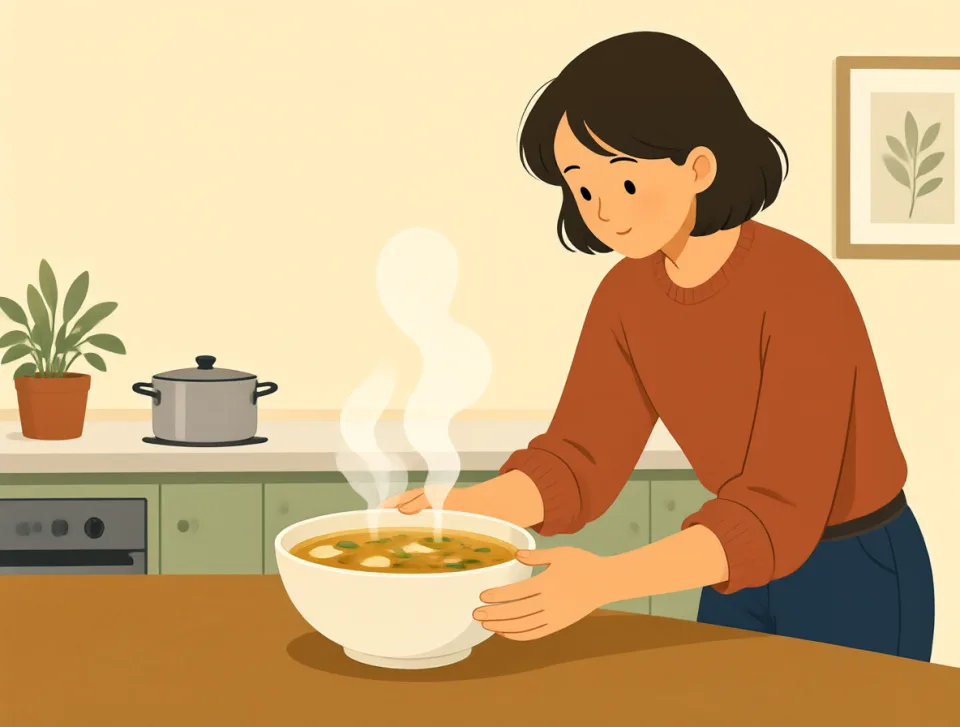
The soup is very hot.
Supnya sangat panas.

She runs very fast.
Dia berlari sangat cepat.

I am very tired today.
Aku sangat lelah hari ini.

This bag is very expensive.
Tas ini sangat mahal.

We had a very good time.
Kami bersenang-senang.

just
#64adverb, adjective
baru saja; tepat; hanya
Only recently, exactly, or fairly; used to make something seem less important.
Baru-baru ini, tepat, atau cukup; juga digunakan untuk membuat sesuatu terdengar tidak terlalu penting.
I just got home from work.
Aku baru saja pulang kerja.

Just wait here for a minute.
Tunggu saja di sini sebentar.

This shirt is just five dollars.
Harga kemeja ini cuma lima dolar.

She is just like her mother.
Dia mirip sekali dengan ibunya.

I just want some water.
Aku hanya ingin minum air.

come
#65verb
datang
to move toward or arrive at a person or place
bergerak menuju atau tiba di seseorang atau suatu tempat

Come here and sit beside me.
Kemarilah dan duduk di sampingku.

What time did you come home?
Jam berapa kamu pulang?

Many students come to school by bus.
Banyak siswa pergi ke sekolah naik bus.

Please come to my birthday party.
Silakan datang ke pesta ulang tahunku.

This soup comes with fresh bread.
Sup ini disajikan dengan roti segar.

could
#66modal verb
bisa; dapat
Used to ask politely, talk about possibility, or describe ability in the past.
Digunakan untuk meminta sesuatu dengan sopan, membicarakan kemungkinan, atau menjelaskan kemampuan di masa lalu.
Could you help me with this bag?
Bisakah kamu membantuku membawa tas ini?

We could meet at the station tomorrow.
Kita bisa bertemu di stasiun besok.

I could swim when I was five.
Aku sudah bisa berenang sejak umur lima tahun.

Could I have some water, please?
Boleh saya minta air?

It could rain this afternoon.
Mungkin sore ini akan turun hujan.

work
#67noun, verb
bekerja; pekerjaan
To do a job or activity, or the job or activity you do.
Melakukan pekerjaan atau kegiatan, atau pekerjaan maupun kegiatan yang kamu lakukan.

I work in a small office.
Saya bekerja di kantor kecil.

She works hard every day.
Dia bekerja keras setiap hari.

This computer does not work.
Komputer ini tidak berfungsi.

We have a lot of work today.
Hari ini pekerjaan kita banyak.

His works hang in the museum.
Karya-karyanya dipajang di museum.

use
#68verb, noun
menggunakan; penggunaan
To do something with a thing for a purpose; the way something is used.
Melakukan sesuatu dengan suatu benda untuk tujuan tertentu; cara sesuatu digunakan.

I use my phone every day.
Saya menggunakan ponsel setiap hari.
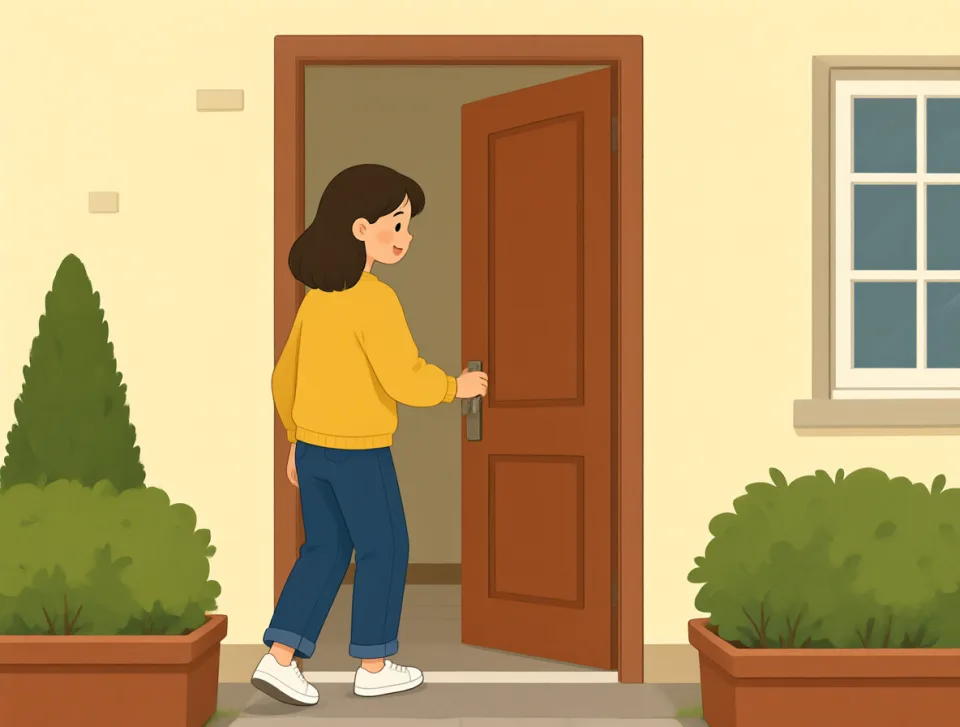
Please use this door.
Silakan gunakan pintu ini.
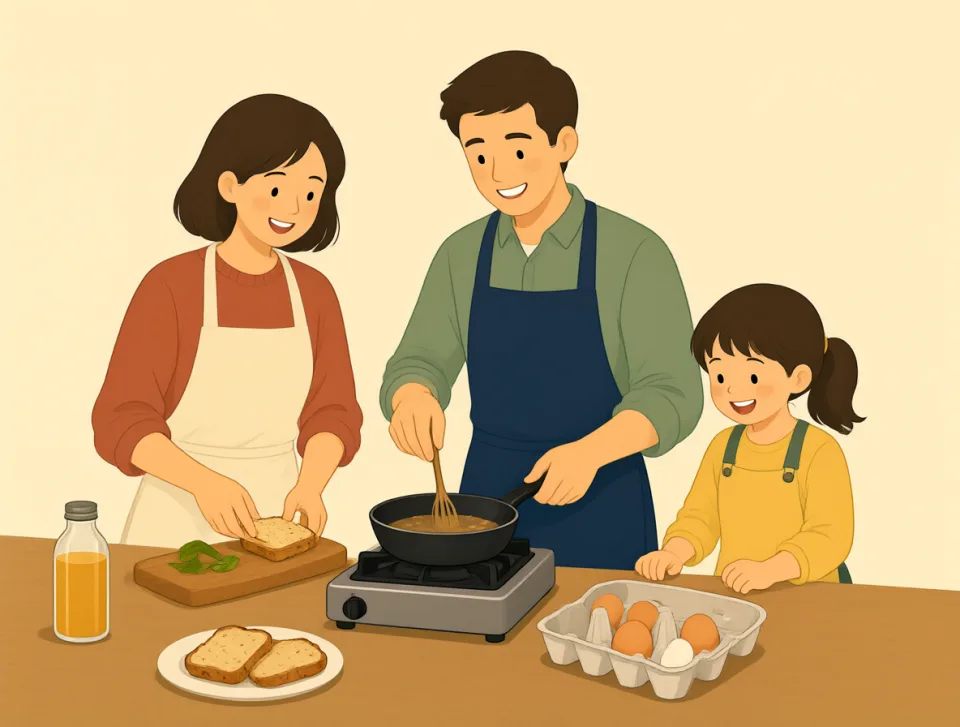
We used all the eggs for breakfast.
Kami menggunakan semua telur untuk sarapan.
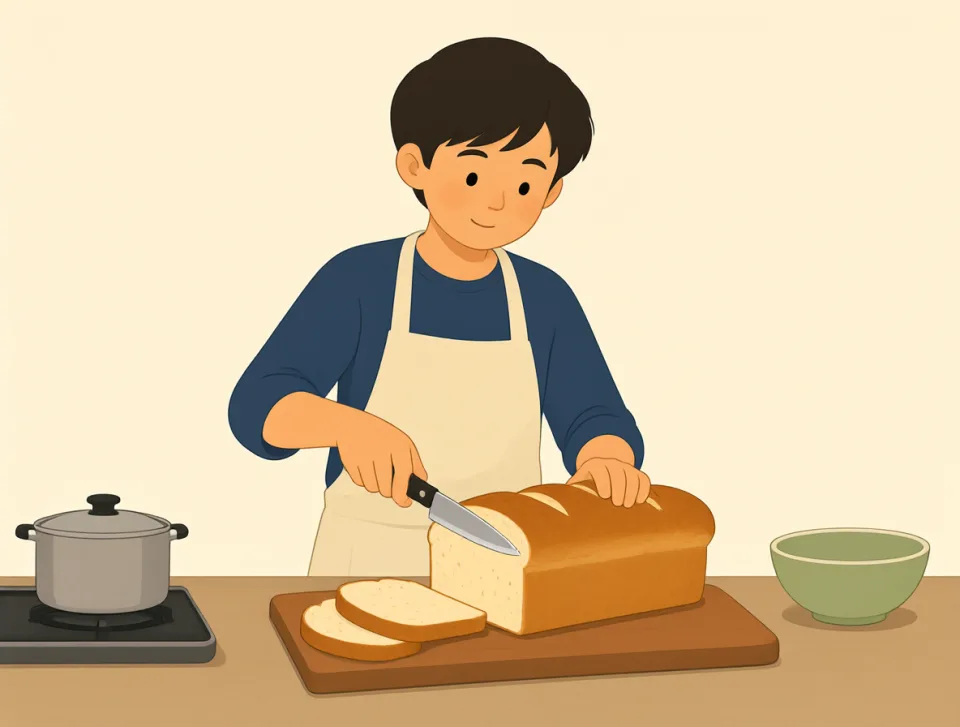
She uses a knife to cut bread.
Dia menggunakan pisau untuk memotong roti.

This bag has many uses.
Tas ini punya banyak kegunaan.
than
#69conjunction, preposition
daripada
Used to compare two people, things, or actions.
Digunakan untuk membandingkan dua orang, benda, atau tindakan.
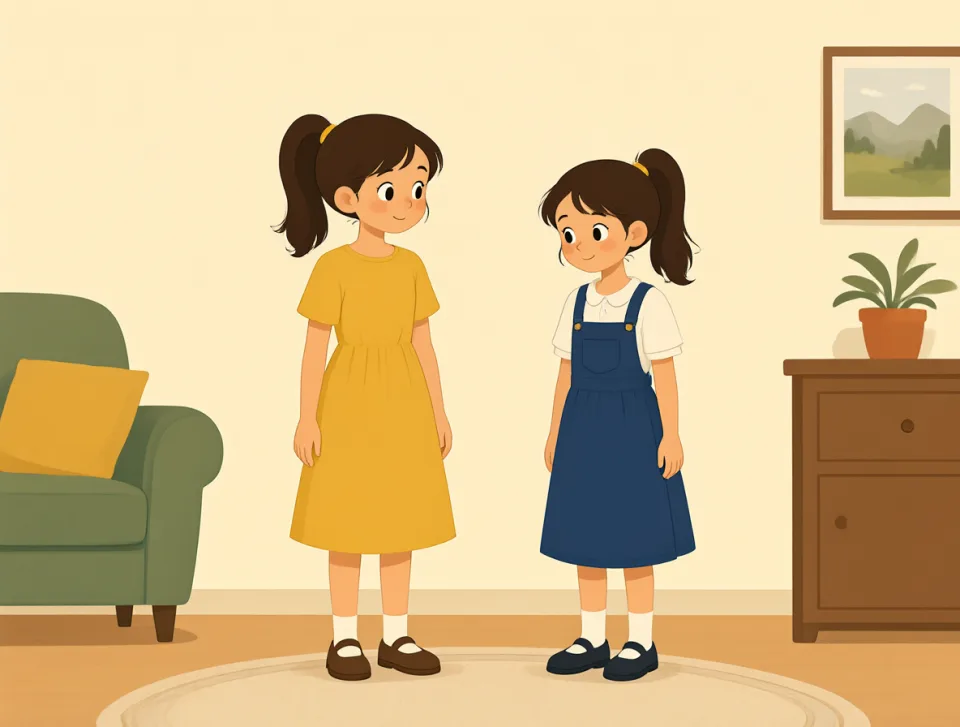
My sister is taller than me.
Kakak atau adik perempuan saya lebih tinggi daripada saya.

This bag is cheaper than that one.
Tas ini lebih murah daripada tas itu.

I would rather walk than take the bus.
Saya lebih memilih berjalan kaki daripada naik bus.

He works harder than his brother.
Dia bekerja lebih keras daripada saudara laki-lakinya.

It was colder than yesterday.
Cuacanya lebih dingin daripada kemarin.

now
#70adverb, noun, adjective
sekarang
at the present time or moment
pada waktu atau saat ini
I am busy now.
Saya sedang sibuk sekarang.

Please come here now.
Tolong datang ke sini sekarang.

We have to leave now.
Kita harus pergi sekarang.

Now is a good time to start.
Sekarang adalah waktu yang tepat untuk memulai.

The store is closed now.
Tokonya tutup sekarang.

then
#71adverb, adjective
lalu
At that time, or next after something else happens.
Pada waktu itu, atau setelah sesuatu yang lain terjadi.
We ate dinner, then watched a movie.
Kami makan malam, lalu menonton film.
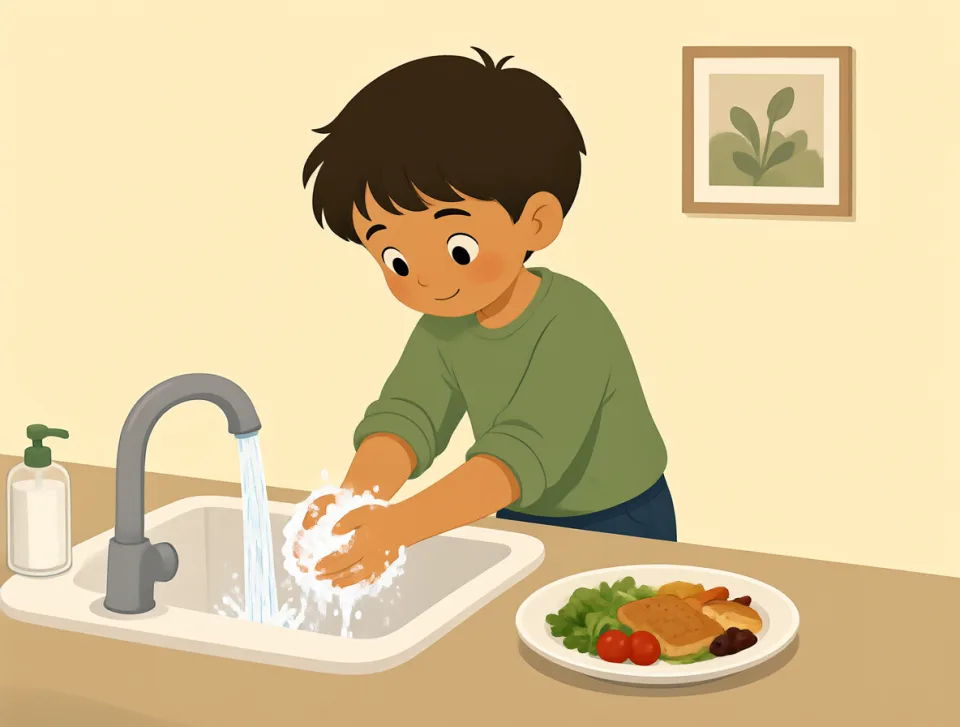
First wash your hands, then eat.
Cuci tangan dulu, lalu makan.

I was living in London then.
Waktu itu aku tinggal di London.

If you finish, then you can play.
Kalau kamu sudah selesai, kamu boleh bermain.

Back then, phones were much bigger.
Dulu, ponsel ukurannya jauh lebih besar.

also
#72adverb
juga
In addition to someone or something already mentioned.
Sebagai tambahan untuk seseorang atau sesuatu yang sudah disebutkan.
I also like tea in the morning.
Aku juga suka minum teh pada pagi hari.
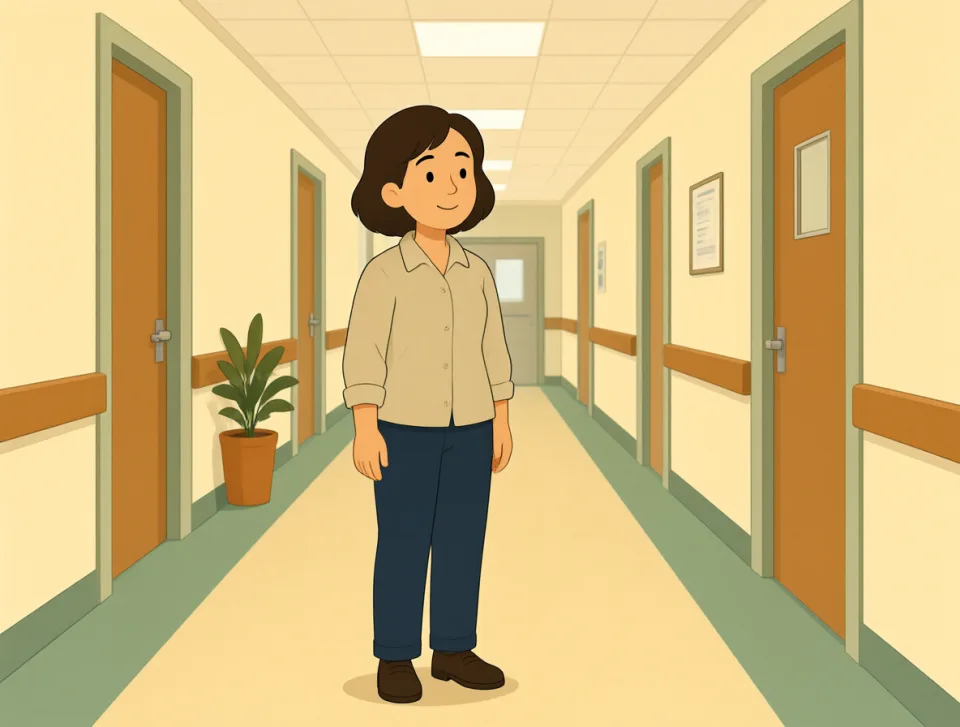
She also works at the hospital.
Dia juga bekerja di rumah sakit.

We also need some bread for dinner.
Kami juga perlu roti untuk makan malam.

He also plays soccer with his friends.
Dia juga bermain sepak bola bersama teman-temannya.

The hotel also has a small swimming pool.
Hotel itu juga punya kolam renang kecil.

into
#73preposition
ke dalam
to a position inside something or toward a particular place, situation, or activity
Menuju posisi di dalam sesuatu atau ke suatu tempat, situasi, atau kegiatan tertentu.
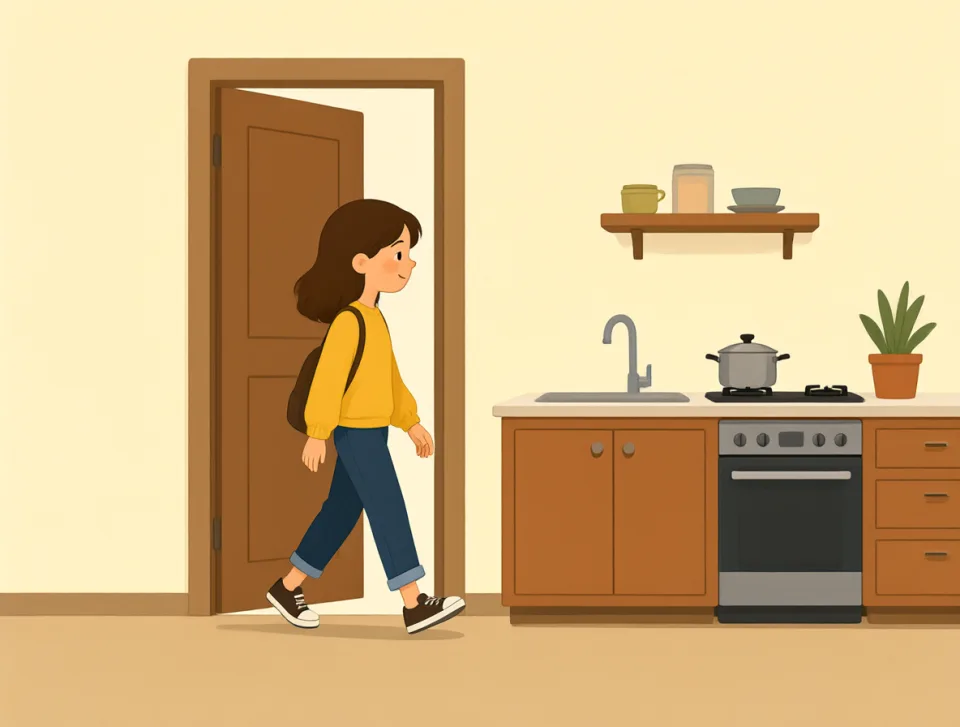
She walked into the kitchen.
Dia berjalan masuk ke dapur.

He put the books into his bag.
Dia memasukkan buku-buku itu ke dalam tasnya.
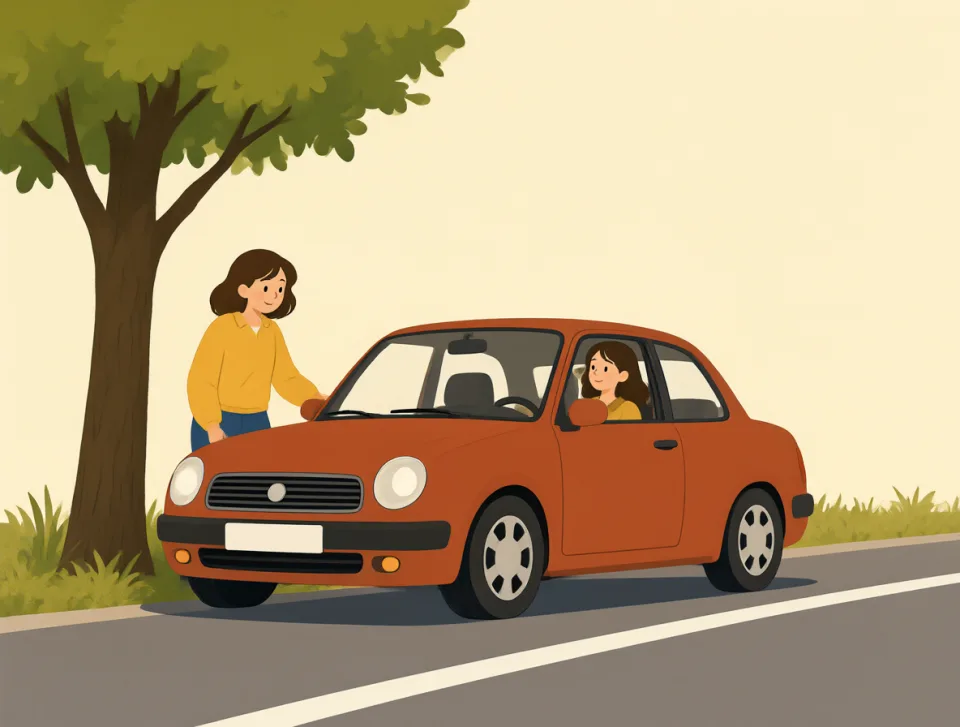
The car crashed into a tree.
Mobil itu menabrak pohon.

I am really into cooking now.
Sekarang aku benar-benar suka memasak.

They changed the plan into a party.
Mereka mengubah rencana itu menjadi pesta.

only
#74adverb, adjective, determiner, conjunction
hanya
No more than one person or thing, or nothing else.
Tidak lebih dari satu orang atau benda, atau tidak ada yang lain.
I only have ten minutes before work.
Aku hanya punya sepuluh menit sebelum bekerja.

She is the only student in class.
Dia satu-satunya siswa di kelas.

We only need two tickets for the train.
Kami hanya perlu dua tiket kereta.

He eats only vegetables for lunch.
Dia hanya makan sayuran untuk makan siang.
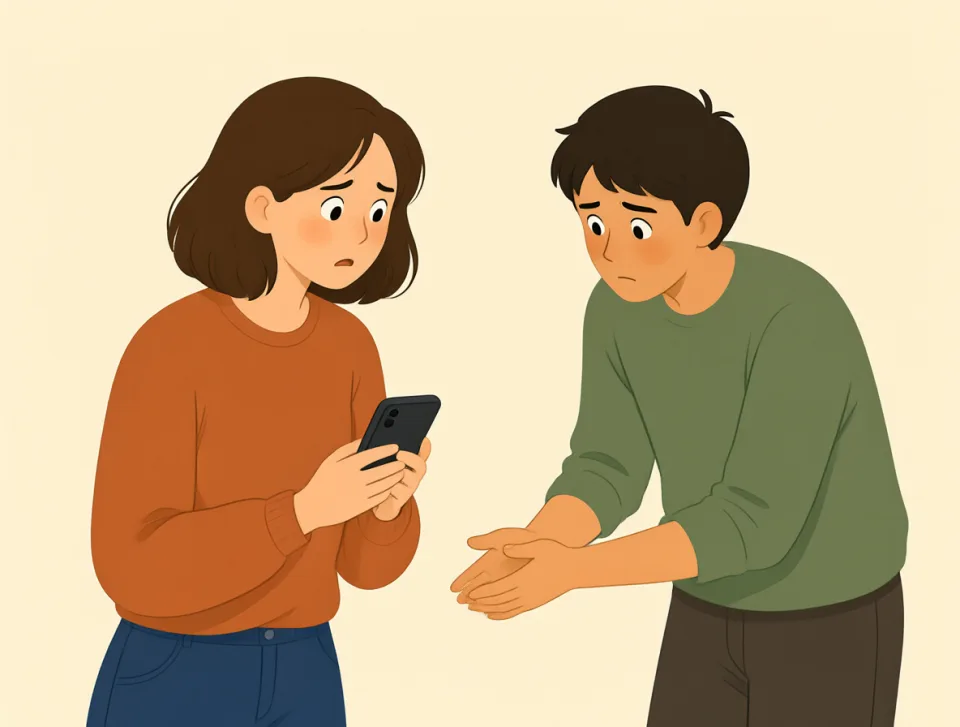
Call me only if you need help.
Telepon aku hanya kalau kamu butuh bantuan.

look
#75verb, noun
melihat
to use your eyes to see something or to have a particular appearance
Menggunakan mata untuk melihat sesuatu atau memiliki penampilan tertentu.

Look at this picture with me.
Lihat gambar ini bersamaku.

You look tired after your long trip.
Kamu kelihatan lelah setelah perjalanan panjangmu.
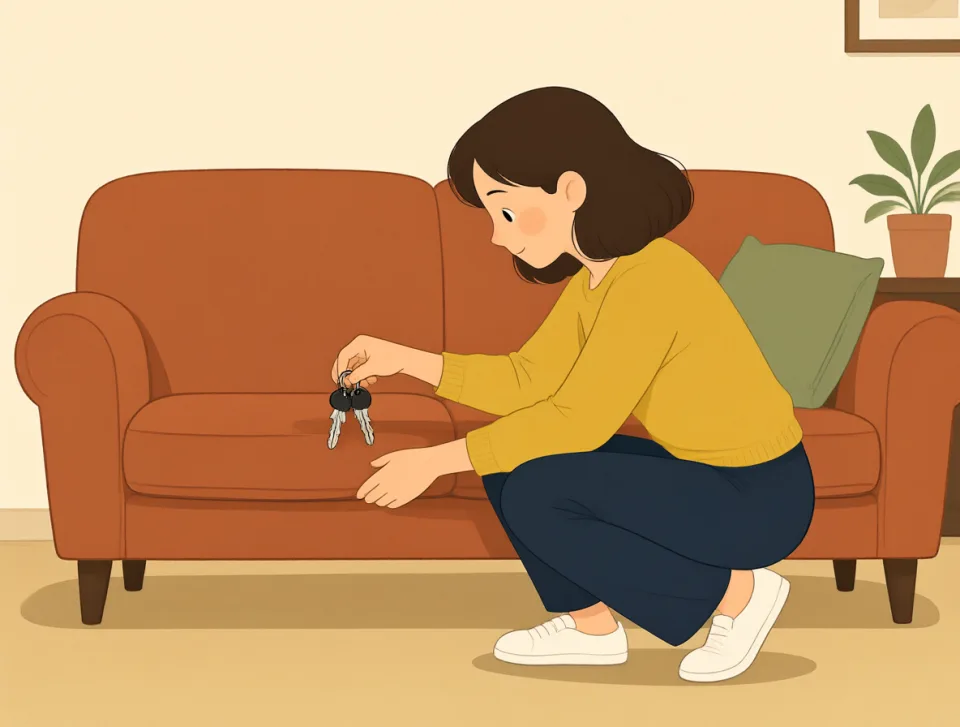
She looked for her keys everywhere.
Dia mencari kuncinya ke mana-mana.

He looks like his older brother.
Dia mirip kakak laki-lakinya.

The doctor looked at my sore throat.
Dokter memeriksa tenggorokanku yang sakit.

want
#76verb, noun
ingin
To wish to have or do something; a need for something important.
Berharap untuk memiliki atau melakukan sesuatu; membutuhkan sesuatu yang penting.
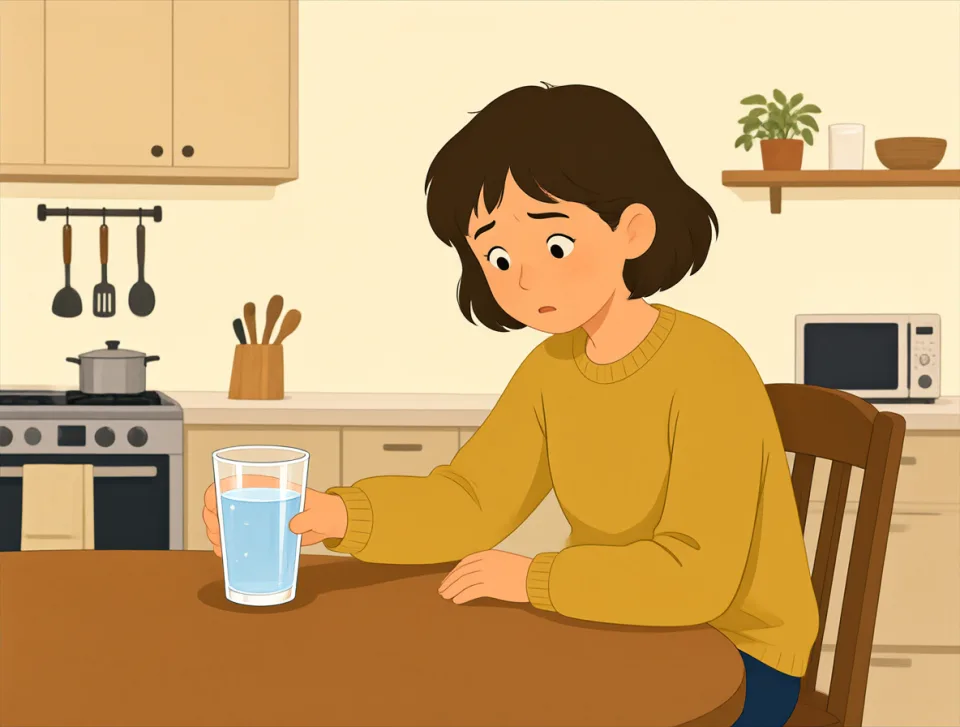
I want a glass of water, please.
Saya ingin segelas air, tolong.

She wants to learn English at school.
Dia ingin belajar bahasa Inggris di sekolah.

We wanted a table near the window.
Kami ingin meja dekat jendela.

They want to buy new shoes.
Mereka ingin membeli sepatu baru.
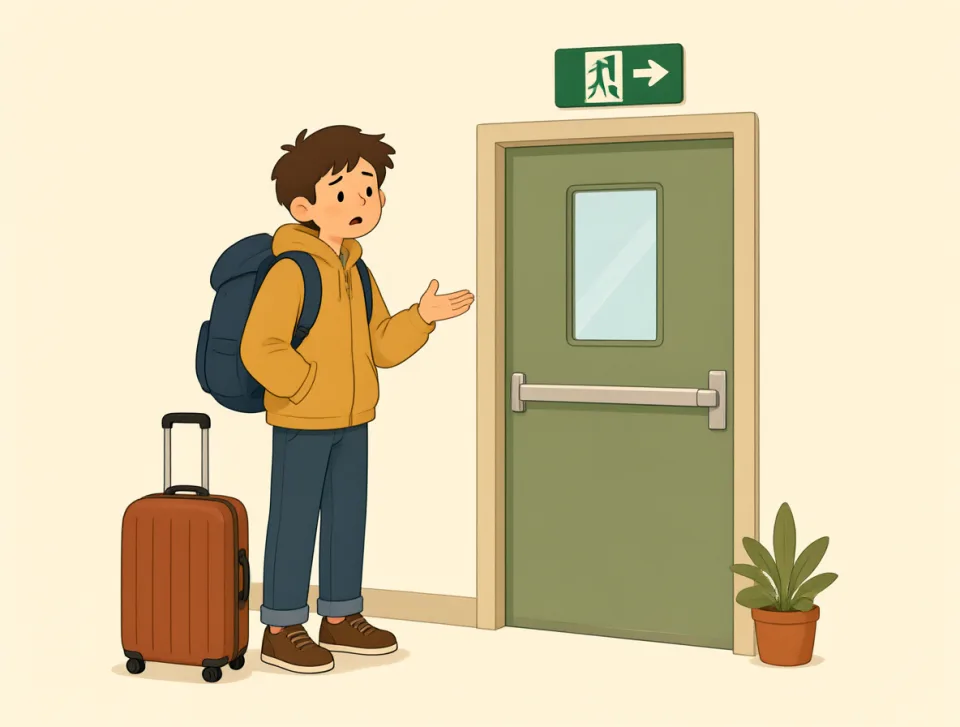
He wants to go home now.
Dia ingin pulang sekarang.

give
#77verb, noun
memberi
to hand something to someone or provide something for them
Menyerahkan sesuatu kepada seseorang atau menyediakan sesuatu untuk mereka.
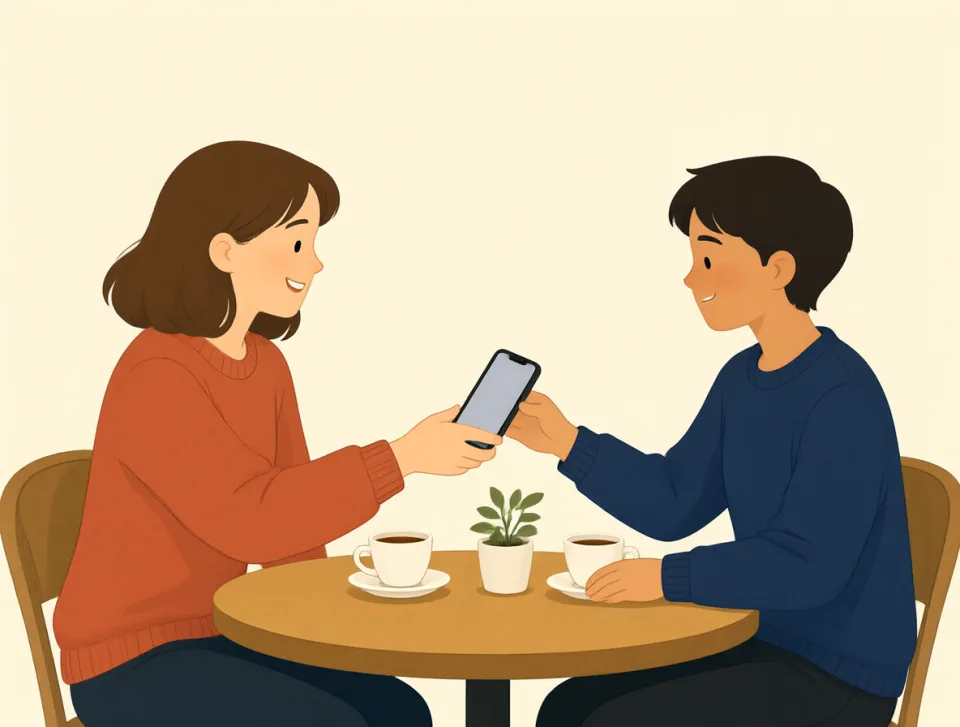
Please give me your phone number.
Tolong beri saya nomor telepon Anda.

She gave her brother a birthday present.
Dia memberi adiknya hadiah ulang tahun.

The teacher gave us homework yesterday.
Kemarin, guru memberi kami pekerjaan rumah.

Can you give me some water?
Bisakah Anda memberi saya sedikit air?

This medicine gives me a headache.
Obat ini membuat saya sakit kepala.
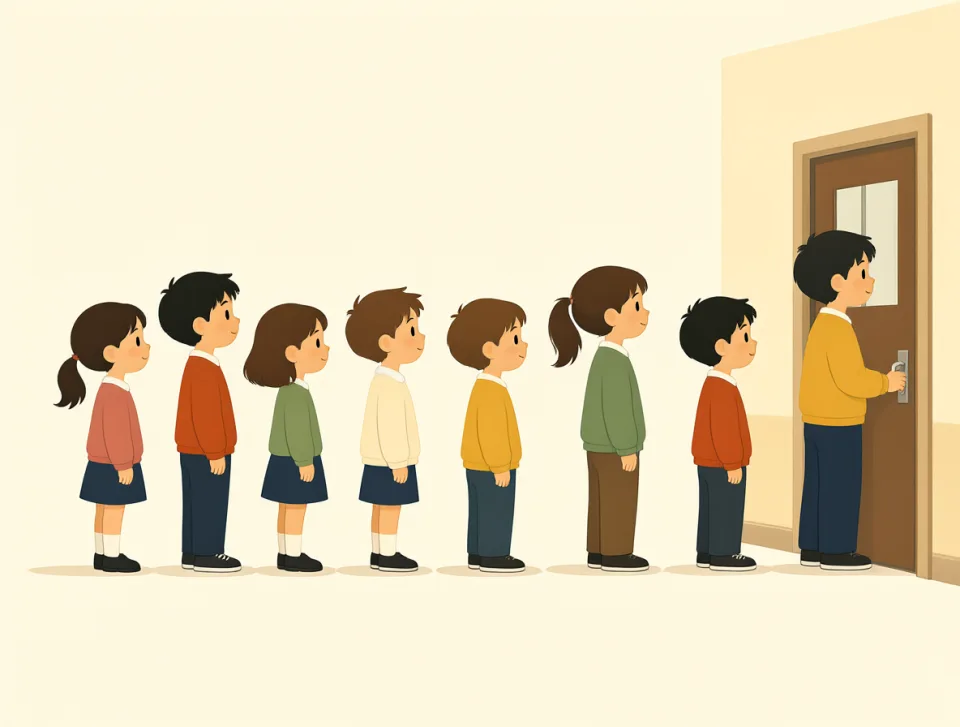
first
#78adjective, adverb, noun, determiner
pertama
Coming before all others in time, order, or importance.
Datang sebelum yang lain dalam hal waktu, urutan, atau kepentingan.
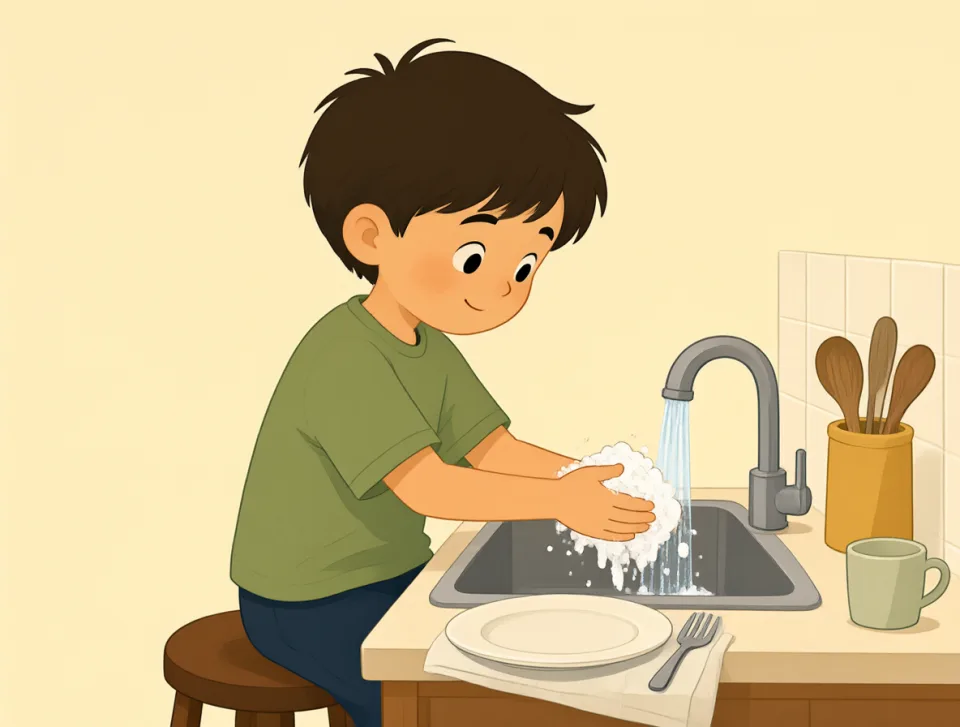
Wash your hands first before eating dinner.
Cuci tangan dulu sebelum makan malam.

She was the first person to arrive.
Dia orang pertama yang tiba.

I got home first and made tea.
Saya pulang duluan dan membuat teh.

This is my first day at school.
Ini hari pertama saya di sekolah.

He finished first in the race.
Dia finis pertama dalam perlombaan.

new
#79adjective, adverb, noun
baru
Made, discovered, or seen for the first time; not old or used.
Dibuat, ditemukan, atau dilihat untuk pertama kalinya; tidak lama atau belum pernah digunakan.

She bought a new dress for the party.
Dia membeli gaun baru untuk pesta.

We moved into our new house last week.
Minggu lalu, kami pindah ke rumah baru.

I started a new job on Monday.
Saya mulai bekerja di tempat baru pada hari Senin.

The teacher gave us a new book.
Guru memberi kami buku baru.

They tried a new restaurant downtown.
Mereka mencoba restoran baru di pusat kota.
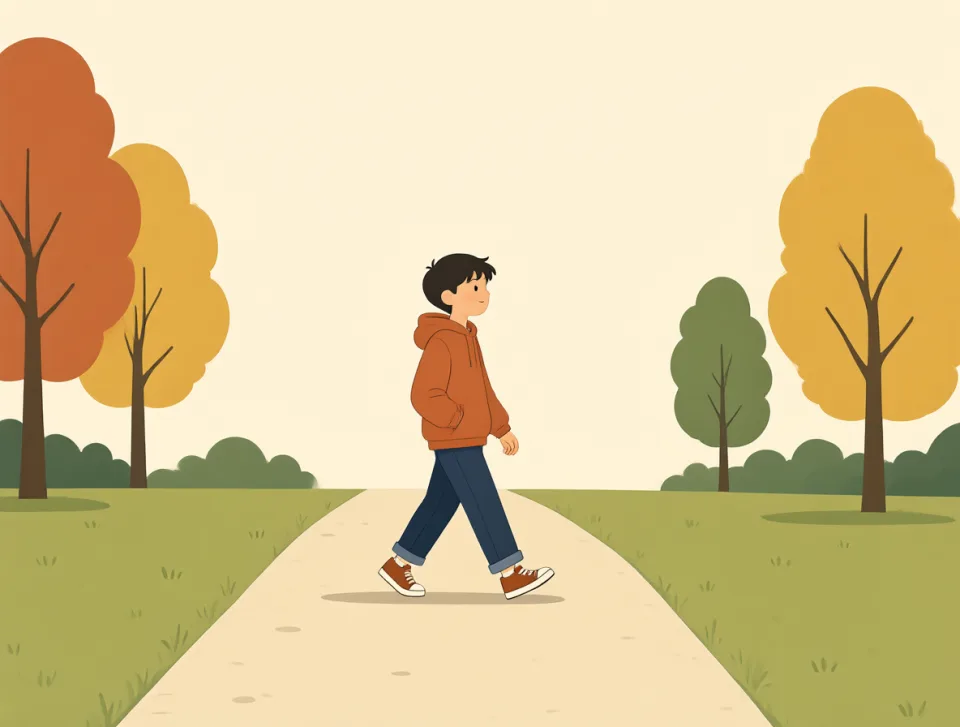
way
#80noun, adverb, adjective
jalan; cara
A method, direction, or distance from one place to another.
Metode, arah, atau jarak dari satu tempat ke tempat lain.

Can you show me the way home?
Bisakah Anda menunjukkan jalan pulang kepada saya?

This is the best way to learn English.
Ini cara terbaik untuk belajar bahasa Inggris.

The shop is a long way from here.
Toko itu jauh dari sini.

Please move out of the way.
Tolong minggir.

We found a way to fix the problem.
Kami menemukan cara untuk memperbaiki masalah itu.