4. Ünite
61–80 arasındaki kelimeler · well, because, very, just, come, could
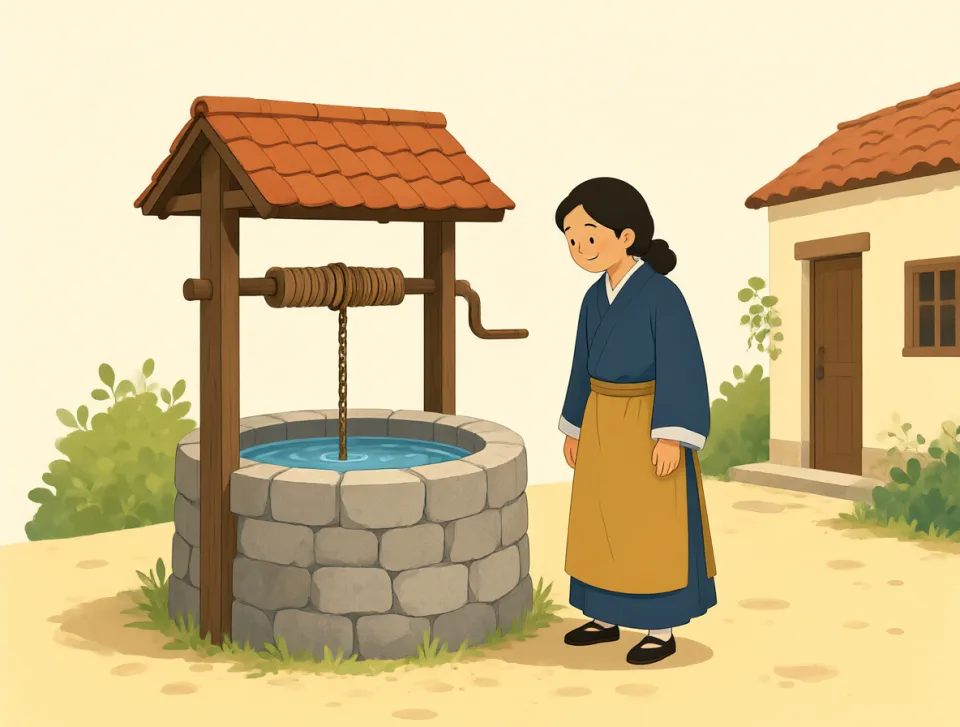
well
#61adverb, adjective, noun, verb
iyi; kuyu
In a good, healthy, or successful way; a deep hole for water.
İyi, sağlıklı ya da başarılı bir şekilde; su bulmak için kazılmış derin bir çukur.

She speaks English very well.
İngilizceyi çok iyi konuşuyor.
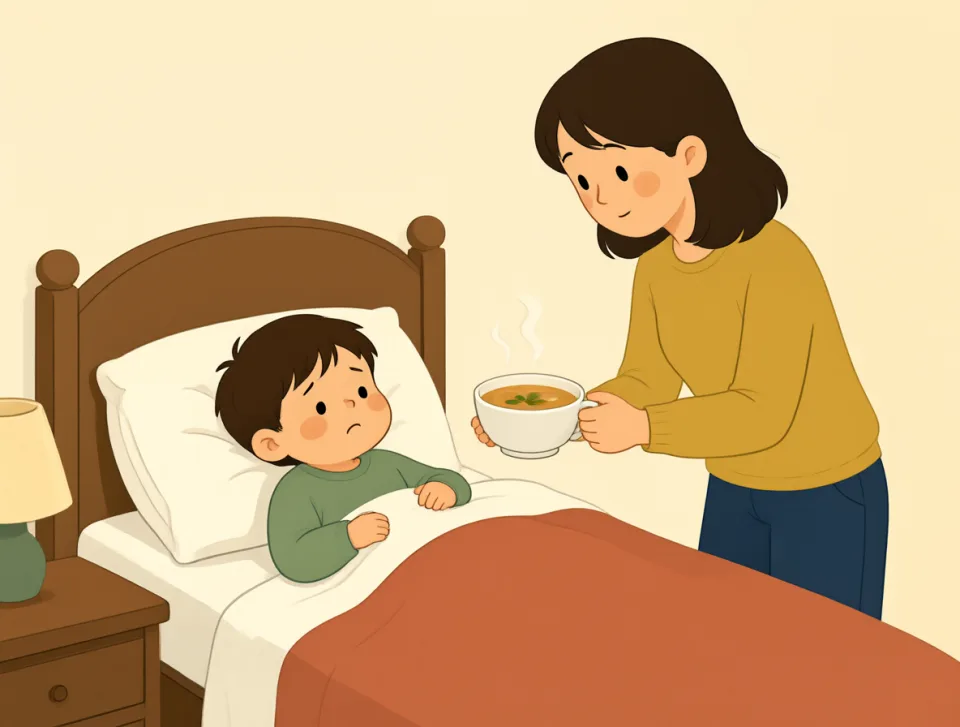
I hope you get well soon.
Umarım yakında iyileşirsin.

Well, let's start the lesson.
Pekâlâ, derse başlayalım.
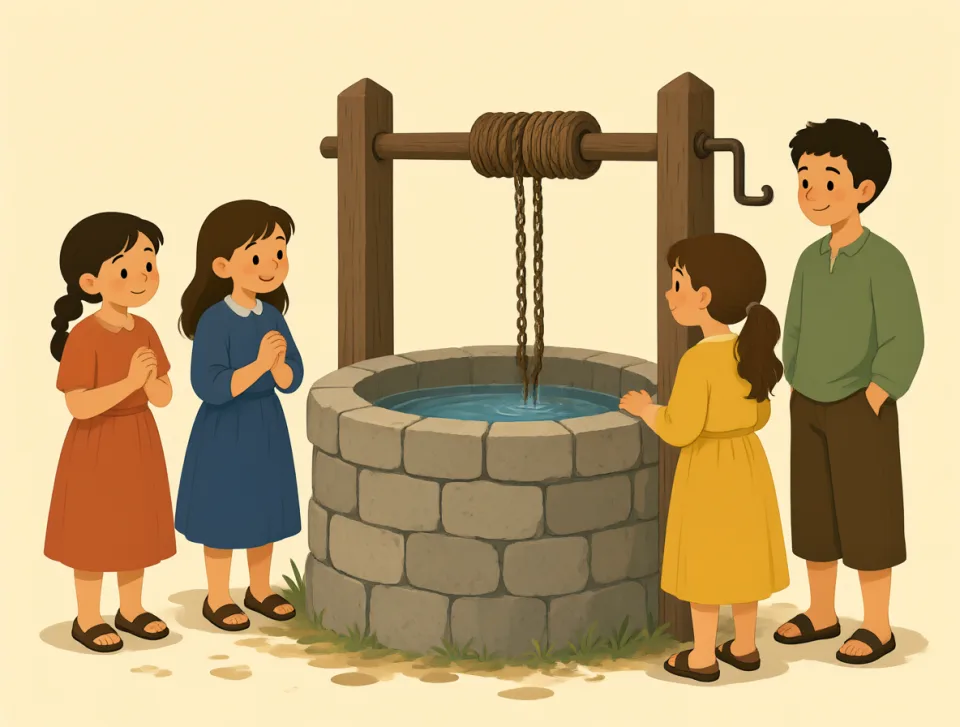
The village has an old stone well.
Köyde eski bir taş kuyu var.

They well up with tears.
Gözleri yaşlarla doluyor.

because
#62conjunction
çünkü
for the reason that something happens
Bir şeyin neden olduğunu açıklamak için kullanılır.
I stayed home because I felt sick.
Kendimi hasta hissettiğim için evde kaldım.
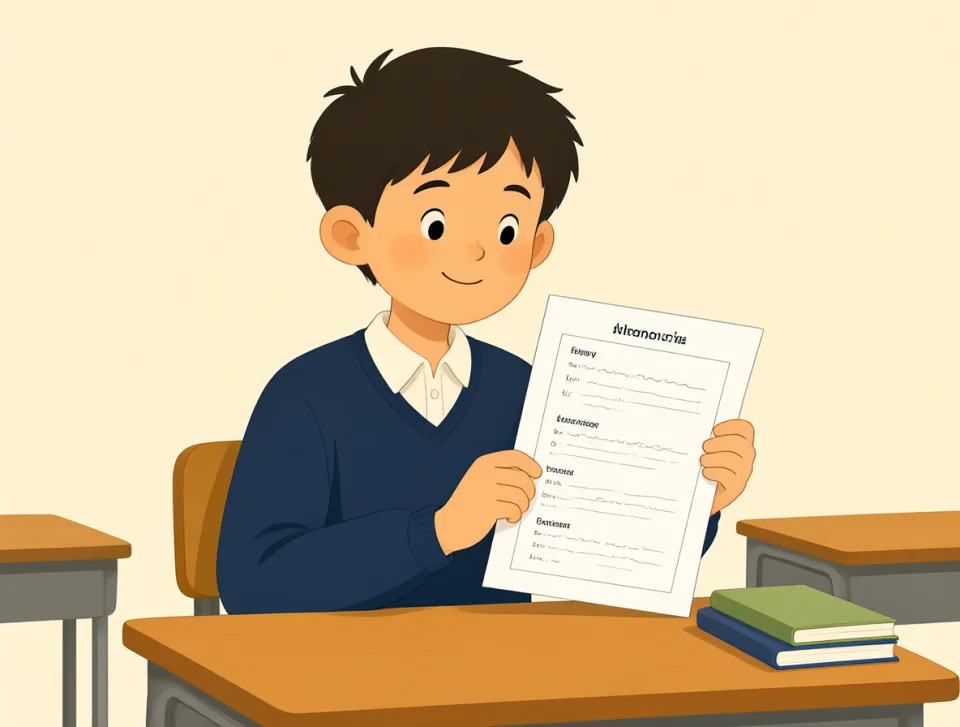
She is happy because she passed her test.
Sınavı geçtiği için mutlu.
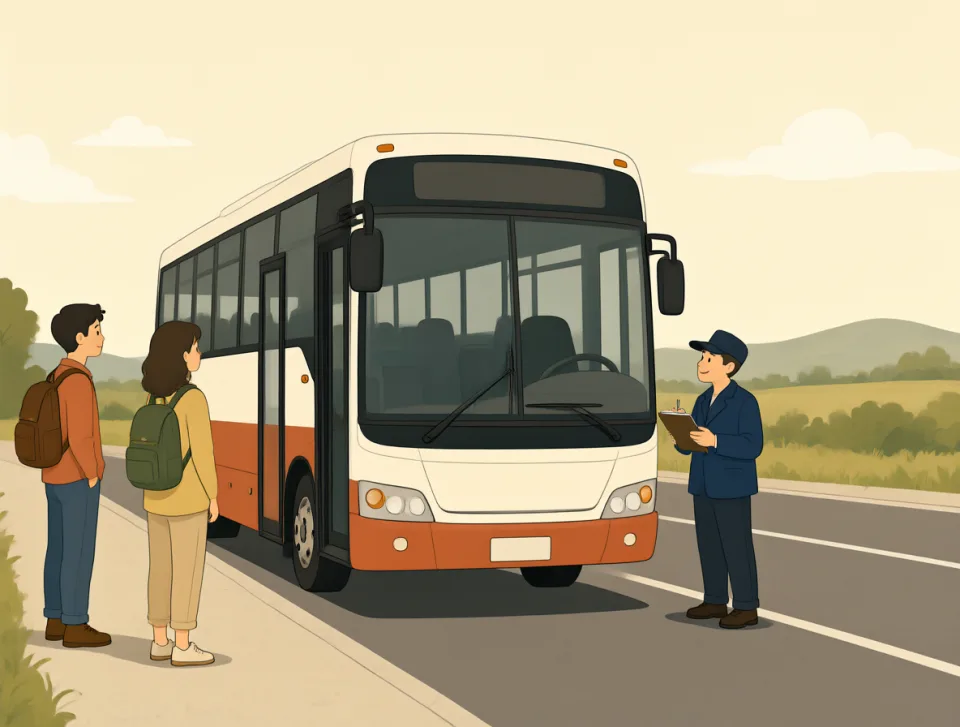
We were late because the bus broke down.
Otobüs bozulduğu için geç kaldık.

He bought an umbrella because it was raining.
Yağmur yağdığı için şemsiye aldı.
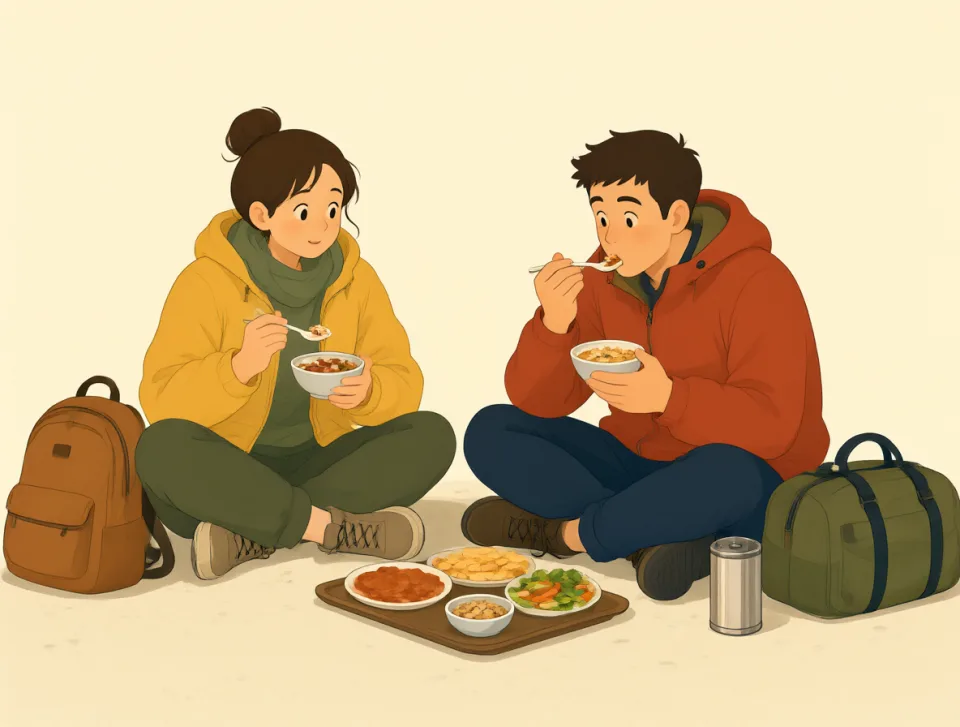
They eat early because they have a flight.
Uçak yolculukları olduğu için erken yemek yerler.
very
#63adverb
çok
Used before an adjective or adverb to mean to a high degree.
Bir sıfat ya da zarftan önce gelerek yüksek derecede anlamı katar.
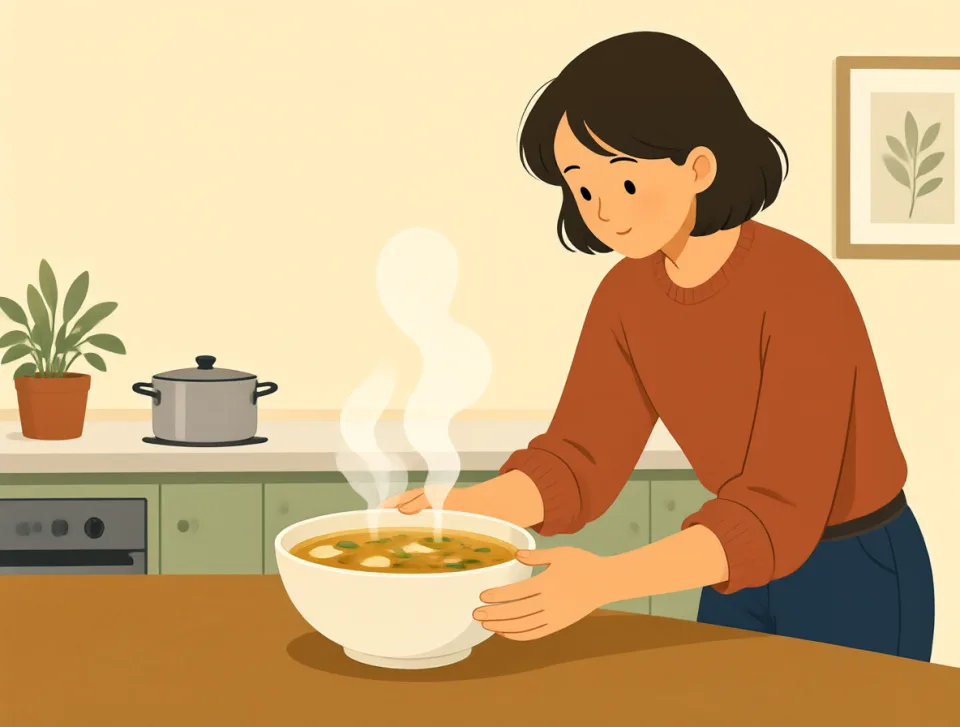
The soup is very hot.
Çorba çok sıcak.

She runs very fast.
Çok hızlı koşuyor.

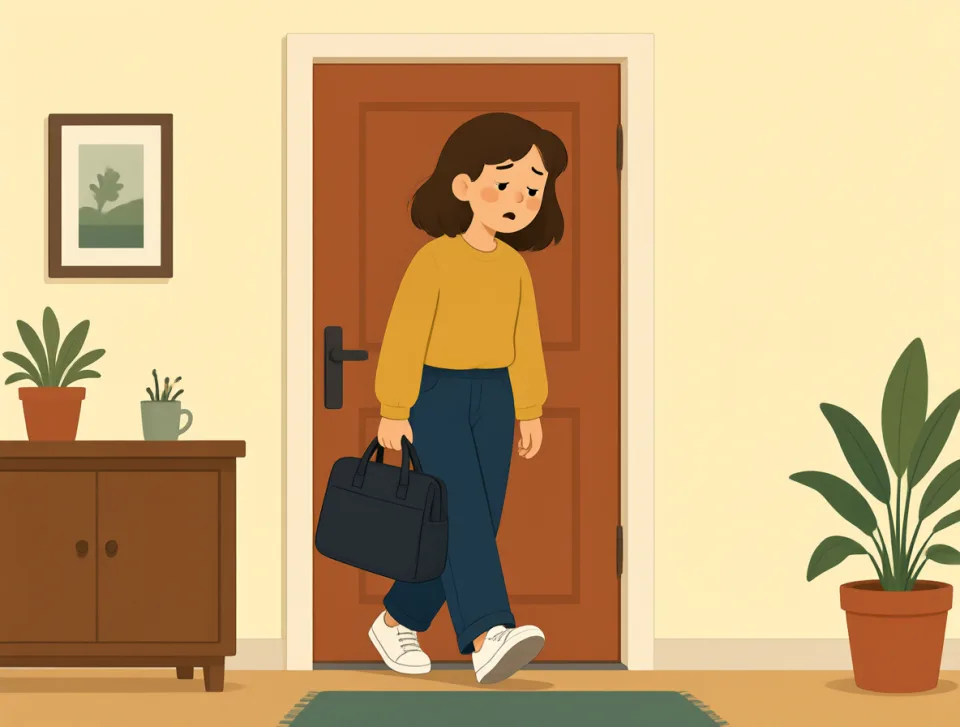
I am very tired today.
Bugün çok yorgunum.

This bag is very expensive.
Bu çanta çok pahalı.

We had a very good time.
Çok güzel vakit geçirdik.
just
#64adverb, adjective
az önce; tam olarak; yalnızca
Only recently, exactly, or fairly; used to make something seem less important.
Az önce, tam olarak ya da oldukça anlamına gelir; bir şeyi daha önemsiz göstermek için de kullanılır.
I just got home from work.
İşten eve yeni geldim.

Just wait here for a minute.
Sadece bir dakika burada bekle.

This shirt is just five dollars.
Bu gömlek sadece beş dolar.
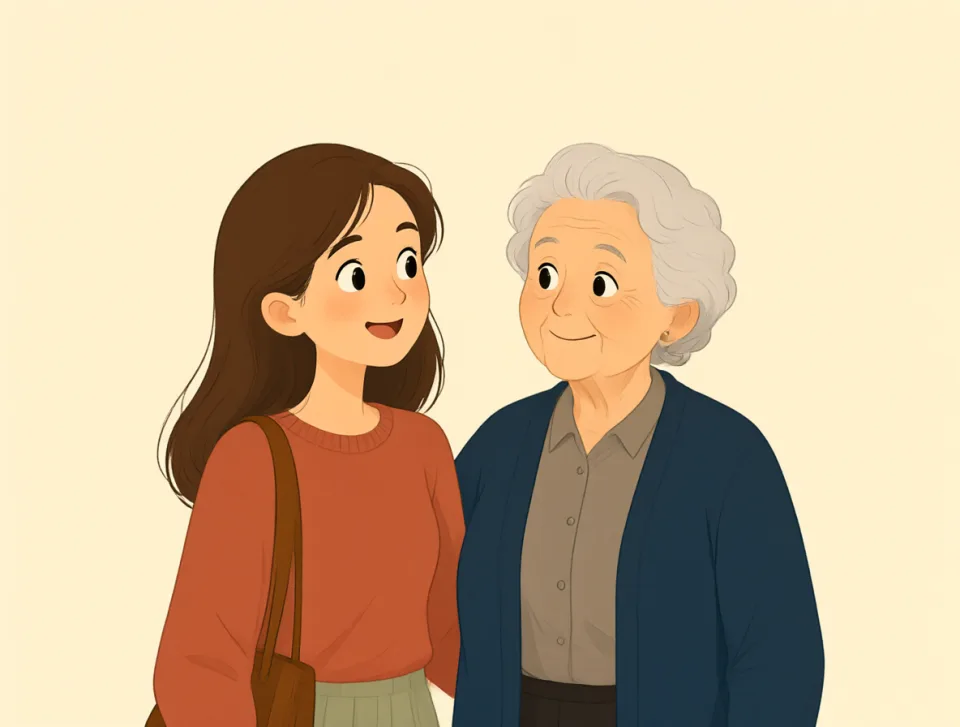
She is just like her mother.
Tıpkı annesine benziyor.
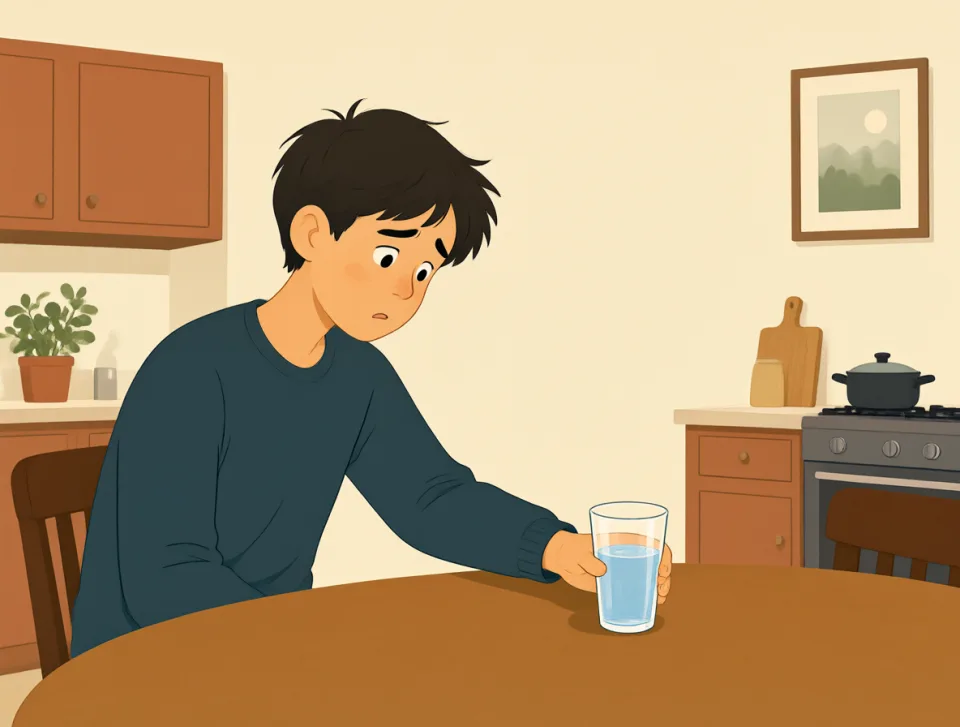
I just want some water.
Sadece biraz su istiyorum.
come
#65verb
gelmek
to move toward or arrive at a person or place
Bir kişiye ya da yere doğru hareket etmek veya oraya varmak.
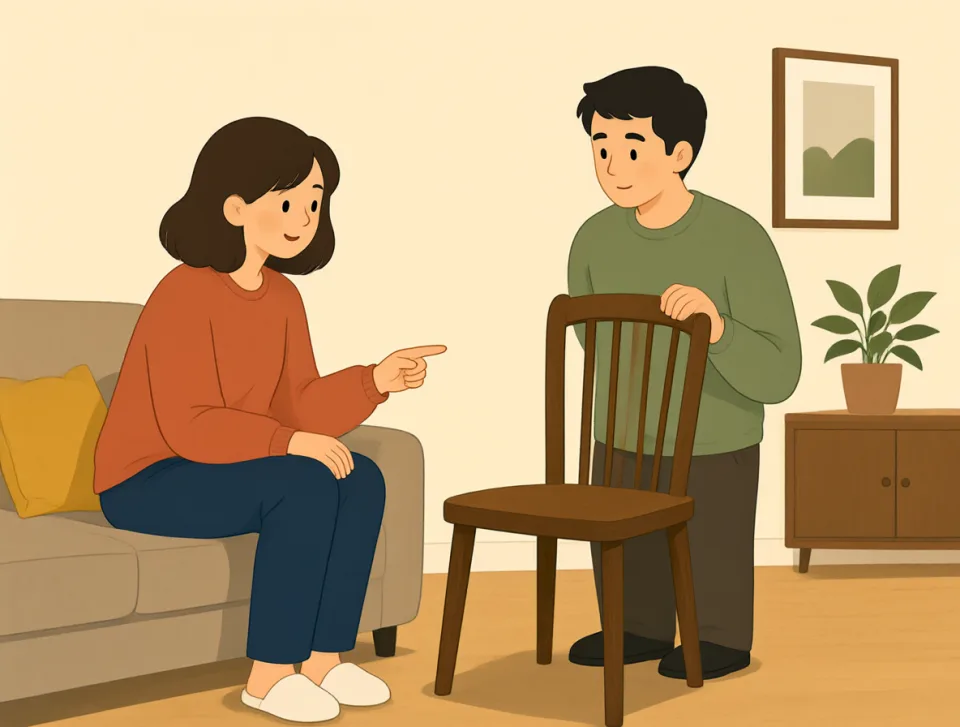
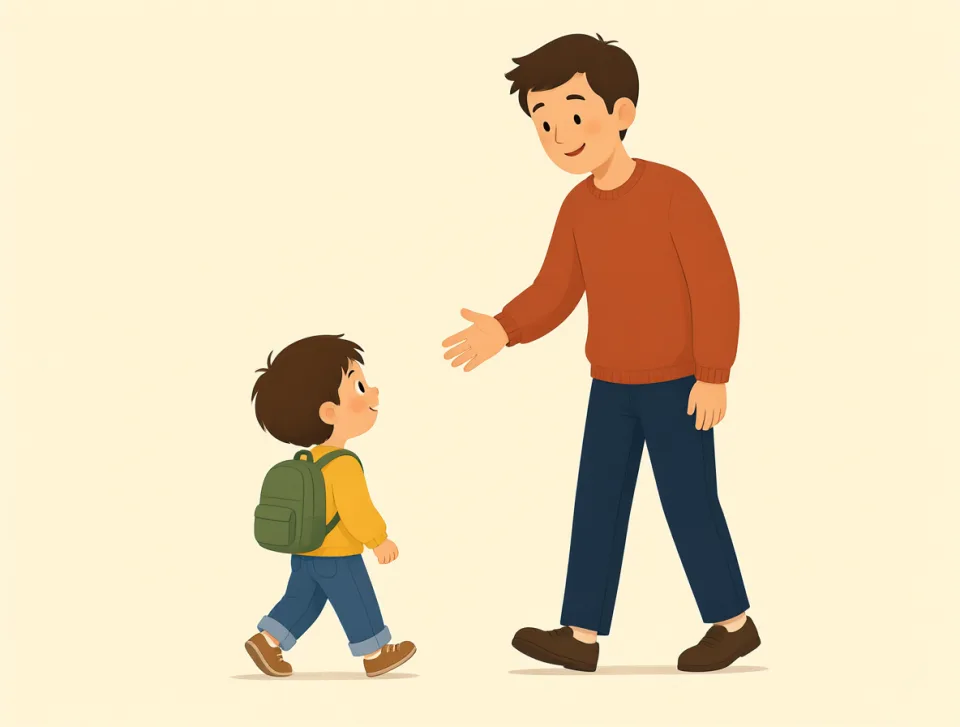
Come here and sit beside me.
Buraya gel ve yanıma otur.
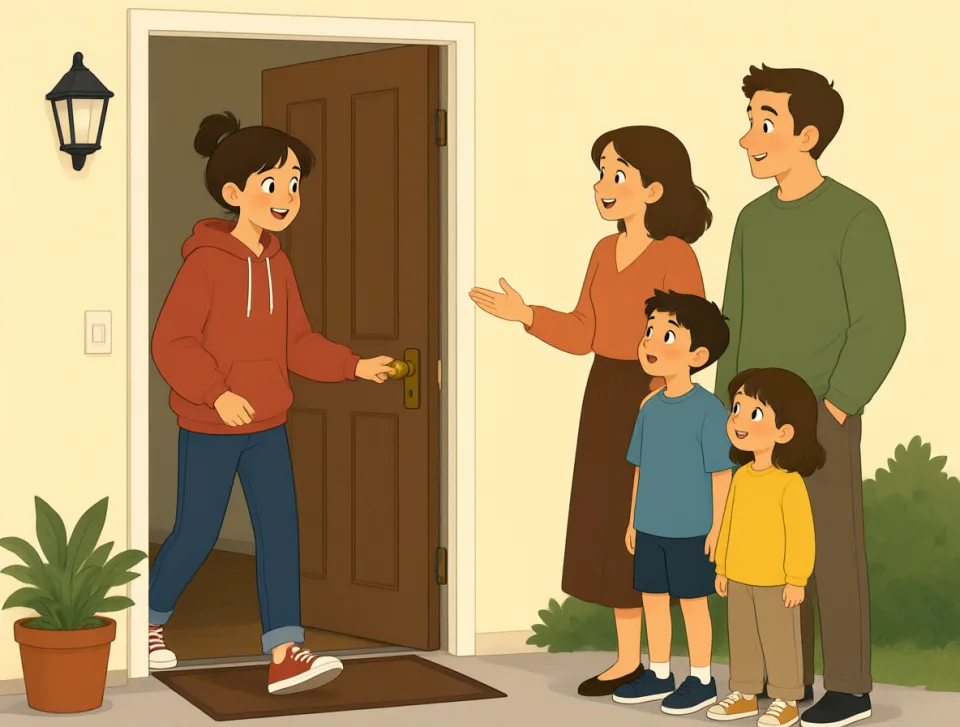
What time did you come home?
Eve saat kaçta geldin?
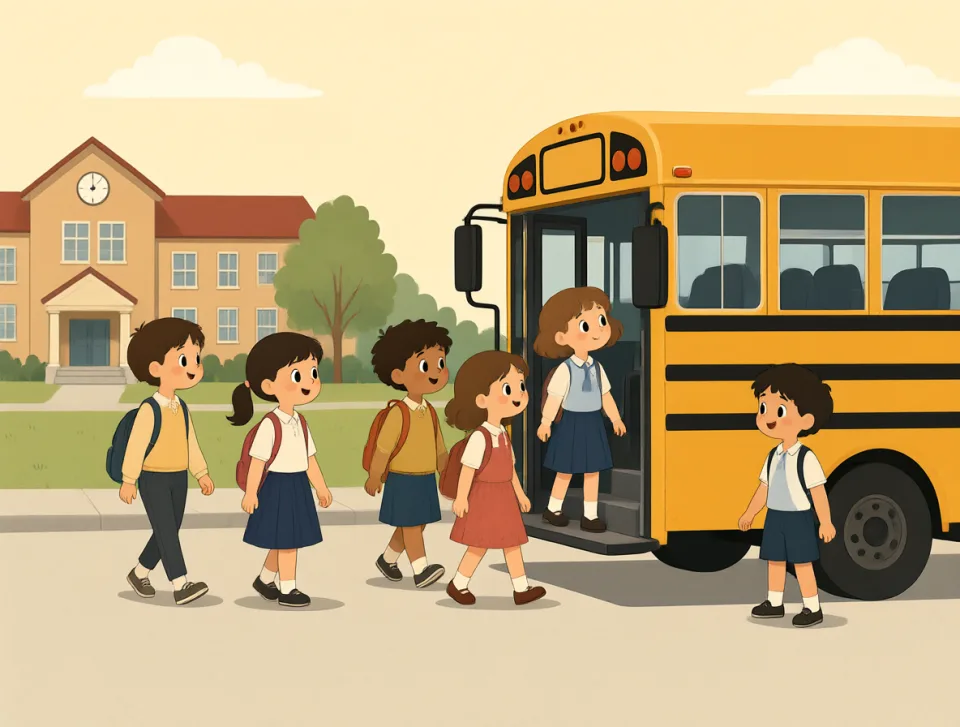
Many students come to school by bus.
Birçok öğrenci okula otobüsle gelir.

Please come to my birthday party.
Lütfen doğum günü partime gel.
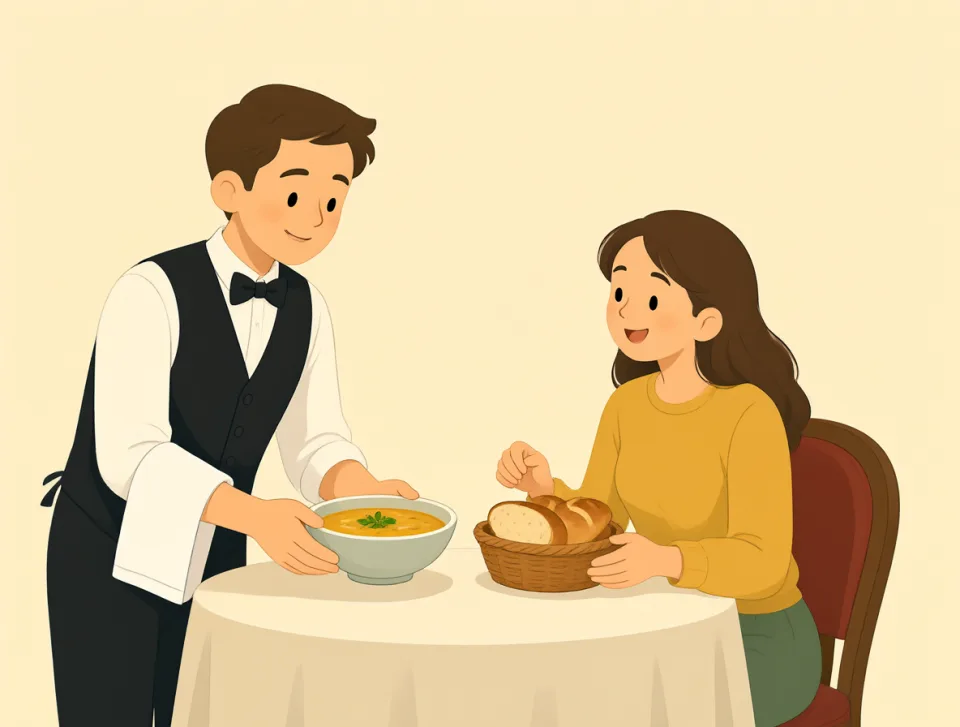
This soup comes with fresh bread.
Bu çorbanın yanında taze ekmek gelir.

could
#66modal verb
-ebilmek
Used to ask politely, talk about possibility, or describe ability in the past.
Kibarca bir şey istemek, olasılıktan söz etmek ya da geçmişteki bir yeteneği anlatmak için kullanılır.
Could you help me with this bag?
Bu çantayı taşımama yardım edebilir misiniz?

We could meet at the station tomorrow.
Yarın istasyonda buluşabiliriz.

I could swim when I was five.
Beş yaşımdayken yüzebiliyordum.

Could I have some water, please?
Biraz su alabilir miyim, lütfen?

It could rain this afternoon.
Bu öğleden sonra yağmur yağabilir.

work
#67noun, verb
iş; çalışmak
To do a job or activity, or the job or activity you do.
Bir işi ya da etkinliği yapmak; ayrıca yaptığınız iş veya etkinlik.

I work in a small office.
Küçük bir ofiste çalışıyorum.

She works hard every day.
O her gün çok çalışır.

This computer does not work.
Bu bilgisayar çalışmıyor.
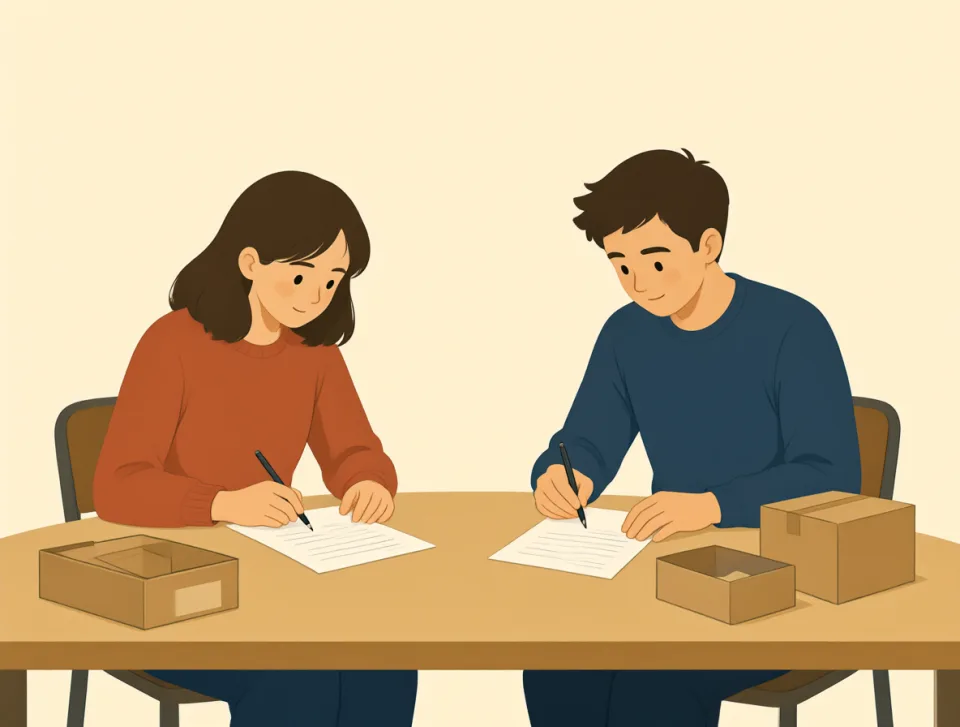
We have a lot of work today.
Bugün çok işimiz var.

His works hang in the museum.
Onun eserleri müzede sergileniyor.
use
#68verb, noun
kullanmak; kullanım
To do something with a thing for a purpose; the way something is used.
Bir şeyi belli bir amaçla yapmak; ayrıca bir şeyin kullanılma biçimi.

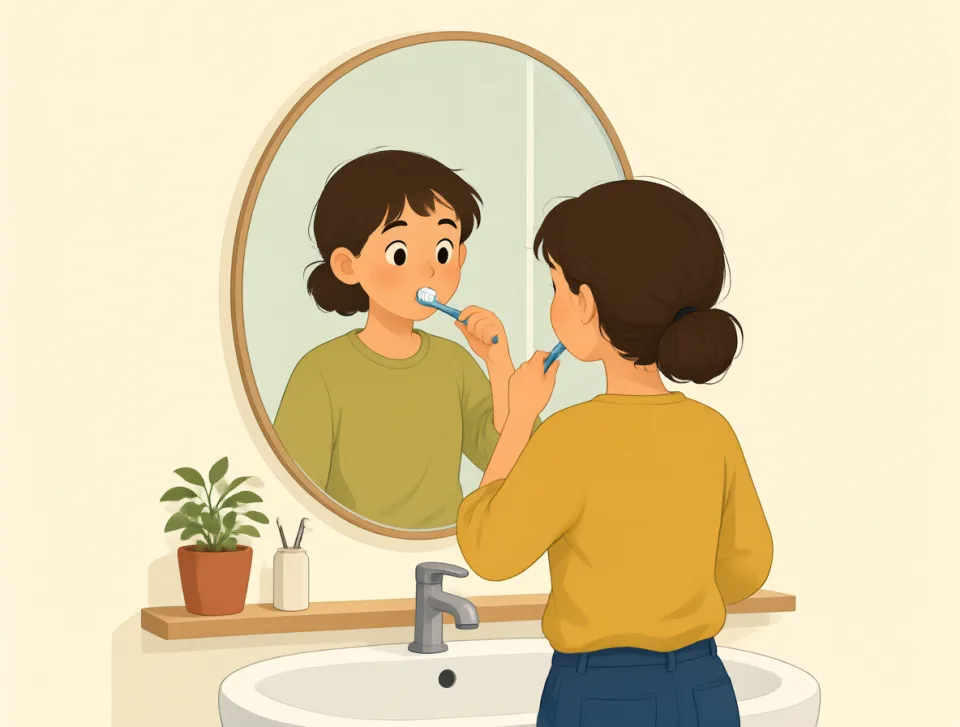
I use my phone every day.
Telefonumu her gün kullanıyorum.
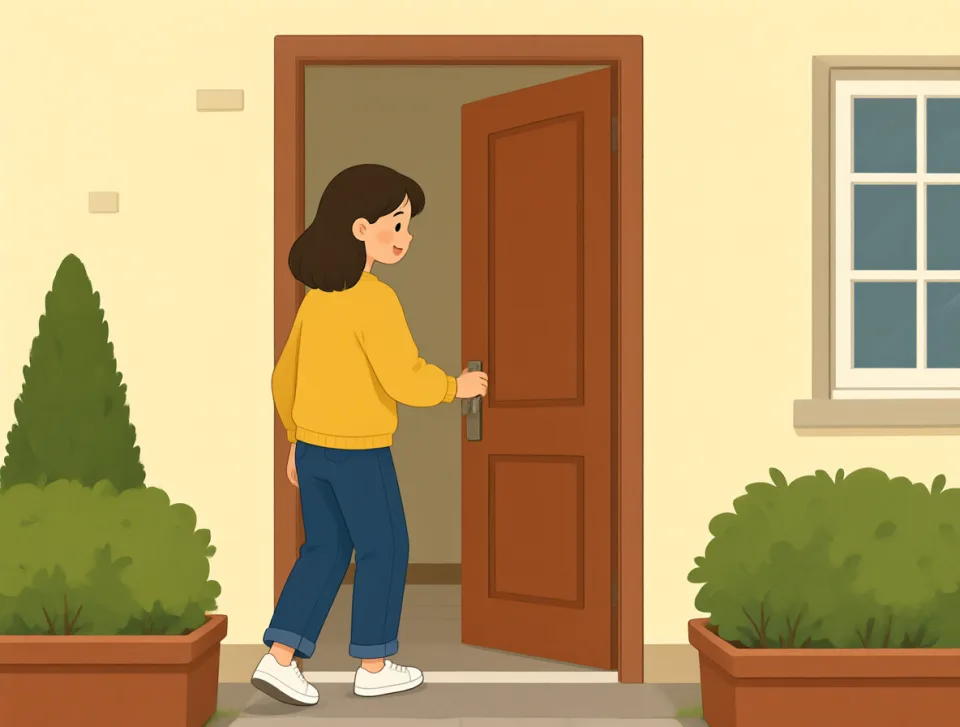
Please use this door.
Lütfen bu kapıyı kullanın.
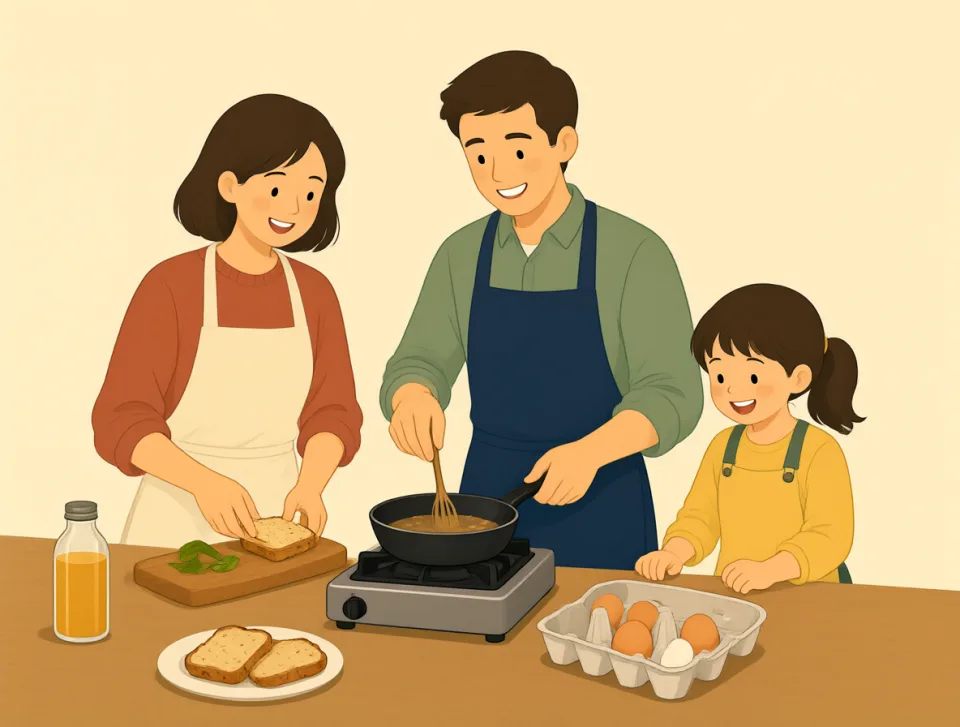
We used all the eggs for breakfast.
Kahvaltıda bütün yumurtaları kullandık.
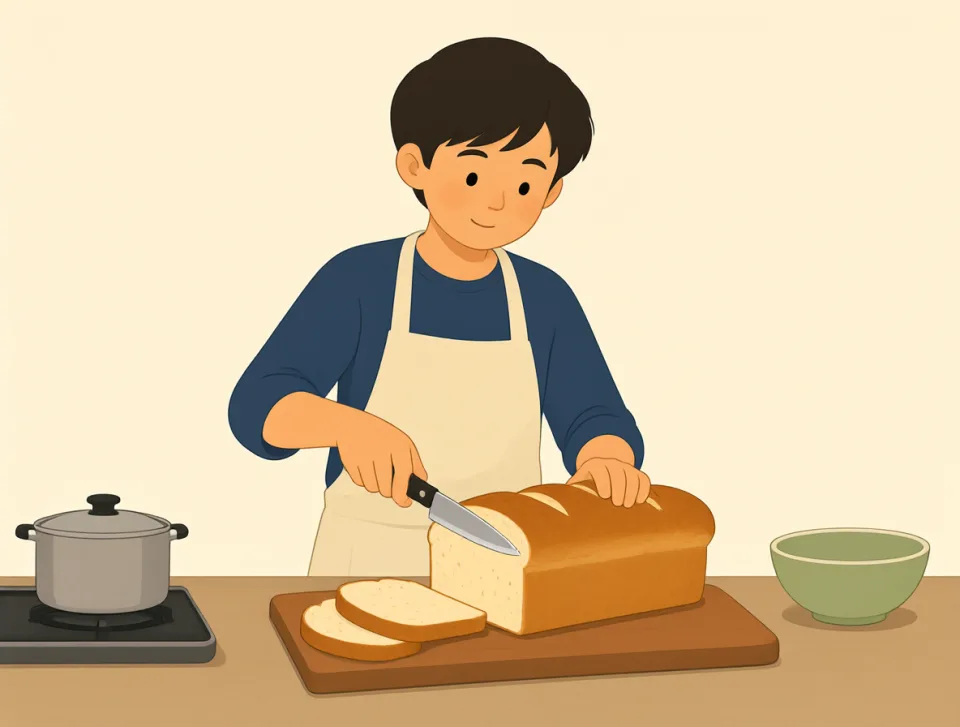
She uses a knife to cut bread.
Ekmek kesmek için bıçak kullanıyor.
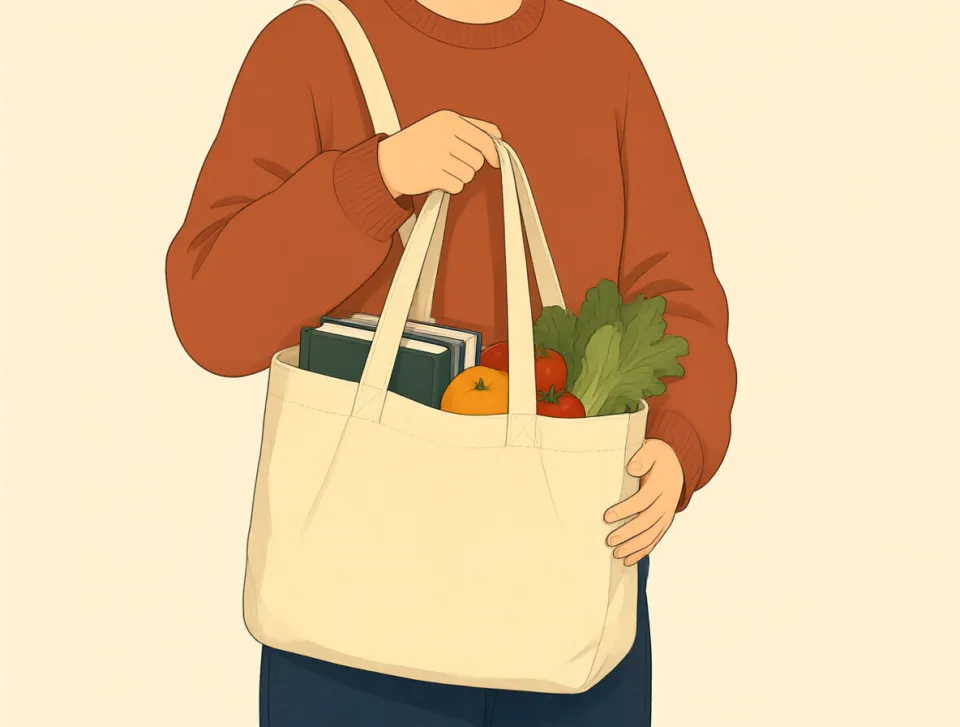
This bag has many uses.
Bu çantanın pek çok kullanım alanı var.
than
#69conjunction, preposition
-den/-dan daha
Used to compare two people, things, or actions.
İki kişiyi, şeyi ya da eylemi karşılaştırırken kullanılır.
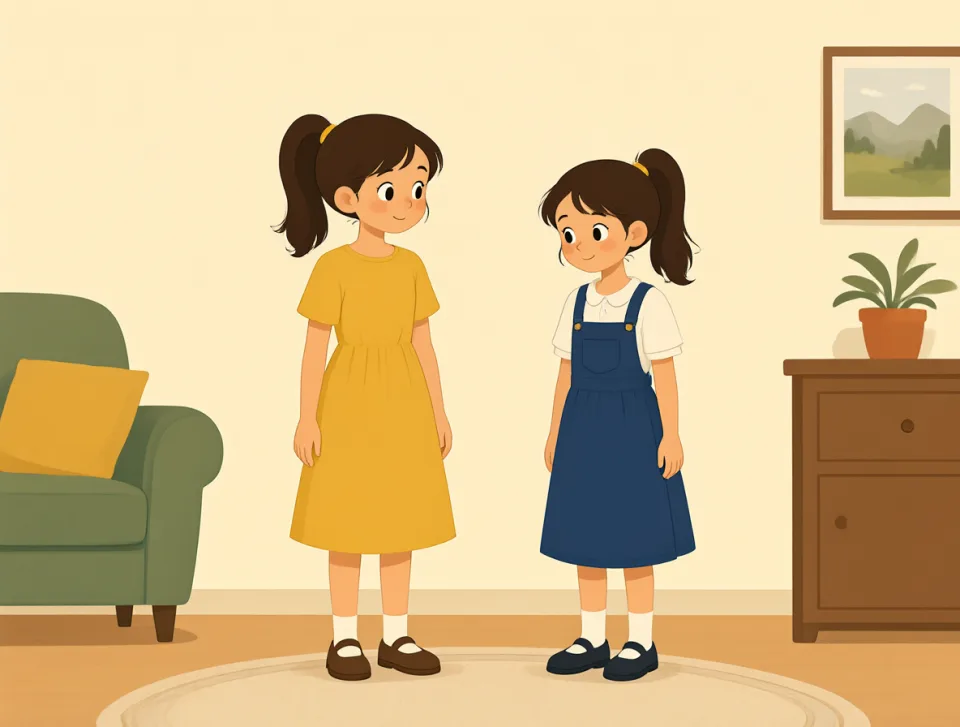
My sister is taller than me.
Kız kardeşim benden daha uzun.

This bag is cheaper than that one.
Bu çanta şundan daha ucuz.
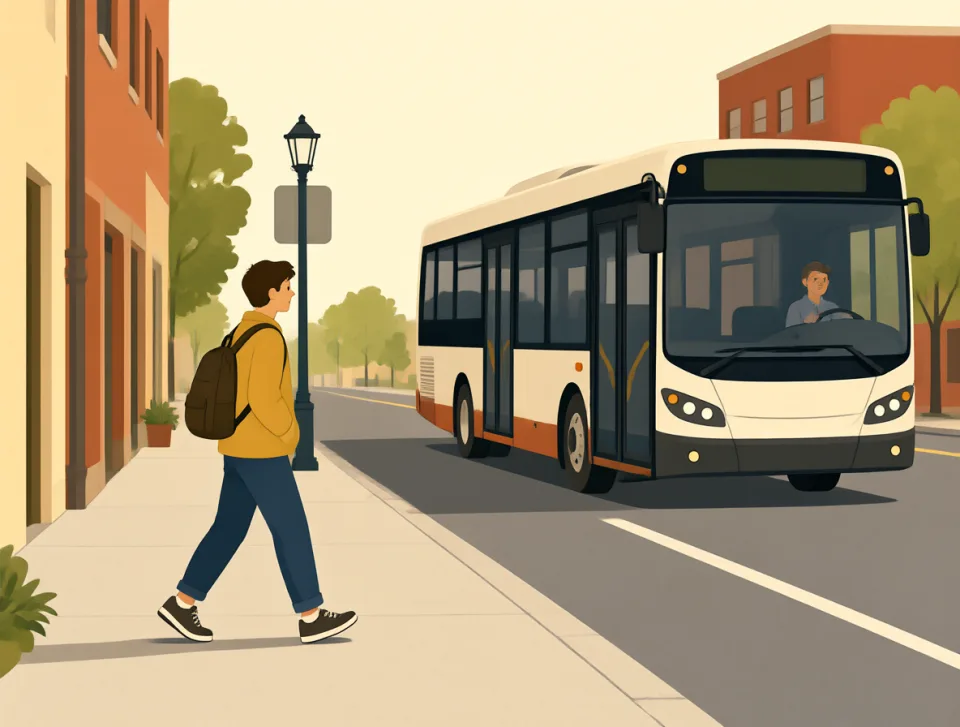
I would rather walk than take the bus.
Otobüse binmektense yürümeyi tercih ederim.

He works harder than his brother.
O, kardeşinden daha çok çalışıyor.
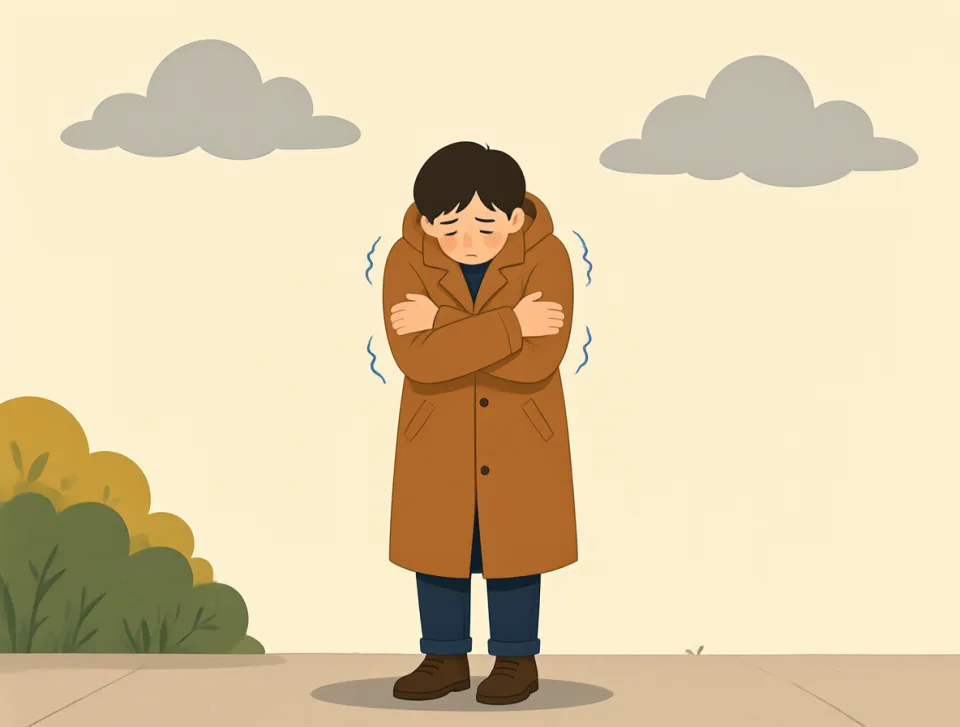
It was colder than yesterday.
Dün olduğundan daha soğuktu.

now
#70adverb, noun, adjective
şimdi
at the present time or moment
Şu an ya da içinde bulunulan zaman.
I am busy now.
Şu an meşgulüm.
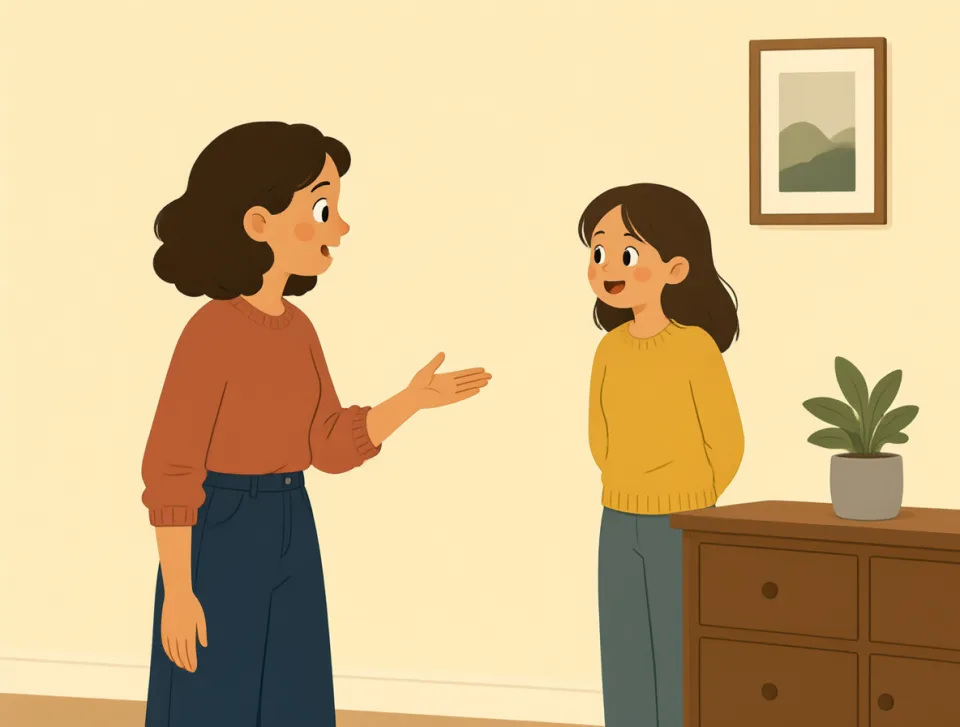
Please come here now.
Lütfen hemen buraya gel.
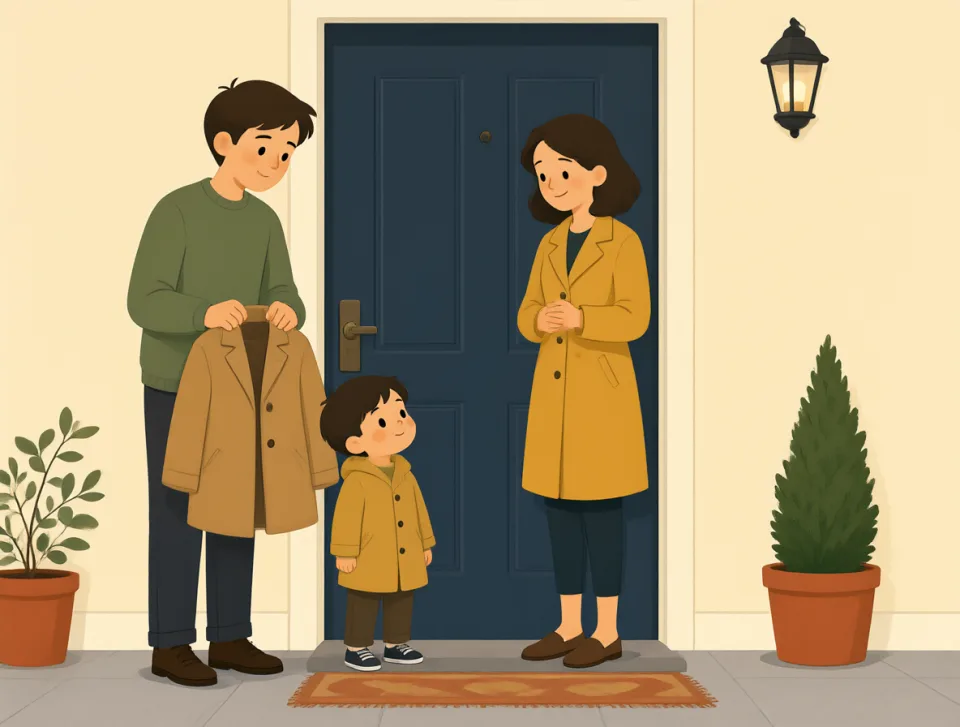
We have to leave now.
Şimdi gitmemiz gerekiyor.

Now is a good time to start.
Başlamak için şimdi iyi bir zaman.

The store is closed now.
Mağaza şu an kapalı.
then
#71adverb, adjective
sonra
At that time, or next after something else happens.
O sırada ya da başka bir şey olduktan sonra.
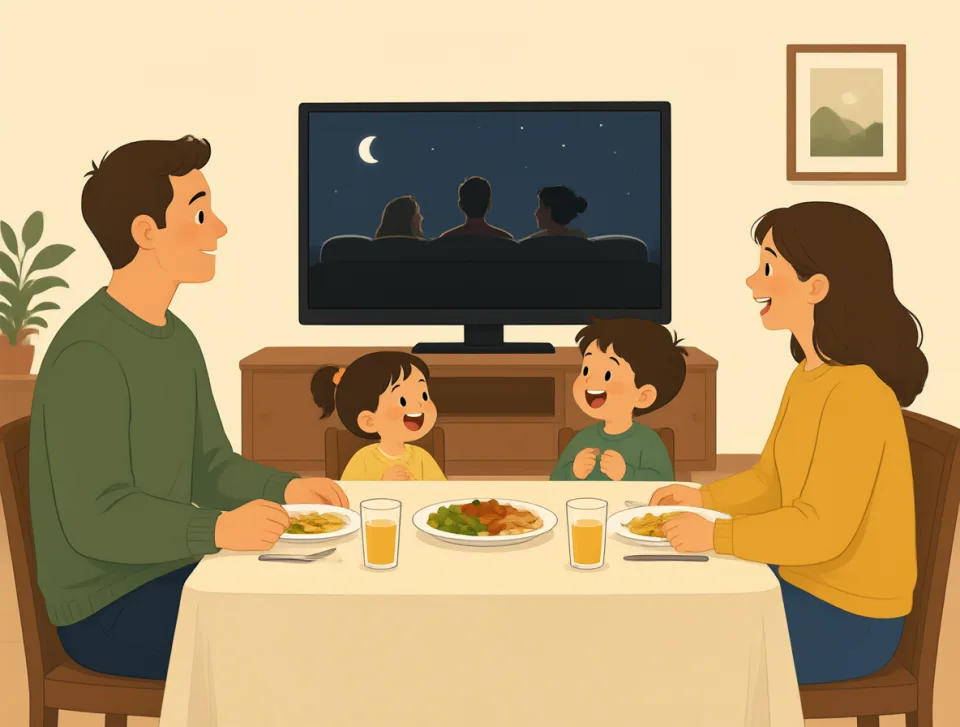
We ate dinner, then watched a movie.
Akşam yemeği yedik, sonra film izledik.
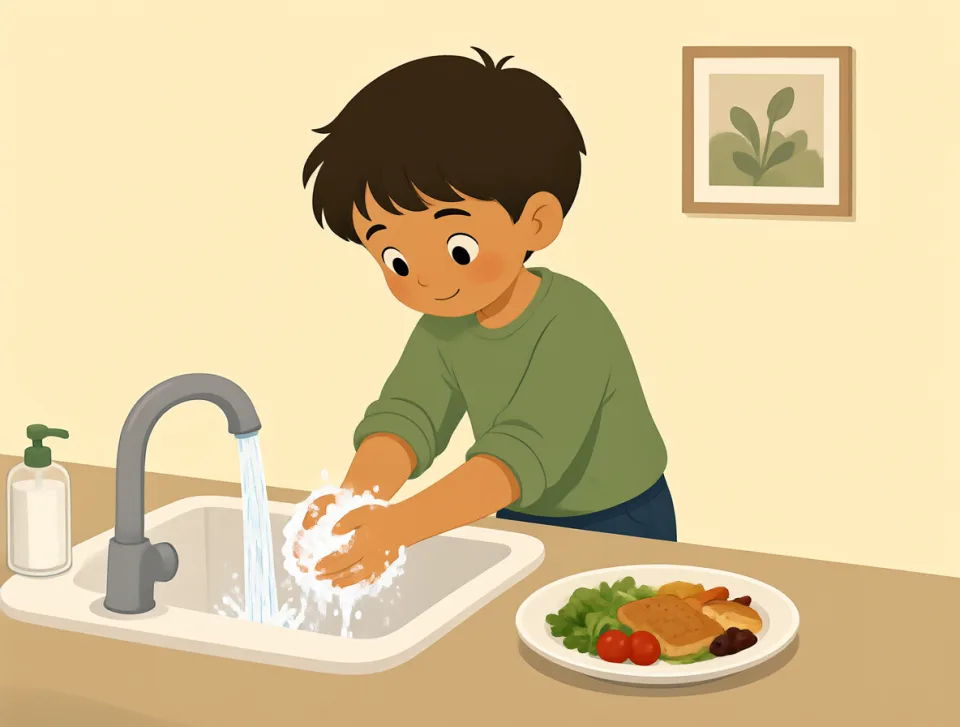
First wash your hands, then eat.
Önce ellerini yıka, sonra yemek ye.

I was living in London then.
O zamanlar Londra’da yaşıyordum.

If you finish, then you can play.
Bitirirsen oynayabilirsin.
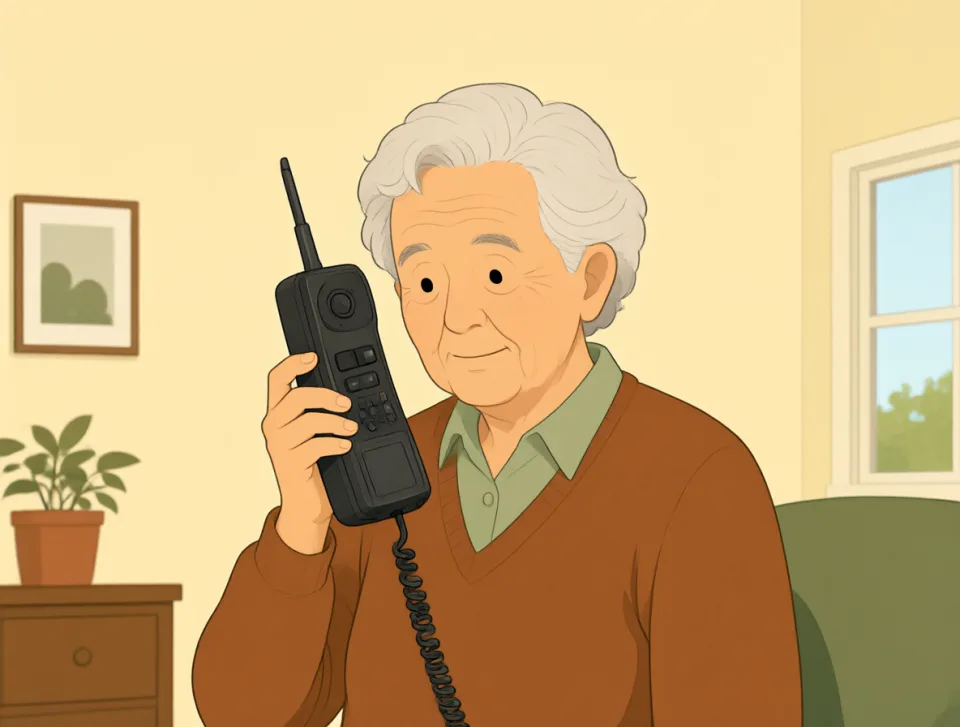
Back then, phones were much bigger.
Eskiden telefonlar çok daha büyüktü.
also
#72adverb
ayrıca
In addition to someone or something already mentioned.
Daha önce sözü edilen birine ya da bir şeye ek olarak.
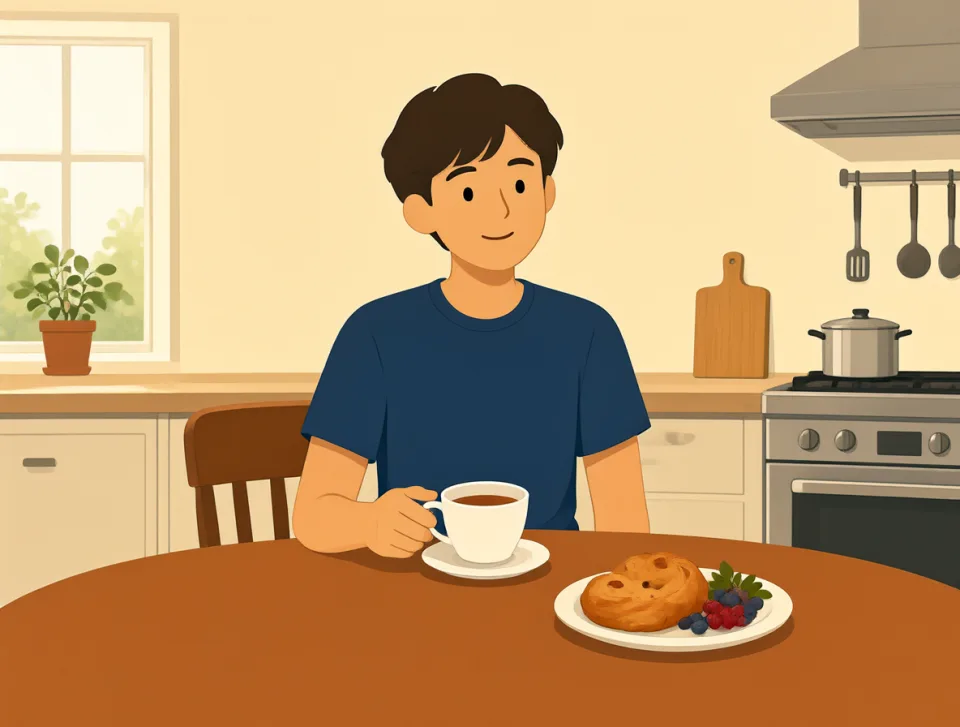
I also like tea in the morning.
Sabahları çayı da severim.
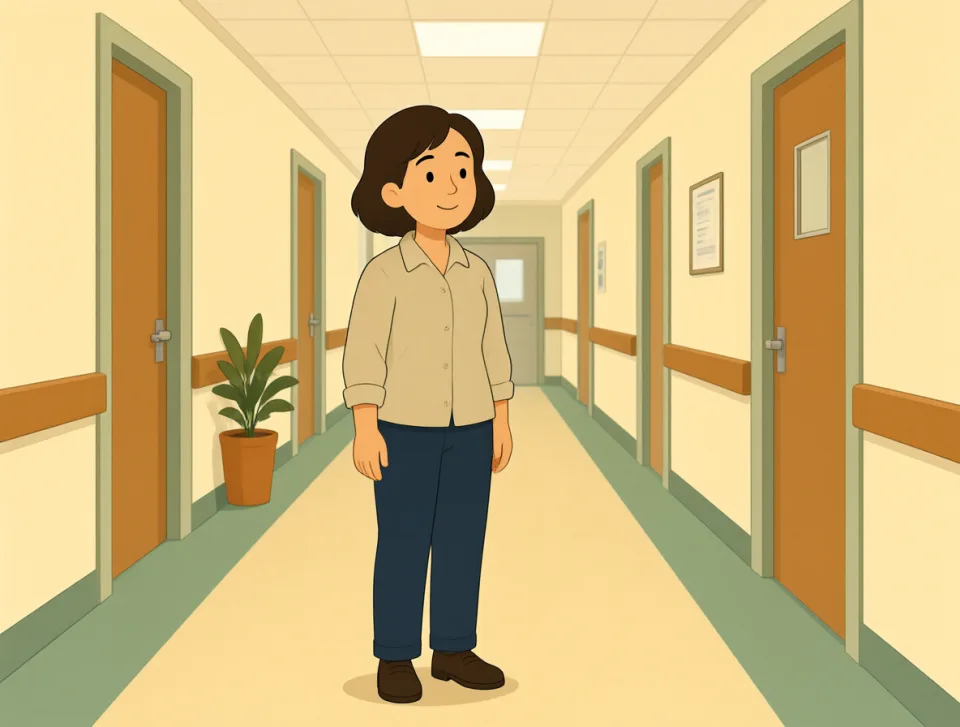
She also works at the hospital.
O da hastanede çalışıyor.
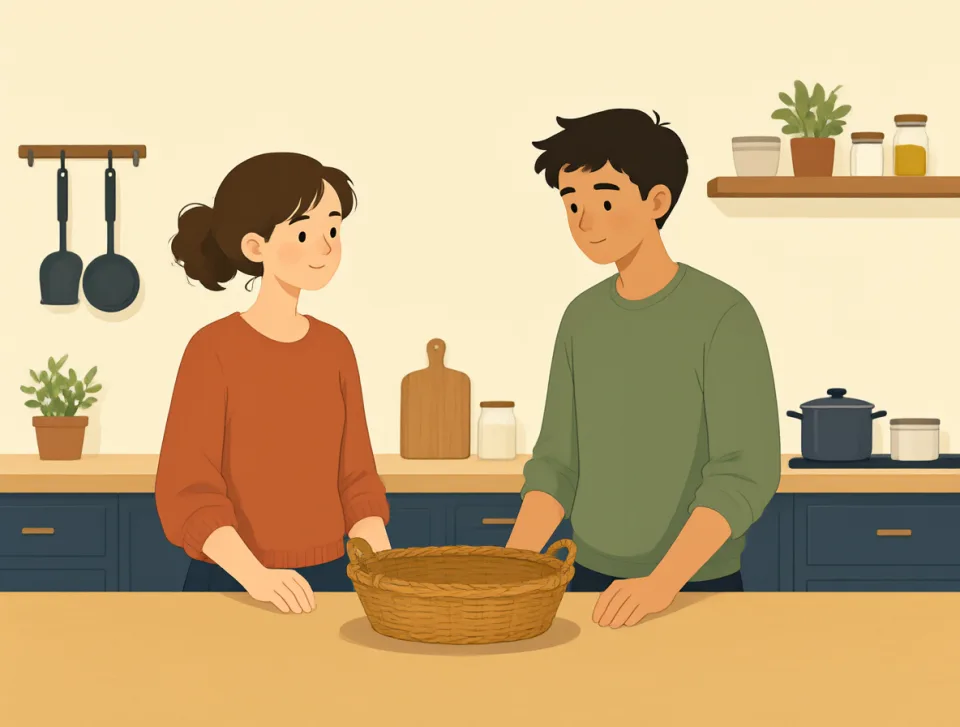
We also need some bread for dinner.
Akşam yemeği için biraz ekmeğe de ihtiyacımız var.
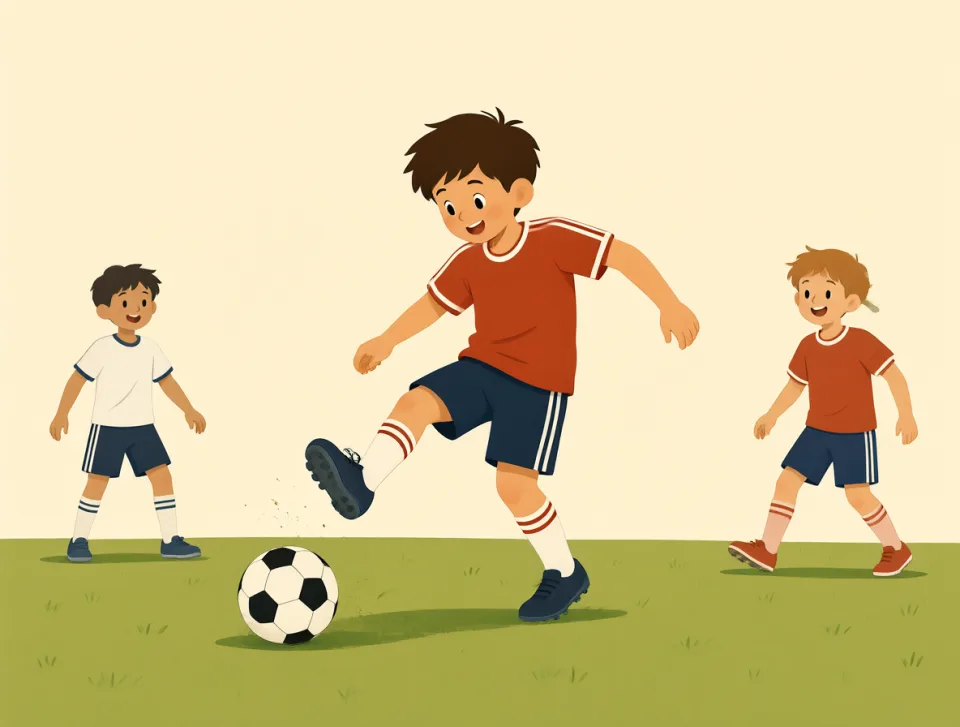
He also plays soccer with his friends.
O da arkadaşlarıyla futbol oynuyor.

The hotel also has a small swimming pool.
Otelde küçük bir yüzme havuzu da var.
into
#73preposition
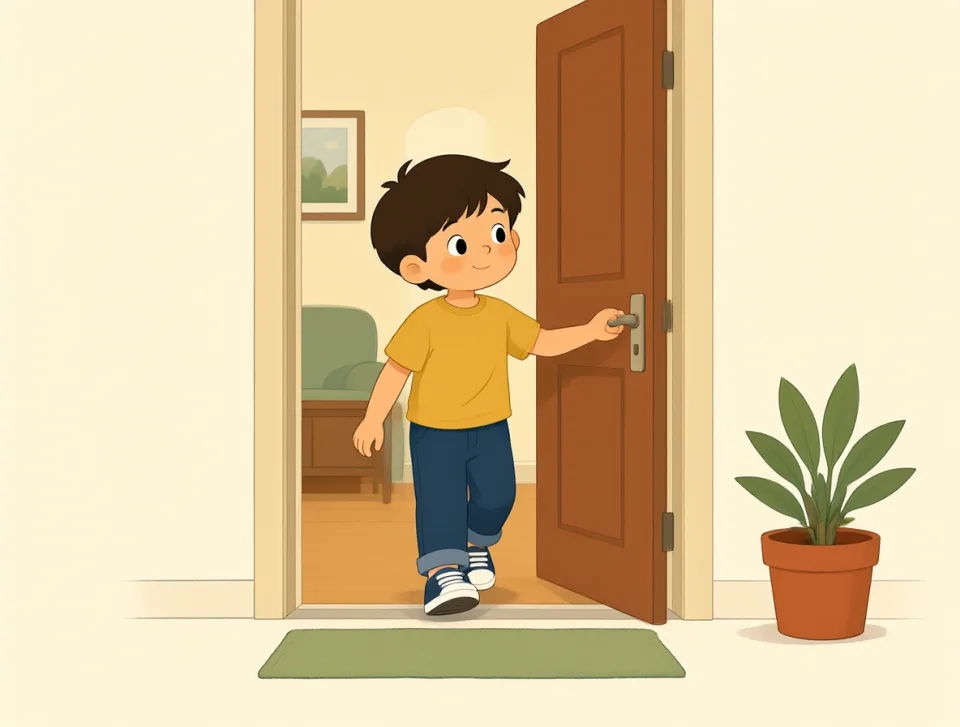
içine
to a position inside something or toward a particular place, situation, or activity
Bir şeyin içine doğru ya da belirli bir yere, duruma veya etkinliğe doğru.
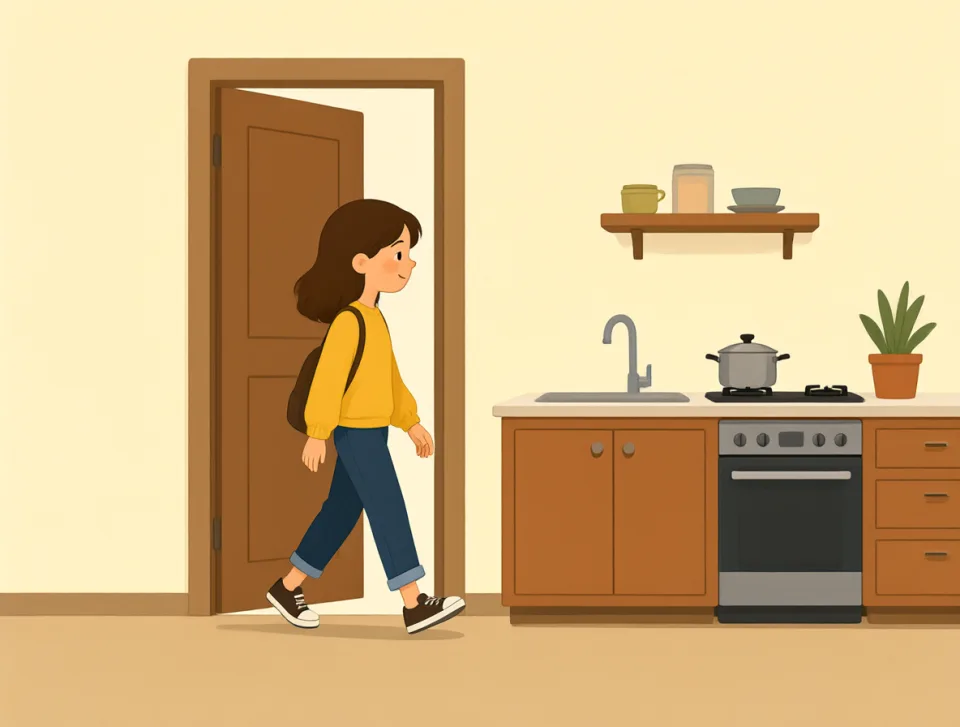
She walked into the kitchen.
Mutfağa yürüdü.

He put the books into his bag.
Kitapları çantasının içine koydu.
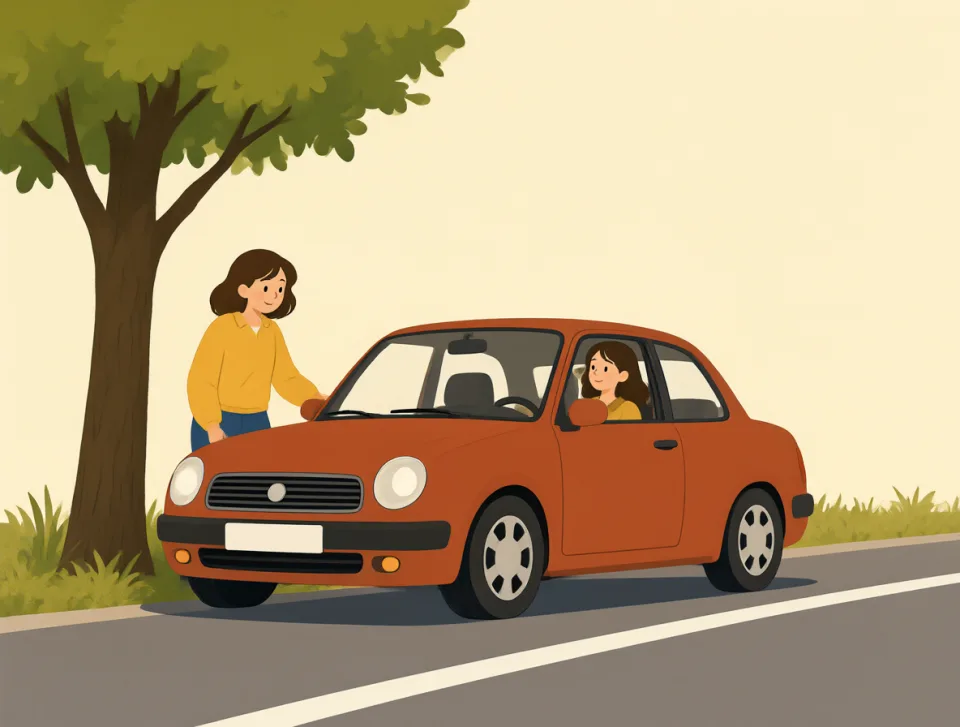
The car crashed into a tree.
Araba bir ağaca çarptı.
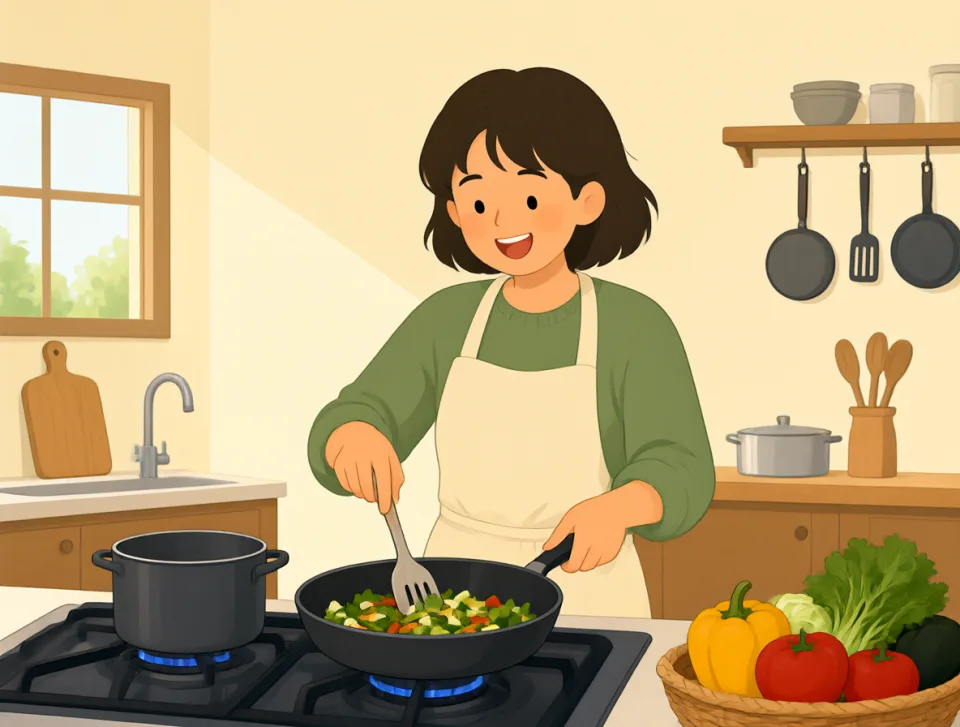
I am really into cooking now.
Şu sıralar yemek yapmaya gerçekten merak sardım.

They changed the plan into a party.
Planı bir partiye dönüştürdüler.
only
#74adverb, adjective, determiner, conjunction
sadece
No more than one person or thing, or nothing else.
Bir kişiden ya da şeyden fazlası değil veya başka hiçbir şey değil.
I only have ten minutes before work.
İşe gitmeden önce sadece on dakikam var.

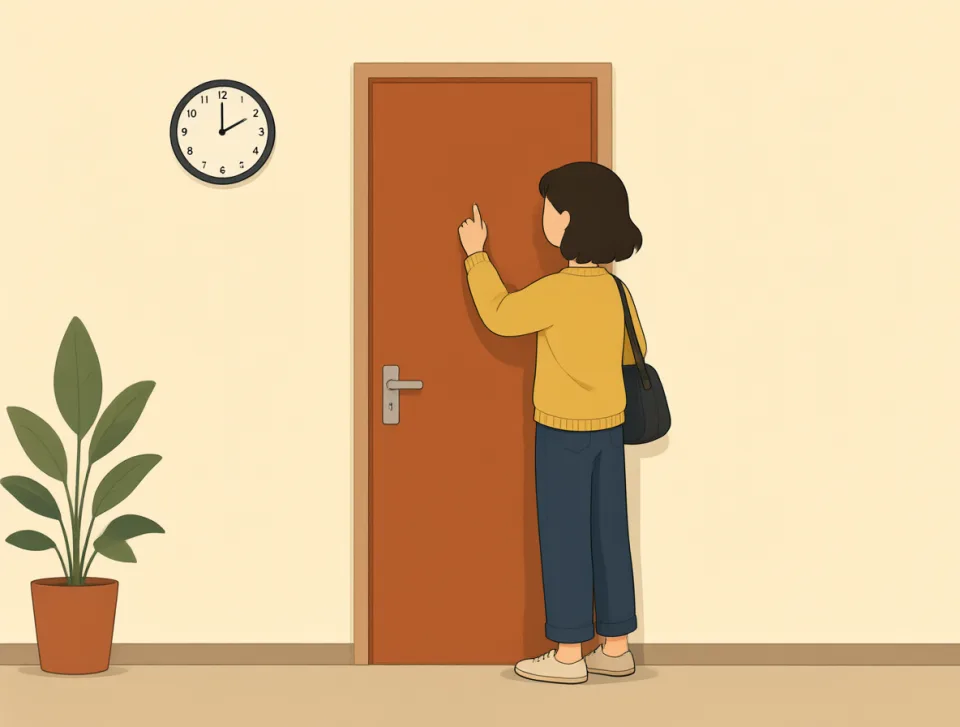
She is the only student in class.
Sınıftaki tek öğrenci o.

We only need two tickets for the train.
Tren için sadece iki bilete ihtiyacımız var.
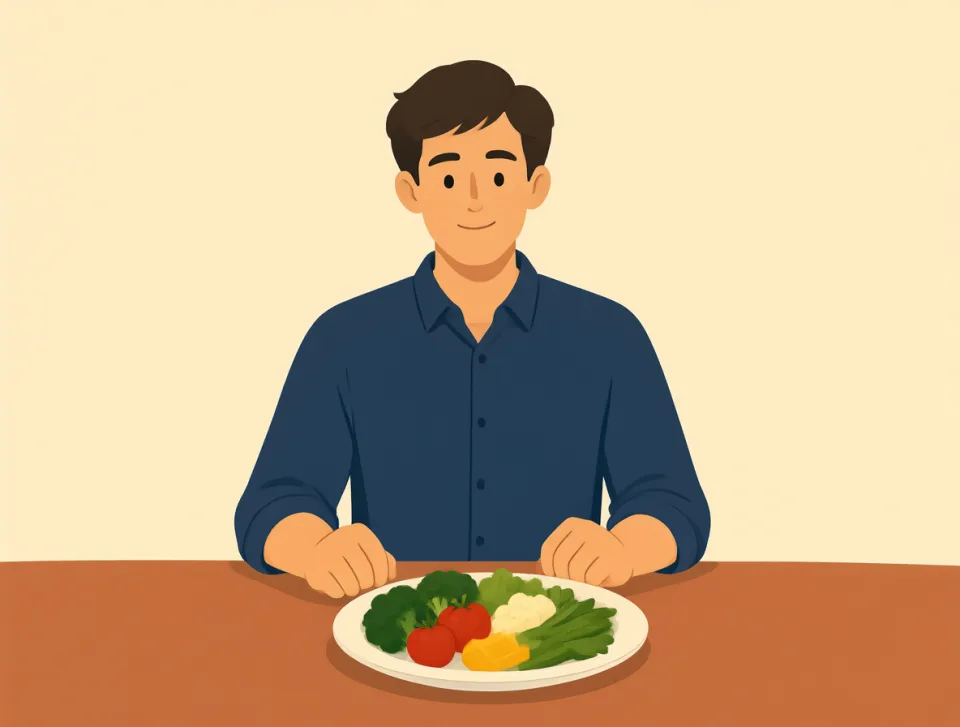
He eats only vegetables for lunch.
Öğle yemeğinde sadece sebze yer.
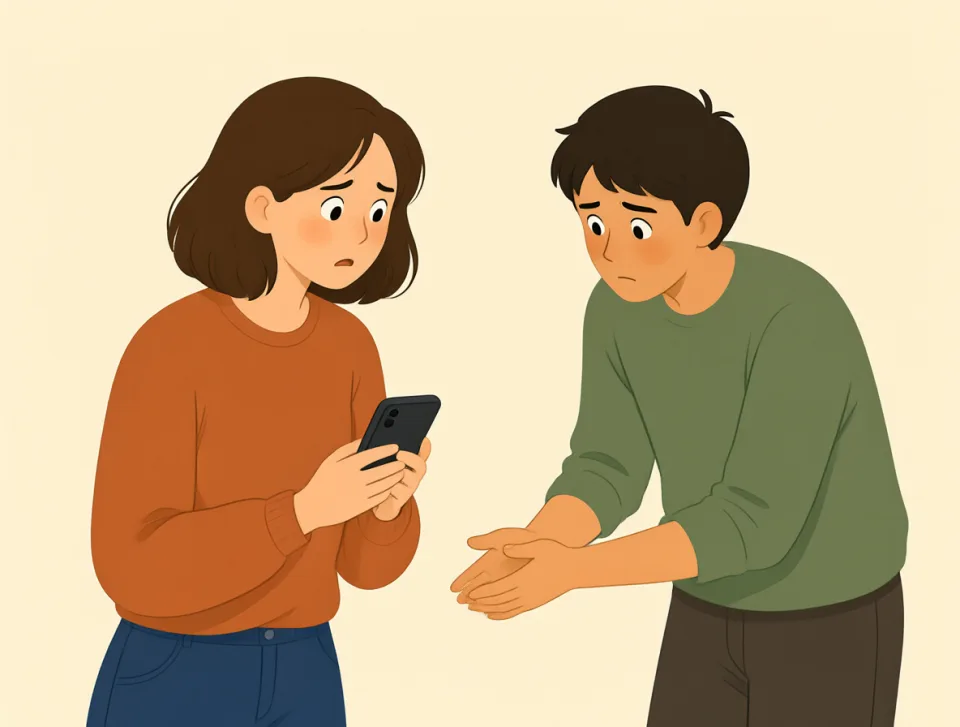
Call me only if you need help.
Yalnızca yardıma ihtiyacın olursa beni ara.
look
#75verb, noun
bakmak; görünmek
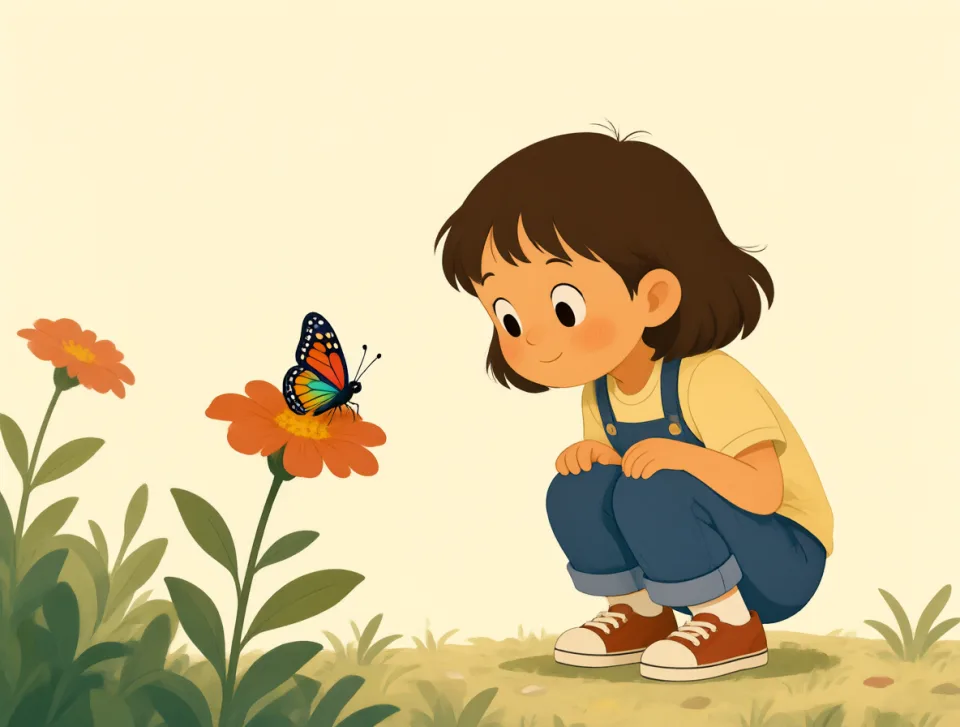
to use your eyes to see something or to have a particular appearance
Bir şeyi görmek için gözlerini kullanmak ya da belirli bir görünüme sahip olmak.

Look at this picture with me.
Benimle şu resme bak.

You look tired after your long trip.
Uzun yolculuğundan sonra yorgun görünüyorsun.
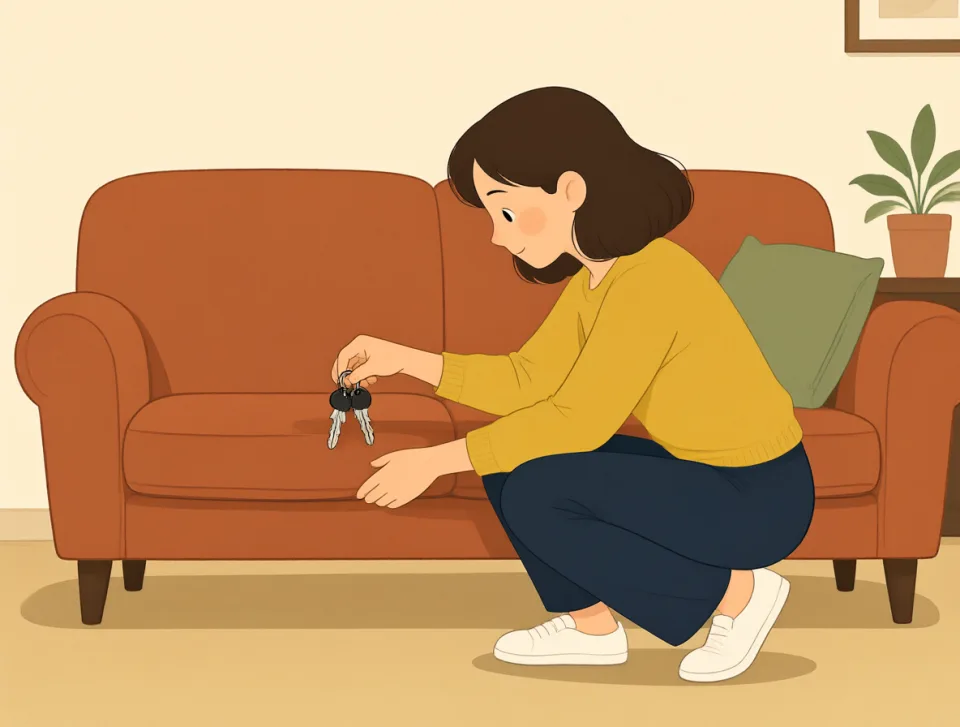
She looked for her keys everywhere.
Anahtarlarını her yerde aradı.
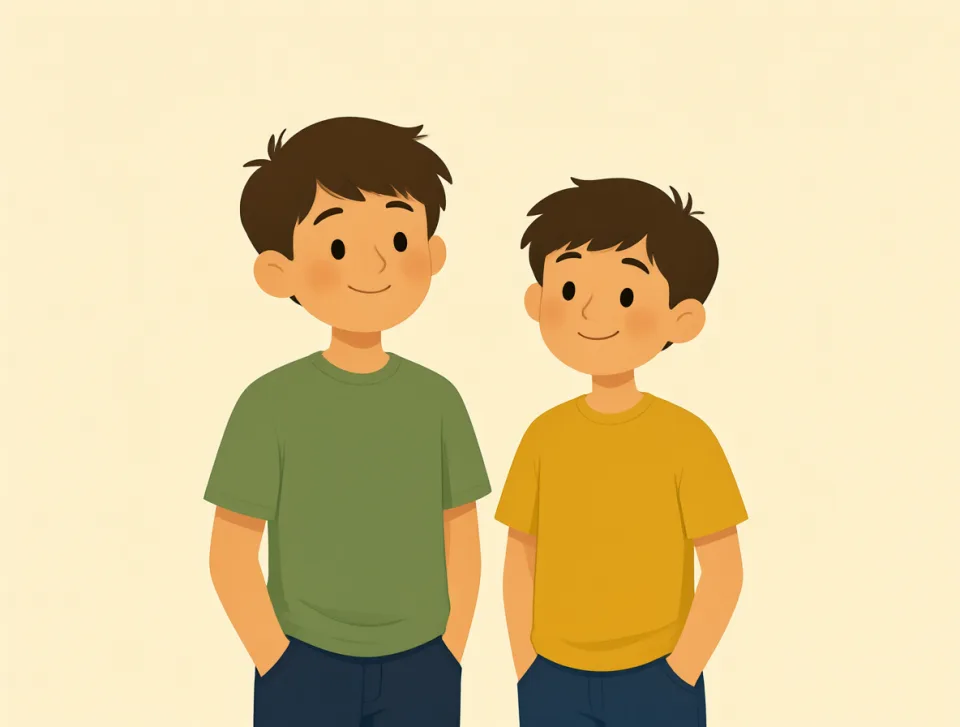
He looks like his older brother.
Ağabeyine benziyor.

The doctor looked at my sore throat.
Doktor boğaz ağrımı muayene etti.

want
#76verb, noun
istemek
To wish to have or do something; a need for something important.
Bir şeye sahip olmayı veya bir şey yapmayı dilemek; önemli bir şeye duyulan ihtiyaç.
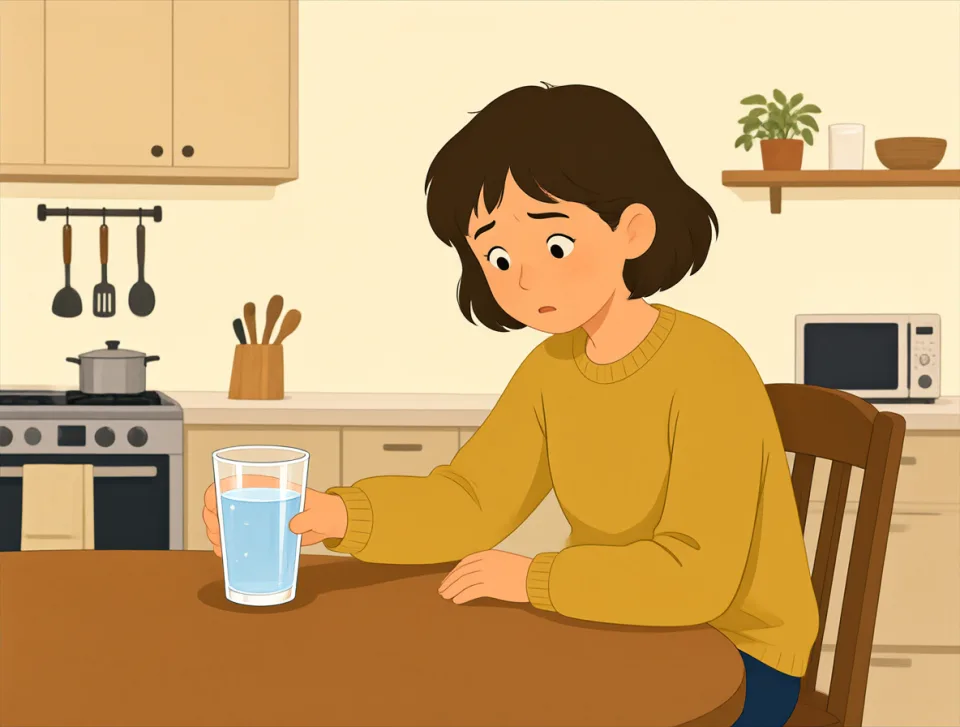
I want a glass of water, please.
Lütfen bir bardak su istiyorum.
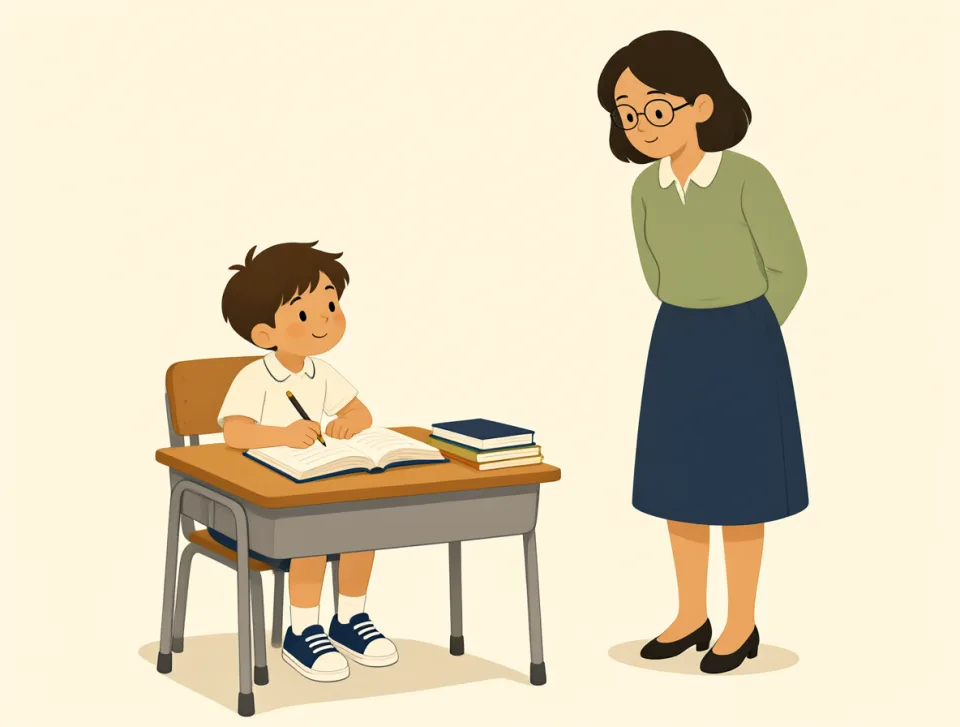
She wants to learn English at school.
O, okulda İngilizce öğrenmek istiyor.

We wanted a table near the window.
Pencerenin yanında bir masa istiyorduk.

They want to buy new shoes.
Yeni ayakkabılar almak istiyorlar.
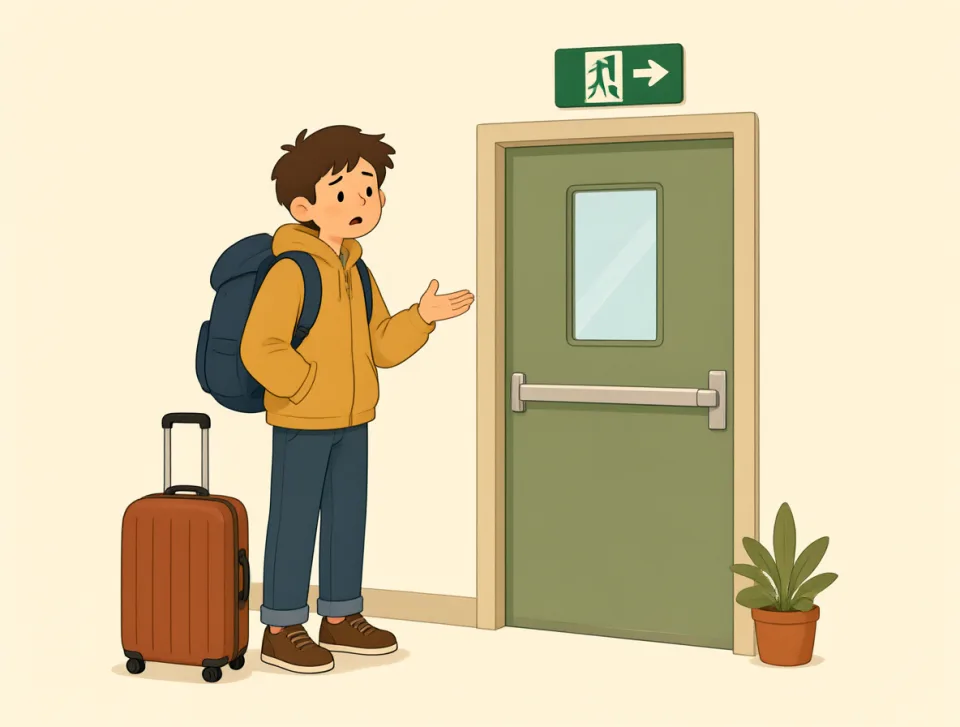
He wants to go home now.
Şimdi eve gitmek istiyor.
give
#77verb, noun
vermek
to hand something to someone or provide something for them
Bir şeyi birine uzatmak veya onun için bir şey sağlamak.
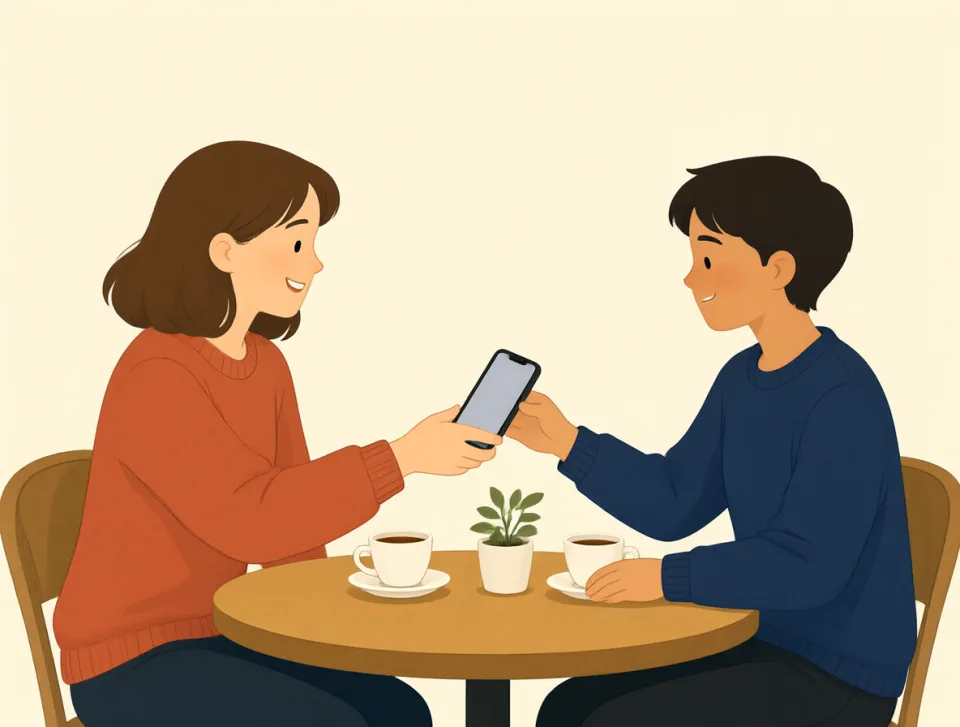
Please give me your phone number.
Lütfen telefon numaranı verir misin?
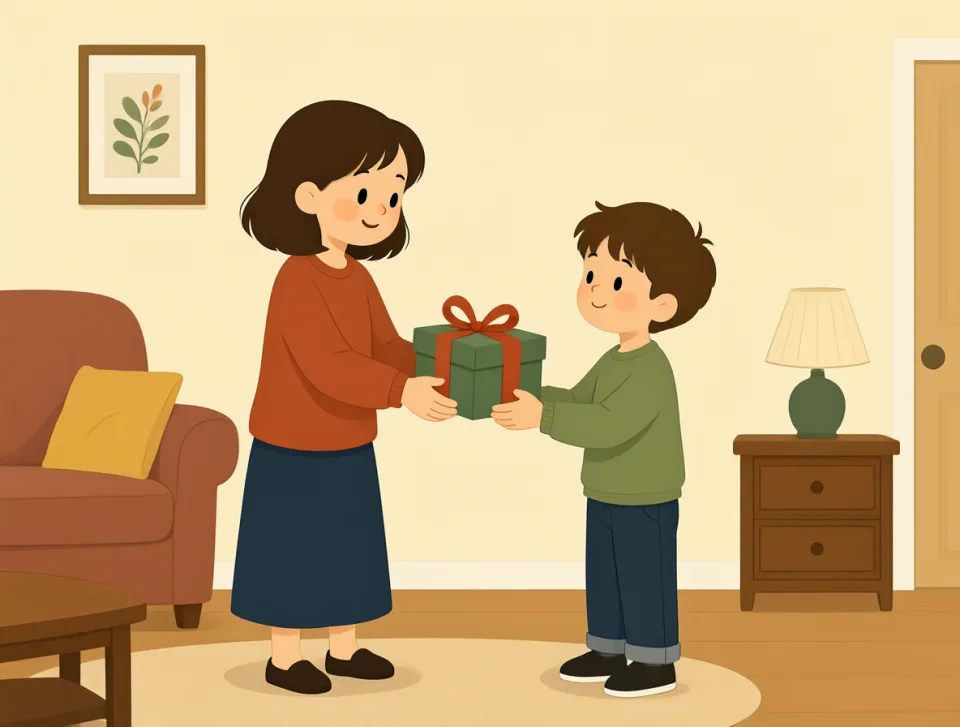
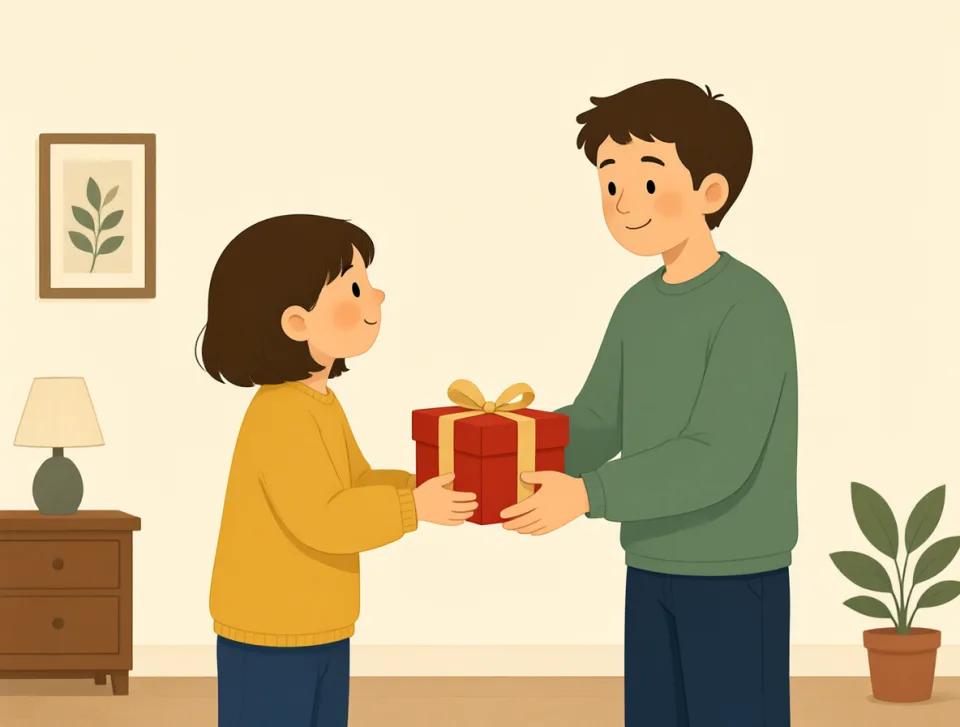
She gave her brother a birthday present.
Kardeşine doğum günü hediyesi verdi.

The teacher gave us homework yesterday.
Öğretmen dün bize ödev verdi.

Can you give me some water?
Bana biraz su verebilir misin?
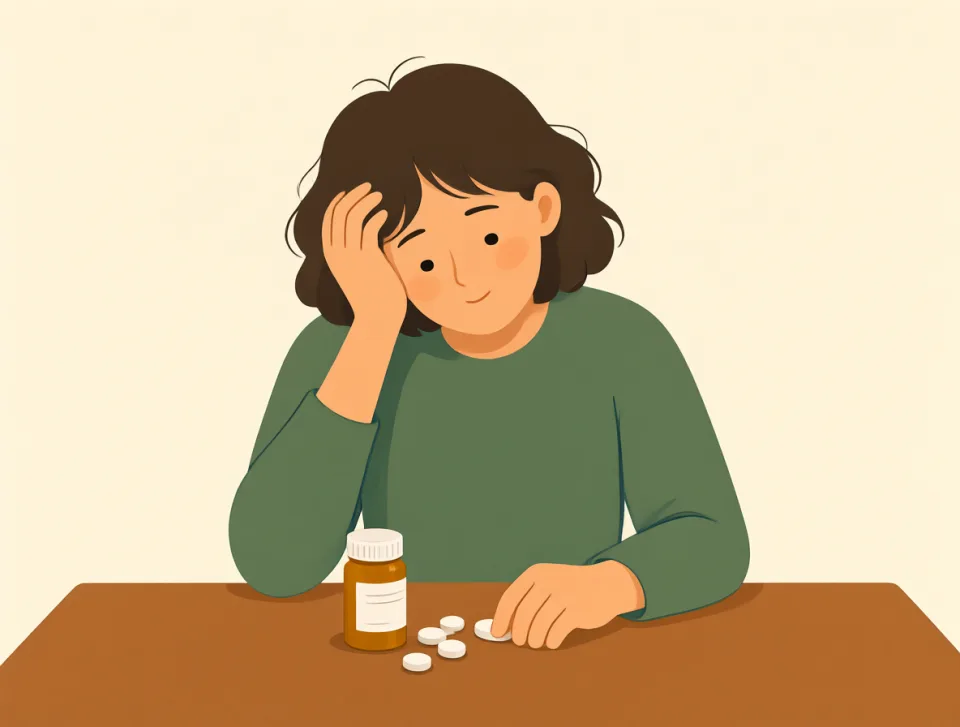
This medicine gives me a headache.
Bu ilaç başımı ağrıtıyor.
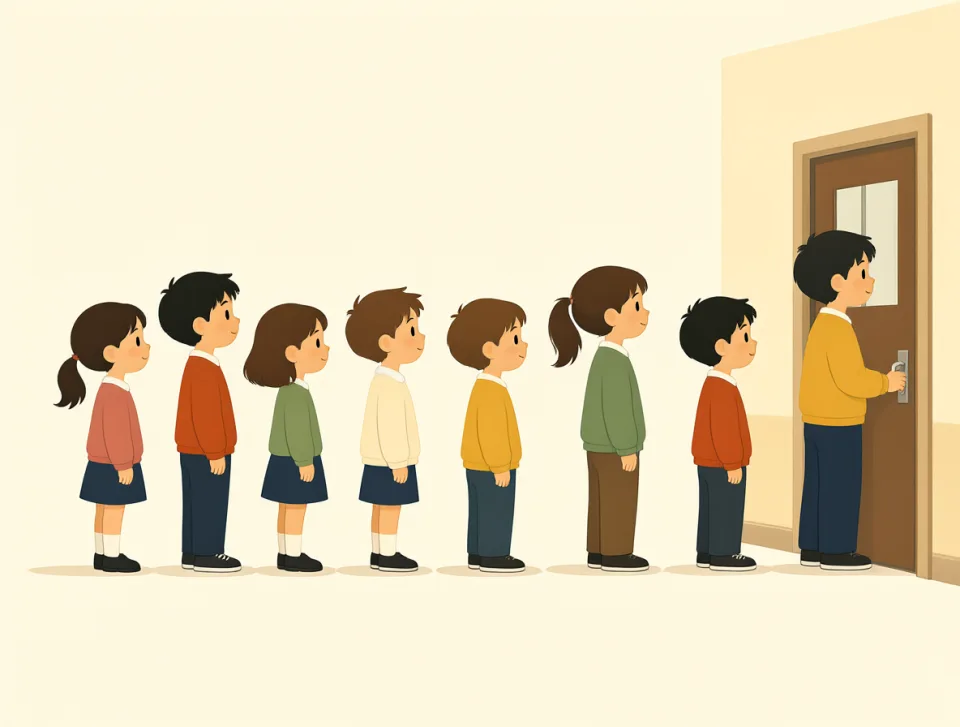
first
#78adjective, adverb, noun, determiner
ilk
Coming before all others in time, order, or importance.
Zaman, sıra veya önem bakımından diğerlerinden önce gelen.
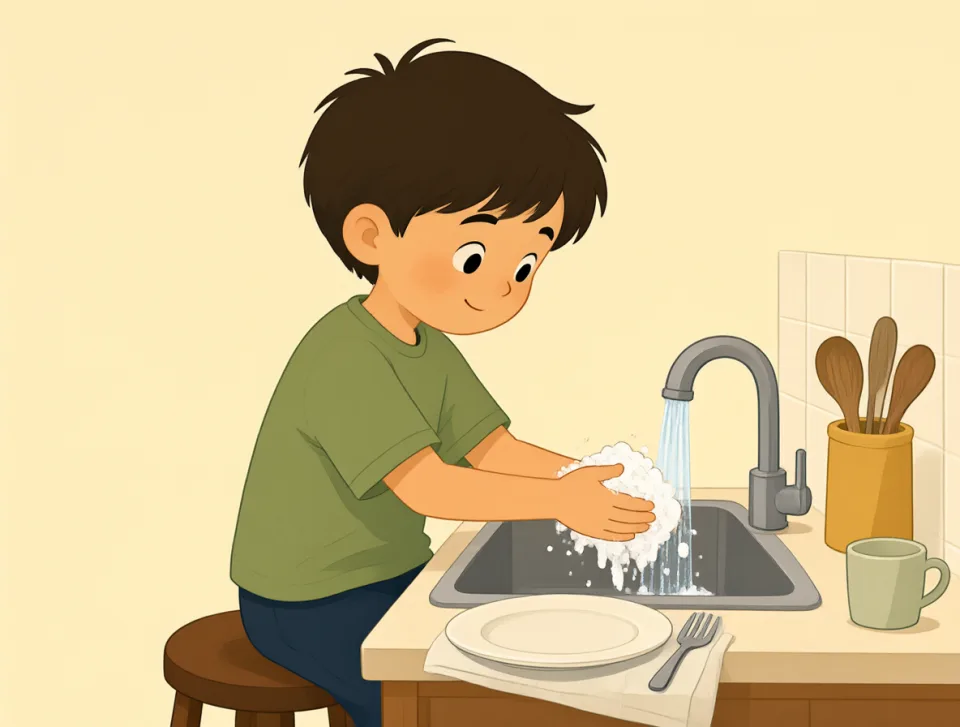
Wash your hands first before eating dinner.
Akşam yemeğini yemeden önce ellerini yıka.

She was the first person to arrive.
Gelen ilk kişi oydu.

I got home first and made tea.
Eve ilk ben geldim ve çay yaptım.

This is my first day at school.
Bu, okuldaki ilk günüm.

He finished first in the race.
Yarışı birinci bitirdi.

new
#79adjective, adverb, noun
yeni
Made, discovered, or seen for the first time; not old or used.
İlk kez yapılmış, keşfedilmiş veya görülmüş; eski ya da kullanılmış olmayan.

She bought a new dress for the party.
Parti için yeni bir elbise aldı.

We moved into our new house last week.
Geçen hafta yeni evimize taşındık.

I started a new job on Monday.
Pazartesi günü yeni bir işe başladım.

The teacher gave us a new book.
Öğretmen bize yeni bir kitap verdi.
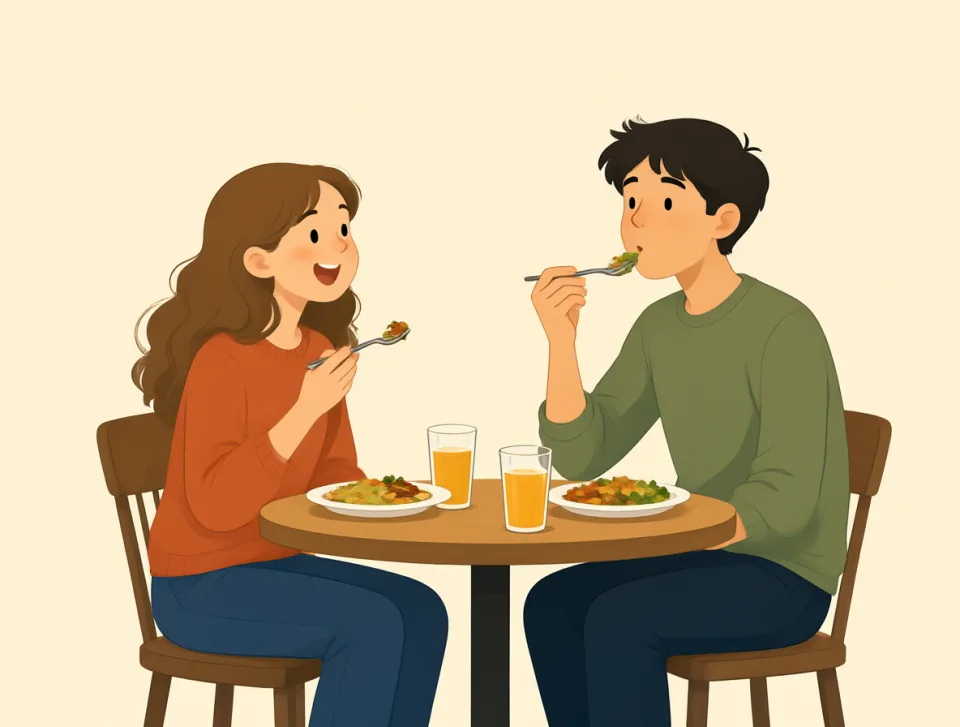
They tried a new restaurant downtown.
Şehir merkezinde yeni bir restoran denediler.
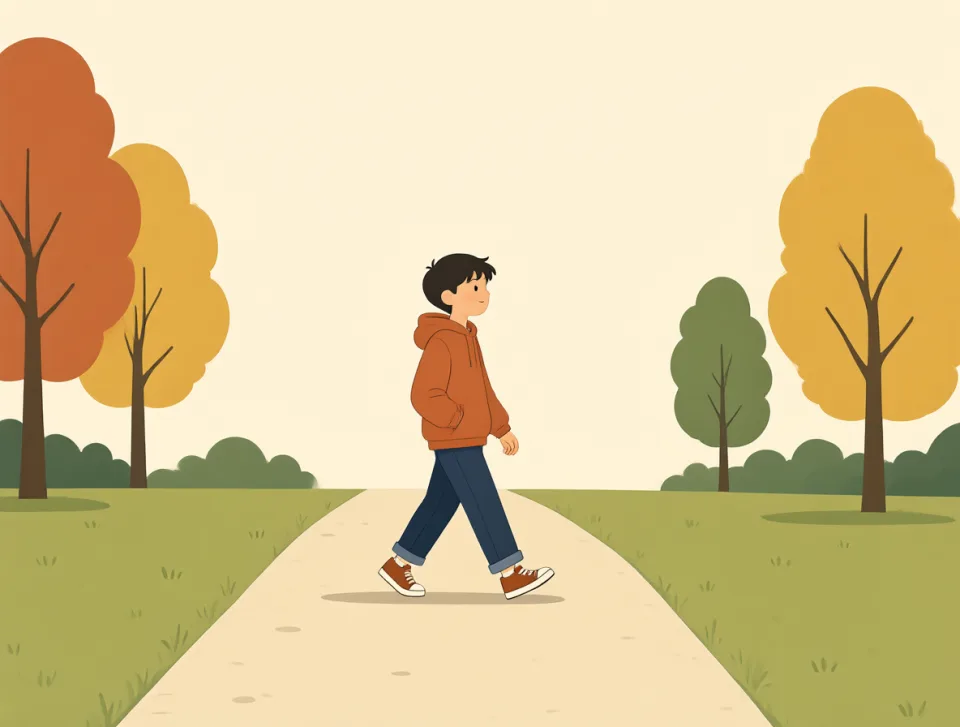
way
#80noun, adverb, adjective
yol
A method, direction, or distance from one place to another.
Bir yerden başka bir yere gitmek için kullanılan yöntem, yön veya mesafe.
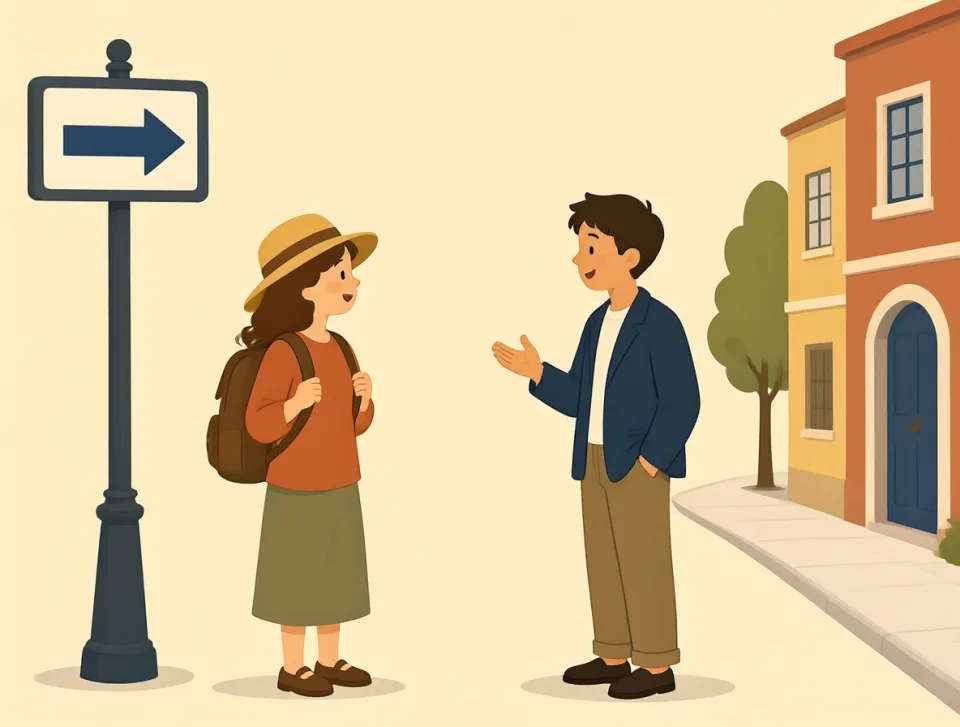
Can you show me the way home?
Bana eve giden yolu gösterebilir misin?

This is the best way to learn English.
Bu, İngilizce öğrenmenin en iyi yolu.

The shop is a long way from here.
Dükkân buradan çok uzakta.
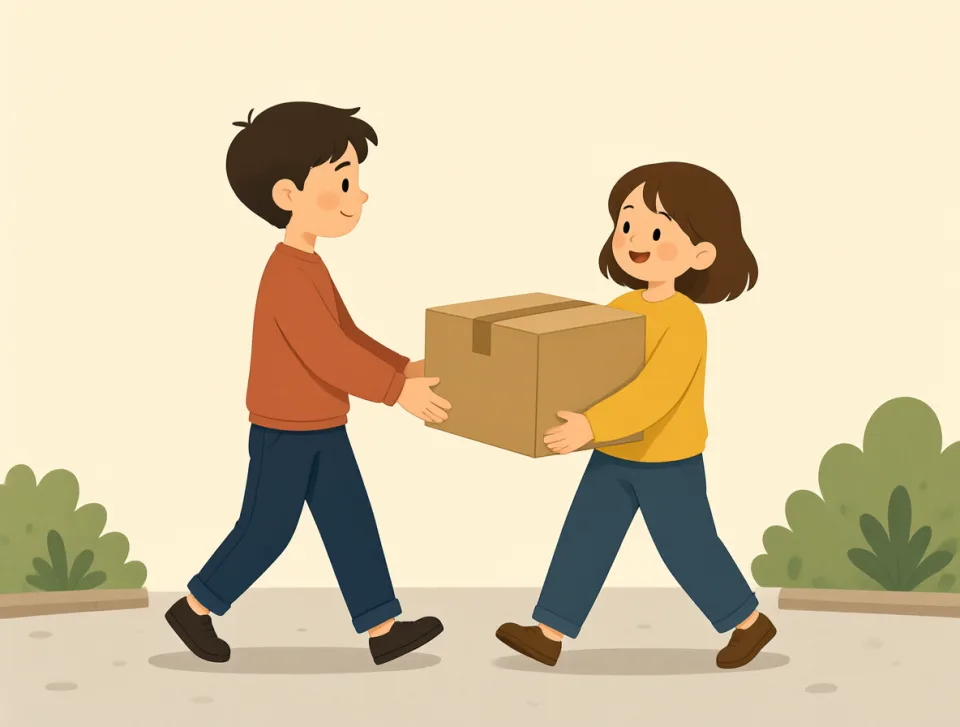
Please move out of the way.
Lütfen yolu kapatacak şekilde durma.
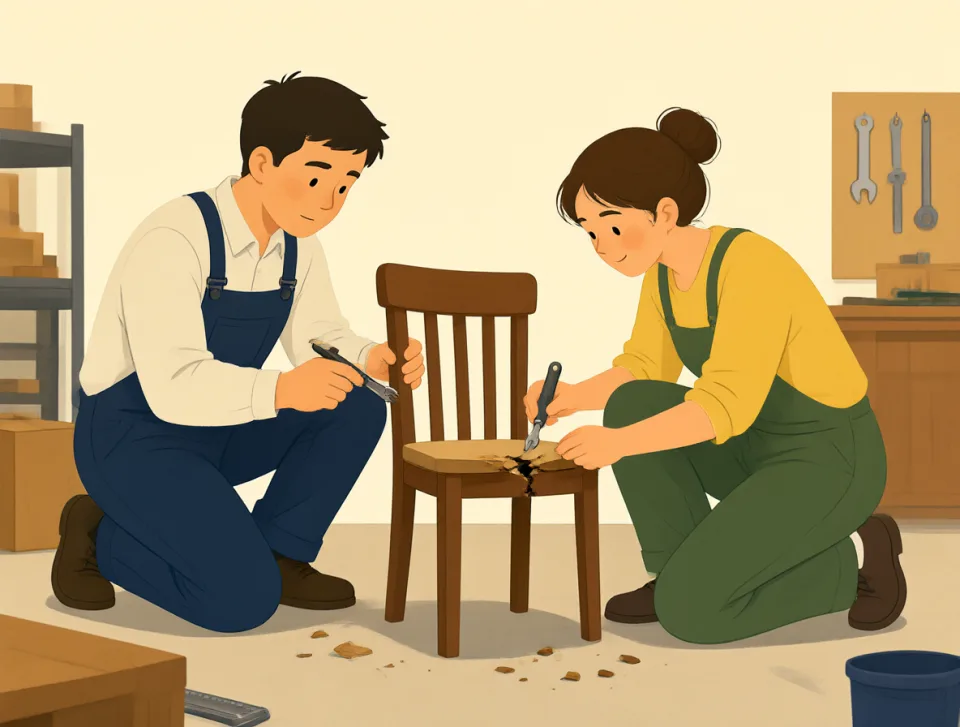
We found a way to fix the problem.
Sorunu çözmenin bir yolunu bulduk.