單元 4
單字 61–80 · well, because, very, just, come, could
well
#61adverb, adjective, noun, verb
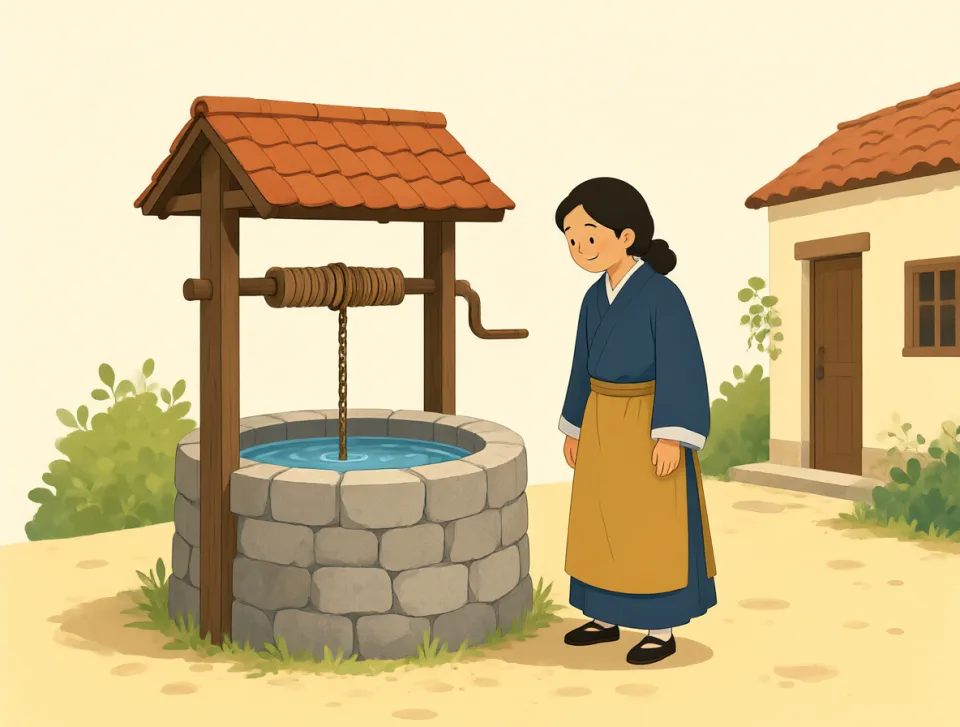
好;健康;井;湧出
In a good, healthy, or successful way; a deep hole for water.
以良好、健康或成功的方式;用於取水的深洞

She speaks English very well.
她英語說得很好。
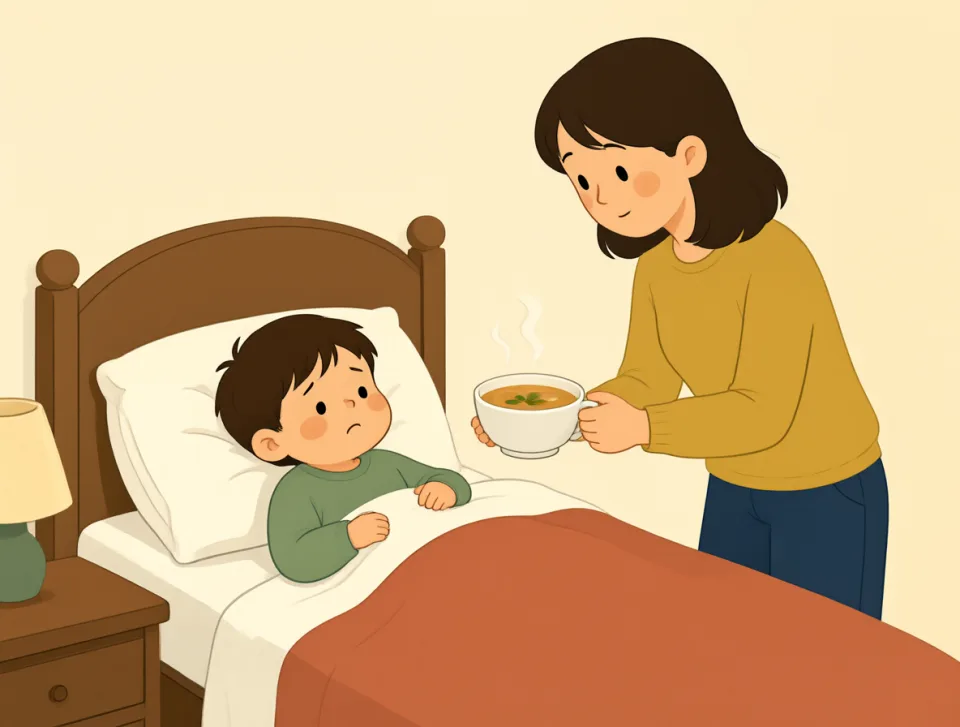
I hope you get well soon.
希望你早日康復。

Well, let's start the lesson.
好了,我們開始上課吧。
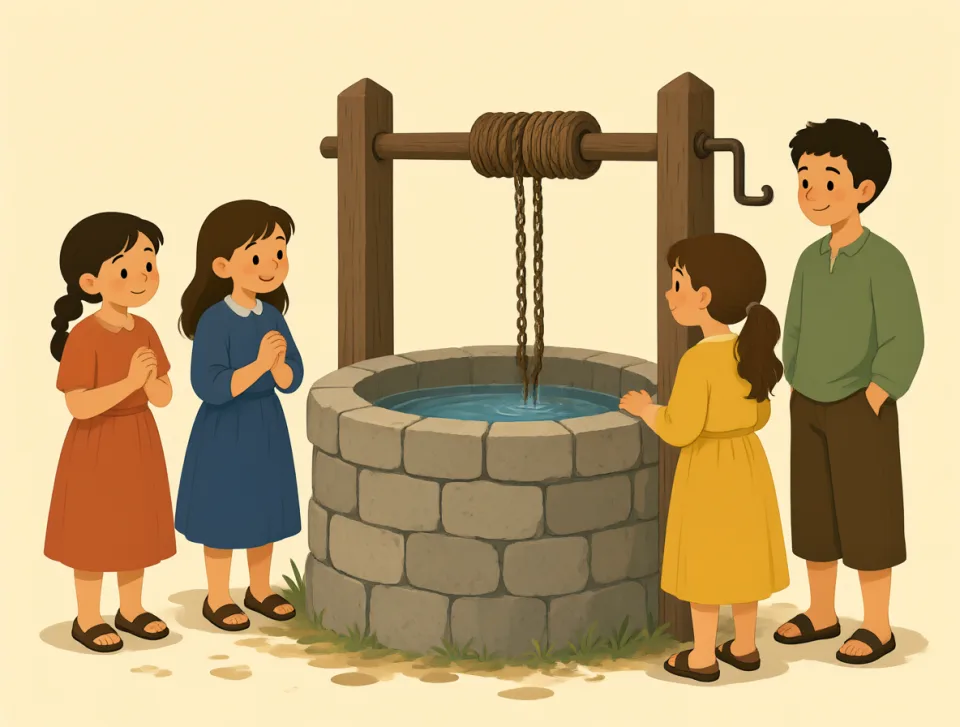
The village has an old stone well.
村子裡有一口古老的石井。

They well up with tears.
他們眼裡湧出了淚水。

because
#62conjunction
因為;由於
for the reason that something happens
因為某件事發生的原因
I stayed home because I felt sick.
我因為感覺不舒服,所以待在家裡。
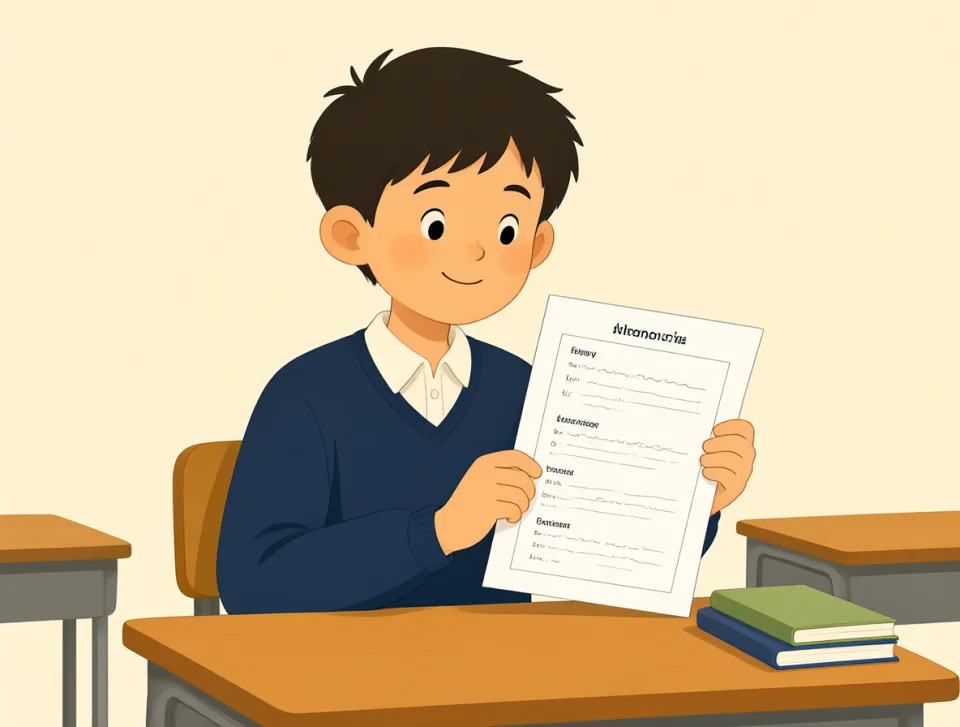
She is happy because she passed her test.
她因為透過了考試而感到開心。
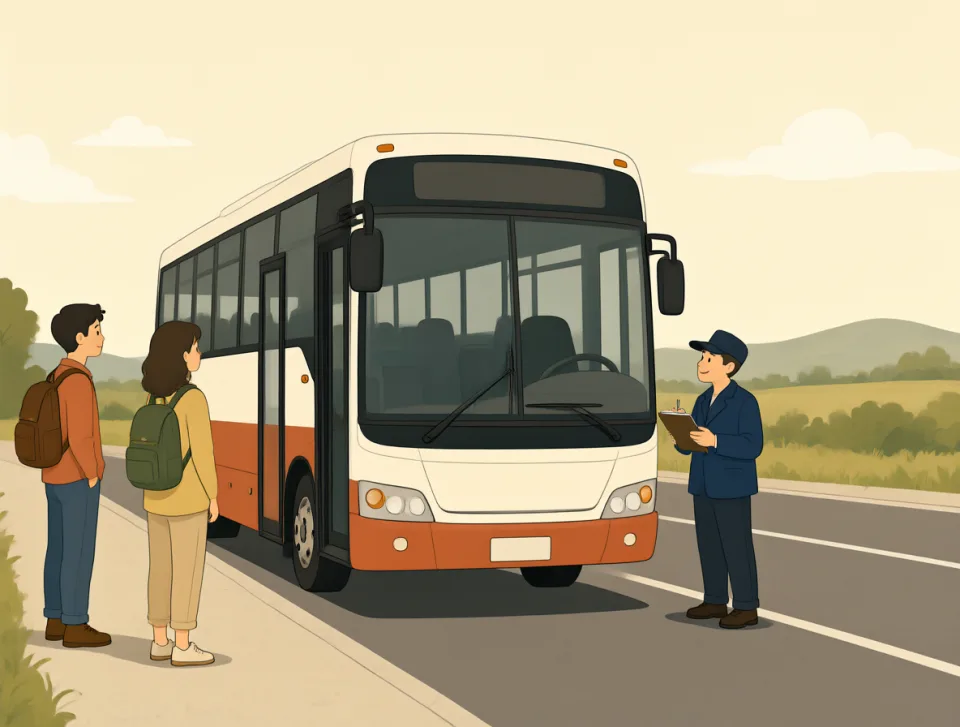
We were late because the bus broke down.
我們因為公交車拋錨而遲到了。

He bought an umbrella because it was raining.
因為下雨,他買了一把雨傘。

They eat early because they have a flight.
他們因為要趕飛機,所以很早就吃飯。
very
#63adverb
非常;很
Used before an adjective or adverb to mean to a high degree.
用於形容詞或副詞前,表示程度很高。
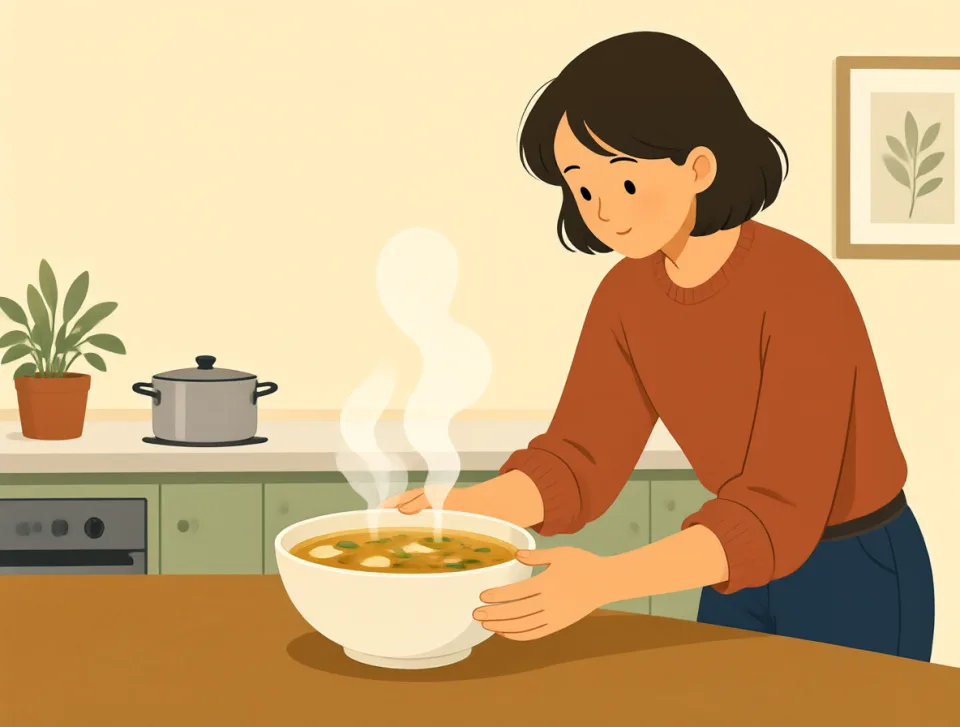
The soup is very hot.
這湯非常燙。

She runs very fast.
她跑得非常快。

I am very tired today.
我今天非常累。

This bag is very expensive.
這個包非常貴。

We had a very good time.
我們玩得非常開心。

just
#64adverb, adjective
剛剛;就;僅僅;正好
Only recently, exactly, or fairly; used to make something seem less important.
剛剛、正好或相當;用於讓某件事顯得不那麼重要
I just got home from work.
我剛下班回到家。

Just wait here for a minute.
就在這裡等一分鐘。

This shirt is just five dollars.
這件襯衫才五美元。
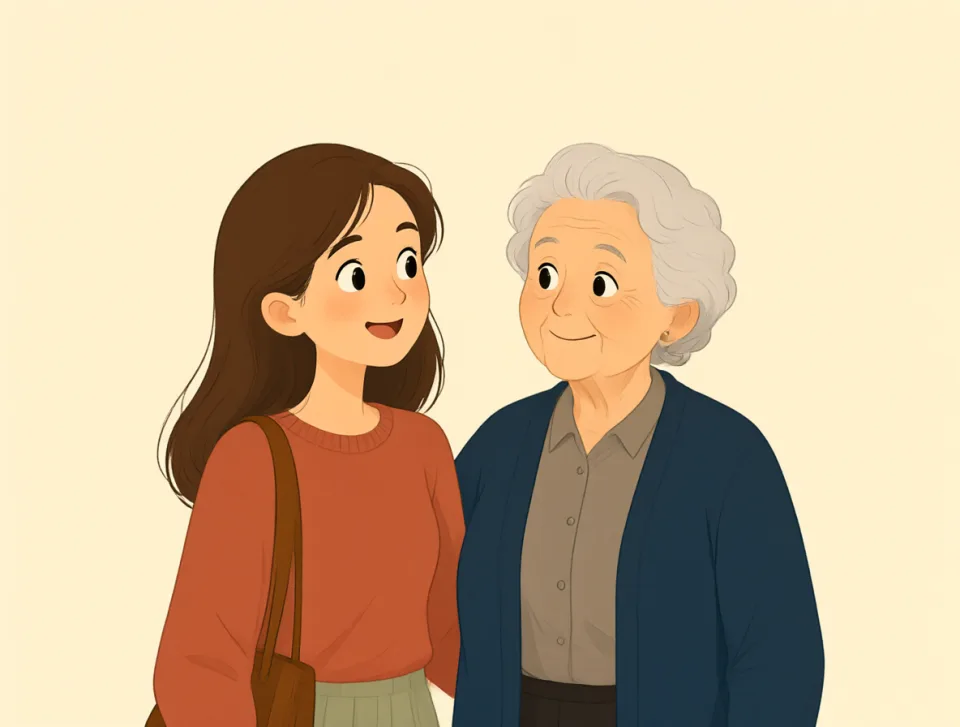
She is just like her mother.
她和她媽媽很像。
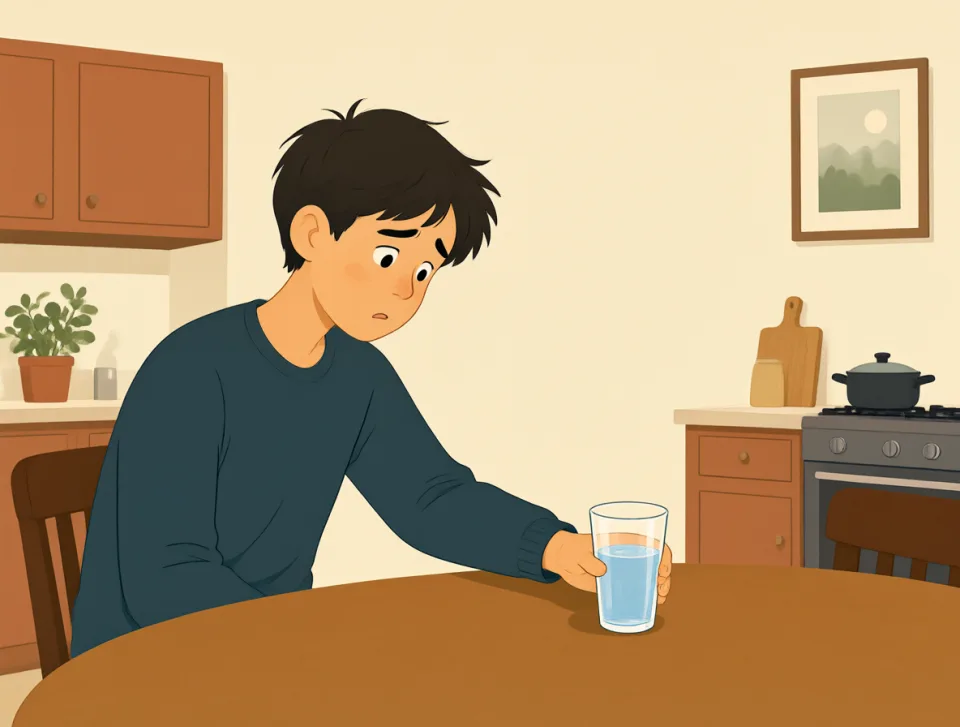
I just want some water.
我只是想要點水。

come
#65verb
來;到來;到達;隨附
to move toward or arrive at a person or place
向某人或某地移動,或到達某人或某地
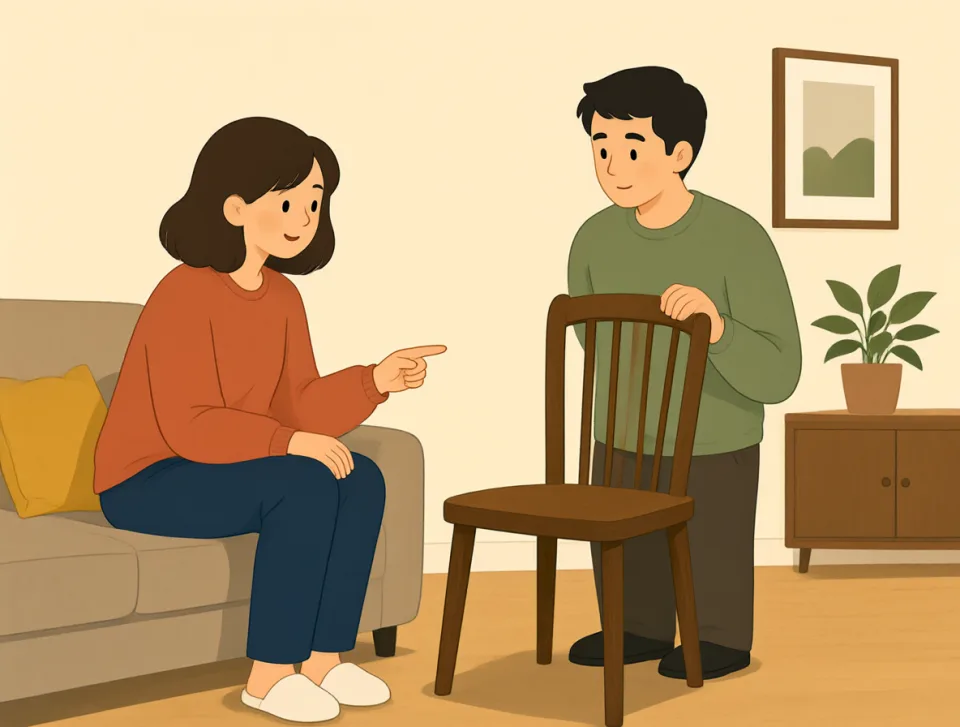
Come here and sit beside me.
到這兒來,坐在我旁邊。

What time did you come home?
你幾點回到家的?
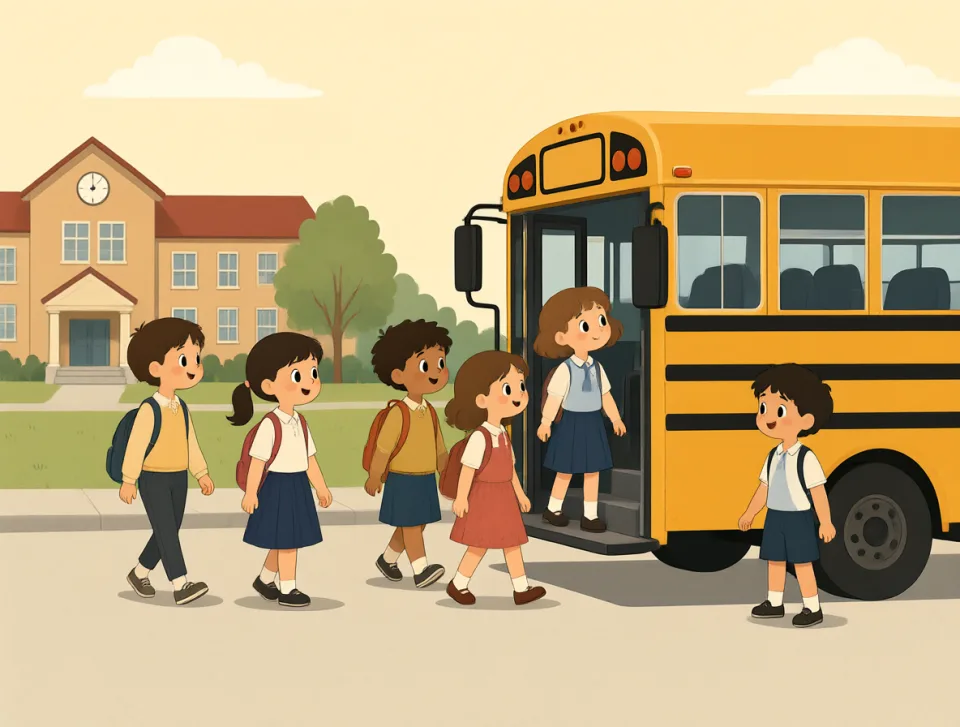
Many students come to school by bus.
許多學生乘公共汽車來學校。

Please come to my birthday party.
請來參加我的生日聚會。

This soup comes with fresh bread.
這道湯還配有新鮮麵包。

could
#66modal verb
可以;能;可能
Used to ask politely, talk about possibility, or describe ability in the past.
用於禮貌地提出請求、談論可能性或描述過去的能力。
Could you help me with this bag?
你能幫我拿一下這個包嗎?

We could meet at the station tomorrow.
我們明天可以在車站見面。

I could swim when I was five.
我五歲時就會游泳了。

Could I have some water, please?
請問可以給我一些水嗎?

It could rain this afternoon.
今天下午可能會下雨。

work
#67noun, verb
工作;運轉;作品
To do a job or activity, or the job or activity you do.
做某項工作或活動,或指你所做的工作或活動。

I work in a small office.
我在一家小辦公室裡工作。

She works hard every day.
她每天都努力工作。

This computer does not work.
這臺電腦不能正常工作。

We have a lot of work today.
我們今天有很多工作要做。

His works hang in the museum.
他的作品掛在博物館裡。
use
#68verb, noun
使用;用途
To do something with a thing for a purpose; the way something is used.
為了某種目的用某物做某事;某物的使用方式。

I use my phone every day.
我每天都使用手機。
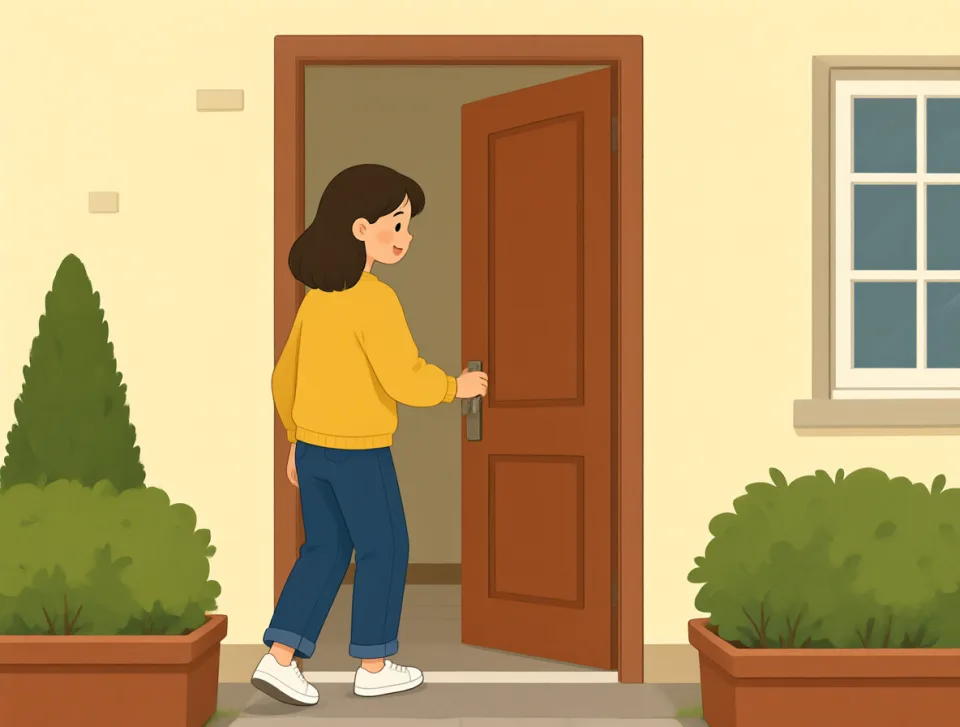
Please use this door.
請使用這扇門。
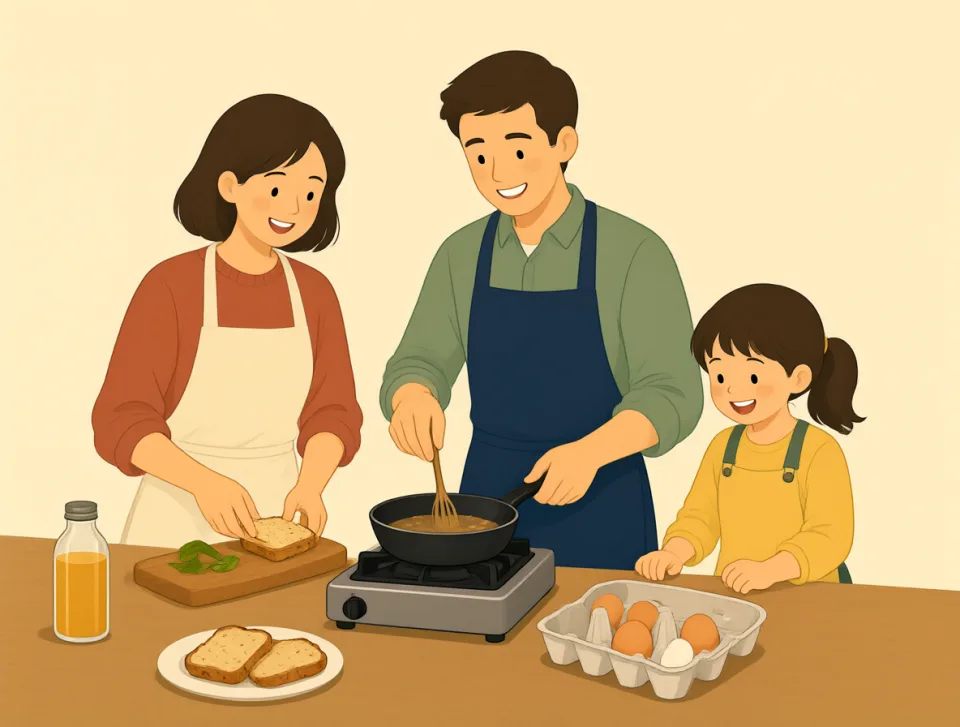
We used all the eggs for breakfast.
我們早餐把雞蛋都用完了。
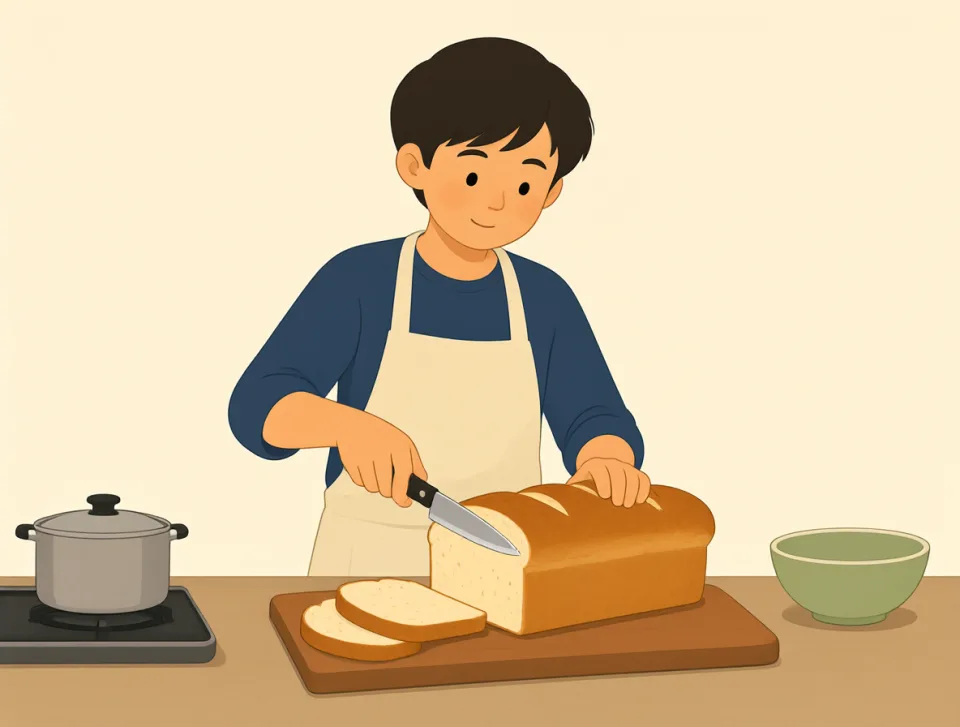
She uses a knife to cut bread.
她用刀切面包。

This bag has many uses.
這個包有很多用途。
than
#69conjunction, preposition
比;與其……不如
Used to compare two people, things, or actions.
用於比較兩個人、事物或動作。
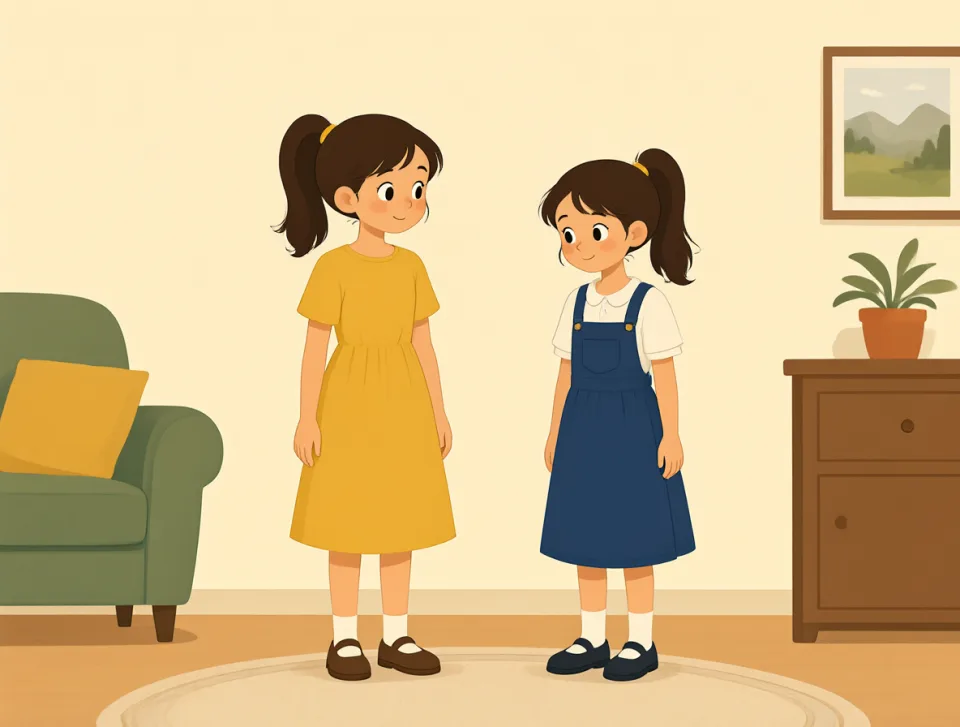
My sister is taller than me.
我姐姐比我高。

This bag is cheaper than that one.
這個包比那個便宜。
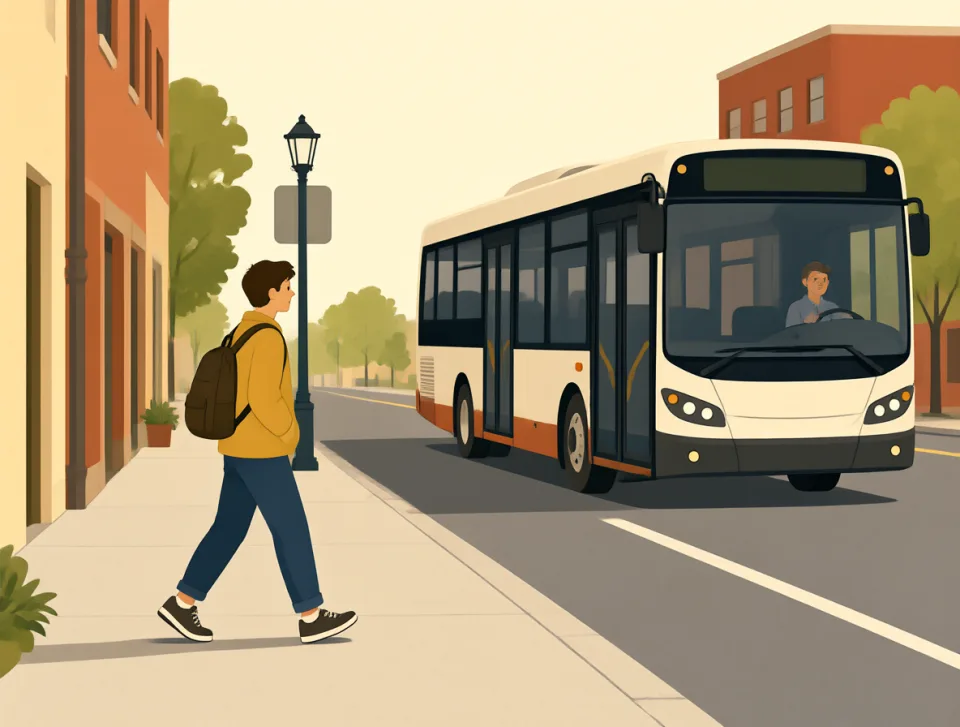
I would rather walk than take the bus.
我寧願走路,也不願坐公交車。

He works harder than his brother.
他比他哥哥工作更努力。
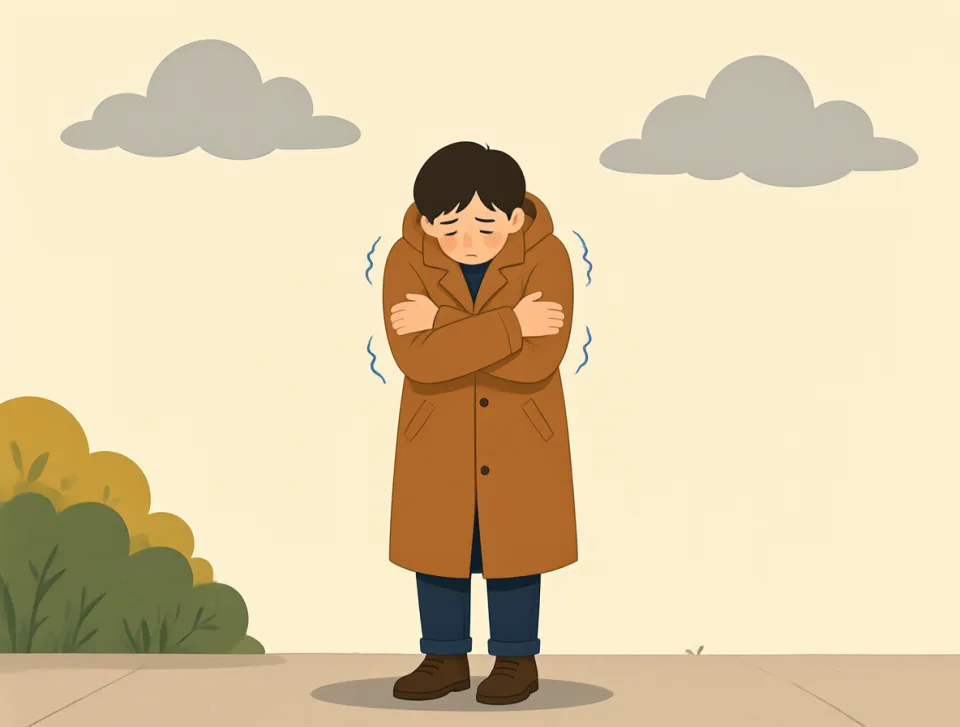
It was colder than yesterday.
天氣比昨天冷。

now
#70adverb, noun, adjective
現在;如今;當前
at the present time or moment
在目前的時間或時刻
I am busy now.
我現在很忙。

Please come here now.
請現在就到這裡來。

We have to leave now.
我們現在得走了。

Now is a good time to start.
現在是開始的好時機。

The store is closed now.
這家店現在關門了。

then
#71adverb, adjective
然後;當時;那時
At that time, or next after something else happens.
在那個時候,或在其他事情發生之後接著發生。
We ate dinner, then watched a movie.
我們吃了晚飯,然後看了部電影。
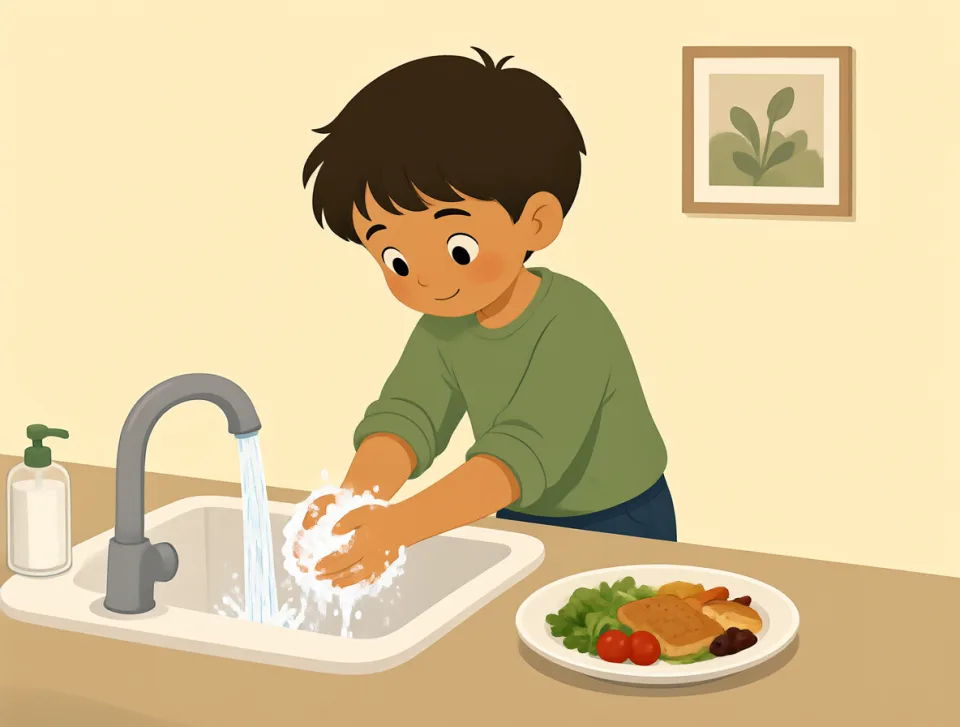
First wash your hands, then eat.
先洗手,然後吃飯。

I was living in London then.
我當時住在倫敦。
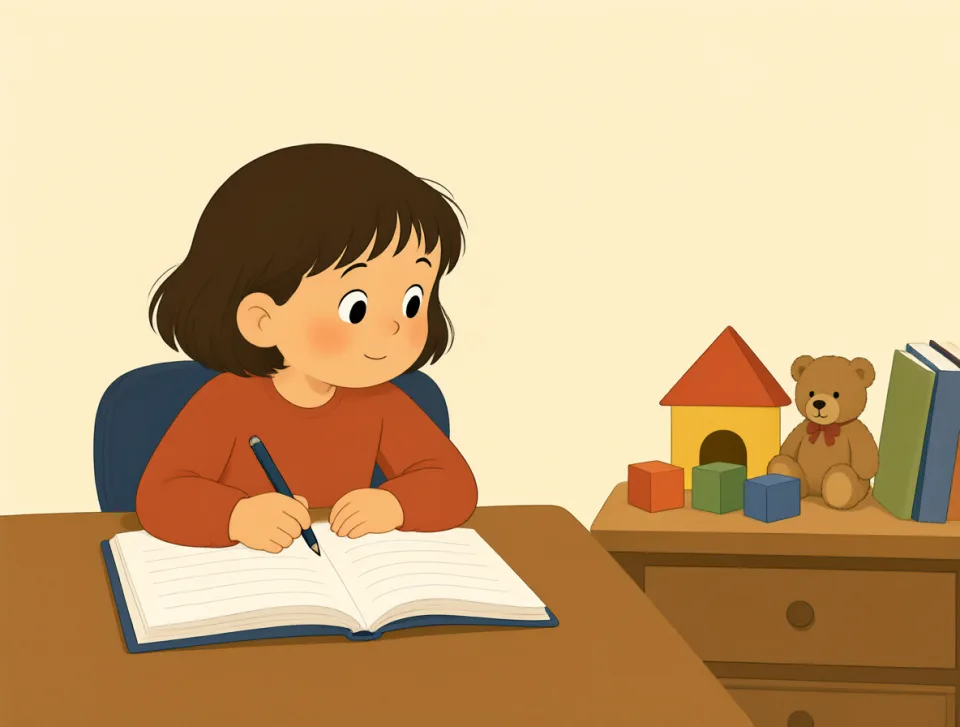
If you finish, then you can play.
如果你完成了,就可以玩了。

Back then, phones were much bigger.
那時候,手機大得多。
also
#72adverb
也;還;同樣
In addition to someone or something already mentioned.
除了已經提到的人或事物之外,還包括某人或某物。
I also like tea in the morning.
我早上也喜歡喝茶。
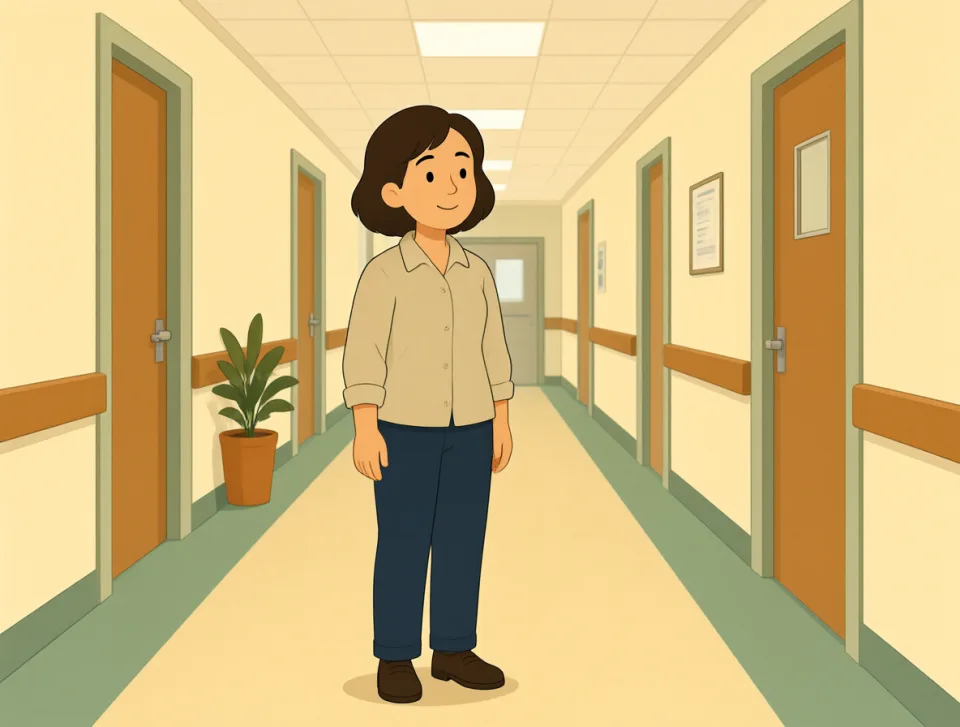
She also works at the hospital.
她也在醫院工作。
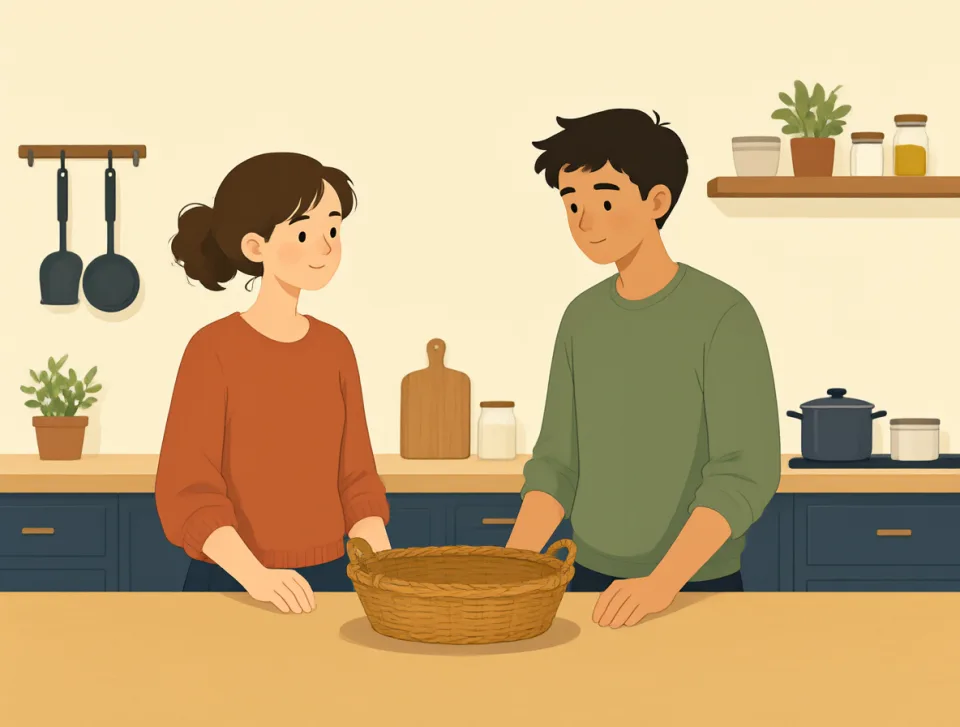
We also need some bread for dinner.
我們晚餐還需要一些麵包。
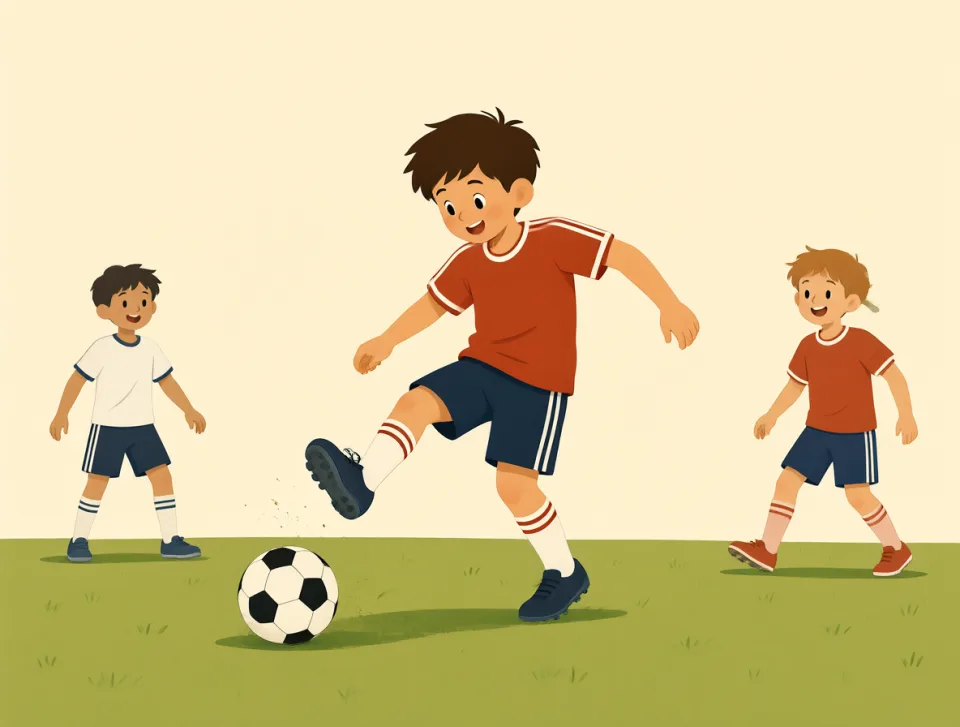
He also plays soccer with his friends.
他也和朋友們一起踢足球。

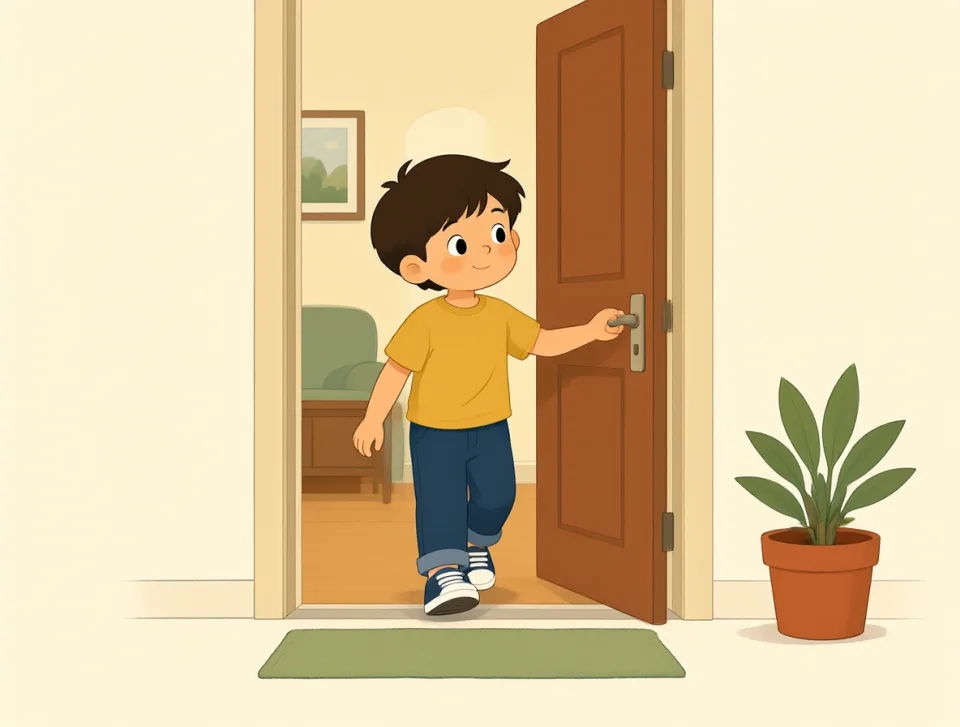
The hotel also has a small swimming pool.
這家酒店還有一個小游泳池。
into
#73preposition
進入;到;對……感興趣
to a position inside something or toward a particular place, situation, or activity
進入某物內部,或朝著某個特定的地方、情況或活動發展
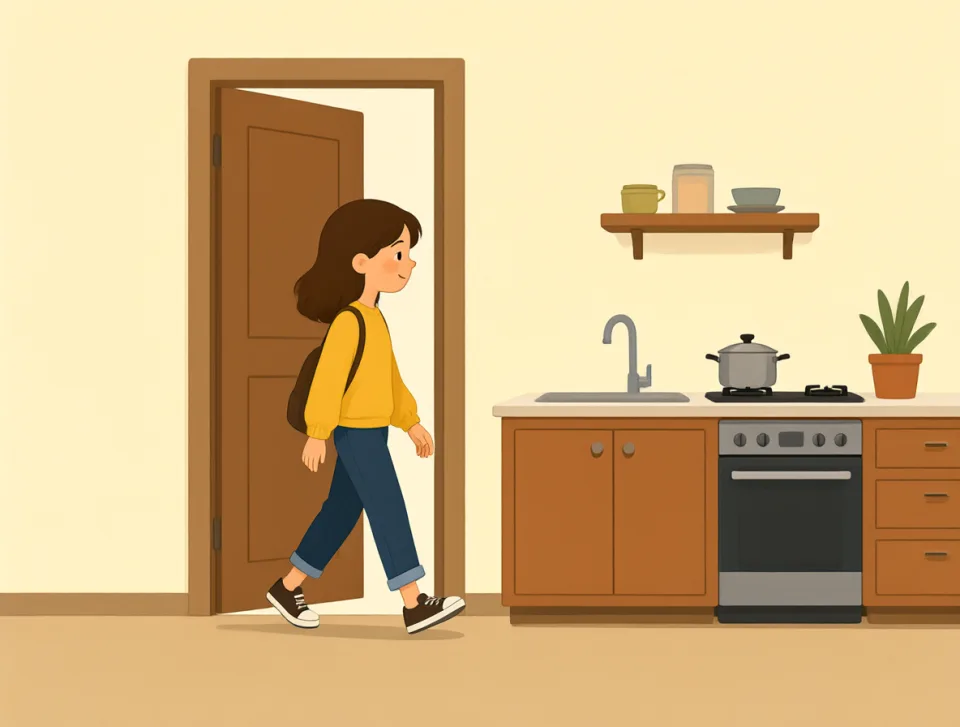
She walked into the kitchen.
她走進了廚房。
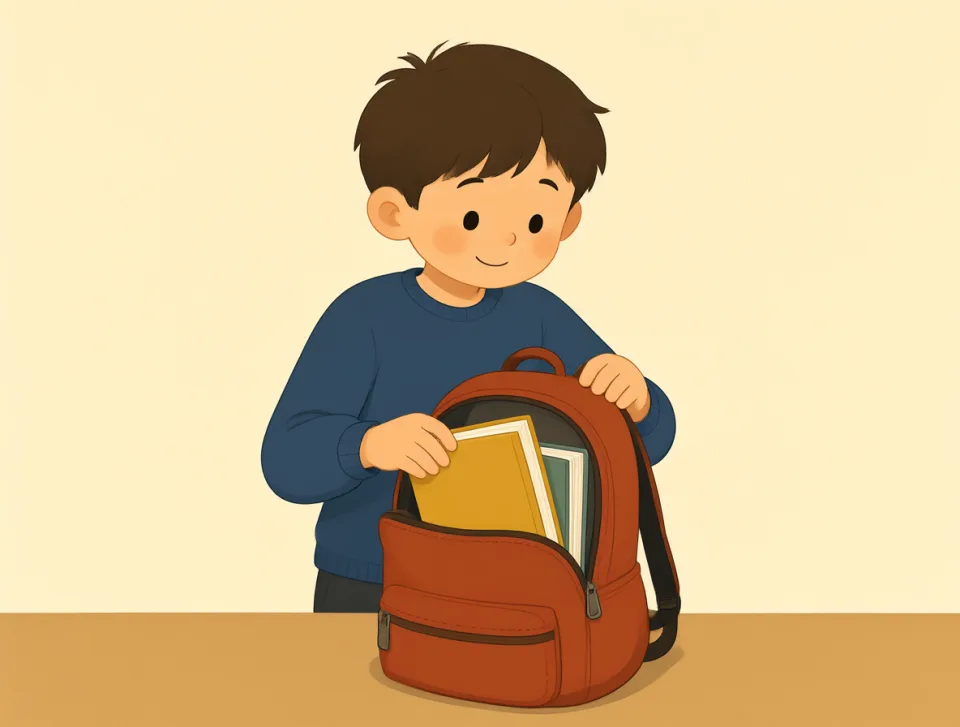
He put the books into his bag.
他把書放進了包裡。
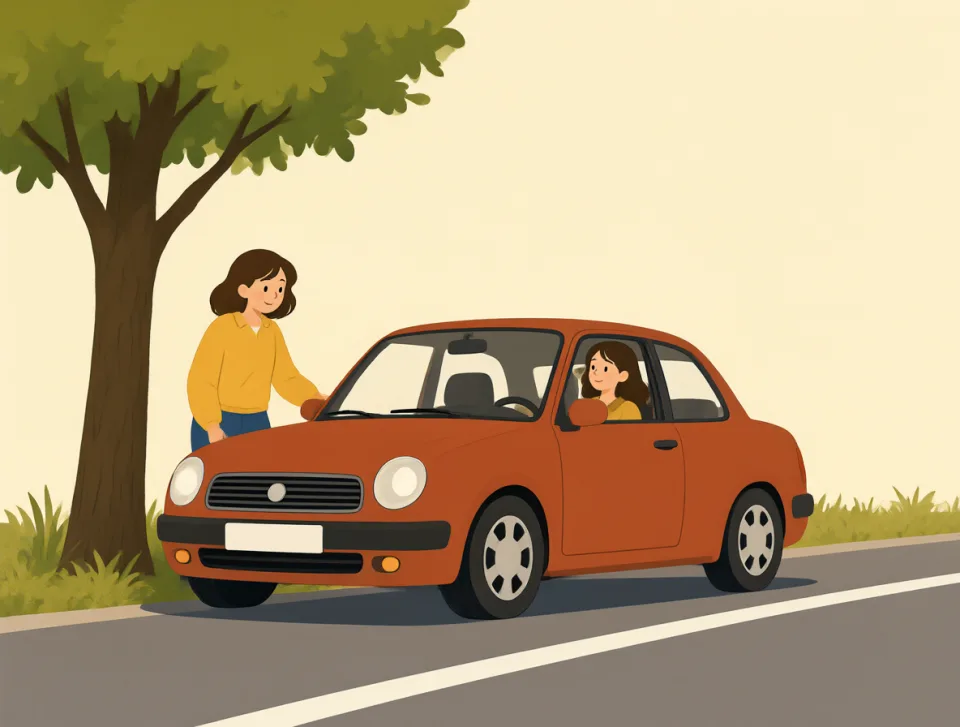
The car crashed into a tree.
那輛車撞上了一棵樹。

I am really into cooking now.
我現在真的很喜歡烹飪。

They changed the plan into a party.
他們把計劃改成了一場聚會。
only
#74adverb, adjective, determiner, conjunction
只;僅僅;唯一;只有
No more than one person or thing, or nothing else.
不超過一個人或一件事,沒有別的。
I only have ten minutes before work.
我上班前只有十分鐘。
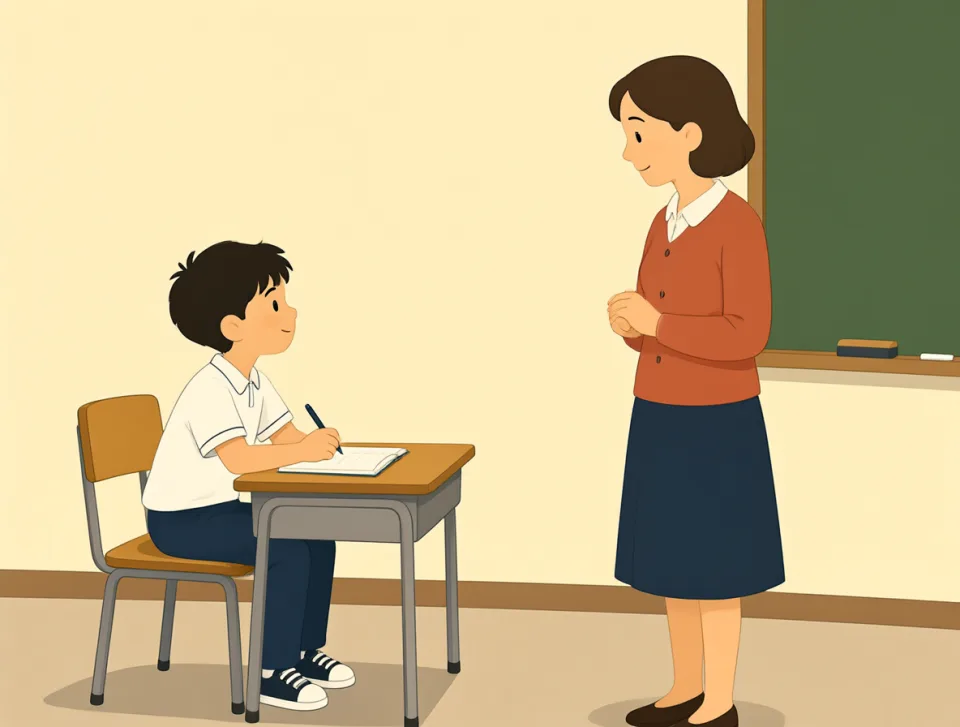
She is the only student in class.
她是班裡唯一的學生。

We only need two tickets for the train.
我們坐火車只需要兩張票。

He eats only vegetables for lunch.
他午飯只吃蔬菜。
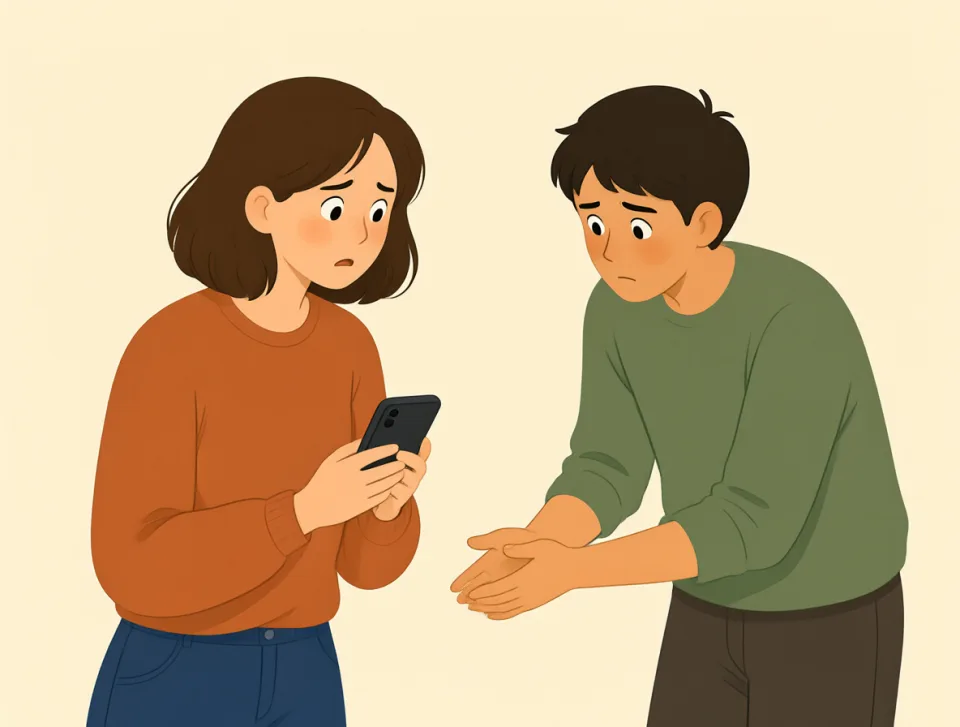
Call me only if you need help.
只有在你需要幫助時才給我打電話。

look
#75verb, noun
看;看起來;尋找
to use your eyes to see something or to have a particular appearance
用眼睛看某物,或呈現出某種樣子

Look at this picture with me.
和我一起看看這張照片。

You look tired after your long trip.
長途旅行後,你看起來很累。
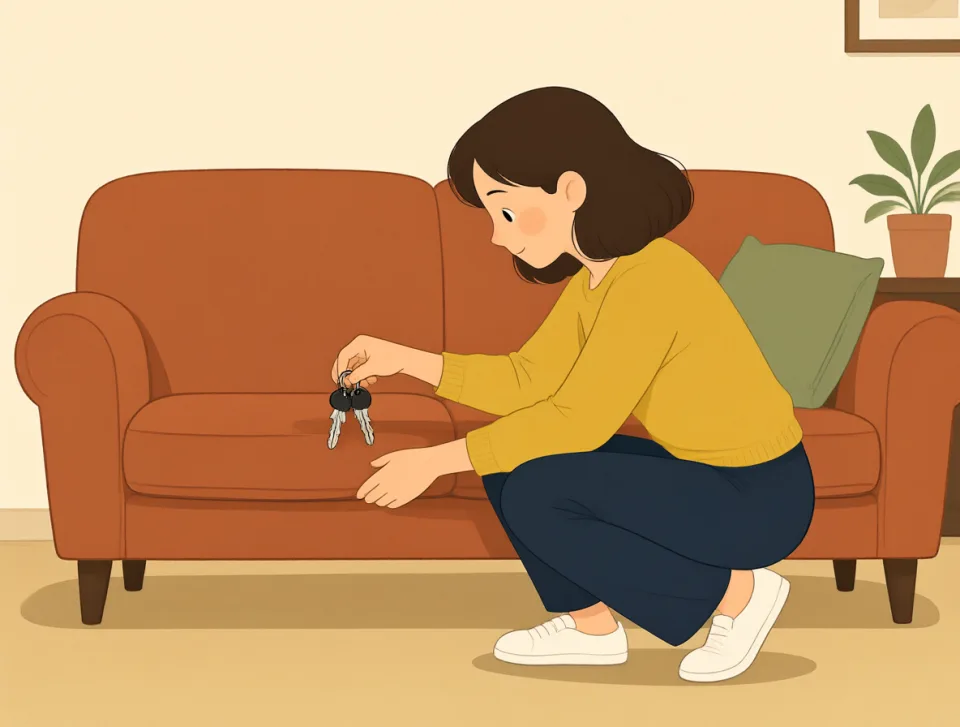
She looked for her keys everywhere.
她到處尋找她的鑰匙。

He looks like his older brother.
他看起來像他的哥哥。

The doctor looked at my sore throat.
醫生看了看我疼痛的喉嚨。

want
#76verb, noun
想要;需要
To wish to have or do something; a need for something important.
希望擁有或做某事;對某種重要事物的需要。
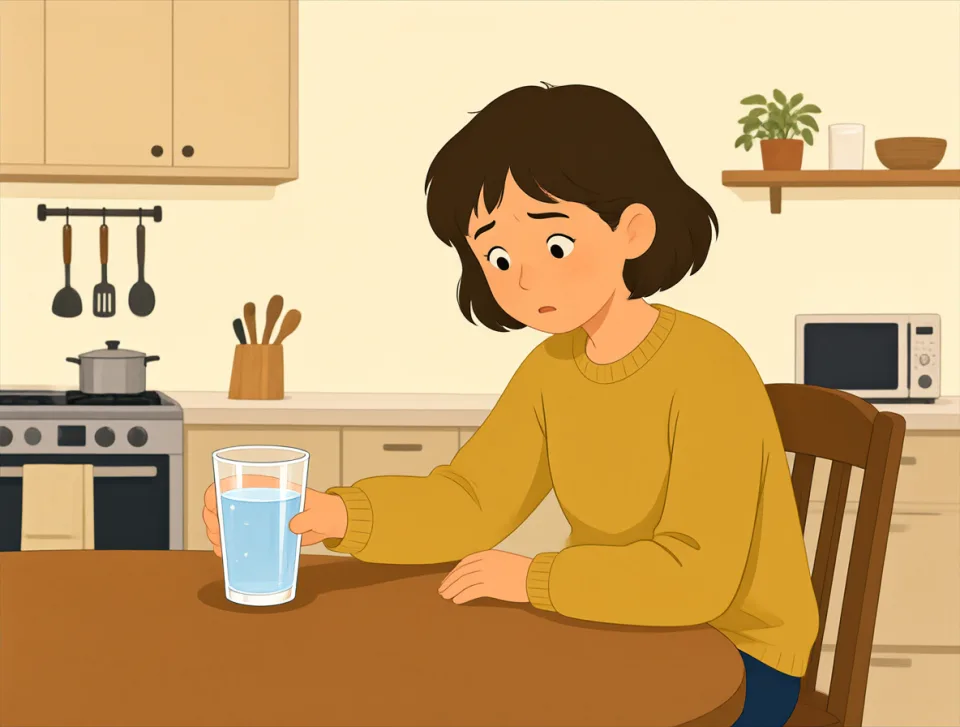
I want a glass of water, please.
請給我一杯水。
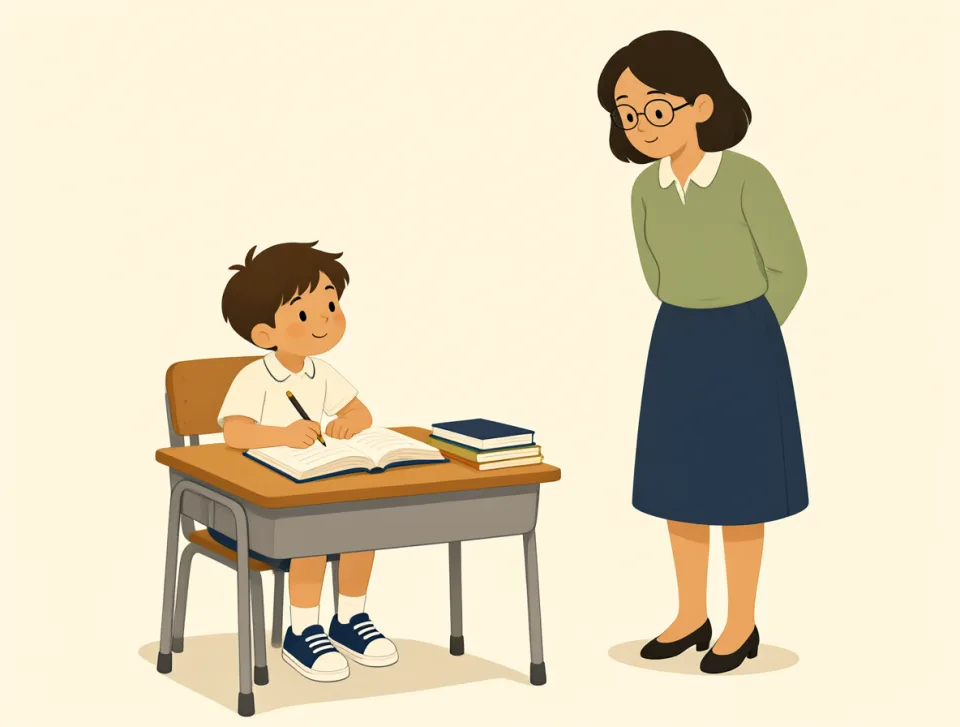
She wants to learn English at school.
她想在學校學英語。

We wanted a table near the window.
我們想要一張靠窗的桌子。

They want to buy new shoes.
他們想買新鞋。
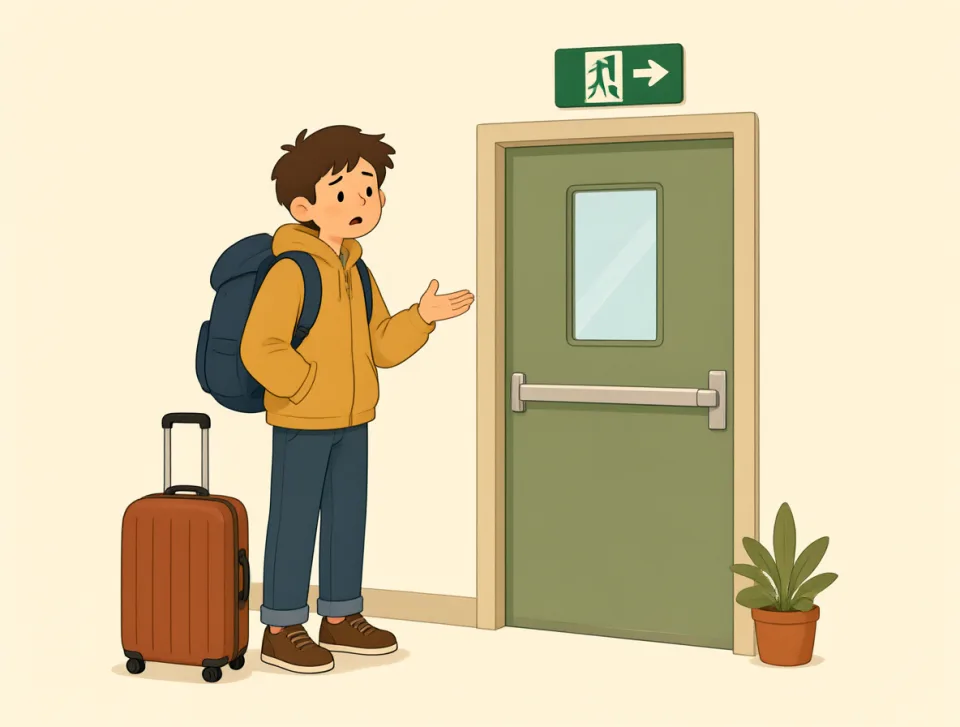
He wants to go home now.
他現在想回家。

give
#77verb, noun
給;提供
to hand something to someone or provide something for them
把某物交給某人,或為某人提供某物
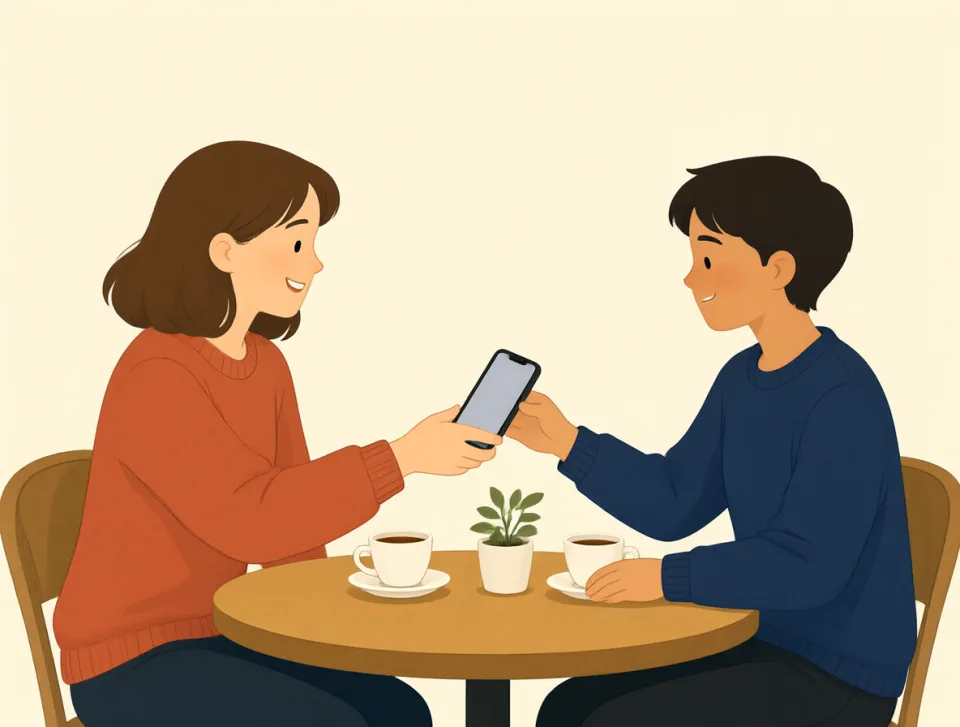
Please give me your phone number.
請把你的電話號碼給我。
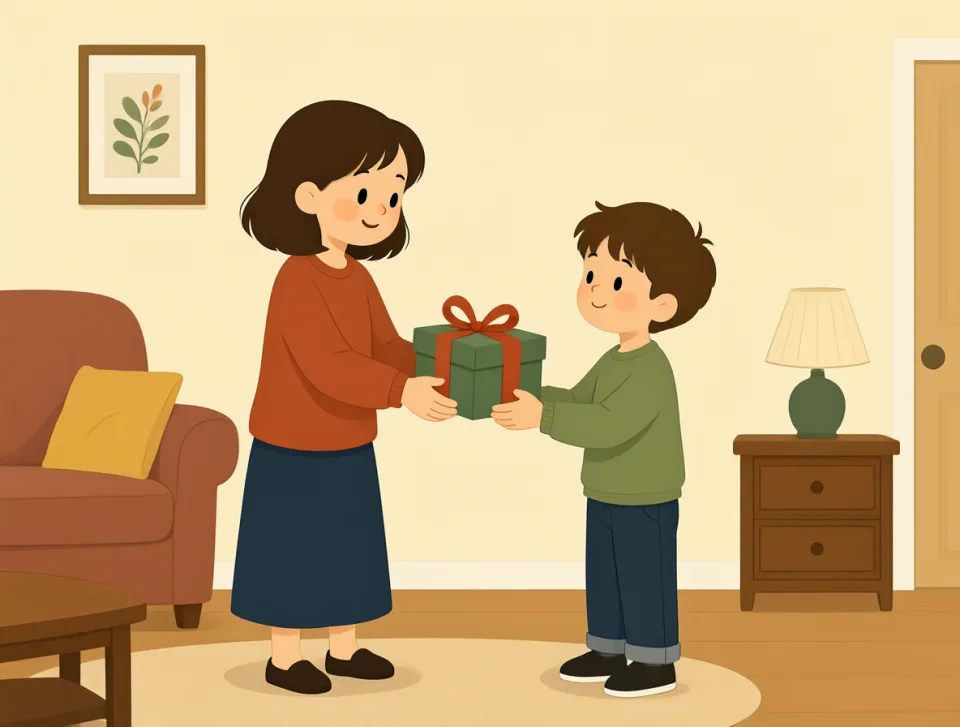
She gave her brother a birthday present.
她送給弟弟一份生日禮物。

The teacher gave us homework yesterday.
老師昨天給我們佈置了作業。

Can you give me some water?
你能給我一些水嗎?

This medicine gives me a headache.
這種藥讓我頭疼。
first
#78adjective, adverb, noun, determiner
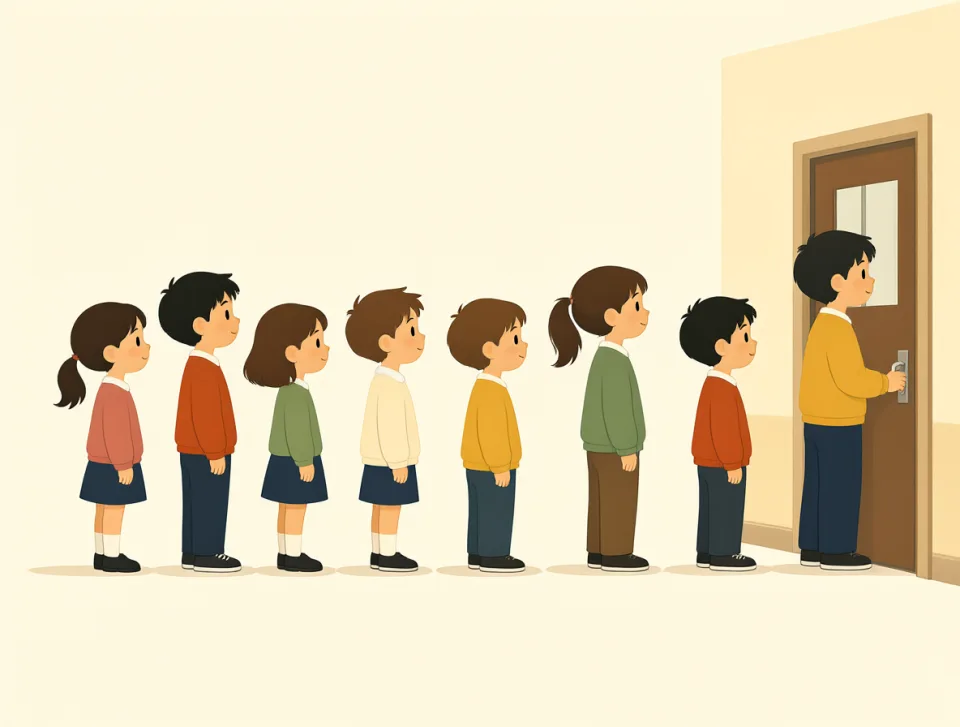
第一;首先;最先
Coming before all others in time, order, or importance.
在時間、順序或重要性上先於所有其他事物的。
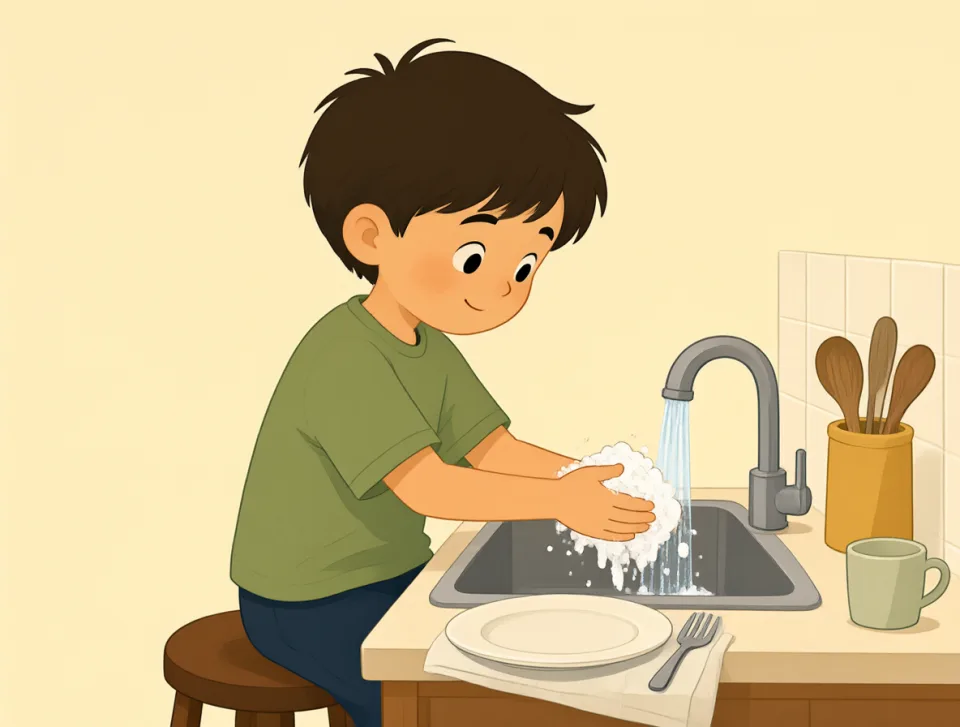
Wash your hands first before eating dinner.
吃晚飯前先洗手。

She was the first person to arrive.
她是第一個到達的人。
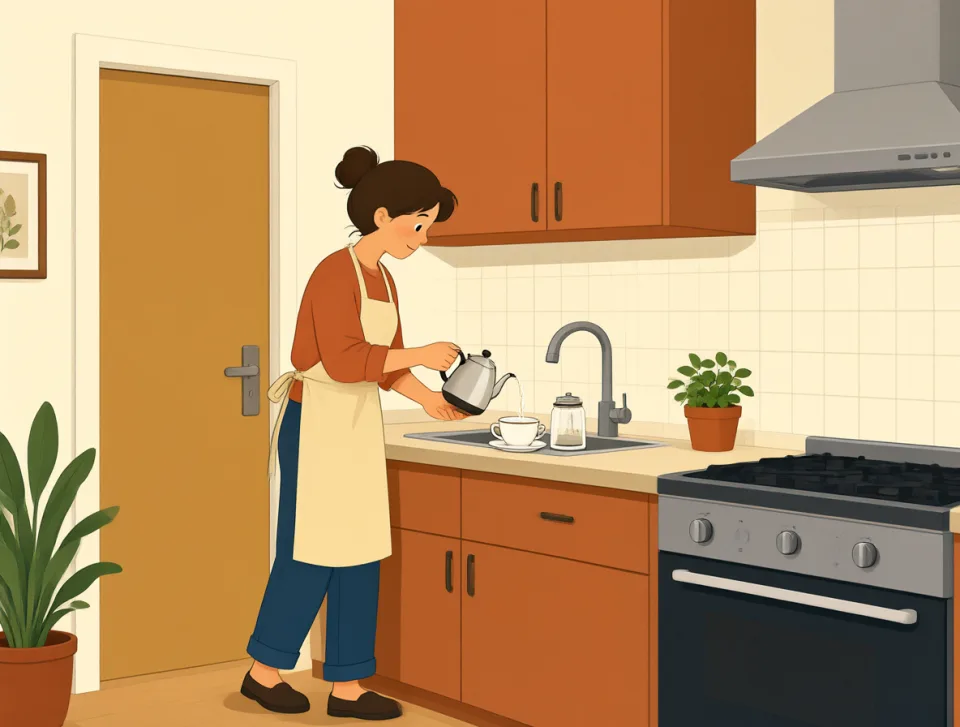
I got home first and made tea.
我先到家,然後泡了茶。

This is my first day at school.
這是我上學的第一天。

He finished first in the race.
他在比賽中第一個衝過終點。

new
#79adjective, adverb, noun
新的;新近的
Made, discovered, or seen for the first time; not old or used.
第一次製作、發現或看到的;不舊的或未使用過的。

She bought a new dress for the party.
她為參加聚會買了一條新裙子。

We moved into our new house last week.
我們上週搬進了新家。

I started a new job on Monday.
我星期一開始了一份新工作。

The teacher gave us a new book.
老師給了我們一本新書。

They tried a new restaurant downtown.
他們去市中心一家新餐館嚐了嚐。
way
#80noun, adverb, adjective
方法;方向;距離
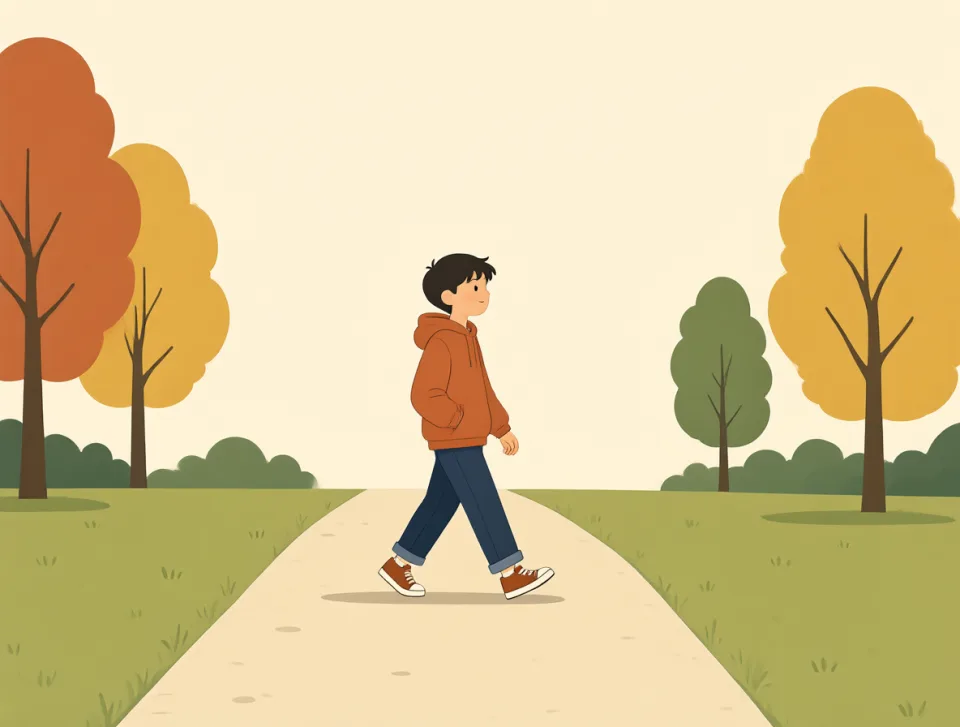
A method, direction, or distance from one place to another.
從一個地方到另一個地方的方法、方向或距離。
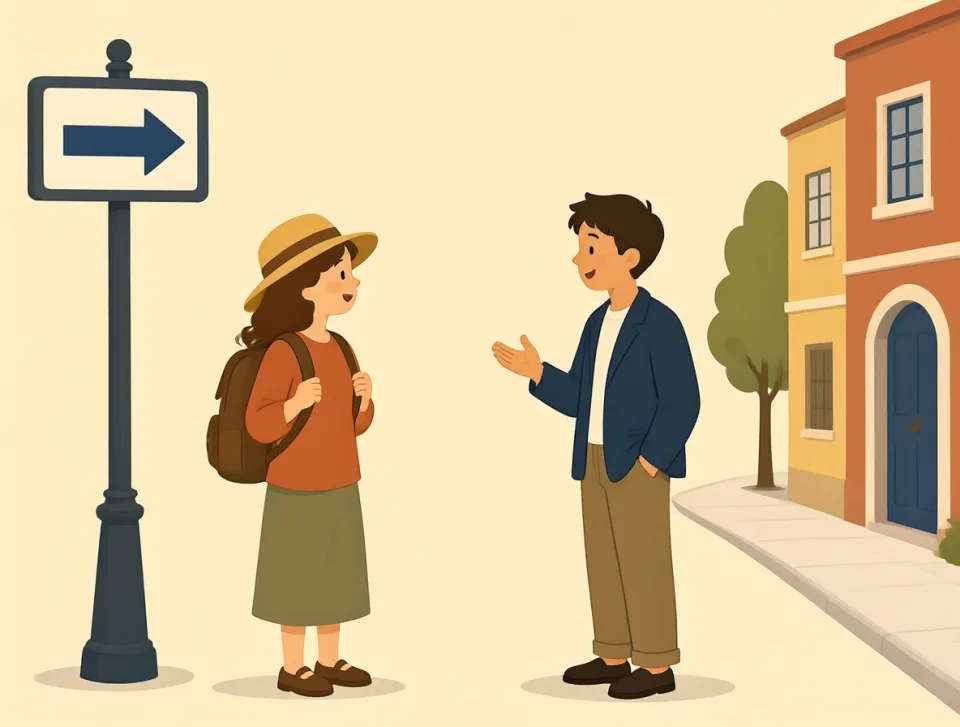
Can you show me the way home?
你能告訴我回家的路嗎?

This is the best way to learn English.
這是學習英語的最佳方法。

The shop is a long way from here.
這家商店離這裡很遠。

Please move out of the way.
請讓開。
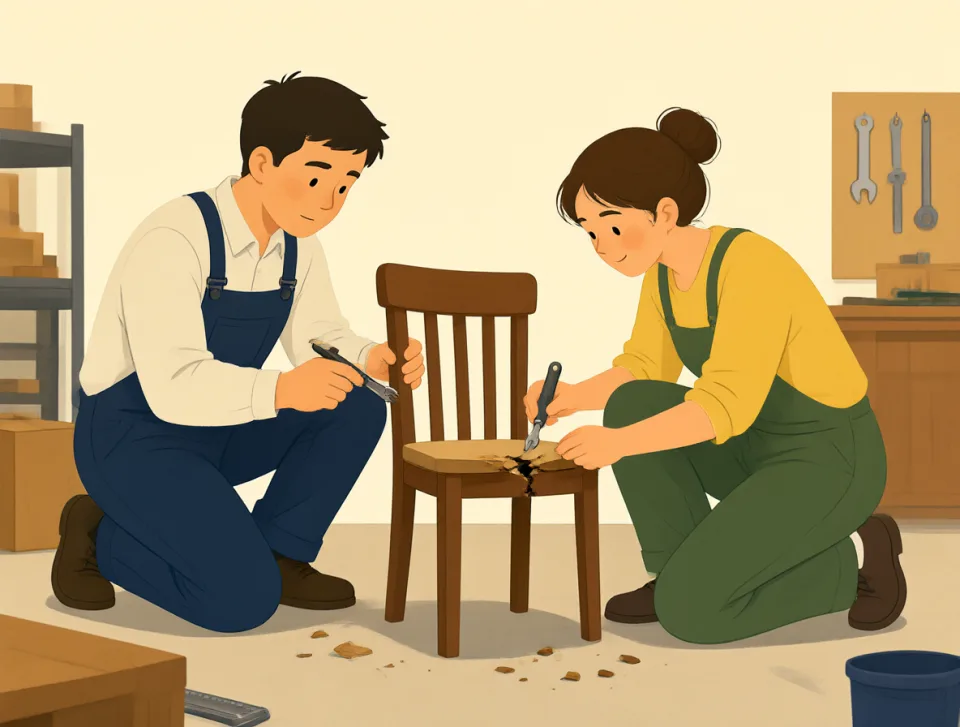
We found a way to fix the problem.
我們找到了解決這個問題的方法。