Unit 4
Words 61–80 · well, because, very, just, come, could
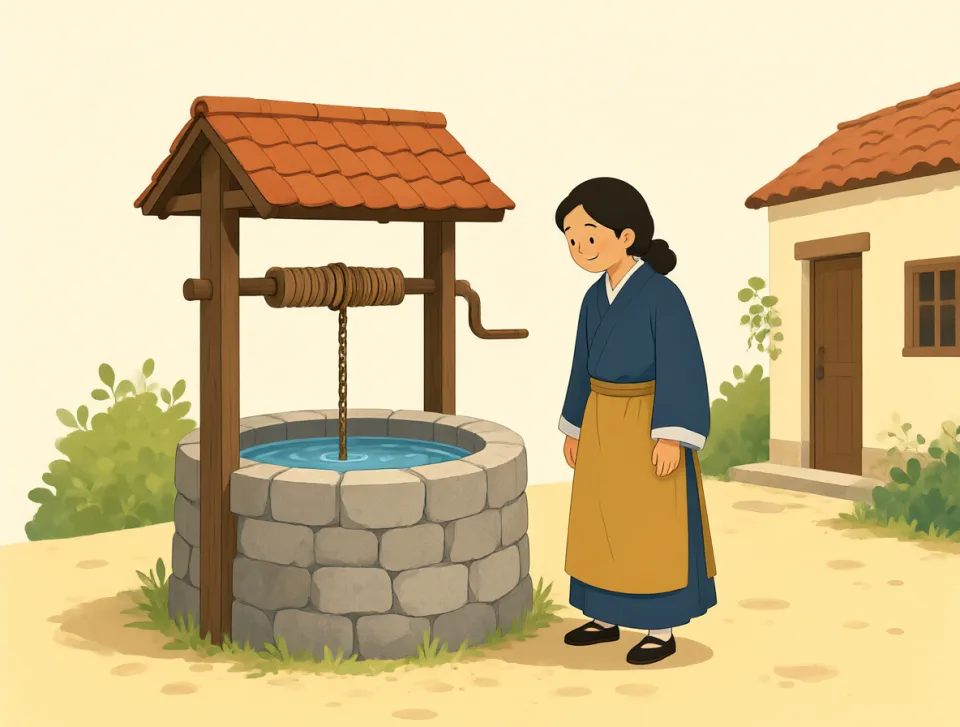
well
#61adverb, adjective, noun, verb
In a good, healthy, or successful way; a deep hole for water.
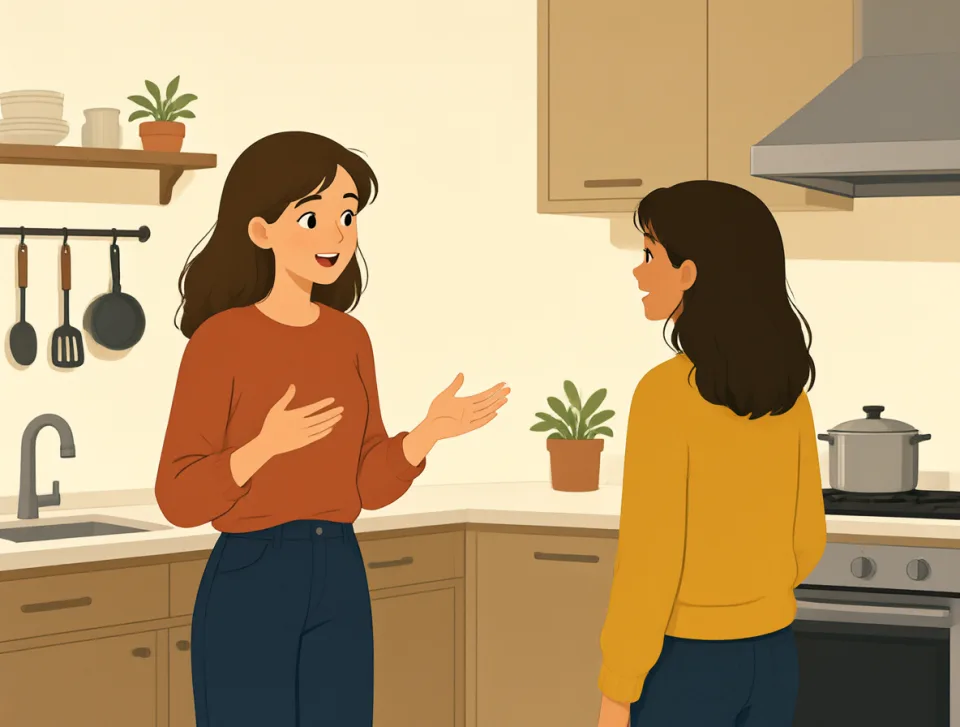
She speaks English very well.
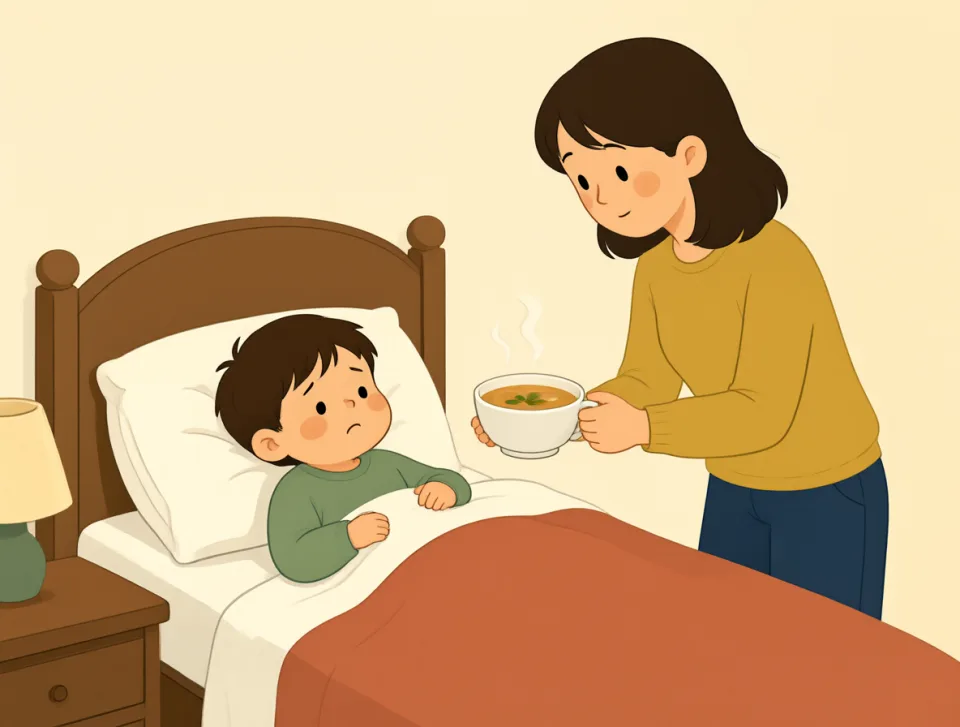
I hope you get well soon.
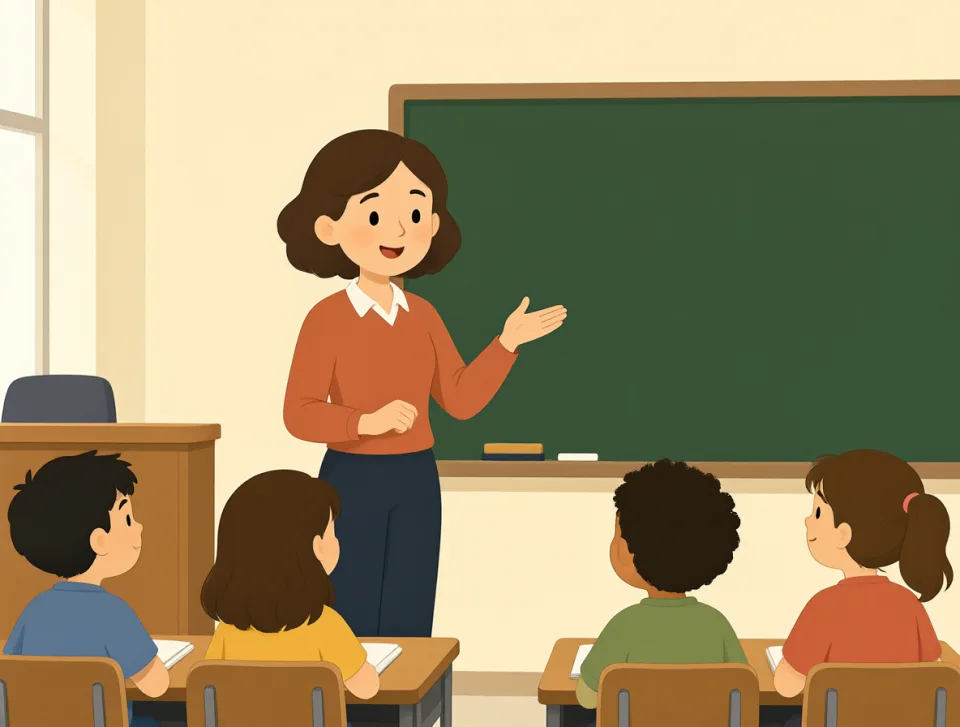
Well, let's start the lesson.
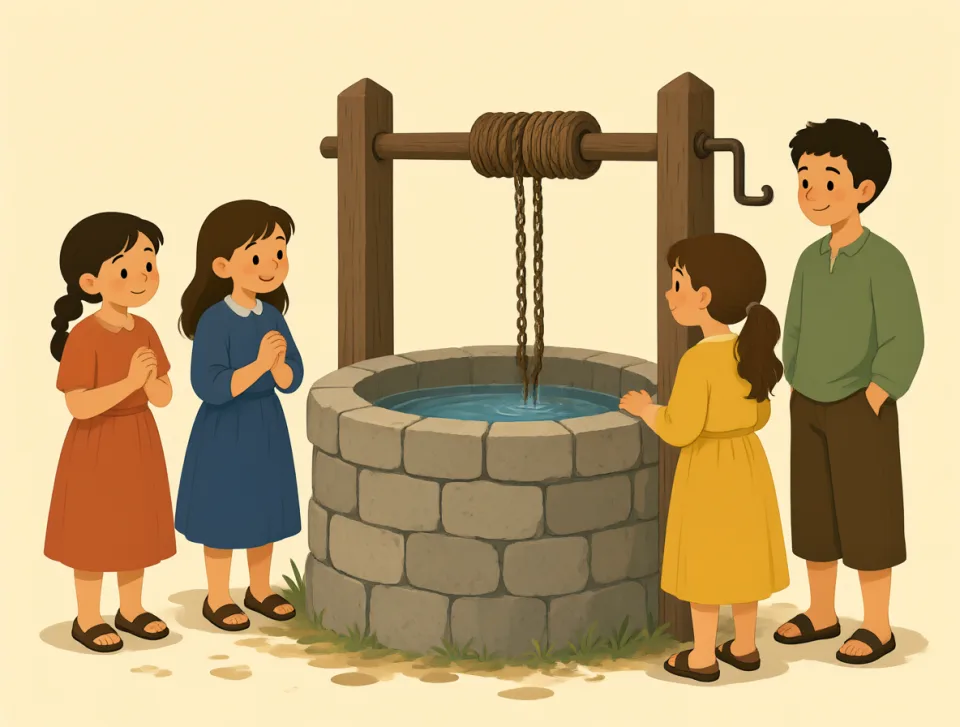
The village has an old stone well.

They well up with tears.
because
#62conjunction
for the reason that something happens
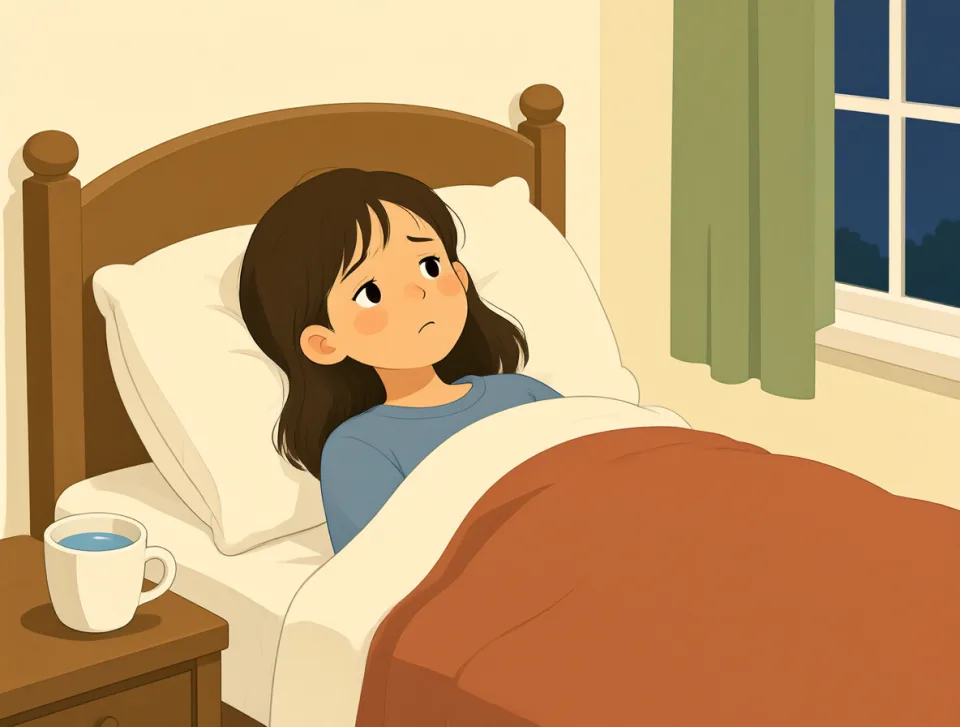
I stayed home because I felt sick.
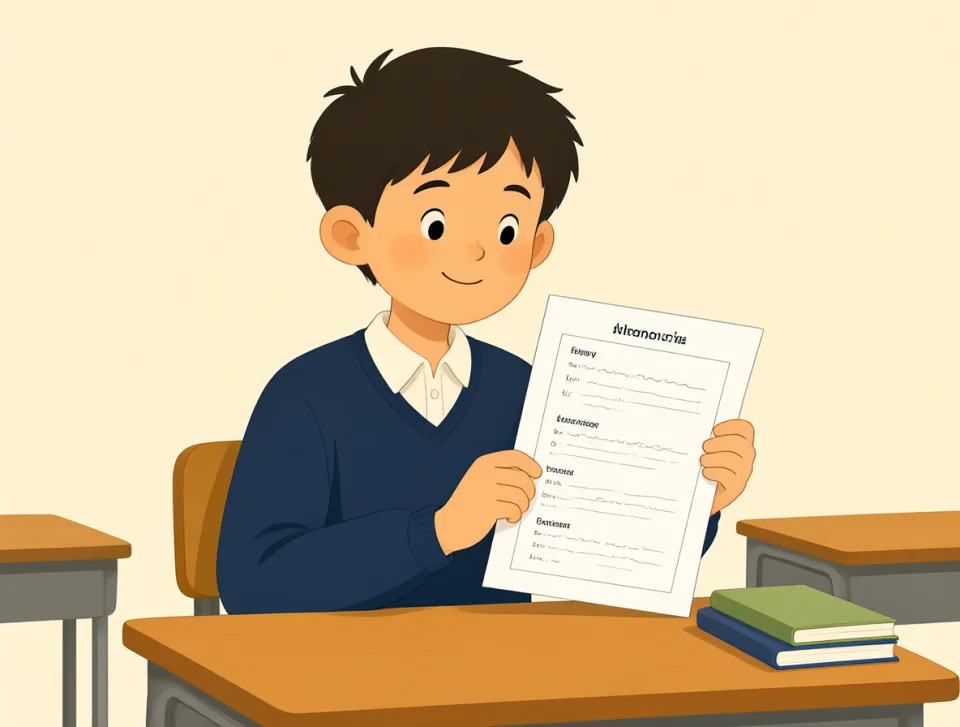
She is happy because she passed her test.
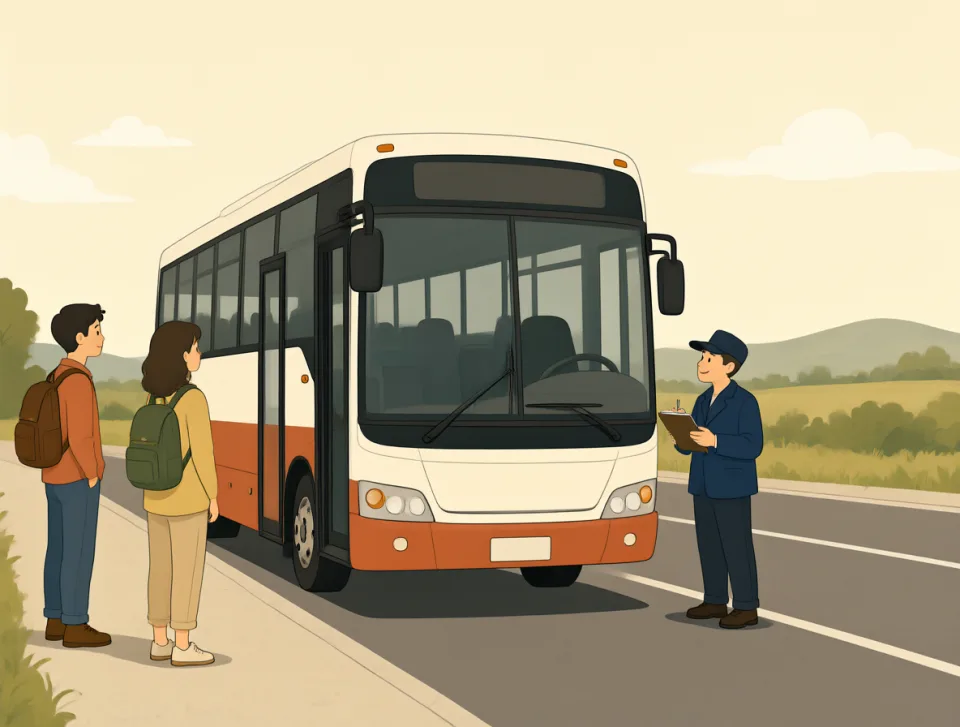
We were late because the bus broke down.
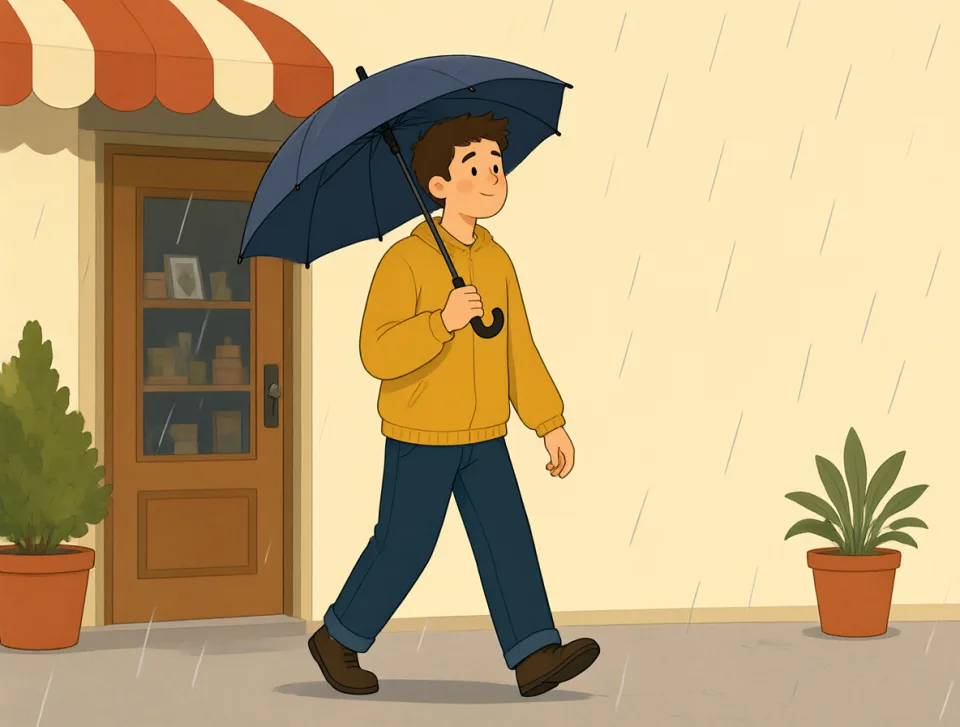
He bought an umbrella because it was raining.
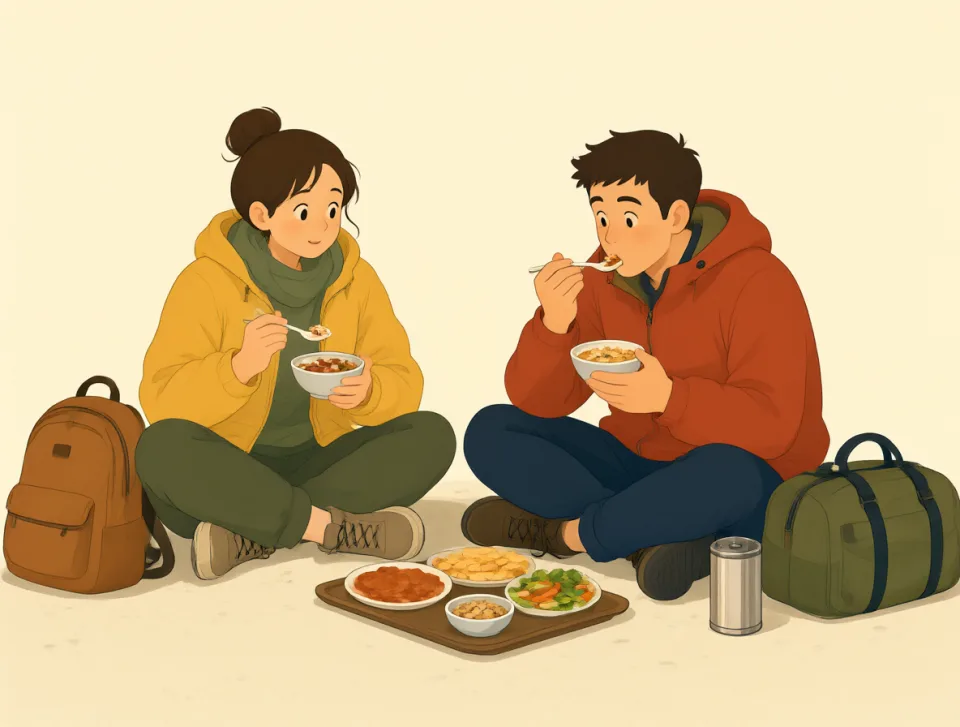
They eat early because they have a flight.
very
#63adverb
Used before an adjective or adverb to mean to a high degree.
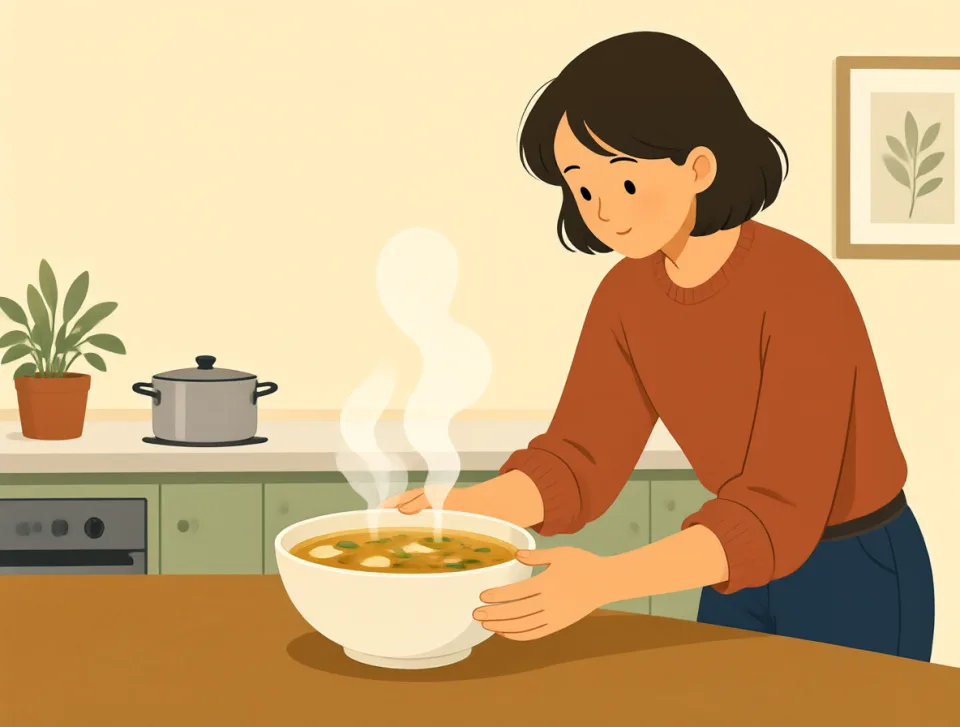
The soup is very hot.
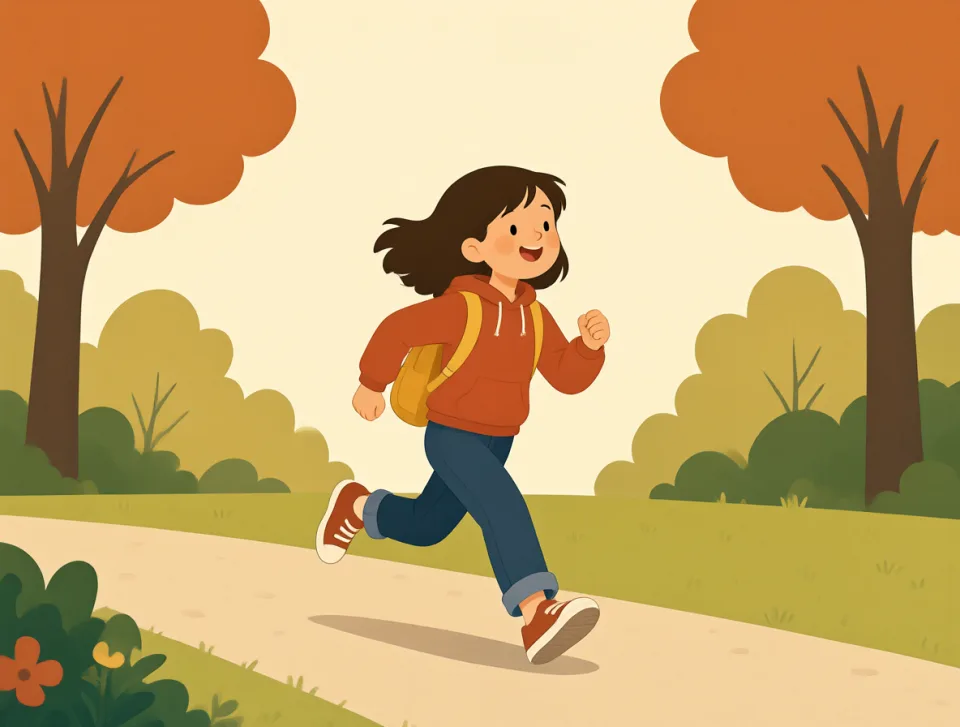
She runs very fast.
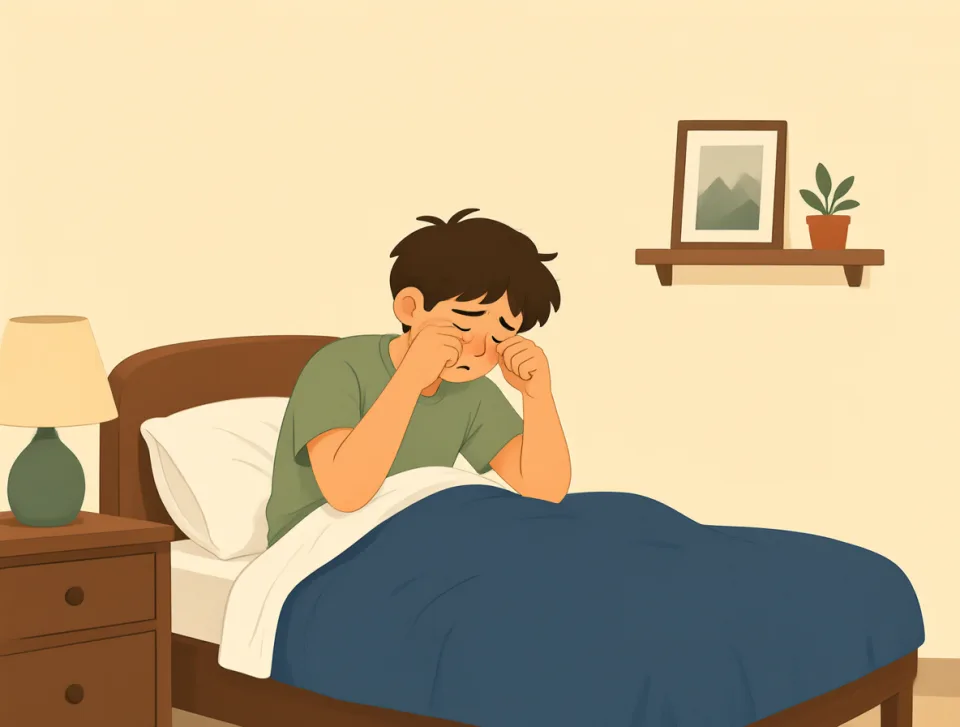
I am very tired today.

This bag is very expensive.

We had a very good time.
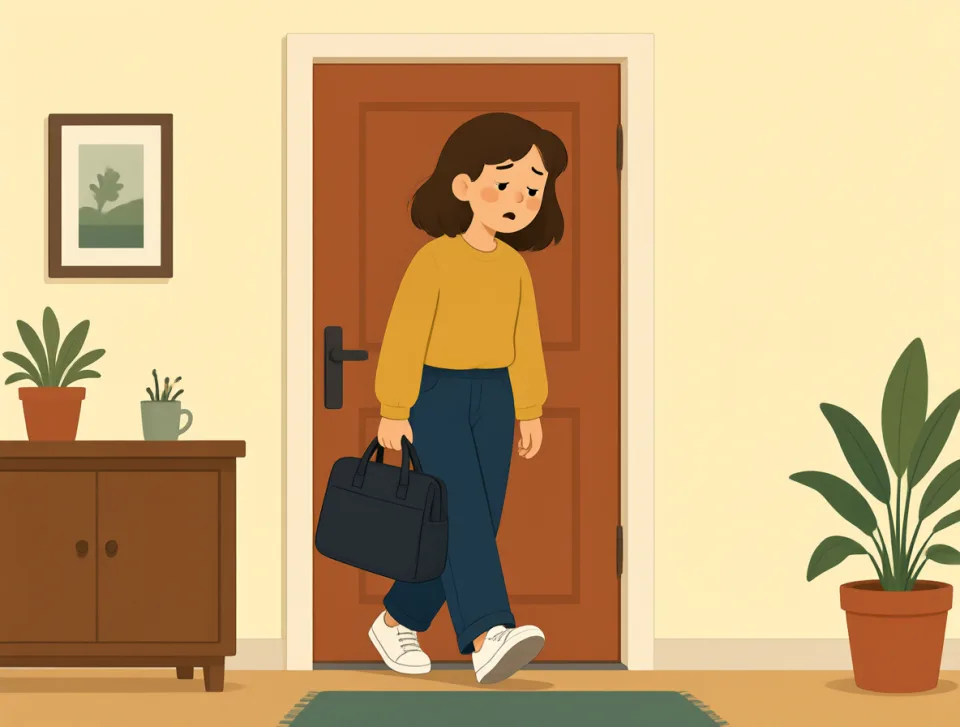
just
#64adverb, adjective
Only recently, exactly, or fairly; used to make something seem less important.
I just got home from work.
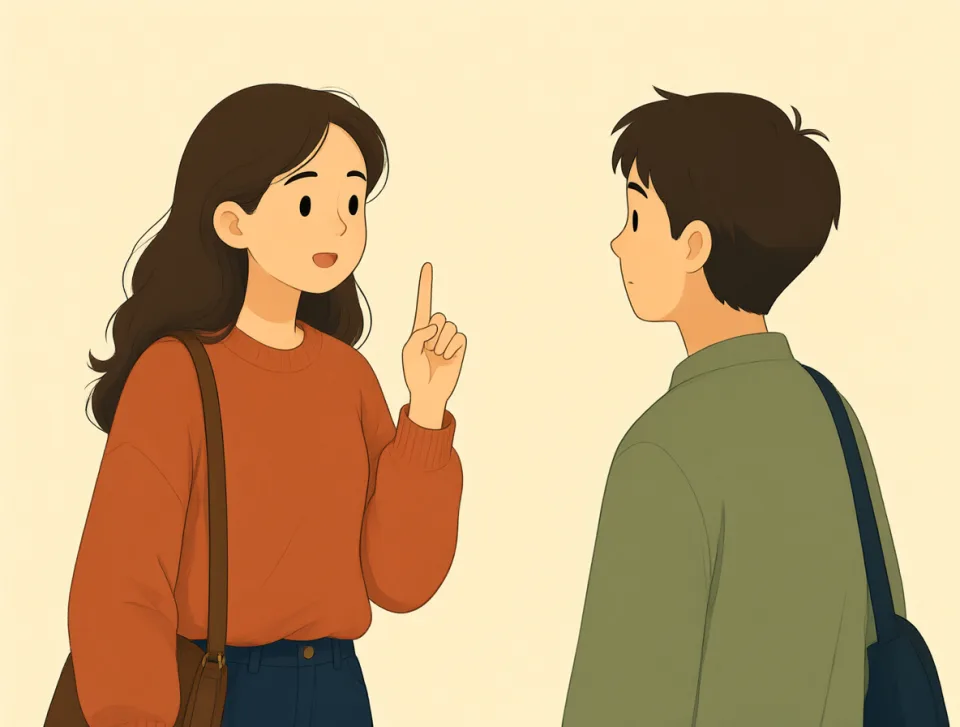
Just wait here for a minute.

This shirt is just five dollars.
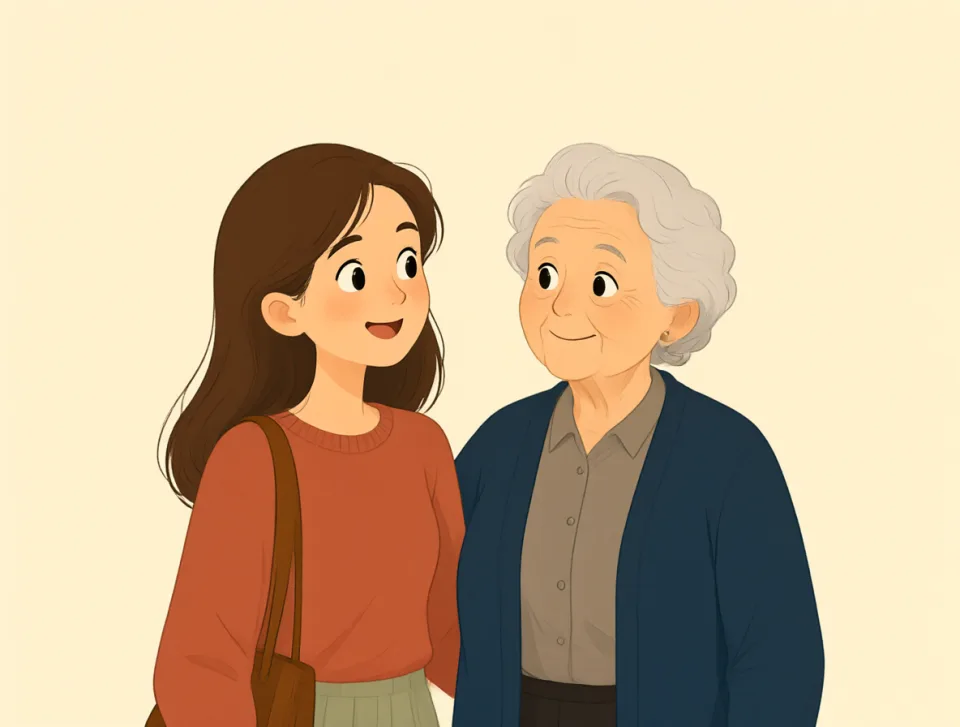
She is just like her mother.
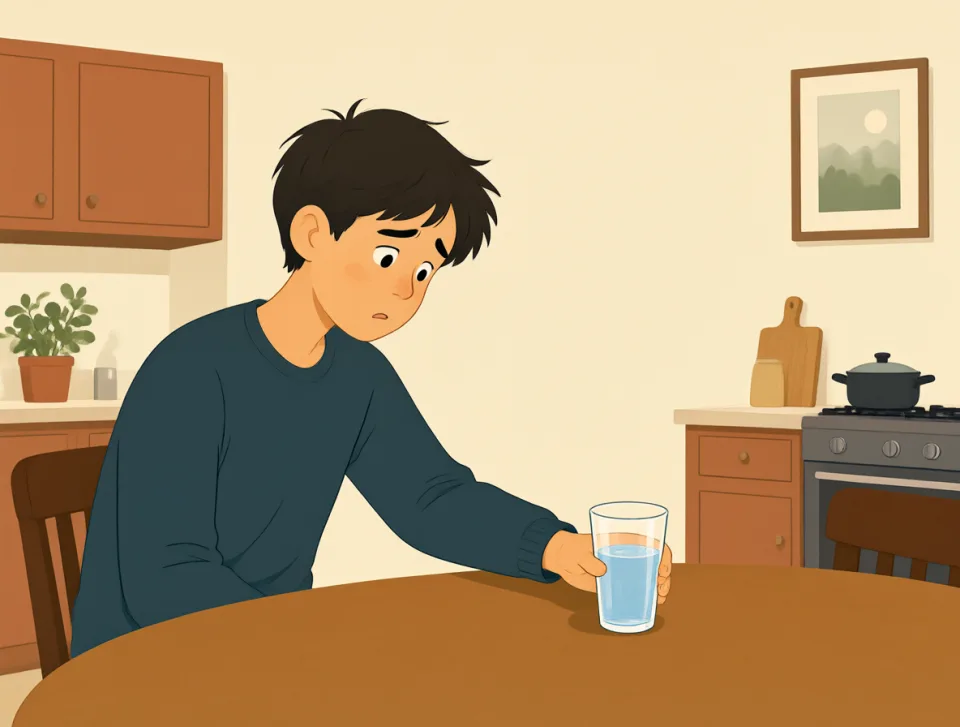
I just want some water.
come
#65verb
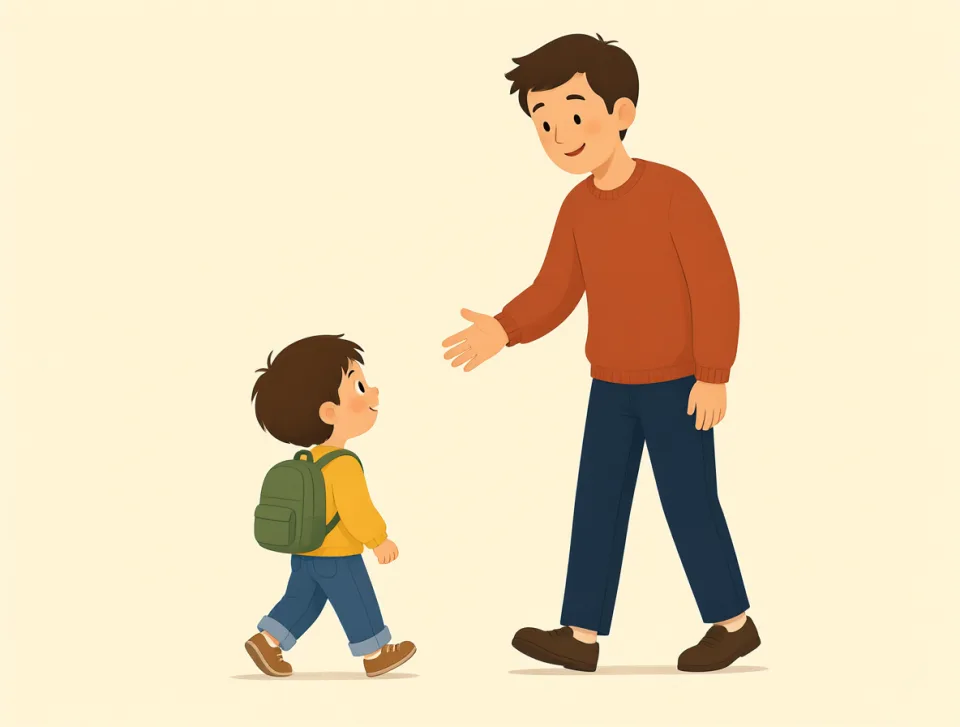
to move toward or arrive at a person or place
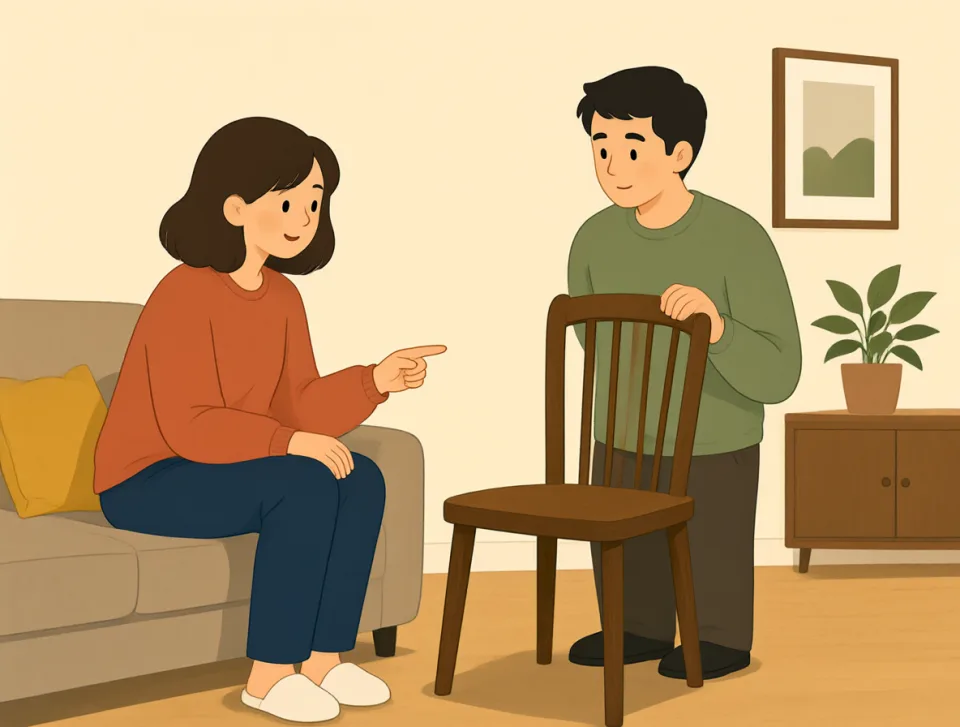
Come here and sit beside me.
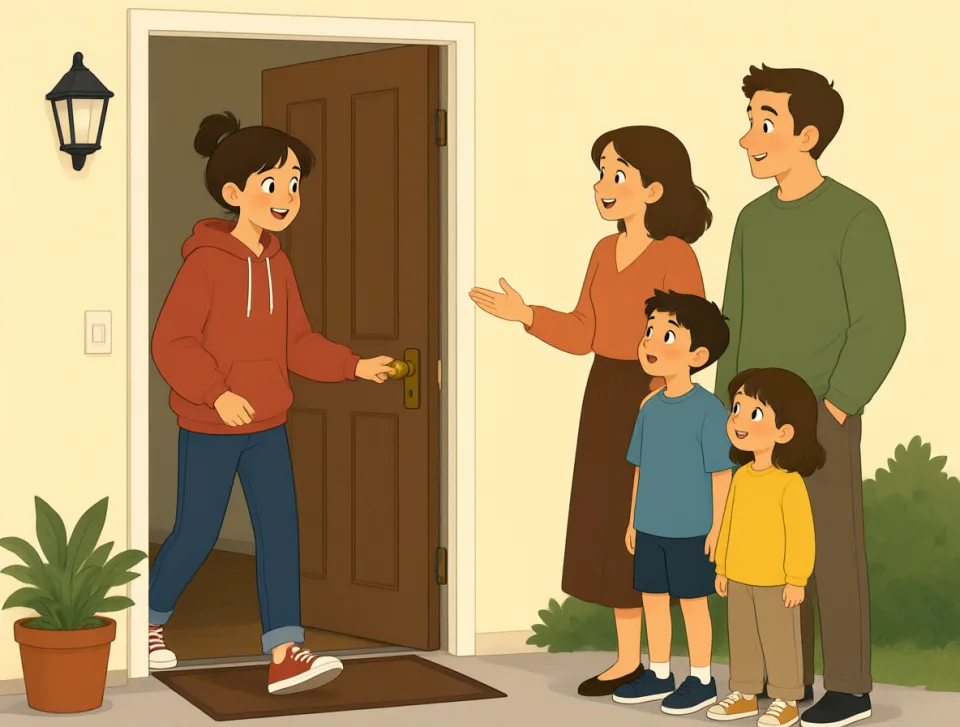
What time did you come home?
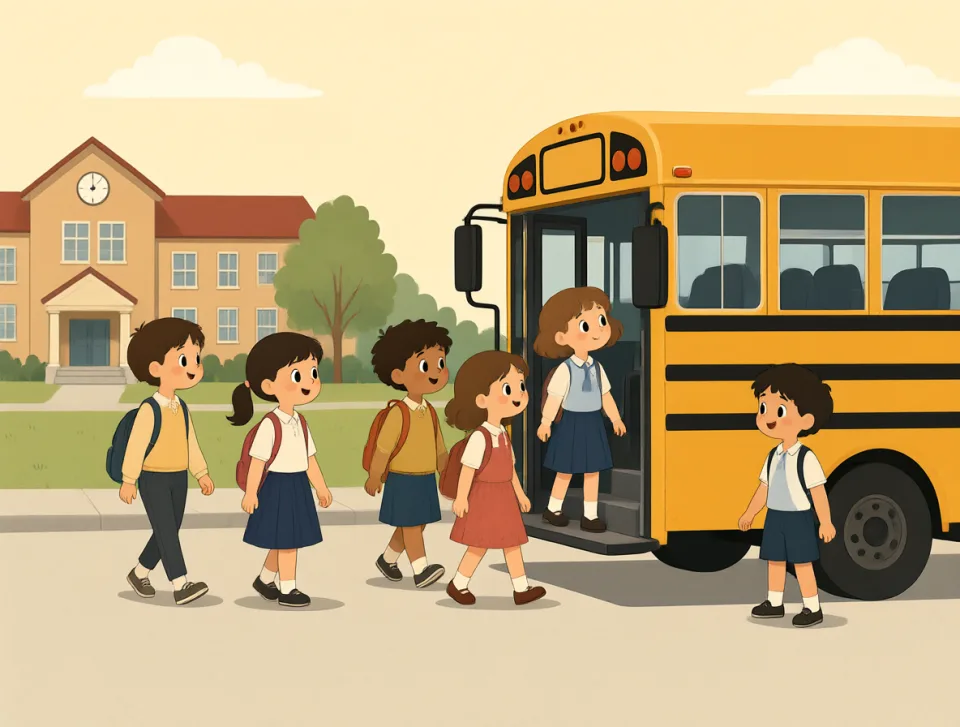
Many students come to school by bus.

Please come to my birthday party.
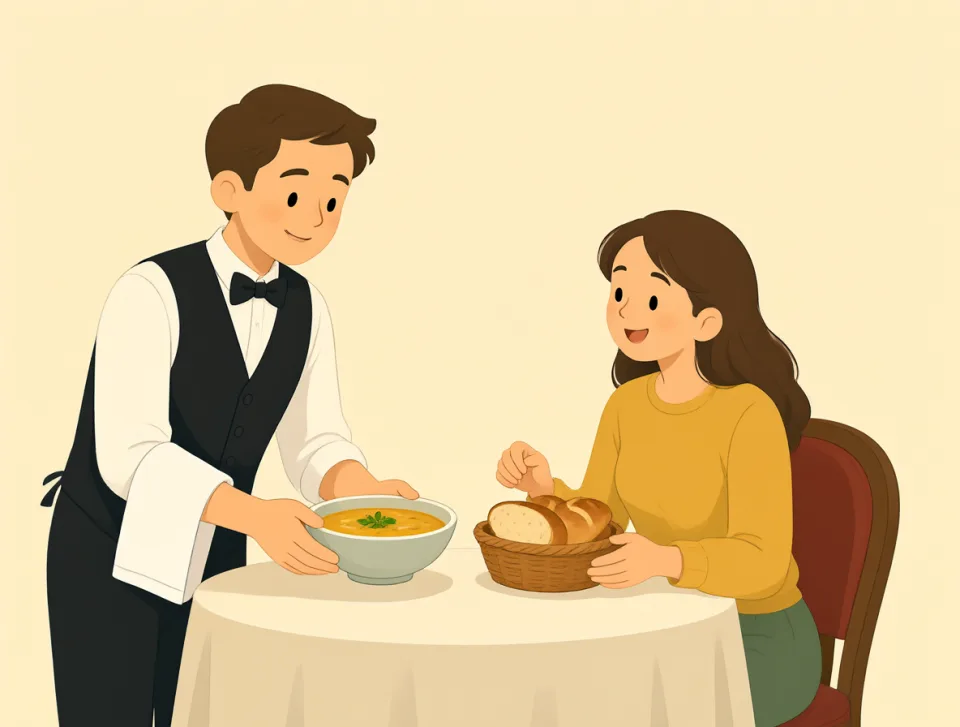
This soup comes with fresh bread.

could
#66modal verb
Used to ask politely, talk about possibility, or describe ability in the past.
Could you help me with this bag?

We could meet at the station tomorrow.
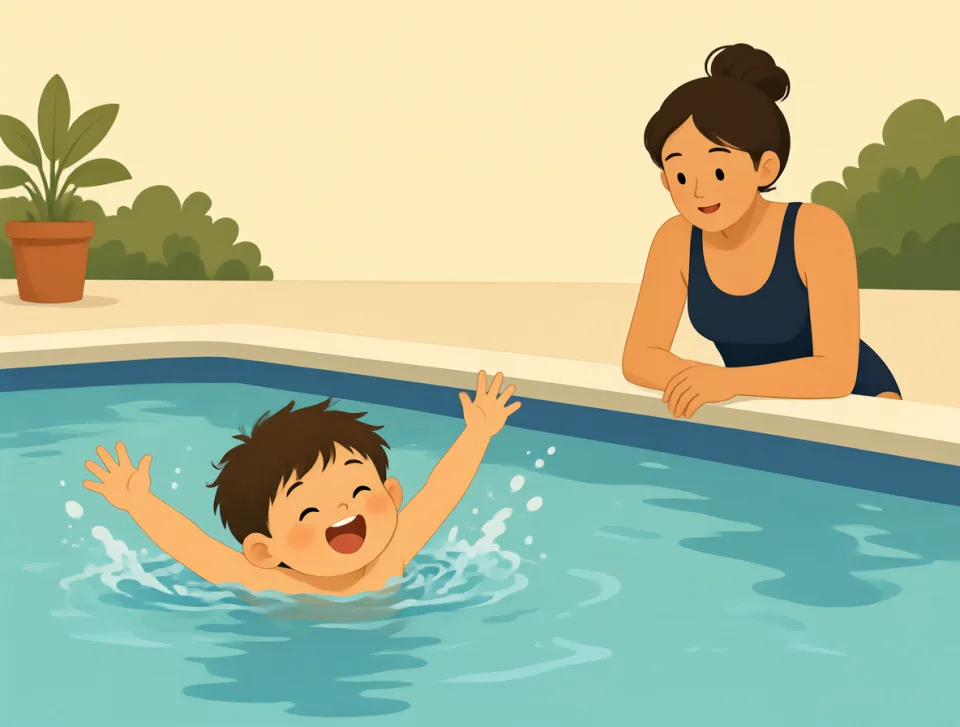
I could swim when I was five.
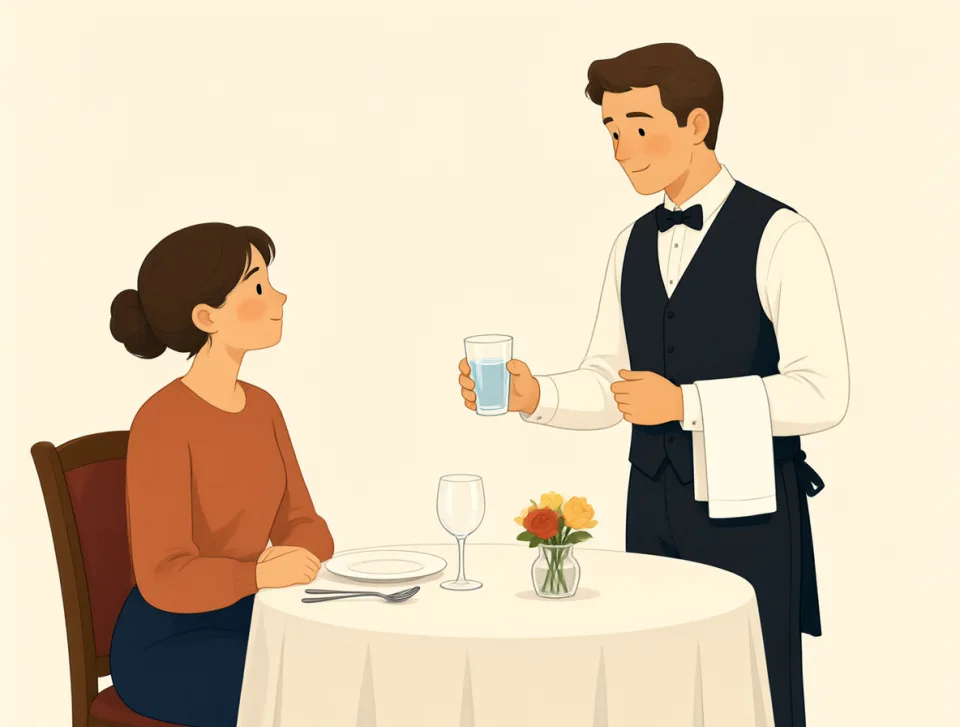
Could I have some water, please?

It could rain this afternoon.

work
#67noun, verb
To do a job or activity, or the job or activity you do.

I work in a small office.

She works hard every day.

This computer does not work.
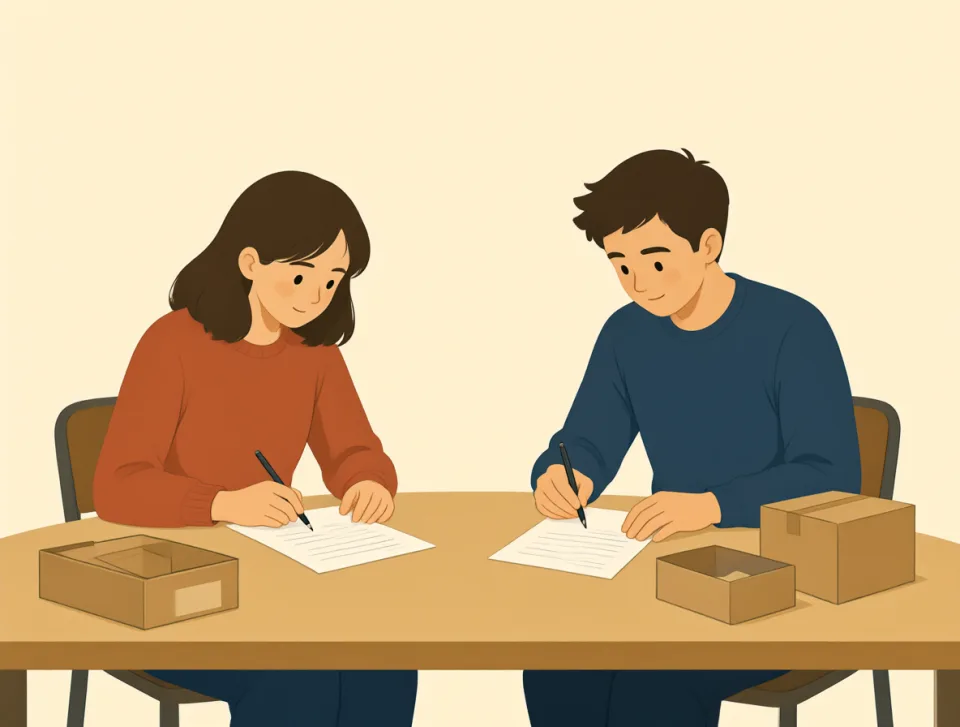
We have a lot of work today.

His works hang in the museum.
use
#68verb, noun
To do something with a thing for a purpose; the way something is used.

I use my phone every day.
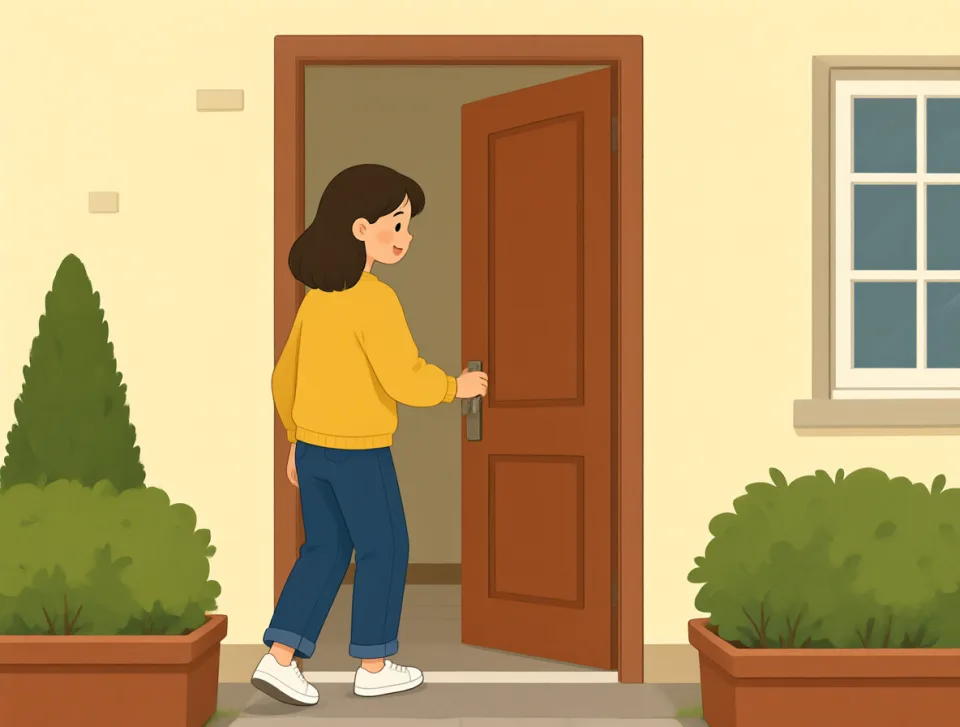
Please use this door.
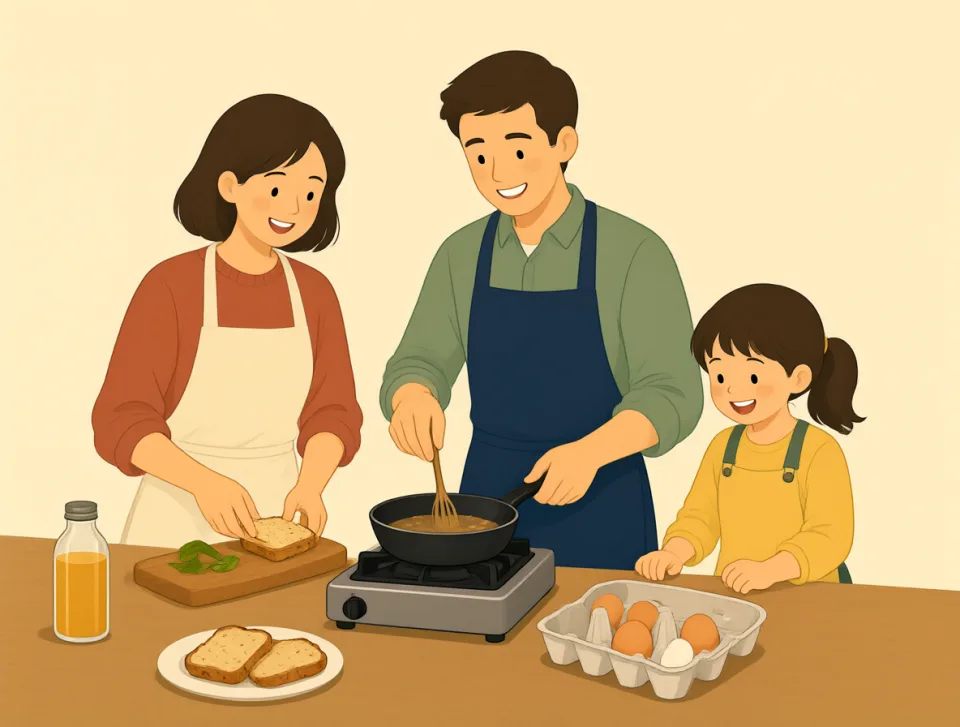
We used all the eggs for breakfast.
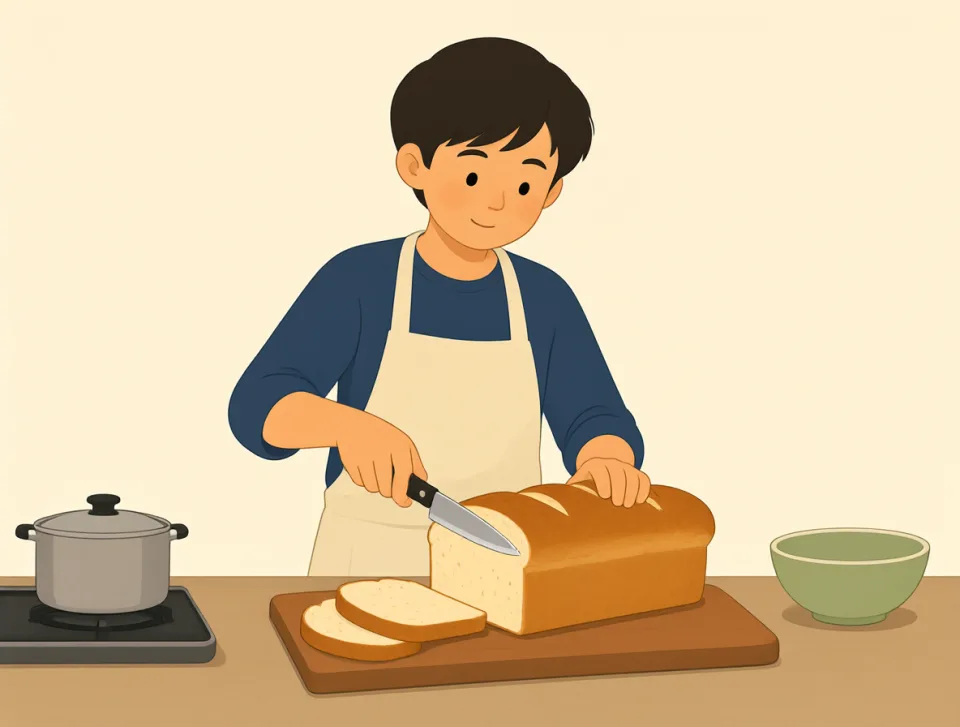
She uses a knife to cut bread.
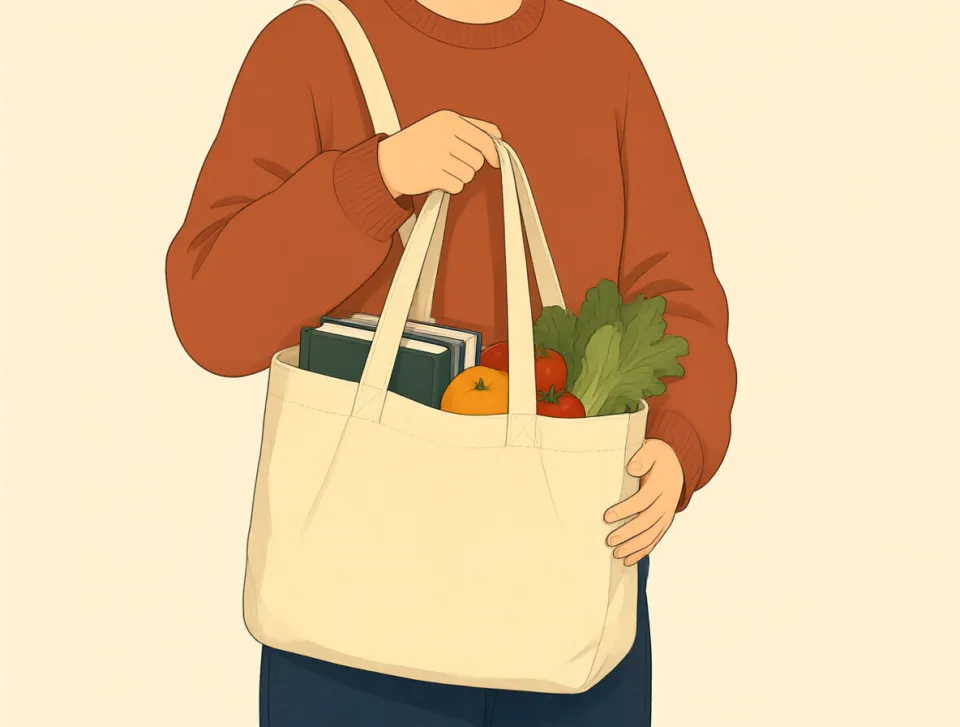
This bag has many uses.
than
#69conjunction, preposition
Used to compare two people, things, or actions.
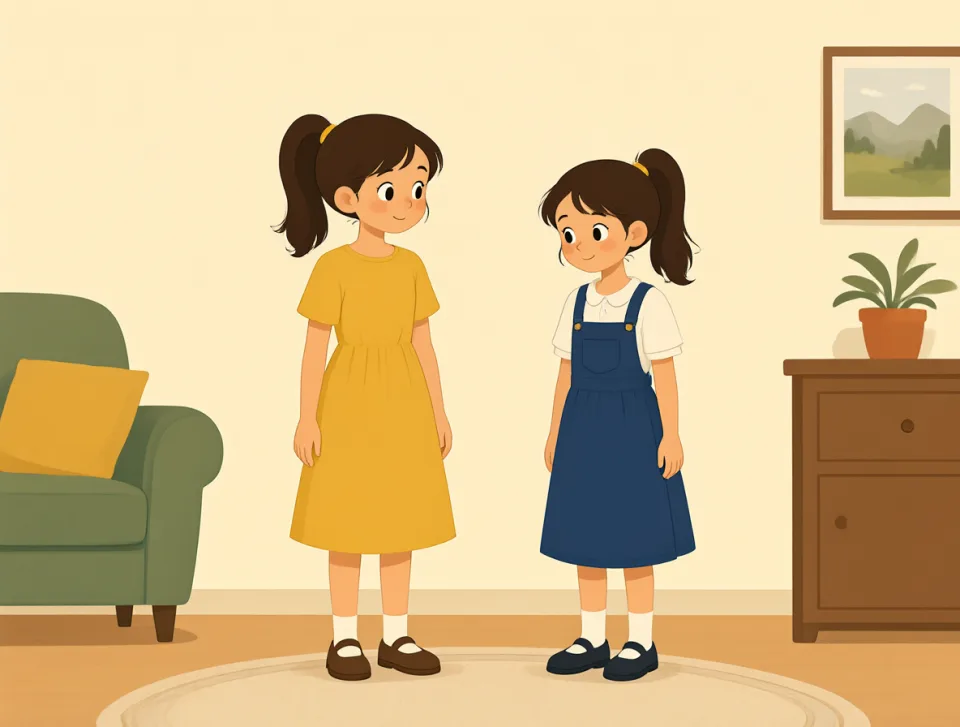
My sister is taller than me.

This bag is cheaper than that one.
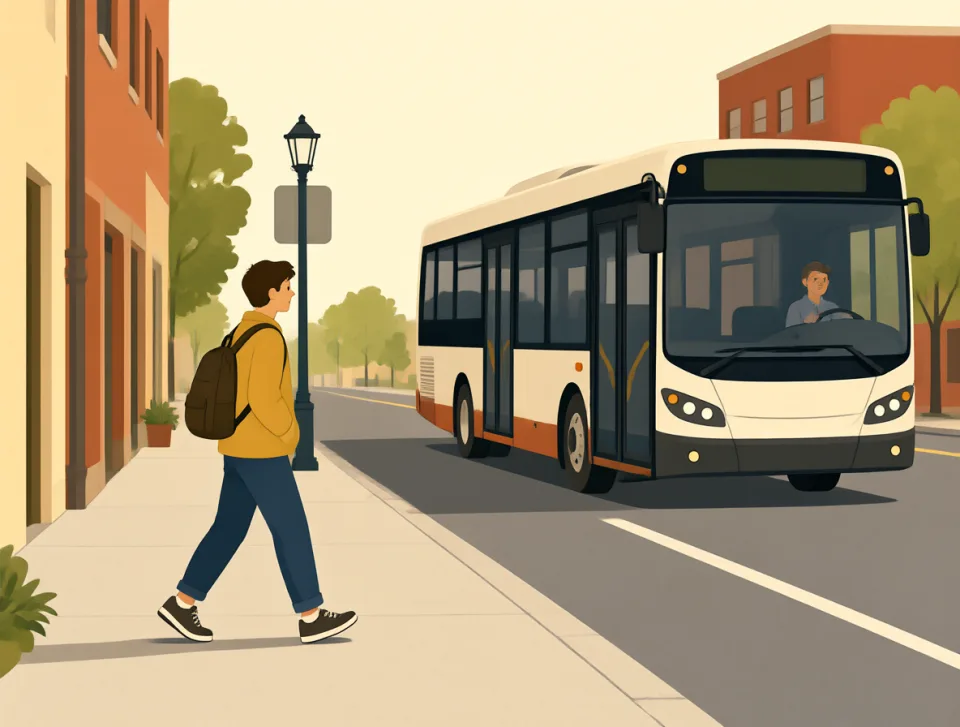
I would rather walk than take the bus.
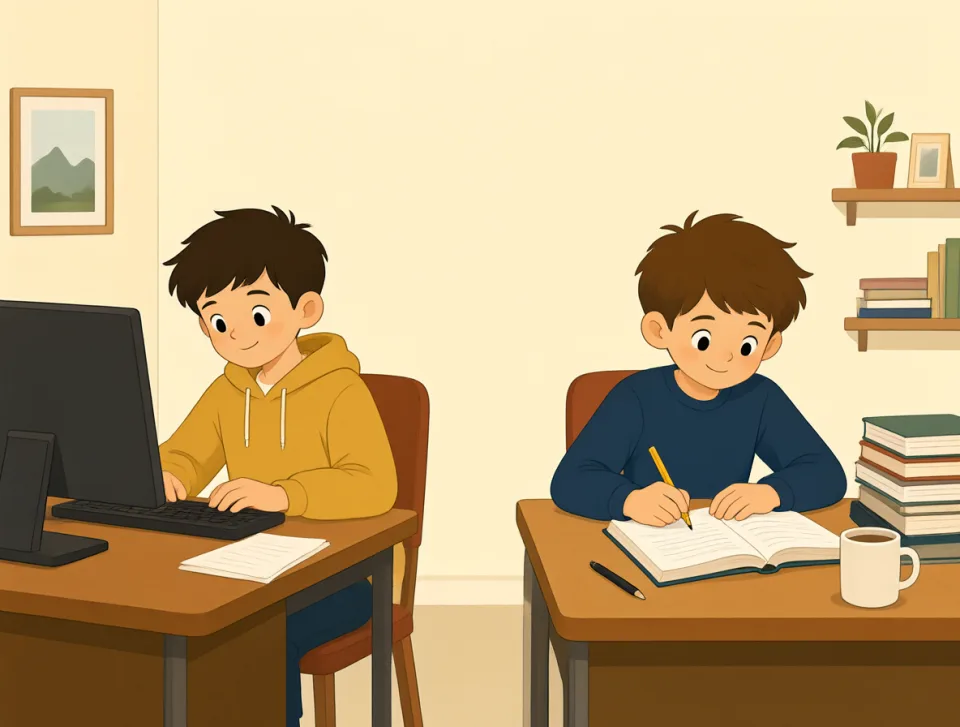
He works harder than his brother.
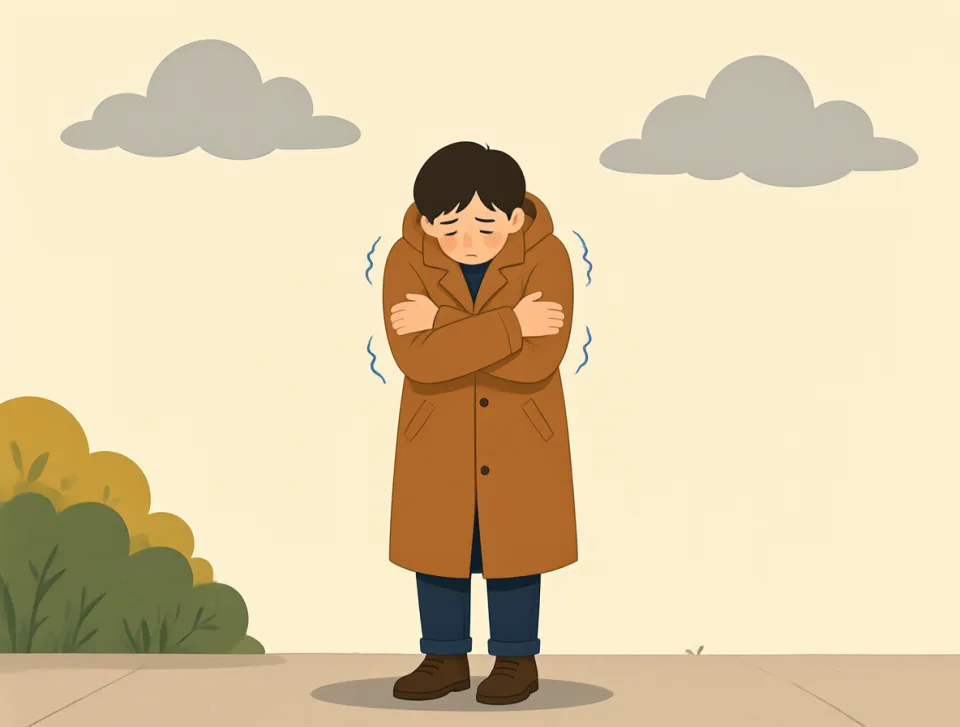
It was colder than yesterday.

now
#70adverb, noun, adjective
at the present time or moment
I am busy now.
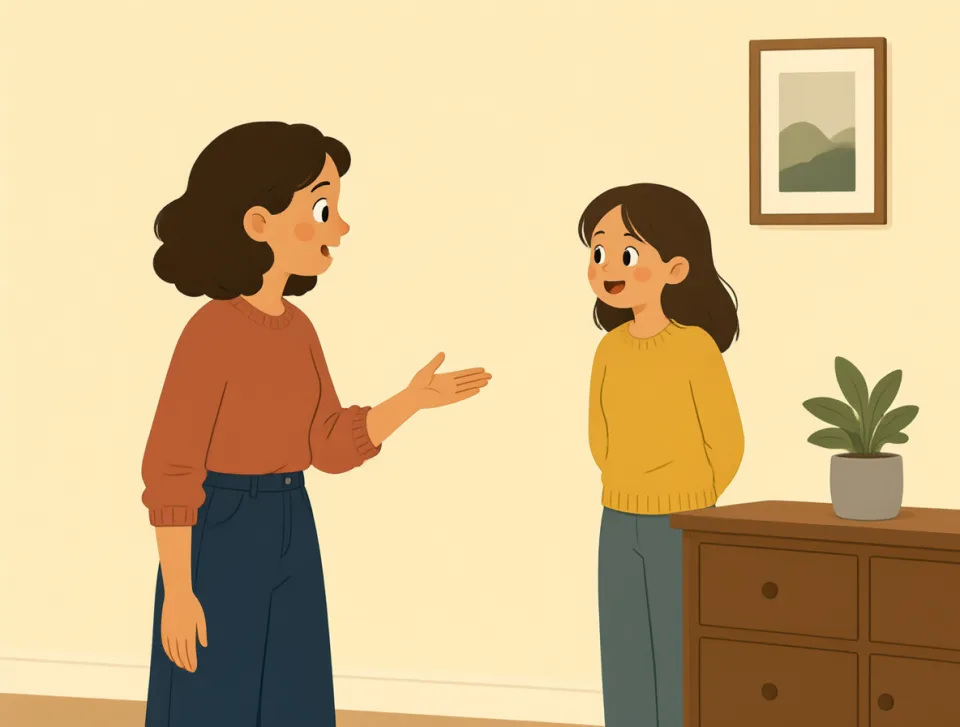
Please come here now.
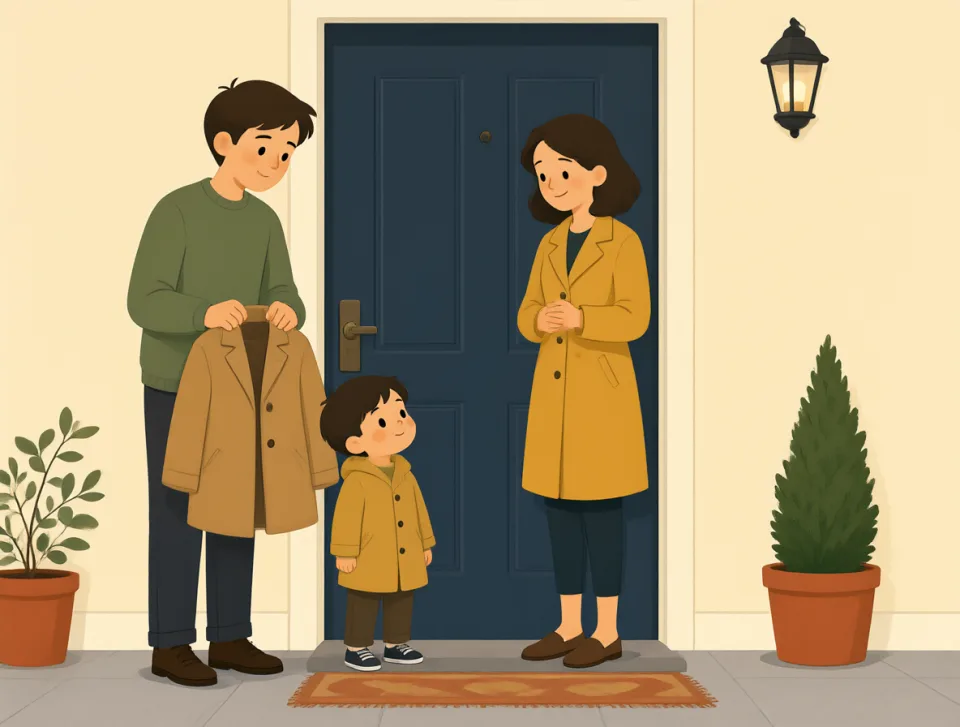
We have to leave now.

Now is a good time to start.
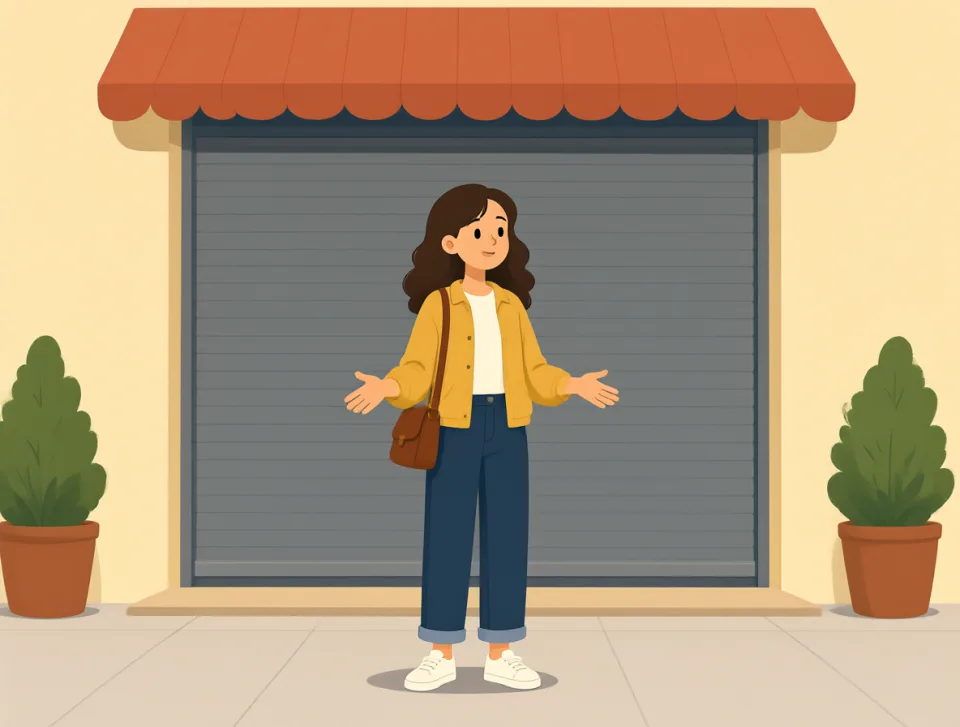
The store is closed now.
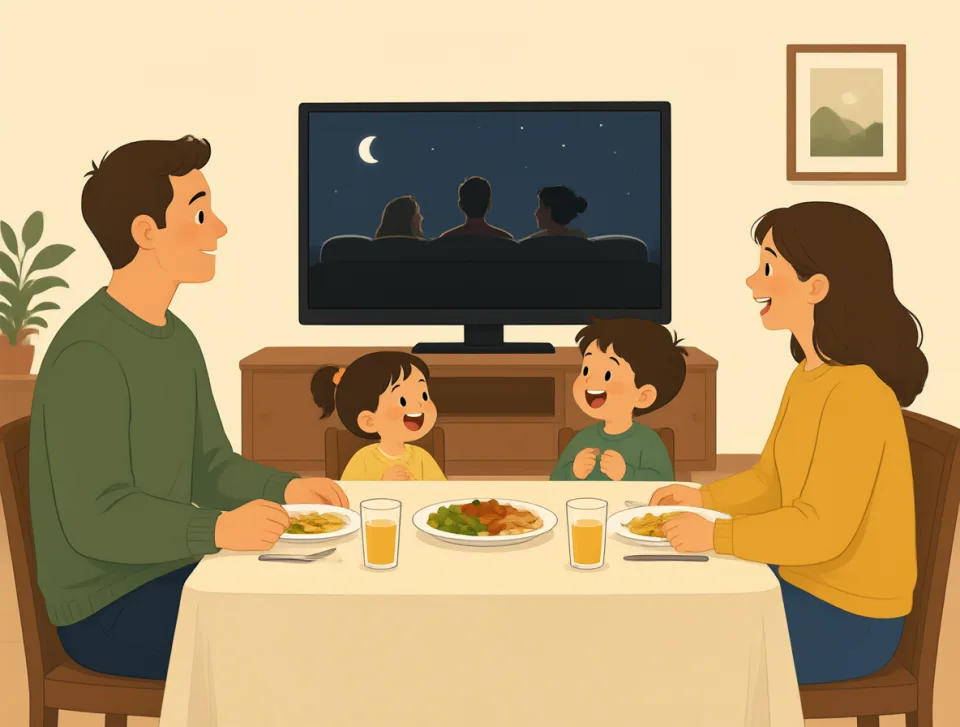
then
#71adverb, adjective
At that time, or next after something else happens.
We ate dinner, then watched a movie.
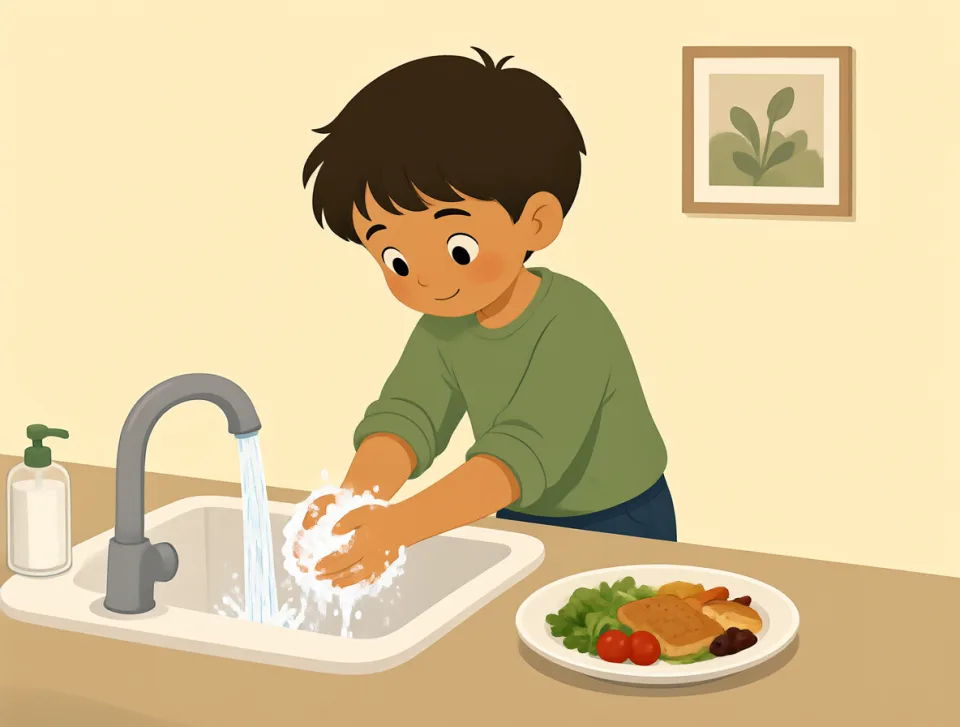
First wash your hands, then eat.
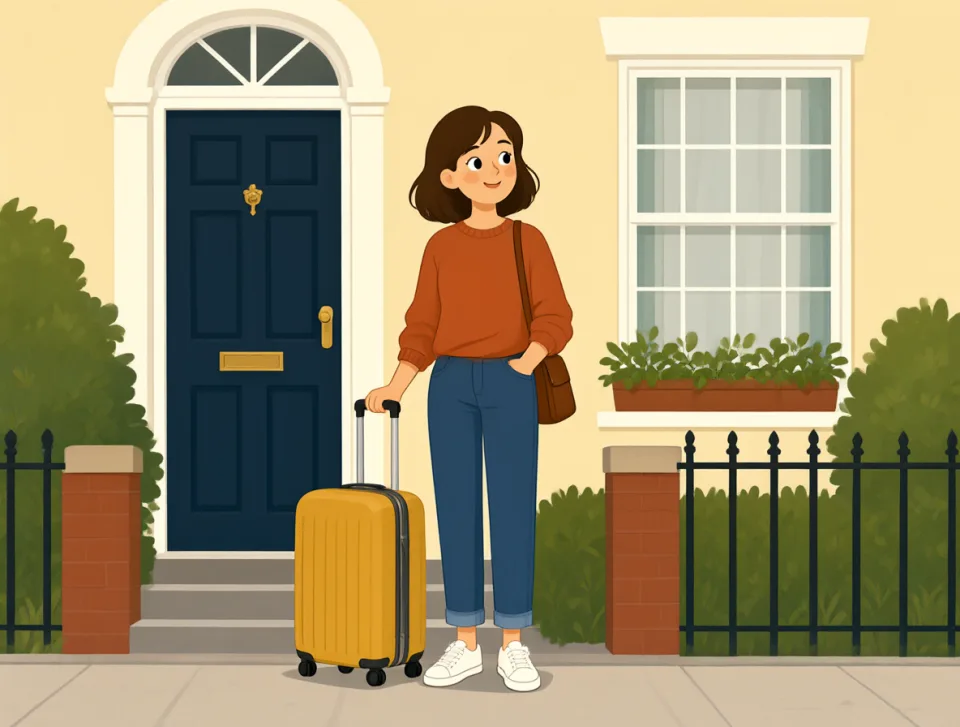
I was living in London then.
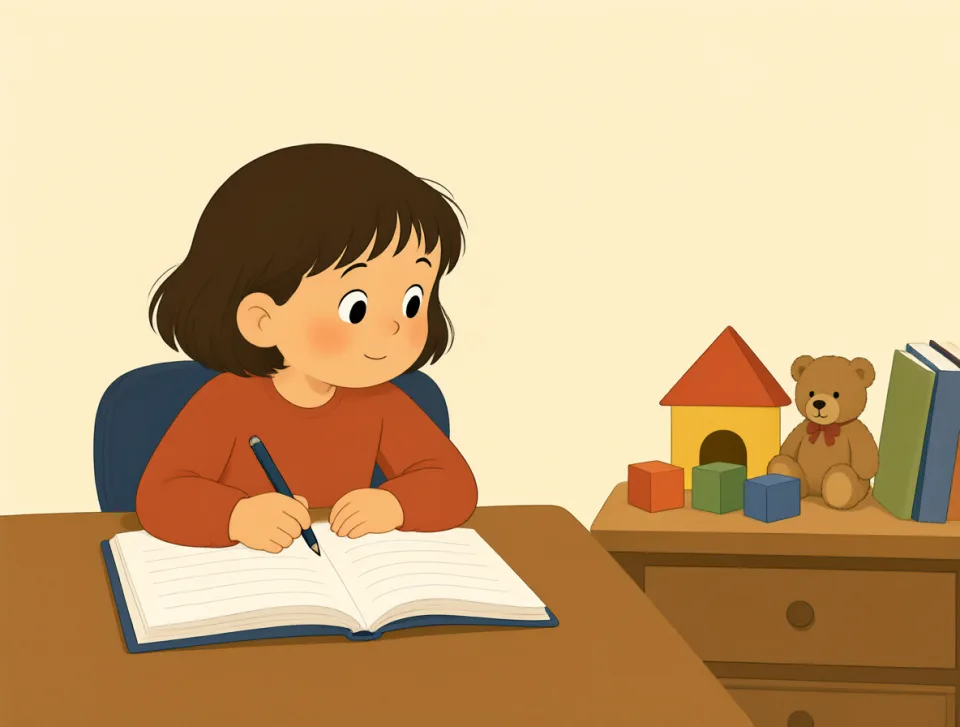
If you finish, then you can play.
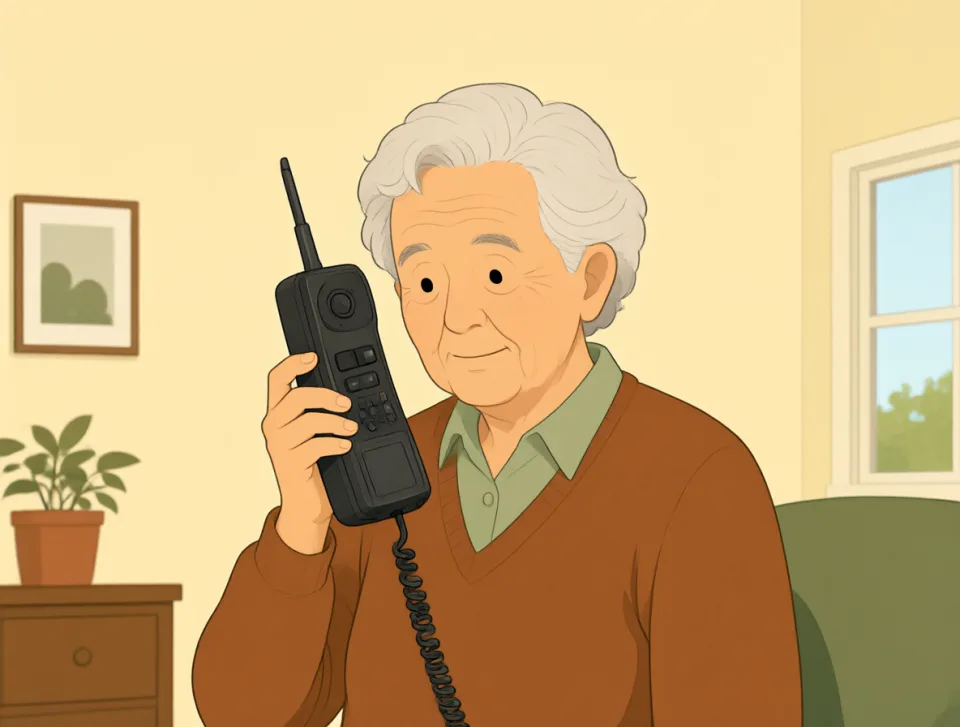
Back then, phones were much bigger.
also
#72adverb
In addition to someone or something already mentioned.
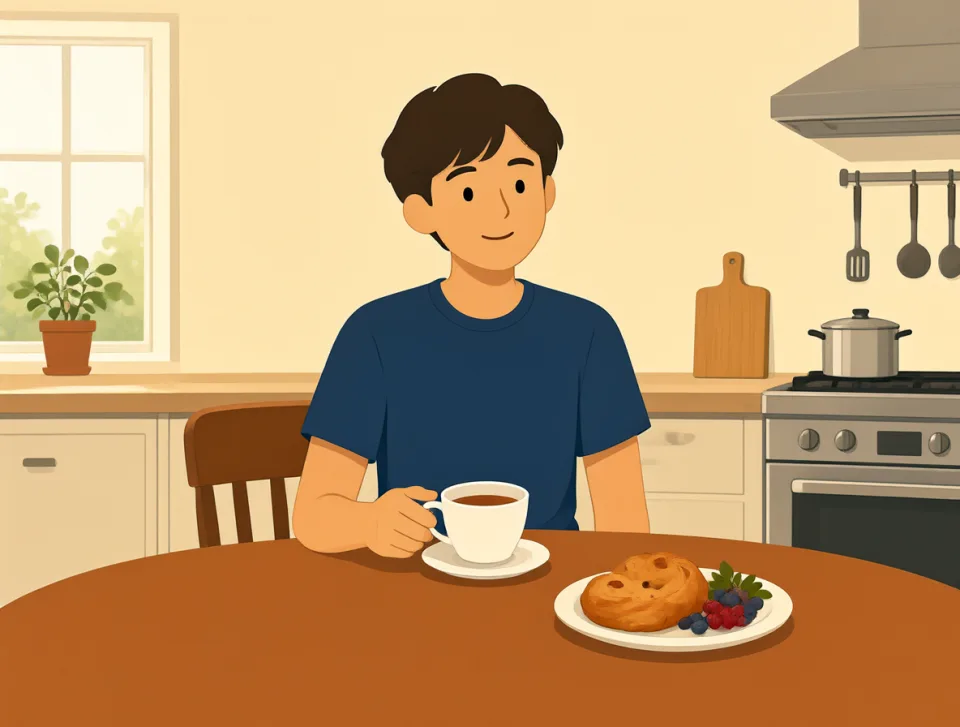
I also like tea in the morning.
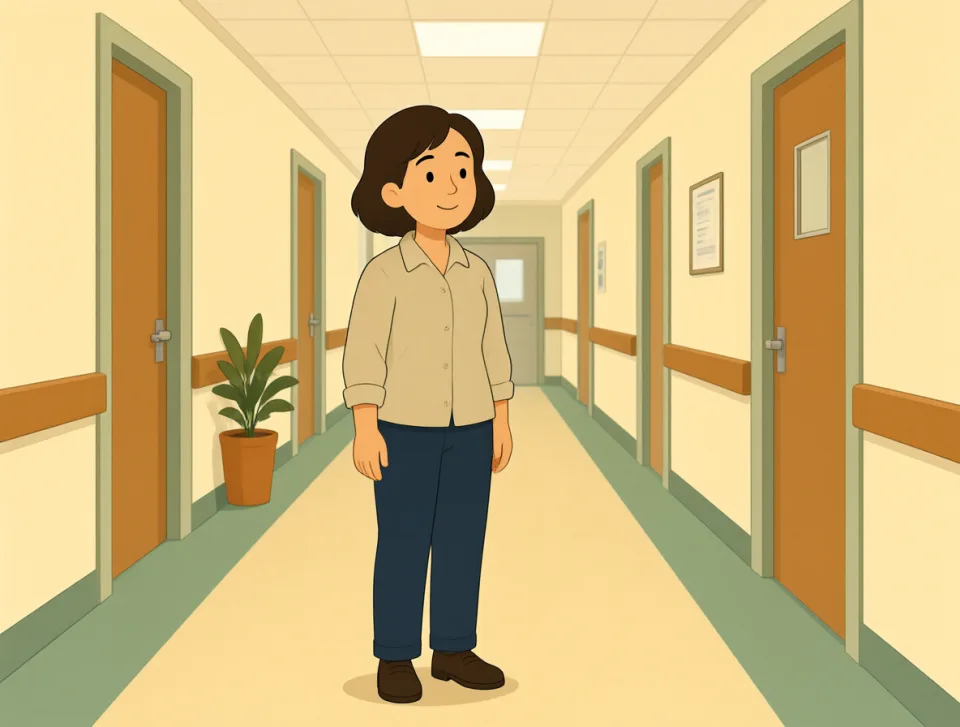
She also works at the hospital.
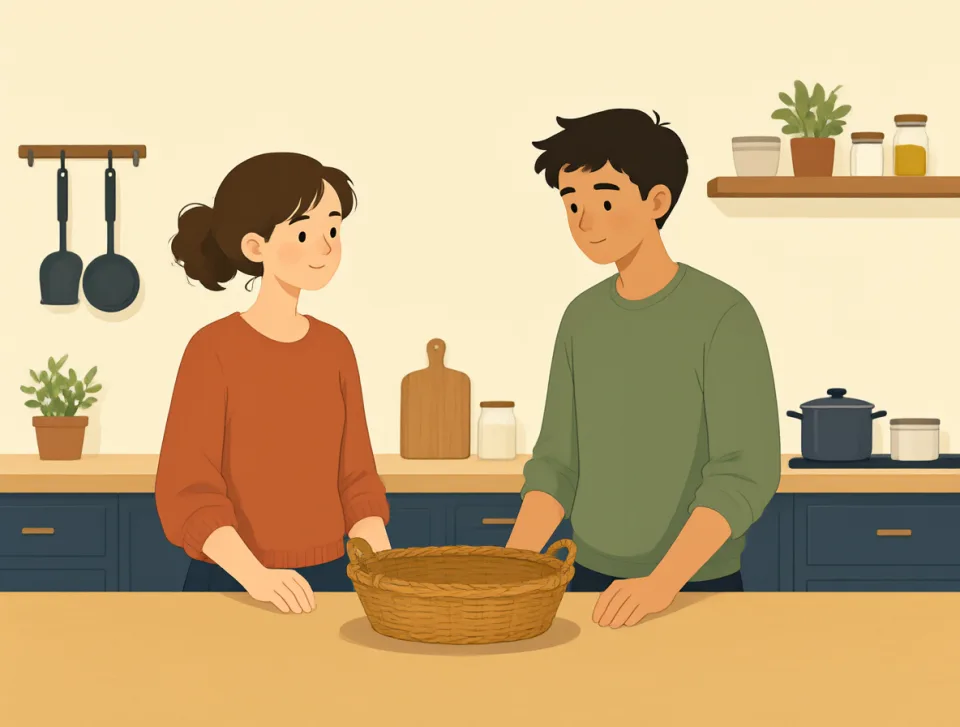
We also need some bread for dinner.
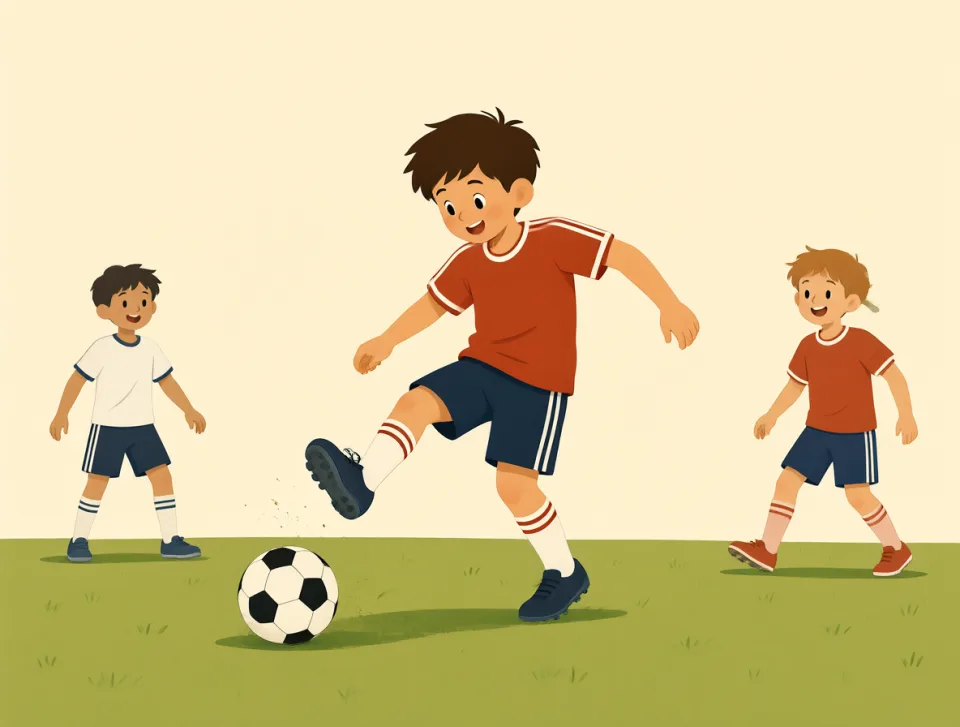
He also plays soccer with his friends.

The hotel also has a small swimming pool.
into
#73preposition
to a position inside something or toward a particular place, situation, or activity
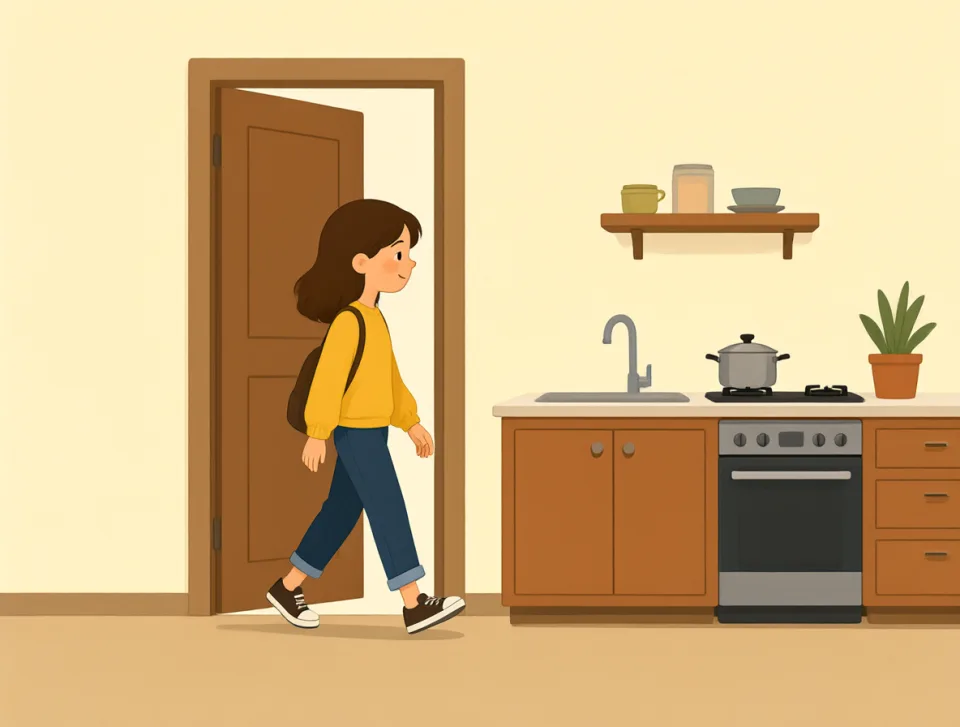
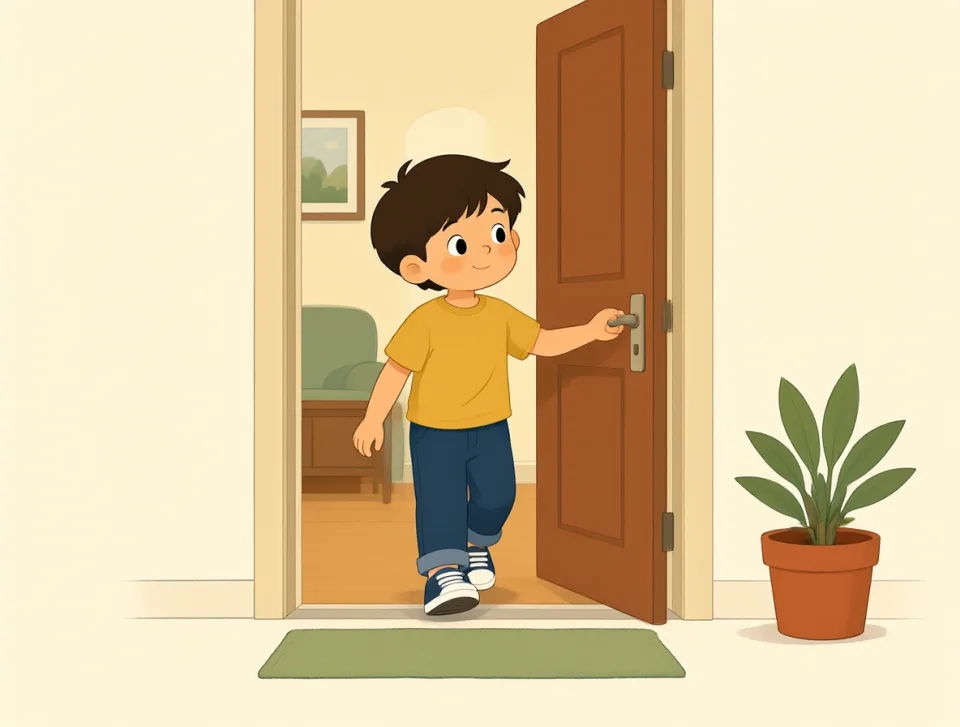
She walked into the kitchen.
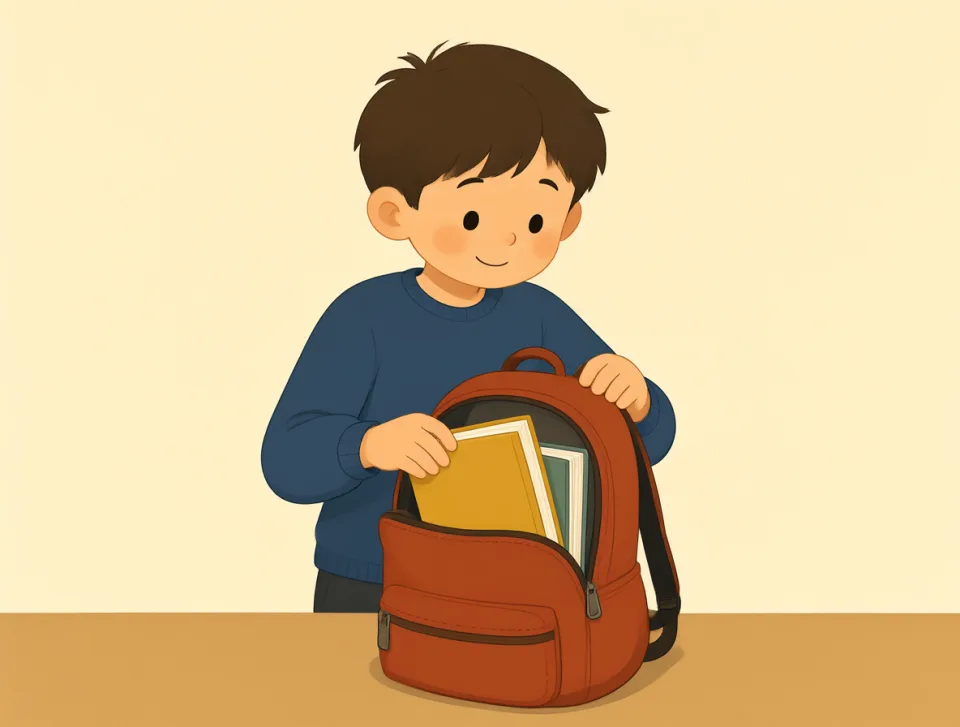
He put the books into his bag.
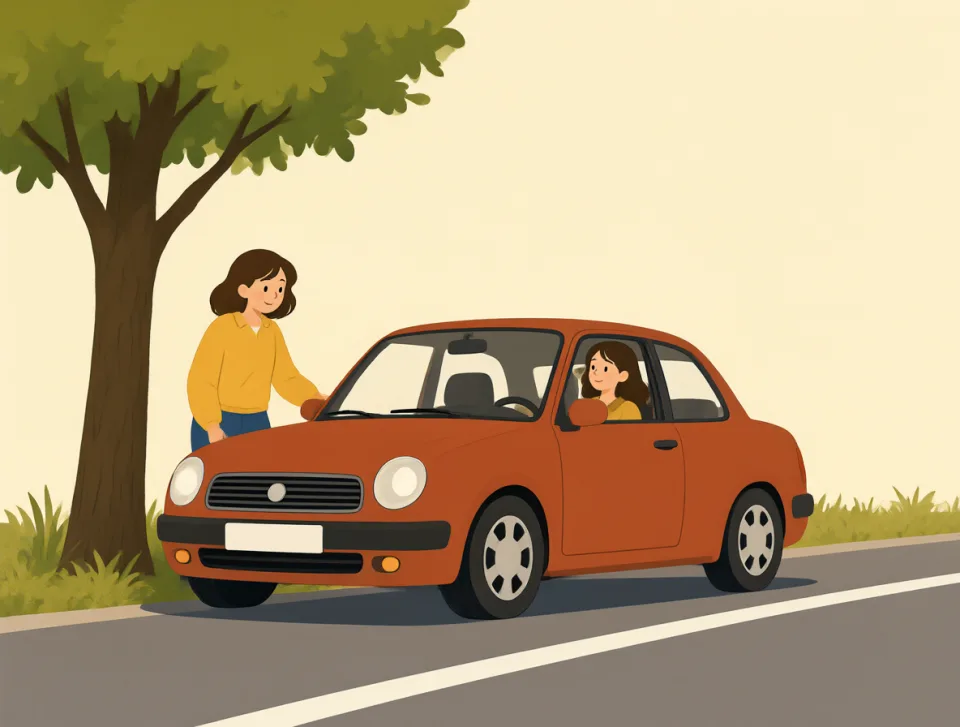
The car crashed into a tree.
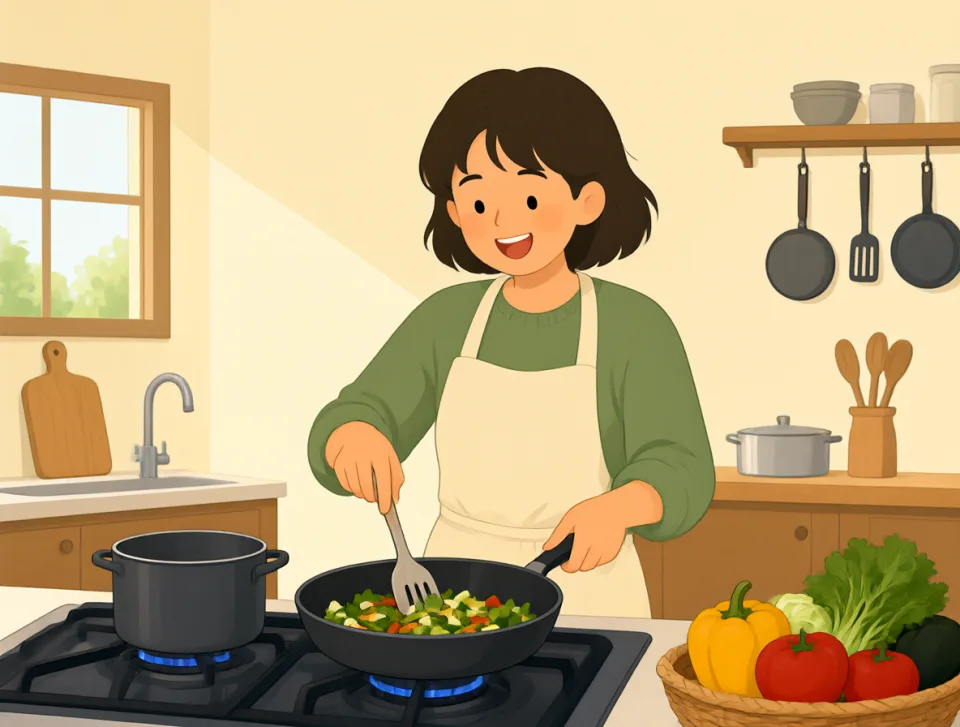
I am really into cooking now.
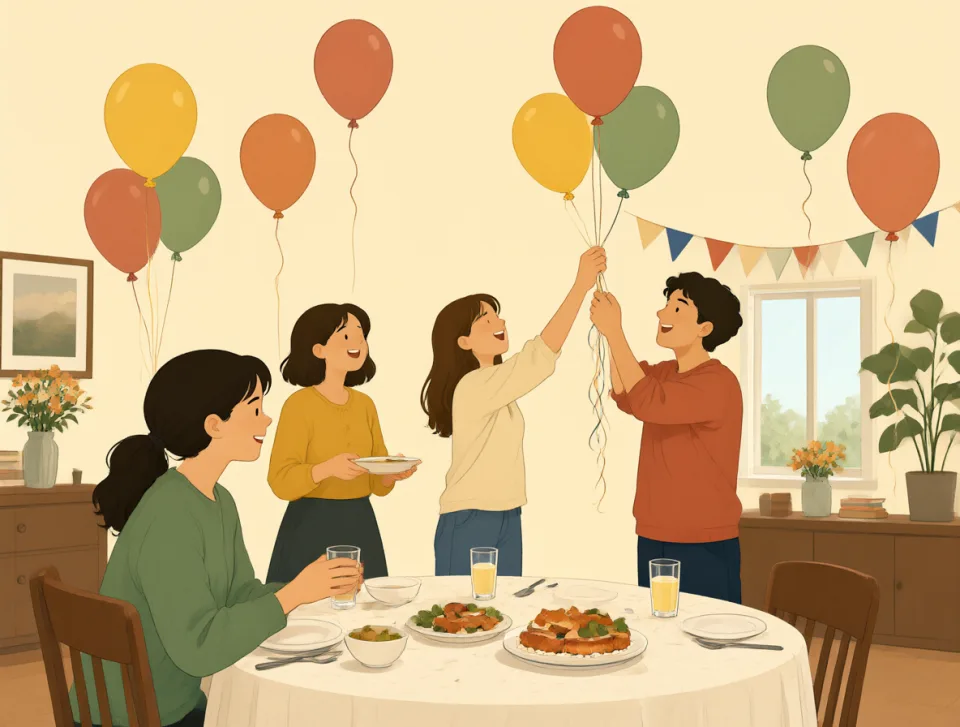
They changed the plan into a party.
only
#74adverb, adjective, determiner, conjunction
No more than one person or thing, or nothing else.
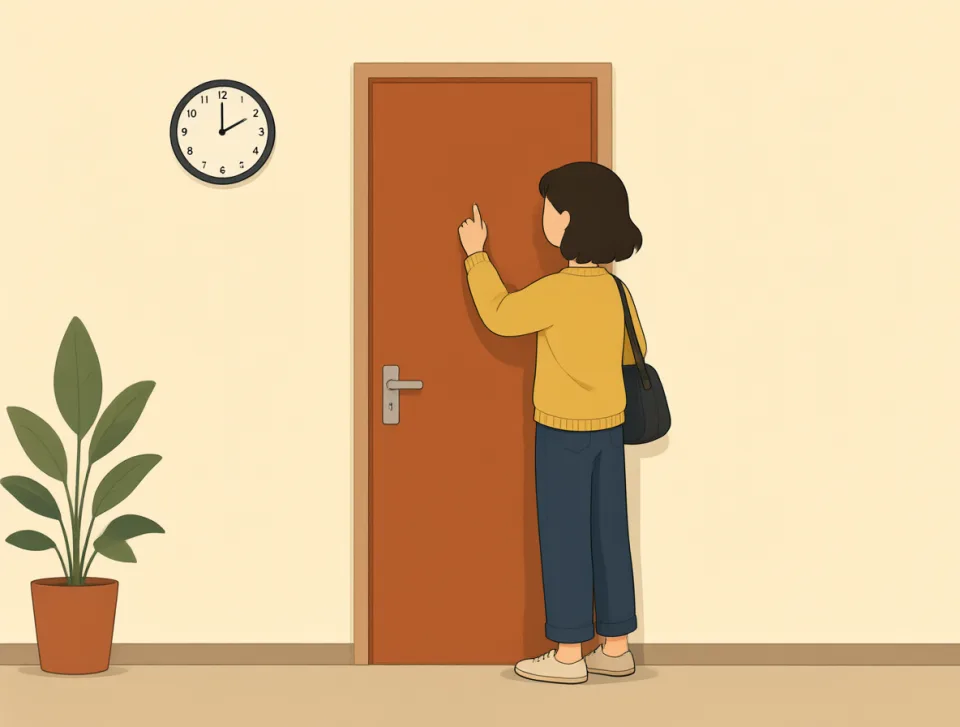
I only have ten minutes before work.
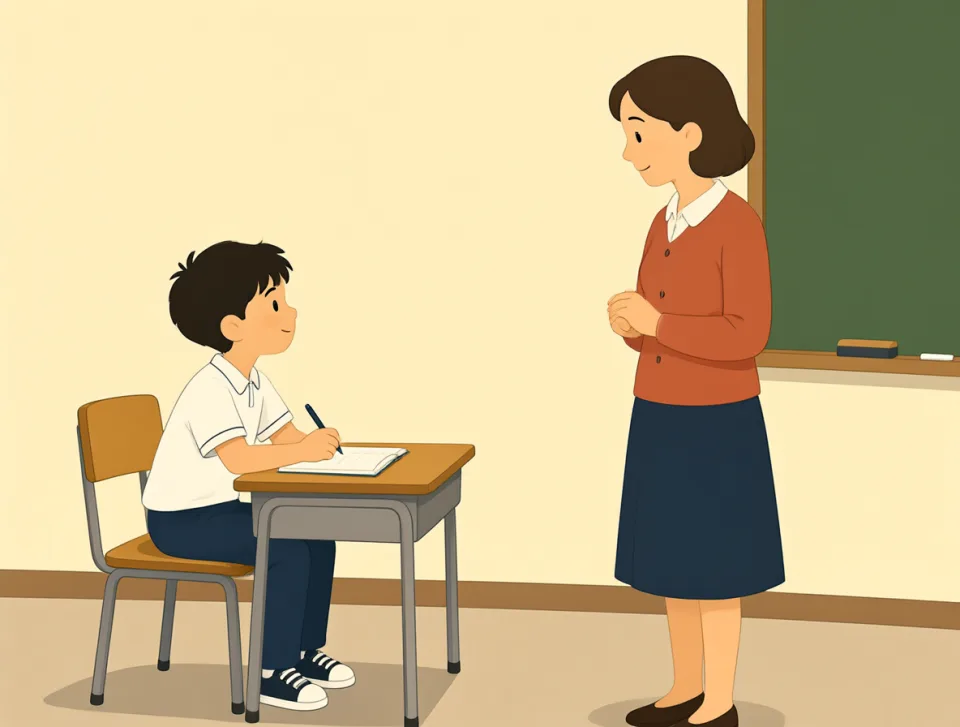
She is the only student in class.

We only need two tickets for the train.
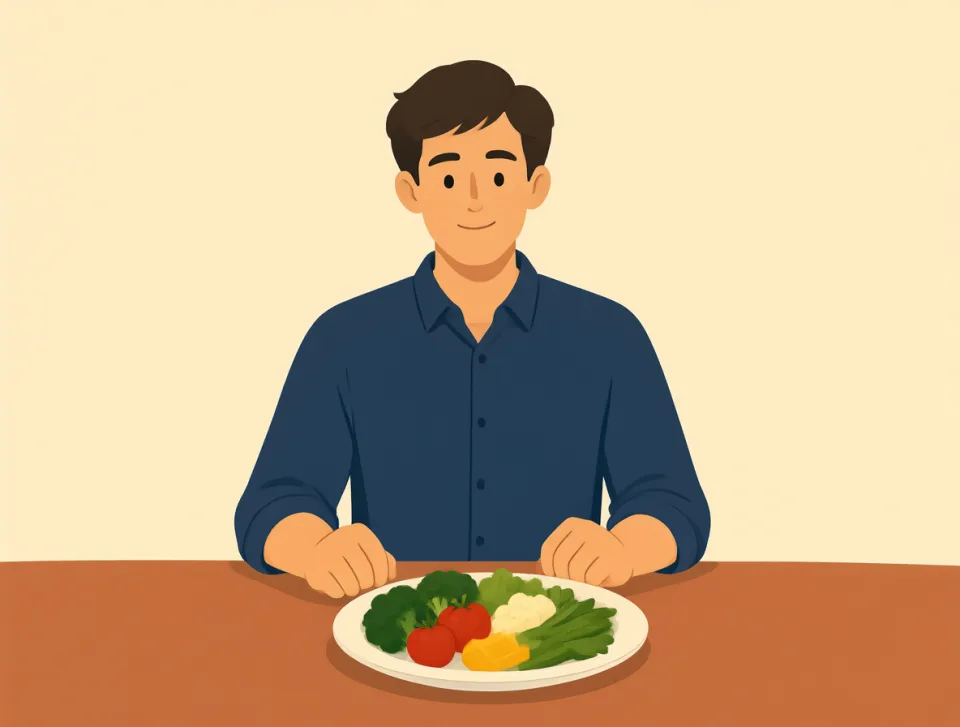
He eats only vegetables for lunch.
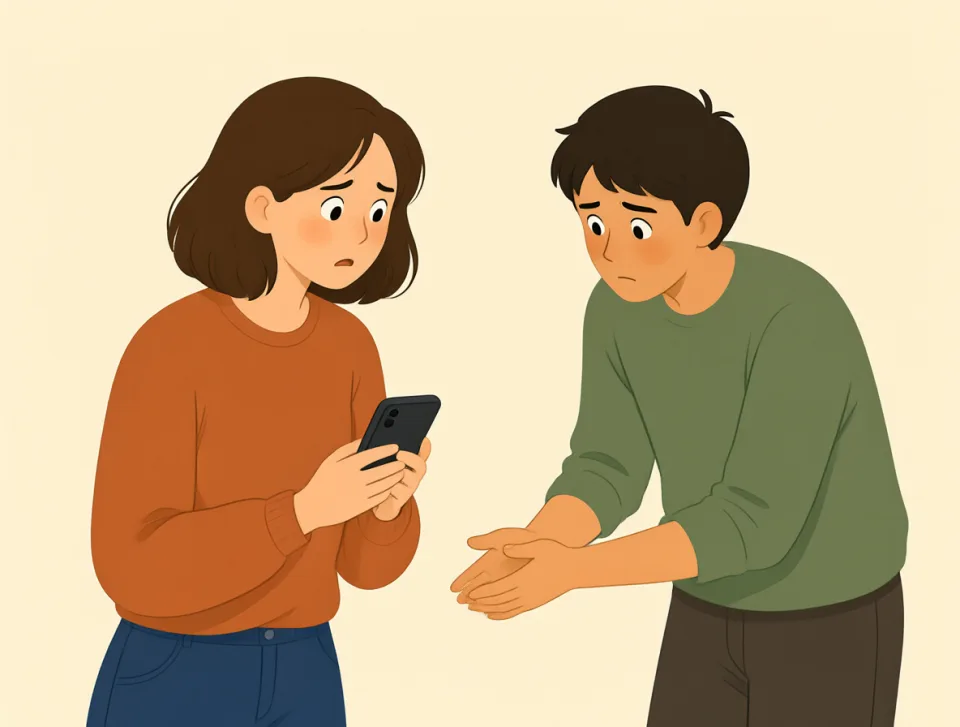
Call me only if you need help.
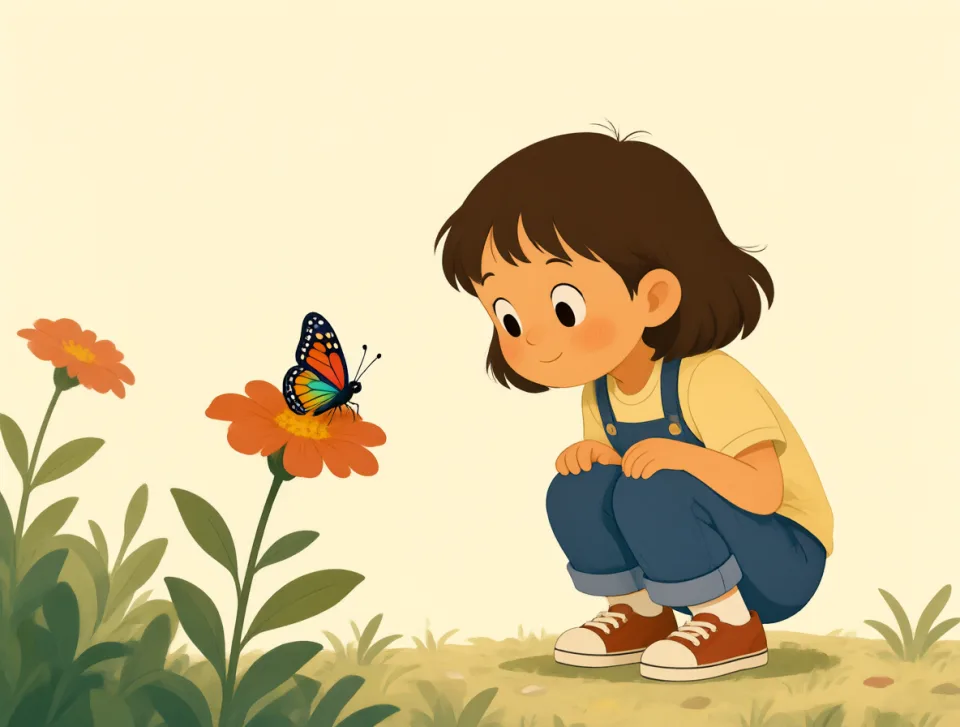
look
#75verb, noun
to use your eyes to see something or to have a particular appearance

Look at this picture with me.
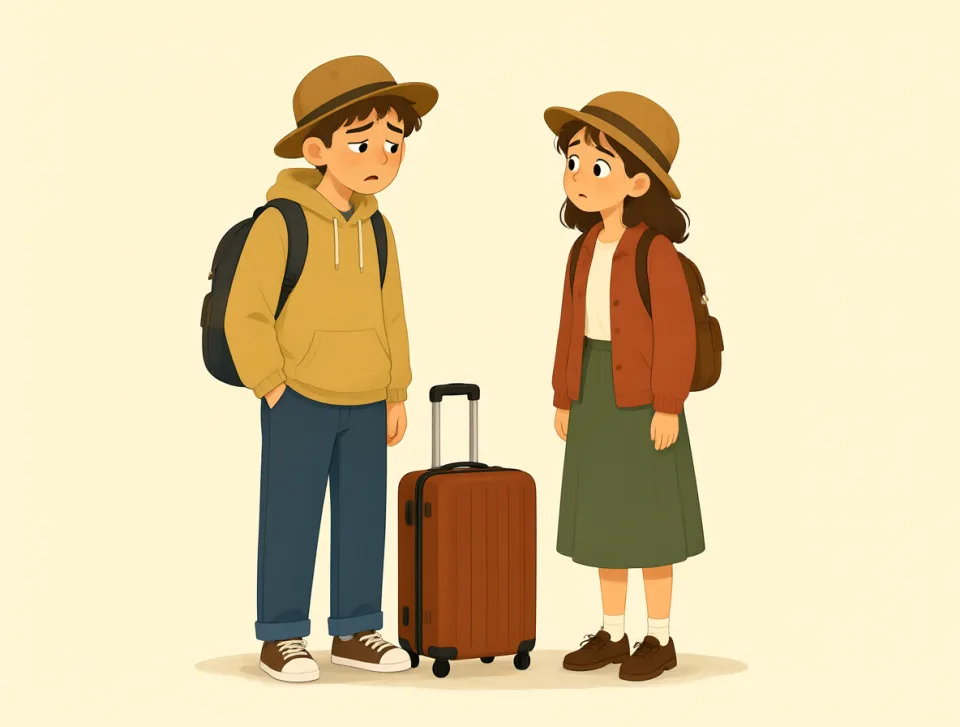
You look tired after your long trip.
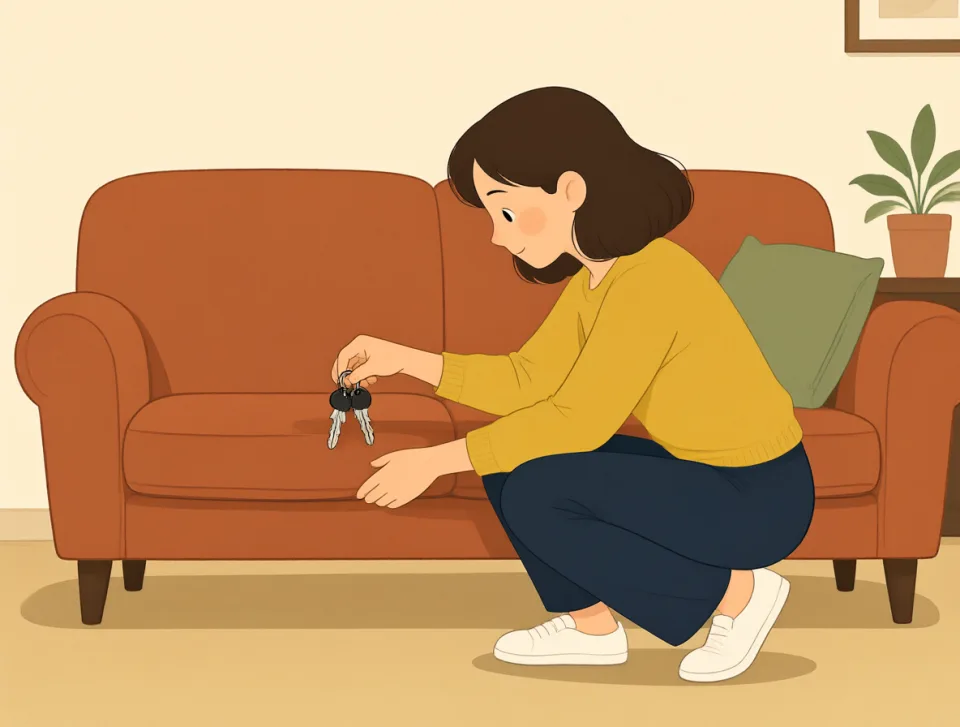
She looked for her keys everywhere.
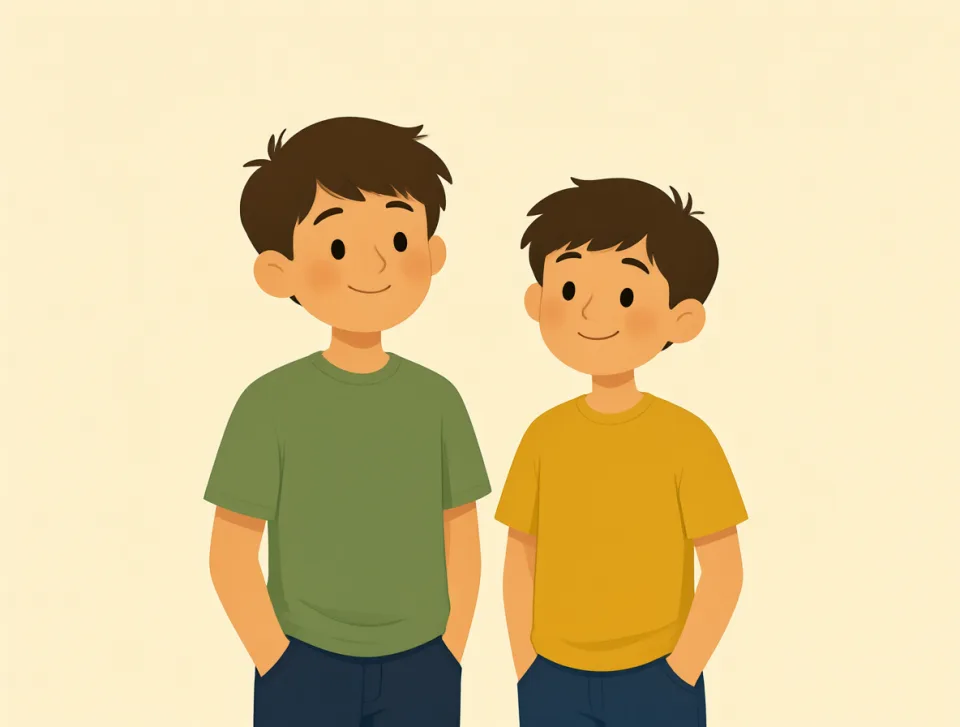
He looks like his older brother.
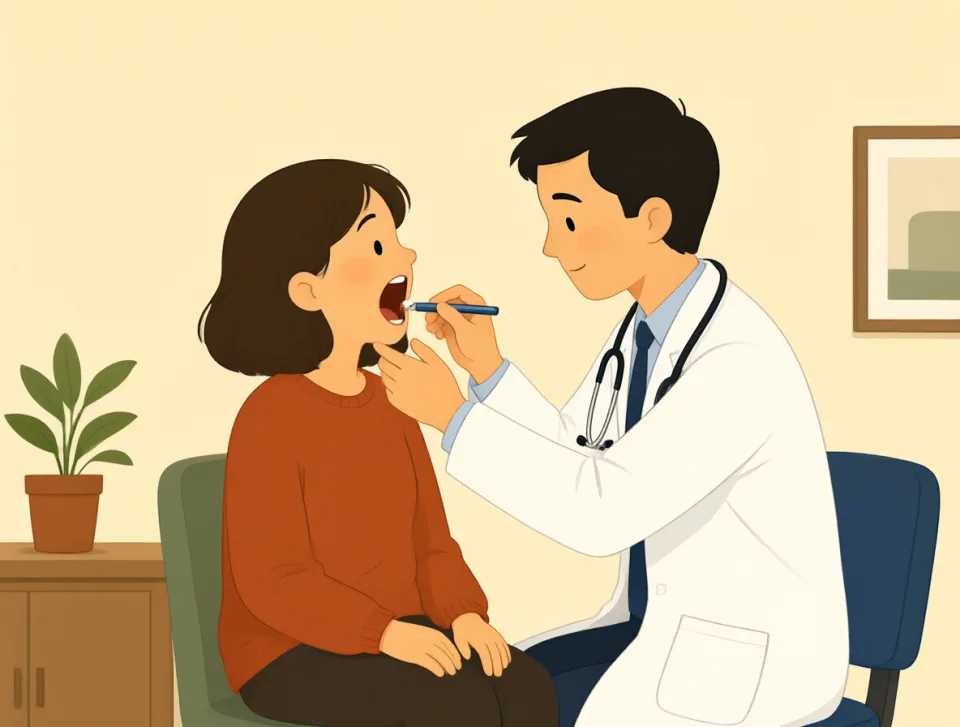
The doctor looked at my sore throat.
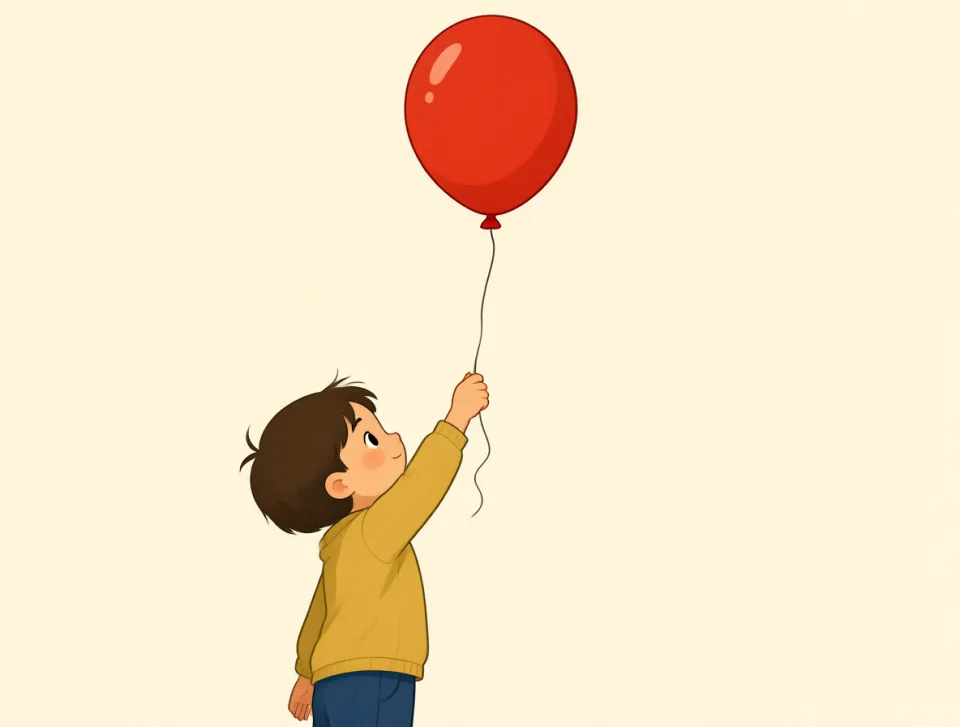
want
#76verb, noun
To wish to have or do something; a need for something important.
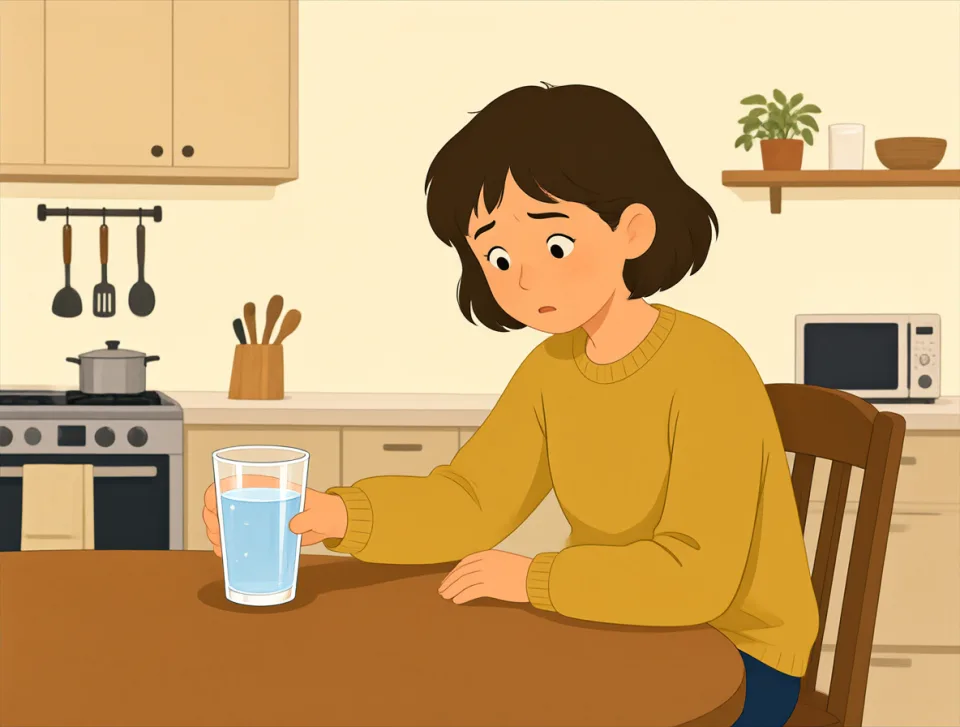
I want a glass of water, please.
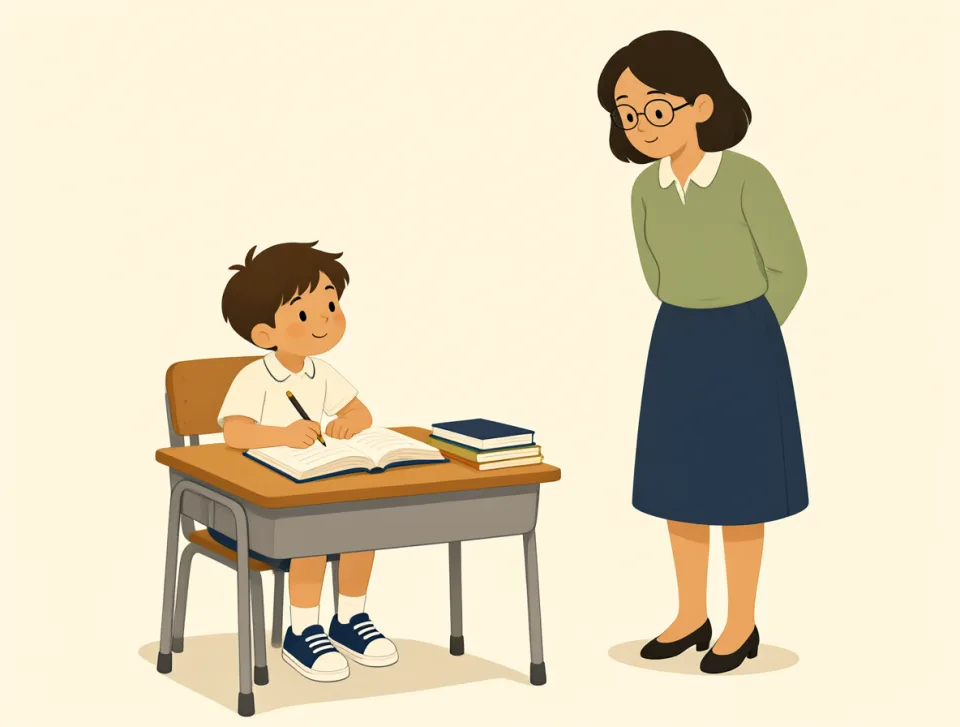
She wants to learn English at school.
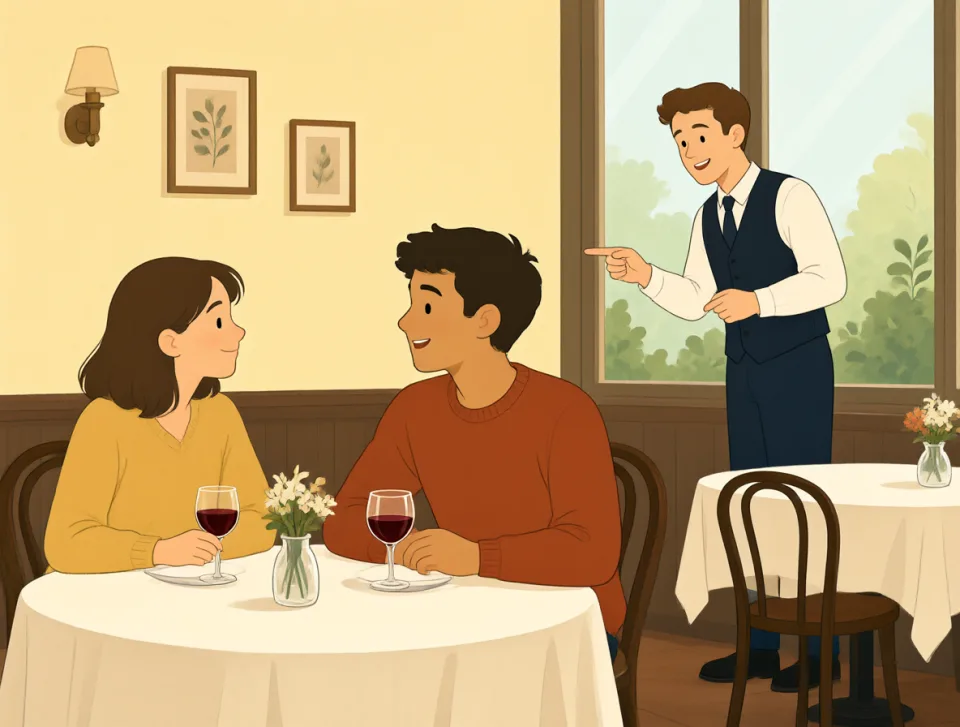
We wanted a table near the window.

They want to buy new shoes.
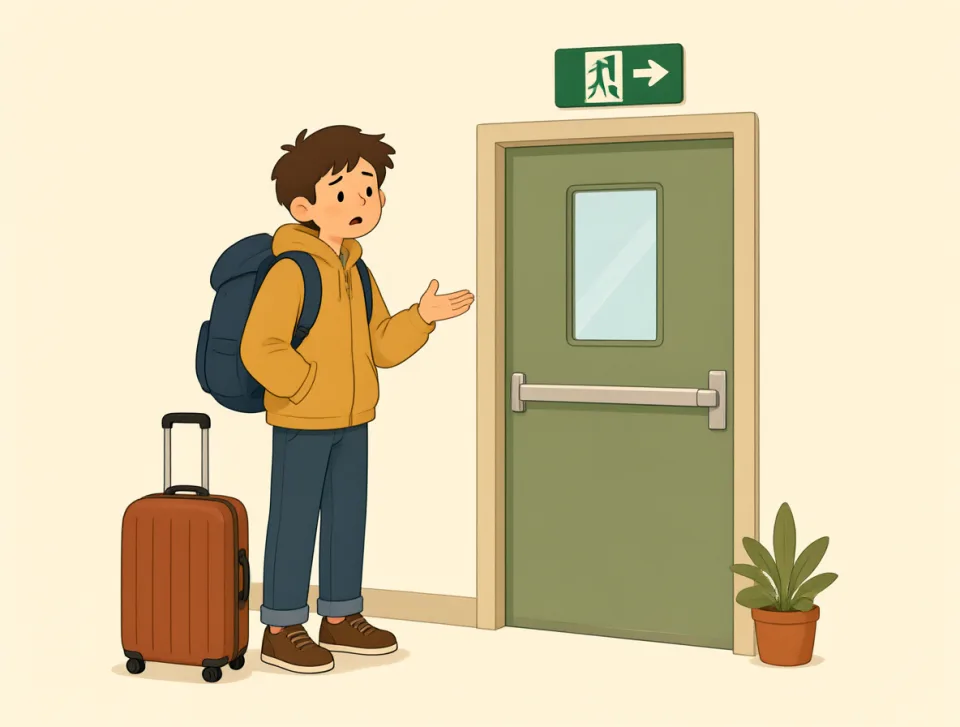
He wants to go home now.
give
#77verb, noun
to hand something to someone or provide something for them
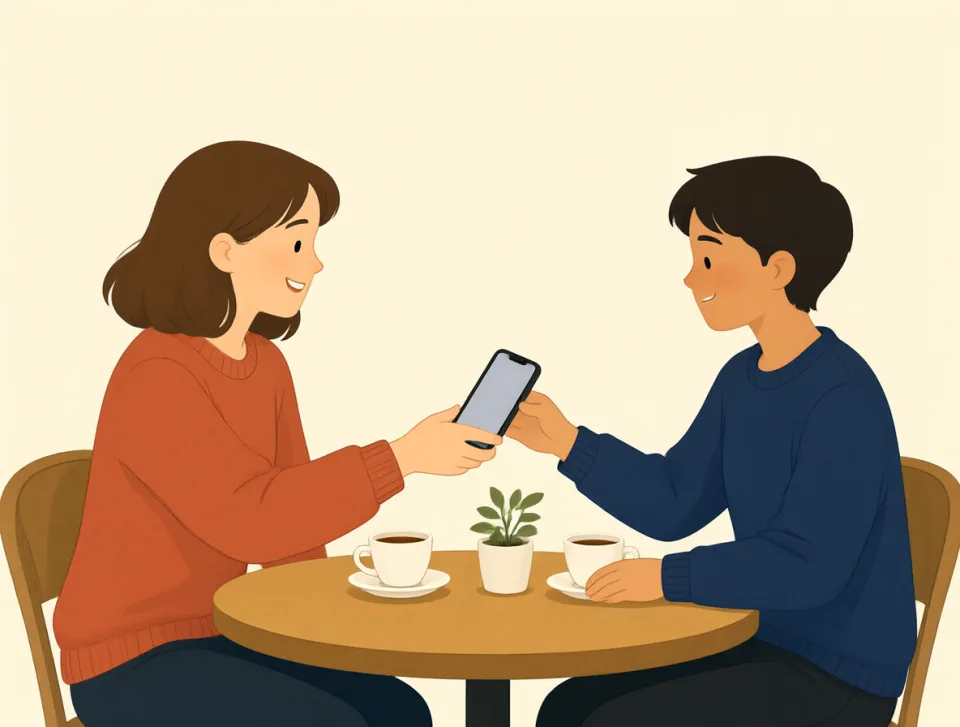
Please give me your phone number.
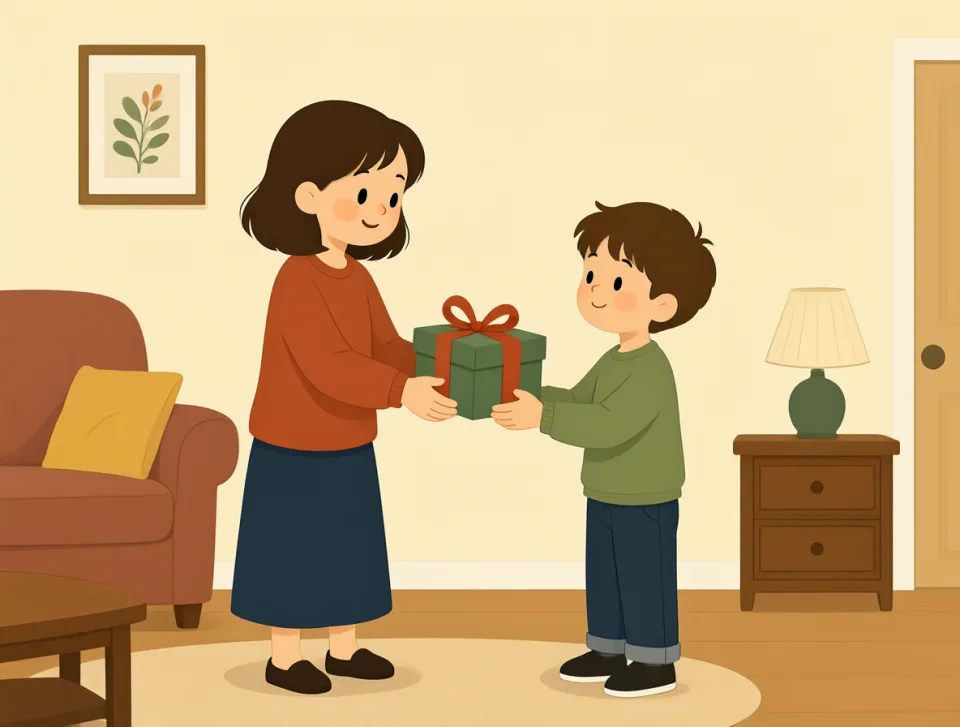
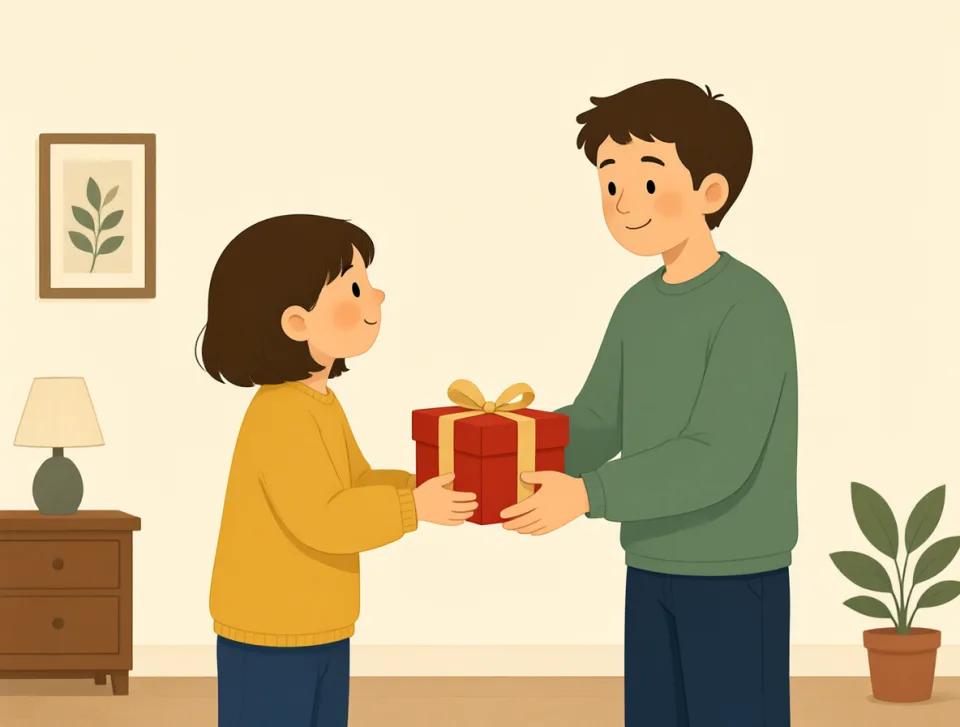
She gave her brother a birthday present.
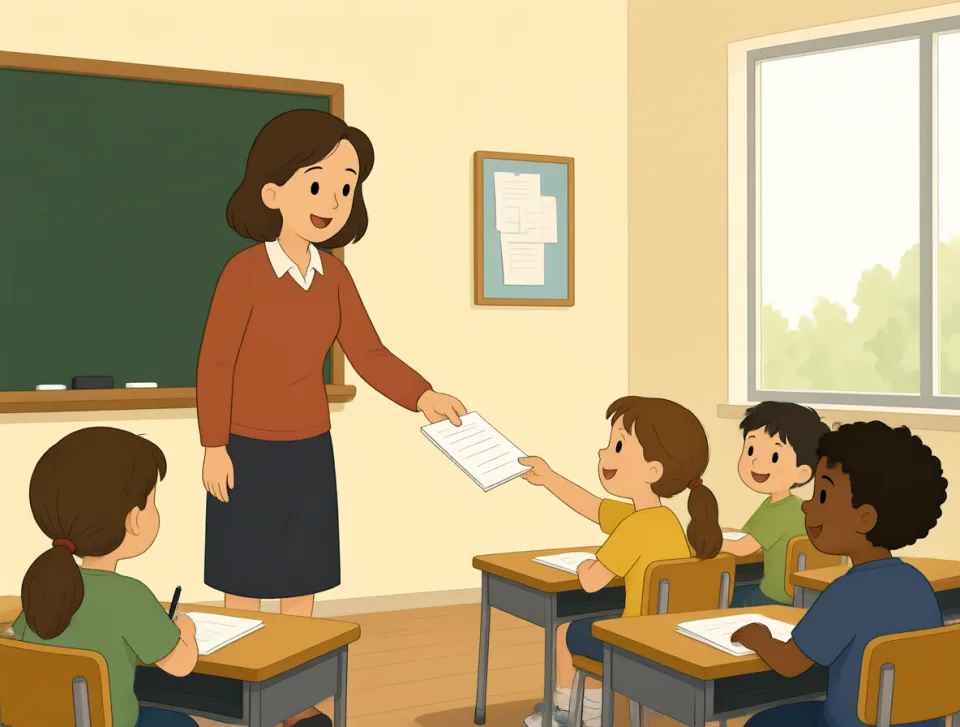
The teacher gave us homework yesterday.
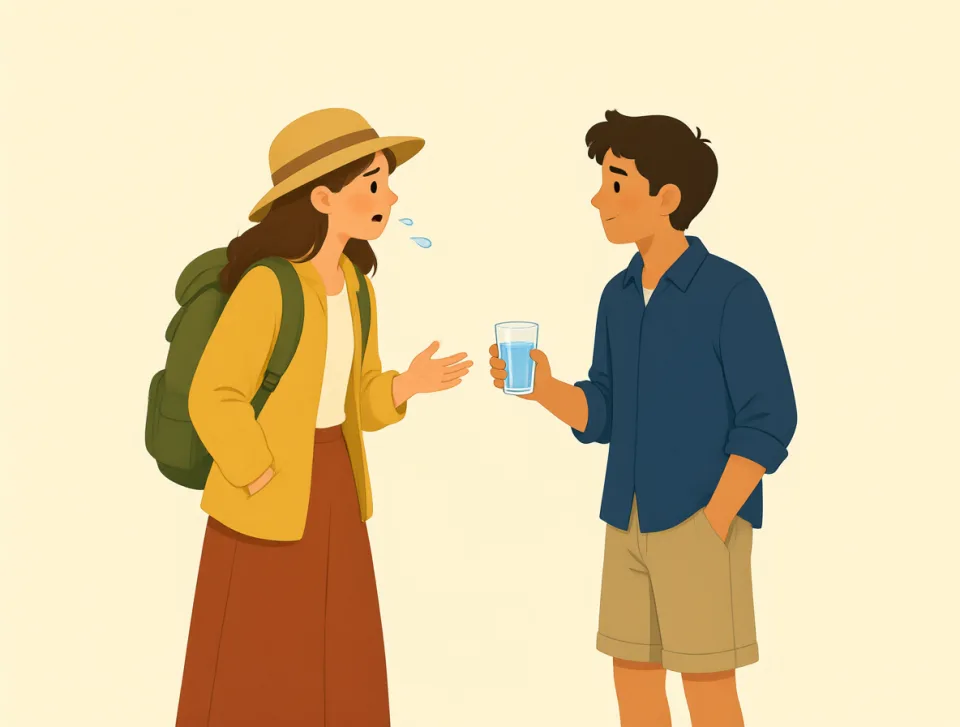
Can you give me some water?
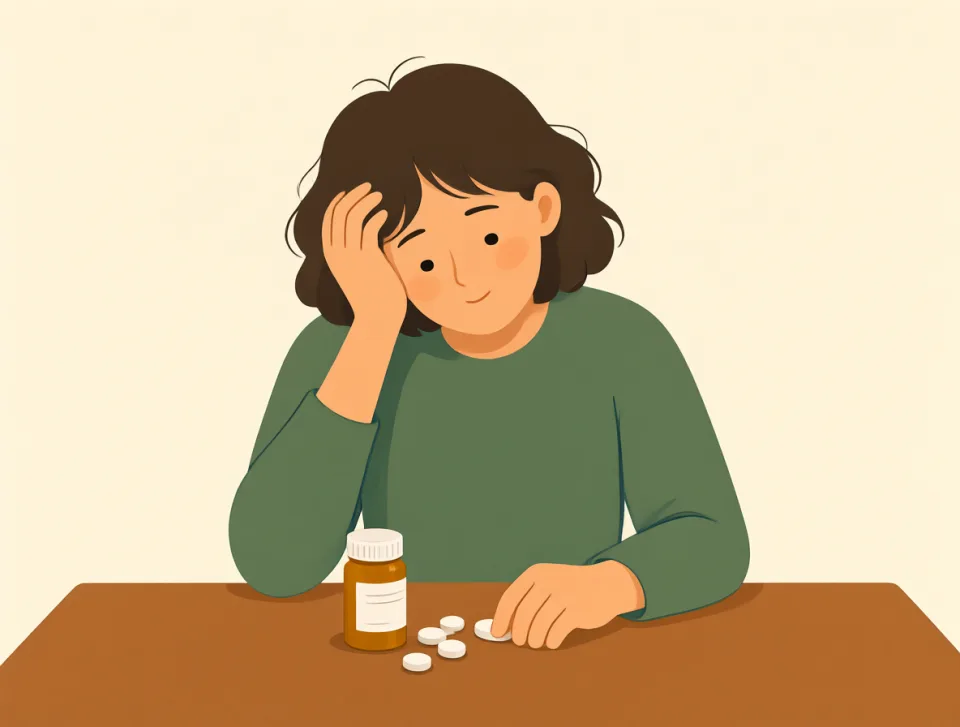
This medicine gives me a headache.
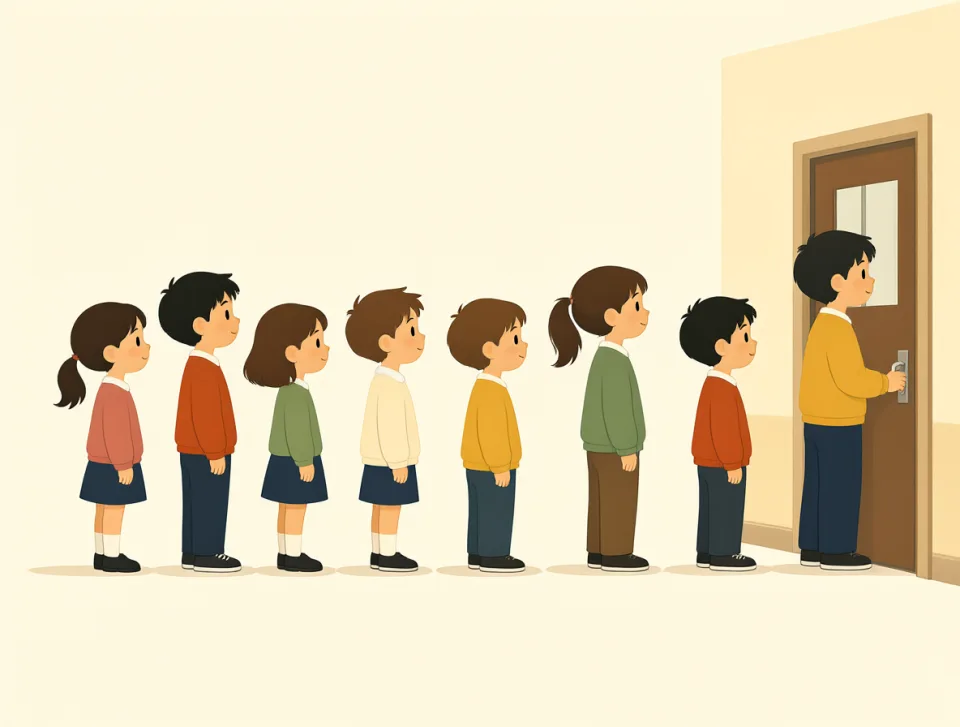
first
#78adjective, adverb, noun, determiner
Coming before all others in time, order, or importance.
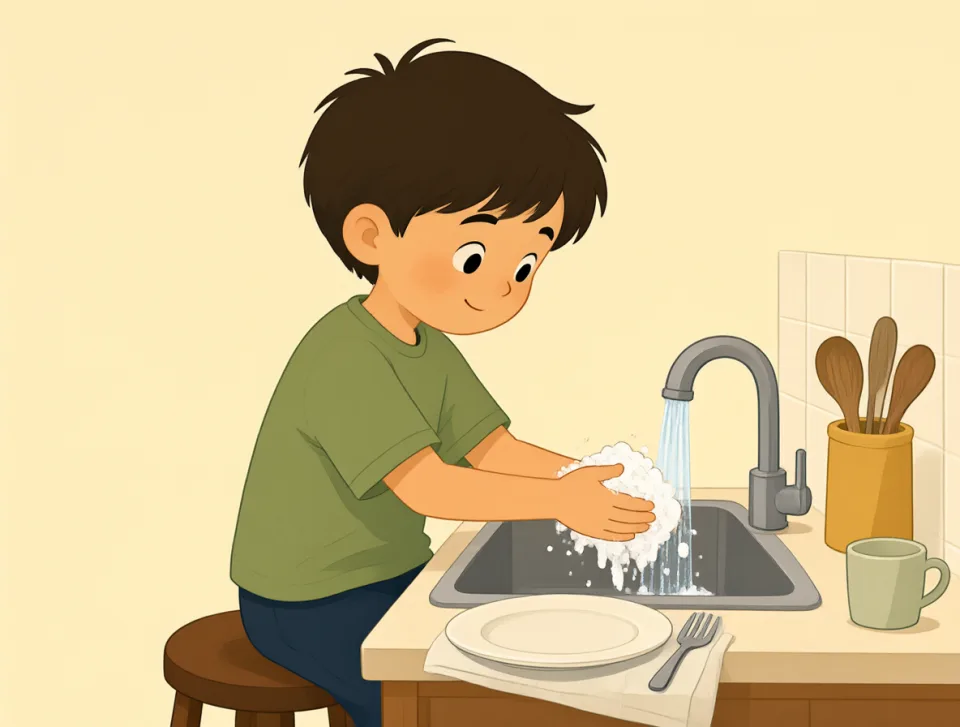
Wash your hands first before eating dinner.
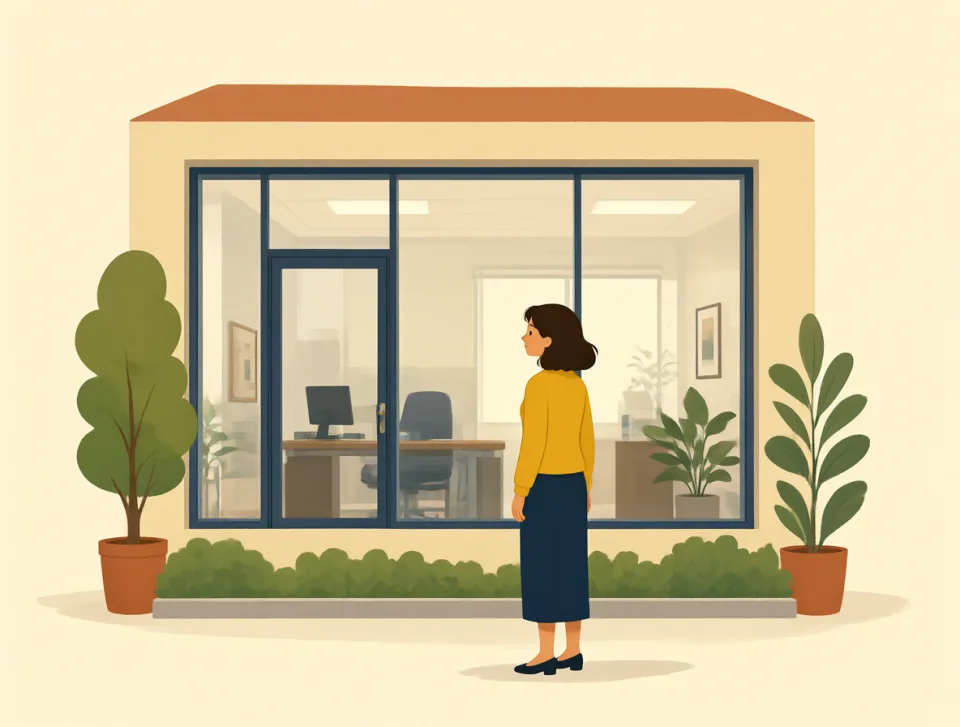
She was the first person to arrive.
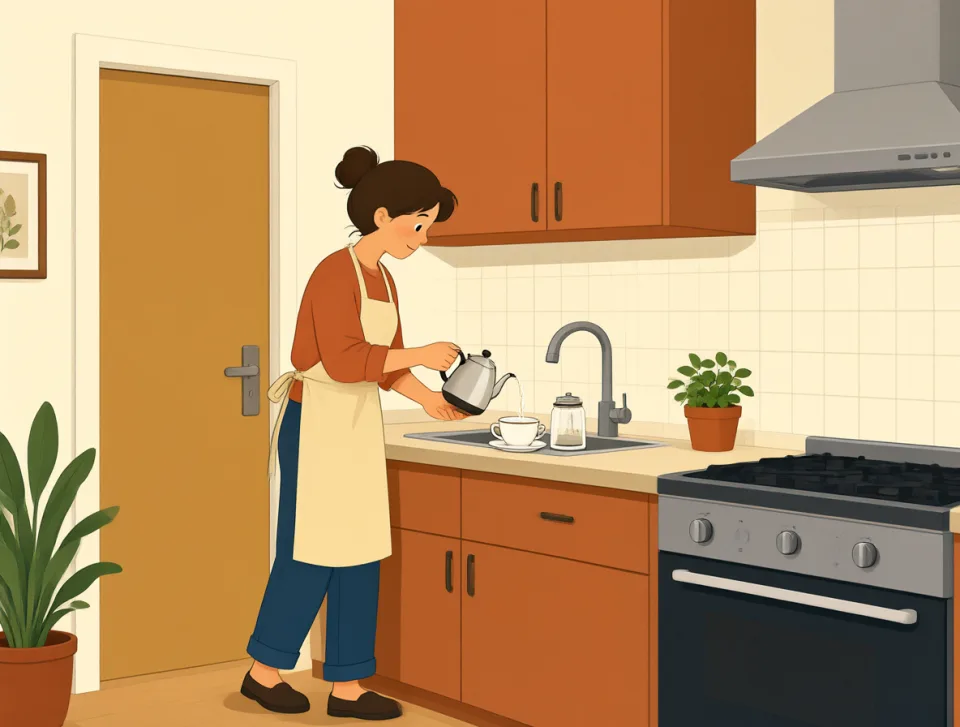
I got home first and made tea.
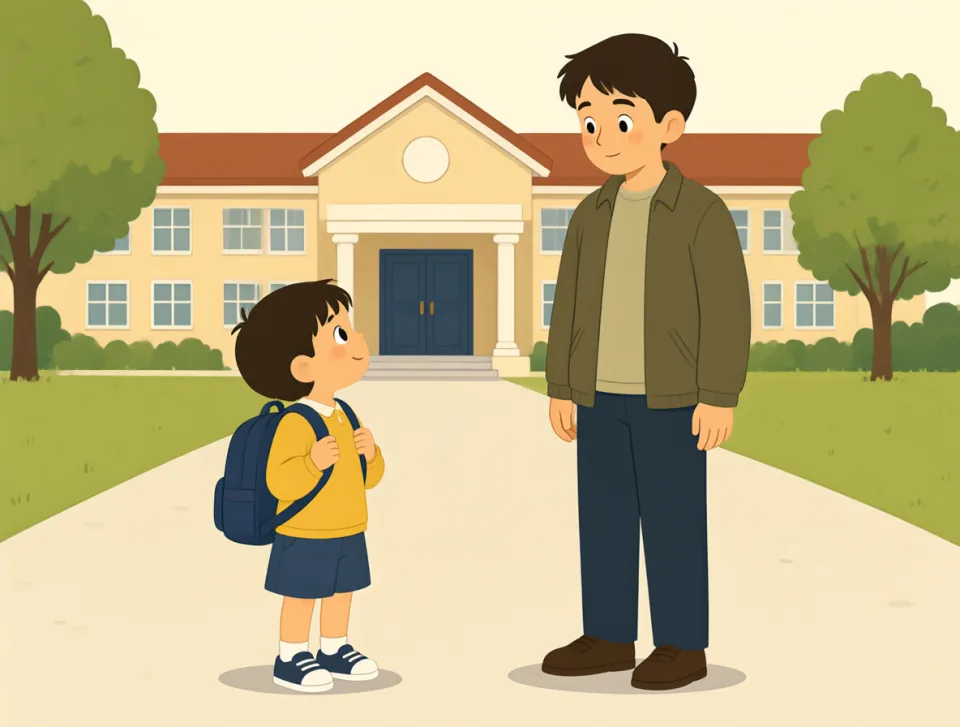
This is my first day at school.
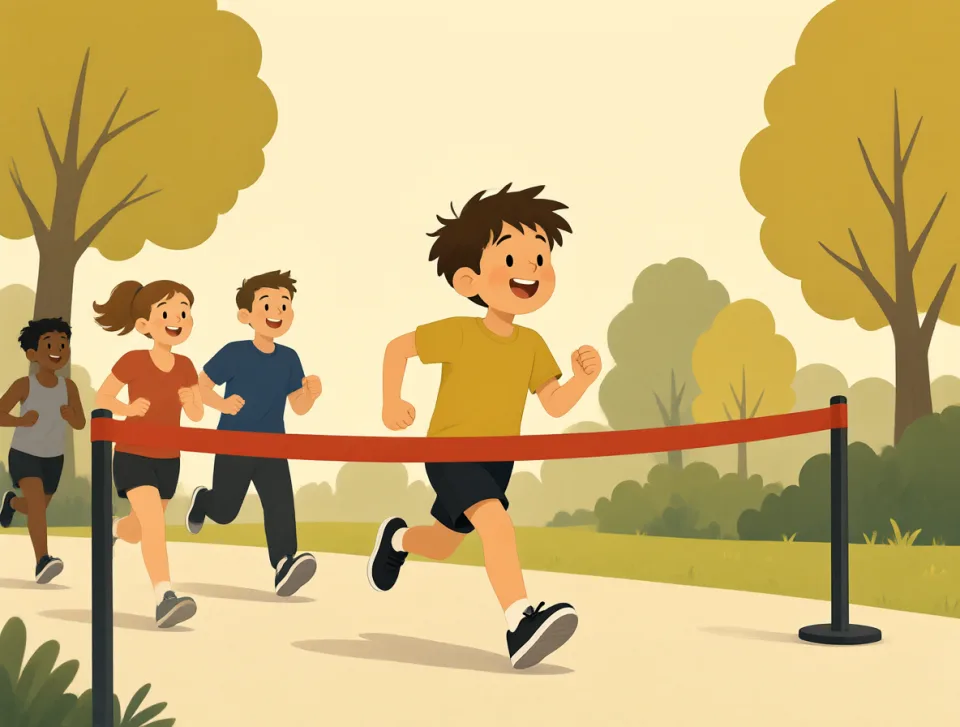
He finished first in the race.
new
#79adjective, adverb, noun
Made, discovered, or seen for the first time; not old or used.
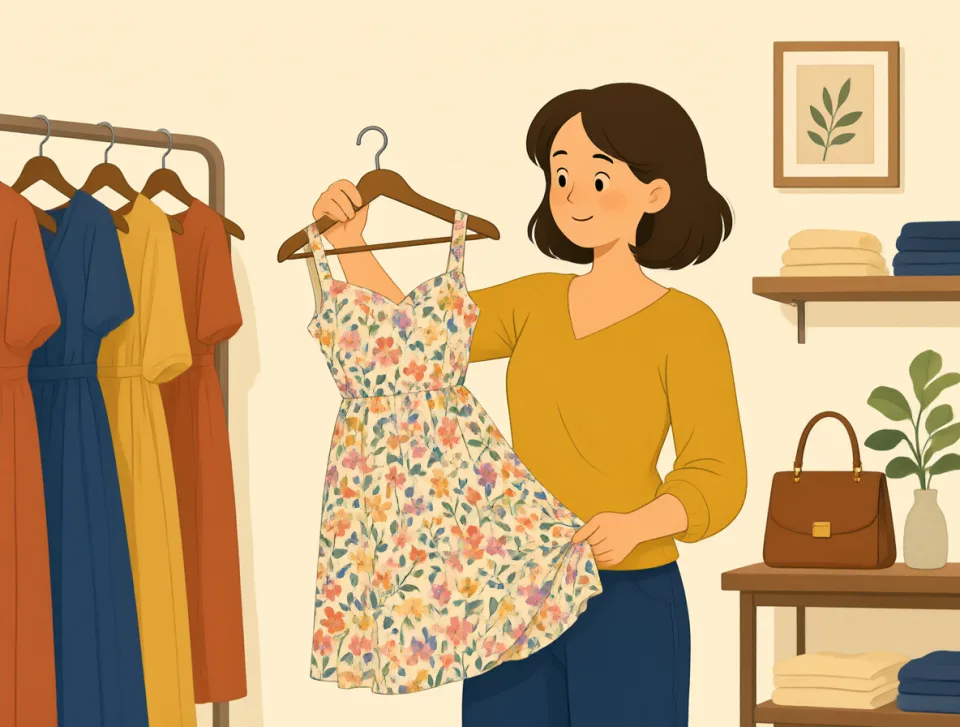
She bought a new dress for the party.
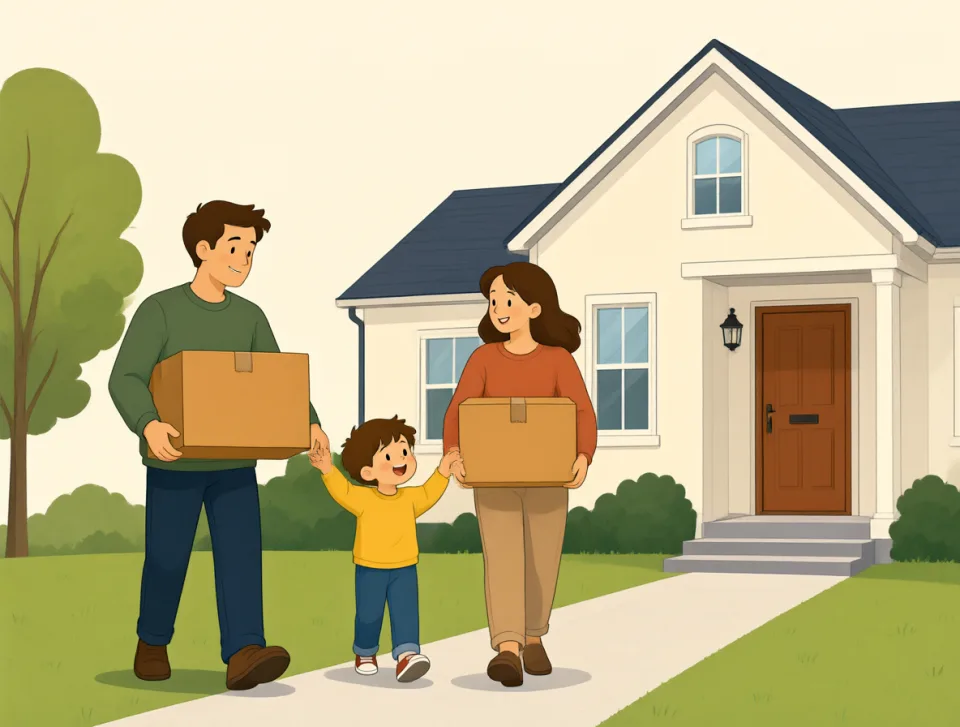
We moved into our new house last week.

I started a new job on Monday.
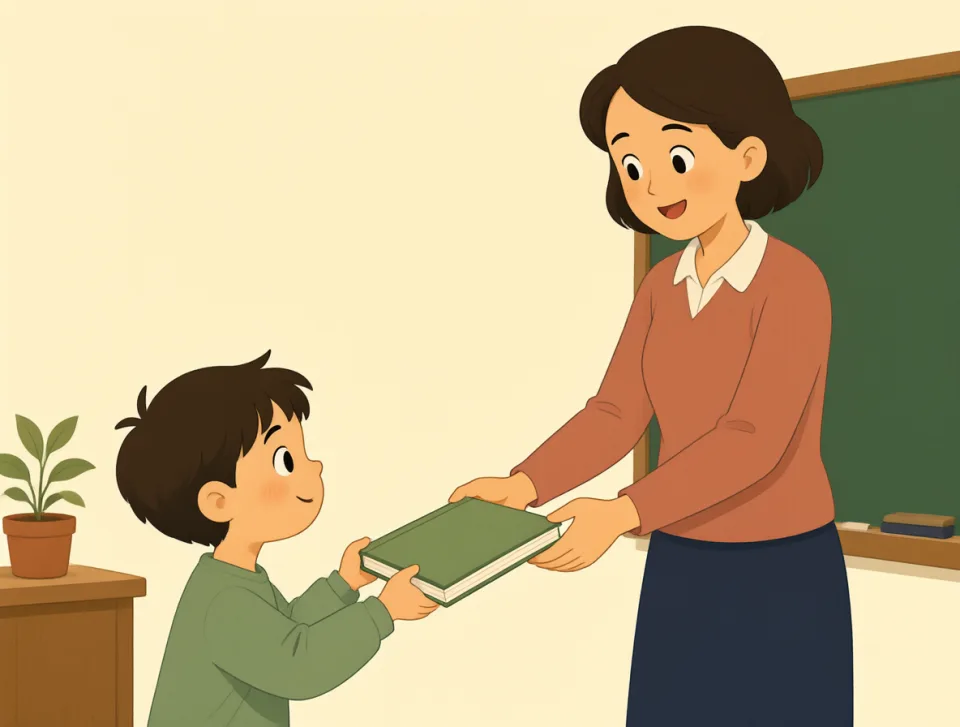
The teacher gave us a new book.
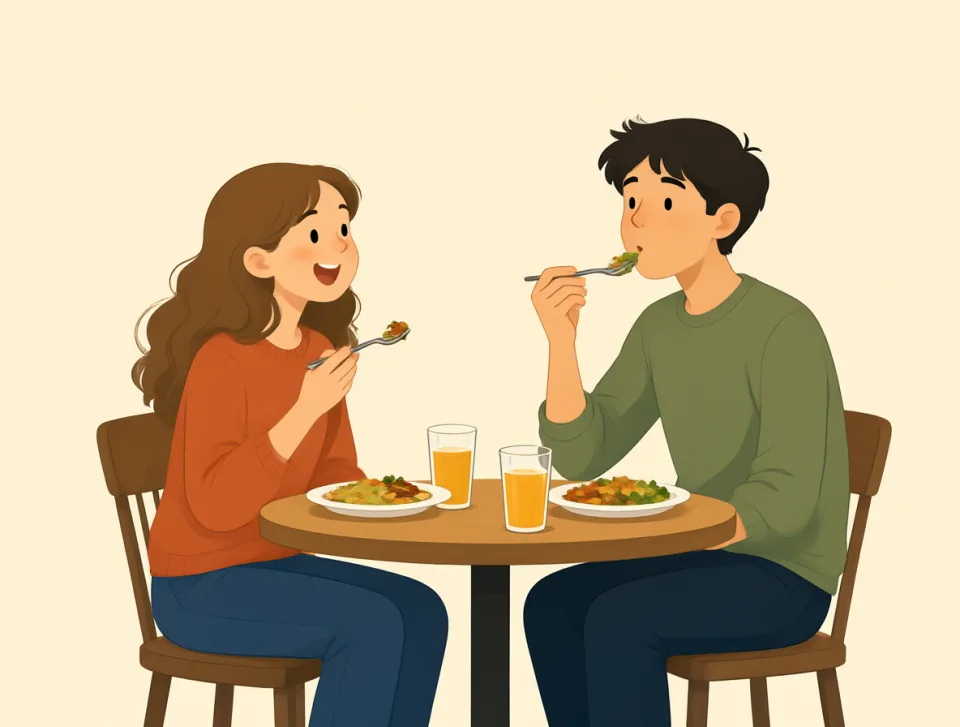
They tried a new restaurant downtown.
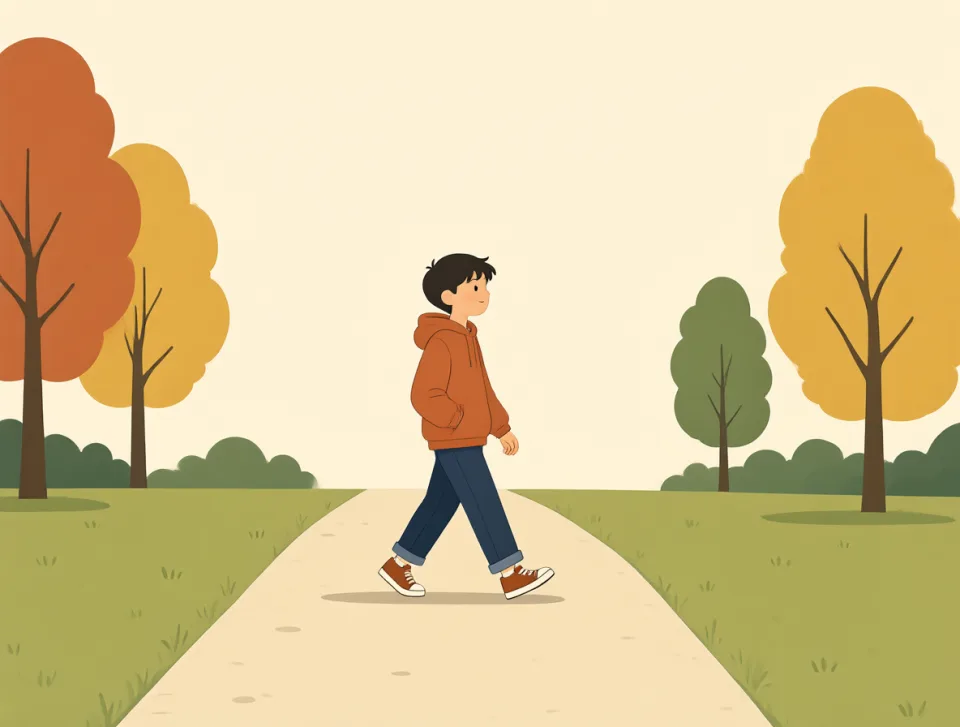
way
#80noun, adverb, adjective
A method, direction, or distance from one place to another.
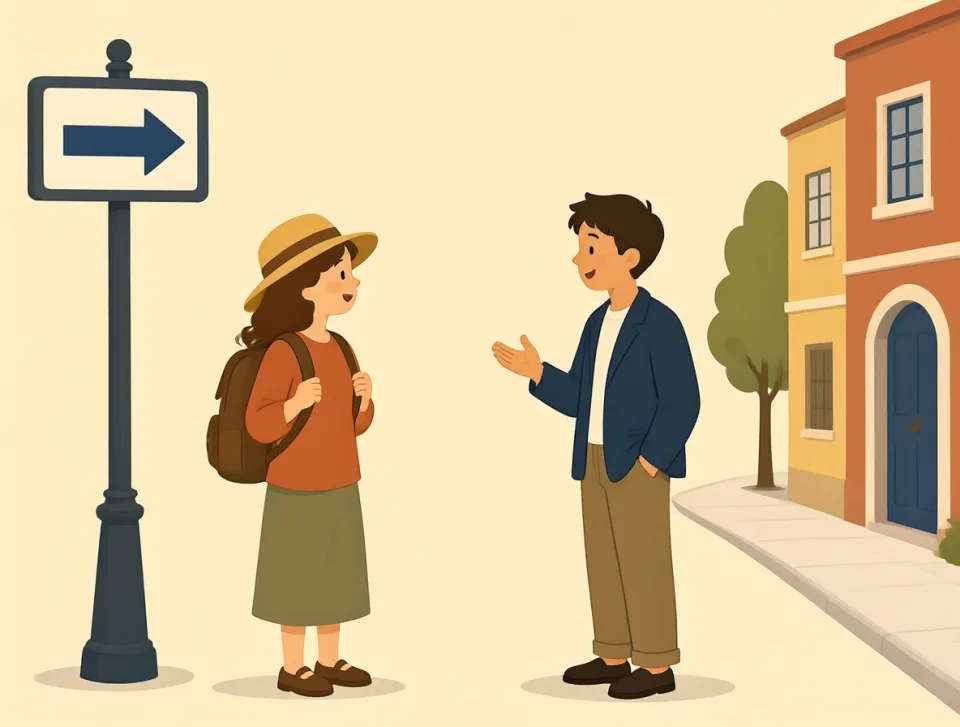
Can you show me the way home?
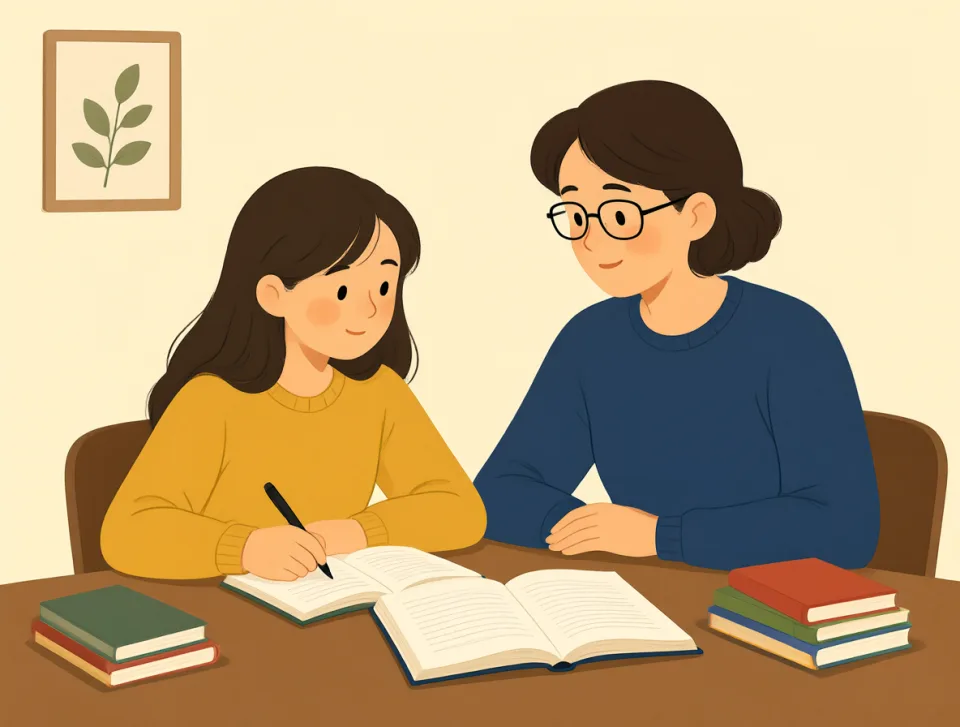
This is the best way to learn English.
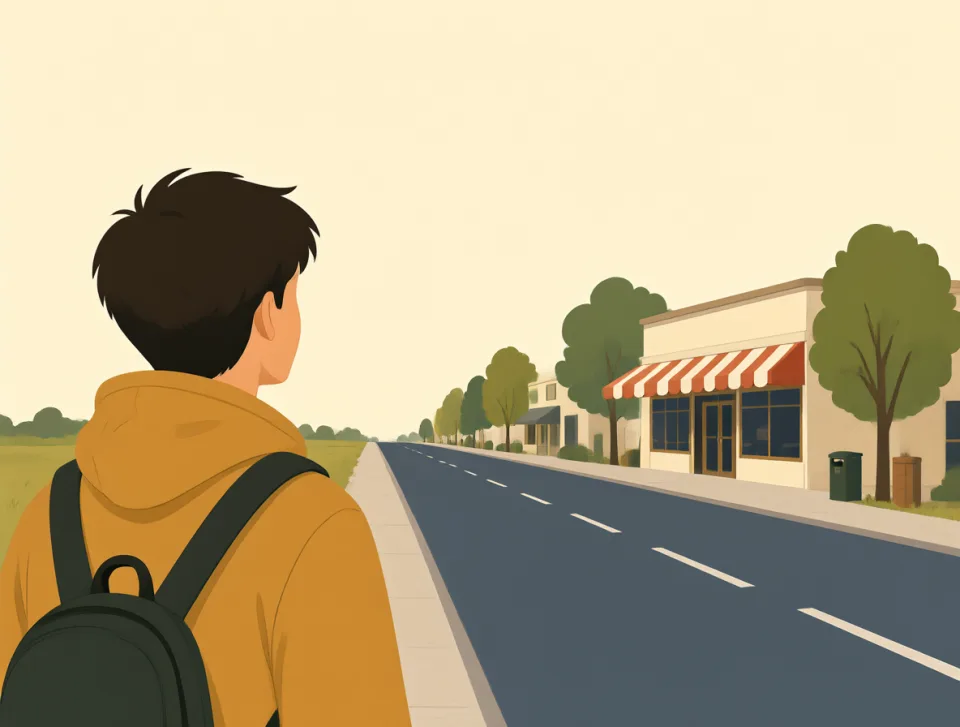
The shop is a long way from here.
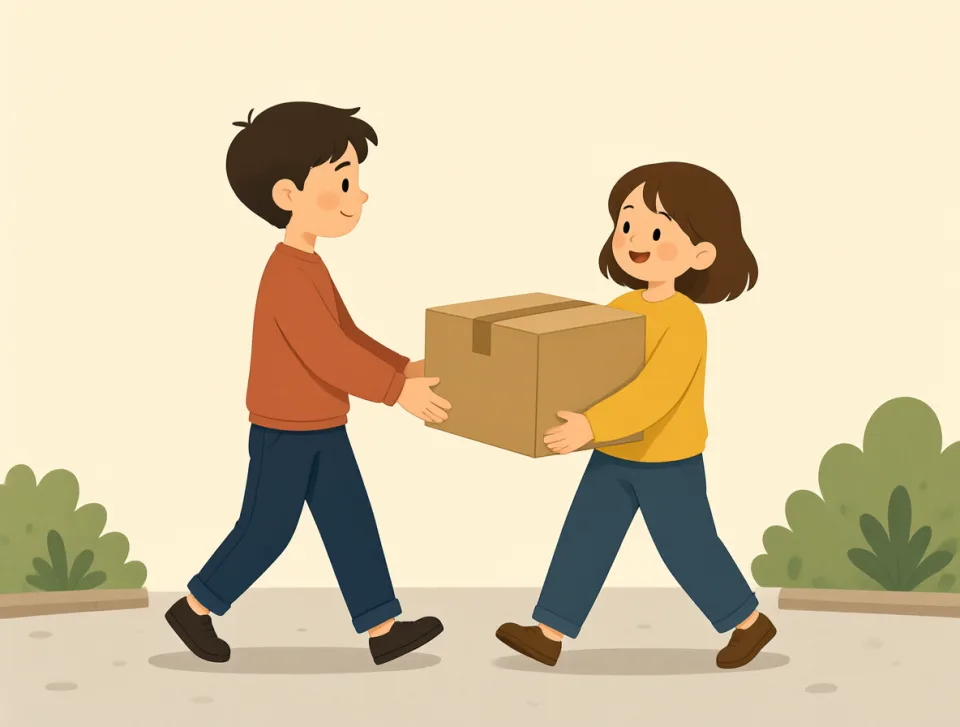
Please move out of the way.
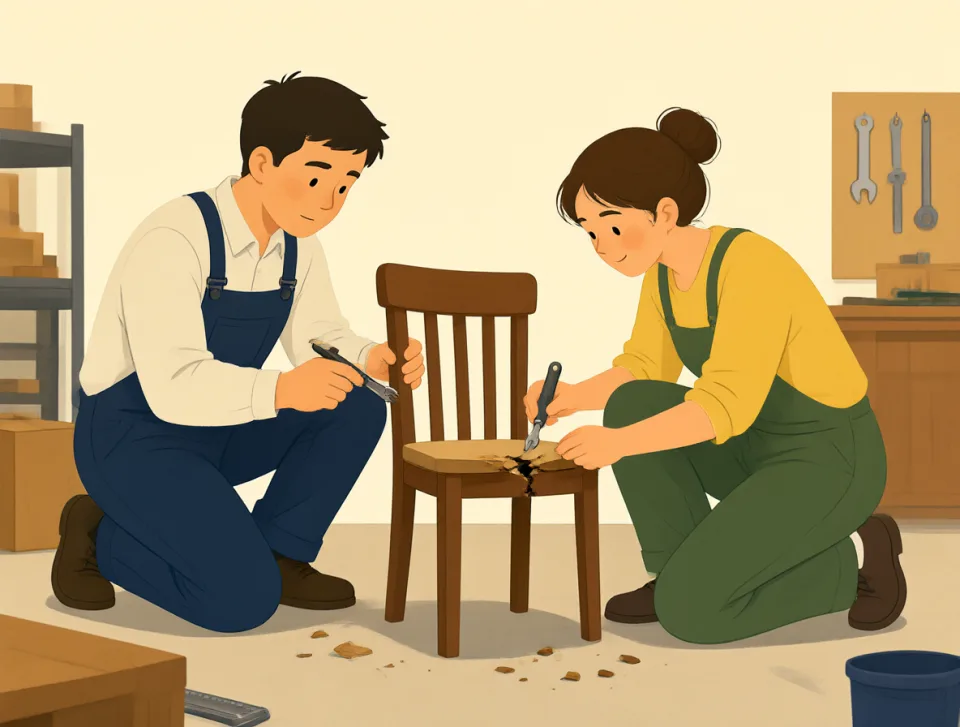
We found a way to fix the problem.