الوحدة 4
الكلمات من 61 إلى 80 · well, because, very, just, come, could
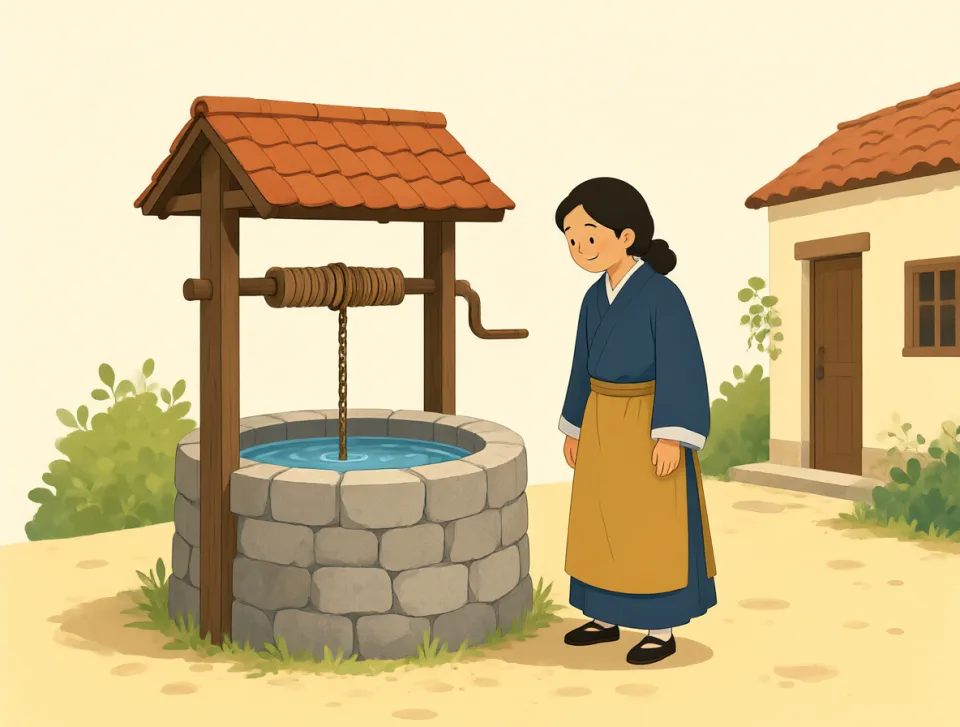
well
#61adverb, adjective, noun, verb
جيدًا؛ بئر
In a good, healthy, or successful way; a deep hole for water.
بطريقة جيدة أو صحية أو ناجحة؛ أو حفرة عميقة يُستخرج منها الماء.
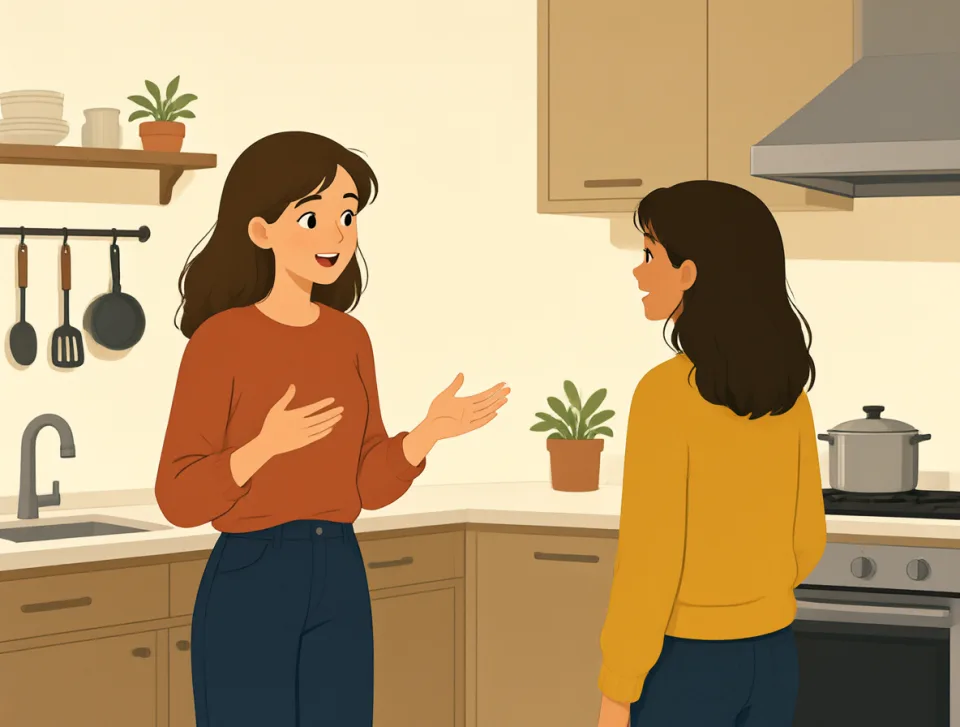
She speaks English very well.
تتحدث الإنجليزية جيدًا جدًّا.
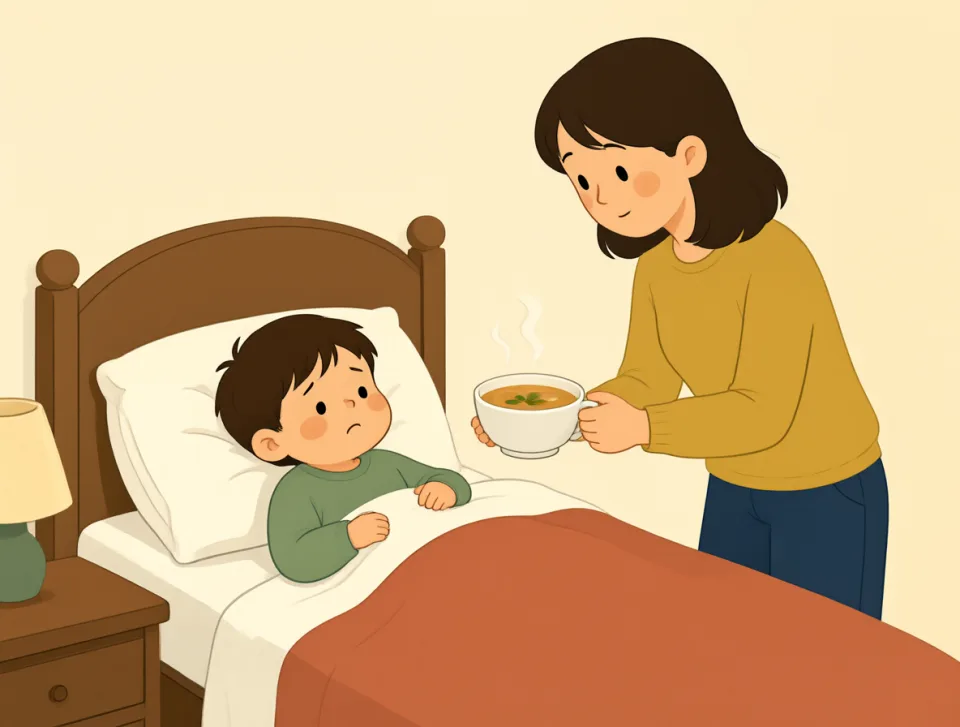
I hope you get well soon.
أتمنى أن تتعافى قريبًا.
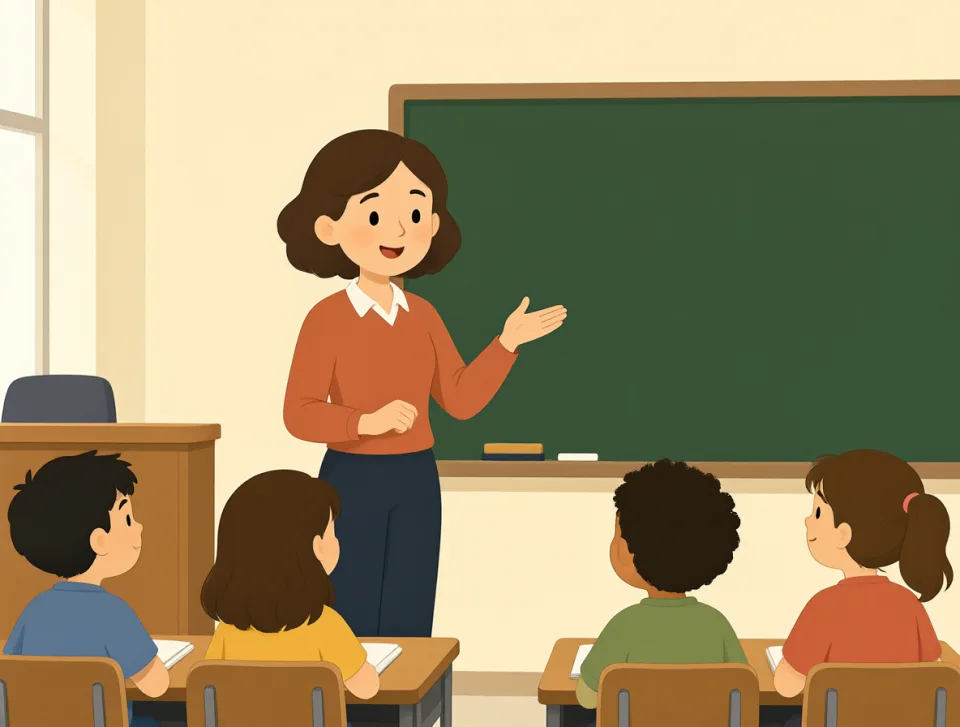
Well, let's start the lesson.
حسنًا، لنبدأ الدرس.
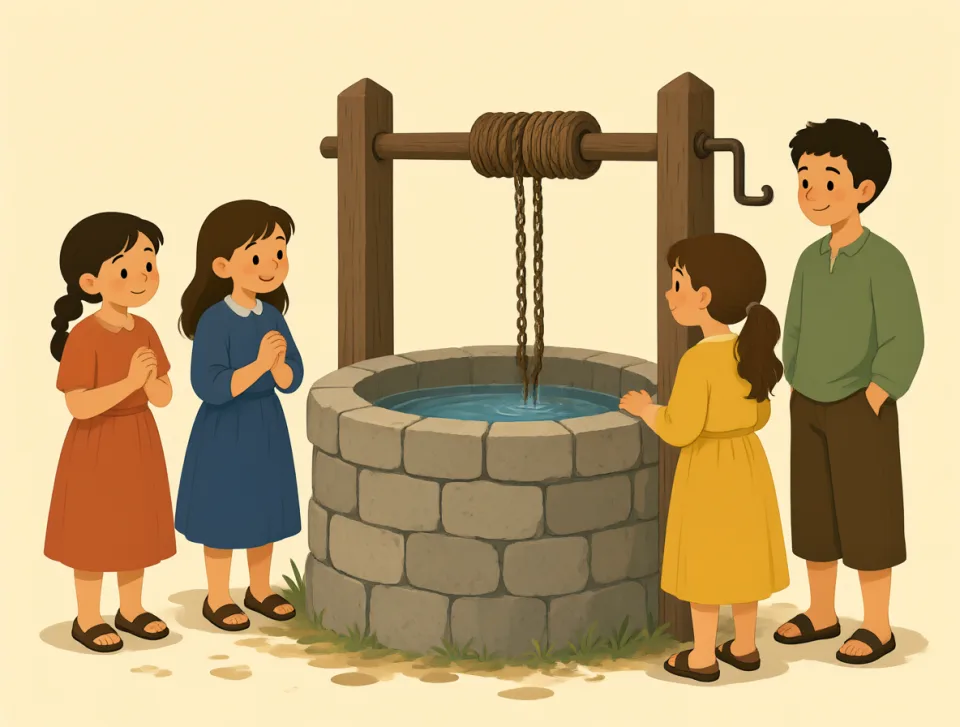
The village has an old stone well.
في القرية بئر حجري قديم.

They well up with tears.
اغرورقت أعينهم بالدموع.

because
#62conjunction
لأنَّ
for the reason that something happens
للسّبب الذي يجعل شيئًا ما يحدث.
I stayed home because I felt sick.
بقيت في المنزل لأنني شعرت بالمرض.
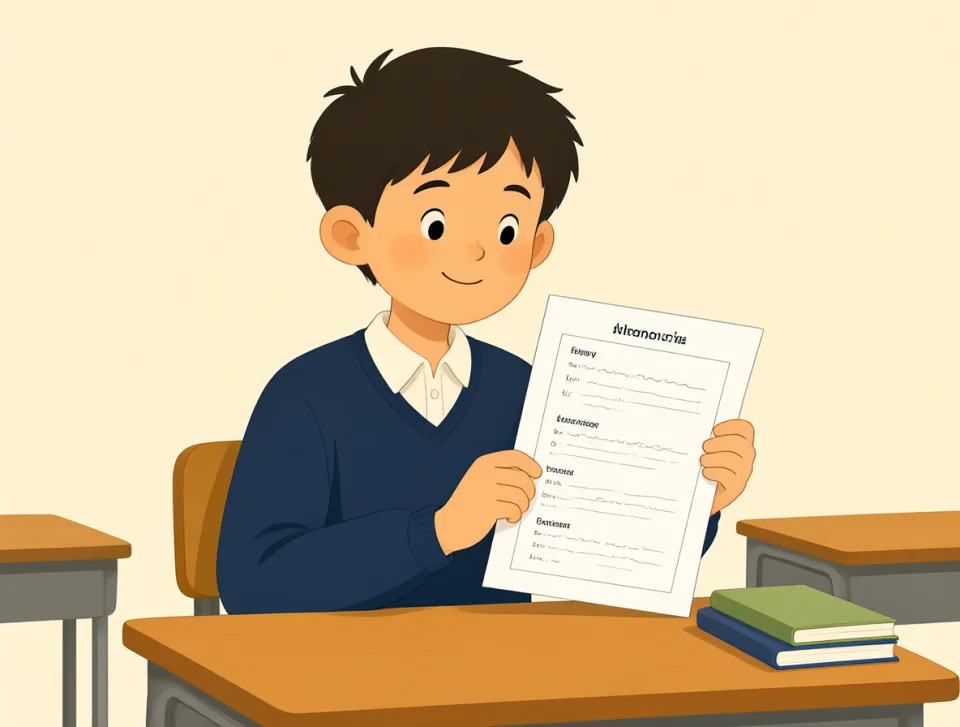
She is happy because she passed her test.
هي سعيدة لأنها اجتازت اختبارها.
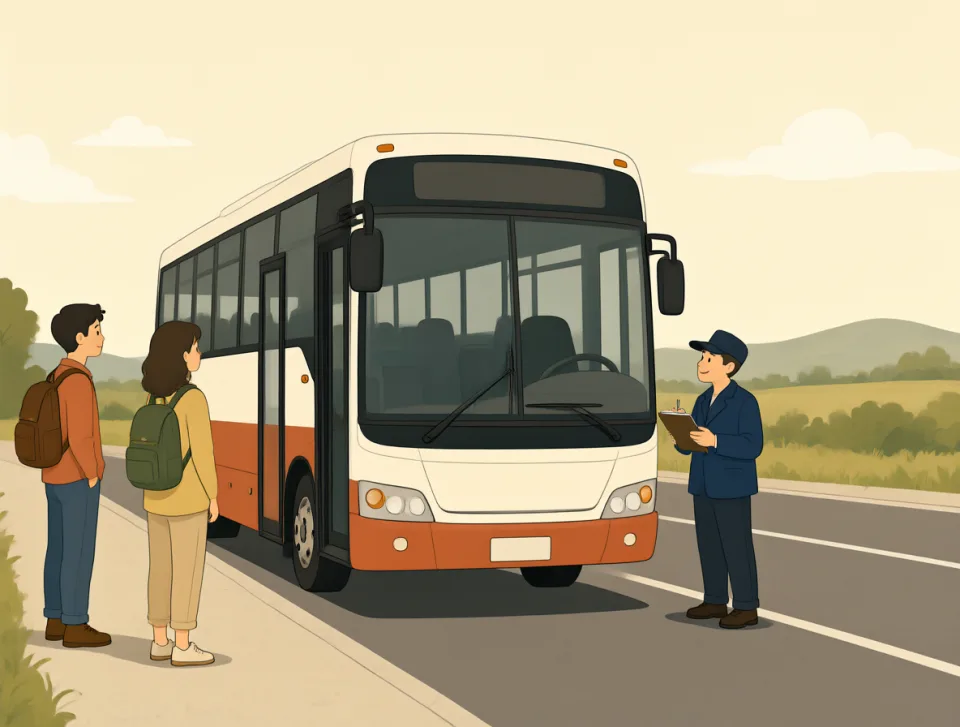
We were late because the bus broke down.
تأخرنا لأن الحافلة تعطلت.
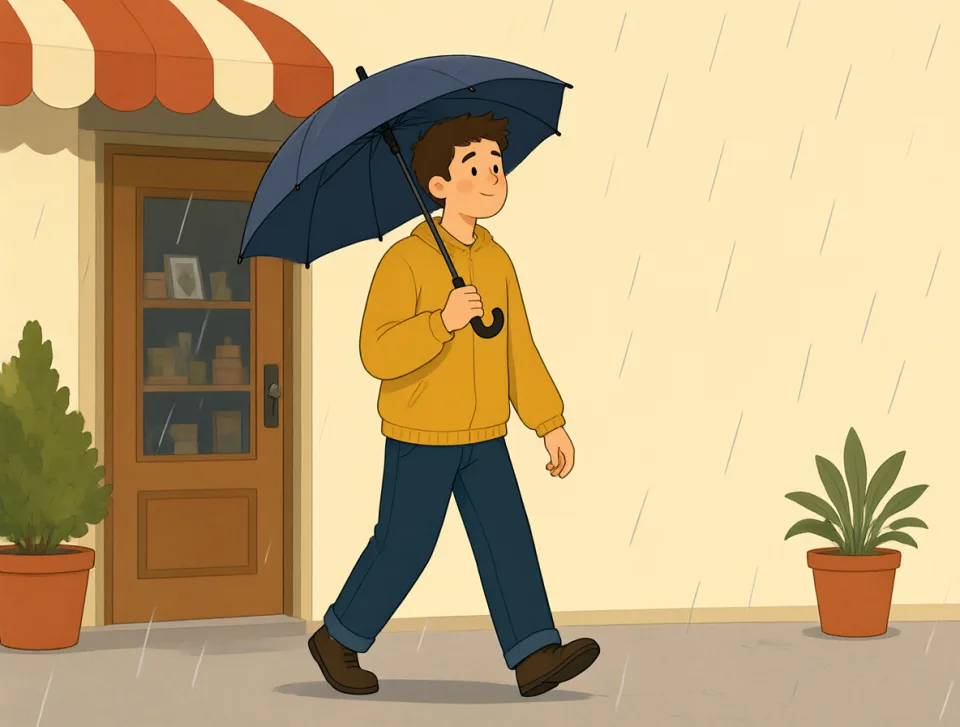
He bought an umbrella because it was raining.
اشترى مظلة لأن المطر كان يهطل.
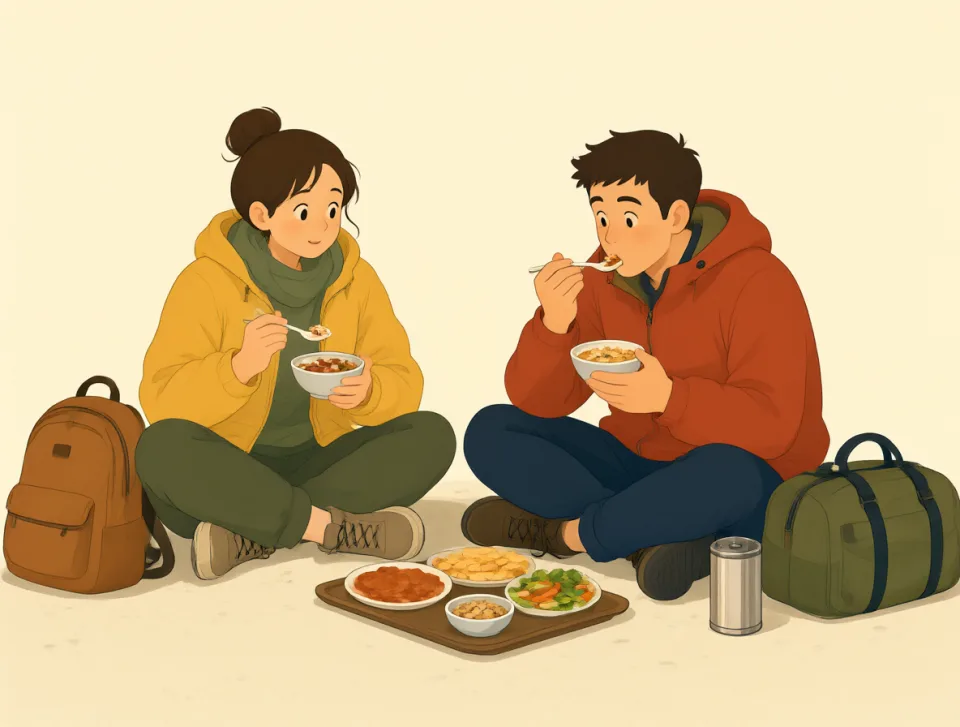
They eat early because they have a flight.
يتناولون الطعام مبكرًا لأن لديهم رحلة جوية.
very
#63adverb
جدًّا
Used before an adjective or adverb to mean to a high degree.
تُستخدم قبل صفة أو ظرف للدلالة على درجة عالية.
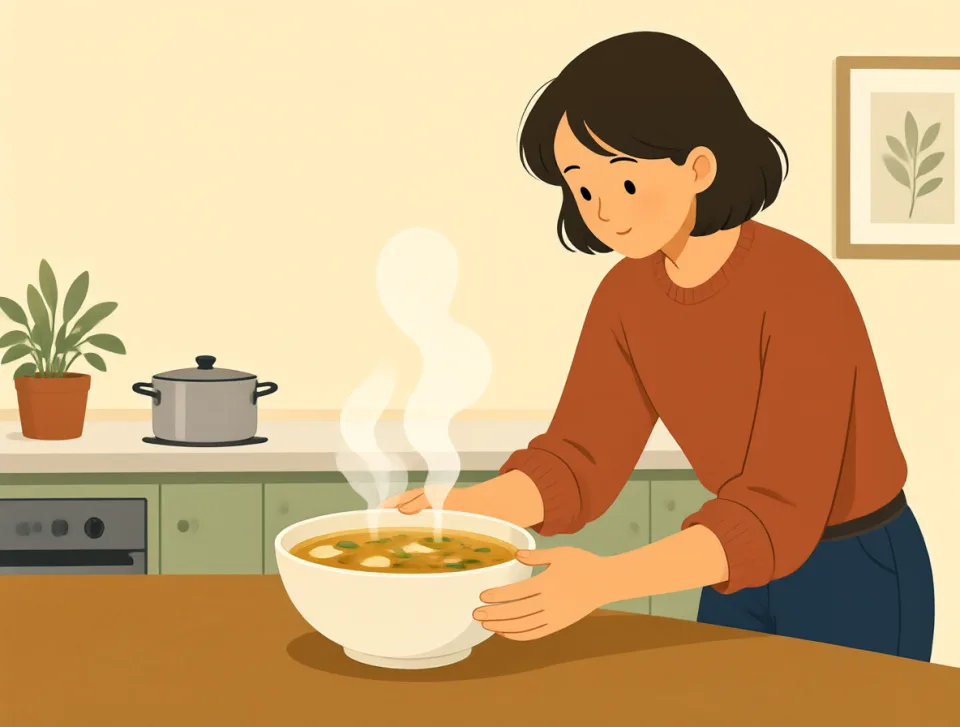
The soup is very hot.
الحساء ساخن جدًّا.
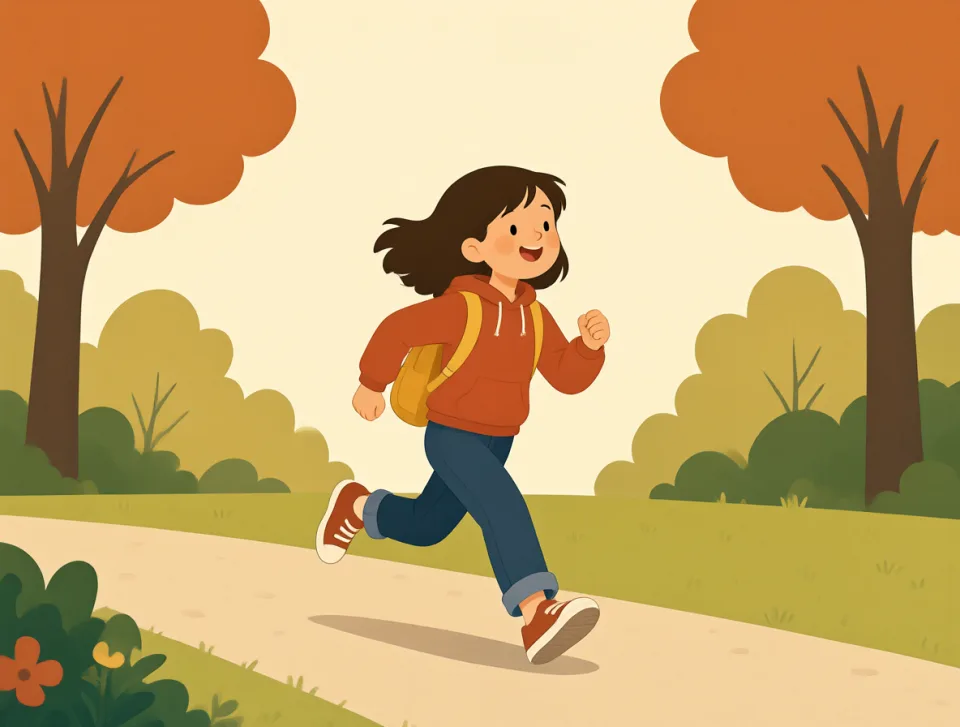
She runs very fast.
هي تركض بسرعة كبيرة.

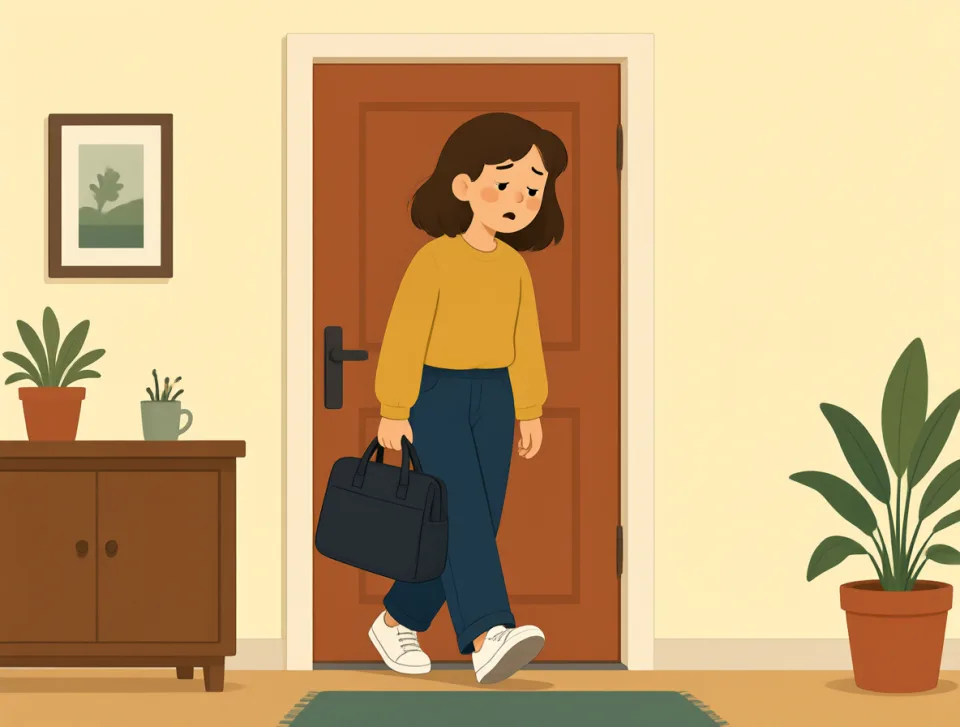
I am very tired today.
أنا متعب جدًّا اليوم.

This bag is very expensive.
هذه الحقيبة غالية جدًّا.

We had a very good time.
قضينا وقتًا ممتعًا جدًّا.
just
#64adverb, adjective
للتوّ؛ بالضبط؛ فحسب
Only recently, exactly, or fairly; used to make something seem less important.
تُستخدم بمعنى «للتوّ» أو «بالضبط» أو «إلى حدٍّ ما»، وقد تُستخدم أيضًا للتقليل من أهمية شيء ما.
I just got home from work.
وصلت للتو إلى المنزل من العمل.

Just wait here for a minute.
انتظر هنا دقيقة فحسب.

This shirt is just five dollars.
سعر هذا القميص خمسة دولارات فقط.
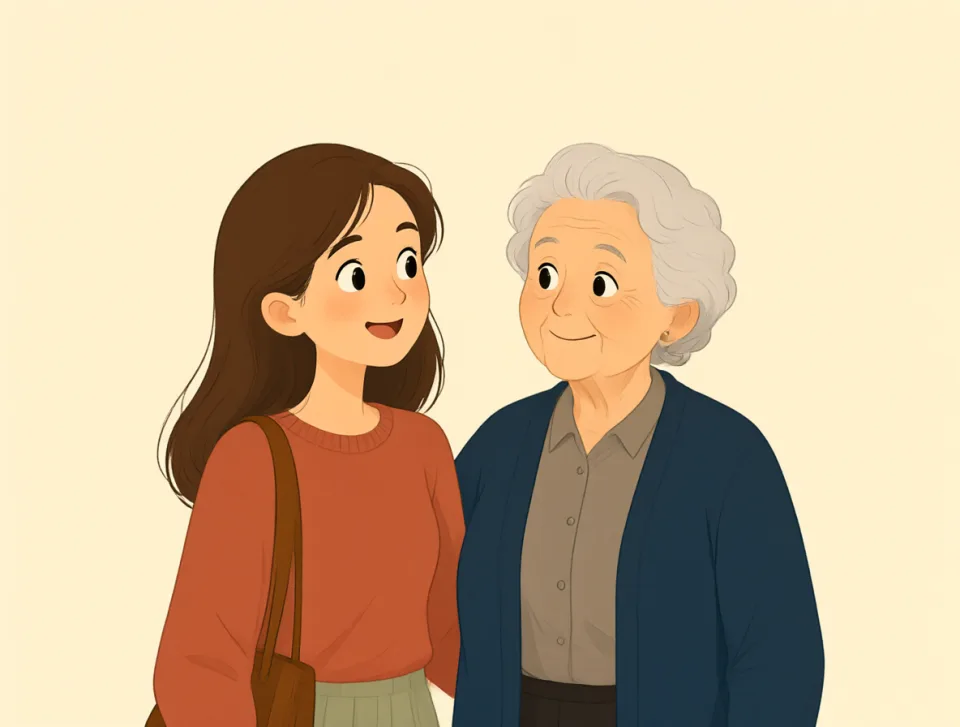
She is just like her mother.
هي تشبه أمها تمامًا.
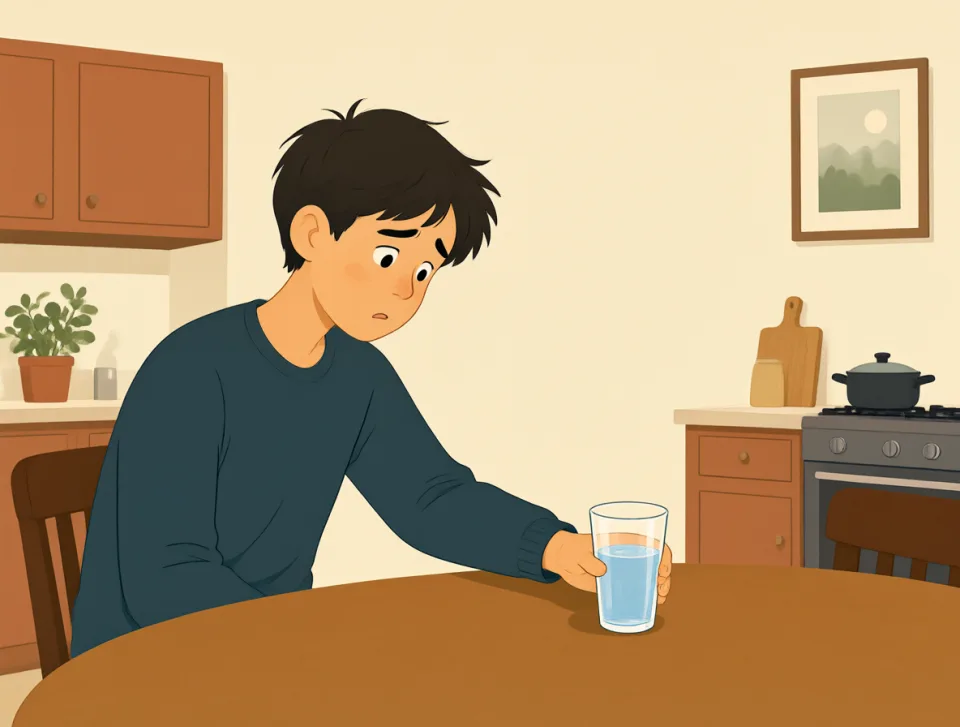
I just want some water.
أريد بعض الماء فحسب.
come
#65verb
يأتي
to move toward or arrive at a person or place
ينتقل نحو شخص أو مكان، أو يصل إليه.
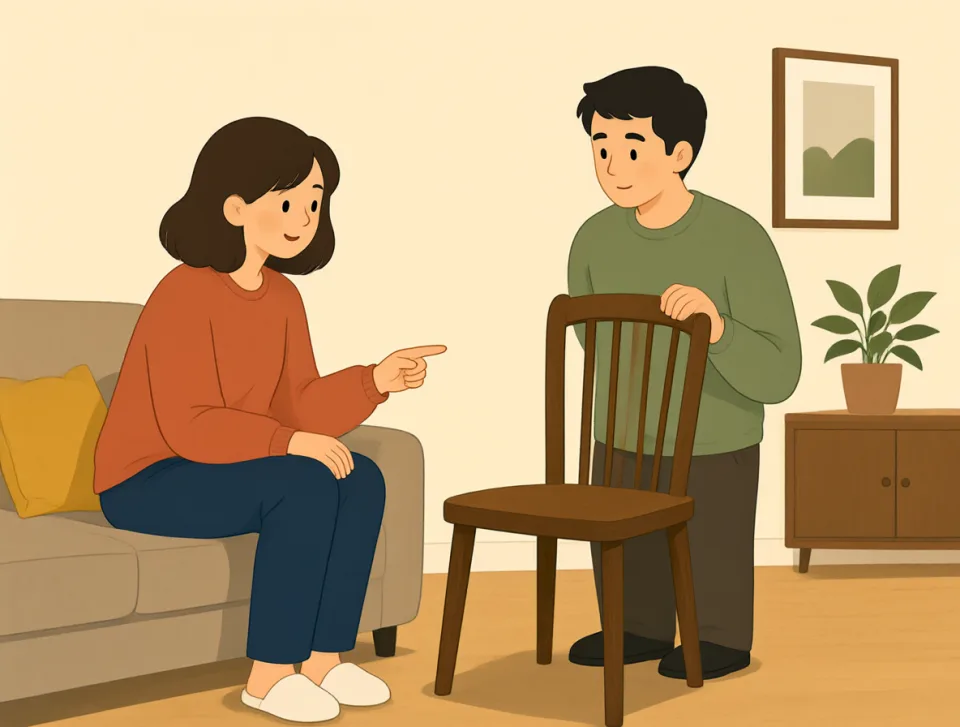
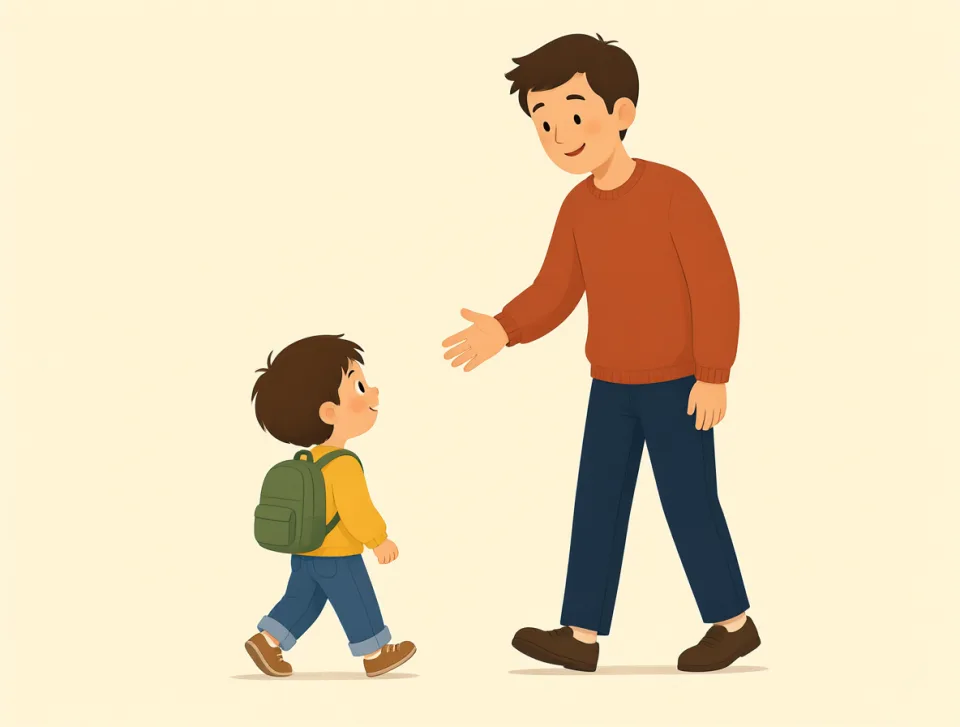
Come here and sit beside me.
تعال إلى هنا واجلس بجانبي.
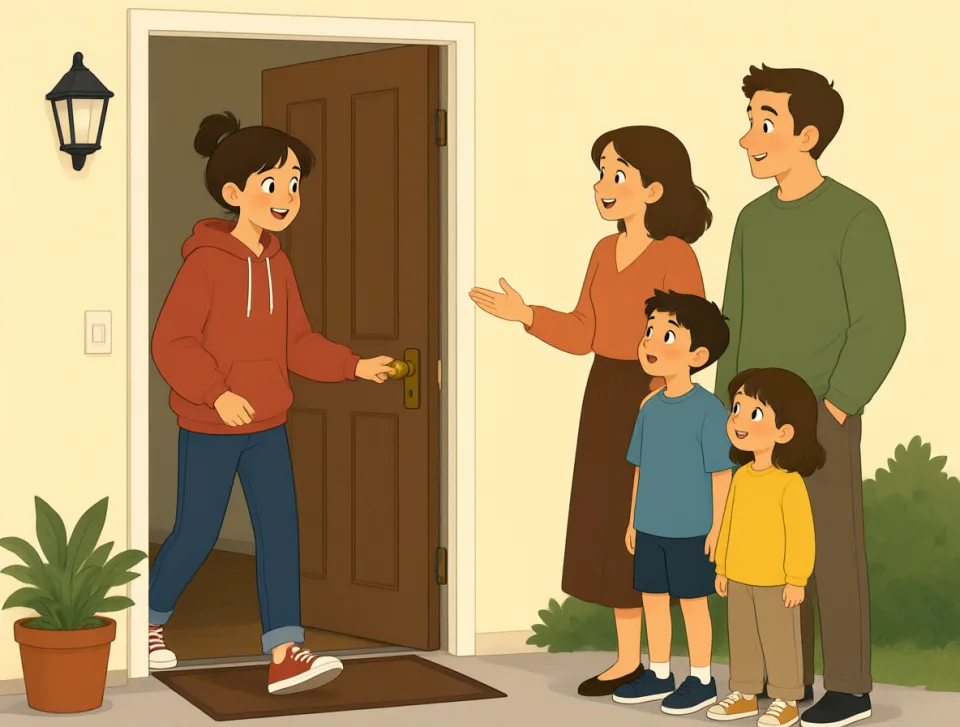
What time did you come home?
في أي وقت عدت إلى المنزل؟
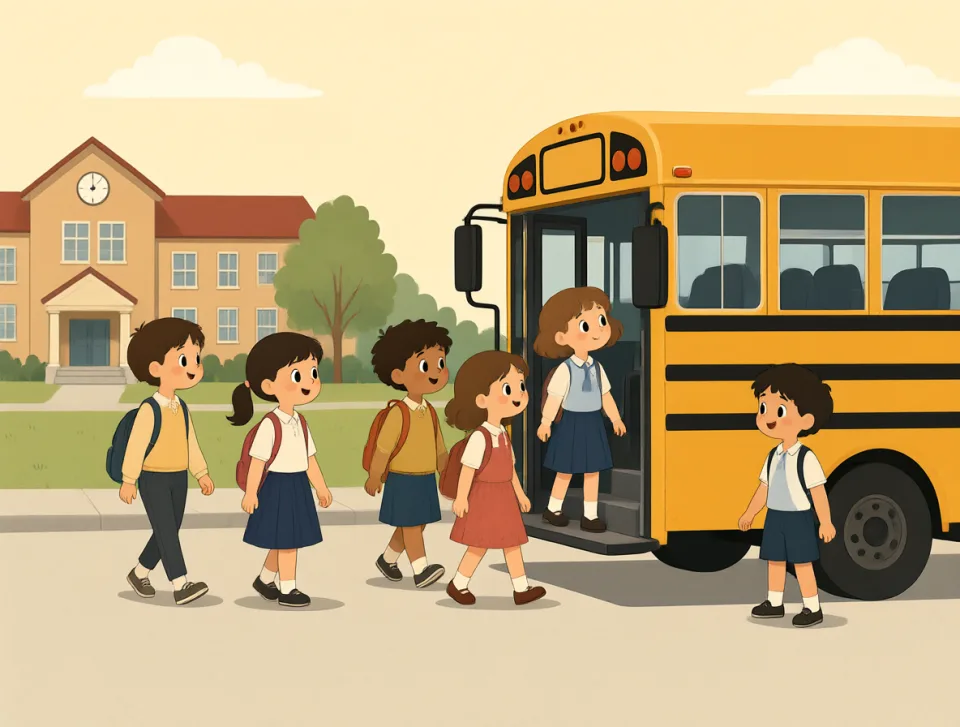
Many students come to school by bus.
يأتي كثير من الطلاب إلى المدرسة بالحافلة.

Please come to my birthday party.
من فضلك، تعال إلى حفلة عيد ميلادي.
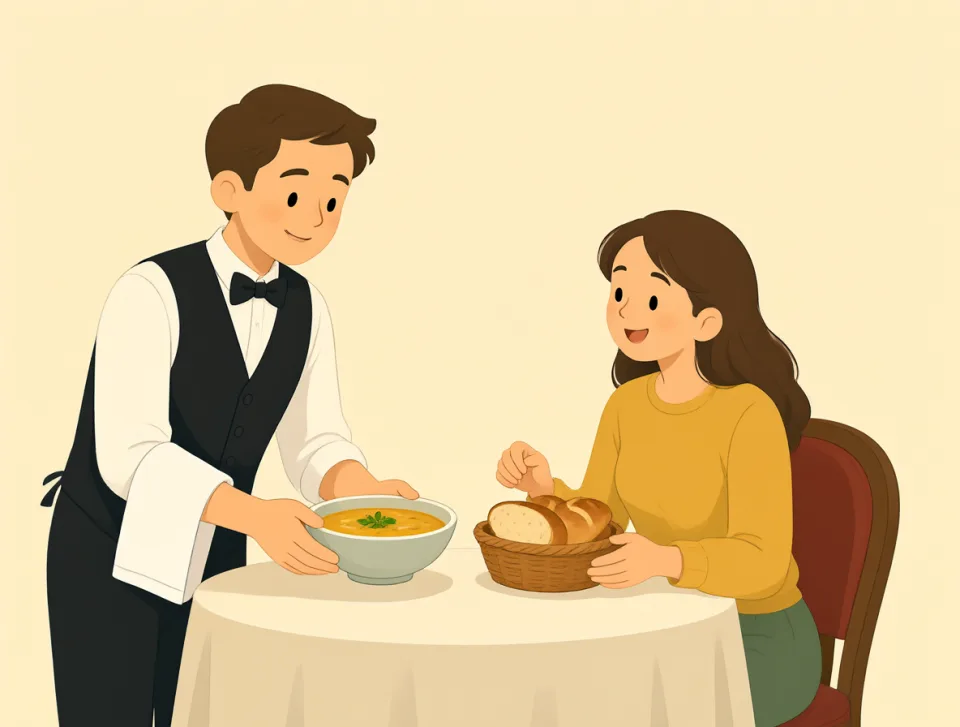
This soup comes with fresh bread.
يُقدَّم هذا الحساء مع خبز طازج.

could
#66modal verb
استطاع؛ يمكن أن
Used to ask politely, talk about possibility, or describe ability in the past.
تُستخدم للسؤال بأدب، أو للتعبير عن الاحتمال، أو لوصف القدرة في الماضي.
Could you help me with this bag?
هل يمكنك مساعدتي في حمل هذه الحقيبة؟

We could meet at the station tomorrow.
يمكننا أن نلتقي في المحطة غدًا.
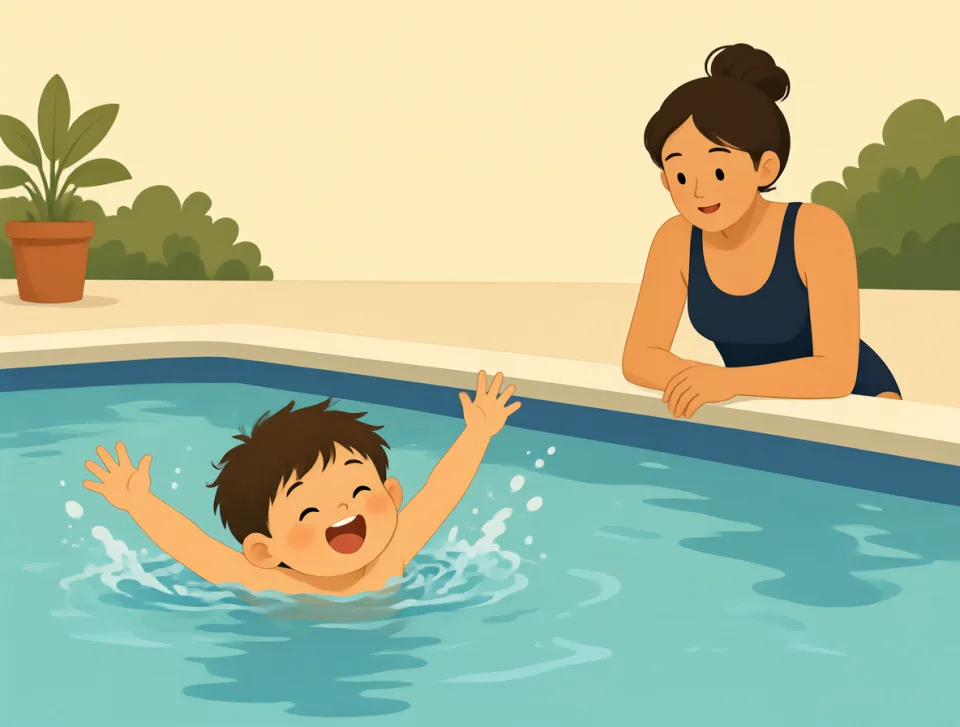
I could swim when I was five.
كنت أستطيع السباحة عندما كان عمري خمس سنوات.
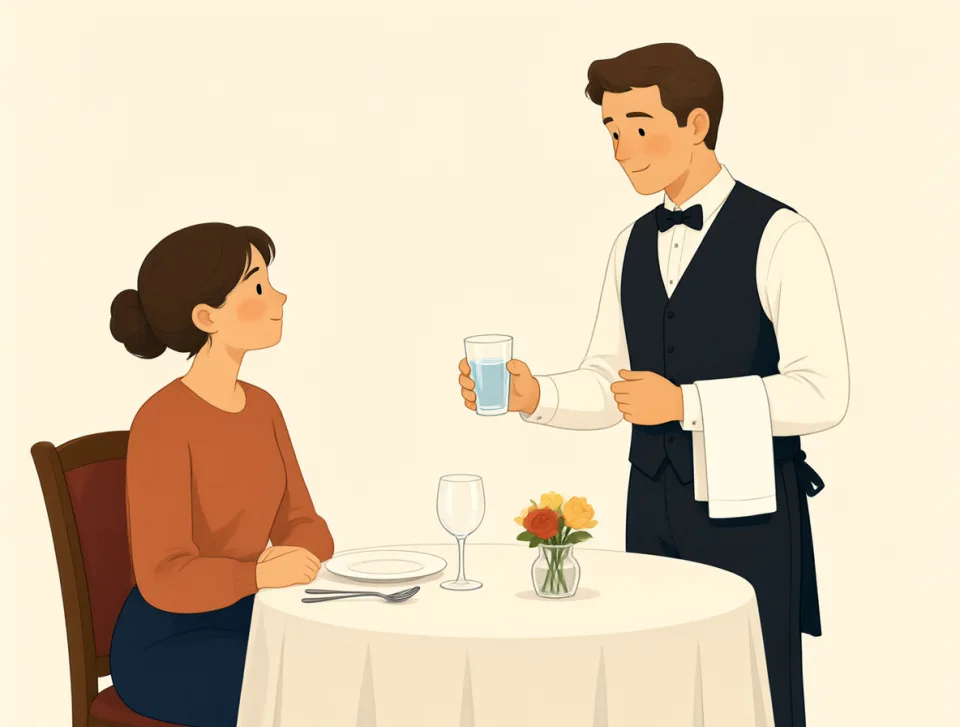
Could I have some water, please?
هل يمكنني الحصول على بعض الماء، من فضلك؟

It could rain this afternoon.
قد تمطر بعد ظهر اليوم.

work
#67noun, verb
عمل؛ يعمل
To do a job or activity, or the job or activity you do.
أن تؤدي وظيفة أو نشاطًا، أو الوظيفة أو النشاط الذي تقوم به.

I work in a small office.
أعمل في مكتب صغير.

She works hard every day.
إنها تعمل بجد كل يوم.

This computer does not work.
هذا الحاسوب لا يعمل.
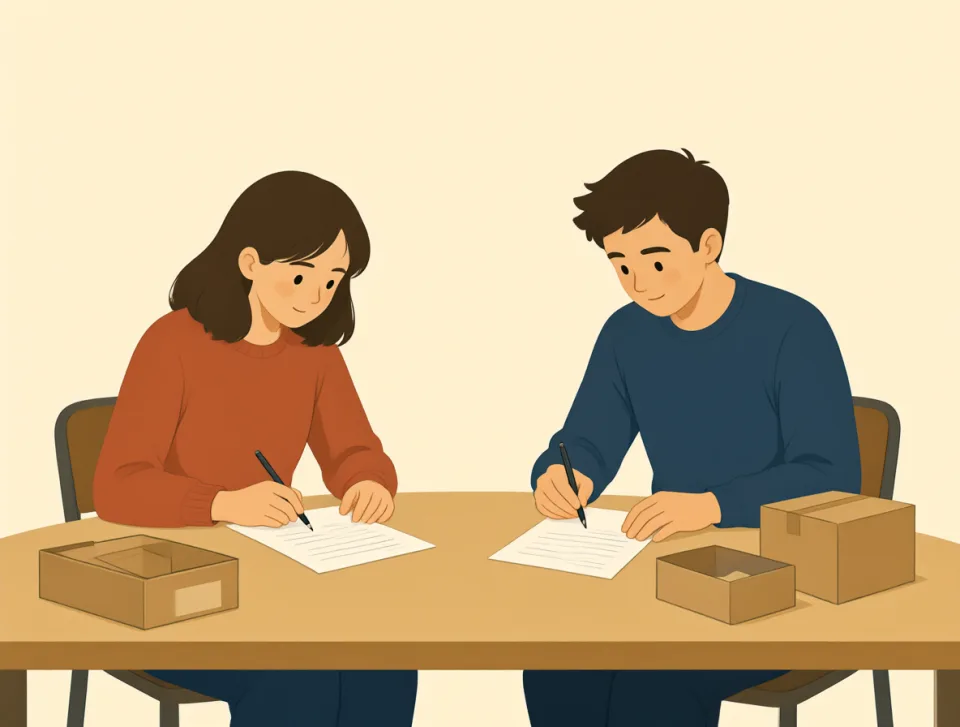
We have a lot of work today.
لدينا الكثير من العمل اليوم.

His works hang in the museum.
تُعرض أعماله في المتحف.
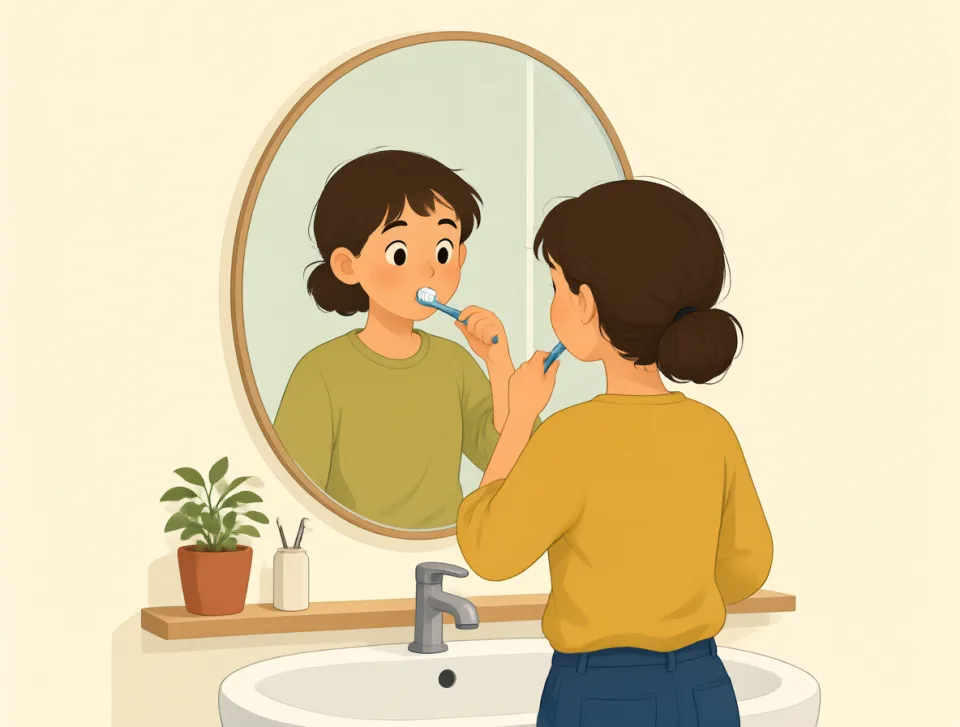
use
#68verb, noun
استخدم؛ استخدام
To do something with a thing for a purpose; the way something is used.
أن تستعمل شيئًا لغرض معين؛ أو الطريقة التي يُستعمل بها الشيء.

I use my phone every day.
أستخدم هاتفي كل يوم.
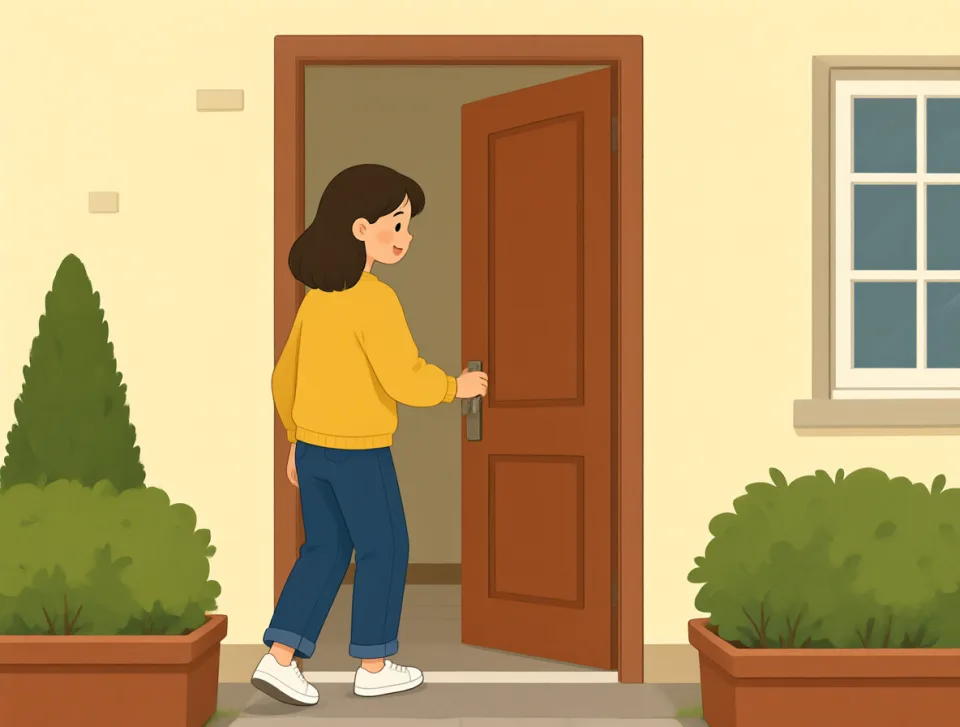
Please use this door.
يُرجى استخدام هذا الباب.
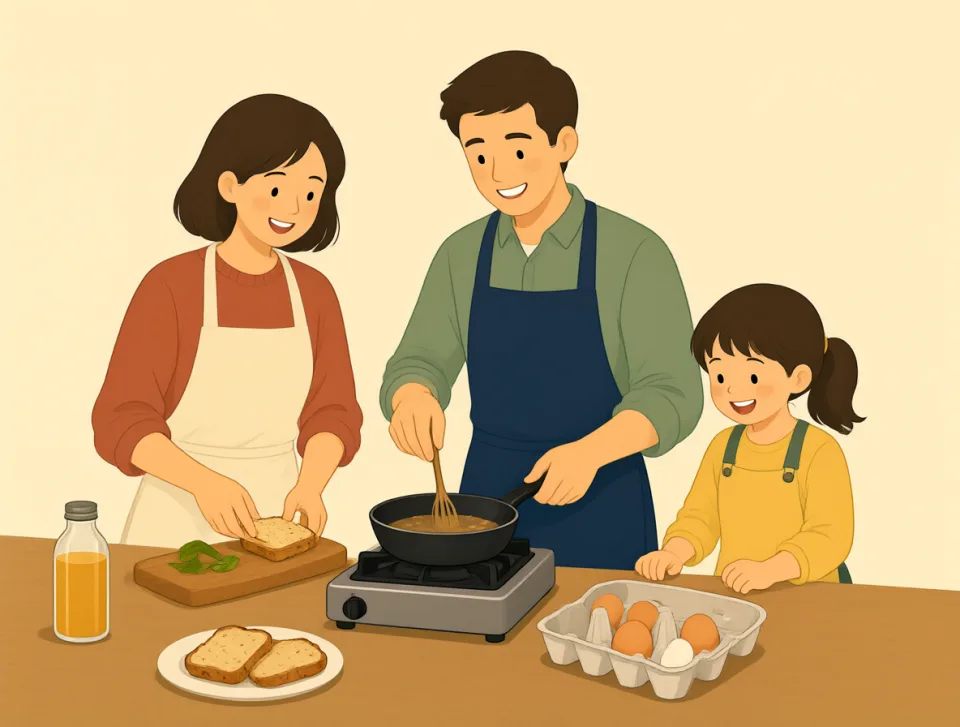
We used all the eggs for breakfast.
استخدمنا كل البيض لإعداد الفطور.
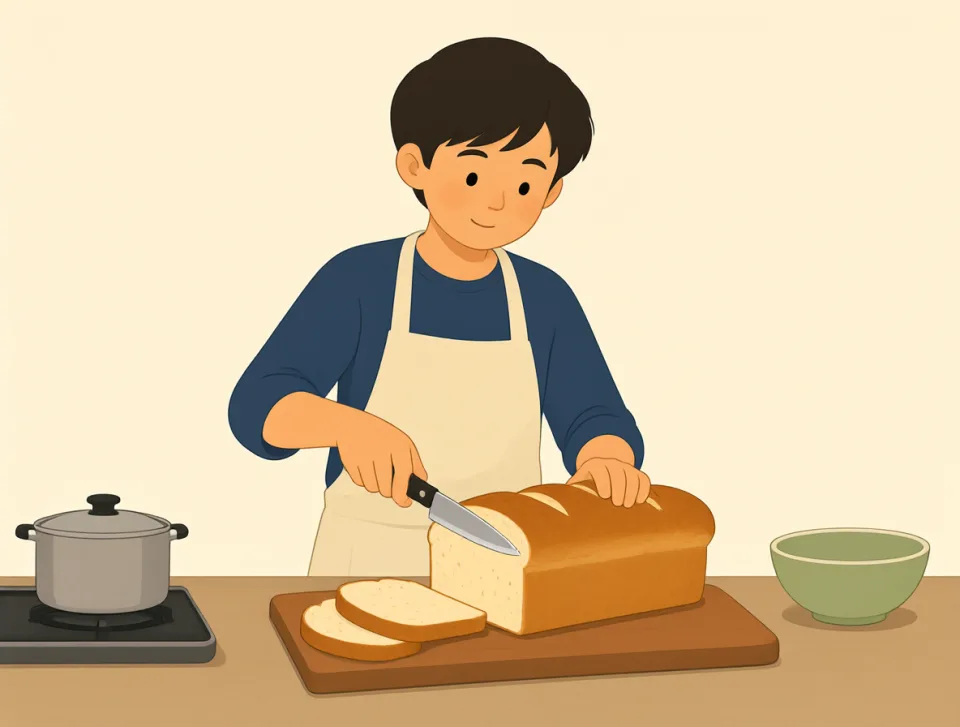
She uses a knife to cut bread.
تستخدم سكينًا لتقطيع الخبز.
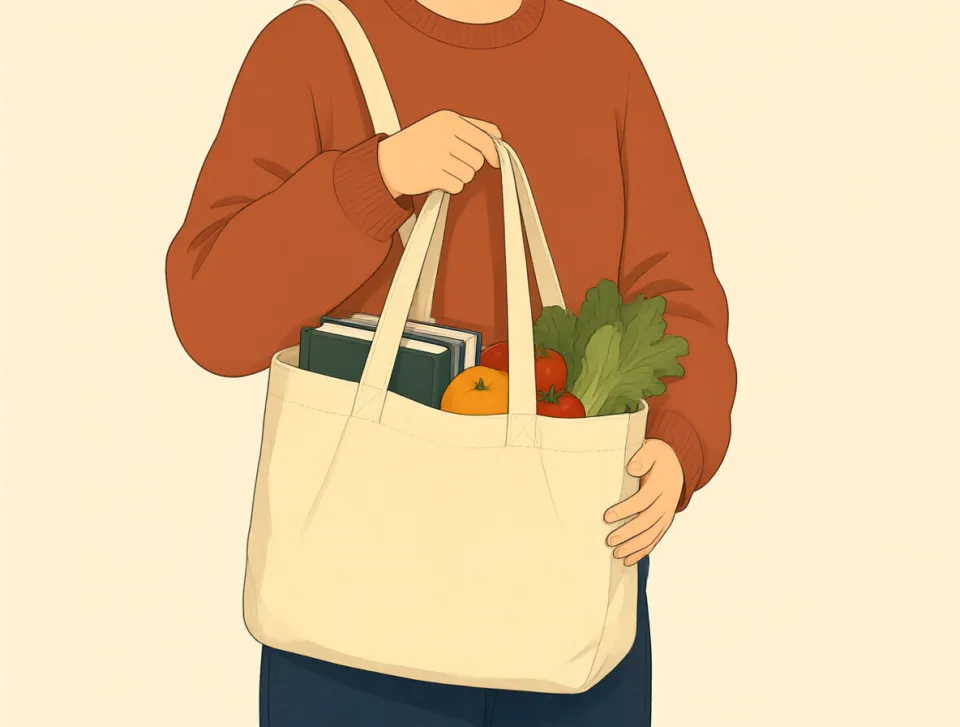
This bag has many uses.
لهذه الحقيبة استخدامات كثيرة.
than
#69conjunction, preposition
من
Used to compare two people, things, or actions.
تُستخدم للمقارنة بين شخصين أو شيئين أو فعلين.
My sister is taller than me.
أختي أطول مني.

This bag is cheaper than that one.
هذه الحقيبة أرخص من تلك.
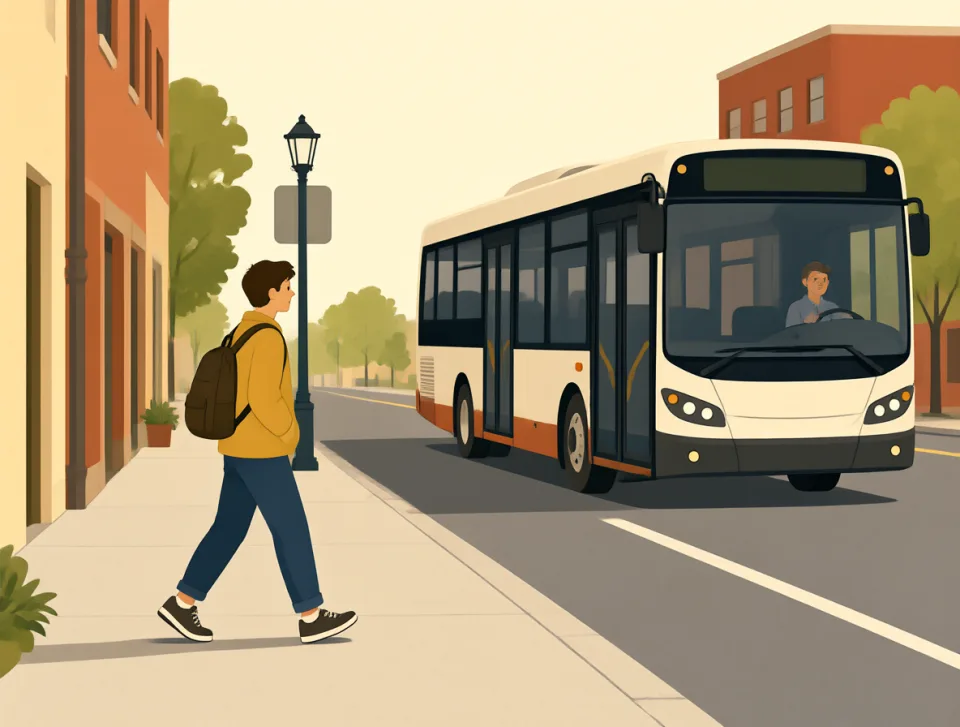
I would rather walk than take the bus.
أفضل أن أمشي على أن أستقل الحافلة.
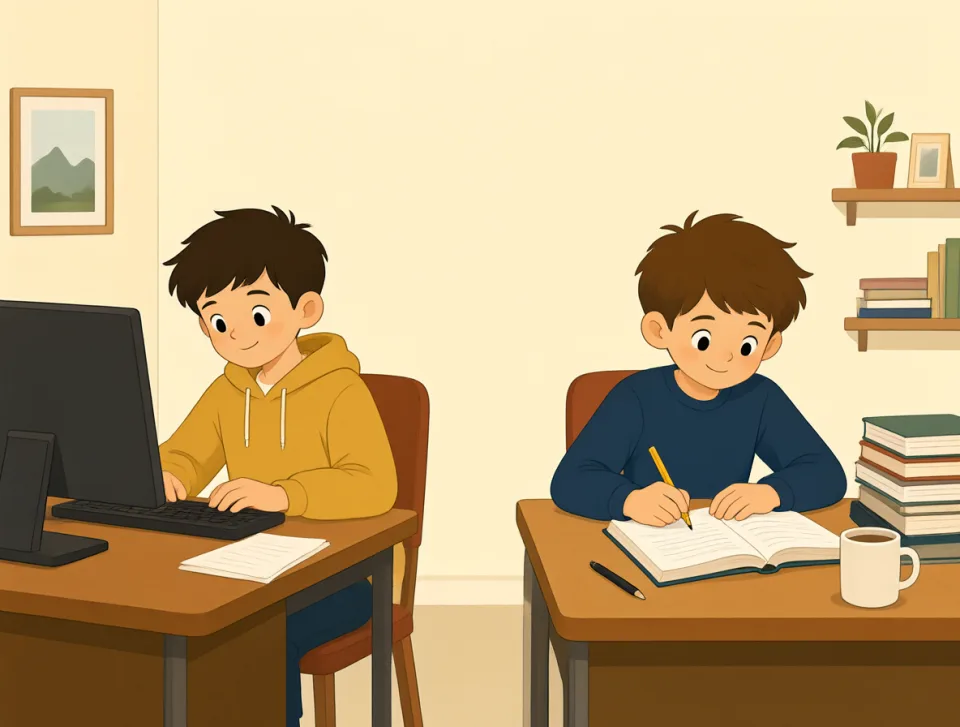
He works harder than his brother.
إنه يعمل بجد أكثر من أخيه.
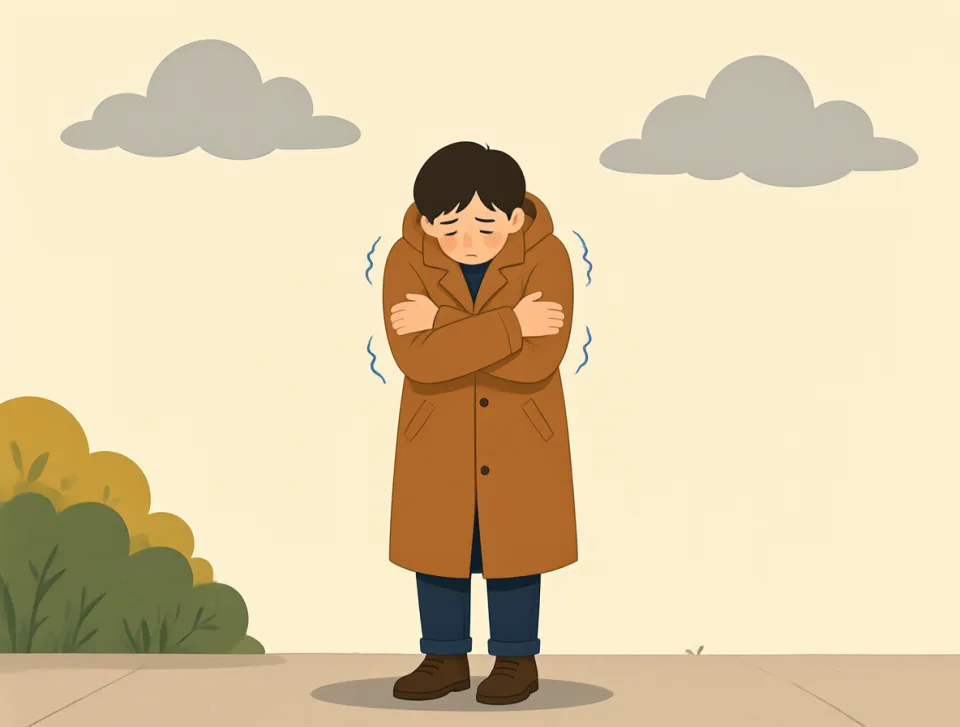
It was colder than yesterday.
كان الجو أبرد مما كان عليه أمس.

now
#70adverb, noun, adjective
الآن
at the present time or moment
في الوقت الحاضر أو في هذه اللحظة.
I am busy now.
أنا مشغول الآن.
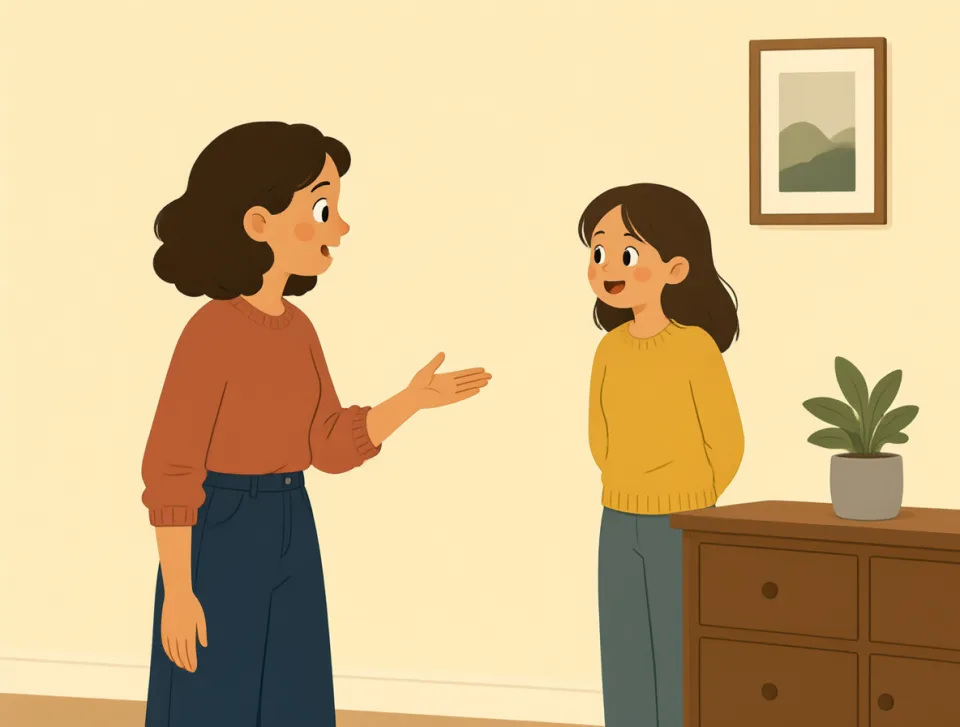
Please come here now.
يُرجى أن تأتي إلى هنا الآن.
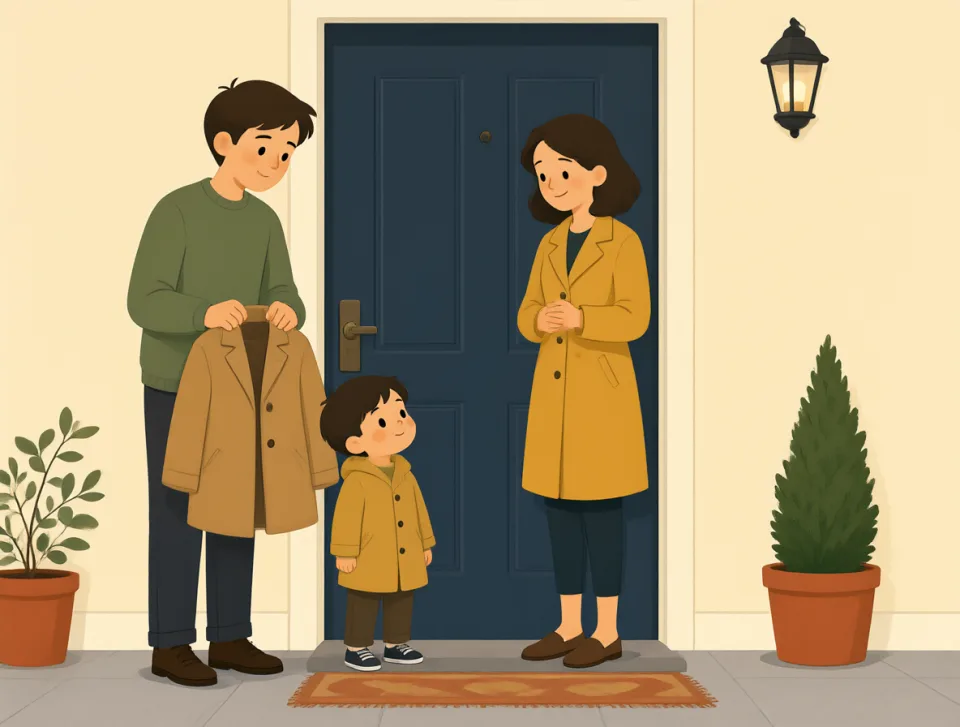
We have to leave now.
علينا أن نغادر الآن.

Now is a good time to start.
الآن وقت مناسب للبدء.
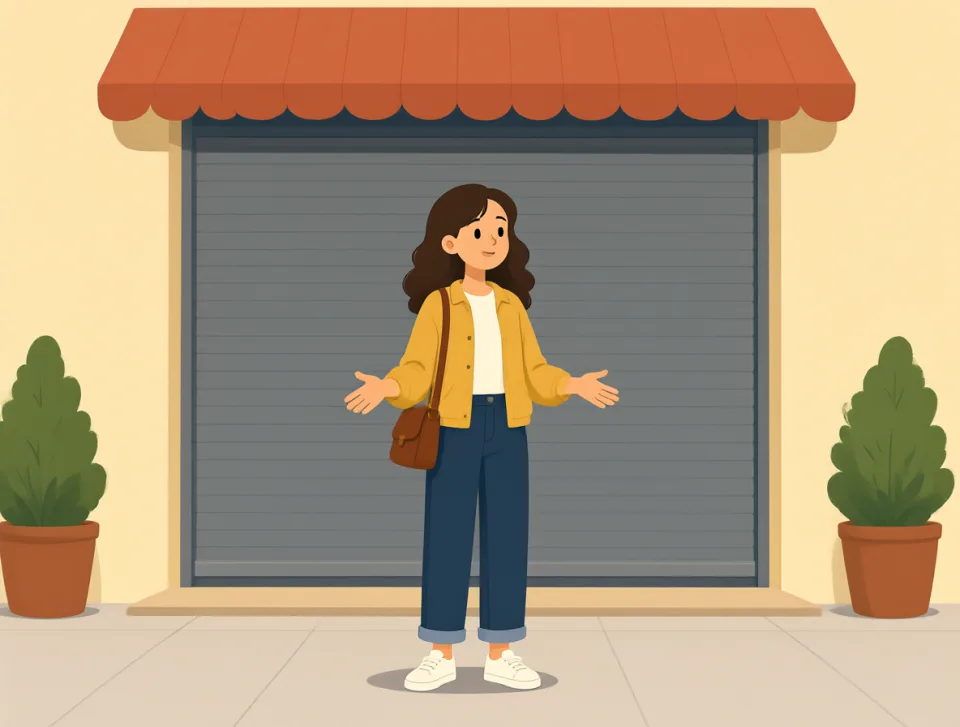
The store is closed now.
المتجر مغلق الآن.
then
#71adverb, adjective
ثمّ
At that time, or next after something else happens.
في ذلك الوقت، أو بعد حدوث شيء آخر.
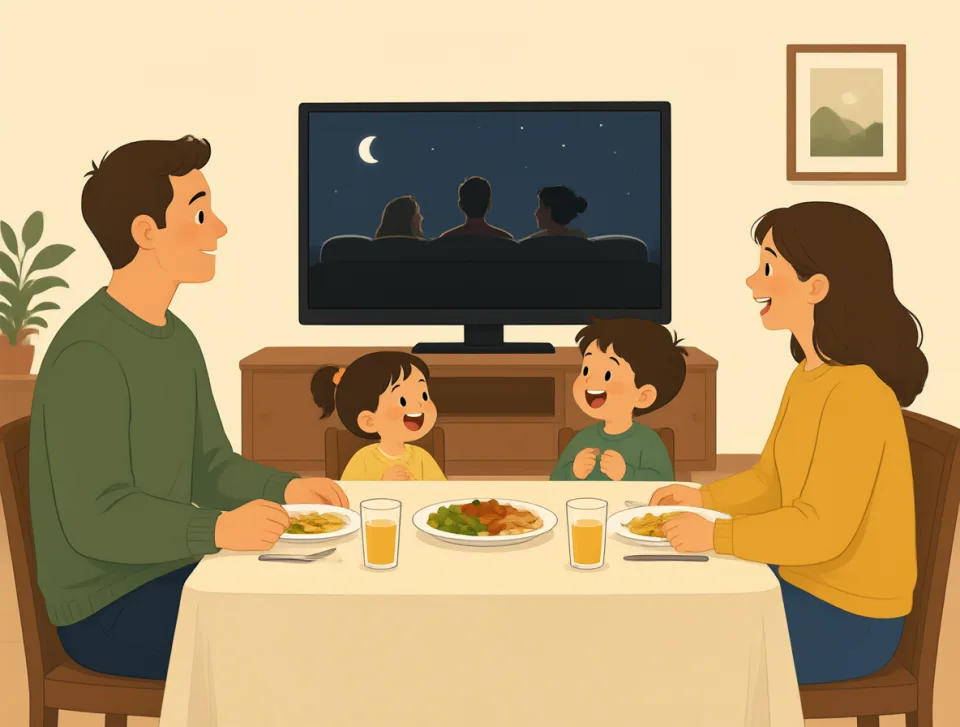
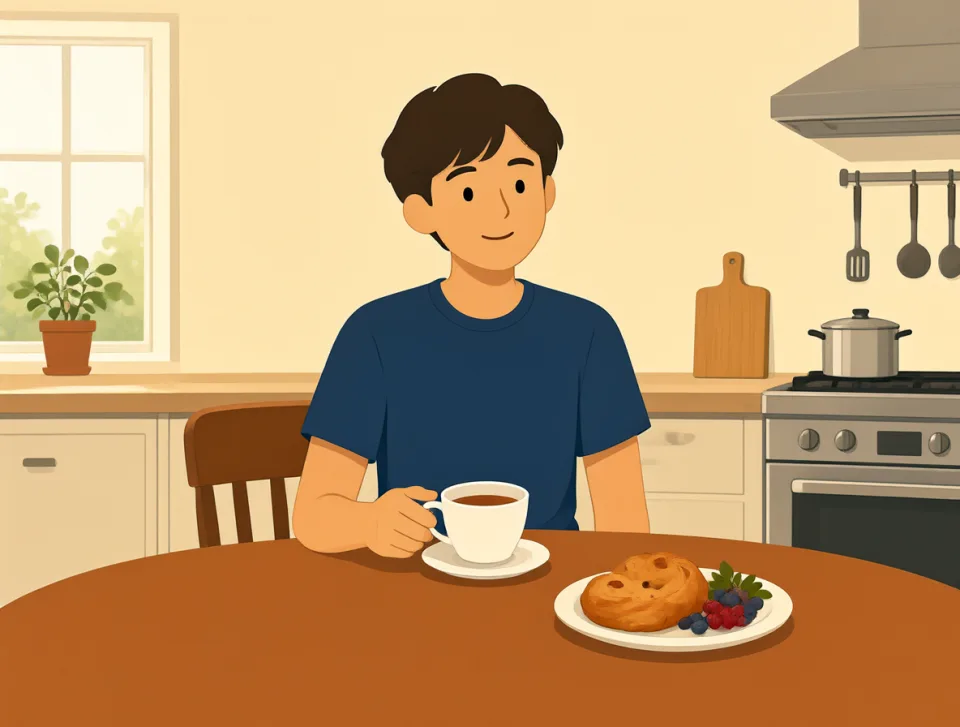
We ate dinner, then watched a movie.
تناولنا العشاء، ثم شاهدنا فيلمًا.
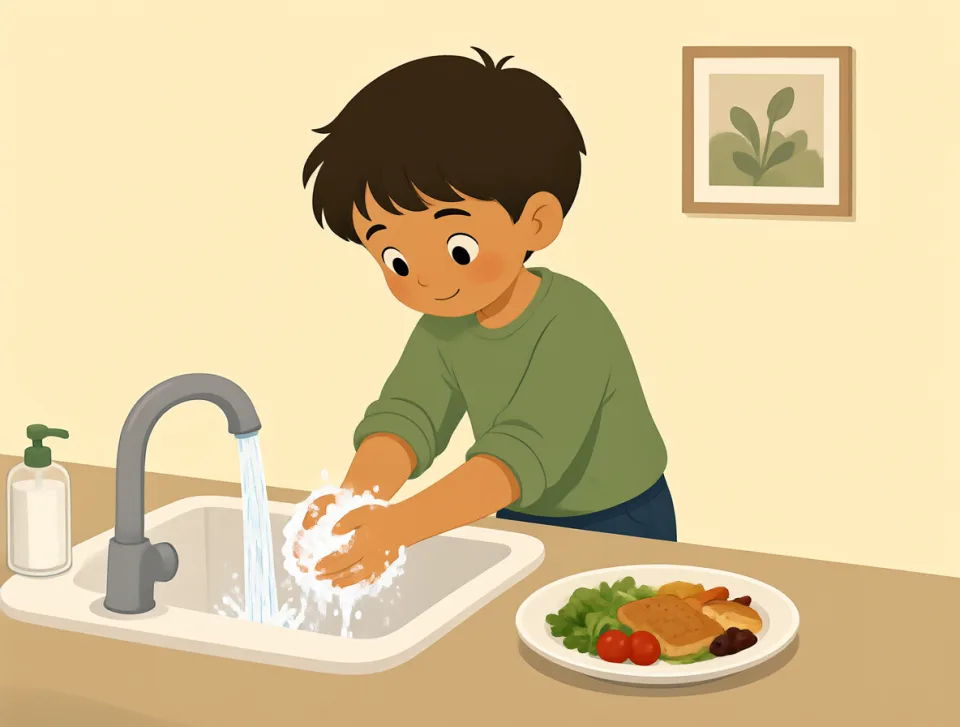
First wash your hands, then eat.
اغسل يديك أولًا، ثم تناول الطعام.
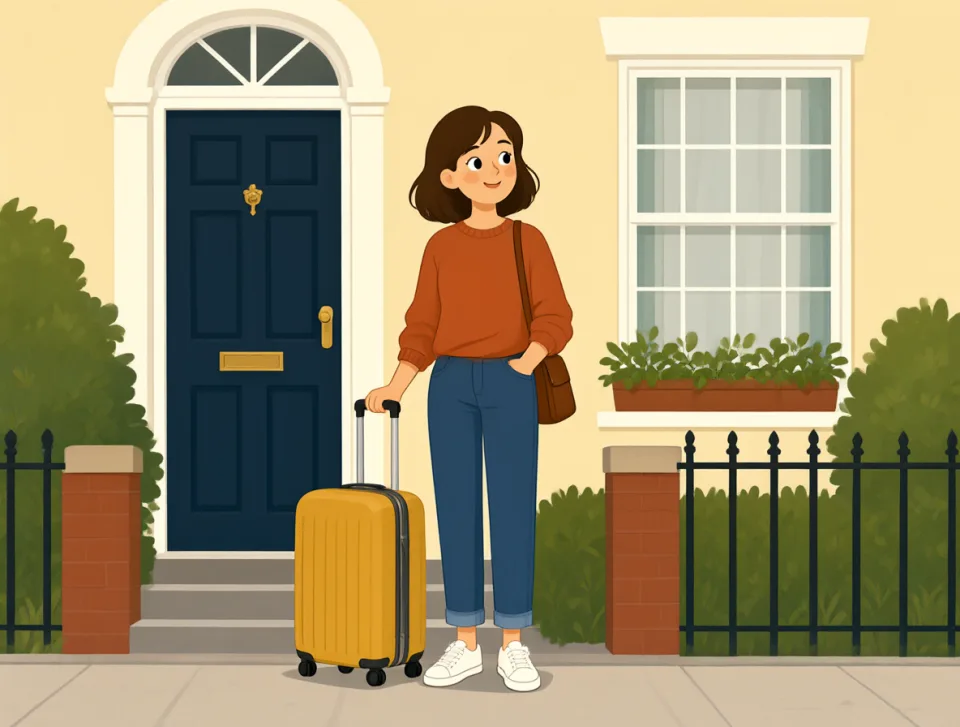
I was living in London then.
كنت أعيش في لندن آنذاك.
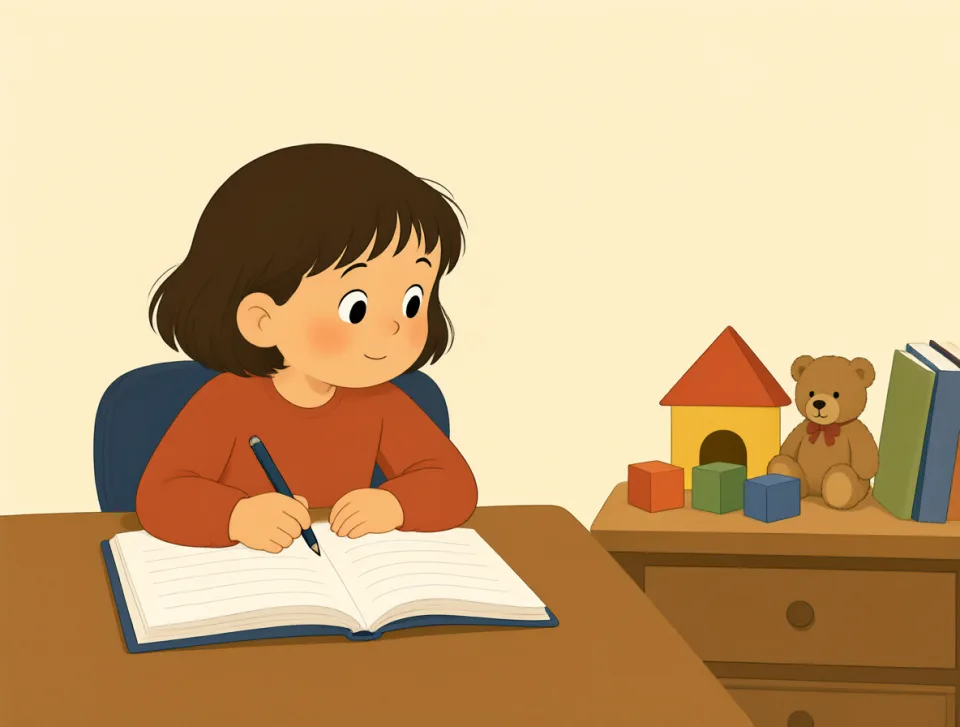
If you finish, then you can play.
إذا انتهيت، يمكنك اللعب بعد ذلك.
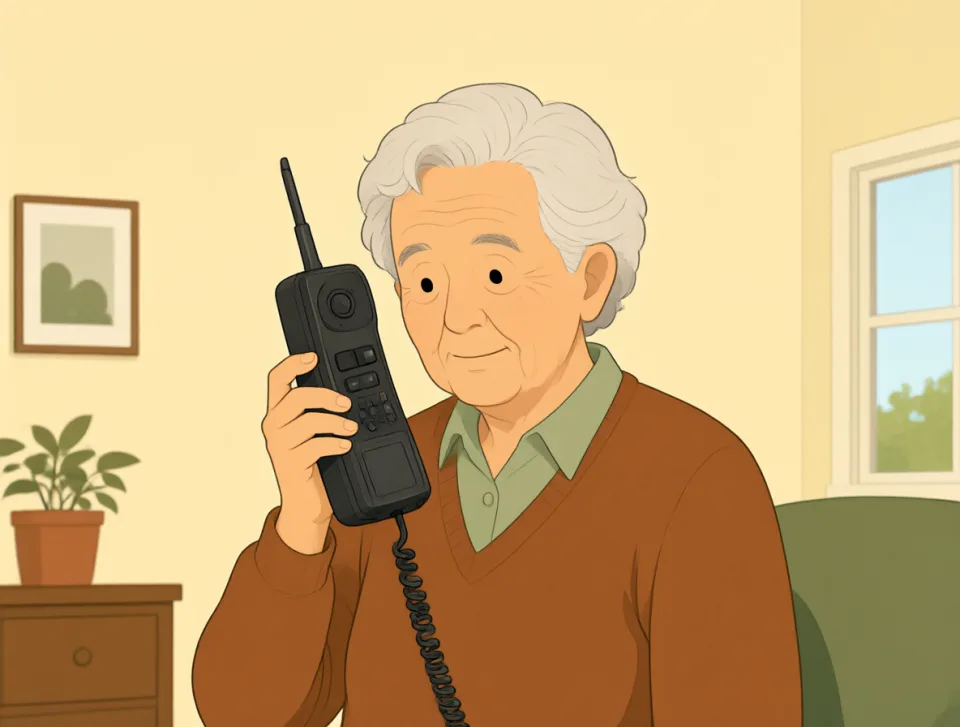
Back then, phones were much bigger.
في ذلك الوقت، كانت الهواتف أكبر بكثير.
also
#72adverb
أيضًا
In addition to someone or something already mentioned.
إضافةً إلى شخص أو شيء ذُكر من قبل.
I also like tea in the morning.
أحب الشاي أيضًا في الصباح.
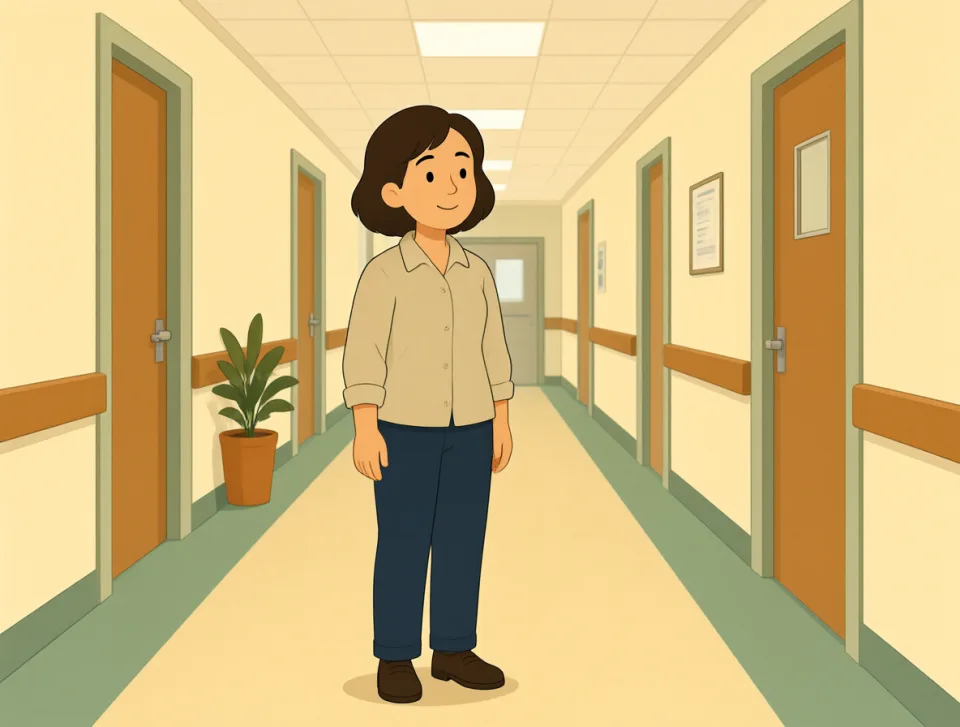
She also works at the hospital.
هي تعمل أيضًا في المستشفى.
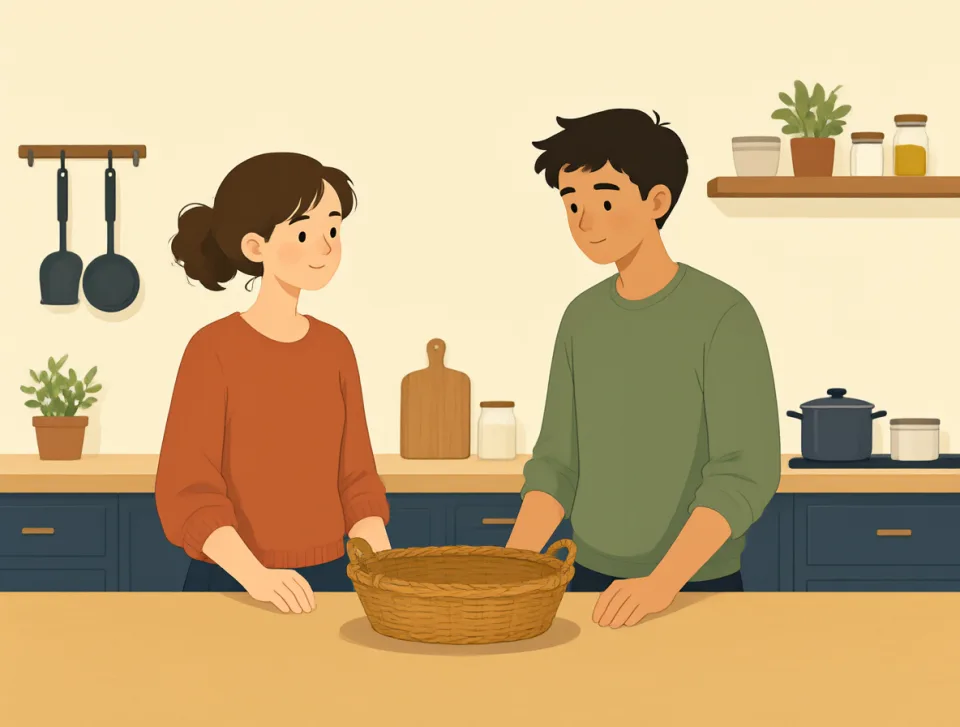
We also need some bread for dinner.
نحتاج أيضًا إلى بعض الخبز للعشاء.
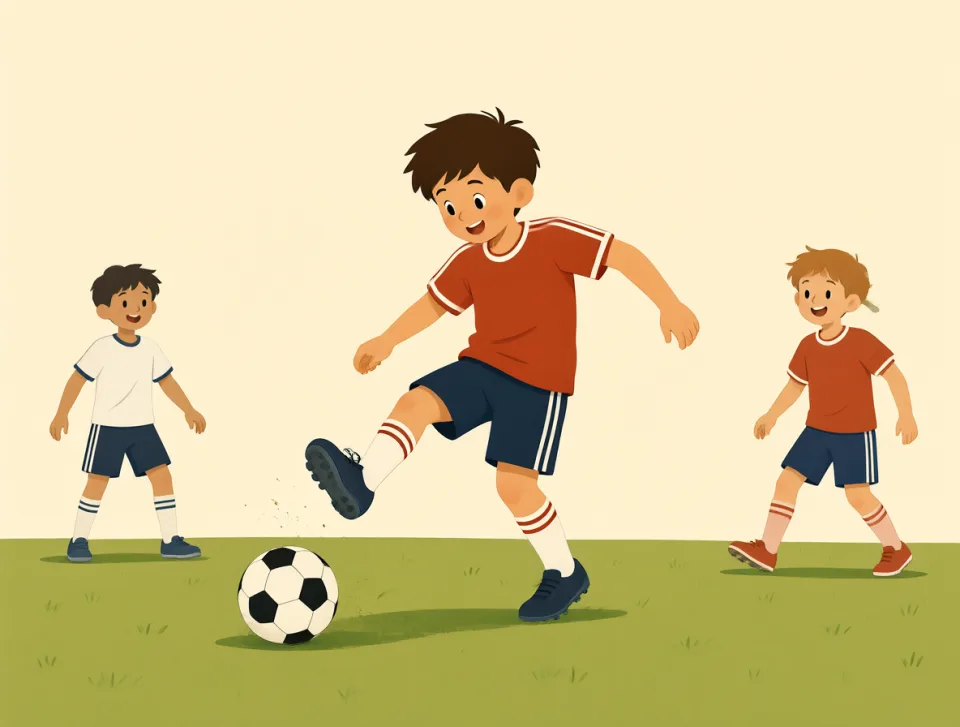
He also plays soccer with his friends.
هو يلعب كرة القدم أيضًا مع أصدقائه.

The hotel also has a small swimming pool.
يضمّ الفندق أيضًا مسبحًا صغيرًا.
into
#73preposition
إلى داخل
to a position inside something or toward a particular place, situation, or activity
إلى موضع داخل شيء ما، أو باتجاه مكان أو حالة أو نشاط معيّن.
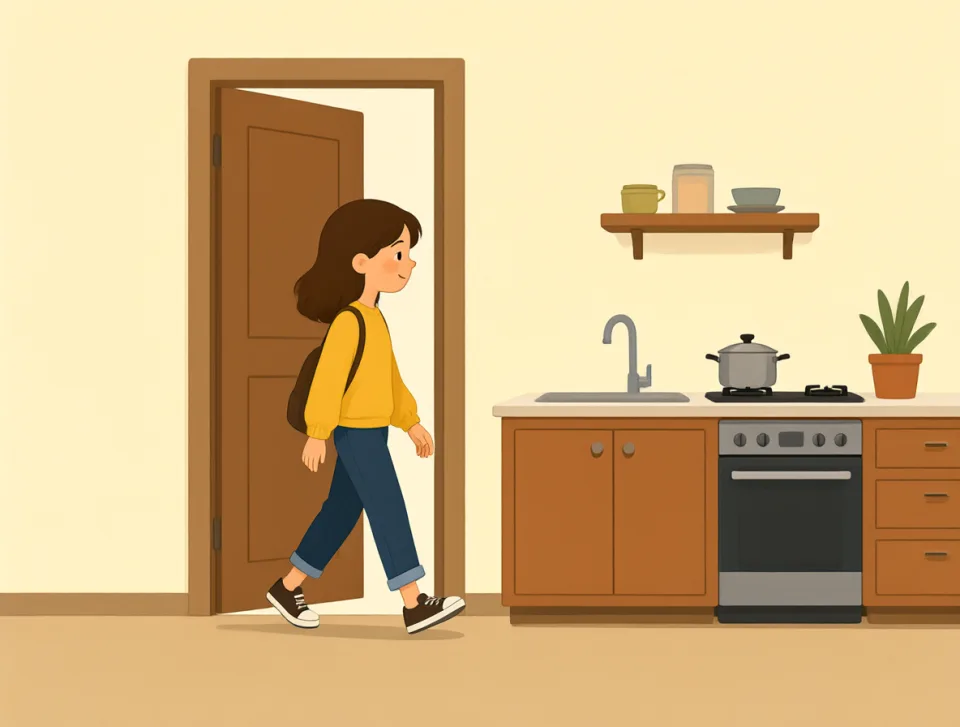
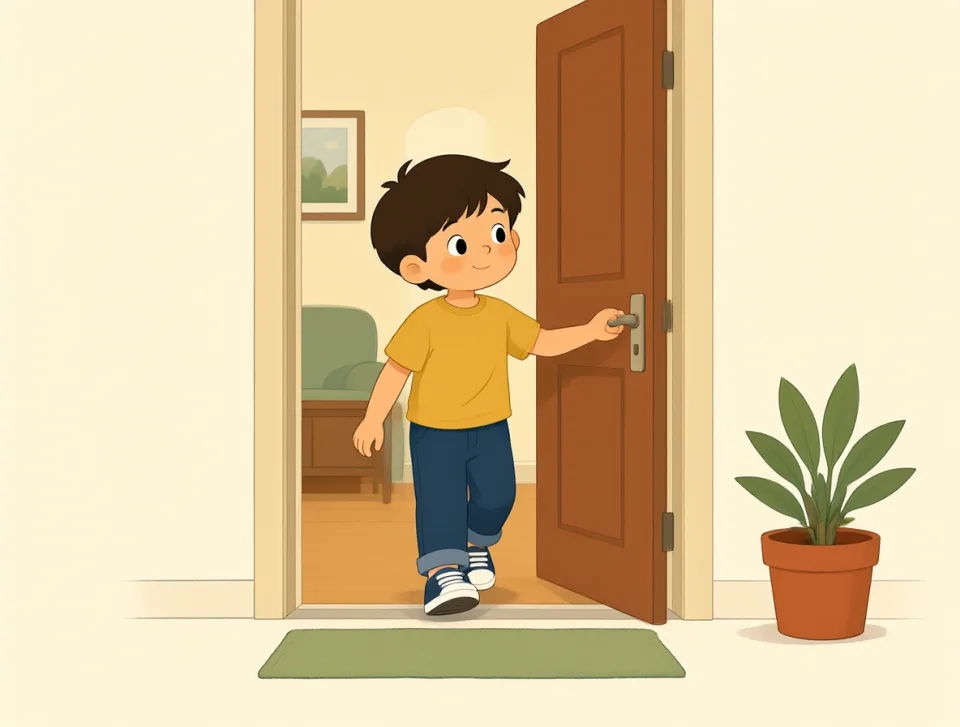
She walked into the kitchen.
سارت إلى داخل المطبخ.
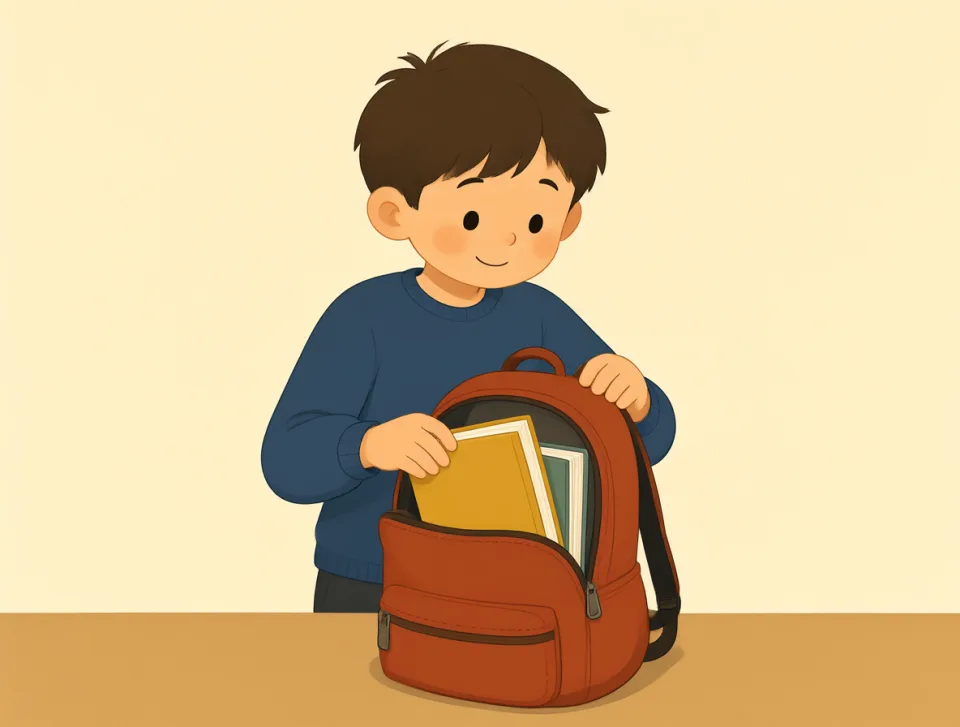
He put the books into his bag.
وضع الكتب في حقيبته.
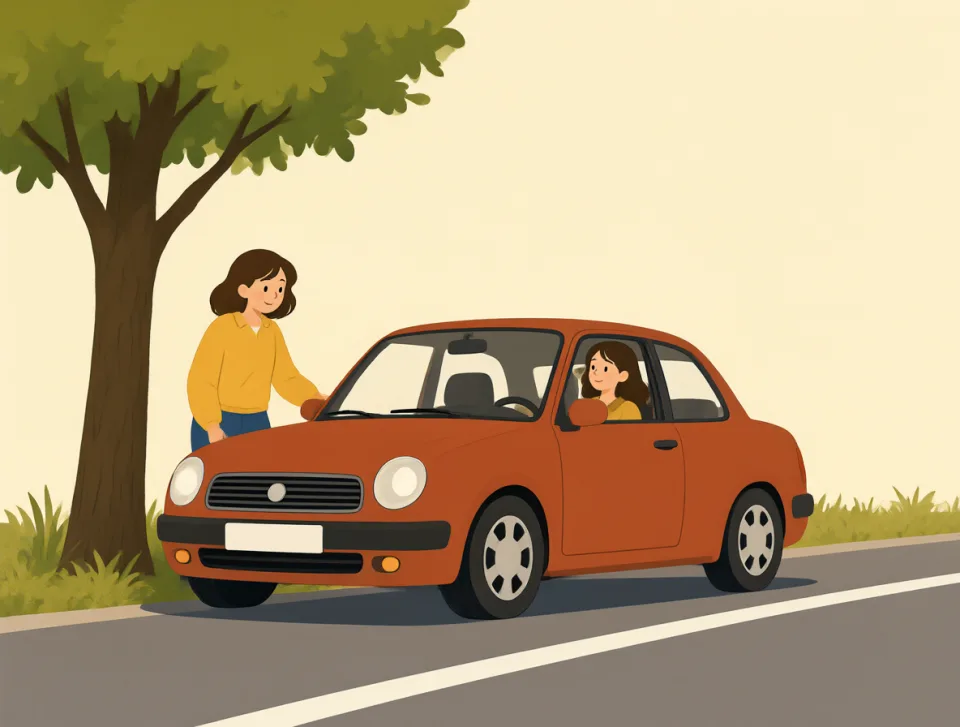
The car crashed into a tree.
اصطدمت السيارة بشجرة.
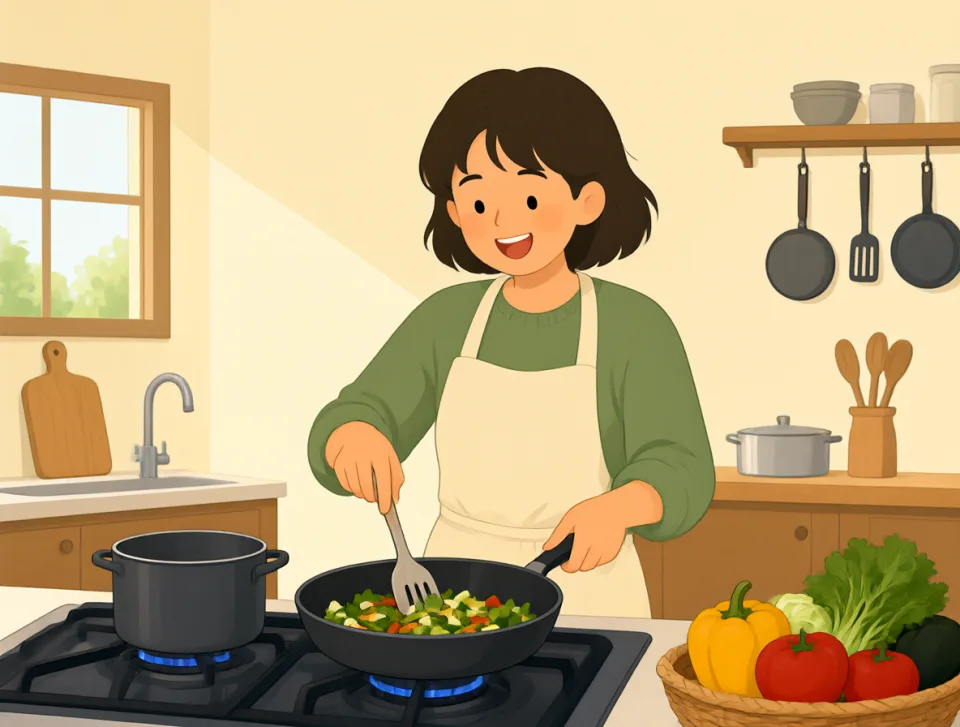
I am really into cooking now.
أصبحت مهتمًا جدًا بالطهي الآن.
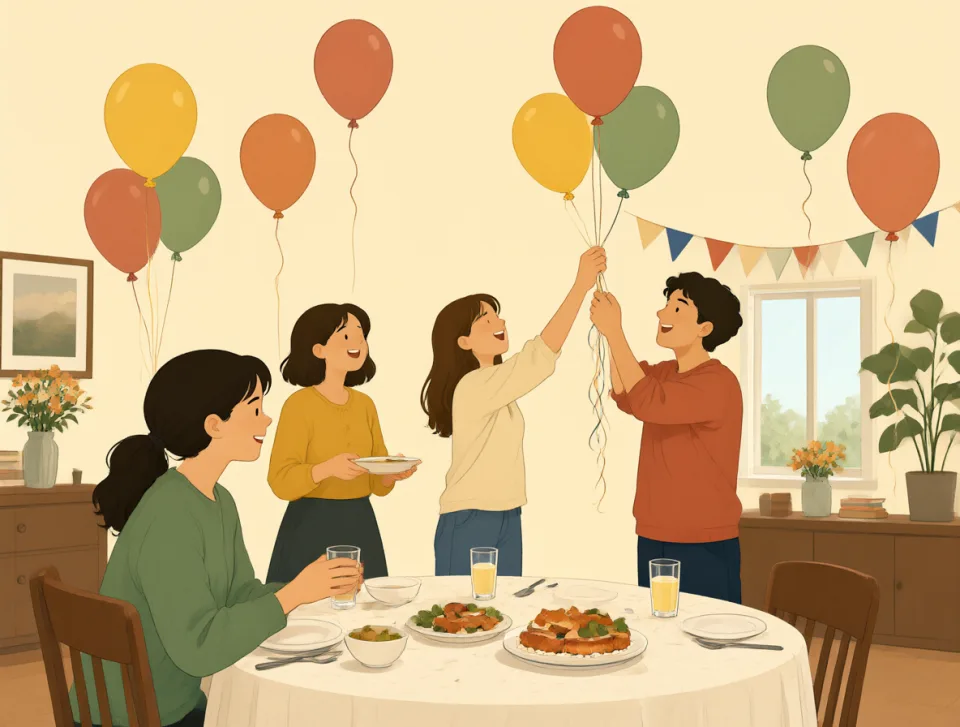
They changed the plan into a party.
حوّلوا الخطة إلى حفلة.
only
#74adverb, adjective, determiner, conjunction
فقط
No more than one person or thing, or nothing else.
شخص أو شيء واحد لا أكثر، أو لا شيء آخر.
I only have ten minutes before work.
لديّ عشر دقائق فقط قبل العمل.
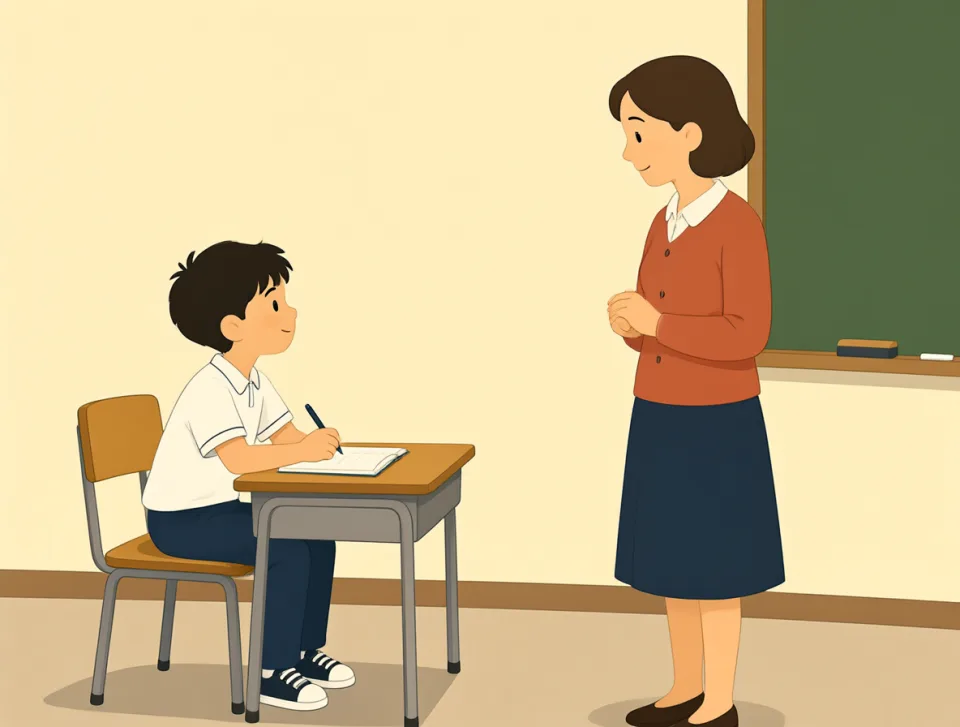
She is the only student in class.
هي الطالبة الوحيدة في الصف.

We only need two tickets for the train.
نحتاج إلى تذكرتين فقط للقطار.
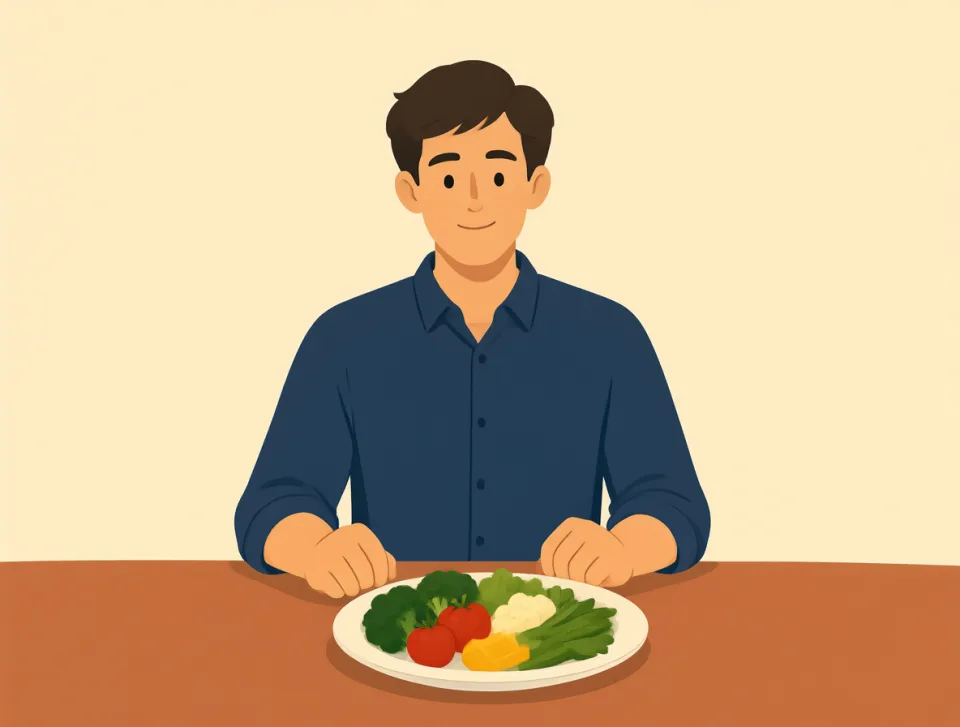
He eats only vegetables for lunch.
لا يأكل على الغداء إلا الخضراوات.
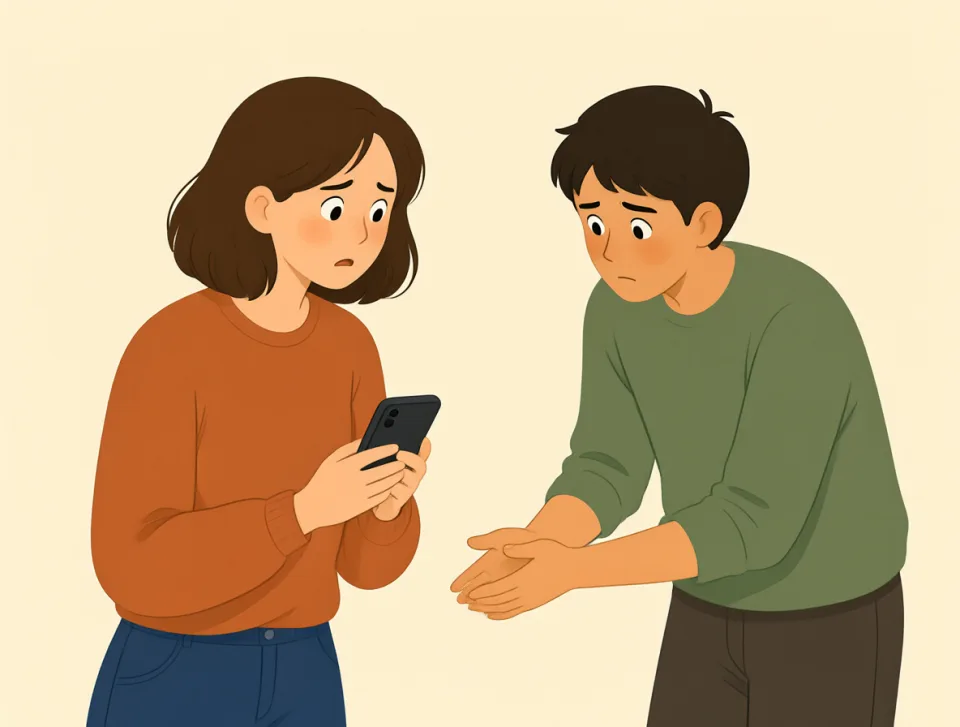
Call me only if you need help.
اتصل بي فقط إذا احتجت إلى المساعدة.
look
#75verb, noun
ينظر؛ يبدو
to use your eyes to see something or to have a particular appearance
يستخدم عينيه لرؤية شيء ما، أو يكون ذا مظهر معيّن.

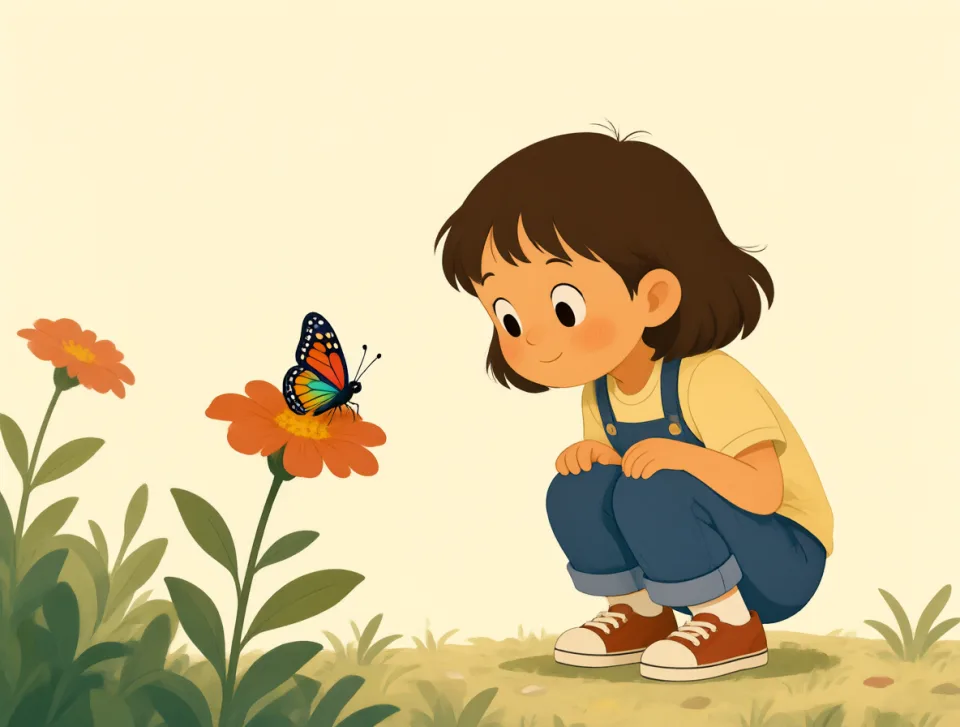
Look at this picture with me.
انظر إلى هذه الصورة معي.
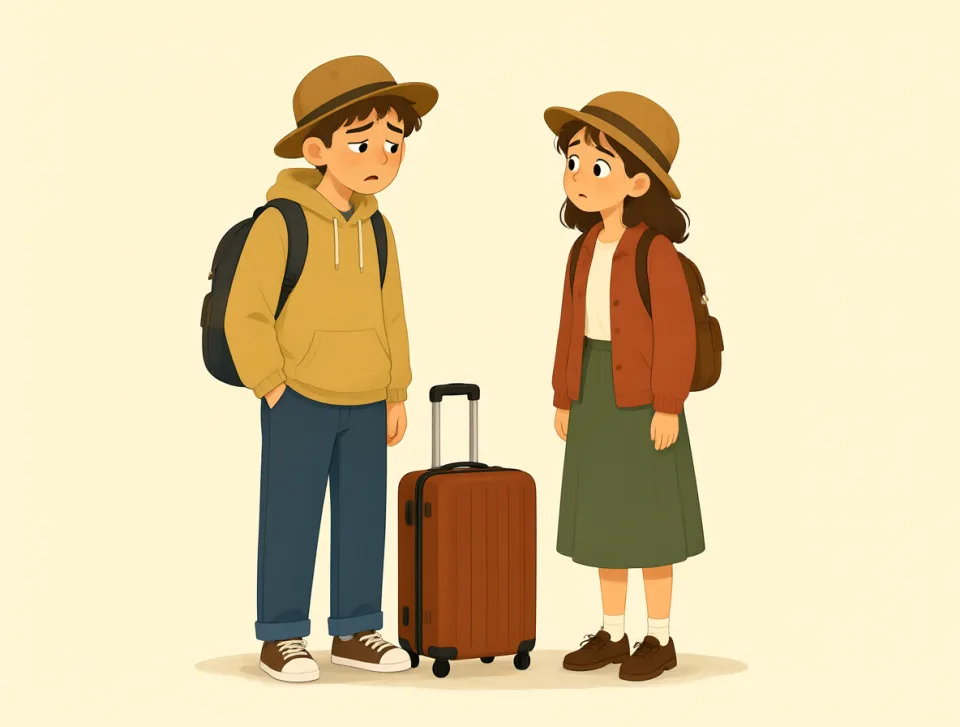
You look tired after your long trip.
تبدو متعبًا بعد رحلتك الطويلة.
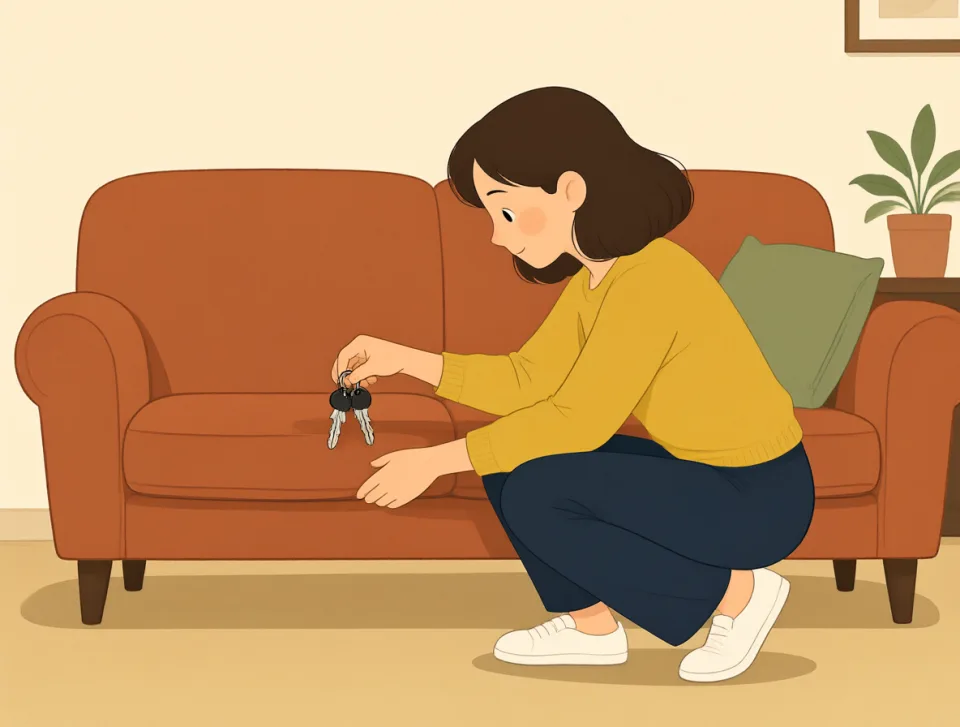
She looked for her keys everywhere.
بحثت عن مفاتيحها في كل مكان.
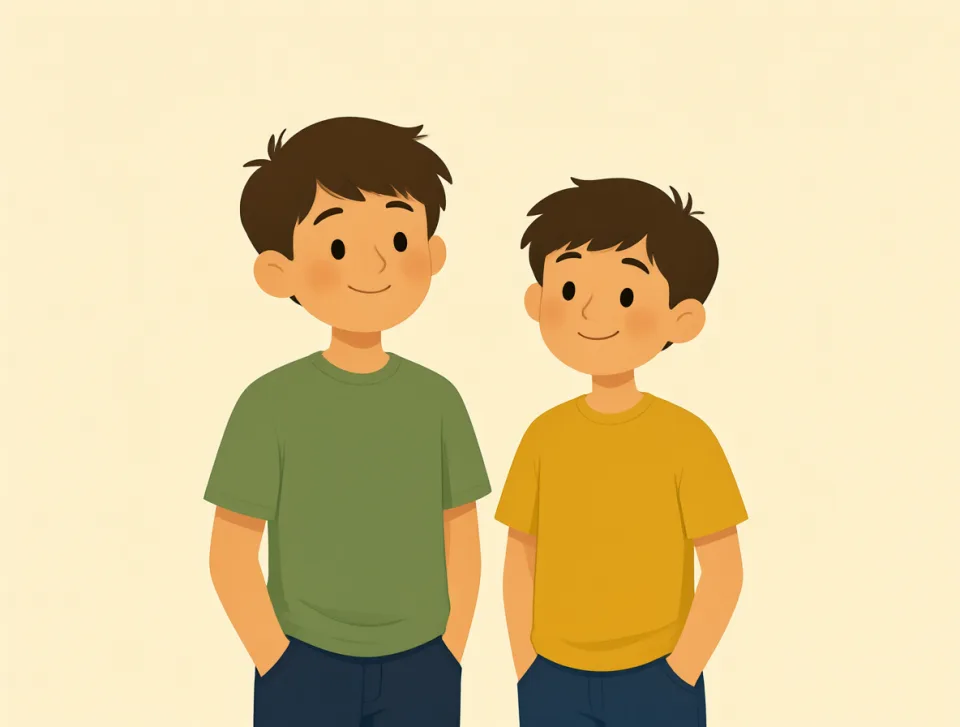
He looks like his older brother.
هو يشبه أخاه الأكبر.
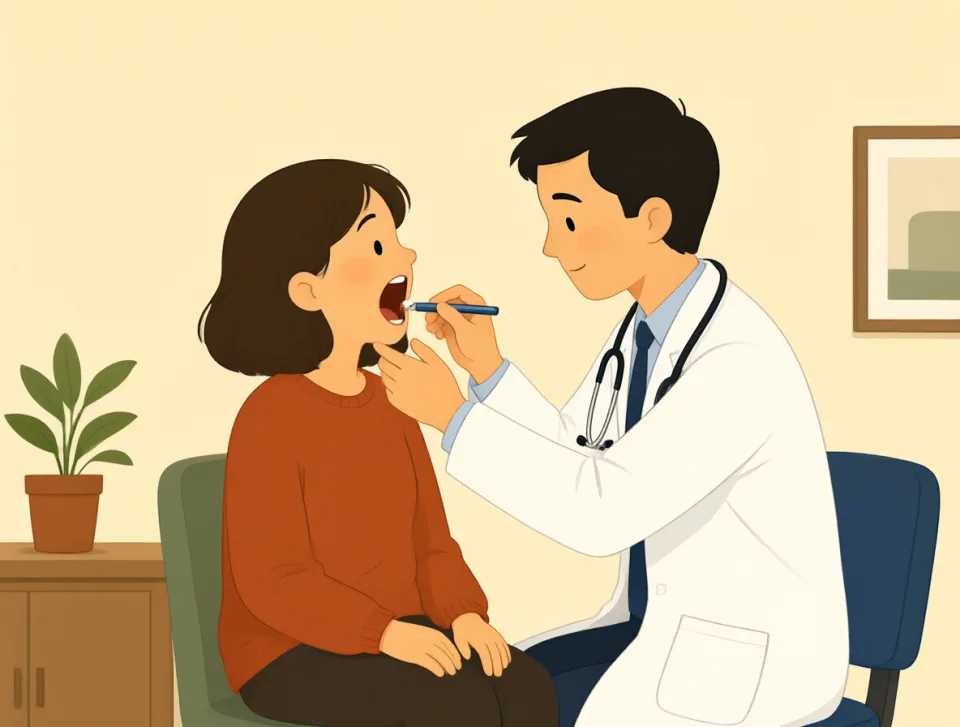
The doctor looked at my sore throat.
فحص الطبيب حلقي الملتهب.
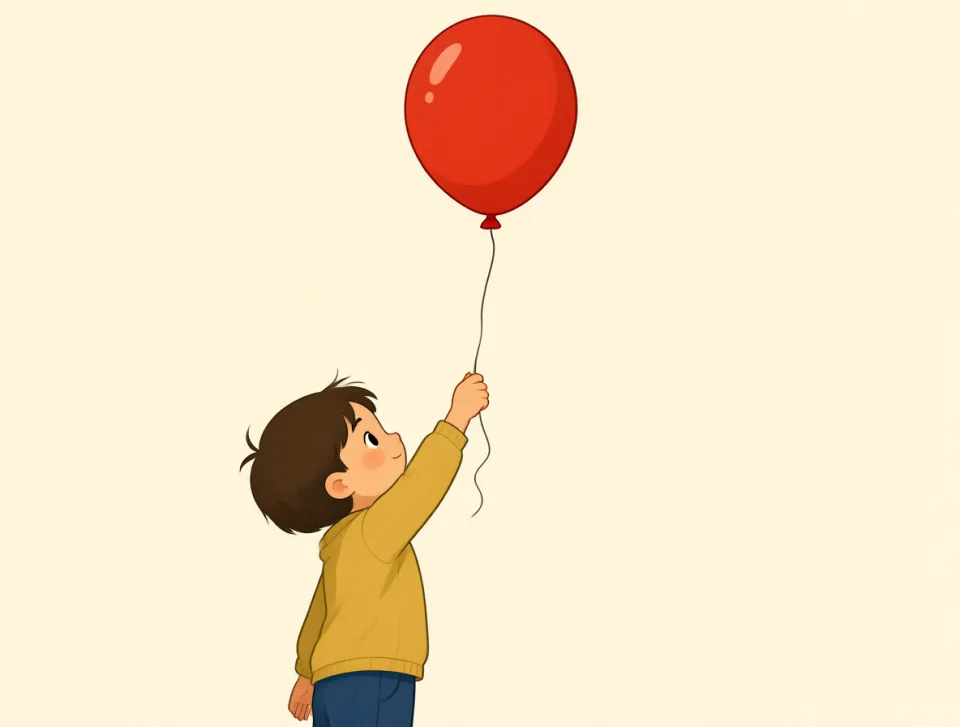
want
#76verb, noun
يريد
To wish to have or do something; a need for something important.
أن ترغب في امتلاك شيء أو القيام به؛ أو أن تحتاج إلى شيء مهم.
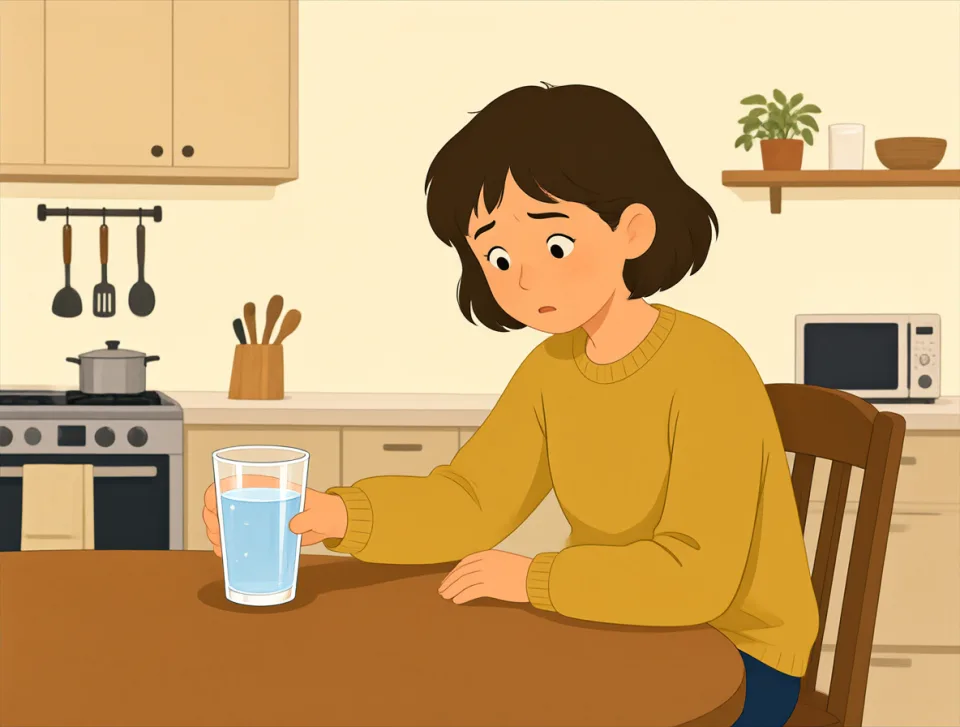
I want a glass of water, please.
أريد كوبًا من الماء، من فضلك.
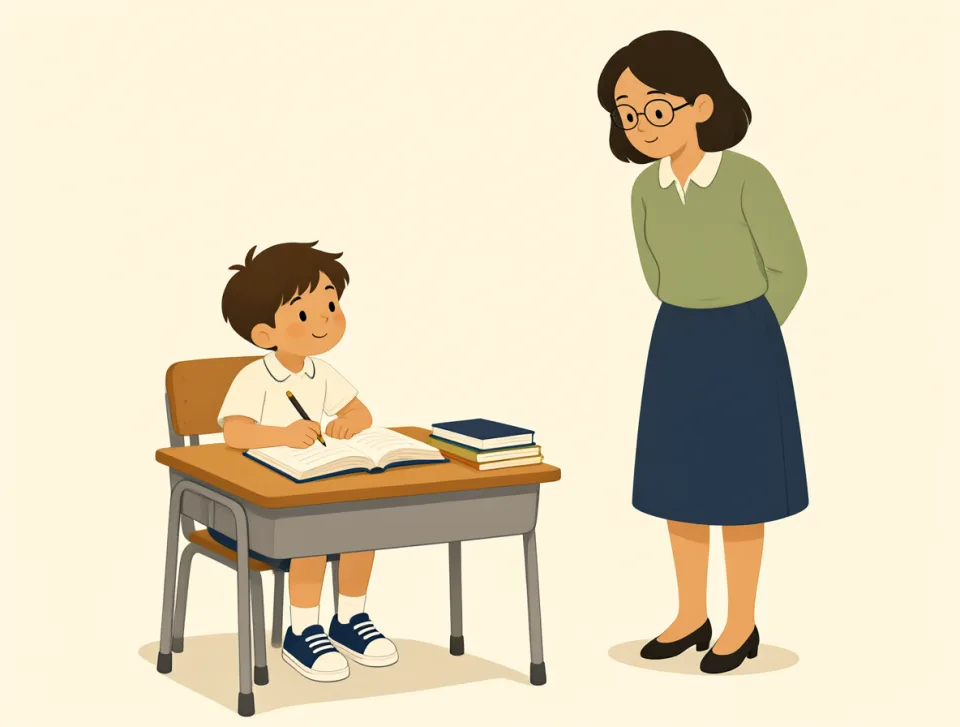
She wants to learn English at school.
تريد أن تتعلم الإنجليزية في المدرسة.

We wanted a table near the window.
أردنا طاولة بالقرب من النافذة.

They want to buy new shoes.
يريدون شراء أحذية جديدة.
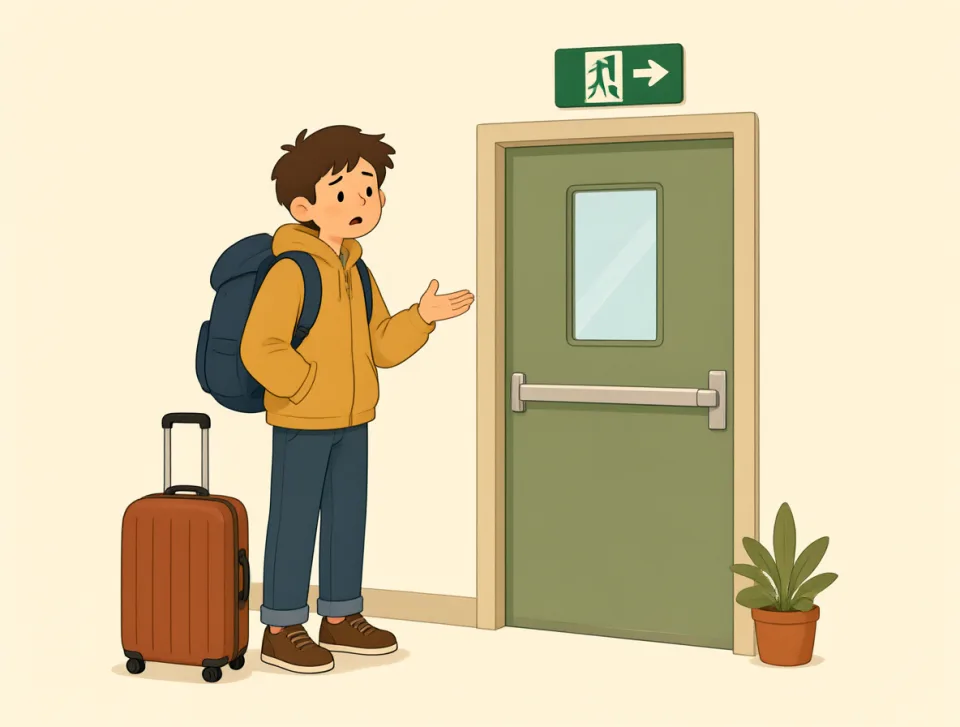
He wants to go home now.
يريد أن يعود إلى المنزل الآن.
give
#77verb, noun
يعطي
to hand something to someone or provide something for them
أن تُناول شخصًا شيئًا أو توفره له.
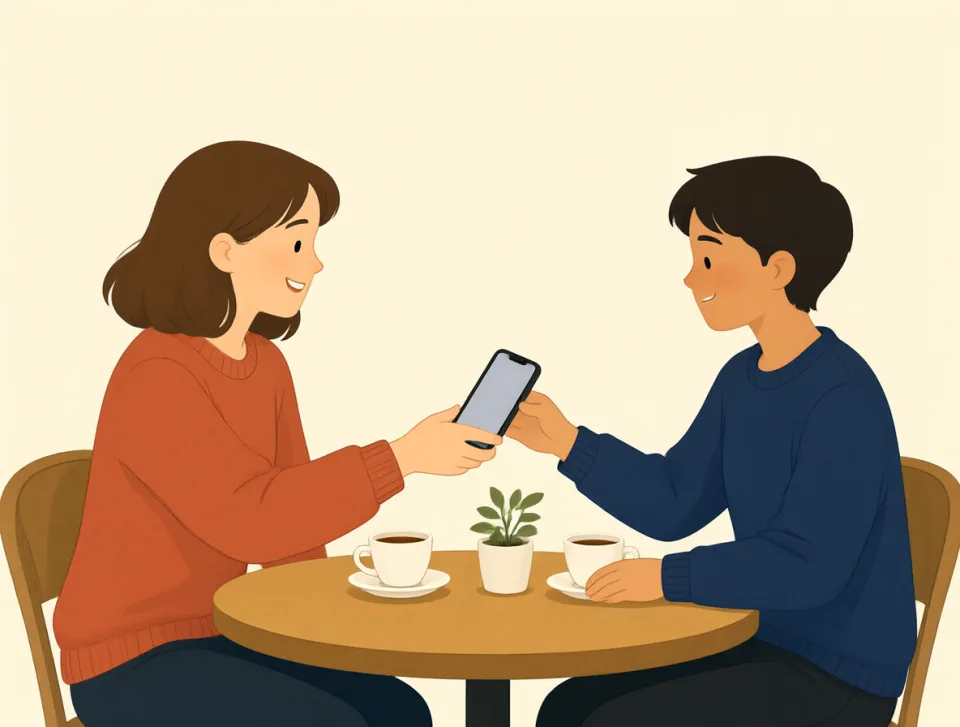
Please give me your phone number.
من فضلك، أعطني رقم هاتفك.
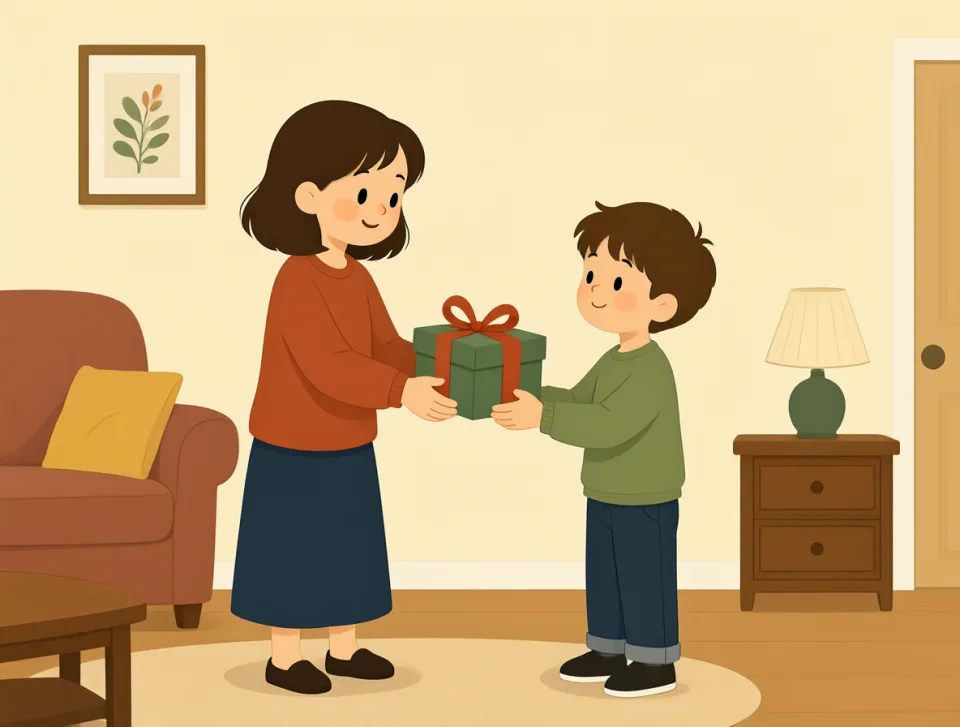
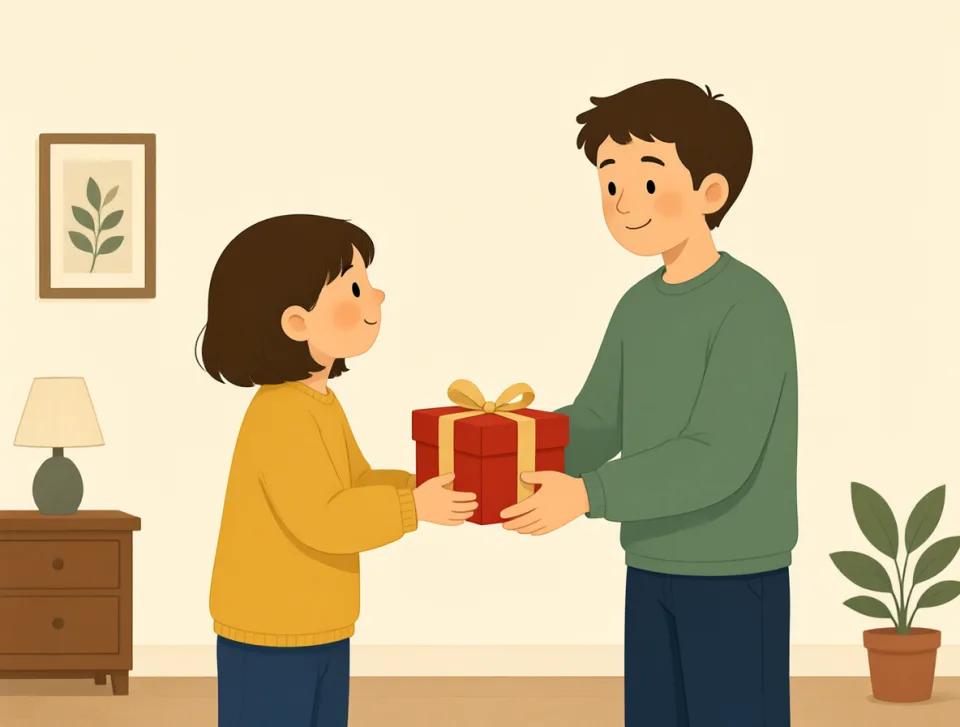
She gave her brother a birthday present.
أعطت أخاها هدية عيد ميلاد.
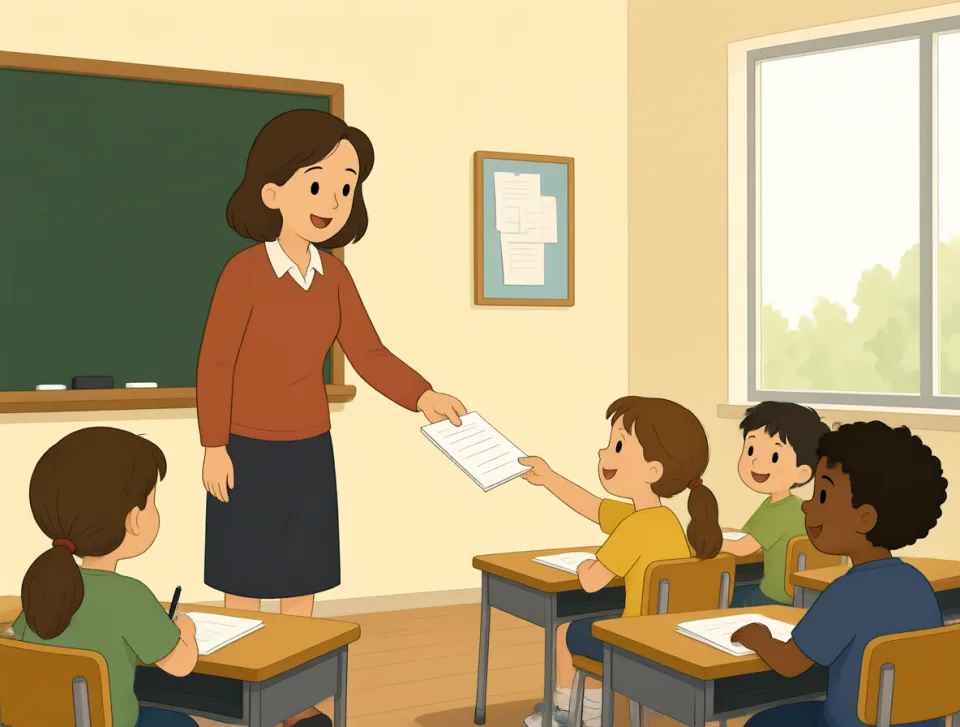
The teacher gave us homework yesterday.
أعطانا المعلم واجبًا منزليًا أمس.

Can you give me some water?
هل يمكنك أن تعطيني بعض الماء؟
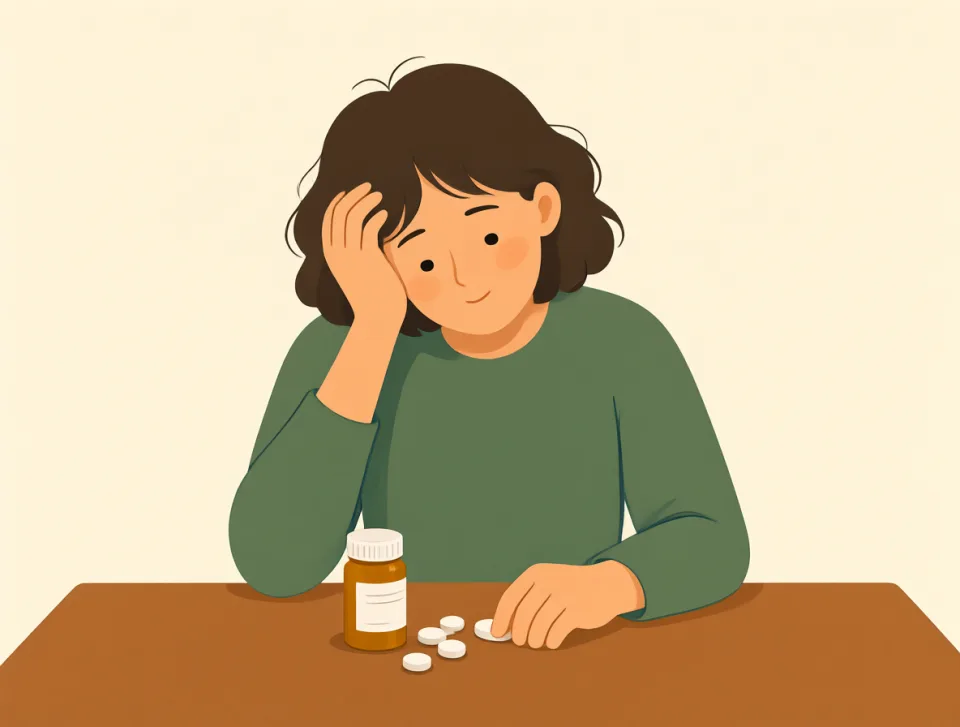
This medicine gives me a headache.
يسبب لي هذا الدواء صداعًا.
first
#78adjective, adverb, noun, determiner
الأول
Coming before all others in time, order, or importance.
يأتي قبل كل الآخرين من حيث الوقت أو الترتيب أو الأهمية.
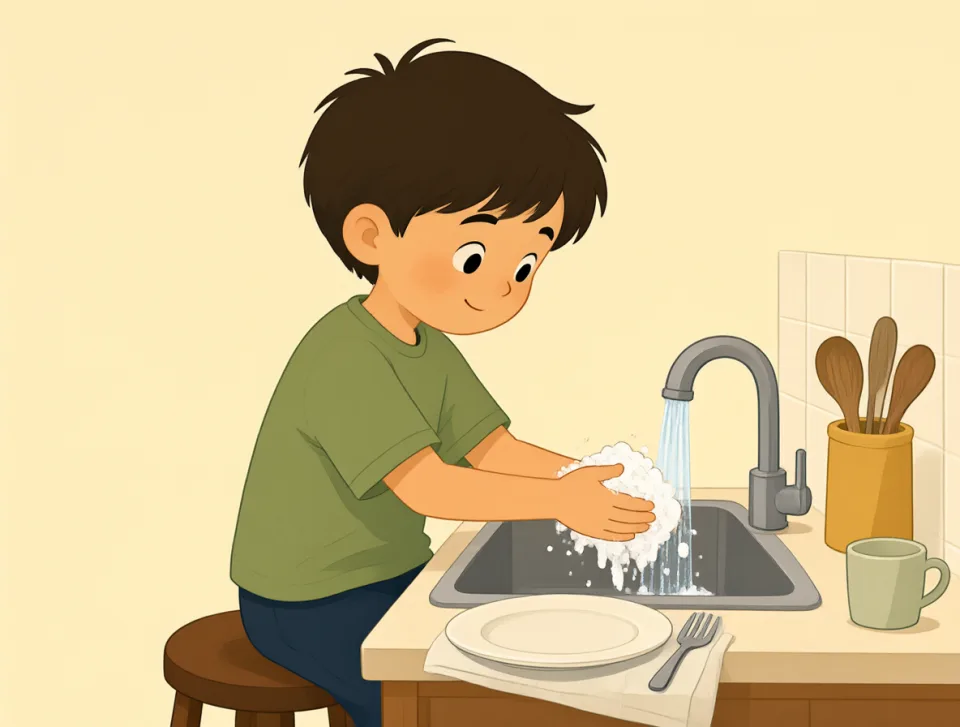
Wash your hands first before eating dinner.
اغسل يديك أولًا قبل تناول العشاء.
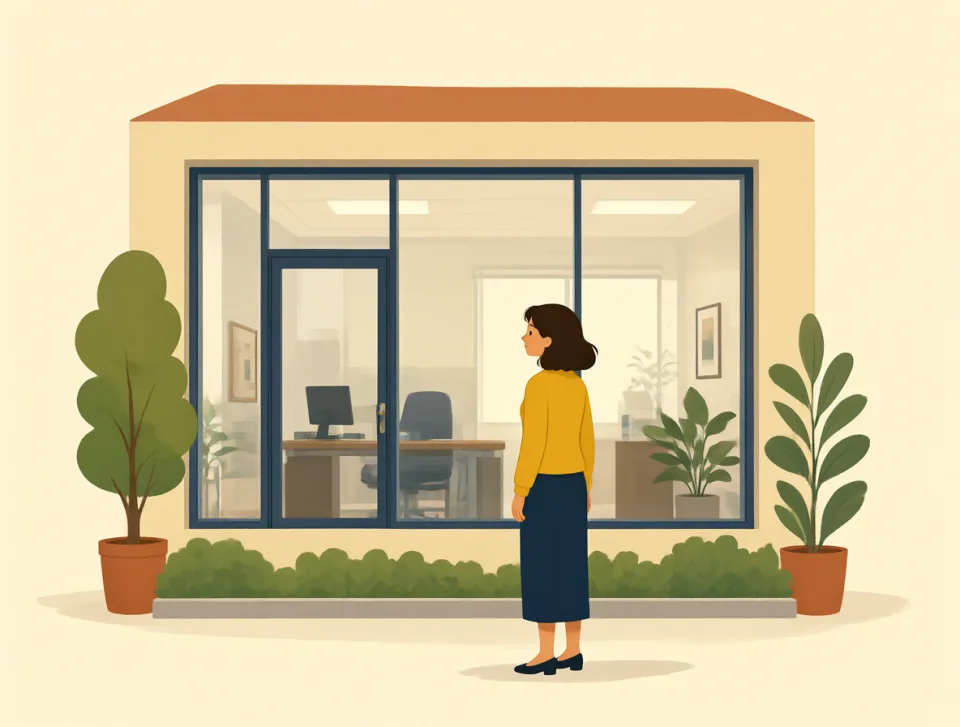
She was the first person to arrive.
كانت أول من وصل.
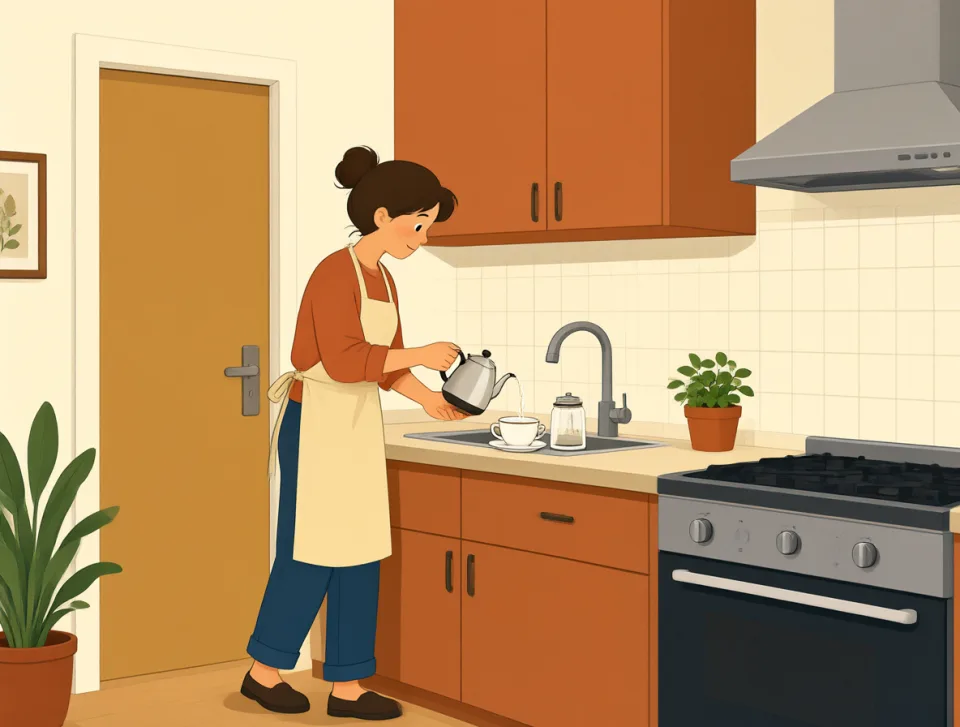
I got home first and made tea.
وصلت إلى المنزل أولًا وأعددت الشاي.
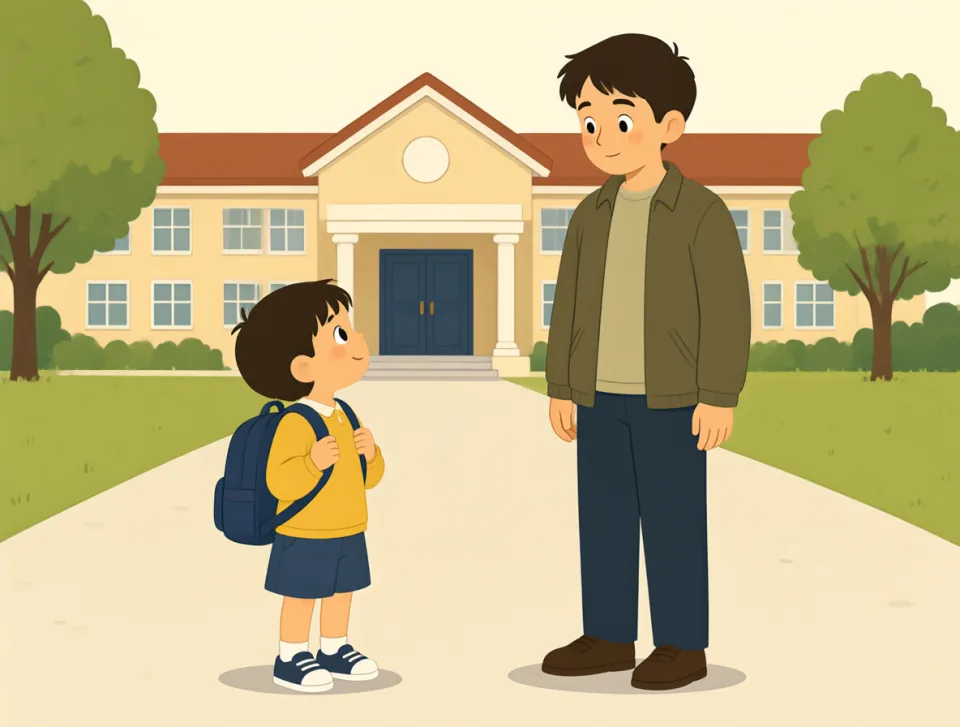
This is my first day at school.
هذا أول يوم لي في المدرسة.
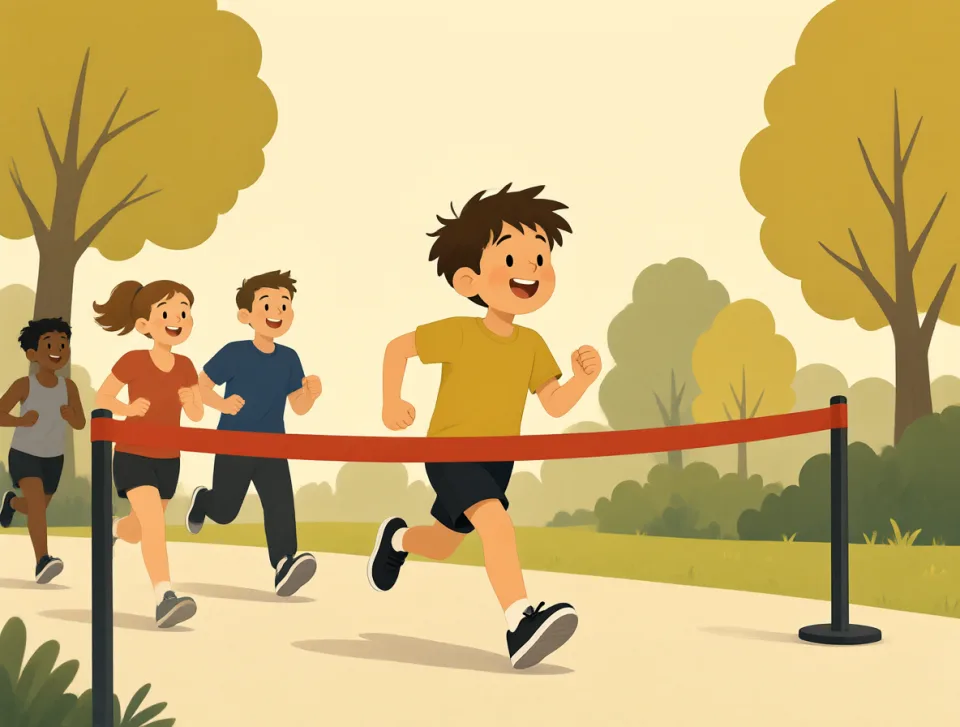
He finished first in the race.
أنهى السباق في المركز الأول.
new
#79adjective, adverb, noun
جديد
Made, discovered, or seen for the first time; not old or used.
صُنع أو اكتُشف أو شوهد للمرة الأولى؛ غير قديم أو مستعمل.

She bought a new dress for the party.
اشترت فستانًا جديدًا للحفلة.

We moved into our new house last week.
انتقلنا إلى منزلنا الجديد الأسبوع الماضي.

I started a new job on Monday.
بدأت وظيفة جديدة يوم الاثنين.
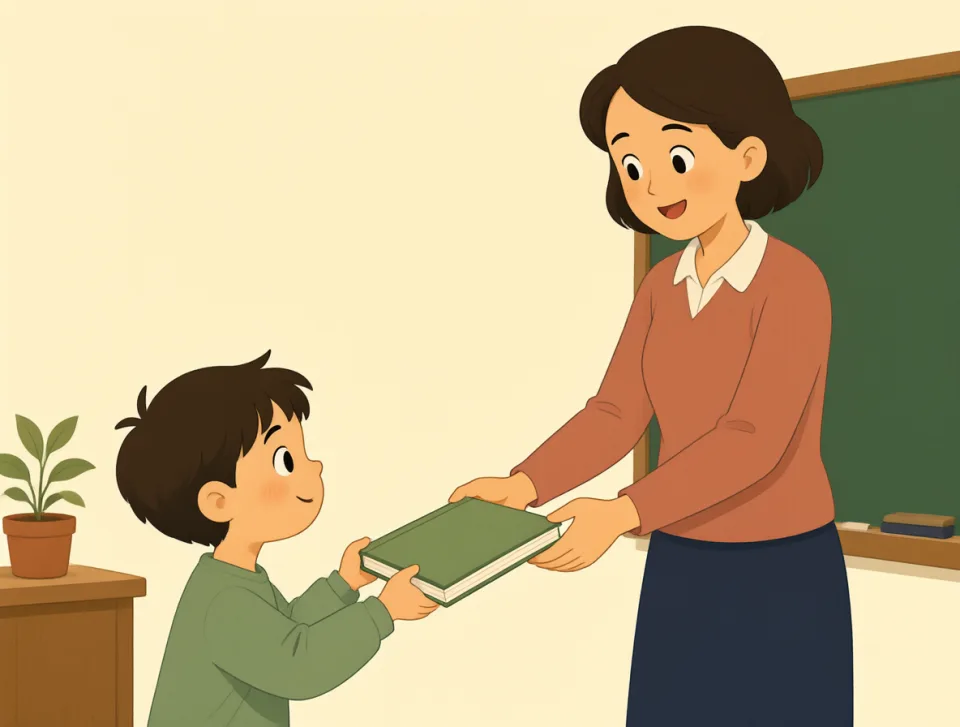
The teacher gave us a new book.
أعطانا المعلم كتابًا جديدًا.

They tried a new restaurant downtown.
جرّبوا مطعمًا جديدًا في وسط المدينة.
way
#80noun, adverb, adjective
طريقة
A method, direction, or distance from one place to another.
أسلوب أو اتجاه أو مسافة من مكان إلى آخر.
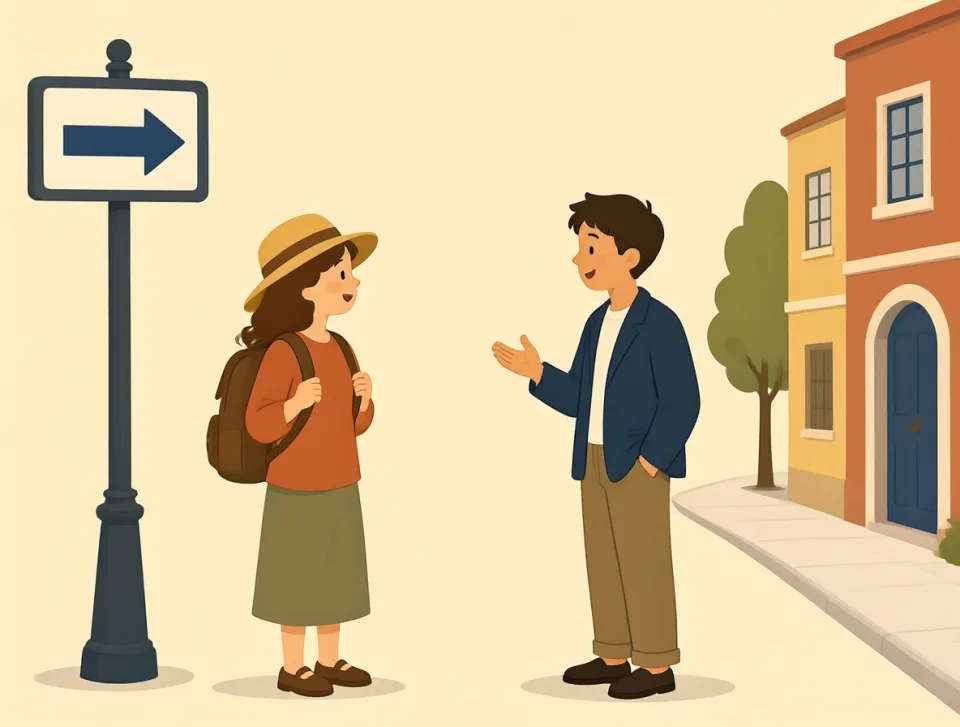
Can you show me the way home?
هل يمكنك أن تريني الطريق إلى المنزل؟
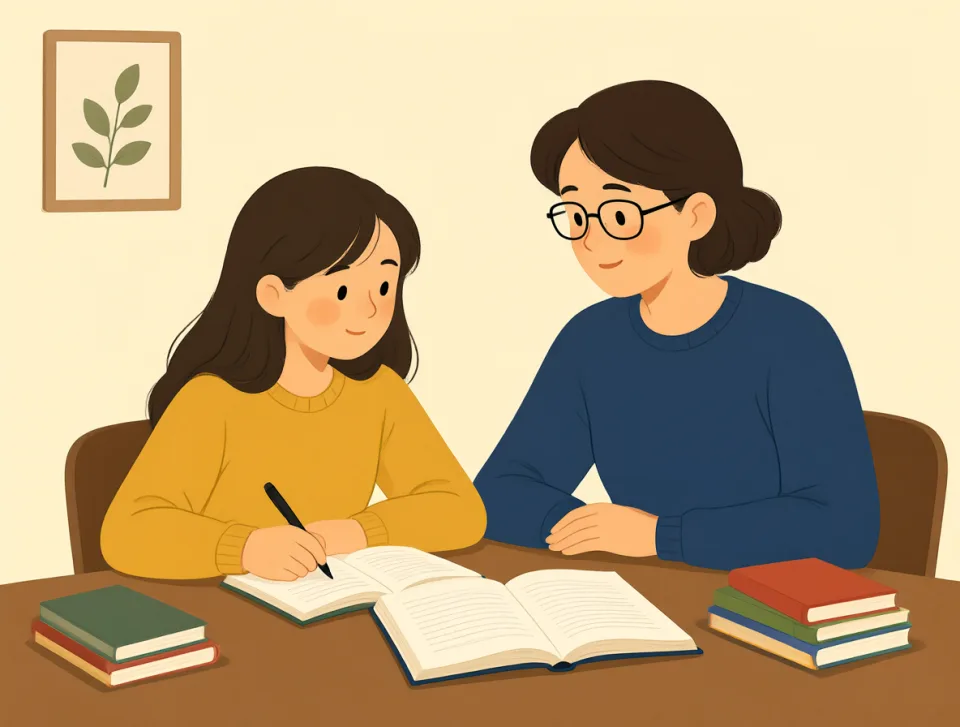
This is the best way to learn English.
هذه أفضل طريقة لتعلم الإنجليزية.
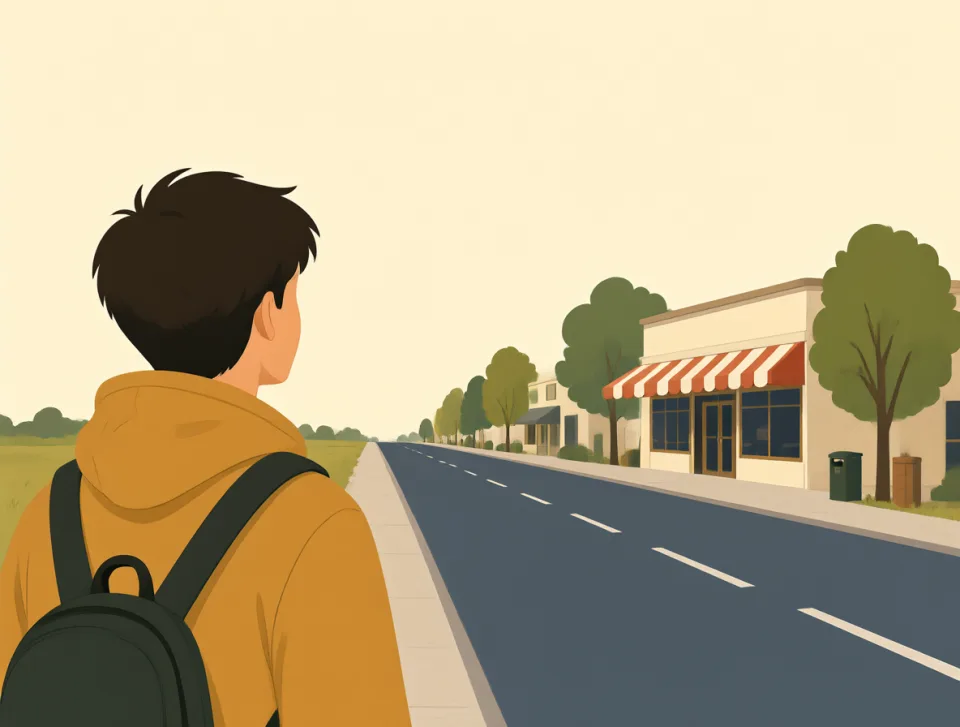
The shop is a long way from here.
المتجر بعيد جدًا عن هنا.
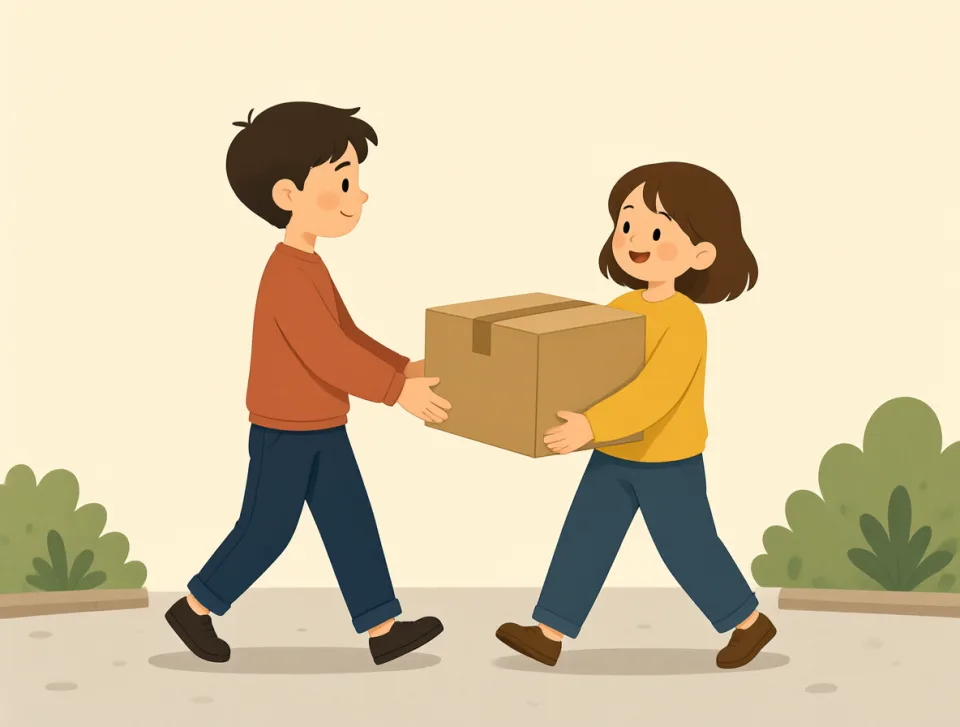
Please move out of the way.
من فضلك، ابتعد عن الطريق.
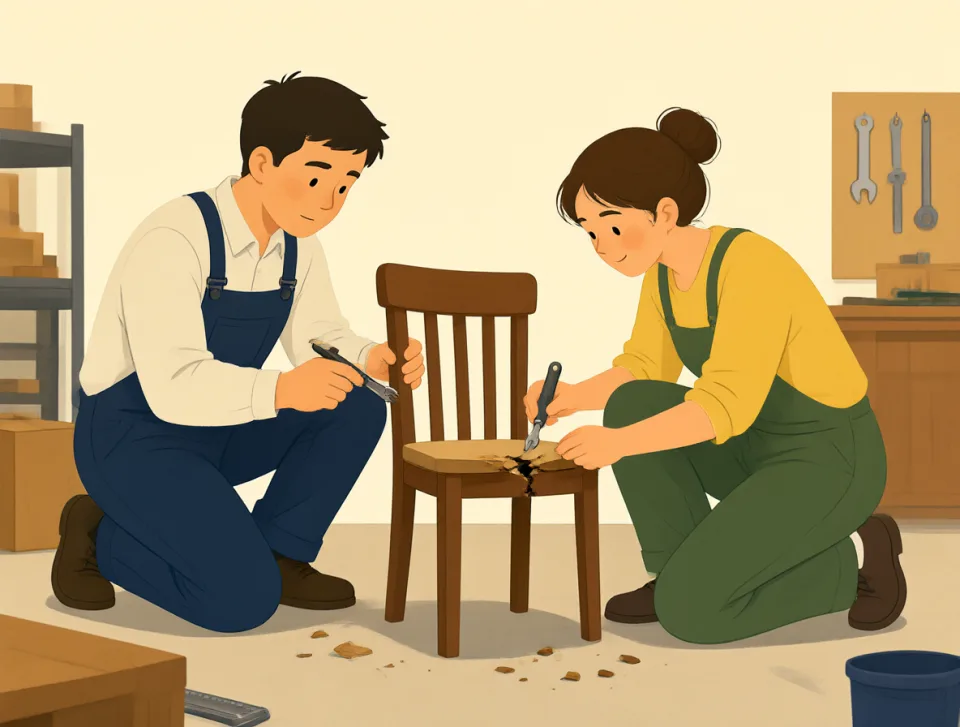
We found a way to fix the problem.
وجدنا طريقة لحل المشكلة.