इकाई 4
शब्द 61–80 · well, because, very, just, come, could
well
#61adverb, adjective, noun, verb
अच्छी तरह; कुआँ
In a good, healthy, or successful way; a deep hole for water.
अच्छे, स्वस्थ या सफल तरीके से; पानी निकालने के लिए बनाया गया गहरा गड्ढा।
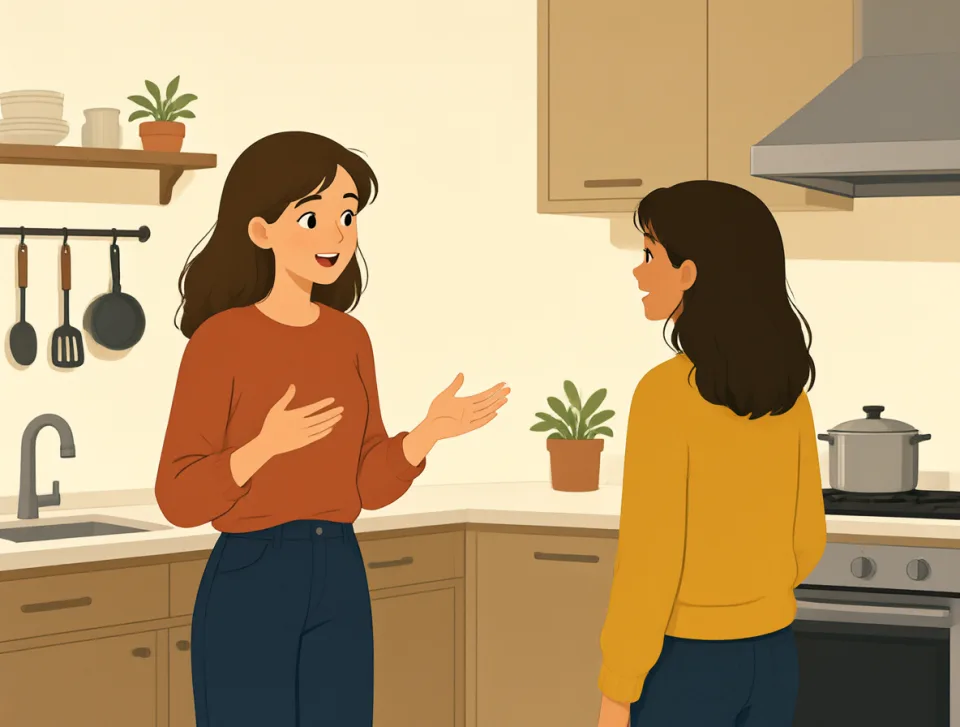
She speaks English very well.
वह अंग्रेज़ी बहुत अच्छी तरह बोलती है।
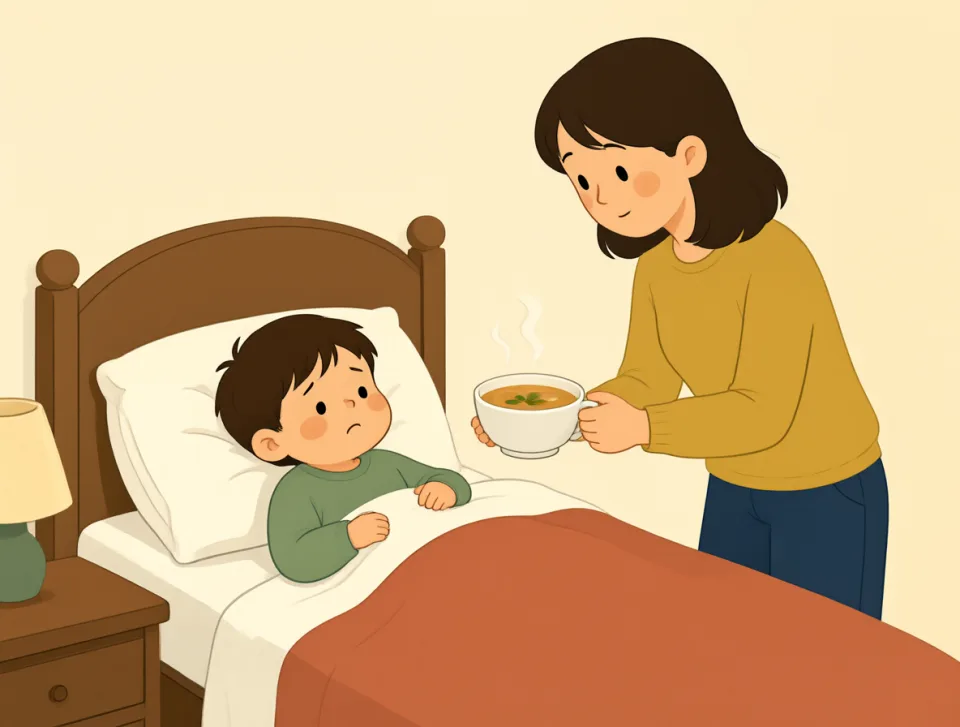
I hope you get well soon.
उम्मीद है कि तुम जल्द ही ठीक हो जाओगे।
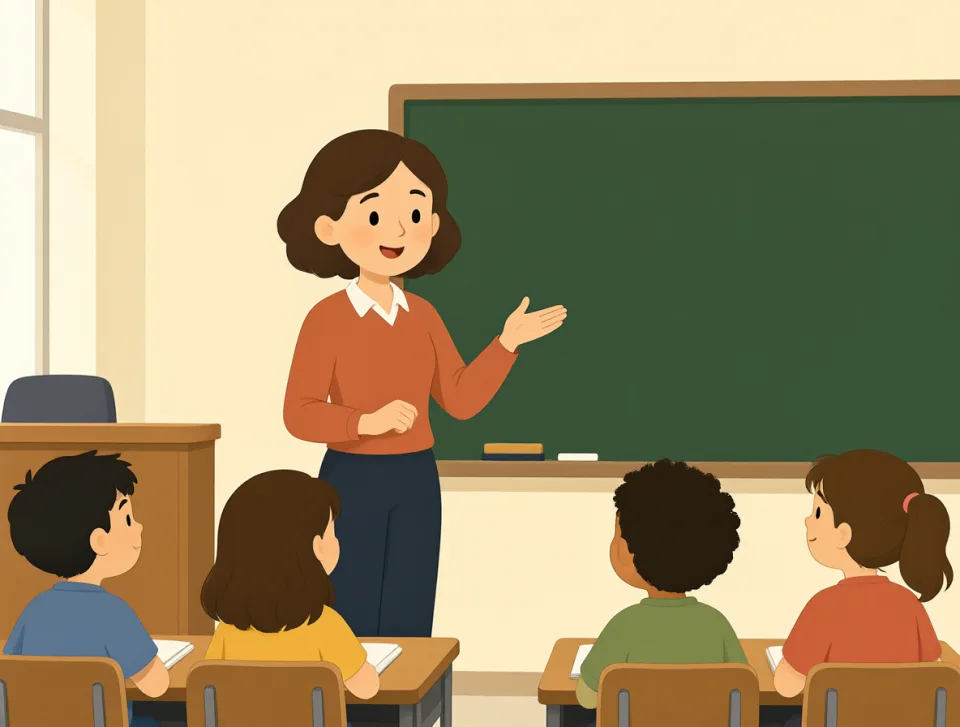
Well, let's start the lesson.
तो चलो, पाठ शुरू करते हैं।
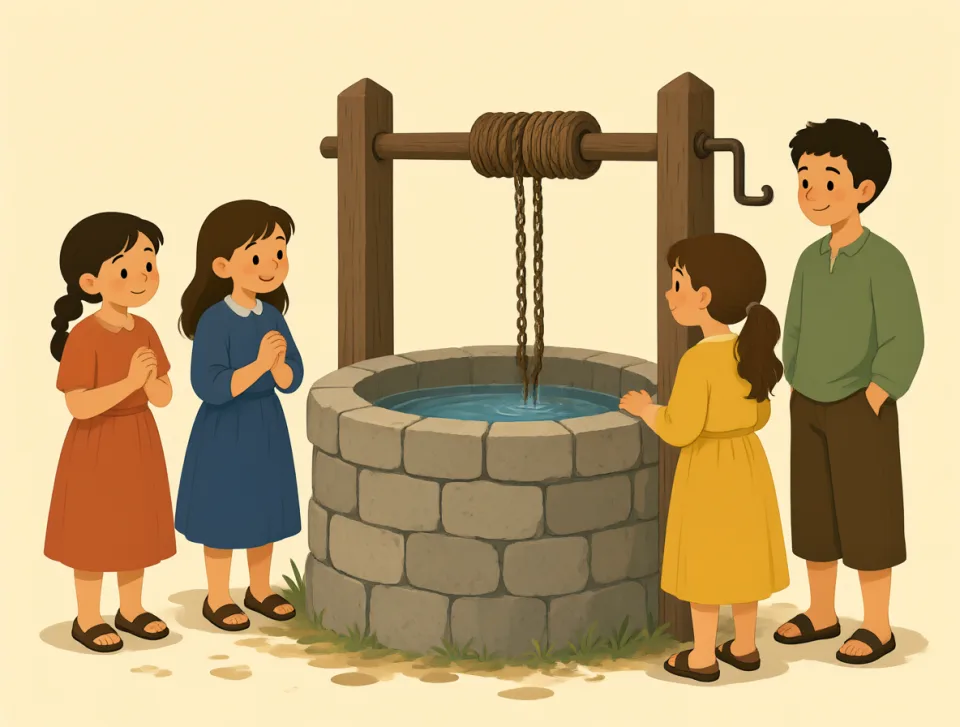
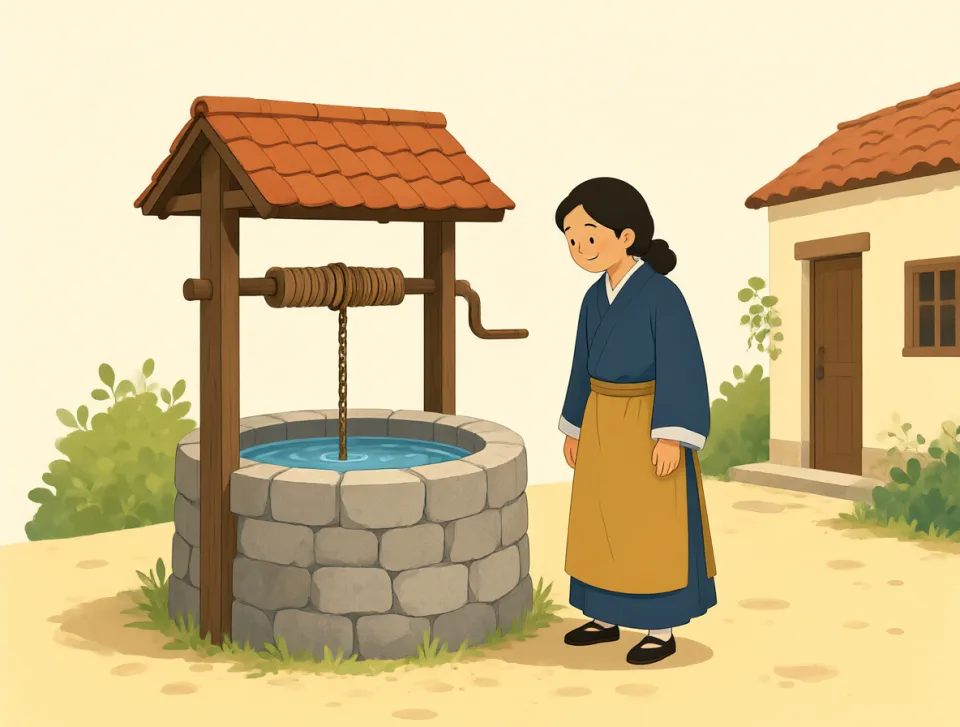
The village has an old stone well.
गाँव में पत्थर का एक पुराना कुआँ है।

They well up with tears.
उनकी आँखों में आँसू उमड़ आते हैं।

because
#62conjunction
क्योंकि
for the reason that something happens
उस वजह से कि कुछ होता है
I stayed home because I felt sick.
मैं घर पर ही रहा क्योंकि मेरी तबीयत खराब थी।
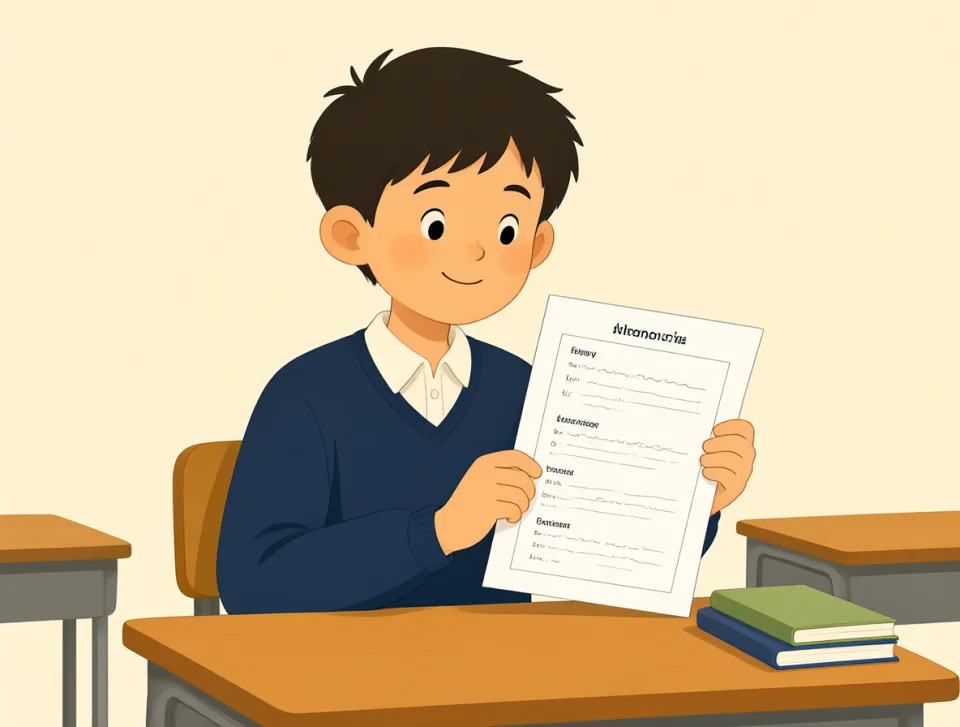
She is happy because she passed her test.
वह खुश है क्योंकि वह अपनी परीक्षा में पास हो गई।
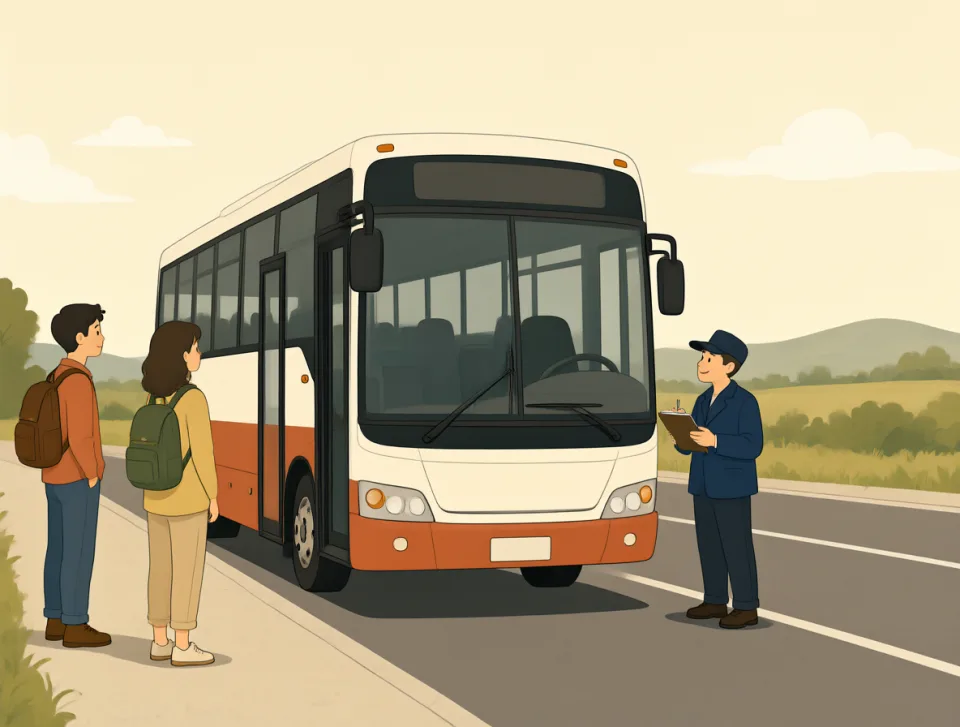
We were late because the bus broke down.
हम देर से पहुँचे क्योंकि बस खराब हो गई थी।
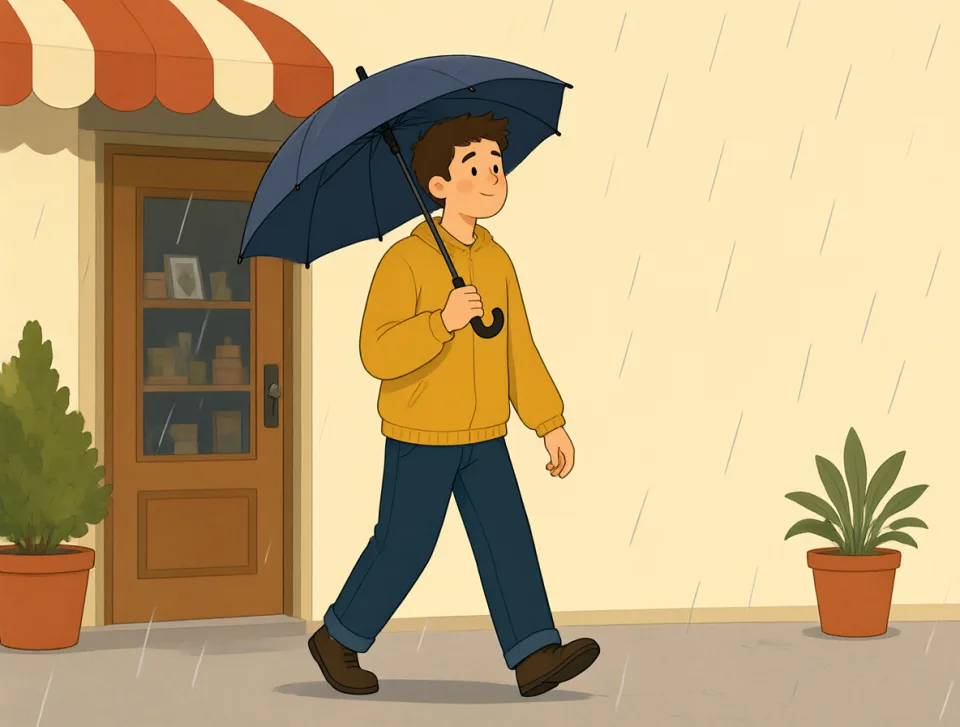
He bought an umbrella because it was raining.
उसने छाता खरीदा क्योंकि बारिश हो रही थी।
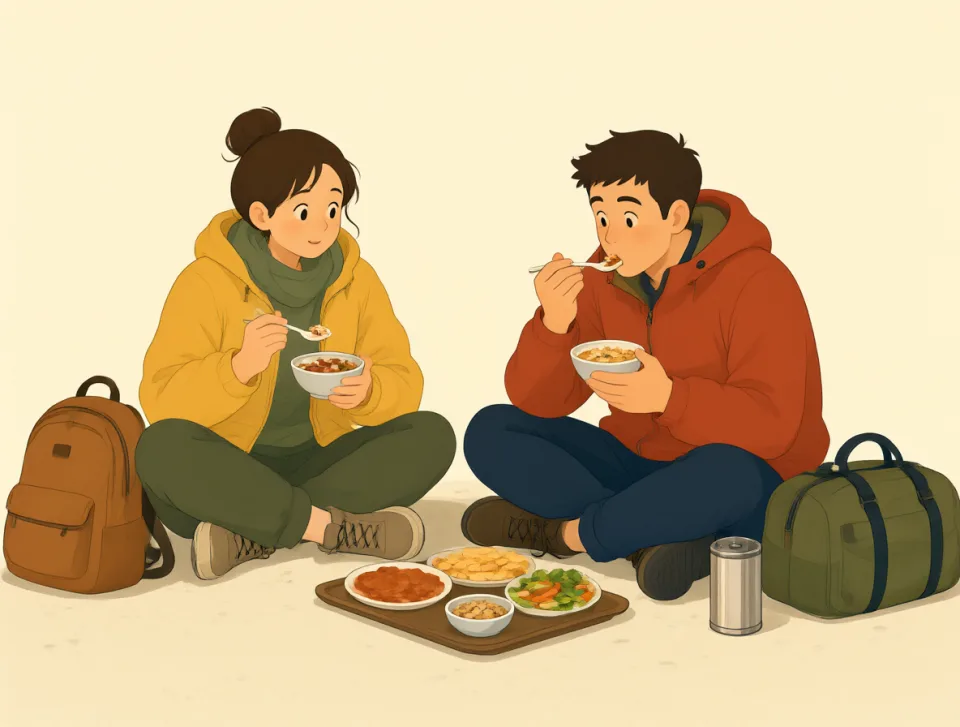
They eat early because they have a flight.
वे जल्दी खाना खाते हैं क्योंकि उनकी फ़्लाइट है।
very
#63adverb
बहुत
Used before an adjective or adverb to mean to a high degree.
विशेषण या क्रिया-विशेषण से पहले लगकर उसका अर्थ बहुत अधिक कर देता है।
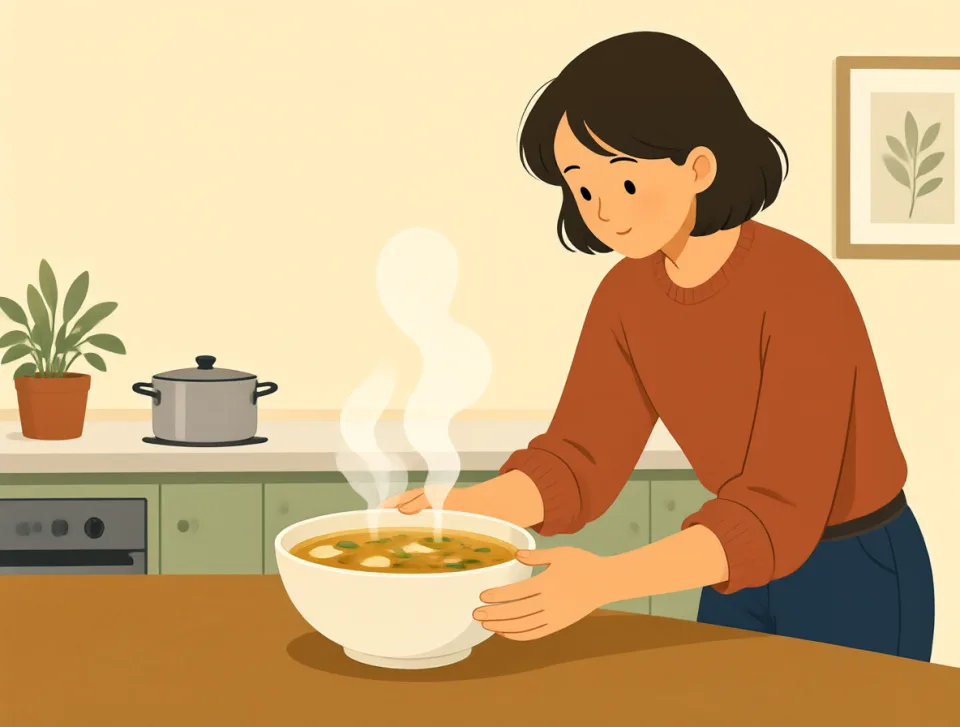
The soup is very hot.
सूप बहुत गर्म है।
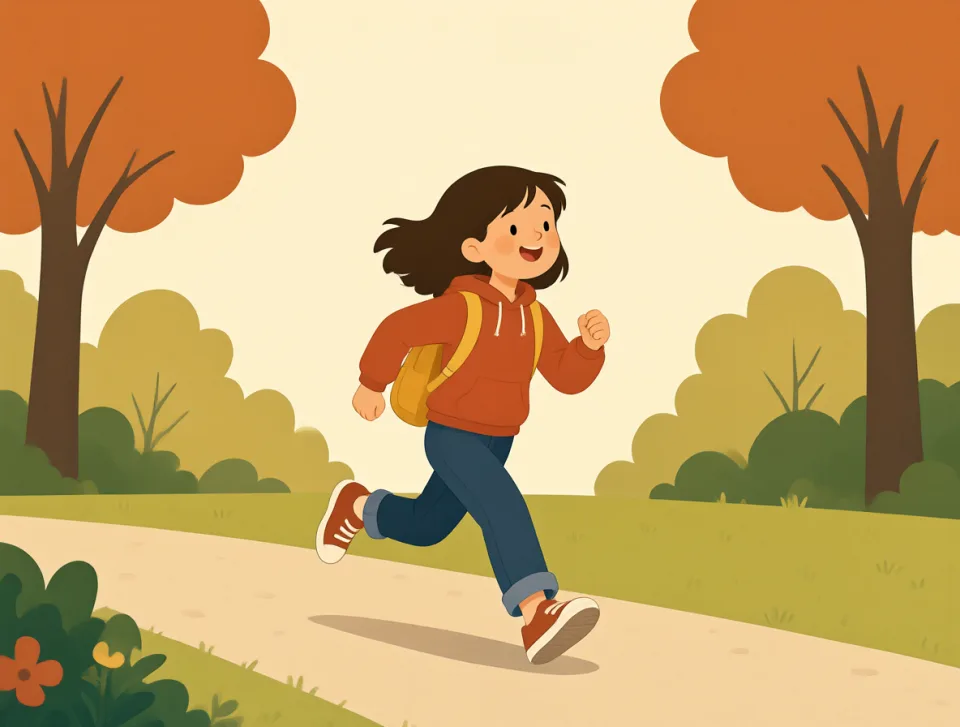
She runs very fast.
वह बहुत तेज़ दौड़ती है।

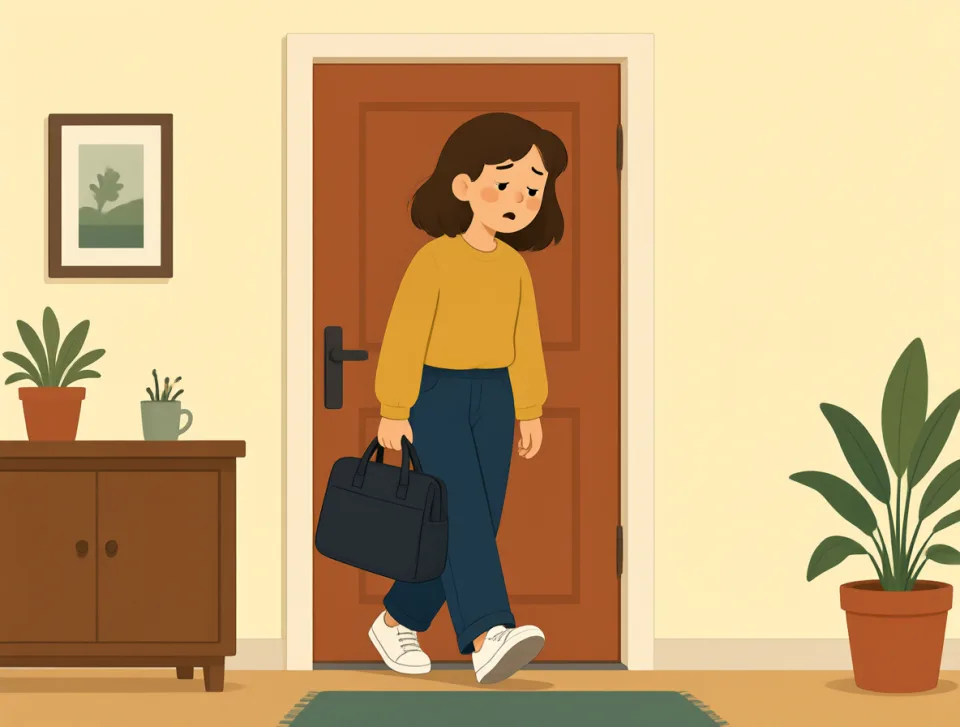
I am very tired today.
आज मैं बहुत थका हुआ हूँ।

This bag is very expensive.
यह बैग बहुत महँगा है।

We had a very good time.
हमने बहुत अच्छा समय बिताया।
just
#64adverb, adjective
अभी-अभी; बस; ठीक
Only recently, exactly, or fairly; used to make something seem less important.
अभी-अभी, ठीक या काफ़ी के अर्थ में; किसी बात को कम महत्वपूर्ण दिखाने के लिए भी इस्तेमाल होता है।
I just got home from work.
मैं काम से अभी-अभी घर पहुँचा हूँ।

Just wait here for a minute.
बस एक मिनट यहीं इंतज़ार करो।

This shirt is just five dollars.
इस कमीज़ की कीमत बस पाँच डॉलर है।
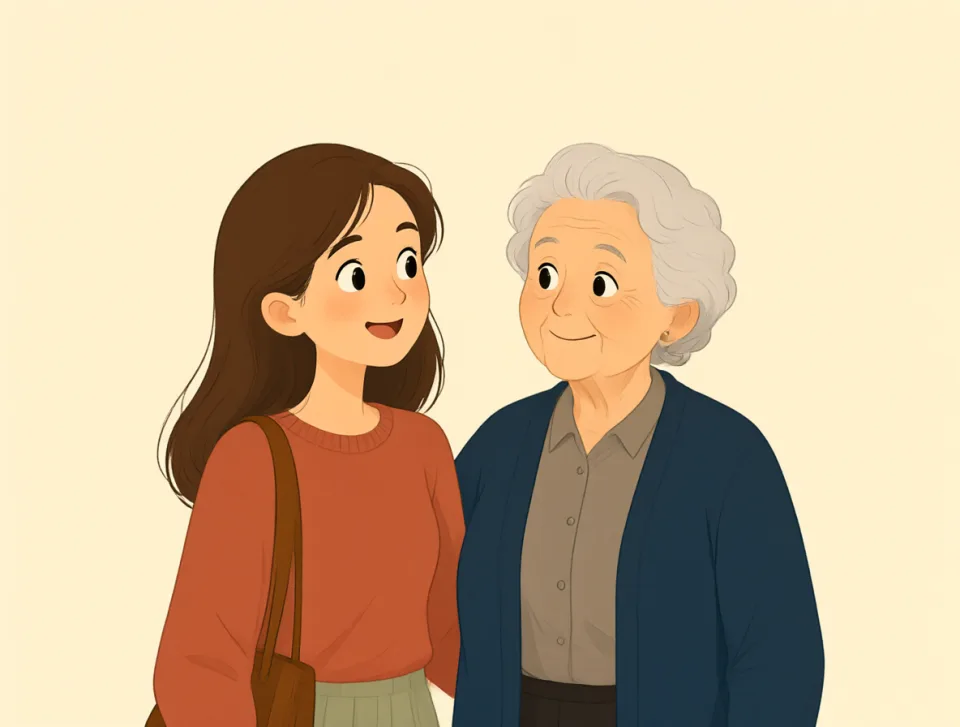
She is just like her mother.
वह बिल्कुल अपनी माँ जैसी है।
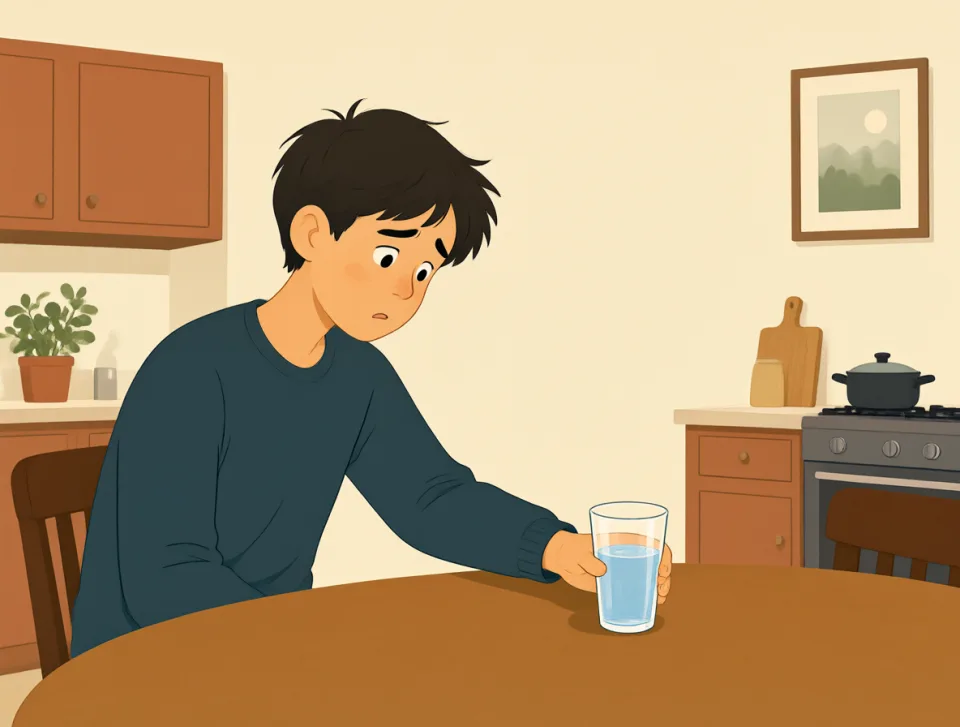
I just want some water.
मुझे बस थोड़ा पानी चाहिए।
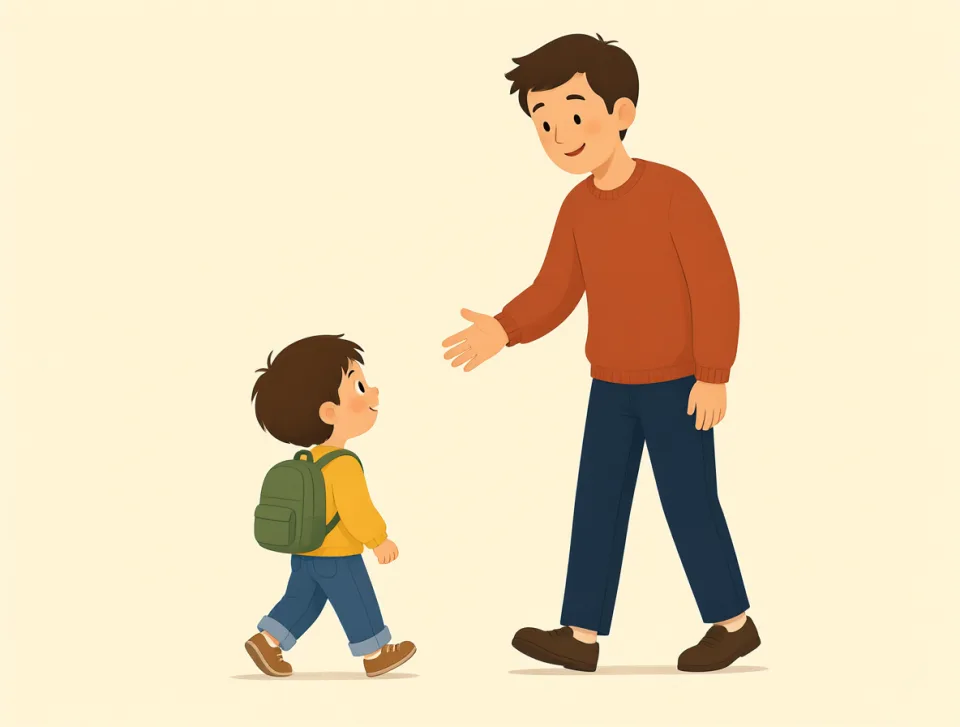
come
#65verb
आना
to move toward or arrive at a person or place
किसी व्यक्ति या जगह की ओर बढ़ना या वहाँ पहुँचना
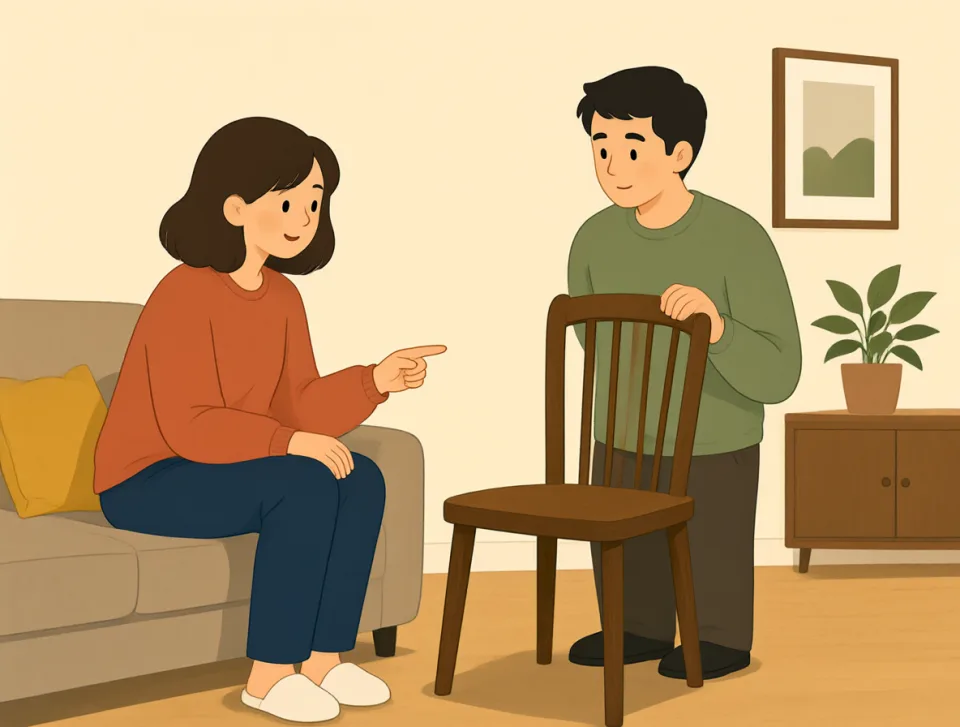
Come here and sit beside me.
यहाँ आओ और मेरे पास बैठो।
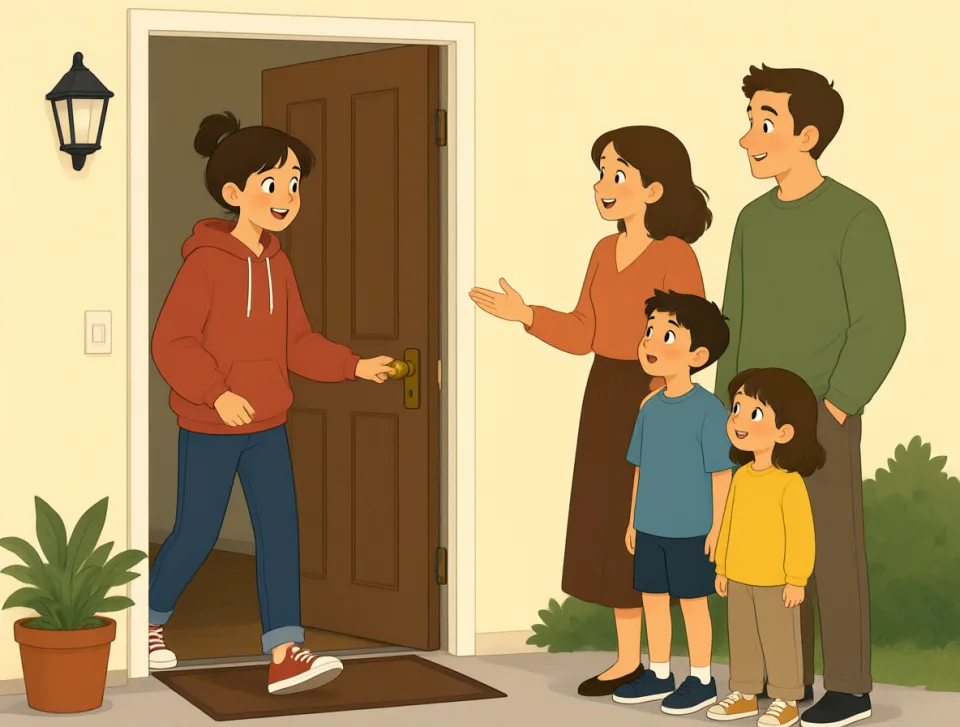
What time did you come home?
तुम घर कितने बजे आए?
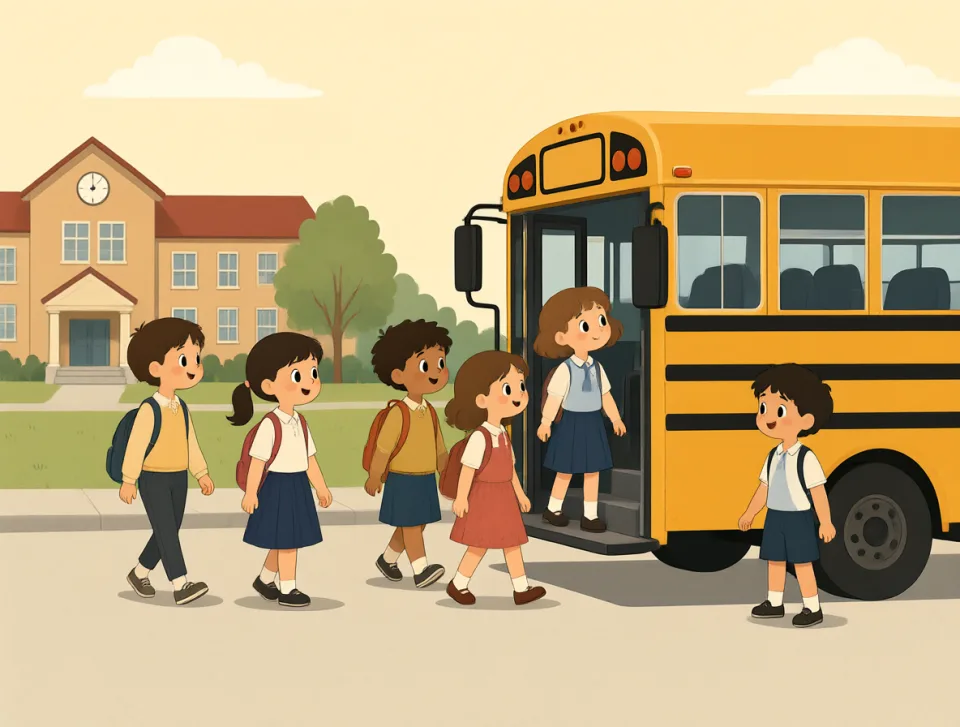
Many students come to school by bus.
बहुत-से छात्र बस से स्कूल आते हैं।

Please come to my birthday party.
कृपया मेरी जन्मदिन की पार्टी में आना।
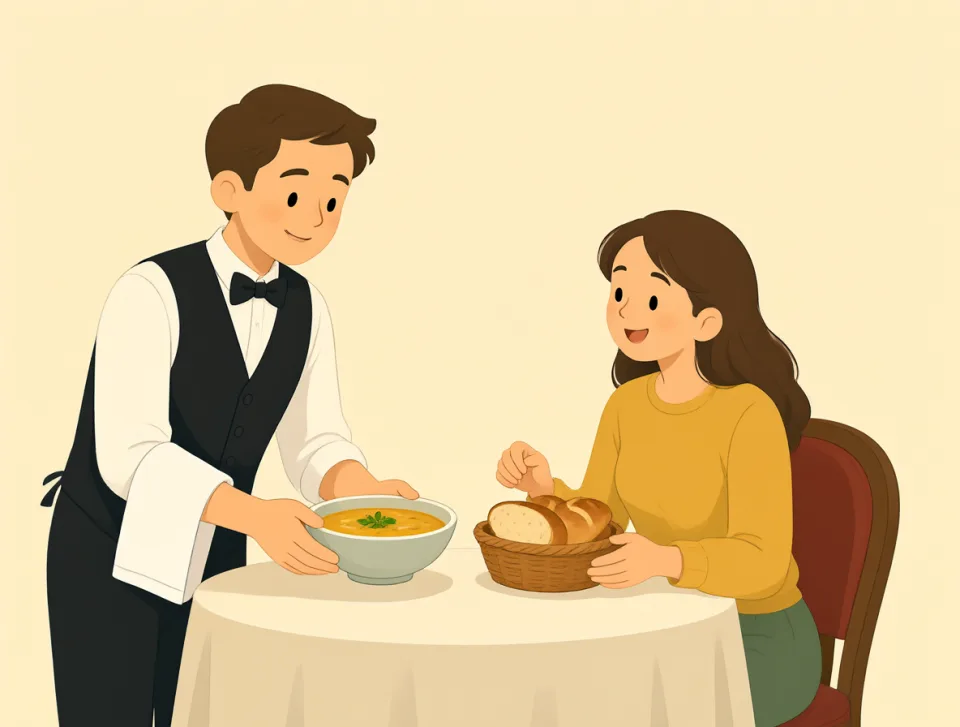
This soup comes with fresh bread.
इस सूप के साथ ताज़ी रोटी मिलती है।

could
#66modal verb
सकना
Used to ask politely, talk about possibility, or describe ability in the past.
विनम्रता से कुछ पूछने, संभावना जताने या बीते समय की क्षमता बताने के लिए इस्तेमाल होता है।
Could you help me with this bag?
क्या आप इस बैग को उठाने में मेरी मदद कर सकते हैं?

We could meet at the station tomorrow.
हम कल स्टेशन पर मिल सकते हैं।
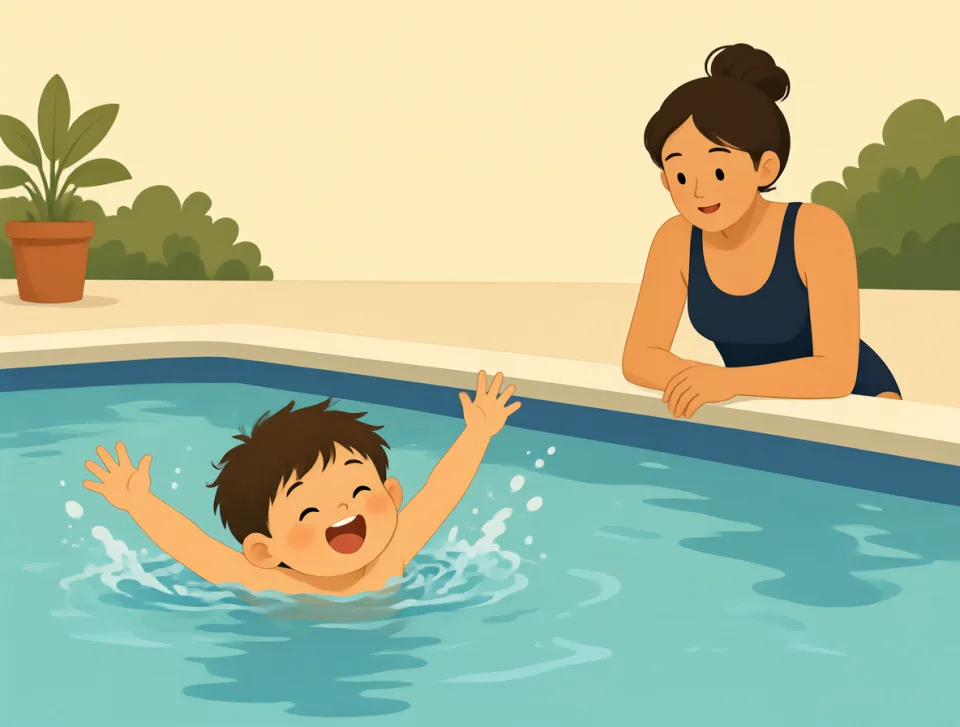
I could swim when I was five.
जब मैं पाँच साल का था, तब मैं तैर सकता था।

Could I have some water, please?
क्या मुझे थोड़ा पानी मिल सकता है, कृपया?

It could rain this afternoon.
आज दोपहर बारिश हो सकती है।

work
#67noun, verb
काम करना; काम
To do a job or activity, or the job or activity you do.
कोई नौकरी या गतिविधि करना, या वह नौकरी या गतिविधि जो आप करते हैं।

I work in a small office.
मैं एक छोटे-से दफ़्तर में काम करता हूँ।

She works hard every day.
वह हर दिन मेहनत से काम करती है।

This computer does not work.
यह कंप्यूटर काम नहीं करता।
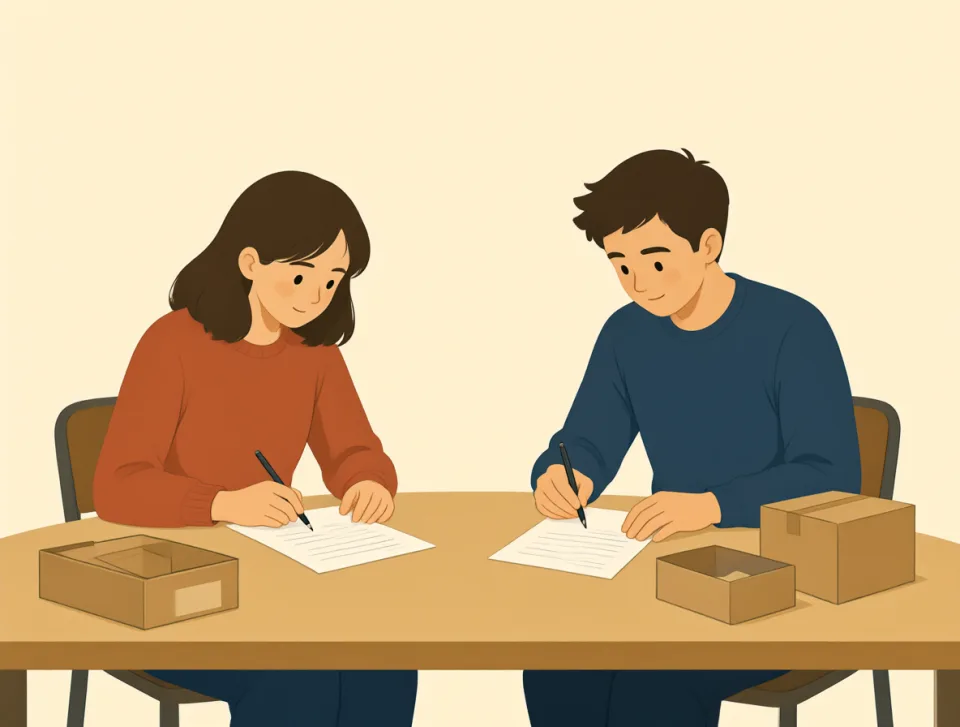
We have a lot of work today.
आज हमारे पास बहुत काम है।

His works hang in the museum.
उसकी कलाकृतियाँ संग्रहालय में लगी हैं।
use
#68verb, noun
इस्तेमाल करना; उपयोग
To do something with a thing for a purpose; the way something is used.
किसी चीज़ को किसी उद्देश्य से इस्तेमाल करना; या किसी चीज़ के इस्तेमाल का तरीका।

I use my phone every day.
मैं हर दिन अपने फ़ोन का इस्तेमाल करता हूँ।
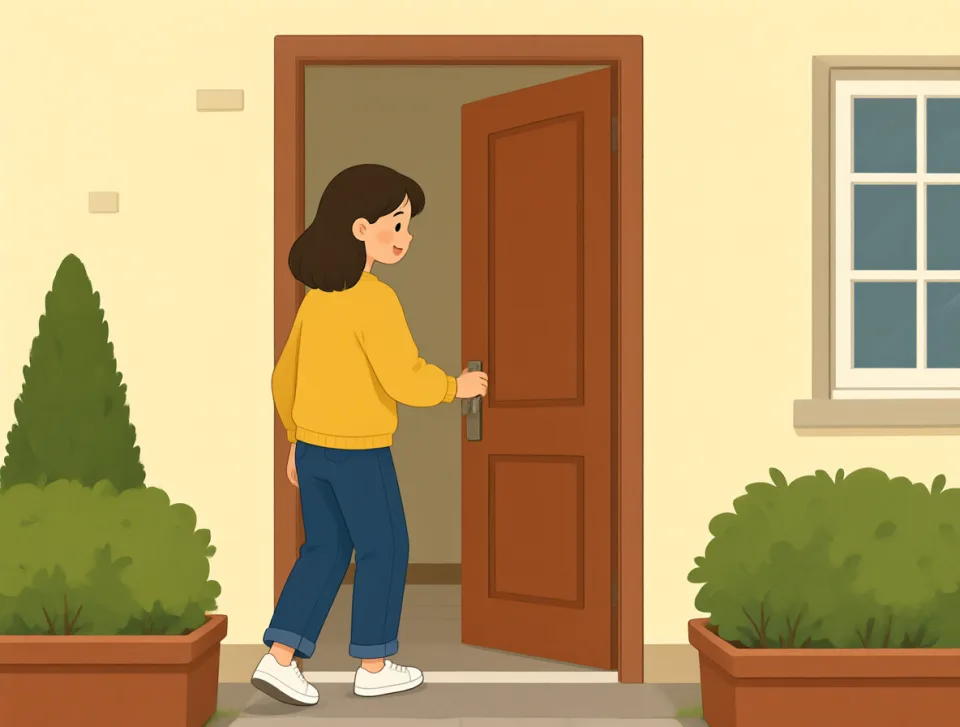
Please use this door.
कृपया इस दरवाज़े का इस्तेमाल करें।
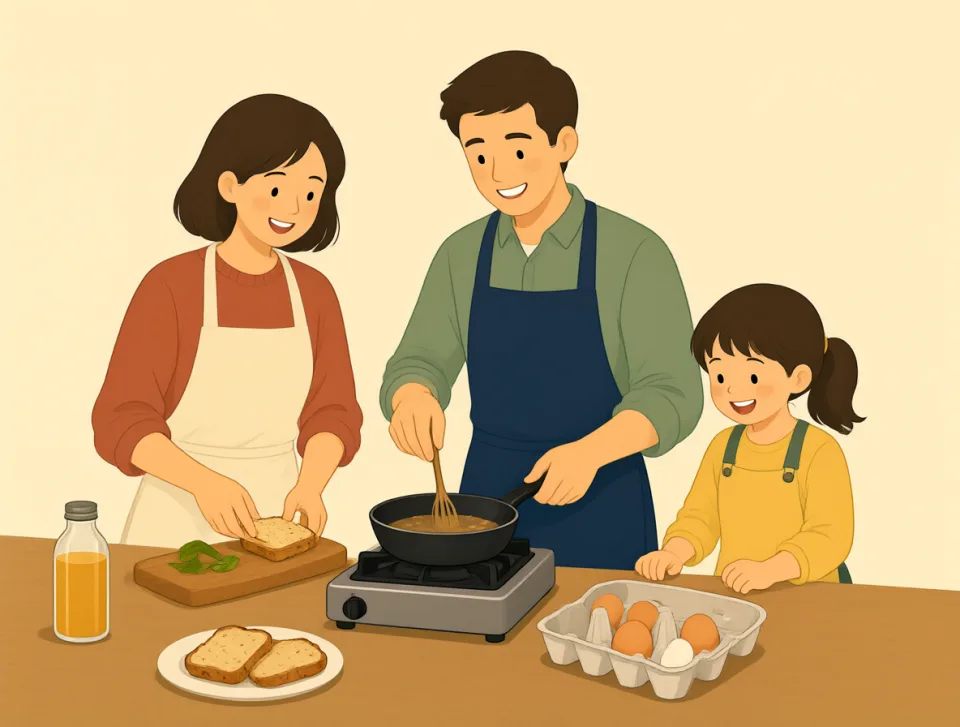
We used all the eggs for breakfast.
हमने नाश्ते के लिए सारे अंडे इस्तेमाल कर लिए।
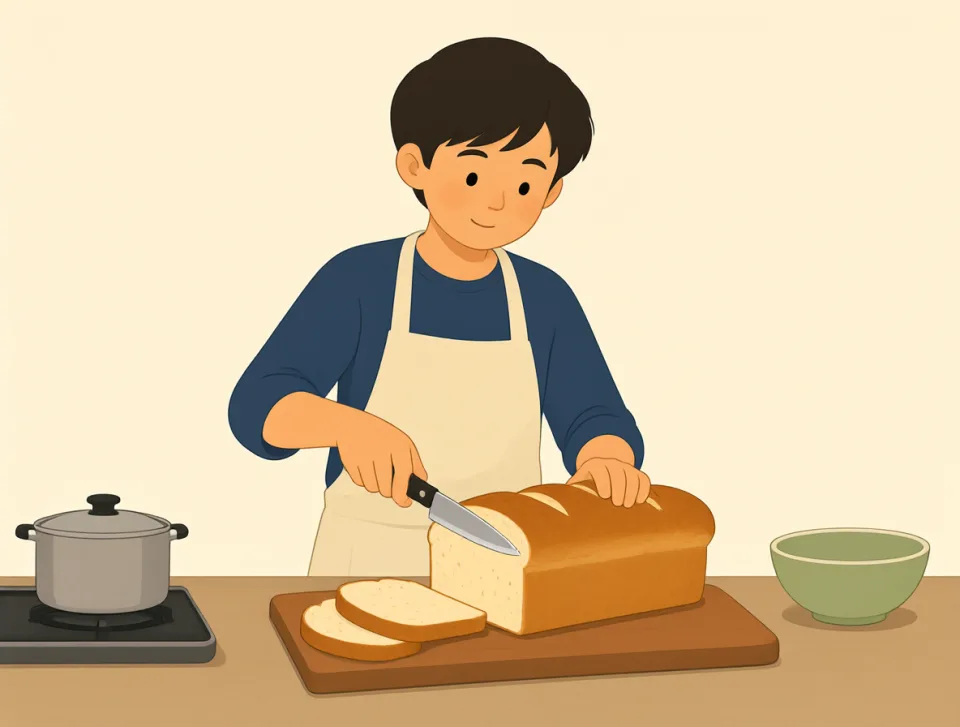
She uses a knife to cut bread.
वह ब्रेड काटने के लिए चाकू इस्तेमाल करती है।
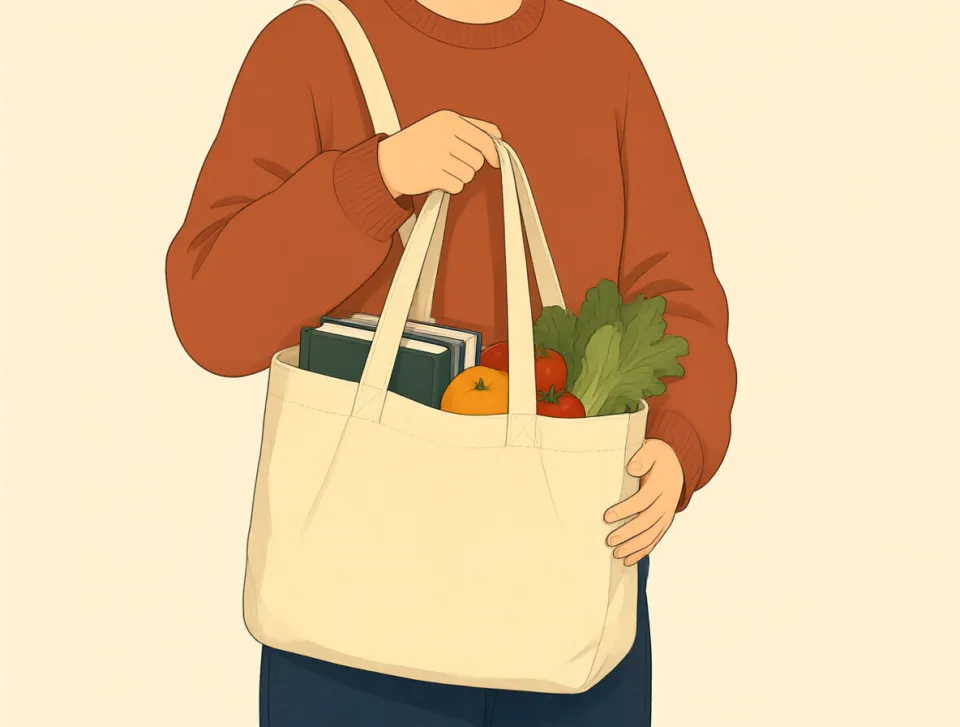
This bag has many uses.
इस बैग के कई उपयोग हैं।
than
#69conjunction, preposition
से
Used to compare two people, things, or actions.
दो लोगों, चीज़ों या कामों की तुलना करने के लिए इस्तेमाल होता है।
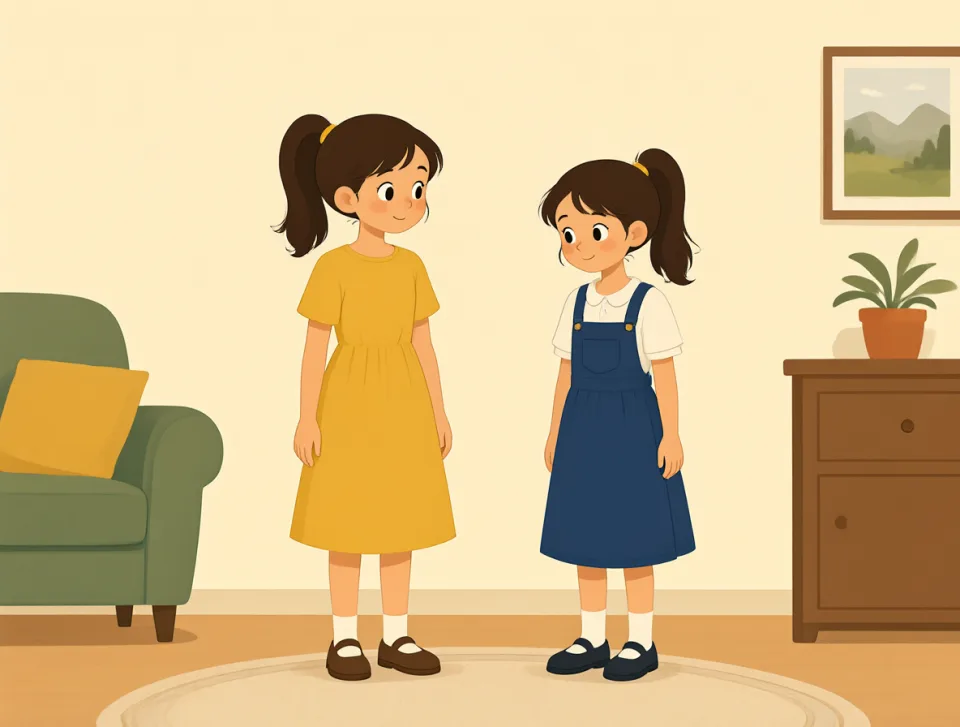
My sister is taller than me.
मेरी बहन मुझसे लंबी है।

This bag is cheaper than that one.
यह बैग उस बैग से सस्ता है।
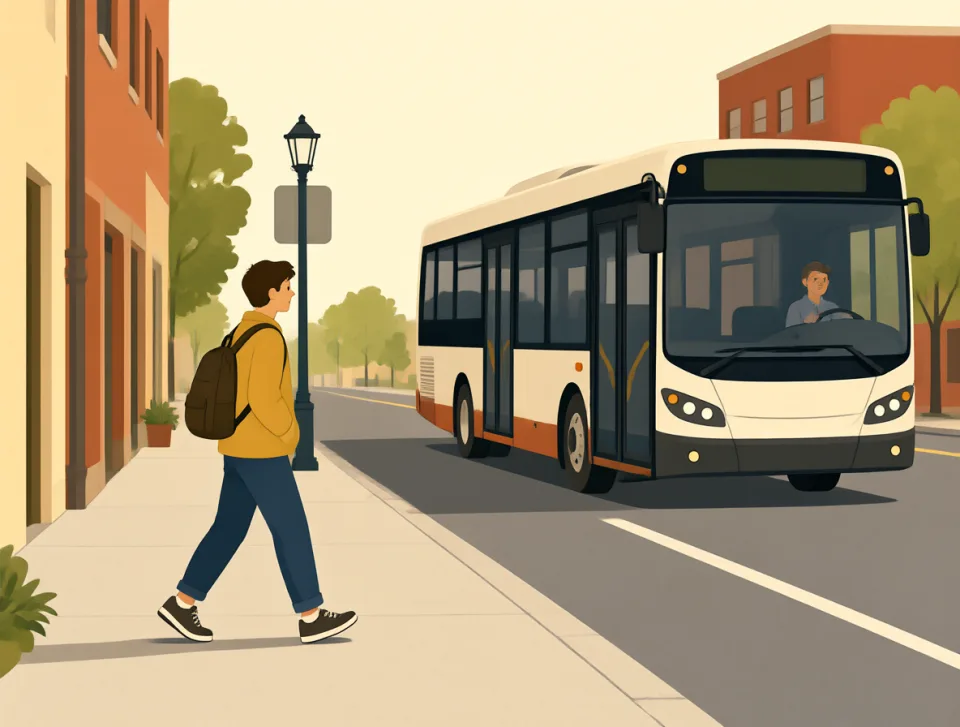
I would rather walk than take the bus.
मैं बस लेने के बजाय पैदल चलना पसंद करूँगा।
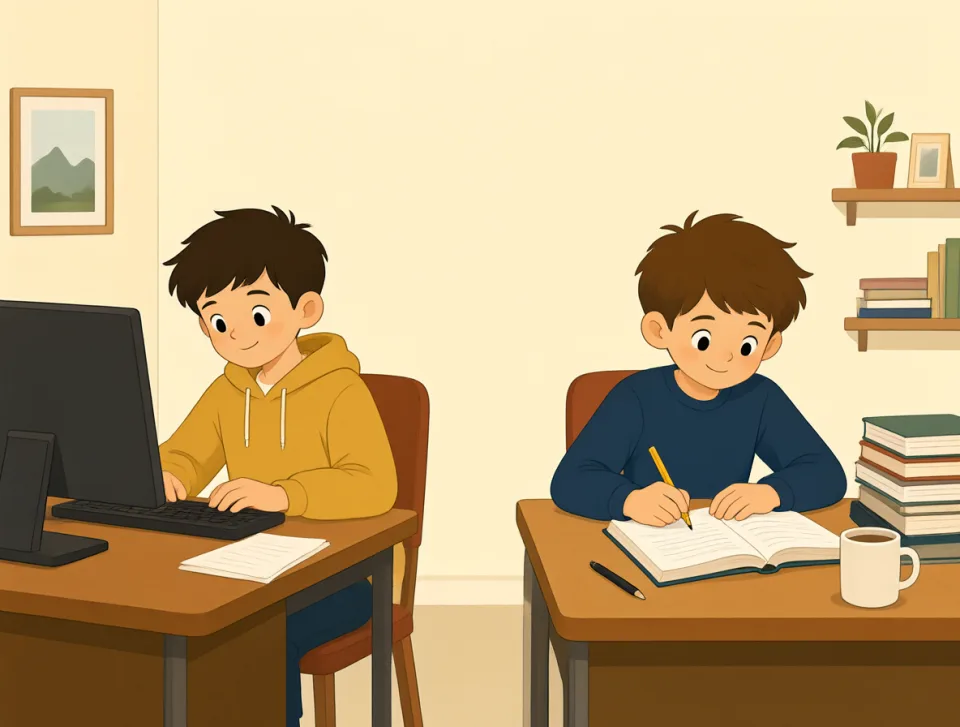
He works harder than his brother.
वह अपने भाई से ज़्यादा मेहनत करता है।
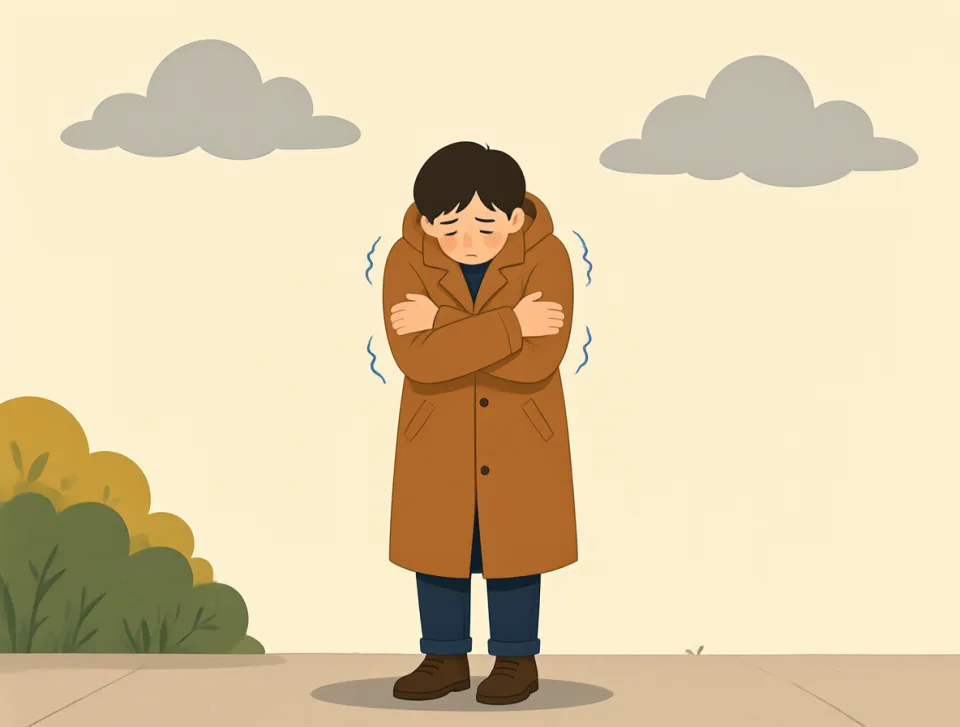
It was colder than yesterday.
कल के मुकाबले ठंड ज़्यादा थी।

now
#70adverb, noun, adjective
अभी
at the present time or moment
वर्तमान समय या इस क्षण में।
I am busy now.
मैं अभी व्यस्त हूँ।
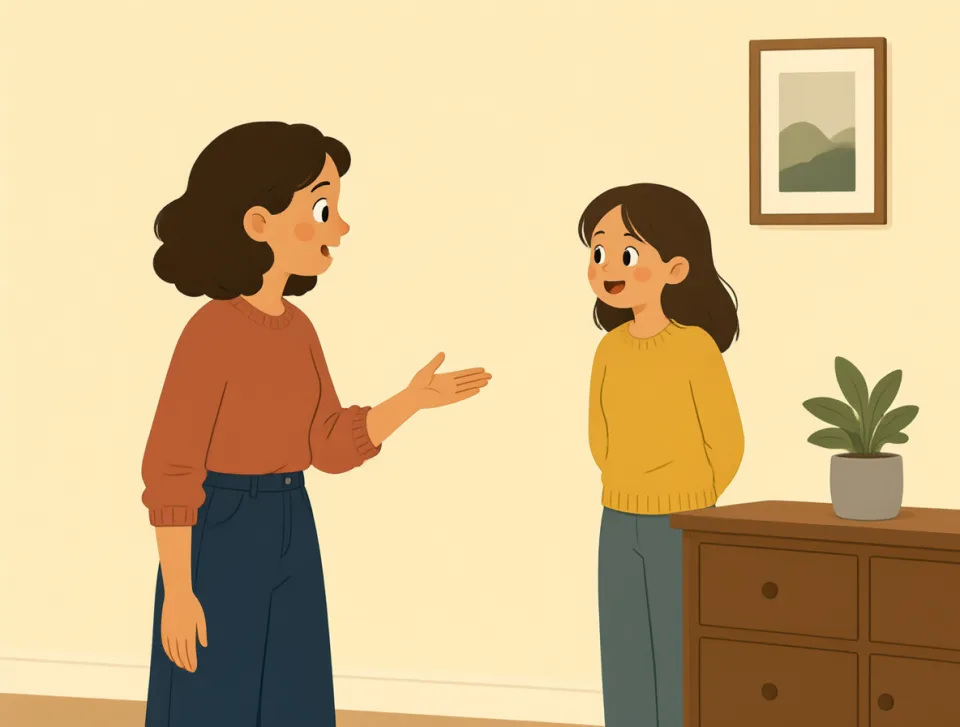
Please come here now.
कृपया अभी यहाँ आइए।
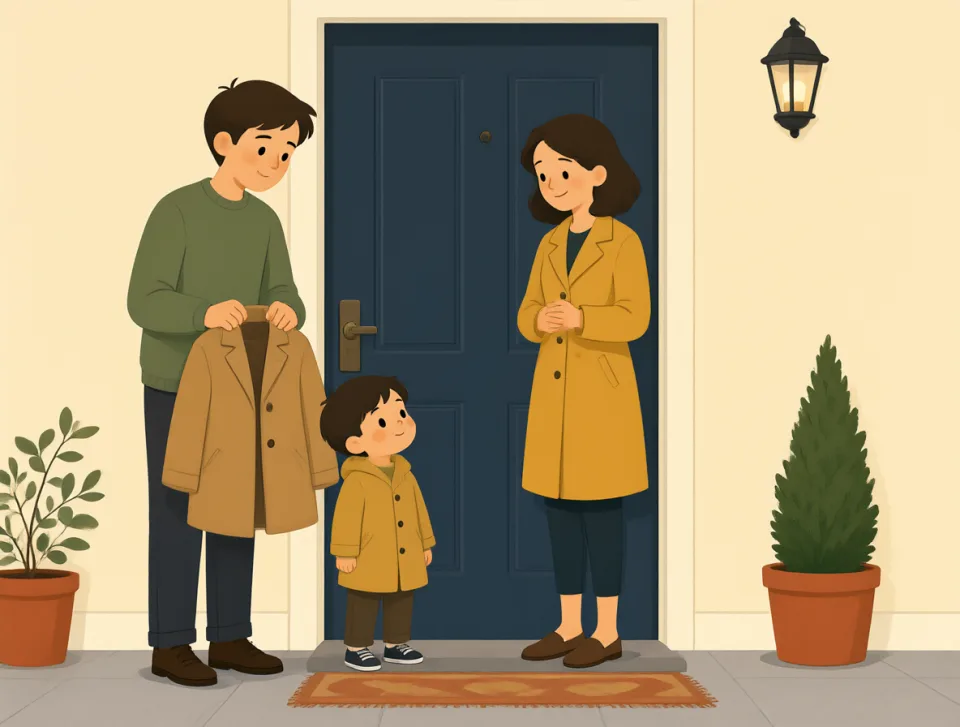
We have to leave now.
हमें अभी निकलना होगा।

Now is a good time to start.
शुरू करने के लिए अभी अच्छा समय है।
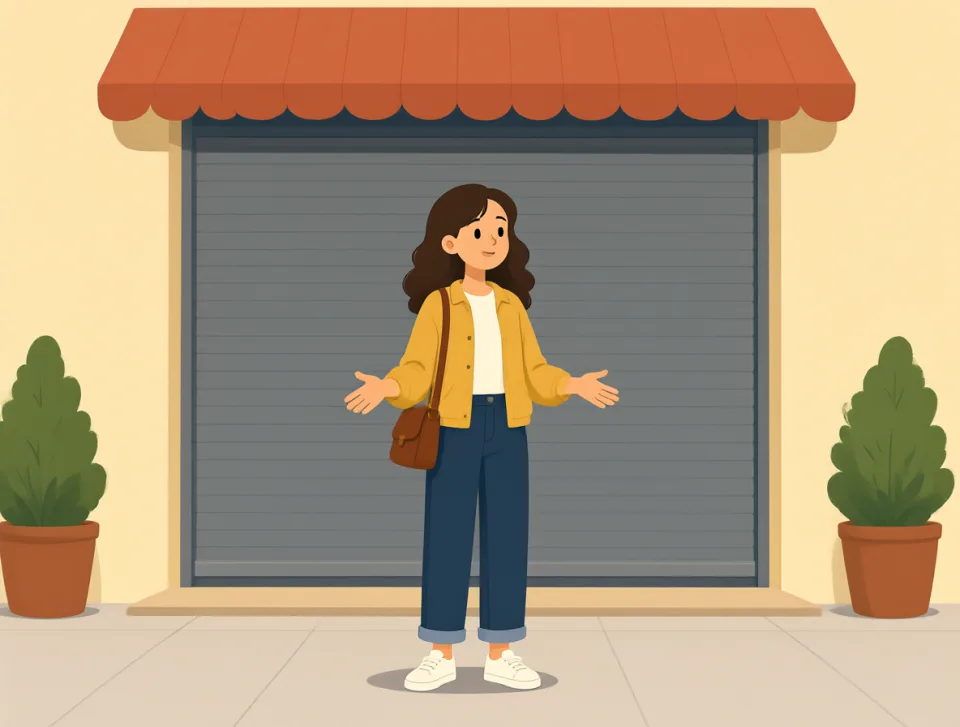
The store is closed now.
दुकान अभी बंद है।
then
#71adverb, adjective
तब
At that time, or next after something else happens.
उस समय, या किसी दूसरी घटना के बाद।
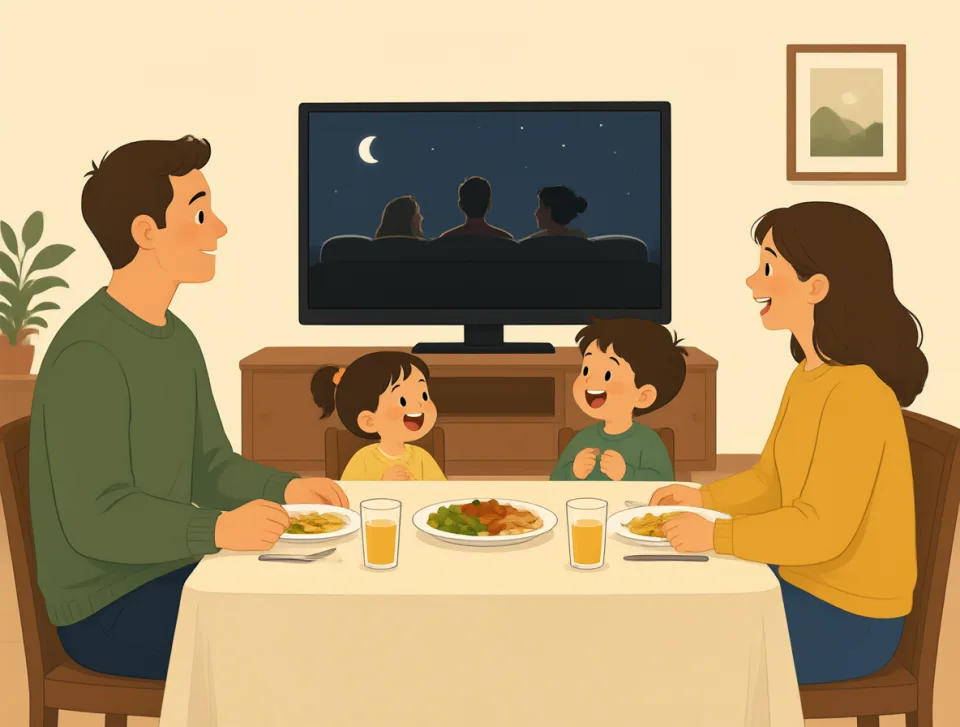
We ate dinner, then watched a movie.
हमने रात का खाना खाया, फिर फ़िल्म देखी।
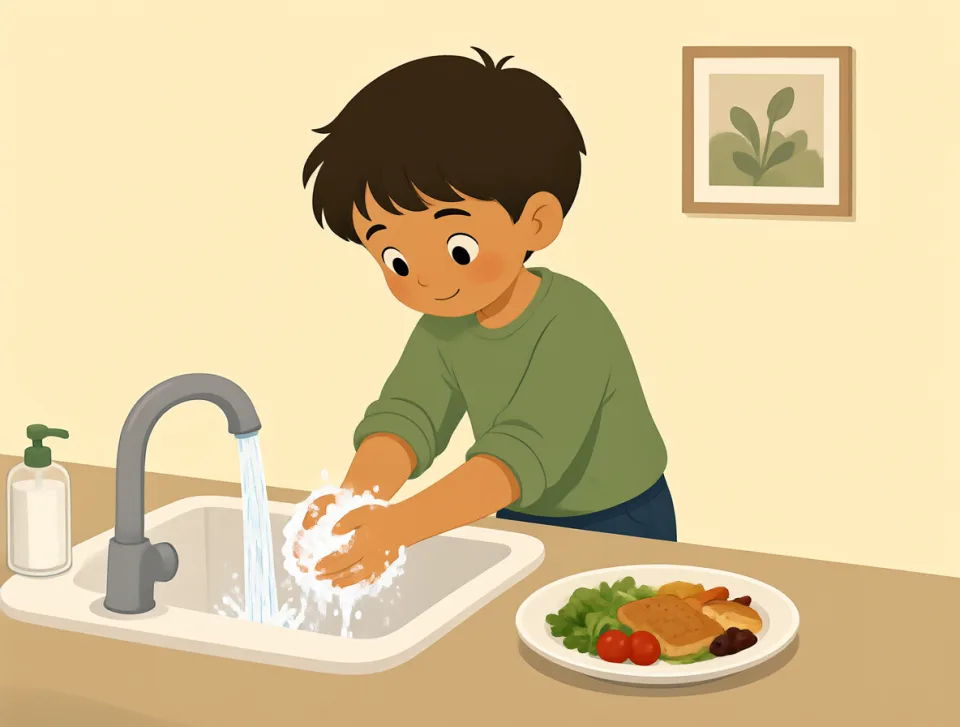
First wash your hands, then eat.
पहले हाथ धोओ, फिर खाना खाओ।
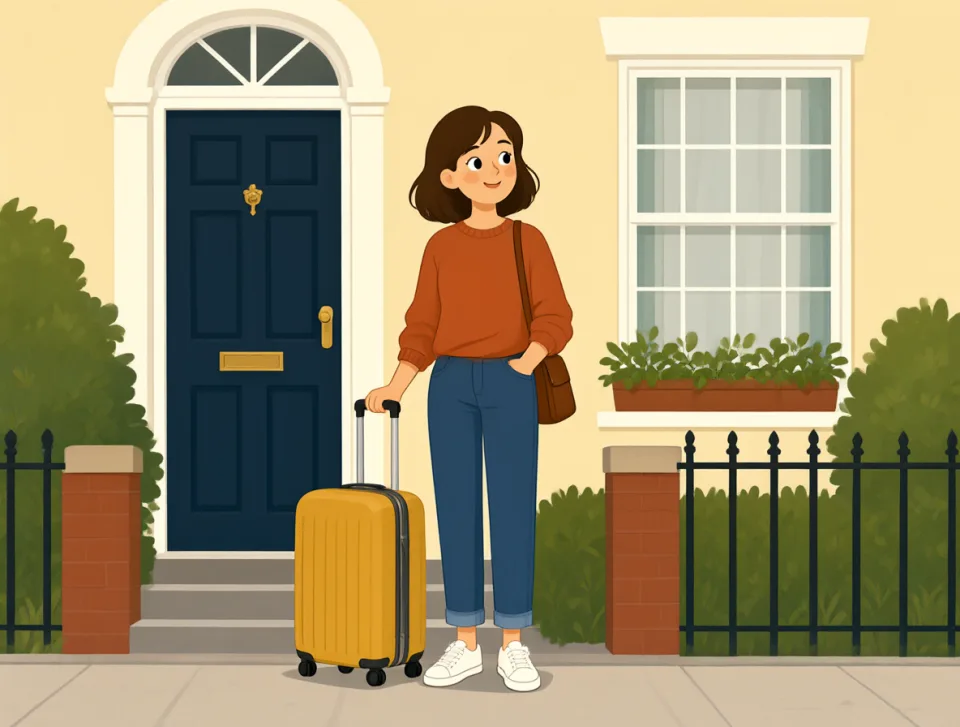
I was living in London then.
मैं तब लंदन में रहता था।
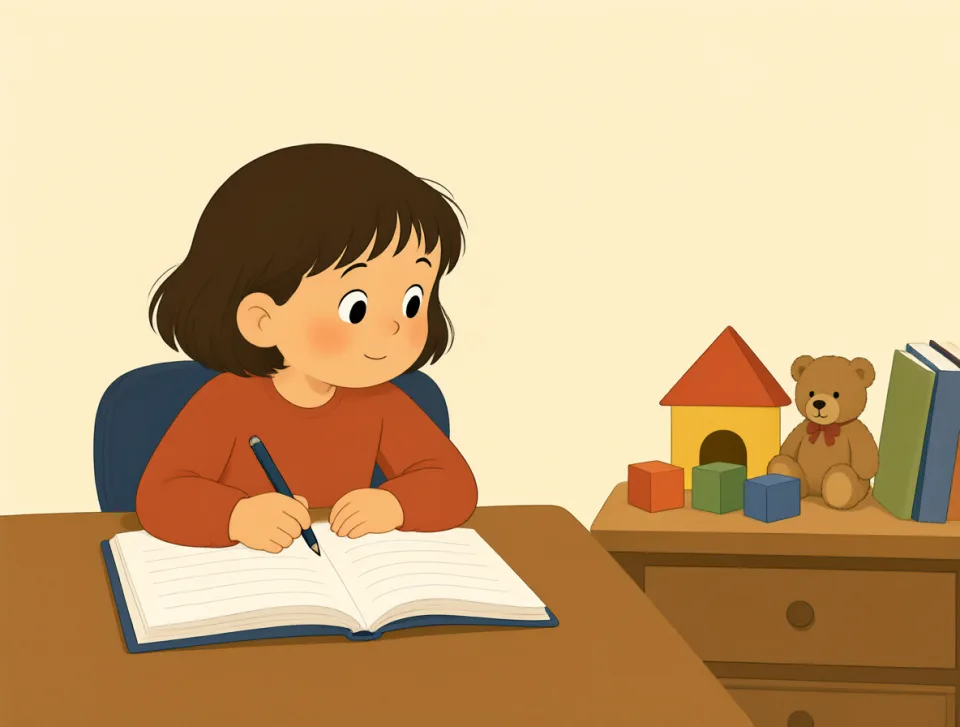
If you finish, then you can play.
अगर तुम काम ख़त्म कर लो, तो खेल सकते हो।
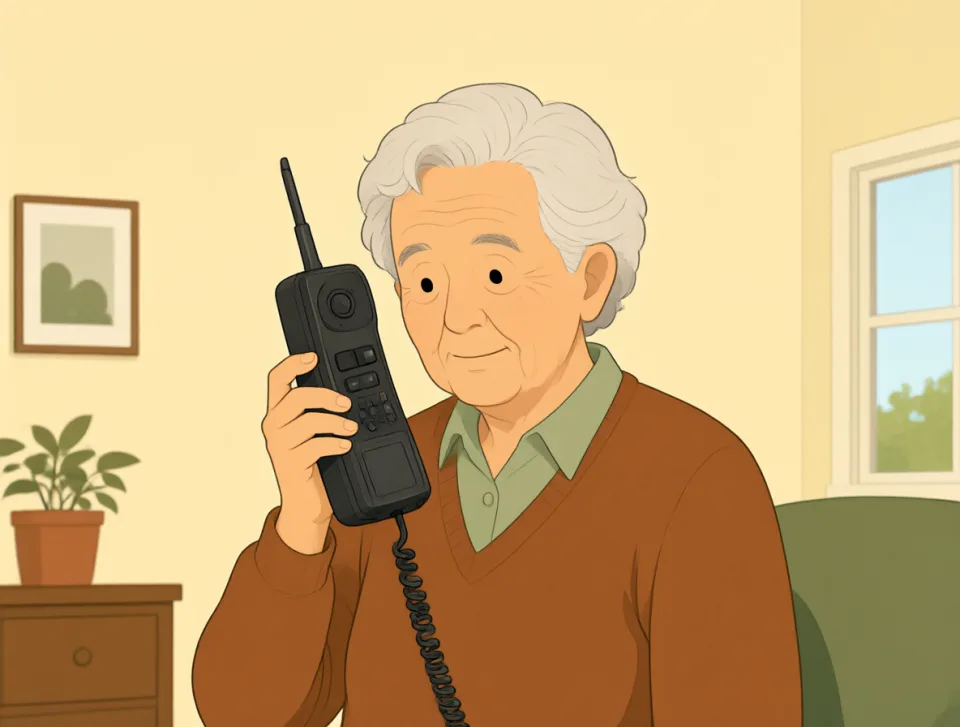
Back then, phones were much bigger.
उस समय फ़ोन काफ़ी बड़े होते थे।
also
#72adverb
भी
In addition to someone or something already mentioned.
पहले से बताई गई किसी व्यक्ति या चीज़ के अलावा।
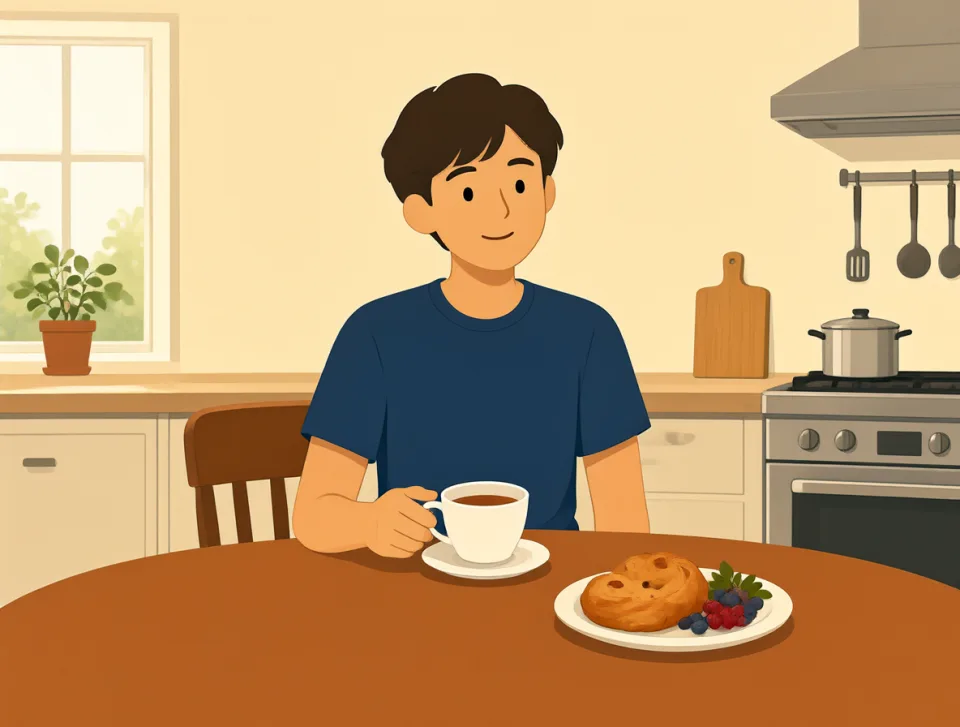
I also like tea in the morning.
मुझे सुबह चाय भी पसंद है।
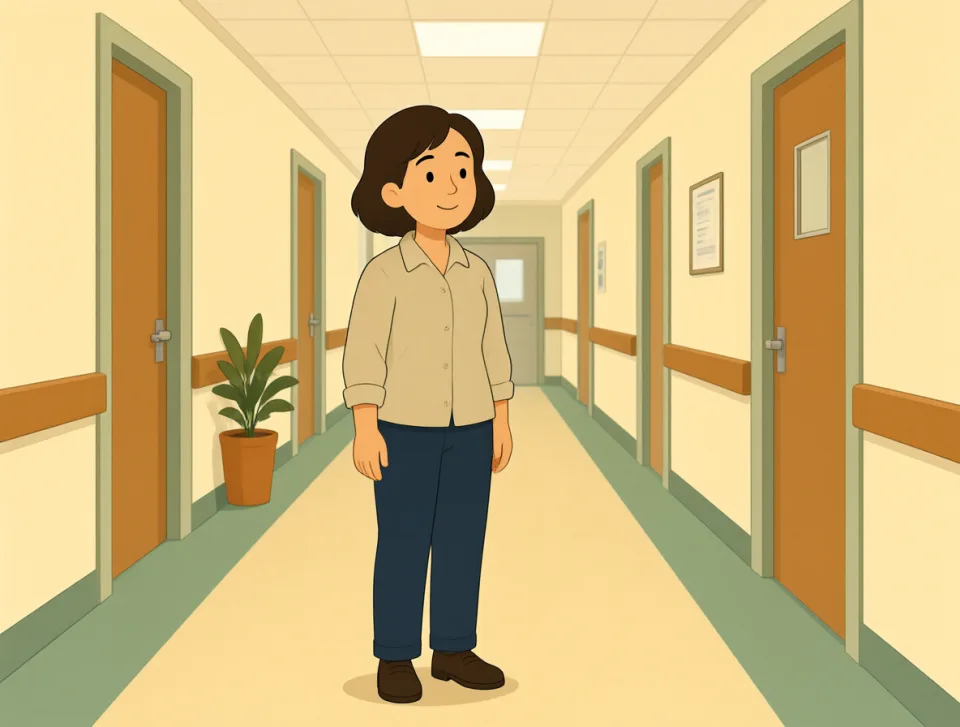
She also works at the hospital.
वह अस्पताल में भी काम करती है।
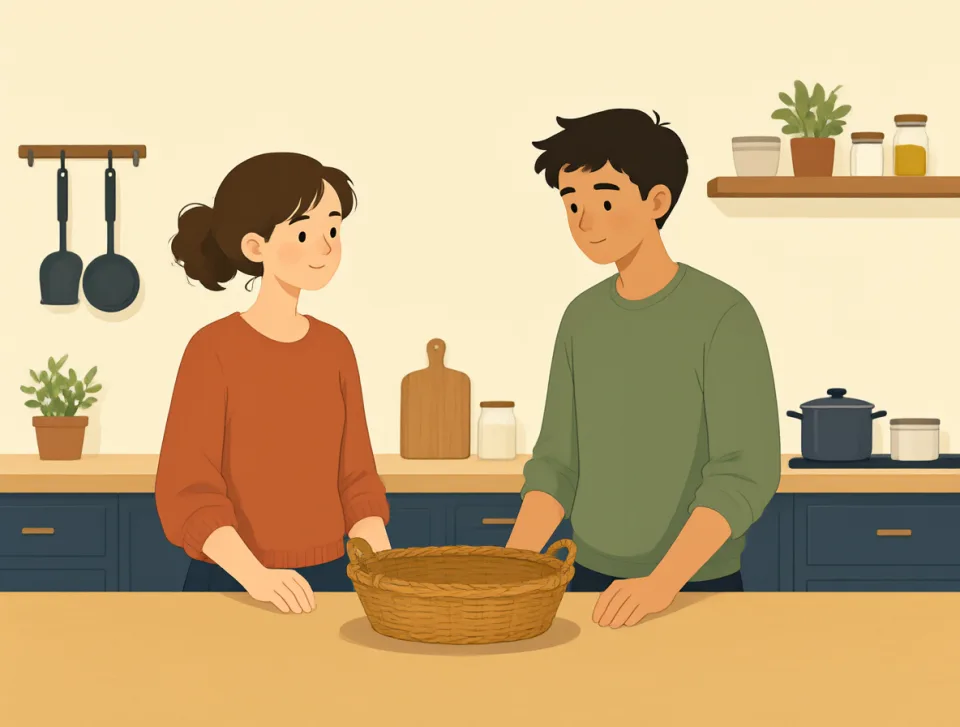
We also need some bread for dinner.
हमें रात के खाने के लिए कुछ ब्रेड भी चाहिए।
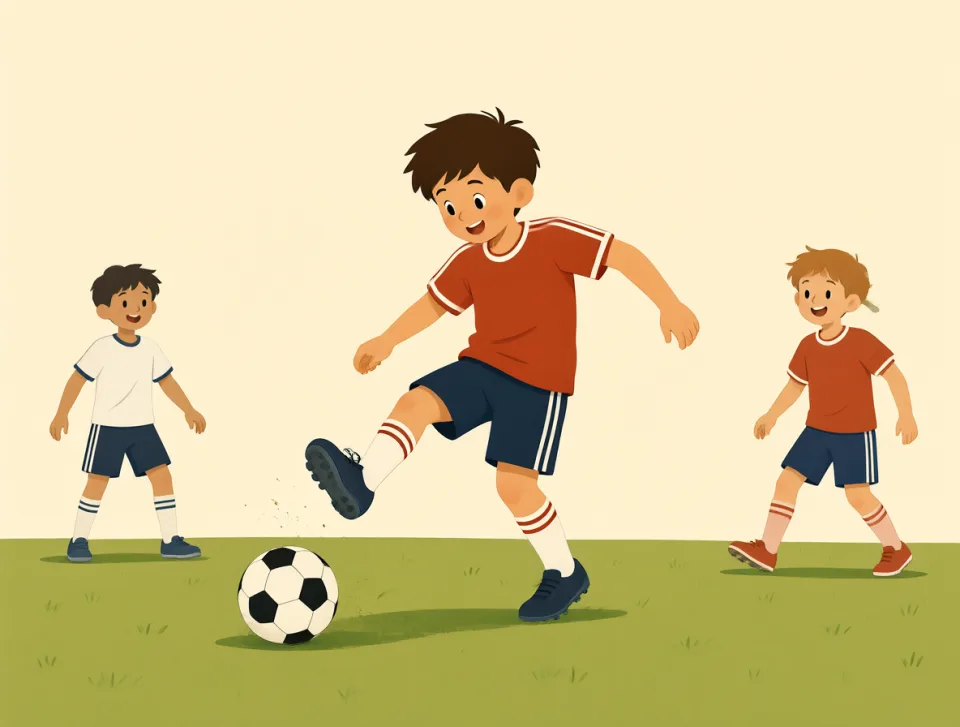
He also plays soccer with his friends.
वह अपने दोस्तों के साथ फ़ुटबॉल भी खेलता है।

The hotel also has a small swimming pool.
होटल में एक छोटा-सा स्विमिंग पूल भी है।
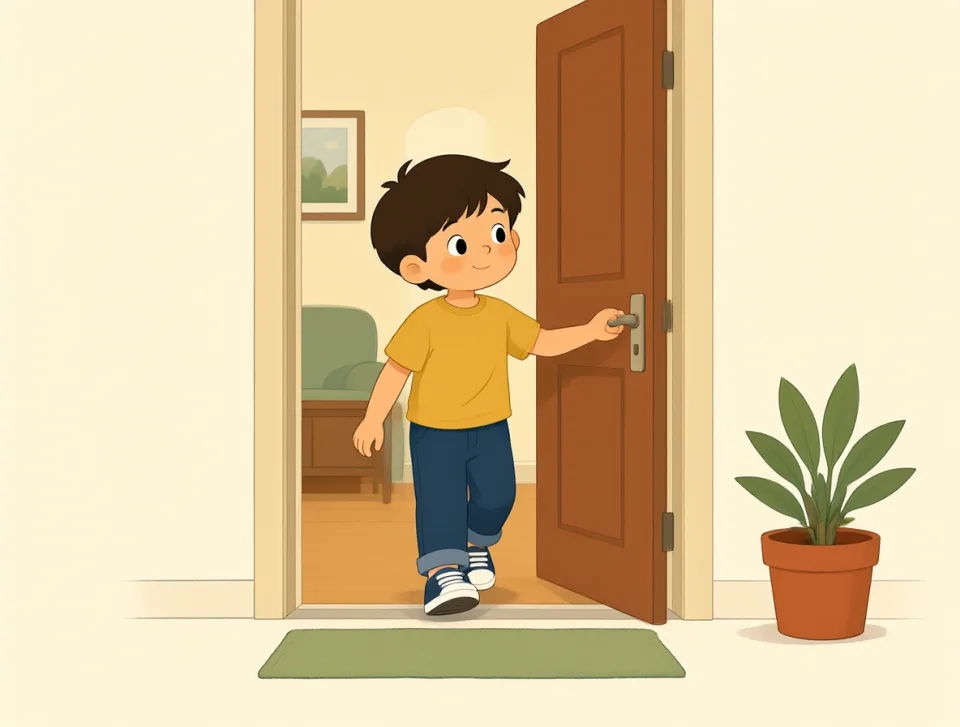
into
#73preposition
के अंदर
to a position inside something or toward a particular place, situation, or activity
किसी चीज़ के अंदर जाने, किसी खास जगह या स्थिति की ओर बढ़ने, या किसी गतिविधि में शामिल होने के लिए।
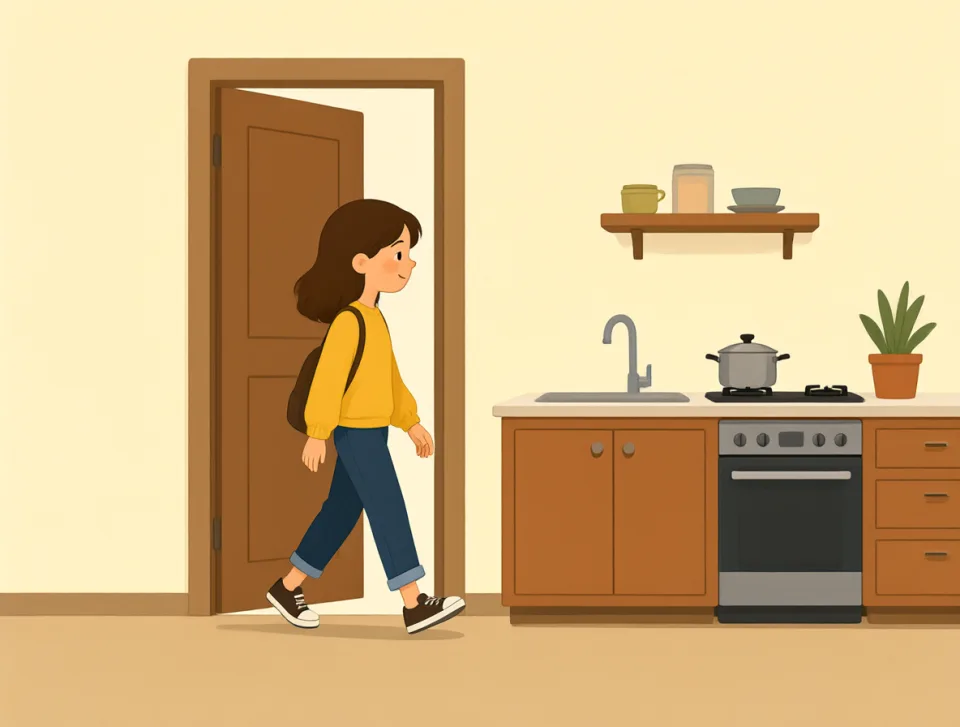
She walked into the kitchen.
वह रसोई में चली गई।
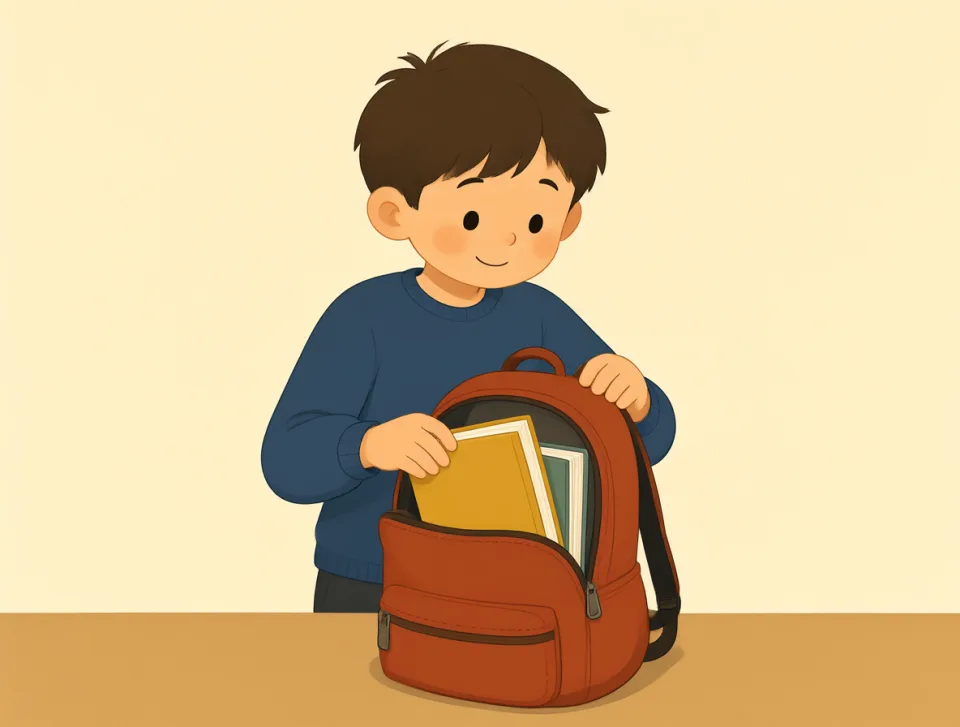
He put the books into his bag.
उसने किताबें अपने बैग में रखीं।
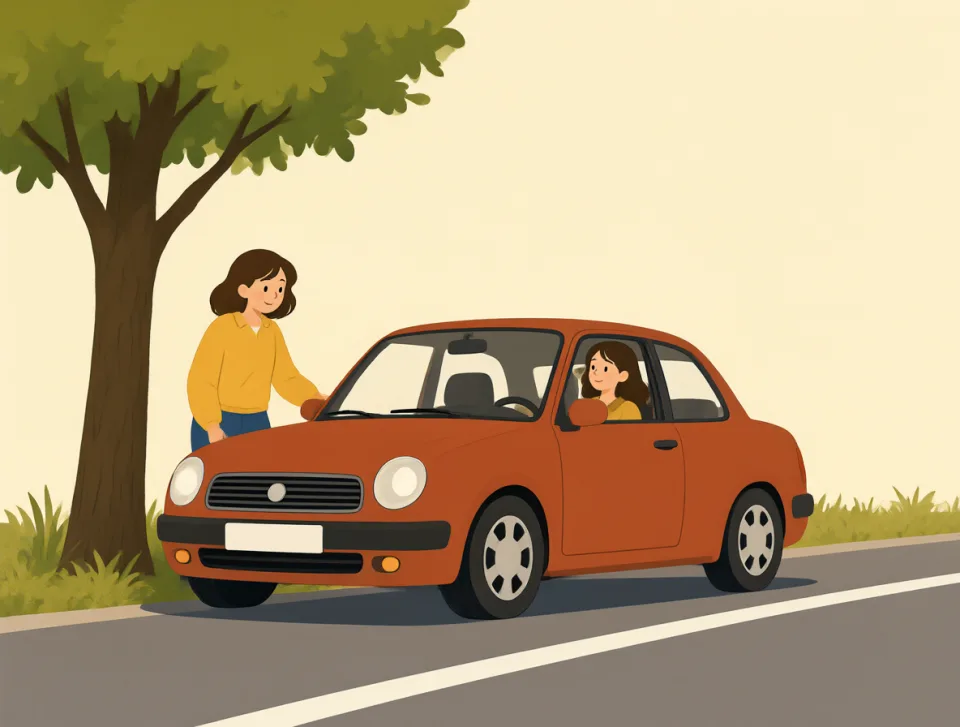
The car crashed into a tree.
कार एक पेड़ से टकरा गई।
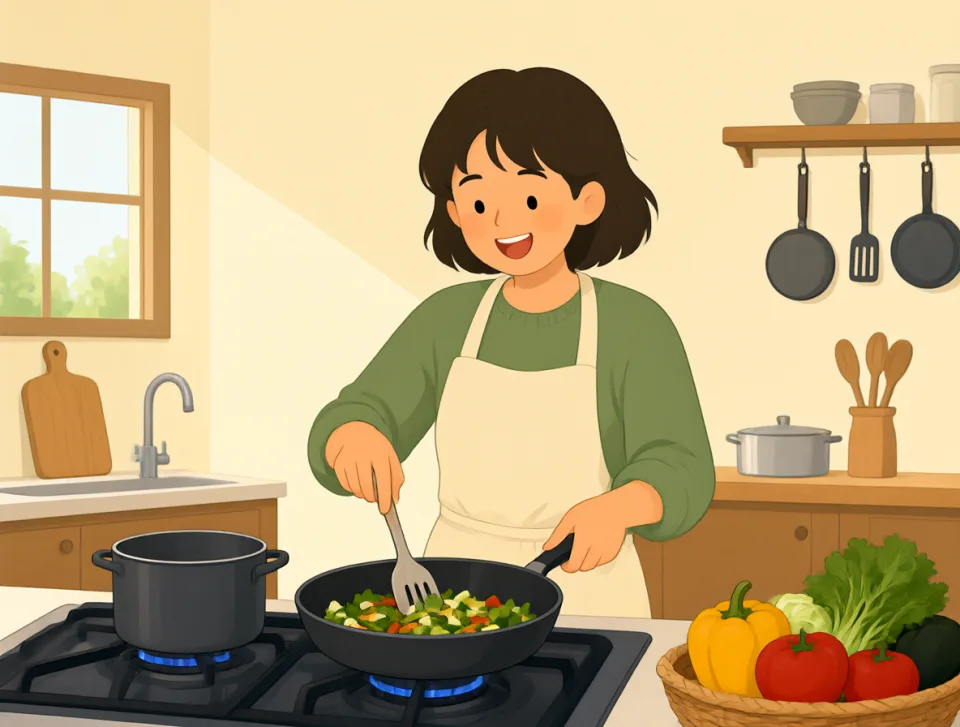
I am really into cooking now.
आजकल मुझे खाना पकाने में बहुत दिलचस्पी है।
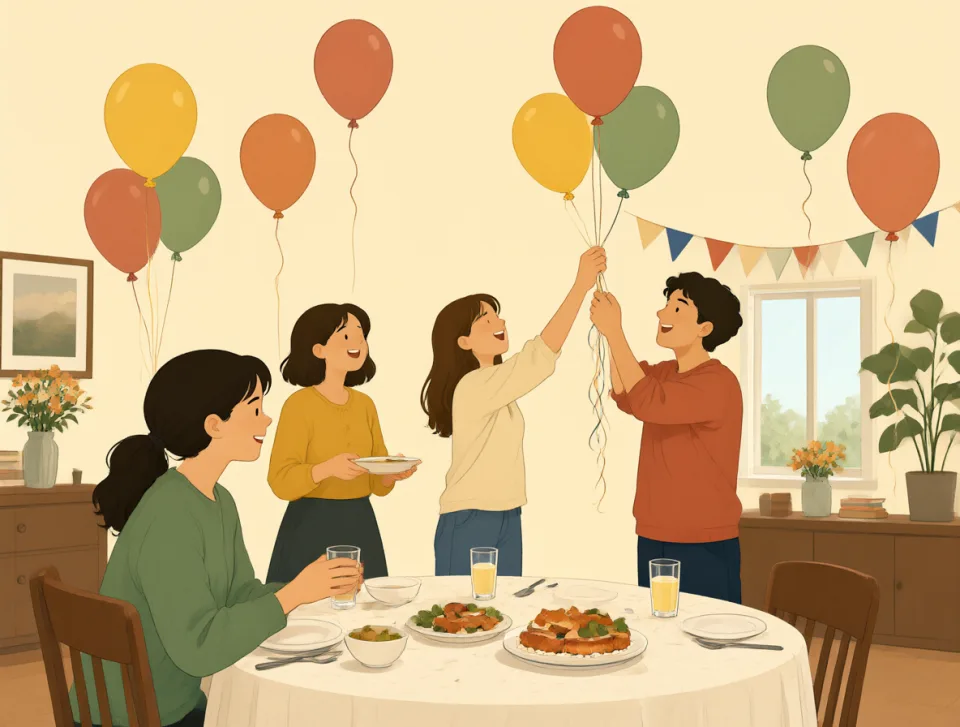
They changed the plan into a party.
उन्होंने योजना को पार्टी में बदल दिया।
only
#74adverb, adjective, determiner, conjunction
सिर्फ़
No more than one person or thing, or nothing else.
एक से ज़्यादा व्यक्ति या चीज़ नहीं, या इसके अलावा कुछ भी नहीं।
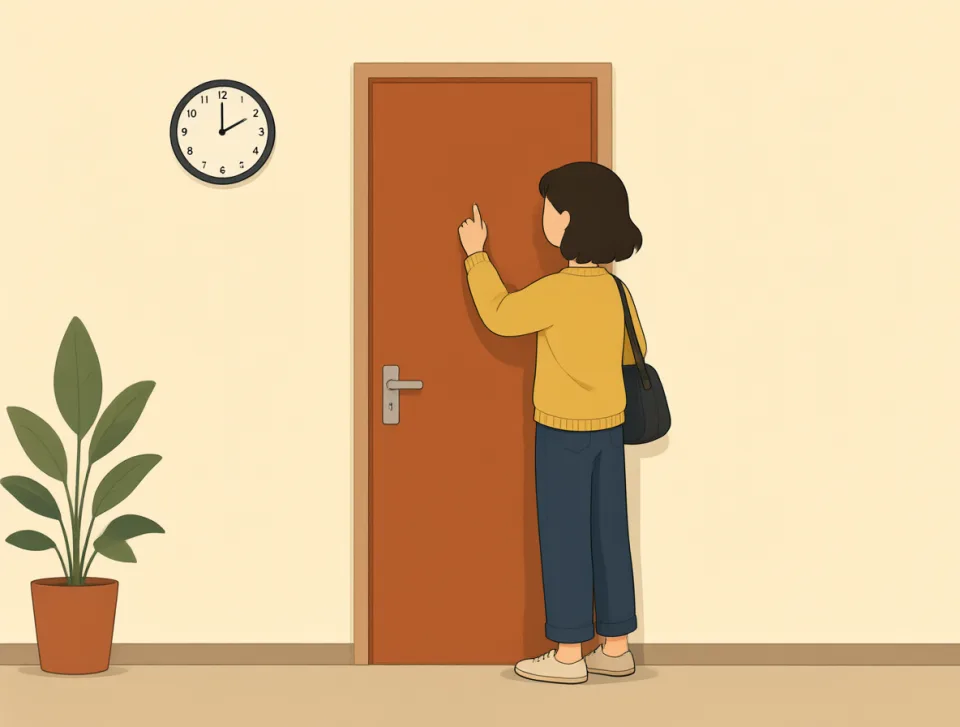
I only have ten minutes before work.
काम पर जाने से पहले मेरे पास सिर्फ़ दस मिनट हैं।
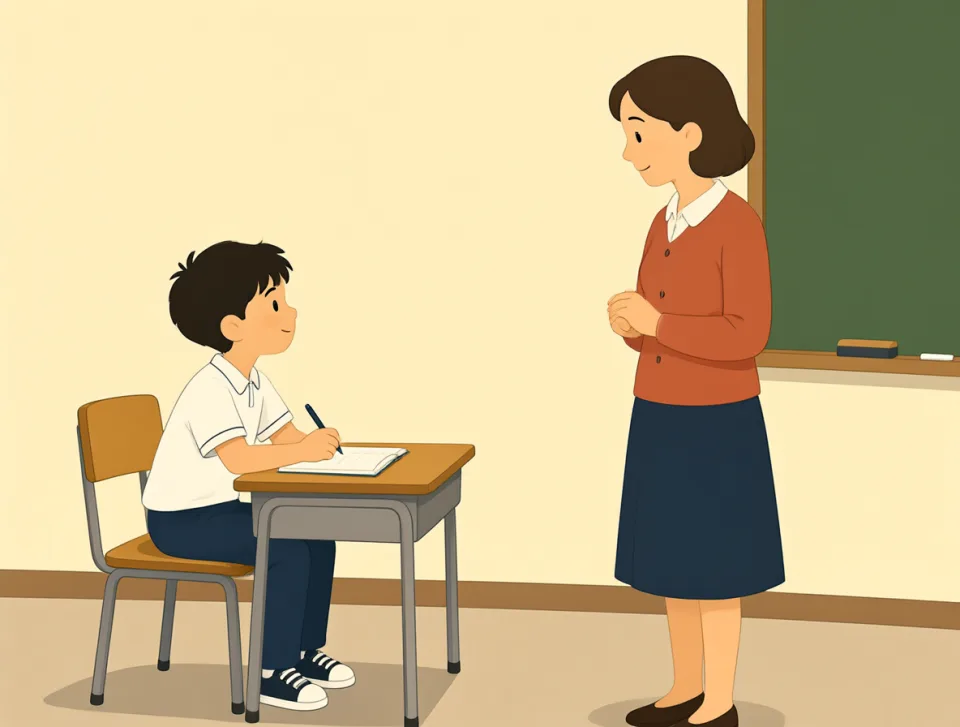
She is the only student in class.
कक्षा में वह अकेली छात्रा है।

We only need two tickets for the train.
हमें ट्रेन के लिए सिर्फ़ दो टिकट चाहिए।
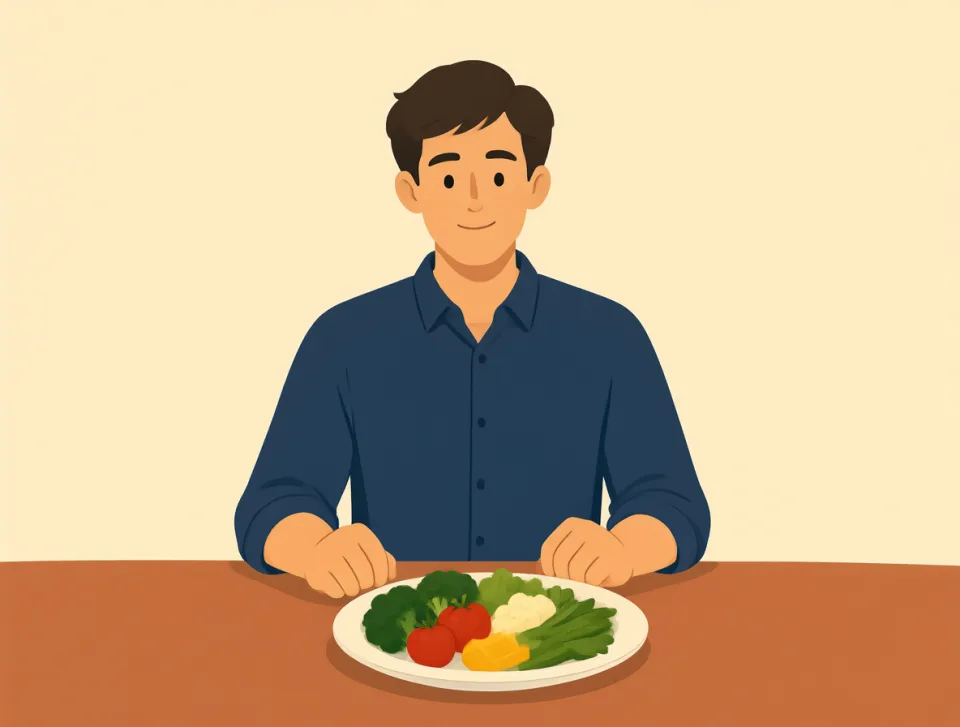
He eats only vegetables for lunch.
वह दोपहर के खाने में सिर्फ़ सब्ज़ियाँ खाता है।
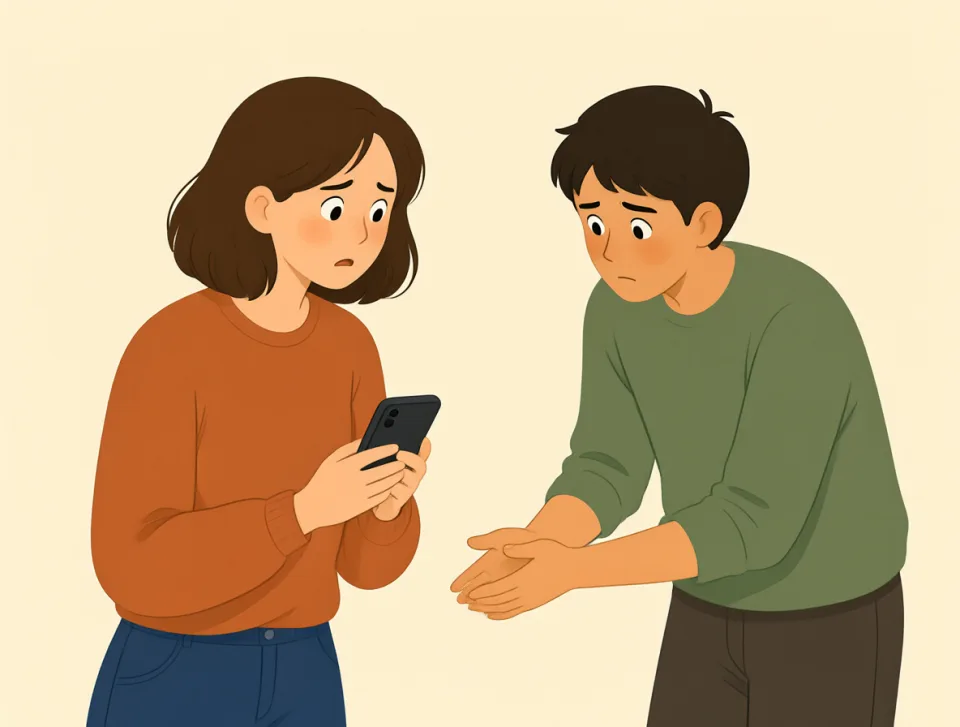
Call me only if you need help.
अगर तुम्हें मदद चाहिए, तभी मुझे फ़ोन करना।
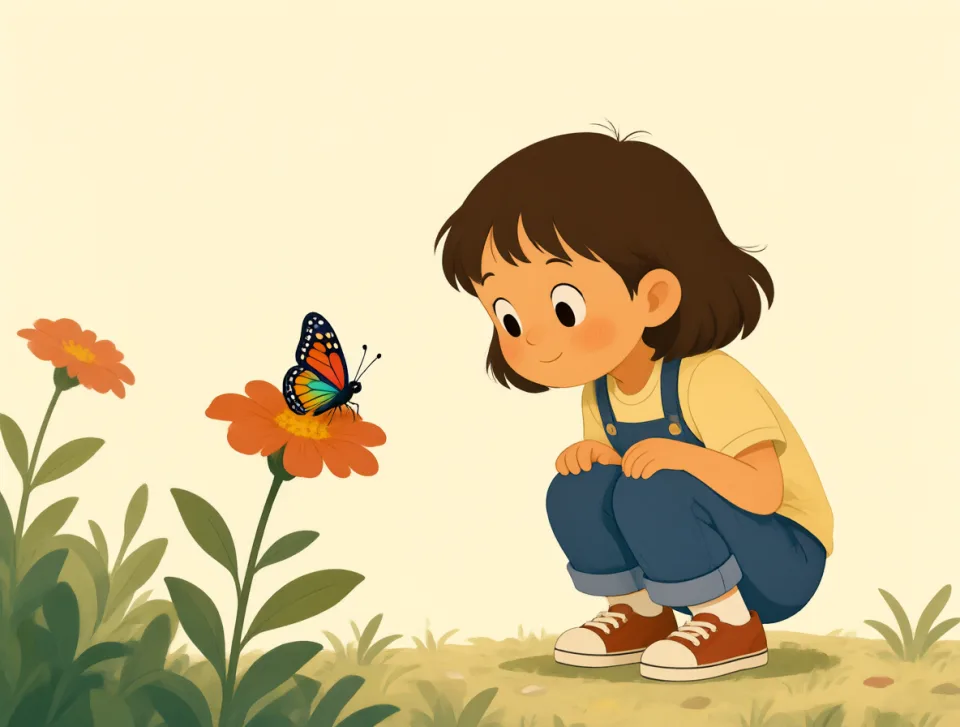
look
#75verb, noun
देखना
to use your eyes to see something or to have a particular appearance
आँखों से किसी चीज़ को देखना, या किसी खास रूप में दिखाई देना।

Look at this picture with me.
मेरे साथ इस तस्वीर को देखो।
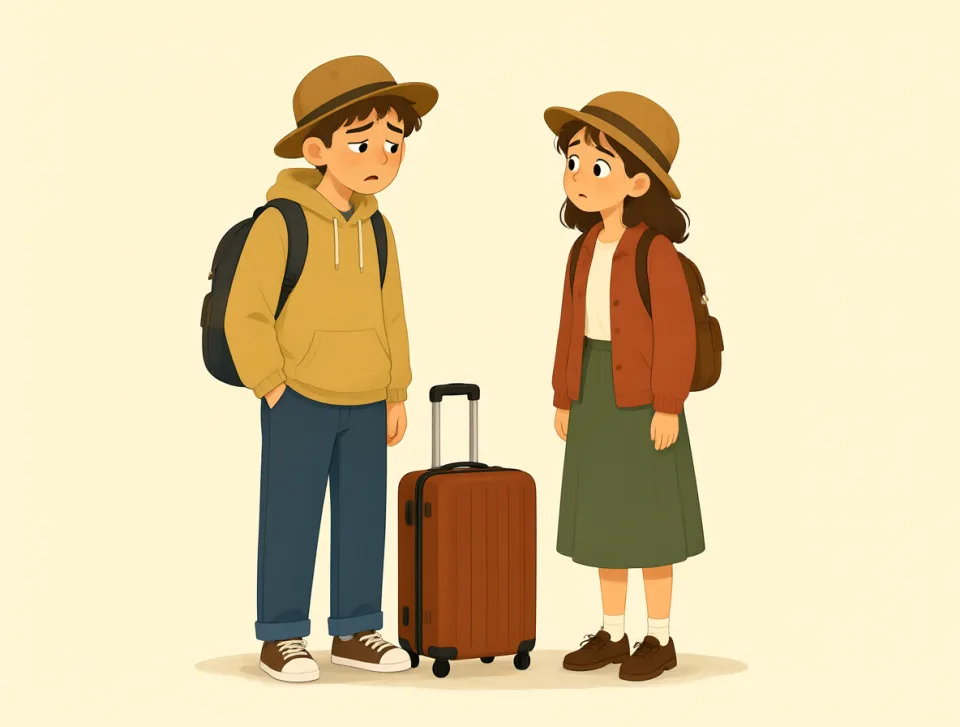
You look tired after your long trip.
इतनी लंबी यात्रा के बाद तुम थके हुए लगते हो।
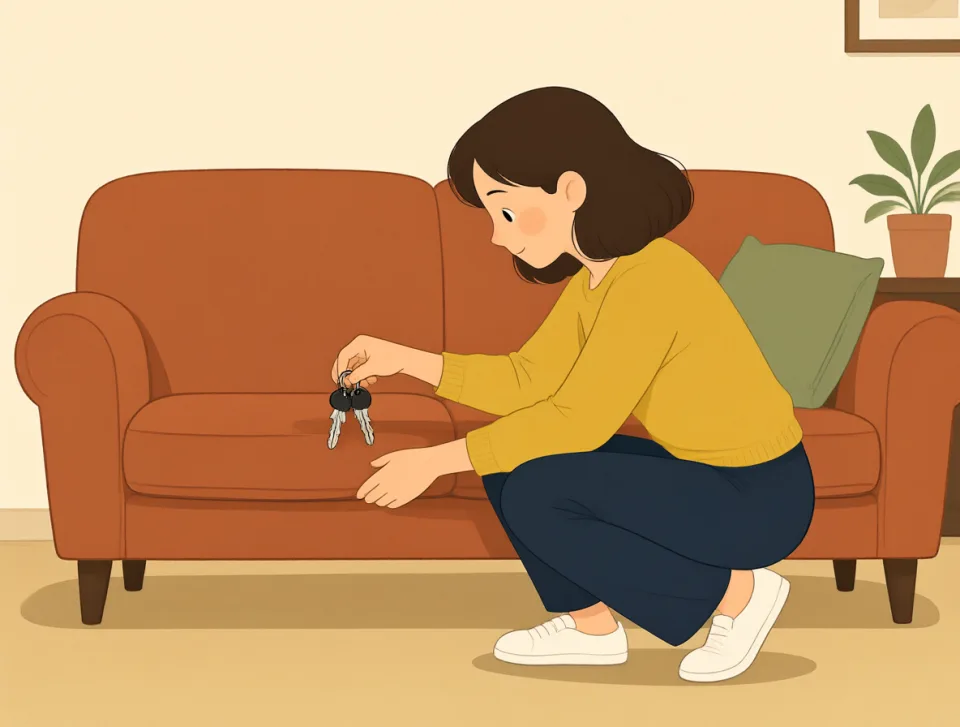
She looked for her keys everywhere.
उसने अपनी चाबियाँ हर जगह ढूँढ़ीं।
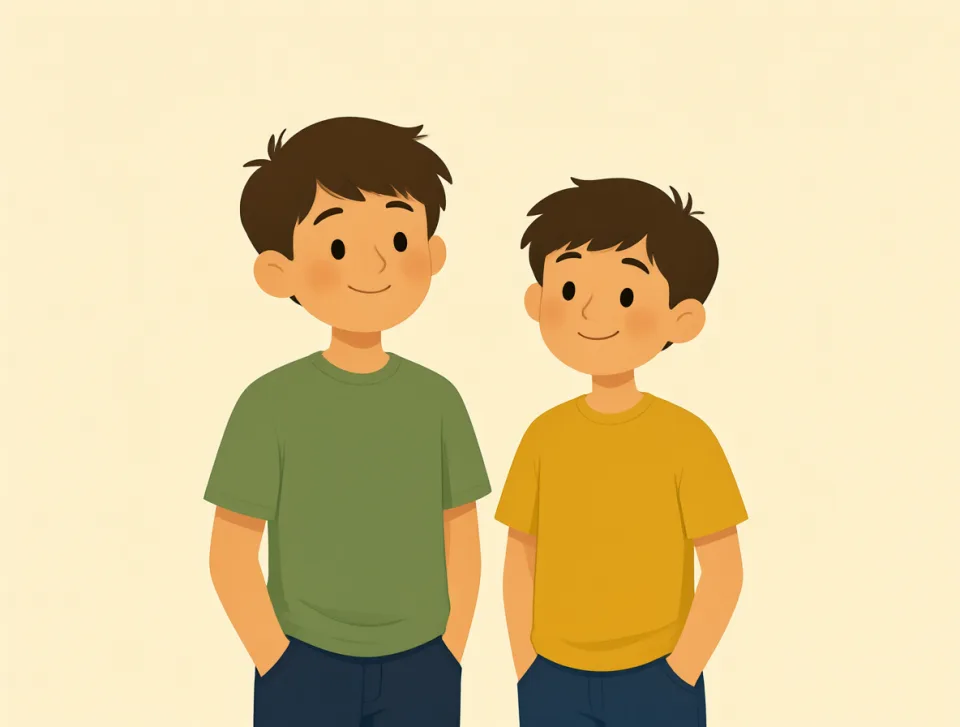
He looks like his older brother.
वह अपने बड़े भाई जैसा दिखता है।
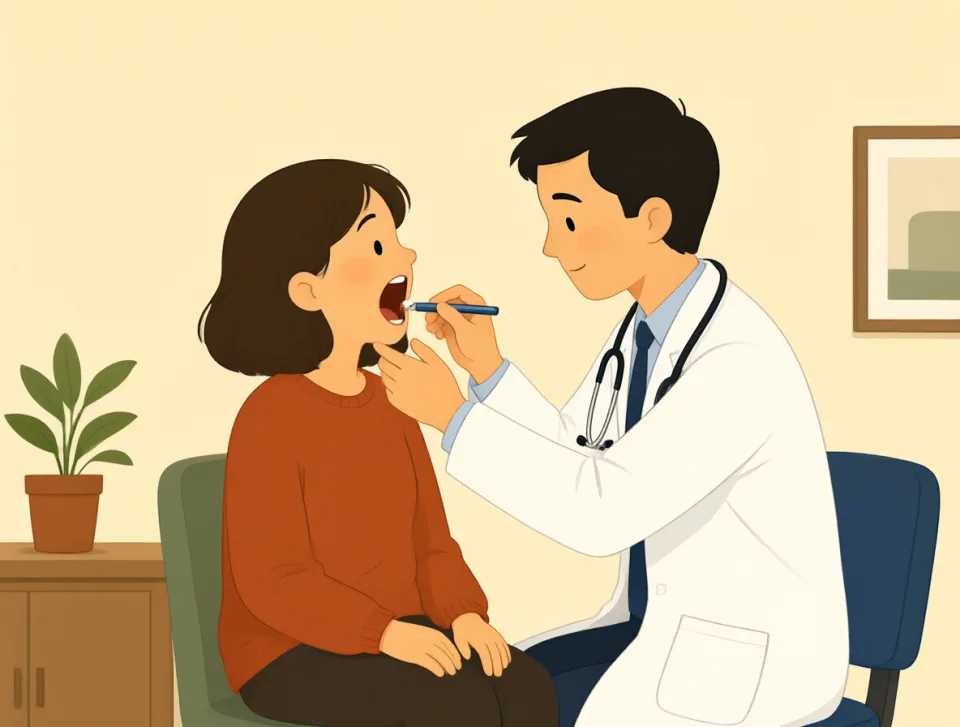
The doctor looked at my sore throat.
डॉक्टर ने मेरे गले की खराश देखी।
want
#76verb, noun
चाहना
To wish to have or do something; a need for something important.
किसी चीज़ को पाने या कुछ करने की इच्छा होना; किसी ज़रूरी चीज़ की आवश्यकता होना।
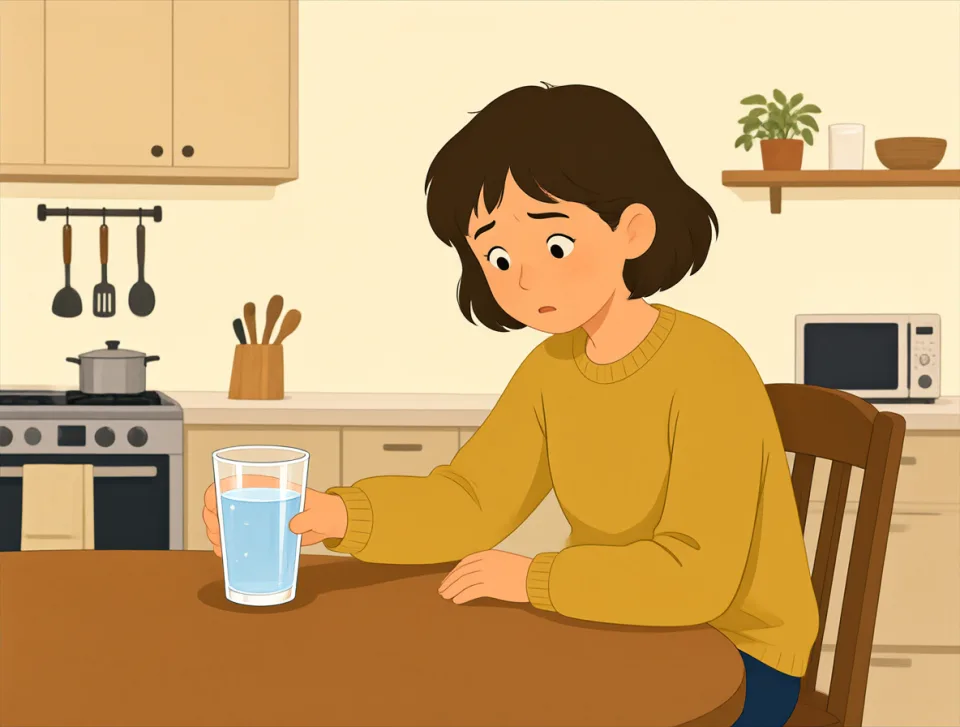
I want a glass of water, please.
मुझे एक गिलास पानी चाहिए, कृपया।
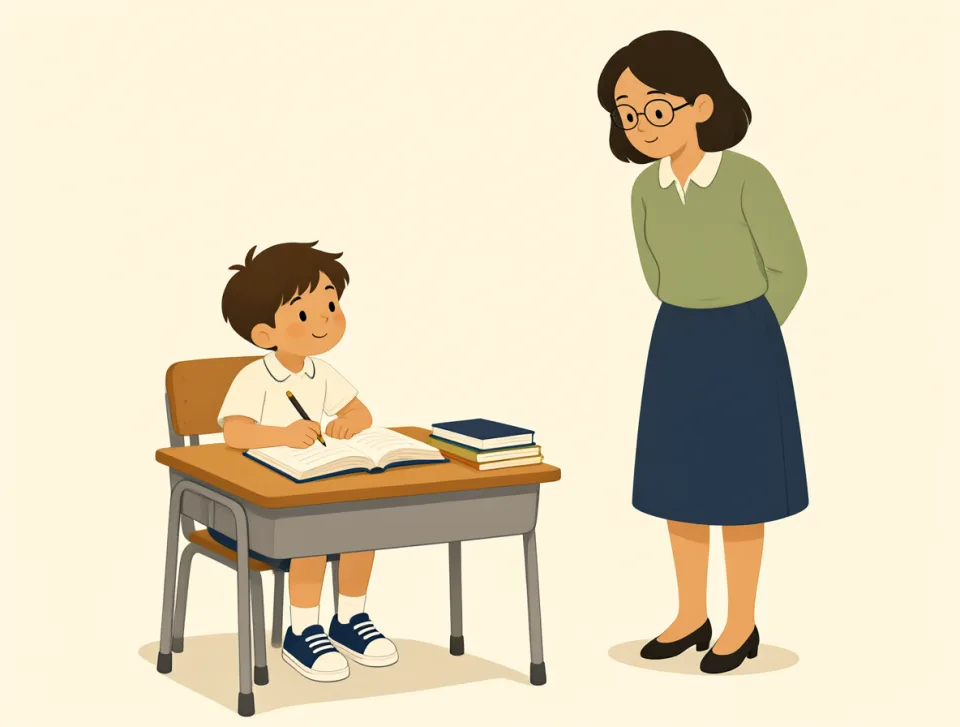
She wants to learn English at school.
वह स्कूल में अंग्रेज़ी सीखना चाहती है।

We wanted a table near the window.
हम खिड़की के पास वाली मेज़ चाहते थे।

They want to buy new shoes.
वे नए जूते खरीदना चाहते हैं।
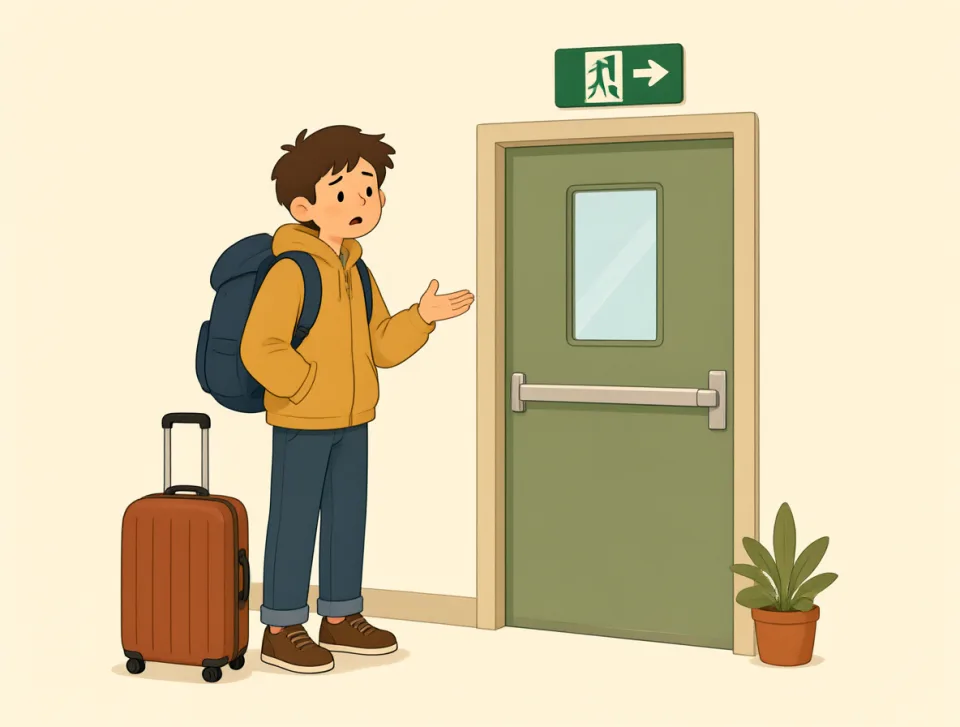
He wants to go home now.
वह अभी घर जाना चाहता है।
give
#77verb, noun
देना
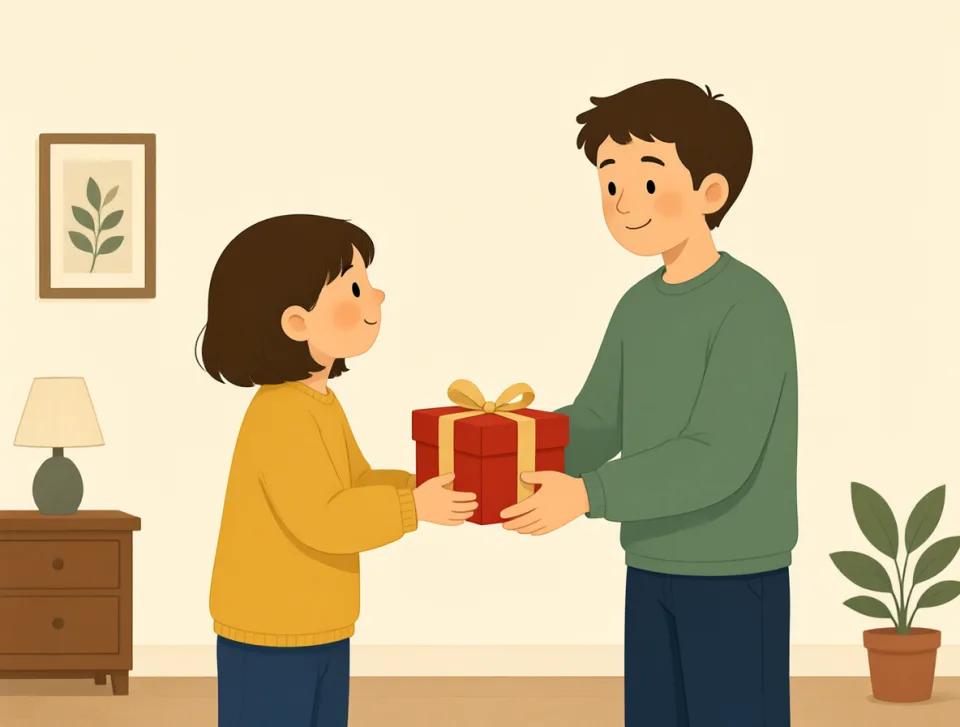
to hand something to someone or provide something for them
किसी को कोई चीज़ थमाना या उसके लिए कुछ उपलब्ध कराना।
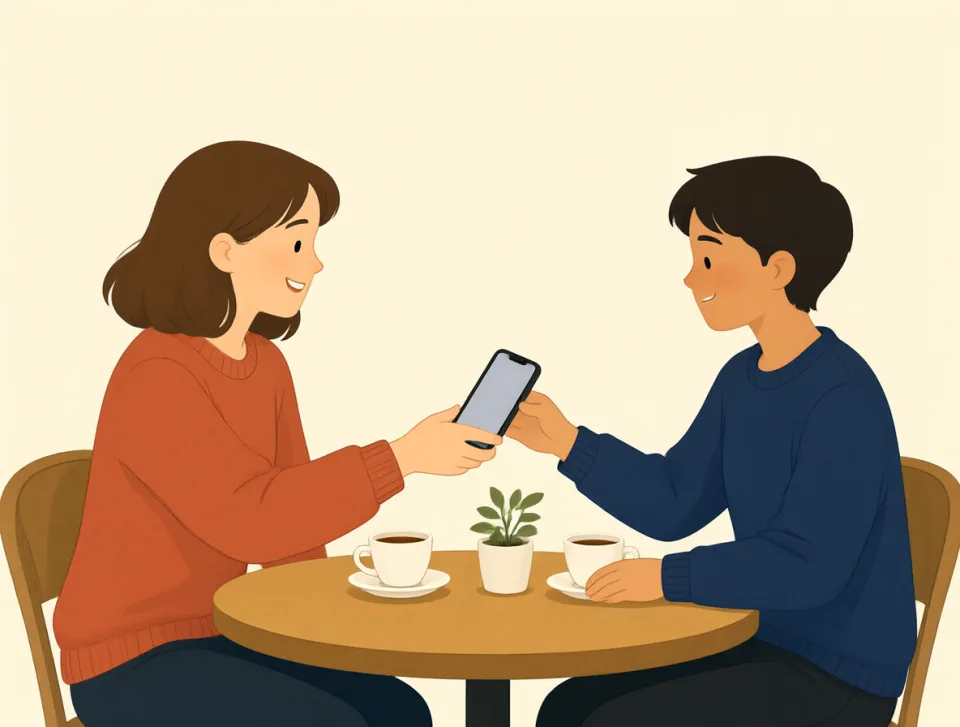
Please give me your phone number.
कृपया मुझे अपना फ़ोन नंबर दीजिए।
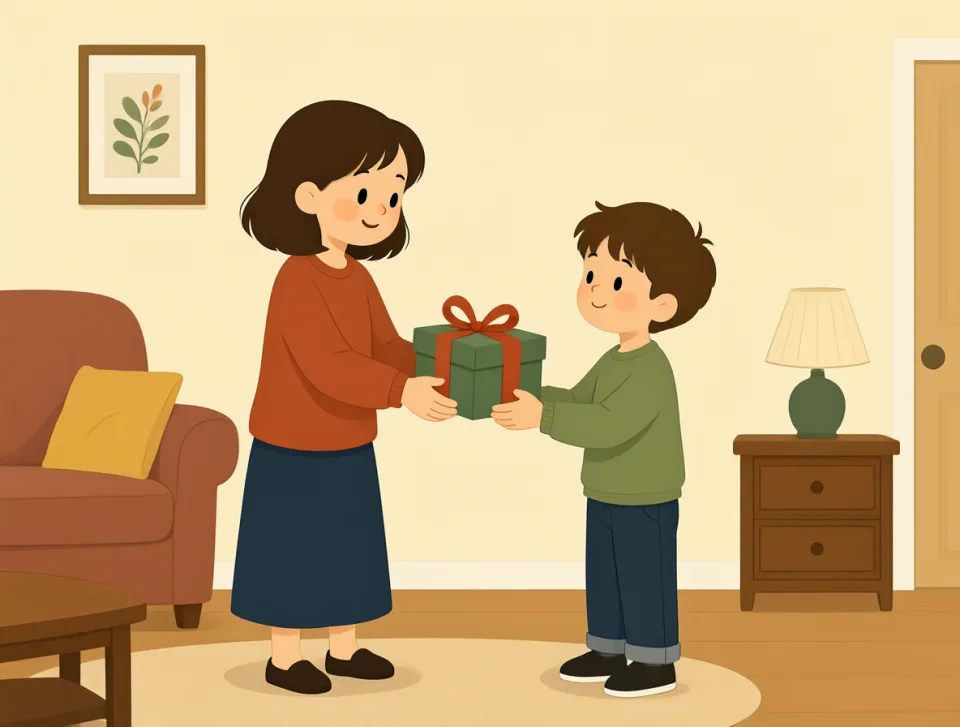
She gave her brother a birthday present.
उसने अपने भाई को जन्मदिन का तोहफ़ा दिया।
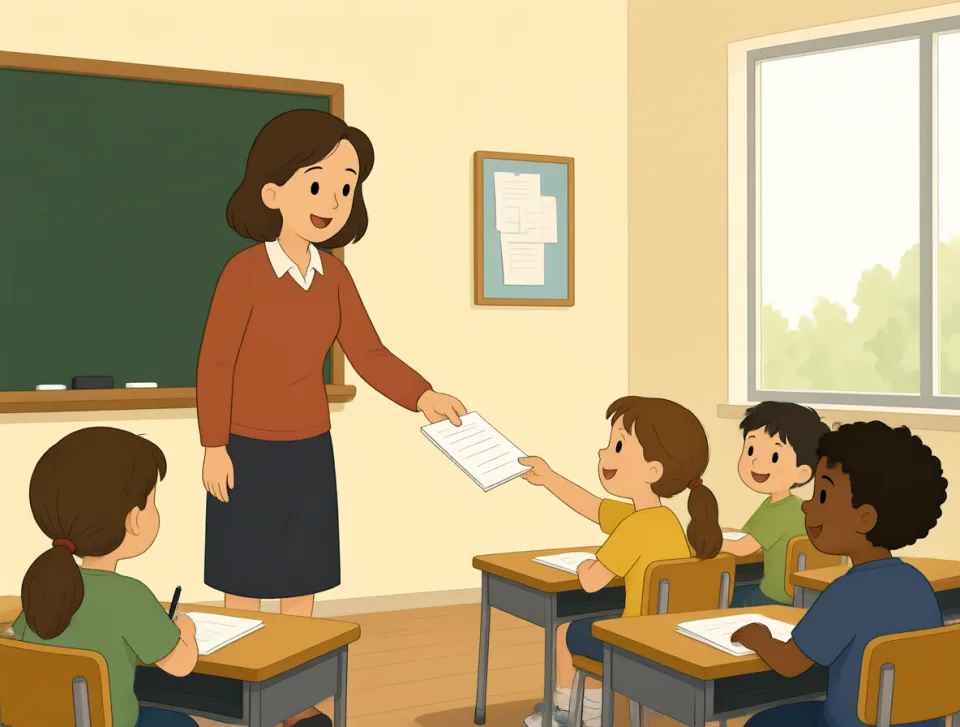
The teacher gave us homework yesterday.
शिक्षक ने कल हमें गृहकार्य दिया।

Can you give me some water?
क्या आप मुझे थोड़ा पानी दे सकते हैं?
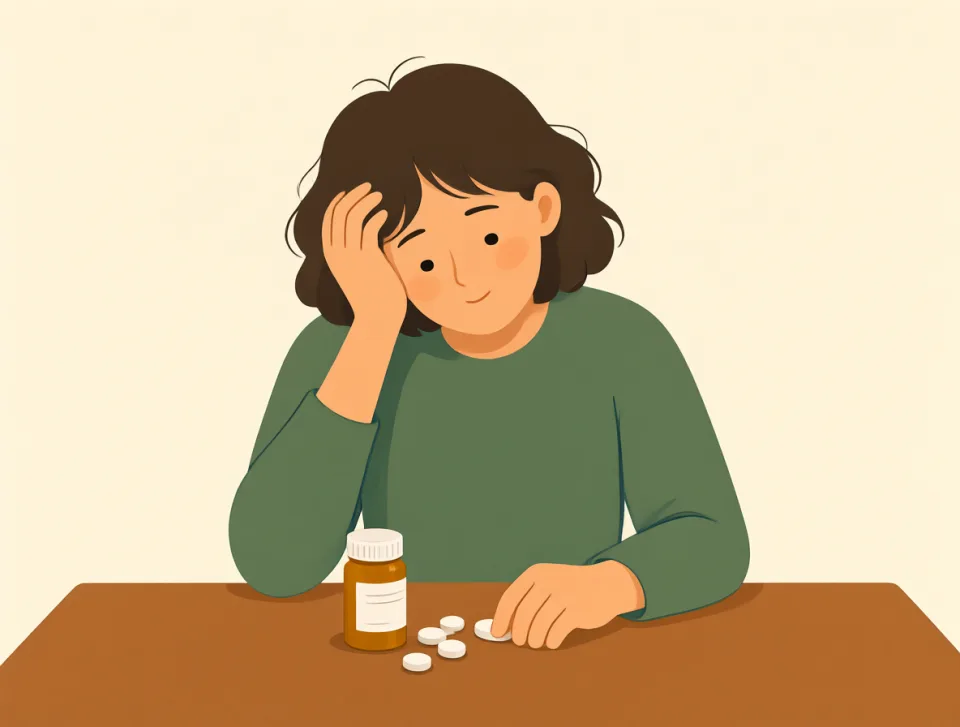
This medicine gives me a headache.
इस दवा से मेरे सिर में दर्द होता है।
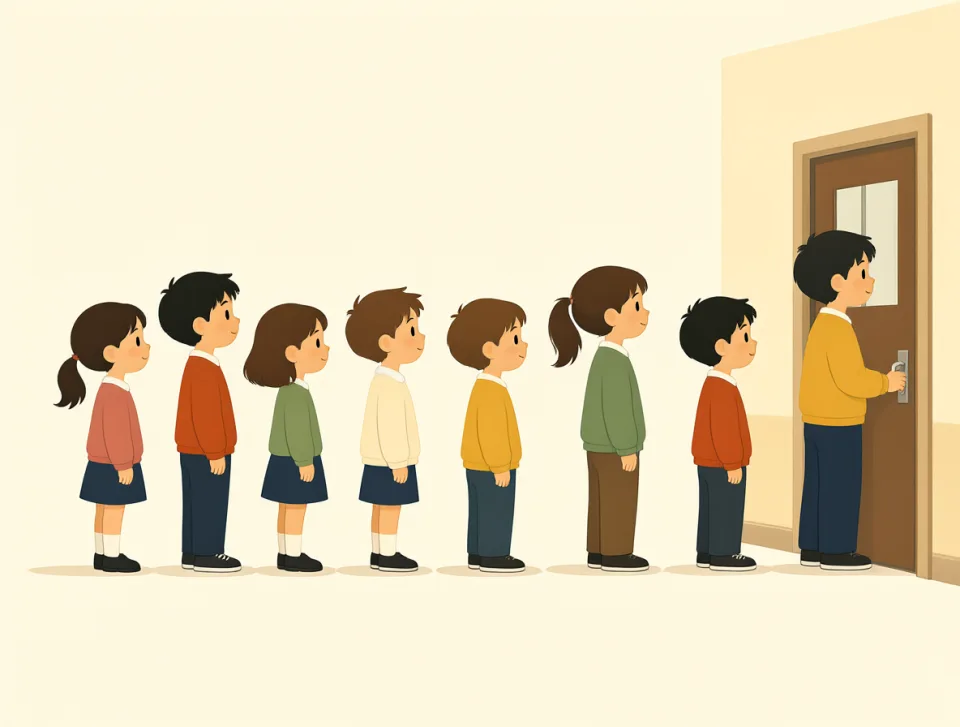
first
#78adjective, adverb, noun, determiner
पहला
Coming before all others in time, order, or importance.
समय, क्रम या महत्त्व में बाकी सब से पहले आने वाला।
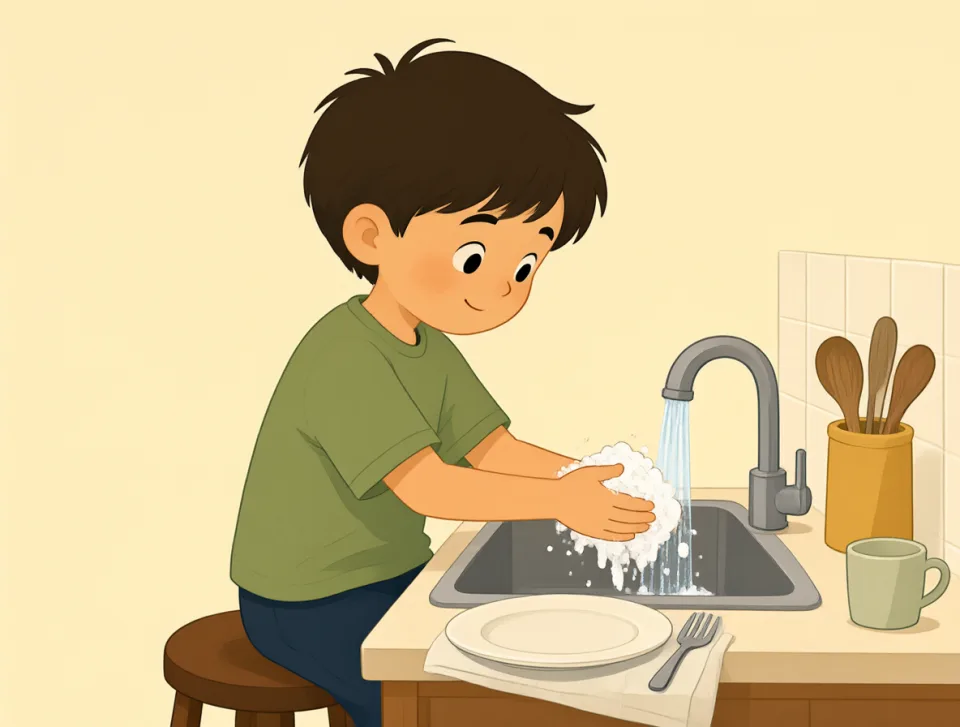
Wash your hands first before eating dinner.
रात का खाना खाने से पहले हाथ धो लो।
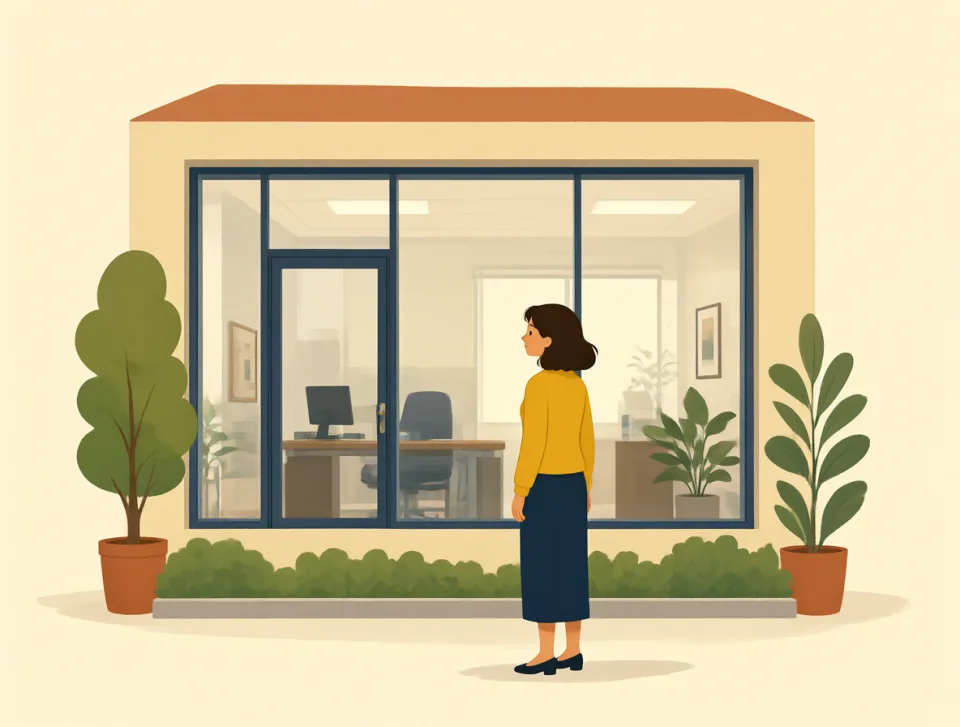
She was the first person to arrive.
वह पहुँचने वाली पहली व्यक्ति थी।
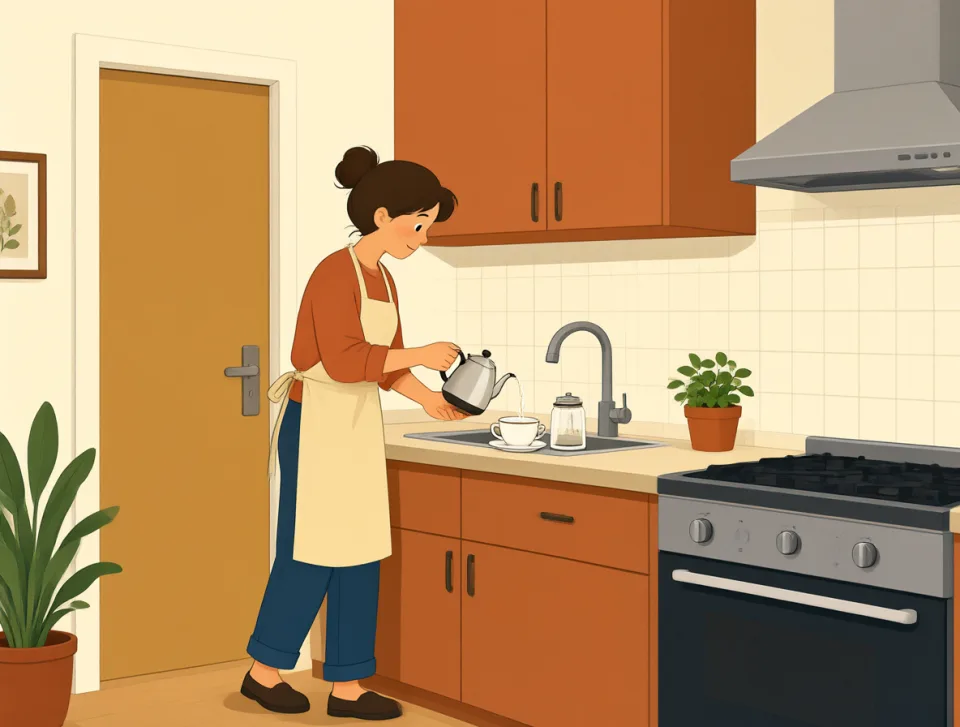
I got home first and made tea.
मैं सबसे पहले घर पहुँचा और चाय बनाई।
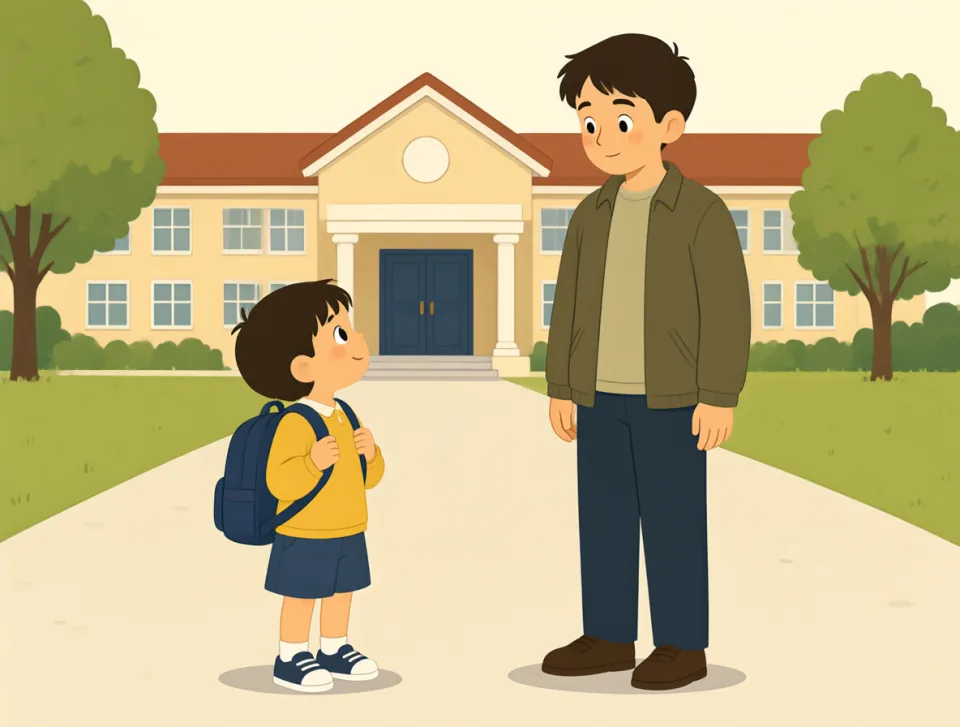
This is my first day at school.
स्कूल में यह मेरा पहला दिन है।
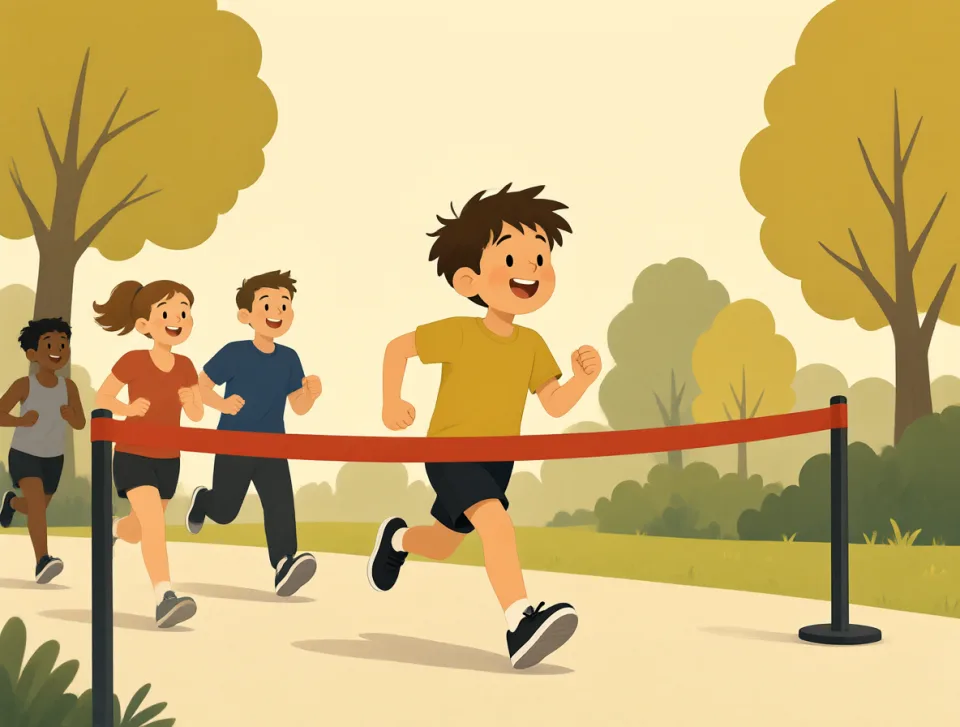
He finished first in the race.
वह दौड़ में पहले स्थान पर आया।
new
#79adjective, adverb, noun
नया
Made, discovered, or seen for the first time; not old or used.
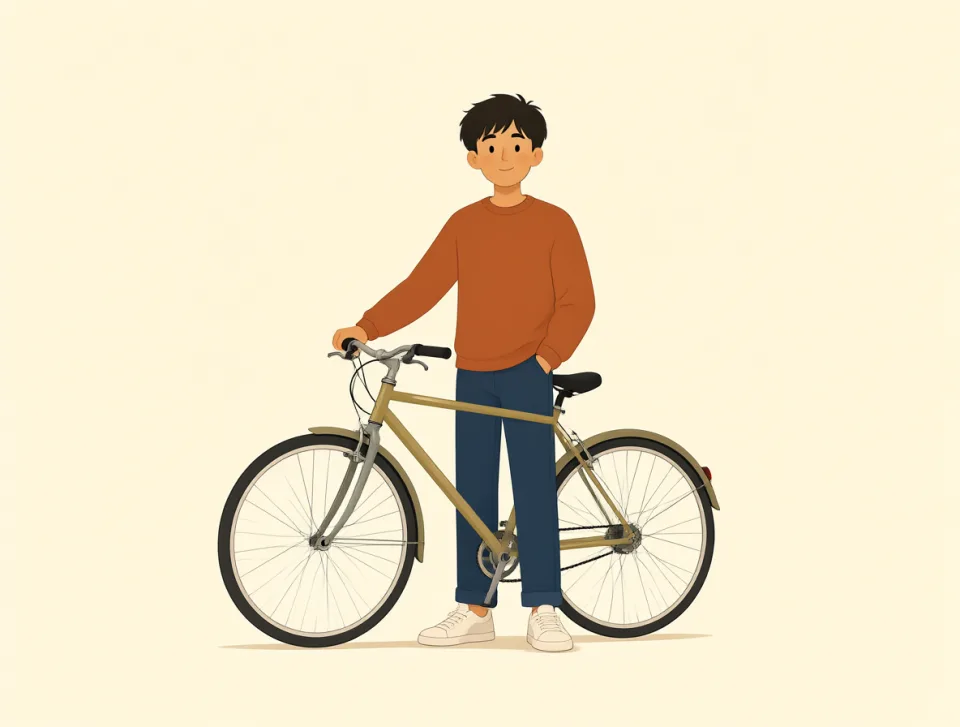
जो पहली बार बनाया, खोजा या देखा गया हो; पुराना या इस्तेमाल किया हुआ न हो।

She bought a new dress for the party.
उसने पार्टी के लिए एक नई पोशाक खरीदी।

We moved into our new house last week.
हम पिछले हफ़्ते अपने नए घर में रहने चले गए।

I started a new job on Monday.
मैंने सोमवार को नई नौकरी शुरू की।
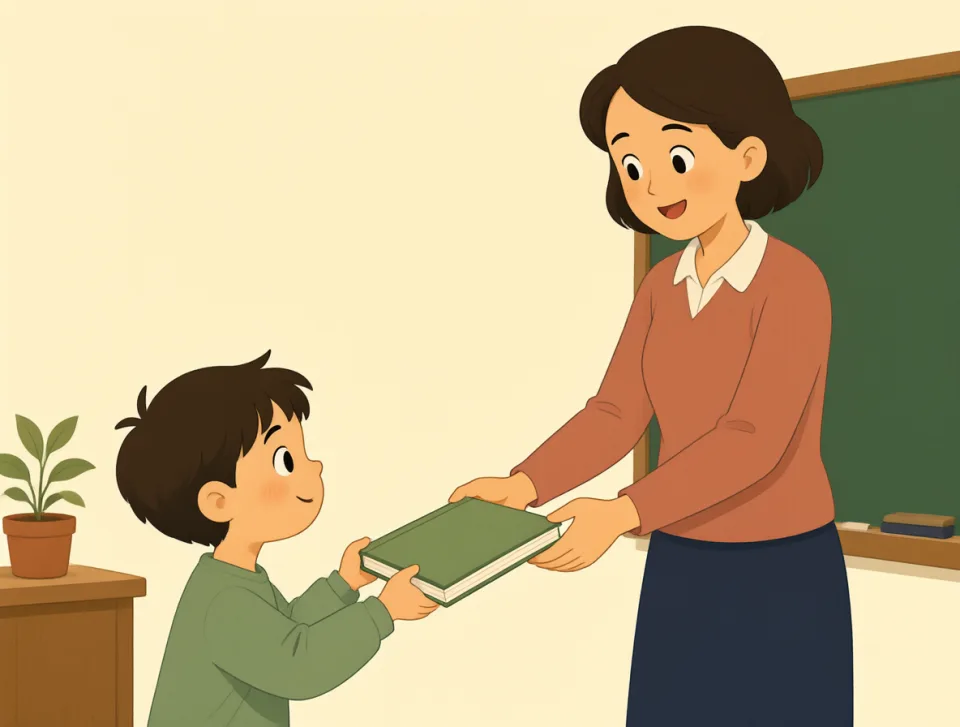
The teacher gave us a new book.
शिक्षक ने हमें एक नई किताब दी।

They tried a new restaurant downtown.
उन्होंने शहर के बीचोंबीच एक नए रेस्तराँ में खाना खाया।
way
#80noun, adverb, adjective
रास्ता
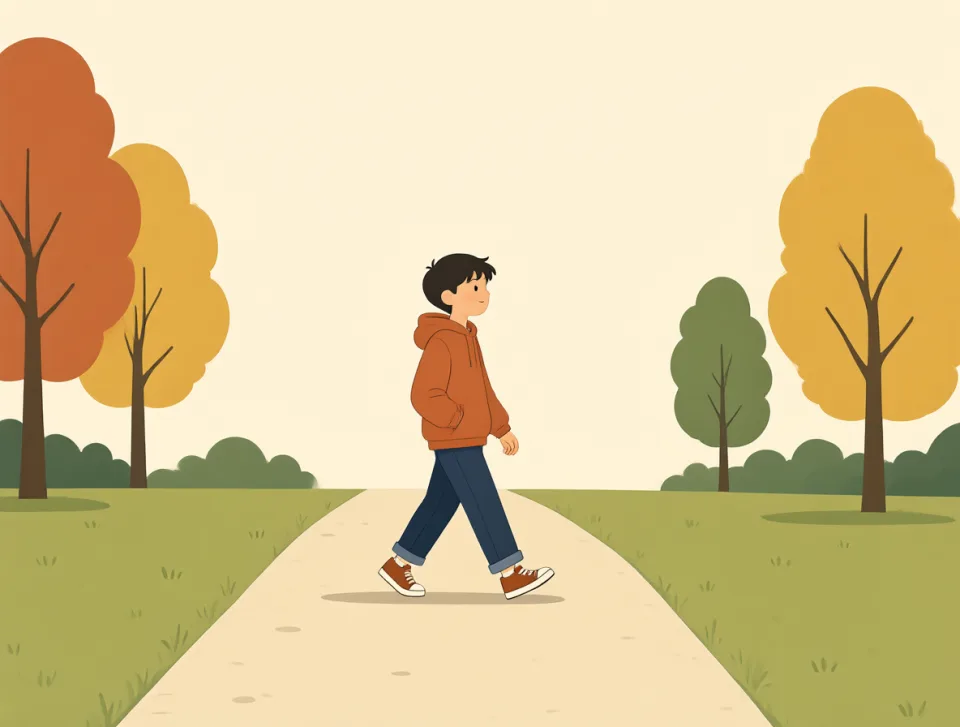
A method, direction, or distance from one place to another.
किसी काम को करने का तरीका, दिशा या एक जगह से दूसरी जगह की दूरी।
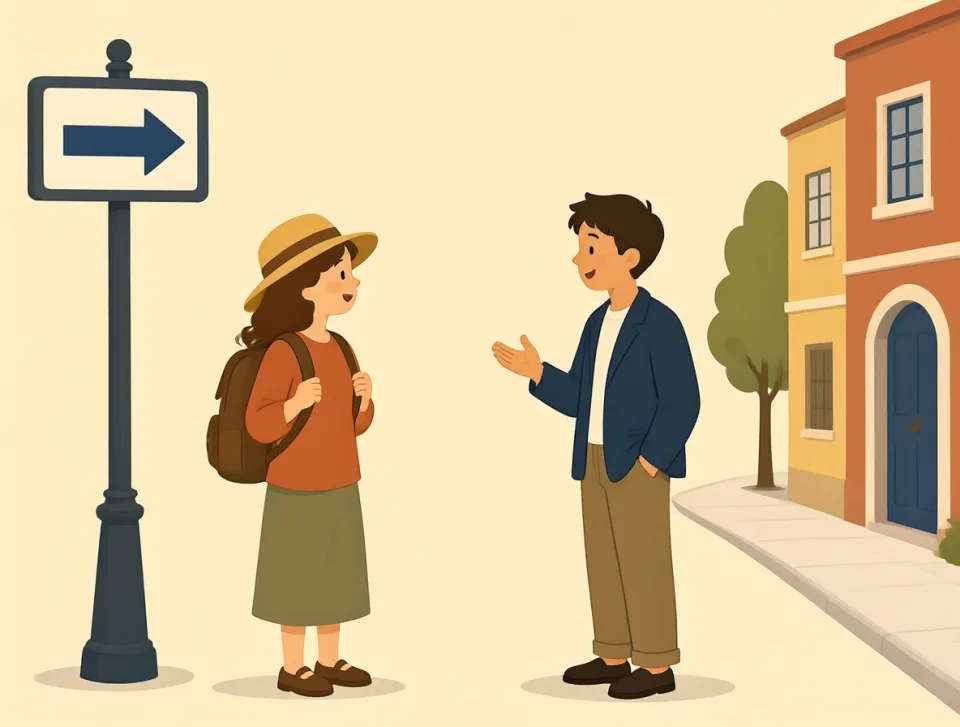
Can you show me the way home?
क्या आप मुझे घर जाने का रास्ता दिखा सकते हैं?

This is the best way to learn English.
अंग्रेज़ी सीखने का यह सबसे अच्छा तरीका है।

The shop is a long way from here.
यहाँ से दुकान काफ़ी दूर है।
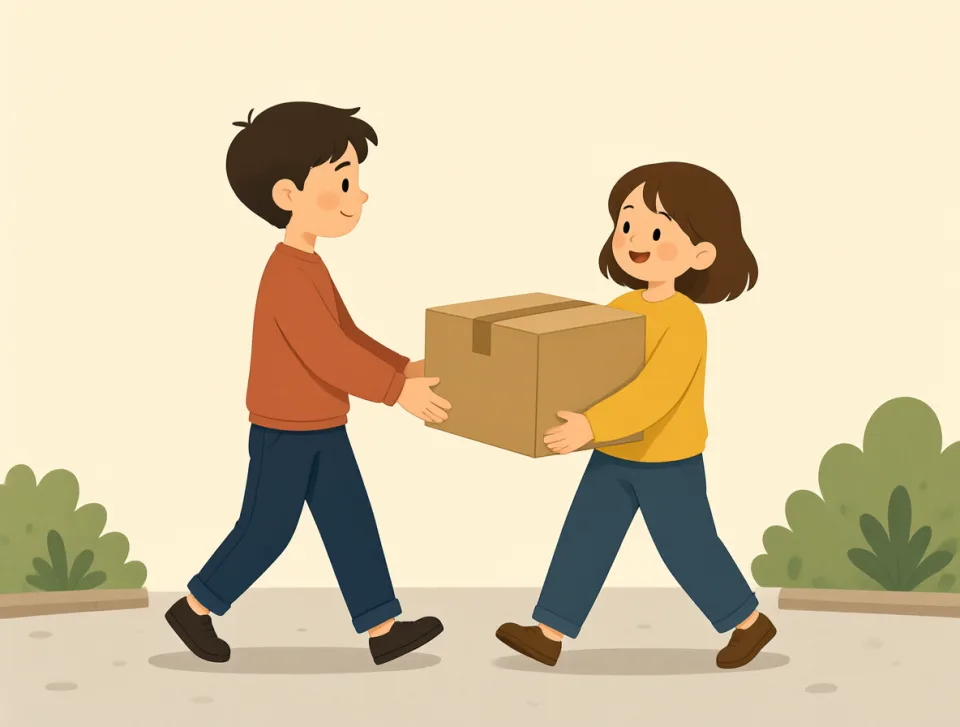
Please move out of the way.
कृपया रास्ते से हट जाइए।
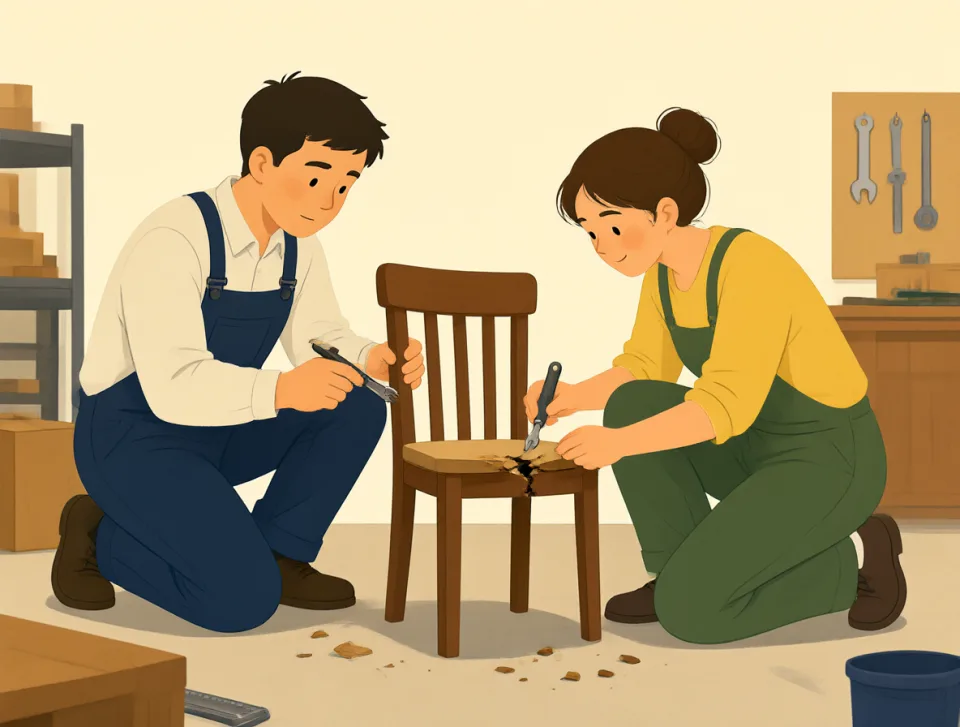
We found a way to fix the problem.
हमें समस्या ठीक करने का एक तरीका मिल गया।