Unidad 4
Palabras 61–80 · well, because, very, just, come, could
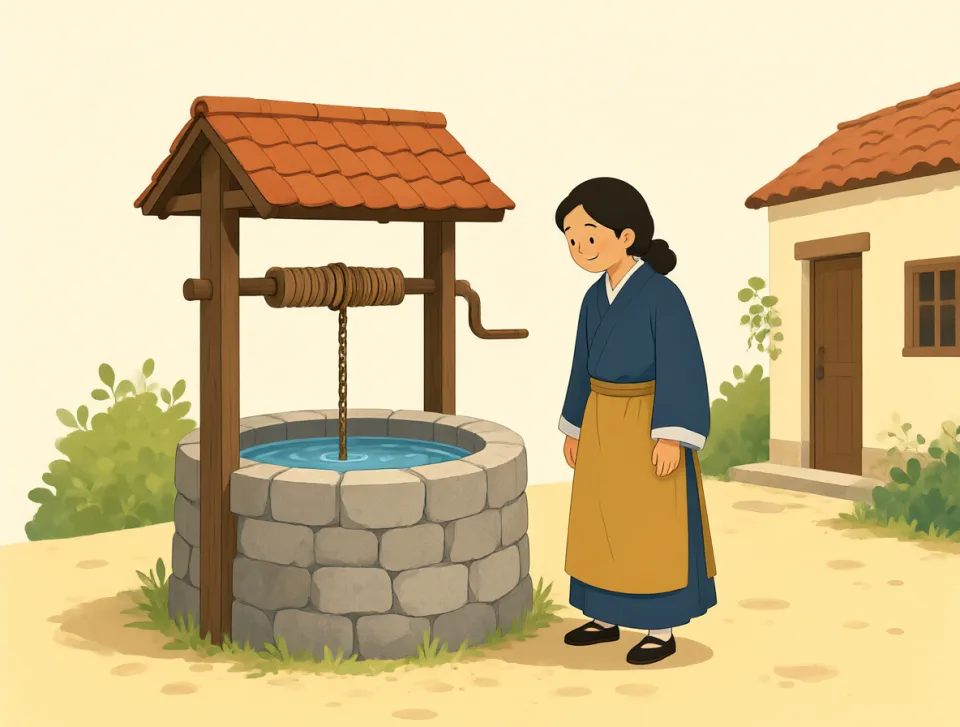
well
#61adverb, adjective, noun, verb
bien; pozo; bueno; brotar
In a good, healthy, or successful way; a deep hole for water.
De una manera buena, saludable o exitosa; agujero profundo para obtener agua.
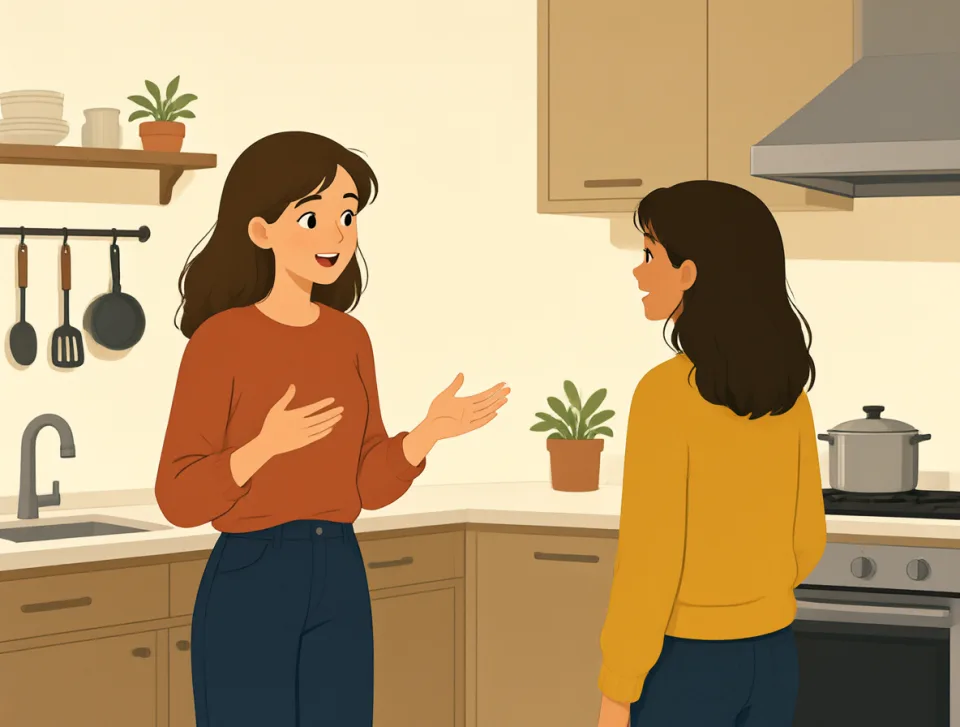
She speaks English very well.
Ella habla inglés muy bien.
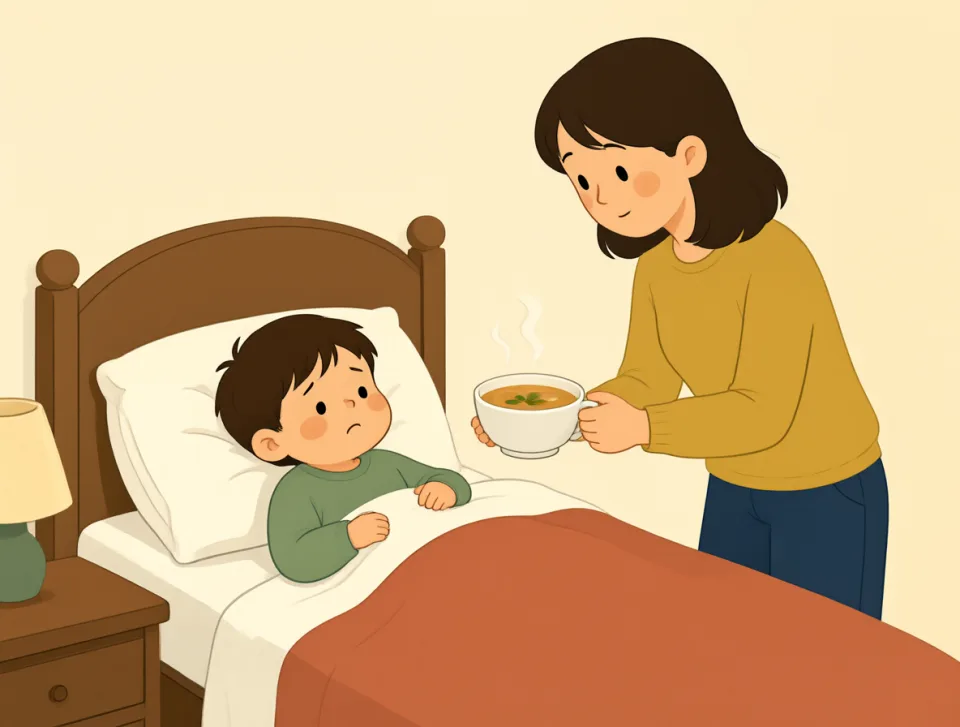
I hope you get well soon.
Espero que te recuperes pronto.
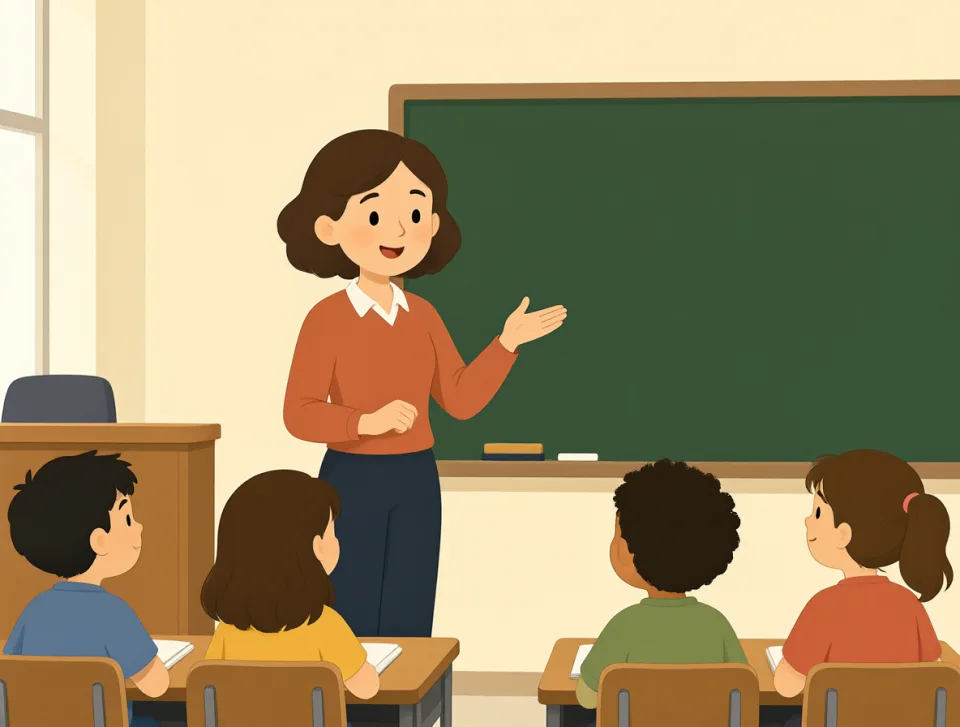
Well, let's start the lesson.
Bueno, empecemos la clase.
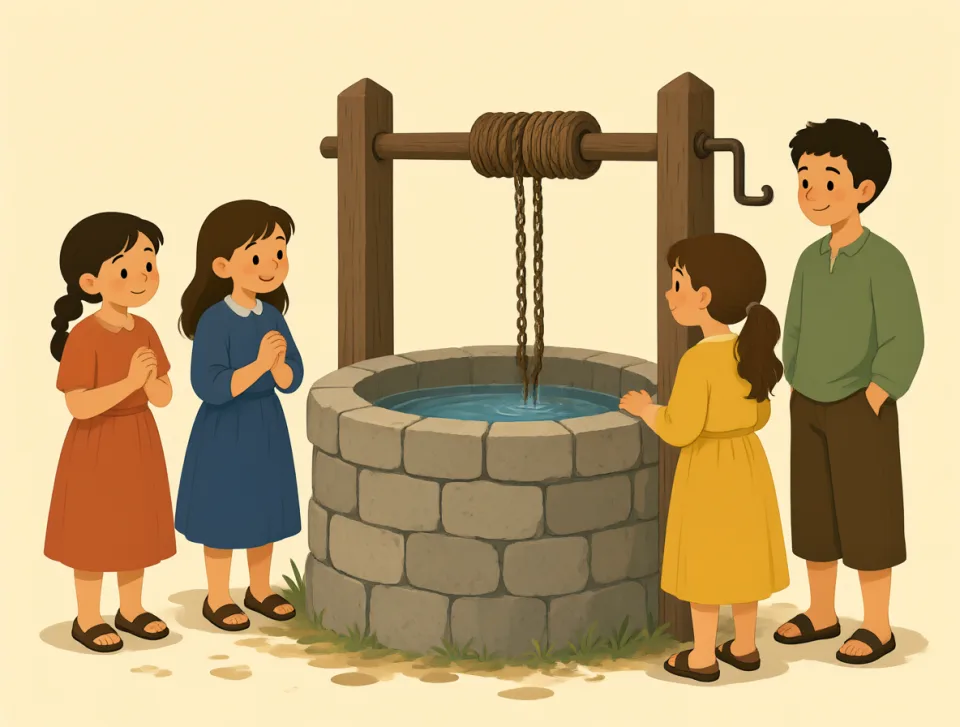
The village has an old stone well.
El pueblo tiene un antiguo pozo de piedra.

They well up with tears.
Se les llenan los ojos de lágrimas.
because
#62conjunction
porque
for the reason that something happens
por la razón de que ocurre algo
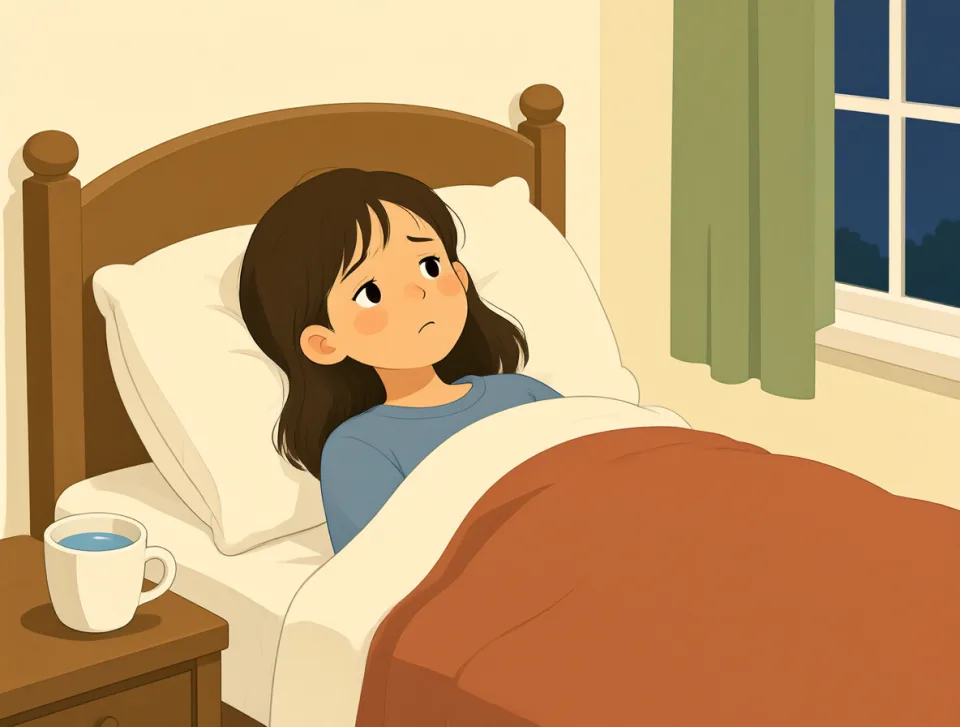
I stayed home because I felt sick.
Me quedé en casa porque me sentía mal.
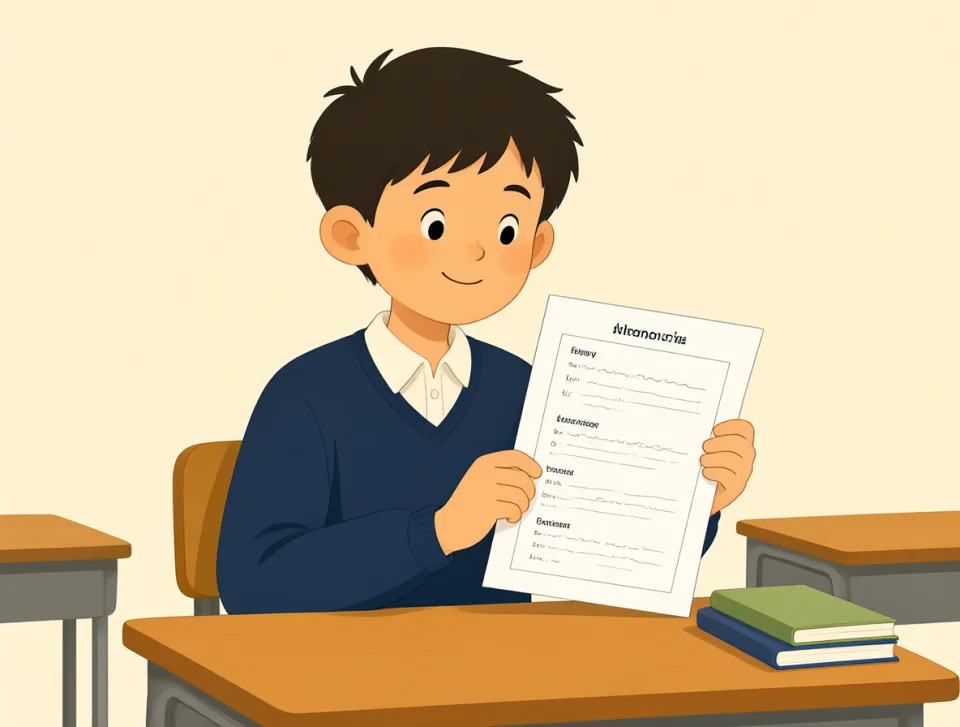
She is happy because she passed her test.
Ella está feliz porque aprobó su examen.
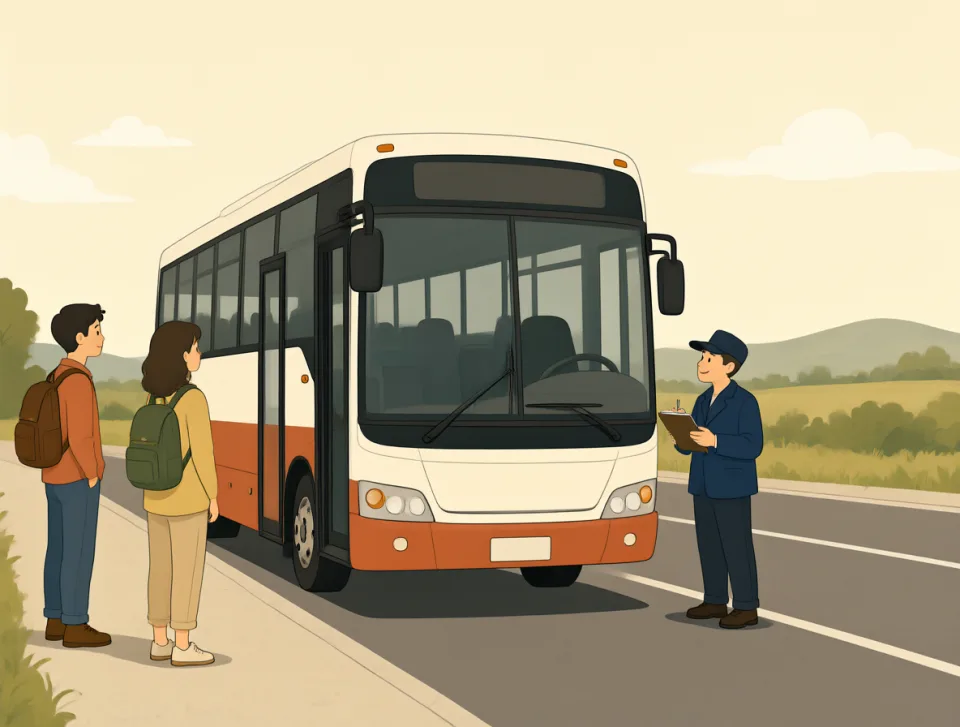
We were late because the bus broke down.
Llegamos tarde porque el autobús se averió.
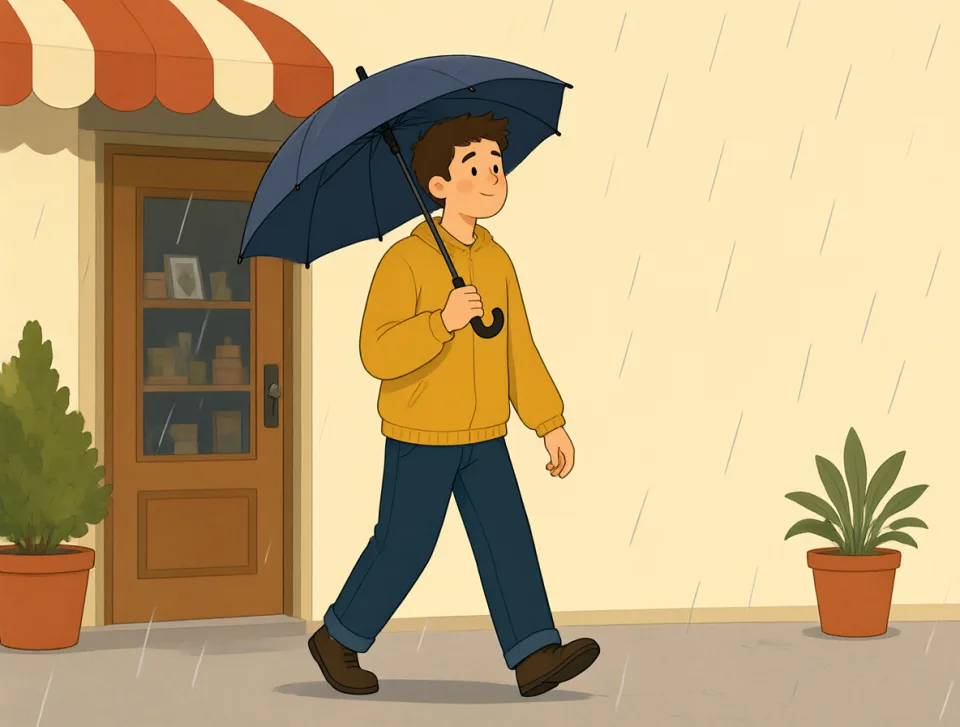
He bought an umbrella because it was raining.
Compró un paraguas porque estaba lloviendo.
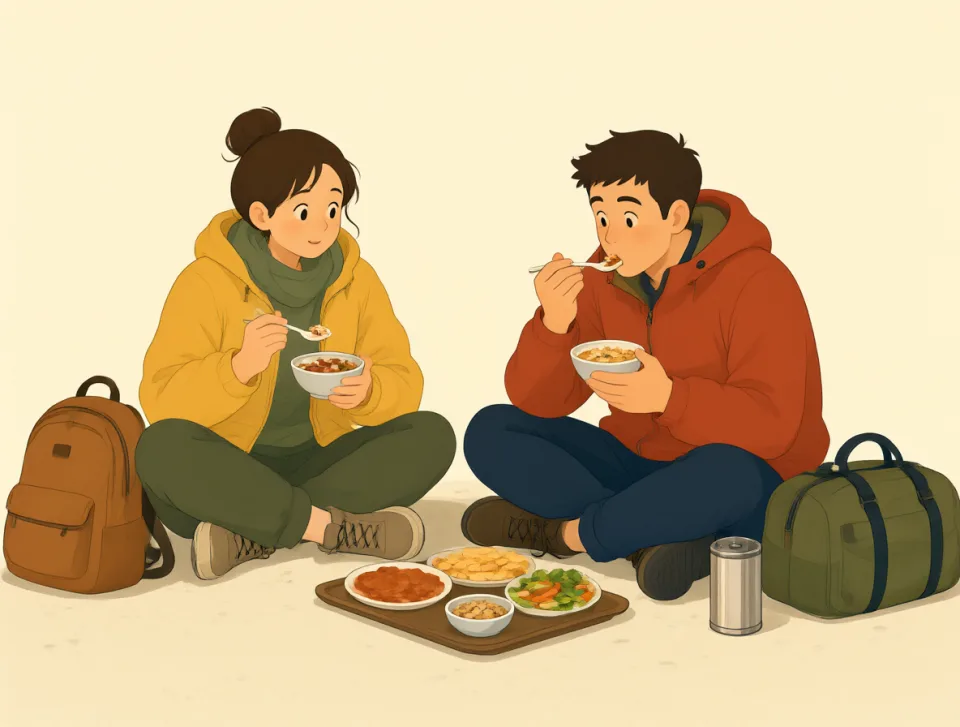
They eat early because they have a flight.
Comen temprano porque tienen un vuelo.
very
#63adverb
muy
Used before an adjective or adverb to mean to a high degree.
Se usa delante de un adjetivo o adverbio para indicar un grado alto.
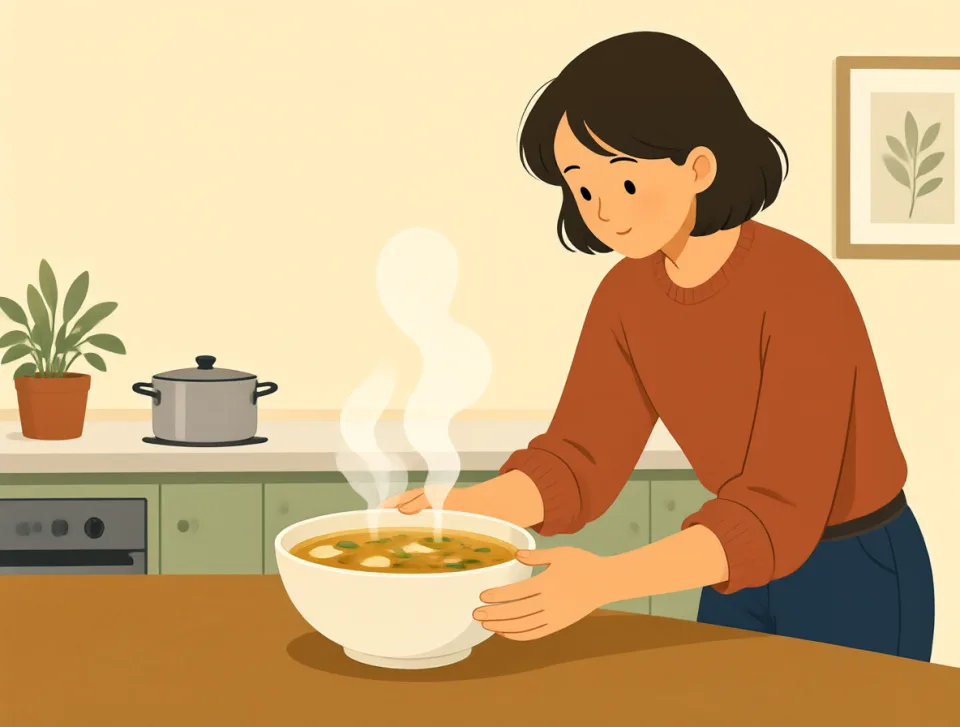
The soup is very hot.
La sopa está muy caliente.
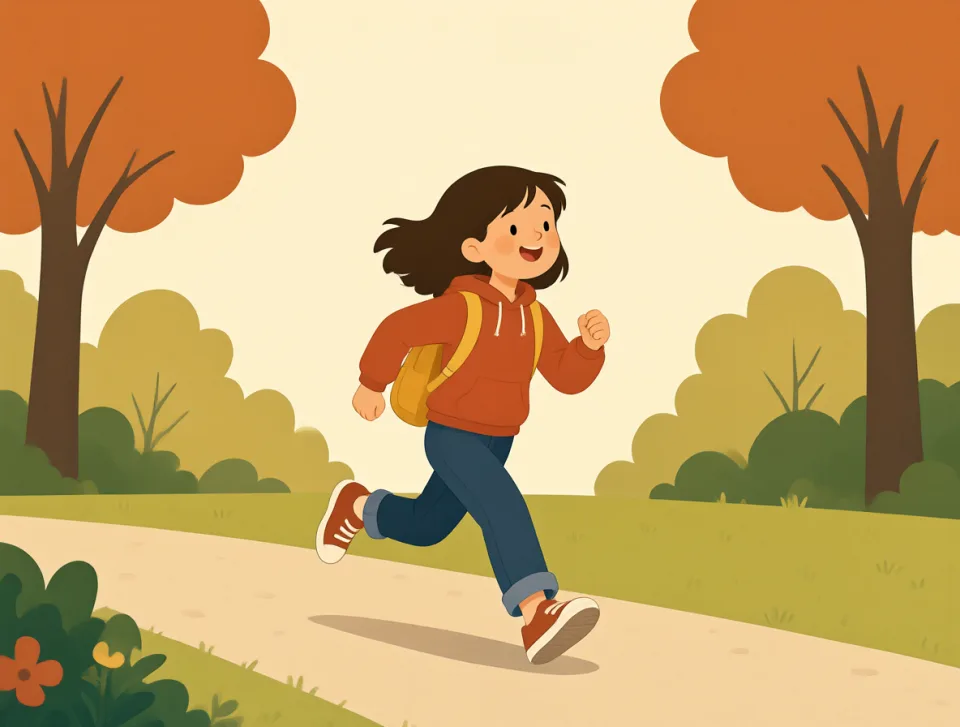
She runs very fast.
Ella corre muy rápido.
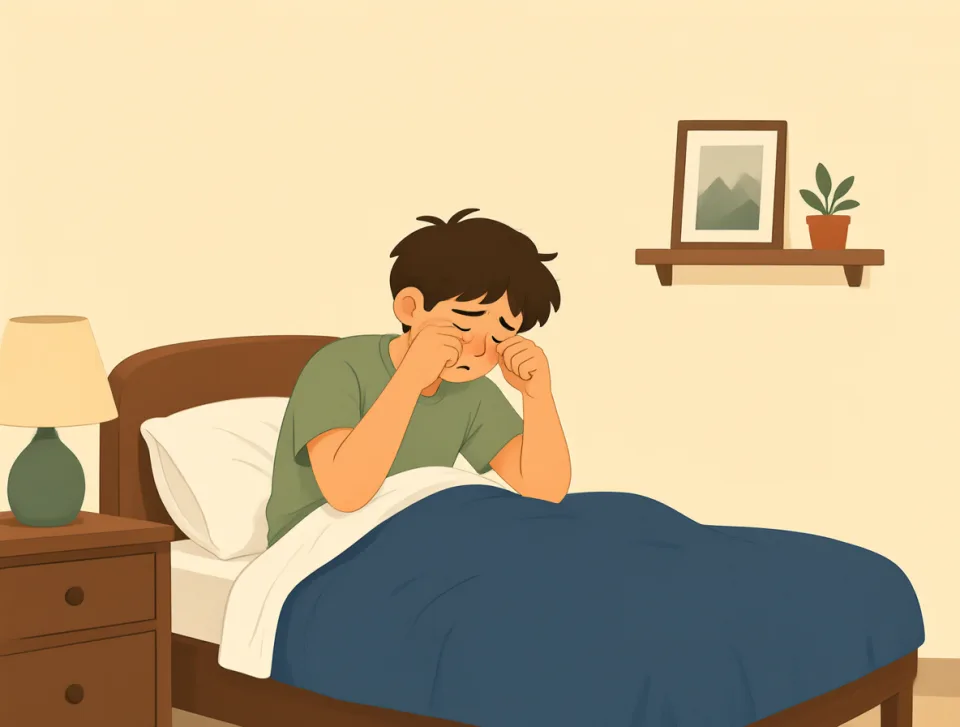
I am very tired today.
Hoy estoy muy cansado.

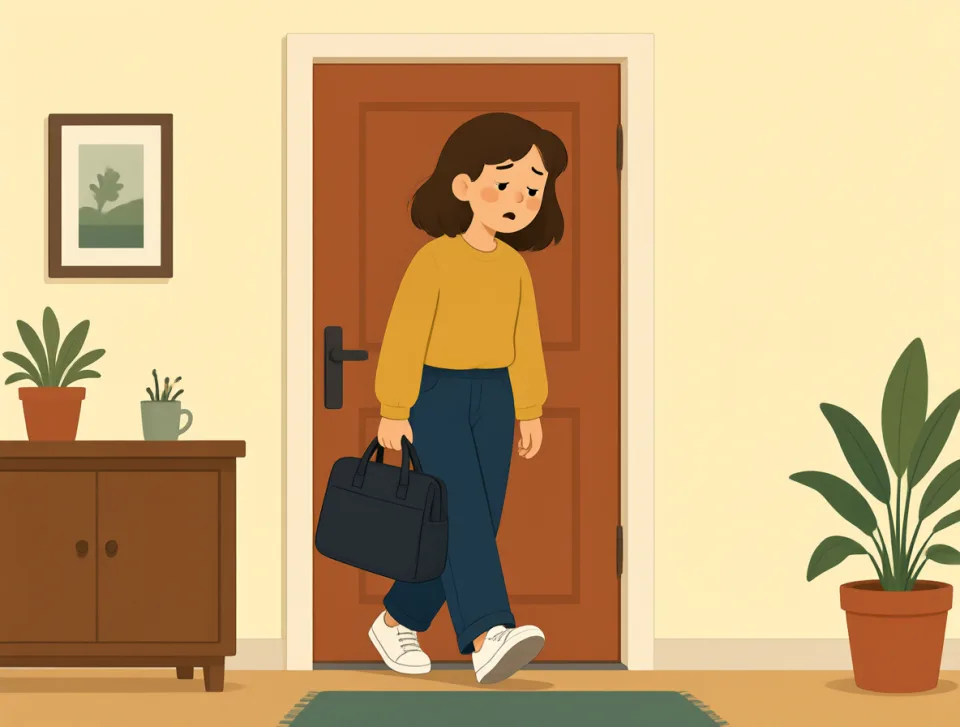
This bag is very expensive.
Esta bolsa es muy cara.

We had a very good time.
Lo pasamos muy bien.
just
#64adverb, adjective
justo; recién; solamente; simplemente
Only recently, exactly, or fairly; used to make something seem less important.
Recién, exactamente o de manera justa; se usa para hacer que algo parezca menos importante.
I just got home from work.
Recién llegué a casa del trabajo.

Just wait here for a minute.
Espera aquí un minuto.

This shirt is just five dollars.
Esta camisa cuesta solo cinco dólares.
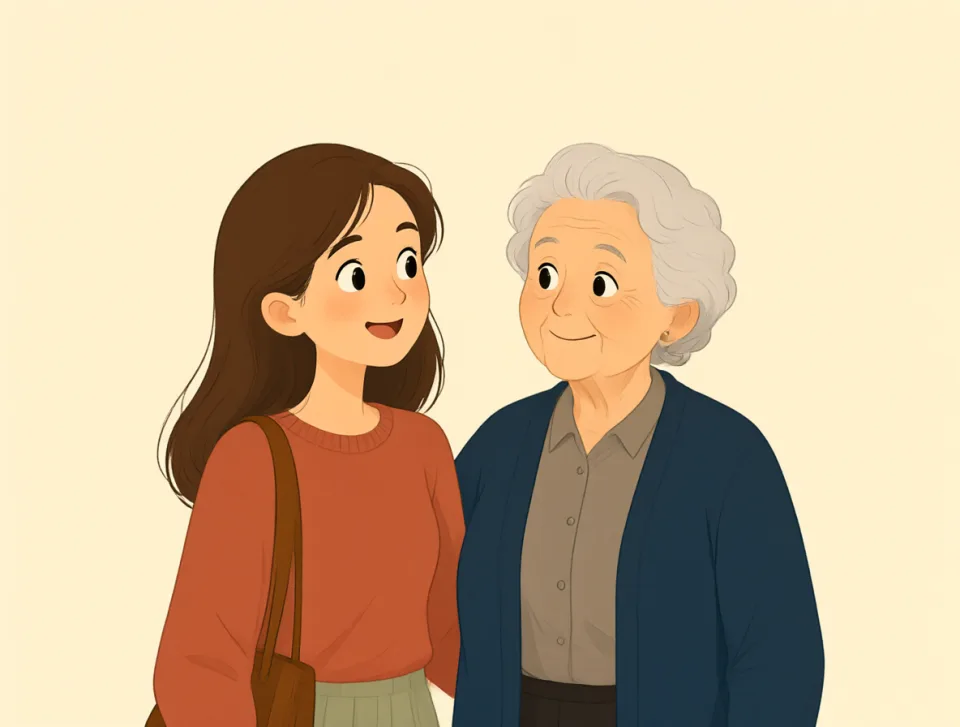
She is just like her mother.
Ella es igualita a su madre.
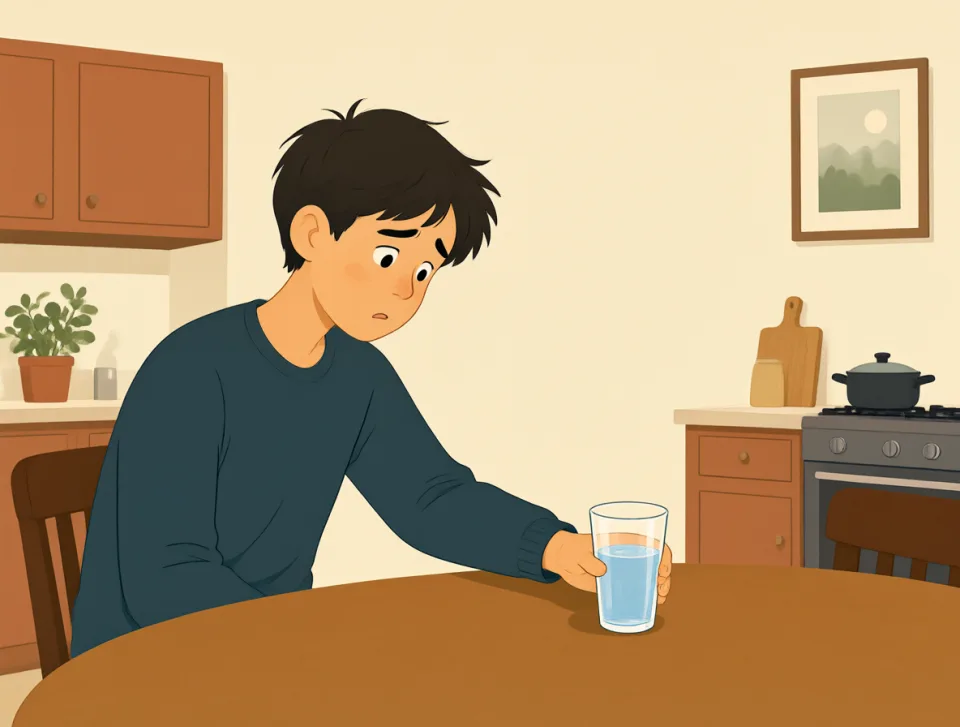
I just want some water.
Solo quiero un poco de agua.
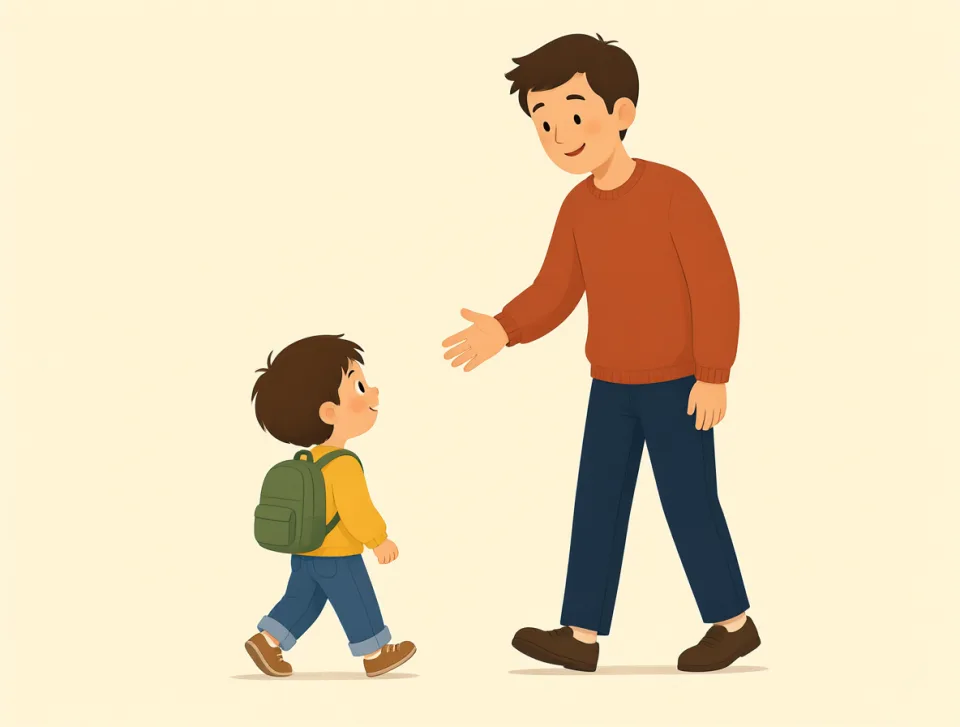
come
#65verb
venir; llegar
to move toward or arrive at a person or place
moverse hacia una persona o un lugar, o llegar a ellos
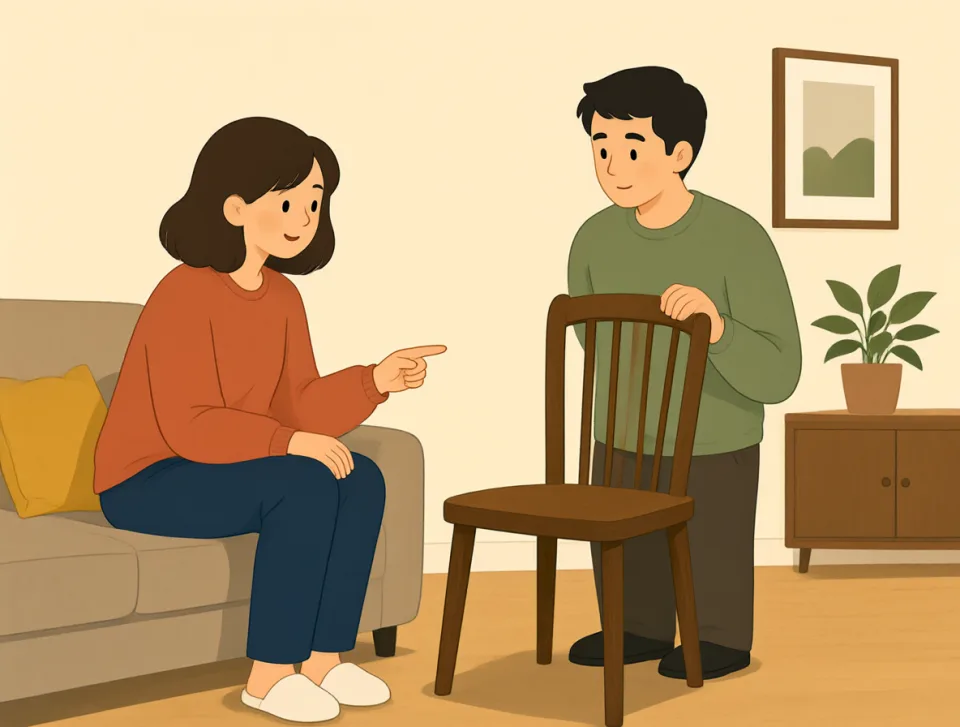
Come here and sit beside me.
Ven aquí y siéntate a mi lado.
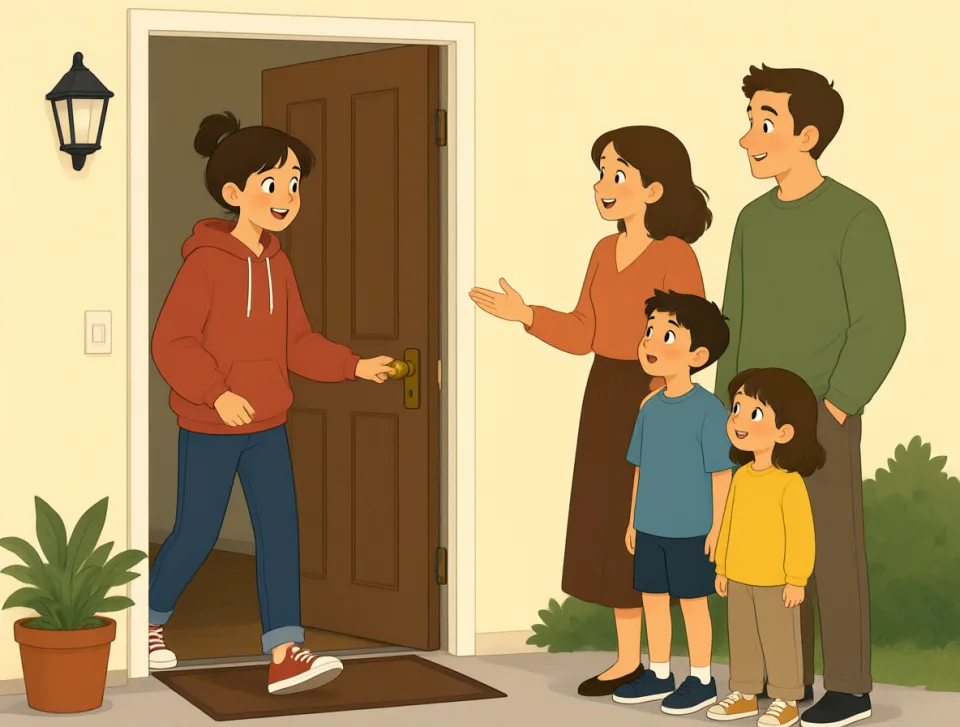
What time did you come home?
¿A qué hora llegaste a casa?
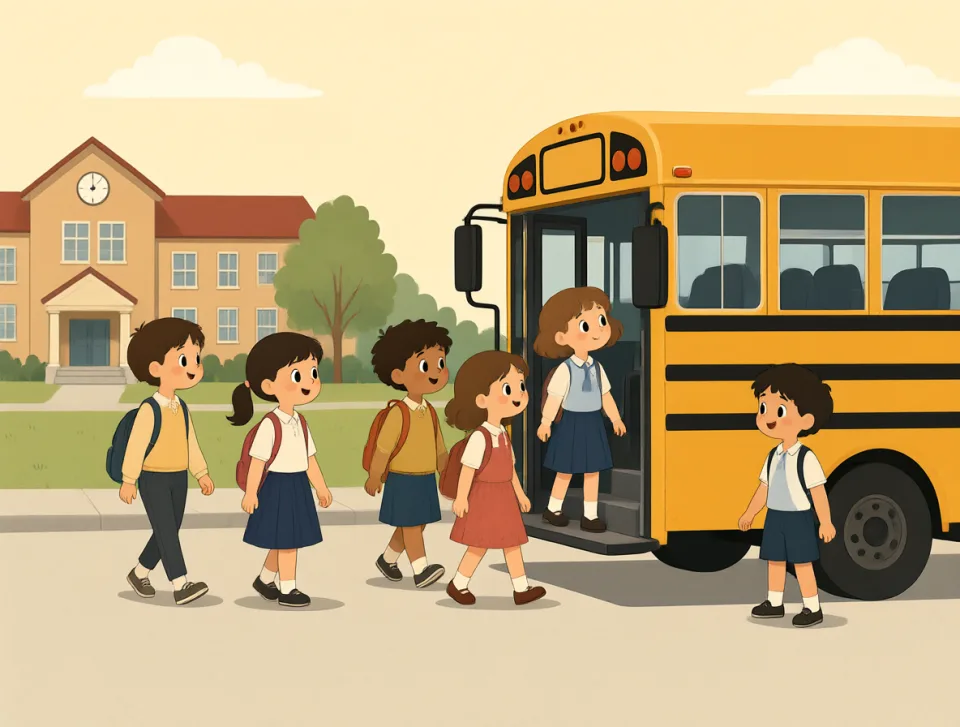
Many students come to school by bus.
Muchos estudiantes vienen a la escuela en autobús.

Please come to my birthday party.
Ven a mi fiesta de cumpleaños, por favor.
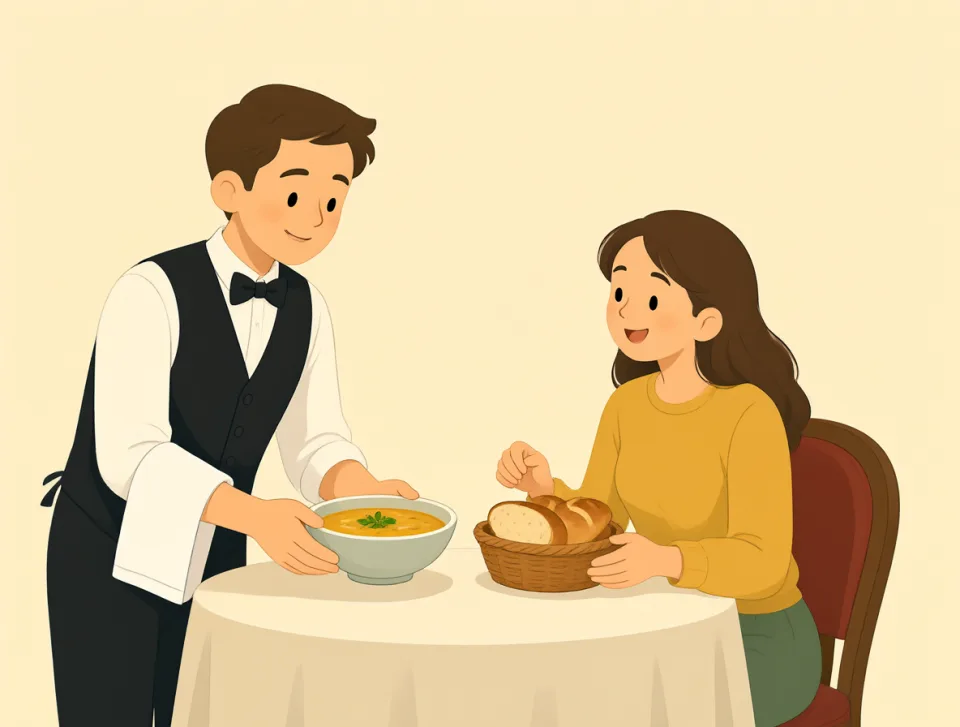
This soup comes with fresh bread.
Esta sopa viene con pan fresco.

could
#66modal verb
podría; podía
Used to ask politely, talk about possibility, or describe ability in the past.
Se usa para pedir algo amablemente, hablar de una posibilidad o describir una capacidad en el pasado.
Could you help me with this bag?
¿Podrías ayudarme con esta bolsa?

We could meet at the station tomorrow.
Podríamos encontrarnos en la estación mañana.
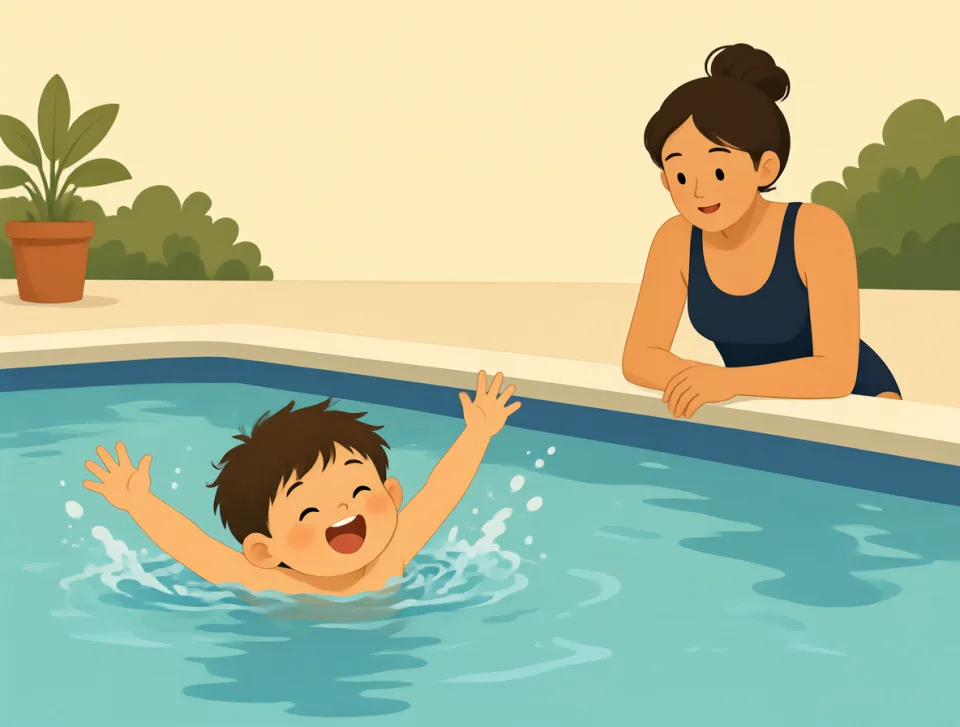
I could swim when I was five.
Sabía nadar cuando tenía cinco años.
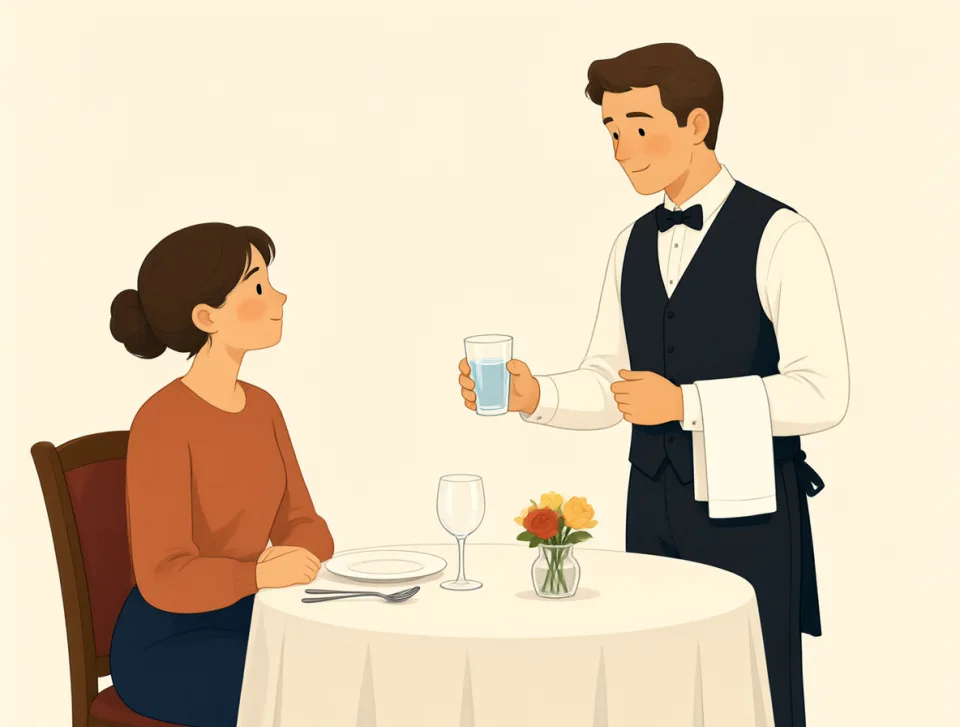
Could I have some water, please?
¿Podría tomar un poco de agua, por favor?

It could rain this afternoon.
Podría llover esta tarde.

work
#67noun, verb
trabajo; trabajar; funcionar; obras
To do a job or activity, or the job or activity you do.
Hacer un trabajo o una actividad, o el trabajo o la actividad que realizas.

I work in a small office.
Trabajo en una oficina pequeña.

She works hard every day.
Ella trabaja mucho todos los días.

This computer does not work.
Esta computadora no funciona.
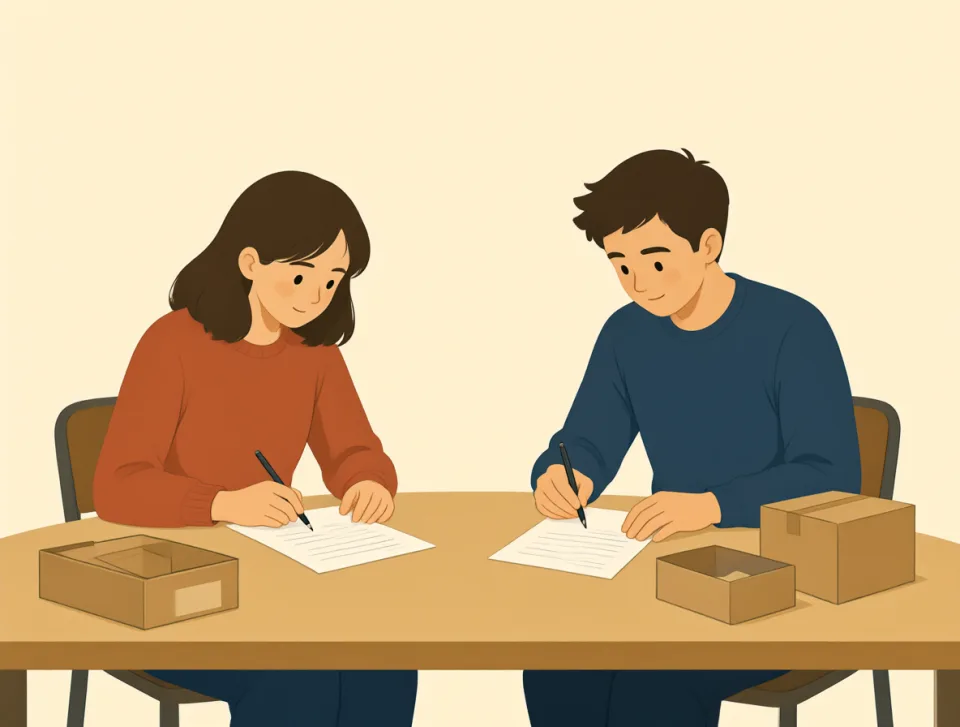
We have a lot of work today.
Hoy tenemos mucho trabajo.

His works hang in the museum.
Sus obras están expuestas en el museo.
use
#68verb, noun
usar; uso
To do something with a thing for a purpose; the way something is used.
Hacer algo con una cosa para un propósito; la manera en que se utiliza algo.

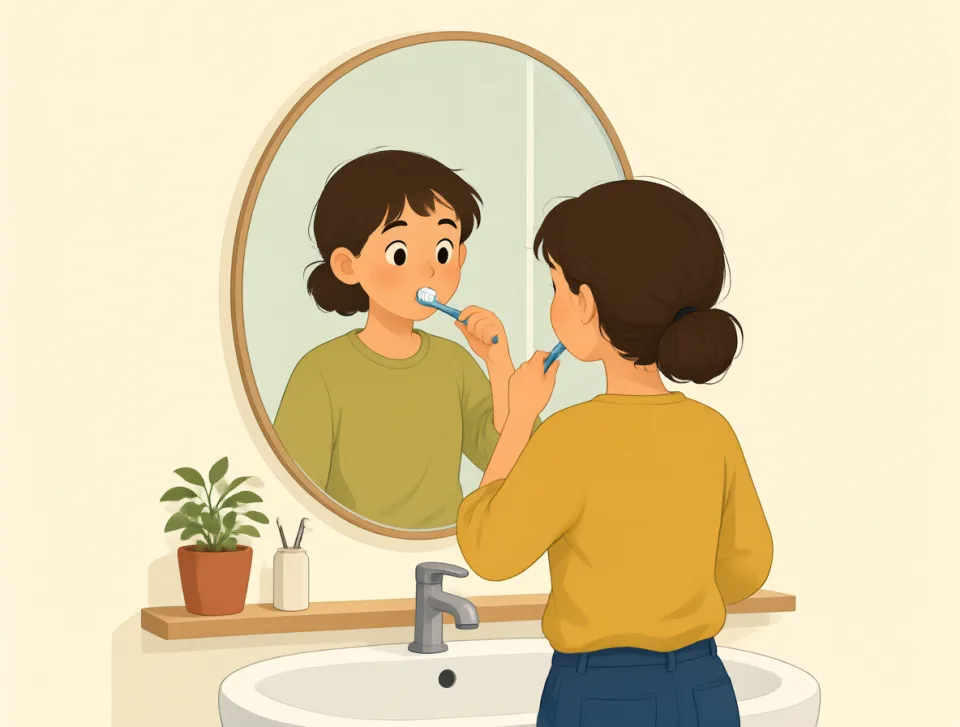
I use my phone every day.
Uso mi teléfono todos los días.
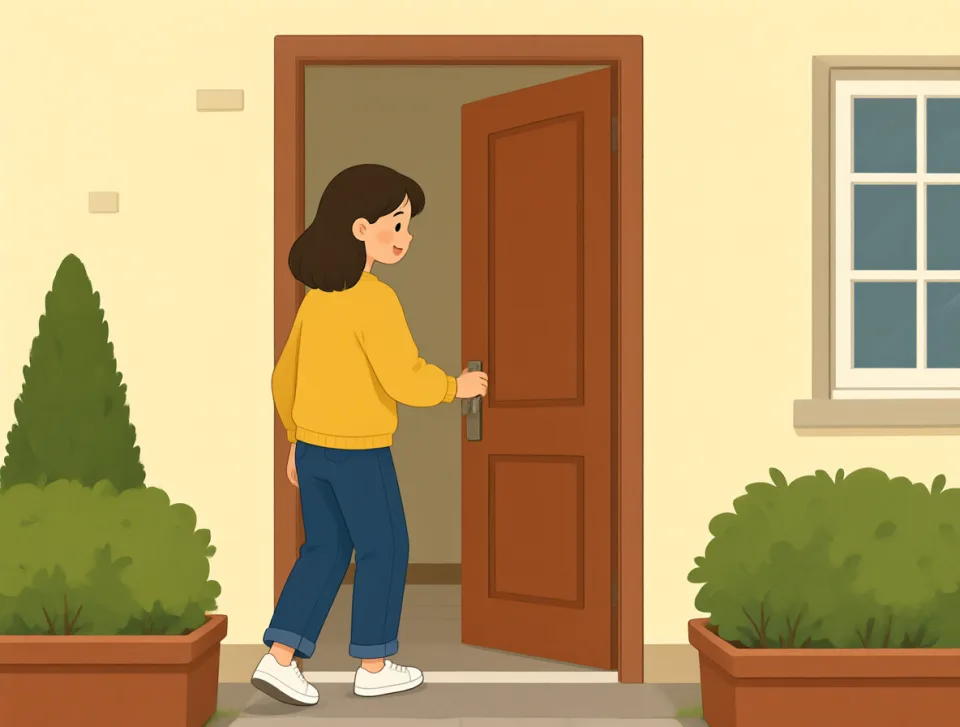
Please use this door.
Por favor, usa esta puerta.
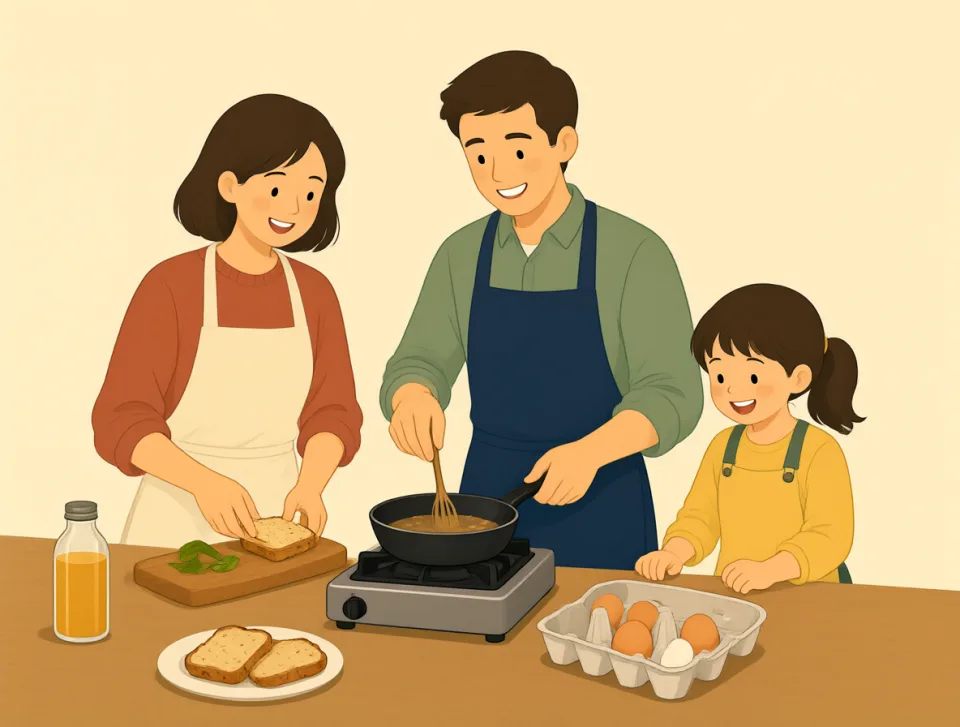
We used all the eggs for breakfast.
Usamos todos los huevos para el desayuno.
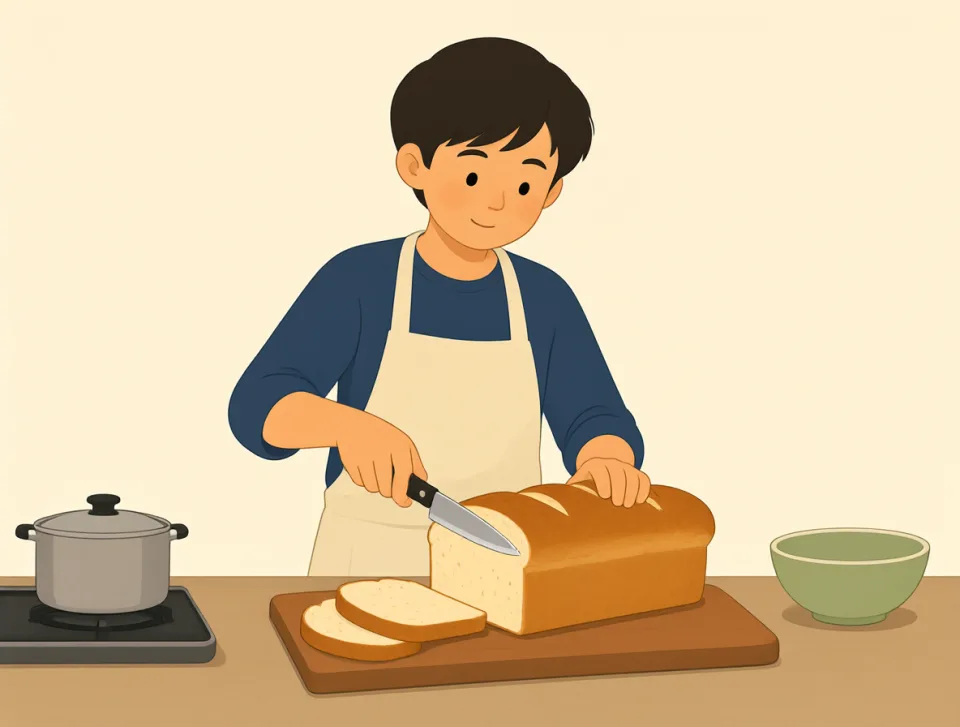
She uses a knife to cut bread.
Ella usa un cuchillo para cortar el pan.
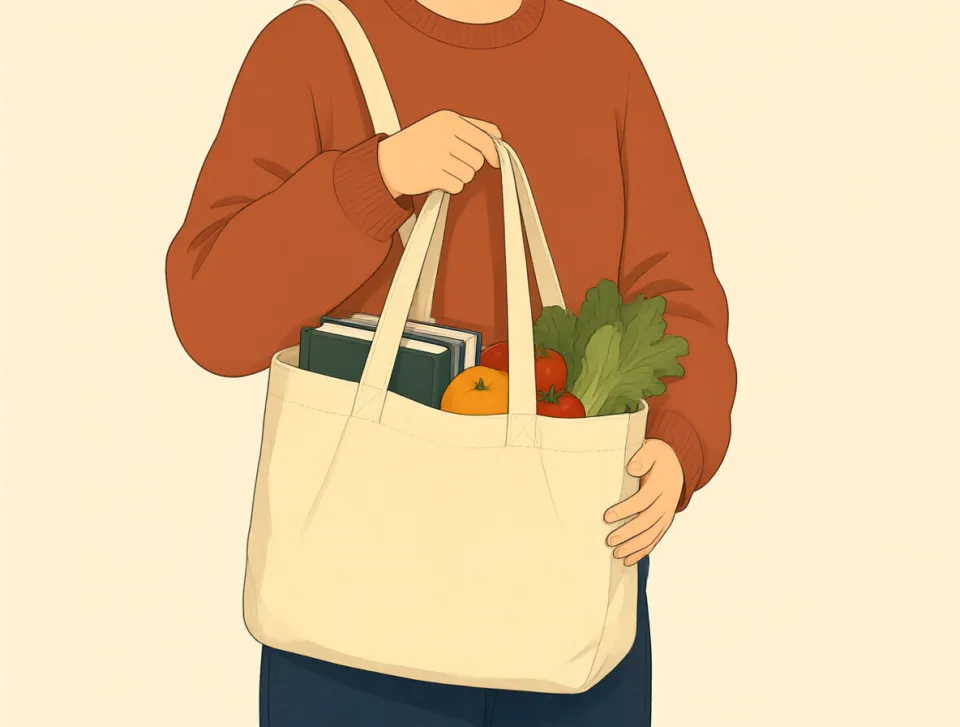
This bag has many uses.
Esta bolsa tiene muchos usos.
than
#69conjunction, preposition
que; de lo que
Used to compare two people, things, or actions.
Se usa para comparar a dos personas, cosas o acciones.
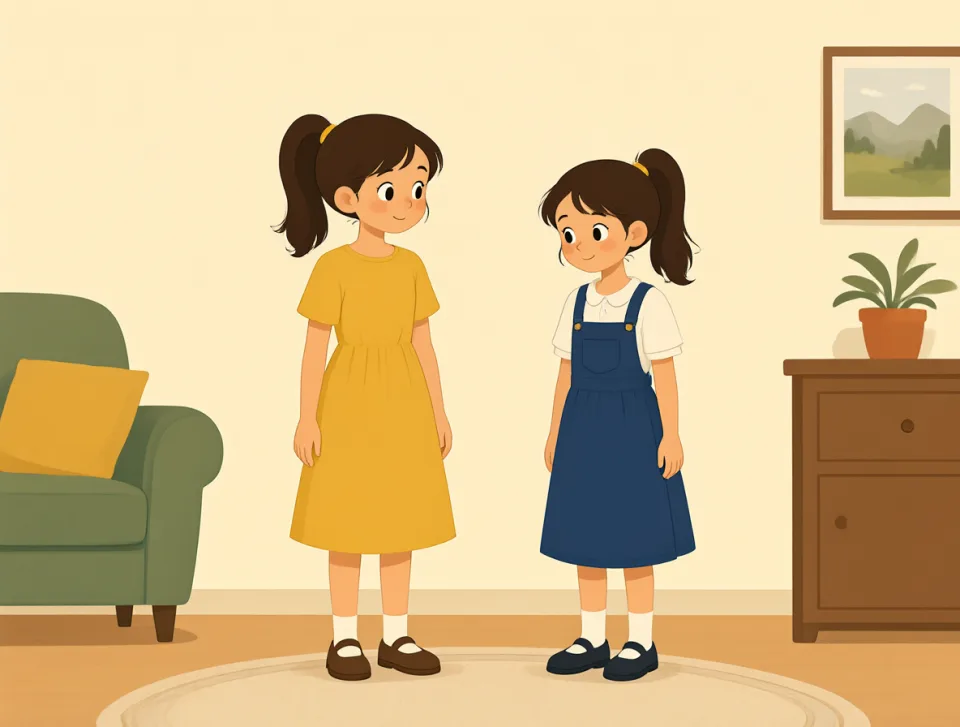
My sister is taller than me.
Mi hermana es más alta que yo.

This bag is cheaper than that one.
Esta bolsa es más barata que esa.
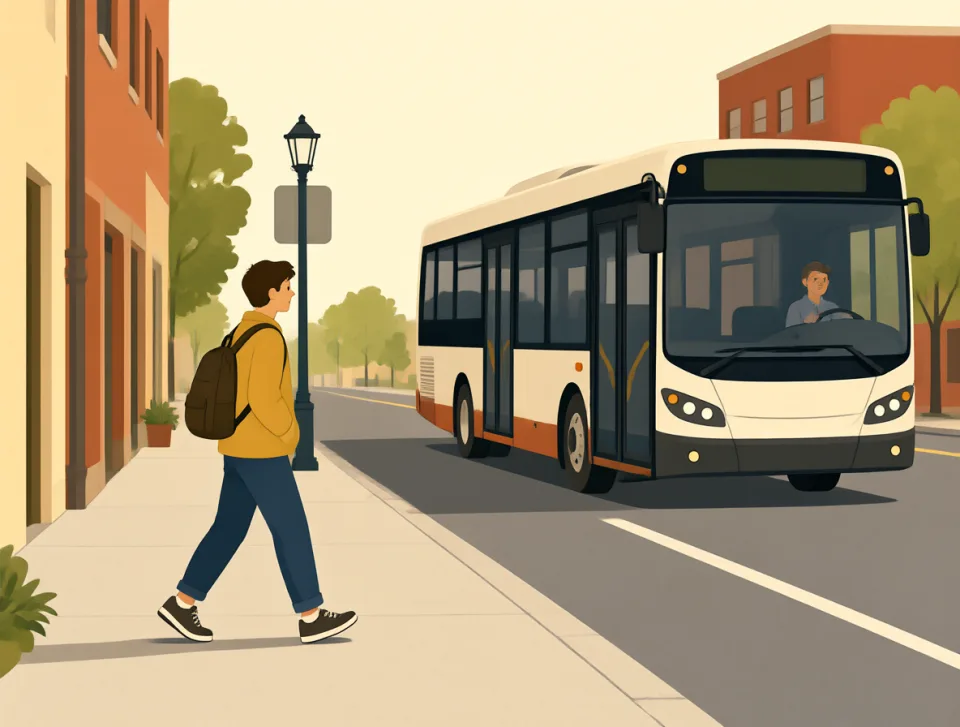
I would rather walk than take the bus.
Prefiero caminar que tomar el autobús.
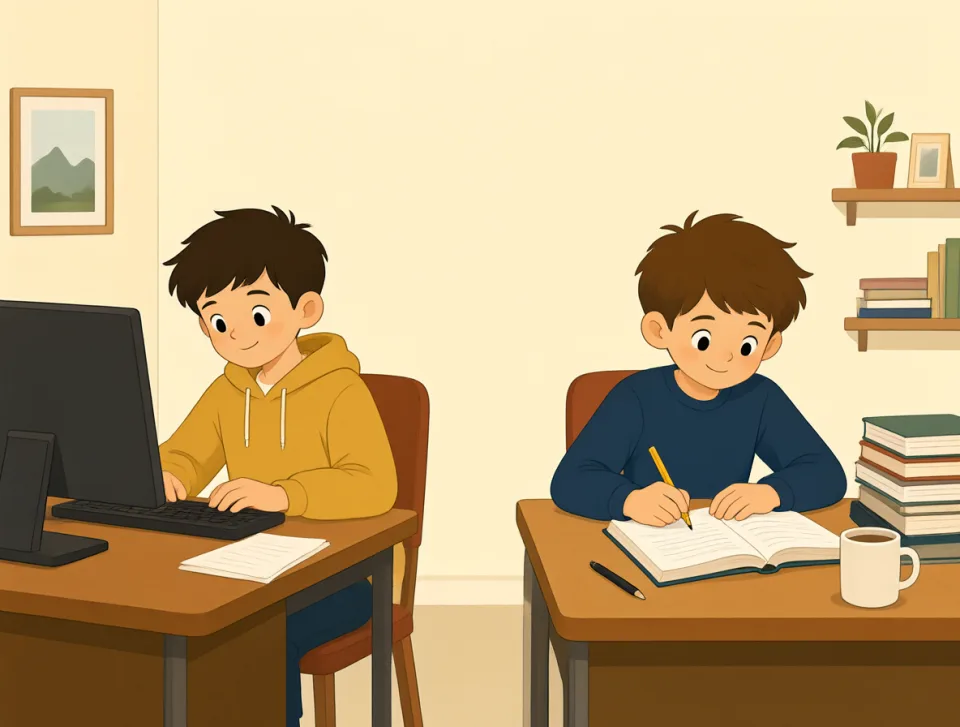
He works harder than his brother.
Él trabaja más duro que su hermano.
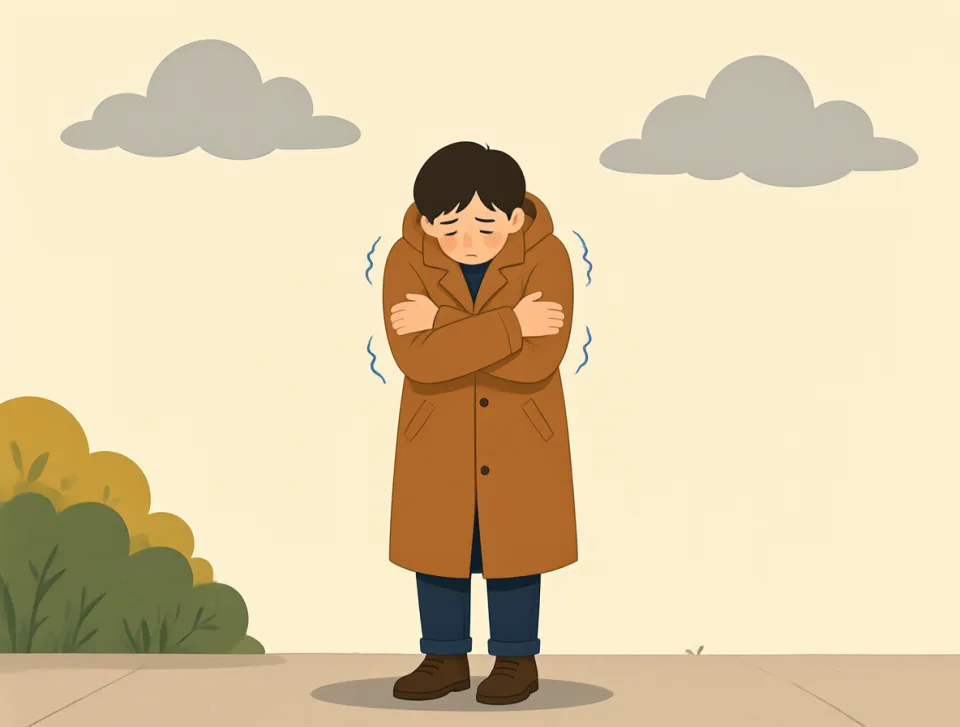
It was colder than yesterday.
Hacía más frío que ayer.

now
#70adverb, noun, adjective
ahora; actualmente
at the present time or moment
en el momento presente
I am busy now.
Ahora estoy ocupado.
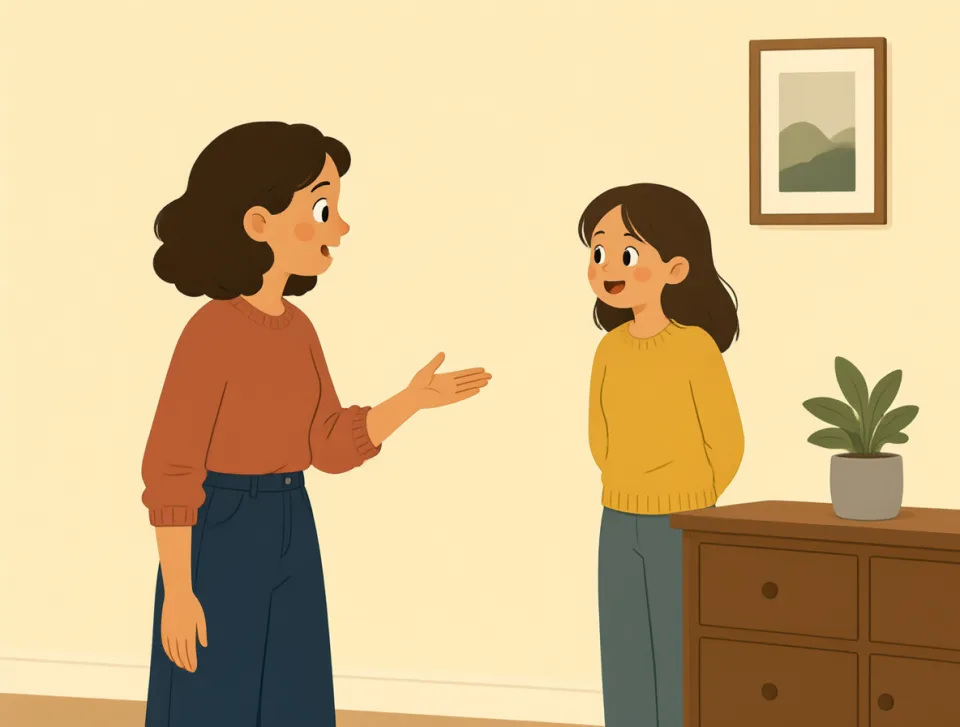
Please come here now.
Por favor, ven aquí ahora.
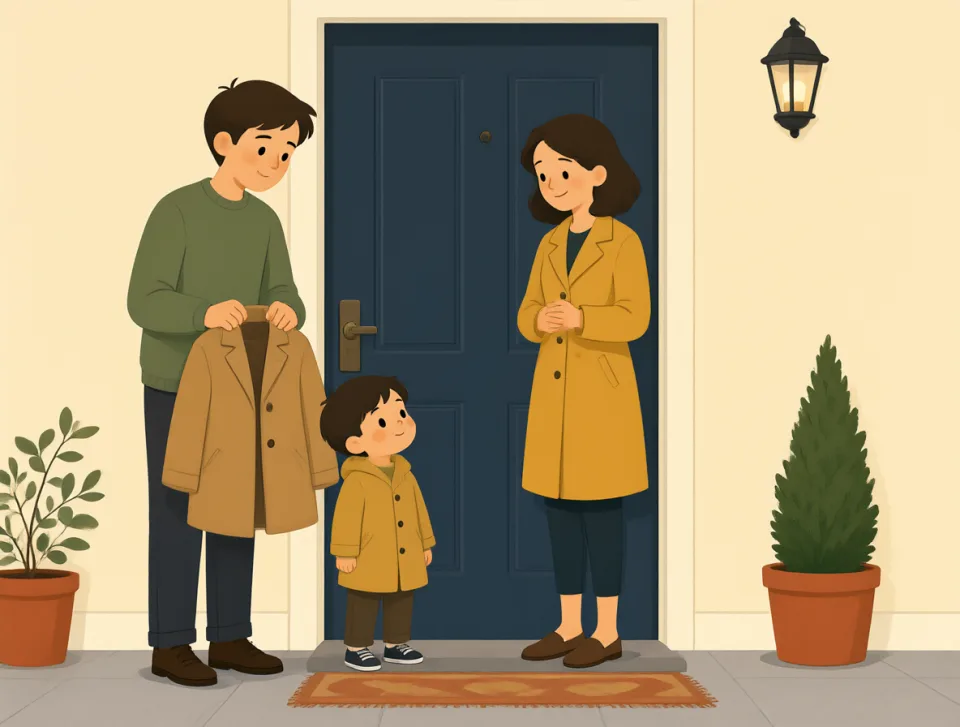
We have to leave now.
Tenemos que irnos ahora.

Now is a good time to start.
Ahora es un buen momento para empezar.
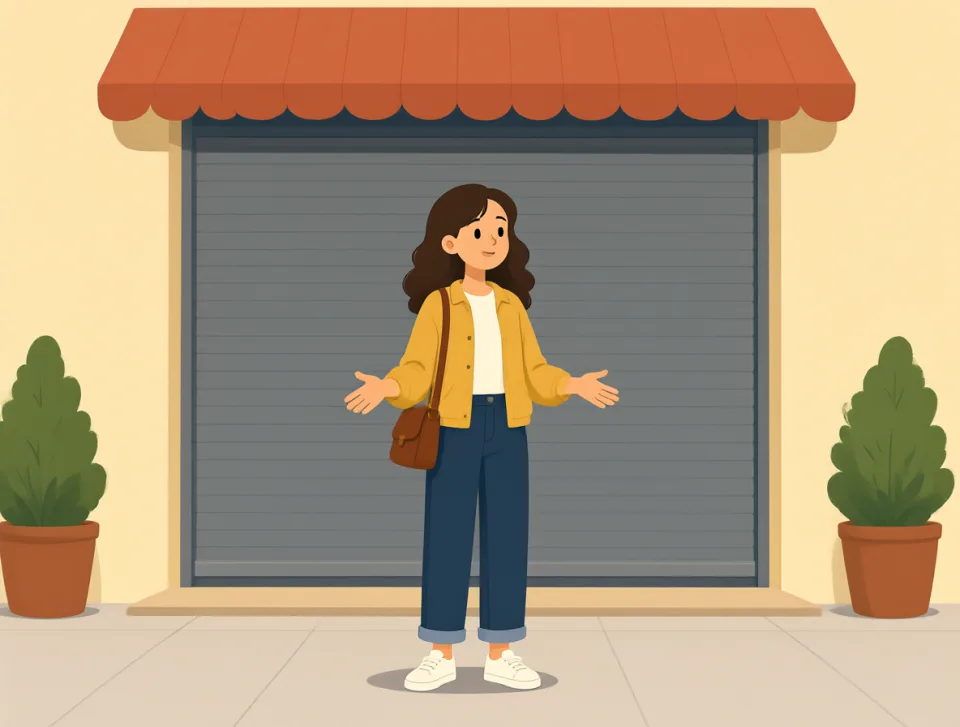
The store is closed now.
La tienda está cerrada ahora.
then
#71adverb, adjective
entonces; en aquel entonces
At that time, or next after something else happens.
En ese momento o después de que ocurra otra cosa.
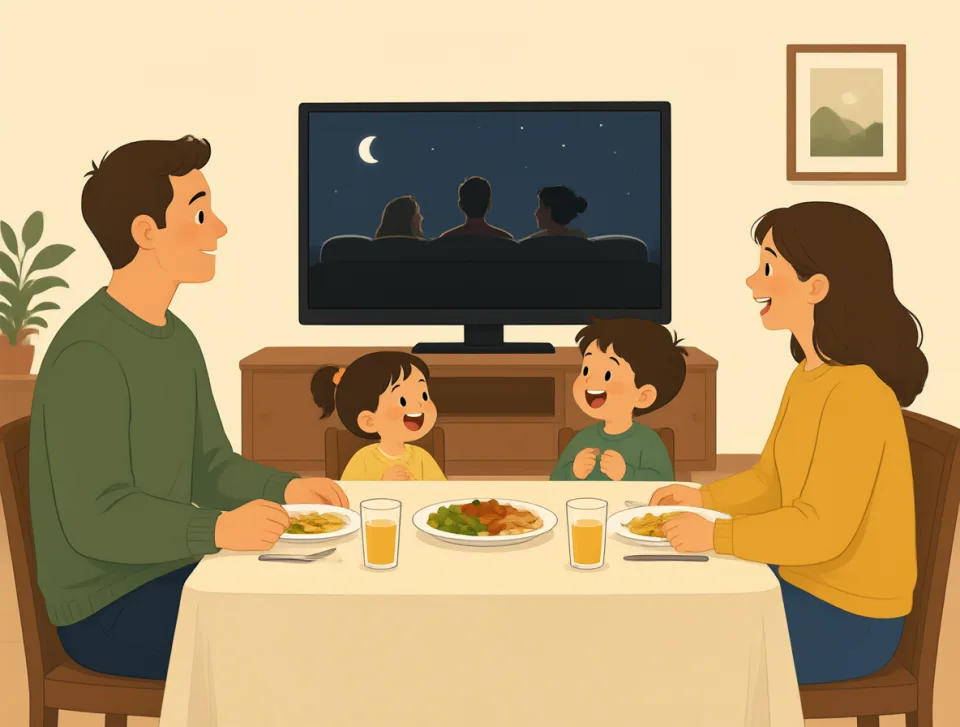
We ate dinner, then watched a movie.
Cenamos y luego vimos una película.
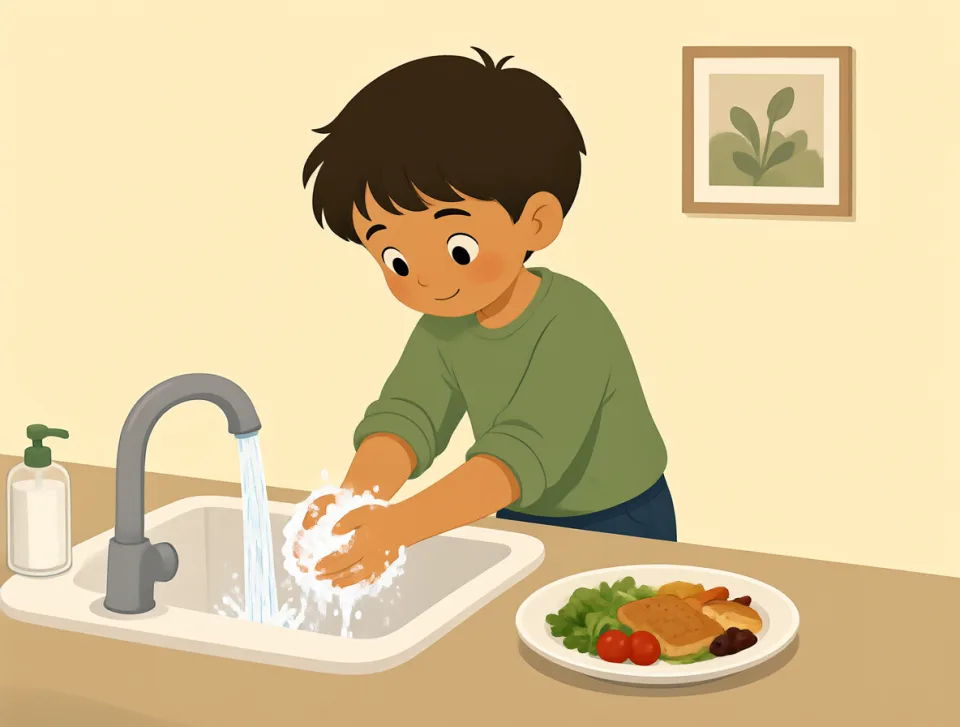
First wash your hands, then eat.
Primero lávate las manos y luego come.
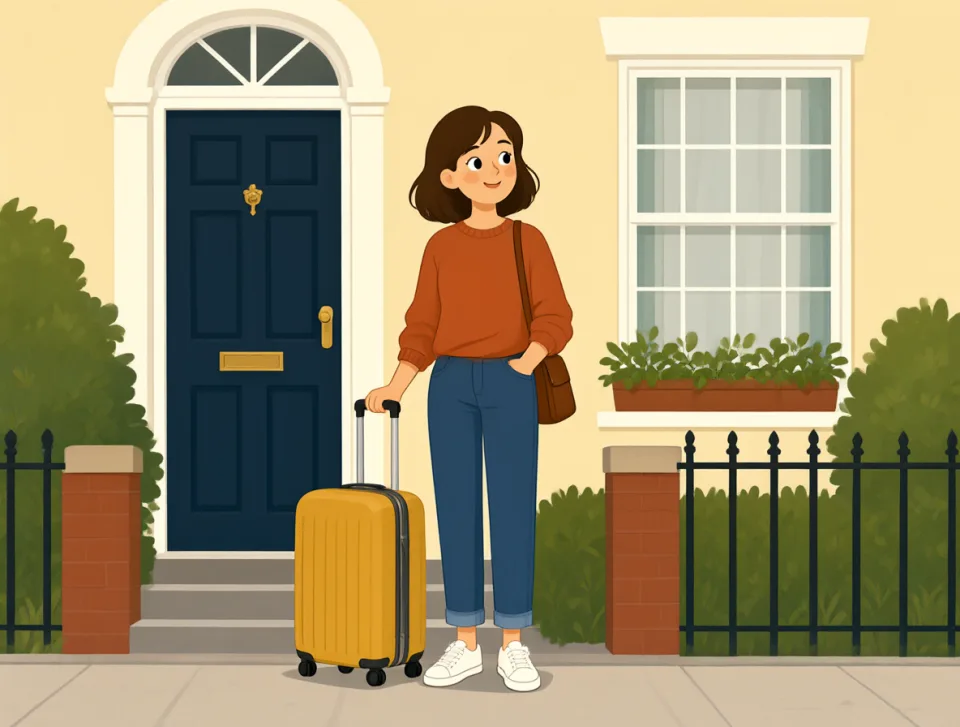
I was living in London then.
En aquel entonces vivía en Londres.
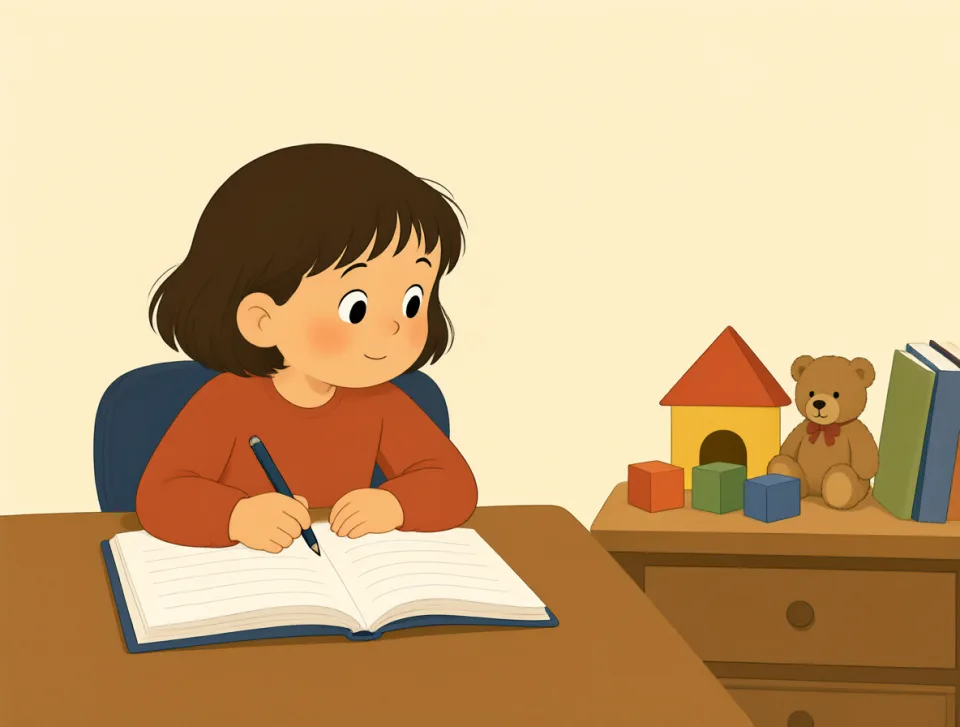
If you finish, then you can play.
Si terminas, entonces puedes jugar.
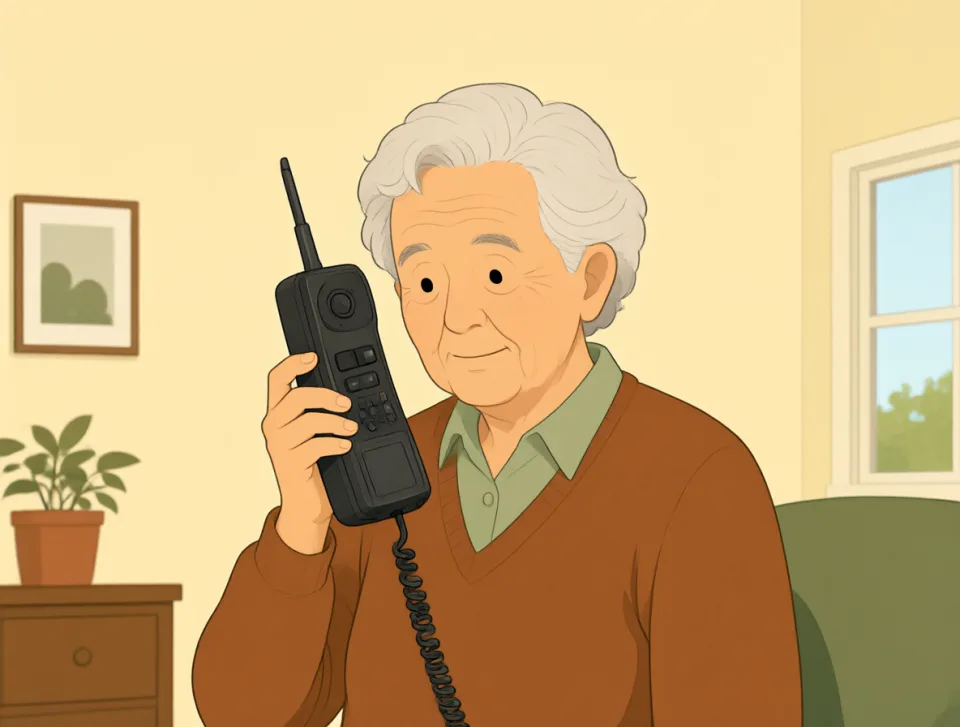
Back then, phones were much bigger.
En aquel entonces, los teléfonos eran mucho más grandes.
also
#72adverb
también; asimismo
In addition to someone or something already mentioned.
Además de alguien o algo mencionado anteriormente.
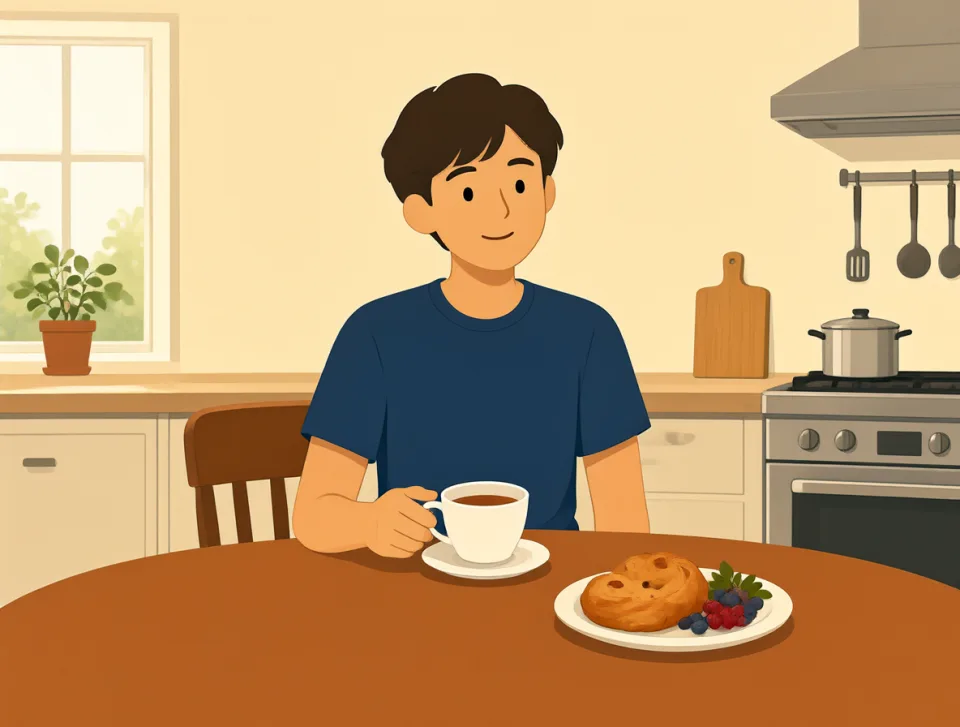
I also like tea in the morning.
También me gusta el té por la mañana.
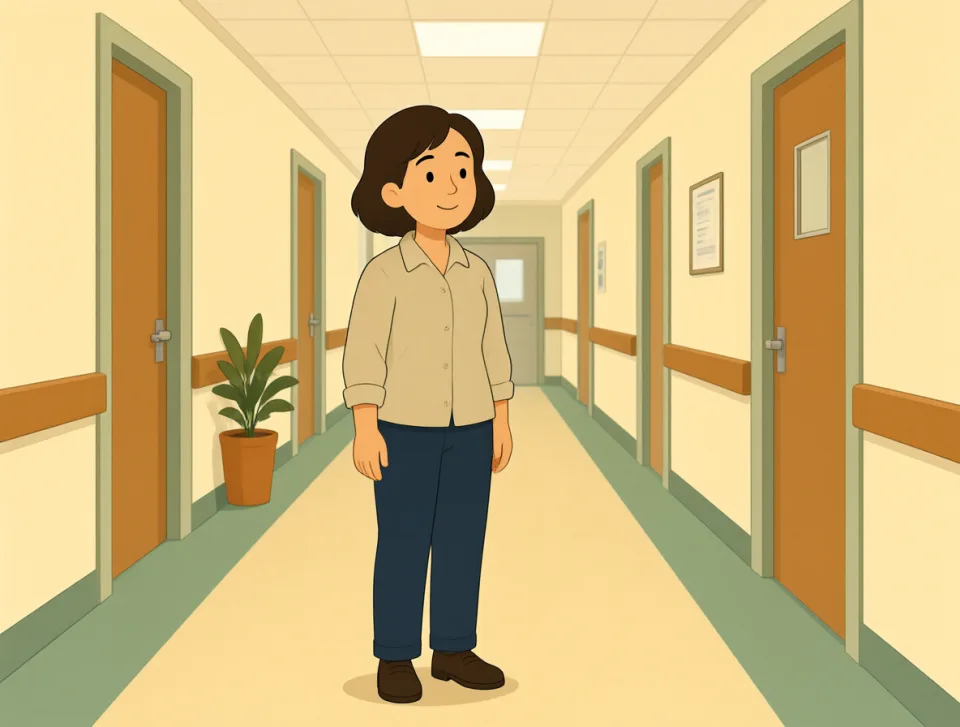
She also works at the hospital.
Ella también trabaja en el hospital.
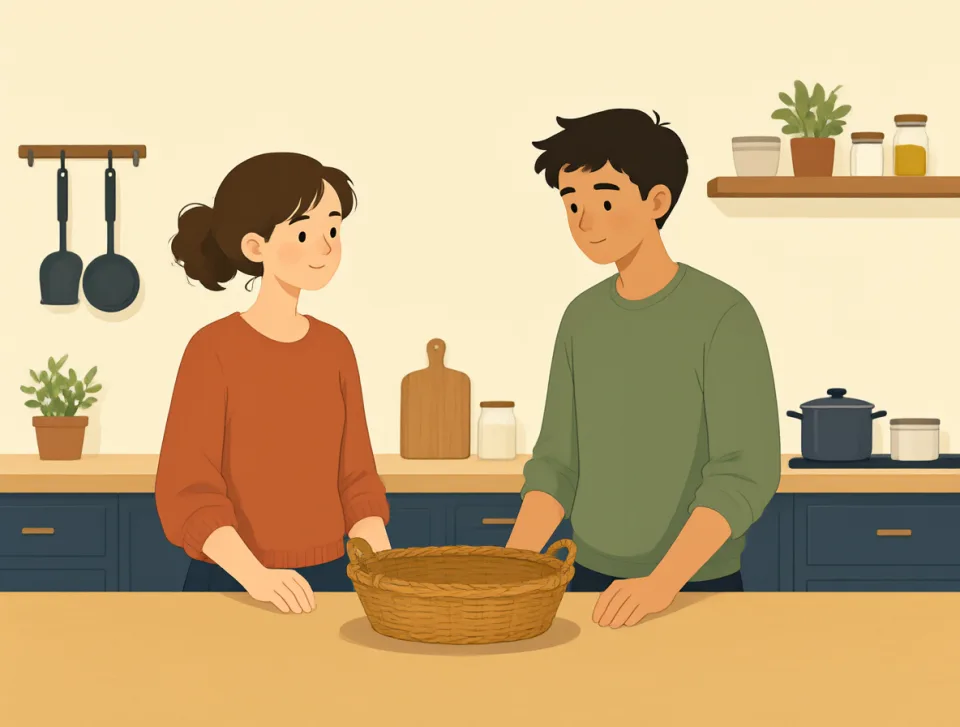
We also need some bread for dinner.
También necesitamos pan para la cena.
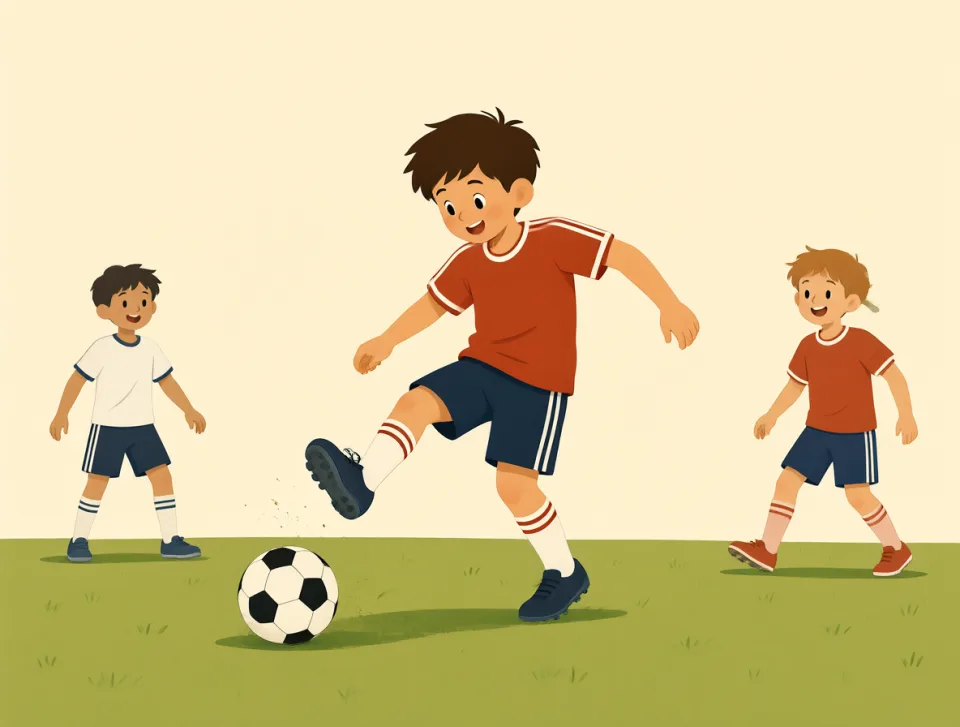
He also plays soccer with his friends.
Él también juega al fútbol con sus amigos.

The hotel also has a small swimming pool.
El hotel también tiene una piscina pequeña.
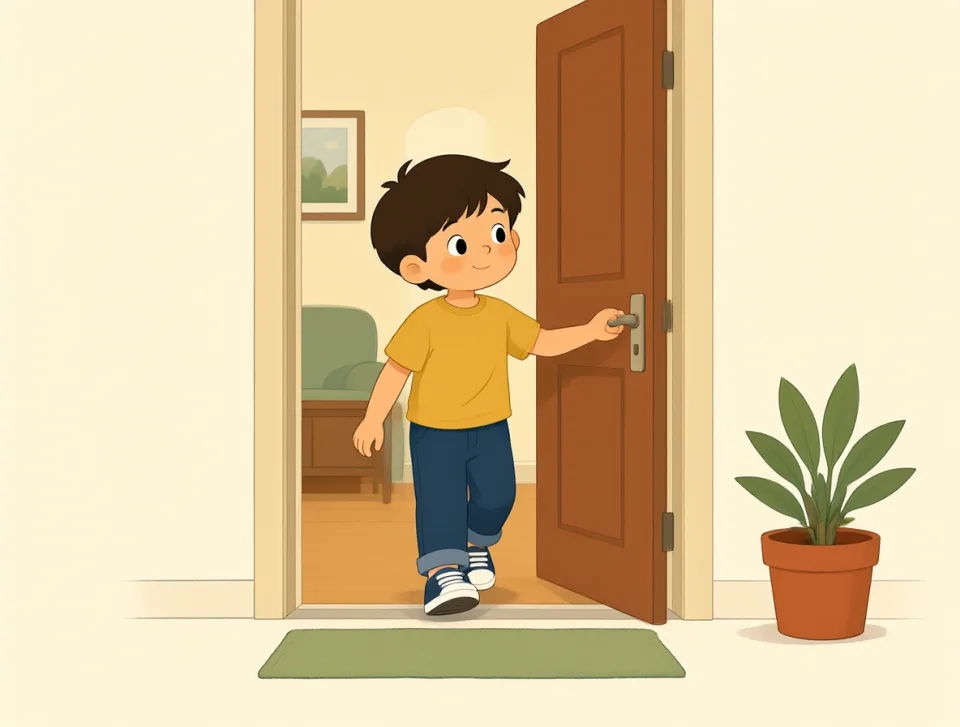
into
#73preposition
a; hacia; en
to a position inside something or toward a particular place, situation, or activity
a una posición dentro de algo o hacia un lugar, situación o actividad determinados
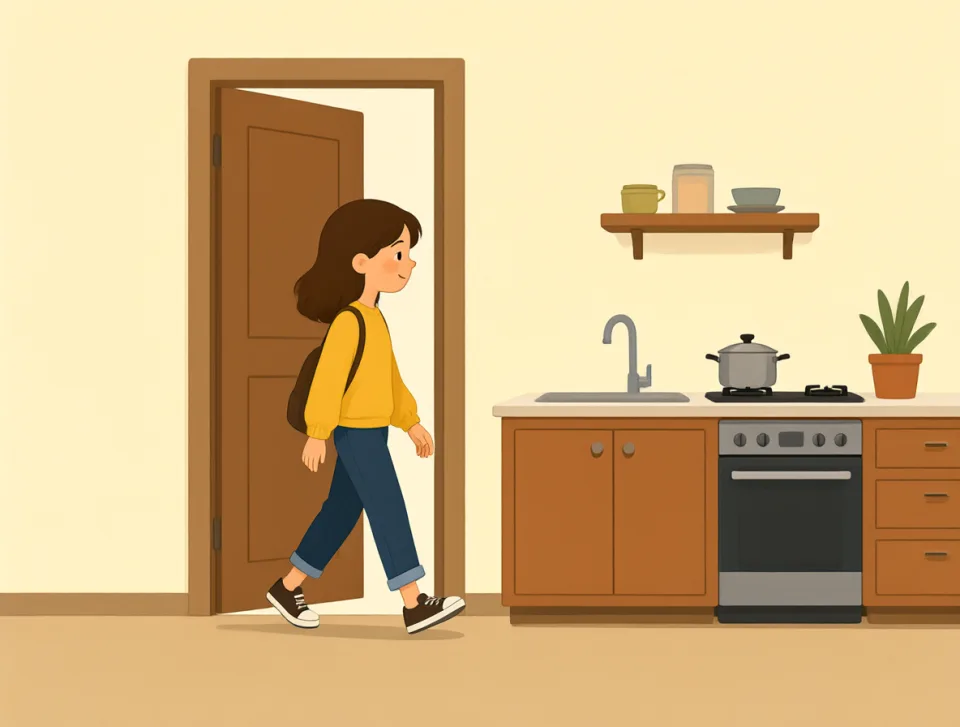
She walked into the kitchen.
Ella entró en la cocina.
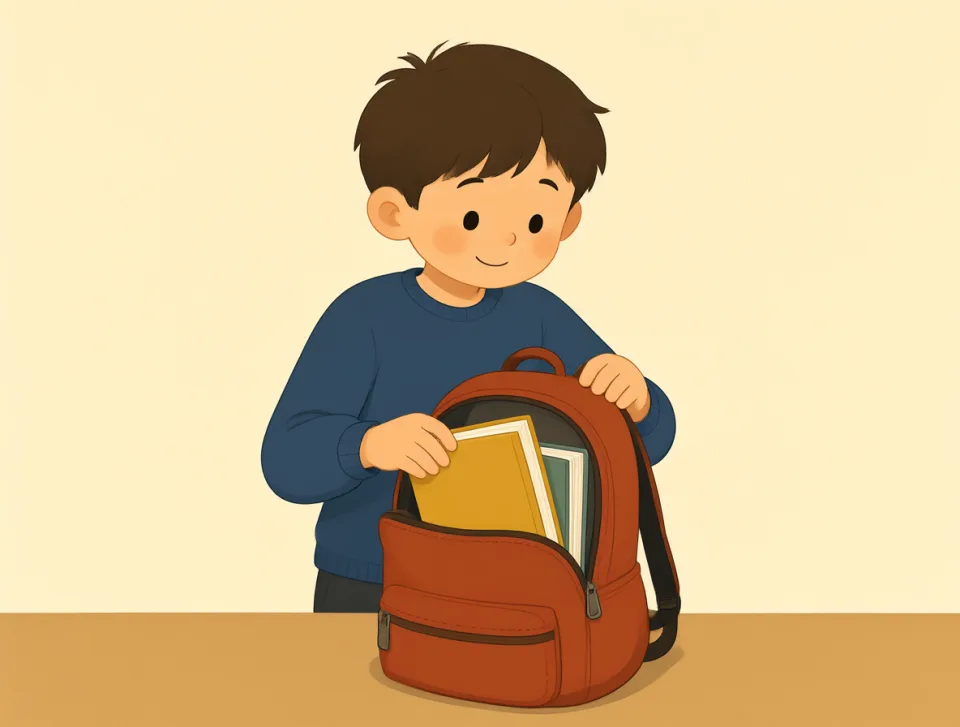
He put the books into his bag.
Él metió los libros en su bolso.
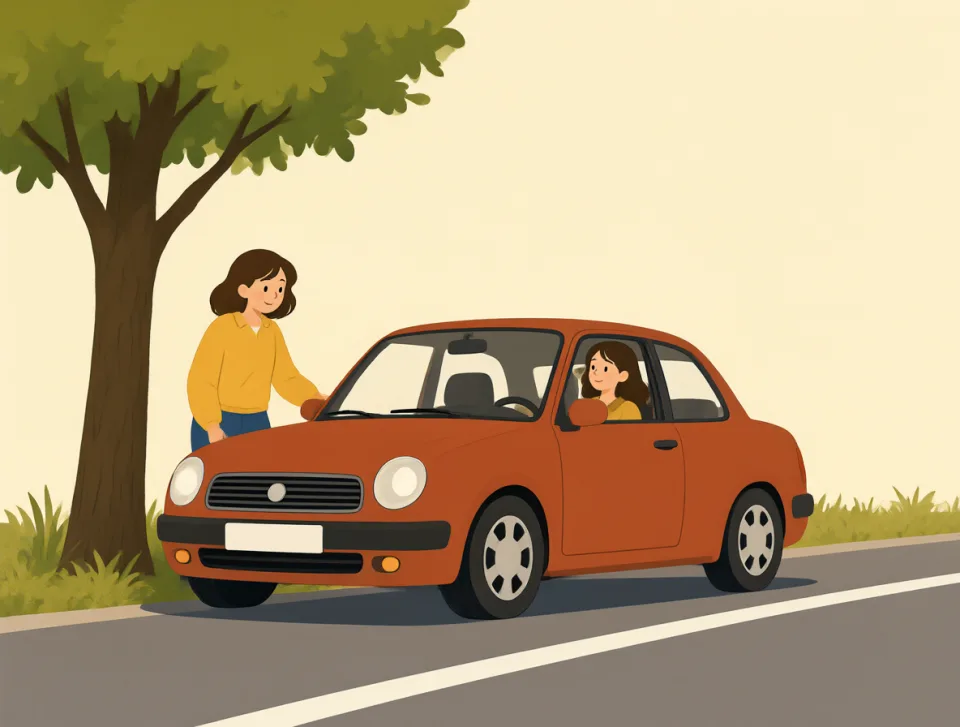
The car crashed into a tree.
El coche chocó contra un árbol.
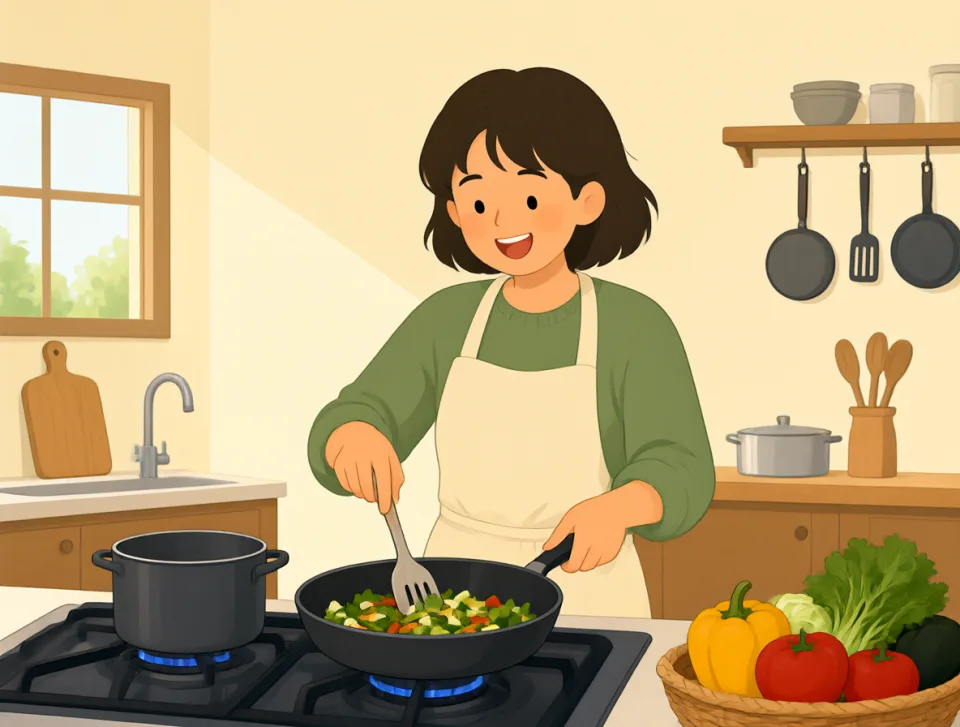
I am really into cooking now.
Ahora me interesa mucho la cocina.
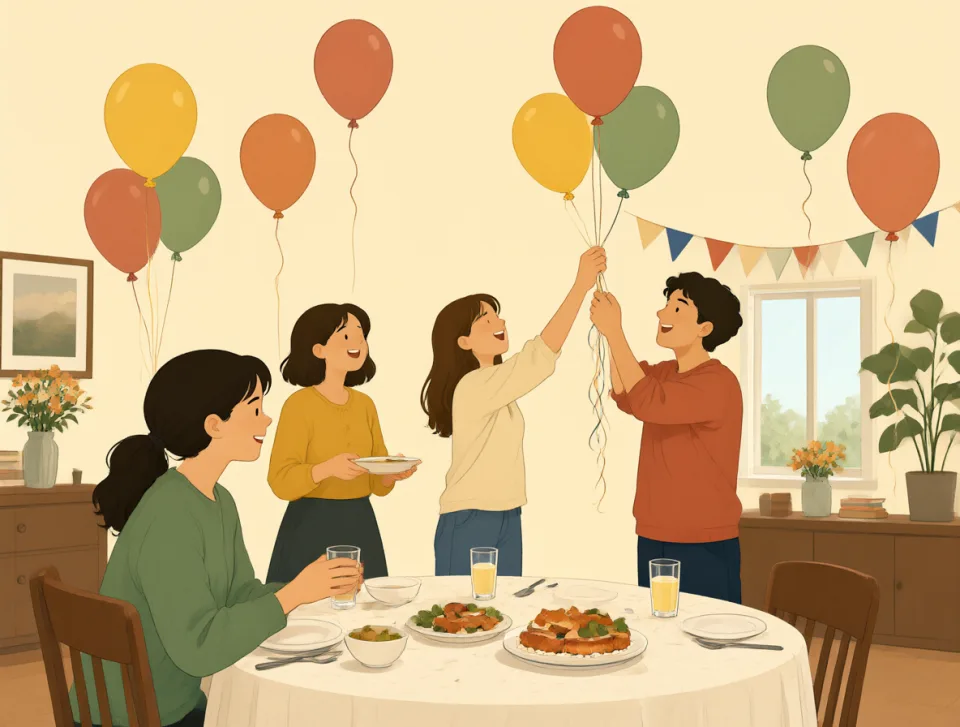
They changed the plan into a party.
Convirtieron el plan en una fiesta.
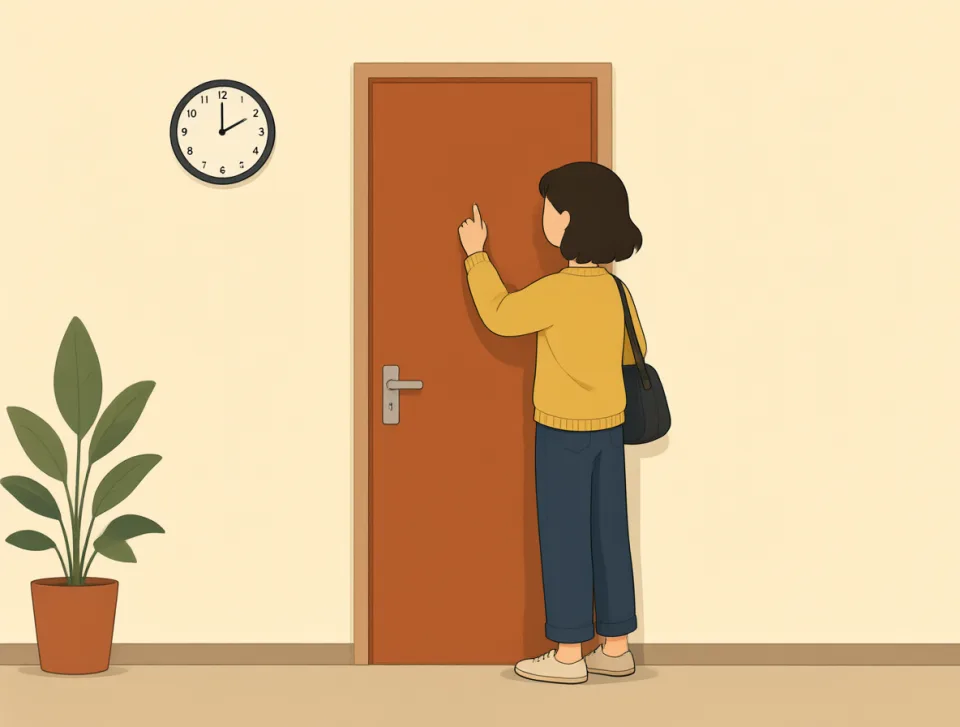
only
#74adverb, adjective, determiner, conjunction
solo; solamente; único
No more than one person or thing, or nothing else.
No más de una persona o cosa, o nada más.
I only have ten minutes before work.
Solo tengo diez minutos antes de ir al trabajo.
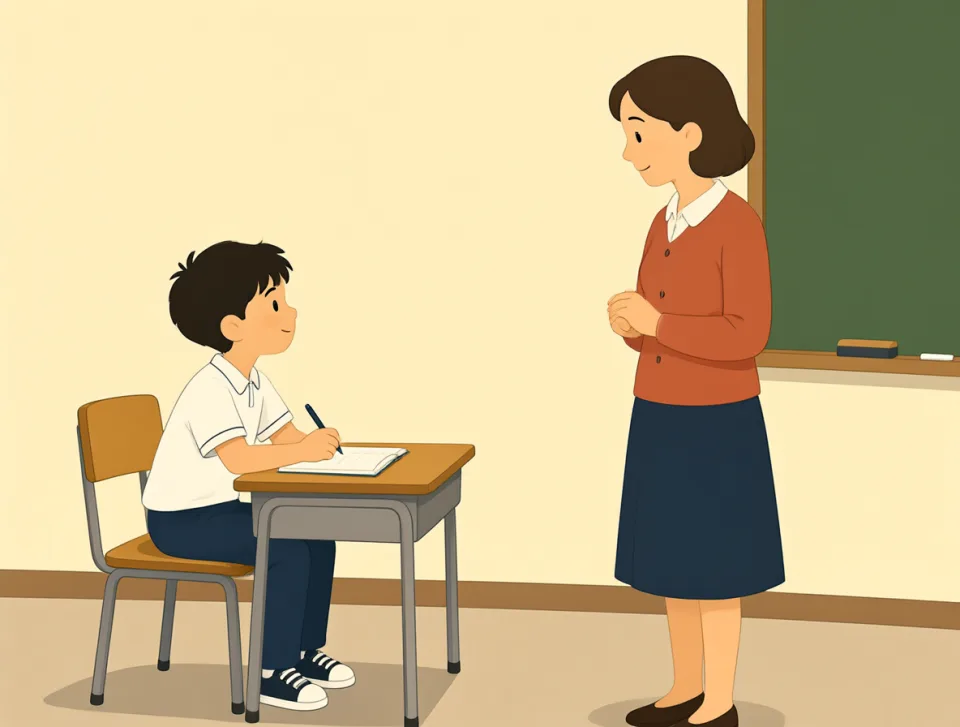
She is the only student in class.
Ella es la única estudiante de la clase.

We only need two tickets for the train.
Solo necesitamos dos boletos para el tren.
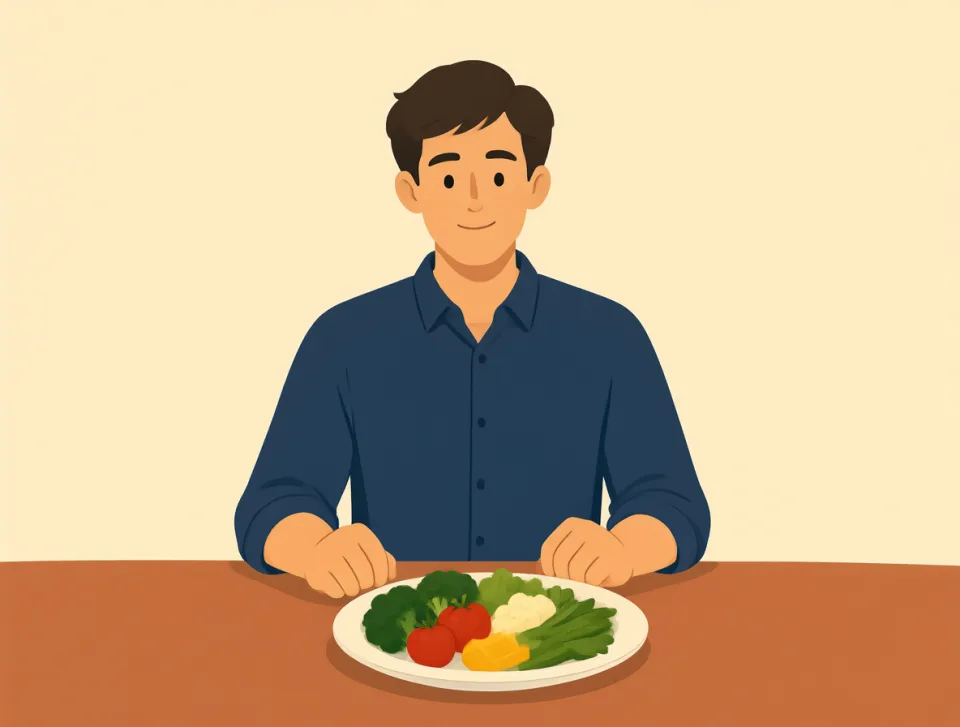
He eats only vegetables for lunch.
Para el almuerzo, solo come verduras.
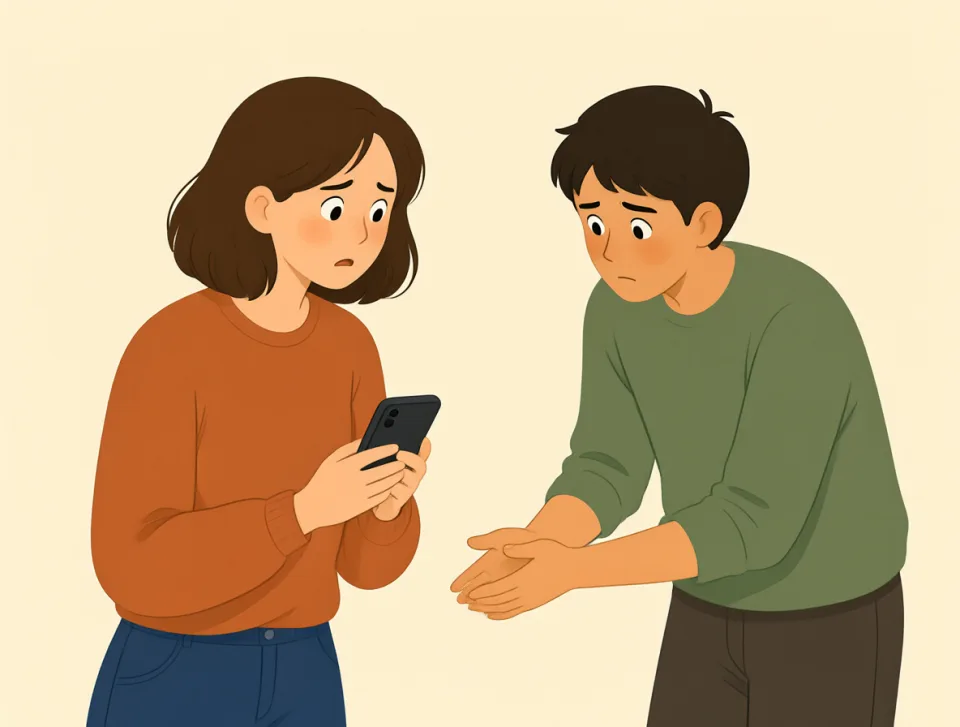
Call me only if you need help.
Llámame solo si necesitas ayuda.
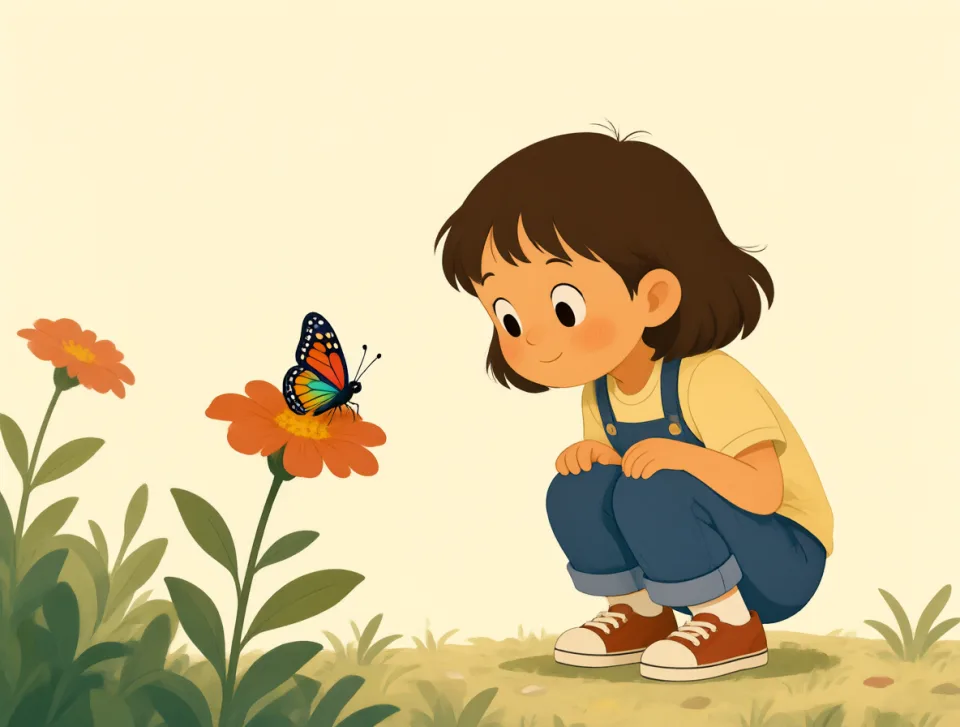
look
#75verb, noun
mirar; aspecto; buscar; parecerse
to use your eyes to see something or to have a particular appearance
usar los ojos para ver algo o tener una apariencia determinada

Look at this picture with me.
Mira esta foto conmigo.
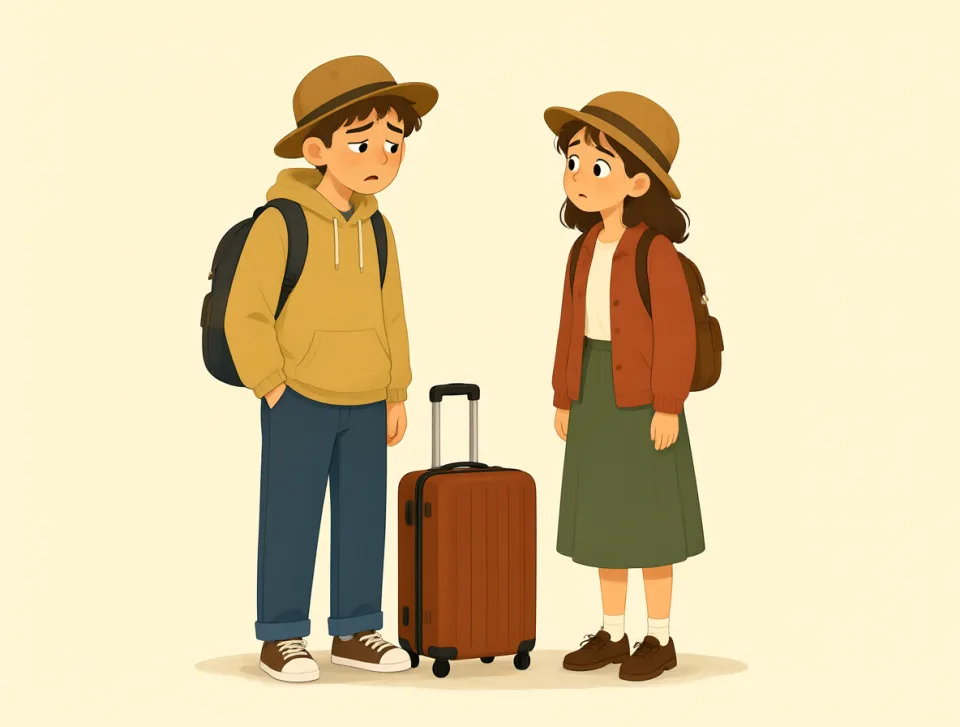
You look tired after your long trip.
Te ves cansado después de tu largo viaje.
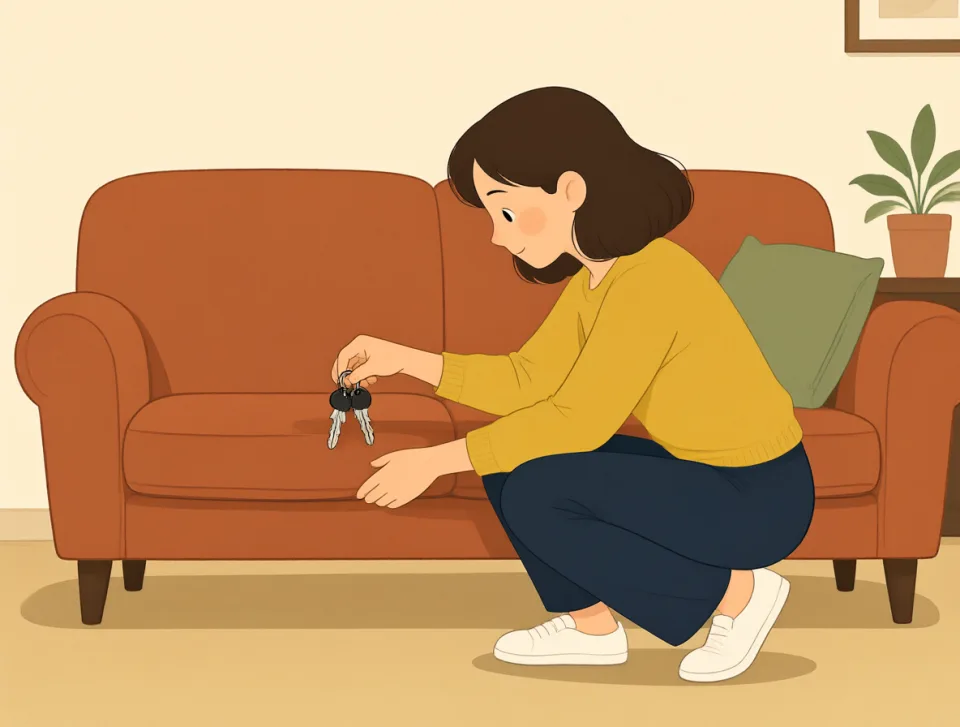
She looked for her keys everywhere.
Buscó sus llaves por todas partes.
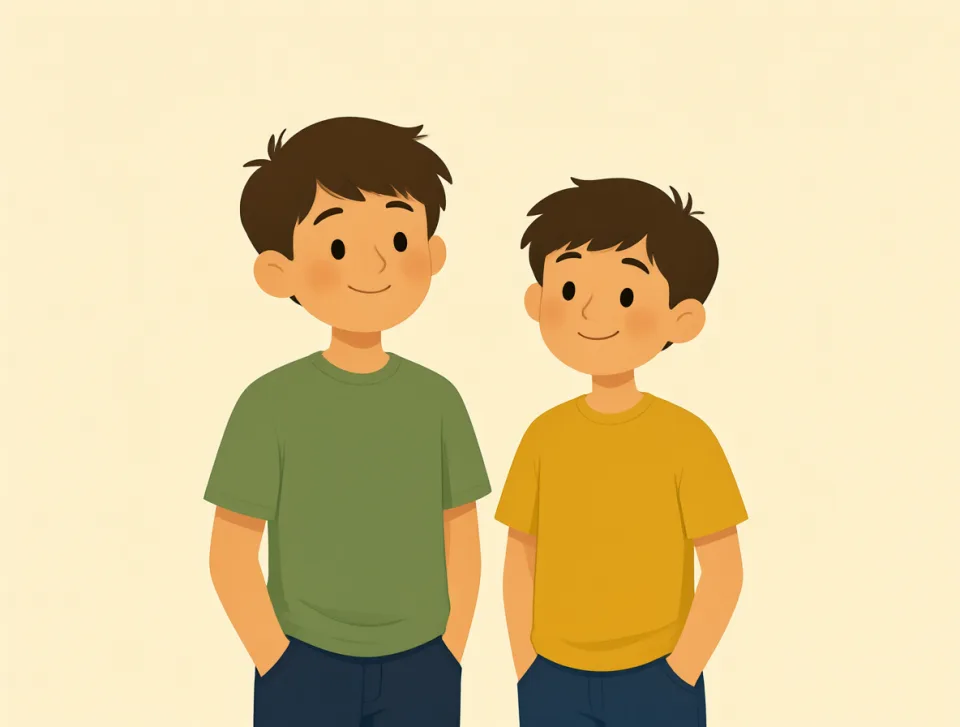
He looks like his older brother.
Se parece a su hermano mayor.
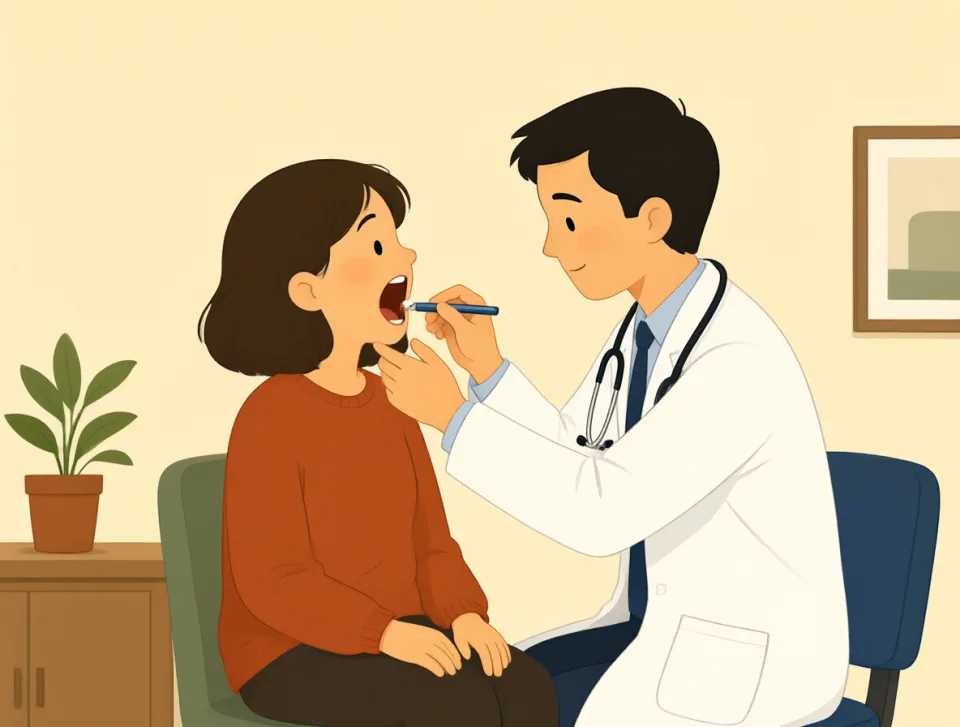
The doctor looked at my sore throat.
El médico miró mi garganta irritada.
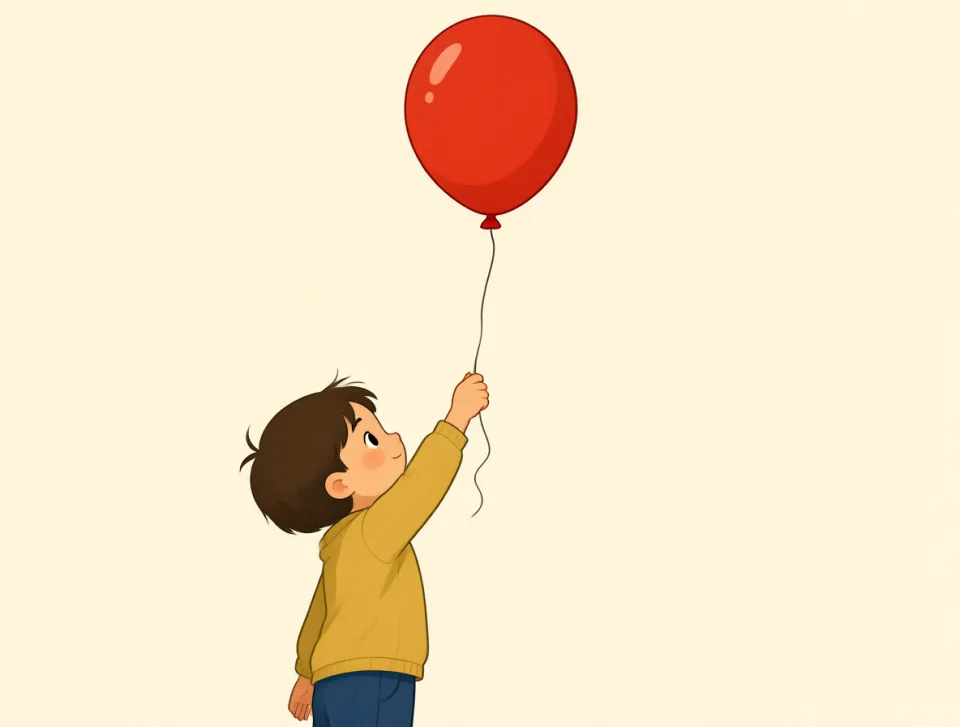
want
#76verb, noun
querer; deseo; necesidad
To wish to have or do something; a need for something important.
Desear tener o hacer algo; necesidad de algo importante.
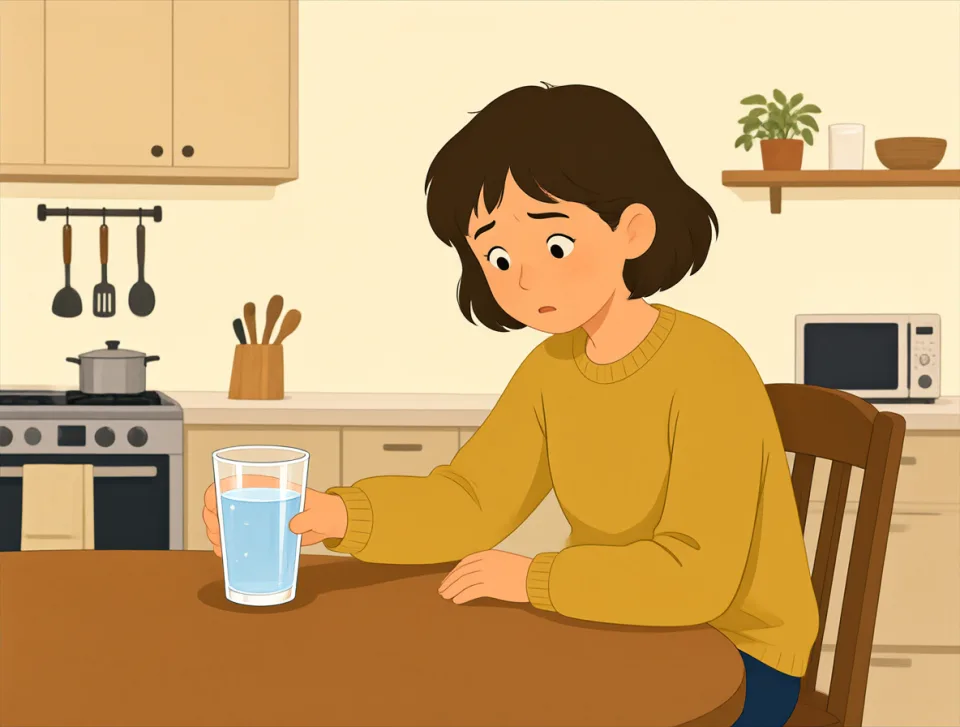
I want a glass of water, please.
Quiero un vaso de agua, por favor.
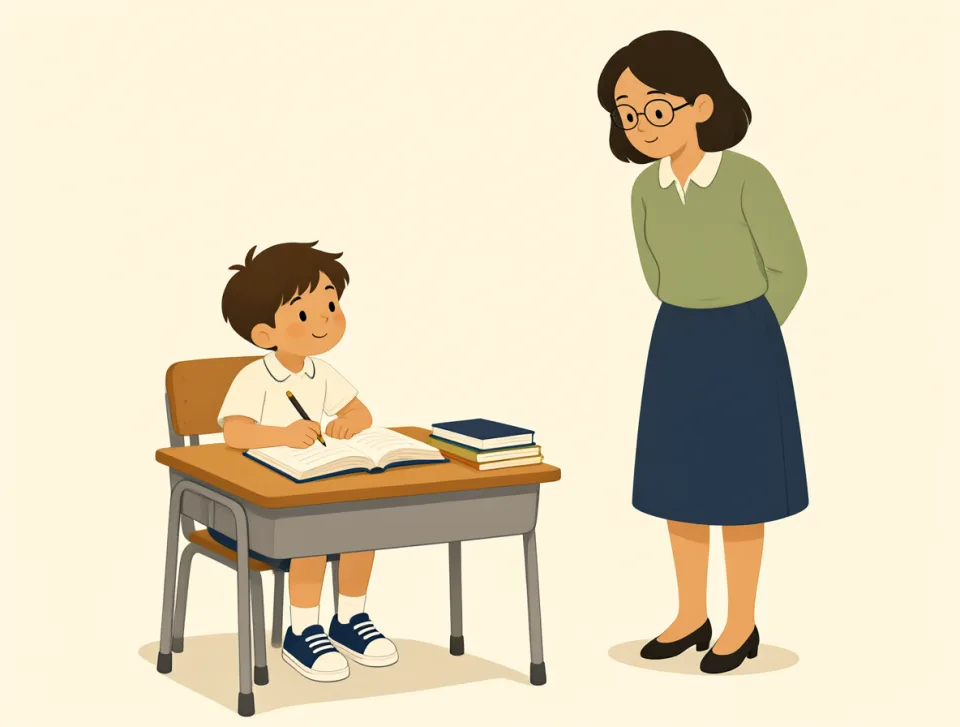
She wants to learn English at school.
Ella quiere aprender inglés en la escuela.

We wanted a table near the window.
Queríamos una mesa cerca de la ventana.

They want to buy new shoes.
Quieren comprar zapatos nuevos.
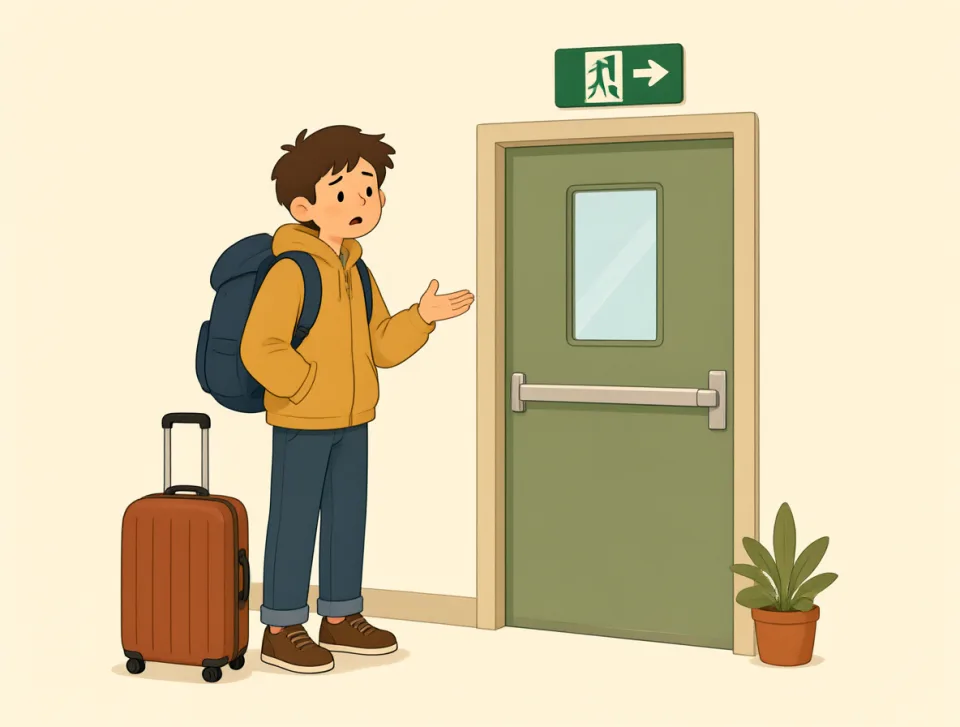
He wants to go home now.
Él quiere irse a casa ahora.
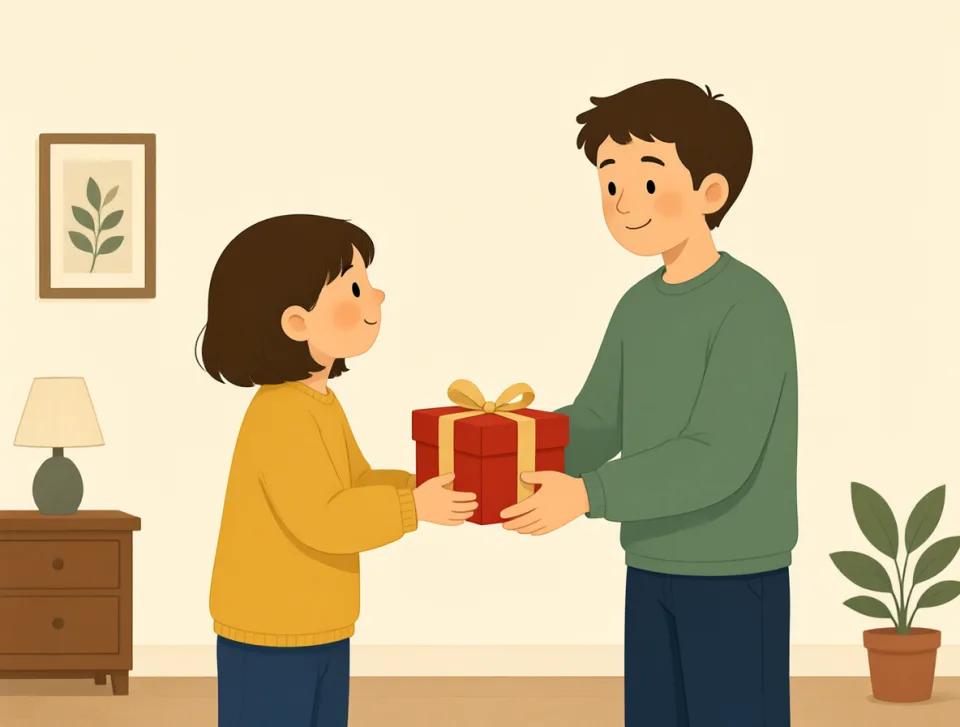
give
#77verb, noun
dar; regalar; proporcionar
to hand something to someone or provide something for them
entregar algo a alguien o proporcionárselo
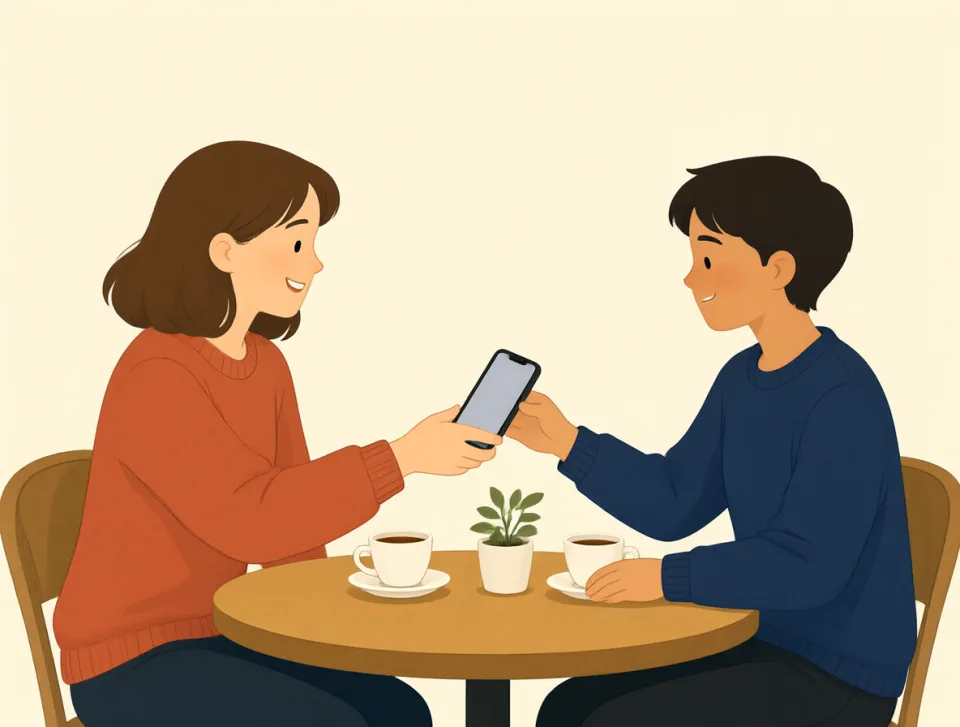
Please give me your phone number.
Por favor, dame tu número de teléfono.
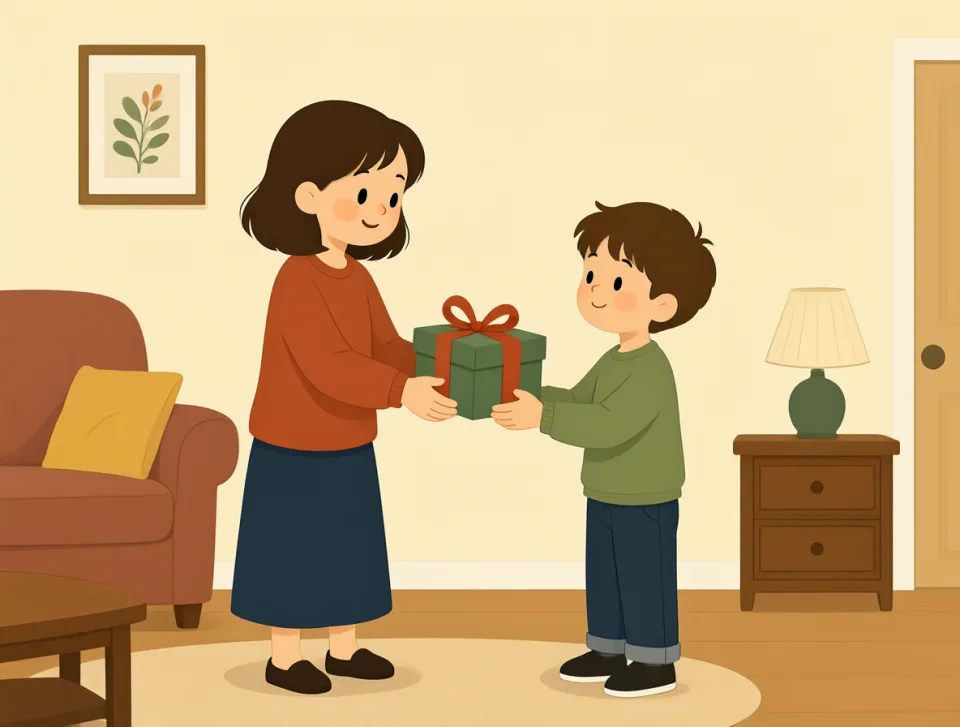
She gave her brother a birthday present.
Ella le regaló un regalo de cumpleaños a su hermano.
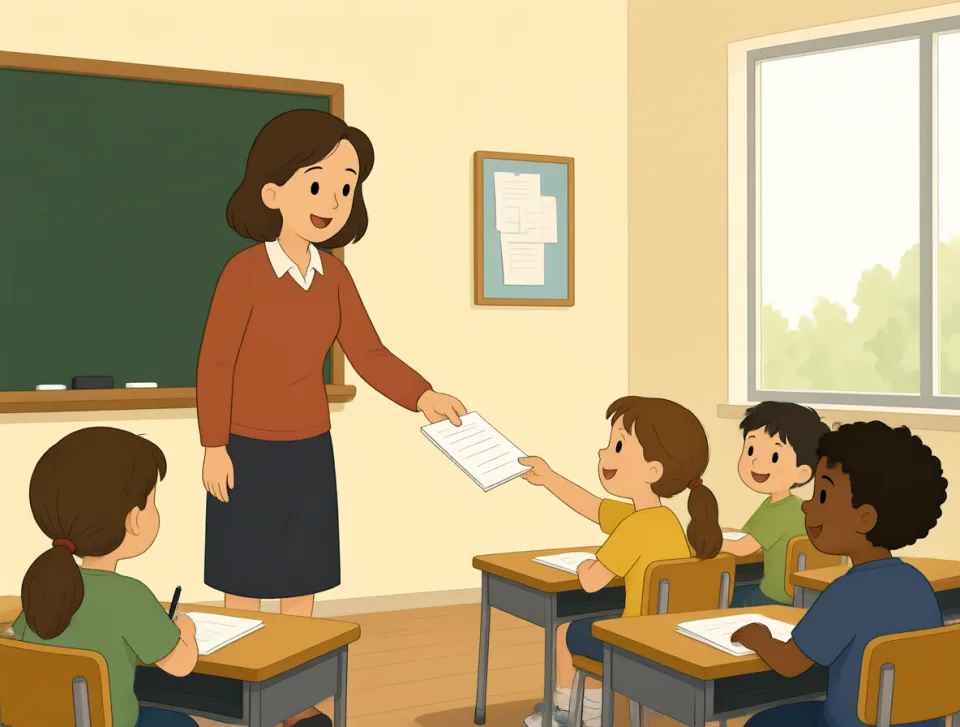
The teacher gave us homework yesterday.
Ayer, el profesor nos dejó tarea.

Can you give me some water?
¿Puedes darme un poco de agua?
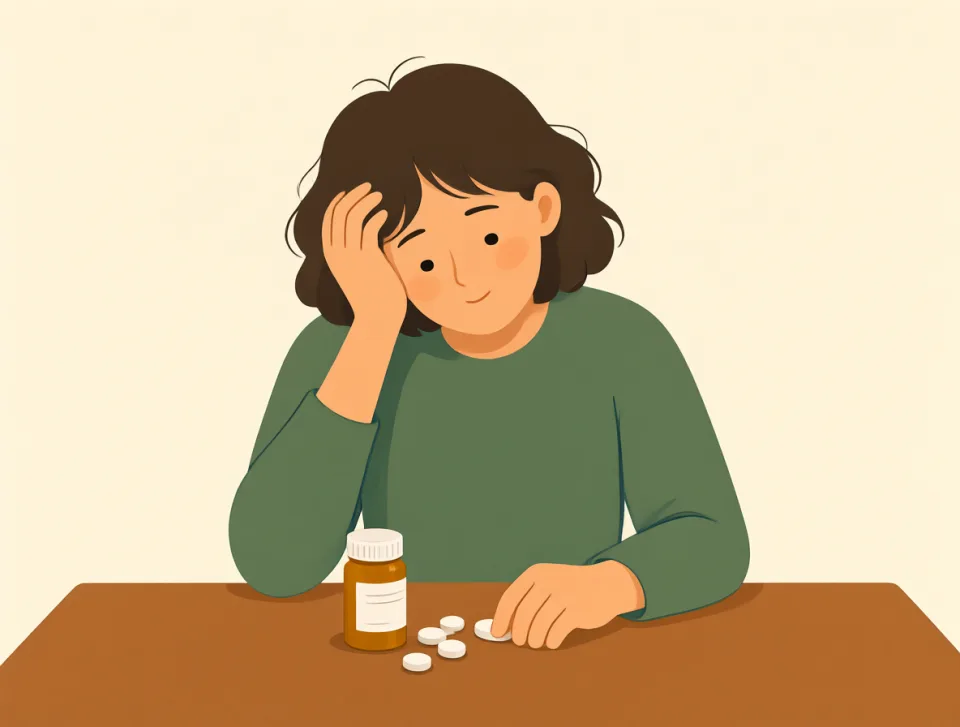
This medicine gives me a headache.
Este medicamento me da dolor de cabeza.
first
#78adjective, adverb, noun, determiner
primero; primera; primer
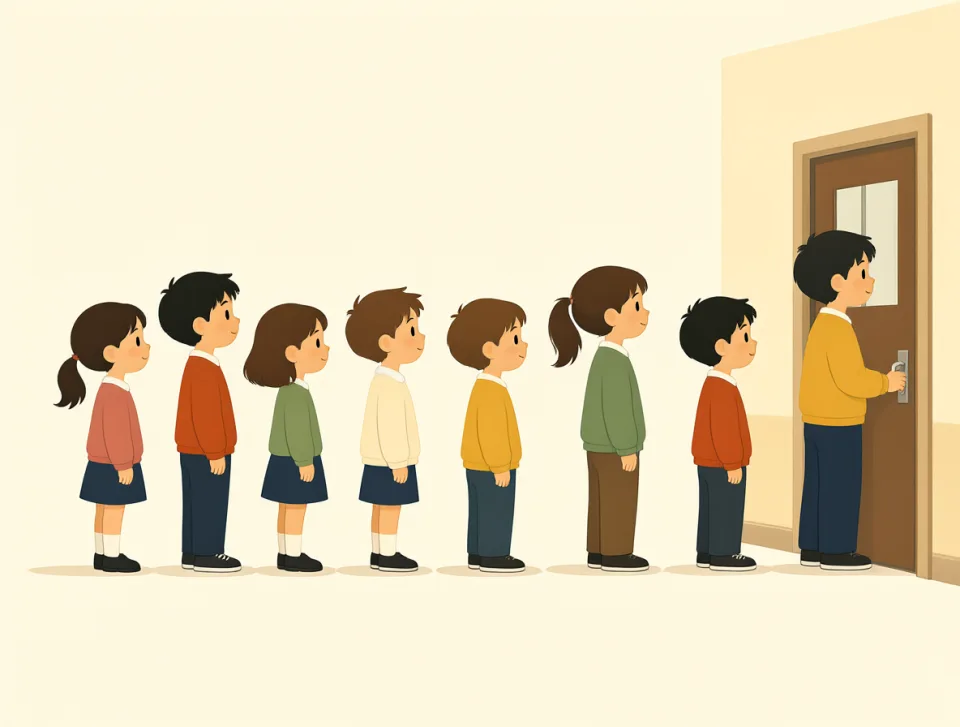
Coming before all others in time, order, or importance.
Que viene antes que todos los demás en el tiempo, el orden o la importancia.
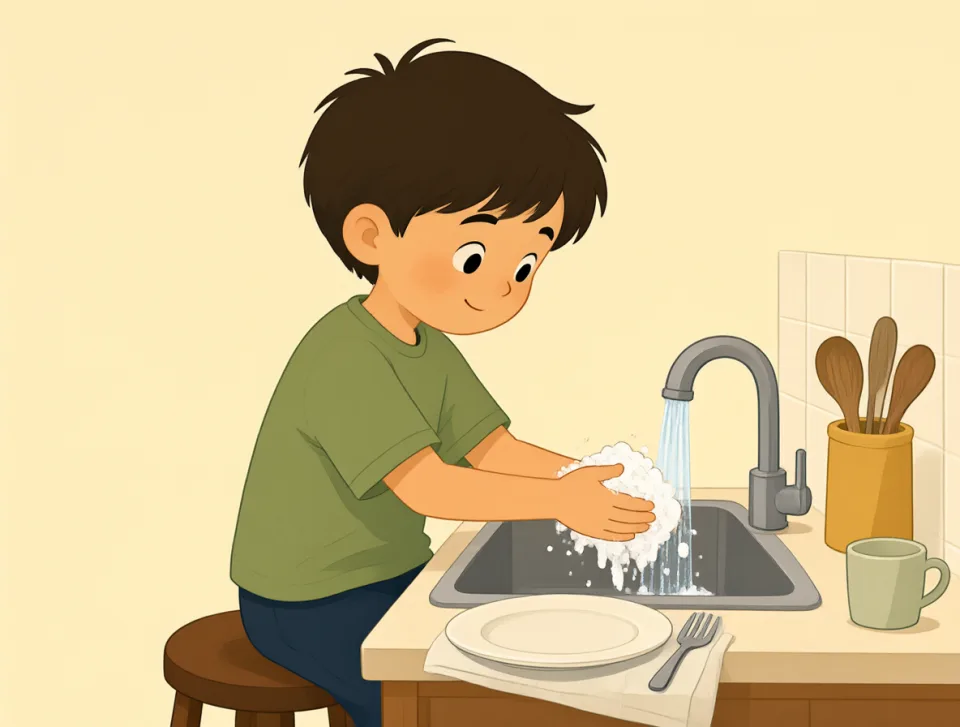
Wash your hands first before eating dinner.
Lávate las manos primero antes de cenar.
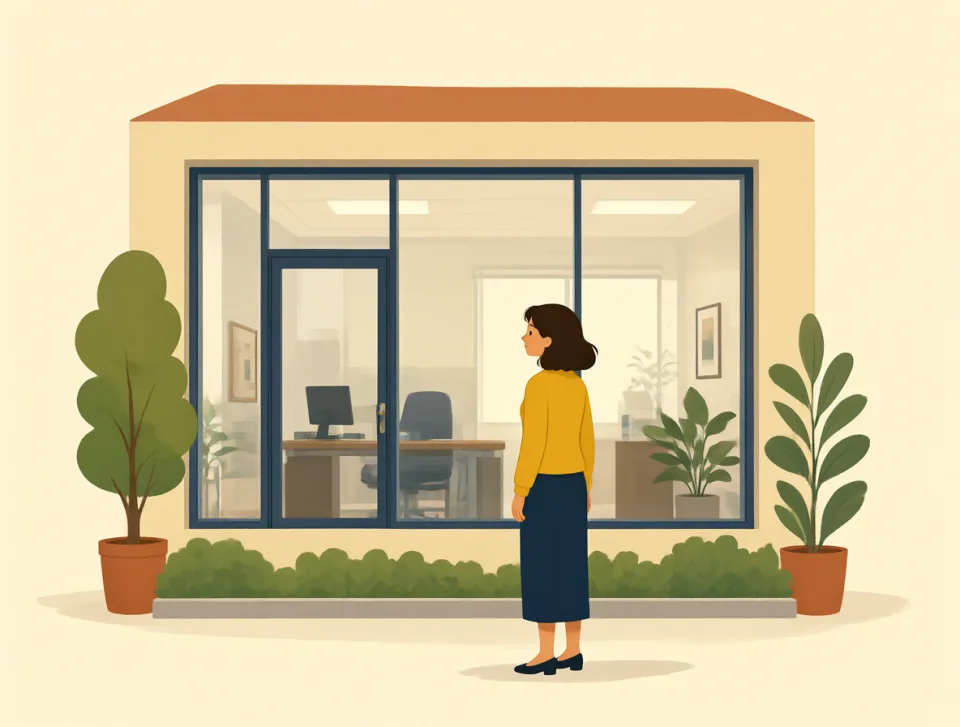
She was the first person to arrive.
Ella fue la primera persona en llegar.
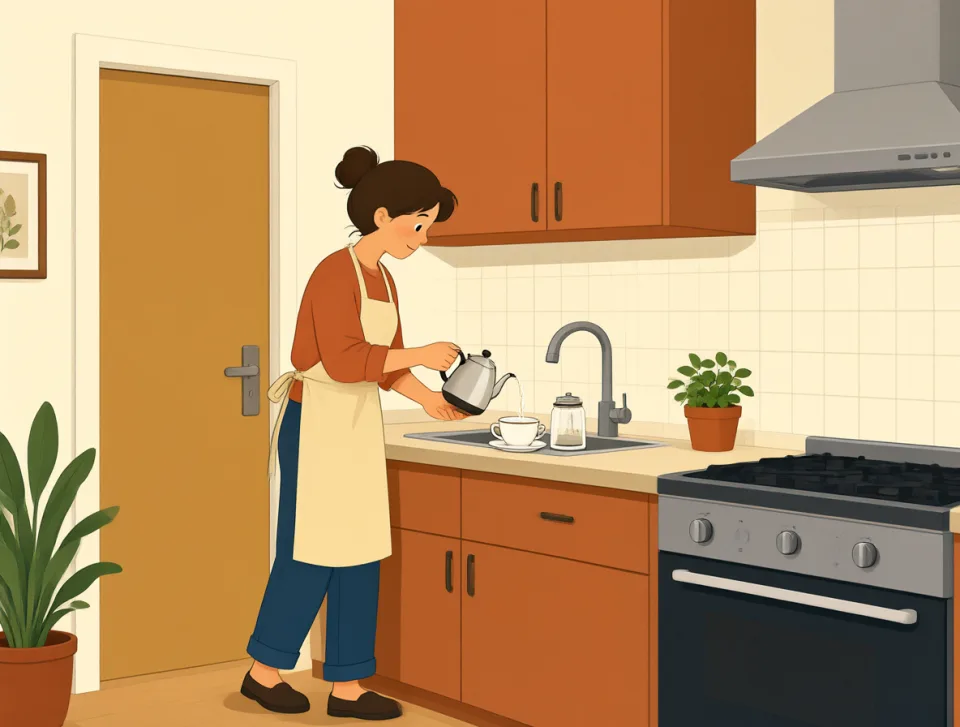
I got home first and made tea.
Llegué primero a casa y preparé té.
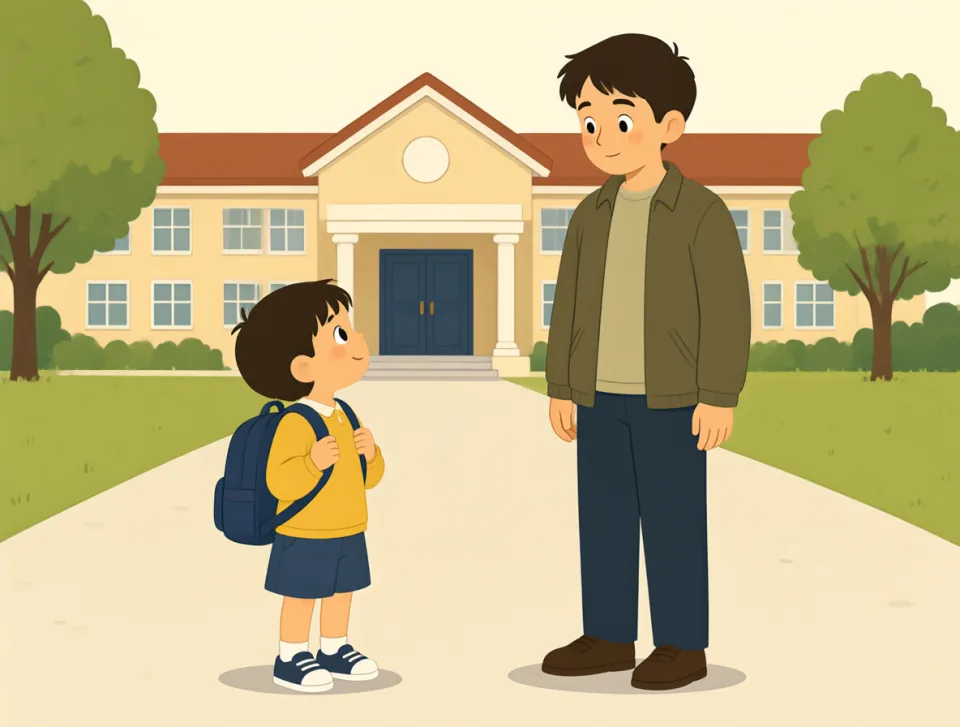
This is my first day at school.
Este es mi primer día en la escuela.

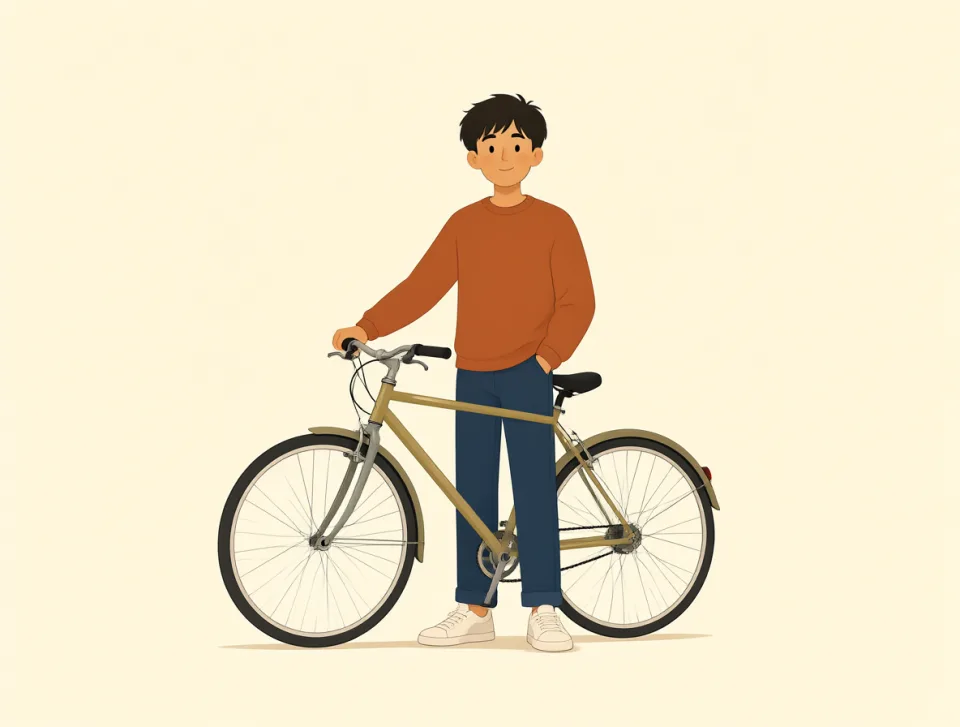
He finished first in the race.
Terminó primero en la carrera.
new
#79adjective, adverb, noun
nuevo; nueva
Made, discovered, or seen for the first time; not old or used.
Hecho, descubierto o visto por primera vez; que no es viejo ni usado.

She bought a new dress for the party.
Se compró un vestido nuevo para la fiesta.

We moved into our new house last week.
La semana pasada nos mudamos a nuestra casa nueva.

I started a new job on Monday.
El lunes empecé un trabajo nuevo.
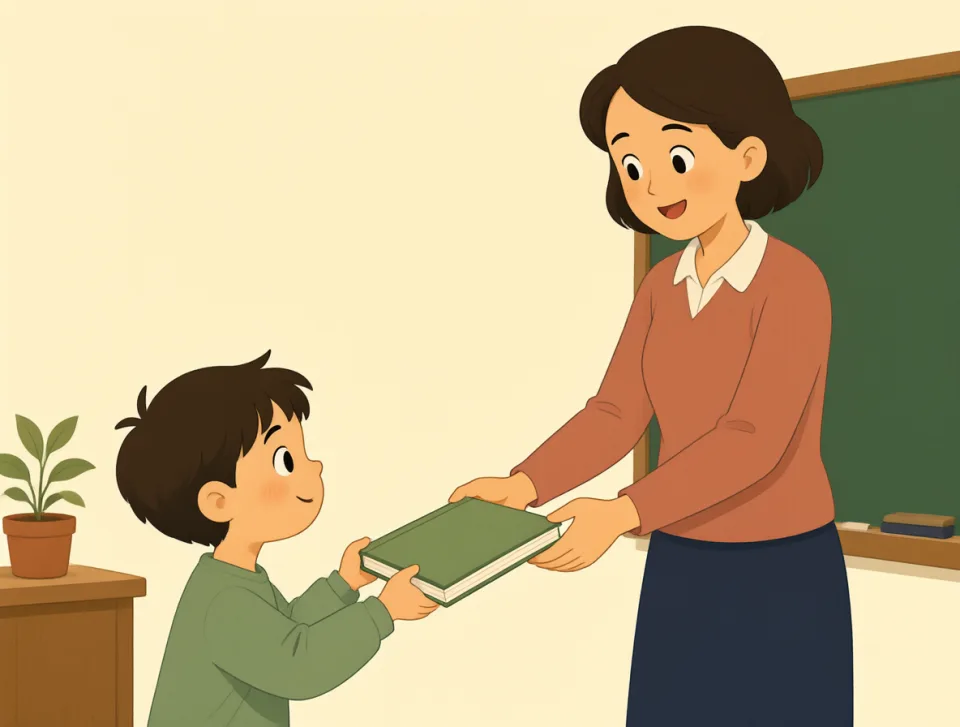
The teacher gave us a new book.
La profesora nos dio un libro nuevo.

They tried a new restaurant downtown.
Probaron un restaurante nuevo en el centro.
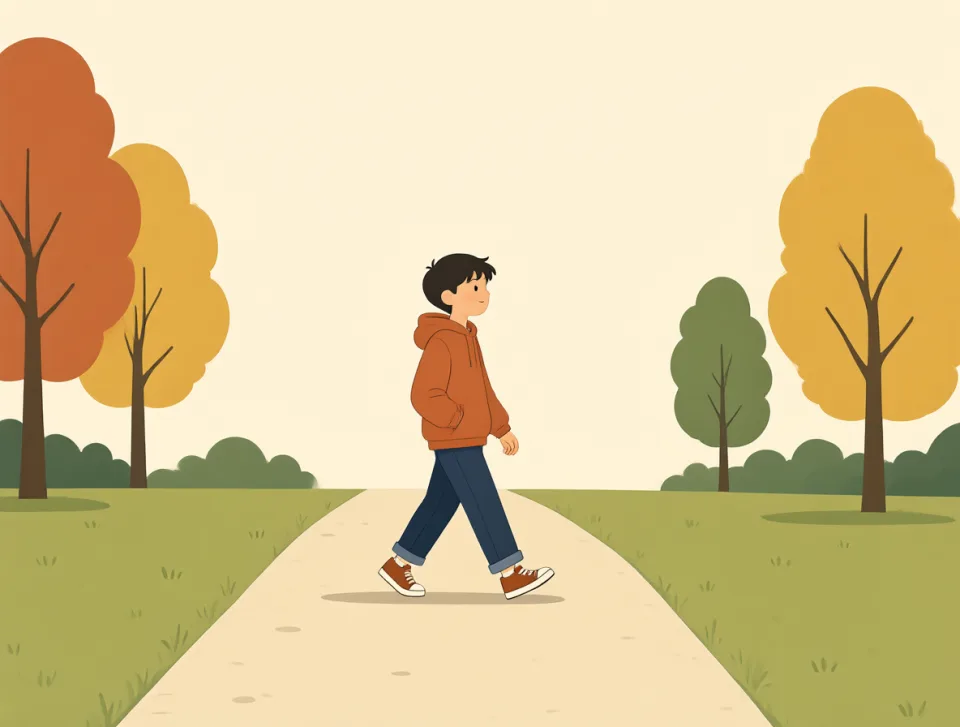
way
#80noun, adverb, adjective
manera; camino; distancia
A method, direction, or distance from one place to another.
Un método, una dirección o la distancia de un lugar a otro.
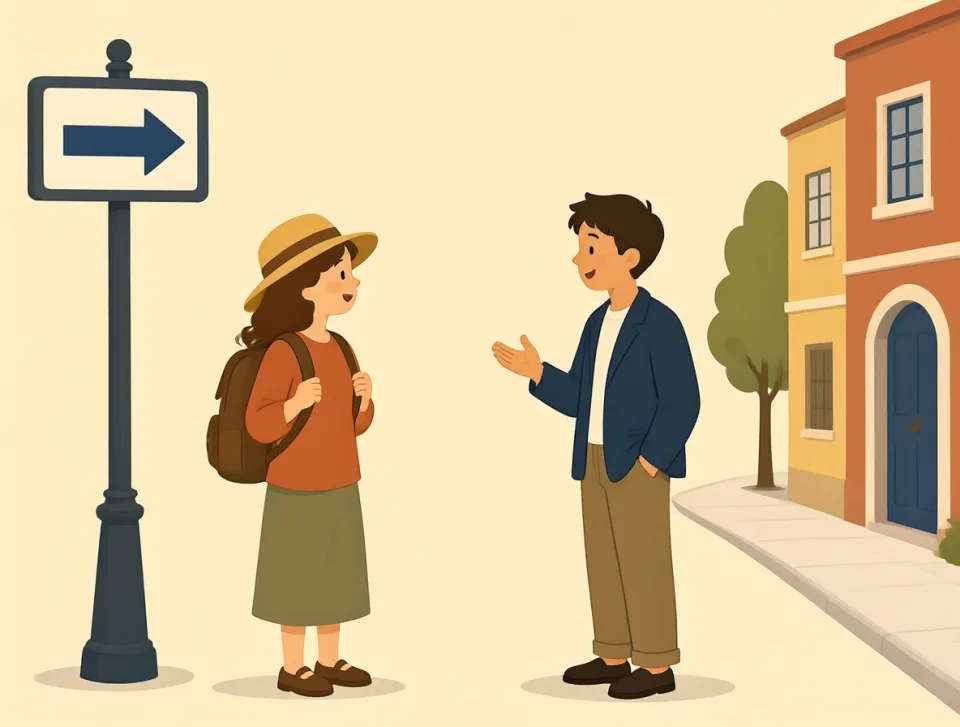
Can you show me the way home?
¿Puedes enseñarme el camino a casa?

This is the best way to learn English.
Esta es la mejor manera de aprender inglés.

The shop is a long way from here.
La tienda está muy lejos de aquí.
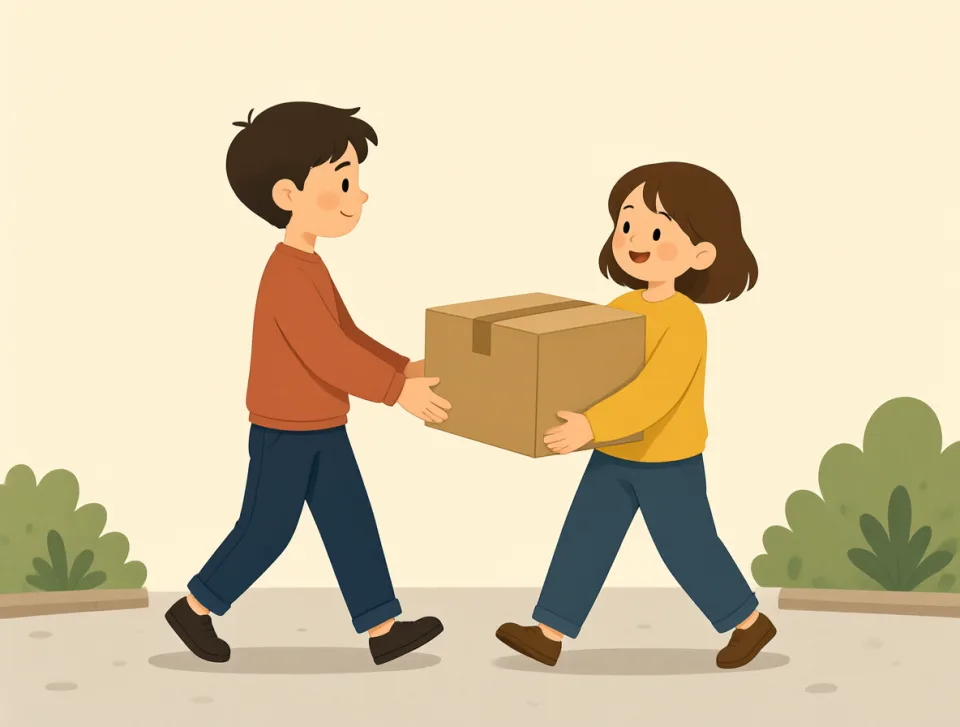
Please move out of the way.
Por favor, quítate de en medio.
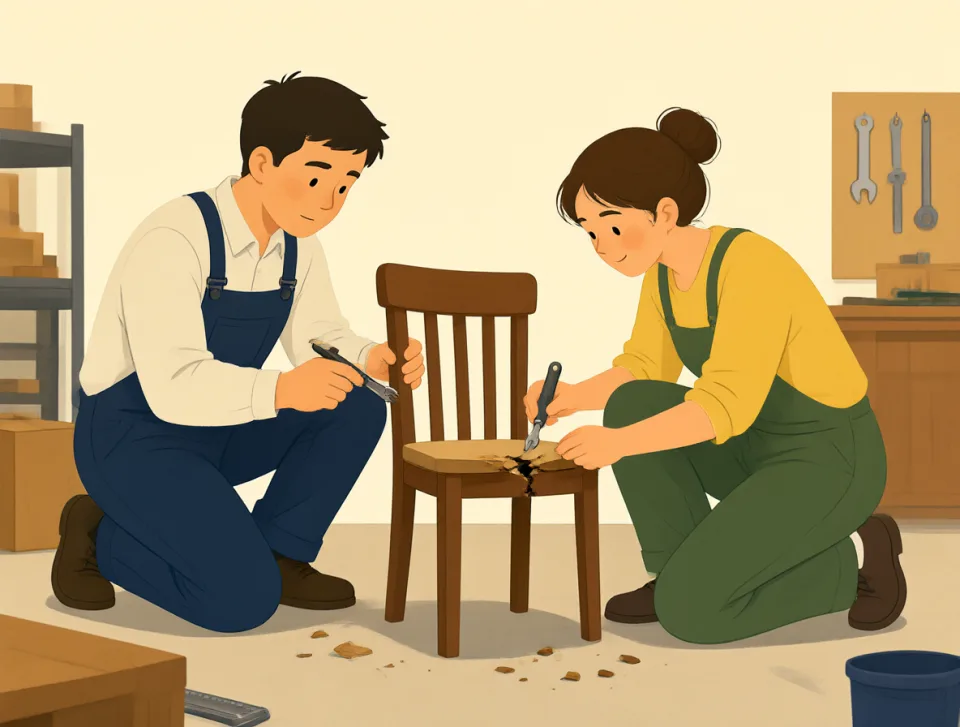
We found a way to fix the problem.
Encontramos una manera de solucionar el problema.