ইউনিট 4
শব্দ 61–80 · well, because, very, just, come, could

well
#61adverb, adjective, noun, verb
ভালোভাবে
In a good, healthy, or successful way; a deep hole for water.
ভালো, সুস্থ বা সফলভাবে; পানি তোলার জন্য খোঁড়া গভীর গর্ত।

She speaks English very well.
সে খুব ভালো ইংরেজি বলে।
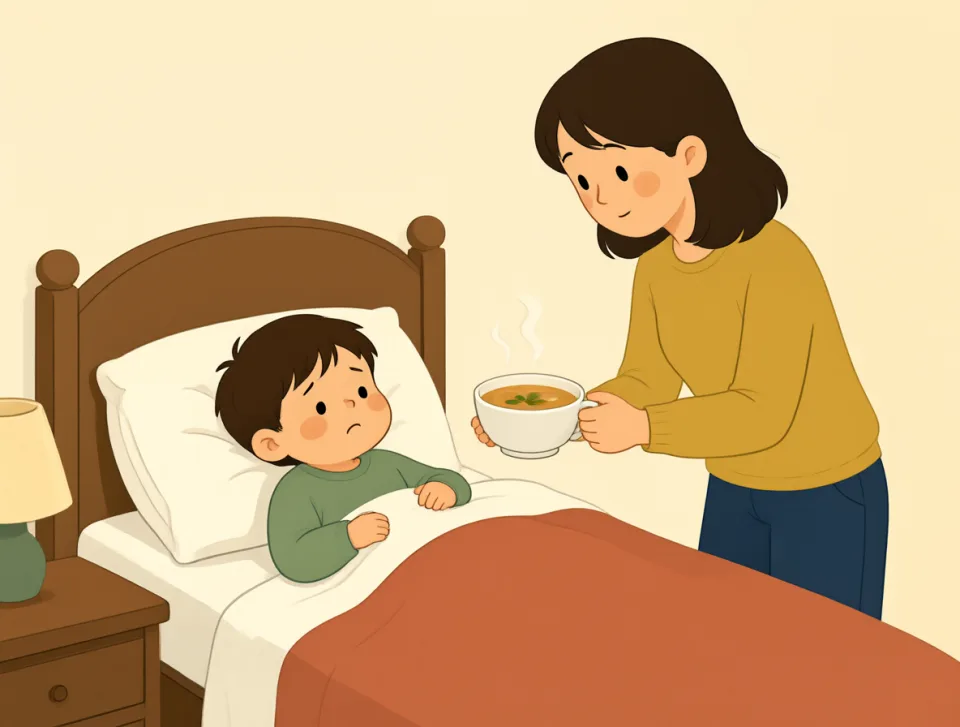
I hope you get well soon.
আশা করি তুমি শিগগিরই সুস্থ হয়ে উঠবে।
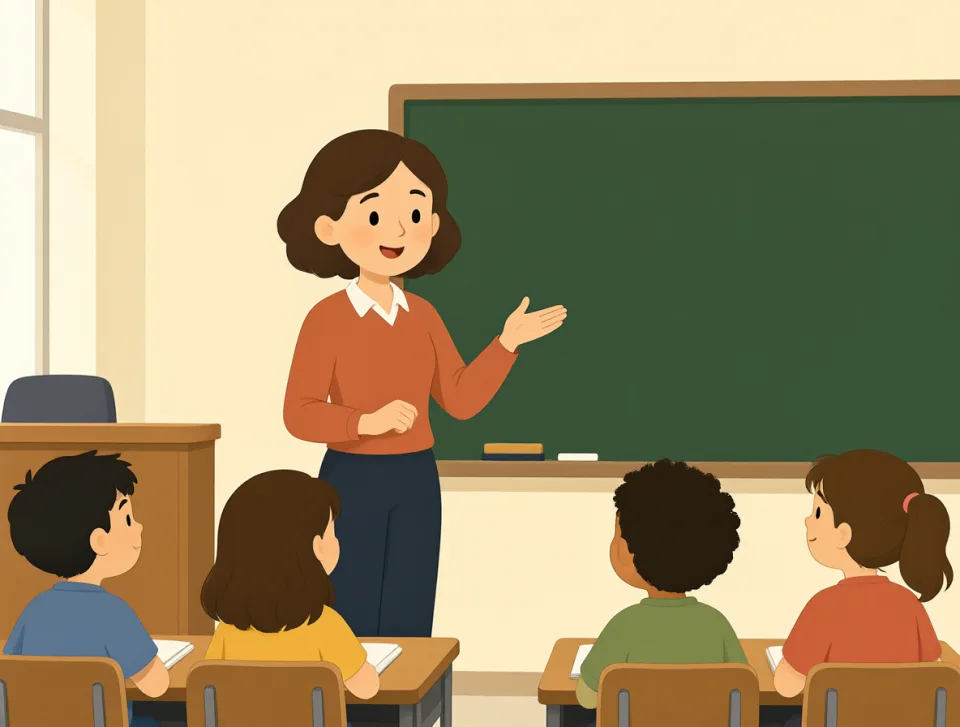
Well, let's start the lesson.
আচ্ছা, চলো পাঠ শুরু করি।
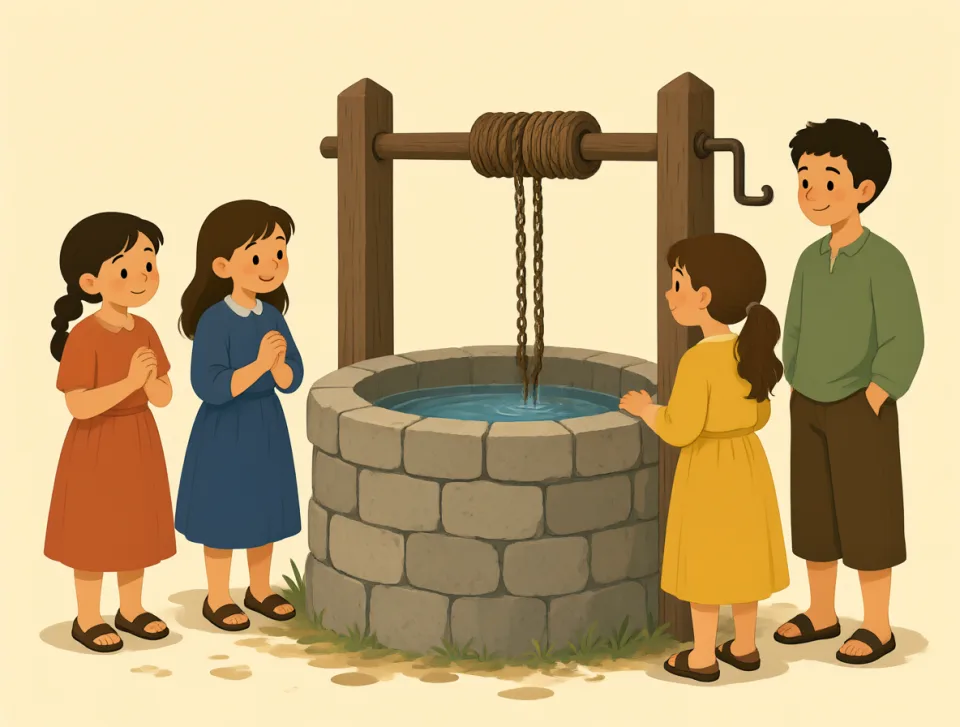
The village has an old stone well.
গ্রামটিতে পাথরে তৈরি একটি পুরোনো কুয়ো আছে।

They well up with tears.
তাদের চোখে পানি চলে আসে।

because
#62conjunction
কারণ
for the reason that something happens
কোনো কিছু ঘটার কারণ বোঝাতে ব্যবহৃত হয়।
I stayed home because I felt sick.
অসুস্থ বোধ করায় আমি বাড়িতে ছিলাম।
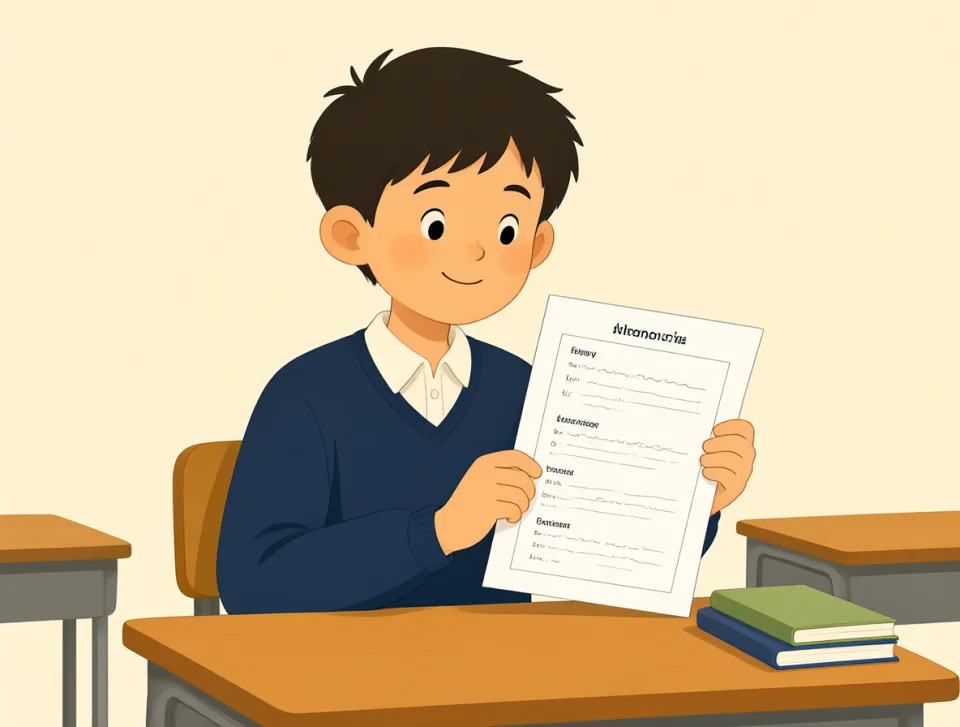
She is happy because she passed her test.
পরীক্ষায় পাস করায় সে খুশি।

We were late because the bus broke down.
বাস নষ্ট হয়ে যাওয়ায় আমাদের দেরি হয়েছিল।

He bought an umbrella because it was raining.
বৃষ্টি হচ্ছিল বলে সে একটি ছাতা কিনেছিল।

They eat early because they have a flight.
তাদের ফ্লাইট আছে বলে তারা তাড়াতাড়ি খায়।
very
#63adverb
খুব
Used before an adjective or adverb to mean to a high degree.
কোনো বিশেষণ বা ক্রিয়াবিশেষণের আগে বসে উচ্চ মাত্রা বোঝায়।
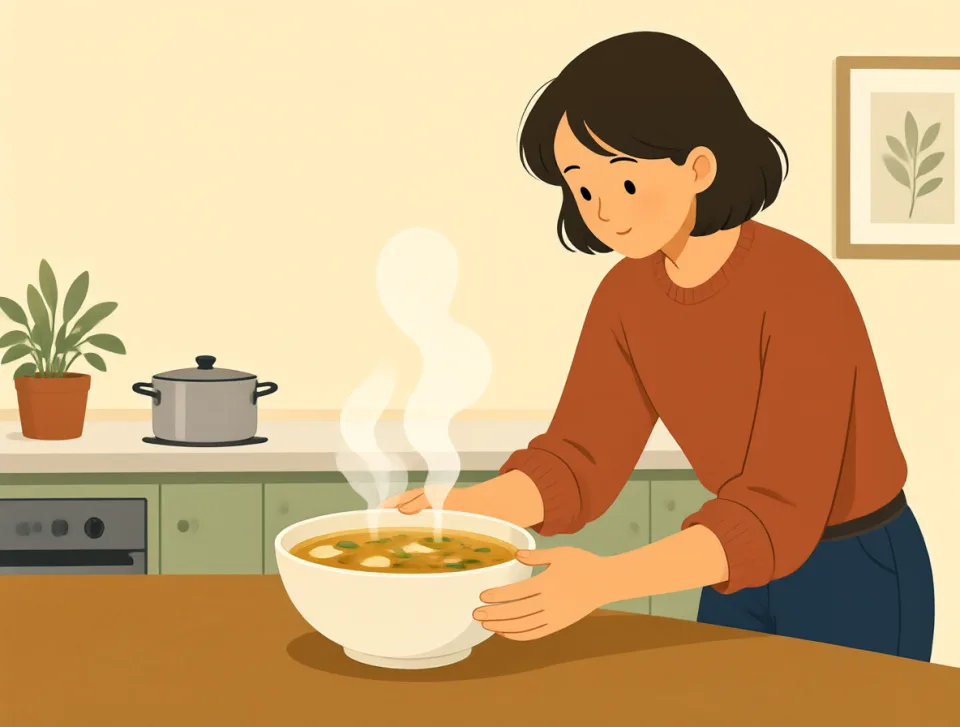
The soup is very hot.
স্যুপটি খুব গরম।

She runs very fast.
সে খুব দ্রুত দৌড়ায়।

I am very tired today.
আজ আমি খুব ক্লান্ত।

This bag is very expensive.
এই ব্যাগটির দাম খুব বেশি।

We had a very good time.
আমরা খুব ভালো সময় কাটিয়েছিলাম।
just
#64adverb, adjective
এইমাত্র; ঠিক; মাত্র
Only recently, exactly, or fairly; used to make something seem less important.
অল্প আগে, ঠিক বা মোটামুটি বোঝায়; কোনো কিছুকে কম গুরুত্বপূর্ণ মনে করাতেও ব্যবহৃত হয়।
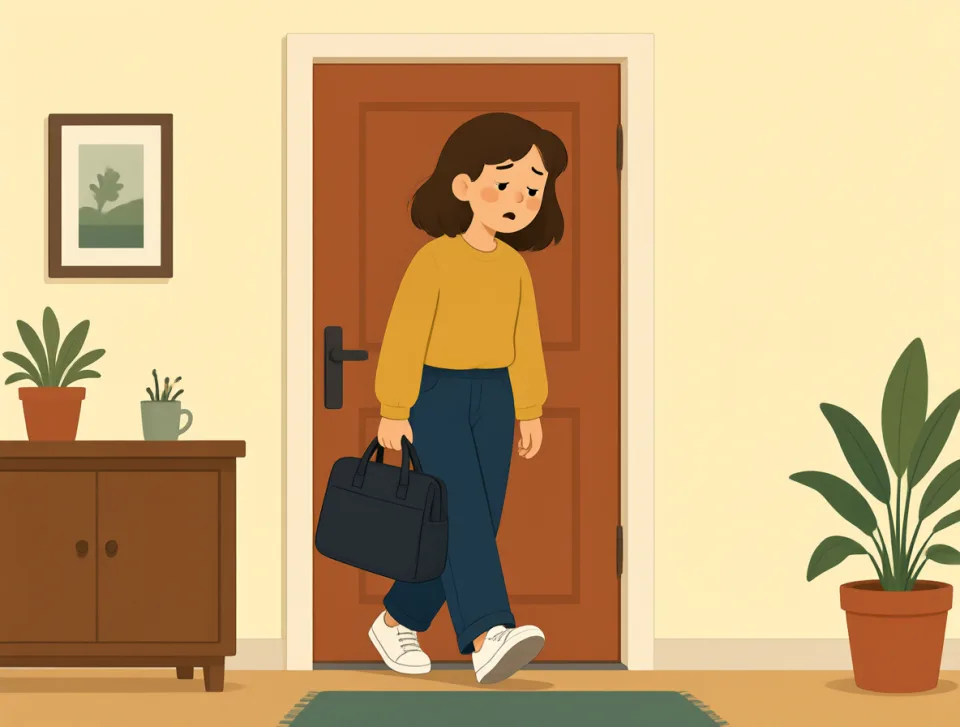
I just got home from work.
আমি এইমাত্র কাজ থেকে বাড়ি ফিরেছি।

Just wait here for a minute.
এক মিনিট এখানে অপেক্ষা করো।

This shirt is just five dollars.
এই শার্টটির দাম মাত্র পাঁচ ডলার।
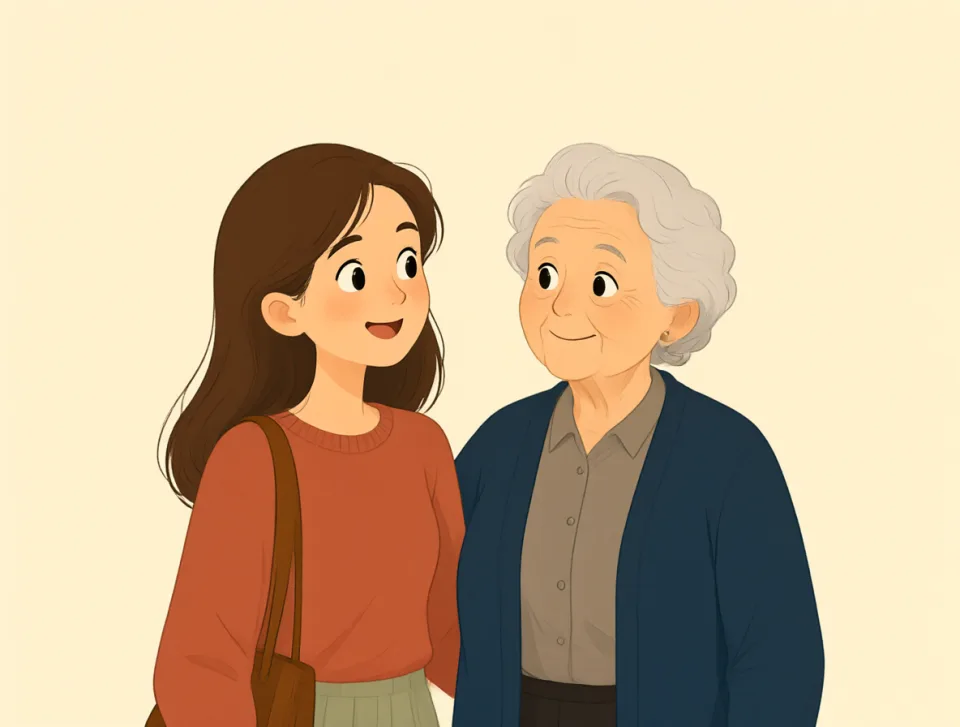
She is just like her mother.
সে একেবারে তার মায়ের মতো।
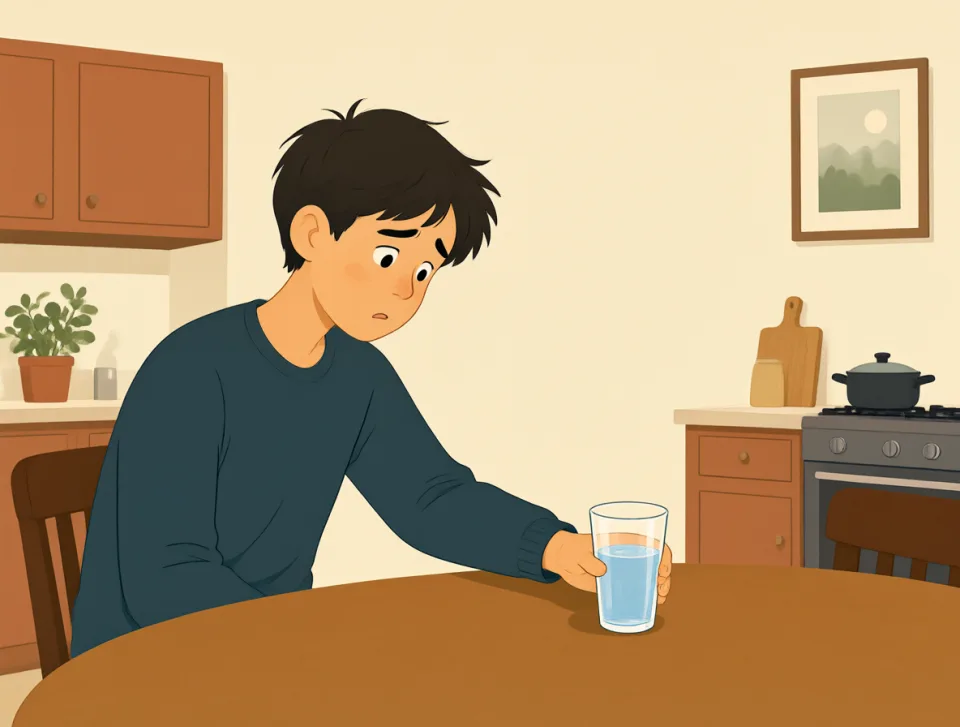
I just want some water.
আমি শুধু একটু পানি চাই।

come
#65verb
আসা
to move toward or arrive at a person or place
কোনো ব্যক্তি বা স্থানের দিকে এগিয়ে যাওয়া বা সেখানে পৌঁছানো।
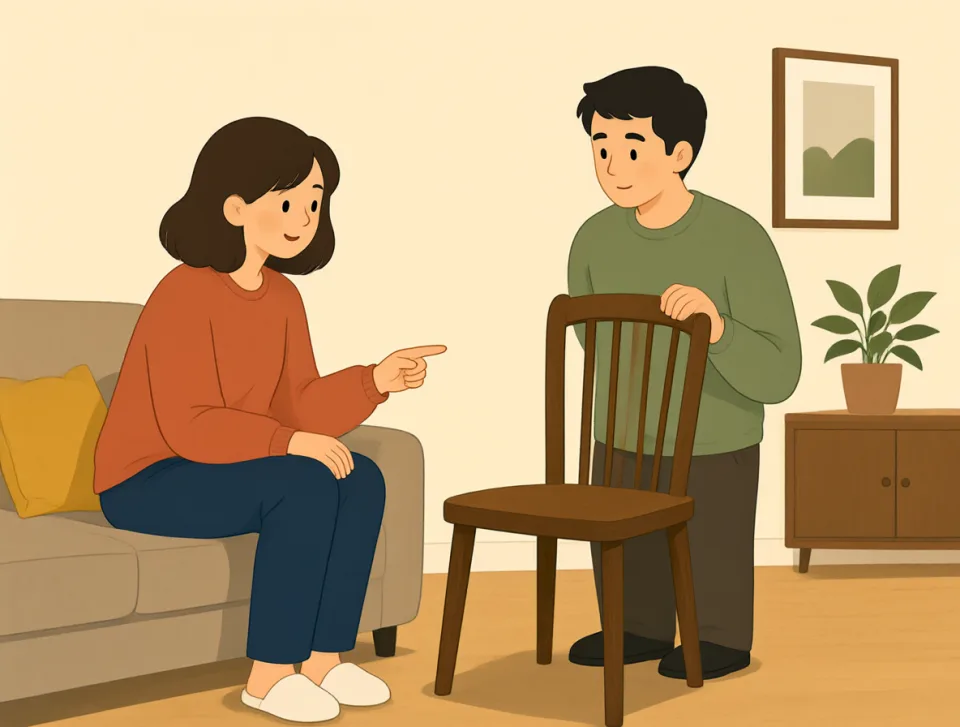
Come here and sit beside me.
এখানে এসো আর আমার পাশে বসো।

What time did you come home?
তুমি কখন বাড়ি এসেছিলে?
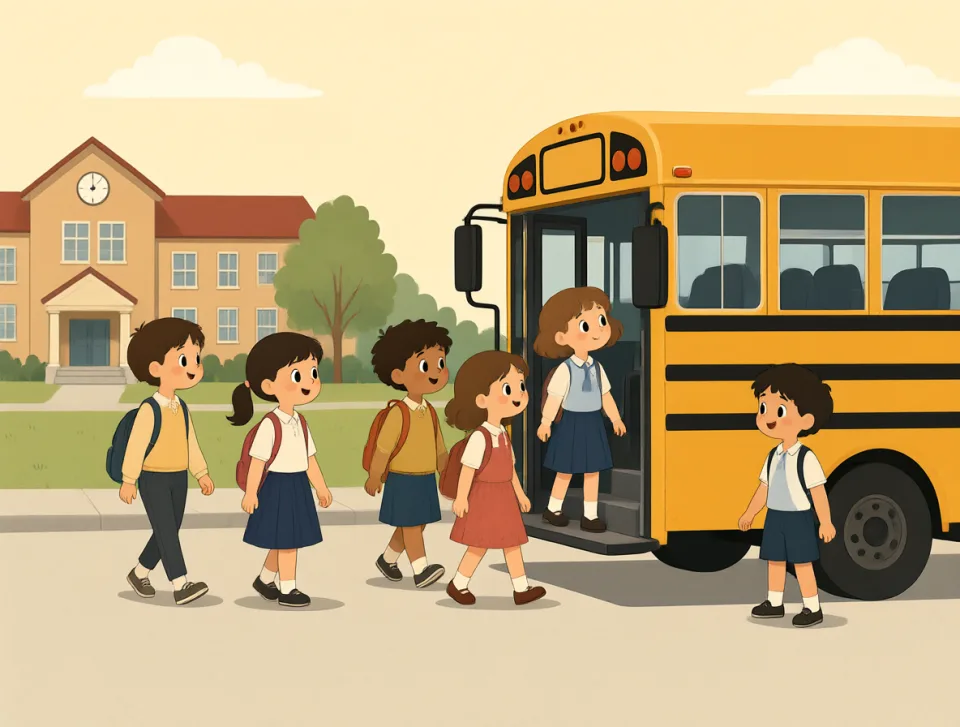
Many students come to school by bus.
অনেক শিক্ষার্থী বাসে করে স্কুলে আসে।

Please come to my birthday party.
দয়া করে আমার জন্মদিনের অনুষ্ঠানে এসো।

This soup comes with fresh bread.
এই স্যুপের সঙ্গে তাজা রুটি দেওয়া হয়।

could
#66modal verb
পারতাম; পারা
Used to ask politely, talk about possibility, or describe ability in the past.
ভদ্রভাবে কিছু জানতে চাওয়া, কোনো সম্ভাবনার কথা বলা বা অতীতের কোনো সক্ষমতা বোঝাতে ব্যবহৃত হয়।
Could you help me with this bag?
আপনি কি এই ব্যাগটা নিয়ে আমাকে সাহায্য করতে পারবেন?

We could meet at the station tomorrow.
আমরা আগামীকাল স্টেশনে দেখা করতে পারি।

I could swim when I was five.
আমার পাঁচ বছর বয়সে আমি সাঁতার কাটতে পারতাম।

Could I have some water, please?
দয়া করে কি আমাকে একটু পানি দেবেন?

It could rain this afternoon.
আজ বিকেলে বৃষ্টি হতে পারে।

work
#67noun, verb
কাজ
To do a job or activity, or the job or activity you do.
কোনো কাজ বা কার্যকলাপ করা, অথবা আপনি যে চাকরি বা কাজ করেন।

I work in a small office.
আমি একটি ছোট অফিসে কাজ করি।

She works hard every day.
সে প্রতিদিন কঠোর পরিশ্রম করে।

This computer does not work.
এই কম্পিউটারটি কাজ করছে না।

We have a lot of work today.
আজ আমাদের অনেক কাজ আছে।

His works hang in the museum.
তার শিল্পকর্মগুলো জাদুঘরে ঝুলছে।
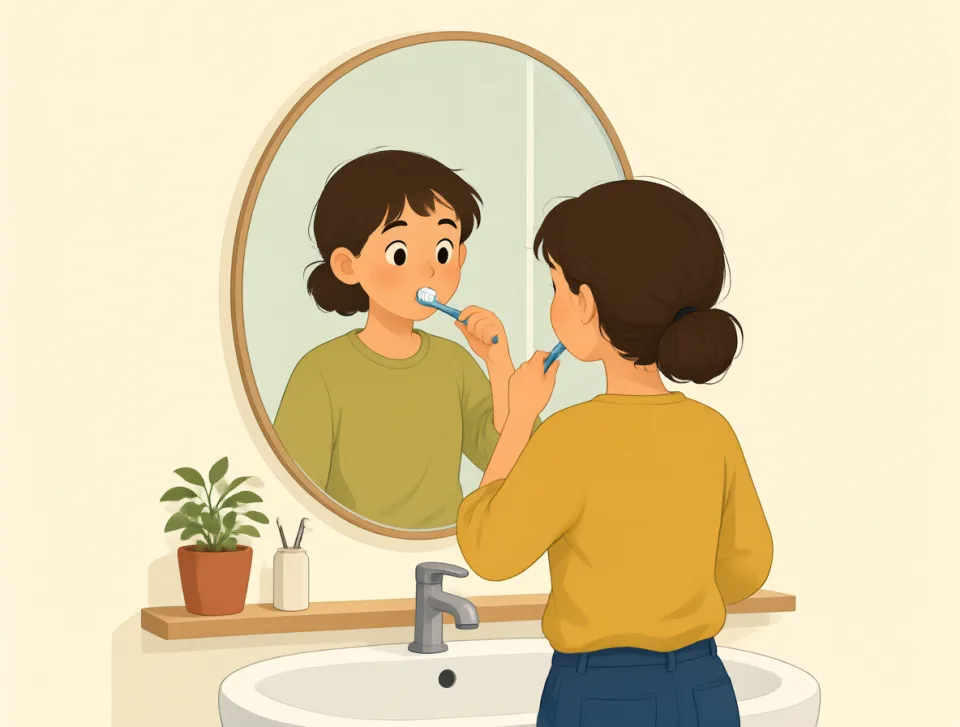
use
#68verb, noun
ব্যবহার করা; ব্যবহার
To do something with a thing for a purpose; the way something is used.
কোনো উদ্দেশ্যে কোনো জিনিস দিয়ে কিছু করা; কোনো জিনিস কীভাবে ব্যবহৃত হয়।

I use my phone every day.
আমি প্রতিদিন আমার ফোন ব্যবহার করি।
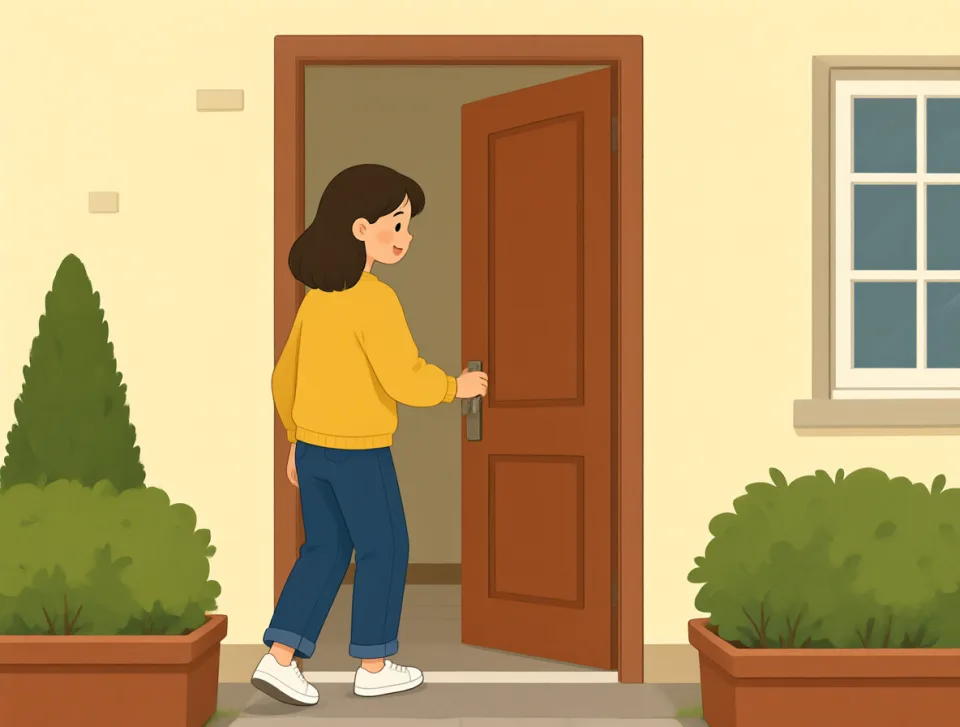
Please use this door.
দয়া করে এই দরজাটি ব্যবহার করুন।
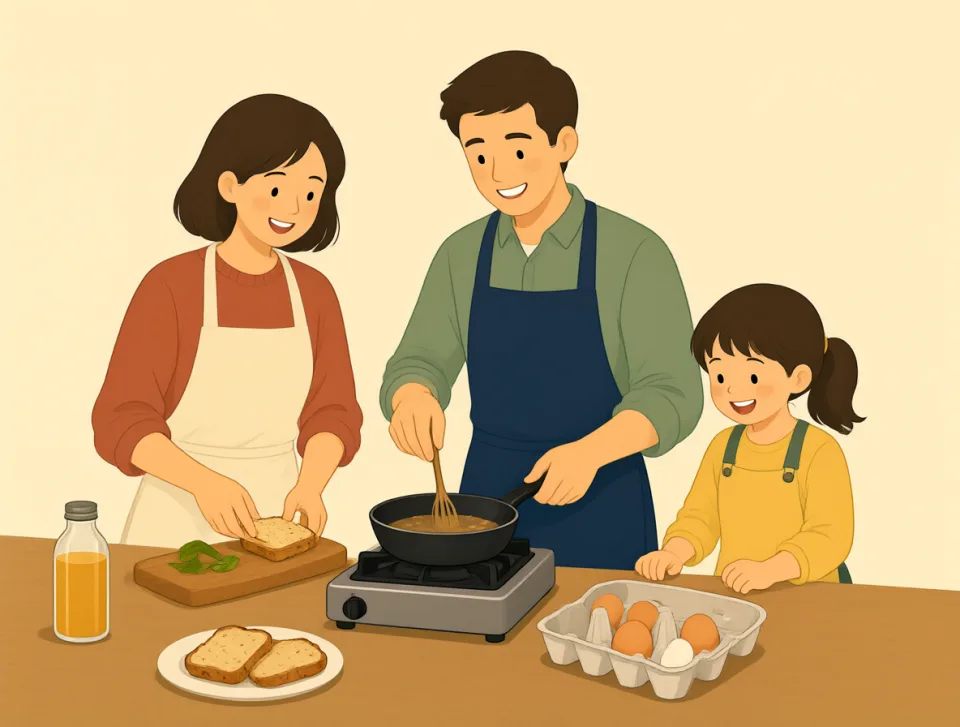
We used all the eggs for breakfast.
আমরা সকালের নাশতার জন্য সব ডিম ব্যবহার করেছি।
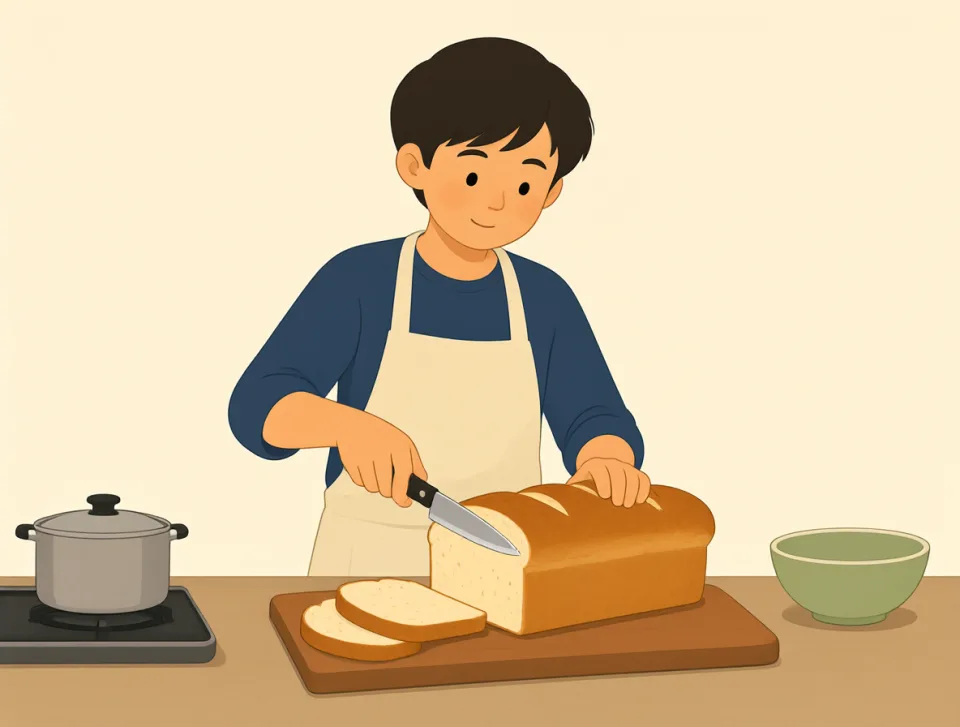
She uses a knife to cut bread.
সে রুটি কাটতে ছুরি ব্যবহার করে।

This bag has many uses.
এই ব্যাগটির অনেক ব্যবহার আছে।
than
#69conjunction, preposition
থেকে
Used to compare two people, things, or actions.
দুই ব্যক্তি, বস্তু বা কাজের মধ্যে তুলনা করতে ব্যবহৃত হয়।
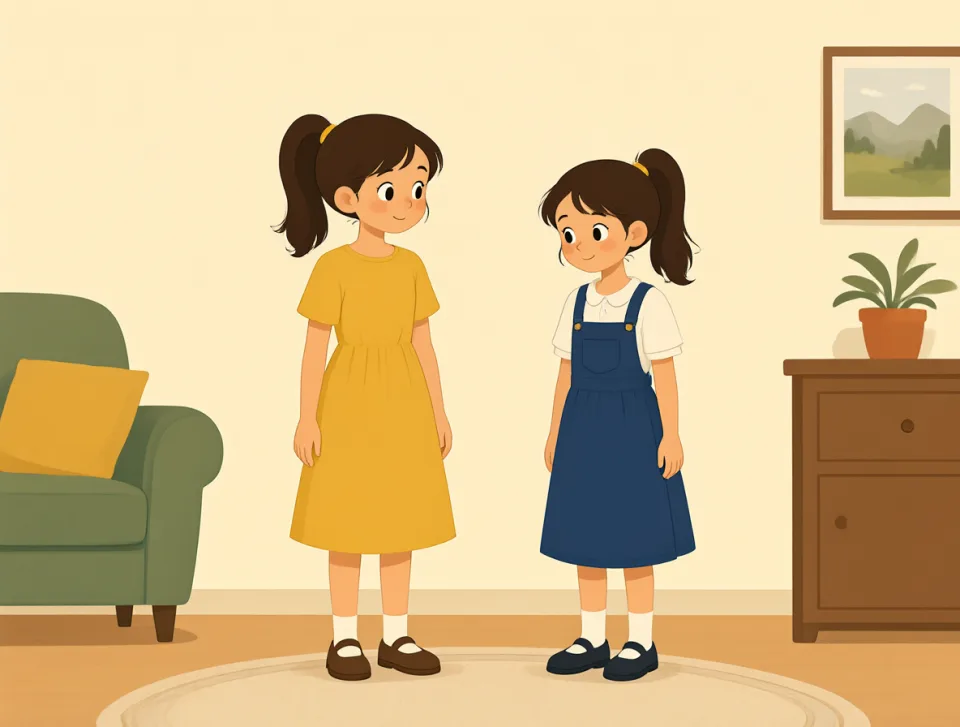
My sister is taller than me.
আমার বোন আমার চেয়ে লম্বা।

This bag is cheaper than that one.
এই ব্যাগটি ওটার চেয়ে সস্তা।

I would rather walk than take the bus.
আমি বাসে চড়ার চেয়ে হেঁটে যেতে বেশি পছন্দ করব।

He works harder than his brother.
সে তার ভাইয়ের চেয়ে বেশি পরিশ্রম করে।
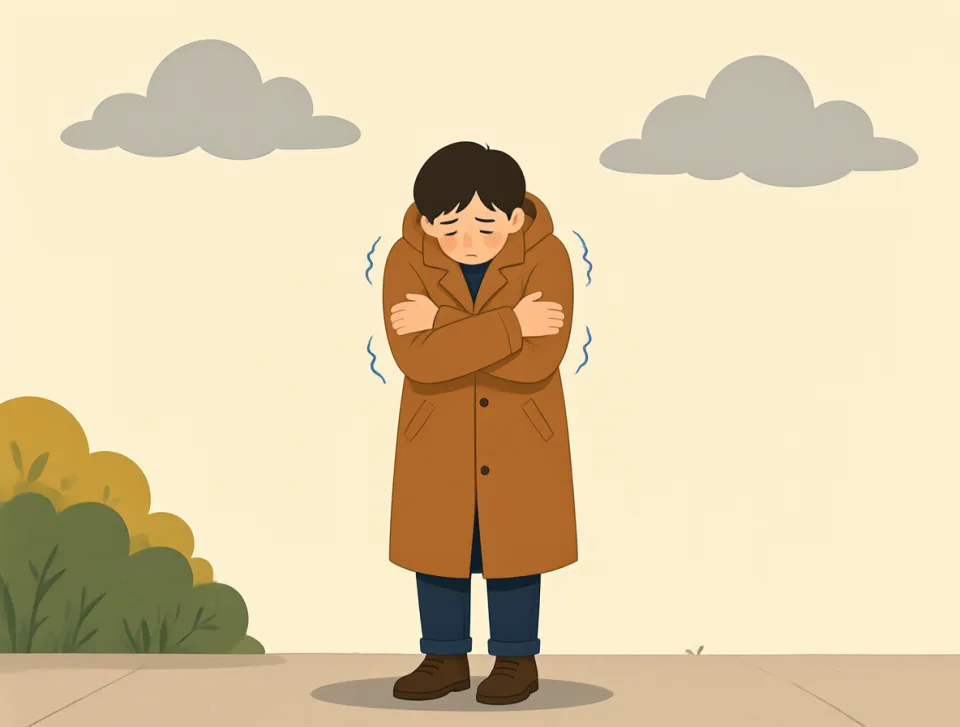
It was colder than yesterday.
গতকালের চেয়ে আজ ঠান্ডা ছিল।

now
#70adverb, noun, adjective
এখন
at the present time or moment
বর্তমান সময়ে বা মুহূর্তে।
I am busy now.
আমি এখন ব্যস্ত।

Please come here now.
দয়া করে এখনই এখানে আসুন।

We have to leave now.
আমাদের এখনই চলে যেতে হবে।

Now is a good time to start.
শুরু করার জন্য এখনই ভালো সময়।

The store is closed now.
দোকানটি এখন বন্ধ।

then
#71adverb, adjective
তখন; তারপর
At that time, or next after something else happens.
সেই সময়ে, অথবা অন্য কিছু ঘটার পরের ধাপে।
We ate dinner, then watched a movie.
আমরা রাতের খাবার খেলাম, তারপর একটা সিনেমা দেখলাম।
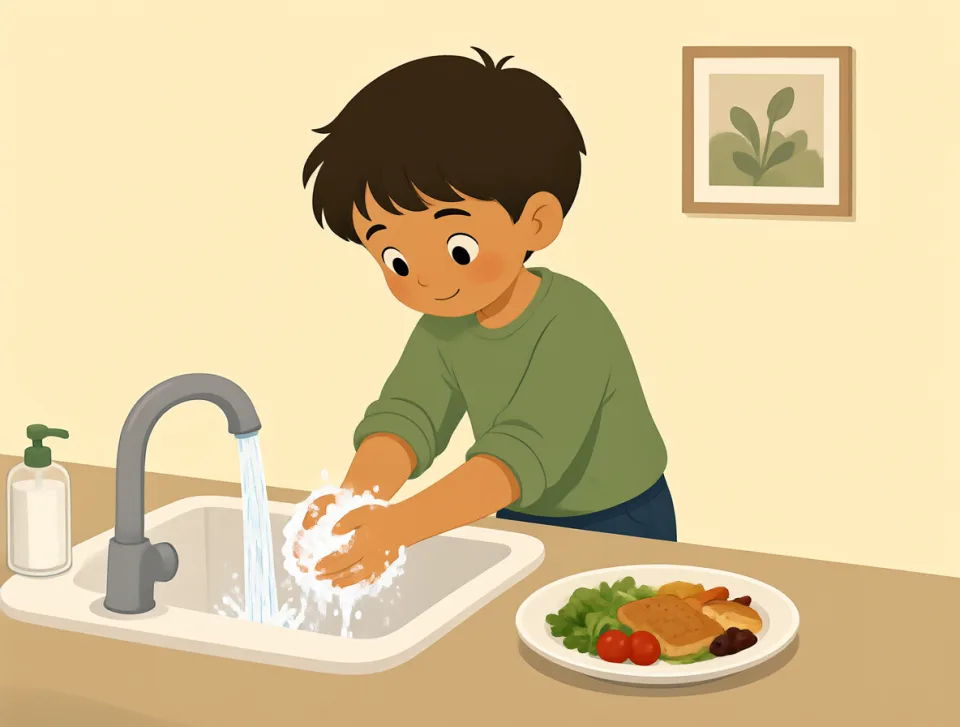
First wash your hands, then eat.
আগে হাত ধুয়ে নাও, তারপর খাও।

I was living in London then.
তখন আমি লন্ডনে থাকতাম।
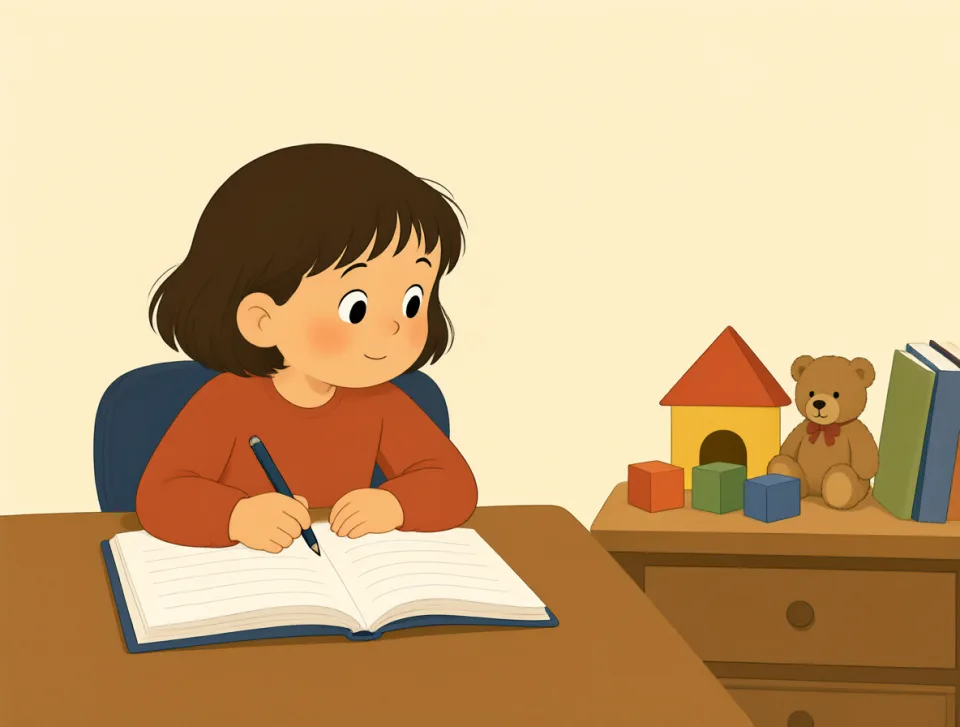
If you finish, then you can play.
তুমি শেষ করলে তারপর খেলতে পারবে।
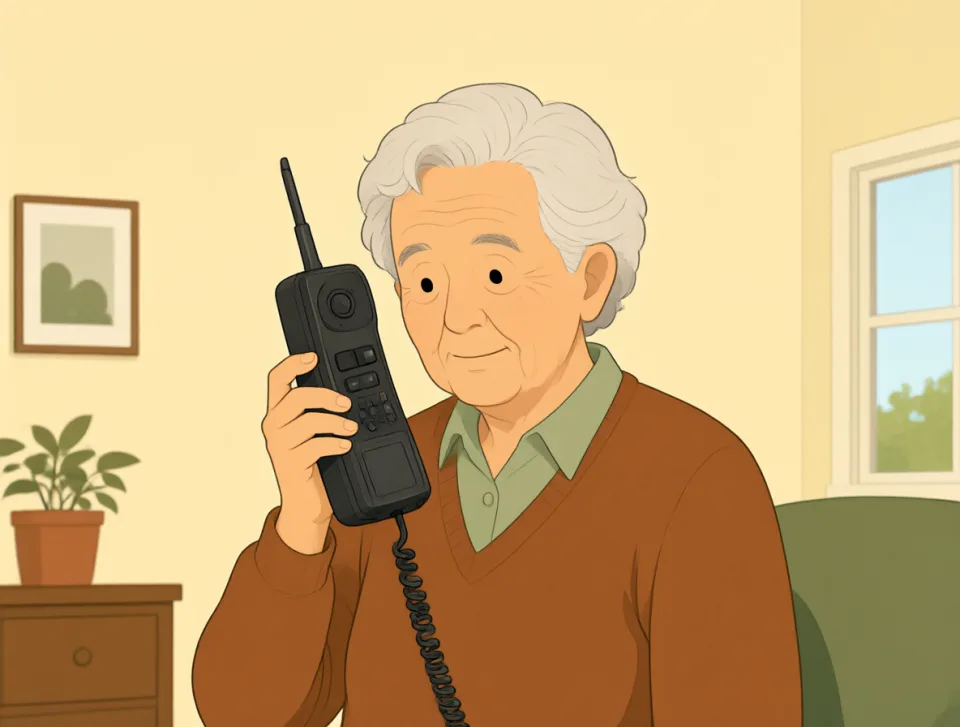
Back then, phones were much bigger.
তখনকার দিনে ফোনগুলো অনেক বড় ছিল।

also
#72adverb
এছাড়াও
In addition to someone or something already mentioned.
আগে উল্লেখ করা কোনো ব্যক্তি বা জিনিসের পাশাপাশি।
I also like tea in the morning.
সকালে আমিও চা পছন্দ করি।

She also works at the hospital.
সেও হাসপাতালে কাজ করে।

We also need some bread for dinner.
রাতের খাবারের জন্য আমাদেরও কিছু পাউরুটি দরকার।
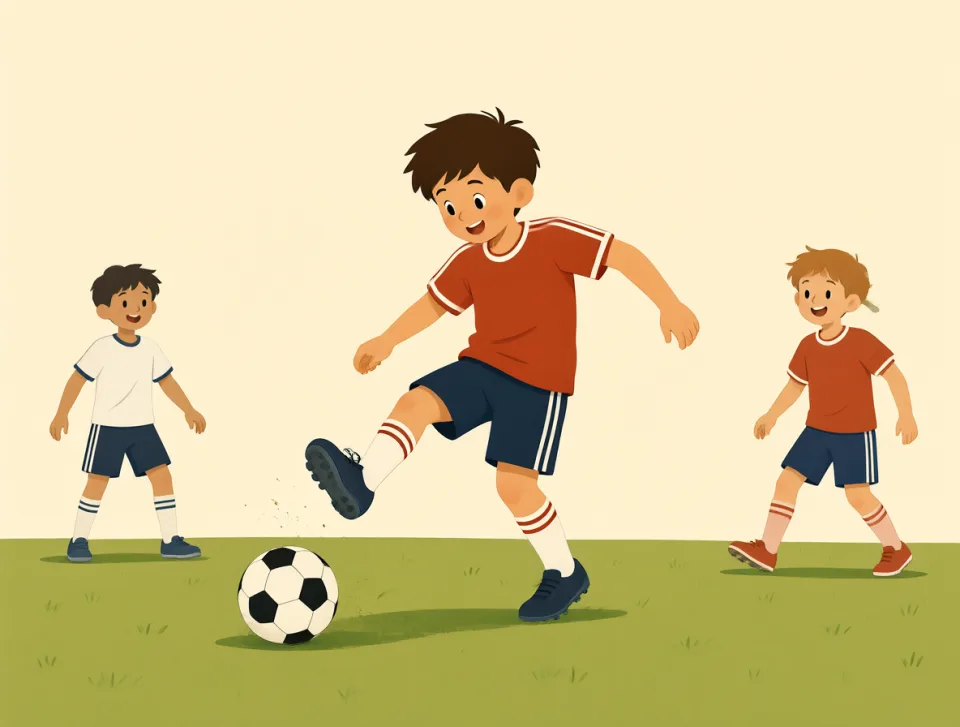
He also plays soccer with his friends.
সে তার বন্ধুদের সঙ্গে ফুটবলও খেলে।

The hotel also has a small swimming pool.
হোটেলটিতে একটি ছোট সুইমিং পুলও আছে।
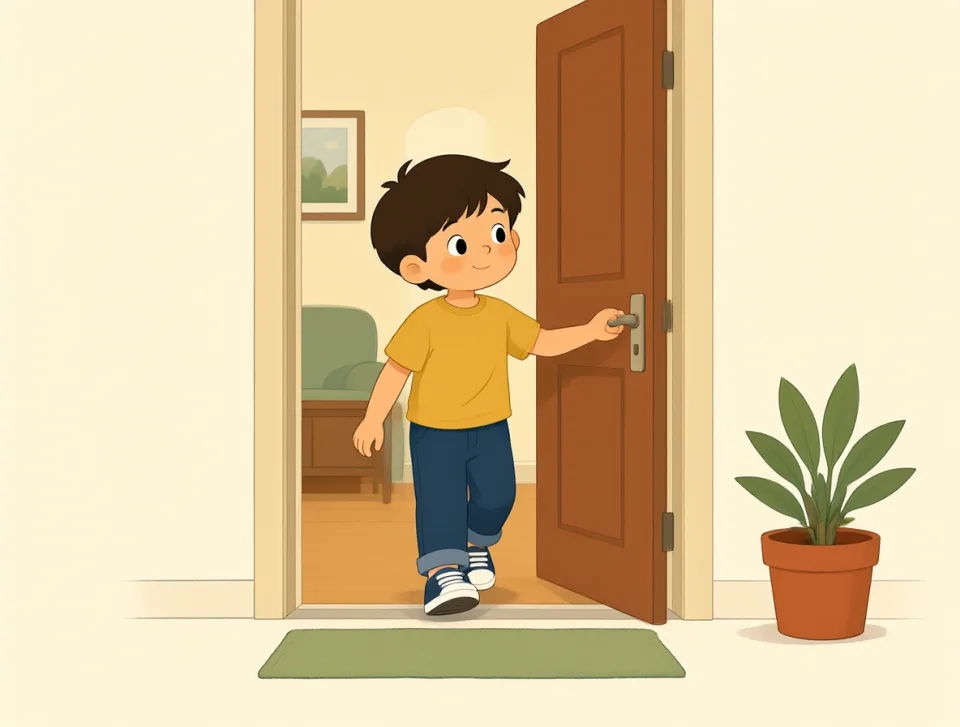
into
#73preposition
ভেতরে; মধ্যে
to a position inside something or toward a particular place, situation, or activity
কোনো কিছুর ভেতরে অবস্থান নেওয়া, অথবা কোনো নির্দিষ্ট জায়গা, পরিস্থিতি বা কাজের দিকে যাওয়া।
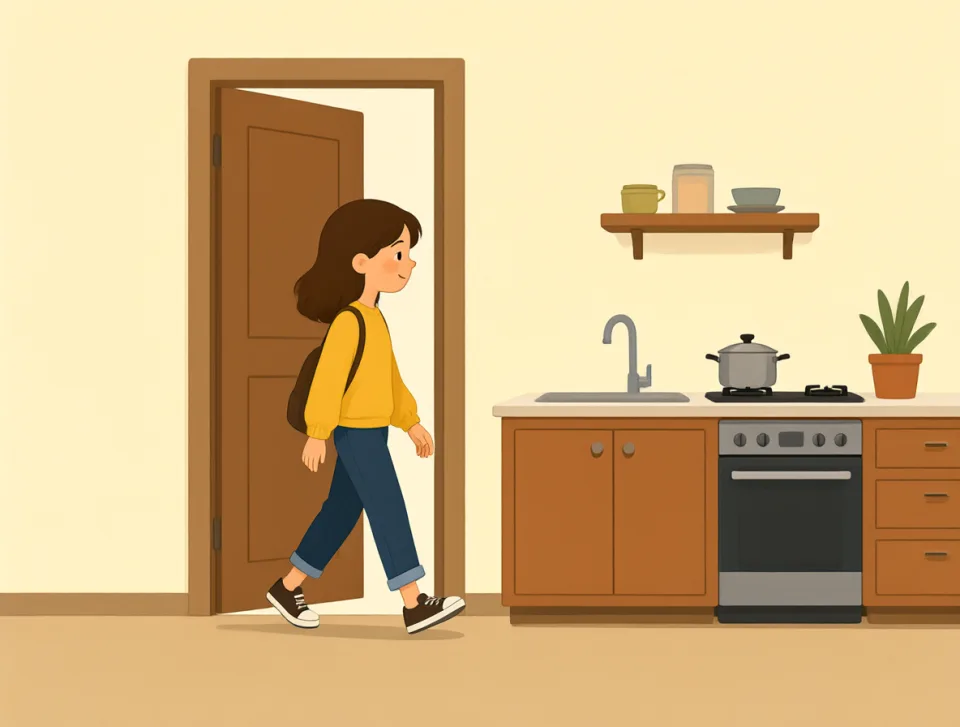
She walked into the kitchen.
সে হেঁটে রান্নাঘরে গেল।

He put the books into his bag.
সে বইগুলো তার ব্যাগের ভেতরে রাখল।
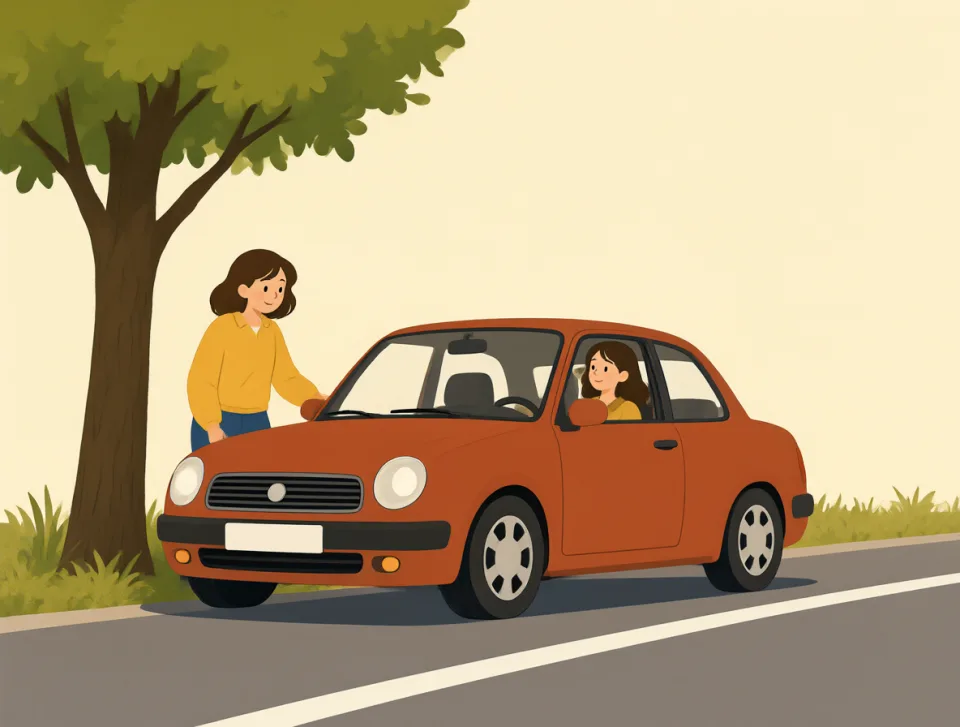
The car crashed into a tree.
গাড়িটি একটি গাছের সঙ্গে ধাক্কা খেল।

I am really into cooking now.
আমি এখন রান্নায় ভীষণ আগ্রহী।

They changed the plan into a party.
তারা পরিকল্পনাটিকে বদলে পার্টিতে পরিণত করল।
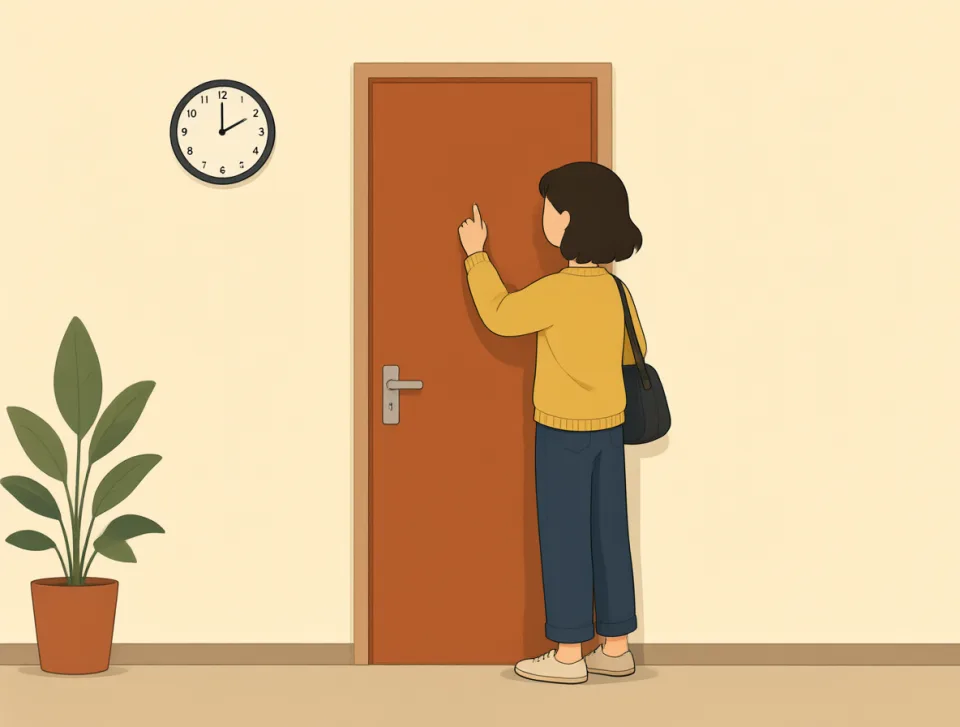
only
#74adverb, adjective, determiner, conjunction
শুধু; মাত্র
No more than one person or thing, or nothing else.
একজন ব্যক্তি বা একটি জিনিসের বেশি নয়, অথবা অন্য কিছু নয়।
I only have ten minutes before work.
কাজে যাওয়ার আগে আমার হাতে মাত্র দশ মিনিট আছে।
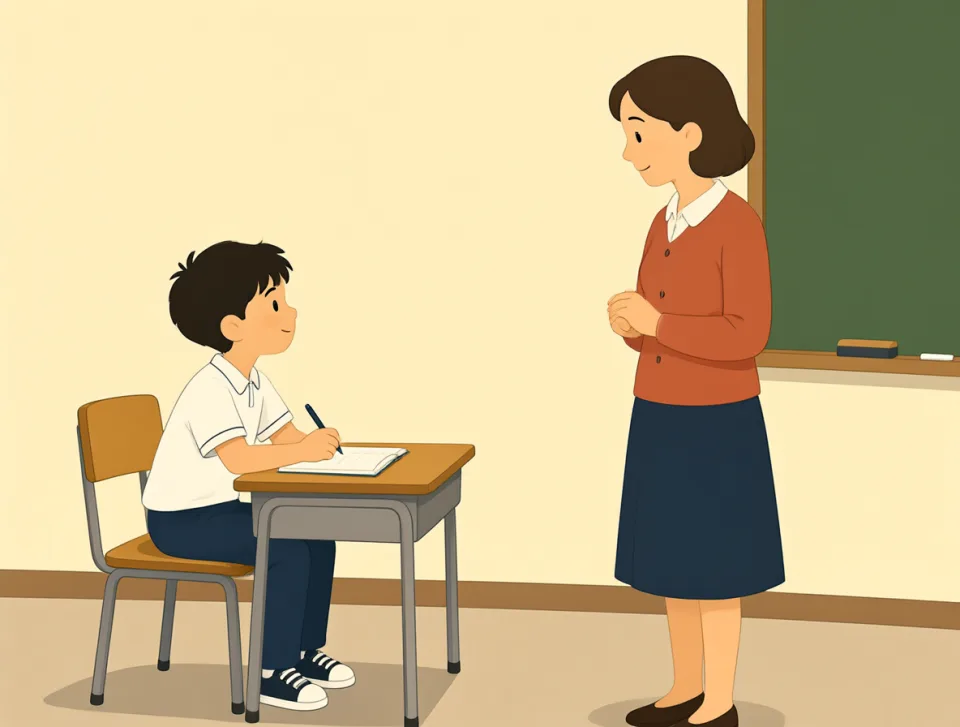
She is the only student in class.
ক্লাসে সে-ই একমাত্র শিক্ষার্থী।

We only need two tickets for the train.
ট্রেনের জন্য আমাদের মাত্র দুটি টিকিট দরকার।
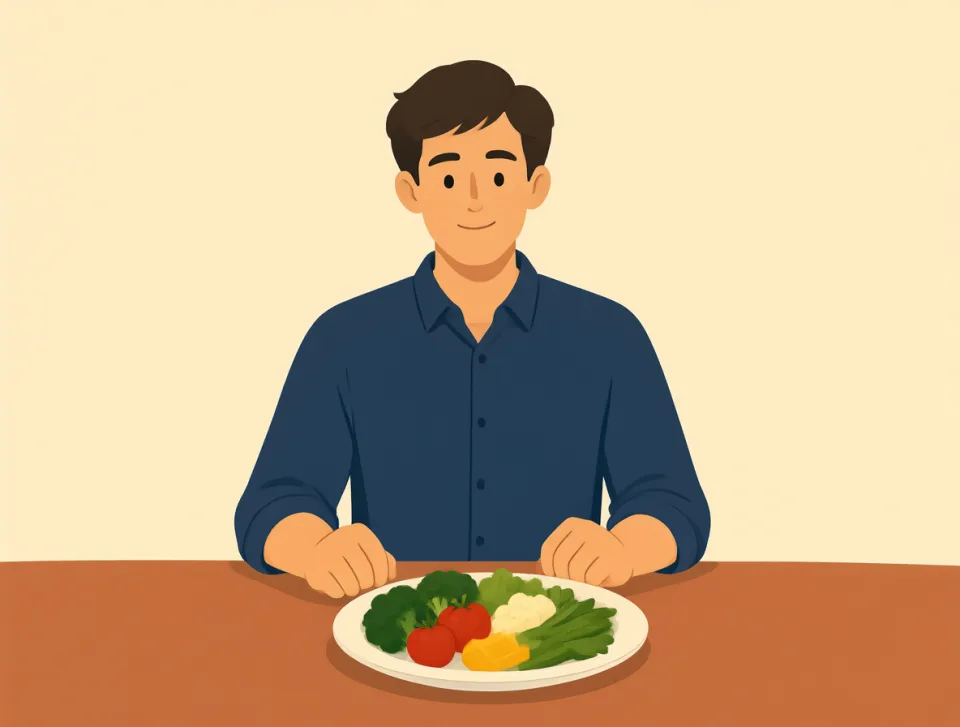
He eats only vegetables for lunch.
দুপুরের খাবারে সে শুধু সবজিই খায়।
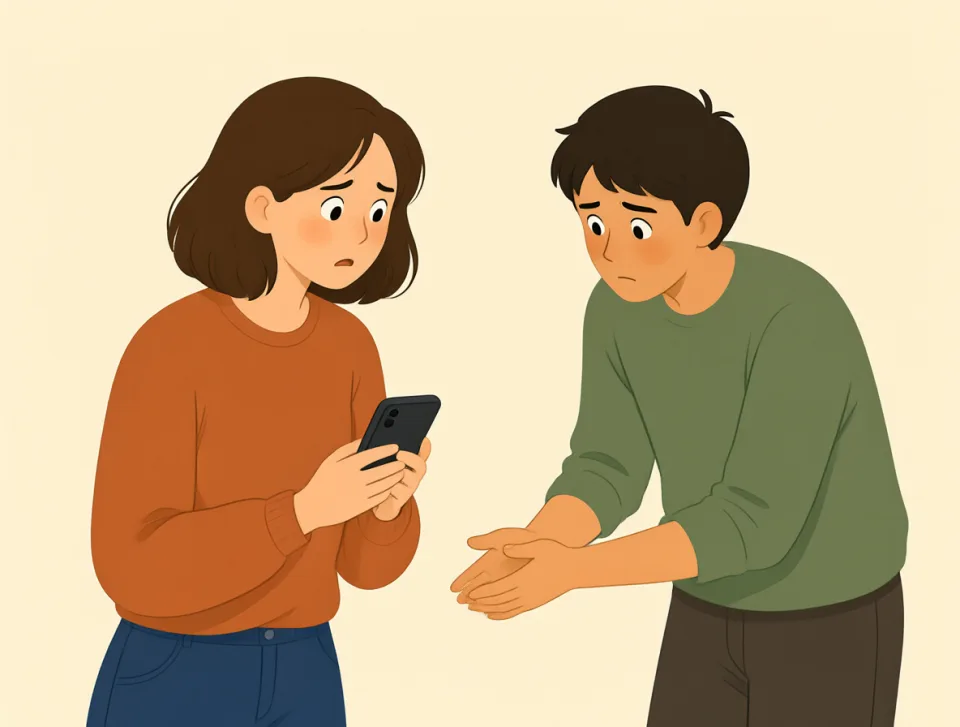
Call me only if you need help.
সাহায্যের দরকার হলেই শুধু আমাকে ফোন কোরো।

look
#75verb, noun
তাকানো; দেখতে হওয়া
to use your eyes to see something or to have a particular appearance
চোখ দিয়ে কোনো কিছু দেখা, অথবা কোনো বিশেষ রকমের দেখাতে হওয়া।

Look at this picture with me.
আমার সঙ্গে এই ছবিটা দেখো।

You look tired after your long trip.
দীর্ঘ ভ্রমণের পর তোমাকে ক্লান্ত দেখাচ্ছে।
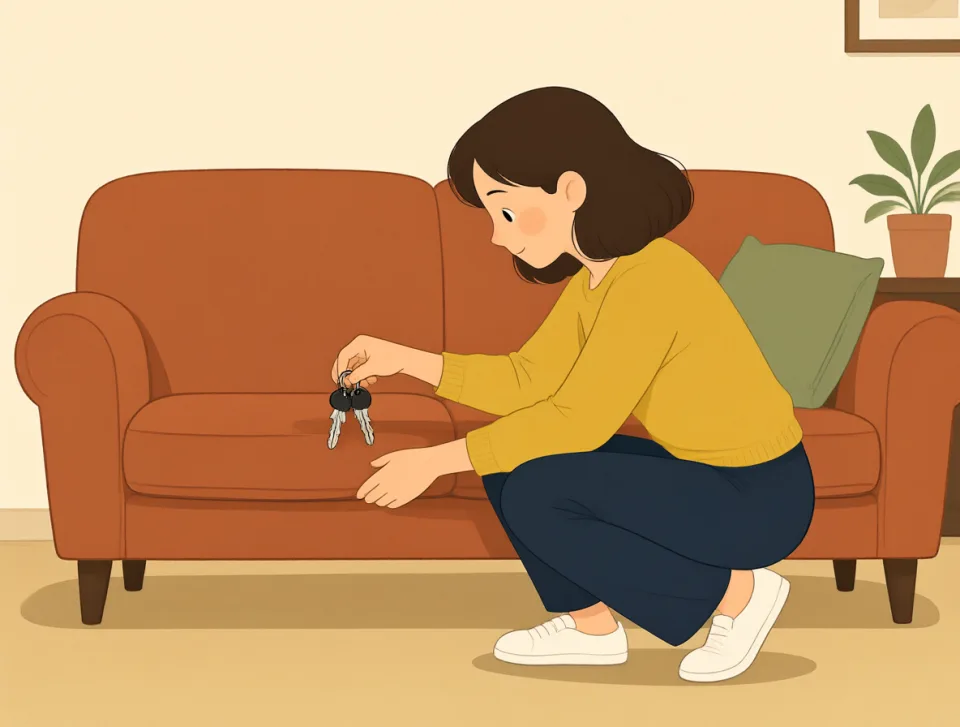
She looked for her keys everywhere.
সে সব জায়গায় তার চাবি খুঁজল।

He looks like his older brother.
তাকে তার বড় ভাইয়ের মতো দেখতে।

The doctor looked at my sore throat.
ডাক্তার আমার গলাব্যথা পরীক্ষা করলেন।

want
#76verb, noun
চাওয়া
To wish to have or do something; a need for something important.
কোনো কিছু পাওয়ার বা করার ইচ্ছা থাকা; গুরুত্বপূর্ণ কোনো কিছুর প্রয়োজন হওয়া।
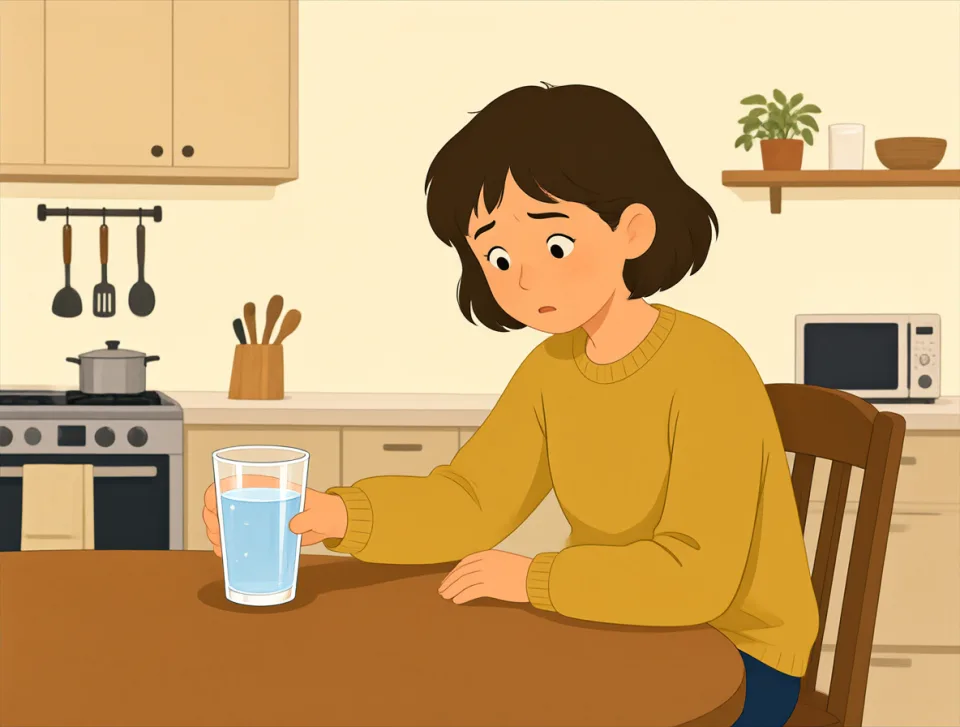
I want a glass of water, please.
দয়া করে আমাকে এক গ্লাস পানি দিন।
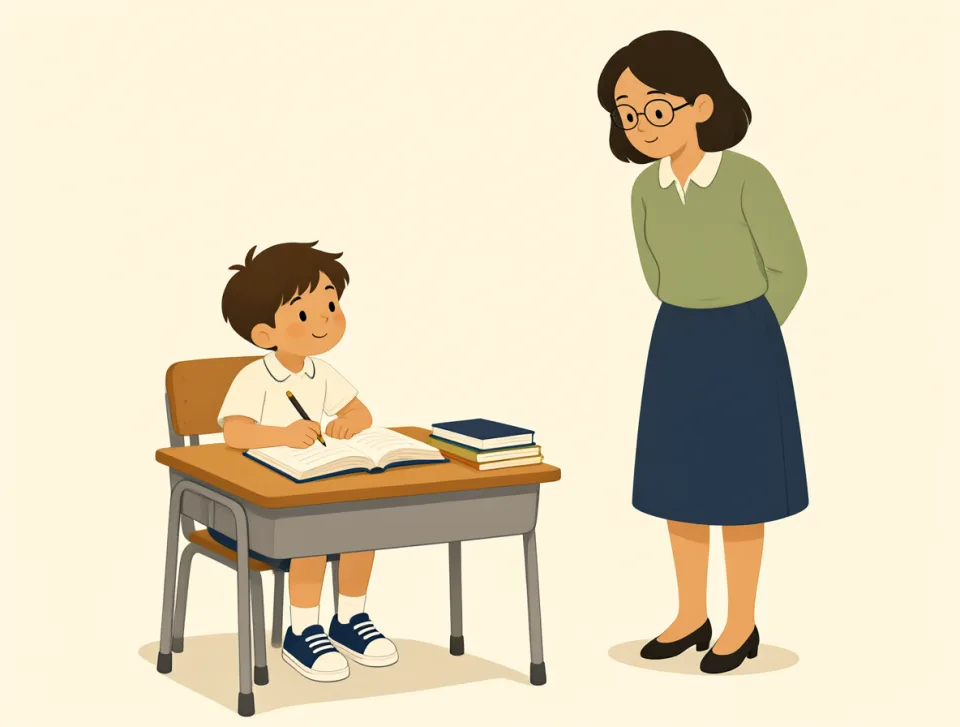
She wants to learn English at school.
সে স্কুলে ইংরেজি শিখতে চায়।

We wanted a table near the window.
আমরা জানালার পাশে একটি টেবিল চেয়েছিলাম।

They want to buy new shoes.
তারা নতুন জুতা কিনতে চায়।
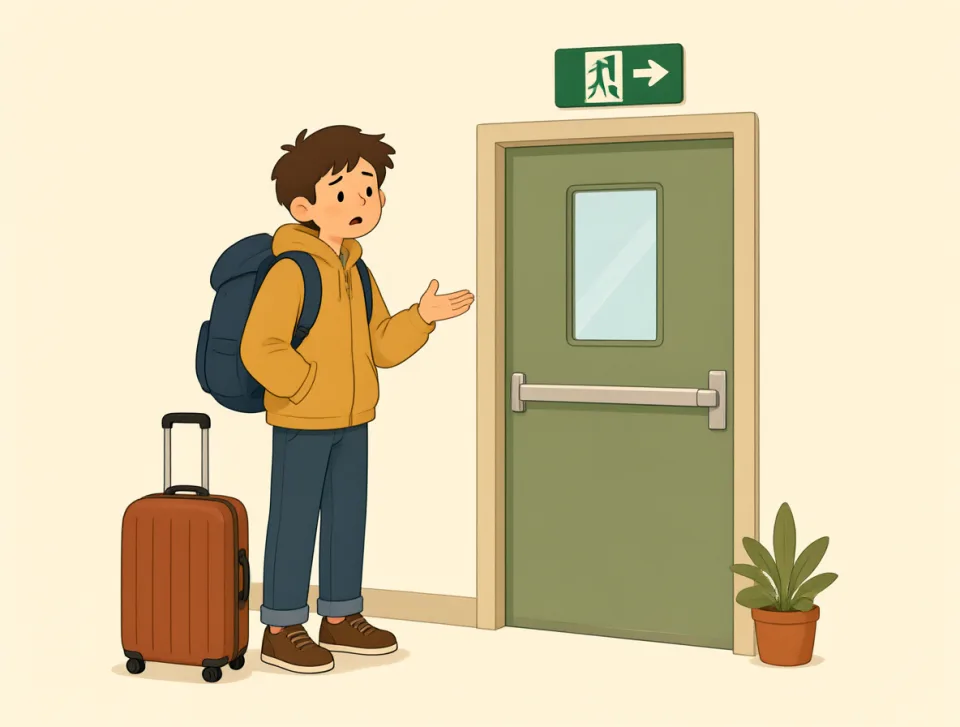
He wants to go home now.
সে এখনই বাড়ি যেতে চায়।

give
#77verb, noun
দেওয়া
to hand something to someone or provide something for them
কাউকে কোনো কিছু হাতে তুলে দেওয়া বা তার জন্য কোনো কিছু সরবরাহ করা।
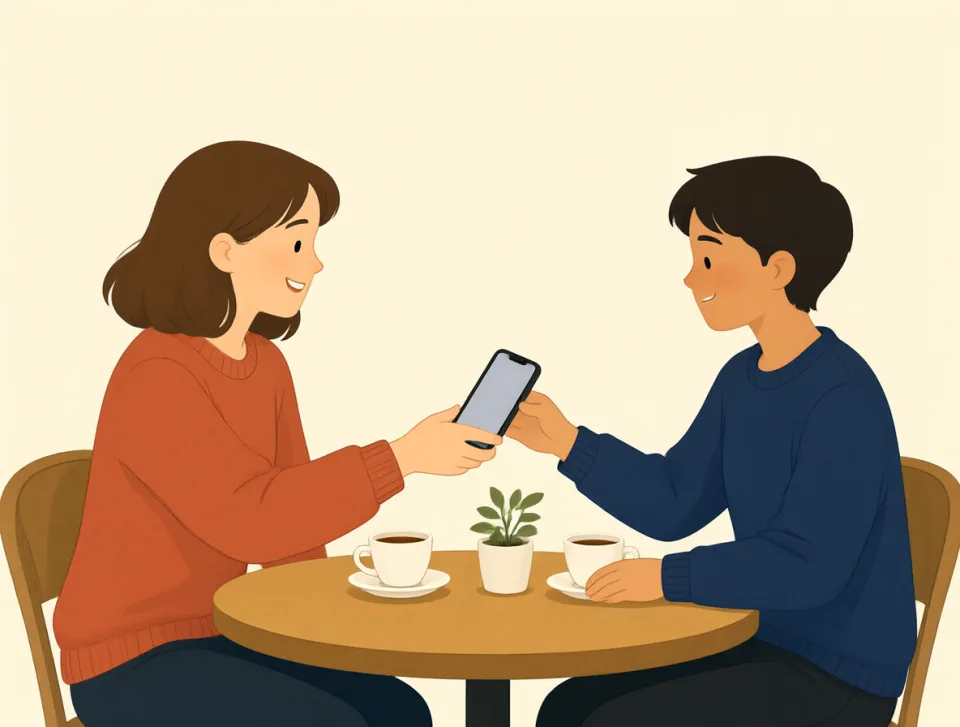
Please give me your phone number.
দয়া করে আপনার ফোন নম্বরটি আমাকে দিন।
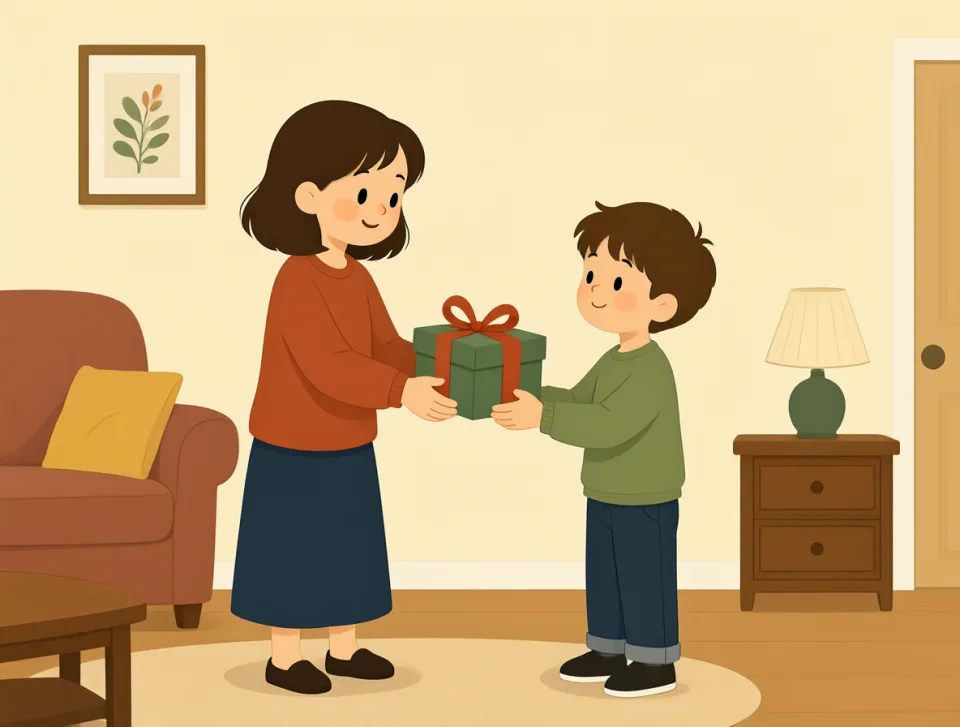
She gave her brother a birthday present.
সে তার ভাইকে জন্মদিনের উপহার দিয়েছিল।

The teacher gave us homework yesterday.
শিক্ষক গতকাল আমাদের বাড়ির কাজ দিয়েছিলেন।

Can you give me some water?
আপনি কি আমাকে একটু পানি দিতে পারেন?
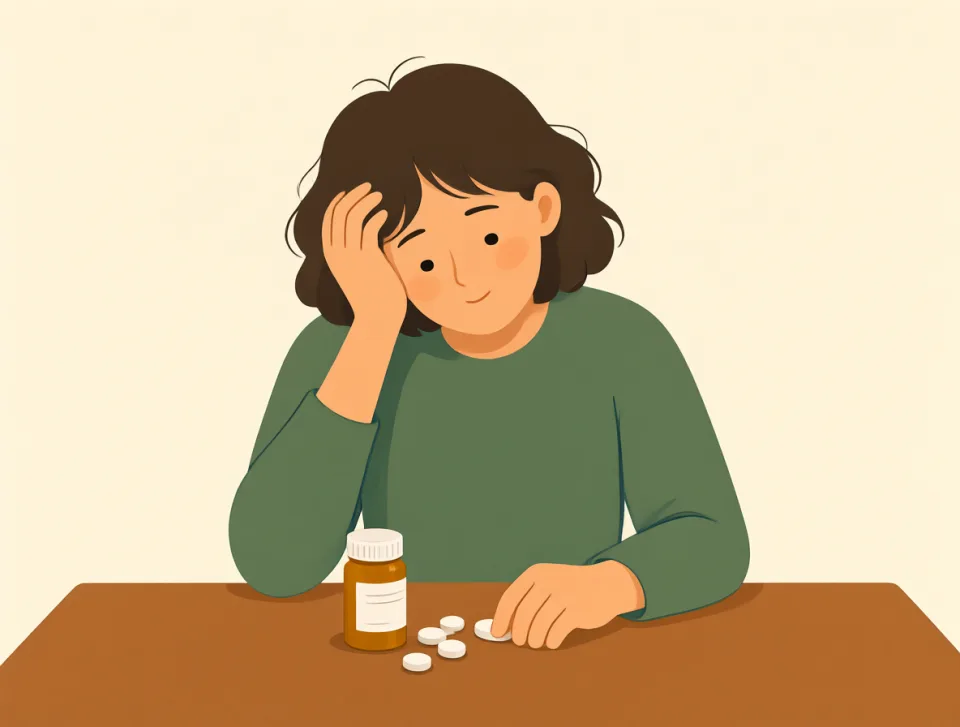
This medicine gives me a headache.
এই ওষুধটি খেলে আমার মাথাব্যথা হয়।
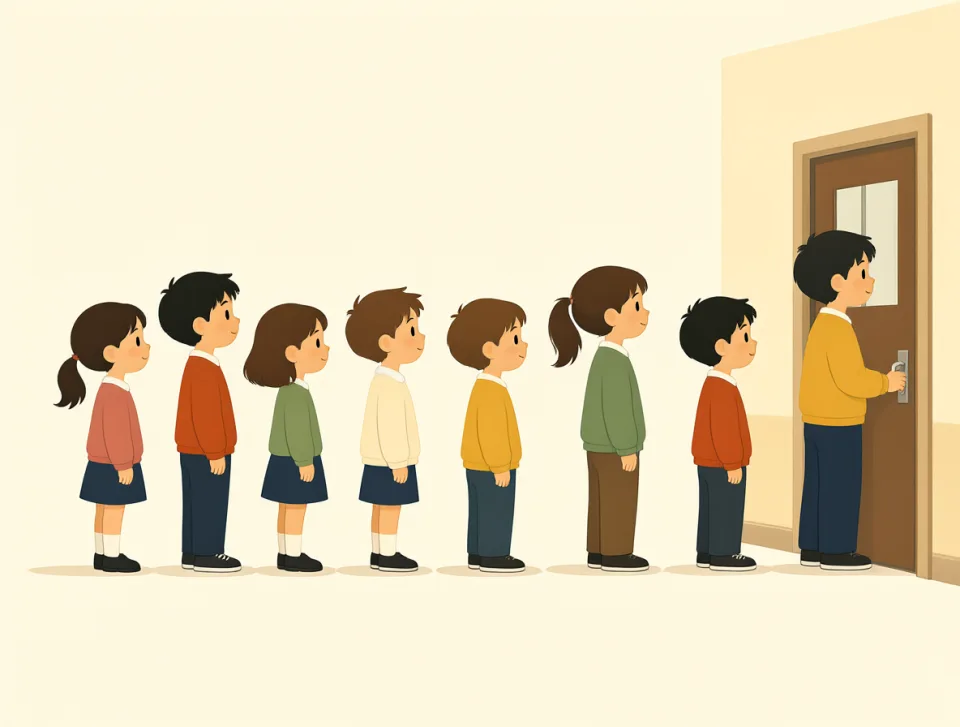
first
#78adjective, adverb, noun, determiner
প্রথম
Coming before all others in time, order, or importance.
সময়, ক্রম বা গুরুত্বের দিক থেকে অন্য সবার আগে।
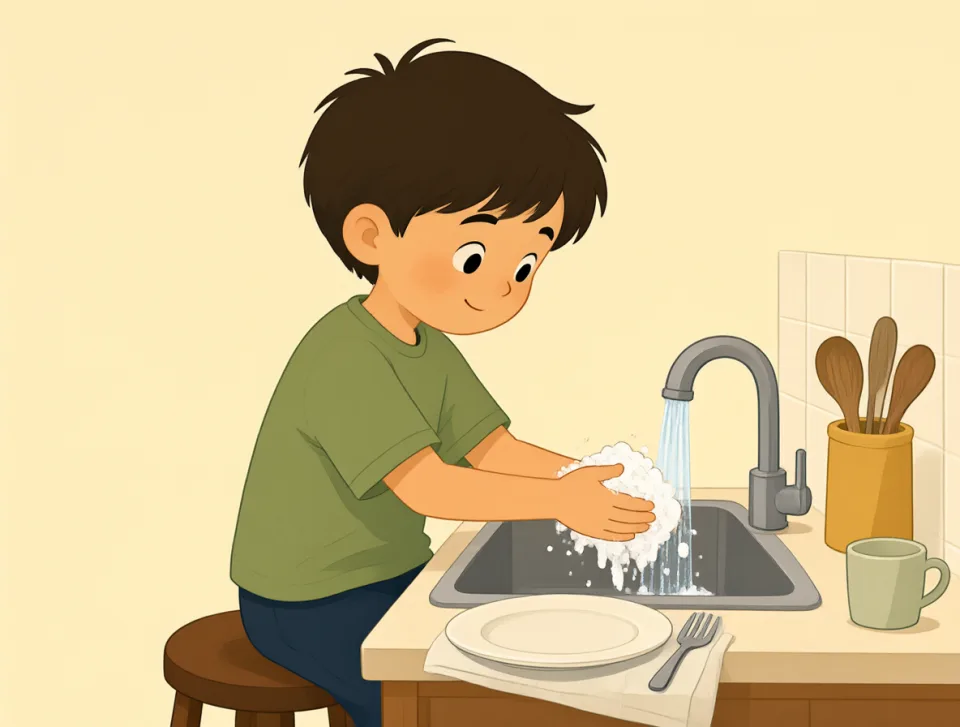
Wash your hands first before eating dinner.
রাতের খাবার খাওয়ার আগে প্রথমে হাত ধুয়ে নাও।

She was the first person to arrive.
সে সবার আগে পৌঁছেছিল।

I got home first and made tea.
আমি সবার আগে বাড়ি ফিরেছিলাম এবং চা বানিয়েছিলাম।

This is my first day at school.
স্কুলে আজ আমার প্রথম দিন।

He finished first in the race.
দৌড় প্রতিযোগিতায় সে প্রথম হয়েছিল।

new
#79adjective, adverb, noun
নতুন
Made, discovered, or seen for the first time; not old or used.
প্রথমবার তৈরি, আবিষ্কৃত বা দেখা হয়েছে এমন; পুরোনো বা ব্যবহৃত নয়।

She bought a new dress for the party.
সে পার্টির জন্য একটি নতুন পোশাক কিনেছিল।

We moved into our new house last week.
আমরা গত সপ্তাহে আমাদের নতুন বাড়িতে উঠেছি।

I started a new job on Monday.
সোমবার আমি একটি নতুন চাকরি শুরু করেছি।

The teacher gave us a new book.
শিক্ষক আমাদের একটি নতুন বই দিয়েছেন।

They tried a new restaurant downtown.
তারা শহরের কেন্দ্রস্থলে একটি নতুন রেস্তোরাঁয় খেয়েছিল।
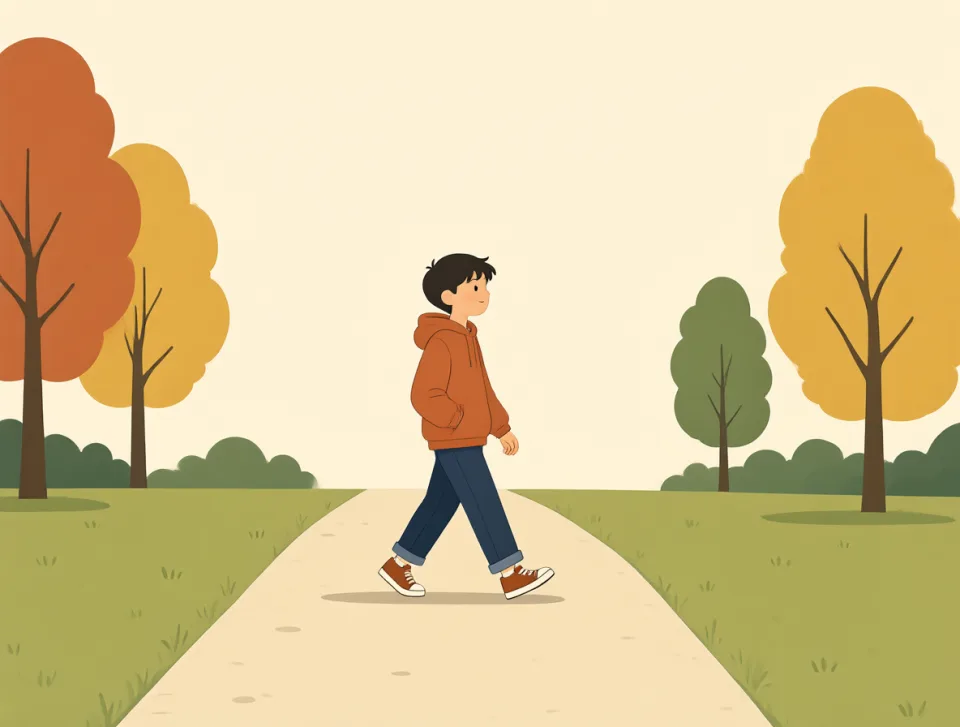
way
#80noun, adverb, adjective
উপায়
A method, direction, or distance from one place to another.
কোনো পদ্ধতি, দিক বা এক স্থান থেকে অন্য স্থানে যাওয়ার দূরত্ব।

Can you show me the way home?
তুমি কি আমাকে বাড়ি যাওয়ার পথ দেখাতে পারবে?

This is the best way to learn English.
ইংরেজি শেখার এটাই সবচেয়ে ভালো উপায়।

The shop is a long way from here.
দোকানটি এখান থেকে অনেক দূরে।

Please move out of the way.
দয়া করে পথ থেকে সরে দাঁড়ান।

We found a way to fix the problem.
আমরা সমস্যাটি সমাধানের একটি উপায় খুঁজে পেয়েছি।