4단원
61–80번 단어 · well, because, very, just, come, could
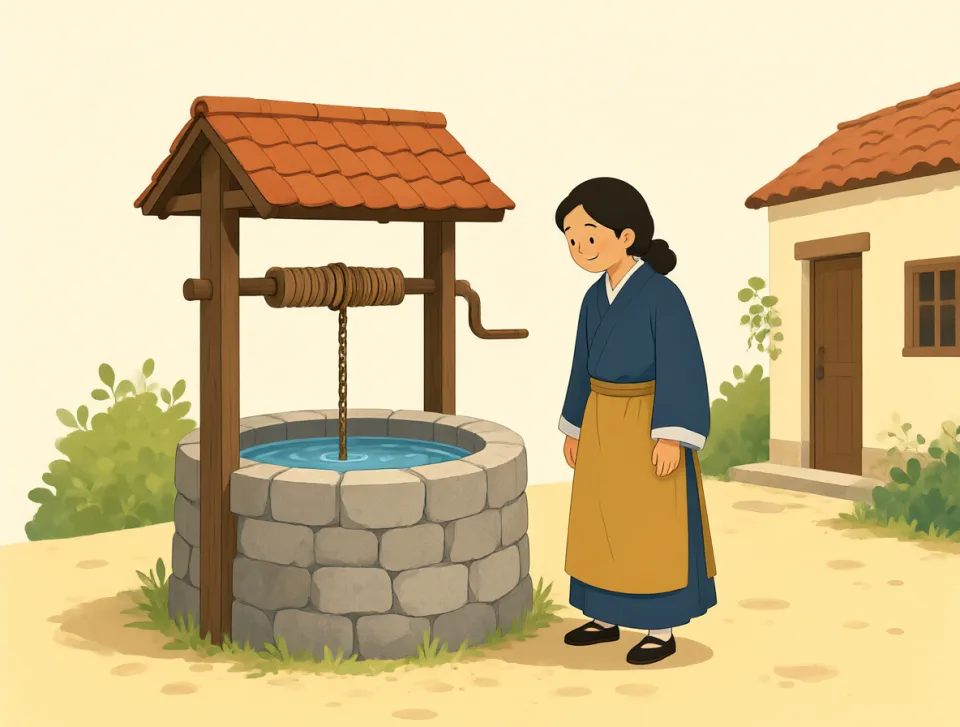
well
#61adverb, adjective, noun, verb
잘; 건강한; 우물; 솟구치다
In a good, healthy, or successful way; a deep hole for water.
좋고 건강하며 성공적인 방식으로; 물을 얻기 위해 깊게 판 구멍

She speaks English very well.
그녀는 영어를 아주 잘해요.
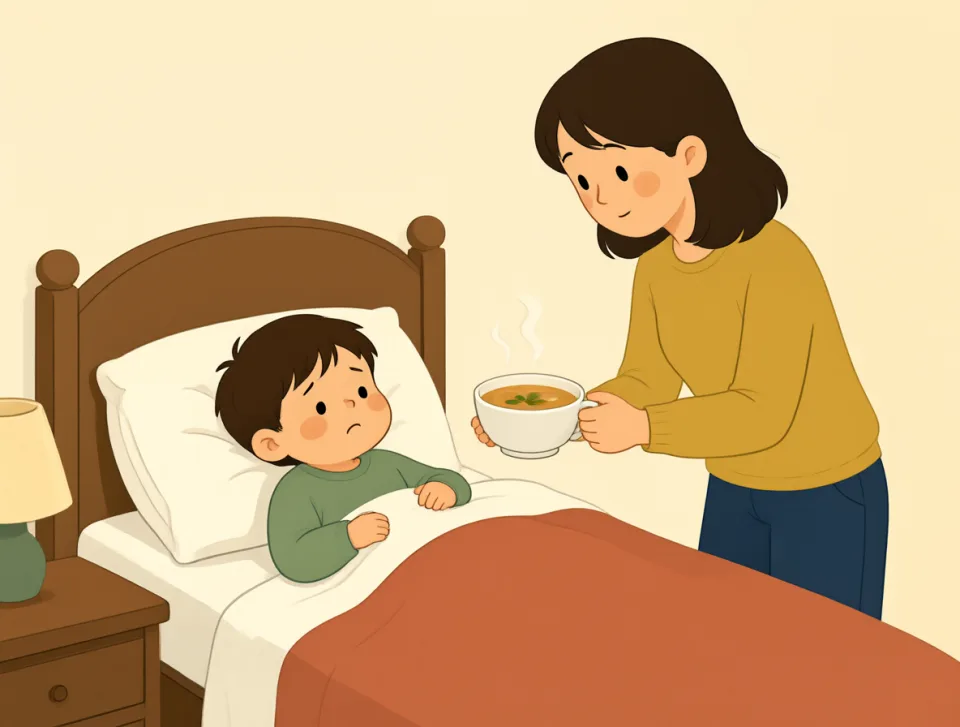
I hope you get well soon.
곧 건강해지길 바라요.
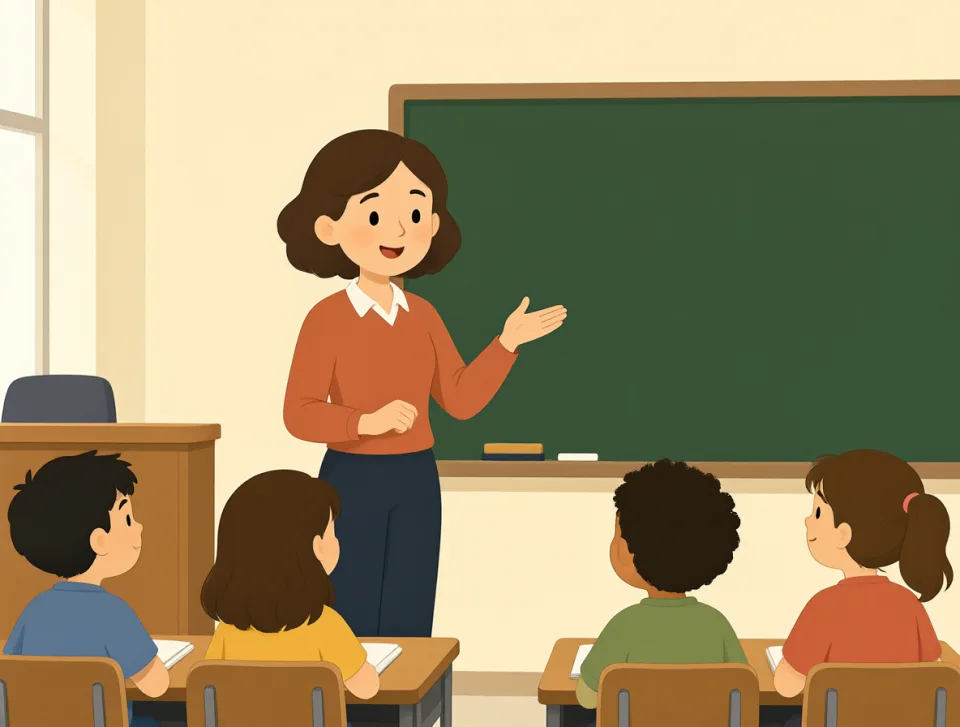
Well, let's start the lesson.
자, 수업을 시작해 봅시다.
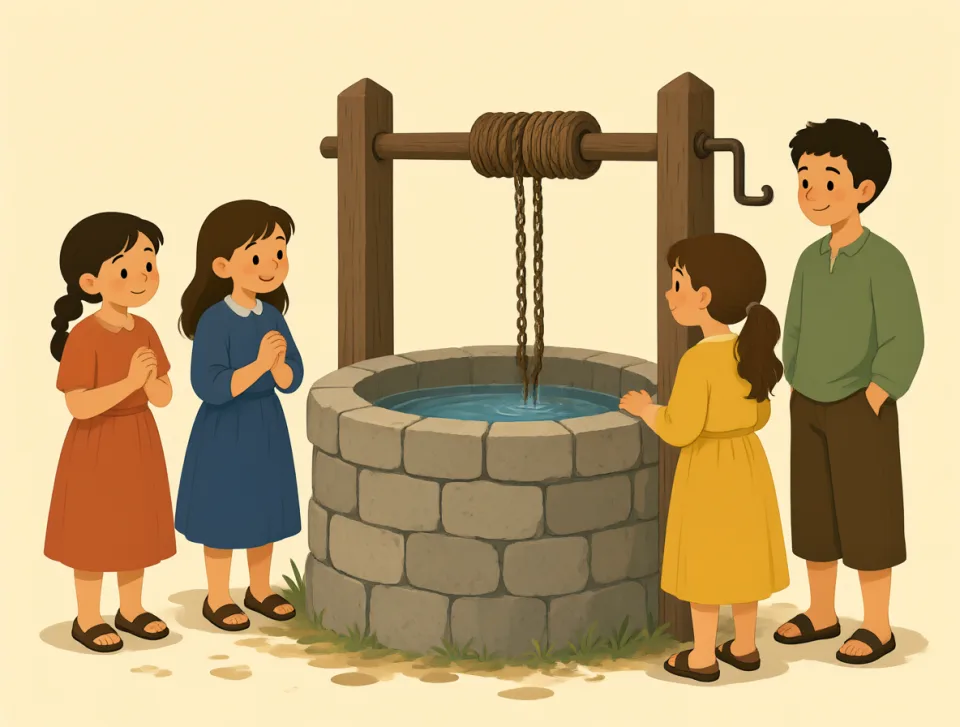
The village has an old stone well.
그 마을에는 오래된 돌우물이 있어요.

They well up with tears.
그들의 눈에 눈물이 차오릅니다.

because
#62conjunction
때문에; 왜냐하면
for the reason that something happens
어떤 일이 일어나는 이유로
I stayed home because I felt sick.
몸이 아파서 집에 있었다.
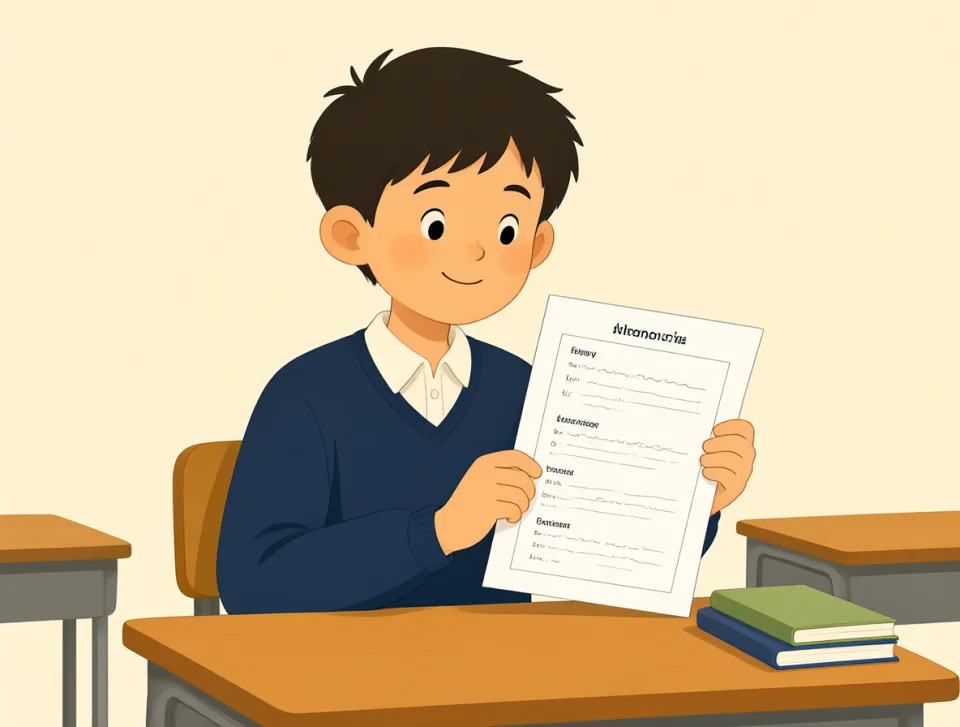
She is happy because she passed her test.
그녀는 시험에 합격해서 기뻐한다.
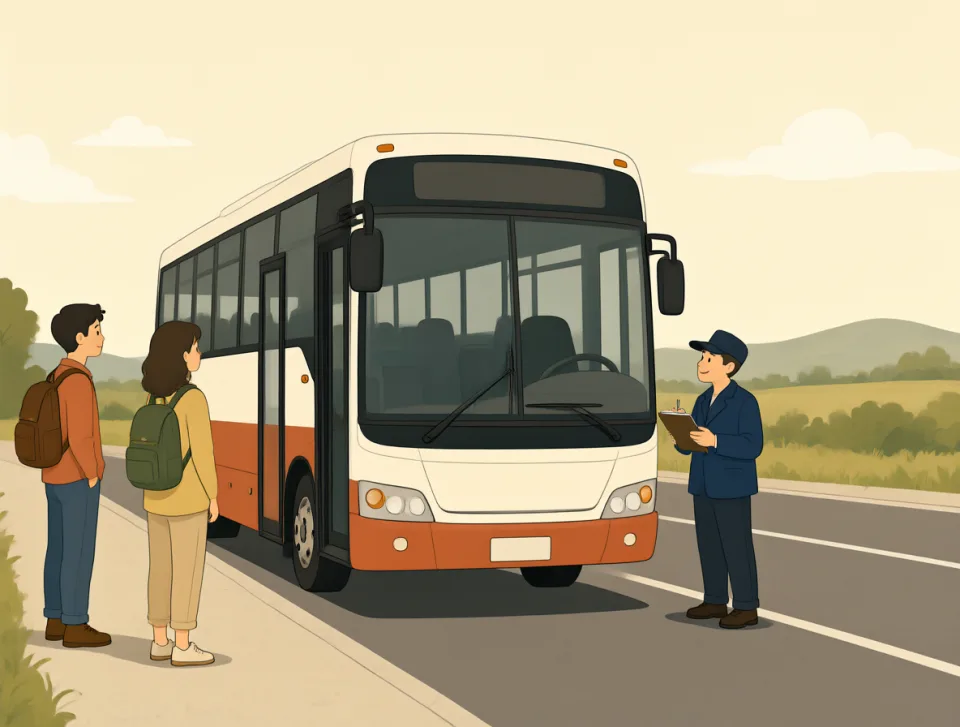
We were late because the bus broke down.
버스가 고장 나서 늦었다.

He bought an umbrella because it was raining.
비가 와서 우산을 샀다.
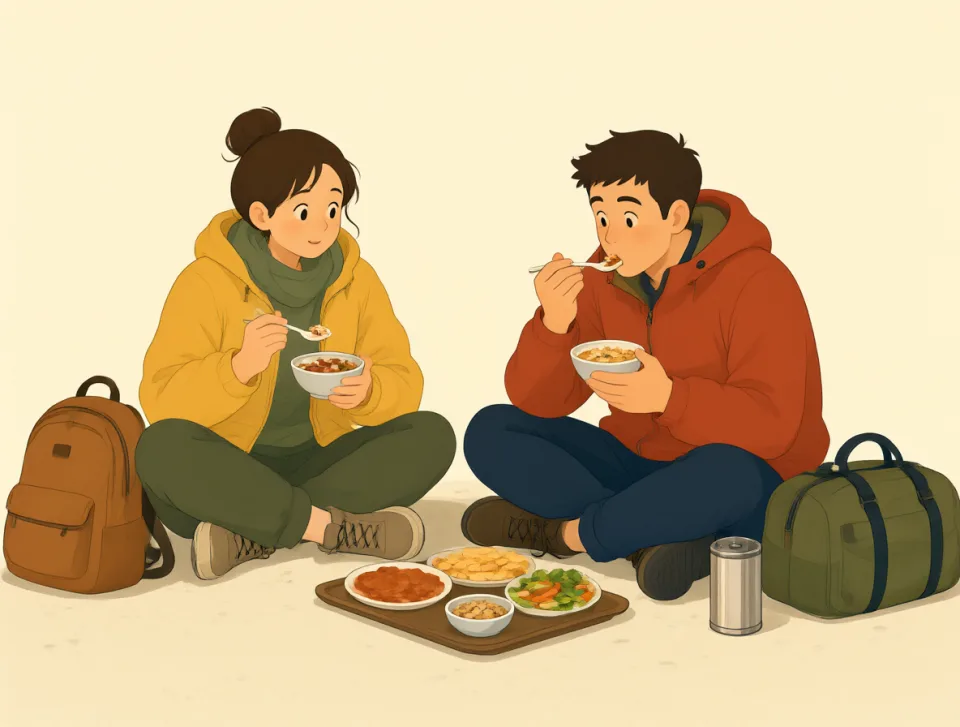
They eat early because they have a flight.
비행기를 타야 해서 일찍 식사한다.
very
#63adverb
매우; 아주
Used before an adjective or adverb to mean to a high degree.
형용사나 부사 앞에 쓰여 정도가 매우 높음을 나타냅니다.
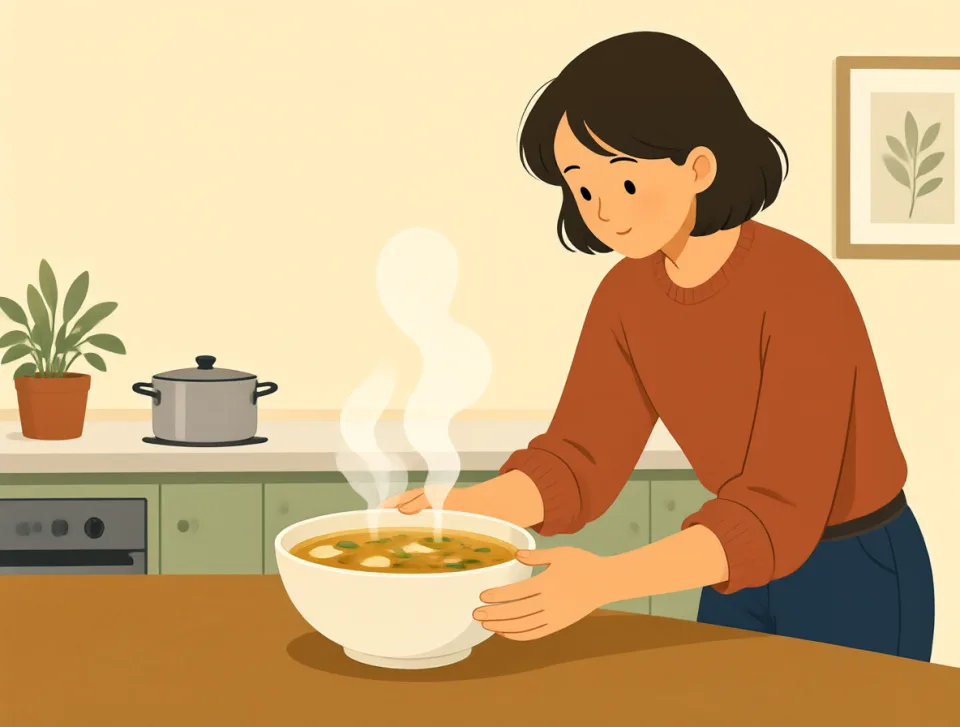
The soup is very hot.
그 수프는 아주 뜨거워요.

She runs very fast.
그녀는 아주 빠르게 달려요.

I am very tired today.
나는 오늘 너무 피곤해요.

This bag is very expensive.
이 가방은 아주 비싸요.

We had a very good time.
우리는 정말 즐거운 시간을 보냈어요.
just
#64adverb, adjective
방금; 그냥; 단지; 꼭
Only recently, exactly, or fairly; used to make something seem less important.
얼마 전에, 정확히, 또는 꽤라는 뜻을 나타내며, 어떤 일을 덜 중요하게 보이도록 할 때 쓰임
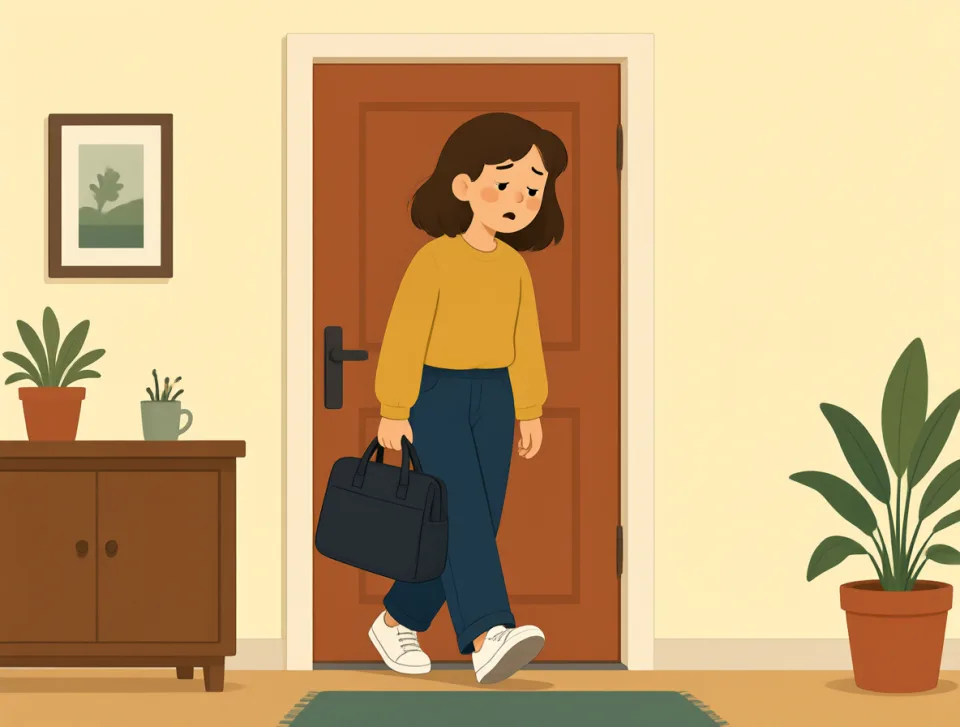
I just got home from work.
나 방금 퇴근하고 집에 왔어.

Just wait here for a minute.
여기서 1분만 기다려.

This shirt is just five dollars.
이 셔츠는 겨우 5달러야.
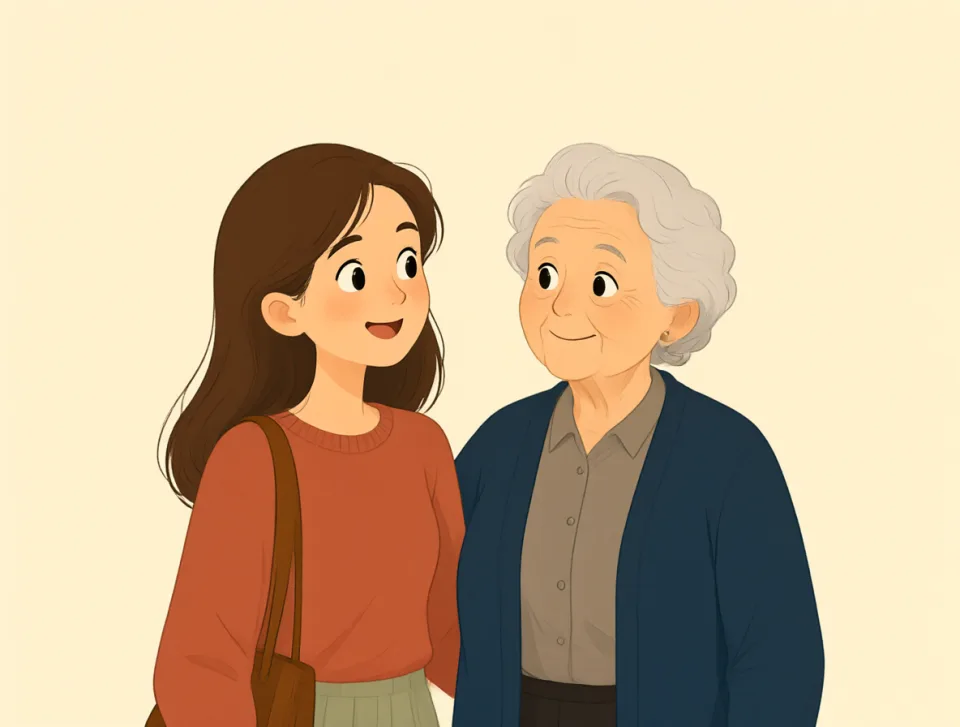
She is just like her mother.
그녀는 엄마와 꼭 닮았어.
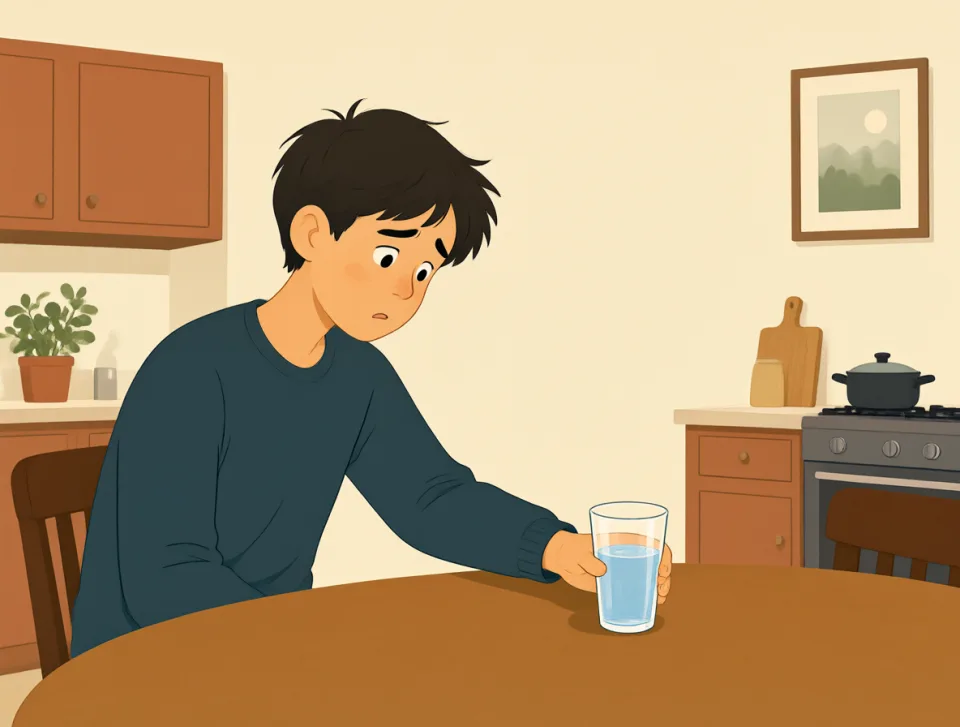
I just want some water.
나는 그냥 물 좀 마시고 싶어.
come
#65verb
오다; 함께 나오다
to move toward or arrive at a person or place
사람이나 장소를 향해 이동하거나 도착하다
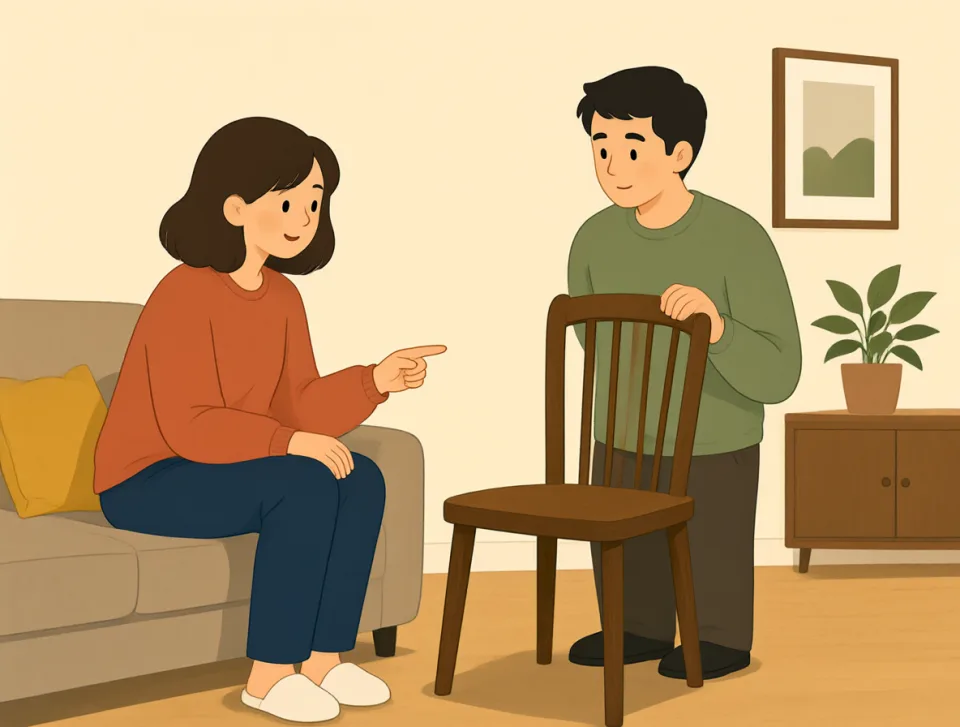
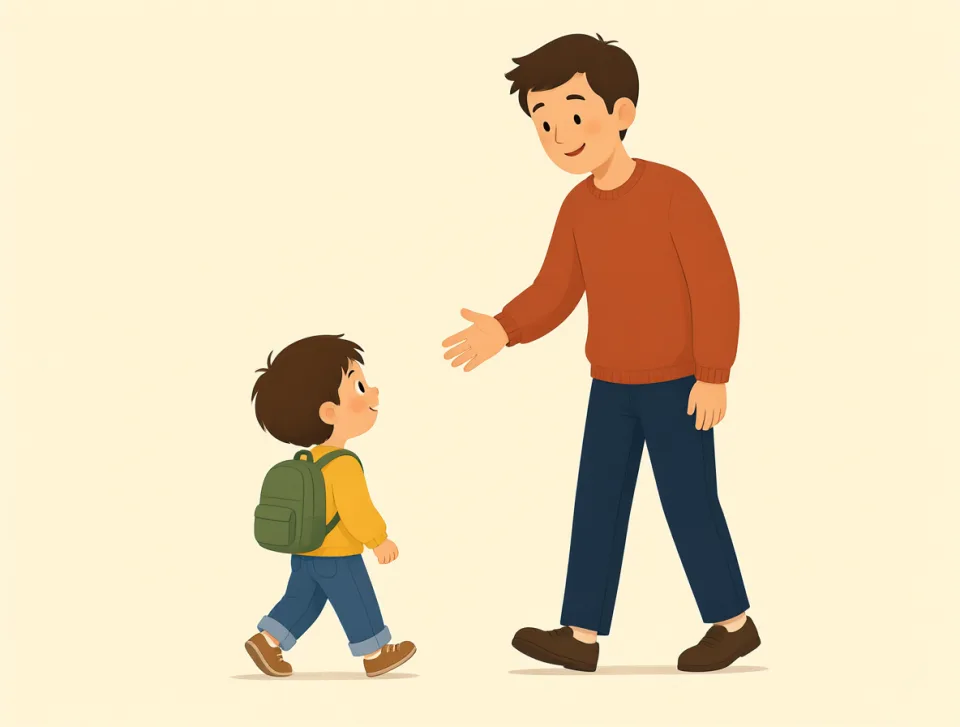
Come here and sit beside me.
여기로 와서 내 옆에 앉아.
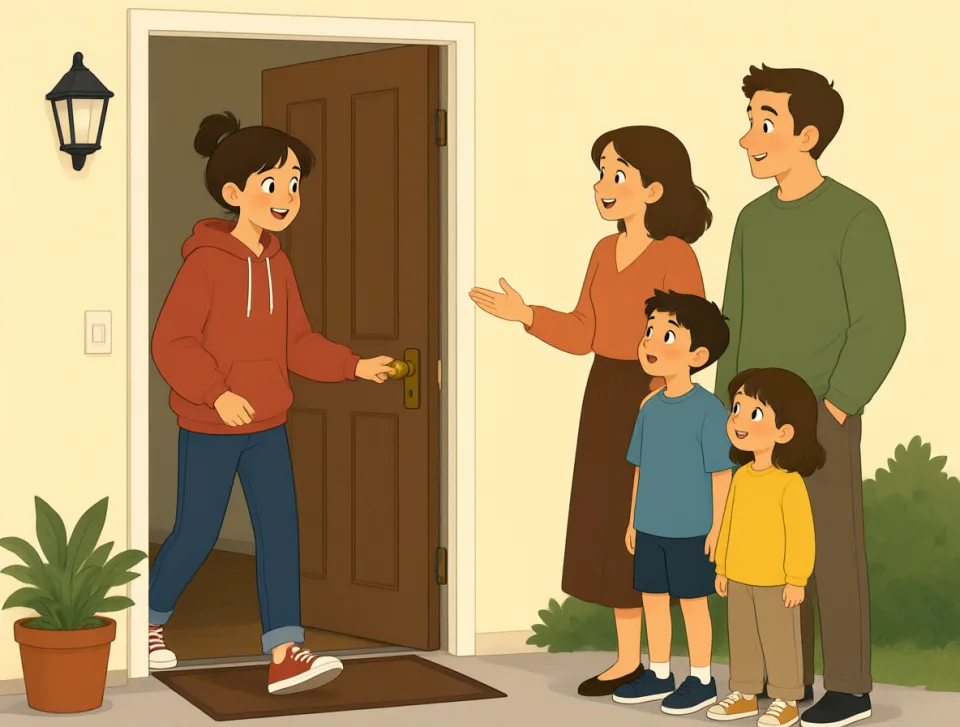
What time did you come home?
집에 몇 시에 왔어?
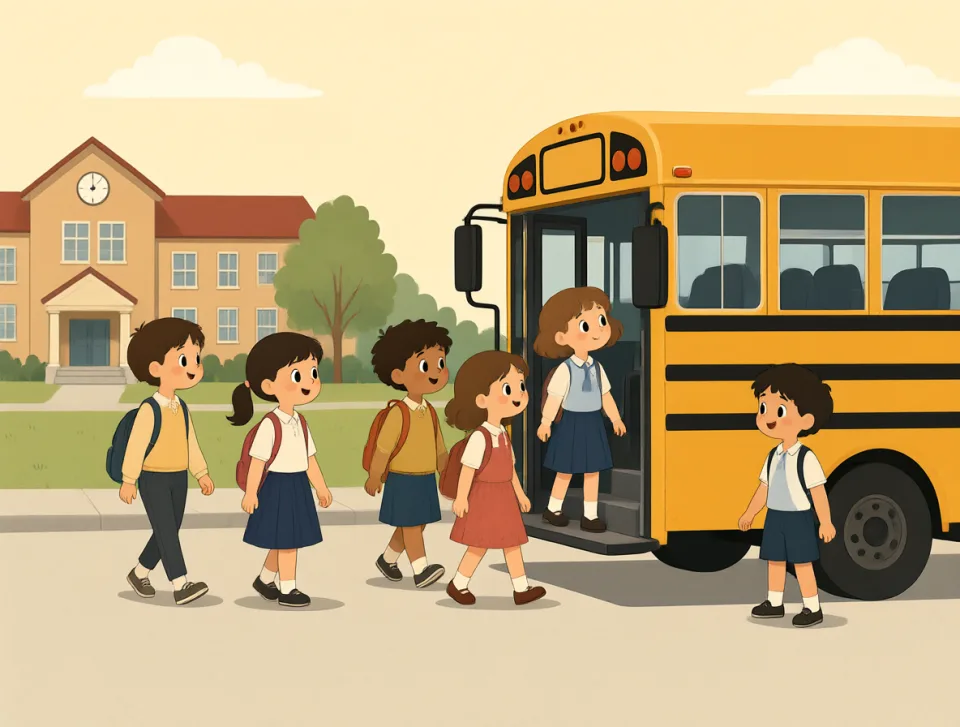
Many students come to school by bus.
많은 학생들이 버스를 타고 학교에 와요.

Please come to my birthday party.
내 생일 파티에 와 줘.
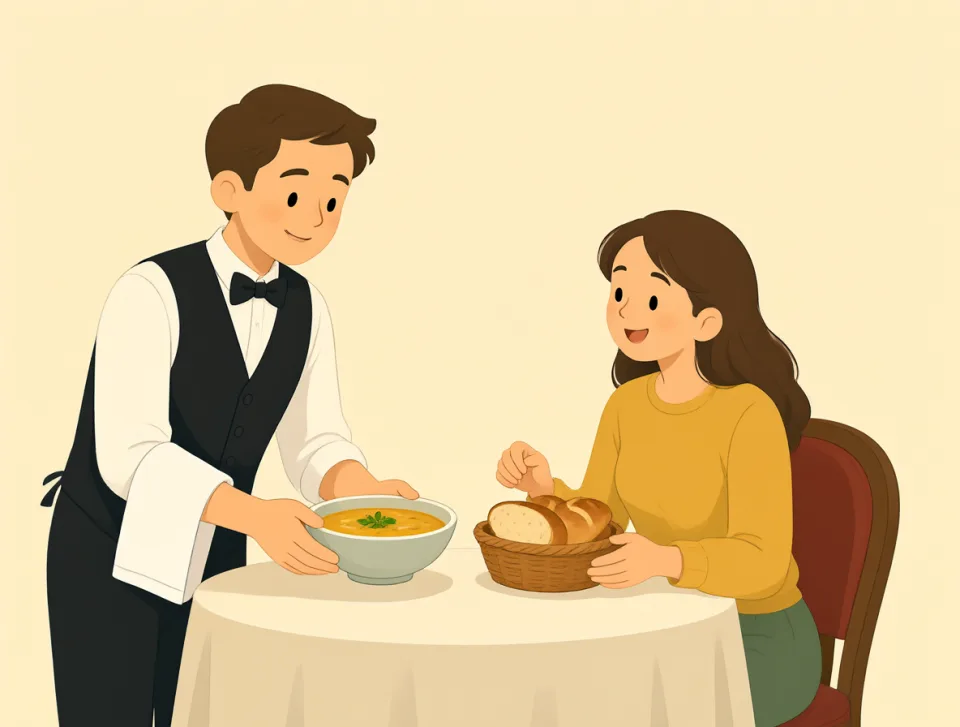
This soup comes with fresh bread.
이 수프에는 신선한 빵이 함께 나와요.

could
#66modal verb
~할 수 있다; ~해도 될까요?; ~일 수도 있다
Used to ask politely, talk about possibility, or describe ability in the past.
정중하게 부탁하거나, 가능성을 말하거나, 과거의 능력을 나타낼 때 사용합니다.
Could you help me with this bag?
이 가방 드는 것 좀 도와주시겠어요?

We could meet at the station tomorrow.
우리 내일 역에서 만날 수도 있어.

I could swim when I was five.
나는 다섯 살 때 수영을 할 수 있었어.

Could I have some water, please?
물 좀 주시겠어요?

It could rain this afternoon.
오늘 오후에 비가 올 수도 있어.

work
#67noun, verb
일; 일하다; 작동하다; 작품
To do a job or activity, or the job or activity you do.
일이나 활동을 하다, 또는 자신이 하는 일이나 활동

I work in a small office.
나는 작은 사무실에서 일해.

She works hard every day.
그녀는 매일 열심히 일해.

This computer does not work.
이 컴퓨터는 작동하지 않아.
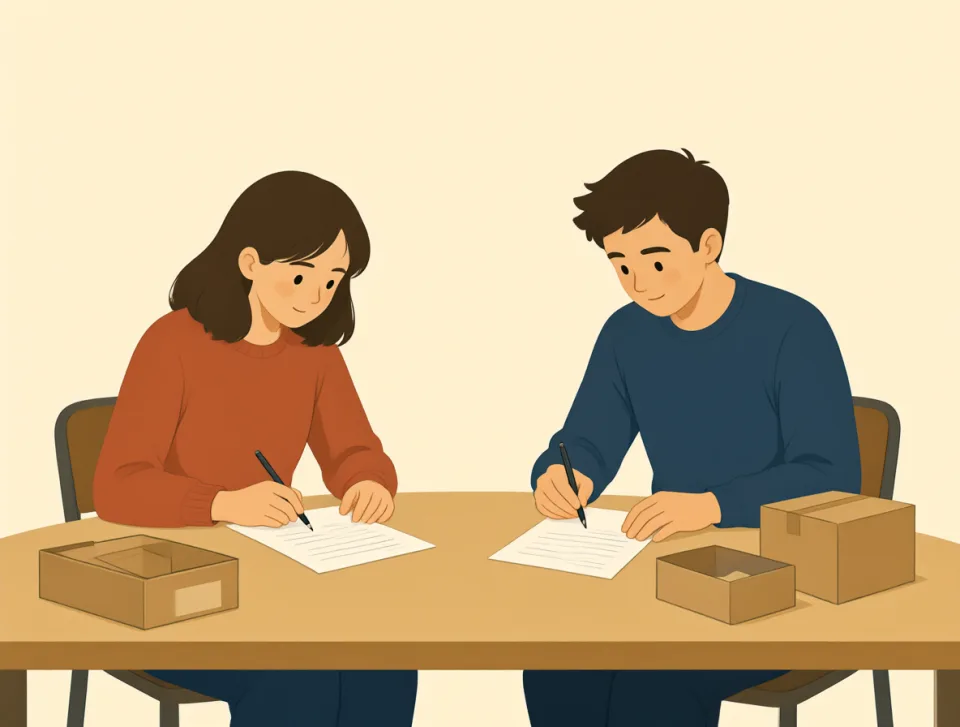
We have a lot of work today.
우리는 오늘 일이 많아.

His works hang in the museum.
그의 작품들이 박물관에 전시되어 있어.
use
#68verb, noun
사용하다; 이용하다; 쓰임새
To do something with a thing for a purpose; the way something is used.
어떤 목적을 위해 물건을 사용하다; 어떤 것이 사용되는 방식

I use my phone every day.
나는 매일 휴대폰을 사용한다.
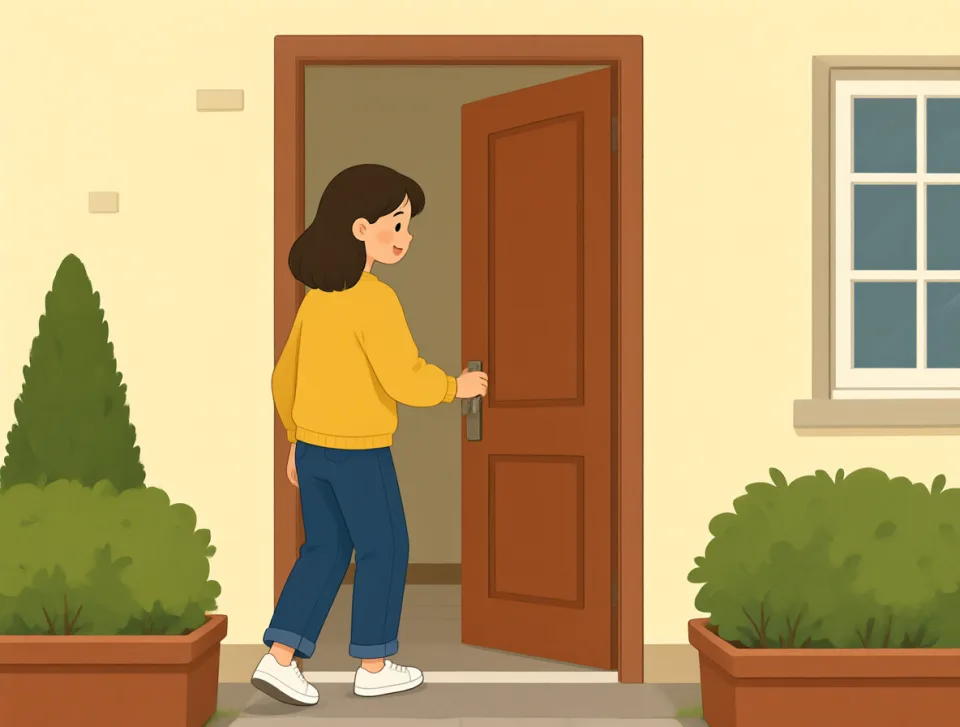
Please use this door.
이 문을 이용해 주세요.
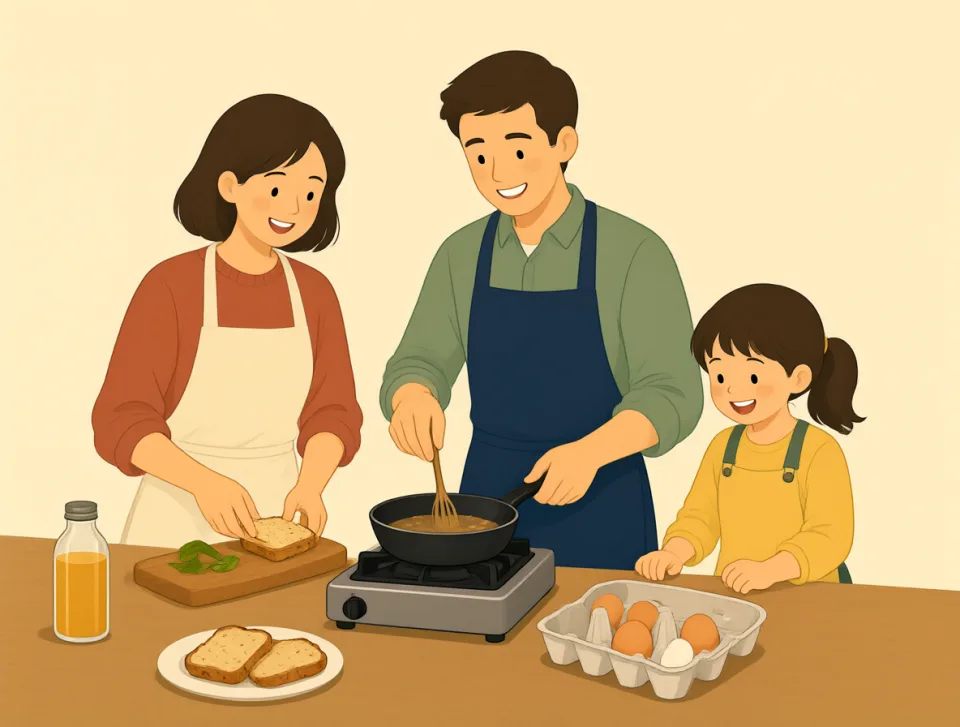
We used all the eggs for breakfast.
우리는 아침 식사를 준비하는 데 달걀을 모두 사용했다.
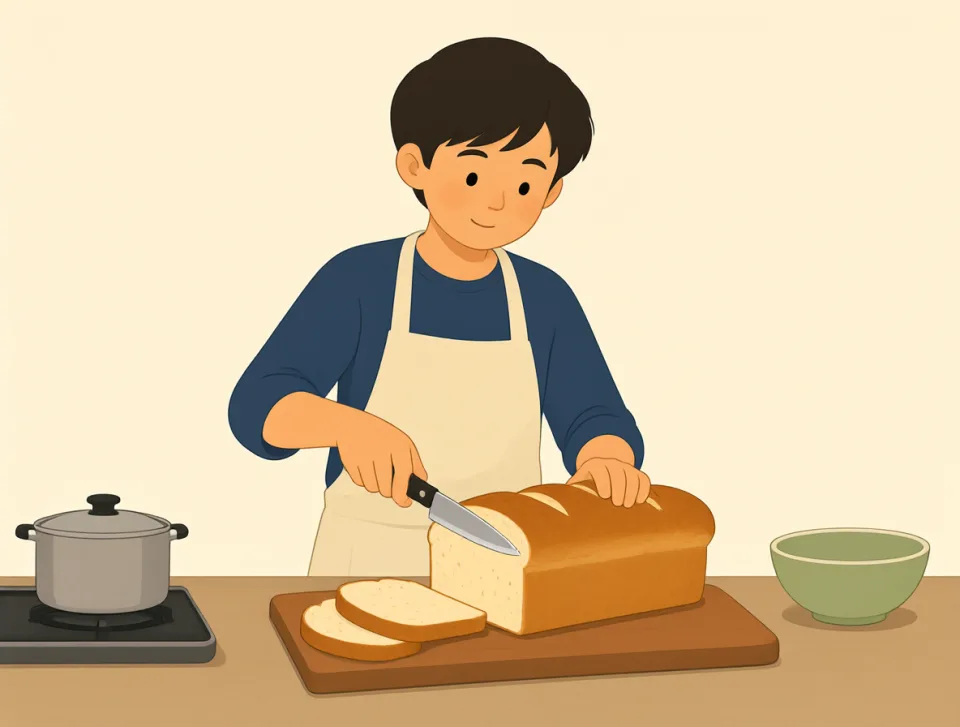
She uses a knife to cut bread.
그녀는 빵을 자르기 위해 칼을 사용한다.
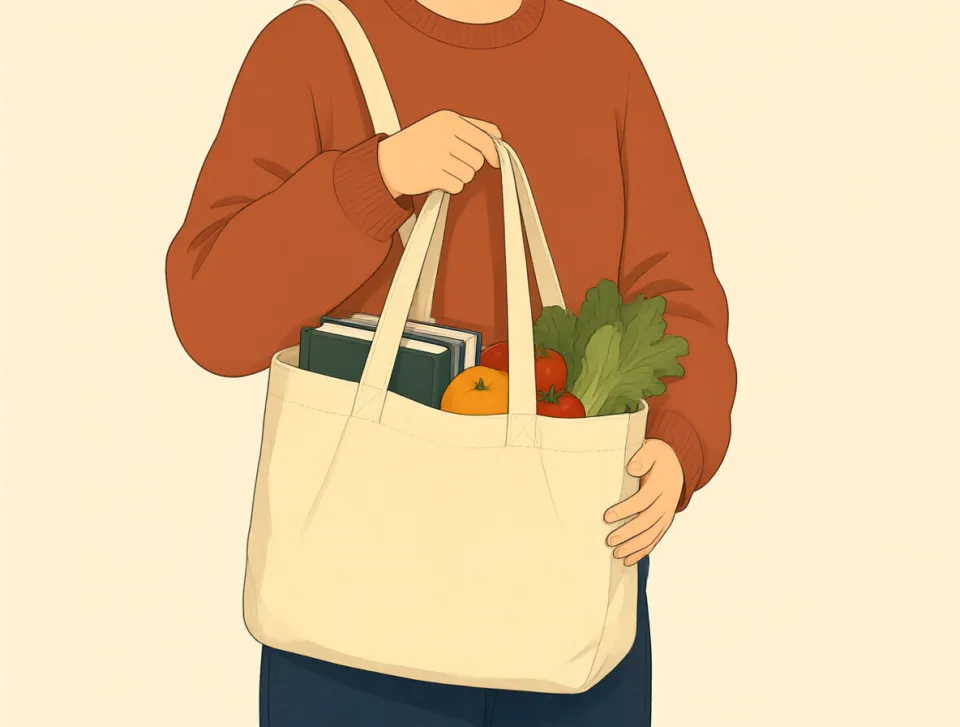
This bag has many uses.
이 가방은 여러 가지 용도로 사용할 수 있다.
than
#69conjunction, preposition
~보다; ~보다 더
Used to compare two people, things, or actions.
두 사람이나 사물 또는 행동을 비교할 때 사용한다.
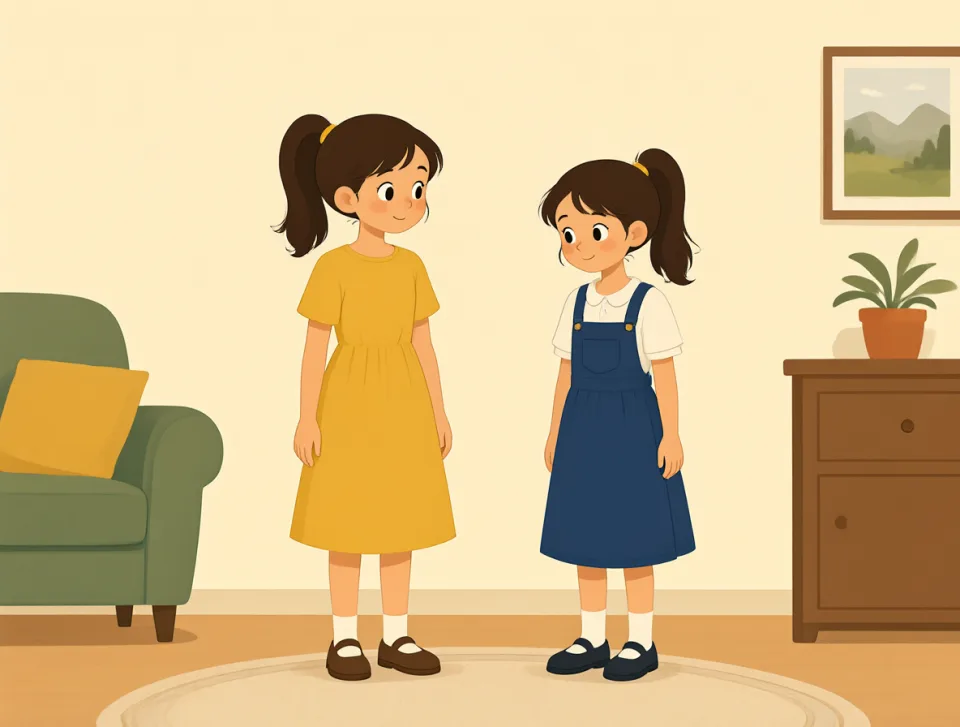
My sister is taller than me.
내 여동생은 나보다 키가 크다.

This bag is cheaper than that one.
이 가방은 저 가방보다 더 싸다.

I would rather walk than take the bus.
나는 버스를 타느니 걷겠다.

He works harder than his brother.
그는 자기 동생보다 더 열심히 일한다.
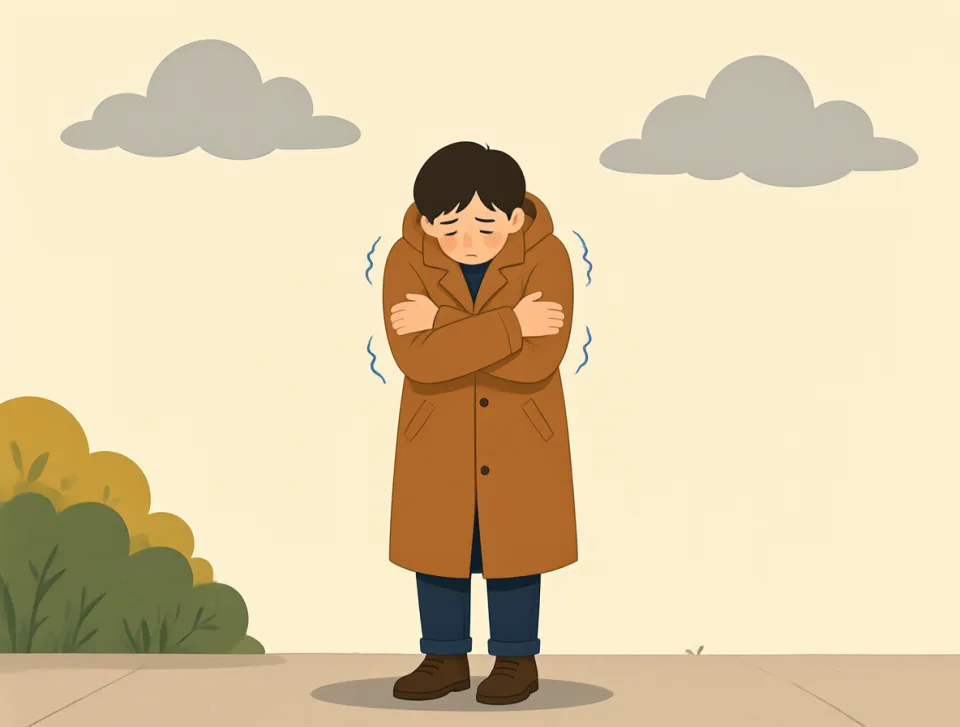
It was colder than yesterday.
어제보다 더 추웠다.

now
#70adverb, noun, adjective
지금; 현재; 이제
at the present time or moment
현재의 시간이나 순간에
I am busy now.
나는 지금 바빠.
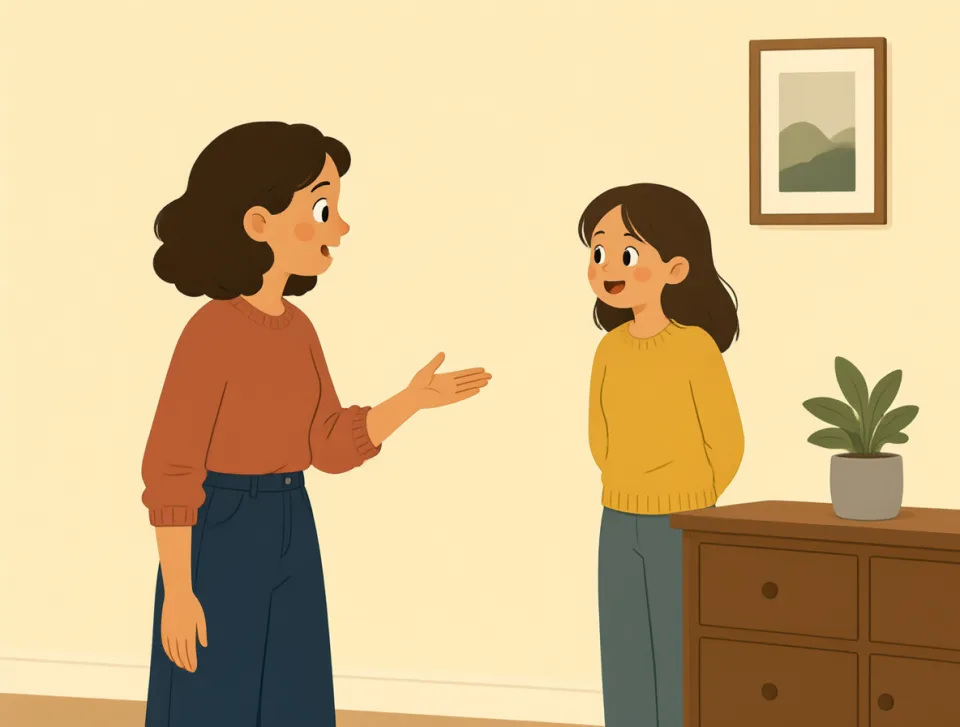
Please come here now.
지금 여기로 와 주세요.
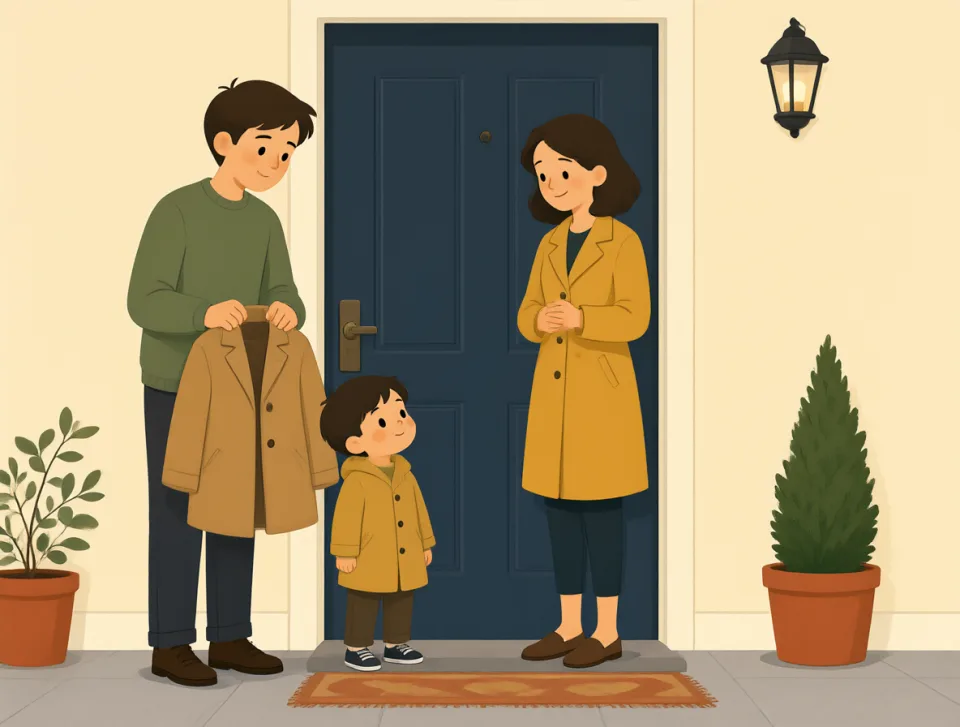
We have to leave now.
우리는 지금 떠나야 해.

Now is a good time to start.
지금은 시작하기에 좋은 때야.

The store is closed now.
그 가게는 지금 문을 닫았어.
then
#71adverb, adjective
그때; 그러면; 그다음에
At that time, or next after something else happens.
그때, 또는 다른 일이 일어난 다음에.
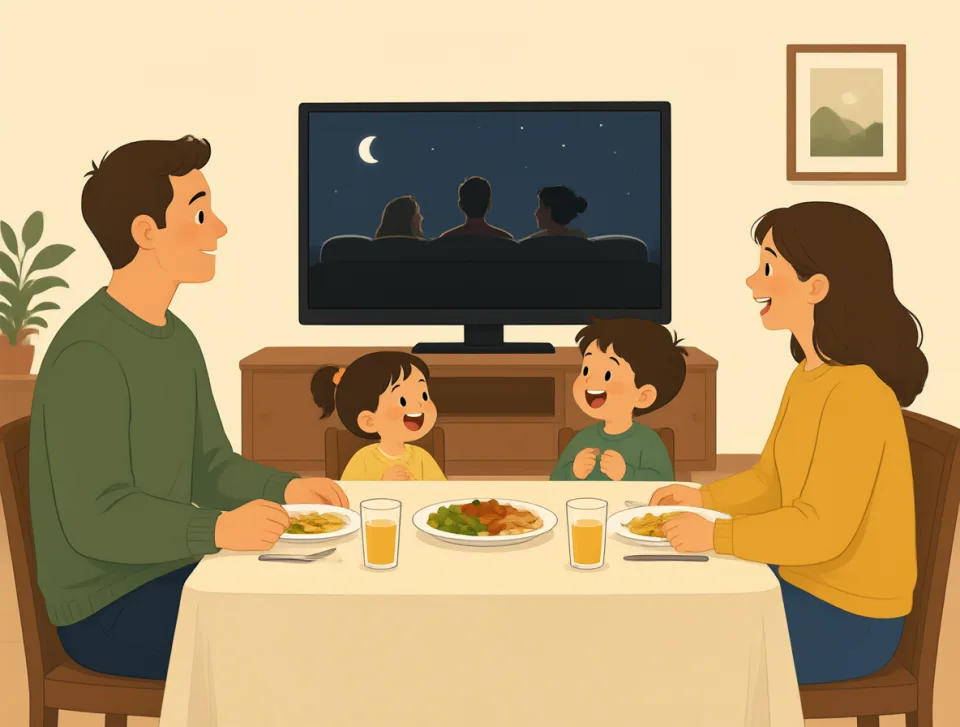
We ate dinner, then watched a movie.
우리는 저녁을 먹고 영화를 봤다.
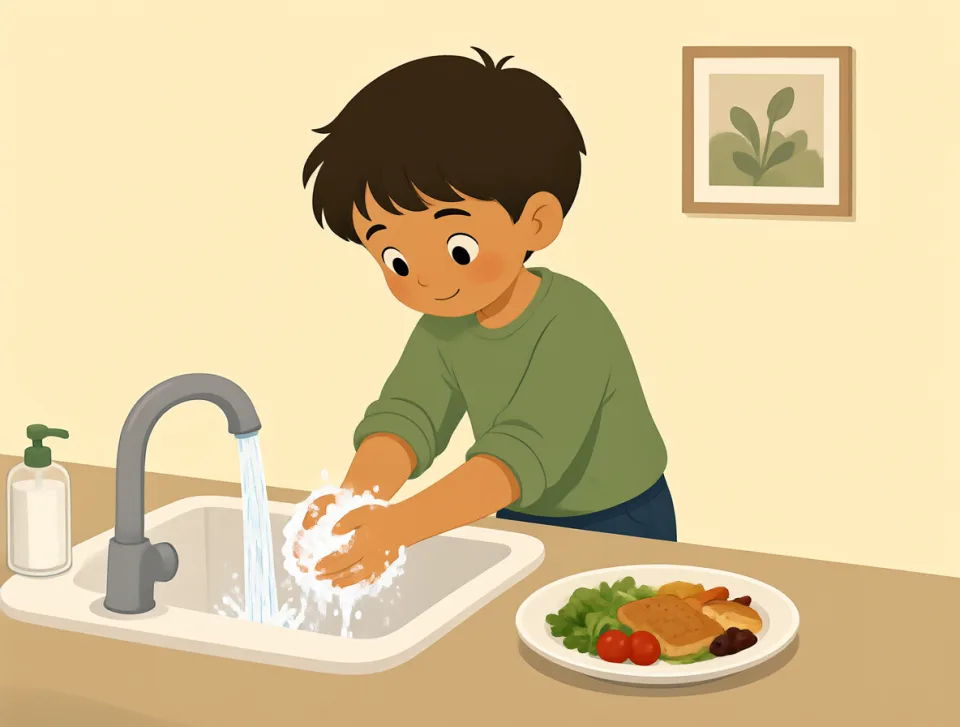
First wash your hands, then eat.
먼저 손을 씻고, 그다음에 먹어.

I was living in London then.
그때 나는 런던에 살고 있었다.
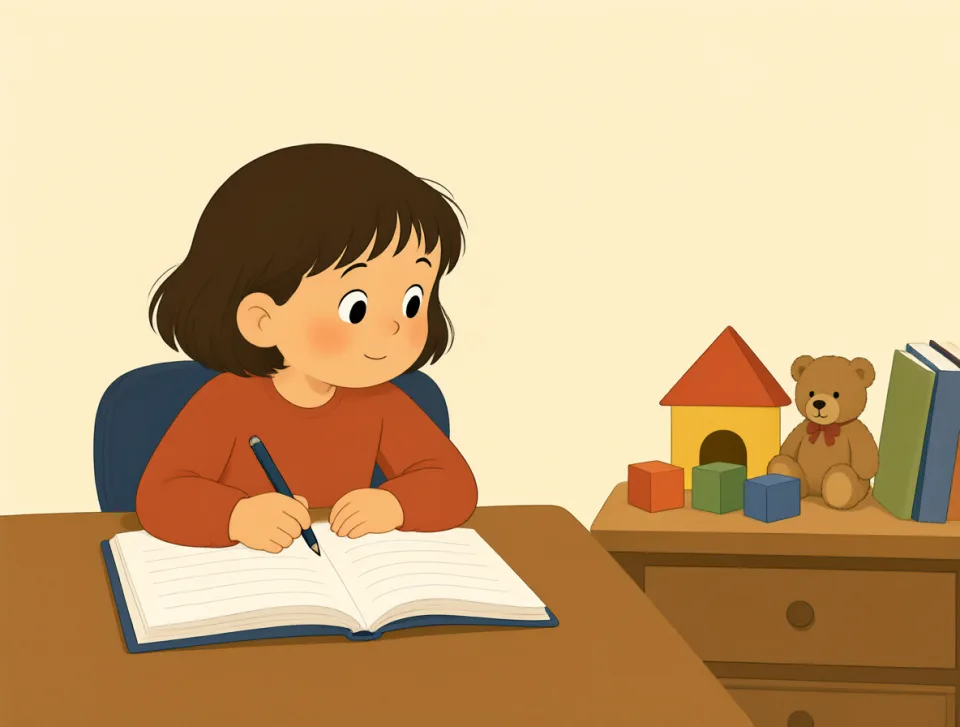
If you finish, then you can play.
끝내면 놀아도 돼.
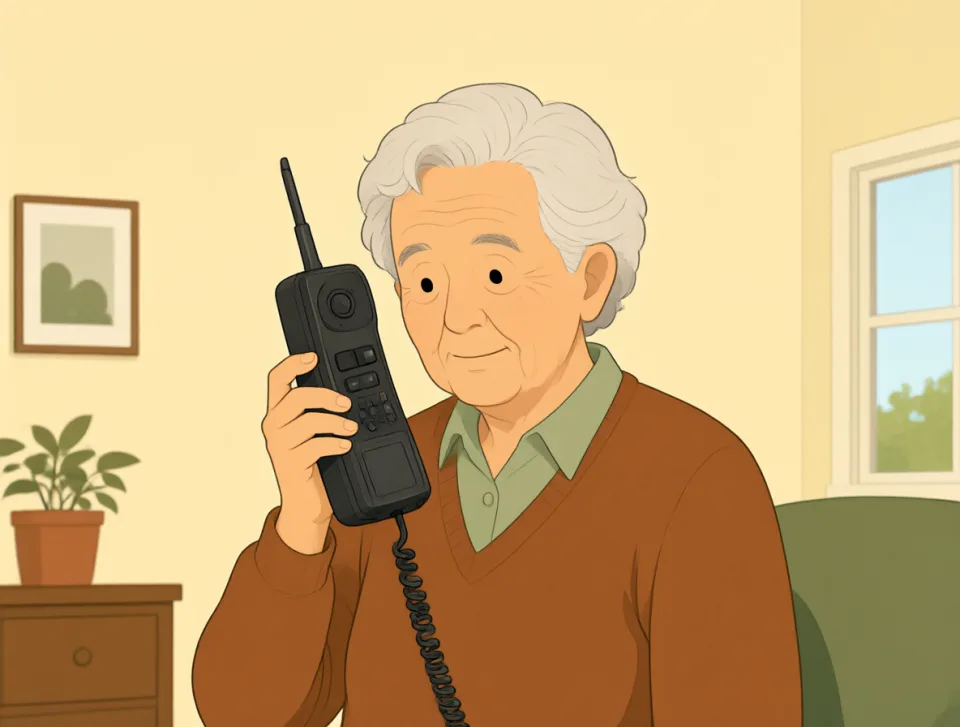
Back then, phones were much bigger.
그때는 휴대전화가 훨씬 더 컸다.
also
#72adverb
또한; 역시
In addition to someone or something already mentioned.
이미 언급한 사람이나 사물에 더하여
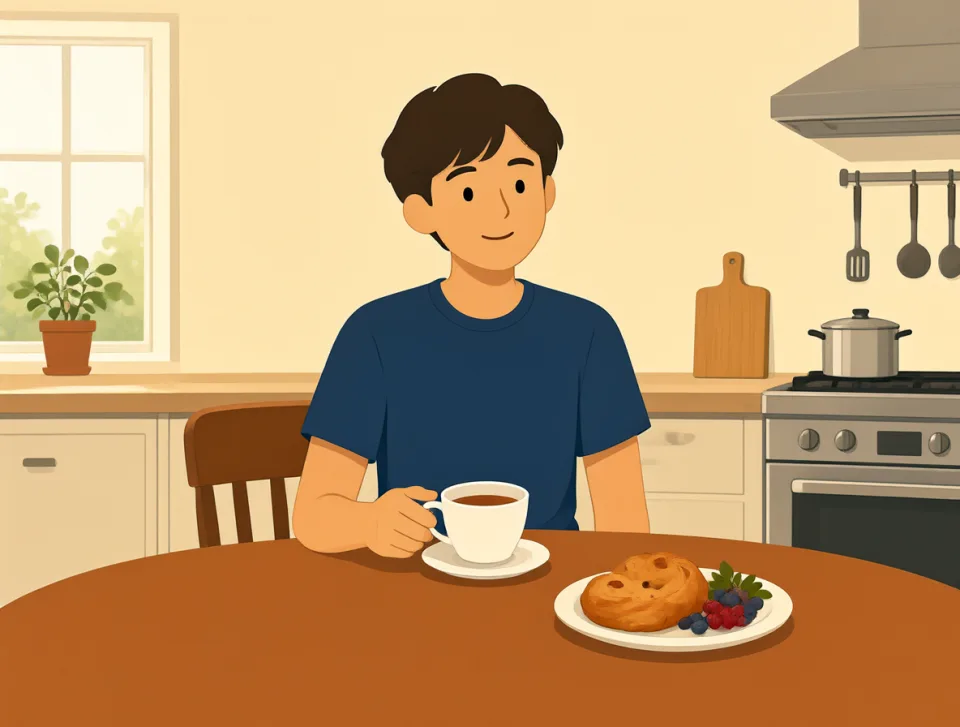
I also like tea in the morning.
나는 아침에 차도 좋아해.
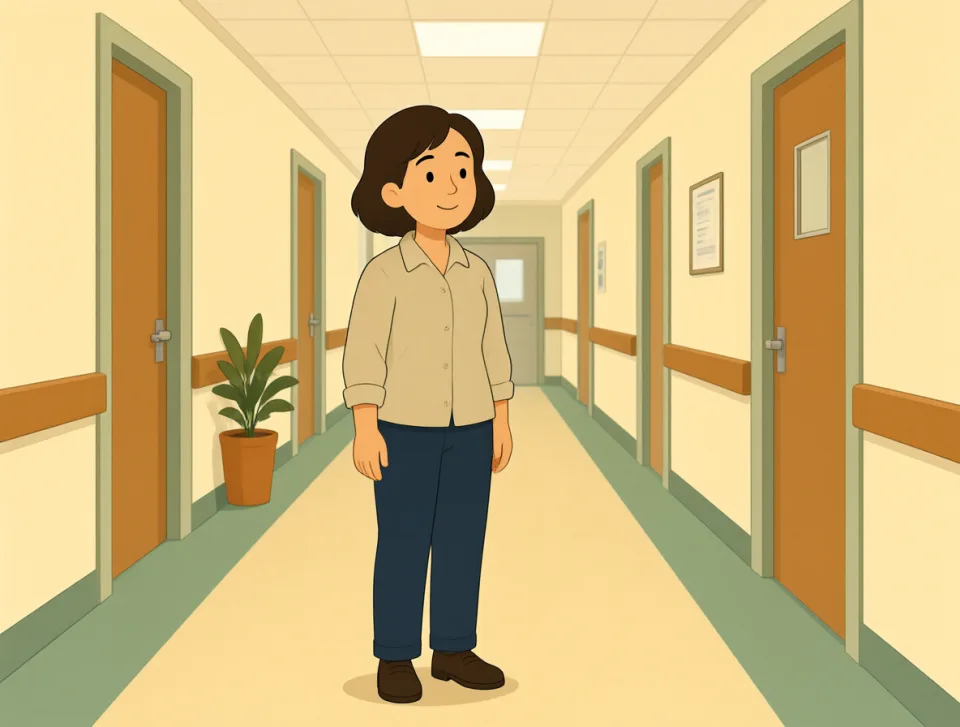
She also works at the hospital.
그녀는 병원에서도 일해.
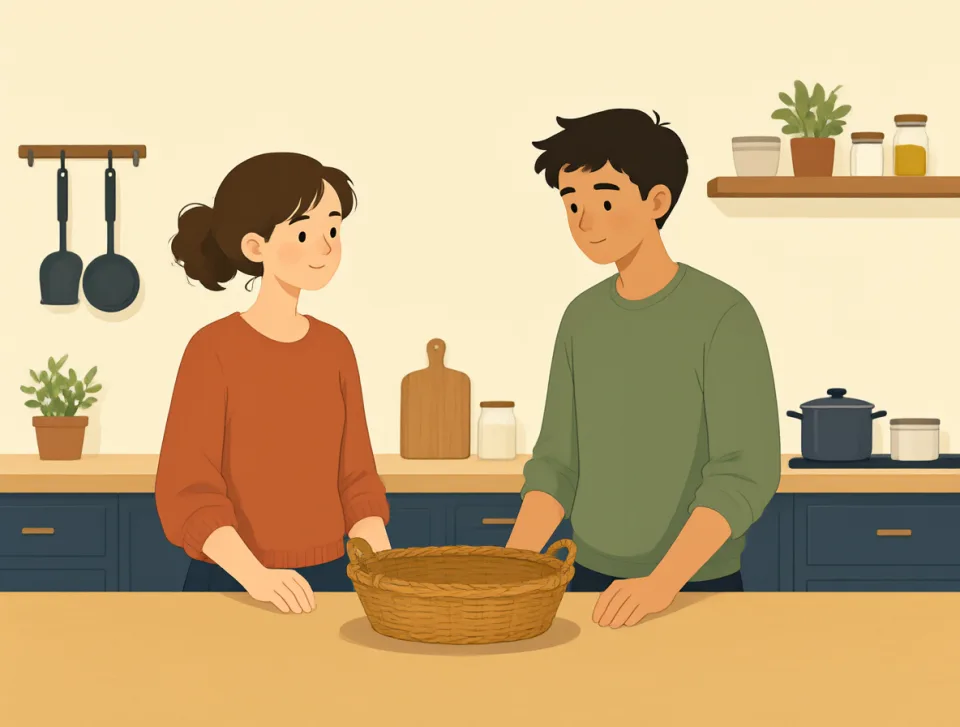
We also need some bread for dinner.
저녁 식사에 필요한 빵도 좀 사야 해.
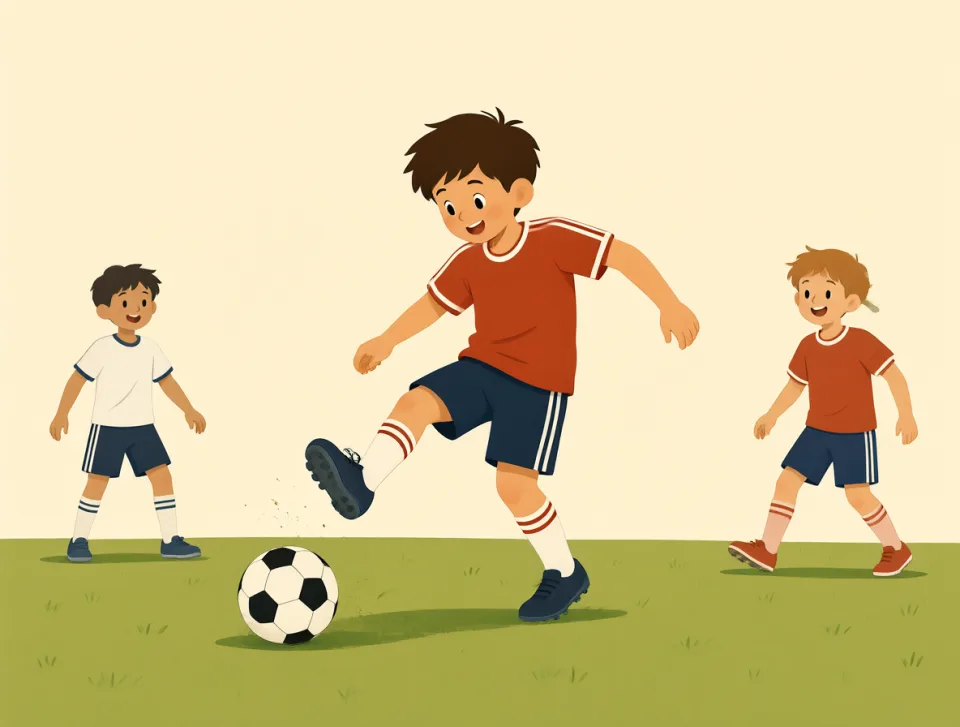
He also plays soccer with his friends.
그는 친구들과 축구도 해.

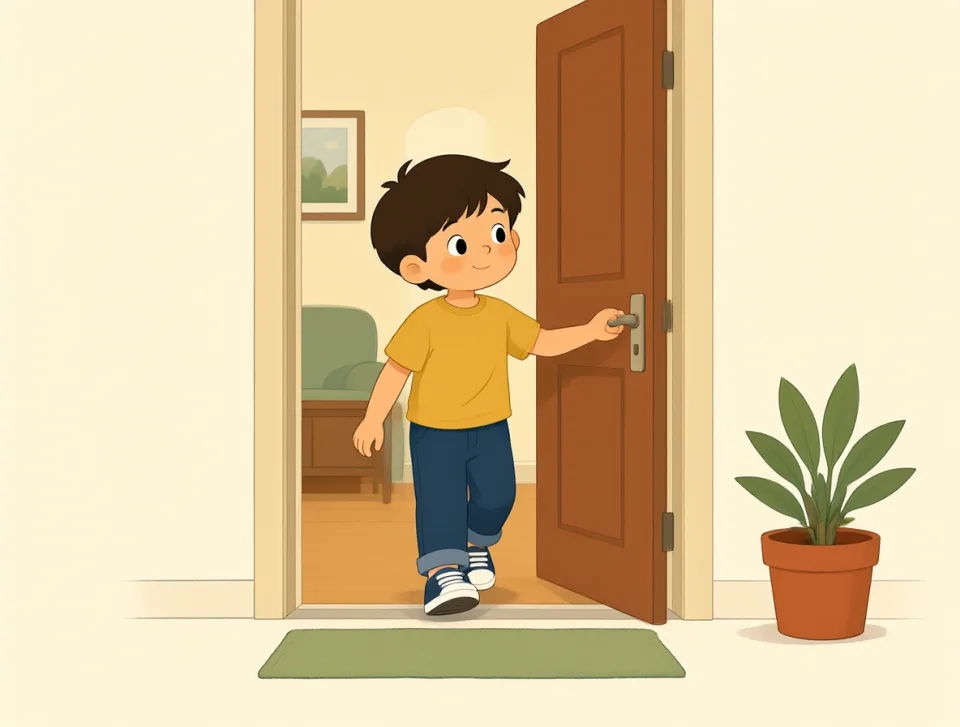
The hotel also has a small swimming pool.
그 호텔에는 작은 수영장도 있어.
into
#73preposition
~안으로; ~에 부딪혀; ~에 빠져; ~로
to a position inside something or toward a particular place, situation, or activity
어떤 것의 안쪽으로 들어가거나 특정한 장소, 상황 또는 활동을 향하여
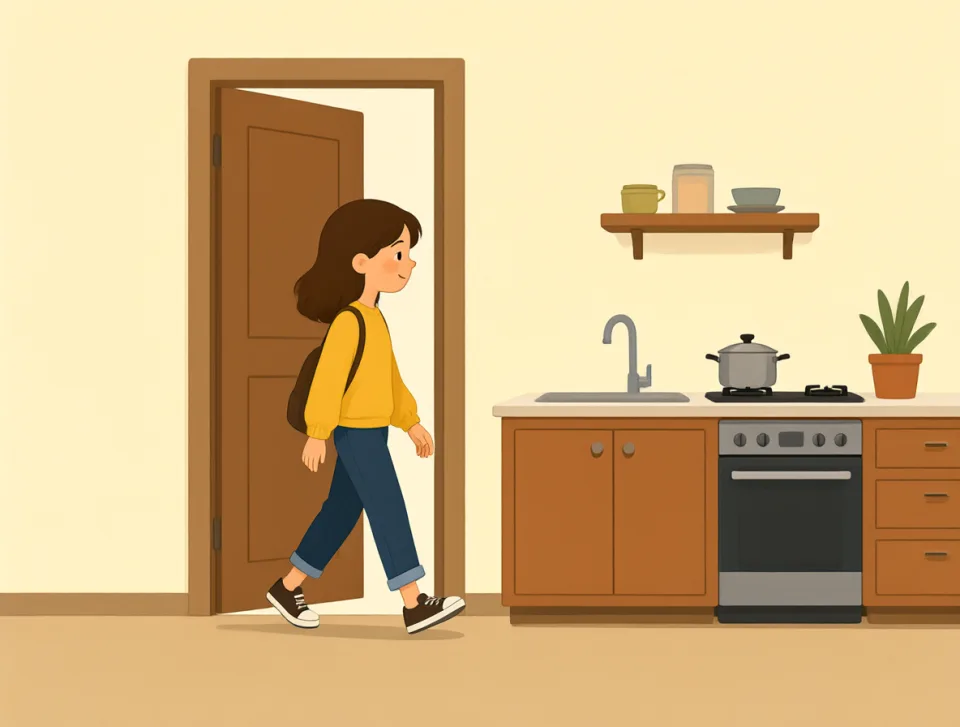
She walked into the kitchen.
그녀는 부엌으로 걸어 들어갔다.
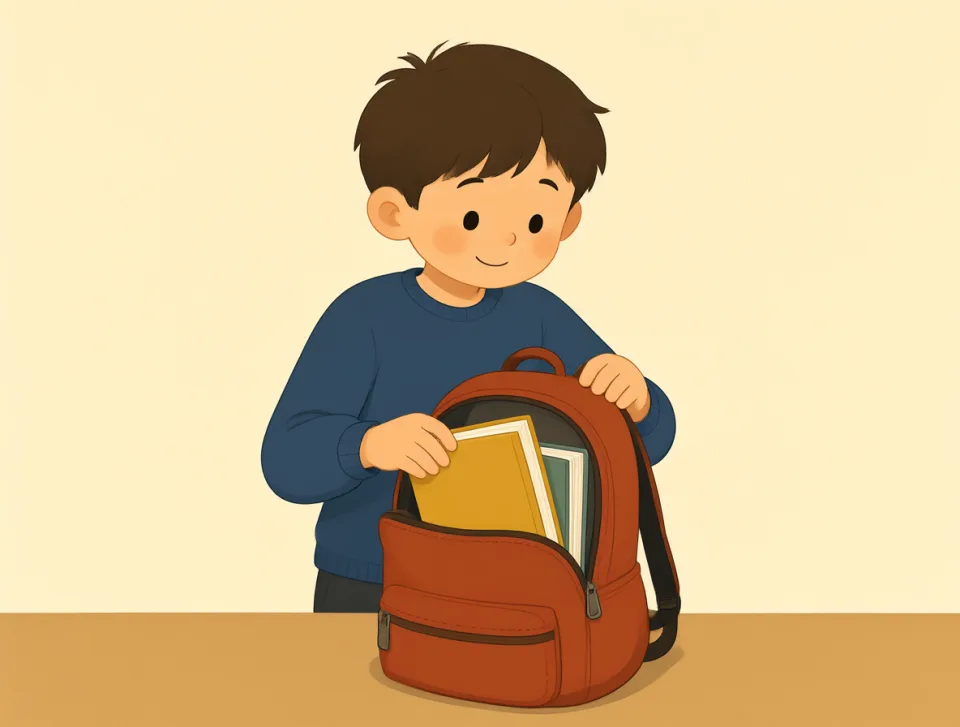
He put the books into his bag.
그는 책들을 가방에 넣었다.
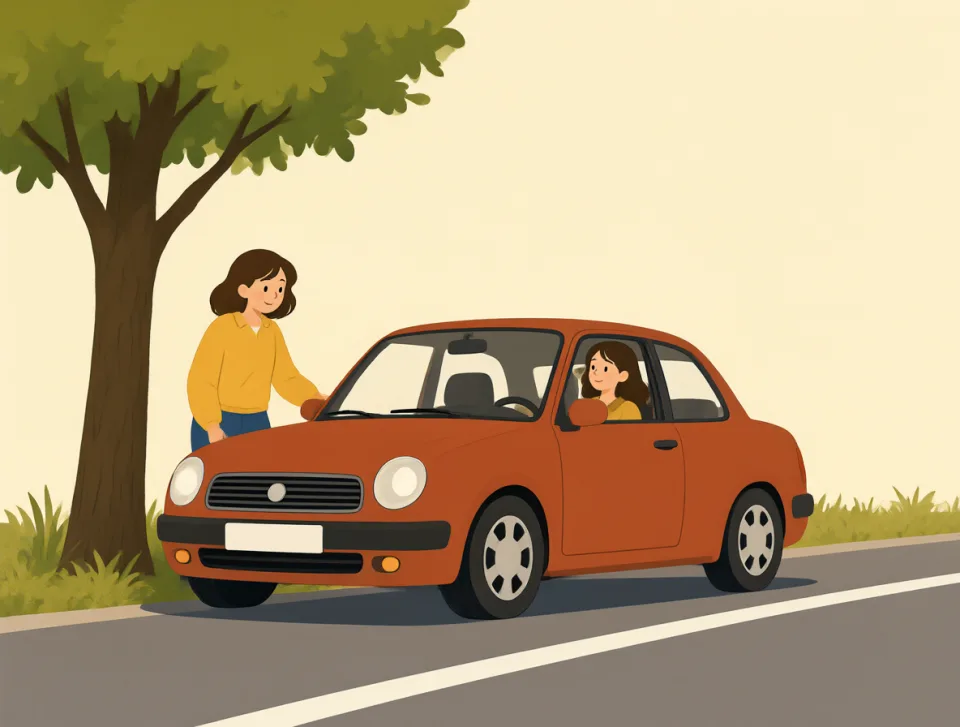
The car crashed into a tree.
그 차는 나무에 부딪혔다.
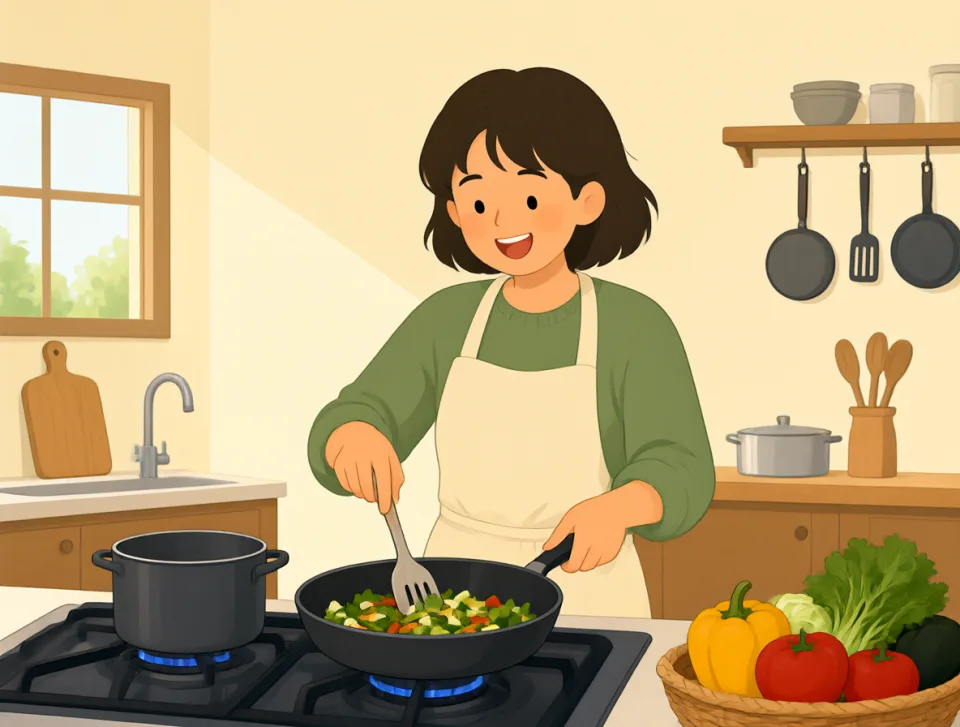
I am really into cooking now.
나는 요즘 요리에 정말 푹 빠져 있다.

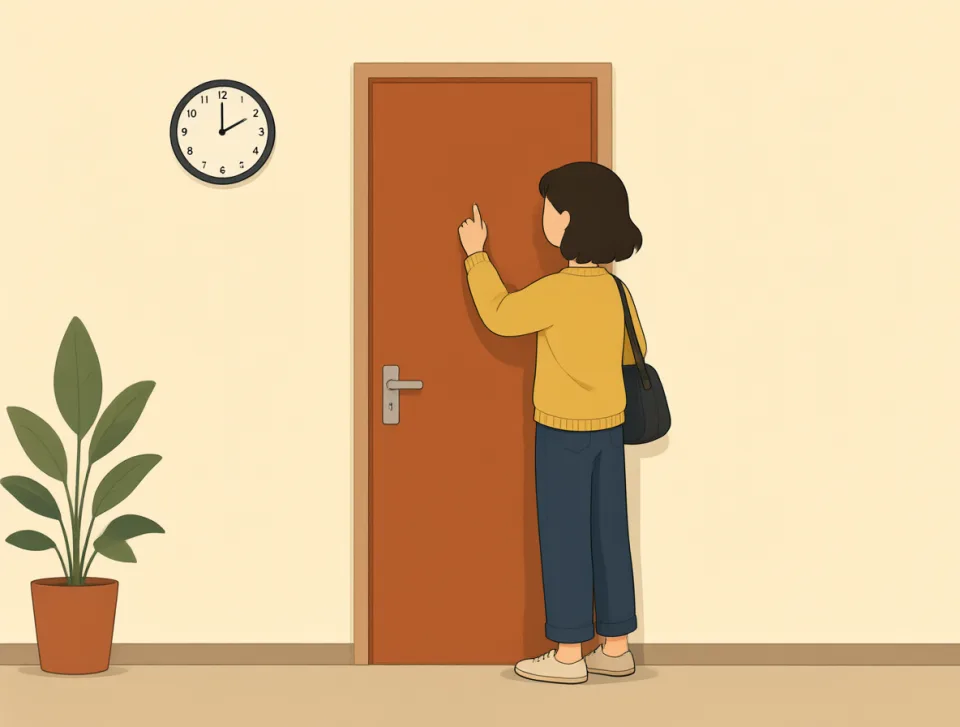
They changed the plan into a party.
그들은 계획을 파티로 바꿨다.
only
#74adverb, adjective, determiner, conjunction
오직; 단지; 유일한; ~만
No more than one person or thing, or nothing else.
한 사람이나 한 가지보다 많지 않거나, 다른 것은 전혀 없는 것
I only have ten minutes before work.
나는 출근 전까지 10분밖에 없어.
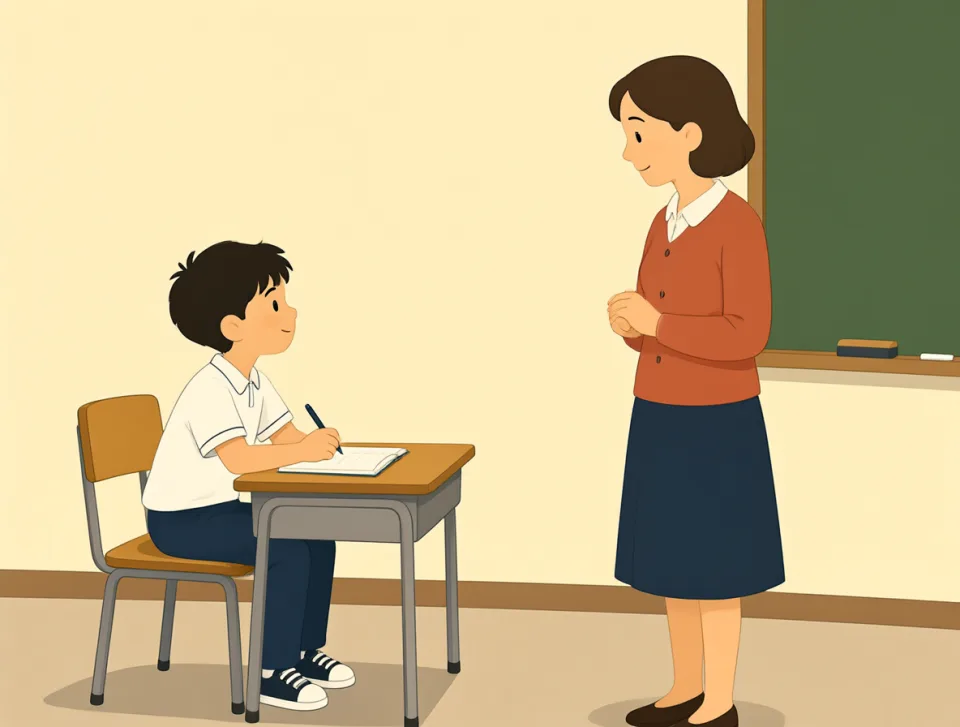
She is the only student in class.
그녀는 반에서 유일한 학생이다.

We only need two tickets for the train.
우리는 기차표가 두 장만 필요해.
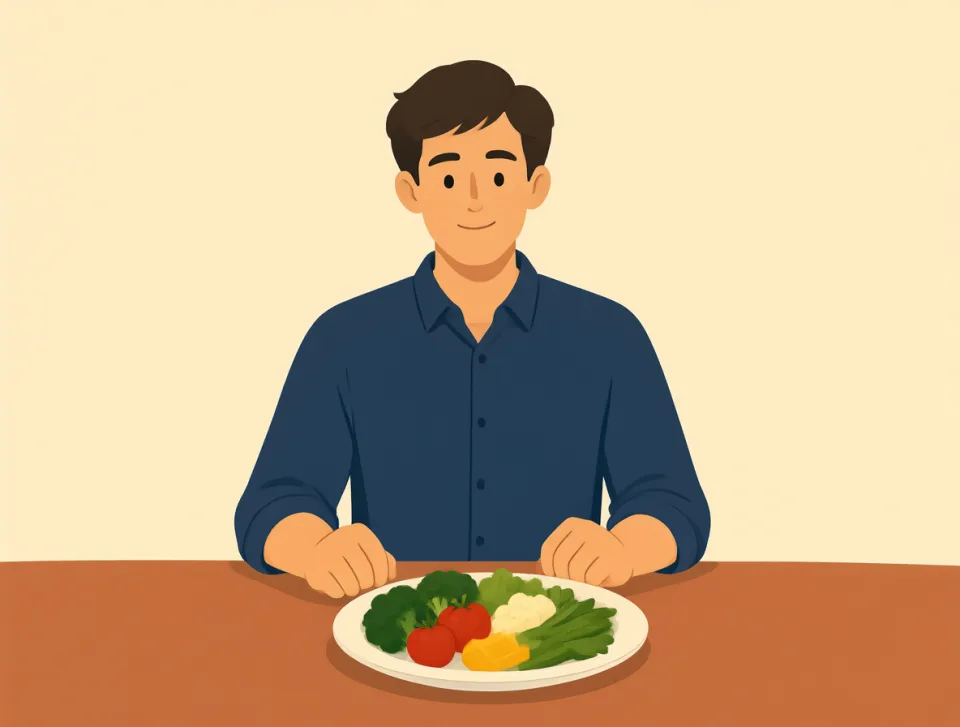
He eats only vegetables for lunch.
그는 점심으로 채소만 먹는다.
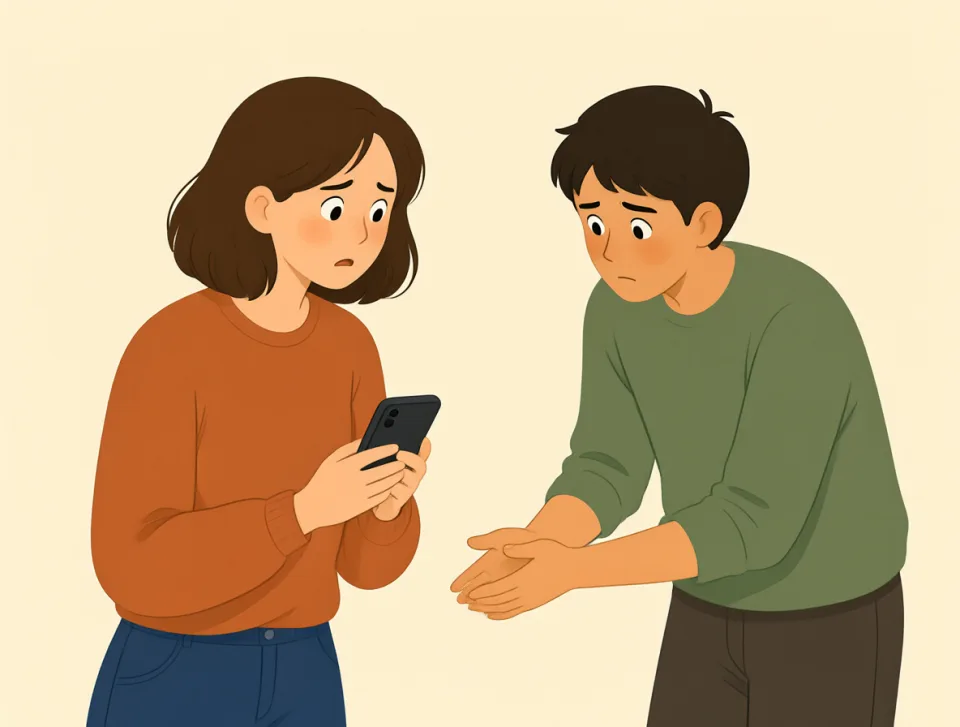
Call me only if you need help.
도움이 필요할 때만 나에게 전화해.
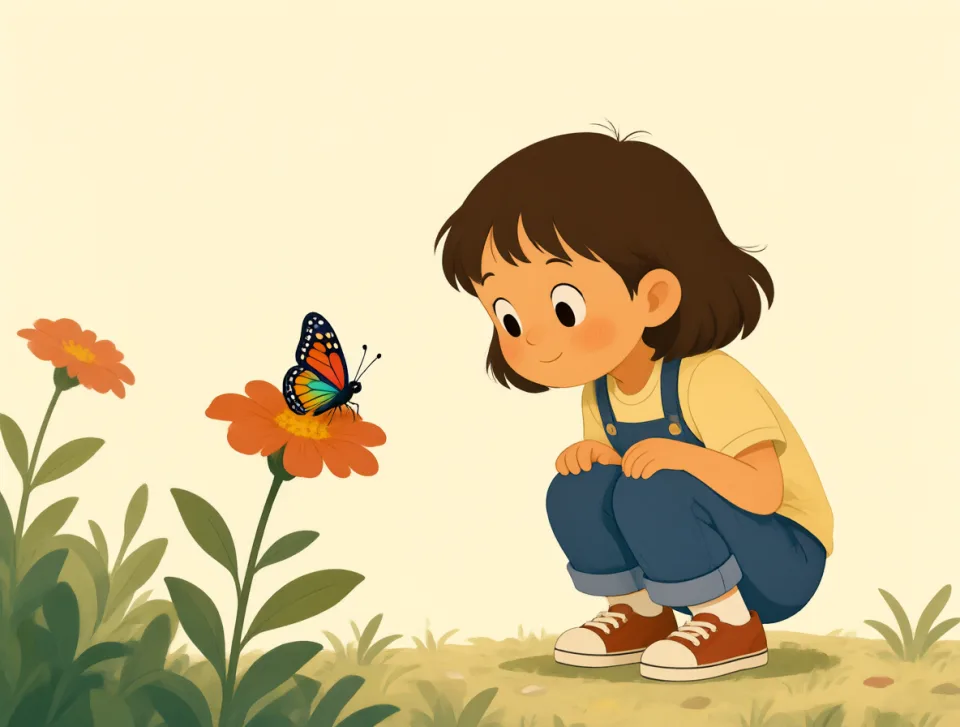
look
#75verb, noun
보다; 보이다; 찾다
to use your eyes to see something or to have a particular appearance
눈을 사용해 무언가를 보거나 특정한 모습이나 상태를 하다

Look at this picture with me.
나와 함께 이 사진을 봐.

You look tired after your long trip.
긴 여행을 하고 나니 피곤해 보이네.
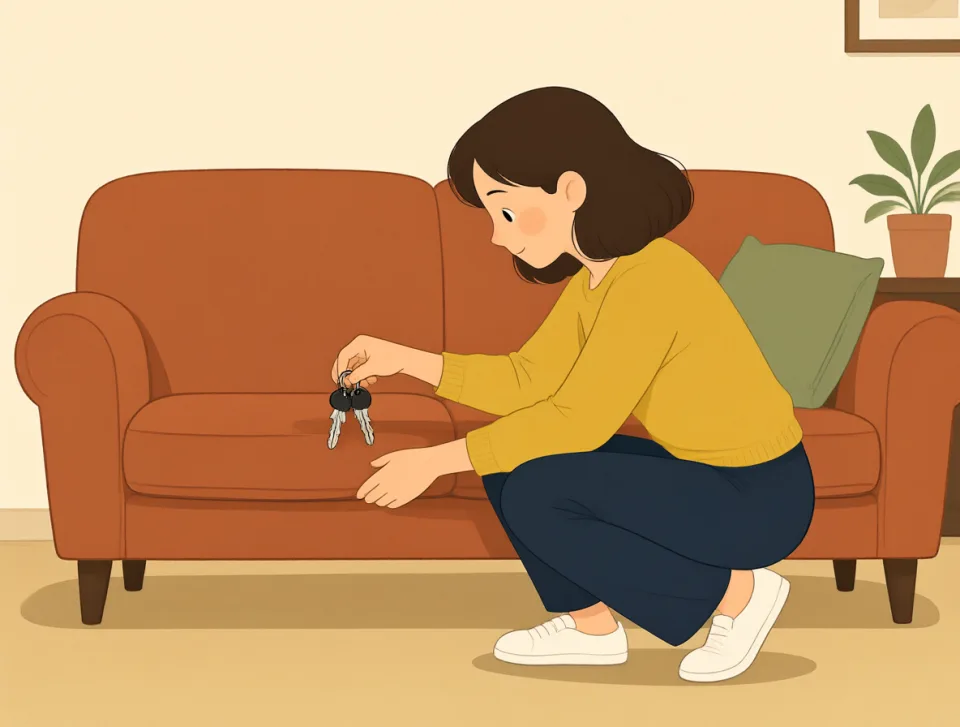
She looked for her keys everywhere.
그녀는 열쇠를 온 사방에서 찾아보았다.

He looks like his older brother.
그는 형과 닮았다.
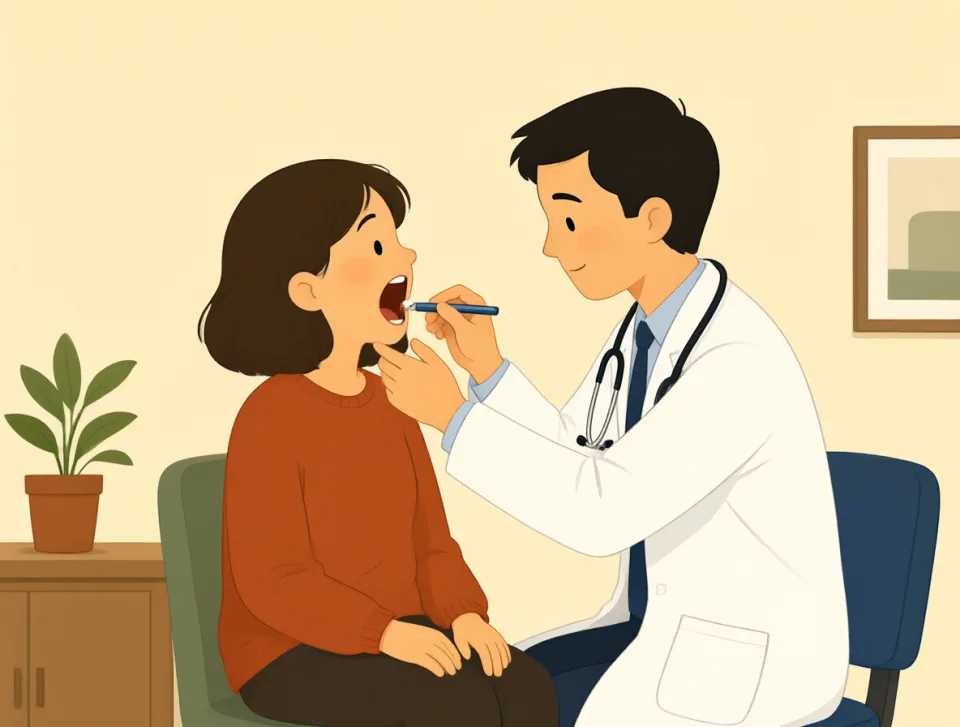
The doctor looked at my sore throat.
의사는 내 아픈 목을 살펴보았다.

want
#76verb, noun
원하다; 필요
To wish to have or do something; a need for something important.
무언가를 갖거나 하기를 바라다; 중요한 것이 필요함
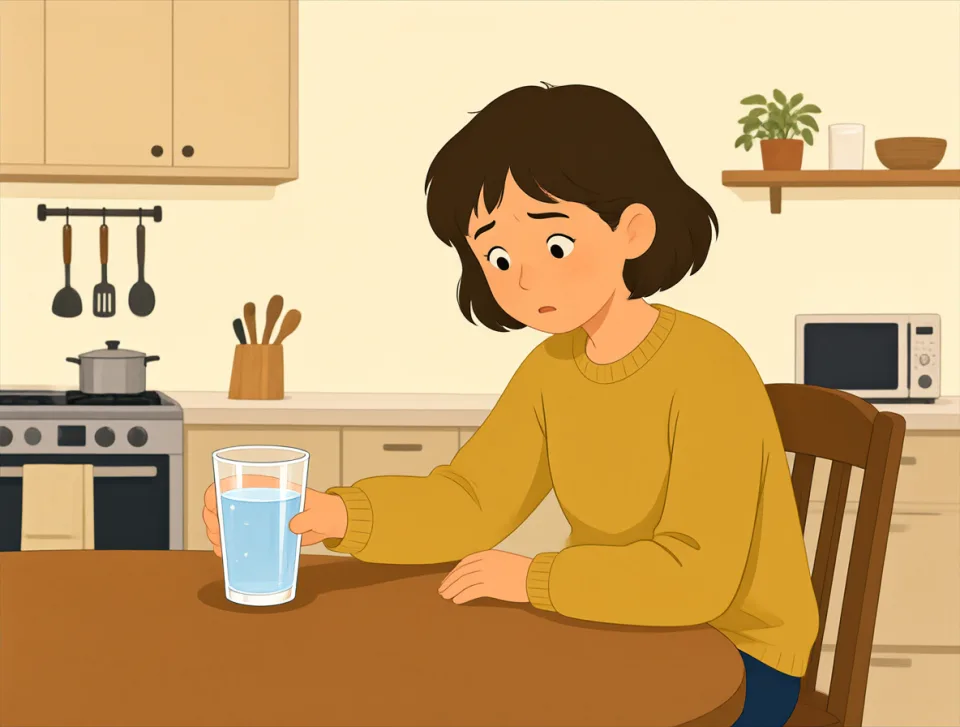
I want a glass of water, please.
물 한 잔 주세요.
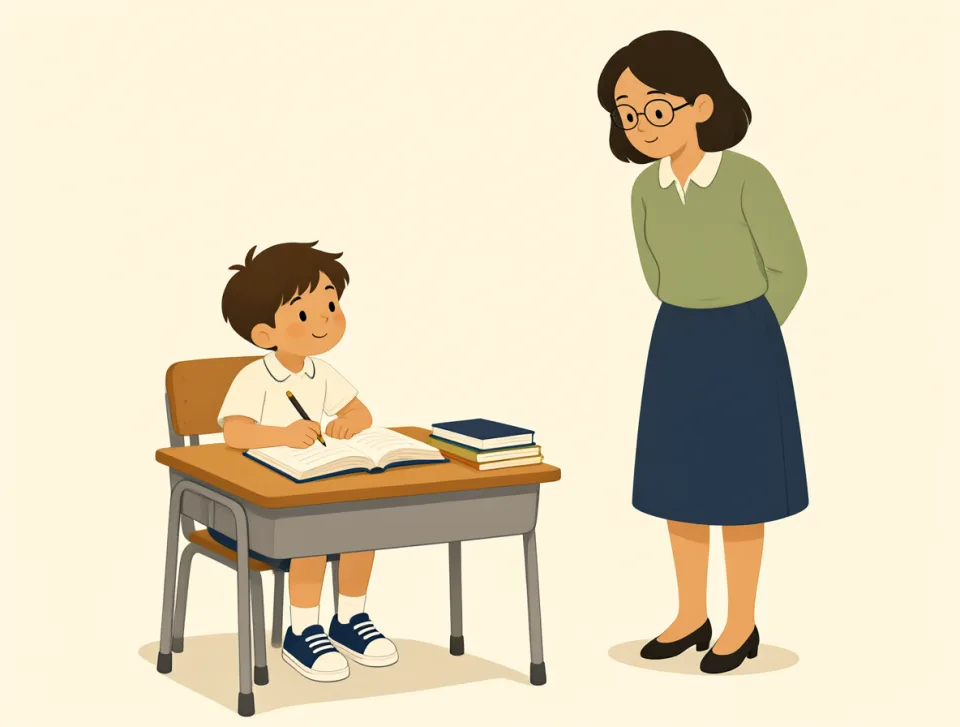
She wants to learn English at school.
그녀는 학교에서 영어를 배우고 싶어 합니다.

We wanted a table near the window.
우리는 창가 자리를 원했습니다.

They want to buy new shoes.
그들은 새 신발을 사고 싶어 합니다.
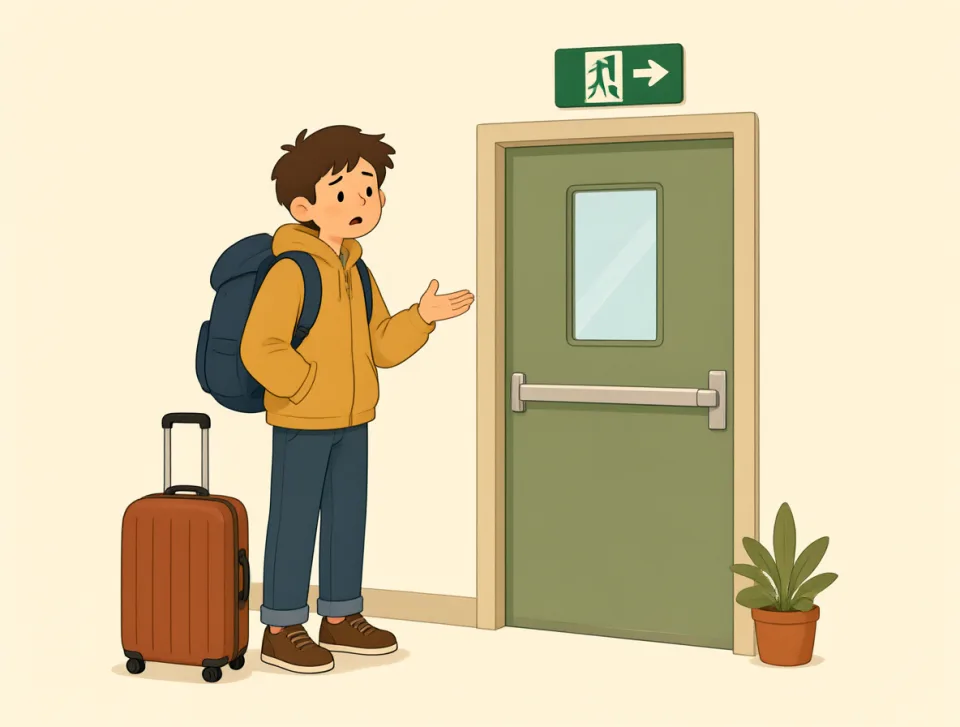
He wants to go home now.
그는 지금 집에 가고 싶어 합니다.

give
#77verb, noun
주다; 건네주다; 제공하다
to hand something to someone or provide something for them
누군가에게 무언가를 건네거나 그 사람에게 무언가를 제공하다
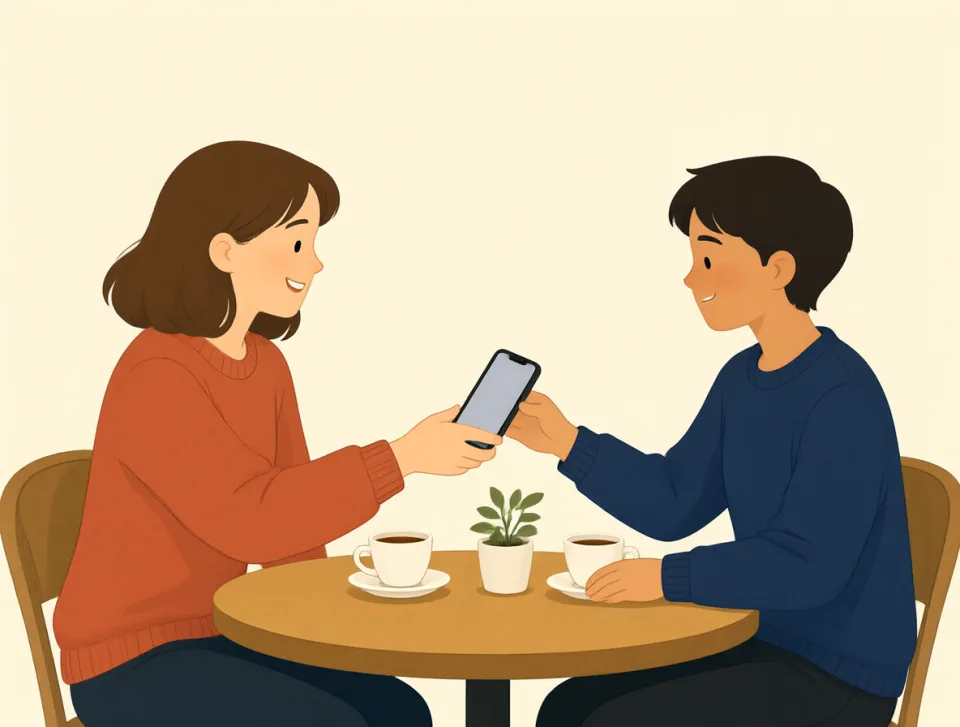
Please give me your phone number.
전화번호 좀 알려 주세요.
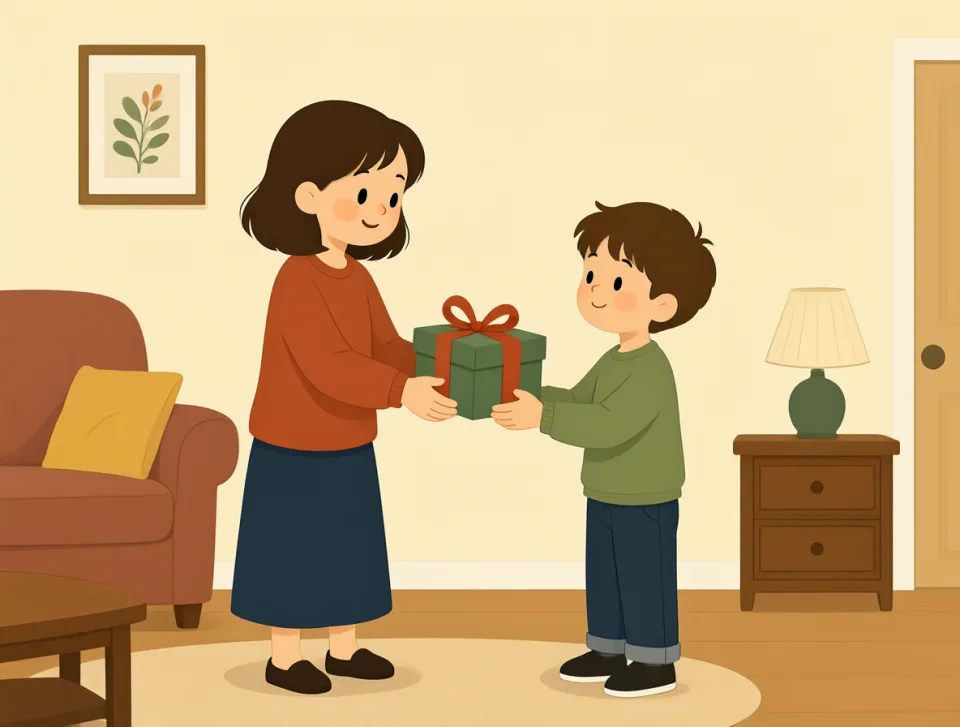
She gave her brother a birthday present.
그녀는 남동생에게 생일 선물을 줬어요.
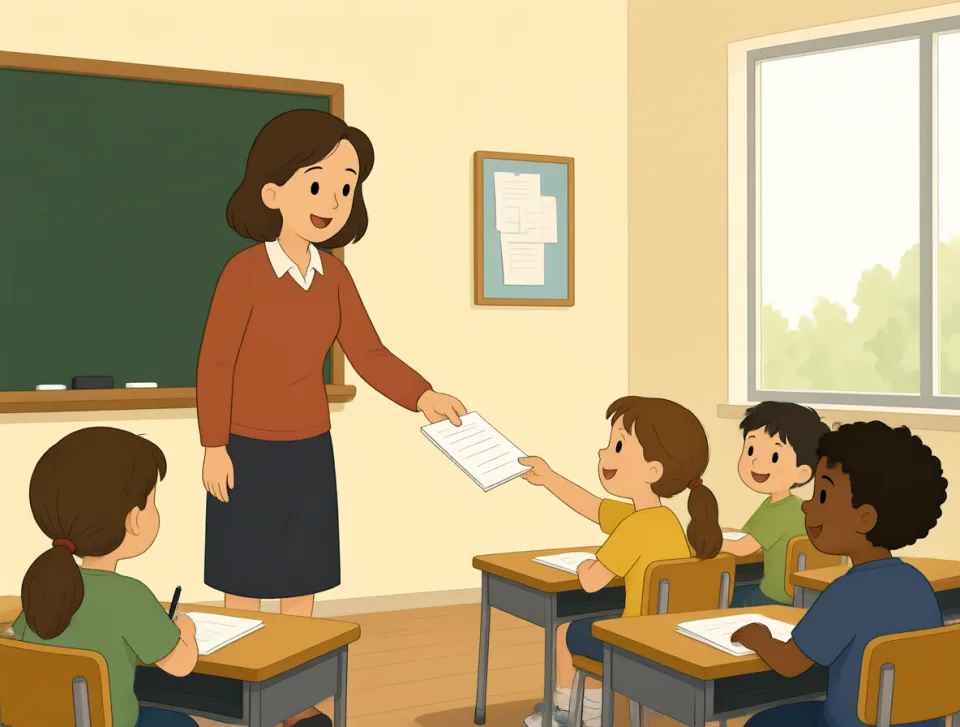
The teacher gave us homework yesterday.
선생님은 어제 우리에게 숙제를 내주셨어요.

Can you give me some water?
물 좀 줄래요?
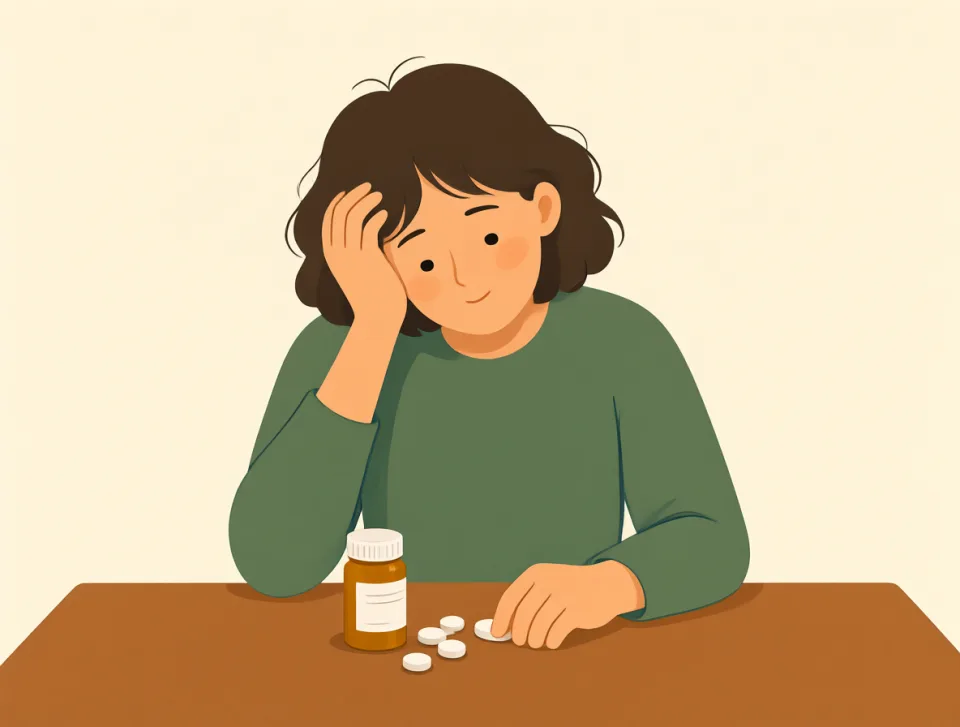
This medicine gives me a headache.
이 약을 먹으면 머리가 아파요.
first
#78adjective, adverb, noun, determiner
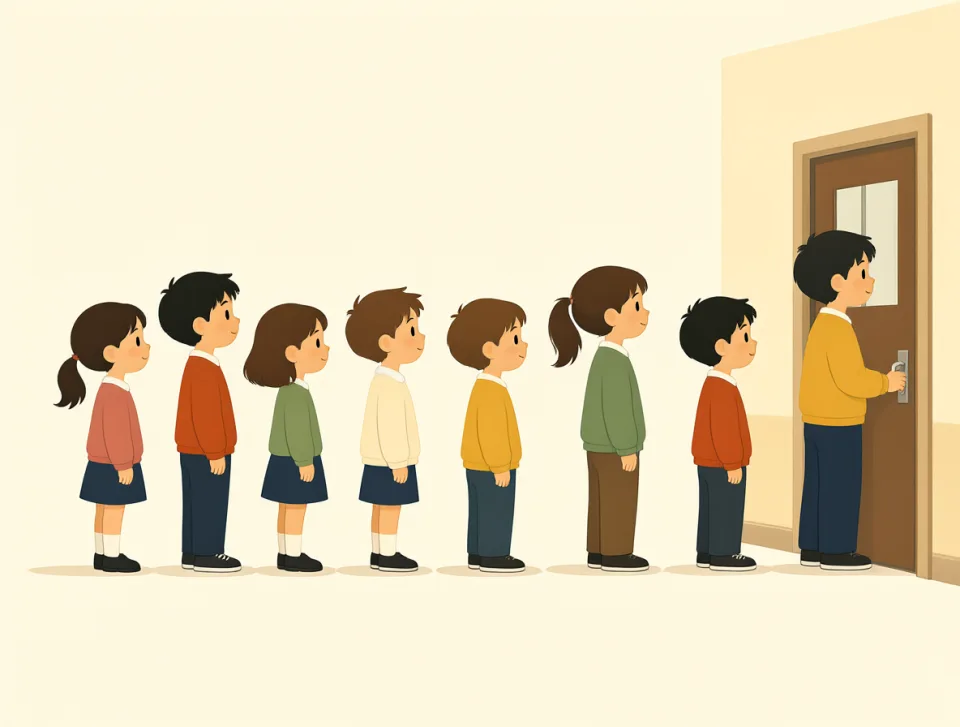
첫 번째; 먼저; 처음; 1등
Coming before all others in time, order, or importance.
시간, 순서 또는 중요도에서 다른 모든 것보다 앞서는.
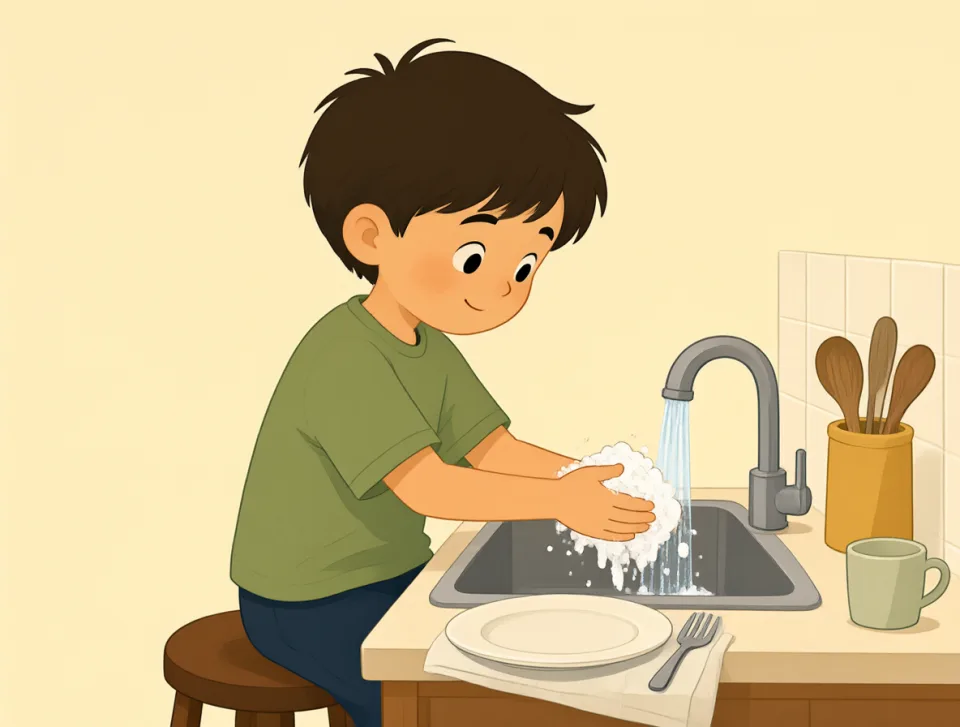
Wash your hands first before eating dinner.
저녁을 먹기 전에 먼저 손을 씻으세요.

She was the first person to arrive.
그녀는 가장 먼저 도착한 사람이었어요.

I got home first and made tea.
내가 먼저 집에 도착해서 차를 끓였어요.

This is my first day at school.
오늘은 내가 학교에 간 첫날이에요.

He finished first in the race.
그는 경주에서 1등으로 결승선을 통과했어요.

new
#79adjective, adverb, noun
새로운; 새로 생긴; 새것의
Made, discovered, or seen for the first time; not old or used.
처음 만들어지거나 발견되었거나 본 것; 낡거나 사용되지 않은

She bought a new dress for the party.
그녀는 파티에 입고 갈 새 드레스를 샀다.

We moved into our new house last week.
우리는 지난주에 새 집으로 이사했다.

I started a new job on Monday.
나는 월요일에 새 직장을 시작했다.
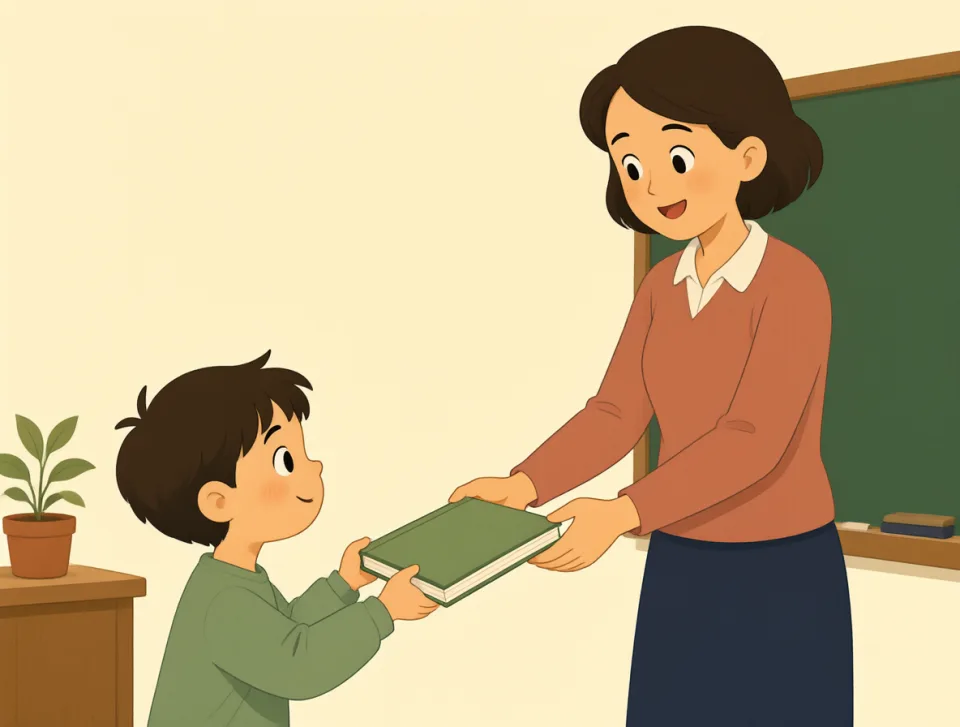
The teacher gave us a new book.
선생님께서 우리에게 새 책을 주셨다.

They tried a new restaurant downtown.
그들은 시내에 있는 새로운 식당에 가 보았다.
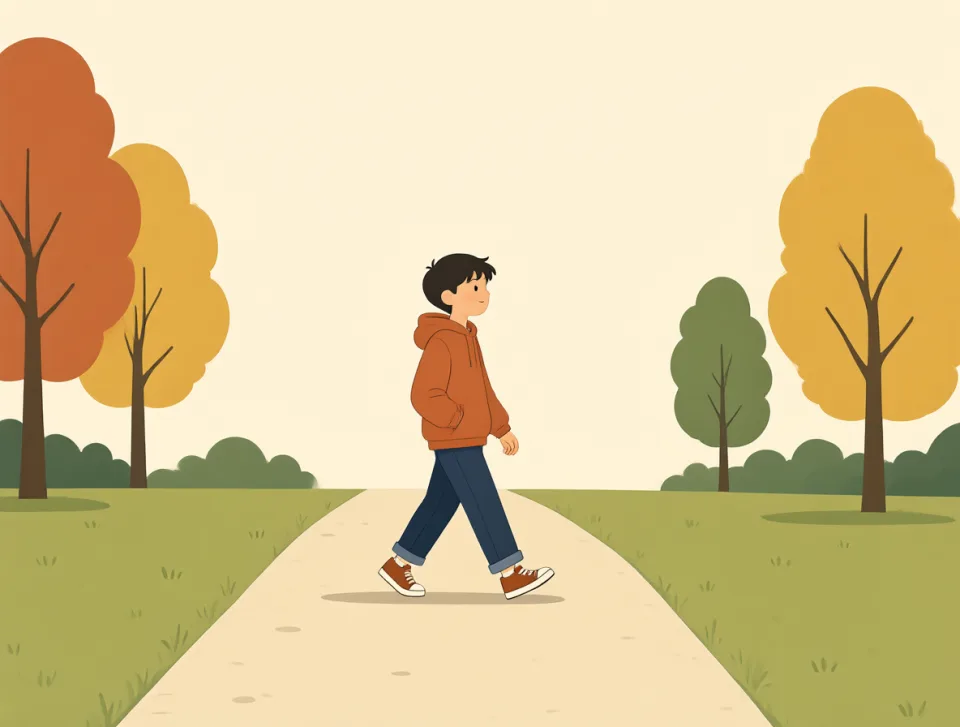
way
#80noun, adverb, adjective
방법; 길; 거리
A method, direction, or distance from one place to another.
어떤 장소에서 다른 장소로 가는 방법, 방향 또는 거리
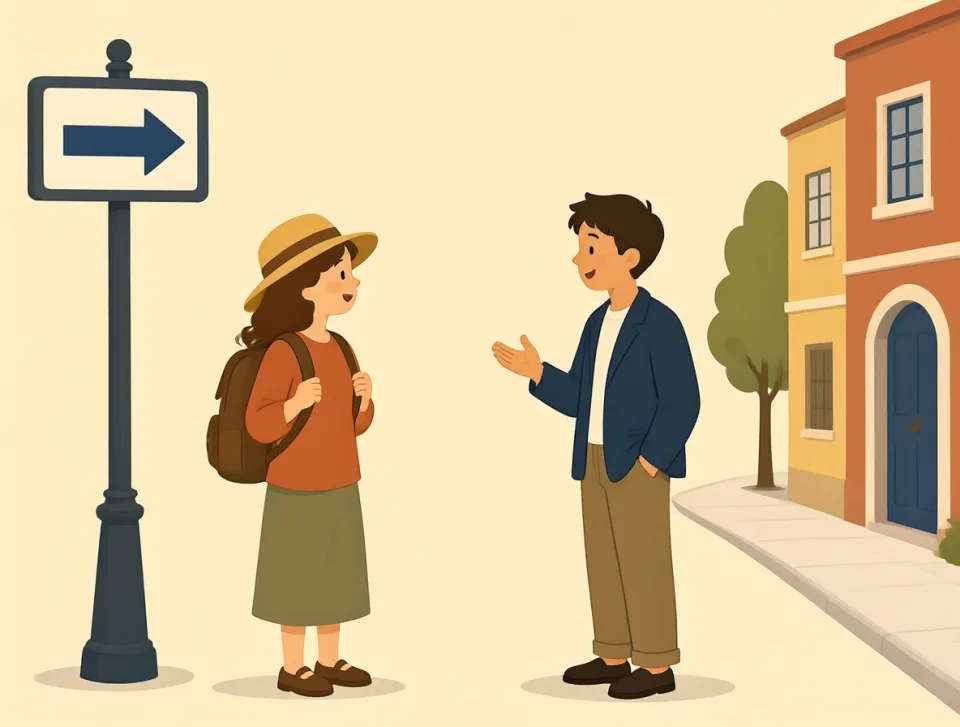
Can you show me the way home?
집에 가는 길을 알려 주실래요?

This is the best way to learn English.
이것이 영어를 배우는 가장 좋은 방법이에요.

The shop is a long way from here.
그 가게는 여기서 아주 멀리 떨어져 있어요.
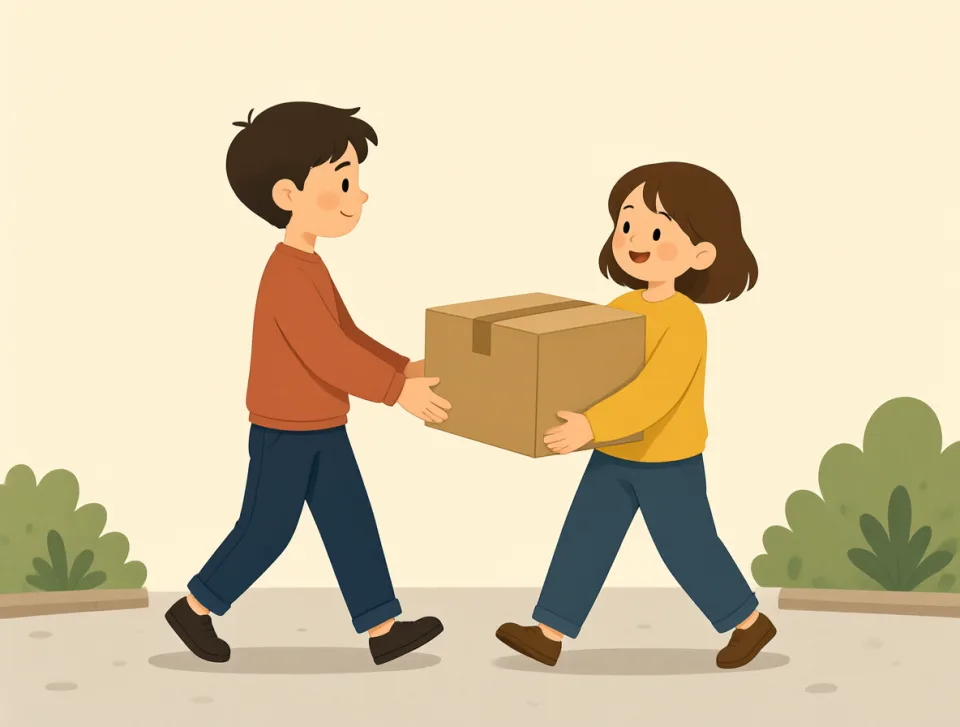
Please move out of the way.
길을 비켜 주세요.
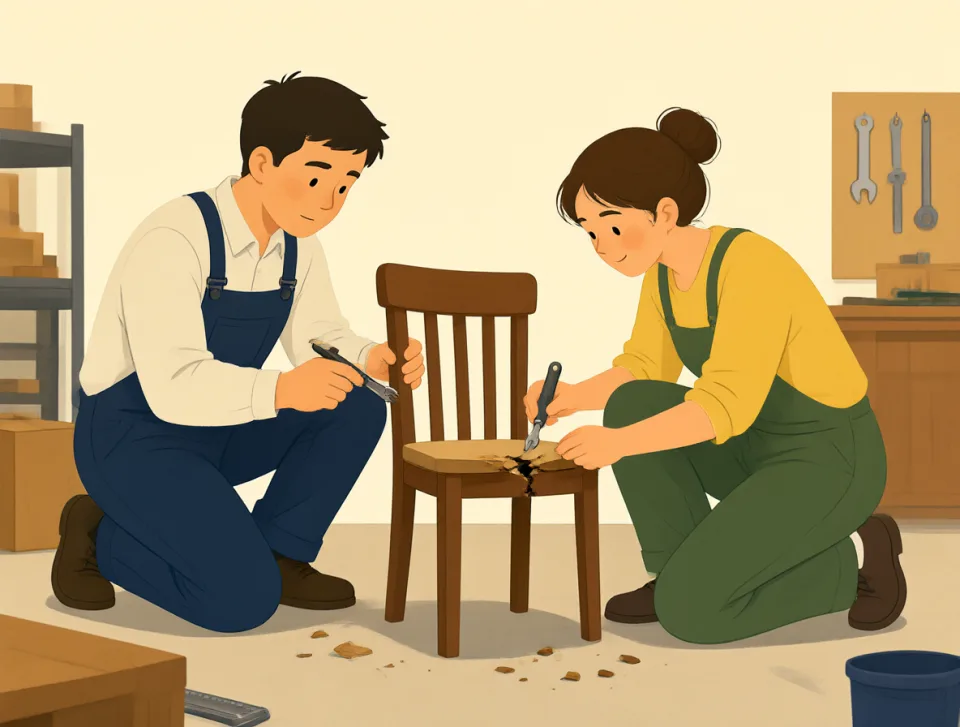
We found a way to fix the problem.
우리는 그 문제를 해결할 방법을 찾았어요.