หน่วย 82
คำที่ 1621–1640 · journey, opposition, relief, debt, honor, outcome

journey
#1621noun
การเดินทาง
A trip from one place to another, especially a long one.
การเดินทางจากสถานที่หนึ่งไปยังอีกสถานที่หนึ่ง โดยเฉพาะการเดินทางไกล

The journey from London to Paris takes about two hours.
การเดินทางจากลอนดอนไปปารีสใช้เวลาประมาณสองชั่วโมง

We had a long journey home after the concert.
หลังคอนเสิร์ต เราเดินทางกลับบ้านเป็นเวลานาน

Her journey to work starts with a short bus ride.
การเดินทางไปทำงานของเธอเริ่มต้นด้วยการนั่งรถบัสระยะสั้น ๆ

The students wrote about their journey through the forest.
นักเรียนเขียนเรื่องการเดินทางผ่านป่าของพวกเขา

Learning a new language is a difficult but rewarding journey.
การเรียนภาษาใหม่เป็นการเดินทางที่ยากลำบากแต่คุ้มค่า

opposition
#1622noun
การคัดค้าน
Strong disagreement with a plan, idea, or person, or the people who disagree.
การไม่เห็นด้วยอย่างมากกับแผน ความคิด หรือบุคคล หรือหมายถึงผู้ที่ไม่เห็นด้วย

The plan met strong opposition from local residents.
แผนดังกล่าวเผชิญกับการคัดค้านอย่างหนักจากชาวบ้านในพื้นที่

The opposition party criticized the government during the election.
พรรคฝ่ายค้านวิพากษ์วิจารณ์รัฐบาลระหว่างการเลือกตั้ง

Our team played well despite opposition from the other school.
ทีมของเราเล่นได้ดีแม้จะถูกคัดค้านจากโรงเรียนอีกแห่งหนึ่ง

She faced opposition when she asked for a later work schedule.
เธอเผชิญกับการคัดค้านเมื่อขอเปลี่ยนเวลาทำงานให้เลิกช้าลง

The new shopping center caused opposition from nearby shop owners.
ศูนย์การค้าแห่งใหม่ก่อให้เกิดการคัดค้านจากเจ้าของร้านค้าใกล้เคียง

relief
#1623noun
ความโล่งอก
A feeling of happiness when something difficult or painful ends.
ความรู้สึกมีความสุขเมื่อสิ่งที่ยากลำบากหรือเจ็บปวดสิ้นสุดลง

She felt great relief when her lost dog came home.
เธอรู้สึกโล่งอกมากเมื่อสุนัขที่หายไปกลับบ้าน

The medicine brought relief from his terrible headache.
ยานี้ช่วยบรรเทาอาการปวดศีรษะอย่างรุนแรงของเขา

Everyone sighed with relief when the teacher canceled the test.
ทุกคนถอนหายใจด้วยความโล่งอกเมื่อครูยกเลิกการสอบ

The cool water gave us relief from the hot summer sun.
น้ำเย็นช่วยให้เราคลายร้อนจากแสงแดดในฤดูร้อน

The store offered relief to shoppers by extending the return period.
ร้านค้าช่วยให้ผู้ซื้อสบายใจขึ้นด้วยการขยายระยะเวลาคืนสินค้า
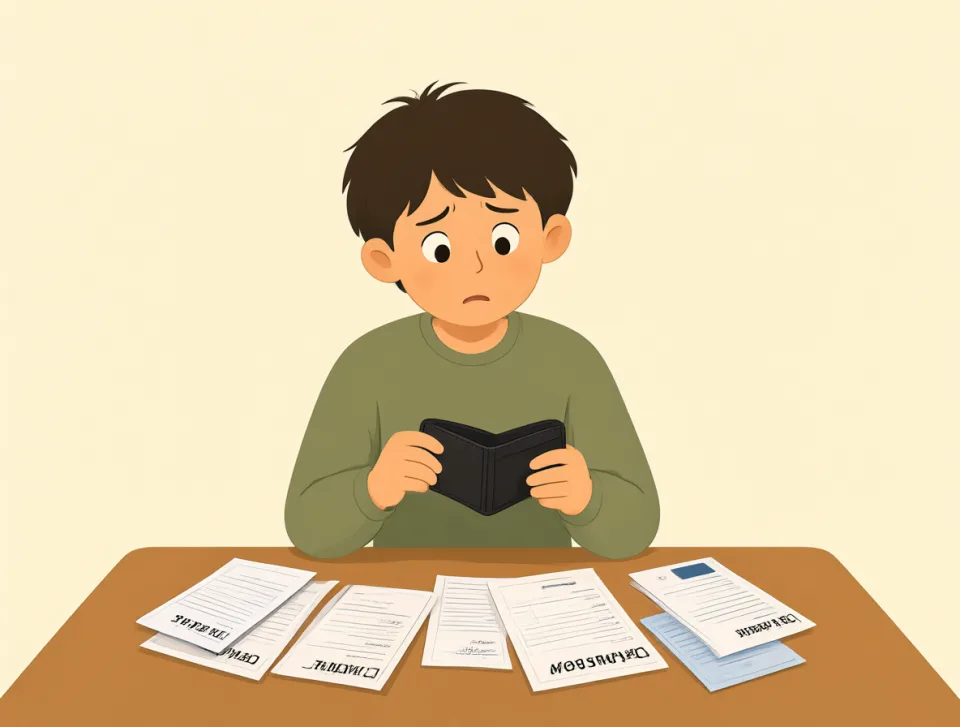
debt
#1624noun
หนี้สิน
Money that you owe to a person, bank, or business.
เงินที่คุณเป็นหนี้บุคคล ธนาคาร หรือธุรกิจ

She is trying to pay off her credit card debt.
เธอกำลังพยายามชำระหนี้บัตรเครดิตให้หมด

The bank refused his loan because he already had too much debt.
ธนาคารปฏิเสธเงินกู้ของเขาเพราะเขามีหนี้สินมากเกินไปอยู่แล้ว

Their family got into debt after repairing the house.
ครอบครัวของพวกเขาเป็นหนี้หลังจากซ่อมแซมบ้าน

He borrowed money from a friend and is still in debt.
เขายืมเงินจากเพื่อนและยังคงเป็นหนี้อยู่

The company is working hard to reduce its debt.
บริษัทกำลังพยายามอย่างหนักเพื่อลดหนี้สินของตน

honor
#1625noun, verb
เกียรติ / ให้เกียรติ
Honor means great respect, or to show respect for someone or something.
Honor หมายถึงความเคารพอย่างยิ่ง หรือการแสดงความเคารพต่อบุคคลหรือสิ่งใดสิ่งหนึ่ง

The award was a great honor for our family.
รางวัลนี้ถือเป็นเกียรติอย่างยิ่งสำหรับครอบครัวของเรา
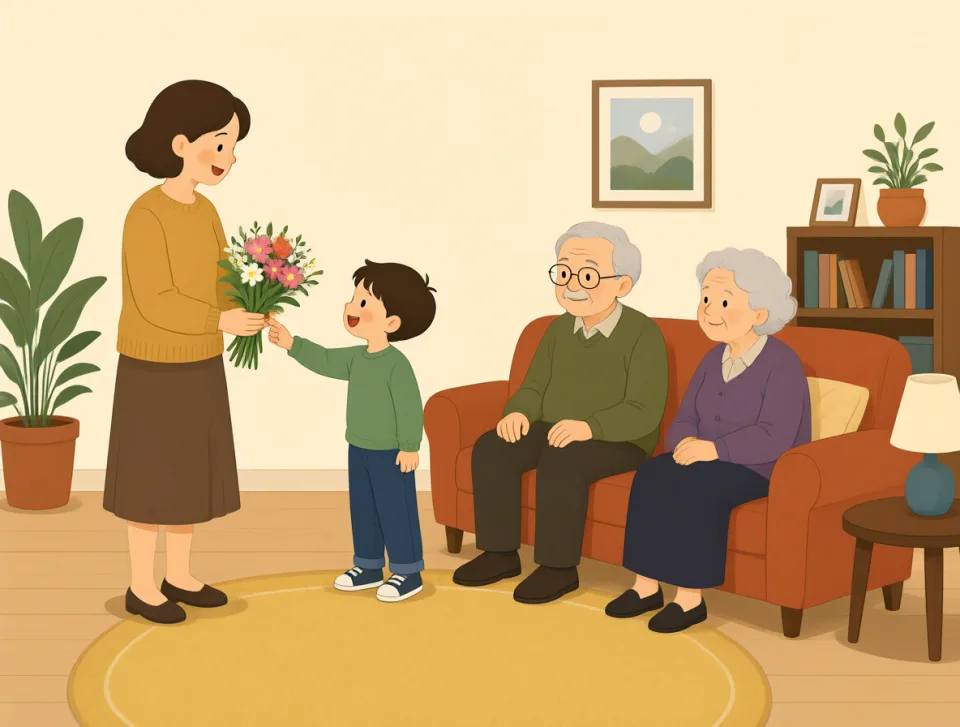
We honor our grandparents by visiting them every Sunday.
เราให้เกียรติปู่ย่าตายายด้วยการไปเยี่ยมพวกท่านทุกวันอาทิตย์

The school honored Maya for helping younger students.
โรงเรียนให้เกียรติมายาเนื่องจากเธอช่วยเหลือนักเรียนที่อายุน้อยกว่า

It is an honor to meet the famous chef.
นับเป็นเกียรติที่ได้พบเชฟชื่อดัง

The town held a ceremony to honor fallen soldiers.
เมืองนี้จัดพิธีเพื่อเป็นเกียรติแก่ทหารที่เสียชีวิต

outcome
#1626noun
ผลลัพธ์
The final result of an action, event, or situation.
ผลสุดท้ายของการกระทำ เหตุการณ์ หรือสถานการณ์
We are waiting to hear the outcome of the meeting.
เรากำลังรอฟังผลการประชุมอยู่

The outcome of the game surprised everyone at the party.
ผลการแข่งขันทำให้ทุกคนในงานปาร์ตี้ประหลาดใจ

Hard work usually leads to a better outcome at school.
ความขยันมักนำไปสู่ผลลัพธ์ที่ดีขึ้นในการเรียน

The doctor explained the possible outcomes of the treatment.
หมออธิบายผลลัพธ์ที่อาจเกิดขึ้นจากการรักษา

The meal had a disappointing outcome because we forgot the salt.
มื้อนี้ออกมาไม่น่าประทับใจ เพราะเราลืมใส่เกลือ

blame
#1627noun, verb
ตำหนิ
To say or believe that someone caused a problem or did something wrong.
พูดหรือเชื่อว่ามีใครเป็นต้นเหตุของปัญหาหรือทำสิ่งผิด

Do not blame me for the broken window.
อย่ามาโทษฉันเรื่องหน้าต่างที่แตกนะ

She blamed the traffic for arriving late.
เธอโทษว่ารถติดเลยมาสาย

The teacher blamed Tom for making too much noise.
ครูโทษทอมที่ส่งเสียงดังเกินไป

I take the blame for forgetting your birthday.
ฉันยอมรับผิดเองที่ลืมวันเกิดเธอ

The doctor said stress was partly to blame for his headaches.
หมอบอกว่าความเครียดเป็นสาเหตุส่วนหนึ่งของอาการปวดหัวของเขา

explanation
#1628noun
คำอธิบาย
A statement that makes something clear or tells why it happened.
ข้อความที่ช่วยให้เข้าใจบางสิ่งหรือบอกเหตุผลว่าทำไมสิ่งนั้นจึงเกิดขึ้น
The teacher gave a simple explanation of the new rule.
ครูอธิบายกฎใหม่แบบง่าย ๆ

Can you give me an explanation for the late delivery?
ช่วยอธิบายหน่อยได้ไหมว่าทำไมของถึงมาส่งช้า

His explanation of the problem helped us find a solution.
คำอธิบายปัญหาของเขาช่วยให้เราหาทางแก้ได้

She asked the doctor for an explanation of her test results.
เธอขอให้หมออธิบายผลการตรวจของเธอ
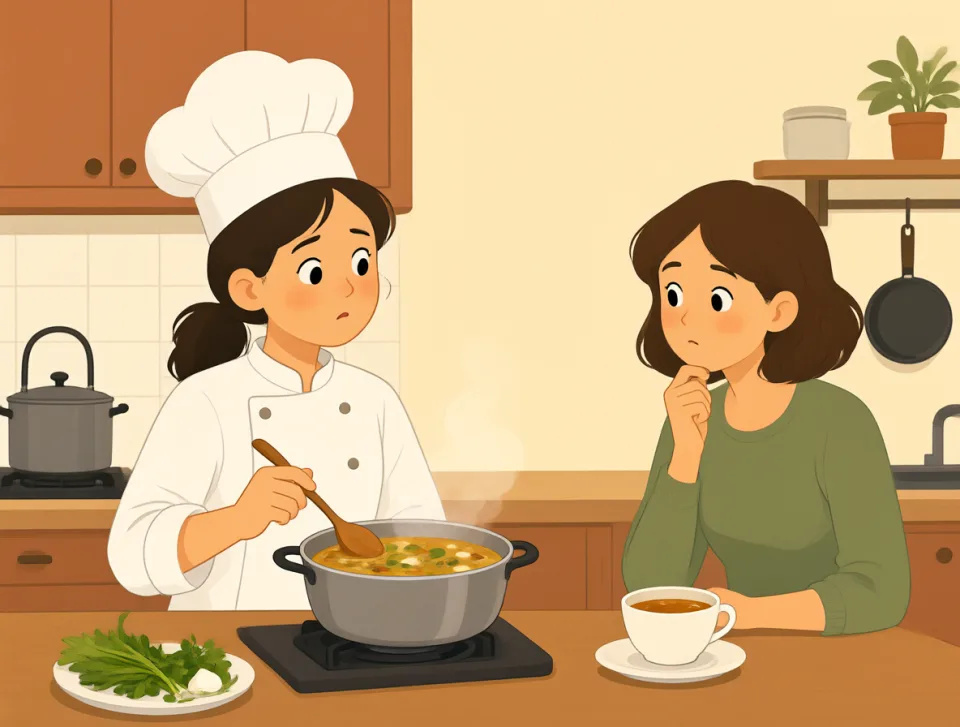
There is no easy explanation for why the soup tastes so salty.
ไม่มีคำอธิบายง่าย ๆ ว่าทำไมซุปถึงเค็มขนาดนี้
arise
#1629verb
เกิดขึ้น
To happen, especially unexpectedly or as a problem or need.
เกิดขึ้น โดยเฉพาะอย่างยิ่งเมื่อเกิดขึ้นโดยไม่คาดคิด หรือเกิดเป็นปัญหาหรือความจำเป็น

Several problems arose during the meeting this morning.
มีปัญหาหลายอย่างเกิดขึ้นระหว่างการประชุมเมื่อเช้านี้

Please call me if any questions arise after class.
ถ้ามีคำถามเกิดขึ้นหลังเลิกเรียน โทรหาฉันได้เลยนะ

A disagreement arose between two friends at dinner.
เพื่อนสองคนขัดแย้งกันขึ้นมาระหว่างมื้อค่ำ

We left early because an urgent problem had arisen.
เราออกมาก่อนเวลาเพราะมีปัญหาเร่งด่วนเกิดขึ้น

Health problems can arise when people do not sleep enough.
ปัญหาสุขภาพอาจเกิดขึ้นได้เมื่อคนนอนหลับไม่เพียงพอ

musical
#1630adjective, noun
เกี่ยวกับดนตรี; ละครเพลง
Related to music, or a play in which people sing and dance.
เกี่ยวข้องกับดนตรี หรือการแสดงละครที่ผู้คนร้องเพลงและเต้นรำ

She has a beautiful musical voice.
เธอมีเสียงร้องที่ไพเราะ

We watched a musical at the theater last night.
เมื่อคืนเราดูละครเพลงที่โรงละคร

Our school musical starts next Friday.
ละครเพลงของโรงเรียนเราเริ่มแสดงวันศุกร์หน้า

He bought a musical birthday card for his sister.
เขาซื้อการ์ดวันเกิดที่มีเสียงดนตรีให้น้องสาว

The musical instruments were too heavy to carry.
เครื่องดนตรีหนักเกินกว่าจะถือไหว

recover
#1631verb
ฟื้นตัว
to become healthy, strong, or normal again after illness, injury, or difficulty
กลับมามีสุขภาพแข็งแรงหรือเป็นปกติอีกครั้งหลังจากเจ็บป่วย บาดเจ็บ หรือเผชิญความยากลำบาก

She is recovering well after her operation.
เธอฟื้นตัวได้ดีหลังจากผ่าตัด

It took him two weeks to recover from the flu.
เขาใช้เวลาสองสัปดาห์กว่าจะฟื้นจากไข้หวัดใหญ่

The company recovered quickly after losing many customers.
บริษัทฟื้นตัวได้อย่างรวดเร็วหลังจากสูญเสียลูกค้าไปหลายราย

I recovered my lost wallet at the train station.
ฉันได้กระเป๋าสตางค์ที่ทำหายคืนมาที่สถานีรถไฟ

The team recovered from a difficult start and won the game.
ทีมพลิกฟื้นจากการเริ่มต้นที่ยากลำบากและคว้าชัยชนะมาได้

dad
#1632noun
พ่อ
your father or a familiar way to call a father
พ่อของคุณ หรือคำที่ใช้เรียกพ่ออย่างคุ้นเคย
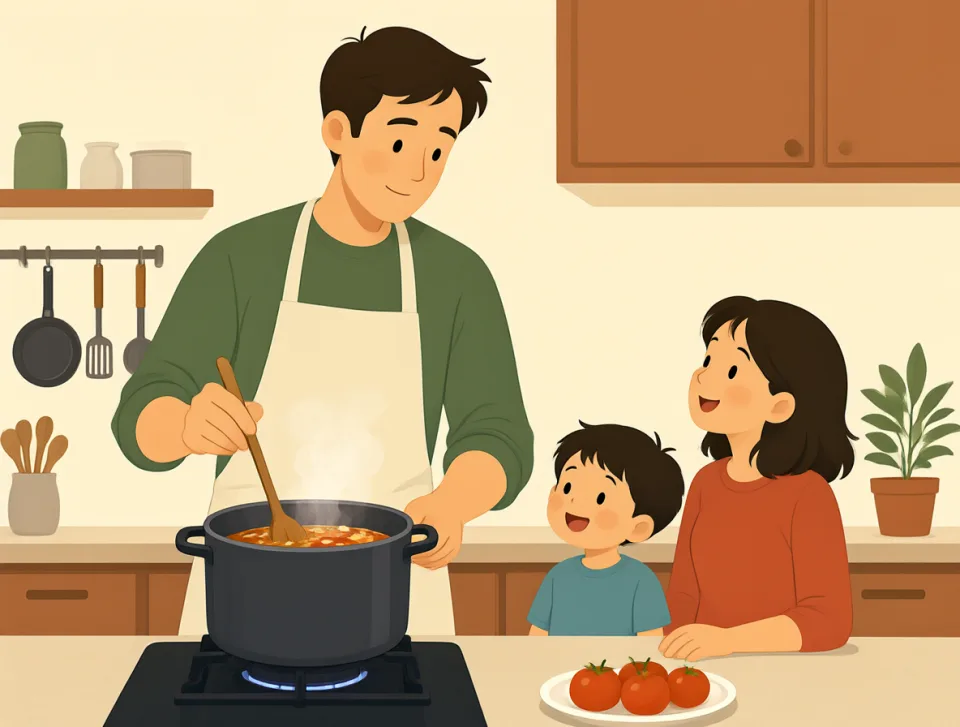
My dad cooks dinner for our family every Friday.
พ่อของฉันทำอาหารเย็นให้ครอบครัวทุกวันศุกร์

Dad drove me to school because it was raining.
พ่อขับรถไปส่งฉันที่โรงเรียนเพราะฝนตก

I called my dad after I arrived at the airport.
ฉันโทรหาพ่อหลังจากไปถึงสนามบิน

Her dad helped her choose a birthday present.
พ่อของเธอช่วยเธอเลือกของขวัญวันเกิด

The doctor told his dad to rest at home.
หมอบอกให้พ่อของเขาพักผ่อนอยู่ที่บ้าน

stretch
#1633verb, noun
ยืด
to make something longer or wider, or to extend your body or arm
ทำให้สิ่งใดยาวหรือกว้างขึ้น หรือเหยียดร่างกายหรือแขนออก

I stretch my legs before I go for a run.
ฉันยืดขาก่อนออกไปวิ่ง
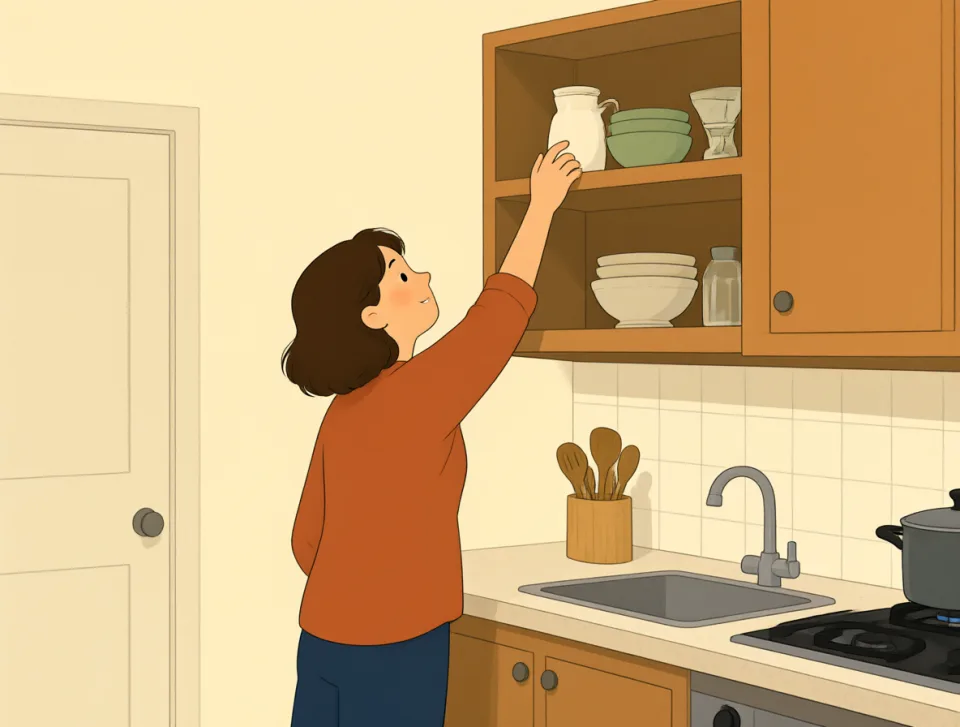
She stretched her arms to reach the top shelf.
เธอเหยียดแขนเพื่อหยิบของบนชั้นสูงสุด
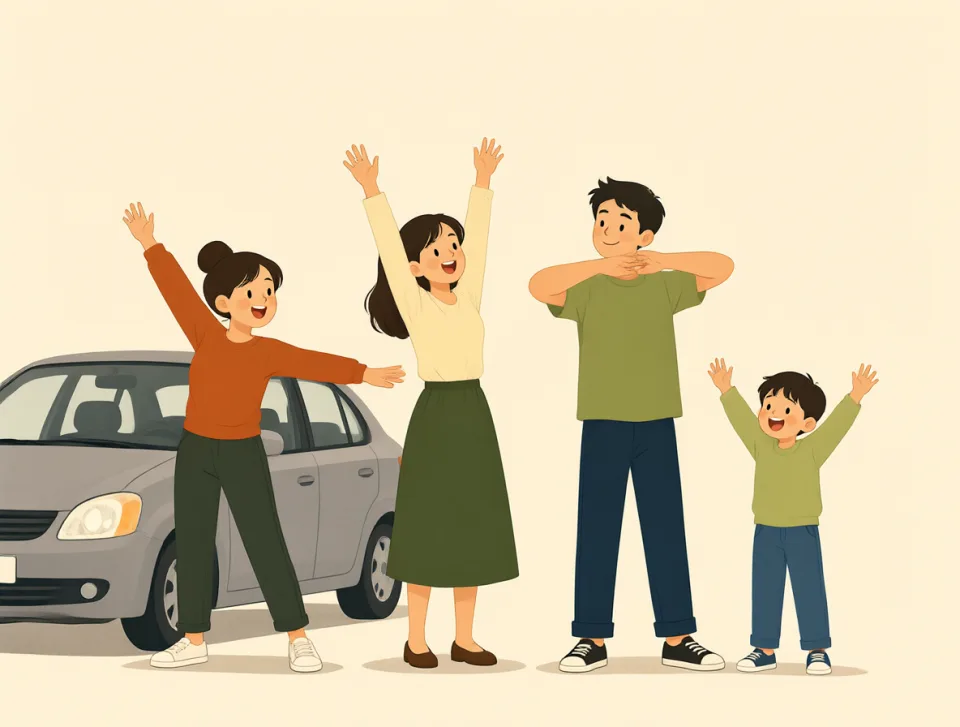
We stopped to stretch during the long car journey.
พวกเราจอดรถเพื่อยืดเส้นยืดสายระหว่างเดินทางไกลด้วยรถยนต์

They walked along a quiet stretch of beach.
พวกเขาเดินไปตามแนวชายหาดที่เงียบสงบช่วงหนึ่ง

The repair took a long stretch of the afternoon.
การซ่อมกินเวลานานเกือบตลอดช่วงบ่าย

declare
#1634verb
ประกาศ
To say something clearly and officially, or to make it known publicly.
กล่าวบางอย่างอย่างชัดเจนและเป็นทางการ หรือแจ้งให้สาธารณชนทราบ

The doctor declared that the patient was healthy again.
หมอประกาศว่าคนไข้กลับมามีสุขภาพแข็งแรงแล้ว

Maya declared her love for the city after her visit.
หลังจากไปเยือนเมืองนั้น มายาก็ประกาศว่าเธอรักเมืองนี้
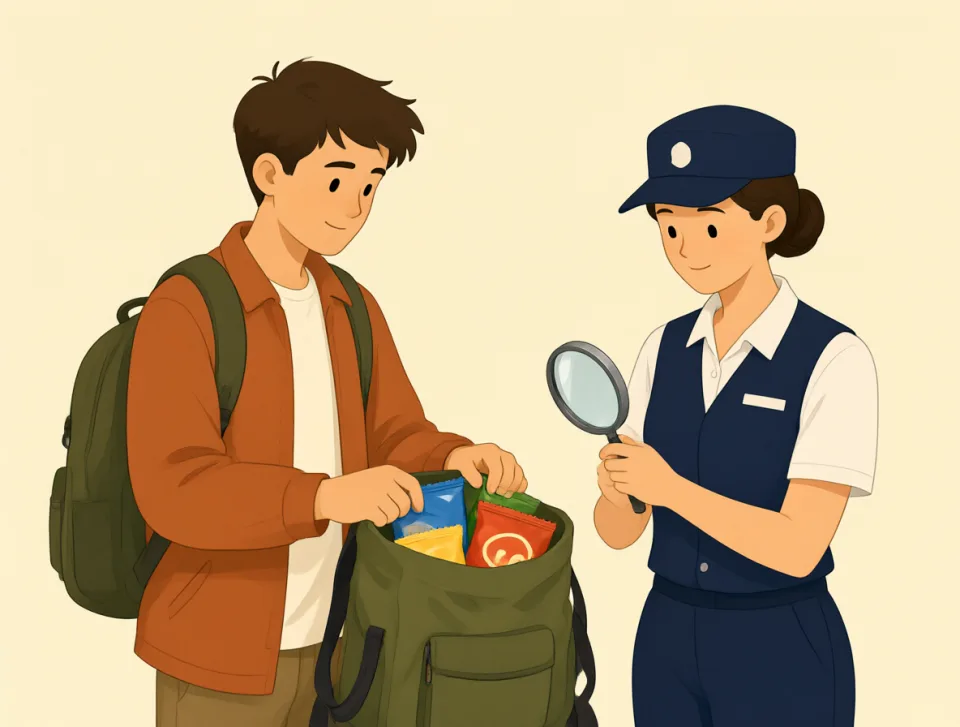
We must declare all our food at the airport.
เราต้องสำแดงอาหารทั้งหมดที่สนามบิน

The school declared Friday a holiday for every student.
โรงเรียนประกาศให้วันศุกร์เป็นวันหยุดสำหรับนักเรียนทุกคน

He declared his new phone at customs before entering the country.
เขาสำแดงโทรศัพท์เครื่องใหม่ต่อศุลกากรก่อนเข้าประเทศ

retire
#1635verb
เกษียณ
To stop working permanently, usually because you are old enough to receive a pension.
หยุดทำงานอย่างถาวร โดยทั่วไปเพราะมีอายุถึงเกณฑ์ที่จะได้รับเงินบำนาญ

My father plans to retire next year.
พ่อของฉันวางแผนจะเกษียณปีหน้า
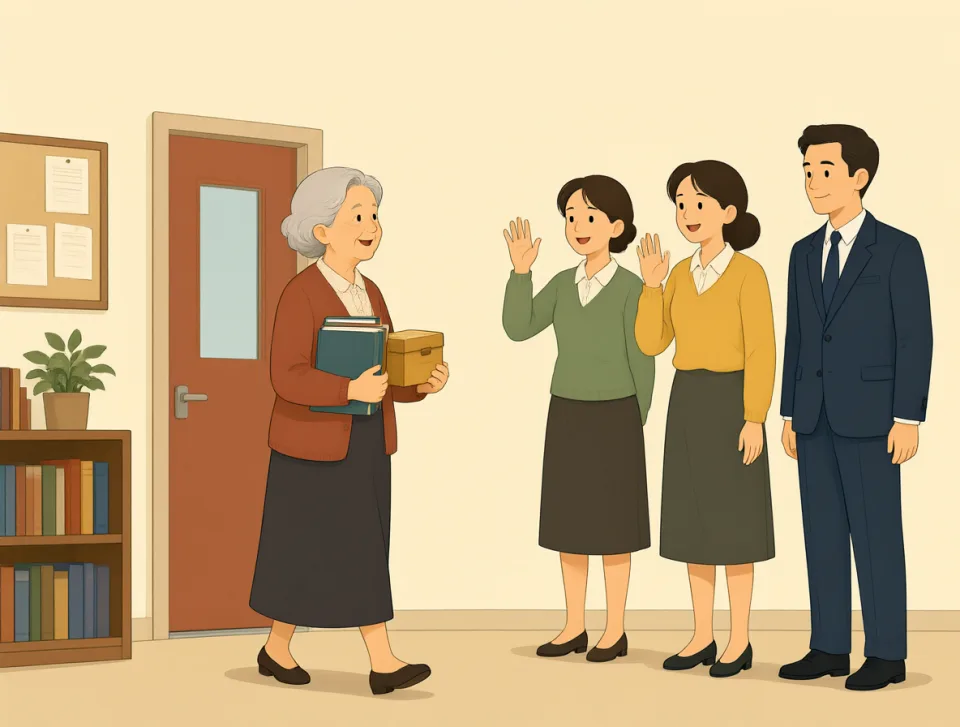
She retired from teaching after thirty years.
เธอเกษียณจากการสอนหลังจากทำงานมาสามสิบปี
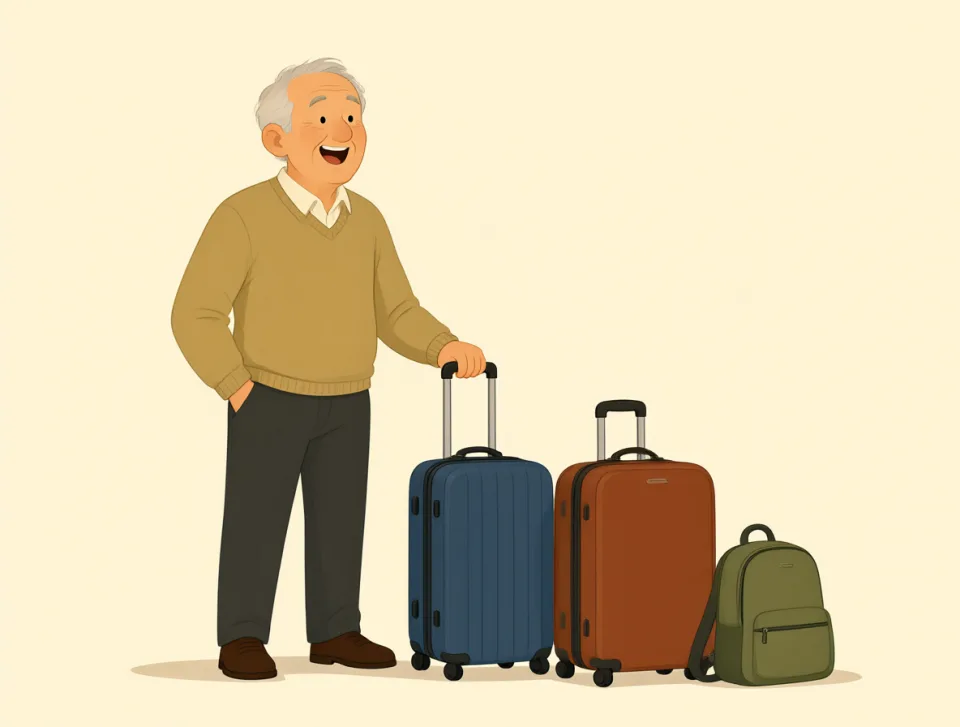
He retired early to travel around the world.
เขาเกษียณก่อนกำหนดเพื่อเดินทางรอบโลก
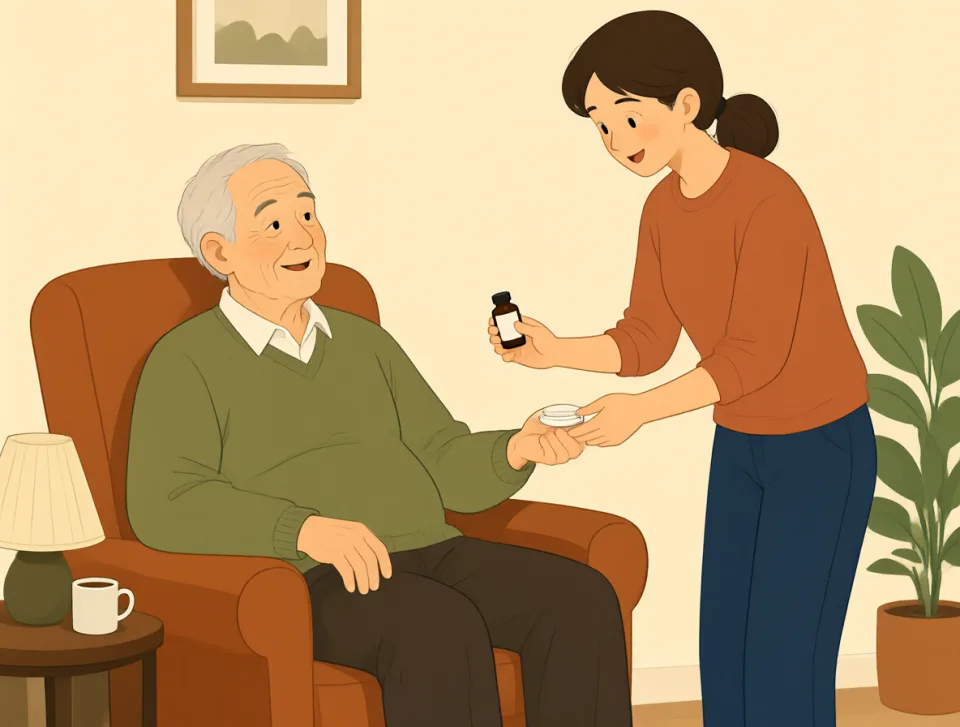
My grandfather retired because of health problems.
คุณปู่ของฉันเกษียณเพราะปัญหาสุขภาพ

The tennis player retired from the match with an injury.
นักเทนนิสถอนตัวจากการแข่งขันเพราะบาดเจ็บ

tiny
#1636adjective
เล็กจิ๋ว
Very small in size or amount.
มีขนาดหรือปริมาณเล็กมาก

The kitten slept in a tiny basket beside the warm stove.
ลูกแมวนอนอยู่ในตะกร้าใบเล็กจิ๋วข้างเตาอุ่น ๆ

She lives in a tiny apartment near the train station.
เธออาศัยอยู่ในอพาร์ตเมนต์เล็กจิ๋วใกล้สถานีรถไฟ
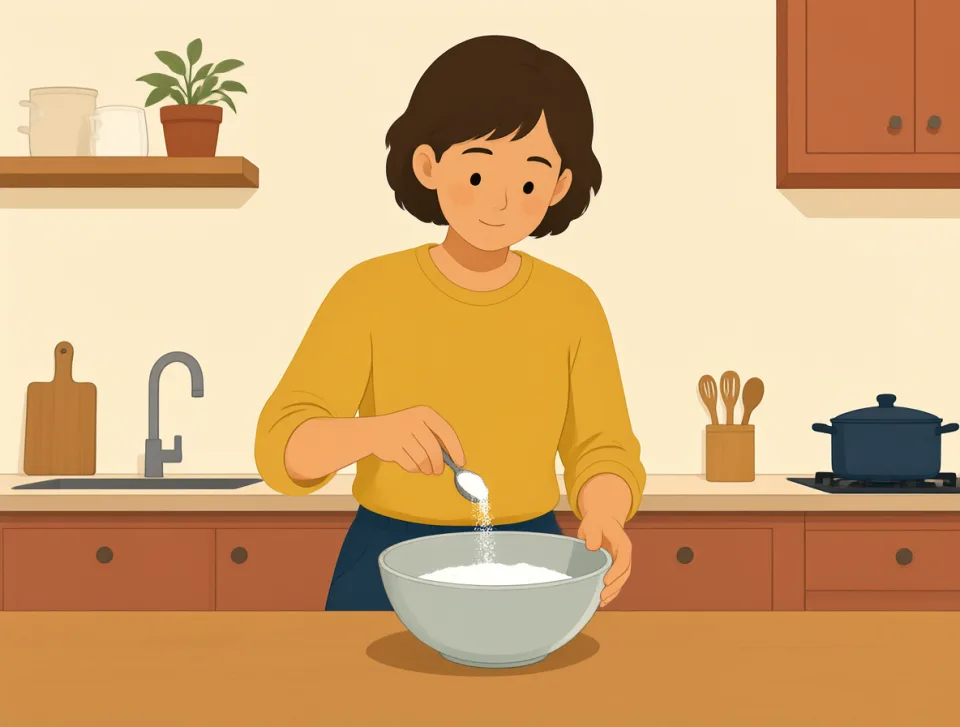
We only need a tiny bit of sugar for this recipe.
สูตรนี้ใช้น้ำตาลแค่นิดเดียวก็พอ

Look at the tiny pieces of glass on the floor.
ดูเศษแก้วชิ้นเล็ก ๆ บนพื้นสิ

The doctor found a tiny cut on his finger.
หมอพบแผลเล็ก ๆ ที่นิ้วของเขา

careful
#1637adjective
ระมัดระวัง
Giving attention to avoid danger, mistakes, or damage.
ใส่ใจเพื่อหลีกเลี่ยงอันตราย ความผิดพลาด หรือความเสียหาย

Be careful when you cross the busy street.
ระวังตอนข้ามถนนที่รถพลุกพล่านนะ

She was careful not to spill coffee on her new shirt.
เธอระวังไม่ให้กาแฟหกใส่เสื้อตัวใหม่

The doctor told him to be careful with his sore back.
หมอบอกให้เขาระวังหลังที่ยังเจ็บอยู่

Please read the recipe carefully before you start cooking.
กรุณาอ่านสูตรอาหารให้ละเอียดก่อนเริ่มทำอาหาร

We need to be careful when we choose a hotel for our trip.
เราต้องเลือกโรงแรมสำหรับทริปนี้อย่างรอบคอบ

suitable
#1638adjective
เหมาะสม
right or good for a particular person, purpose, or situation
ถูกต้องหรือเหมาะกับบุคคล จุดประสงค์ หรือสถานการณ์อย่างใดอย่างหนึ่ง

This room is suitable for a small family.
ห้องนี้เหมาะสำหรับครอบครัวเล็ก ๆ

Wear suitable shoes for the long walk.
ใส่รองเท้าที่เหมาะกับการเดินไกลนะ
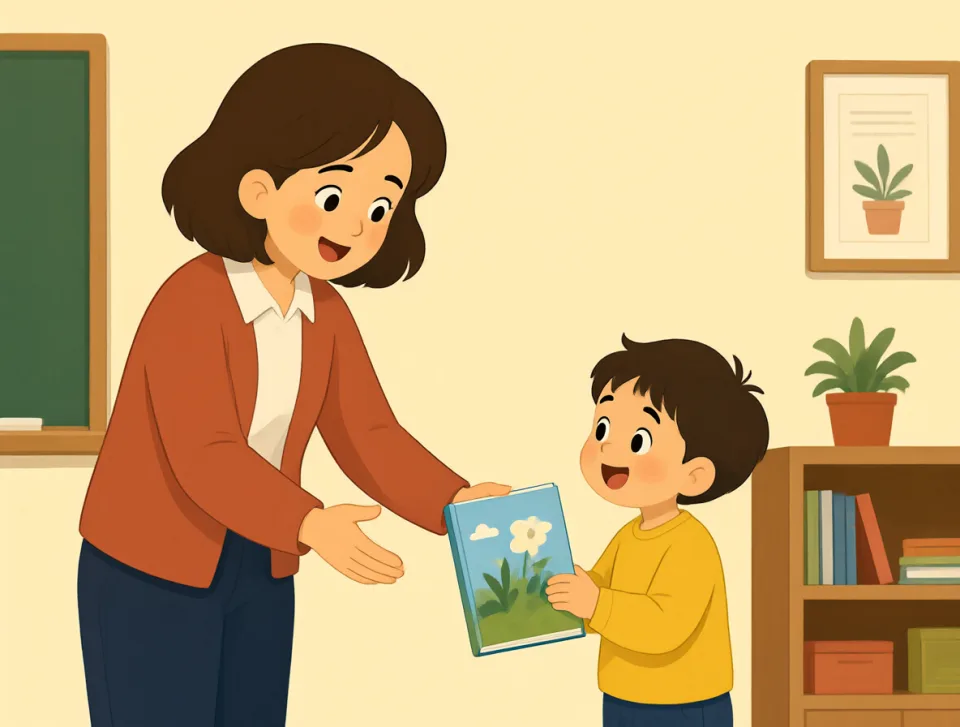
The teacher chose a suitable book for the class.
ครูเลือกหนังสือที่เหมาะกับชั้นเรียน

Is this time suitable for a quick meeting?
เวลานี้เหมาะสำหรับประชุมสั้น ๆ ไหม

The doctor recommended suitable food after her illness.
หมอแนะนำอาหารที่เหมาะสมหลังจากเธอป่วย

native
#1639adjective, noun
เจ้าของภาษา; คนพื้นเมือง
Native describes someone born in a place or a language learned from birth.
Native ใช้บรรยายคนที่เกิดในสถานที่แห่งหนึ่ง หรือภาษาที่เรียนรู้มาตั้งแต่เกิด

She is a native speaker of Spanish.
เธอเป็นเจ้าของภาษาสเปน

He is a native of this small town.
เขาเป็นคนพื้นเมืองของเมืองเล็ก ๆ แห่งนี้

We asked a native guide to show us the old town.
เราขอให้ไกด์ท้องถิ่นพาเราเที่ยวเมืองเก่า

The garden is full of native plants and flowers.
สวนแห่งนี้เต็มไปด้วยพืชและดอกไม้พื้นเมือง

I want to sound more like a native speaker.
ฉันอยากพูดให้ฟังดูเหมือนเจ้าของภาษามากขึ้น

fruit
#1640noun
ผลไม้
The sweet, edible part of a plant, such as an apple, banana, or orange.
ส่วนของพืชที่กินได้และมีรสหวาน เช่น แอปเปิล กล้วย หรือส้ม
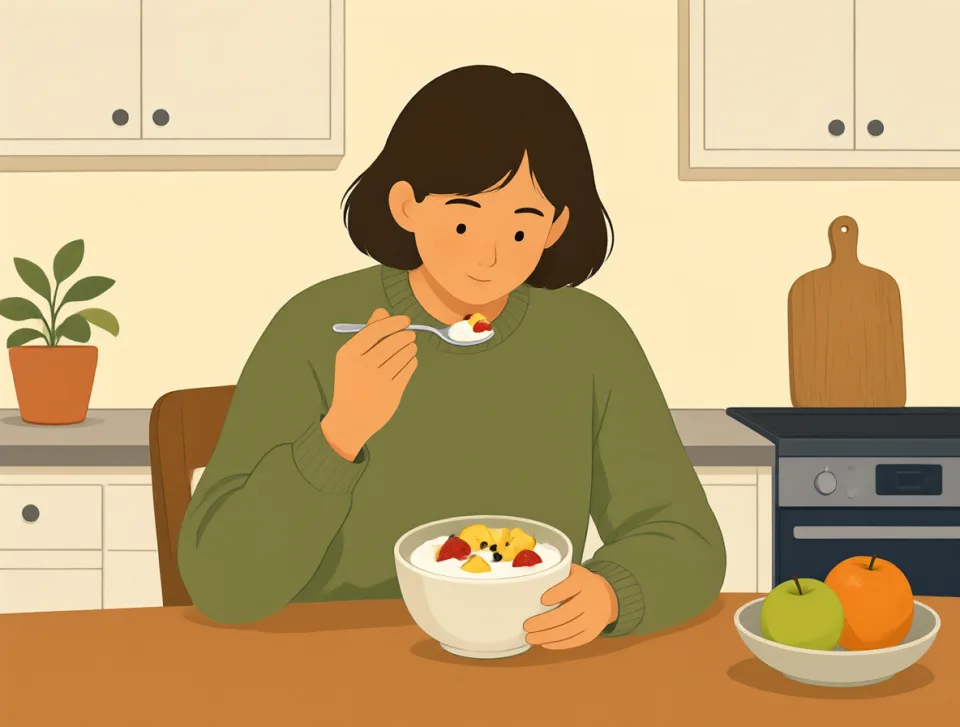
I eat fresh fruit with yogurt for breakfast every morning.
ฉันกินผลไม้สดกับโยเกิร์ตเป็นอาหารเช้าทุกเช้า
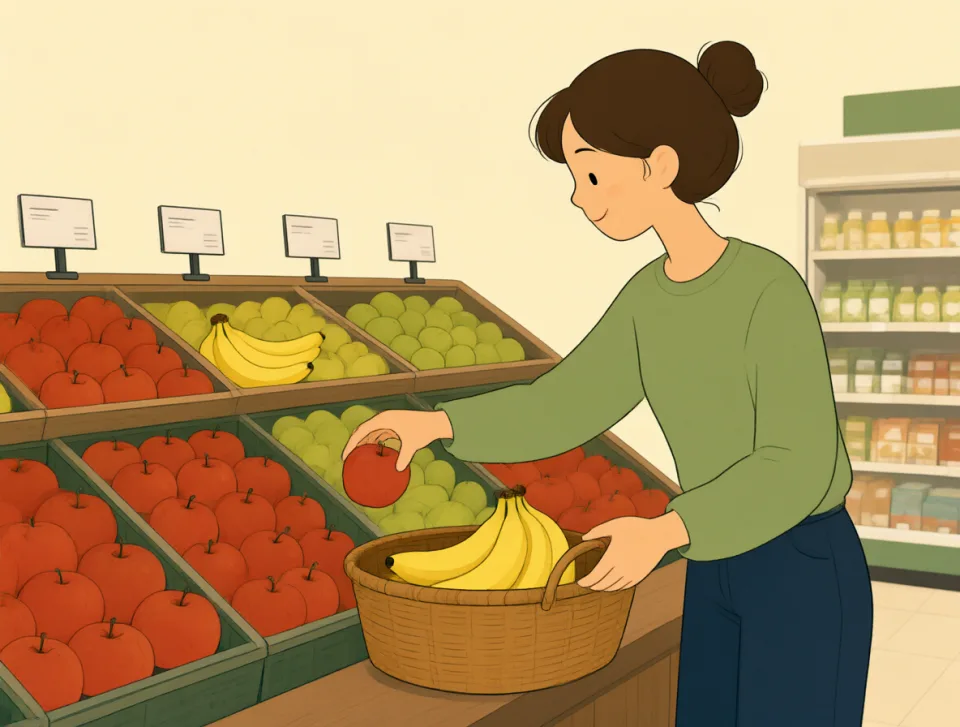
Please buy some fruit when you go to the supermarket.
ช่วยซื้อผลไม้ตอนที่ไปซูเปอร์มาร์เก็ตด้วยนะ
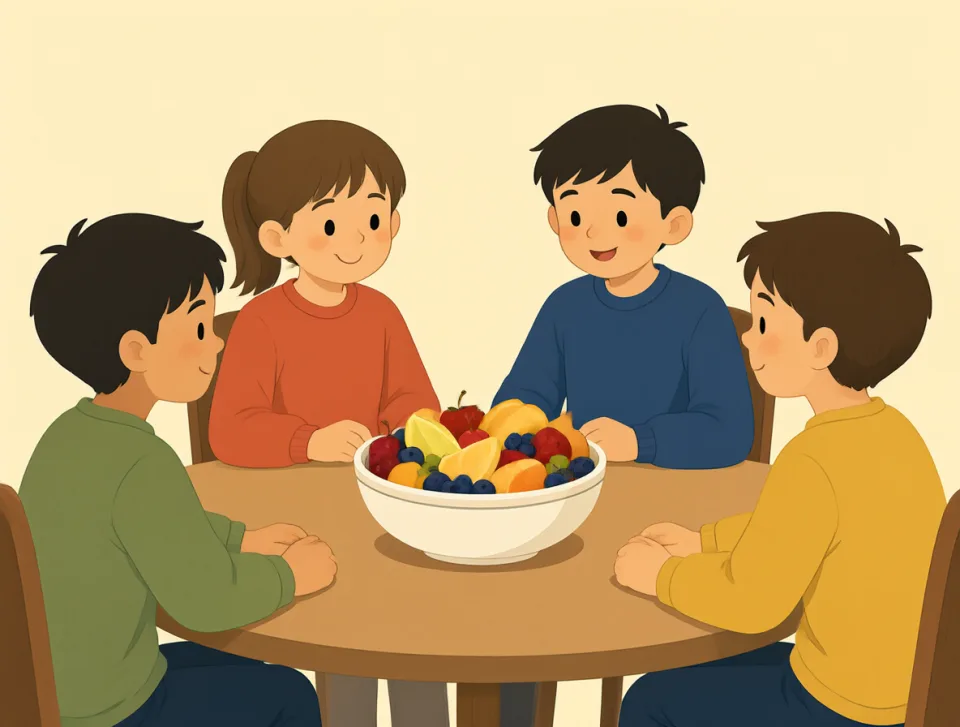
The children shared a large bowl of fruit after school.
เด็ก ๆ แบ่งผลไม้ชามใหญ่กันกินหลังเลิกเรียน
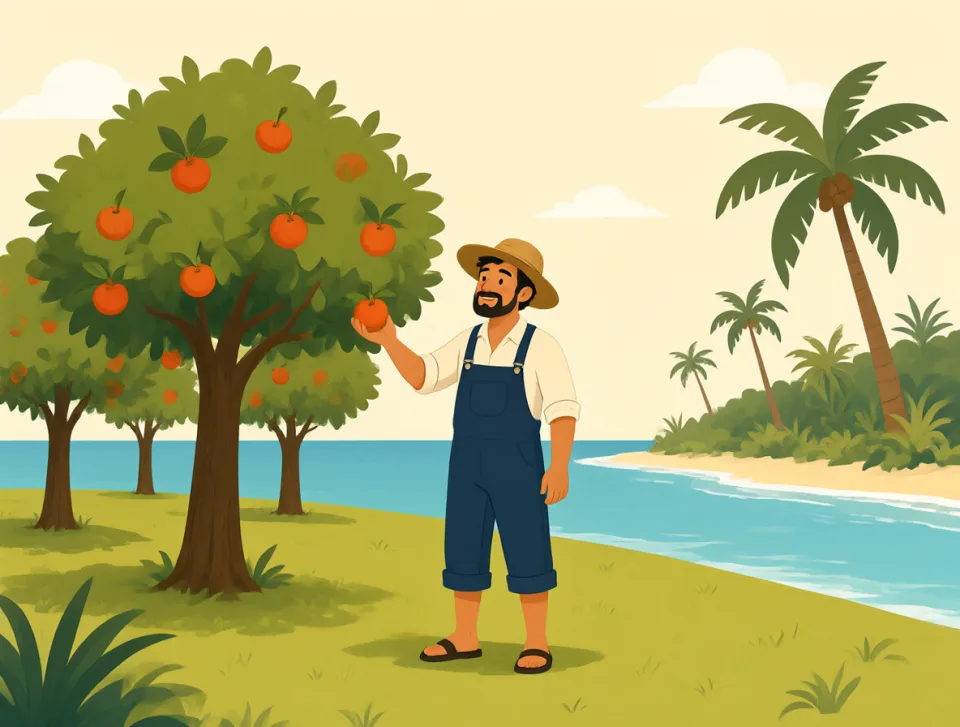
This tropical island grows fruit all year round.
เกาะเขตร้อนแห่งนี้ปลูกผลไม้ได้ตลอดทั้งปี

The doctor advised me to eat more fruit for better health.
หมอแนะนำให้ฉันกินผลไม้มากขึ้นเพื่อสุขภาพที่ดี