Đơn vị 82
Từ 1621–1640 · journey, opposition, relief, debt, honor, outcome

journey
#1621noun
hành trình
A trip from one place to another, especially a long one.
Một chuyến đi từ nơi này đến nơi khác, đặc biệt là chuyến đi dài.

The journey from London to Paris takes about two hours.
Hành trình từ London đến Paris mất khoảng hai tiếng.

We had a long journey home after the concert.
Sau buổi hòa nhạc, chúng tôi có một hành trình dài về nhà.

Her journey to work starts with a short bus ride.
Hành trình đi làm của cô ấy bắt đầu bằng một chuyến xe buýt ngắn.

The students wrote about their journey through the forest.
Các học sinh viết về hành trình xuyên qua khu rừng của mình.

Learning a new language is a difficult but rewarding journey.
Học một ngôn ngữ mới là một hành trình khó khăn nhưng đáng giá.

opposition
#1622noun
sự phản đối
Strong disagreement with a plan, idea, or person, or the people who disagree.
Sự bất đồng mạnh mẽ với một kế hoạch, ý tưởng hoặc người nào đó, hoặc những người không đồng tình.

The plan met strong opposition from local residents.
Kế hoạch vấp phải sự phản đối mạnh mẽ từ cư dân địa phương.

The opposition party criticized the government during the election.
Đảng đối lập chỉ trích chính phủ trong cuộc bầu cử.
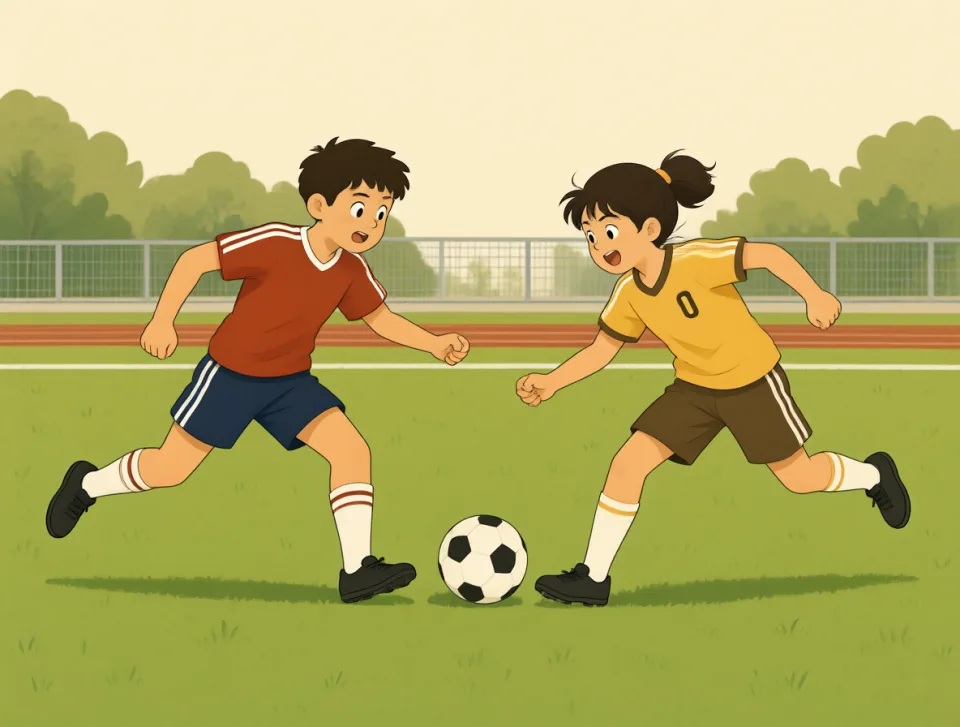
Our team played well despite opposition from the other school.
Đội chúng tôi đã chơi tốt dù gặp sự chống trả từ đội trường khác.

She faced opposition when she asked for a later work schedule.
Cô ấy gặp phải sự phản đối khi đề nghị đổi sang lịch làm việc muộn hơn.

The new shopping center caused opposition from nearby shop owners.
Trung tâm mua sắm mới vấp phải sự phản đối từ các chủ cửa hàng gần đó.
relief
#1623noun
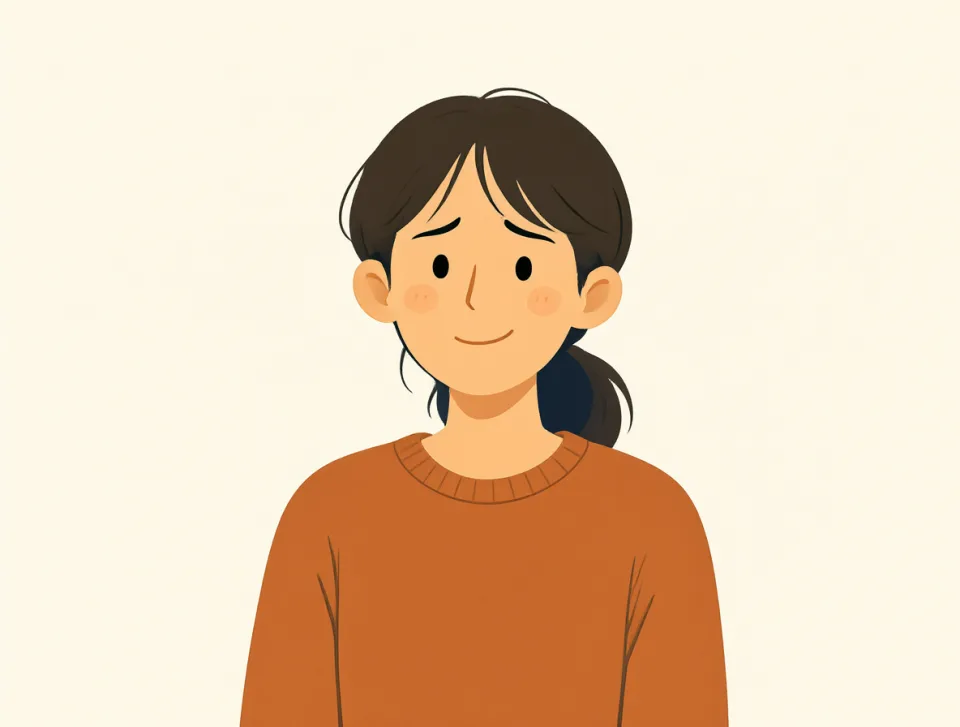
sự nhẹ nhõm
A feeling of happiness when something difficult or painful ends.
Cảm giác vui mừng khi điều gì đó khó khăn hoặc đau đớn kết thúc.

She felt great relief when her lost dog came home.
Cô ấy cảm thấy vô cùng nhẹ nhõm khi chú chó bị lạc trở về nhà.

The medicine brought relief from his terrible headache.
Thuốc giúp anh ấy giảm cơn đau đầu dữ dội.

Everyone sighed with relief when the teacher canceled the test.
Mọi người đều thở phào nhẹ nhõm khi giáo viên hủy bài kiểm tra.

The cool water gave us relief from the hot summer sun.
Nước mát giúp chúng tôi dịu đi cái nắng hè oi ả.

The store offered relief to shoppers by extending the return period.
Cửa hàng hỗ trợ khách mua sắm bằng cách kéo dài thời hạn đổi trả.
debt
#1624noun
khoản nợ
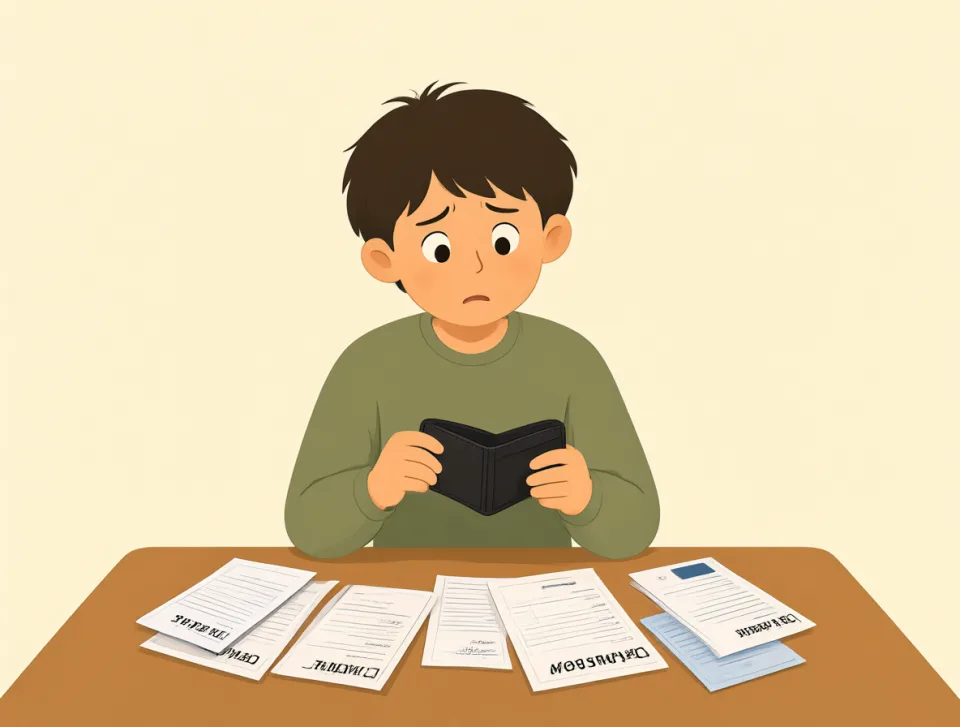
Money that you owe to a person, bank, or business.
Số tiền bạn nợ một người, ngân hàng hoặc doanh nghiệp.

She is trying to pay off her credit card debt.
Cô ấy đang cố trả hết nợ thẻ tín dụng.

The bank refused his loan because he already had too much debt.
Ngân hàng từ chối cho anh ấy vay vì anh ấy đã mắc nợ quá nhiều.

Their family got into debt after repairing the house.
Gia đình họ mắc nợ sau khi sửa nhà.

He borrowed money from a friend and is still in debt.
Anh ấy vay tiền một người bạn và vẫn còn nợ.

The company is working hard to reduce its debt.
Công ty đang nỗ lực giảm nợ.

honor
#1625noun, verb
sự tôn trọng
Honor means great respect, or to show respect for someone or something.
Honor có nghĩa là sự kính trọng sâu sắc, hoặc thể hiện sự tôn trọng với ai đó hay điều gì đó.

The award was a great honor for our family.
Giải thưởng là một niềm vinh dự lớn đối với gia đình chúng tôi.
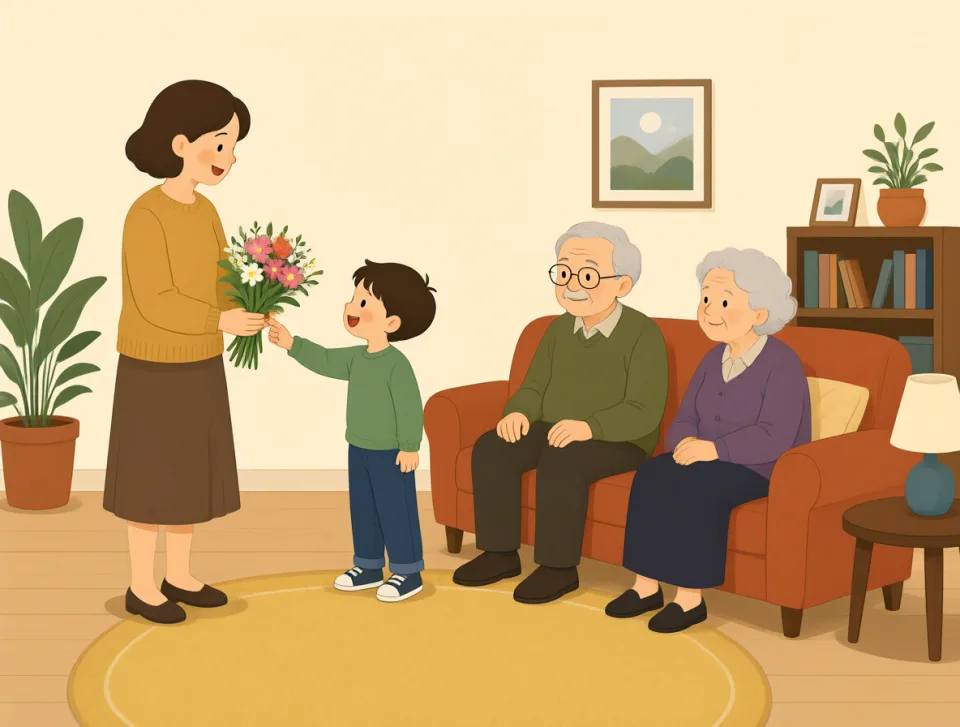
We honor our grandparents by visiting them every Sunday.
Chúng tôi thể hiện lòng kính trọng với ông bà bằng cách đến thăm họ mỗi Chủ nhật.

The school honored Maya for helping younger students.
Nhà trường vinh danh Maya vì đã giúp đỡ các em học sinh nhỏ tuổi hơn.

It is an honor to meet the famous chef.
Được gặp đầu bếp nổi tiếng là một niềm vinh dự.

The town held a ceremony to honor fallen soldiers.
Thị trấn tổ chức một buổi lễ để tưởng niệm những người lính đã hy sinh.

outcome
#1626noun
kết quả
The final result of an action, event, or situation.
Kết quả cuối cùng của một hành động, sự kiện hoặc tình huống.
We are waiting to hear the outcome of the meeting.
Chúng tôi đang chờ nghe kết quả cuộc họp.

The outcome of the game surprised everyone at the party.
Kết quả trận đấu khiến mọi người ở bữa tiệc ngạc nhiên.

Hard work usually leads to a better outcome at school.
Chăm chỉ thường giúp đạt kết quả tốt hơn ở trường.

The doctor explained the possible outcomes of the treatment.
Bác sĩ giải thích những kết quả điều trị có thể xảy ra.

The meal had a disappointing outcome because we forgot the salt.
Bữa ăn có kết quả đáng thất vọng vì chúng tôi quên cho muối.

blame
#1627noun, verb
đổ lỗi
To say or believe that someone caused a problem or did something wrong.
Nói hoặc tin rằng ai đó đã gây ra vấn đề hay làm điều gì sai.

Do not blame me for the broken window.
Đừng đổ lỗi cho tôi vì cái cửa sổ bị vỡ.

She blamed the traffic for arriving late.
Cô ấy đổ lỗi cho tình trạng giao thông khiến mình đến muộn.

The teacher blamed Tom for making too much noise.
Giáo viên trách Tom vì làm ồn quá nhiều.

I take the blame for forgetting your birthday.
Tôi nhận lỗi vì đã quên sinh nhật bạn.

The doctor said stress was partly to blame for his headaches.
Bác sĩ nói căng thẳng là một phần nguyên nhân khiến anh ấy bị đau đầu.

explanation
#1628noun
lời giải thích
A statement that makes something clear or tells why it happened.
Lời nói giúp làm rõ điều gì đó hoặc cho biết vì sao việc đó xảy ra.
The teacher gave a simple explanation of the new rule.
Giáo viên giải thích đơn giản về quy định mới.

Can you give me an explanation for the late delivery?
Bạn có thể giải thích vì sao hàng giao đến muộn không?

His explanation of the problem helped us find a solution.
Lời giải thích của anh ấy về vấn đề đã giúp chúng tôi tìm ra giải pháp.

She asked the doctor for an explanation of her test results.
Cô ấy hỏi bác sĩ giải thích về kết quả xét nghiệm của mình.
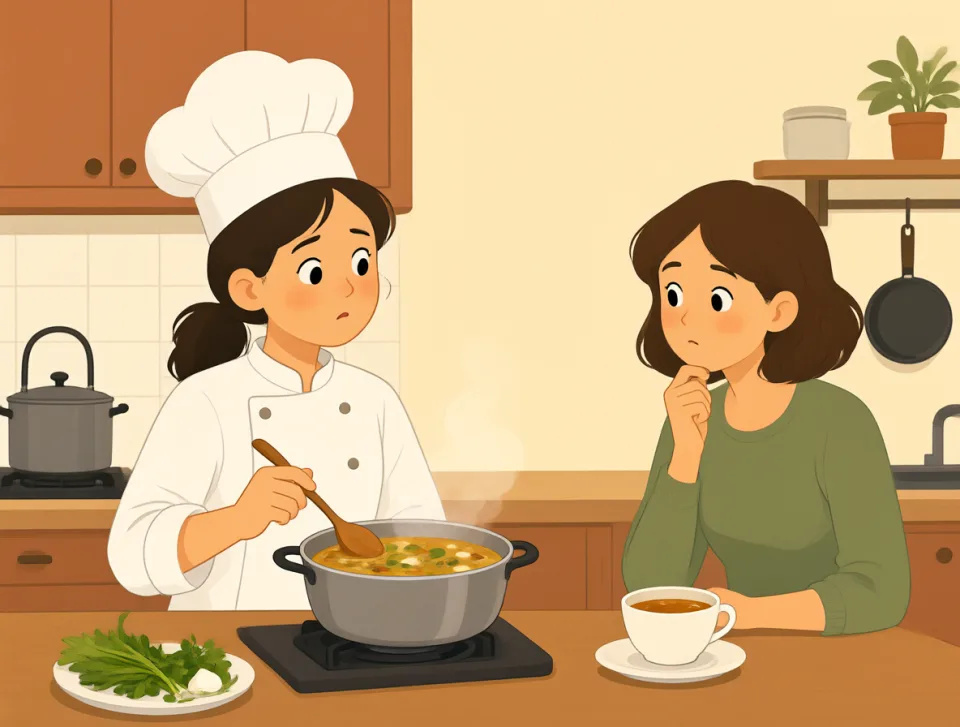
There is no easy explanation for why the soup tastes so salty.
Không dễ giải thích vì sao món súp lại mặn đến vậy.
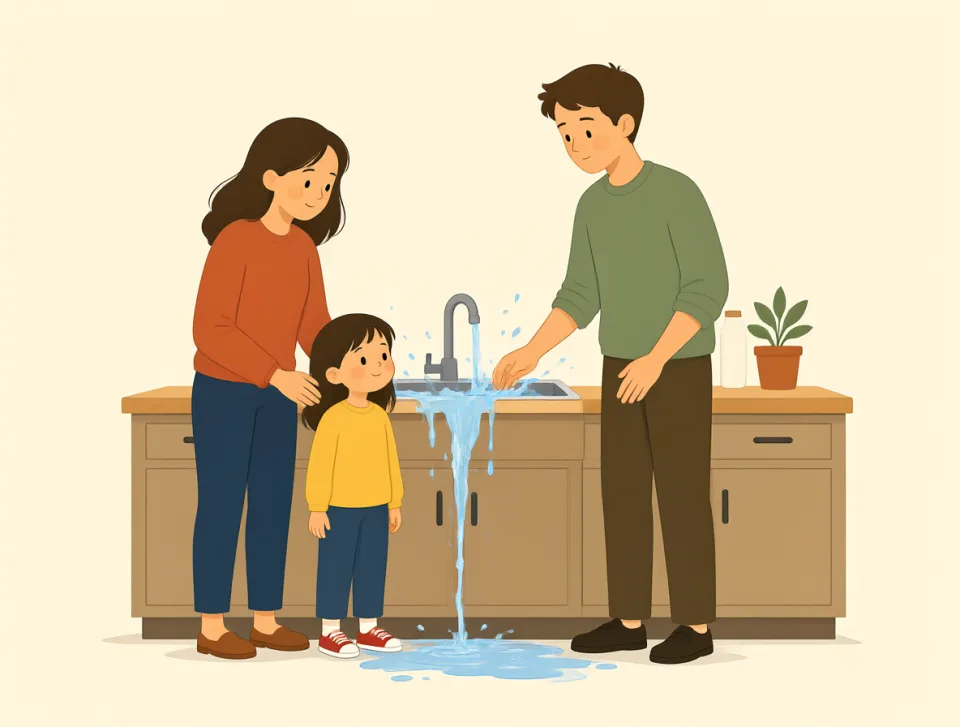
arise
#1629verb
xảy ra
To happen, especially unexpectedly or as a problem or need.
Xảy ra, đặc biệt là bất ngờ hoặc như một vấn đề hay nhu cầu.

Several problems arose during the meeting this morning.
Sáng nay, một số vấn đề đã phát sinh trong cuộc họp.

Please call me if any questions arise after class.
Hãy gọi cho tôi nếu có câu hỏi nào phát sinh sau giờ học.

A disagreement arose between two friends at dinner.
Hai người bạn bất đồng ý kiến trong bữa tối.

We left early because an urgent problem had arisen.
Chúng tôi rời đi sớm vì một vấn đề khẩn cấp đã phát sinh.

Health problems can arise when people do not sleep enough.
Các vấn đề sức khỏe có thể phát sinh khi mọi người không ngủ đủ.

musical
#1630adjective, noun
thuộc về âm nhạc; nhạc kịch
Related to music, or a play in which people sing and dance.
Có liên quan đến âm nhạc; hoặc một vở kịch trong đó mọi người ca hát và nhảy múa.

She has a beautiful musical voice.
Cô ấy có giọng hát rất hay.

We watched a musical at the theater last night.
Tối qua chúng tôi xem một vở nhạc kịch ở nhà hát.
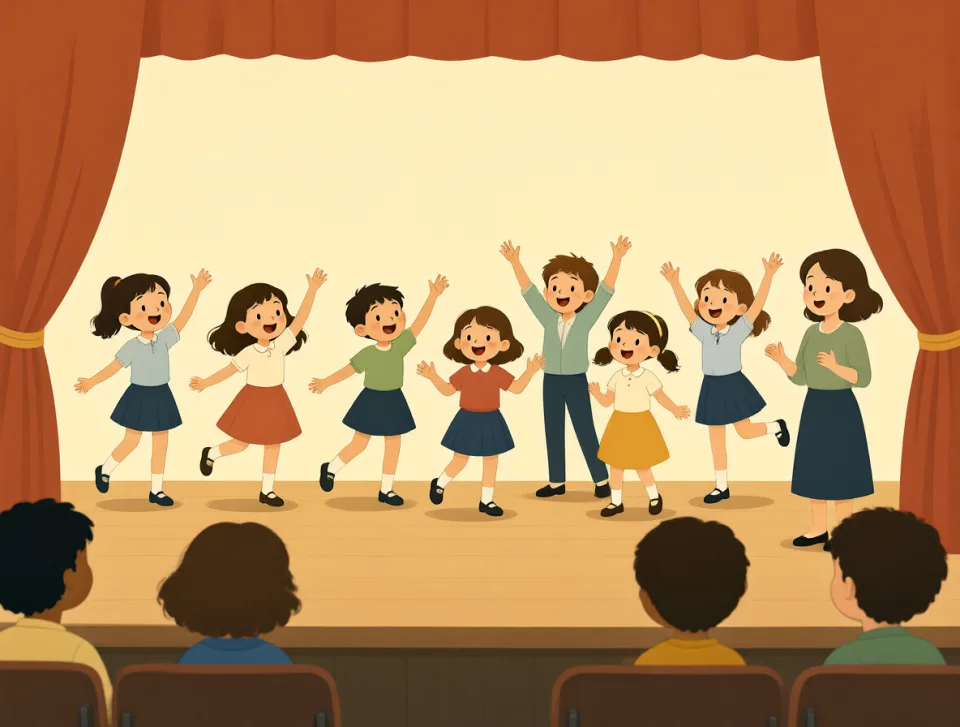
Our school musical starts next Friday.
Vở nhạc kịch của trường chúng tôi bắt đầu vào thứ Sáu tuần tới.

He bought a musical birthday card for his sister.
Anh ấy mua một tấm thiệp sinh nhật phát nhạc cho em gái.

The musical instruments were too heavy to carry.
Những nhạc cụ đó quá nặng để mang theo.

recover
#1631verb
hồi phục
to become healthy, strong, or normal again after illness, injury, or difficulty
trở nên khỏe mạnh, cường tráng hoặc bình thường trở lại sau khi bị bệnh, chấn thương hoặc gặp khó khăn

She is recovering well after her operation.
Cô ấy đang hồi phục tốt sau ca phẫu thuật.

It took him two weeks to recover from the flu.
Anh ấy mất hai tuần để hồi phục sau khi bị cúm.

The company recovered quickly after losing many customers.
Công ty nhanh chóng phục hồi sau khi mất nhiều khách hàng.

I recovered my lost wallet at the train station.
Tôi tìm lại được chiếc ví bị mất ở nhà ga.

The team recovered from a difficult start and won the game.
Đội đã vượt qua khởi đầu khó khăn và giành chiến thắng trong trận đấu.

dad
#1632noun
bố
your father or a familiar way to call a father
bố của bạn hoặc cách gọi thân mật dành cho cha
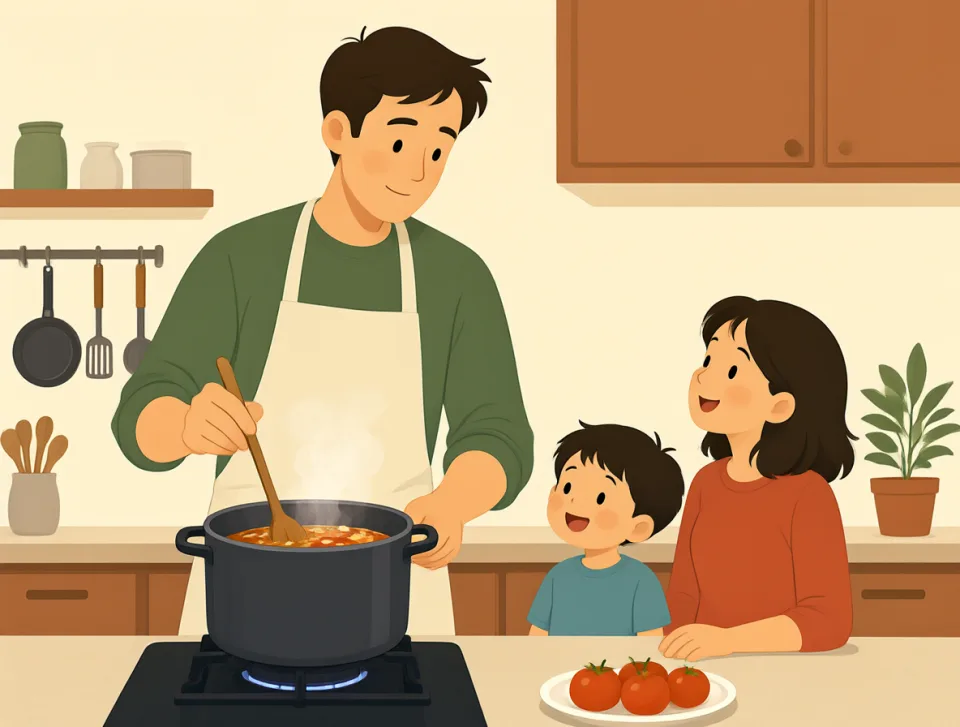
My dad cooks dinner for our family every Friday.
Bố tôi nấu bữa tối cho gia đình vào mỗi thứ Sáu.

Dad drove me to school because it was raining.
Bố đưa tôi đến trường vì trời đang mưa.

I called my dad after I arrived at the airport.
Tôi gọi cho bố sau khi đến sân bay.

Her dad helped her choose a birthday present.
Bố cô ấy giúp cô ấy chọn quà sinh nhật.

The doctor told his dad to rest at home.
Bác sĩ bảo bố anh ấy nghỉ ngơi ở nhà.

stretch
#1633verb, noun
kéo giãn
to make something longer or wider, or to extend your body or arm
làm cho thứ gì đó dài hoặc rộng hơn, hoặc duỗi người hay cánh tay

I stretch my legs before I go for a run.
Tôi duỗi chân trước khi đi chạy.
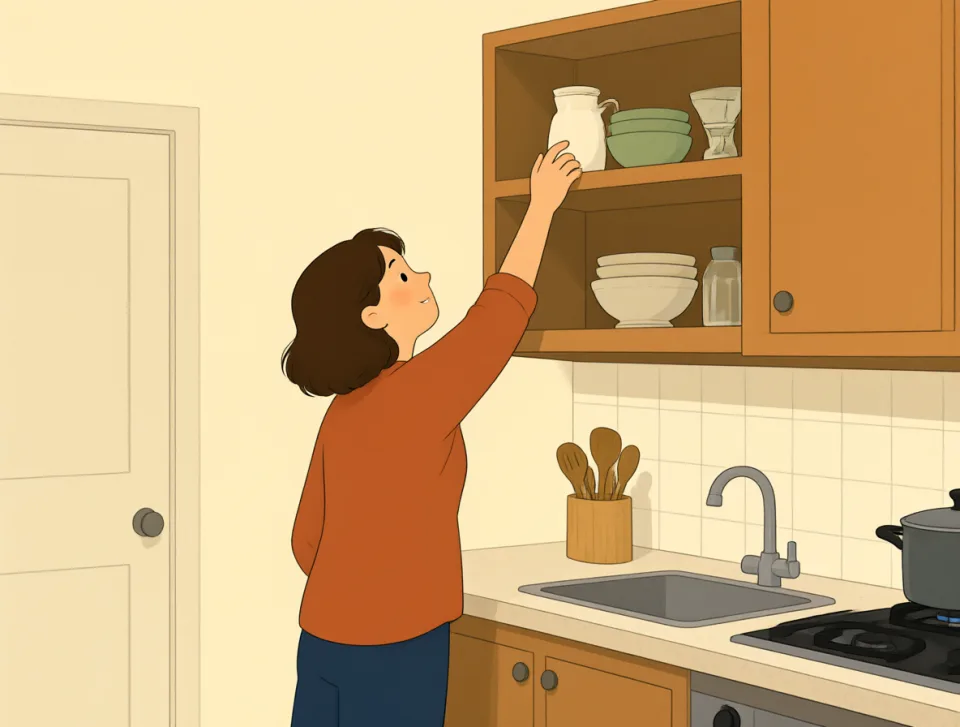
She stretched her arms to reach the top shelf.
Cô ấy với tay lên để lấy món đồ trên kệ cao nhất.
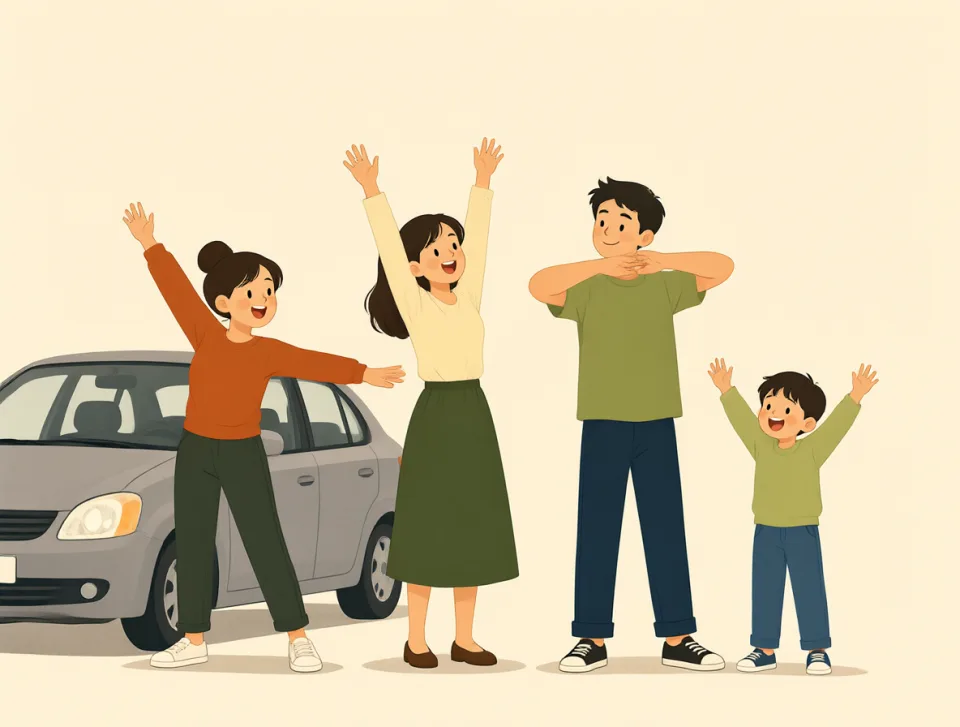
We stopped to stretch during the long car journey.
Chúng tôi dừng lại để duỗi người trong chuyến đi ô tô dài.

They walked along a quiet stretch of beach.
Họ đi dọc theo một đoạn bãi biển yên tĩnh.

The repair took a long stretch of the afternoon.
Việc sửa chữa kéo dài suốt một khoảng thời gian dài trong buổi chiều.

declare
#1634verb
tuyên bố
To say something clearly and officially, or to make it known publicly.
Nói rõ ràng và chính thức điều gì đó, hoặc công khai cho mọi người biết.

The doctor declared that the patient was healthy again.
Bác sĩ tuyên bố bệnh nhân đã khỏe lại.

Maya declared her love for the city after her visit.
Sau chuyến thăm, Maya bày tỏ tình yêu của mình dành cho thành phố.

We must declare all our food at the airport.
Chúng ta phải khai báo tất cả thực phẩm ở sân bay.

The school declared Friday a holiday for every student.
Nhà trường tuyên bố thứ Sáu là ngày nghỉ của tất cả học sinh.

He declared his new phone at customs before entering the country.
Anh ấy khai báo chiếc điện thoại mới với hải quan trước khi nhập cảnh.

retire
#1635verb
nghỉ hưu
To stop working permanently, usually because you are old enough to receive a pension.
Ngừng làm việc vĩnh viễn, thường là vì đã đến tuổi được nhận lương hưu.
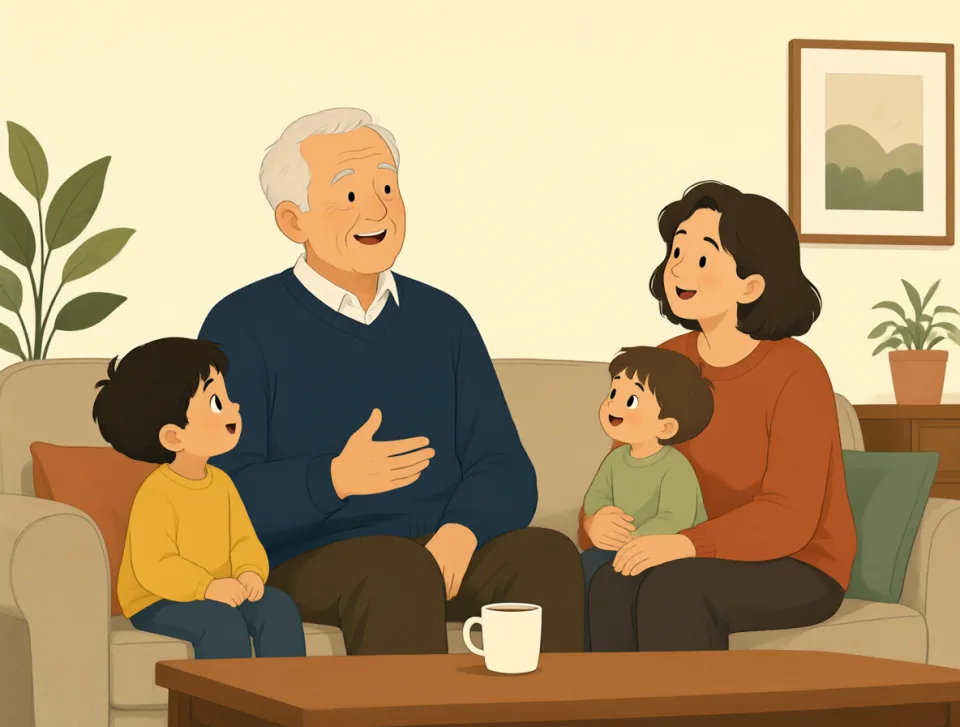
My father plans to retire next year.
Bố tôi dự định nghỉ hưu vào năm sau.
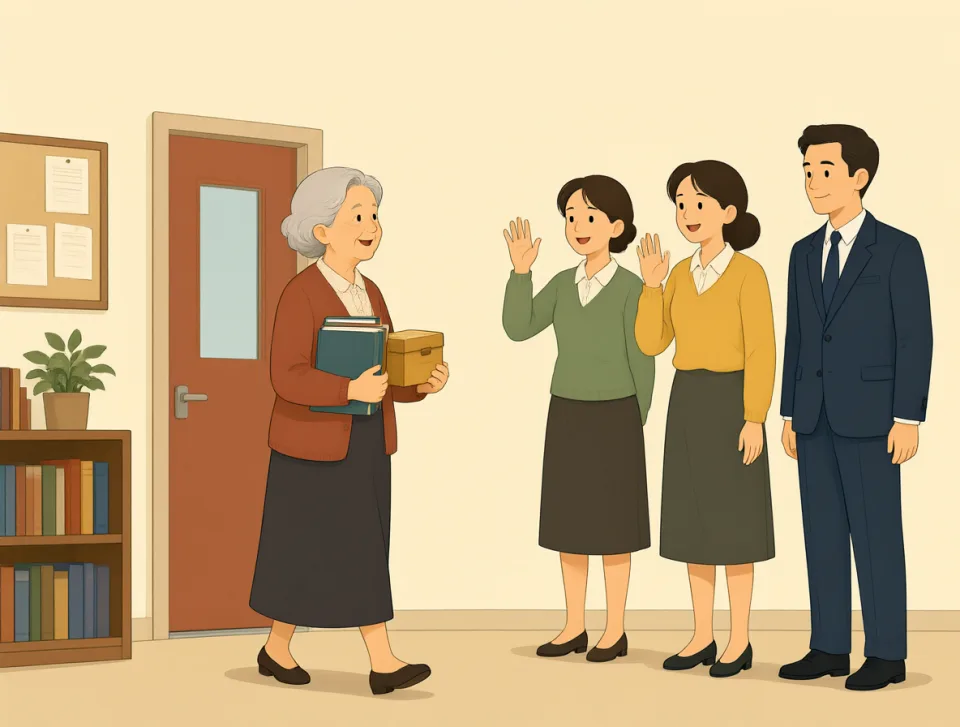
She retired from teaching after thirty years.
Cô ấy nghỉ dạy sau ba mươi năm.
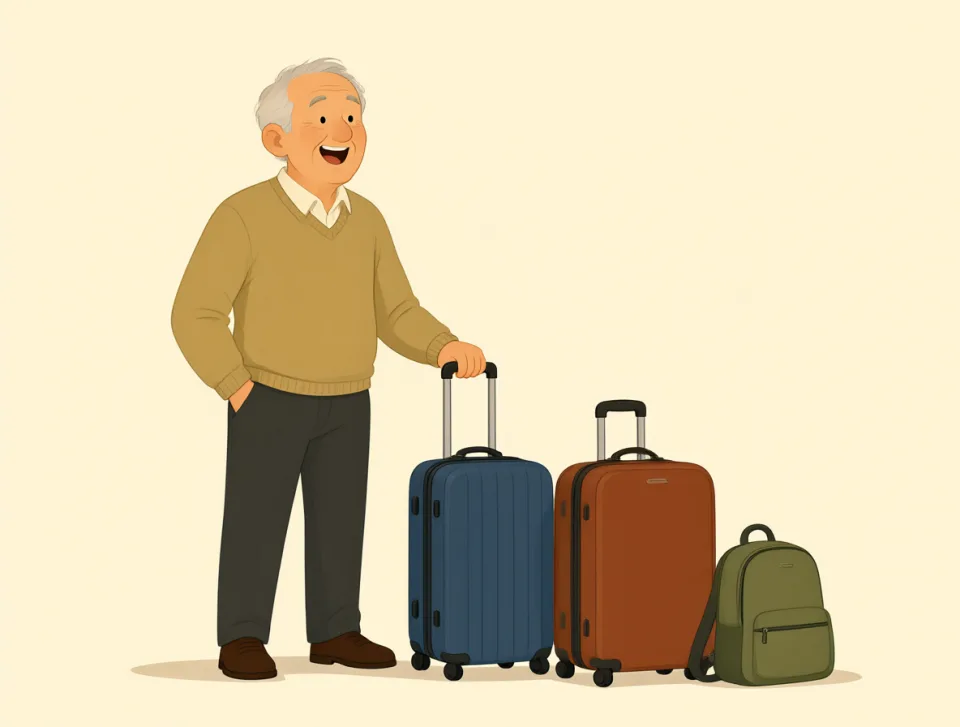
He retired early to travel around the world.
Anh ấy nghỉ hưu sớm để đi du lịch vòng quanh thế giới.
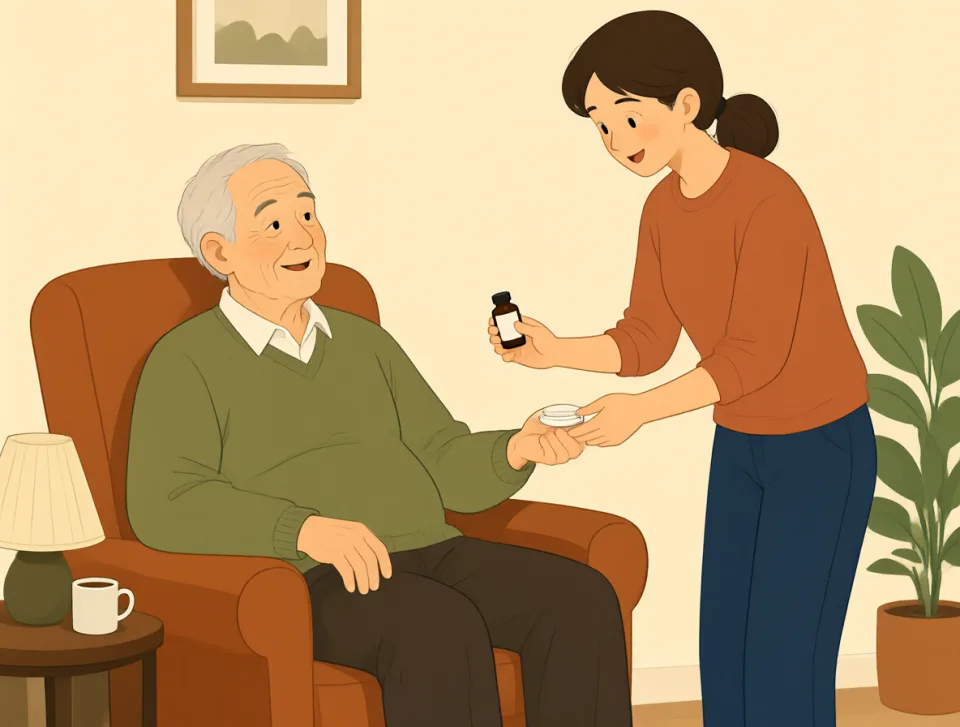
My grandfather retired because of health problems.
Ông tôi nghỉ hưu vì vấn đề sức khỏe.

The tennis player retired from the match with an injury.
Vận động viên quần vợt phải bỏ cuộc giữa trận đấu vì chấn thương.

tiny
#1636adjective
nhỏ xíu
Very small in size or amount.
Rất nhỏ về kích thước hoặc số lượng.

The kitten slept in a tiny basket beside the warm stove.
Chú mèo con ngủ trong một chiếc giỏ nhỏ xíu bên cạnh bếp lò ấm áp.
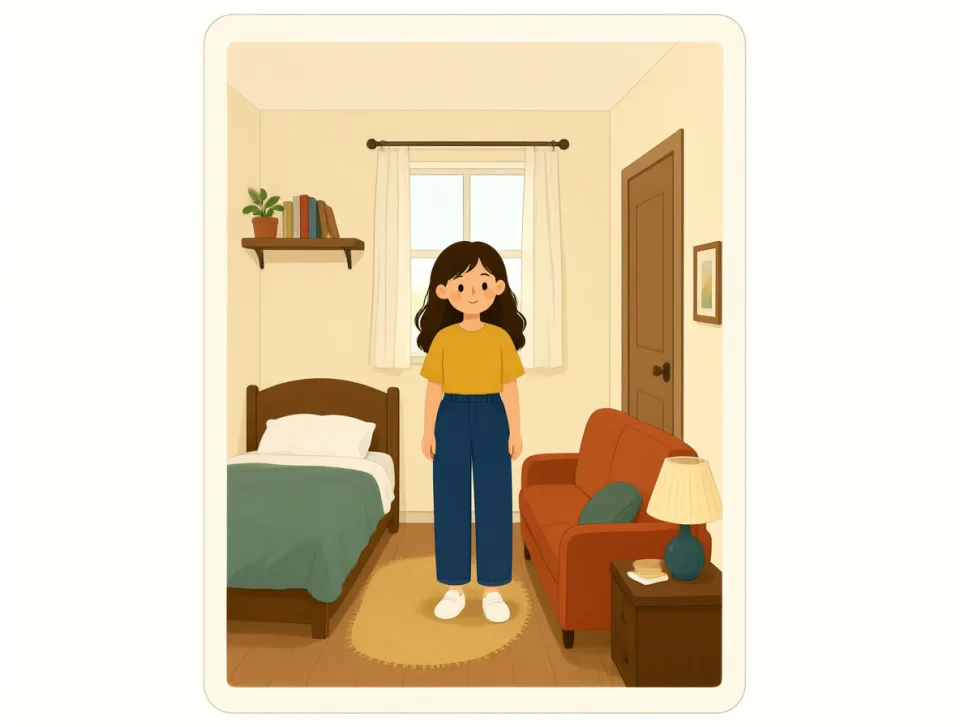
She lives in a tiny apartment near the train station.
Cô ấy sống trong một căn hộ nhỏ xíu gần ga tàu.
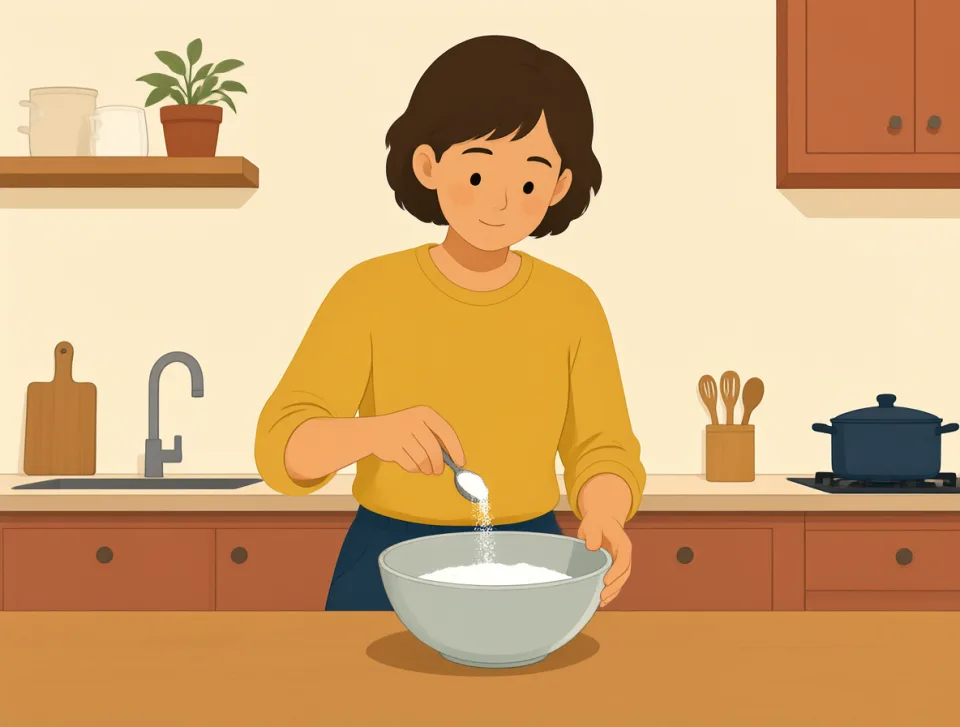
We only need a tiny bit of sugar for this recipe.
Công thức này chỉ cần một chút đường thôi.
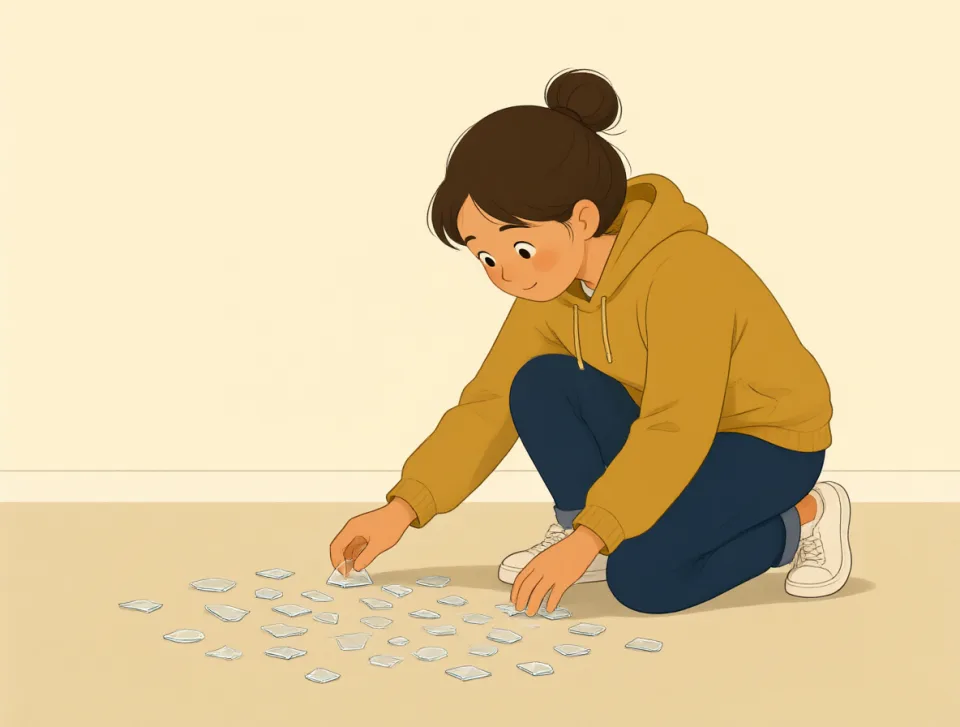
Look at the tiny pieces of glass on the floor.
Hãy nhìn những mảnh kính nhỏ xíu trên sàn nhà kìa.

The doctor found a tiny cut on his finger.
Bác sĩ phát hiện một vết cắt nhỏ xíu trên ngón tay anh ấy.

careful
#1637adjective
cẩn thận
Giving attention to avoid danger, mistakes, or damage.
Chú ý để tránh nguy hiểm, sai sót hoặc hư hỏng.

Be careful when you cross the busy street.
Hãy cẩn thận khi băng qua con phố đông đúc.

She was careful not to spill coffee on her new shirt.
Cô ấy cẩn thận không để cà phê đổ lên chiếc áo mới.

The doctor told him to be careful with his sore back.
Bác sĩ dặn anh ấy phải cẩn thận với cái lưng đang bị đau.

Please read the recipe carefully before you start cooking.
Vui lòng đọc kỹ công thức trước khi bắt đầu nấu ăn.

We need to be careful when we choose a hotel for our trip.
Chúng ta cần cẩn thận khi chọn khách sạn cho chuyến đi.

suitable
#1638adjective
phù hợp
right or good for a particular person, purpose, or situation
Đúng hoặc thích hợp với một người, mục đích hoặc tình huống cụ thể.

This room is suitable for a small family.
Căn phòng này phù hợp với một gia đình nhỏ.

Wear suitable shoes for the long walk.
Hãy đi giày phù hợp cho chuyến đi bộ đường dài.
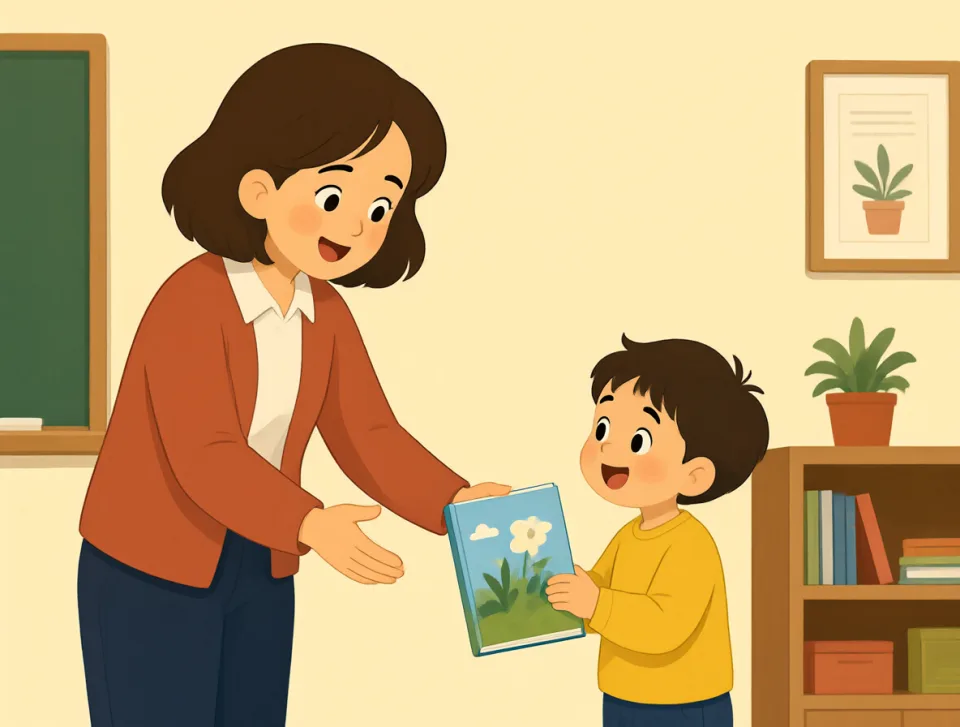
The teacher chose a suitable book for the class.
Giáo viên đã chọn một cuốn sách phù hợp với cả lớp.

Is this time suitable for a quick meeting?
Thời gian này có phù hợp để họp nhanh không?

The doctor recommended suitable food after her illness.
Bác sĩ khuyên cô ấy nên ăn những loại thực phẩm phù hợp sau khi bị bệnh.

native
#1639adjective, noun
bản địa; người bản xứ
Native describes someone born in a place or a language learned from birth.
Native dùng để chỉ người sinh ra ở một nơi nào đó hoặc một ngôn ngữ được học từ khi sinh ra.

She is a native speaker of Spanish.
Cô ấy là người nói tiếng Tây Ban Nha bản xứ.

He is a native of this small town.
Anh ấy là người bản địa của thị trấn nhỏ này.

We asked a native guide to show us the old town.
Chúng tôi nhờ một hướng dẫn viên bản địa đưa đi tham quan khu phố cổ.

The garden is full of native plants and flowers.
Khu vườn tràn ngập các loài cây và hoa bản địa.

I want to sound more like a native speaker.
Tôi muốn nói chuyện giống người bản xứ hơn.

fruit
#1640noun
trái cây
The sweet, edible part of a plant, such as an apple, banana, or orange.
Phần ngọt và ăn được của một loài cây, chẳng hạn như táo, chuối hoặc cam.
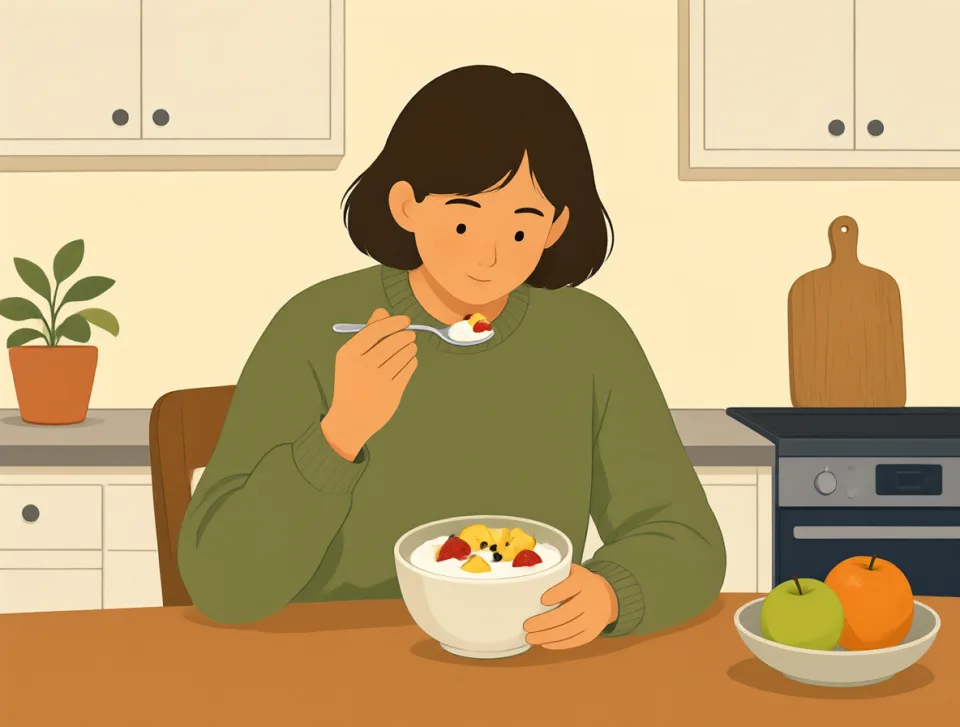
I eat fresh fruit with yogurt for breakfast every morning.
Sáng nào tôi cũng ăn trái cây tươi với sữa chua vào bữa sáng.
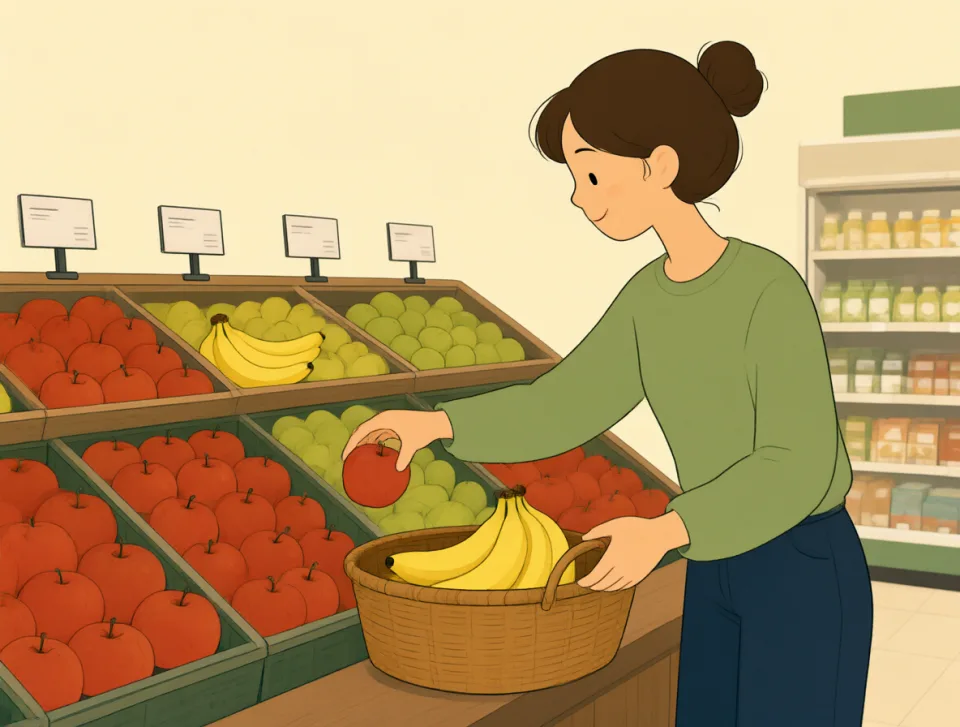
Please buy some fruit when you go to the supermarket.
Làm ơn mua một ít trái cây khi bạn đi siêu thị nhé.
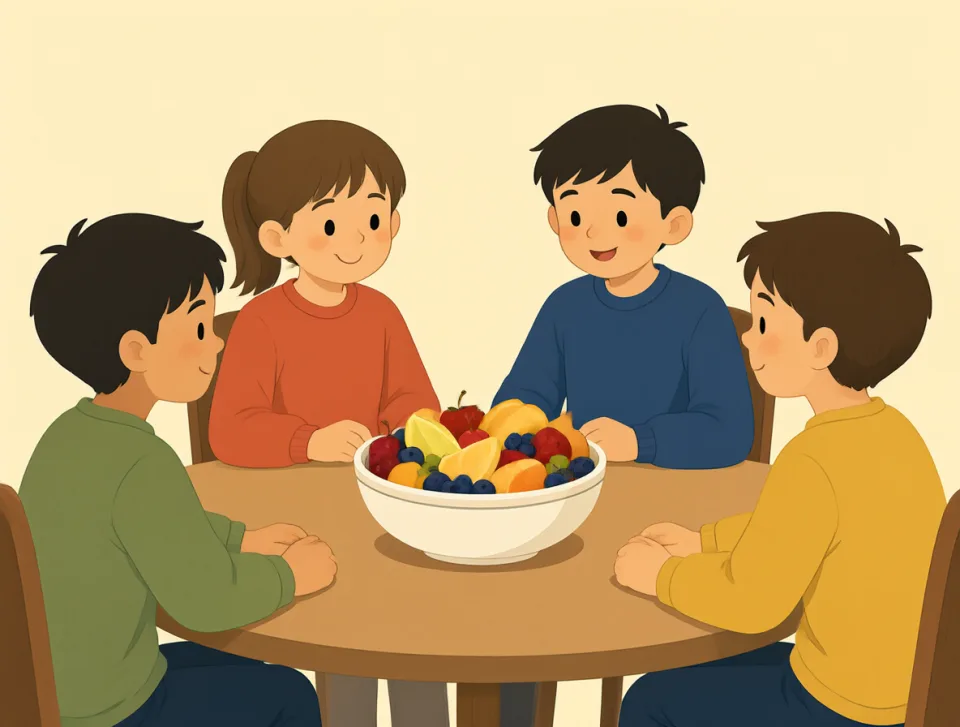
The children shared a large bowl of fruit after school.
Bọn trẻ chia nhau một bát trái cây lớn sau giờ học.
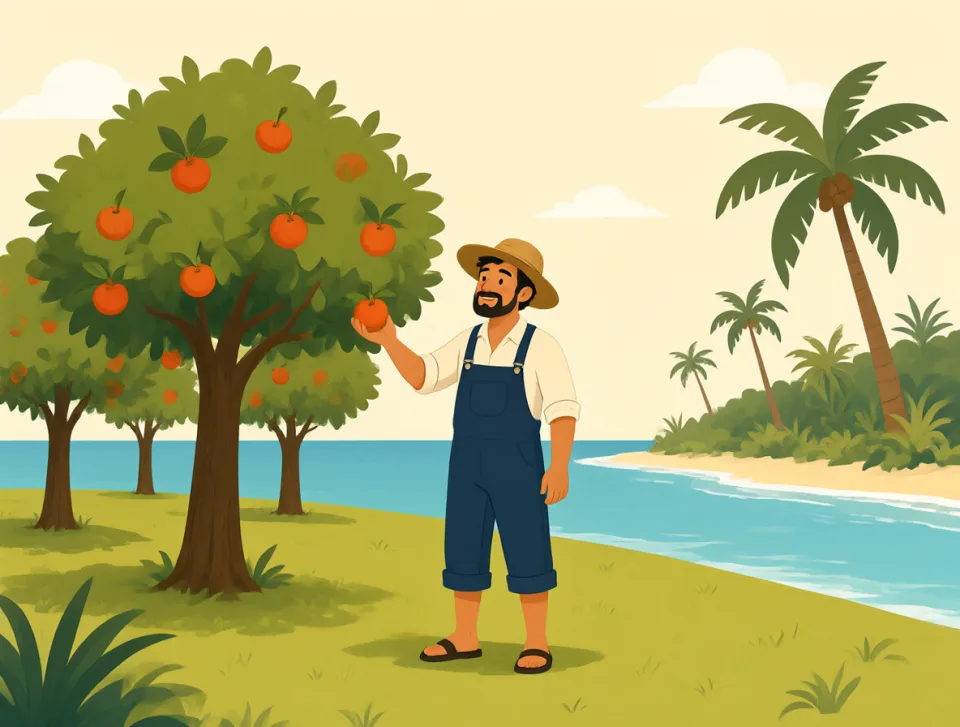
This tropical island grows fruit all year round.
Hòn đảo nhiệt đới này trồng trái cây quanh năm.

The doctor advised me to eat more fruit for better health.
Bác sĩ khuyên tôi nên ăn nhiều trái cây hơn để có sức khỏe tốt hơn.