Блок 82
Слова 1621–1640 · journey, opposition, relief, debt, honor, outcome

journey
#1621noun
путешествие
A trip from one place to another, especially a long one.
Поездка из одного места в другое, особенно длительная.

The journey from London to Paris takes about two hours.
Путешествие из Лондона в Париж занимает около двух часов.

We had a long journey home after the concert.
После концерта нам предстоял долгий путь домой.
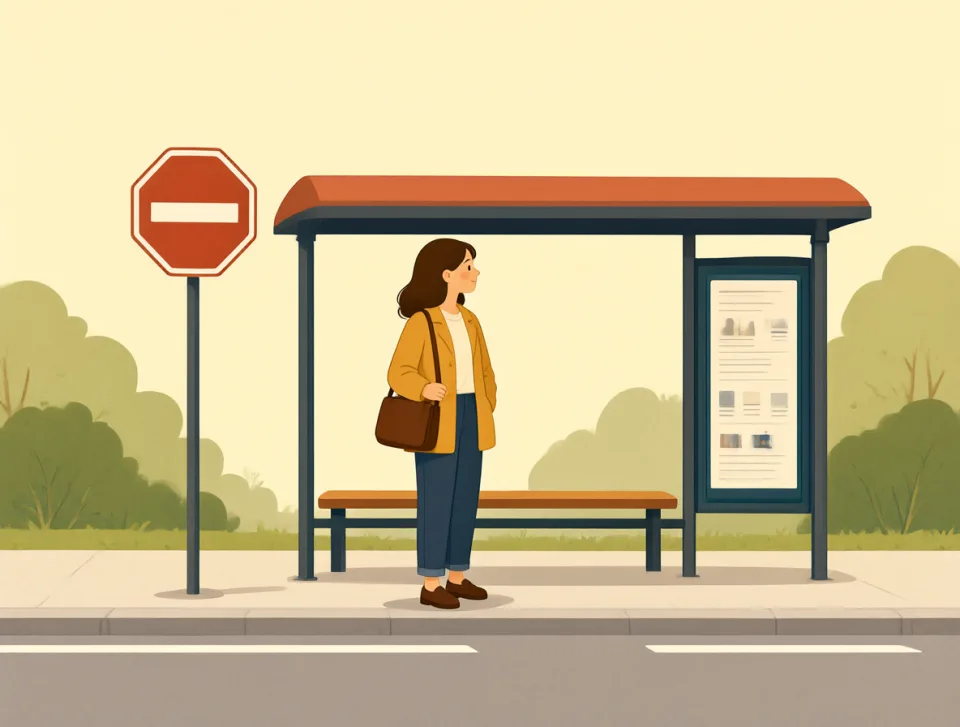
Her journey to work starts with a short bus ride.
Её путь на работу начинается с короткой поездки на автобусе.
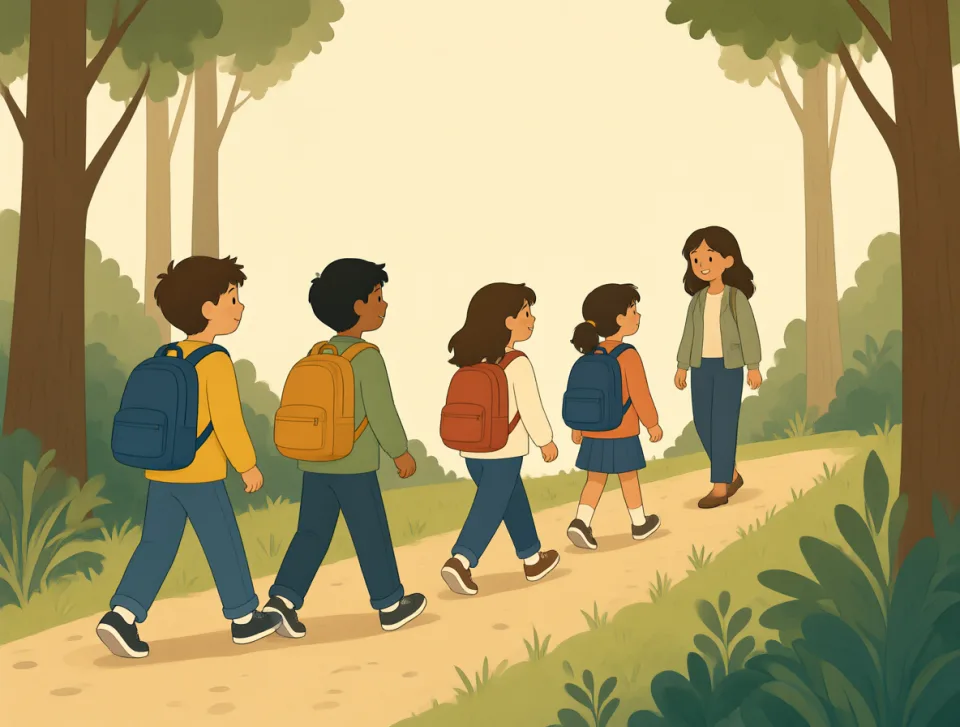
The students wrote about their journey through the forest.
Студенты написали о своём путешествии по лесу.

Learning a new language is a difficult but rewarding journey.
Изучение нового языка — это трудный, но rewarding путь.

opposition
#1622noun
противодействие
Strong disagreement with a plan, idea, or person, or the people who disagree.
Резкое несогласие с планом, идеей или человеком, а также люди, которые с этим не согласны.

The plan met strong opposition from local residents.
Этот план встретил сильное сопротивление со стороны местных жителей.

The opposition party criticized the government during the election.
Оппозиционная партия критиковала правительство во время выборов.
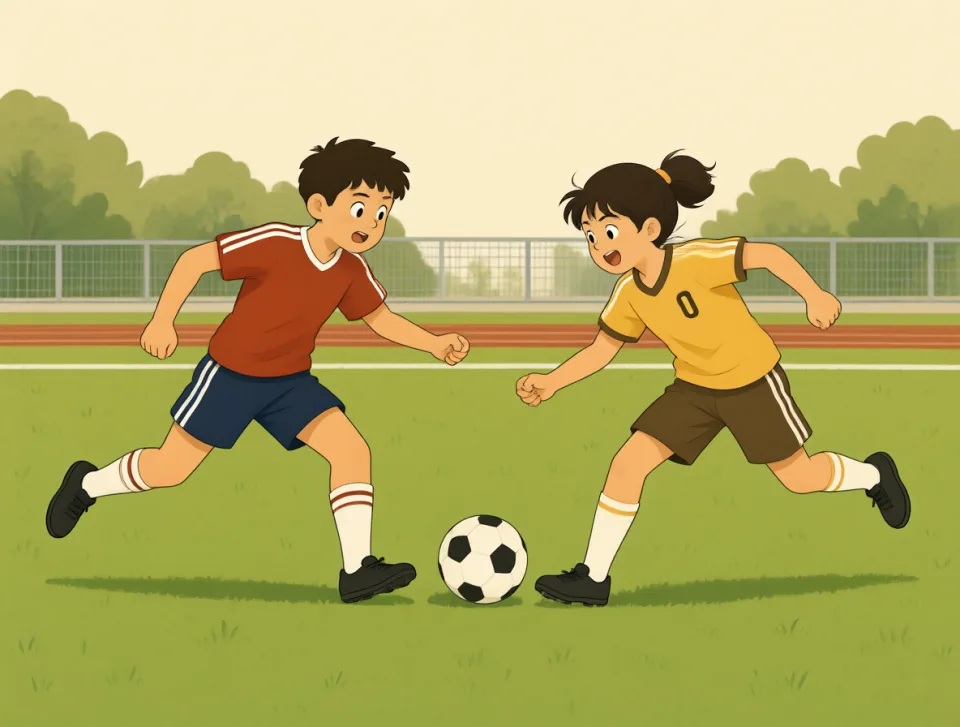
Our team played well despite opposition from the other school.
Наша команда хорошо играла, несмотря на сопротивление со стороны другой школы.

She faced opposition when she asked for a later work schedule.
Она столкнулась с противодействием, когда попросила изменить график работы на более поздний.

The new shopping center caused opposition from nearby shop owners.
Новый торговый центр вызвал протесты со стороны владельцев близлежащих магазинов.
relief
#1623noun
облегчение
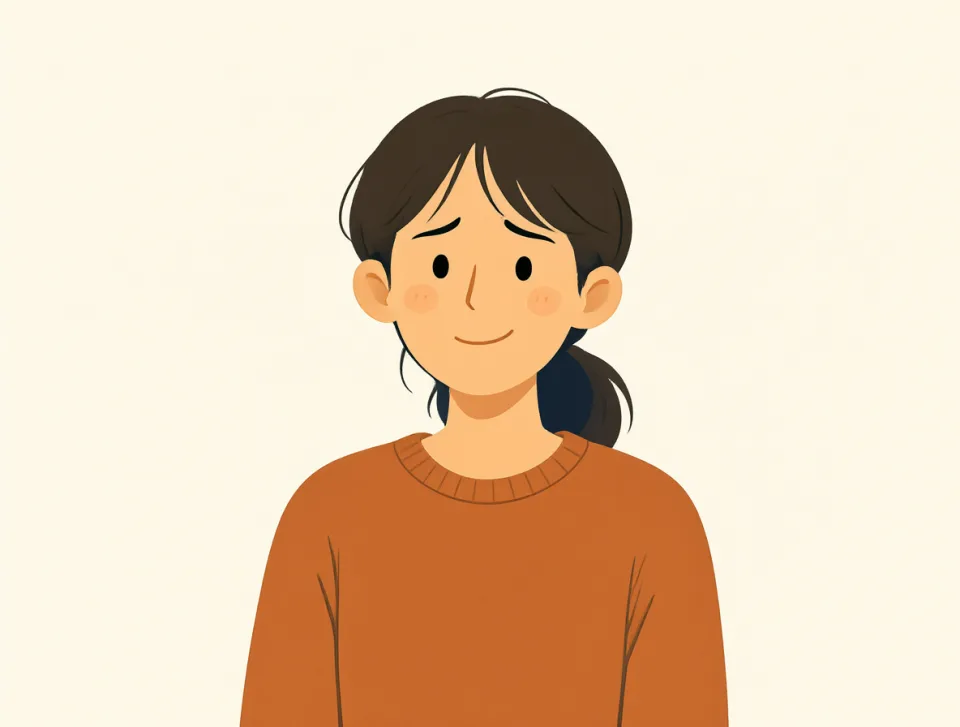
A feeling of happiness when something difficult or painful ends.
Чувство счастья, которое возникает, когда заканчивается что-то трудное или болезненное.

She felt great relief when her lost dog came home.
Она почувствовала огромное облегчение, когда её потерявшаяся собака вернулась домой.

The medicine brought relief from his terrible headache.
Лекарство принесло ему облегчение от ужасной головной боли.

Everyone sighed with relief when the teacher canceled the test.
Все вздохнули с облегчением, когда учитель отменил контрольную.

The cool water gave us relief from the hot summer sun.
Прохладная вода принесла нам облегчение от жаркого летнего солнца.

The store offered relief to shoppers by extending the return period.
Магазин пошёл навстречу покупателям, продлив срок возврата товаров.
debt
#1624noun
долг
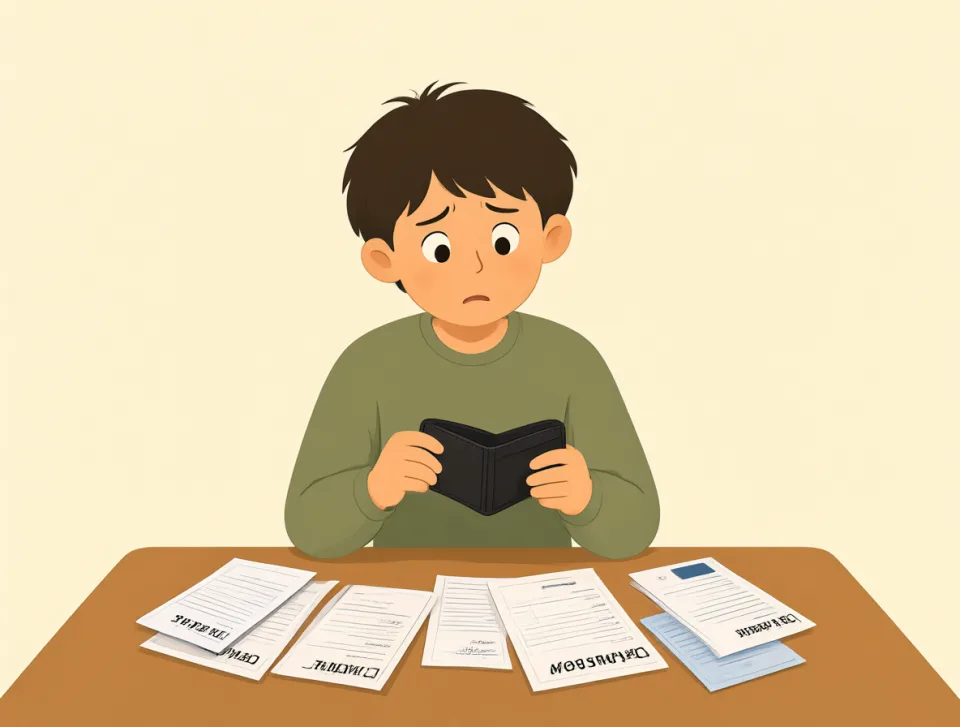
Money that you owe to a person, bank, or business.
Деньги, которые вы должны человеку, банку или компании.

She is trying to pay off her credit card debt.
Она пытается погасить долг по кредитной карте.

The bank refused his loan because he already had too much debt.
Банк отказал ему в кредите, потому что у него уже было слишком много долгов.

Their family got into debt after repairing the house.
Их семья влезла в долги после ремонта дома.

He borrowed money from a friend and is still in debt.
Он занял деньги у друга и до сих пор остаётся в долгу.

The company is working hard to reduce its debt.
Компания усердно работает над сокращением своей задолженности.

honor
#1625noun, verb
честь; чтить
Honor means great respect, or to show respect for someone or something.
Honor означает большое уважение или проявление уважения к кому-либо или чему-либо.

The award was a great honor for our family.
Эта награда стала большой честью для нашей семьи.
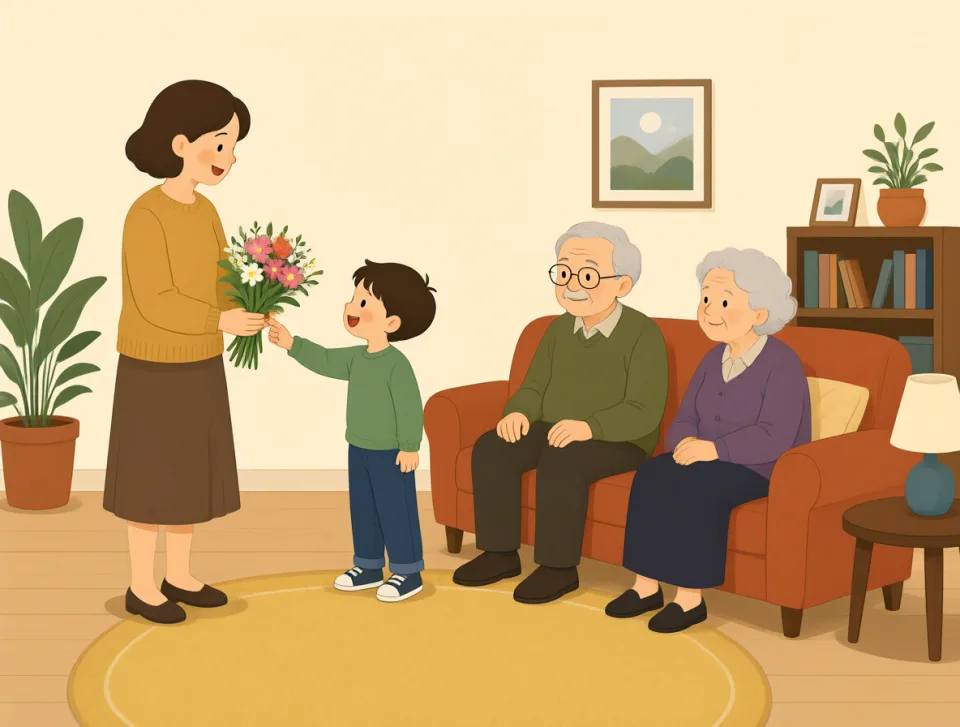
We honor our grandparents by visiting them every Sunday.
Мы проявляем уважение к своим бабушке и дедушке, навещая их каждое воскресенье.

The school honored Maya for helping younger students.
Школа почтила Майю за помощь младшим ученикам.

It is an honor to meet the famous chef.
Для меня большая честь встретиться со знаменитым шеф-поваром.

The town held a ceremony to honor fallen soldiers.
В городе провели церемонию в честь погибших солдат.

outcome
#1626noun
результат
The final result of an action, event, or situation.
Окончательный результат действия, события или ситуации.
We are waiting to hear the outcome of the meeting.
Мы ждём, когда станет известен результат встречи.

The outcome of the game surprised everyone at the party.
Результат игры удивил всех на вечеринке.

Hard work usually leads to a better outcome at school.
Усердная работа обычно приводит к лучшим результатам в школе.

The doctor explained the possible outcomes of the treatment.
Врач объяснил возможные результаты лечения.

The meal had a disappointing outcome because we forgot the salt.
Еда получилась неудачной, потому что мы забыли добавить соль.

blame
#1627noun, verb
винить
To say or believe that someone caused a problem or did something wrong.
Говорить или считать, что кто-то стал причиной проблемы или поступил неправильно.

Do not blame me for the broken window.
Не вини меня за разбитое окно.

She blamed the traffic for arriving late.
Она обвинила пробки в том, что опоздала.

The teacher blamed Tom for making too much noise.
Учитель обвинил Тома в том, что он слишком шумел.

I take the blame for forgetting your birthday.
Я беру на себя вину за то, что забыл о твоём дне рождения.

The doctor said stress was partly to blame for his headaches.
Врач сказал, что стресс отчасти был причиной его головных болей.

explanation
#1628noun
объяснение
A statement that makes something clear or tells why it happened.
Высказывание, которое проясняет что-либо или объясняет, почему это произошло.
The teacher gave a simple explanation of the new rule.
Учитель просто объяснил новое правило.

Can you give me an explanation for the late delivery?
Можете объяснить, почему доставку задержали?

His explanation of the problem helped us find a solution.
Его объяснение проблемы помогло нам найти решение.

She asked the doctor for an explanation of her test results.
Она попросила врача объяснить результаты анализов.

There is no easy explanation for why the soup tastes so salty.
Нет простого объяснения тому, почему суп такой солёный.
arise
#1629verb
возникать
To happen, especially unexpectedly or as a problem or need.
Происходить, особенно неожиданно или в виде проблемы либо необходимости.

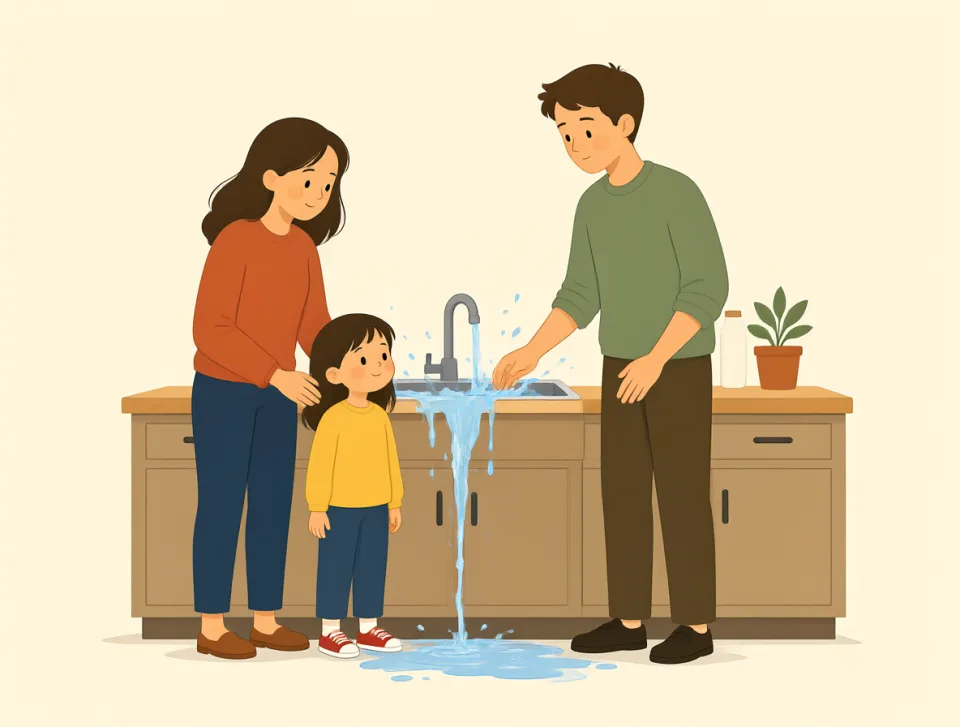
Several problems arose during the meeting this morning.
На сегодняшнем утреннем собрании возникло несколько проблем.

Please call me if any questions arise after class.
Пожалуйста, позвоните мне, если после занятия возникнут вопросы.

A disagreement arose between two friends at dinner.
За ужином между двумя друзьями возник спор.
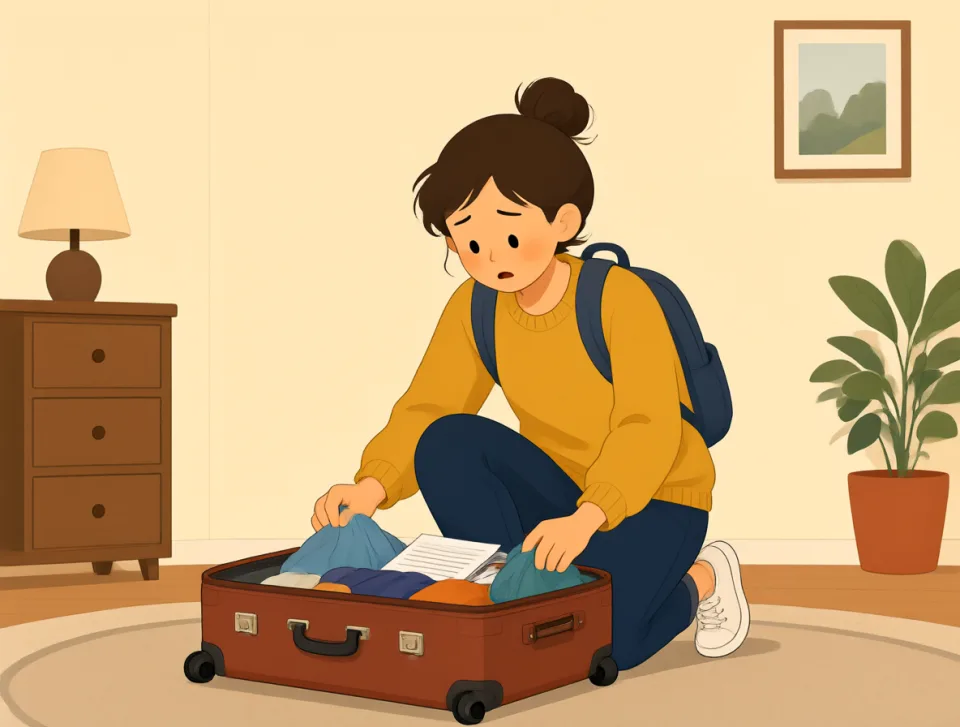
We left early because an urgent problem had arisen.
Мы ушли пораньше, потому что возникла срочная проблема.

Health problems can arise when people do not sleep enough.
Недостаток сна может привести к проблемам со здоровьем.

musical
#1630adjective, noun
музыкальный; мюзикл
Related to music, or a play in which people sing and dance.
Связанный с музыкой; также спектакль, в котором поют и танцуют.

She has a beautiful musical voice.
У неё прекрасный музыкальный голос.

We watched a musical at the theater last night.
Вчера вечером мы посмотрели мюзикл в театре.
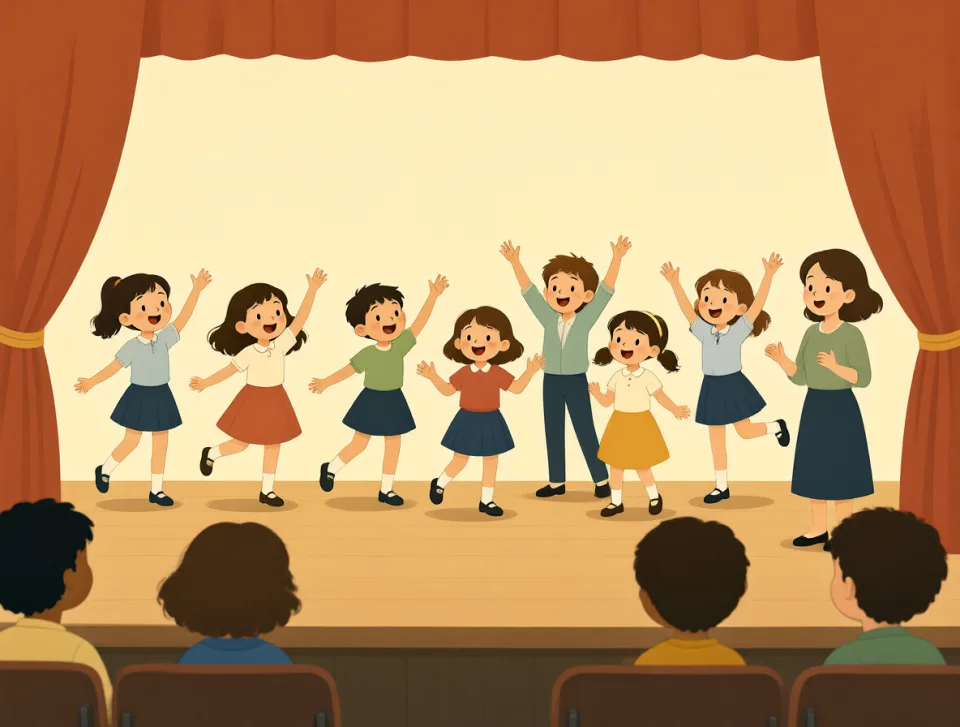
Our school musical starts next Friday.
Наш школьный мюзикл начнётся в следующую пятницу.

He bought a musical birthday card for his sister.
Он купил сестре музыкальную открытку на день рождения.

The musical instruments were too heavy to carry.
Музыкальные инструменты были слишком тяжёлыми, чтобы их нести.

recover
#1631verb
восстанавливаться
to become healthy, strong, or normal again after illness, injury, or difficulty
Снова становиться здоровым, сильным или возвращаться к нормальному состоянию после болезни, травмы или трудностей.

She is recovering well after her operation.
Она хорошо восстанавливается после операции.

It took him two weeks to recover from the flu.
Ему понадобилось две недели, чтобы оправиться от гриппа.

The company recovered quickly after losing many customers.
Компания быстро восстановилась после потери многих клиентов.

I recovered my lost wallet at the train station.
Я нашёл свой потерянный кошелёк на вокзале.

The team recovered from a difficult start and won the game.
Команда оправилась после трудного начала и выиграла матч.

dad
#1632noun
папа
your father or a familiar way to call a father
Отец или привычное, ласковое обращение к отцу.
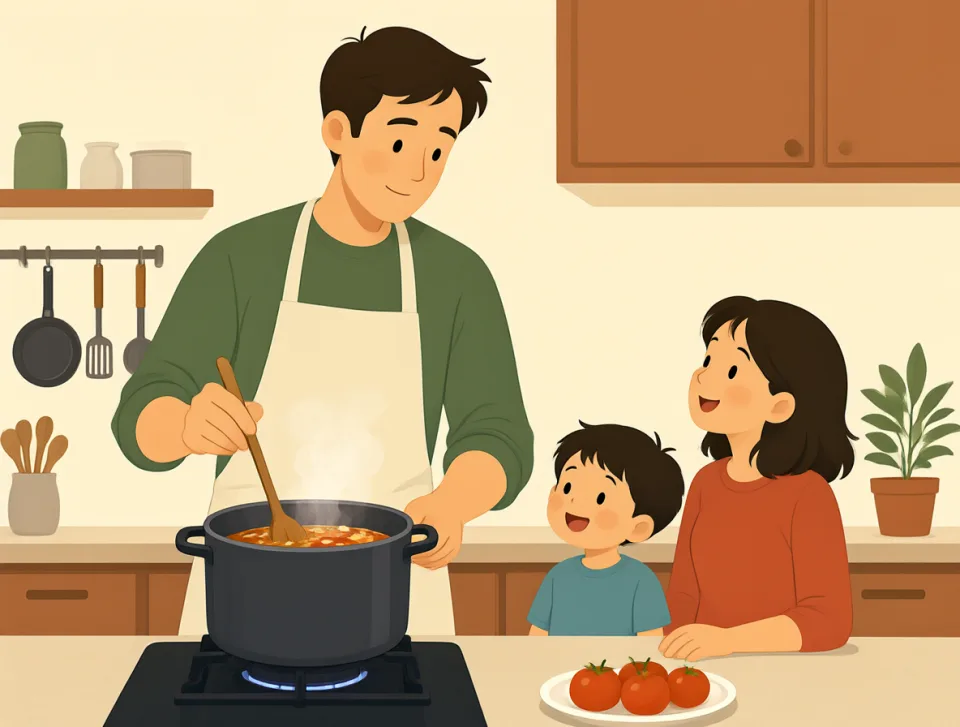
My dad cooks dinner for our family every Friday.
Мой папа готовит ужин для нашей семьи каждую пятницу.
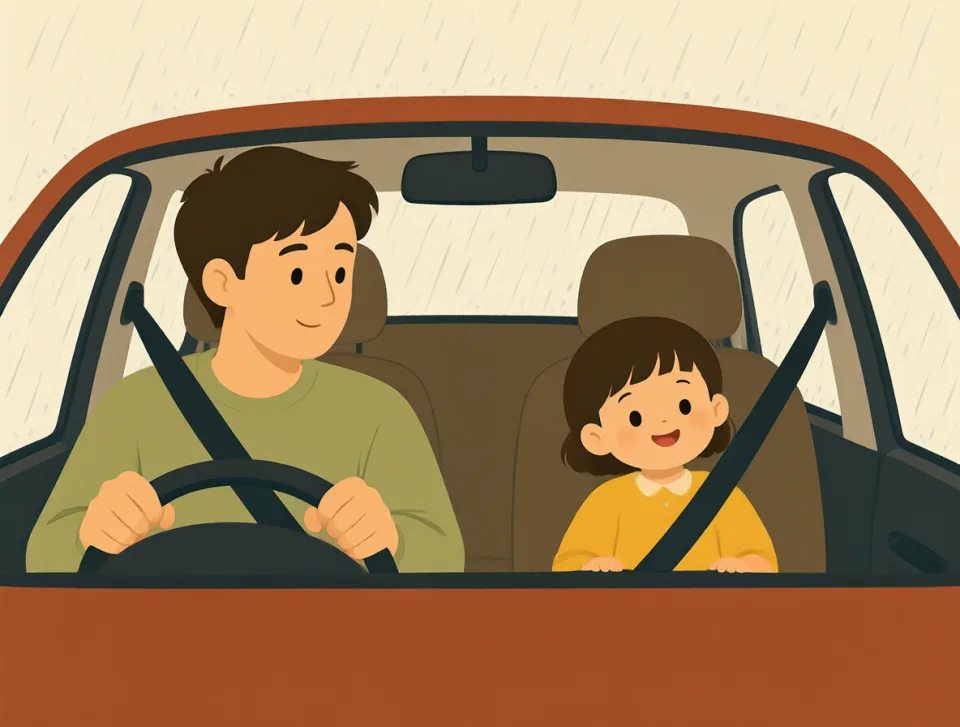
Dad drove me to school because it was raining.
Папа отвёз меня в школу, потому что шёл дождь.

I called my dad after I arrived at the airport.
Я позвонил папе, когда приехал в аэропорт.

Her dad helped her choose a birthday present.
Её папа помог ей выбрать подарок на день рождения.

The doctor told his dad to rest at home.
Врач сказал его папе отдыхать дома.

stretch
#1633verb, noun
растягивать; потягиваться
to make something longer or wider, or to extend your body or arm
Делать что-либо длиннее или шире либо вытягивать тело или руку.

I stretch my legs before I go for a run.
Перед пробежкой я разминаю ноги.
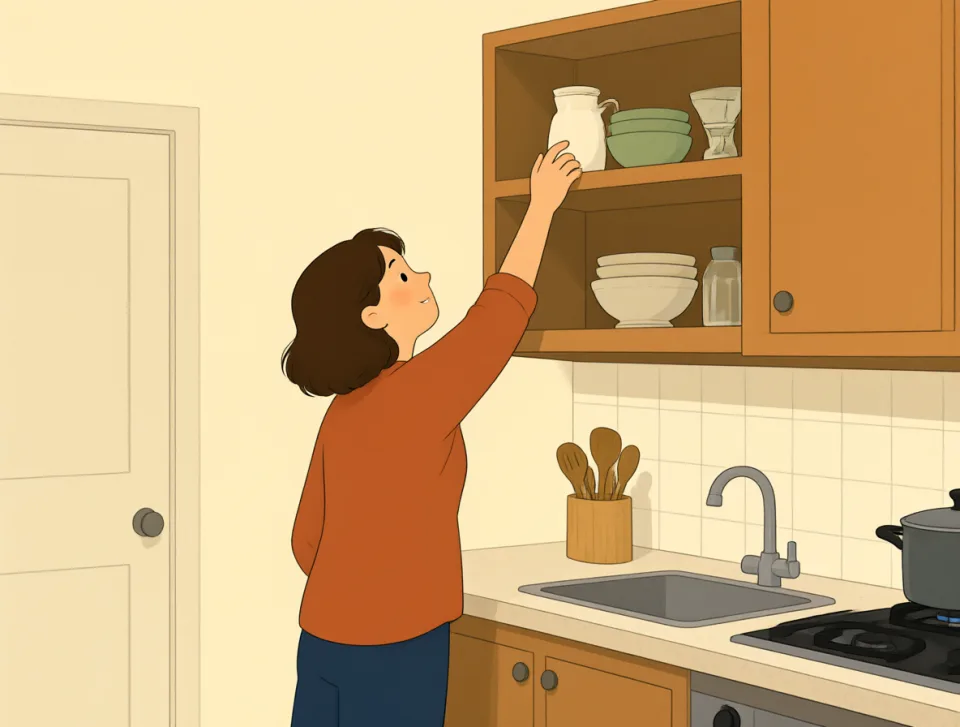
She stretched her arms to reach the top shelf.
Она вытянула руки, чтобы достать до верхней полки.
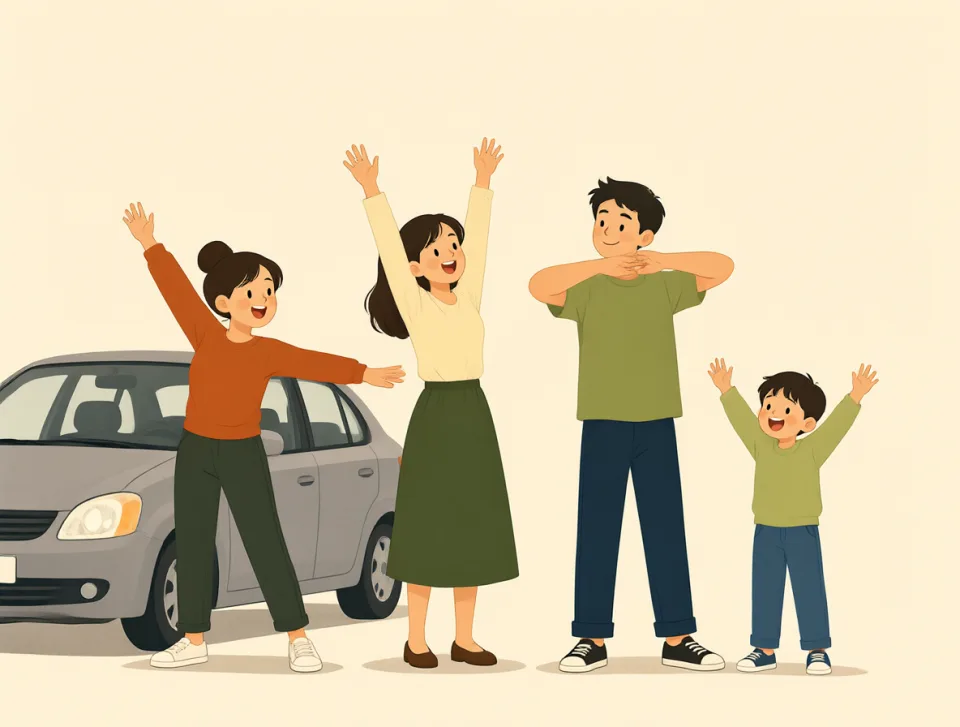
We stopped to stretch during the long car journey.
Во время долгой поездки на машине мы остановились размяться.

They walked along a quiet stretch of beach.
Они шли вдоль тихого участка пляжа.

The repair took a long stretch of the afternoon.
На ремонт ушла значительная часть дня.

declare
#1634verb
заявлять; объявлять
To say something clearly and officially, or to make it known publicly.
Чётко и официально сообщать что-либо или делать это известным широкой публике.

The doctor declared that the patient was healthy again.
Врач объявил, что пациент снова здоров.

Maya declared her love for the city after her visit.
После поездки Майя призналась в любви к этому городу.
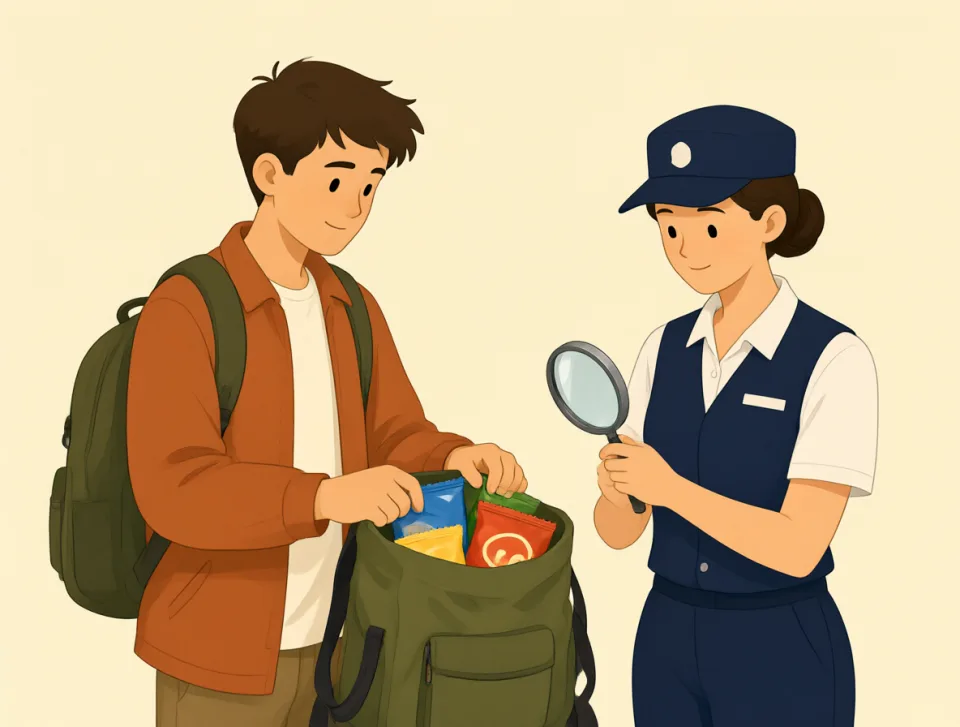
We must declare all our food at the airport.
В аэропорту мы должны задекларировать все продукты.
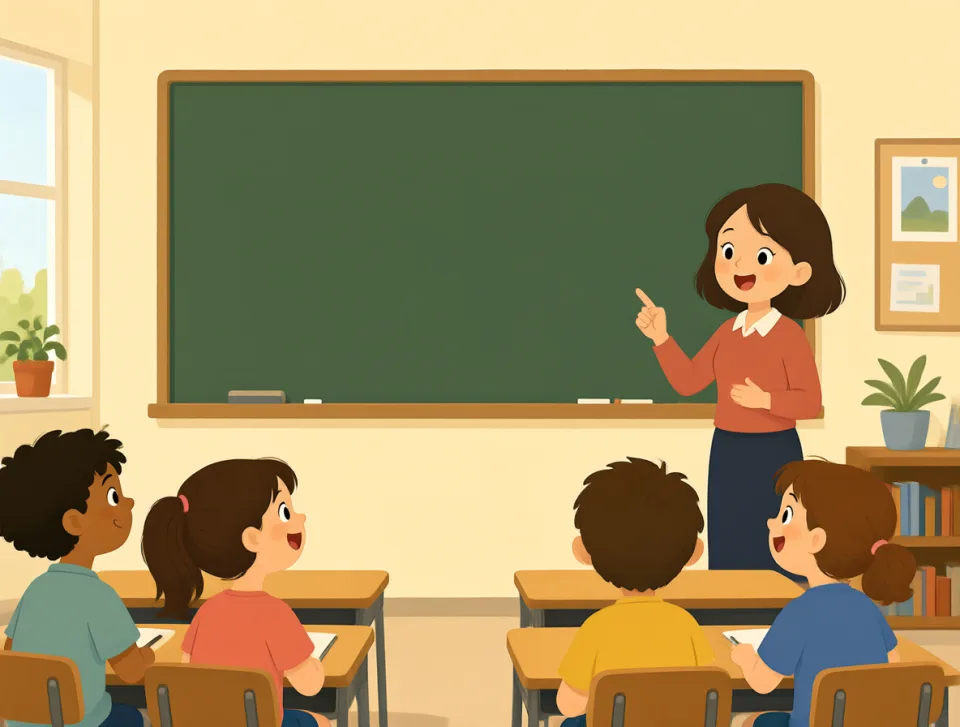
The school declared Friday a holiday for every student.
Школа объявила пятницу выходным днём для всех учеников.

He declared his new phone at customs before entering the country.
Перед въездом в страну он задекларировал новый телефон на таможне.
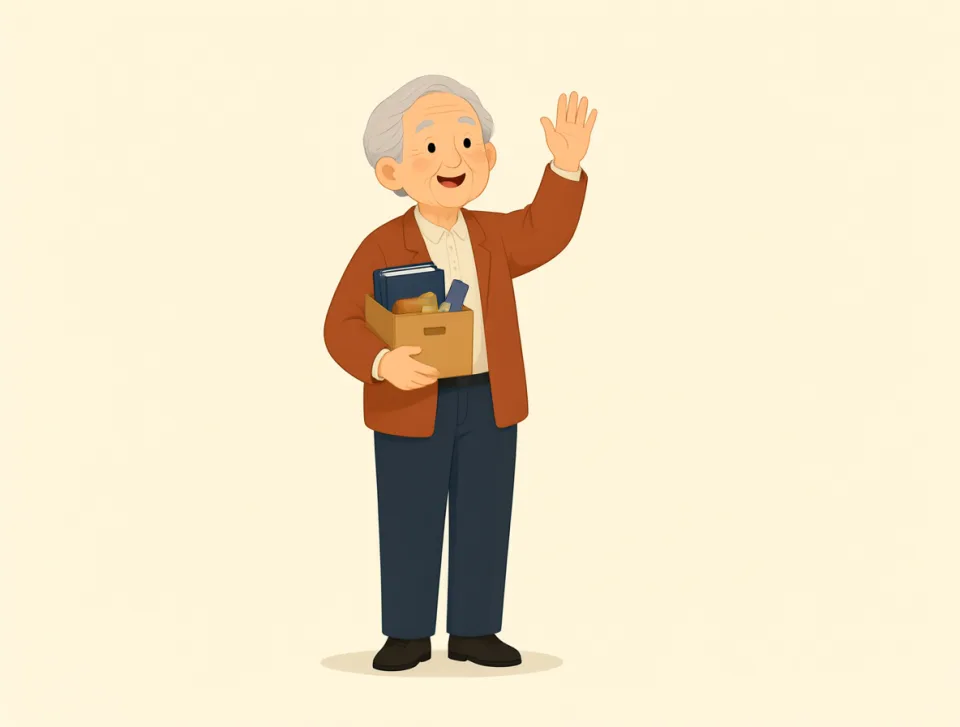
retire
#1635verb
выходить на пенсию
To stop working permanently, usually because you are old enough to receive a pension.
Навсегда прекращать работать, обычно потому, что человек достиг пенсионного возраста.
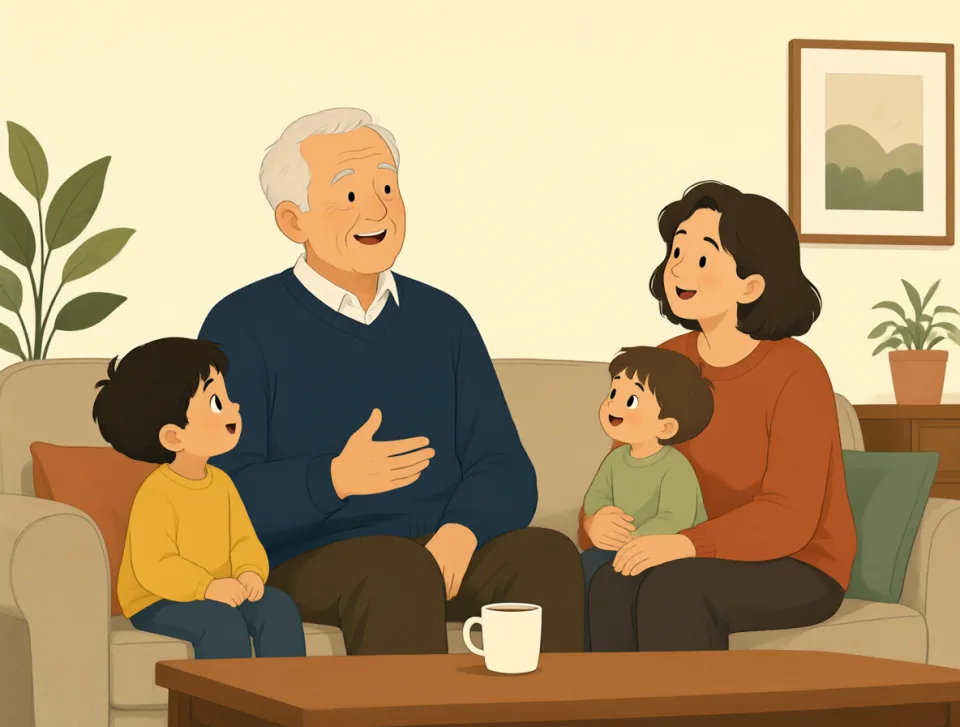
My father plans to retire next year.
Мой отец планирует выйти на пенсию в следующем году.
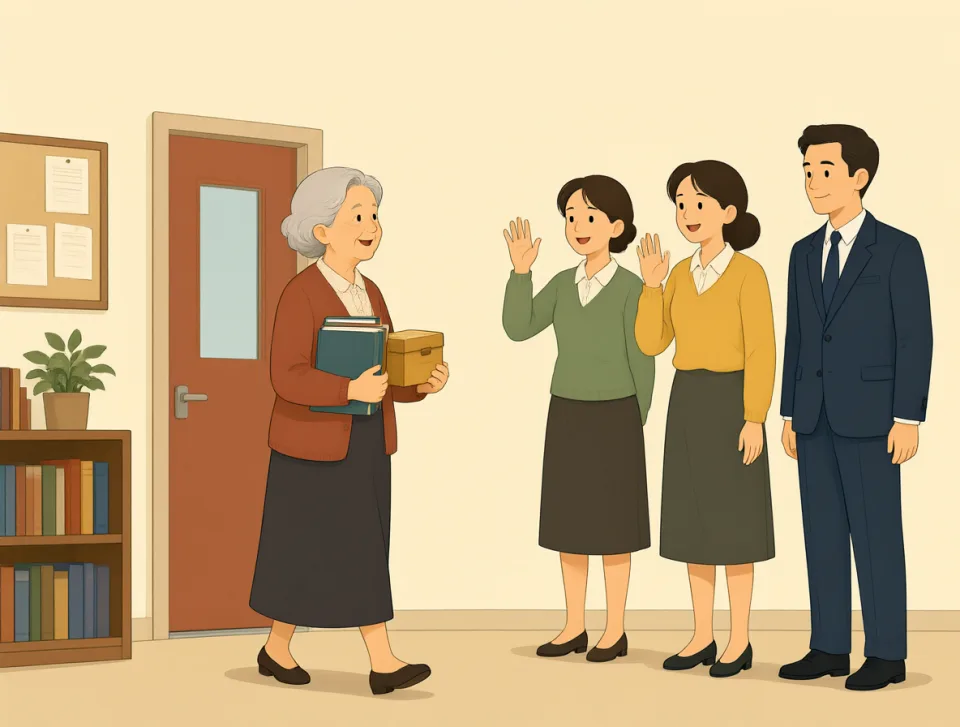
She retired from teaching after thirty years.
Она ушла из преподавания после тридцати лет работы.
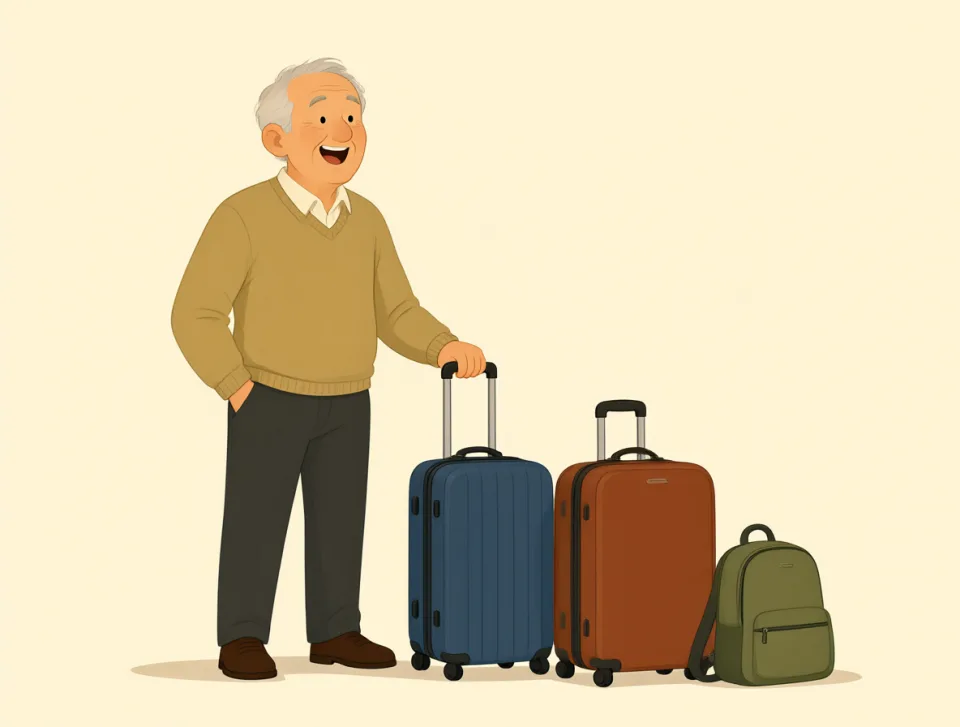
He retired early to travel around the world.
Он рано вышел на пенсию, чтобы путешествовать по миру.
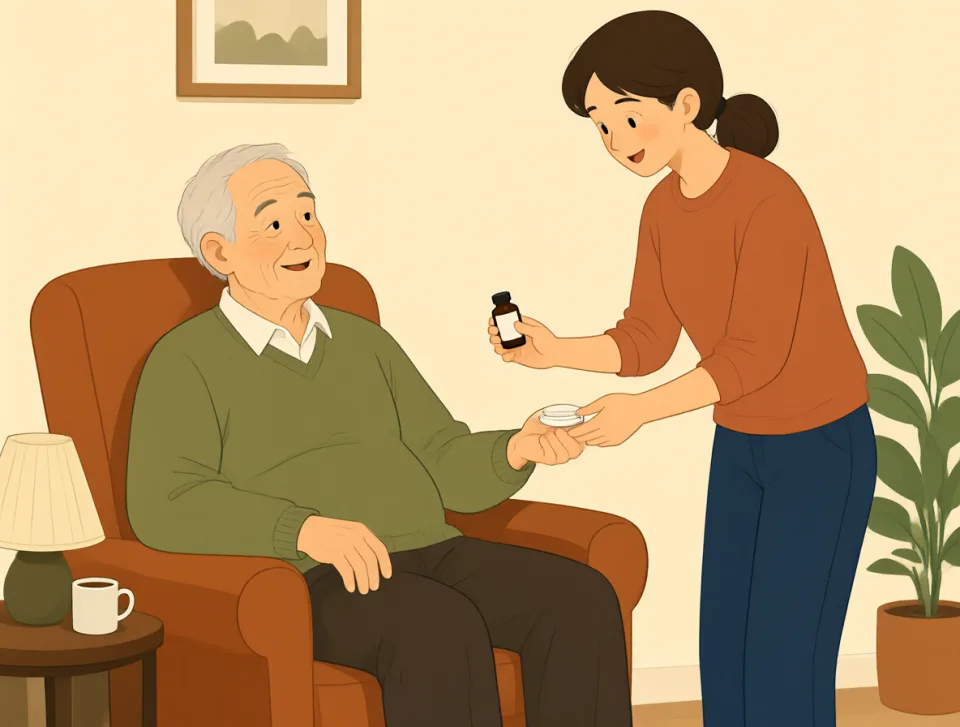
My grandfather retired because of health problems.
Мой дедушка вышел на пенсию из-за проблем со здоровьем.

The tennis player retired from the match with an injury.
Теннисист снялся с матча из-за травмы.

tiny
#1636adjective
крошечный
Very small in size or amount.
Очень маленький по размеру или количеству.

The kitten slept in a tiny basket beside the warm stove.
Котёнок спал в крошечной корзинке рядом с тёплой печкой.
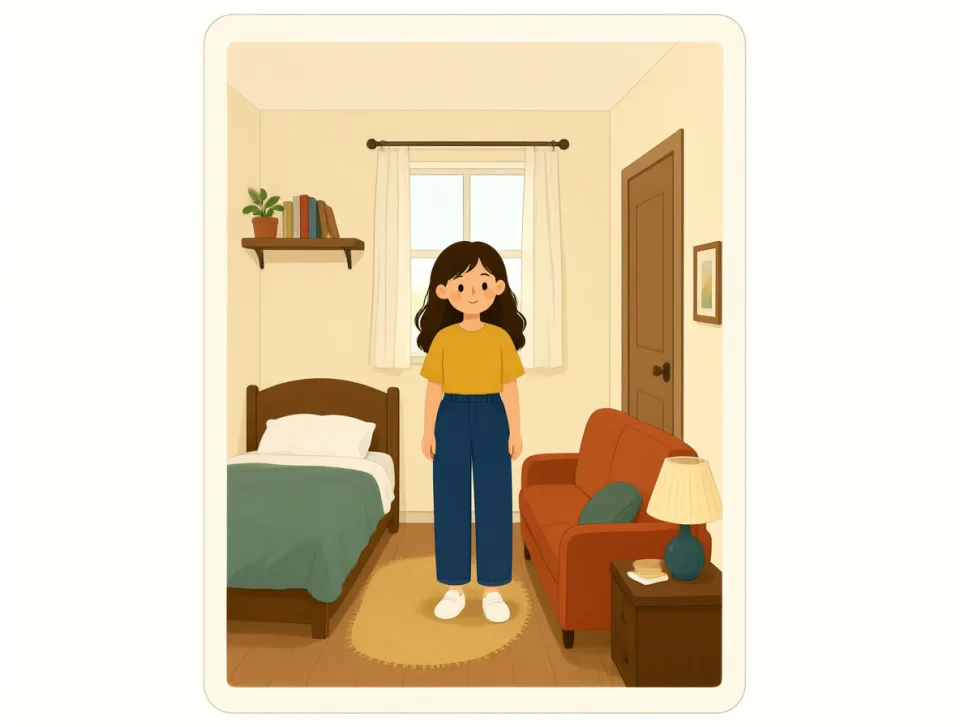
She lives in a tiny apartment near the train station.
Она живёт в крошечной квартире возле железнодорожной станции.
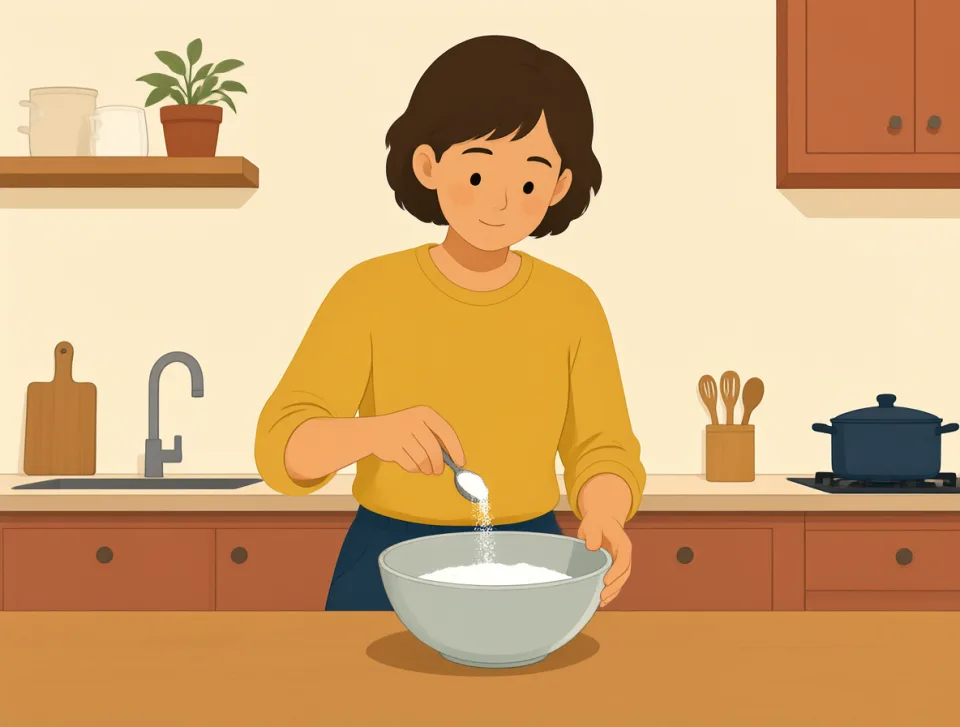
We only need a tiny bit of sugar for this recipe.
Для этого рецепта нам понадобится совсем немного сахара.

Look at the tiny pieces of glass on the floor.
Посмотри на крошечные осколки стекла на полу.

The doctor found a tiny cut on his finger.
Врач обнаружил у него на пальце крошечный порез.
careful
#1637adjective
осторожный
Giving attention to avoid danger, mistakes, or damage.
Внимательный, чтобы избежать опасности, ошибок или повреждений.

Be careful when you cross the busy street.
Будь осторожен, переходя оживлённую улицу.

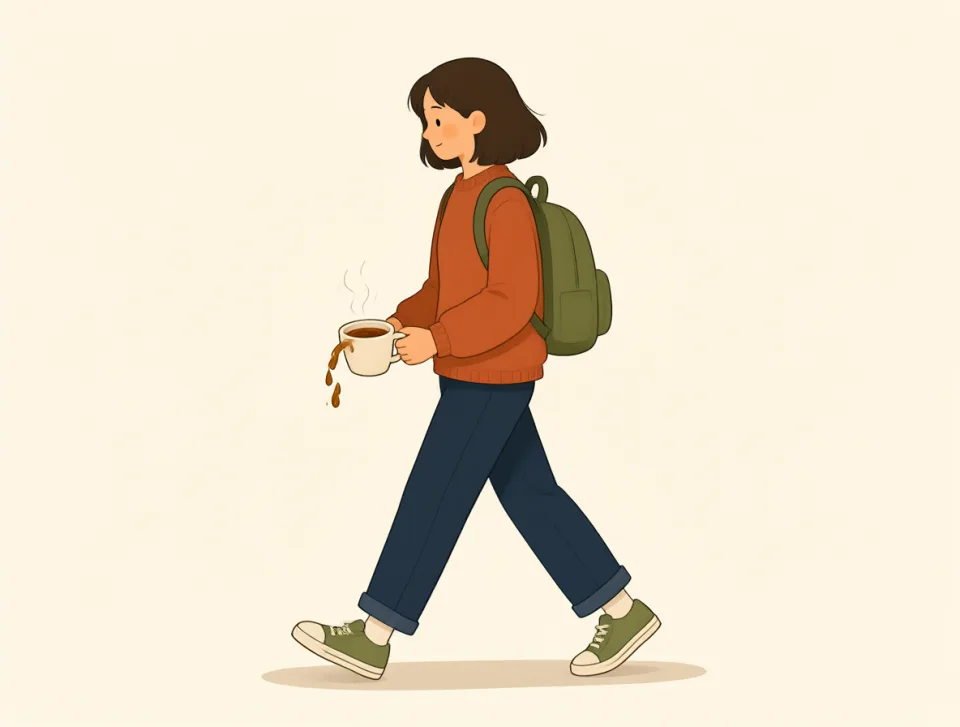
She was careful not to spill coffee on her new shirt.
Она старалась не пролить кофе на свою новую рубашку.

The doctor told him to be careful with his sore back.
Врач посоветовал ему беречь больную спину.

Please read the recipe carefully before you start cooking.
Пожалуйста, внимательно прочитай рецепт, прежде чем начинать готовить.

We need to be careful when we choose a hotel for our trip.
Нам нужно тщательно выбрать отель для поездки.

suitable
#1638adjective
подходящий
right or good for a particular person, purpose, or situation
Подходящий или хороший для конкретного человека, цели или ситуации.

This room is suitable for a small family.
Эта комната подходит для небольшой семьи.
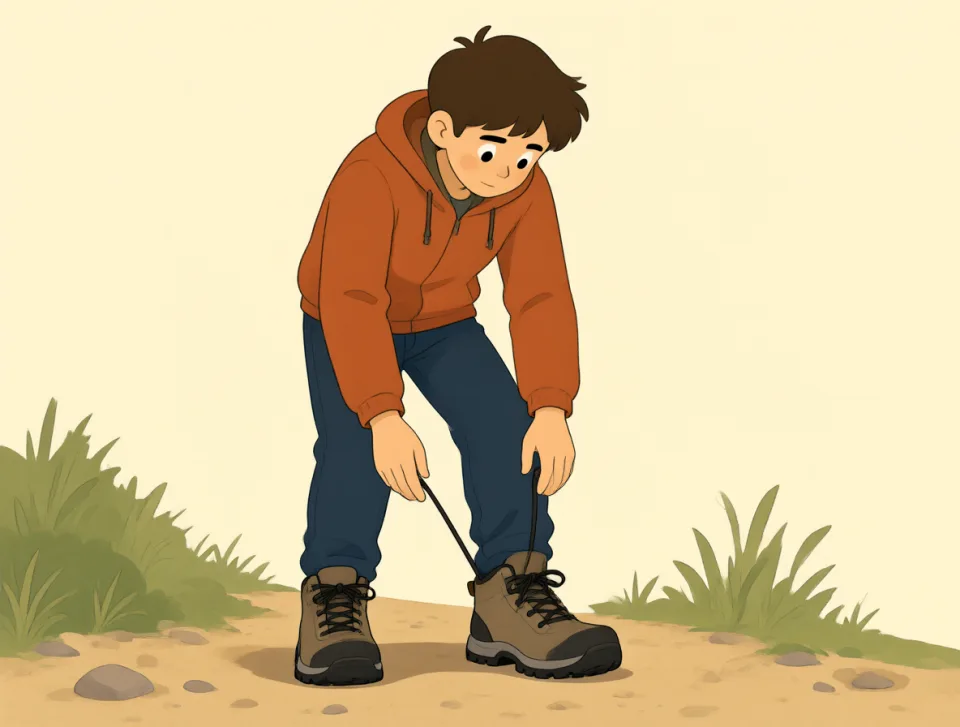
Wear suitable shoes for the long walk.
Надень подходящую обувь для долгой прогулки.
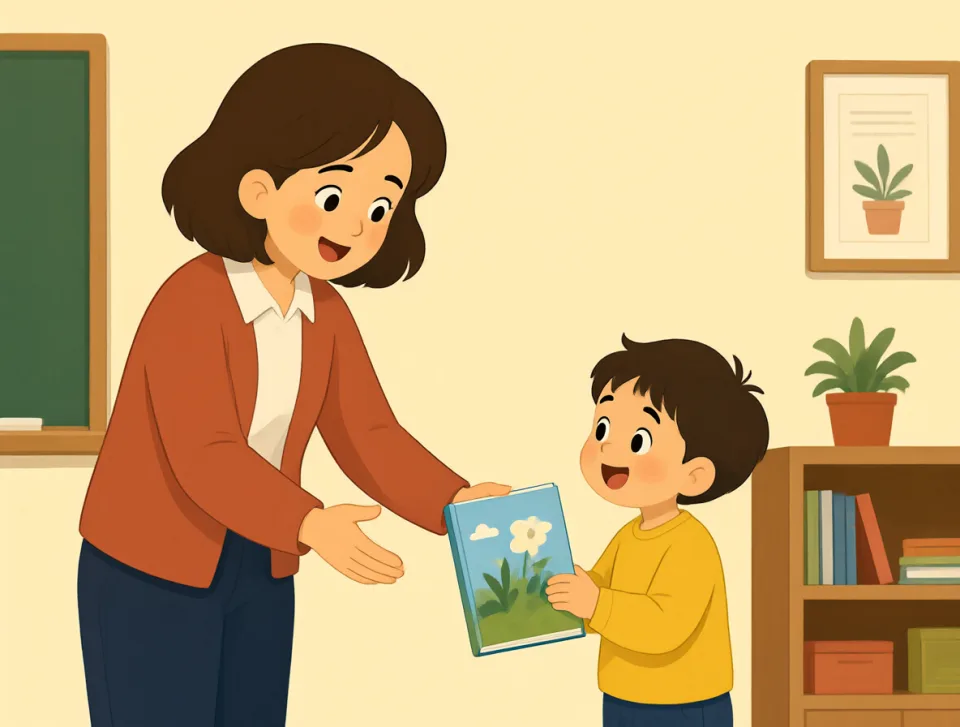
The teacher chose a suitable book for the class.
Учитель выбрал для класса подходящую книгу.

Is this time suitable for a quick meeting?
Это время подходит для короткой встречи?

The doctor recommended suitable food after her illness.
После болезни врач посоветовал ей подходящую пищу.

native
#1639adjective, noun
коренной; родной
Native describes someone born in a place or a language learned from birth.
Слово native описывает человека, родившегося в каком-либо месте, или язык, который человек усвоил с рождения.

She is a native speaker of Spanish.
Она говорит по-испански как на родном языке.

He is a native of this small town.
Он родился в этом небольшом городе.

We asked a native guide to show us the old town.
Мы попросили местного гида показать нам старый город.

The garden is full of native plants and flowers.
В саду полно местных растений и цветов.

I want to sound more like a native speaker.
Я хочу говорить больше как носитель языка.

fruit
#1640noun
фрукты
The sweet, edible part of a plant, such as an apple, banana, or orange.
Сладкая съедобная часть растения, например яблоко, банан или апельсин.

I eat fresh fruit with yogurt for breakfast every morning.
Каждое утро на завтрак я ем свежие фрукты с йогуртом.

Please buy some fruit when you go to the supermarket.
Пожалуйста, купи фруктов, когда пойдёшь в супермаркет.
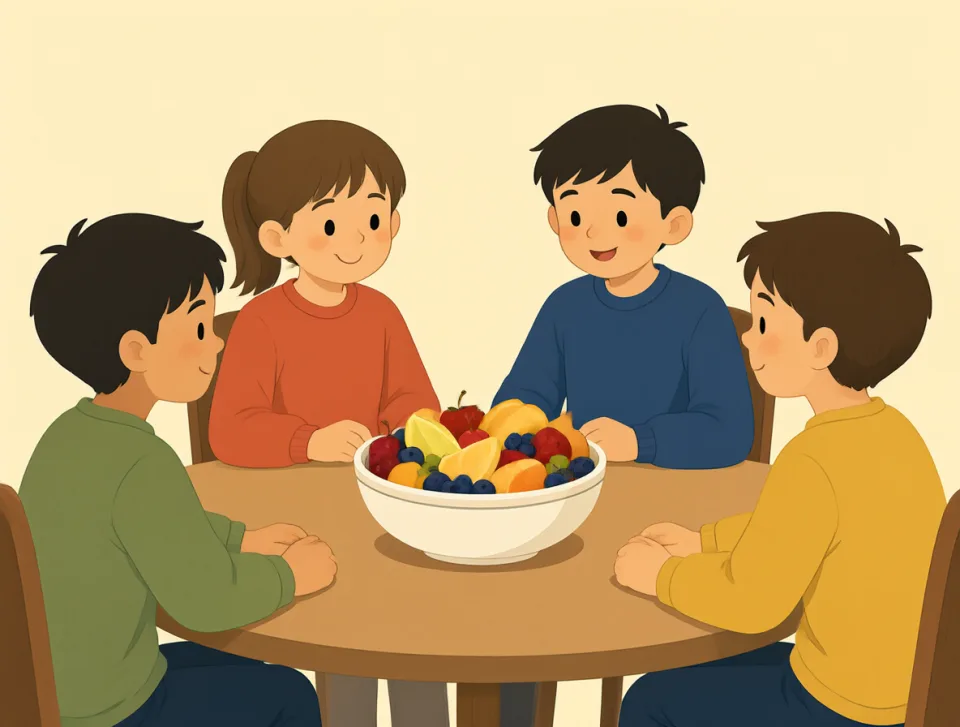
The children shared a large bowl of fruit after school.
После школы дети разделили большую миску фруктов.
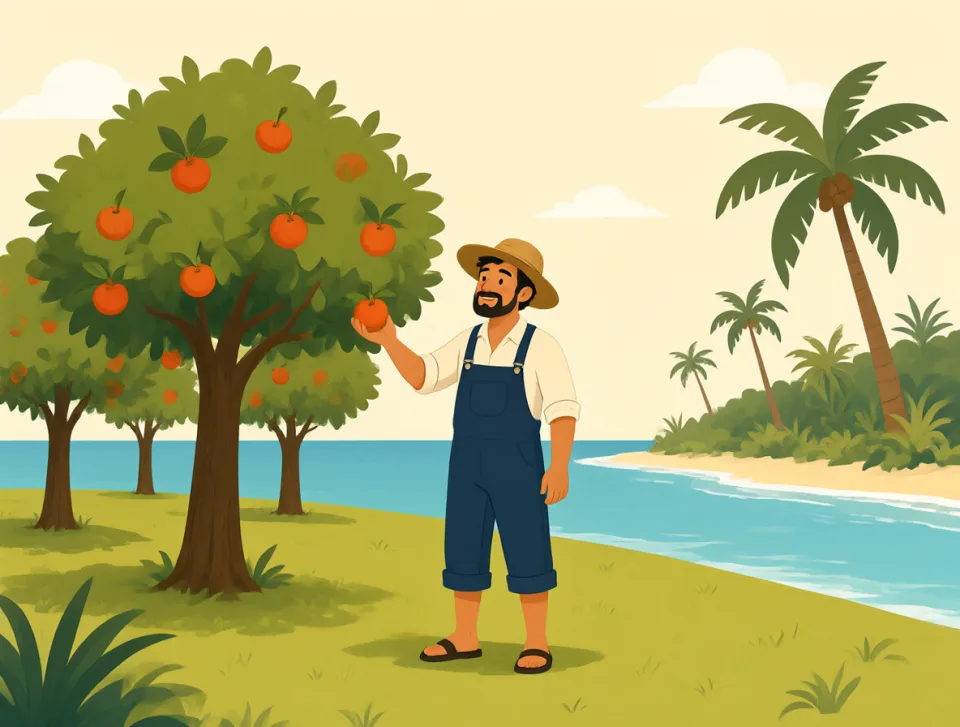
This tropical island grows fruit all year round.
На этом тропическом острове фрукты растут круглый год.

The doctor advised me to eat more fruit for better health.
Врач посоветовал мне есть больше фруктов, чтобы укрепить здоровье.