इकाई 82
शब्द 1621–1640 · journey, opposition, relief, debt, honor, outcome

journey
#1621noun
यात्रा
A trip from one place to another, especially a long one.
एक स्थान से दूसरे स्थान तक की यात्रा, विशेषकर लंबी यात्रा।

The journey from London to Paris takes about two hours.
लंदन से पेरिस तक की यात्रा में लगभग दो घंटे लगते हैं।

We had a long journey home after the concert.
संगीत कार्यक्रम के बाद घर लौटने की हमारी यात्रा लंबी थी।
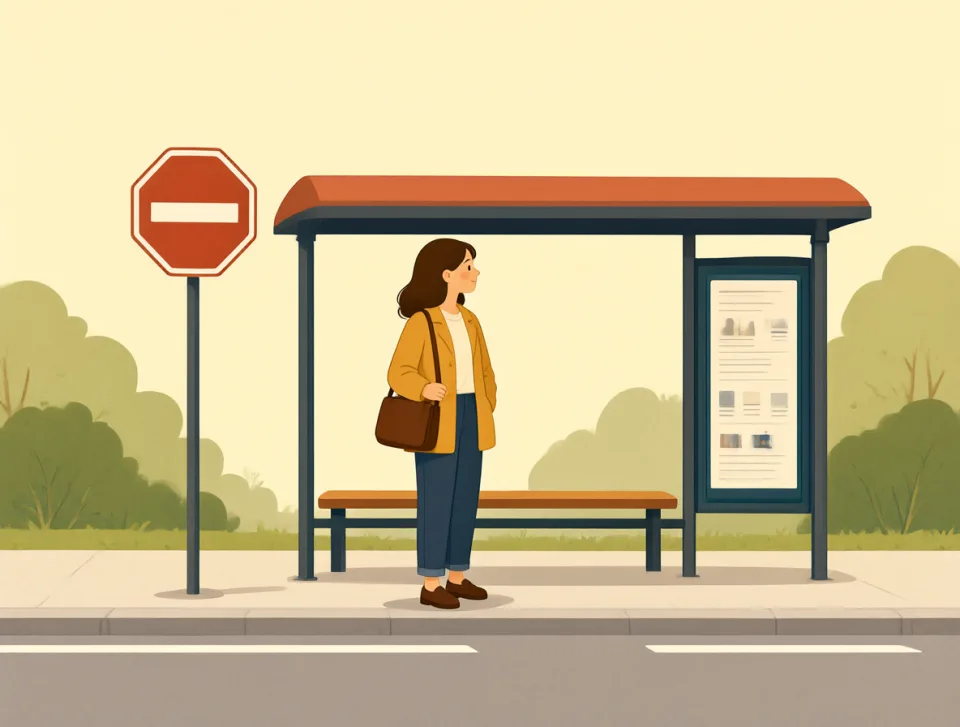
Her journey to work starts with a short bus ride.
काम पर जाने की उसकी यात्रा एक छोटी बस यात्रा से शुरू होती है।
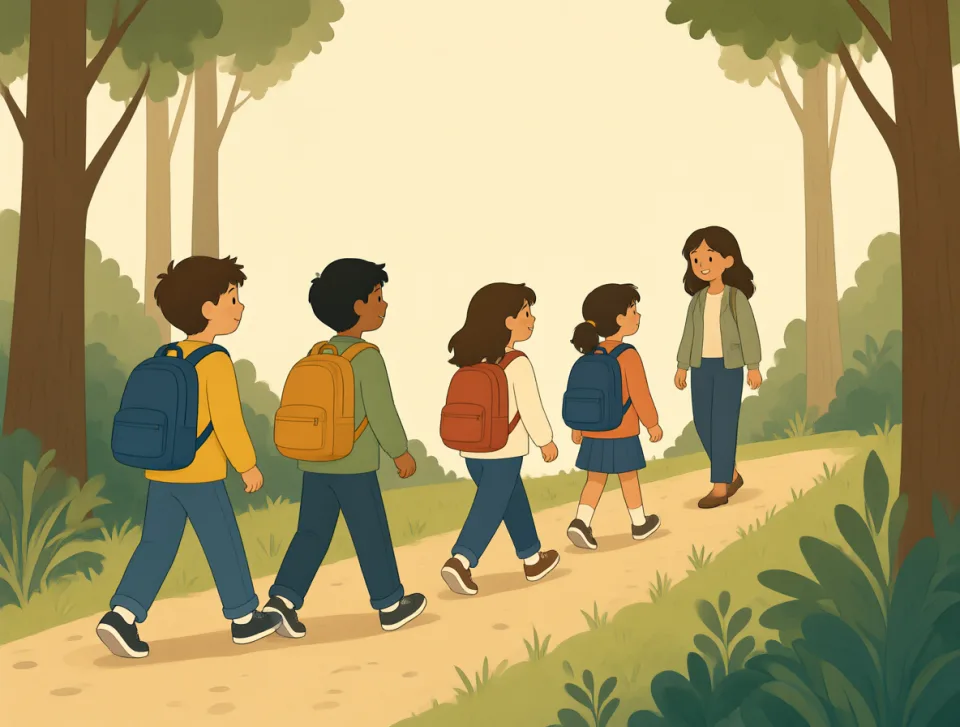
The students wrote about their journey through the forest.
छात्रों ने जंगल के बीच से अपनी यात्रा के बारे में लिखा।

Learning a new language is a difficult but rewarding journey.
नई भाषा सीखना कठिन, लेकिन संतोषजनक यात्रा है।
opposition
#1622noun
विरोध
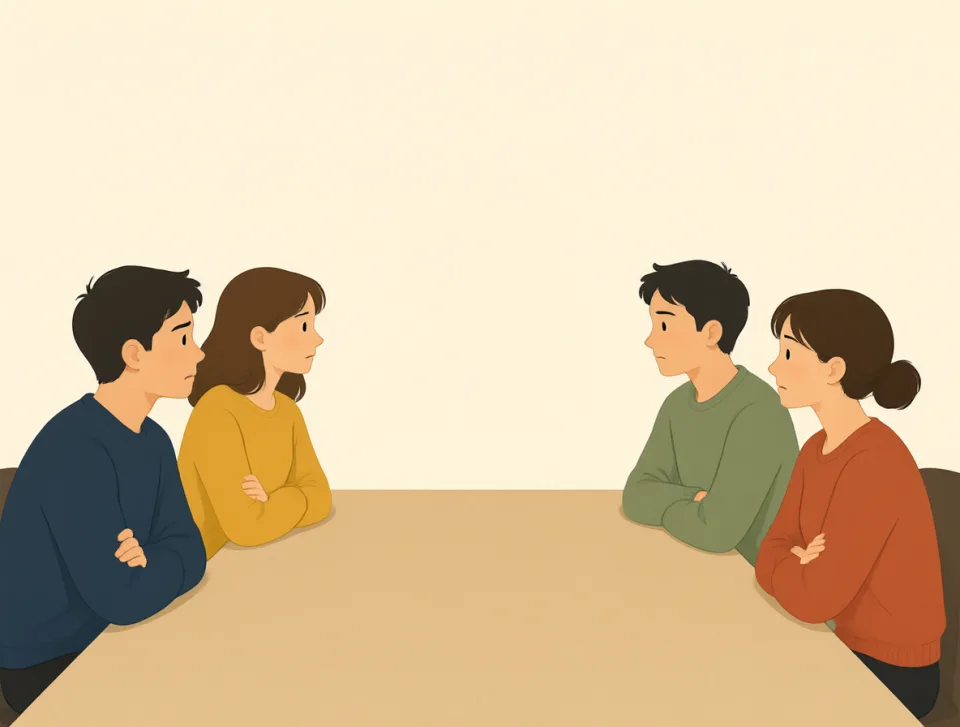
Strong disagreement with a plan, idea, or person, or the people who disagree.
किसी योजना, विचार या व्यक्ति से कड़ी असहमति, या असहमति जताने वाले लोग।
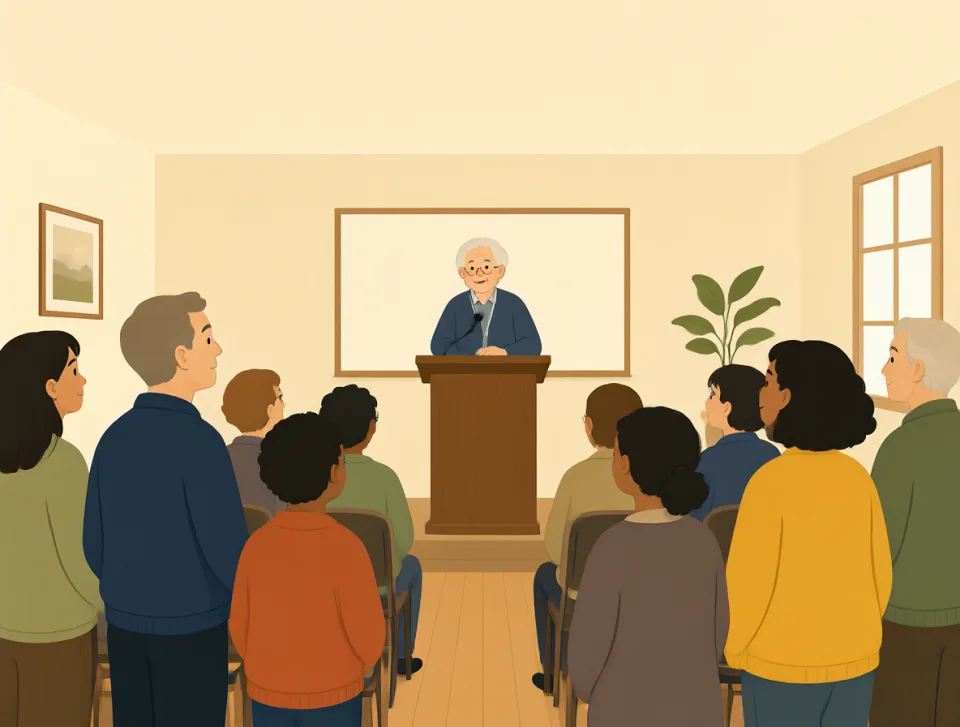
The plan met strong opposition from local residents.
इस योजना को स्थानीय निवासियों के कड़े विरोध का सामना करना पड़ा।
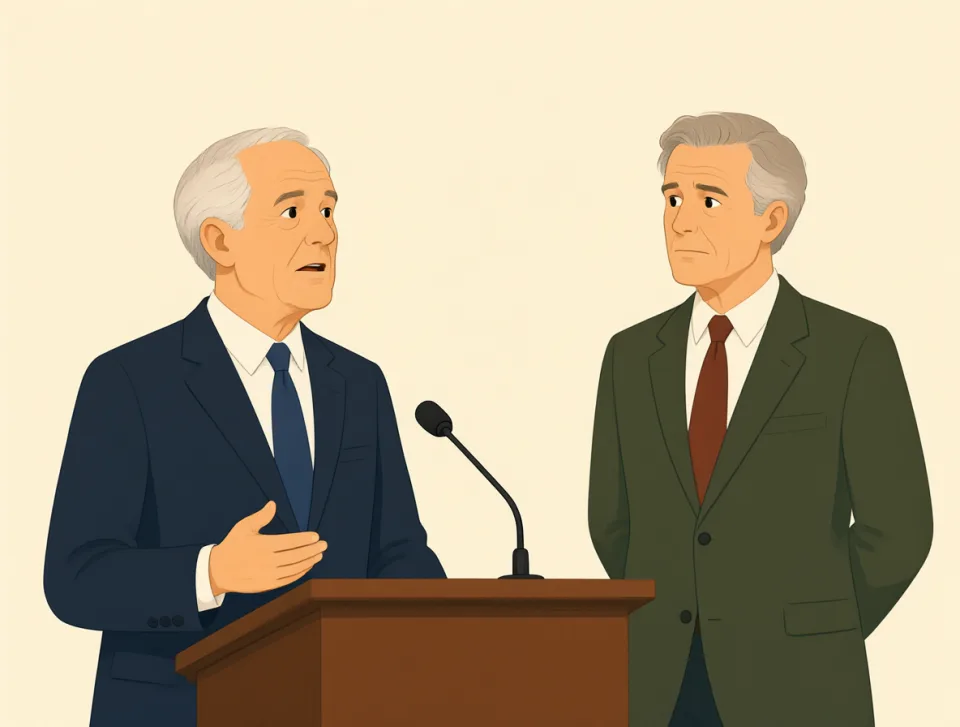
The opposition party criticized the government during the election.
विपक्षी दल ने चुनाव के दौरान सरकार की आलोचना की।
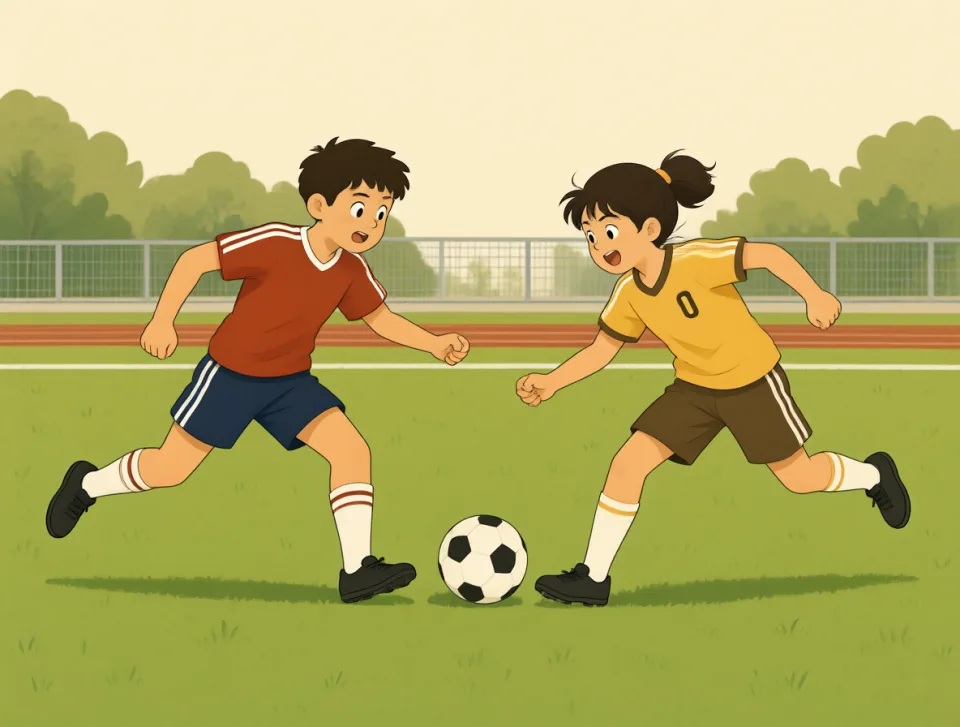
Our team played well despite opposition from the other school.
दूसरे स्कूल के विरोध के बावजूद हमारी टीम ने अच्छा खेला।

She faced opposition when she asked for a later work schedule.
जब उसने काम का समय देर से शुरू करने का अनुरोध किया, तो उसे विरोध का सामना करना पड़ा।
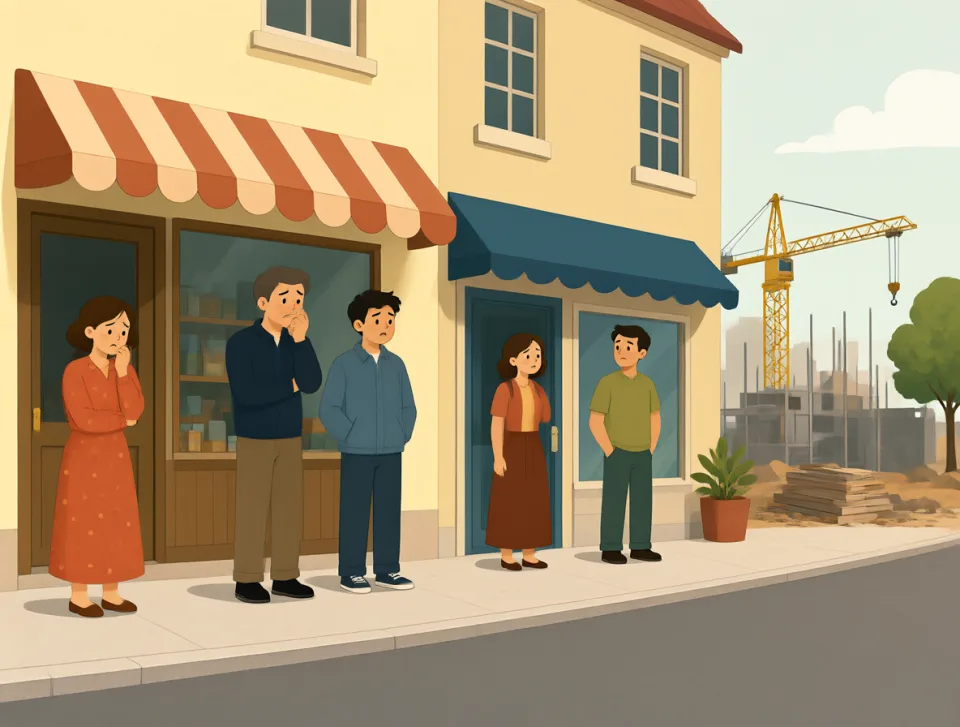
The new shopping center caused opposition from nearby shop owners.
नए शॉपिंग सेंटर के कारण आसपास के दुकानदारों ने विरोध किया।
relief
#1623noun
राहत
A feeling of happiness when something difficult or painful ends.
किसी कठिन या पीड़ादायक स्थिति के समाप्त होने पर महसूस होने वाली खुशी।

She felt great relief when her lost dog came home.
जब उसका खोया हुआ कुत्ता घर लौट आया, तो उसे बहुत राहत मिली।

The medicine brought relief from his terrible headache.
दवा से उसके भयंकर सिरदर्द में राहत मिली।

Everyone sighed with relief when the teacher canceled the test.
जब शिक्षक ने परीक्षा रद्द कर दी, तो सभी ने राहत की साँस ली।

The cool water gave us relief from the hot summer sun.
ठंडे पानी ने हमें गर्मियों की तेज़ धूप से राहत दी।

The store offered relief to shoppers by extending the return period.
दुकान ने वापसी की अवधि बढ़ाकर खरीदारों को राहत दी।
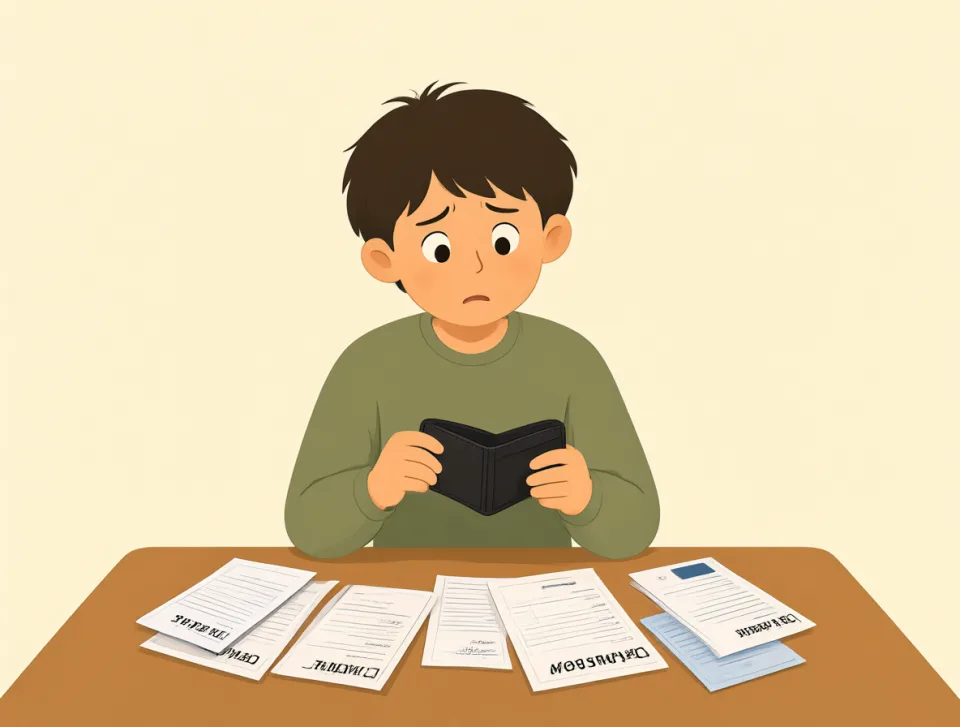
debt
#1624noun
कर्ज़
Money that you owe to a person, bank, or business.
वह धनराशि जो आपको किसी व्यक्ति, बैंक या व्यवसाय को चुकानी होती है।
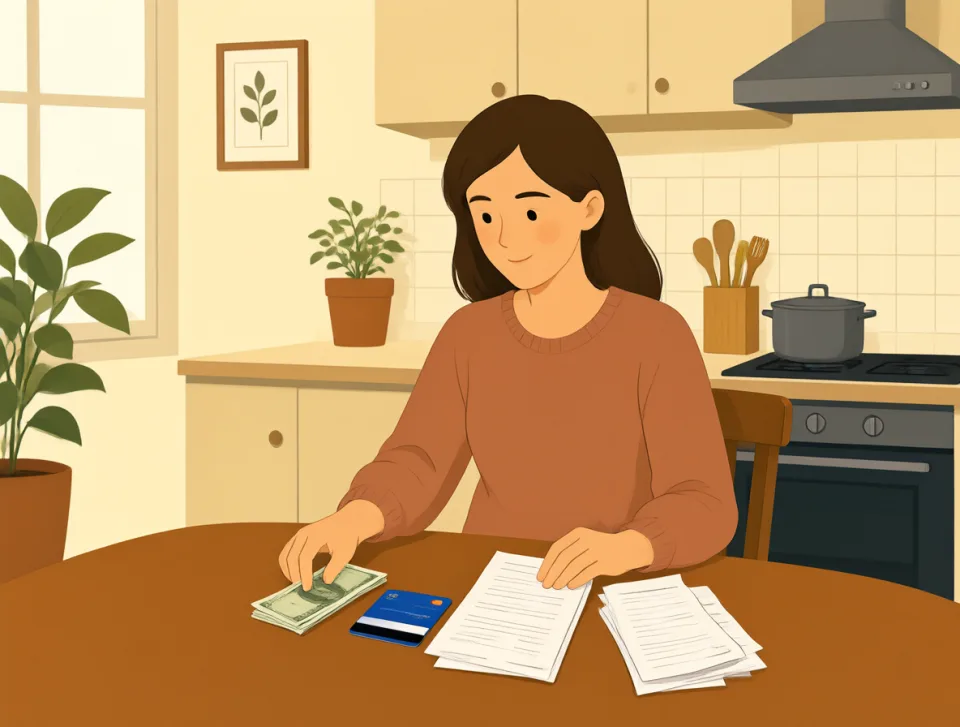
She is trying to pay off her credit card debt.
वह अपने क्रेडिट कार्ड का कर्ज़ चुकाने की कोशिश कर रही है।

The bank refused his loan because he already had too much debt.
बैंक ने उसका ऋण आवेदन ठुकरा दिया, क्योंकि उस पर पहले से ही बहुत कर्ज़ था।
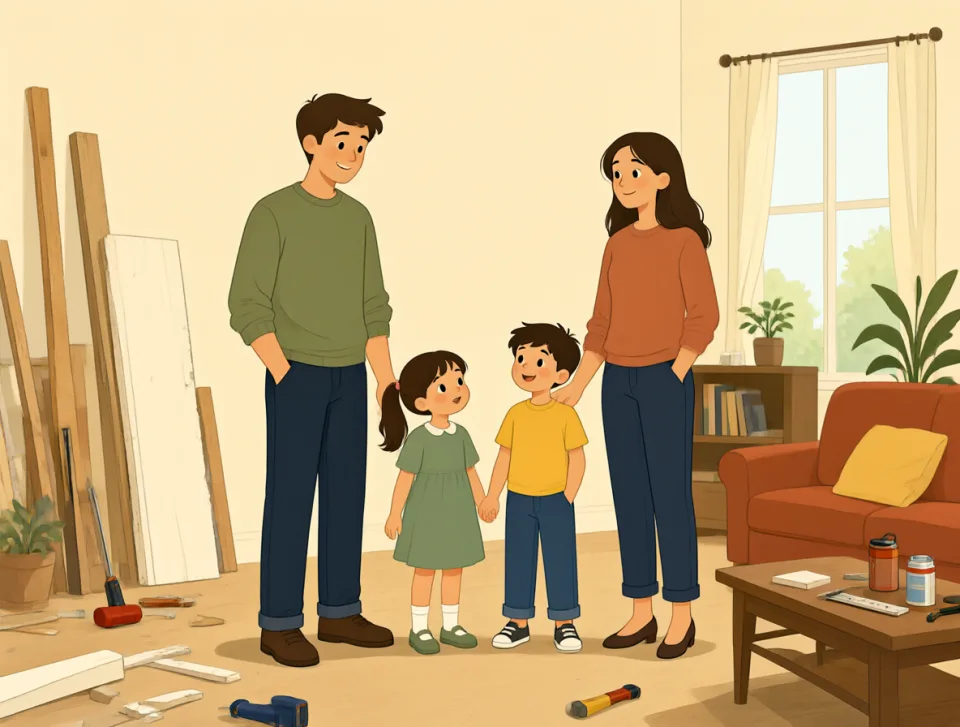
Their family got into debt after repairing the house.
घर की मरम्मत के बाद उनका परिवार कर्ज़ में डूब गया।

He borrowed money from a friend and is still in debt.
उसने एक दोस्त से पैसे उधार लिए और अब भी कर्ज़ में है।

The company is working hard to reduce its debt.
कंपनी अपना कर्ज़ कम करने के लिए कड़ी मेहनत कर रही है।

honor
#1625noun, verb
सम्मान
Honor means great respect, or to show respect for someone or something.
Honor का मतलब है बहुत सम्मान, या किसी व्यक्ति या चीज़ के प्रति सम्मान दिखाना।
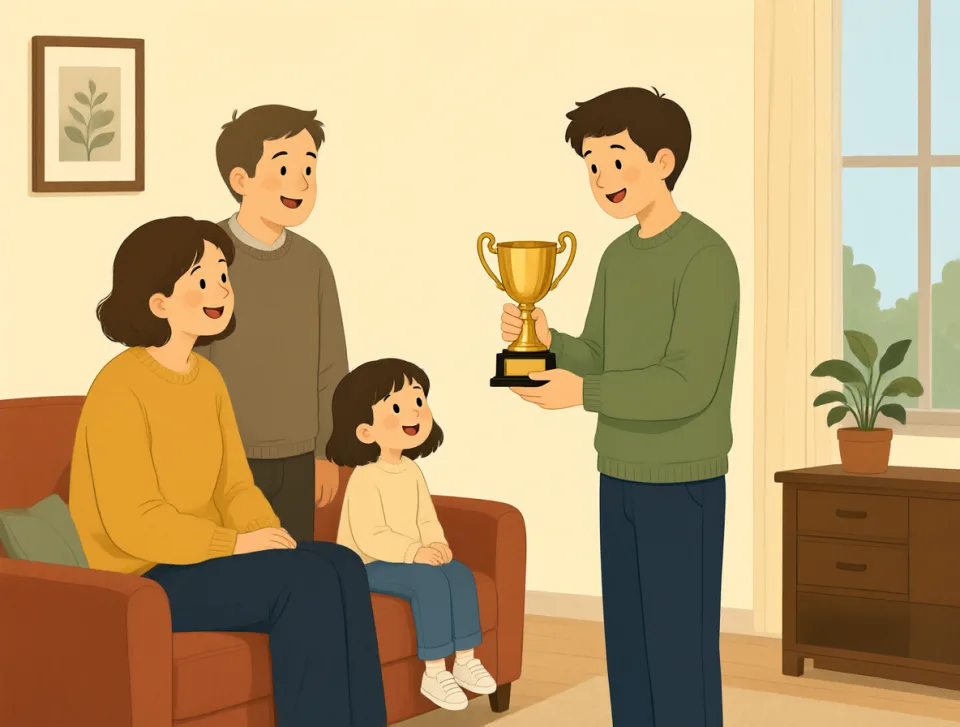
The award was a great honor for our family.
यह पुरस्कार हमारे परिवार के लिए बहुत बड़े सम्मान की बात थी।
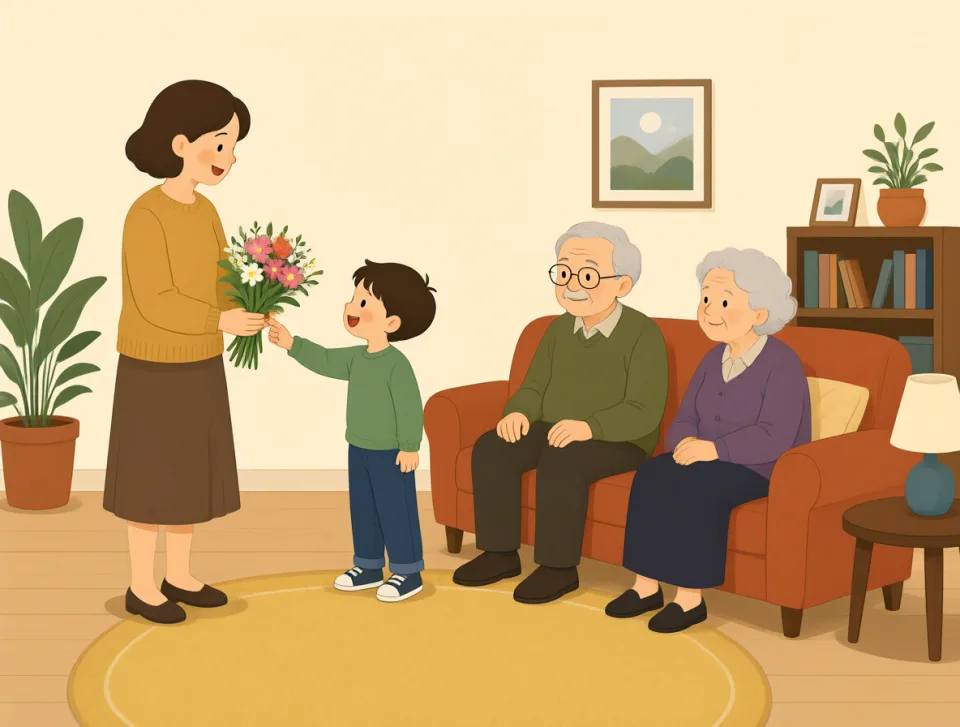
We honor our grandparents by visiting them every Sunday.
हम हर रविवार अपने दादा-दादी से मिलकर उनका सम्मान करते हैं।

The school honored Maya for helping younger students.
छोटे छात्रों की मदद करने के लिए स्कूल ने माया को सम्मानित किया।

It is an honor to meet the famous chef.
प्रसिद्ध शेफ़ से मिलना मेरे लिए सम्मान की बात है।
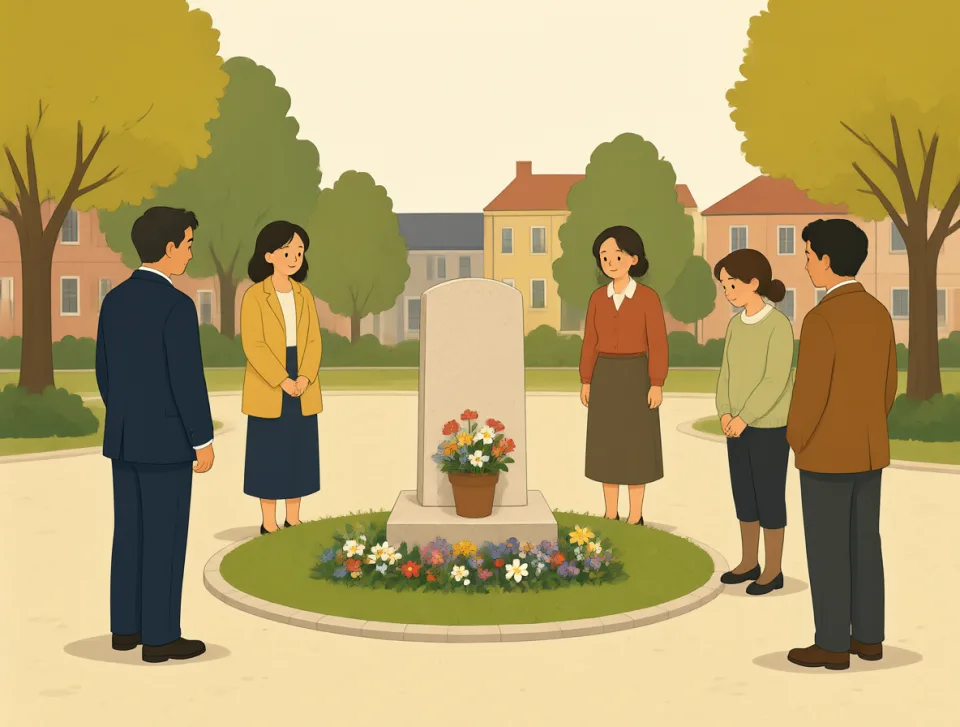
The town held a ceremony to honor fallen soldiers.
शहर ने शहीद सैनिकों के सम्मान में एक समारोह आयोजित किया।

outcome
#1626noun
नतीजा
The final result of an action, event, or situation.
किसी काम, घटना या परिस्थिति का अंतिम परिणाम।
We are waiting to hear the outcome of the meeting.
हम बैठक के नतीजे का इंतज़ार कर रहे हैं।

The outcome of the game surprised everyone at the party.
खेल का नतीजा पार्टी में सबको चौंका गया।

Hard work usually leads to a better outcome at school.
मेहनत करने से आम तौर पर स्कूल में बेहतर नतीजे मिलते हैं।

The doctor explained the possible outcomes of the treatment.
डॉक्टर ने इलाज के संभावित नतीजों के बारे में बताया।
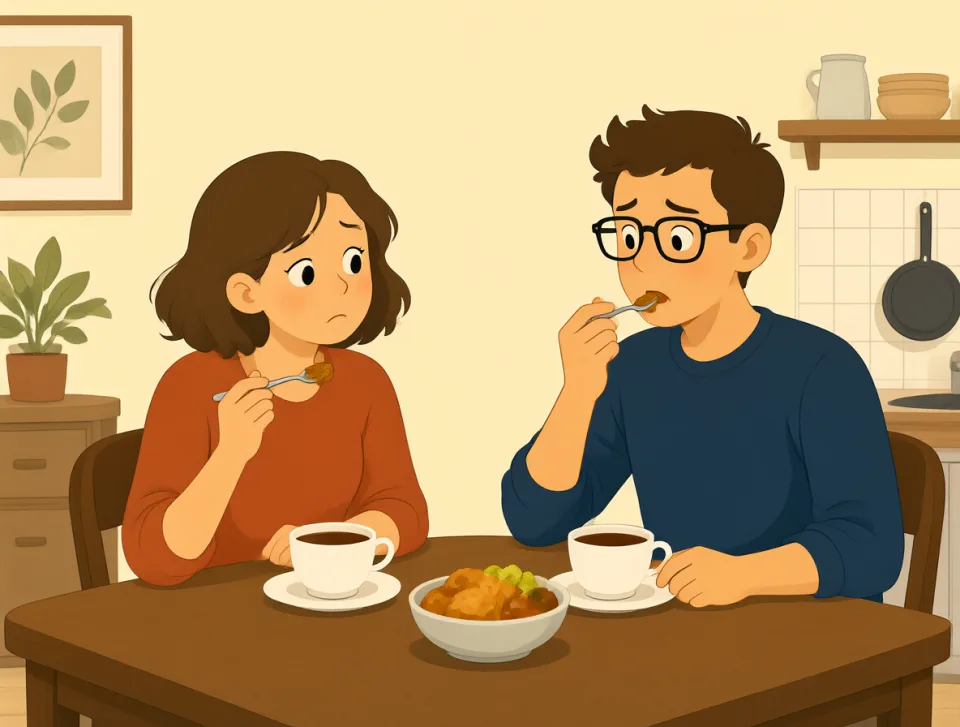
The meal had a disappointing outcome because we forgot the salt.
खाने का नतीजा निराशाजनक रहा, क्योंकि हम नमक डालना भूल गए थे।
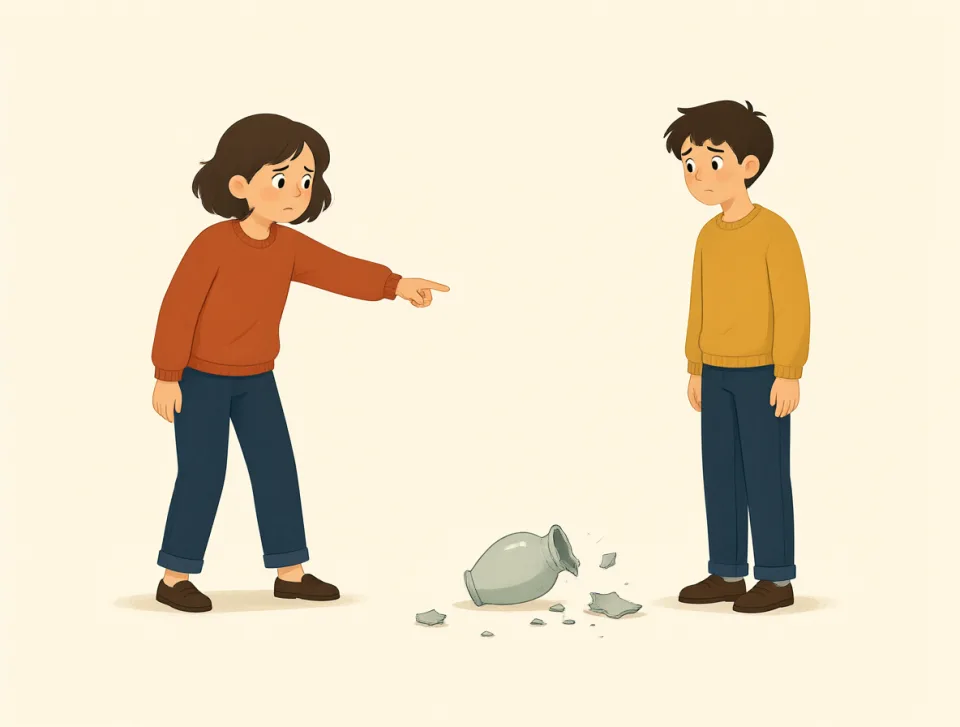
blame
#1627noun, verb
दोष देना
To say or believe that someone caused a problem or did something wrong.
यह कहना या मानना कि किसी ने समस्या पैदा की है या कुछ गलत किया है।

Do not blame me for the broken window.
टूटी हुई खिड़की के लिए मुझे दोष मत देना।

She blamed the traffic for arriving late.
देर से पहुँचने के लिए उसने ट्रैफ़िक को दोष दिया।
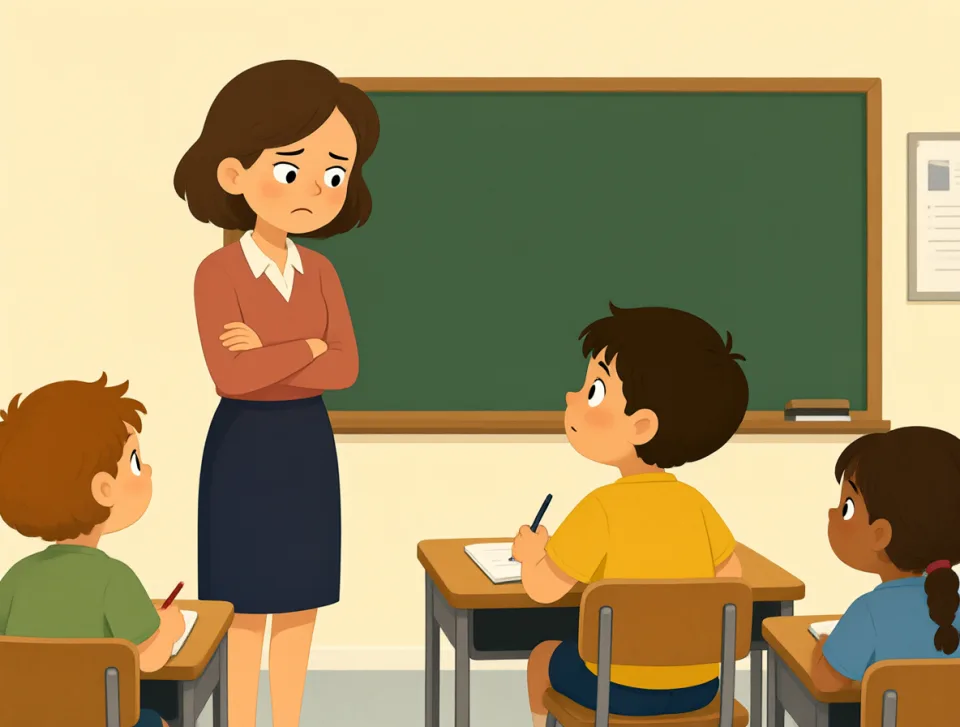
The teacher blamed Tom for making too much noise.
शिक्षक ने बहुत ज़्यादा शोर मचाने के लिए टॉम को दोष दिया।

I take the blame for forgetting your birthday.
तुम्हारा जन्मदिन भूलने की ज़िम्मेदारी मैं लेता हूँ।
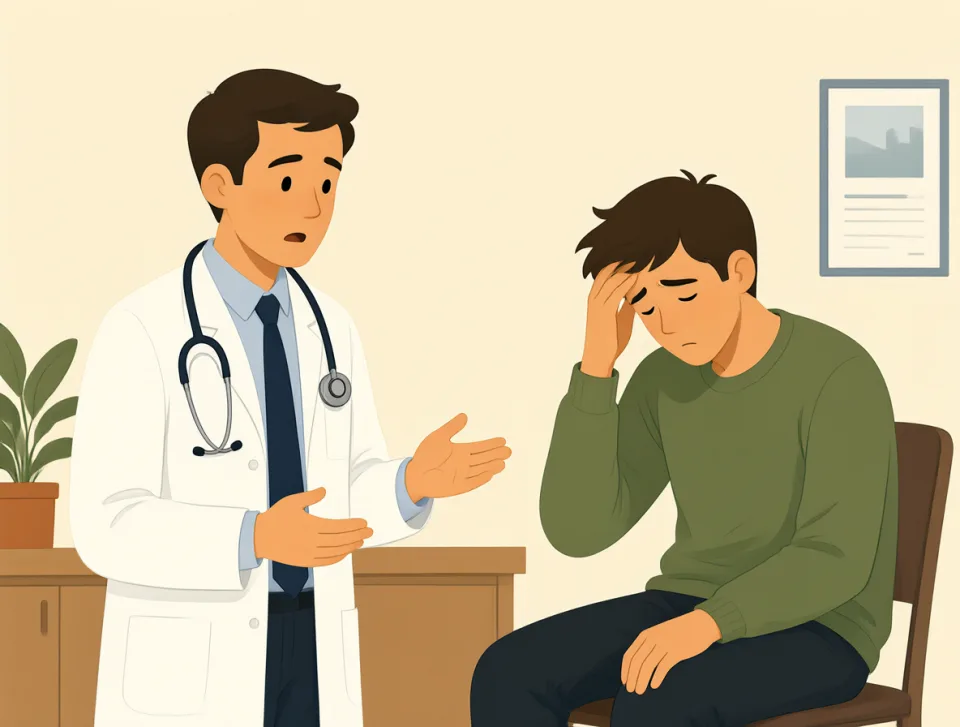
The doctor said stress was partly to blame for his headaches.
डॉक्टर ने कहा कि उसके सिरदर्द के लिए तनाव भी कुछ हद तक ज़िम्मेदार था।
explanation
#1628noun
स्पष्टीकरण
A statement that makes something clear or tells why it happened.
ऐसा कथन जो किसी बात को स्पष्ट करे या बताए कि वह क्यों हुई।
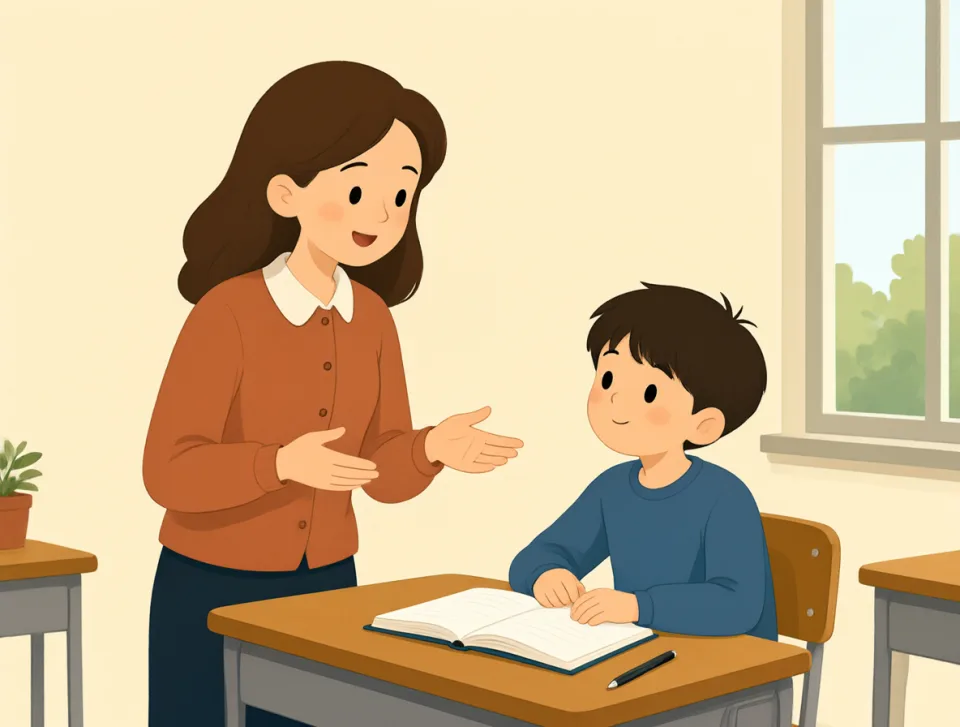
The teacher gave a simple explanation of the new rule.
शिक्षक ने नए नियम का सरल स्पष्टीकरण दिया।

Can you give me an explanation for the late delivery?
क्या आप मुझे देर से हुई डिलीवरी का कारण बता सकते हैं?
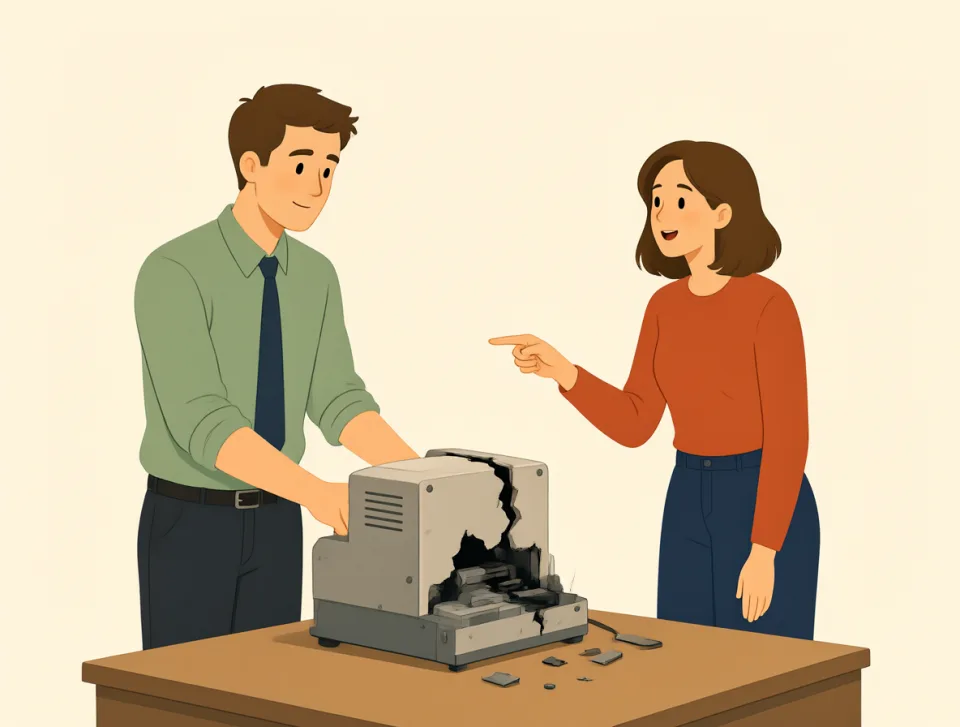
His explanation of the problem helped us find a solution.
समस्या के बारे में उसके स्पष्टीकरण से हमें हल ढूँढ़ने में मदद मिली।

She asked the doctor for an explanation of her test results.
उसने डॉक्टर से अपनी जाँच के नतीजों के बारे में समझाने को कहा।
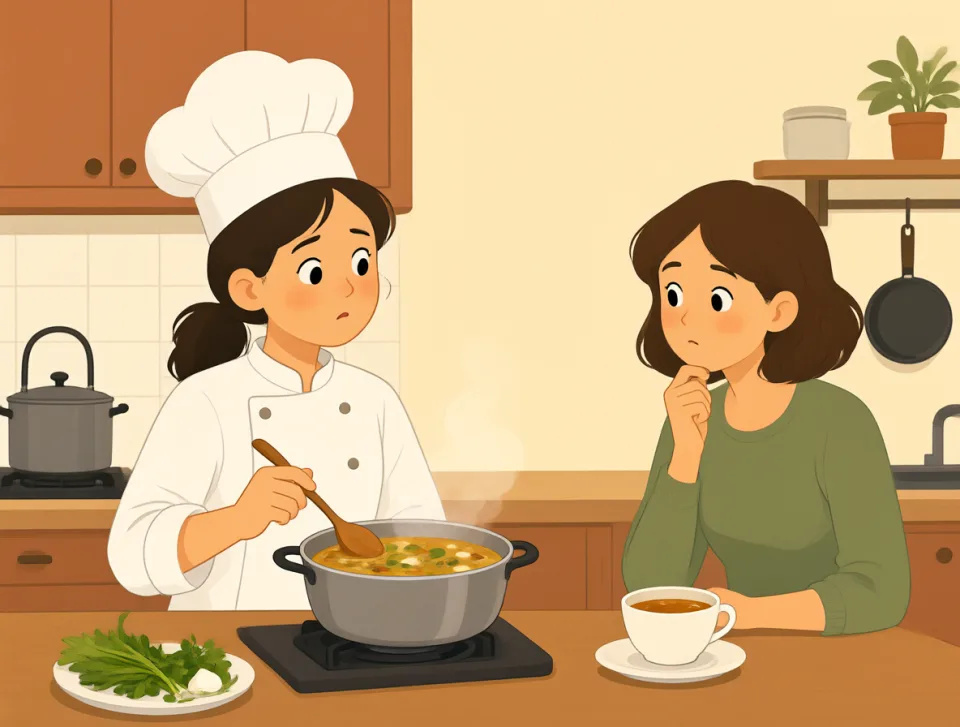
There is no easy explanation for why the soup tastes so salty.
सूप इतना नमकीन क्यों है, इसका कोई आसान जवाब नहीं है।
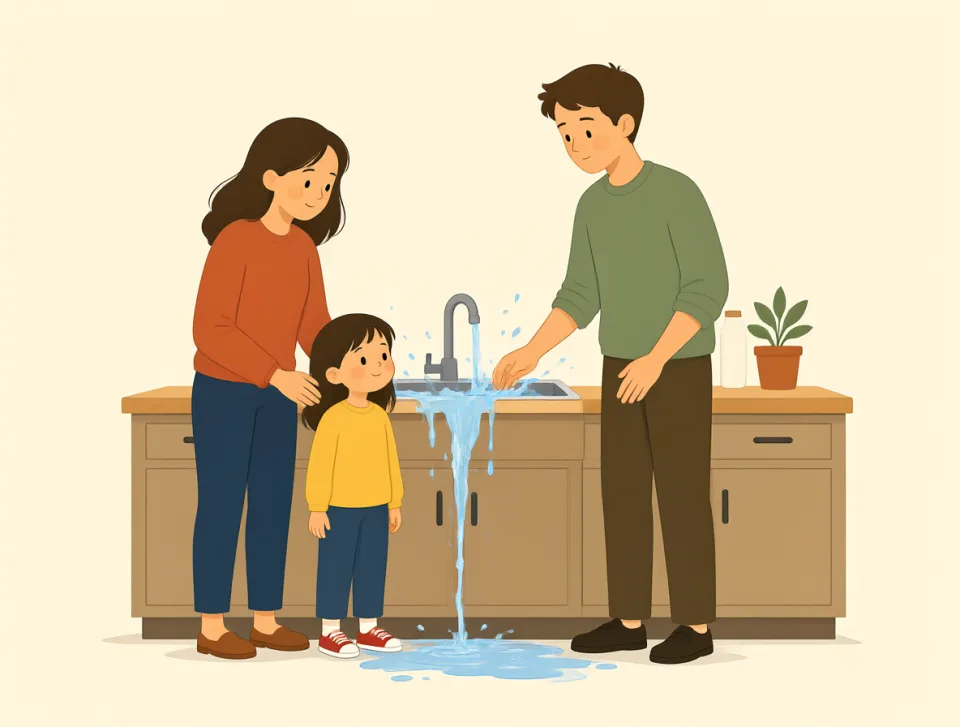
arise
#1629verb
उत्पन्न होना
To happen, especially unexpectedly or as a problem or need.
होना, खासकर अप्रत्याशित रूप से या किसी समस्या या ज़रूरत के रूप में।

Several problems arose during the meeting this morning.
आज सुबह बैठक के दौरान कई समस्याएँ पैदा हुईं।
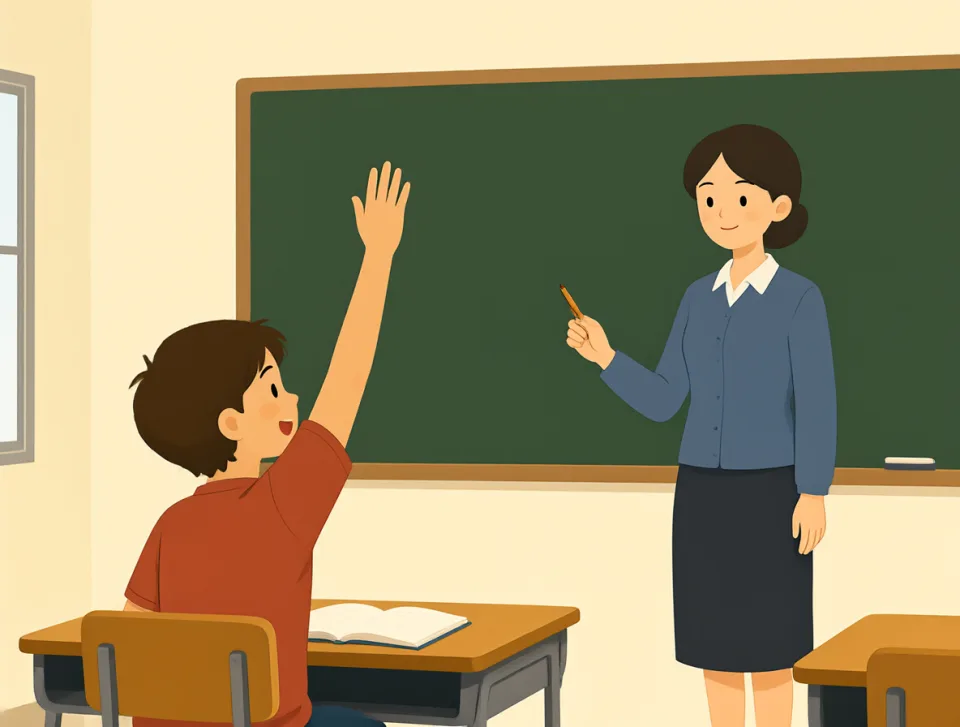
Please call me if any questions arise after class.
कक्षा के बाद कोई सवाल हो, तो कृपया मुझे फ़ोन करना।

A disagreement arose between two friends at dinner.
रात के खाने पर दो दोस्तों के बीच मतभेद हो गया।
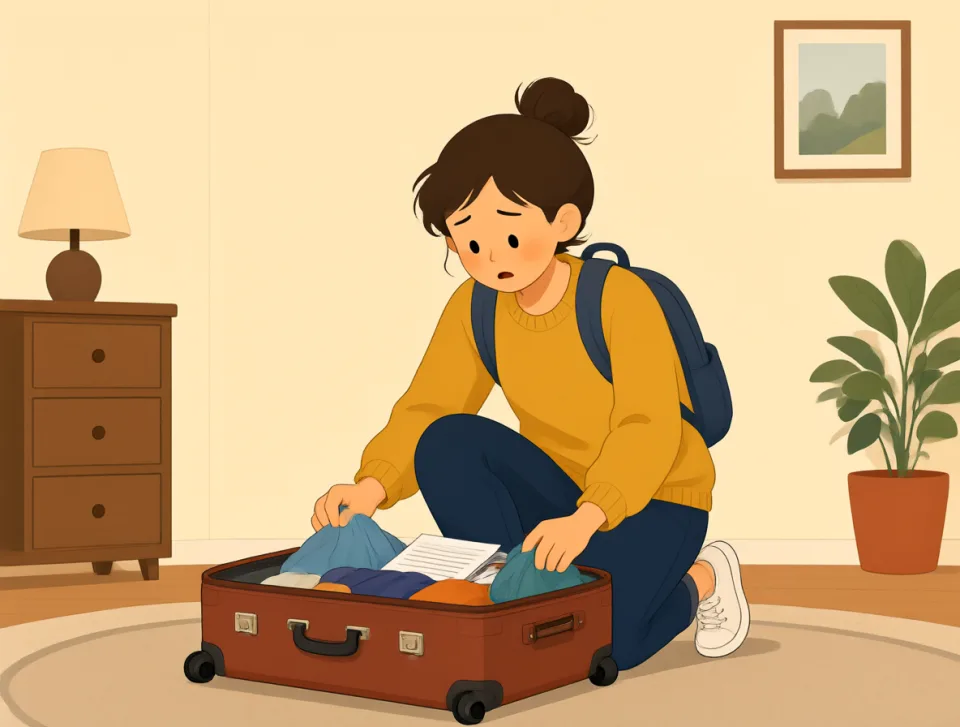
We left early because an urgent problem had arisen.
हम जल्दी निकल गए, क्योंकि एक ज़रूरी समस्या पैदा हो गई थी।
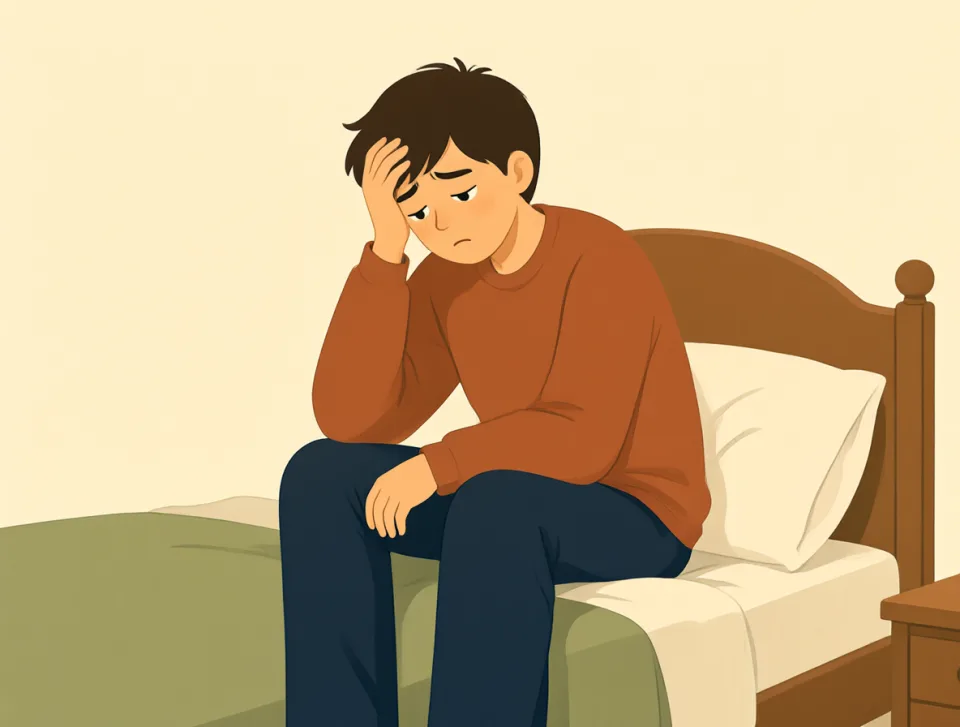
Health problems can arise when people do not sleep enough.
जब लोग पर्याप्त नींद नहीं लेते, तो स्वास्थ्य संबंधी समस्याएँ हो सकती हैं।

musical
#1630adjective, noun
संगीतमय
Related to music, or a play in which people sing and dance.
संगीत से जुड़ा हुआ, या ऐसा नाटक जिसमें लोग गाते और नाचते हैं।

She has a beautiful musical voice.
उसकी आवाज़ बहुत सुरीली है।

We watched a musical at the theater last night.
कल रात हमने थिएटर में एक संगीत-नाटक देखा।
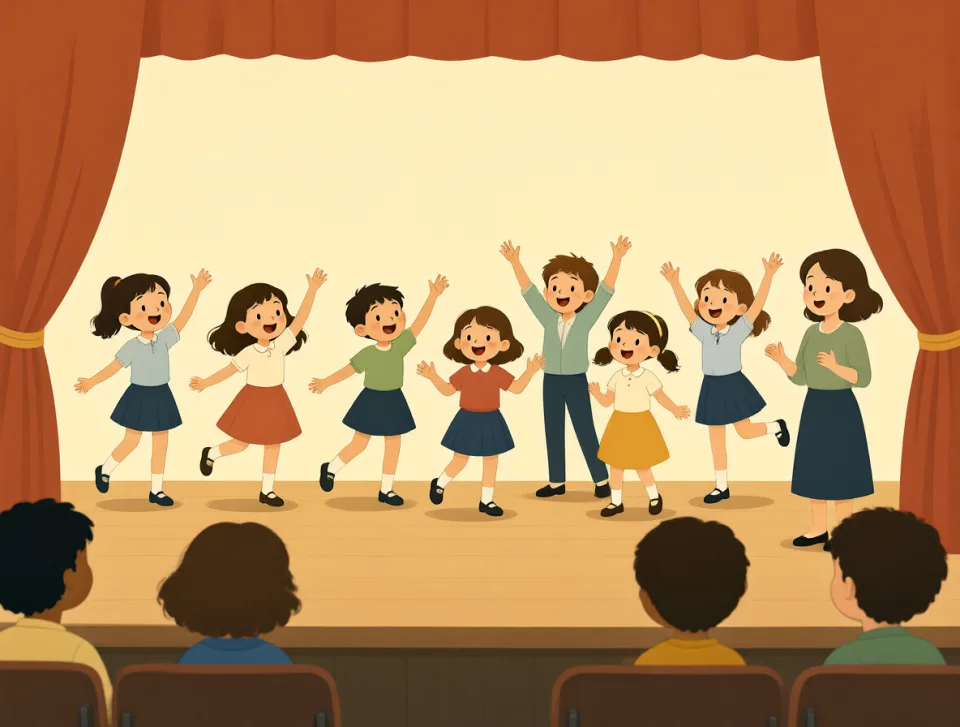
Our school musical starts next Friday.
हमारे स्कूल का संगीत-नाटक अगले शुक्रवार से शुरू होगा।
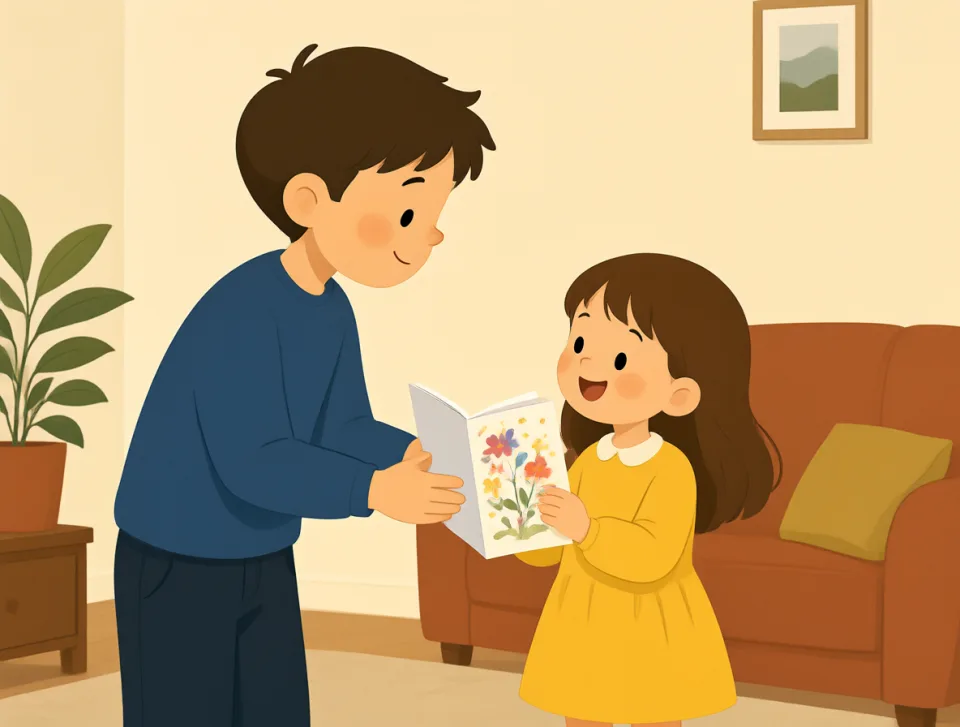
He bought a musical birthday card for his sister.
उसने अपनी बहन के लिए संगीत बजाने वाला जन्मदिन का कार्ड खरीदा।

The musical instruments were too heavy to carry.
संगीत के वाद्ययंत्र इतने भारी थे कि उन्हें उठाकर ले जाना मुश्किल था।
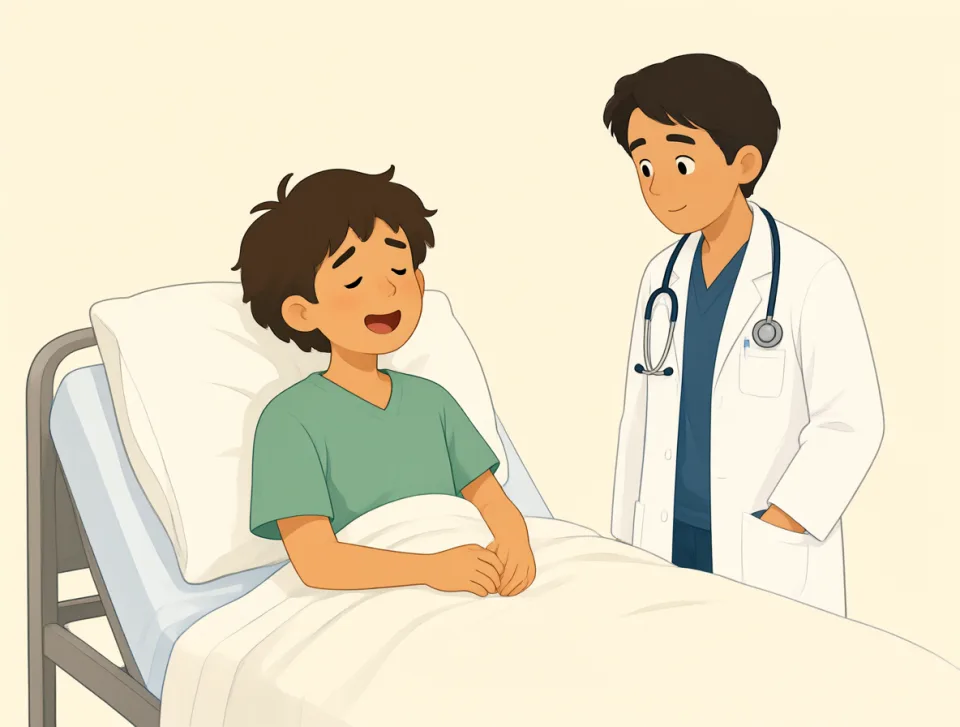
recover
#1631verb
ठीक होना
to become healthy, strong, or normal again after illness, injury, or difficulty
बीमारी, चोट या कठिनाई के बाद फिर से स्वस्थ, मज़बूत या सामान्य होना
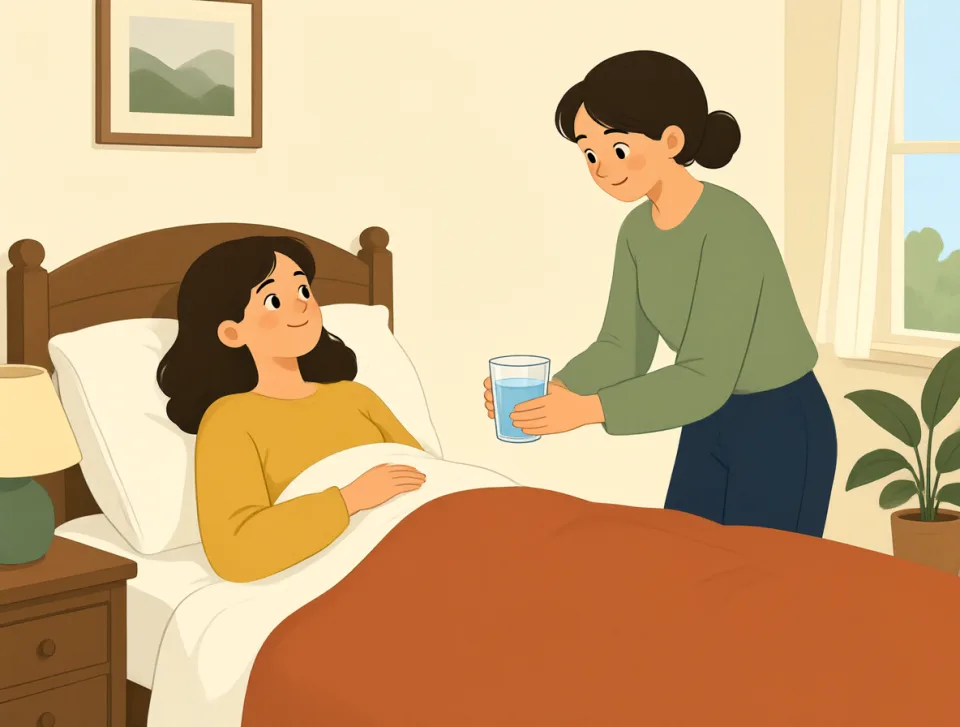
She is recovering well after her operation.
ऑपरेशन के बाद वह अच्छी तरह ठीक हो रही है।

It took him two weeks to recover from the flu.
उसे फ्लू से उबरने में दो हफ़्ते लगे।

The company recovered quickly after losing many customers.
कई ग्राहक खोने के बाद कंपनी जल्दी ही फिर से संभल गई।

I recovered my lost wallet at the train station.
मुझे ट्रेन स्टेशन पर अपना खोया हुआ बटुआ वापस मिल गया।

The team recovered from a difficult start and won the game.
टीम ने मुश्किल शुरुआत से उबरकर मैच जीत लिया।
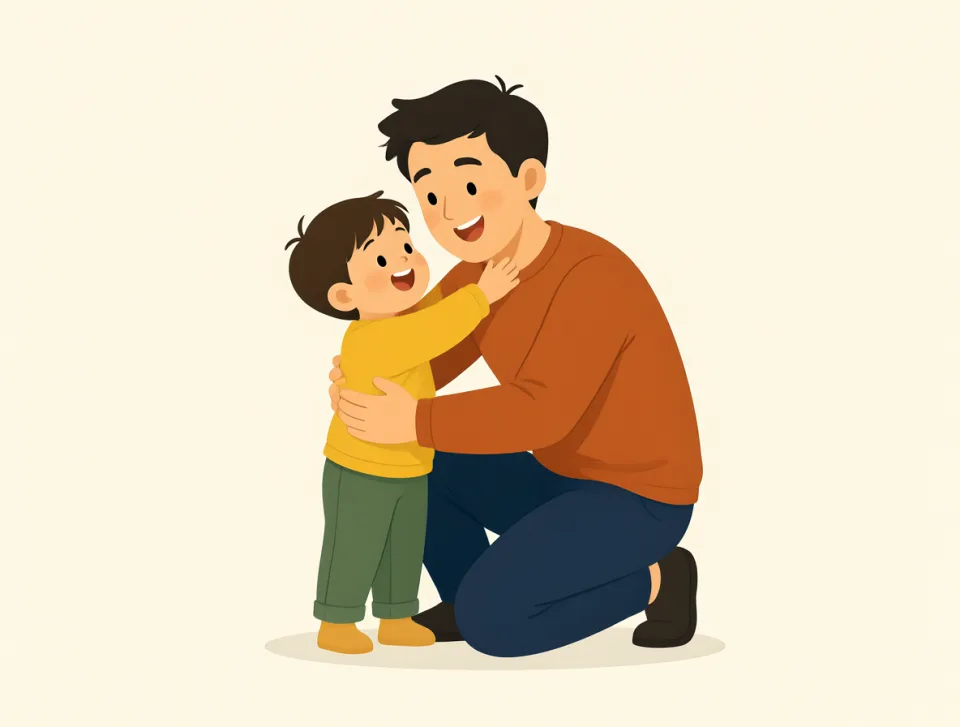
dad
#1632noun
पापा
your father or a familiar way to call a father
आपके पिता या पिता को प्यार से बुलाने का एक तरीका
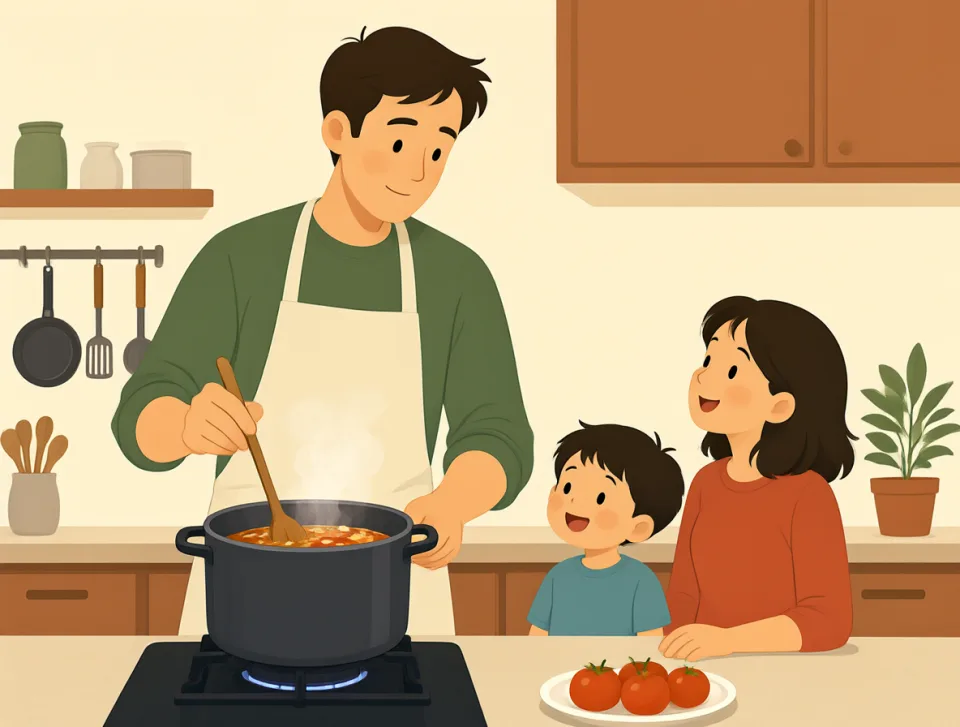
My dad cooks dinner for our family every Friday.
मेरे पापा हर शुक्रवार हमारे परिवार के लिए रात का खाना बनाते हैं।
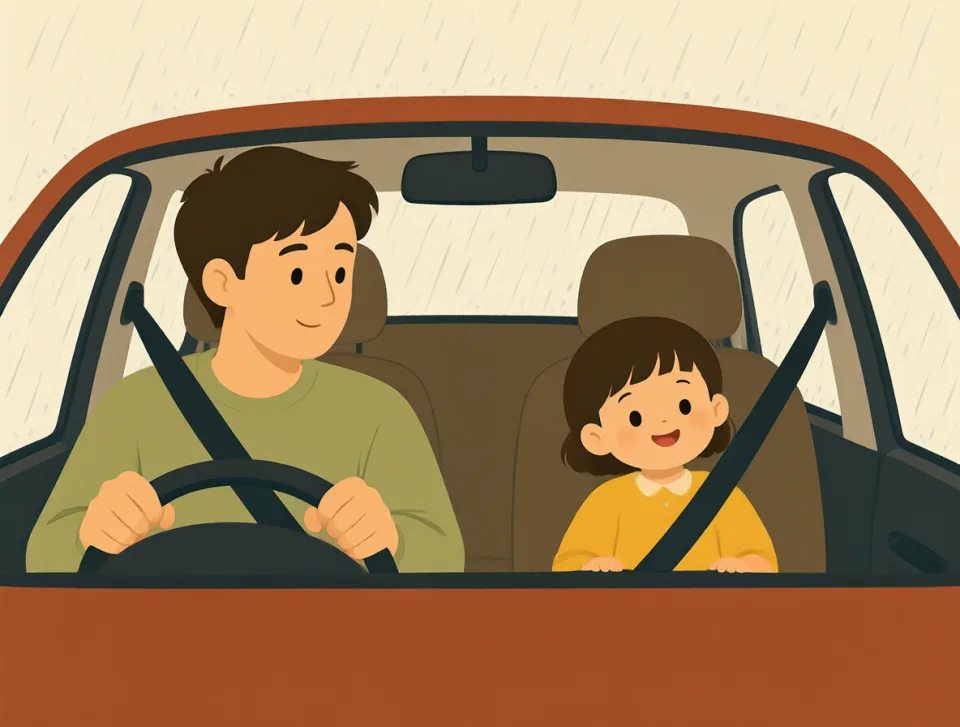
Dad drove me to school because it was raining.
बारिश हो रही थी, इसलिए पापा मुझे स्कूल छोड़ने गए।

I called my dad after I arrived at the airport.
हवाई अड्डे पर पहुँचने के बाद मैंने अपने पापा को फ़ोन किया।

Her dad helped her choose a birthday present.
उसके पापा ने उसे जन्मदिन का तोहफ़ा चुनने में मदद की।
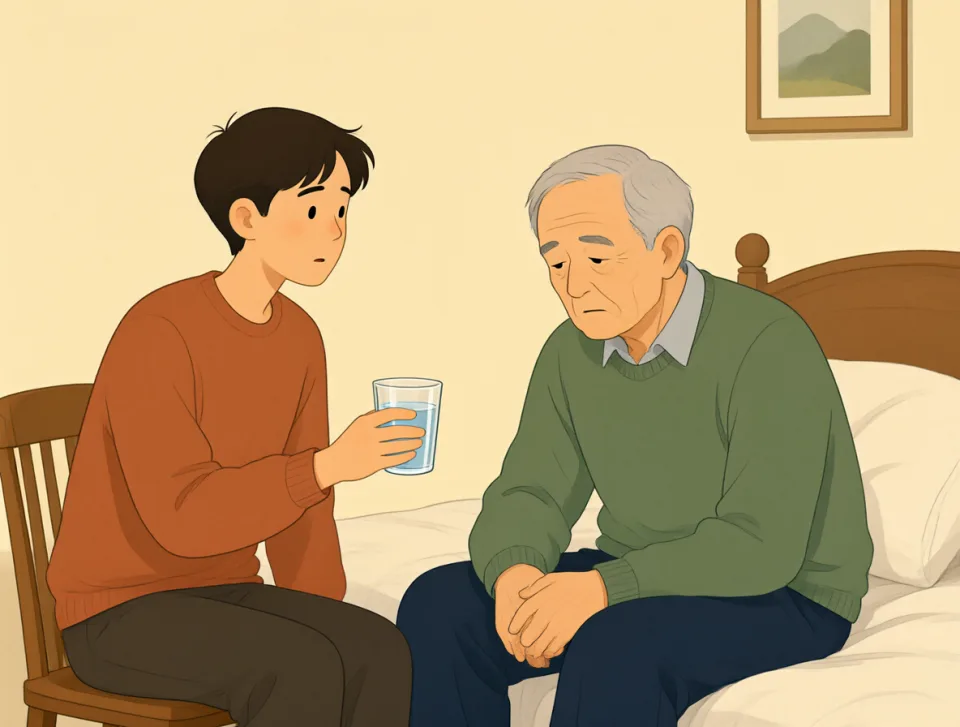
The doctor told his dad to rest at home.
डॉक्टर ने उसके पापा से घर पर आराम करने को कहा।

stretch
#1633verb, noun
खींचना
to make something longer or wider, or to extend your body or arm
किसी चीज़ को लंबा या चौड़ा करना, या अपने शरीर या हाथ को फैलाना

I stretch my legs before I go for a run.
दौड़ने जाने से पहले मैं अपने पैरों को स्ट्रेच करता हूँ।
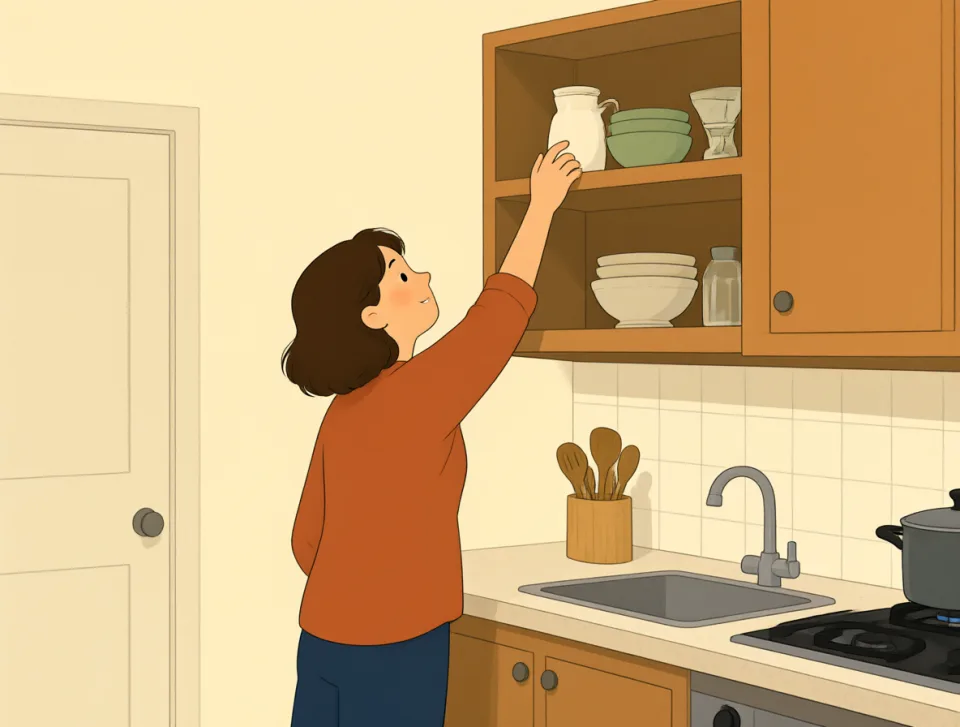
She stretched her arms to reach the top shelf.
ऊपर वाली शेल्फ़ तक पहुँचने के लिए उसने अपनी बाँहें फैलाईं।
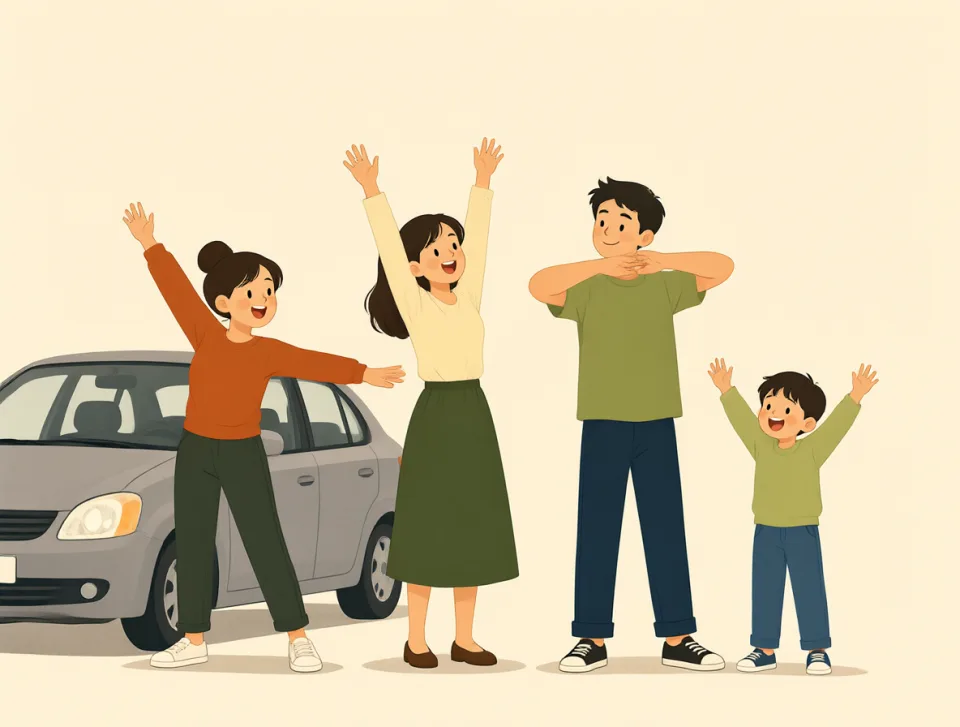
We stopped to stretch during the long car journey.
लंबी कार यात्रा के दौरान हम स्ट्रेच करने के लिए रुके।

They walked along a quiet stretch of beach.
वे समुद्र तट के एक शांत हिस्से के साथ-साथ चले।

The repair took a long stretch of the afternoon.
मरम्मत में दोपहर का काफ़ी लंबा समय लगा।

declare
#1634verb
घोषित करना
To say something clearly and officially, or to make it known publicly.
किसी बात को साफ़ तौर पर और आधिकारिक रूप से कहना, या उसे सार्वजनिक करना।
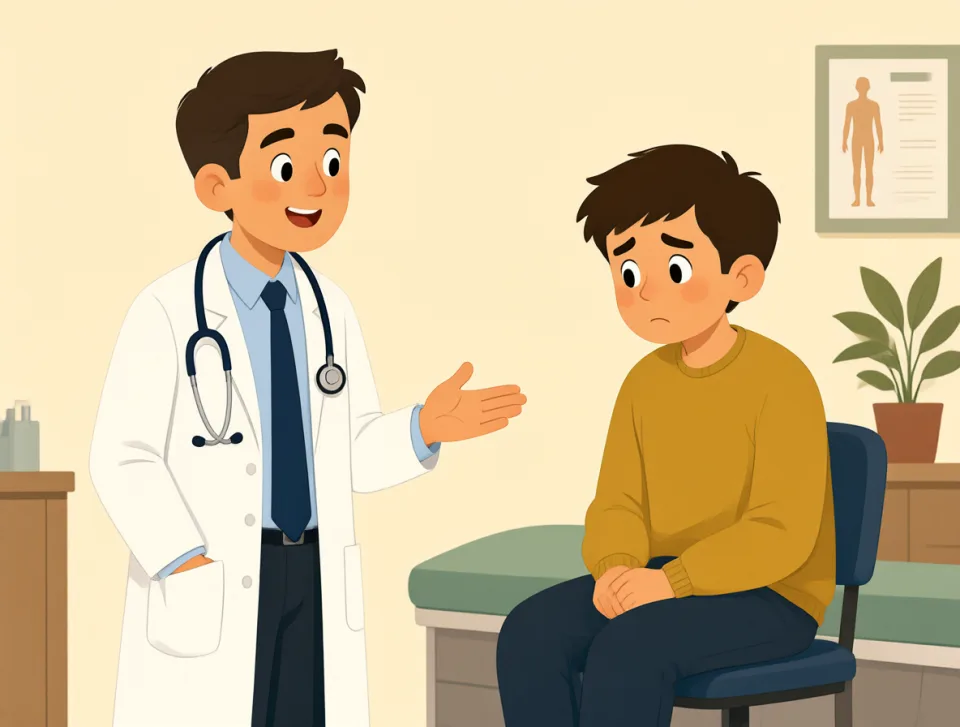
The doctor declared that the patient was healthy again.
डॉक्टर ने घोषणा की कि मरीज़ अब फिर से स्वस्थ है।

Maya declared her love for the city after her visit.
शहर घूमने के बाद माया ने उसके लिए अपने प्यार का इज़हार किया।
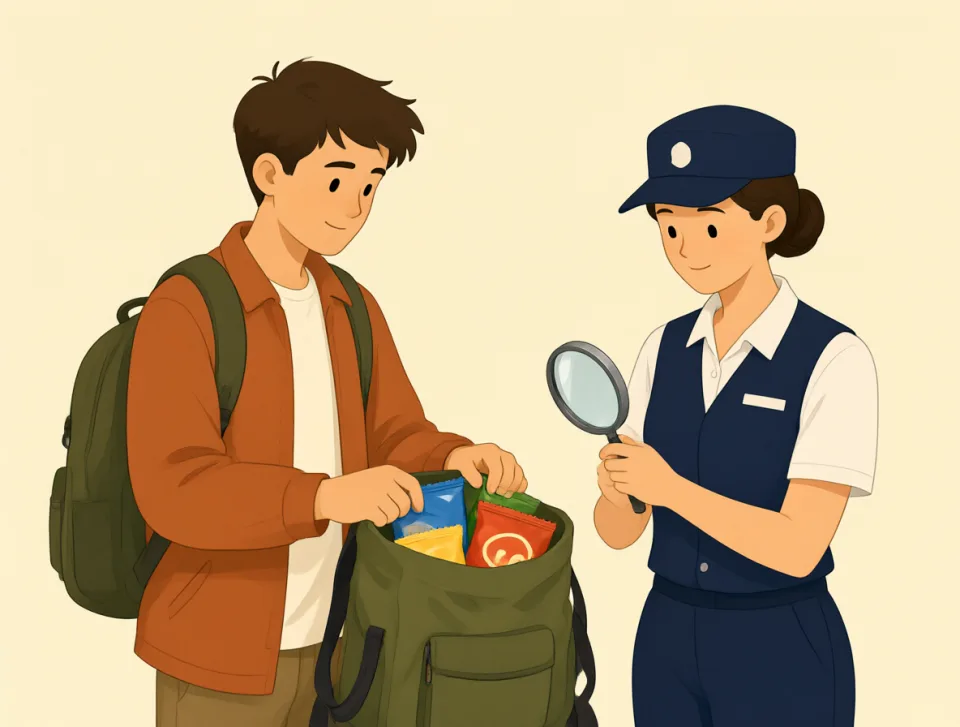
We must declare all our food at the airport.
हमें हवाई अड्डे पर अपने खाने की सभी चीज़ों की घोषणा करनी होगी।
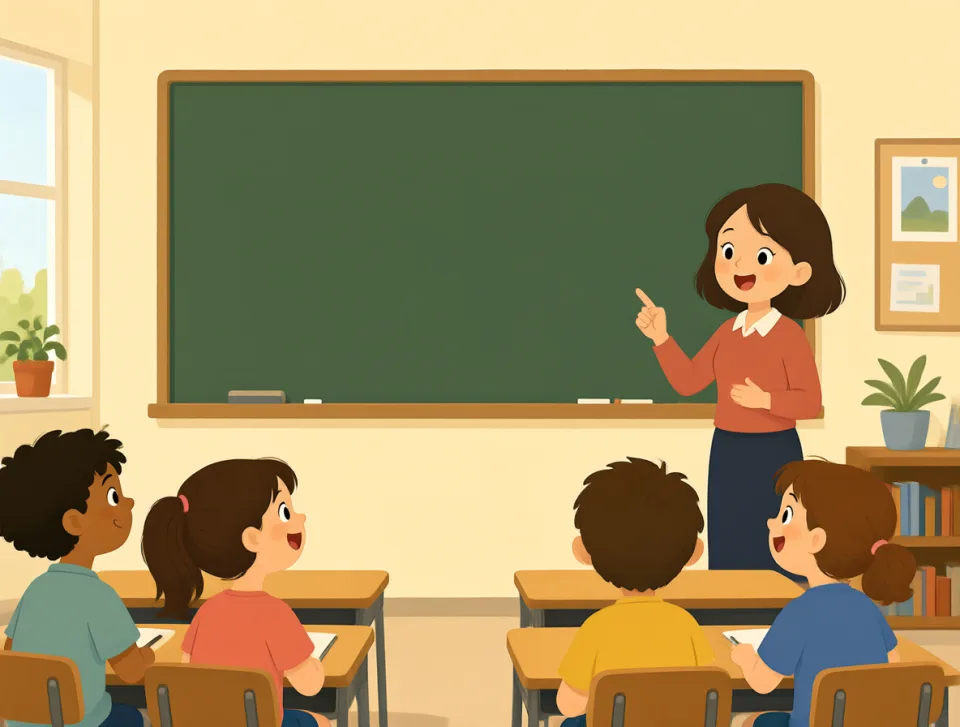
The school declared Friday a holiday for every student.
स्कूल ने सभी विद्यार्थियों के लिए शुक्रवार को छुट्टी घोषित किया।

He declared his new phone at customs before entering the country.
देश में दाख़िल होने से पहले उसने सीमा शुल्क पर अपने नए फ़ोन की घोषणा की।
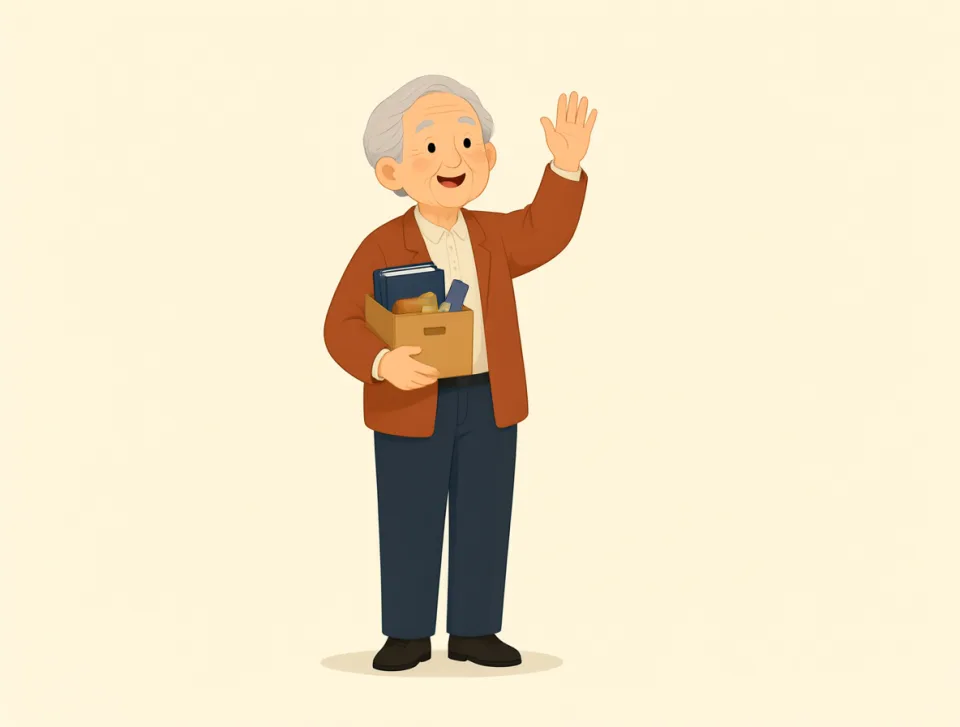
retire
#1635verb
सेवानिवृत्त होना
To stop working permanently, usually because you are old enough to receive a pension.
हमेशा के लिए काम करना बंद कर देना, आम तौर पर पेंशन पाने की उम्र होने पर।
My father plans to retire next year.
मेरे पिता अगले साल सेवानिवृत्त होने की योजना बना रहे हैं।
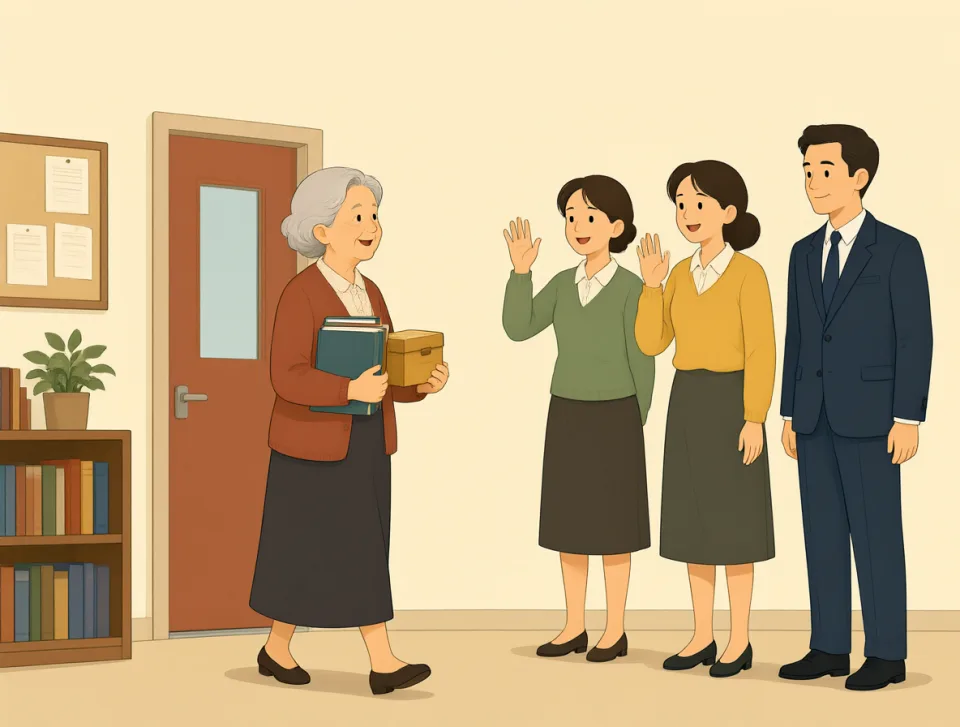
She retired from teaching after thirty years.
वह तीस साल पढ़ाने के बाद सेवानिवृत्त हुई।
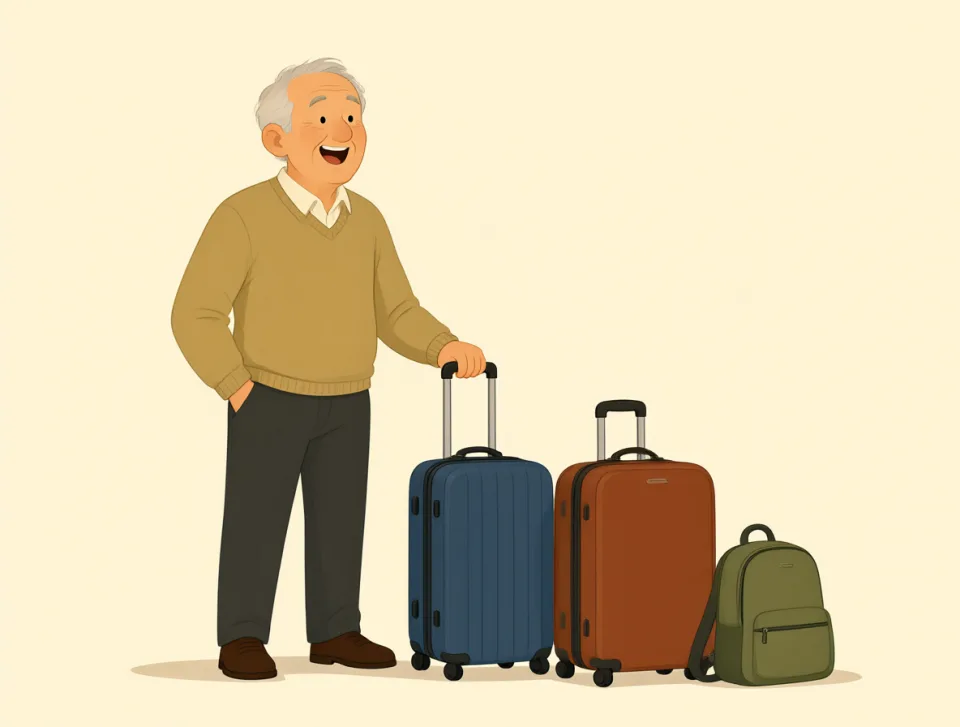
He retired early to travel around the world.
वह दुनिया घूमने के लिए जल्दी सेवानिवृत्त हो गया।
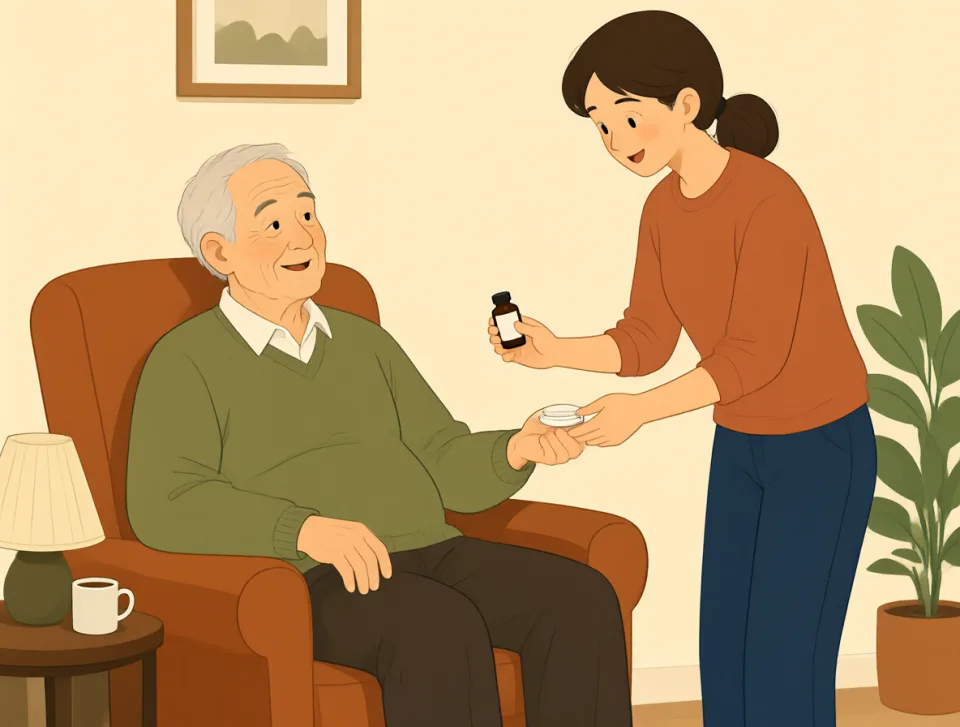
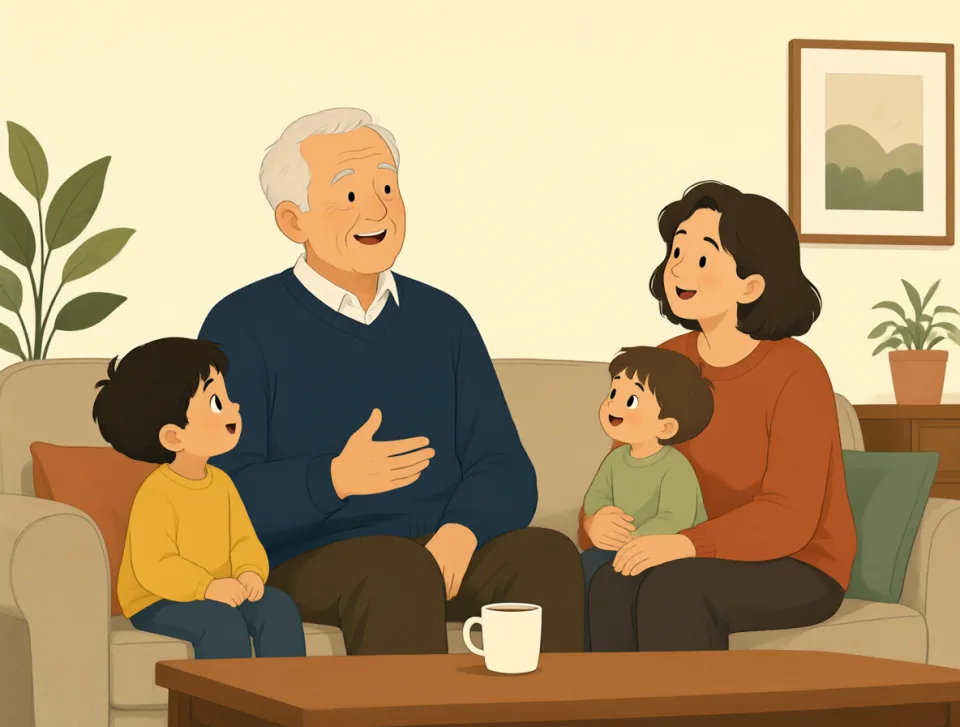
My grandfather retired because of health problems.
मेरे दादाजी स्वास्थ्य समस्याओं के कारण सेवानिवृत्त हो गए।
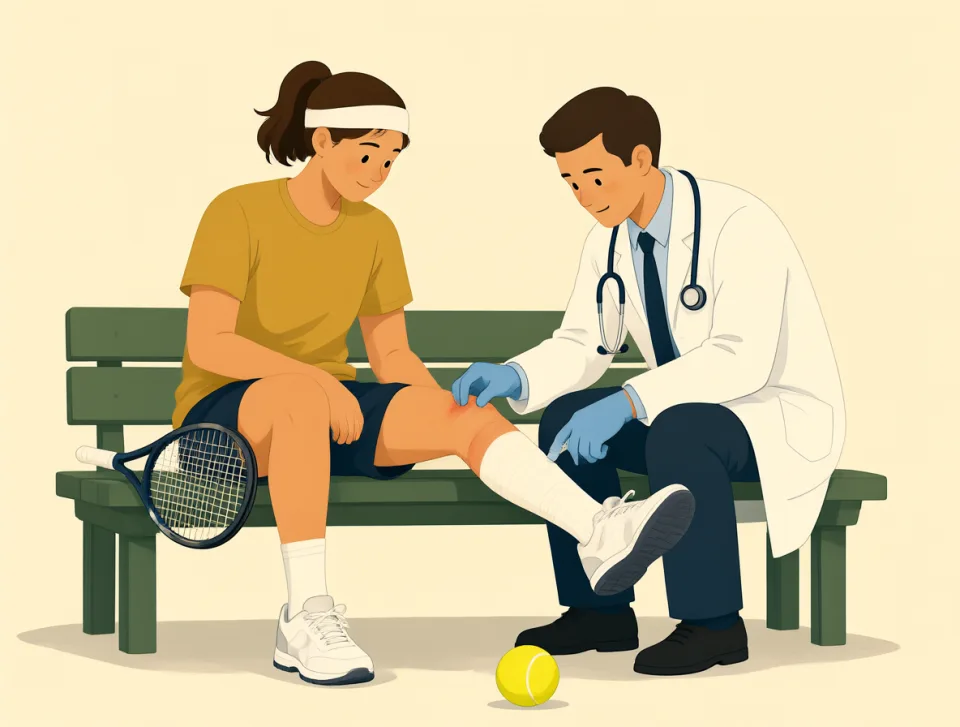
The tennis player retired from the match with an injury.
टेनिस खिलाड़ी चोट लगने के कारण मैच से हट गया।

tiny
#1636adjective
छोटा
Very small in size or amount.
आकार या मात्रा में बहुत कम।

The kitten slept in a tiny basket beside the warm stove.
बिल्ली का बच्चा गर्म चूल्हे के पास रखी एक छोटी-सी टोकरी में सो गया।
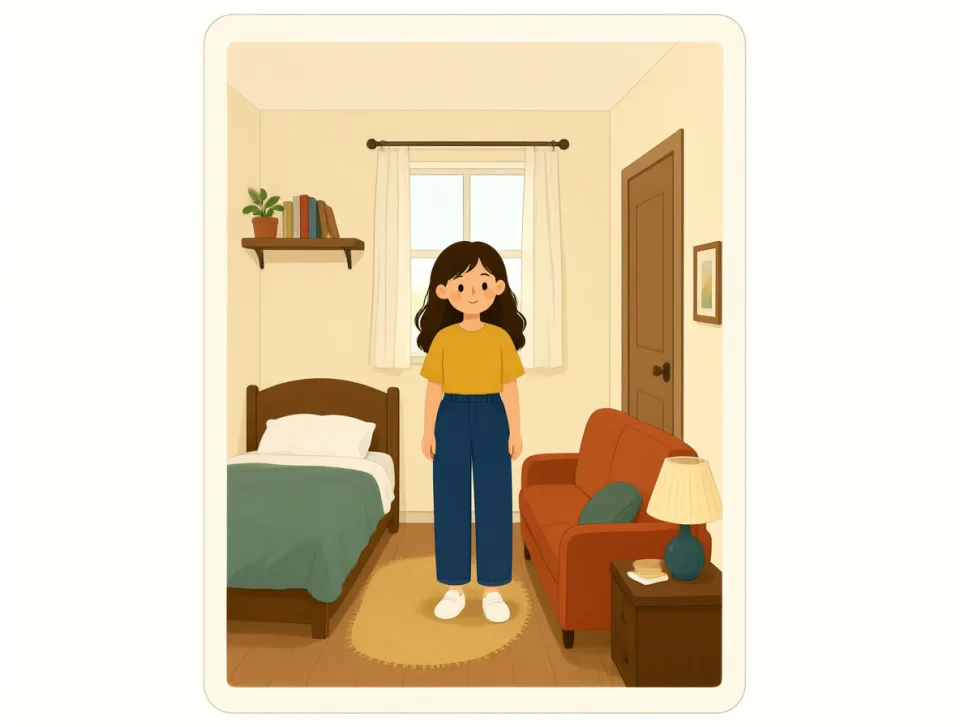
She lives in a tiny apartment near the train station.
वह ट्रेन स्टेशन के पास एक छोटे-से अपार्टमेंट में रहती है।
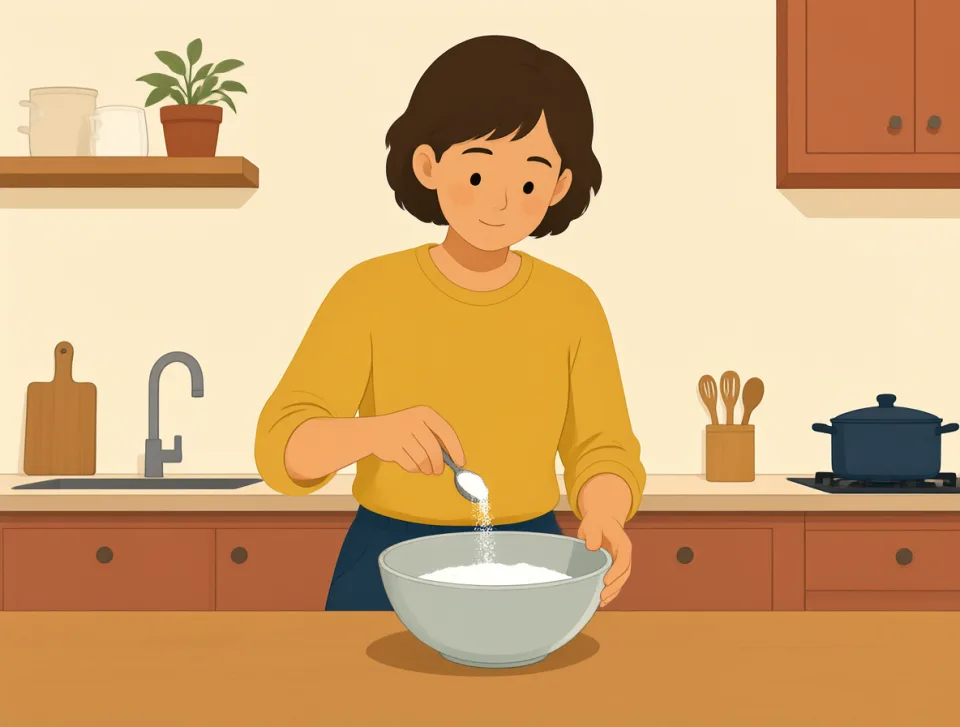
We only need a tiny bit of sugar for this recipe.
इस रेसिपी के लिए हमें बस थोड़ी-सी चीनी चाहिए।
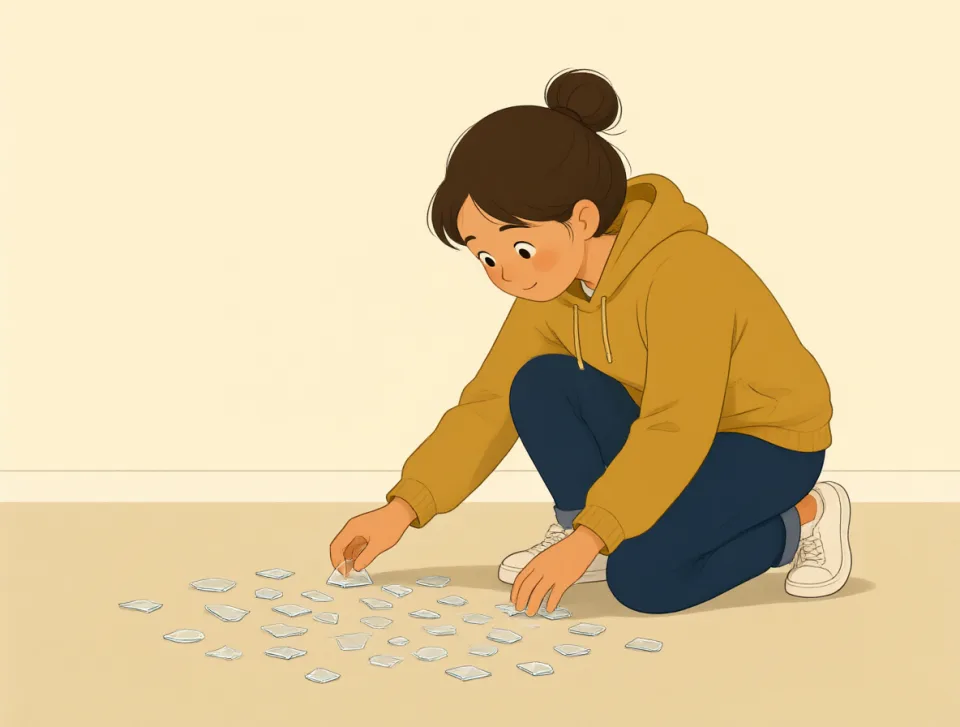
Look at the tiny pieces of glass on the floor.
फ़र्श पर काँच के छोटे-छोटे टुकड़ों को देखो।
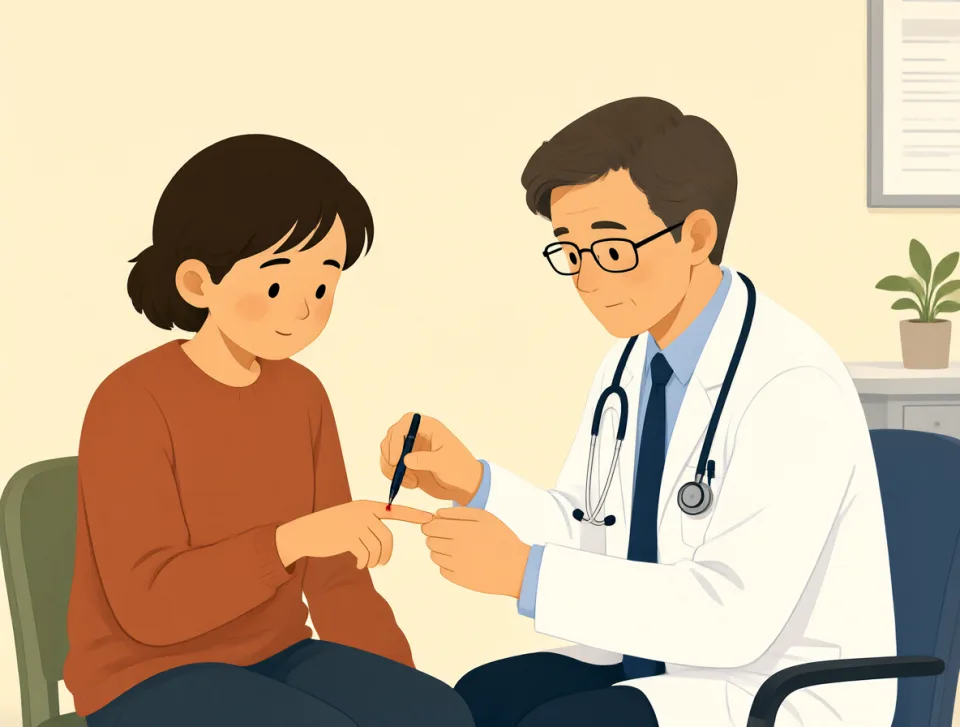
The doctor found a tiny cut on his finger.
डॉक्टर को उसकी उँगली पर एक छोटा-सा कट मिला।
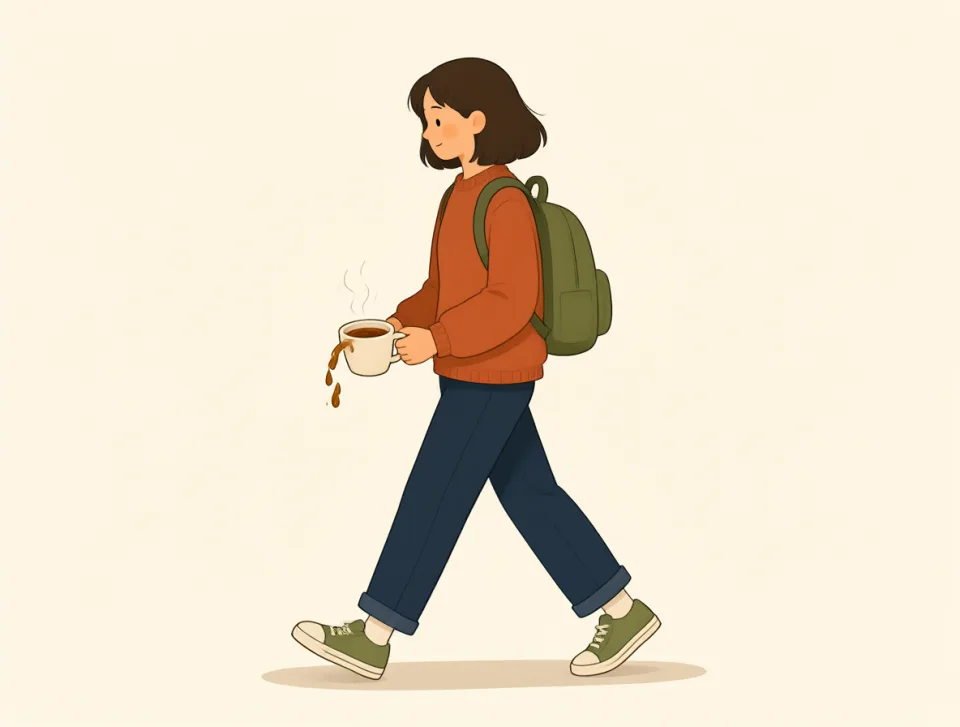
careful
#1637adjective
सावधान
Giving attention to avoid danger, mistakes, or damage.
खतरे, गलतियों या नुकसान से बचने के लिए ध्यान देना।
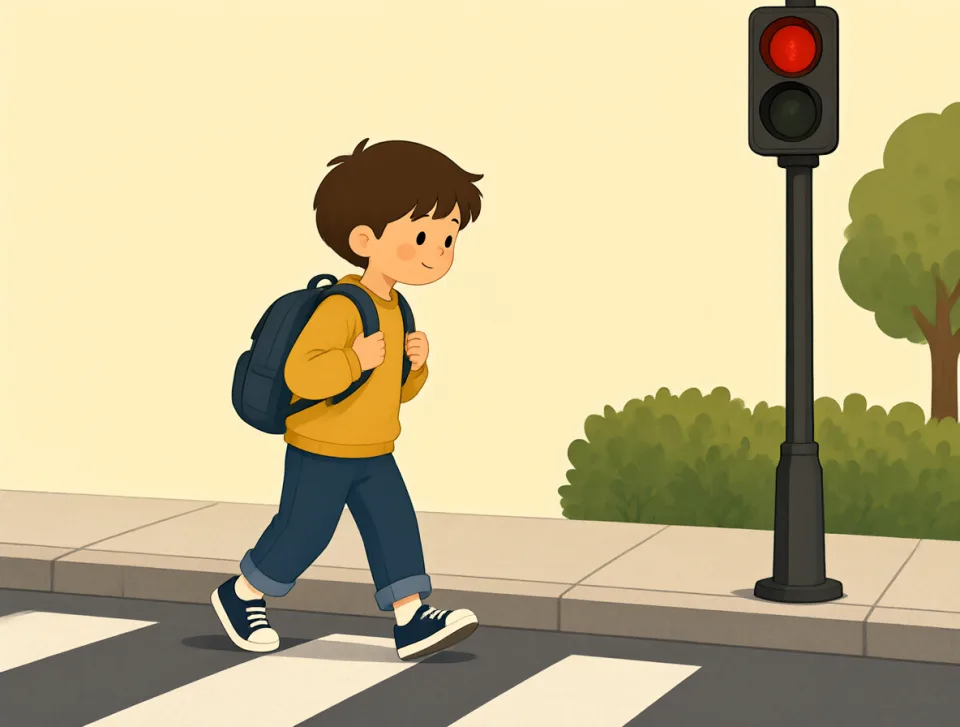
Be careful when you cross the busy street.
व्यस्त सड़क पार करते समय सावधान रहो।

She was careful not to spill coffee on her new shirt.
उसने ध्यान रखा कि नई शर्ट पर कॉफ़ी न गिर जाए।
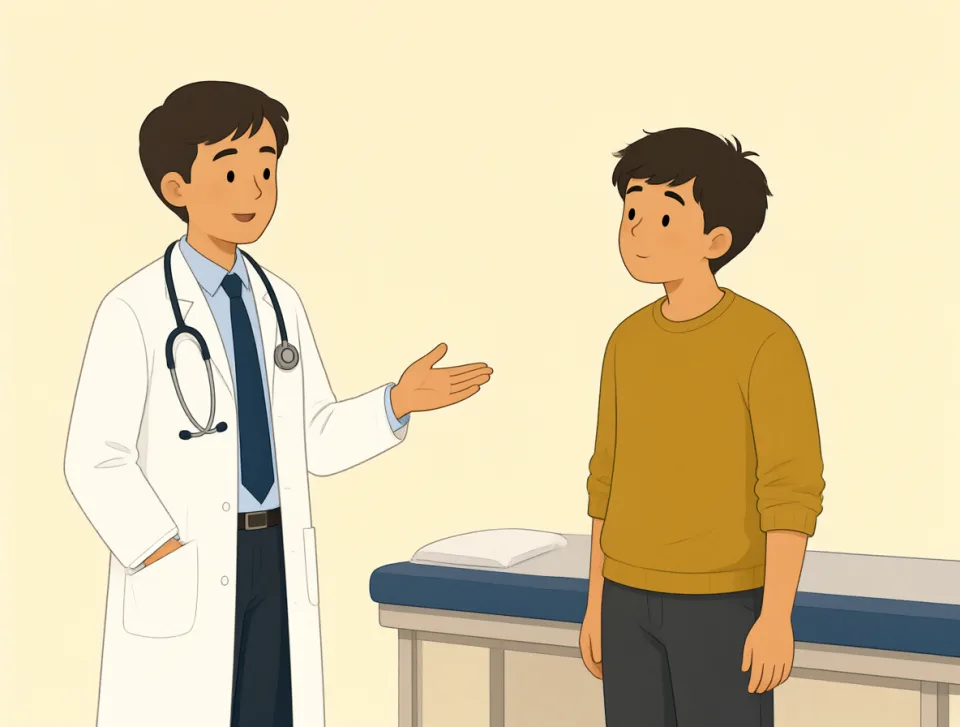
The doctor told him to be careful with his sore back.
डॉक्टर ने उसे अपनी दुखती पीठ का ख़याल रखने को कहा।

Please read the recipe carefully before you start cooking.
खाना बनाना शुरू करने से पहले कृपया रेसिपी ध्यान से पढ़ें।

We need to be careful when we choose a hotel for our trip.
हमें अपनी यात्रा के लिए होटल चुनते समय सावधान रहना होगा।

suitable
#1638adjective
उपयुक्त
right or good for a particular person, purpose, or situation
किसी व्यक्ति, उद्देश्य या परिस्थिति के लिए सही या अच्छा।
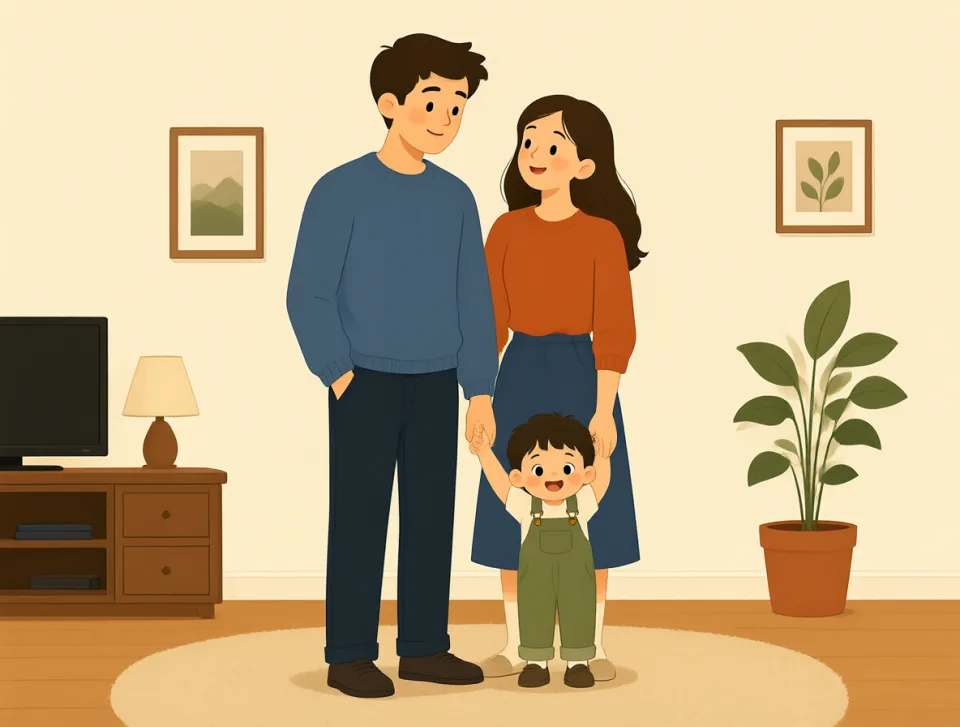
This room is suitable for a small family.
यह कमरा एक छोटे परिवार के लिए उपयुक्त है।
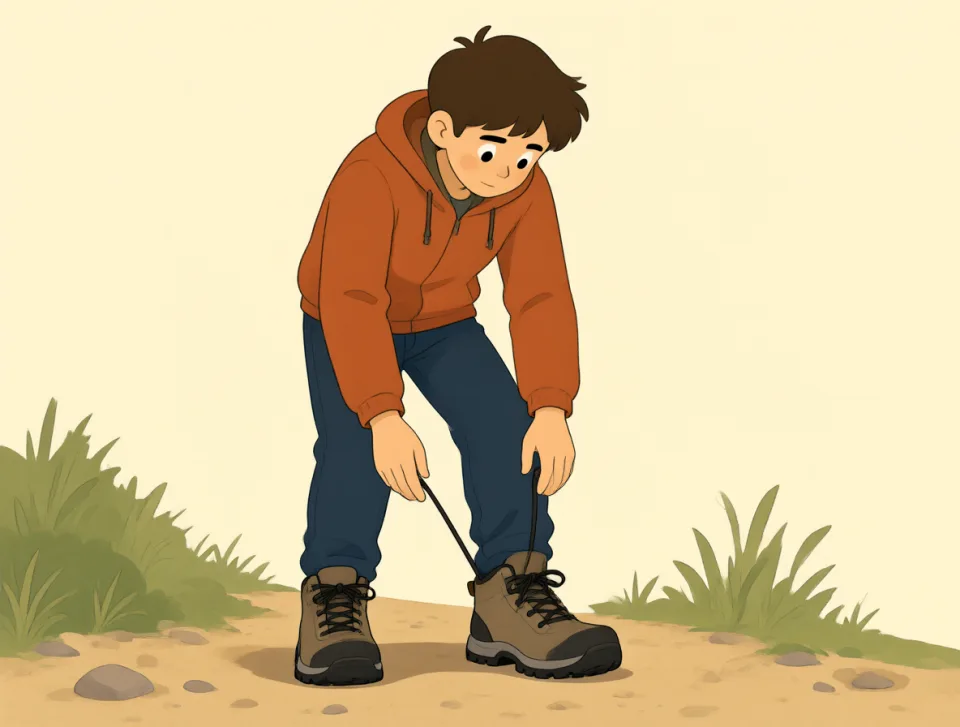
Wear suitable shoes for the long walk.
लंबी पैदल यात्रा के लिए उपयुक्त जूते पहनें।
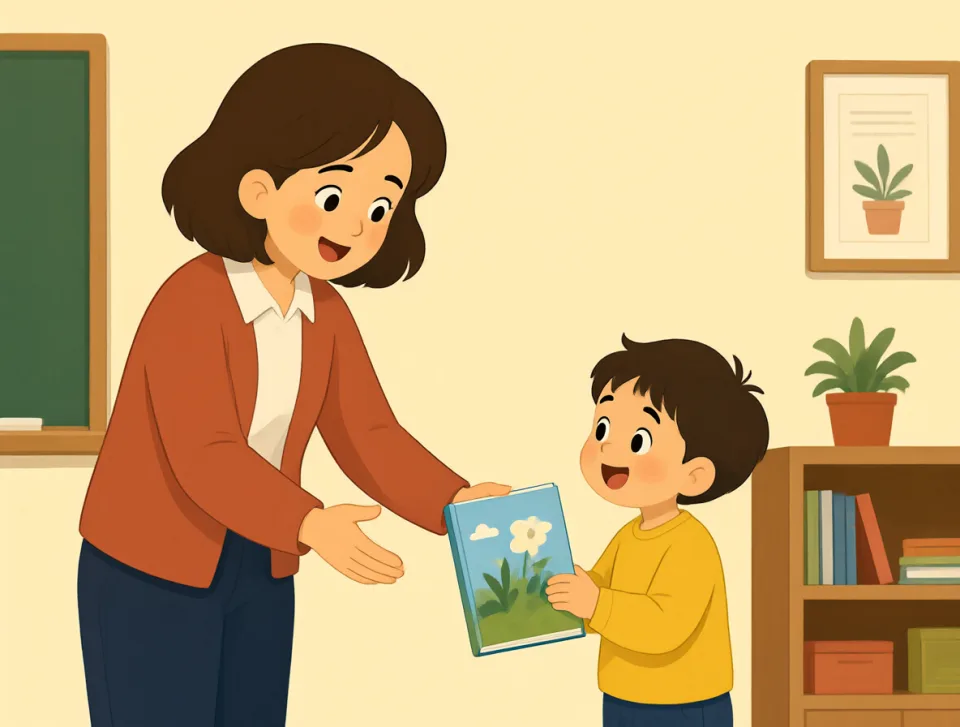
The teacher chose a suitable book for the class.
शिक्षक ने कक्षा के लिए एक उपयुक्त किताब चुनी।

Is this time suitable for a quick meeting?
क्या यह समय एक छोटी-सी बैठक के लिए उपयुक्त है?

The doctor recommended suitable food after her illness.
बीमारी के बाद डॉक्टर ने उसके लिए उपयुक्त भोजन की सलाह दी।
native
#1639adjective, noun
मूल निवासी
Native describes someone born in a place or a language learned from birth.
“Native” ऐसे व्यक्ति का वर्णन करता है जिसका जन्म किसी जगह पर हुआ हो, या ऐसी भाषा का जो उसने जन्म से सीखी हो।

She is a native speaker of Spanish.
वह स्पैनिश भाषा की मूल वक्ता है।

He is a native of this small town.
वह इस छोटे शहर का मूल निवासी है।

We asked a native guide to show us the old town.
हमने एक स्थानीय गाइड से हमें पुराना शहर दिखाने को कहा।

The garden is full of native plants and flowers.
बगीचा यहाँ के मूल पौधों और फूलों से भरा है।

I want to sound more like a native speaker.
मैं मूल वक्ता की तरह और बेहतर बोलना चाहता हूँ।
fruit
#1640noun
फल
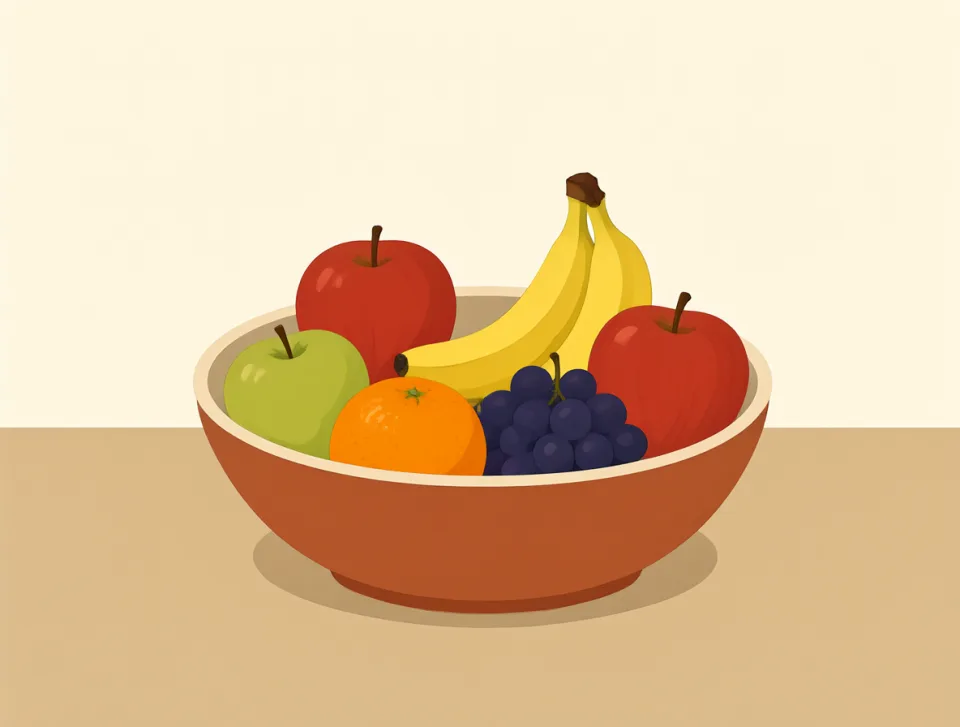
The sweet, edible part of a plant, such as an apple, banana, or orange.
पौधे का खाने योग्य मीठा हिस्सा, जैसे सेब, केला या संतरा।
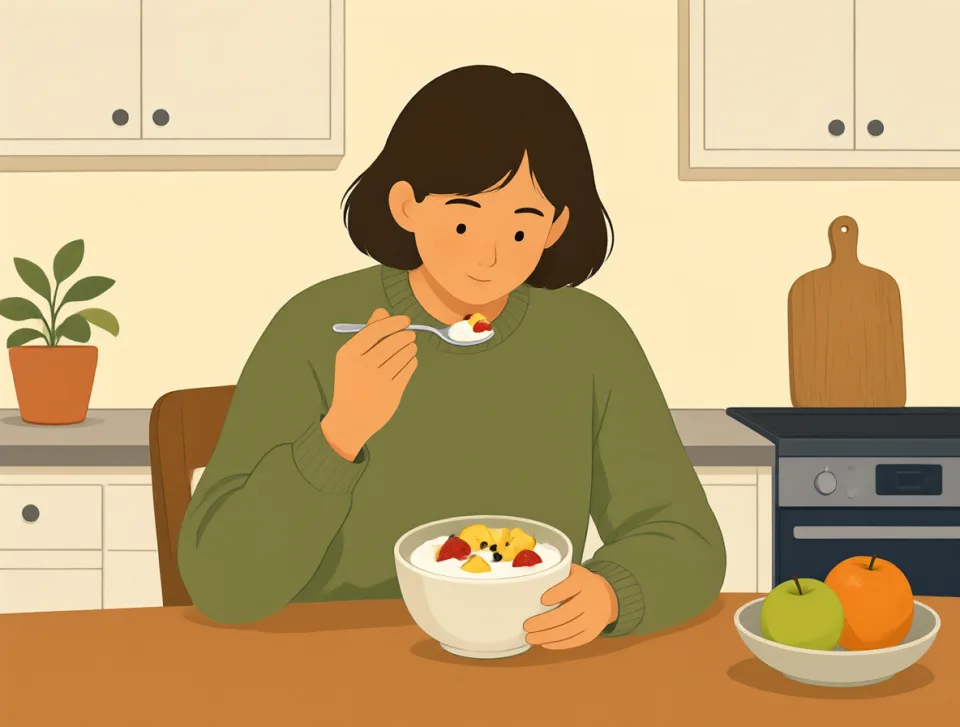
I eat fresh fruit with yogurt for breakfast every morning.
मैं हर सुबह नाश्ते में दही के साथ ताज़े फल खाता हूँ।
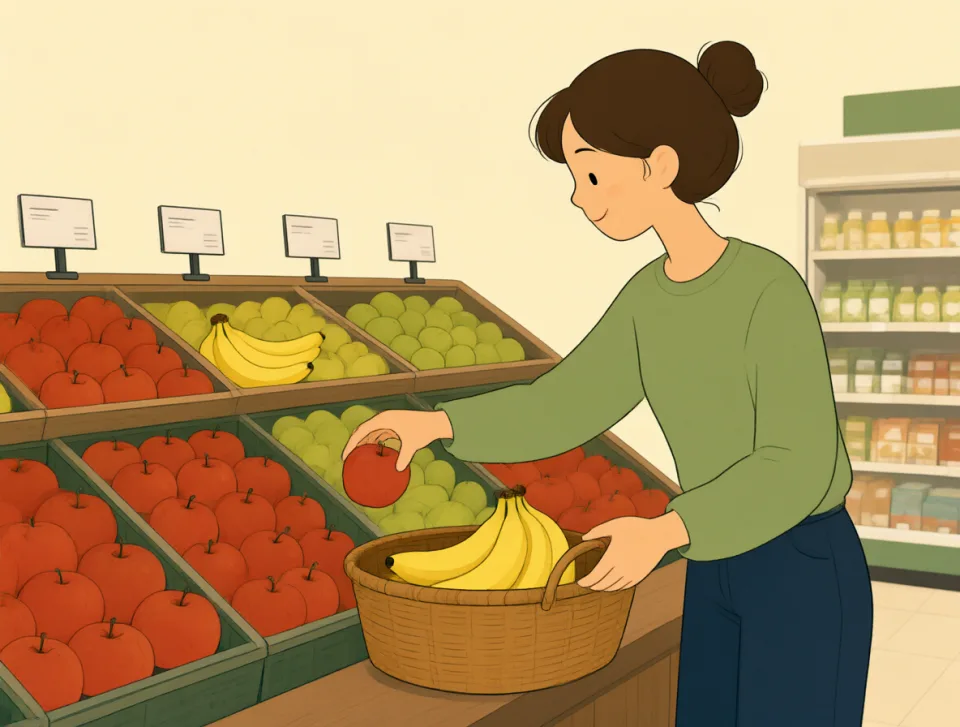
Please buy some fruit when you go to the supermarket.
सुपरमार्केट जाते समय कृपया कुछ फल खरीद लेना।
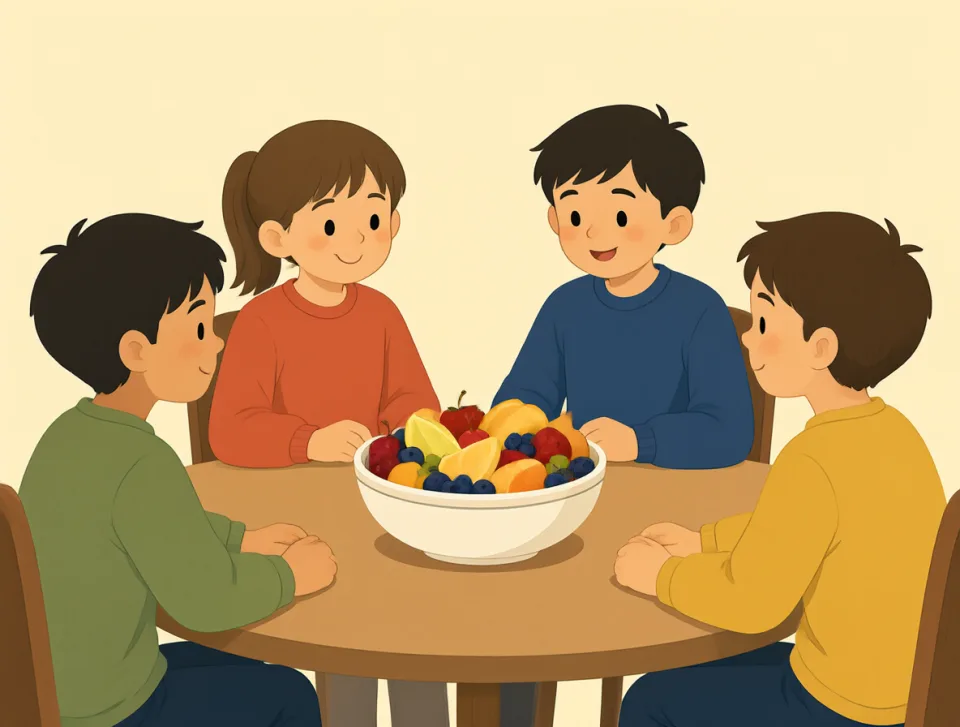
The children shared a large bowl of fruit after school.
बच्चों ने स्कूल के बाद फलों का एक बड़ा कटोरा आपस में बाँटा।
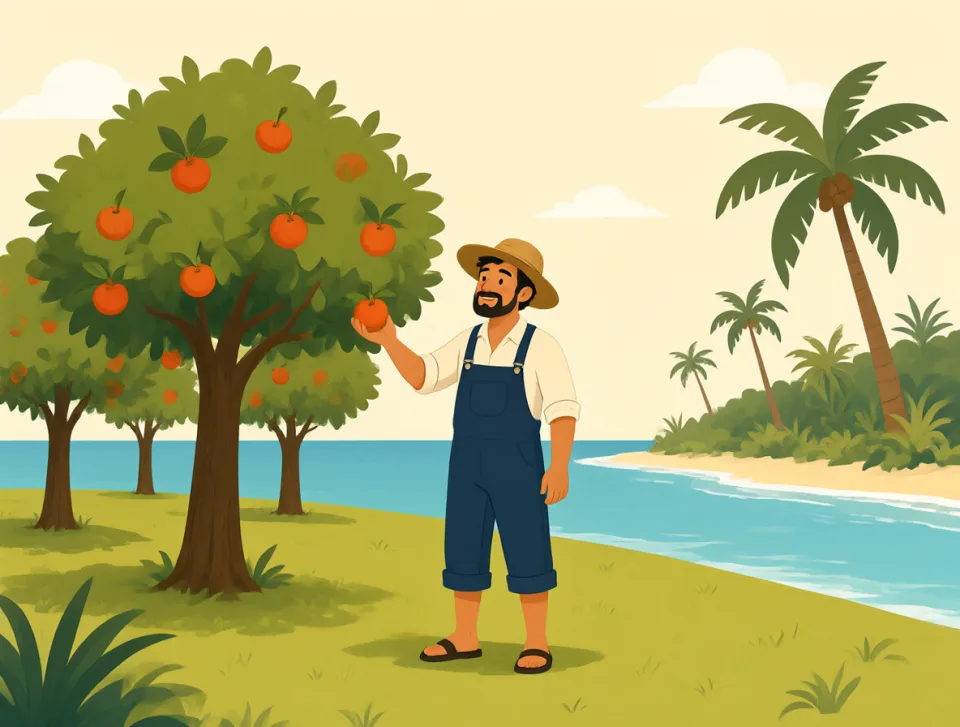
This tropical island grows fruit all year round.
इस उष्णकटिबंधीय द्वीप पर साल भर फल उगते हैं।

The doctor advised me to eat more fruit for better health.
बेहतर सेहत के लिए डॉक्टर ने मुझे ज़्यादा फल खाने की सलाह दी।