بخش 71
واژههای 1401 تا 1420 · dear, objective, moreover, onto, historical, oppose
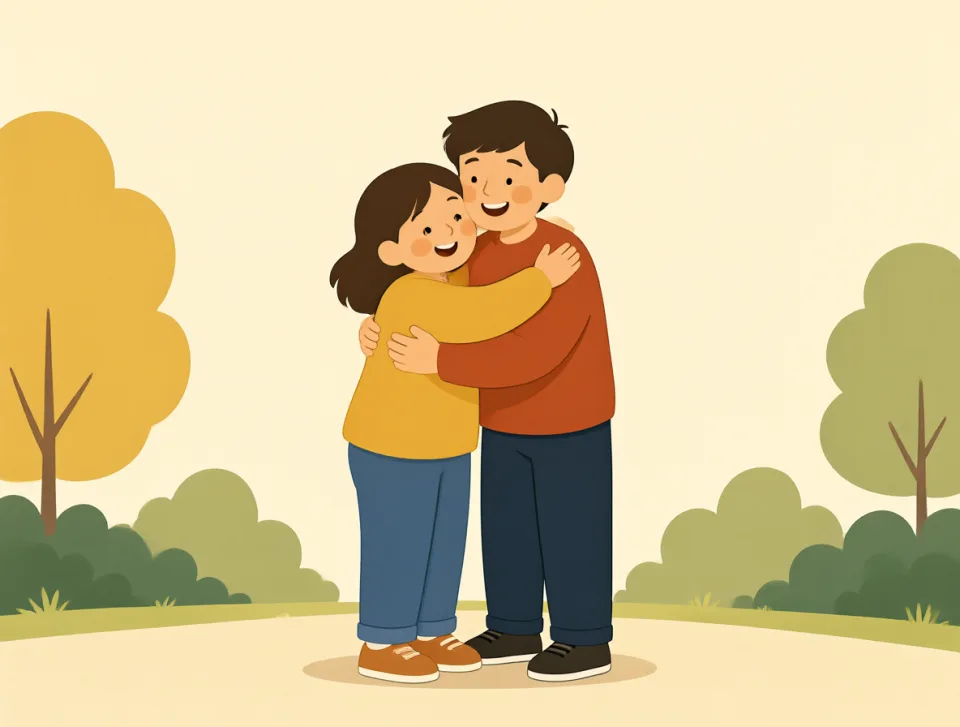
dear
#1401adjective, noun
عزیز
Loved or liked very much; used when speaking kindly to someone.
کسی که بسیار دوستش دارید یا برایتان عزیز است؛ همچنین هنگام مهربانانه خطابکردن کسی بهکار میرود.
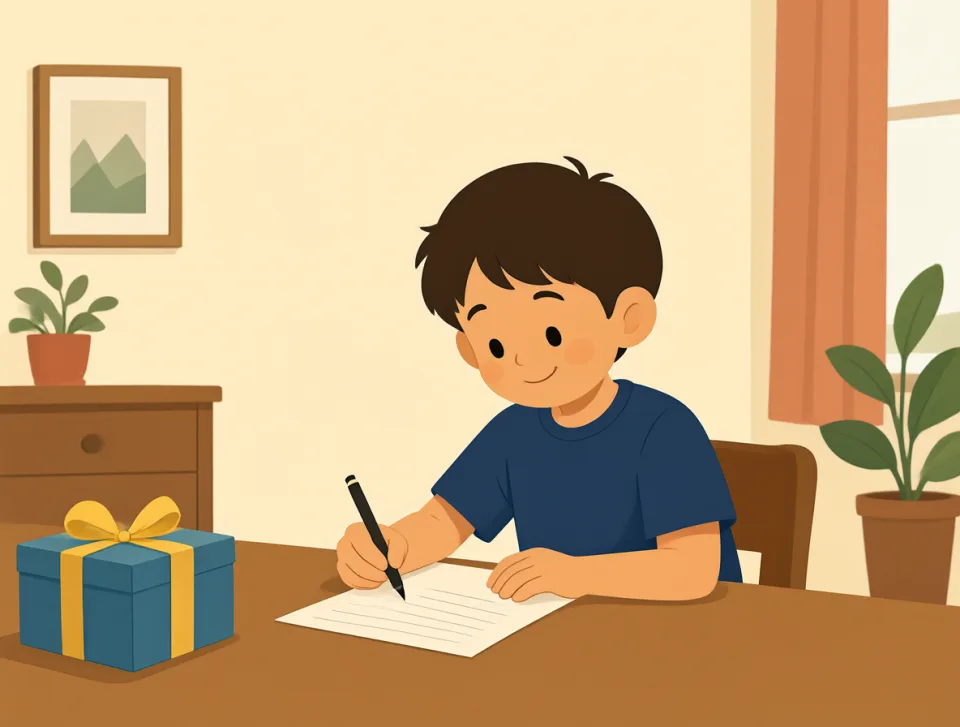
Dear Grandma, thank you for the lovely birthday present.
مادربزرگ عزیزم، بابت هدیهٔ تولد زیبایت ممنونم.
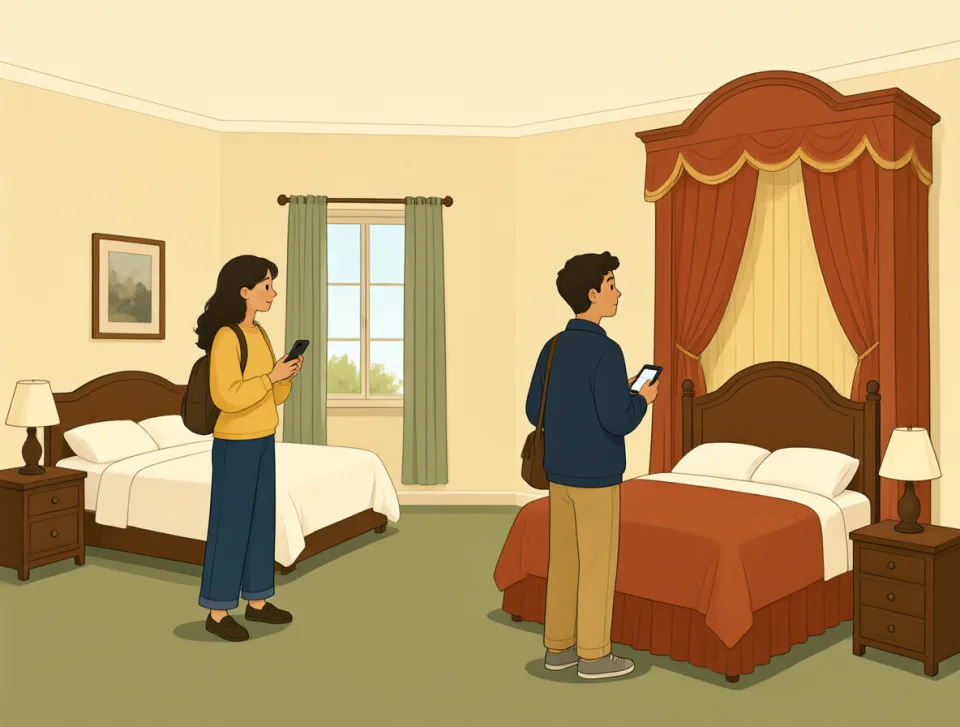
The hotel is dear, so we chose a cheaper room.
هتل گران است، برای همین اتاق ارزانتری انتخاب کردیم.
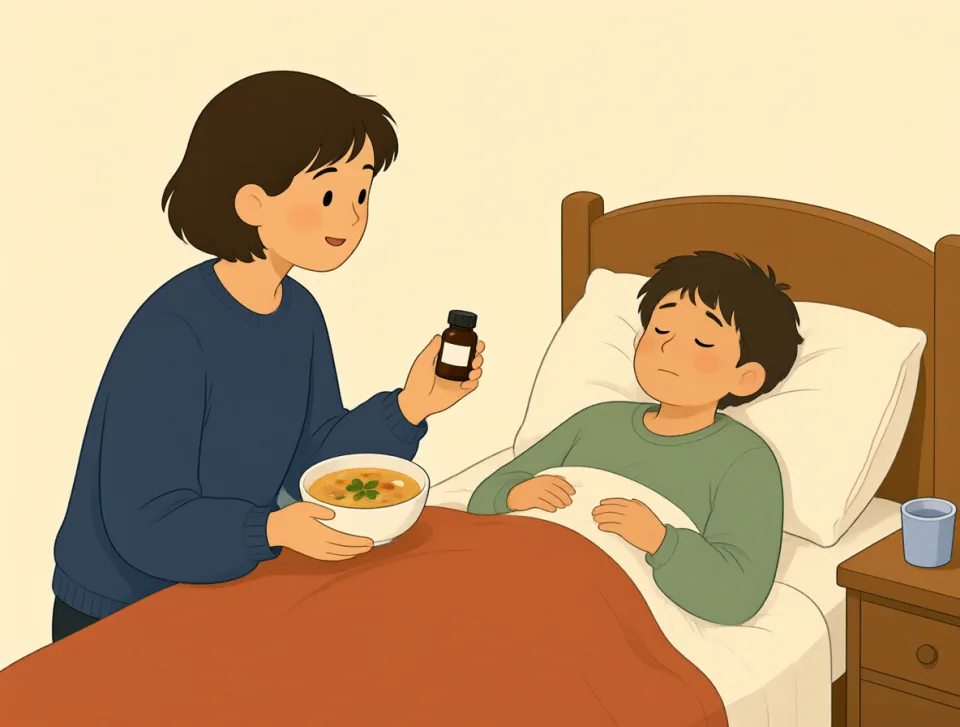
My dear friend helped me when I was sick.
دوست عزیزم وقتی بیمار بودم کمکم کرد.

Dear customers, please keep your receipts after shopping.
مشتریان گرامی، لطفاً پس از خرید رسیدهایتان را نگه دارید.
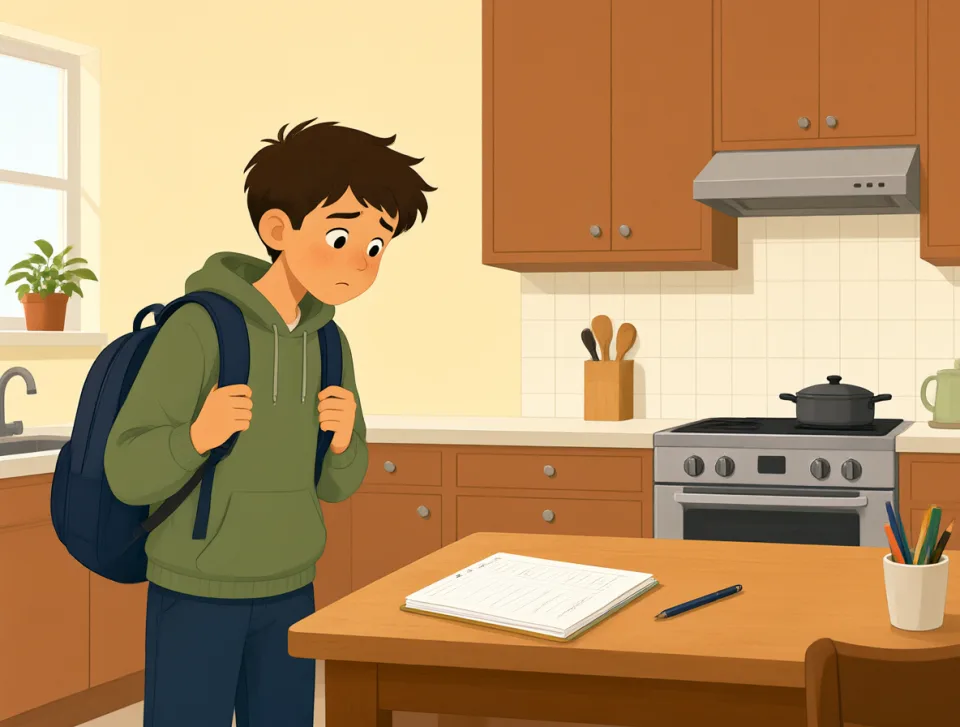
Oh dear, I forgot my homework on the kitchen table.
وای، تکالیفم را روی میز آشپزخانه جا گذاشتم.

objective
#1402noun, adjective
هدف؛ عینی
A goal or aim; based on facts rather than personal feelings.
هدف یا مقصود؛ همچنین به چیزی گفته میشود که بر پایهٔ واقعیتهاست، نه احساسات شخصی.

Our main objective is to finish the project by Friday.
هدف اصلی ما این است که پروژه را تا جمعه تمام کنیم.
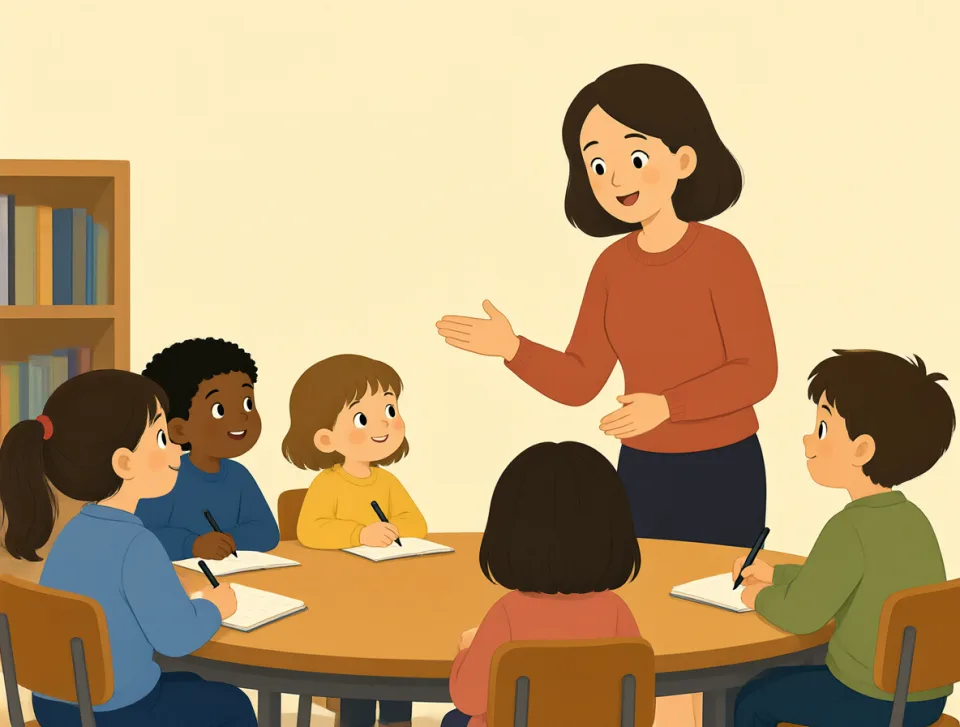
The teacher explained the learning objectives before the lesson.
معلم پیش از شروع درس، اهداف آموزشی را توضیح داد.
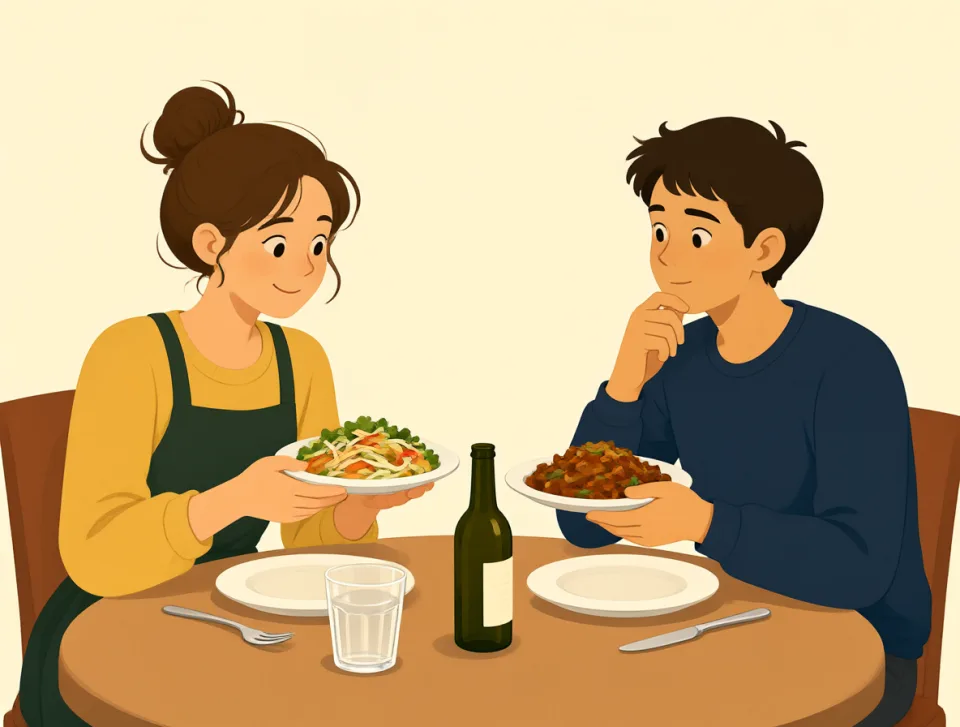
We need an objective opinion before choosing a new restaurant.
پیش از انتخاب رستوران جدید، به نظری بیطرفانه نیاز داریم.
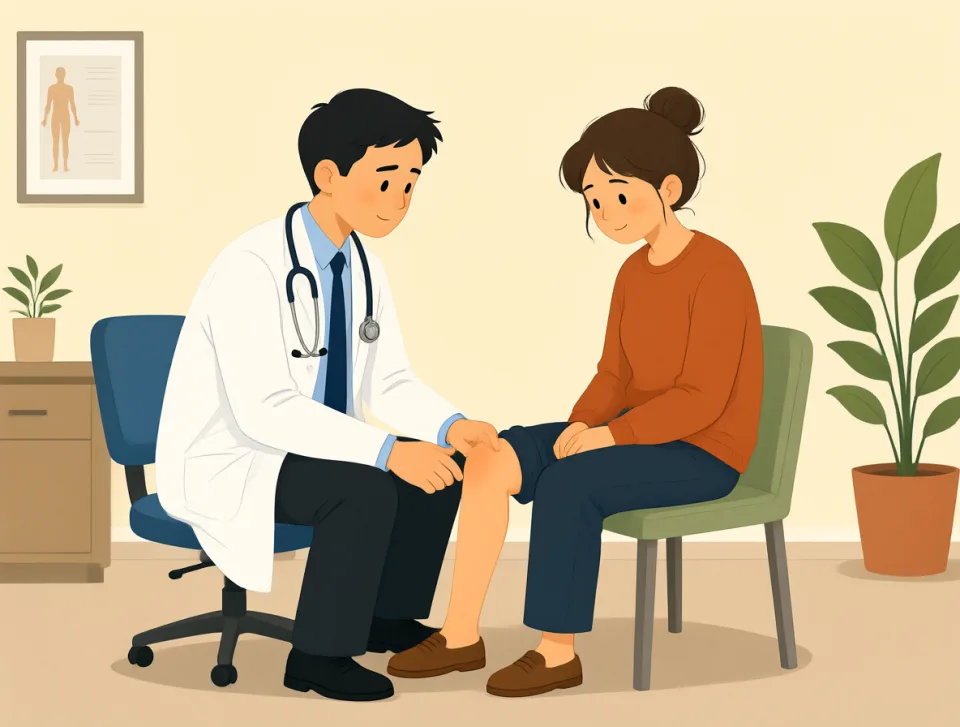
The doctor made an objective assessment of my knee injury.
پزشک ارزیابی بیطرفانهای از آسیب زانوی من انجام داد.

The camera gave an objective view of the beautiful mountain scenery.
دوربین تصویری بیطرفانه از منظرهٔ زیبای کوهستان ثبت کرد.
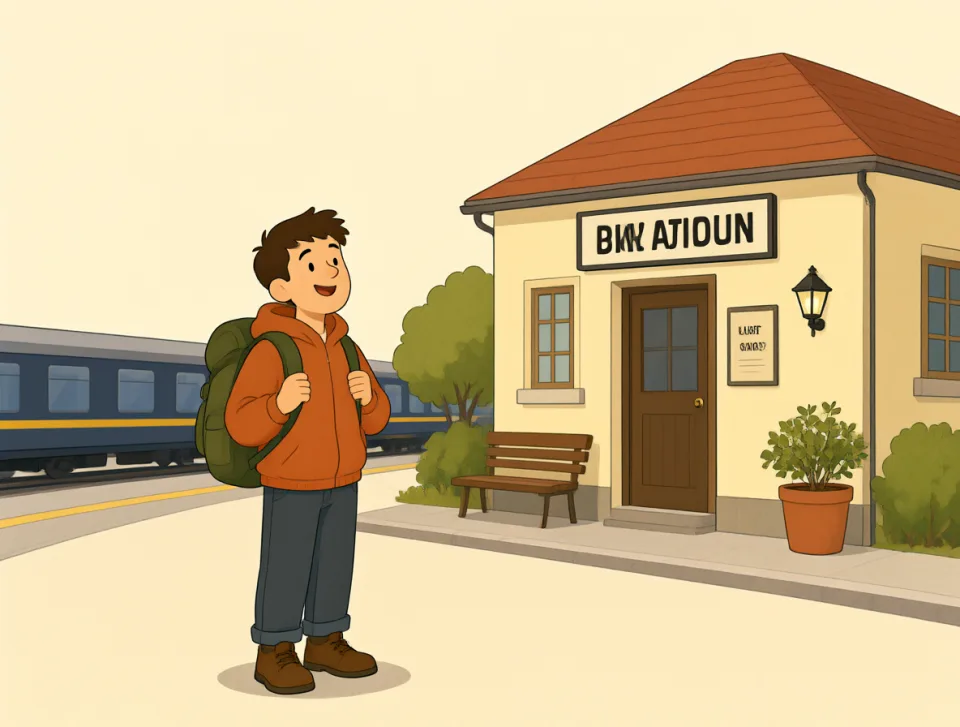
moreover
#1403adverb
علاوهبراین
Used to add another important fact or reason to what you have just said.
برای افزودن یک واقعیت یا دلیل مهم دیگر به چیزی که همین حالا گفتهاید، بهکار میرود.
The hotel is cheap; moreover, it is close to the station.
هتل ارزان است؛ علاوهبراین، به ایستگاه هم نزدیک است.
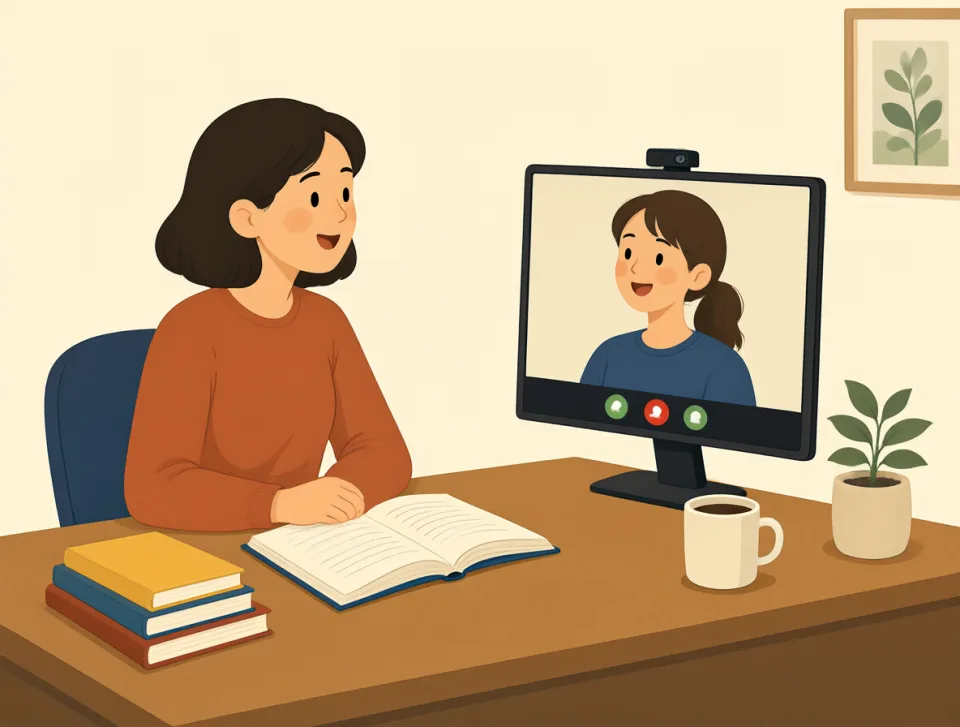
She speaks three languages and, moreover, teaches English online.
او به سه زبان صحبت میکند و علاوهبراین، آنلاین انگلیسی درس میدهد.

The job offers flexible hours; moreover, the salary is excellent.
این شغل ساعت کاری منعطفی دارد؛ علاوهبراین، حقوقش عالی است.
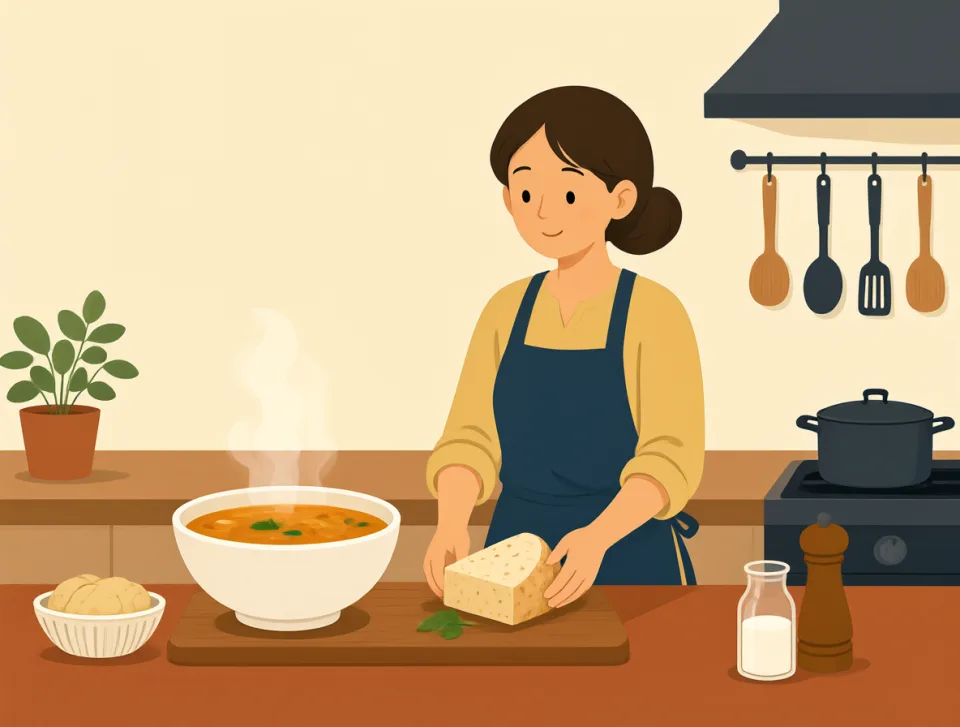
The soup is delicious; moreover, it is quick and easy to make.
سوپ خوشمزه است؛ علاوهبراین، درستکردنش سریع و آسان است.
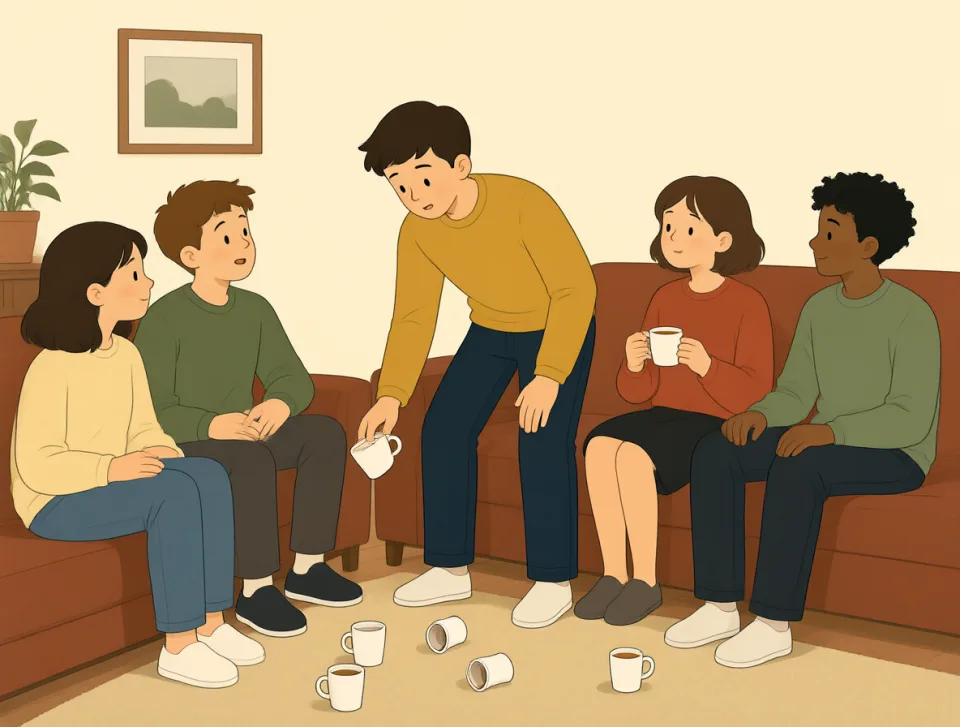
He apologized for being late; moreover, he offered to help clean up.
او بابت دیرکردنش عذرخواهی کرد؛ علاوهبراین، پیشنهاد داد در تمیزکاری کمک کند.
onto
#1404preposition
به روی
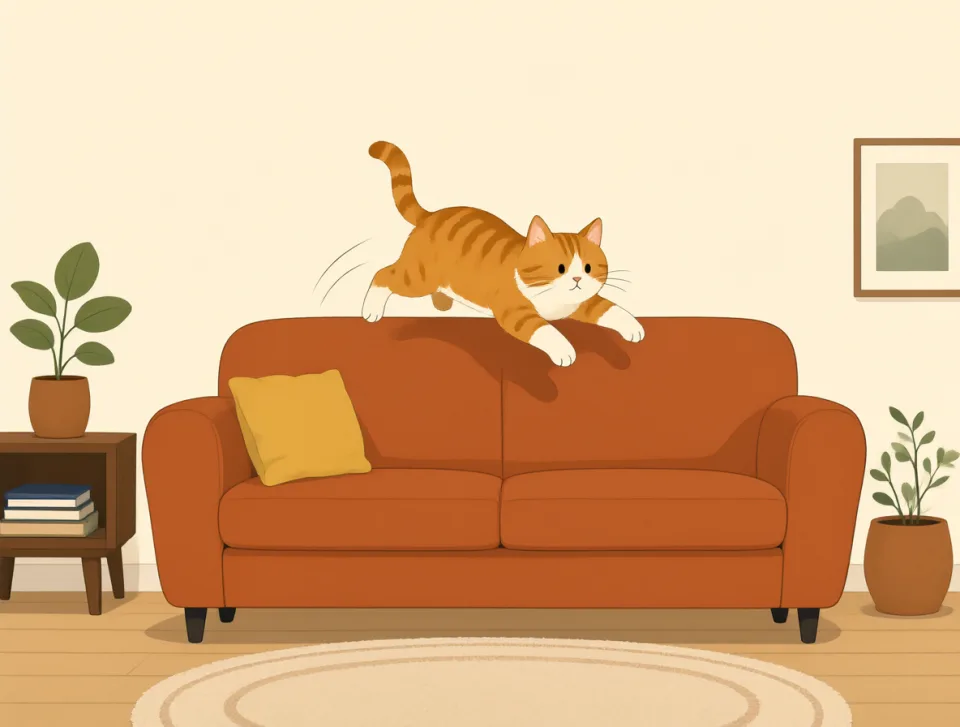
to a position on or above something
به موقعیتی روی چیزی یا بالای آن.
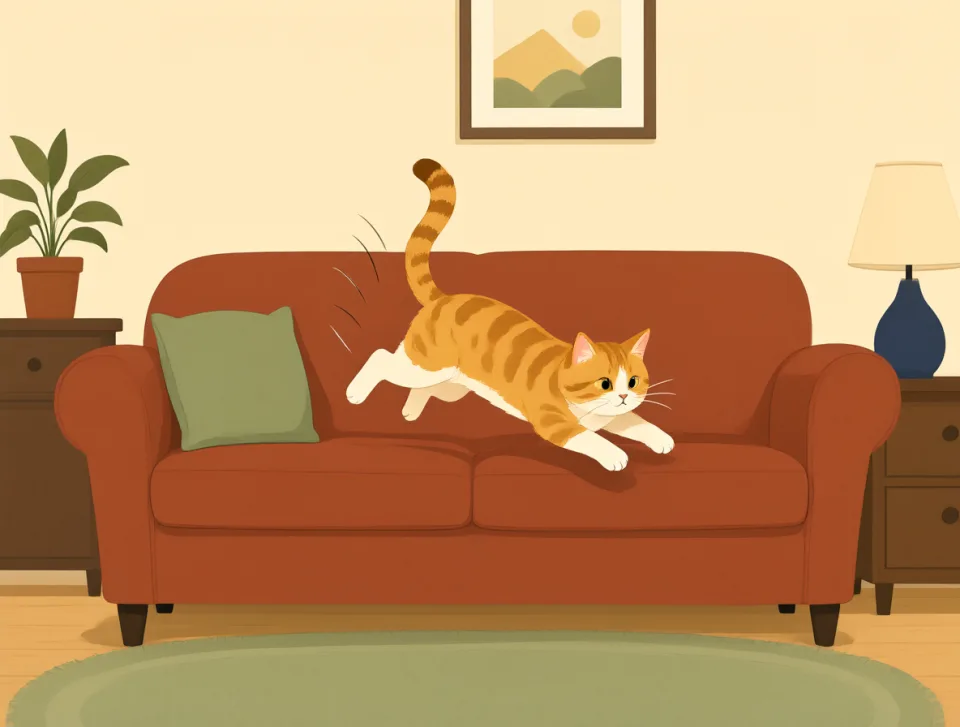
The cat jumped onto the sofa and fell asleep.
گربه روی مبل پرید و خوابش برد.
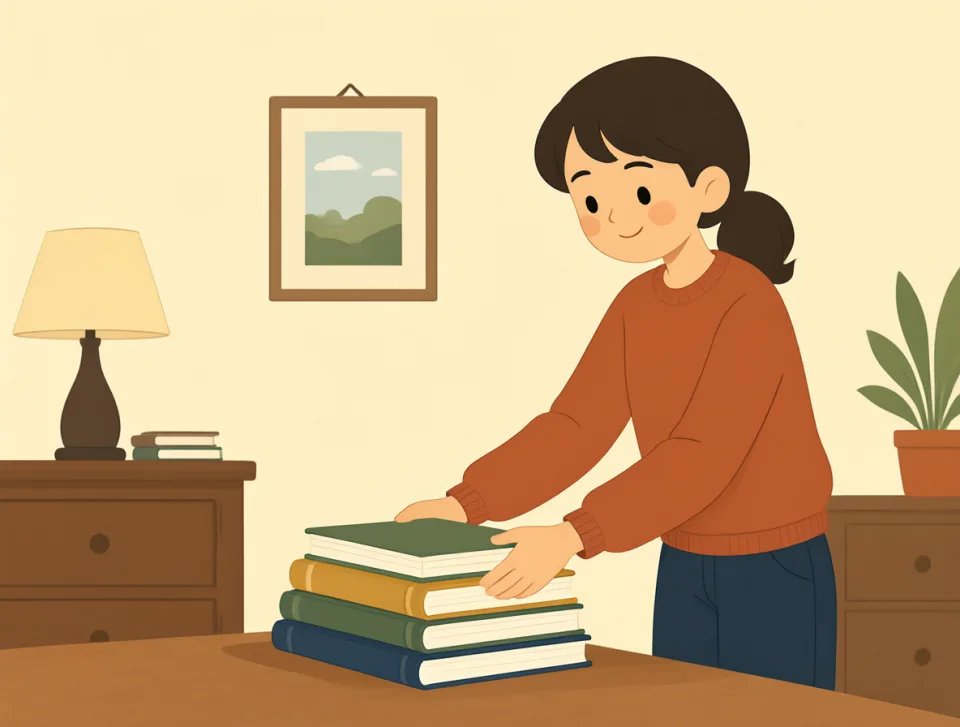
Please put the books onto the table.
لطفاً کتابها را روی میز بگذارید.
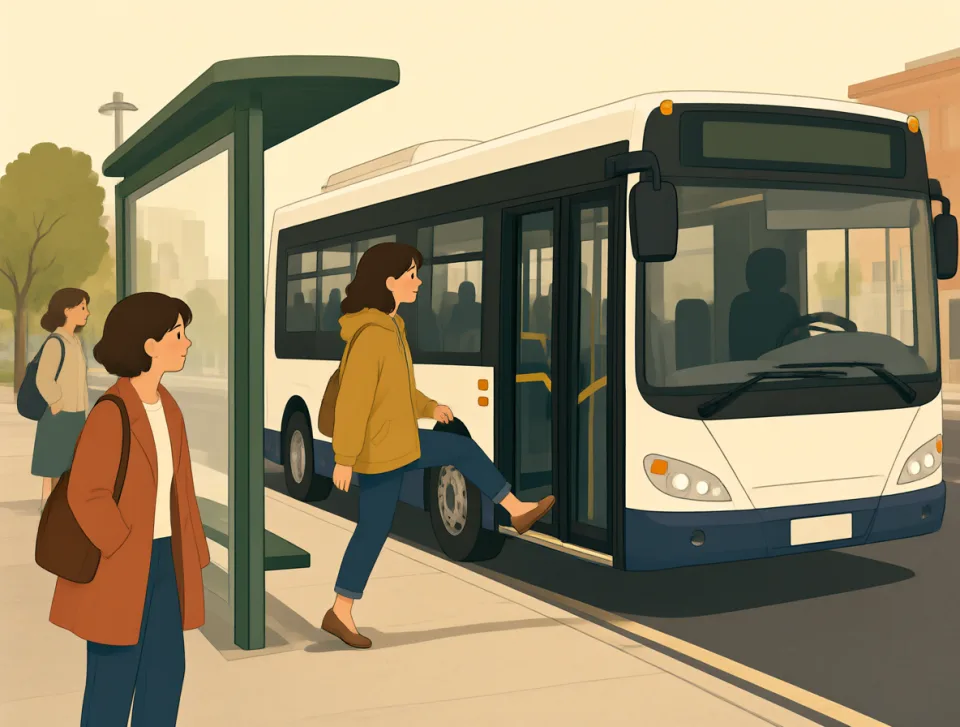
She climbed onto the bus just before it left.
او درست پیش از حرکت اتوبوس سوار شد.
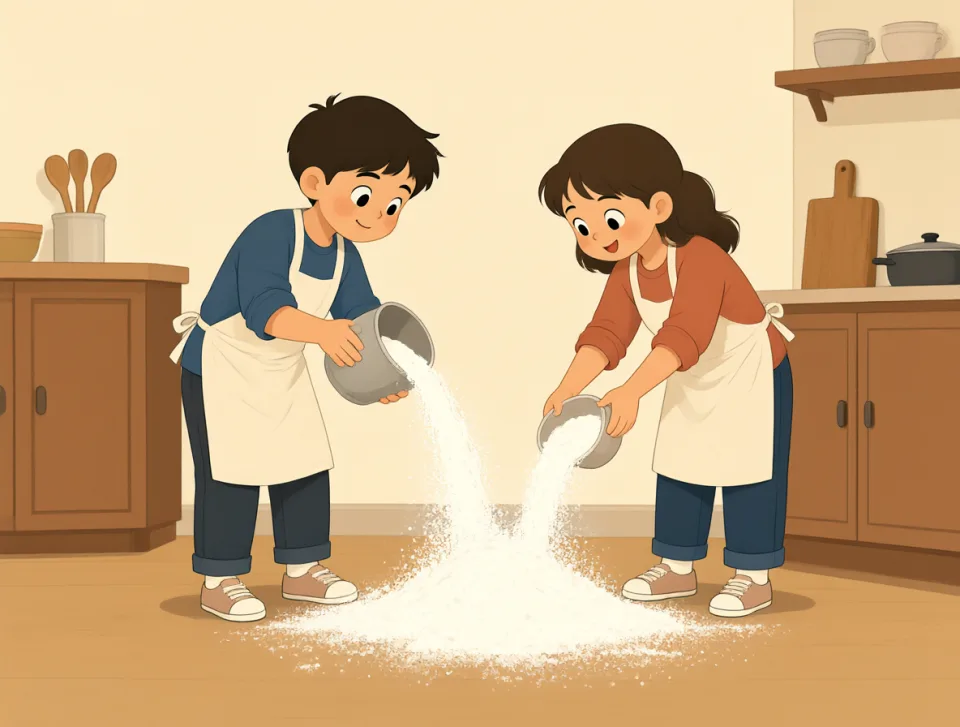
The children poured the flour onto the kitchen floor.
بچهها آرد را روی کف آشپزخانه ریختند.

He transferred the photos onto his new computer.
او عکسها را به رایانهٔ جدیدش منتقل کرد.
historical
#1405adjective
تاریخی
Connected with important people, events, or places from the past.
مرتبط با افراد، رویدادها یا مکانهای مهم در گذشته.
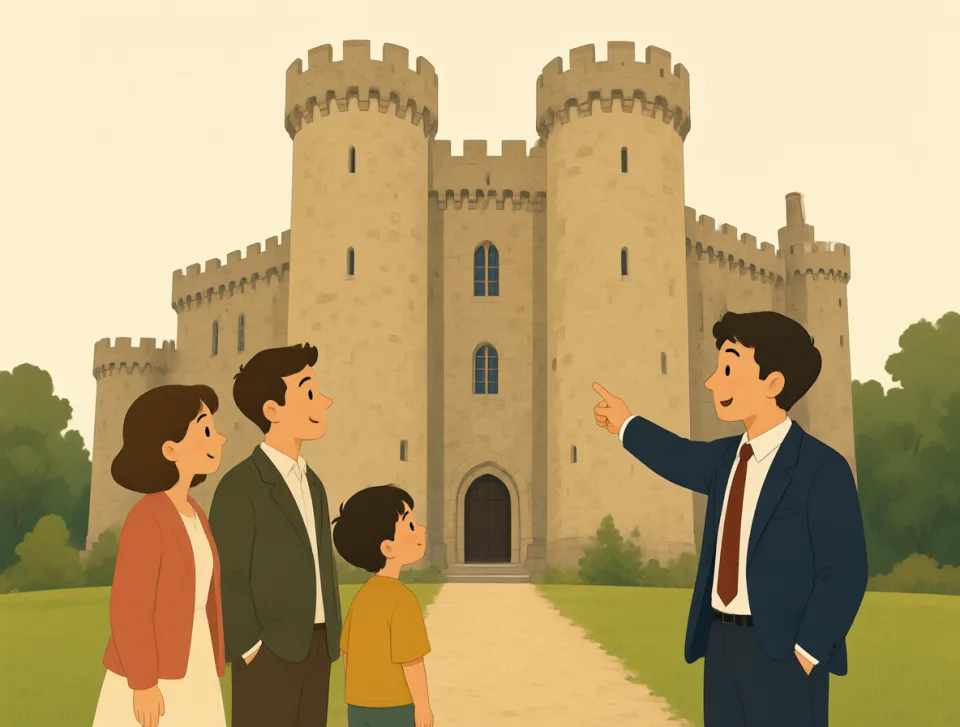
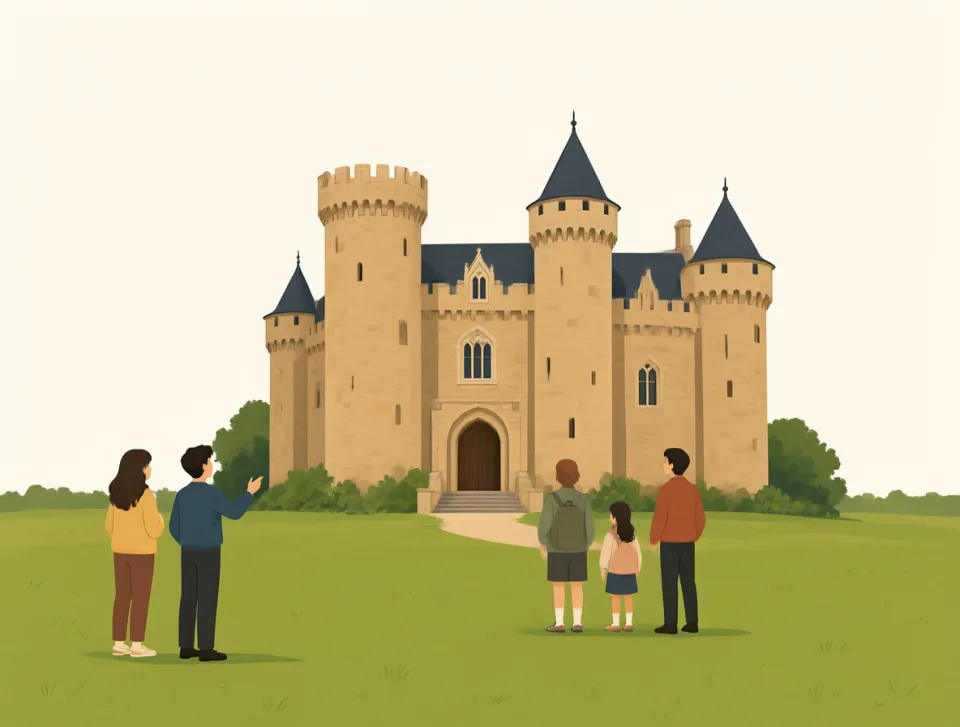
We visited a historical castle during our summer holiday.
در تعطیلات تابستانی از یک قلعهٔ تاریخی دیدن کردیم.
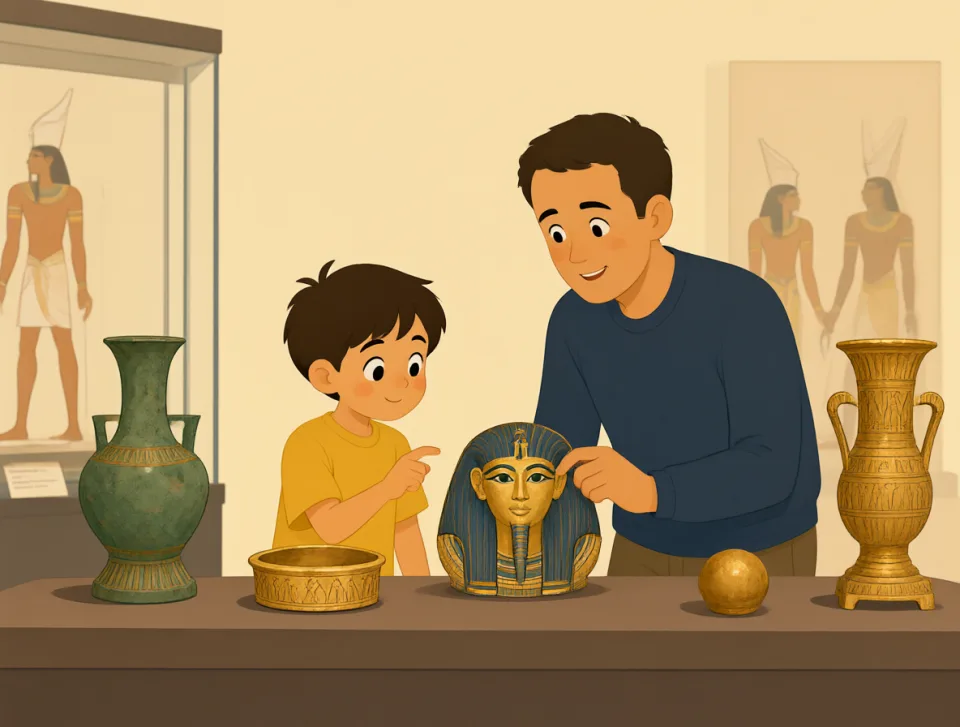
The museum has many historical objects from ancient Egypt.
این موزه اشیای تاریخی زیادی از مصر باستان دارد.
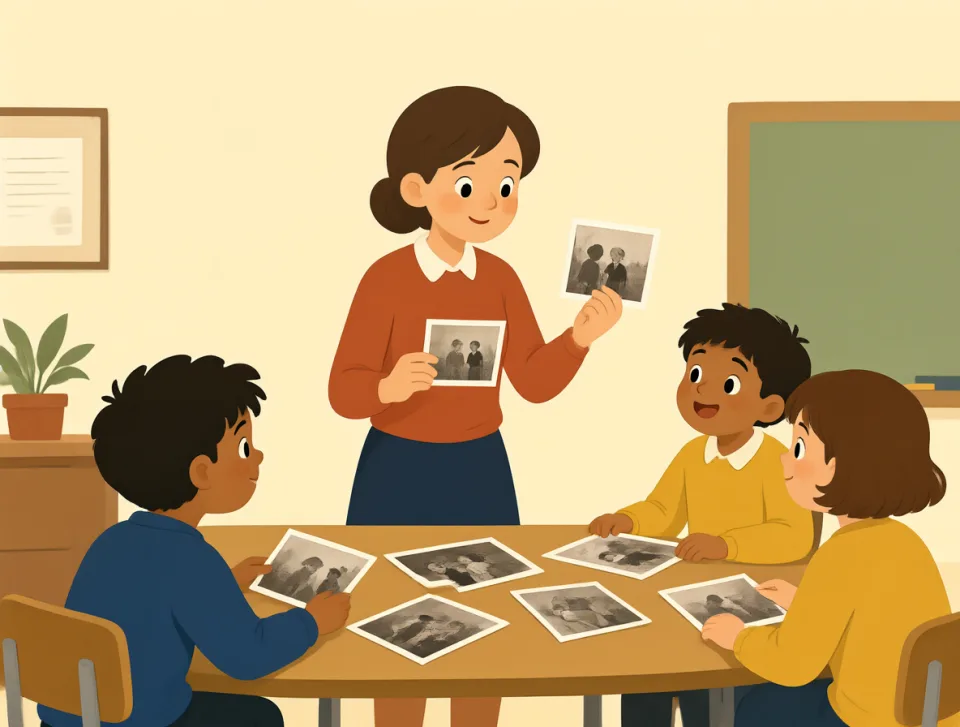
Our history teacher showed us historical photographs of the city.
معلم تاریخمان عکسهای تاریخی شهر را به ما نشان داد.
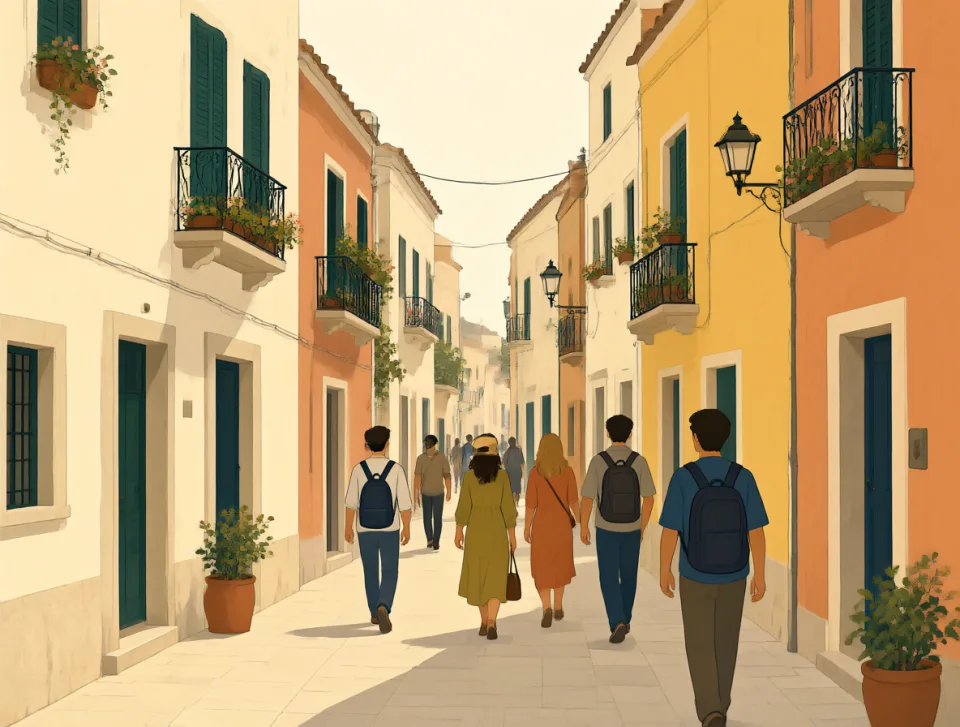
The town is famous for its historical buildings and narrow streets.
این شهر بهخاطر ساختمانهای تاریخی و خیابانهای باریکش معروف است.

She read a historical novel about a young woman during the war.
او رمانی تاریخی دربارهٔ زنی جوان در دوران جنگ خواند.

oppose
#1406verb
مخالفت کردن
to disagree with or fight against a person, plan, or idea
با شخص، برنامه یا ایدهای مخالف بودن یا با آن مبارزه کردن
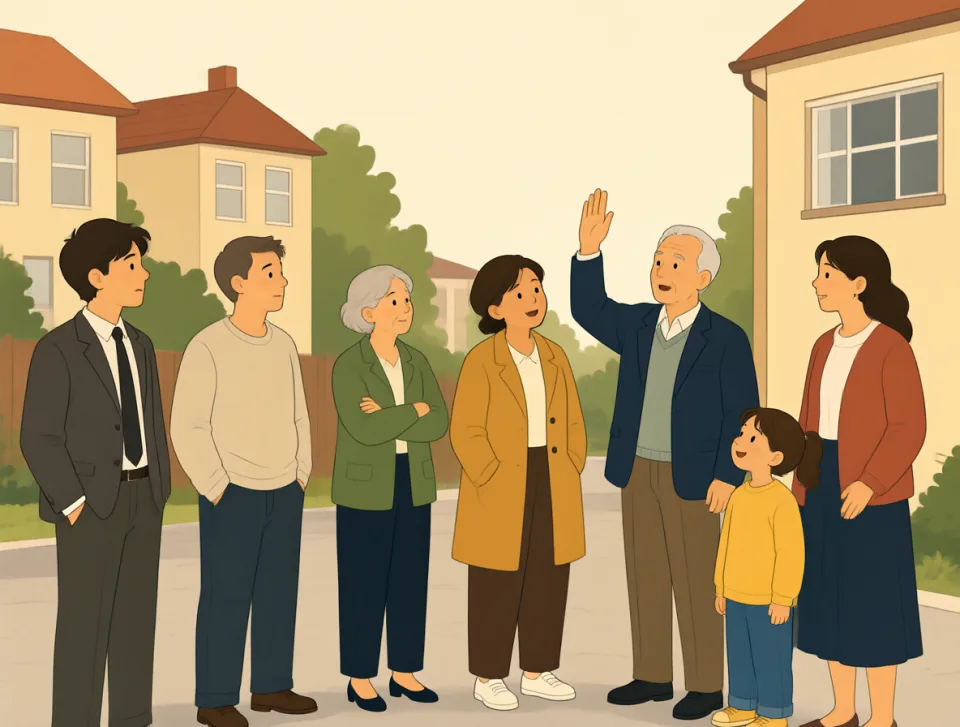
Many residents oppose the plan to build a new airport.
بسیاری از ساکنان با طرح ساخت یک فرودگاه جدید مخالفاند.
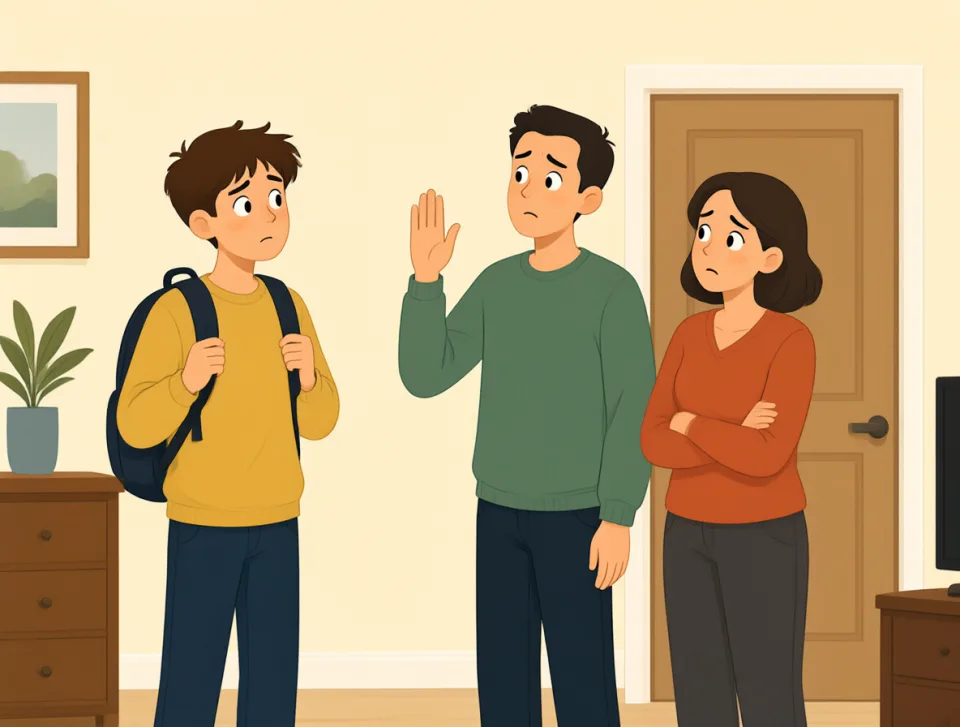
My parents opposed my decision to leave school early.
پدر و مادرم با تصمیمم برای ترک زودهنگام مدرسه مخالفت کردند.

Some workers are opposing the company’s decision to cut their hours.
بعضی از کارمندان با تصمیم شرکت برای کاهش ساعات کاریشان مخالفت میکنند.

The doctor opposed giving him antibiotics for a simple cold.
دکتر با تجویز آنتیبیوتیک برای یک سرماخوردگی ساده مخالفت کرد.
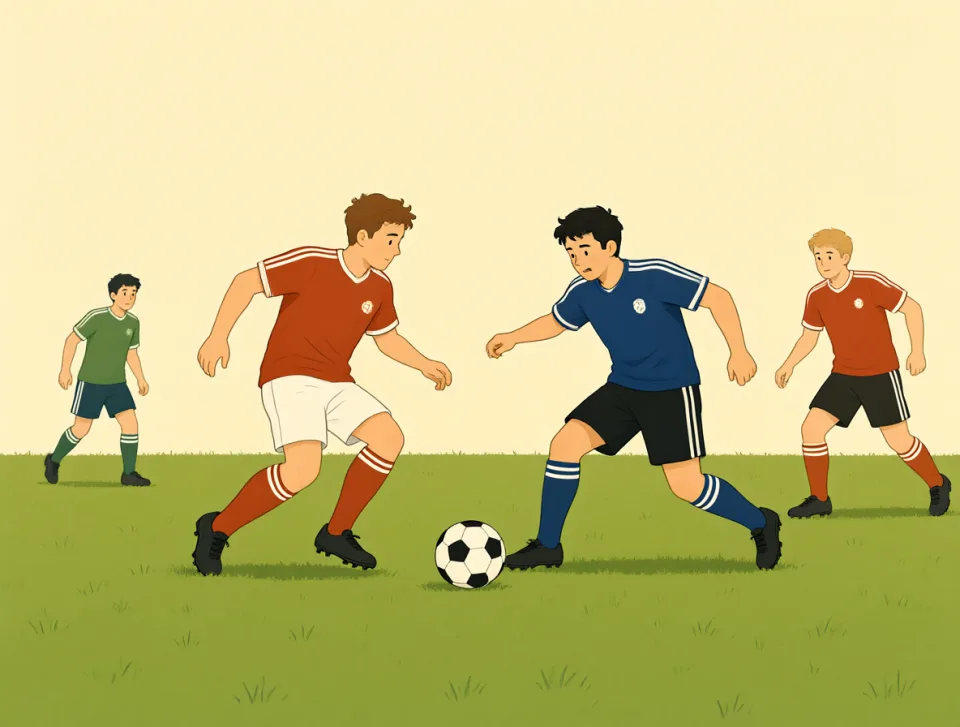
Our team opposed the other team throughout the football match.
تیم ما در تمام طول مسابقهٔ فوتبال با تیم مقابل رقابت کرد.
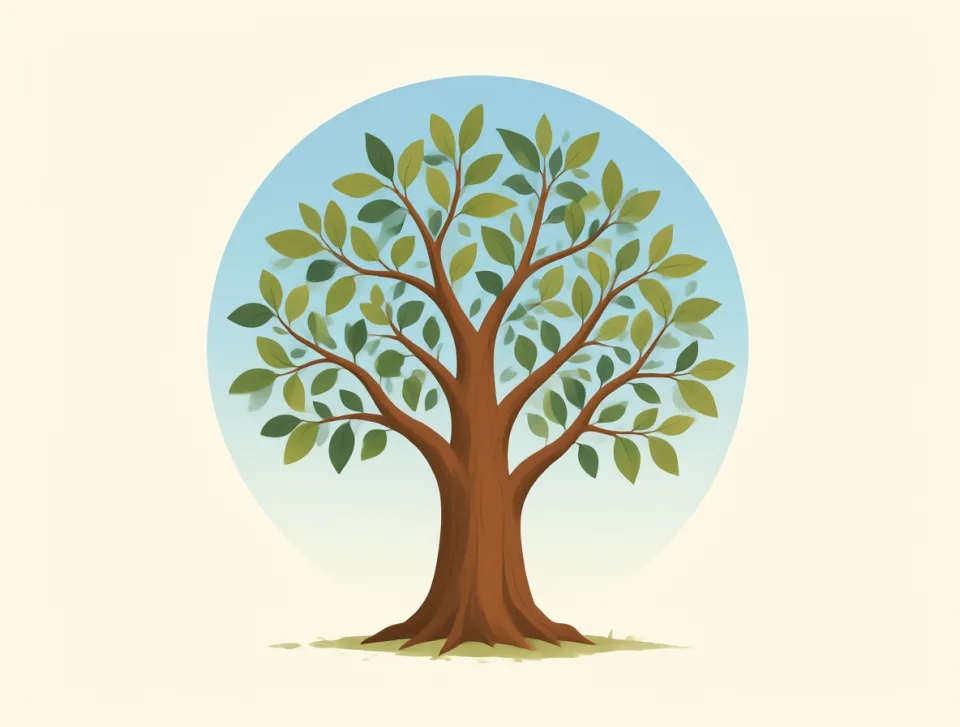
branch
#1407noun, verb
شاخه
A part of a tree growing from the trunk, or a separate part of a larger organization.
بخشی از درخت که از تنه میروید، یا بخشی جداگانه از یک سازمان بزرگتر.
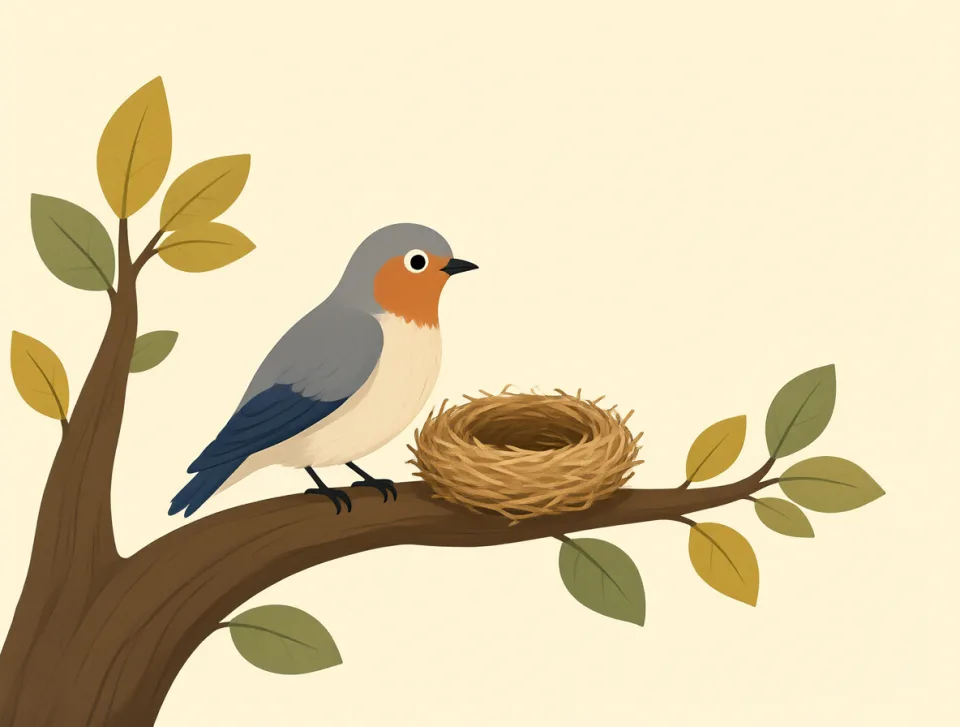
A bird built its nest on a high branch.
پرندهای روی شاخهای بلند لانه ساخت.
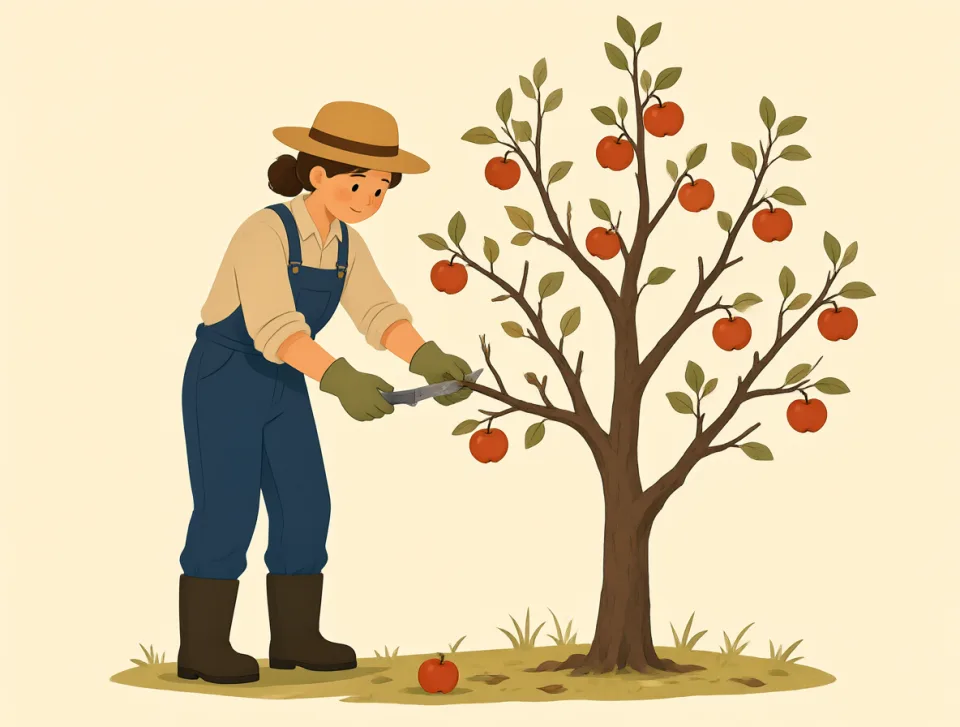
Please cut the dead branches from the apple tree.
لطفاً شاخههای خشک درخت سیب را قطع کنید.
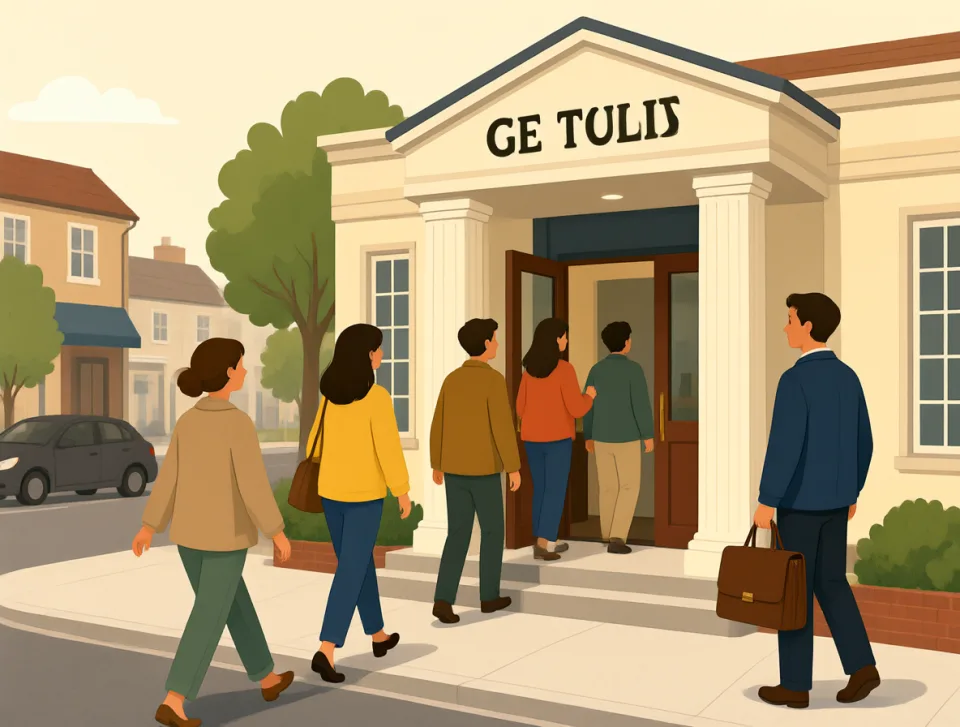
The bank opened a new branch near our home.
بانک شعبهٔ جدیدی نزدیک خانهٔ ما افتتاح کرد.

Our company is branching into online education this year.
شرکت ما امسال فعالیتش را به آموزش آنلاین گسترش میدهد.
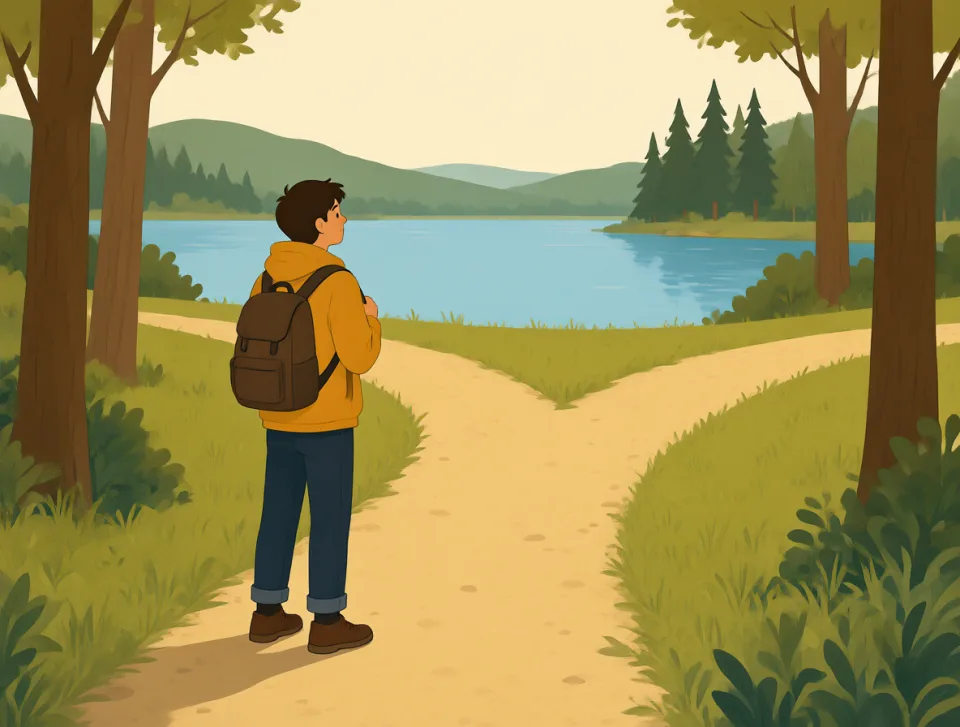
The path branches off near the lake.
مسیر نزدیک دریاچه دوشاخه میشود.
vehicle
#1408noun
وسیلهٔ نقلیه
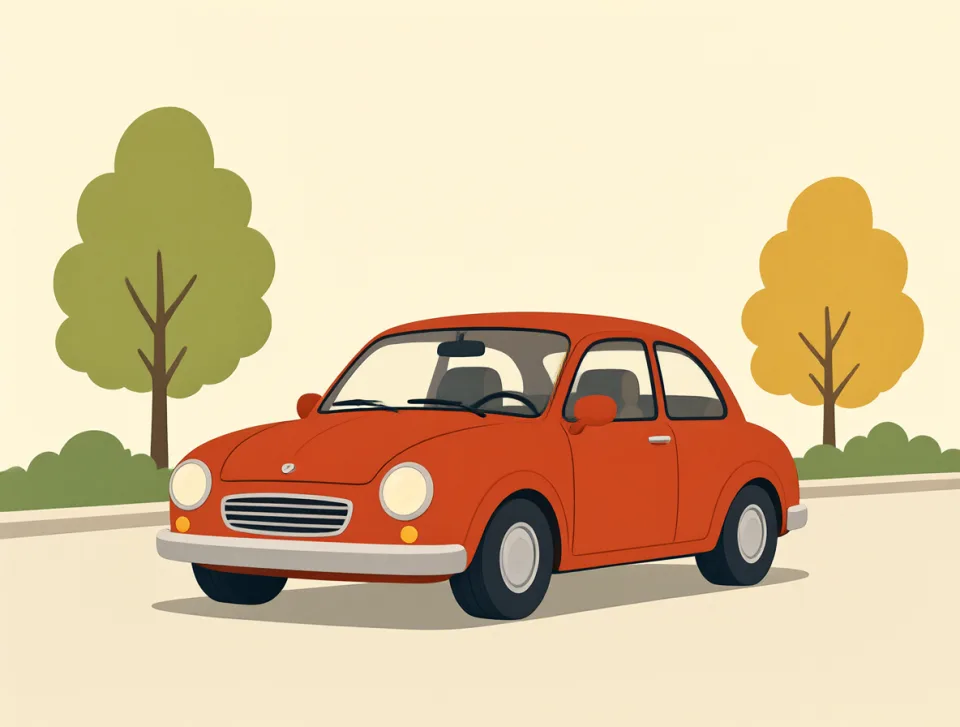
A machine, such as a car, used for carrying people or things.
ماشینی مثل خودرو که برای جابهجایی افراد یا چیزها استفاده میشود.
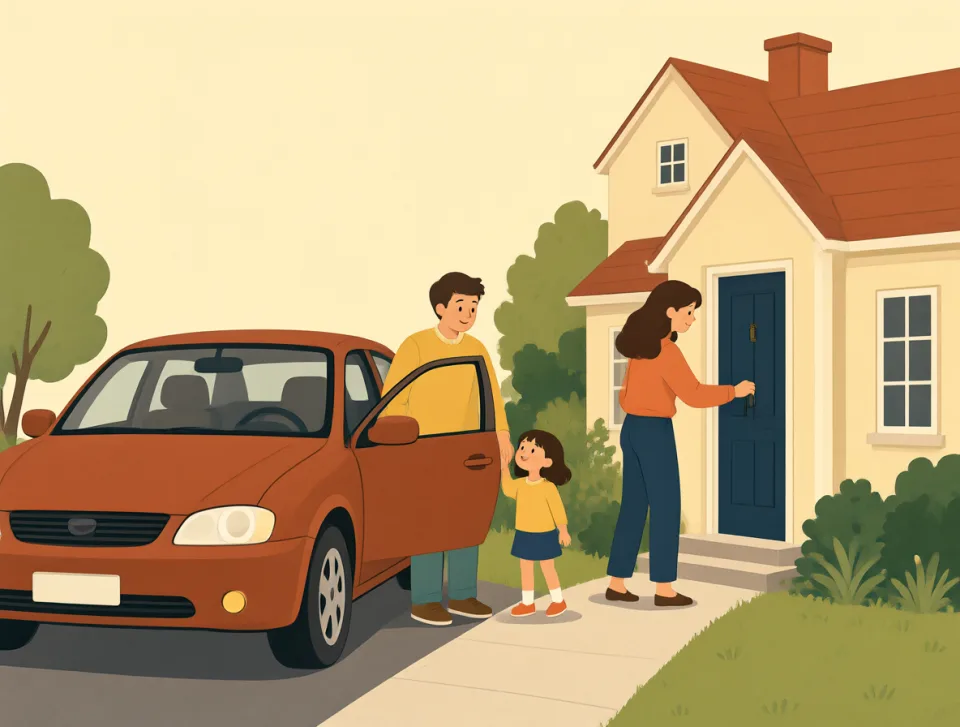
The vehicle stopped outside our house.
وسیلهٔ نقلیهای بیرون خانهٔ ما توقف کرد.

Public vehicles are often crowded during rush hour.
وسایل نقلیهٔ عمومی اغلب در ساعات شلوغی پر از مسافرند.
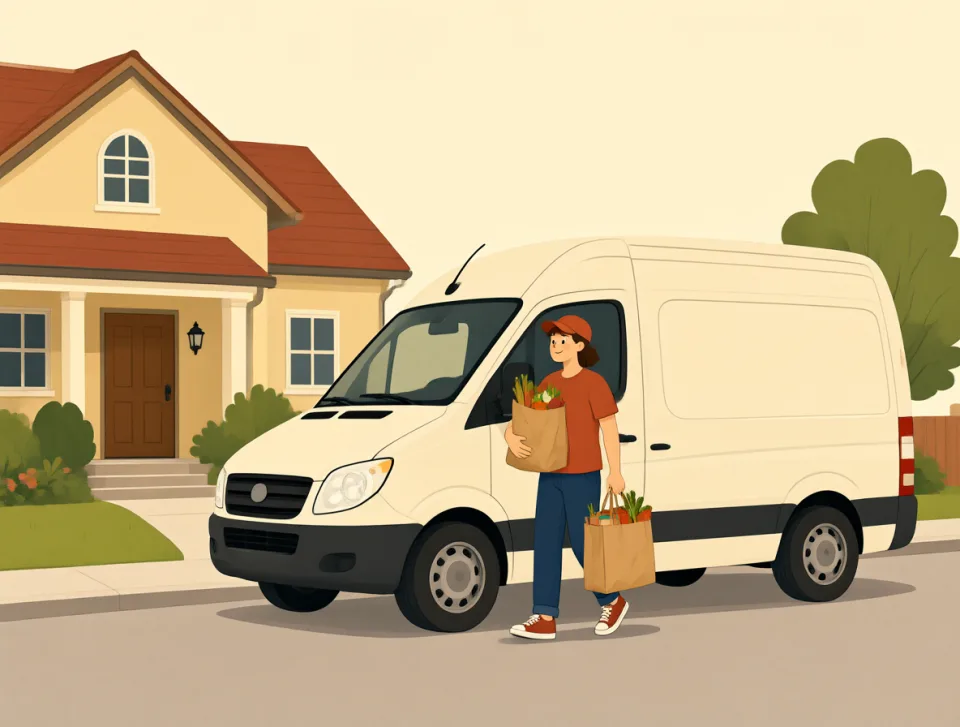
The delivery vehicle brought our groceries this morning.
وسیلهٔ نقلیهٔ حمل کالا امروز صبح خواربارمان را آورد.
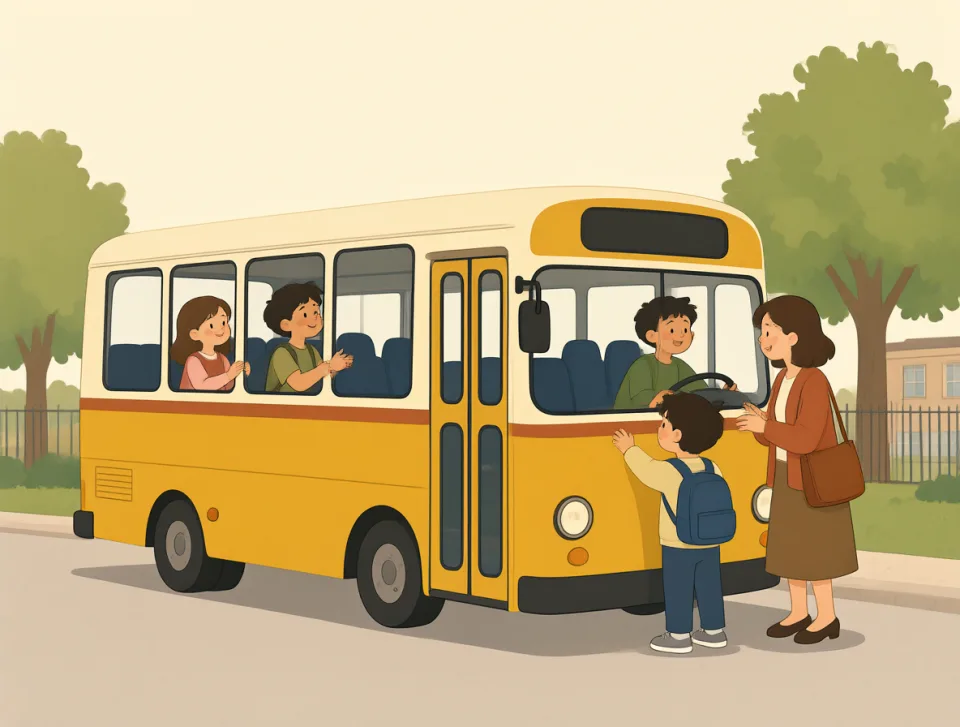
The school uses a small vehicle for field trips.
مدرسه برای گردشهای علمی از یک وسیلهٔ نقلیهٔ کوچک استفاده میکند.
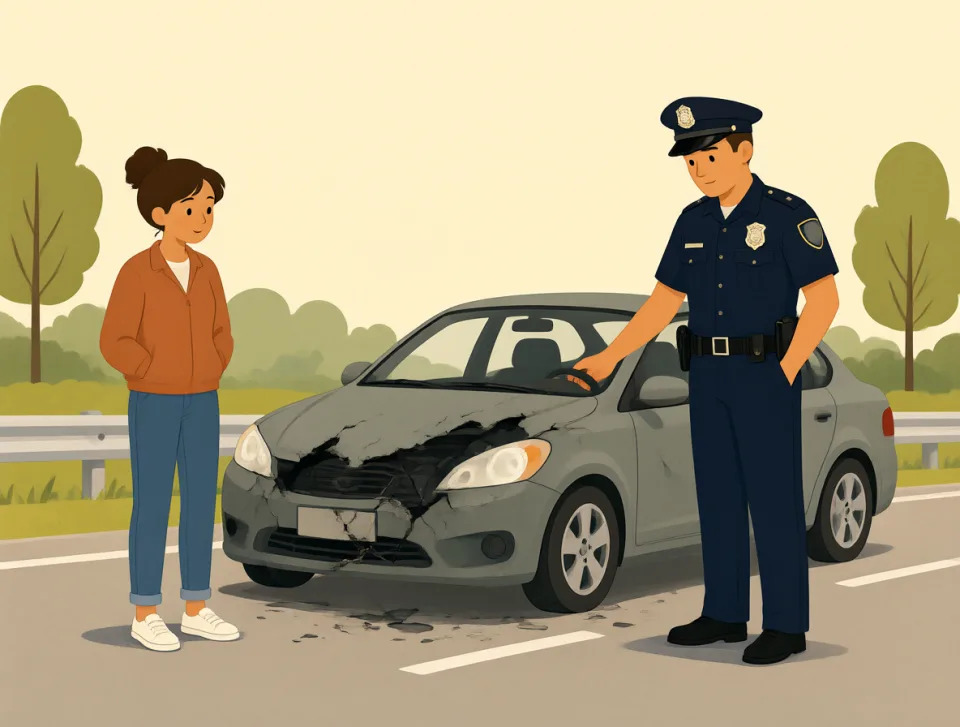
The police checked the vehicle after the accident.
پلیس بعد از تصادف وسیلهٔ نقلیه را بررسی کرد.
scientist
#1409noun
دانشمند
A person who studies science and discovers how the natural world works.
کسی که علوم را مطالعه میکند و دربارهٔ چگونگی کارکرد جهان طبیعی کشف میکند.
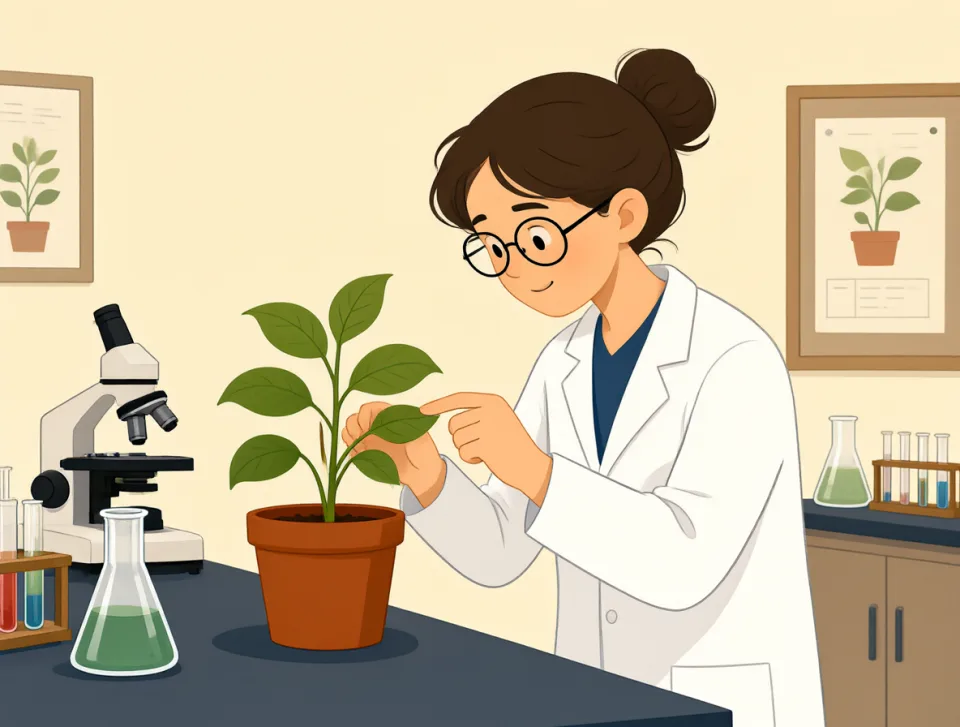
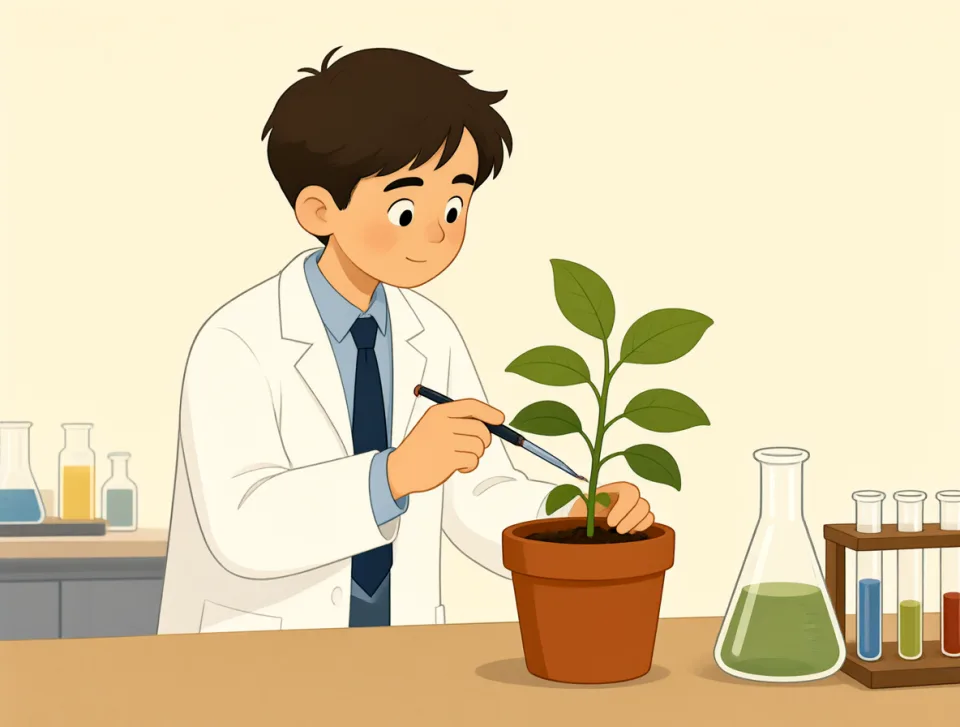
The scientist studied how plants grow in the school laboratory.
دانشمند در آزمایشگاه مدرسه چگونگی رشد گیاهان را بررسی کرد.
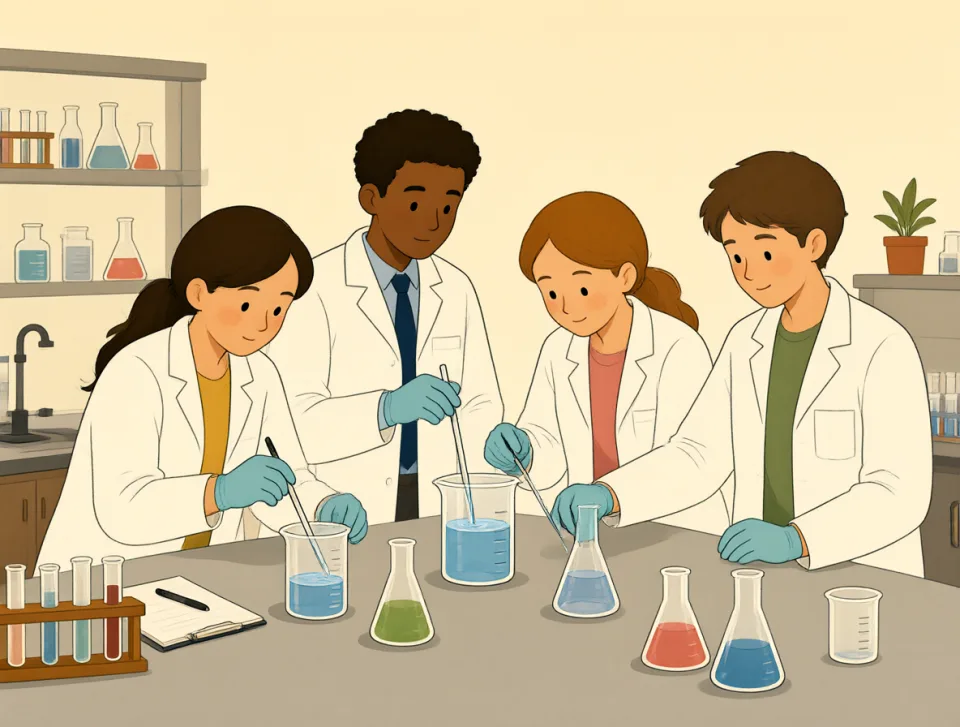
A team of scientists tested the water for harmful chemicals.
گروهی از دانشمندان آب را از نظر وجود مواد شیمیایی مضر آزمایش کردند.
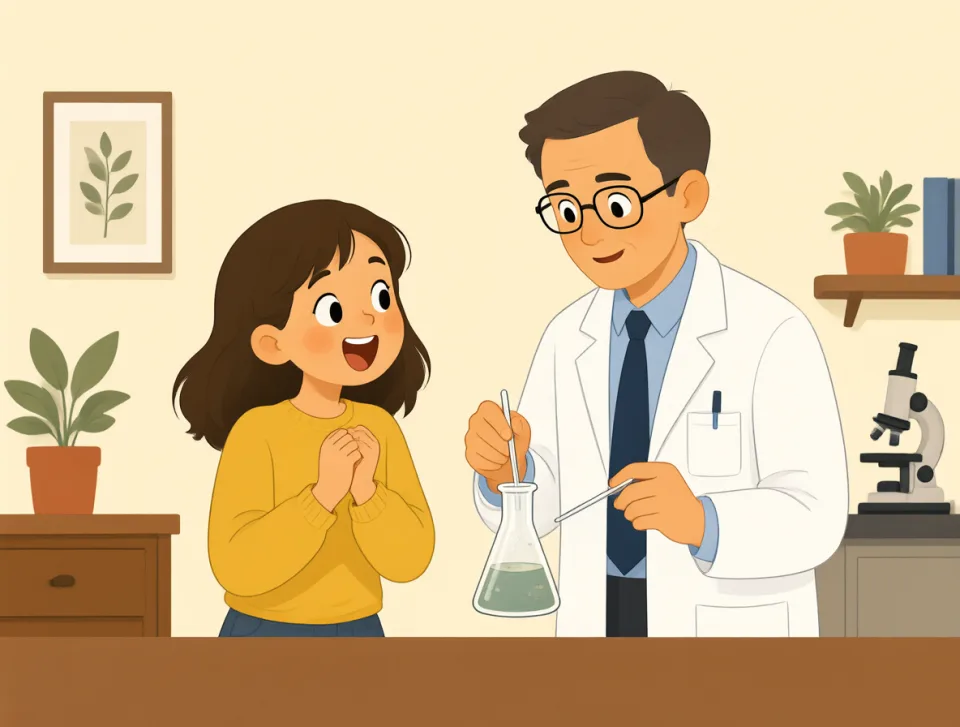
My daughter wants to become a scientist when she grows up.
دخترم میخواهد وقتی بزرگ شد دانشمند شود.
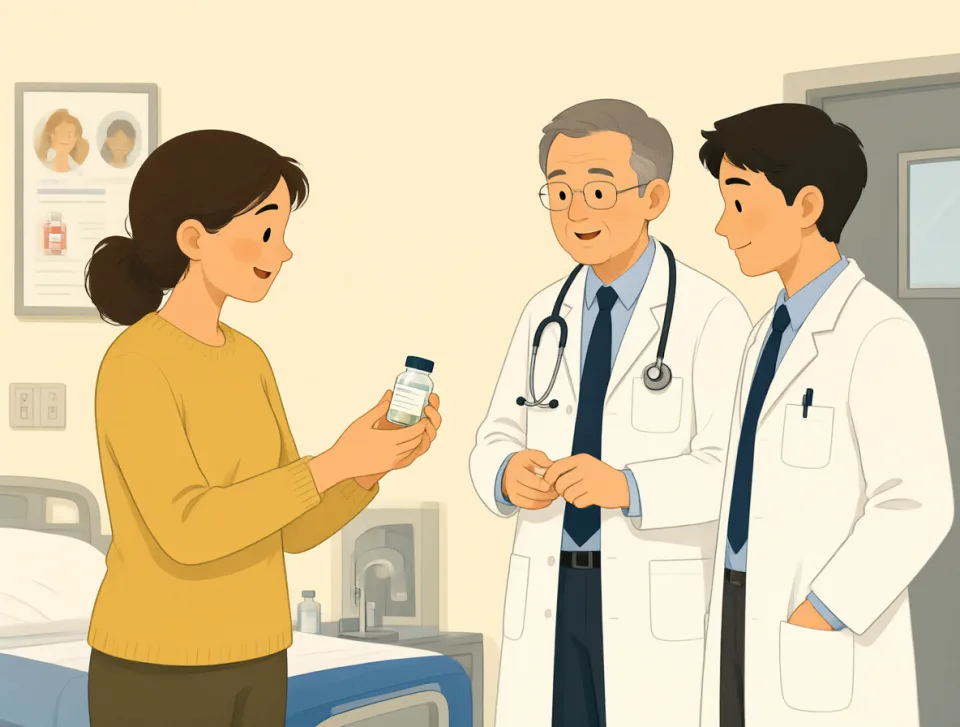
The scientist explained the new medicine to doctors at the hospital.
دانشمند داروی جدید را برای پزشکان بیمارستان توضیح داد.
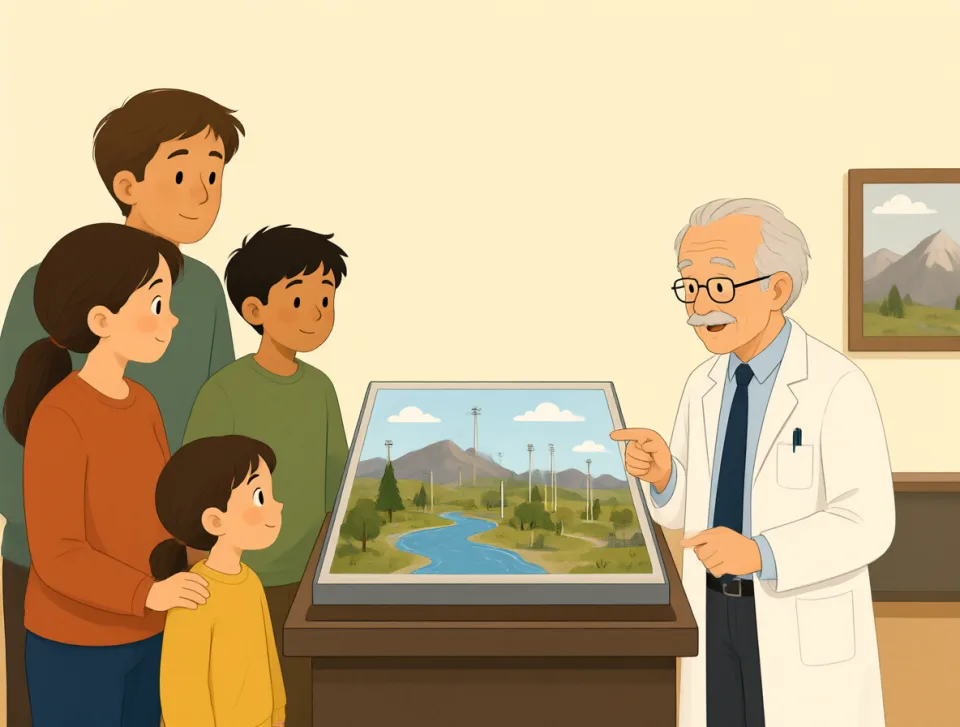
We met a scientist who studies weather during our museum visit.
هنگام بازدید از موزه با دانشمندی آشنا شدیم که دربارهٔ آبوهوا تحقیق میکند.
route
#1410noun, verb
مسیر
A way from one place to another; to choose or follow this way.
راهی از یک مکان به مکان دیگر؛ انتخاب کردن یا پیمودن این راه.

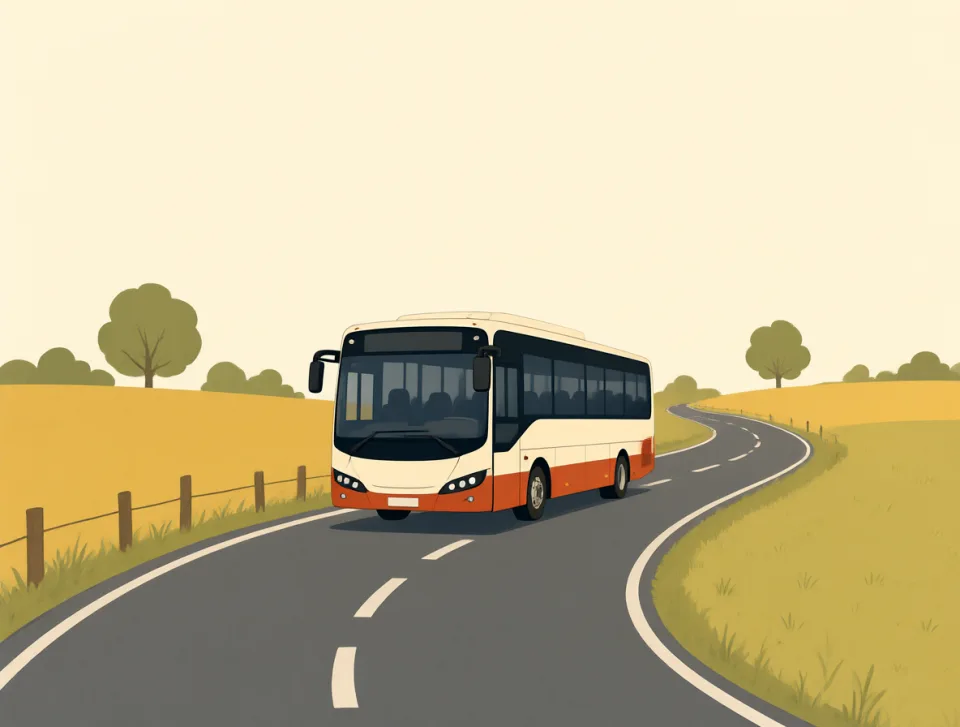
We took the fastest route home after work.
بعد از کار، سریعترین مسیر را برای رفتن به خانه انتخاب کردیم.
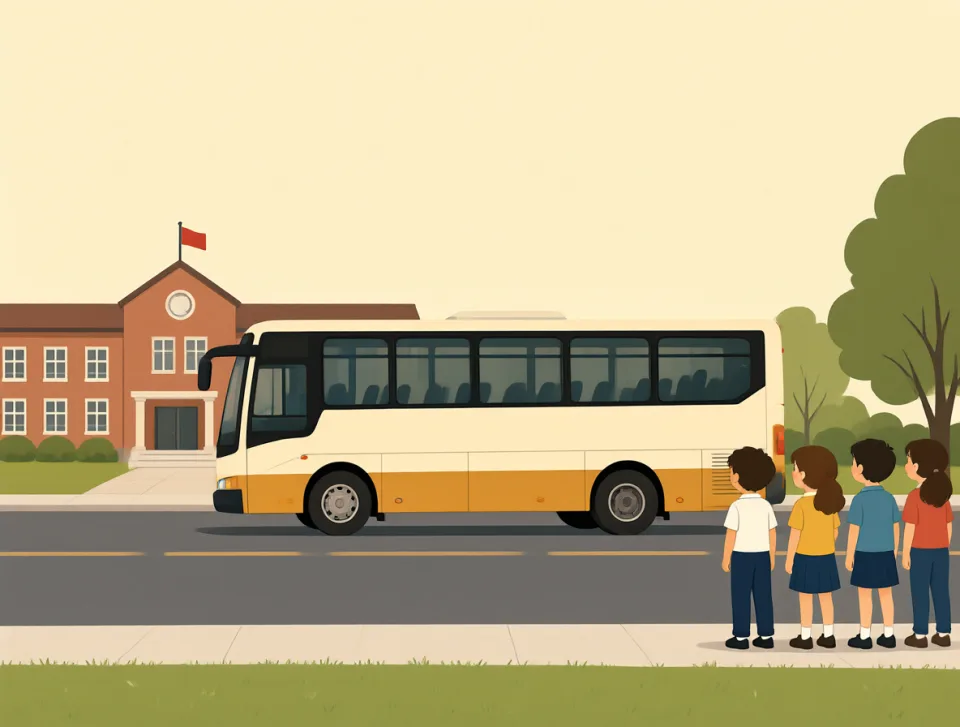
The bus route passes near my school every morning.
مسیر اتوبوس هر روز صبح از نزدیکی مدرسهام میگذرد.
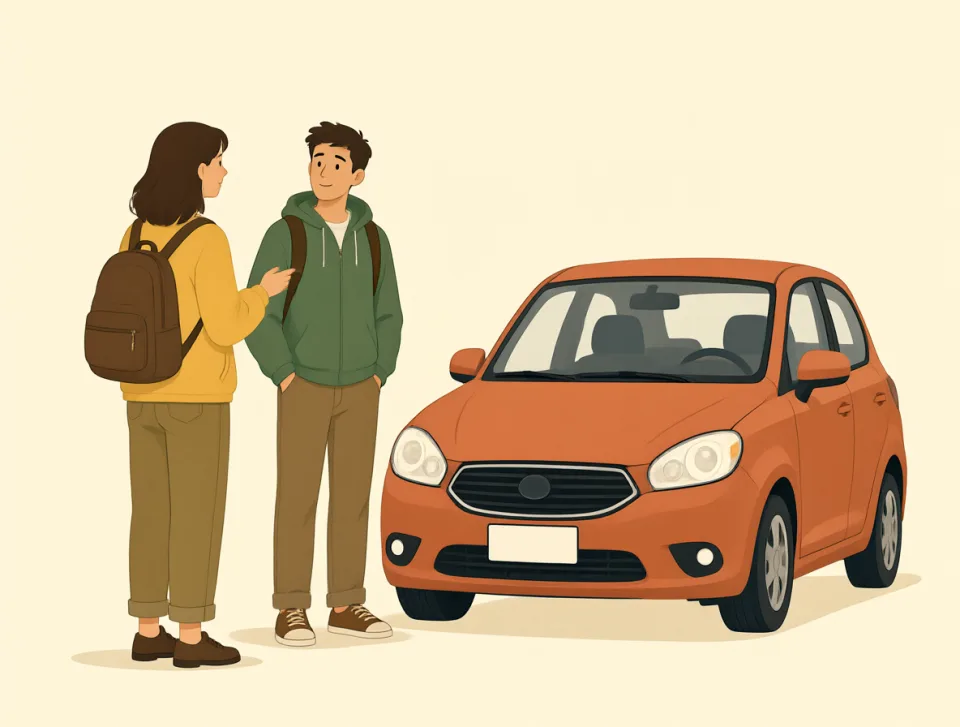
Can you show me the best route to the airport?
میتوانی بهترین مسیر فرودگاه را به من نشان بدهی؟
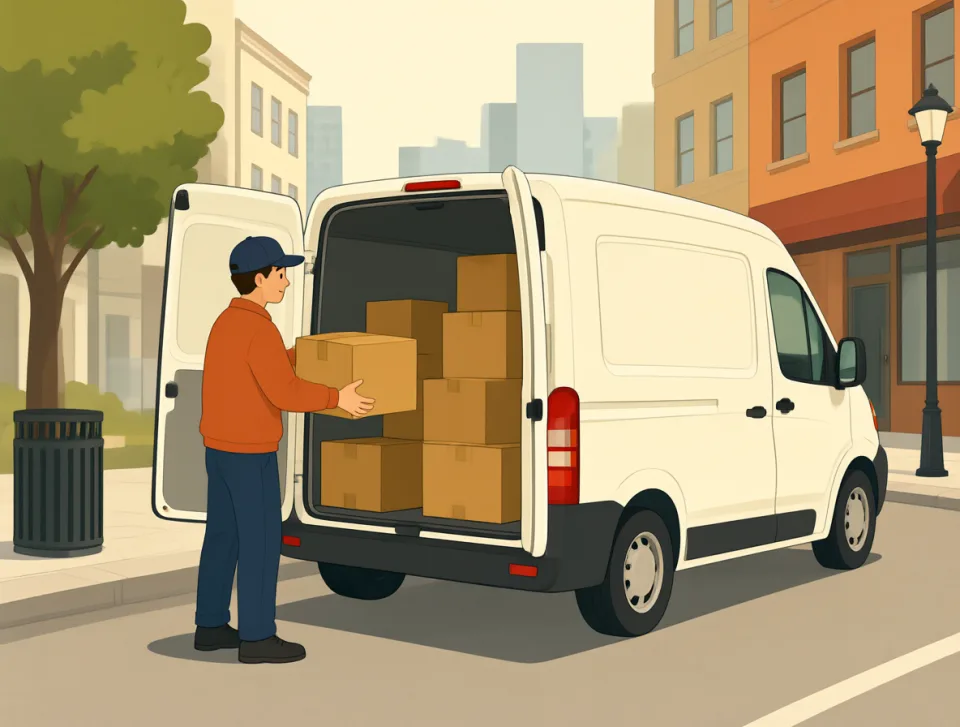
The delivery driver routed the packages through the city center.
رانندهٔ پیک بستهها را از مرکز شهر عبور داد.
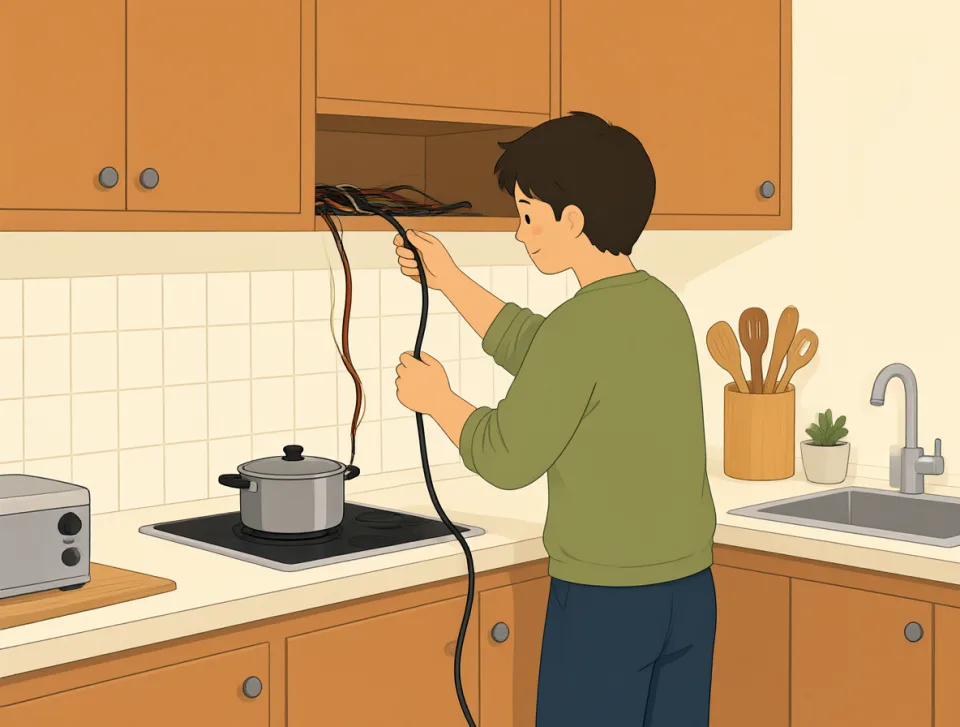
We are routing the wires behind the kitchen cabinets.
سیمها را از پشت کابینتهای آشپزخانه عبور میدهیم.
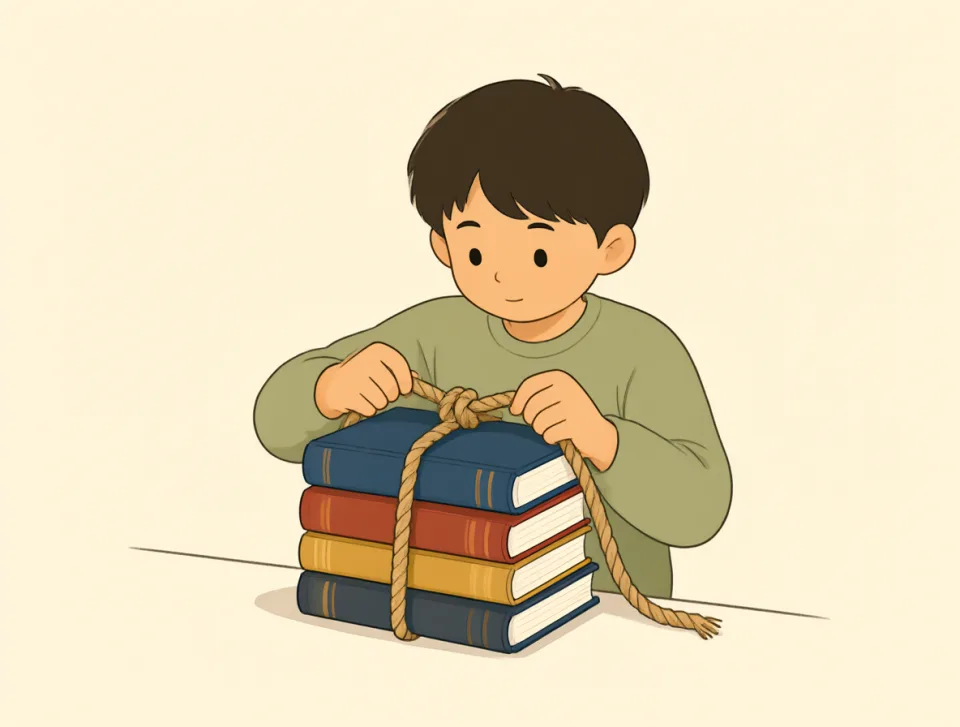
bind
#1411verb, noun
بستن؛ مقید کردن
To tie or hold things together; a difficult situation or promise that limits your choices.
چیزی را به هم بستن یا کنار هم نگهداشتن؛ همچنین، موقعیت دشوار یا قولی که انتخابهایتان را محدود میکند.

Please bind these papers together before the meeting.
لطفاً این کاغذها را قبل از جلسه به هم ببندید.

The contract binds both sides to the agreed price.
قرارداد هر دو طرف را به قیمت توافقشده متعهد میکند.
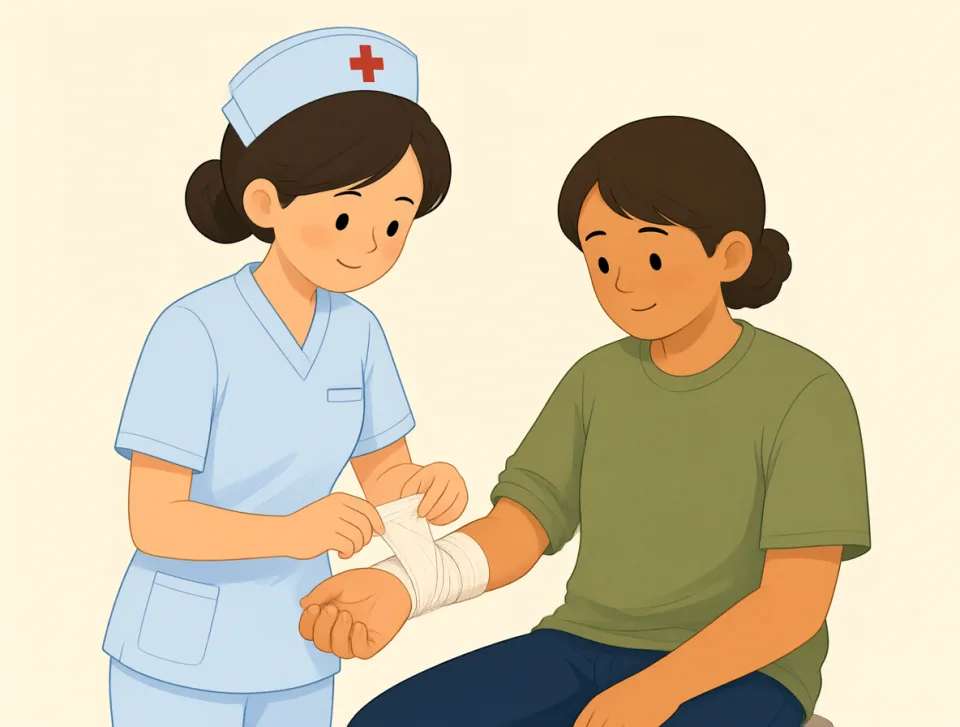
The nurse bound his injured wrist with a clean bandage.
پرستار مچ آسیبدیدهٔ او را با یک باند تمیز بست.
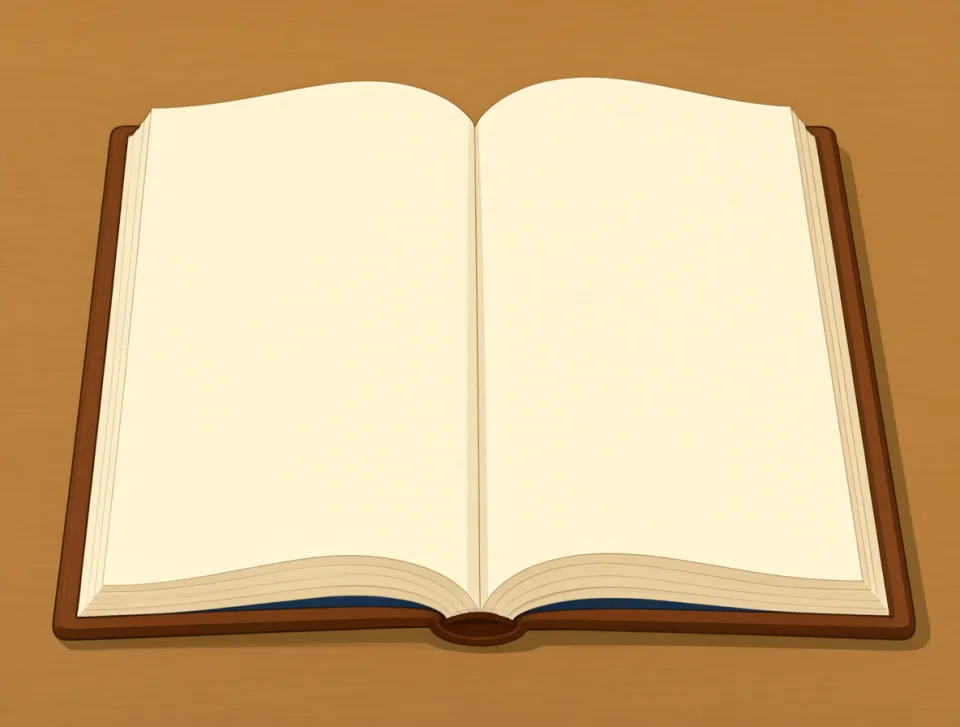
The old book has a beautiful leather bind.
جلد چرمی این کتاب قدیمی زیباست.
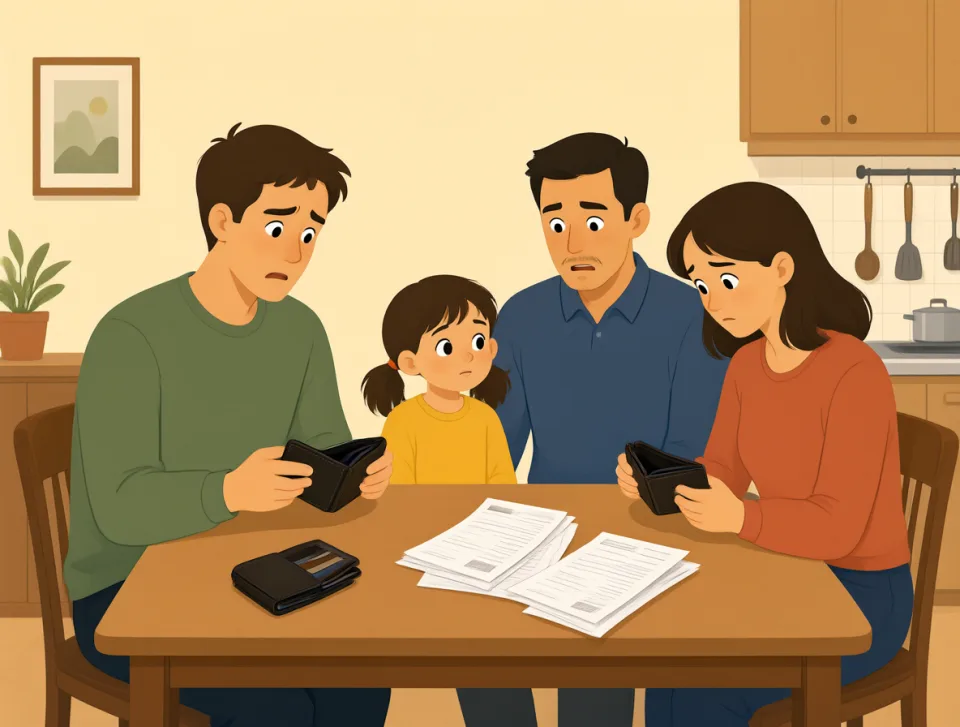
Lack of money put the family in a difficult bind.
کمبود پول خانواده را در موقعیت دشواری قرار داد.
belong
#1412verb
متعلق بودن؛ احساس تعلق داشتن
to be owned by someone or to feel comfortable as part of a group or place
متعلق به کسی بودن یا در یک گروه یا مکان احساس راحتی و تعلق داشتن.
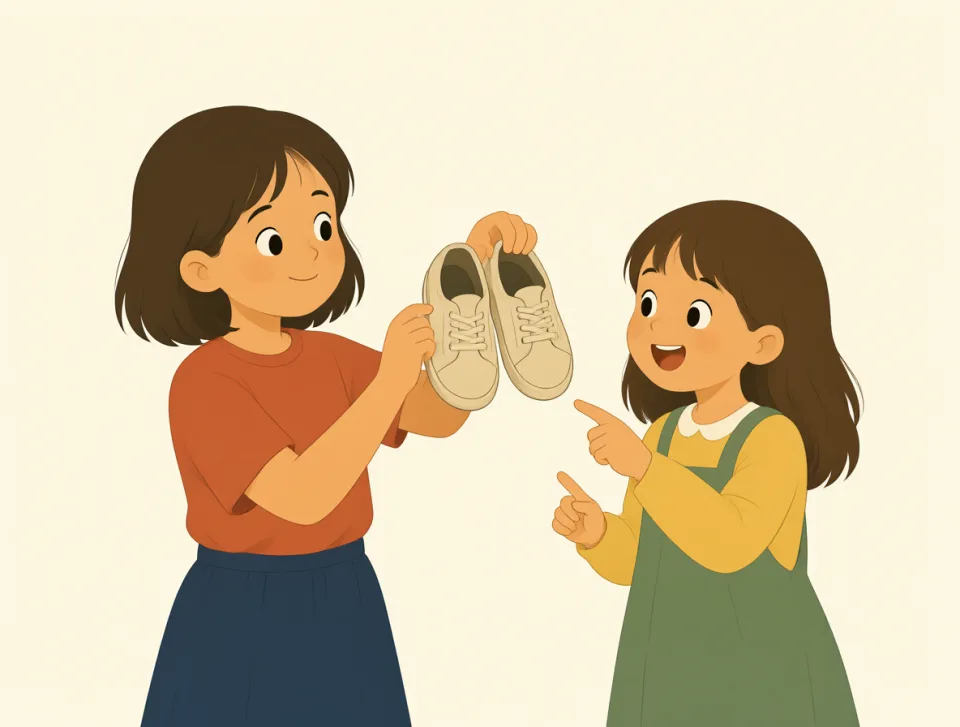
These shoes belong to my sister.
این کفشها مال خواهرم هستند.

Please put the books where they belong.
لطفاً کتابها را سر جایشان بگذار.

I finally feel that I belong here.
بالاخره اینجا احساس میکنم که به اینجا تعلق دارم.
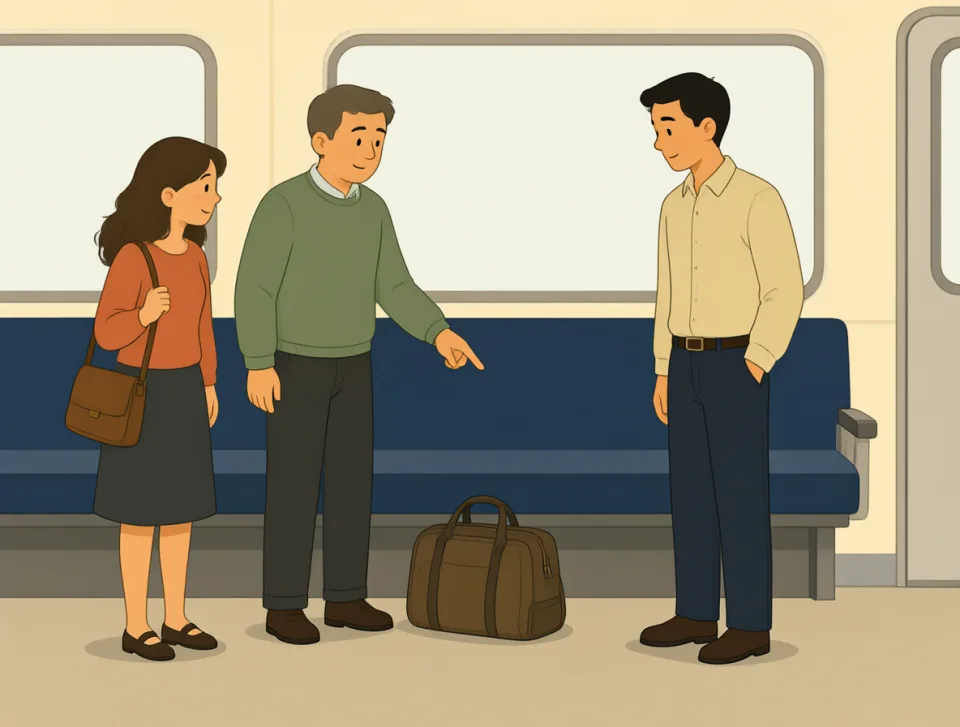
This bag must belong to someone on the train.
این کیف حتماً مال یکی از مسافران قطار است.
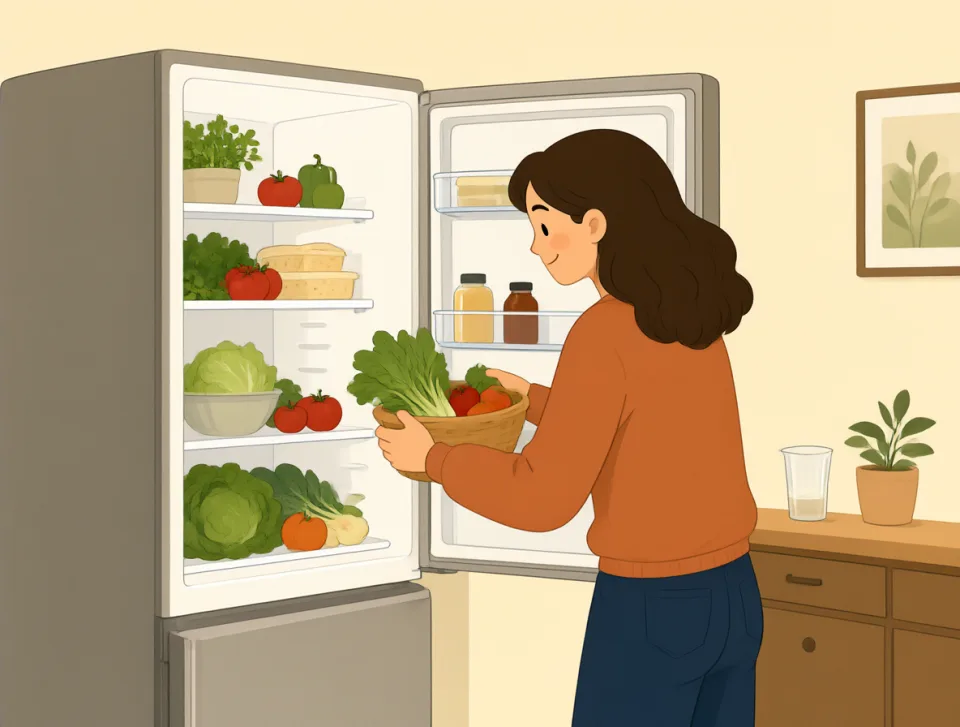
The vegetables belong in the refrigerator after shopping.
بعد از خرید، سبزیجات باید در یخچال گذاشته شوند.
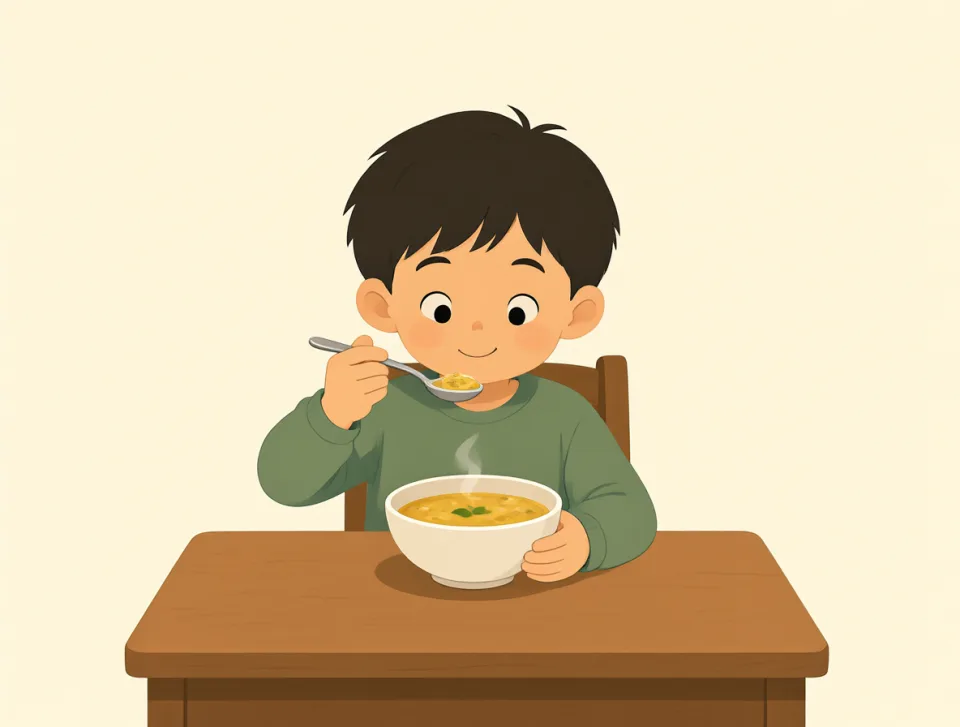
taste
#1413noun, verb
طعم؛ چشیدن
the flavor of something, or to try food or drink to know its flavor
مزهٔ چیزی، یا امتحانکردن غذا یا نوشیدنی برای فهمیدن مزهٔ آن.
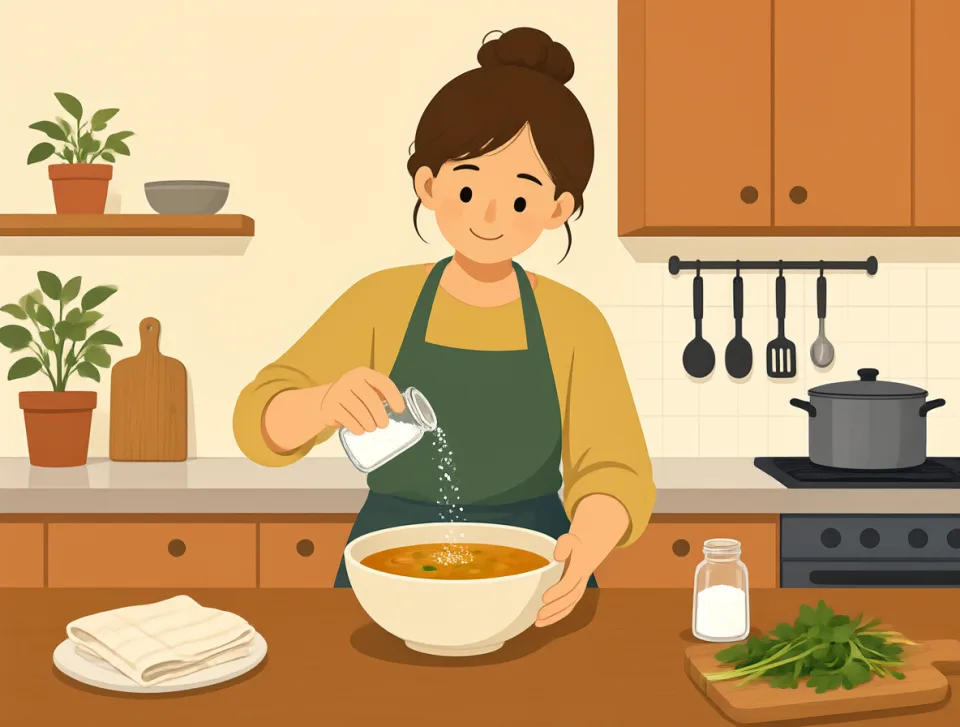
The soup tastes better with a little salt.
این سوپ با کمی نمک خوشطعمتر میشود.

Could I taste the cake before I buy it?
میتوانم قبل از خرید، کمی از این کیک بچشم؟

This medicine has a bitter taste.
این دارو مزهٔ تلخی دارد.

She has good taste in clothes and always looks stylish.
او در انتخاب لباس سلیقهٔ خوبی دارد و همیشه خوشپوش است.
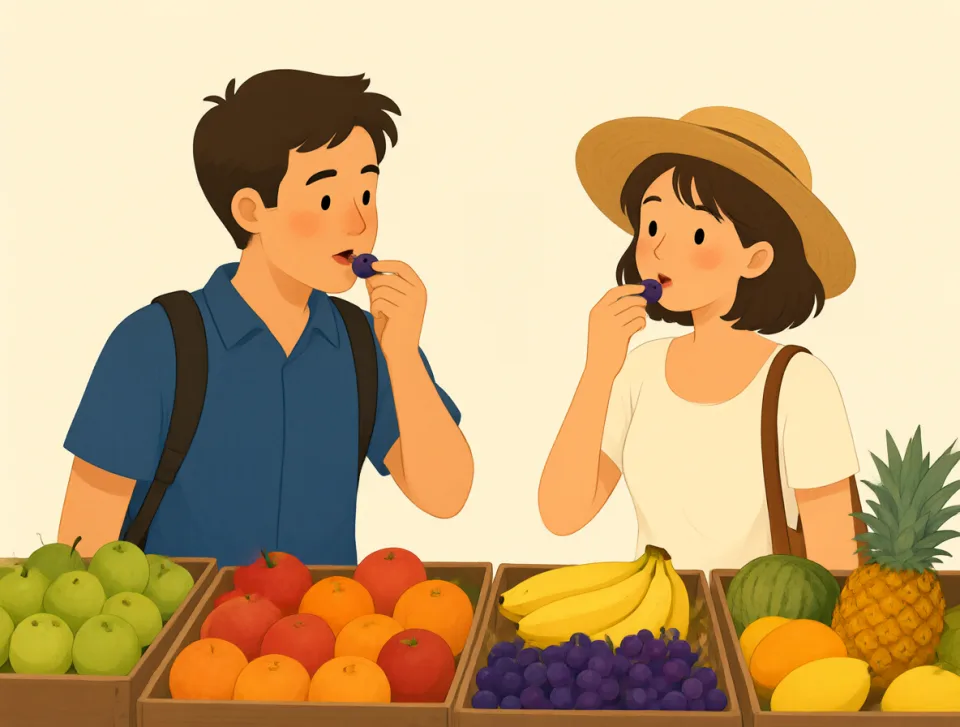
We tasted fresh fruit during our trip to Spain.
در سفرمان به اسپانیا میوههای تازه چشیدیم.
tonight
#1414adverb, noun
امشب
During the evening and night of today.
در طول عصر و شبِ امروز.
Are you staying home with us tonight?
امشب پیش ما میمانی؟
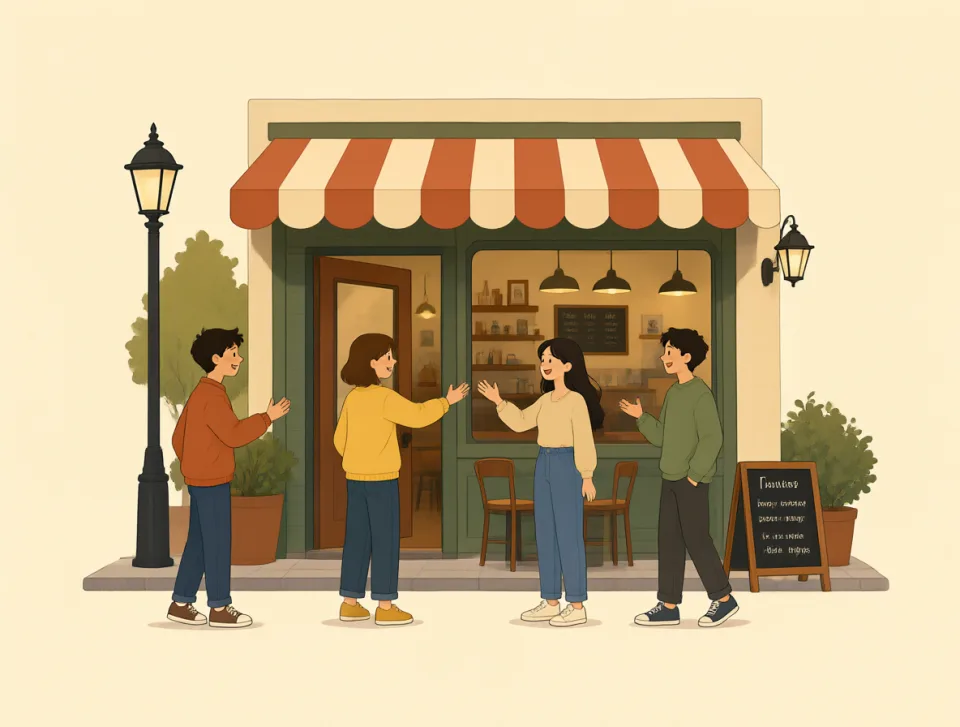
We are meeting our friends for dinner tonight.
امشب برای شام با دوستانمان قرار داریم.

I have to finish this report tonight.
باید امشب این گزارش را تمام کنم.
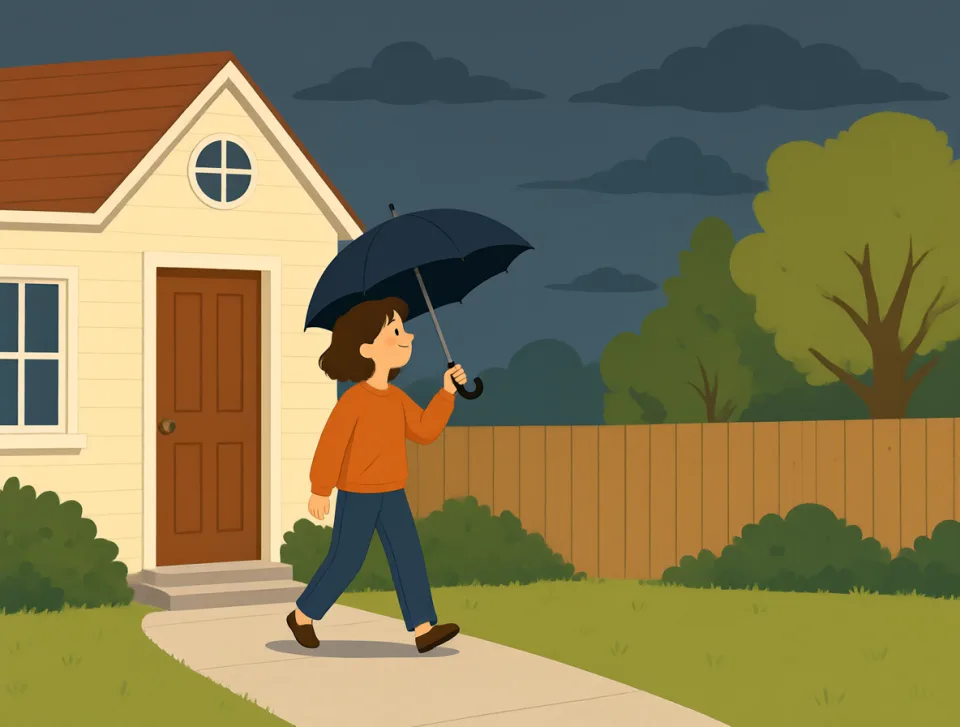
It may rain tonight, so take an umbrella.
ممکن است امشب باران ببارد، پس چتر بردار.

I feel better tonight than I did yesterday.
امشب حالم از دیروز بهتر است.

fashion
#1415noun
مد؛ مُد
A popular style of clothes, hair, or appearance at a particular time.
سبک رایج لباس، مو یا ظاهر در یک دورهٔ زمانی مشخص.

She always wears the latest fashion to work.
او همیشه با جدیدترین مُد لباس سرِ کار میرود.
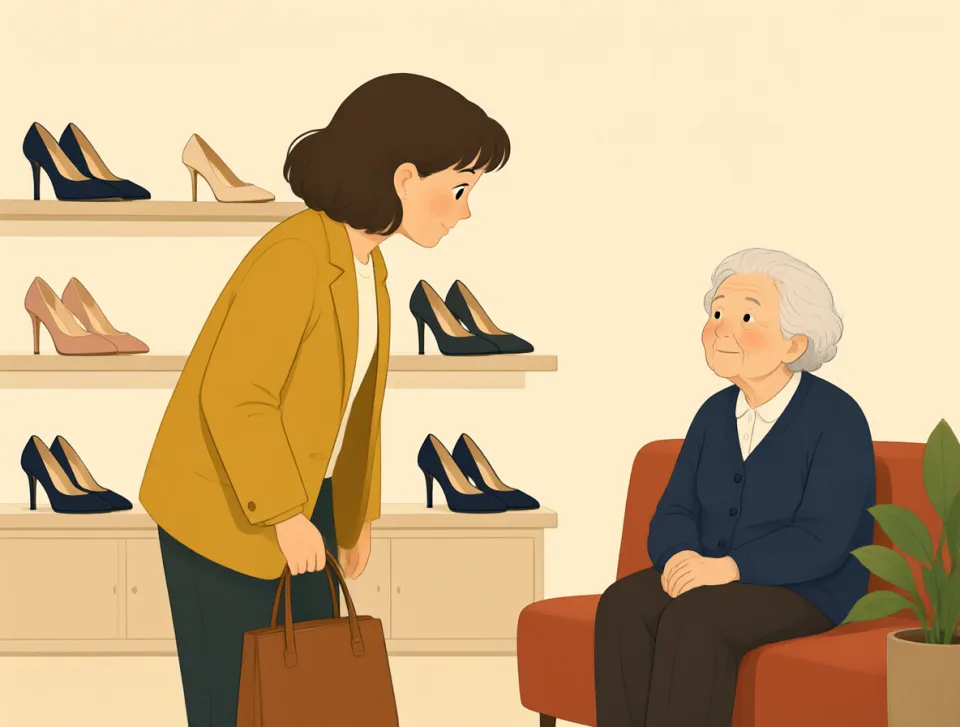
Fashion changes quickly, so these shoes may look old next year.
مد زود عوض میشود، پس ممکن است این کفشها سال آینده قدیمی به نظر برسند.

He studied fashion at college and hopes to design clothes.
او در دانشگاه مد خواند و امیدوار است لباس طراحی کند.

The hotel restaurant is famous for its fashion and beautiful decorations.
رستوران هتل بهخاطر سبک و تزئینات زیبایش معروف است.

My friends enjoy talking about fashion while shopping downtown.
دوستانم هنگام خرید در مرکز شهر از صحبت دربارهٔ مد لذت میبرند.
danger
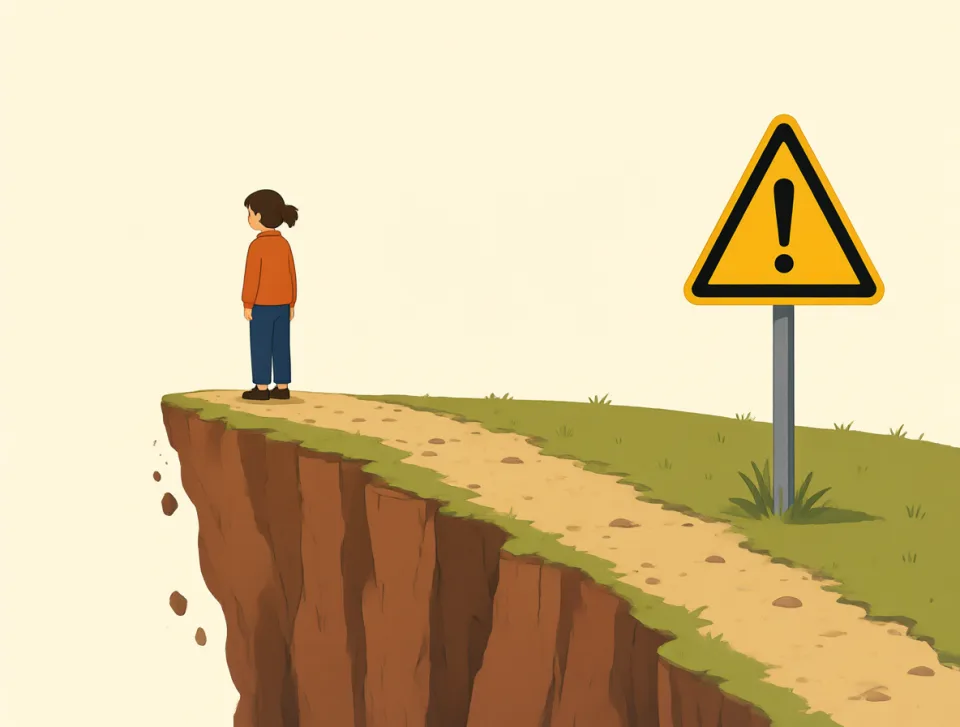
#1416noun
خطر
the possibility that someone or something will be harmed
احتمال آسیب دیدن کسی یا چیزی
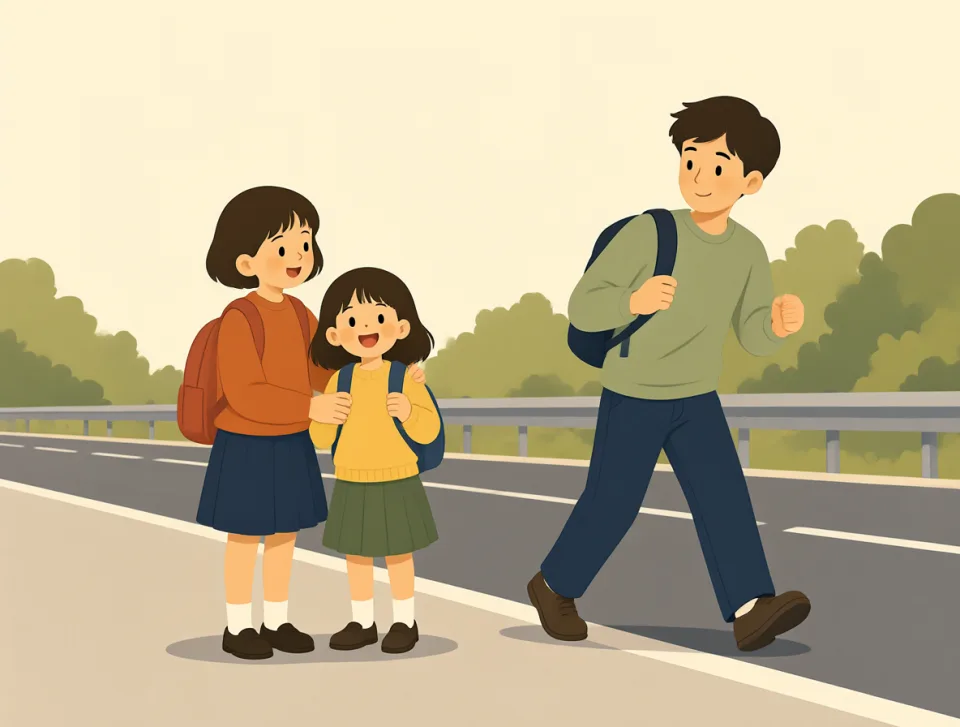
The children were in danger near the busy road.
بچهها نزدیک جادهی شلوغ در خطر بودند.
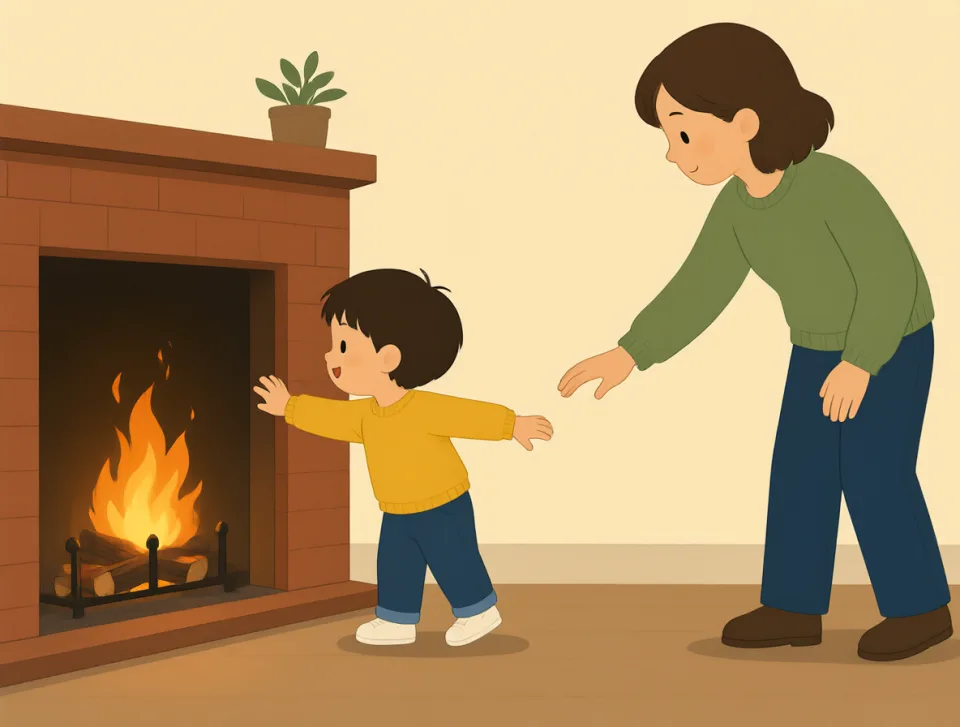
Keep your hands away from the fire to avoid danger.
برای دوری از خطر، دستهایت را از آتش دور نگه دار.

The pilot warned passengers about danger during the storm.
خلبان در طول طوفان، مسافران را دربارهی خطر هشدار داد.
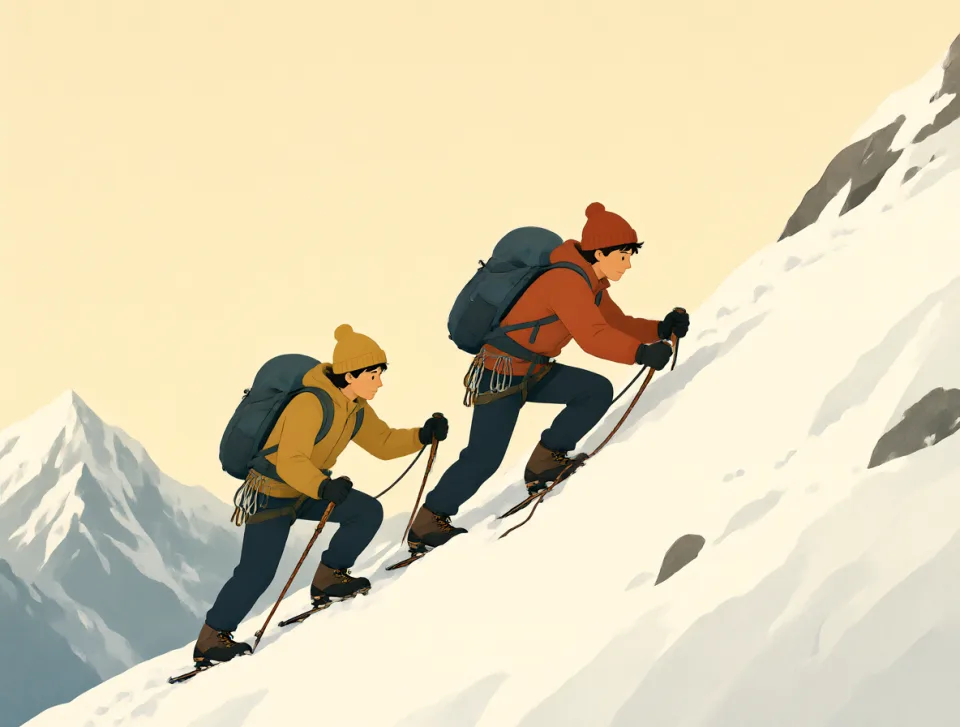
The mountain climbers faced great danger in the snow.
کوهنوردان در برف با خطر زیادی روبهرو شدند.
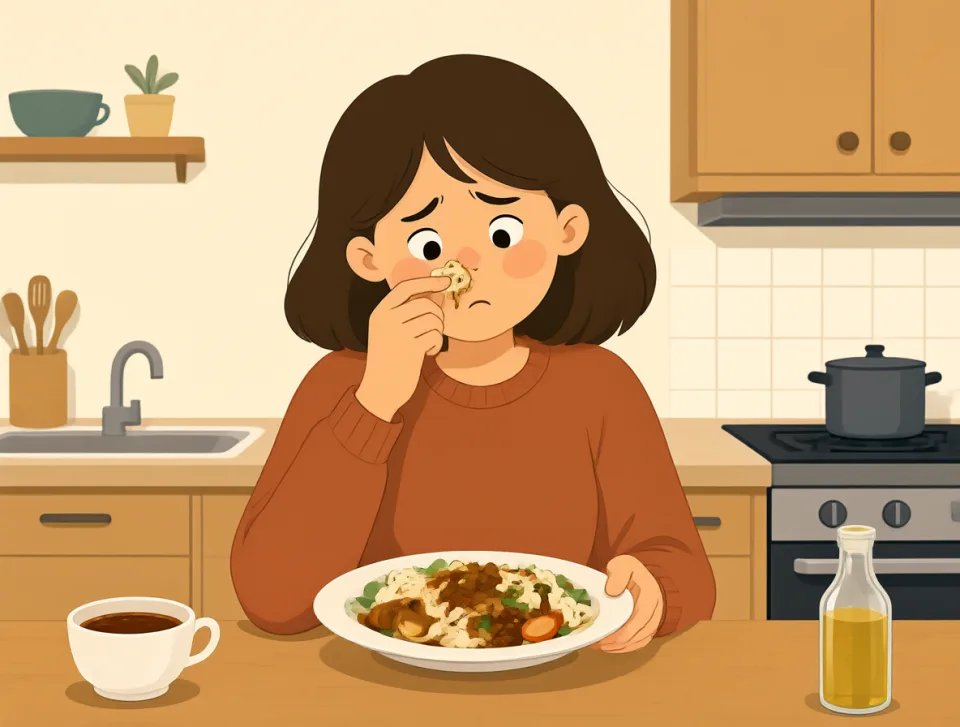
Eating spoiled food can put your health in danger.
خوردن غذای فاسد میتواند سلامتت را به خطر بیندازد.
bomb
#1417noun, verb
بمب
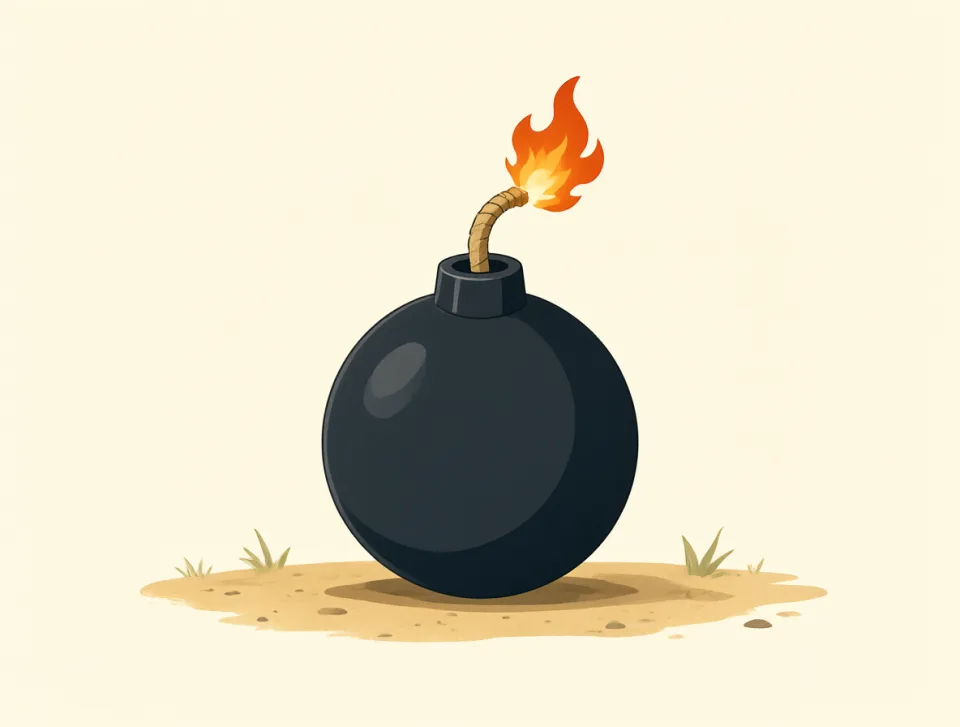
A bomb is a weapon that explodes, or to bomb is to attack with one.
بمب سلاحی است که منفجر میشود؛ «to bomb» هم یعنی با بمب حمله کردن.
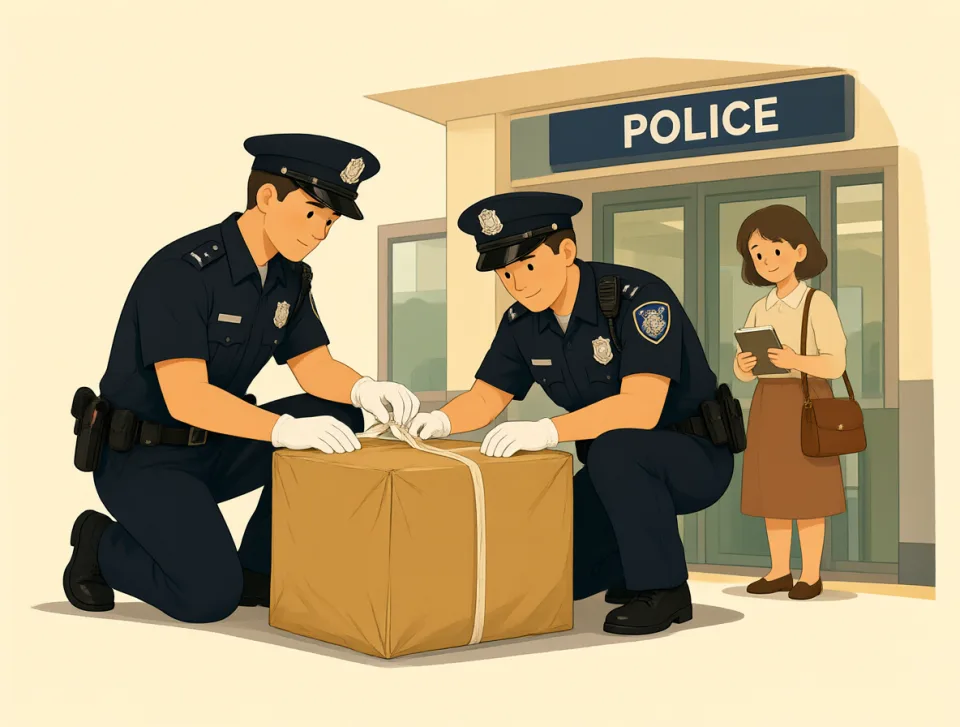
The police found a bomb near the train station.
پلیس بمبی را نزدیک ایستگاه قطار پیدا کرد.
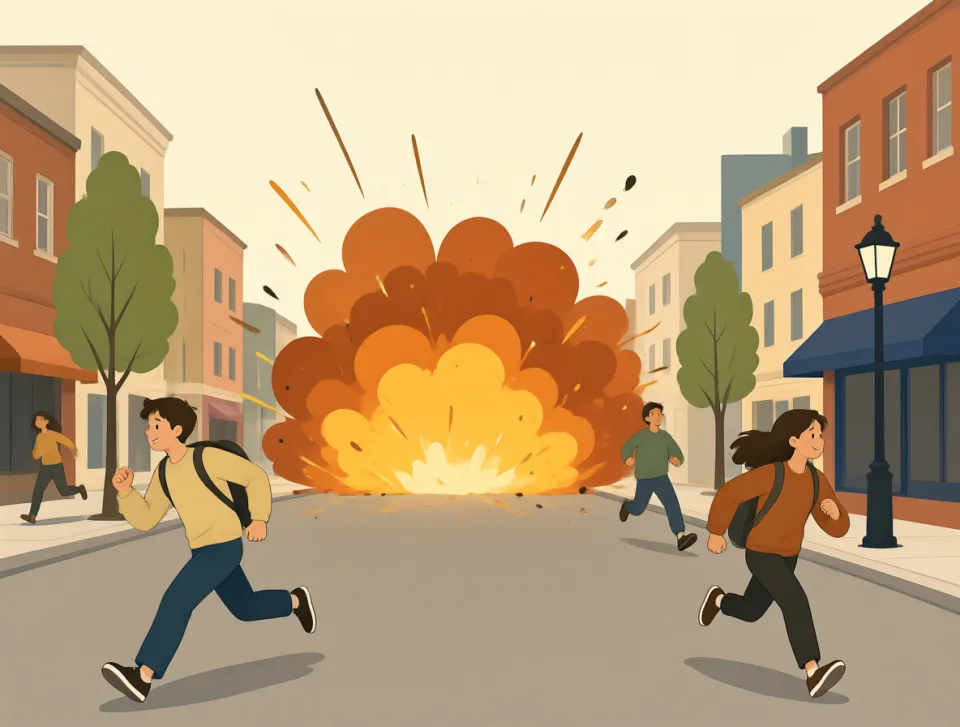
The bomb exploded before anyone could move it.
بمب پیش از آنکه کسی بتواند آن را جابهجا کند منفجر شد.
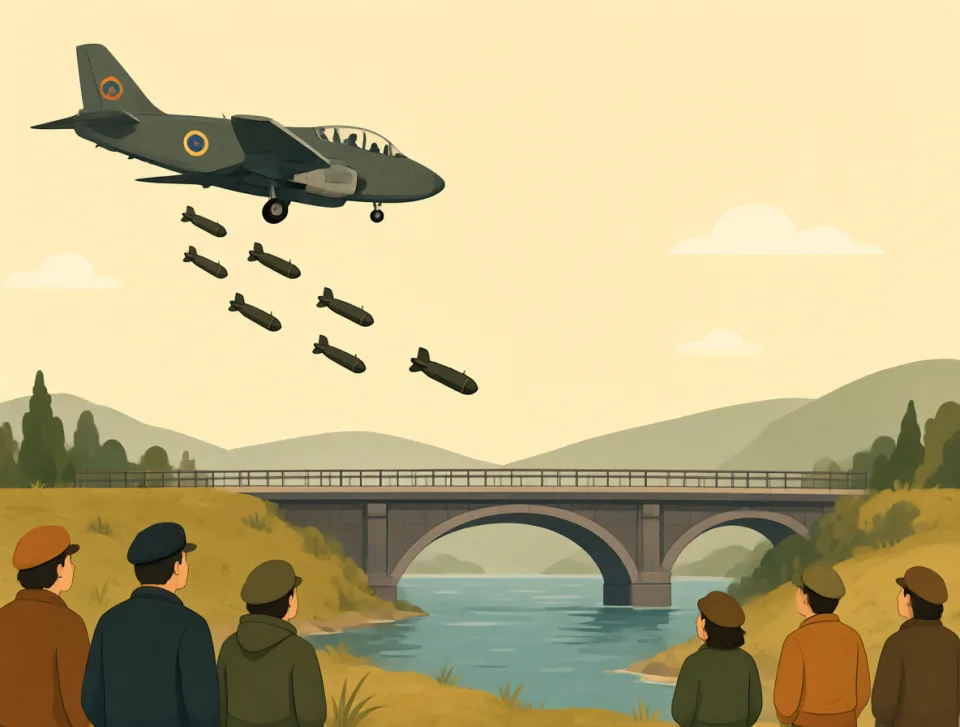
The army bombed the bridge during the war.
ارتش در طول جنگ پل را بمباران کرد.
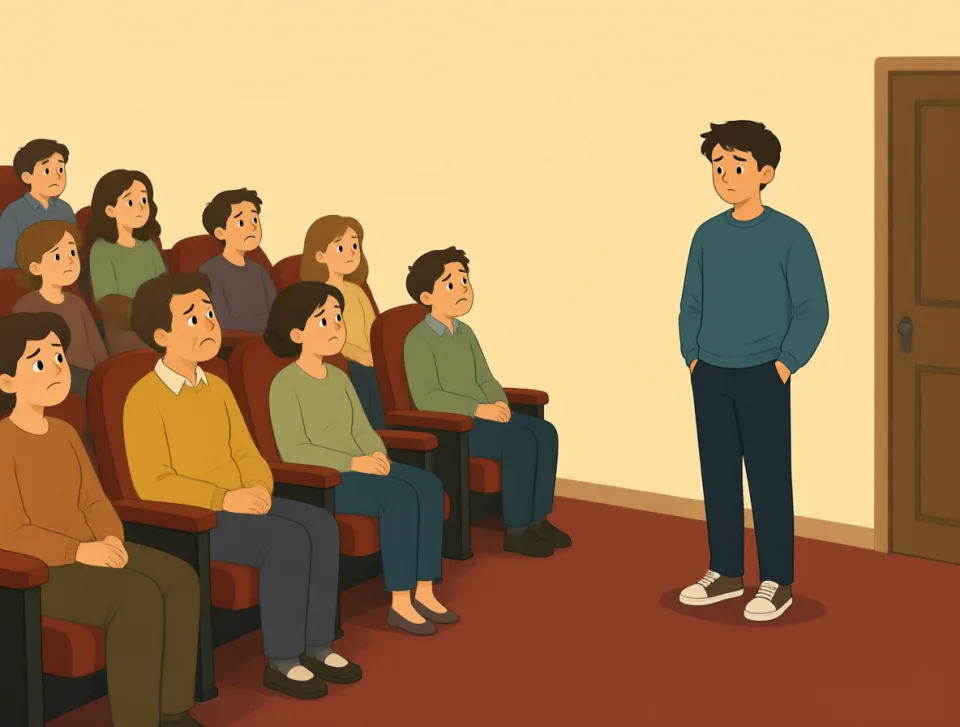
The movie bombed because nobody enjoyed the story.
فیلم نگرفت، چون هیچکس از داستانش خوشش نیامد.

I bombed my math test and need more practice.
امتحان ریاضیام را خراب کردم و باید بیشتر تمرین کنم.
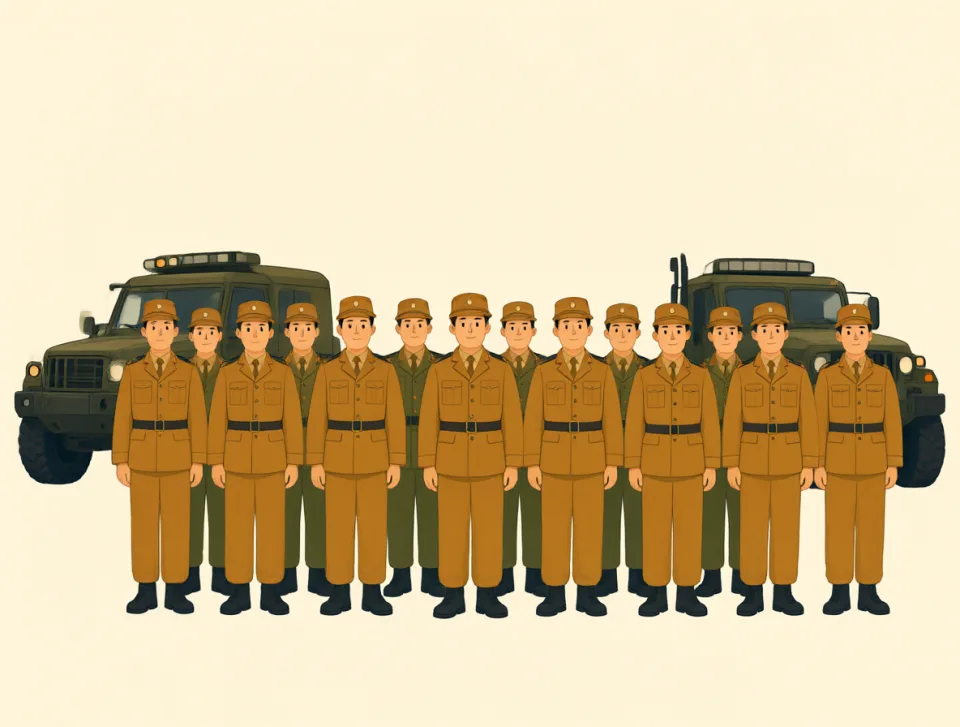
army
#1418noun
ارتش
A large organized group of soldiers trained to fight for a country.
گروه بزرگی از سربازان که سازماندهی شدهاند و برای جنگیدن از کشورشان آموزش دیدهاند.
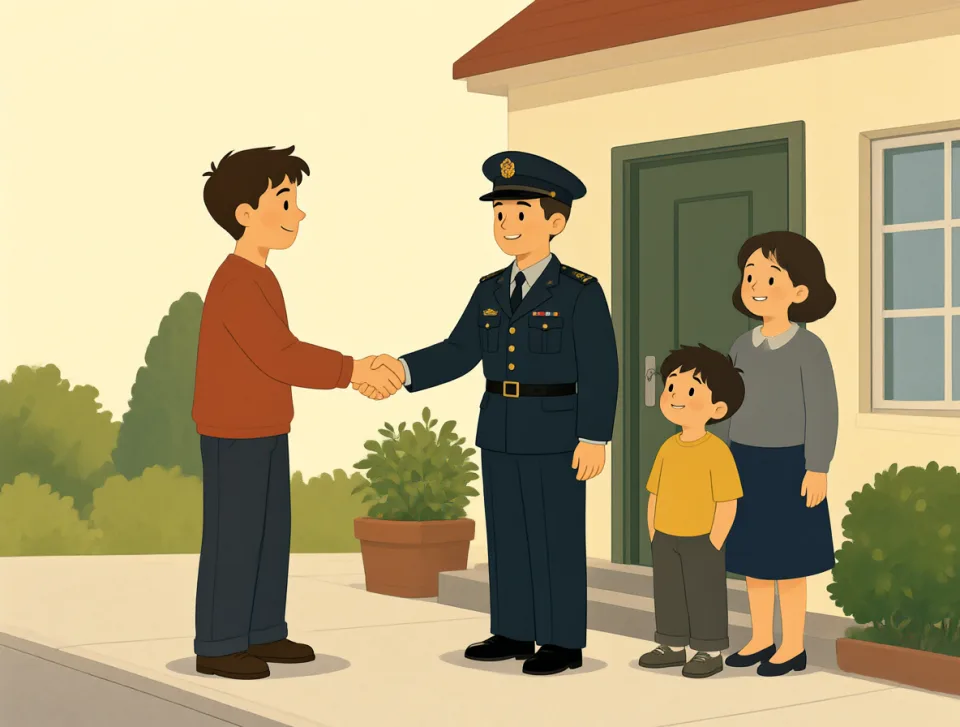
Her brother joined the army after finishing school.
برادرش بعد از تمام کردن مدرسه به ارتش پیوست.
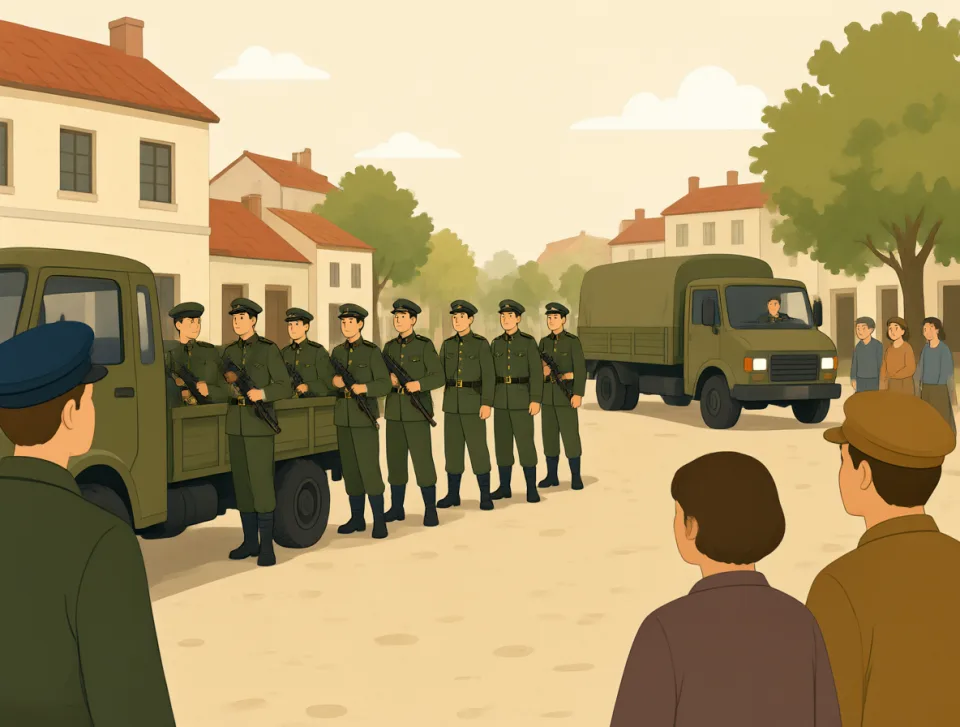
The army sent more soldiers to protect the town.
ارتش سربازان بیشتری برای محافظت از شهر فرستاد.
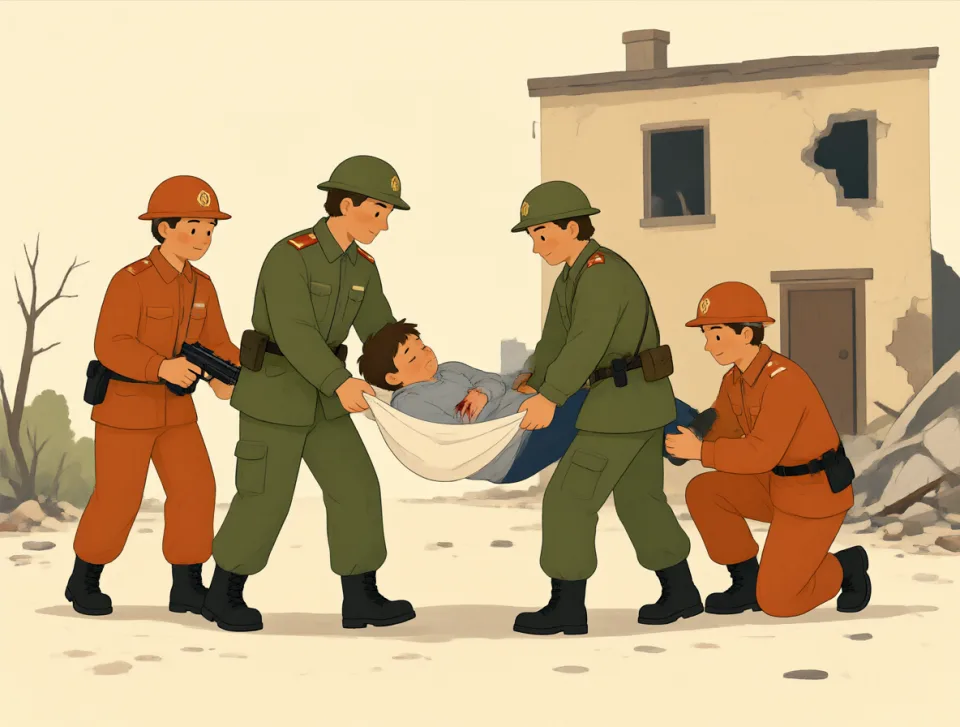
The army helped rescue people after the earthquake.
ارتش بعد از زلزله به نجات مردم کمک کرد.
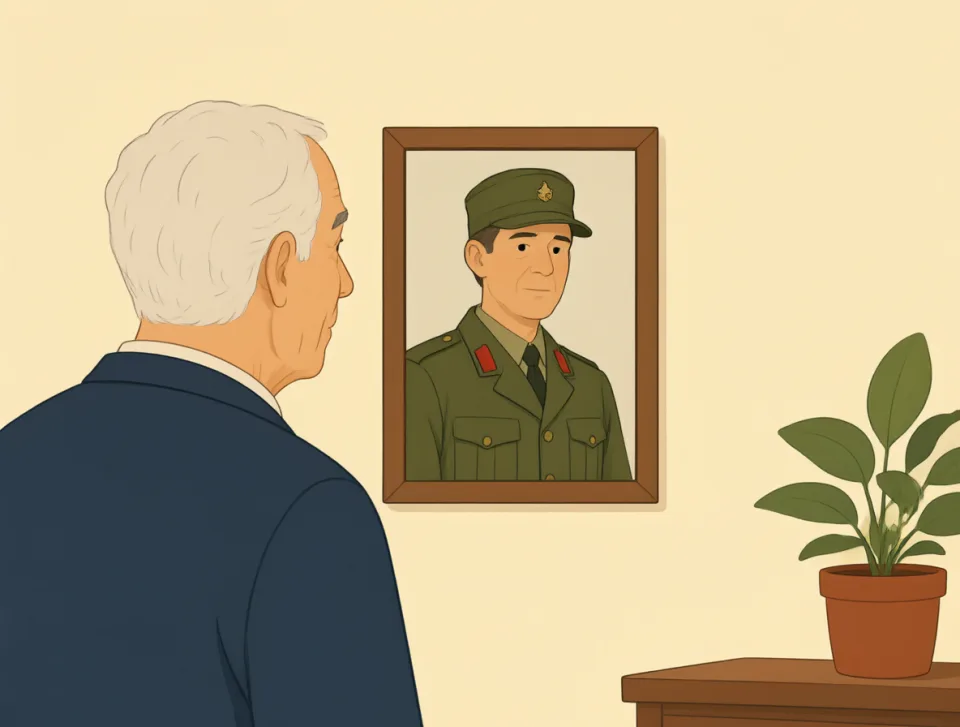
My grandfather spent twenty years in the army.
پدربزرگم بیست سال در ارتش خدمت کرد.
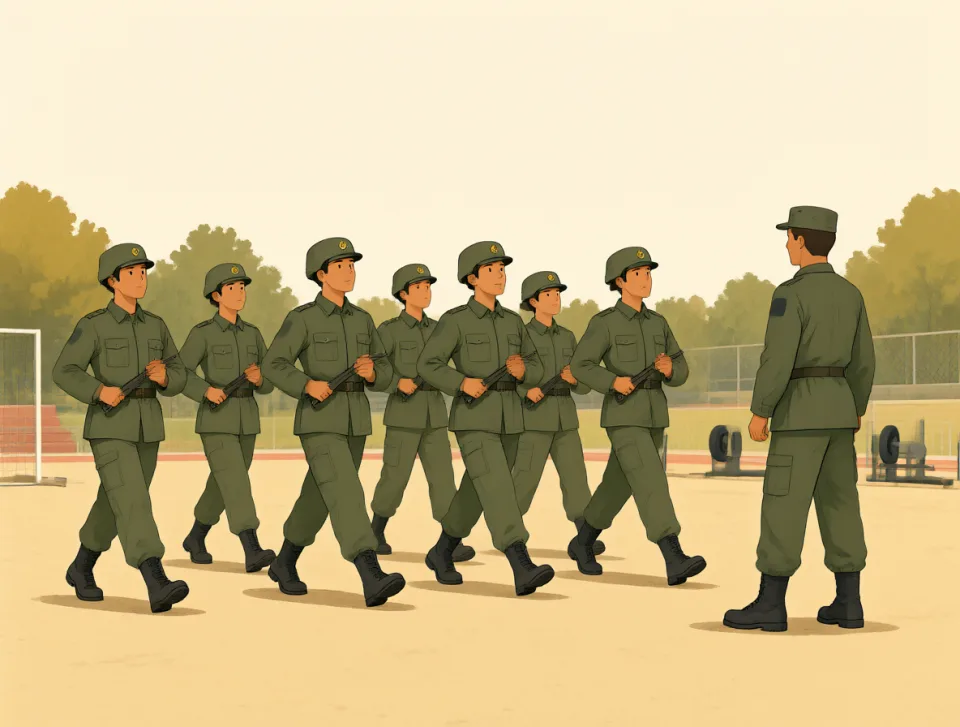
The army trained the new soldiers for three months.
ارتش سه ماه به سربازان تازهوارد آموزش داد.
dangerous
#1419adjective
خطرناک
Likely to hurt people, damage things, or cause problems.
احتمال دارد به مردم آسیب بزند، به چیزها صدمه بزند یا باعث مشکل شود.
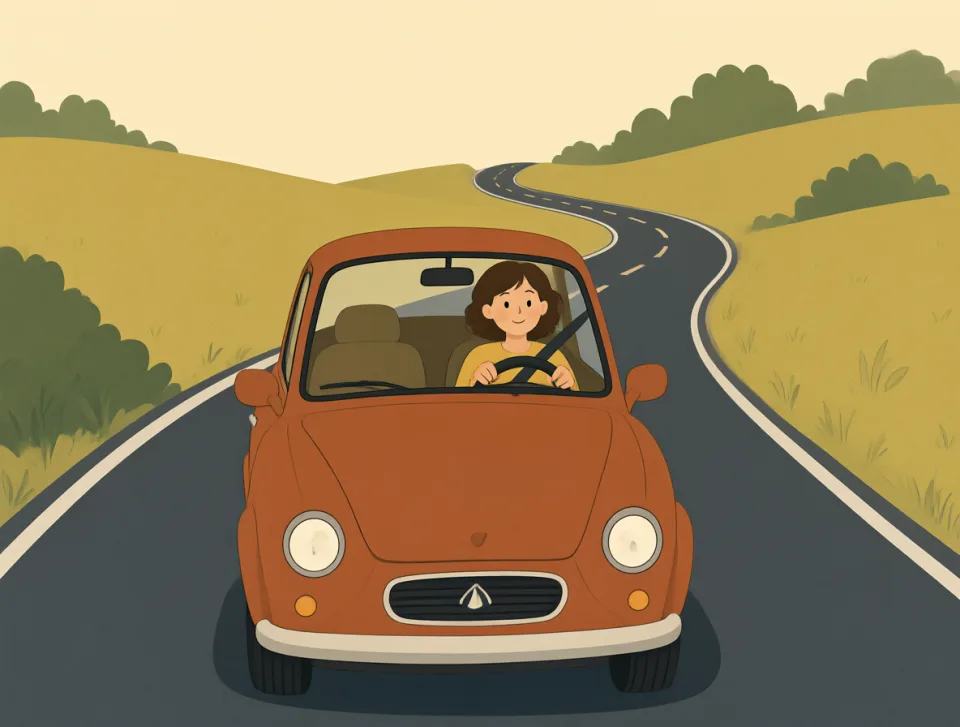
That road is dangerous after dark, so drive slowly.
آن جاده بعد از تاریکی خطرناک است، پس آهسته رانندگی کن.
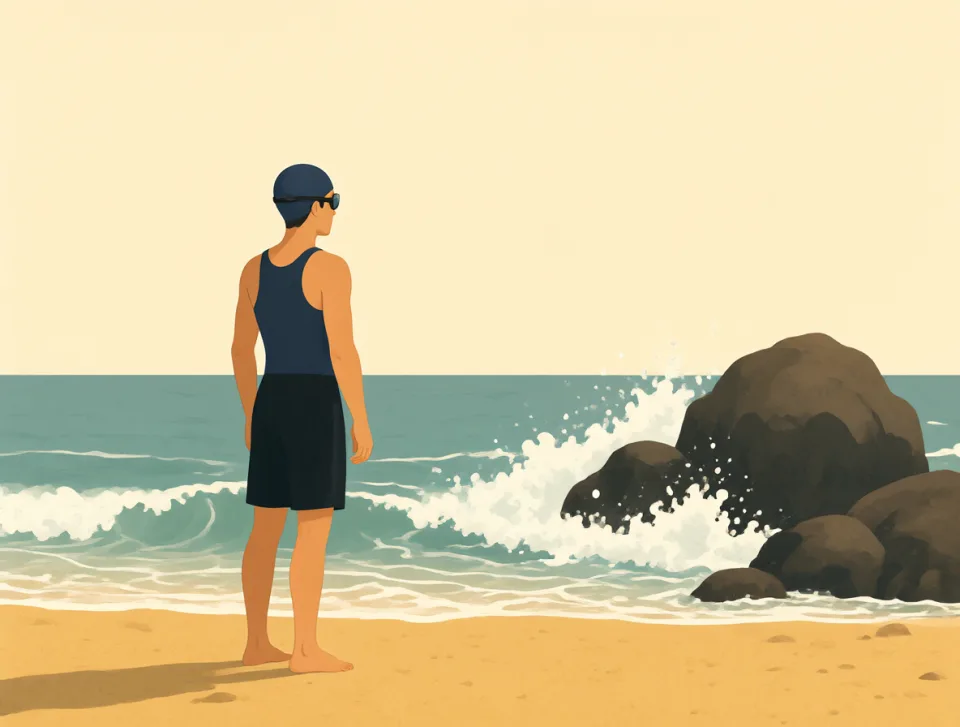
It is dangerous to swim near the rocks during a storm.
شنا کردن نزدیک صخرهها هنگام طوفان خطرناک است.
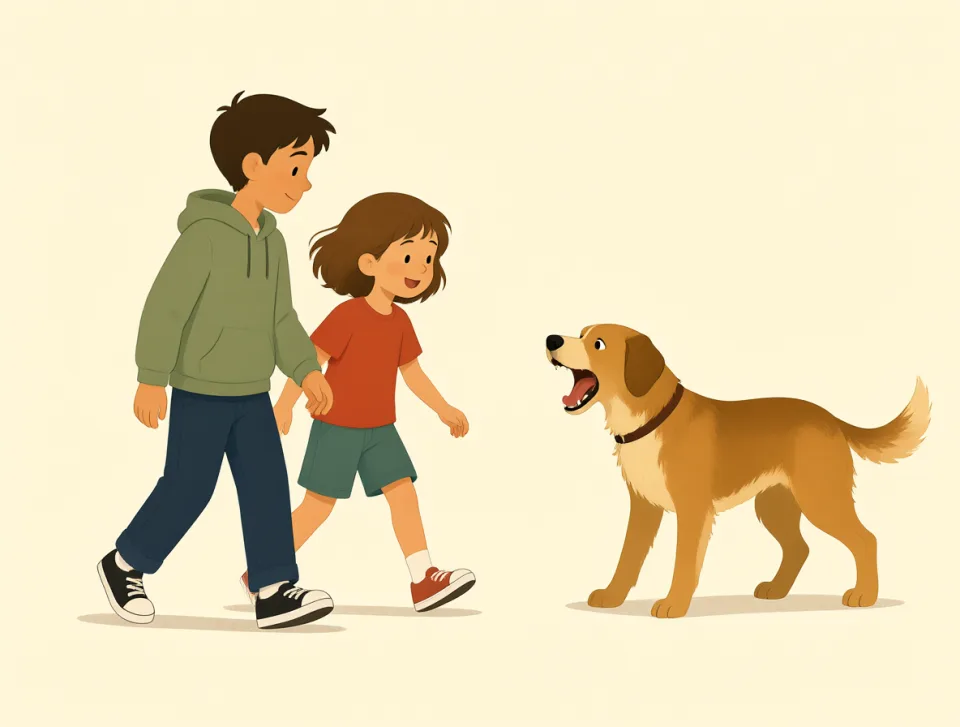
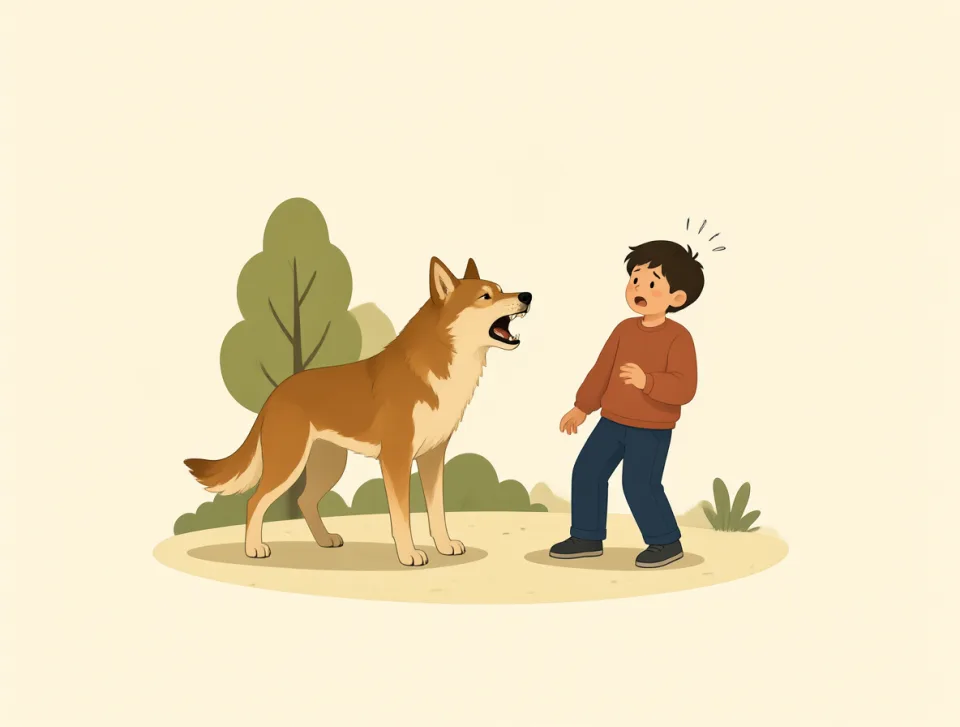
The children moved away from the dangerous dog.
بچهها از سگ خطرناک دور شدند.
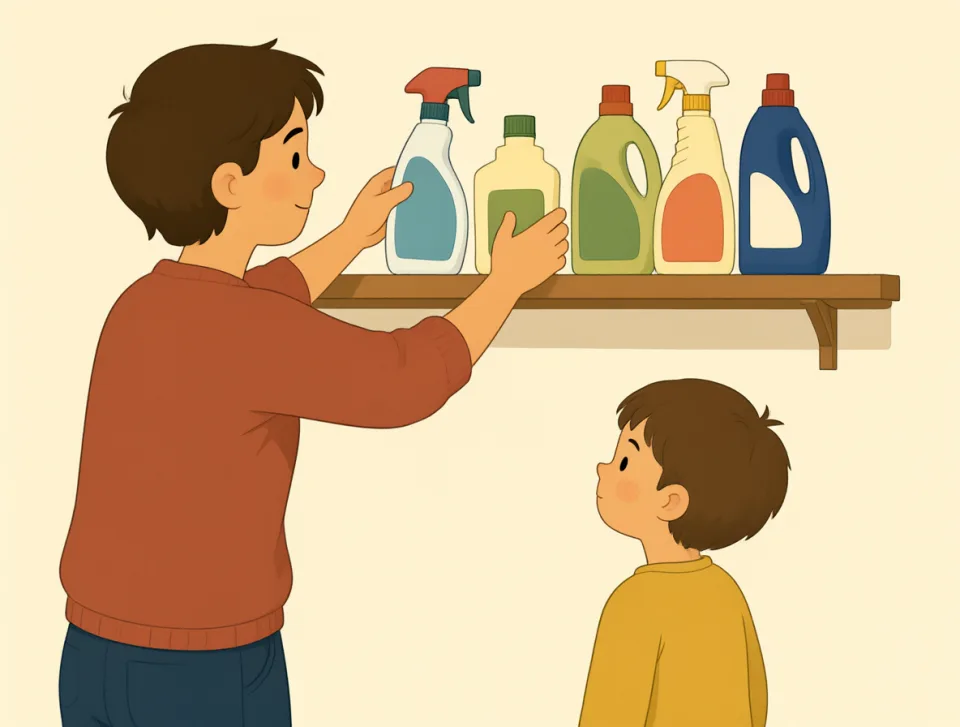
Keep dangerous cleaning products away from young children.
مواد شویندهی خطرناک را از بچههای خردسال دور نگه دار.
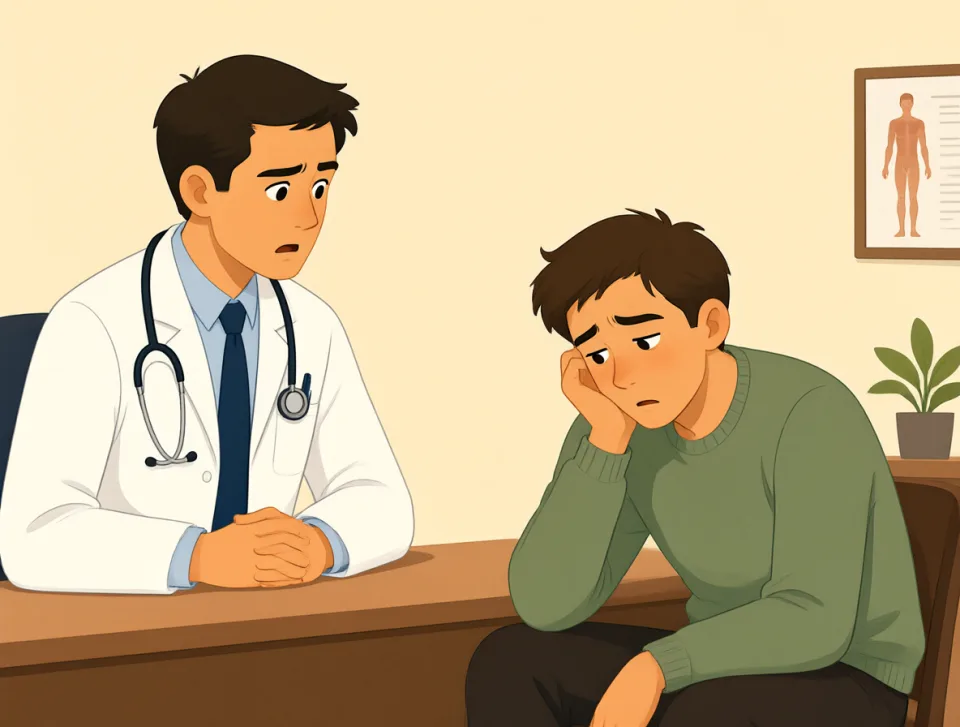
The doctor warned him that dangerous levels of stress could harm his health.
دکتر به او هشدار داد که سطح خطرناک استرس میتواند به سلامتیاش آسیب بزند.
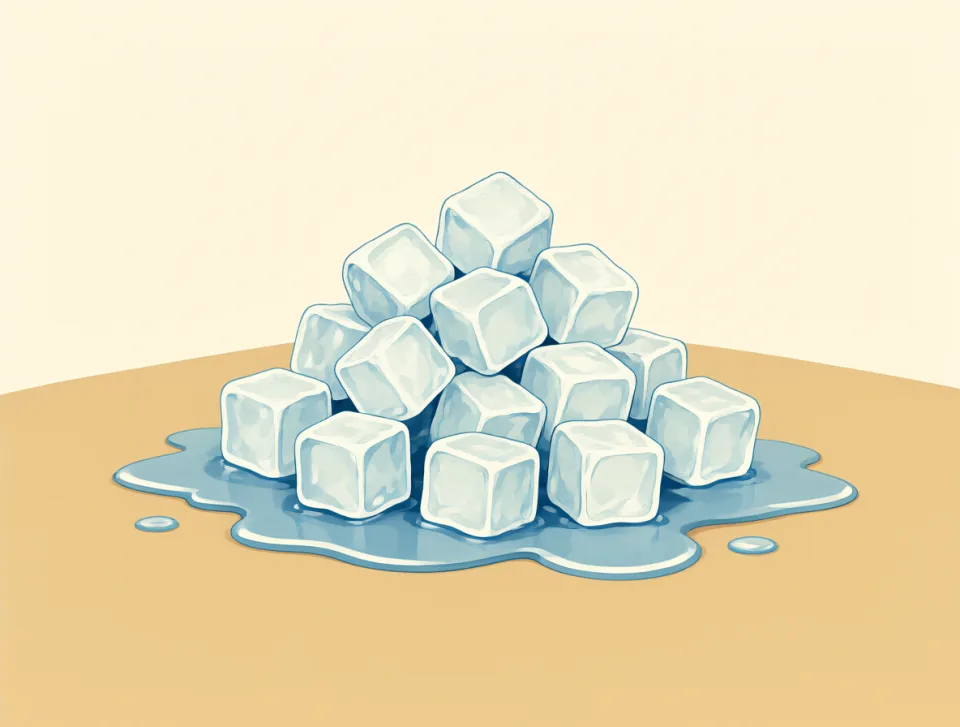
decrease
#1420noun, verb
کاهش یافتن؛ کاهش دادن
to become or make something smaller in size, amount, number, or level
کوچکتر یا کمتر شدن چیزی، یا کوچکتر یا کمتر کردن آن از نظر اندازه، مقدار، تعداد یا سطح
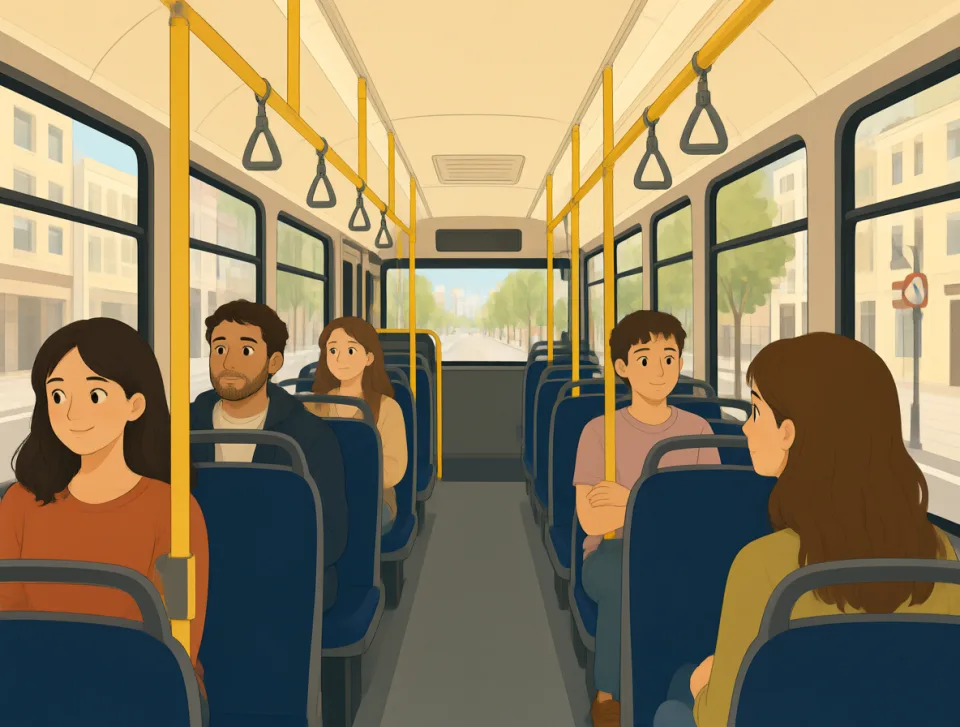
The number of people using the bus decreased last month.
ماه گذشته تعداد افرادی که از اتوبوس استفاده میکردند کاهش یافت.
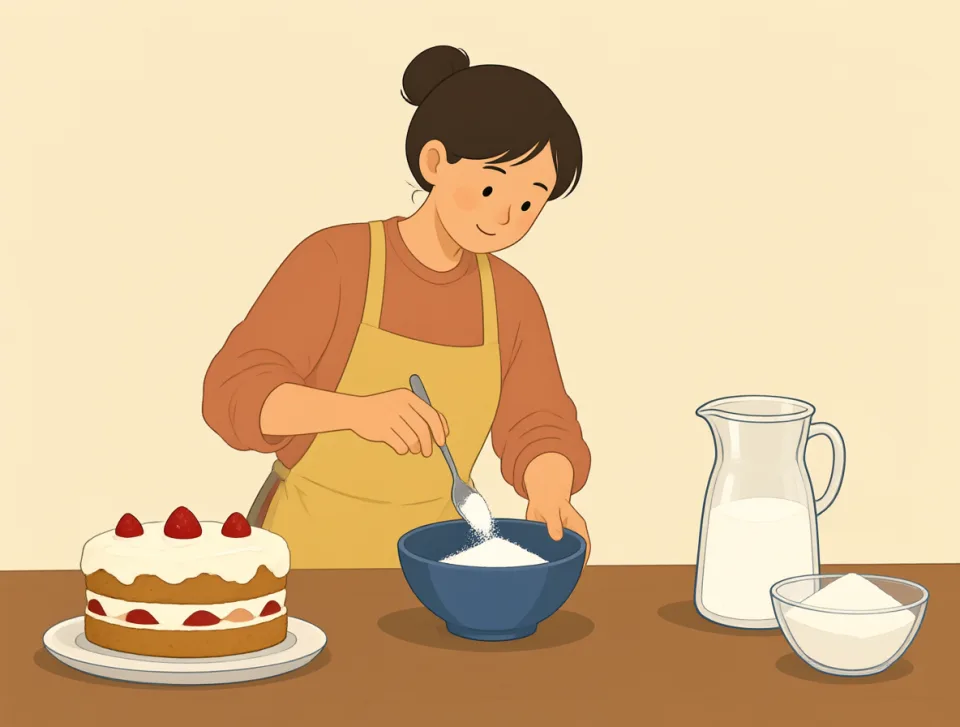
We need to decrease the amount of sugar in this cake.
باید مقدار شکر این کیک را کم کنیم.
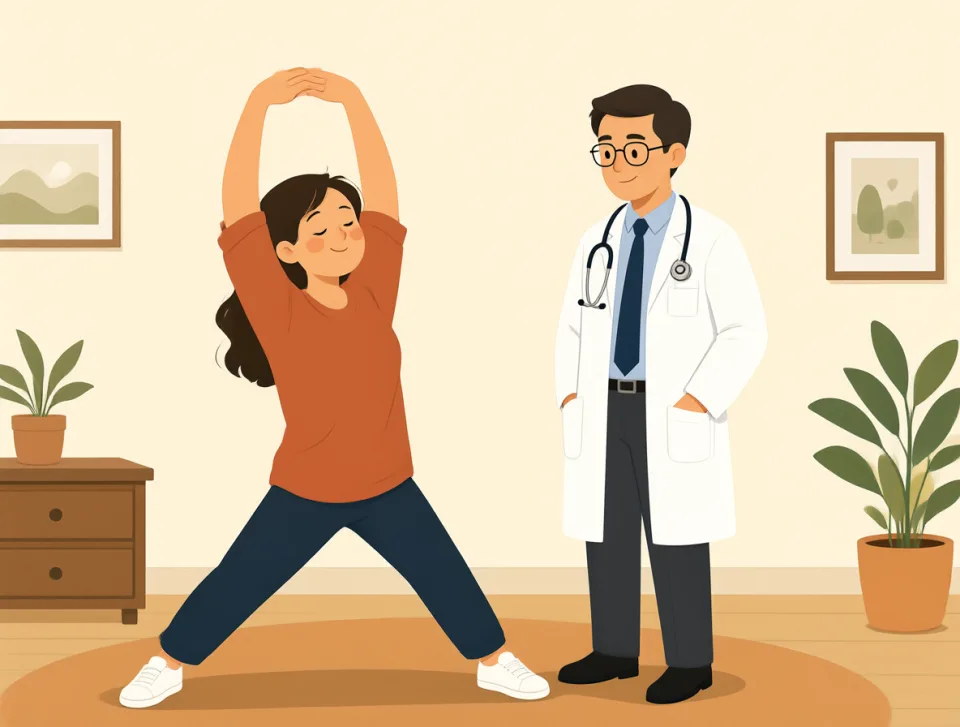
The doctor says regular exercise can decrease back pain.
دکتر میگوید ورزش منظم میتواند کمردرد را کاهش دهد.
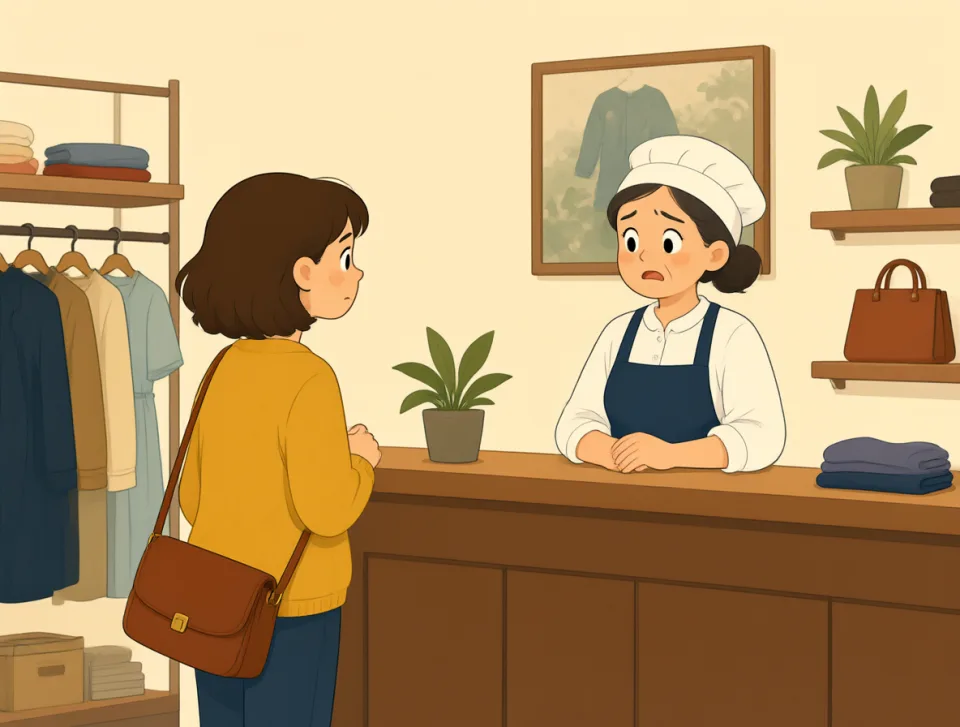
Sales decreased after the shop raised its prices.
بعد از اینکه مغازه قیمتها را بالا برد، فروش کاهش یافت.
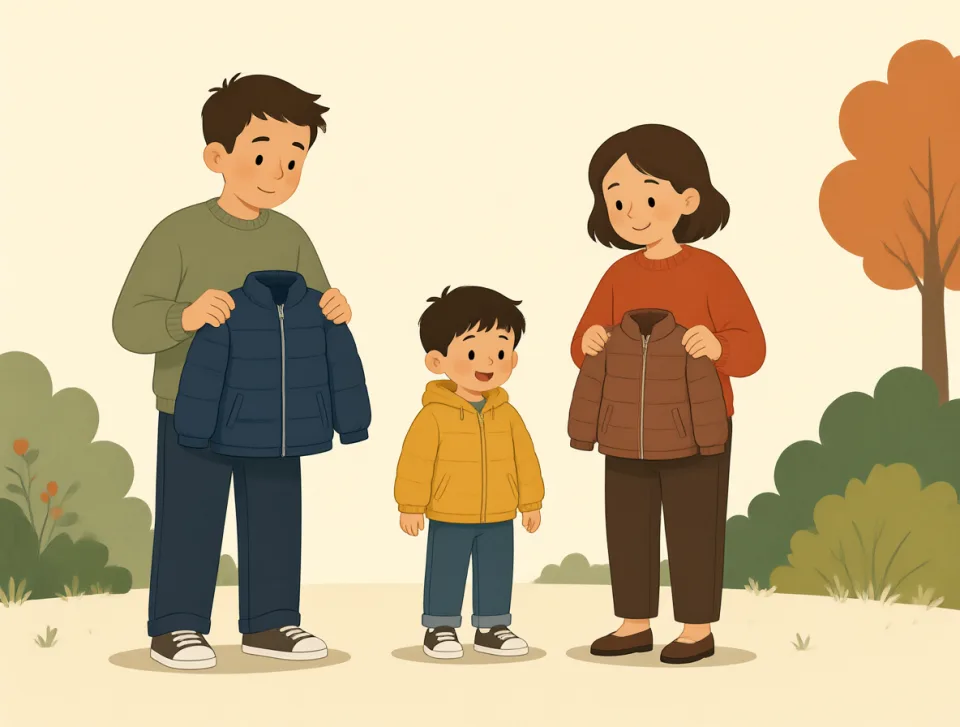
The temperature decreased quickly after the sun went down.
بعد از غروب آفتاب، دما بهسرعت کاهش یافت.