Zestaw 71
Słowa 1401–1420 · dear, objective, moreover, onto, historical, oppose

dear
#1401adjective, noun
drogi; ukochany
Loved or liked very much; used when speaking kindly to someone.
Kogoś, kogo bardzo kochamy lub lubimy; tego słowa używamy, gdy zwracamy się do kogoś życzliwie.
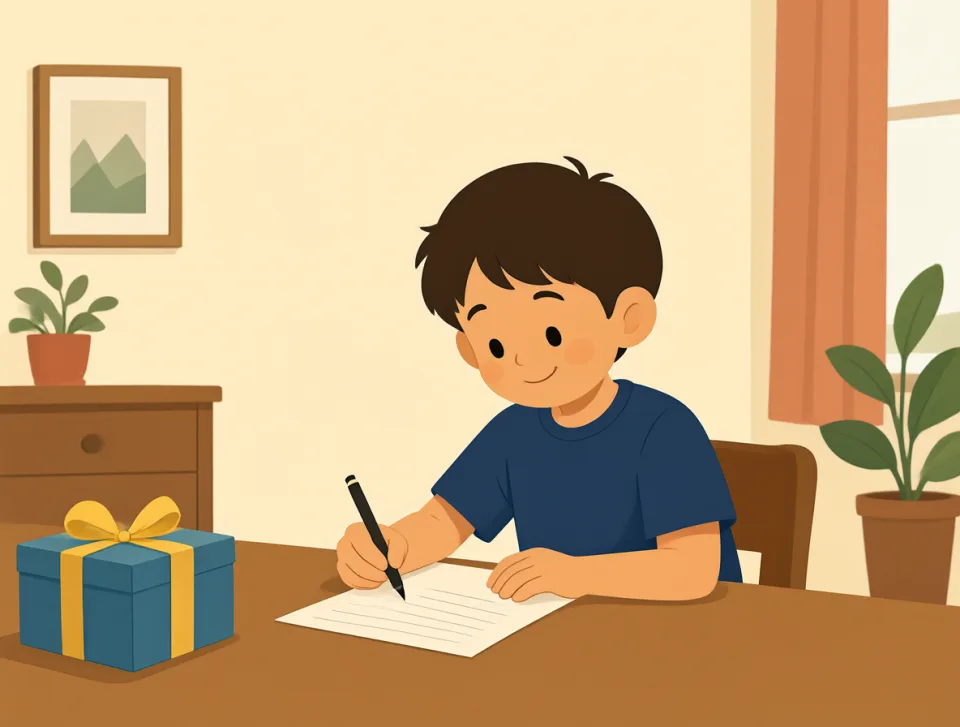
Dear Grandma, thank you for the lovely birthday present.
Kochana Babciu, dziękuję za wspaniały prezent urodzinowy.
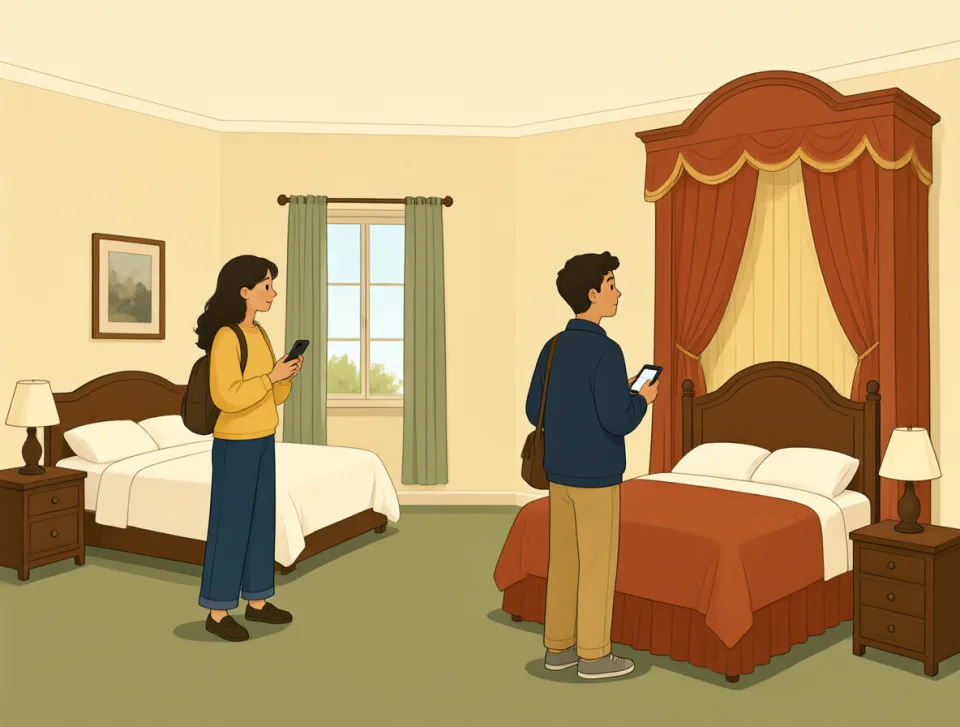
The hotel is dear, so we chose a cheaper room.
Hotel jest drogi, więc wybraliśmy tańszy pokój.
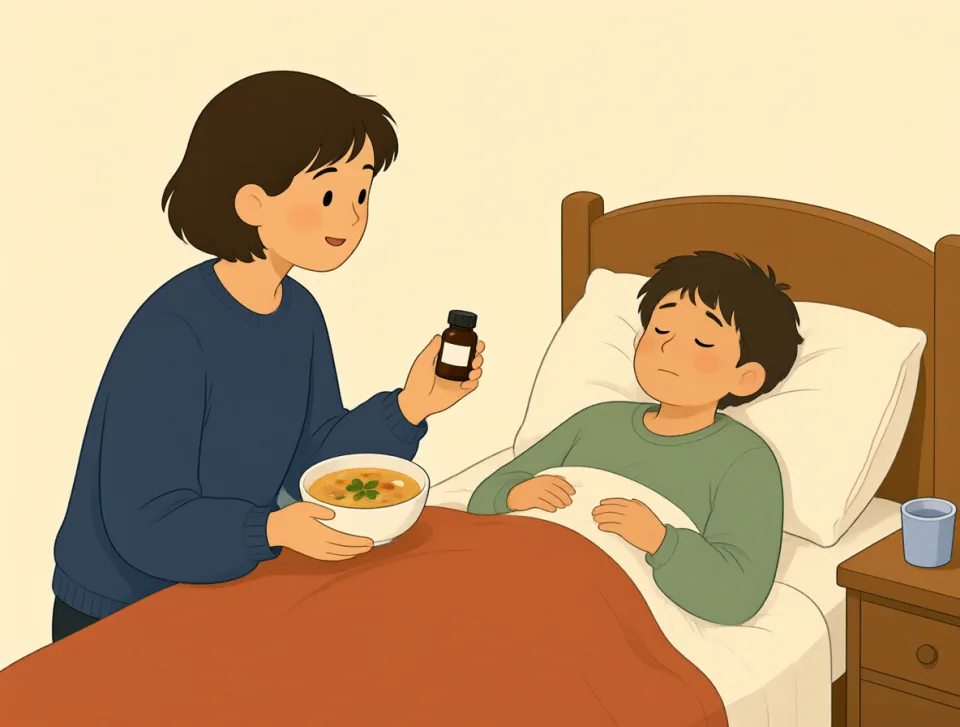
My dear friend helped me when I was sick.
Mój drogi przyjaciel pomógł mi, gdy byłem chory.

Dear customers, please keep your receipts after shopping.
Drodzy klienci, po zakupach prosimy zachować paragony.
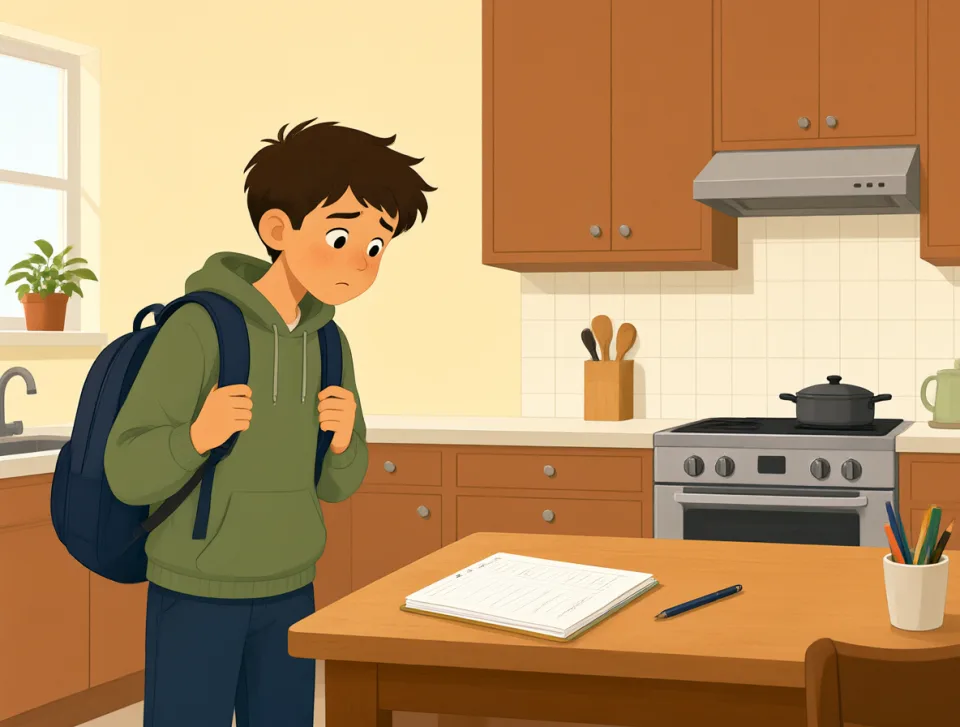
Oh dear, I forgot my homework on the kitchen table.
Ojej, zapomniałem pracy domowej, która leży na kuchennym stole.

objective
#1402noun, adjective
cel; obiektywny
A goal or aim; based on facts rather than personal feelings.
Cel lub zamierzenie; oparty na faktach, a nie na osobistych odczuciach.

Our main objective is to finish the project by Friday.
Naszym głównym celem jest zakończenie projektu do piątku.
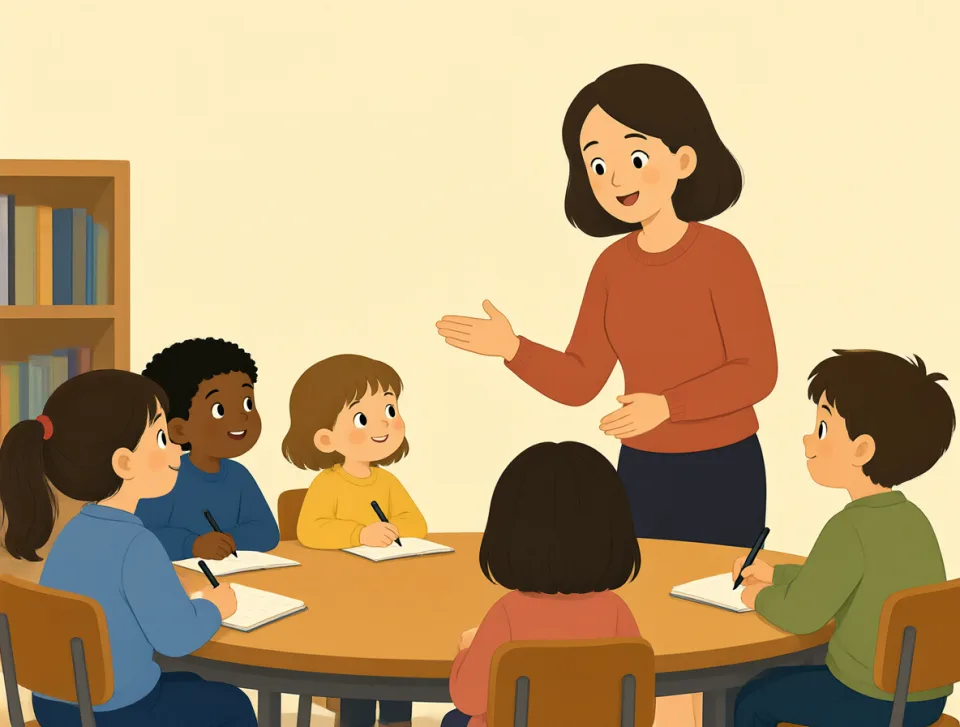
The teacher explained the learning objectives before the lesson.
Nauczyciel wyjaśnił cele nauki przed lekcją.
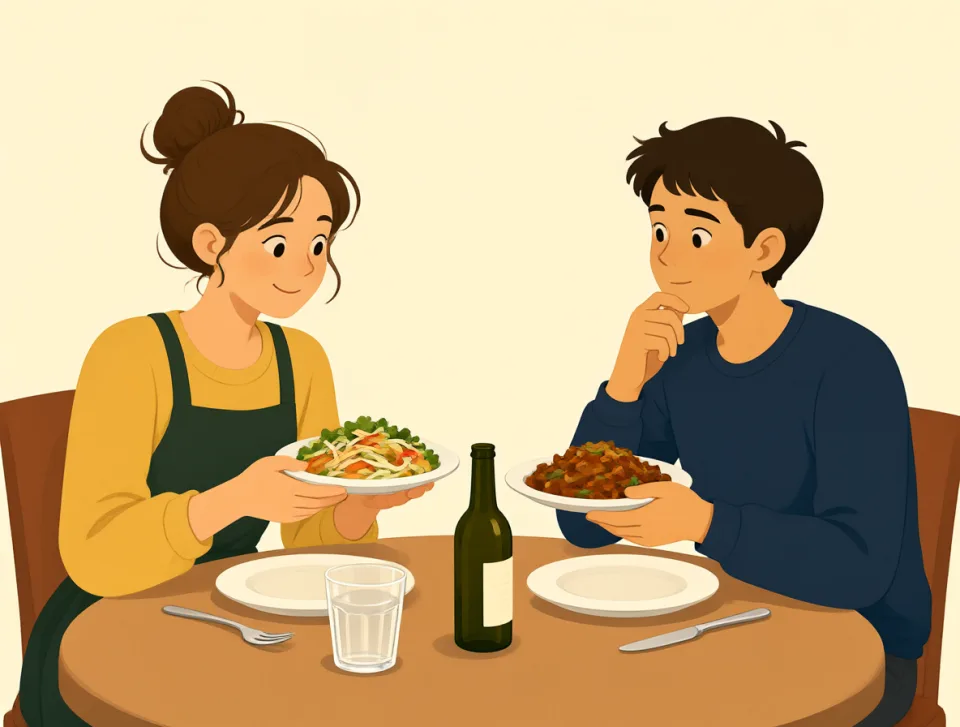
We need an objective opinion before choosing a new restaurant.
Zanim wybierzemy nową restaurację, potrzebujemy obiektywnej opinii.
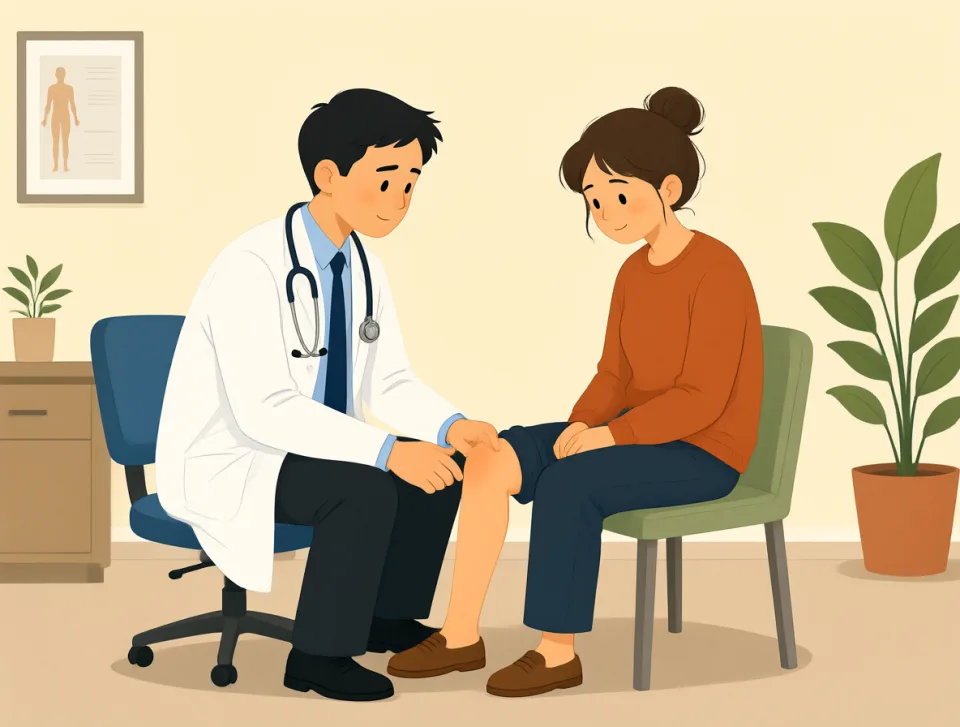
The doctor made an objective assessment of my knee injury.
Lekarz obiektywnie ocenił mój uraz kolana.

The camera gave an objective view of the beautiful mountain scenery.
Aparat uchwycił obiektywny obraz pięknej górskiej scenerii.
moreover
#1403adverb
ponadto
Used to add another important fact or reason to what you have just said.
Słowo, którym dodajemy kolejną ważną informację lub uzasadnienie do tego, co właśnie powiedzieliśmy.
The hotel is cheap; moreover, it is close to the station.
Hotel jest tani, a ponadto znajduje się blisko dworca.
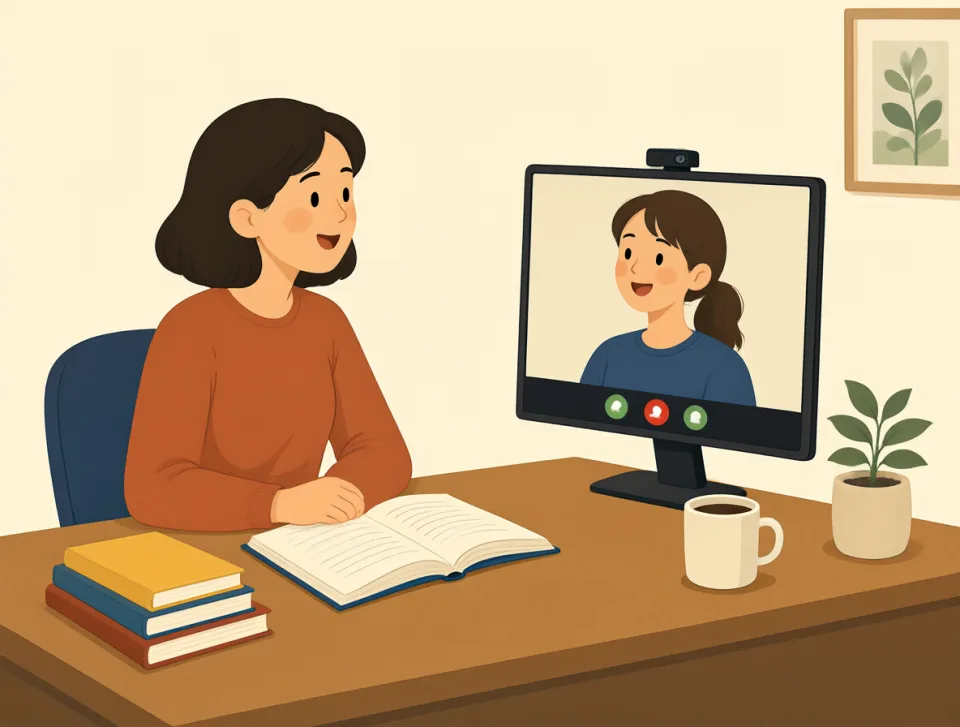
She speaks three languages and, moreover, teaches English online.
Mówi w trzech językach, a ponadto uczy angielskiego online.

The job offers flexible hours; moreover, the salary is excellent.
Ta praca oferuje elastyczne godziny, a ponadto świetne wynagrodzenie.
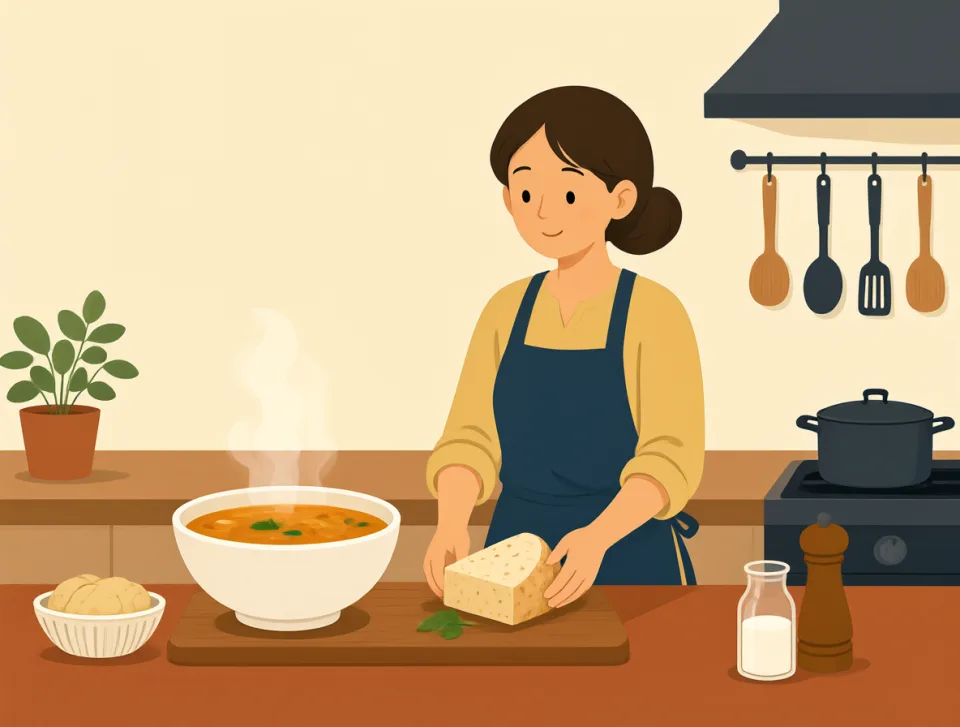
The soup is delicious; moreover, it is quick and easy to make.
Ta zupa jest pyszna, a ponadto szybko i łatwo się ją przygotowuje.
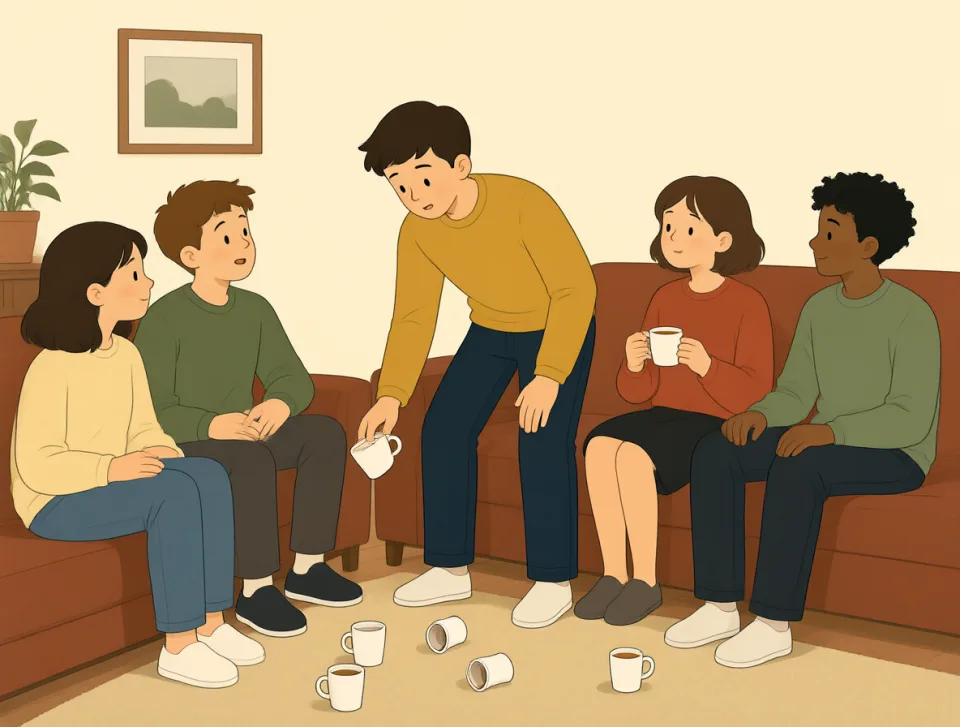
He apologized for being late; moreover, he offered to help clean up.
Przeprosił za spóźnienie, a ponadto zaproponował pomoc w sprzątaniu.
onto
#1404preposition
na; na powierzchnię
to a position on or above something
Na jakąś rzecz lub powierzchnię albo nad nią.
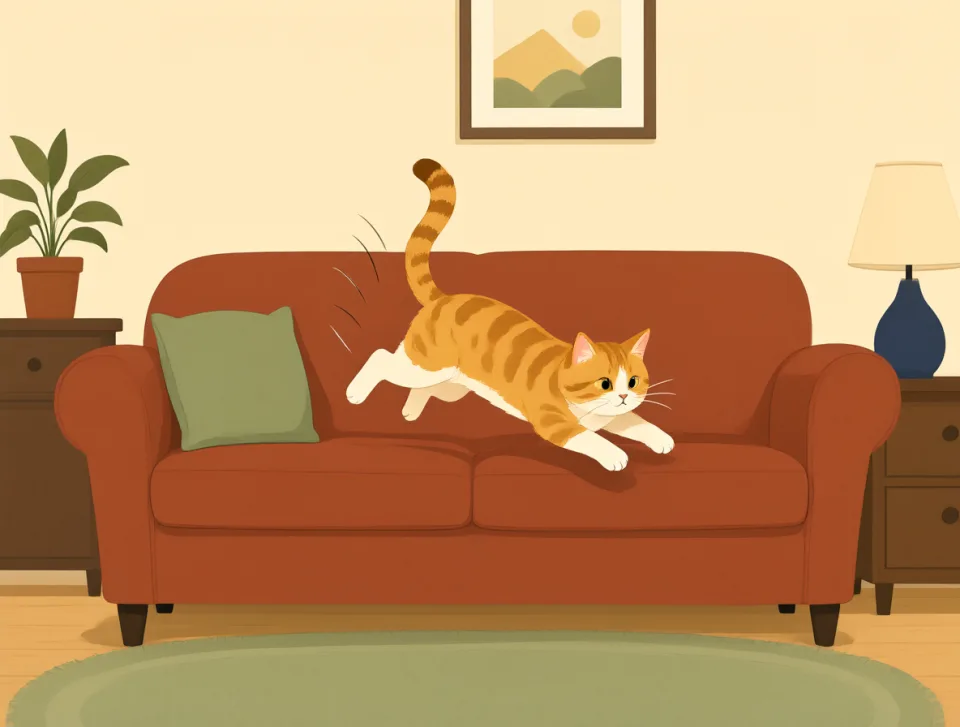
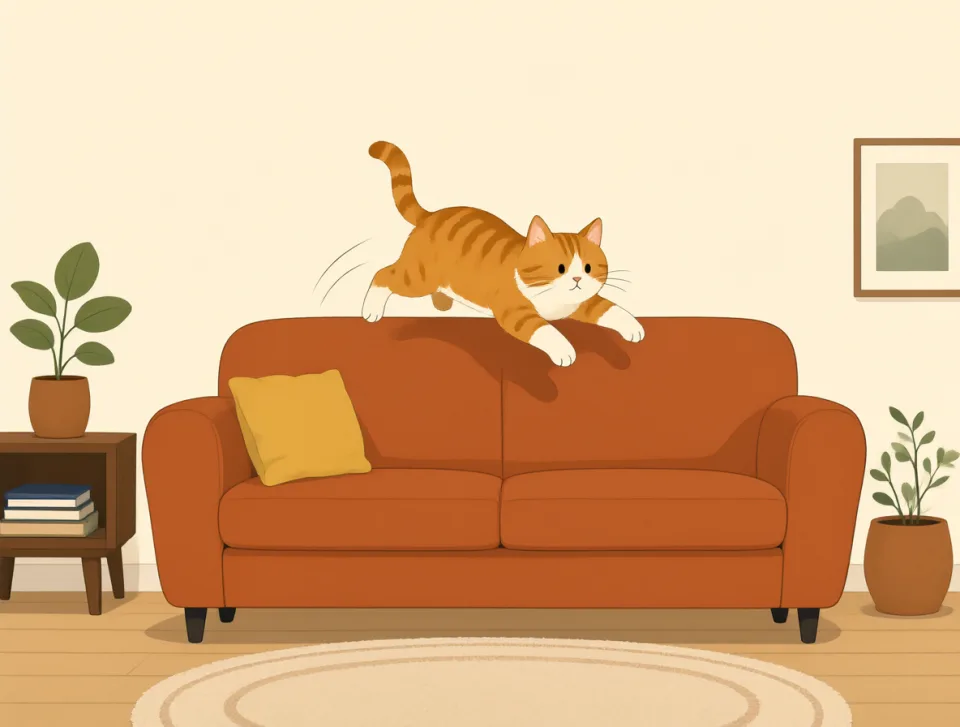
The cat jumped onto the sofa and fell asleep.
Kot wskoczył na sofę i zasnął.
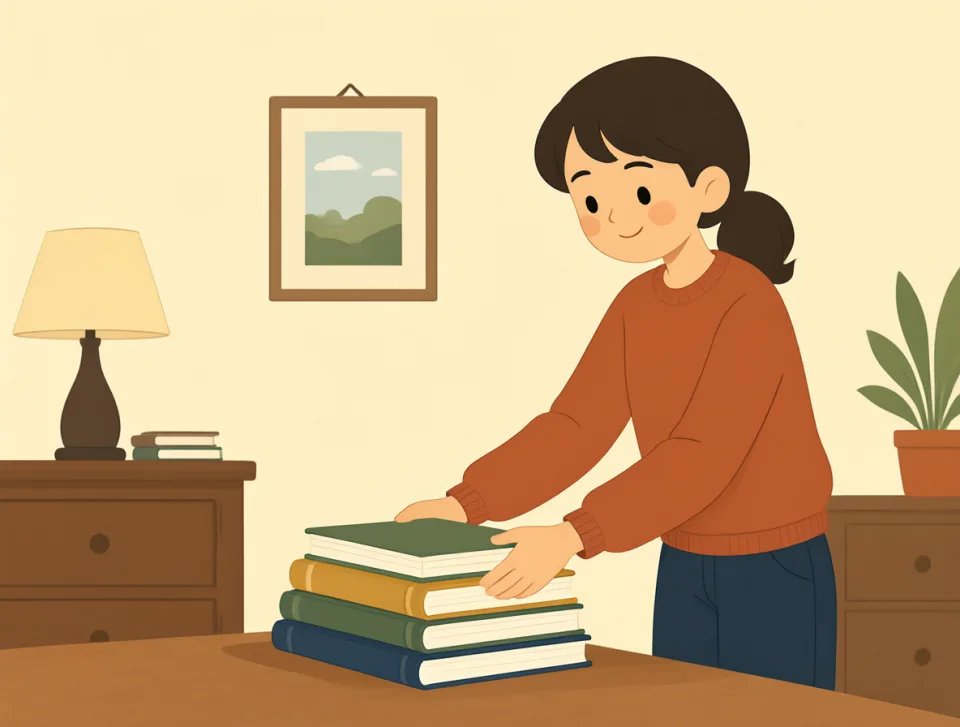
Please put the books onto the table.
Proszę położyć książki na stole.
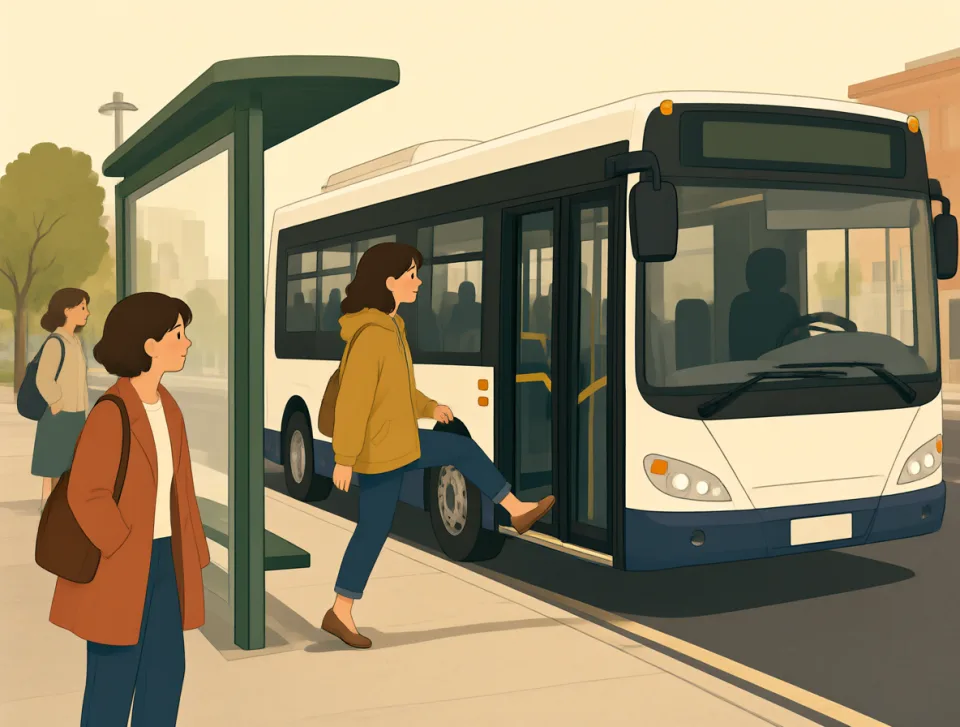
She climbed onto the bus just before it left.
Wskoczyła do autobusu tuż przed jego odjazdem.
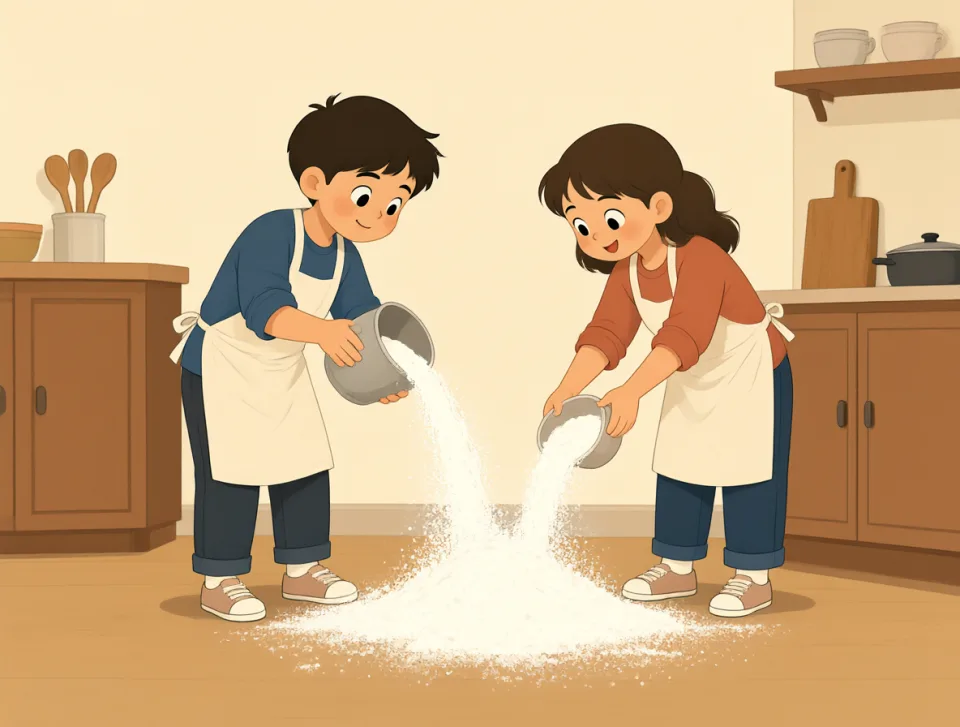
The children poured the flour onto the kitchen floor.
Dzieci rozsypały mąkę na kuchennej podłodze.

He transferred the photos onto his new computer.
Przeniósł zdjęcia na swój nowy komputer.
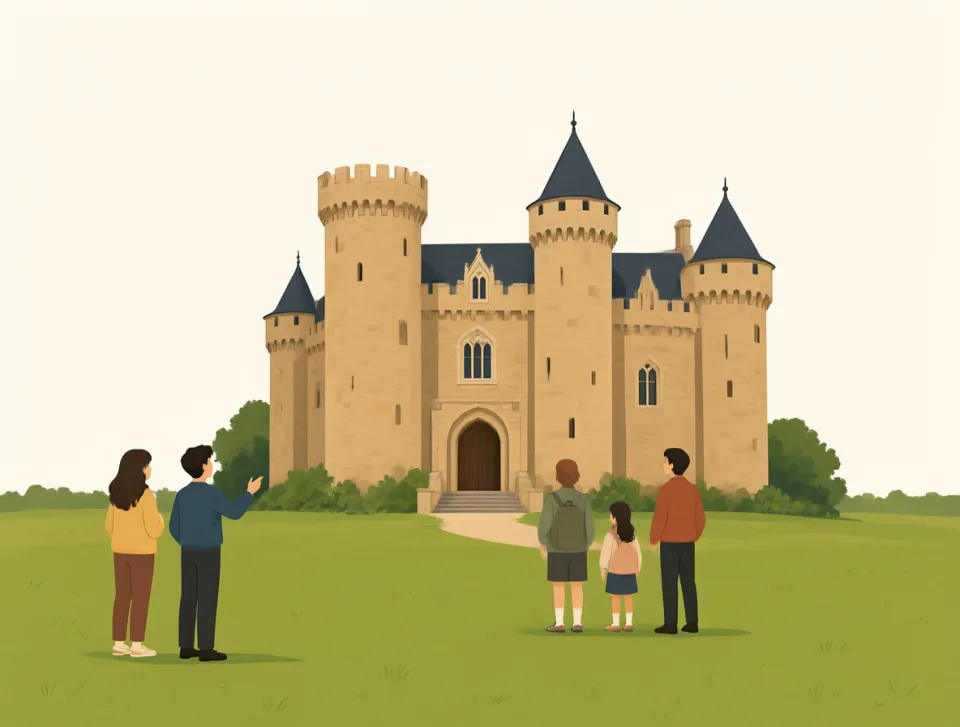
historical
#1405adjective
historyczny
Connected with important people, events, or places from the past.
Związany z ważnymi osobami, wydarzeniami lub miejscami z przeszłości.
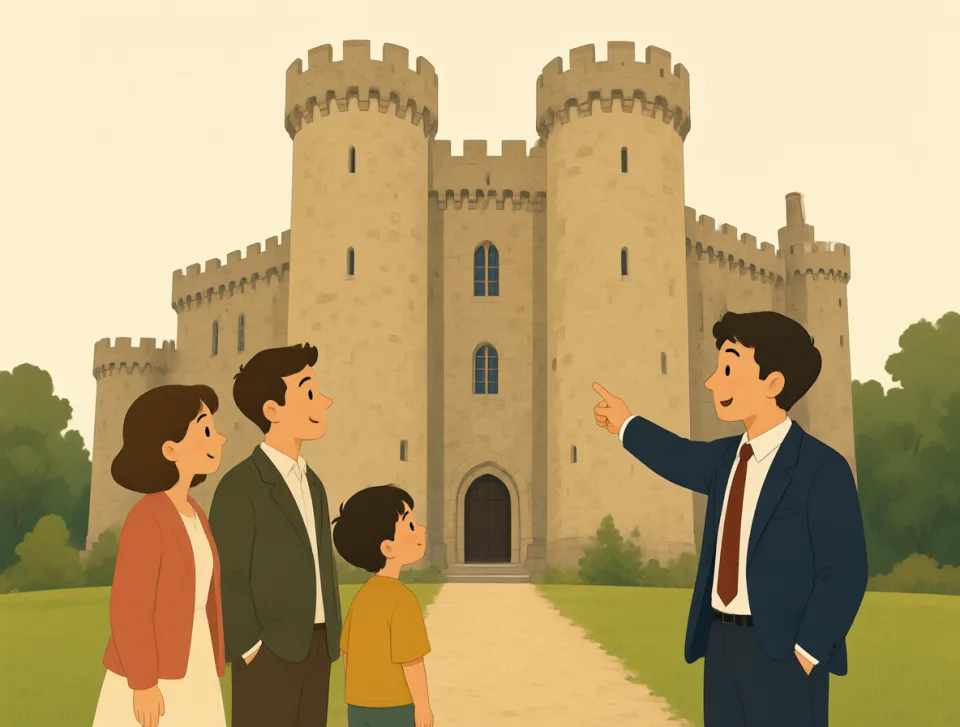
We visited a historical castle during our summer holiday.
Podczas letnich wakacji zwiedziliśmy zabytkowy zamek.
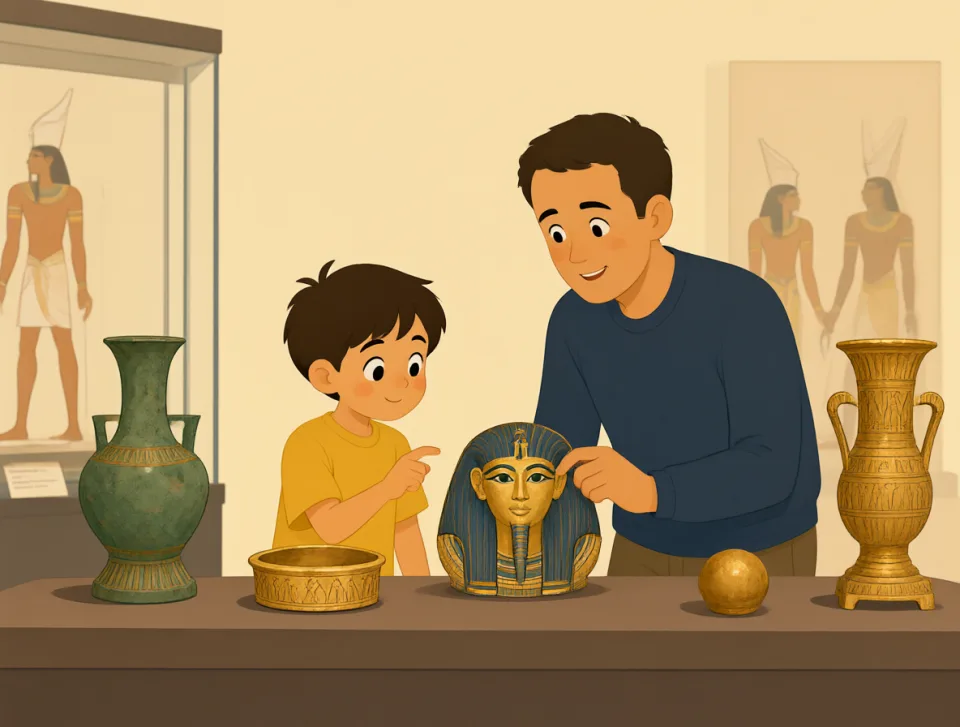
The museum has many historical objects from ancient Egypt.
W muzeum znajduje się wiele zabytków ze starożytnego Egiptu.
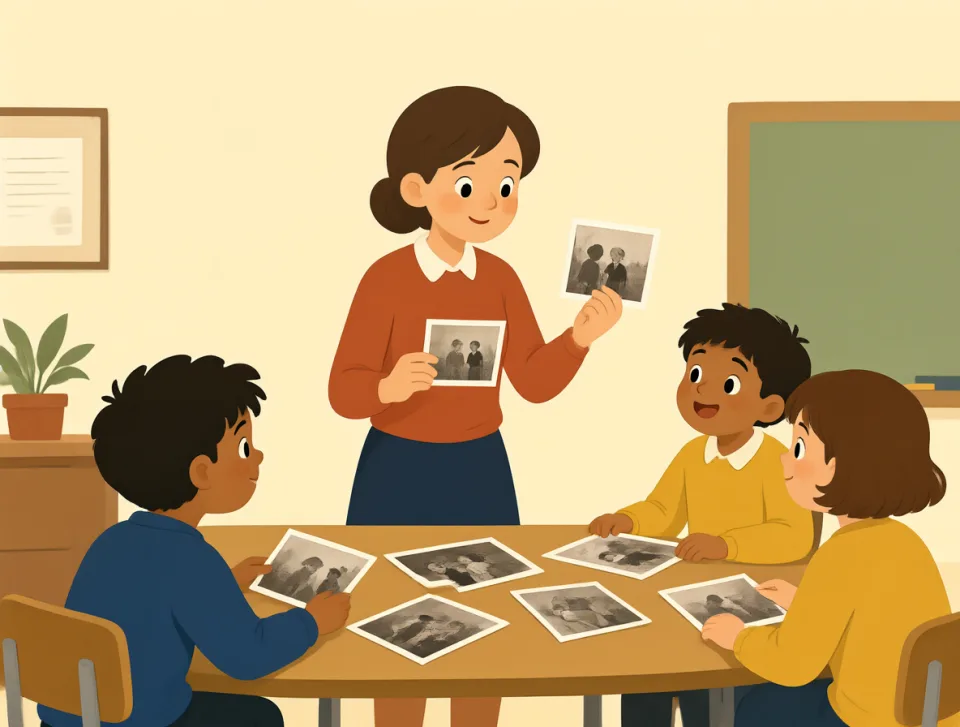
Our history teacher showed us historical photographs of the city.
Nasz nauczyciel historii pokazał nam historyczne zdjęcia miasta.
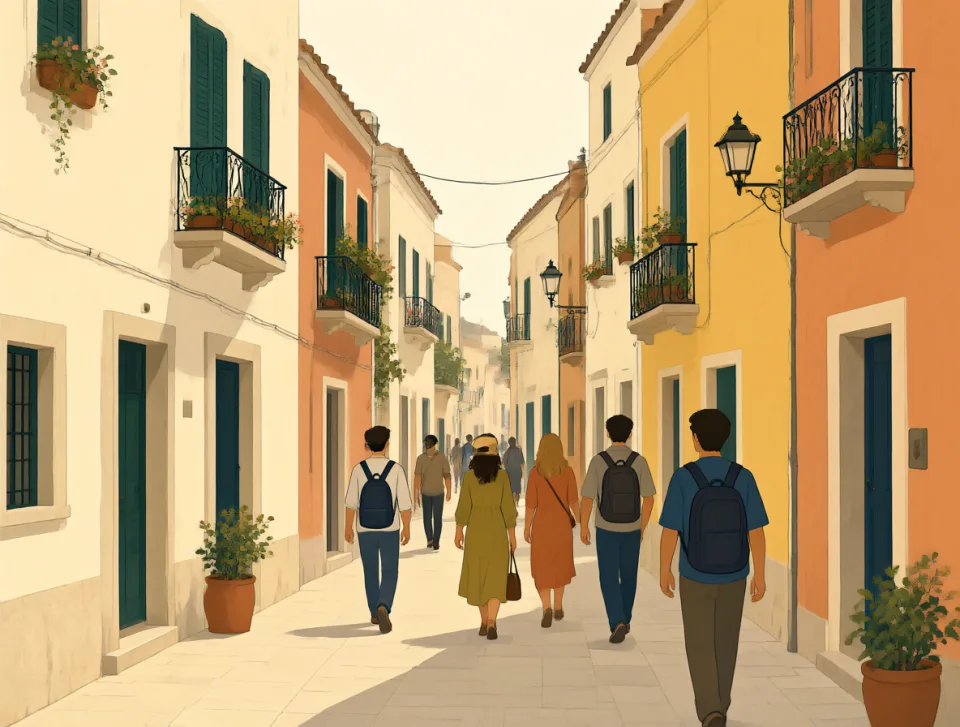
The town is famous for its historical buildings and narrow streets.
Miasteczko słynie z zabytkowych budynków i wąskich uliczek.

She read a historical novel about a young woman during the war.
Przeczytała powieść historyczną o młodej kobiecie żyjącej podczas wojny.

oppose
#1406verb
sprzeciwiać się
to disagree with or fight against a person, plan, or idea
Nie zgadzać się z kimś lub czymś albo występować przeciwko osobie, planowi lub pomysłowi.
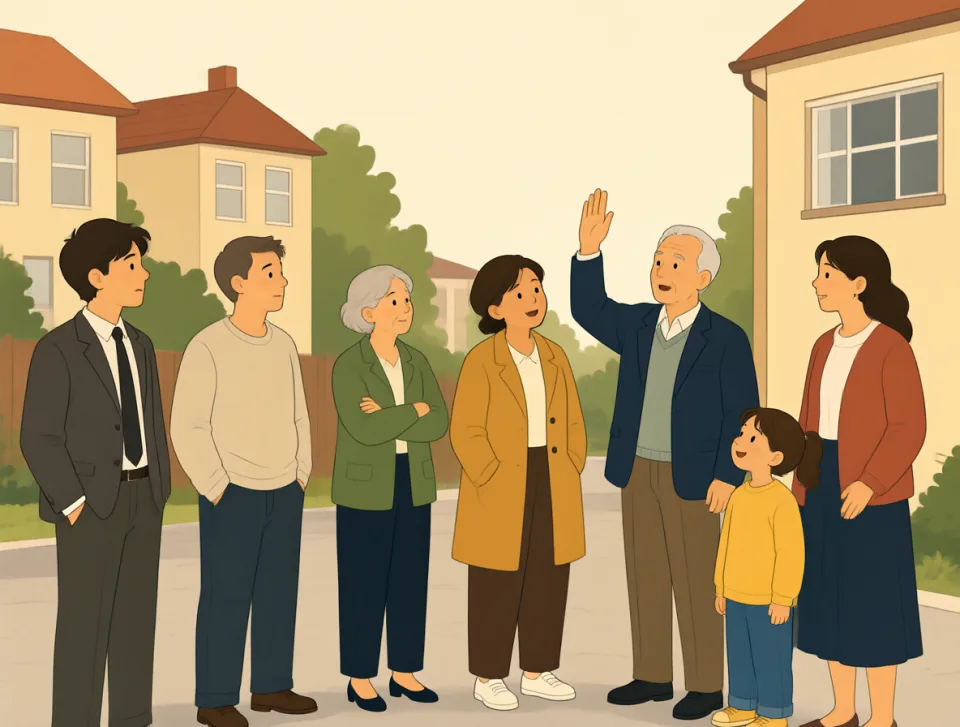
Many residents oppose the plan to build a new airport.
Wielu mieszkańców sprzeciwia się planom budowy nowego lotniska.
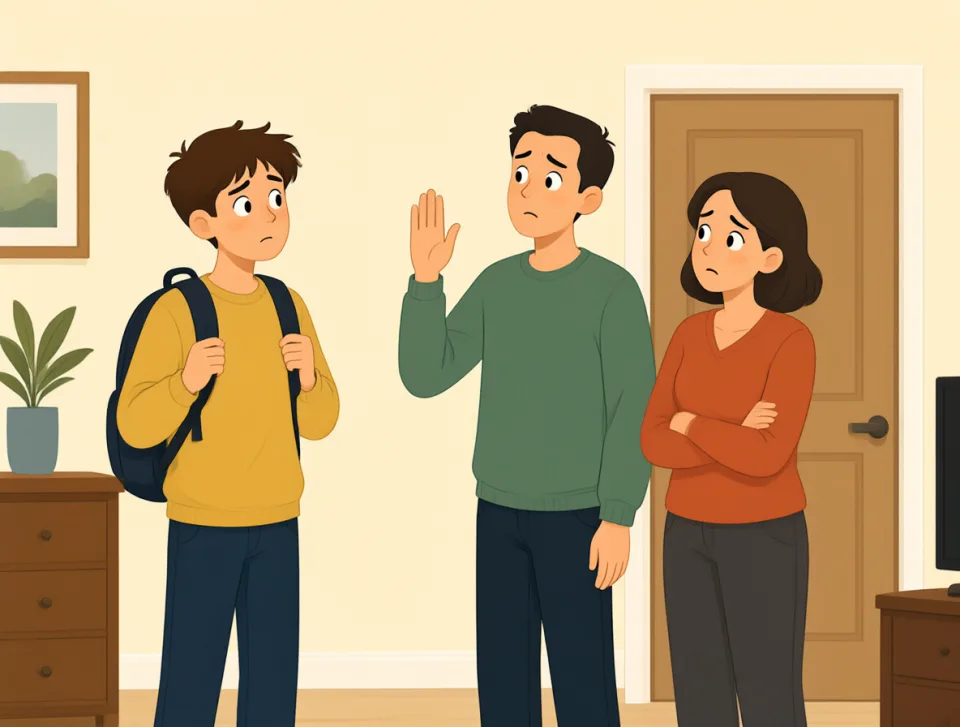
My parents opposed my decision to leave school early.
Moi rodzice sprzeciwili się mojej decyzji o wcześniejszym odejściu ze szkoły.

Some workers are opposing the company’s decision to cut their hours.
Niektórzy pracownicy sprzeciwiają się decyzji firmy o skróceniu ich czasu pracy.

The doctor opposed giving him antibiotics for a simple cold.
Lekarz sprzeciwił się podaniu mu antybiotyków na zwykłe przeziębienie.
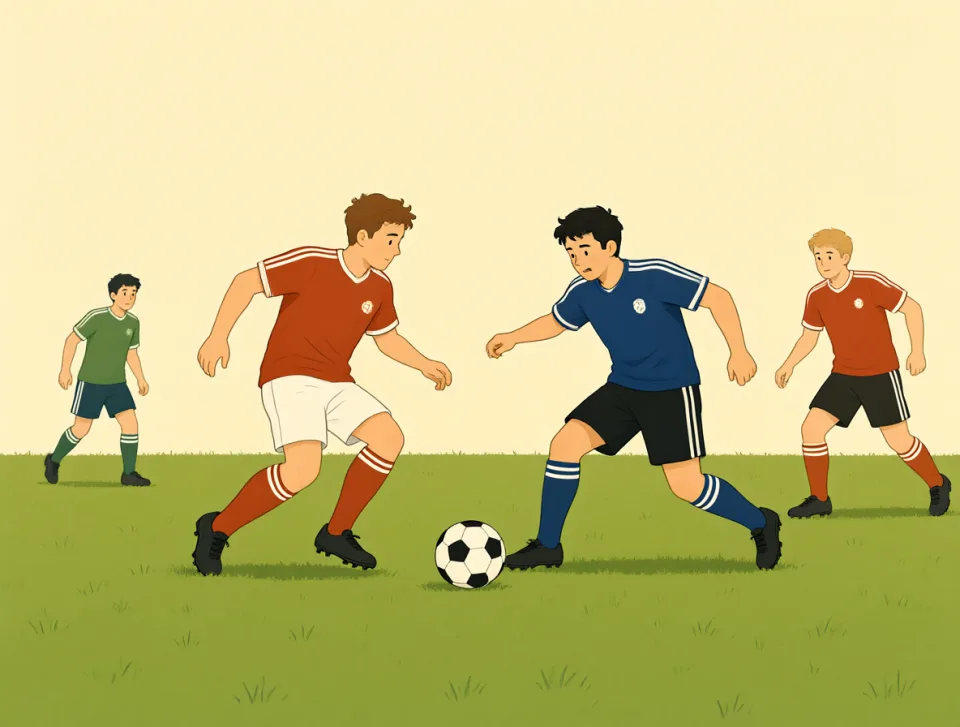
Our team opposed the other team throughout the football match.
Nasza drużyna przez cały mecz piłkarski rywalizowała z przeciwną drużyną.

branch
#1407noun, verb
gałąź; oddział
A part of a tree growing from the trunk, or a separate part of a larger organization.
Część drzewa wyrastająca z pnia albo osobna część większej organizacji.

A bird built its nest on a high branch.
Ptak zbudował gniazdo na wysoko położonej gałęzi.
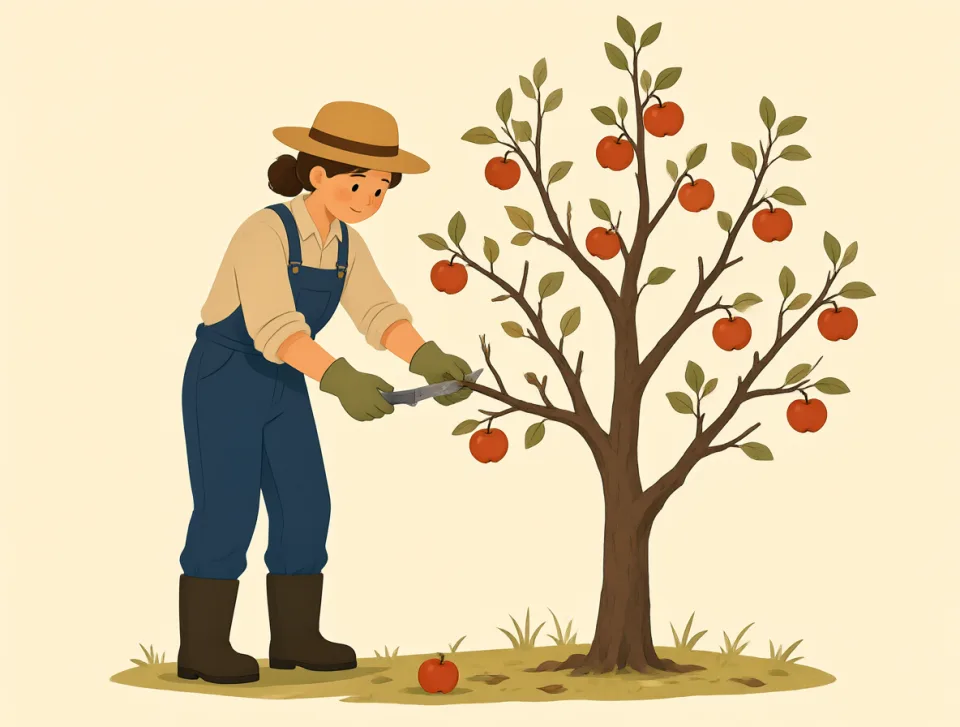
Please cut the dead branches from the apple tree.
Proszę odciąć martwe gałęzie z jabłoni.
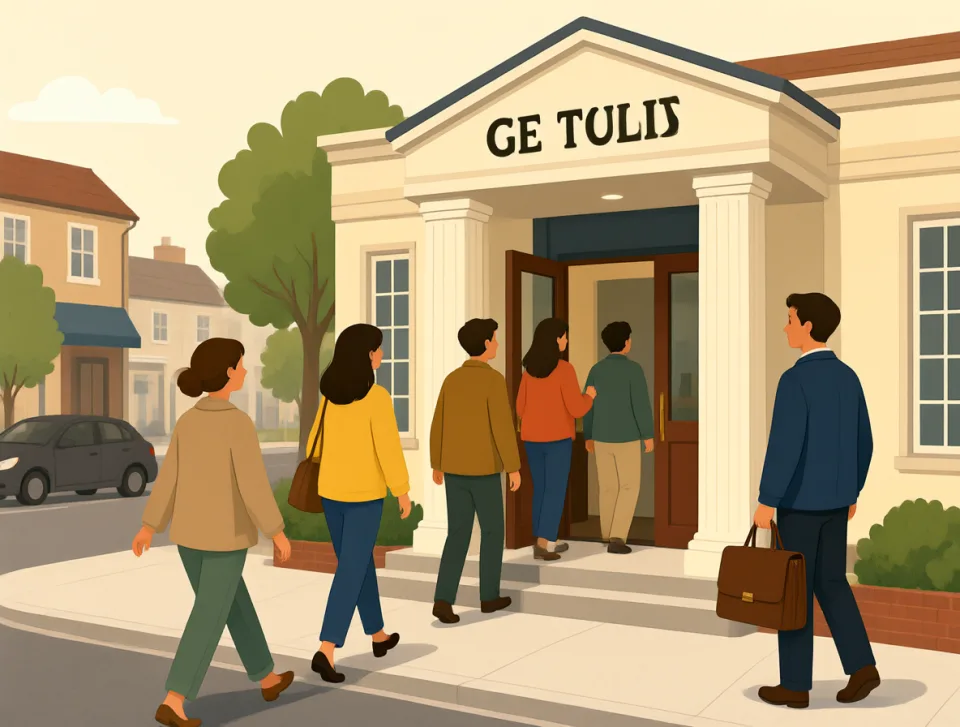
The bank opened a new branch near our home.
Bank otworzył nowy oddział niedaleko naszego domu.

Our company is branching into online education this year.
W tym roku nasza firma wchodzi na rynek edukacji online.
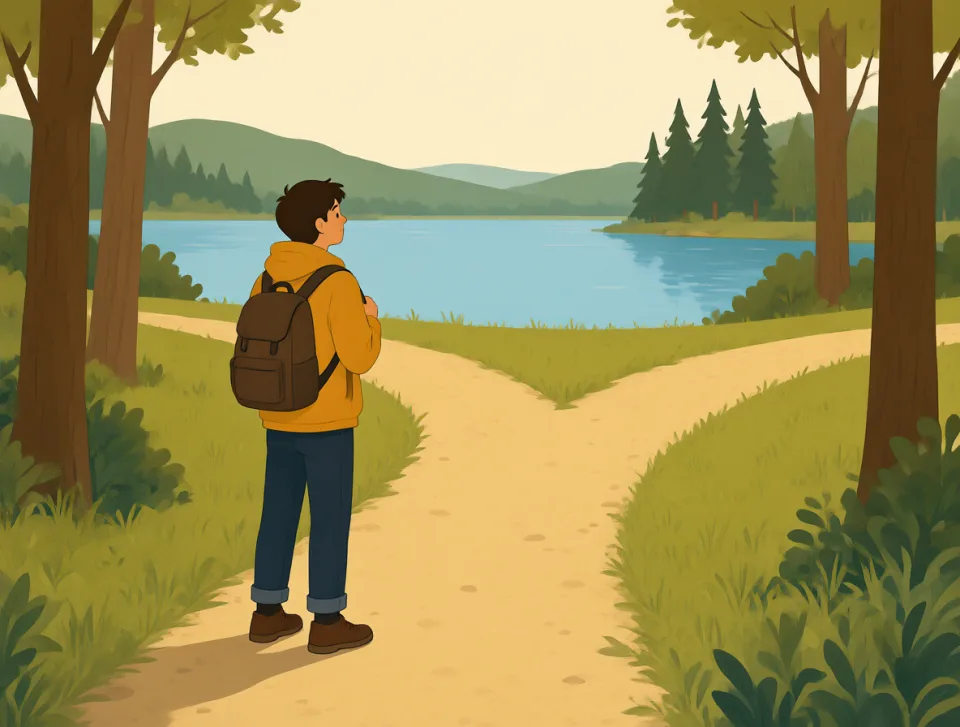
The path branches off near the lake.
Ścieżka rozwidla się w pobliżu jeziora.
vehicle
#1408noun
pojazd
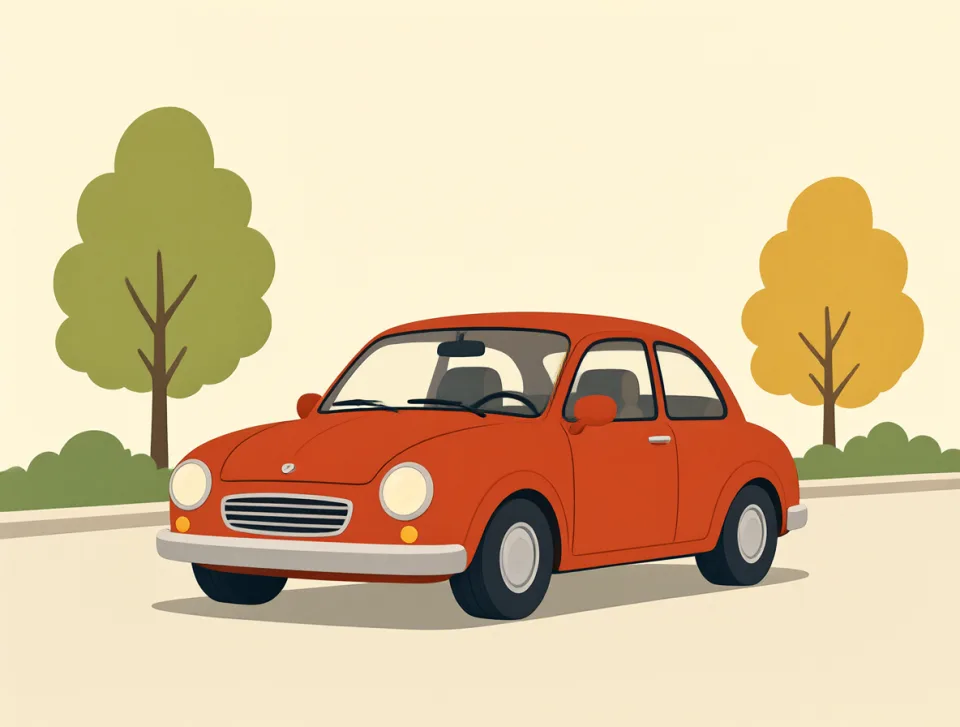
A machine, such as a car, used for carrying people or things.
Maszyna, na przykład samochód, służąca do przewożenia ludzi lub rzeczy.
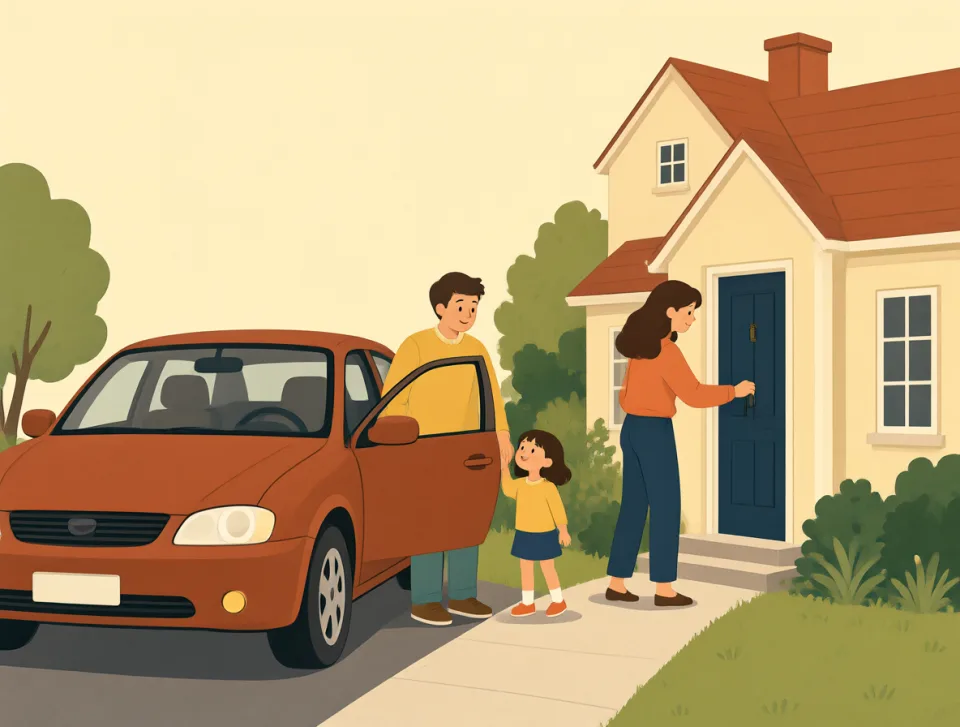
The vehicle stopped outside our house.
Pojazd zatrzymał się przed naszym domem.

Public vehicles are often crowded during rush hour.
W godzinach szczytu w pojazdach komunikacji publicznej często jest tłoczno.
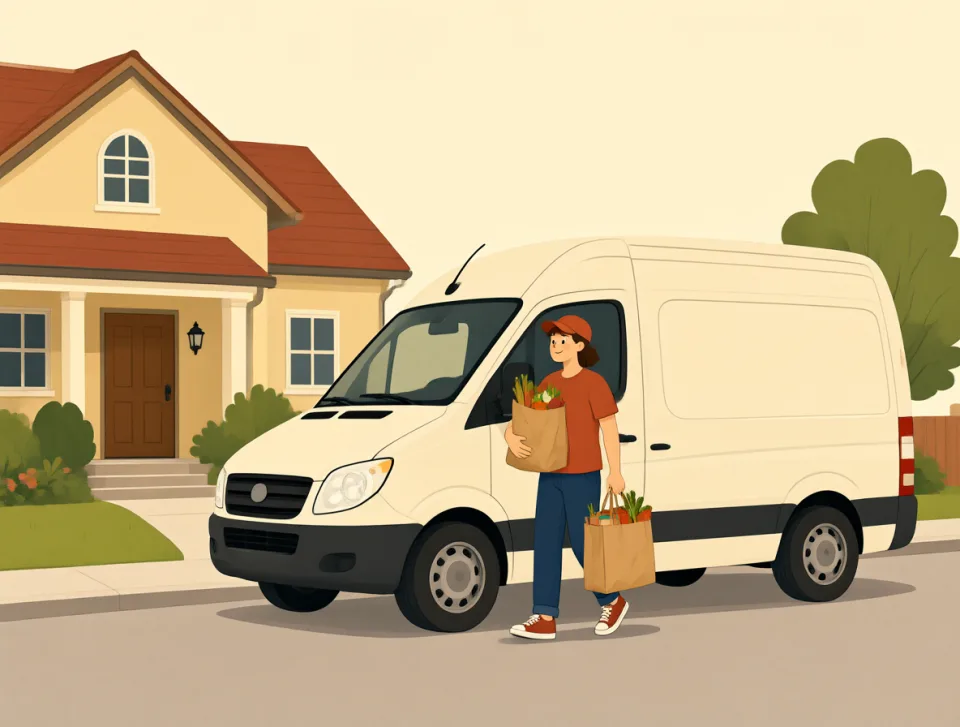
The delivery vehicle brought our groceries this morning.
Dziś rano pojazd dostawczy przywiózł nasze zakupy spożywcze.
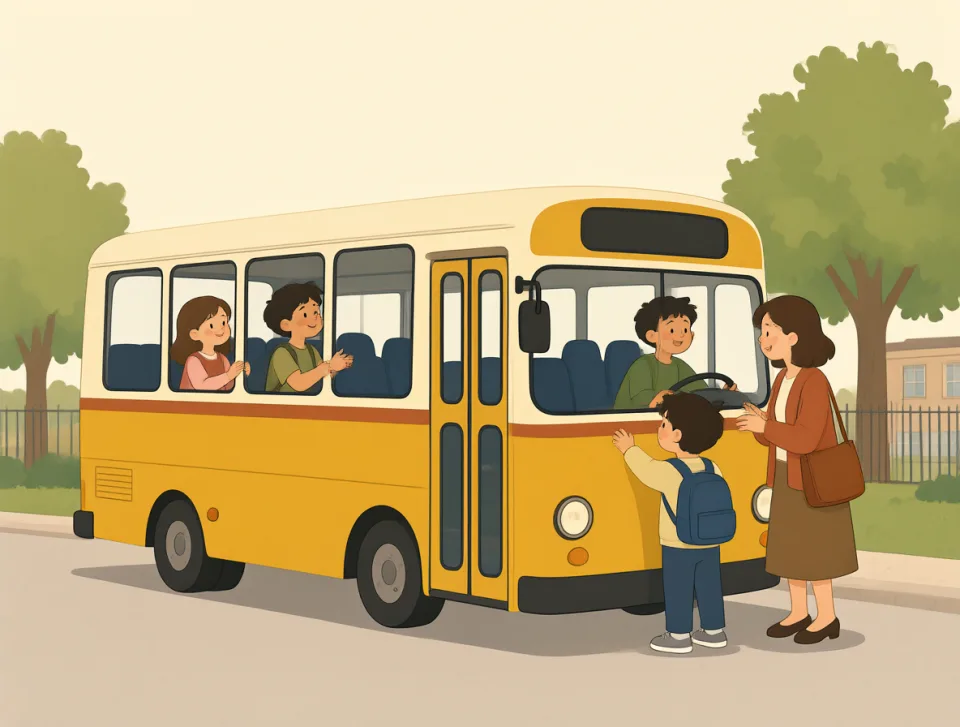
The school uses a small vehicle for field trips.
Szkoła używa małego pojazdu podczas wycieczek szkolnych.
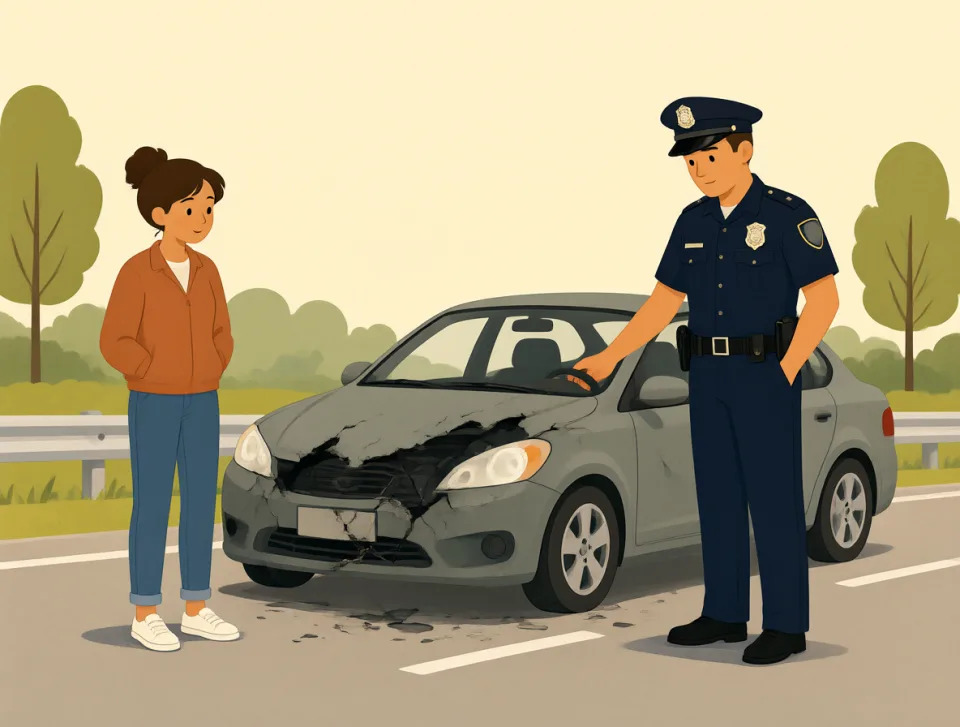
The police checked the vehicle after the accident.
Policja sprawdziła pojazd po wypadku.
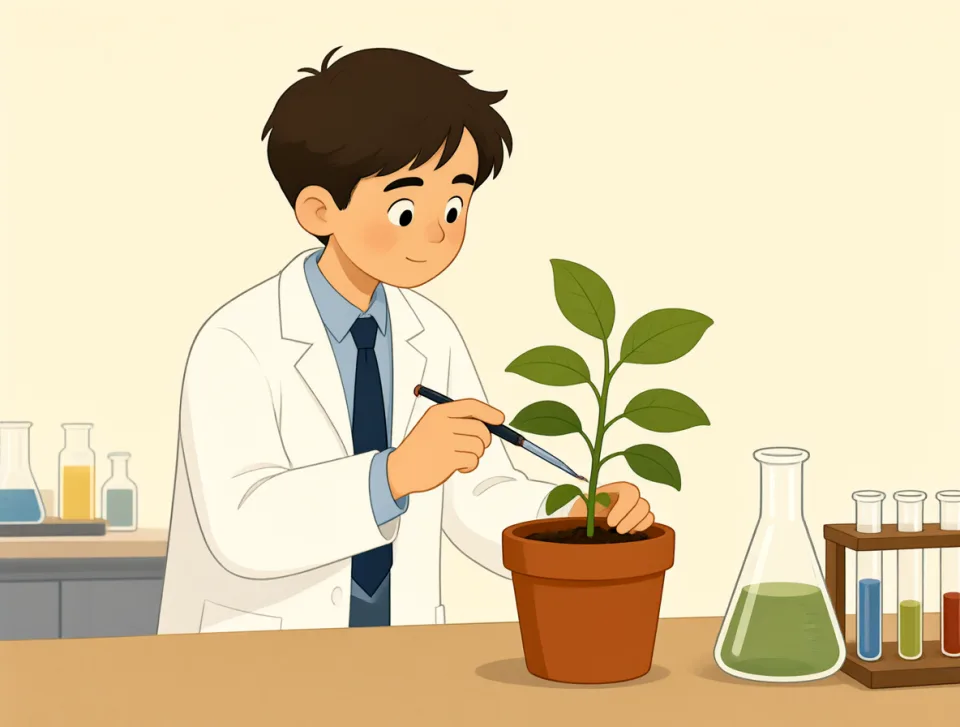
scientist
#1409noun
naukowiec; naukowczyni
A person who studies science and discovers how the natural world works.
Osoba, która zajmuje się nauką i odkrywa, jak działa świat przyrody.
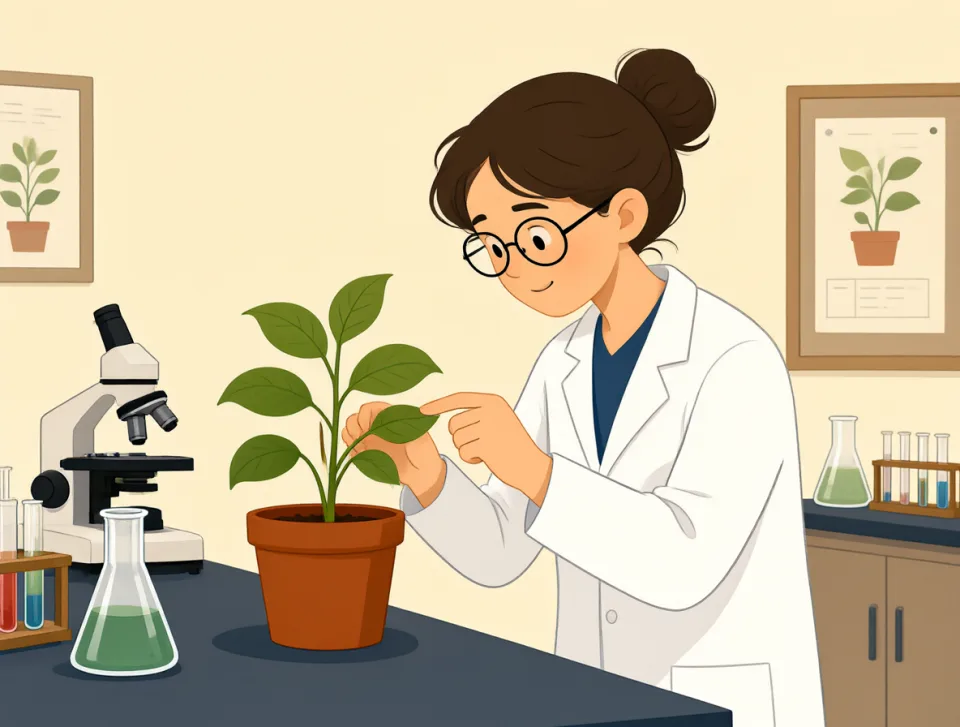
The scientist studied how plants grow in the school laboratory.
Naukowiec badał, jak rośliny rosną w szkolnym laboratorium.
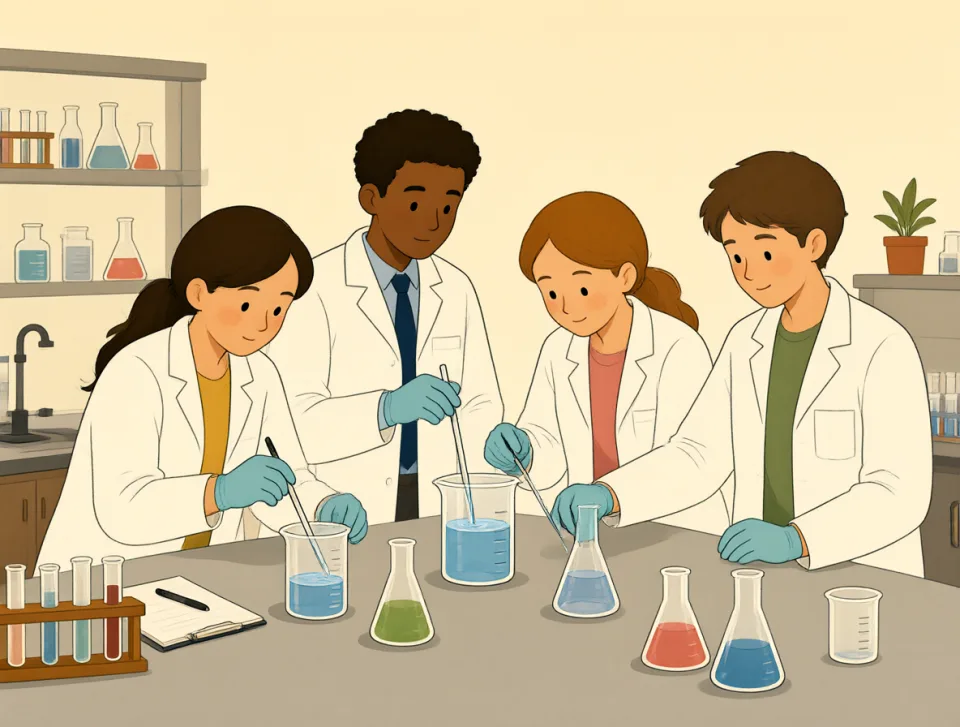
A team of scientists tested the water for harmful chemicals.
Zespół naukowców zbadał wodę pod kątem szkodliwych substancji chemicznych.
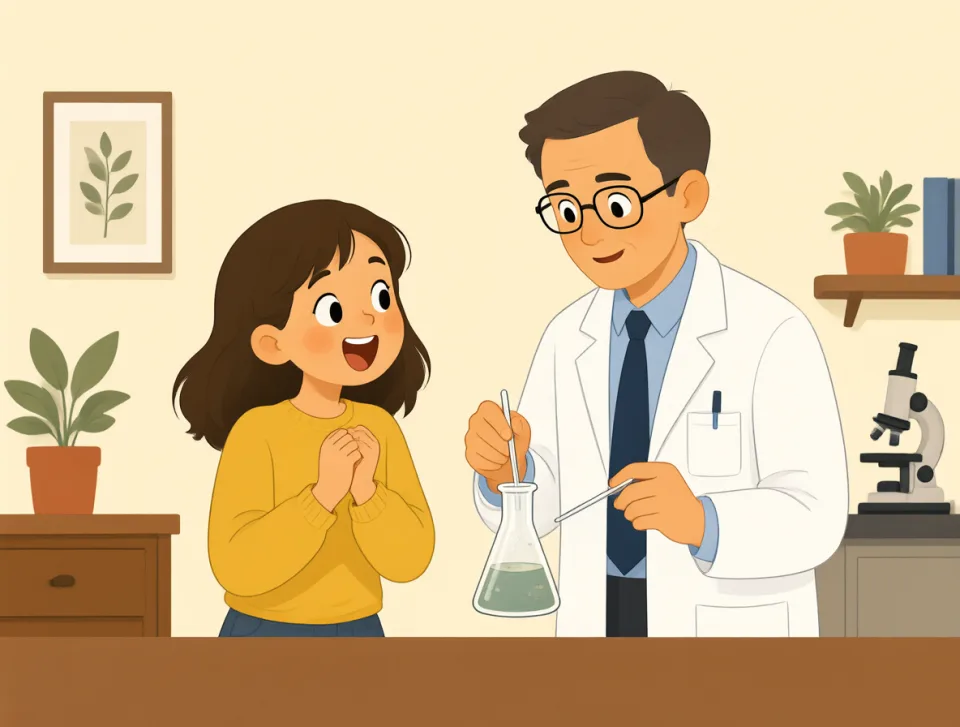
My daughter wants to become a scientist when she grows up.
Moja córka chce zostać naukowczynią, kiedy dorośnie.
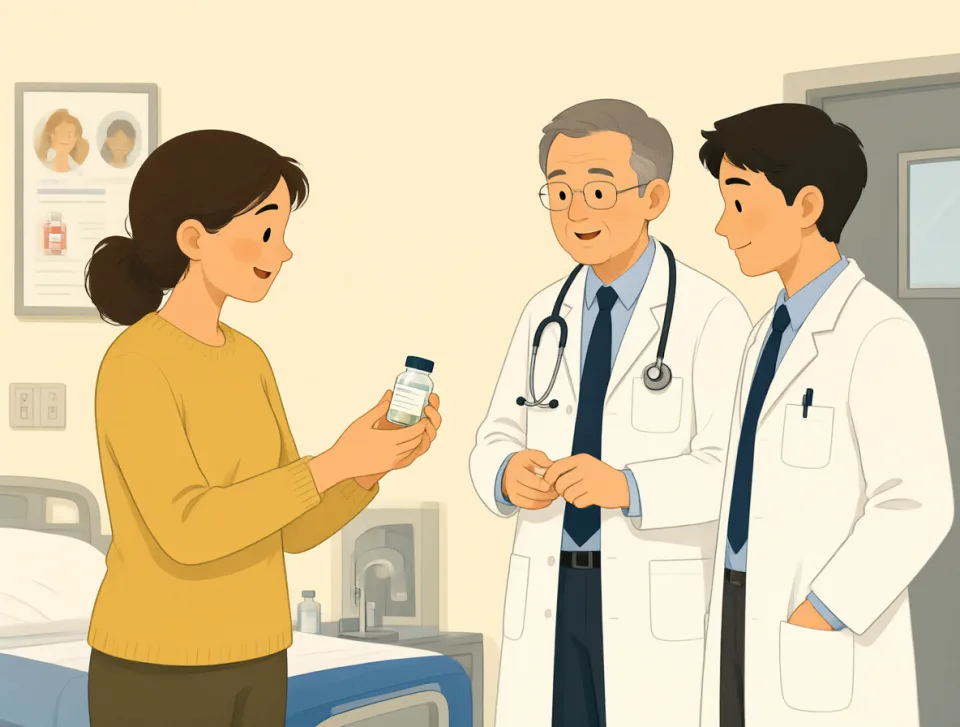
The scientist explained the new medicine to doctors at the hospital.
Naukowiec wyjaśnił lekarzom w szpitalu, jak działa nowy lek.
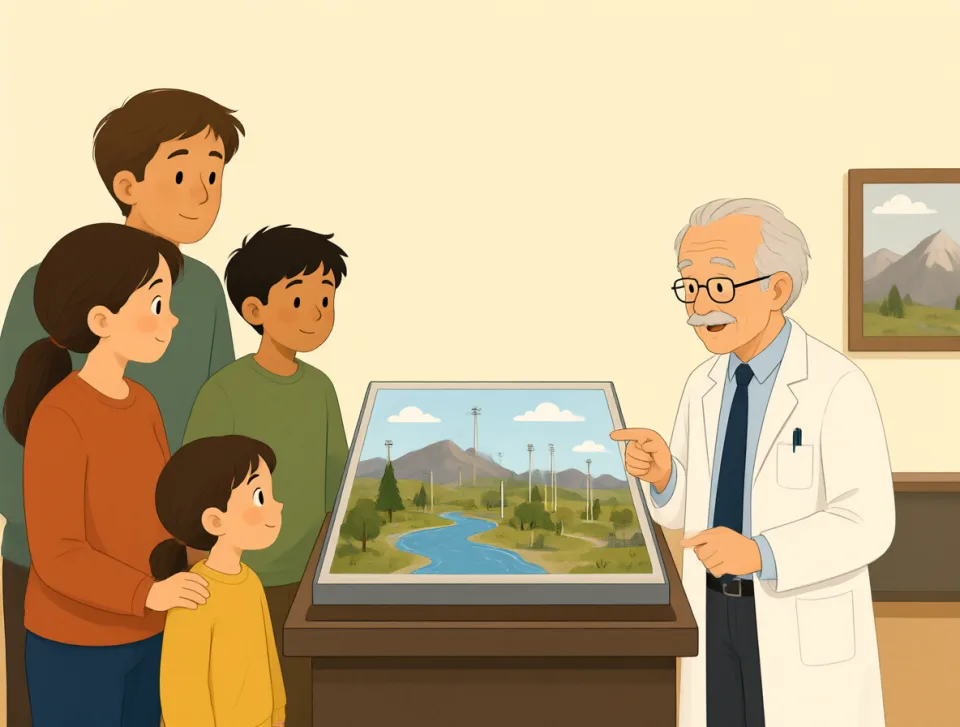
We met a scientist who studies weather during our museum visit.
Podczas wizyty w muzeum poznaliśmy naukowca, który bada pogodę.
route
#1410noun, verb
trasa; kierować
A way from one place to another; to choose or follow this way.
Droga z jednego miejsca do drugiego; wybrać taką drogę lub nią podążać.
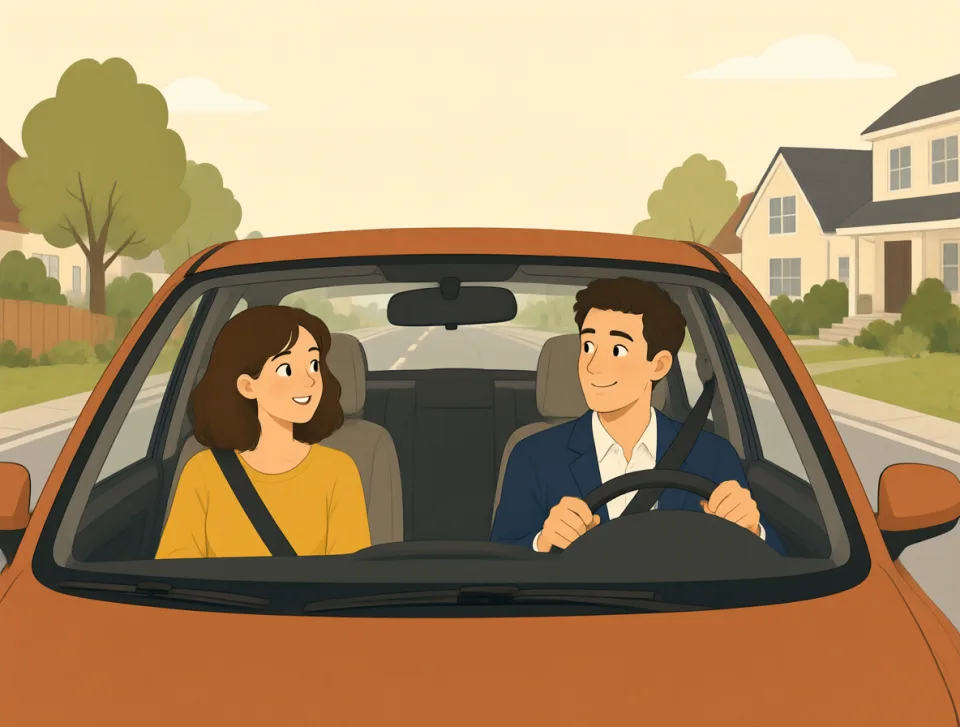
We took the fastest route home after work.
Po pracy wybraliśmy najszybszą trasę do domu.
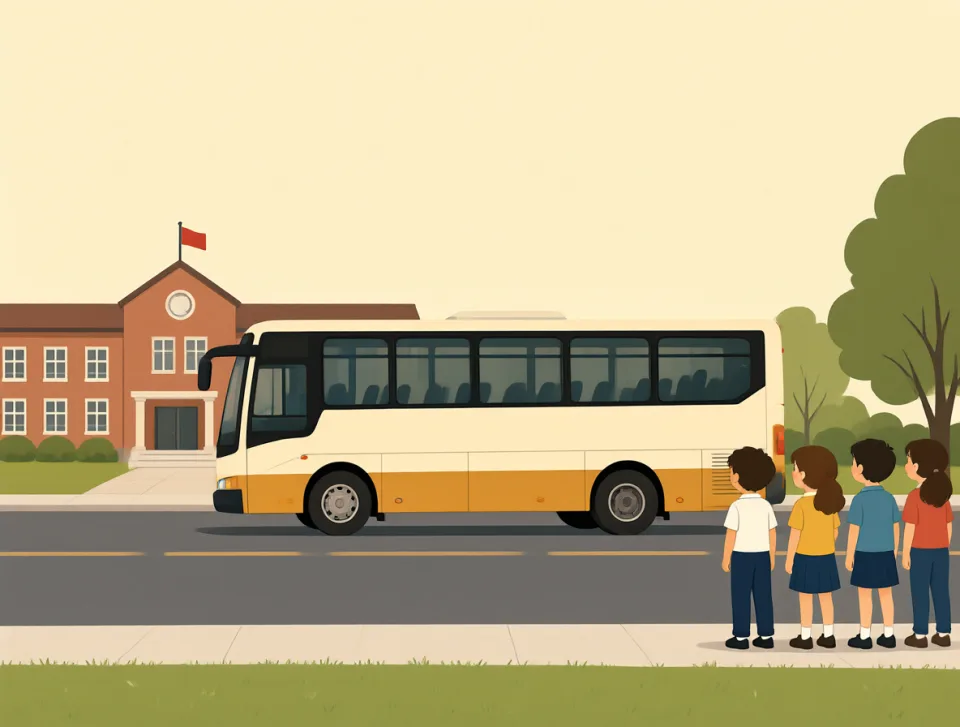
The bus route passes near my school every morning.
Każdego ranka trasa autobusu przebiega niedaleko mojej szkoły.
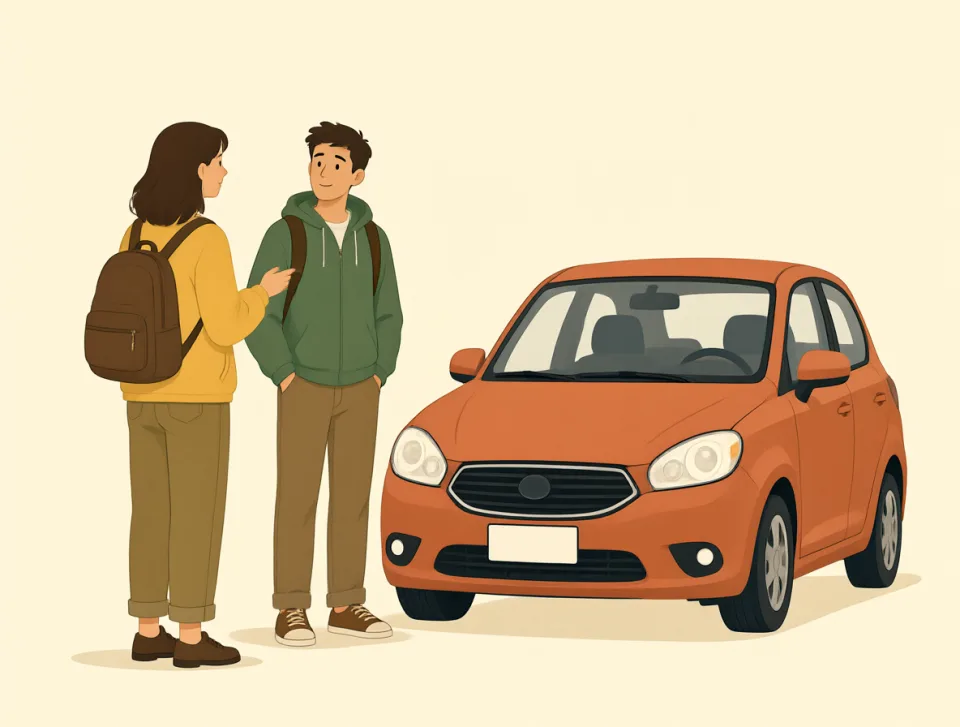
Can you show me the best route to the airport?
Czy możesz pokazać mi najlepszą trasę na lotnisko?
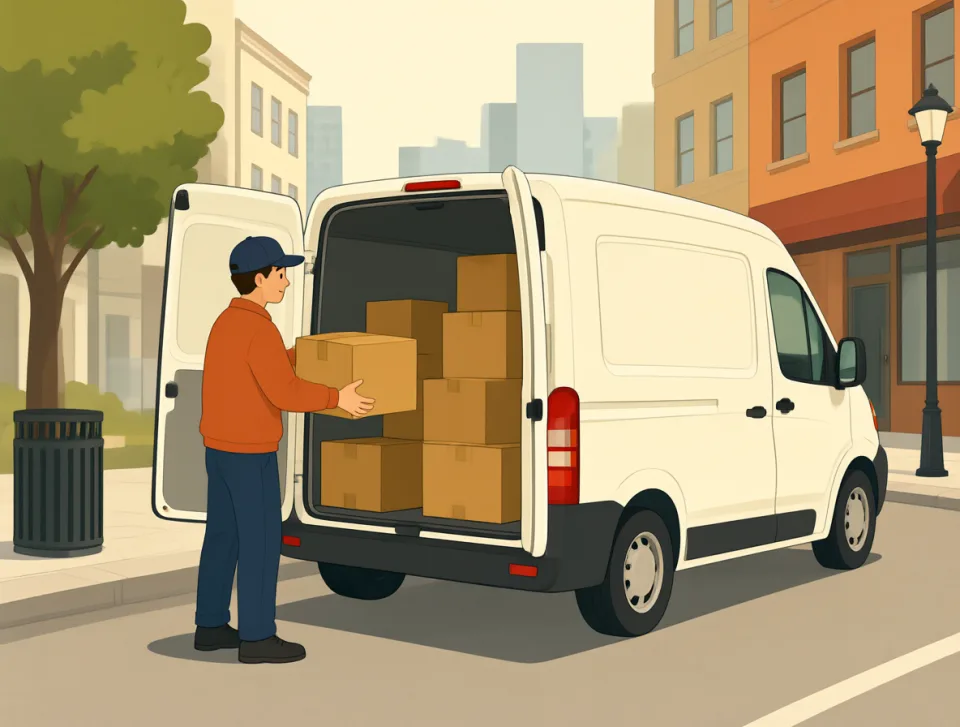
The delivery driver routed the packages through the city center.
Kierowca dostawczy skierował paczki przez centrum miasta.
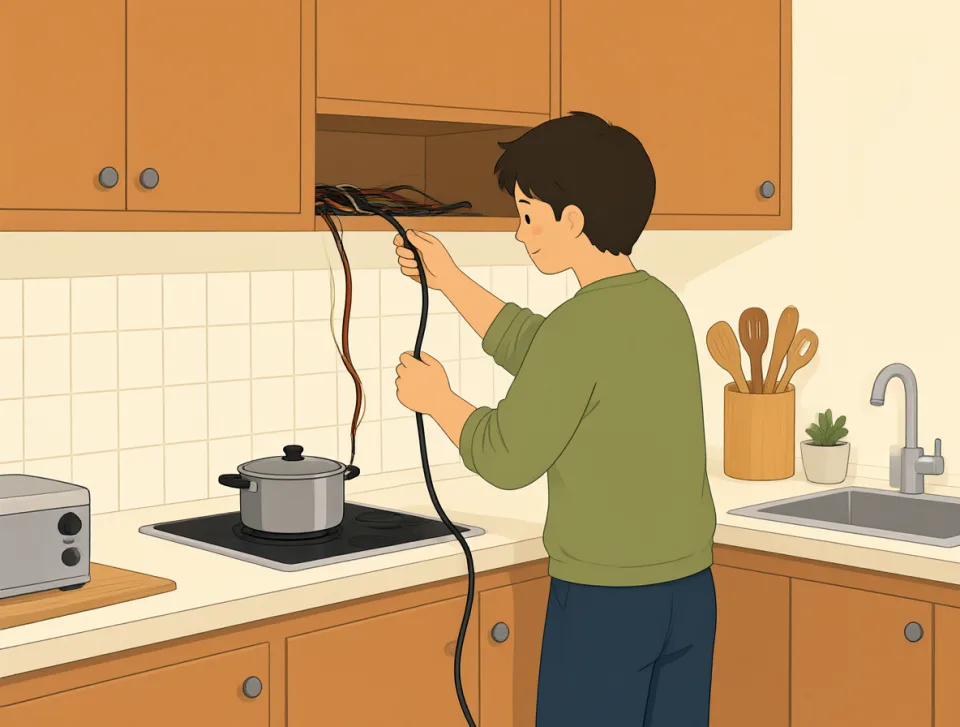
We are routing the wires behind the kitchen cabinets.
Prowadzimy przewody za szafkami kuchennymi.
bind
#1411verb, noun
wiązać; kłopotliwa sytuacja
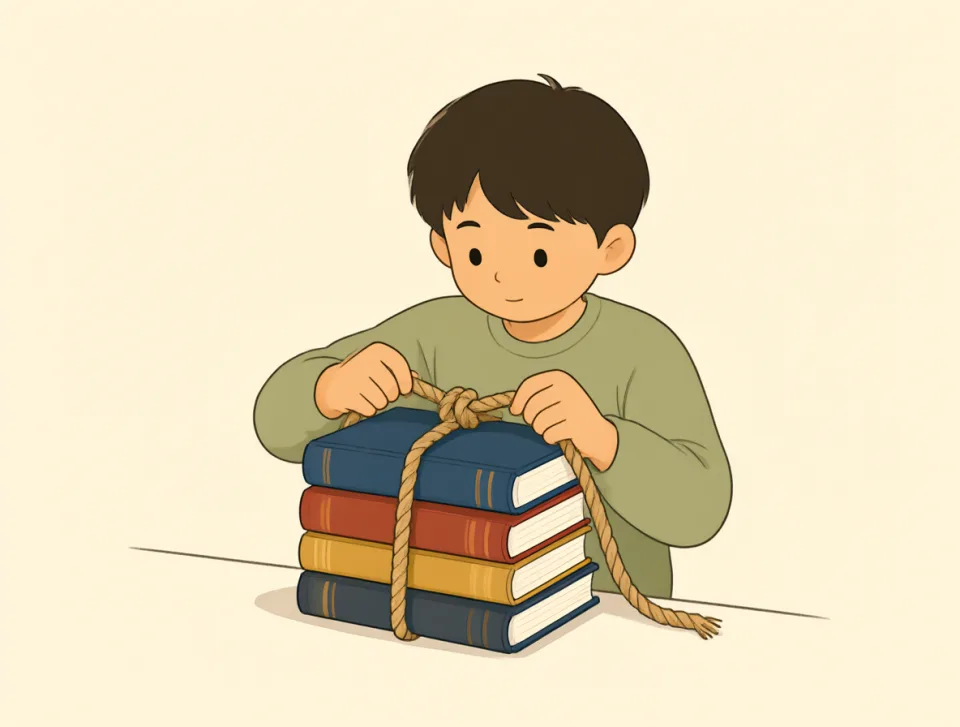
To tie or hold things together; a difficult situation or promise that limits your choices.
Wiązać lub łączyć ze sobą rzeczy; trudna sytuacja albo obietnica, która ogranicza możliwości wyboru.

Please bind these papers together before the meeting.
Proszę związać te dokumenty przed spotkaniem.

The contract binds both sides to the agreed price.
Umowa zobowiązuje obie strony do ustalonej ceny.
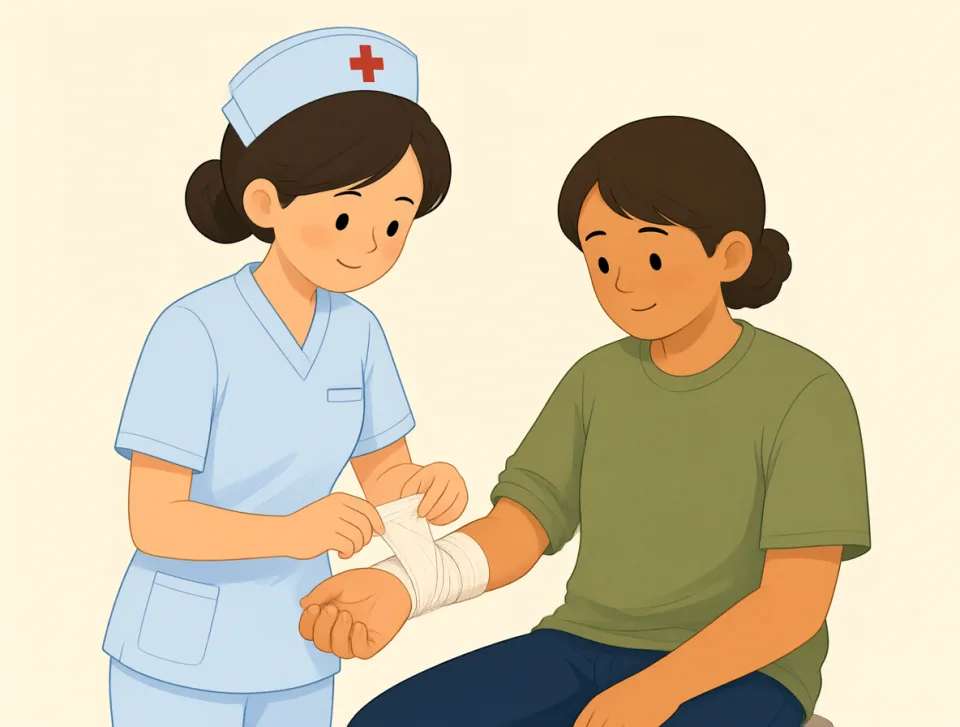
The nurse bound his injured wrist with a clean bandage.
Pielęgniarka obwiązała jego zraniony nadgarstek czystym bandażem.

The old book has a beautiful leather bind.
Ta stara książka ma piękną skórzaną oprawę.
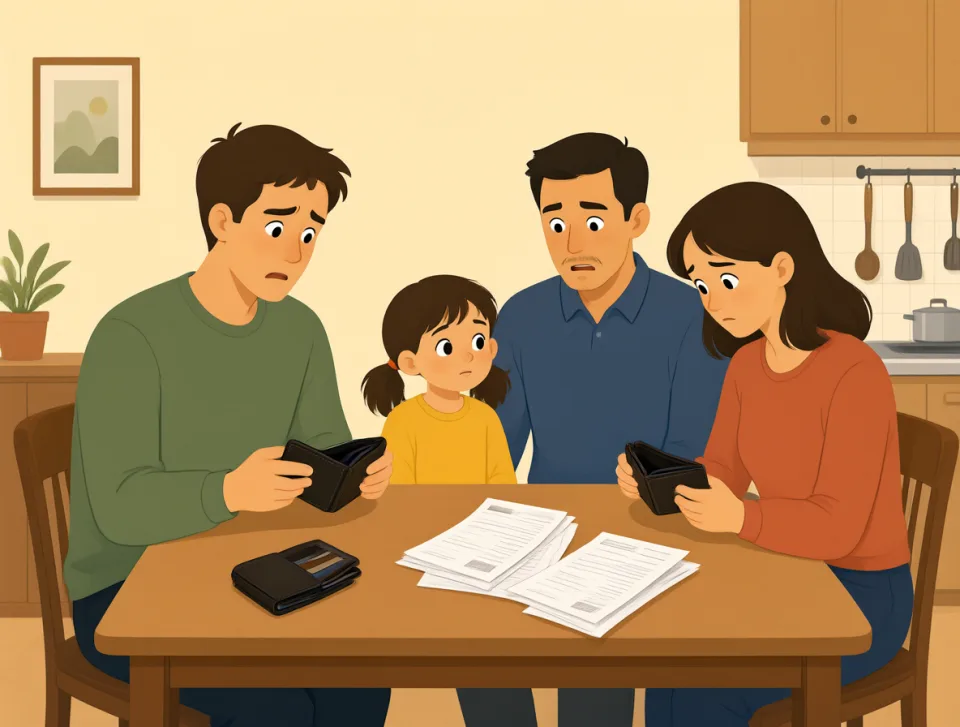
Lack of money put the family in a difficult bind.
Brak pieniędzy wpędził rodzinę w trudną sytuację.
belong
#1412verb
należeć
to be owned by someone or to feel comfortable as part of a group or place
Być czyjąś własnością albo czuć się częścią grupy lub miejsca.
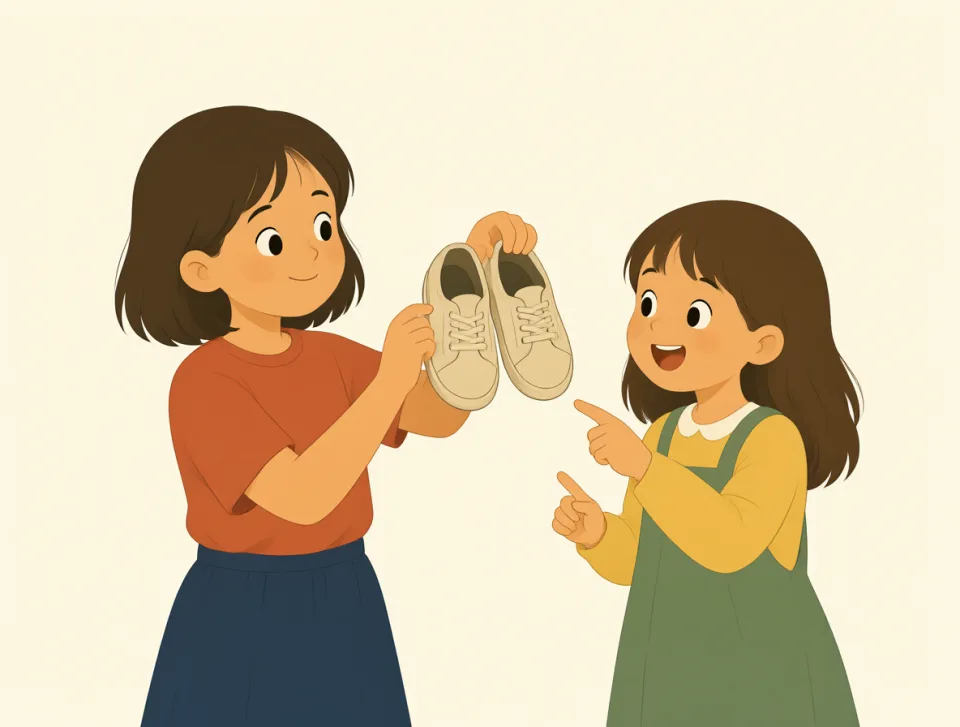
These shoes belong to my sister.
Te buty należą do mojej siostry.

Please put the books where they belong.
Proszę odłożyć książki na miejsce.

I finally feel that I belong here.
W końcu czuję, że jestem tu u siebie.
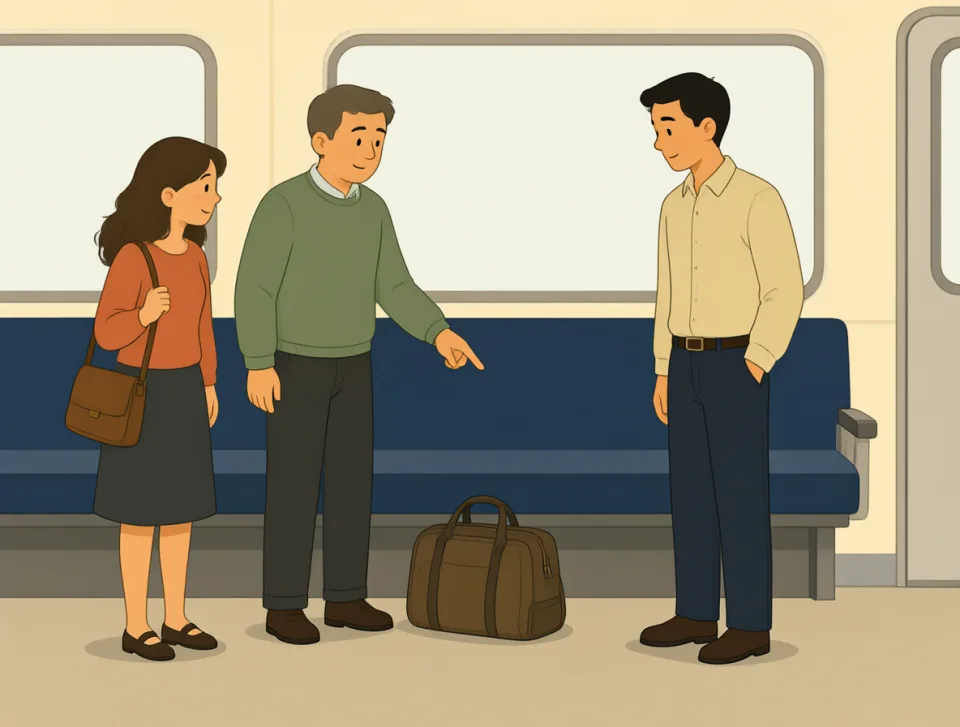
This bag must belong to someone on the train.
Ta torba musi należeć do kogoś z pociągu.
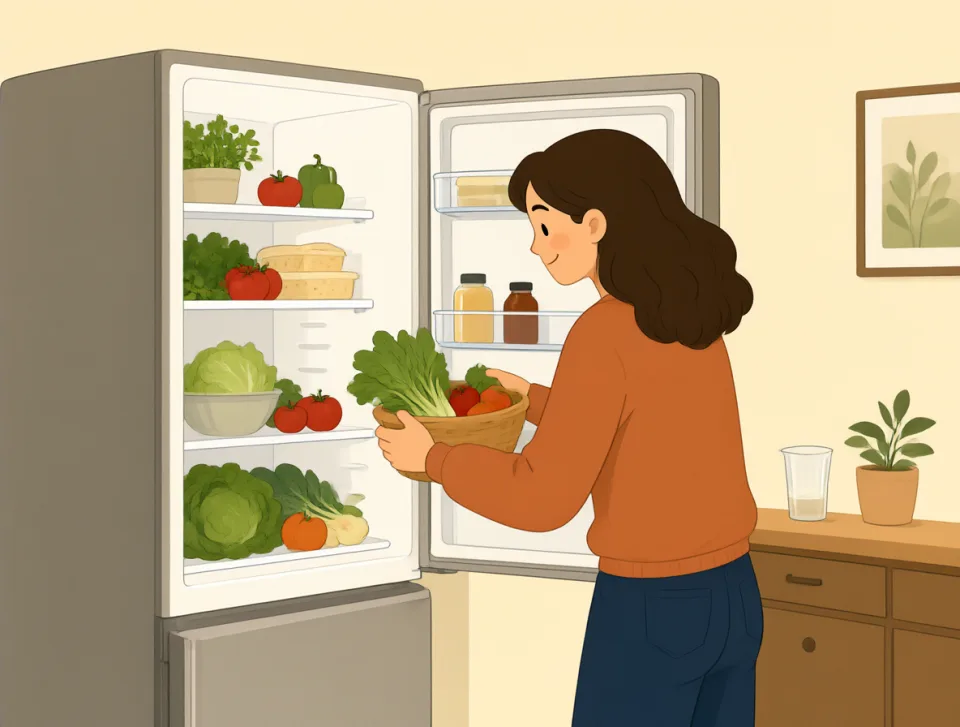
The vegetables belong in the refrigerator after shopping.
Po zakupach warzywa trzeba włożyć do lodówki.
taste
#1413noun, verb
smak; smakować
the flavor of something, or to try food or drink to know its flavor
Smak czegoś albo próbowanie jedzenia lub napoju, by poznać jego smak.
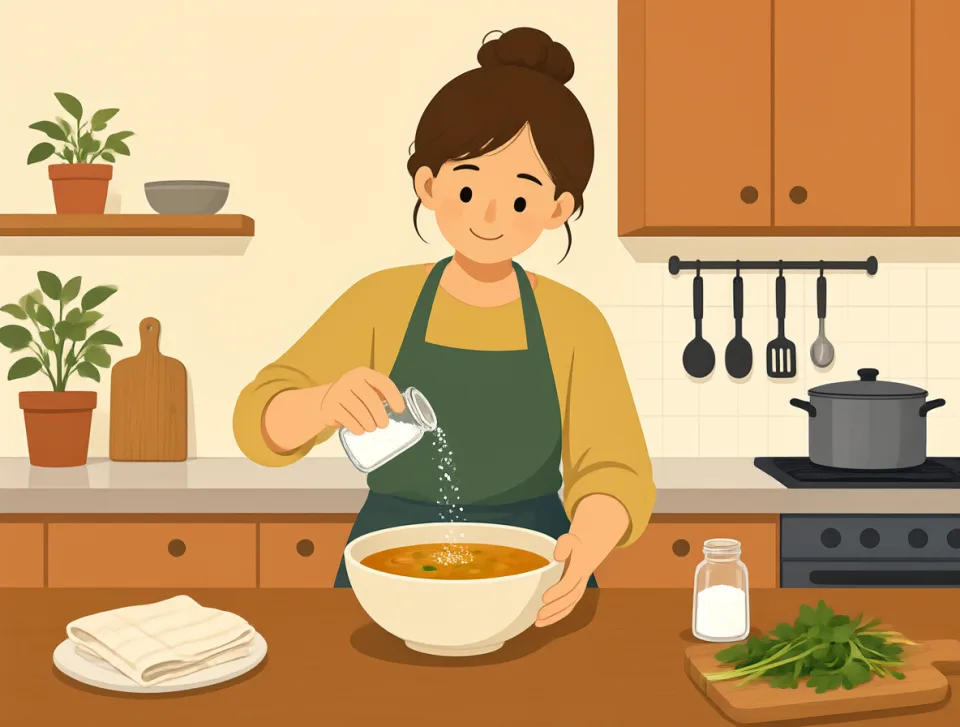
The soup tastes better with a little salt.
Zupa smakuje lepiej z odrobiną soli.
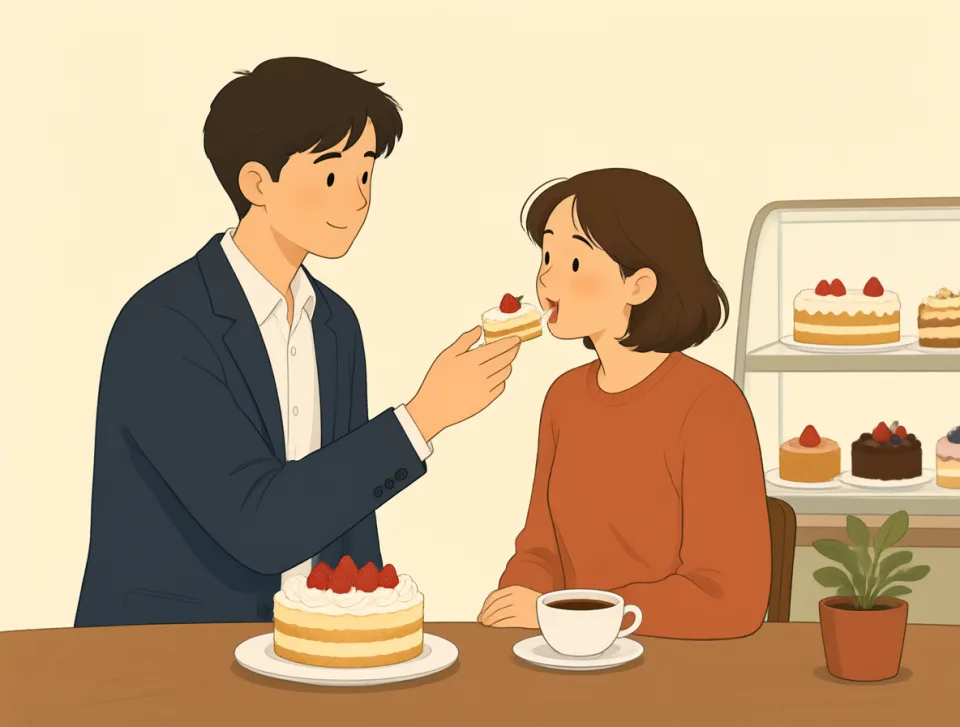
Could I taste the cake before I buy it?
Czy mogę spróbować ciasta, zanim je kupię?
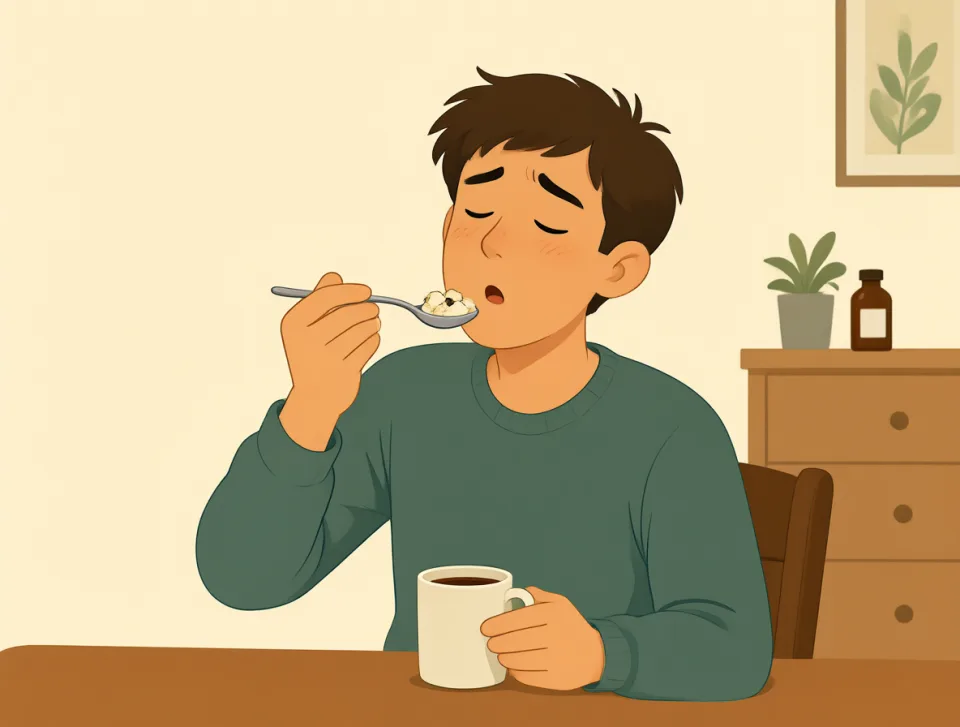
This medicine has a bitter taste.
Ten lek ma gorzki smak.

She has good taste in clothes and always looks stylish.
Ona ma dobry gust w kwestii ubrań i zawsze wygląda stylowo.
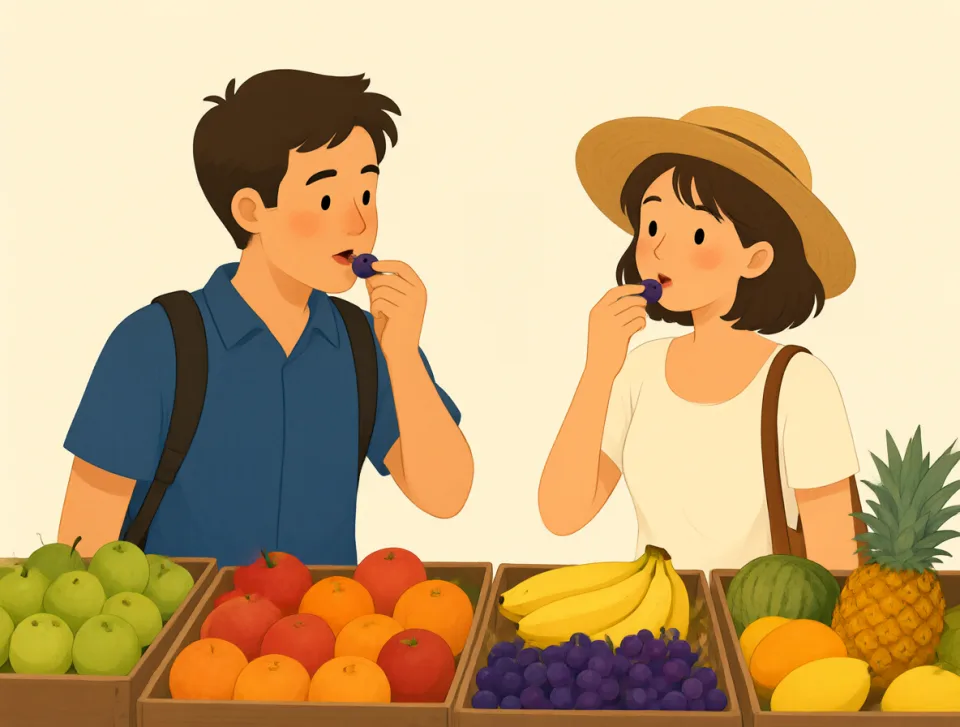
We tasted fresh fruit during our trip to Spain.
Podczas naszej podróży do Hiszpanii próbowaliśmy świeżych owoców.
tonight
#1414adverb, noun
dziś wieczorem
During the evening and night of today.
Wieczorem i w nocy dzisiejszego dnia.
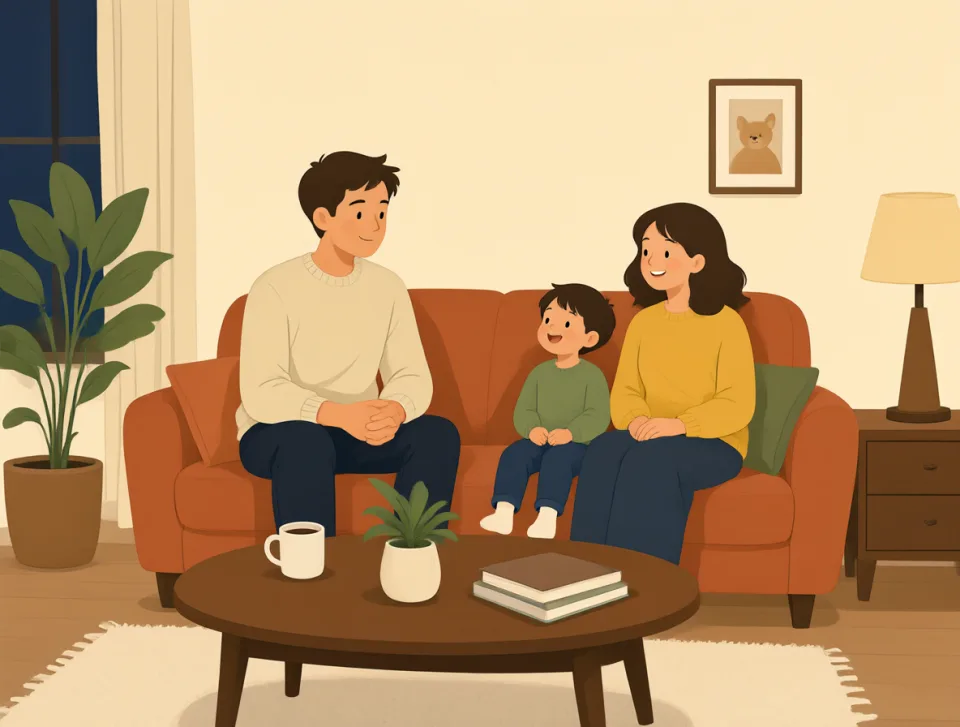
Are you staying home with us tonight?
Zostajesz dziś wieczorem w domu z nami?
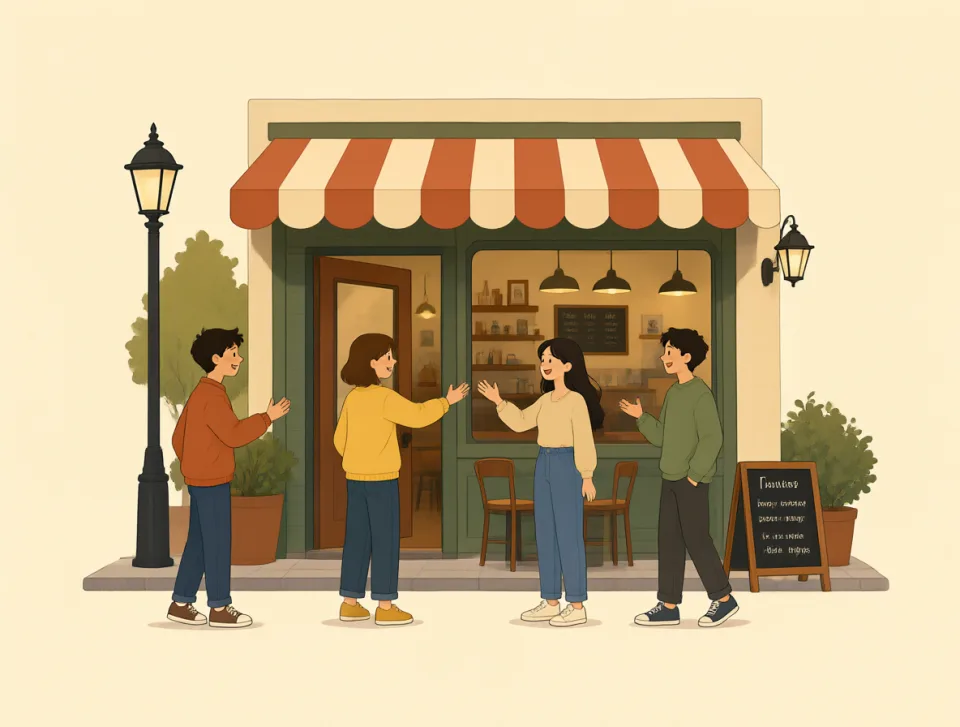
We are meeting our friends for dinner tonight.
Dziś wieczorem spotykamy się z przyjaciółmi na kolacji.

I have to finish this report tonight.
Muszę dziś wieczorem dokończyć ten raport.
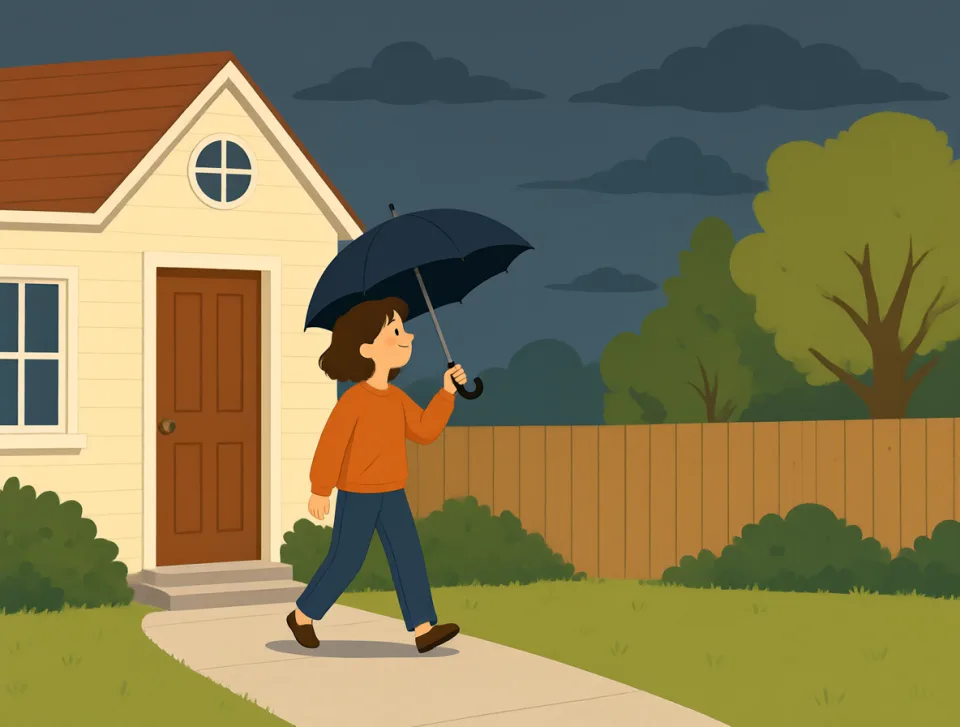
It may rain tonight, so take an umbrella.
Dziś wieczorem może padać, więc weź parasol.

I feel better tonight than I did yesterday.
Dziś wieczorem czuję się lepiej niż wczoraj.
fashion
#1415noun
moda
A popular style of clothes, hair, or appearance at a particular time.
Popularny w danym czasie styl ubioru, fryzury lub wyglądu.

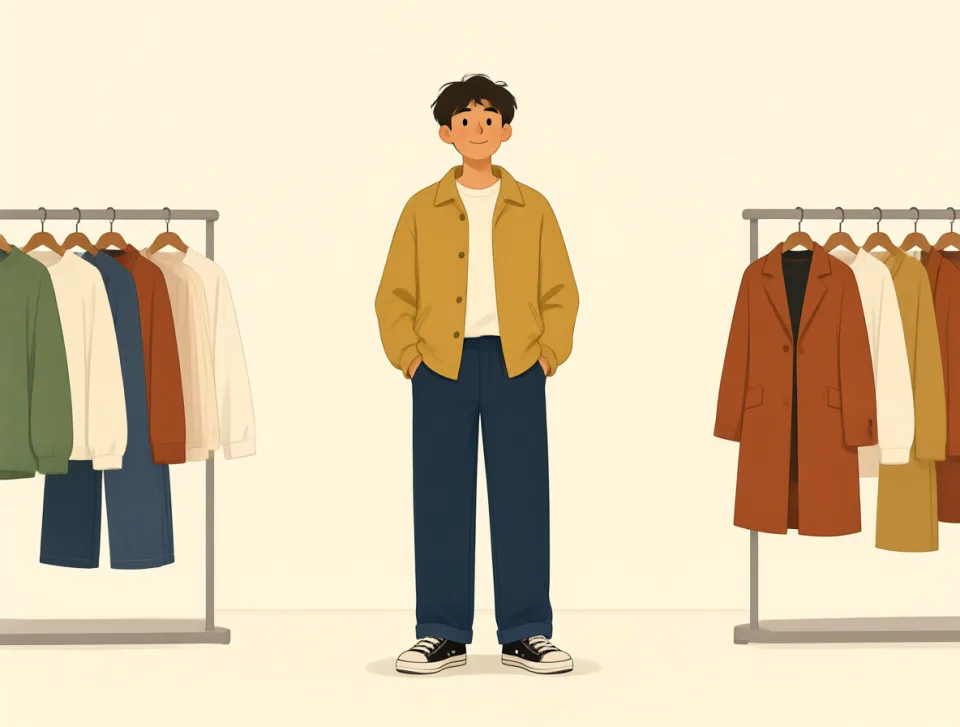
She always wears the latest fashion to work.
Ona zawsze nosi do pracy ubrania zgodne z najnowszymi trendami.
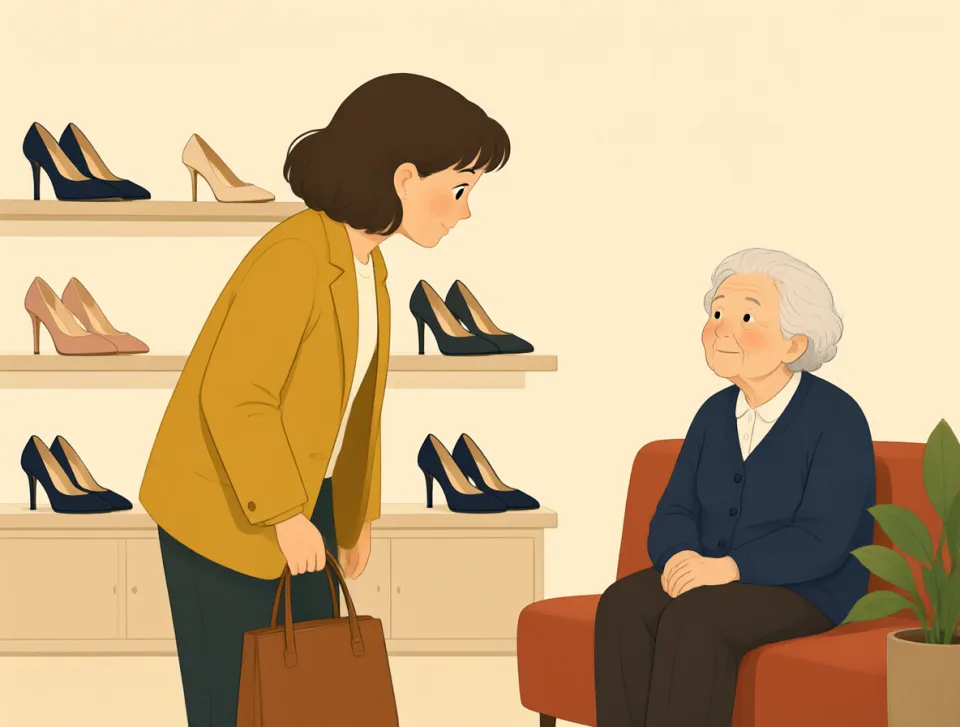
Fashion changes quickly, so these shoes may look old next year.
Moda szybko się zmienia, więc w przyszłym roku te buty mogą wyglądać staroświecko.
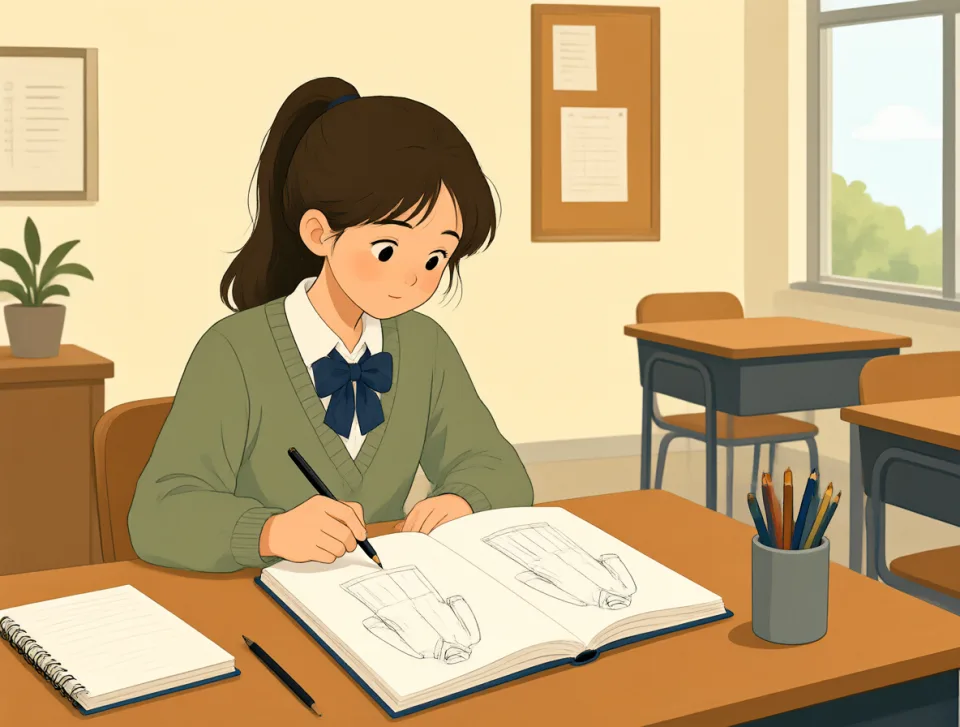
He studied fashion at college and hopes to design clothes.
Studiował modę w college’u i ma nadzieję projektować ubrania.

The hotel restaurant is famous for its fashion and beautiful decorations.
Hotelowa restauracja słynie ze swojego stylu i pięknych dekoracji.

My friends enjoy talking about fashion while shopping downtown.
Moi znajomi lubią rozmawiać o modzie podczas zakupów w centrum.
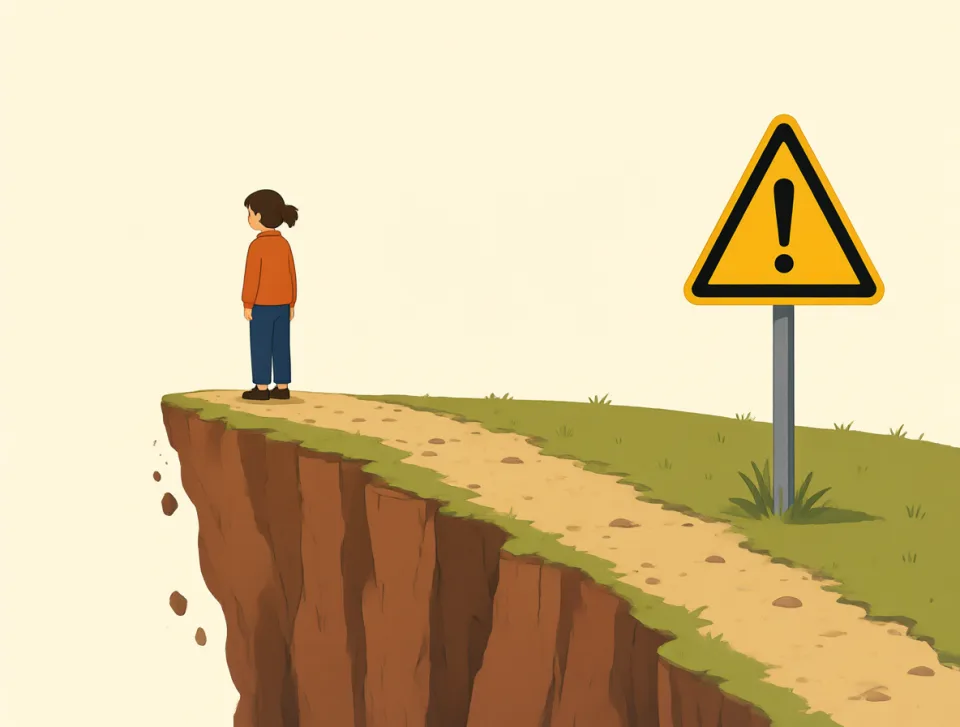
danger
#1416noun
niebezpieczeństwo
the possibility that someone or something will be harmed
Możliwość, że ktoś lub coś dozna krzywdy albo zostanie uszkodzone.
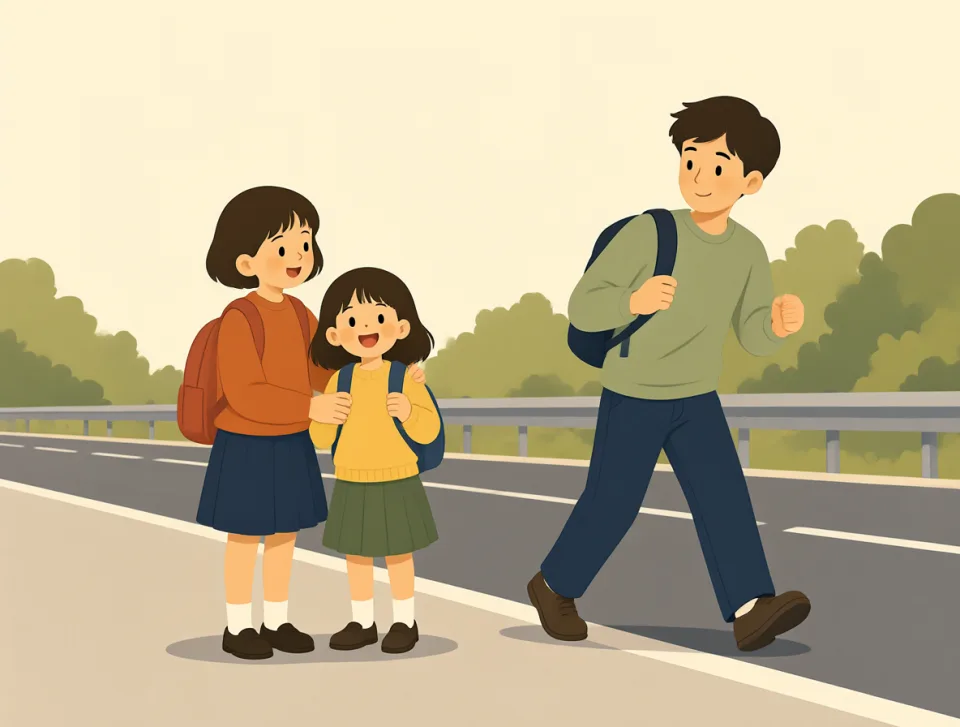
The children were in danger near the busy road.
Dzieciom groziło niebezpieczeństwo, gdy znajdowały się w pobliżu ruchliwej drogi.
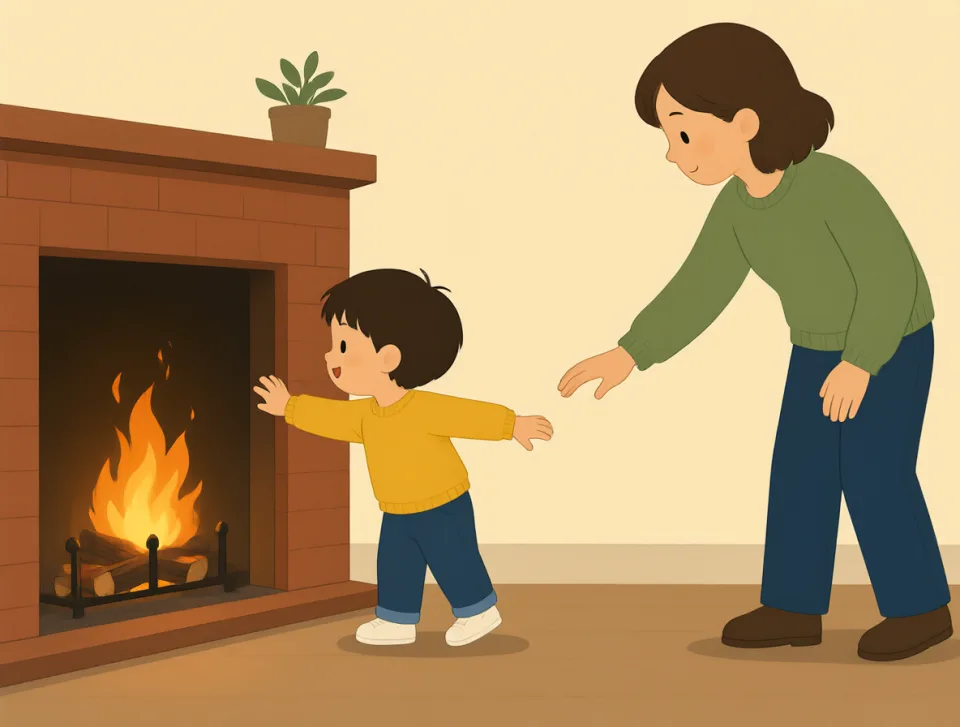
Keep your hands away from the fire to avoid danger.
Trzymaj ręce z dala od ognia, żeby uniknąć niebezpieczeństwa.

The pilot warned passengers about danger during the storm.
Pilot ostrzegł pasażerów przed niebezpieczeństwem podczas burzy.
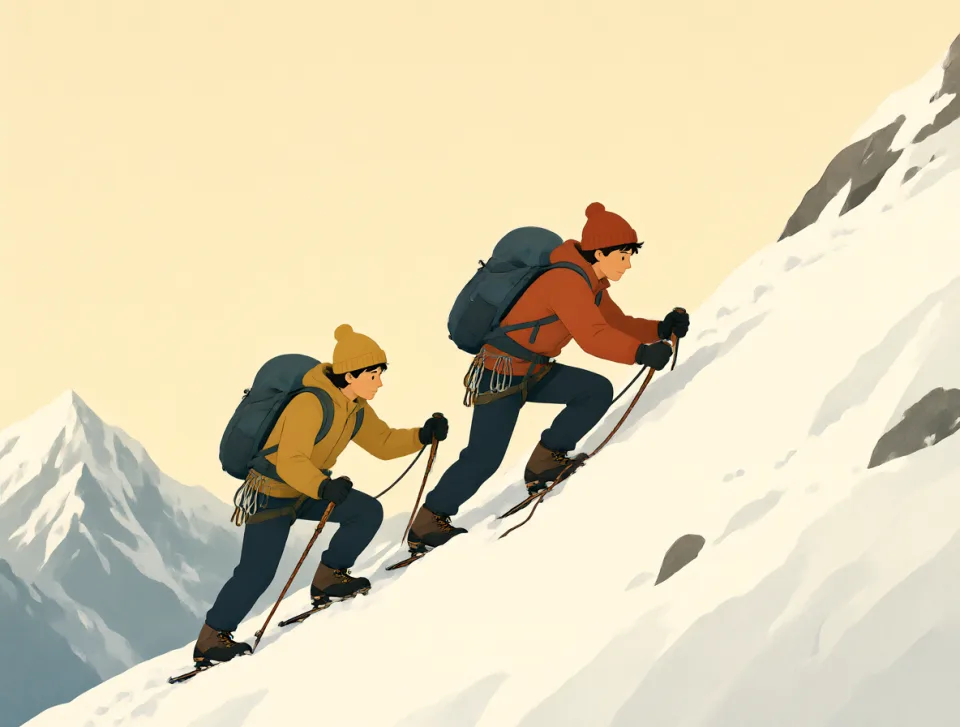
The mountain climbers faced great danger in the snow.
Podczas śnieżycy wspinacze górscy byli narażeni na wielkie niebezpieczeństwo.
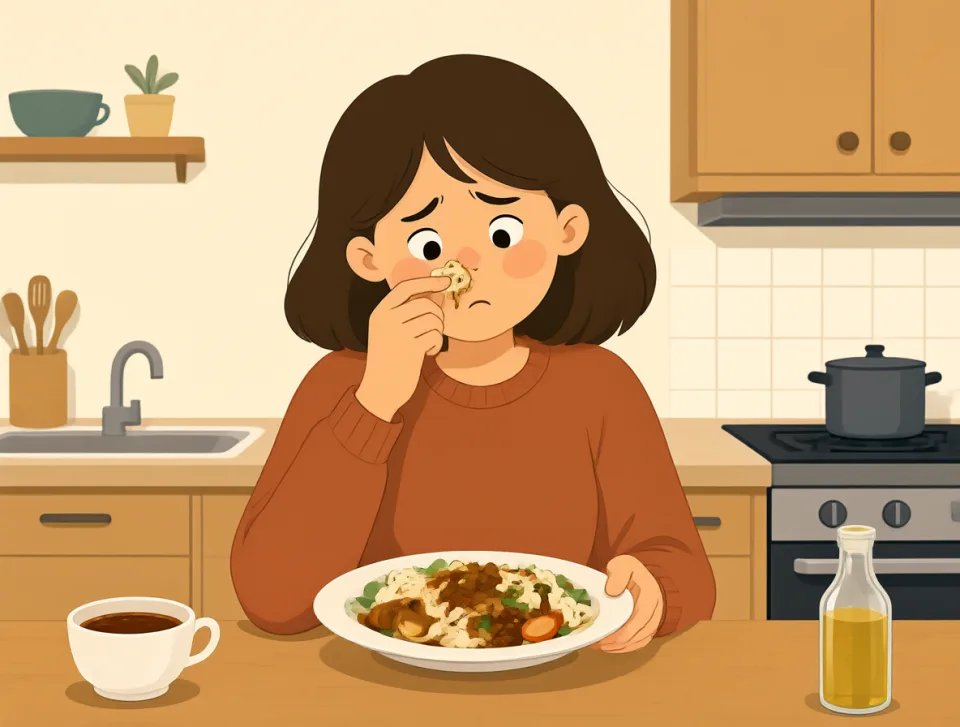
Eating spoiled food can put your health in danger.
Jedzenie zepsutego jedzenia może narazić twoje zdrowie na niebezpieczeństwo.
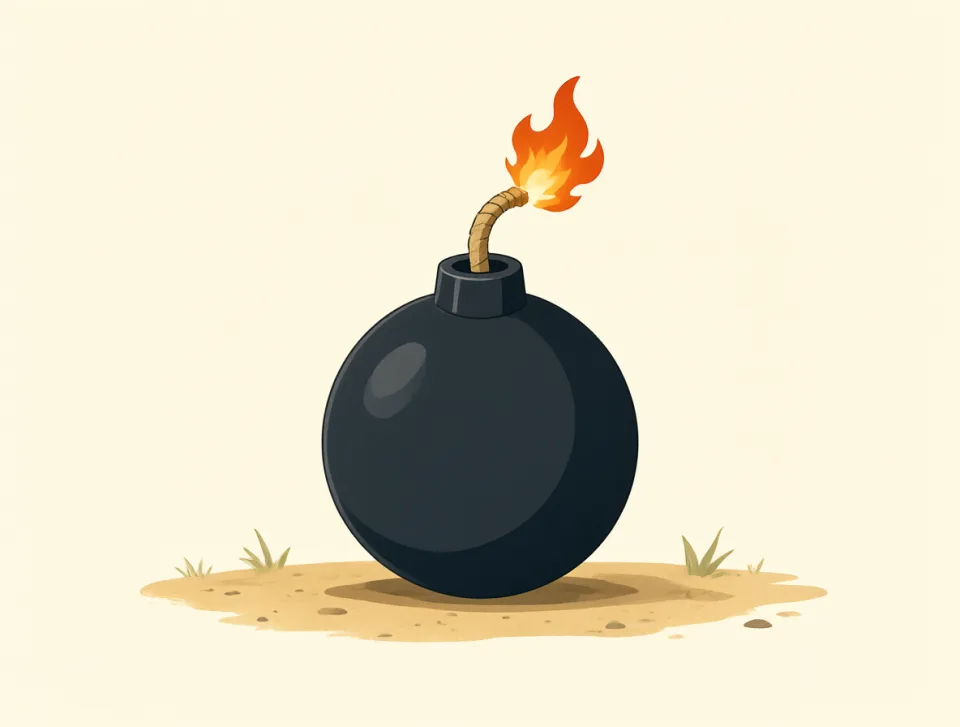
bomb
#1417noun, verb
bomba
A bomb is a weapon that explodes, or to bomb is to attack with one.
Bomba to broń, która wybucha; „to bomb” oznacza zaatakować przy użyciu bomby.
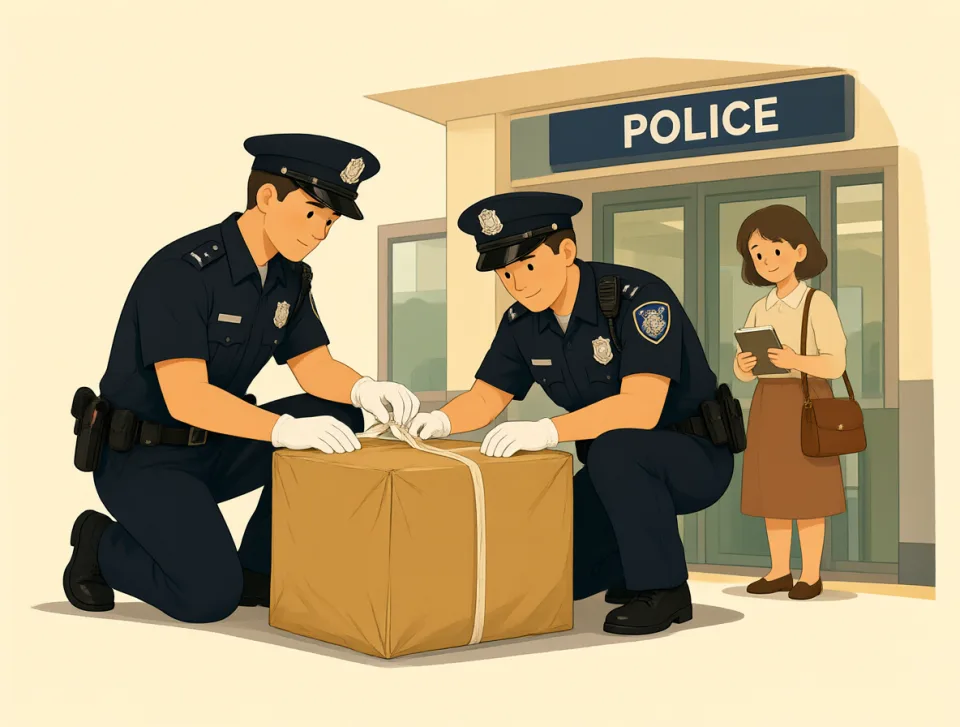
The police found a bomb near the train station.
Policja znalazła bombę w pobliżu dworca kolejowego.
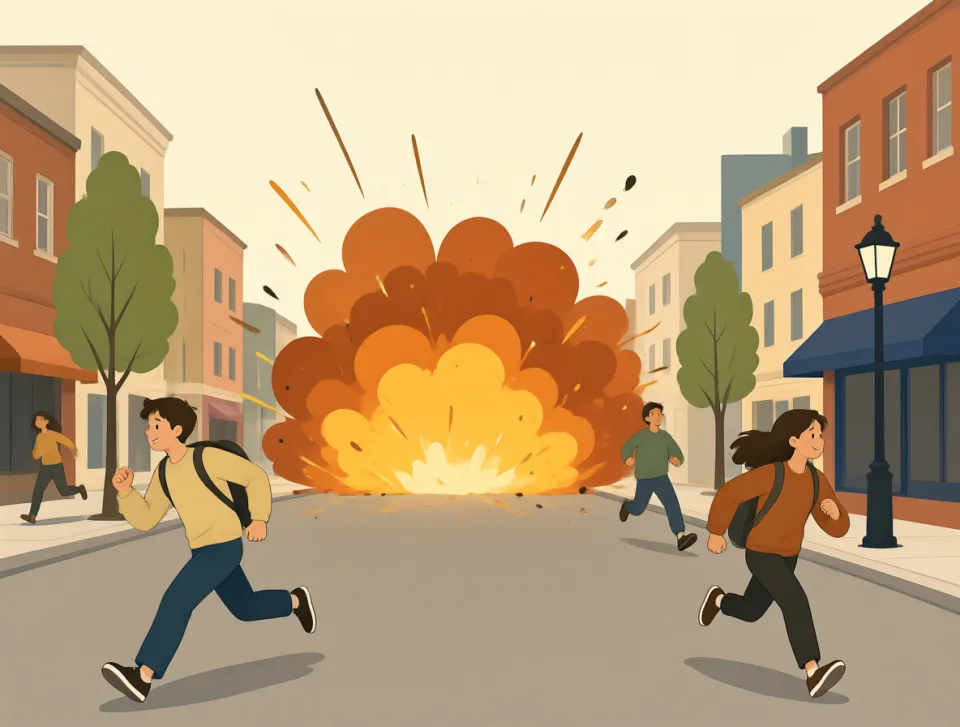
The bomb exploded before anyone could move it.
Bomba wybuchła, zanim ktokolwiek zdążył ją przenieść.
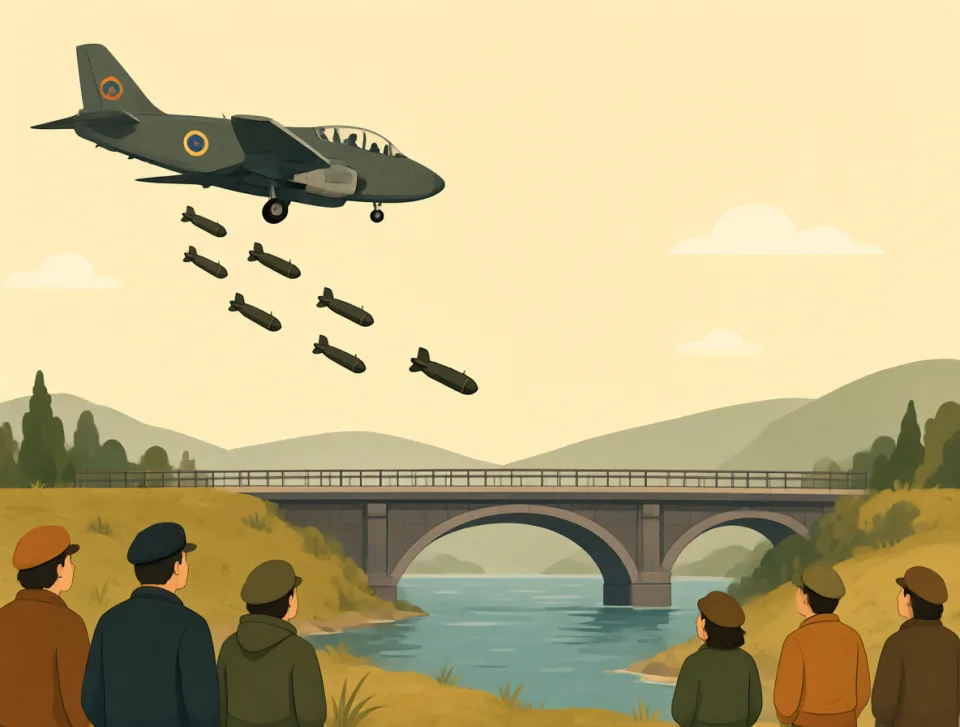
The army bombed the bridge during the war.
Podczas wojny armia zbombardowała most.
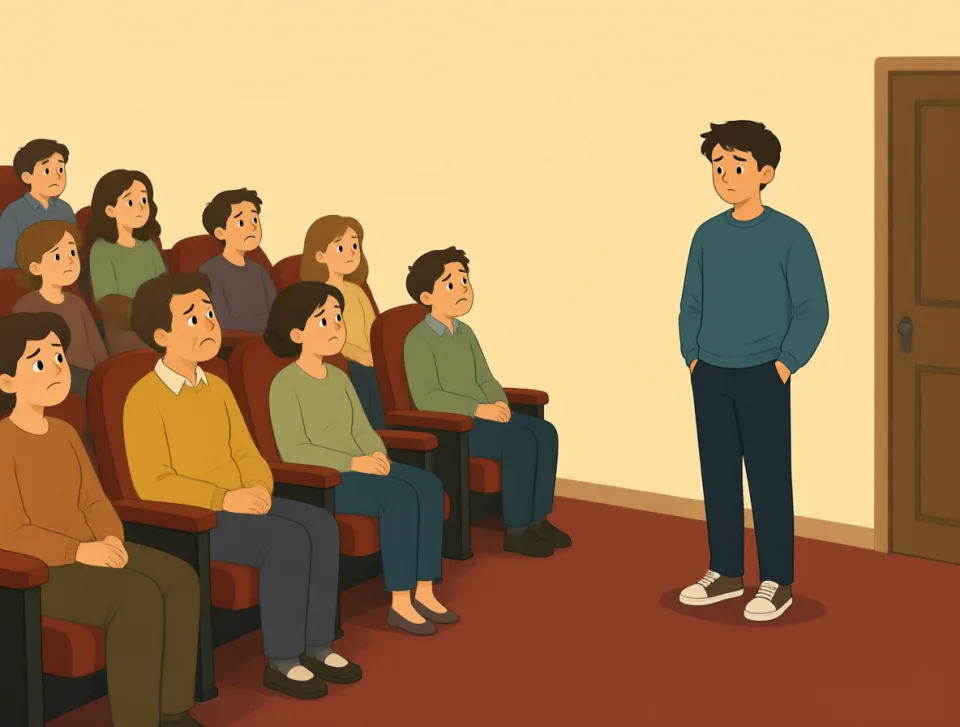
The movie bombed because nobody enjoyed the story.
Film okazał się klapą, bo nikomu nie spodobała się jego fabuła.

I bombed my math test and need more practice.
Oblałem test z matematyki i muszę więcej ćwiczyć.
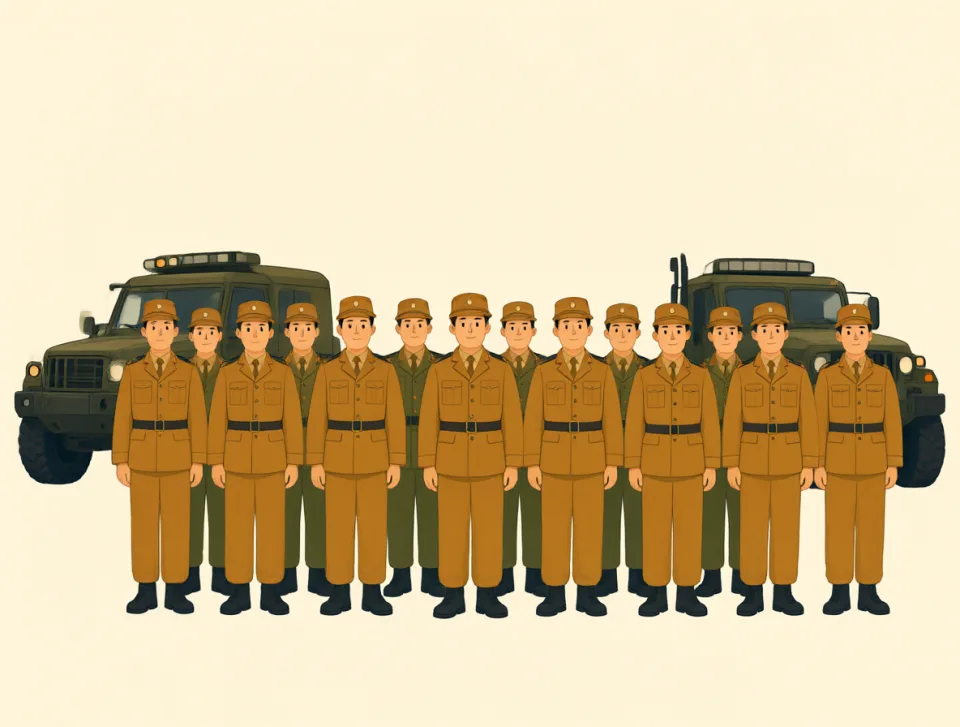
army
#1418noun
armia
A large organized group of soldiers trained to fight for a country.
Duża, zorganizowana grupa żołnierzy wyszkolonych do walki w obronie kraju.
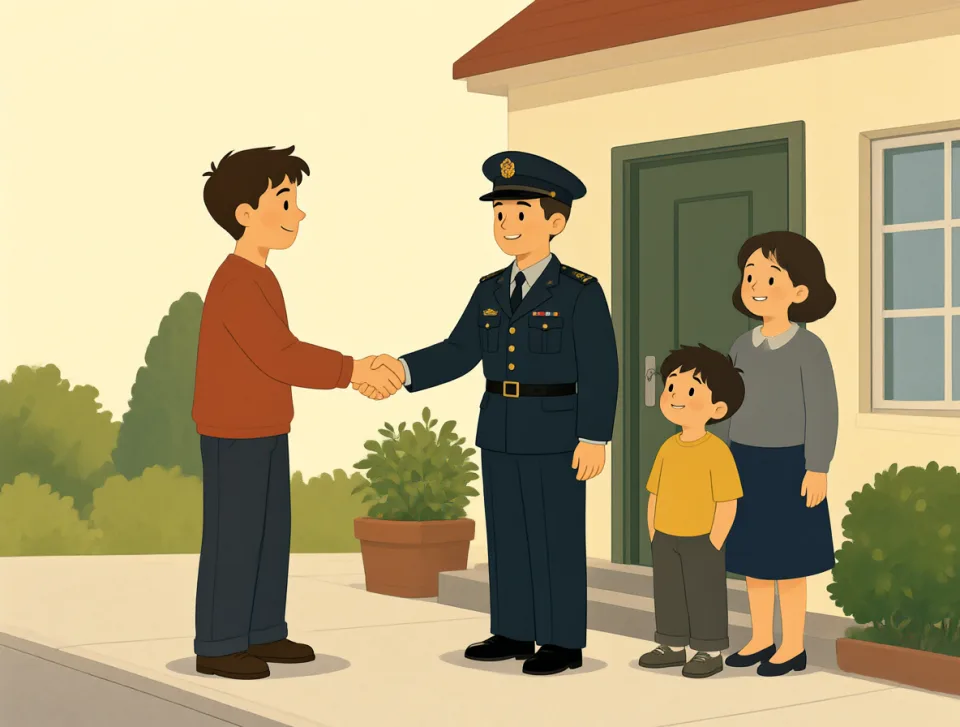
Her brother joined the army after finishing school.
Jej brat wstąpił do armii po ukończeniu szkoły.
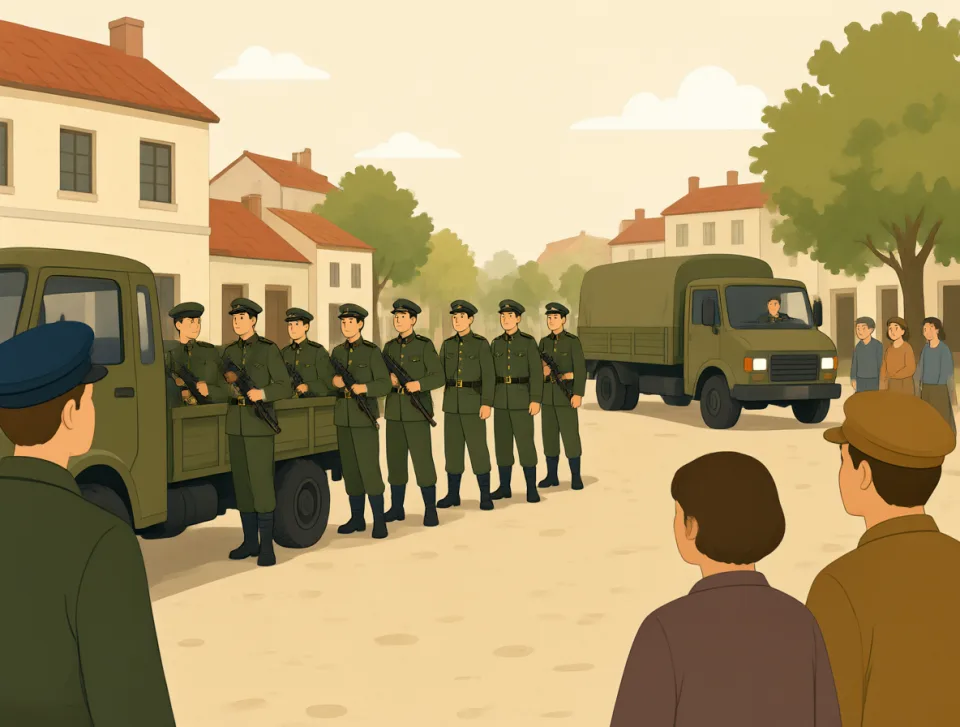
The army sent more soldiers to protect the town.
Armia wysłała więcej żołnierzy, by chronili miasteczko.
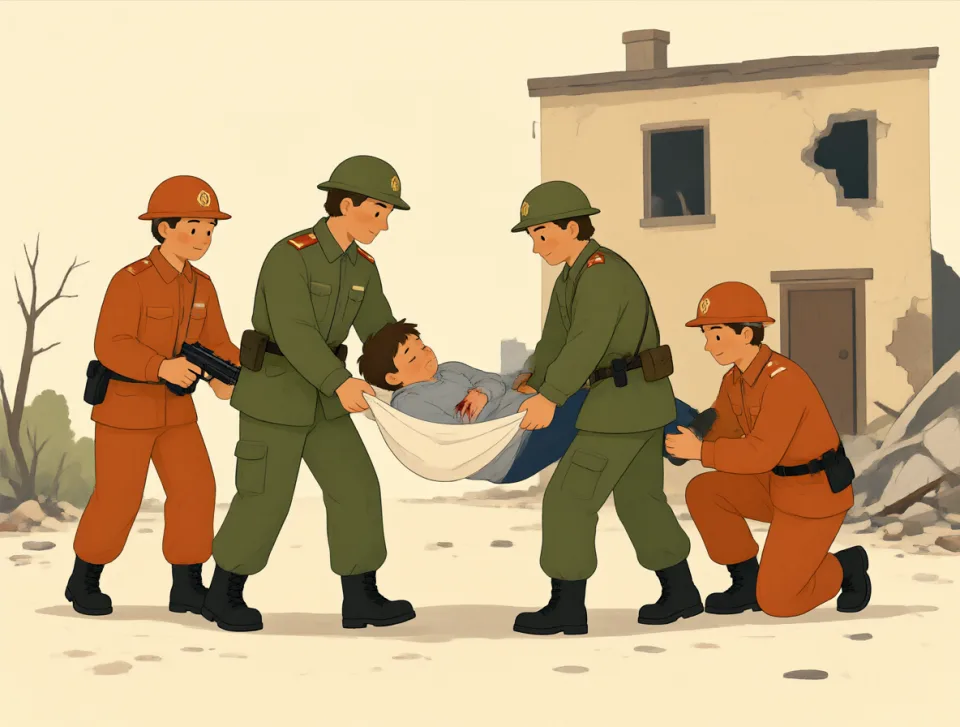
The army helped rescue people after the earthquake.
Armia pomogła ratować ludzi po trzęsieniu ziemi.
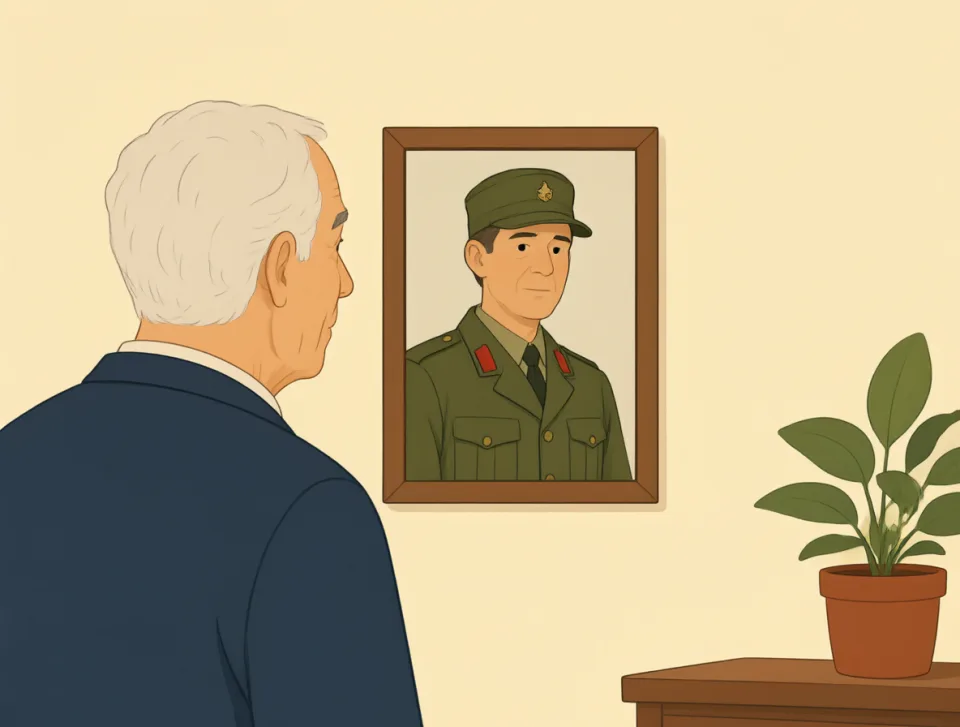
My grandfather spent twenty years in the army.
Mój dziadek spędził dwadzieścia lat w armii.
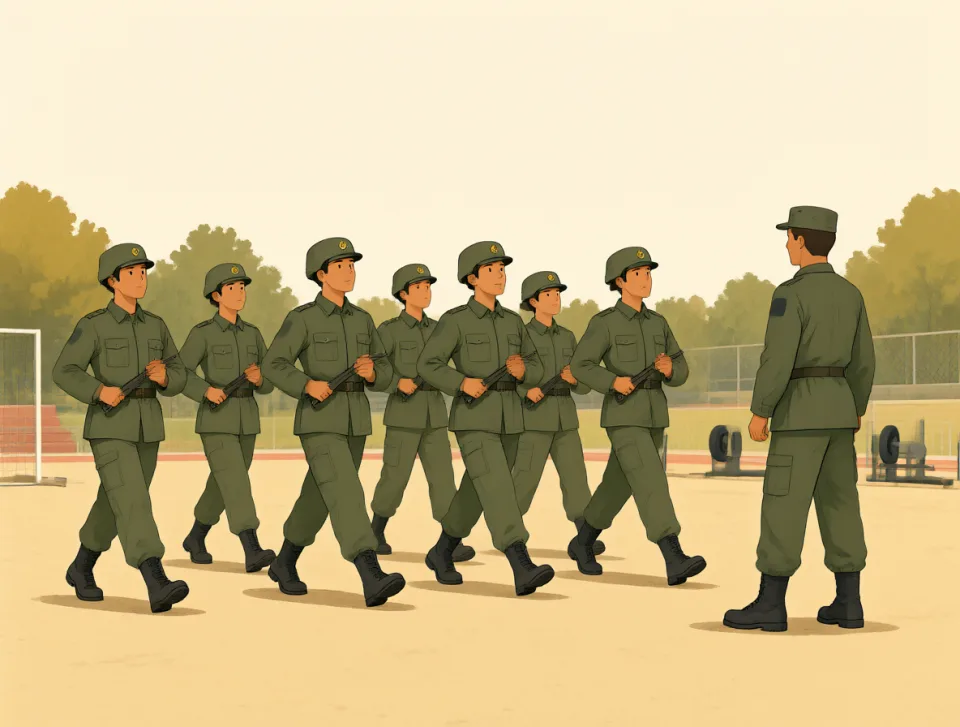
The army trained the new soldiers for three months.
Armia szkoliła nowych żołnierzy przez trzy miesiące.
dangerous
#1419adjective
niebezpieczny
Likely to hurt people, damage things, or cause problems.
Mogący zranić ludzi, uszkodzić przedmioty lub spowodować problemy.
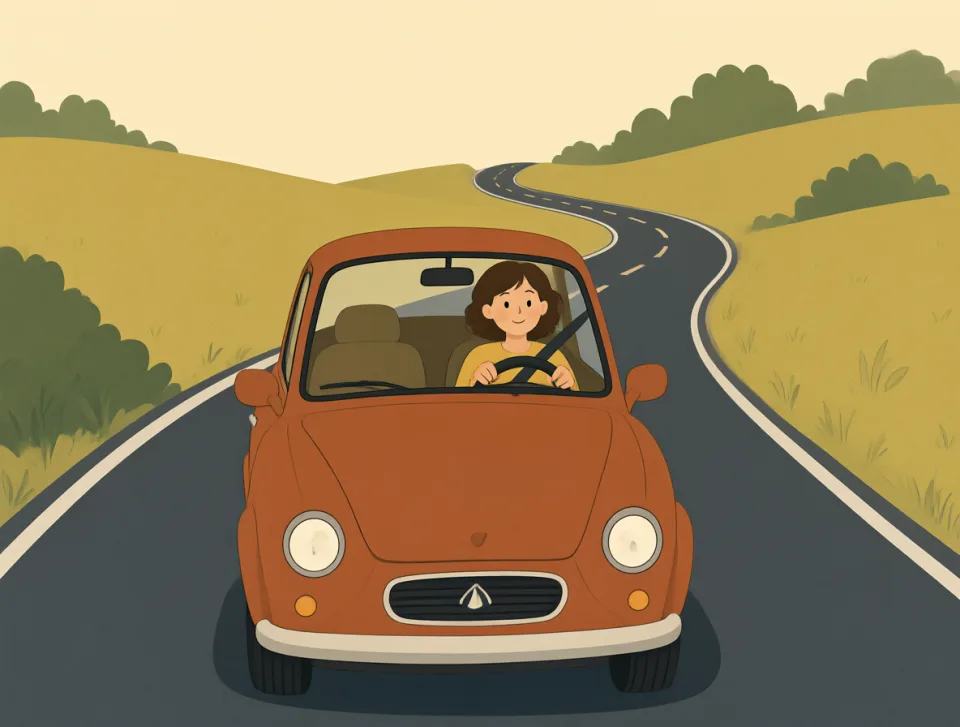
That road is dangerous after dark, so drive slowly.
Po zmroku ta droga jest niebezpieczna, więc jedź powoli.
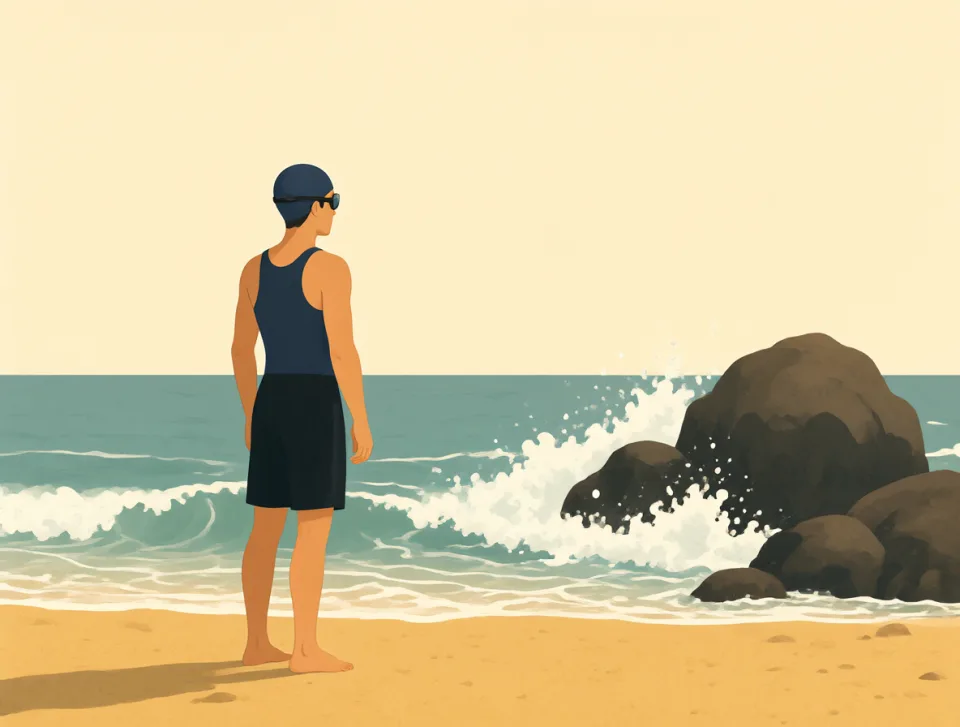
It is dangerous to swim near the rocks during a storm.
Podczas burzy pływanie w pobliżu skał jest niebezpieczne.
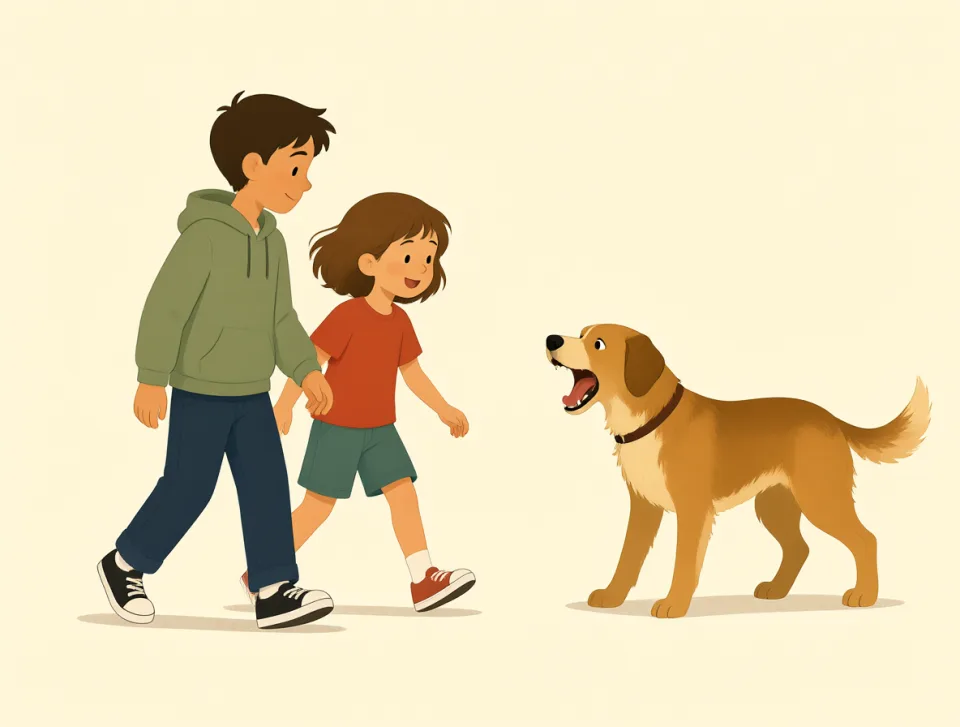
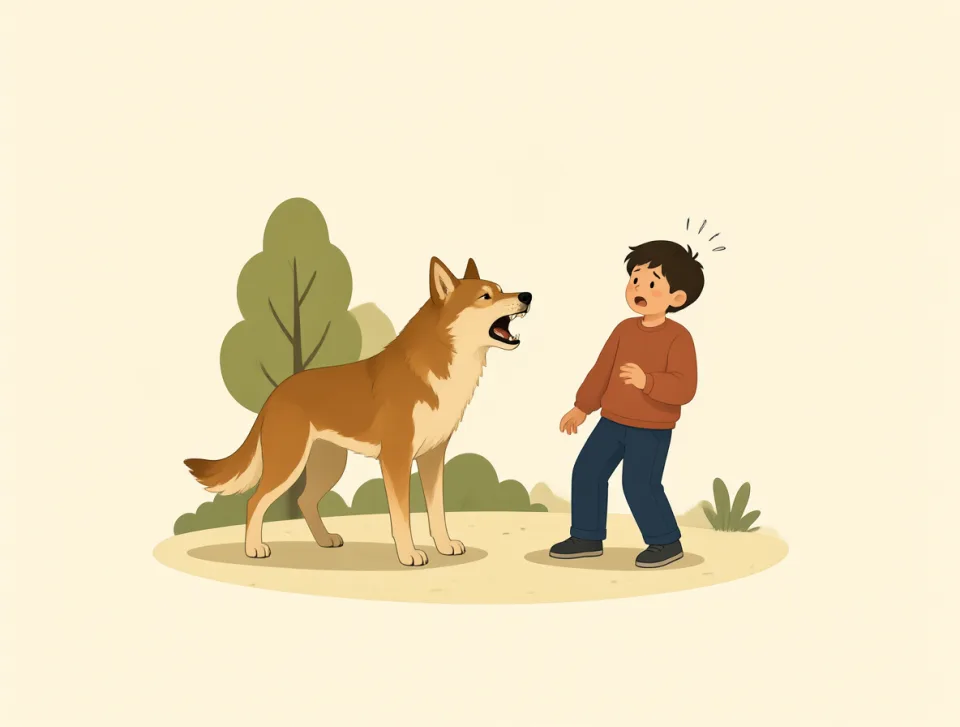
The children moved away from the dangerous dog.
Dzieci odeszły od niebezpiecznego psa.
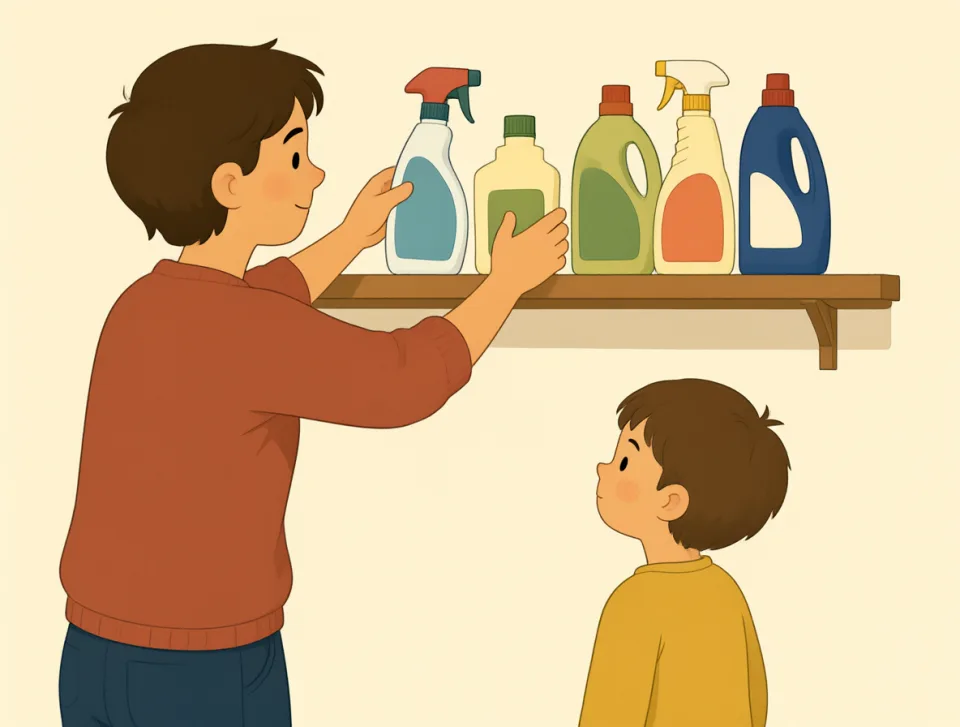
Keep dangerous cleaning products away from young children.
Trzymaj niebezpieczne środki czystości z dala od małych dzieci.
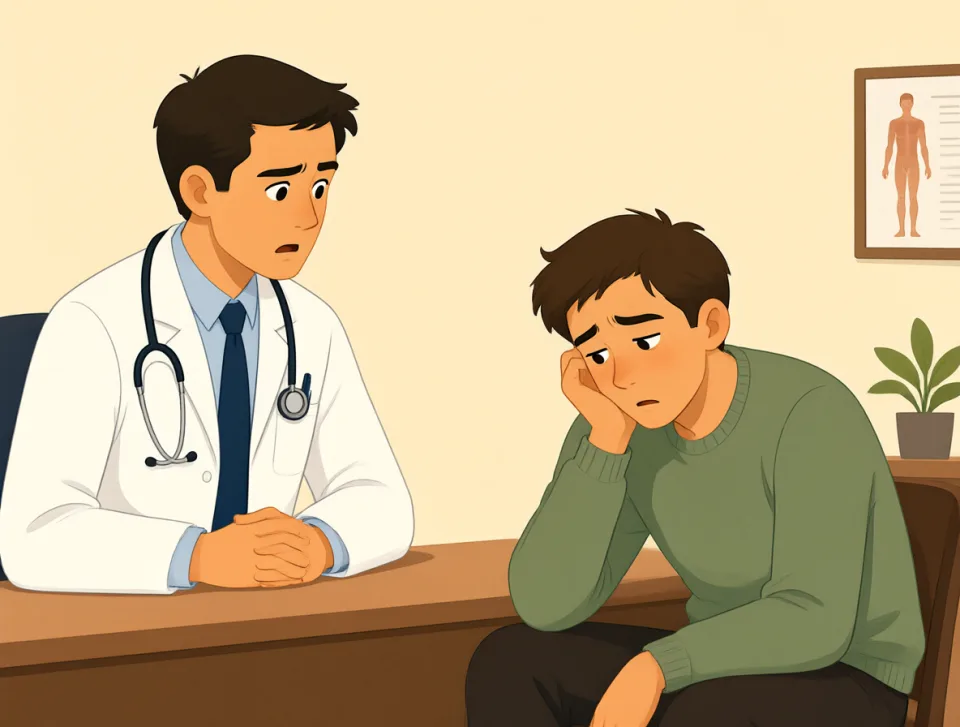
The doctor warned him that dangerous levels of stress could harm his health.
Lekarz ostrzegł go, że niebezpiecznie wysoki poziom stresu może zaszkodzić jego zdrowiu.
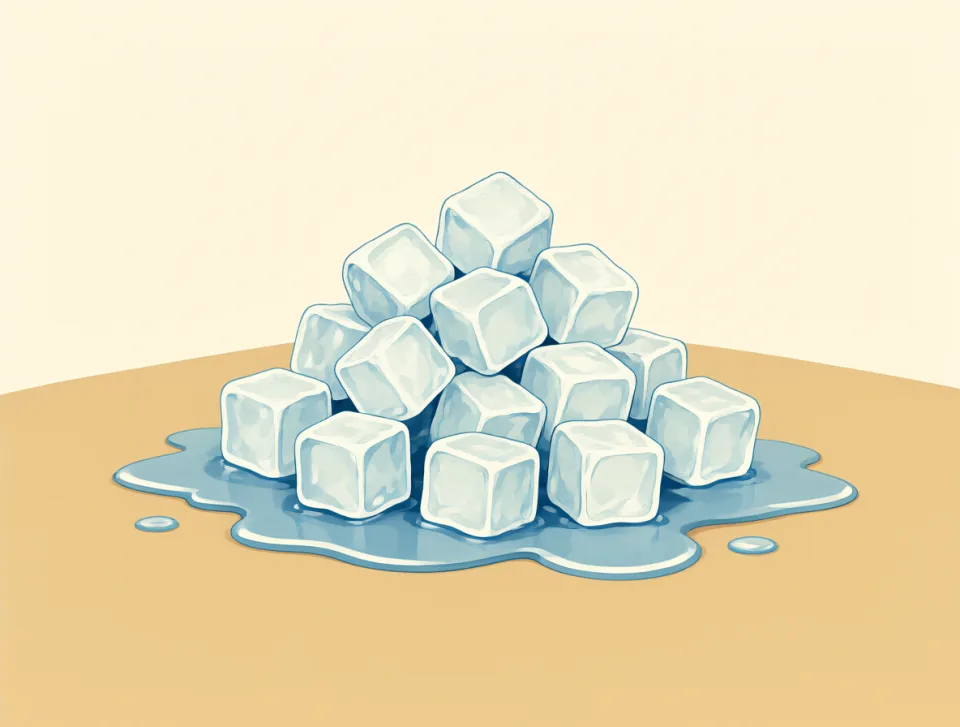
decrease
#1420noun, verb
zmniejszać się; zmniejszać
to become or make something smaller in size, amount, number, or level
Stawać się mniejszym lub sprawiać, że coś staje się mniejsze pod względem rozmiaru, ilości, liczby albo poziomu.
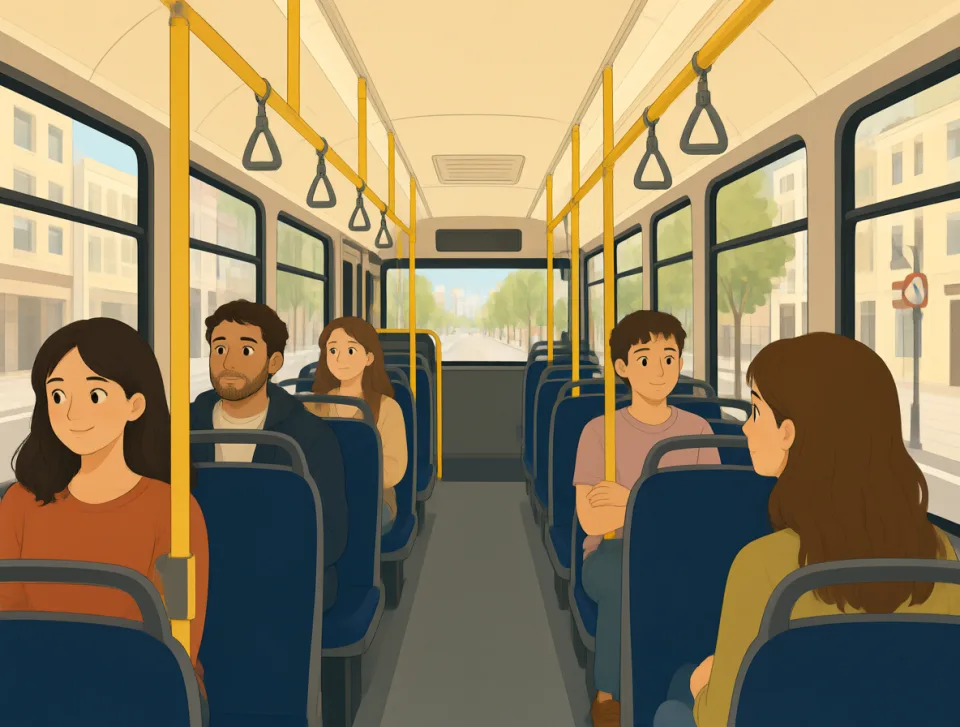
The number of people using the bus decreased last month.
W zeszłym miesiącu zmniejszyła się liczba osób korzystających z autobusu.
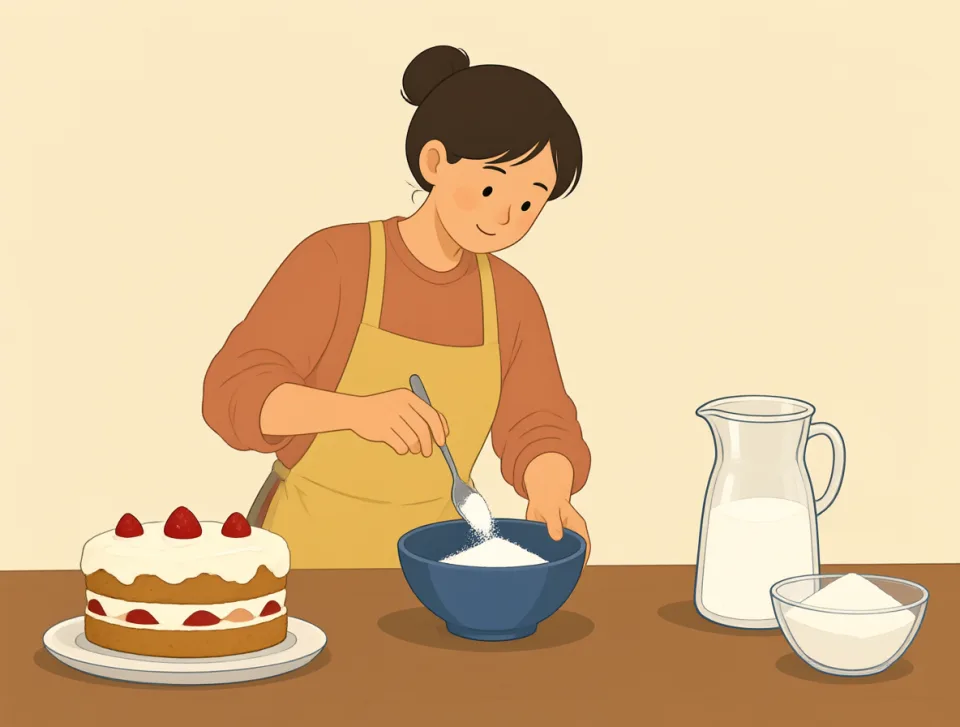
We need to decrease the amount of sugar in this cake.
Musimy zmniejszyć ilość cukru w tym cieście.
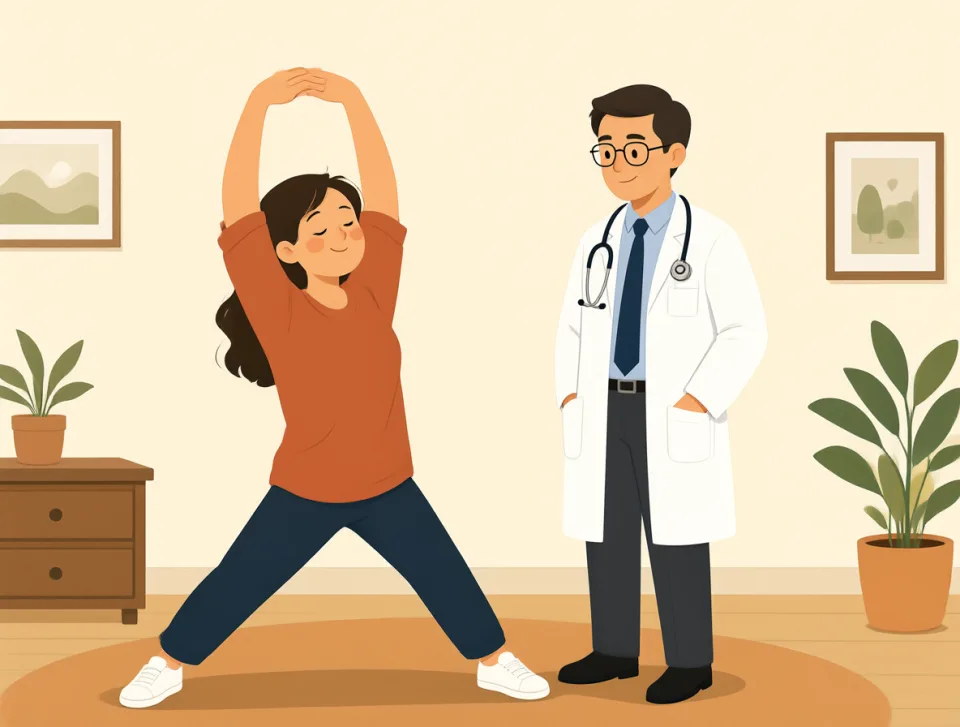
The doctor says regular exercise can decrease back pain.
Lekarz mówi, że regularne ćwiczenia mogą zmniejszyć ból pleców.
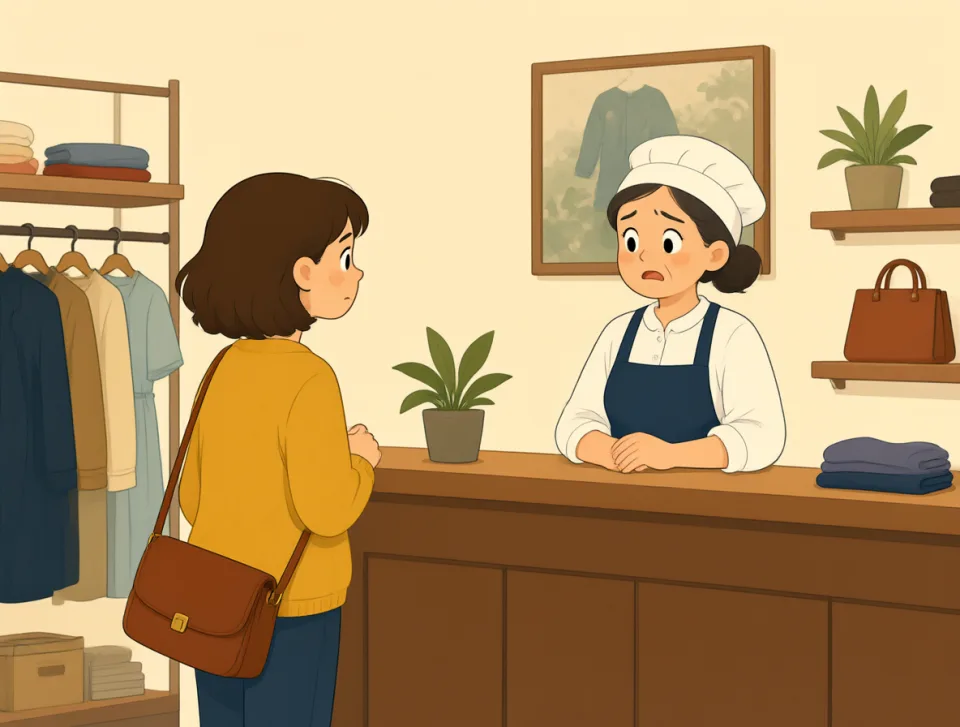
Sales decreased after the shop raised its prices.
Sprzedaż spadła po tym, jak sklep podniósł ceny.
The temperature decreased quickly after the sun went down.
Temperatura szybko spadła po zachodzie słońca.