Đơn vị 71
Từ 1401–1420 · dear, objective, moreover, onto, historical, oppose

dear
#1401adjective, noun
thân yêu
Loved or liked very much; used when speaking kindly to someone.
Được yêu quý hoặc rất thích; dùng khi nói chuyện với ai đó một cách trìu mến.
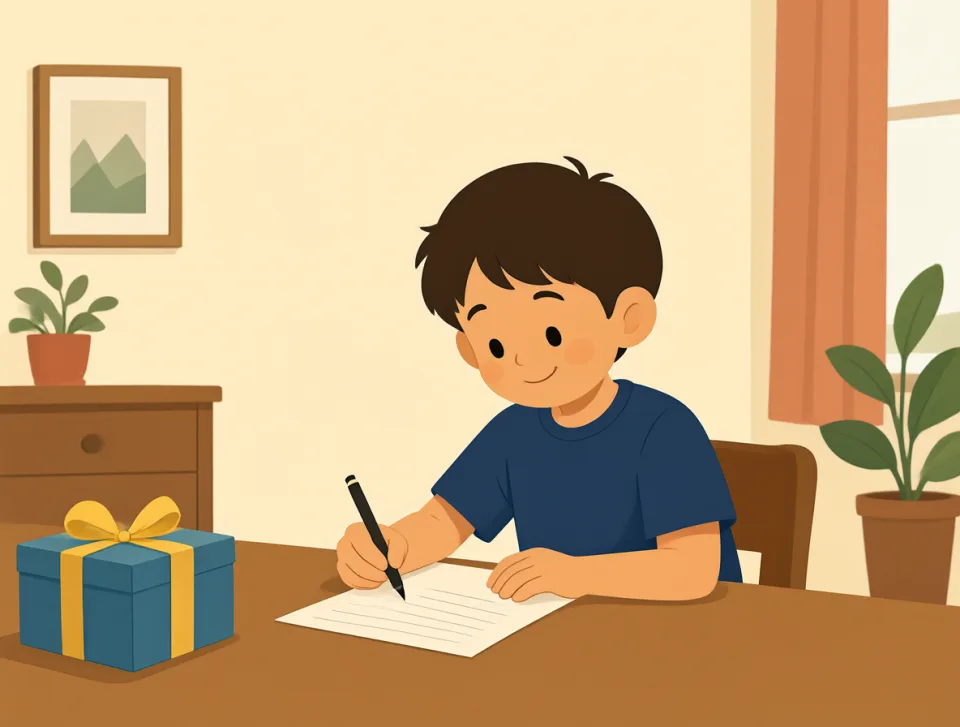
Dear Grandma, thank you for the lovely birthday present.
Bà thân yêu, cháu cảm ơn bà vì món quà sinh nhật tuyệt đẹp.
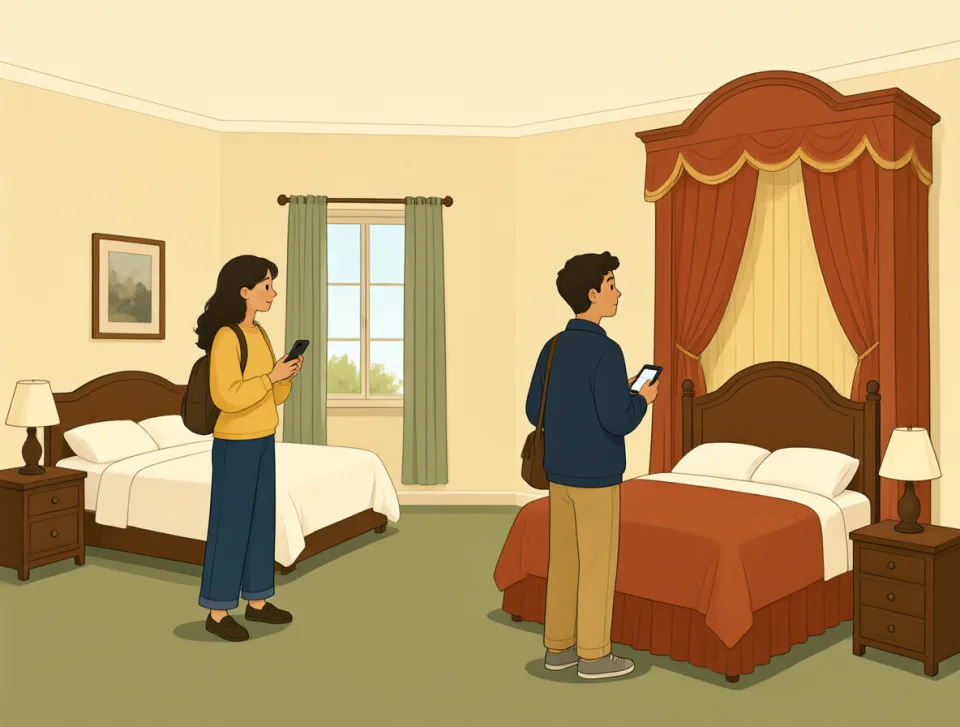
The hotel is dear, so we chose a cheaper room.
Khách sạn đắt quá nên chúng tôi chọn một phòng rẻ hơn.
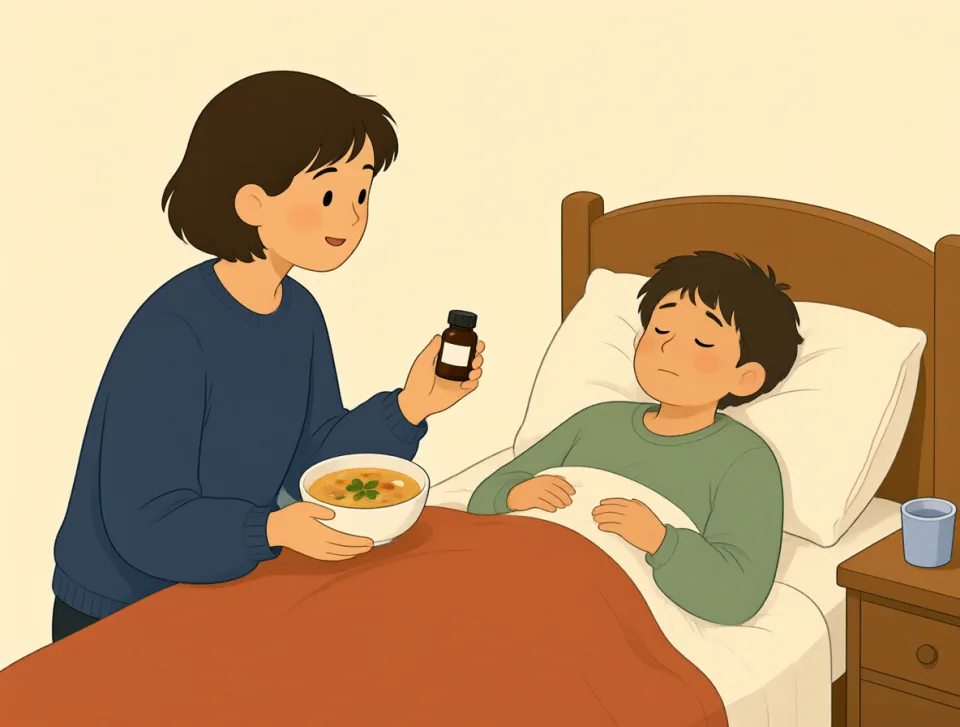
My dear friend helped me when I was sick.
Người bạn thân yêu của tôi đã giúp tôi khi tôi bị ốm.

Dear customers, please keep your receipts after shopping.
Kính thưa quý khách, vui lòng giữ lại hóa đơn sau khi mua sắm.

Oh dear, I forgot my homework on the kitchen table.
Ôi, chết rồi, mình để quên bài tập trên bàn bếp.

objective
#1402noun, adjective
mục tiêu
A goal or aim; based on facts rather than personal feelings.
Mục đích hoặc điều muốn đạt được; dựa trên sự thật chứ không phải cảm xúc cá nhân.

Our main objective is to finish the project by Friday.
Mục tiêu chính của chúng ta là hoàn thành dự án trước thứ Sáu.
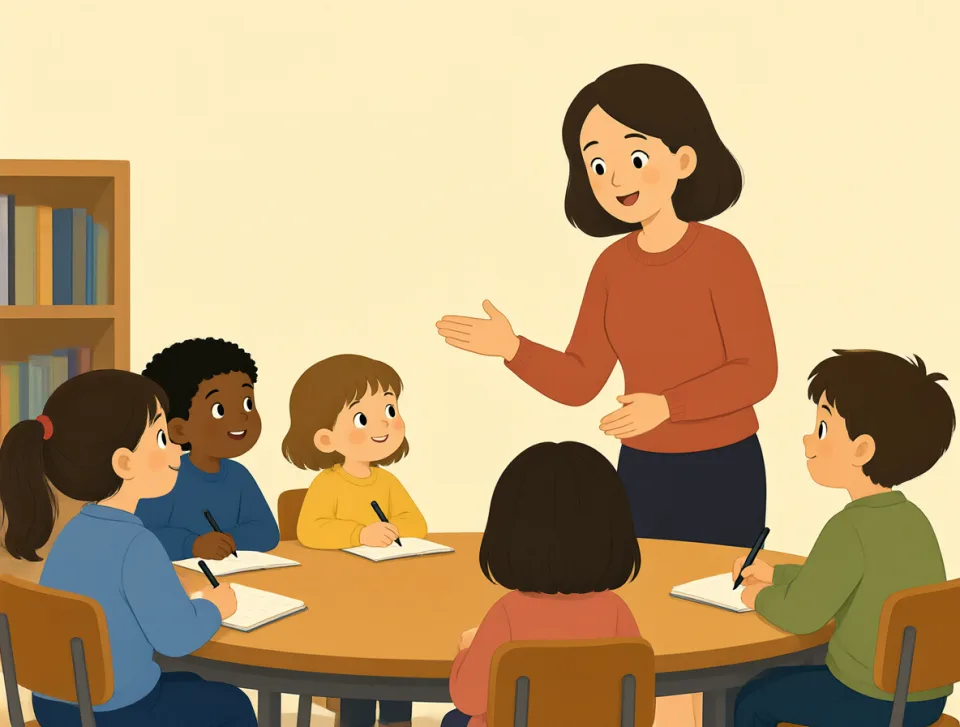
The teacher explained the learning objectives before the lesson.
Giáo viên giải thích các mục tiêu học tập trước khi bắt đầu bài học.
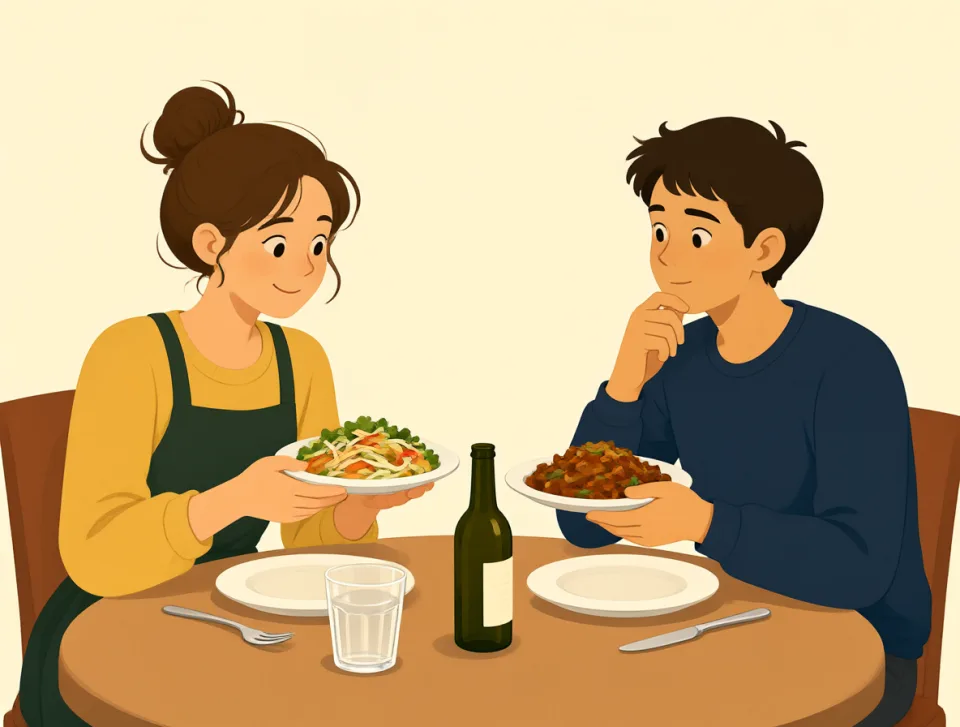
We need an objective opinion before choosing a new restaurant.
Chúng ta cần một ý kiến khách quan trước khi chọn nhà hàng mới.

The doctor made an objective assessment of my knee injury.
Bác sĩ đã đánh giá khách quan chấn thương đầu gối của tôi.

The camera gave an objective view of the beautiful mountain scenery.
Chiếc máy ảnh ghi lại khung cảnh núi non tuyệt đẹp một cách khách quan.
moreover
#1403adverb
hơn nữa
Used to add another important fact or reason to what you have just said.
Dùng để bổ sung một thông tin hoặc lý do quan trọng khác cho điều bạn vừa nói.
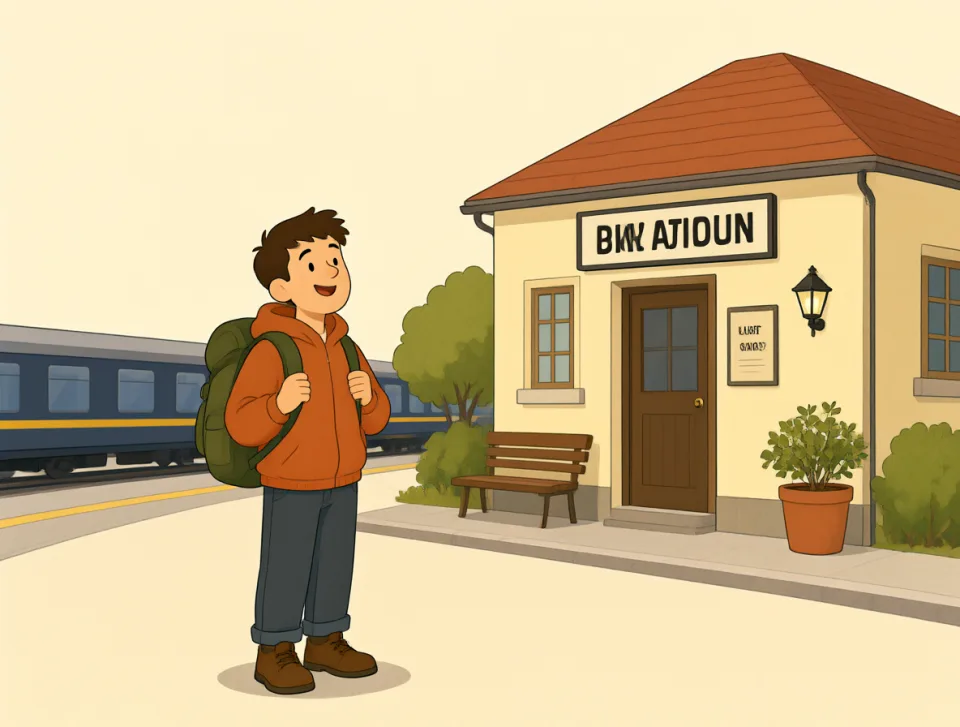
The hotel is cheap; moreover, it is close to the station.
Khách sạn rẻ; hơn nữa, nó còn gần nhà ga.

She speaks three languages and, moreover, teaches English online.
Cô ấy nói được ba thứ tiếng và hơn nữa còn dạy tiếng Anh trực tuyến.

The job offers flexible hours; moreover, the salary is excellent.
Công việc có giờ làm linh hoạt; hơn nữa, mức lương rất hấp dẫn.
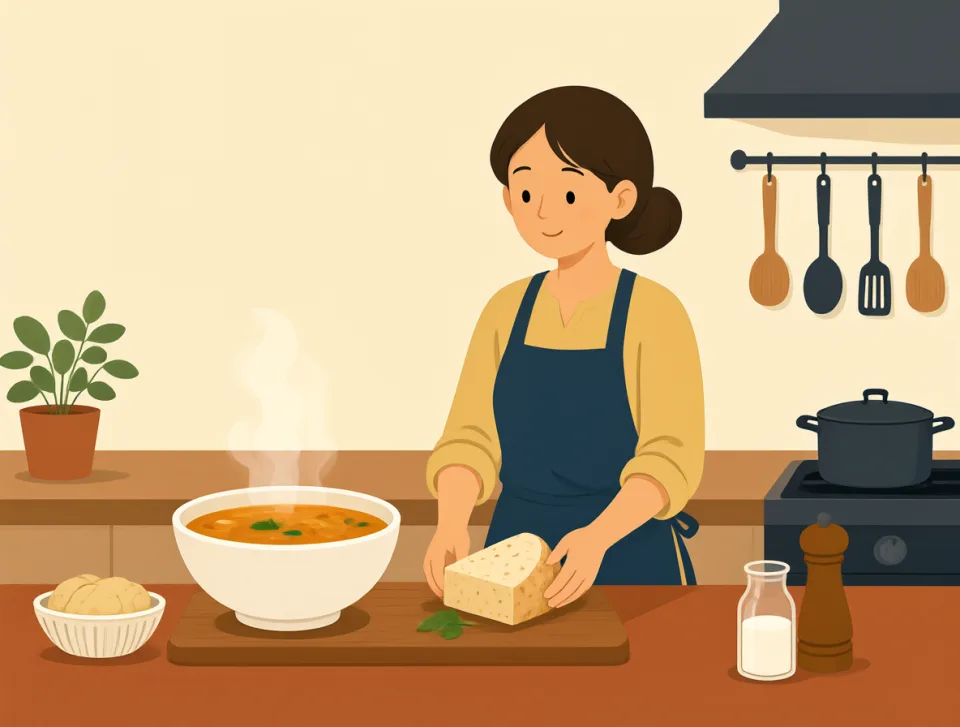
The soup is delicious; moreover, it is quick and easy to make.
Món súp rất ngon; hơn nữa, cách làm lại nhanh chóng và đơn giản.
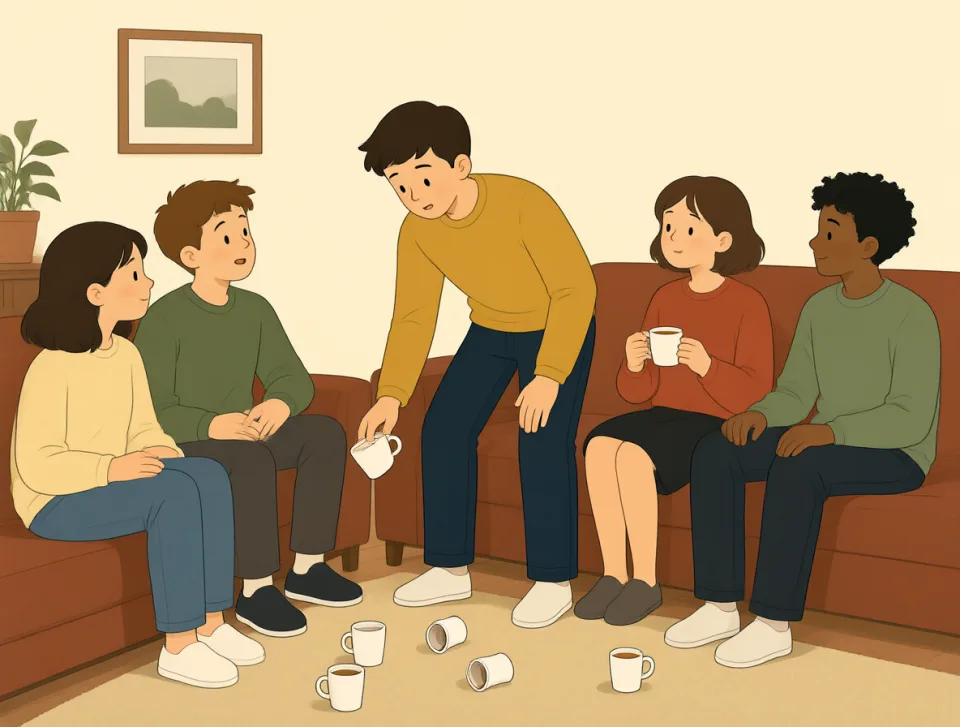
He apologized for being late; moreover, he offered to help clean up.
Anh ấy xin lỗi vì đến muộn; hơn nữa, anh ấy còn đề nghị giúp dọn dẹp.

onto
#1404preposition
lên
to a position on or above something
đến vị trí ở trên hoặc phía trên một vật nào đó

The cat jumped onto the sofa and fell asleep.
Con mèo nhảy lên ghế sofa rồi ngủ thiếp đi.

Please put the books onto the table.
Vui lòng đặt sách lên bàn.
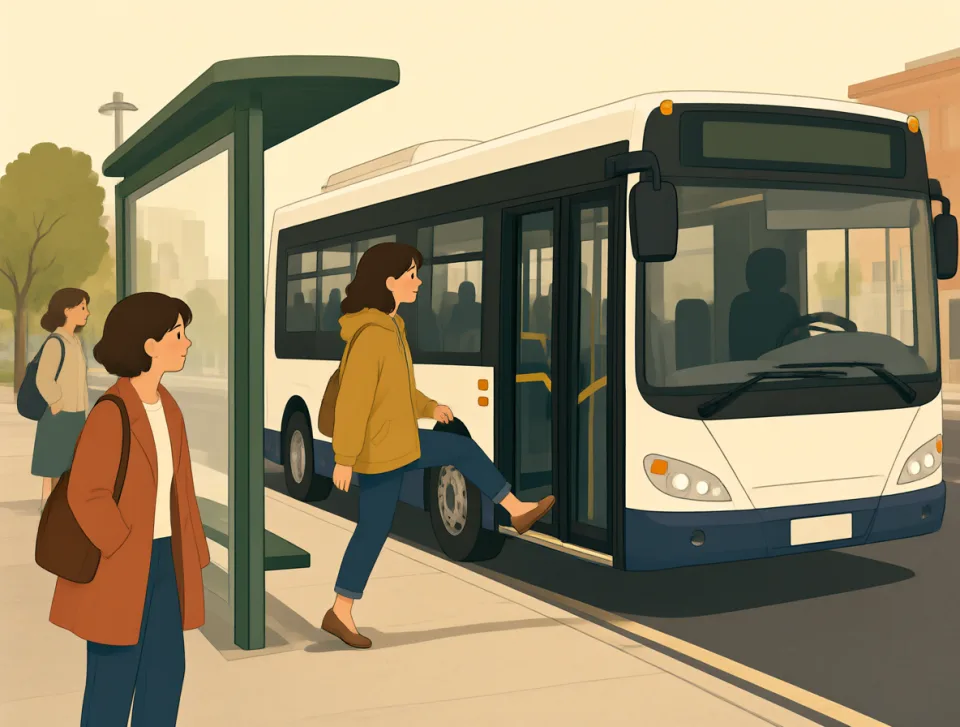
She climbed onto the bus just before it left.
Cô ấy bước lên xe buýt ngay trước khi xe chạy.
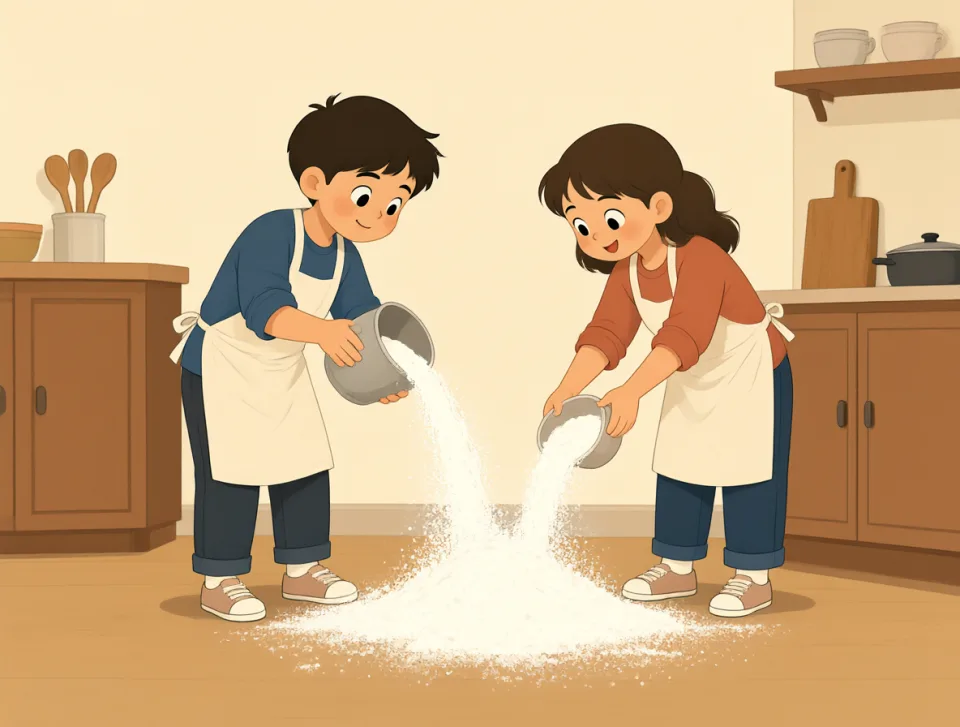
The children poured the flour onto the kitchen floor.
Bọn trẻ đổ bột mì xuống sàn bếp.

He transferred the photos onto his new computer.
Anh ấy chuyển ảnh sang máy tính mới.

historical
#1405adjective
thuộc về lịch sử
Connected with important people, events, or places from the past.
Có liên quan đến những người, sự kiện hoặc địa điểm quan trọng trong quá khứ.

We visited a historical castle during our summer holiday.
Chúng tôi đã tham quan một tòa lâu đài cổ trong kỳ nghỉ hè.

The museum has many historical objects from ancient Egypt.
Bảo tàng có nhiều hiện vật lịch sử từ Ai Cập cổ đại.
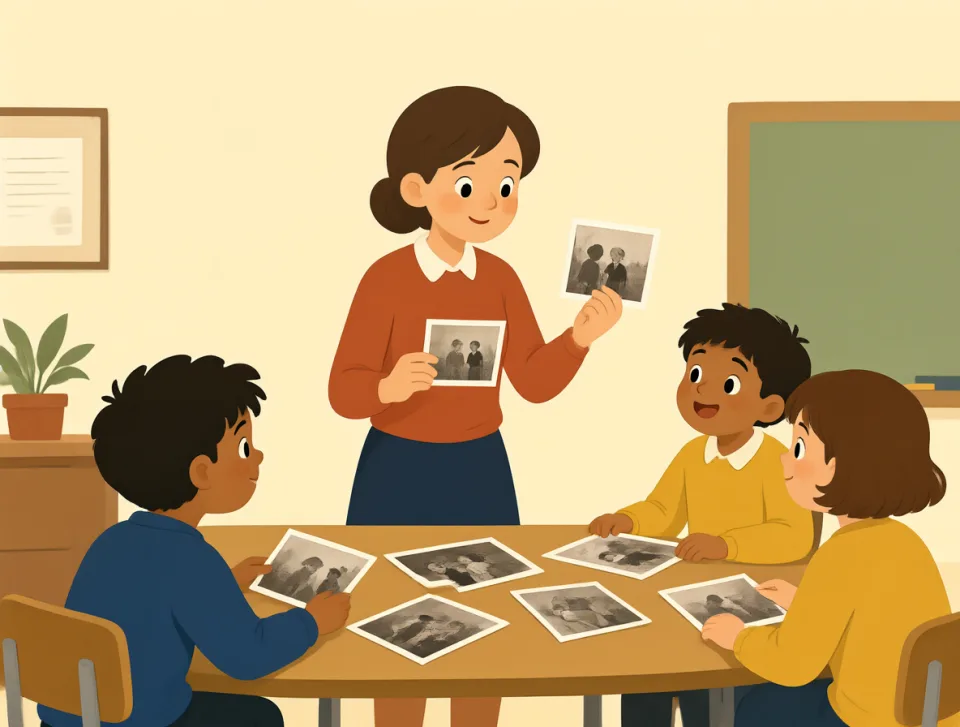
Our history teacher showed us historical photographs of the city.
Giáo viên lịch sử cho chúng tôi xem những bức ảnh lịch sử về thành phố.
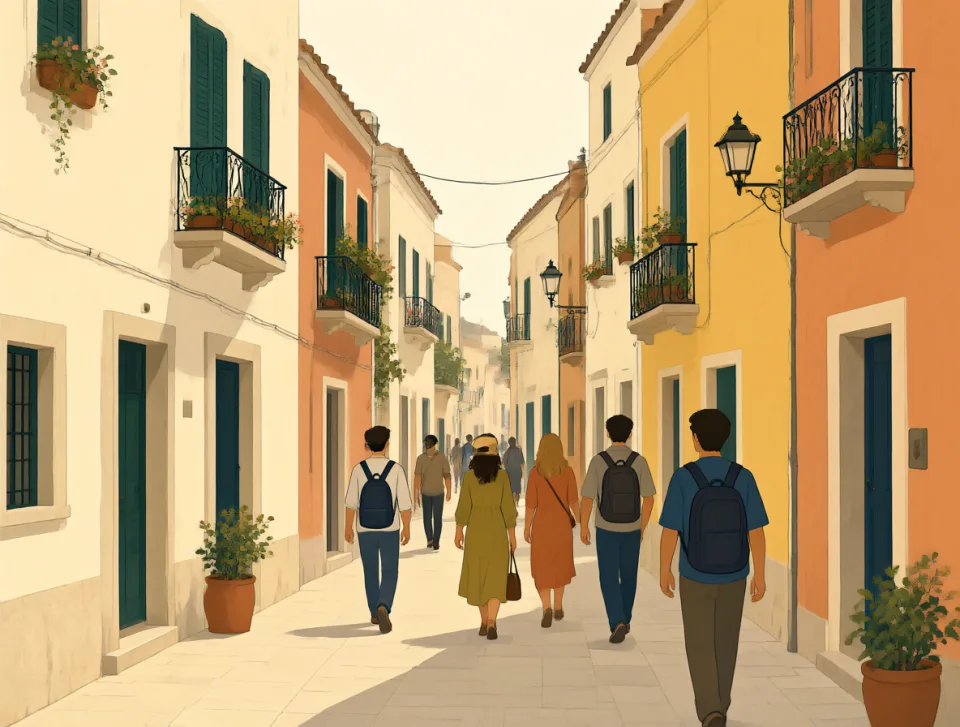
The town is famous for its historical buildings and narrow streets.
Thị trấn nổi tiếng với những tòa nhà cổ kính và những con phố hẹp.

She read a historical novel about a young woman during the war.
Cô ấy đọc một cuốn tiểu thuyết lịch sử về một phụ nữ trẻ sống trong thời chiến.

oppose
#1406verb
phản đối
to disagree with or fight against a person, plan, or idea
không đồng ý hoặc chống lại một người, kế hoạch hay ý tưởng
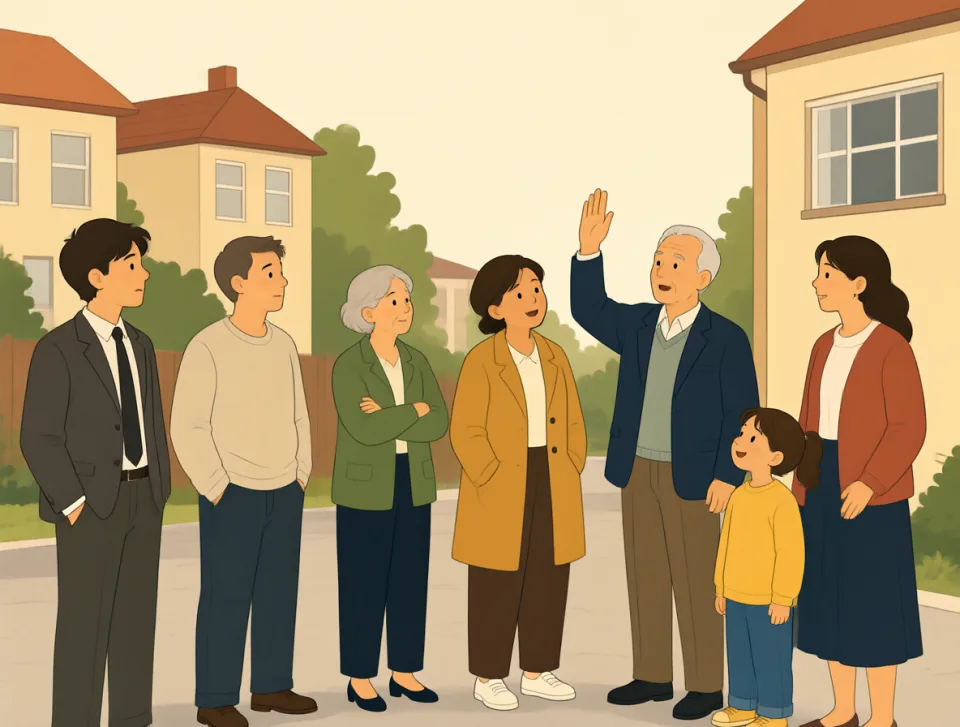
Many residents oppose the plan to build a new airport.
Nhiều cư dân phản đối kế hoạch xây một sân bay mới.

My parents opposed my decision to leave school early.
Bố mẹ tôi phản đối quyết định nghỉ học sớm của tôi.

Some workers are opposing the company’s decision to cut their hours.
Một số công nhân đang phản đối quyết định cắt giảm giờ làm của công ty.

The doctor opposed giving him antibiotics for a simple cold.
Bác sĩ phản đối việc cho anh ấy dùng kháng sinh để trị cảm lạnh thông thường.
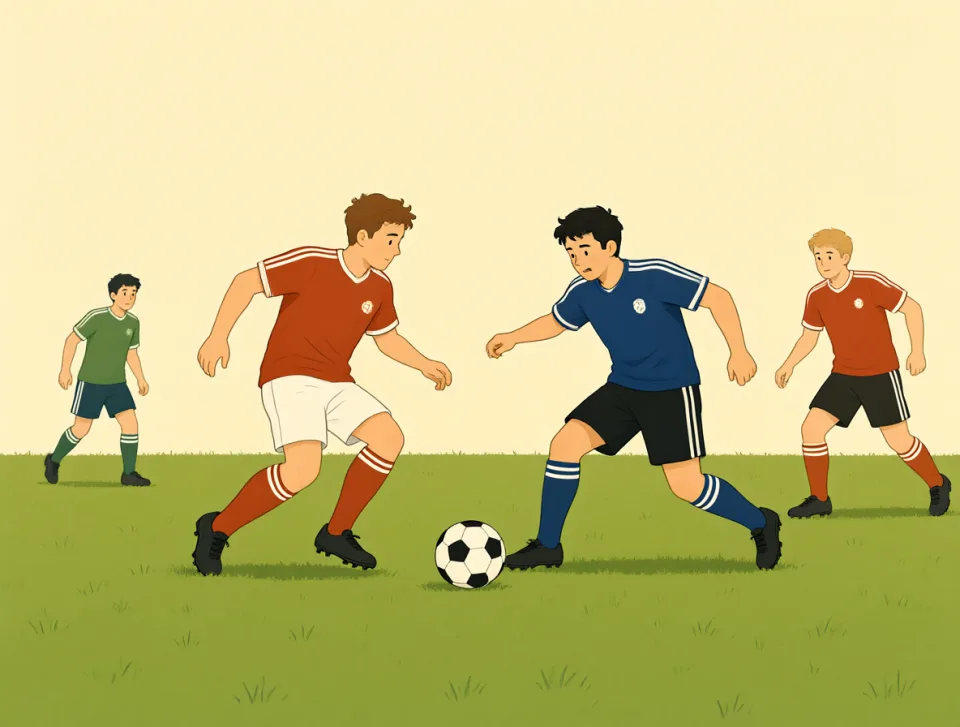
Our team opposed the other team throughout the football match.
Đội chúng tôi đối đầu với đội kia suốt trận bóng đá.
branch
#1407noun, verb
cành; chi nhánh
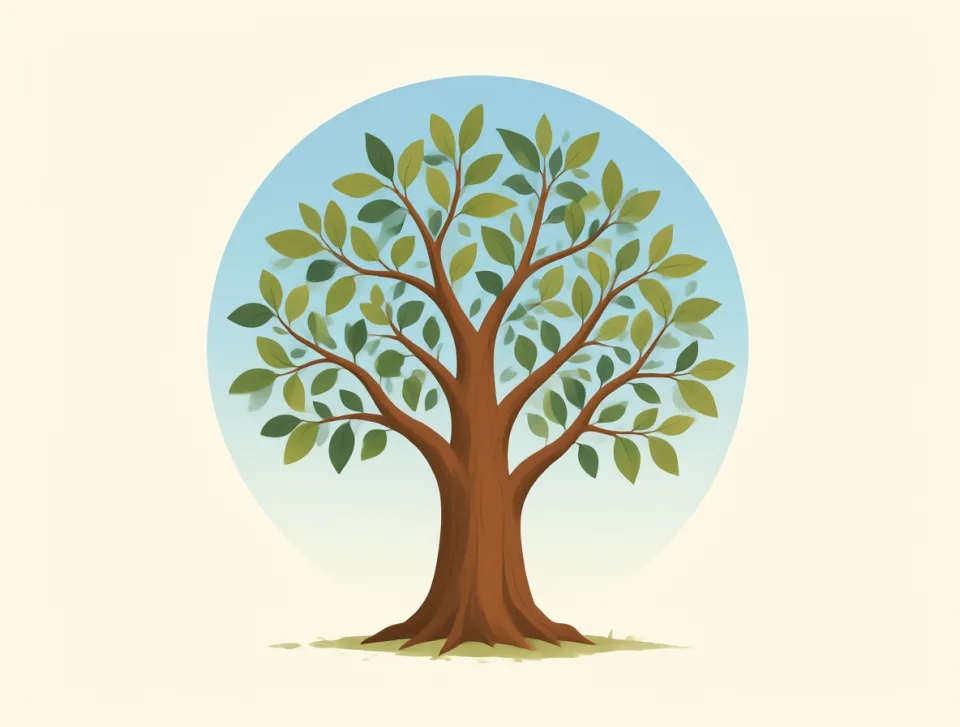
A part of a tree growing from the trunk, or a separate part of a larger organization.
Một phần mọc ra từ thân cây, hoặc một bộ phận riêng biệt của một tổ chức lớn hơn.
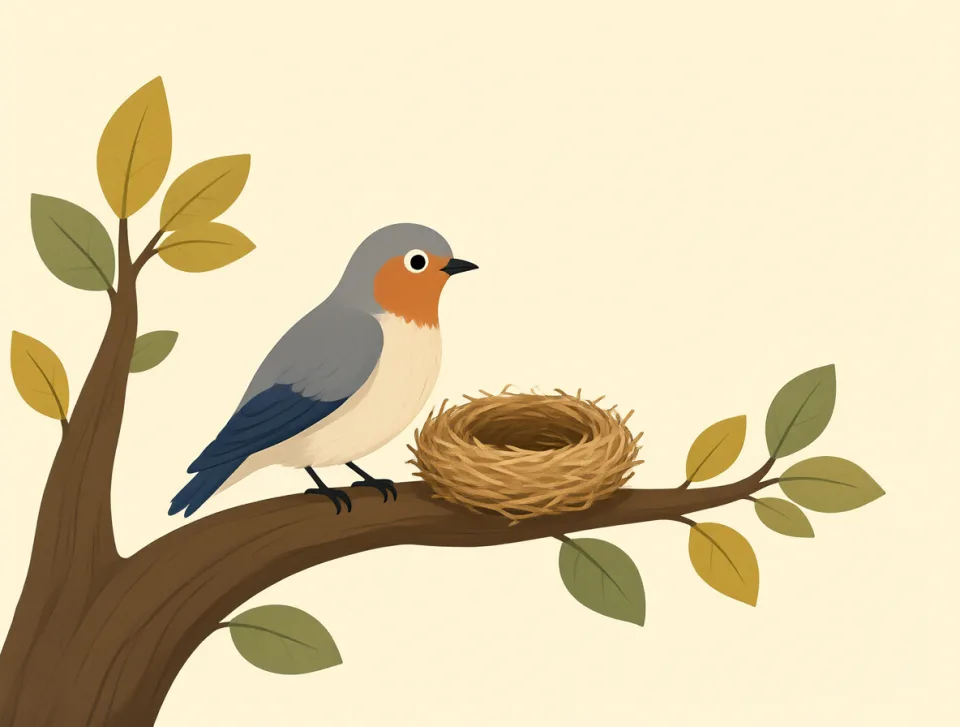
A bird built its nest on a high branch.
Một con chim làm tổ trên một cành cây cao.
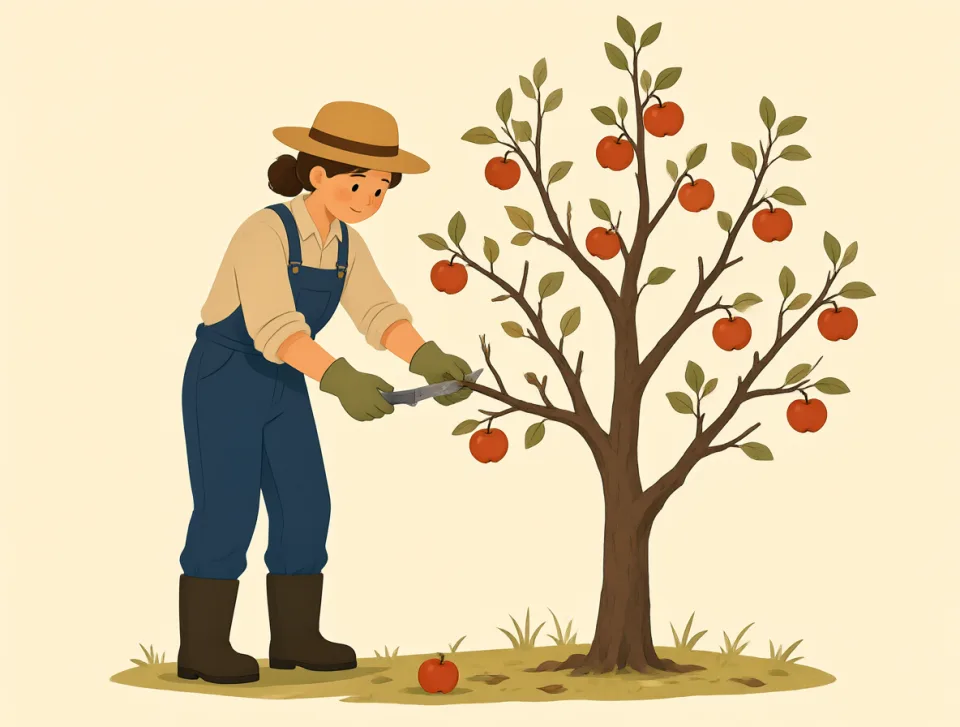
Please cut the dead branches from the apple tree.
Làm ơn cắt bỏ những cành chết trên cây táo.

The bank opened a new branch near our home.
Ngân hàng đã mở một chi nhánh mới gần nhà chúng tôi.

Our company is branching into online education this year.
Năm nay, công ty chúng tôi mở rộng sang lĩnh vực giáo dục trực tuyến.

The path branches off near the lake.
Con đường rẽ nhánh gần hồ.
vehicle
#1408noun
phương tiện
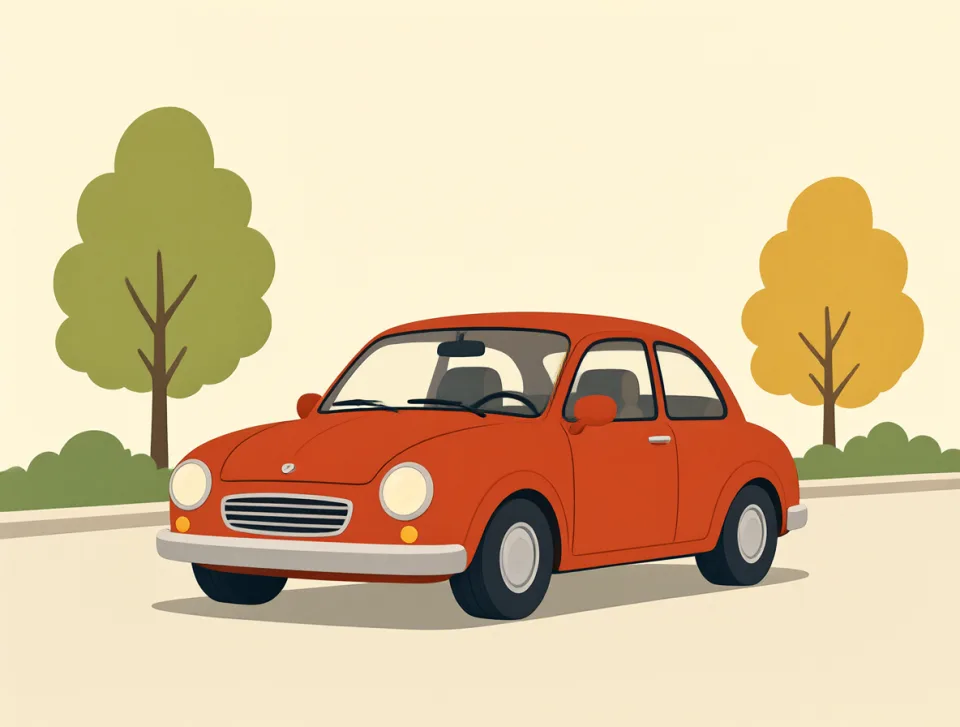
A machine, such as a car, used for carrying people or things.
Một loại máy móc, chẳng hạn như ô tô, dùng để chở người hoặc đồ vật.
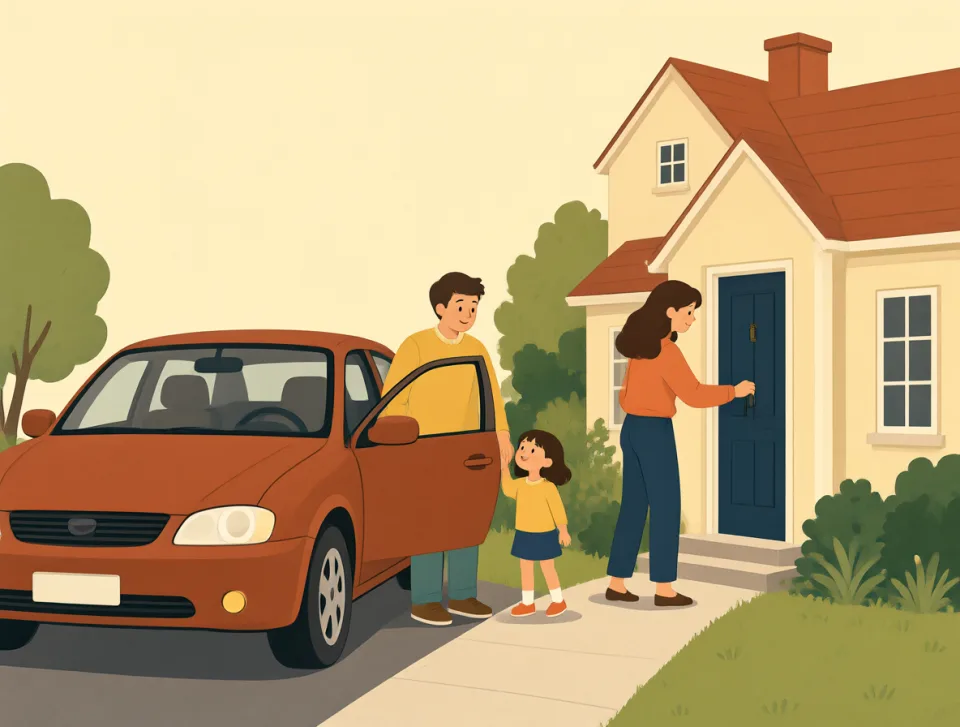
The vehicle stopped outside our house.
Chiếc xe dừng lại bên ngoài nhà chúng tôi.

Public vehicles are often crowded during rush hour.
Các phương tiện giao thông công cộng thường đông đúc vào giờ cao điểm.
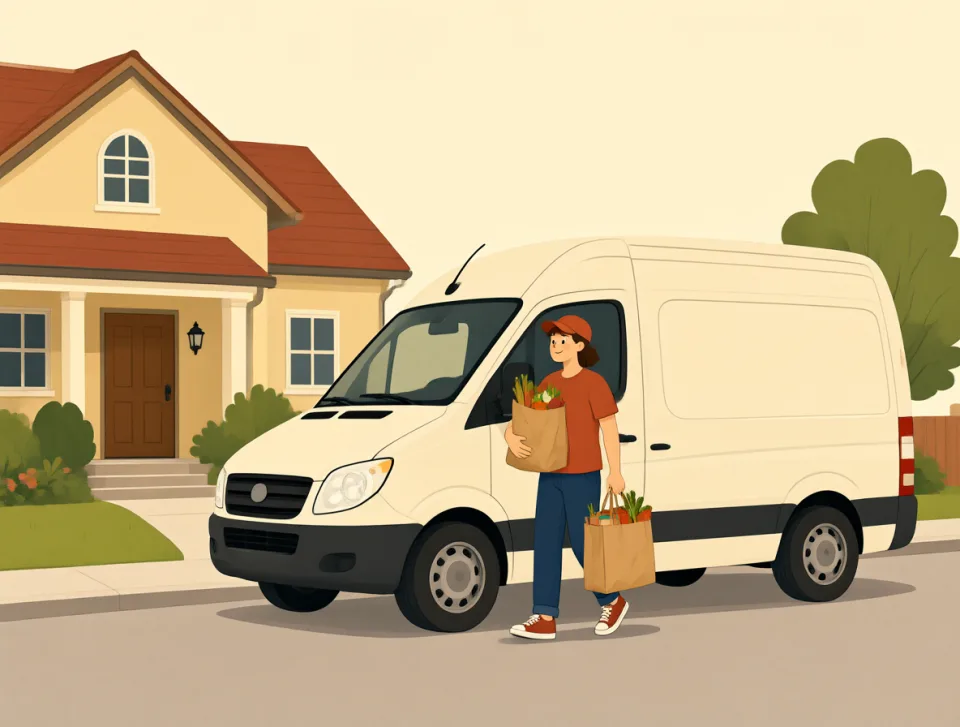
The delivery vehicle brought our groceries this morning.
Chiếc xe giao hàng đã chở thực phẩm đến nhà chúng tôi sáng nay.
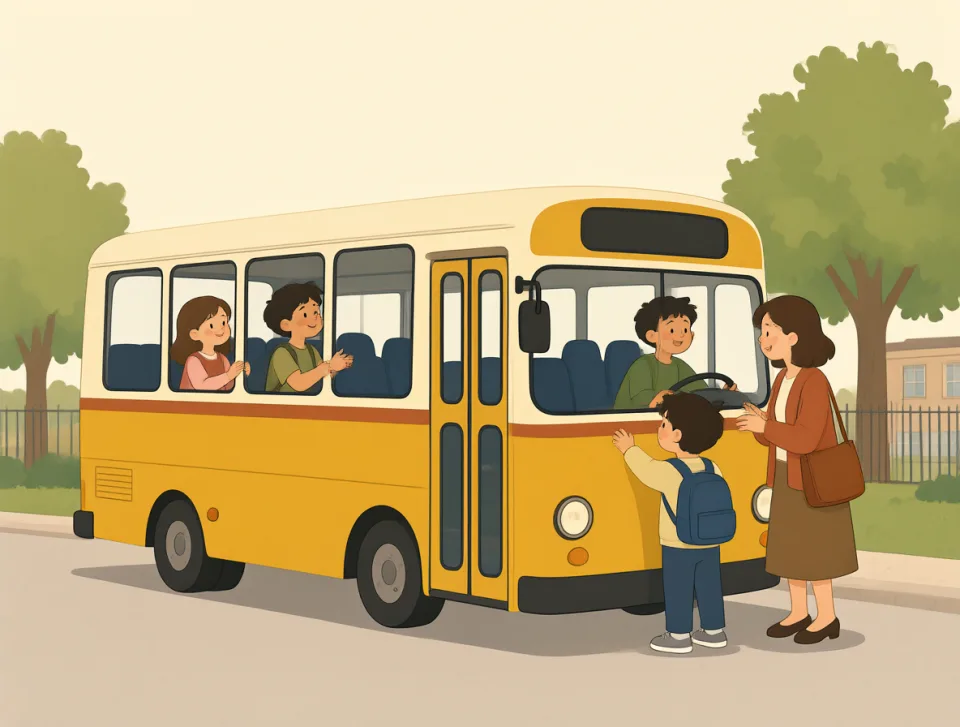
The school uses a small vehicle for field trips.
Trường sử dụng một chiếc xe nhỏ cho các chuyến đi thực tế.
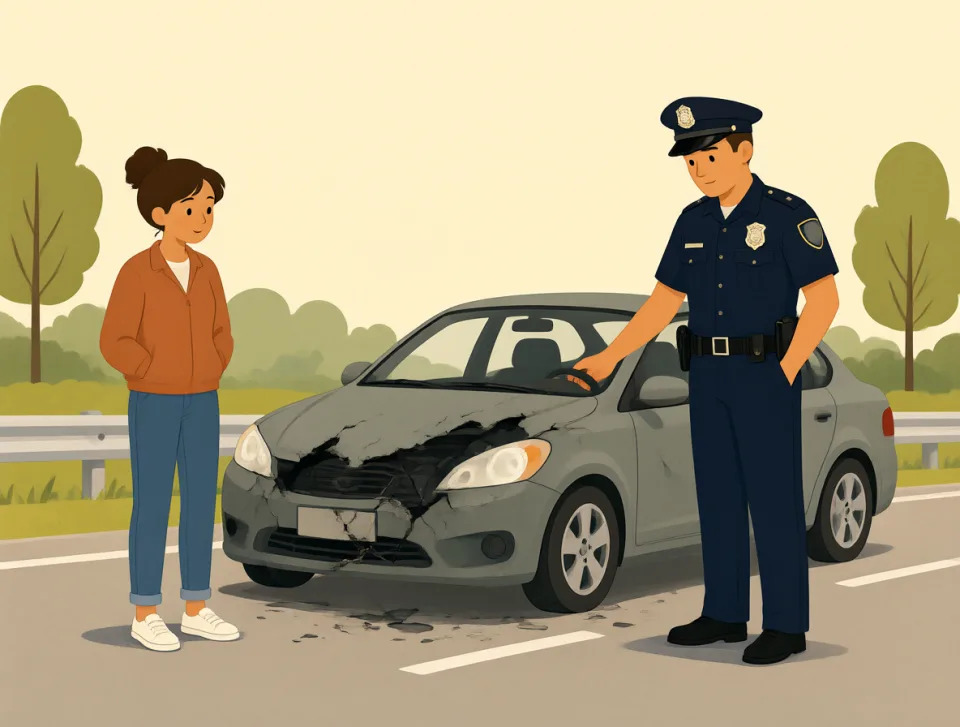
The police checked the vehicle after the accident.
Cảnh sát kiểm tra chiếc xe sau vụ tai nạn.
scientist
#1409noun
nhà khoa học
A person who studies science and discovers how the natural world works.
Người nghiên cứu khoa học và khám phá cách thế giới tự nhiên vận hành.

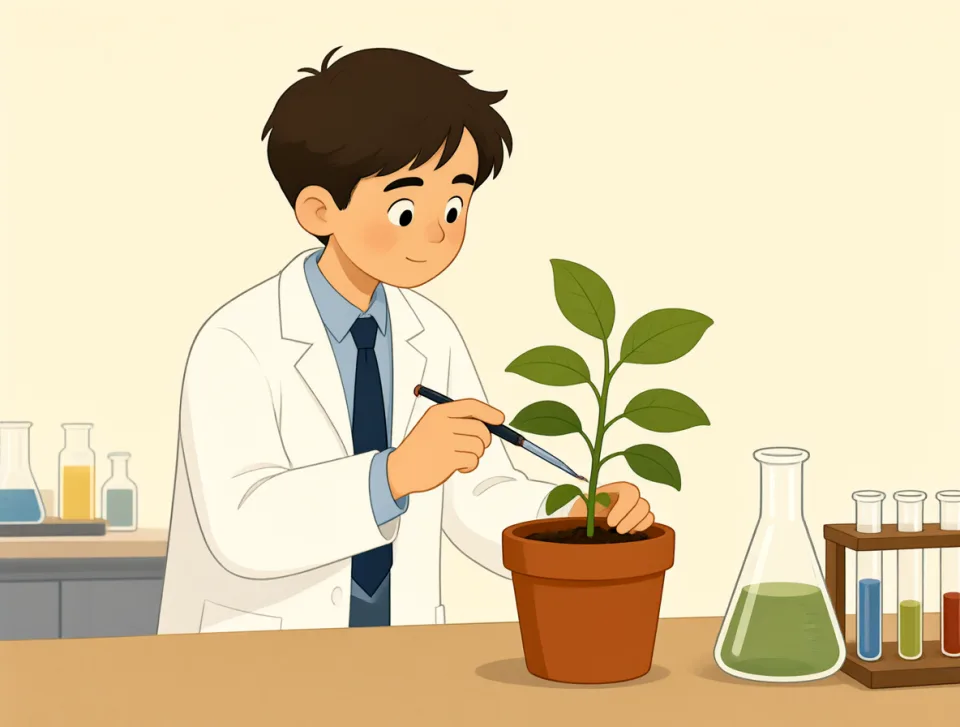
The scientist studied how plants grow in the school laboratory.
Nhà khoa học nghiên cứu cách cây cối phát triển trong phòng thí nghiệm của trường.

A team of scientists tested the water for harmful chemicals.
Một nhóm các nhà khoa học đã kiểm tra nước để tìm hóa chất độc hại.

My daughter wants to become a scientist when she grows up.
Con gái tôi muốn trở thành nhà khoa học khi lớn lên.
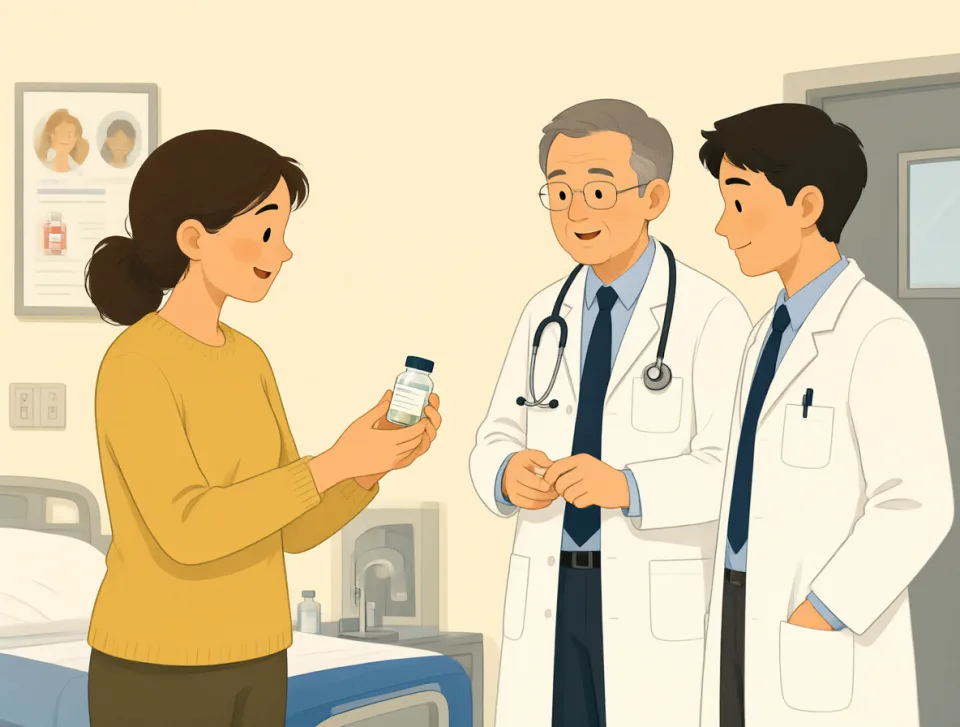
The scientist explained the new medicine to doctors at the hospital.
Nhà khoa học đã giải thích loại thuốc mới cho các bác sĩ tại bệnh viện.
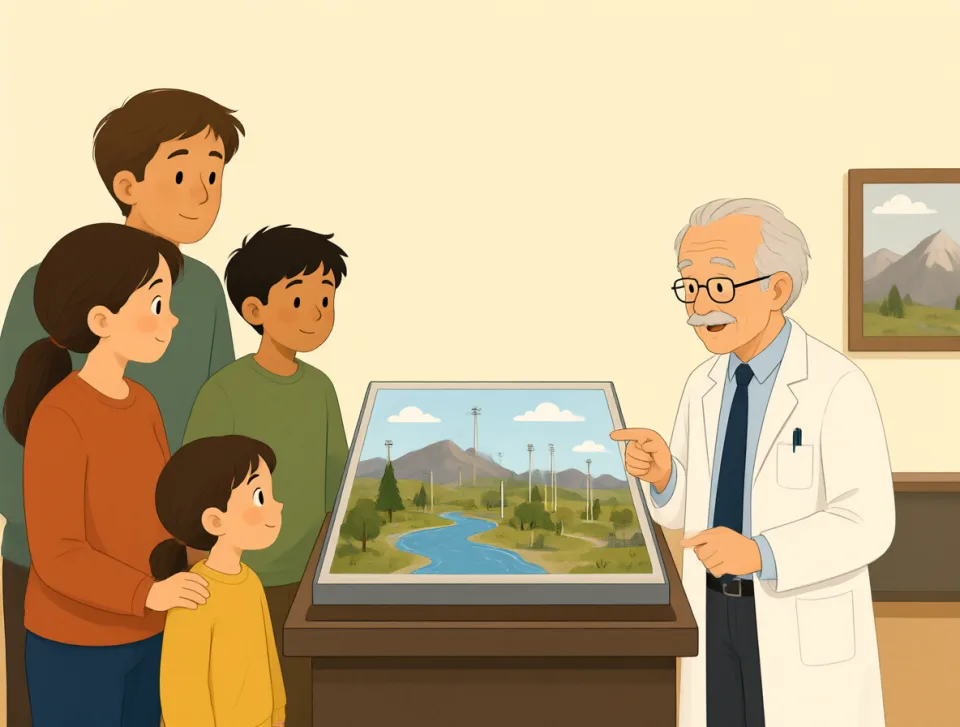
We met a scientist who studies weather during our museum visit.
Trong chuyến tham quan bảo tàng, chúng tôi gặp một nhà khoa học nghiên cứu thời tiết.
route
#1410noun, verb
tuyến đường; lộ trình
A way from one place to another; to choose or follow this way.
Đường đi từ nơi này đến nơi khác; chọn hoặc đi theo con đường đó.

We took the fastest route home after work.
Sau giờ làm, chúng tôi đi theo tuyến đường nhanh nhất về nhà.
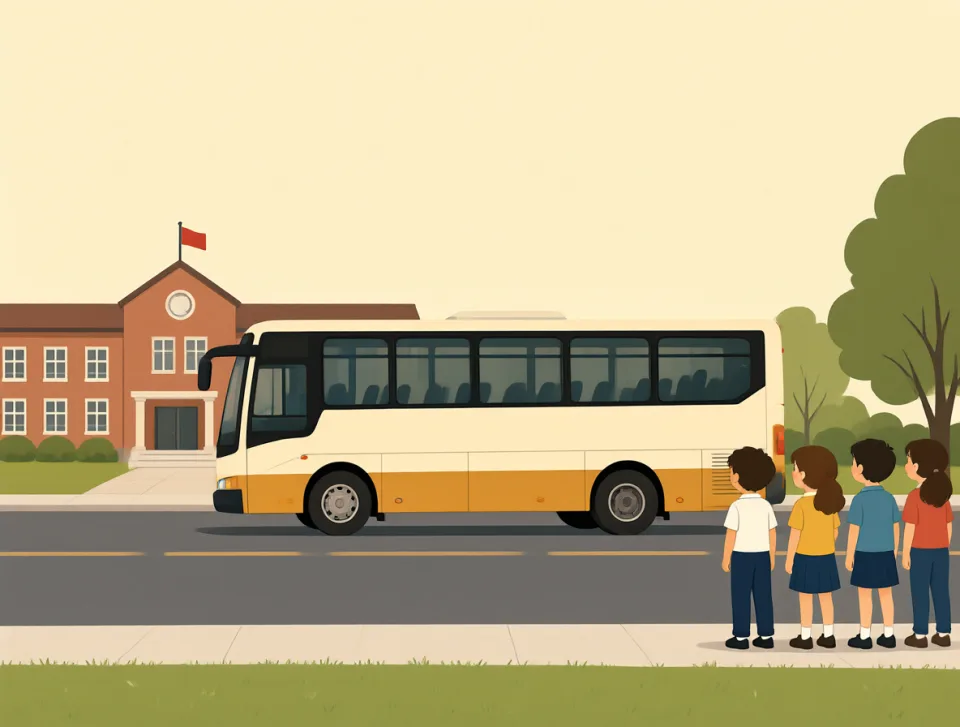
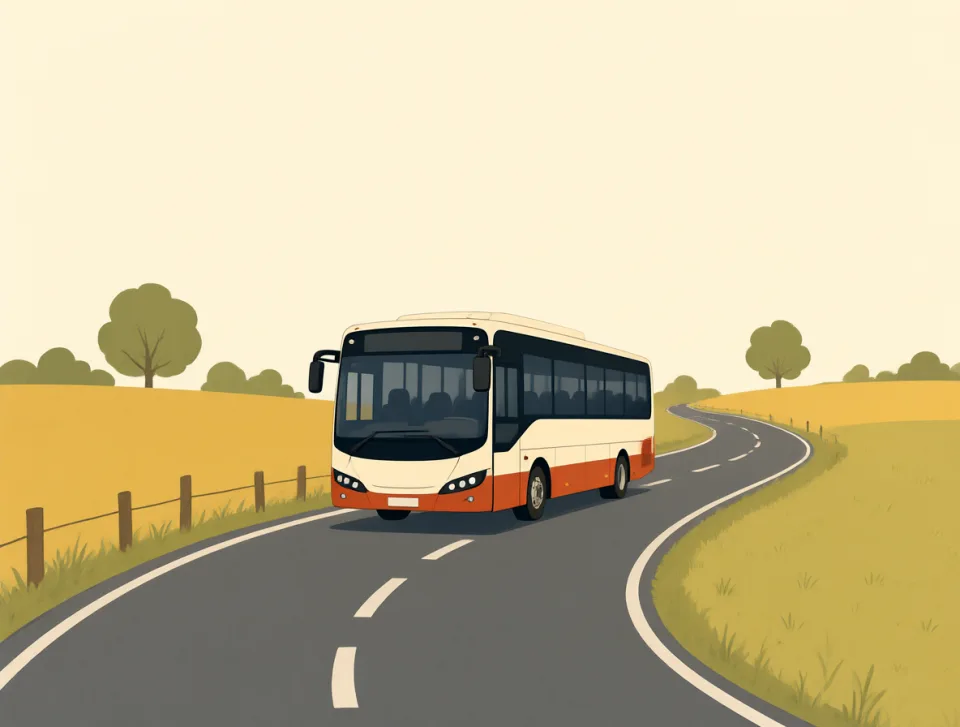
The bus route passes near my school every morning.
Tuyến xe buýt chạy gần trường tôi mỗi sáng.
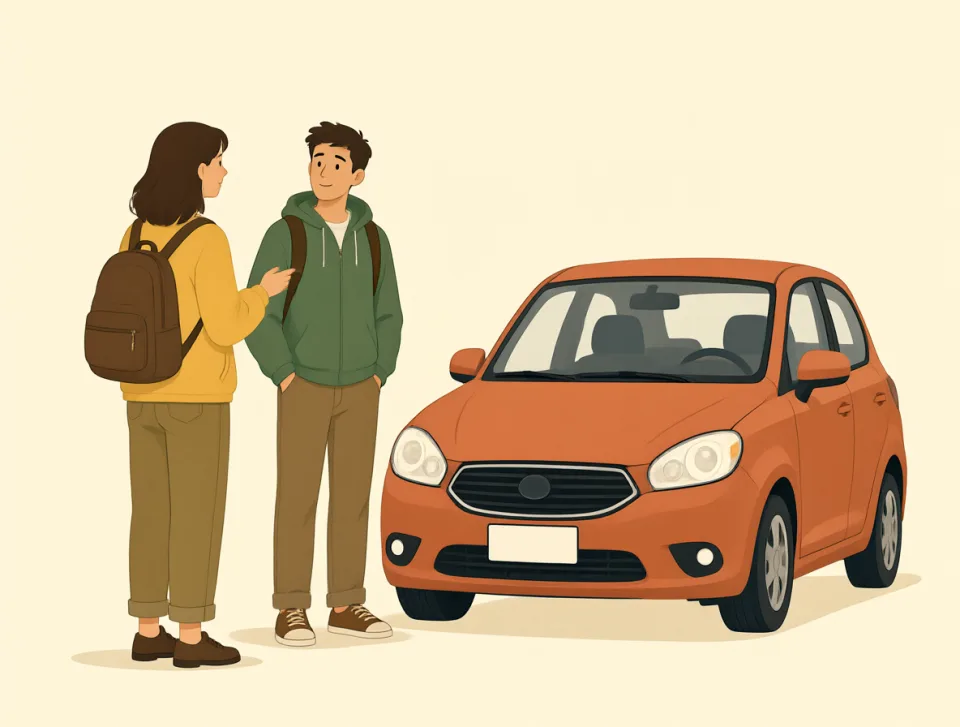
Can you show me the best route to the airport?
Bạn có thể chỉ cho tôi đường tốt nhất đến sân bay không?
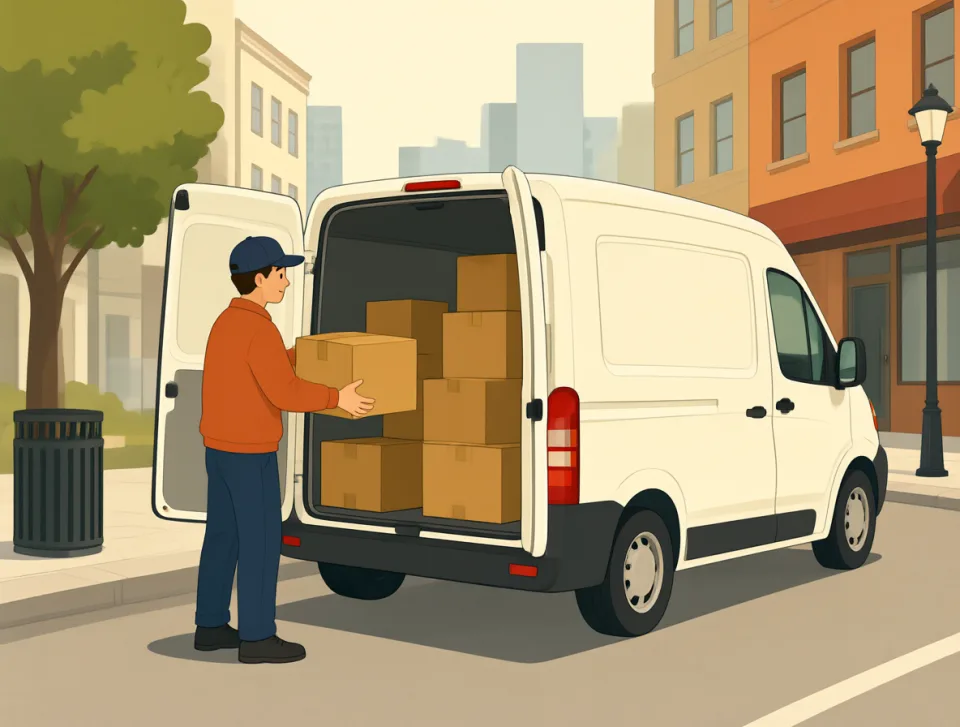
The delivery driver routed the packages through the city center.
Tài xế giao hàng cho các kiện hàng đi qua trung tâm thành phố.
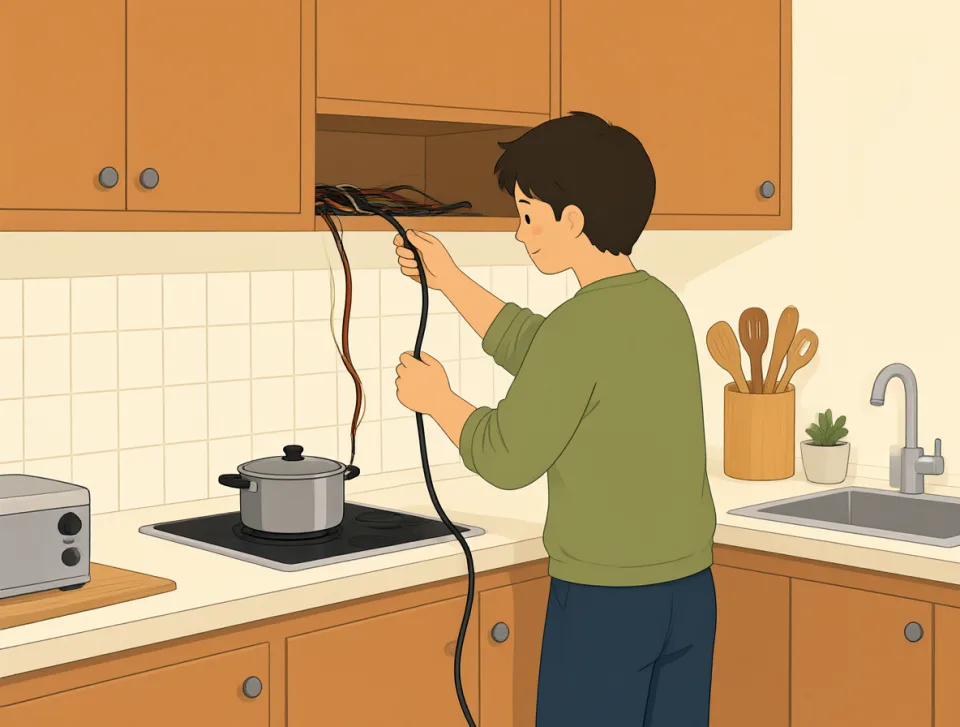
We are routing the wires behind the kitchen cabinets.
Chúng tôi đang luồn dây điện phía sau các tủ bếp.
bind
#1411verb, noun
buộc; tình thế khó xử
To tie or hold things together; a difficult situation or promise that limits your choices.
Buộc hoặc giữ các vật lại với nhau; một tình thế khó khăn hoặc lời hứa khiến bạn bị hạn chế lựa chọn.

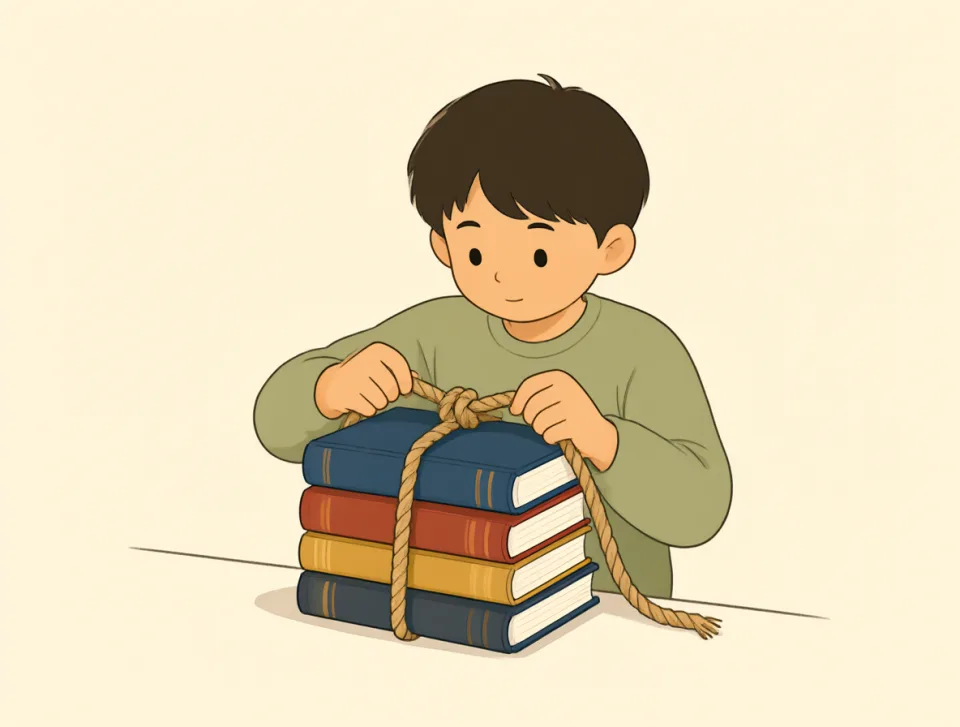
Please bind these papers together before the meeting.
Vui lòng buộc những tờ giấy này lại với nhau trước cuộc họp.

The contract binds both sides to the agreed price.
Hợp đồng ràng buộc cả hai bên với mức giá đã thỏa thuận.
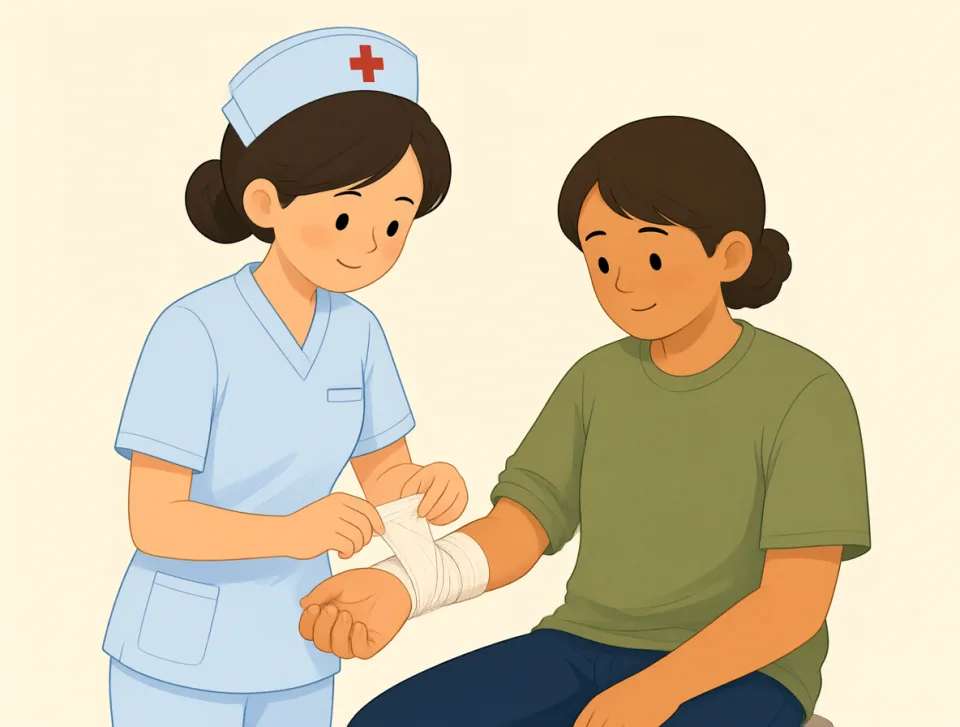
The nurse bound his injured wrist with a clean bandage.
Y tá đã băng cổ tay bị thương của anh ấy bằng một miếng băng sạch.

The old book has a beautiful leather bind.
Cuốn sách cũ có phần bọc bằng da rất đẹp.
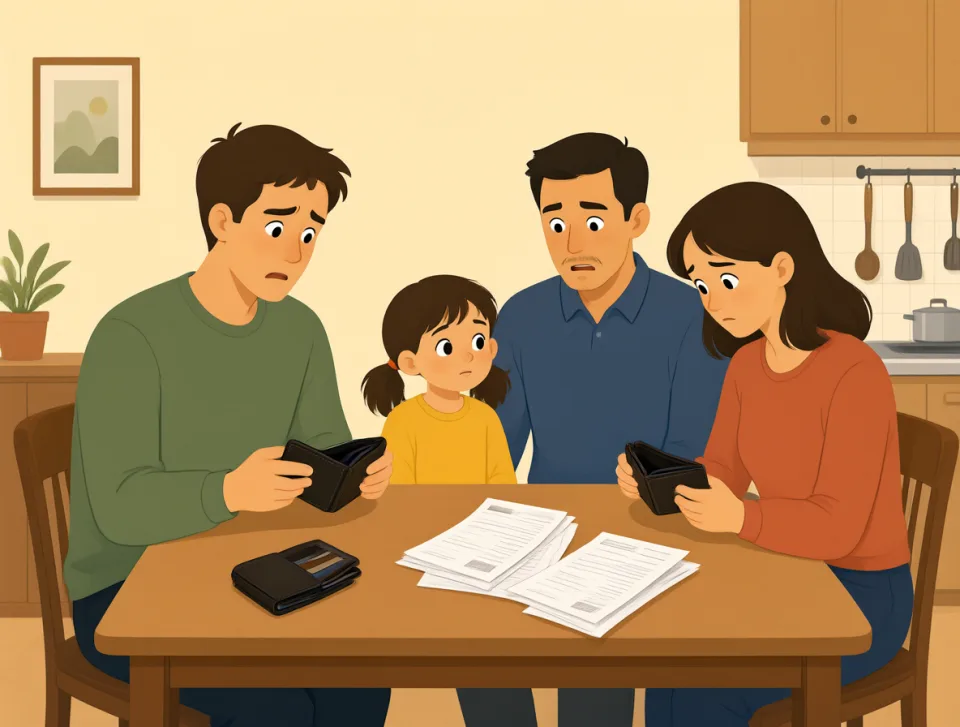
Lack of money put the family in a difficult bind.
Thiếu tiền khiến gia đình rơi vào tình thế khó khăn.

belong
#1412verb
thuộc về; cảm thấy mình là một phần của
to be owned by someone or to feel comfortable as part of a group or place
Thuộc sở hữu của ai đó hoặc cảm thấy thoải mái khi là một phần của một nhóm hay một nơi nào đó.
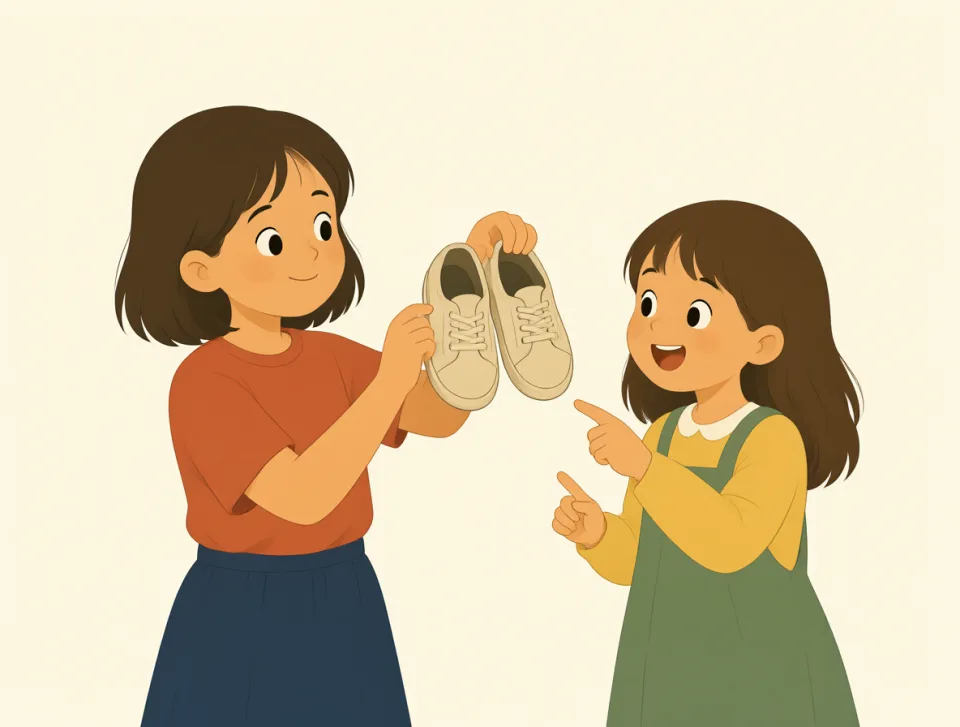
These shoes belong to my sister.
Đôi giày này là của chị/em gái tôi.

Please put the books where they belong.
Vui lòng đặt sách vào đúng chỗ.

I finally feel that I belong here.
Cuối cùng tôi cũng cảm thấy mình thuộc về nơi này.
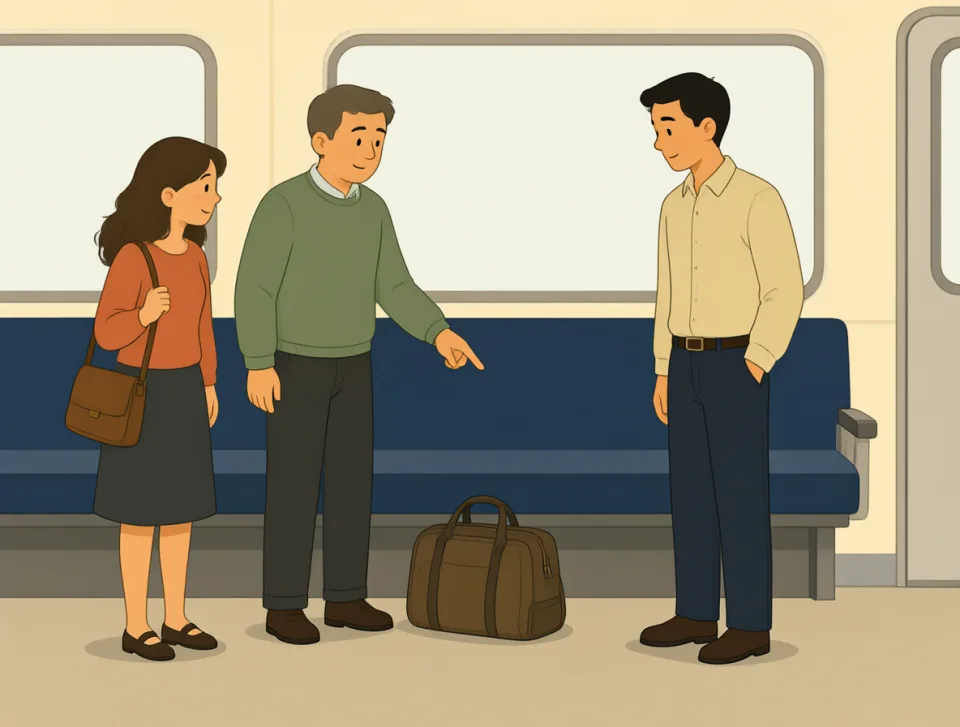
This bag must belong to someone on the train.
Chiếc túi này chắc hẳn là của một hành khách nào đó trên tàu.
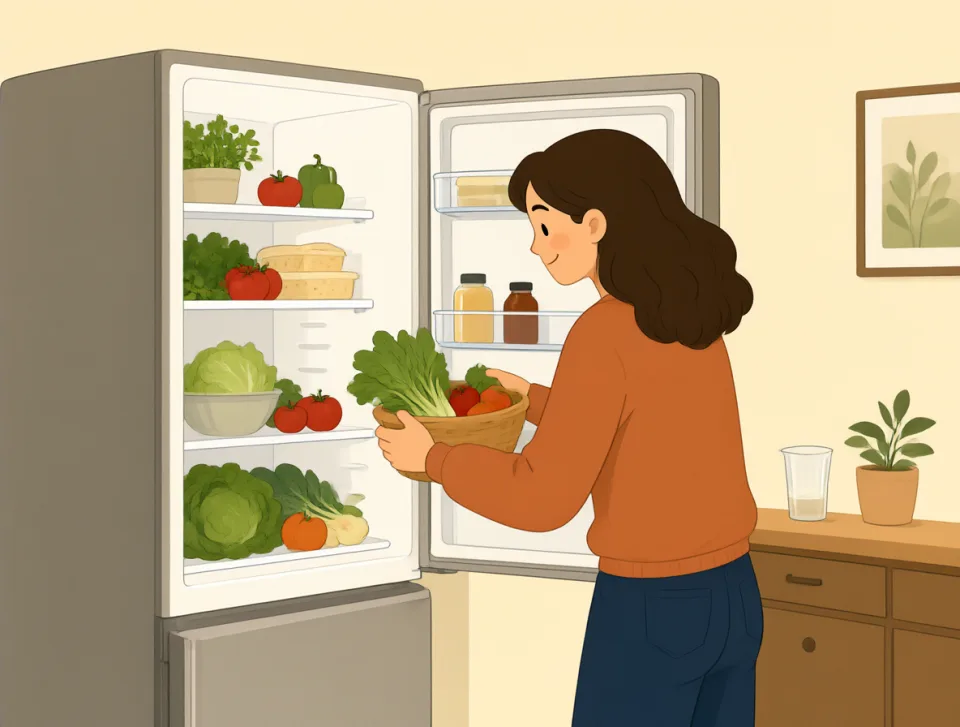
The vegetables belong in the refrigerator after shopping.
Đi chợ về thì phải cất rau vào tủ lạnh.
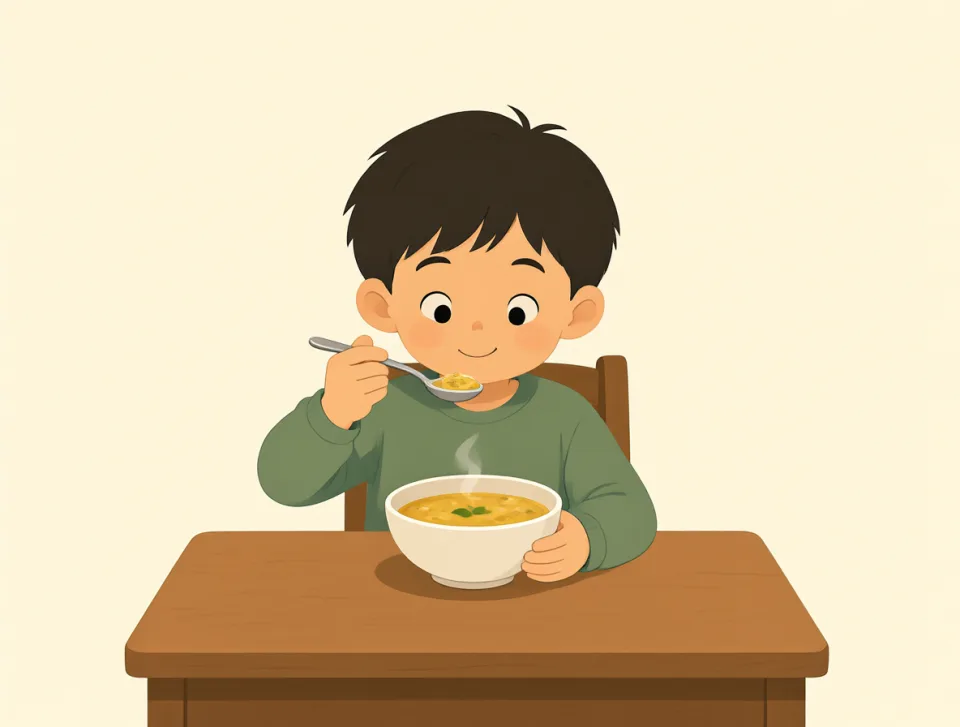
taste
#1413noun, verb
vị; nếm
the flavor of something, or to try food or drink to know its flavor
Hương vị của một thứ gì đó, hoặc nếm thức ăn hay đồ uống để biết hương vị của nó.
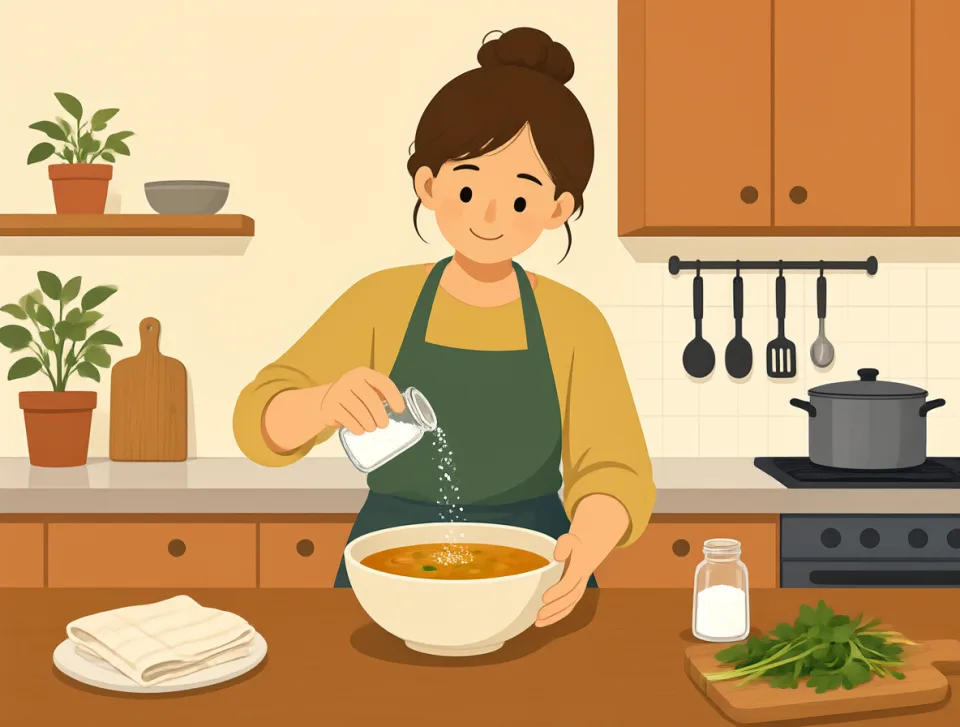
The soup tastes better with a little salt.
Món súp ngon hơn khi cho thêm một chút muối.

Could I taste the cake before I buy it?
Tôi có thể nếm thử bánh trước khi mua không?

This medicine has a bitter taste.
Thuốc này có vị đắng.

She has good taste in clothes and always looks stylish.
Cô ấy có gu ăn mặc tốt và lúc nào trông cũng rất phong cách.

We tasted fresh fruit during our trip to Spain.
Chúng tôi đã nếm thử trái cây tươi trong chuyến đi đến Tây Ban Nha.

tonight
#1414adverb, noun
tối nay
During the evening and night of today.
Trong buổi tối và đêm hôm nay.
Are you staying home with us tonight?
Tối nay bạn ở nhà với chúng tôi chứ?
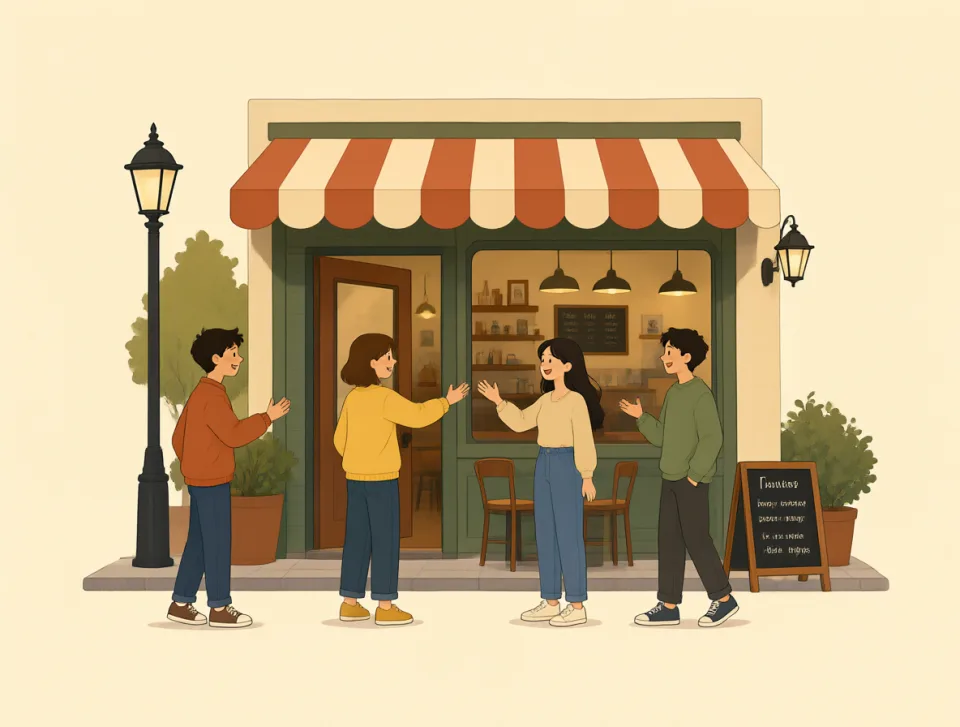
We are meeting our friends for dinner tonight.
Tối nay chúng tôi sẽ gặp bạn bè để ăn tối.

I have to finish this report tonight.
Tối nay tôi phải hoàn thành báo cáo này.
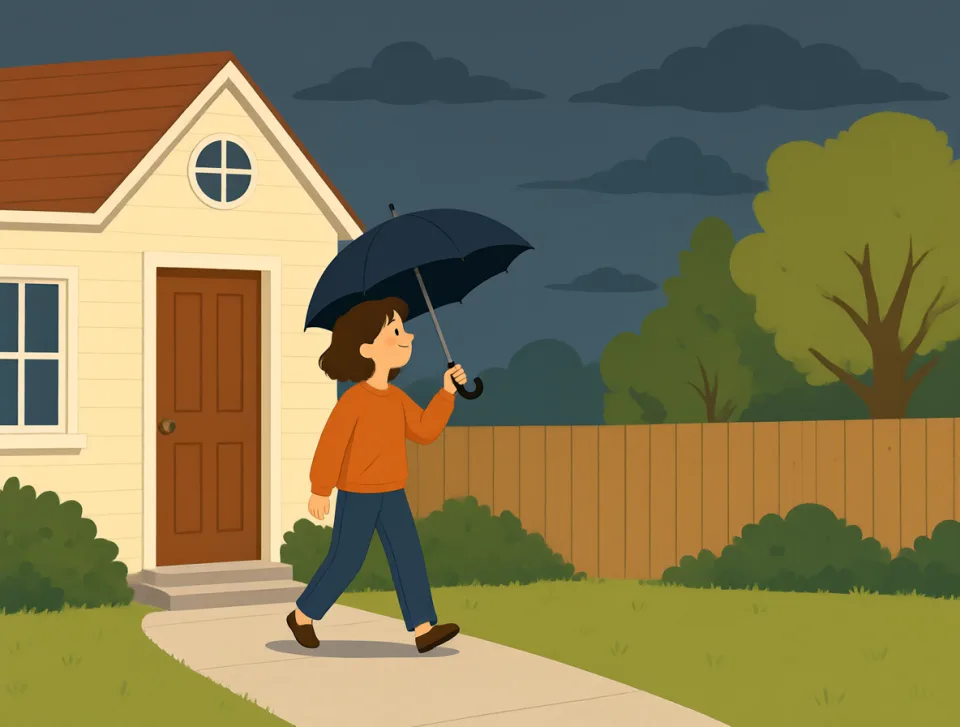
It may rain tonight, so take an umbrella.
Tối nay trời có thể mưa, nên hãy mang theo ô.

I feel better tonight than I did yesterday.
Tối nay tôi thấy khỏe hơn hôm qua.

fashion
#1415noun
thời trang
A popular style of clothes, hair, or appearance at a particular time.
Phong cách quần áo, kiểu tóc hoặc diện mạo thịnh hành vào một thời điểm nhất định.

She always wears the latest fashion to work.
Cô ấy luôn mặc đồ theo mốt mới nhất khi đi làm.
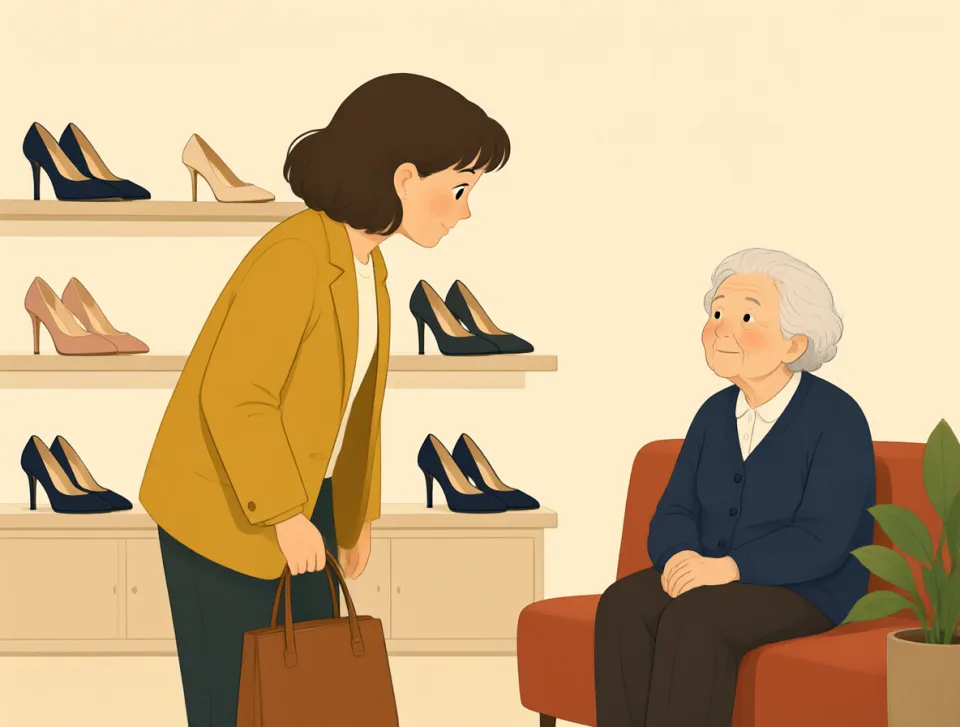
Fashion changes quickly, so these shoes may look old next year.
Thời trang thay đổi nhanh, nên đôi giày này có thể trông lỗi mốt vào năm sau.

He studied fashion at college and hopes to design clothes.
Anh ấy học ngành thời trang ở đại học và hy vọng sẽ thiết kế quần áo.

The hotel restaurant is famous for its fashion and beautiful decorations.
Nhà hàng của khách sạn nổi tiếng với phong cách thời trang và cách trang trí đẹp mắt.

My friends enjoy talking about fashion while shopping downtown.
Bạn bè tôi thích trò chuyện về thời trang khi đi mua sắm ở trung tâm thành phố.
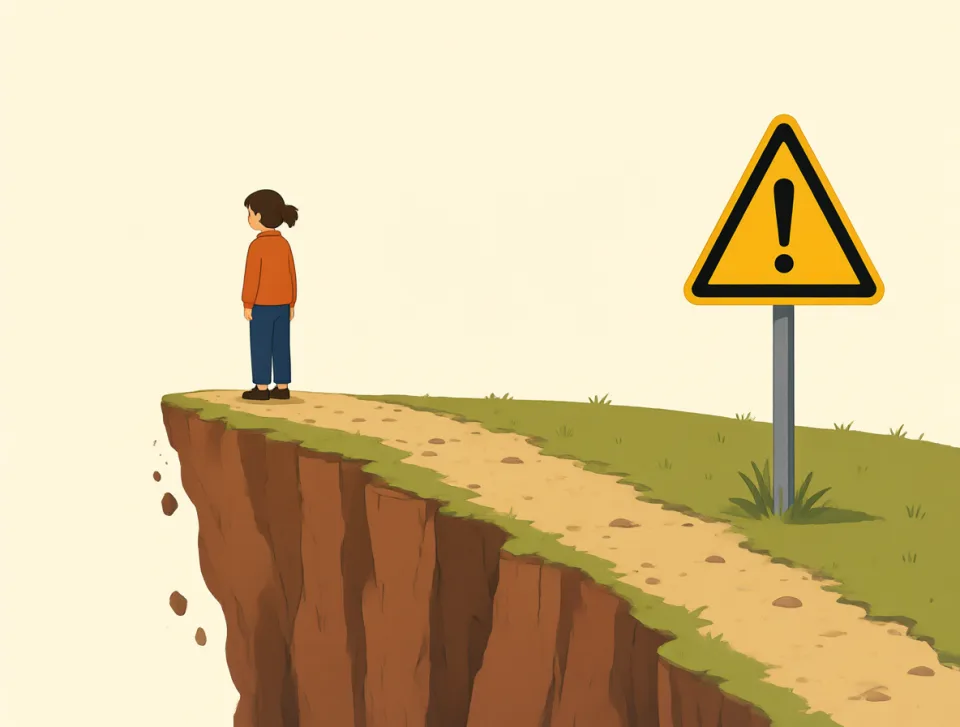
danger
#1416noun
nguy hiểm
the possibility that someone or something will be harmed
khả năng ai đó hoặc thứ gì đó bị tổn hại
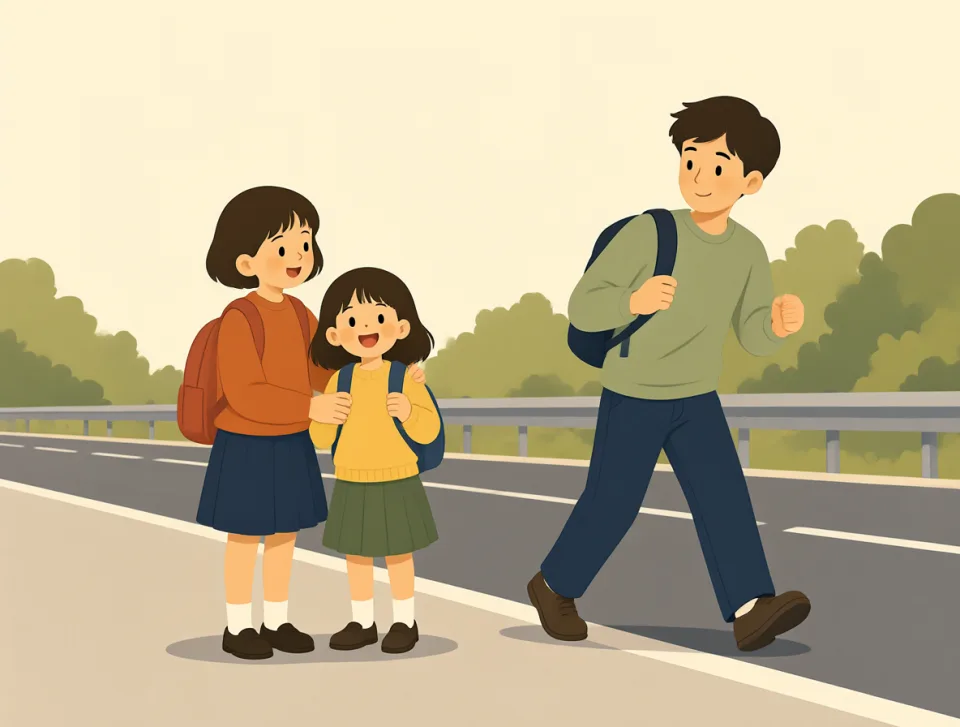
The children were in danger near the busy road.
Bọn trẻ gặp nguy hiểm khi ở gần con đường đông đúc.
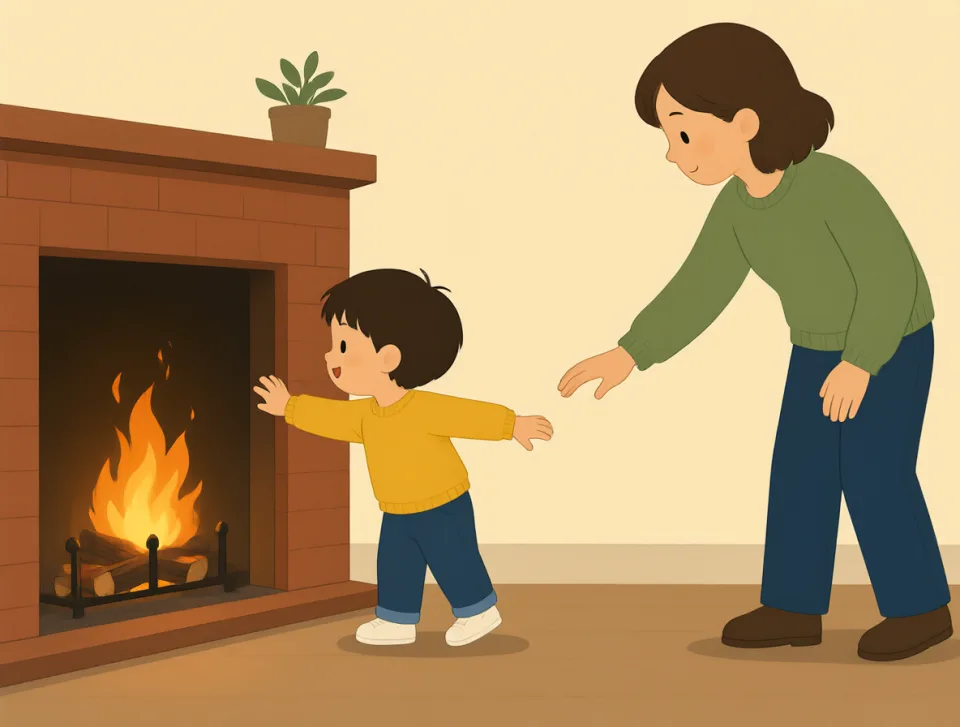
Keep your hands away from the fire to avoid danger.
Hãy tránh xa ngọn lửa để không gặp nguy hiểm.

The pilot warned passengers about danger during the storm.
Phi công cảnh báo hành khách về nguy hiểm trong cơn bão.

The mountain climbers faced great danger in the snow.
Những người leo núi phải đối mặt với nguy hiểm lớn giữa trời tuyết.
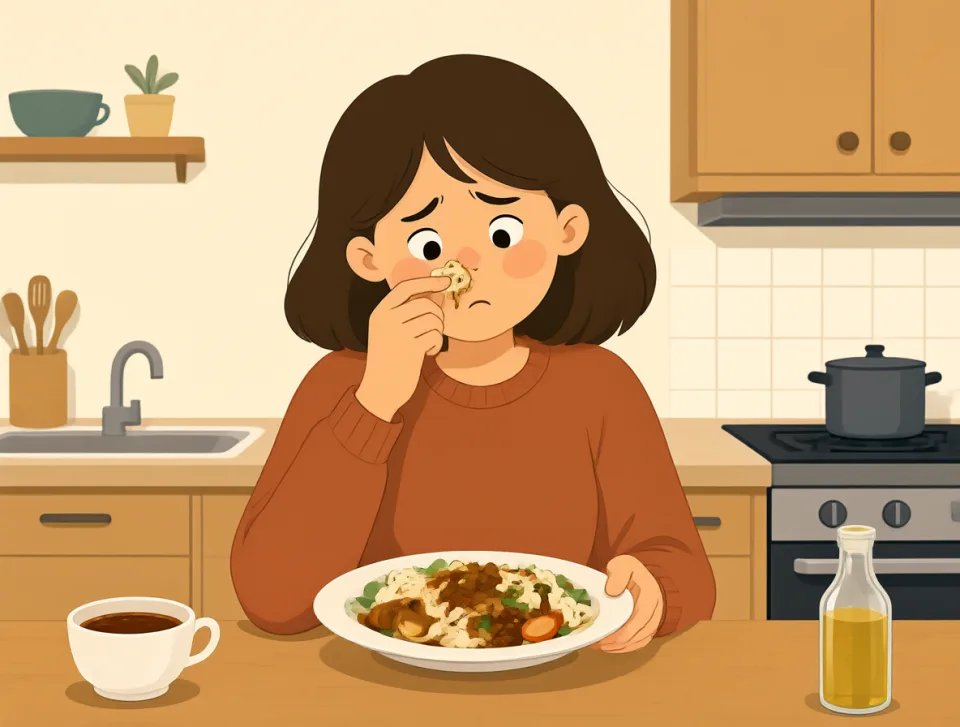
Eating spoiled food can put your health in danger.
Ăn thức ăn ôi thiu có thể khiến sức khỏe của bạn gặp nguy hiểm.
bomb
#1417noun, verb
bom
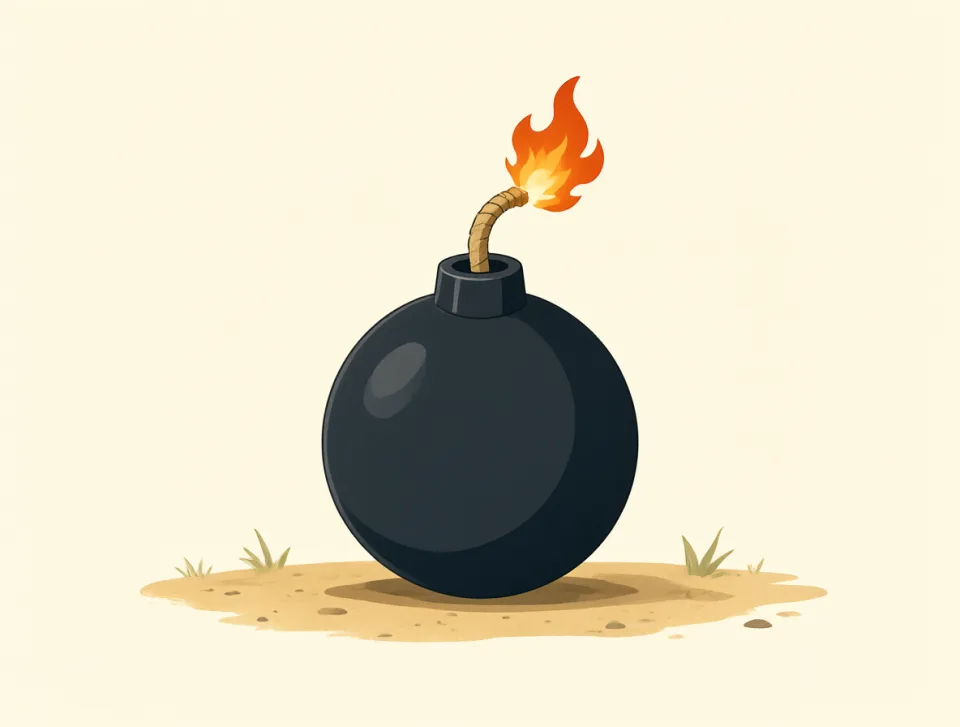
A bomb is a weapon that explodes, or to bomb is to attack with one.
Bom là một loại vũ khí phát nổ; to bomb nghĩa là tấn công bằng bom.
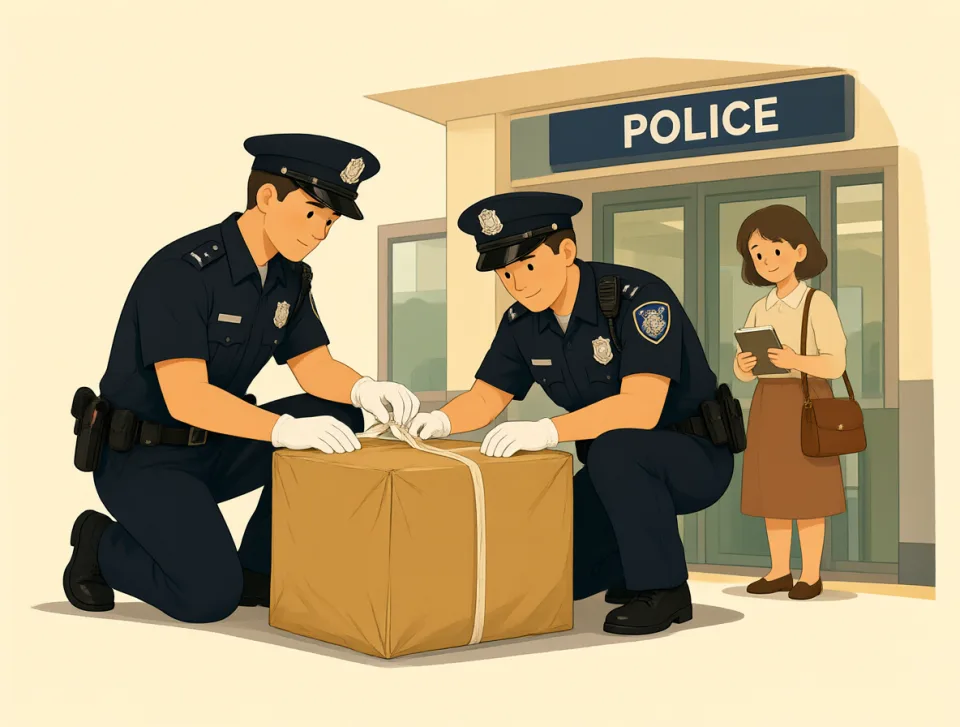
The police found a bomb near the train station.
Cảnh sát tìm thấy một quả bom gần nhà ga.
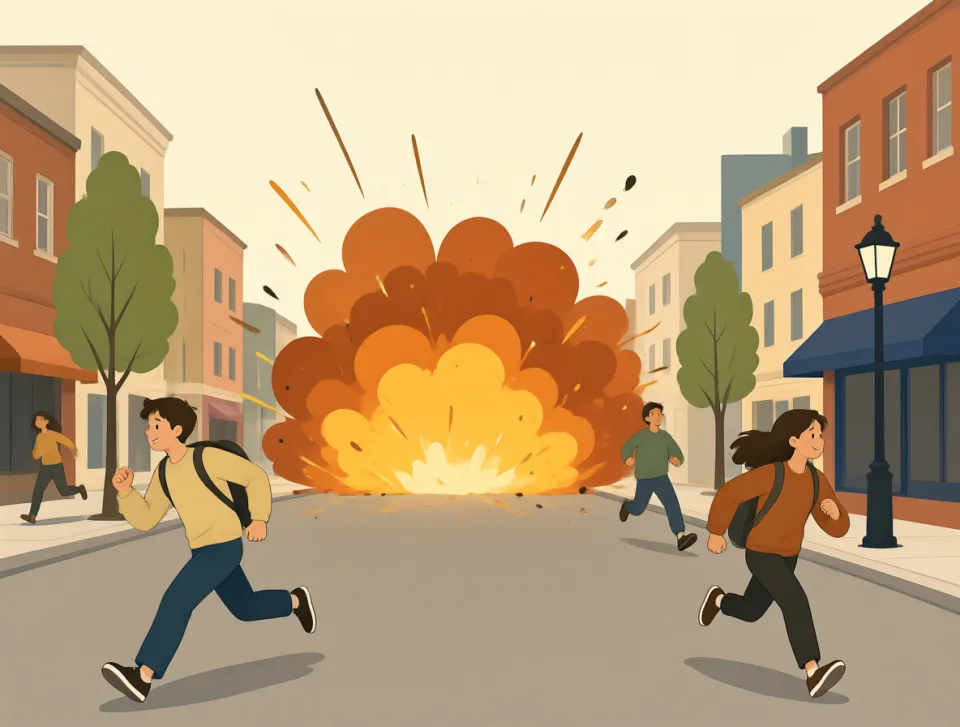
The bomb exploded before anyone could move it.
Quả bom phát nổ trước khi bất kỳ ai kịp di chuyển nó.
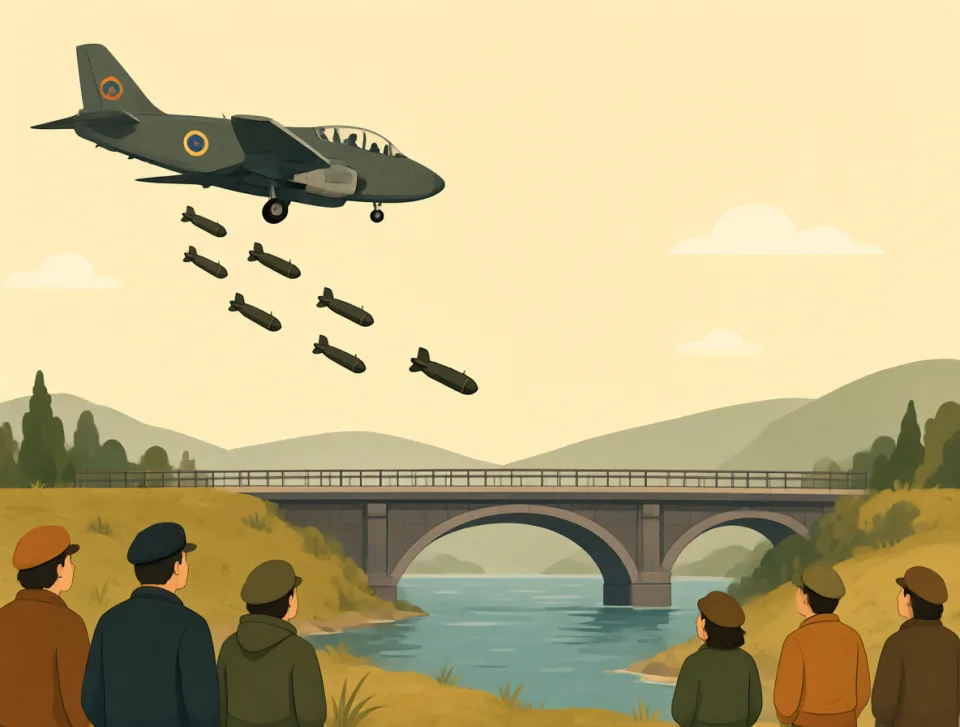
The army bombed the bridge during the war.
Quân đội ném bom cây cầu trong chiến tranh.
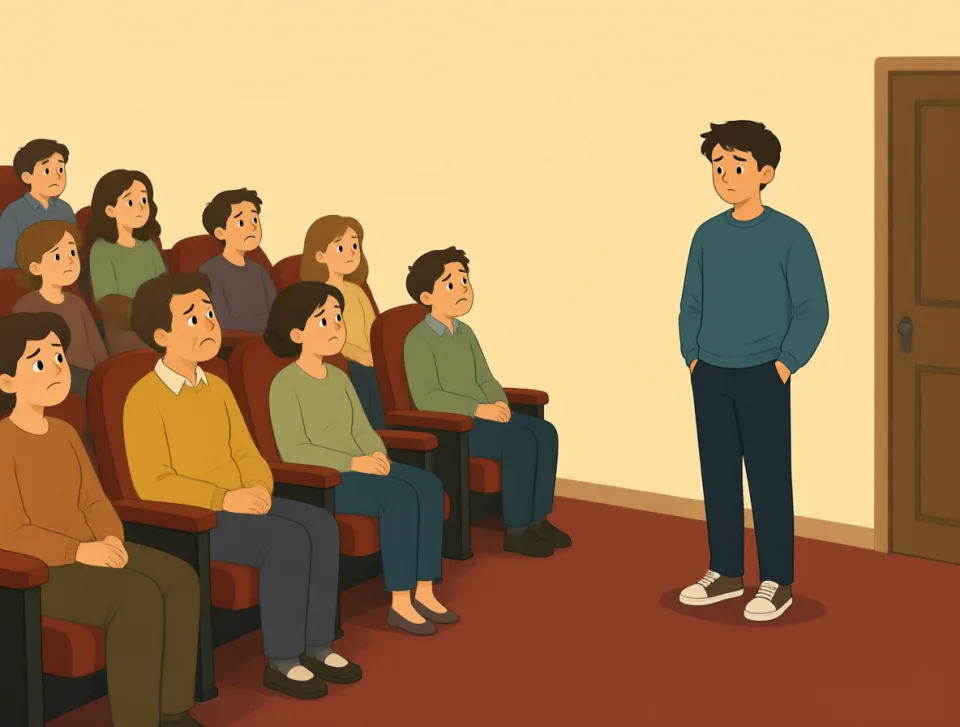
The movie bombed because nobody enjoyed the story.
Bộ phim thất bại vì chẳng ai thích cốt truyện.

I bombed my math test and need more practice.
Tôi làm bài kiểm tra toán rất tệ và cần luyện tập thêm.
army
#1418noun
quân đội
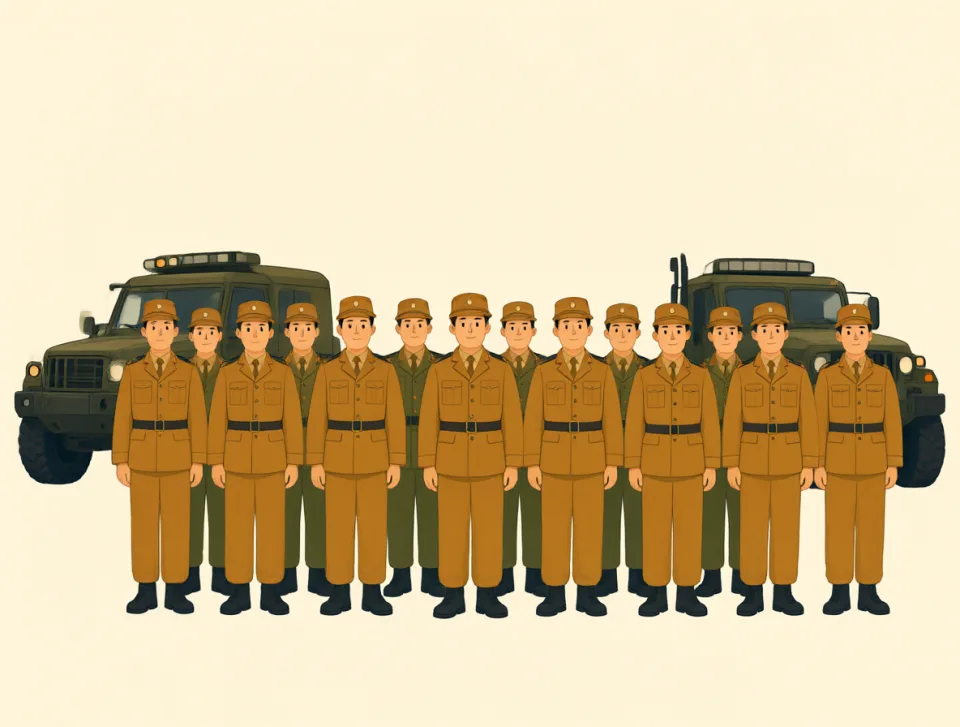
A large organized group of soldiers trained to fight for a country.
Một lực lượng lớn gồm các binh sĩ được tổ chức và huấn luyện để chiến đấu bảo vệ đất nước.
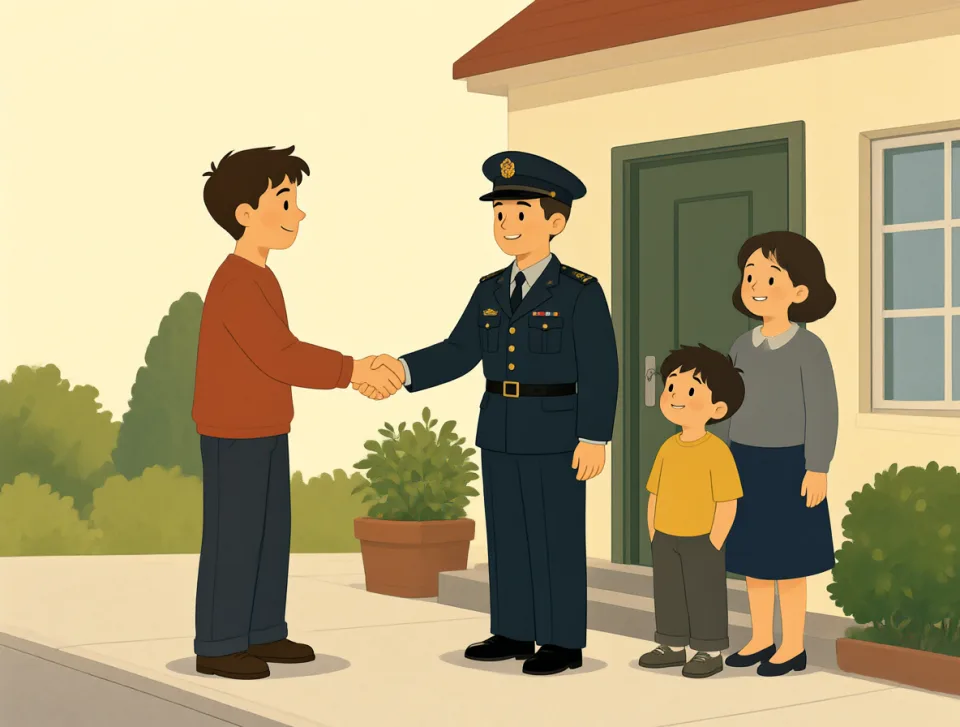
Her brother joined the army after finishing school.
Anh trai cô ấy gia nhập quân đội sau khi học xong.
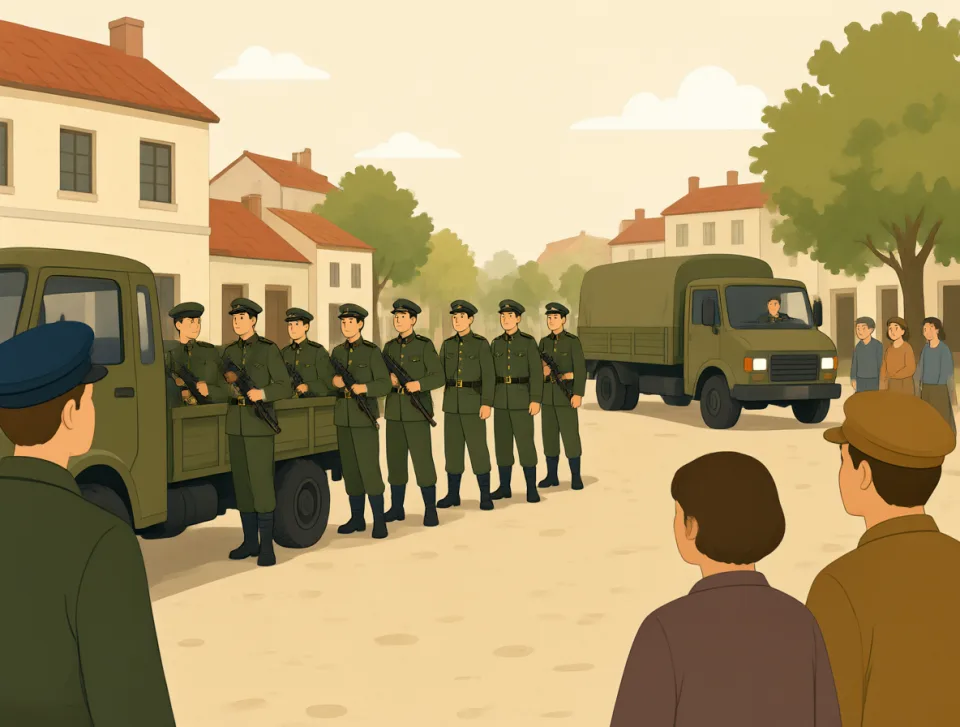
The army sent more soldiers to protect the town.
Quân đội điều thêm binh sĩ đến bảo vệ thị trấn.
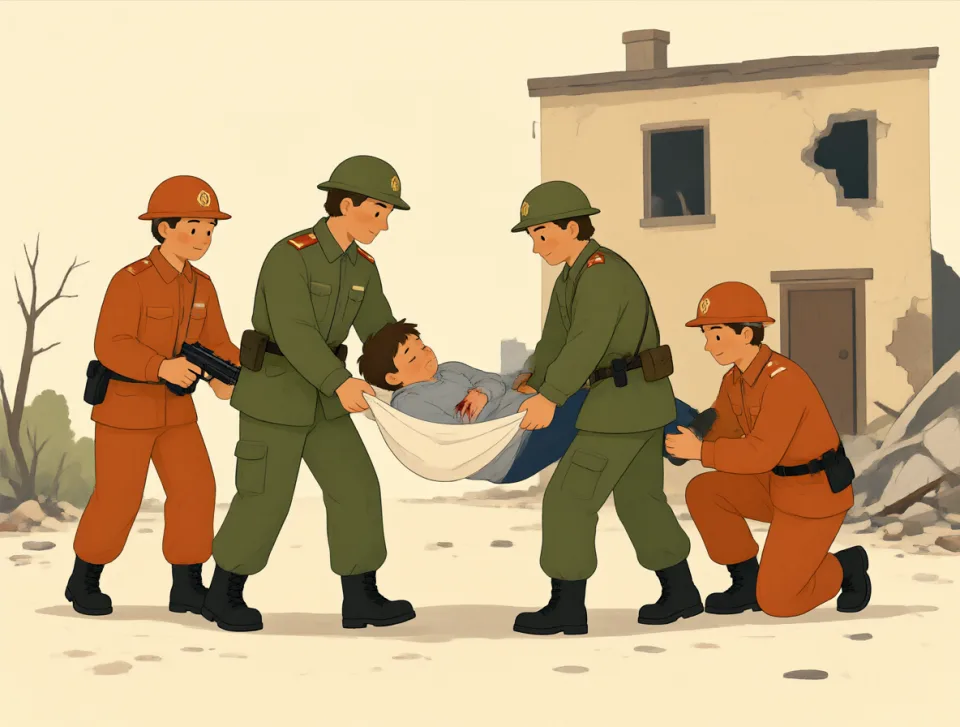
The army helped rescue people after the earthquake.
Quân đội giúp giải cứu người dân sau trận động đất.
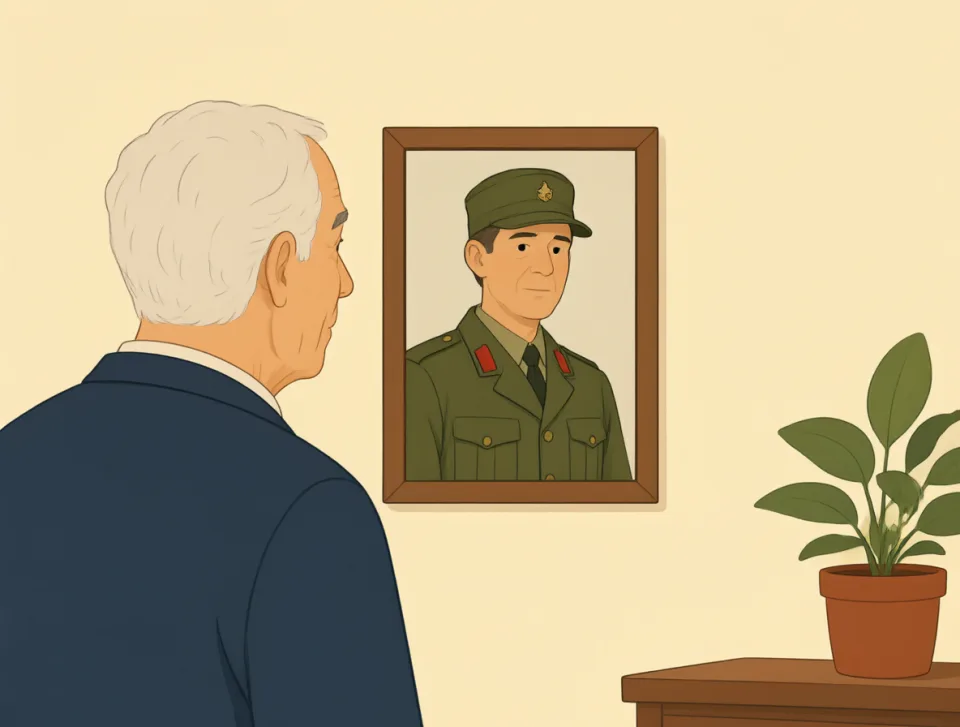
My grandfather spent twenty years in the army.
Ông tôi đã phục vụ trong quân đội suốt hai mươi năm.
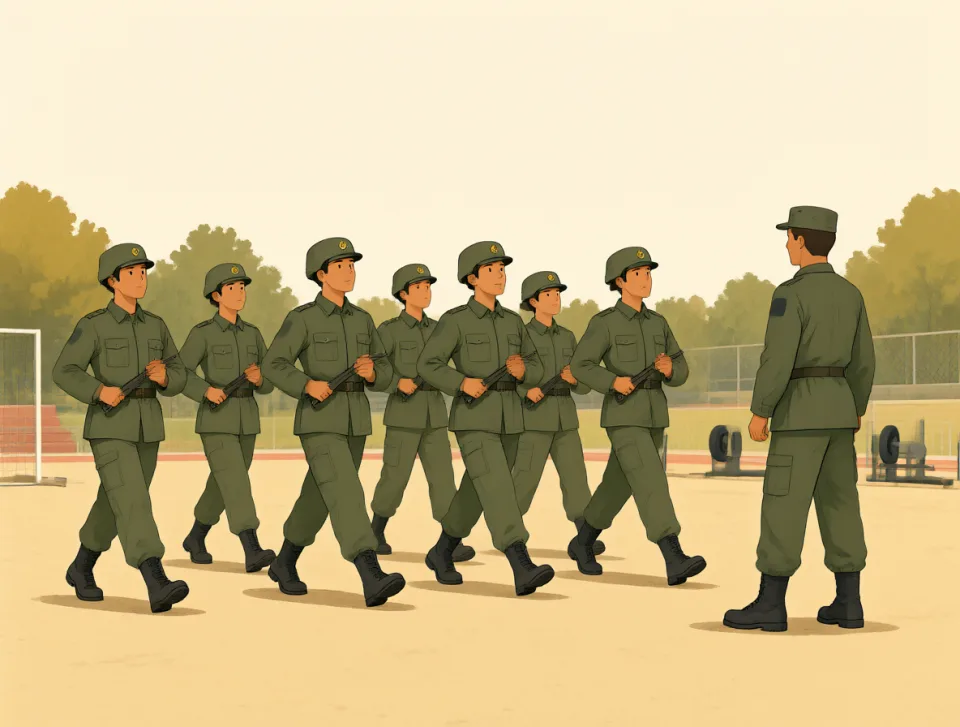
The army trained the new soldiers for three months.
Quân đội huấn luyện những binh sĩ mới trong ba tháng.
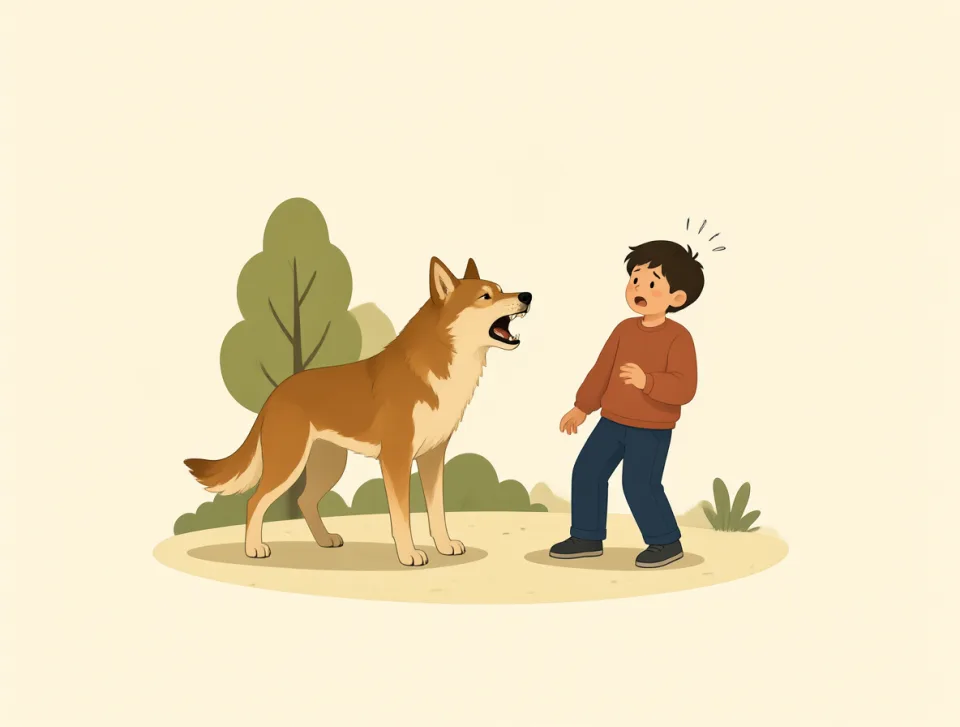
dangerous
#1419adjective
nguy hiểm
Likely to hurt people, damage things, or cause problems.
Có khả năng làm người khác bị thương, gây hư hại hoặc gây ra vấn đề.
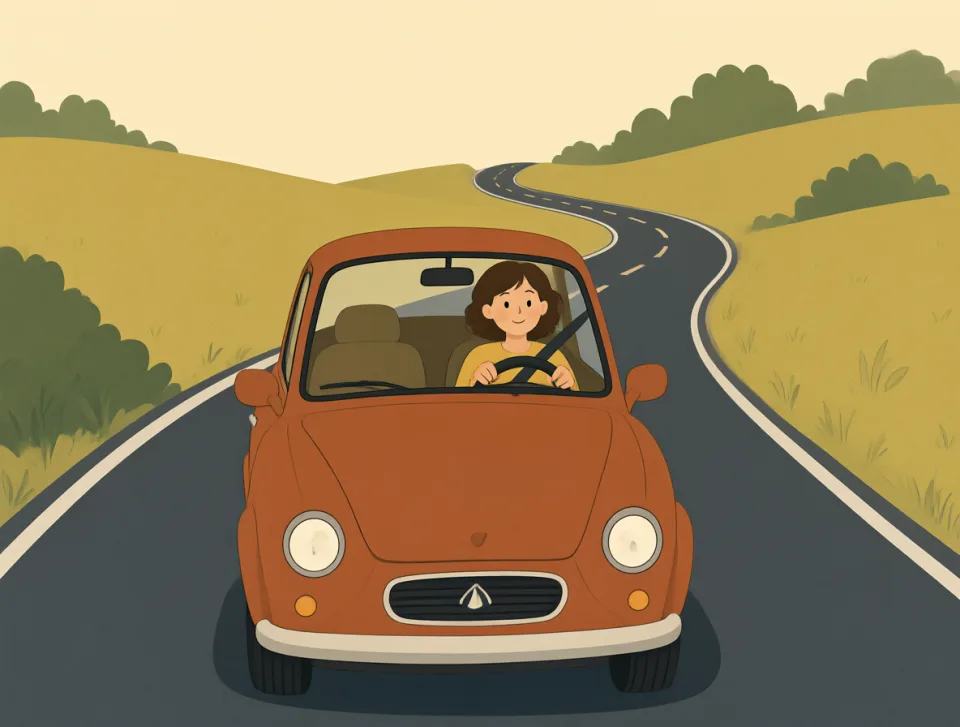
That road is dangerous after dark, so drive slowly.
Con đường đó nguy hiểm sau khi trời tối, nên hãy lái xe chậm thôi.

It is dangerous to swim near the rocks during a storm.
Bơi gần những tảng đá khi trời bão rất nguy hiểm.
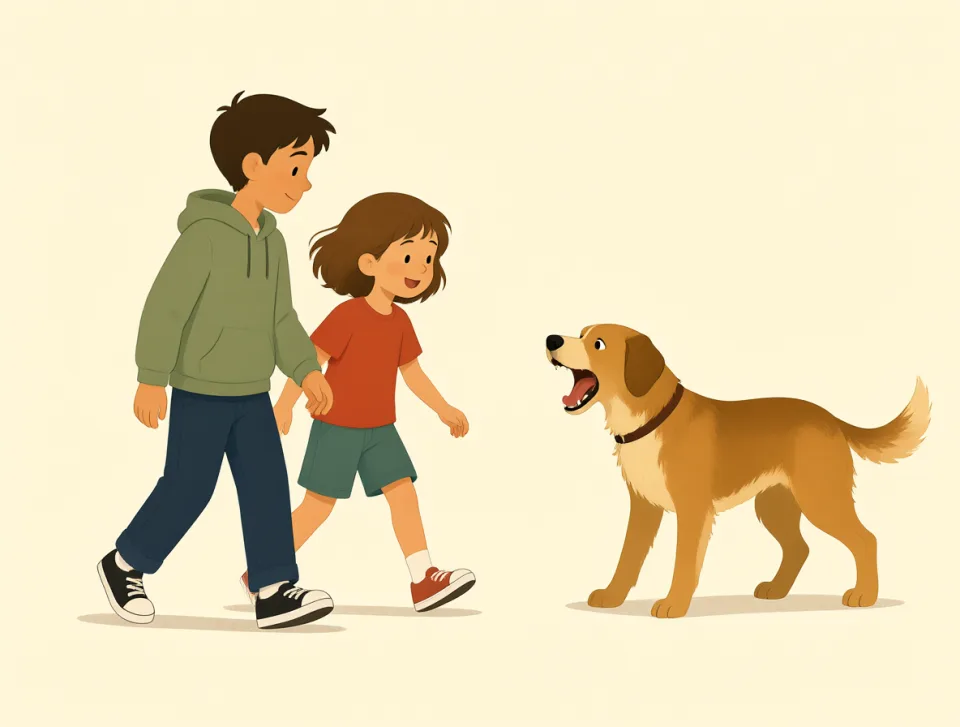
The children moved away from the dangerous dog.
Bọn trẻ tránh xa con chó nguy hiểm.
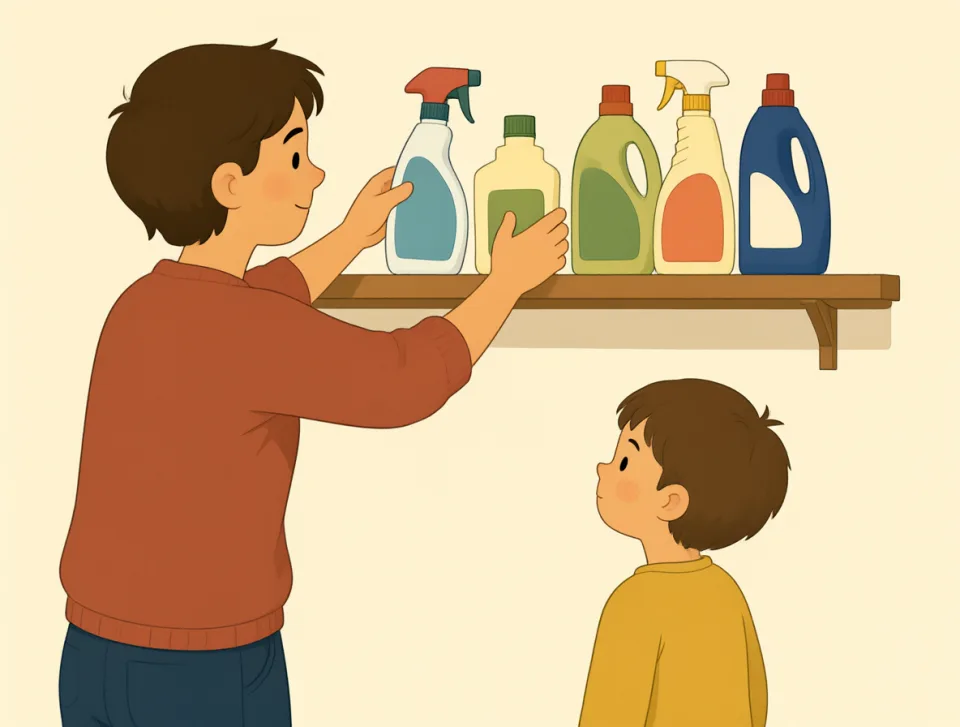
Keep dangerous cleaning products away from young children.
Hãy để các chất tẩy rửa nguy hiểm xa tầm tay trẻ nhỏ.

The doctor warned him that dangerous levels of stress could harm his health.
Bác sĩ cảnh báo anh ấy rằng mức độ căng thẳng nguy hiểm có thể gây hại cho sức khỏe.

decrease
#1420noun, verb
giảm
to become or make something smaller in size, amount, number, or level
Trở nên nhỏ hơn hoặc làm cho thứ gì đó giảm về kích thước, số lượng, mức độ hoặc cường độ.

The number of people using the bus decreased last month.
Số người đi xe buýt đã giảm vào tháng trước.
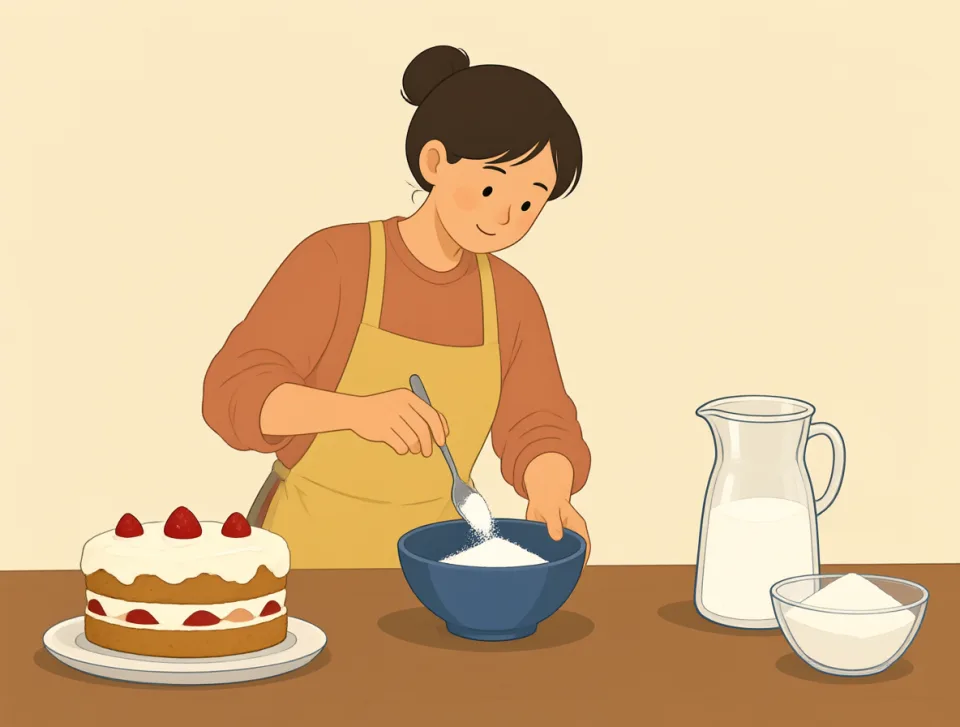
We need to decrease the amount of sugar in this cake.
Chúng ta cần giảm lượng đường trong chiếc bánh này.

The doctor says regular exercise can decrease back pain.
Bác sĩ nói tập thể dục thường xuyên có thể giảm đau lưng.
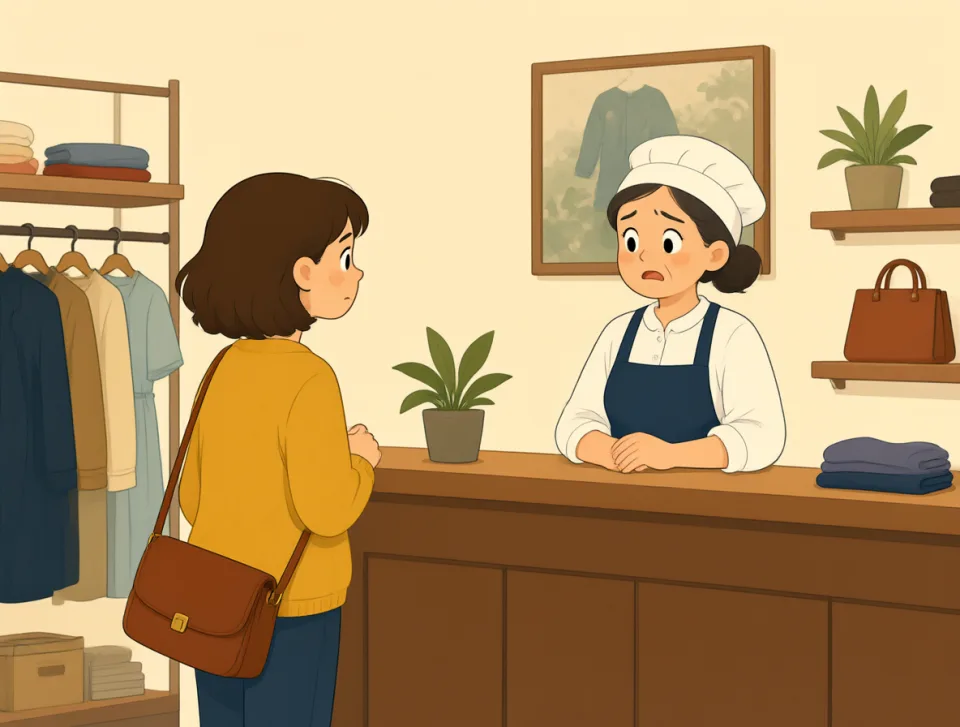
Sales decreased after the shop raised its prices.
Doanh số giảm sau khi cửa hàng tăng giá.
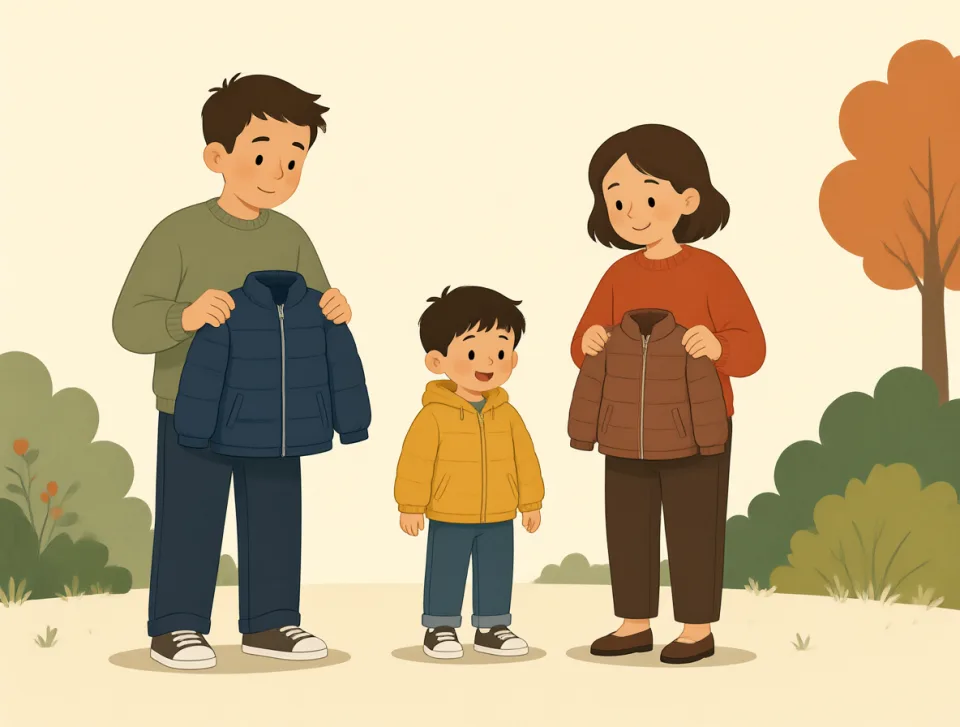
The temperature decreased quickly after the sun went down.
Nhiệt độ giảm nhanh sau khi mặt trời lặn.