بخش 72
واژههای 1421 تا 1440 · hurt, council, editor, normally, sight, generate
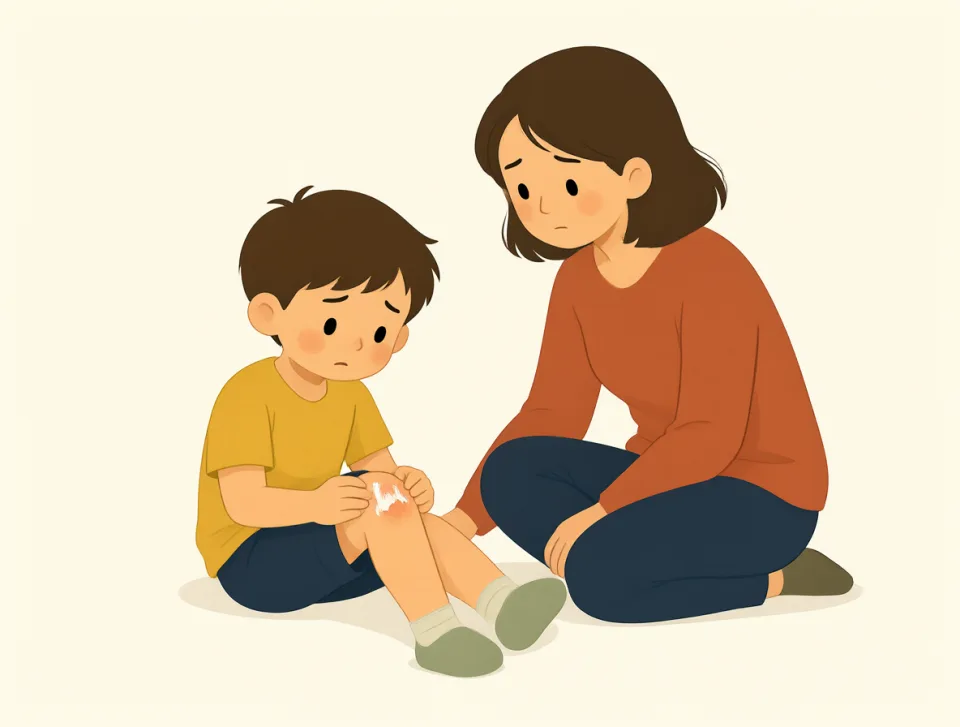
hurt
#1421verb, noun, adjective
درد داشتن؛ درد آوردن
to feel pain or cause someone to feel pain
درد کشیدن یا باعث درد کشیدن کسی شدن
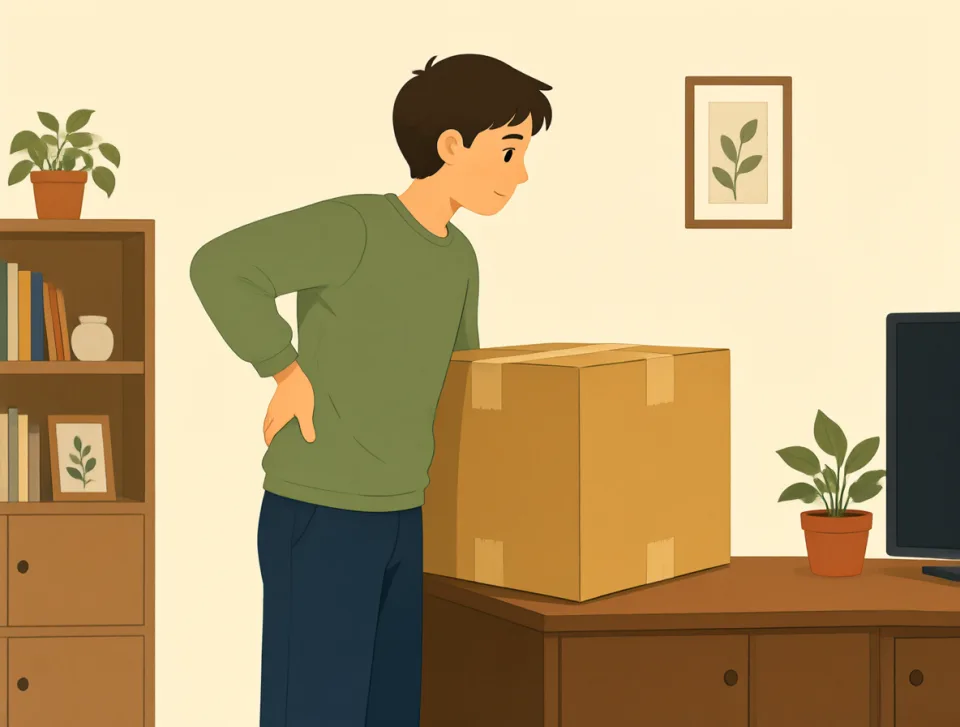
My back hurts after carrying that heavy box.
بعد از حمل آن جعبهٔ سنگین، کمرم درد میکند.
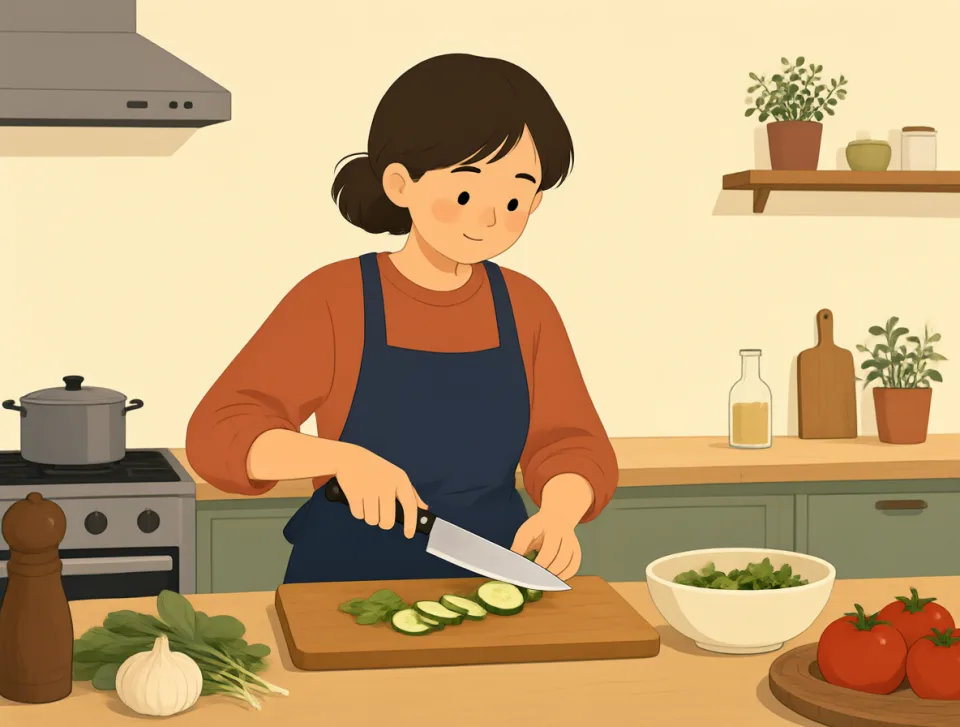
Be careful not to hurt yourself with that sharp knife.
مواظب باش با آن چاقوی تیز به خودت آسیب نزنی.
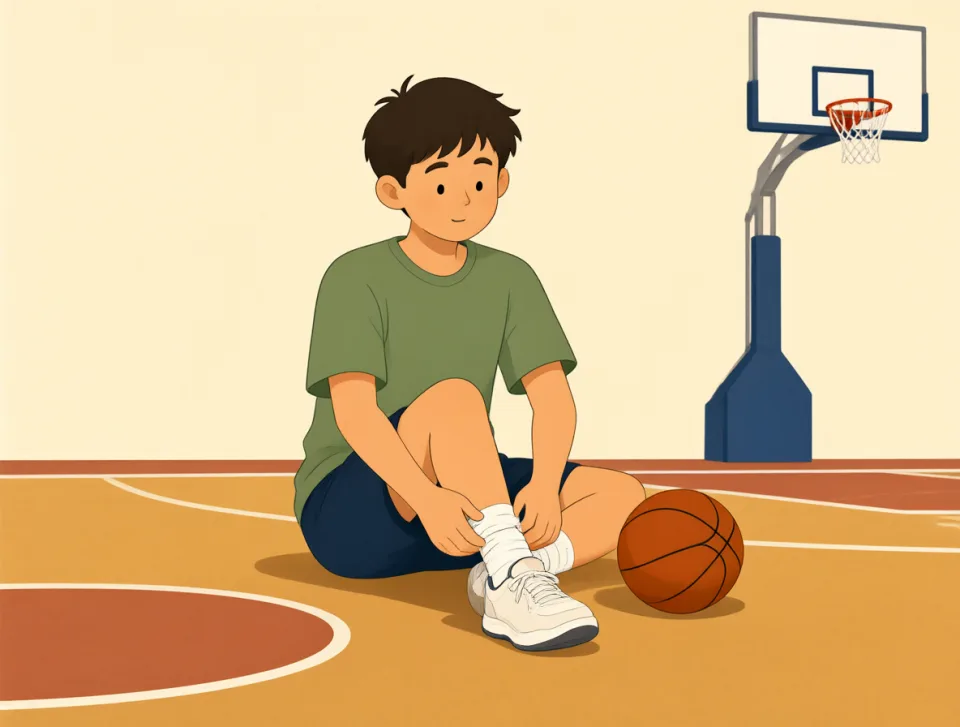
She hurt her ankle while playing basketball at school.
او هنگام بازی بسکتبال در مدرسه مچ پایش را زخمی کرد.
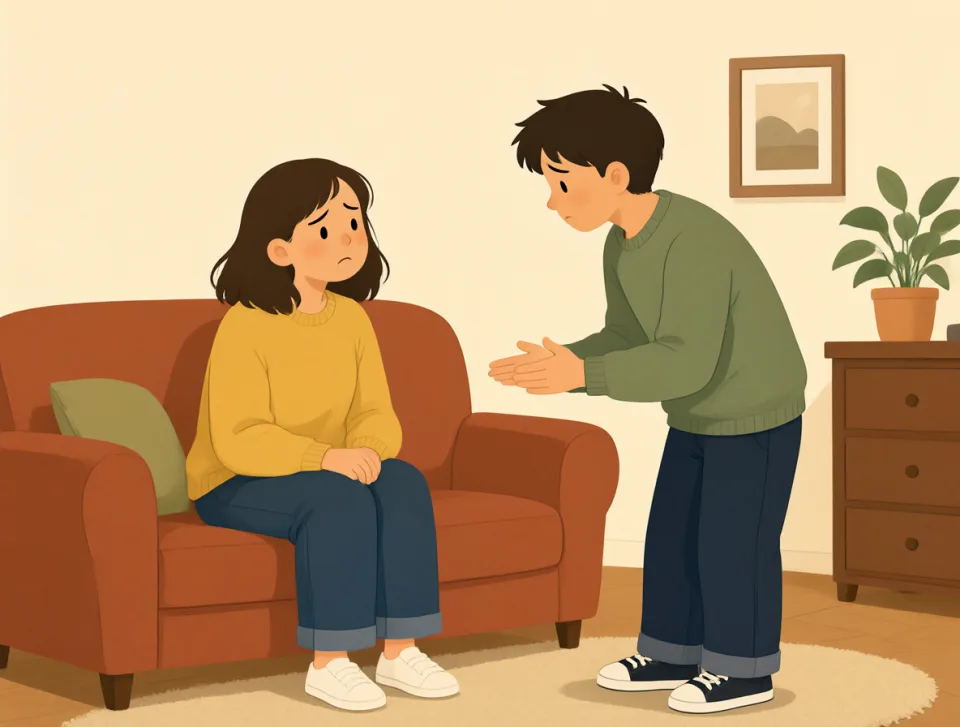
It hurt when my friend forgot my birthday.
وقتی دوستم تولدم را فراموش کرد، ناراحت شدم.
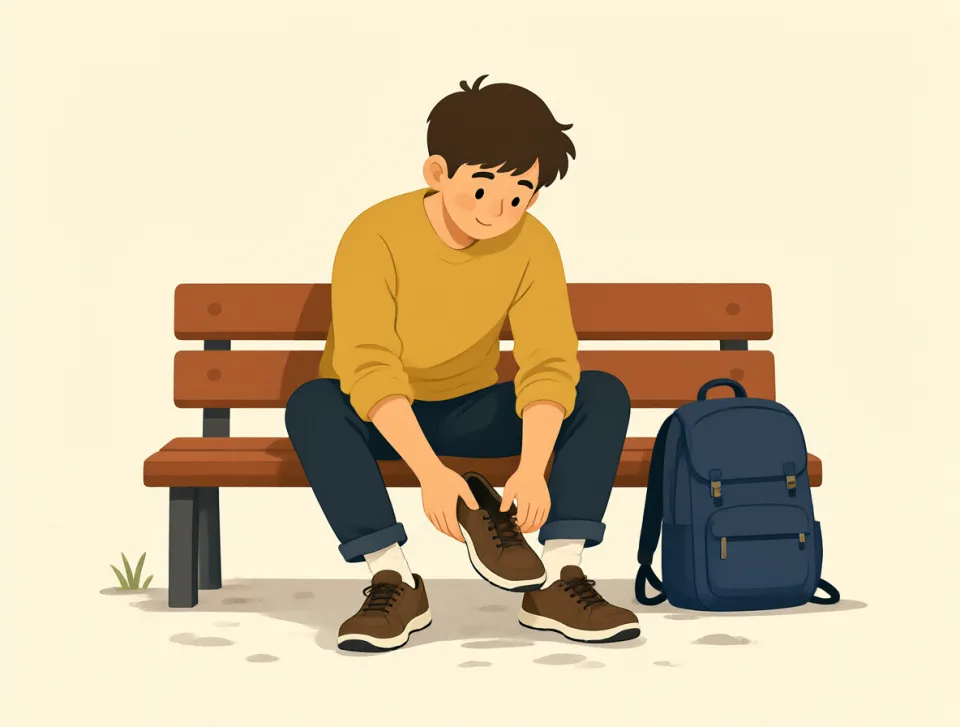
The new shoes hurt my feet during the long walk.
کفشهای جدیدم در پیادهروی طولانی پاهایم را اذیت کردند.
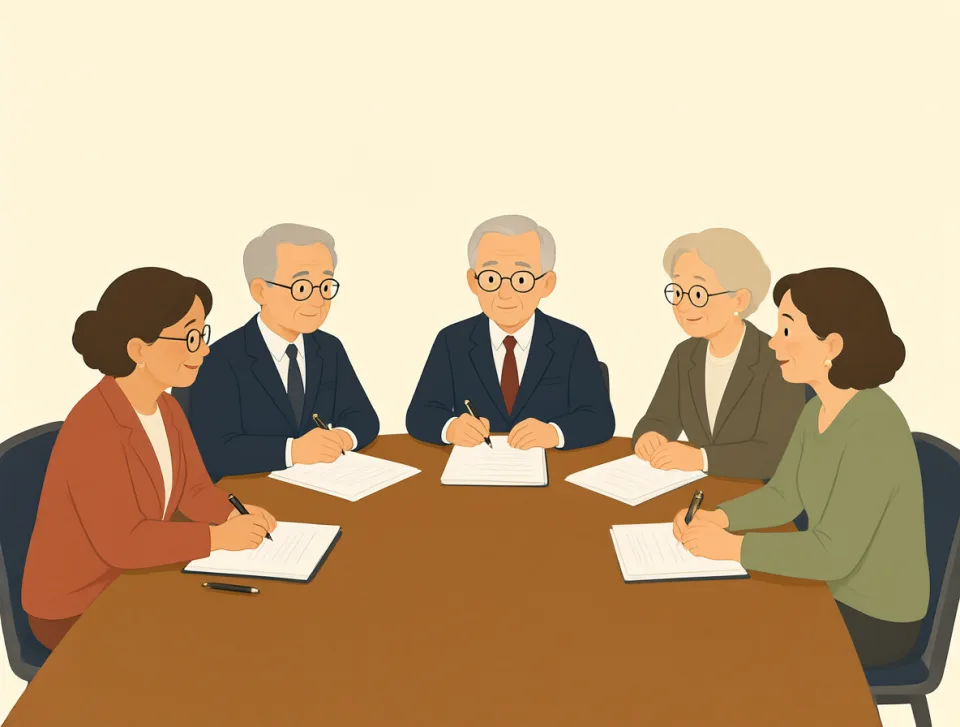
council
#1422noun
شورای شهر
A group of people elected to manage a town, city, or local area.
گروهی از افراد که برای ادارهٔ یک شهر، شهرستان یا منطقهٔ محلی انتخاب میشوند.
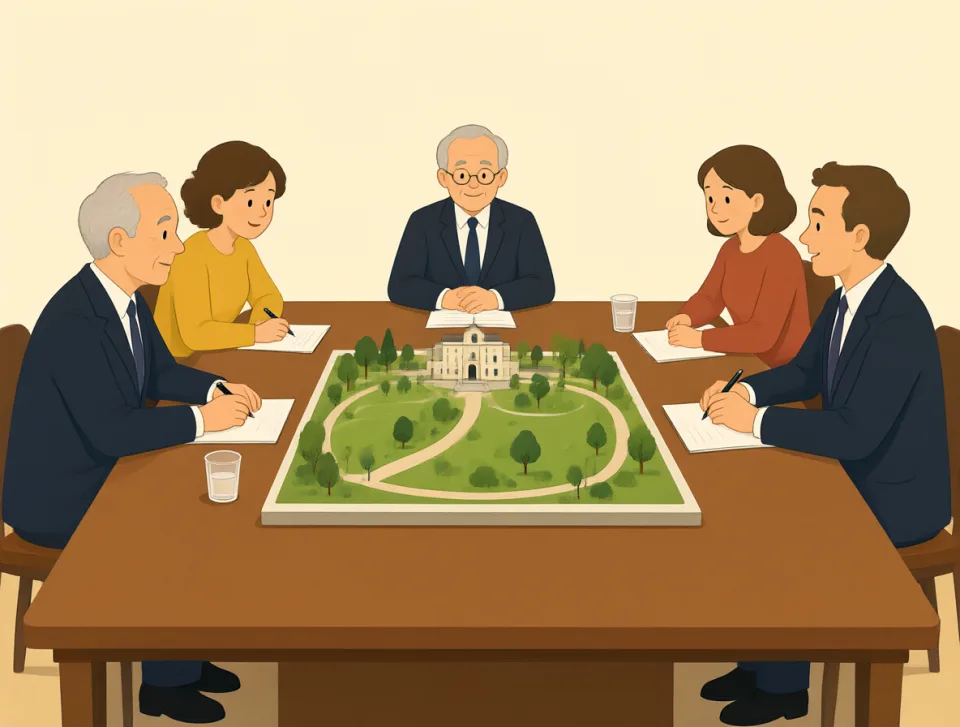
The city council approved plans for a new public park.
شورای شهر طرحهای ساخت یک پارک عمومی جدید را تصویب کرد.
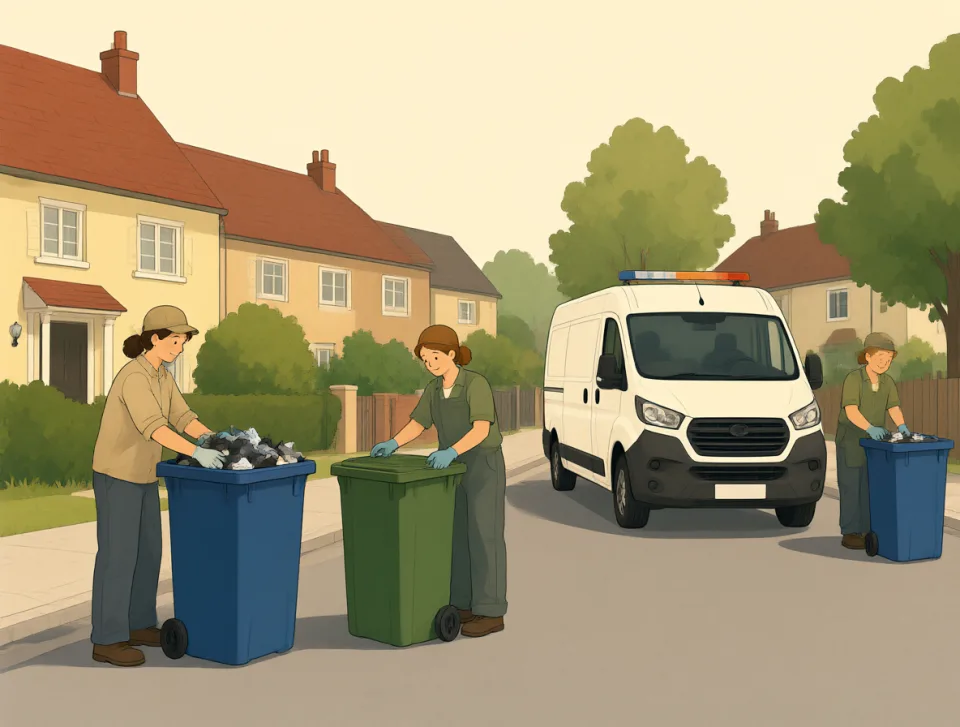
The council collects rubbish from our street every Tuesday.
شورا هر سهشنبه زبالههای خیابان ما را جمعآوری میکند.
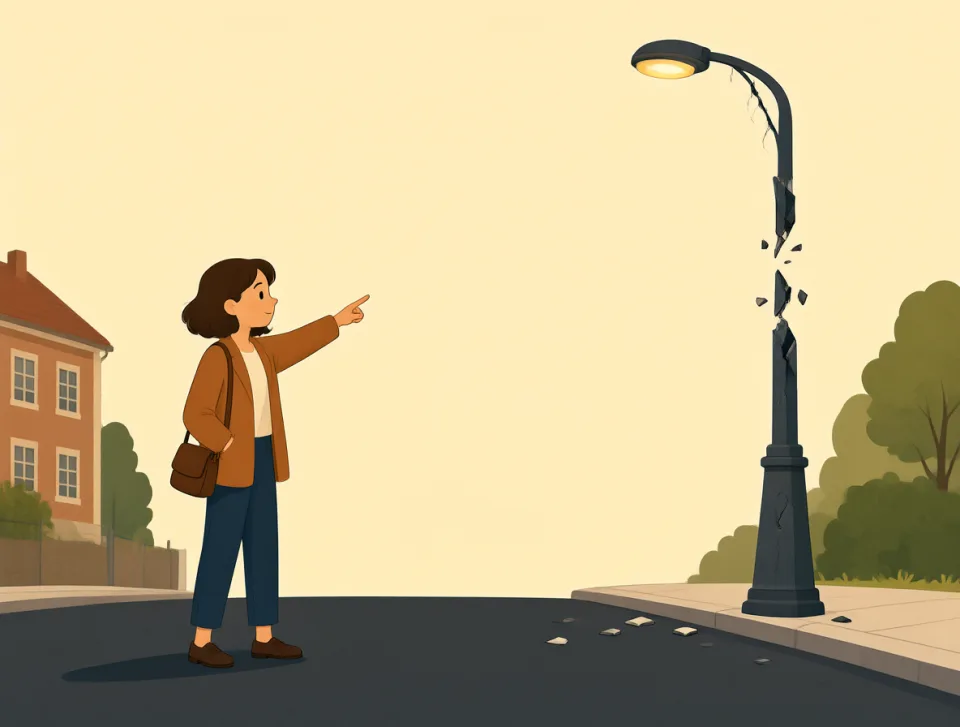
She wrote to the council about the broken streetlights.
او دربارهٔ چراغهای خراب خیابان به شورا نامه نوشت.
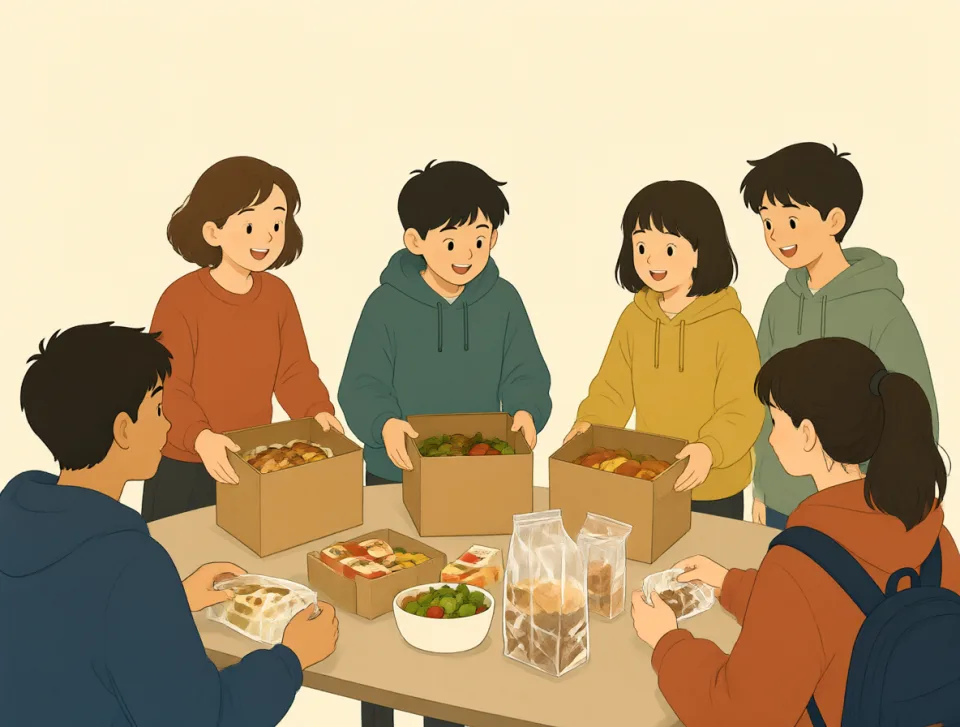
The school council planned a charity food sale.
شورای مدرسه برای فروش خیریهٔ غذا برنامهریزی کرد.
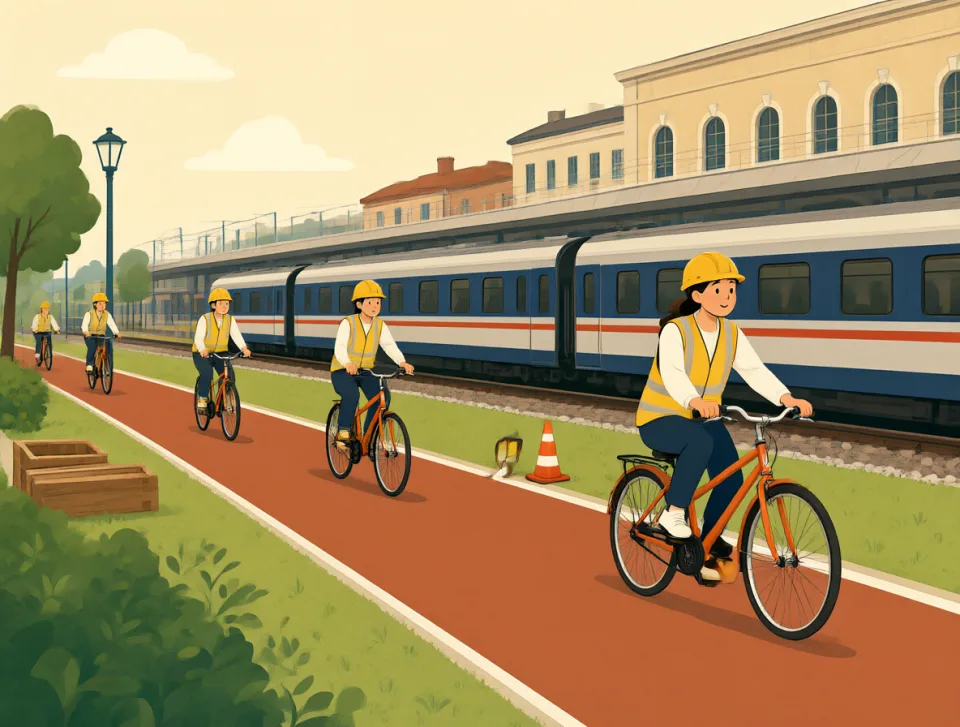
The council is building a safer cycle path near the station.
شورا در حال ساخت مسیر دوچرخهسواری امنتری در نزدیکی ایستگاه است.
editor
#1423noun
ویراستار
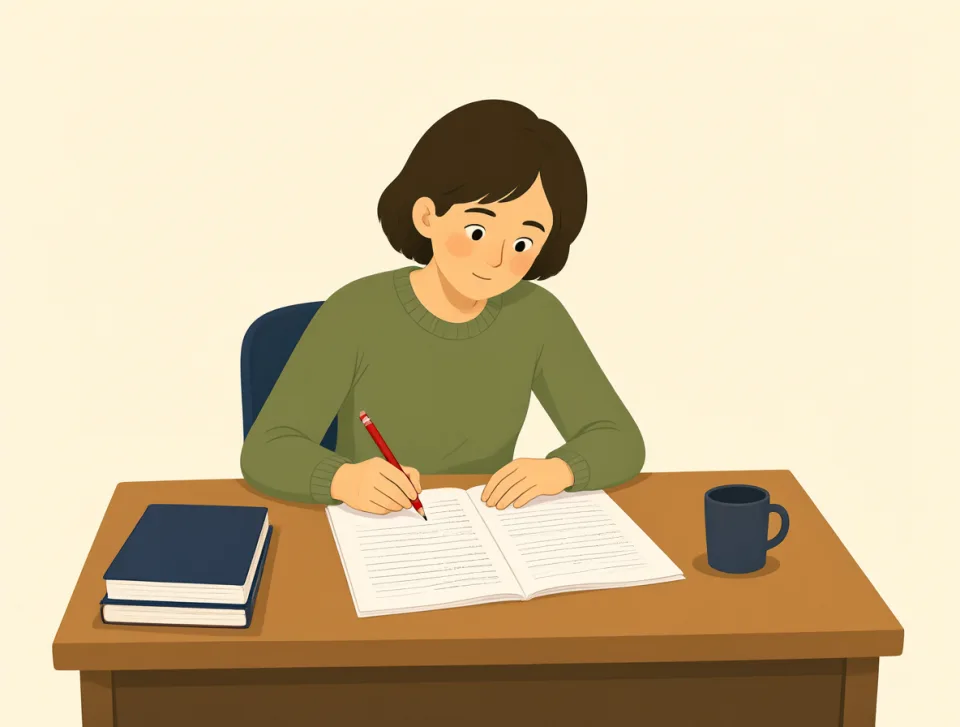
A person who checks and prepares writing, films, or other content for publication.
کسی که نوشتهها، فیلمها یا محتوای دیگری را برای انتشار بررسی و آماده میکند.

The editor checked my article before it appeared in the magazine.
ویراستار مقالهام را پیش از انتشار در مجله بررسی کرد.

She works as an editor for a large publishing company.
او در یک شرکت بزرگ انتشاراتی ویراستار است.
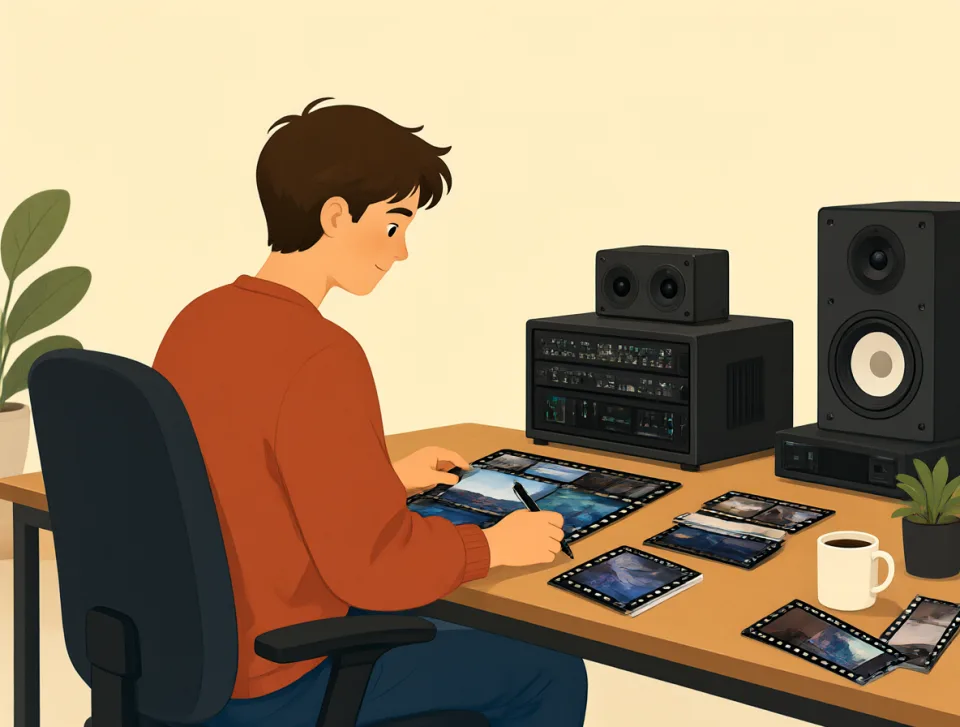
The film editor cut the long movie into a shorter version.
تدوینگر فیلم، فیلم طولانی را به نسخهای کوتاهتر تبدیل کرد.
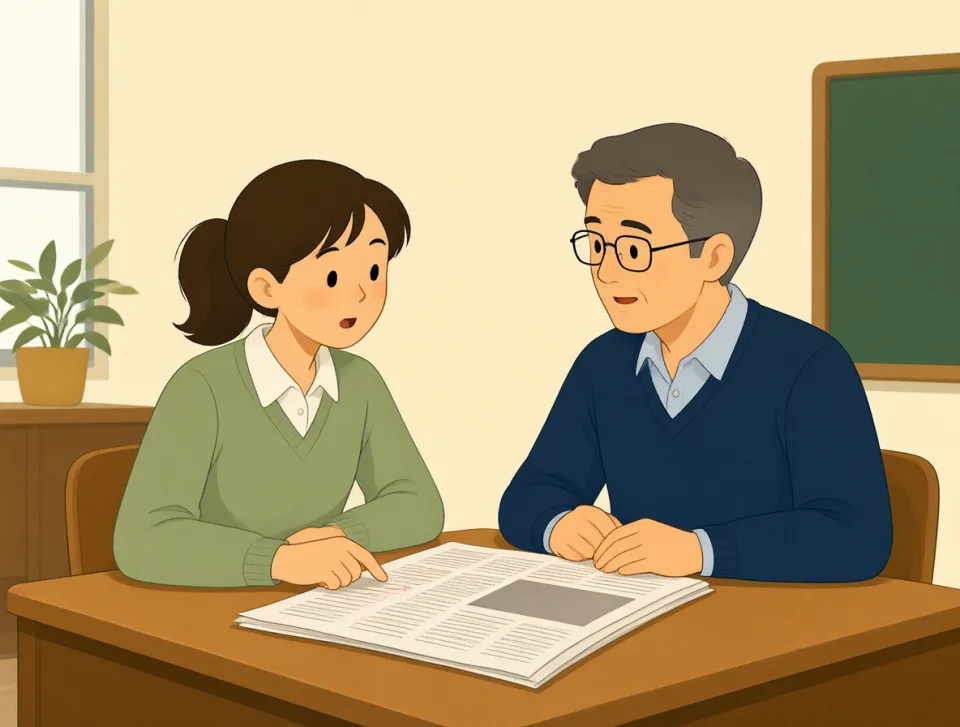
Ask the editor to correct this mistake in the school newspaper.
از ویراستار بخواه این اشتباه را در روزنامهٔ مدرسه اصلاح کند.
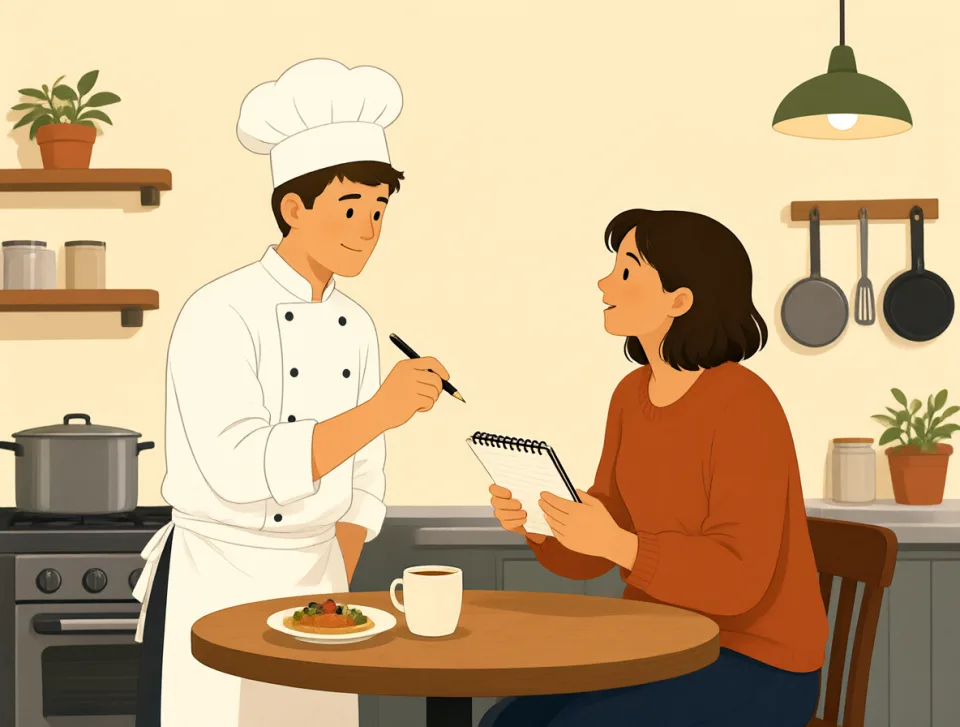
The editor is looking for interesting stories about local food.
ویراستار دنبال داستانهای جالبی دربارهٔ غذاهای محلی میگردد.
normally
#1424adverb
معمولاً
Usually or in the usual way.
در بیشتر مواقع یا به روشی که معمول است.
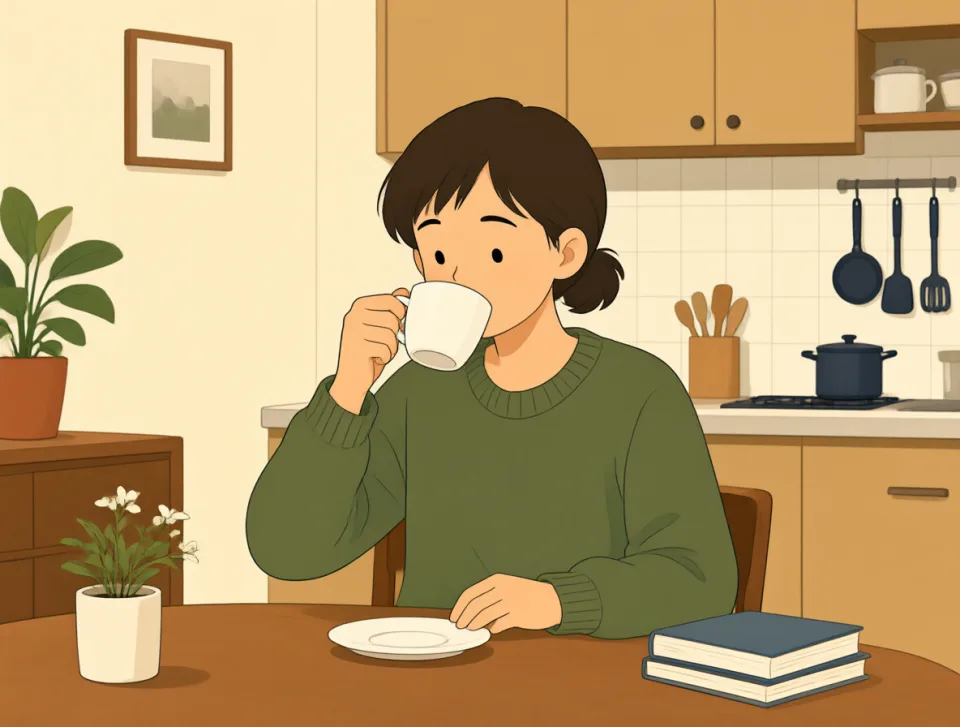
I normally drink coffee before I leave for work.
من معمولاً پیش از رفتن به محل کار قهوه مینوشم.
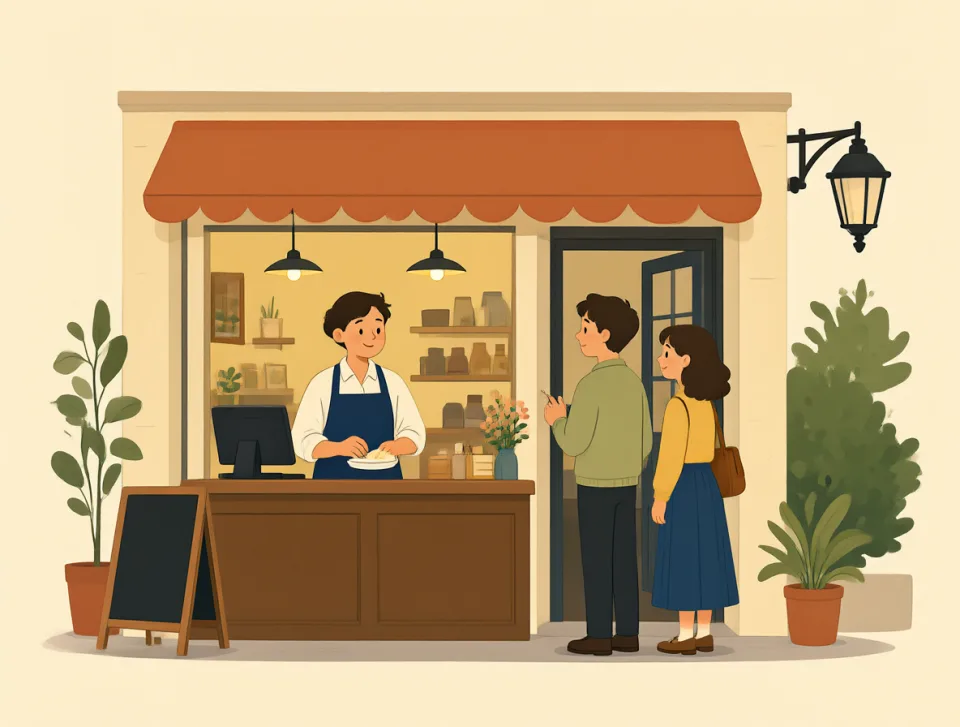
The shop normally closes at six on weekdays.
مغازه معمولاً روزهای هفته ساعت شش تعطیل میشود.
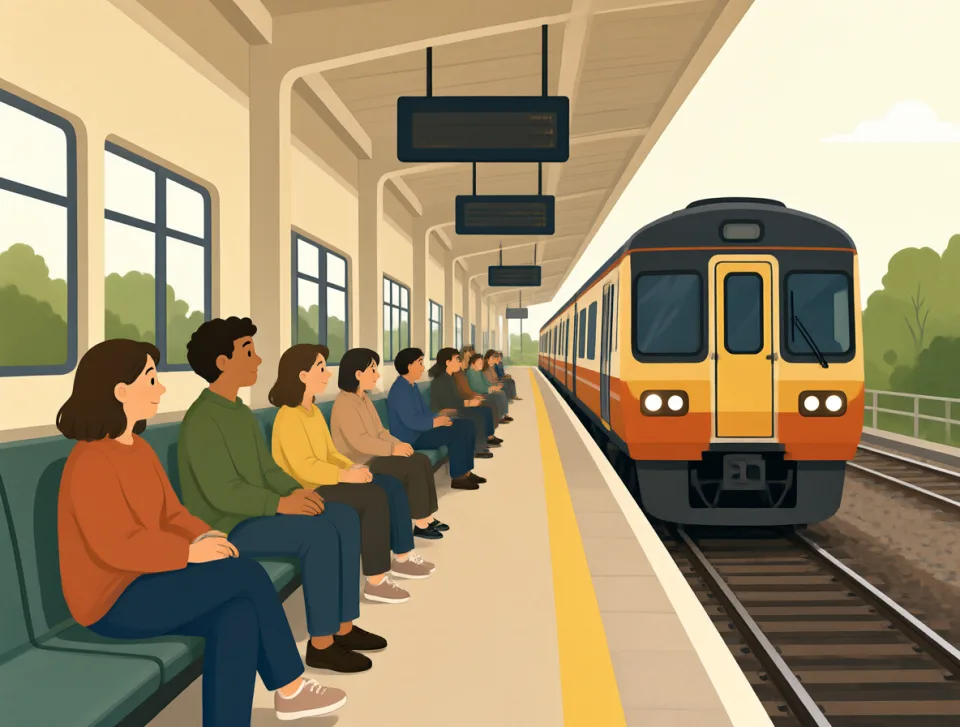
Normally, trains arrive every twenty minutes during the day.
قطارها معمولاً در طول روز هر بیست دقیقه میرسند.

She is normally very calm during difficult meetings.
او معمولاً در جلسههای دشوار خیلی آرام است.

You can normally find fresh bread near the entrance.
معمولاً میتوانید نزدیک ورودی نان تازه پیدا کنید.
sight
#1425noun
بینایی؛ منظره
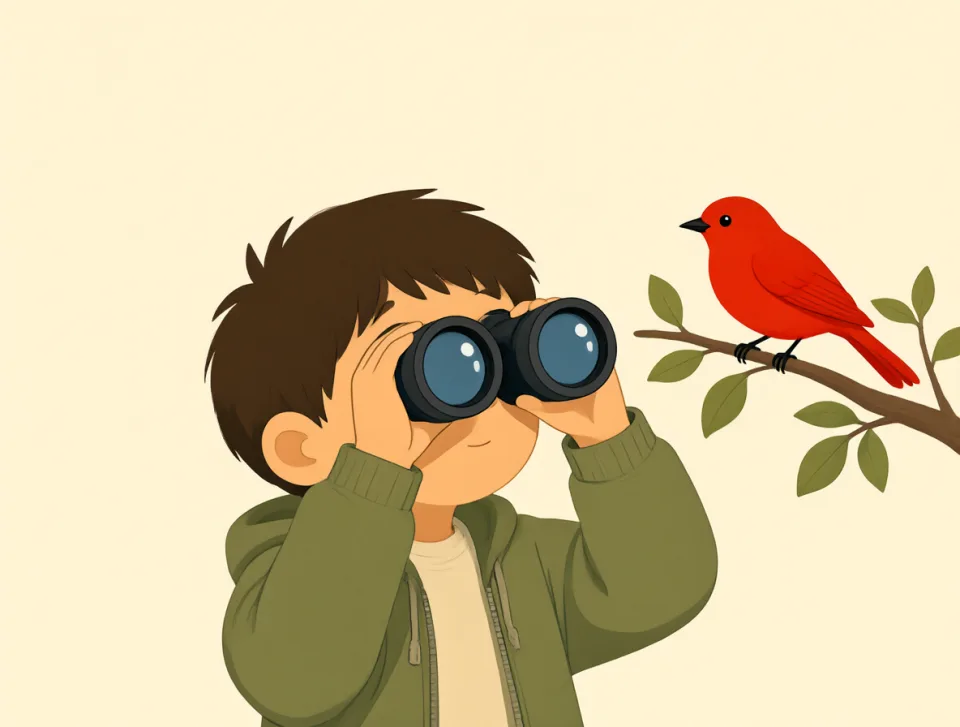
The ability to see, or something you see.
توانایی دیدن یا چیزی که میبینید.
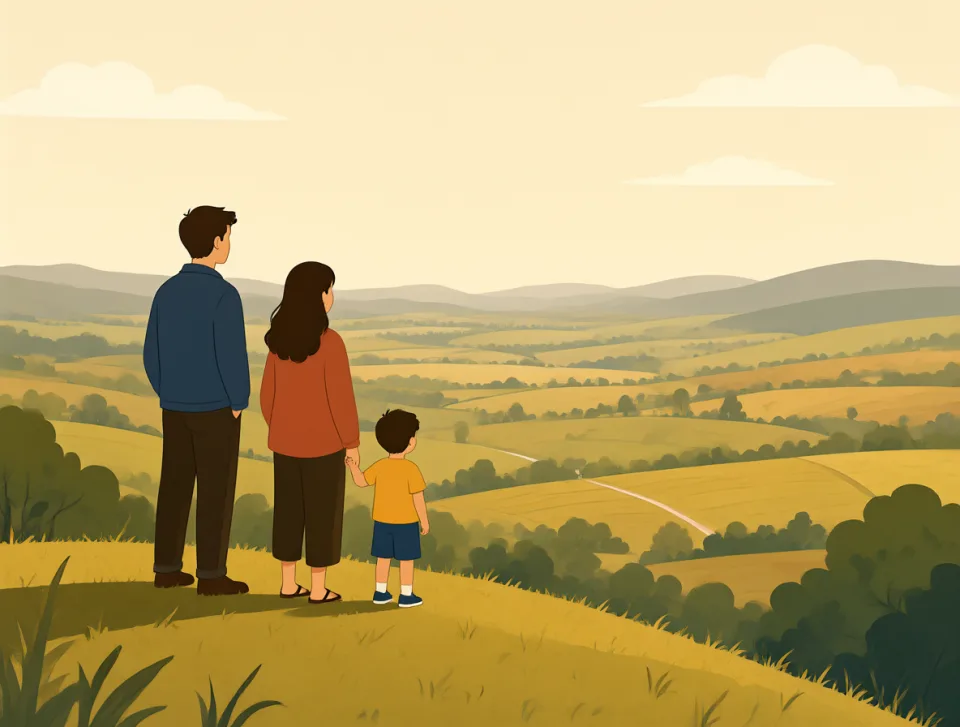
The beautiful view came into sight as we reached the hill.
وقتی به تپه رسیدیم، منظرهٔ زیبایی پیش چشممان پدیدار شد.
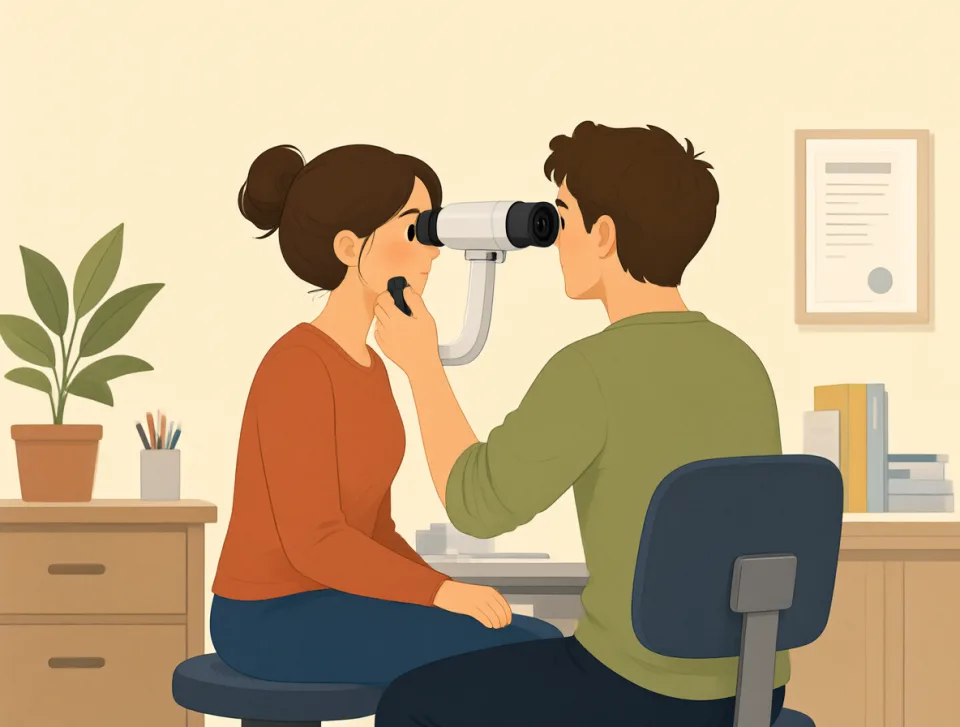
The doctor tested my sight during my eye examination.
پزشک هنگام معاینهٔ چشم، بیناییام را آزمایش کرد.
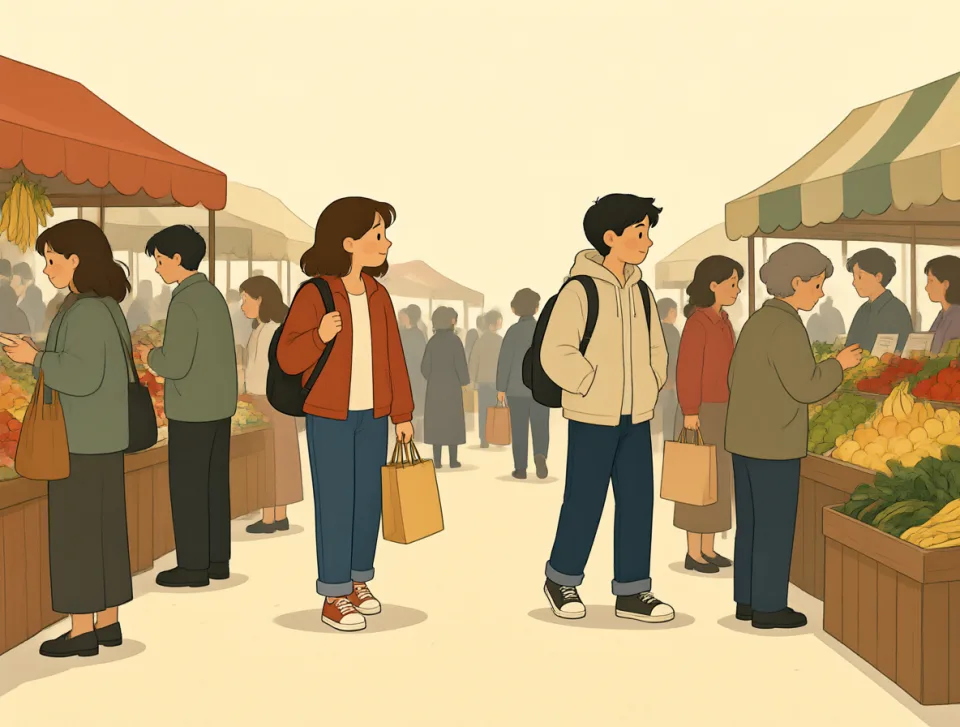
We lost sight of our friends in the crowded market.
در بازار شلوغ، دوستانمان را گم کردیم.
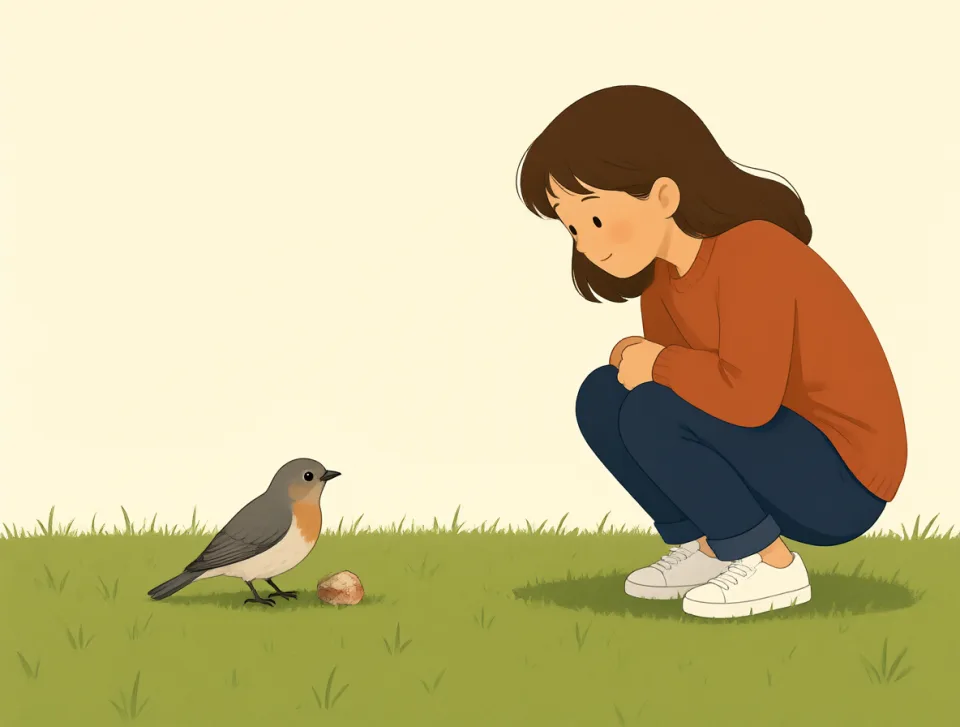
The injured bird was a sad sight in the garden.
دیدن پرندهٔ زخمی در باغ منظرهٔ غمانگیزی بود.
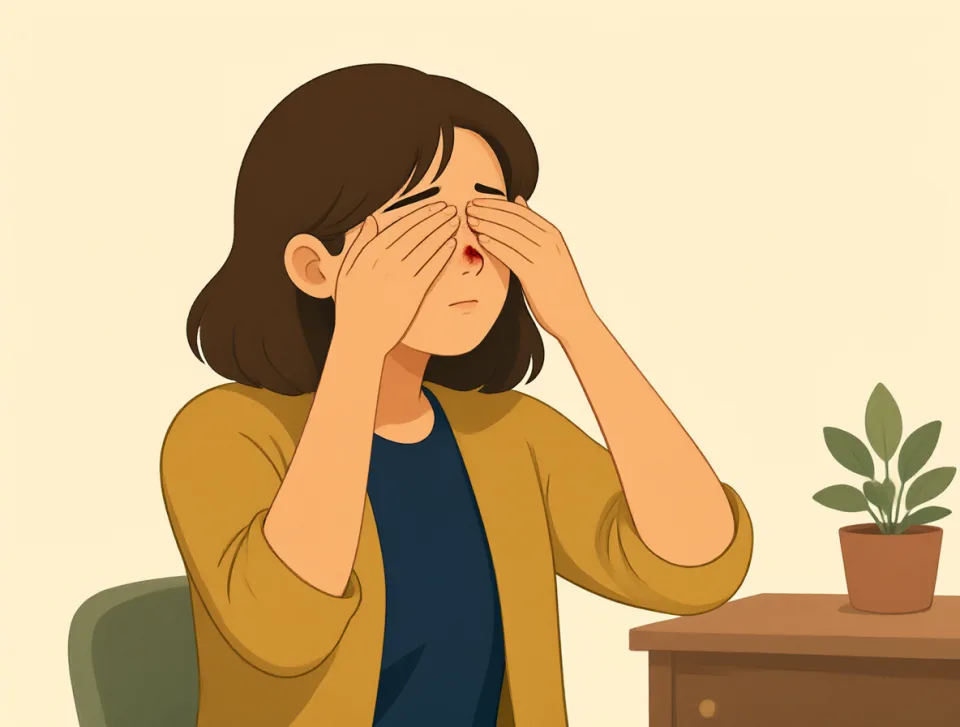
She felt sick at the sight of blood.
با دیدن خون حالش به هم خورد.

generate
#1426verb
تولید کردن
to produce or create something, especially energy, ideas, or a result
چیزی را تولید یا خلق کردن، بهویژه انرژی، ایده یا نتیجهای را

Solar panels generate electricity for many homes.
پنلهای خورشیدی برای خانههای زیادی برق تولید میکنند.

This exercise generates enough heat to warm your body.
این تمرین گرمای کافی تولید میکند تا بدنت را گرم کند.

The new job generated a lot of interest.
شغل جدید علاقهٔ زیادی ایجاد کرد.
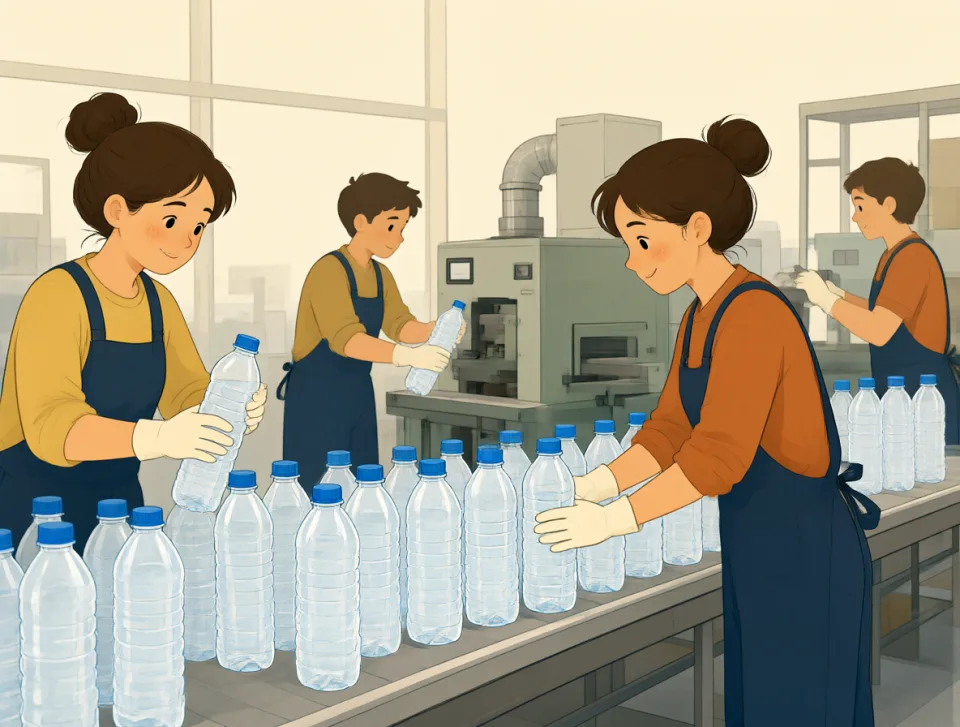
The factory generates thousands of plastic bottles each day.
این کارخانه هر روز هزاران بطری پلاستیکی تولید میکند.
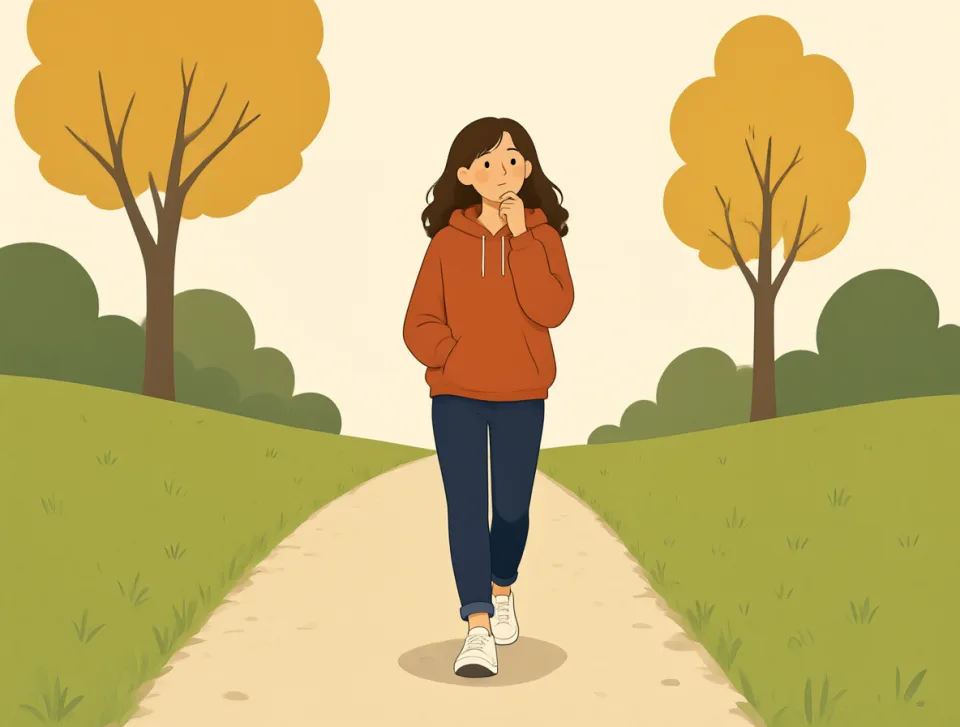
Walking after dinner generates good ideas for my projects.
پیادهروی بعد از شام برای پروژههایم ایدههای خوبی به ذهنم میآورد.

gift
#1427noun, verb
هدیه؛ استعداد
A present given to someone, or a special natural ability.
هدیهای که به کسی داده میشود، یا توانایی طبیعی ویژهای.

She gave me a beautiful gift for my birthday.
او برای تولدم هدیهٔ زیبایی به من داد.

We bought a wedding gift for our neighbors.
برای همسایههایمان هدیهای برای عروسی خریدیم.
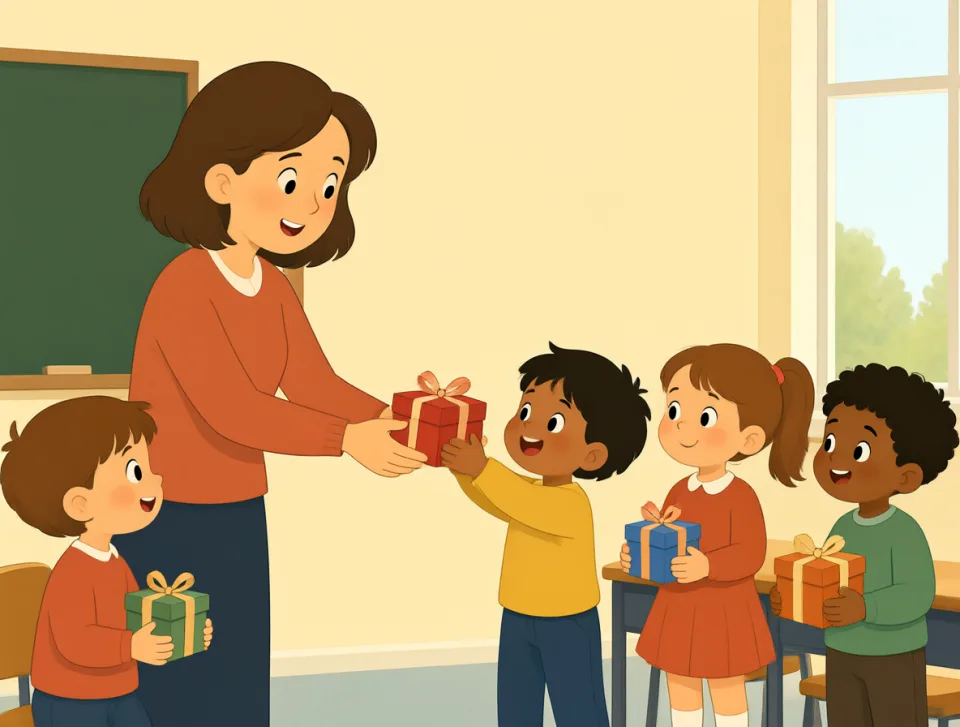
The teacher gave each student a gift after the school show.
معلم بعد از نمایش مدرسه به هر دانشآموز هدیهای داد.

He has a gift for making people laugh.
او استعداد خنداندن مردم را دارد.

Her gift for music helped her become a successful singer.
استعداد او در موسیقی کمک کرد به خوانندهای موفق تبدیل شود.
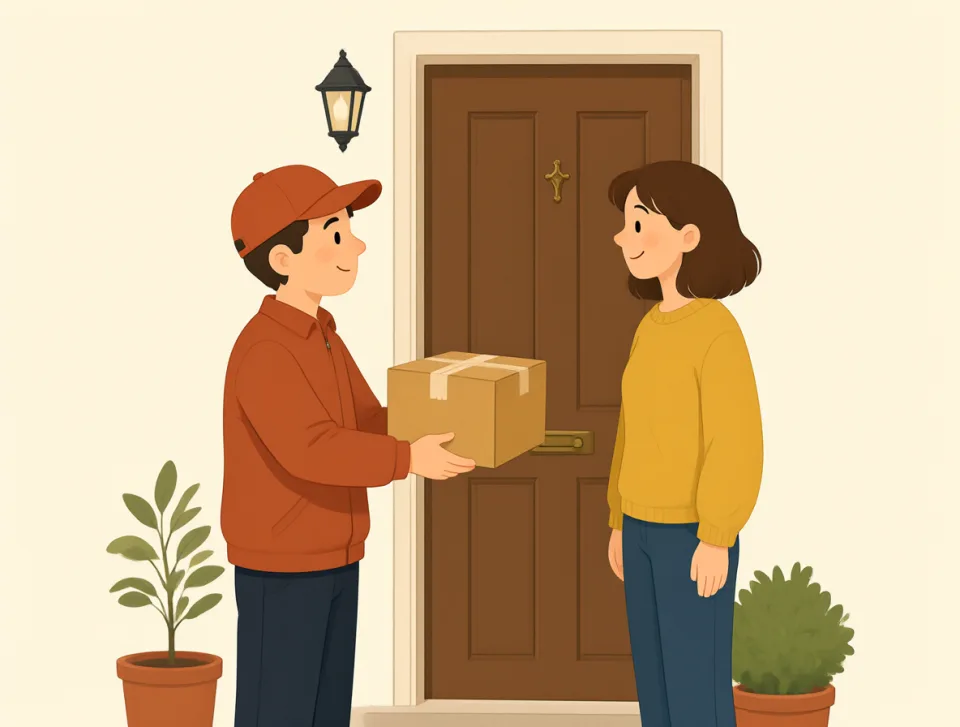
delivery
#1428noun
تحویل؛ ارسال
The act of bringing something to a person or place.
عمل رساندن چیزی به یک شخص یا مکان.
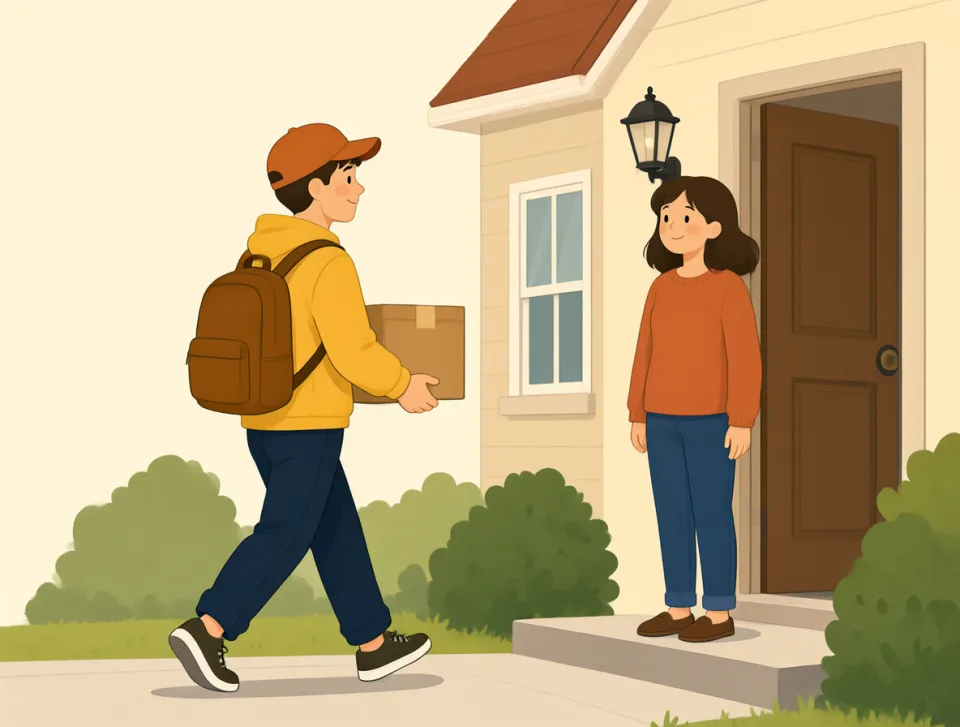
Your delivery should arrive before dinner tonight.
سفارشت باید امشب پیش از شام برسد.
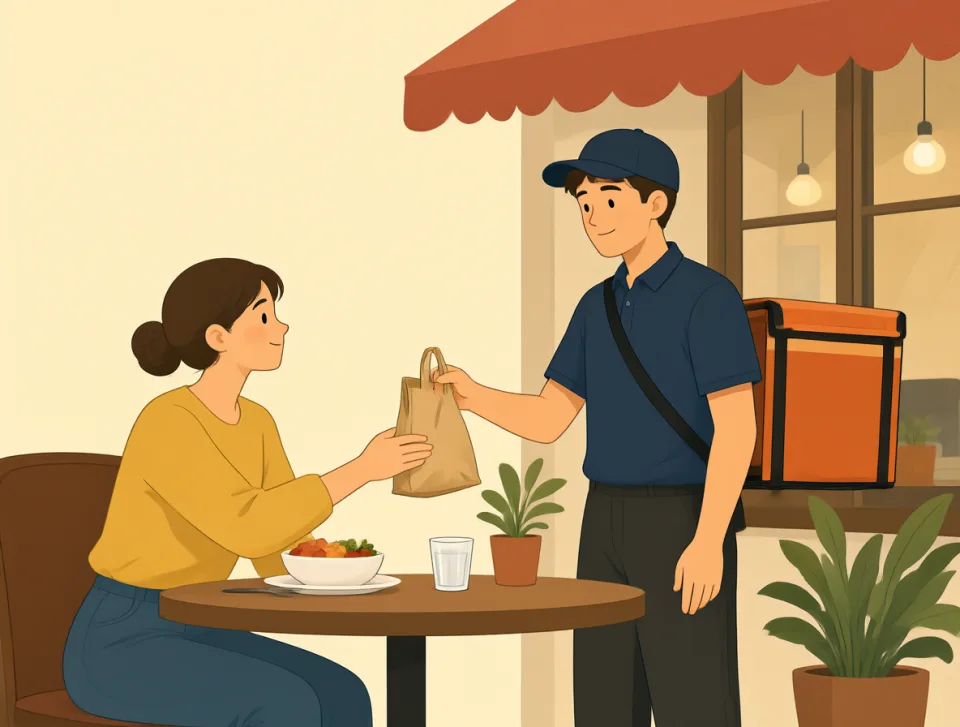
The restaurant offers free delivery on orders over twenty dollars.
این رستوران برای سفارشهای بالای بیست دلار ارسال رایگان دارد.
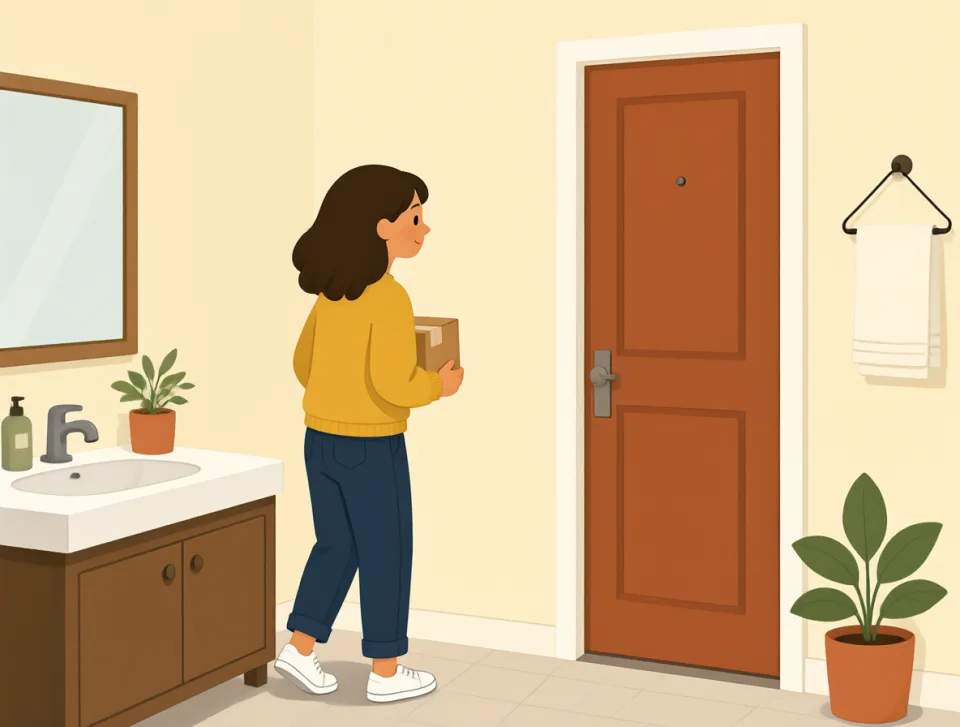
I missed the delivery because I was taking a shower.
چون داشتم دوش میگرفتم، تحویل سفارش را از دست دادم.
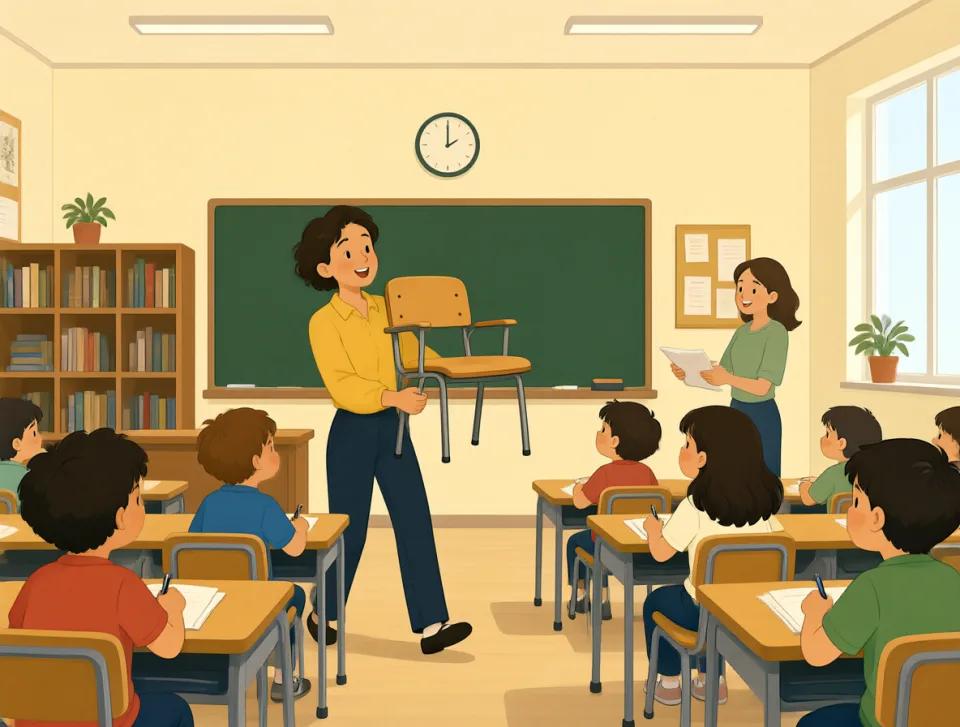
The delivery of new chairs made the classroom more comfortable.
تحویل صندلیهای جدید کلاس را راحتتر کرد.
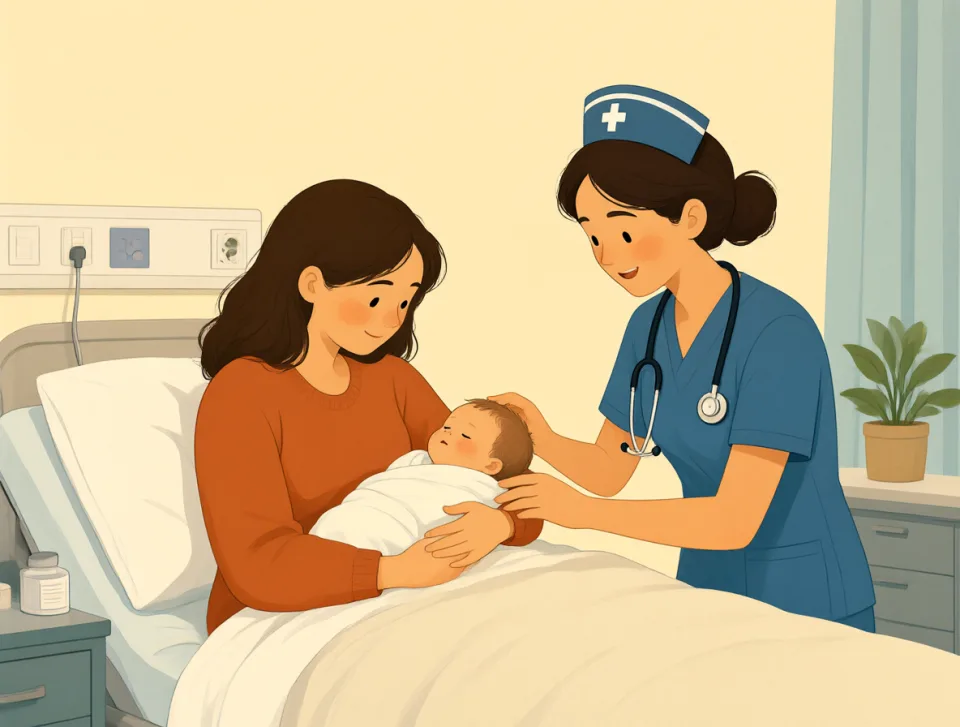
The doctor was surprised by the quick delivery of the baby.
پزشک از زایمان سریع نوزاد شگفتزده شد.
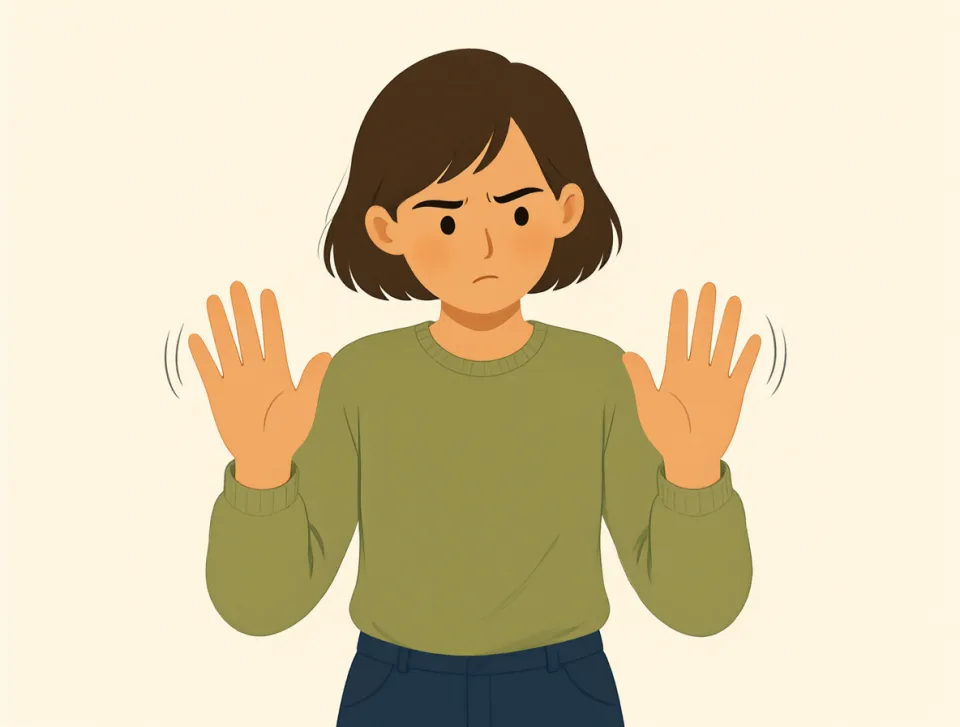
deny
#1429verb
انکار کردن
to say that something is not true or that you did not do it
گفتن اینکه چیزی حقیقت ندارد یا شما آن را انجام ندادهاید.

He denied taking the money from my desk.
او انکار کرد که پول را از میزم برداشته است.
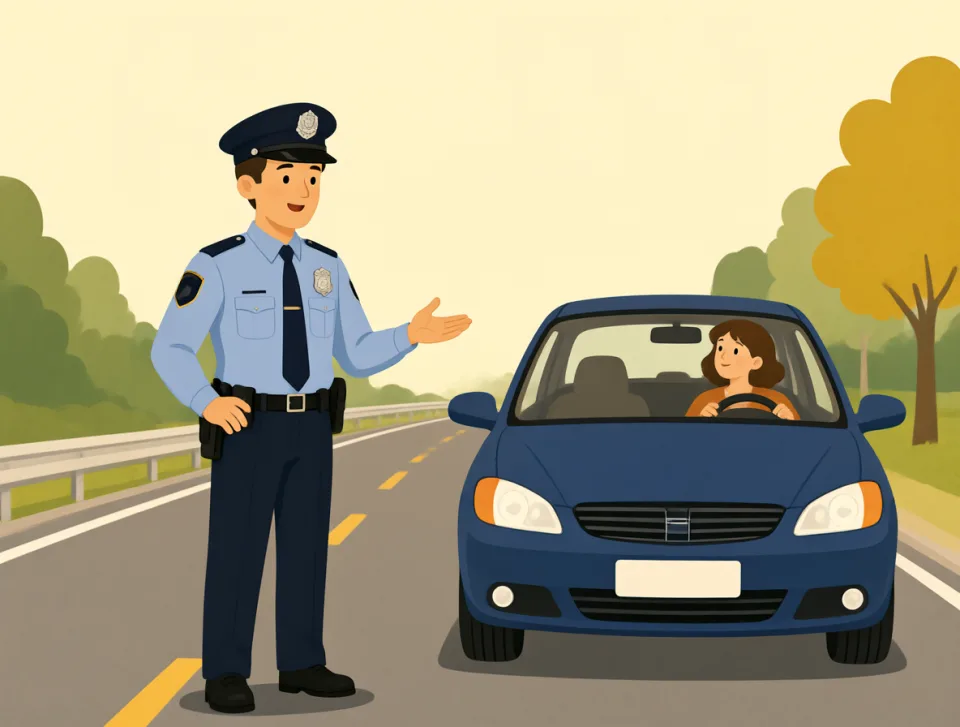
The driver denied speeding when the police stopped him.
وقتی پلیس راننده را متوقف کرد، او انکار کرد که با سرعت غیرمجاز رانندگی کرده است.

She denied that she was feeling sick.
او انکار کرد که حالش بد بوده است.
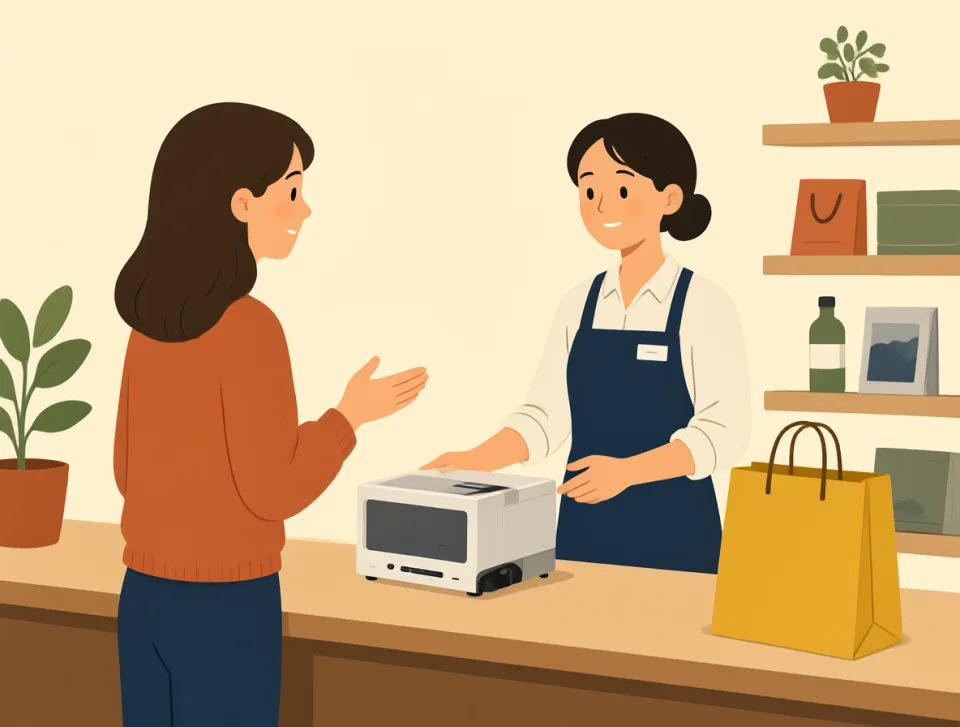
The shop denied my request for a refund.
فروشگاه درخواست من برای پسگرفتن پول را نپذیرفت.
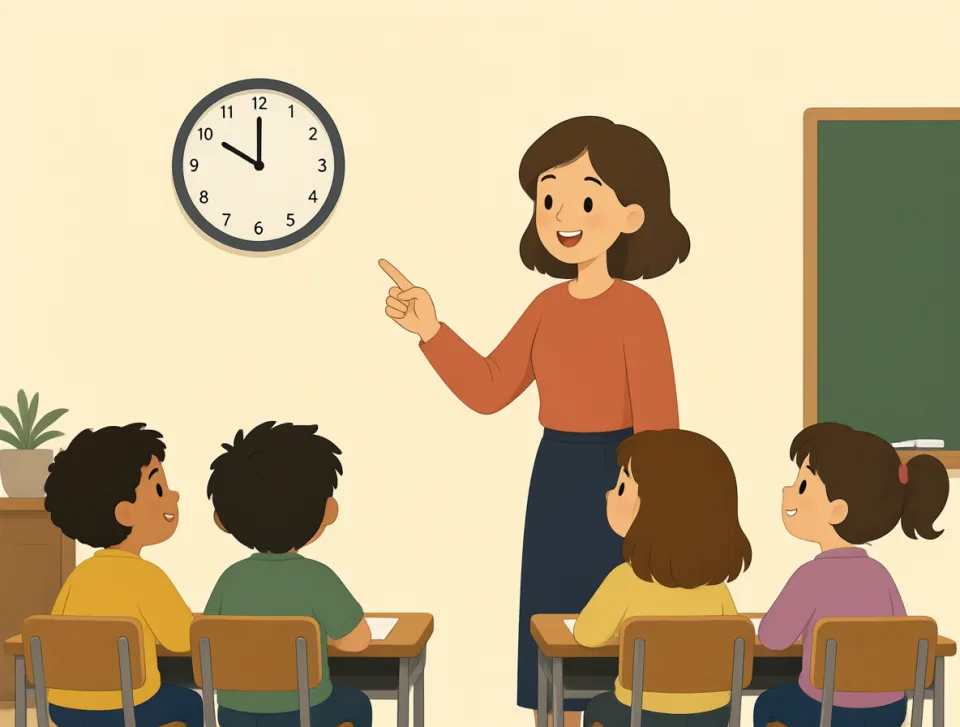
The teacher denied the students extra time for the test.
معلم به دانشآموزان برای آزمون وقت اضافه نداد.
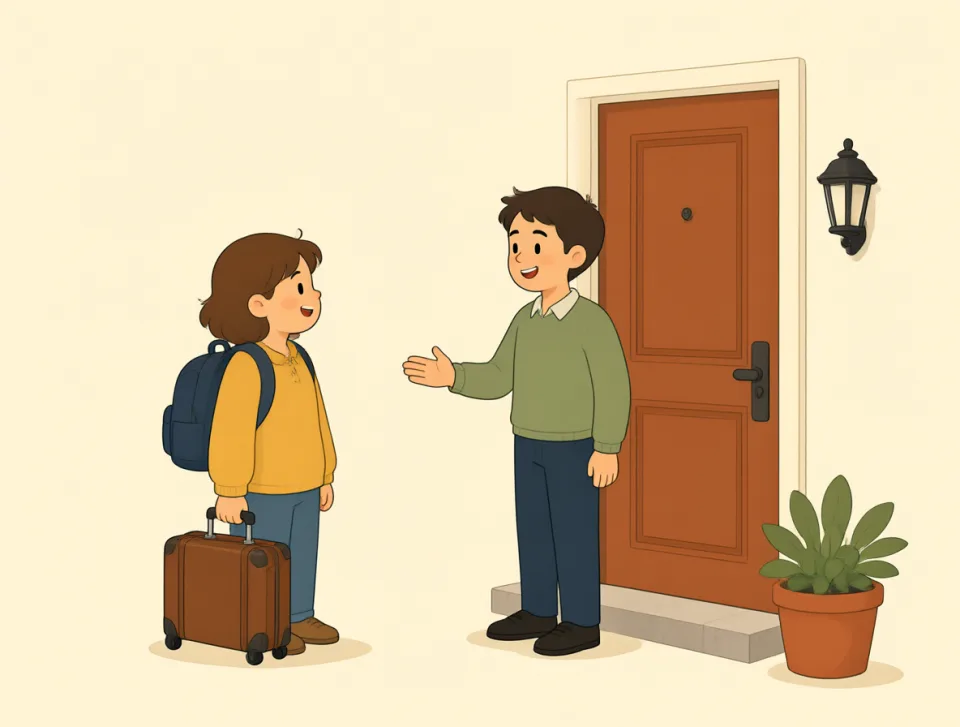
guest
#1430noun, verb
مهمان
A guest is someone invited to visit, stay, eat, or attend an event.
مهمان کسی است که برای دیدار، اقامت، صرف غذا یا شرکت در رویدادی دعوت شده است.
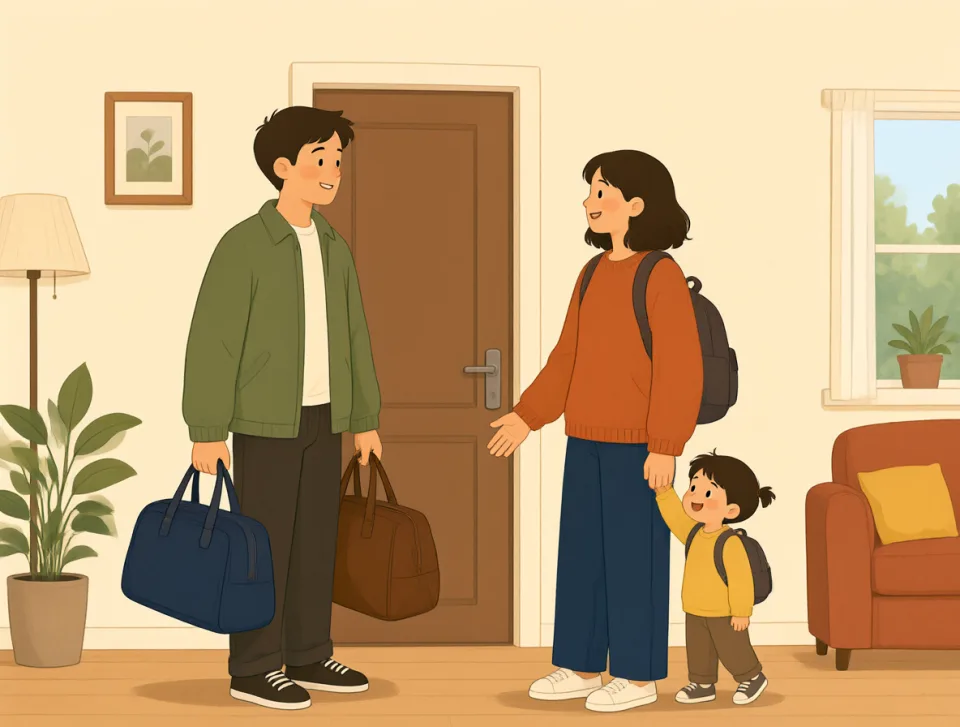
We have two guests staying with us this weekend.
این آخر هفته دو مهمان پیش ما میمانند.

The hotel guest asked for a quieter room.
مهمان هتل اتاق آرامتری خواست.

Please make our guest comfortable while I prepare dinner.
لطفاً تا وقتی شام را آماده میکنم، کاری کن مهمانمان راحت باشد.
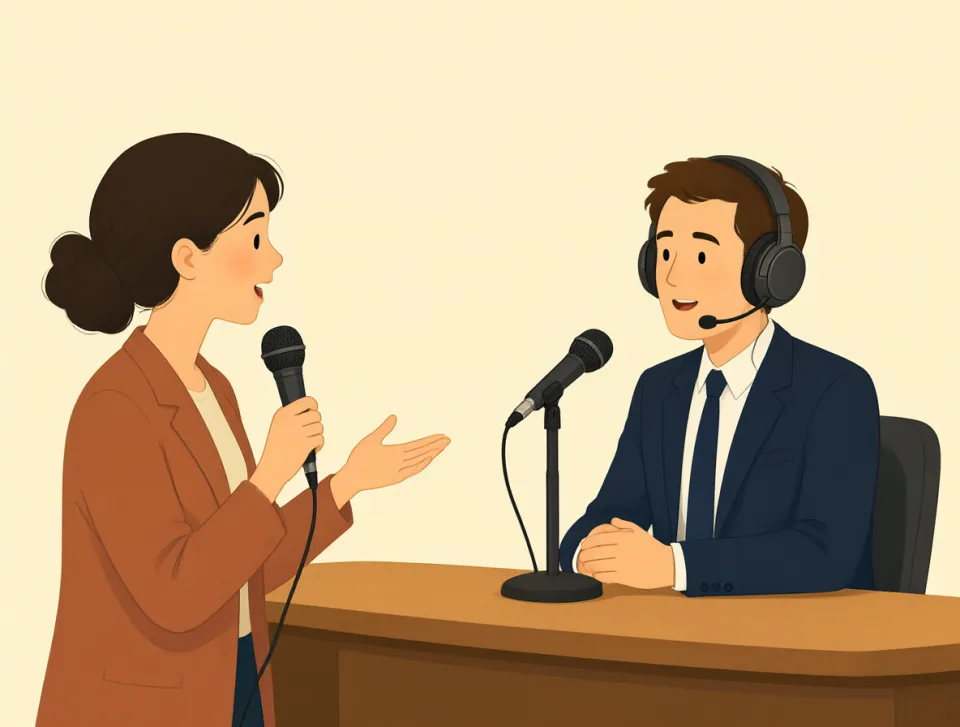
She was a guest on a popular radio show yesterday.
او دیروز مهمان یک برنامهٔ رادیویی پرطرفدار بود.
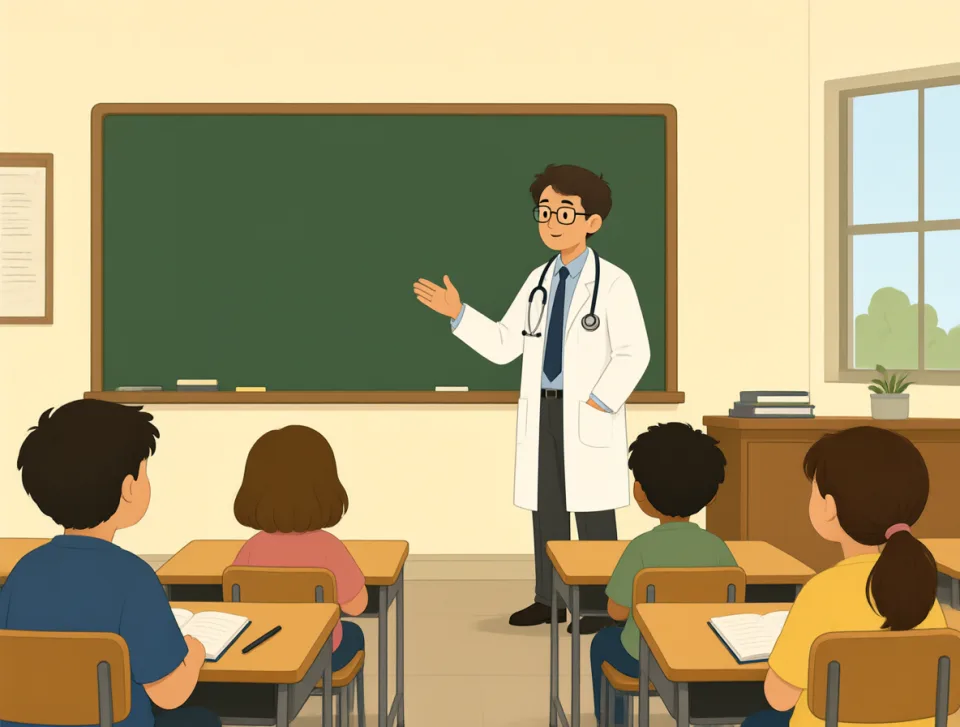
The doctor invited him to guest teach the medical class.
پزشک از او دعوت کرد که بهعنوان مدرس مهمان در کلاس پزشکی تدریس کند.
anybody
#1431pronoun, determiner
هرکسی
any person at all, or any person in a particular group
هر شخصی، یا هر فردی در یک گروه مشخص
Does anybody know where I left my keys?
کسی میدونه کلیدم رو کجا گذاشتم؟

I do not think anybody is home right now.
فکر نمیکنم الان کسی خونه باشه.
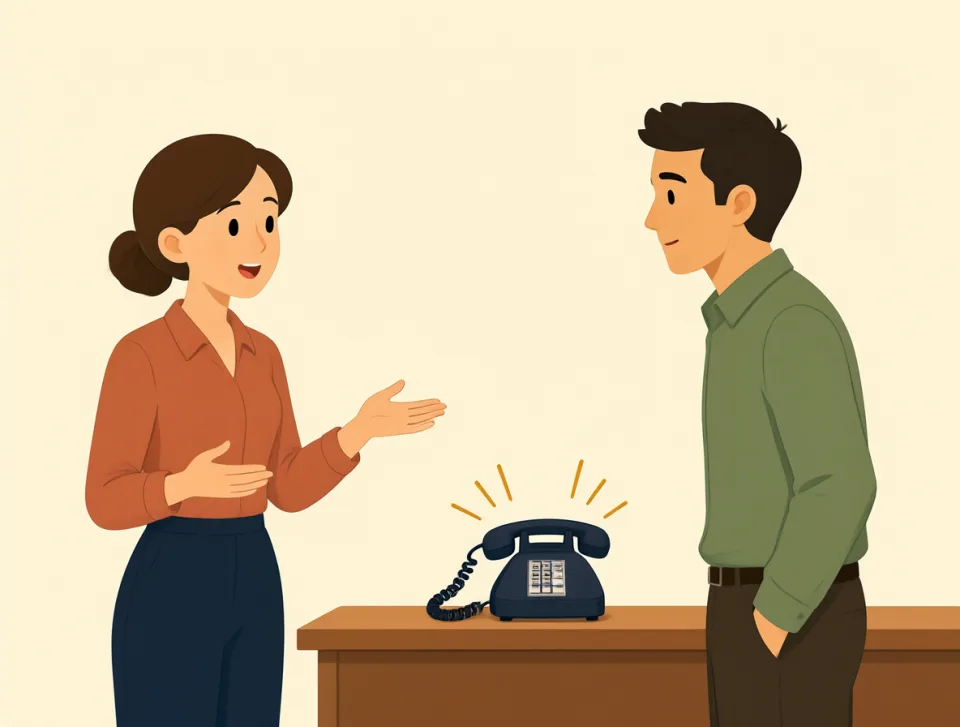
If anybody calls, please tell them I am at work.
اگه کسی زنگ زد، لطفاً بهش بگو سر کارم.
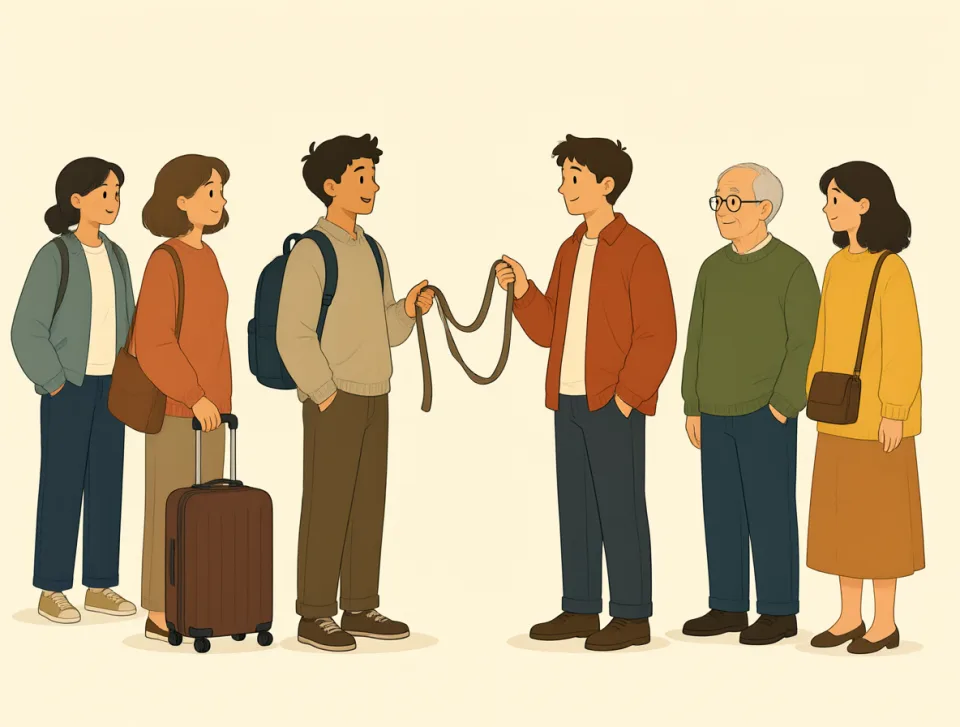
Has anybody seen my bag at the airport?
کسی کیفم رو توی فرودگاه دیده؟
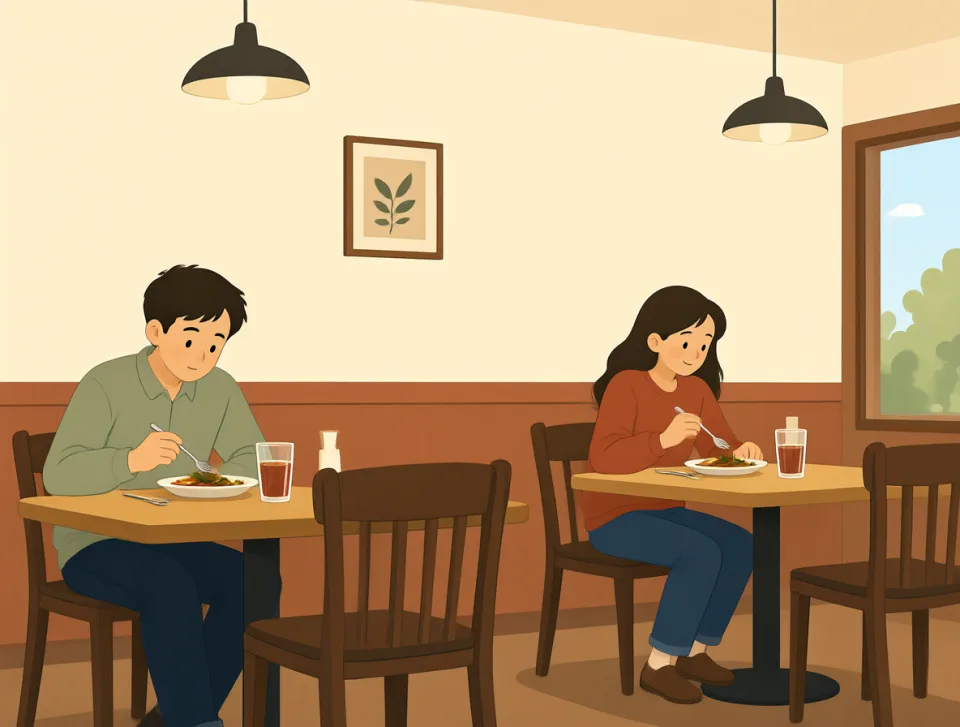
There was hardly anybody in the restaurant at lunchtime.
وقت ناهار تقریباً کسی توی رستوران نبود.

bedroom
#1432noun
اتاقخواب
A room in a home where people sleep.
اتاقی در خانه که افراد در آن میخوابند.
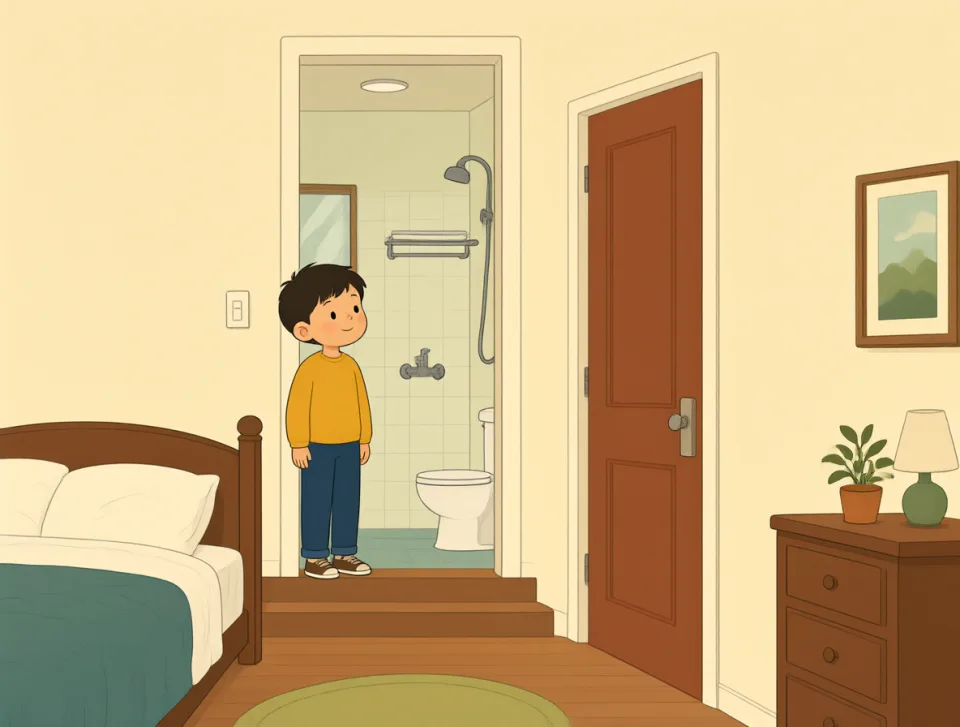
My bedroom is upstairs next to the bathroom.
اتاقخوابم طبقهٔ بالاست، کنار حمام.
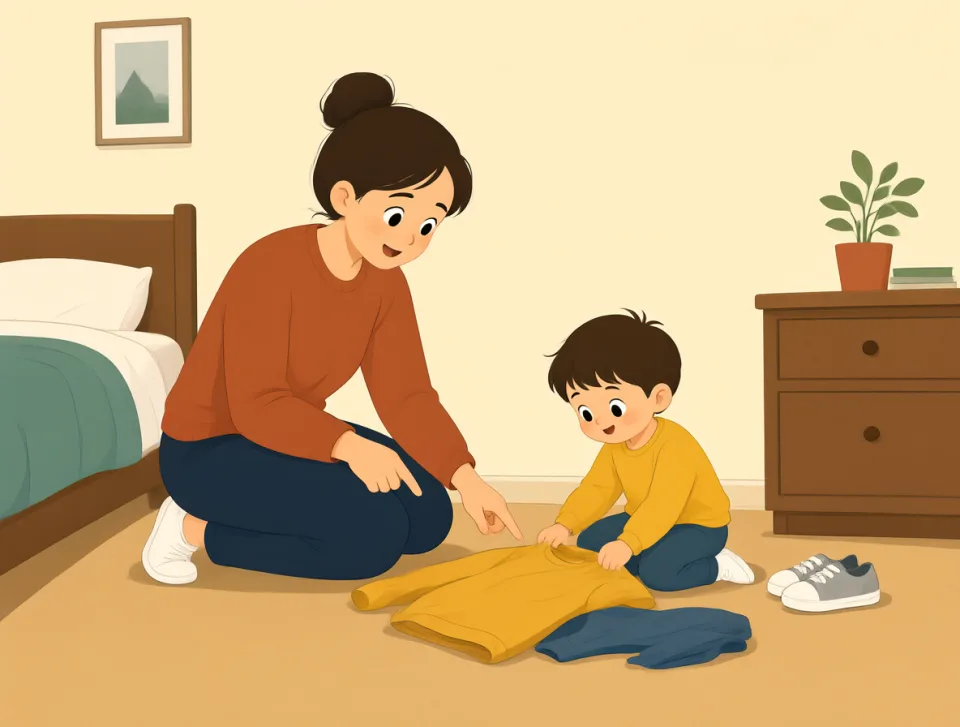
Please tidy your bedroom before our guests arrive.
لطفاً قبل از رسیدن مهمانها اتاقخوابت رو مرتب کن.

The hotel gave us a bedroom with a beautiful view.
هتل اتاقخوابی با منظرهای زیبا به ما داد.
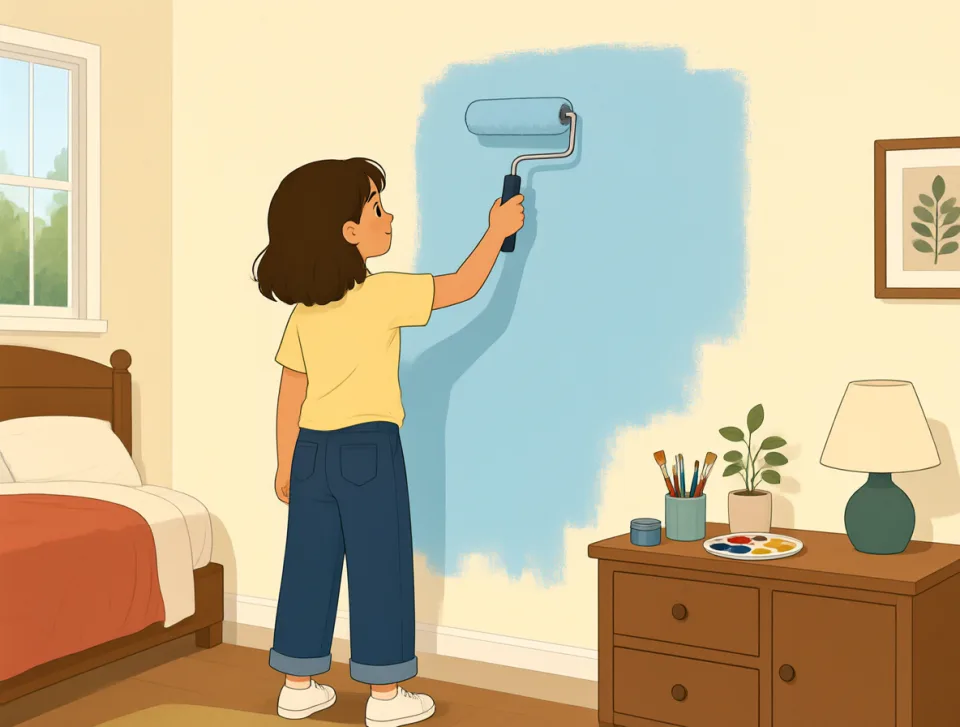
She painted her bedroom walls light blue last weekend.
او آخر هفتهٔ گذشته دیوارهای اتاقخوابش را آبی روشن رنگ کرد.
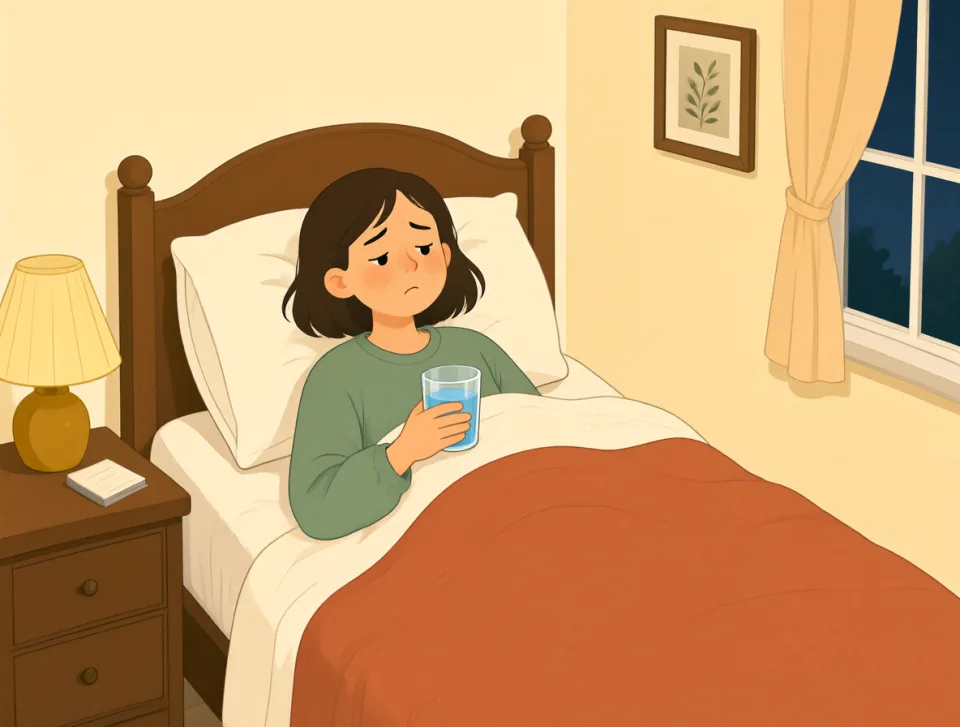
He stayed in his bedroom because he felt sick.
او چون حالش بد بود، در اتاقخوابش ماند.
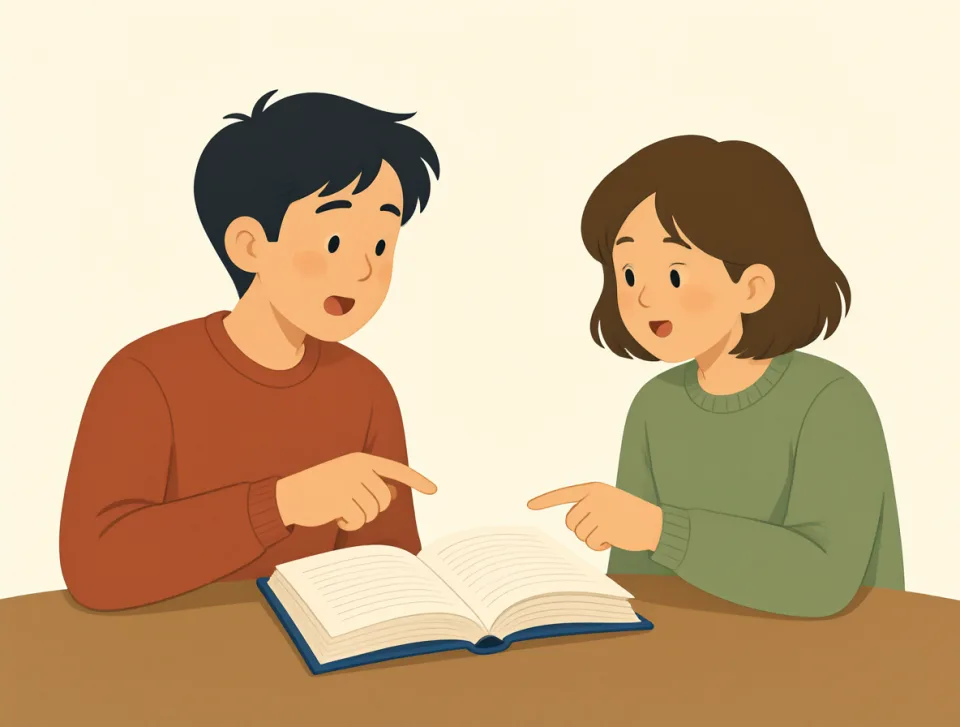
quote
#1433noun, verb
نقلقول
Words repeated from someone else, or the act of repeating those words.
کلماتی که از شخص دیگری نقل میشوند، یا عملِ تکرار کردن آن کلمات.
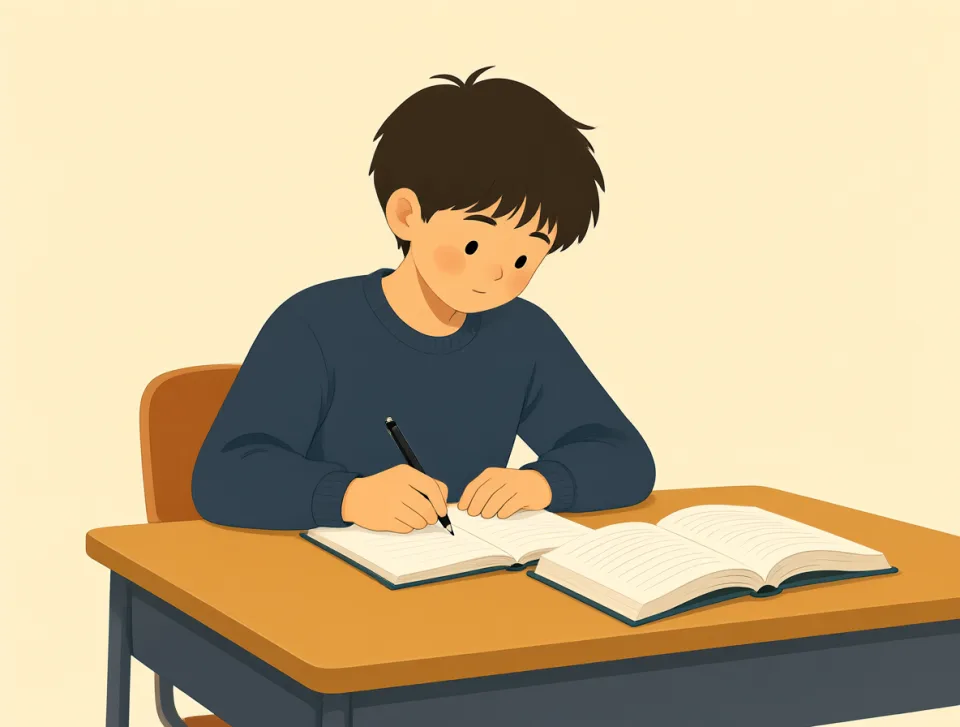
She used a famous quote in her school essay.
او در انشای مدرسهاش از یک نقلقول معروف استفاده کرد.

Can you give me a quote for repairing my car?
میتونی برای تعمیر ماشینم یه قیمت بهم بدی؟

The newspaper quoted the doctor about the health problem.
روزنامه حرفهای دکتر را دربارهٔ مشکل سلامتی نقل کرد.

He quoted a lower price when I asked for a discount.
وقتی درخواست تخفیف کردم، او قیمت پایینتری گفت.

My friend keeps quoting funny lines from that movie.
دوستم مدام جملههای خندهدار آن فیلم را نقل میکند.
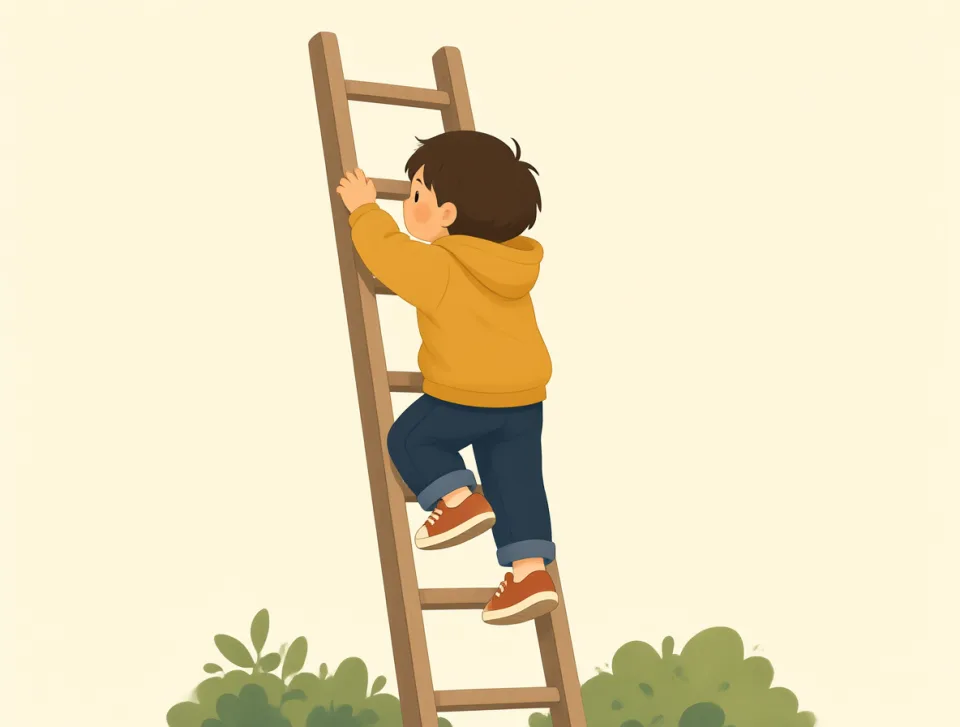
climb
#1434verb, noun
بالا رفتن
To move up something, or to go higher from a lower place.
از چیزی بالا رفتن یا از جایی پایینتر به نقطهای بالاتر رفتن.
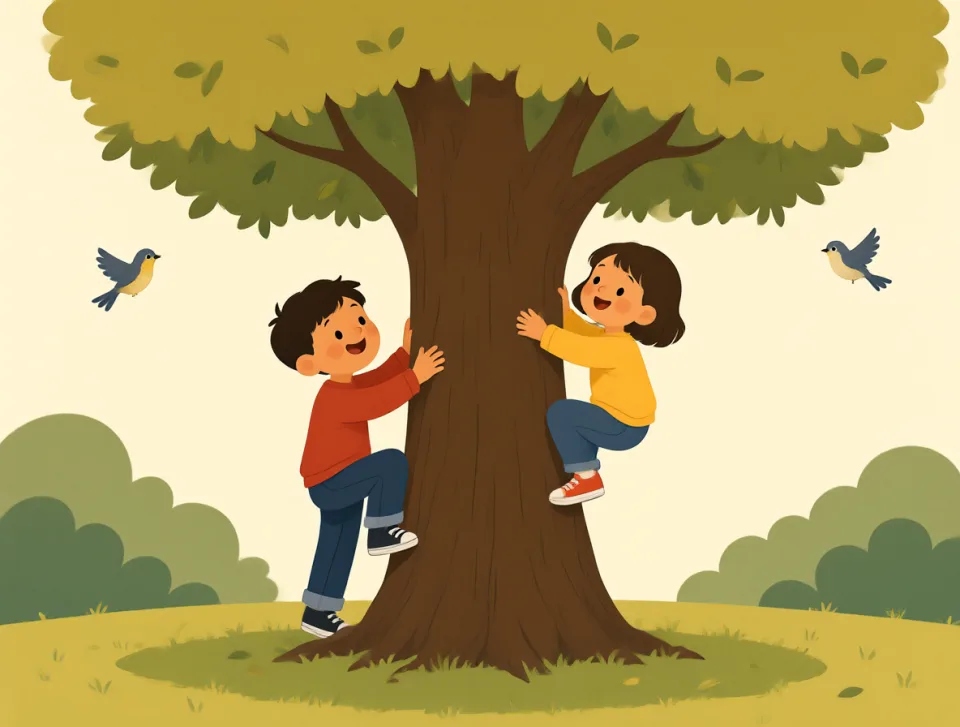
The children climbed the tree to look for birds.
بچهها برای پیدا کردن پرندهها از درخت بالا رفتند.
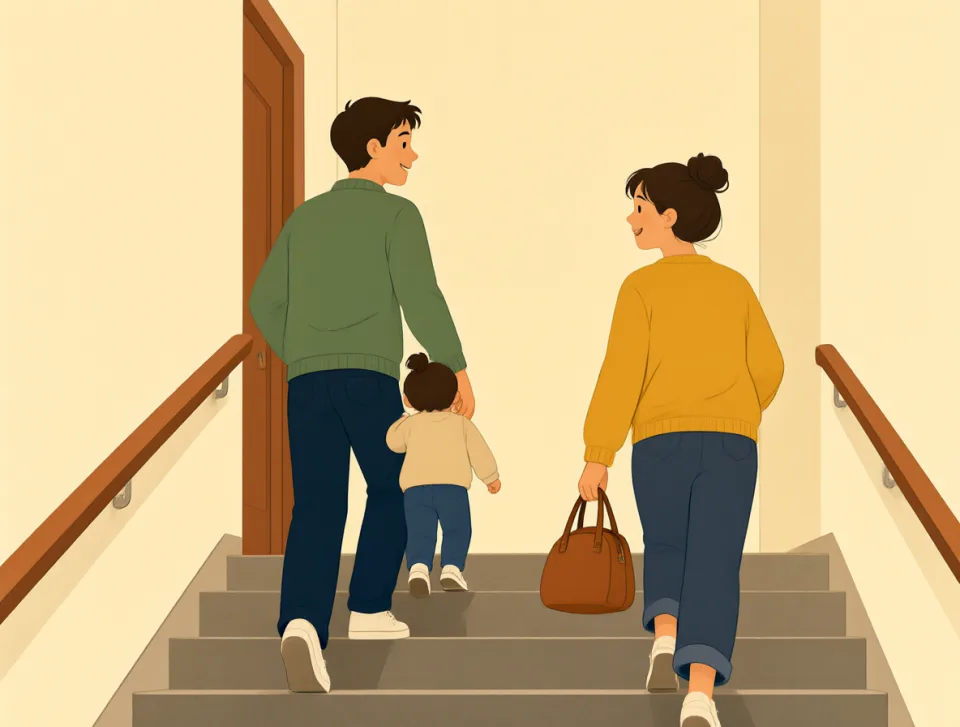
We climbed the stairs to reach the apartment.
از پلهها بالا رفتیم تا به آپارتمان برسیم.

The climber reached the top of the mountain before sunset.
کوهنورد پیش از غروب آفتاب به قلهٔ کوه رسید.
House prices have climbed quickly in our town this year.
قیمت خانهها امسال در شهر ما بهسرعت بالا رفته است.
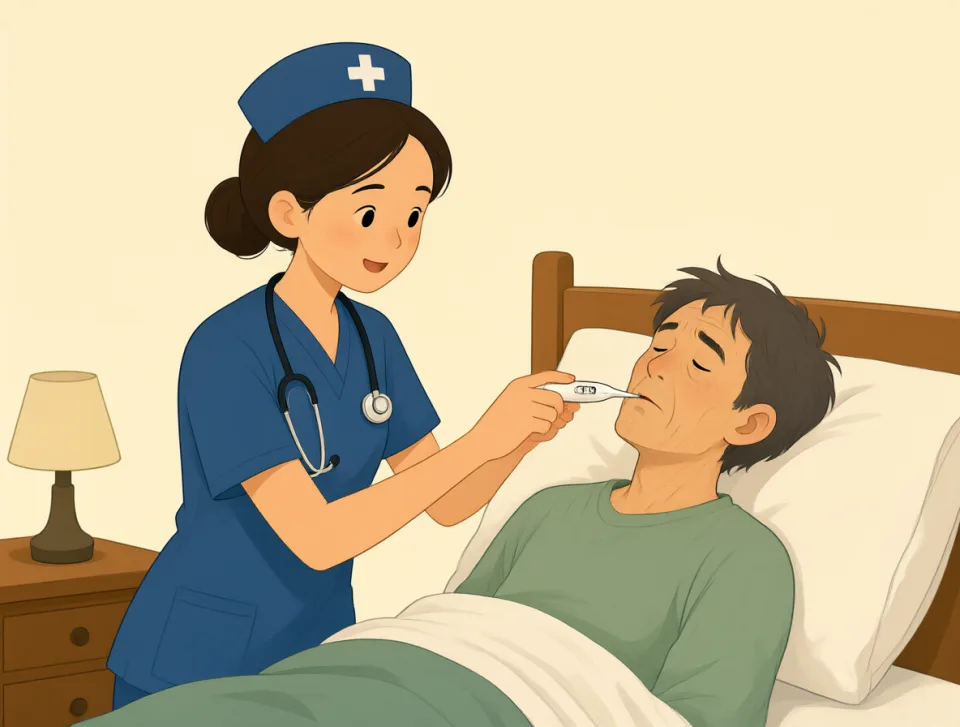
The nurse checked my temperature as my fever climbed.
پرستار همزمان با بالا رفتن تبم، دمای بدنم را اندازه گرفت.

basically
#1435adverb
در اصل
used to say what is most important or true in a simple way
برای بیان سادهٔ مهمترین یا واقعیترین بخشِ چیزی به کار میرود.
Basically, we need more time to finish the project.
در اصل، برای تمام کردن پروژه به زمان بیشتری نیاز داریم.

The job is basically answering emails and helping customers.
این شغل در اصل پاسخ دادن به ایمیلها و کمک به مشتریهاست.

I basically stayed home and watched movies all weekend.
در اصل تمام آخر هفته را خانه ماندم و فیلم تماشا کردم.
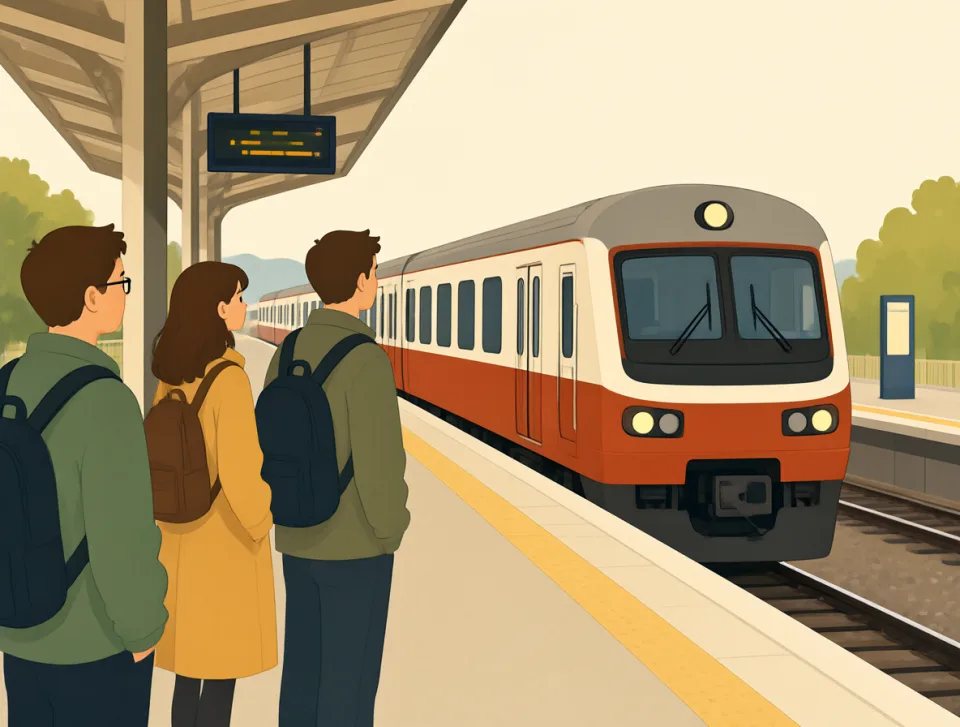
Basically, the train leaves every hour from this station.
در اصل، قطار هر ساعت از این ایستگاه حرکت میکند.
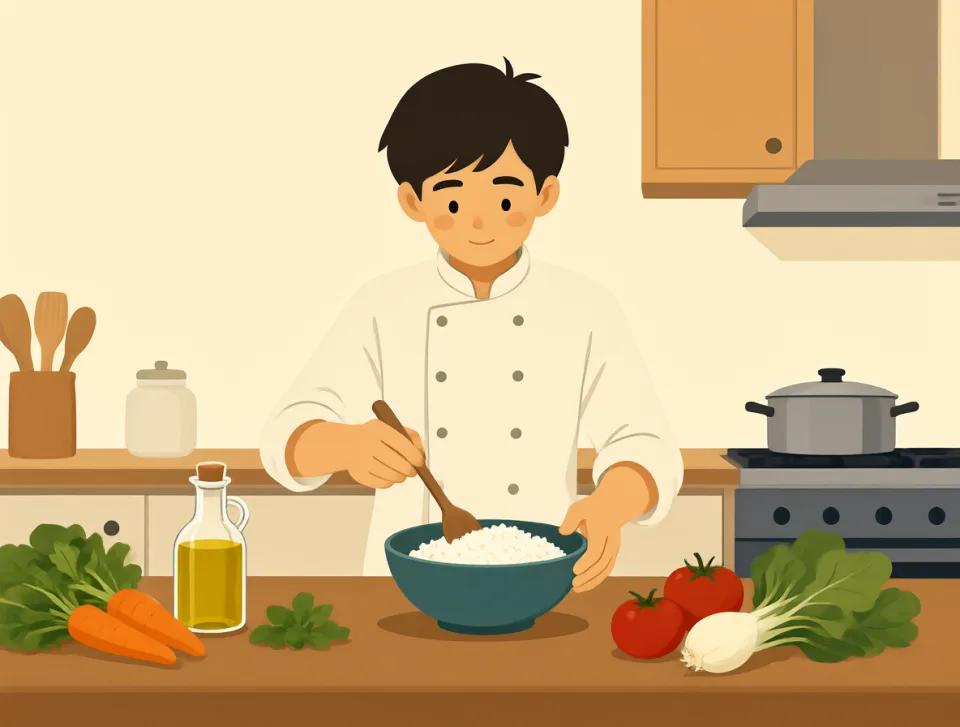
The recipe is basically vegetables, rice, and a little oil.
این دستور پخت در اصل شامل سبزیجات، برنج و کمی روغن است.
violence
#1436noun
خشونت
The use of physical force to hurt people or damage things.
استفاده از نیروی جسمانی برای آسیبزدن به افراد یا خرابکردن چیزها.
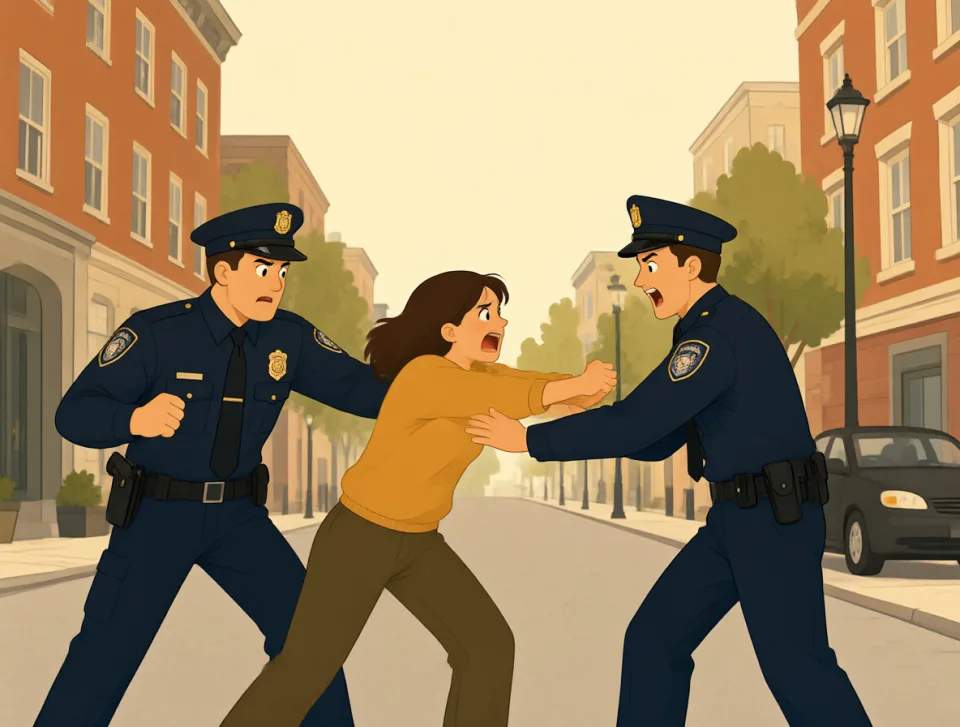
The police are working to reduce violence in the city.
پلیس برای کاهش خشونت در شهر تلاش میکند.
The family left their home because of violence nearby.
خانواده بهدلیل خشونتی که در نزدیکی خانهشان رخ میداد، آنجا را ترک کردند.
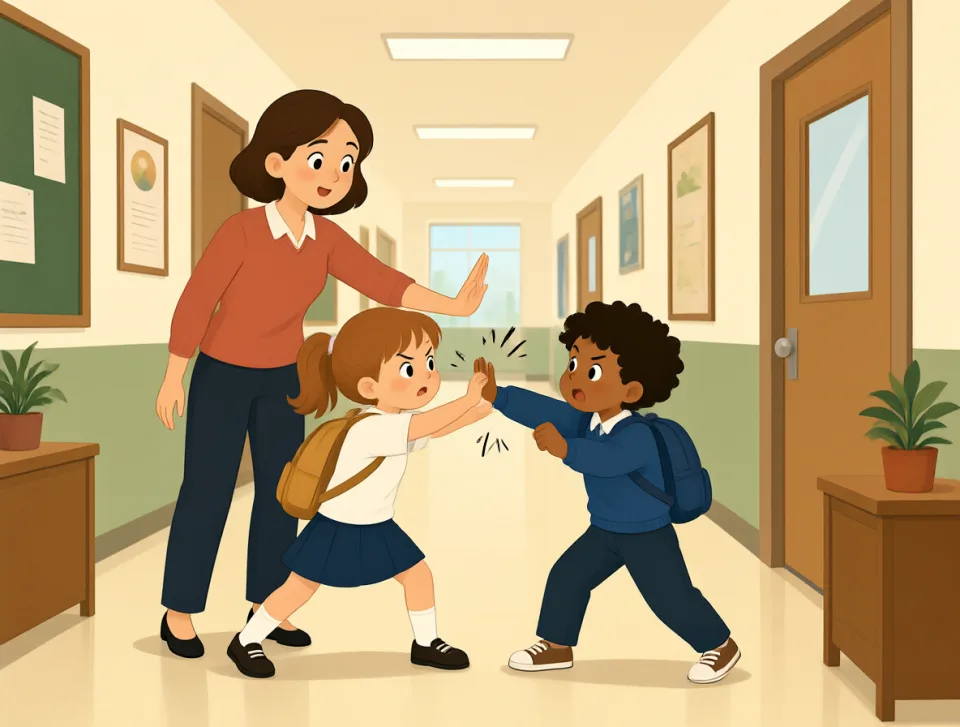
The school has strict rules against violence.
مدرسه قوانین سختگیرانهای علیه خشونت دارد.
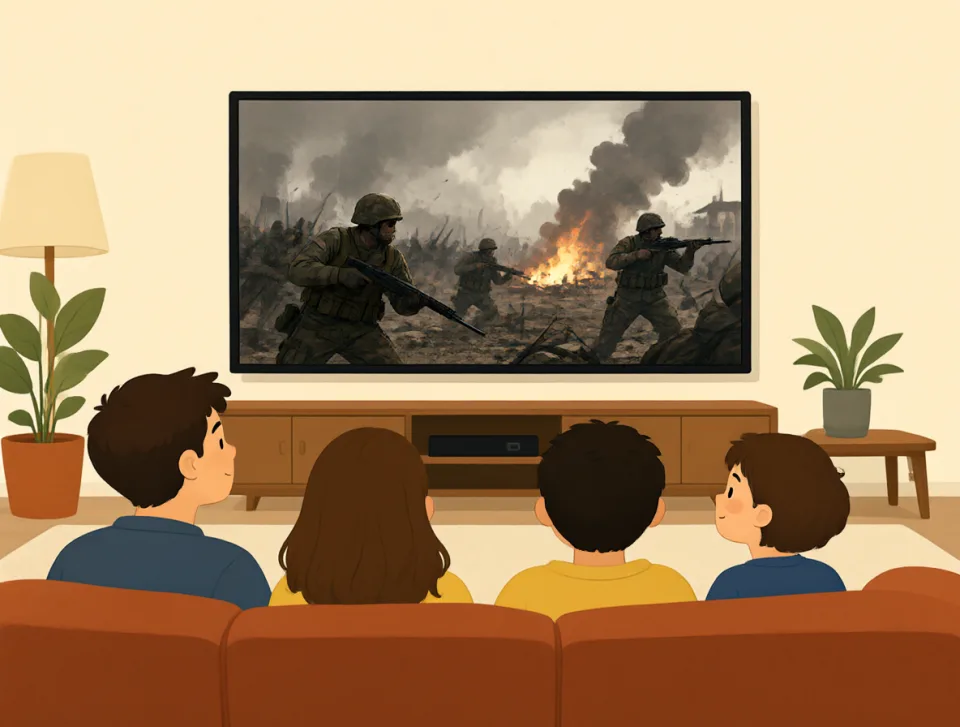
They watched a film about war and violence last night.
آنها دیشب فیلمی دربارهٔ جنگ و خشونت تماشا کردند.
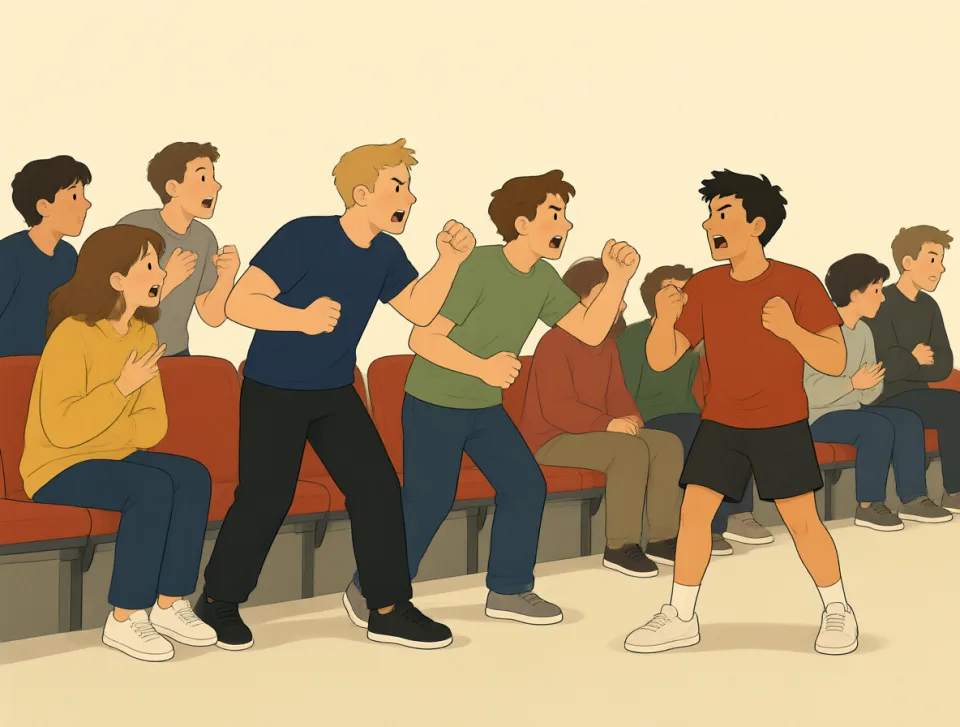
The match ended early after violence broke out among fans.
مسابقه بعد از شروع خشونت میان هواداران زودتر از موعد تمام شد.
minister
#1437noun, verb
وزیر
A government official, or to give careful attention to someone’s needs.
مقام دولتی، یا رسیدگی و توجه دقیق به نیازهای کسی.
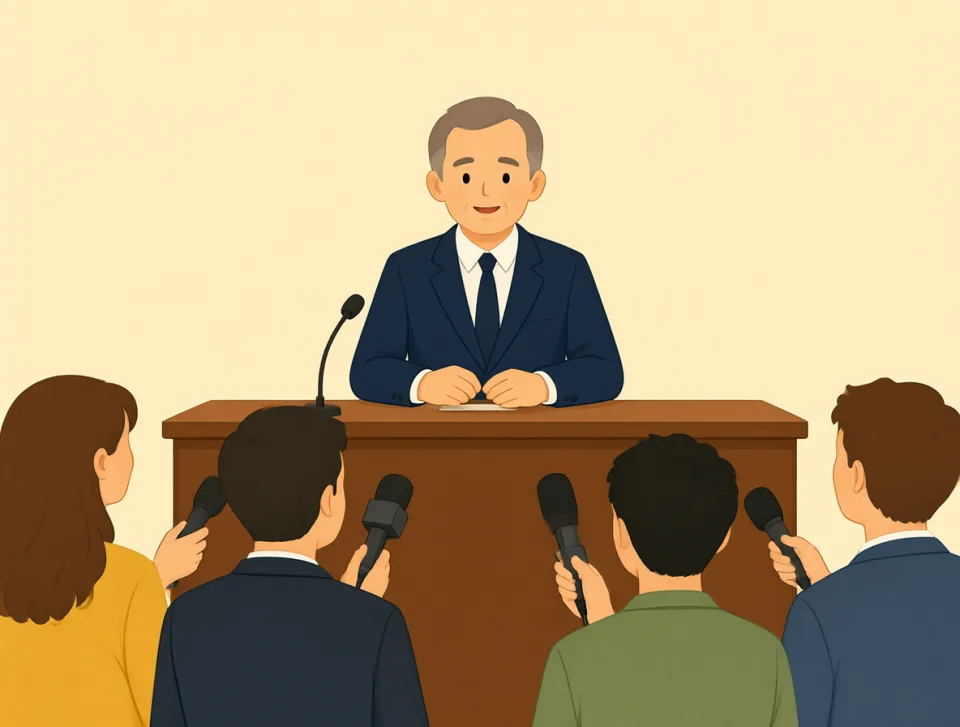
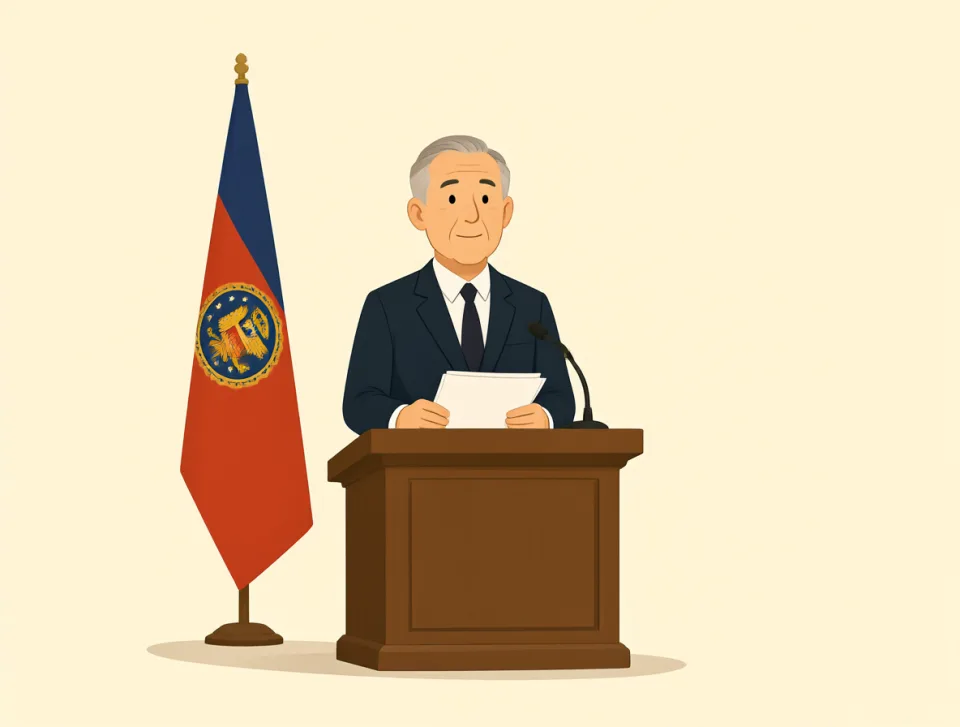
The minister announced new plans for local schools.
وزیر برنامههای تازهای برای مدارس محلی اعلام کرد.
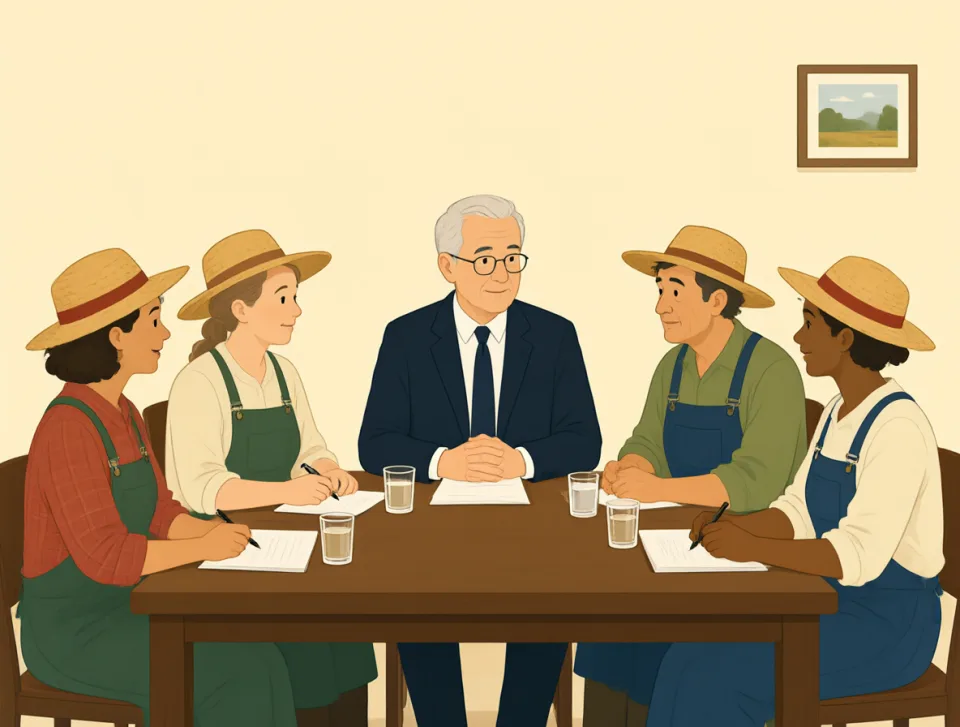
The minister met farmers to discuss rising food prices.
وزیر برای گفتوگو دربارهٔ افزایش قیمت مواد غذایی با کشاورزان دیدار کرد.
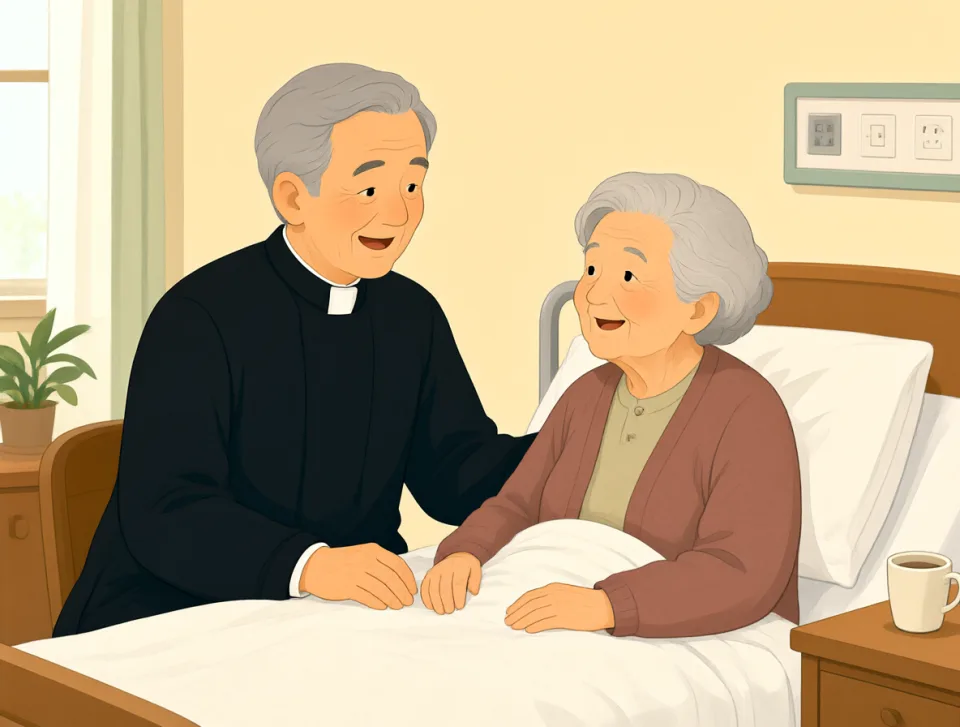
Our church minister visited my grandmother in hospital.
کشیش کلیسای ما در بیمارستان به دیدن مادربزرگم آمد.
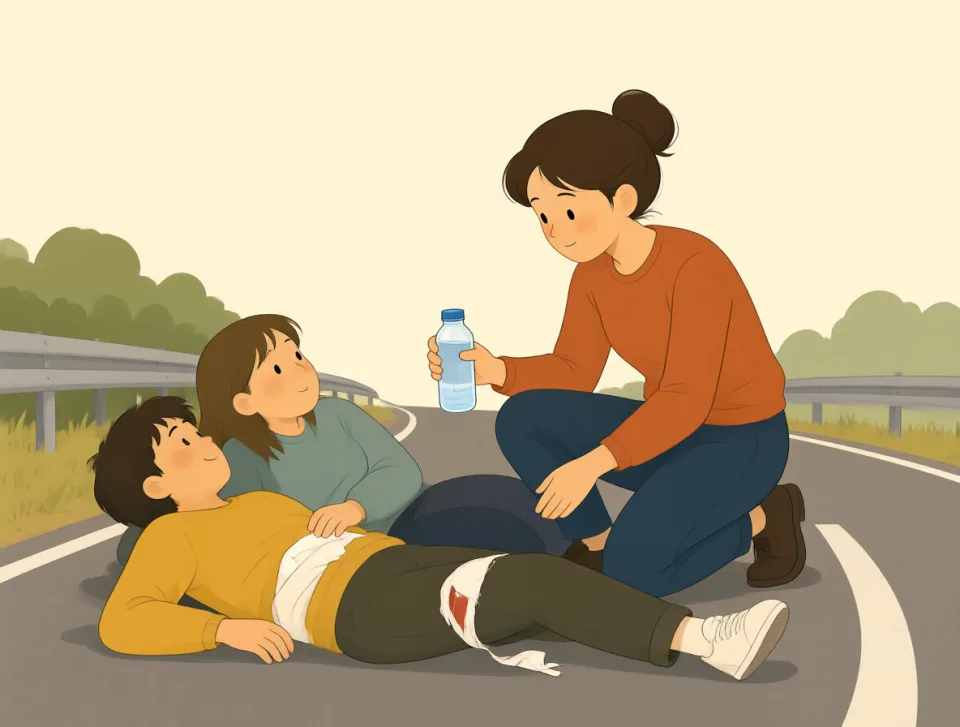
She ministered to the injured passengers after the accident.
او پس از تصادف به مسافران زخمی رسیدگی کرد.
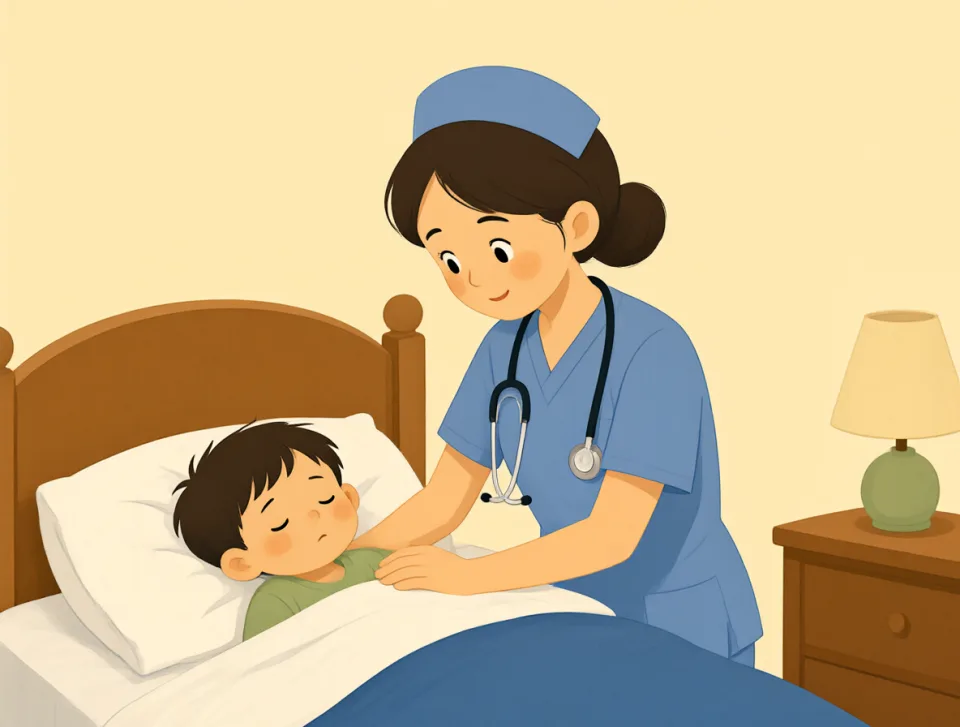
The nurse ministered to the sick child throughout the night.
پرستار تمام شب از کودک بیمار مراقبت کرد.
mainly
#1438adverb
عمدتاً
Mostly or usually, with only a small part coming from something else.
بیشتر یا معمولاً؛ بهطوریکه فقط بخش کوچکی از چیز دیگری باشد.
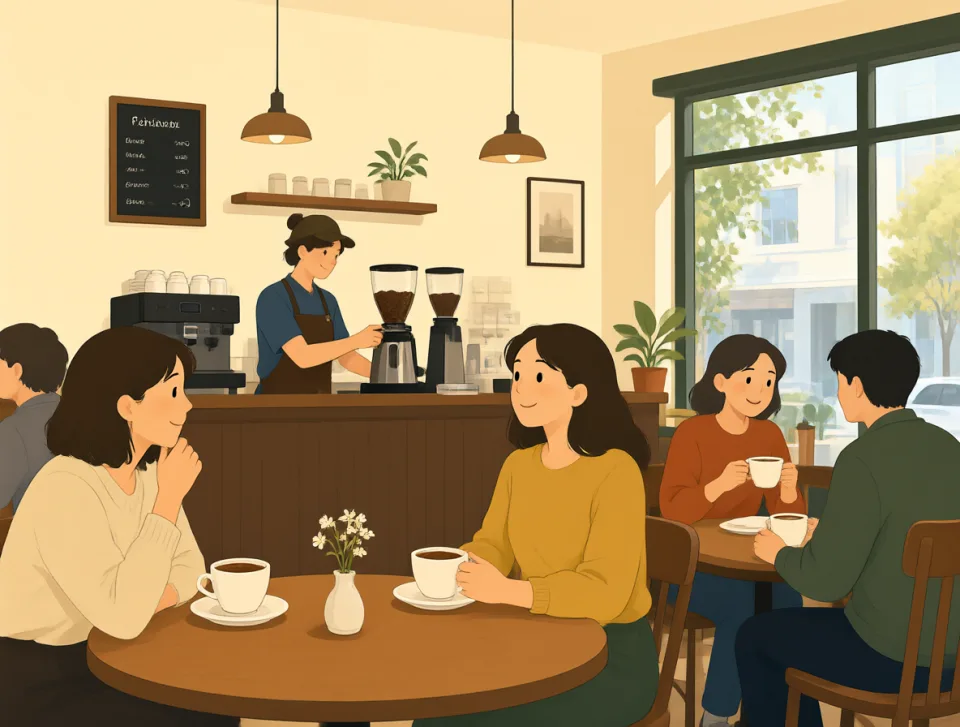
The cafe is mainly busy in the mornings.
کافه عمدتاً صبحها شلوغ است.

She mainly works from home during the week.
او در طول هفته بیشتر از خانه کار میکند.
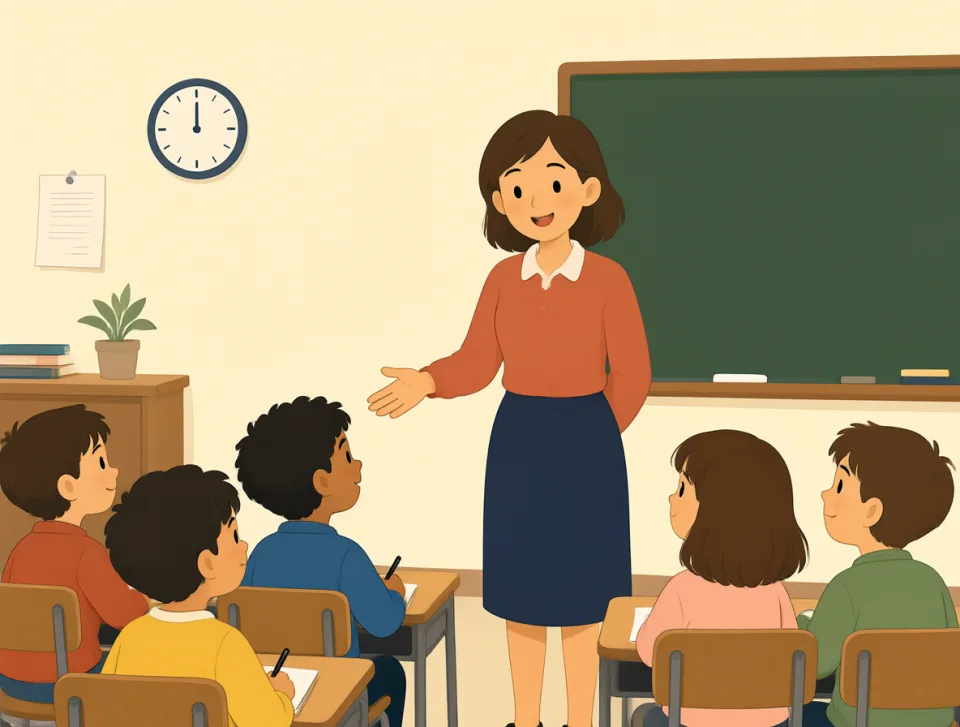
The class is made up mainly of new students.
بیشتر اعضای کلاس دانشآموزان جدید هستند.
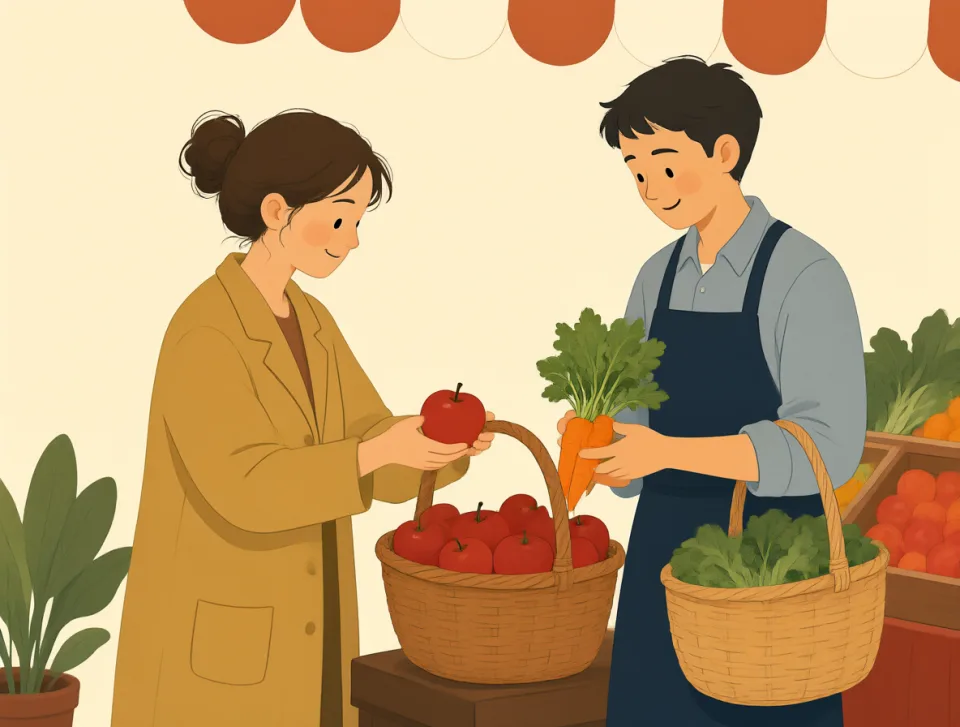
We bought mainly fruit and vegetables at the market.
در بازار بیشتر میوه و سبزیجات خریدیم.
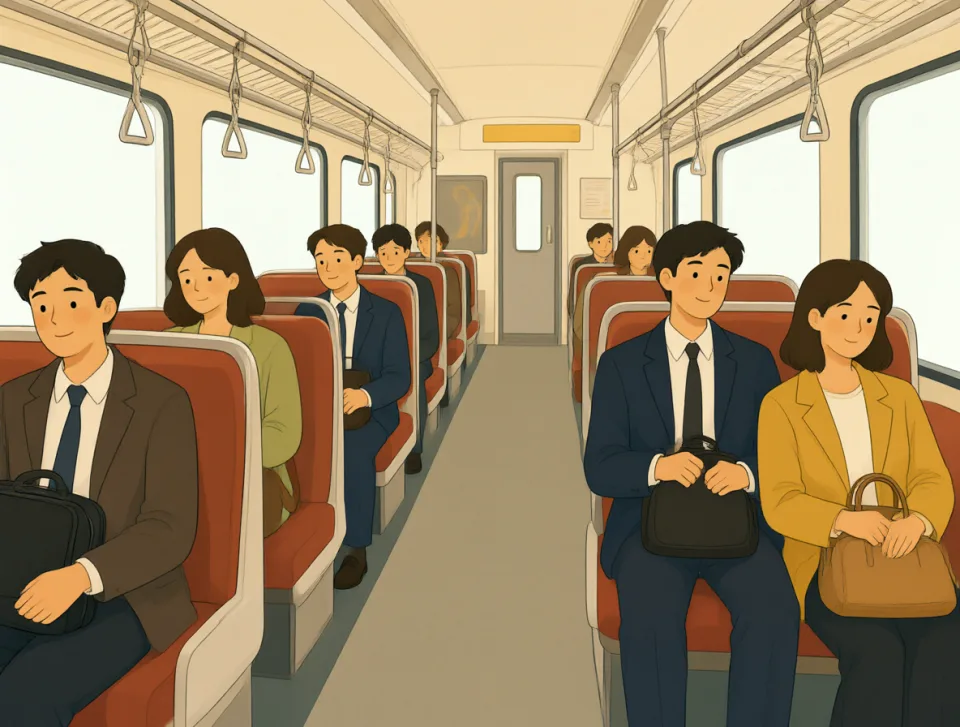
The train is used mainly by people traveling to work.
این قطار بیشتر برای رفتوآمد مردم به محل کار استفاده میشود.

mouth
#1439noun, verb
دهان
The opening in your face used for eating, speaking, and breathing.
دهانهای در صورت که برای خوردن، حرفزدن و نفسکشیدن استفاده میشود.
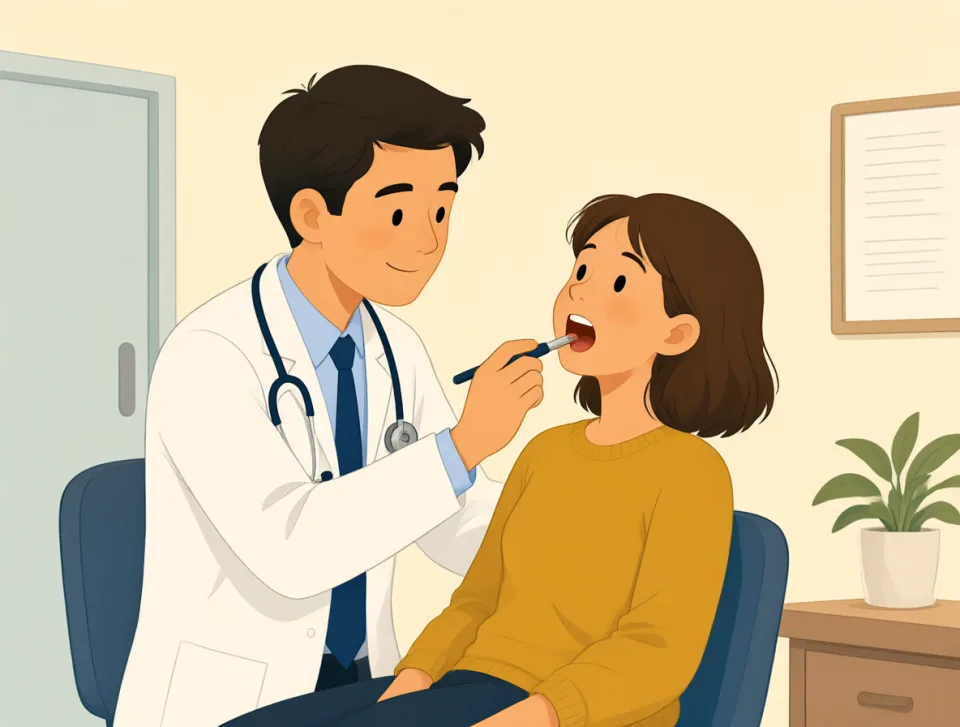
Please open your mouth and say your name.
لطفاً دهانتان را باز کنید و اسمتان را بگویید.
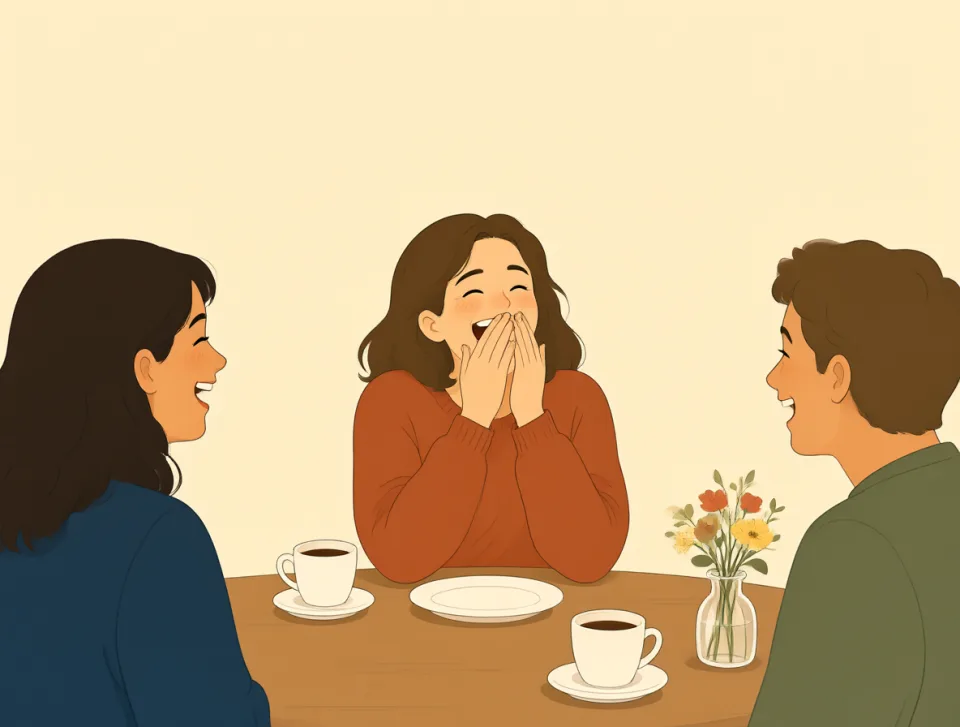
She covered her mouth when she started laughing.
وقتی خندهاش گرفت، دهانش را پوشاند.
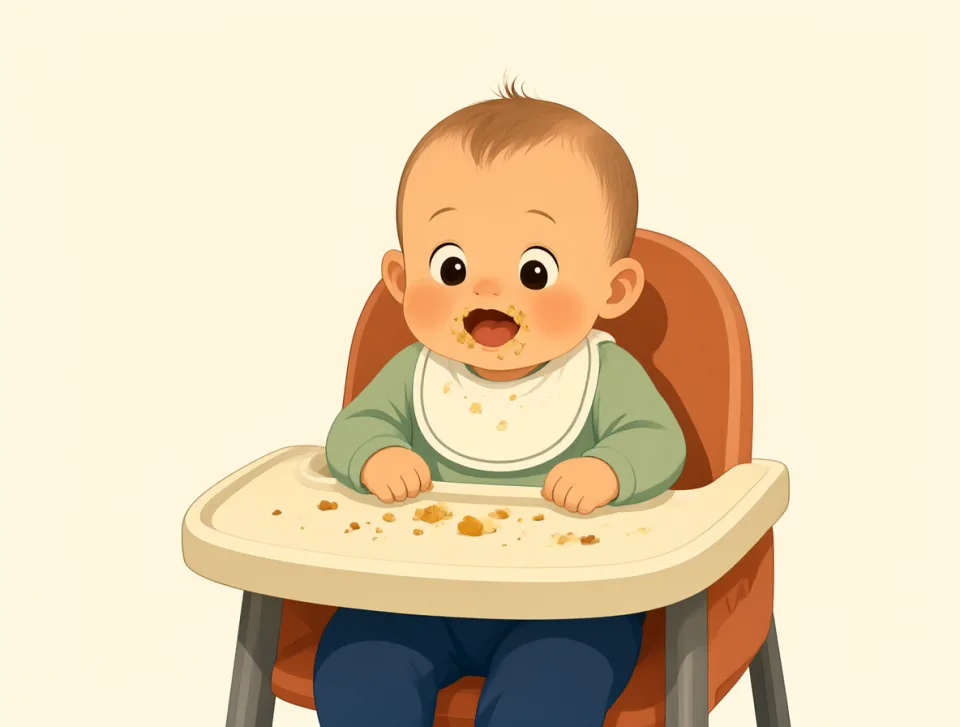
The baby had food around his mouth.
دور دهان نوزاد غذا بود.
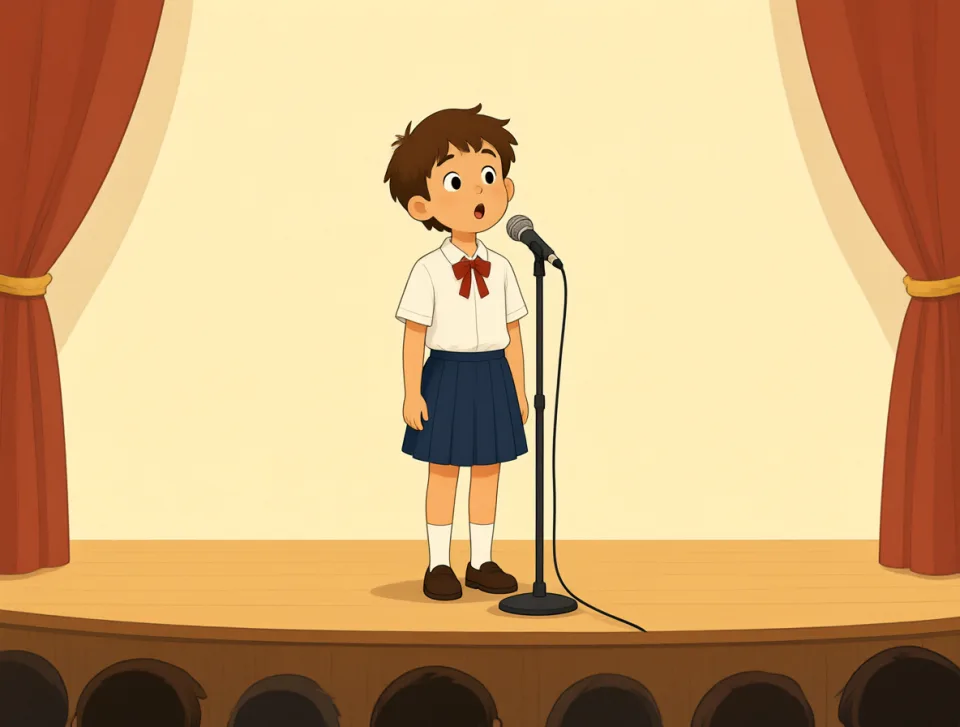
He mouthed the words during the school performance.
او هنگام اجرای مدرسه، کلمات را بیصدا با حرکت لبهایش ادا میکرد.
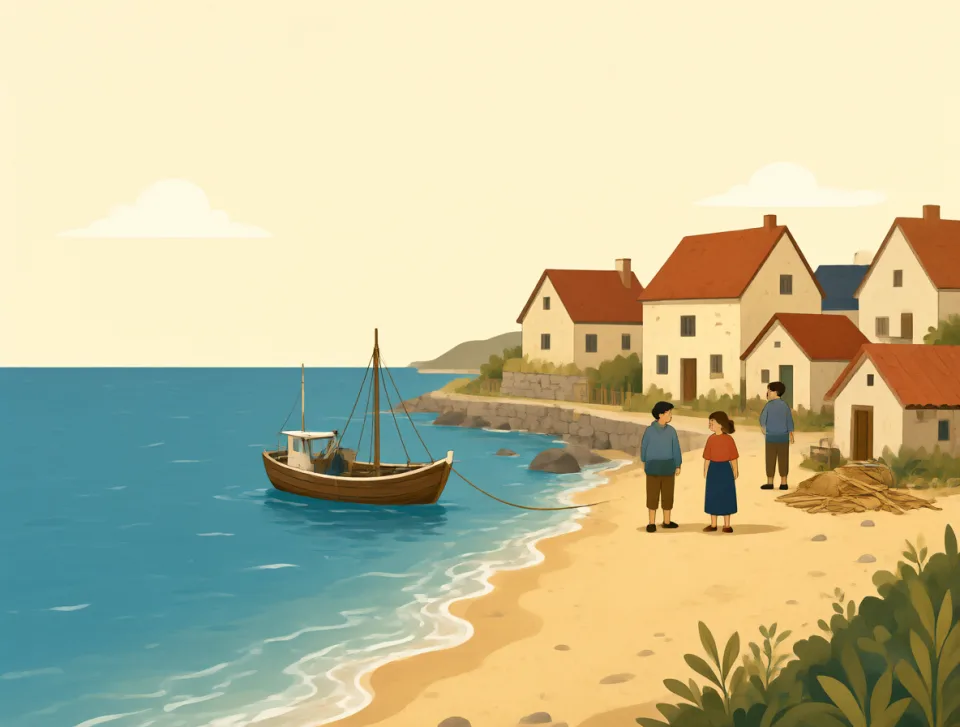
The river mouth was near the small fishing village.
دهانهٔ رودخانه نزدیک روستای کوچک ماهیگیری بود.
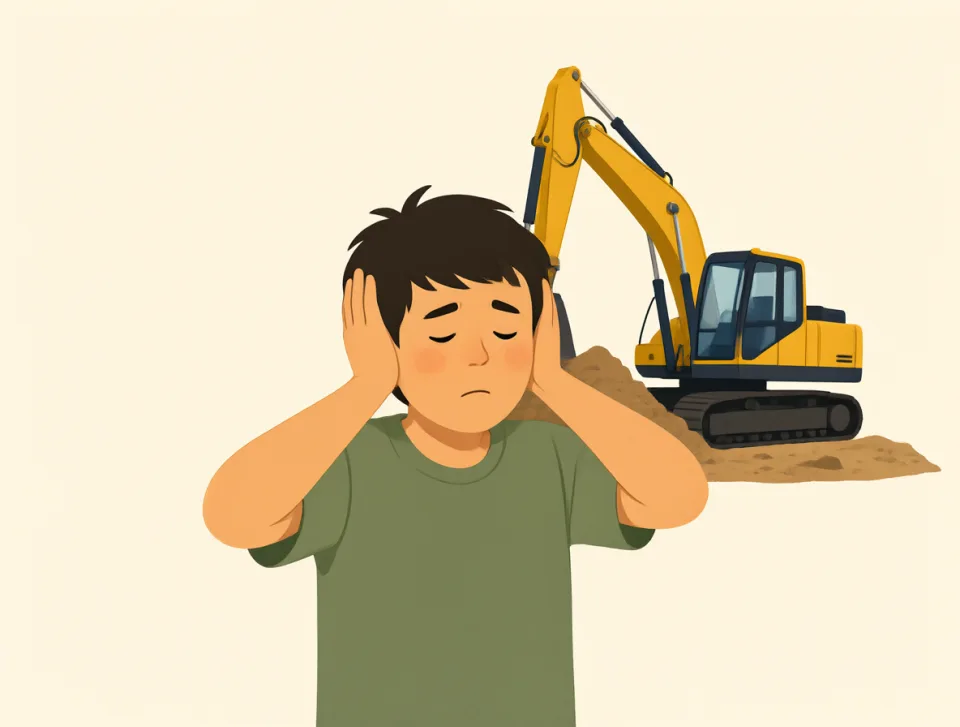
noise
#1440noun
سروصدا
A loud or unpleasant sound that makes it difficult to hear, think, or sleep.
صدای بلند یا ناخوشایندی که شنیدن، فکرکردن یا خوابیدن را دشوار میکند.
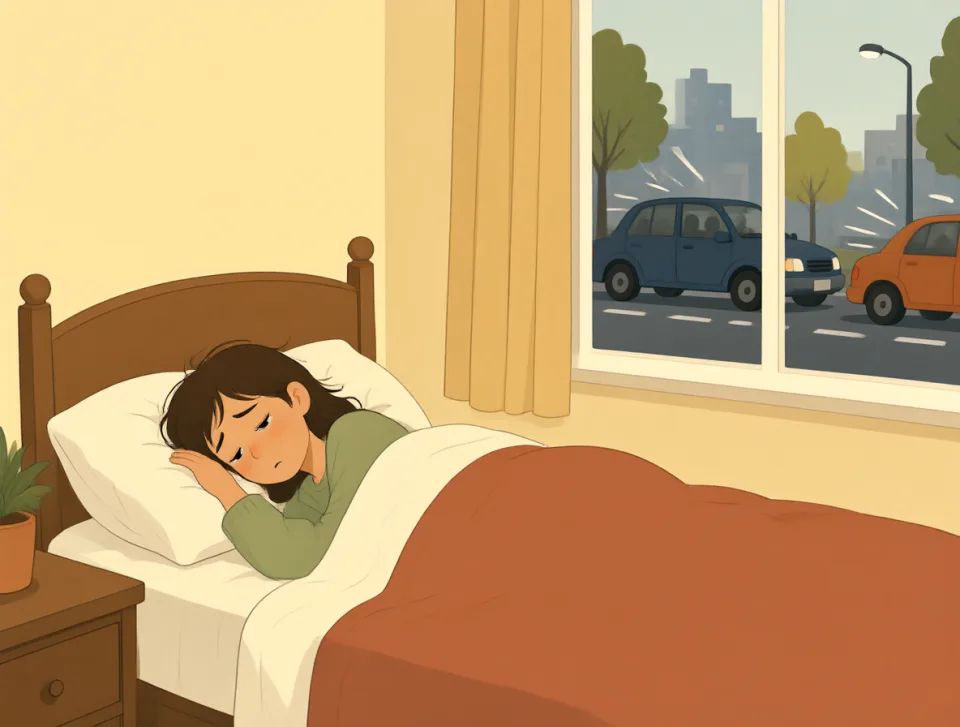
The traffic noise kept me awake last night.
صدای ترافیک دیشب نگذاشت بخوابم.
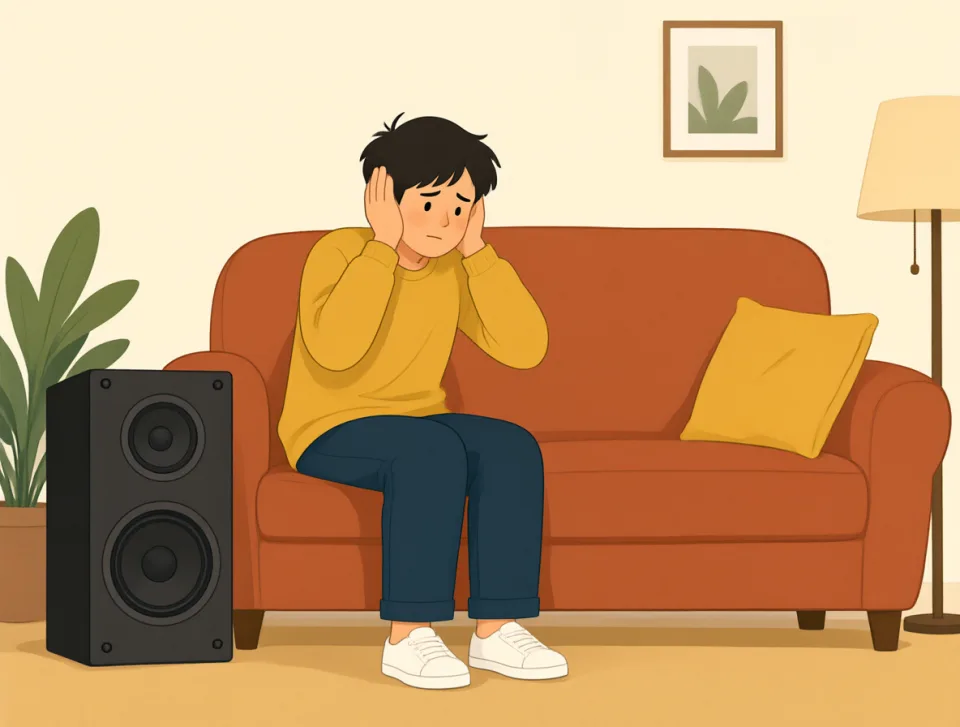
Please turn down the music; the noise is too loud.
لطفاً صدای موسیقی را کم کن؛ سروصدایش خیلی زیاد است.
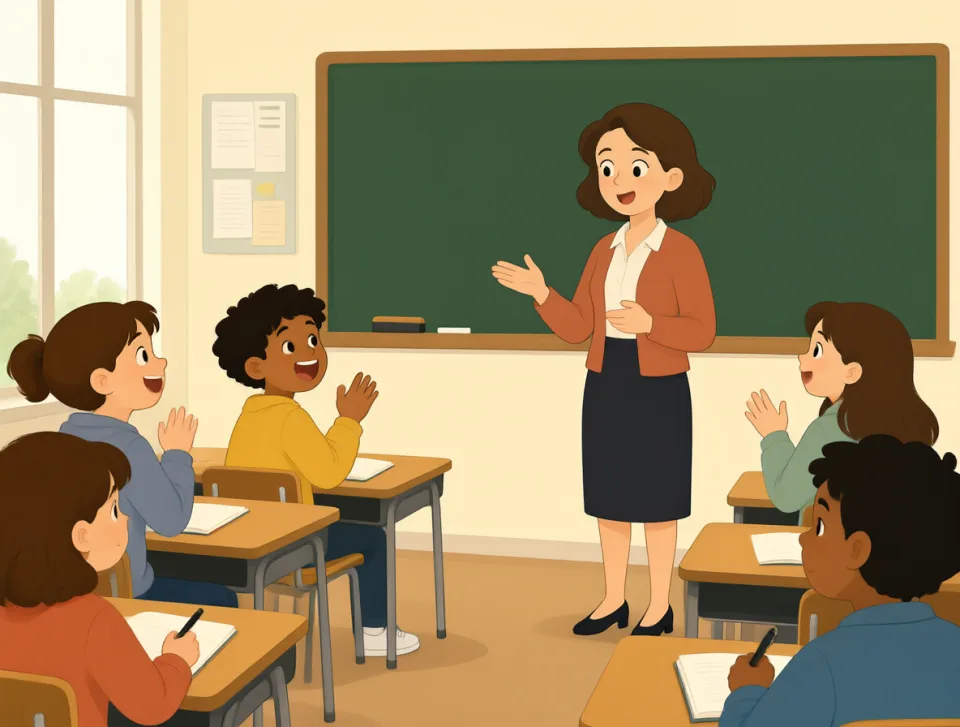
We could not hear the teacher because of the classroom noise.
بهخاطر سروصدای کلاس نمیتوانستیم صدای معلم را بشنویم.
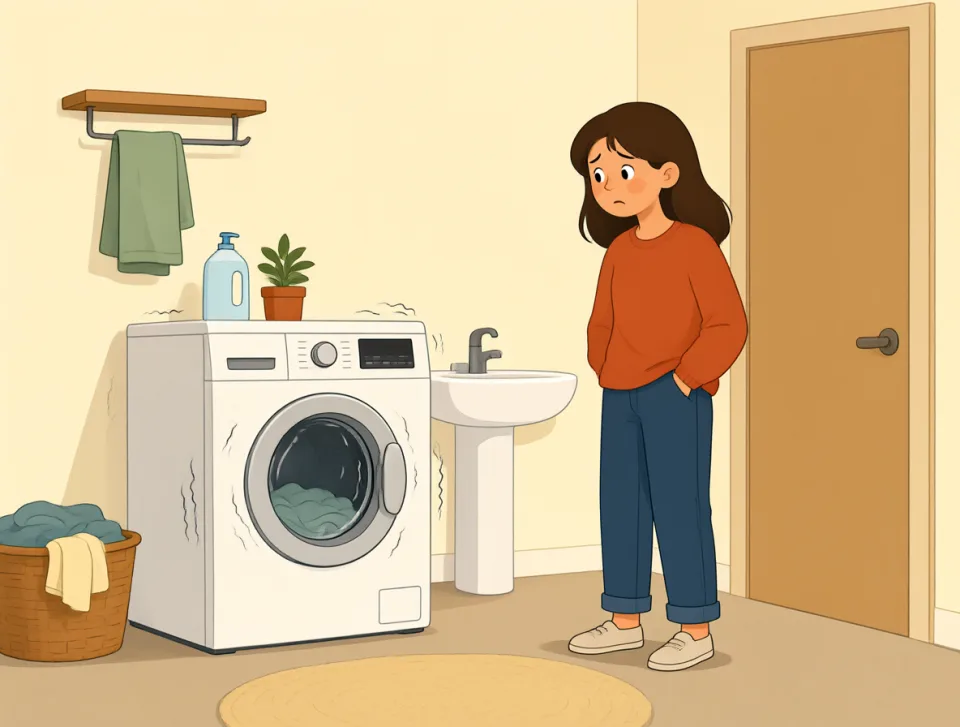
The washing machine is making a strange noise.
ماشین لباسشویی صدای عجیبی میدهد.
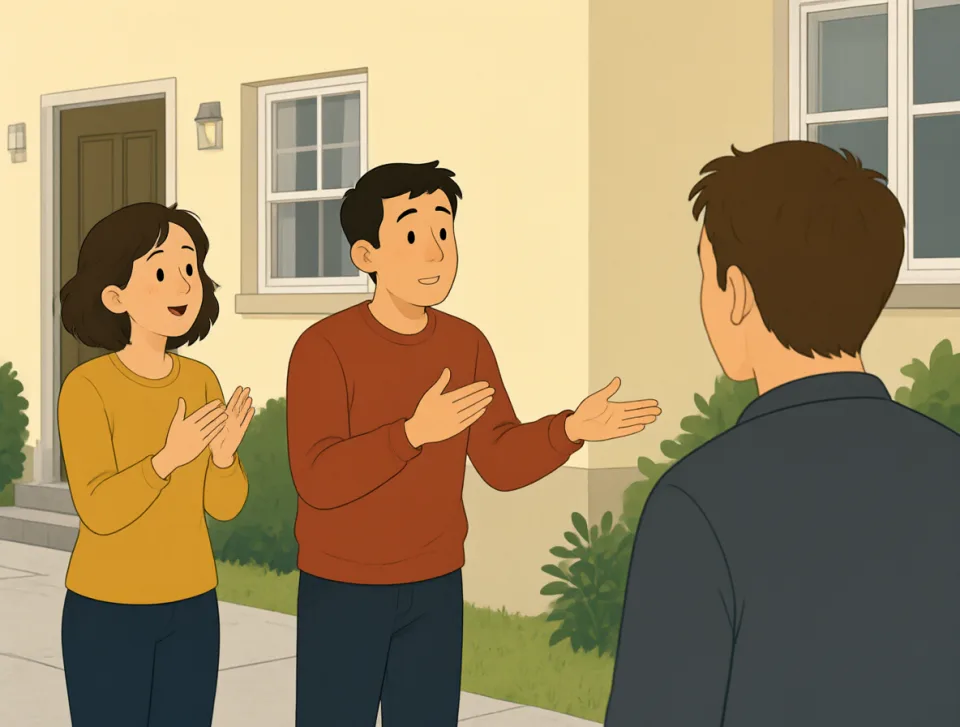
The neighbors apologized for the noise during their party.
همسایهها بابت سروصدای مهمانیشان عذرخواهی کردند.