Блок 71
Слова 1401–1420 · dear, objective, moreover, onto, historical, oppose

dear
#1401adjective, noun
дорогой
Loved or liked very much; used when speaking kindly to someone.
Тот, кого очень любят или ценят; так ласково обращаются к кому-либо.

Dear Grandma, thank you for the lovely birthday present.
Дорогая бабушка, спасибо за чудесный подарок на день рождения.
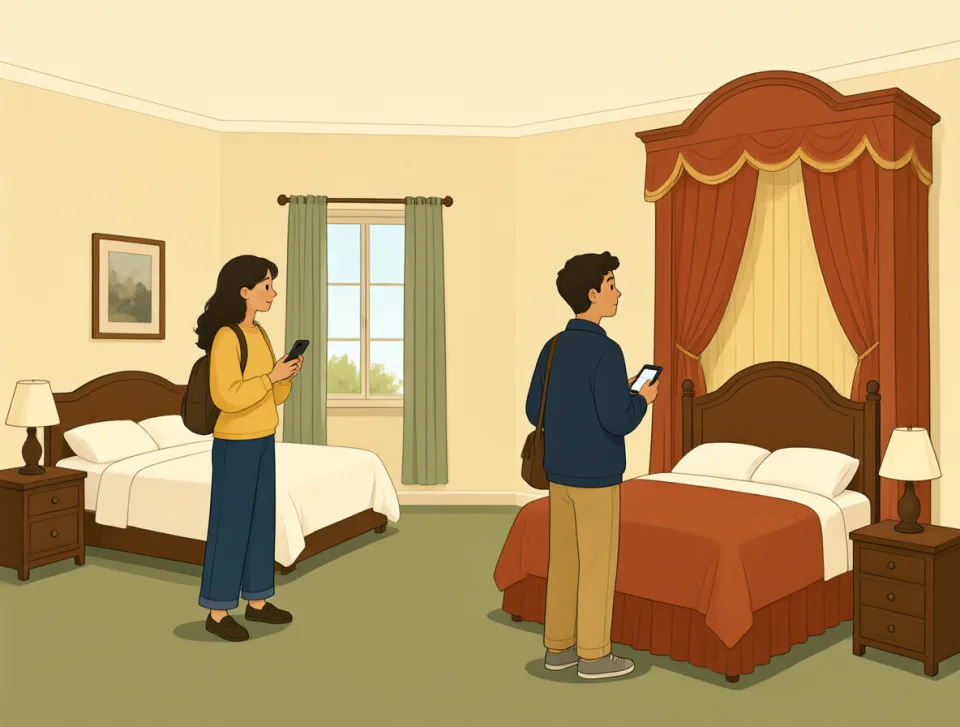
The hotel is dear, so we chose a cheaper room.
Отель дорогой, поэтому мы выбрали номер подешевле.
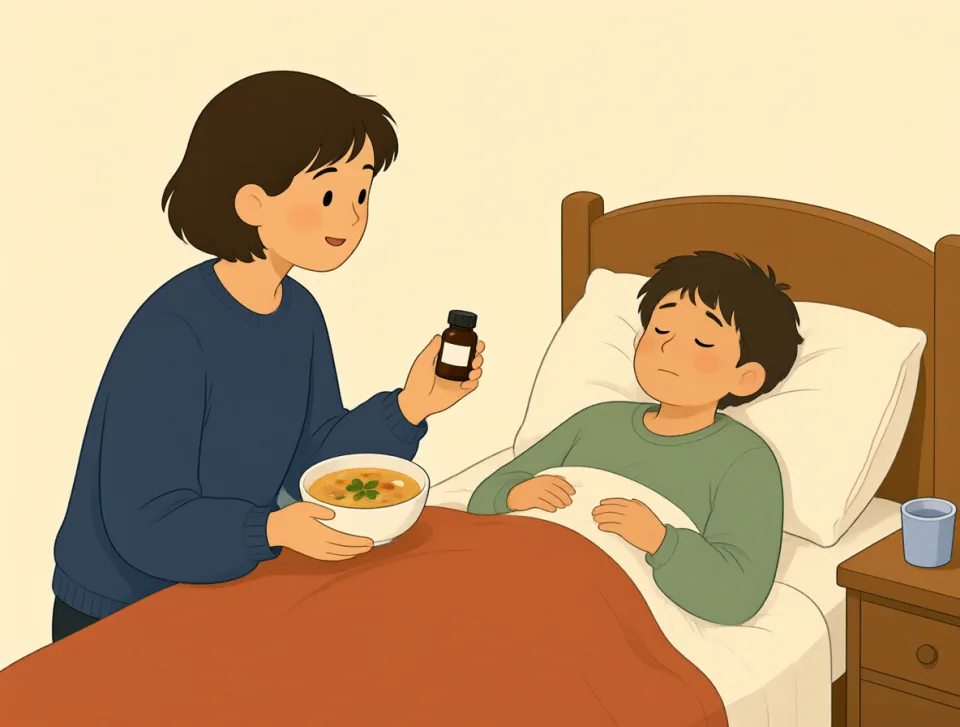
My dear friend helped me when I was sick.
Мой дорогой друг помог мне, когда я заболел.

Dear customers, please keep your receipts after shopping.
Уважаемые покупатели, пожалуйста, сохраняйте чеки после покупок.

Oh dear, I forgot my homework on the kitchen table.
Ой, я забыл домашнее задание на кухонном столе.

objective
#1402noun, adjective
цель; объективный
A goal or aim; based on facts rather than personal feelings.
То, к чему стремятся; основанный на фактах, а не на личных чувствах.

Our main objective is to finish the project by Friday.
Наша главная цель — завершить проект к пятнице.
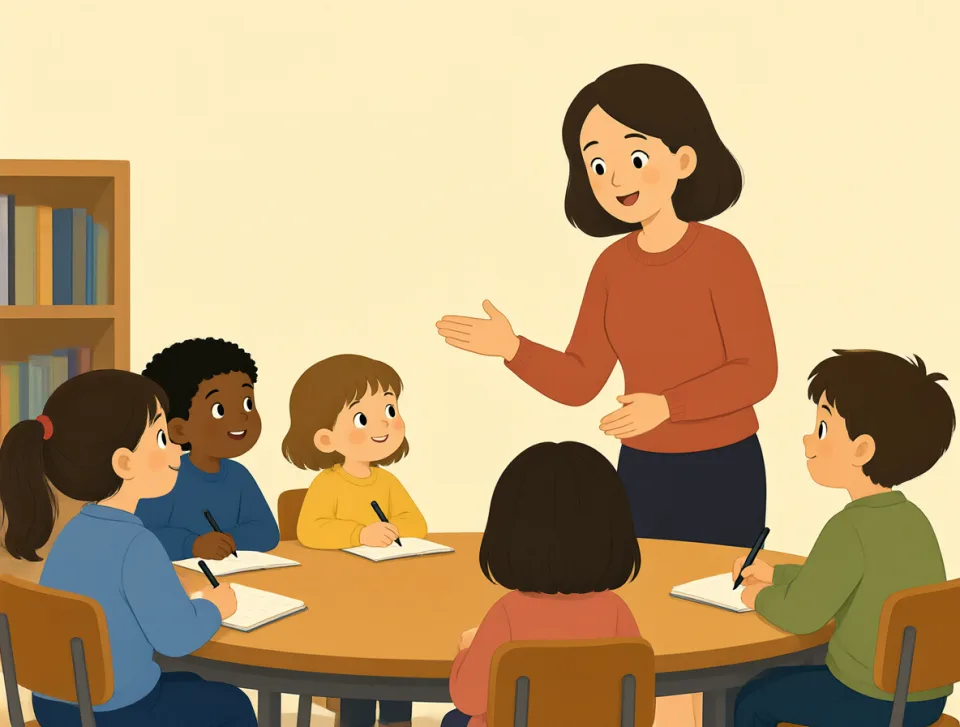
The teacher explained the learning objectives before the lesson.
Перед уроком учитель объяснил цели обучения.

We need an objective opinion before choosing a new restaurant.
Прежде чем выбрать новый ресторан, нам нужно беспристрастное мнение.
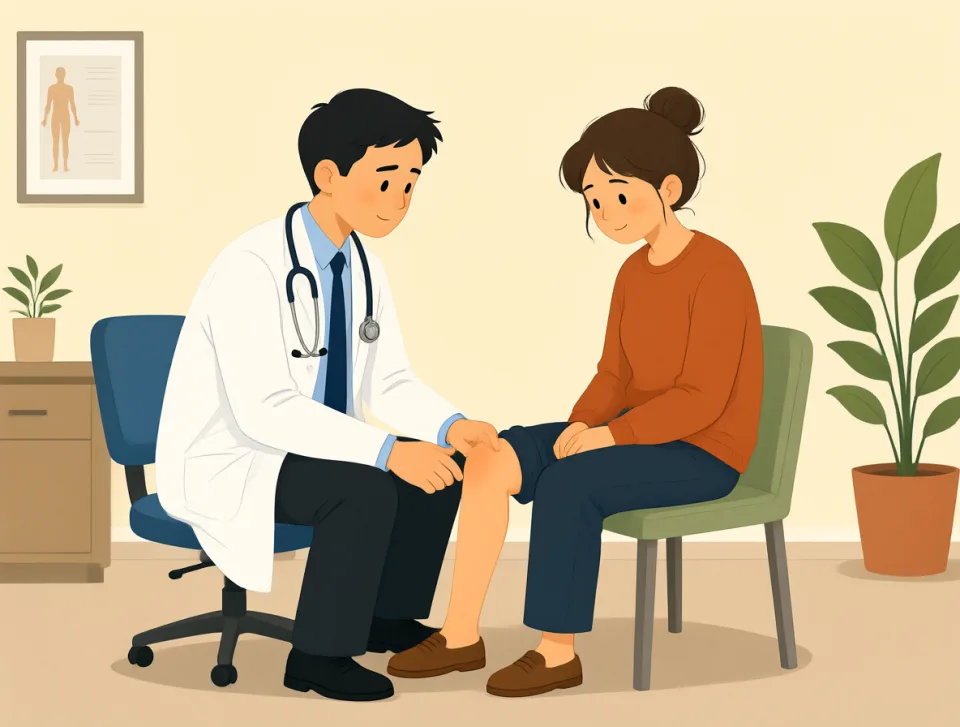
The doctor made an objective assessment of my knee injury.
Врач объективно оценил травму моего колена.

The camera gave an objective view of the beautiful mountain scenery.
Камера запечатлела прекрасный горный пейзаж без искажений.
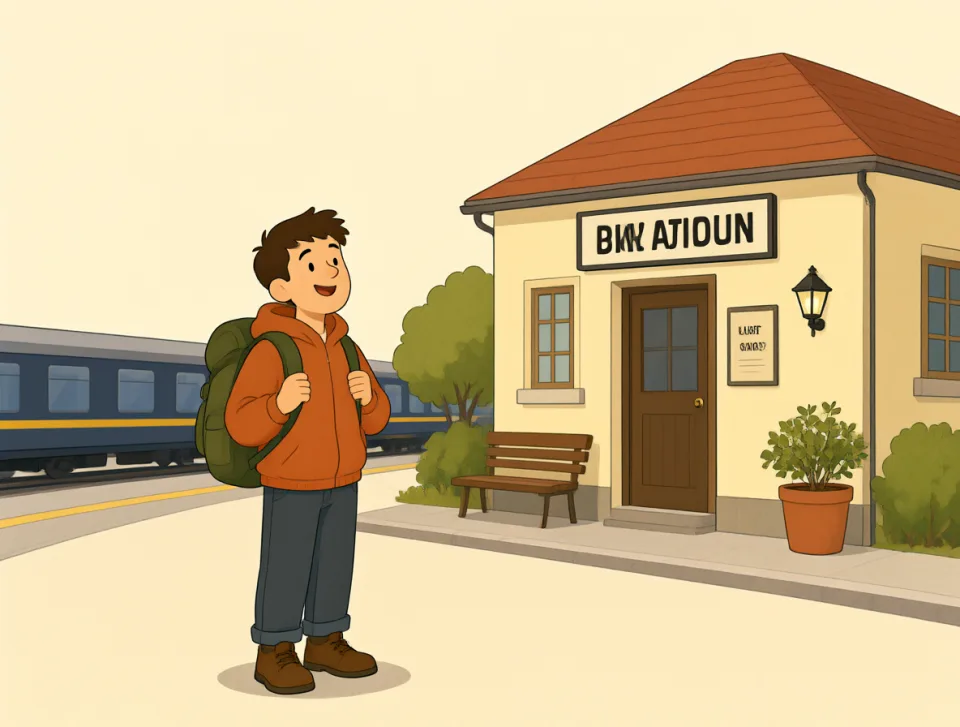
moreover
#1403adverb
кроме того
Used to add another important fact or reason to what you have just said.
Используется, чтобы добавить ещё один важный факт или довод к сказанному.
The hotel is cheap; moreover, it is close to the station.
Отель недорогой; кроме того, он находится рядом со станцией.

She speaks three languages and, moreover, teaches English online.
Она говорит на трёх языках и, кроме того, преподаёт английский онлайн.

The job offers flexible hours; moreover, the salary is excellent.
Работа предлагает гибкий график; кроме того, зарплата отличная.
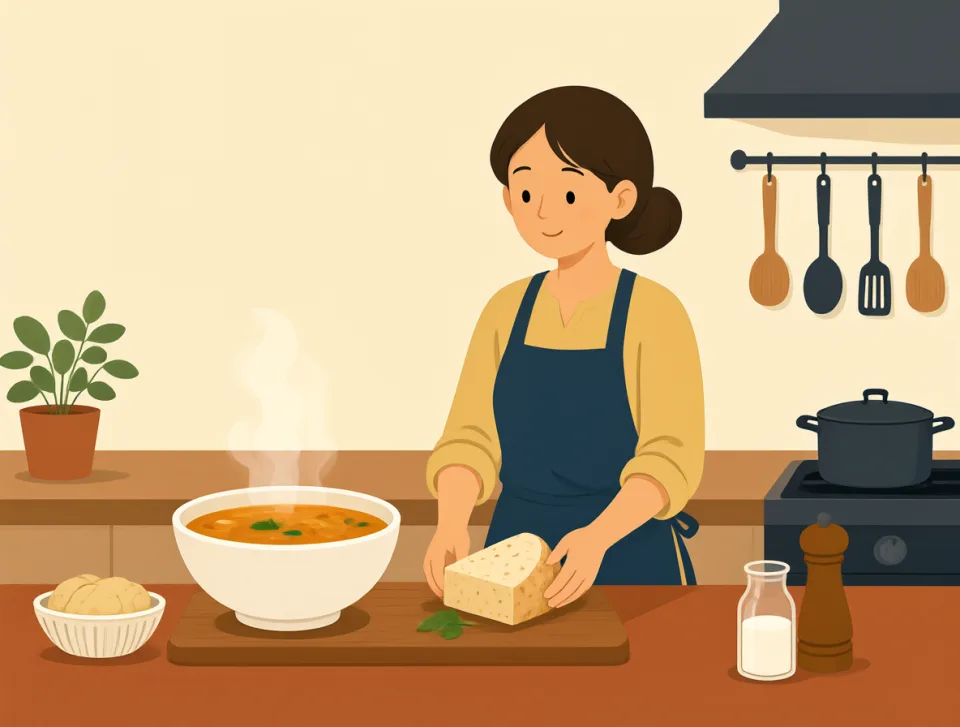
The soup is delicious; moreover, it is quick and easy to make.
Суп вкусный; кроме того, его быстро и легко приготовить.
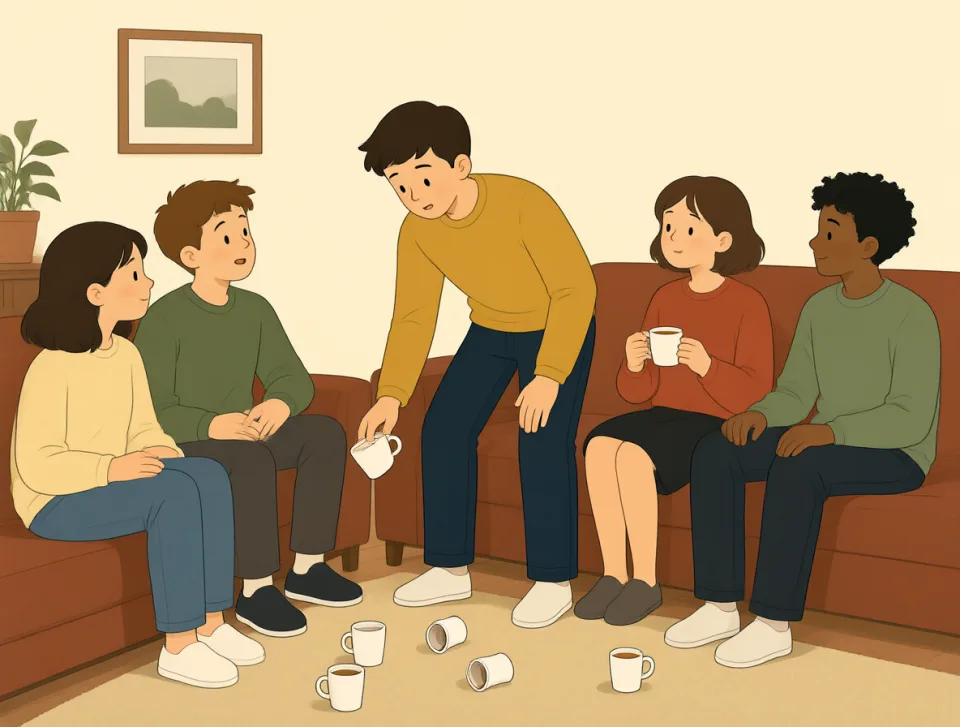
He apologized for being late; moreover, he offered to help clean up.
Он извинился за опоздание и, кроме того, предложил помочь с уборкой.

onto
#1404preposition
на; на поверхность
to a position on or above something
В положение на чём-либо или над чем-либо.

The cat jumped onto the sofa and fell asleep.
Кошка запрыгнула на диван и уснула.

Please put the books onto the table.
Пожалуйста, положи книги на стол.
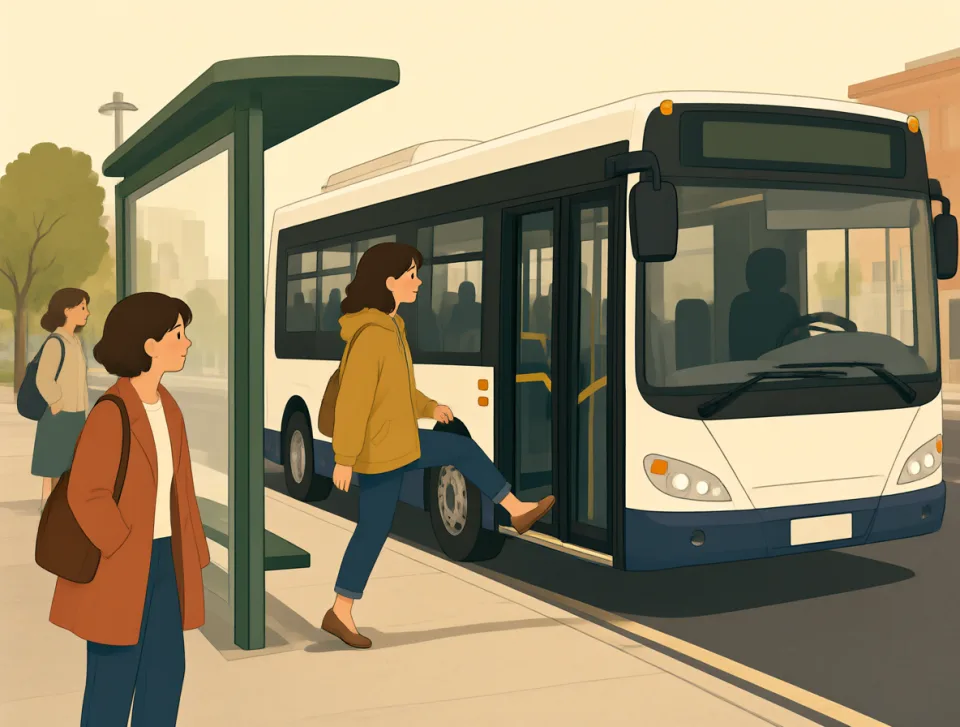
She climbed onto the bus just before it left.
Она успела зайти в автобус прямо перед его отправлением.
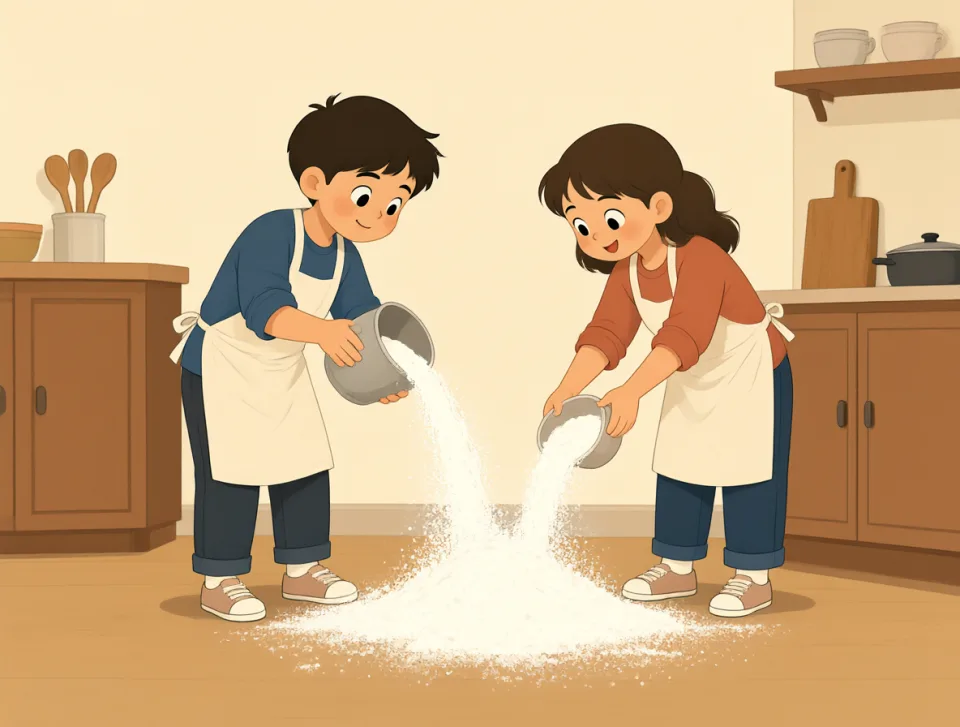
The children poured the flour onto the kitchen floor.
Дети высыпали муку на кухонный пол.

He transferred the photos onto his new computer.
Он перенёс фотографии на свой новый компьютер.

historical
#1405adjective
исторический
Connected with important people, events, or places from the past.
Связанный с важными людьми, событиями или местами прошлого.

We visited a historical castle during our summer holiday.
Во время летних каникул мы посетили старинный замок.

The museum has many historical objects from ancient Egypt.
В музее хранится множество исторических предметов из Древнего Египта.
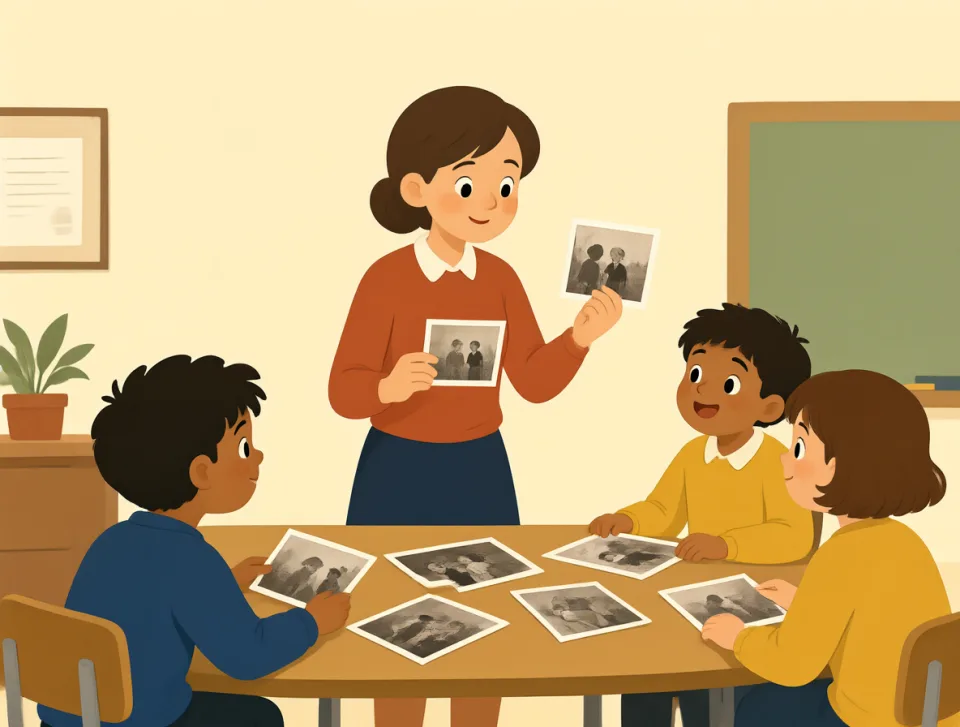
Our history teacher showed us historical photographs of the city.
Наш учитель истории показал нам старинные фотографии города.

The town is famous for its historical buildings and narrow streets.
Город известен своими историческими зданиями и узкими улицами.

She read a historical novel about a young woman during the war.
Она прочитала исторический роман о молодой женщине во время войны.

oppose
#1406verb
противостоять
to disagree with or fight against a person, plan, or idea
Не соглашаться с человеком, планом или идеей либо бороться против них.
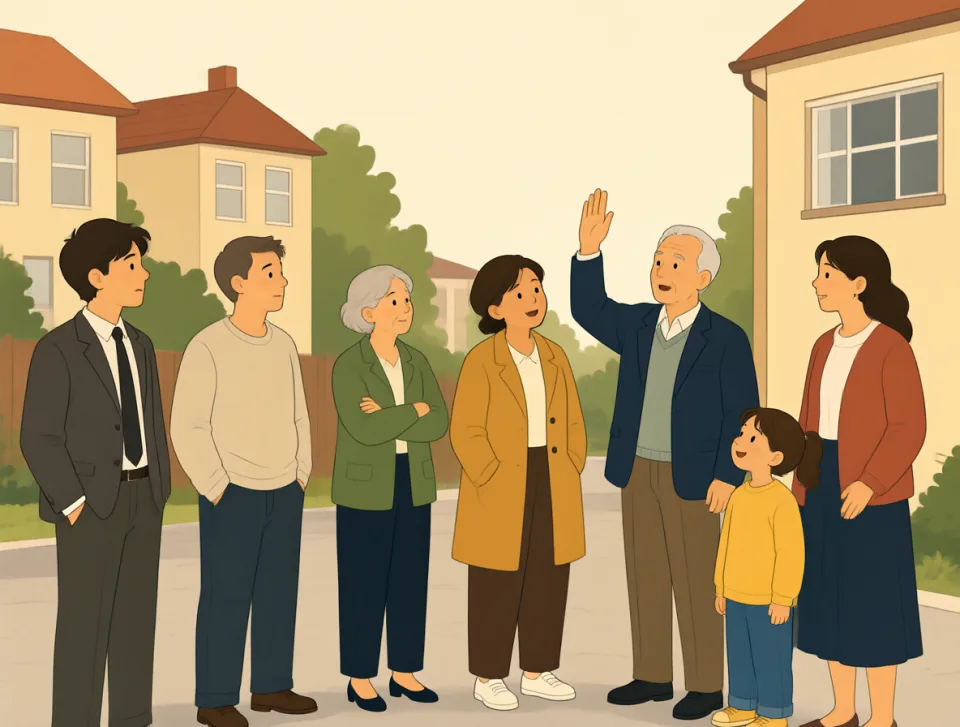
Many residents oppose the plan to build a new airport.
Многие местные жители выступают против плана построить новый аэропорт.

My parents opposed my decision to leave school early.
Мои родители были против моего решения бросить школу раньше времени.

Some workers are opposing the company’s decision to cut their hours.
Некоторые сотрудники выступают против решения компании сократить им рабочее время.

The doctor opposed giving him antibiotics for a simple cold.
Врач был против того, чтобы давать ему антибиотики при обычной простуде.
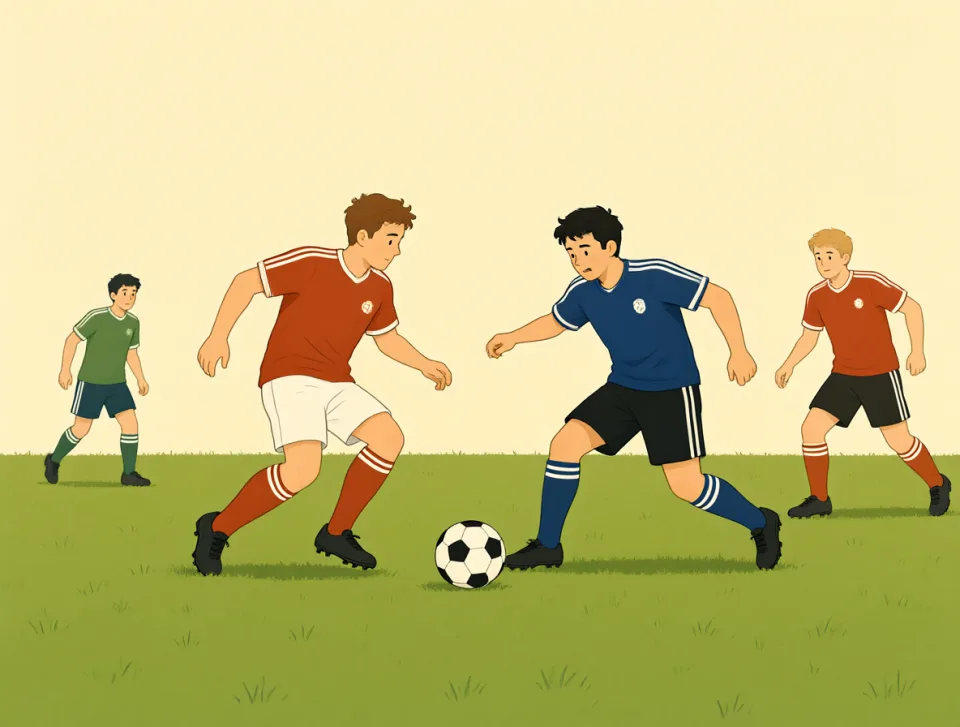
Our team opposed the other team throughout the football match.
Наша команда противостояла команде соперников на протяжении всего футбольного матча.

branch
#1407noun, verb
ветка; филиал
A part of a tree growing from the trunk, or a separate part of a larger organization.
Часть дерева, растущая от ствола, или отдельное подразделение крупной организации.

A bird built its nest on a high branch.
Птица свила гнездо на высокой ветке.
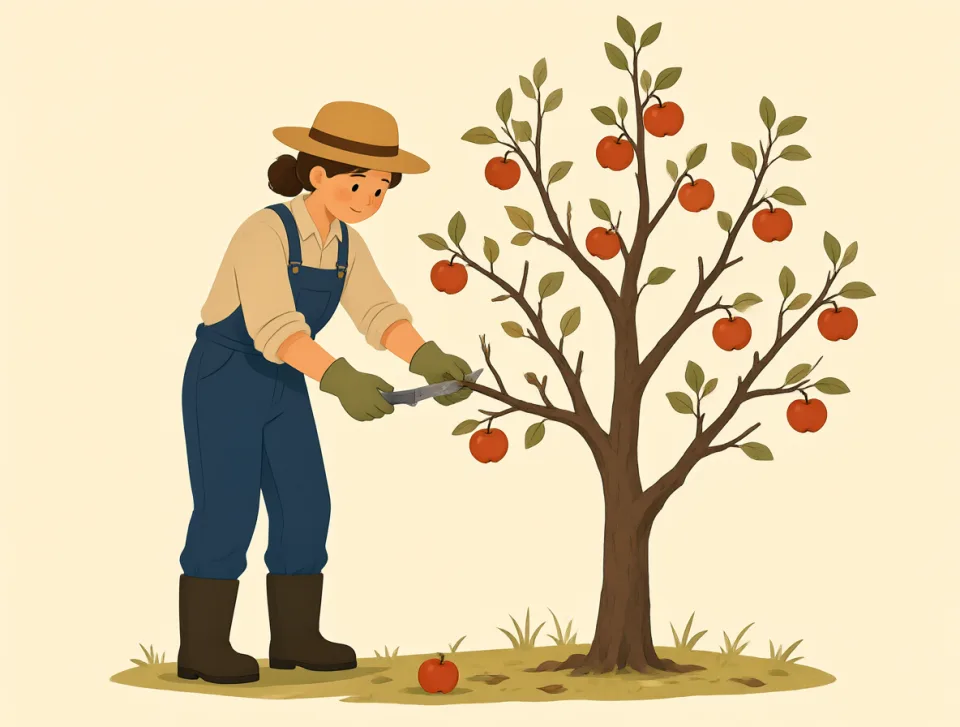
Please cut the dead branches from the apple tree.
Пожалуйста, срежьте сухие ветки с яблони.

The bank opened a new branch near our home.
Банк открыл новый филиал рядом с нашим домом.

Our company is branching into online education this year.
В этом году наша компания выходит на рынок онлайн-образования.

The path branches off near the lake.
У озера тропинка разветвляется.

vehicle
#1408noun
транспортное средство
A machine, such as a car, used for carrying people or things.
Машина, например автомобиль, предназначенная для перевозки людей или грузов.
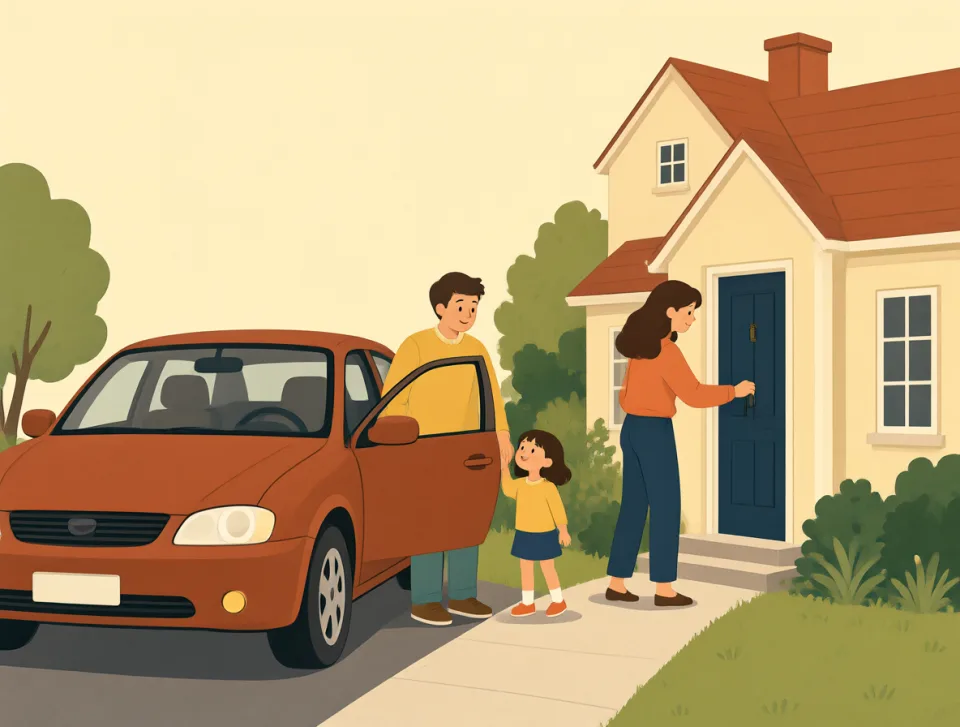
The vehicle stopped outside our house.
Транспортное средство остановилось у нашего дома.

Public vehicles are often crowded during rush hour.
В часы пик общественный транспорт часто переполнен.
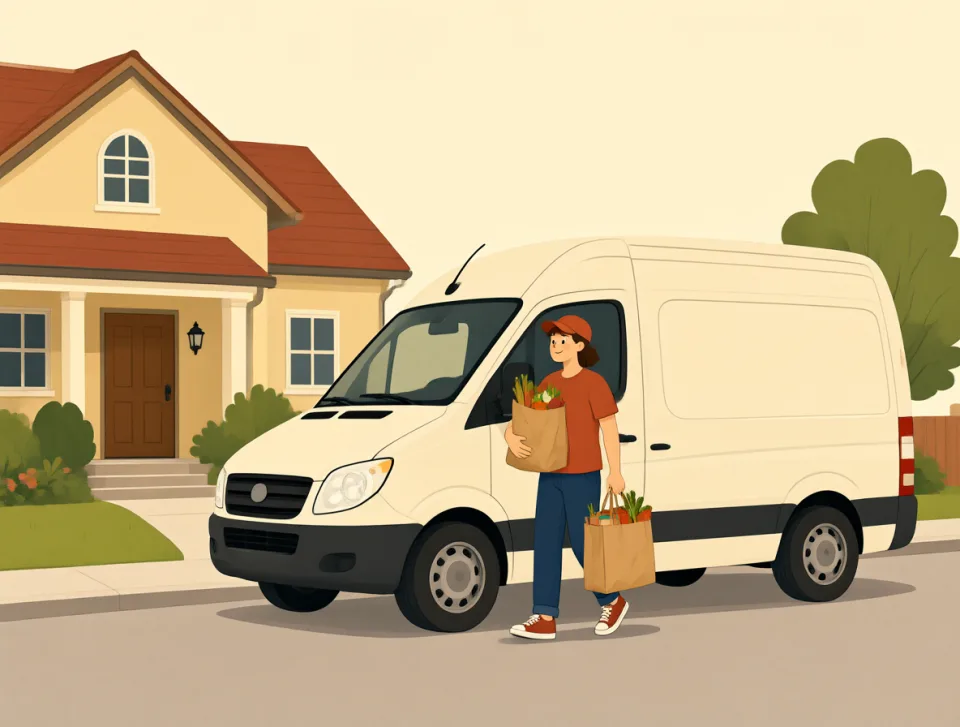
The delivery vehicle brought our groceries this morning.
Сегодня утром машина доставки привезла наши продукты.
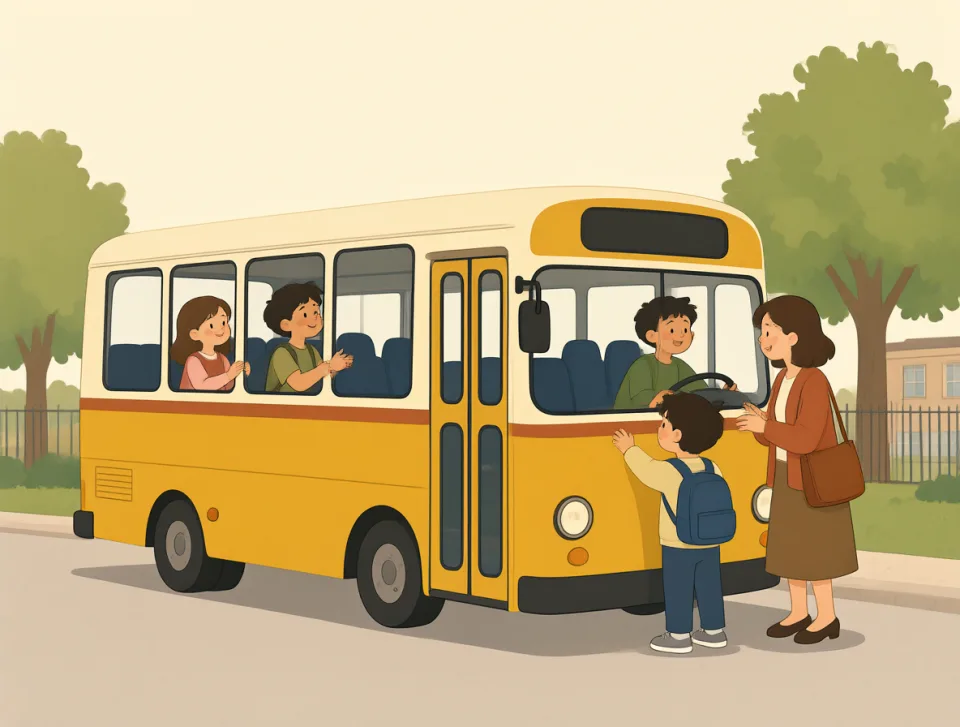
The school uses a small vehicle for field trips.
Школа использует небольшую машину для учебных поездок.
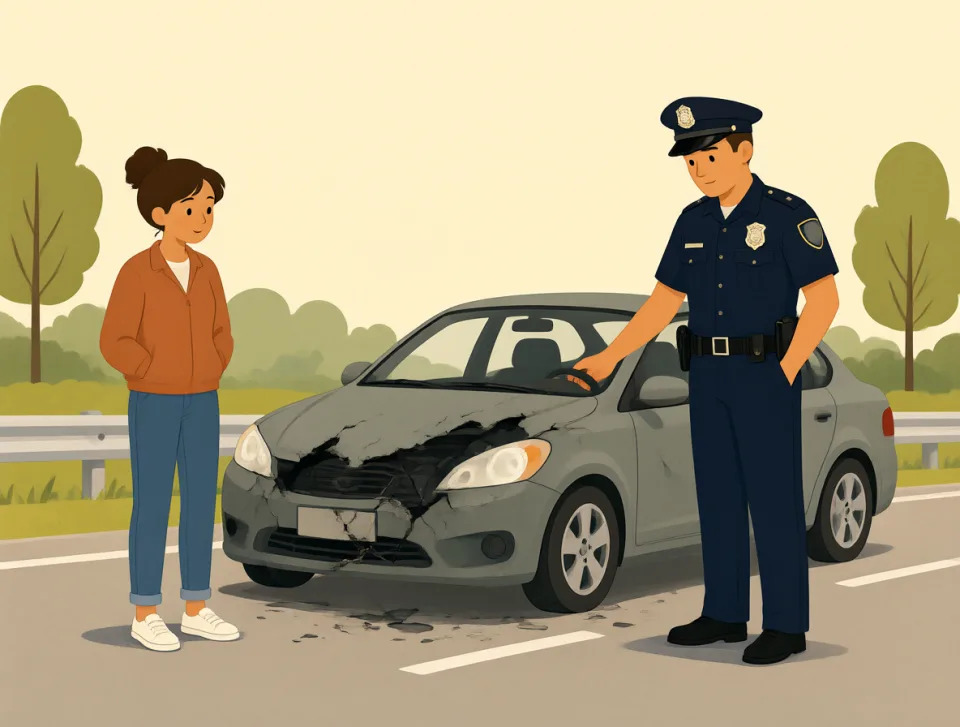
The police checked the vehicle after the accident.
После аварии полиция осмотрела транспортное средство.

scientist
#1409noun
учёный
A person who studies science and discovers how the natural world works.
Человек, который изучает науку и выясняет, как устроен окружающий мир.

The scientist studied how plants grow in the school laboratory.
Учёный изучал, как растут растения, в школьной лаборатории.

A team of scientists tested the water for harmful chemicals.
Группа учёных проверила воду на наличие вредных химических веществ.

My daughter wants to become a scientist when she grows up.
Моя дочь хочет стать учёной, когда вырастет.

The scientist explained the new medicine to doctors at the hospital.
Учёный рассказал врачам в больнице о новом лекарстве.
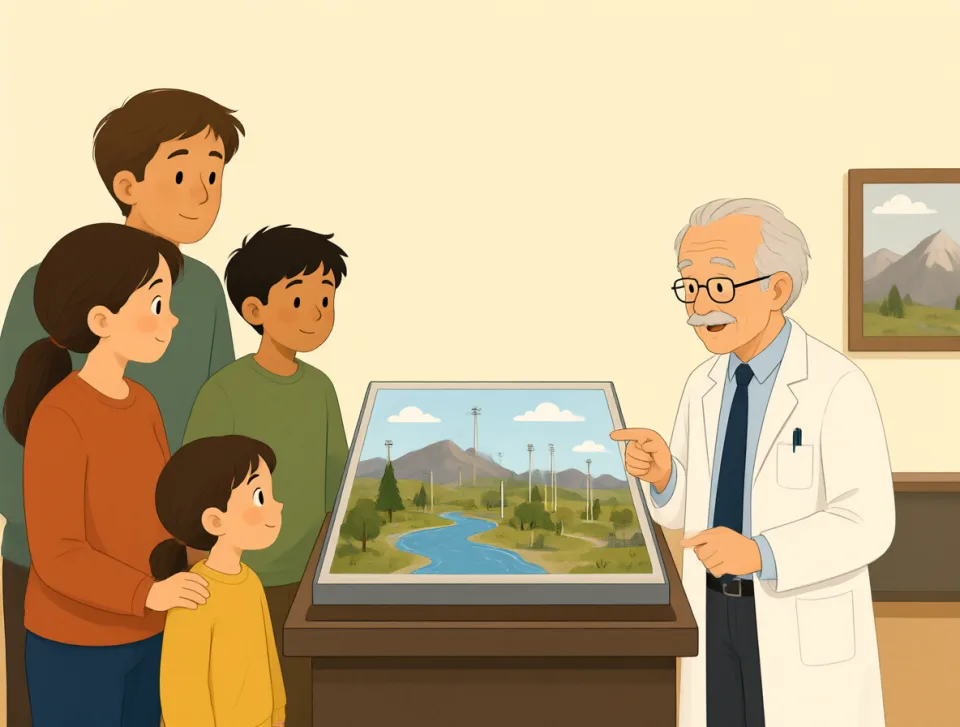
We met a scientist who studies weather during our museum visit.
Во время экскурсии по музею мы познакомились с учёным, который изучает погоду.

route
#1410noun, verb
маршрут
A way from one place to another; to choose or follow this way.
Путь из одного места в другое; выбирать такой путь или следовать ему.

We took the fastest route home after work.
После работы мы выбрали самый быстрый маршрут домой.
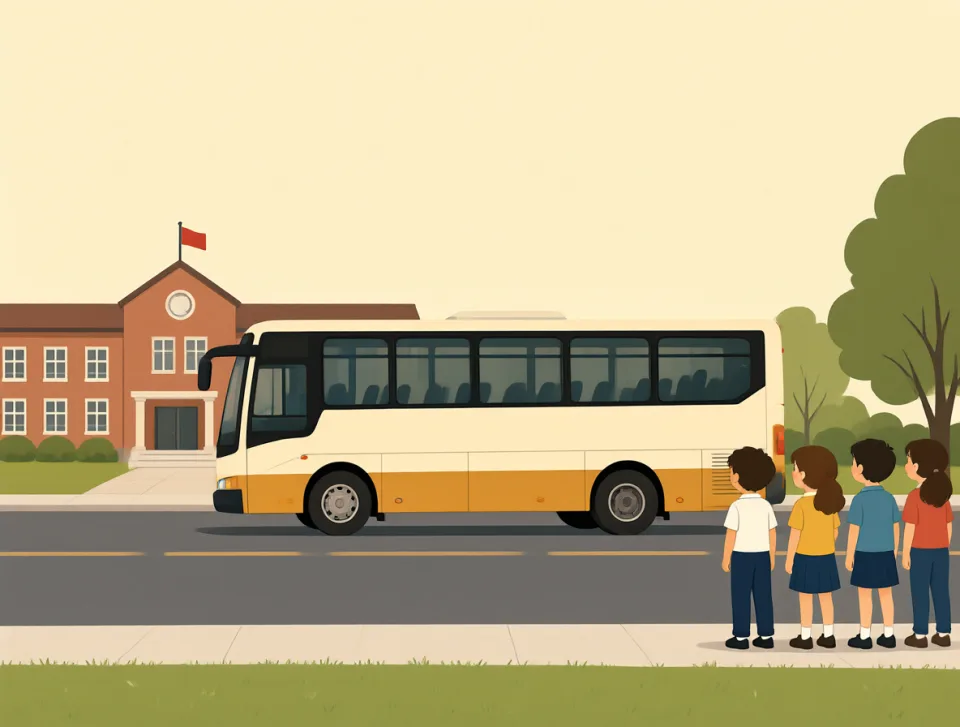
The bus route passes near my school every morning.
Автобусный маршрут каждое утро проходит рядом с моей школой.
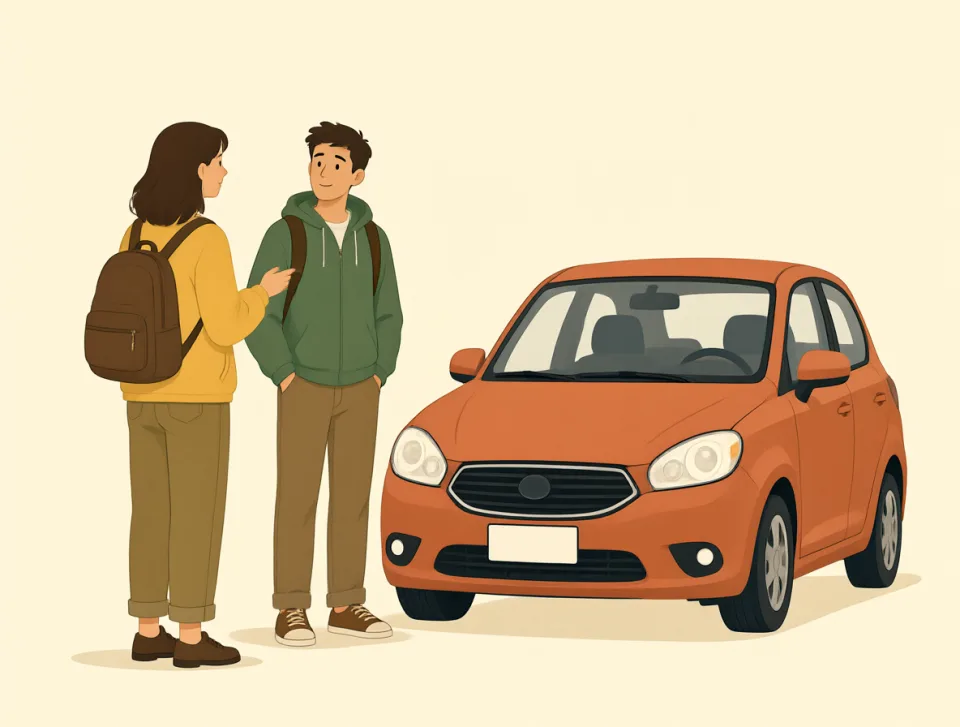
Can you show me the best route to the airport?
Можете показать мне лучший маршрут до аэропорта?
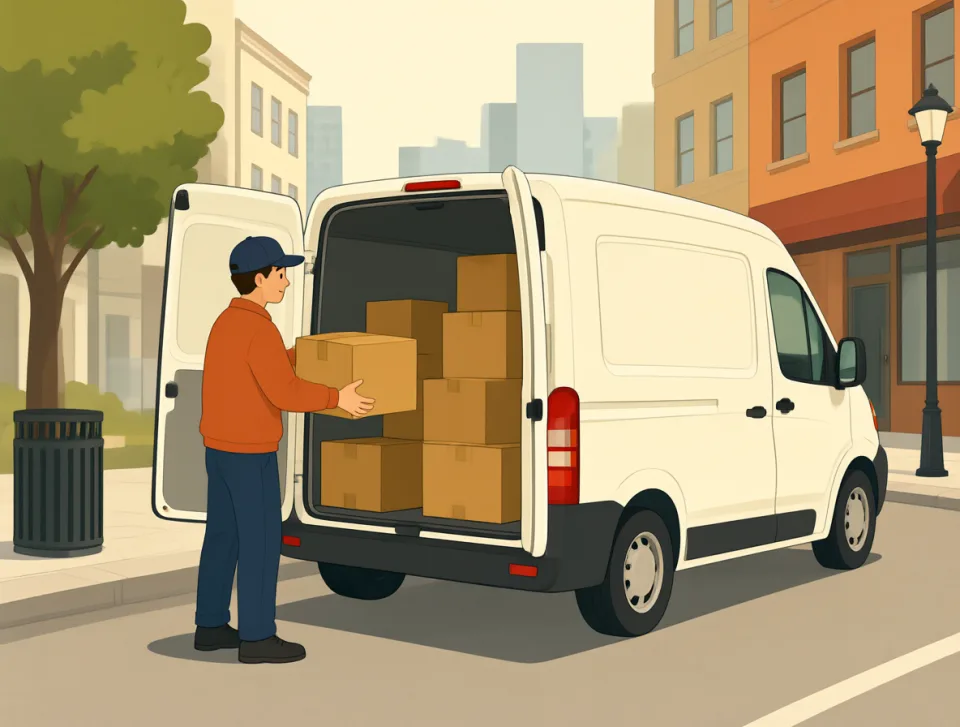
The delivery driver routed the packages through the city center.
Водитель доставки провёз посылки через центр города.
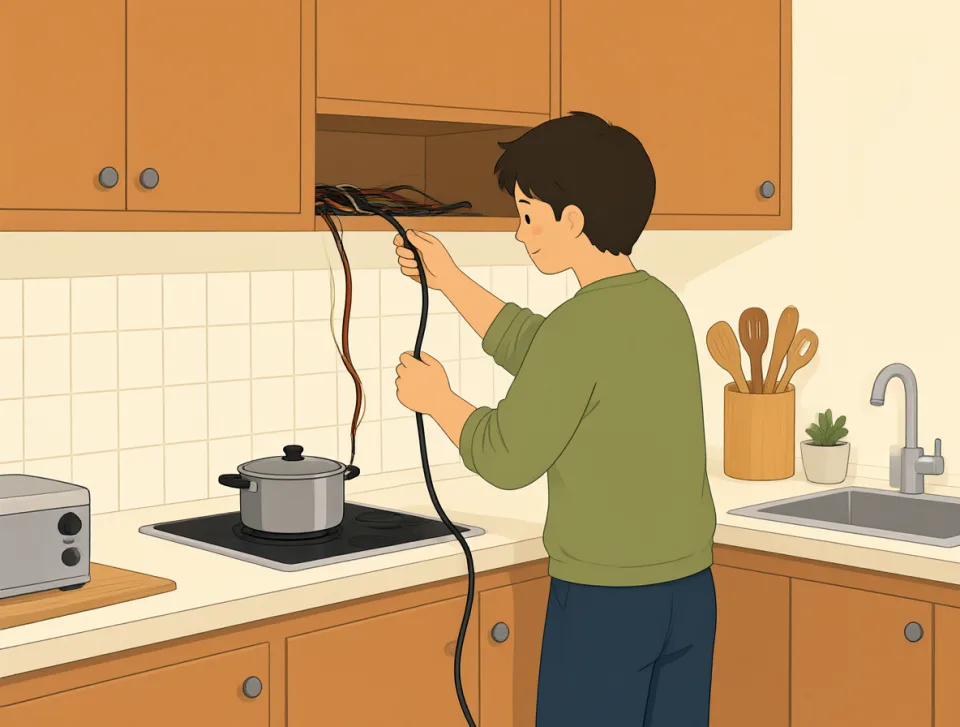
We are routing the wires behind the kitchen cabinets.
Мы прокладываем провода за кухонными шкафами.
bind
#1411verb, noun
связывать; затруднительное положение
To tie or hold things together; a difficult situation or promise that limits your choices.
Связывать или скреплять предметы; затруднительное положение или обещание, ограничивающее выбор.

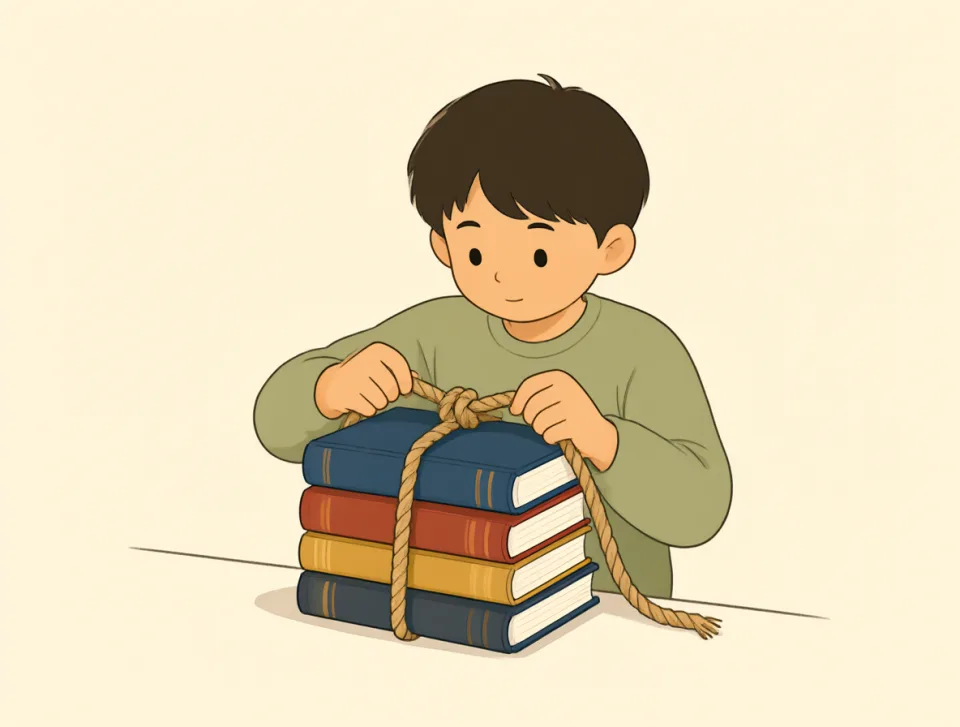
Please bind these papers together before the meeting.
Пожалуйста, скрепите эти бумаги перед встречей.

The contract binds both sides to the agreed price.
Контракт обязывает обе стороны придерживаться согласованной цены.
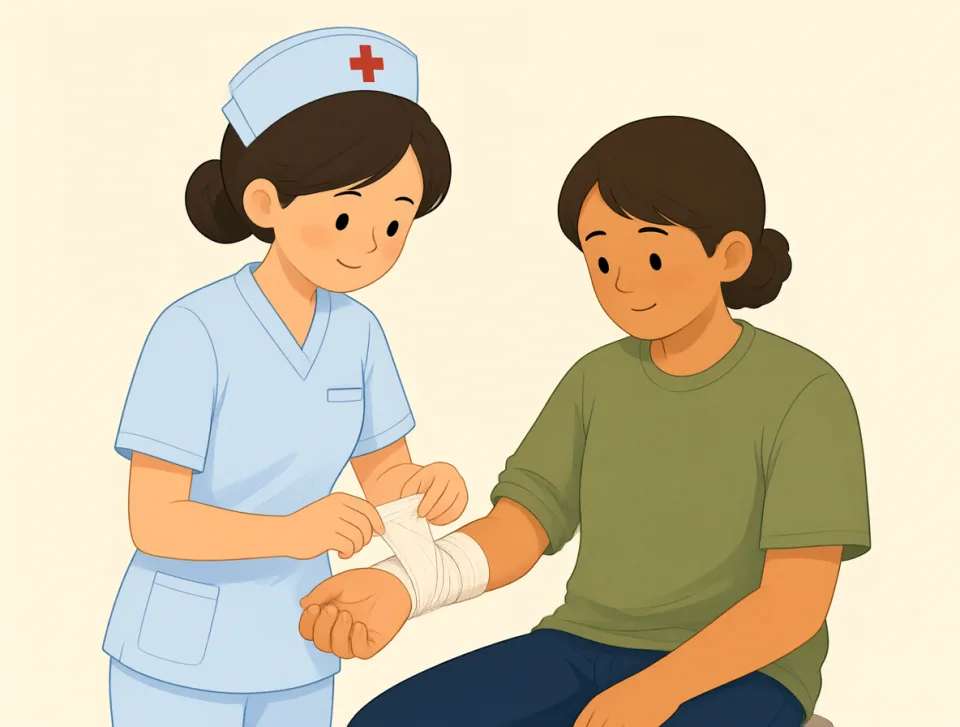
The nurse bound his injured wrist with a clean bandage.
Медсестра перевязала его травмированное запястье чистым бинтом.

The old book has a beautiful leather bind.
У старой книги красивый кожаный переплёт.
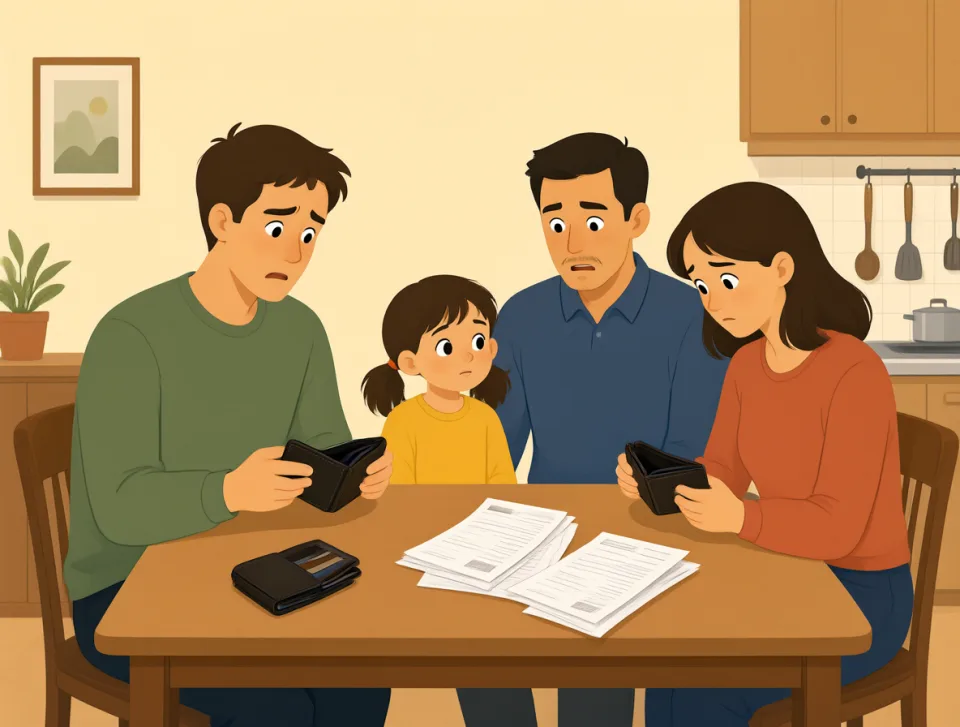
Lack of money put the family in a difficult bind.
Из-за нехватки денег семья оказалась в затруднительном положении.
belong
#1412verb
принадлежать; быть частью
to be owned by someone or to feel comfortable as part of a group or place
Принадлежать кому-либо или чувствовать себя комфортно в группе или в каком-либо месте.
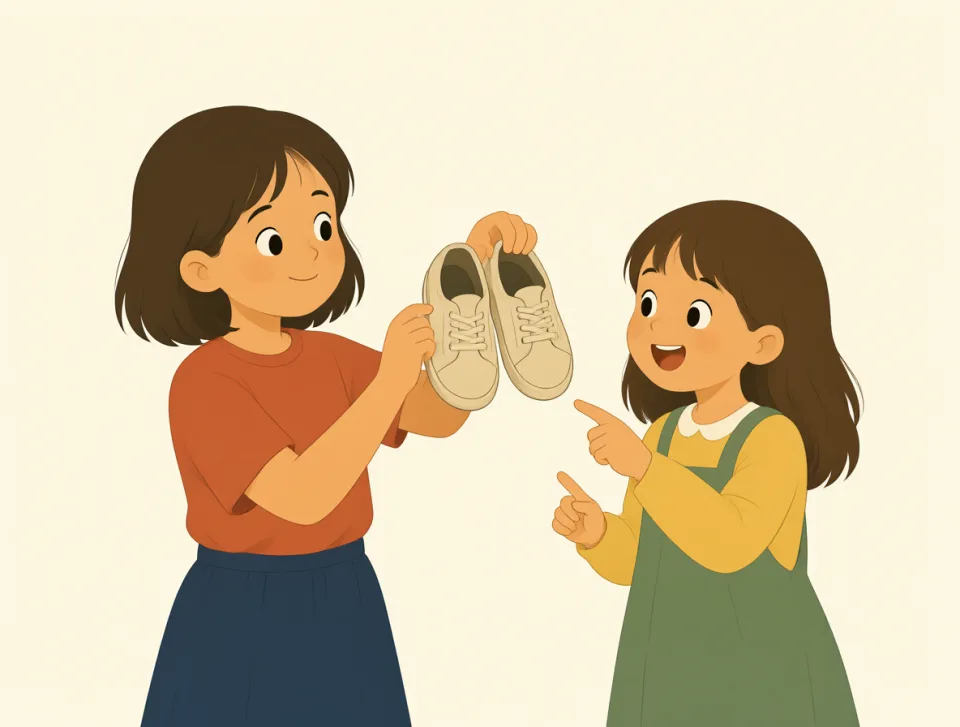
These shoes belong to my sister.
Эти туфли принадлежат моей сестре.

Please put the books where they belong.
Пожалуйста, положите книги на место.

I finally feel that I belong here.
Наконец-то я чувствую, что мне здесь место.
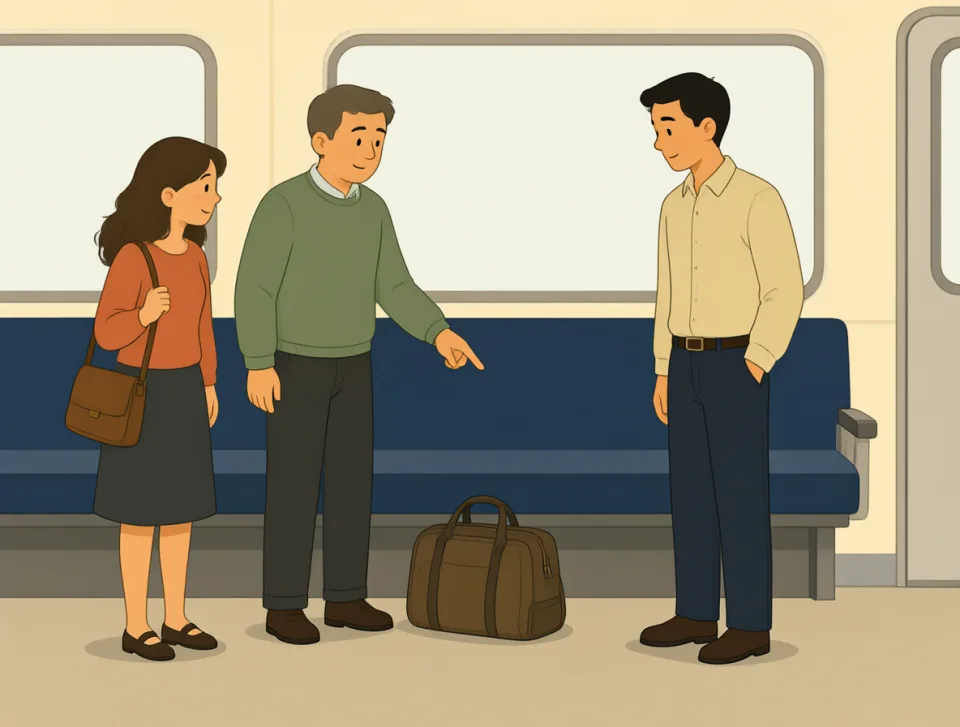
This bag must belong to someone on the train.
Эта сумка, должно быть, принадлежит кому-то из пассажиров поезда.
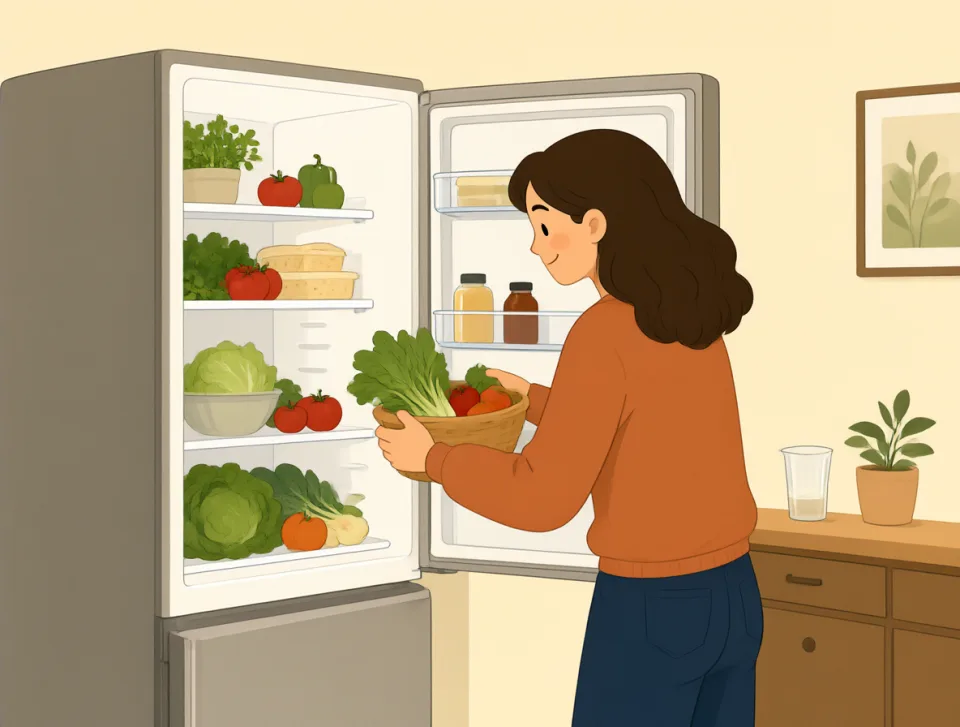
The vegetables belong in the refrigerator after shopping.
После покупок овощи нужно положить в холодильник.
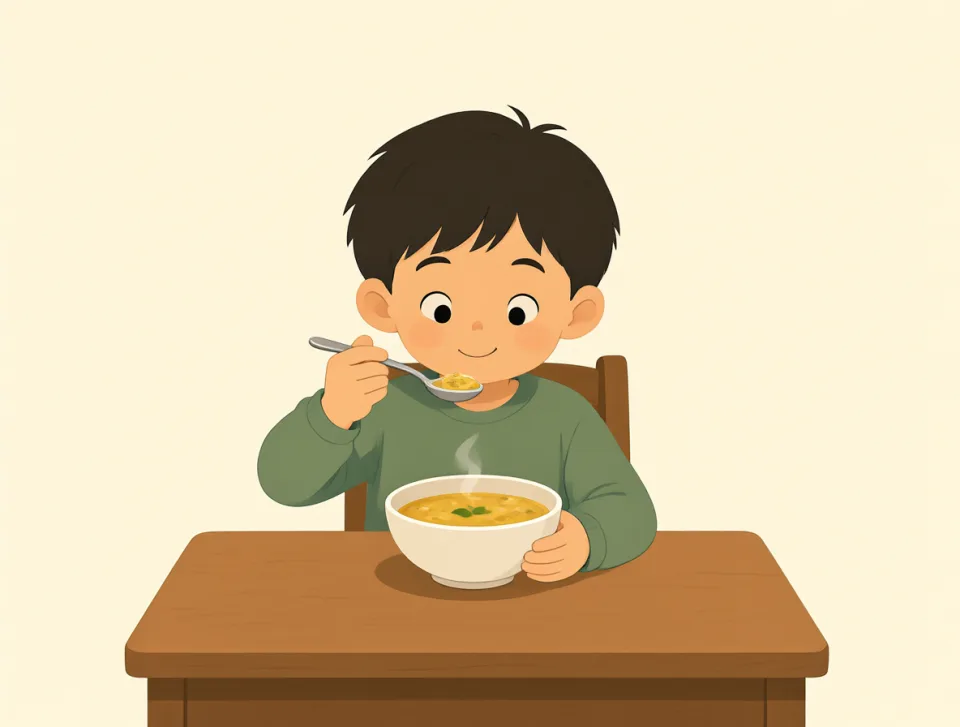
taste
#1413noun, verb
вкус; пробовать
the flavor of something, or to try food or drink to know its flavor
Вкус чего-либо или действие, при котором пробуют еду или напиток, чтобы узнать, какой у них вкус.

The soup tastes better with a little salt.
Суп вкуснее, если добавить немного соли.

Could I taste the cake before I buy it?
Можно мне попробовать торт, прежде чем я его куплю?

This medicine has a bitter taste.
У этого лекарства горький вкус.

She has good taste in clothes and always looks stylish.
У неё хороший вкус в одежде, и она всегда выглядит стильно.

We tasted fresh fruit during our trip to Spain.
Во время поездки в Испанию мы попробовали свежие фрукты.

tonight
#1414adverb, noun
сегодня вечером; сегодня ночью
During the evening and night of today.
Вечером и ночью сегодня.
Are you staying home with us tonight?
Ты сегодня вечером останешься дома с нами?

We are meeting our friends for dinner tonight.
Сегодня вечером мы встречаемся с друзьями за ужином.

I have to finish this report tonight.
Мне нужно закончить этот отчёт сегодня вечером.
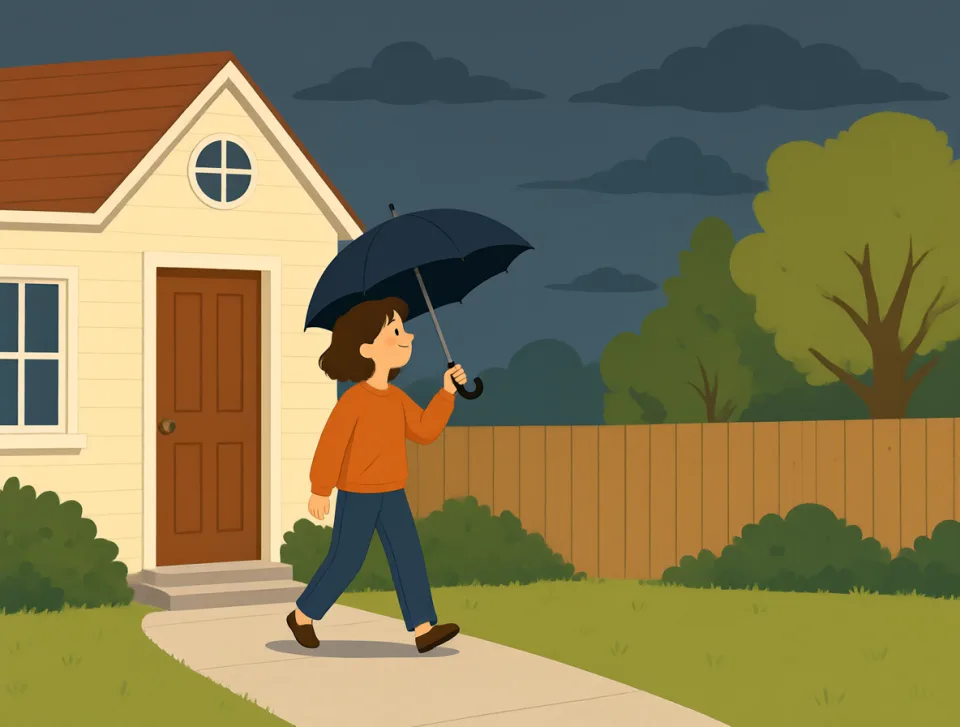
It may rain tonight, so take an umbrella.
Сегодня ночью может пойти дождь, так что возьми зонт.

I feel better tonight than I did yesterday.
Сегодня вечером я чувствую себя лучше, чем вчера.

fashion
#1415noun
мода
A popular style of clothes, hair, or appearance at a particular time.
Популярный в определённое время стиль одежды, причёски или внешности.

She always wears the latest fashion to work.
Она всегда одевается по последней моде на работу.

Fashion changes quickly, so these shoes may look old next year.
Мода быстро меняется, поэтому в следующем году эта обувь может выглядеть устаревшей.

He studied fashion at college and hopes to design clothes.
Он изучал моду в колледже и надеется создавать одежду.

The hotel restaurant is famous for its fashion and beautiful decorations.
Ресторан отеля славится своим стилем и красивым оформлением.

My friends enjoy talking about fashion while shopping downtown.
Мои друзья любят обсуждать моду, когда мы ходим по магазинам в центре города.
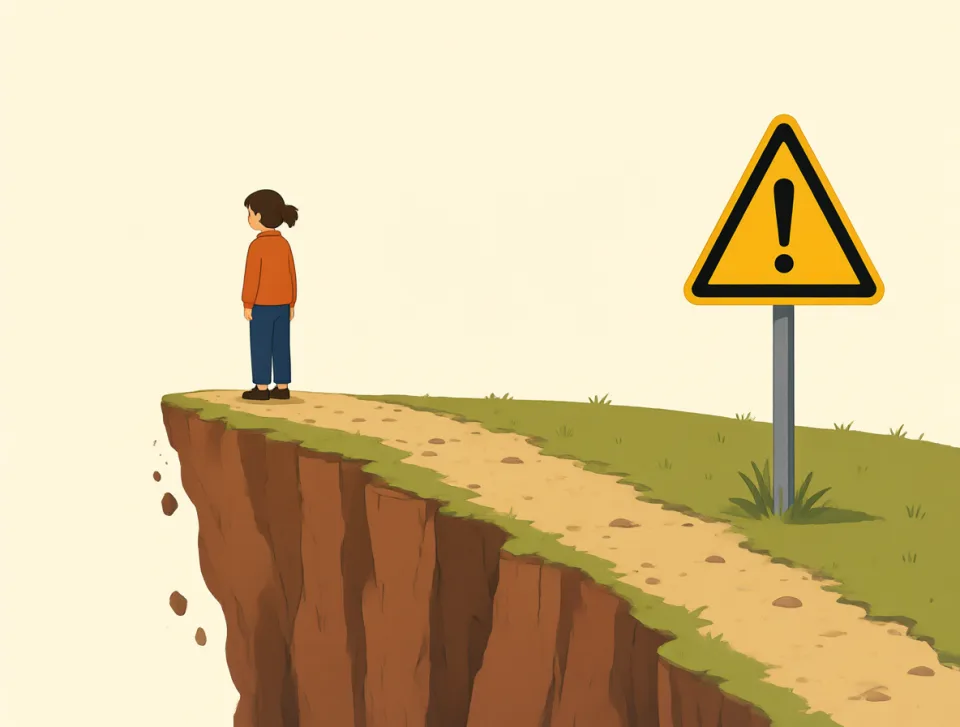
danger
#1416noun
опасность
the possibility that someone or something will be harmed
Вероятность того, что кому-то или чему-то будет причинён вред.
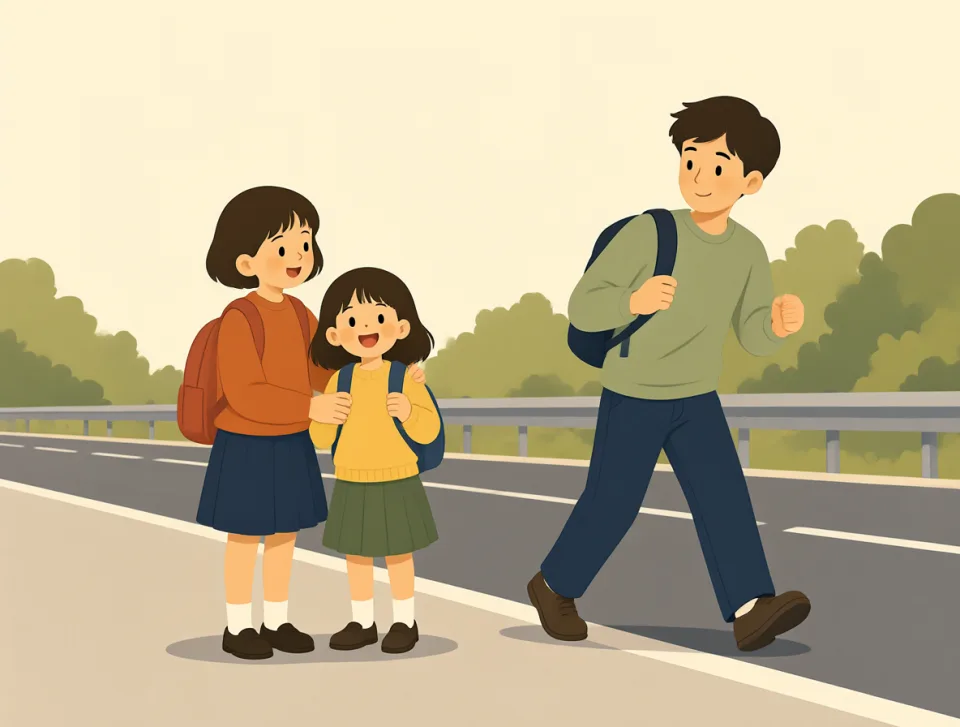
The children were in danger near the busy road.
Дети находились в опасности рядом с оживлённой дорогой.
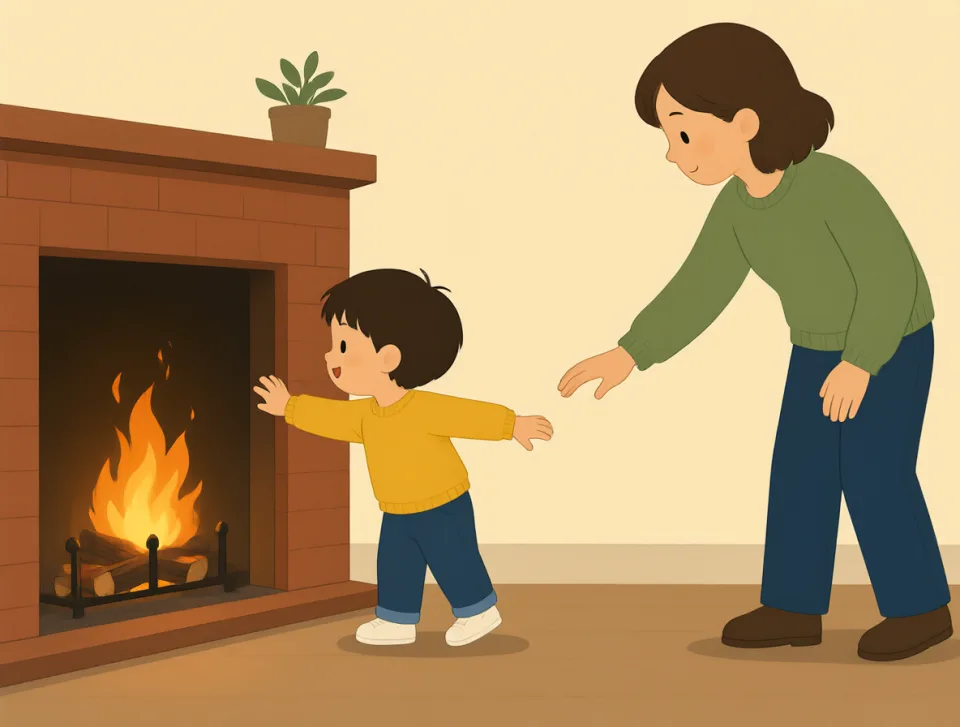
Keep your hands away from the fire to avoid danger.
Держитесь подальше от огня, чтобы не подвергать себя опасности.

The pilot warned passengers about danger during the storm.
Во время шторма пилот предупредил пассажиров об опасности.

The mountain climbers faced great danger in the snow.
В снежную бурю альпинисты столкнулись с большой опасностью.
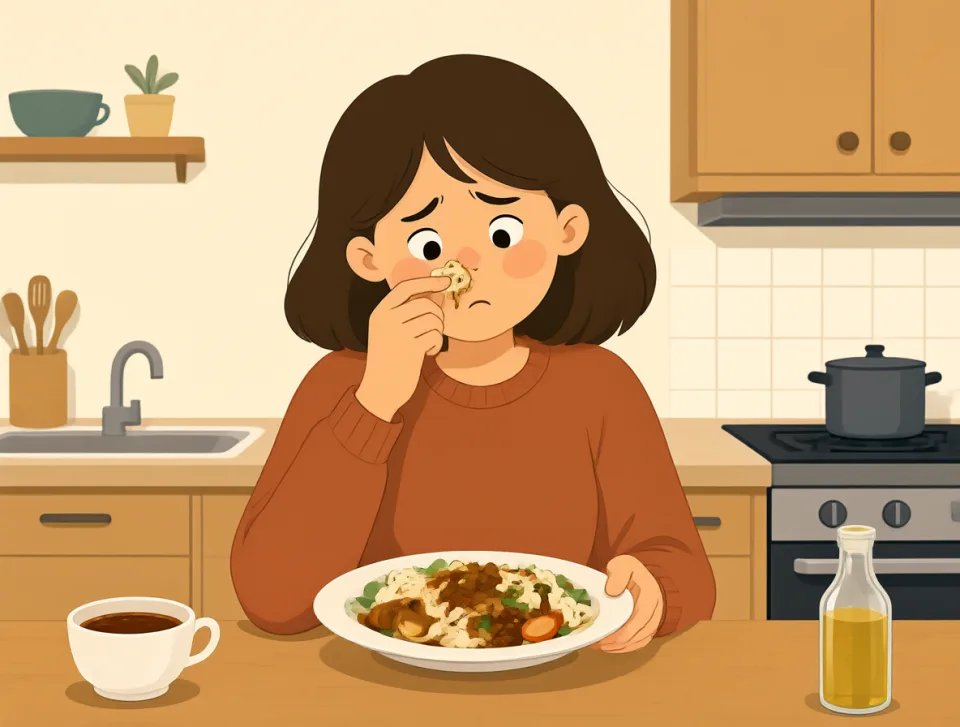
Eating spoiled food can put your health in danger.
Употребление испорченной пищи может подвергнуть опасности ваше здоровье.
bomb
#1417noun, verb
бомба
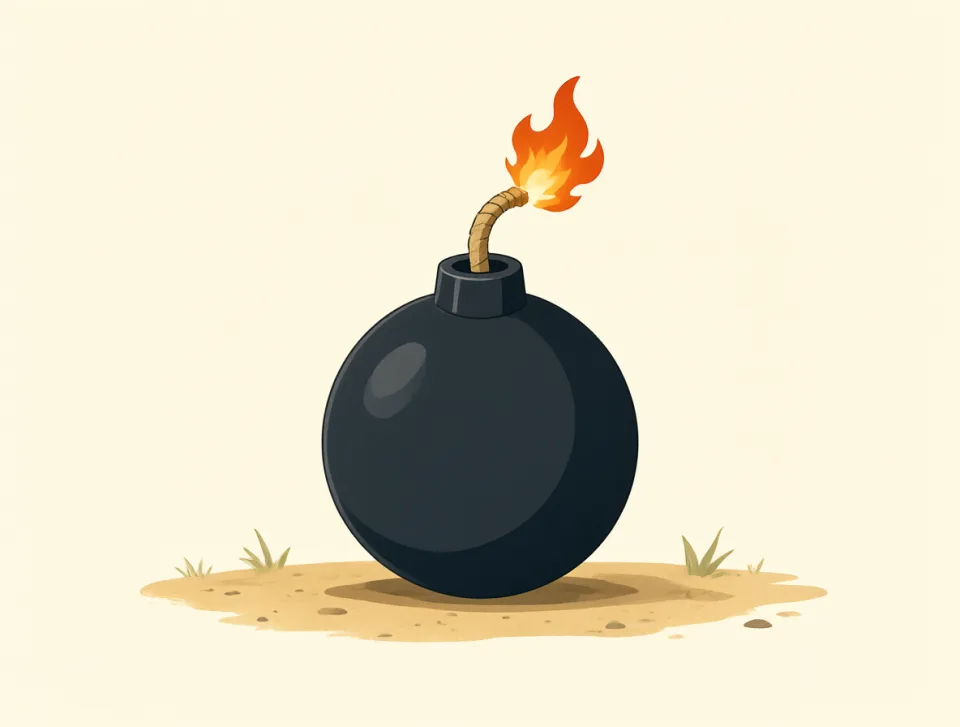
A bomb is a weapon that explodes, or to bomb is to attack with one.
Бомба — это оружие, которое взрывается; глагол to bomb означает атаковать с помощью бомб.
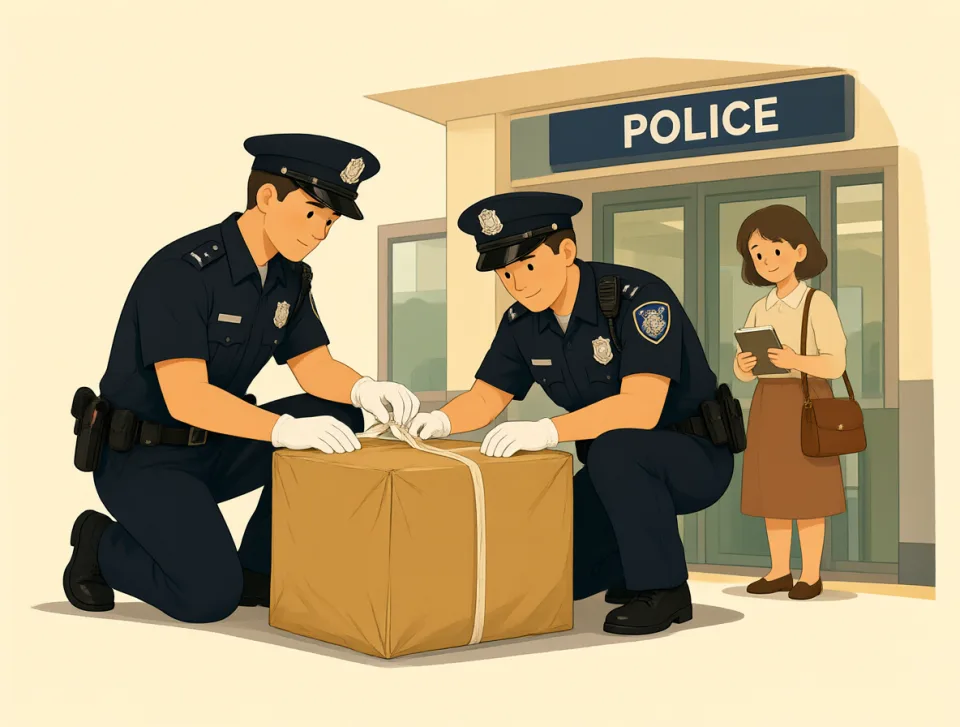
The police found a bomb near the train station.
Полиция обнаружила бомбу возле железнодорожной станции.
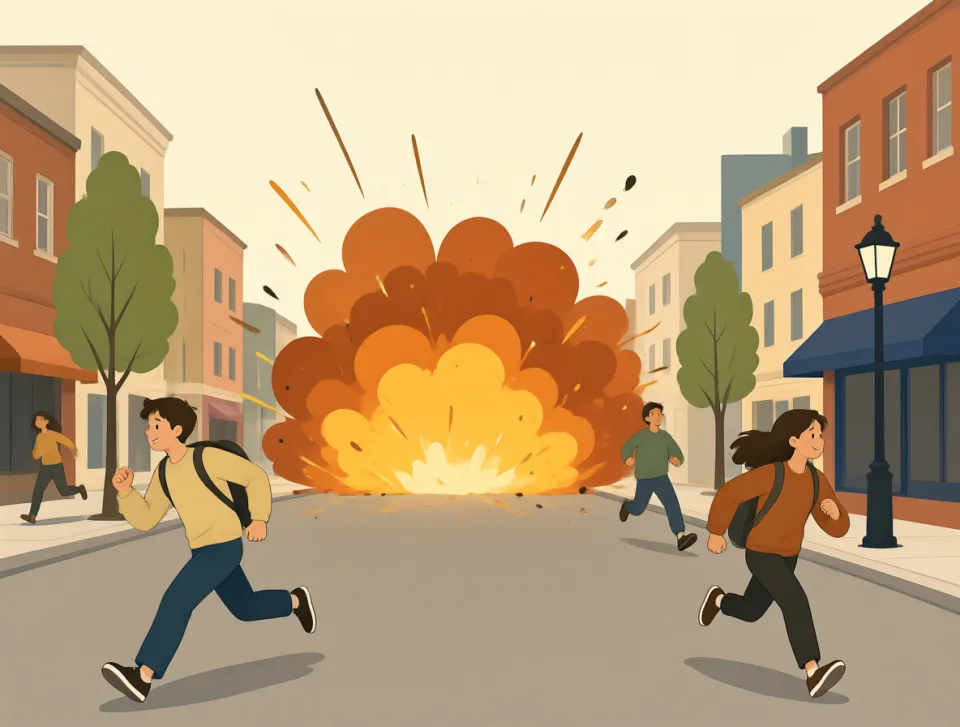
The bomb exploded before anyone could move it.
Бомба взорвалась, прежде чем кто-либо успел её переместить.
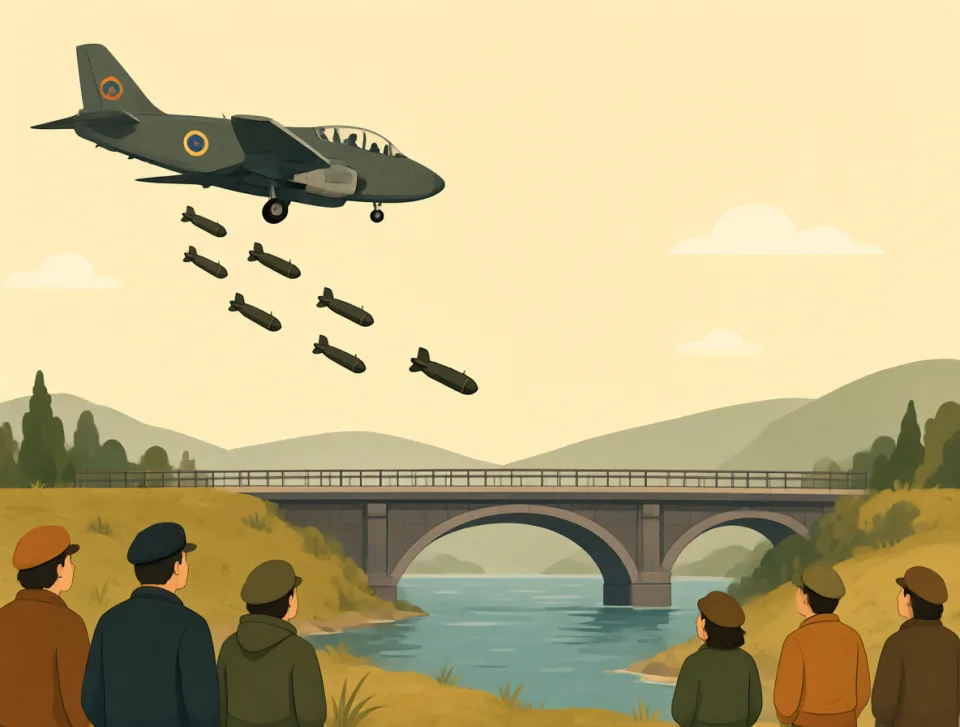
The army bombed the bridge during the war.
Во время войны армия разбомбила мост.
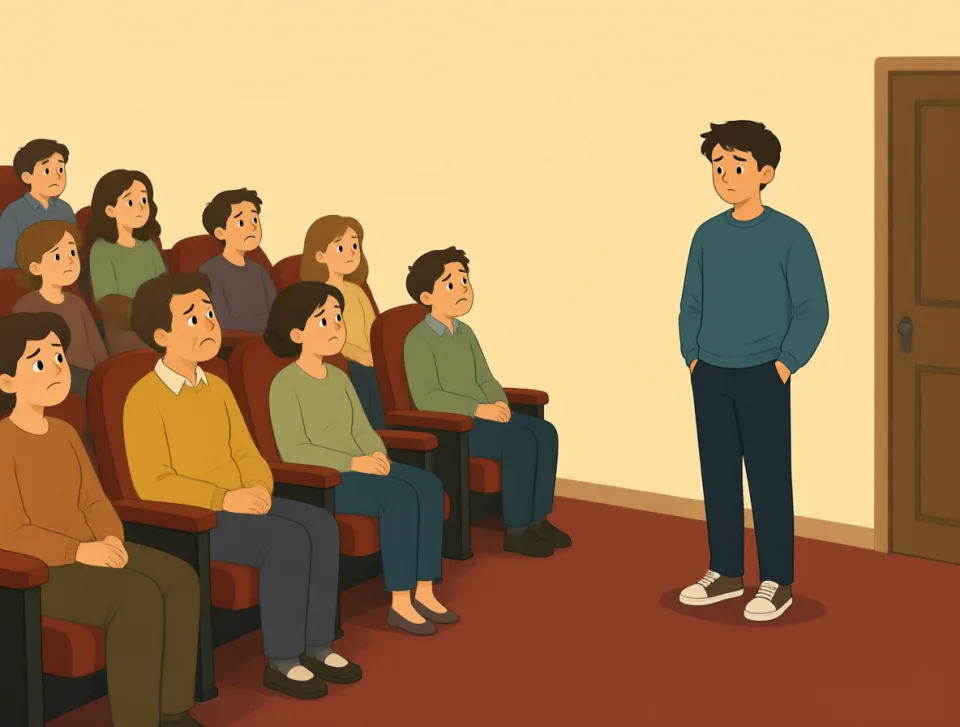
The movie bombed because nobody enjoyed the story.
Фильм провалился, потому что никому не понравился сюжет.

I bombed my math test and need more practice.
Я завалил контрольную по математике, и мне нужно больше заниматься.
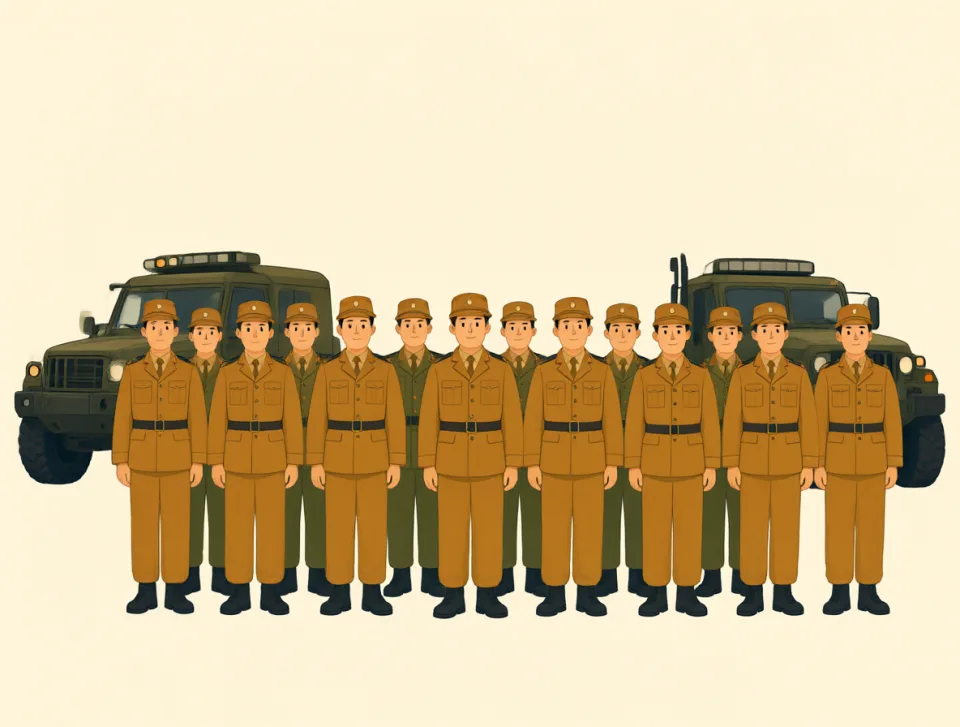
army
#1418noun
армия
A large organized group of soldiers trained to fight for a country.
Большая организованная группа солдат, обученных сражаться за свою страну.

Her brother joined the army after finishing school.
После окончания школы её брат вступил в армию.
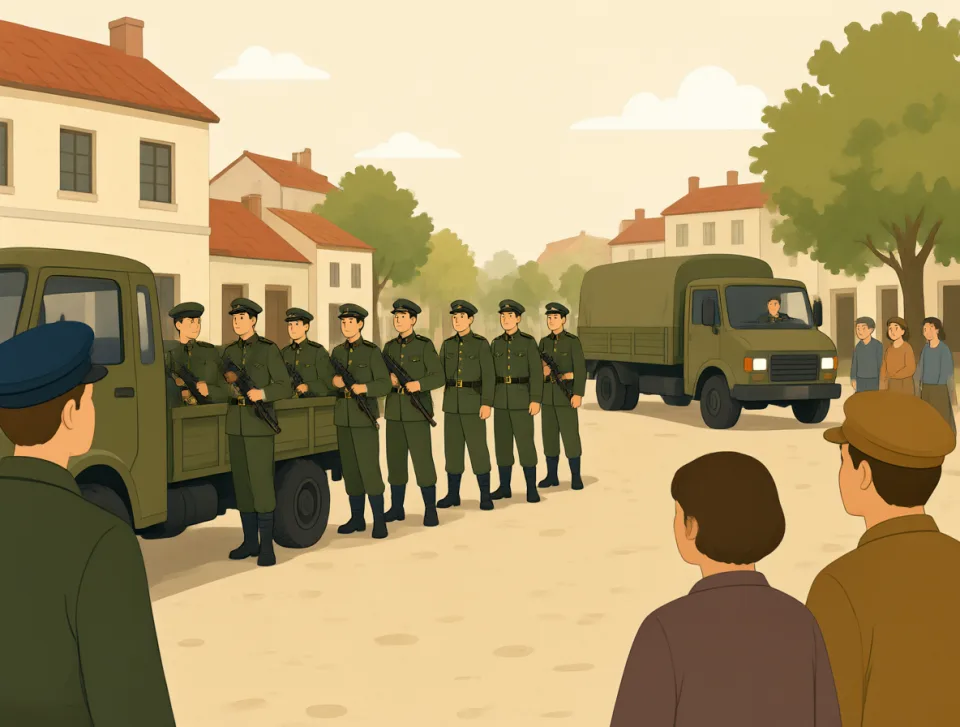
The army sent more soldiers to protect the town.
Армия направила в город дополнительных солдат для его защиты.
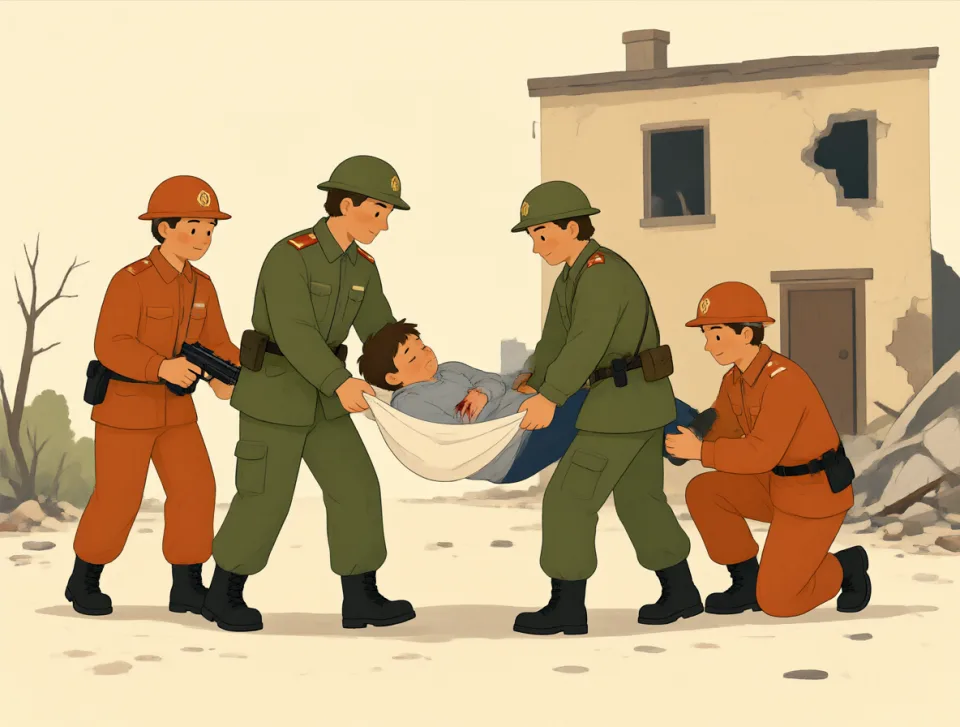
The army helped rescue people after the earthquake.
Армия помогала спасать людей после землетрясения.

My grandfather spent twenty years in the army.
Мой дедушка прослужил в армии двадцать лет.
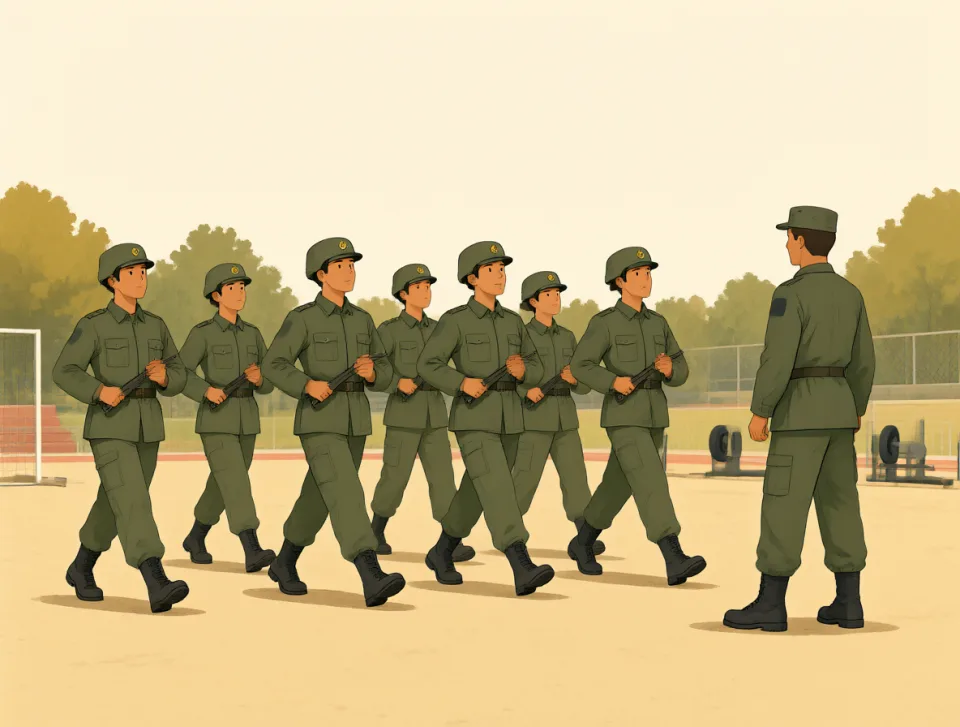
The army trained the new soldiers for three months.
Армия обучала новобранцев в течение трёх месяцев.
dangerous
#1419adjective
опасный
Likely to hurt people, damage things, or cause problems.
Такой, который может причинить вред людям, повредить вещи или создать проблемы.

That road is dangerous after dark, so drive slowly.
После наступления темноты эта дорога опасна, поэтому езжайте медленно.

It is dangerous to swim near the rocks during a storm.
Во время шторма опасно плавать возле скал.
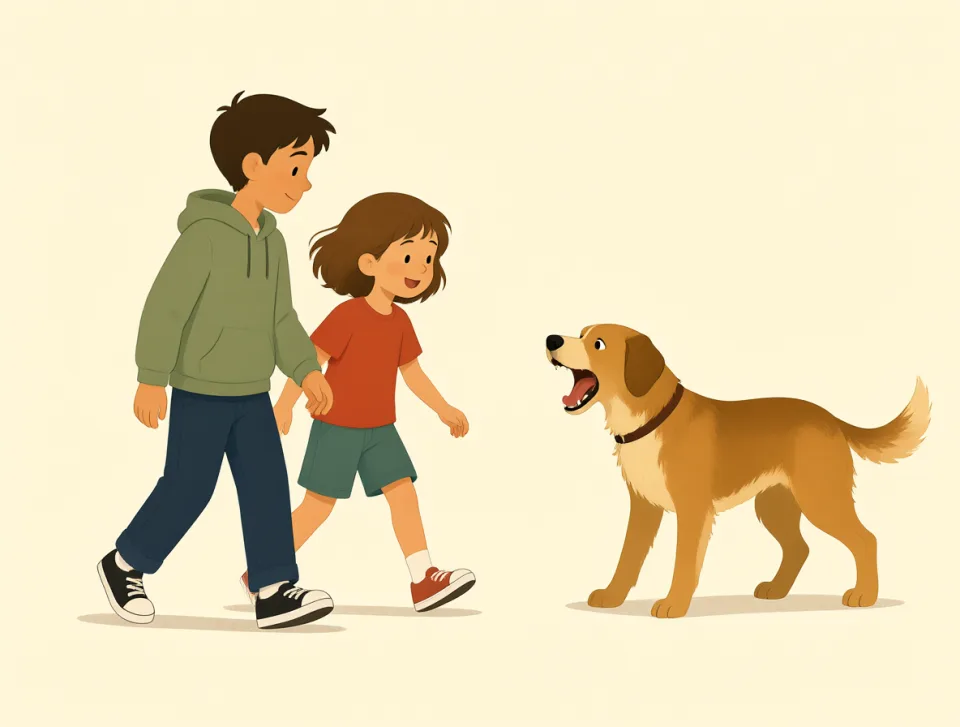
The children moved away from the dangerous dog.
Дети отошли от опасной собаки.
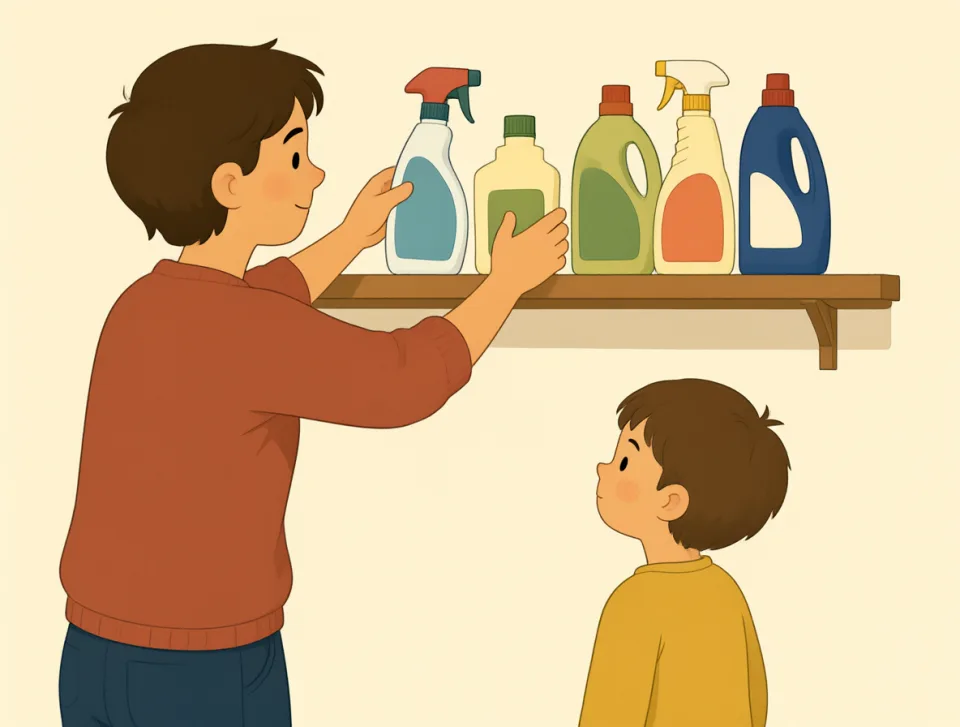
Keep dangerous cleaning products away from young children.
Храните опасные чистящие средства в недоступном для маленьких детей месте.

The doctor warned him that dangerous levels of stress could harm his health.
Врач предупредил его, что опасный уровень стресса может навредить здоровью.

decrease
#1420noun, verb
уменьшаться; уменьшать
to become or make something smaller in size, amount, number, or level
Становиться меньше или делать что-либо меньшим по размеру, количеству, числу или уровню.

The number of people using the bus decreased last month.
В прошлом месяце автобусом стало пользоваться меньше людей.
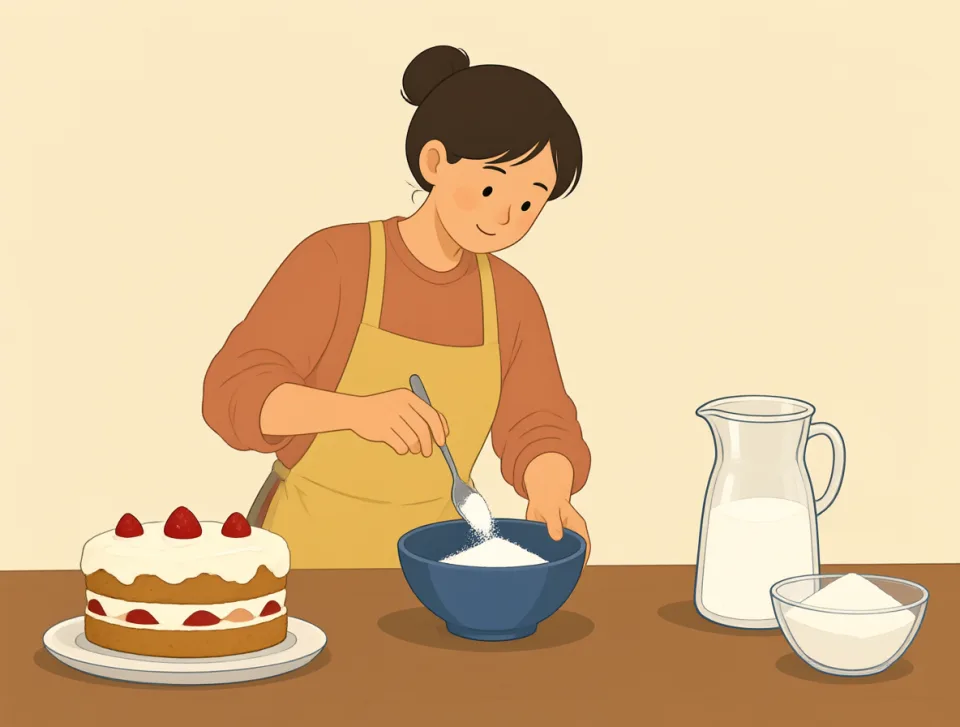
We need to decrease the amount of sugar in this cake.
Нам нужно уменьшить количество сахара в этом торте.

The doctor says regular exercise can decrease back pain.
Врач говорит, что регулярные физические упражнения могут уменьшить боль в спине.

Sales decreased after the shop raised its prices.
После повышения цен в магазине продажи снизились.
The temperature decreased quickly after the sun went down.
После захода солнца температура быстро понизилась.