หน่วย 71
คำที่ 1401–1420 · dear, objective, moreover, onto, historical, oppose

dear
#1401adjective, noun
ที่รัก
Loved or liked very much; used when speaking kindly to someone.
เป็นที่รักหรือชื่นชอบมาก ใช้พูดกับใครสักคนอย่างอ่อนโยน

Dear Grandma, thank you for the lovely birthday present.
ถึงคุณยายที่รัก ขอบคุณสำหรับของขวัญวันเกิดแสนน่ารักนะคะ

The hotel is dear, so we chose a cheaper room.
โรงแรมราคาแพง เราเลยเลือกห้องที่ถูกกว่า
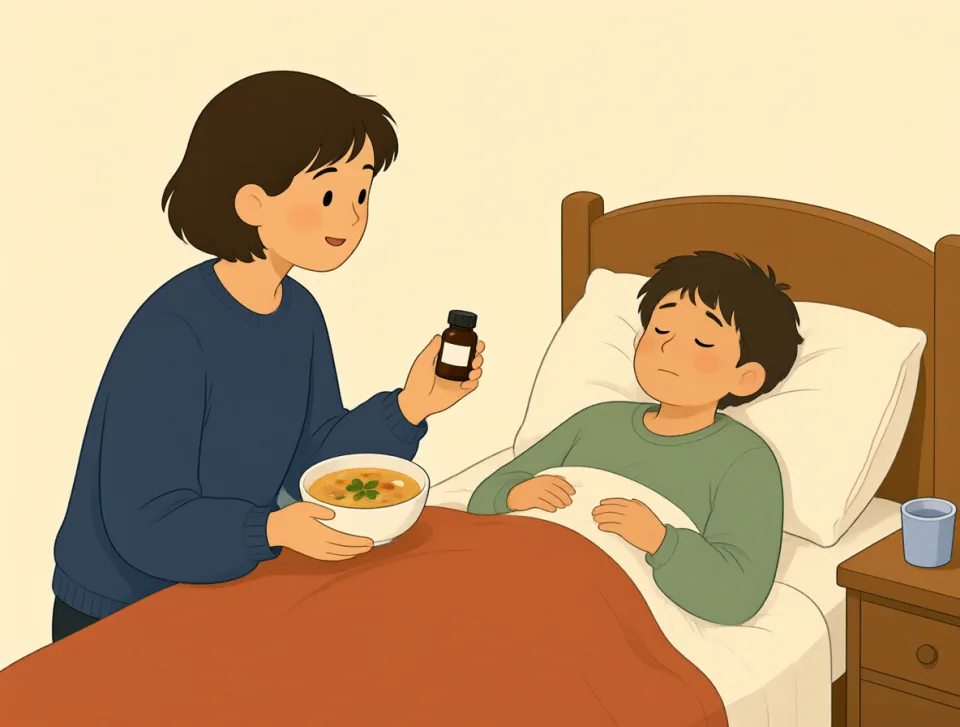
My dear friend helped me when I was sick.
เพื่อนรักของฉันช่วยฉันตอนที่ฉันป่วย

Dear customers, please keep your receipts after shopping.
เรียนลูกค้าทุกท่าน กรุณาเก็บใบเสร็จไว้หลังซื้อสินค้า

Oh dear, I forgot my homework on the kitchen table.
แย่จัง ฉันลืมการบ้านไว้บนโต๊ะในครัว

objective
#1402noun, adjective
วัตถุประสงค์
A goal or aim; based on facts rather than personal feelings.
เป้าหมายหรือจุดมุ่งหมาย; อิงตามข้อเท็จจริง ไม่ใช่ความรู้สึกส่วนตัว

Our main objective is to finish the project by Friday.
เป้าหมายหลักของเราคือทำโครงการให้เสร็จภายในวันศุกร์

The teacher explained the learning objectives before the lesson.
ครูอธิบายจุดประสงค์การเรียนรู้ก่อนเริ่มบทเรียน

We need an objective opinion before choosing a new restaurant.
เราต้องการความคิดเห็นที่เป็นกลางก่อนเลือกร้านอาหารใหม่

The doctor made an objective assessment of my knee injury.
คุณหมอประเมินอาการบาดเจ็บที่เข่าของฉันอย่างเป็นกลาง

The camera gave an objective view of the beautiful mountain scenery.
กล้องถ่ายภาพทิวทัศน์ภูเขาอันงดงามได้อย่างตรงไปตรงมา

moreover
#1403adverb
ยิ่งไปกว่านั้น
Used to add another important fact or reason to what you have just said.
ใช้เพิ่มข้อเท็จจริงหรือเหตุผลสำคัญอีกข้อจากสิ่งที่เพิ่งพูดไป
The hotel is cheap; moreover, it is close to the station.
โรงแรมราคาถูก แถมยังอยู่ใกล้สถานีด้วย

She speaks three languages and, moreover, teaches English online.
เธอพูดได้สามภาษา แถมยังสอนภาษาอังกฤษออนไลน์ด้วย

The job offers flexible hours; moreover, the salary is excellent.
งานนี้มีเวลาทำงานยืดหยุ่น แถมเงินเดือนยังดีมากด้วย
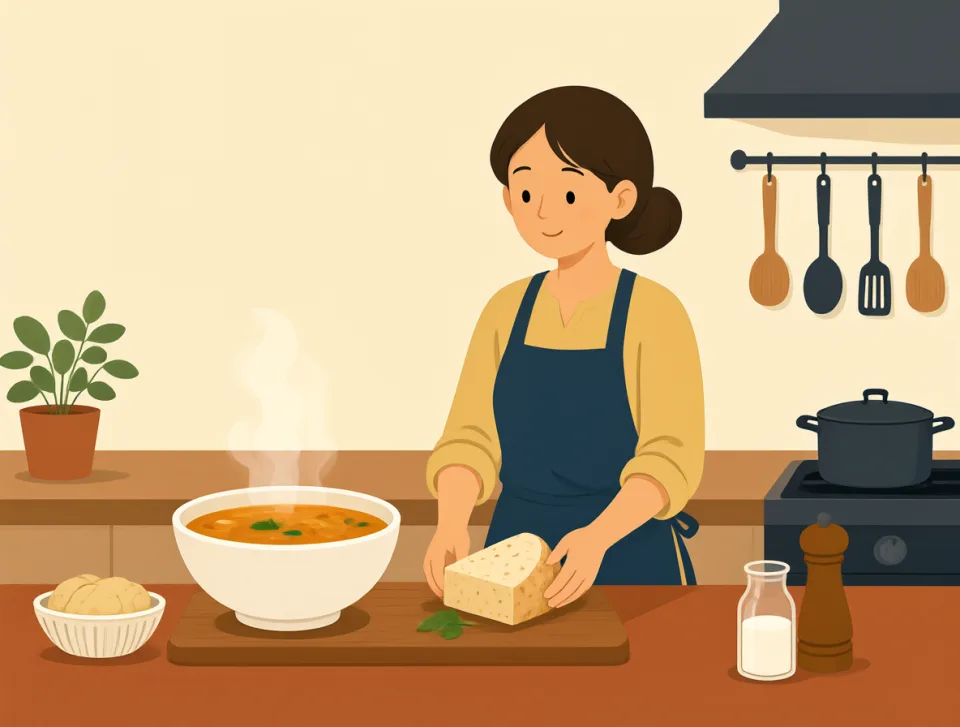
The soup is delicious; moreover, it is quick and easy to make.
ซุปอร่อย แถมยังทำได้ง่ายและรวดเร็วด้วย

He apologized for being late; moreover, he offered to help clean up.
เขาขอโทษที่มาสาย แถมยังเสนอตัวช่วยทำความสะอาดด้วย

onto
#1404preposition
ไปยังบน
to a position on or above something
ไปอยู่ในตำแหน่งบนหรือเหนือบางสิ่ง

The cat jumped onto the sofa and fell asleep.
แมวกระโดดขึ้นไปบนโซฟาแล้วก็หลับไป

Please put the books onto the table.
กรุณาวางหนังสือไว้บนโต๊ะ

She climbed onto the bus just before it left.
เธอก้าวขึ้นรถบัสทันก่อนที่รถจะออก
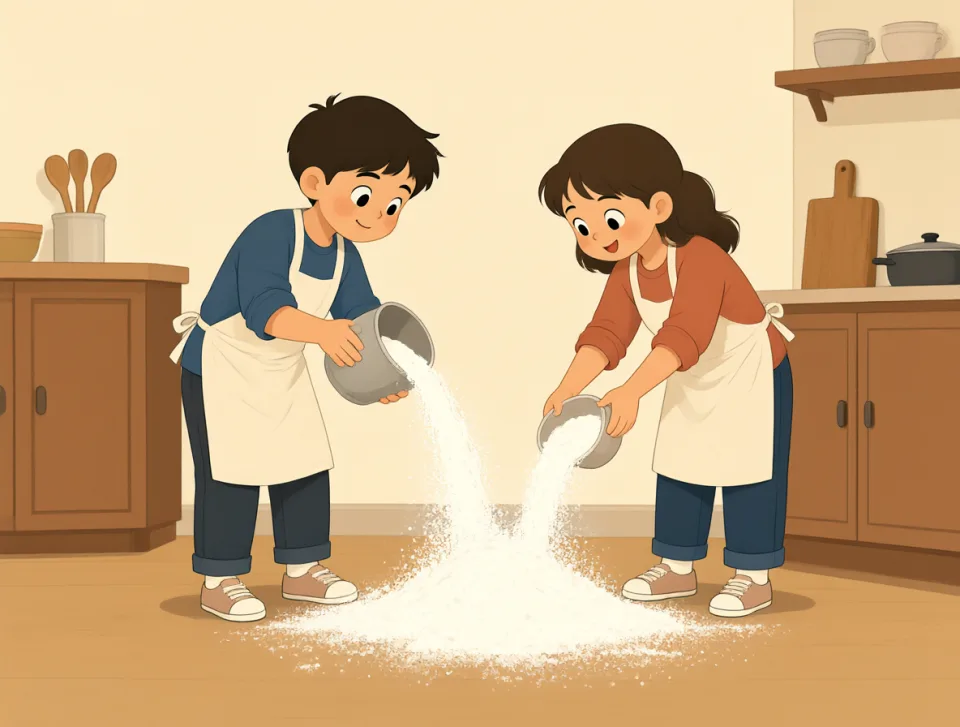
The children poured the flour onto the kitchen floor.
เด็กๆ เทแป้งลงบนพื้นห้องครัว

He transferred the photos onto his new computer.
เขาย้ายรูปถ่ายไปไว้ในคอมพิวเตอร์เครื่องใหม่

historical
#1405adjective
เกี่ยวกับประวัติศาสตร์
Connected with important people, events, or places from the past.
เกี่ยวข้องกับบุคคล เหตุการณ์ หรือสถานที่สำคัญในอดีต

We visited a historical castle during our summer holiday.
เราไปเที่ยวปราสาทเก่าแก่ที่มีความสำคัญทางประวัติศาสตร์ในช่วงวันหยุดฤดูร้อน

The museum has many historical objects from ancient Egypt.
พิพิธภัณฑ์มีวัตถุโบราณจากอียิปต์ยุคโบราณมากมาย
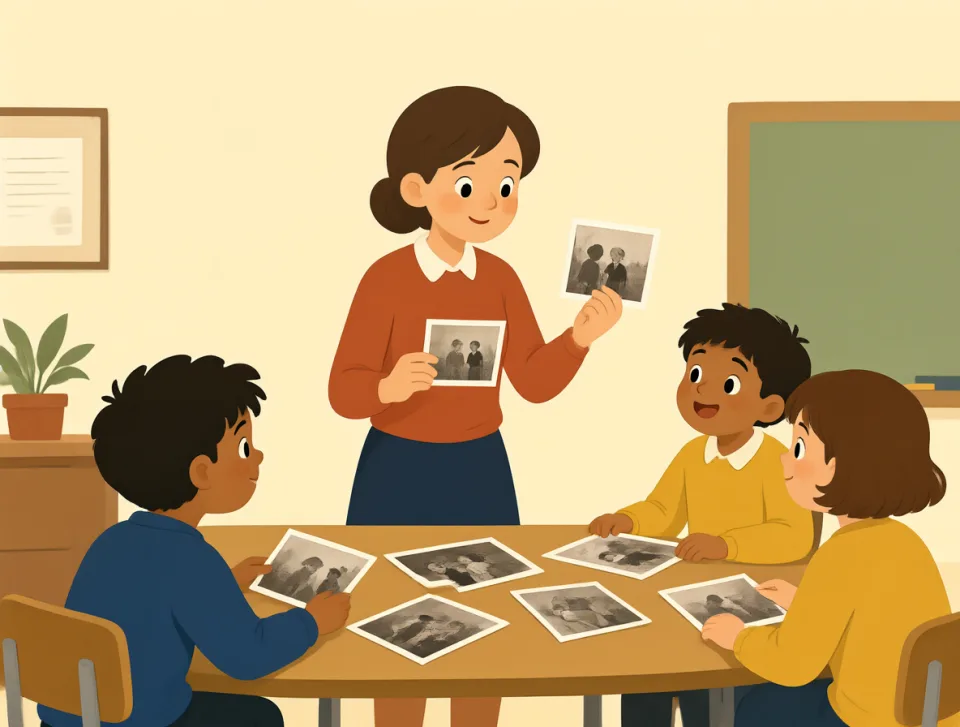
Our history teacher showed us historical photographs of the city.
ครูประวัติศาสตร์ของเราให้เราดูภาพถ่ายเก่าแก่ของเมือง

The town is famous for its historical buildings and narrow streets.
เมืองนี้มีชื่อเสียงด้านอาคารเก่าแก่และถนนแคบๆ ที่มีความสำคัญทางประวัติศาสตร์

She read a historical novel about a young woman during the war.
เธออ่านนิยายอิงประวัติศาสตร์เกี่ยวกับหญิงสาวคนหนึ่งในช่วงสงคราม

oppose
#1406verb
คัดค้าน
to disagree with or fight against a person, plan, or idea
ไม่เห็นด้วยหรือขัดขวางบุคคล แผน หรือความคิด
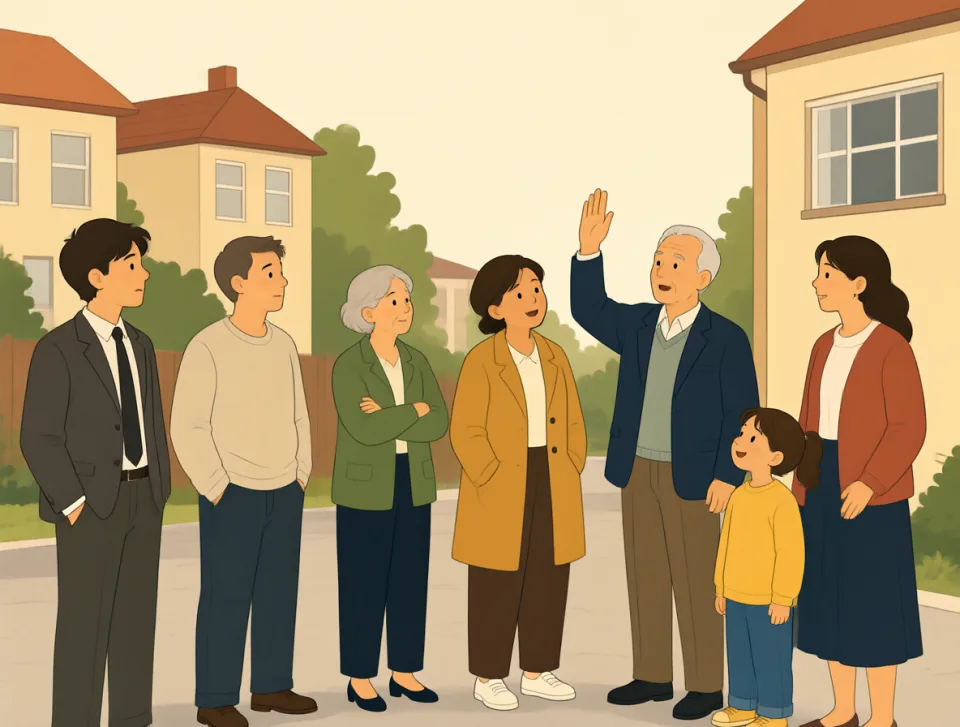
Many residents oppose the plan to build a new airport.
ชาวบ้านจำนวนมากคัดค้านแผนสร้างสนามบินแห่งใหม่

My parents opposed my decision to leave school early.
พ่อแม่ของฉันคัดค้านการตัดสินใจลาออกจากโรงเรียนก่อนกำหนดของฉัน

Some workers are opposing the company’s decision to cut their hours.
คนงานบางส่วนกำลังคัดค้านการตัดสินใจลดชั่วโมงทำงานของบริษัท

The doctor opposed giving him antibiotics for a simple cold.
หมอคัดค้านการให้ยาปฏิชีวนะแก่เขาเพราะเป็นแค่หวัดธรรมดา

Our team opposed the other team throughout the football match.
ทีมของเราต่อกรกับทีมคู่แข่งตลอดการแข่งขันฟุตบอล

branch
#1407noun, verb
กิ่ง; สาขา
A part of a tree growing from the trunk, or a separate part of a larger organization.
ส่วนหนึ่งของต้นไม้ที่งอกจากลำต้น หรือหน่วยงานย่อยขององค์กรขนาดใหญ่

A bird built its nest on a high branch.
นกตัวหนึ่งสร้างรังไว้บนกิ่งไม้สูง
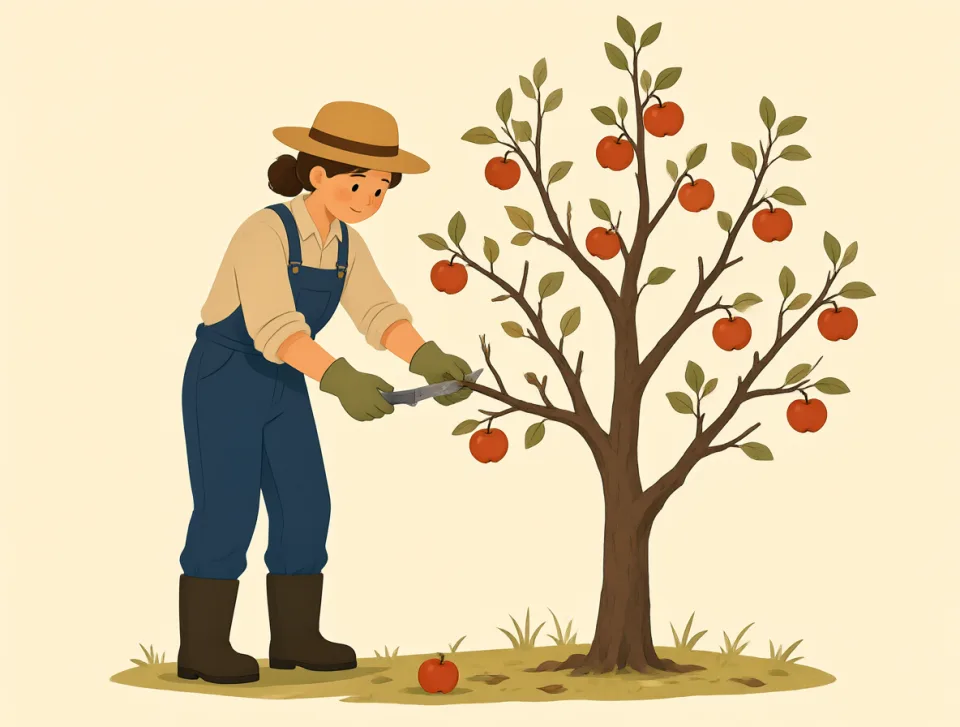
Please cut the dead branches from the apple tree.
กรุณาตัดกิ่งที่ตายแล้วออกจากต้นแอปเปิล

The bank opened a new branch near our home.
ธนาคารเปิดสาขาใหม่ใกล้บ้านเรา

Our company is branching into online education this year.
ปีนี้บริษัทของเรากำลังขยายธุรกิจไปสู่การศึกษาออนไลน์

The path branches off near the lake.
ทางแยกออกไปใกล้ทะเลสาบ

vehicle
#1408noun
ยานพาหนะ
A machine, such as a car, used for carrying people or things.
เครื่องจักรที่ใช้ขนส่งคนหรือสิ่งของ เช่น รถยนต์
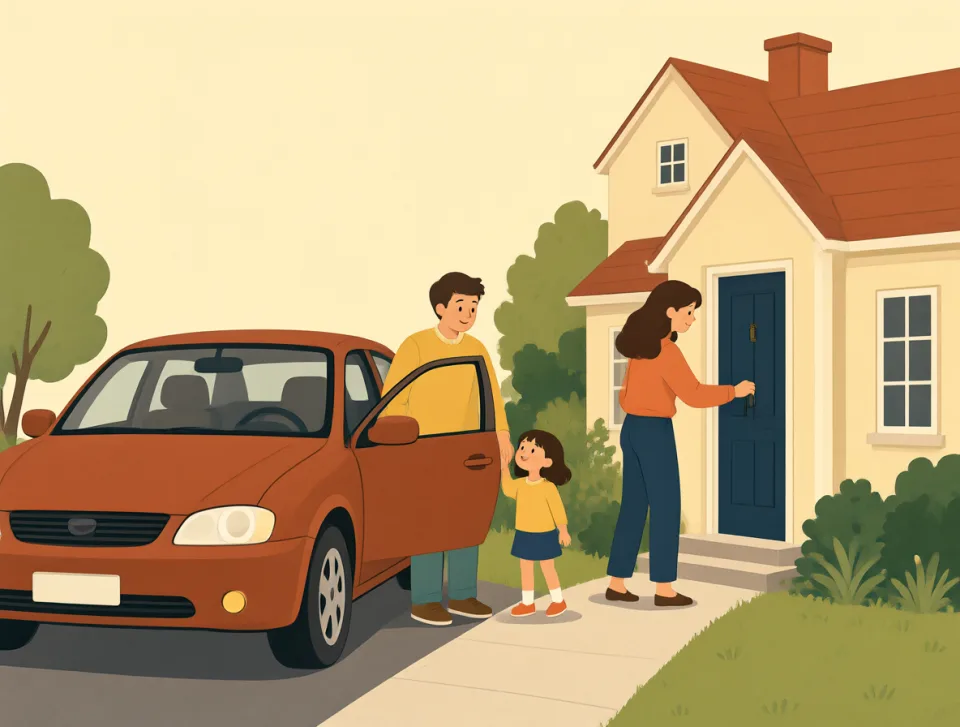
The vehicle stopped outside our house.
ยานพาหนะคันนั้นหยุดอยู่หน้าบ้านเรา

Public vehicles are often crowded during rush hour.
ยานพาหนะสาธารณะมักจะแน่นในช่วงชั่วโมงเร่งด่วน

The delivery vehicle brought our groceries this morning.
รถส่งของนำของชำมาส่งให้เราเมื่อเช้านี้
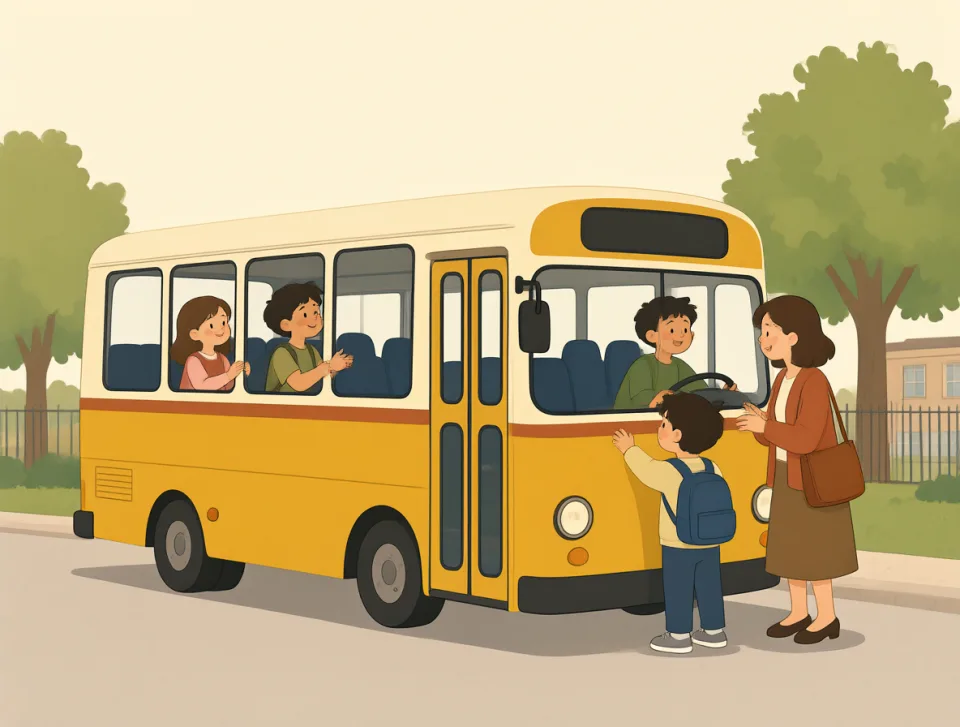
The school uses a small vehicle for field trips.
โรงเรียนใช้ยานพาหนะขนาดเล็กสำหรับทัศนศึกษา
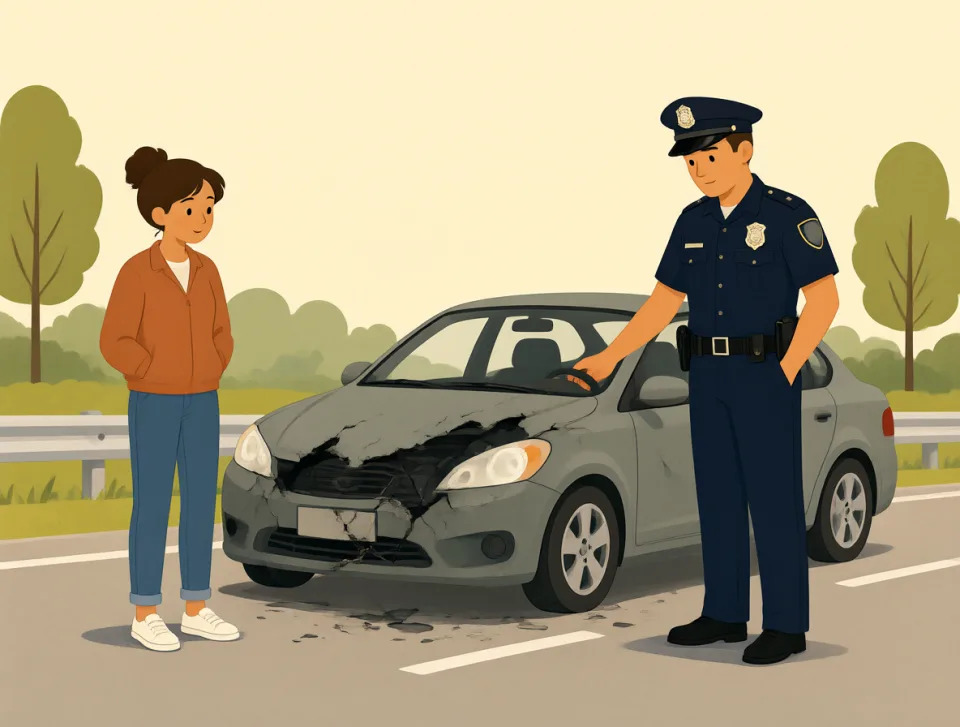
The police checked the vehicle after the accident.
ตำรวจตรวจสอบยานพาหนะหลังเกิดอุบัติเหตุ

scientist
#1409noun
นักวิทยาศาสตร์
A person who studies science and discovers how the natural world works.
ผู้ที่ศึกษาวิทยาศาสตร์และค้นหาว่าโลกธรรมชาติทำงานอย่างไร

The scientist studied how plants grow in the school laboratory.
นักวิทยาศาสตร์ศึกษาการเติบโตของพืชในห้องทดลองของโรงเรียน

A team of scientists tested the water for harmful chemicals.
ทีมนักวิทยาศาสตร์ตรวจสอบน้ำว่ามีสารเคมีอันตรายหรือไม่

My daughter wants to become a scientist when she grows up.
ลูกสาวของฉันอยากเป็นนักวิทยาศาสตร์เมื่อโตขึ้น

The scientist explained the new medicine to doctors at the hospital.
นักวิทยาศาสตร์อธิบายเรื่องยาใหม่ให้แพทย์ที่โรงพยาบาลฟัง
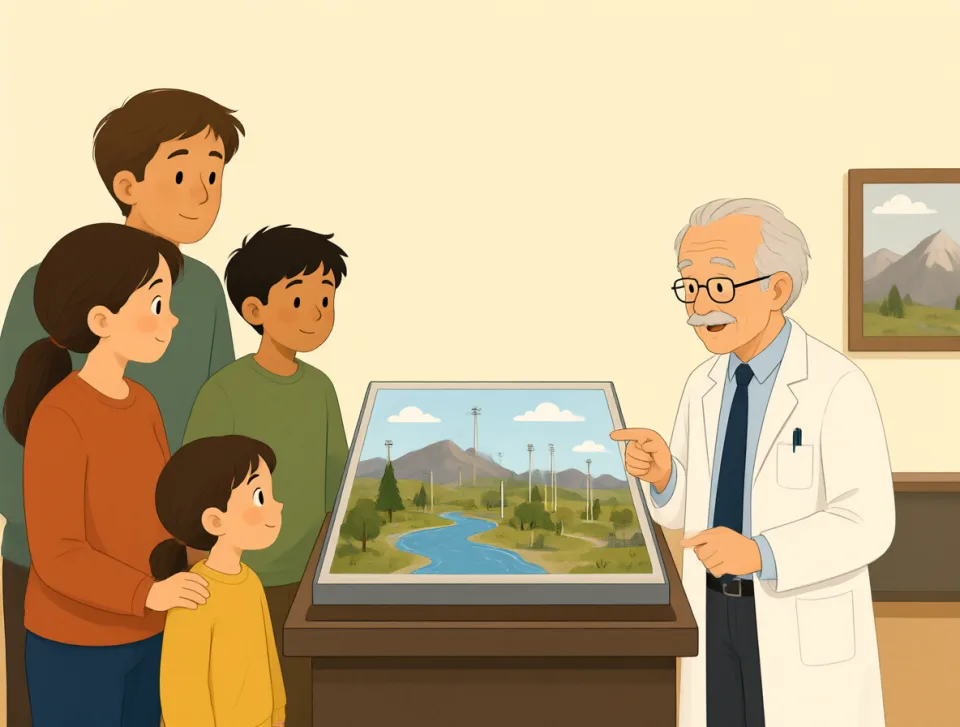
We met a scientist who studies weather during our museum visit.
เราได้พบกับนักวิทยาศาสตร์ที่ศึกษาเรื่องสภาพอากาศระหว่างไปเที่ยวพิพิธภัณฑ์

route
#1410noun, verb
เส้นทาง
A way from one place to another; to choose or follow this way.
ทางจากที่หนึ่งไปยังอีกที่หนึ่ง; เลือกหรือเดินทางตามเส้นทางนั้น

We took the fastest route home after work.
หลังเลิกงาน เราใช้เส้นทางที่เร็วที่สุดกลับบ้าน
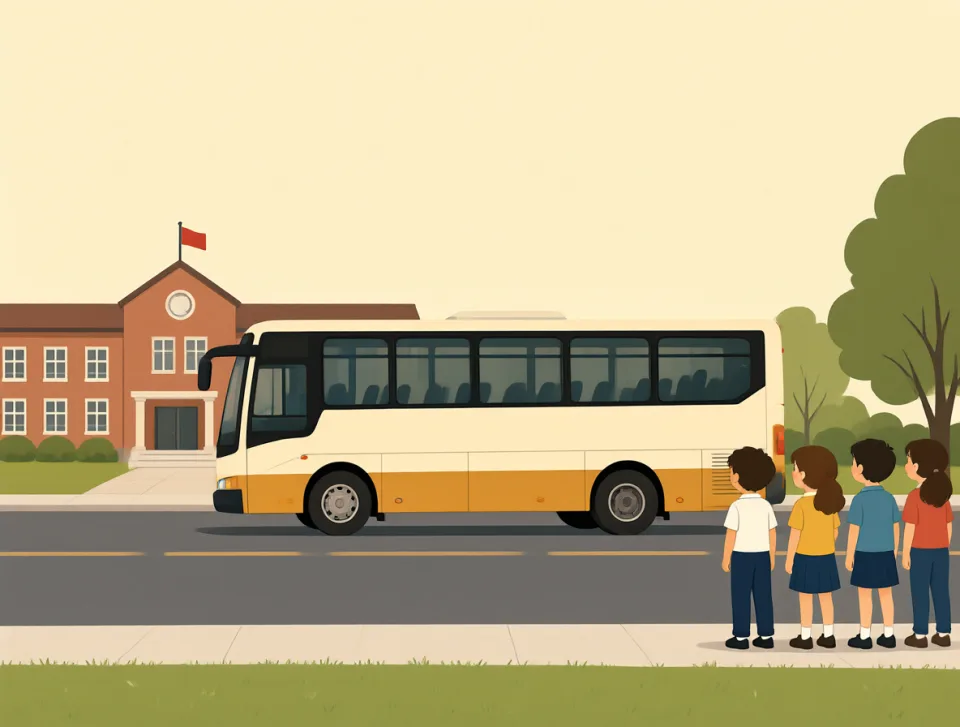
The bus route passes near my school every morning.
ทุกเช้า เส้นทางรถเมล์สายนี้ผ่านใกล้โรงเรียนของฉัน

Can you show me the best route to the airport?
ช่วยบอกเส้นทางที่ดีที่สุดไปสนามบินให้ฉันหน่อยได้ไหม

The delivery driver routed the packages through the city center.
คนขับรถส่งของส่งพัสดุผ่านใจกลางเมือง
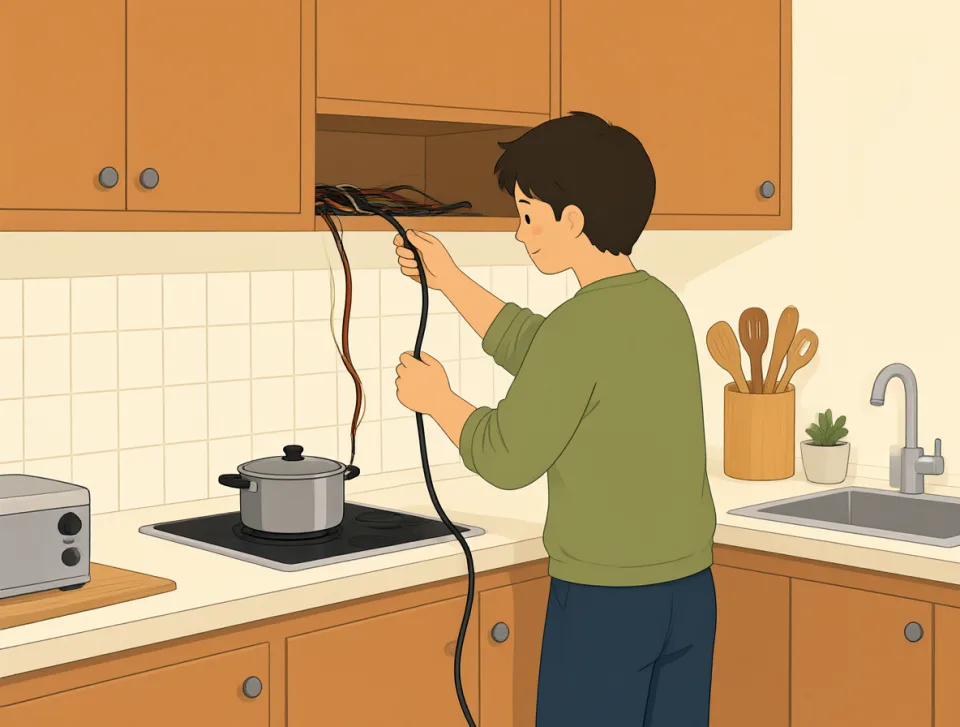
We are routing the wires behind the kitchen cabinets.
เรากำลังเดินสายไฟไว้ด้านหลังตู้ครัว
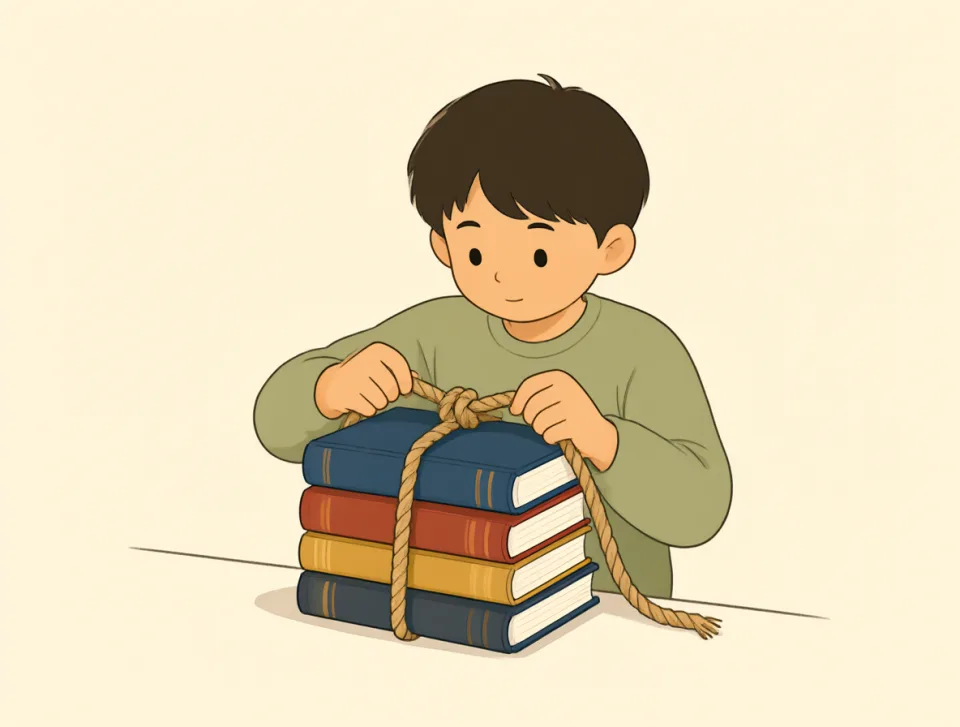
bind
#1411verb, noun
ผูก
To tie or hold things together; a difficult situation or promise that limits your choices.
ผูกหรือมัดสิ่งต่าง ๆ เข้าด้วยกัน หรือสถานการณ์ที่ยากลำบากหรือคำสัญญาที่จำกัดทางเลือกของคุณ

Please bind these papers together before the meeting.
กรุณามัดเอกสารเหล่านี้เข้าด้วยกันก่อนการประชุม

The contract binds both sides to the agreed price.
สัญญาผูกมัดทั้งสองฝ่ายให้ใช้ราคาตามที่ตกลงกันไว้
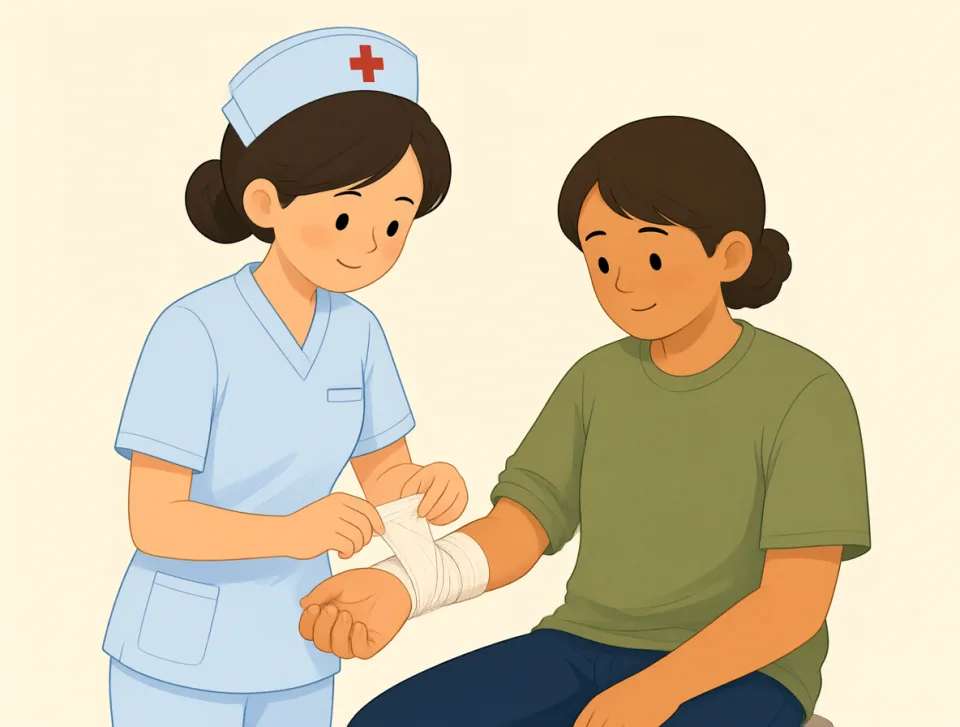
The nurse bound his injured wrist with a clean bandage.
พยาบาลพันผ้าพันแผลสะอาดรอบข้อมือที่บาดเจ็บของเขา

The old book has a beautiful leather bind.
ปกหนังของหนังสือเก่าเล่มนี้สวยมาก
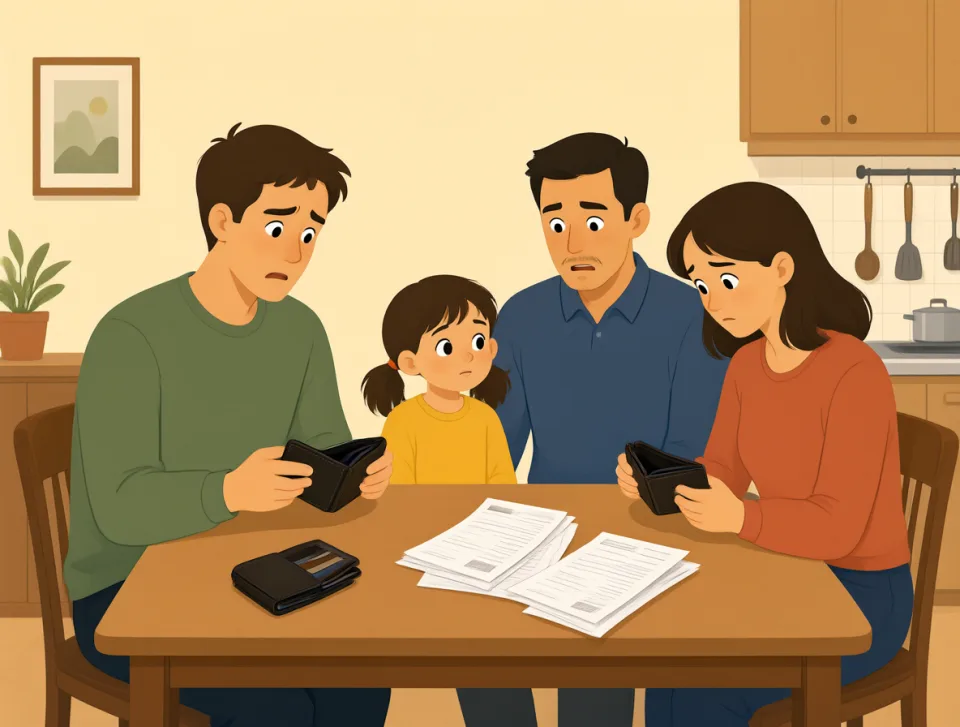
Lack of money put the family in a difficult bind.
การขาดเงินทำให้ครอบครัวตกอยู่ในสถานการณ์ที่ลำบาก

belong
#1412verb
เป็นของ
to be owned by someone or to feel comfortable as part of a group or place
เป็นของใครคนหนึ่ง หรือรู้สึกสบายใจเมื่อเป็นส่วนหนึ่งของกลุ่มหรือสถานที่
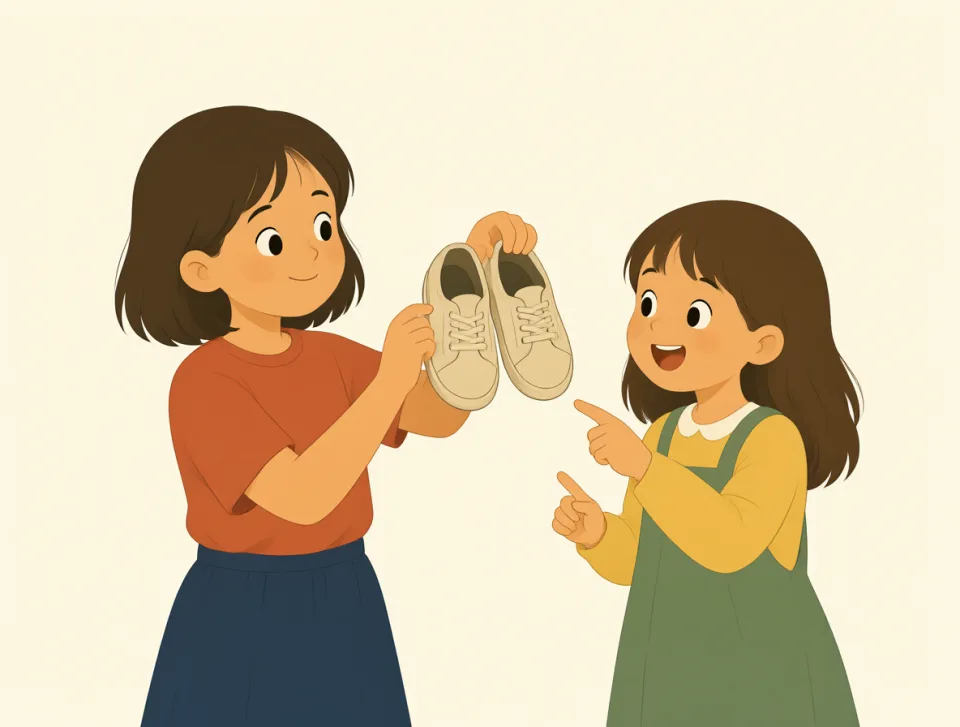
These shoes belong to my sister.
รองเท้าคู่นี้เป็นของพี่สาวฉัน

Please put the books where they belong.
ช่วยเอาหนังสือไปวางไว้ในที่ที่ควรวางหน่อย

I finally feel that I belong here.
ในที่สุดฉันก็รู้สึกว่าตัวเองเป็นส่วนหนึ่งของที่นี่

This bag must belong to someone on the train.
กระเป๋าใบนี้น่าจะเป็นของใครสักคนบนรถไฟ
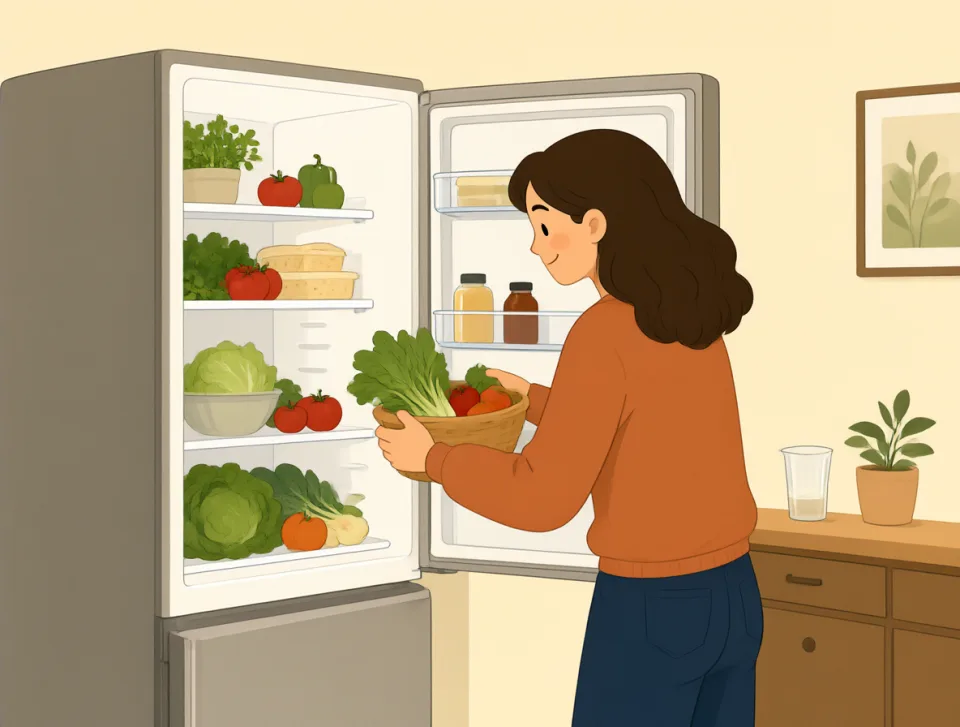
The vegetables belong in the refrigerator after shopping.
หลังจากซื้อผักมาแล้ว ควรเอาไปแช่ตู้เย็น
taste
#1413noun, verb
รสชาติ; ชิม
the flavor of something, or to try food or drink to know its flavor
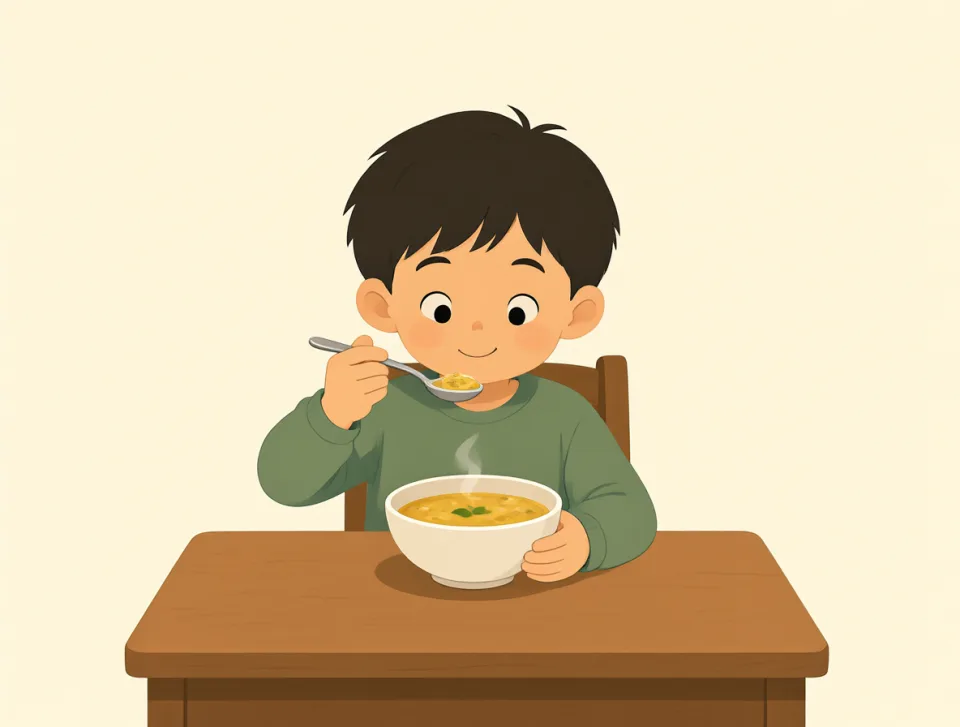
รสชาติของสิ่งใดสิ่งหนึ่ง หรือการลองชิมอาหารหรือเครื่องดื่มเพื่อให้รู้ว่ามีรสชาติอย่างไร
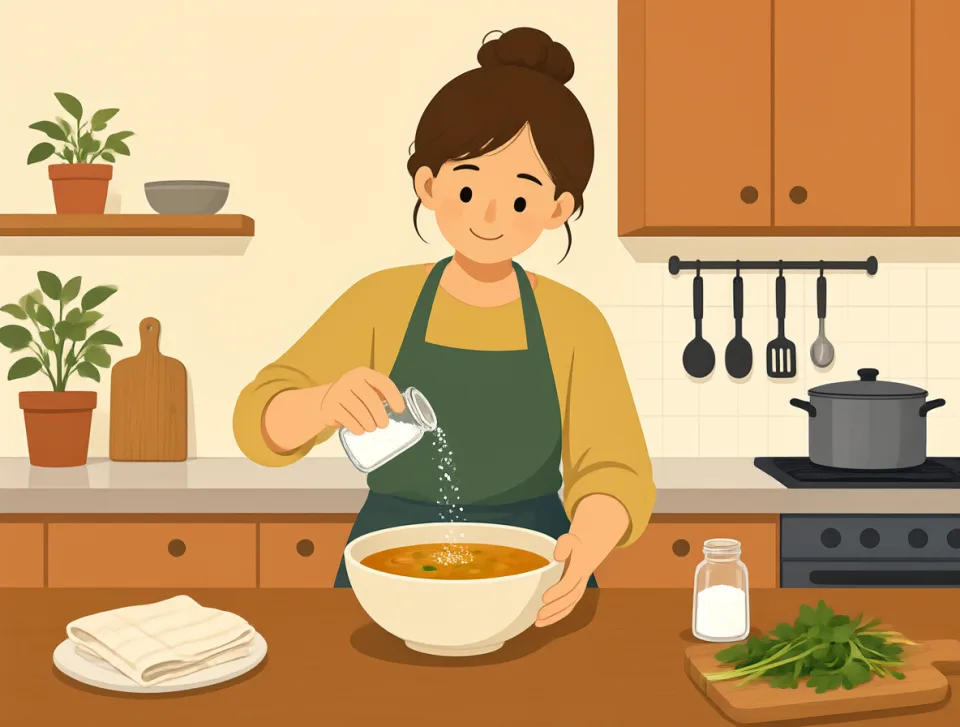
The soup tastes better with a little salt.
ซุปอร่อยขึ้นเมื่อเติมเกลืออีกนิด

Could I taste the cake before I buy it?
ขอชิมเค้กก่อนซื้อได้ไหมคะ

This medicine has a bitter taste.
ยานี้มีรสขม

She has good taste in clothes and always looks stylish.
เธอแต่งตัวมีรสนิยมและดูมีสไตล์อยู่เสมอ

We tasted fresh fruit during our trip to Spain.
เราได้ชิมผลไม้สดระหว่างเดินทางไปสเปน

tonight
#1414adverb, noun
คืนนี้
During the evening and night of today.
ในช่วงเย็นและกลางคืนของวันนี้
Are you staying home with us tonight?
คืนนี้อยู่บ้านกับพวกเราไหม

We are meeting our friends for dinner tonight.
คืนนี้เราจะไปกินข้าวกับเพื่อน ๆ

I have to finish this report tonight.
คืนนี้ฉันต้องทำรายงานนี้ให้เสร็จ

It may rain tonight, so take an umbrella.
คืนนี้ฝนอาจตก เอาร่มไปด้วยนะ

I feel better tonight than I did yesterday.
คืนนี้ฉันรู้สึกดีขึ้นกว่าเมื่อวาน

fashion
#1415noun
แฟชั่น
A popular style of clothes, hair, or appearance at a particular time.
รูปแบบการแต่งกาย ทรงผม หรือรูปลักษณ์ที่ได้รับความนิยมในช่วงเวลาหนึ่ง

She always wears the latest fashion to work.
เธอใส่เสื้อผ้าตามแฟชั่นล่าสุดไปทำงานเสมอ

Fashion changes quickly, so these shoes may look old next year.
แฟชั่นเปลี่ยนเร็ว รองเท้าคู่นี้อาจดูเชยในปีหน้า

He studied fashion at college and hopes to design clothes.
เขาเรียนแฟชั่นในมหาวิทยาลัยและหวังว่าจะได้ออกแบบเสื้อผ้า

The hotel restaurant is famous for its fashion and beautiful decorations.
ร้านอาหารของโรงแรมขึ้นชื่อเรื่องสไตล์การตกแต่งและของตกแต่งที่สวยงาม

My friends enjoy talking about fashion while shopping downtown.
เพื่อน ๆ ของฉันชอบคุยเรื่องแฟชั่นตอนเดินซื้อของในย่านใจกลางเมือง
danger
#1416noun
อันตราย
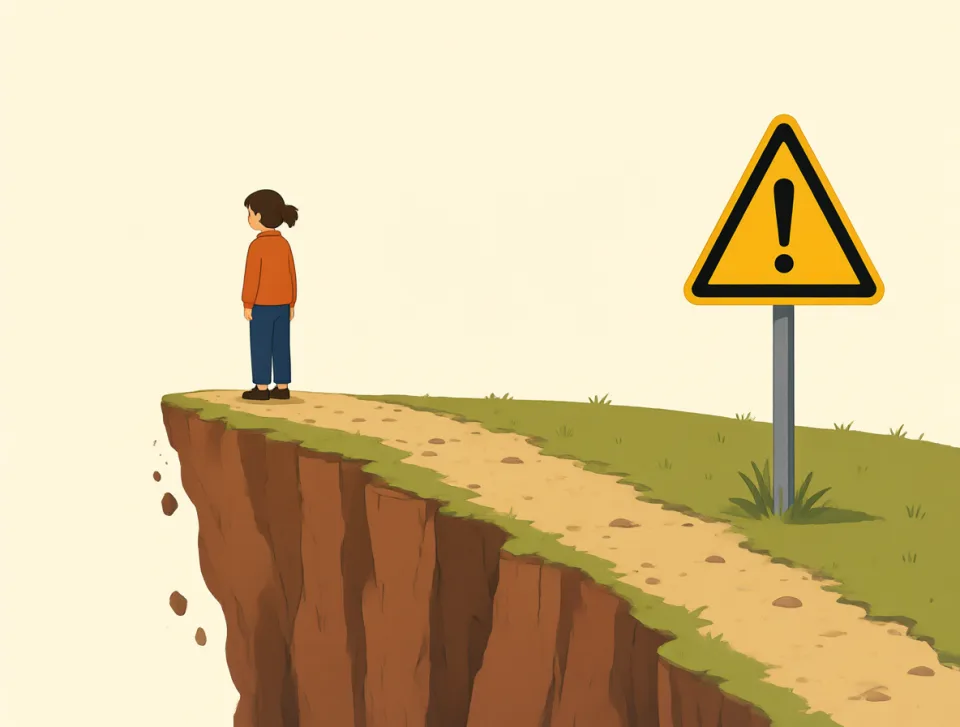
the possibility that someone or something will be harmed
ความเป็นไปได้ที่คนหรือสิ่งของจะได้รับอันตราย
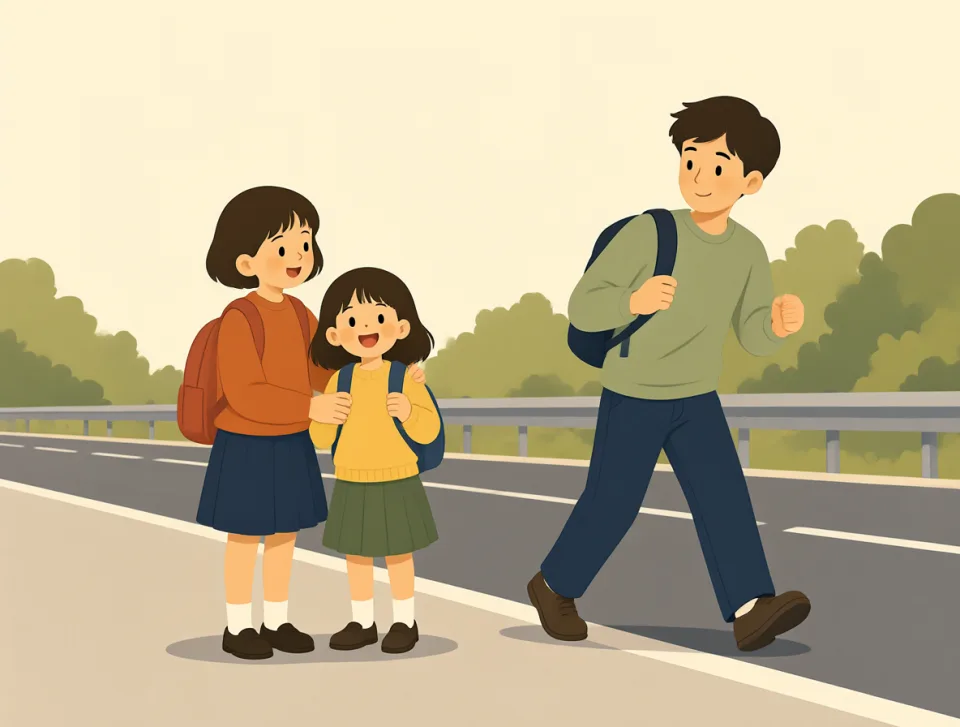
The children were in danger near the busy road.
เด็ก ๆ อยู่ในอันตรายเพราะอยู่ใกล้ถนนที่มีรถพลุกพล่าน
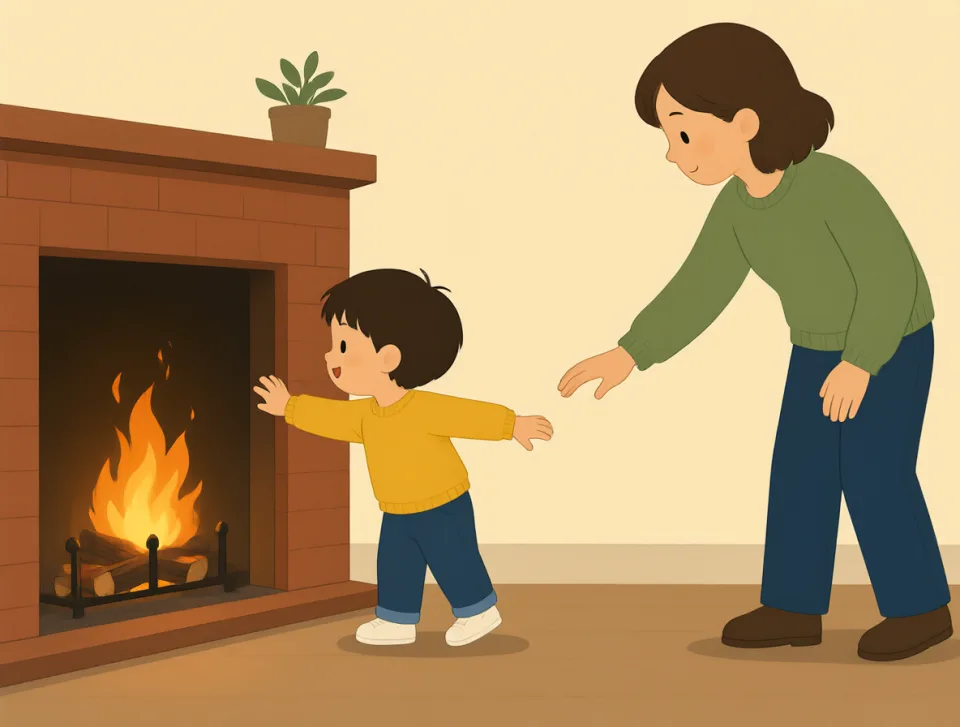
Keep your hands away from the fire to avoid danger.
อย่าเอามือเข้าใกล้ไฟ เพื่อหลีกเลี่ยงอันตราย

The pilot warned passengers about danger during the storm.
นักบินเตือนผู้โดยสารถึงอันตรายระหว่างพายุ

The mountain climbers faced great danger in the snow.
นักปีนเขาเผชิญกับอันตรายอย่างมากท่ามกลางหิมะ
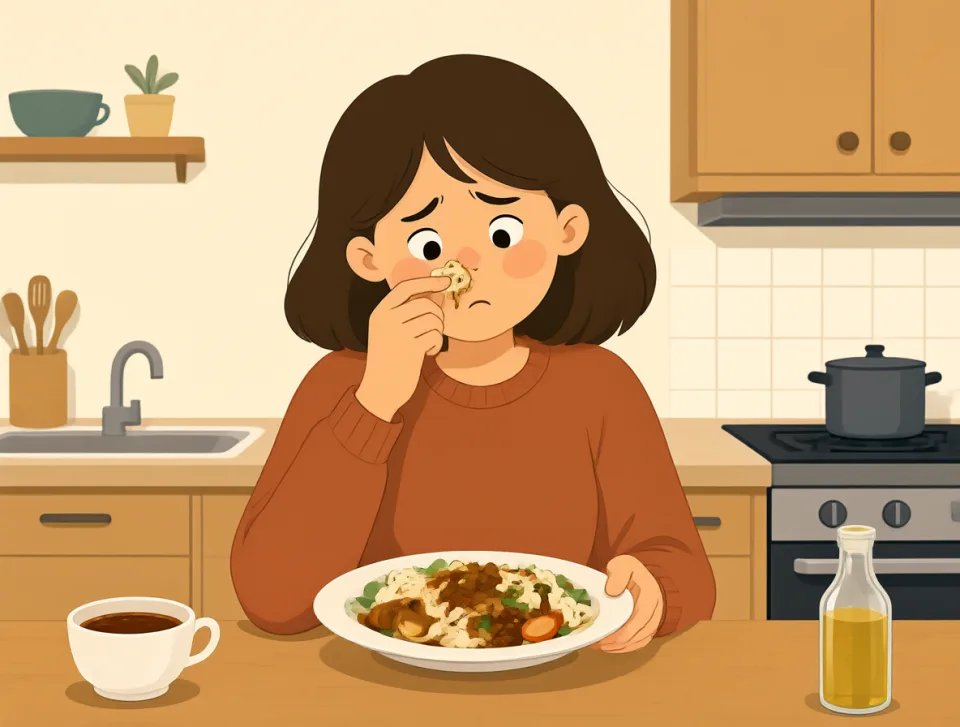
Eating spoiled food can put your health in danger.
การกินอาหารที่เน่าเสียอาจเป็นอันตรายต่อสุขภาพ
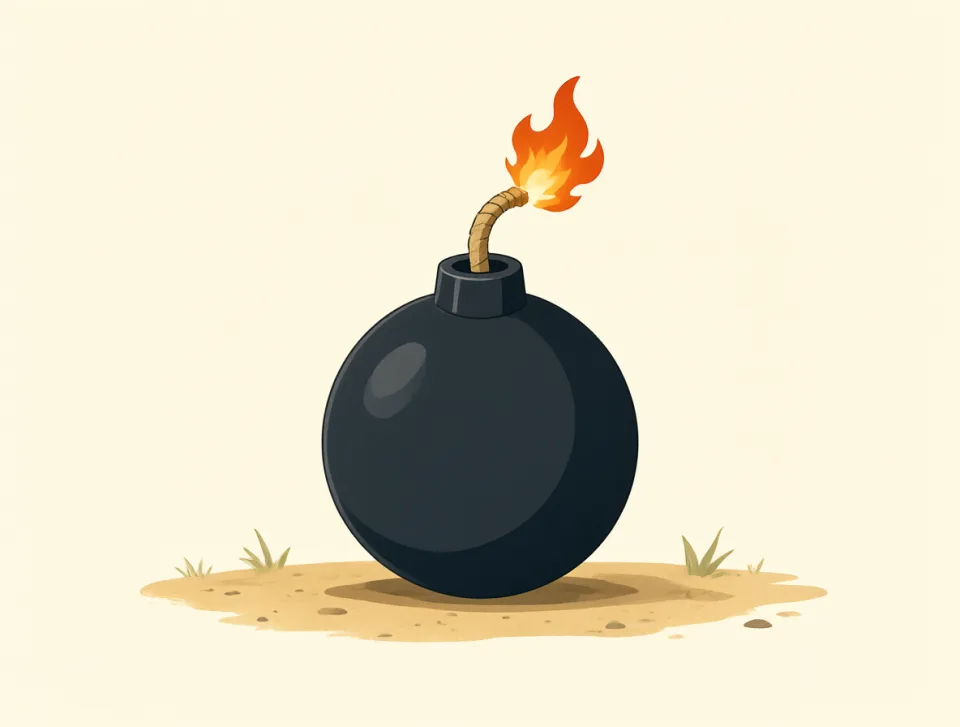
bomb
#1417noun, verb
ระเบิด
A bomb is a weapon that explodes, or to bomb is to attack with one.
ระเบิดคืออาวุธที่ระเบิดได้ หรือ bomb ในฐานะคำกริยาหมายถึงโจมตีด้วยระเบิด
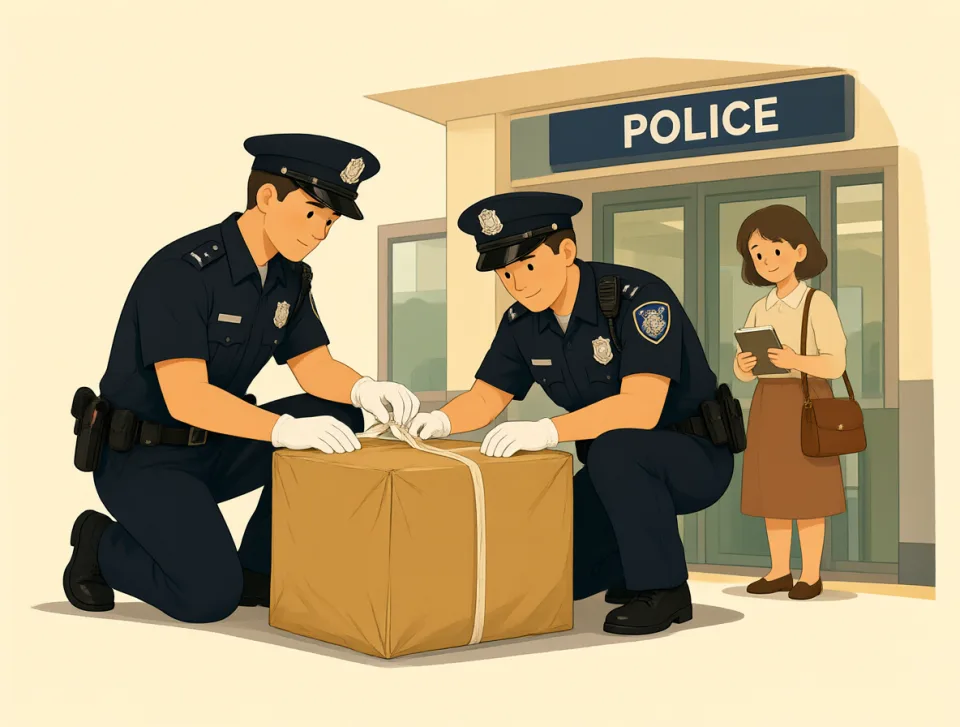
The police found a bomb near the train station.
ตำรวจพบระเบิดใกล้สถานีรถไฟ
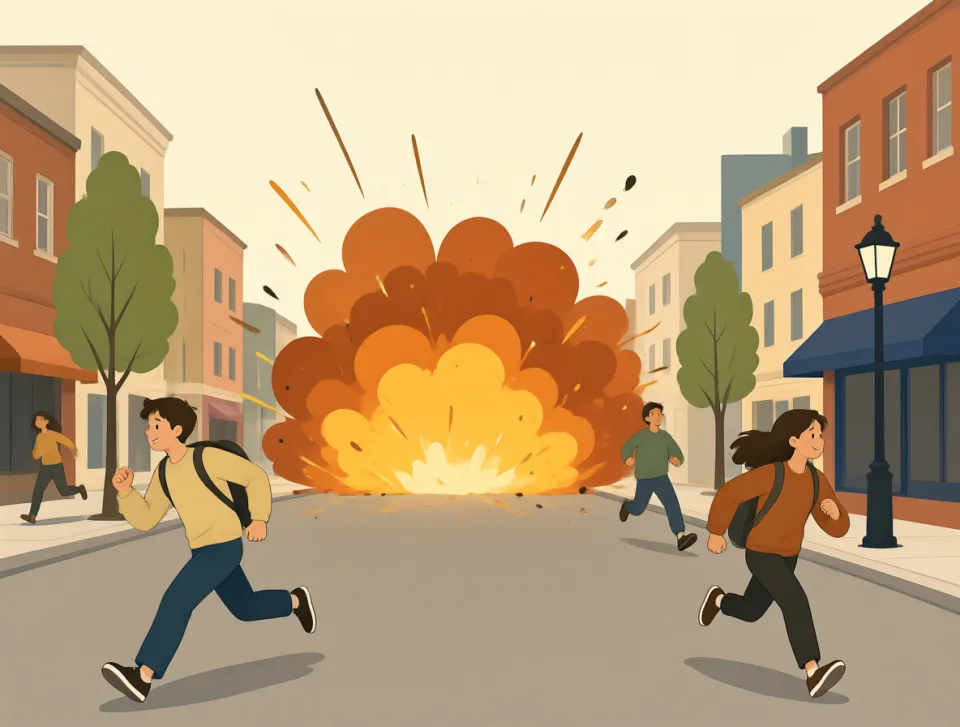
The bomb exploded before anyone could move it.
ระเบิดทำงานก่อนที่ใครจะเคลื่อนย้ายมันได้
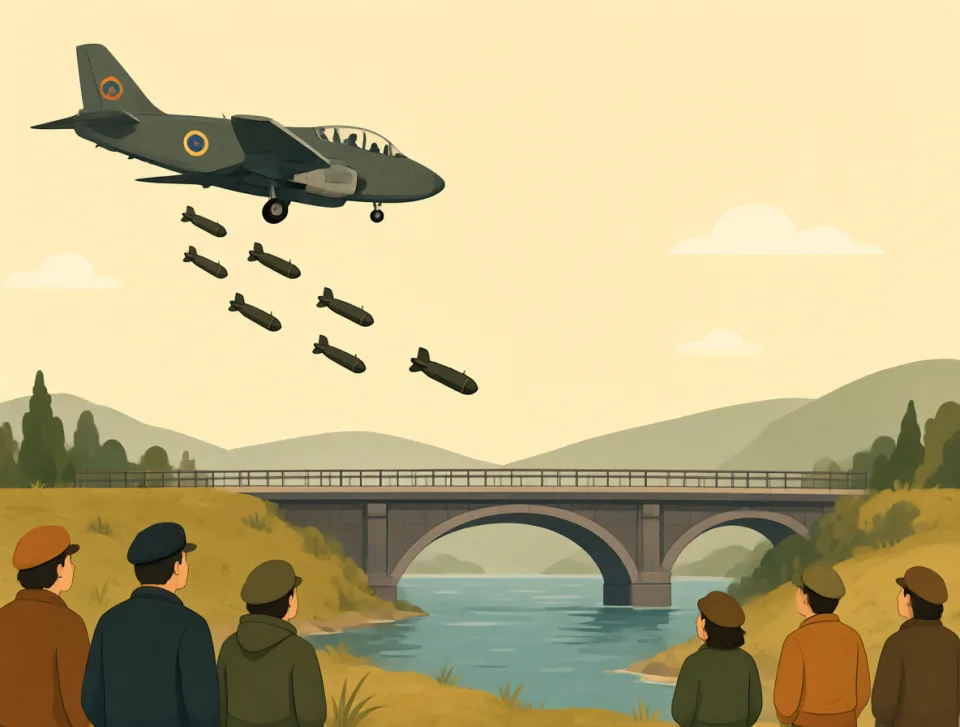
The army bombed the bridge during the war.
กองทัพทิ้งระเบิดสะพานในช่วงสงคราม
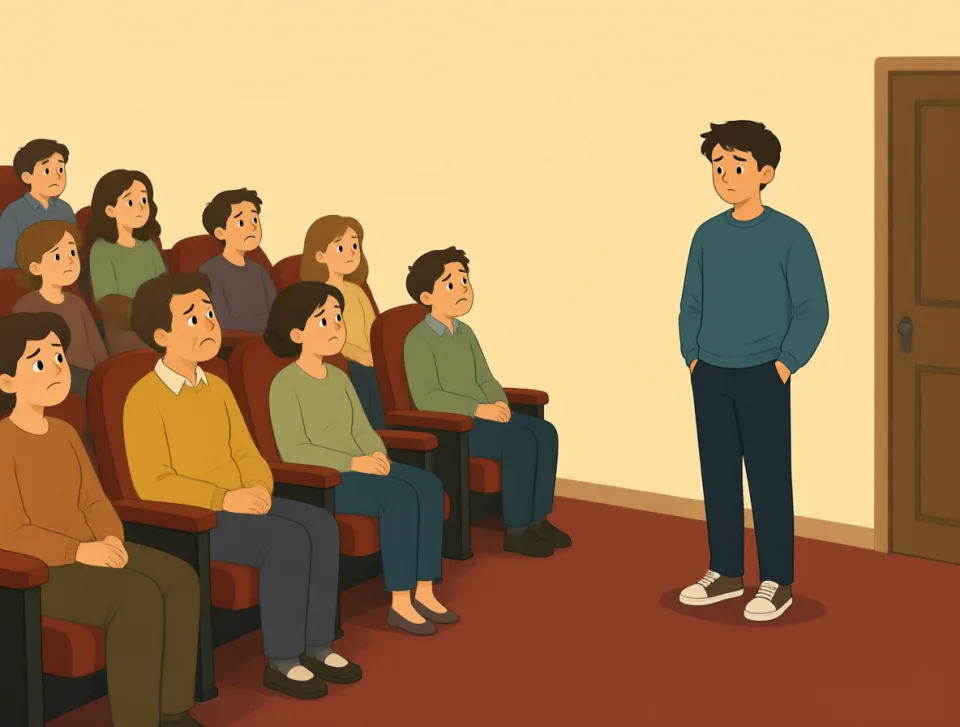
The movie bombed because nobody enjoyed the story.
หนังเรื่องนี้ไม่ประสบความสำเร็จ เพราะไม่มีใครชอบเนื้อเรื่องเลย

I bombed my math test and need more practice.
ฉันสอบคณิตศาสตร์ได้แย่มาก เลยต้องฝึกเพิ่ม
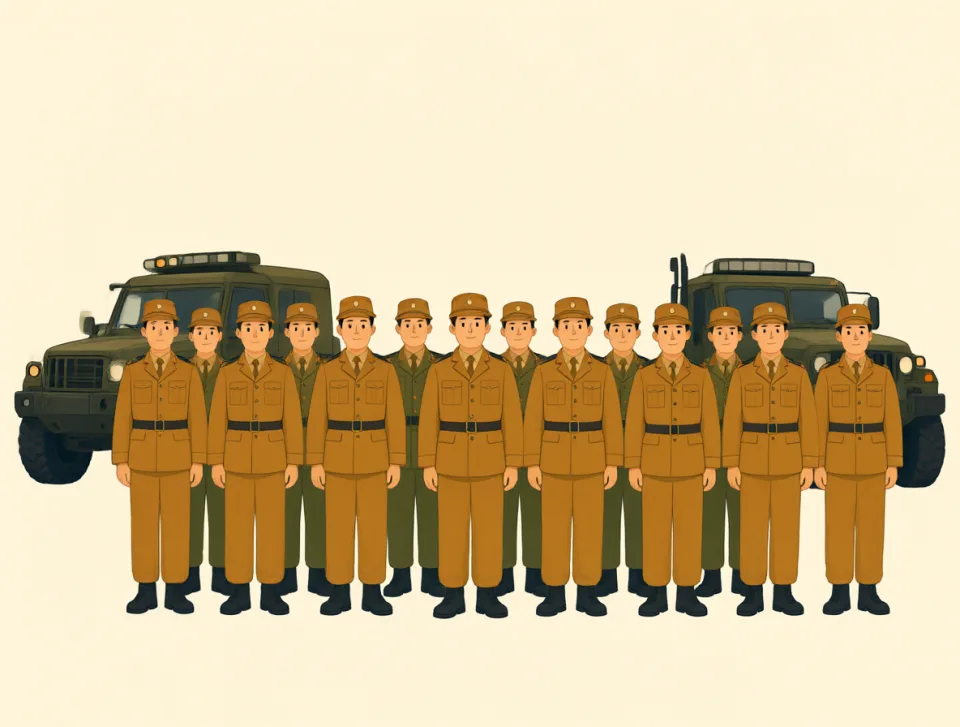
army
#1418noun
กองทัพ
A large organized group of soldiers trained to fight for a country.
กลุ่มทหารขนาดใหญ่ที่มีการจัดตั้งและฝึกฝนมาเพื่อสู้รบเพื่อประเทศ

Her brother joined the army after finishing school.
พี่ชายของเธอเข้าร่วมกองทัพหลังเรียนจบ
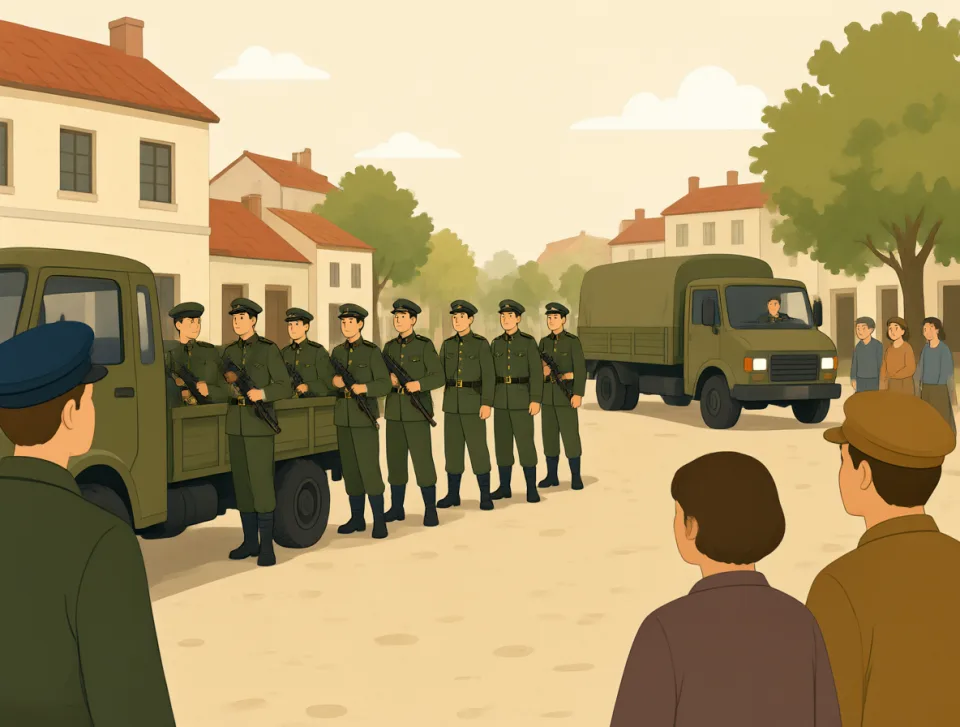
The army sent more soldiers to protect the town.
กองทัพส่งทหารเพิ่มไปคุ้มครองเมือง
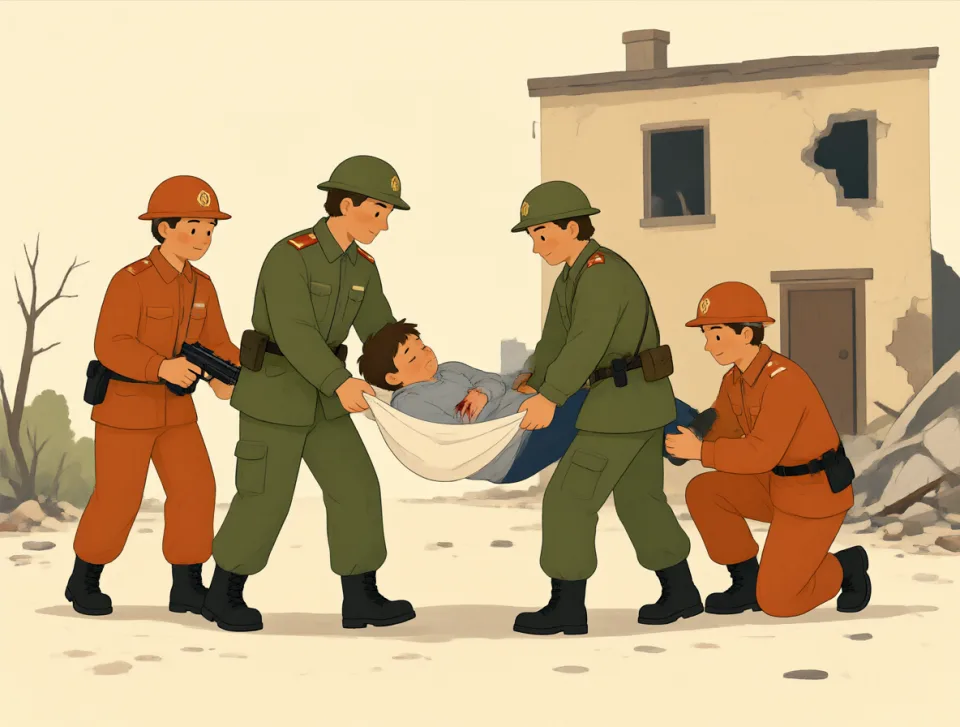
The army helped rescue people after the earthquake.
กองทัพช่วยกู้ภัยและช่วยเหลือผู้คนหลังเกิดแผ่นดินไหว

My grandfather spent twenty years in the army.
คุณปู่ของฉันรับราชการในกองทัพอยู่ยี่สิบปี
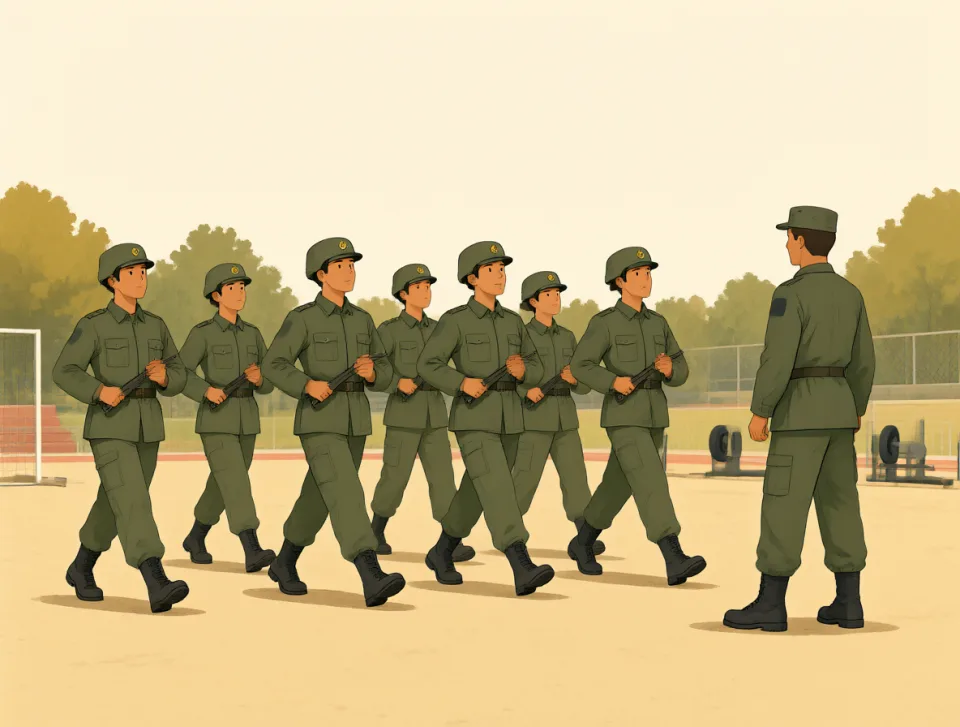
The army trained the new soldiers for three months.
กองทัพฝึกทหารใหม่เป็นเวลาสามเดือน
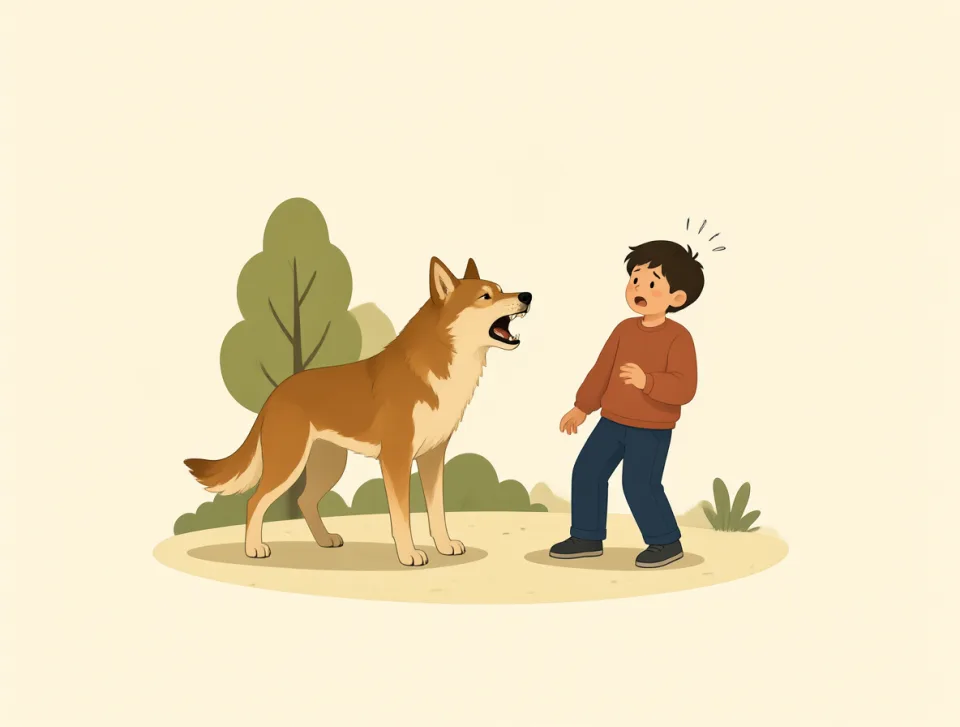
dangerous
#1419adjective
อันตราย
Likely to hurt people, damage things, or cause problems.
มีแนวโน้มที่จะทำให้คนบาดเจ็บ ทำให้สิ่งของเสียหาย หรือก่อให้เกิดปัญหา

That road is dangerous after dark, so drive slowly.
ถนนเส้นนั้นอันตรายหลังมืดค่ำ ขับรถช้า ๆ นะ

It is dangerous to swim near the rocks during a storm.
การว่ายน้ำใกล้โขดหินระหว่างพายุเป็นอันตราย
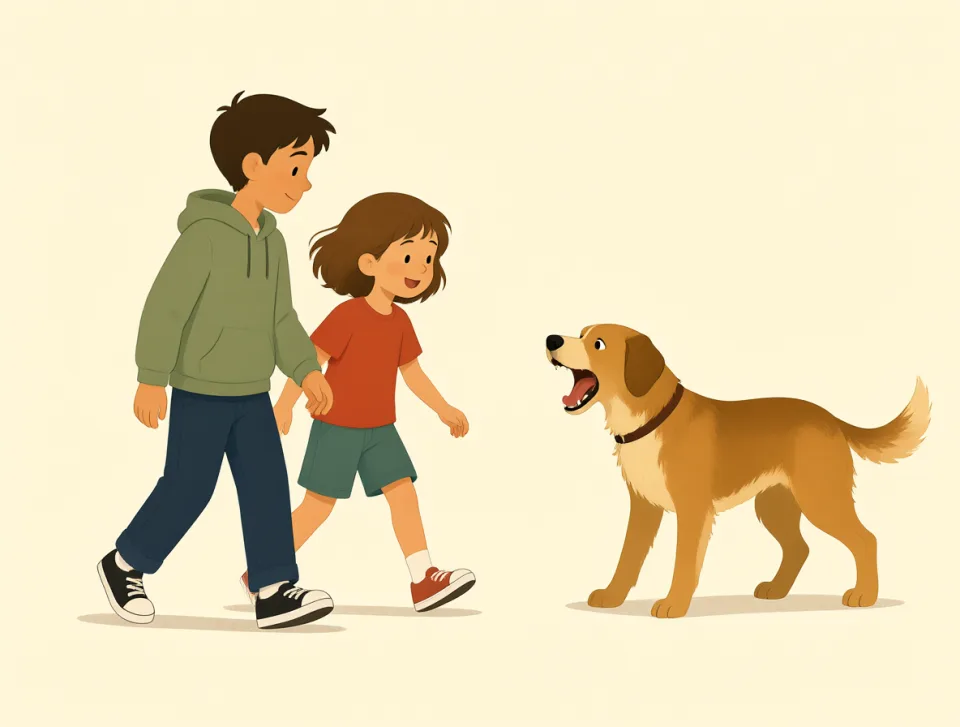
The children moved away from the dangerous dog.
เด็ก ๆ ถอยห่างจากสุนัขที่ดุร้าย
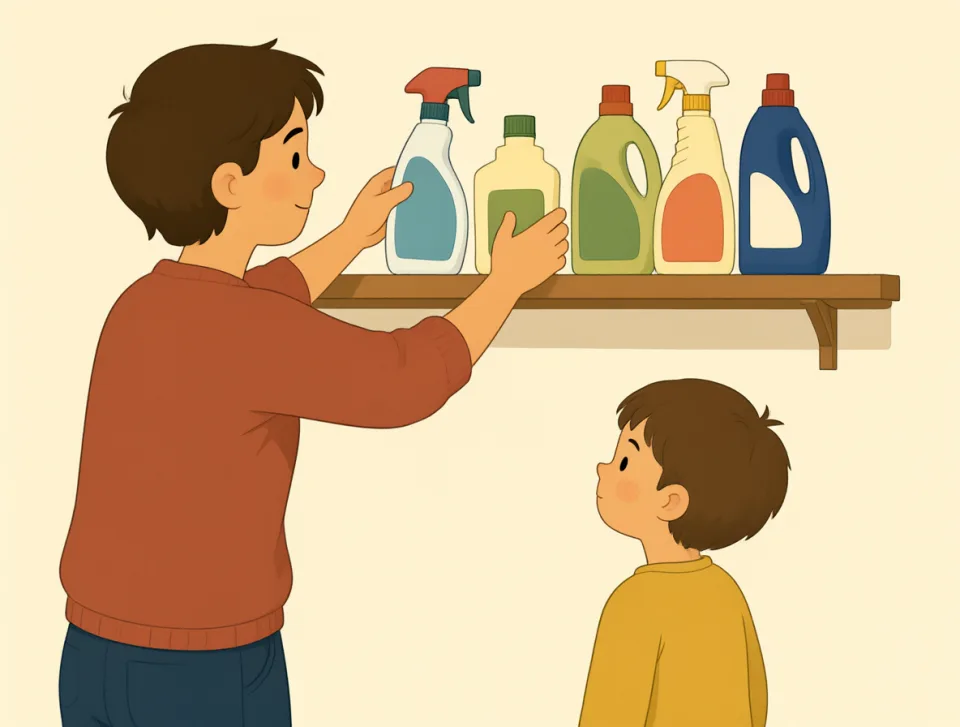
Keep dangerous cleaning products away from young children.
เก็บผลิตภัณฑ์ทำความสะอาดที่เป็นอันตรายให้ห่างจากเด็กเล็ก

The doctor warned him that dangerous levels of stress could harm his health.
หมอเตือนเขาว่าความเครียดในระดับที่เป็นอันตรายอาจส่งผลเสียต่อสุขภาพได้

decrease
#1420noun, verb
ลดลง; ทำให้ลดลง
to become or make something smaller in size, amount, number, or level
มีขนาด ปริมาณ จำนวน หรือระดับลดลง หรือทำให้สิ่งใดสิ่งหนึ่งมีขนาด ปริมาณ จำนวน หรือระดับน้อยลง

The number of people using the bus decreased last month.
จำนวนคนที่ใช้รถประจำทางลดลงเมื่อเดือนที่แล้ว
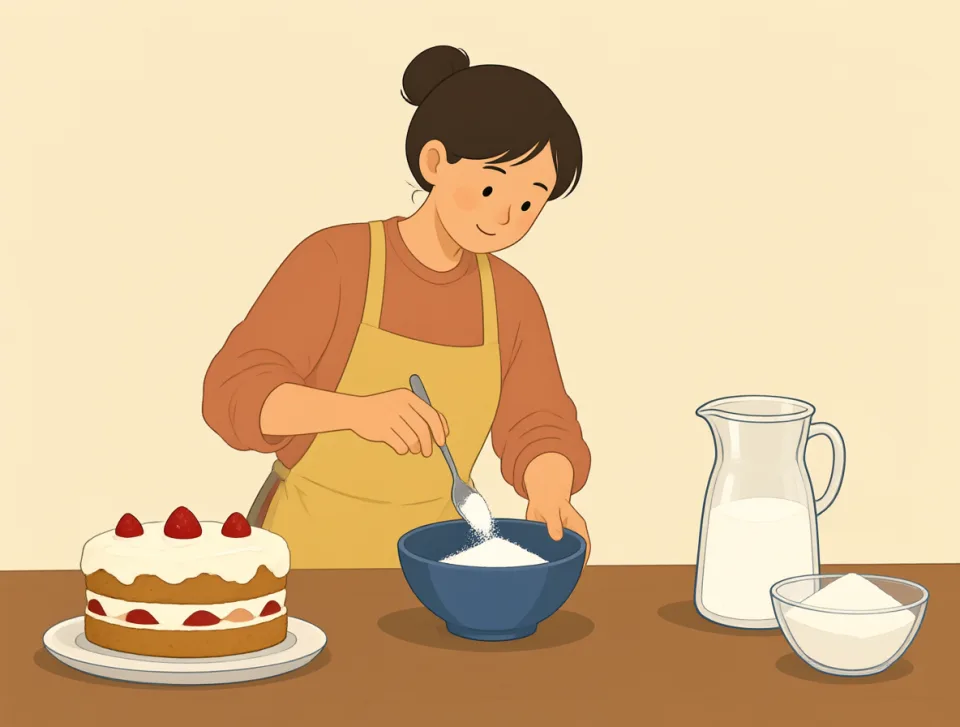
We need to decrease the amount of sugar in this cake.
เราต้องลดปริมาณน้ำตาลในเค้กนี้

The doctor says regular exercise can decrease back pain.
หมอบอกว่าการออกกำลังกายเป็นประจำช่วยลดอาการปวดหลังได้

Sales decreased after the shop raised its prices.
ยอดขายลดลงหลังจากร้านขึ้นราคา
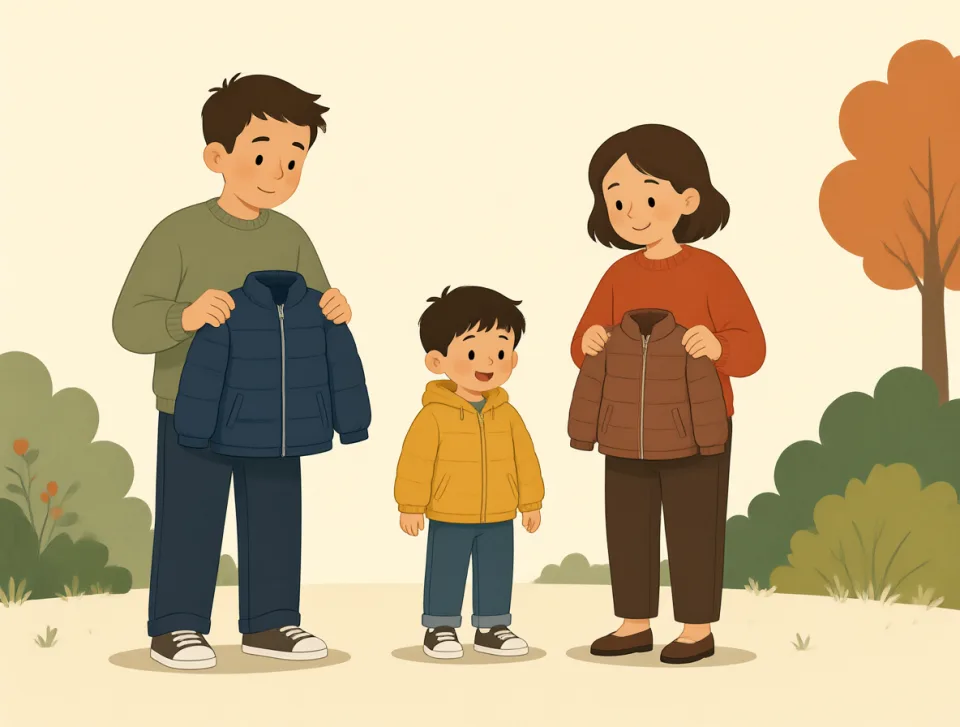
The temperature decreased quickly after the sun went down.
อุณหภูมิลดลงอย่างรวดเร็วหลังพระอาทิตย์ตก