بخش 69
واژههای 1361 تا 1380 · sun, healthy, blow, volume, location, invest

sun
#1361noun
خورشید
the bright star that gives Earth light and heat during the day
ستارهٔ درخشانی که در طول روز به زمین نور و گرما میدهد
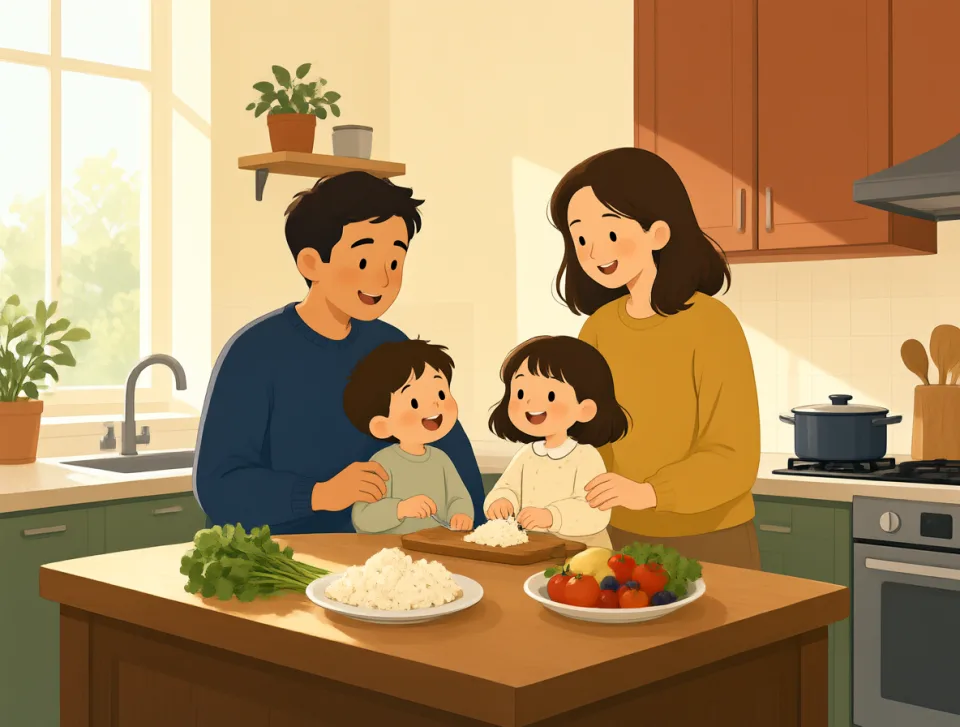
The sun is shining brightly through the kitchen window.
خورشید از پنجرهٔ آشپزخانه با درخشندگی میتابد.
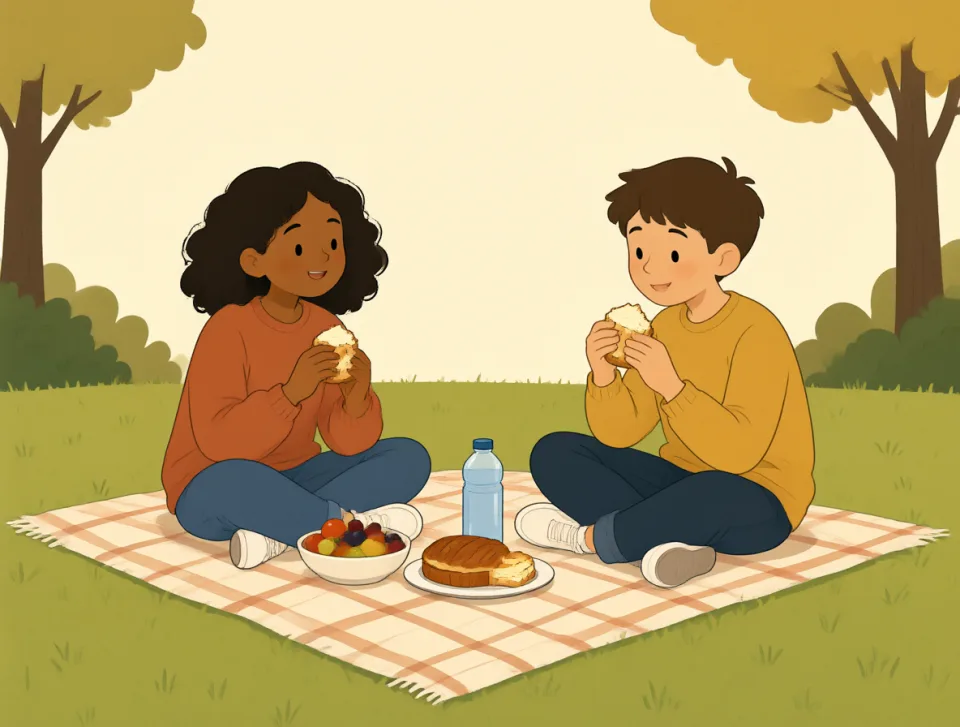
We sat in the sun and ate lunch in the park.
در پارک زیر آفتاب نشستیم و ناهار خوردیم.

Wear a hat to protect your face from the sun.
برای محافظت از صورتتان در برابر آفتاب کلاه بگذارید.

The plants grow well because they get plenty of sun.
گیاهان خوب رشد میکنند، چون نور آفتاب زیادی میگیرند.

We watched the sunset from the beach after dinner.
بعد از شام، غروب آفتاب را از ساحل تماشا کردیم.
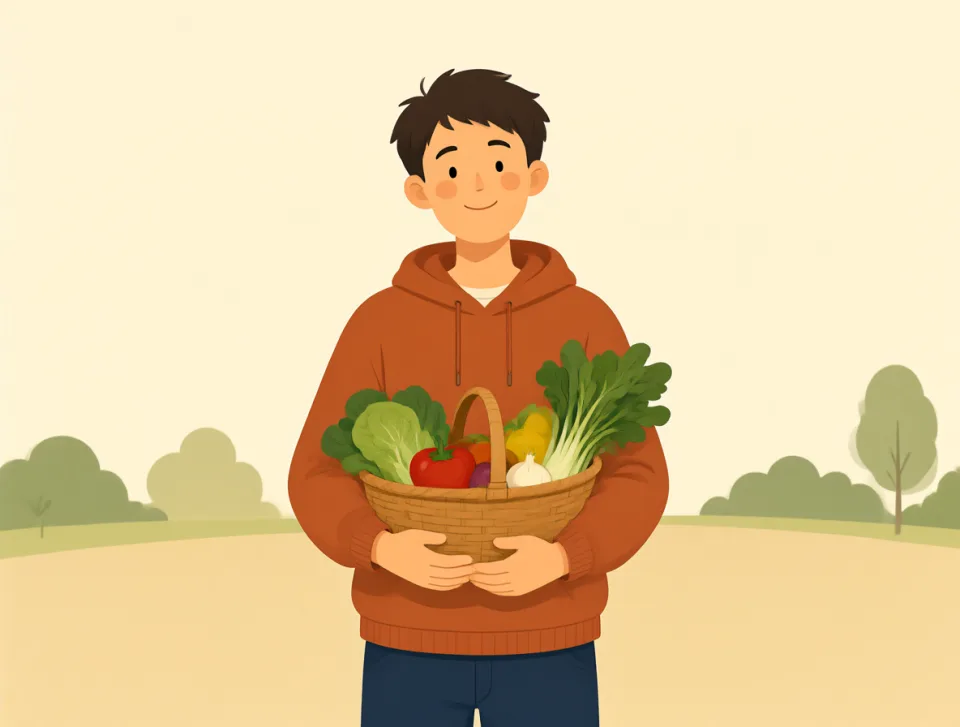
healthy
#1362adjective
سالم
In good physical or mental condition, or beneficial to health and well-being.
در وضعیت جسمی یا روحی خوبی بودن، یا برای سلامتی و تندرستی مفید بودن.
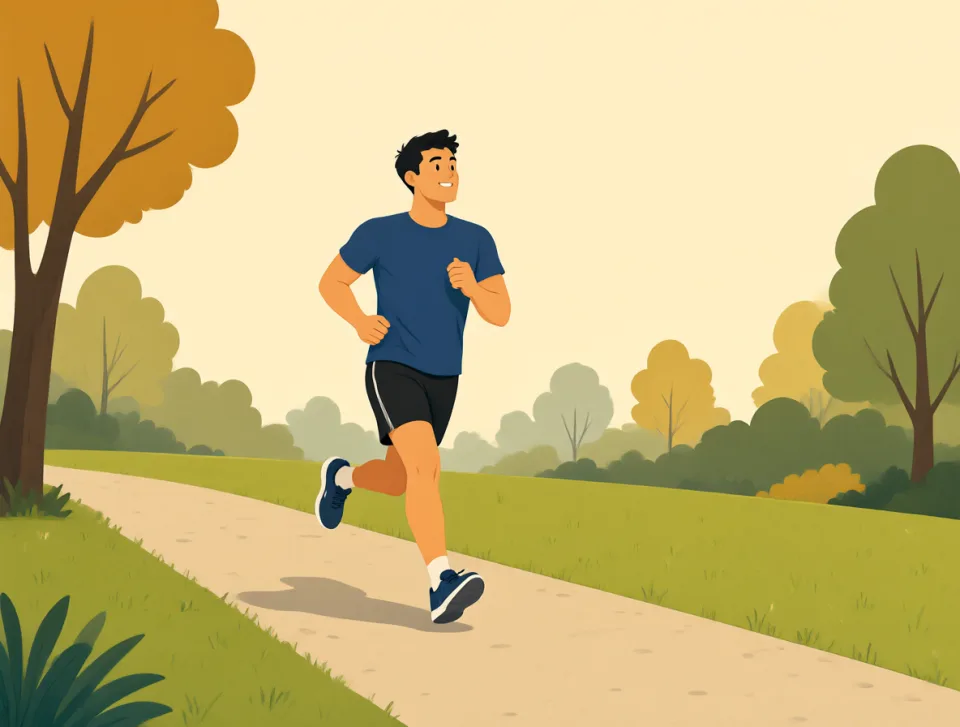
He is healthy and strong after months of regular exercise.
او بعد از ماهها ورزش منظم، سالم و قوی است.
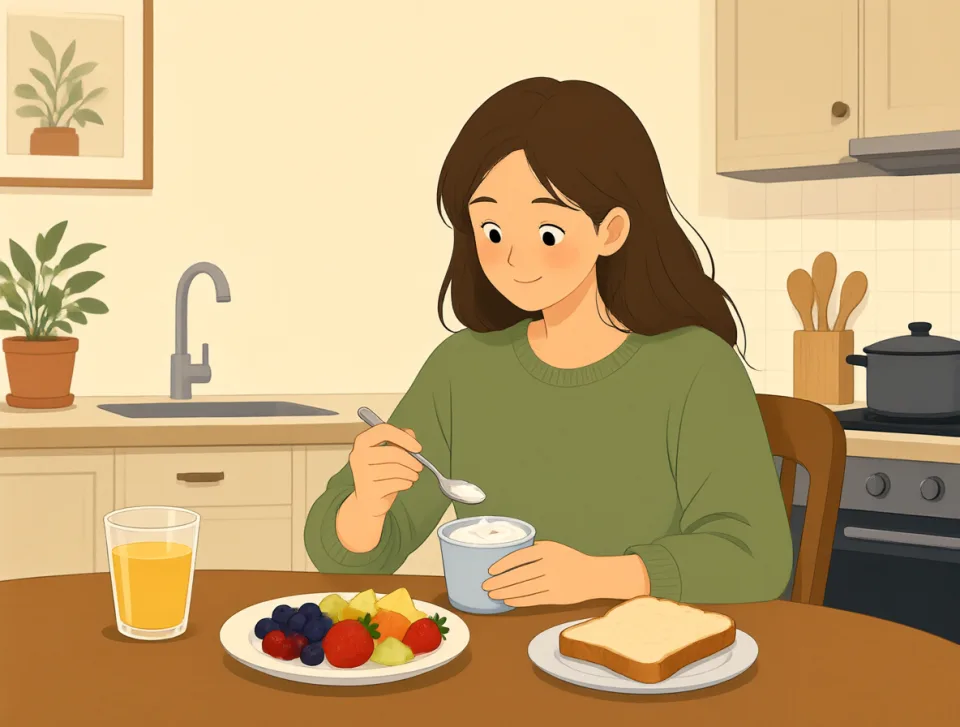
She chose a healthy breakfast of yogurt, fruit, and whole-grain toast.
او صبحانهٔ سالمی شامل ماست، میوه و نان تست سبوسدار انتخاب کرد.

The doctor recommends a healthy diet with plenty of vegetables.
پزشک رژیم غذایی سالمی را توصیه میکند که سبزیجات فراوانی داشته باشد.
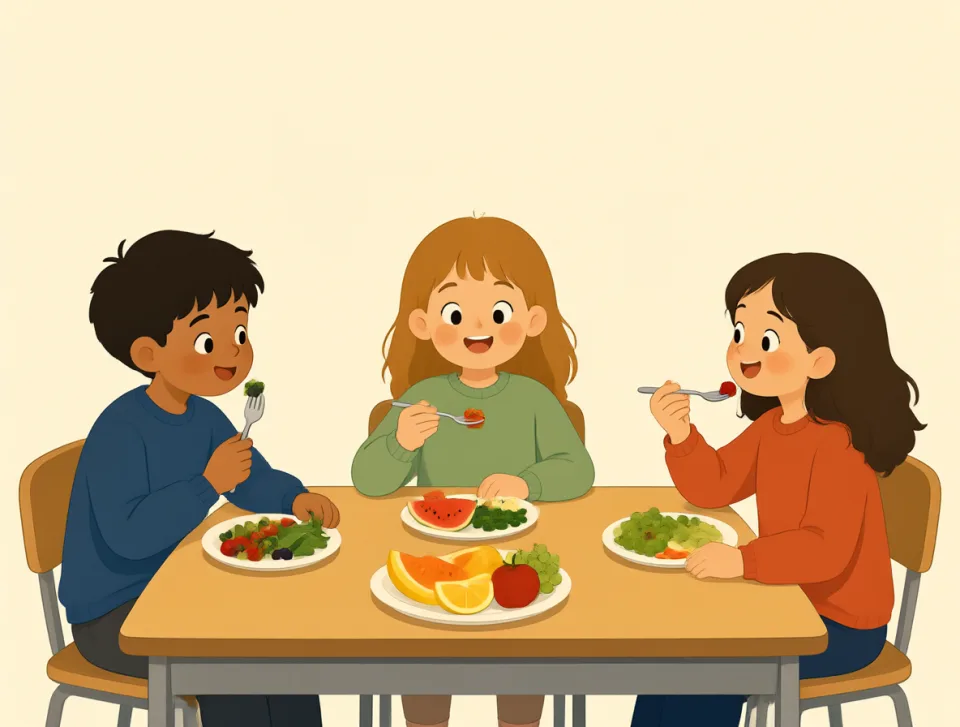
Our school offers healthy snacks instead of candy.
مدرسهٔ ما بهجای آبنبات، خوراکیهای سالم ارائه میدهد.

They have a healthy relationship because they listen to each other.
آنها رابطهٔ سالمی دارند، چون به حرفهای هم گوش میدهند.
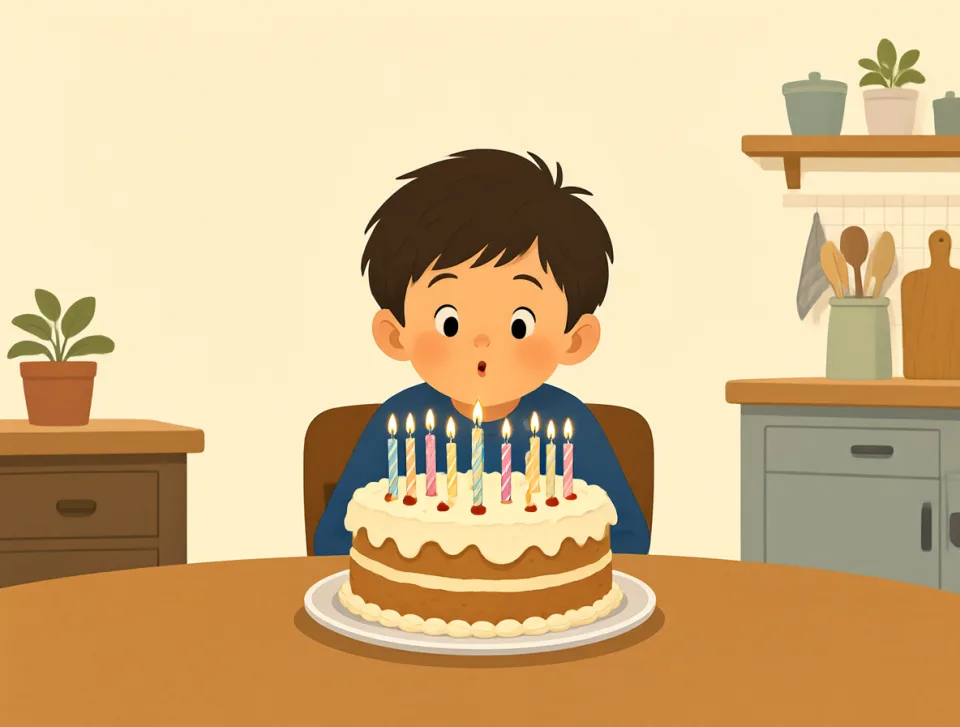
blow
#1363verb, noun
فوت کردن؛ ضربه
To send air from your mouth or move air strongly; a sudden hit or disappointment.
هوا را از دهان بیرون فرستادن یا هوا را با شدت به حرکت درآوردن؛ ضربه یا ناامیدی ناگهانی.
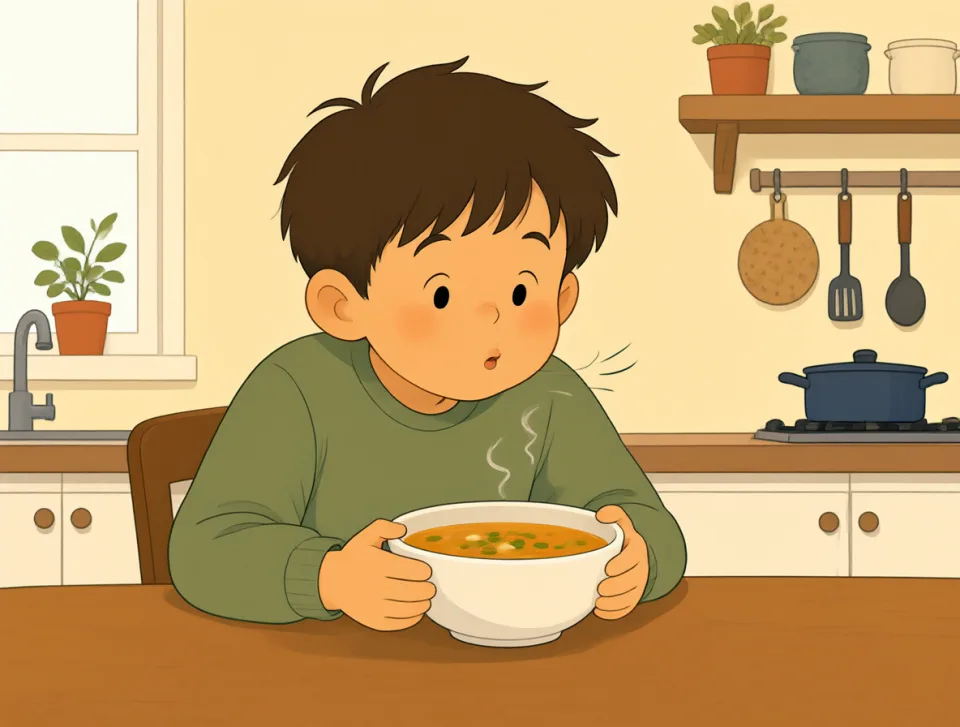
Please blow on the soup because it is still very hot.
لطفاً روی سوپ فوت کنید، چون هنوز خیلی داغ است.

The wind blew my hat into the street.
باد کلاهم را به خیابان برد.
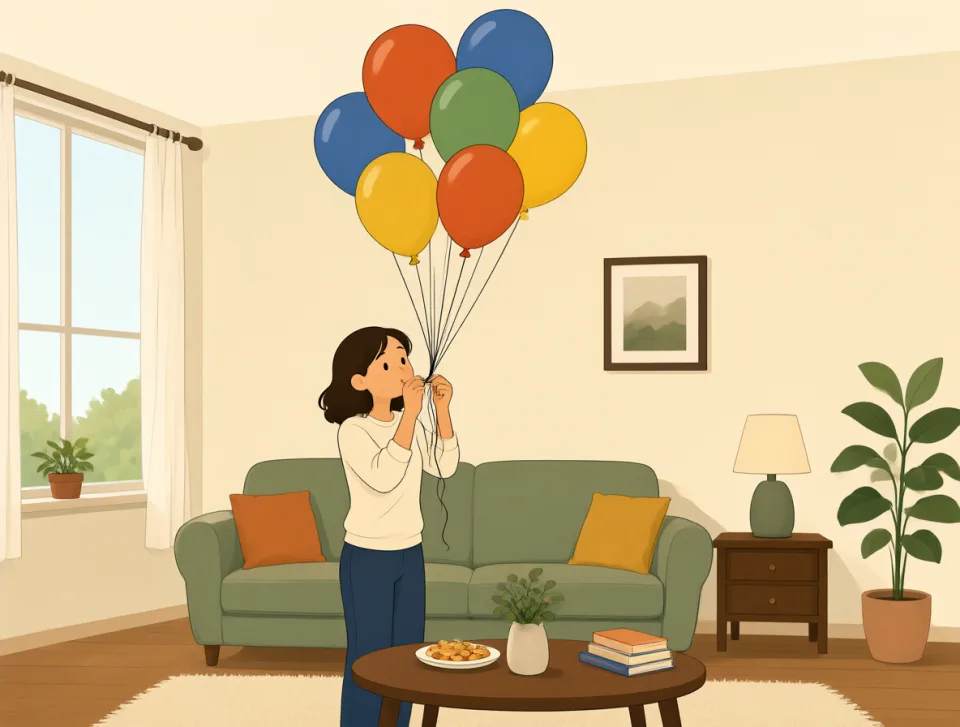
She blew up three balloons for the children's party.
او برای مهمانی بچهها سه بادکنک باد کرد.
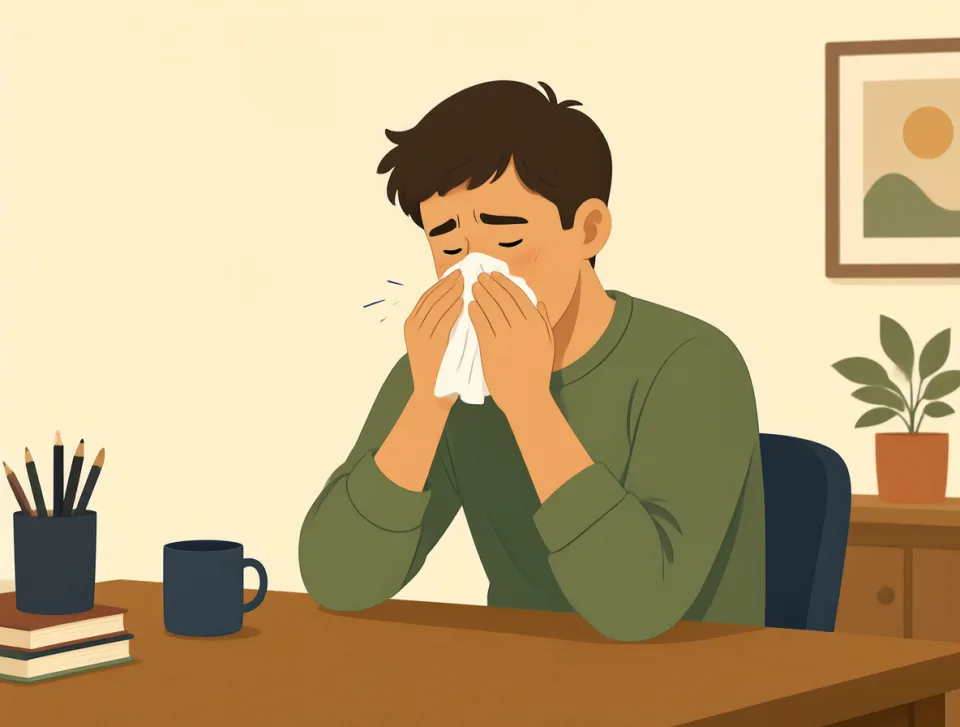
He blew his nose before going back to work.
او پیش از بازگشت به کار، فین کرد.

Losing the game was a real blow to our team.
باختن بازی ضربهٔ سختی برای تیم ما بود.
volume
#1364noun
حجم
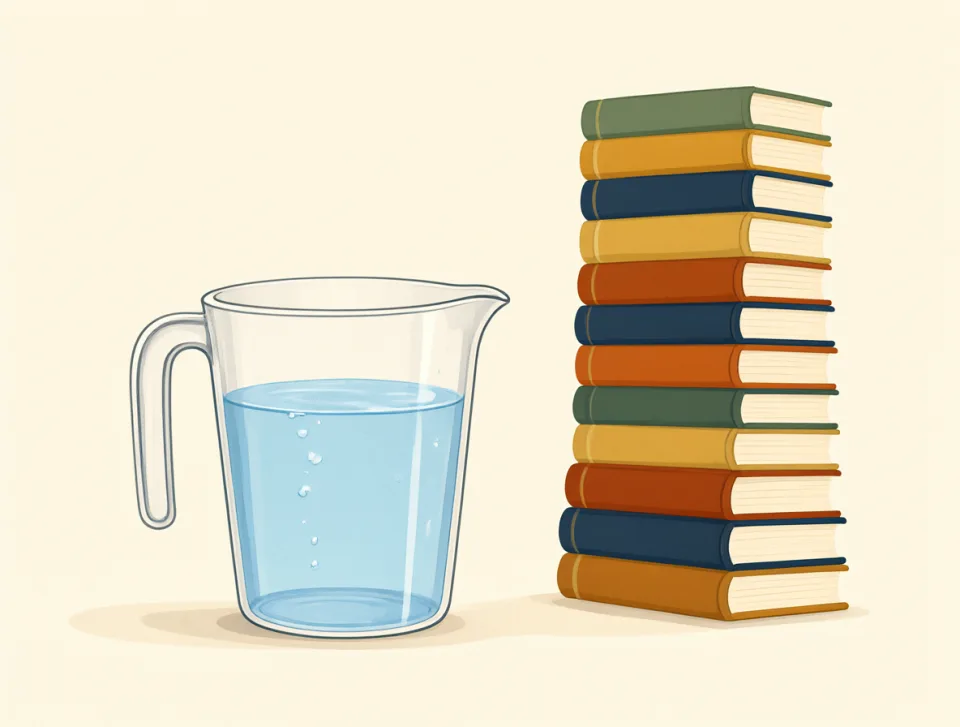
the amount of sound, space, liquid, or goods that something contains
مقدار صدا، فضا، مایع یا کالایی که چیزی در خود جای میدهد
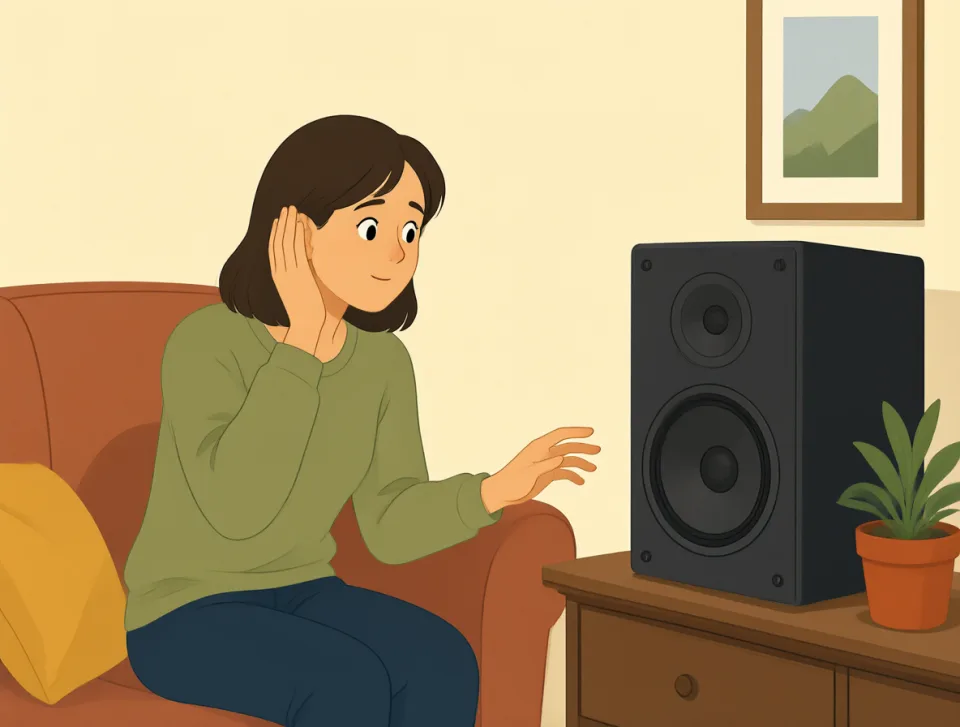
Please turn down the volume; the music is too loud.
لطفاً صدا را کم کنید؛ موسیقی خیلی بلند است.
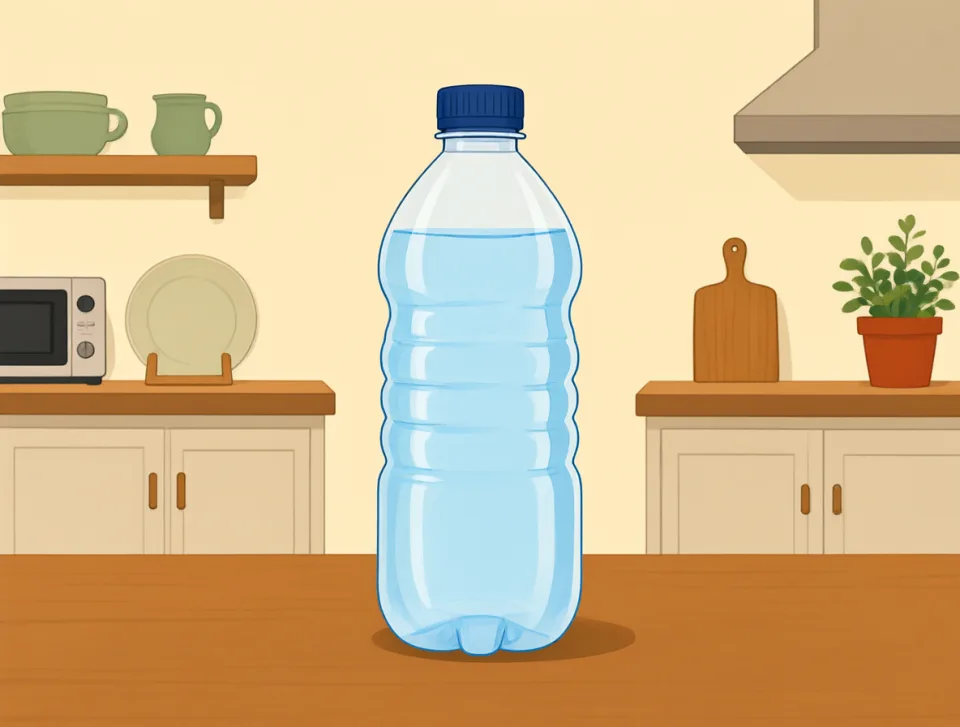
This bottle has a volume of one liter.
حجم این بطری یک لیتر است.
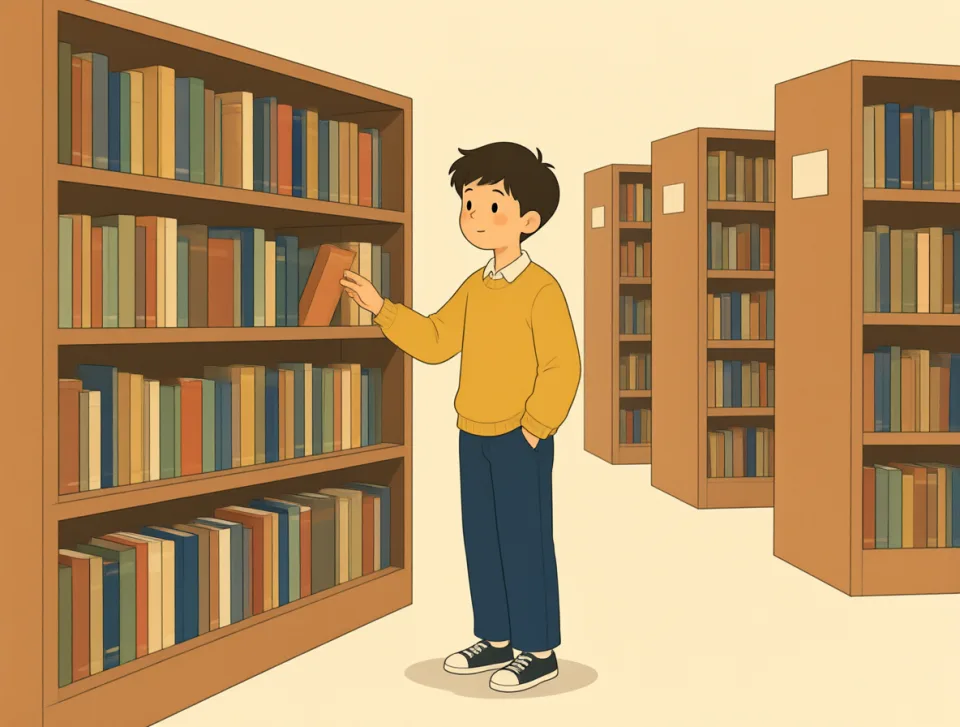
The library has a high volume of books for students.
کتابخانه کتابهای زیادی برای دانشآموزان دارد.
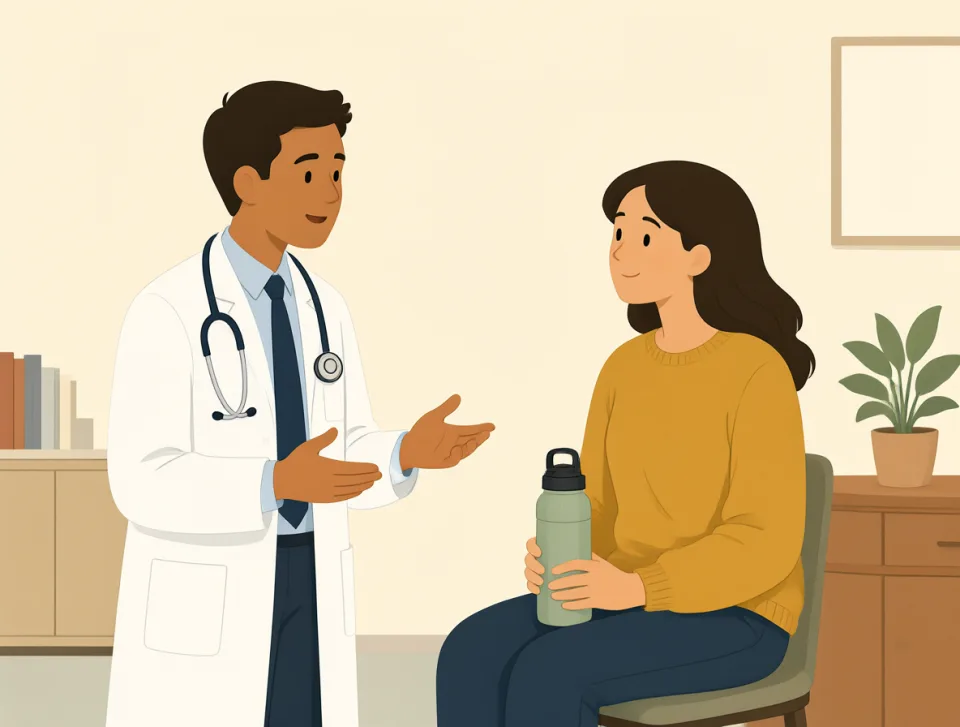
The doctor asked how much volume of water I drink daily.
پزشک پرسید روزانه چه مقدار آب مینوشم.
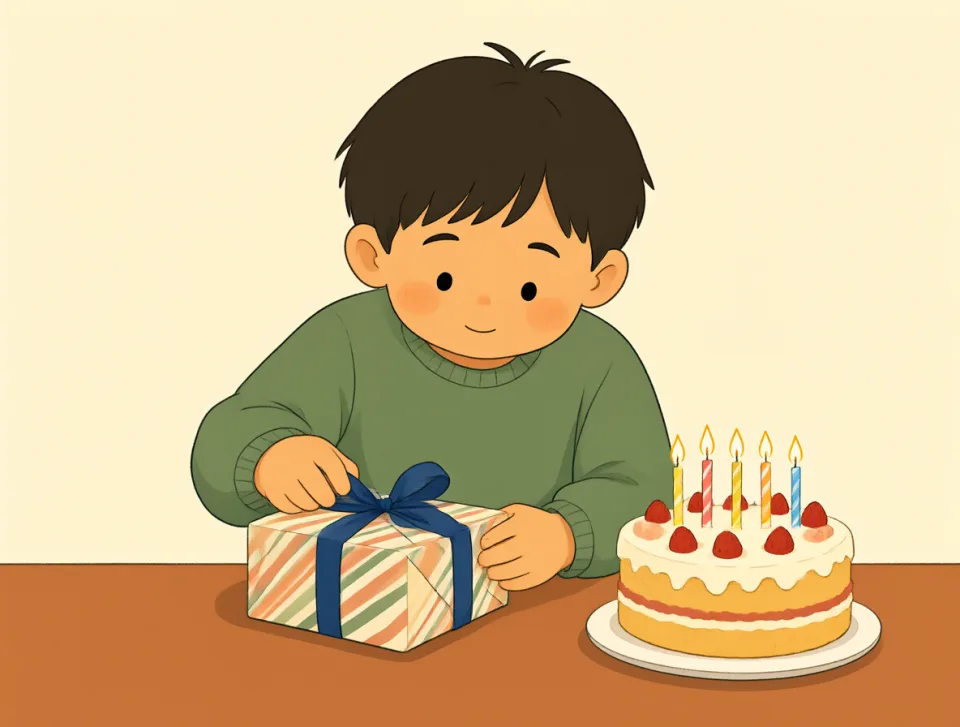
The first volume of this book series was a birthday gift.
جلد اول این مجموعهکتاب، هدیهٔ تولدم بود.
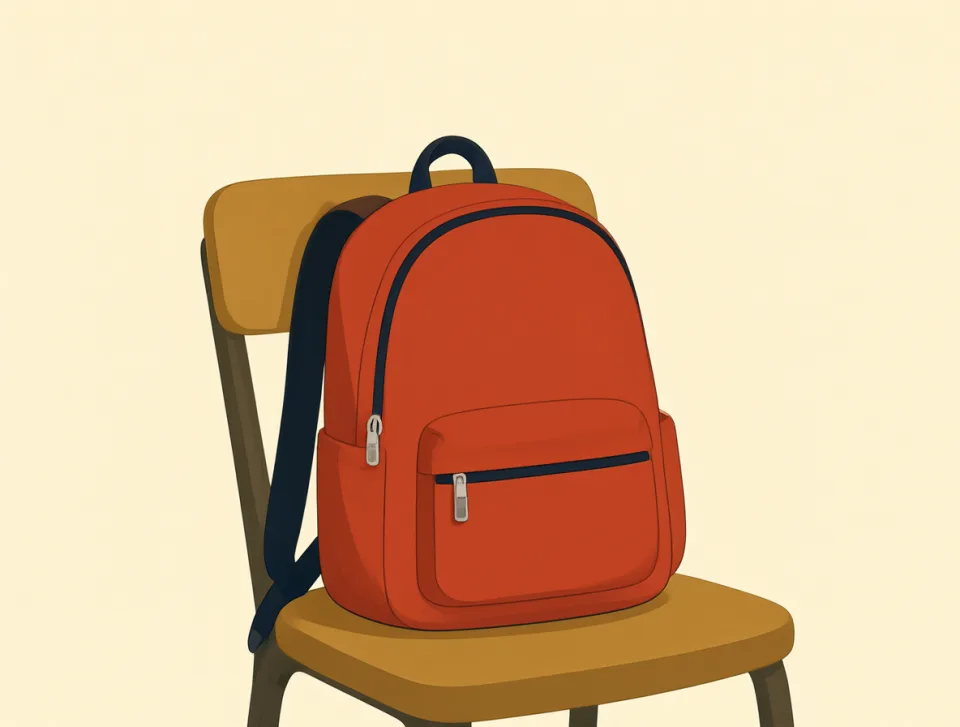
location
#1365noun
مکان
A place or position where someone or something is located.
جایی یا موقعیتی که شخص یا چیزی در آن قرار دارد.

Please send me your location so I can find you.
لطفاً موقعیت مکانیات را برایم بفرست تا بتوانم پیدایت کنم.
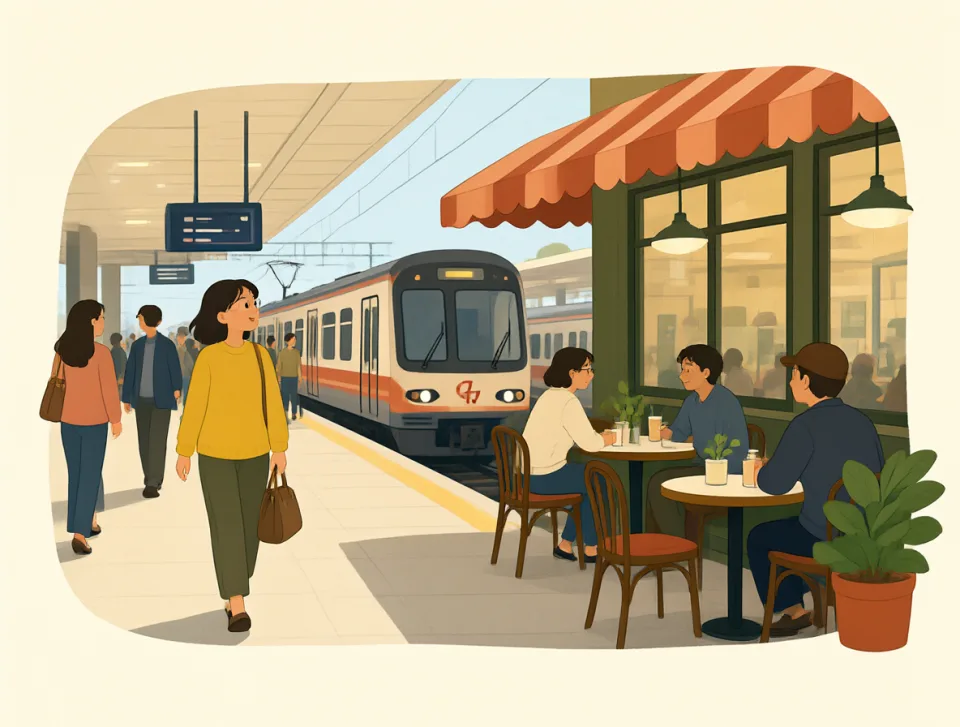
The restaurant is in a convenient location near the station.
رستوران در مکانی مناسب، نزدیک ایستگاه، قرار دارد.

We chose a quiet location for our family picnic.
برای پیکنیک خانوادگیمان مکانی آرام انتخاب کردیم.
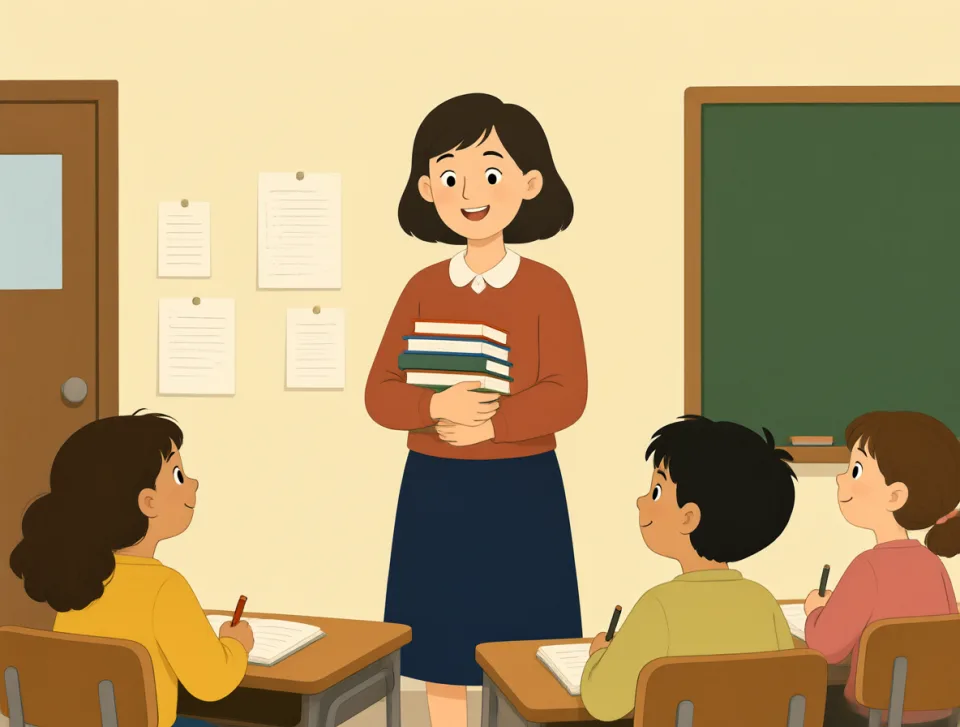
The teacher changed the location of the class meeting.
معلم محل برگزاری جلسهٔ کلاس را عوض کرد.
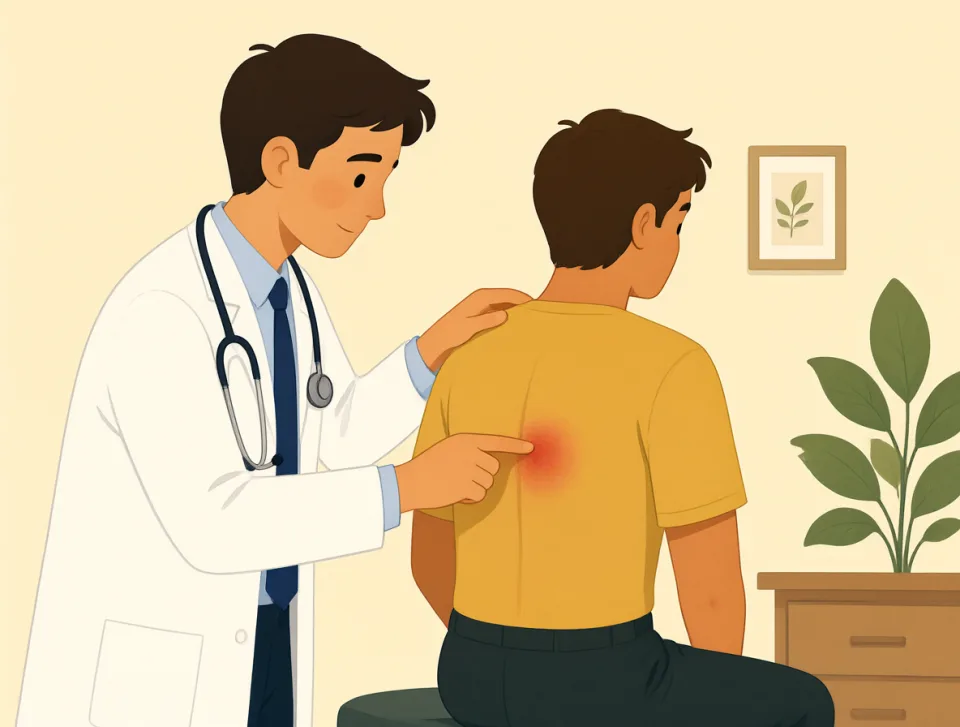
The doctor checked the location of the pain in my back.
پزشک محل درد در پشتم را بررسی کرد.
invest
#1366verb
سرمایهگذاری کردن
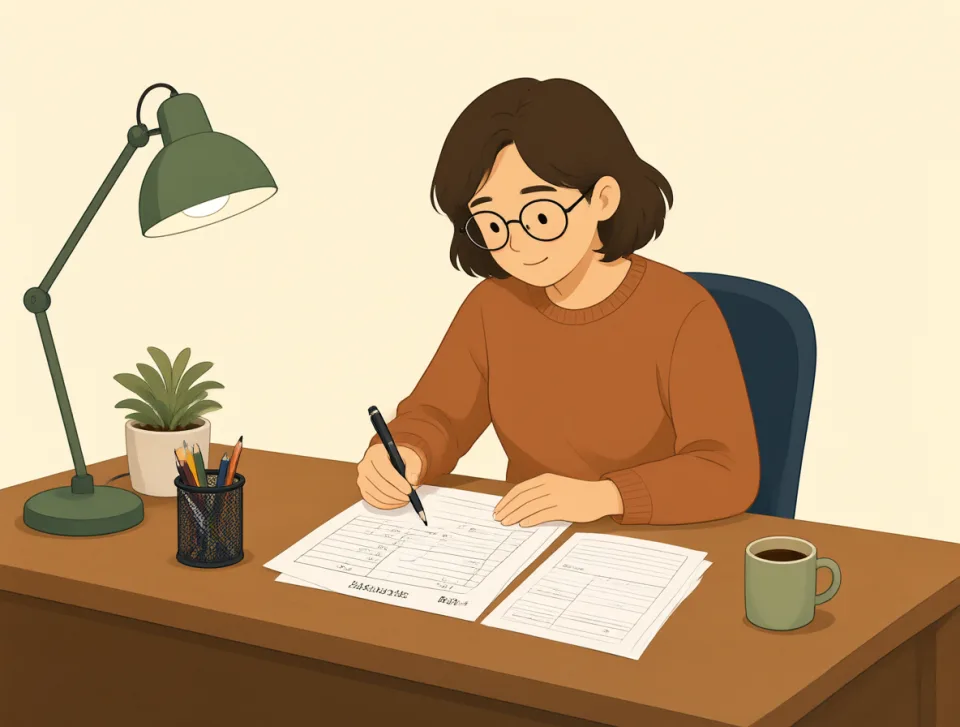
To put money, time, or effort into something to get a useful result.
پول، زمان یا تلاش را صرف چیزی کردن تا نتیجهٔ مفیدی به دست آورد.
Many people invest in a retirement plan for their future.
بسیاری از مردم برای آیندهشان در طرح بازنشستگی سرمایهگذاری میکنند.
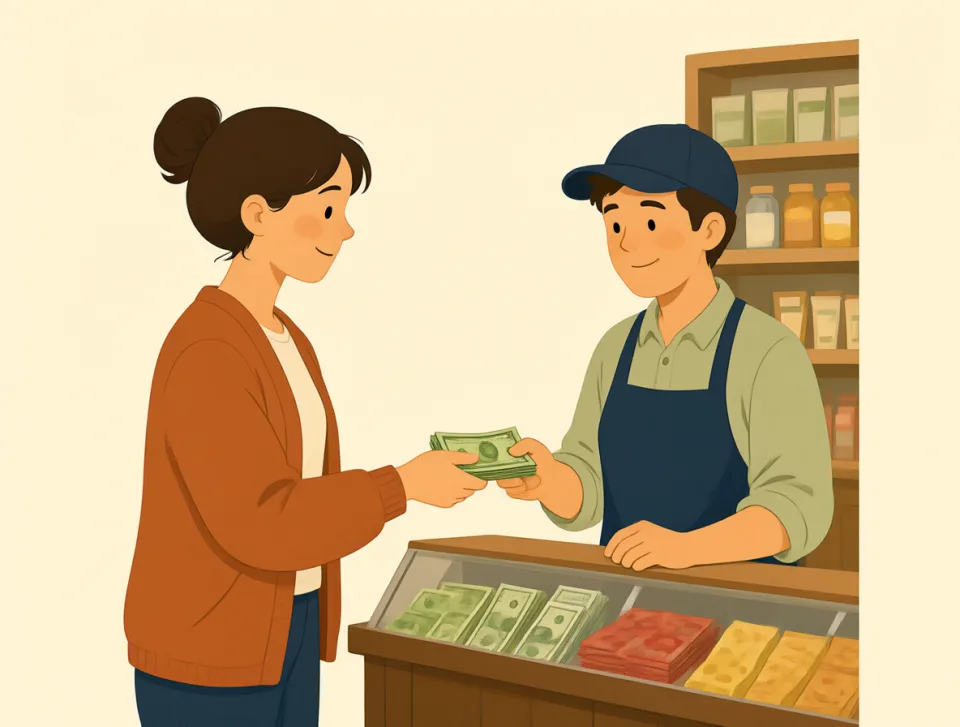
She invested her savings in a small local business.
او پساندازش را در یک کسبوکار کوچک محلی سرمایهگذاری کرد.

We invest time in learning new skills at work.
ما در محل کار برای یادگیری مهارتهای جدید وقت میگذاریم.
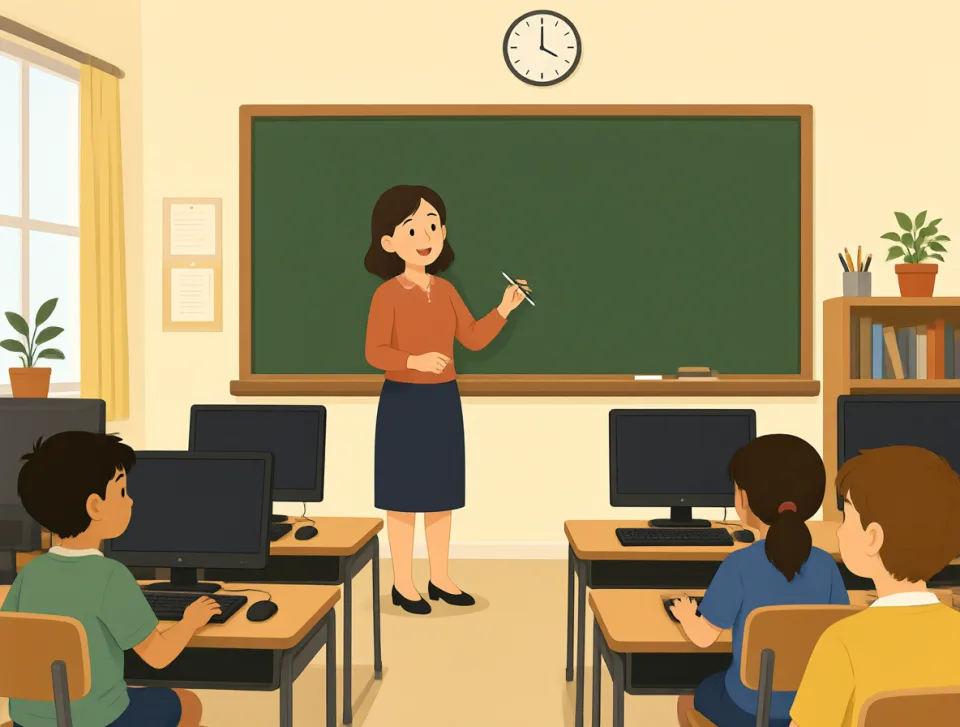
The school is investing in better computers for students.
مدرسه برای دانشآموزان رایانههای بهتری تهیه میکند.
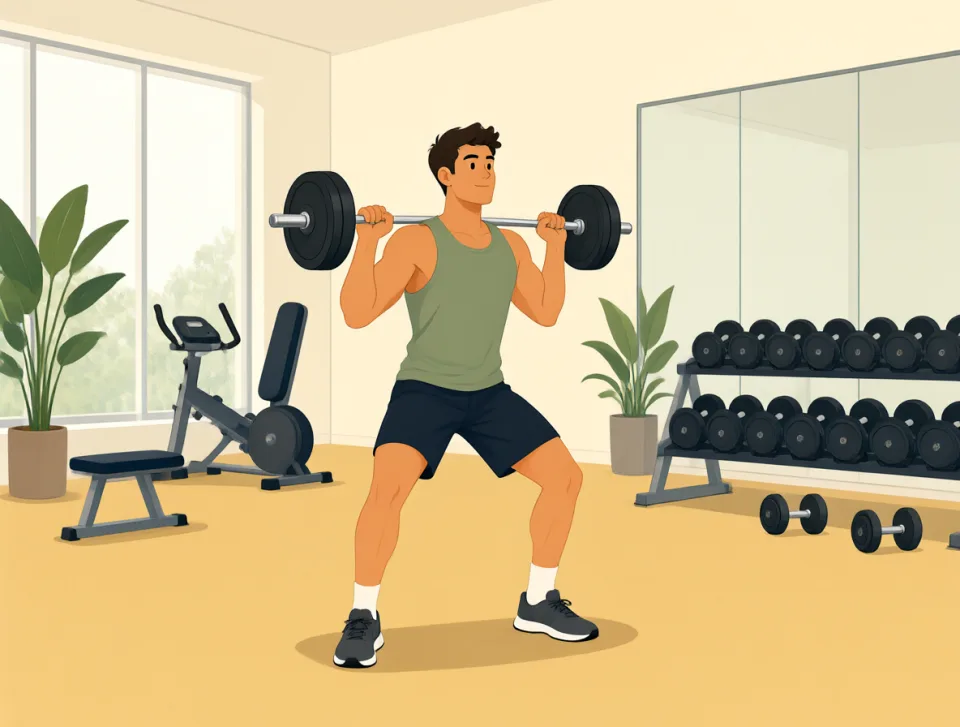
He invested heavily in his health by joining a gym.
او با ثبتنام در باشگاه، برای سلامتیاش حسابی سرمایهگذاری کرد.
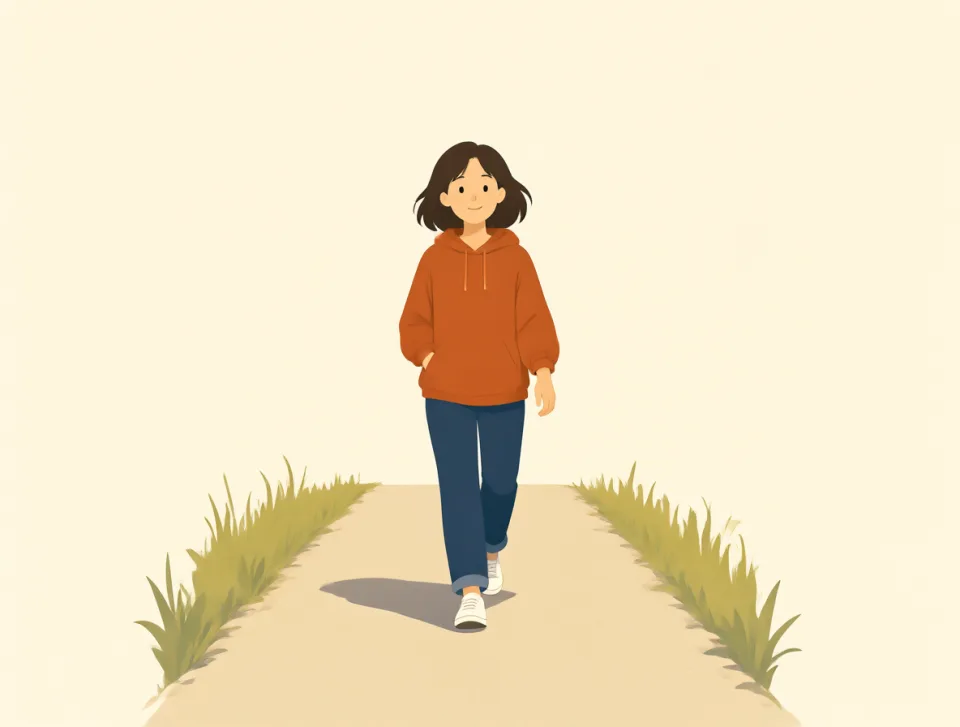
proceed
#1367verb
ادامه دادن
to continue doing something, especially after stopping or making a decision
به انجام کاری ادامه دادن، بهویژه پس از وقفه یا تصمیمگیری.
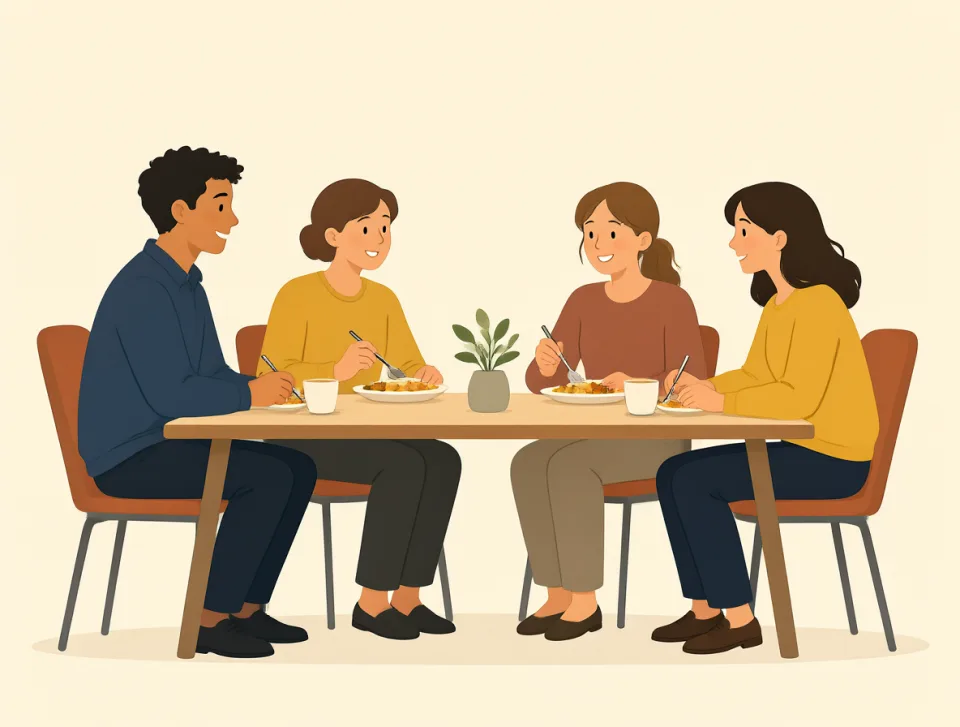
After lunch, we proceeded with the meeting.
بعد از ناهار، جلسه را ادامه دادیم.
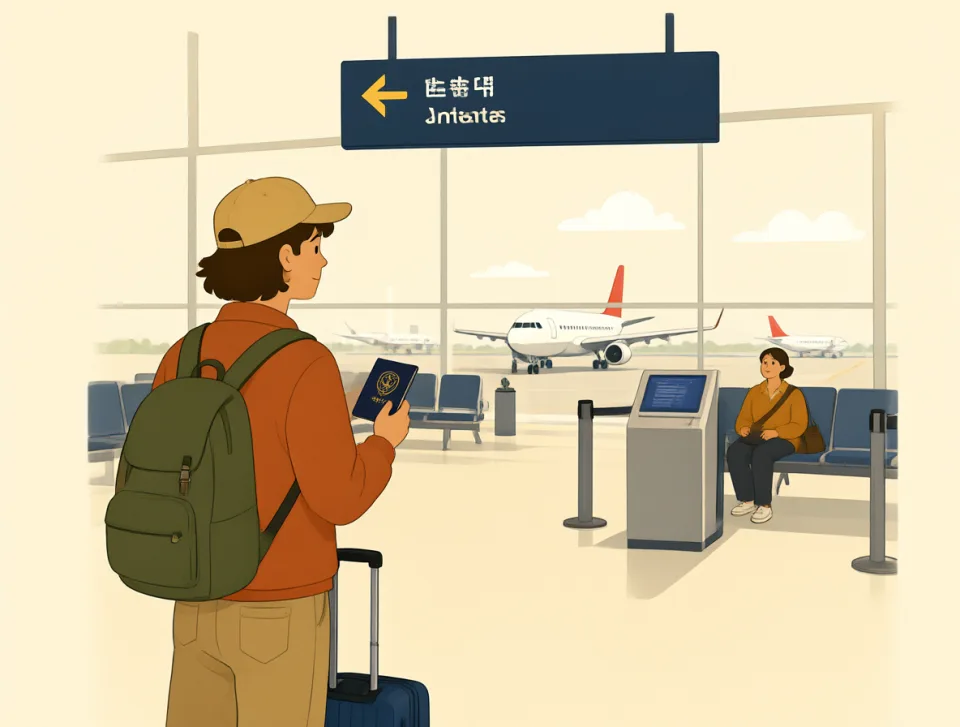
Please proceed to the gate after checking your passport.
لطفاً پس از بررسی گذرنامهتان بهسمت گیت بروید.

The doctor proceeded with the examination carefully.
دکتر معاینه را با دقت ادامه داد.
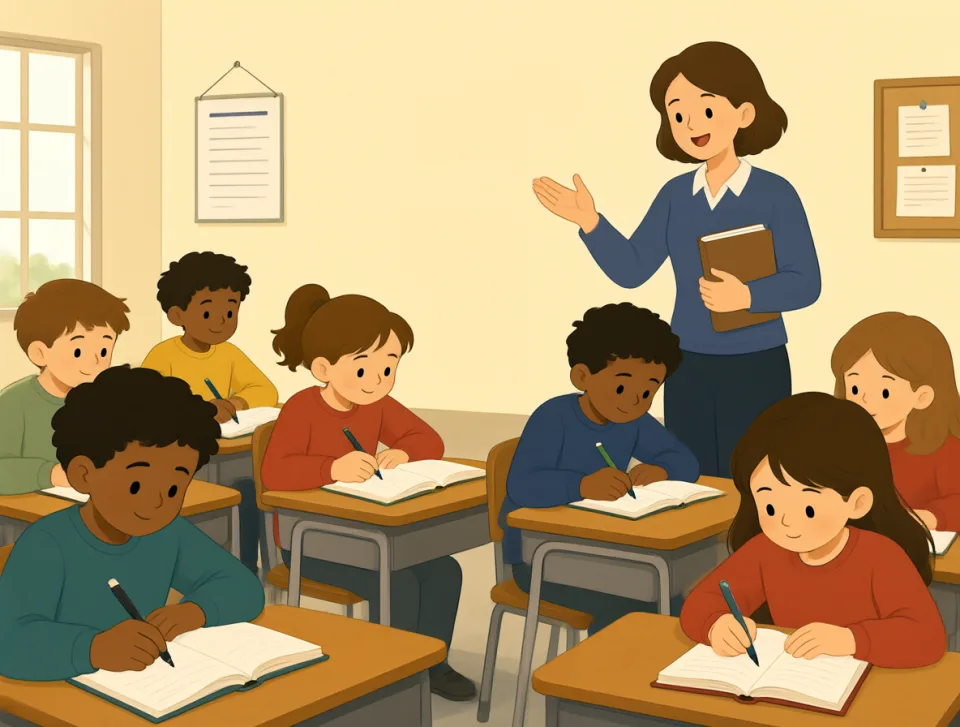
The teacher told the students to proceed with the exercise.
معلم به دانشآموزان گفت تمرین را ادامه دهند.

We proceeded slowly because the road was covered with ice.
چون جاده یخزده بود، آهسته پیش رفتیم.
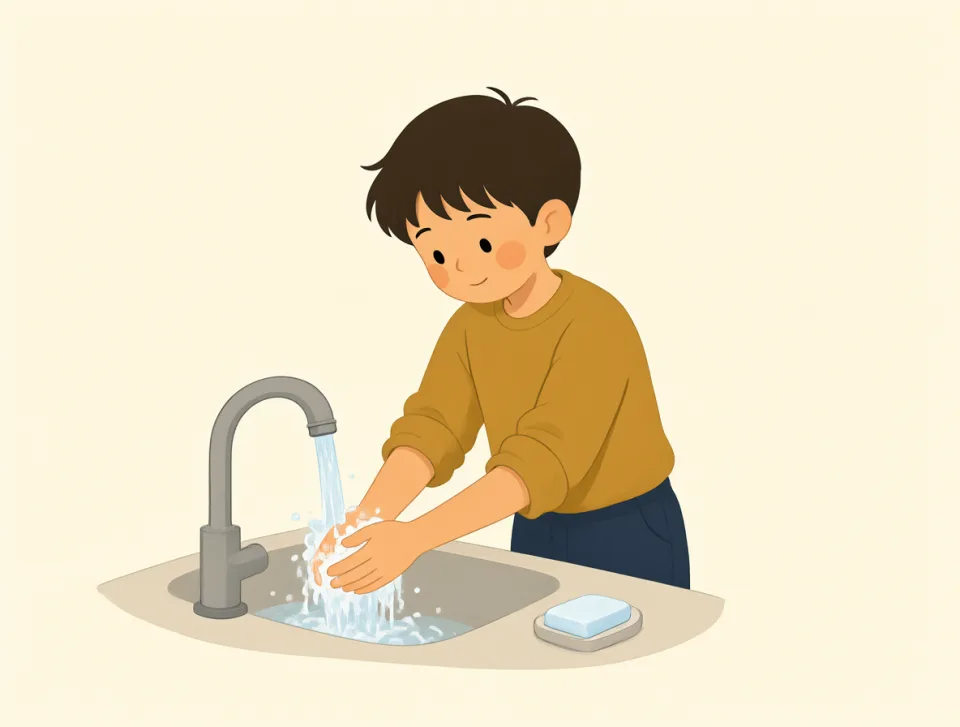
wash
#1368verb, noun
شستن
To clean something with water, or the act of cleaning with water.
چیزی را با آب تمیز کردن، یا عمل تمیز کردن با آب.
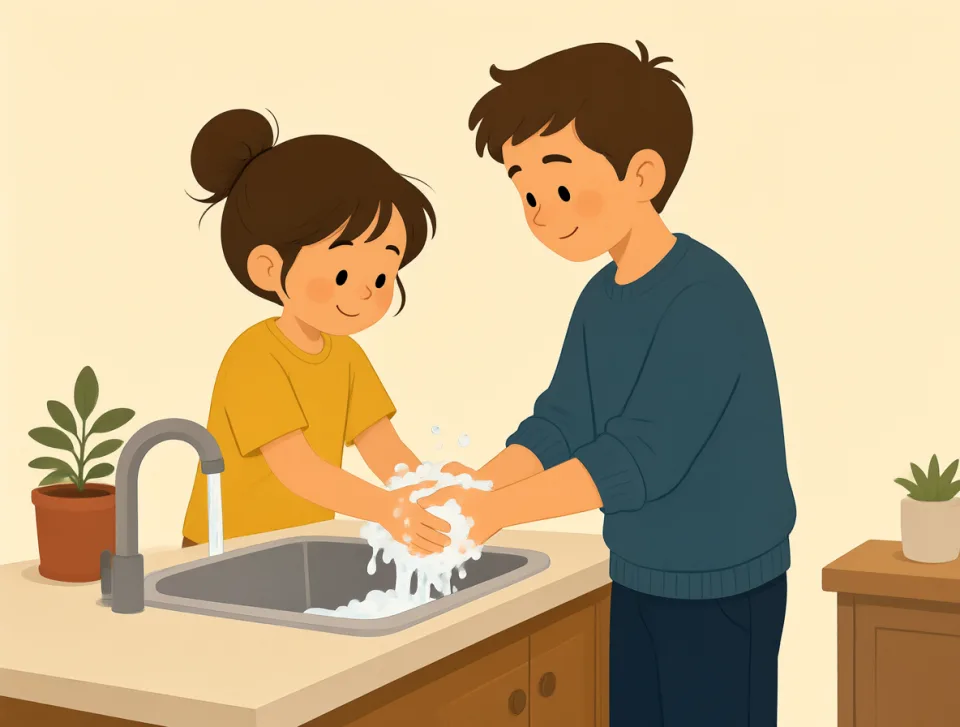
Please wash your hands before dinner.
لطفاً قبل از شام دستهایتان را بشویید.
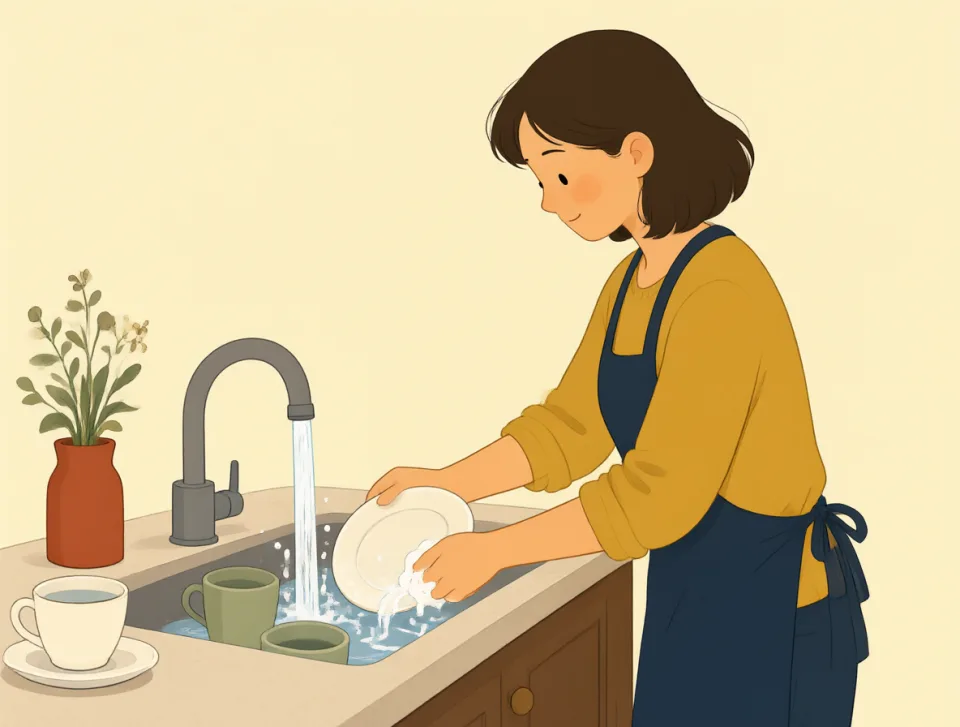
I washed the dishes after breakfast.
بعد از صبحانه ظرفها را شستم.
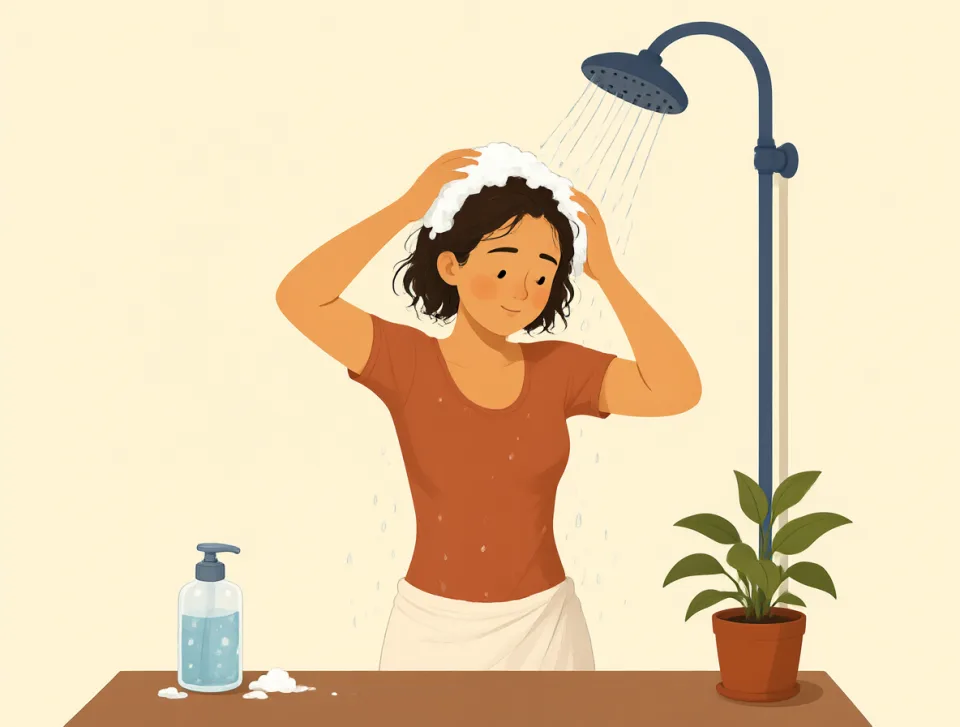
She washes her hair every morning.
او هر روز صبح موهایش را میشوید.
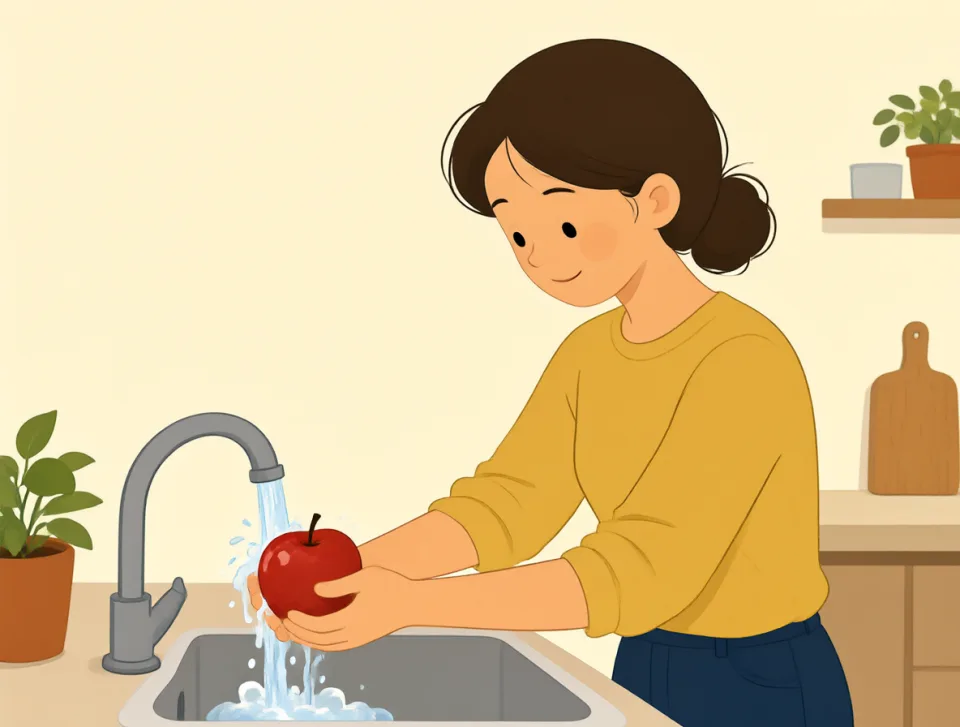
We need to wash these apples before eating them.
باید این سیبها را قبل از خوردن بشوییم.
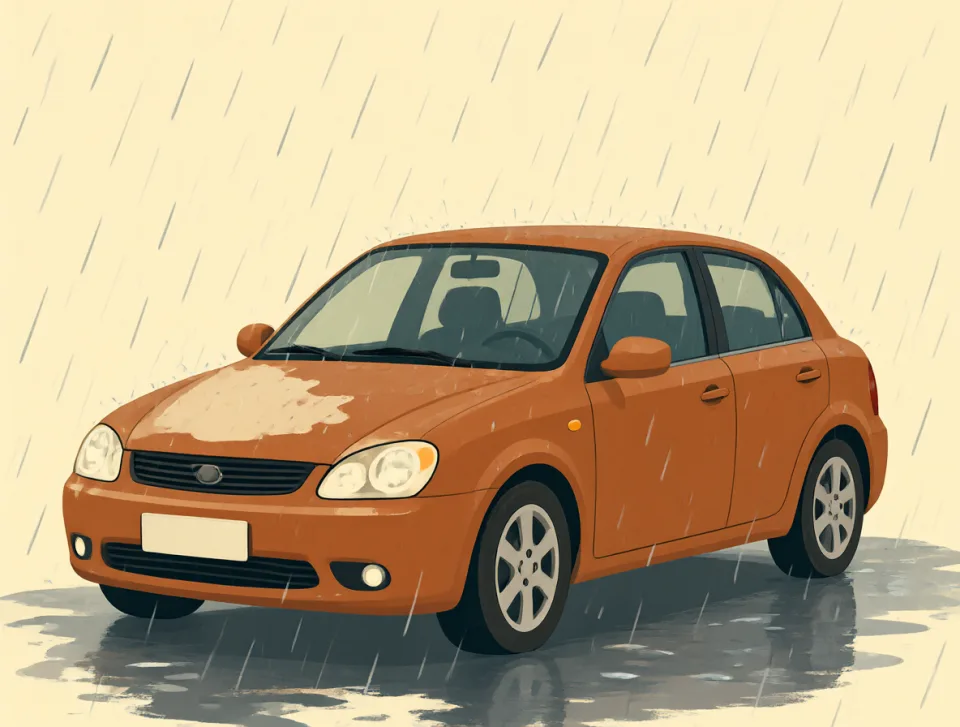
The rain washed the dirt off his car.
باران گلولای را از روی ماشینش شست.

actor
#1369noun
بازیگر
A person who performs in films, plays, or television shows.
کسی که در فیلم، نمایش یا برنامهٔ تلویزیونی بازی میکند.
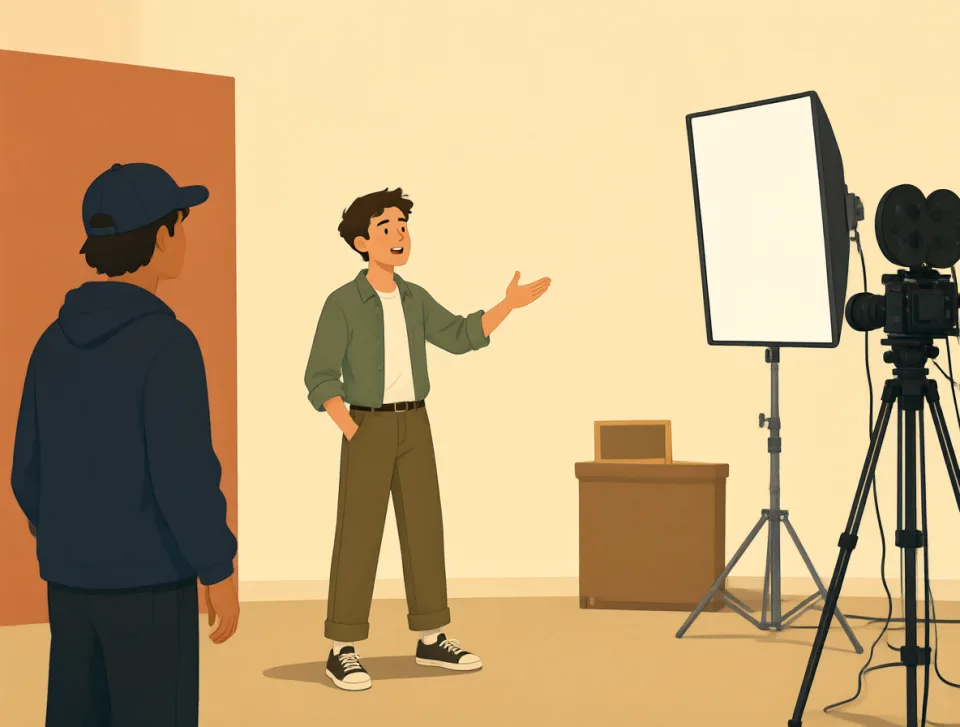
The actor played the main character in a popular film.
آن بازیگر نقش اصلی را در یک فیلم پرطرفدار بازی کرد.

My sister wants to become an actor after finishing school.
خواهرم میخواهد بعد از تمام کردن مدرسه بازیگر شود.

The actor learned his lines before the first rehearsal.
بازیگر پیش از نخستین تمرین، دیالوگهایش را یاد گرفت.
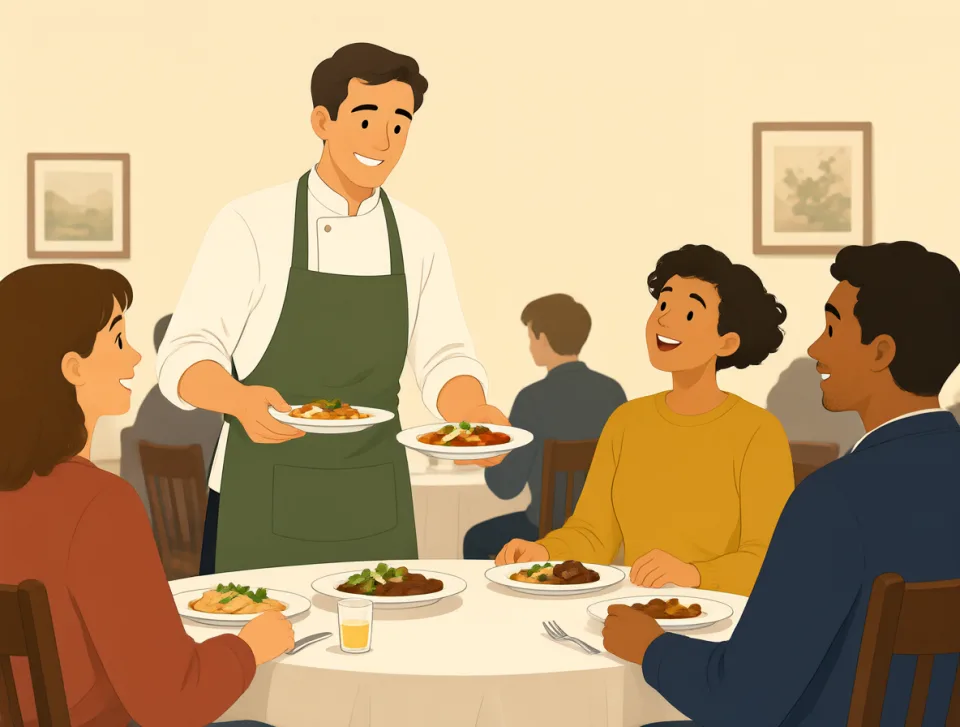
A famous actor served dinner to guests at the restaurant.
یک بازیگر مشهور در رستوران برای مهمانها شام سرو کرد.
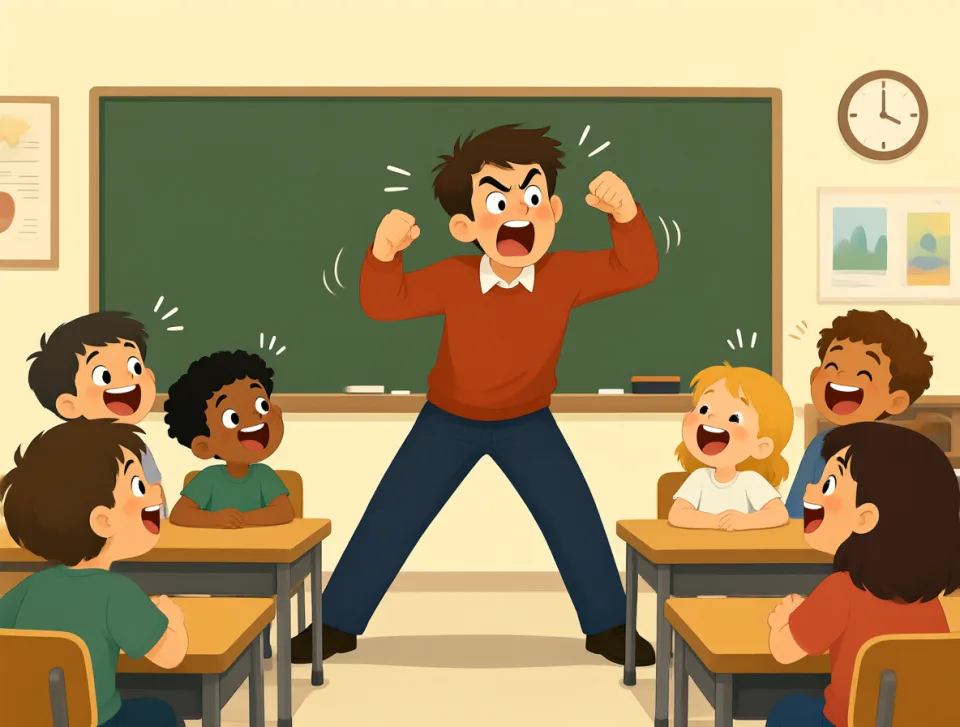
The children laughed when their teacher acted like a funny actor.
بچهها خندیدند وقتی معلمشان مثل یک بازیگر بامزه رفتار کرد.

glad
#1370adjective
خوشحال
feeling happy and pleased about something
از چیزی احساس شادی و خشنودی کردن.
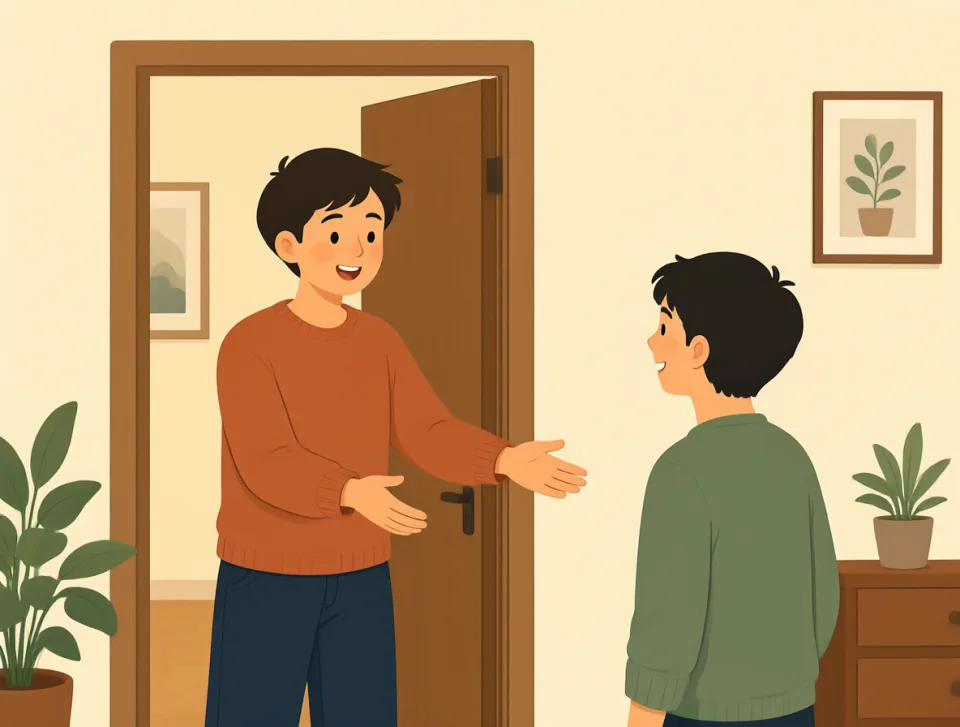
I'm glad you came to visit us today.
خوشحالم که امروز به دیدنمان آمدی.

She was glad to hear that her brother arrived safely.
او از شنیدن اینکه برادرش سالم رسیده بود خوشحال شد.

We are glad to help you carry those heavy bags.
خوشحال میشویم کمکتان کنیم آن کیفهای سنگین را حمل کنید.

He was glad that the doctor said his shoulder was better.
او خوشحال شد که دکتر گفت شانهاش بهتر شده است.

I’m glad we brought warm coats for the cold trip.
خوشحالم که برای سفر سردمان لباس گرم آوردیم.
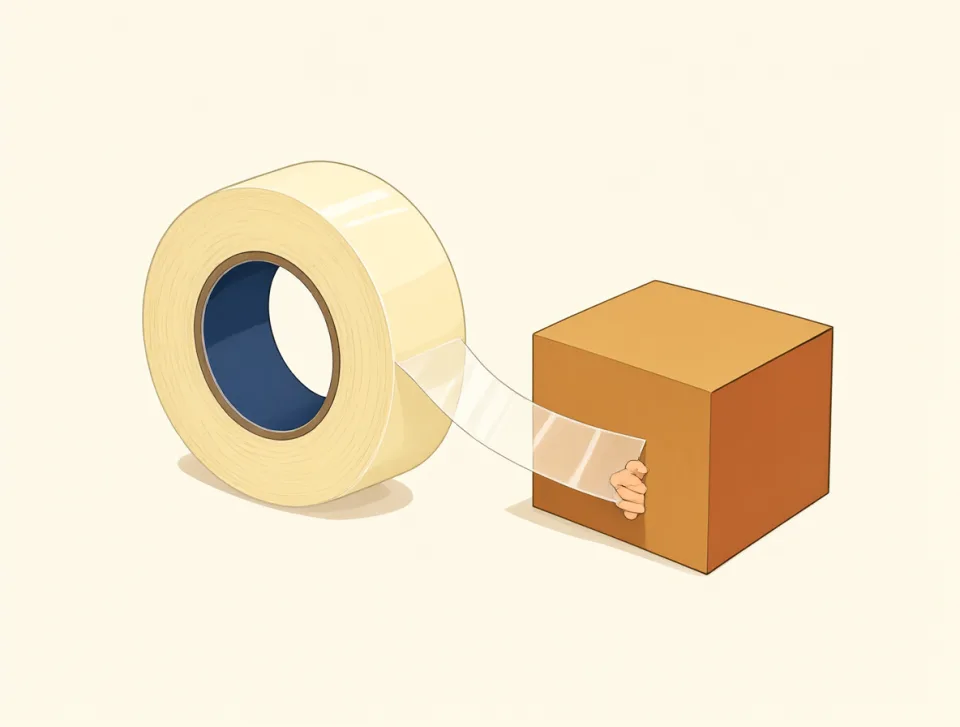
tape
#1371noun, verb
چسب
A narrow strip used to stick, hold, or cover things; to fasten something with it.
نوار باریکی برای چسباندن، نگهداشتن یا پوشاندن چیزها؛ محکم کردن چیزی با آن.
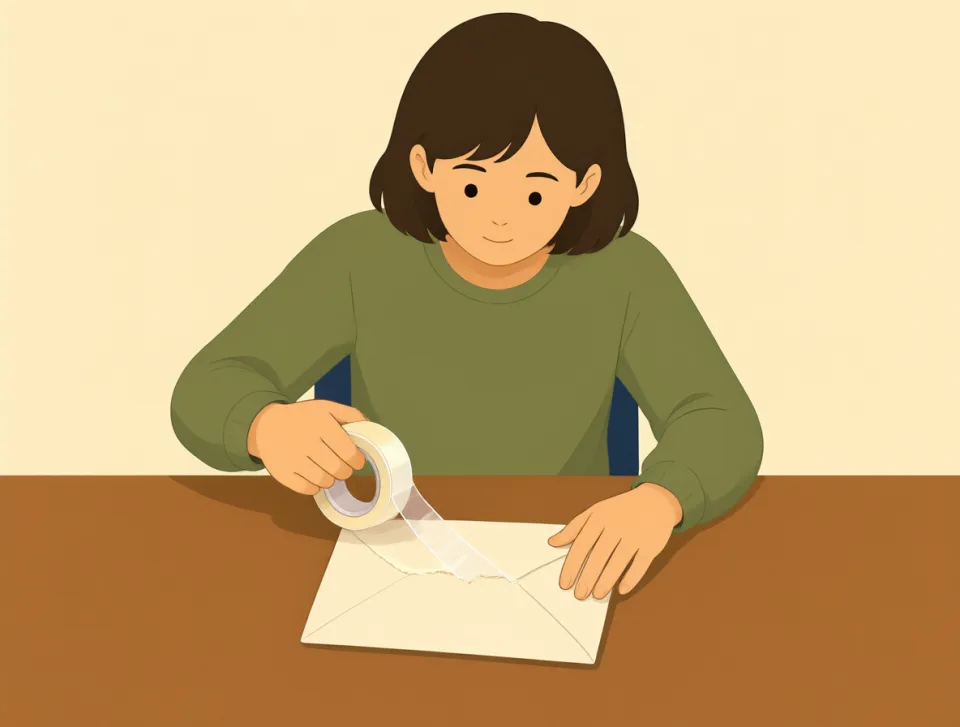
Please use tape to fix this torn envelope.
لطفاً برای تعمیر این پاکت پارهشده از چسب استفاده کنید.
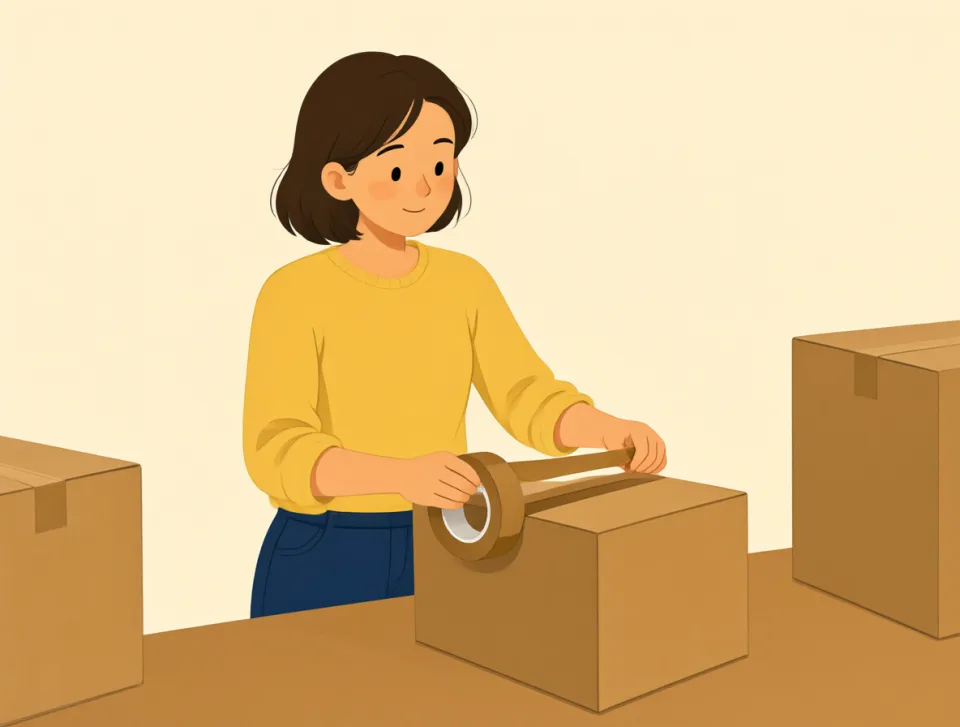
She put tape around the box before sending it.
او پیش از فرستادن جعبه، دور آن چسب زد.
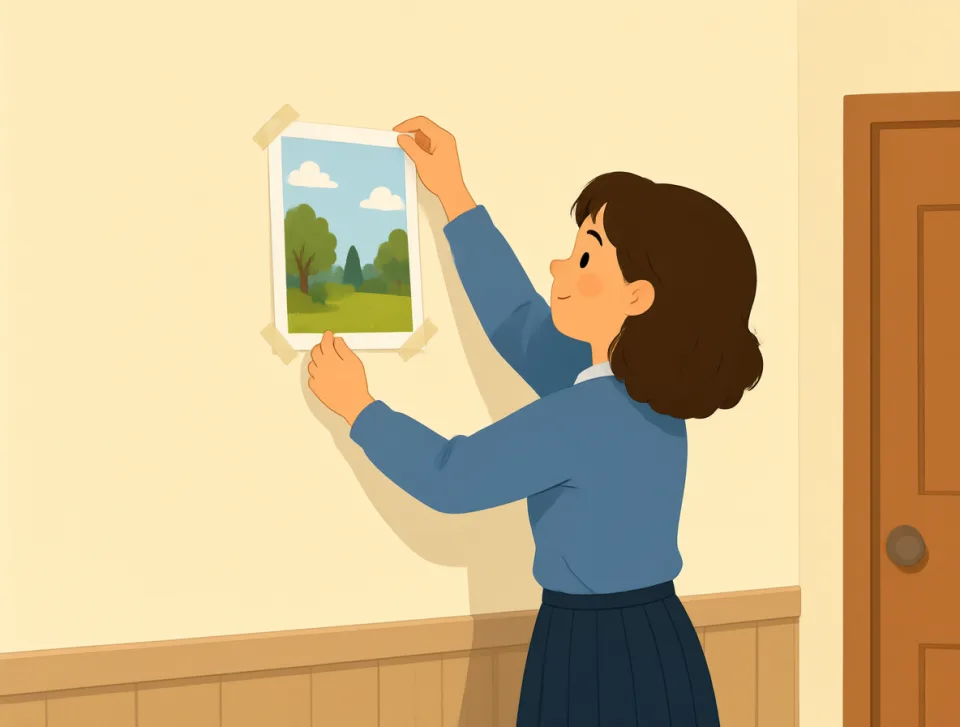
The teacher taped the picture to the classroom wall.
معلم تصویر را با چسب به دیوار کلاس چسباند.
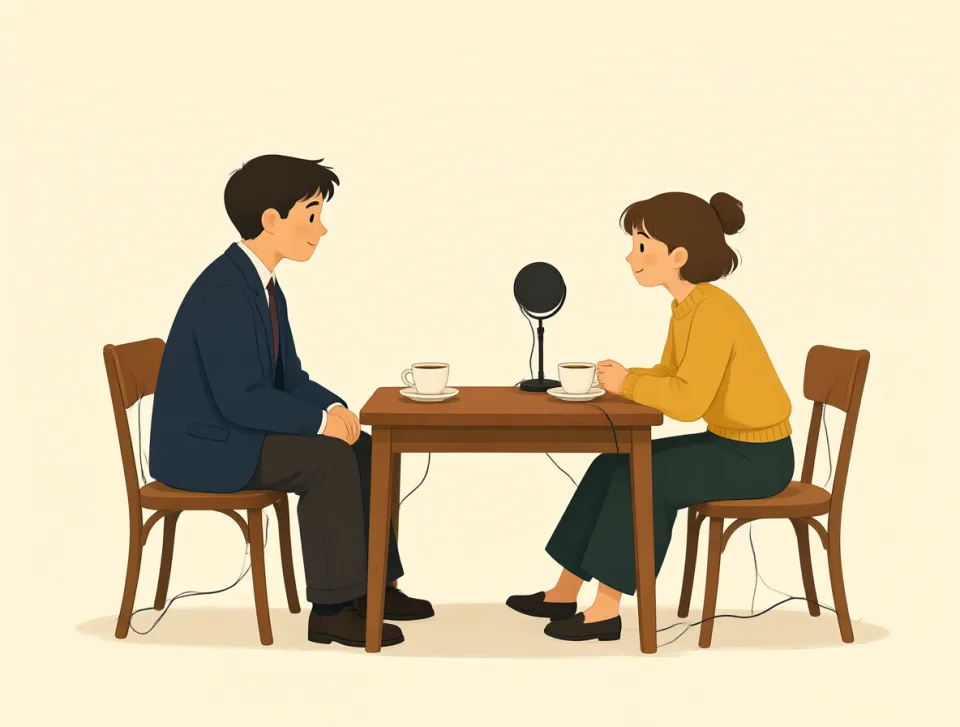
We recorded the interview on tape many years ago.
سالها پیش مصاحبه را روی نوار ضبط کردیم.
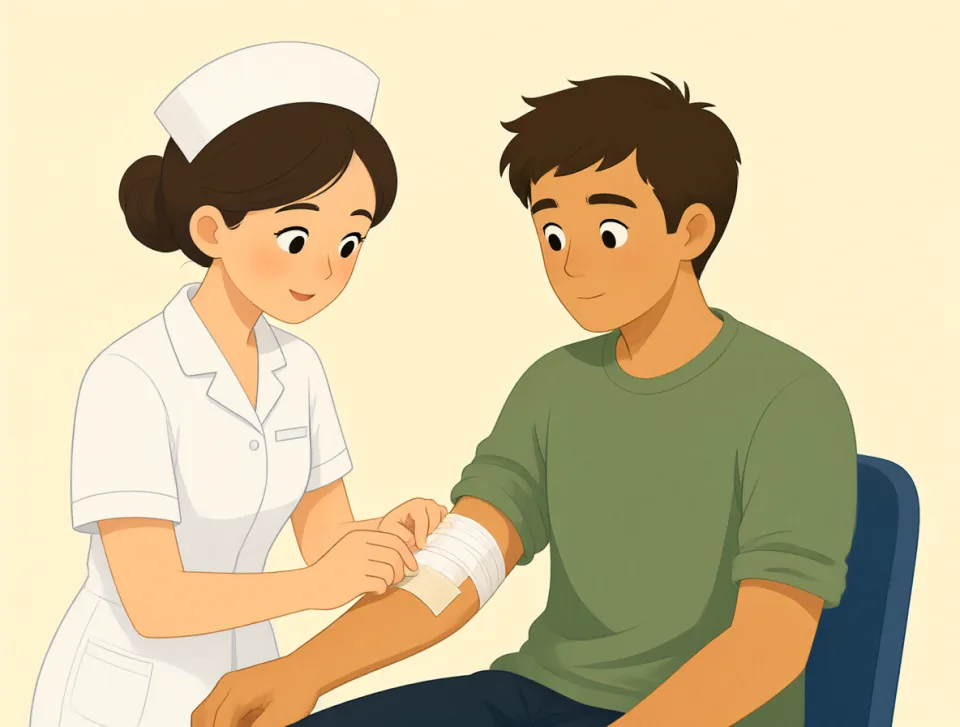
The nurse taped a bandage to his arm.
پرستار یک باند را با چسب به بازوی او چسباند.
whereas
#1372conjunction
درحالیکه
used to compare two different facts, actions, or situations
برای مقایسهٔ دو واقعیت، عمل یا وضعیت متفاوت به کار میرود.
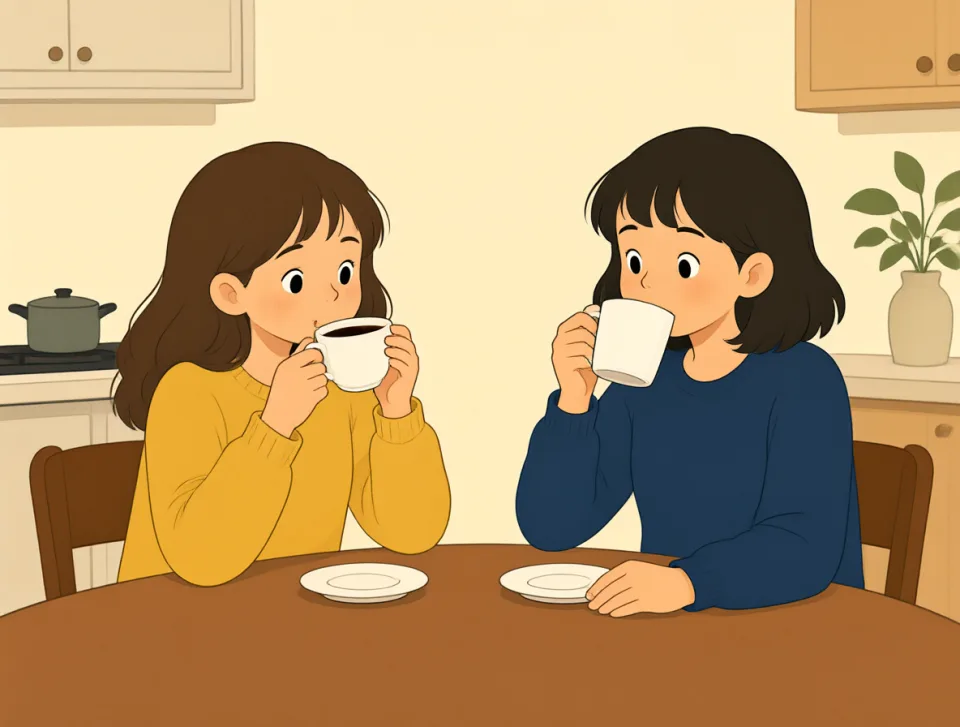
I like tea, whereas my sister prefers coffee.
من چای دوست دارم، درحالیکه خواهرم قهوه را ترجیح میدهد.

Tom works in an office, whereas his wife works from home.
تام در اداره کار میکند، درحالیکه همسرش از خانه کار میکند.

This jacket is warm, whereas that one is much lighter.
این کت گرم است، درحالیکه آن یکی خیلی سبکتر است.
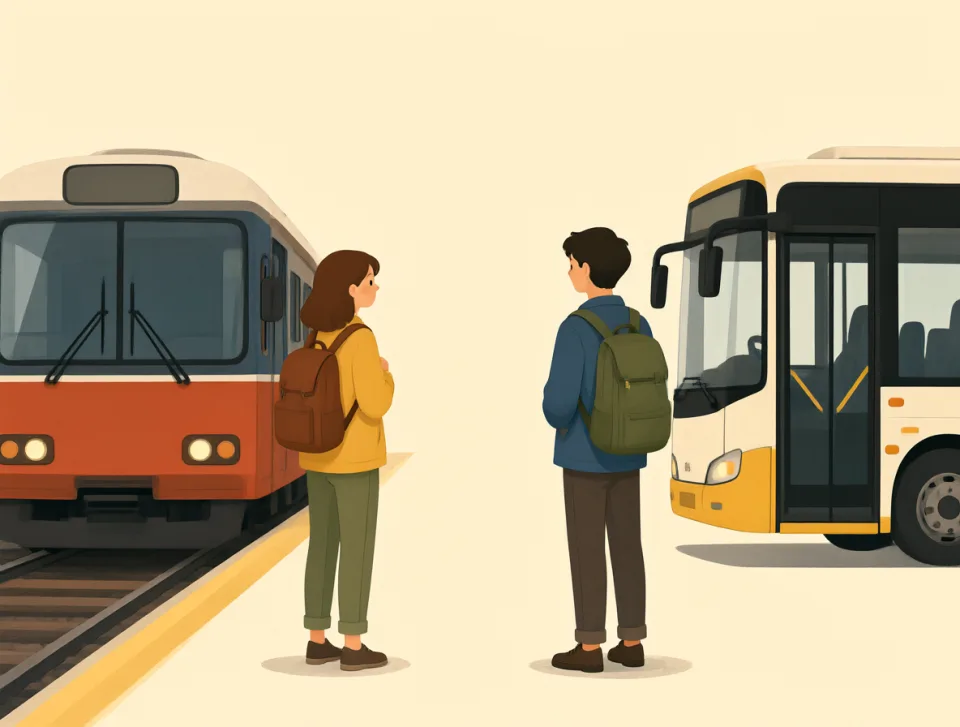
The train is fast, whereas the bus is cheaper.
قطار سریع است، درحالیکه اتوبوس ارزانتر است.
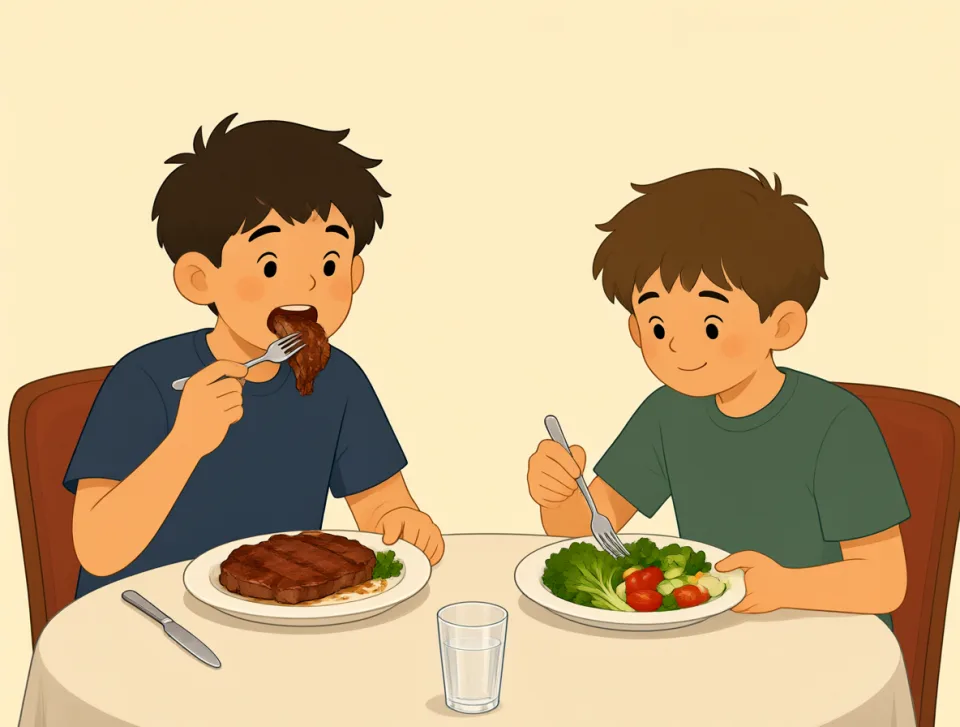
My brother eats meat, whereas I choose vegetables.
برادرم گوشت میخورد، درحالیکه من سبزیجات را انتخاب میکنم.
opposite
#1373noun, adjective, preposition
متضاد
A person or thing that is completely different from another person or thing.
شخص یا چیزی که کاملاً با شخص یا چیز دیگری تفاوت دارد.
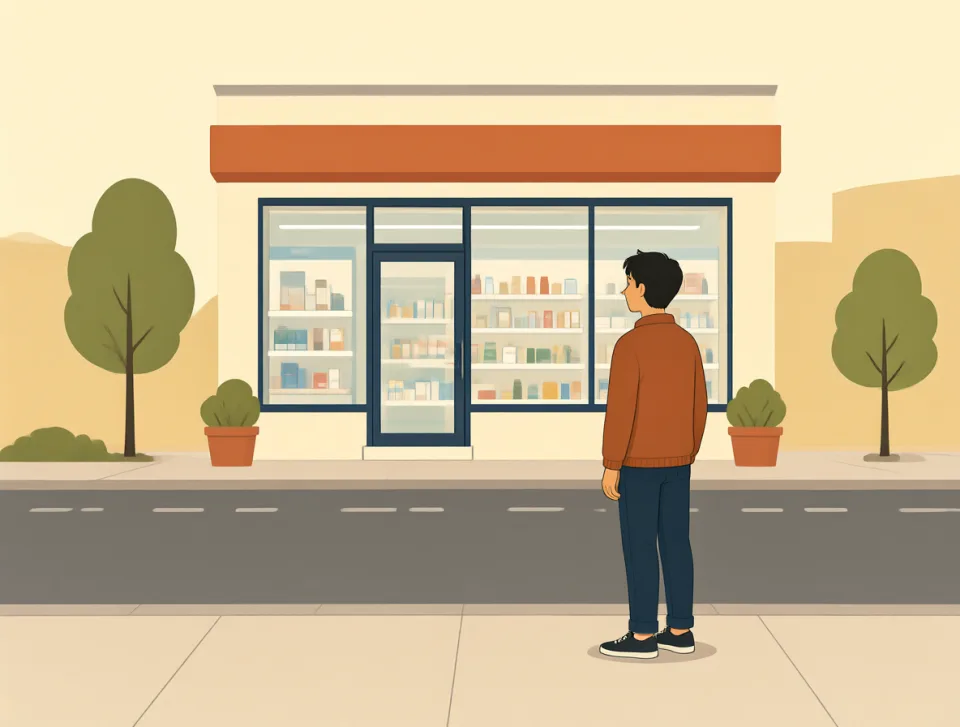
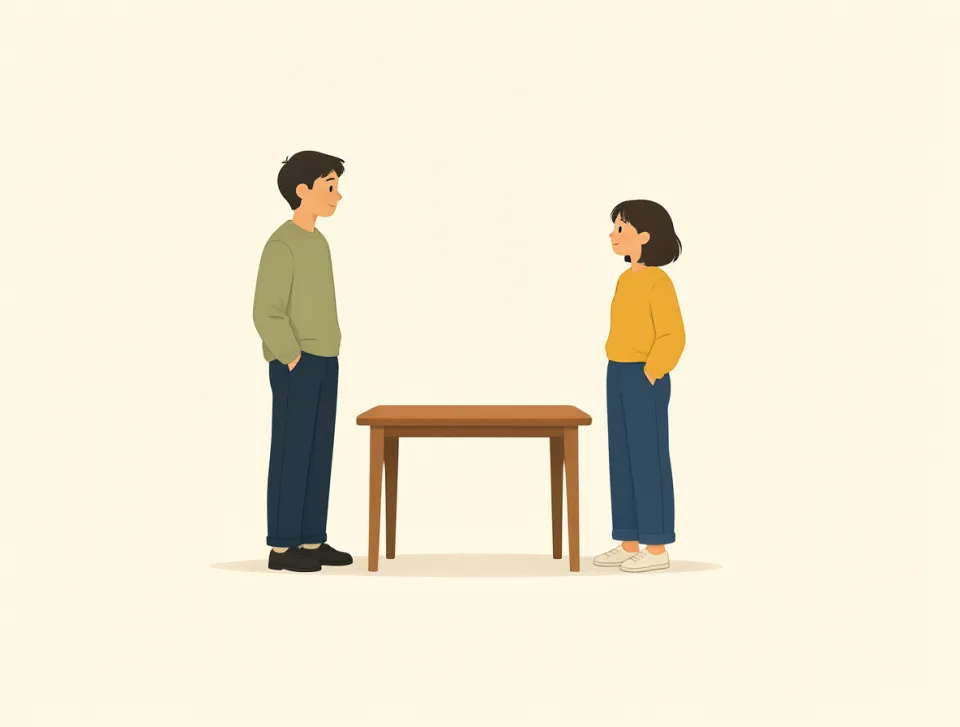
The pharmacy is opposite the bank on the main street.
داروخانه در خیابان اصلی، روبهروی بانک است.

Our opinions are completely opposite, but we still enjoy talking.
نظرهای ما کاملاً متضاد است، اما هنوز از صحبت کردن با هم لذت میبریم.
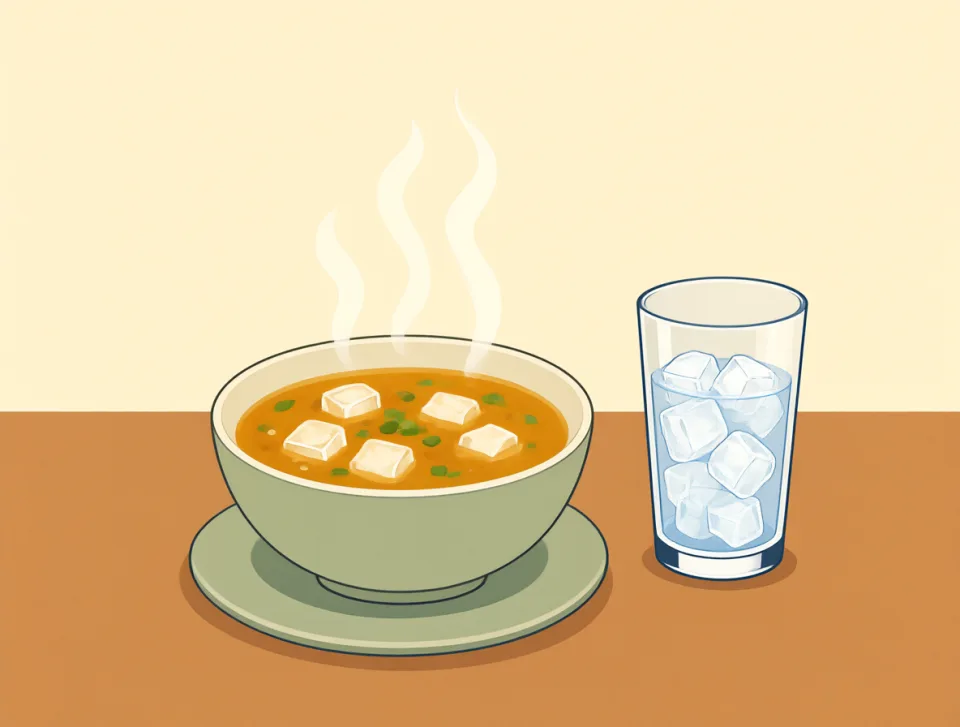
The opposite of hot is cold.
متضادِ گرم، سرد است.
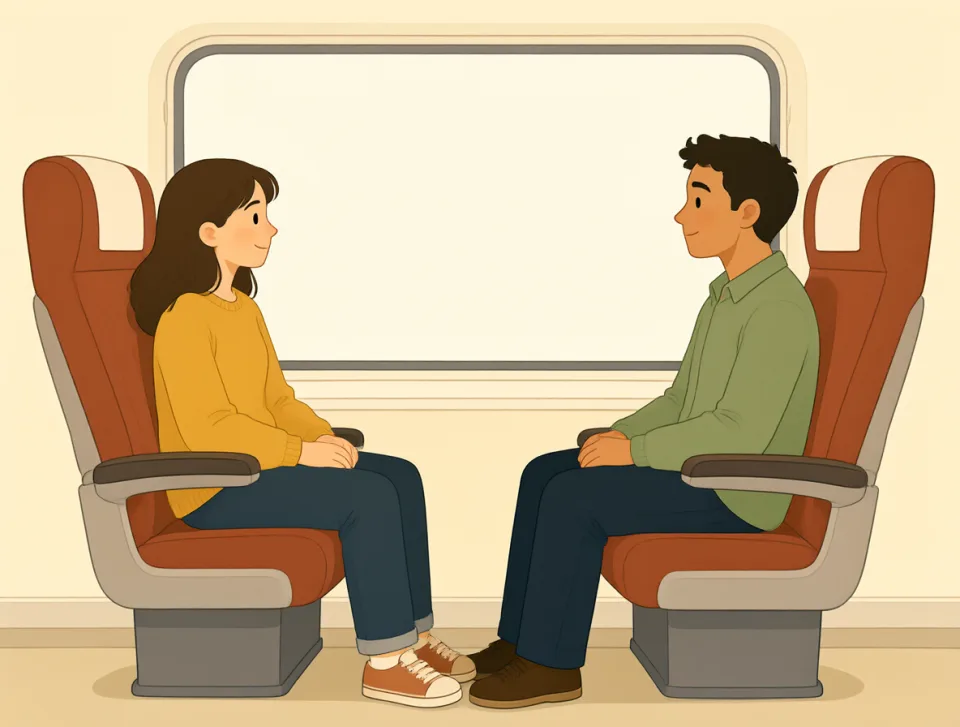
She sat opposite me during the long train journey.
او در طول سفر طولانی با قطار روبهروی من نشست.

He walked in the opposite direction and missed the bus.
او در جهت مخالف راه رفت و اتوبوس را از دست داد.
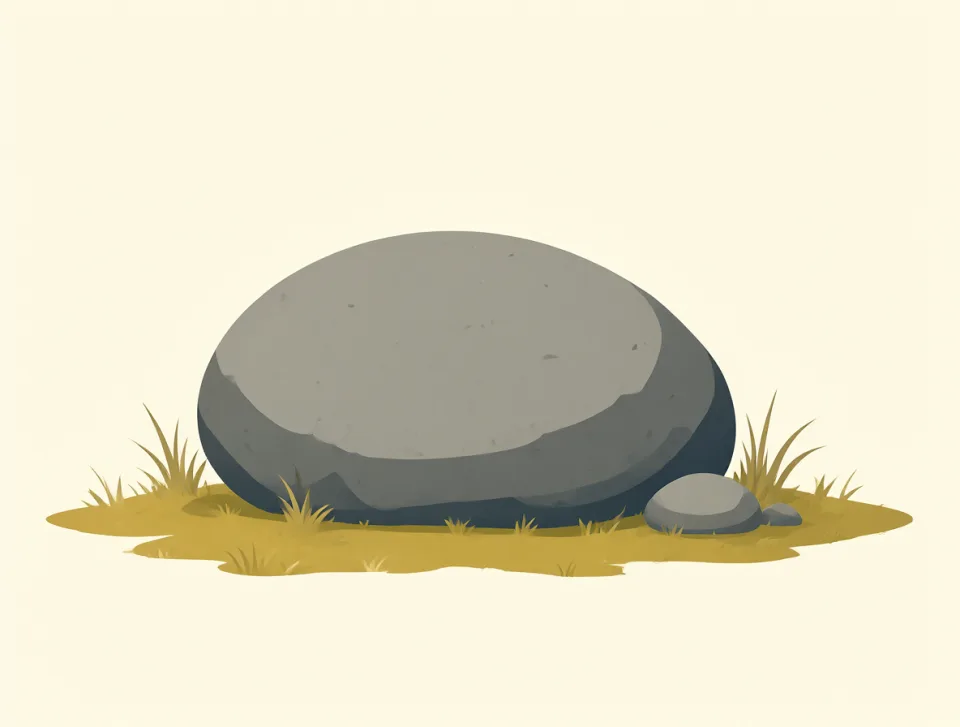
stone
#1374noun, verb
سنگ
a hard, solid piece of rock; to throw stones at something
تکهای سخت و جامد از سنگ؛ سنگ پرتاب کردن بهسوی چیزی.
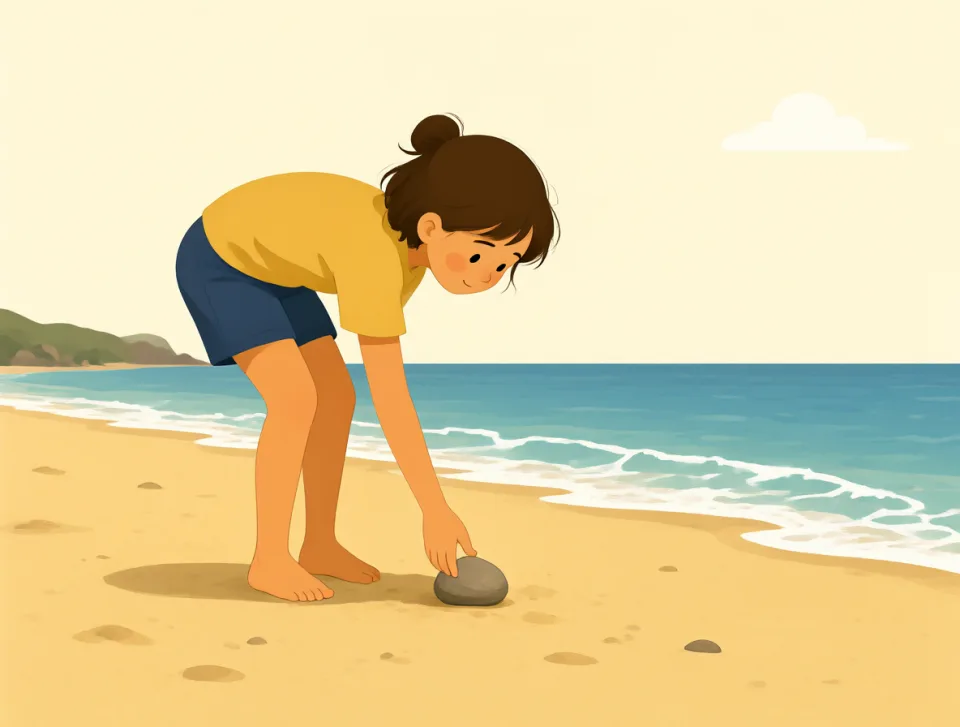
She found a beautiful stone on the beach.
او در ساحل سنگ زیبایی پیدا کرد.

The old stone house has thick walls and small windows.
خانهٔ سنگی قدیمی دیوارهای ضخیم و پنجرههای کوچکی دارد.
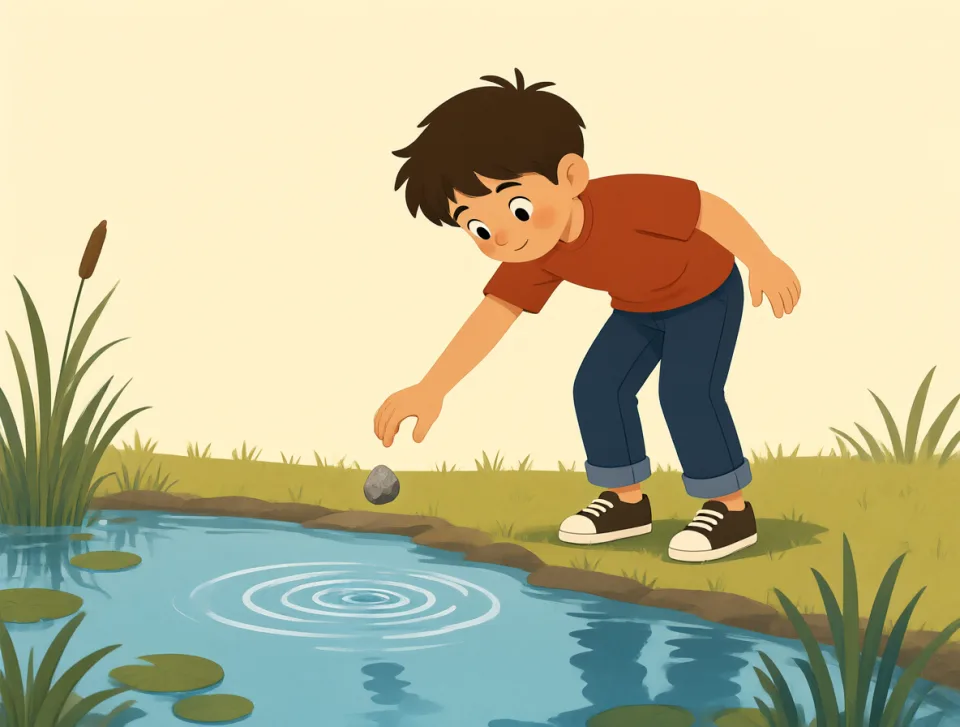
He dropped a stone into the quiet pond.
او سنگی را در برکهٔ آرام انداخت.
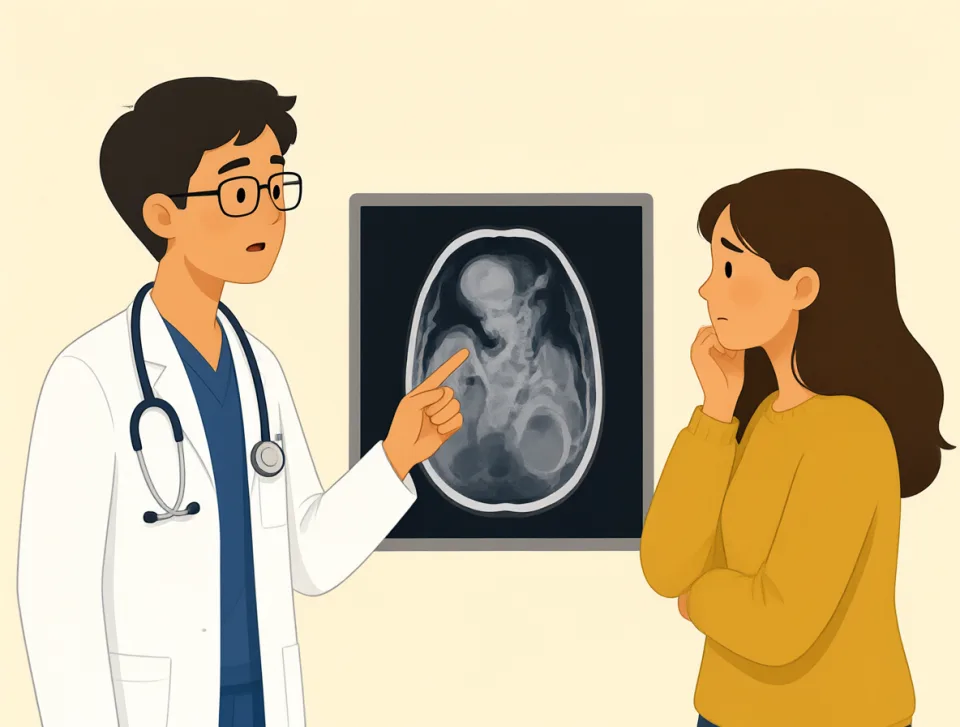
The doctor found a small stone in her kidney.
پزشک سنگ کوچکی در کلیهٔ او پیدا کرد.
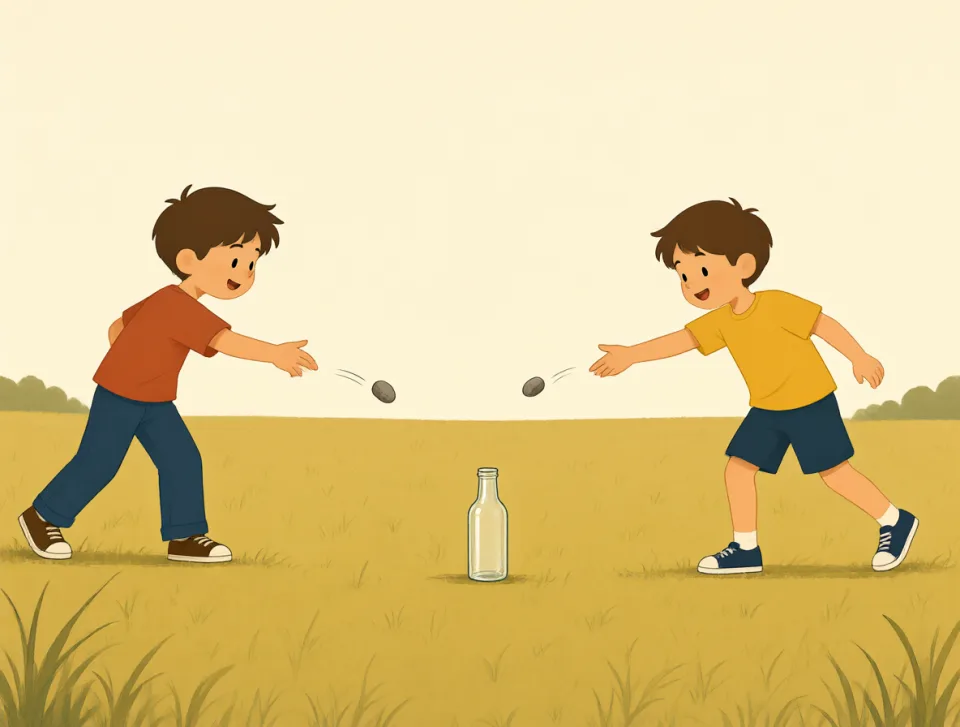
The angry boys threw stones at the empty bottle.
پسرهای عصبانی به بطری خالی سنگ پرتاب کردند.
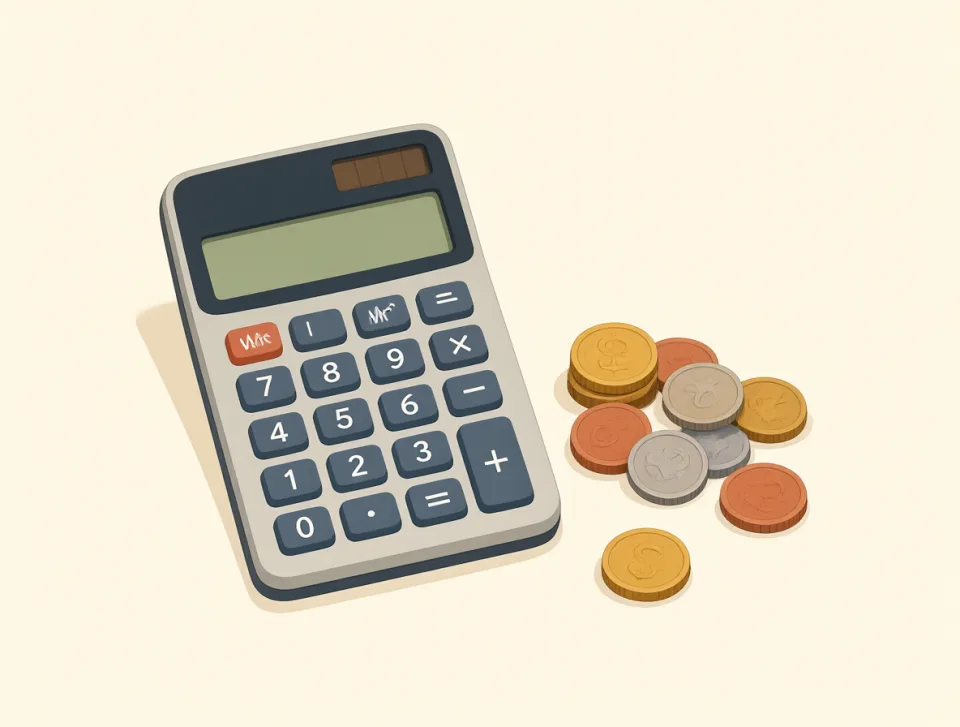
sum
#1375noun, verb
مجموع
A total amount found by adding numbers; to add numbers together.
حاصل جمع چند عدد؛ جمع کردن اعداد با یکدیگر.
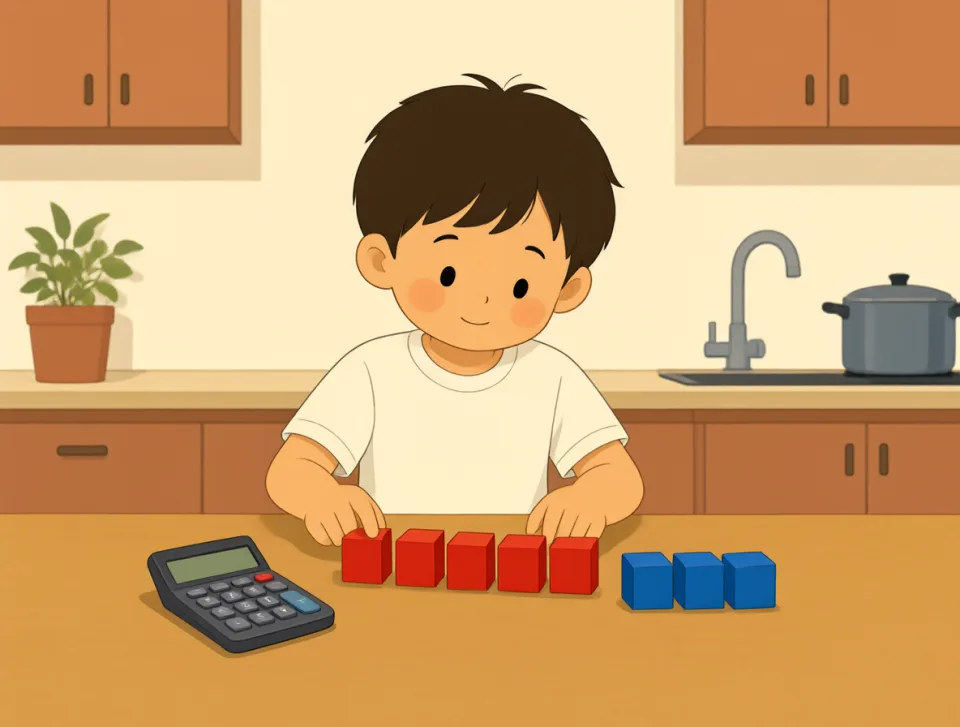
The sum of five and three is eight.
مجموع پنج و سه میشود هشت.
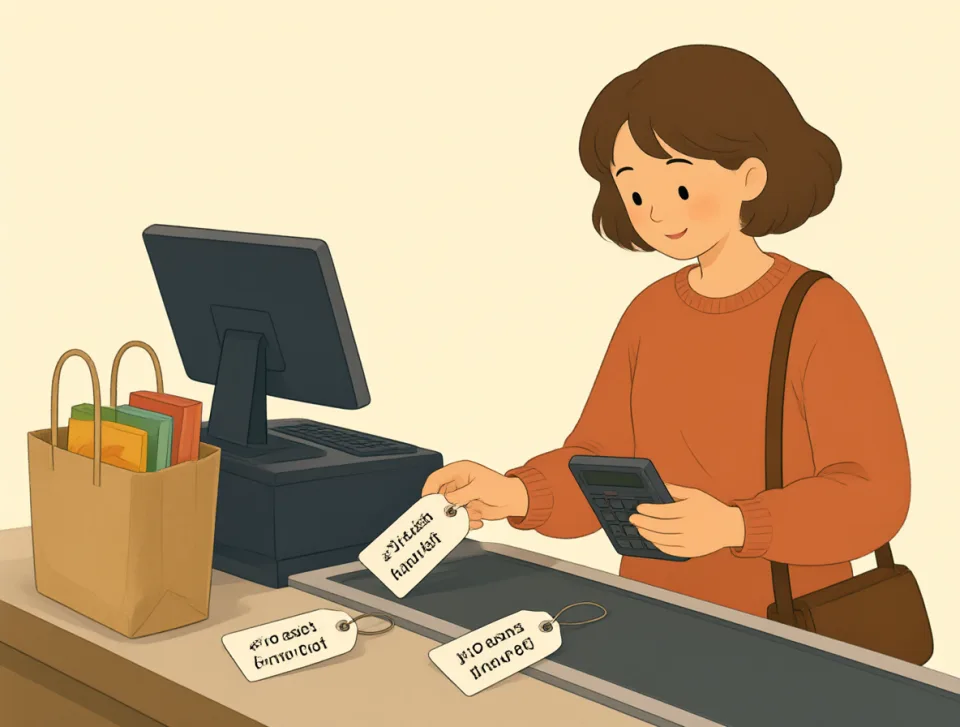
Please sum the prices before you pay.
لطفاً پیش از پرداخت، قیمتها را جمع کنید.

The repair cost came to a large sum.
هزینهٔ تعمیر به مبلغ زیادی رسید.
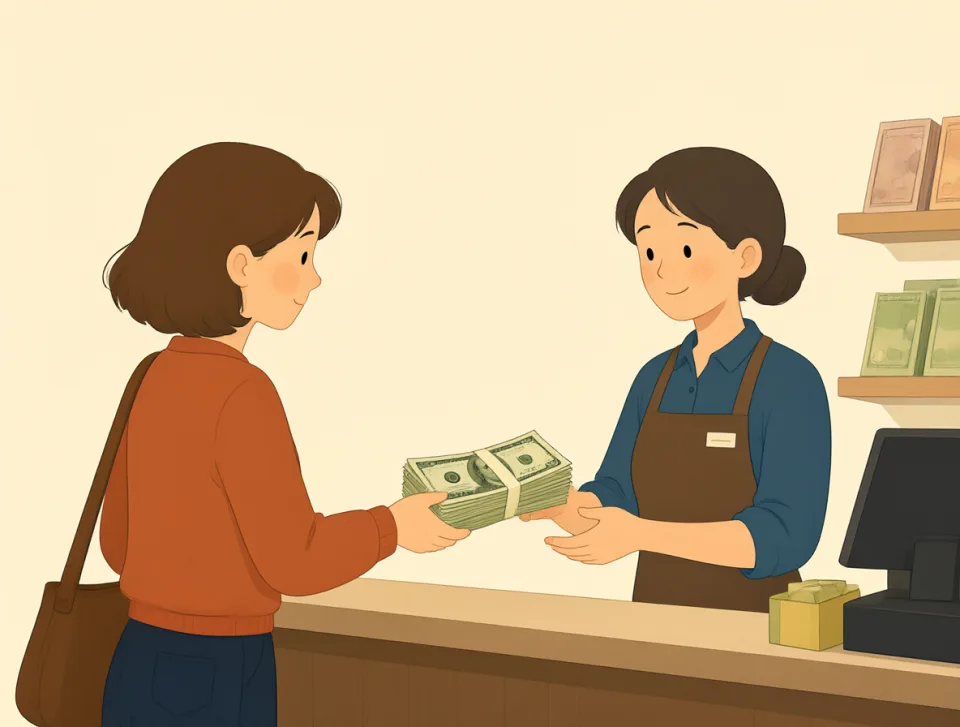
He paid the full sum in cash.
او تمام مبلغ را نقدی پرداخت کرد.
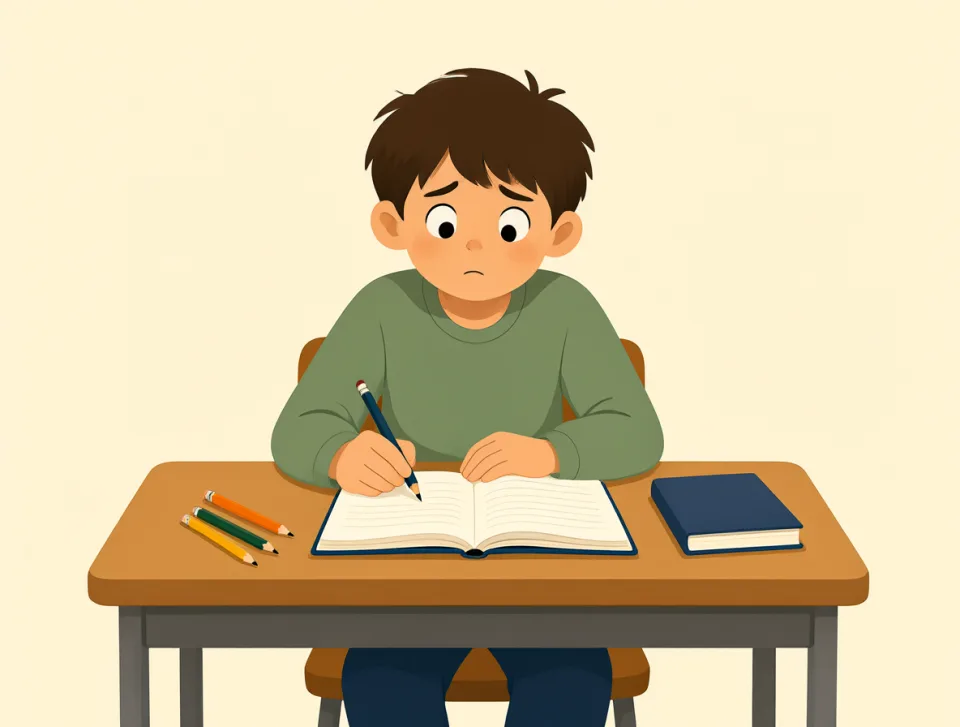
The sums in my homework were difficult.
مسئلههای ریاضی در تکلیفم سخت بودند.
murder
#1376noun, verb
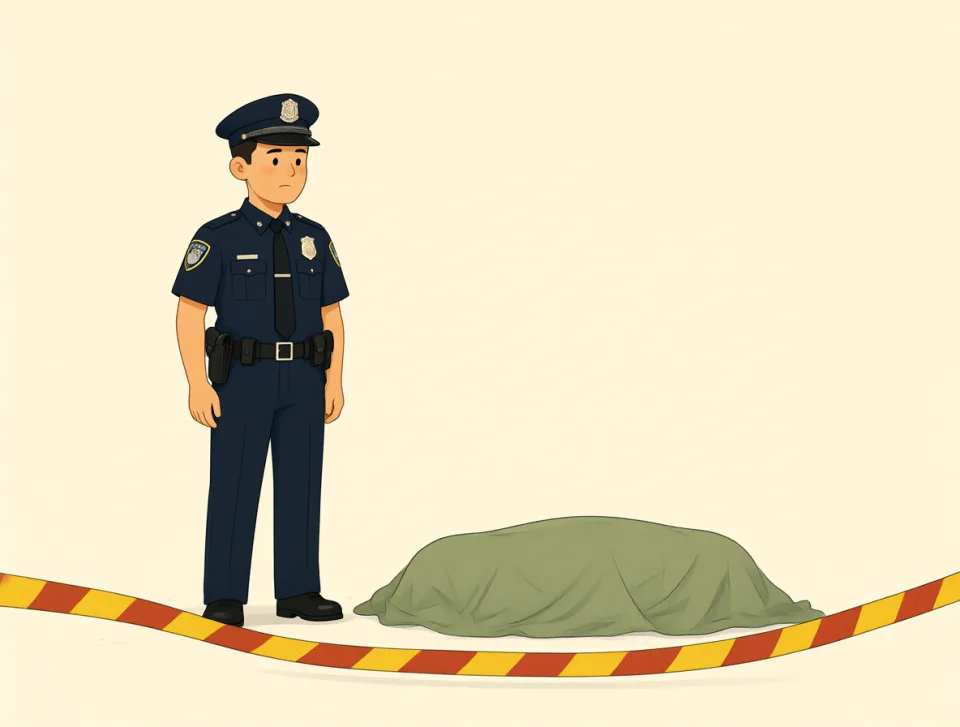
قتل
The crime of killing someone deliberately, or to kill someone deliberately.
جنایتِ کشتن عمدیِ کسی؛ یا عمداً کسی را کشتن.
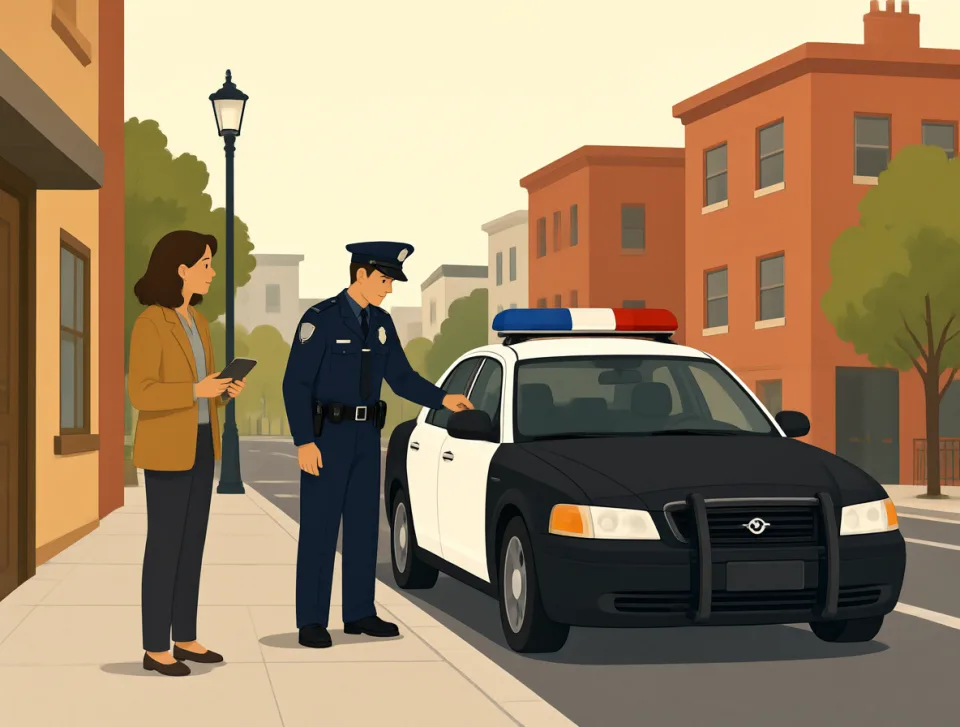
The police are investigating a murder in the city center.
پلیس در حال تحقیق دربارهٔ قتلی در مرکز شهر است.
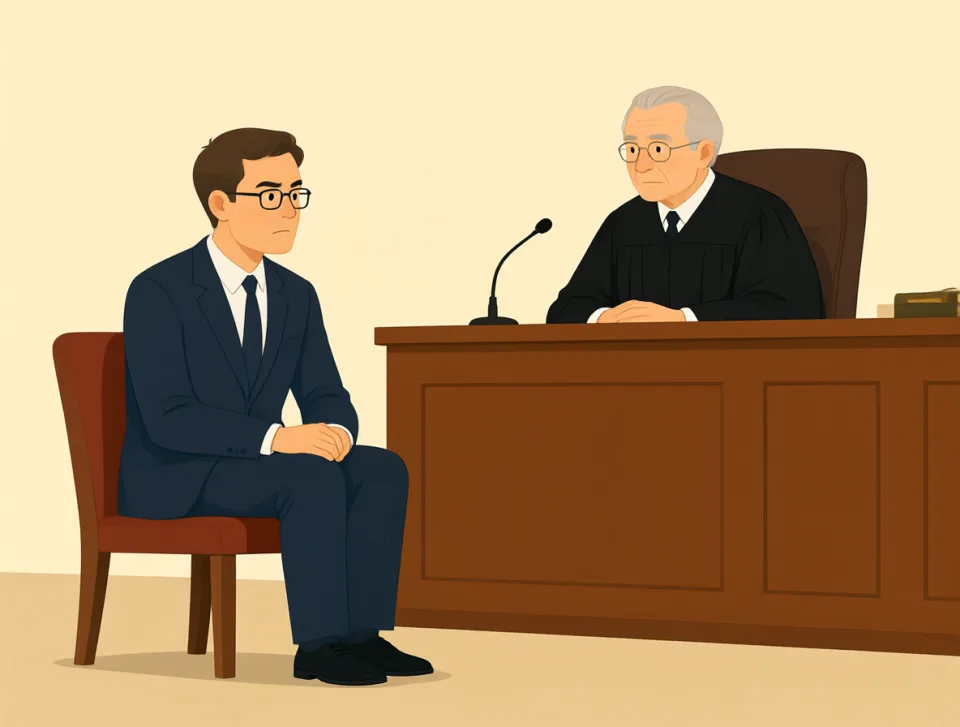
He was charged with murder after the man died.
بعد از مرگ آن مرد، او به قتل متهم شد.
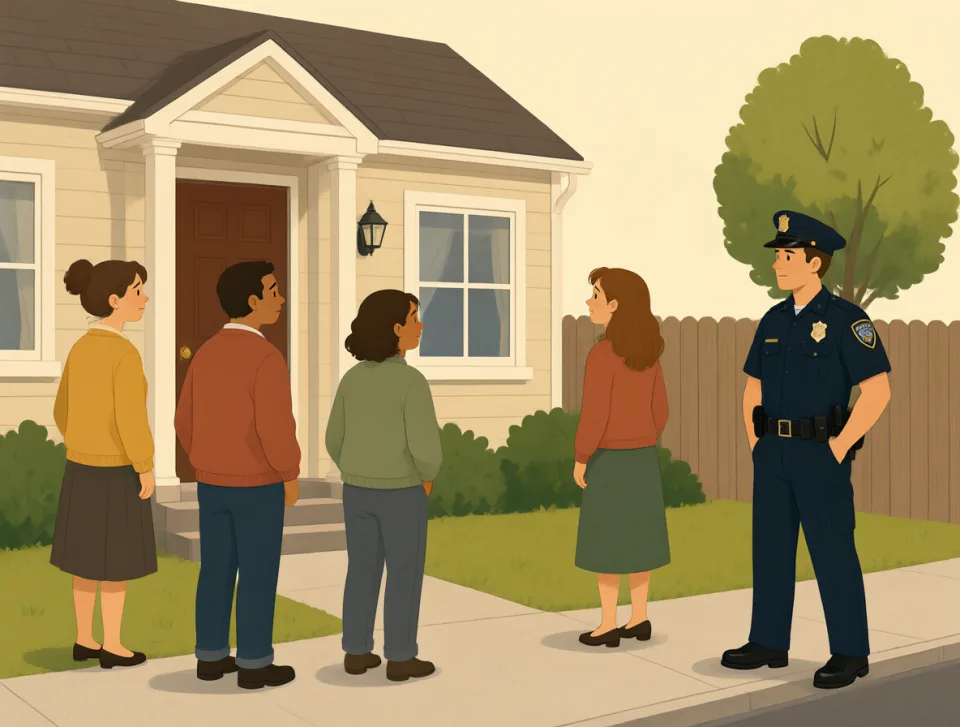
The murder shocked everyone in the small town.
این قتل همه را در آن شهر کوچک شوکه کرد.

The detective solved the murder by finding a hidden knife.
کارآگاه با پیدا کردن چاقویی پنهان، معمای قتل را حل کرد.

The film is about a detective trying to stop a murderer.
این فیلم دربارهٔ کارآگاهی است که تلاش میکند جلوی یک قاتل را بگیرد.

monitor
#1377noun, verb
نمایشگر؛ زیر نظر گرفتن
A screen used with a computer, or to watch something carefully.
صفحهای که به رایانه وصل میشود؛ یا چیزی را با دقت زیر نظر گرفتن.

I bought a new monitor for my home office.
برای اتاق کار خانگیام یک نمایشگر جدید خریدم.
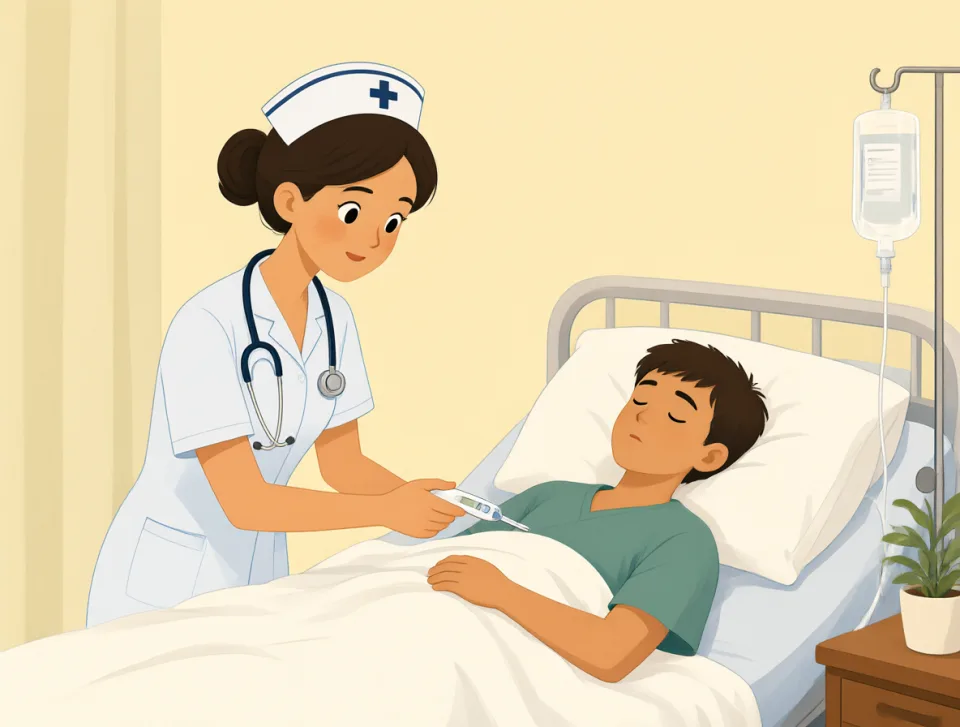
The nurse monitored his temperature during the night.
پرستار در طول شب دمای بدنش را زیر نظر داشت.
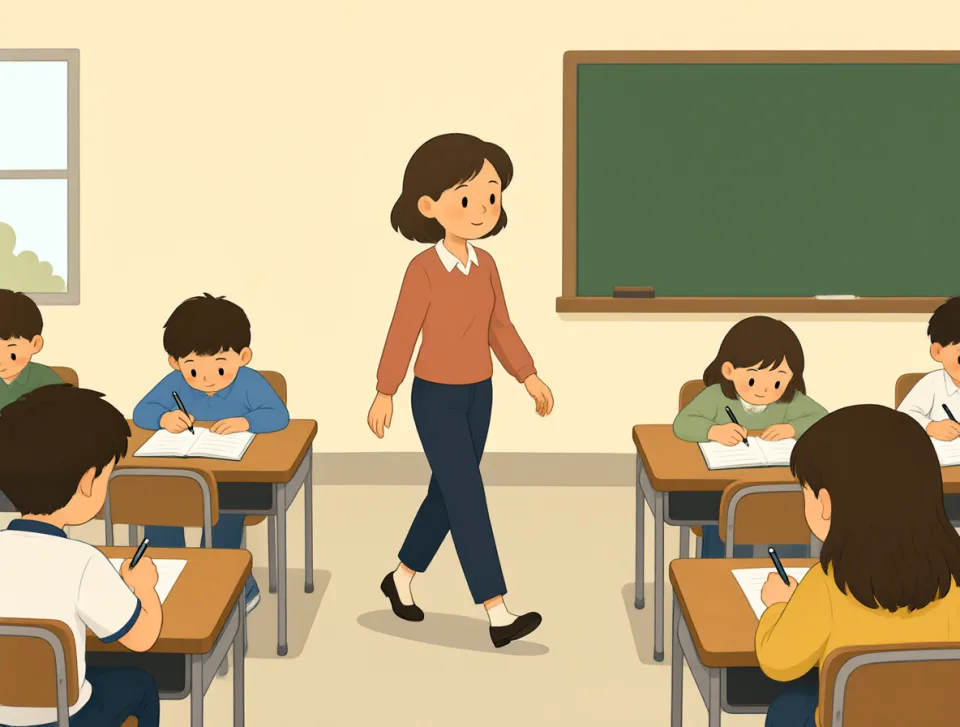
Teachers monitor students during the school test.
معلمها هنگام امتحان مدرسه مراقب دانشآموزان هستند.
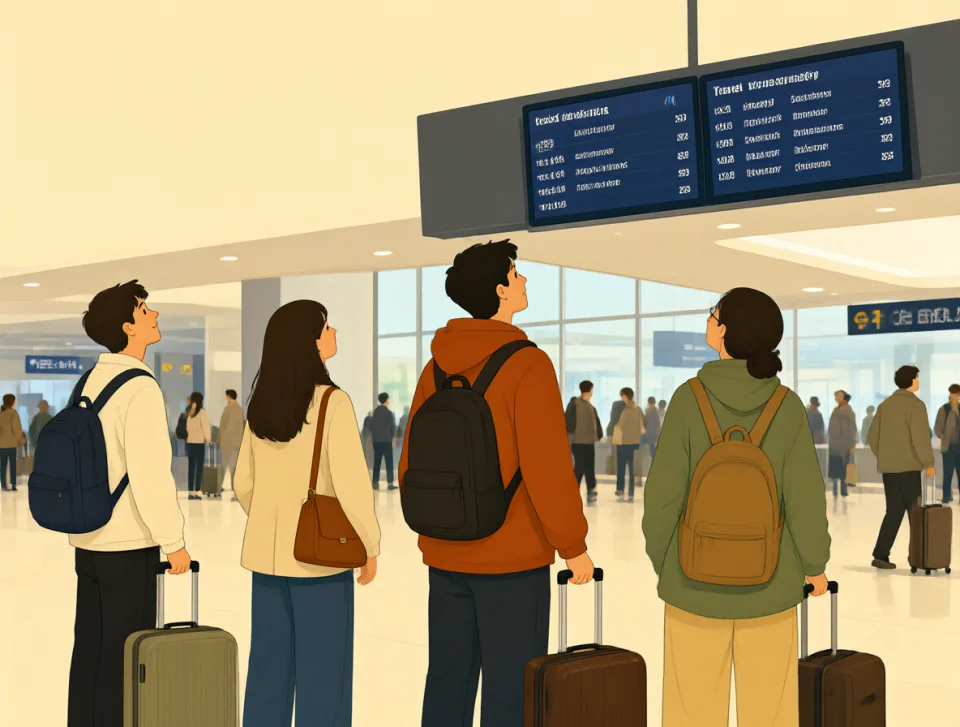
We monitored the flight times at the airport.
زمان پروازها را در فرودگاه زیر نظر گرفتیم.
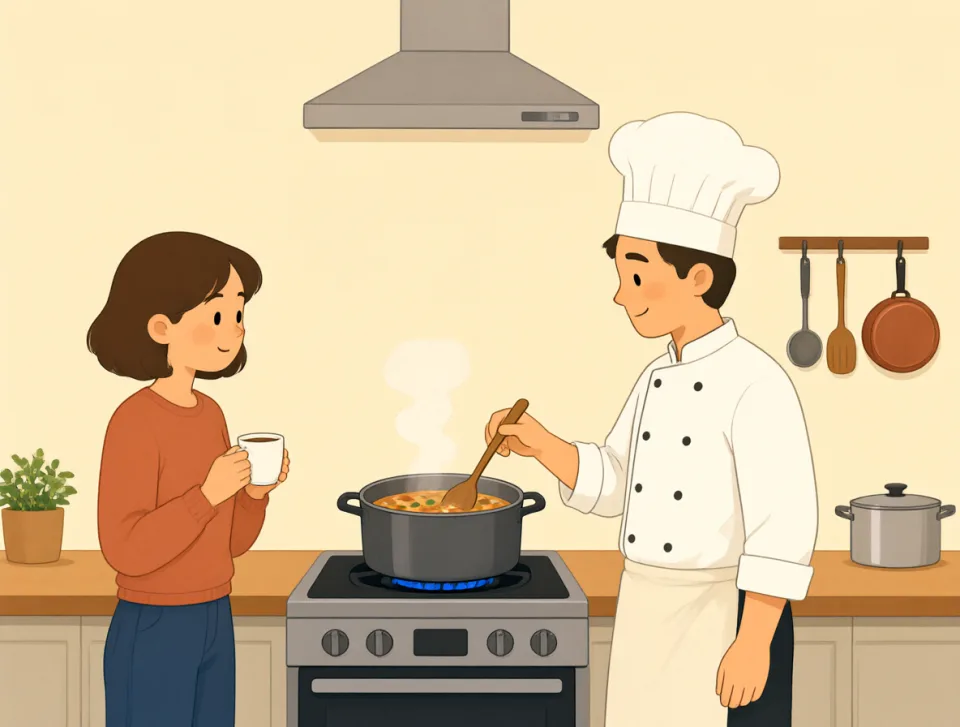
The chef monitored the soup while it cooked.
آشپز هنگام پختن سوپ، آن را زیر نظر داشت.
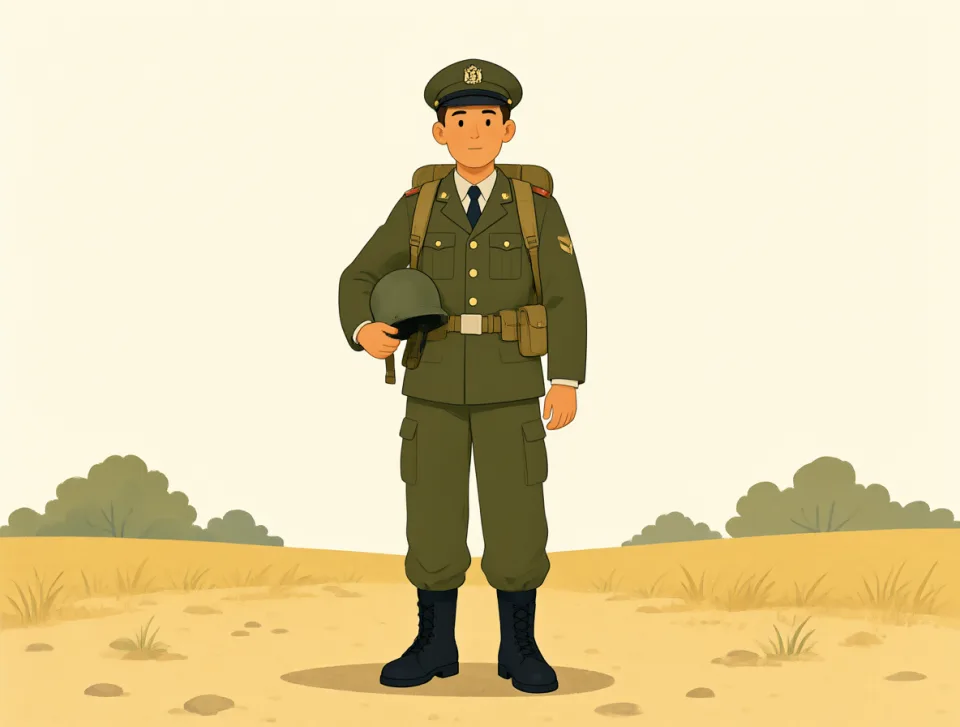
soldier
#1378noun
سرباز
A person trained to fight for their country’s army.
کسی که برای جنگیدن در ارتش کشورش آموزش دیده است.
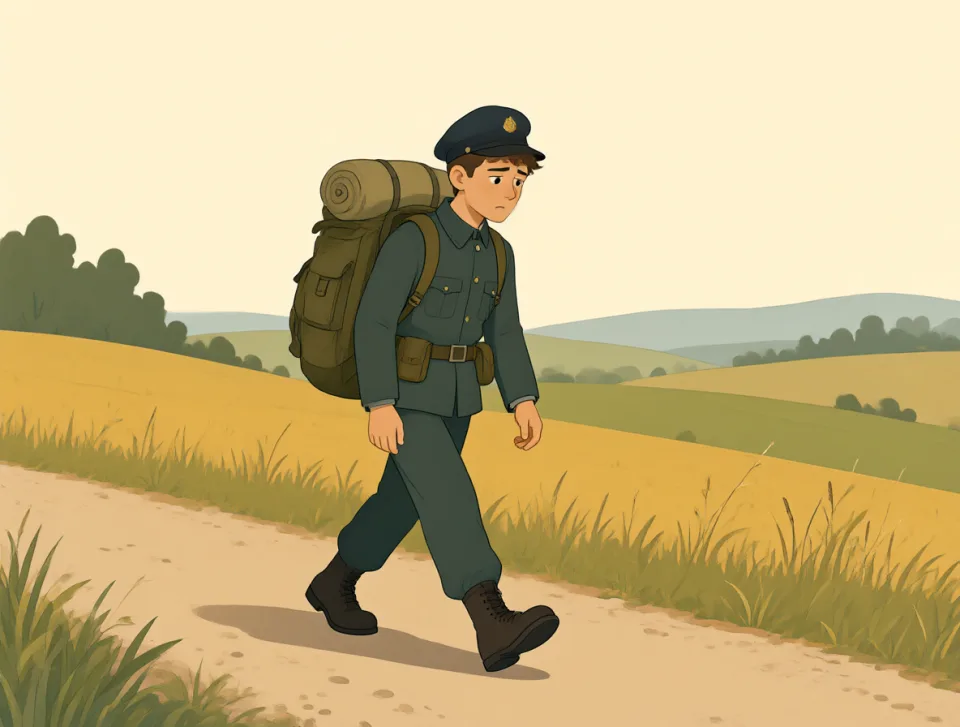
The soldier carried a heavy backpack during the long march.
سرباز در طول راهپیمایی طولانی، کولهپشتی سنگینی حمل میکرد.
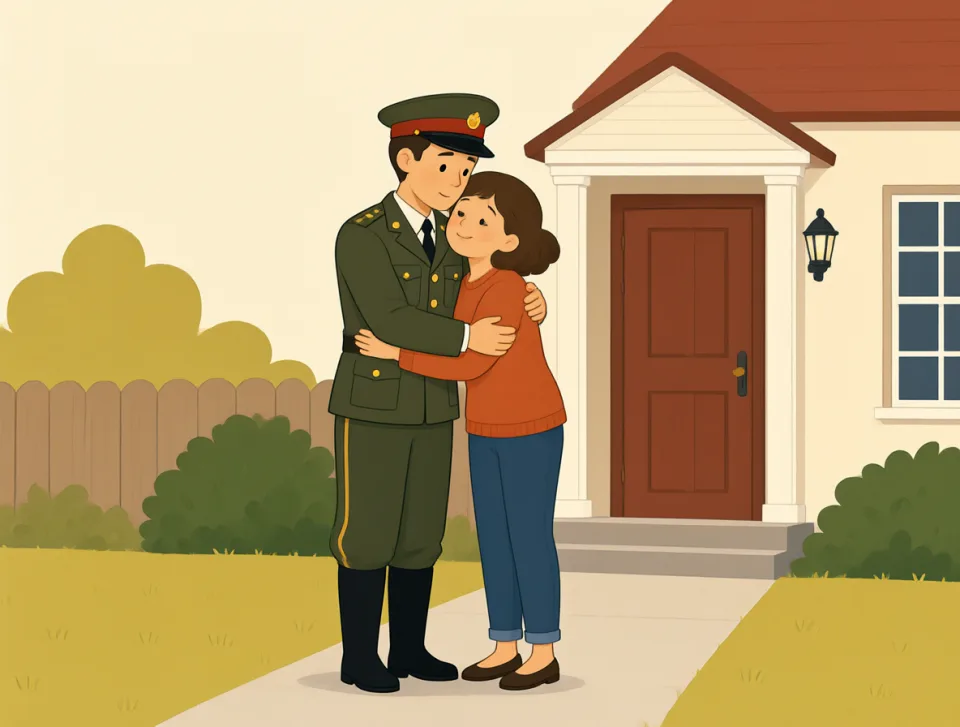
The young soldier returned home after serving overseas.
سرباز جوان پس از خدمت در خارج از کشور به خانه برگشت.
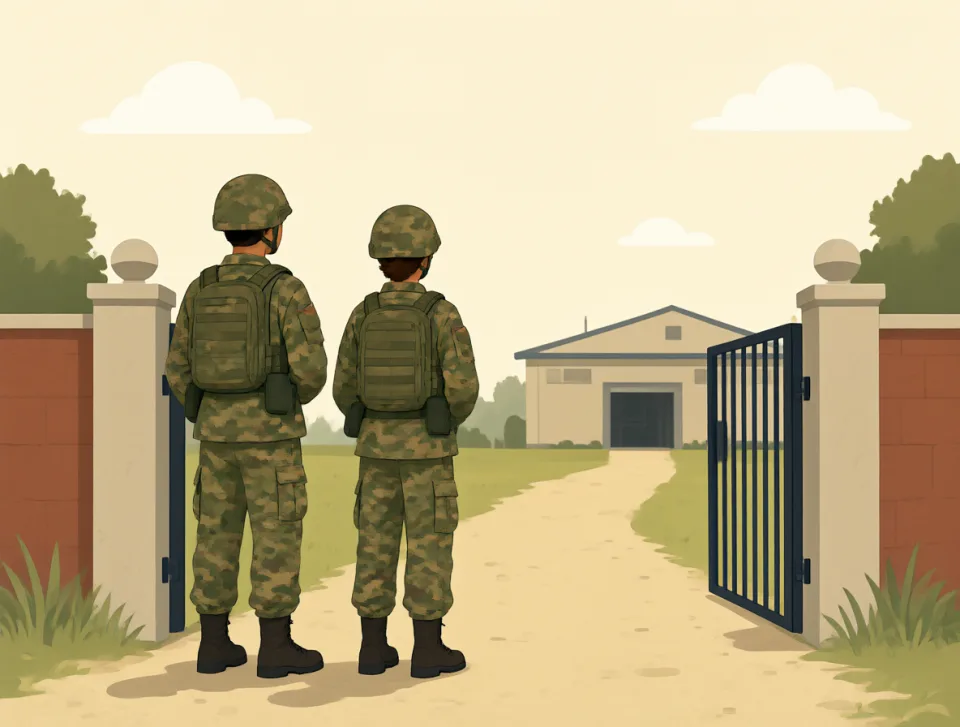
The soldiers guarded the entrance to the military base.
سربازها از ورودی پایگاه نظامی محافظت میکردند.
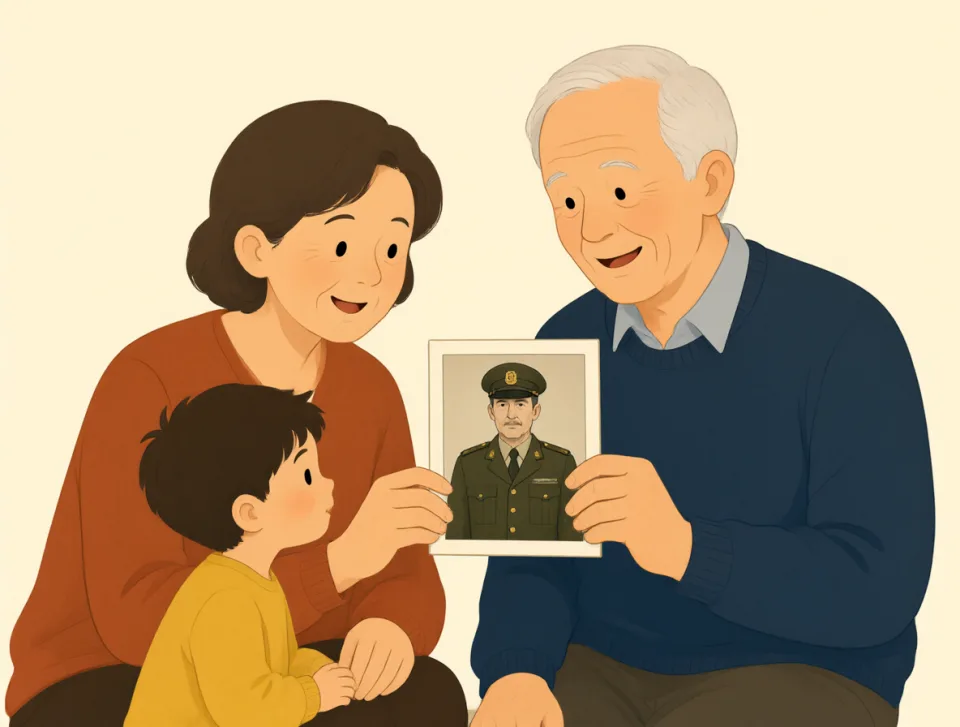
My grandfather was a soldier during the war.
پدربزرگم در زمان جنگ سرباز بود.
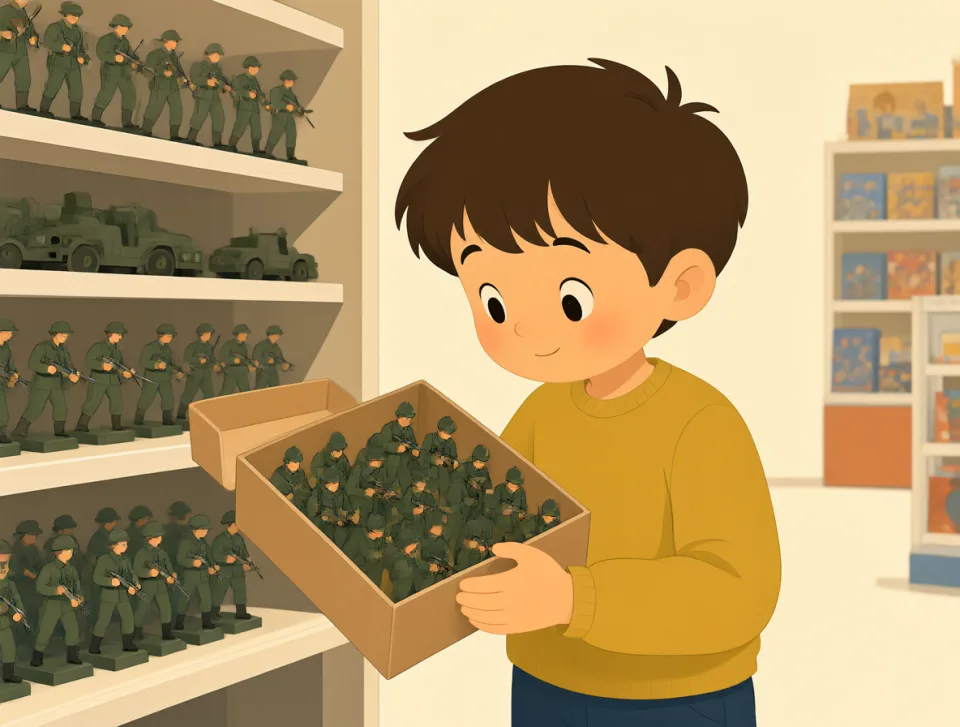
The toy shop sells small plastic soldiers for children.
فروشگاه اسباببازی، سربازهای پلاستیکی کوچکی برای بچهها میفروشد.

finance
#1379noun, verb
امور مالی؛ تأمین مالی
The management of money, or the money needed for a business, project, or purchase.
مدیریت پول، یا پولی که برای یک کسبوکار، پروژه یا خرید لازم است.
She studied finance at university and now works for a bank.
او در دانشگاه امور مالی خواند و حالا در یک بانک کار میکند.

We need to check our finances before booking the holiday.
قبل از رزرو سفر تعطیلات، باید وضعیت مالیمان را بررسی کنیم.

The company is looking for finance to build a new factory.
شرکت به دنبال تأمین مالی برای ساخت یک کارخانهٔ جدید است.

My brother financed his new car with a bank loan.
برادرم با وام بانکی، هزینهٔ ماشین جدیدش را تأمین کرد.
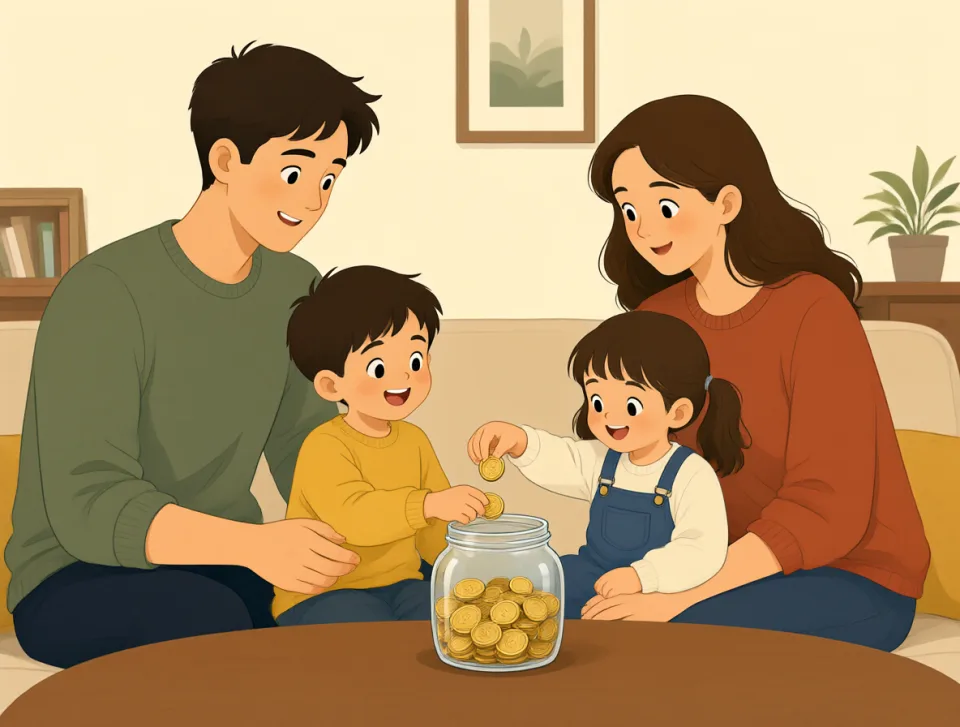
Good financial planning helps families save money for emergencies.
برنامهریزی مالی خوب به خانوادهها کمک میکند برای شرایط اضطراری پول پسانداز کنند.
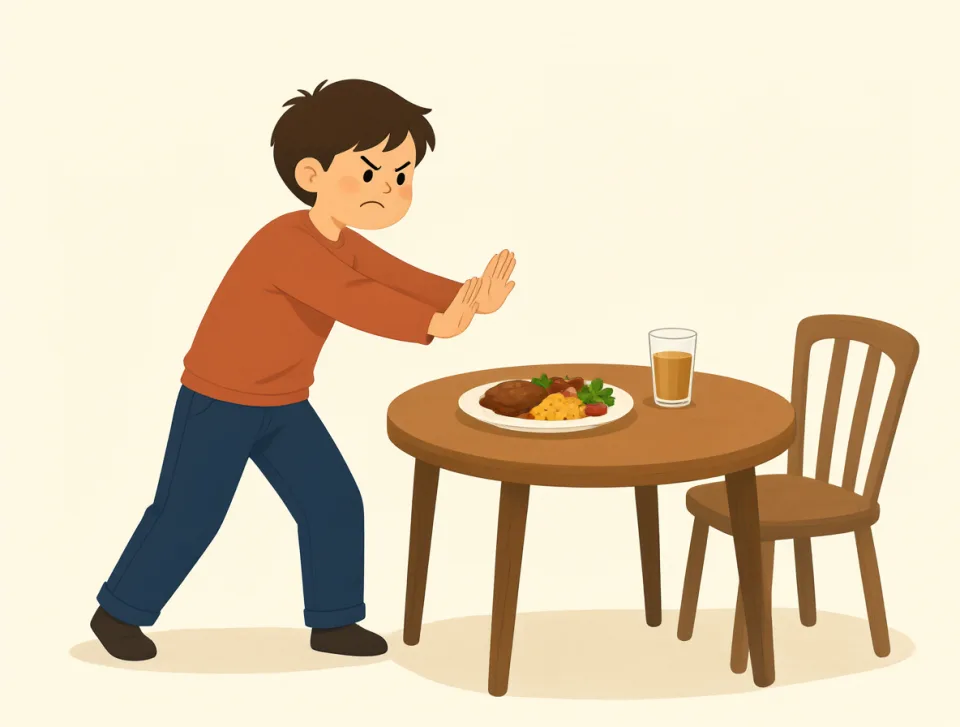
hate
#1380verb, noun
متنفر بودن؛ نفرت
To strongly dislike someone or something; a strong feeling of dislike.
از کسی یا چیزی بهشدت بد آمدن؛ احساس شدیدِ بیزاری.
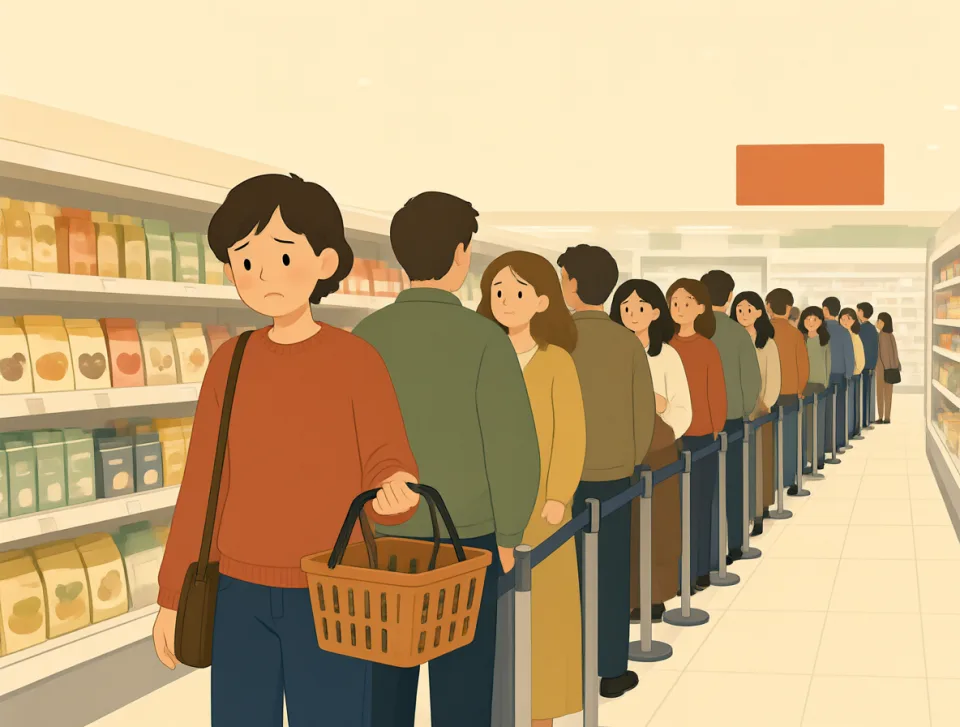
I hate waiting in long lines at the supermarket.
از منتظر ماندن در صفهای طولانی سوپرمارکت متنفرم.
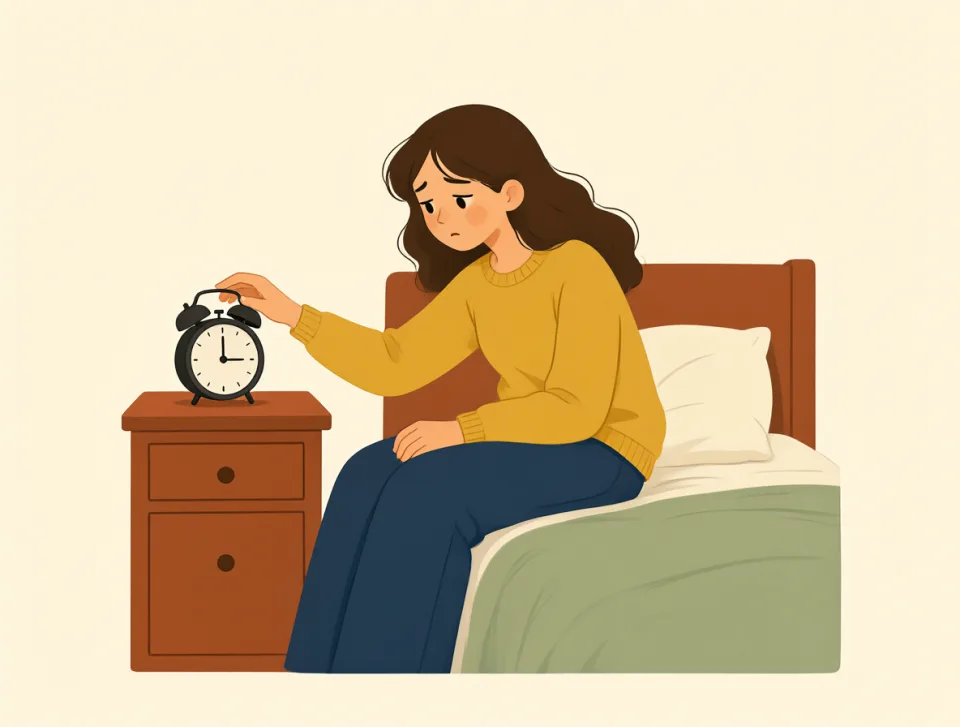
She hates getting up early for work.
او از زود بیدار شدن برای رفتن به سر کار متنفر است.

We hated the cold weather during our trip.
از هوای سرد در طول سفرمان بدمان آمد.
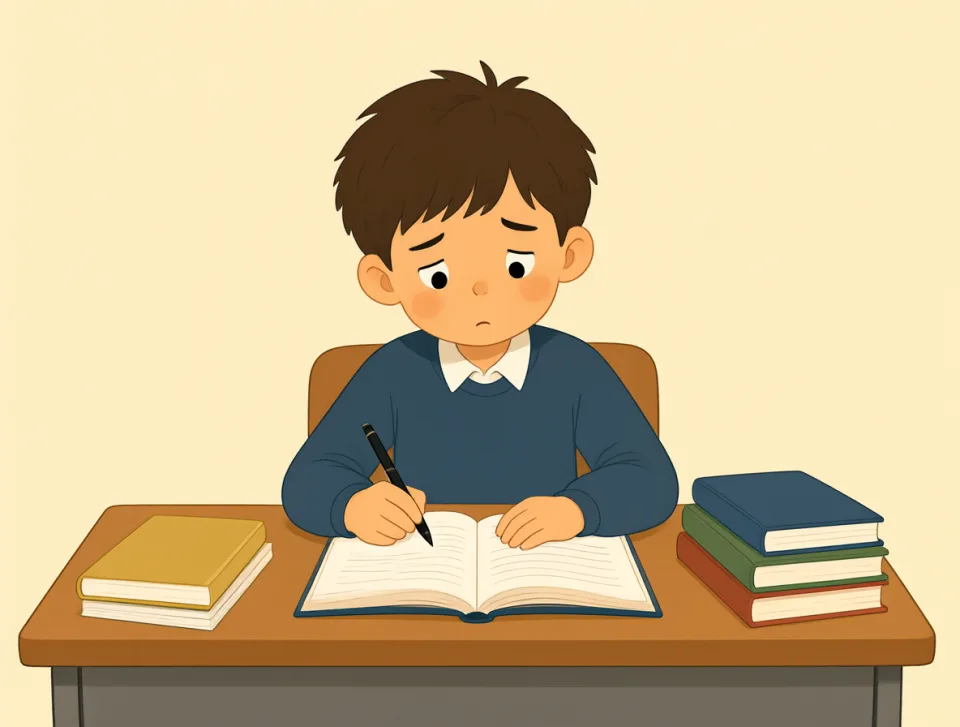
He hates doing homework after a busy day at school.
او از انجام دادن تکالیف بعد از یک روز شلوغ در مدرسه متنفر است.
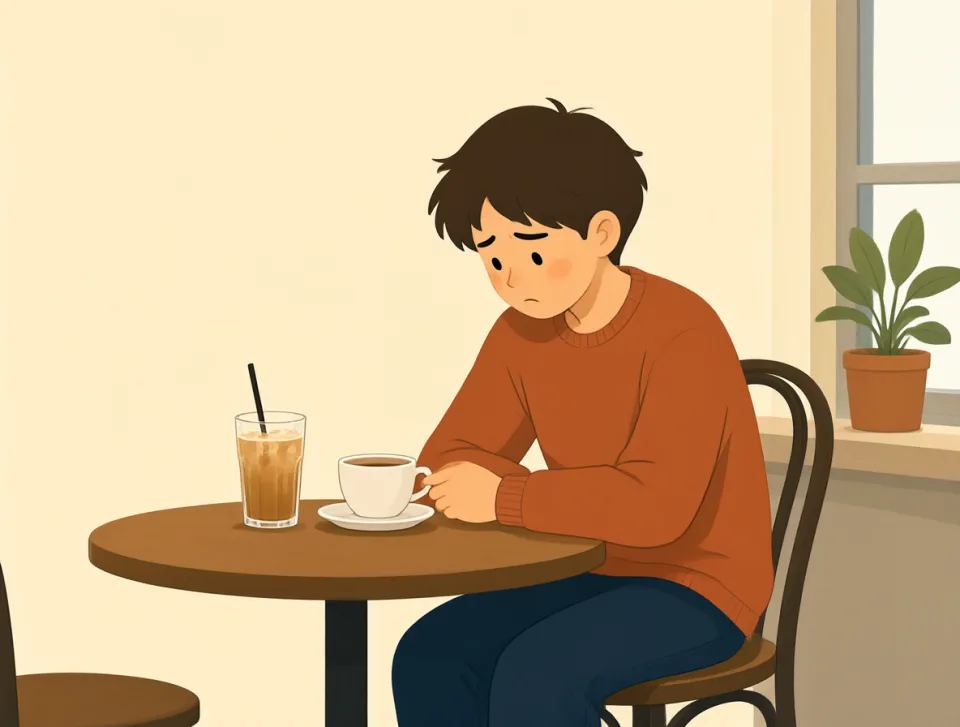
I hate it when my friends cancel plans.
از این بدم میآید که دوستانم برنامهها را لغو میکنند.