單元 71
單字 1401–1420 · dear, objective, moreover, onto, historical, oppose

dear
#1401adjective, noun
親愛的; 昂貴的; 尊敬的; 哎呀
Loved or liked very much; used when speaking kindly to someone.
非常喜愛或喜歡的;用於親切地稱呼某人。

Dear Grandma, thank you for the lovely birthday present.
親愛的奶奶,謝謝您送給我的精美生日禮物。
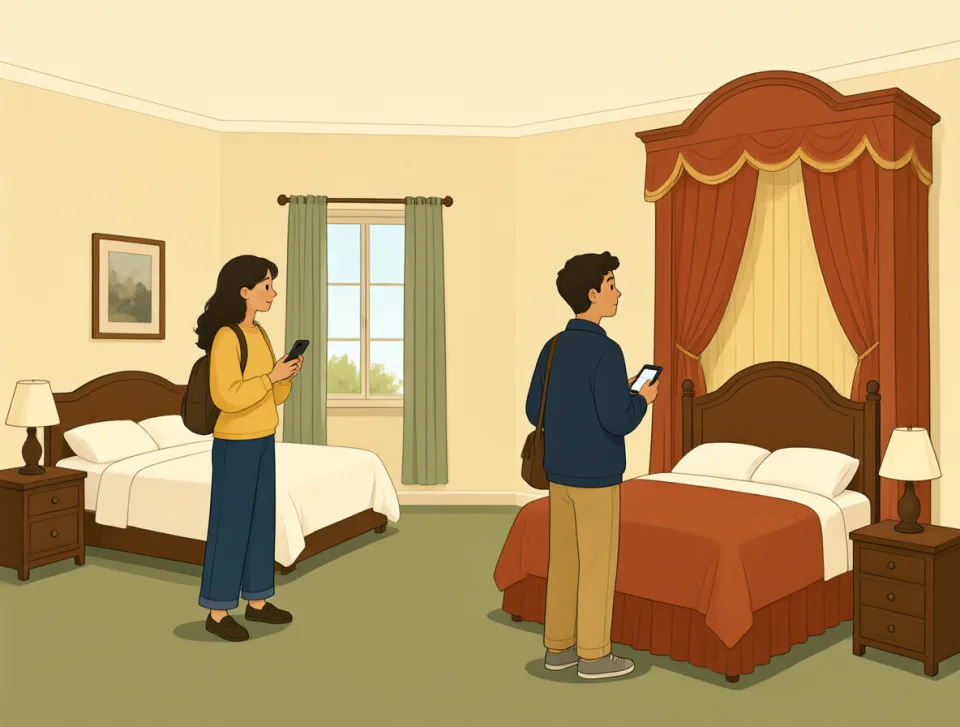
The hotel is dear, so we chose a cheaper room.
這家酒店很貴,所以我們選了一間便宜些的房間。
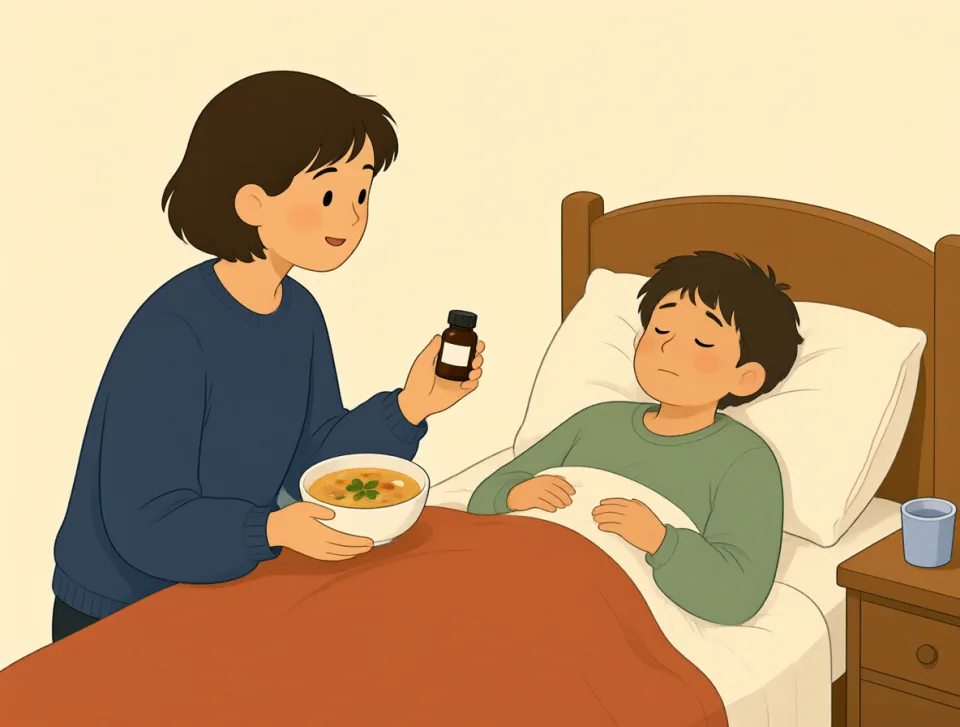
My dear friend helped me when I was sick.
我親愛的朋友在我生病時幫助了我。

Dear customers, please keep your receipts after shopping.
尊敬的顧客,購物後請保留收據。

Oh dear, I forgot my homework on the kitchen table.
哎呀,我把作業忘在廚房的桌子上了。

objective
#1402noun, adjective
目標;客觀的
A goal or aim; based on facts rather than personal feelings.
目標或目的;基於事實而非個人感受的。

Our main objective is to finish the project by Friday.
我們的主要目標是週五前完成專案。
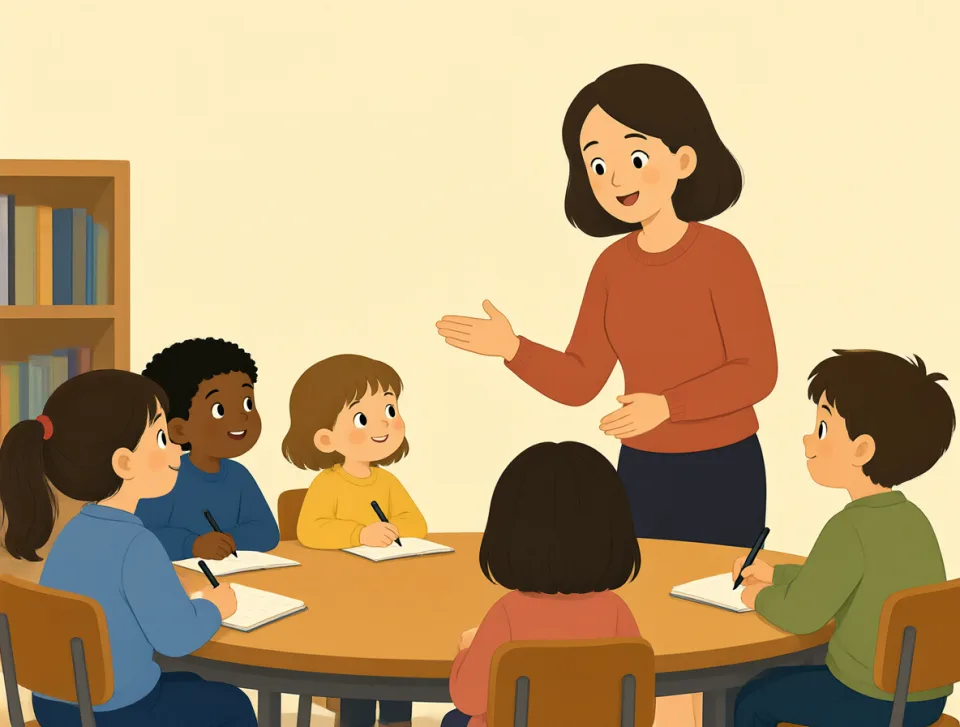
The teacher explained the learning objectives before the lesson.
老師在課前講解了學習目標。
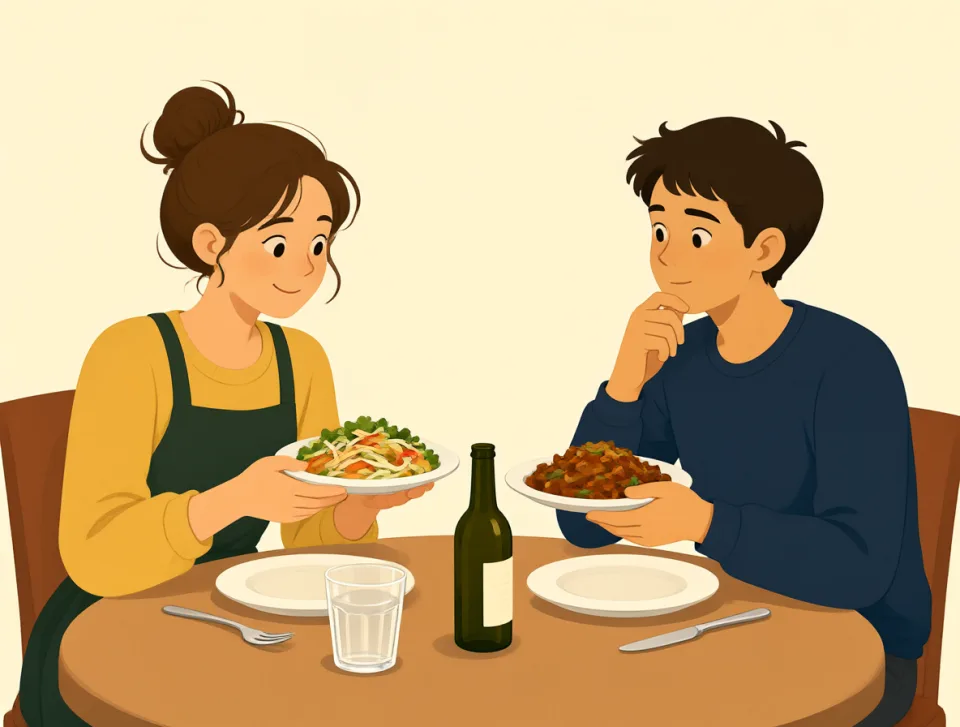
We need an objective opinion before choosing a new restaurant.
在選擇一家新餐廳之前,我們需要聽取客觀的意見。
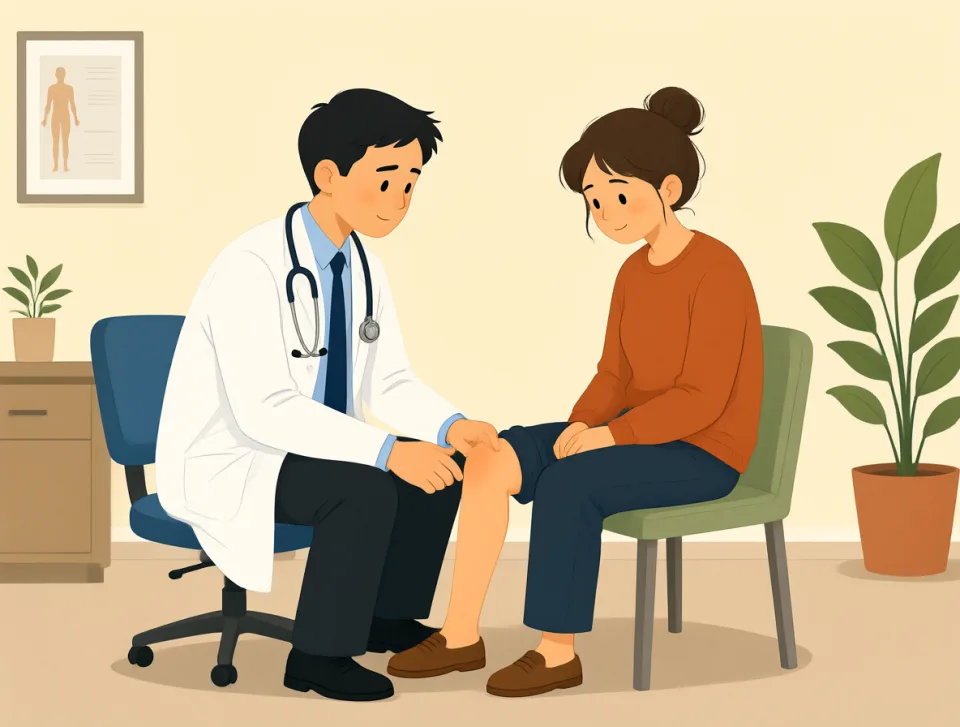
The doctor made an objective assessment of my knee injury.
醫生對我的膝傷進行了客觀評估。

The camera gave an objective view of the beautiful mountain scenery.
這臺相機客觀地呈現了美麗的山景。
moreover
#1403adverb
而且;此外
Used to add another important fact or reason to what you have just said.
用於在剛才所說內容的基礎上,補充另一條重要事實或理由。
The hotel is cheap; moreover, it is close to the station.
這家酒店很便宜;而且離車站很近。

She speaks three languages and, moreover, teaches English online.
她會說三種語言,而且還在網上教英語。

The job offers flexible hours; moreover, the salary is excellent.
這份工作的時間安排很靈活;而且薪水也很高。
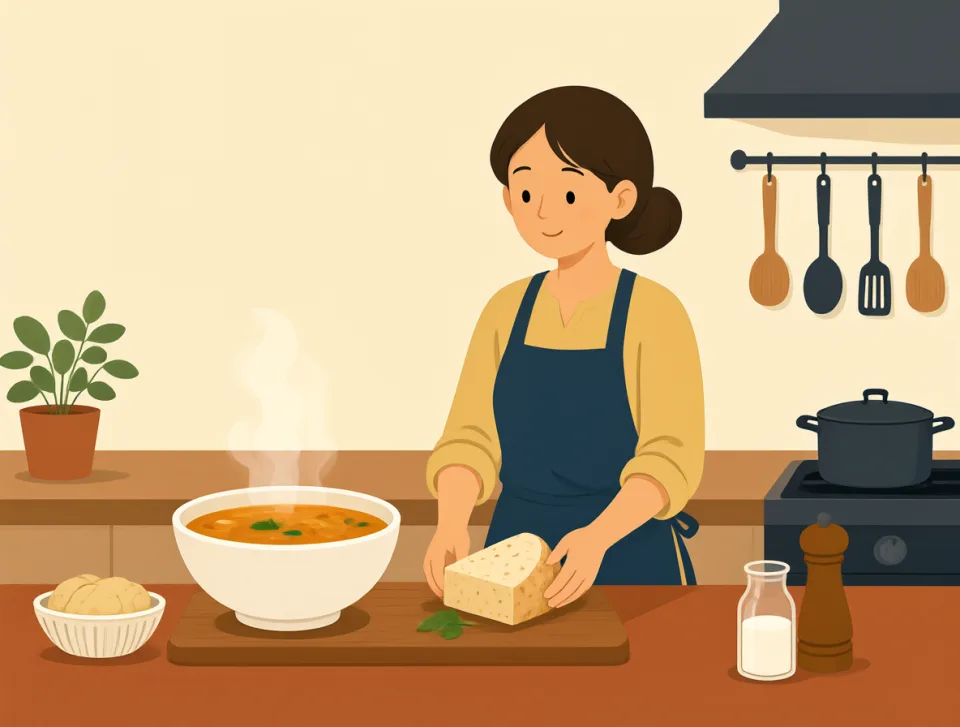
The soup is delicious; moreover, it is quick and easy to make.
這湯很好喝,而且做起來又快又簡單。
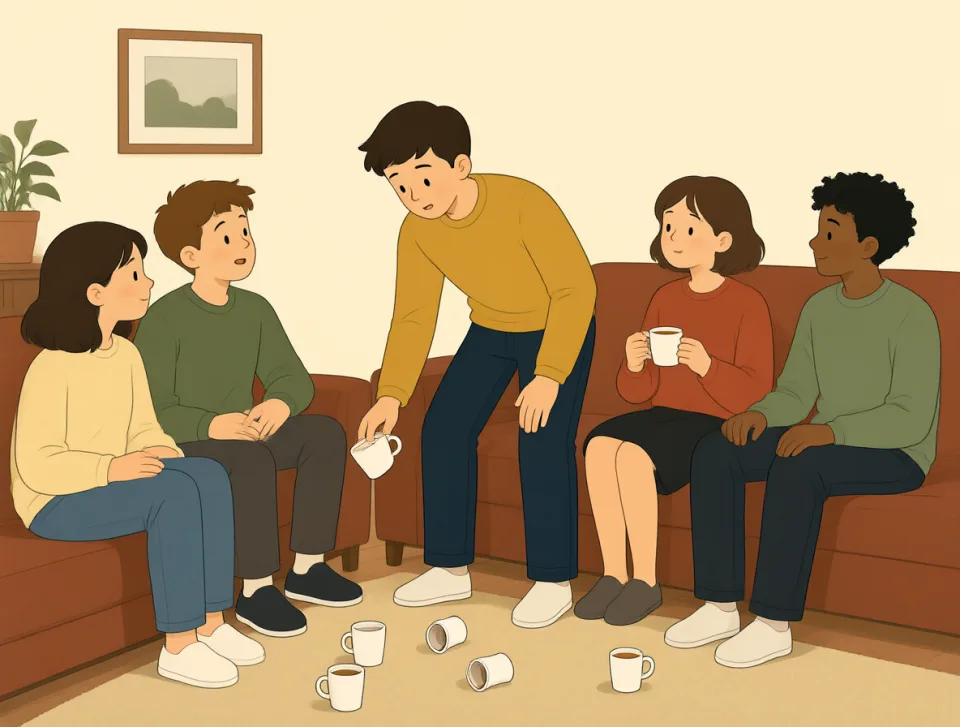
He apologized for being late; moreover, he offered to help clean up.
他為遲到道了歉,而且還主動提出幫忙收拾。

onto
#1404preposition
到……上;向……上
to a position on or above something
到某物上面或上方的位置

The cat jumped onto the sofa and fell asleep.
貓跳到沙發上,睡著了。

Please put the books onto the table.
請把書放到桌子上。
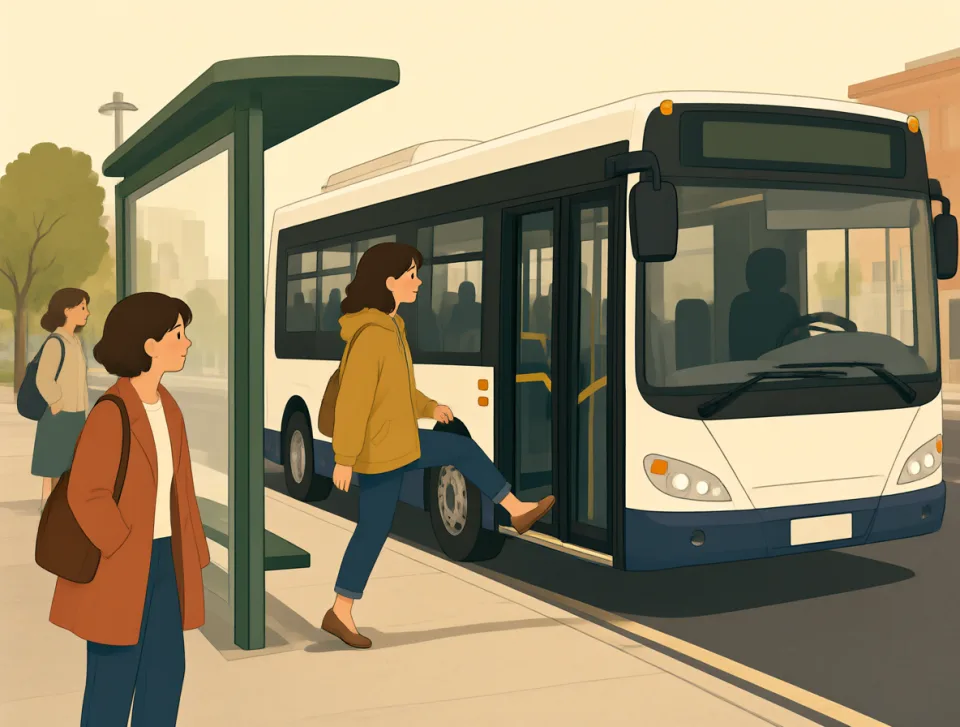
She climbed onto the bus just before it left.
她趕在公交車開走前上了車。
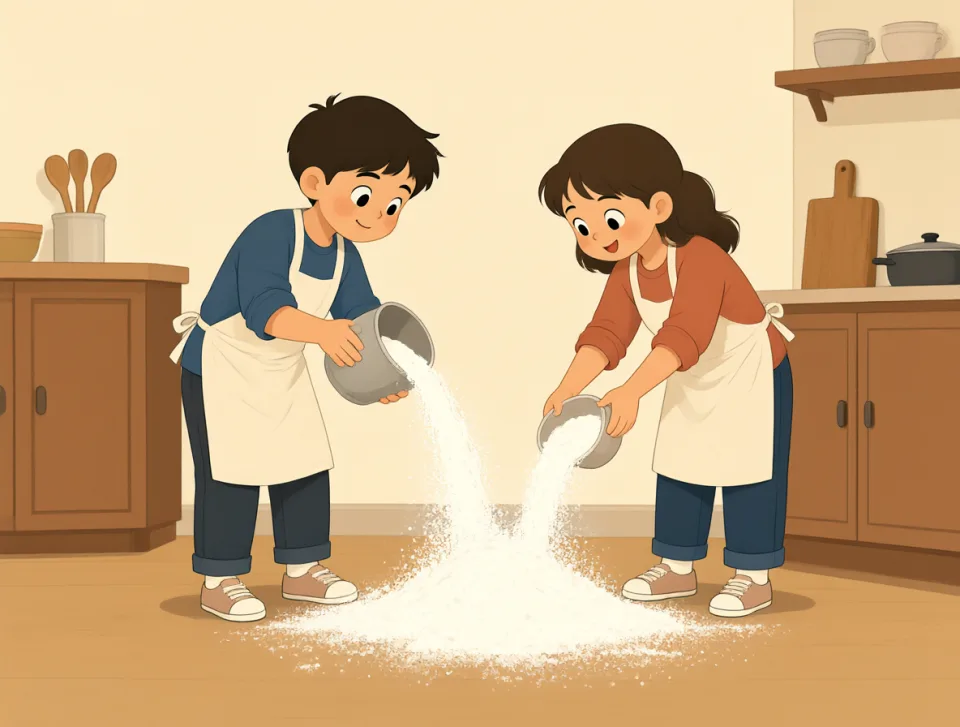
The children poured the flour onto the kitchen floor.
孩子們把麵粉倒在了廚房地板上。

He transferred the photos onto his new computer.
他把照片傳到了新電腦上。
historical
#1405adjective
歷史的;歷史上著名的
Connected with important people, events, or places from the past.
與過去的重要人物、事件或地點有關的。
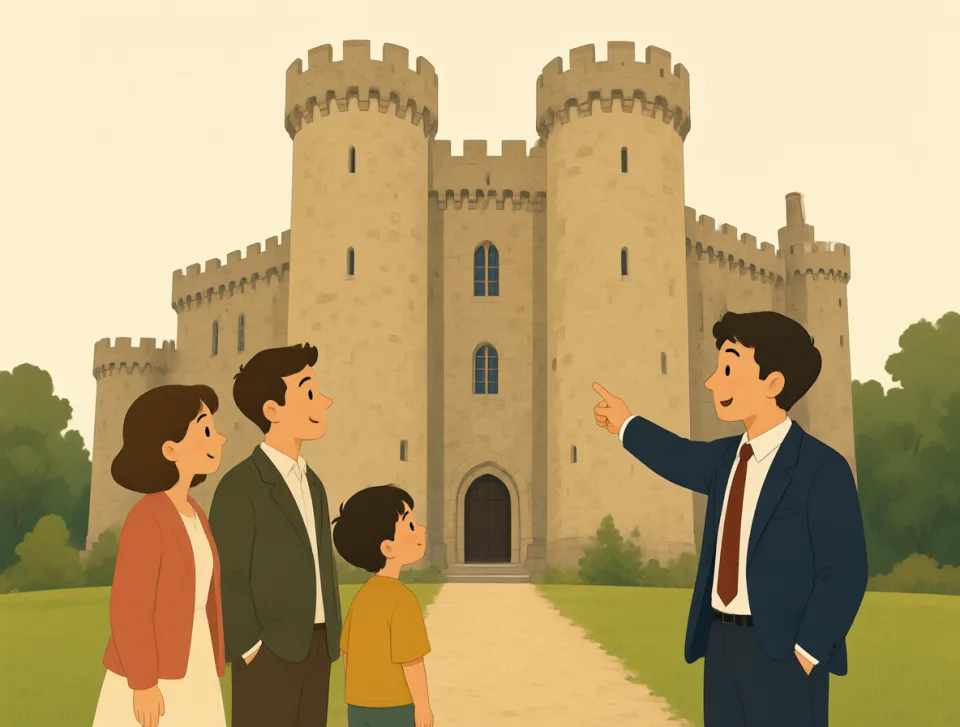
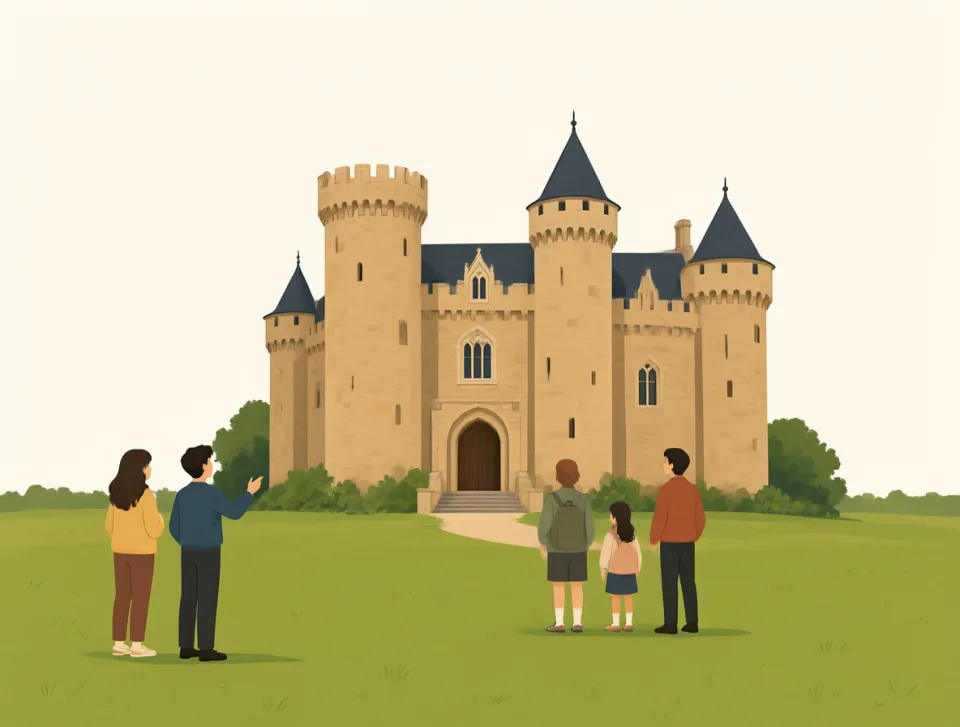
We visited a historical castle during our summer holiday.
暑假期間,我們參觀了一座歷史古堡。
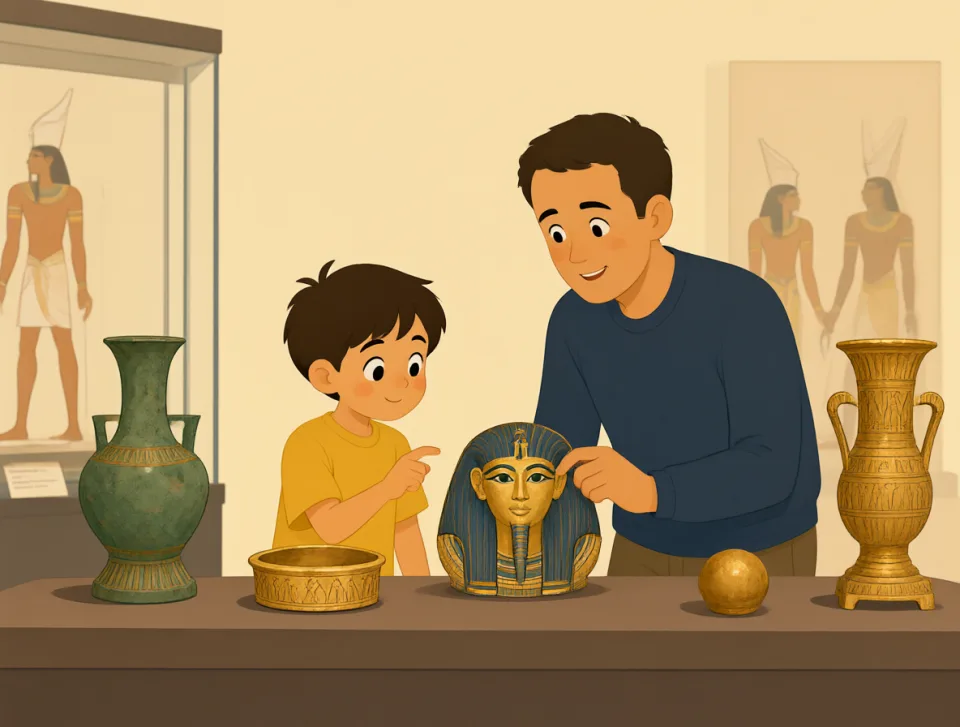
The museum has many historical objects from ancient Egypt.
這家博物館收藏了許多來自古埃及的歷史文物。
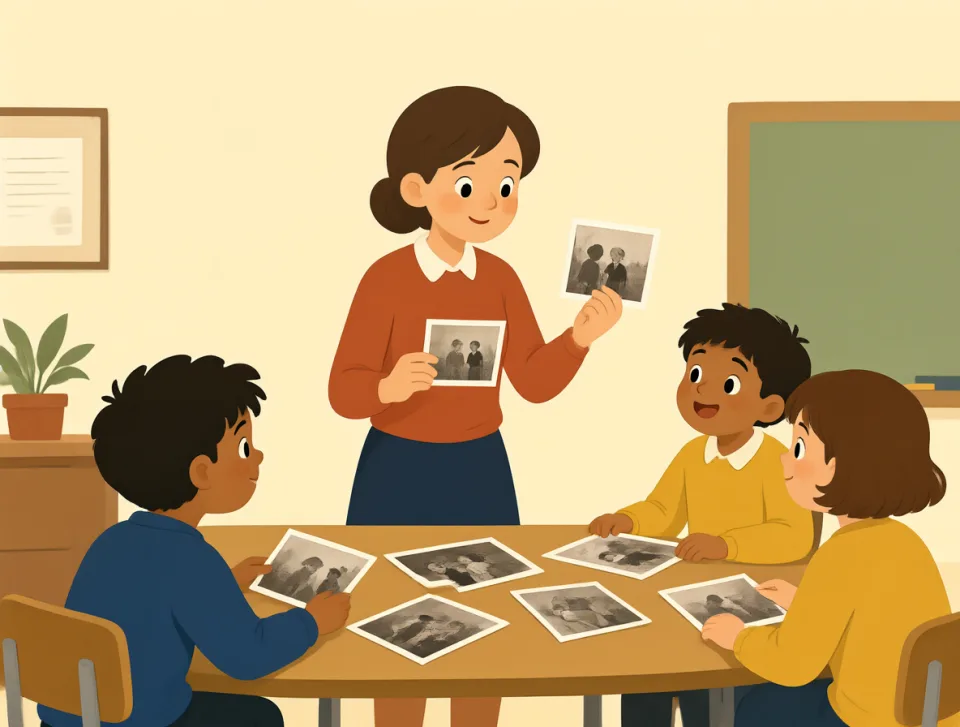
Our history teacher showed us historical photographs of the city.
我們的歷史老師給我們看了這座城市的歷史照片。
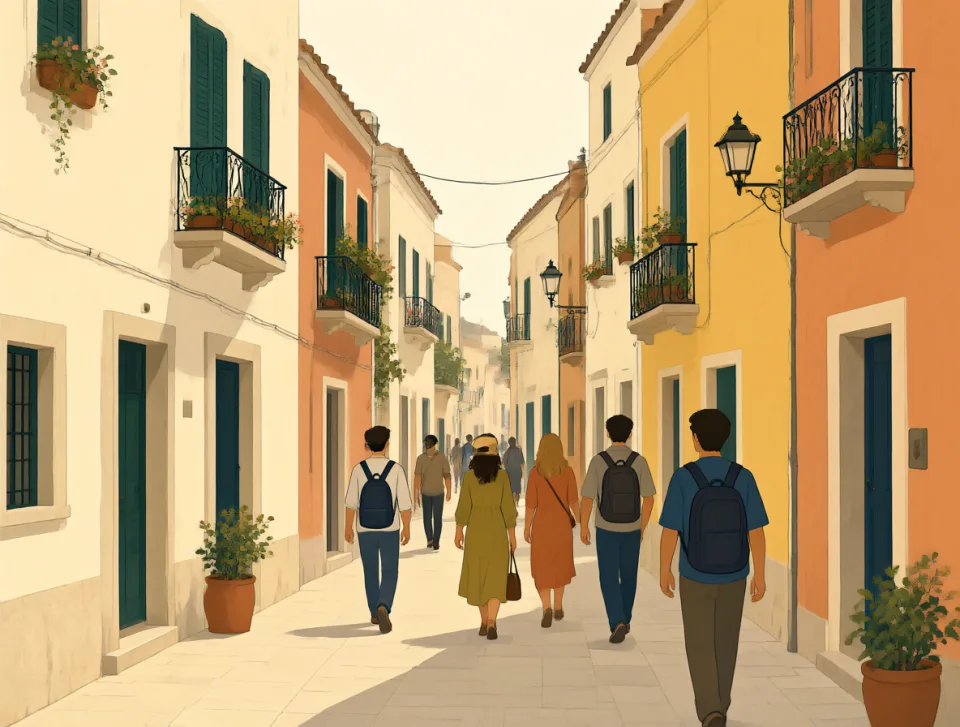
The town is famous for its historical buildings and narrow streets.
這座小鎮以歷史建築和狹窄的街道而聞名。

She read a historical novel about a young woman during the war.
她讀了一本歷史小說,講述了一位年輕女性在戰爭時期的故事。

oppose
#1406verb
反對;反抗
to disagree with or fight against a person, plan, or idea
不同意某人、某項計劃或某個想法,或與之對抗
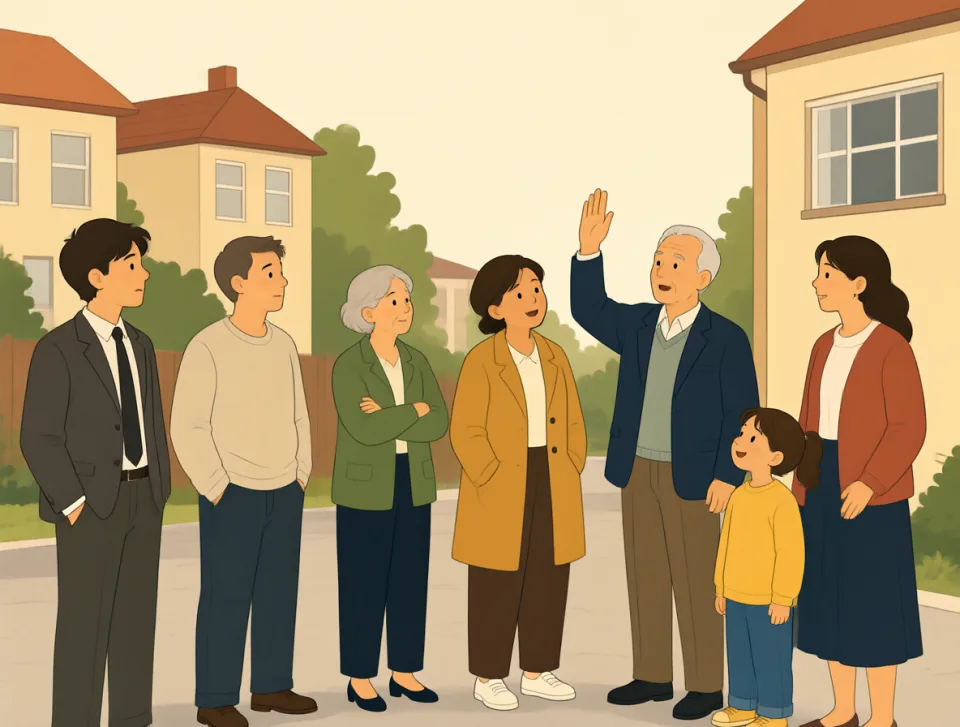
Many residents oppose the plan to build a new airport.
許多居民反對修建新機場的計劃。

My parents opposed my decision to leave school early.
我父母反對我決定提前離開學校。

Some workers are opposing the company’s decision to cut their hours.
一些工人正在反對公司削減他們工時的決定。

The doctor opposed giving him antibiotics for a simple cold.
這名醫生反對給他使用抗生素,因為他只是普通感冒。
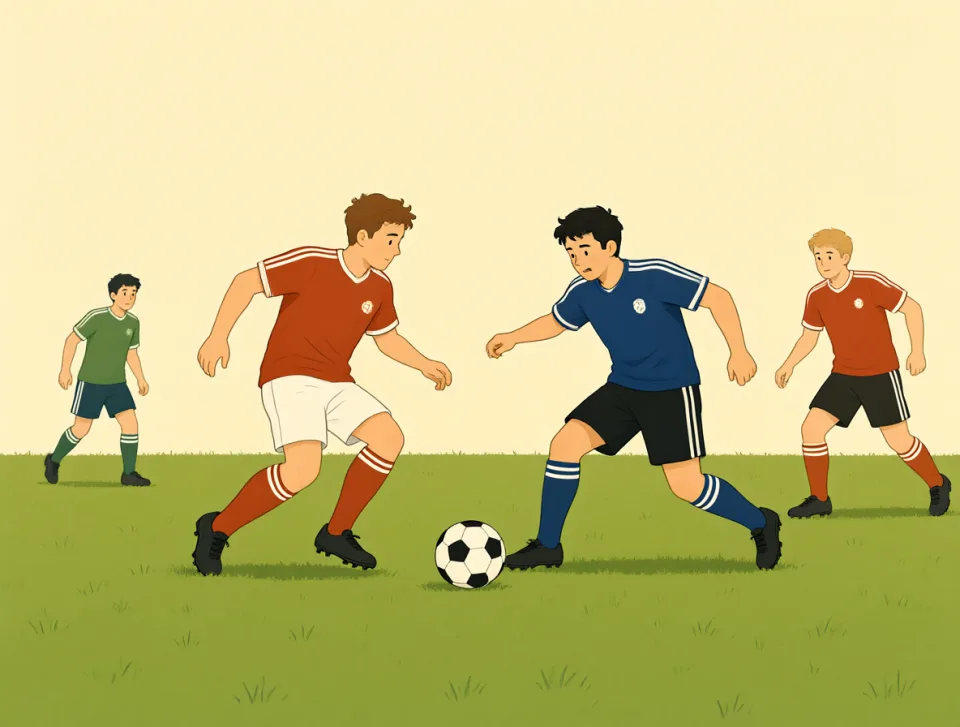
Our team opposed the other team throughout the football match.
整場足球比賽中,我們隊一直在與對方球隊對抗。
branch
#1407noun, verb
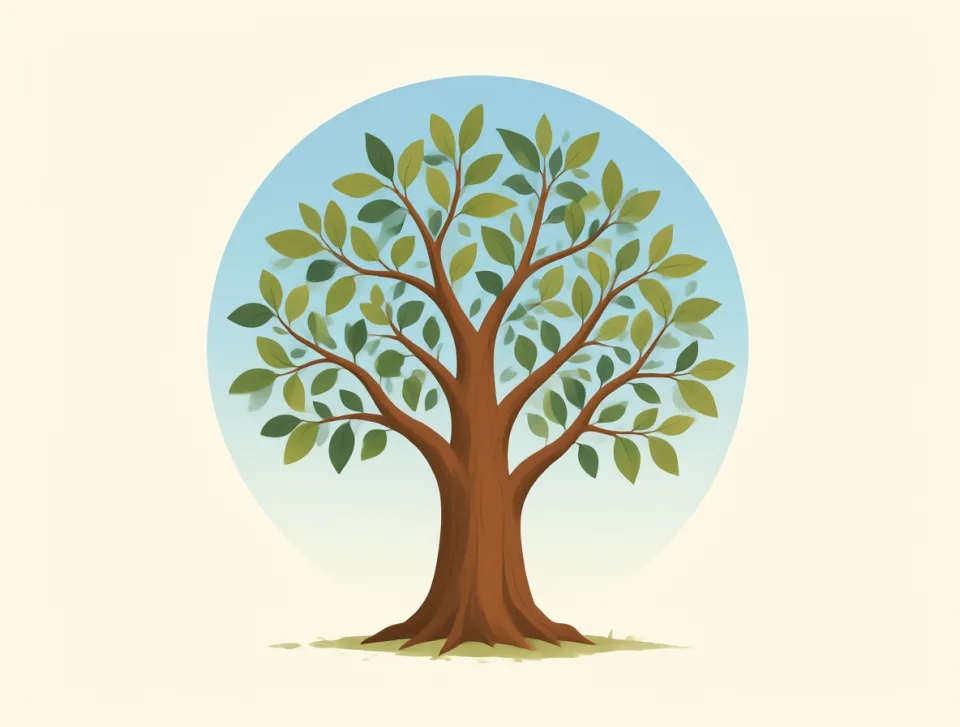
樹枝;分支;分行;分叉
A part of a tree growing from the trunk, or a separate part of a larger organization.
樹幹上長出的部分,或較大組織中獨立出來的部分。
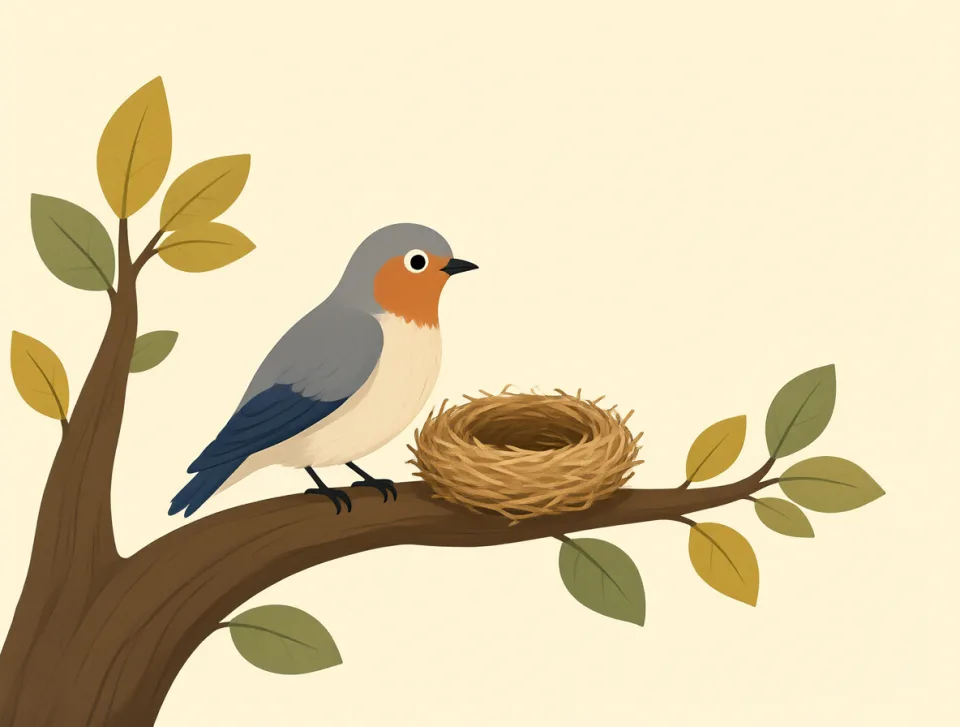
A bird built its nest on a high branch.
一隻鳥在一根高高的樹枝上築了巢。
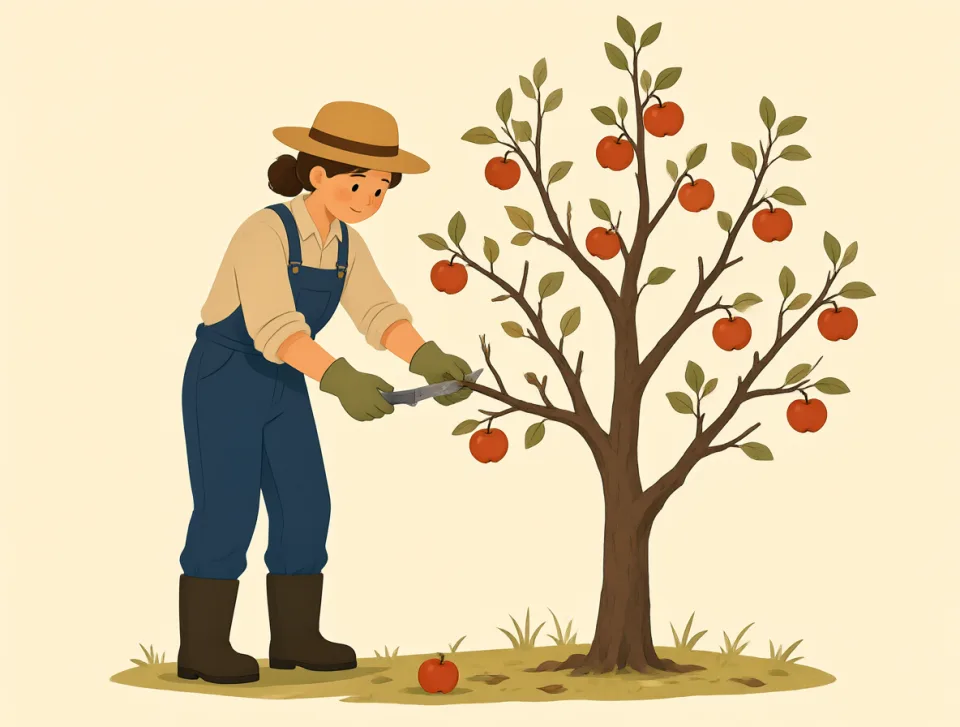
Please cut the dead branches from the apple tree.
請把蘋果樹上的枯枝剪掉。

The bank opened a new branch near our home.
那家銀行在我們家附近開了一家新分行。

Our company is branching into online education this year.
我們公司今年將拓展線上教育業務。

The path branches off near the lake.
這條路在湖邊分岔了。
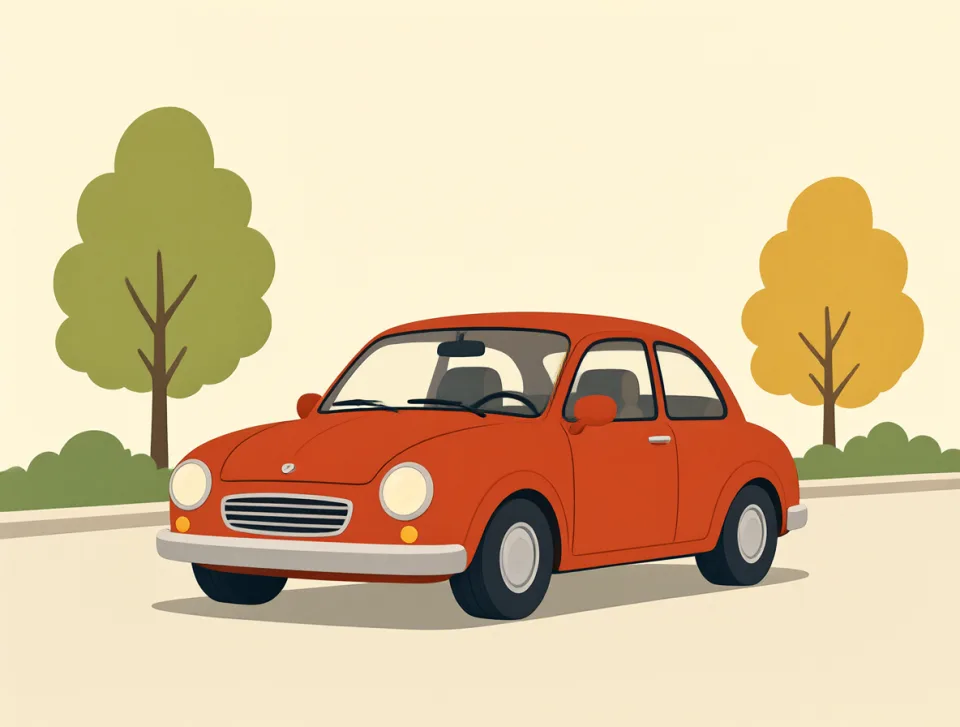
vehicle
#1408noun
車輛; 交通工具
A machine, such as a car, used for carrying people or things.
一種用來運載人或物品的機器,例如汽車。
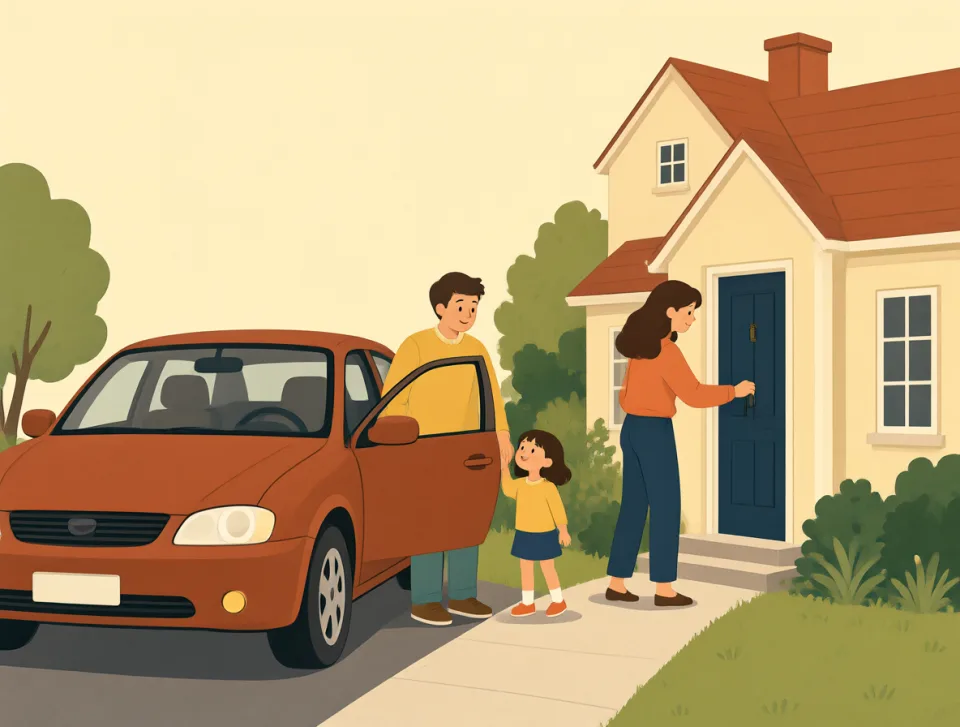
The vehicle stopped outside our house.
那輛車停在我們家外面。

Public vehicles are often crowded during rush hour.
高峰時段公共交通工具通常很擁擠。
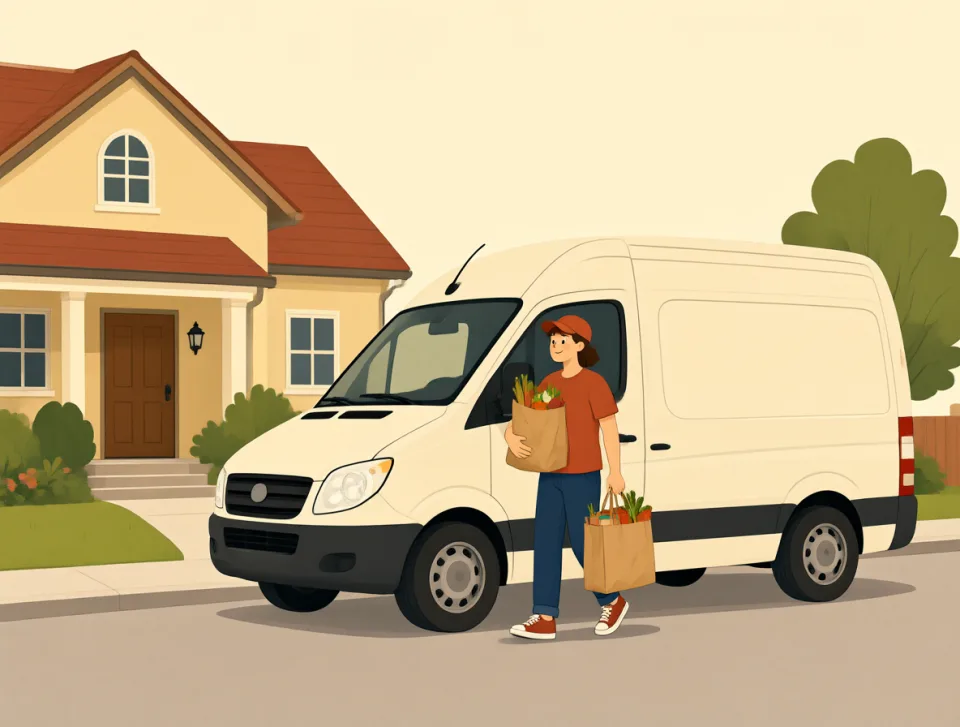
The delivery vehicle brought our groceries this morning.
送貨車今天早上把我們買的食品雜貨送來了。
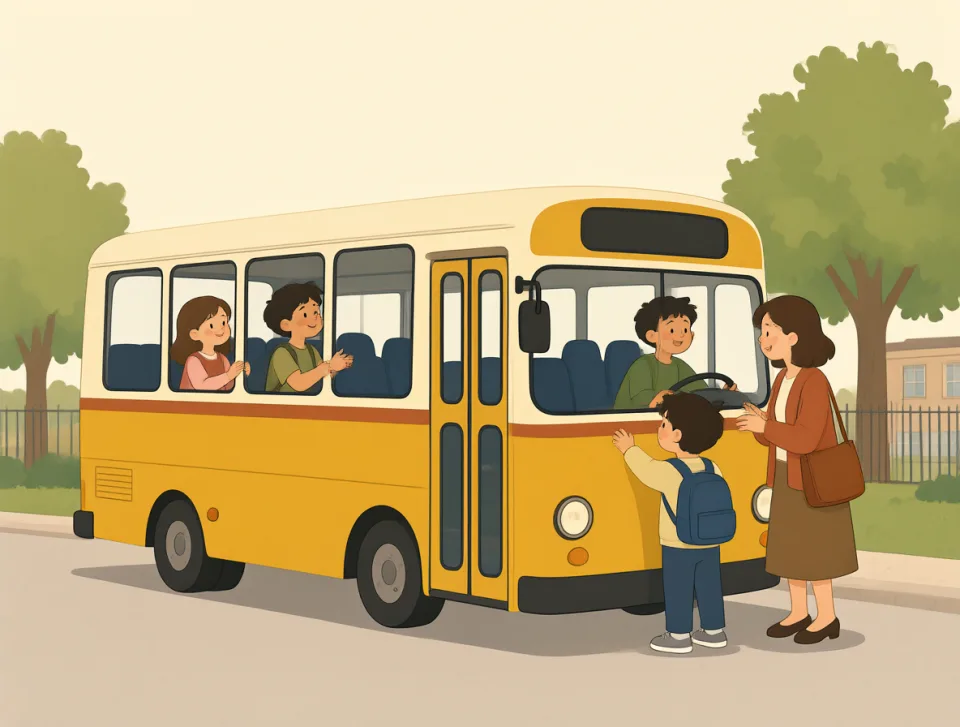
The school uses a small vehicle for field trips.
學校用一輛小型車輛組織實地考察旅行。
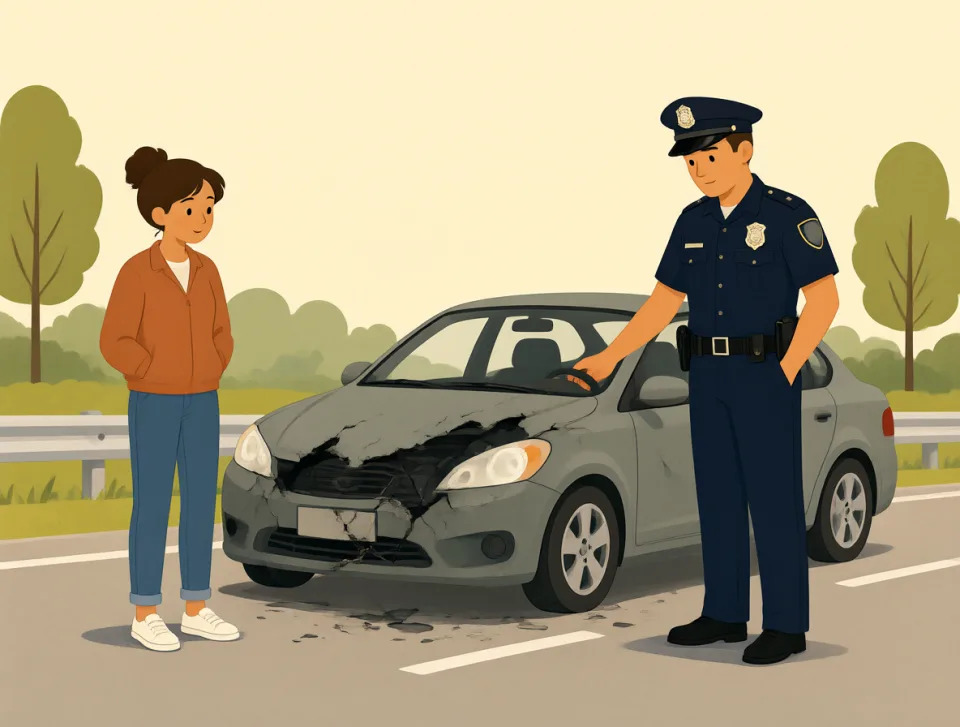
The police checked the vehicle after the accident.
事故發生後,警方檢查了那輛車。
scientist
#1409noun
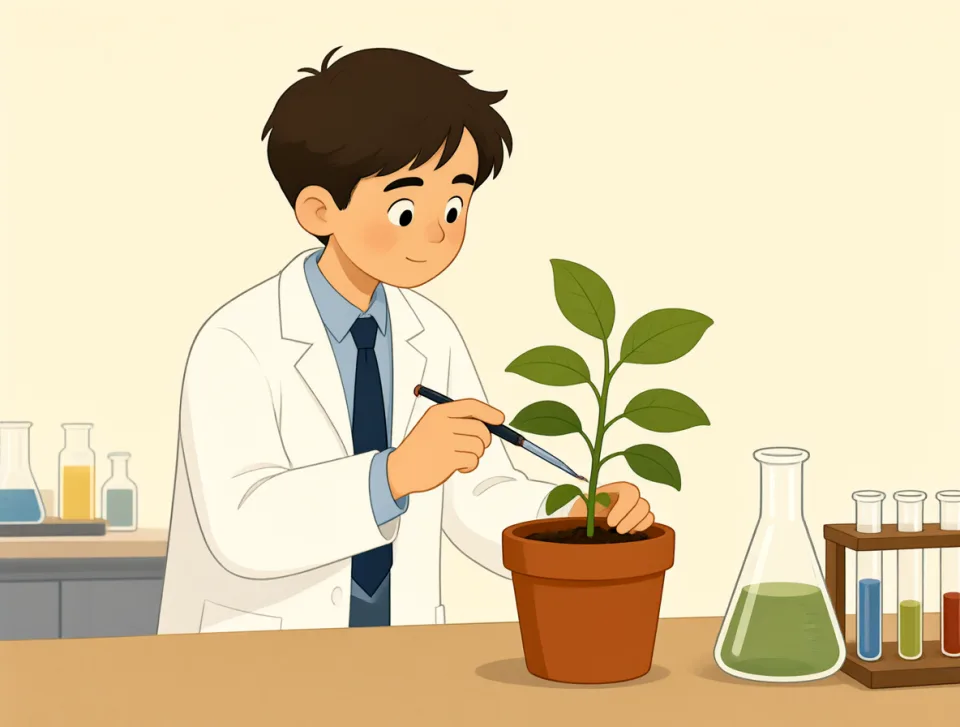
科學家
A person who studies science and discovers how the natural world works.
研究科學並探索自然界執行規律的人。
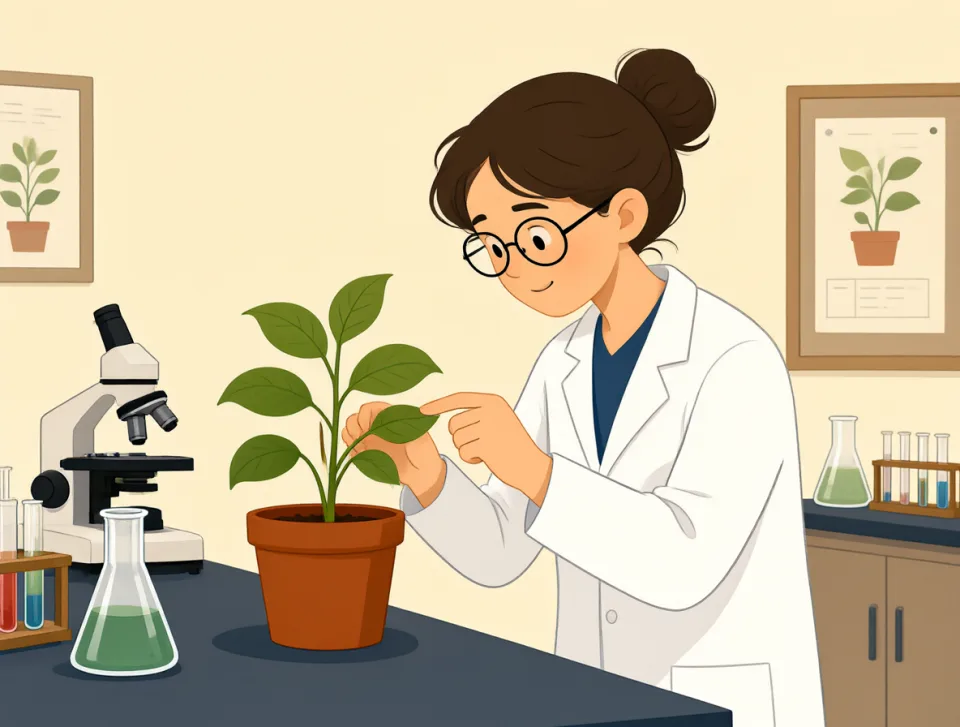
The scientist studied how plants grow in the school laboratory.
這位科學家在學校實驗室裡研究植物是如何生長的。

A team of scientists tested the water for harmful chemicals.
一組科學家檢測了水中是否含有有害化學物質。
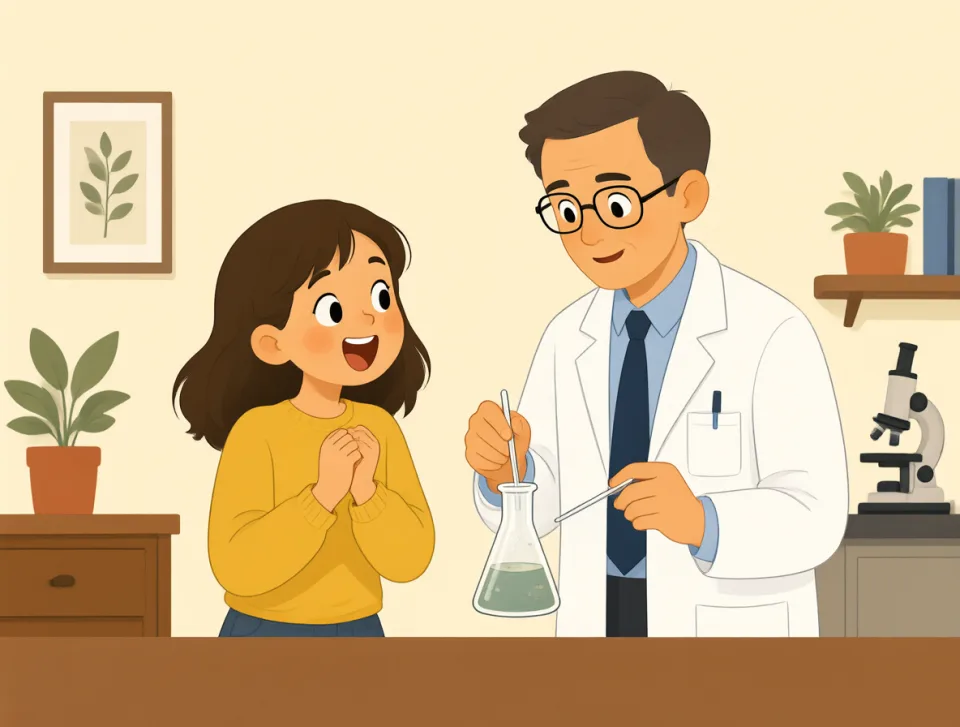
My daughter wants to become a scientist when she grows up.
我女兒長大後想成為一名科學家。
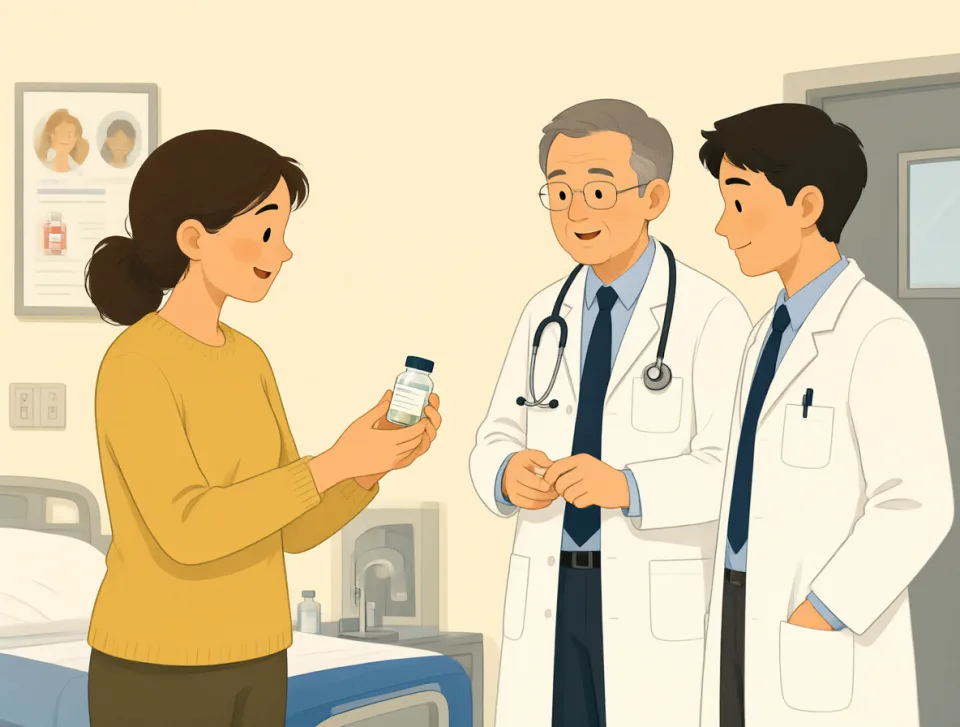
The scientist explained the new medicine to doctors at the hospital.
這位科學家向醫院的醫生們講解了這種新藥。
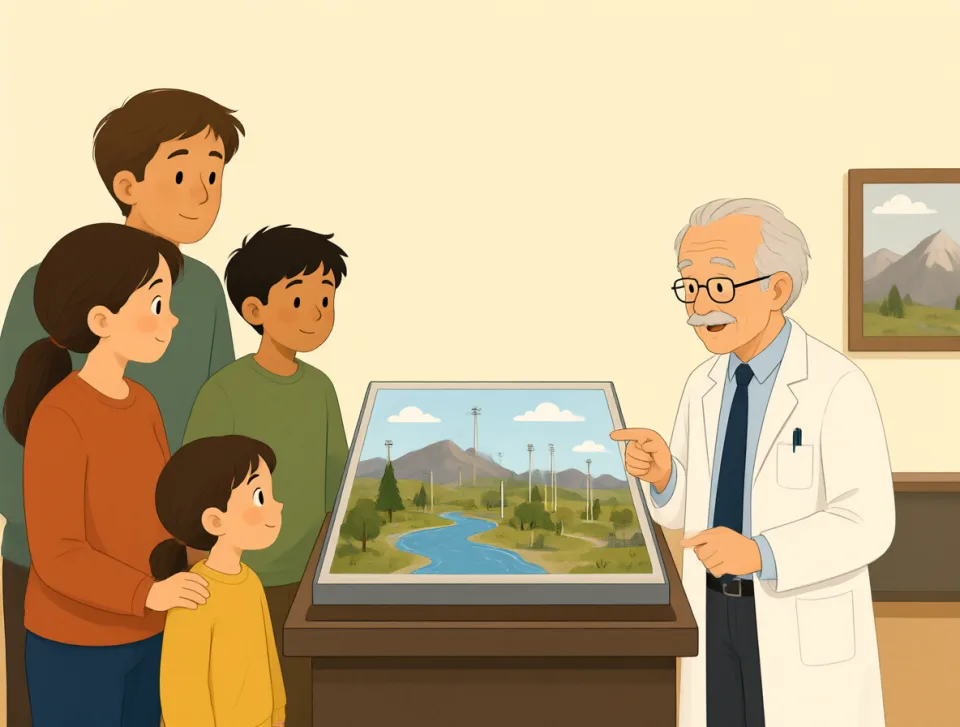
We met a scientist who studies weather during our museum visit.
參觀博物館時,我們遇到了一位研究天氣的科學家。
route
#1410noun, verb
路線;路線規劃
A way from one place to another; to choose or follow this way.
從一個地方到另一個地方的道路或路線;選擇或沿著這條路線行進。

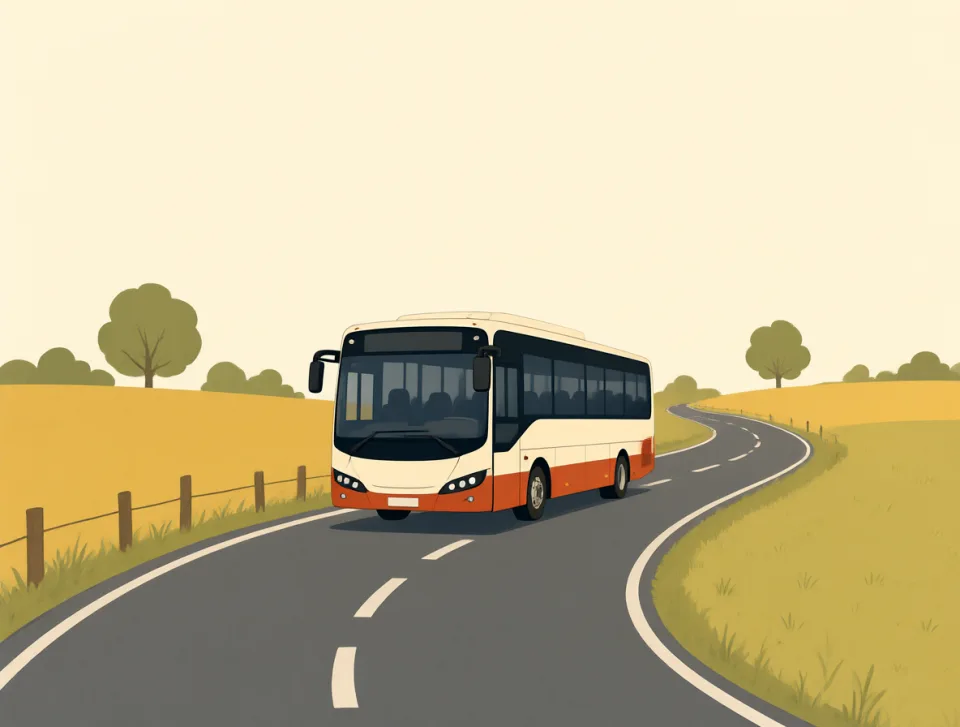
We took the fastest route home after work.
下班後,我們走了回家最快的路線。
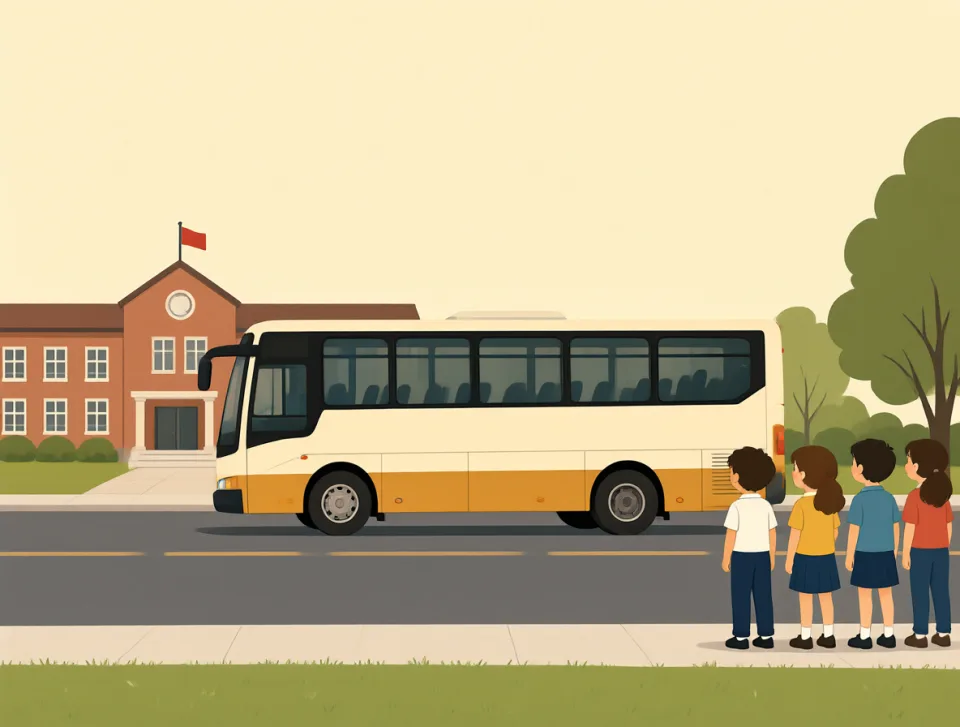
The bus route passes near my school every morning.
這趟公交車每天早上都會經過我學校附近。
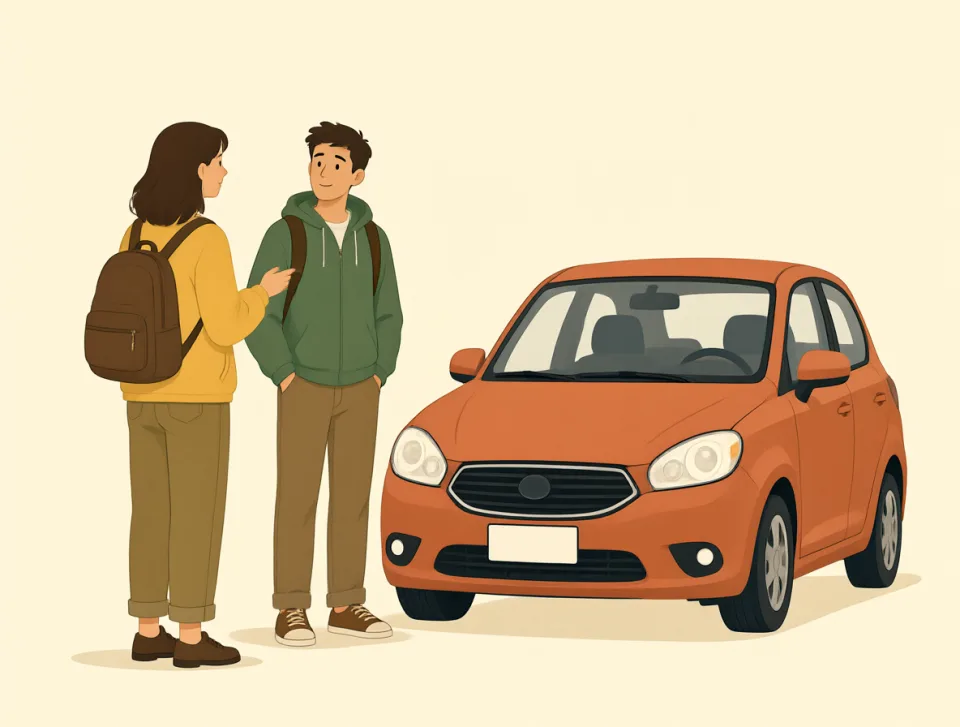
Can you show me the best route to the airport?
你能告訴我去機場怎麼走最好嗎?
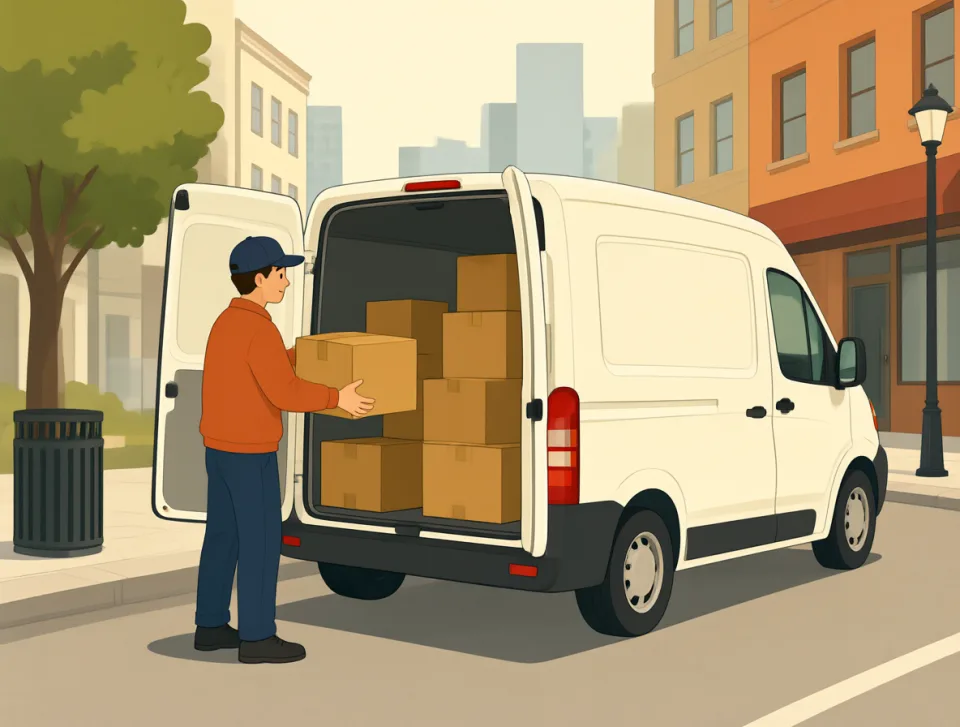
The delivery driver routed the packages through the city center.
送貨司機讓包裹經市中心轉運。
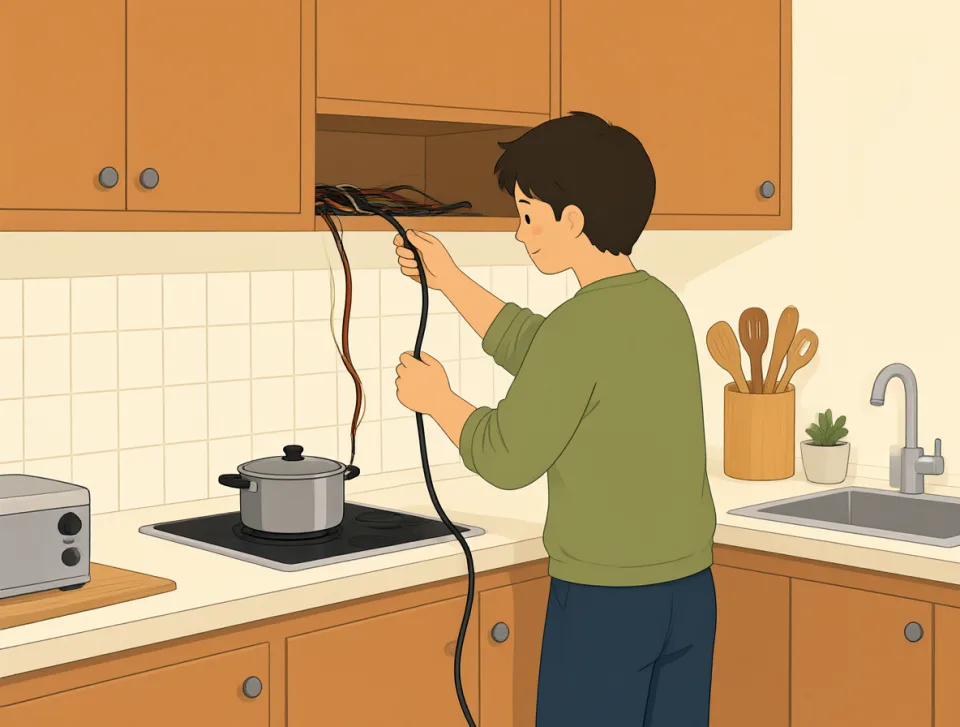
We are routing the wires behind the kitchen cabinets.
我們正在把電線從廚房櫥櫃後面穿過去。
bind
#1411verb, noun
捆綁;約束;困境;裝訂
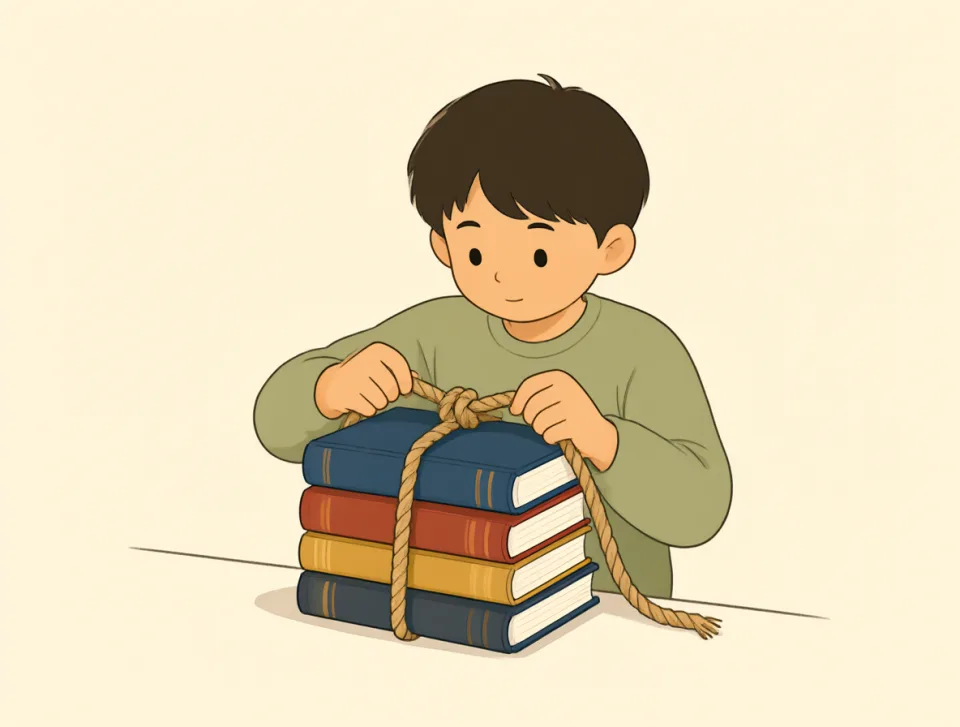
To tie or hold things together; a difficult situation or promise that limits your choices.
把東西綁在一起或固定住;使人難以抉擇的困境,或限制選擇的承諾。

Please bind these papers together before the meeting.
請在開會前把這些檔案訂在一起。

The contract binds both sides to the agreed price.
合同規定雙方都必須遵守約定的價格。
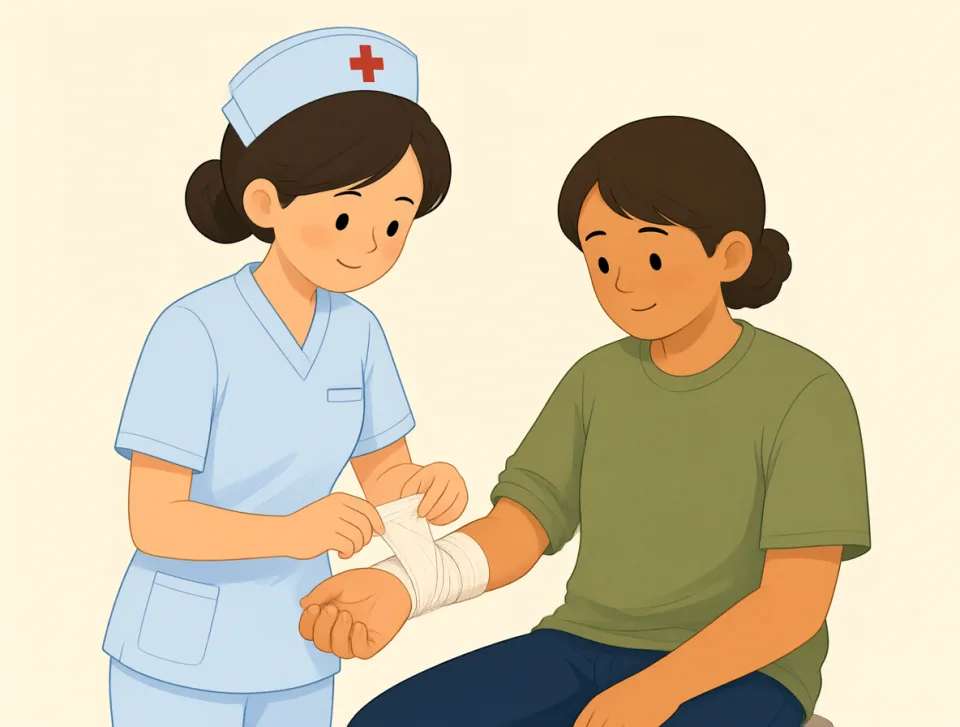
The nurse bound his injured wrist with a clean bandage.
護士用乾淨的繃帶包紮了他受傷的手腕。

The old book has a beautiful leather bind.
這本舊書有漂亮的皮革封面。
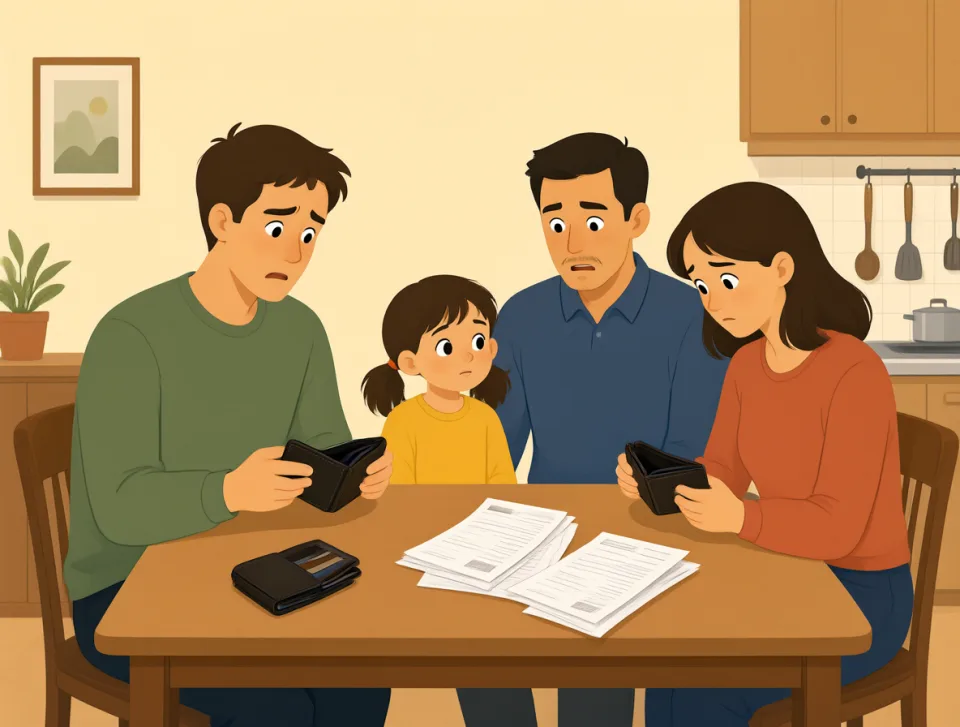
Lack of money put the family in a difficult bind.
缺錢讓這家人陷入了困境。
belong
#1412verb
屬於;適合待在
to be owned by someone or to feel comfortable as part of a group or place
為某人所有,或覺得自己能自在地融入某個群體或地方
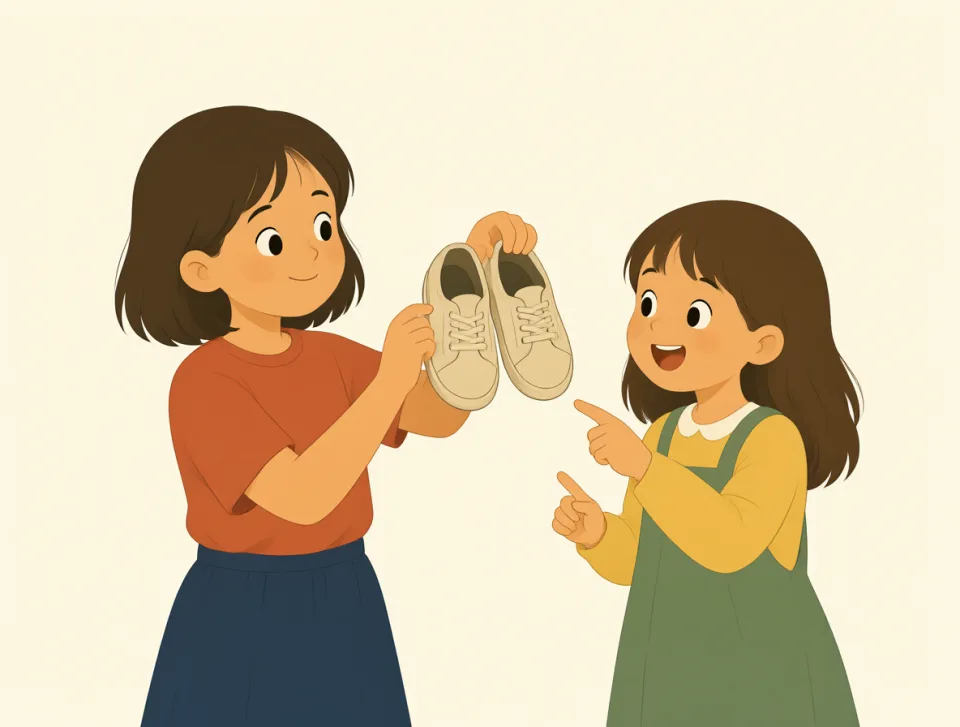
These shoes belong to my sister.
這雙鞋是我姐姐的。

Please put the books where they belong.
請把書放回它們該放的地方。

I finally feel that I belong here.
我終於覺得自己屬於這裡了。
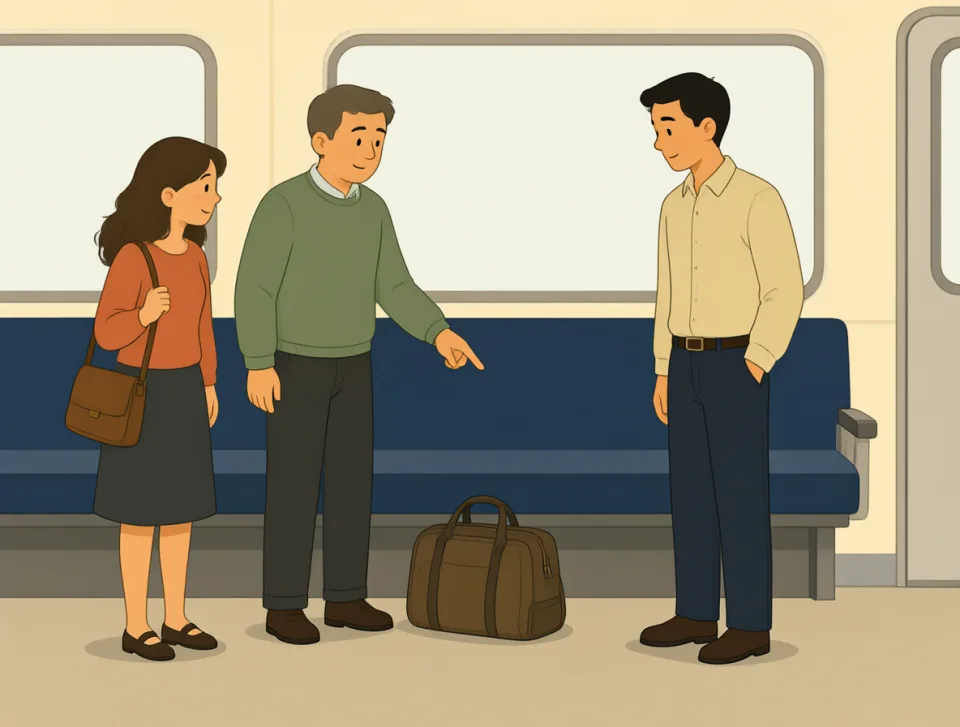
This bag must belong to someone on the train.
這隻包一定是火車上某個人的。
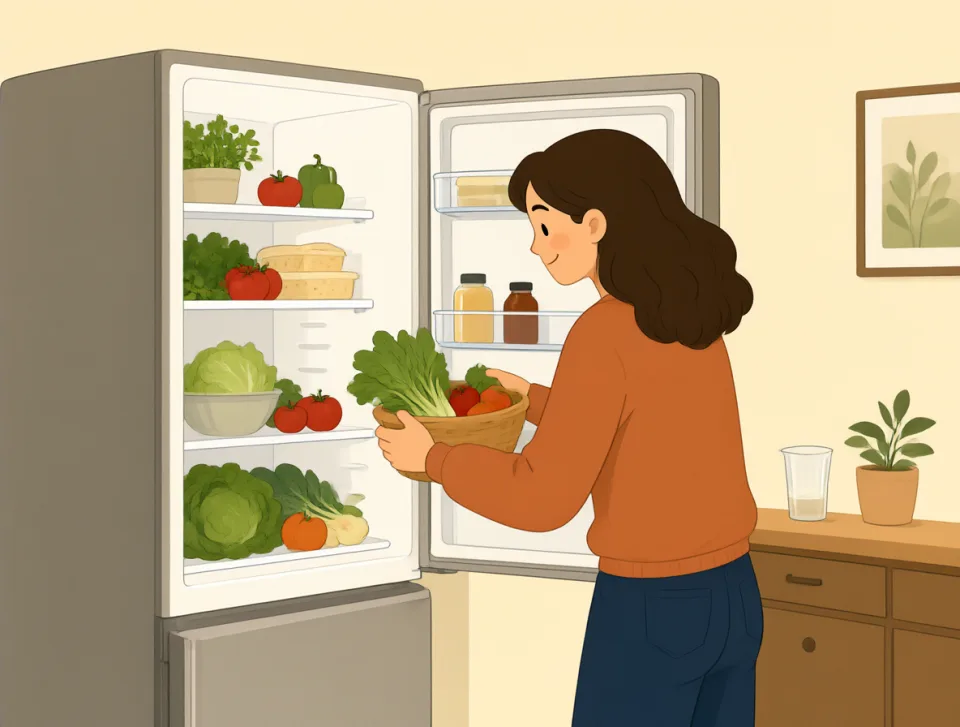
The vegetables belong in the refrigerator after shopping.
買回來的蔬菜應該放進冰箱。
taste
#1413noun, verb
味道;品味;品嚐;鑑賞力
the flavor of something, or to try food or drink to know its flavor
某種東西的味道,或透過品嚐食物或飲料來了解它的味道
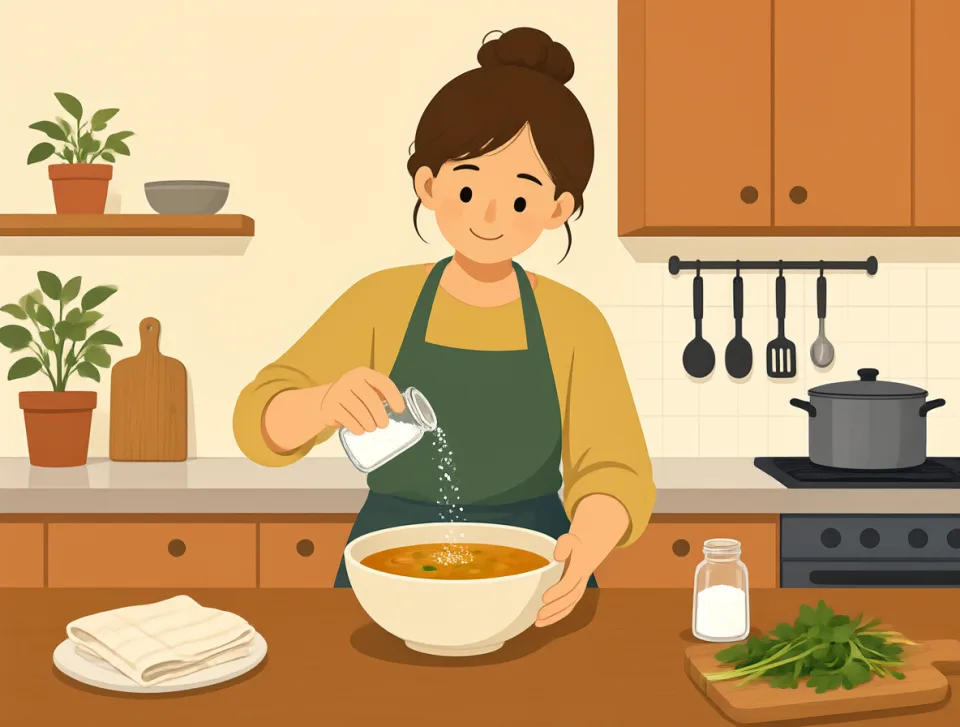
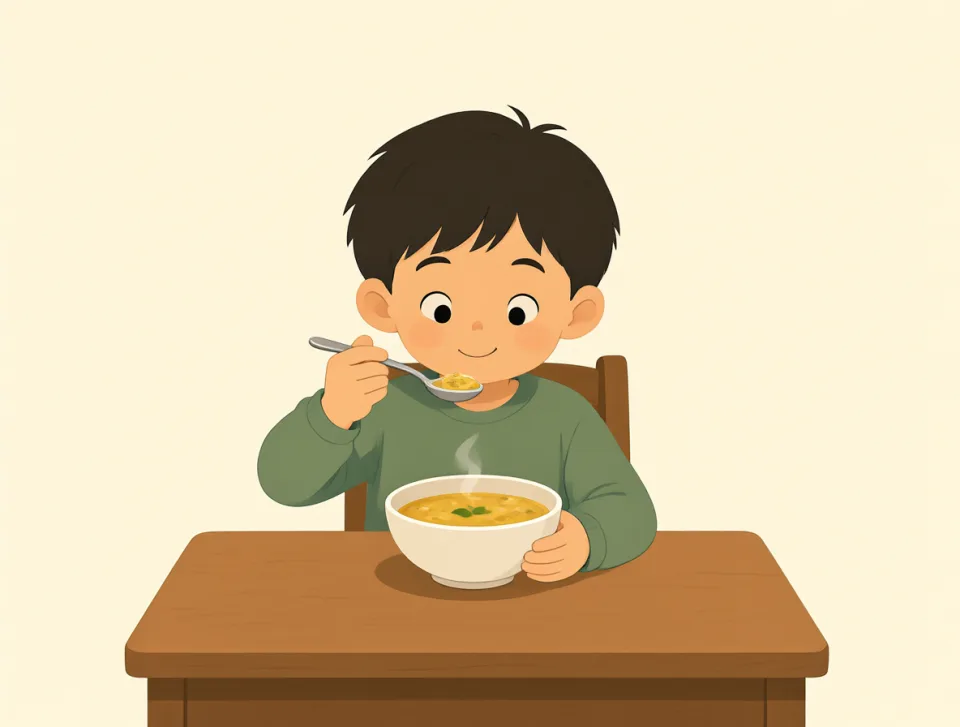
The soup tastes better with a little salt.
湯里加一點鹽味道會更好。

Could I taste the cake before I buy it?
我可以先嚐嘗蛋糕再買嗎?

This medicine has a bitter taste.
這種藥有苦味。

She has good taste in clothes and always looks stylish.
她很有穿衣品味,總是看起來很時尚。
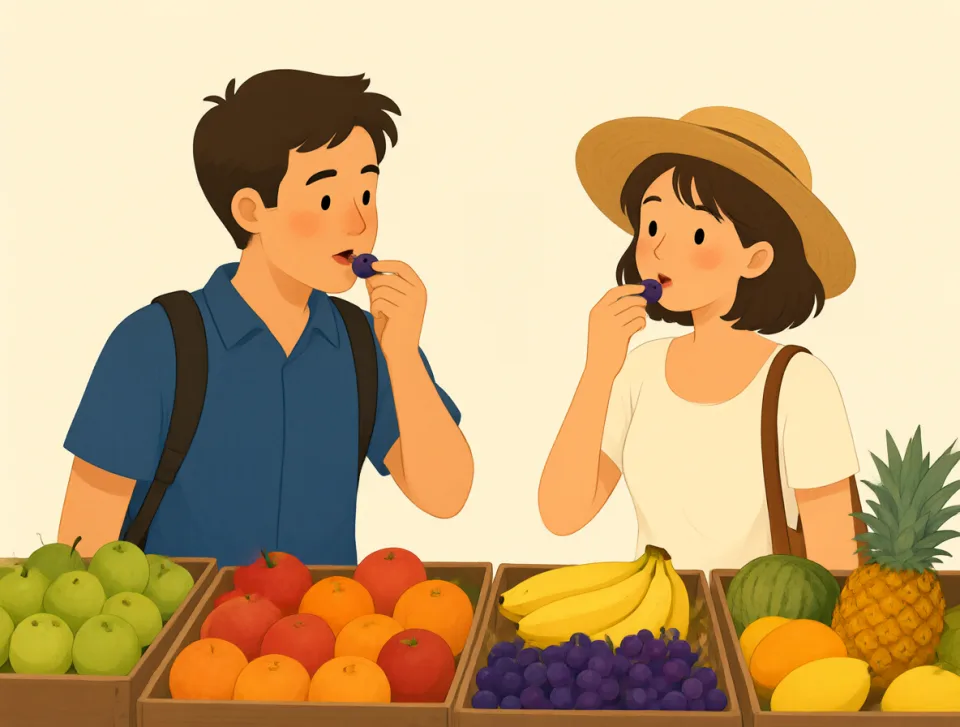
We tasted fresh fruit during our trip to Spain.
我們去西班牙旅行時品嚐了新鮮水果。

tonight
#1414adverb, noun
今晚;今夜
During the evening and night of today.
今天晚上和夜裡。
Are you staying home with us tonight?
你今晚和我們一起待在家嗎?
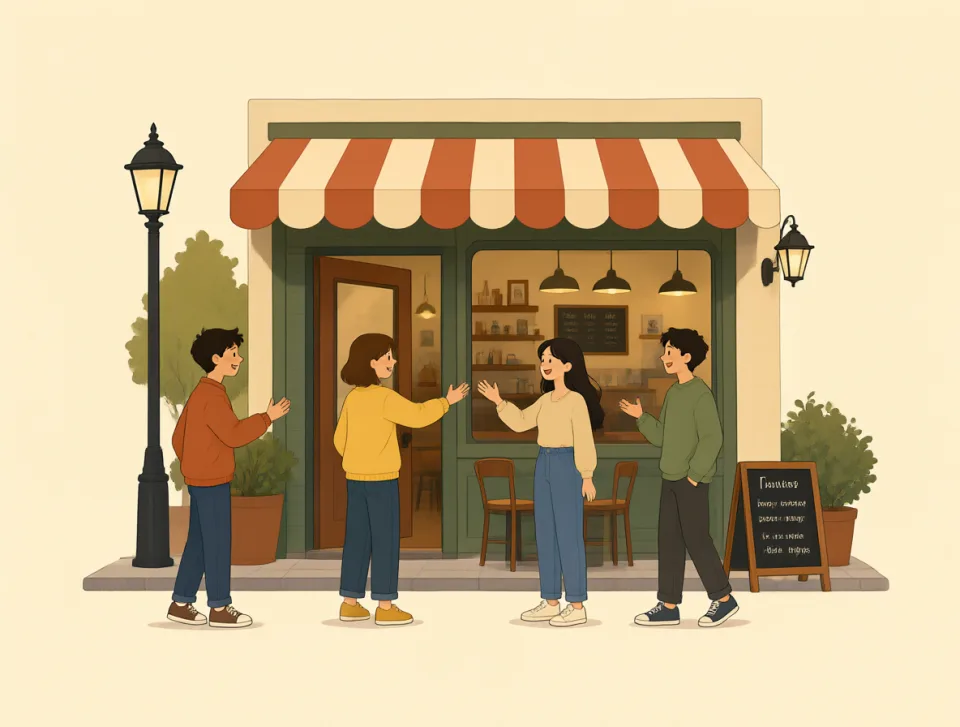
We are meeting our friends for dinner tonight.
我們今晚要和朋友一起吃晚飯。

I have to finish this report tonight.
我今晚得完成這份報告。
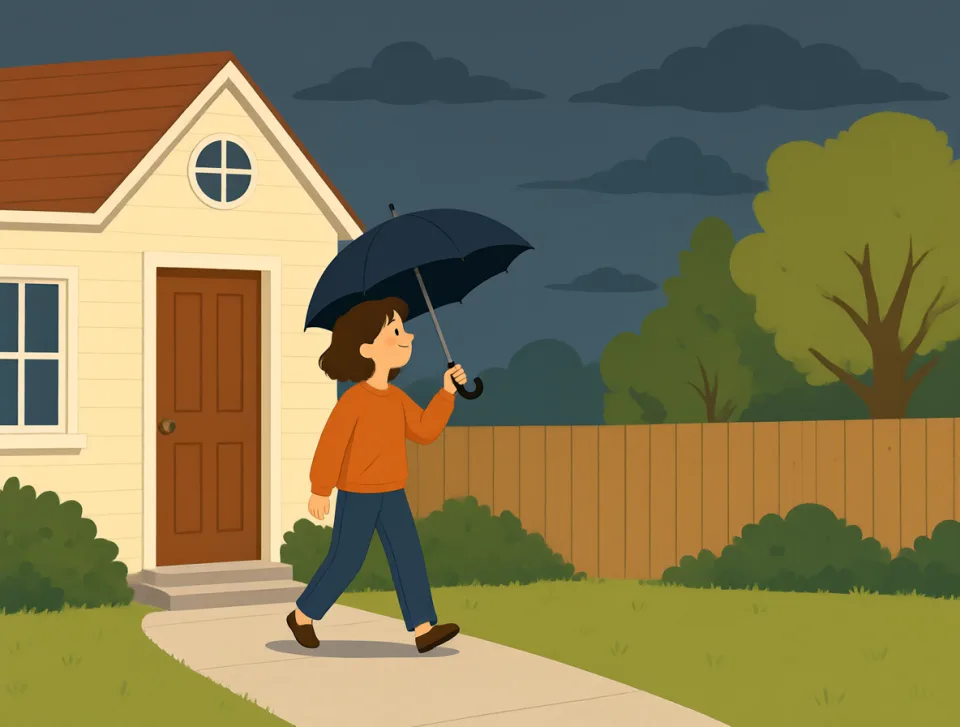
It may rain tonight, so take an umbrella.
今晚可能會下雨,所以帶把傘。

I feel better tonight than I did yesterday.
我今晚感覺比昨天好多了。

fashion
#1415noun
時尚;流行款式
A popular style of clothes, hair, or appearance at a particular time.
某一時期流行的服裝、髮型或外表風格。

She always wears the latest fashion to work.
她上班時總穿最時髦的衣服。
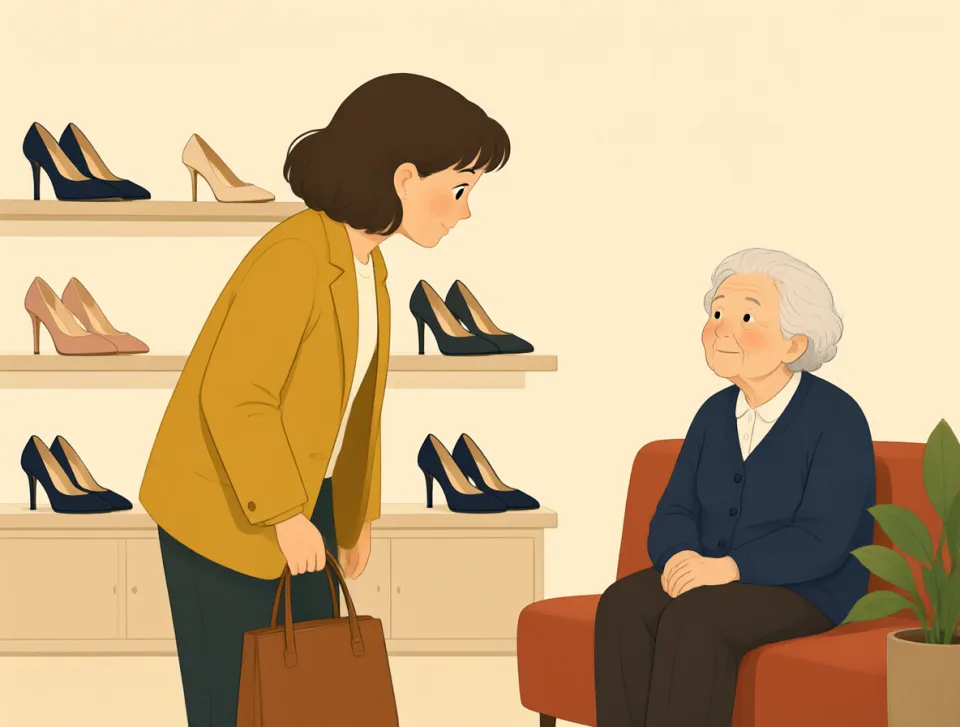
Fashion changes quickly, so these shoes may look old next year.
時尚變化很快,所以這雙鞋明年可能就顯得過時了。

He studied fashion at college and hopes to design clothes.
他在大學學了時裝設計,希望將來能設計衣服。

The hotel restaurant is famous for its fashion and beautiful decorations.
這家酒店的餐廳以時尚的風格和精美的裝飾聞名。

My friends enjoy talking about fashion while shopping downtown.
我的朋友們喜歡在市中心逛街時聊時尚。
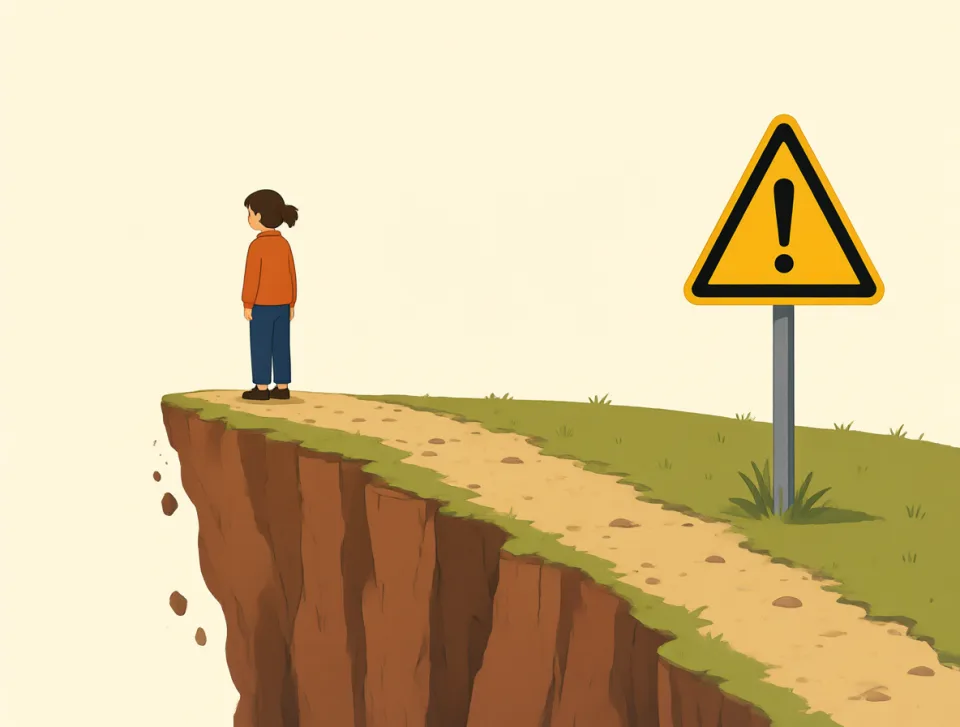
danger
#1416noun
危險;危害
the possibility that someone or something will be harmed
某人或某物可能受到傷害的情況
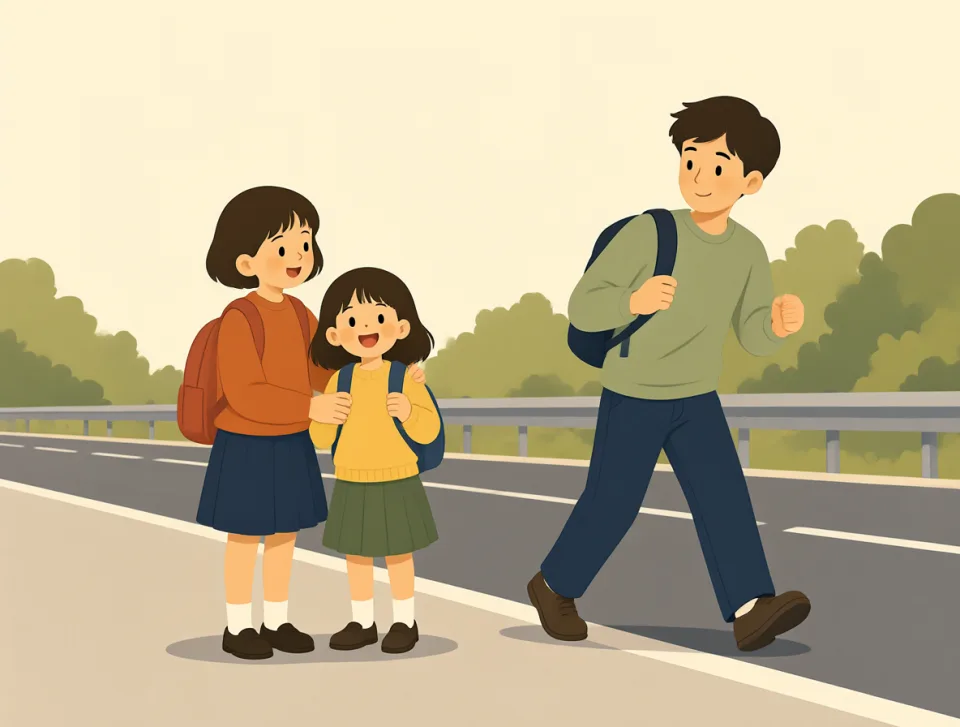
The children were in danger near the busy road.
孩子們在繁忙的道路附近很危險。
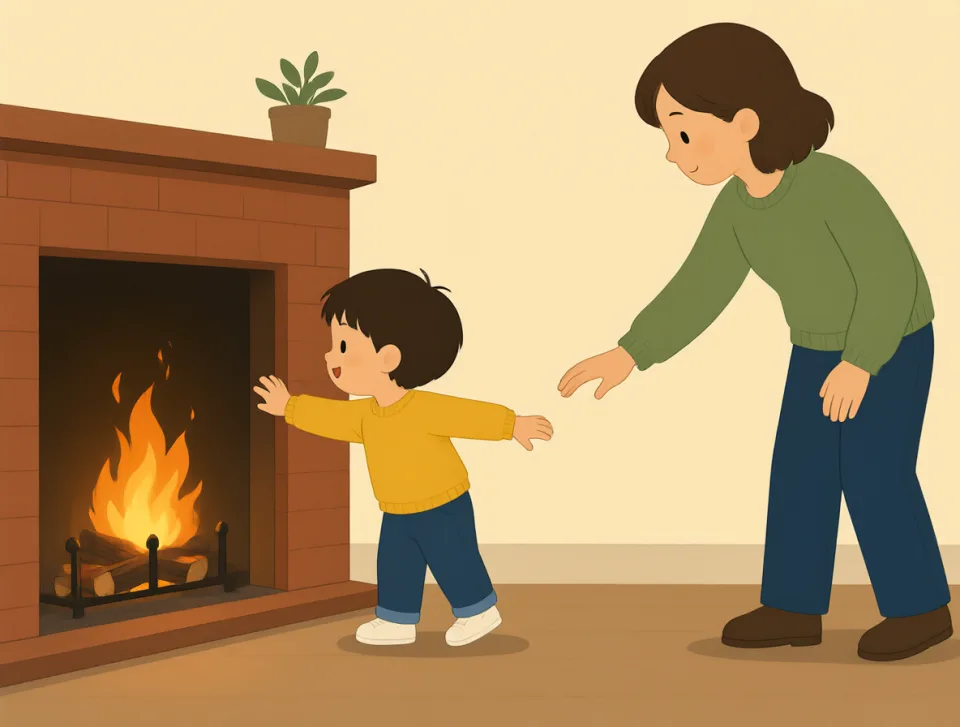
Keep your hands away from the fire to avoid danger.
把手遠離火源,以免發生危險。

The pilot warned passengers about danger during the storm.
暴風雨期間,飛行員提醒乘客注意危險。

The mountain climbers faced great danger in the snow.
登山者在大雪中面臨著巨大的危險。
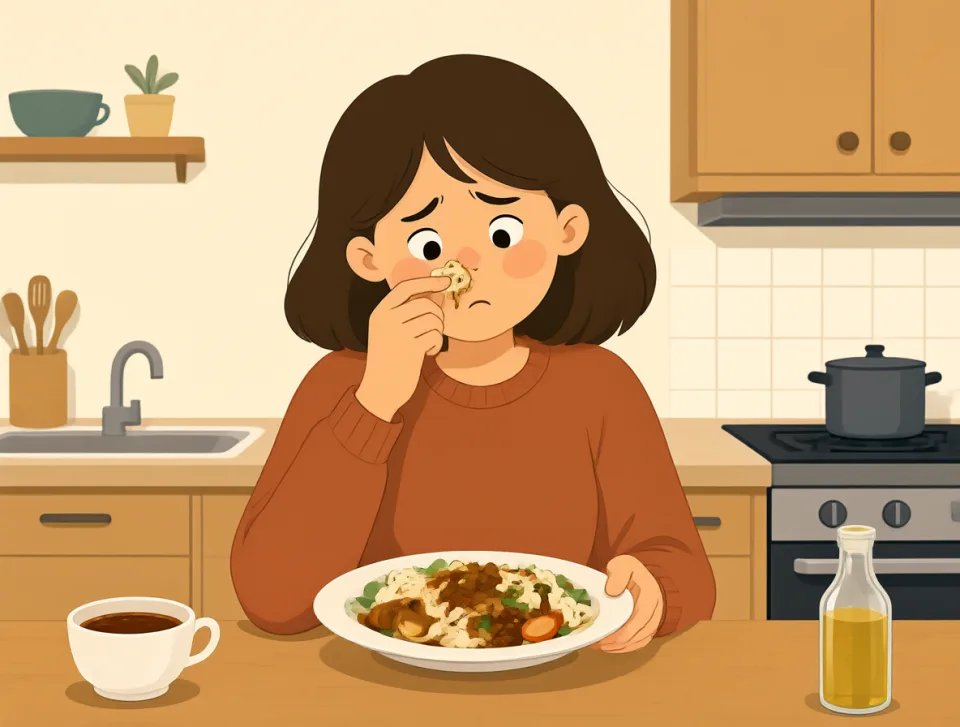
Eating spoiled food can put your health in danger.
吃變質的食物可能會危害你的健康。
bomb
#1417noun, verb
炸彈;轟炸;慘敗;考砸
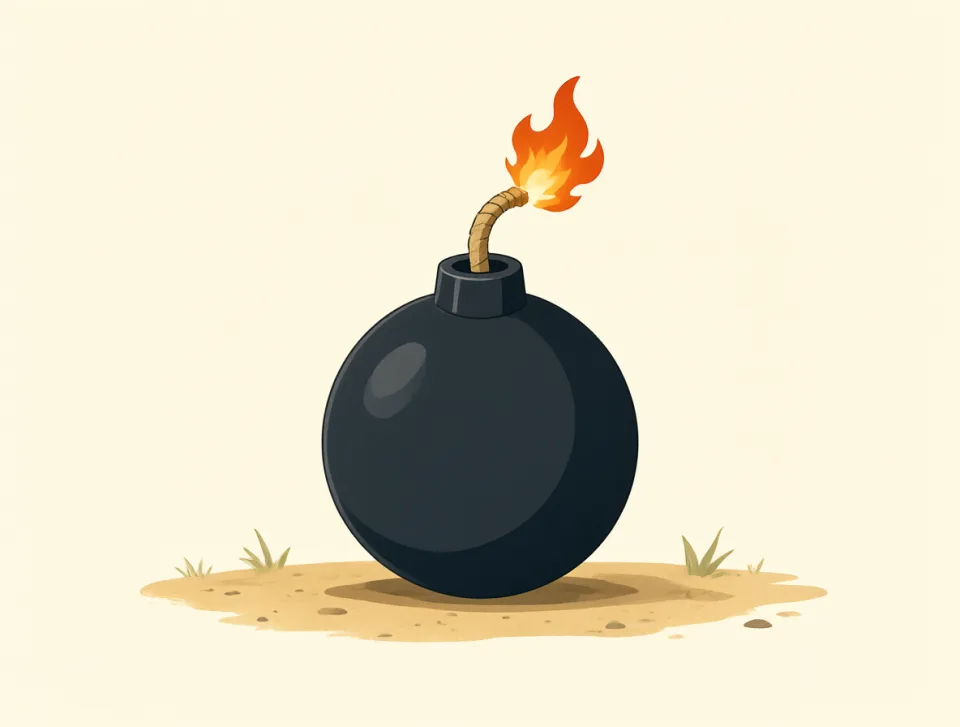
A bomb is a weapon that explodes, or to bomb is to attack with one.
炸彈是一種會爆炸的武器;bomb作動詞時,指用炸彈攻擊。
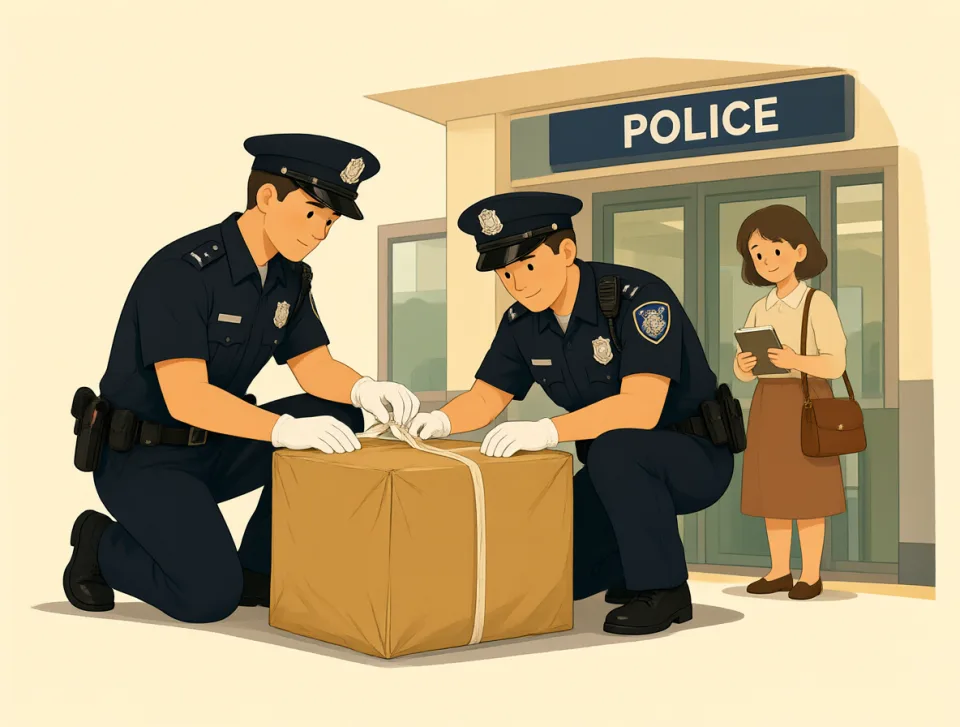
The police found a bomb near the train station.
警察在火車站附近發現了一枚炸彈。
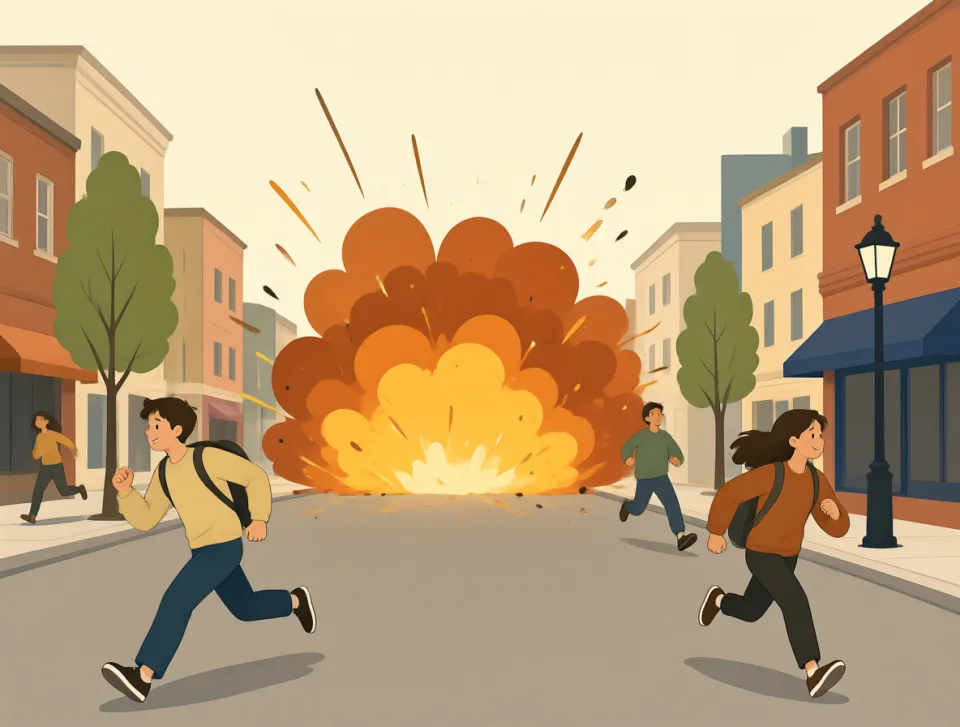
The bomb exploded before anyone could move it.
炸彈在人們來得及將它移走之前爆炸了。
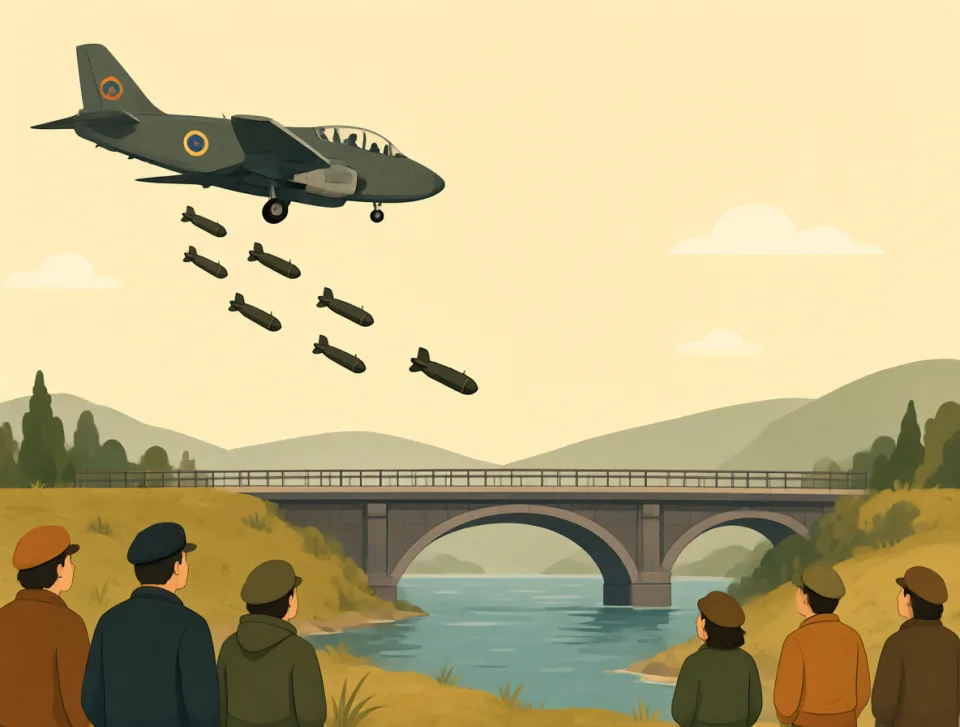
The army bombed the bridge during the war.
戰爭期間,軍隊轟炸了那座橋。
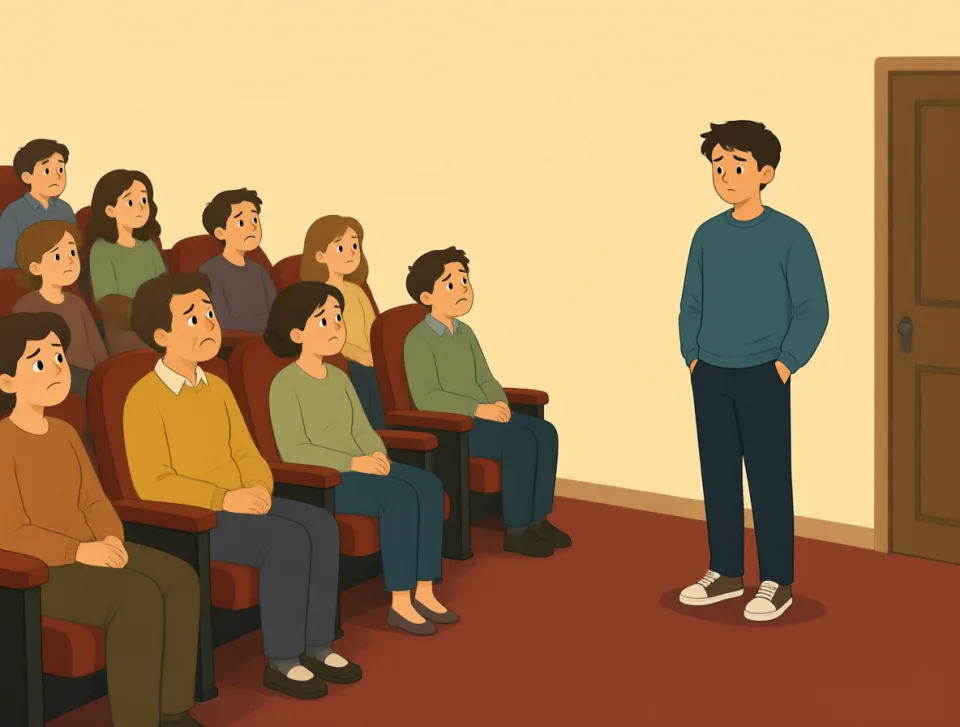
The movie bombed because nobody enjoyed the story.
這部電影因為沒人喜歡它的故事而票房慘敗。

I bombed my math test and need more practice.
我的數學考試考砸了,需要多練習。
army
#1418noun
軍隊;陸軍
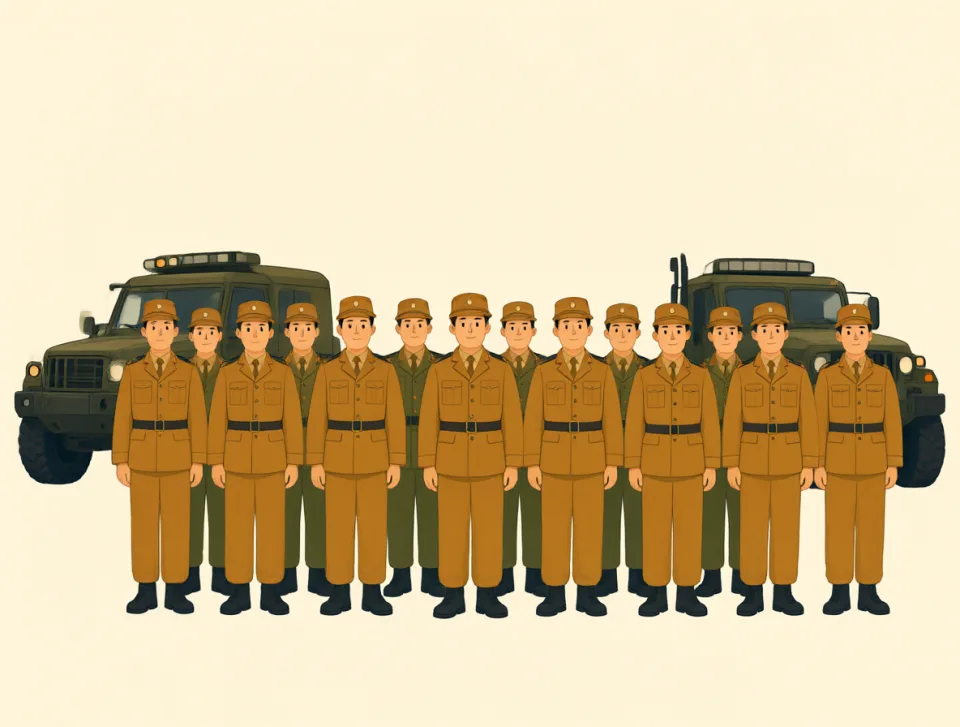
A large organized group of soldiers trained to fight for a country.
一支規模龐大、組織嚴密,經過訓練併為國家而戰計程車兵隊伍。

Her brother joined the army after finishing school.
她哥哥畢業後參了軍。
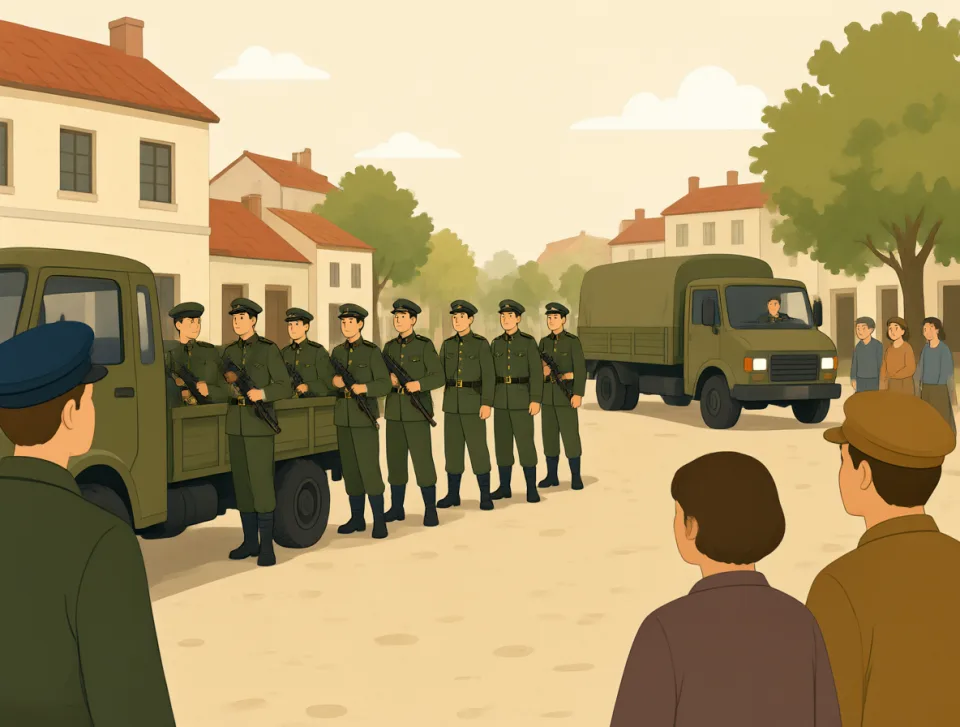
The army sent more soldiers to protect the town.
軍隊派了更多士兵去保護那座城鎮。
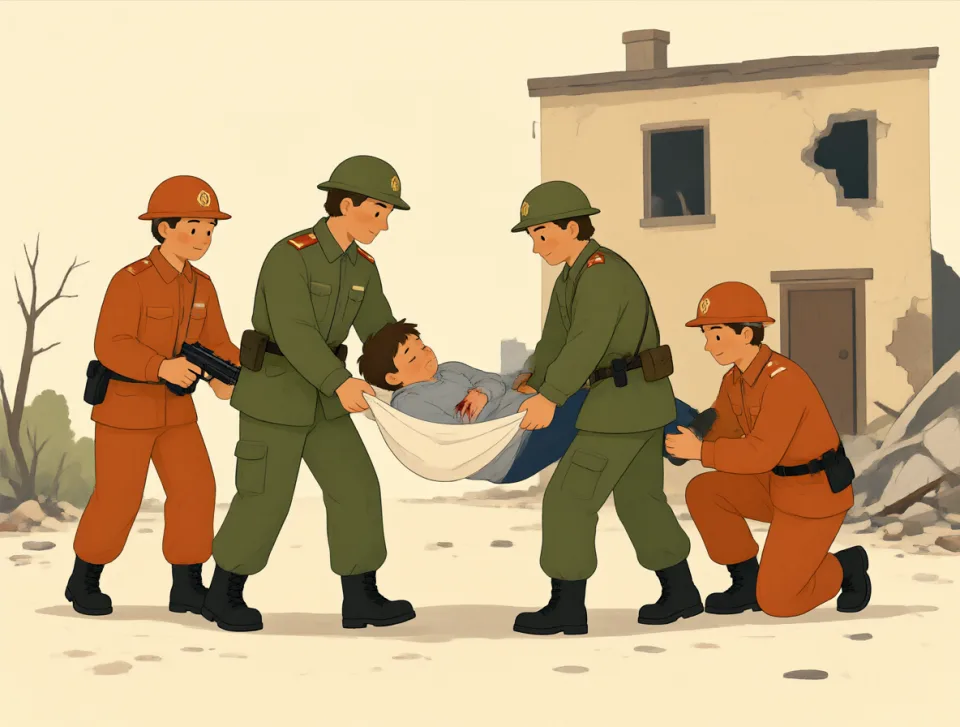
The army helped rescue people after the earthquake.
地震發生後,軍隊幫助營救受災群眾。
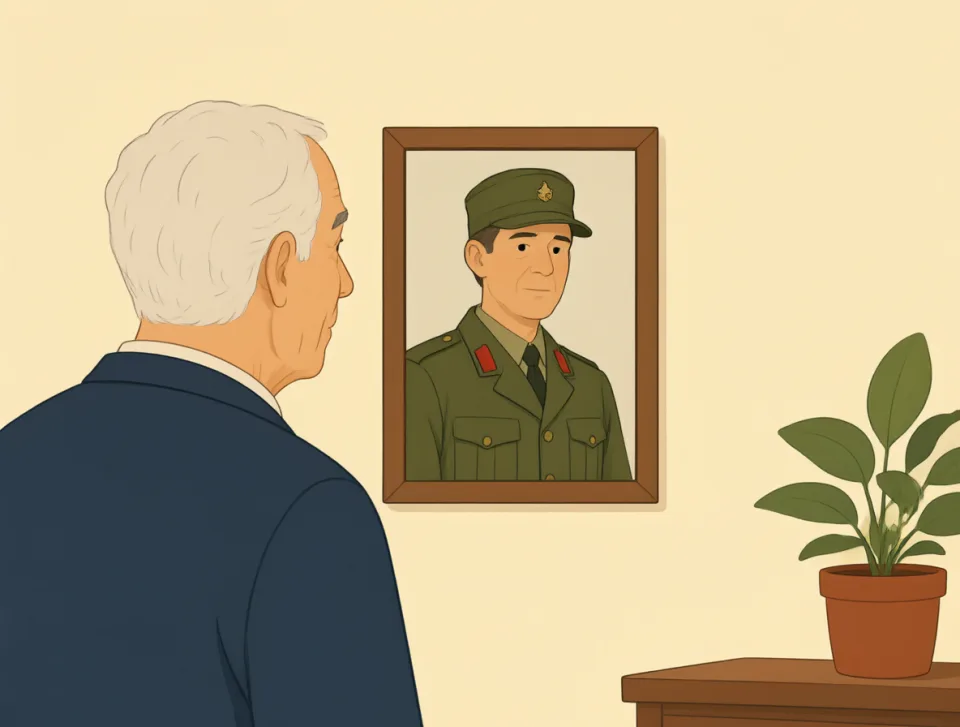
My grandfather spent twenty years in the army.
我祖父在部隊服役了二十年。
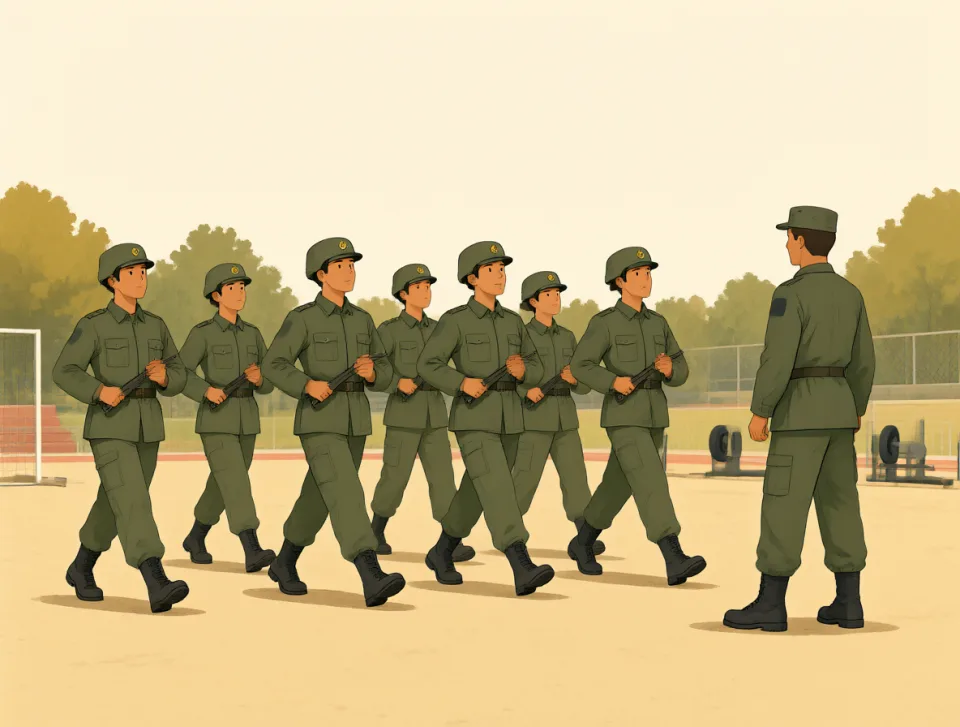
The army trained the new soldiers for three months.
軍隊對新兵進行了為期三個月的訓練。
dangerous
#1419adjective
危險的;有危險的
Likely to hurt people, damage things, or cause problems.
可能會傷到人、損壞物品或引發問題。
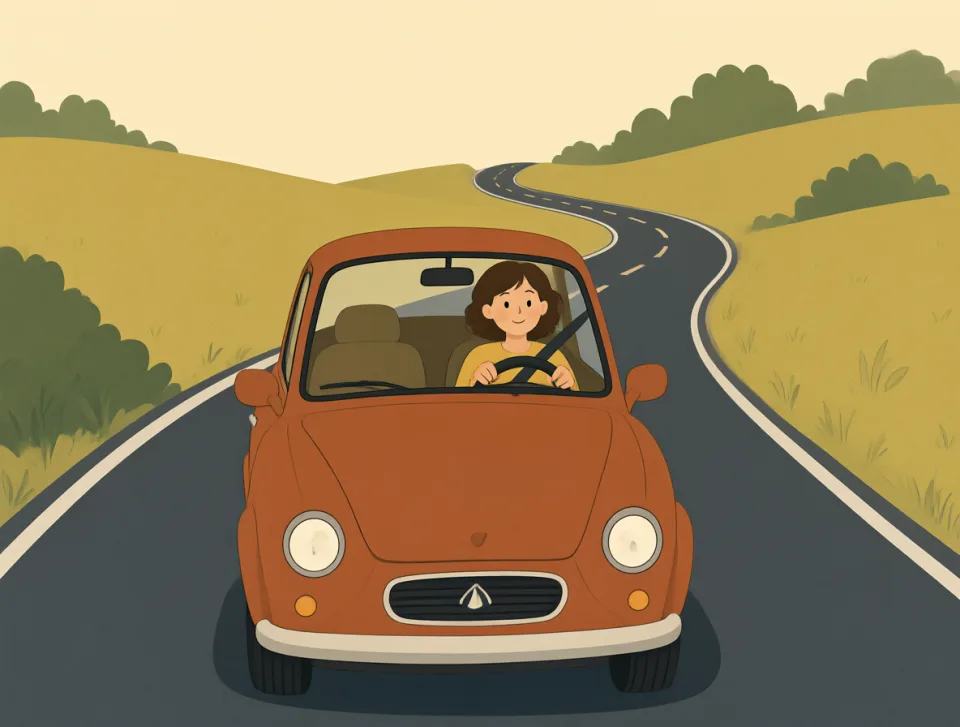
That road is dangerous after dark, so drive slowly.
天黑後那條路很危險,開車要慢一點。

It is dangerous to swim near the rocks during a storm.
暴風雨期間在岩石附近游泳很危險。
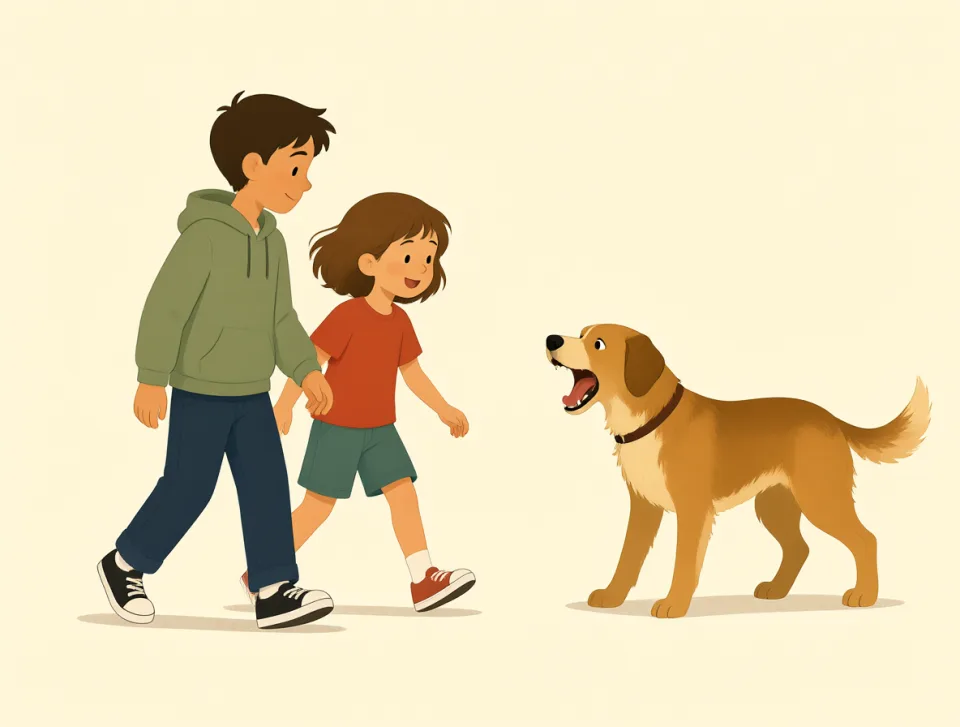
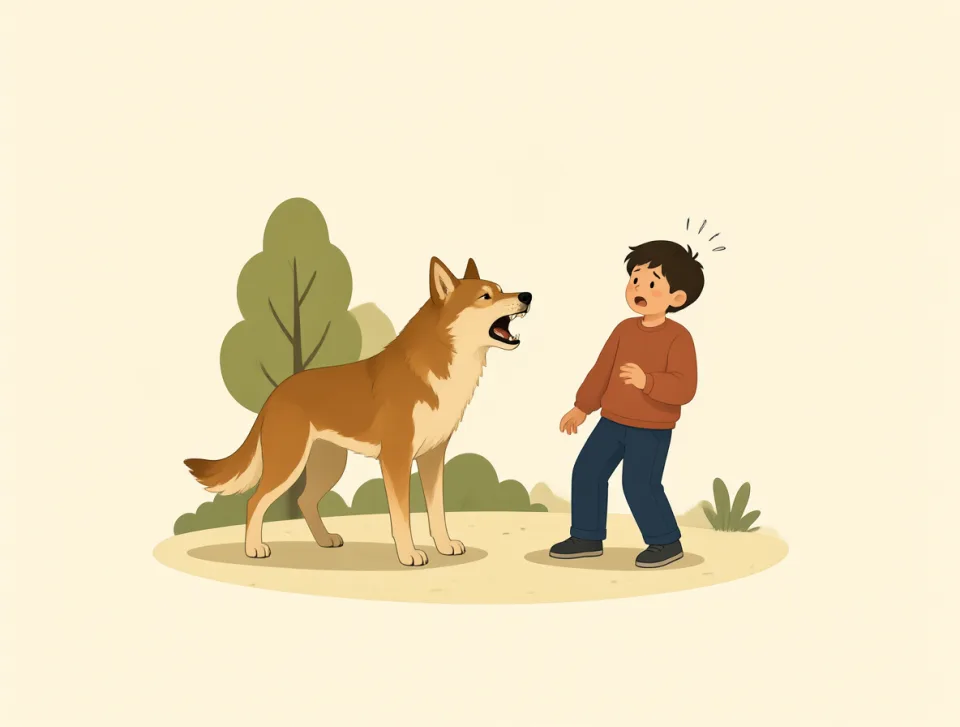
The children moved away from the dangerous dog.
孩子們躲開了那隻危險的狗。
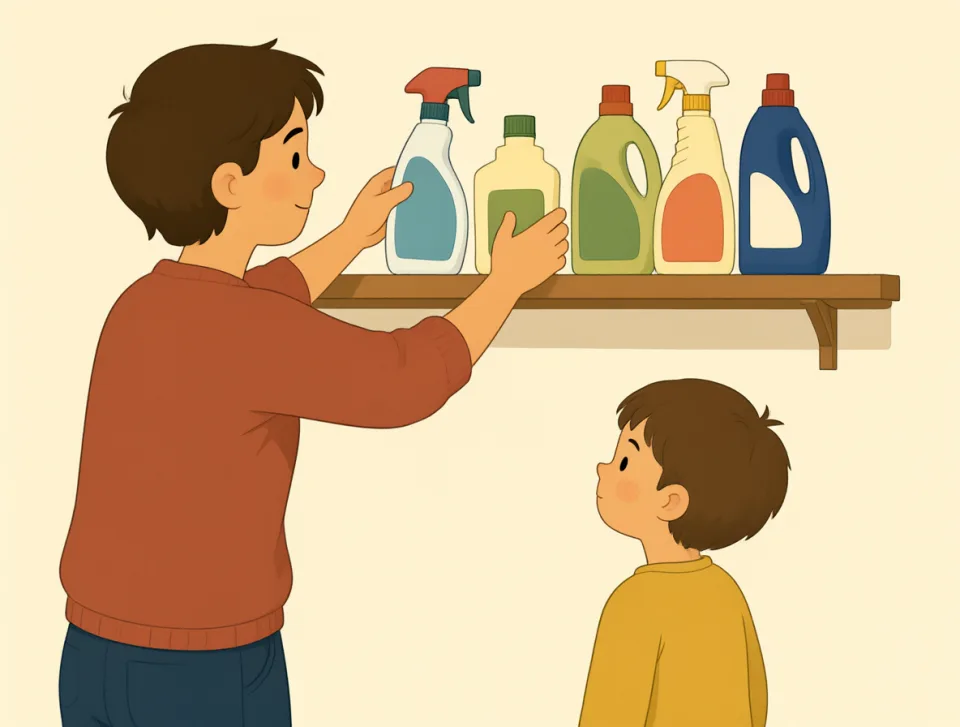
Keep dangerous cleaning products away from young children.
把危險的清潔用品放在小孩子夠不到的地方。
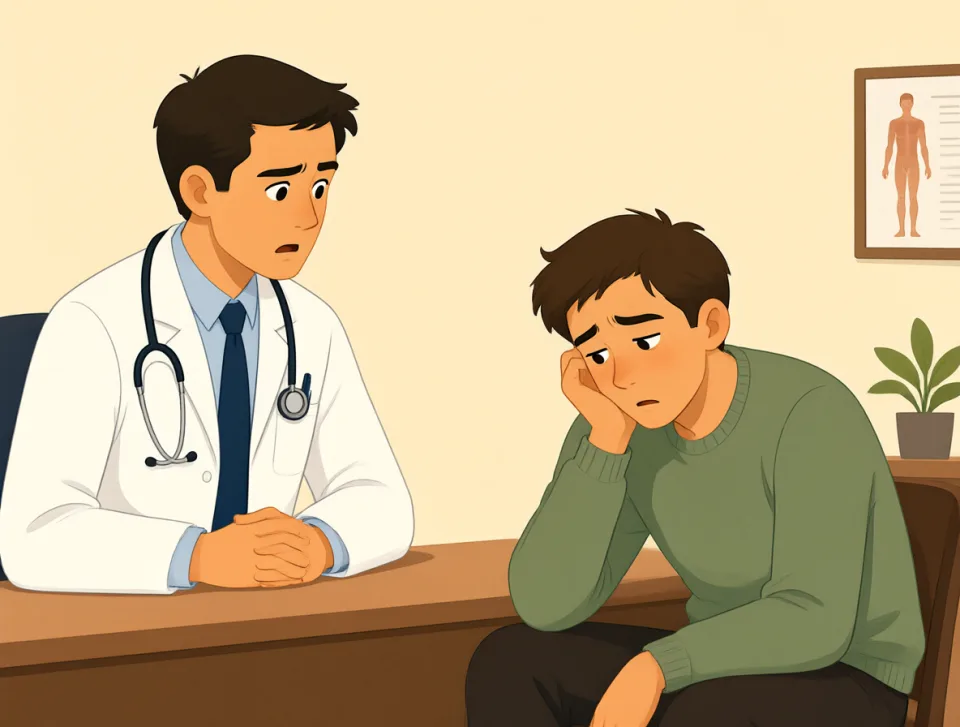
The doctor warned him that dangerous levels of stress could harm his health.
醫生警告他說,壓力過大可能會損害他的健康。
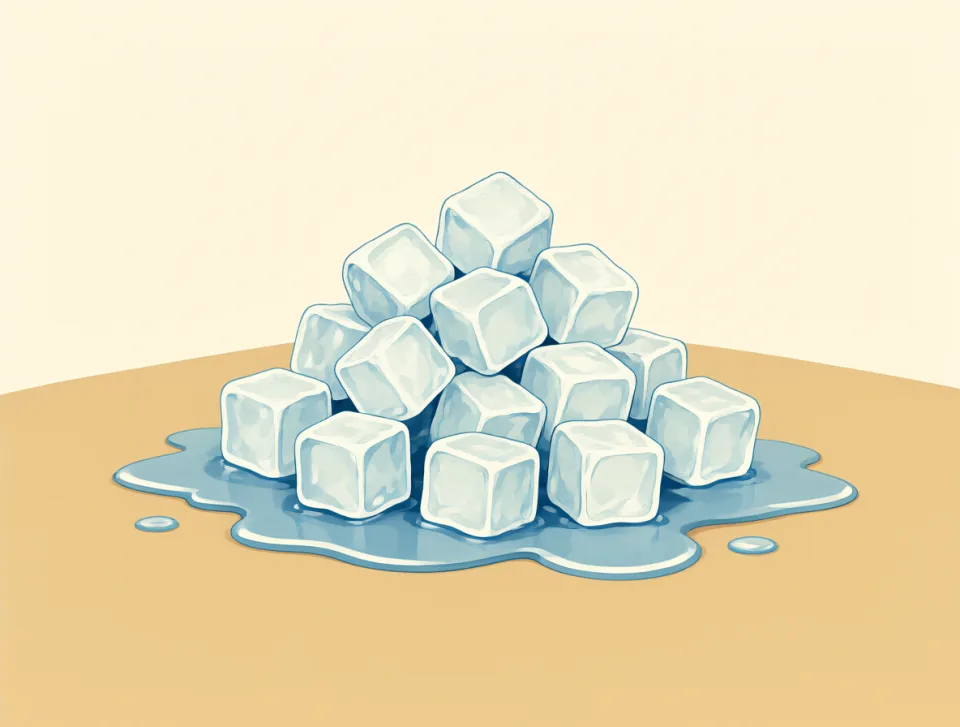
decrease
#1420noun, verb
減少;降低;縮小
to become or make something smaller in size, amount, number, or level
(使)在大小、數量、數目或水平上變小
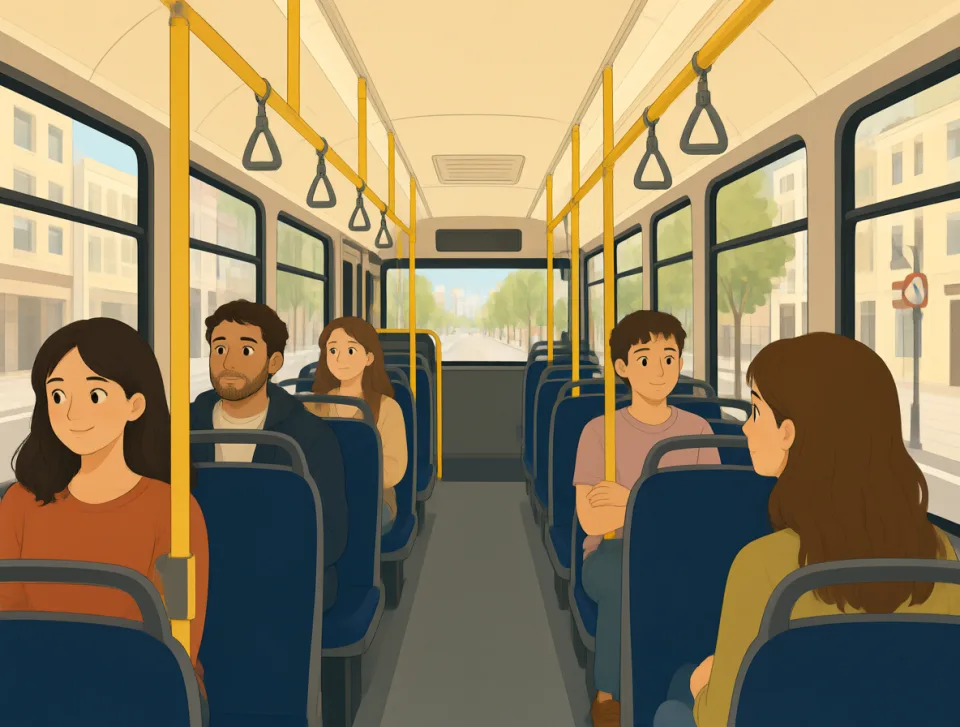
The number of people using the bus decreased last month.
上個月乘坐公交車的人數減少了。
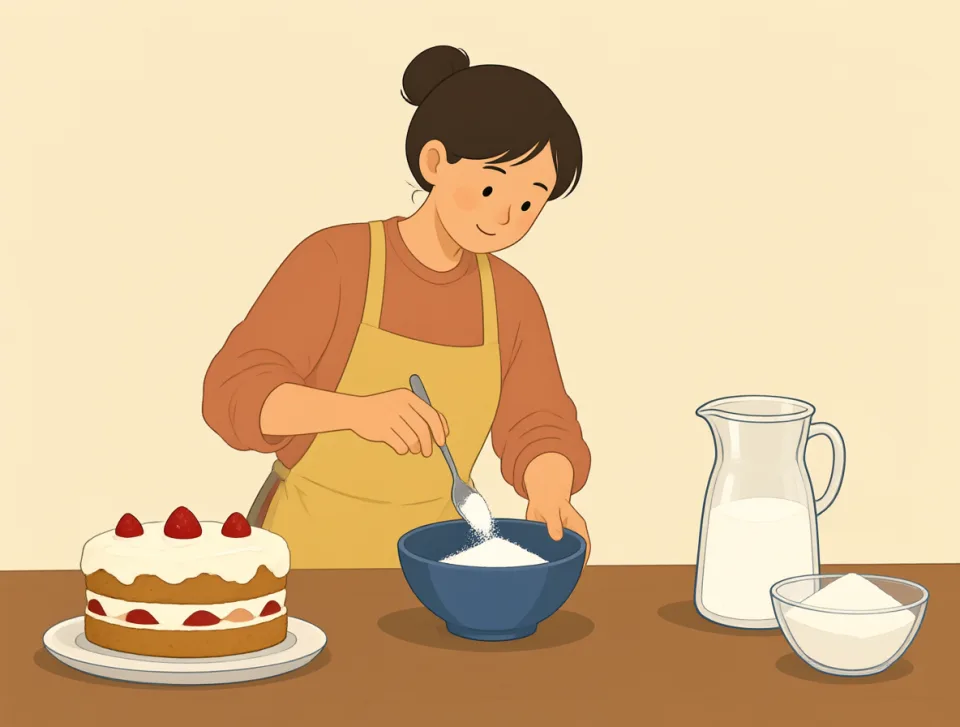
We need to decrease the amount of sugar in this cake.
我們需要減少這個蛋糕裡的糖量。

The doctor says regular exercise can decrease back pain.
醫生說,定期鍛鍊可以減輕背痛。
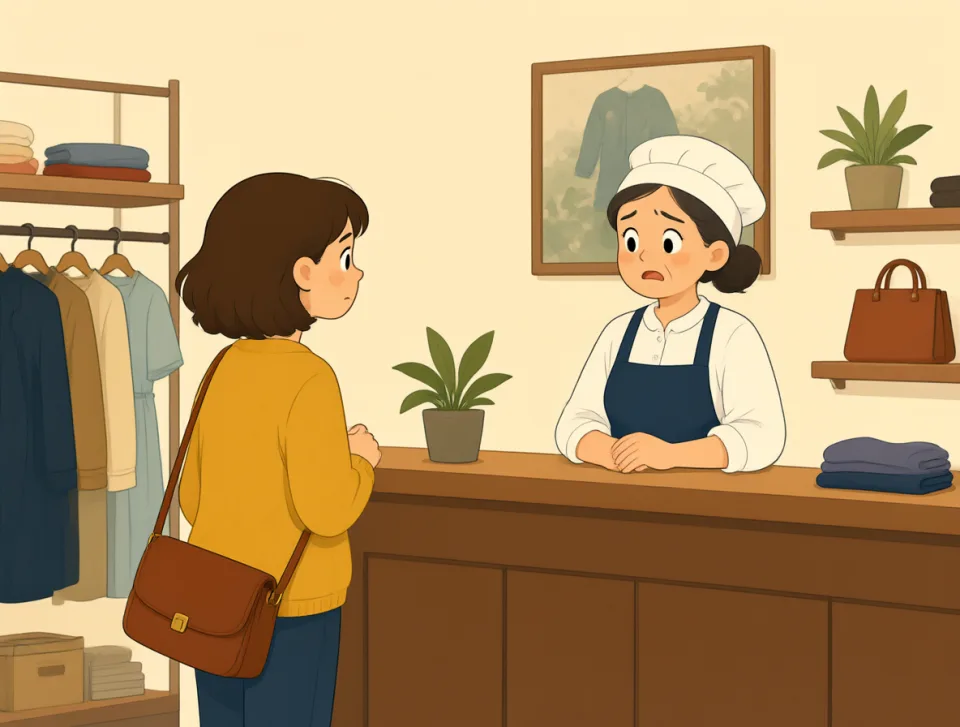
Sales decreased after the shop raised its prices.
商店提價後,銷量下降了。
The temperature decreased quickly after the sun went down.
太陽下山後,氣溫很快就下降了。