Блок 10
Слова 181–200 · question, during, always, big, set, small
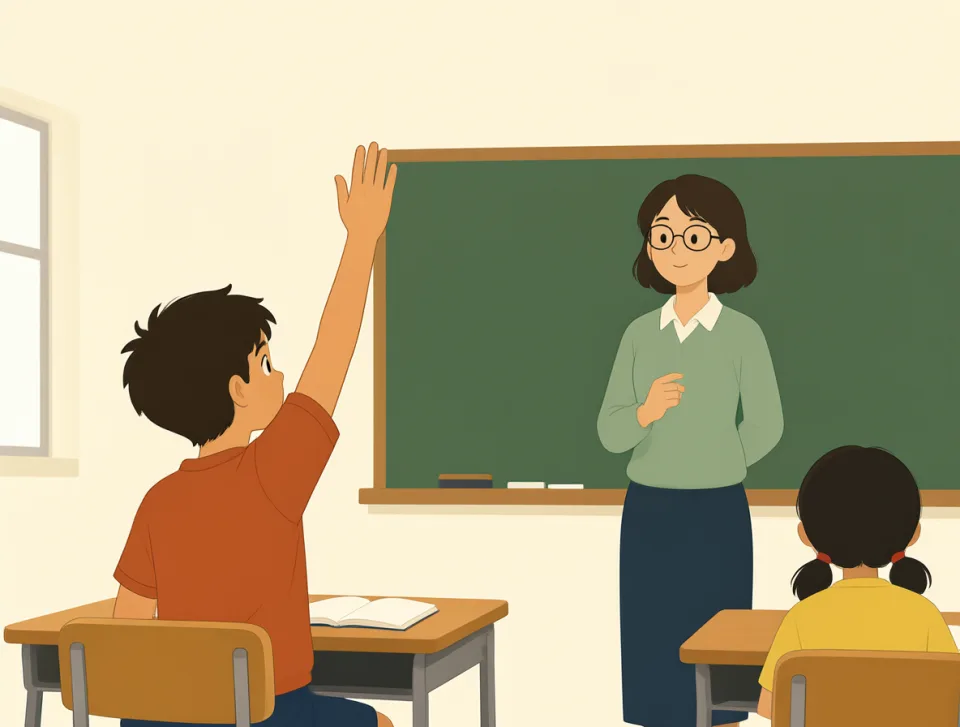
question
#181noun, verb
вопрос
A sentence used to ask for information or express doubt about something.
Предложение, с помощью которого задают вопрос или выражают сомнение.
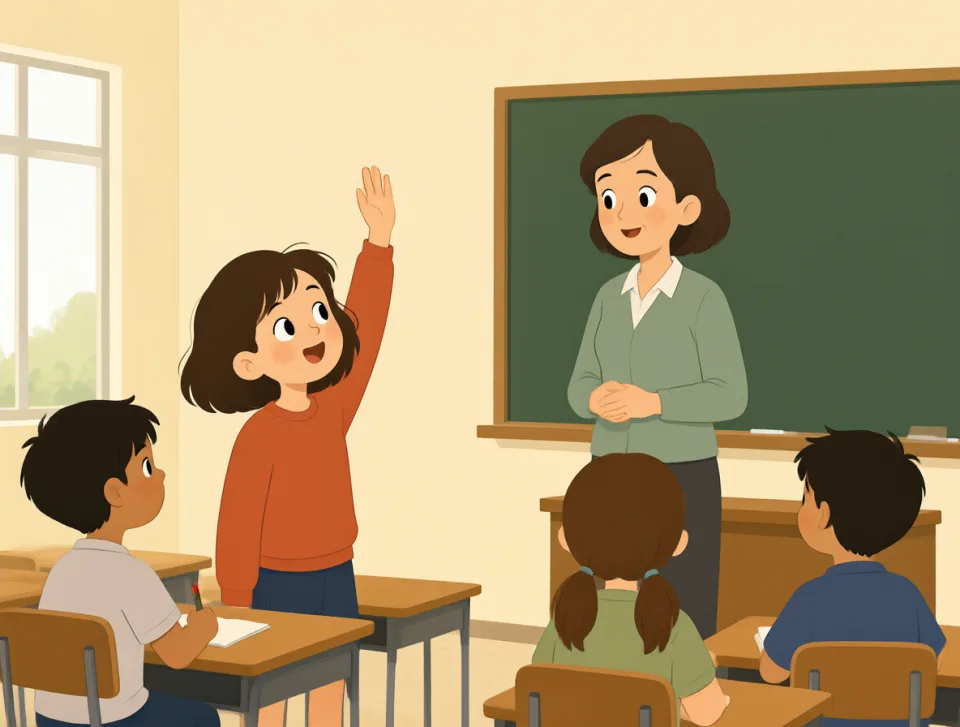
Please ask the teacher a question.
Пожалуйста, задайте учителю вопрос.
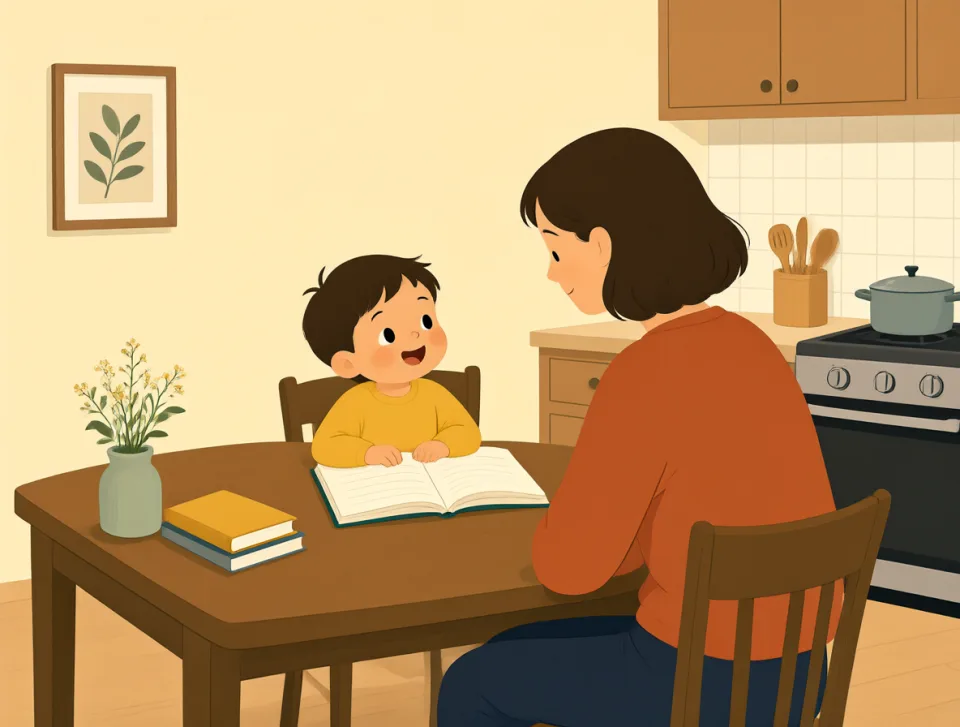
I have a question about my homework.
У меня есть вопрос по поводу домашнего задания.
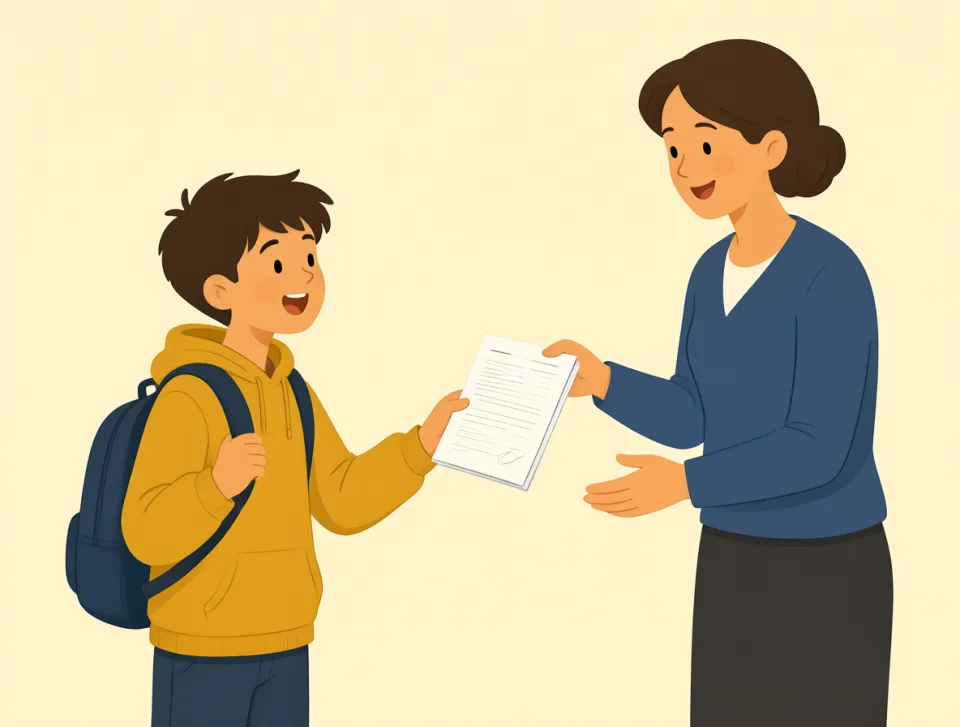
She answered all the questions correctly.
Она правильно ответила на все вопросы.

The customer questioned the price of the jacket.
Покупатель усомнился в цене куртки.

The doctor asked me questions about my pain.
Врач задавал мне вопросы о моей боли.
during
#182preposition
во время
at some time between the beginning and end of an event or period
В какой-либо момент между началом и концом события или периода.
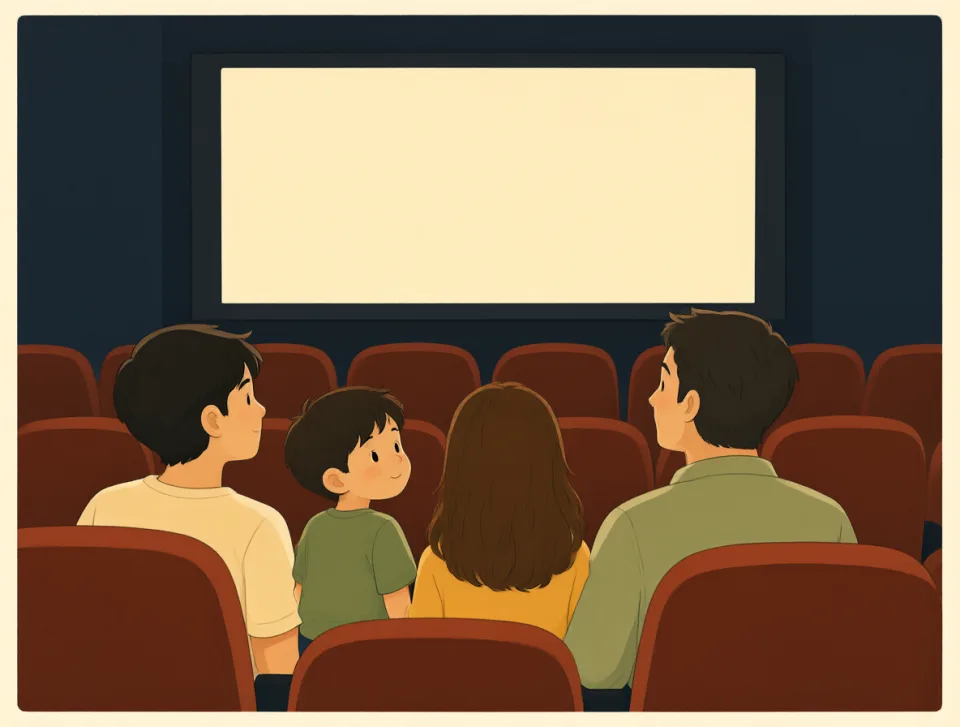
Please stay quiet during the movie.
Пожалуйста, не разговаривайте во время фильма.

I fell asleep during the flight.
Я уснул во время полёта.
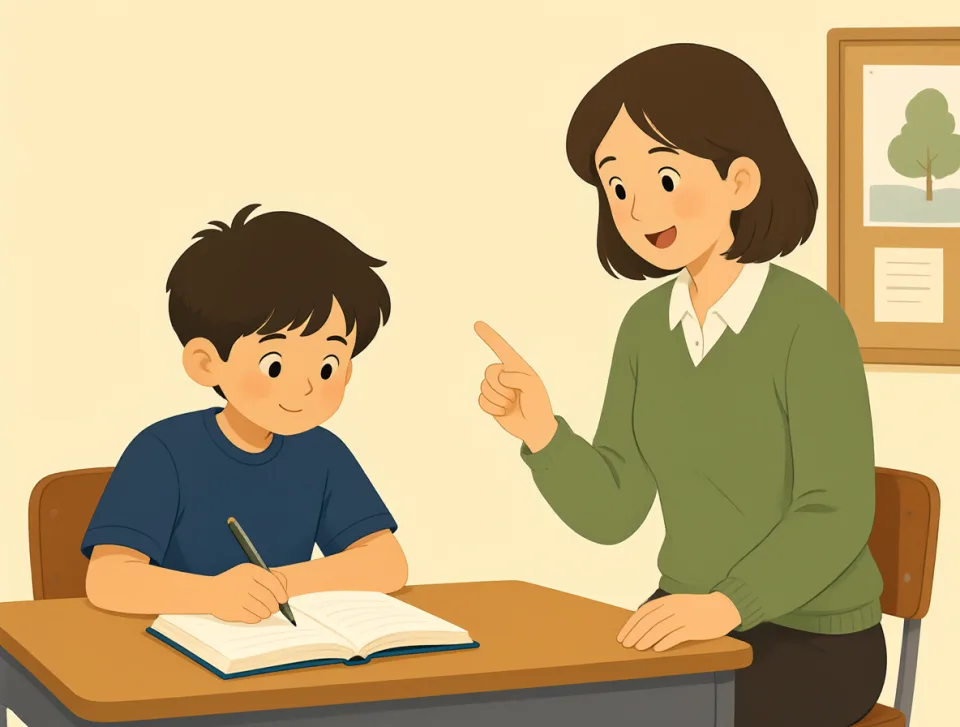
She took notes during the lesson.
Она делала записи во время урока.
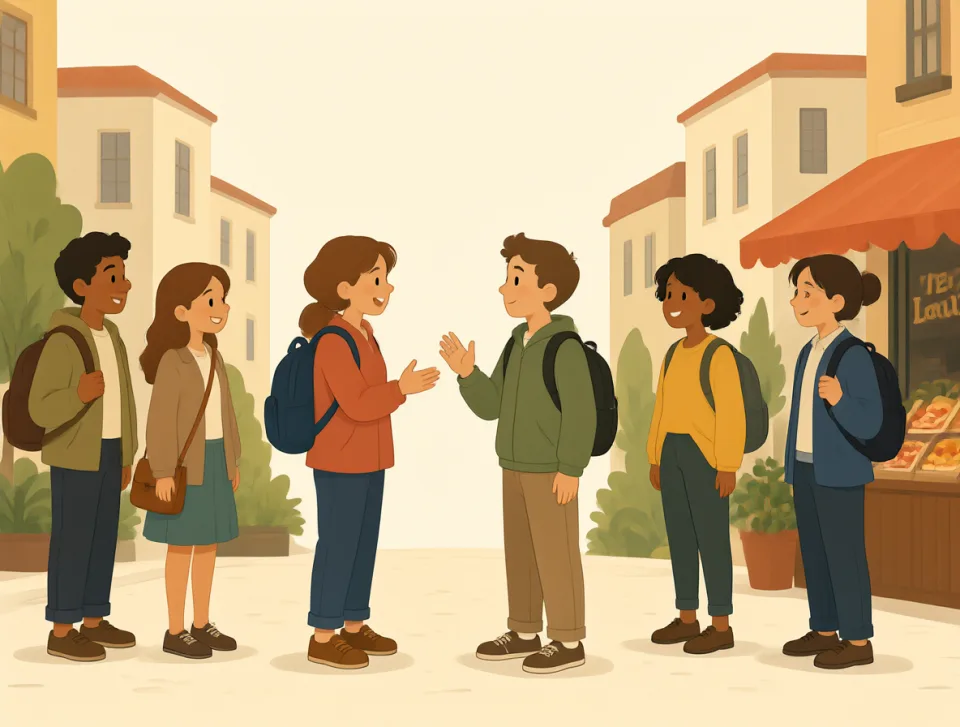
We met many people during our trip.
Во время поездки мы познакомились со многими людьми.
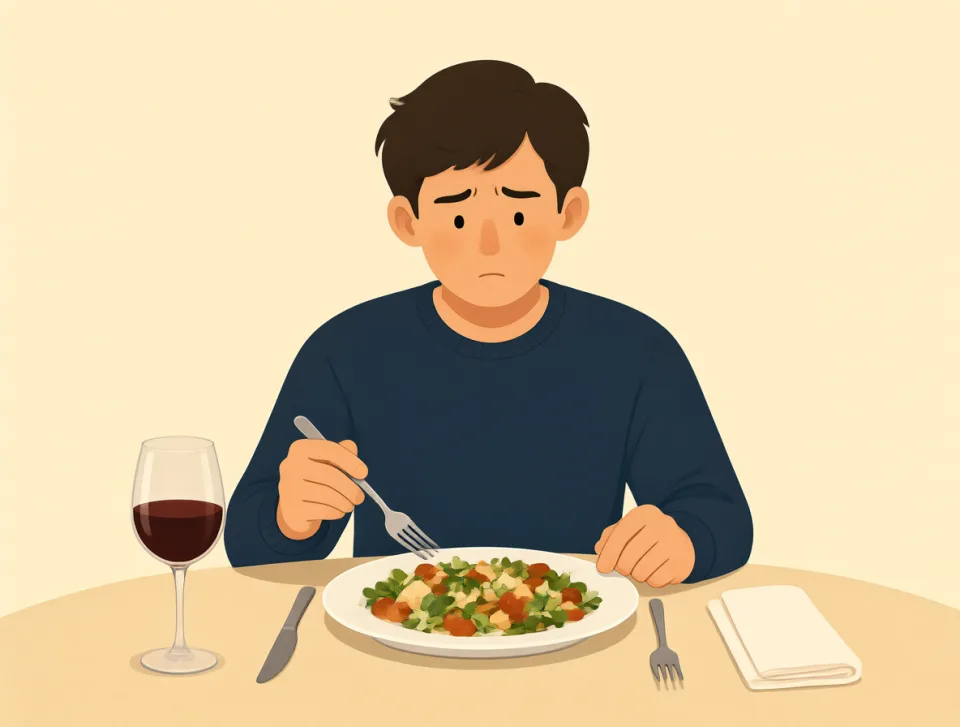
He felt sick during dinner.
Ему стало плохо во время ужина.

always
#183adverb
всегда
Every time, or at all times.
Каждый раз или постоянно.
She always drinks coffee in the morning.
Она всегда пьёт кофе по утрам.
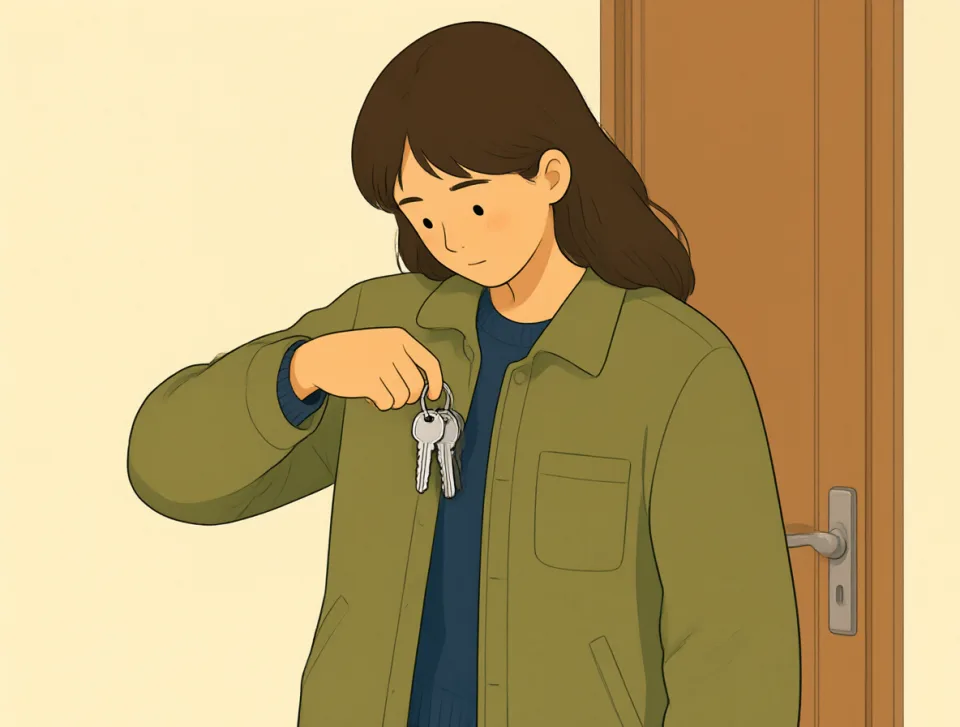
I always take my keys with me.
Я всегда беру с собой ключи.

He is always late for work.
Он всегда опаздывает на работу.

We always eat dinner together.
Мы всегда ужинаем вместе.
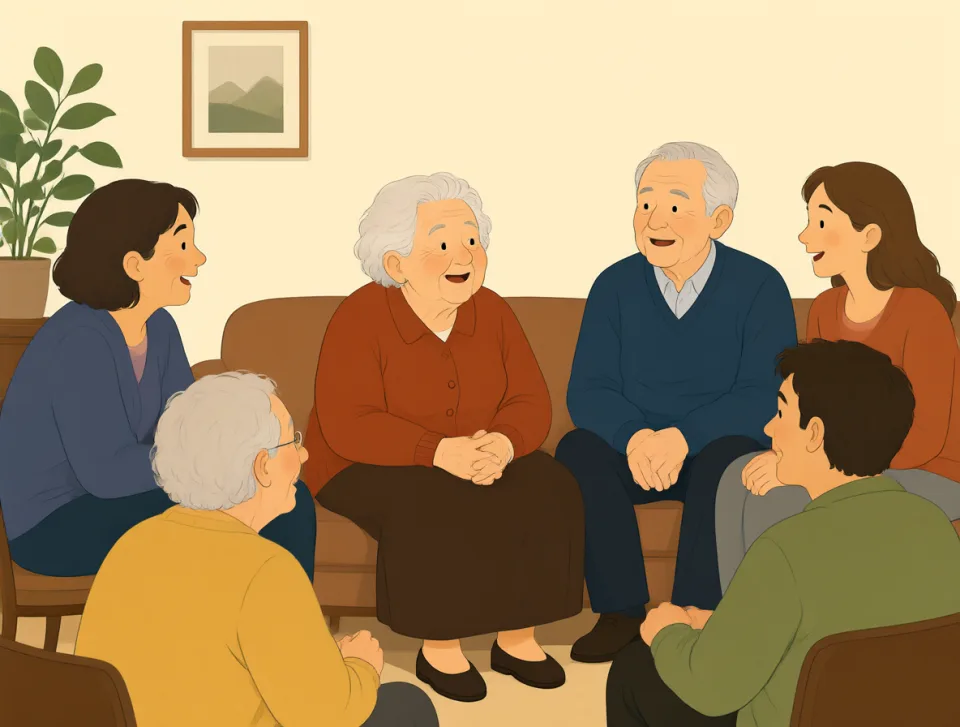
My grandmother always tells funny stories.
Моя бабушка всегда рассказывает забавные истории.
big
#184adjective, adverb, noun
большой
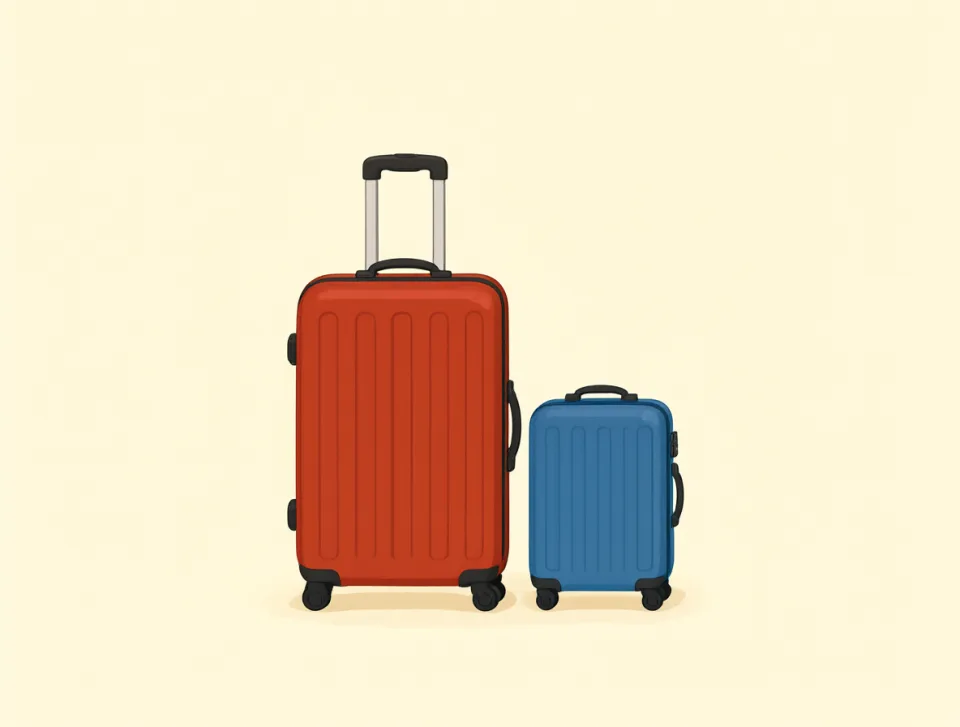
Large in size, amount, importance, or popularity.
Имеющий большие размеры, объём, значение или популярность.

They live in a big house.
Они живут в большом доме.

I need a big bowl for salad.
Мне нужна большая миска для салата.

She got a big job at the company.
Она получила важную должность в компании.

We had a big lunch after the trip.
После поездки мы плотно пообедали.

That was a big mistake in my homework.
Это была серьёзная ошибка в моей домашней работе.

set
#185noun, verb, adjective
набор; ставить
A group of things, or to put something in a particular place or position.
Группа предметов; также — помещать что-либо в определённое место или положение.
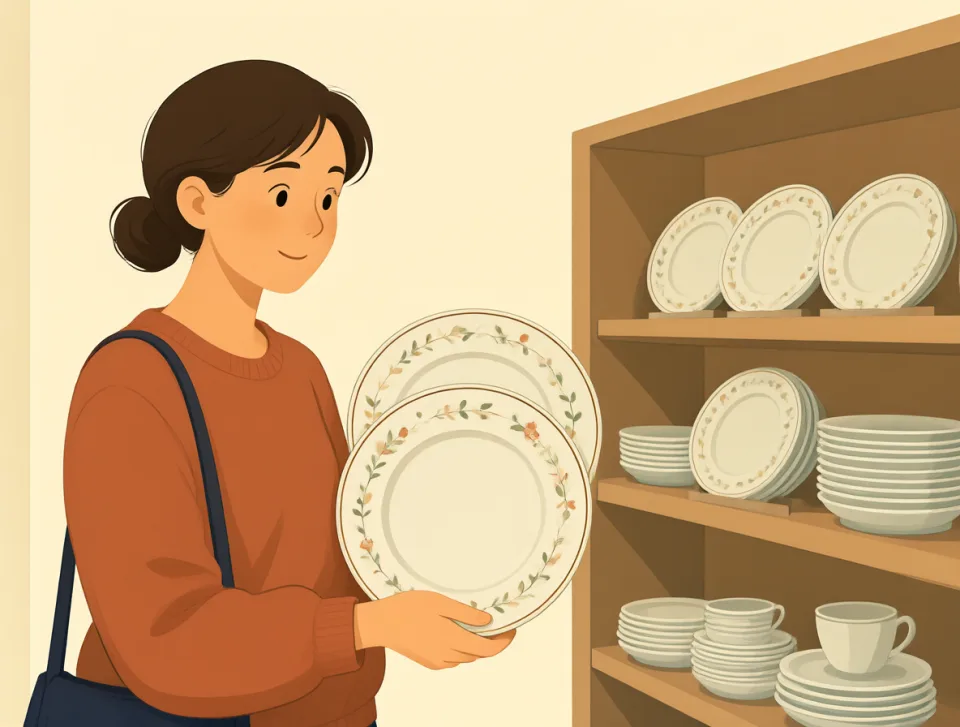
I bought a new set of plates.
Я купил новый набор тарелок.
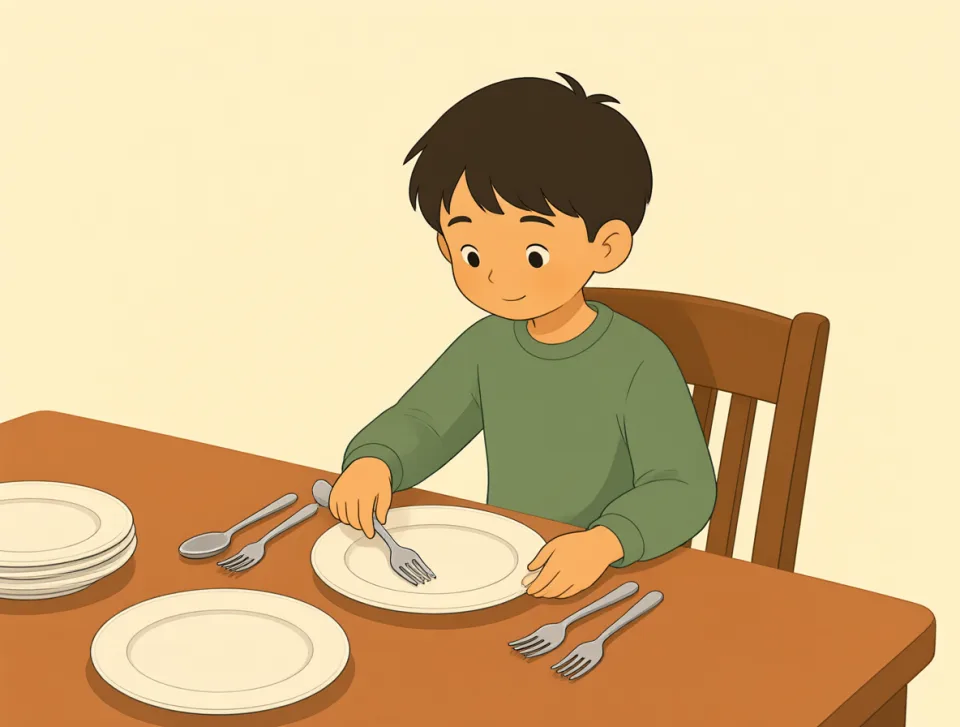
Please set the table for dinner.
Пожалуйста, накройте на стол к ужину.
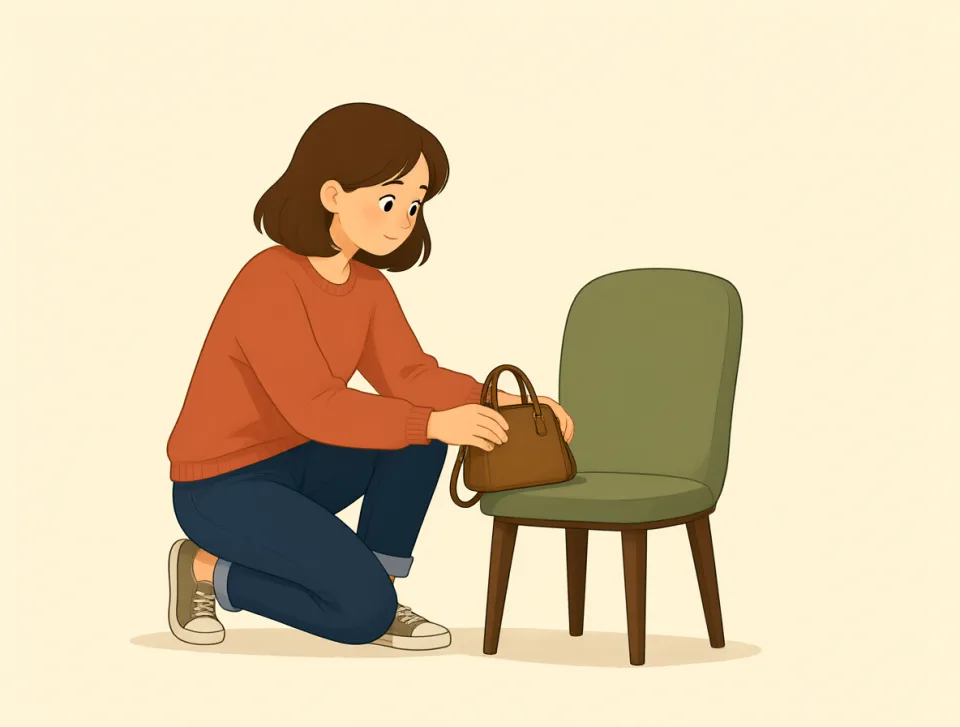
She set her bag beside the chair.
Она положила сумку рядом со стулом.
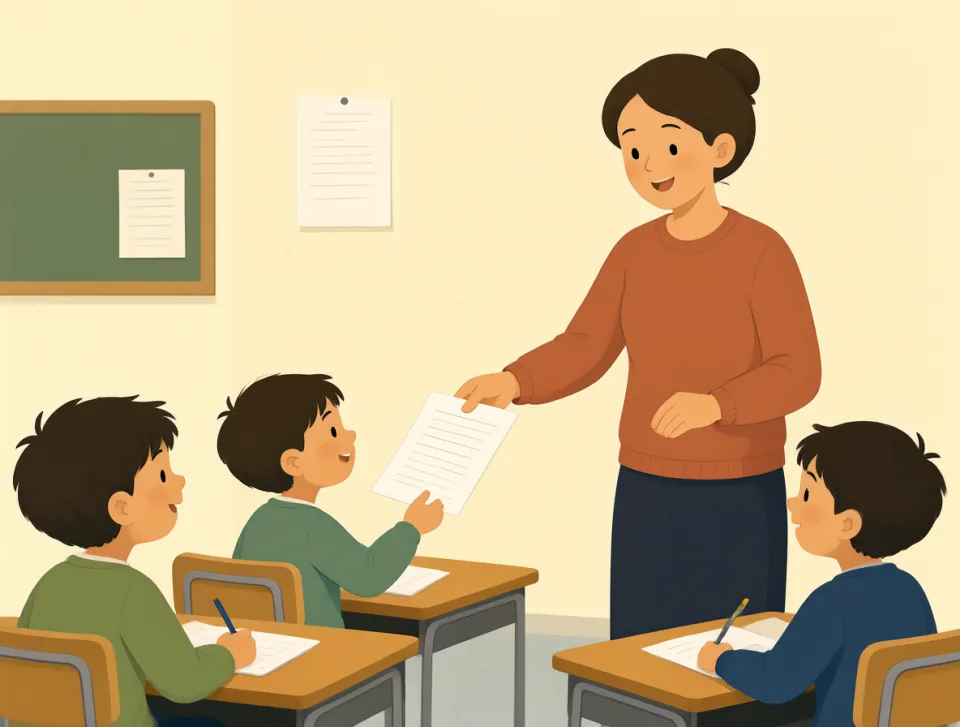
The teacher set a test for Friday.
Учитель назначил контрольную на пятницу.

The sun sets over the sea.
Солнце садится за морем.

small
#186adjective, noun
маленький
Not large in size, amount, or number.
Небольшой по размеру, объёму или количеству.
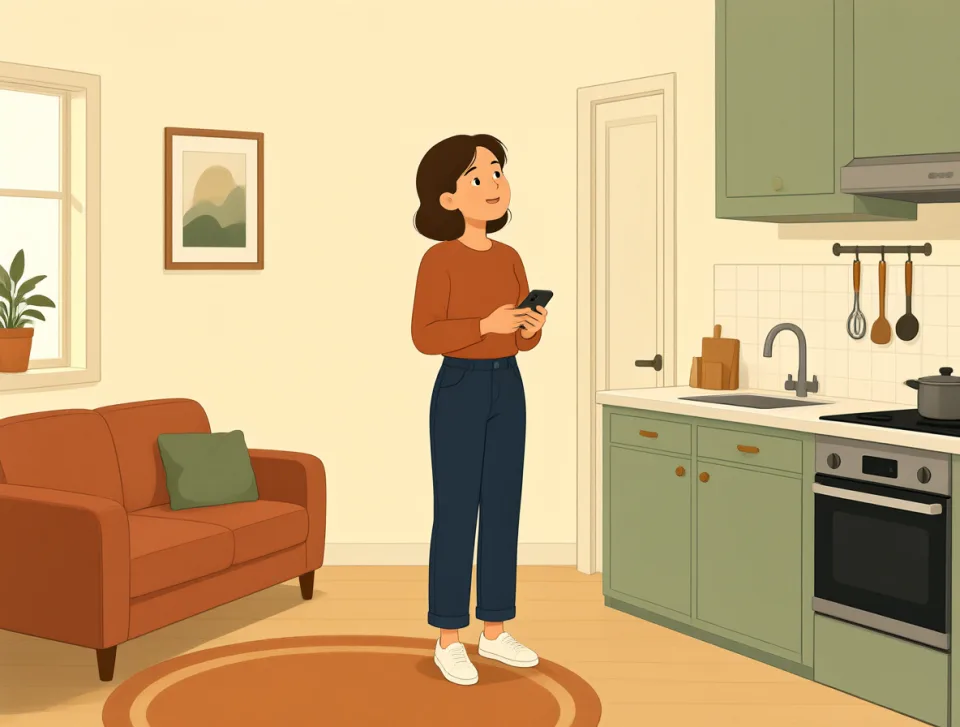
She lives in a small apartment downtown.
Она живёт в небольшой квартире в центре города.

He bought a small coffee at the shop.
Он купил маленький кофе в магазине.
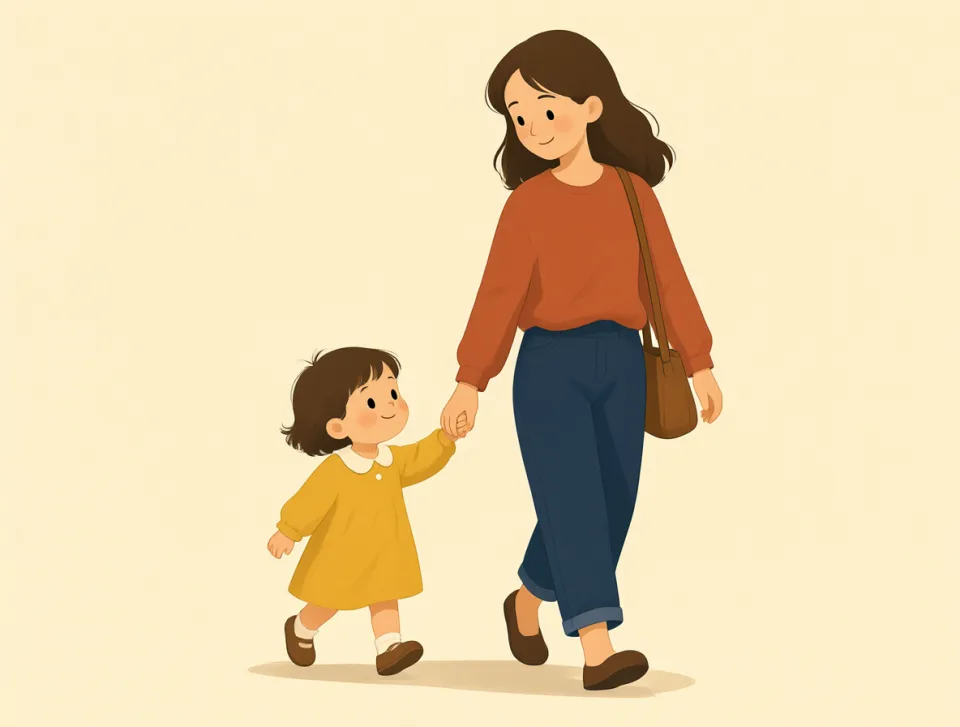
The small child held her mother’s hand.
Маленький ребёнок держал маму за руку.

We sat at a small table by the window.
Мы сидели за маленьким столиком у окна.
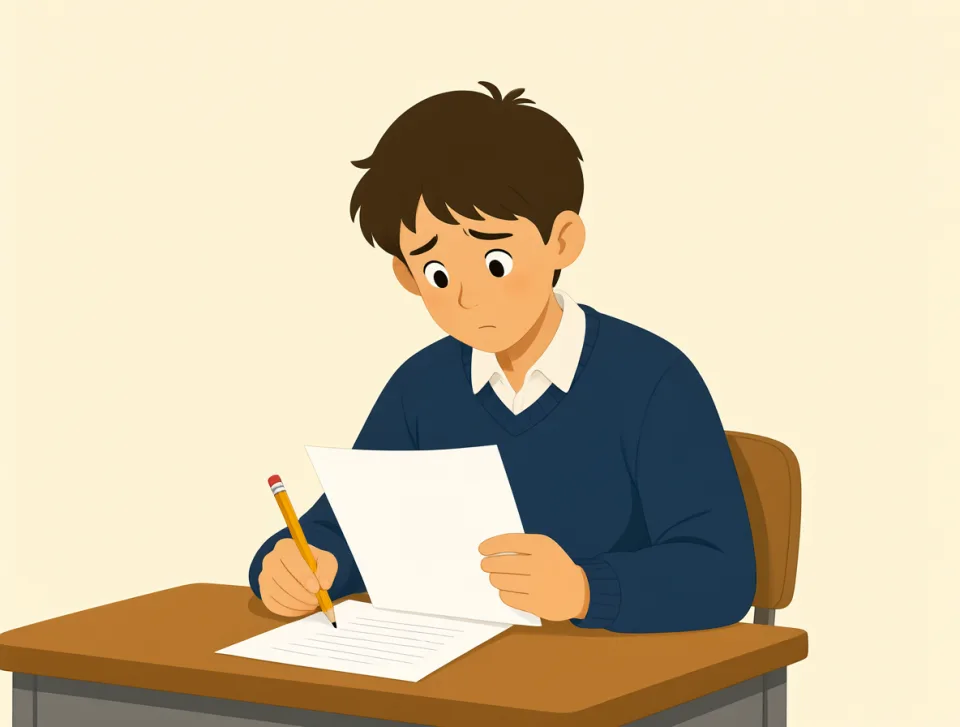
I made a small mistake on the test.
Я допустил небольшую ошибку в тесте.
study
#187noun, verb
учиться
To learn about a subject by reading, practicing, or going to classes.
Изучать какой-либо предмет, читая, практикуясь или посещая занятия.

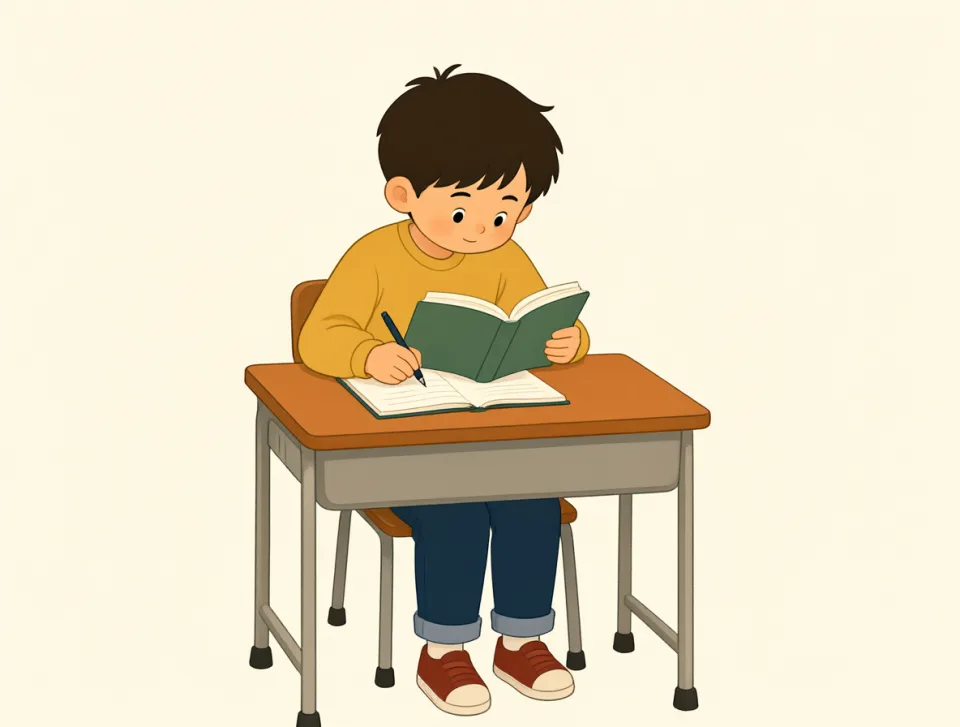
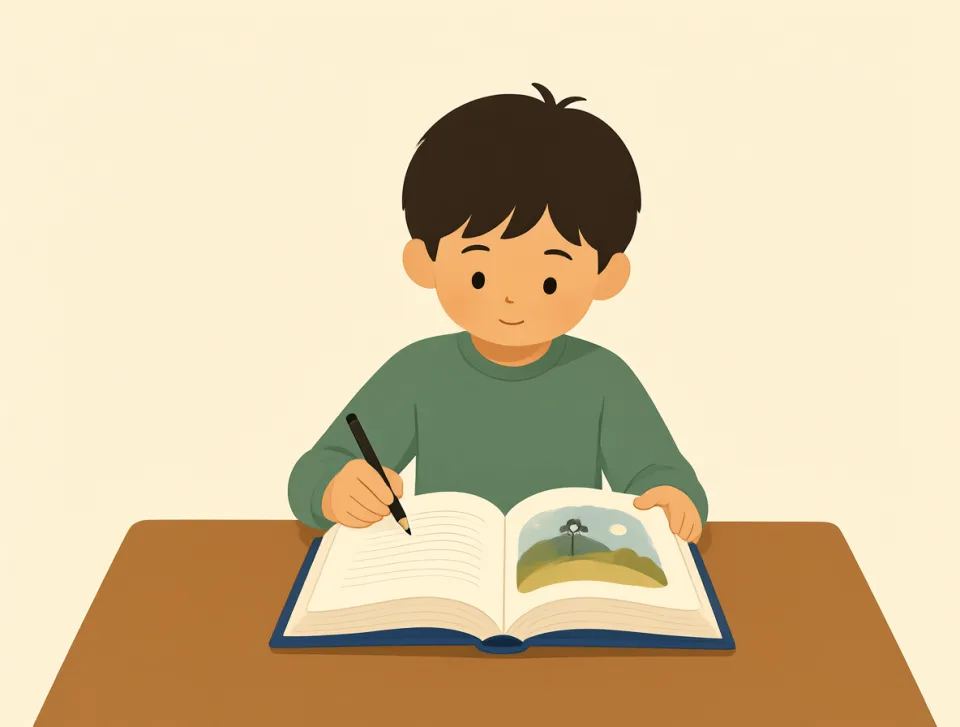
I study English every evening at home.
Я каждый вечер занимаюсь английским дома.
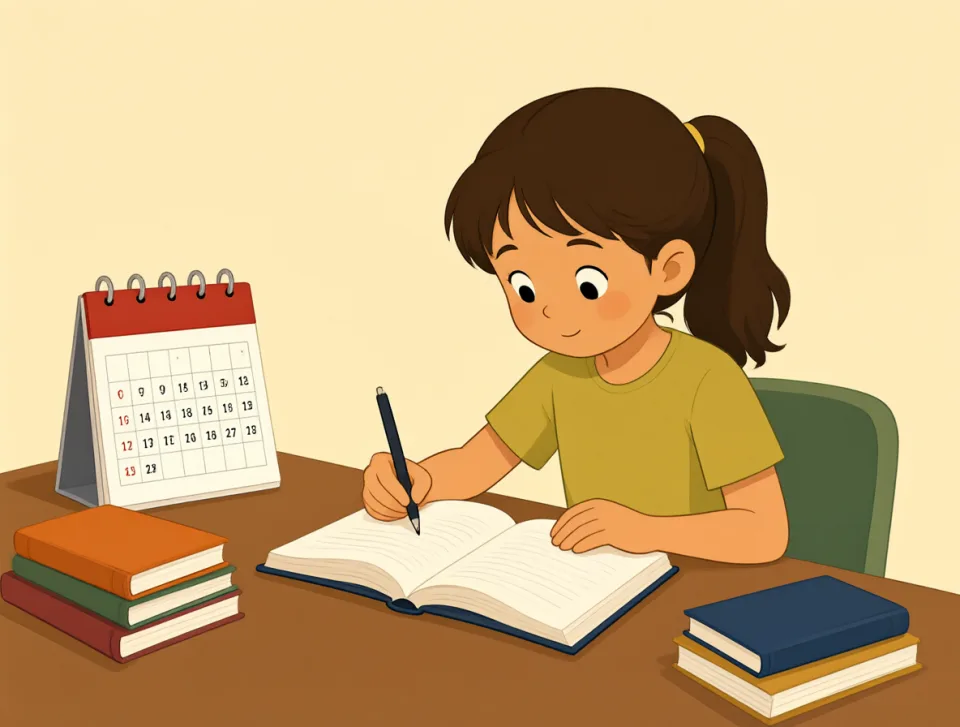
She studied hard for her math test.
Она усердно готовилась к контрольной по математике.

He is studying medicine at university.
Он изучает медицину в университете.

The scientists study plants in the forest.
Учёные изучают растения в лесу.

I need a quiet place to study.
Мне нужно тихое место, чтобы заниматься.
follow
#188verb, noun
следовать
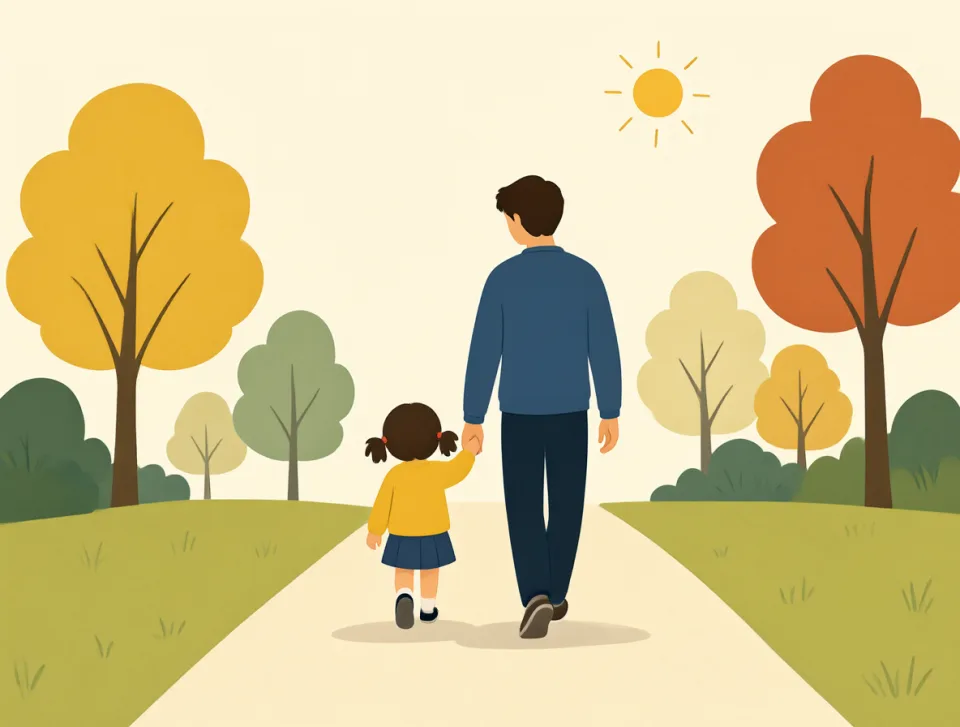
to go after someone or something, or do what comes next
Идти за кем-либо или чем-либо либо делать то, что идёт дальше.
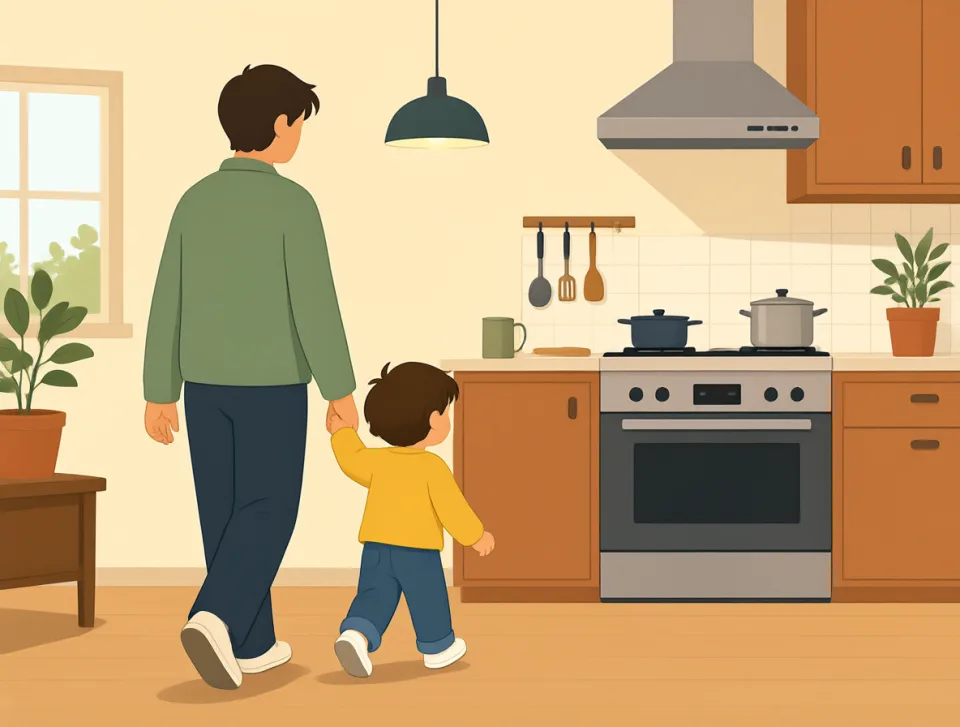
Please follow me to the kitchen.
Пожалуйста, пройдите за мной на кухню.
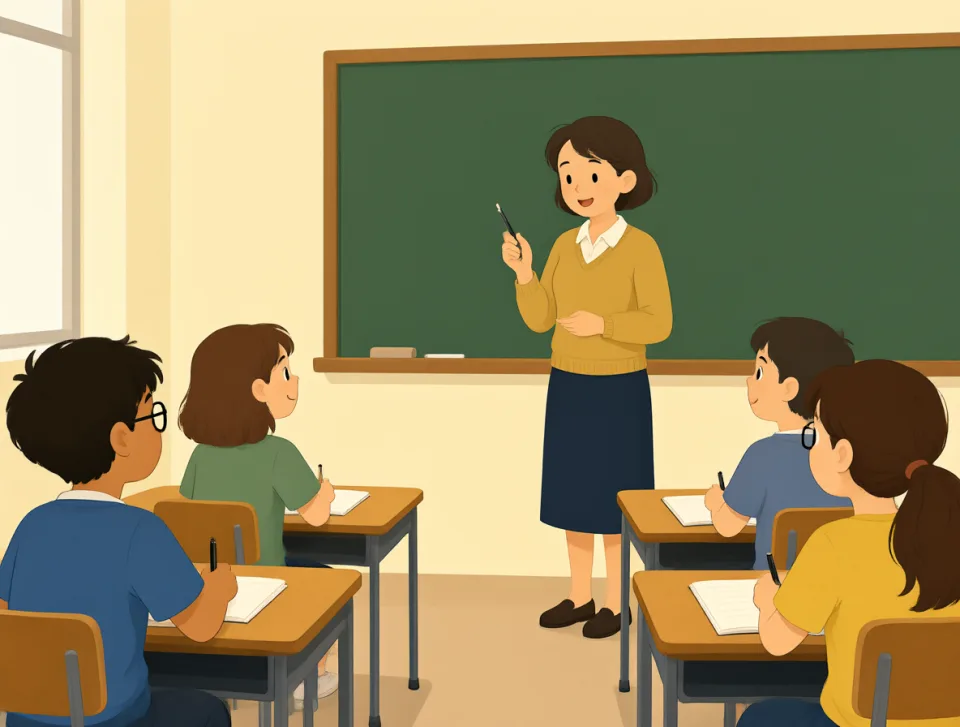
Follow the teacher’s instructions carefully.
Внимательно следуйте инструкциям учителя.
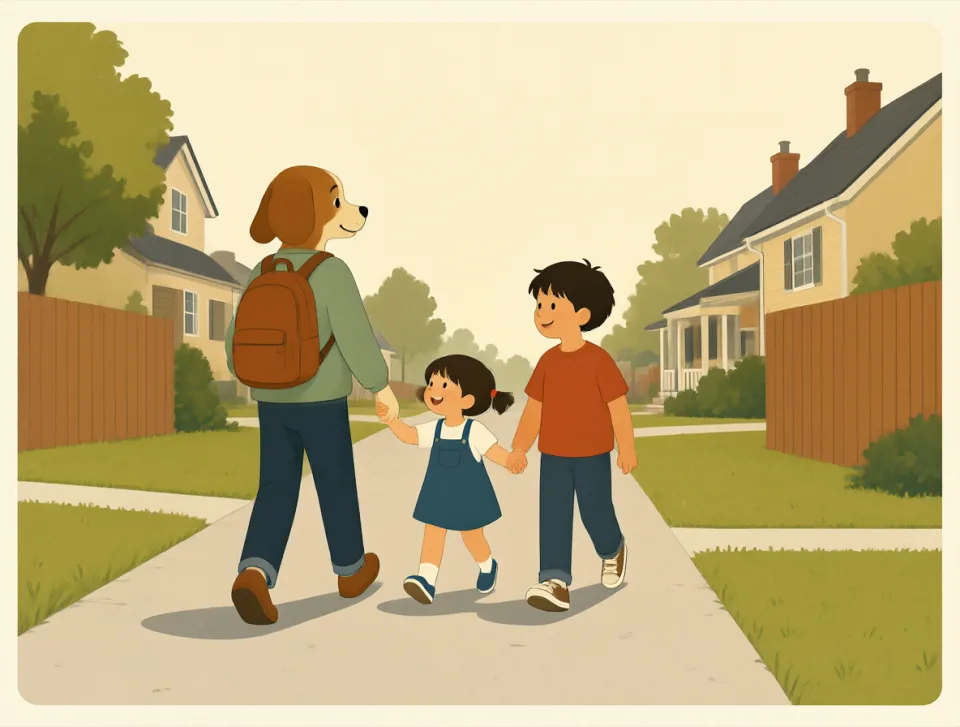
The dog followed us home from school.
Собака увязалась за нами по дороге домой из школы.
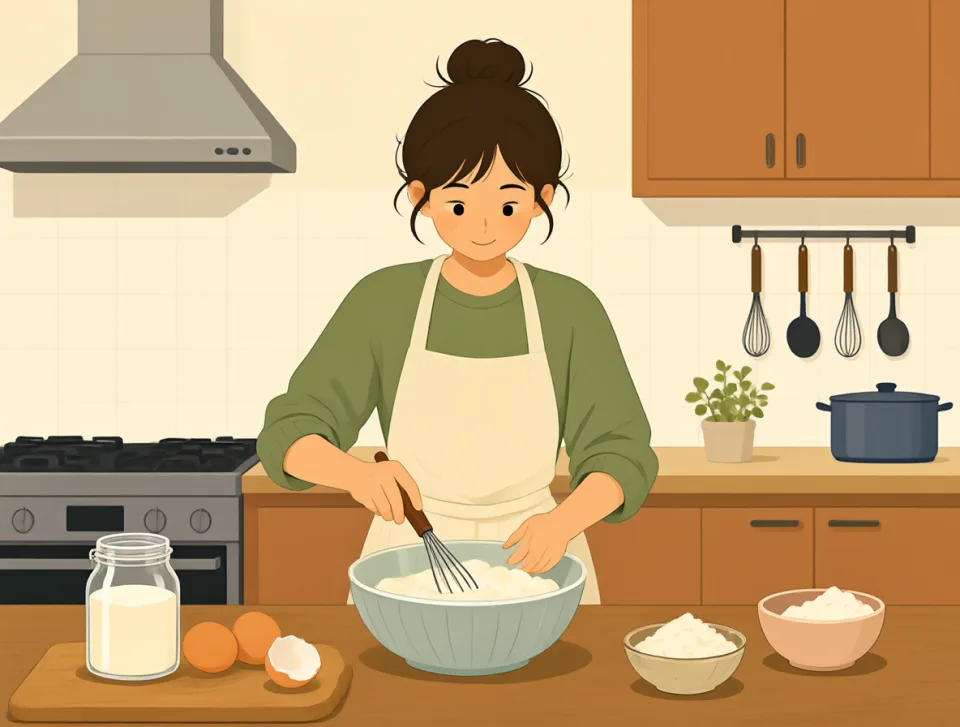
Follow this recipe for a delicious cake.
Следуйте этому рецепту, чтобы приготовить вкусный торт.
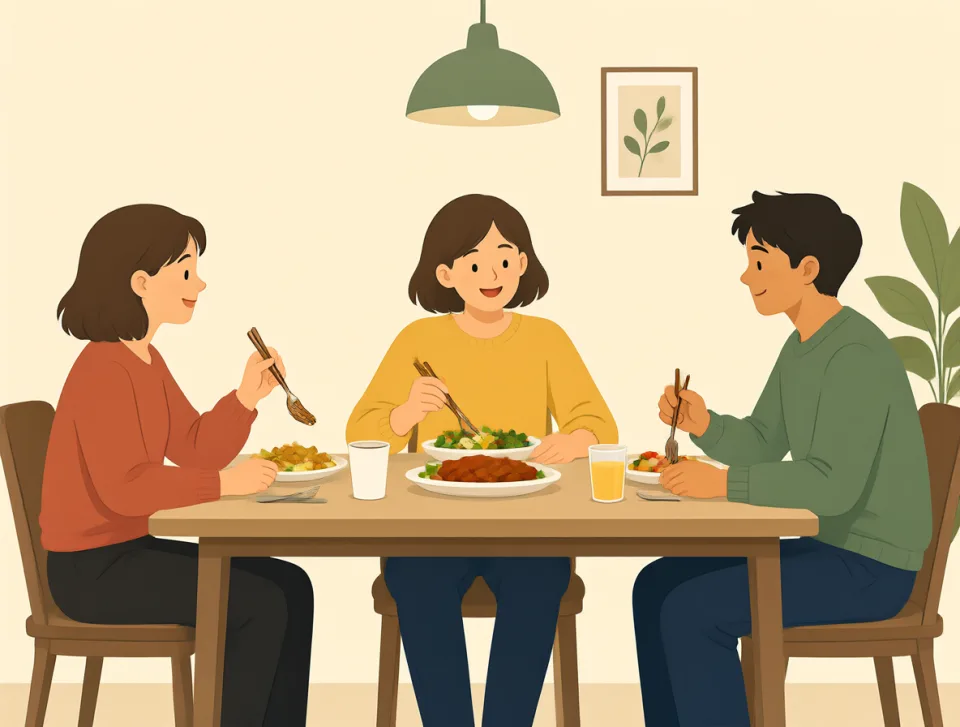
A short meeting followed lunch.
После обеда состоялось короткое совещание.
begin
#189verb
начинать
to start doing something or to happen for the first time
Начинать что-либо делать или происходить впервые.
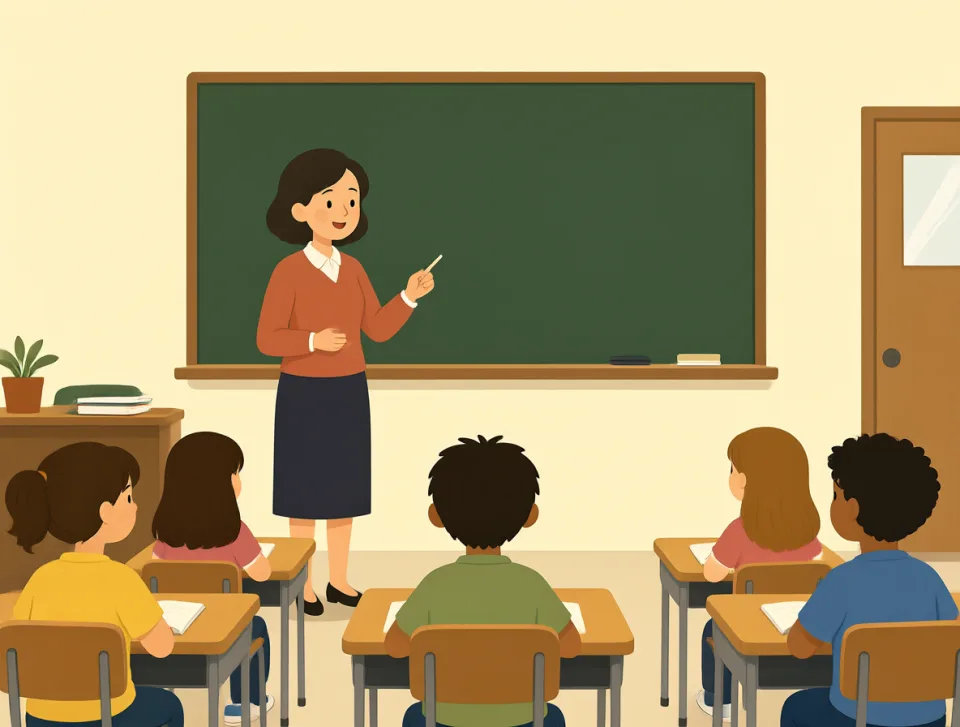
The class begins at nine o'clock.
Занятие начинается в девять часов.

We began cooking dinner after work.
После работы мы принялись готовить ужин.

The movie began when we found our seats.
Фильм начался, когда мы нашли свои места.

She began to feel better yesterday.
Вчера ей стало лучше.

The rain began during our walk.
Во время нашей прогулки пошёл дождь.

important
#190adjective
важный
Having great value, meaning, or effect; needing attention.
Имеющий большую ценность, значение или влияние; требующий внимания.

This meeting is very important to our team.
Это совещание очень важно для нашей команды.

It is important to drink water every day.
Важно каждый день пить воду.
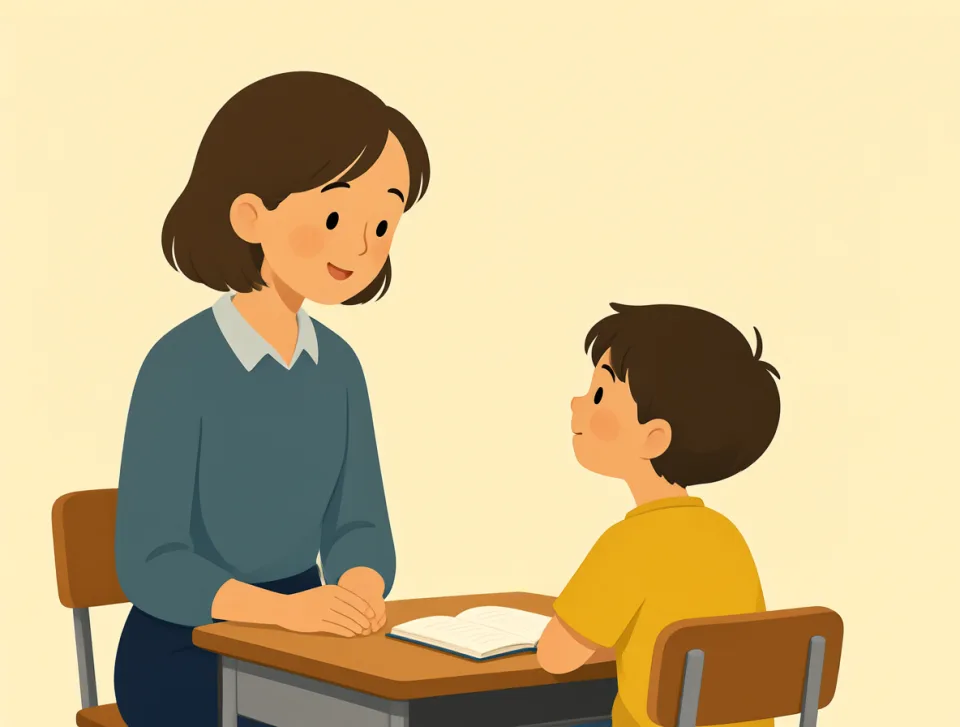
My teacher said sleep is important for learning.
Мой учитель сказал, что сон важен для учёбы.
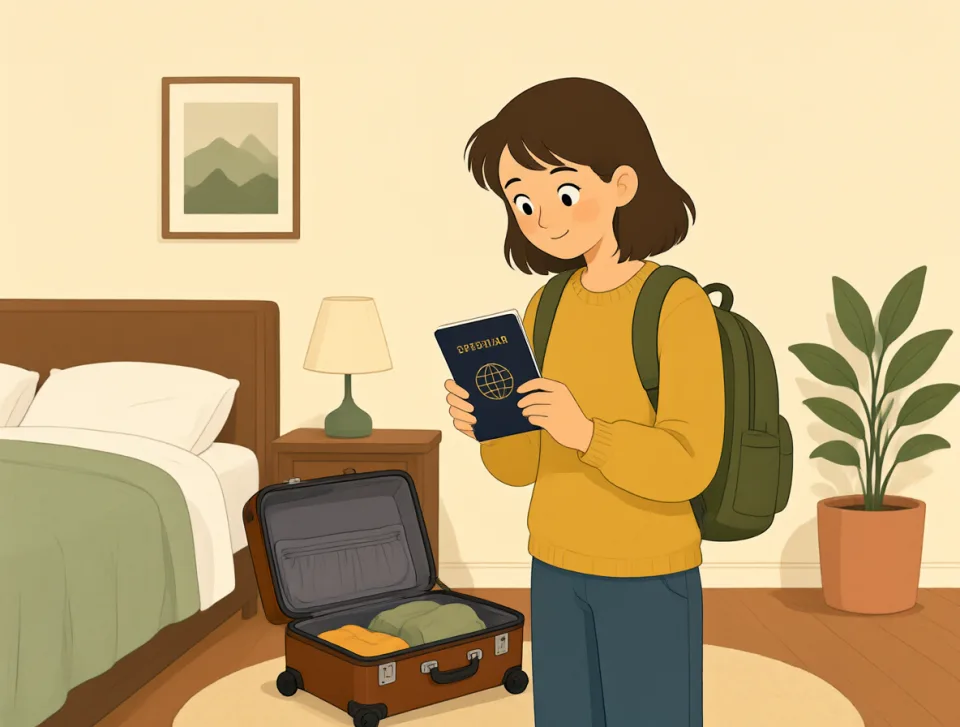
Please bring your passport; it is important.
Пожалуйста, возьмите паспорт — он важен.

She bought an important gift for her mother.
Она купила для мамы важный подарок.

since
#191preposition, conjunction, adverb
с тех пор как; поскольку
from a time in the past until now, or because something happened
О периоде от какого-то момента в прошлом до настоящего времени или о причине, по которой что-то произошло.
I have lived here since 2020.
Я живу здесь с 2020 года.

She has felt better since yesterday.
Со вчерашнего дня ей стало лучше.
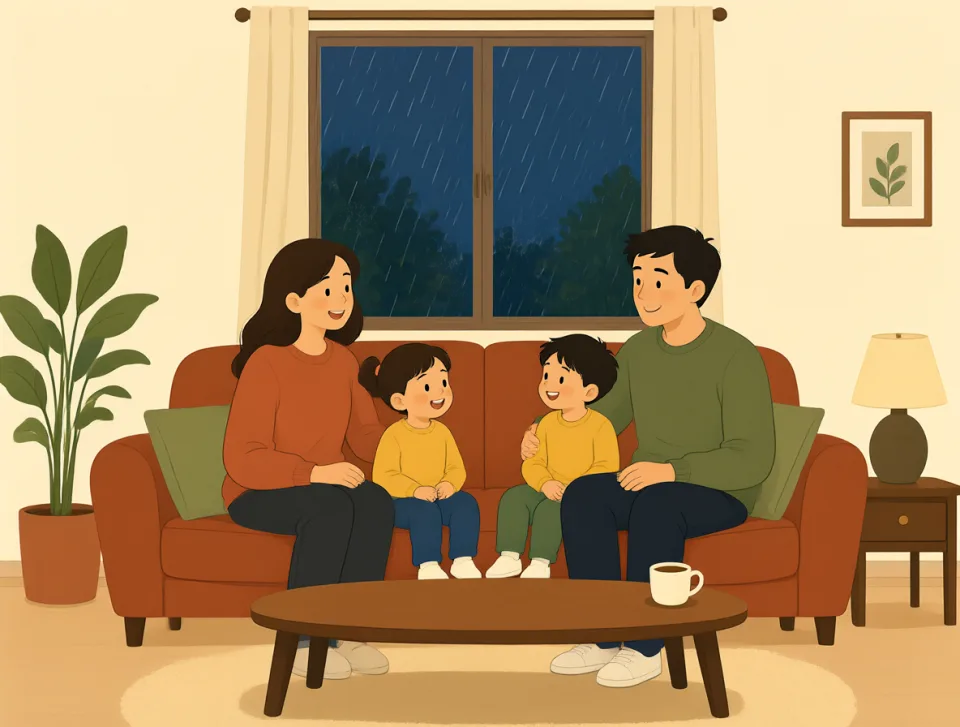
Since it was raining, we stayed home.
Поскольку шёл дождь, мы остались дома.
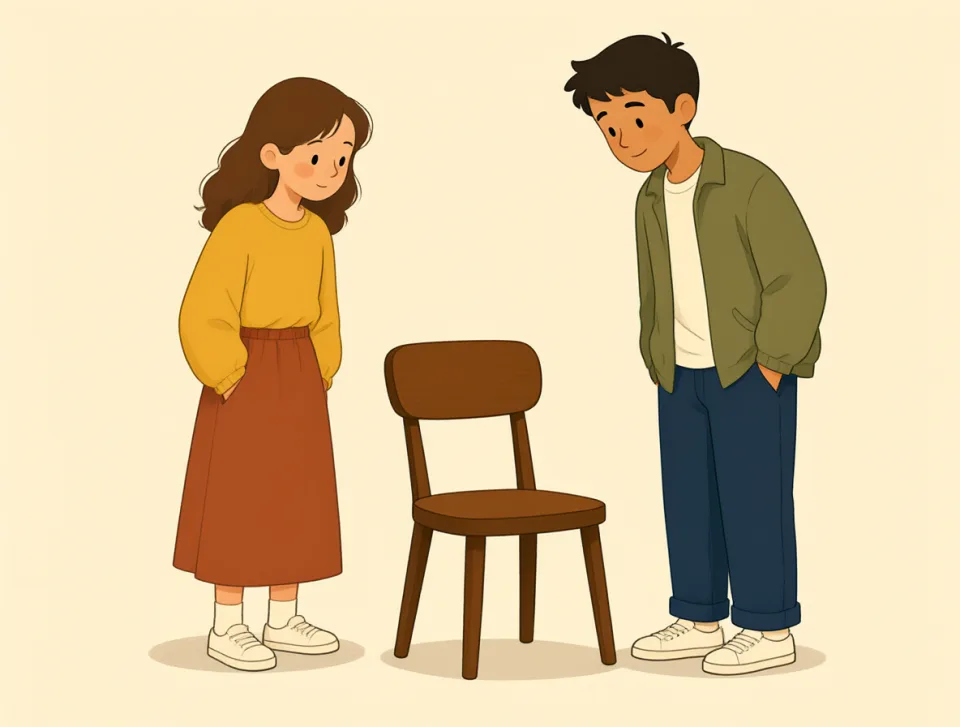
We have not seen Tom since Monday.
Мы не виделись с понедельника.
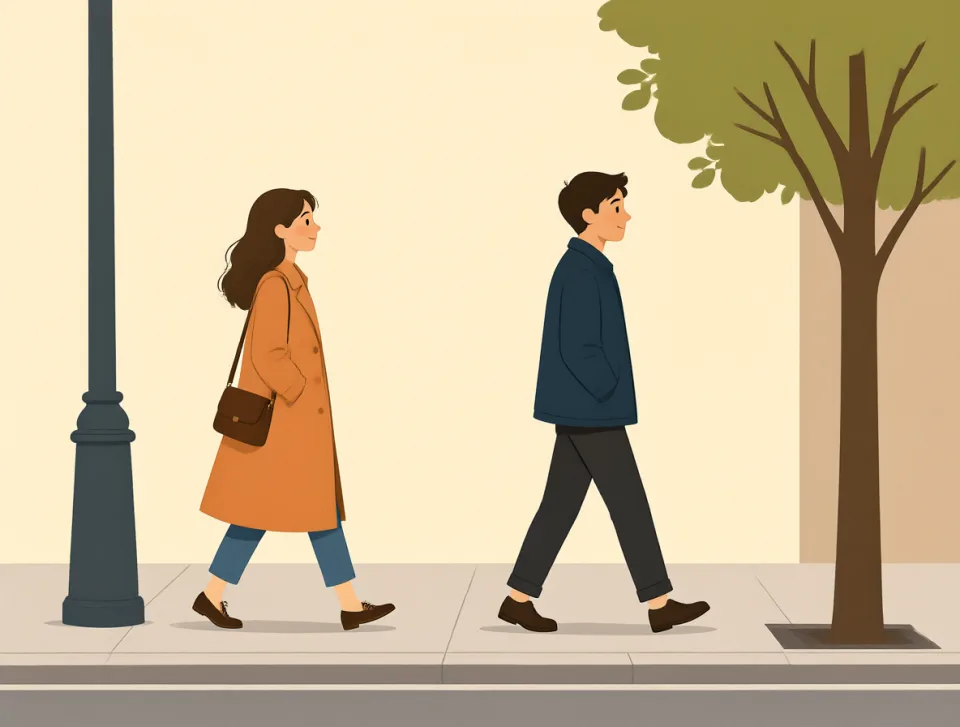
I met her once, but have not spoken since.
Я встречался с ней однажды, но с тех пор мы не разговаривали.

run
#192verb, noun
бежать; управлять
to move quickly on foot, or to manage and operate something
Быстро передвигаться пешком или руководить чем-либо и обеспечивать его работу.

I run every morning before work.
Я бегаю каждое утро перед работой.
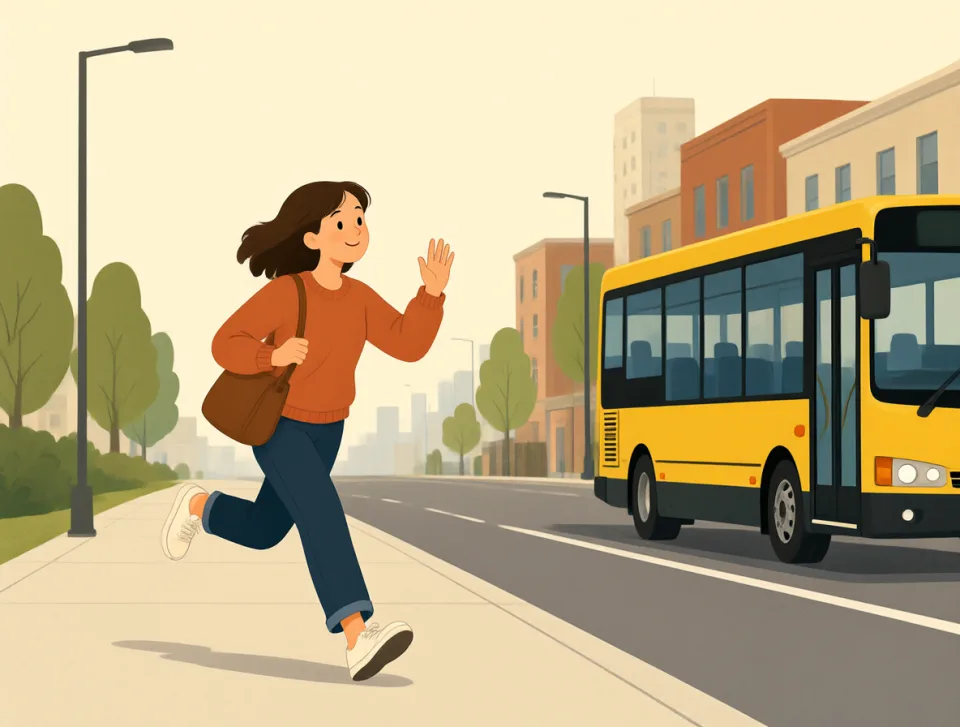
She ran to catch the bus.
Она побежала, чтобы успеть на автобус.
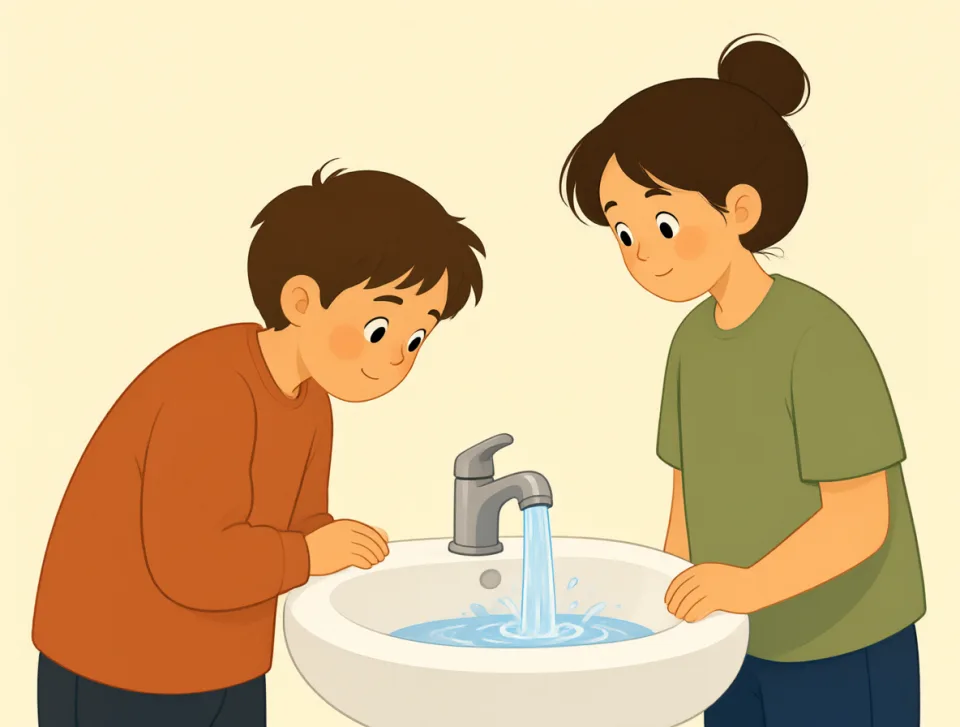
The water is running in the bathroom.
В ванной течёт вода.

My uncle runs a small restaurant.
Мой дядя управляет небольшим рестораном.

We went for a run after school.
После школы мы сходили на пробежку.

under
#193preposition, adverb, adjective
под; ниже
In or to a lower position than something else.
В положении ниже чего-либо или в направлении вниз.
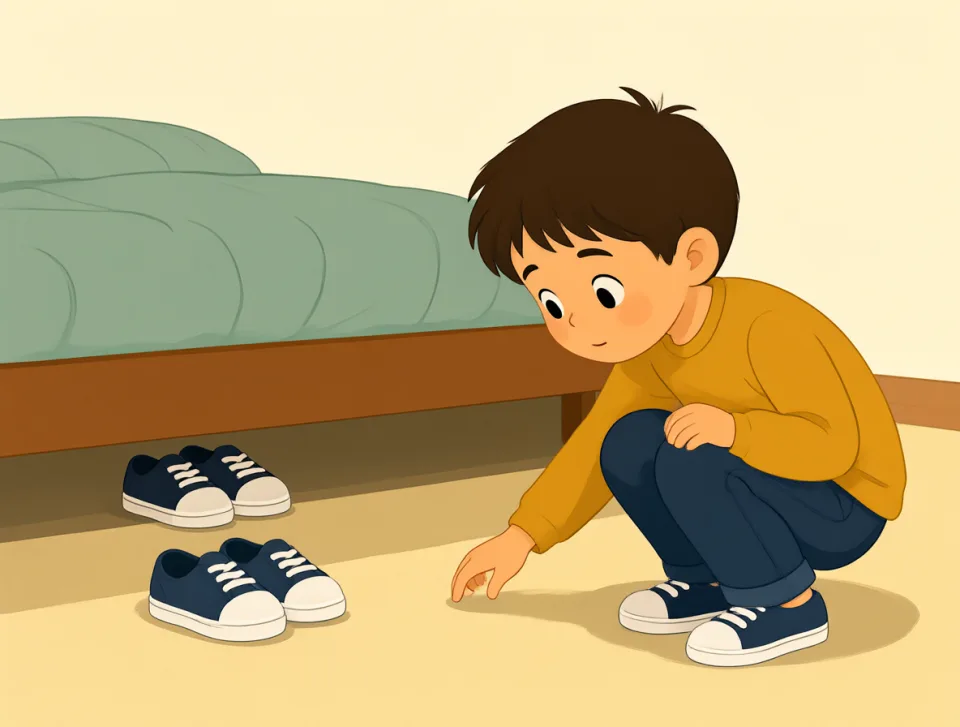
The shoes are under the bed.
Обувь стоит под кроватью.

She works under a kind manager.
Она работает под руководством доброго начальника.

The temperature fell under zero last night.
Прошлой ночью температура опустилась ниже нуля.
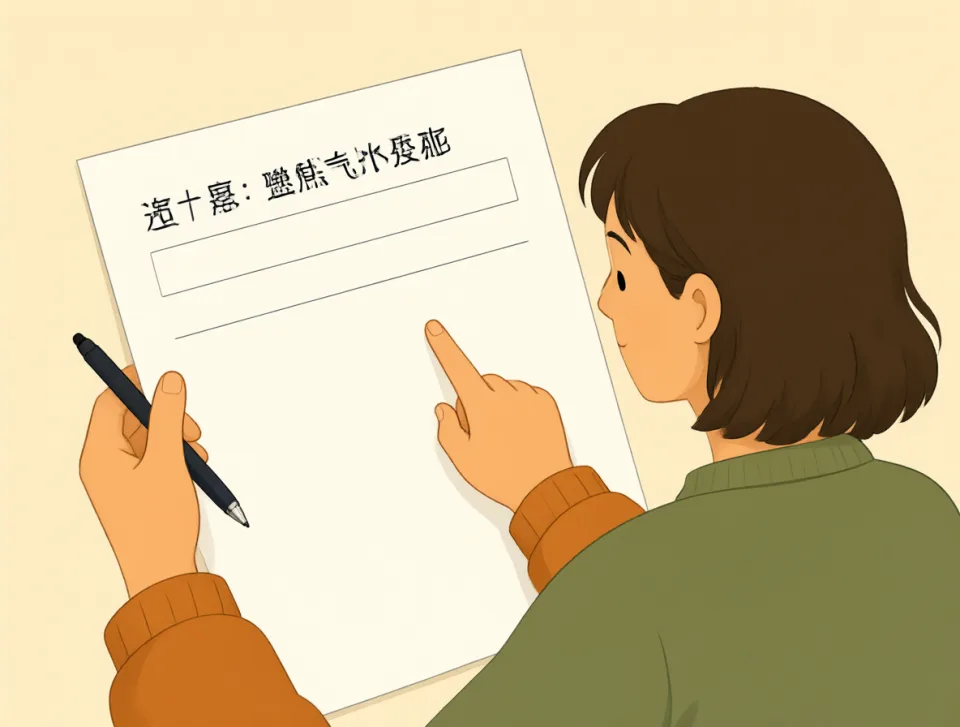
Please sign under your name.
Пожалуйста, распишитесь под своим именем.

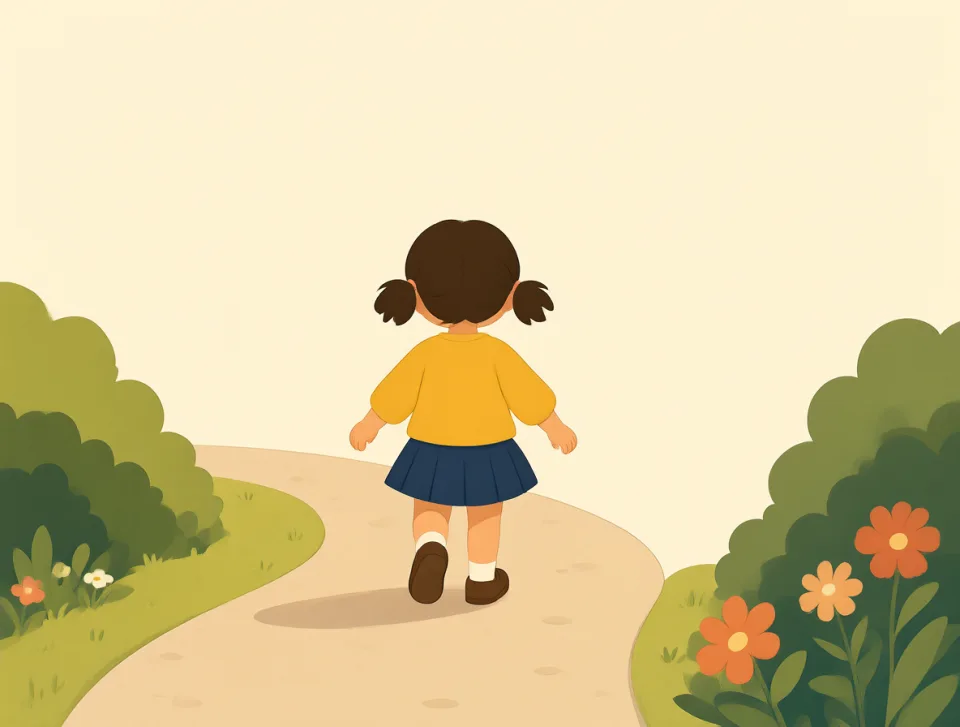
The children ran under the bridge.
Дети пробежали под мостом.
turn
#194verb, noun
поворачивать; очередь
To move in a different direction, or the time when someone gets to do something.
Двигаться в другом направлении или момент, когда кому-то пора что-то сделать.
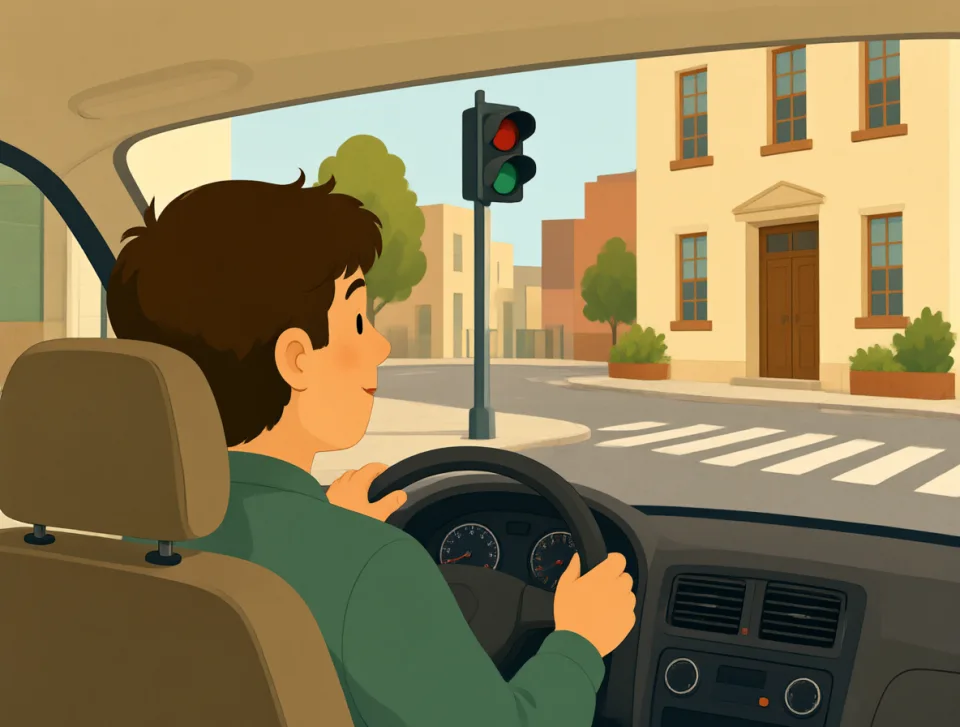
Turn left at the corner, please.
Пожалуйста, поверните налево на углу.
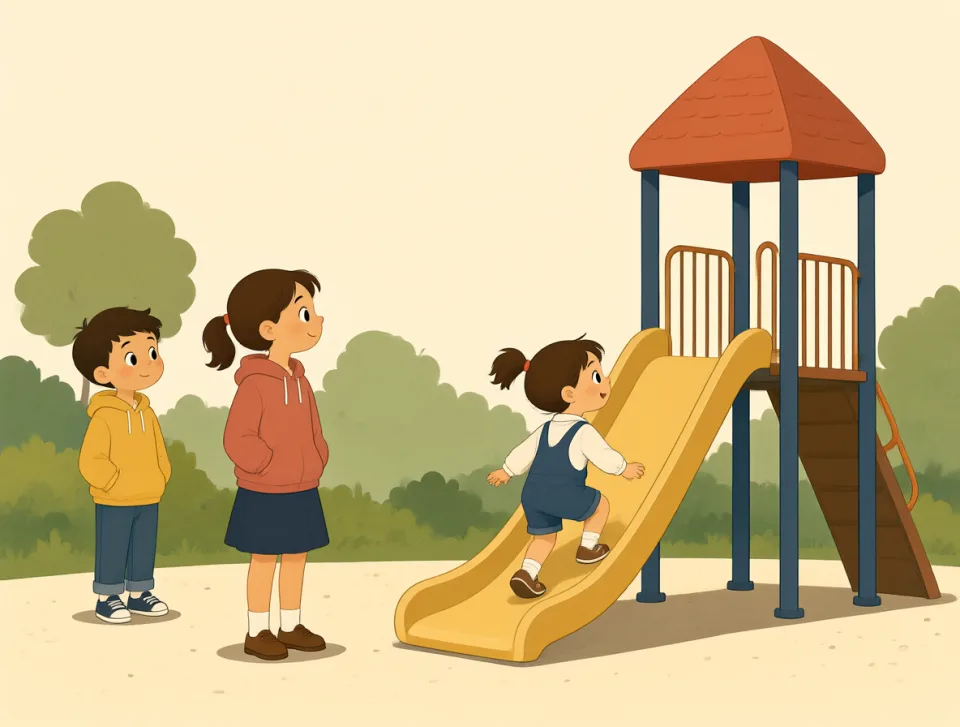
Please wait for your turn.
Пожалуйста, дождитесь своей очереди.
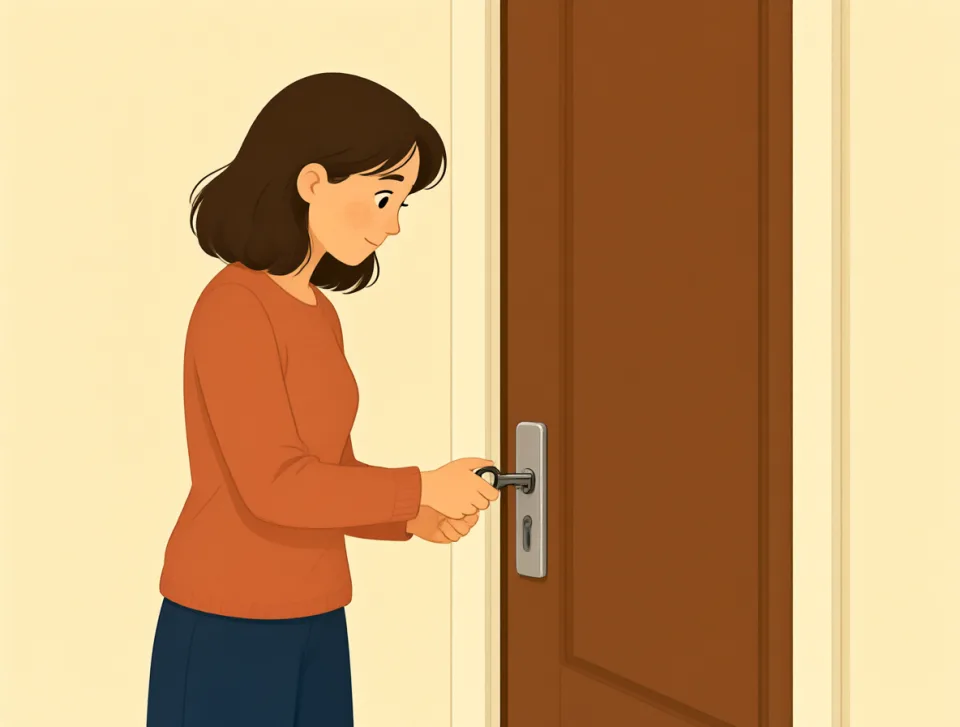
She turned the key in the lock.
Она повернула ключ в замке.

The milk turned sour in the fridge.
Молоко испортилось в холодильнике.

Our conversation turned into an argument.
Наш разговор перерос в ссору.
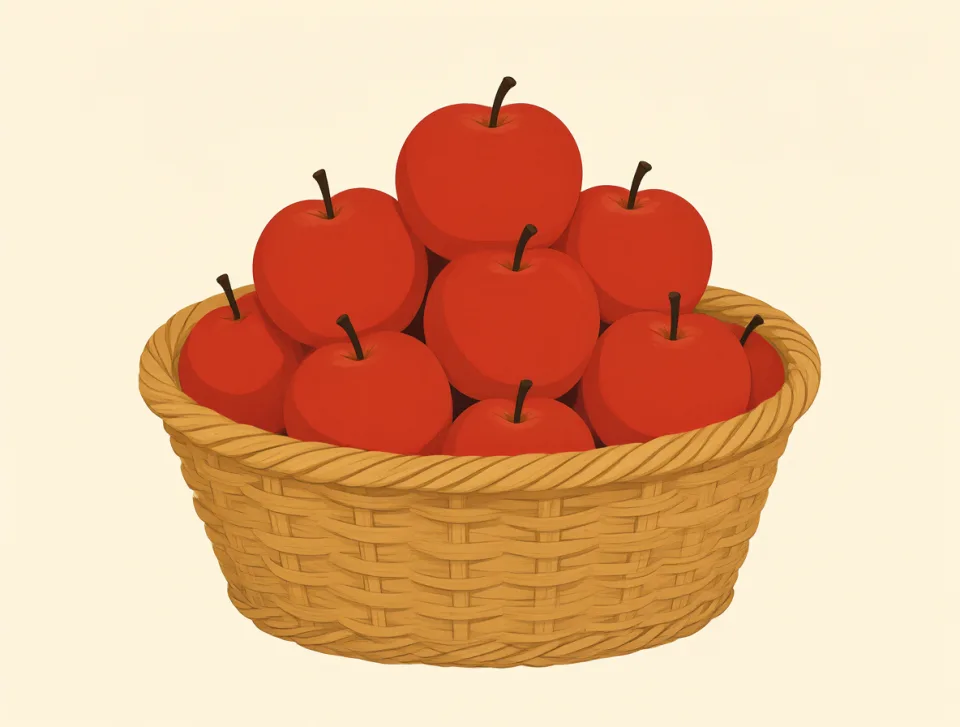
few
#195determiner, pronoun, adjective
немного; несколько
A small number of people or things, usually less than expected.
Небольшое количество людей или предметов, обычно меньше ожидаемого.
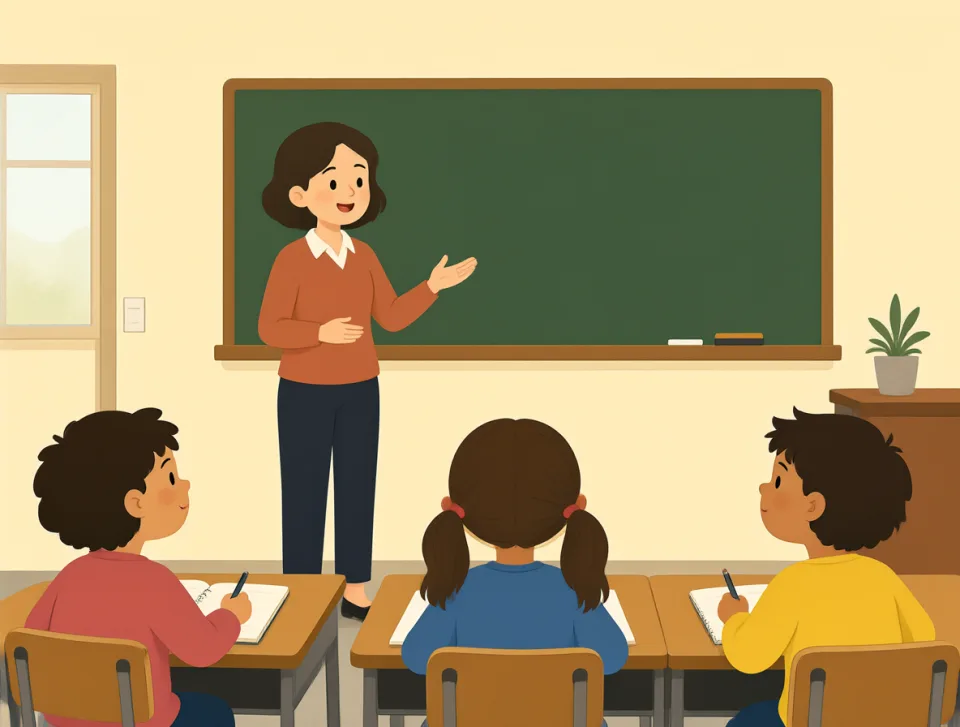
Only a few students came to class.
На занятие пришло всего несколько студентов.

I have a few questions about this job.
У меня есть несколько вопросов об этой работе.
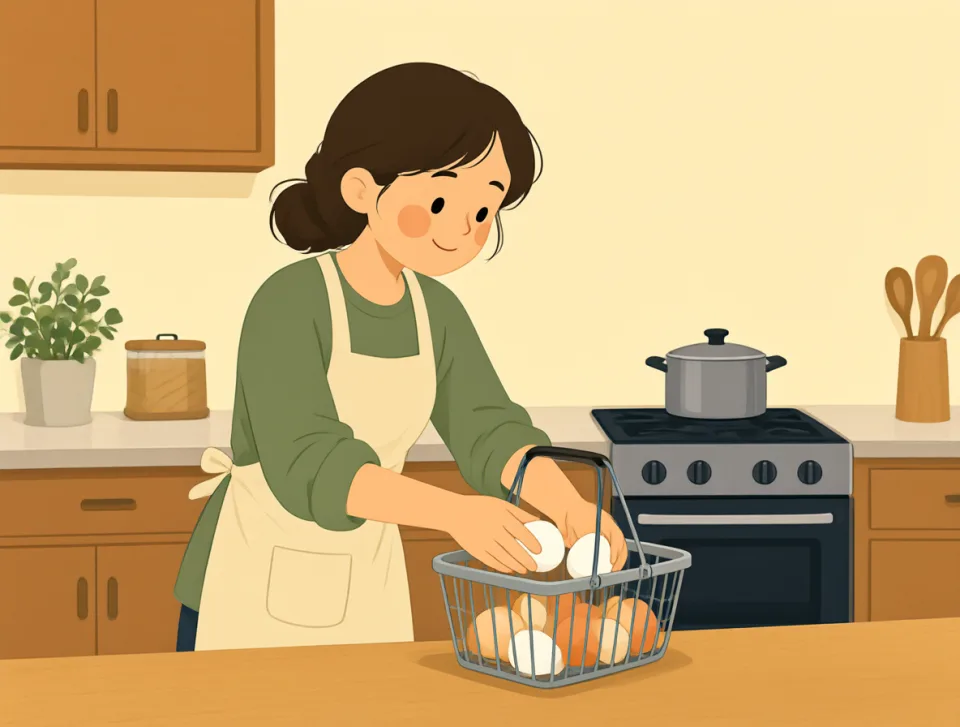
We need a few more eggs for breakfast.
Нам нужно ещё несколько яиц на завтрак.

Few people travel there in winter.
Зимой туда ездит мало людей.

She stayed home for a few days.
Она осталась дома на несколько дней.
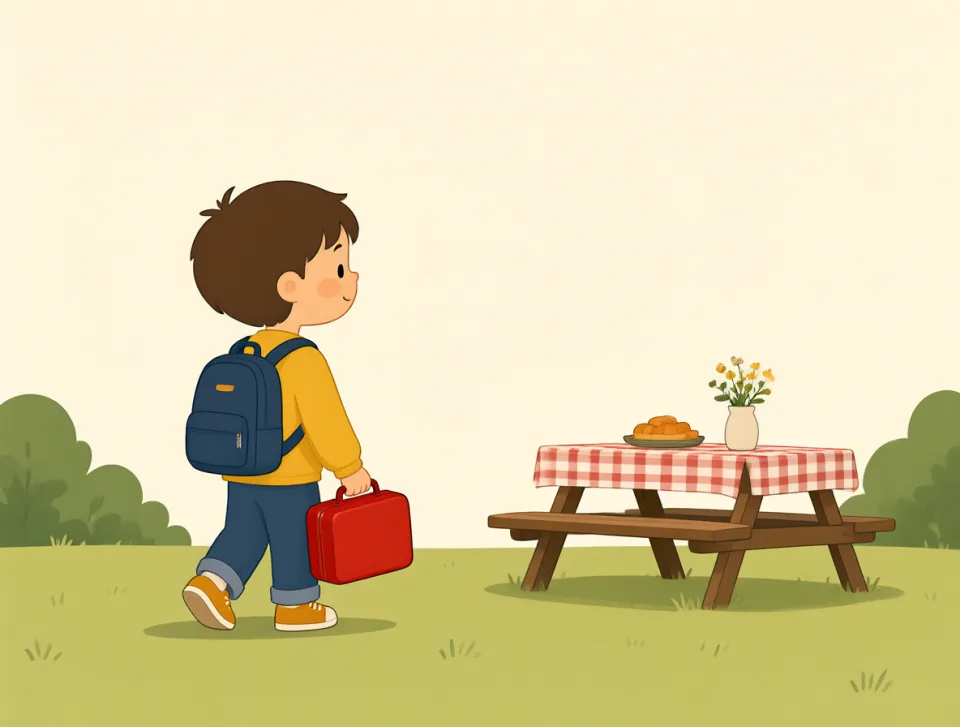
bring
#196verb
приносить
to take or carry someone or something with you to a place
Взять или нести кого-то или что-то с собой в какое-либо место.

Please bring your book to class tomorrow.
Пожалуйста, принеси свою книгу на занятие завтра.

Can you bring me a glass of water?
Можешь принести мне стакан воды?
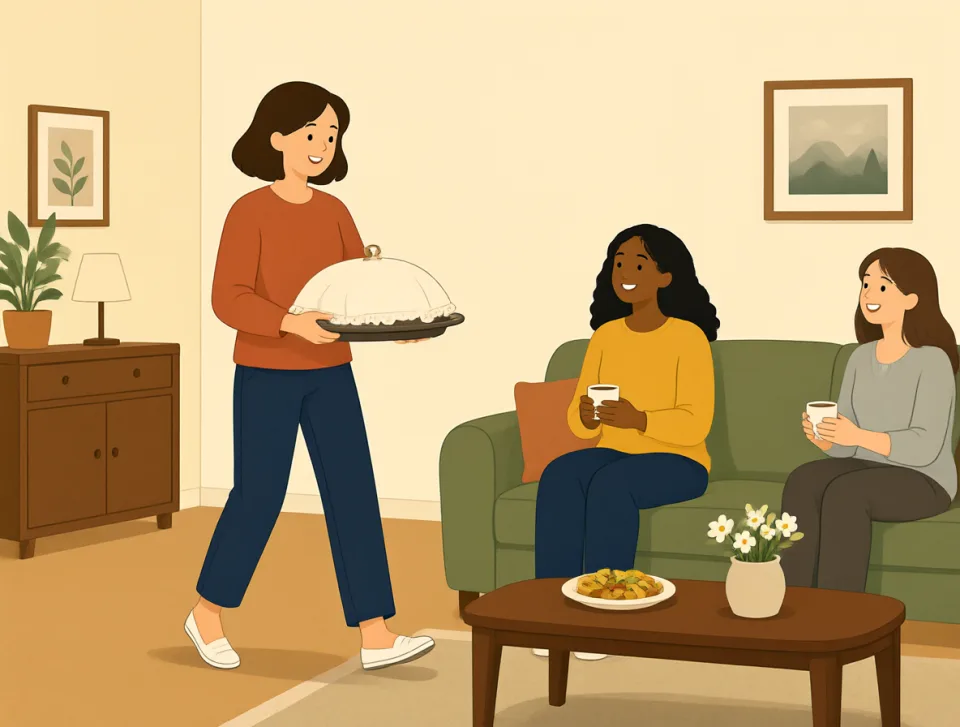
She brought some food for the party.
Она принесла немного еды на вечеринку.

The new job brought him more money.
Новая работа принесла ему больше денег.
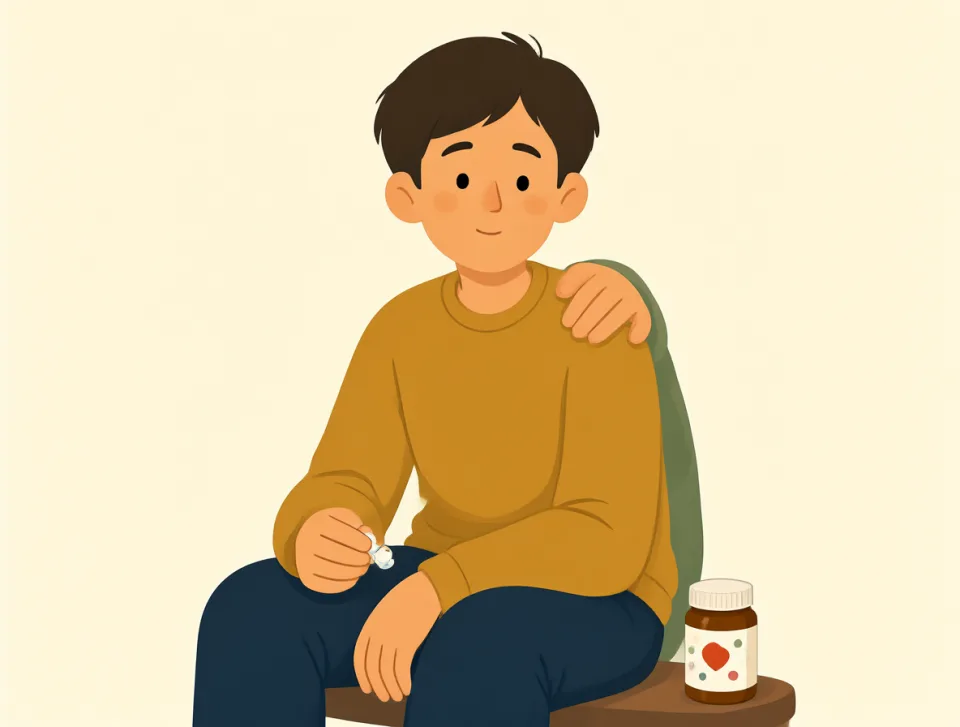
This medicine brings quick relief from pain.
Это лекарство быстро снимает боль.

early
#197adjective, adverb
рано
Happening or arriving before the usual or expected time.
Происходящий или наступающий раньше обычного или ожидаемого времени.

I wake up early every morning.
Я каждое утро рано просыпаюсь.
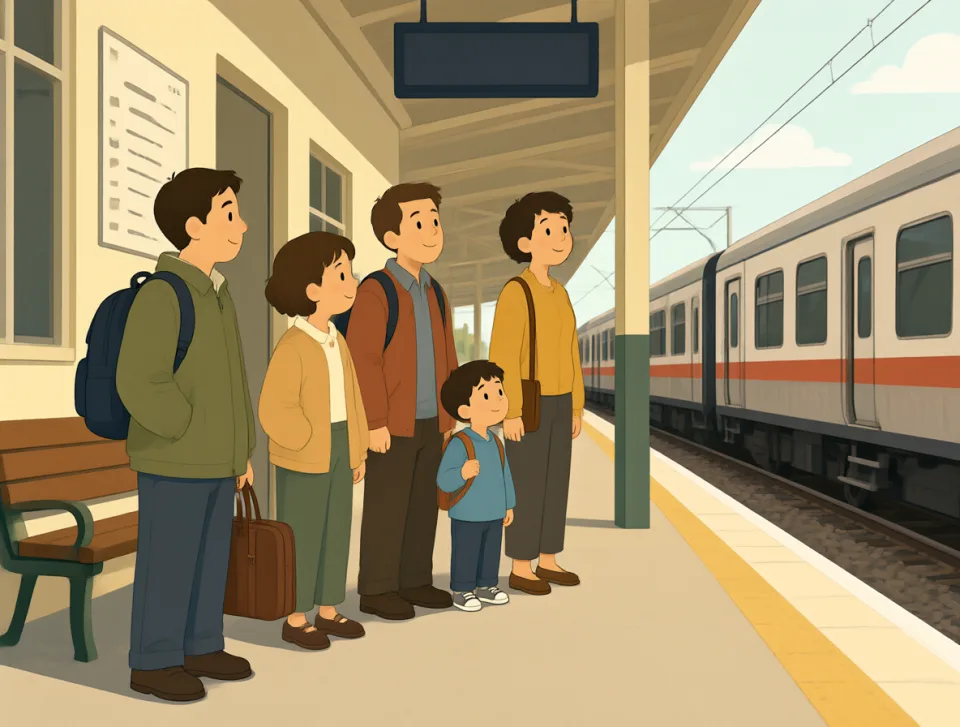
We arrived early for the train.
Мы приехали на вокзал заранее, чтобы успеть на поезд.
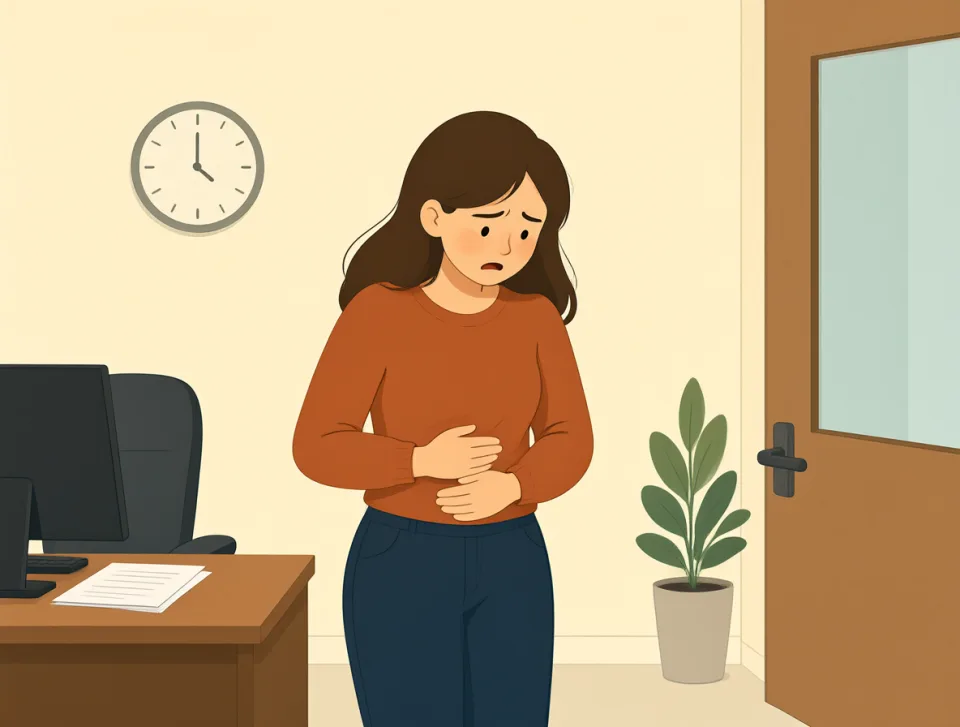
She left work early because she felt sick.
Она ушла с работы пораньше, потому что плохо себя чувствовала.

The shop opens early on Saturdays.
По субботам магазин открывается рано.

He finished his homework early.
Он рано закончил делать домашнее задание.
hand
#198noun, verb
рука; передавать
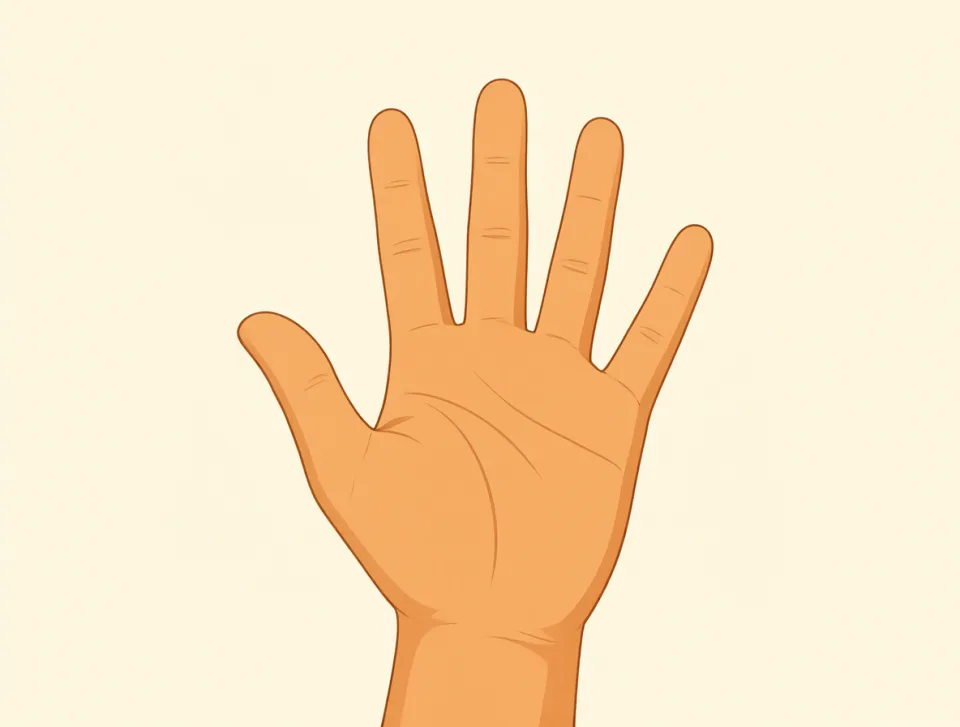
The part of your body from your wrist to your fingers; to give or pass something.
Часть тела от запястья до кончиков пальцев; также означает дать или передать что-либо.
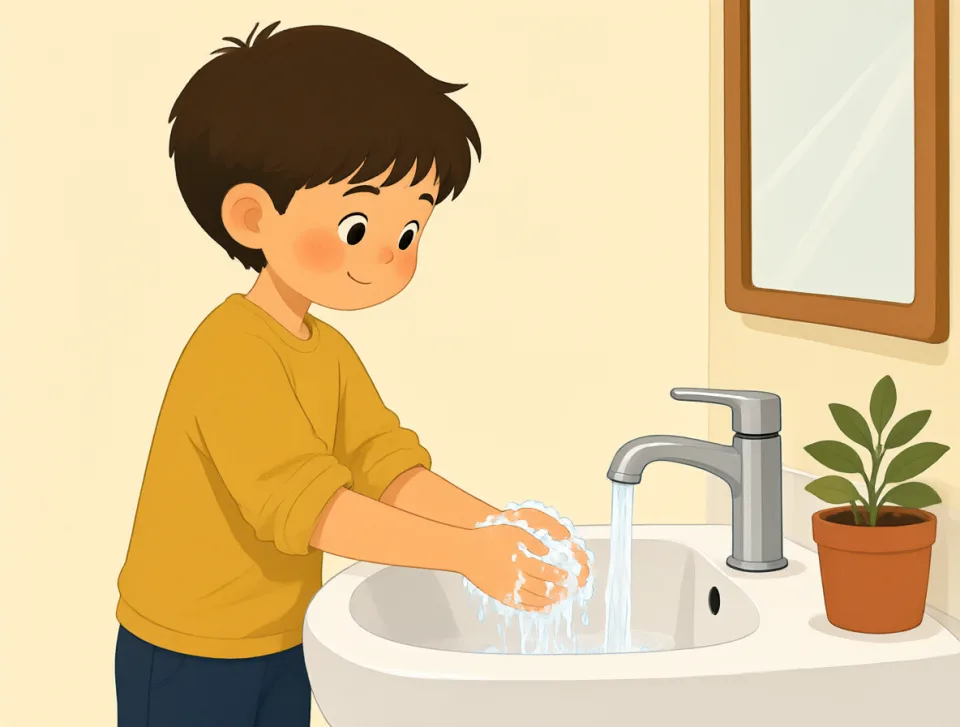
Wash your hands before you eat.
Помой руки перед едой.
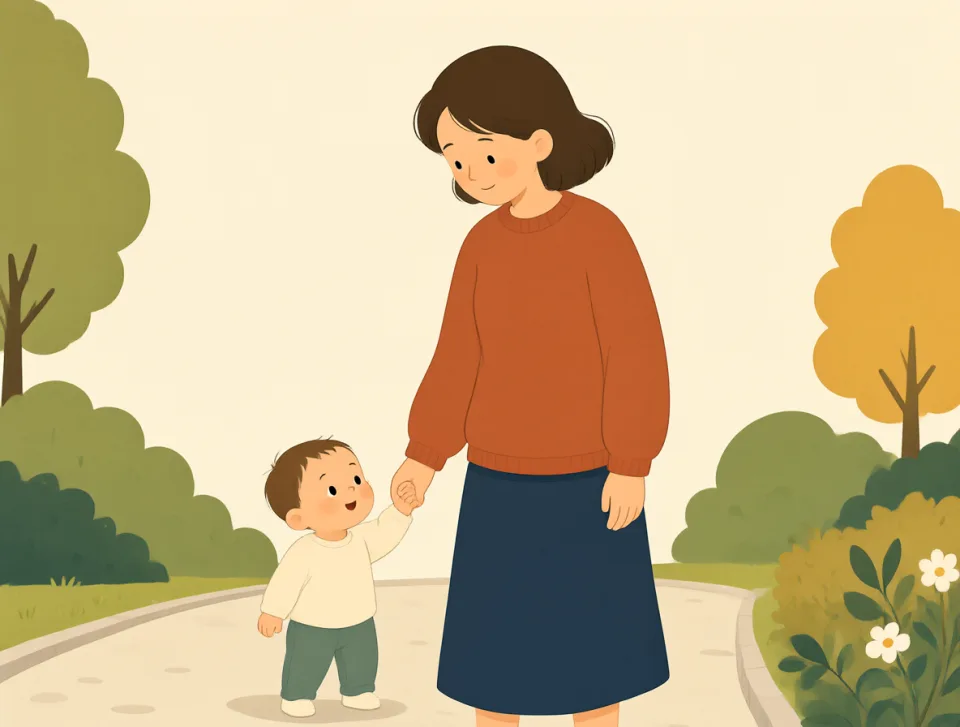
She held the baby’s hand tightly.
Она крепко держала малыша за руку.

Please hand me the salt.
Передай мне, пожалуйста, соль.

He raised his hand in class.
Он поднял руку на уроке.

They shook hands after the meeting.
После встречи они пожали друг другу руки.
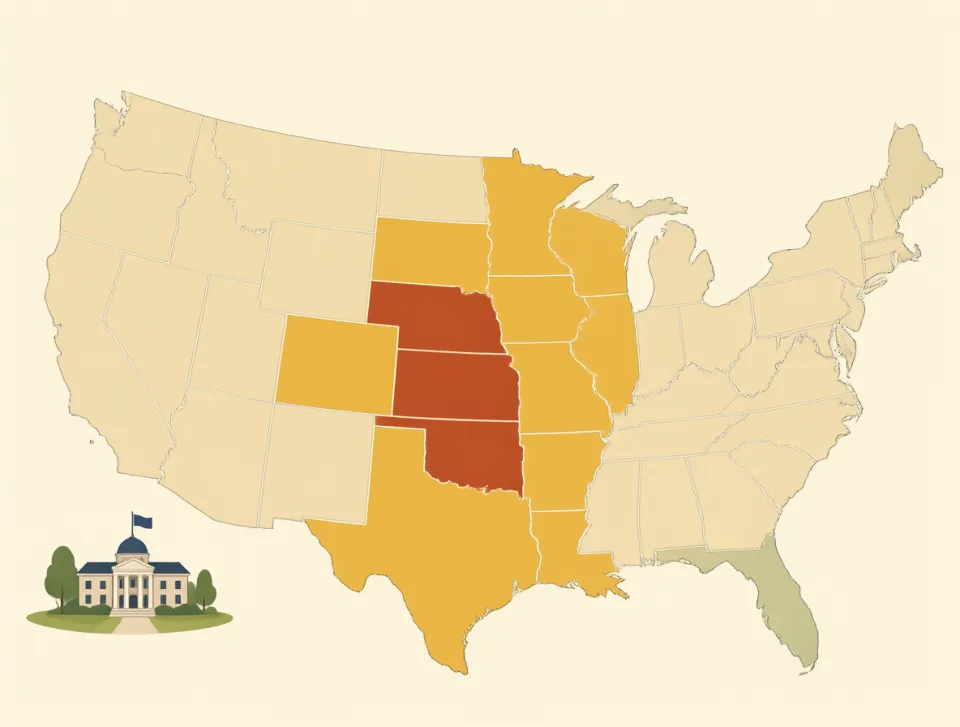
state
#199noun, verb
состояние; штат
A state is a condition, or a large area with its own government.
Состояние — это положение дел или крупная территория со своим правительством.

The house is in a very good state.
Дом в очень хорошем состоянии.

The company is in a difficult state.
Компания находится в сложном положении.
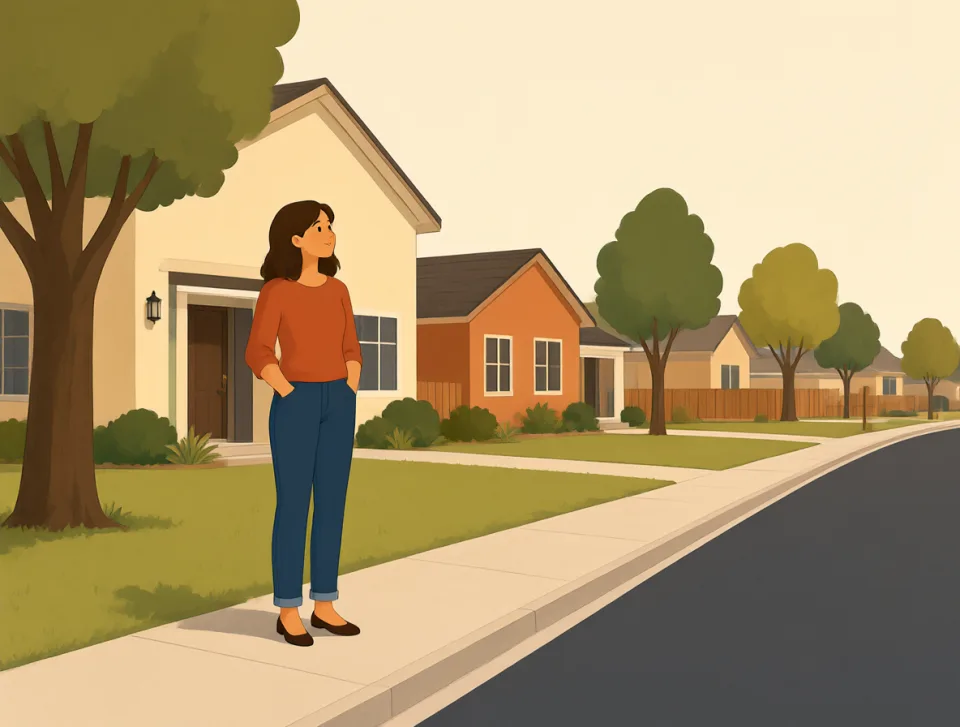
She lives in the state of Texas.
Она живёт в штате Техас.
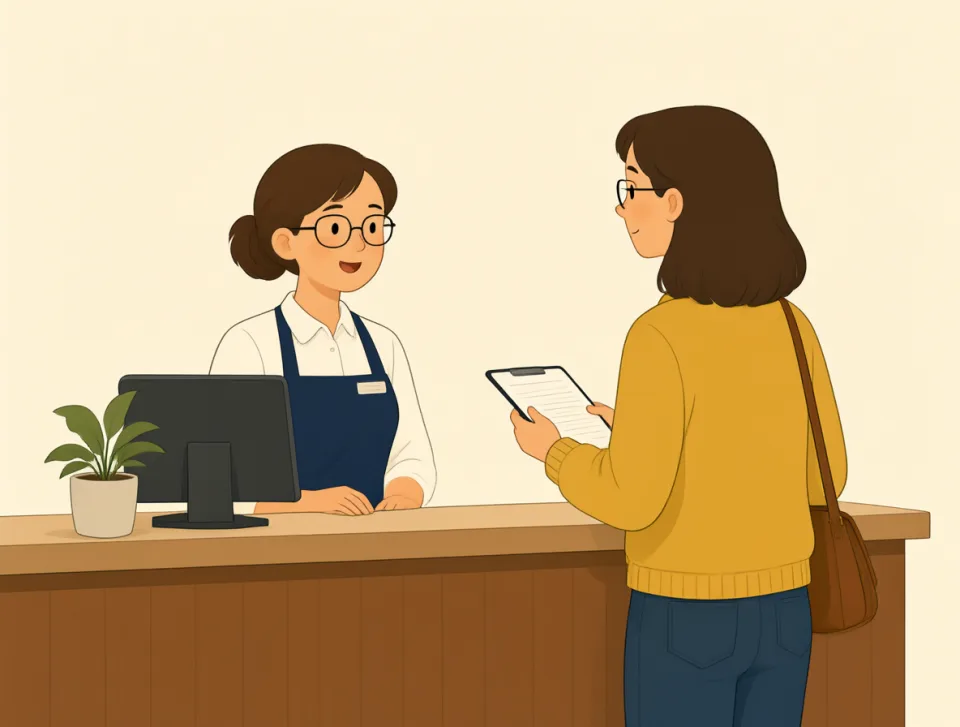
Please state your name and address.
Пожалуйста, укажите своё имя и адрес.

The doctor stated that he was healthy.
Врач заявил, что он здоров.
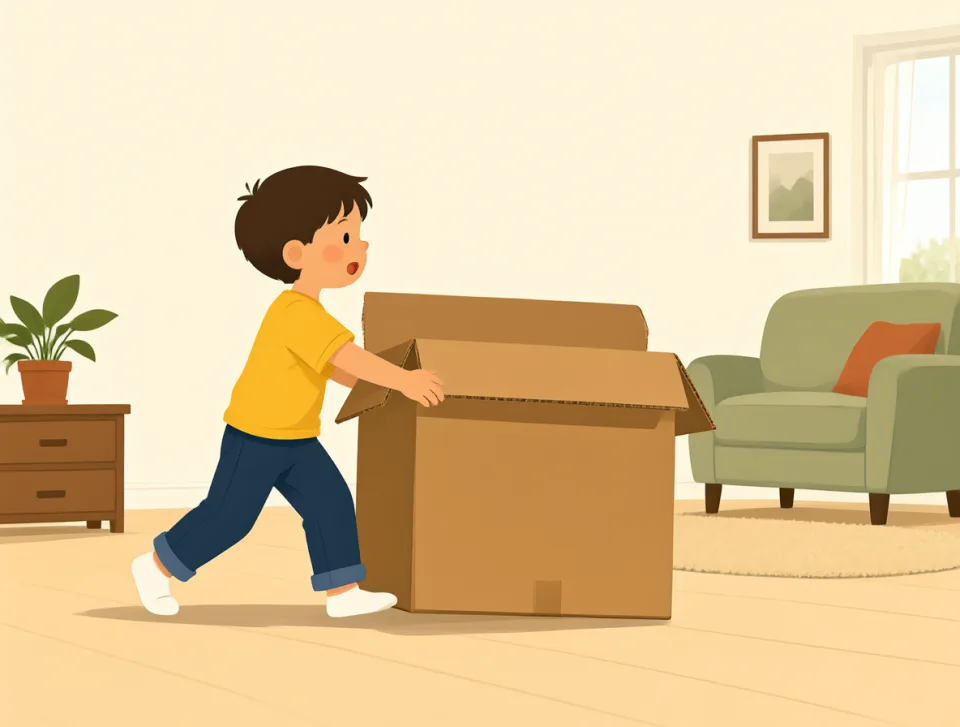
move
#200verb, noun
двигаться; перемещать
to change position or place, or to make someone or something change position
Менять положение или место либо заставлять кого-то или что-то менять положение.
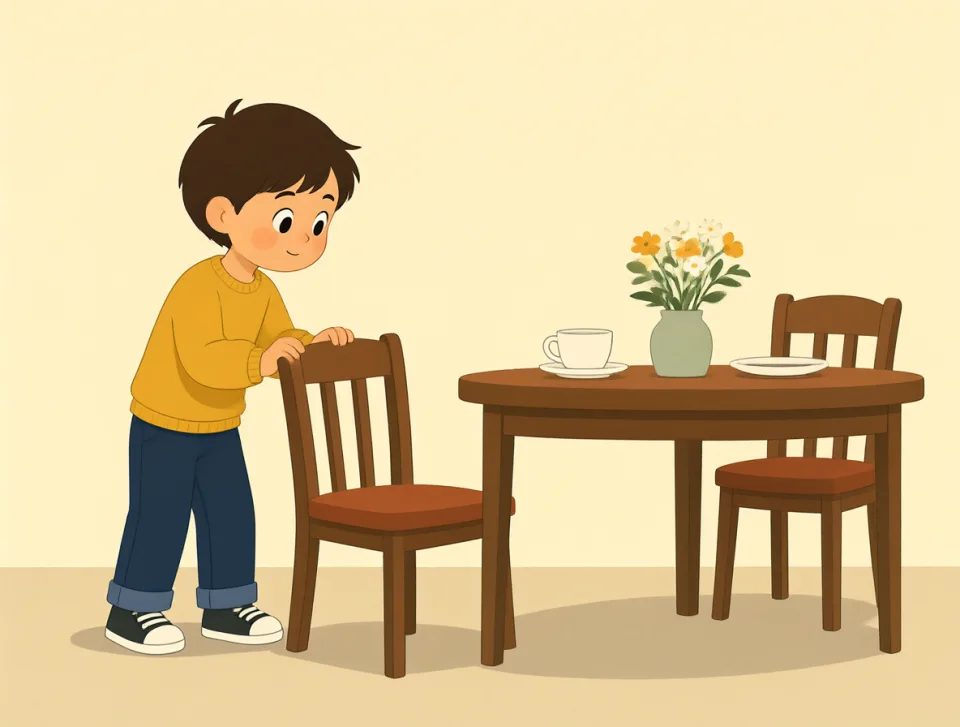
Please move your chair closer to the table.
Пожалуйста, подвинь свой стул поближе к столу.

We moved to a new apartment last month.
В прошлом месяце мы переехали в новую квартиру.
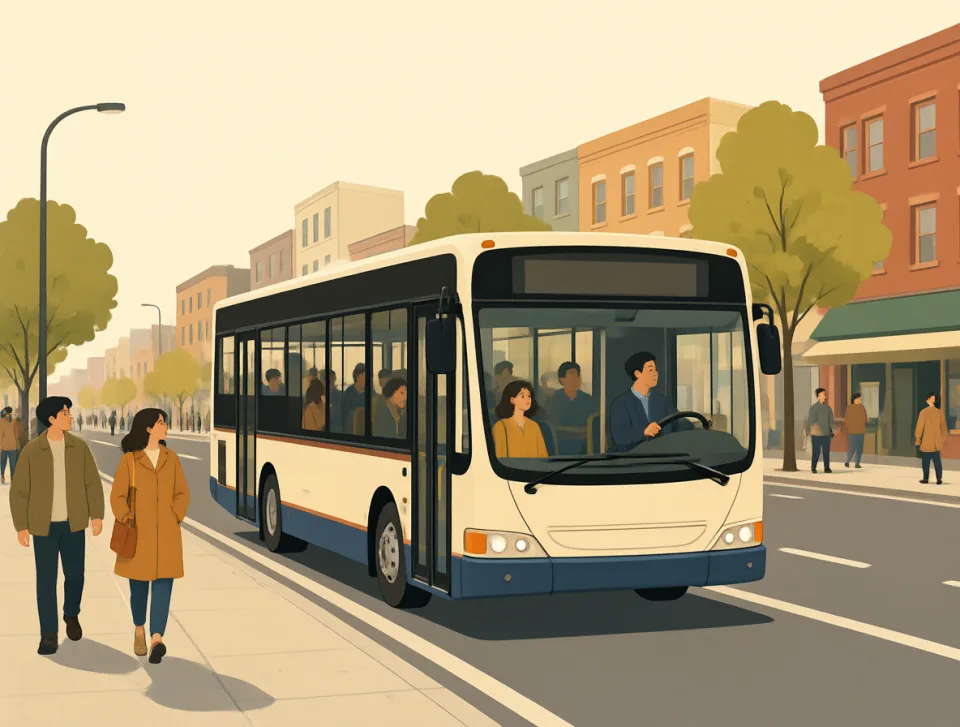
The bus moved slowly through the crowded street.
Автобус медленно двигался по заполненной людьми улице.
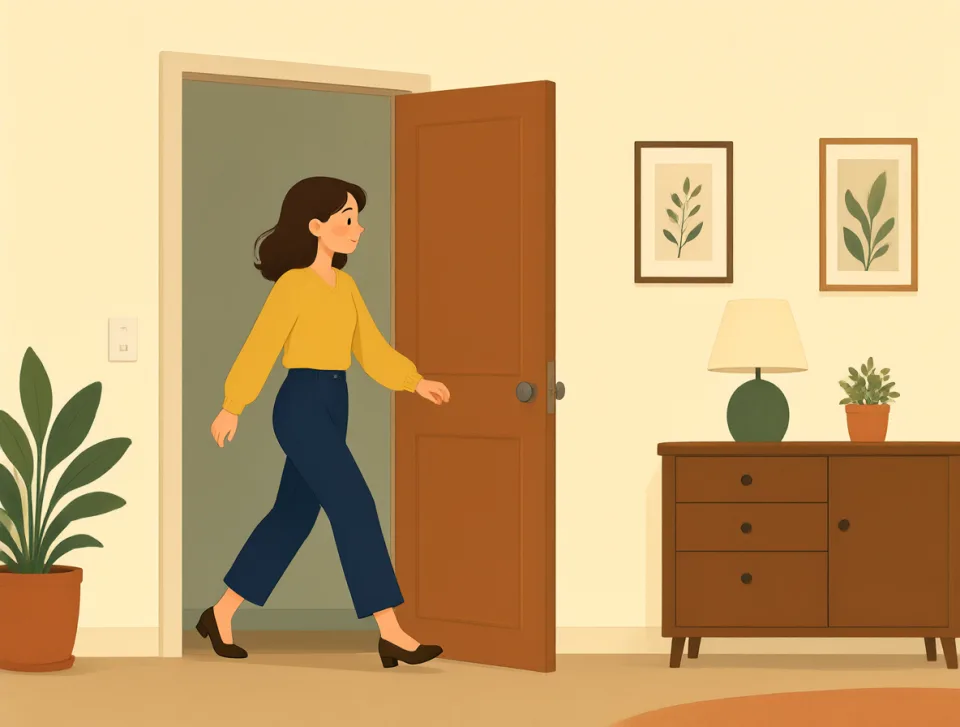
She made a quick move toward the door.
Она быстро двинулась к двери.
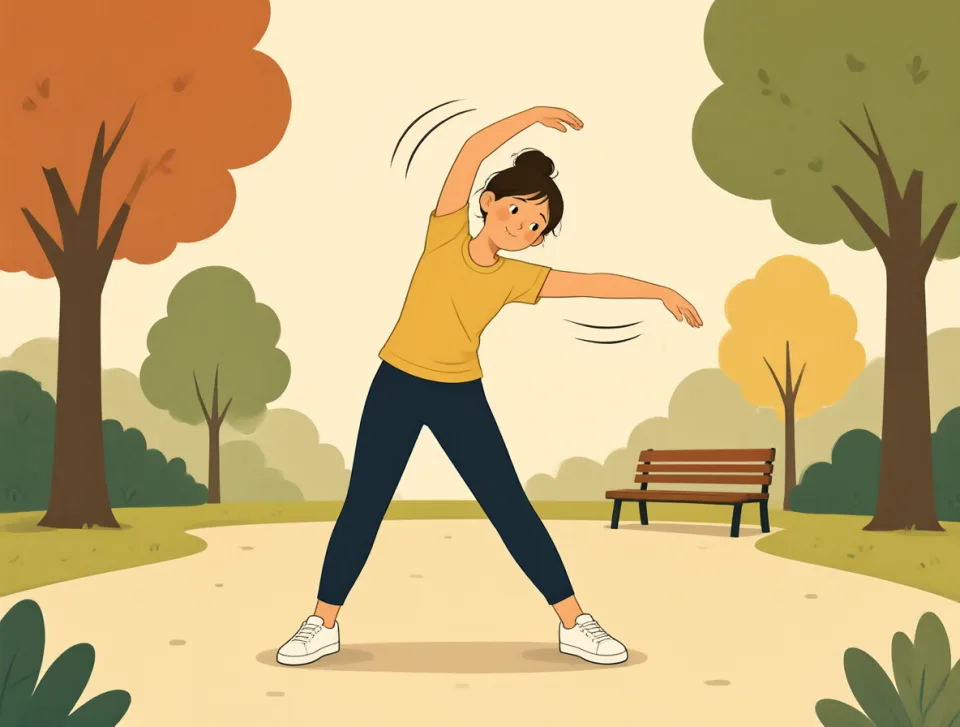
A little exercise helps move your body.
Небольшая физическая нагрузка помогает телу двигаться.