इकाई 10
शब्द 181–200 · question, during, always, big, set, small
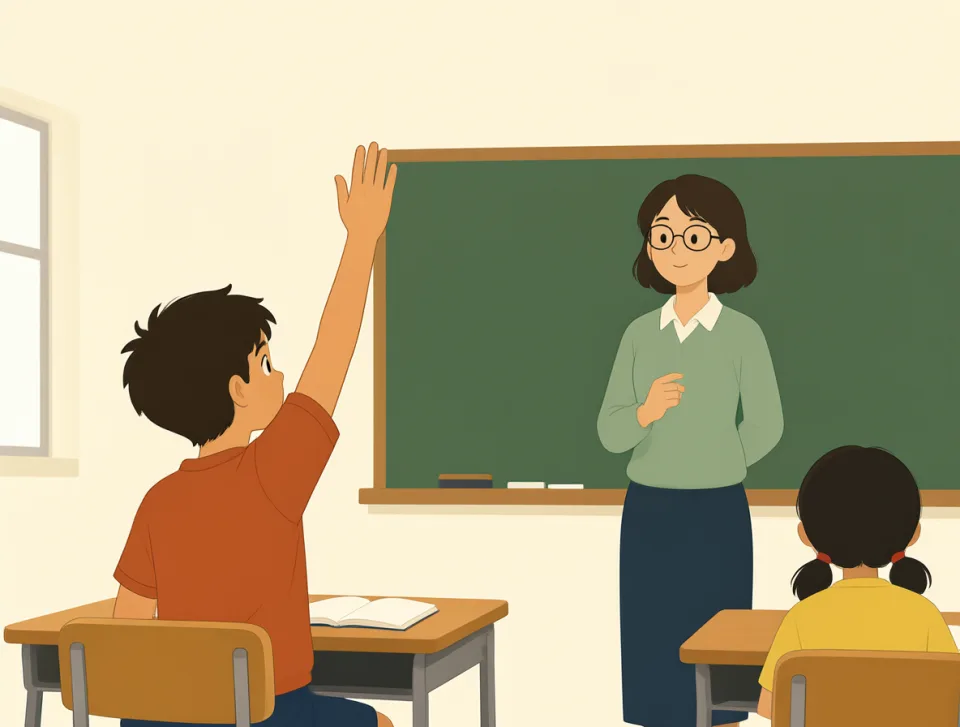
question
#181noun, verb
प्रश्न
A sentence used to ask for information or express doubt about something.
जानकारी पूछने या किसी बात पर संदेह जताने के लिए कहा गया वाक्य।
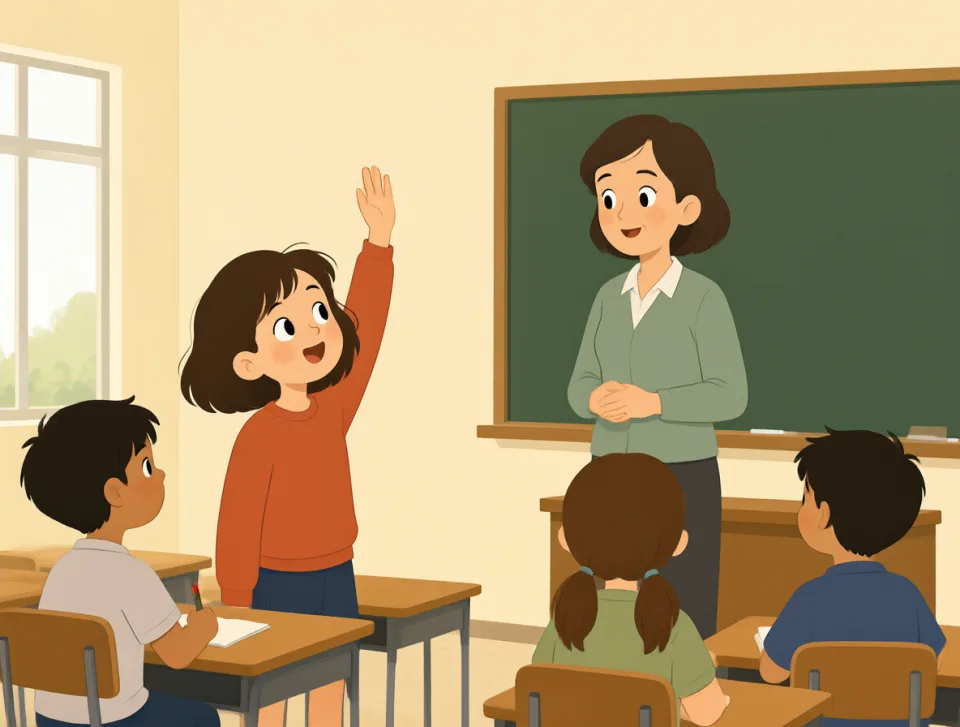
Please ask the teacher a question.
कृपया शिक्षक से एक सवाल पूछिए।
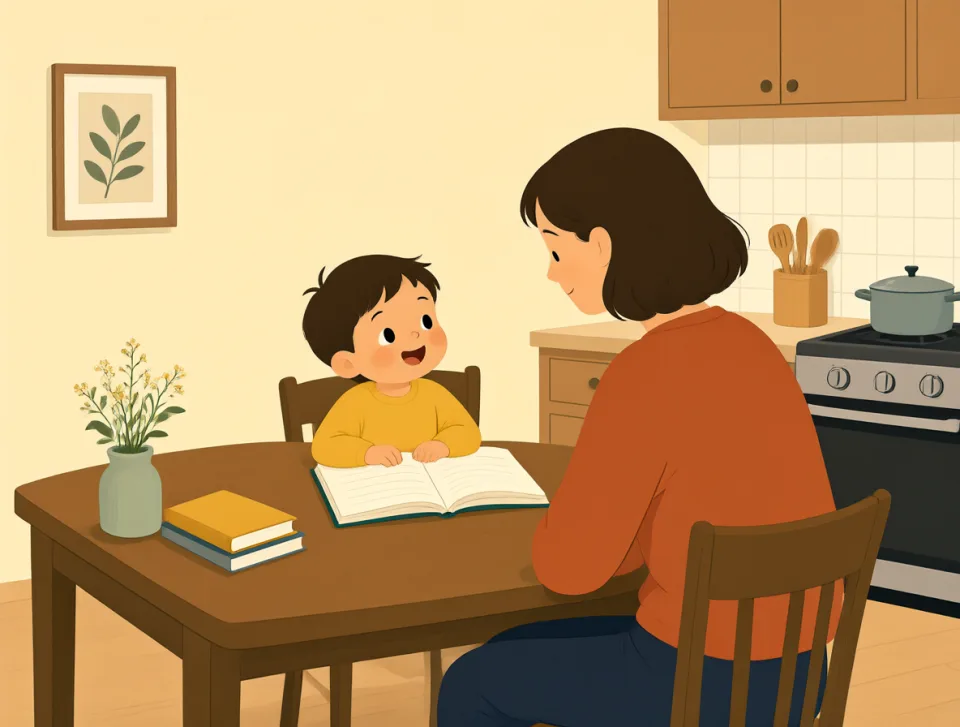
I have a question about my homework.
मुझे अपने गृहकार्य के बारे में एक सवाल पूछना है।
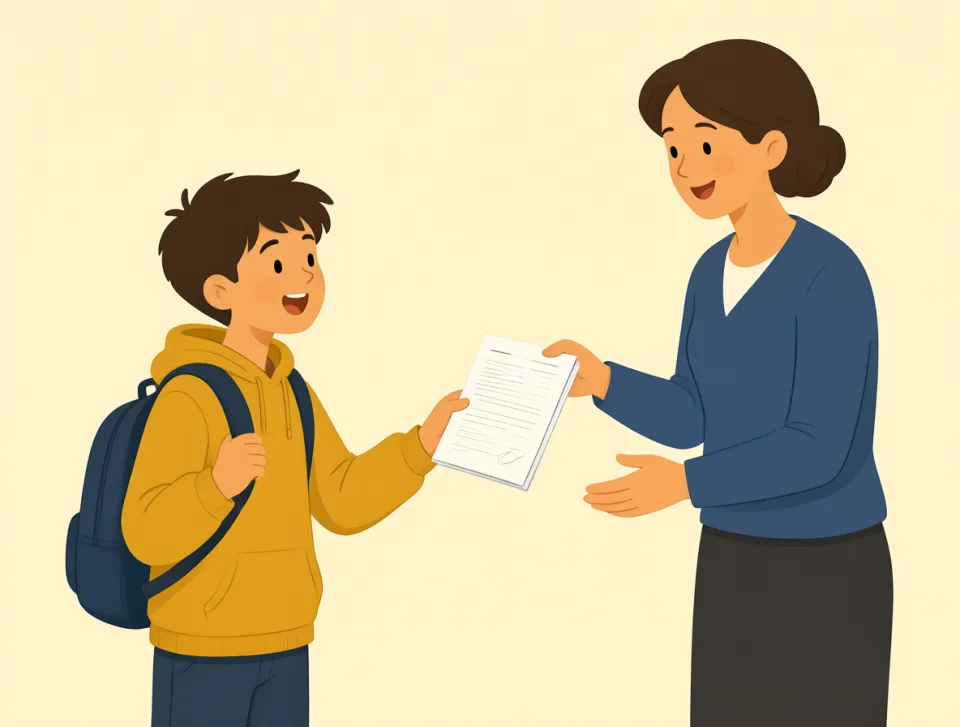
She answered all the questions correctly.
उसने सभी सवालों के सही जवाब दिए।

The customer questioned the price of the jacket.
ग्राहक ने जैकेट की कीमत पर सवाल उठाया।
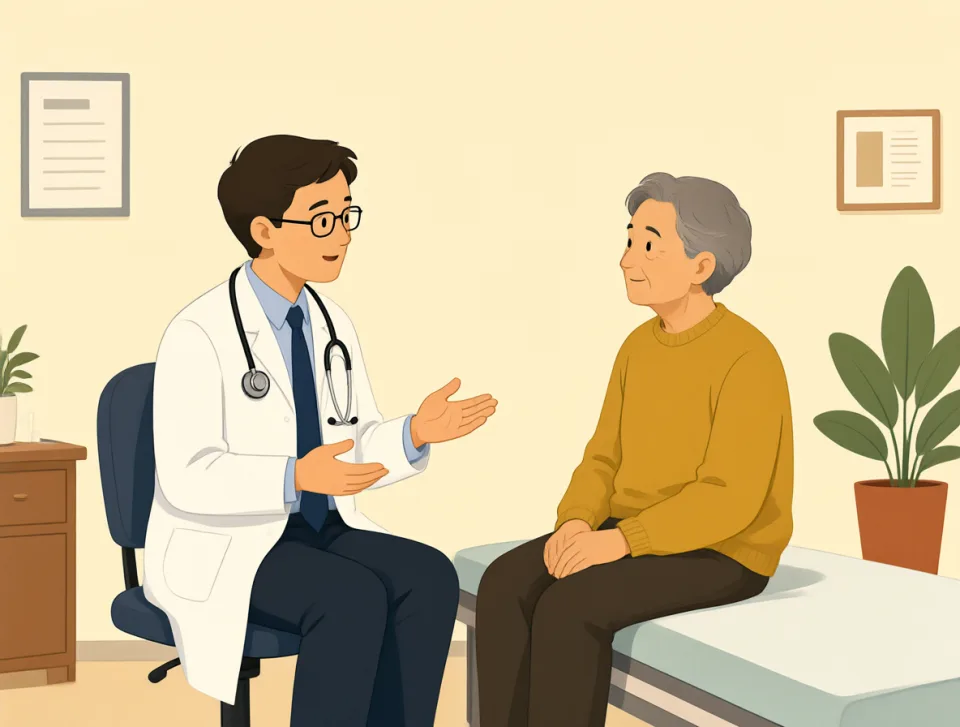
The doctor asked me questions about my pain.
डॉक्टर ने मुझसे मेरे दर्द के बारे में सवाल पूछे।
during
#182preposition
के दौरान
at some time between the beginning and end of an event or period
किसी घटना या अवधि की शुरुआत और अंत के बीच किसी समय।
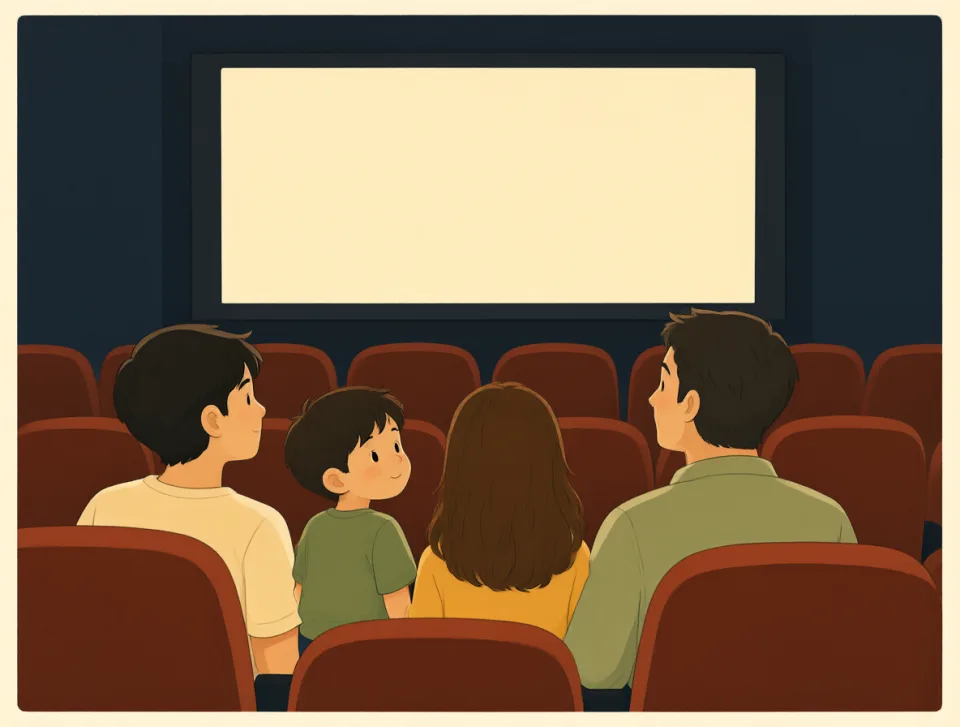
Please stay quiet during the movie.
कृपया फ़िल्म के दौरान शांति बनाए रखें।
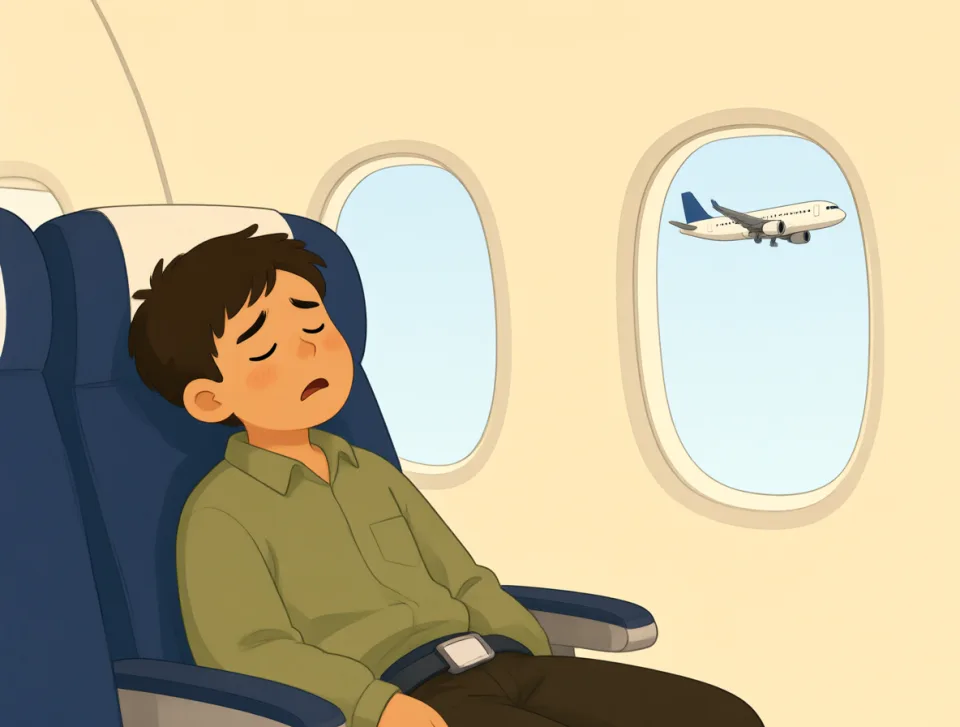
I fell asleep during the flight.
उड़ान के दौरान मुझे नींद आ गई।
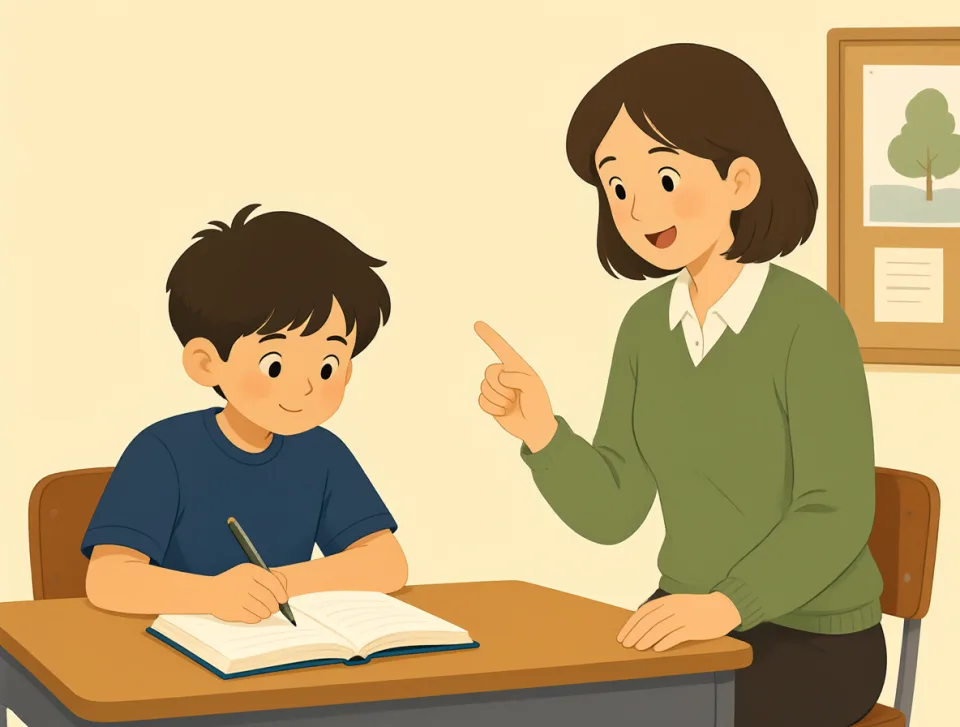
She took notes during the lesson.
उसने पाठ के दौरान नोट्स लिए।
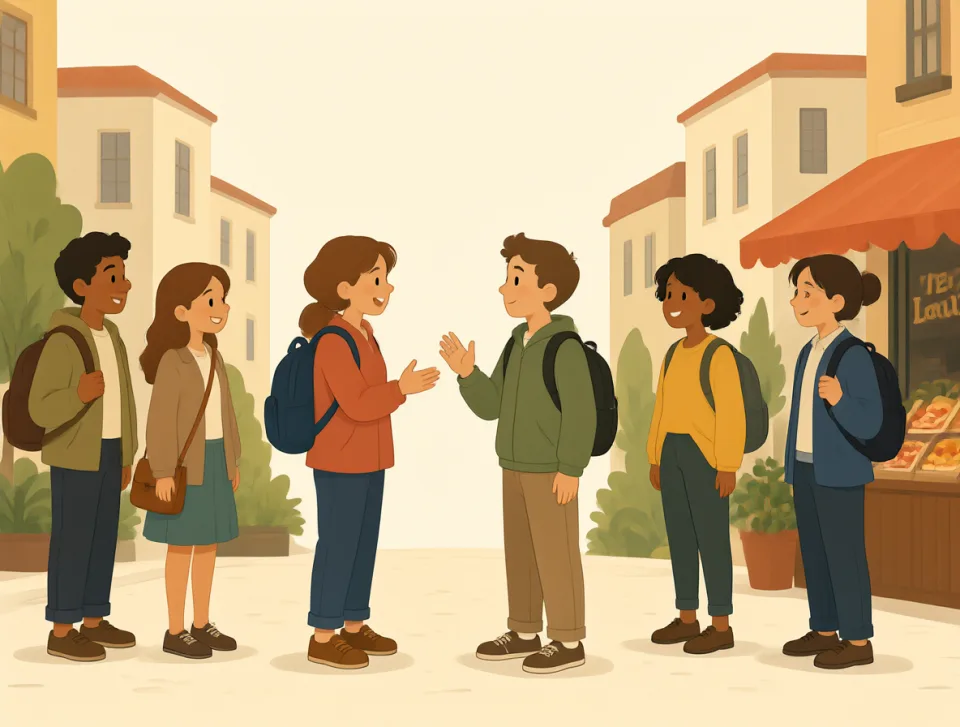
We met many people during our trip.
हम अपनी यात्रा के दौरान कई लोगों से मिले।
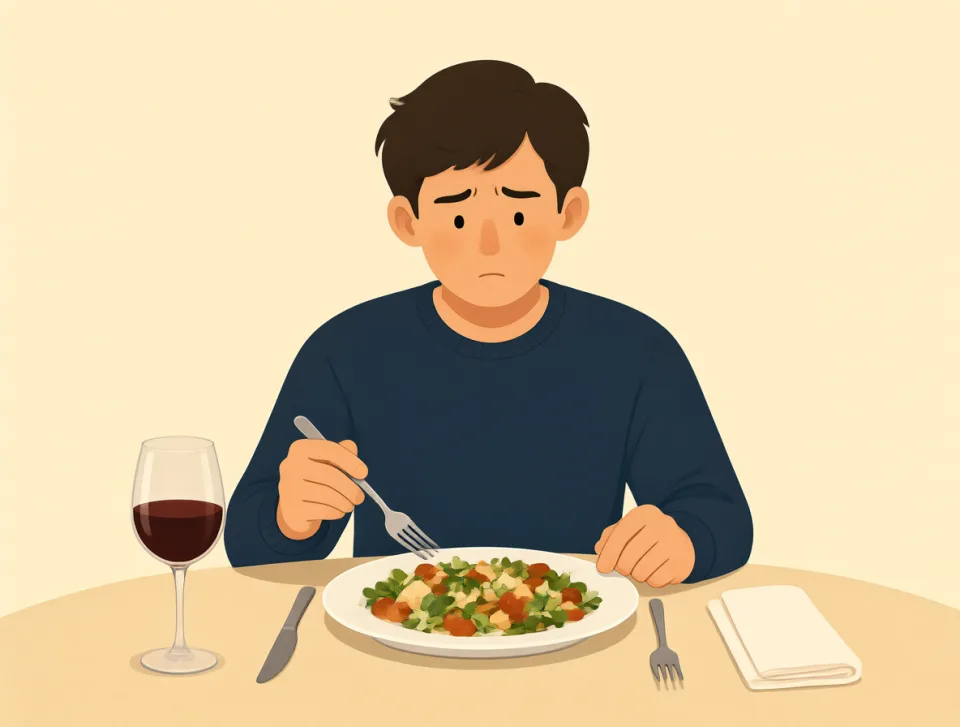
He felt sick during dinner.
रात के खाने के दौरान उसकी तबीयत खराब हो गई।
always
#183adverb
हमेशा
Every time, or at all times.
हर बार या हर समय।
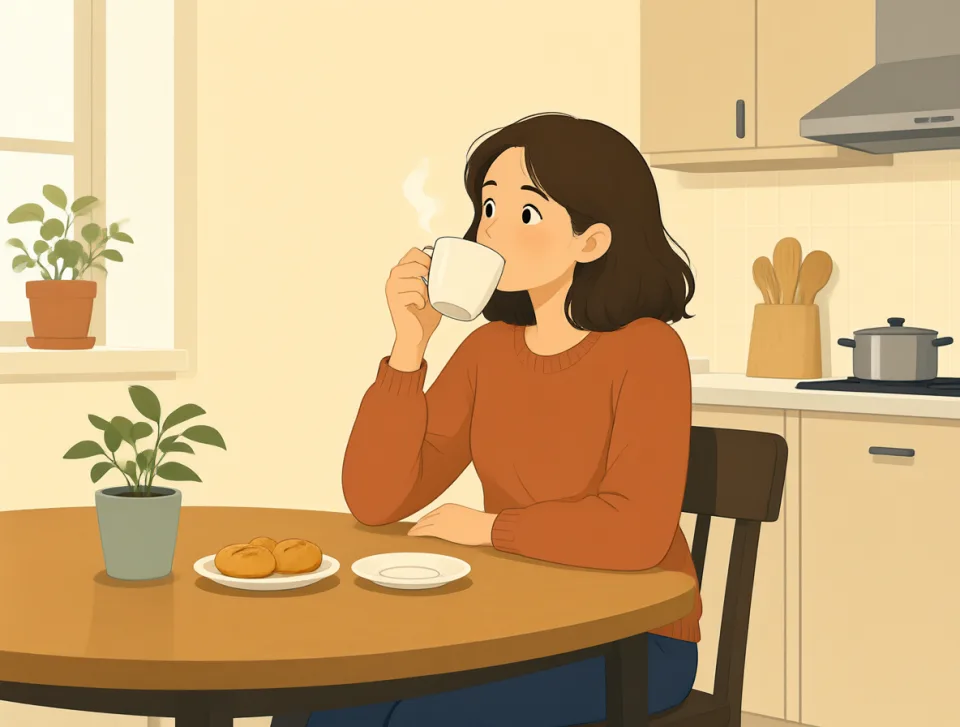
She always drinks coffee in the morning.
वह सुबह हमेशा कॉफ़ी पीती है।
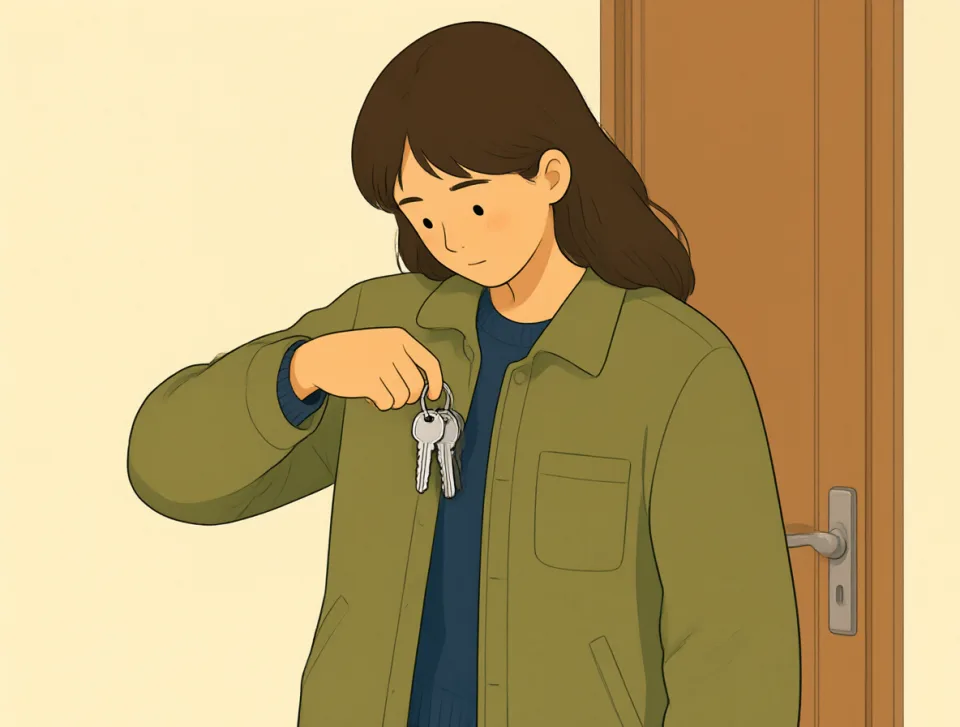
I always take my keys with me.
मैं हमेशा अपनी चाबियाँ साथ रखता हूँ।

He is always late for work.
वह काम पर हमेशा देर से पहुँचता है।
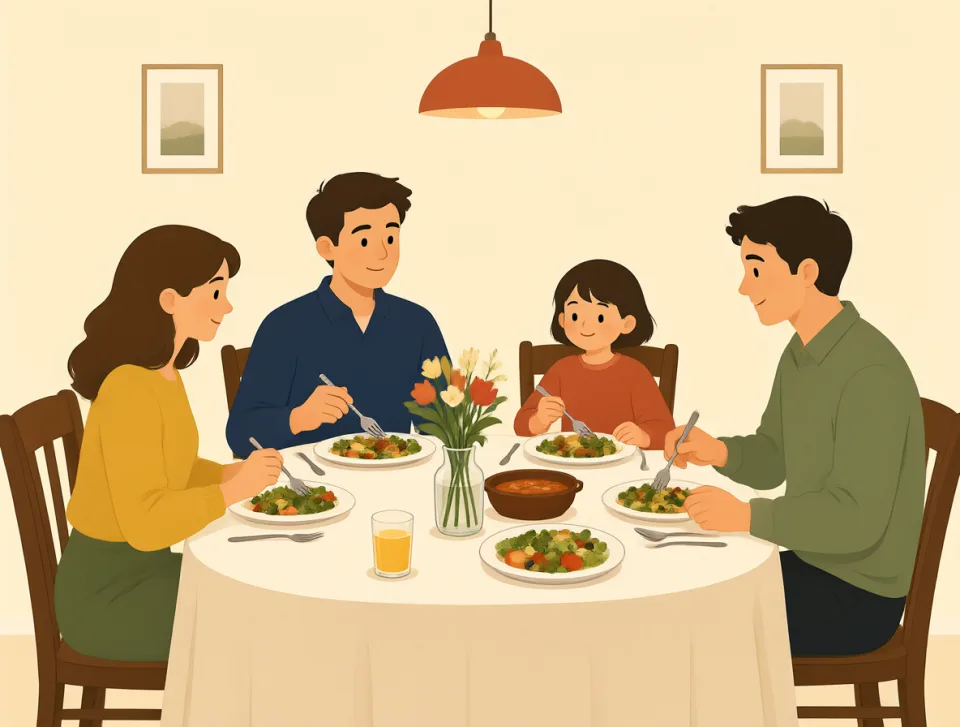
We always eat dinner together.
हम हमेशा साथ में रात का खाना खाते हैं।
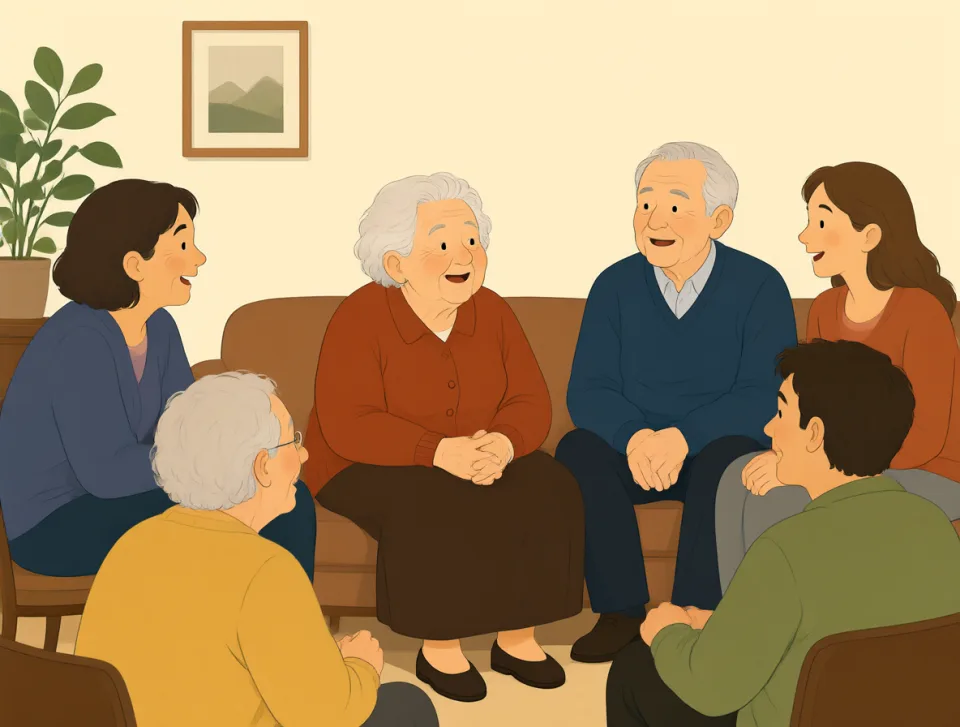
My grandmother always tells funny stories.
मेरी दादी हमेशा मज़ेदार कहानियाँ सुनाती हैं।
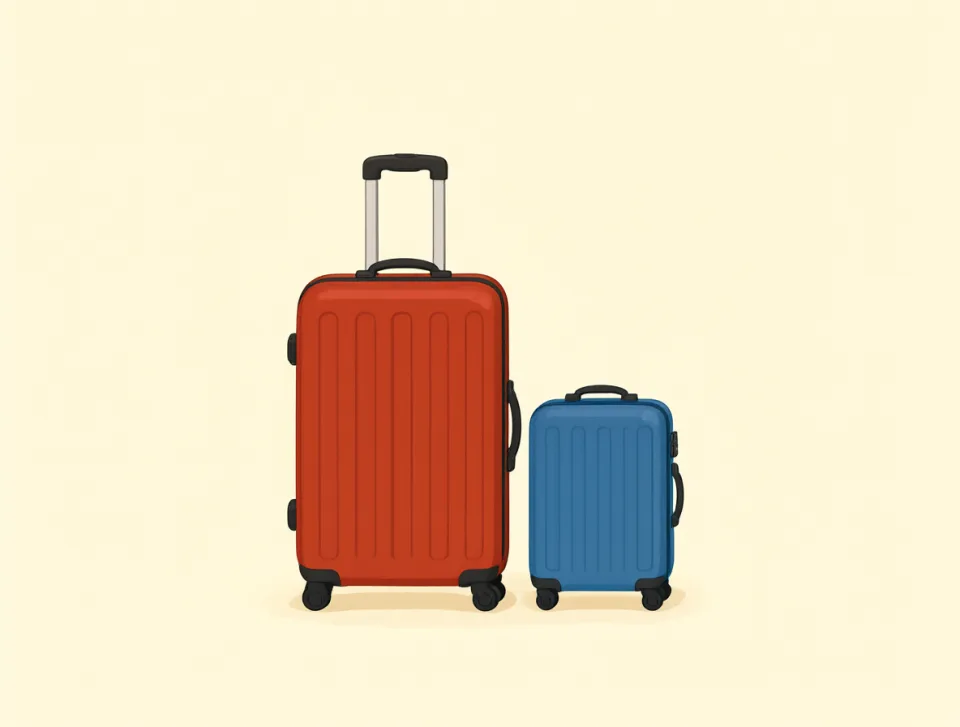
big
#184adjective, adverb, noun
बड़ा
Large in size, amount, importance, or popularity.
आकार, मात्रा, महत्व या लोकप्रियता में बड़ा।
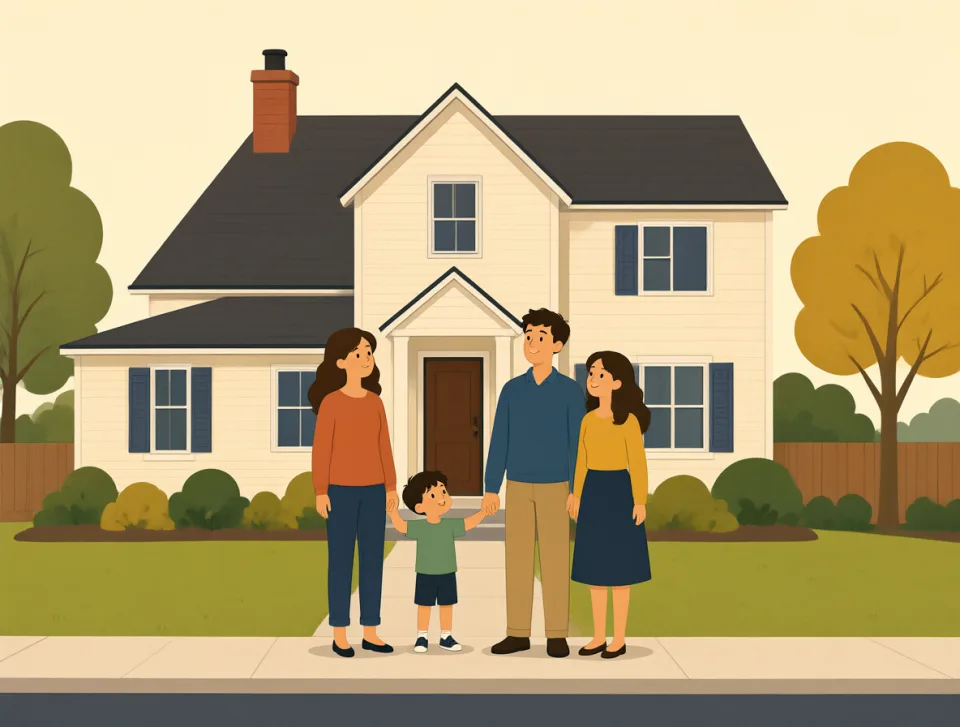
They live in a big house.
वे एक बड़े घर में रहते हैं।
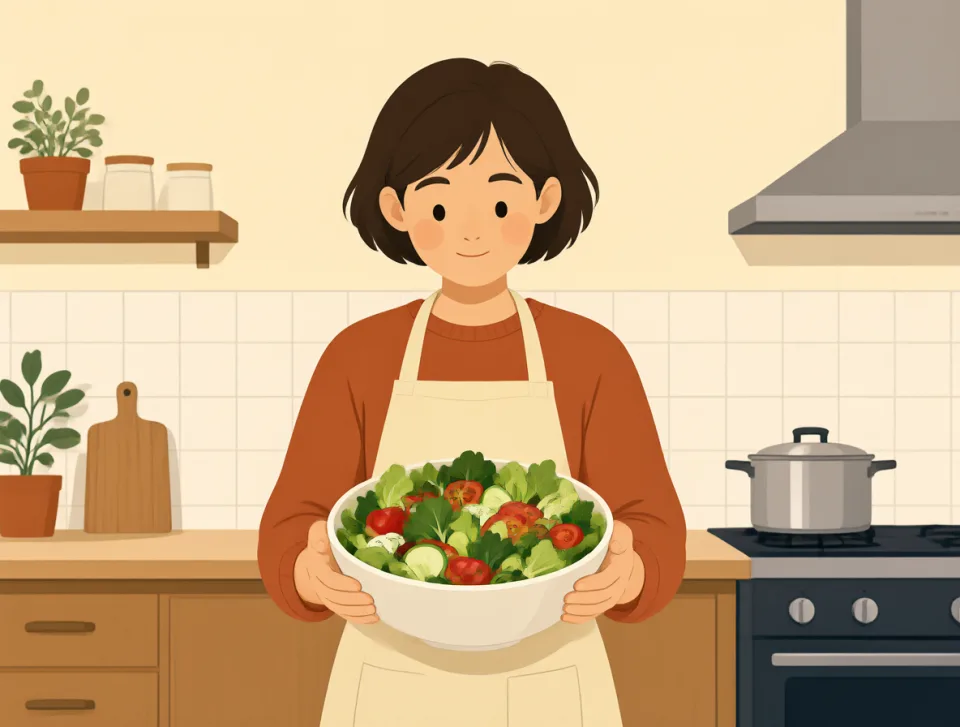
I need a big bowl for salad.
मुझे सलाद के लिए एक बड़ा कटोरा चाहिए।

She got a big job at the company.
उसे कंपनी में एक बड़ी नौकरी मिली।

We had a big lunch after the trip.
यात्रा के बाद हमने भरपेट दोपहर का खाना खाया।
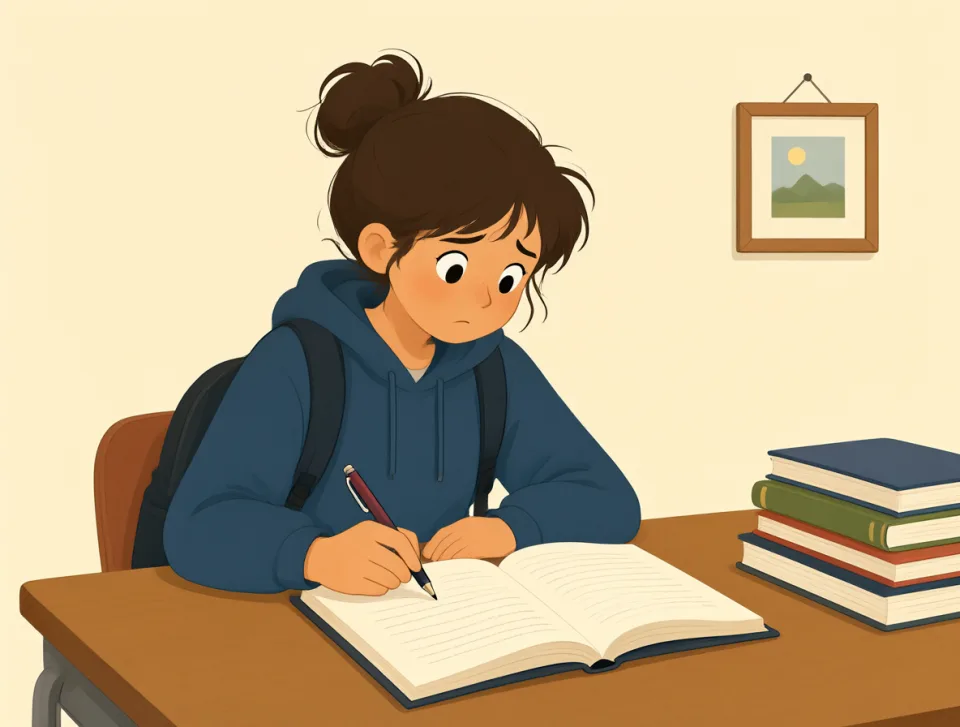
That was a big mistake in my homework.
वह मेरे गृहकार्य में एक बड़ी गलती थी।
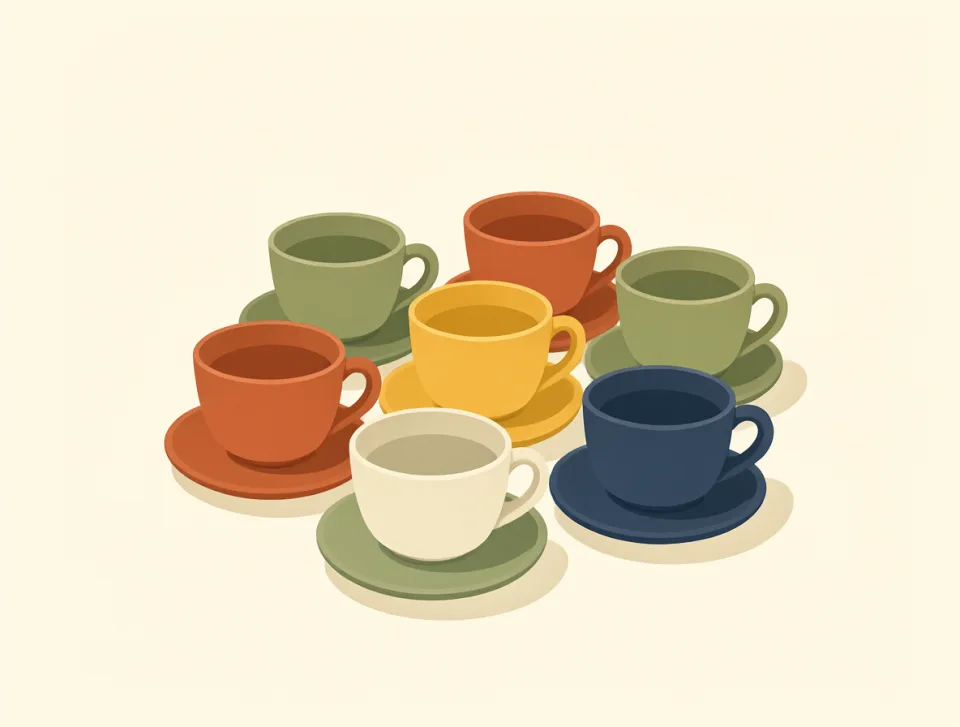
set
#185noun, verb, adjective
समूह; रखना
A group of things, or to put something in a particular place or position.
चीज़ों का एक समूह, या किसी चीज़ को किसी खास जगह या स्थिति में रखना।
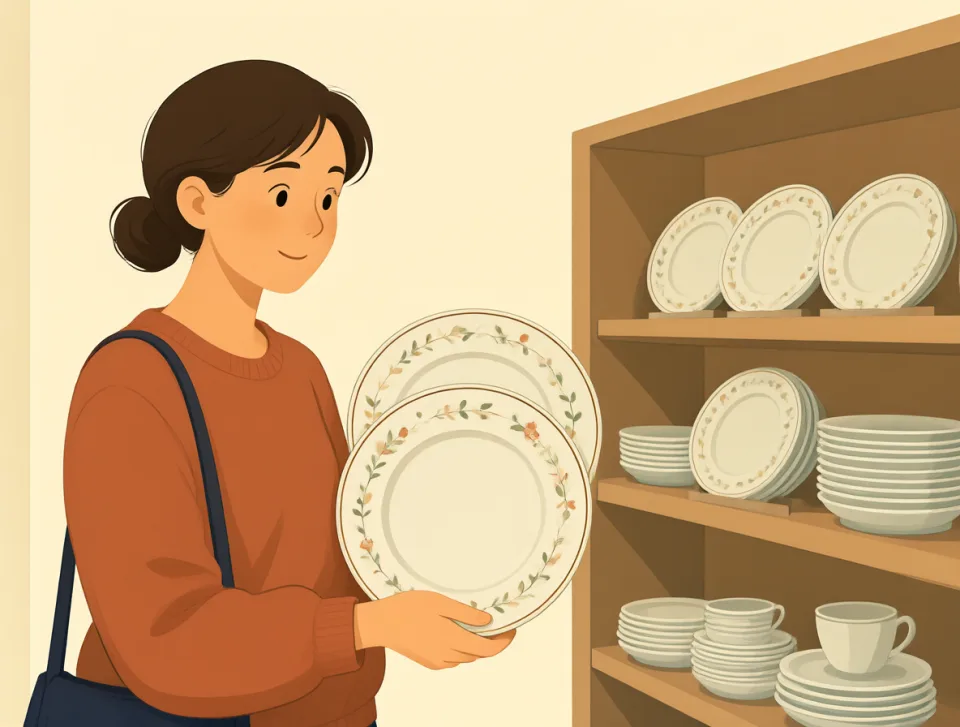
I bought a new set of plates.
मैंने प्लेटों का एक नया सेट खरीदा।
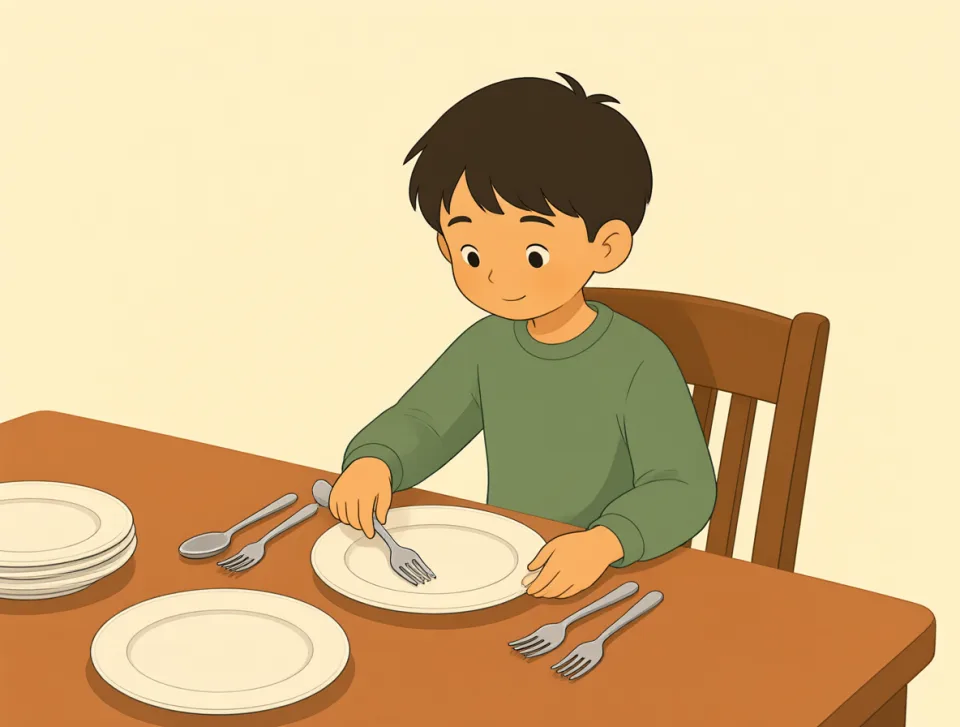
Please set the table for dinner.
कृपया रात के खाने के लिए मेज़ लगा दीजिए।
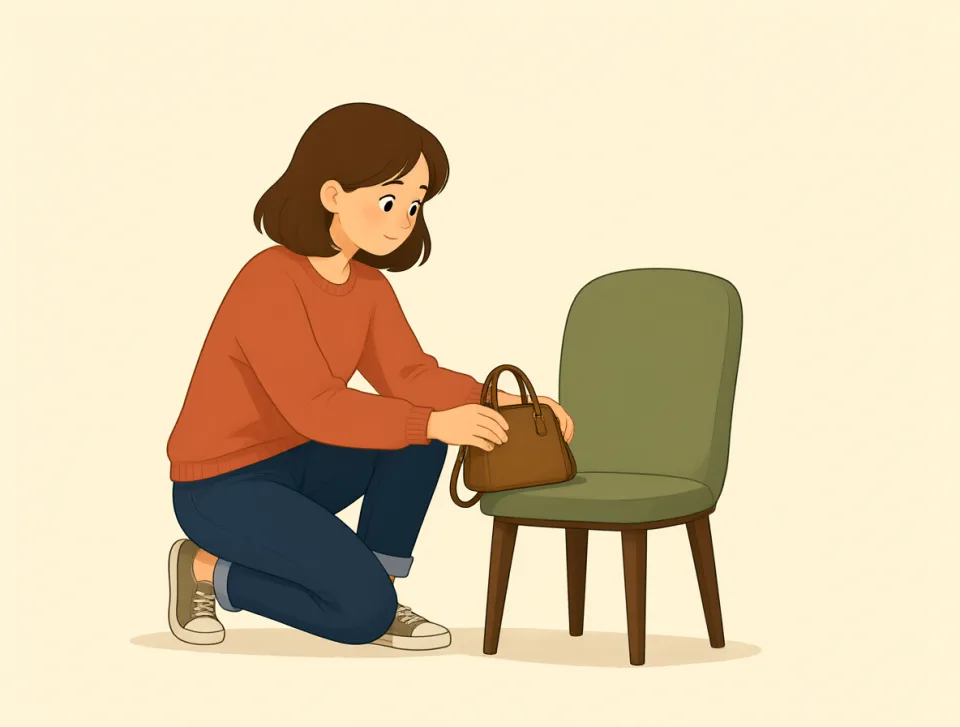
She set her bag beside the chair.
उसने अपना बैग कुर्सी के पास रख दिया।
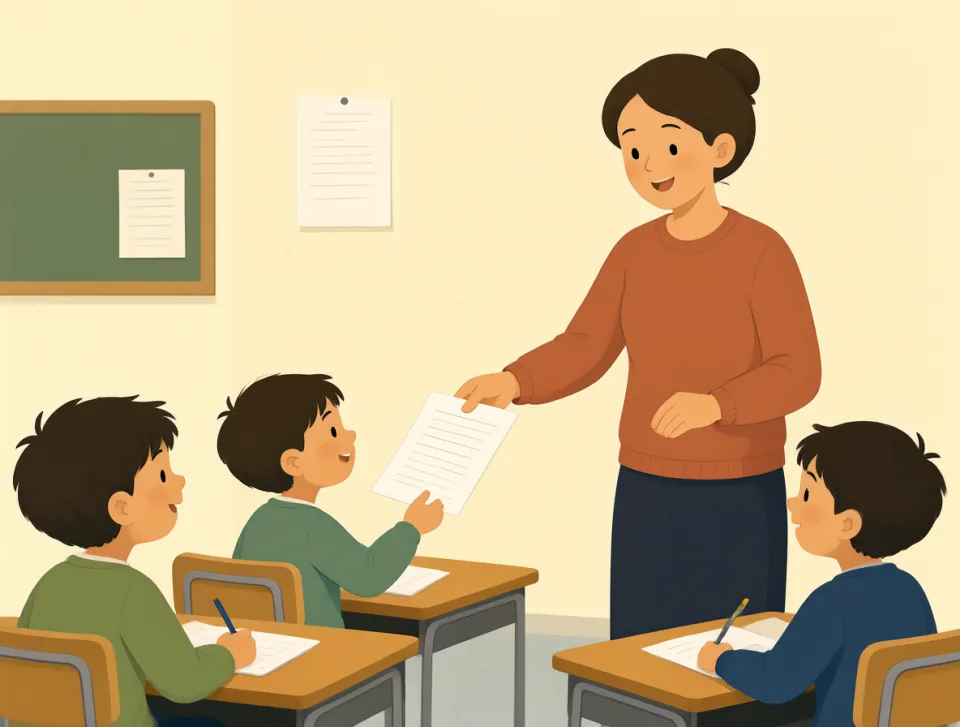
The teacher set a test for Friday.
शिक्षक ने शुक्रवार के लिए एक परीक्षा तय की।

The sun sets over the sea.
सूरज समुद्र के ऊपर डूबता है।

small
#186adjective, noun
छोटा
Not large in size, amount, or number.
आकार, मात्रा या संख्या में बड़ा नहीं।
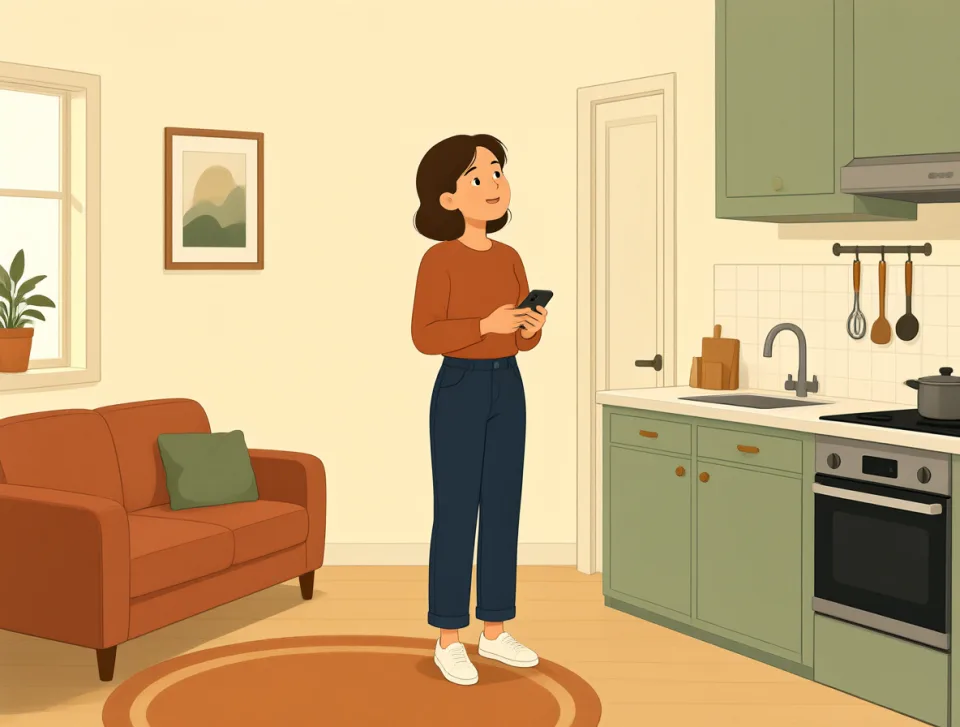
She lives in a small apartment downtown.
वह शहर के बीचोंबीच एक छोटे से अपार्टमेंट में रहती है।

He bought a small coffee at the shop.
उसने दुकान से छोटी कॉफ़ी खरीदी।
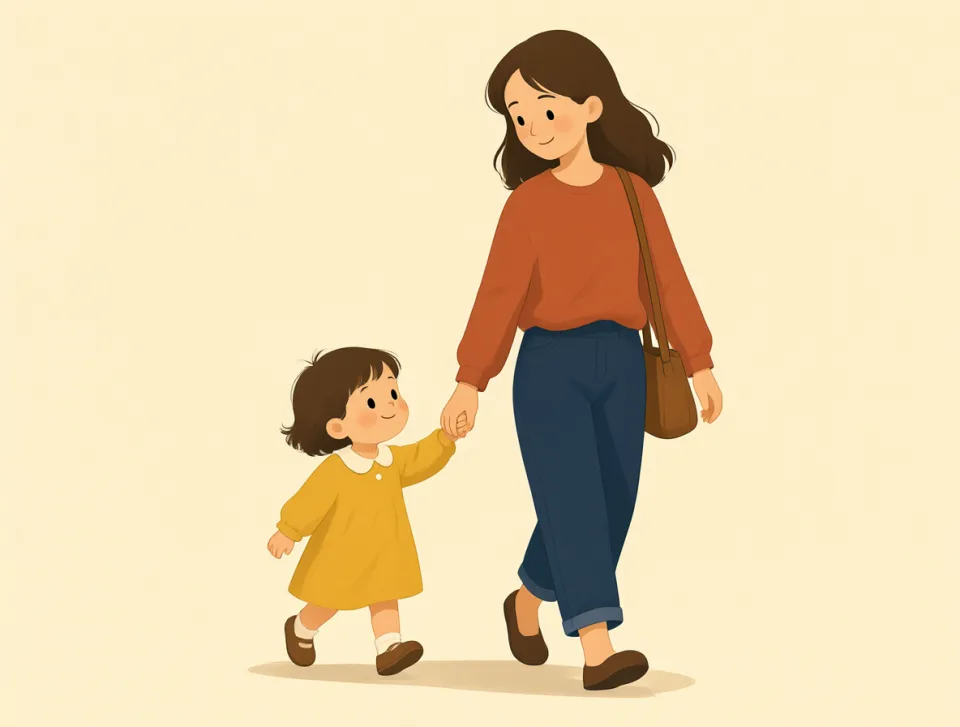
The small child held her mother’s hand.
छोटी बच्ची ने अपनी माँ का हाथ थाम रखा था।

We sat at a small table by the window.
हम खिड़की के पास एक छोटी मेज़ पर बैठे।
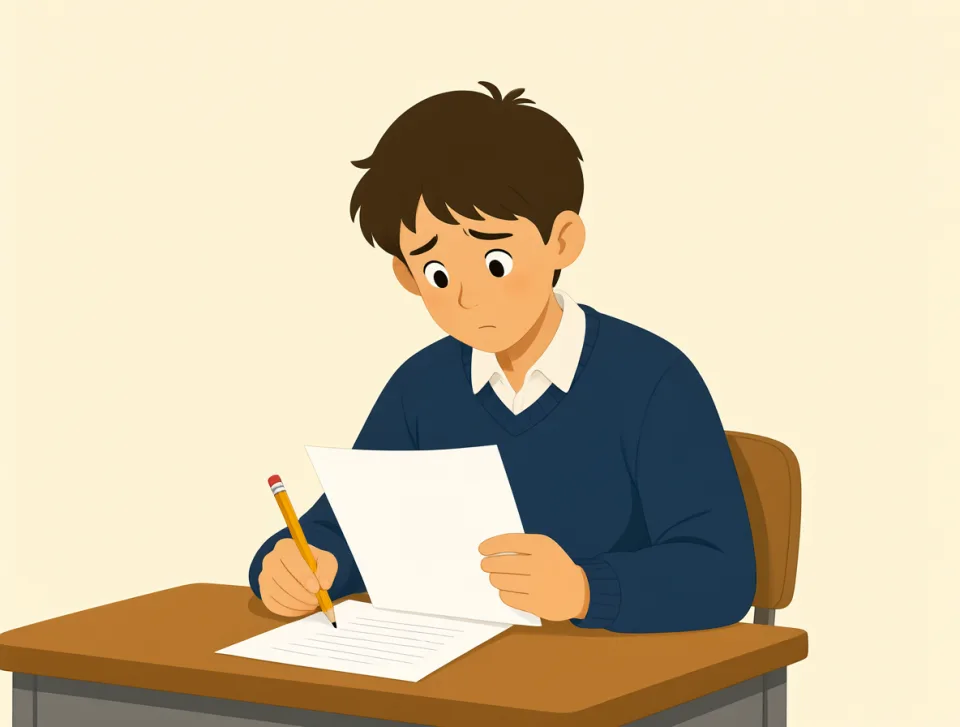
I made a small mistake on the test.
परीक्षा में मुझसे एक छोटी-सी गलती हुई।
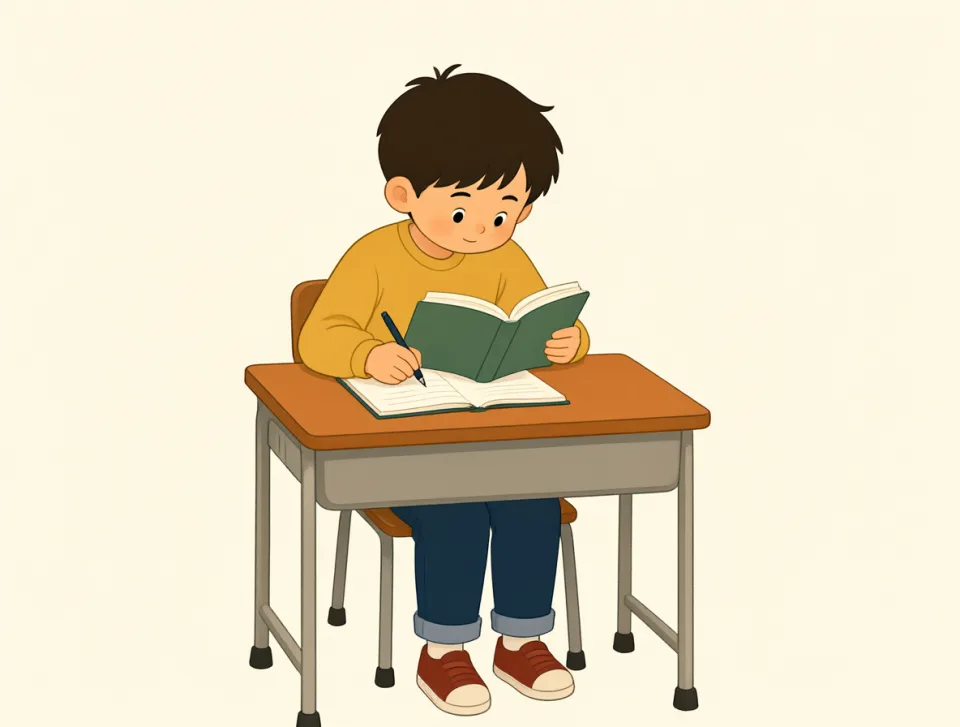
study
#187noun, verb
पढ़ाई करना
To learn about a subject by reading, practicing, or going to classes.
पढ़कर, अभ्यास करके या कक्षाओं में जाकर किसी विषय को सीखना।
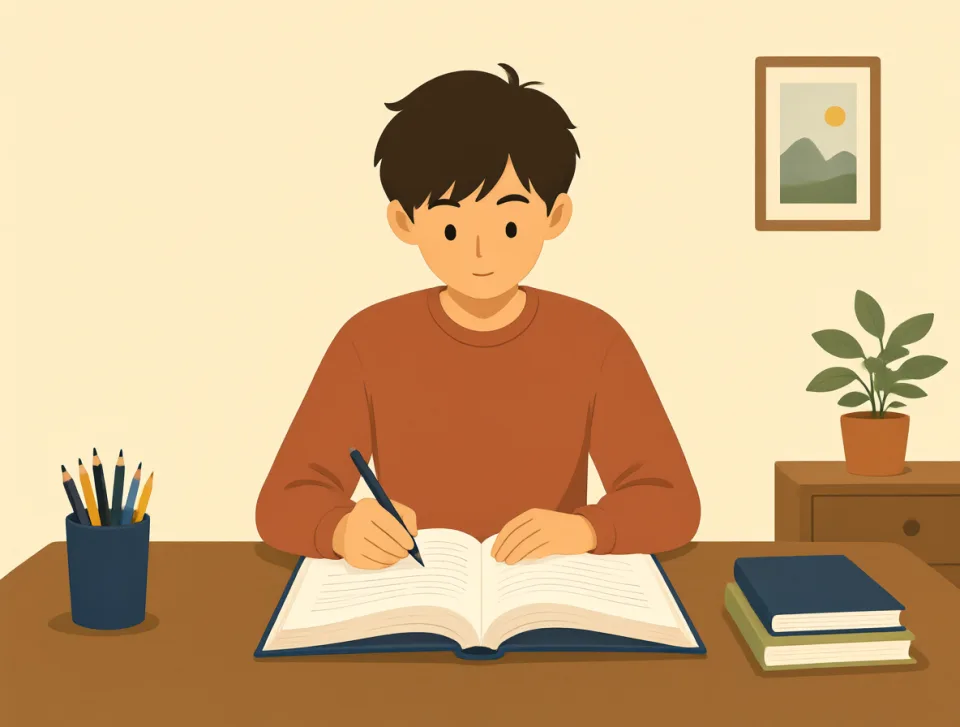
I study English every evening at home.
मैं हर शाम घर पर अंग्रेज़ी पढ़ता हूँ।
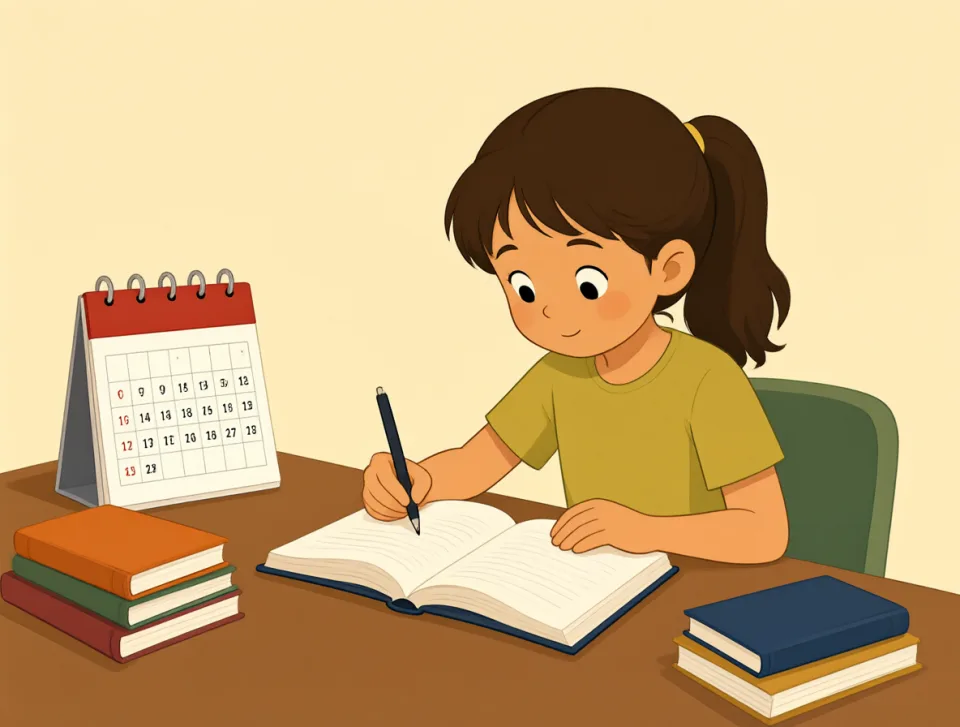
She studied hard for her math test.
उसने गणित की परीक्षा के लिए खूब पढ़ाई की।

He is studying medicine at university.
वह विश्वविद्यालय में चिकित्सा की पढ़ाई कर रहा है।
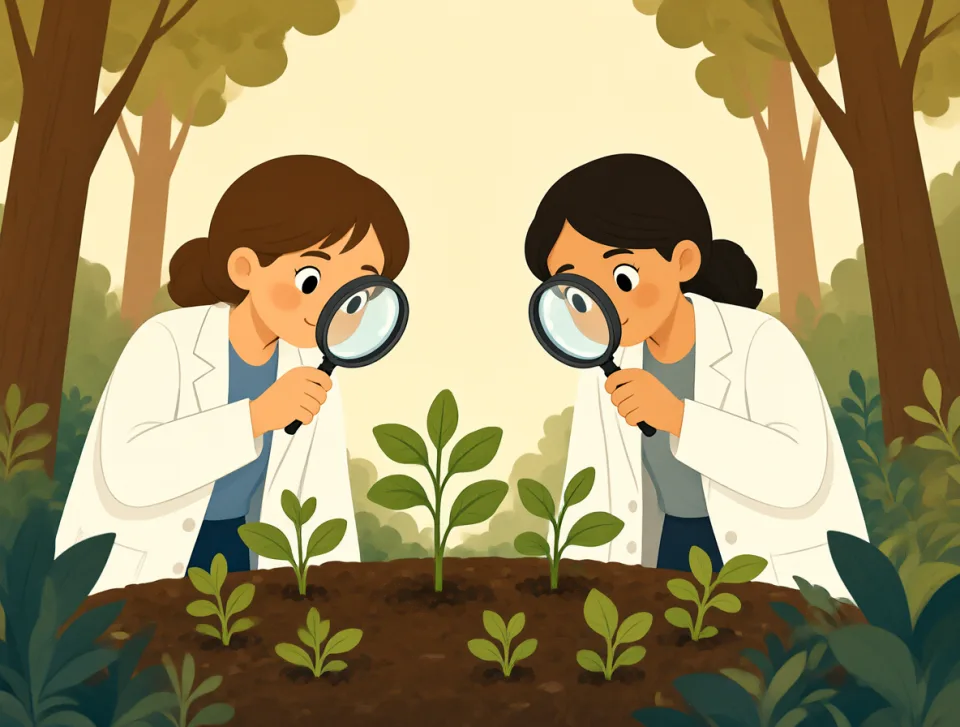
The scientists study plants in the forest.
वैज्ञानिक जंगल में पौधों का अध्ययन करते हैं।
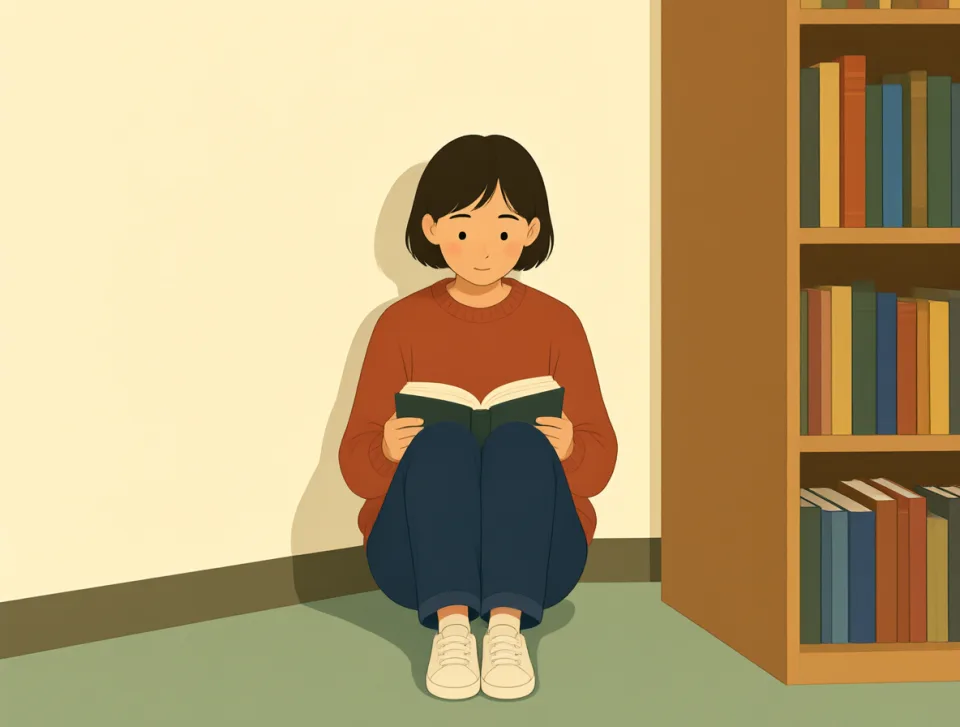
I need a quiet place to study.
मुझे पढ़ाई करने के लिए एक शांत जगह चाहिए।
follow
#188verb, noun
पीछा करना
to go after someone or something, or do what comes next
किसी व्यक्ति या चीज़ के पीछे जाना, या उसके बाद आने वाली चीज़ करना।
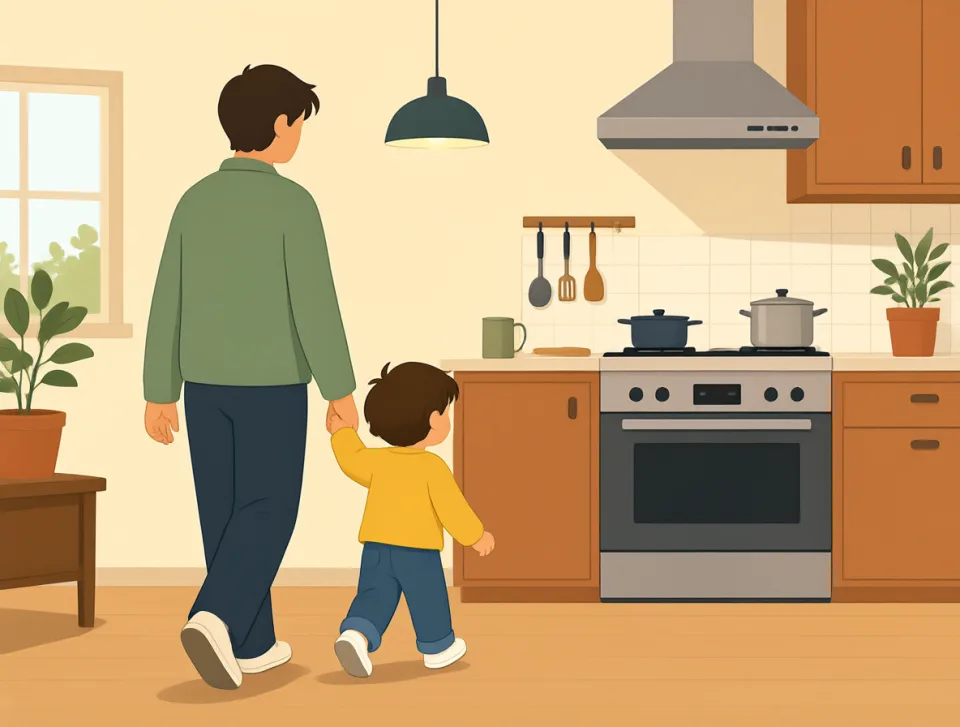
Please follow me to the kitchen.
कृपया मेरे पीछे-पीछे रसोई तक आइए।
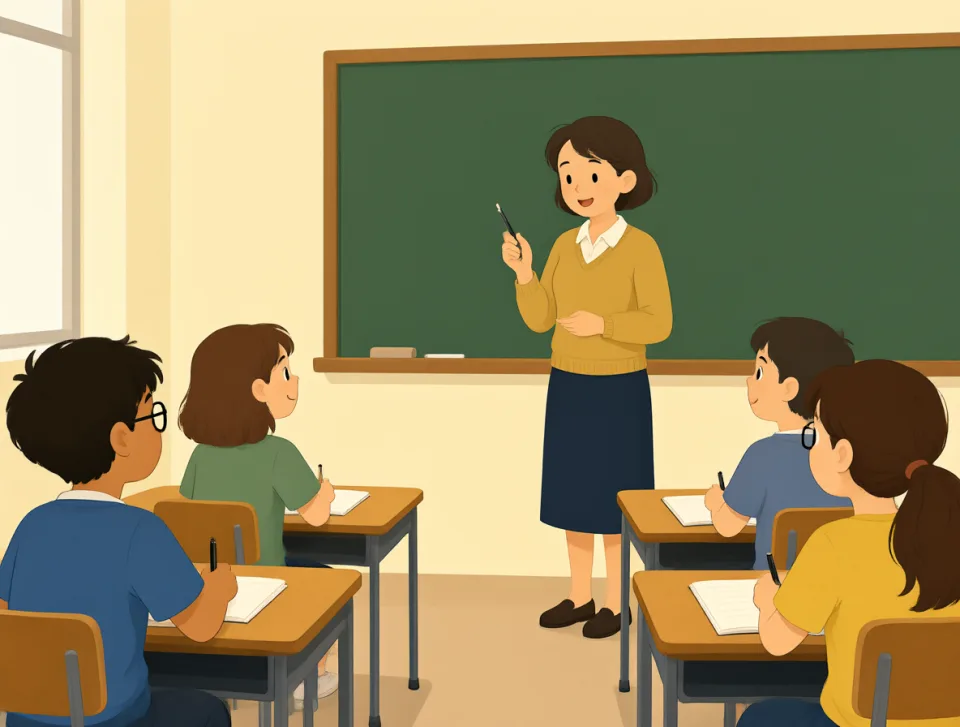
Follow the teacher’s instructions carefully.
शिक्षक के निर्देशों का ध्यान से पालन करें।
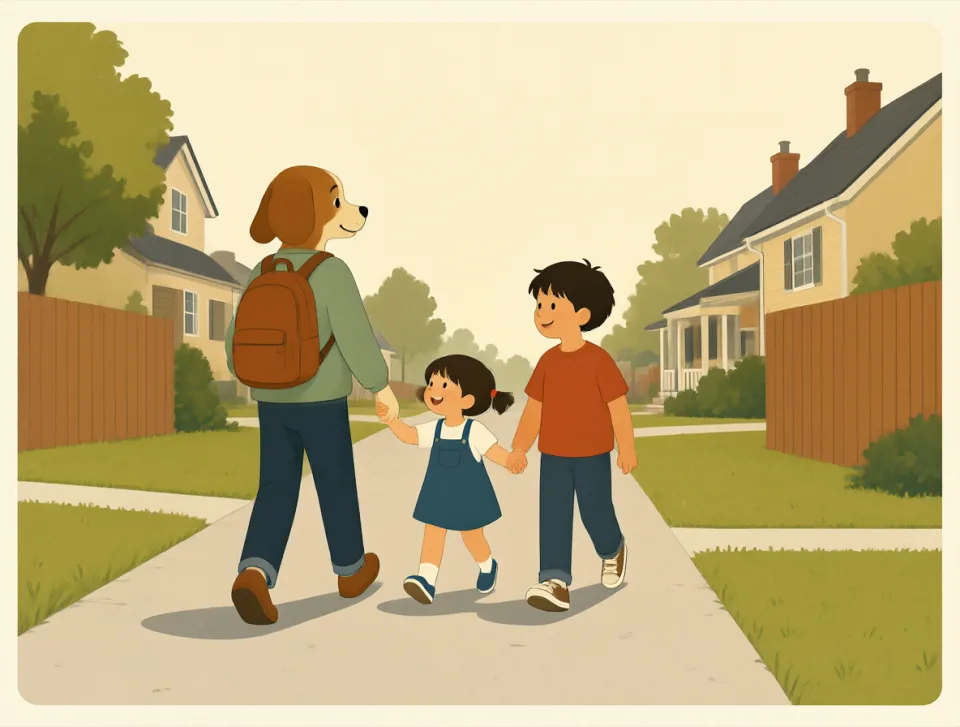
The dog followed us home from school.
कुत्ता स्कूल से हमारे पीछे-पीछे घर तक आया।
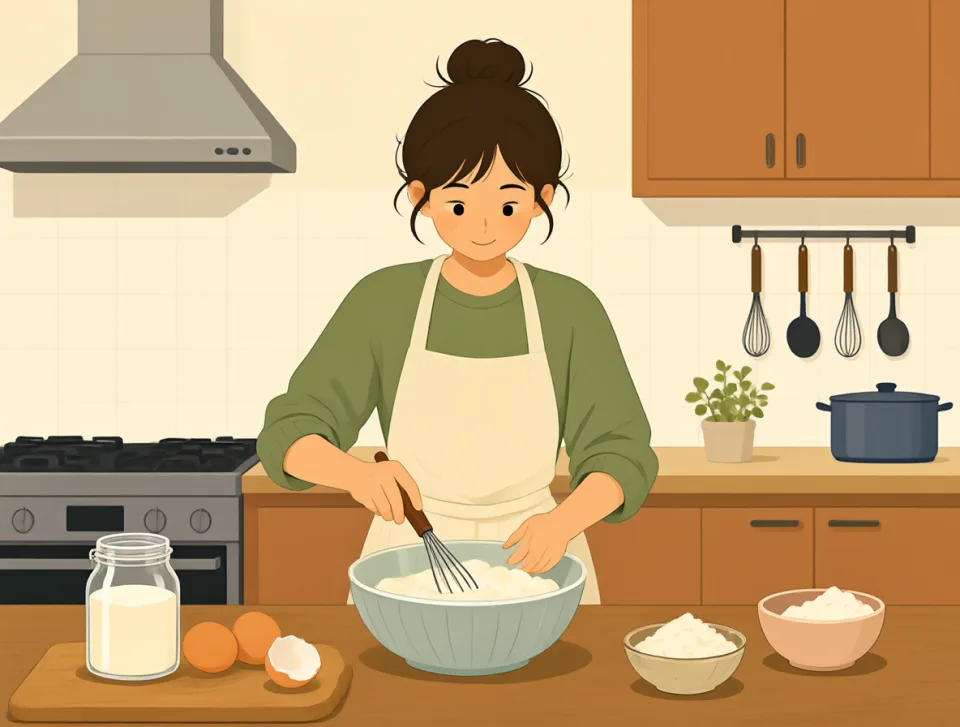
Follow this recipe for a delicious cake.
स्वादिष्ट केक बनाने के लिए इस विधि का पालन करें।
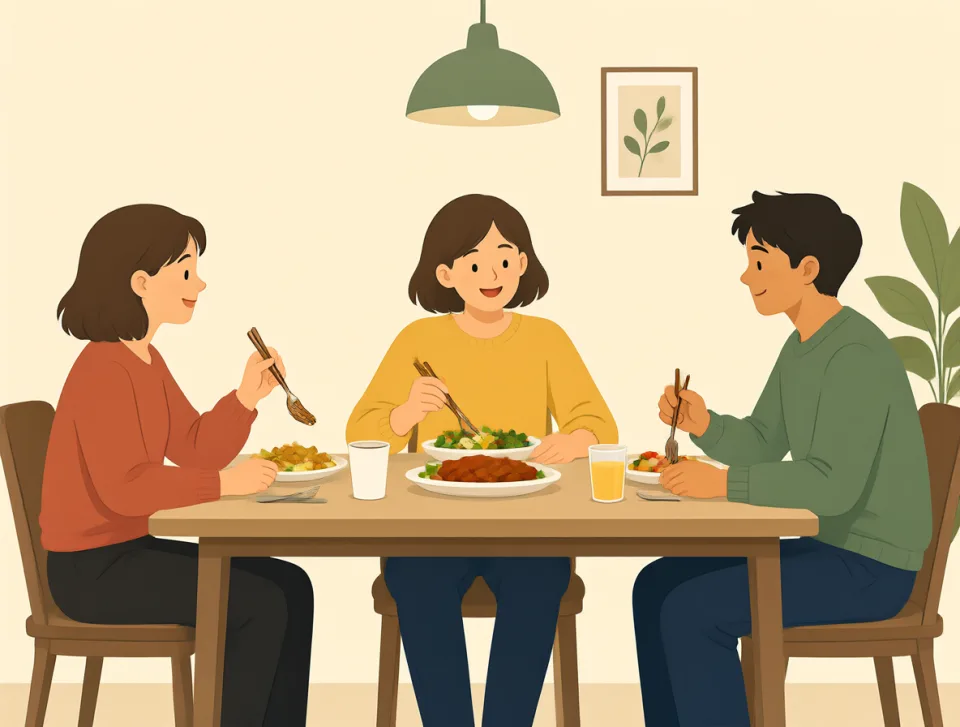
A short meeting followed lunch.
दोपहर के खाने के बाद एक छोटी बैठक हुई।
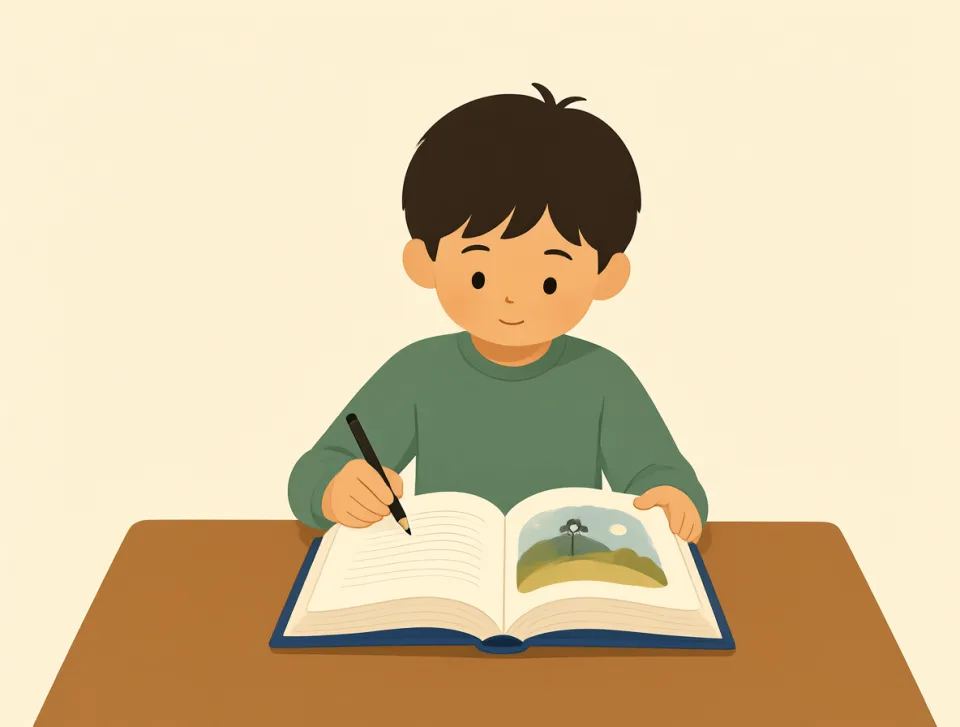
begin
#189verb
शुरू करना
to start doing something or to happen for the first time
कुछ करना शुरू करना या पहली बार घटित होना।
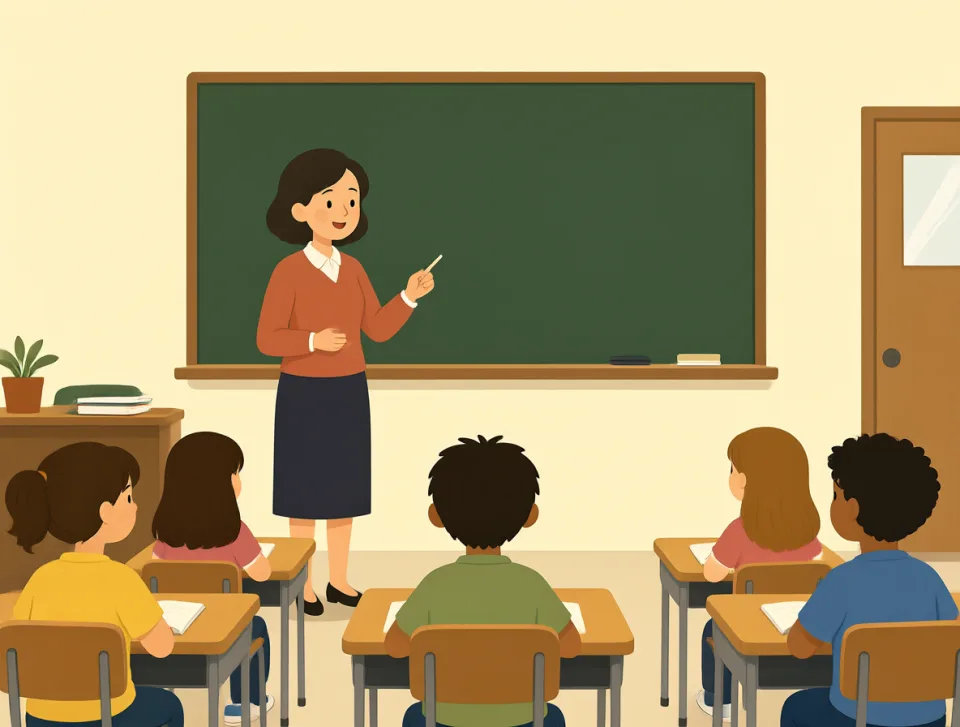
The class begins at nine o'clock.
कक्षा नौ बजे शुरू होती है।
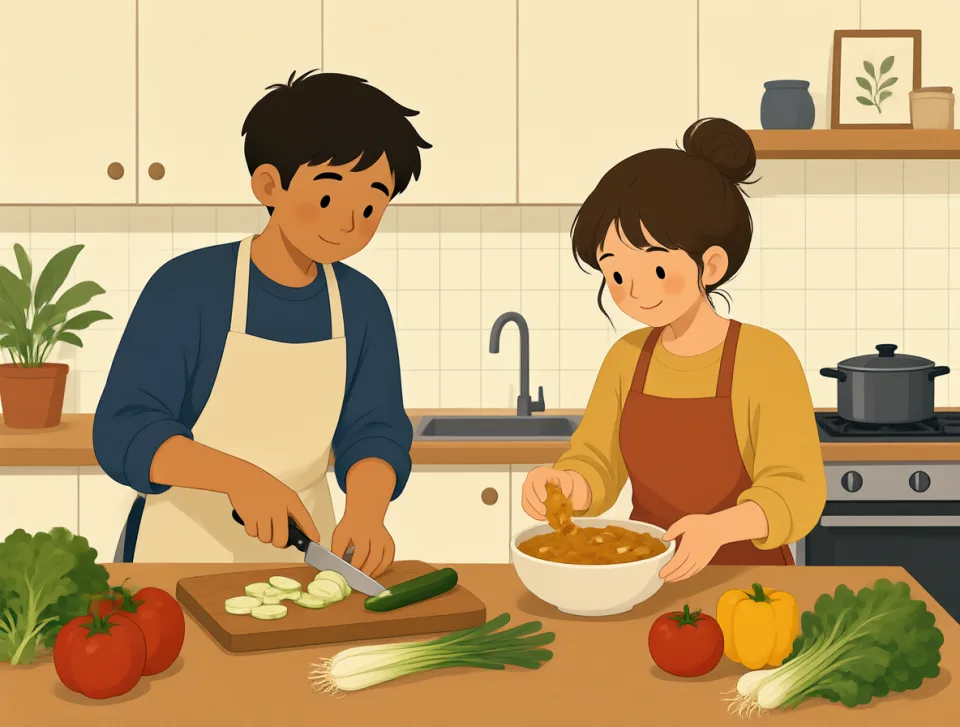
We began cooking dinner after work.
काम के बाद हमने रात का खाना बनाना शुरू किया।
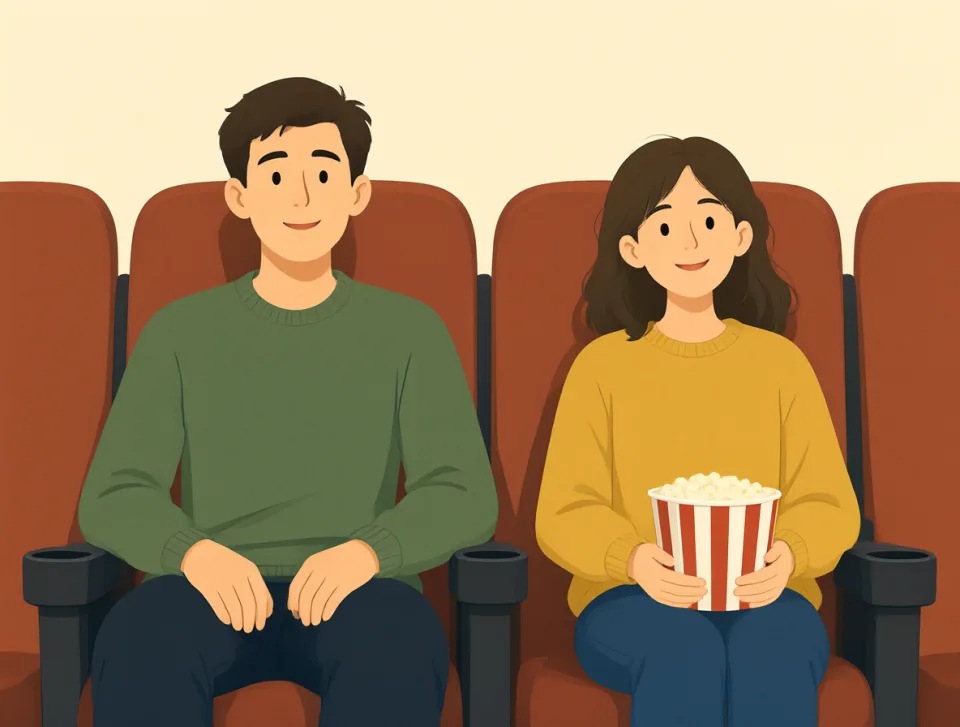
The movie began when we found our seats.
जब हमें अपनी सीटें मिल गईं, तब फ़िल्म शुरू हुई।

She began to feel better yesterday.
कल उसे बेहतर महसूस होने लगा।

The rain began during our walk.
हमारी सैर के दौरान बारिश शुरू हो गई।
important
#190adjective
महत्वपूर्ण
Having great value, meaning, or effect; needing attention.
जिसका बहुत मूल्य, अर्थ या प्रभाव हो; जिस पर ध्यान देना ज़रूरी हो।

This meeting is very important to our team.
यह बैठक हमारी टीम के लिए बहुत महत्वपूर्ण है।

It is important to drink water every day.
हर दिन पानी पीना ज़रूरी है।
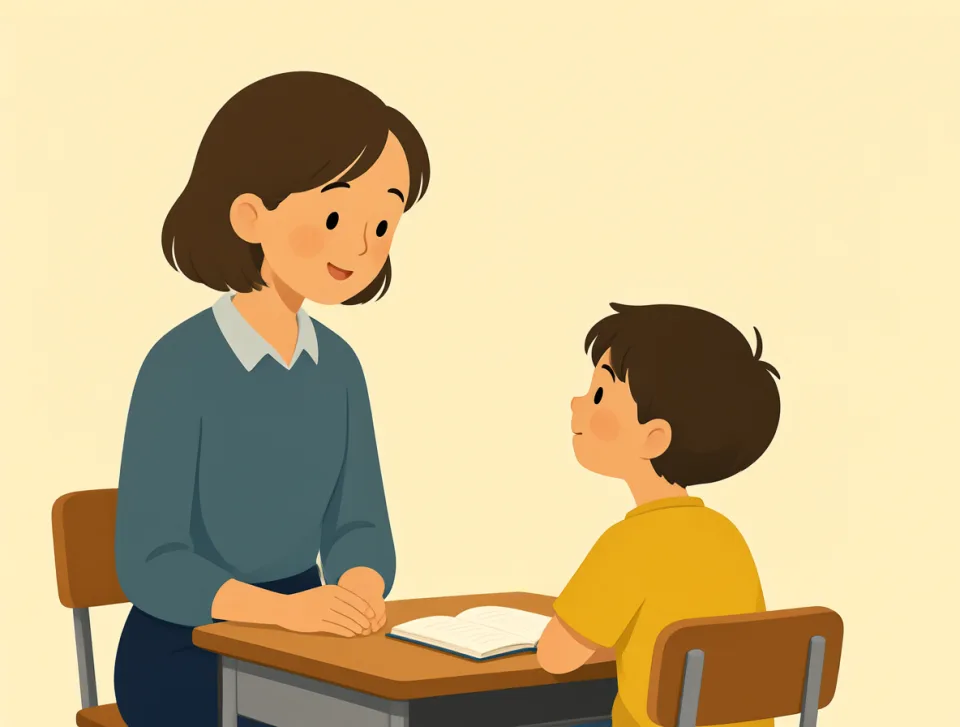
My teacher said sleep is important for learning.
मेरे शिक्षक ने कहा कि सीखने के लिए नींद ज़रूरी है।
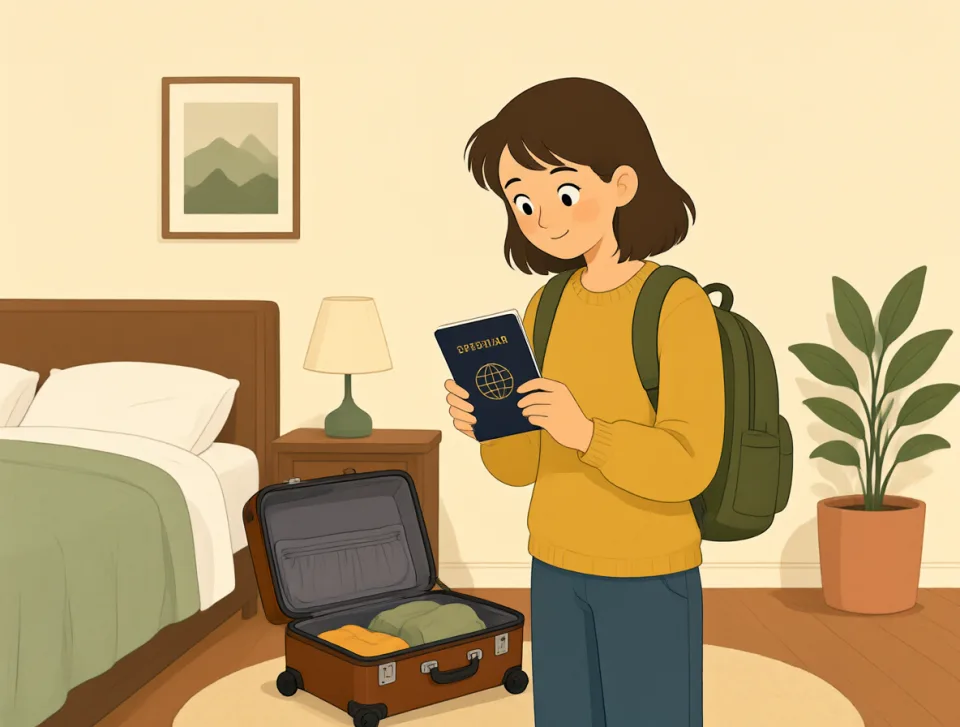
Please bring your passport; it is important.
कृपया अपना पासपोर्ट ले आइए; यह ज़रूरी है।

She bought an important gift for her mother.
उसने अपनी माँ के लिए एक खास तोहफ़ा खरीदा।

since
#191preposition, conjunction, adverb
से
from a time in the past until now, or because something happened
अतीत के किसी समय से लेकर अब तक, या क्योंकि कुछ हुआ
I have lived here since 2020.
मैं 2020 से यहाँ रह रहा हूँ।
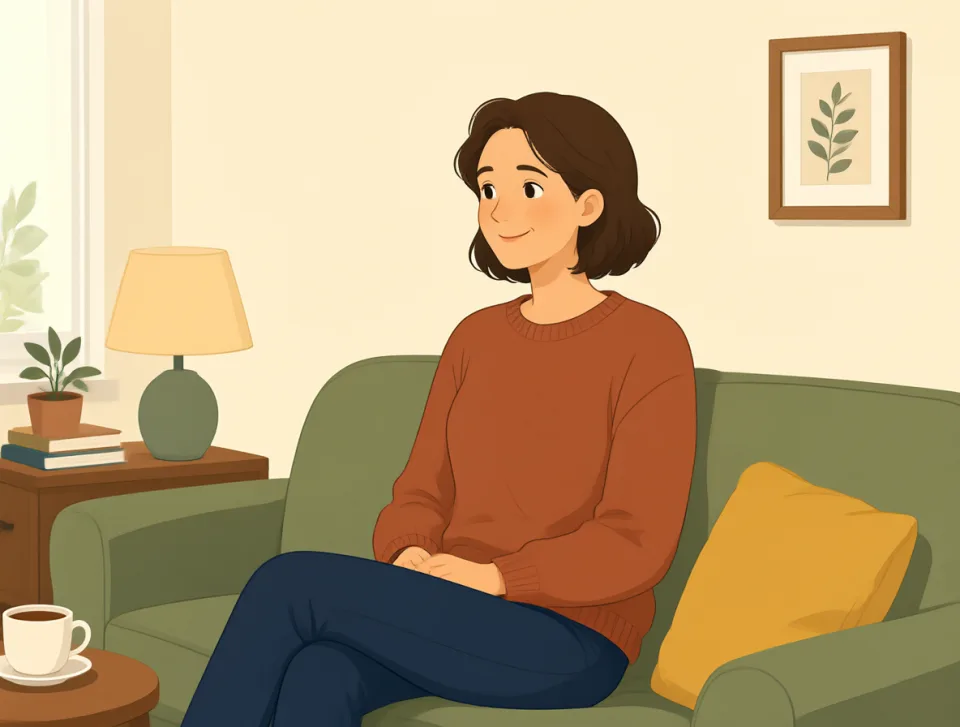
She has felt better since yesterday.
कल से उसकी तबीयत बेहतर है।
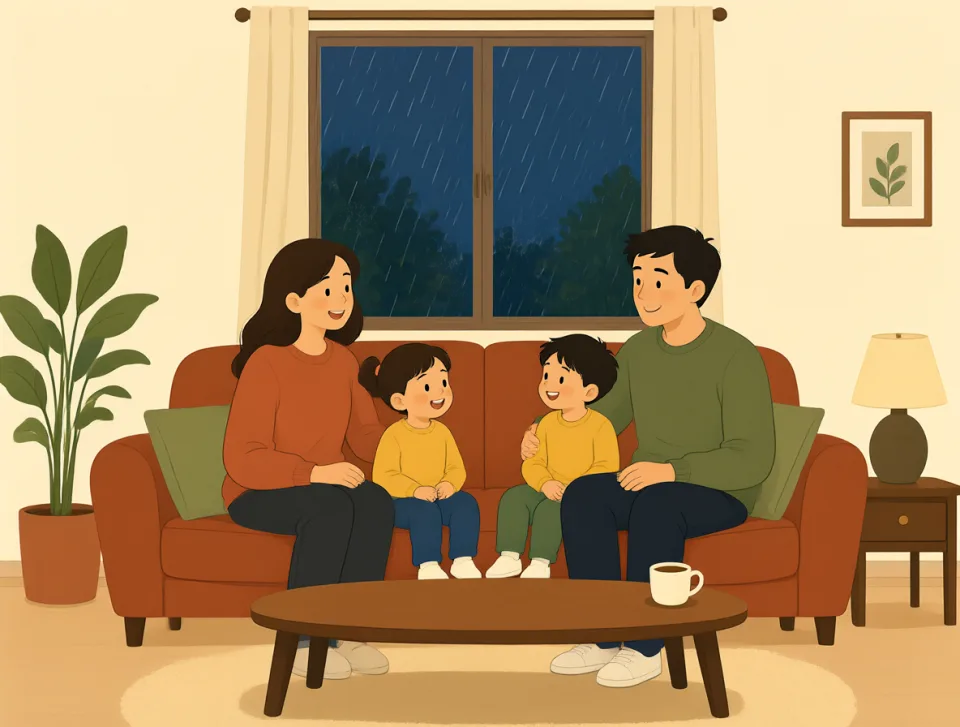
Since it was raining, we stayed home.
बारिश हो रही थी, इसलिए हम घर पर ही रहे।
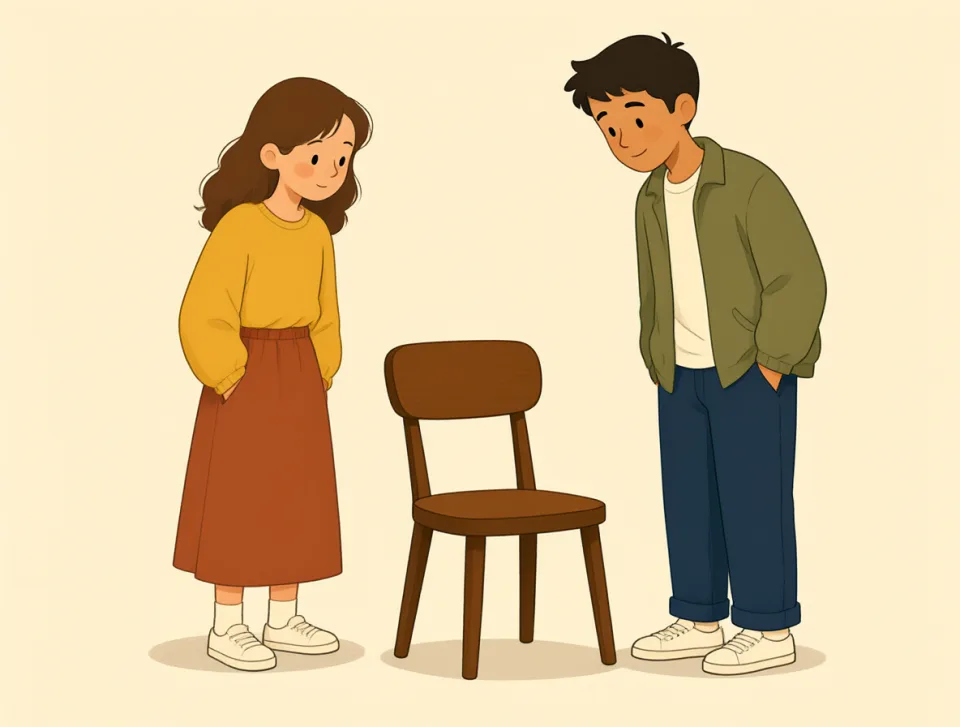
We have not seen Tom since Monday.
हमने सोमवार के बाद से टॉम को नहीं देखा है।
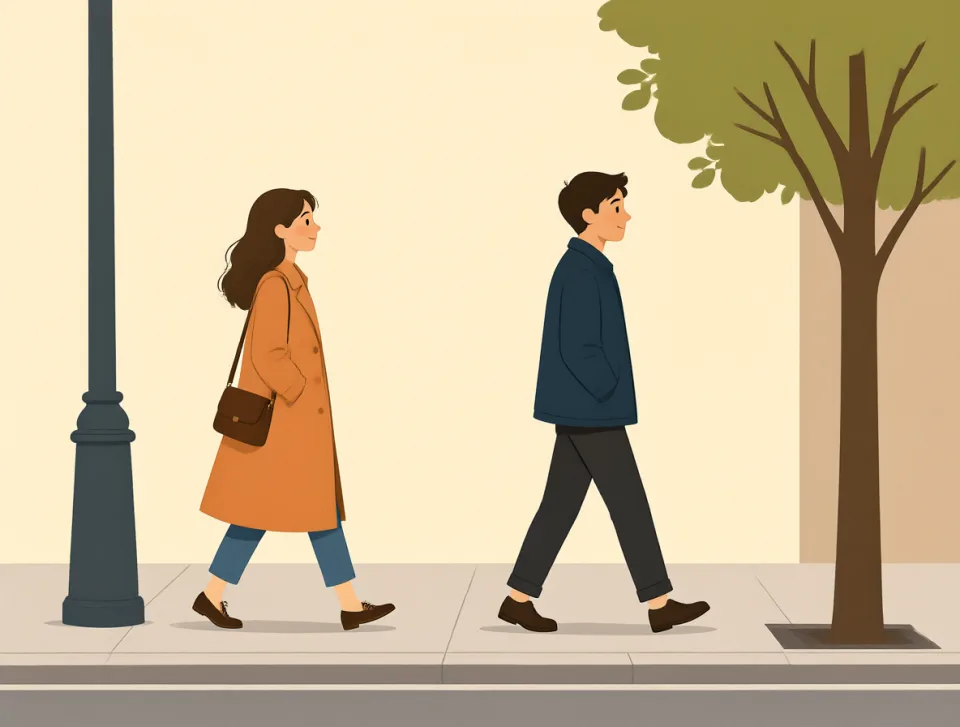
I met her once, but have not spoken since.
मैं उससे एक बार मिला था, लेकिन उसके बाद बात नहीं हुई।
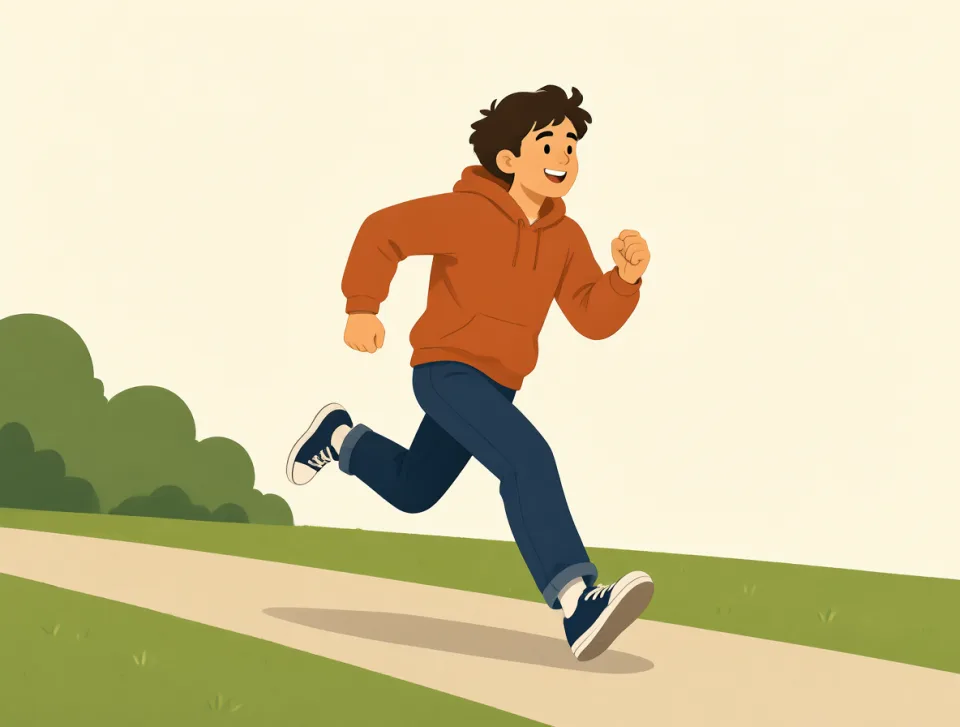
run
#192verb, noun
दौड़ना; चलाना
to move quickly on foot, or to manage and operate something
पैरों से तेज़ी से चलना, या किसी चीज़ का प्रबंधन और संचालन करना
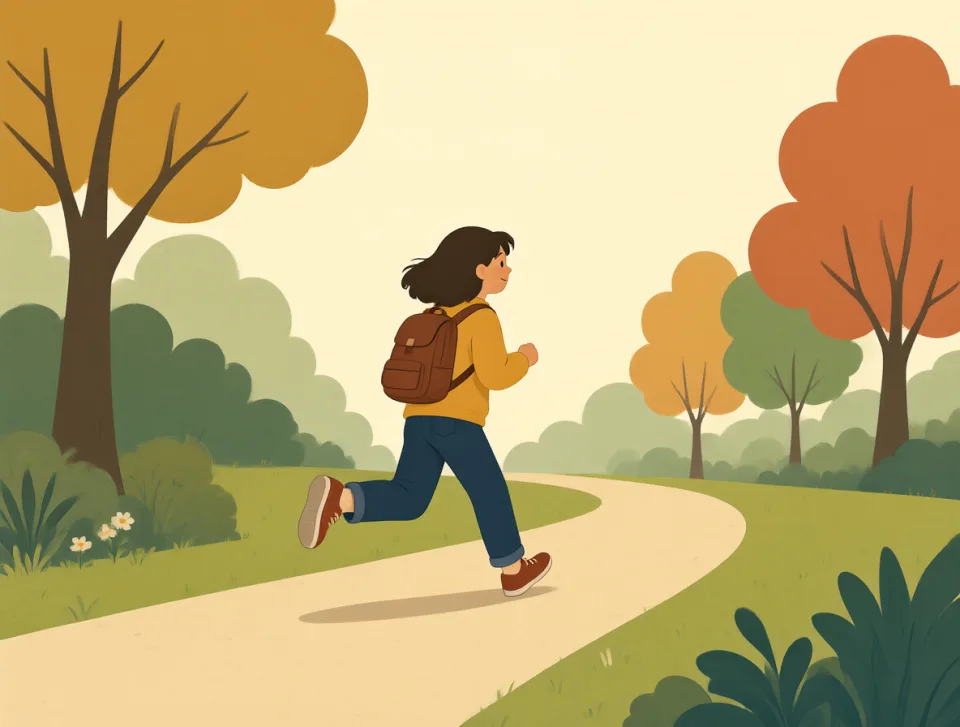
I run every morning before work.
मैं काम पर जाने से पहले हर सुबह दौड़ता हूँ।
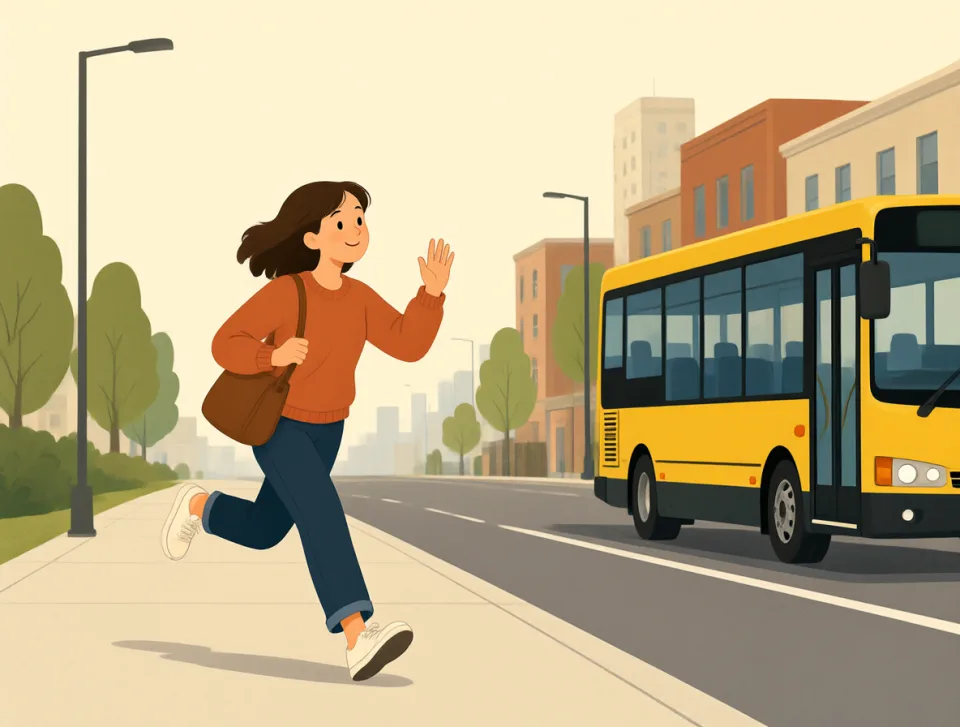
She ran to catch the bus.
वह बस पकड़ने के लिए दौड़ी।
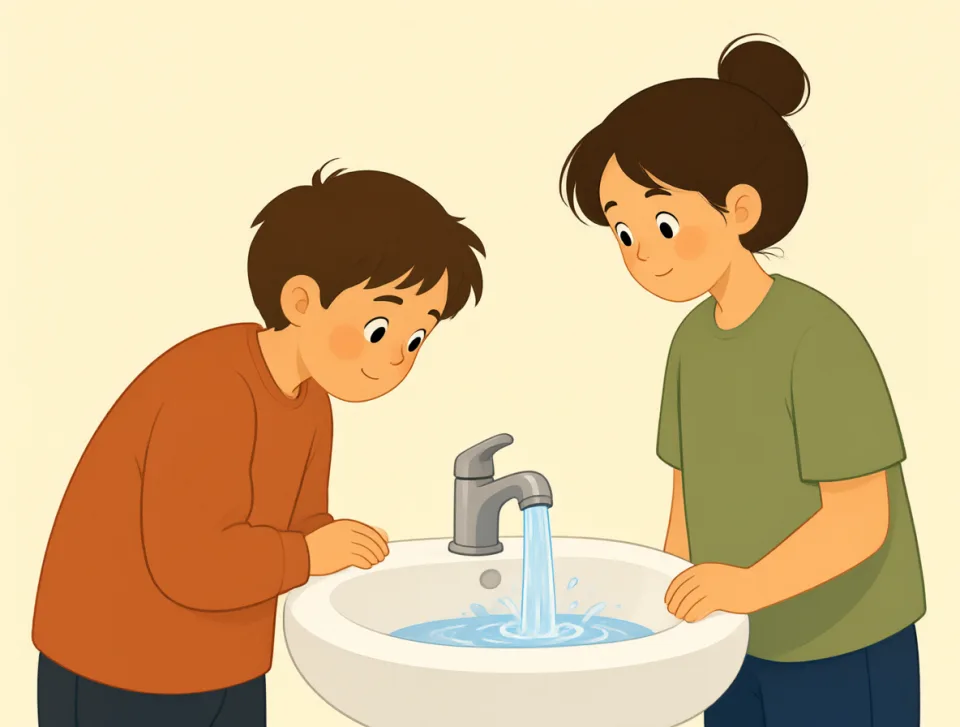
The water is running in the bathroom.
बाथरूम में पानी चल रहा है।
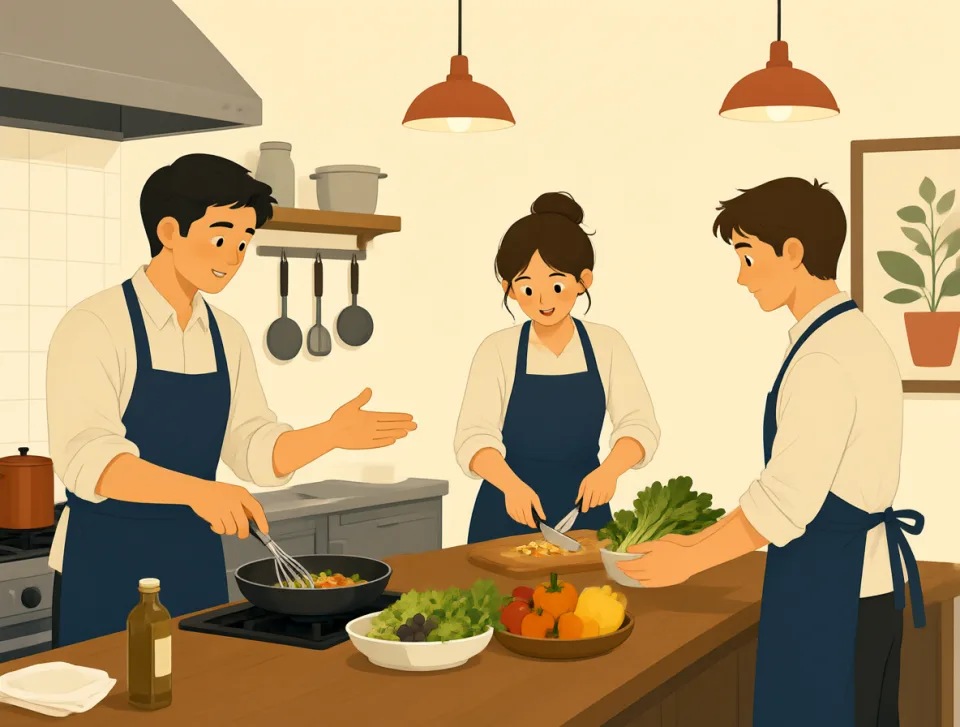
My uncle runs a small restaurant.
मेरे चाचा एक छोटा-सा रेस्टोरेंट चलाते हैं।
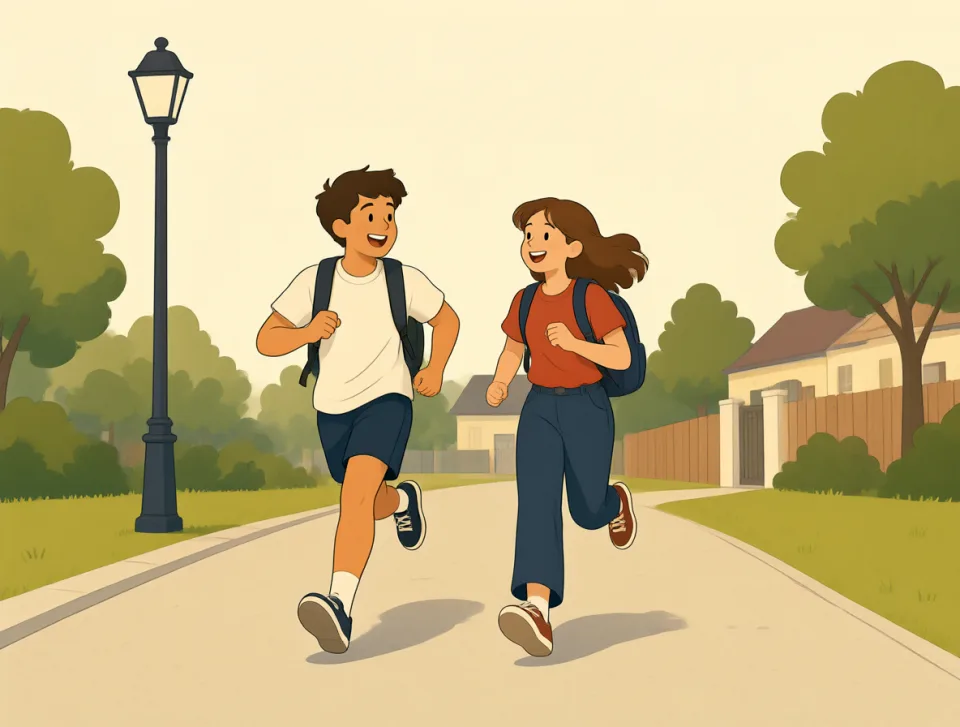
We went for a run after school.
हम स्कूल के बाद दौड़ लगाने गए।
under
#193preposition, adverb, adjective
के नीचे
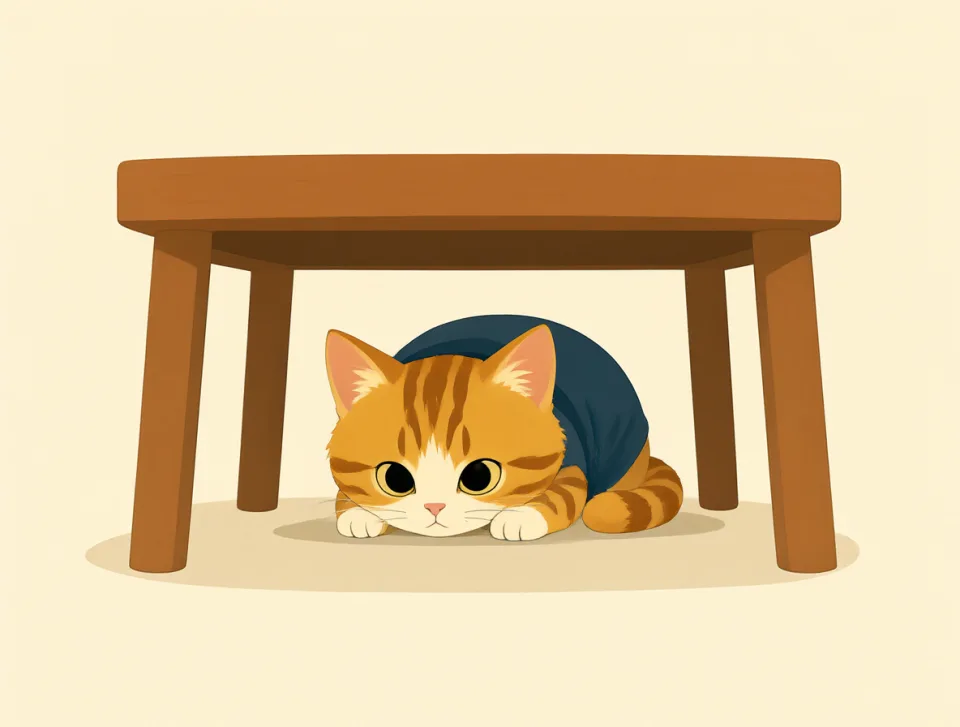
In or to a lower position than something else.
किसी दूसरी चीज़ से नीचे की स्थिति में या उसकी ओर।
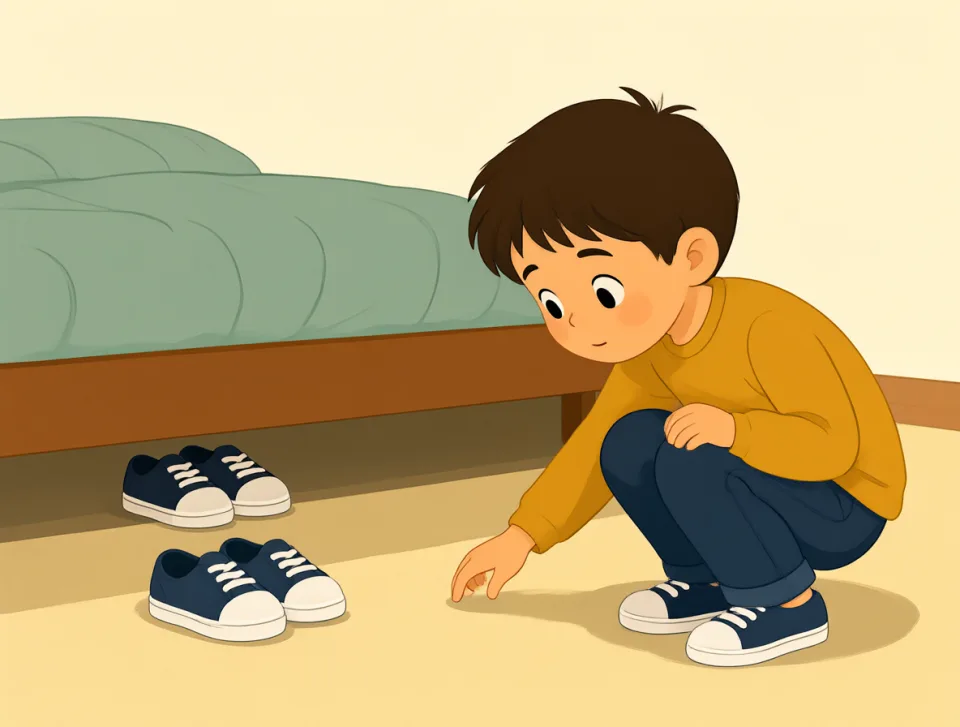
The shoes are under the bed.
जूते बिस्तर के नीचे हैं।

She works under a kind manager.
वह एक दयालु मैनेजर के अधीन काम करती है।
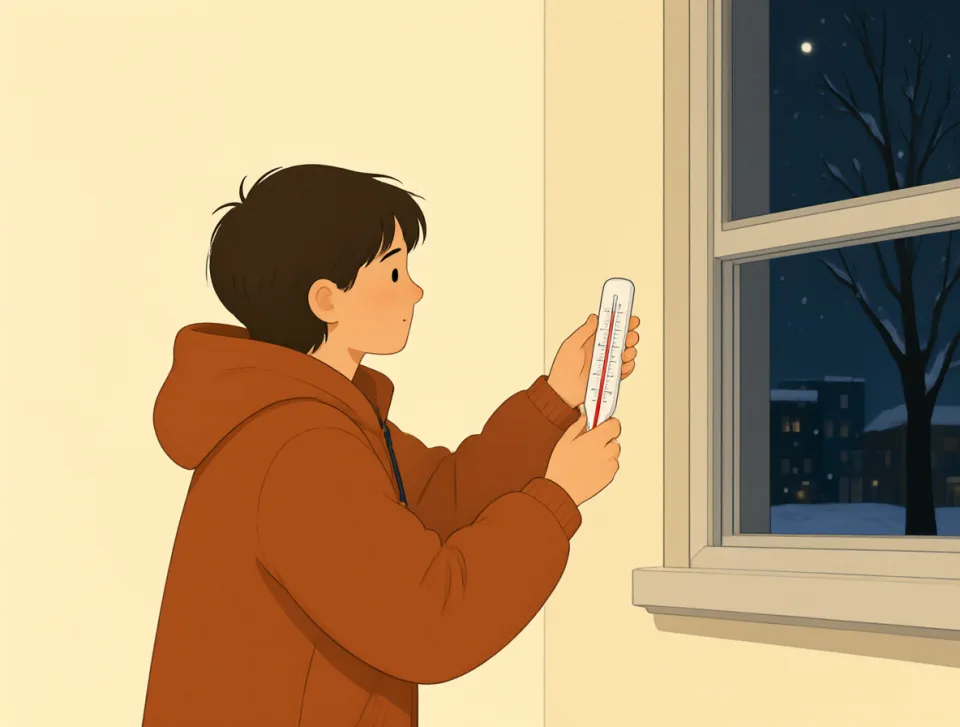
The temperature fell under zero last night.
कल रात तापमान शून्य से नीचे चला गया।
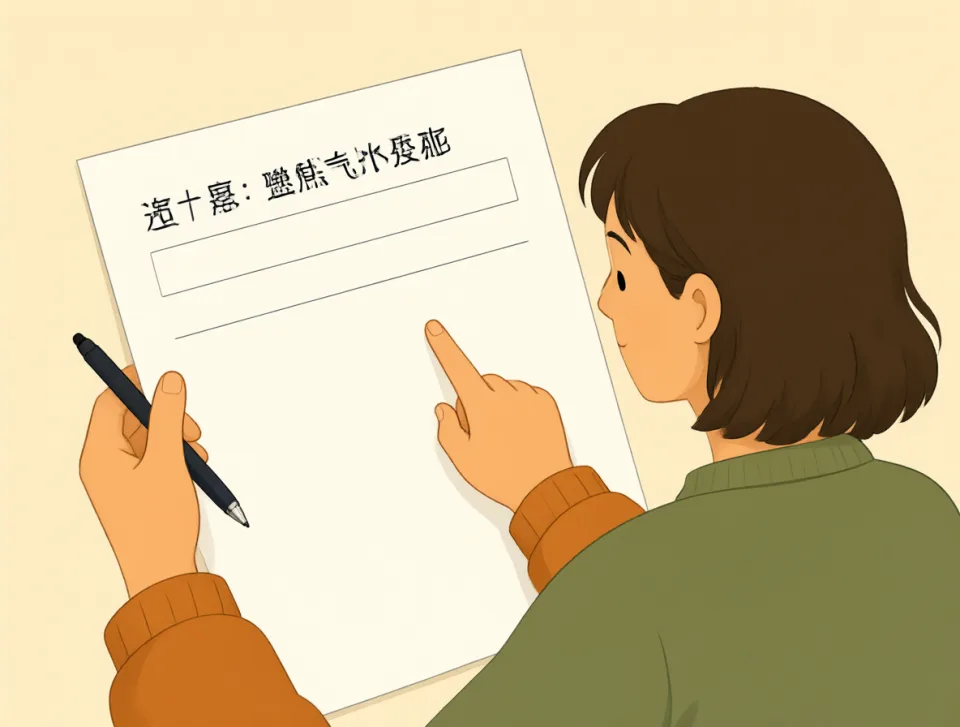
Please sign under your name.
कृपया अपने नाम के नीचे हस्ताक्षर करें।

The children ran under the bridge.
बच्चे पुल के नीचे से दौड़कर गुज़रे।
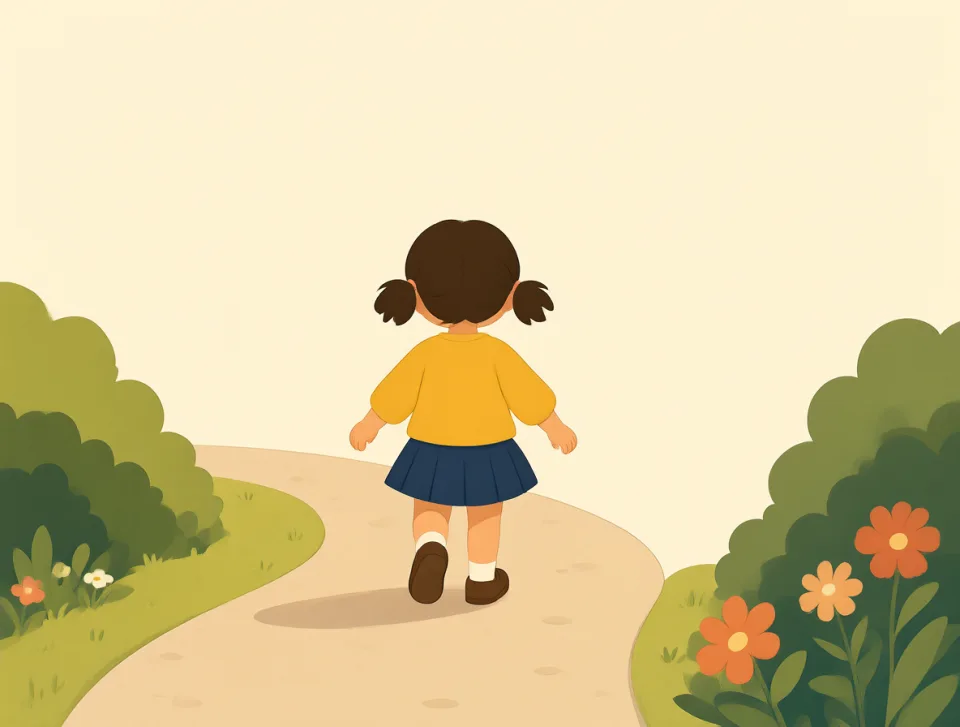
turn
#194verb, noun
मुड़ना; बारी
To move in a different direction, or the time when someone gets to do something.
किसी दूसरी दिशा में मुड़ना, या वह समय जब किसी की कुछ करने की बारी आती है।
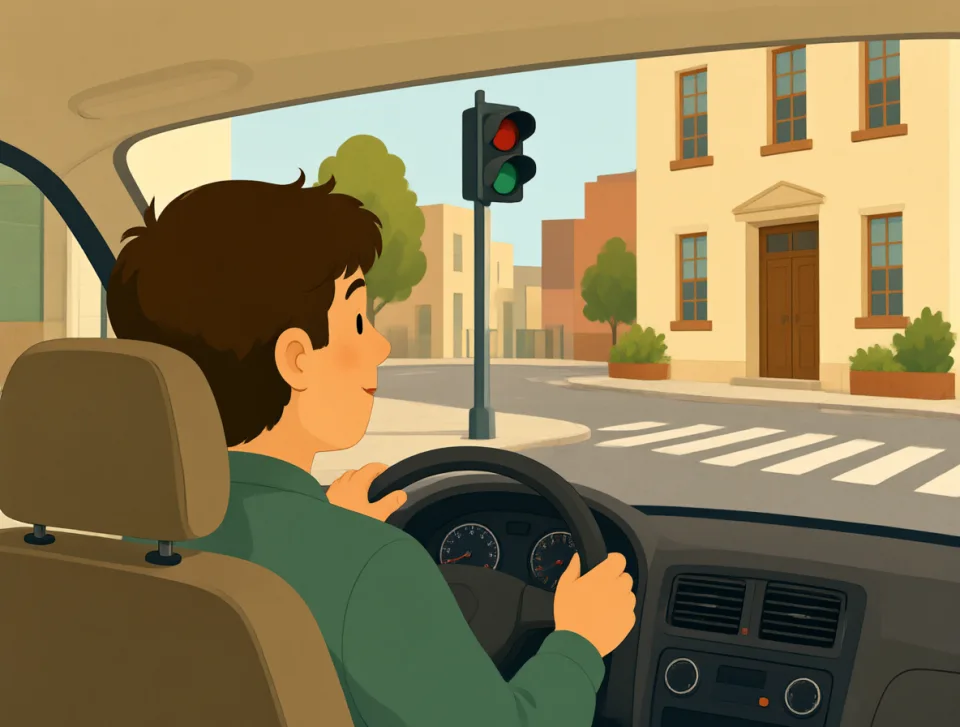
Turn left at the corner, please.
कृपया मोड़ पर बाएँ मुड़ें।
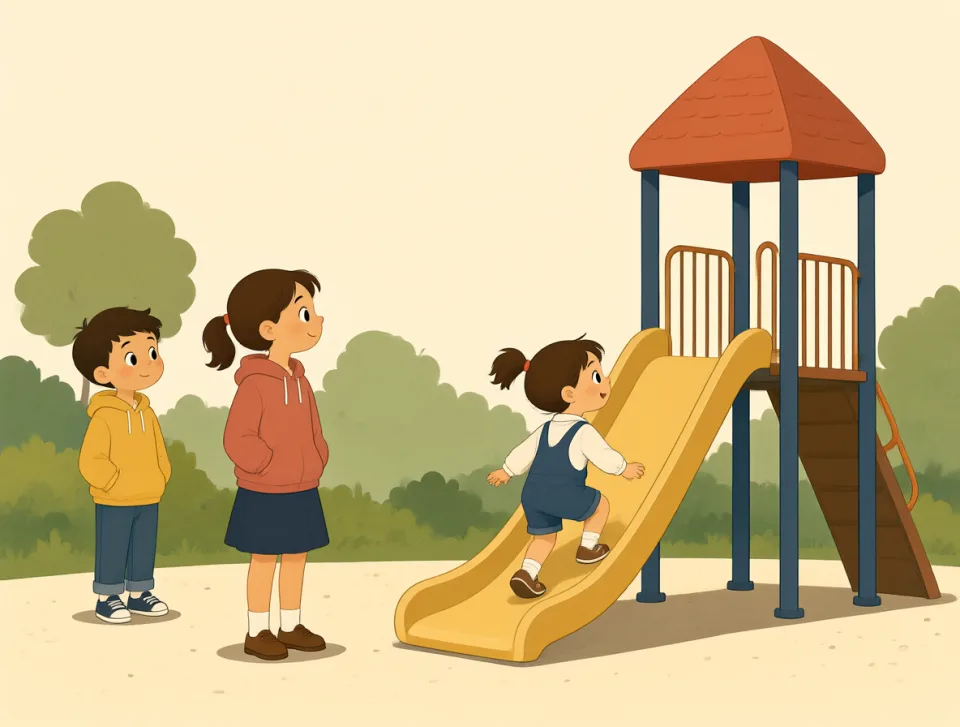
Please wait for your turn.
कृपया अपनी बारी का इंतज़ार करें।
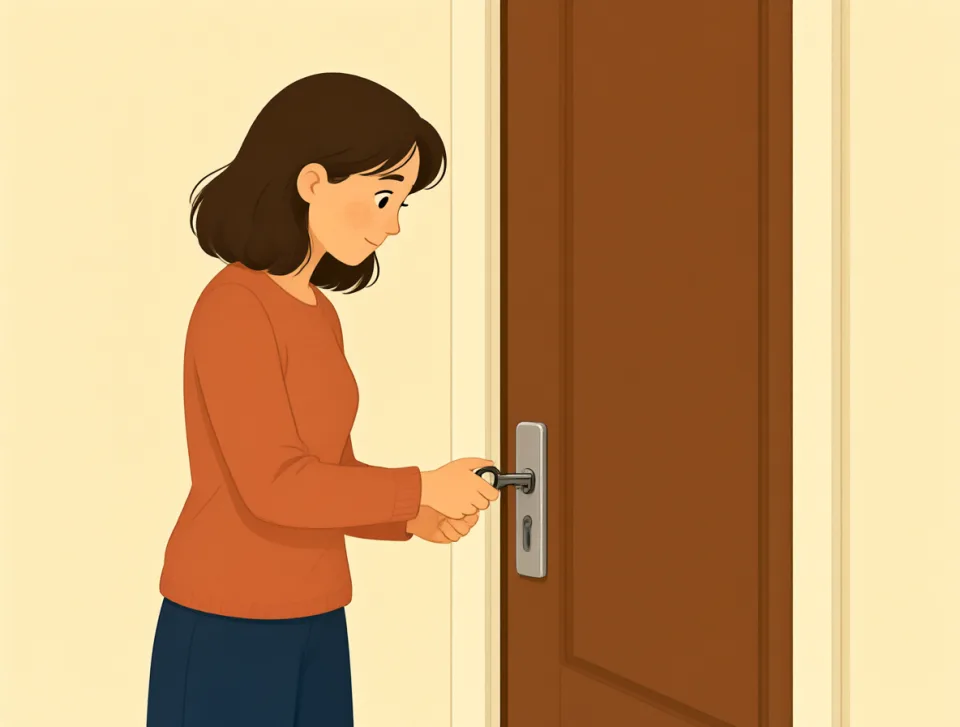
She turned the key in the lock.
उसने ताले में चाबी घुमाई।
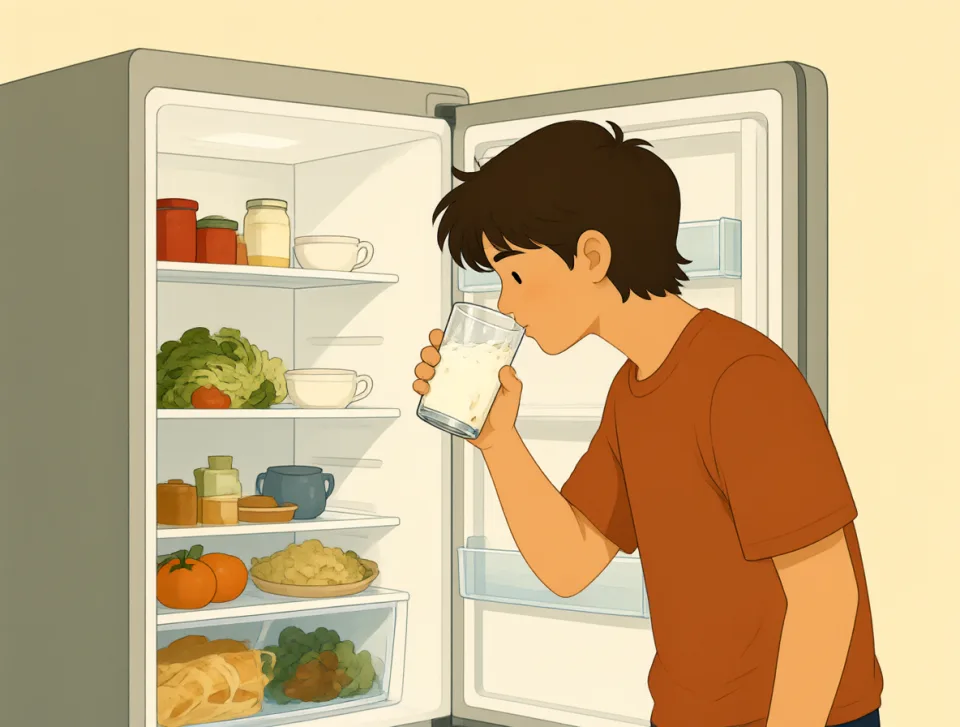
The milk turned sour in the fridge.
फ्रिज में दूध खट्टा हो गया।
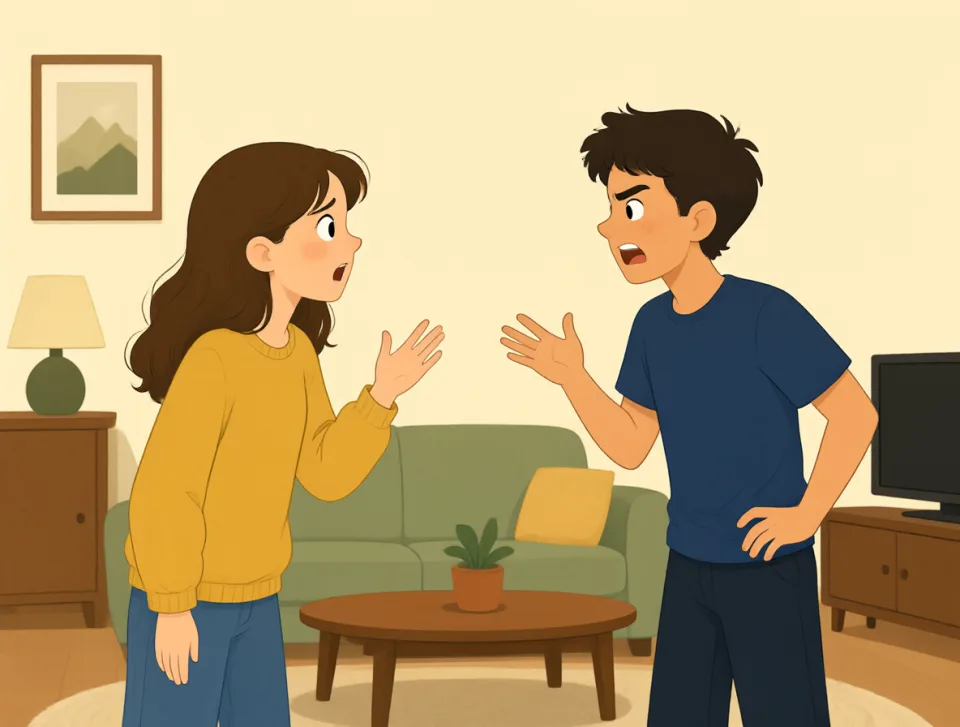
Our conversation turned into an argument.
हमारी बातचीत बहस में बदल गई।
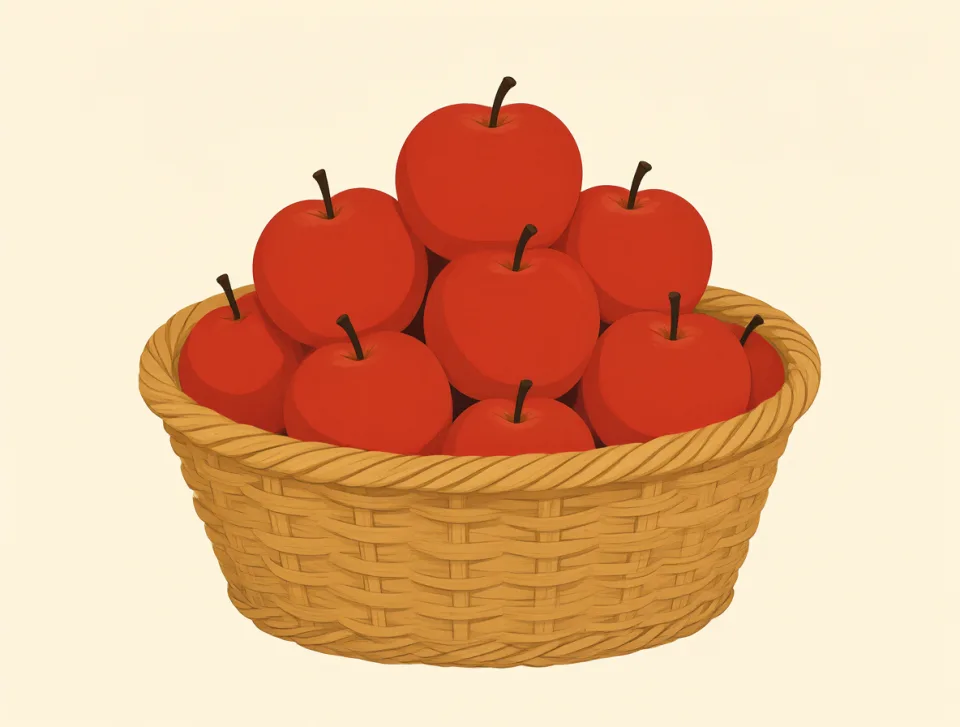
few
#195determiner, pronoun, adjective
कुछ; थोड़े-से
A small number of people or things, usually less than expected.
लोगों या चीज़ों की कम संख्या, आमतौर पर जितनी अपेक्षा की गई हो उससे कम।
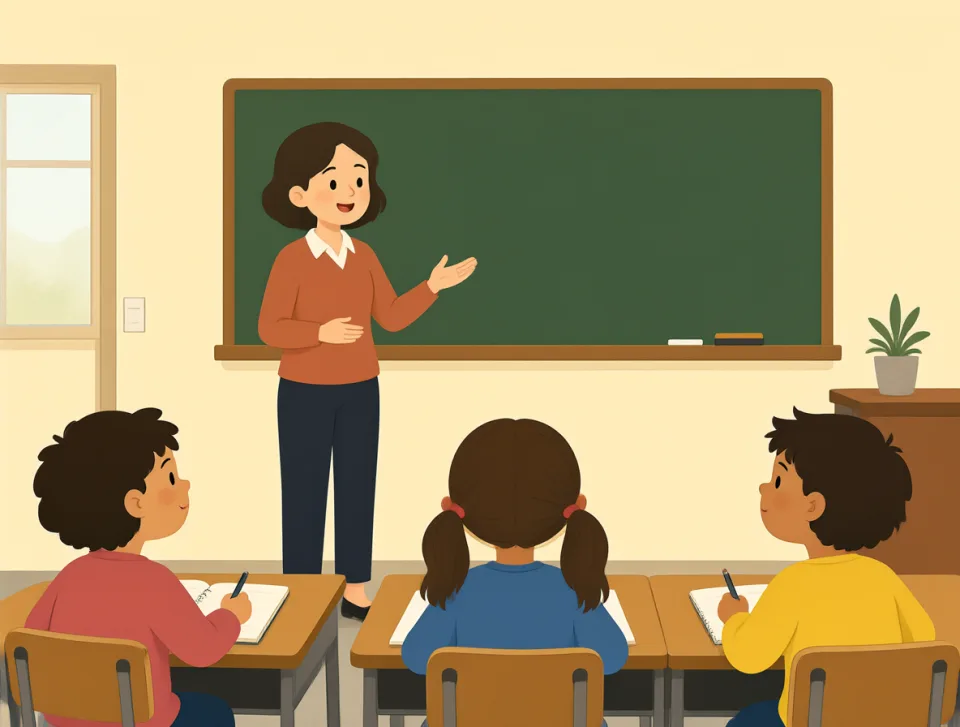
Only a few students came to class.
कक्षा में केवल कुछ ही छात्र आए।
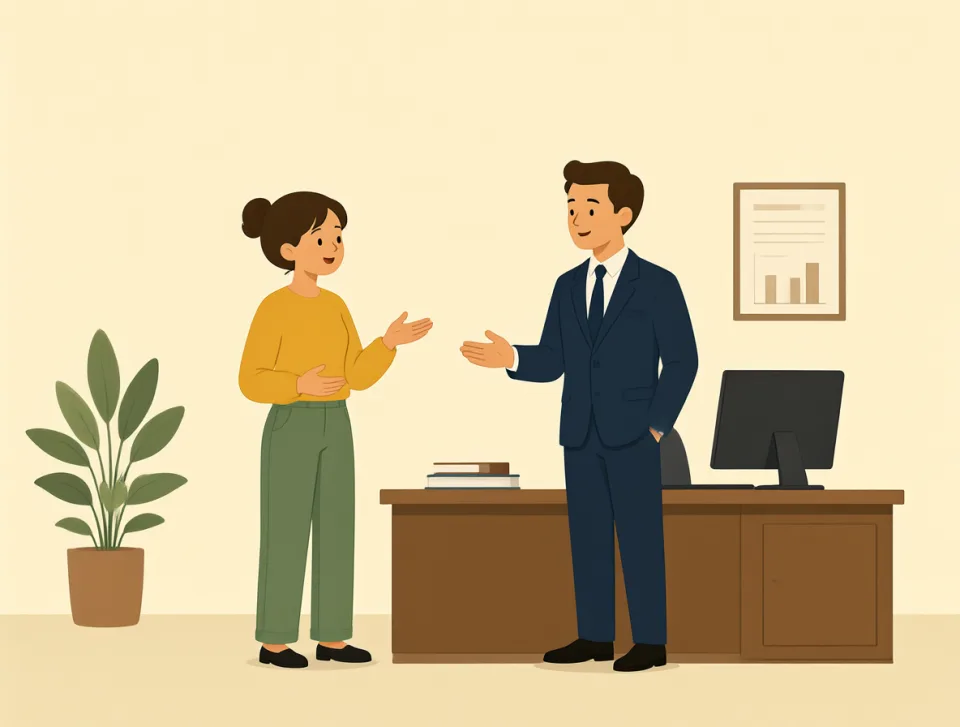
I have a few questions about this job.
इस नौकरी के बारे में मेरे कुछ सवाल हैं।
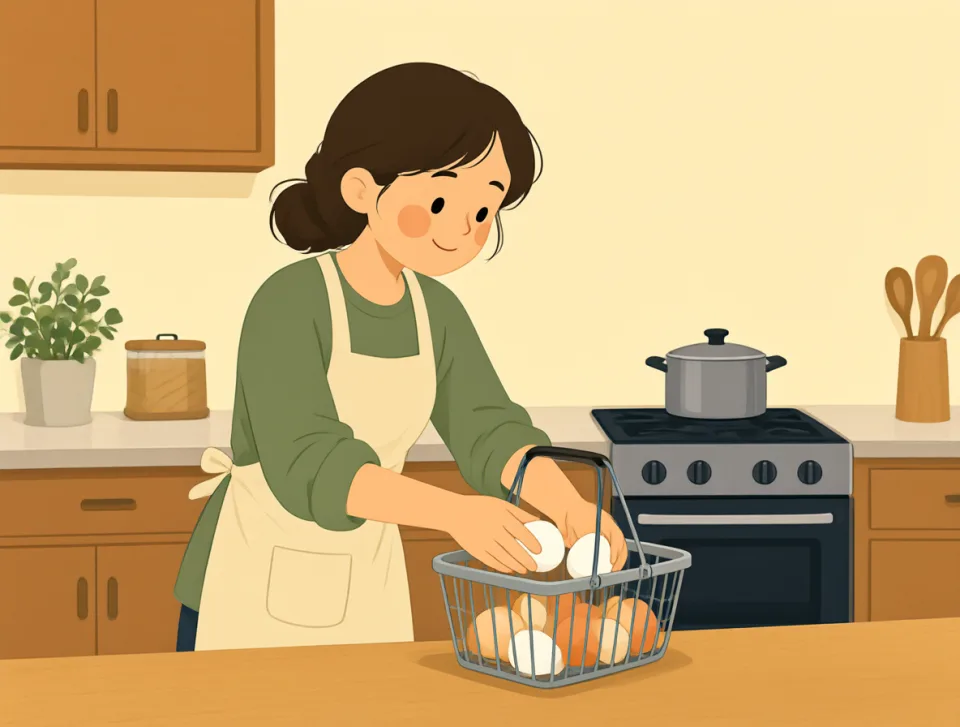
We need a few more eggs for breakfast.
हमें नाश्ते के लिए कुछ और अंडे चाहिए।

Few people travel there in winter.
सर्दियों में वहाँ बहुत कम लोग जाते हैं।
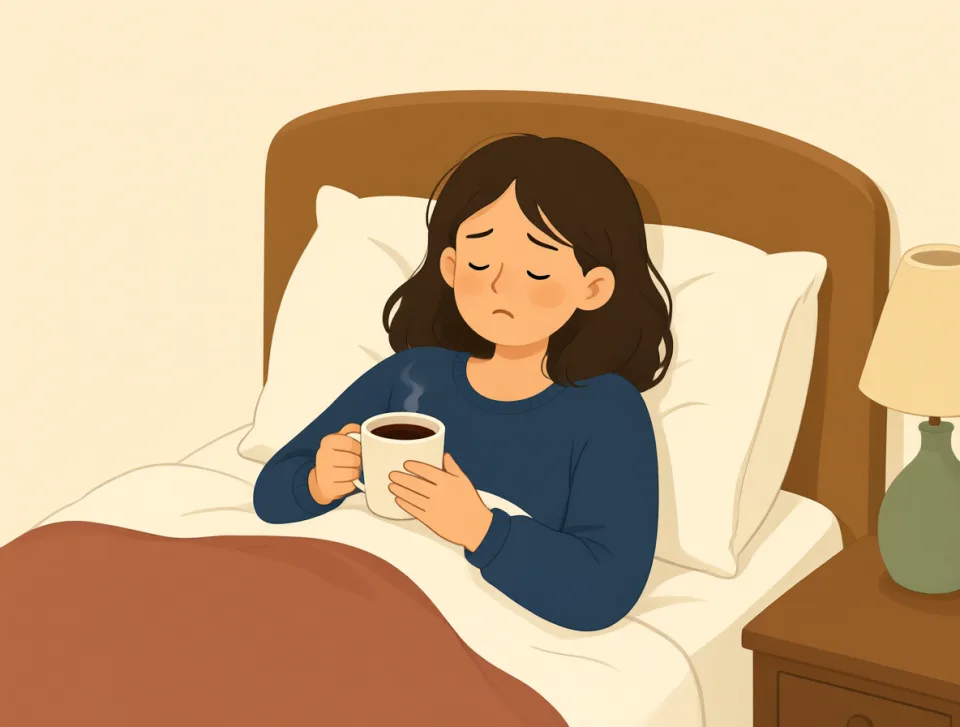
She stayed home for a few days.
वह कुछ दिनों तक घर पर रही।
bring
#196verb
लाना
to take or carry someone or something with you to a place
किसी व्यक्ति या चीज़ को अपने साथ किसी जगह ले जाना

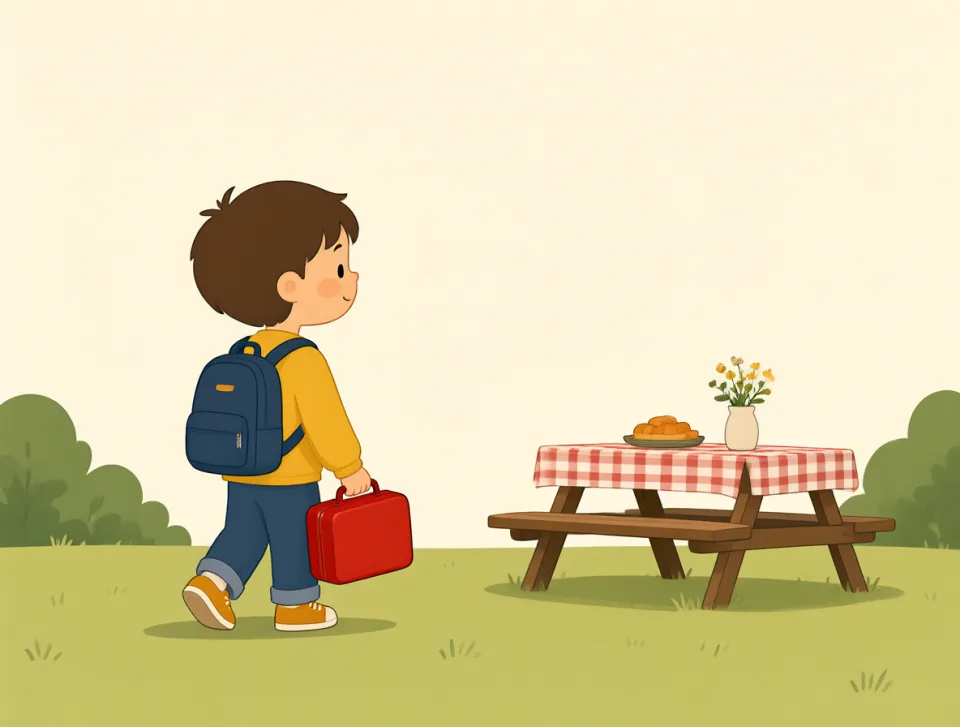
Please bring your book to class tomorrow.
कृपया कल कक्षा में अपनी किताब ले आइए।
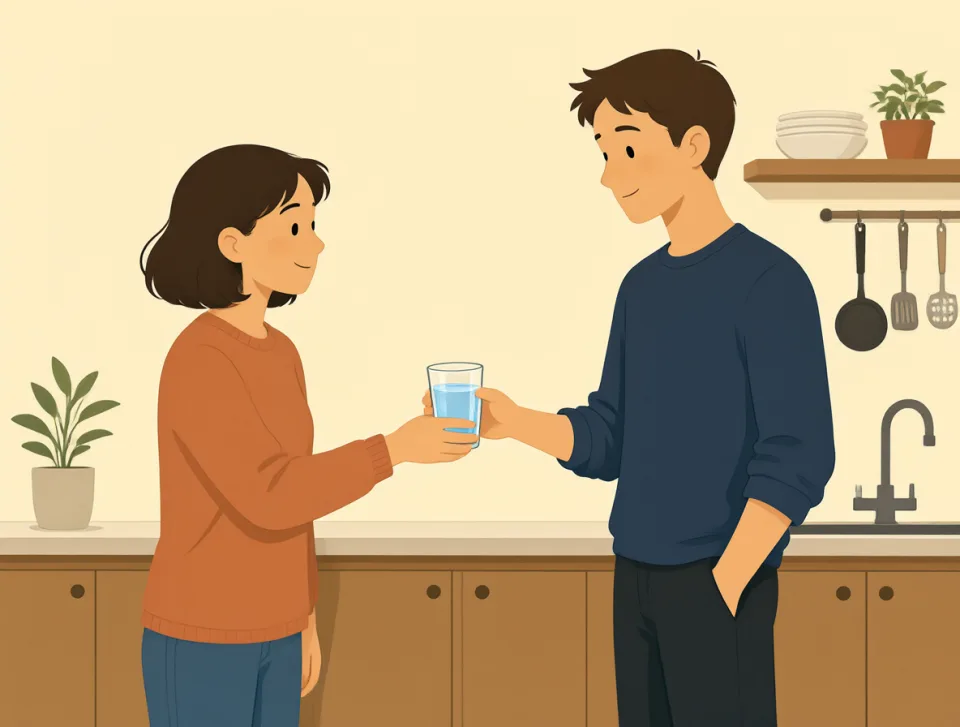
Can you bring me a glass of water?
क्या तुम मेरे लिए एक गिलास पानी ला सकते हो?
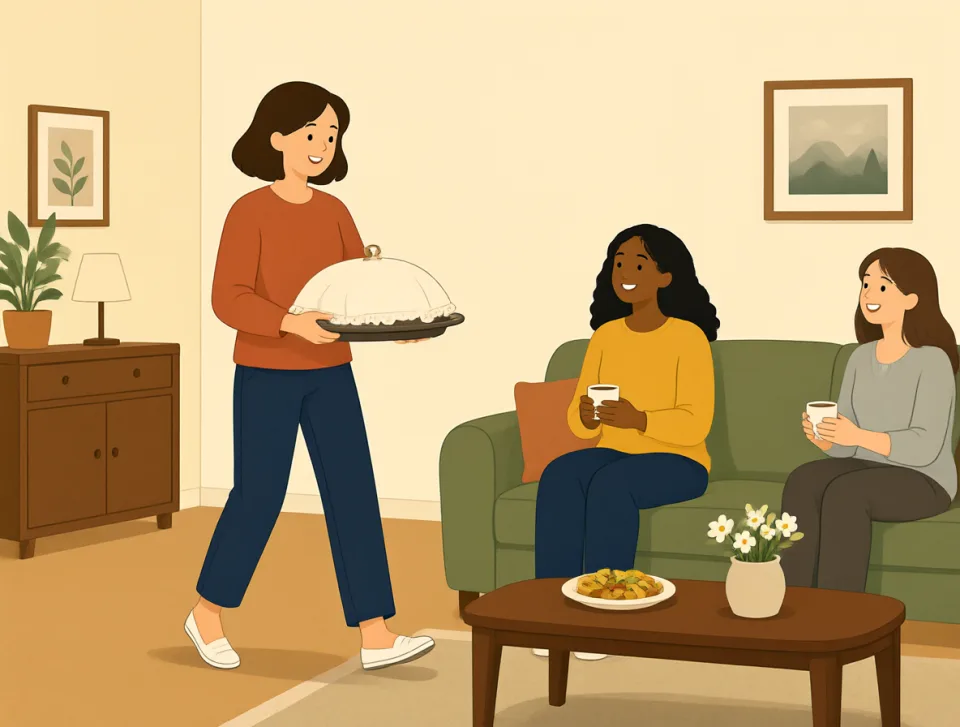
She brought some food for the party.
वह पार्टी के लिए कुछ खाना लाई।
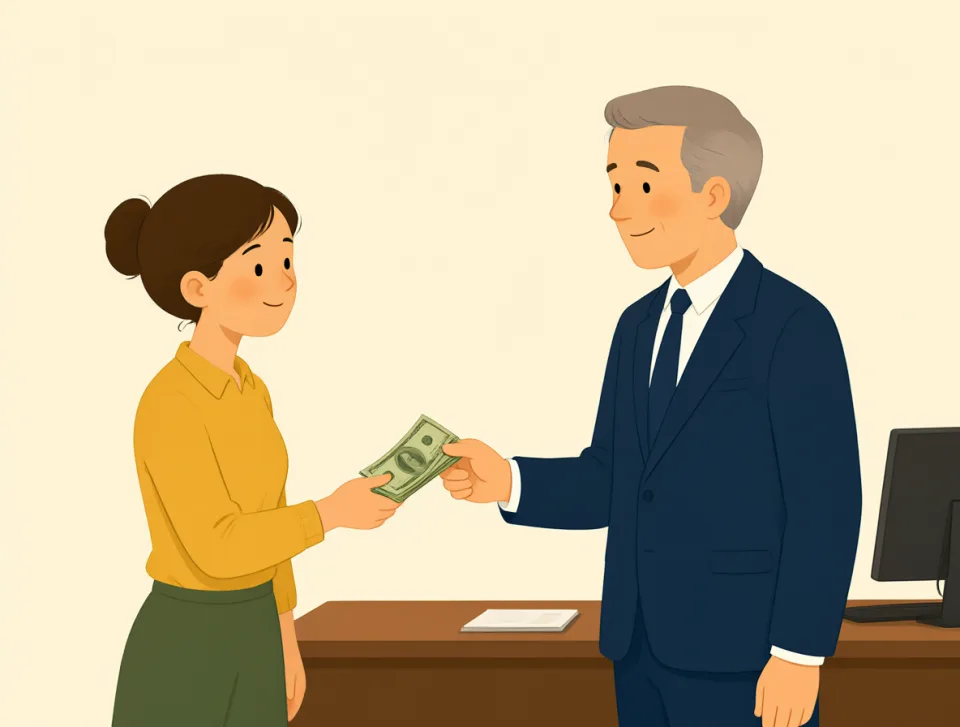
The new job brought him more money.
नई नौकरी से उसे ज़्यादा पैसे मिलने लगे।
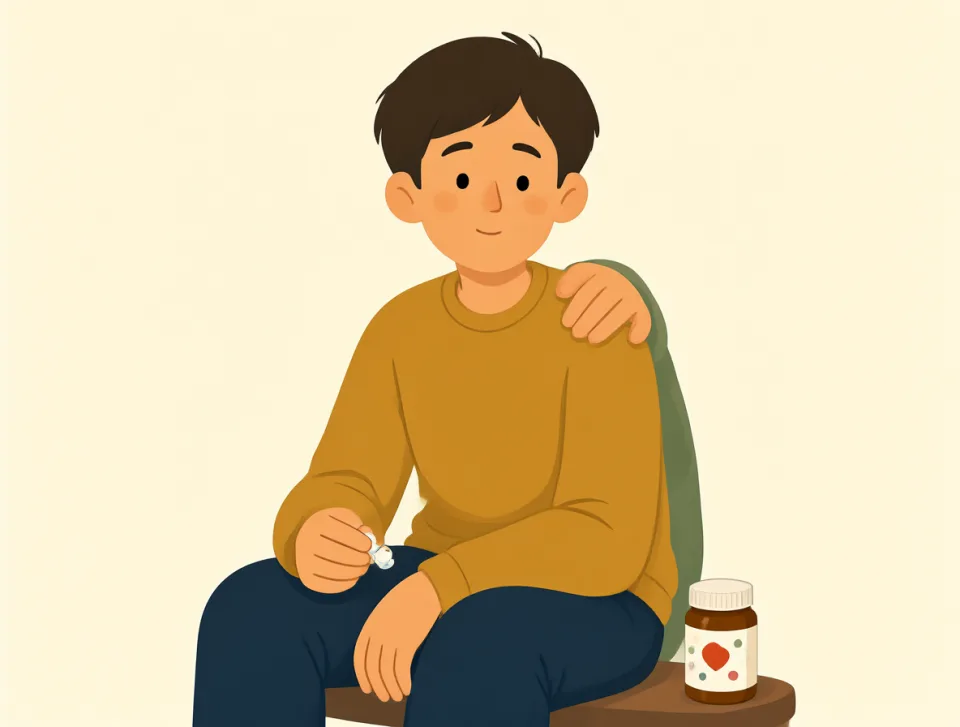
This medicine brings quick relief from pain.
यह दवा दर्द से जल्दी राहत दिलाती है।

early
#197adjective, adverb
जल्दी
Happening or arriving before the usual or expected time.
सामान्य या अपेक्षित समय से पहले होना या पहुँचना।
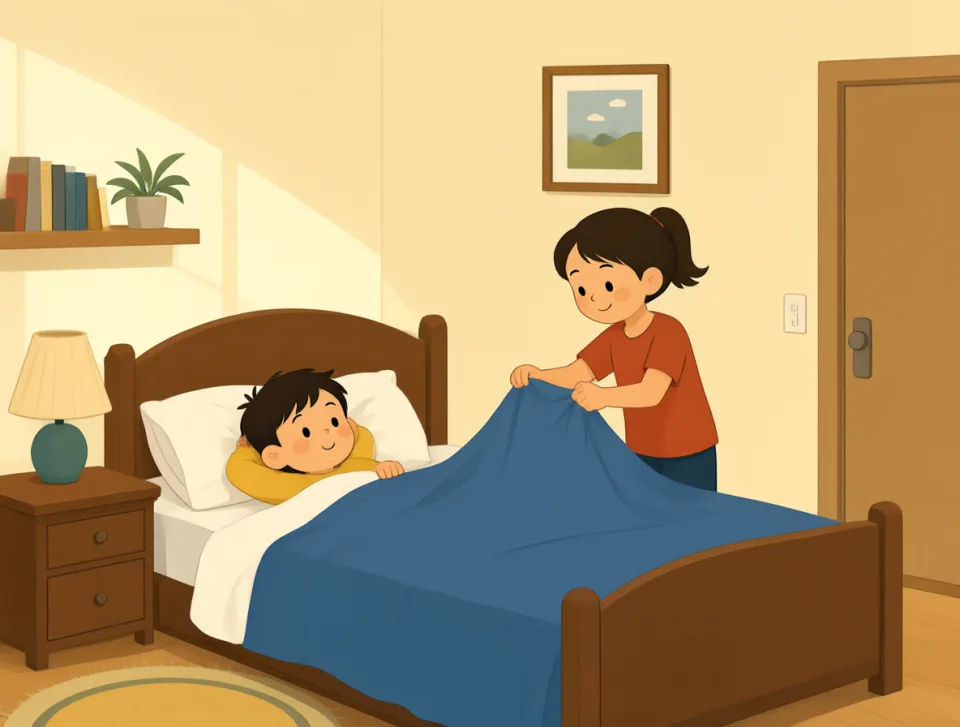
I wake up early every morning.
मैं हर सुबह जल्दी उठता हूँ।
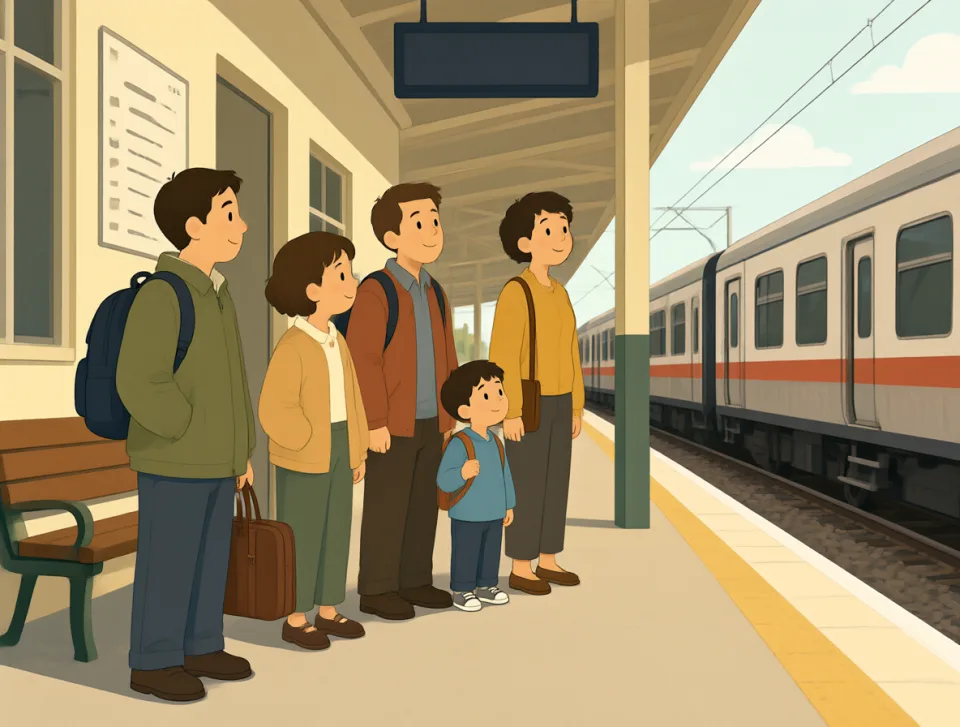
We arrived early for the train.
हम ट्रेन के लिए जल्दी पहुँच गए।
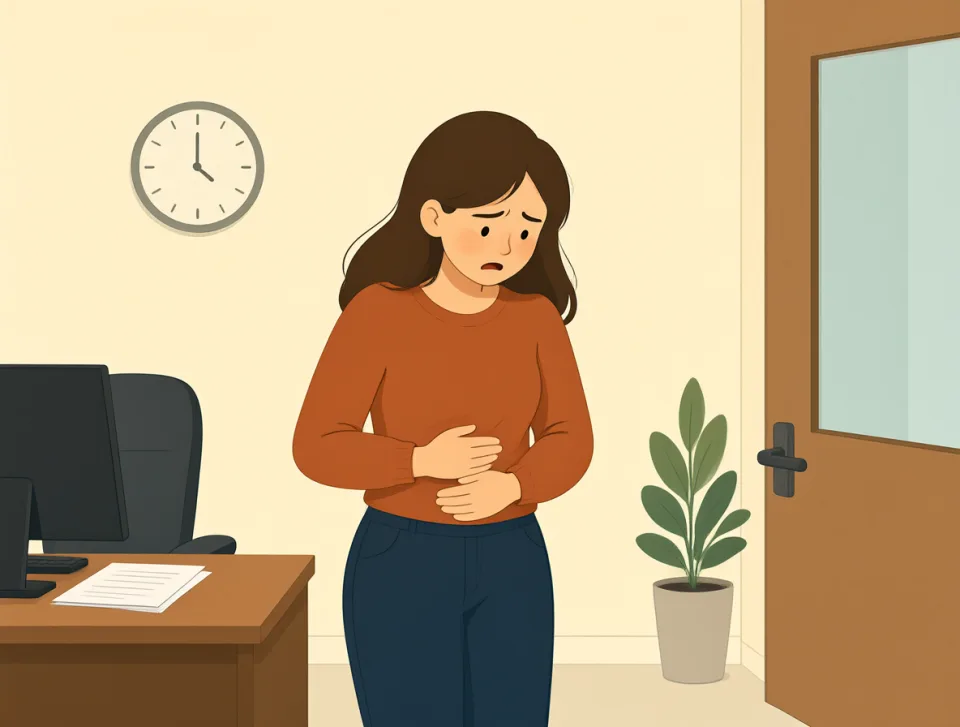
She left work early because she felt sick.
तबीयत खराब लगने के कारण वह काम से जल्दी चली गई।

The shop opens early on Saturdays.
शनिवार को दुकान जल्दी खुलती है।
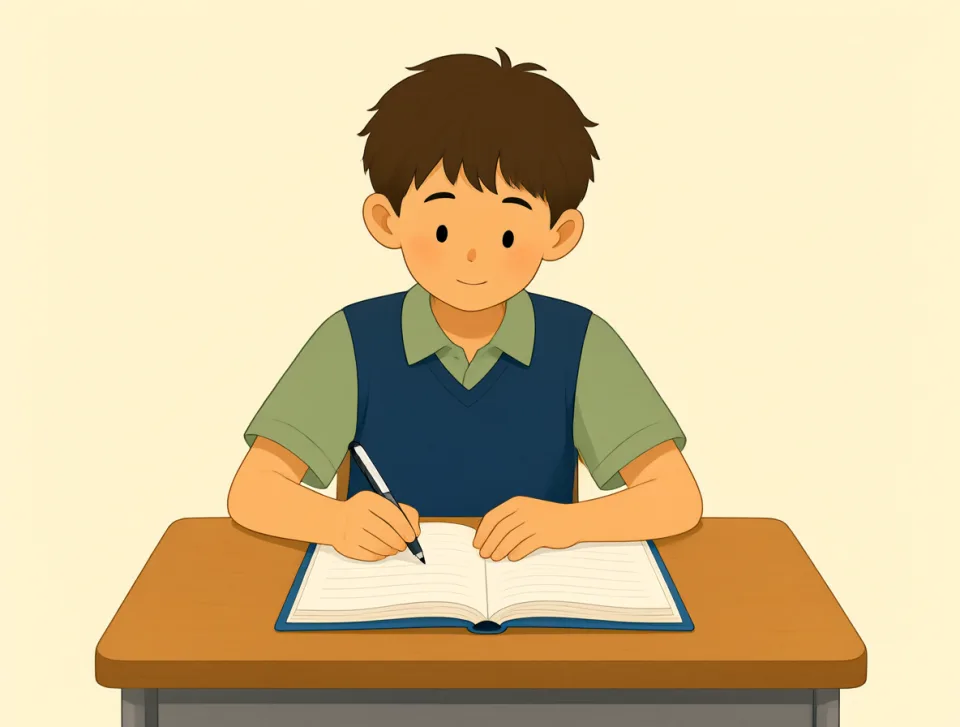
He finished his homework early.
उसने अपना गृहकार्य जल्दी पूरा कर लिया।
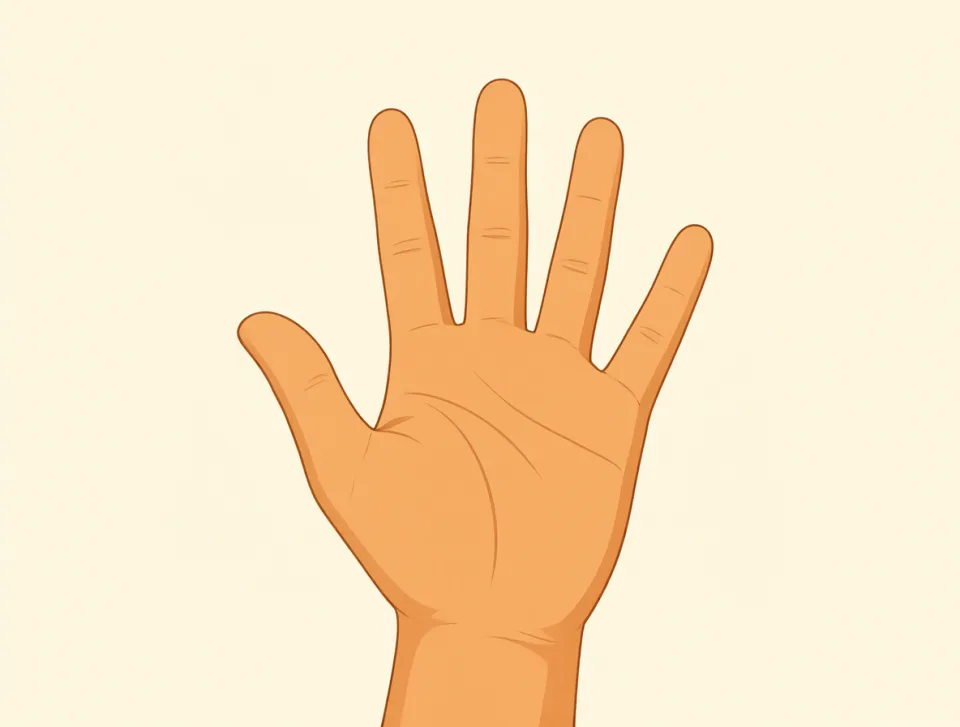
hand
#198noun, verb
हाथ
The part of your body from your wrist to your fingers; to give or pass something.
कलाई से उँगलियों तक शरीर का हिस्सा; किसी चीज़ को देना या आगे बढ़ाना।
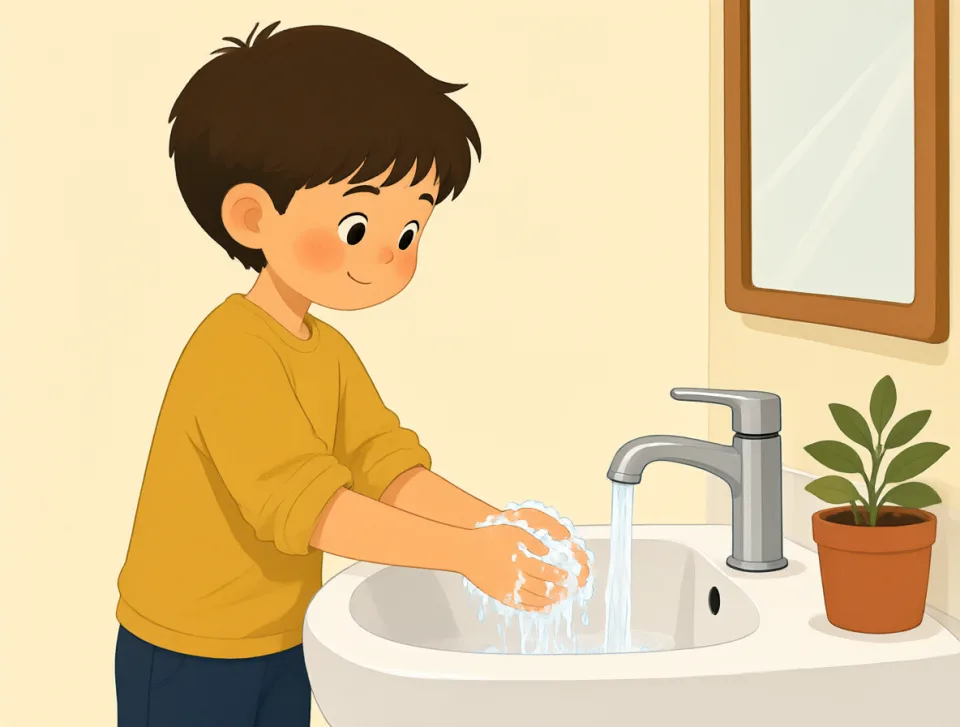
Wash your hands before you eat.
खाने से पहले अपने हाथ धो लो।
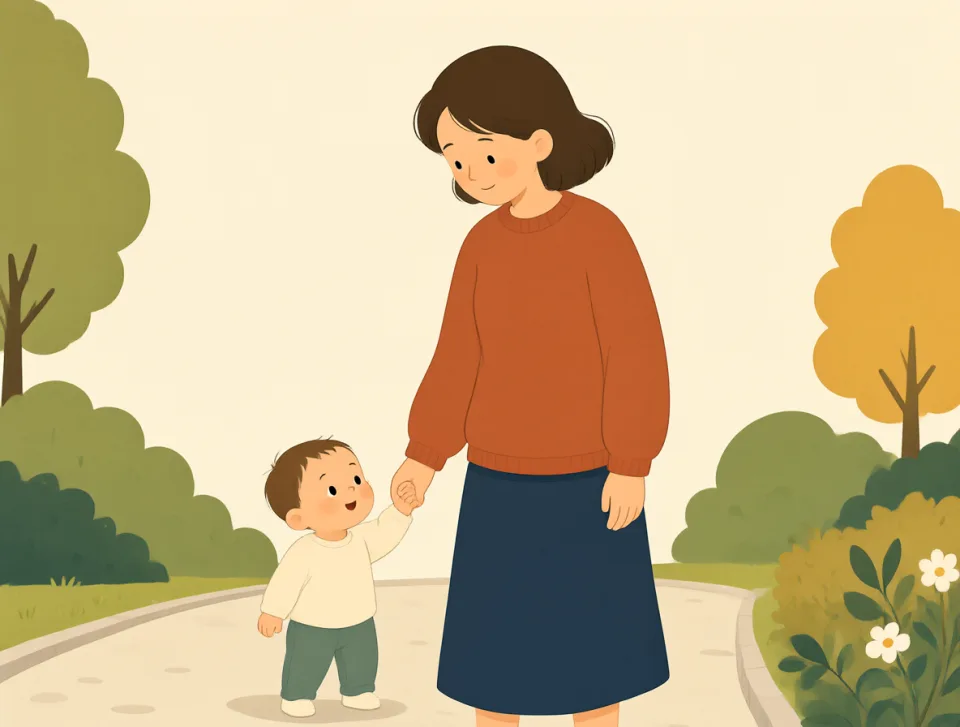
She held the baby’s hand tightly.
उसने बच्चे का हाथ कसकर थाम रखा था।
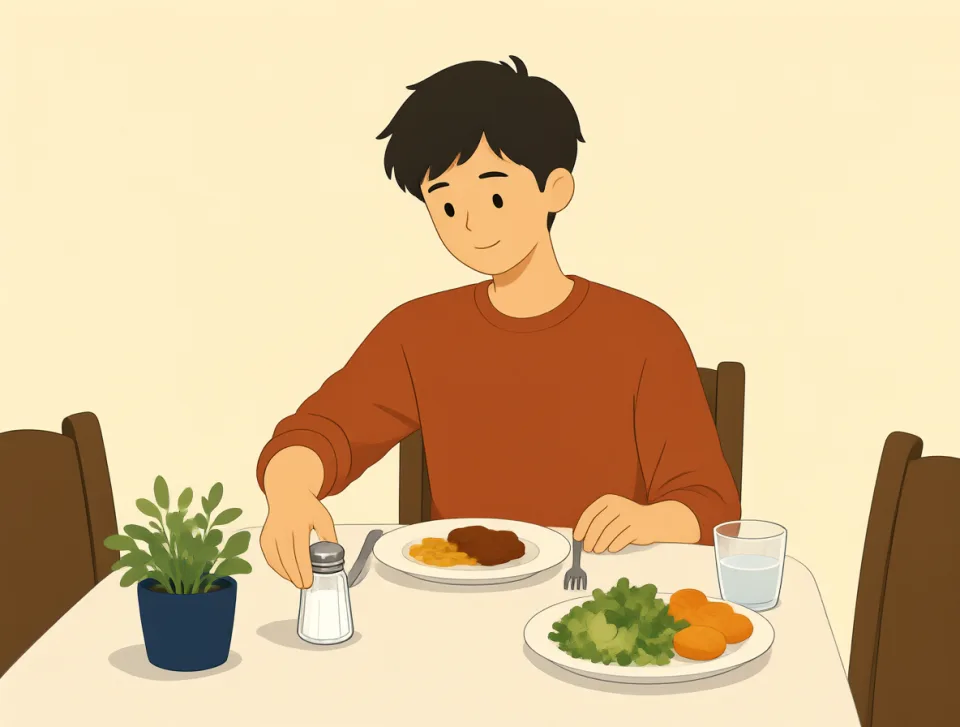
Please hand me the salt.
कृपया मुझे नमक देना।
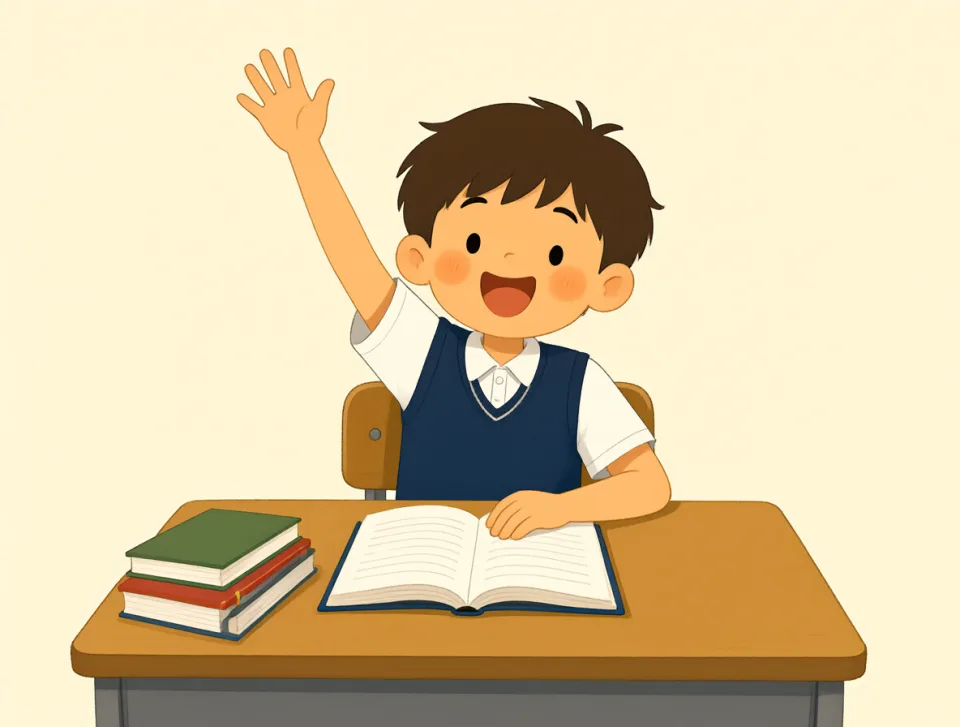
He raised his hand in class.
उसने कक्षा में अपना हाथ उठाया।

They shook hands after the meeting.
बैठक के बाद उन्होंने एक-दूसरे से हाथ मिलाया।
state
#199noun, verb
स्थिति
A state is a condition, or a large area with its own government.
स्थिति का अर्थ है कोई हालत, या अपना शासन रखने वाला एक बड़ा क्षेत्र।
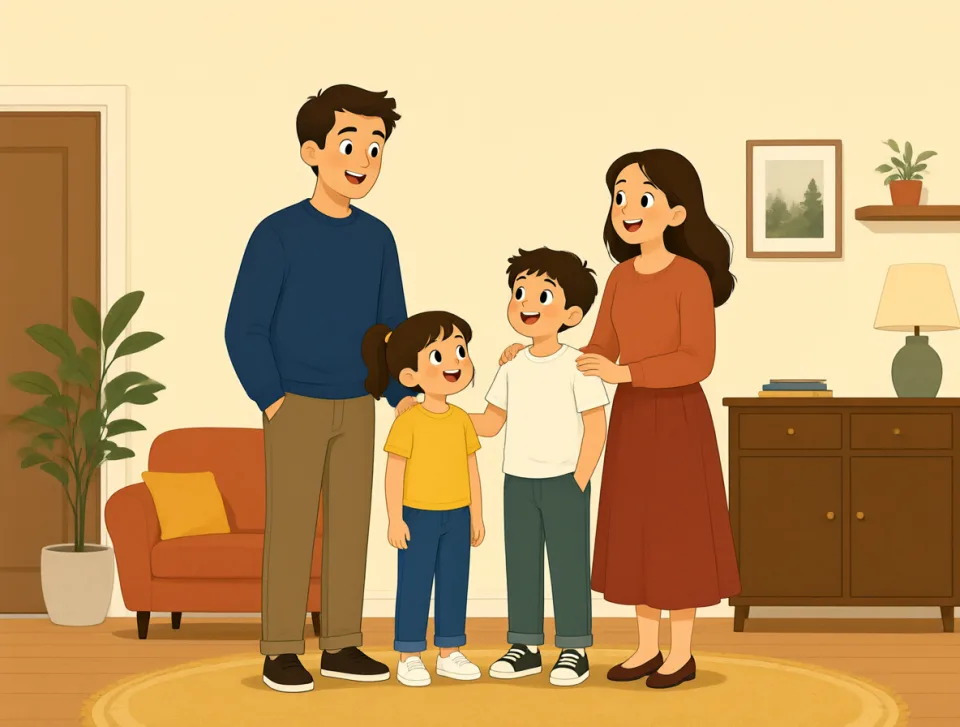
The house is in a very good state.
घर बहुत अच्छी हालत में है।

The company is in a difficult state.
कंपनी मुश्किल स्थिति में है।
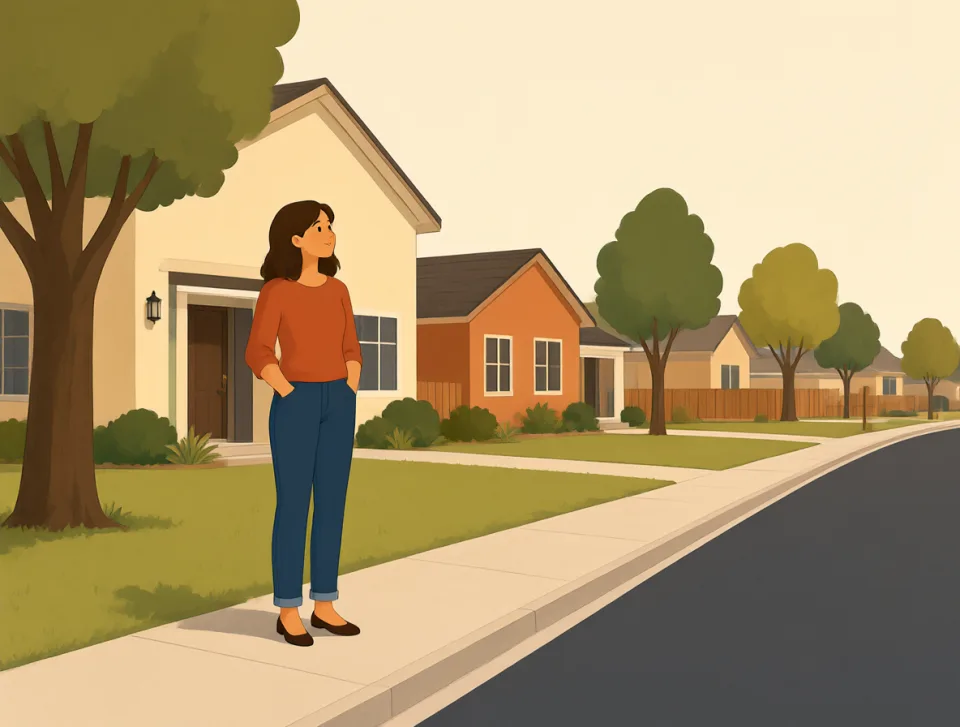
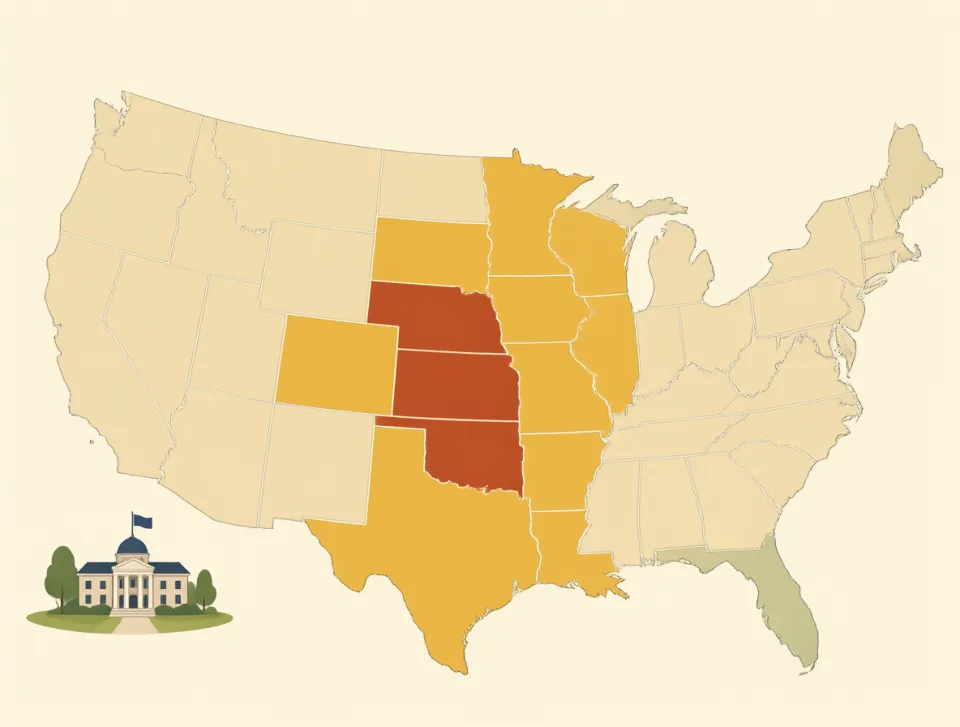
She lives in the state of Texas.
वह टेक्सस राज्य में रहती है।
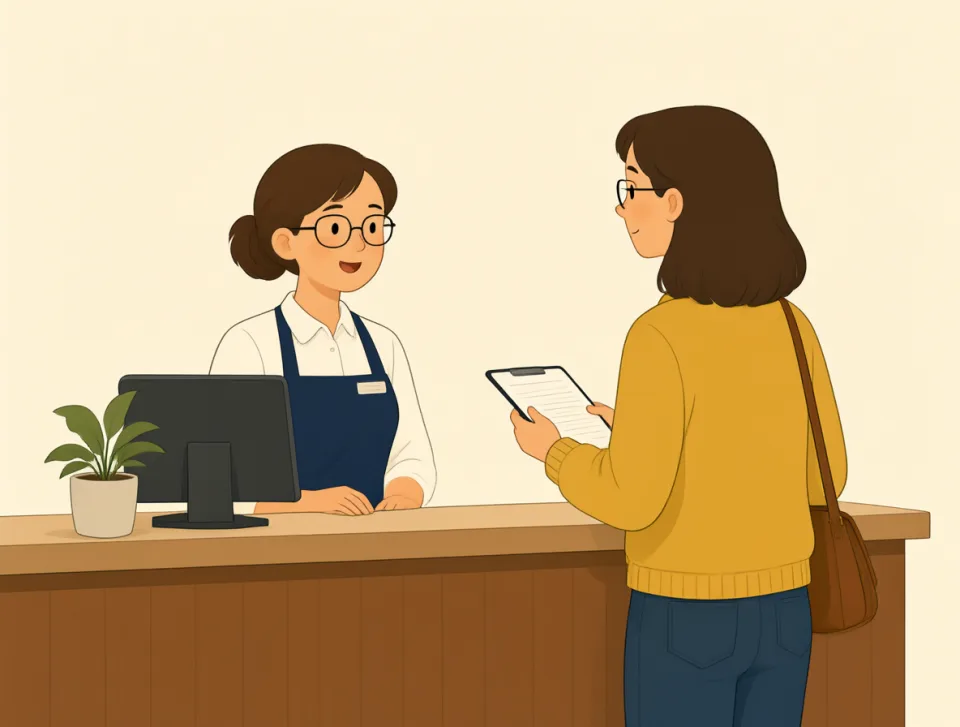
Please state your name and address.
कृपया अपना नाम और पता बताइए।
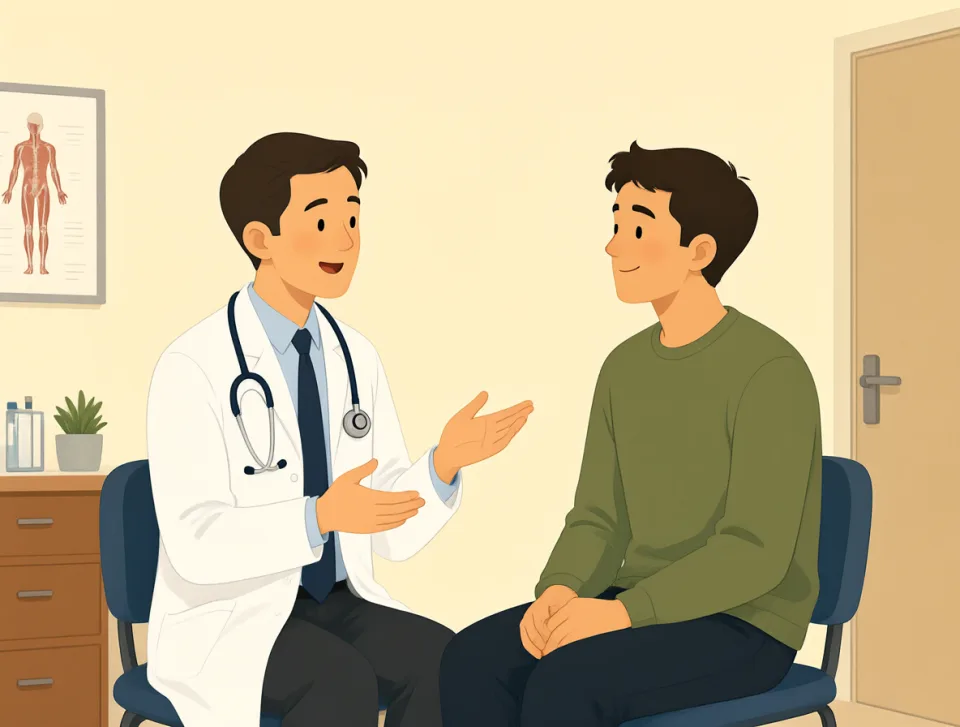
The doctor stated that he was healthy.
डॉक्टर ने बताया कि वह स्वस्थ था।
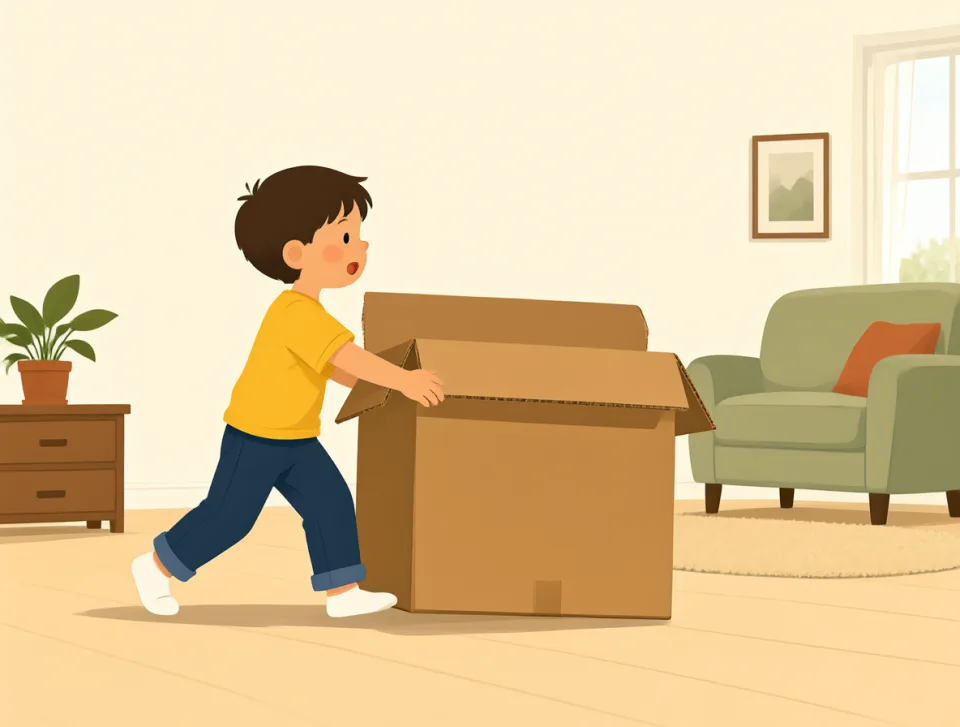
move
#200verb, noun
हिलना; हटाना
to change position or place, or to make someone or something change position
अपनी जगह या स्थिति बदलना, या किसी व्यक्ति या चीज़ की जगह बदलना
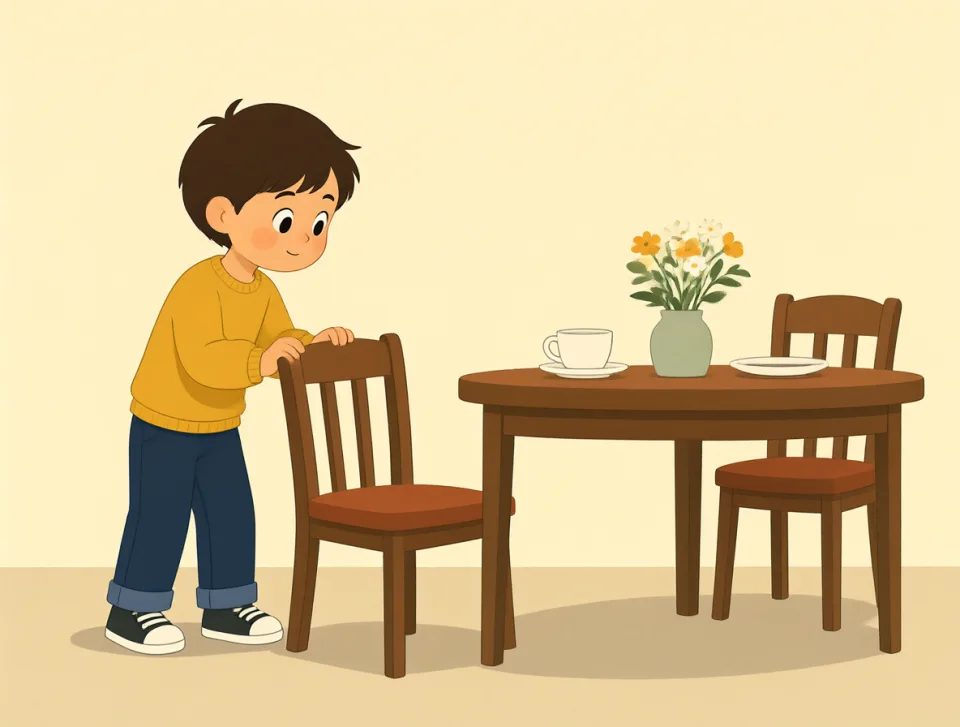
Please move your chair closer to the table.
कृपया अपनी कुर्सी मेज़ के थोड़ा और पास ले आइए।
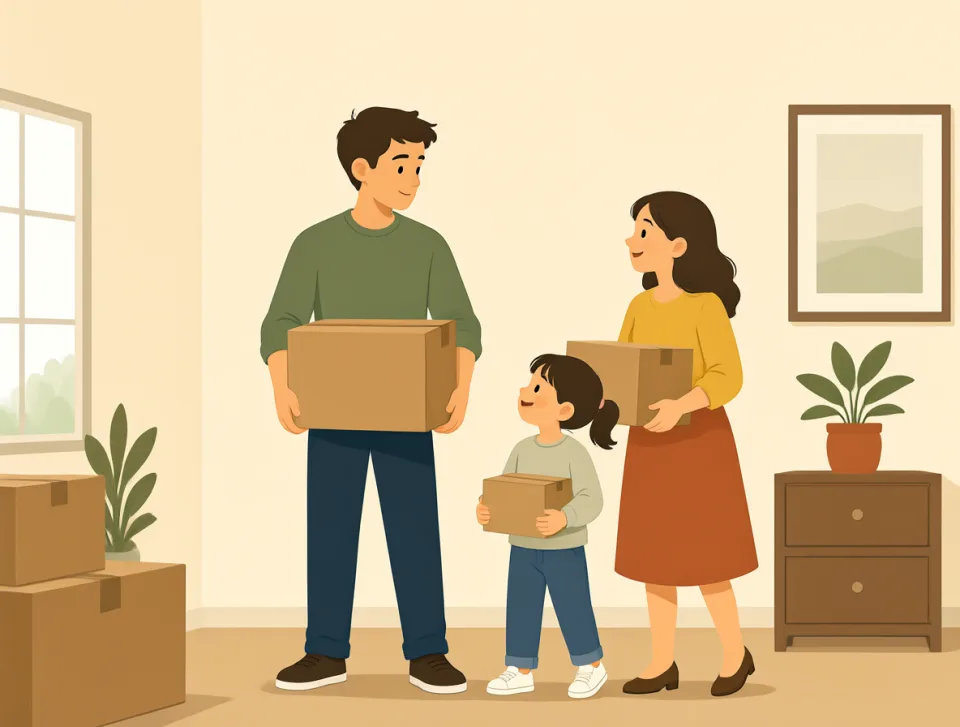
We moved to a new apartment last month.
हम पिछले महीने एक नए अपार्टमेंट में रहने चले गए।
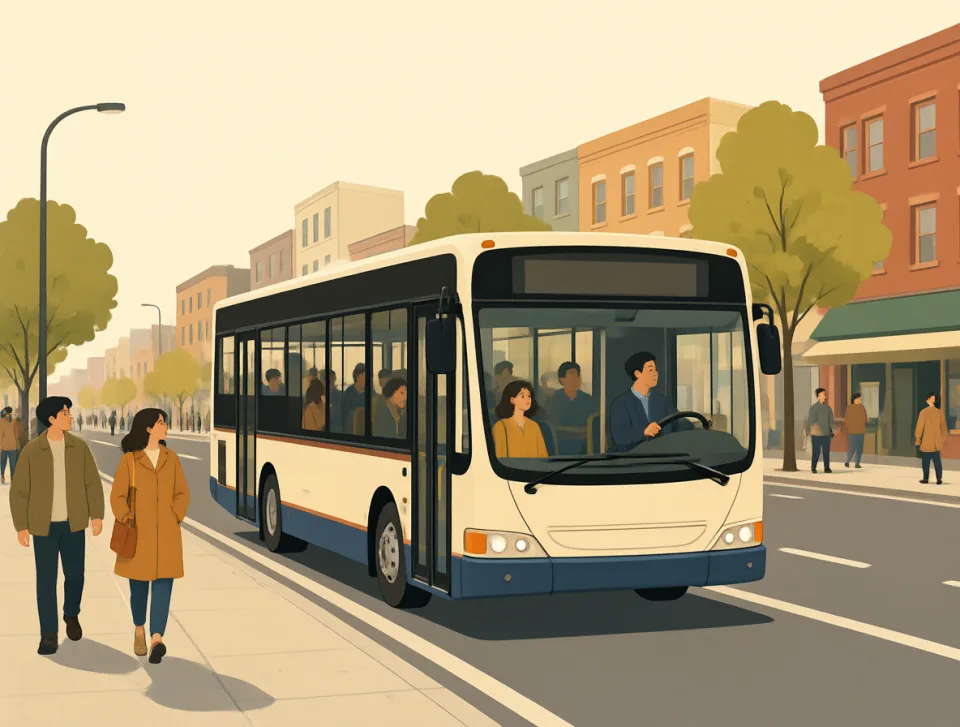
The bus moved slowly through the crowded street.
बस भीड़भाड़ वाली सड़क से धीरे-धीरे आगे बढ़ी।
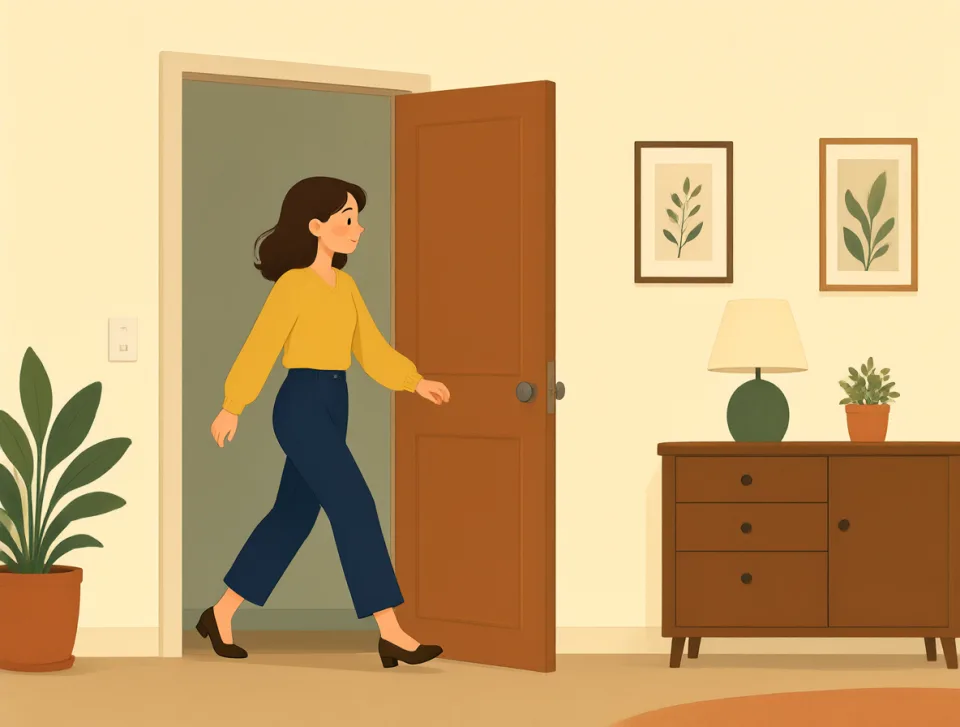
She made a quick move toward the door.
वह तेज़ी से दरवाज़े की ओर बढ़ी।
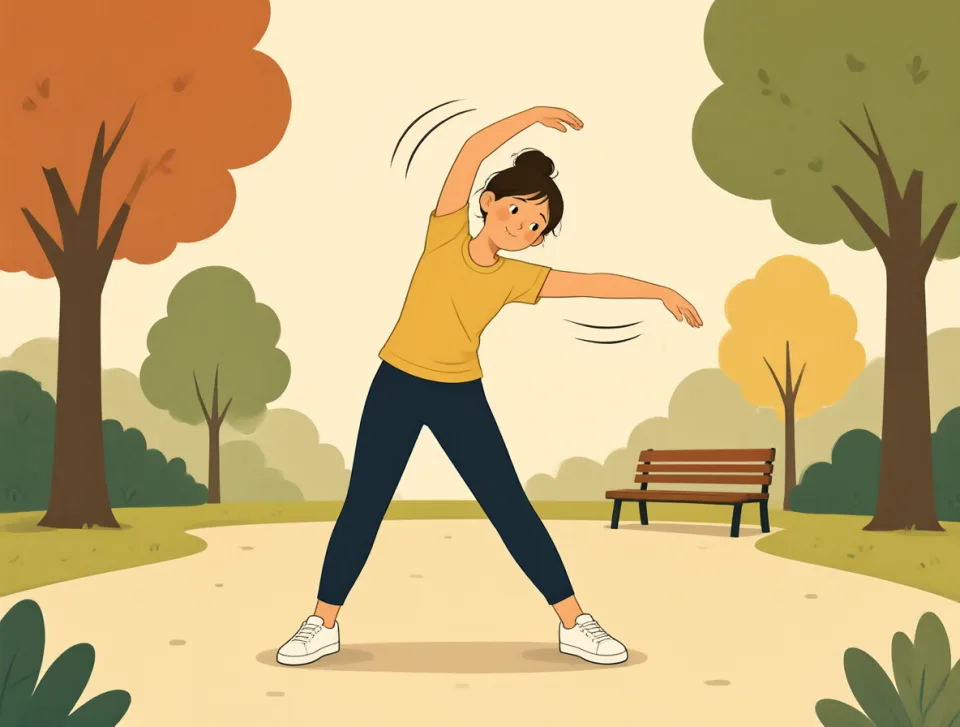
A little exercise helps move your body.
थोड़ा व्यायाम करने से आपका शरीर सक्रिय रहता है।