Unidad 10
Palabras 181–200 · question, during, always, big, set, small
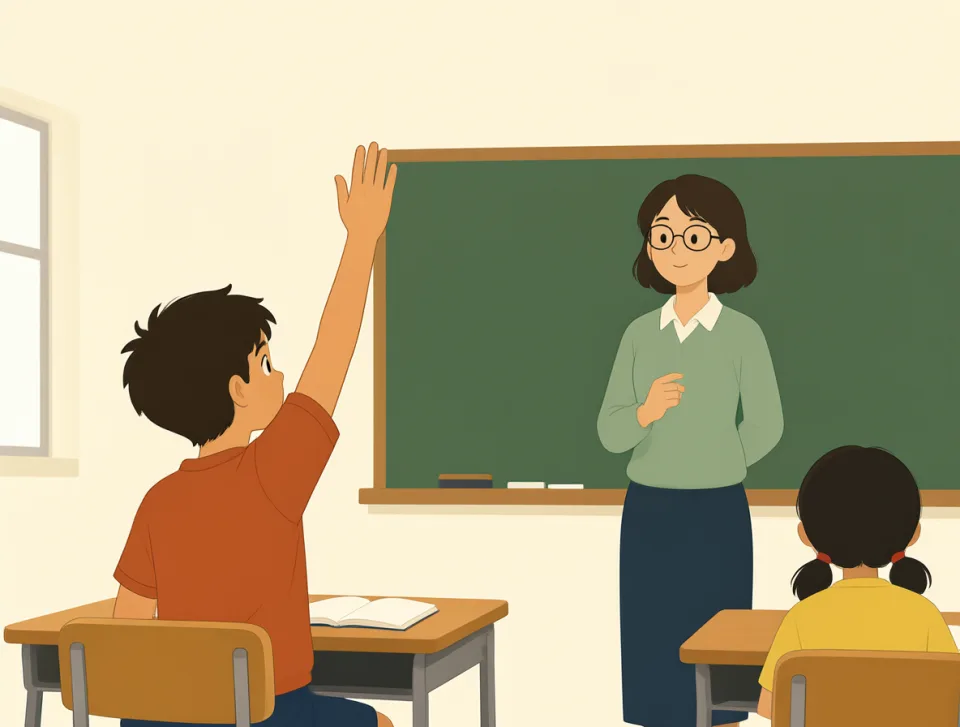
question
#181noun, verb
pregunta; preguntar; cuestionar
A sentence used to ask for information or express doubt about something.
Una oración que se usa para pedir información o expresar dudas sobre algo.
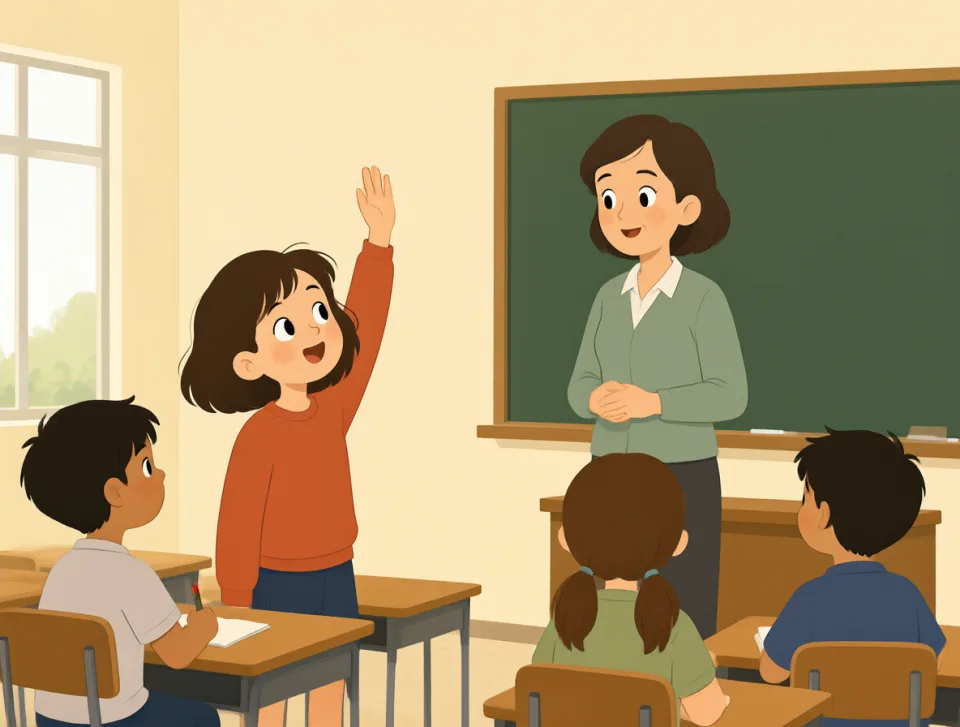
Please ask the teacher a question.
Por favor, hazle una pregunta al profesor.
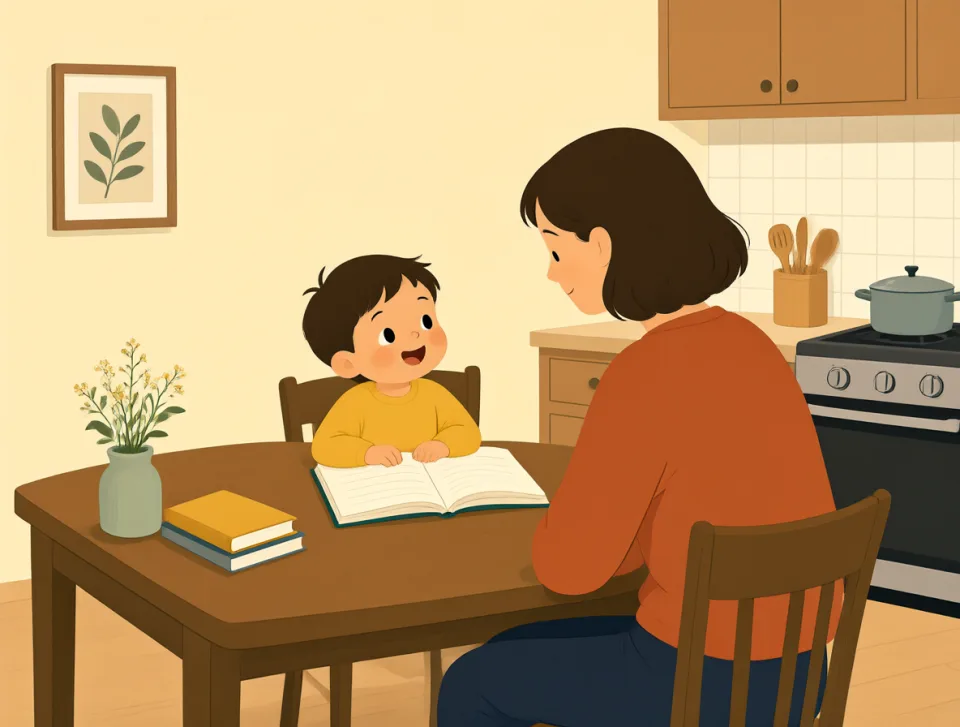
I have a question about my homework.
Tengo una pregunta sobre mi tarea.
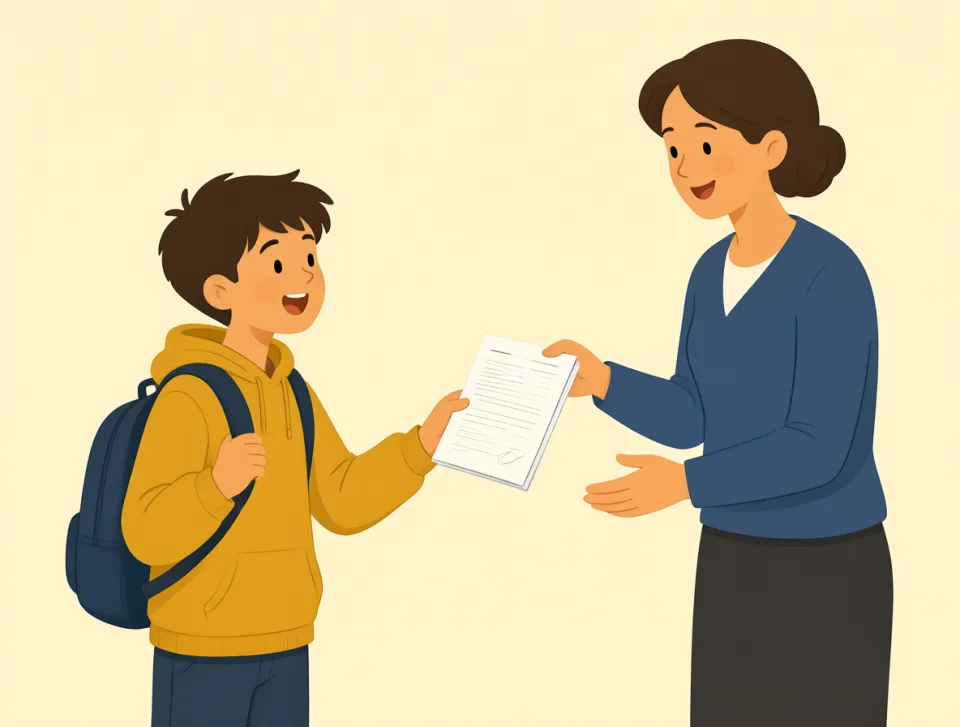
She answered all the questions correctly.
Respondió correctamente a todas las preguntas.

The customer questioned the price of the jacket.
El cliente cuestionó el precio de la chaqueta.
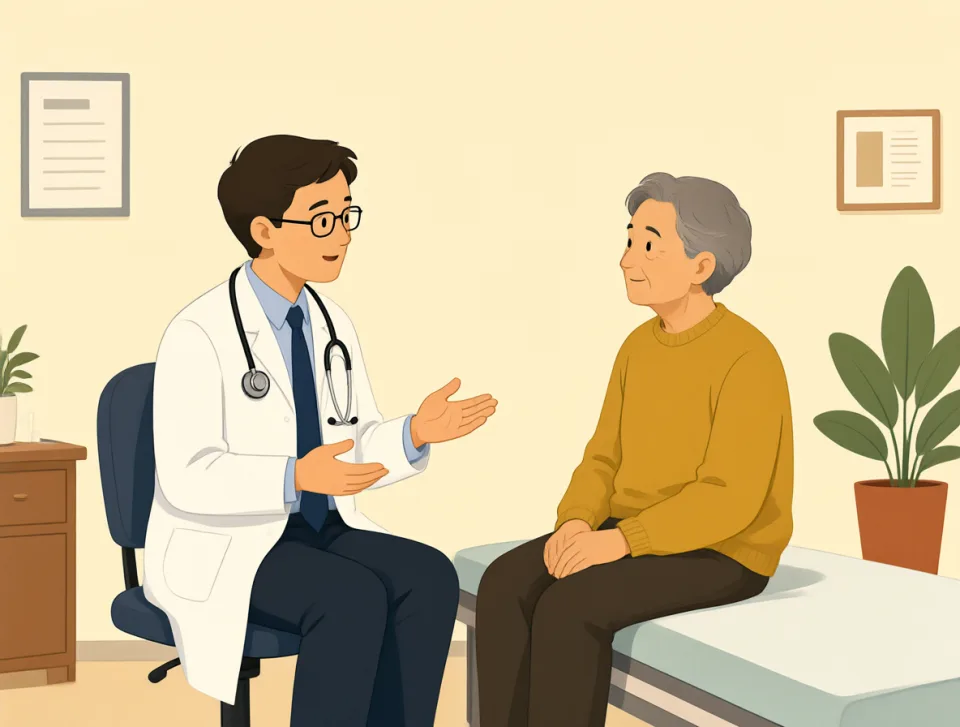
The doctor asked me questions about my pain.
El médico me hizo preguntas sobre mi dolor.
during
#182preposition
durante
at some time between the beginning and end of an event or period
en algún momento entre el comienzo y el final de un evento o período
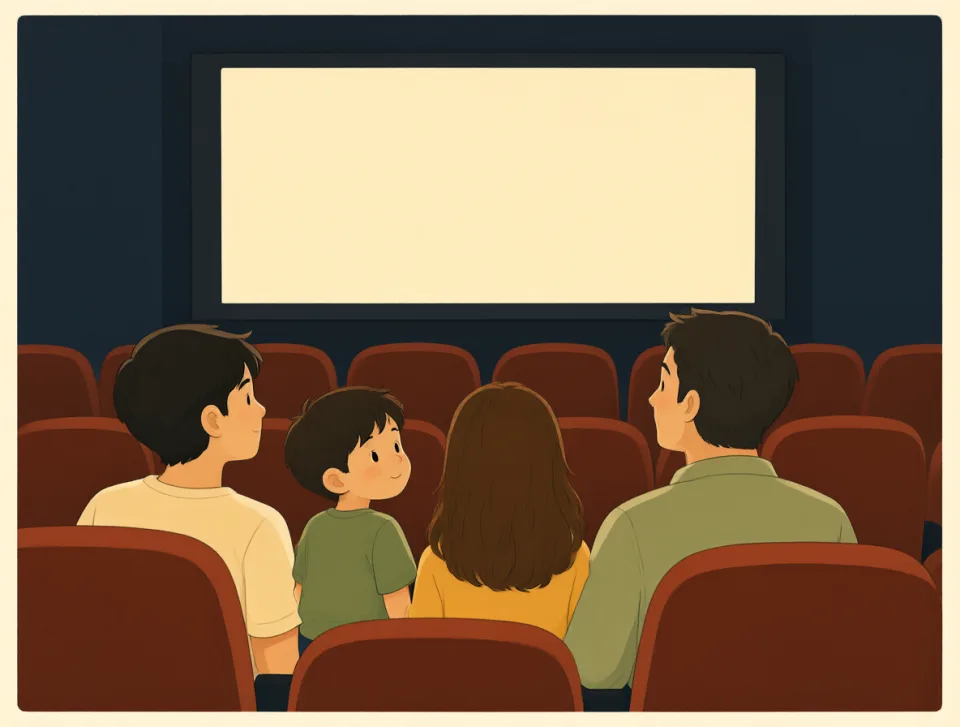
Please stay quiet during the movie.
Por favor, guarda silencio durante la película.
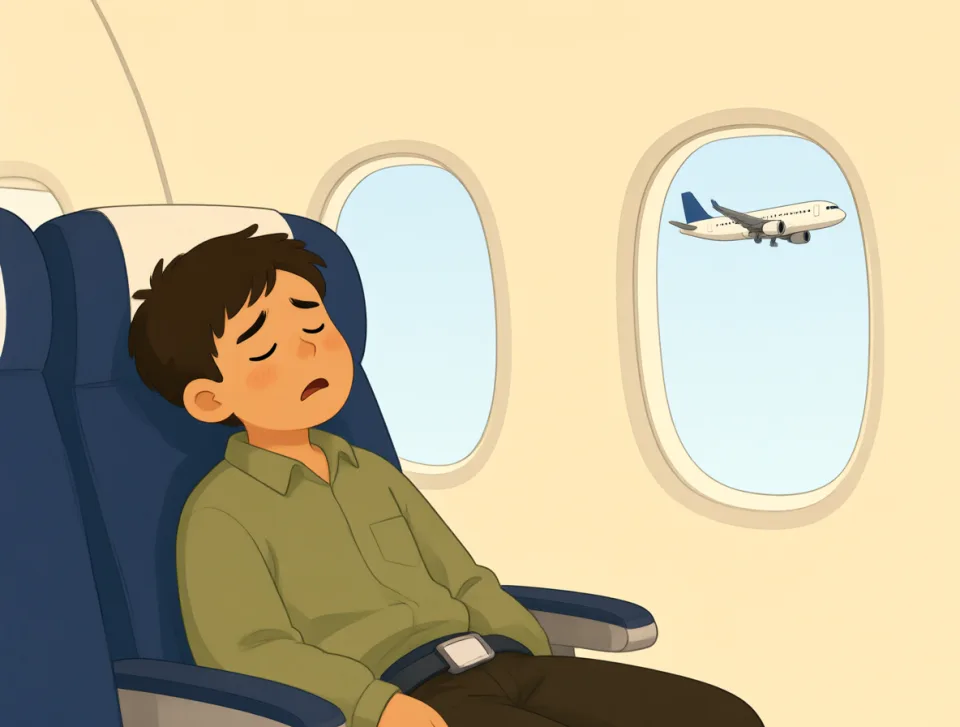
I fell asleep during the flight.
Me quedé dormido durante el vuelo.
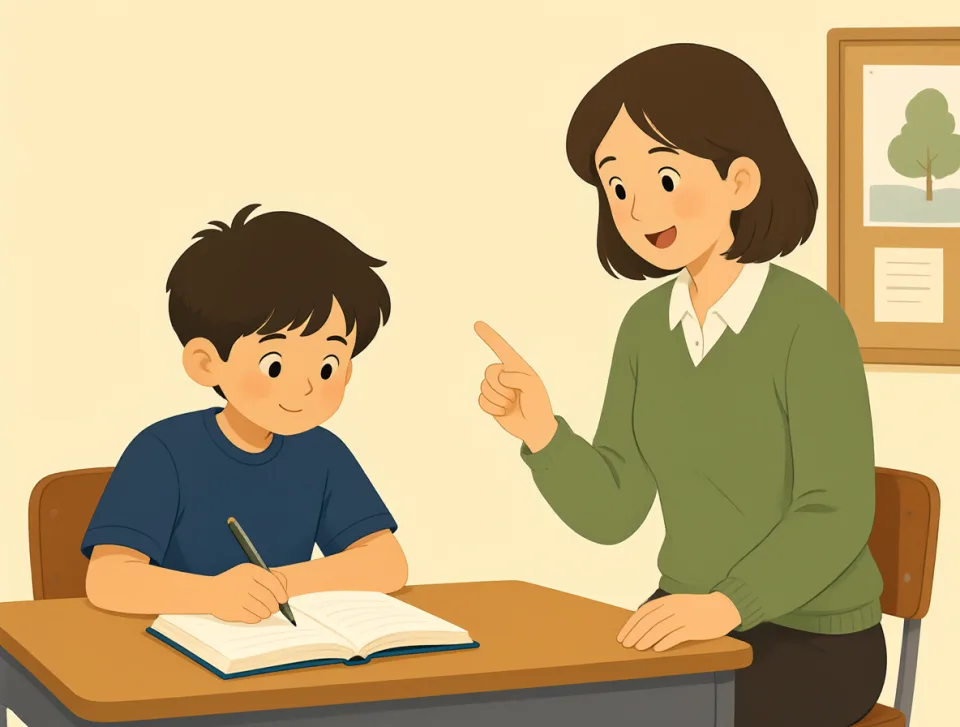
She took notes during the lesson.
Ella tomó apuntes durante la clase.
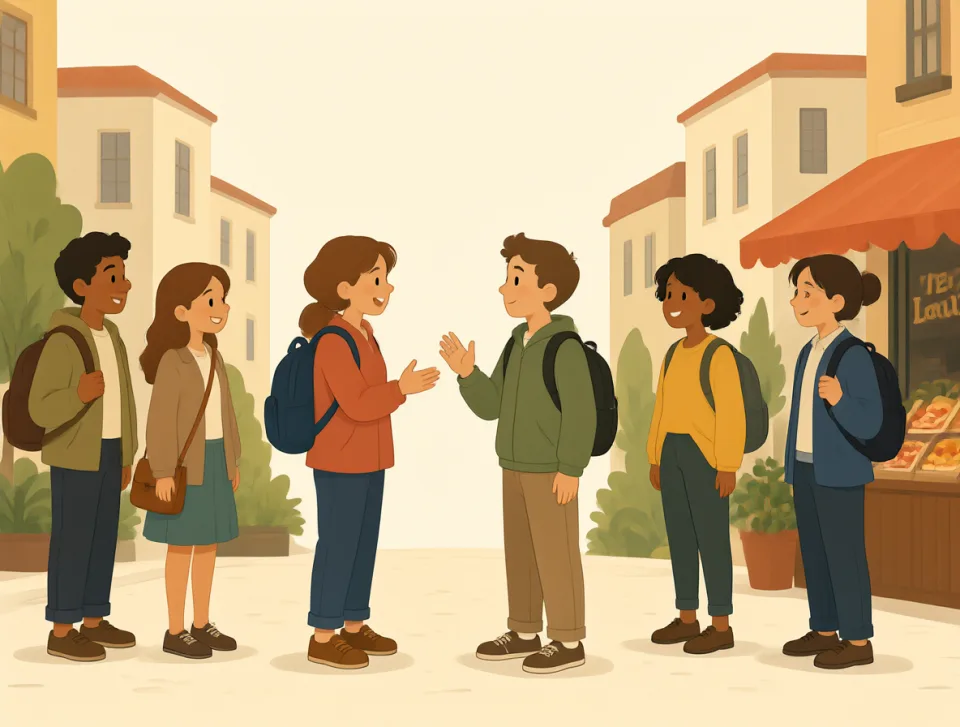
We met many people during our trip.
Conocimos a muchas personas durante nuestro viaje.
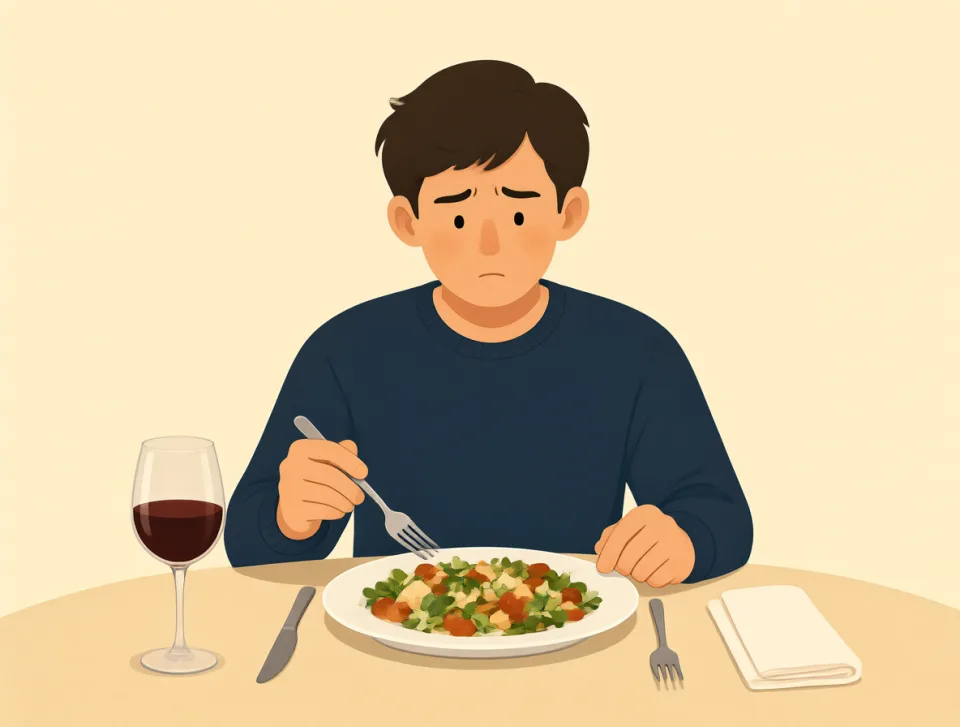
He felt sick during dinner.
Se sintió mal durante la cena.
always
#183adverb
siempre
Every time, or at all times.
Cada vez o en todo momento.
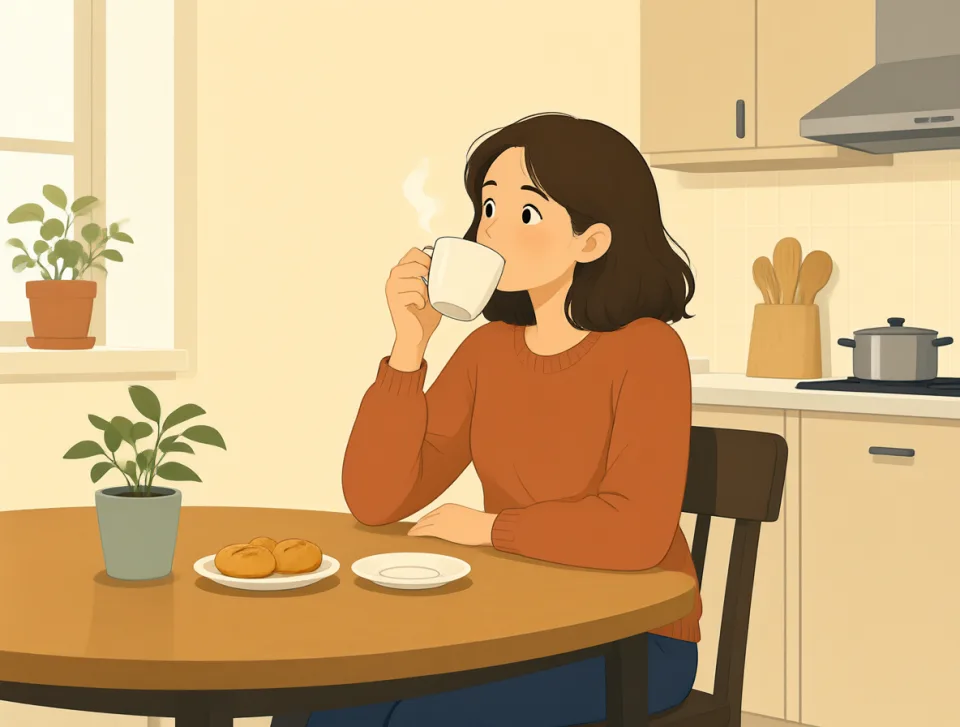
She always drinks coffee in the morning.
Ella siempre toma café por la mañana.
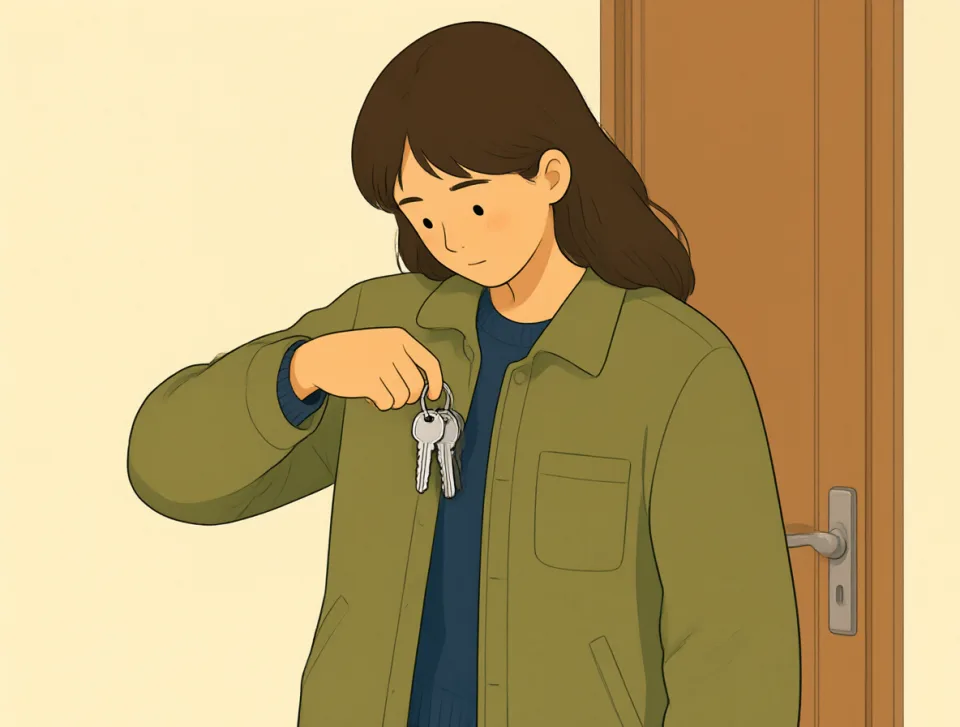
I always take my keys with me.
Siempre llevo mis llaves conmigo.

He is always late for work.
Él siempre llega tarde al trabajo.
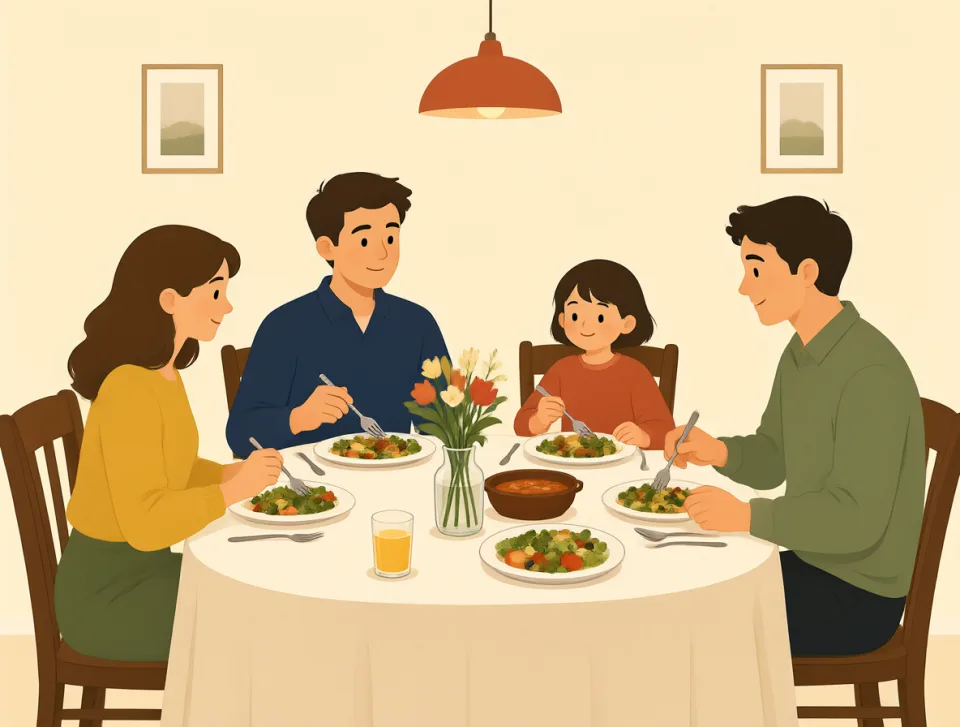
We always eat dinner together.
Siempre cenamos juntos.
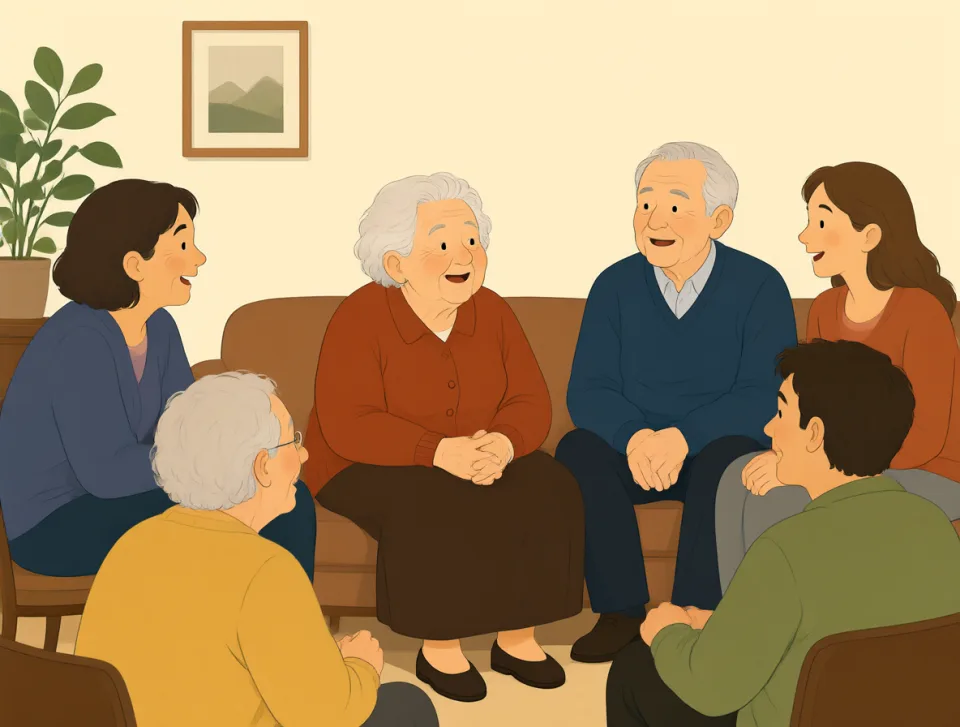
My grandmother always tells funny stories.
Mi abuela siempre cuenta historias divertidas.
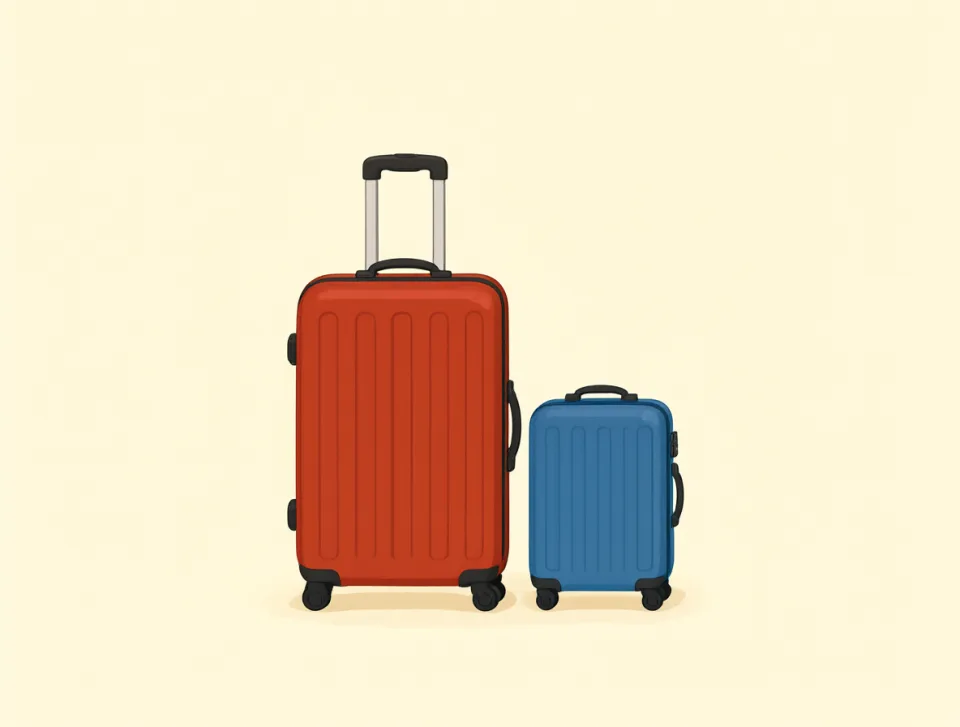
big
#184adjective, adverb, noun
grande; importante
Large in size, amount, importance, or popularity.
Grande en tamaño, cantidad, importancia o popularidad.
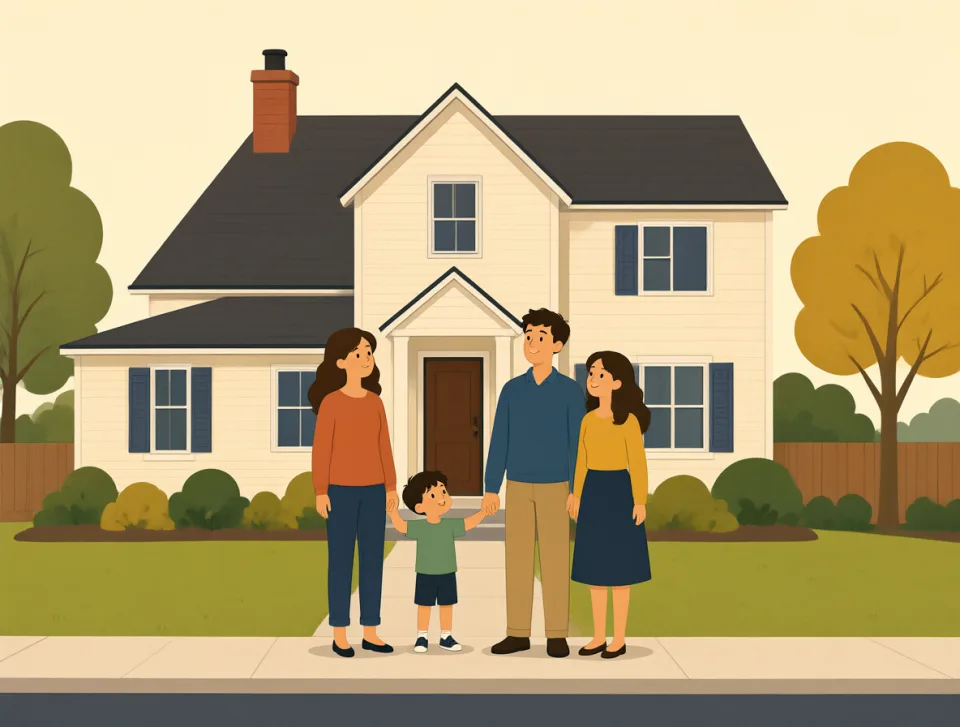
They live in a big house.
Viven en una casa grande.
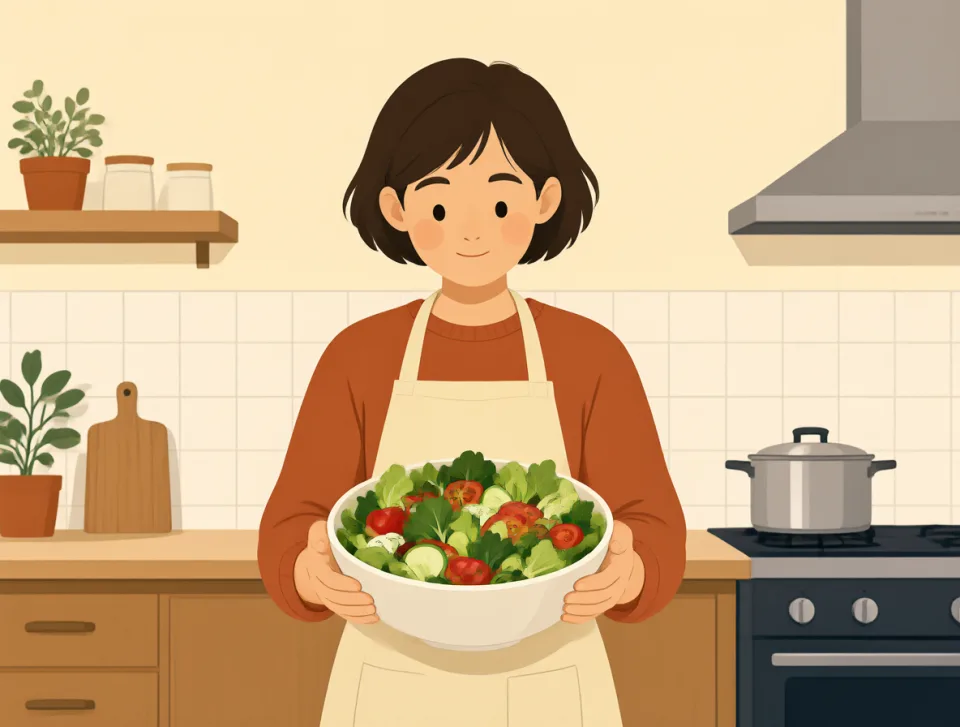
I need a big bowl for salad.
Necesito un tazón grande para la ensalada.

She got a big job at the company.
Consiguió un puesto importante en la empresa.
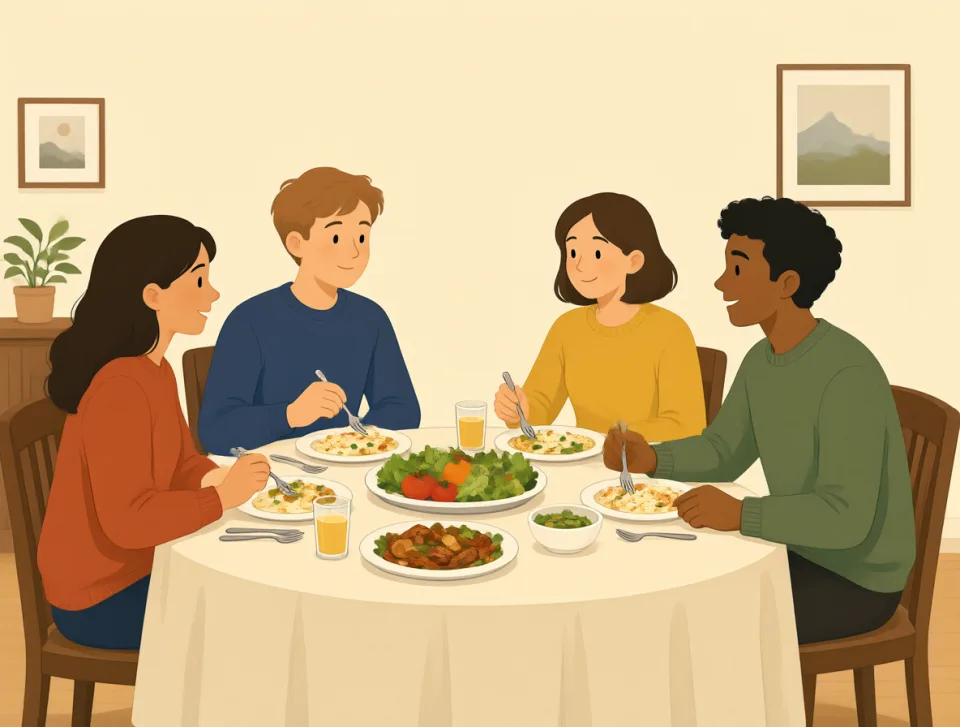
We had a big lunch after the trip.
Almorzamos mucho después del viaje.
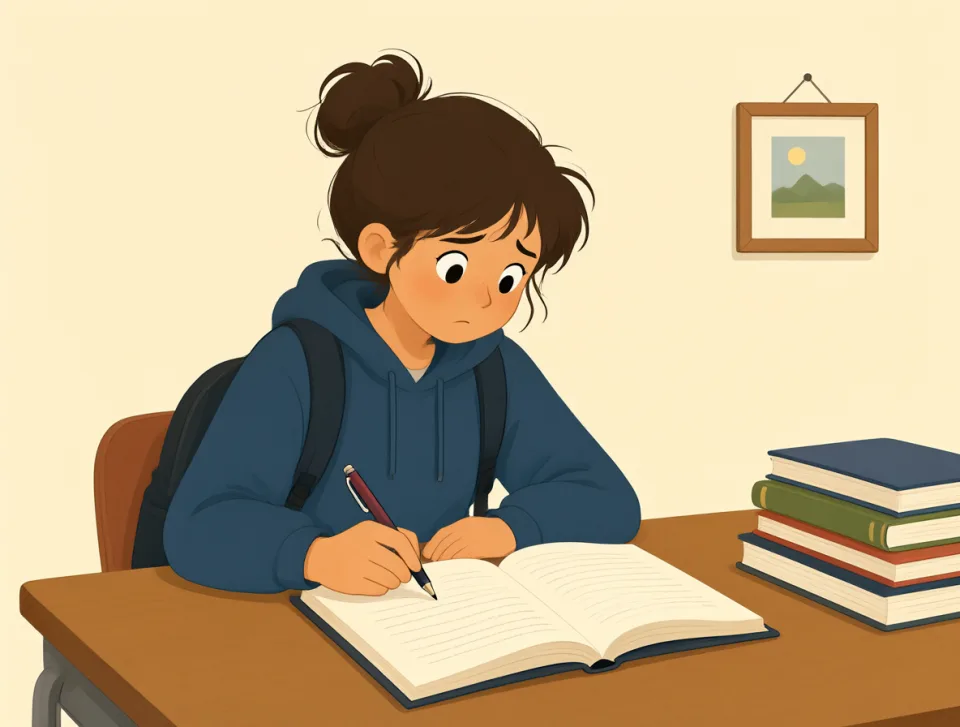
That was a big mistake in my homework.
Ese fue un gran error en mi tarea.
set
#185noun, verb, adjective
juego; poner; colocar; fijar
A group of things, or to put something in a particular place or position.
Un grupo de cosas, o poner algo en un lugar o posición determinados.
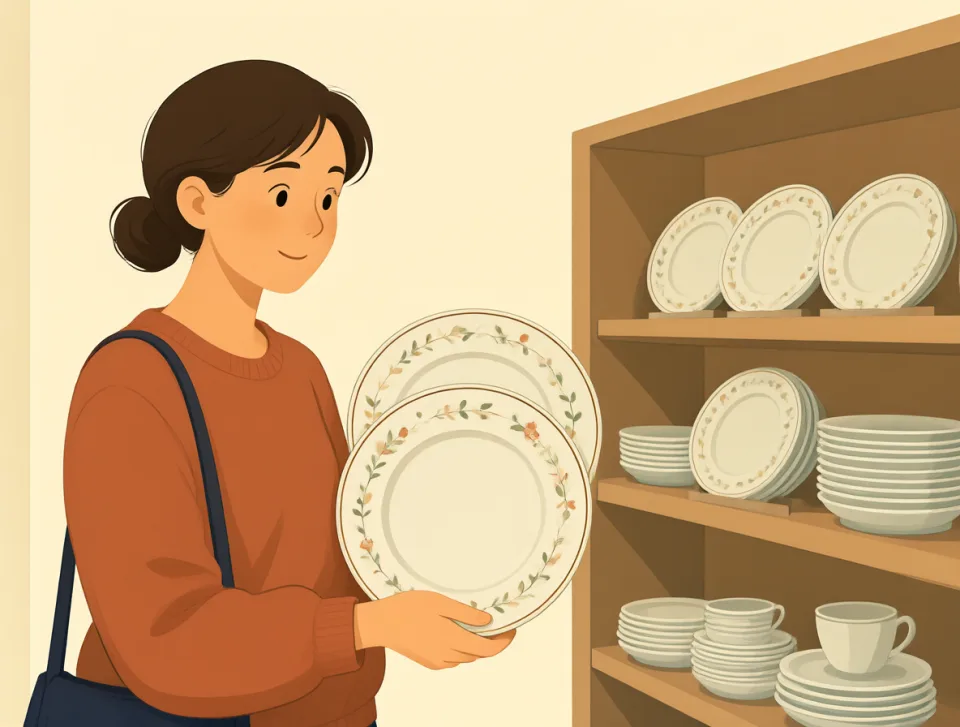
I bought a new set of plates.
Compré un juego de platos nuevo.
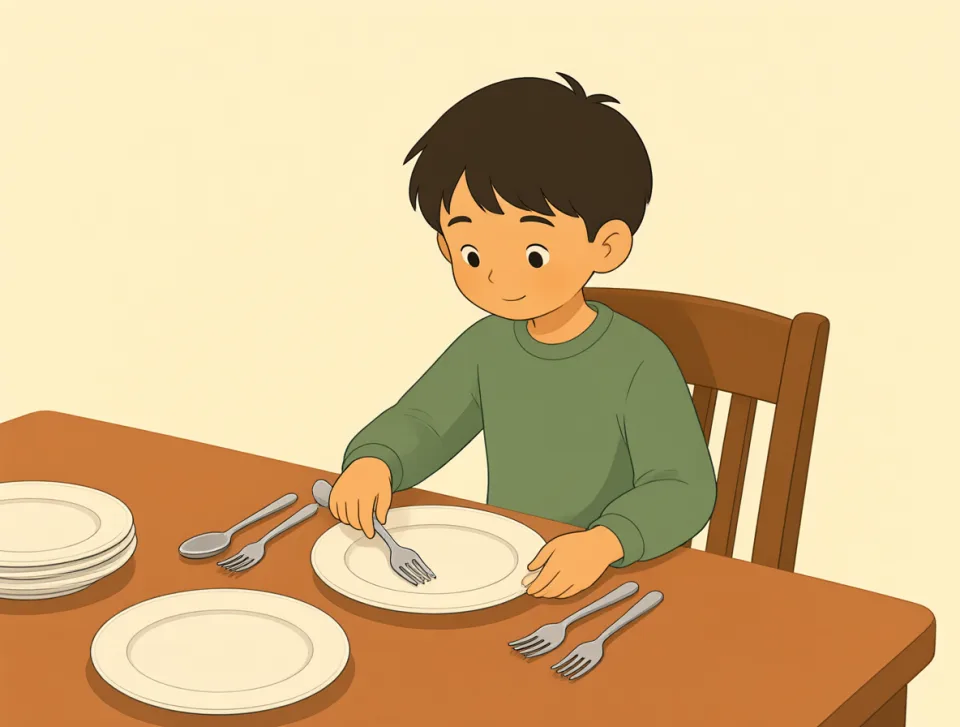
Please set the table for dinner.
Por favor, pon la mesa para la cena.
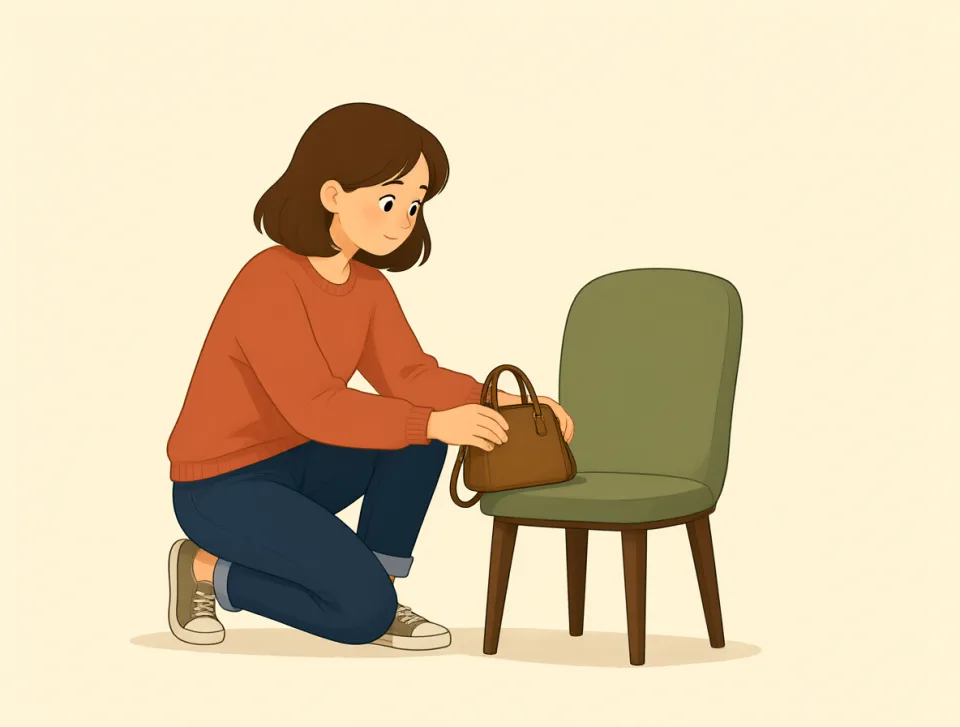
She set her bag beside the chair.
Ella colocó su bolso junto a la silla.
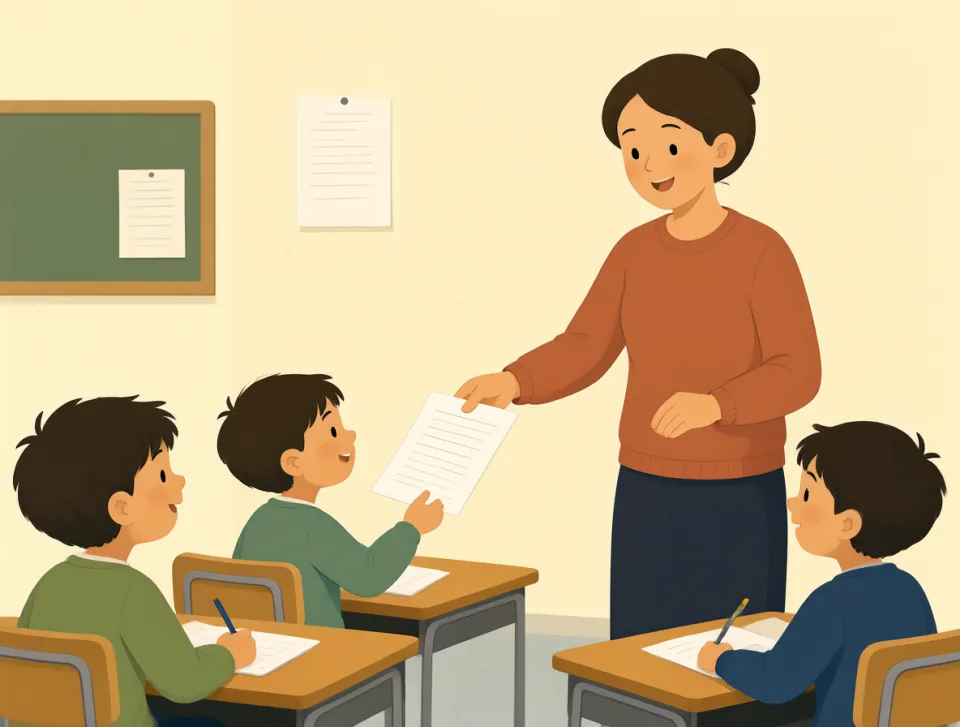
The teacher set a test for Friday.
El profesor puso un examen para el viernes.
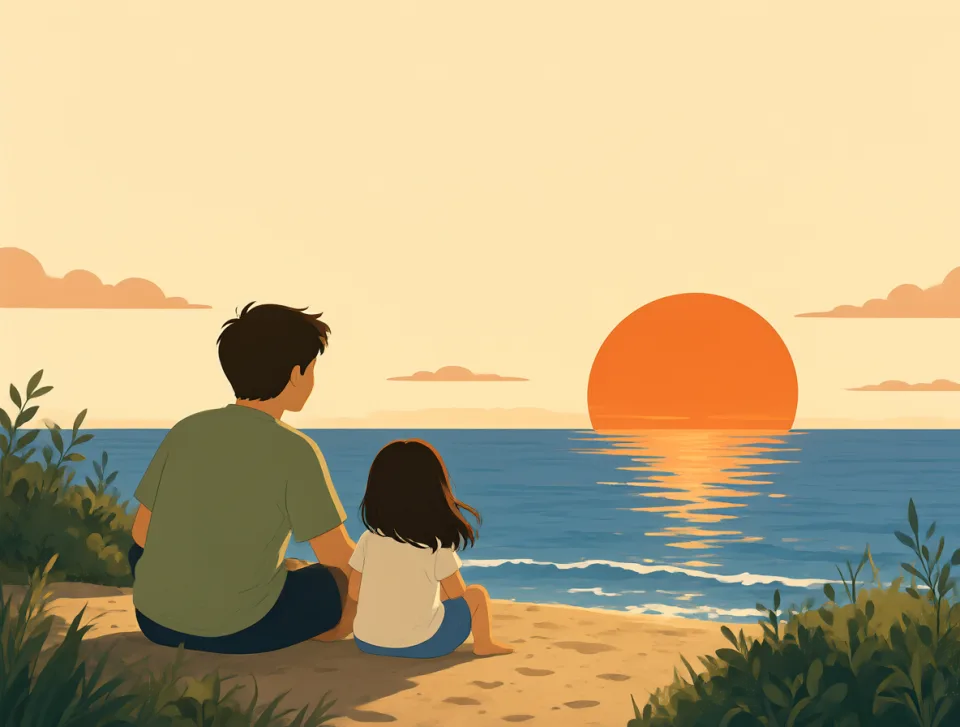
The sun sets over the sea.
El sol se pone sobre el mar.
small
#186adjective, noun
pequeño; poca cantidad; pequeño error
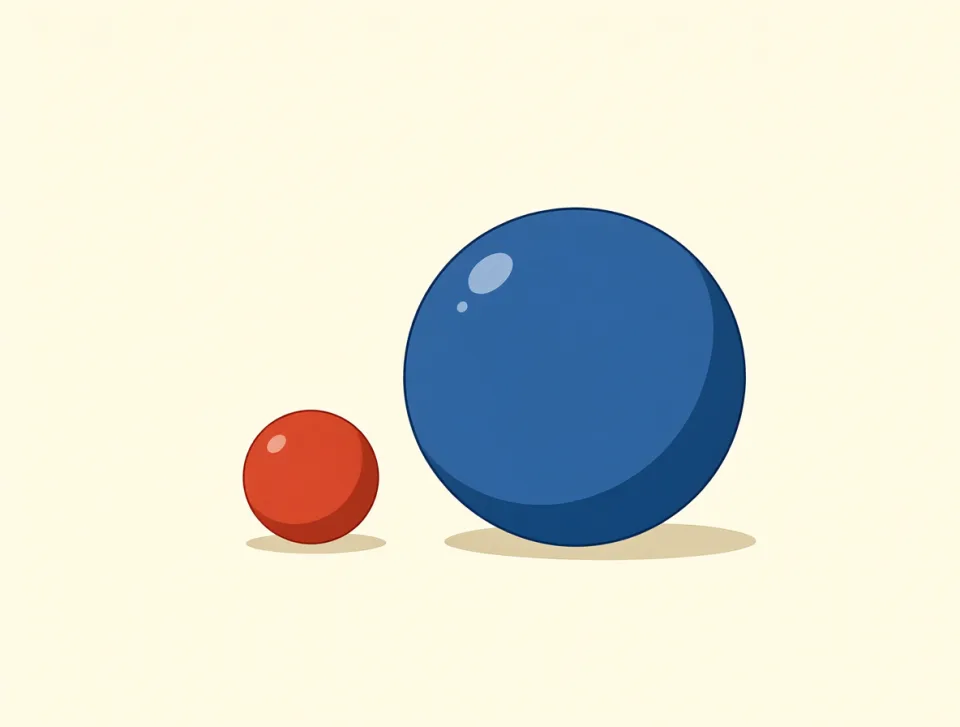
Not large in size, amount, or number.
Que no es grande en tamaño, cantidad o número.
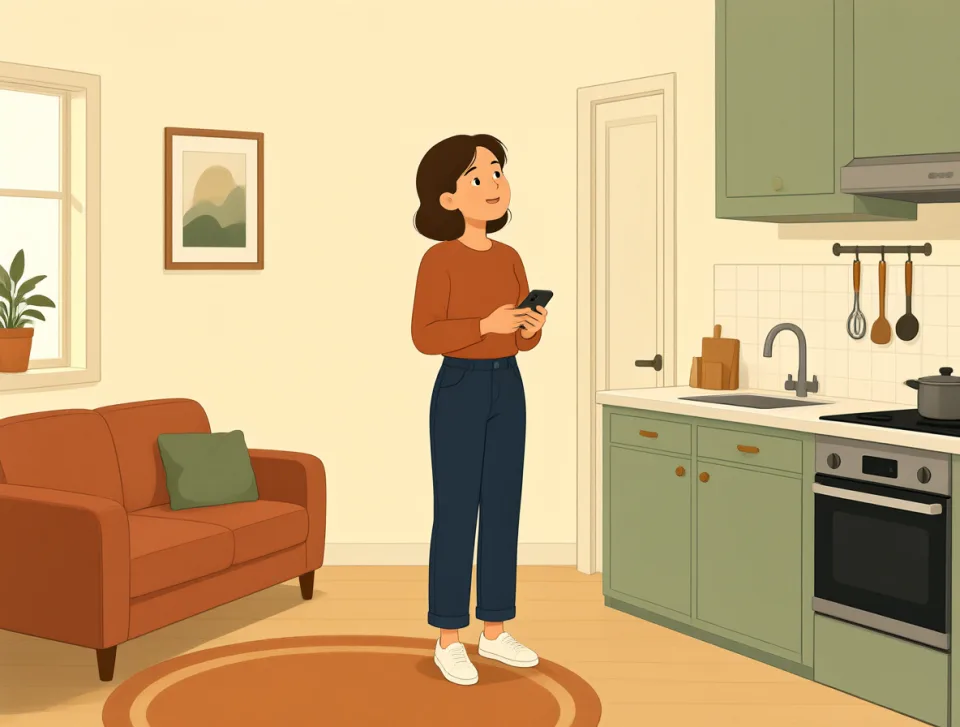
She lives in a small apartment downtown.
Vive en un apartamento pequeño en el centro.

He bought a small coffee at the shop.
Se compró un café pequeño en la cafetería.
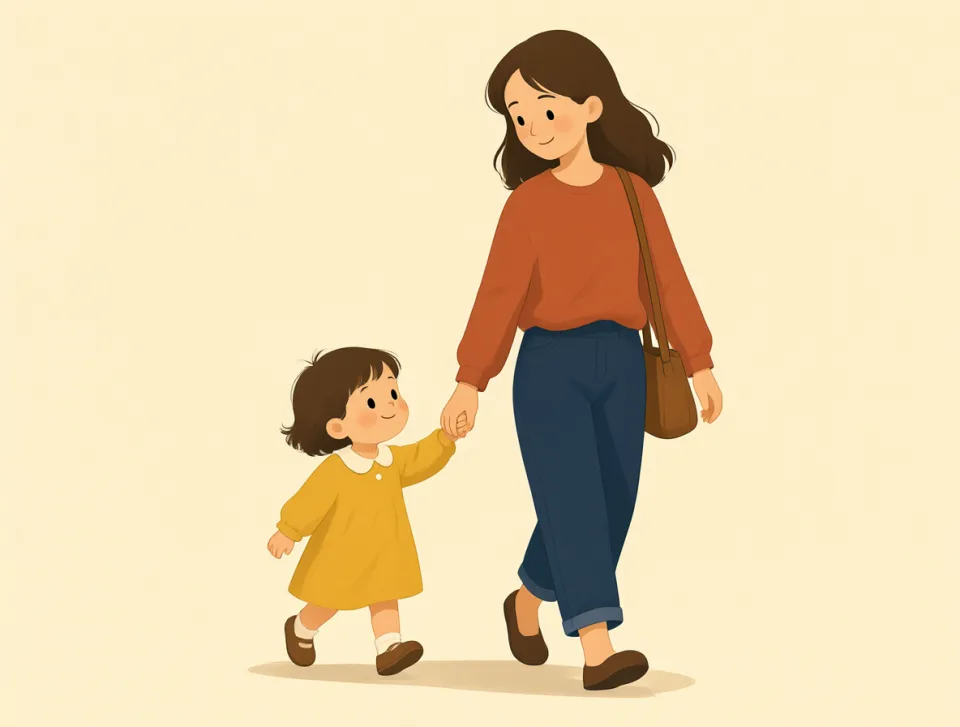
The small child held her mother’s hand.
La niña pequeña tomó a su madre de la mano.

We sat at a small table by the window.
Nos sentamos en una mesa pequeña junto a la ventana.
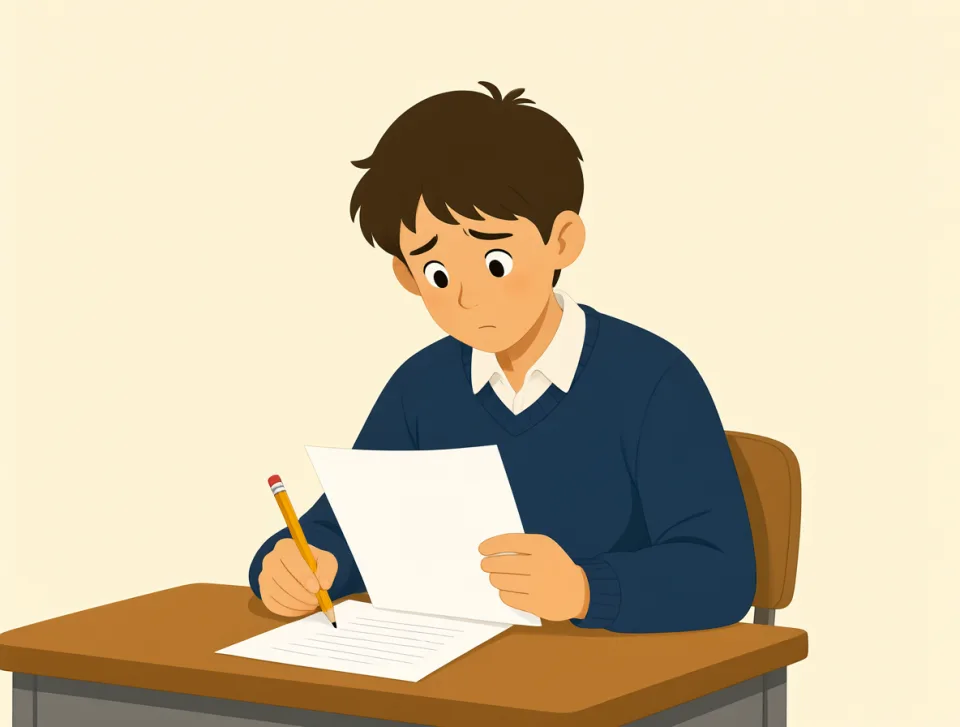
I made a small mistake on the test.
Cometí un pequeño error en el examen.
study
#187noun, verb
estudiar; estudio
To learn about a subject by reading, practicing, or going to classes.
Aprender sobre un tema leyendo, practicando o asistiendo a clases.
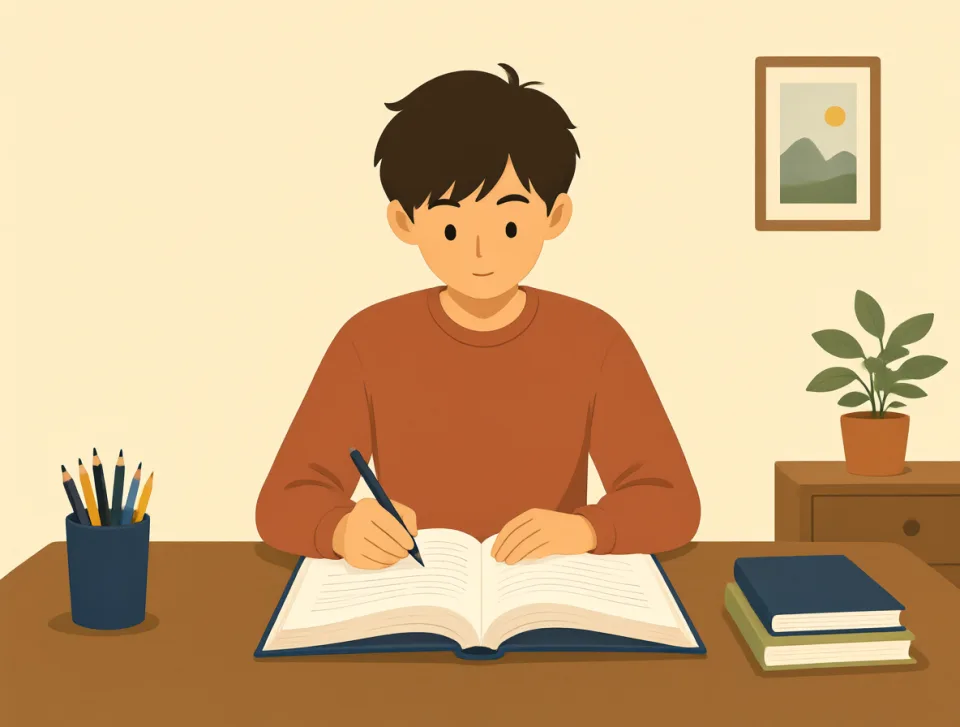
I study English every evening at home.
Estudio inglés todas las tardes en casa.
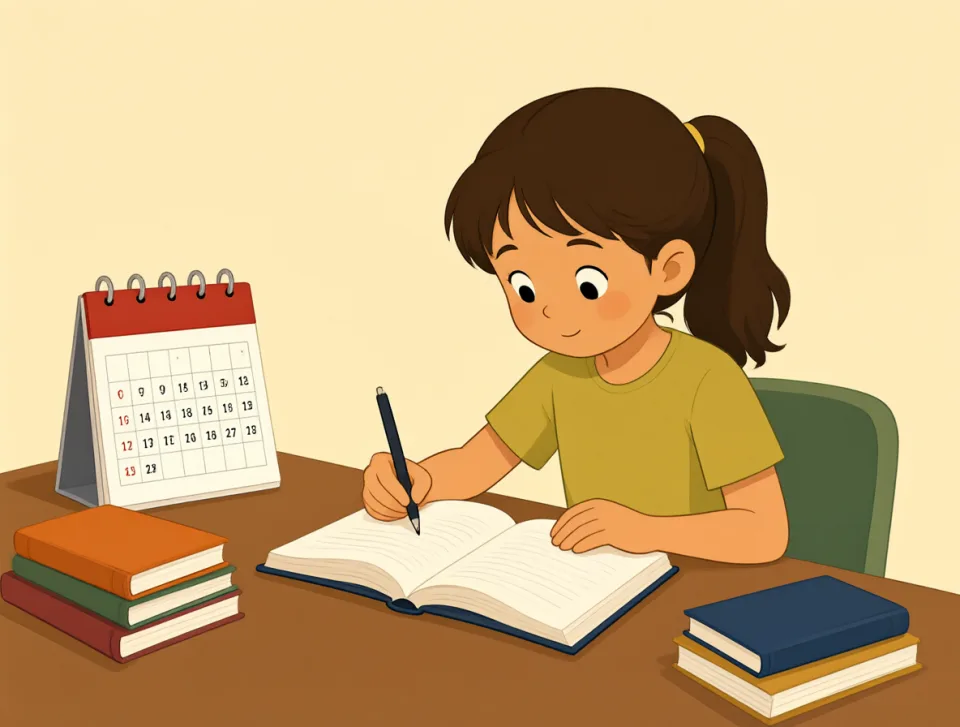
She studied hard for her math test.
Ella estudió mucho para su examen de matemáticas.
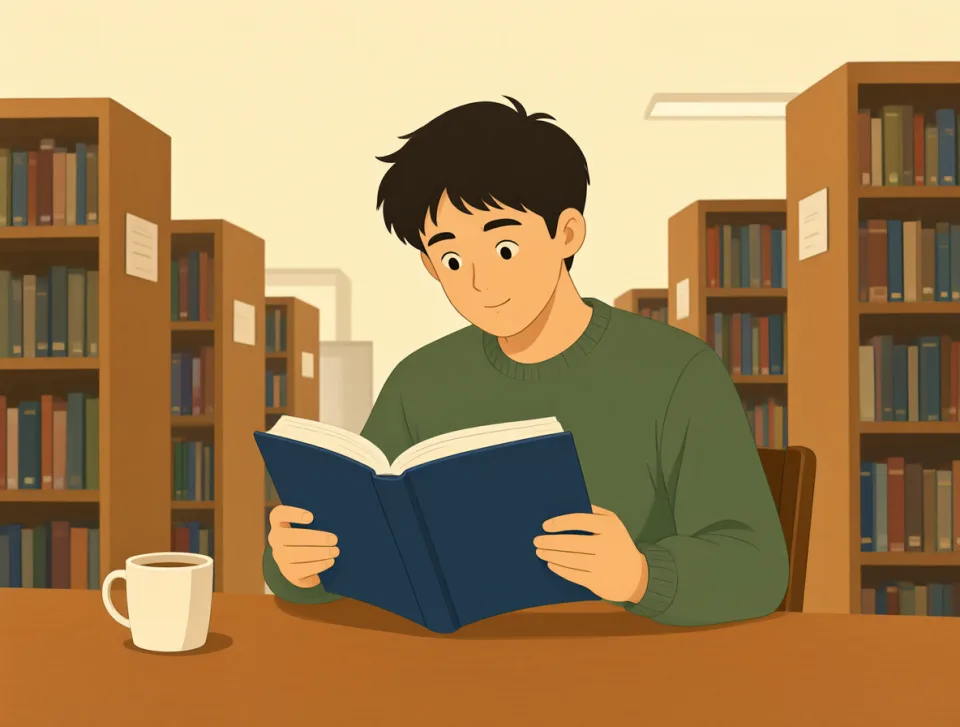
He is studying medicine at university.
Él estudia medicina en la universidad.
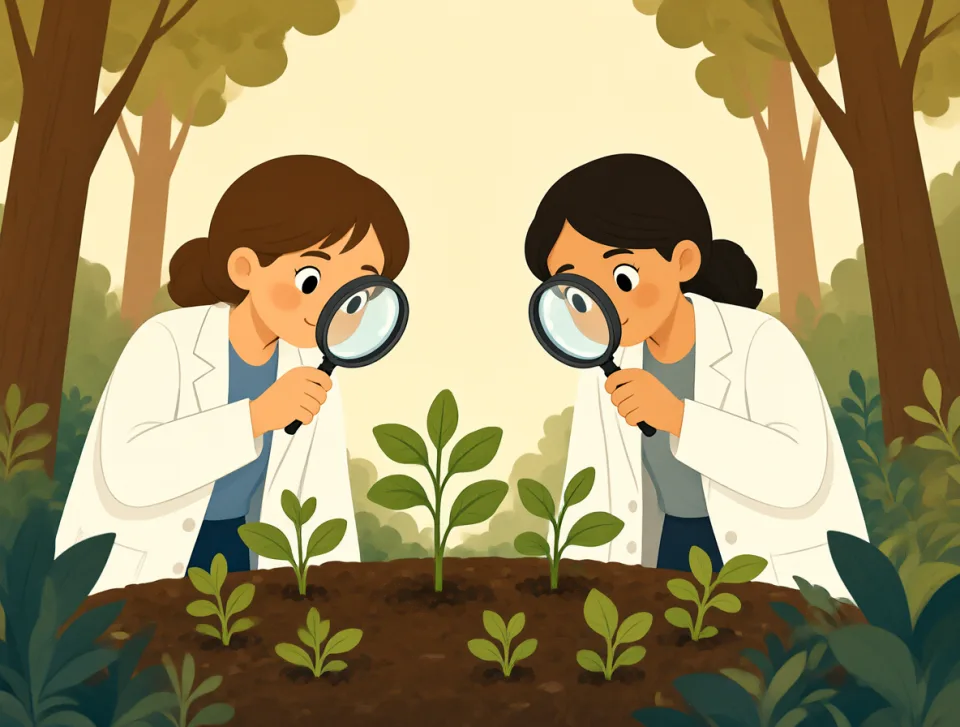
The scientists study plants in the forest.
Los científicos estudian las plantas en el bosque.
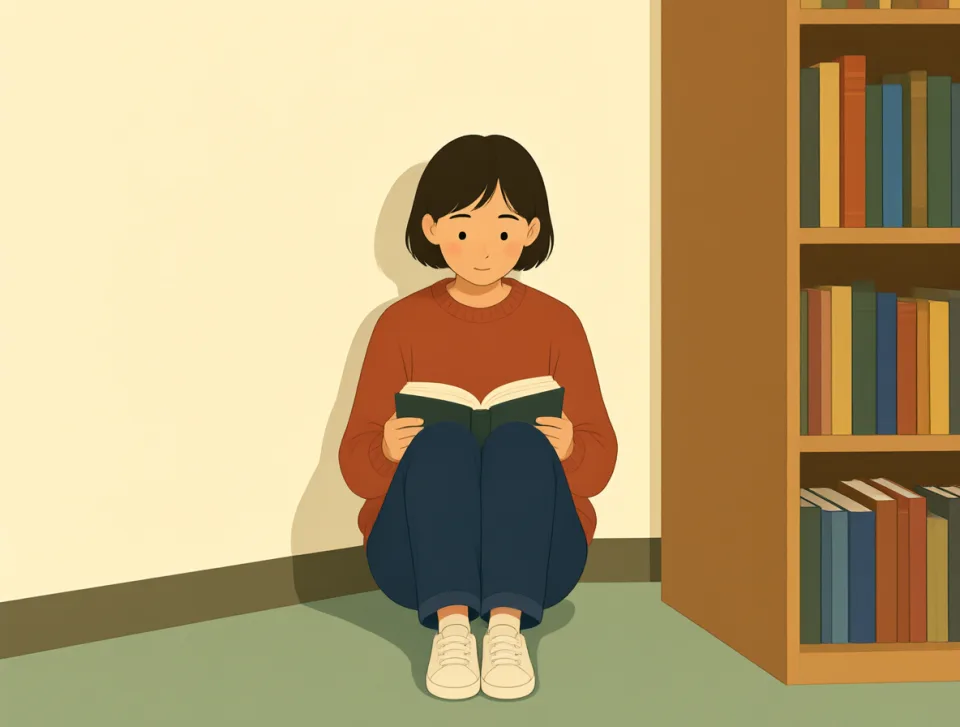
I need a quiet place to study.
Necesito un lugar tranquilo para estudiar.
follow
#188verb, noun
seguir; continuación
to go after someone or something, or do what comes next
ir detrás de alguien o algo, o hacer lo que viene después
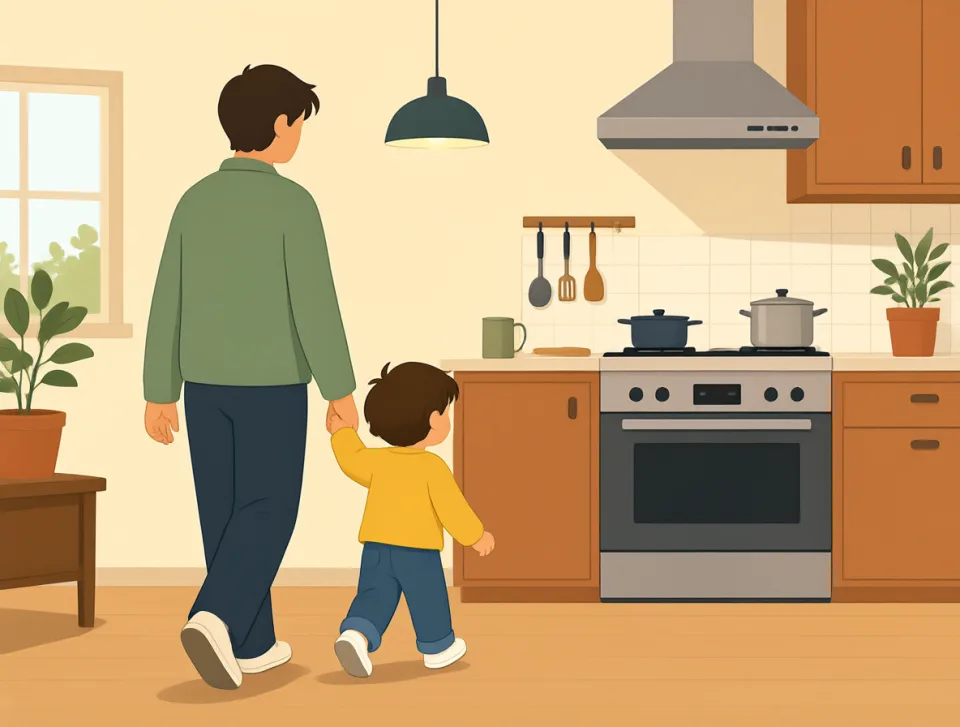
Please follow me to the kitchen.
Sígueme a la cocina, por favor.
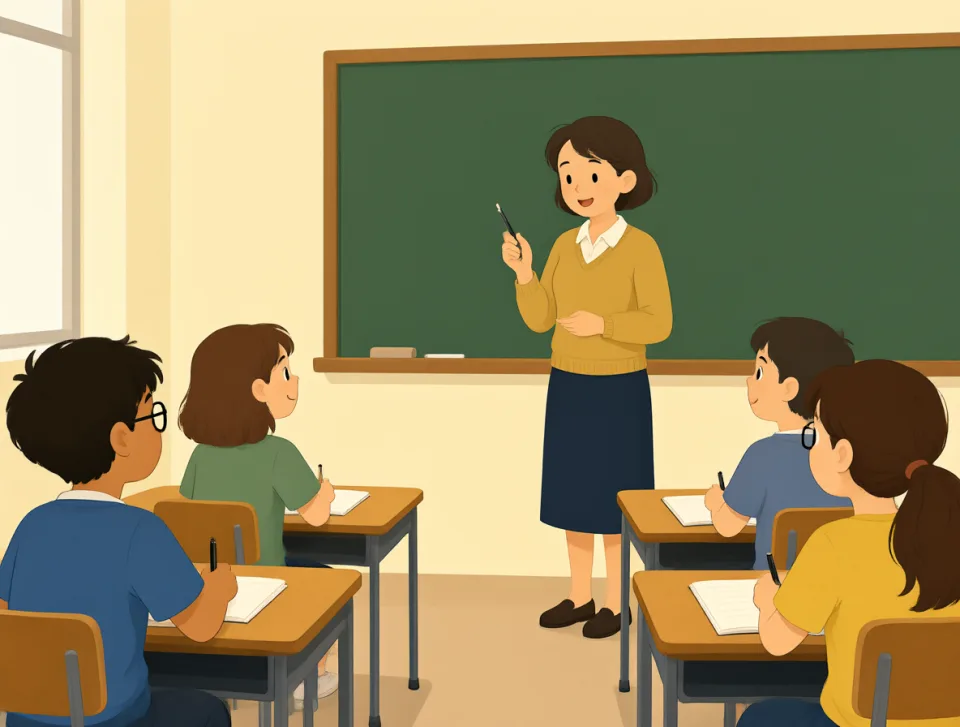
Follow the teacher’s instructions carefully.
Sigue atentamente las instrucciones del profesor.
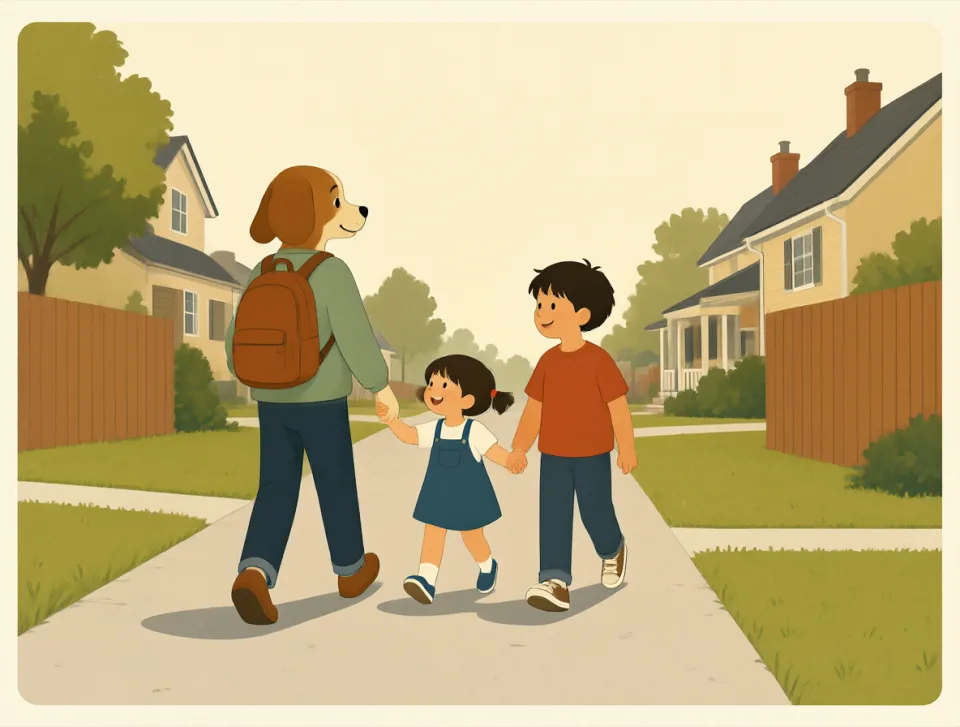
The dog followed us home from school.
El perro nos siguió a casa desde la escuela.
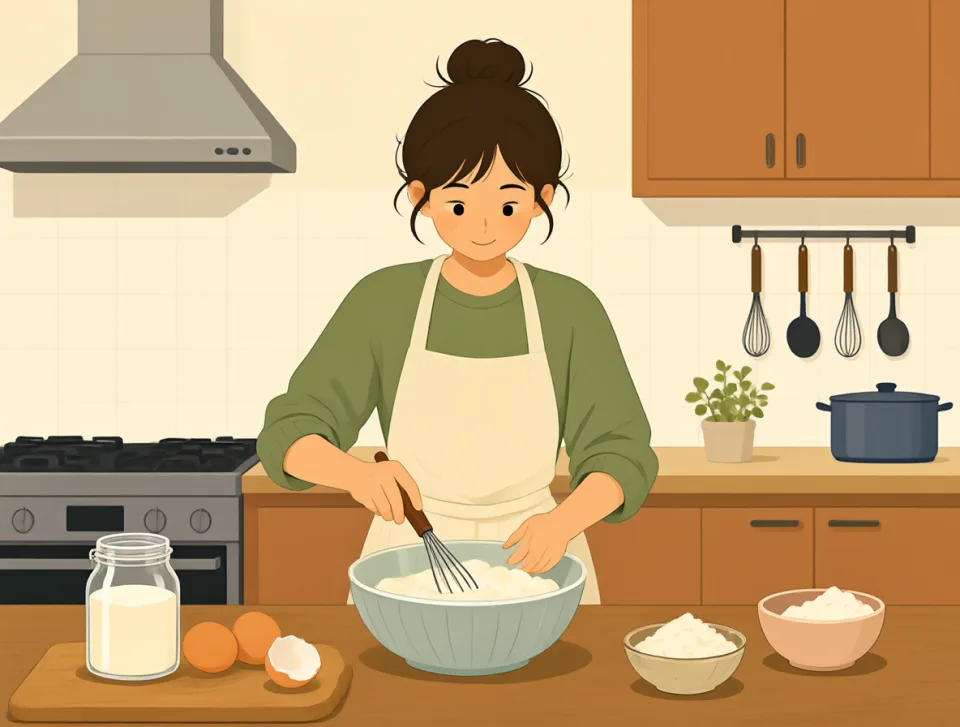
Follow this recipe for a delicious cake.
Sigue esta receta para preparar un pastel delicioso.
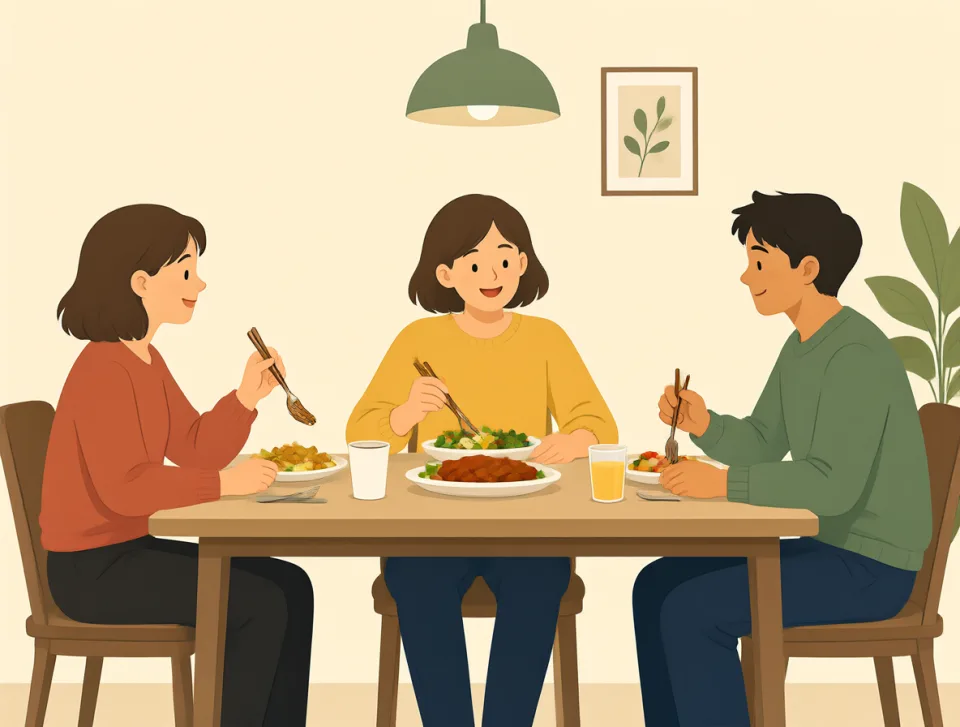
A short meeting followed lunch.
Después del almuerzo hubo una reunión breve.
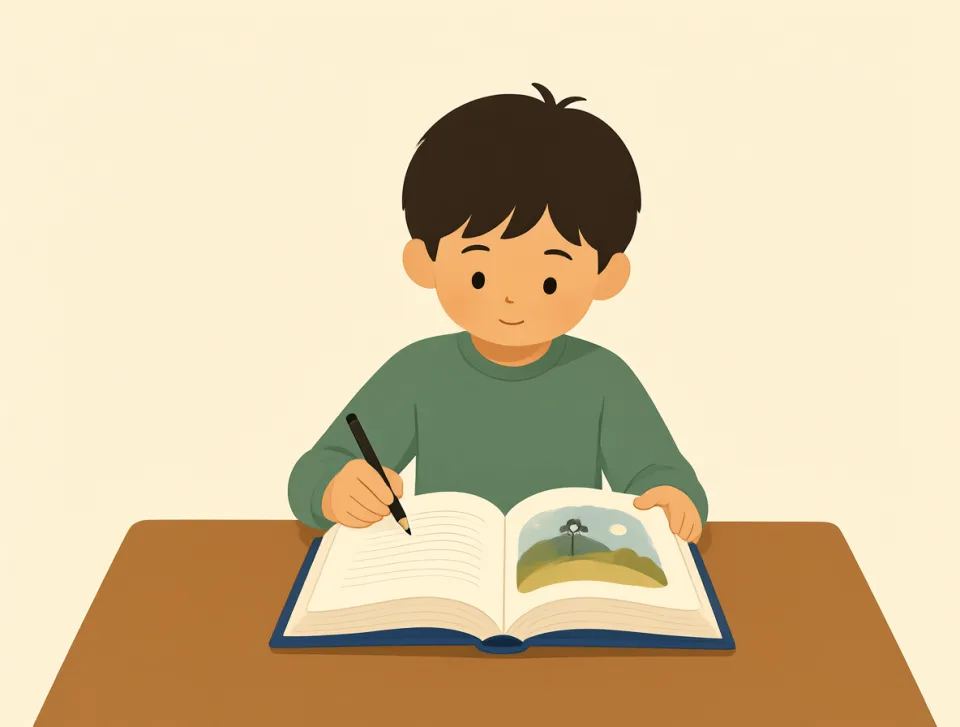
begin
#189verb
empezar; comenzar; iniciar
to start doing something or to happen for the first time
empezar a hacer algo o suceder por primera vez
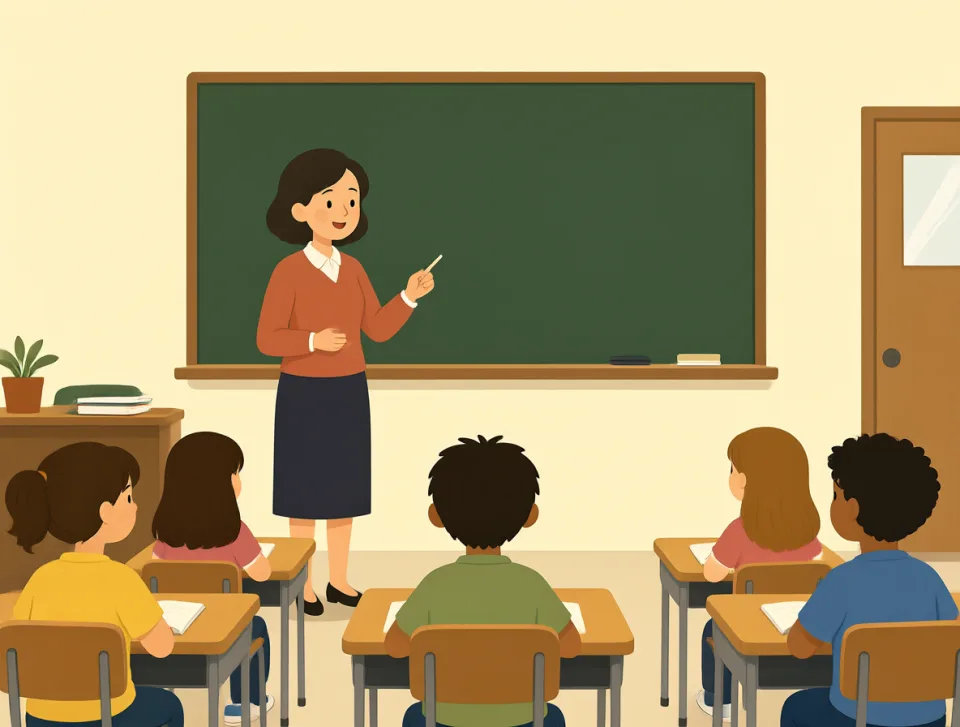
The class begins at nine o'clock.
La clase empieza a las nueve.
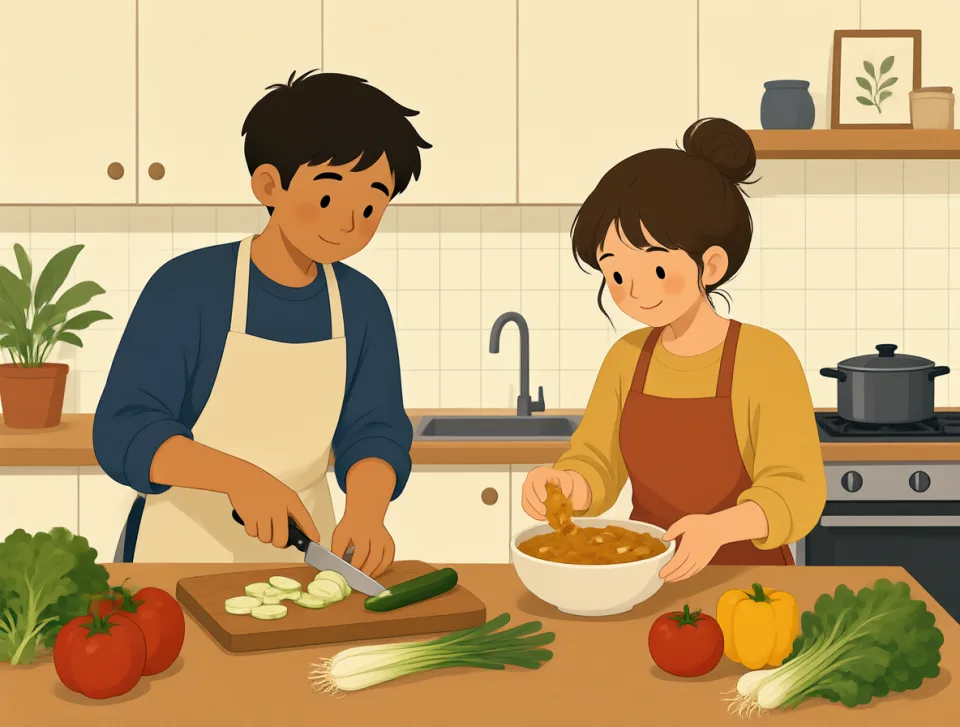
We began cooking dinner after work.
Empezamos a preparar la cena después del trabajo.
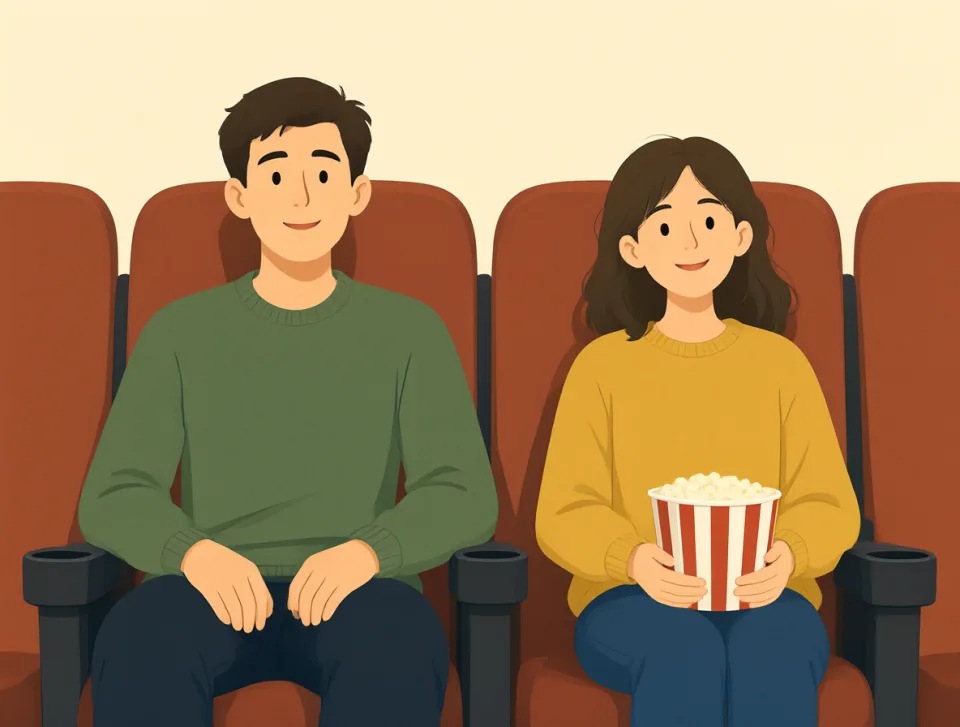
The movie began when we found our seats.
La película empezó cuando encontramos nuestros asientos.

She began to feel better yesterday.
Ayer empezó a sentirse mejor.
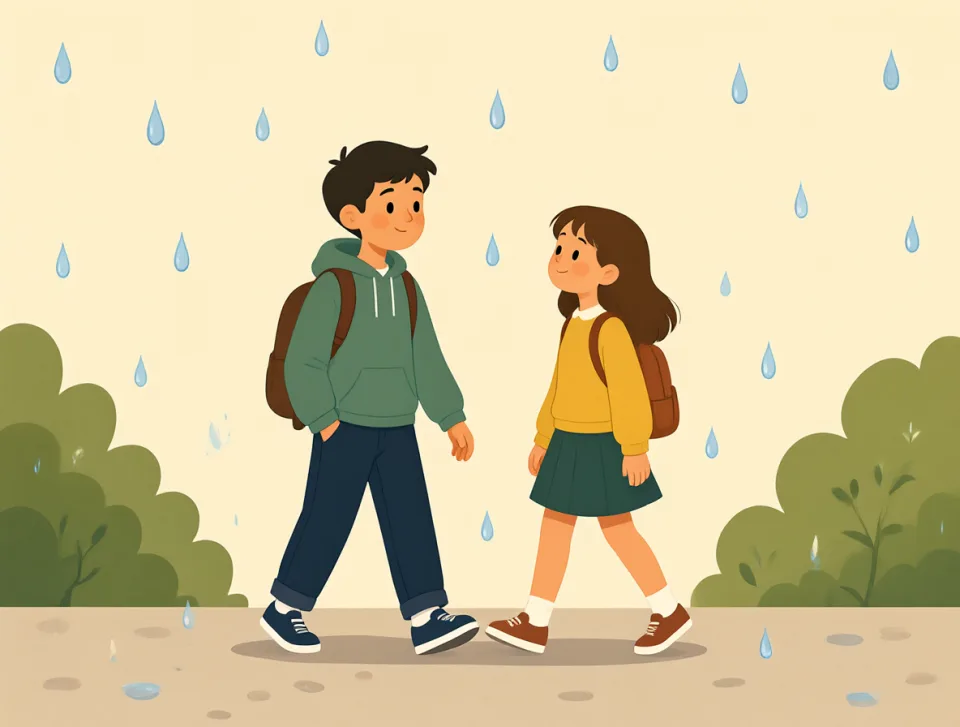
The rain began during our walk.
Empezó a llover durante nuestro paseo.
important
#190adjective
importante
Having great value, meaning, or effect; needing attention.
Que tiene gran valor, significado o efecto; que requiere atención.

This meeting is very important to our team.
Esta reunión es muy importante para nuestro equipo.
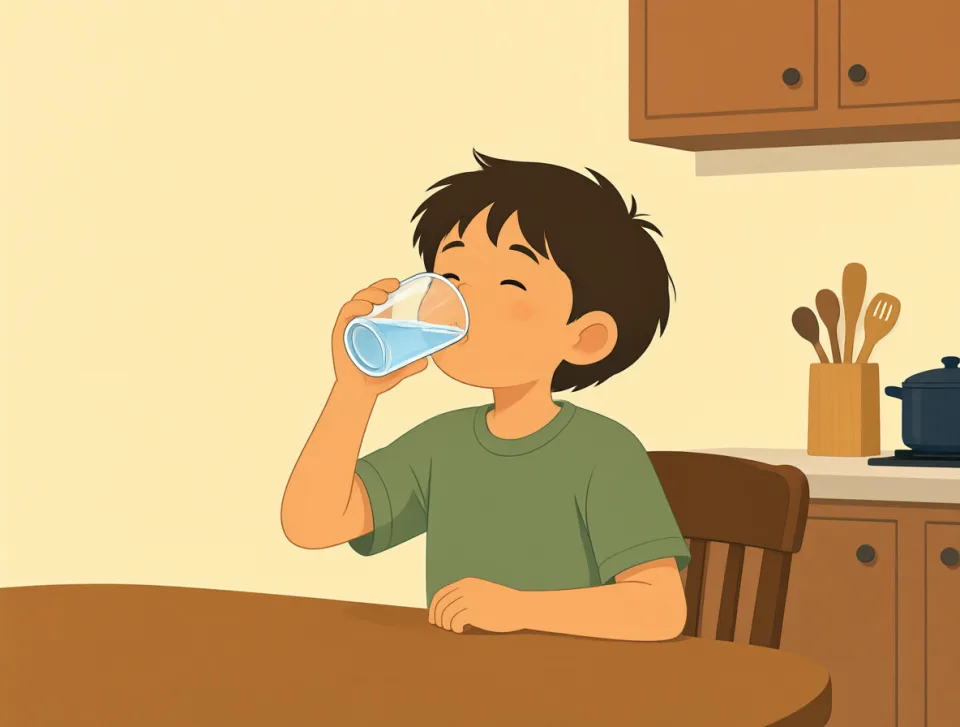
It is important to drink water every day.
Es importante beber agua todos los días.
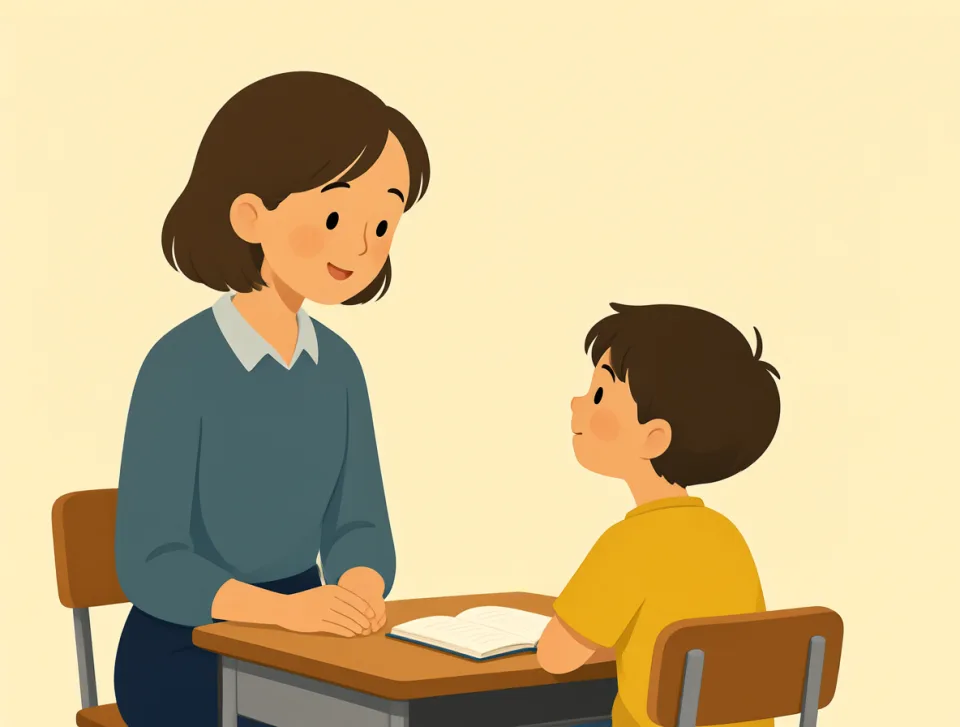
My teacher said sleep is important for learning.
Mi profesor dijo que dormir es importante para aprender.
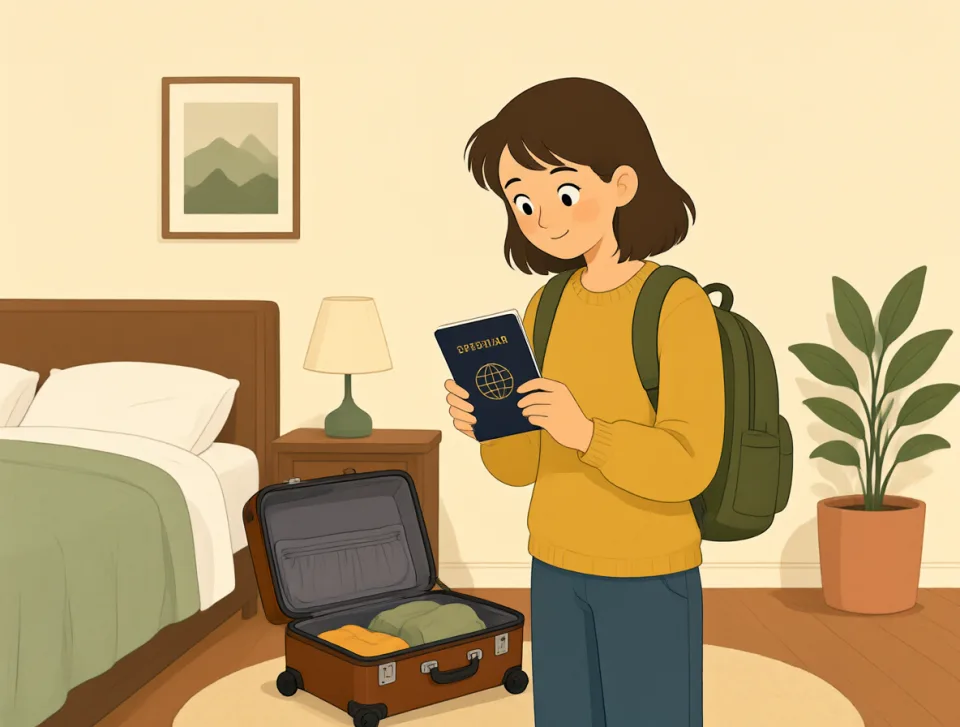
Please bring your passport; it is important.
Por favor, trae tu pasaporte; es importante.

She bought an important gift for her mother.
Ella compró un regalo importante para su madre.
since
#191preposition, conjunction, adverb
desde; ya que; desde entonces
from a time in the past until now, or because something happened
desde un momento del pasado hasta ahora, o porque ocurrió algo
I have lived here since 2020.
Vivo aquí desde 2020.
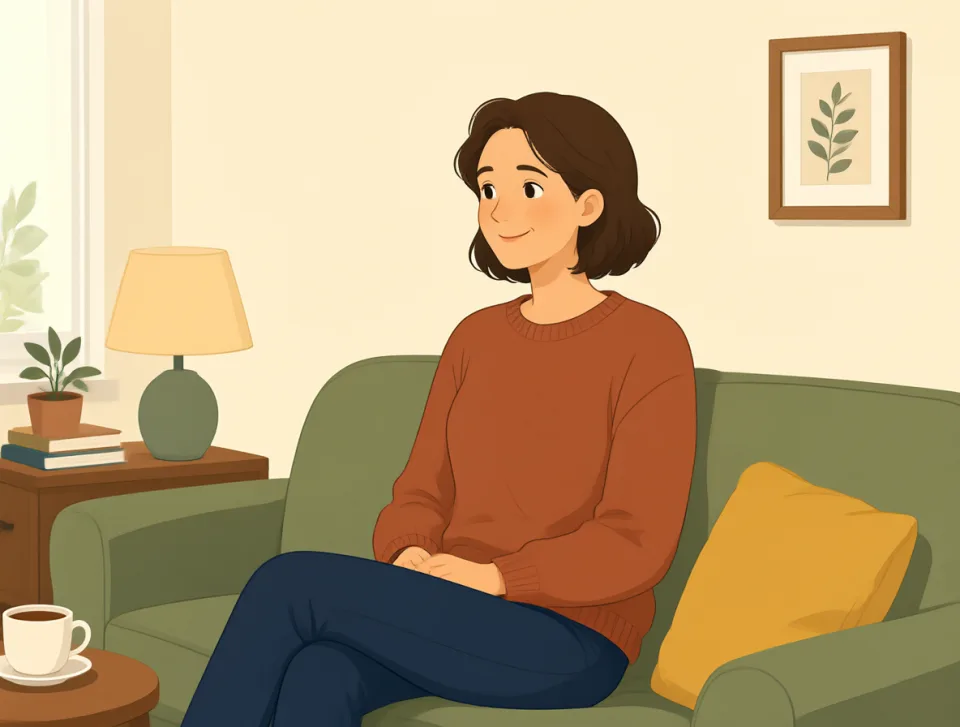
She has felt better since yesterday.
Ella se ha sentido mejor desde ayer.
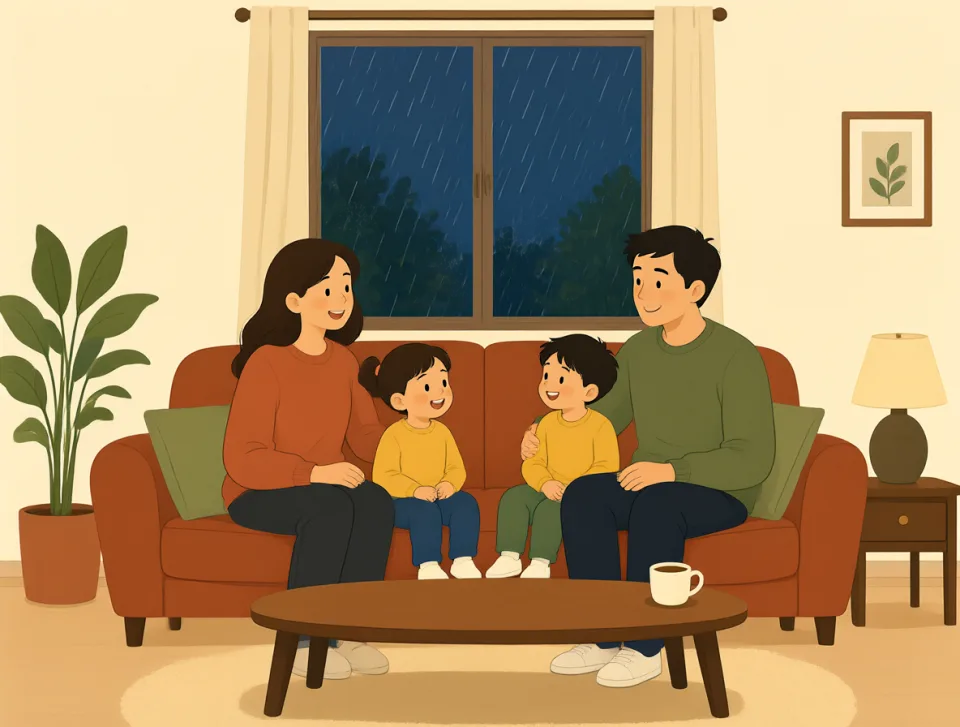
Since it was raining, we stayed home.
Como estaba lloviendo, nos quedamos en casa.
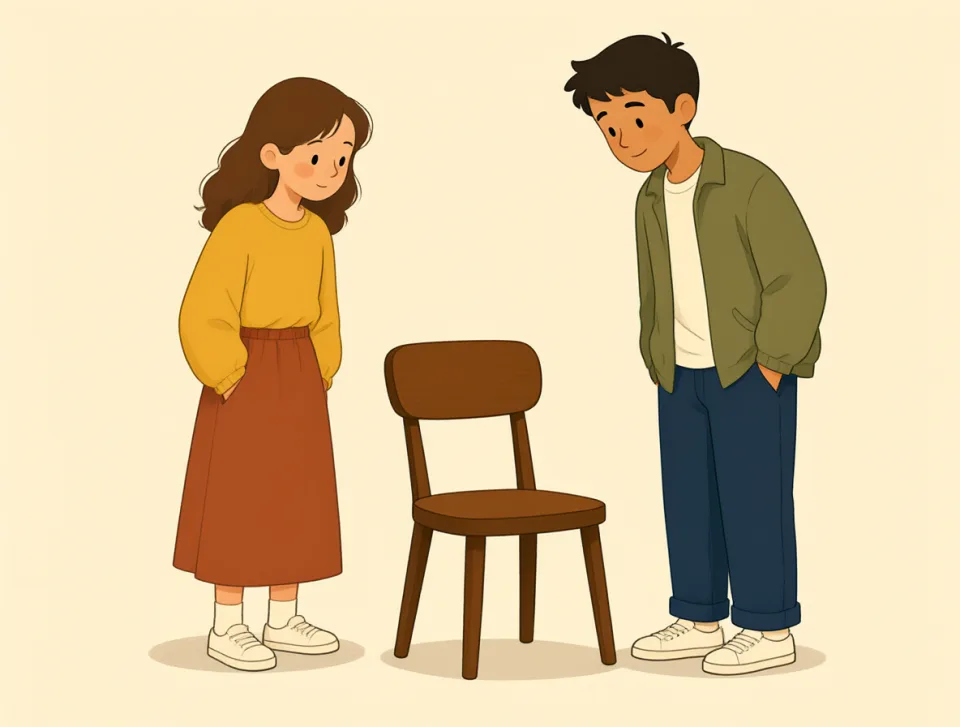
We have not seen Tom since Monday.
No hemos visto a Tom desde el lunes.
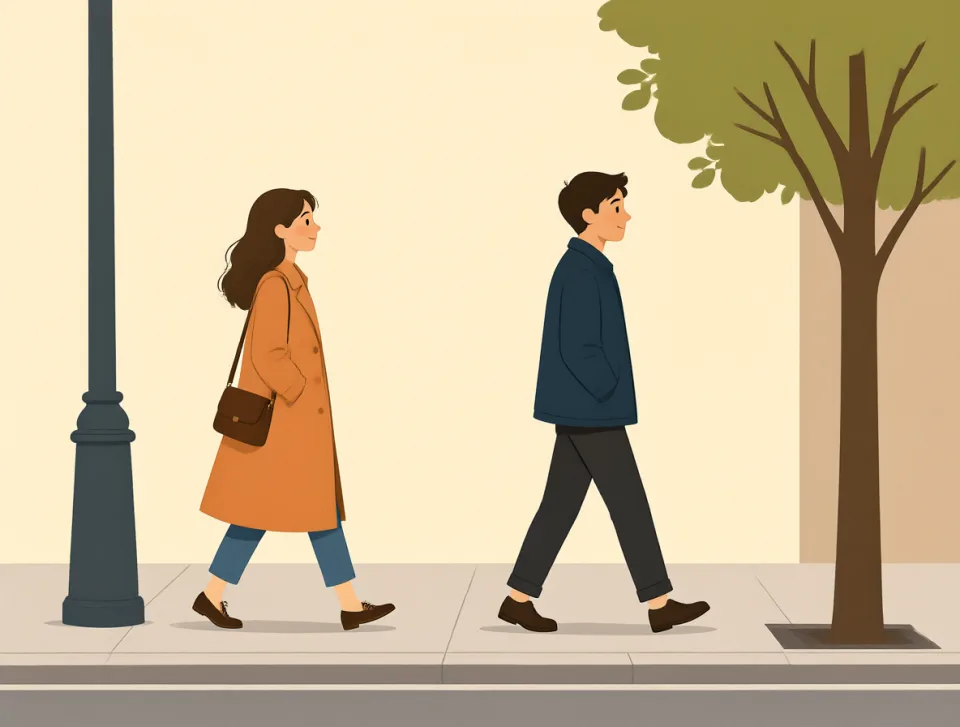
I met her once, but have not spoken since.
La vi una vez, pero no he vuelto a hablar con ella desde entonces.
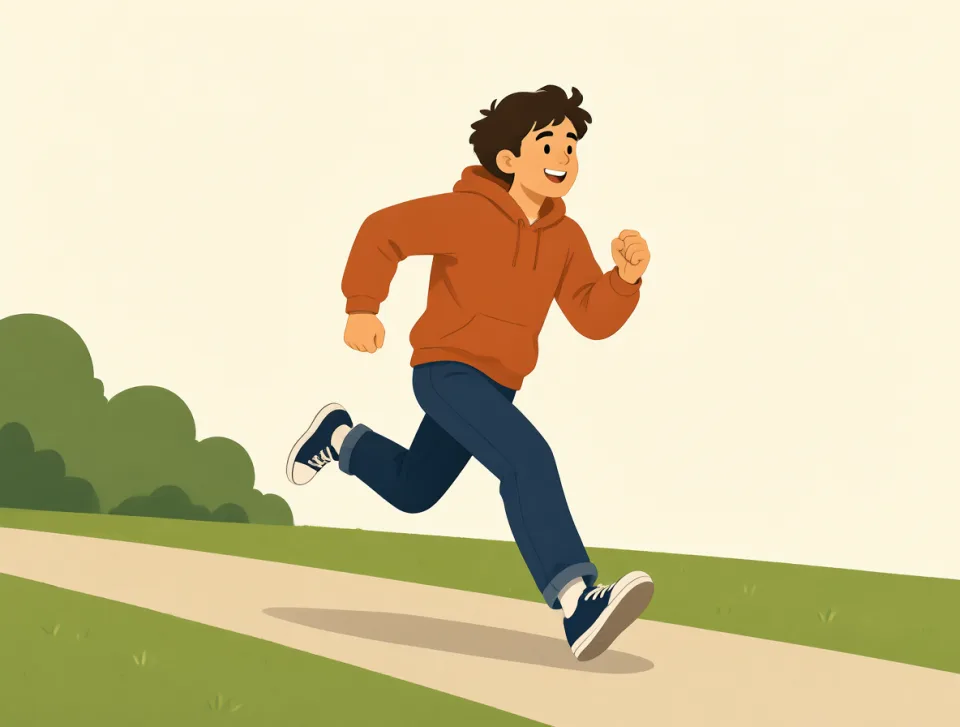
run
#192verb, noun
correr; funcionar; dirigir; carrera
to move quickly on foot, or to manage and operate something
desplazarse rápidamente a pie o gestionar y operar algo
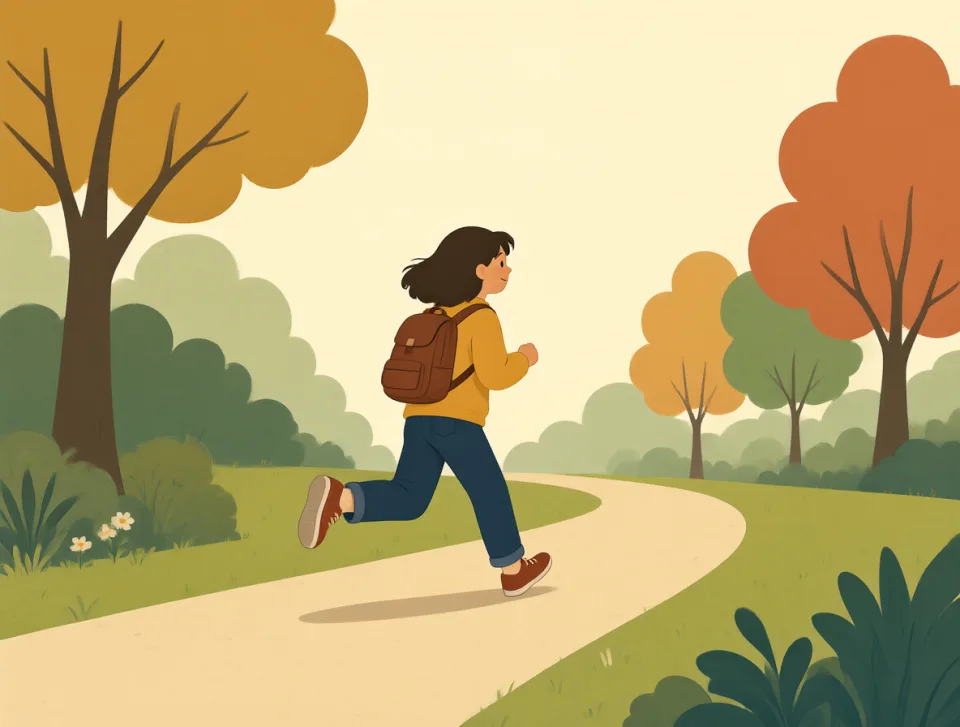
I run every morning before work.
Corro todas las mañanas antes de ir al trabajo.
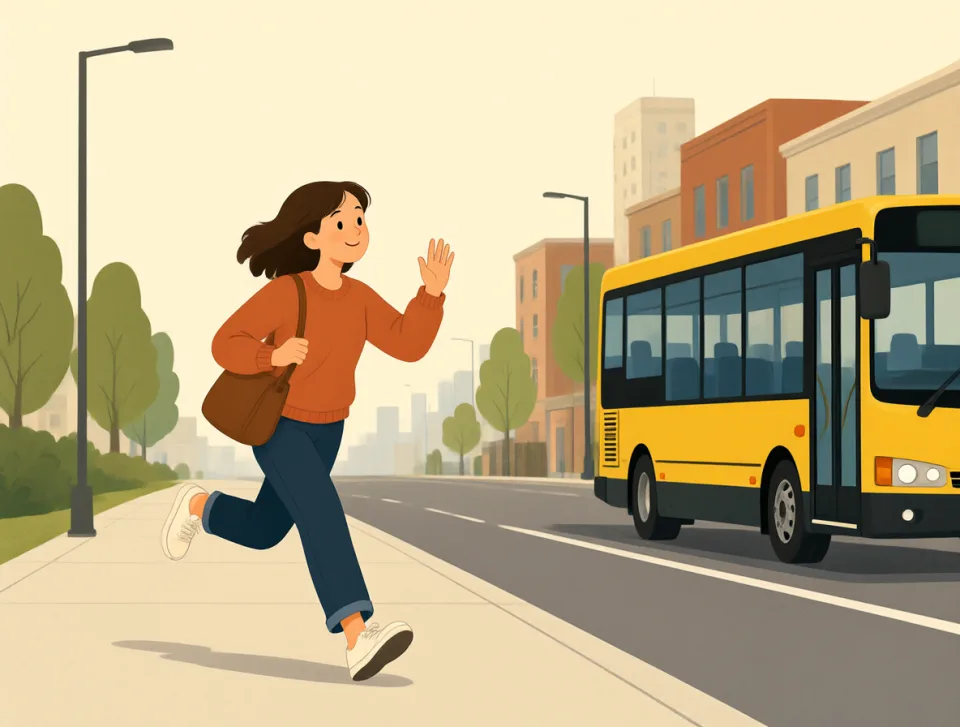
She ran to catch the bus.
Corrió para alcanzar el autobús.
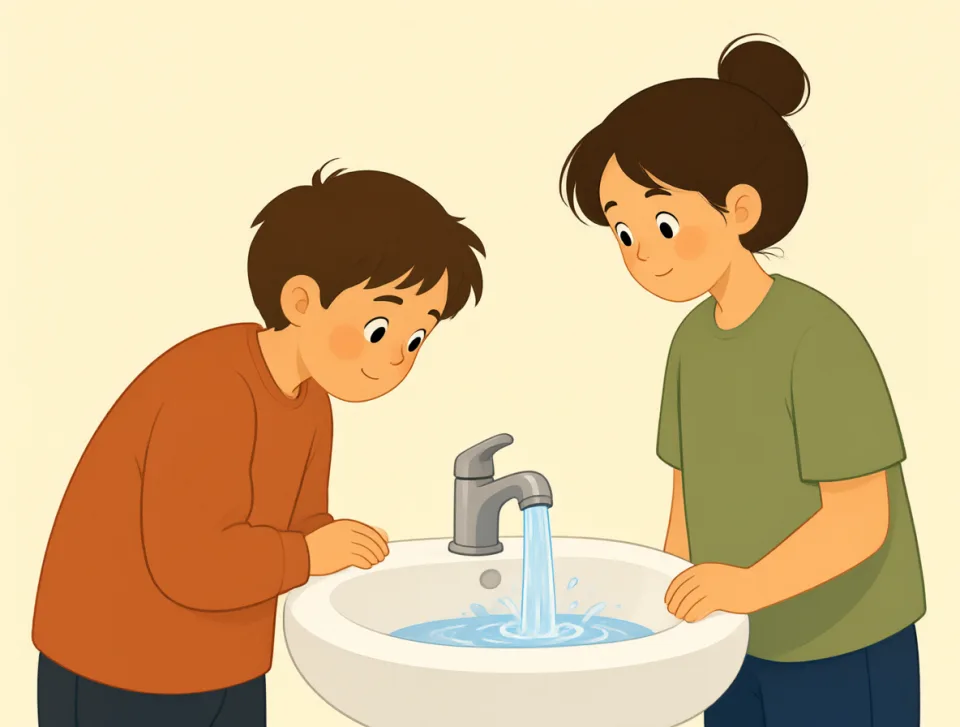
The water is running in the bathroom.
El agua está corriendo en el baño.
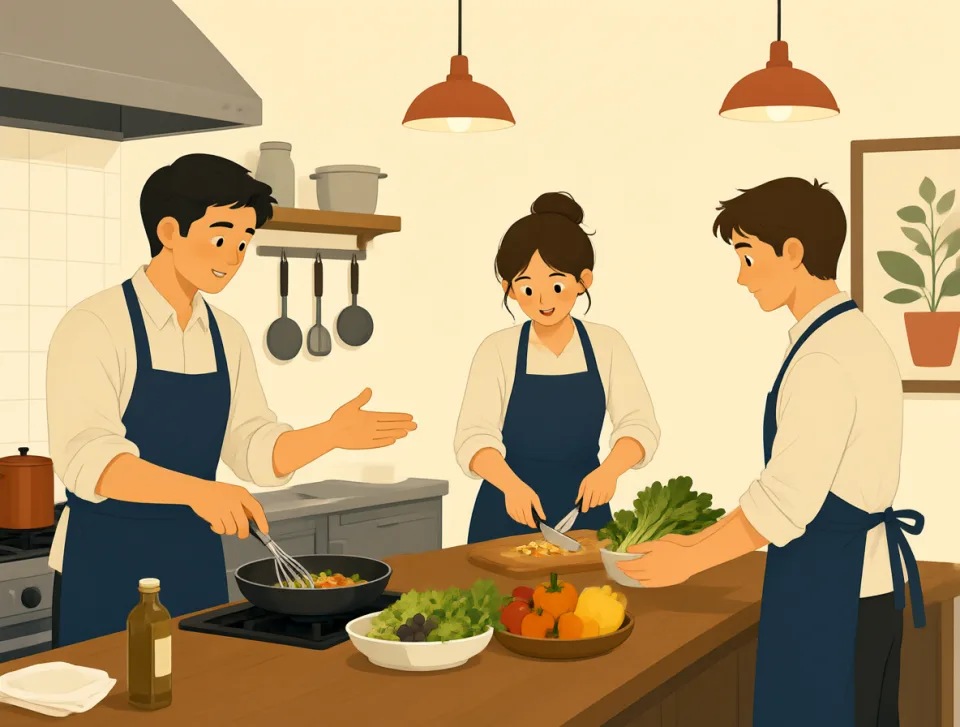
My uncle runs a small restaurant.
Mi tío dirige un pequeño restaurante.
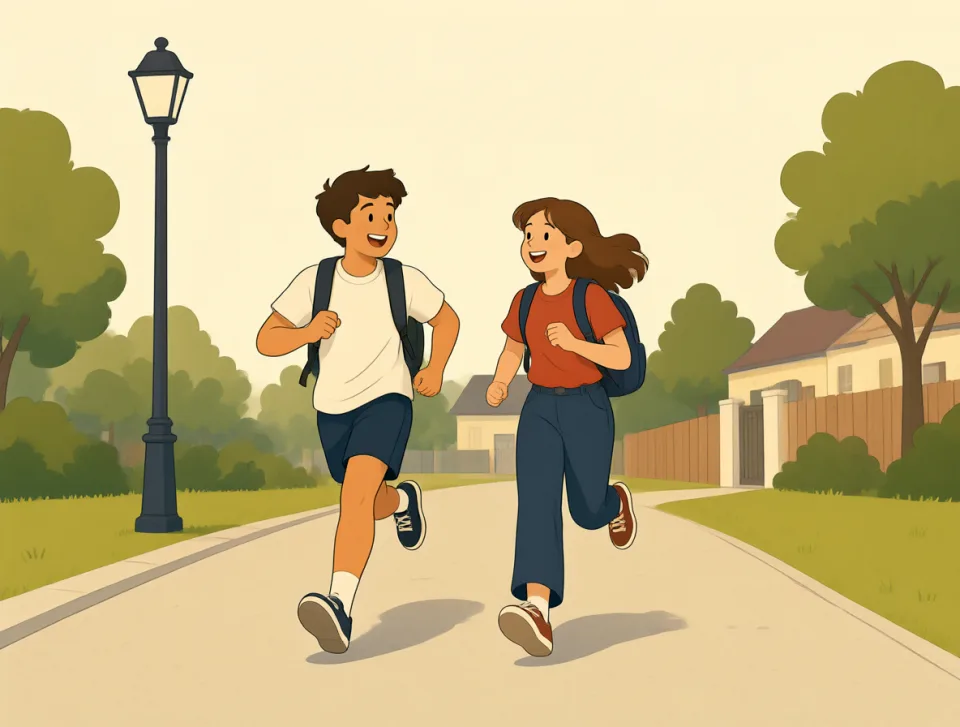
We went for a run after school.
Fuimos a correr después de clase.
under
#193preposition, adverb, adjective
debajo de; bajo; por debajo de; inferior a
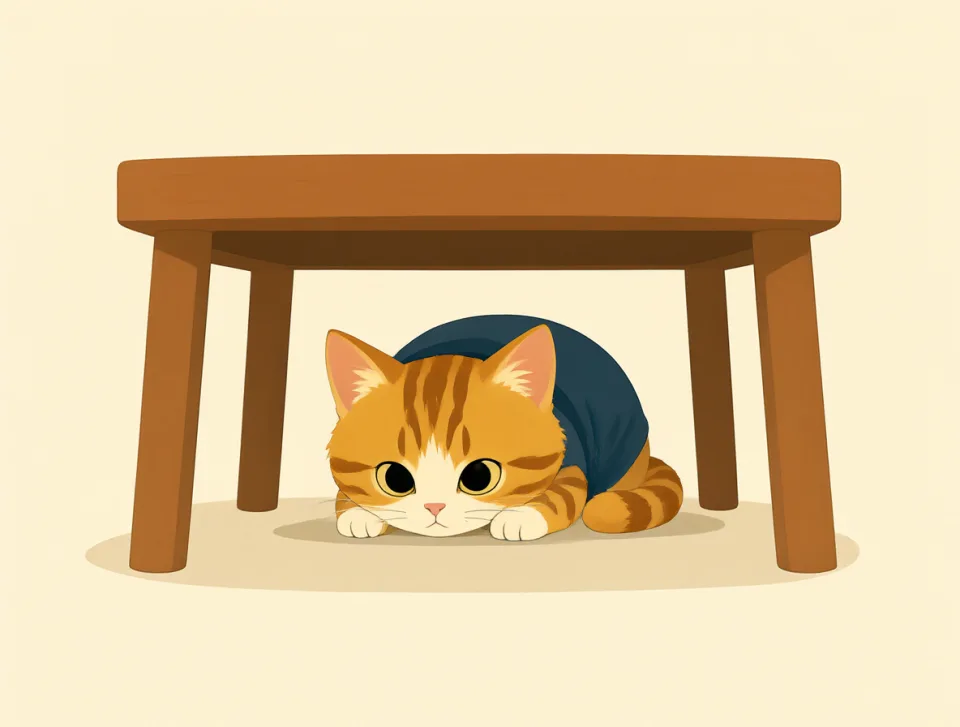
In or to a lower position than something else.
En una posición más baja que otra cosa o hacia una posición más baja.
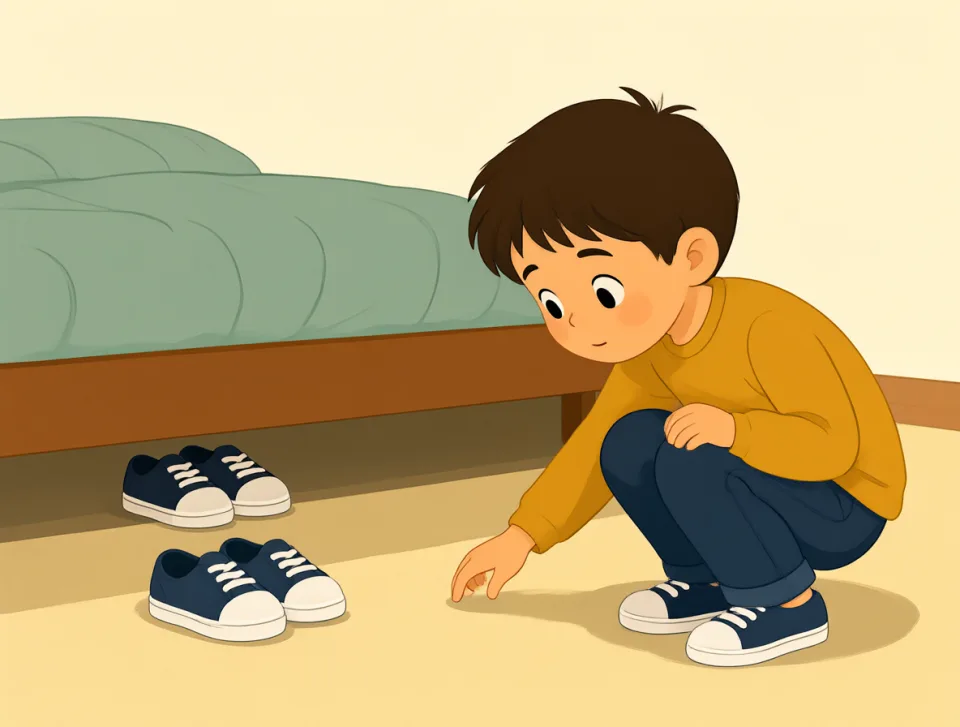
The shoes are under the bed.
Los zapatos están debajo de la cama.

She works under a kind manager.
Trabaja a las órdenes de un gerente amable.
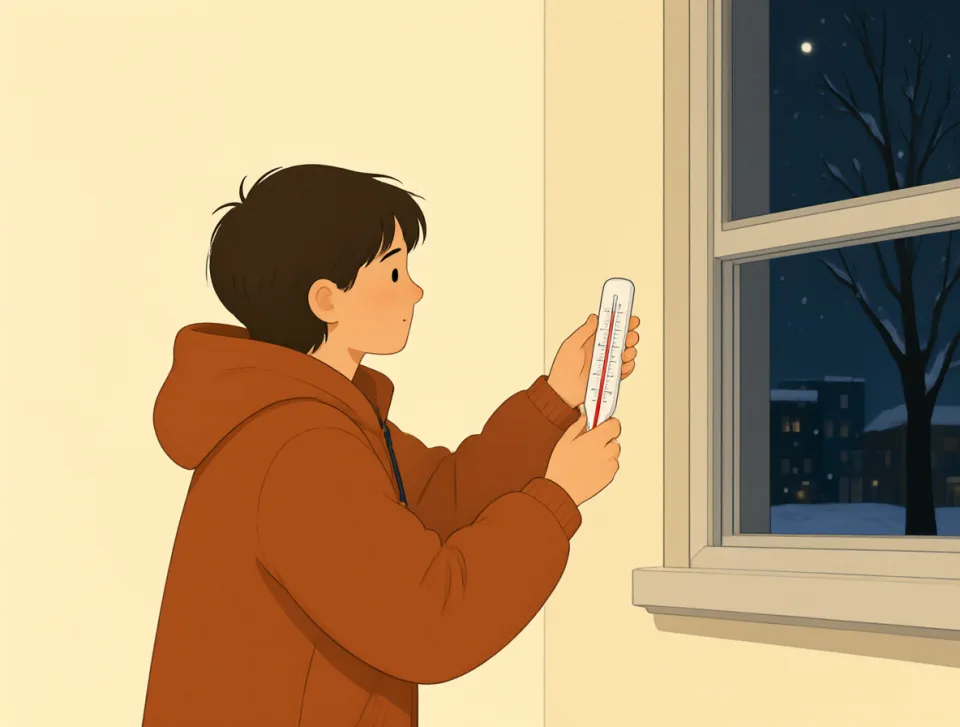
The temperature fell under zero last night.
Anoche la temperatura bajó de cero.
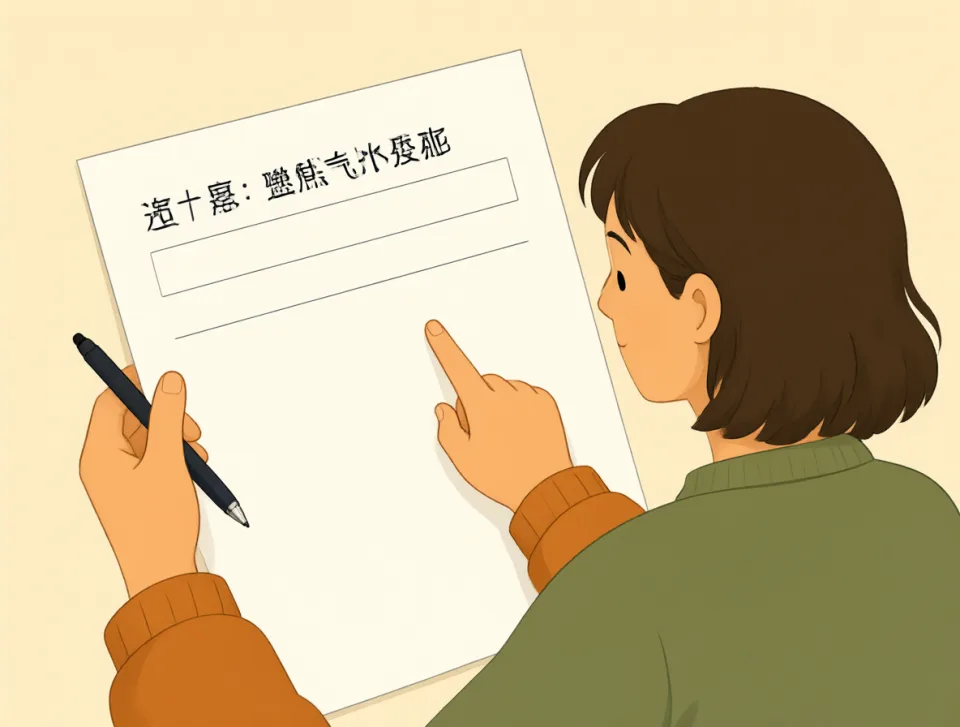
Please sign under your name.
Por favor, firma debajo de tu nombre.
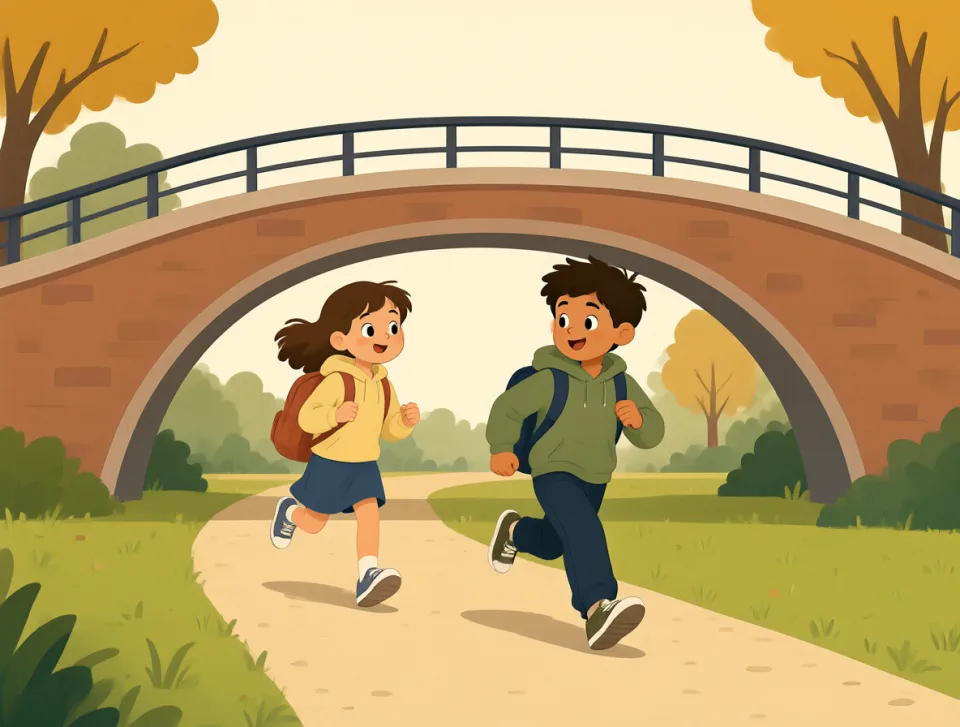
The children ran under the bridge.
Los niños corrieron por debajo del puente.
turn
#194verb, noun
girar; turno; convertirse
To move in a different direction, or the time when someone gets to do something.
Moverse en una dirección diferente, o el momento en que le toca a alguien hacer algo.
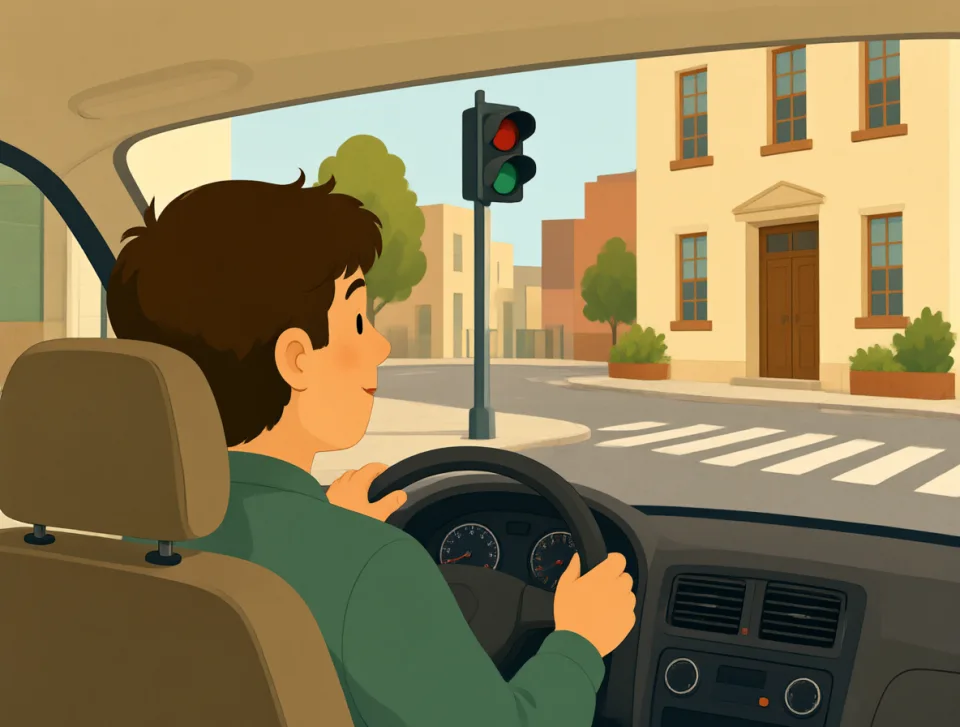
Turn left at the corner, please.
Gira a la izquierda en la esquina, por favor.
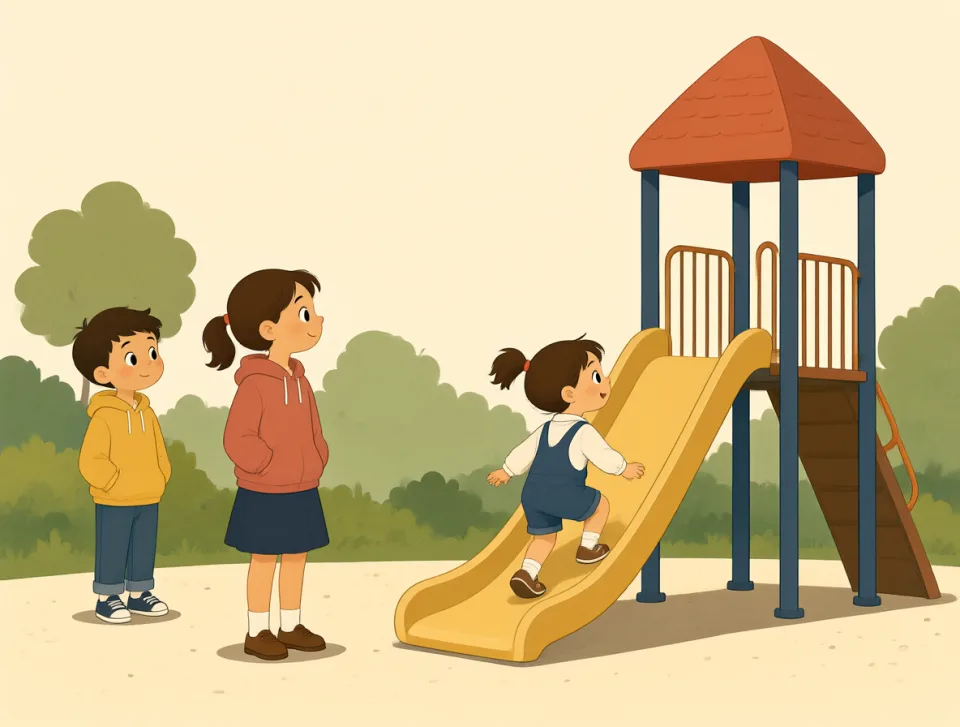
Please wait for your turn.
Por favor, espera tu turno.
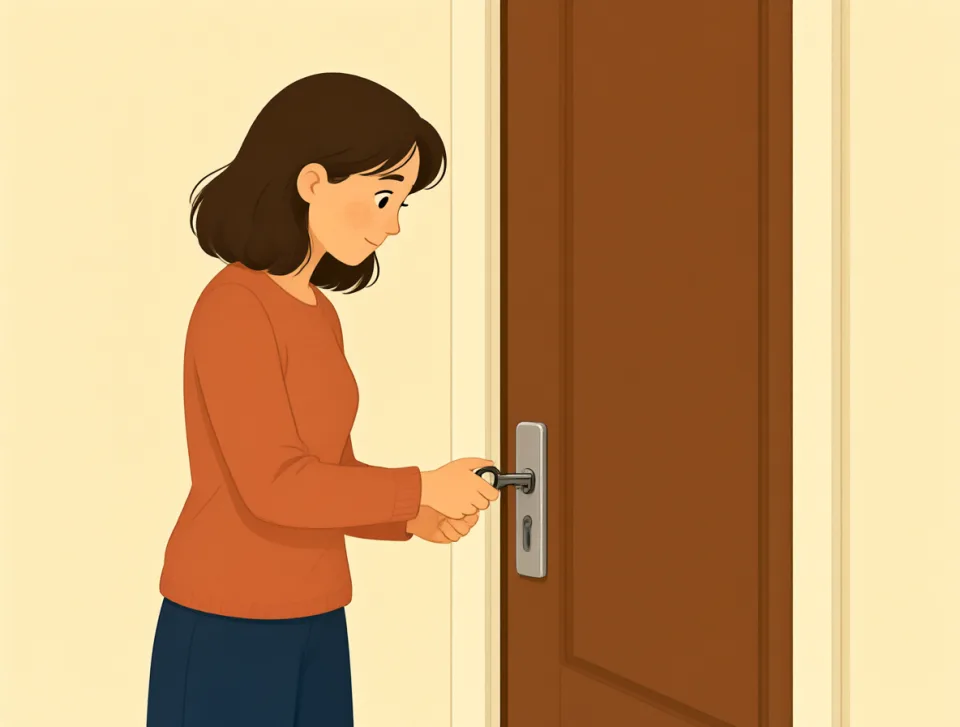
She turned the key in the lock.
Ella giró la llave en la cerradura.
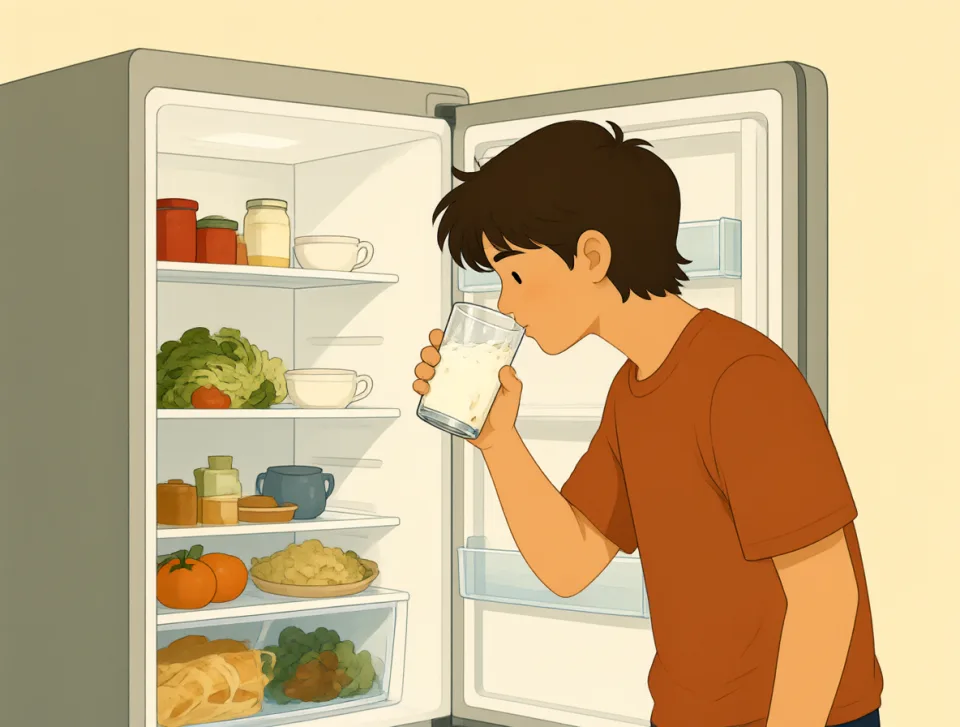
The milk turned sour in the fridge.
La leche se volvió agria en el refrigerador.
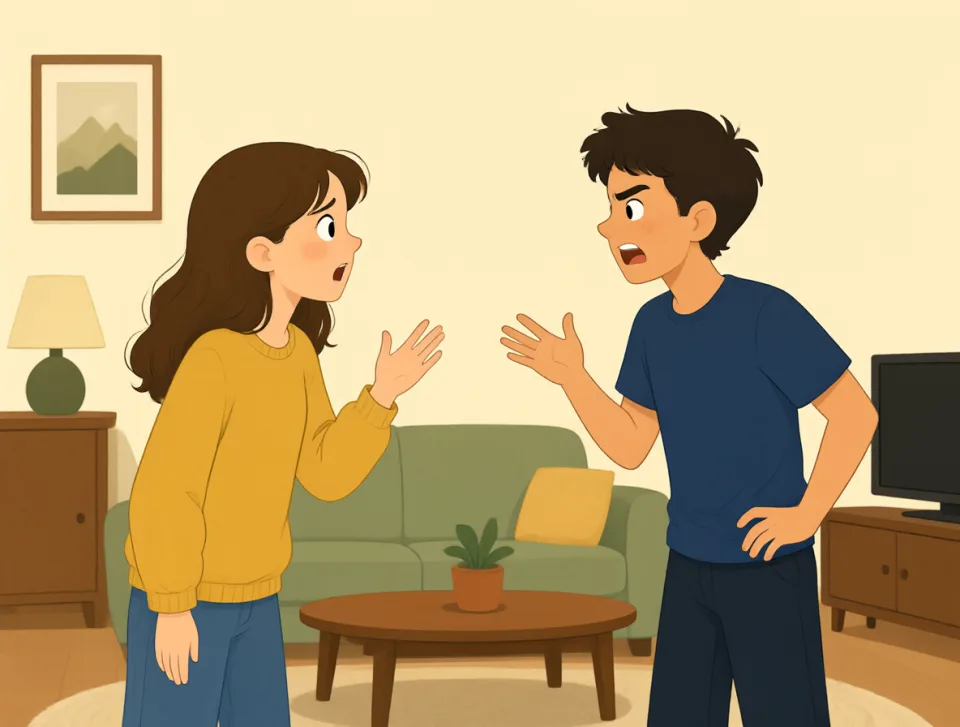
Our conversation turned into an argument.
Nuestra conversación se convirtió en una discusión.
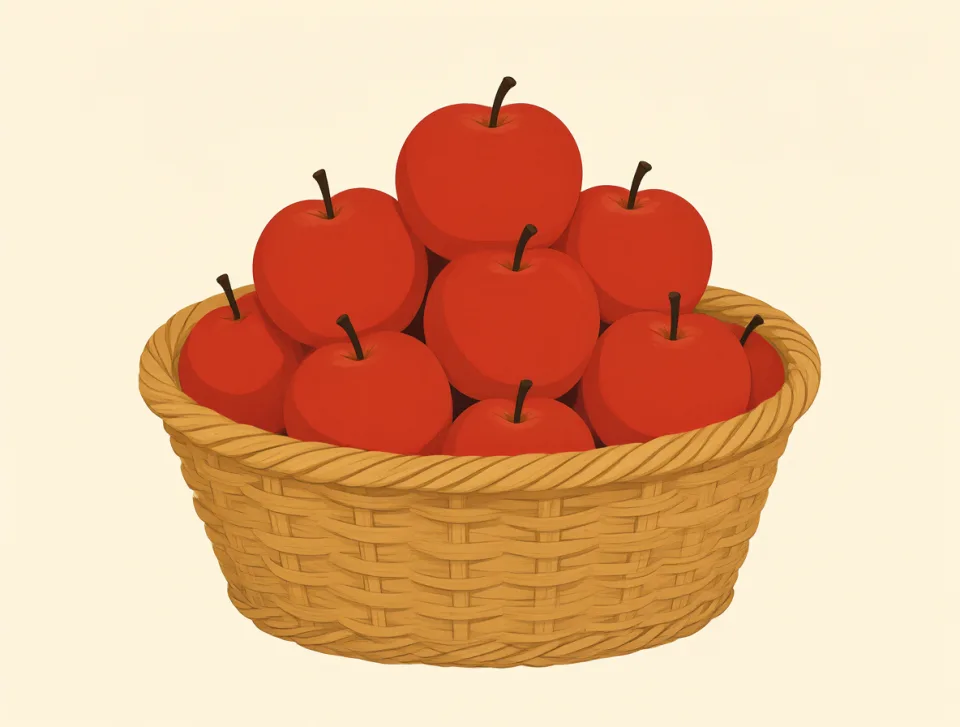
few
#195determiner, pronoun, adjective
pocos; unas pocas
A small number of people or things, usually less than expected.
Un número pequeño de personas o cosas, generalmente menor de lo esperado.
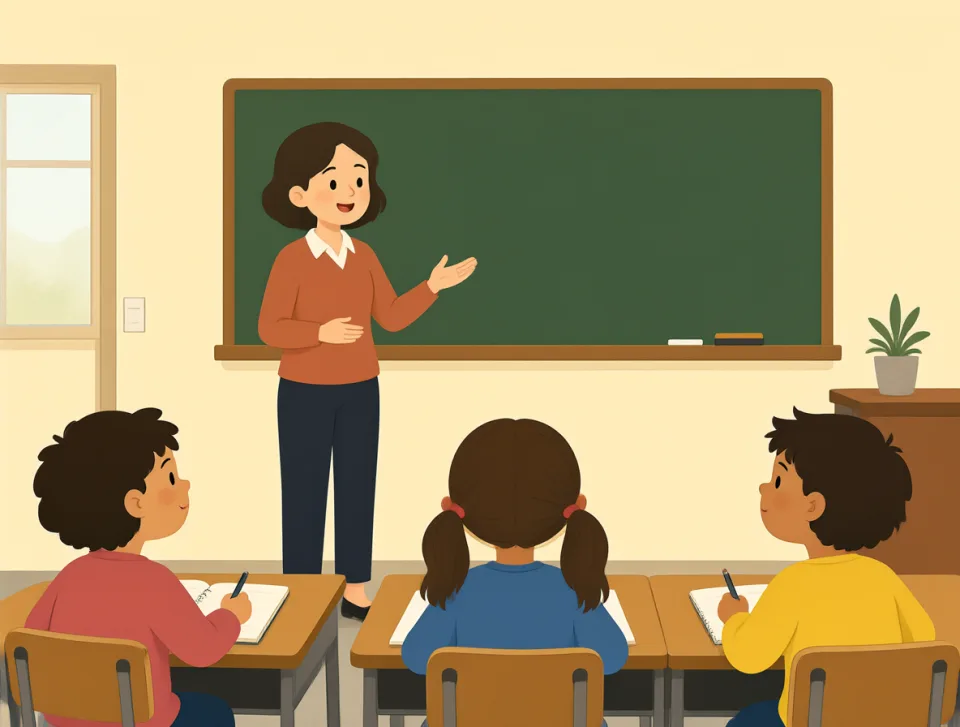
Only a few students came to class.
Solo unos pocos estudiantes vinieron a clase.
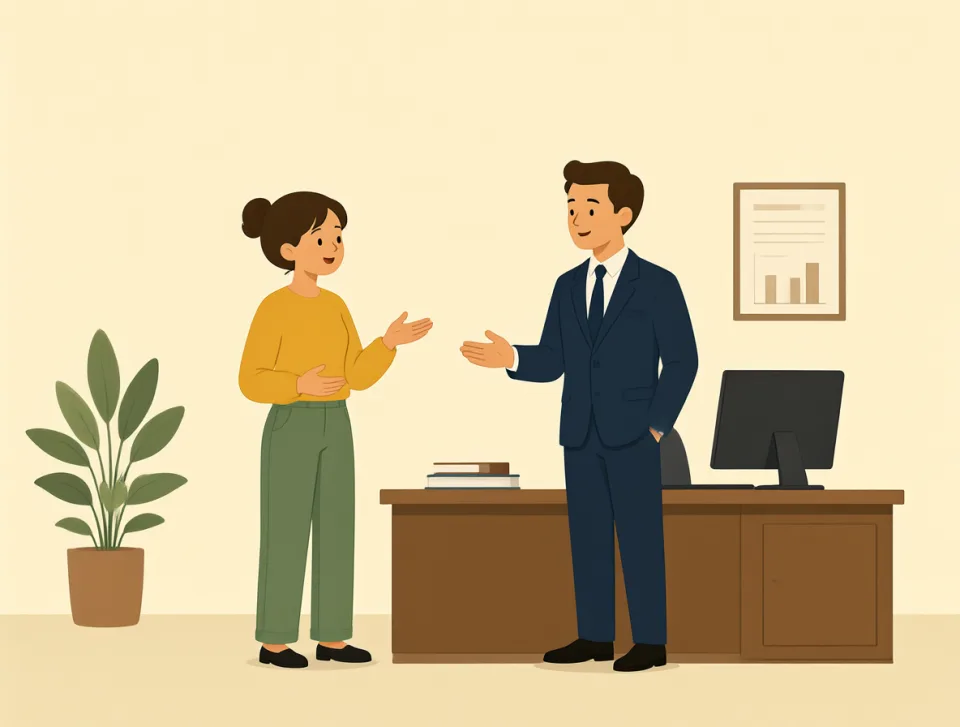
I have a few questions about this job.
Tengo algunas preguntas sobre este trabajo.
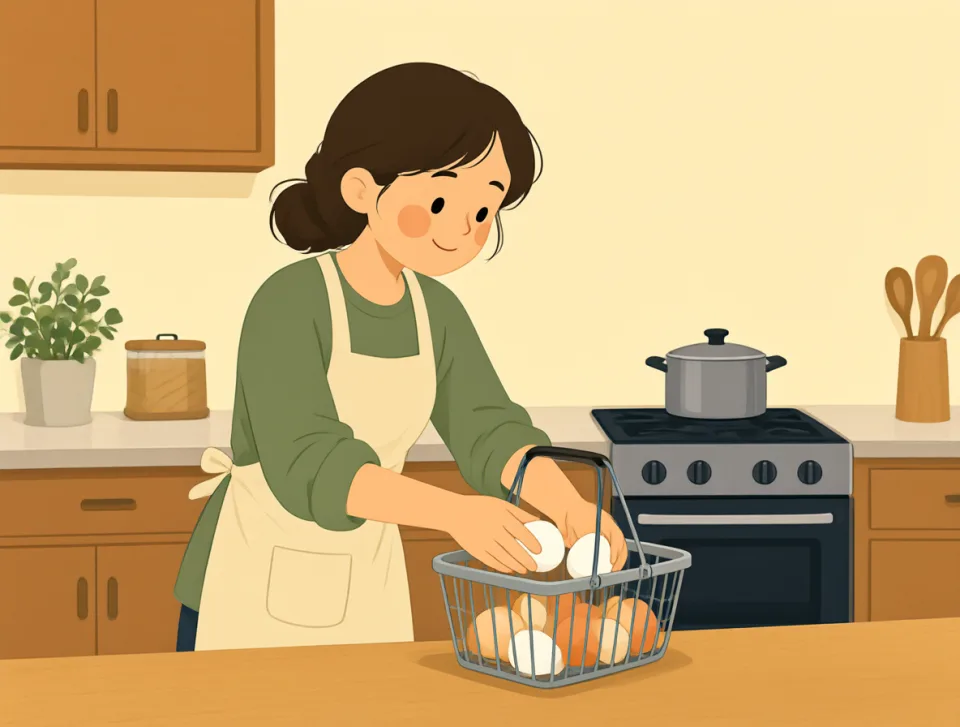
We need a few more eggs for breakfast.
Necesitamos unos cuantos huevos más para el desayuno.
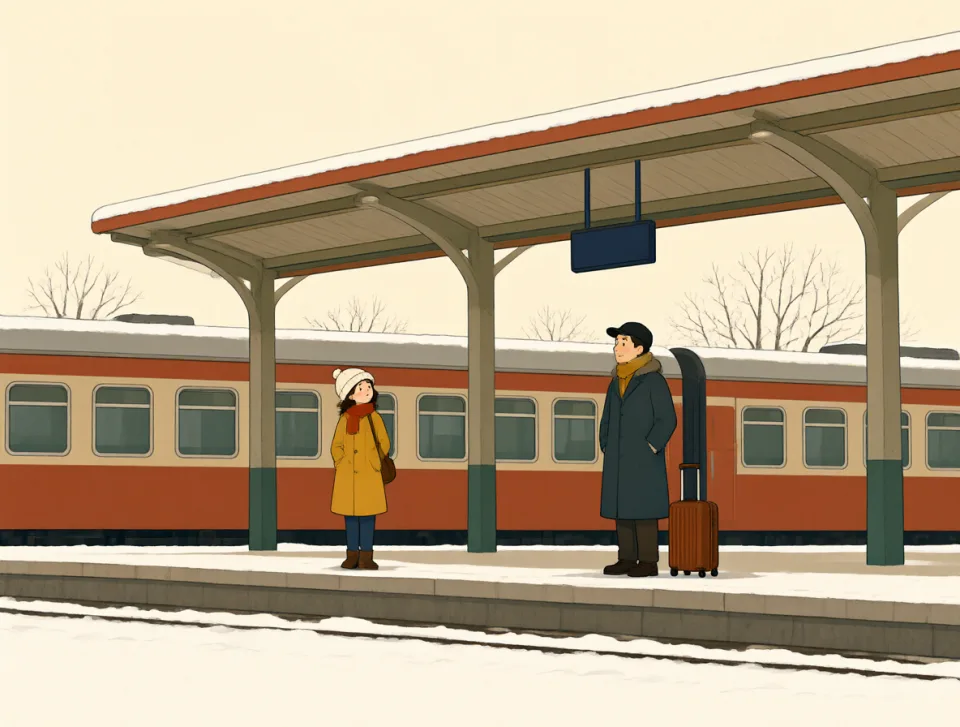
Few people travel there in winter.
Poca gente viaja allí en invierno.
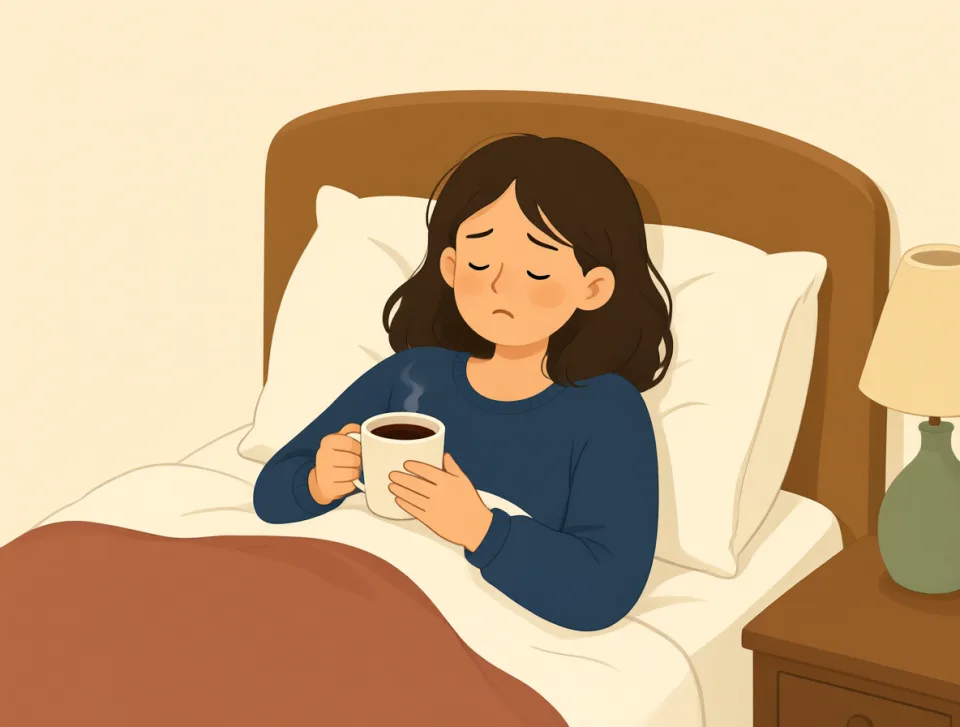
She stayed home for a few days.
Se quedó en casa unos días.
bring
#196verb
traer; llevar; causar
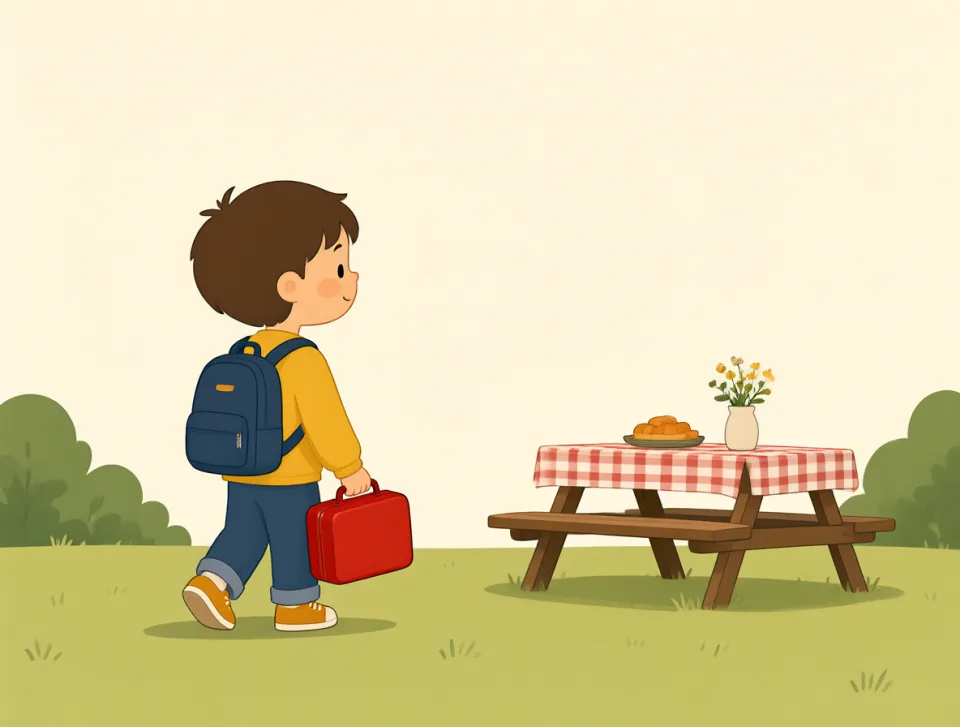
to take or carry someone or something with you to a place
llevar o traer a alguien o algo contigo a un lugar
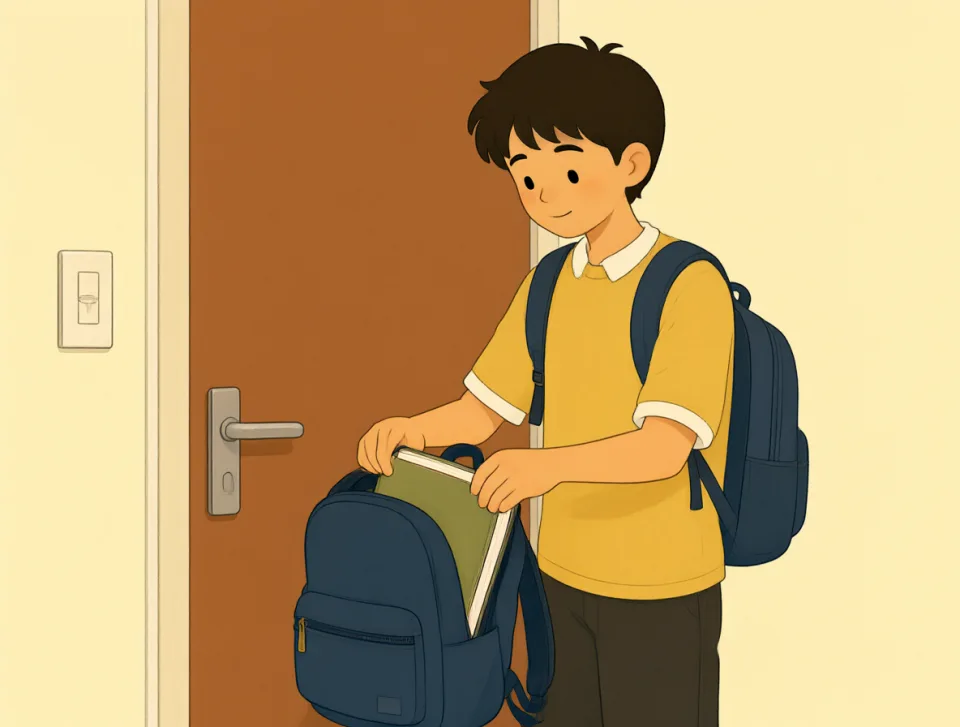
Please bring your book to class tomorrow.
Por favor, trae tu libro a clase mañana.
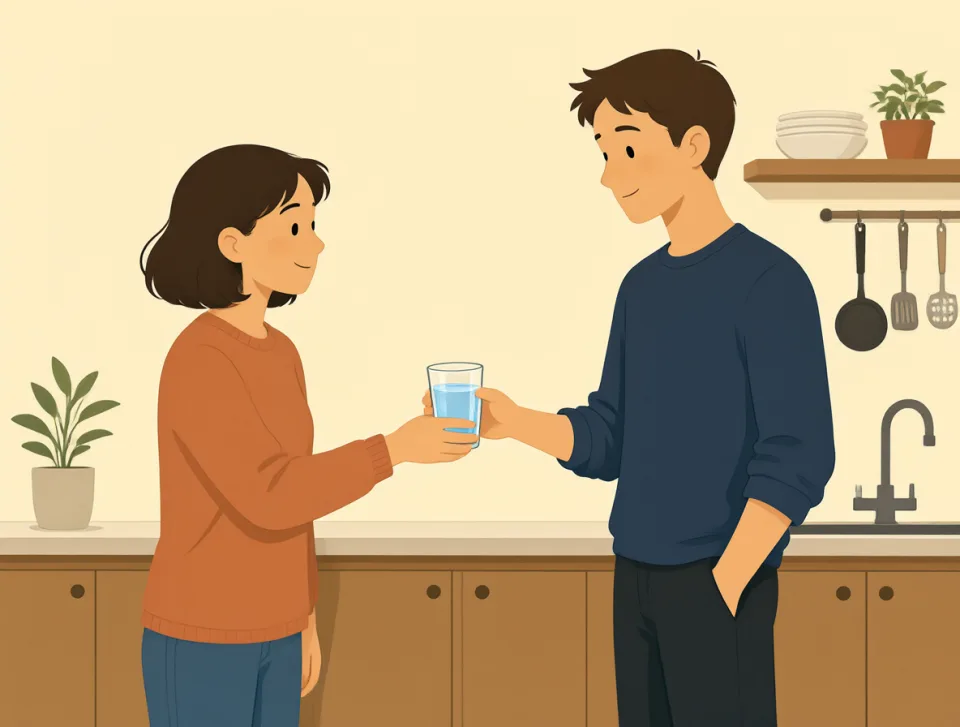
Can you bring me a glass of water?
¿Puedes traerme un vaso de agua?
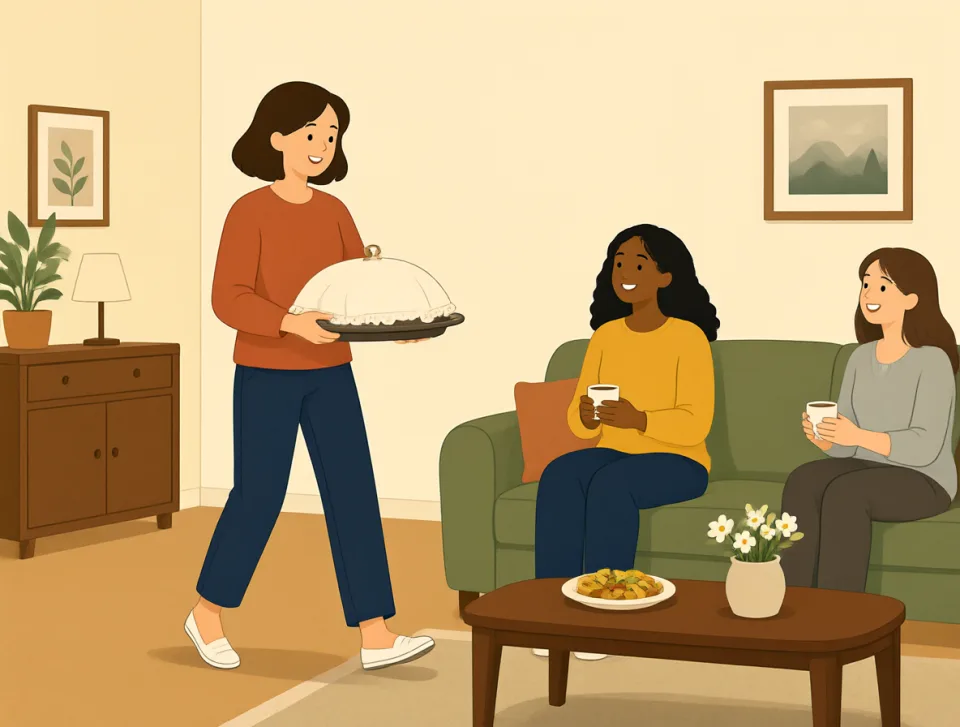
She brought some food for the party.
Ella trajo comida para la fiesta.
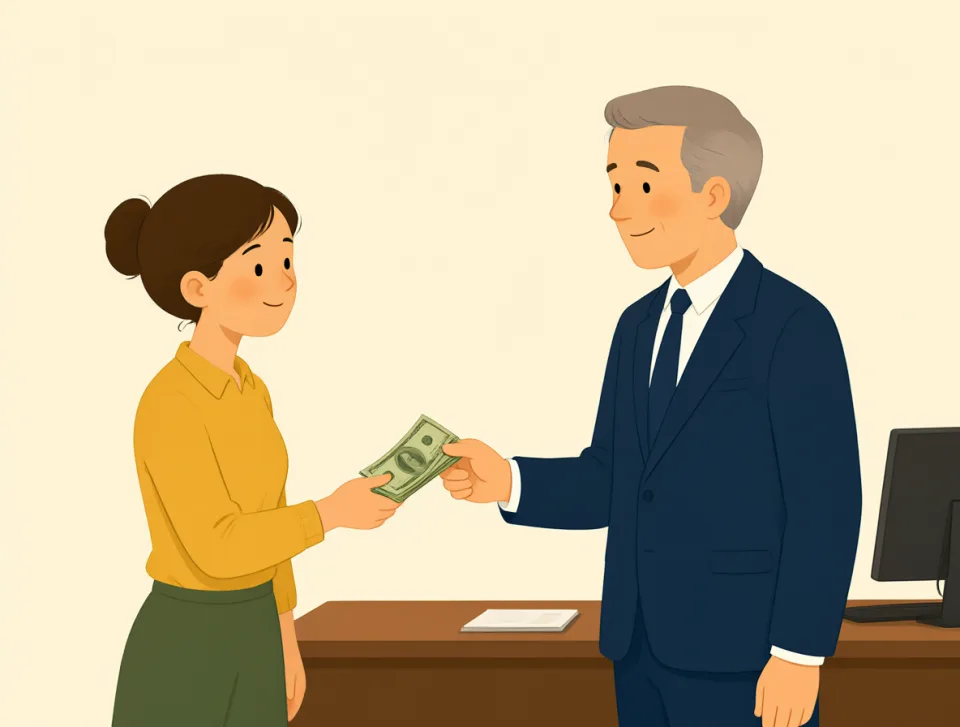
The new job brought him more money.
El nuevo trabajo le trajo más dinero.
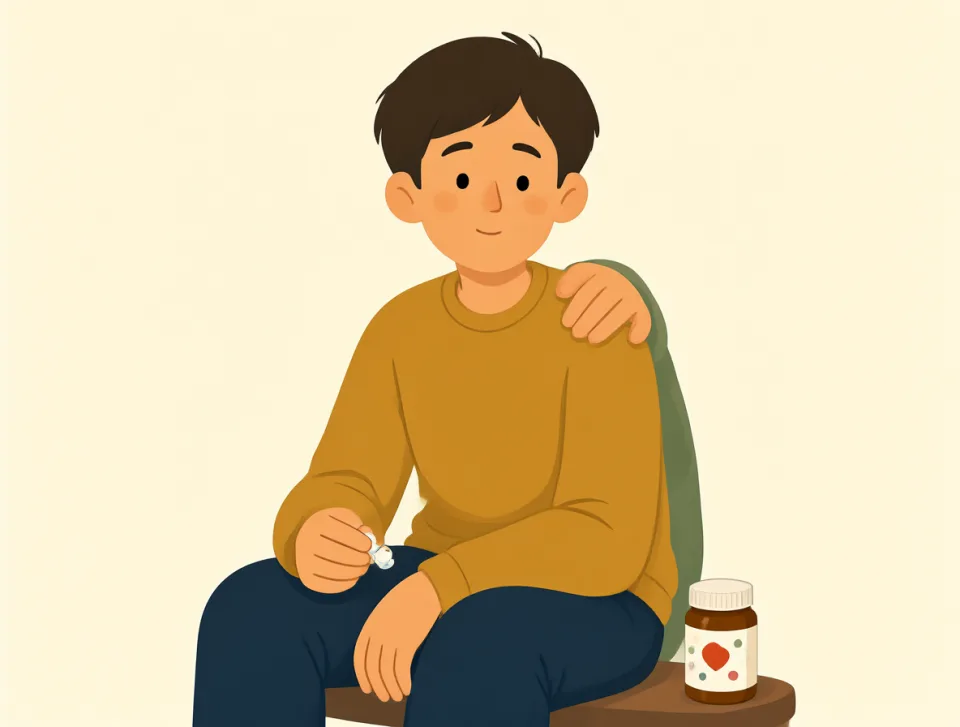
This medicine brings quick relief from pain.
Este medicamento alivia rápidamente el dolor.
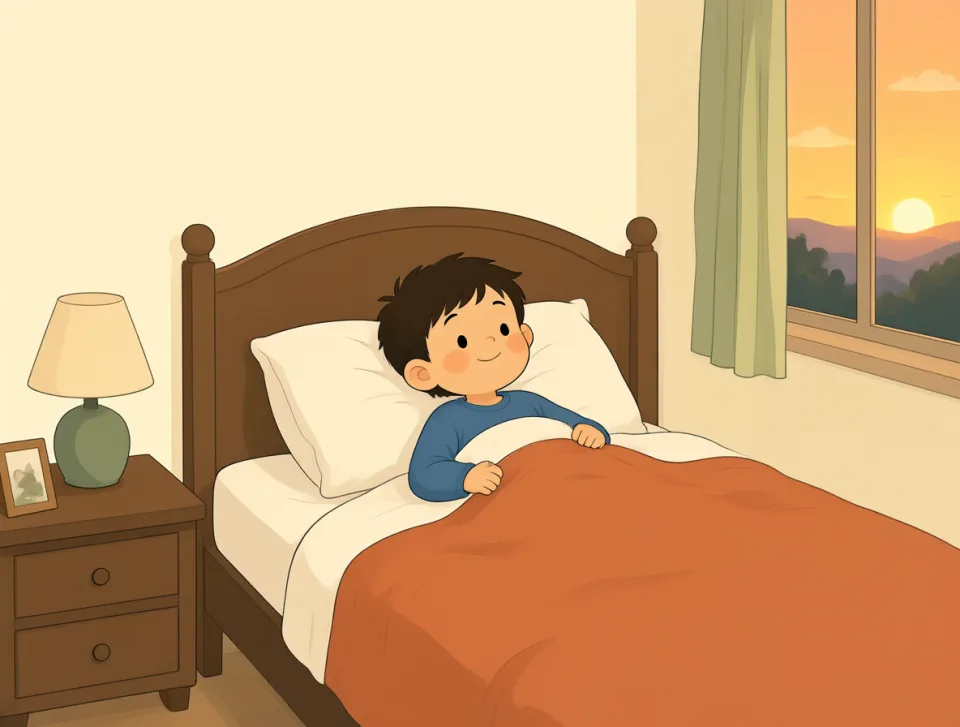
early
#197adjective, adverb
temprano; pronto
Happening or arriving before the usual or expected time.
Que sucede o llega antes de la hora habitual o prevista.
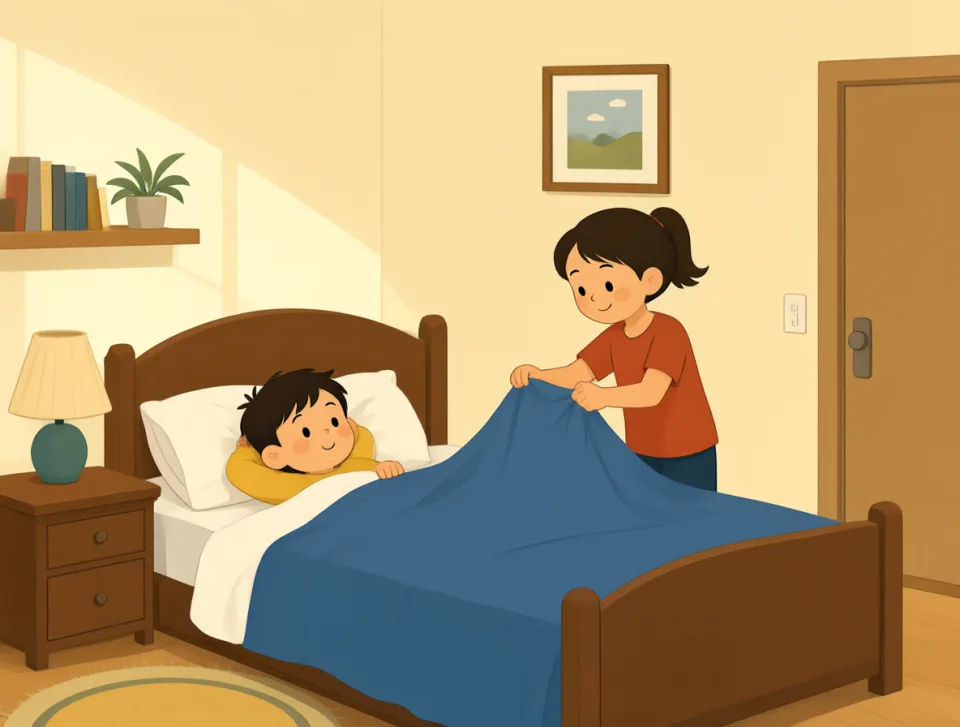
I wake up early every morning.
Me despierto temprano todas las mañanas.
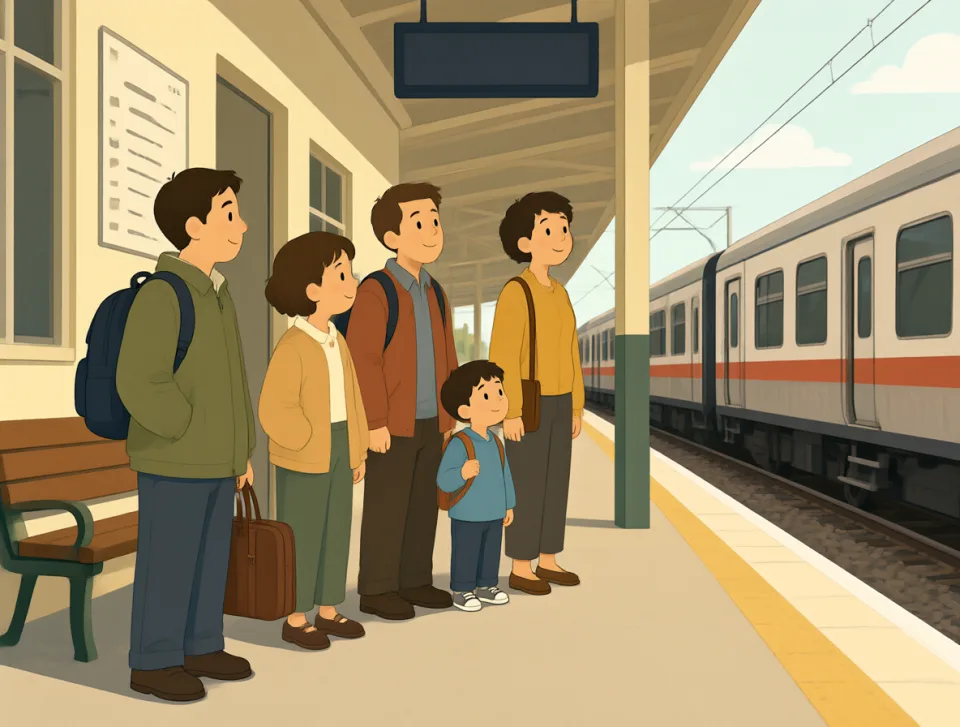
We arrived early for the train.
Llegamos temprano para tomar el tren.
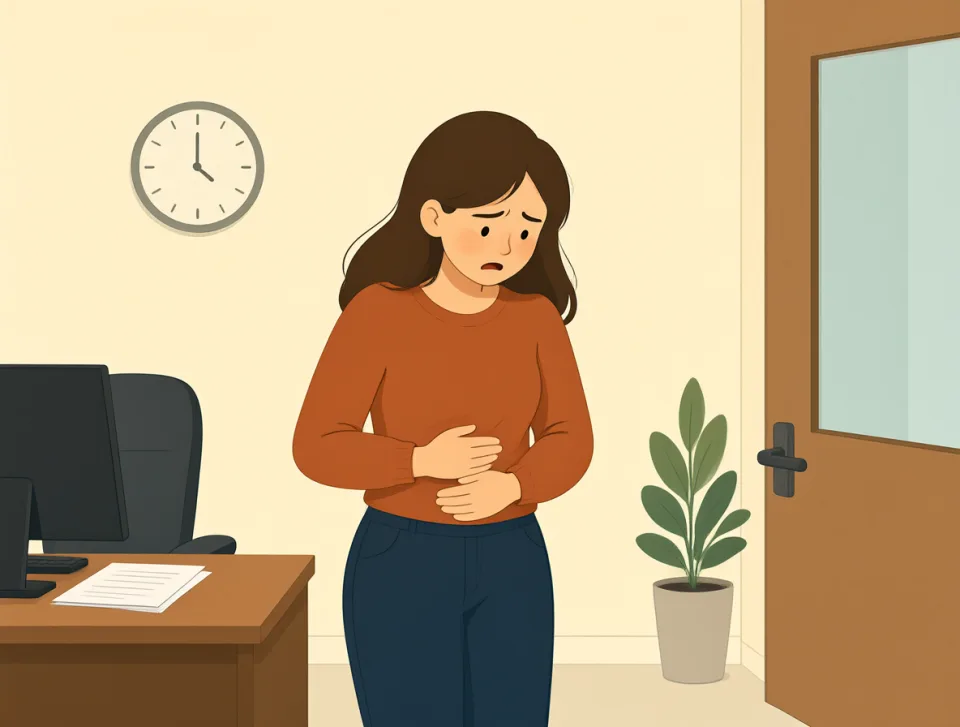
She left work early because she felt sick.
Salió temprano del trabajo porque se sentía mal.

The shop opens early on Saturdays.
La tienda abre temprano los sábados.
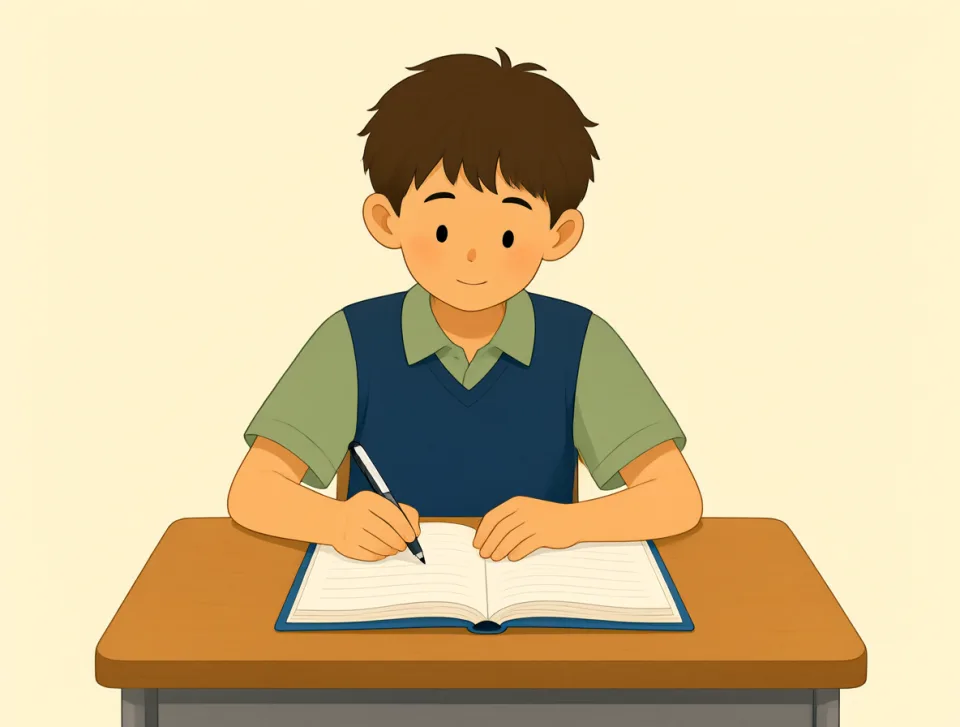
He finished his homework early.
Terminó los deberes temprano.
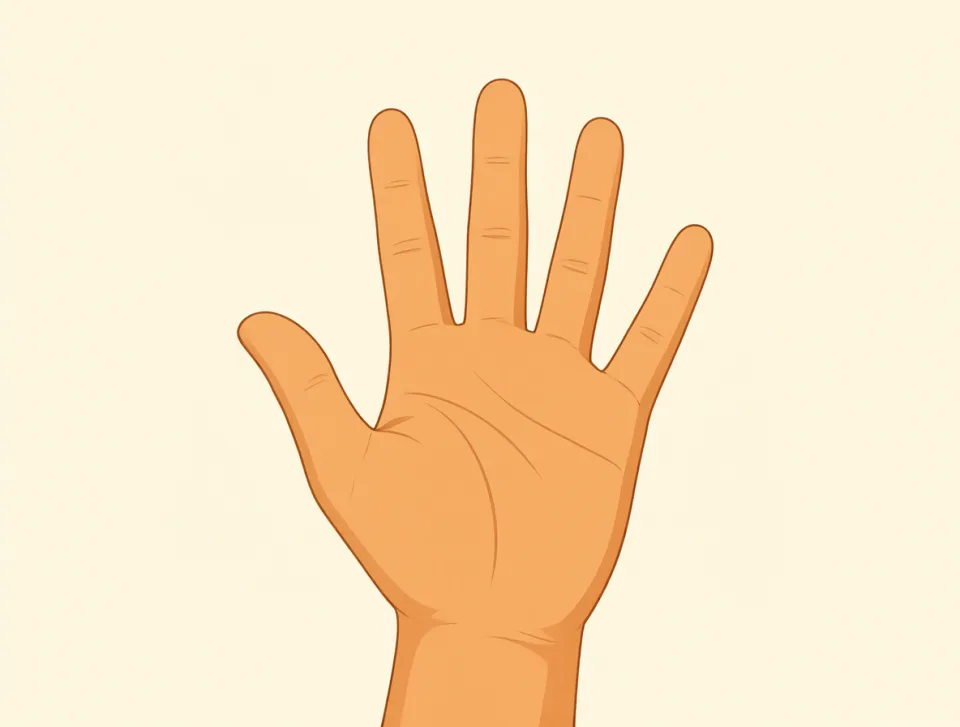
hand
#198noun, verb
mano; pasar; dar
The part of your body from your wrist to your fingers; to give or pass something.
La parte del cuerpo que va desde la muñeca hasta los dedos; dar o pasar algo.
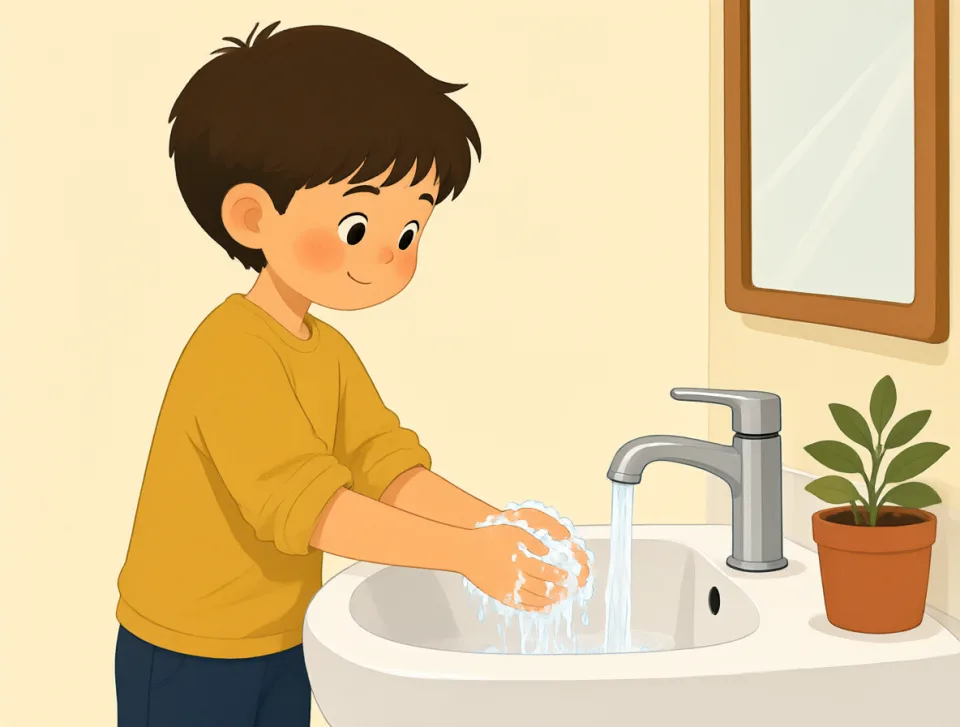
Wash your hands before you eat.
Lávate las manos antes de comer.
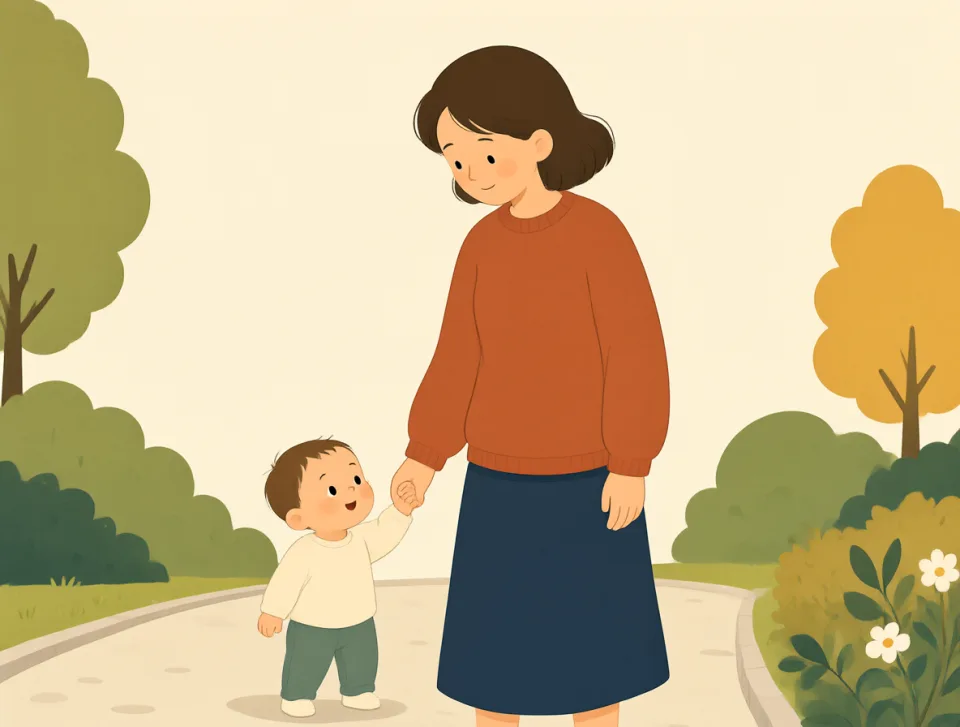
She held the baby’s hand tightly.
Ella sostuvo la mano del bebé con fuerza.
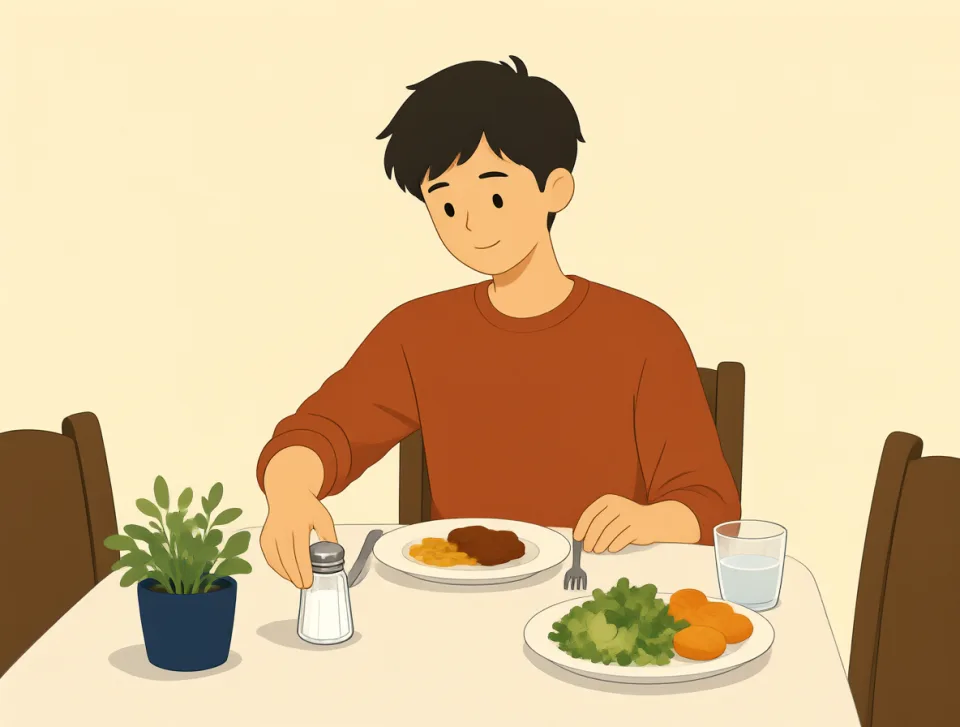
Please hand me the salt.
Pásame la sal, por favor.
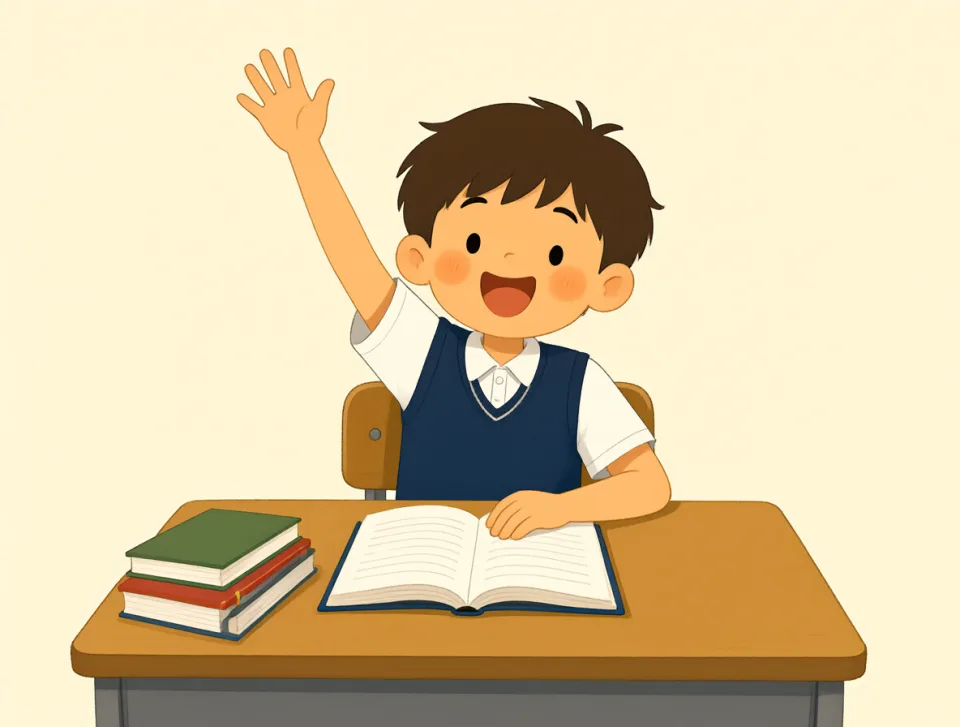
He raised his hand in class.
Levantó la mano en clase.

They shook hands after the meeting.
Se dieron la mano después de la reunión.
state
#199noun, verb
estado; declarar
A state is a condition, or a large area with its own government.
Un estado es una condición o una gran extensión de territorio con su propio gobierno.
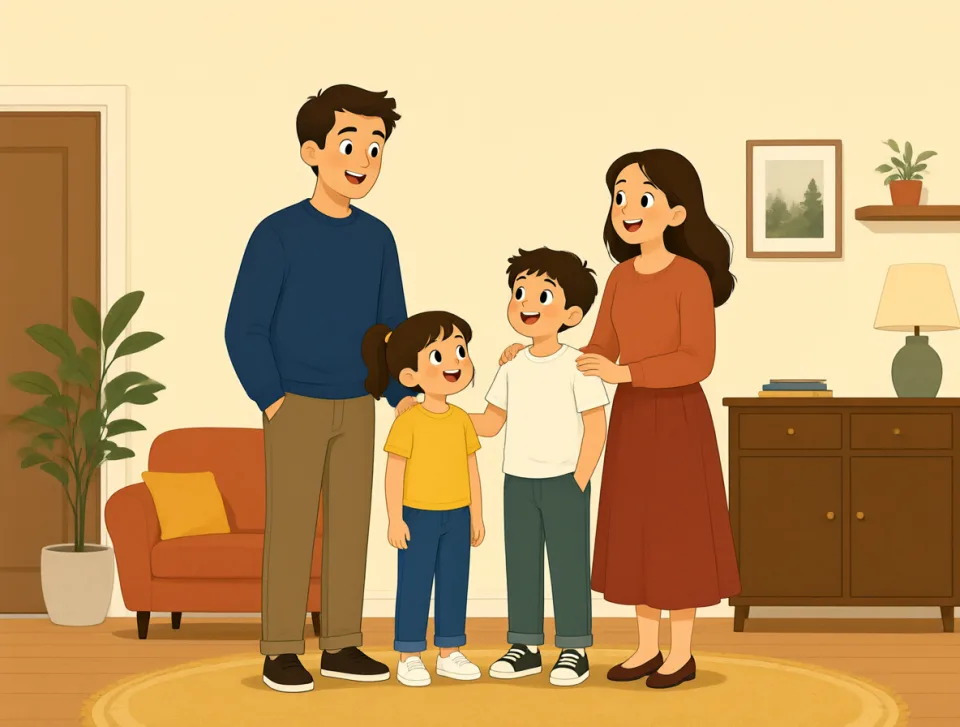
The house is in a very good state.
La casa está en muy buen estado.

The company is in a difficult state.
La empresa se encuentra en una situación difícil.
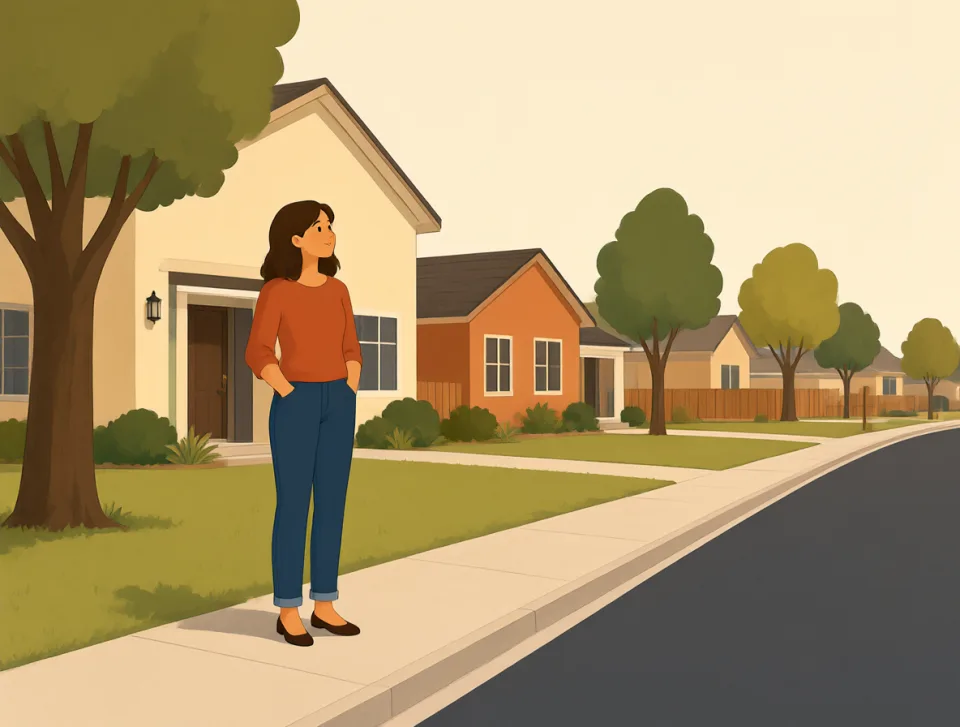
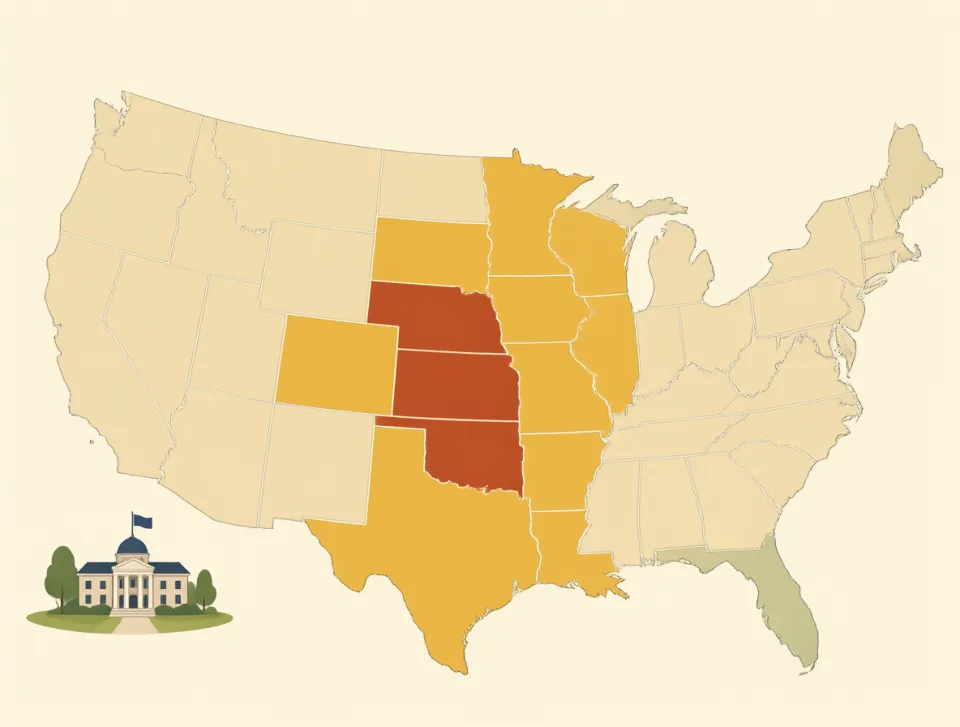
She lives in the state of Texas.
Ella vive en el estado de Texas.
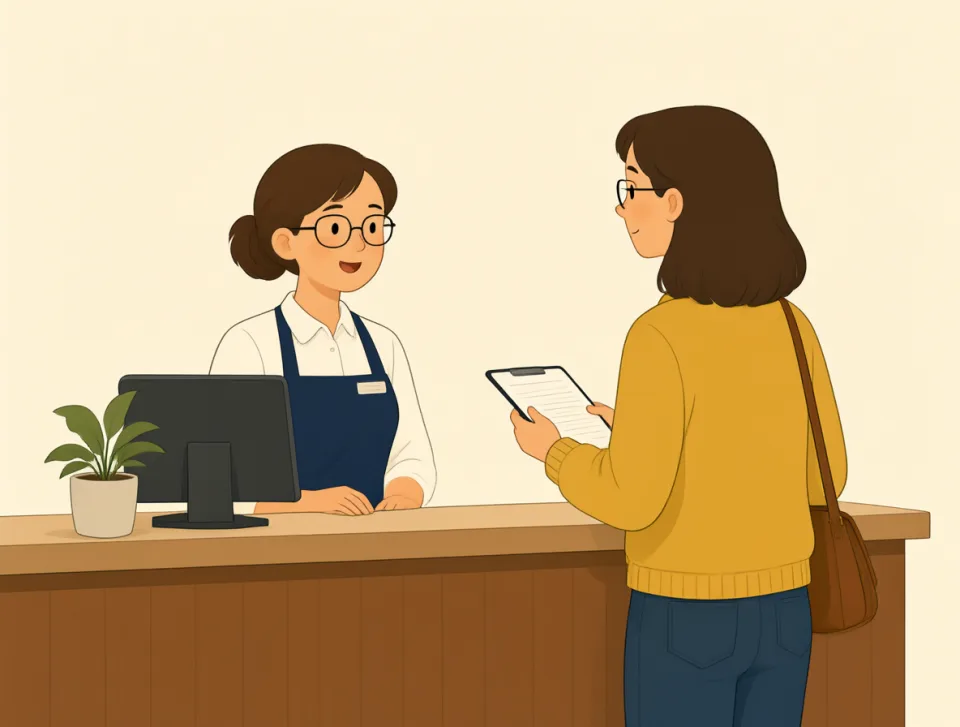
Please state your name and address.
Por favor, indique su nombre y dirección.
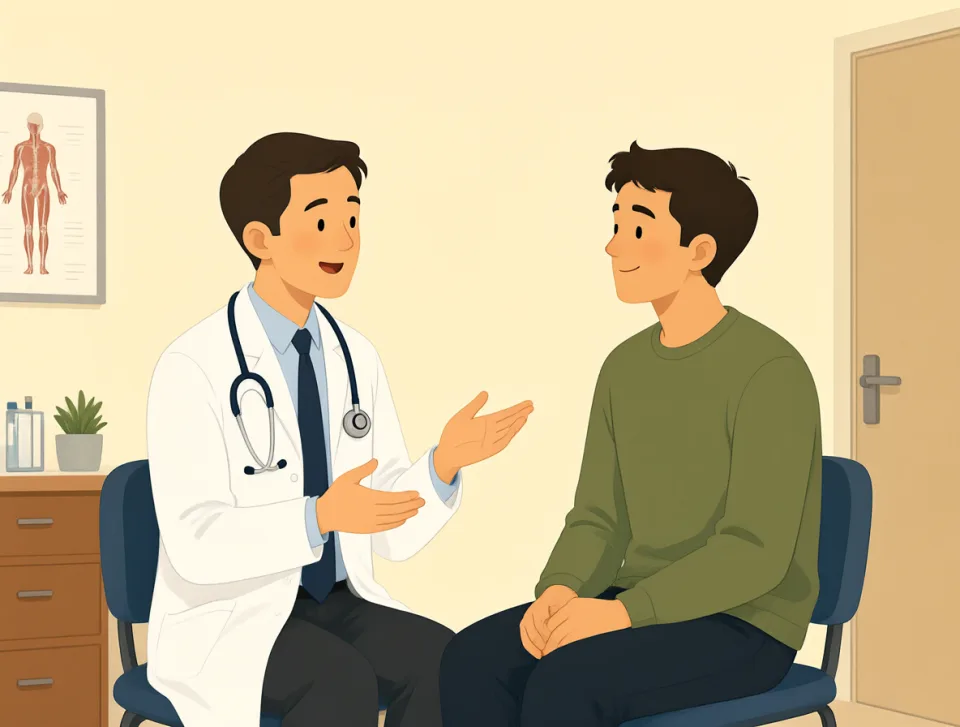
The doctor stated that he was healthy.
El médico declaró que estaba sano.
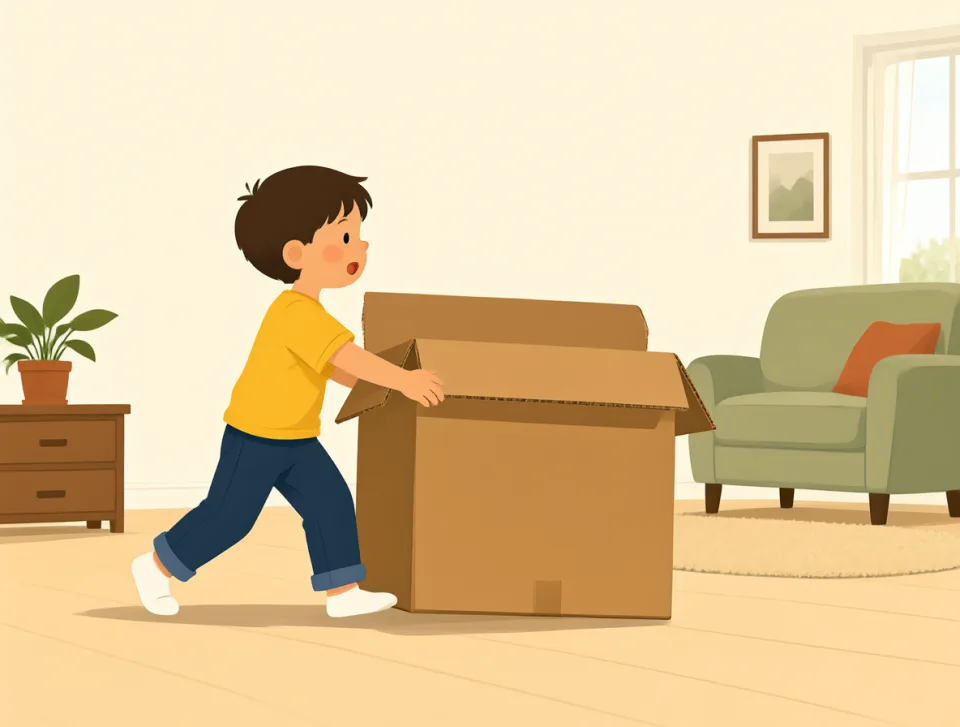
move
#200verb, noun
mover; mudarse; movimiento
to change position or place, or to make someone or something change position
cambiar de posición o lugar, o hacer que alguien o algo cambie de posición
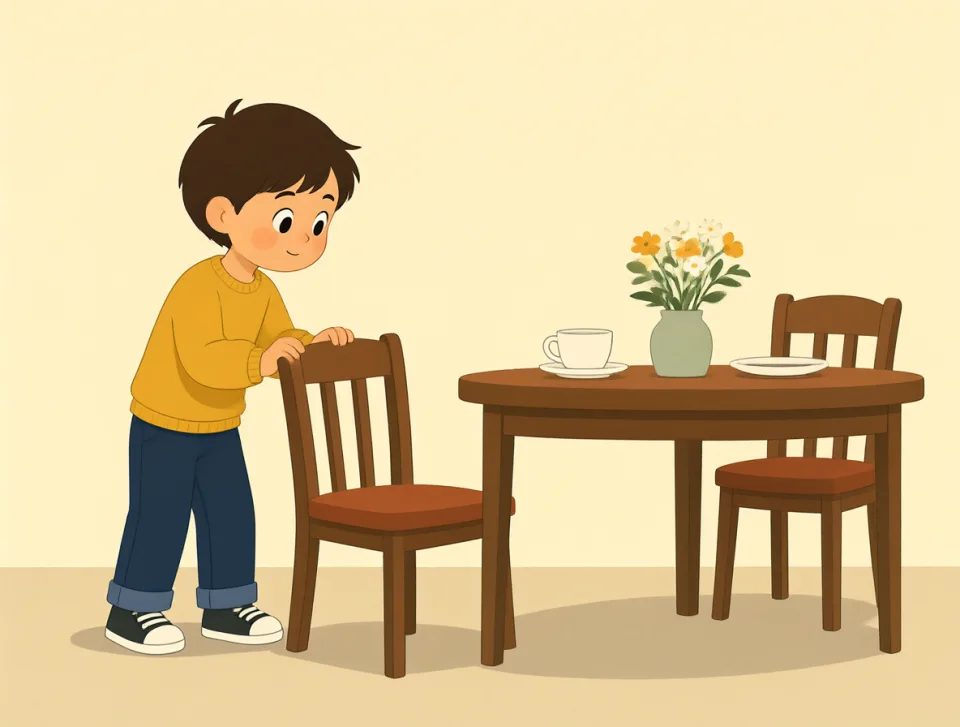
Please move your chair closer to the table.
Por favor, acerca tu silla a la mesa.
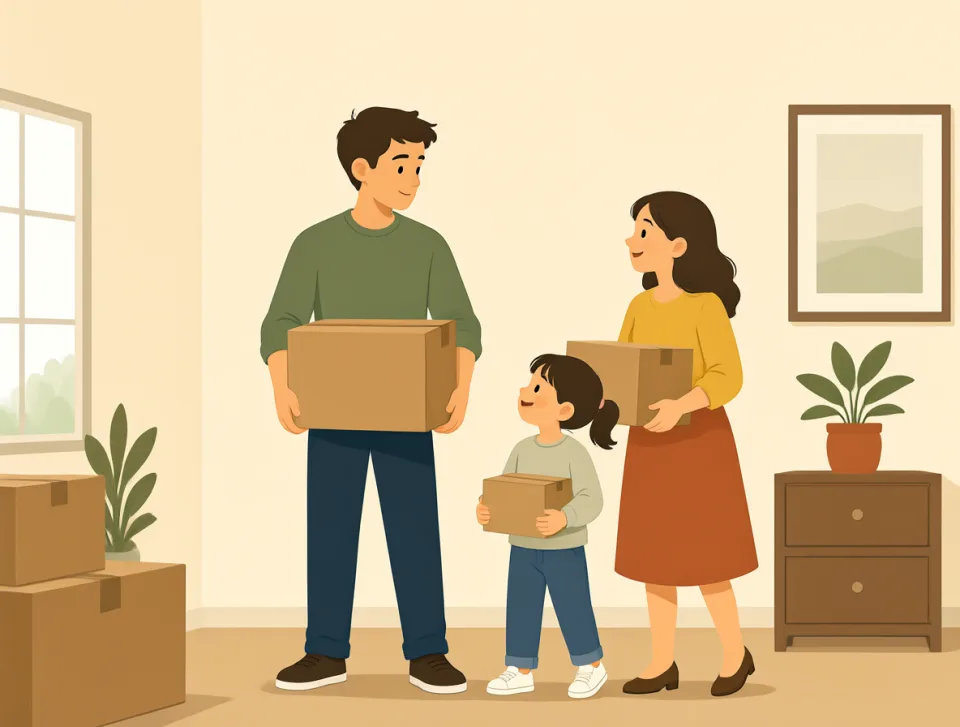
We moved to a new apartment last month.
Nos mudamos a un departamento nuevo el mes pasado.
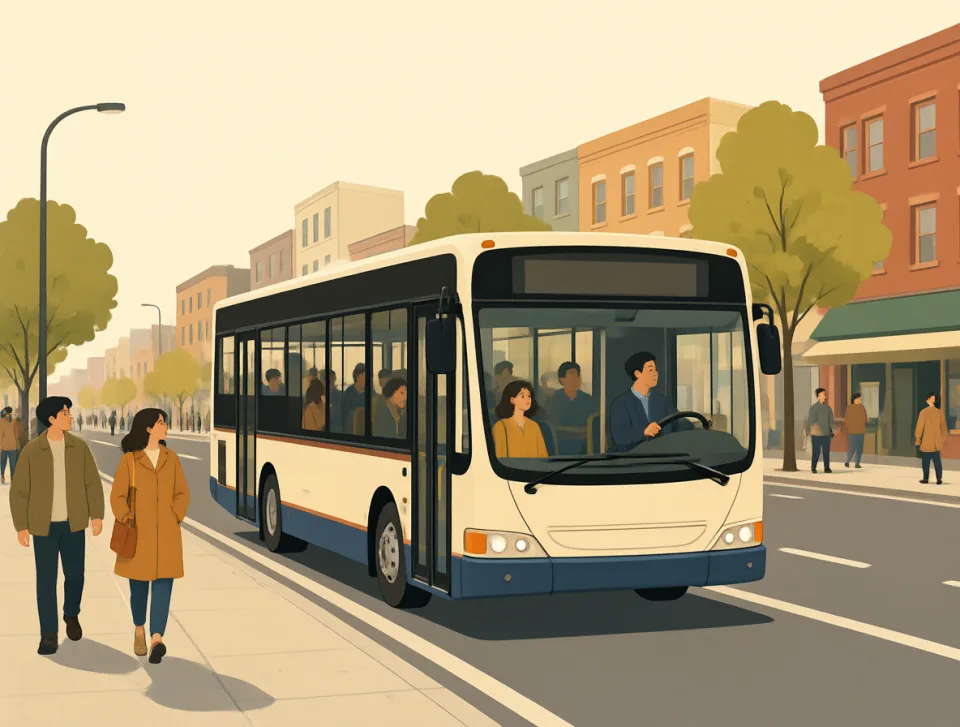
The bus moved slowly through the crowded street.
El autobús avanzaba lentamente por la calle llena de gente.
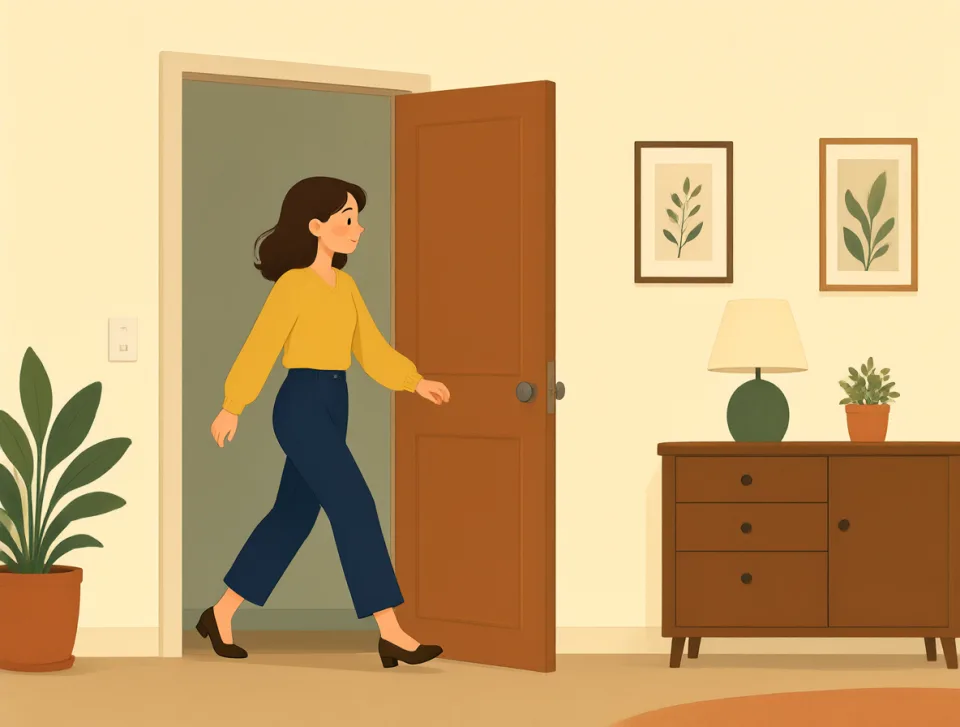
She made a quick move toward the door.
Ella hizo un movimiento rápido hacia la puerta.
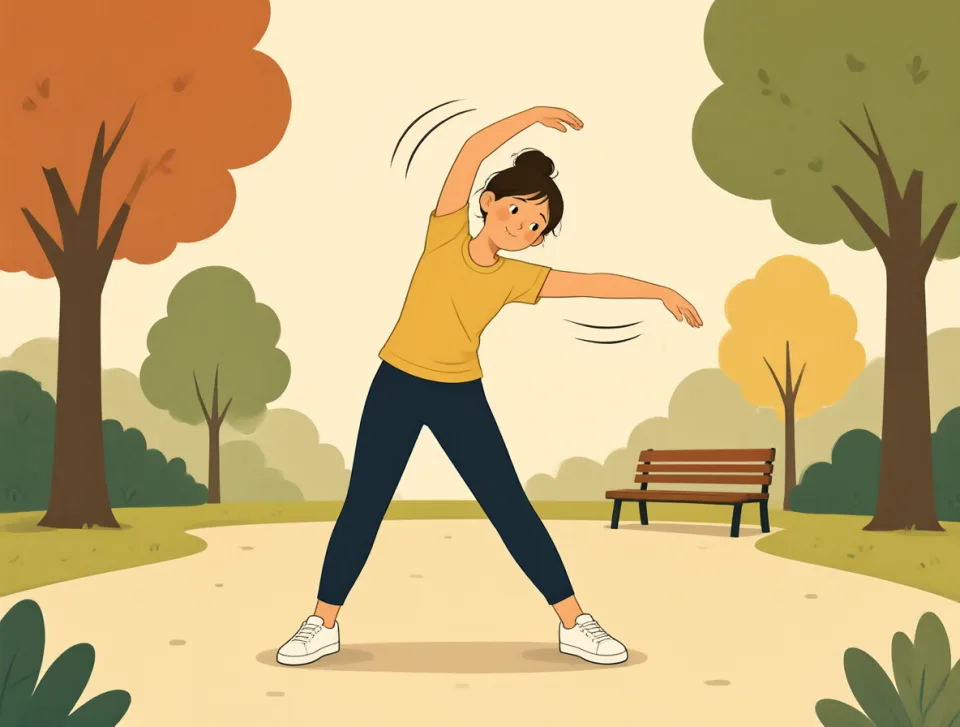
A little exercise helps move your body.
Un poco de ejercicio ayuda a mover el cuerpo.