ইউনিট 10
শব্দ 181–200 · question, during, always, big, set, small
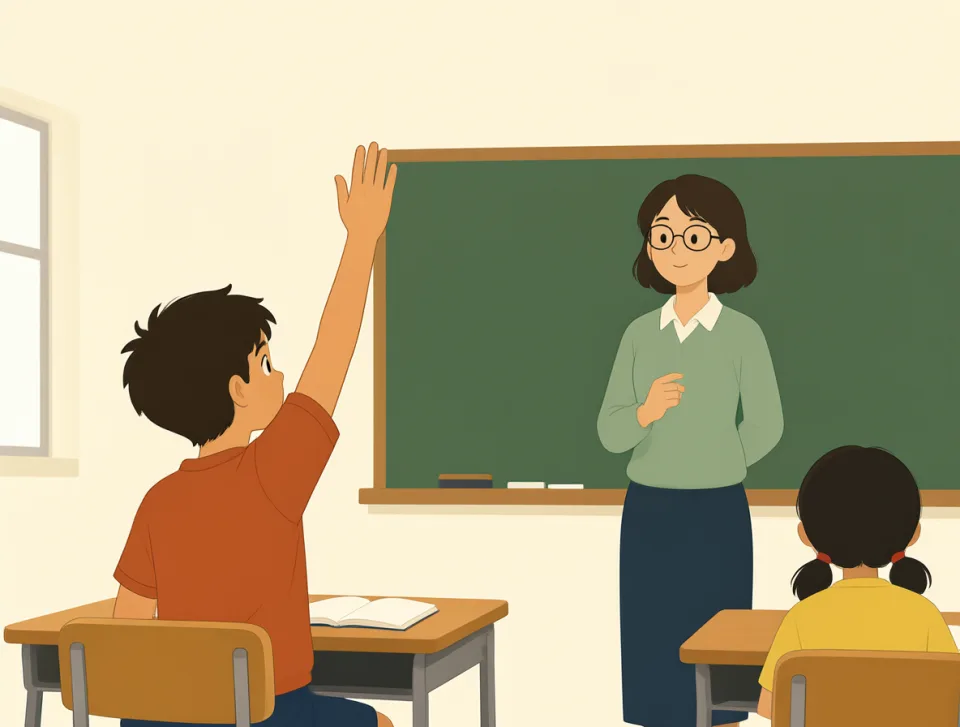
question
#181noun, verb
প্রশ্ন
A sentence used to ask for information or express doubt about something.
তথ্য জানতে বা কোনো বিষয়ে সন্দেহ প্রকাশ করতে ব্যবহৃত বাক্য।
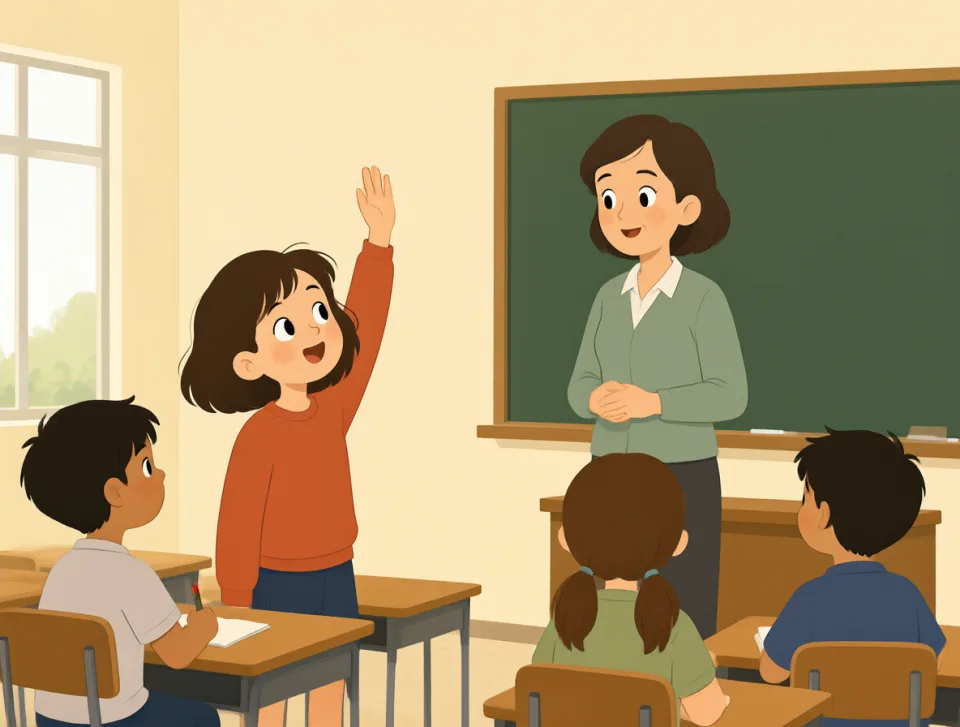
Please ask the teacher a question.
দয়া করে শিক্ষককে একটি প্রশ্ন করুন।
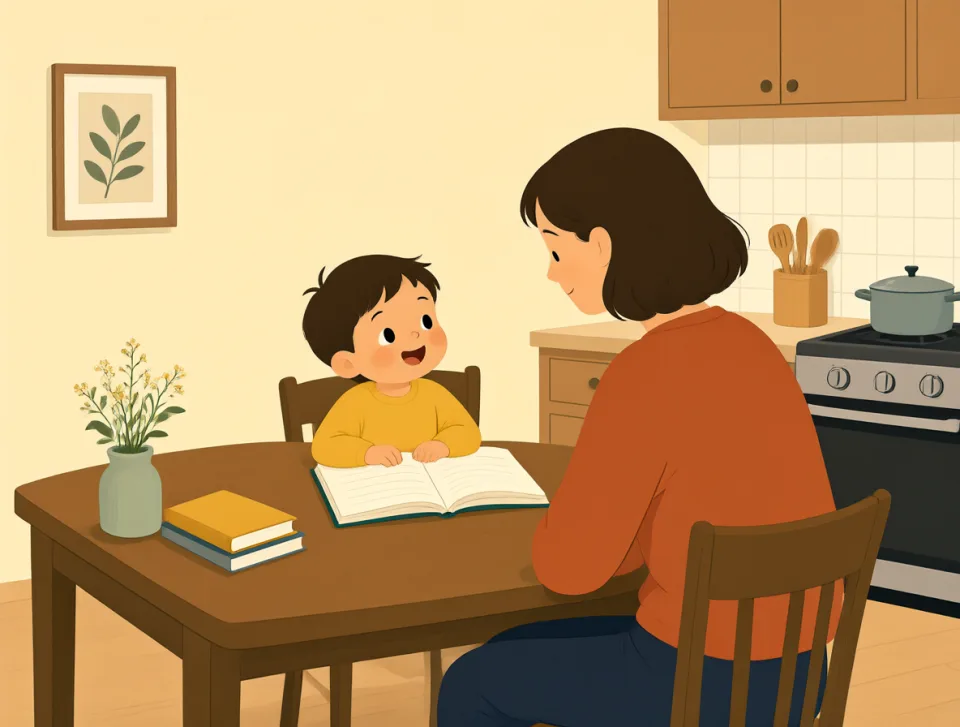
I have a question about my homework.
আমার বাড়ির কাজ নিয়ে একটা প্রশ্ন আছে।
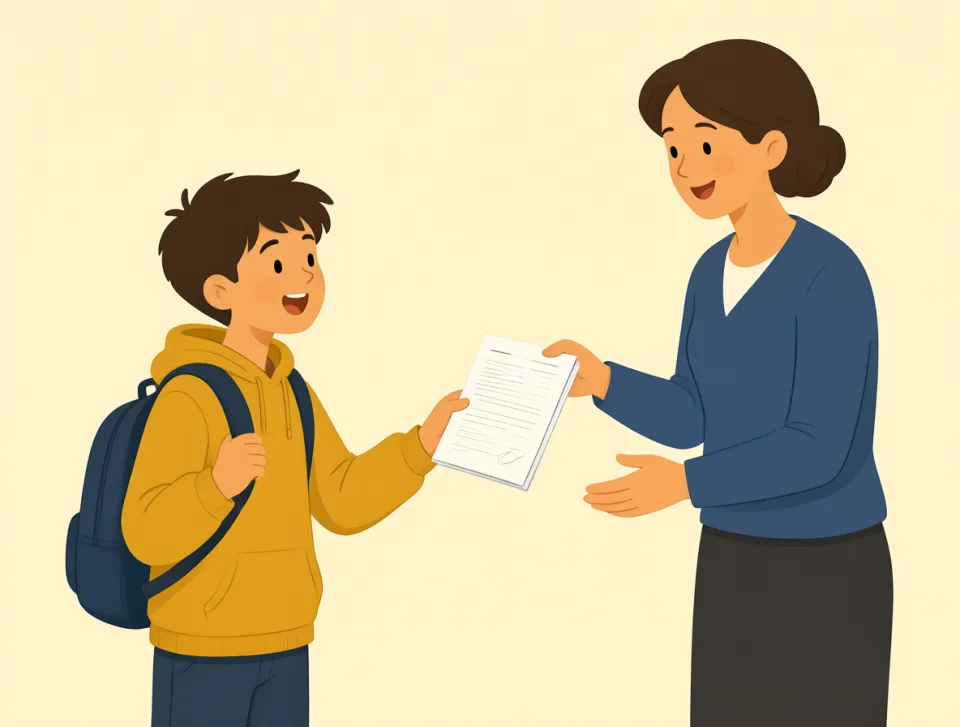
She answered all the questions correctly.
সে সব প্রশ্নের সঠিক উত্তর দিয়েছে।

The customer questioned the price of the jacket.
ক্রেতা জ্যাকেটের দাম নিয়ে প্রশ্ন তুলেছিলেন।

The doctor asked me questions about my pain.
ডাক্তার আমার ব্যথা নিয়ে আমাকে প্রশ্ন করেছিলেন।
during
#182preposition
চলাকালে
at some time between the beginning and end of an event or period
কোনো ঘটনা বা সময়কালের শুরু ও শেষের মধ্যবর্তী কোনো সময়ে।
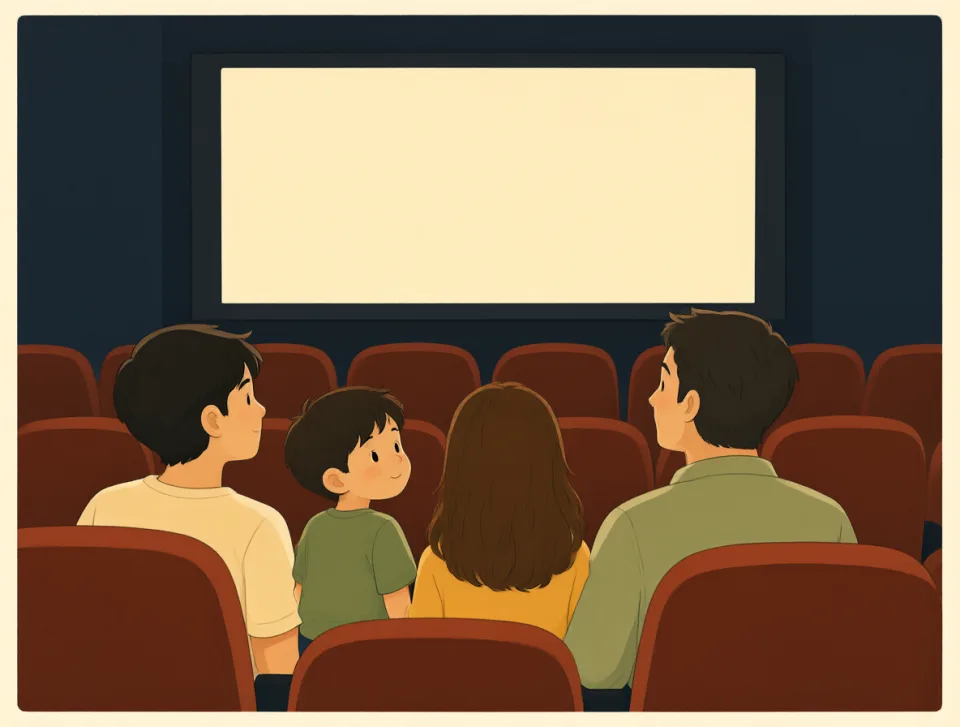
Please stay quiet during the movie.
সিনেমা চলাকালে দয়া করে চুপ থাকুন।

I fell asleep during the flight.
বিমানে যাওয়ার সময় আমি ঘুমিয়ে পড়েছিলাম।
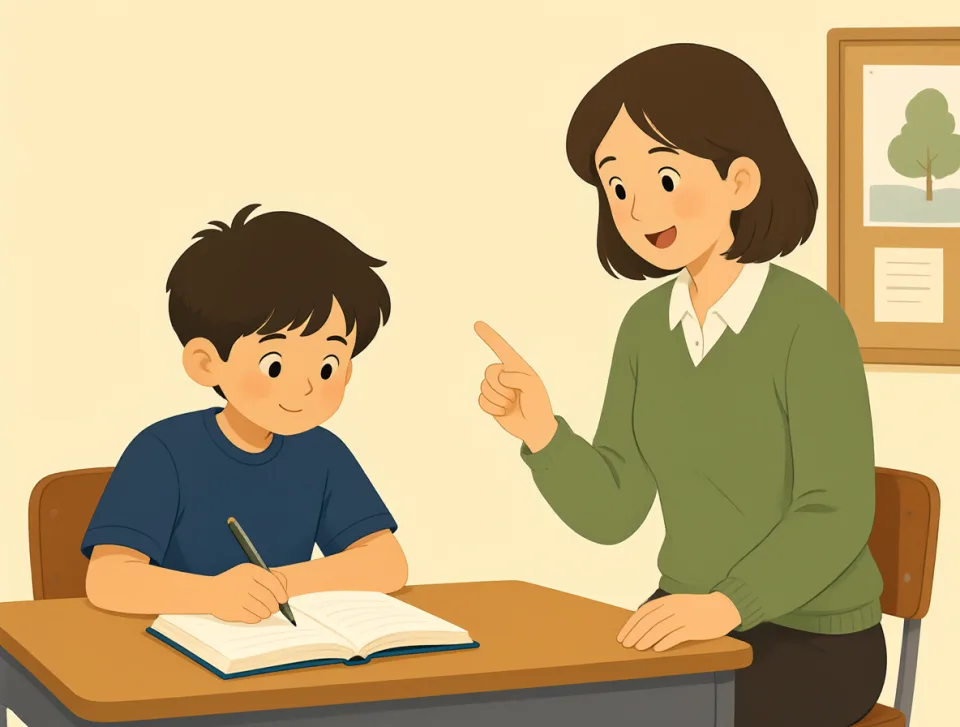
She took notes during the lesson.
পাঠ চলাকালে সে নোট নিয়েছিল।

We met many people during our trip.
ভ্রমণের সময় আমরা অনেকের সঙ্গে দেখা করেছিলাম।
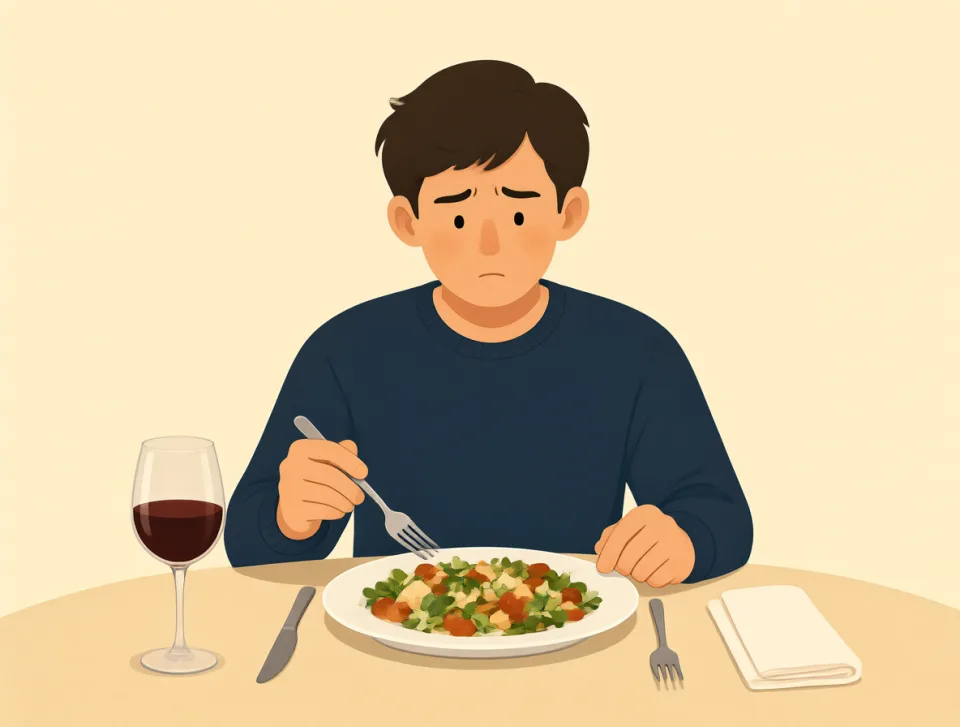
He felt sick during dinner.
রাতের খাবারের সময় তার শরীর খারাপ লাগছিল।

always
#183adverb
সব সময়
Every time, or at all times.
প্রতিবার বা সব সময়।
She always drinks coffee in the morning.
সে সকালে সব সময় কফি পান করে।
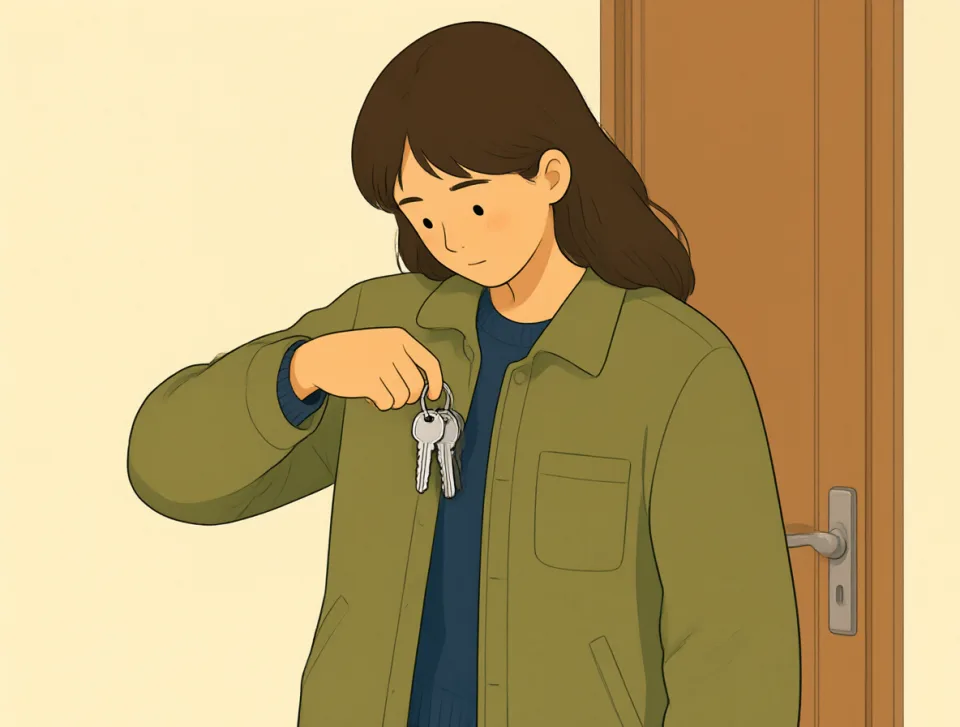
I always take my keys with me.
আমি সব সময় চাবিগুলো সঙ্গে রাখি।

He is always late for work.
কাজে আসতে সে সব সময় দেরি করে।

We always eat dinner together.
আমরা সব সময় একসঙ্গে রাতের খাবার খাই।
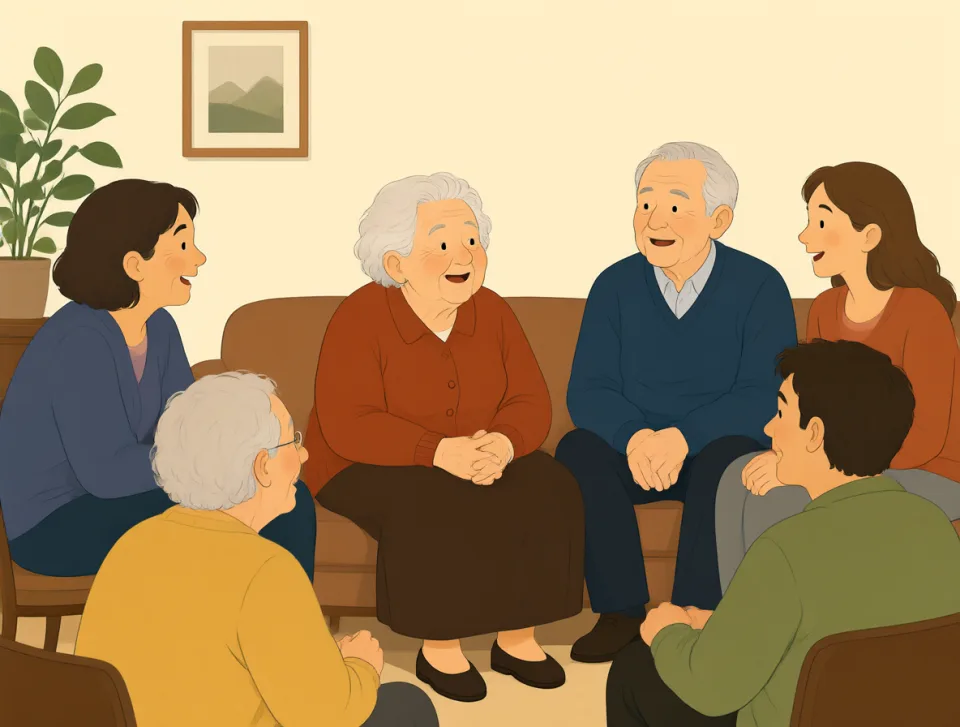
My grandmother always tells funny stories.
আমার দাদি সব সময় মজার গল্প বলেন।
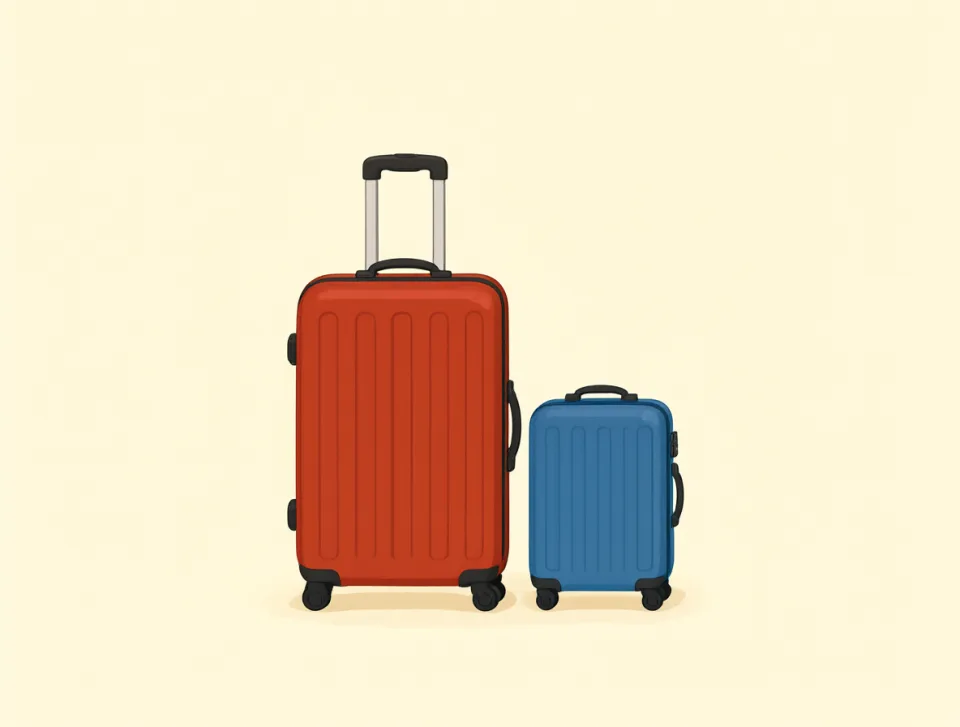
big
#184adjective, adverb, noun
বড়
Large in size, amount, importance, or popularity.
আকার, পরিমাণ, গুরুত্ব বা জনপ্রিয়তায় বড়।

They live in a big house.
তারা একটা বড় বাড়িতে থাকে।

I need a big bowl for salad.
সালাদের জন্য আমার একটা বড় বাটি দরকার।

She got a big job at the company.
সে কোম্পানিতে একটি বড় পদ পেয়েছে।

We had a big lunch after the trip.
ভ্রমণের পর আমরা ভারী দুপুরের খাবার খেয়েছিলাম।

That was a big mistake in my homework.
ওটা আমার বাড়ির কাজে বড়সড় একটা ভুল ছিল।

set
#185noun, verb, adjective
সেট; রাখা
A group of things, or to put something in a particular place or position.
কয়েকটি জিনিসের সমষ্টি, অথবা কোনো কিছুকে নির্দিষ্ট জায়গায় বা অবস্থানে রাখা।
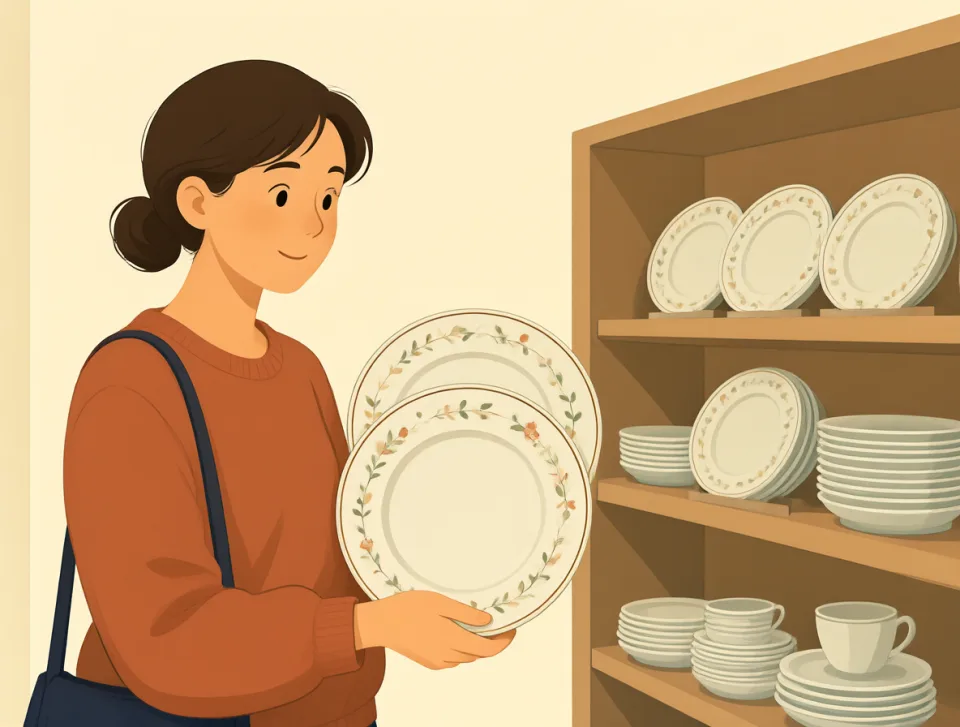
I bought a new set of plates.
আমি নতুন এক সেট প্লেট কিনেছি।

Please set the table for dinner.
দয়া করে রাতের খাবারের জন্য টেবিল সাজিয়ে দিন।
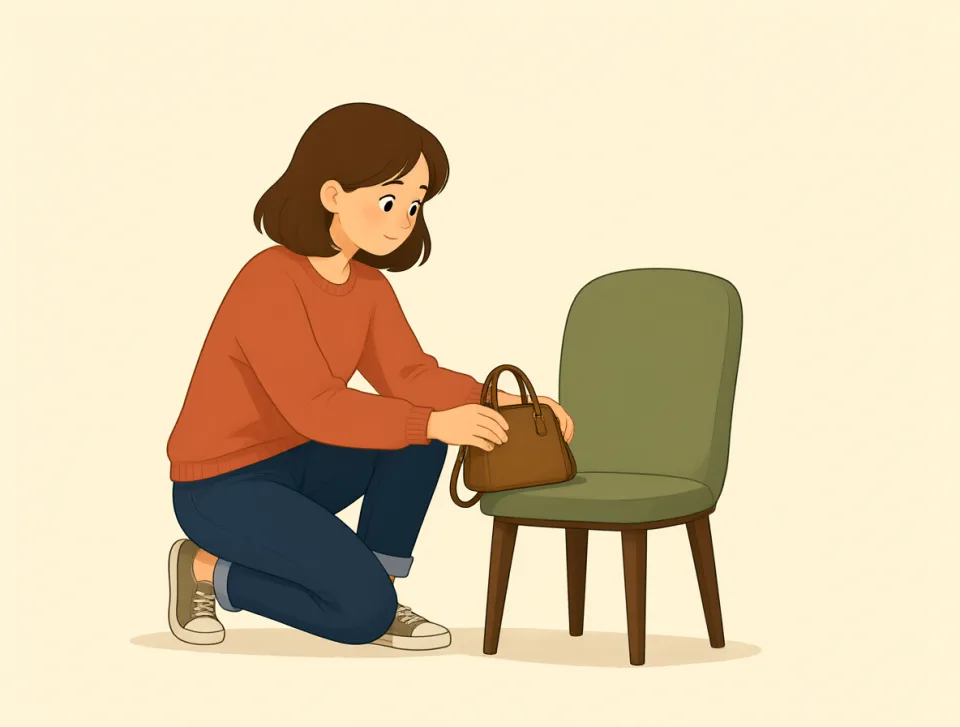
She set her bag beside the chair.
সে তার ব্যাগটি চেয়ারের পাশে রেখেছিল।
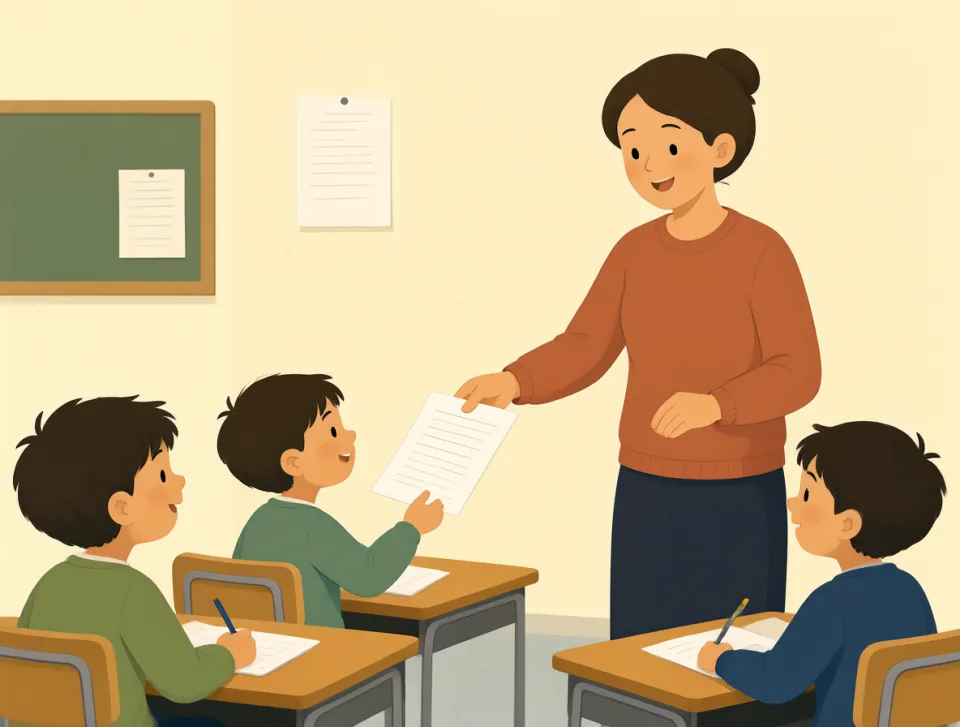
The teacher set a test for Friday.
শিক্ষক শুক্রবারের জন্য একটি পরীক্ষা নির্ধারণ করেছিলেন।

The sun sets over the sea.
সূর্য সমুদ্রের ওপারে অস্ত যায়।

small
#186adjective, noun
ছোট
Not large in size, amount, or number.
আকার, পরিমাণ বা সংখ্যায় বড় নয়।
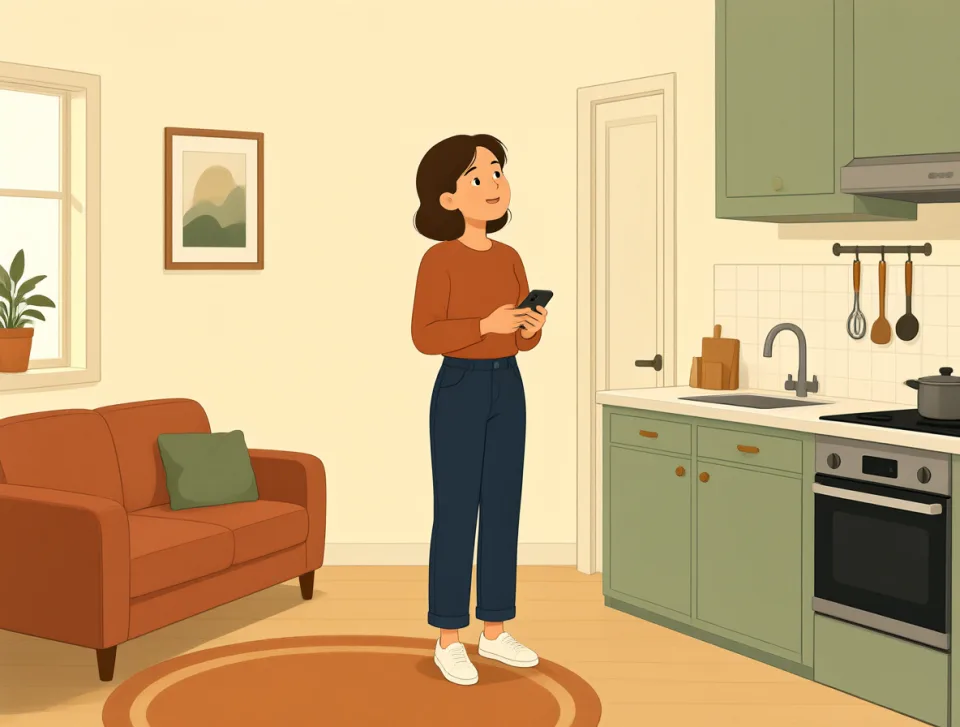
She lives in a small apartment downtown.
সে শহরের কেন্দ্রস্থলে একটি ছোট অ্যাপার্টমেন্টে থাকে।

He bought a small coffee at the shop.
সে দোকান থেকে ছোট এক কাপ কফি কিনেছিল।
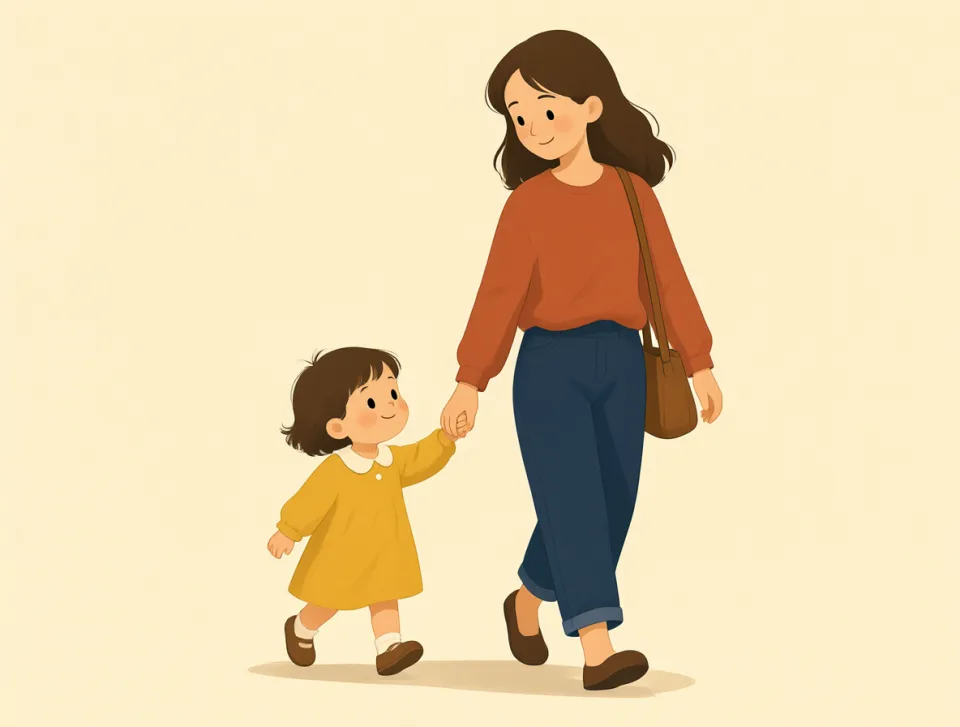
The small child held her mother’s hand.
ছোট্ট মেয়েটি তার মায়ের হাত ধরে ছিল।

We sat at a small table by the window.
আমরা জানালার পাশে একটি ছোট টেবিলে বসেছিলাম।
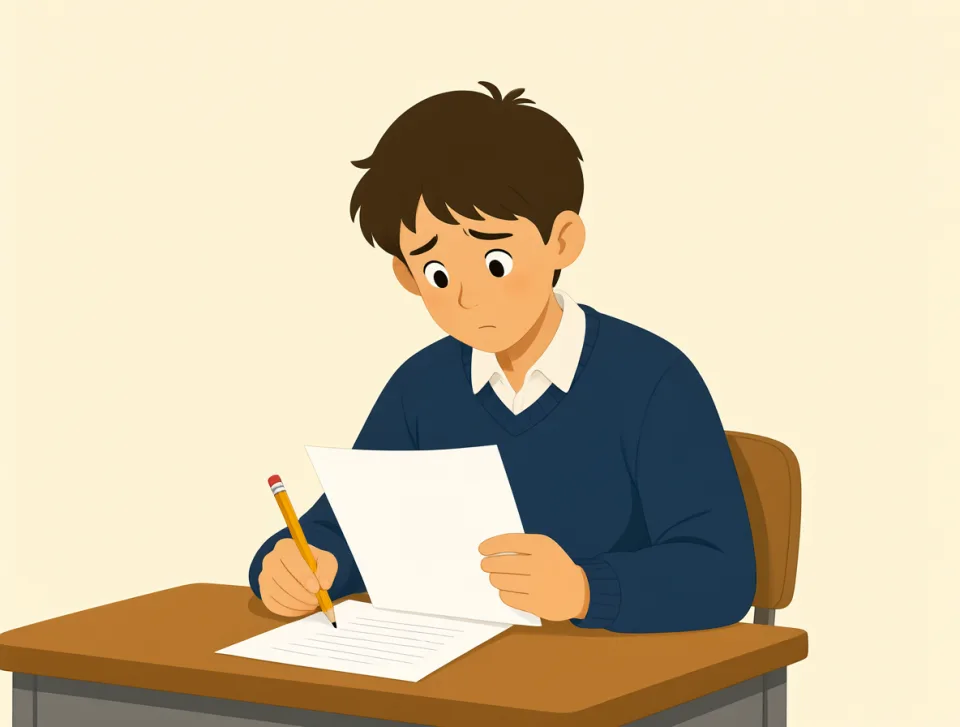
I made a small mistake on the test.
পরীক্ষায় আমি একটি ছোটখাটো ভুল করেছিলাম।
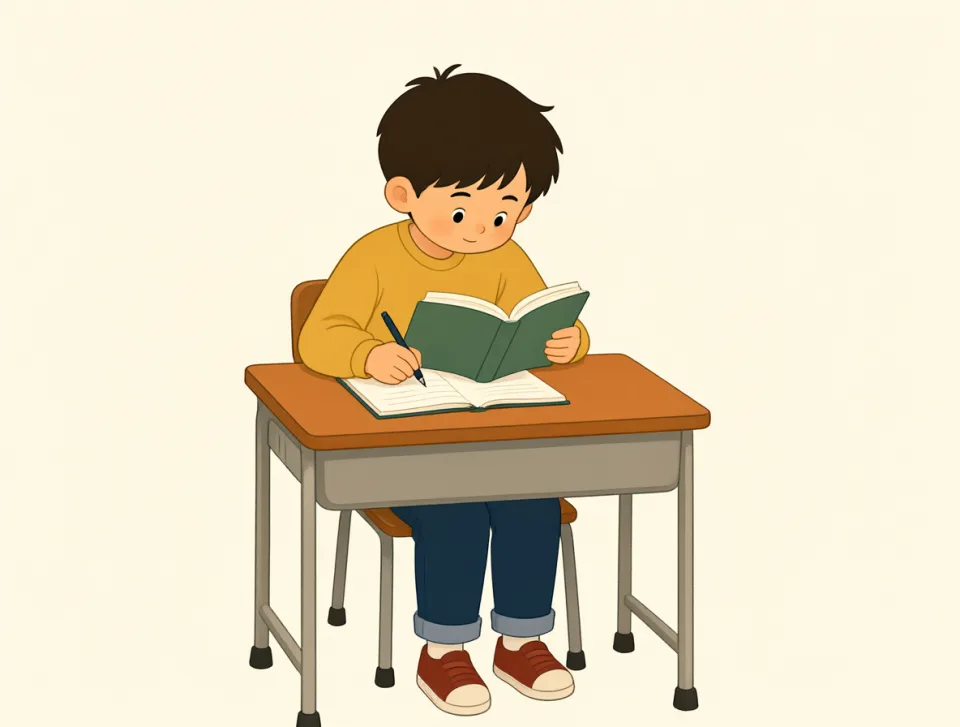
study
#187noun, verb
পড়াশোনা করা
To learn about a subject by reading, practicing, or going to classes.
পড়ে, অনুশীলন করে বা ক্লাসে গিয়ে কোনো বিষয় শেখা।

I study English every evening at home.
আমি প্রতিদিন সন্ধ্যায় বাড়িতে ইংরেজি পড়ি।
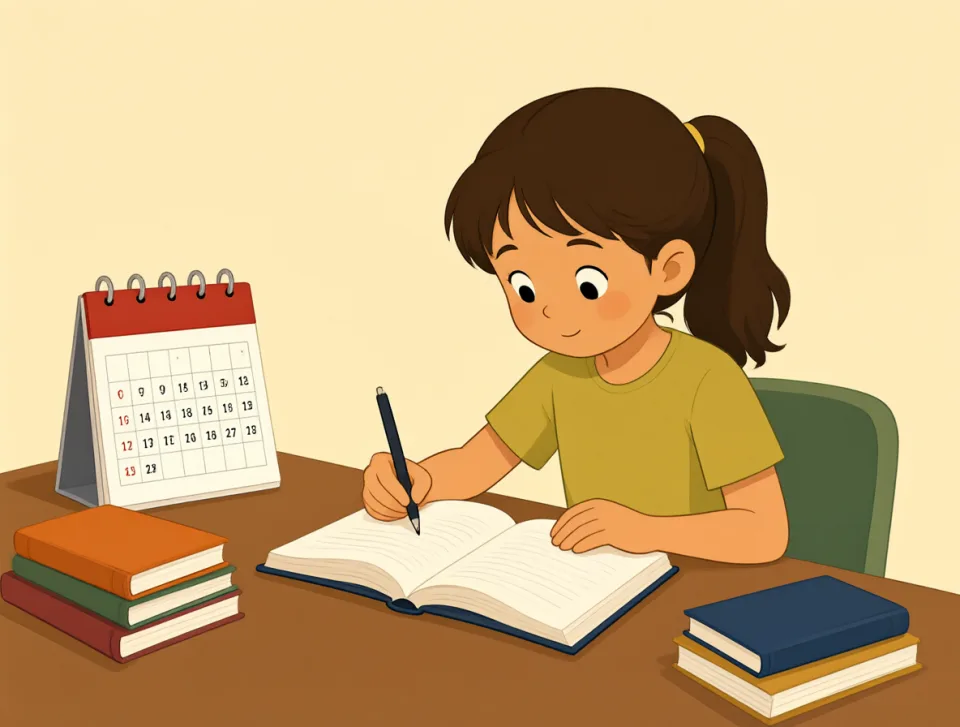
She studied hard for her math test.
সে গণিতের পরীক্ষার জন্য মন দিয়ে পড়েছিল।

He is studying medicine at university.
সে বিশ্ববিদ্যালয়ে চিকিৎসাবিদ্যা পড়ছে।

The scientists study plants in the forest.
বিজ্ঞানীরা বনে গাছপালা নিয়ে গবেষণা করেন।

I need a quiet place to study.
পড়াশোনা করার জন্য আমার একটি নিরিবিলি জায়গা দরকার।

follow
#188verb, noun
অনুসরণ করা
to go after someone or something, or do what comes next
কারও বা কোনো কিছুর পেছনে যাওয়া, অথবা পরের ধাপটি করা।
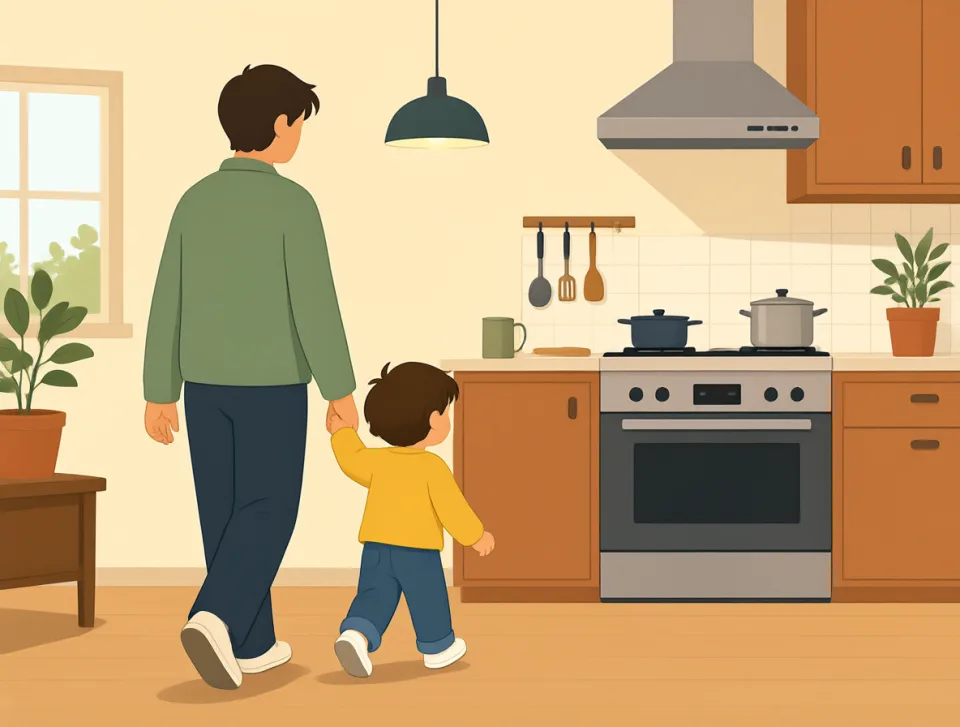
Please follow me to the kitchen.
দয়া করে আমার সঙ্গে রান্নাঘরে আসুন।
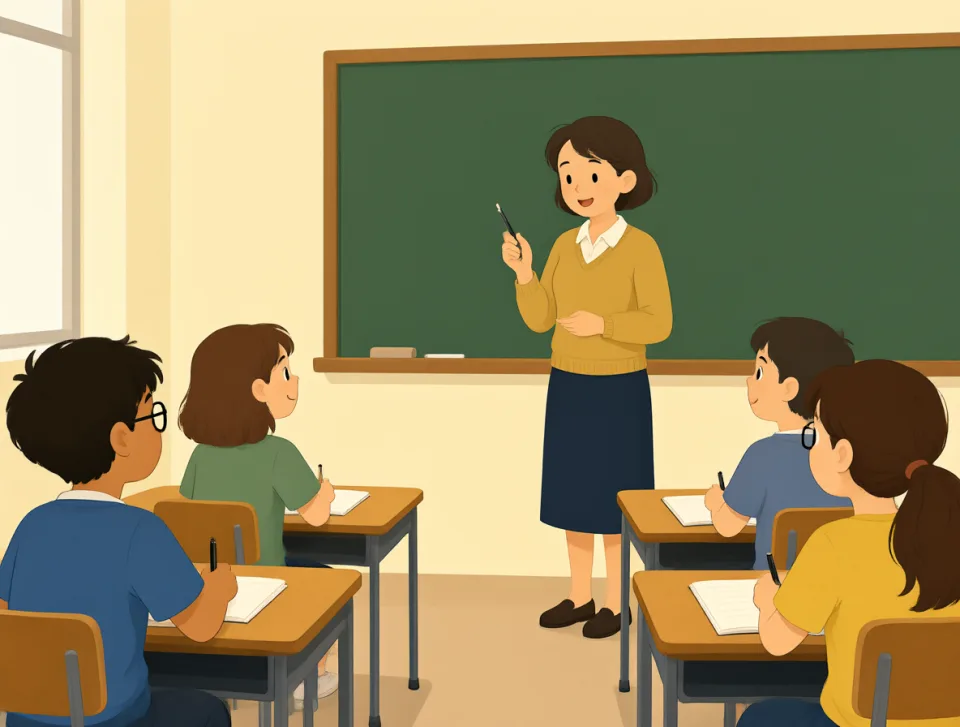
Follow the teacher’s instructions carefully.
শিক্ষকের নির্দেশগুলো মনোযোগ দিয়ে অনুসরণ করুন।
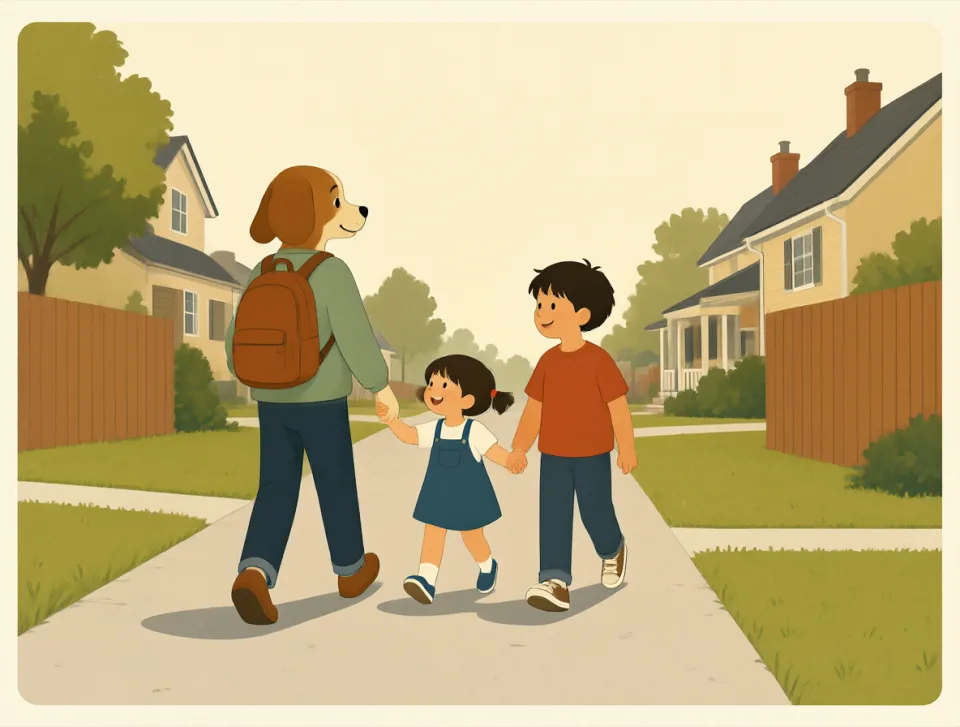
The dog followed us home from school.
কুকুরটি স্কুল থেকে বাড়ি ফেরার পথে আমাদের পেছন পেছন এসেছিল।
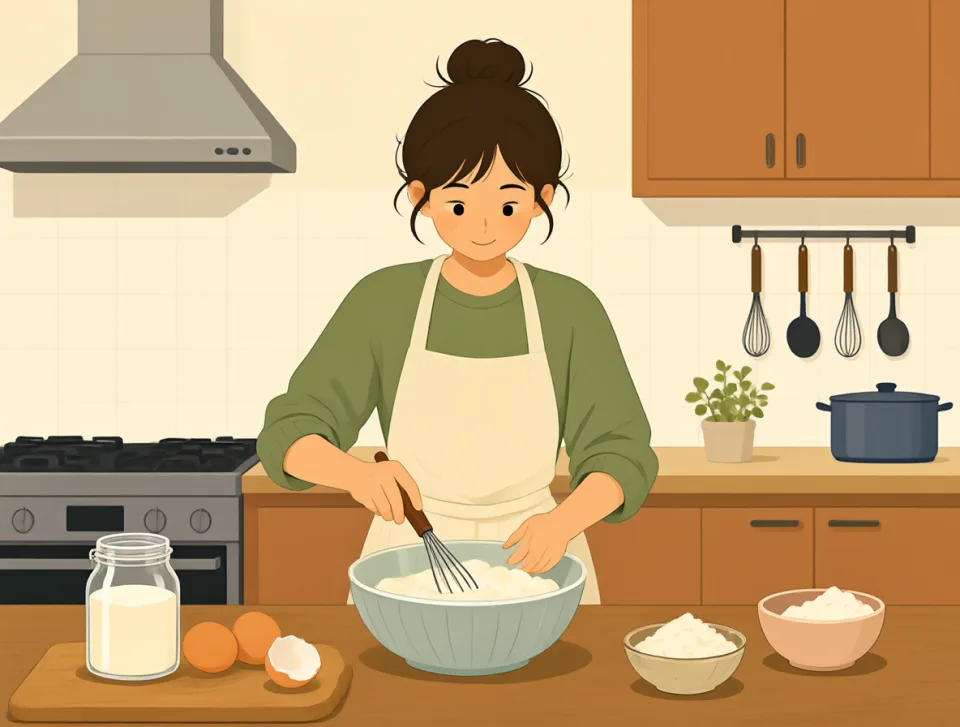
Follow this recipe for a delicious cake.
সুস্বাদু কেক বানাতে এই রেসিপি অনুসরণ করুন।

A short meeting followed lunch.
দুপুরের খাবারের পর একটি সংক্ষিপ্ত সভা হয়েছিল।
begin
#189verb
শুরু করা
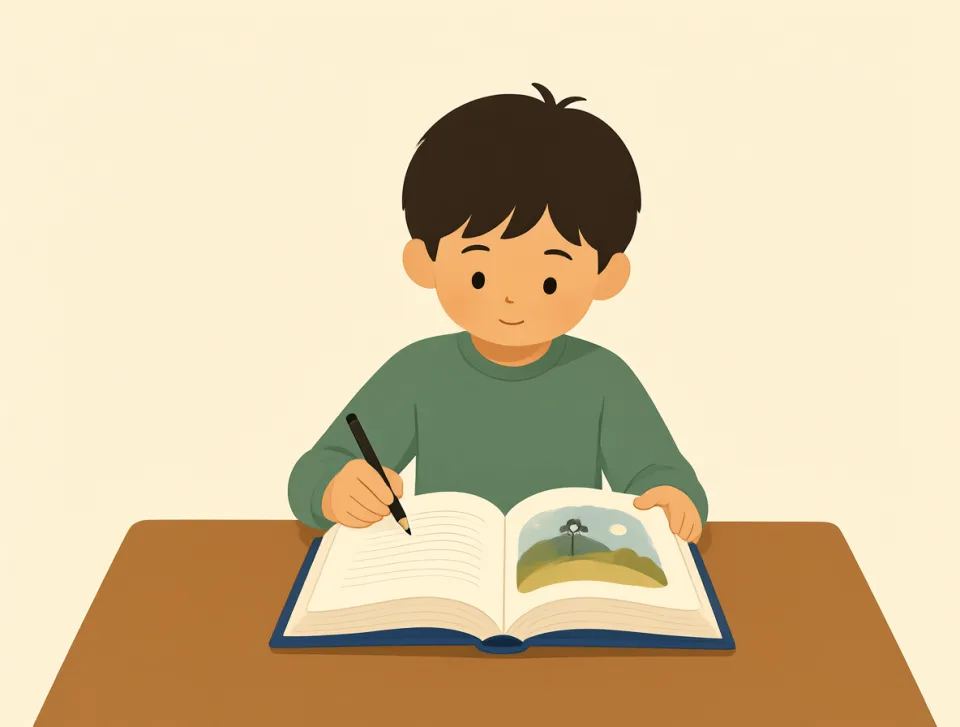
to start doing something or to happen for the first time
কোনো কাজ করা শুরু করা, অথবা প্রথমবারের মতো ঘটা।
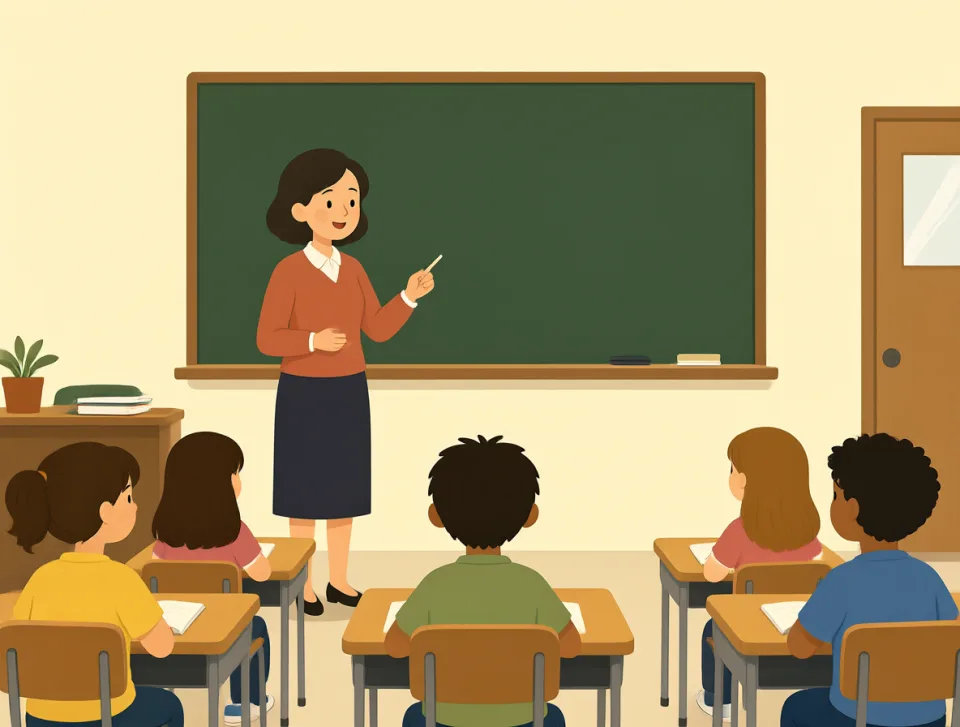
The class begins at nine o'clock.
ক্লাসটি সকাল নয়টায় শুরু হয়।

We began cooking dinner after work.
কাজের পর আমরা রাতের খাবার রান্না শুরু করেছিলাম।

The movie began when we found our seats.
আমরা নিজেদের আসন খুঁজে পাওয়ার পর সিনেমাটি শুরু হয়েছিল।

She began to feel better yesterday.
গতকাল থেকে সে একটু ভালো বোধ করতে শুরু করেছে।

The rain began during our walk.
আমরা হাঁটতে বেরোনোর সময় বৃষ্টি শুরু হয়েছিল।

important
#190adjective
গুরুত্বপূর্ণ
Having great value, meaning, or effect; needing attention.
যার মূল্য, তাৎপর্য বা প্রভাব অনেক; যেটির দিকে মনোযোগ দেওয়া দরকার।

This meeting is very important to our team.
এই সভাটি আমাদের দলের জন্য খুব গুরুত্বপূর্ণ।

It is important to drink water every day.
প্রতিদিন পানি পান করা গুরুত্বপূর্ণ।

My teacher said sleep is important for learning.
আমার শিক্ষক বলেছেন, শেখার জন্য ঘুম গুরুত্বপূর্ণ।
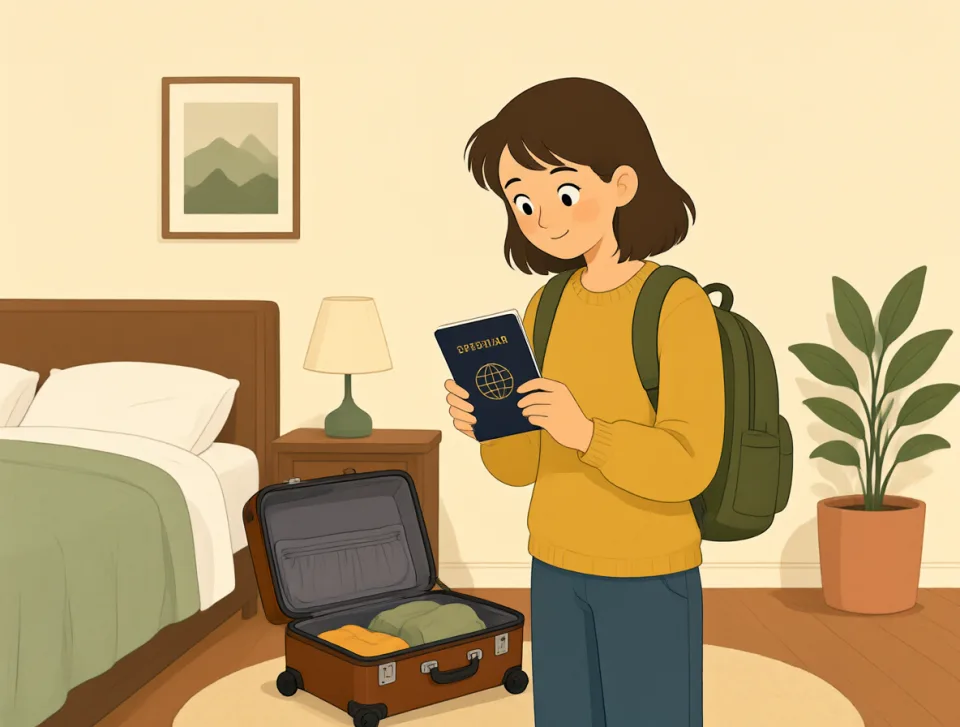
Please bring your passport; it is important.
দয়া করে আপনার পাসপোর্ট সঙ্গে আনুন; এটি গুরুত্বপূর্ণ।

She bought an important gift for her mother.
সে তার মায়ের জন্য একটি বিশেষ উপহার কিনেছিল।

since
#191preposition, conjunction, adverb
থেকে
from a time in the past until now, or because something happened
অতীতের কোনো সময় থেকে এখন পর্যন্ত, অথবা কোনো কিছু ঘটেছে বলে
I have lived here since 2020.
আমি ২০২০ সাল থেকে এখানে বাস করছি।

She has felt better since yesterday.
গতকাল থেকে তার ভালো লাগছে।

Since it was raining, we stayed home.
বৃষ্টি হচ্ছিল বলে আমরা বাড়িতেই ছিলাম।
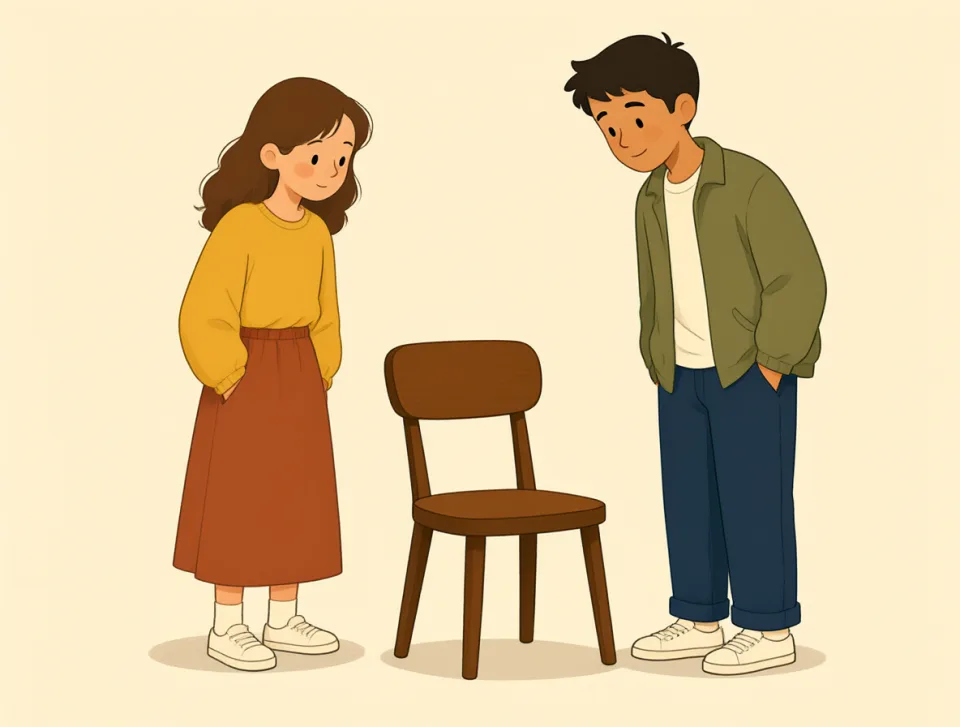
We have not seen Tom since Monday.
সোমবারের পর থেকে টমের সঙ্গে আমাদের দেখা হয়নি।
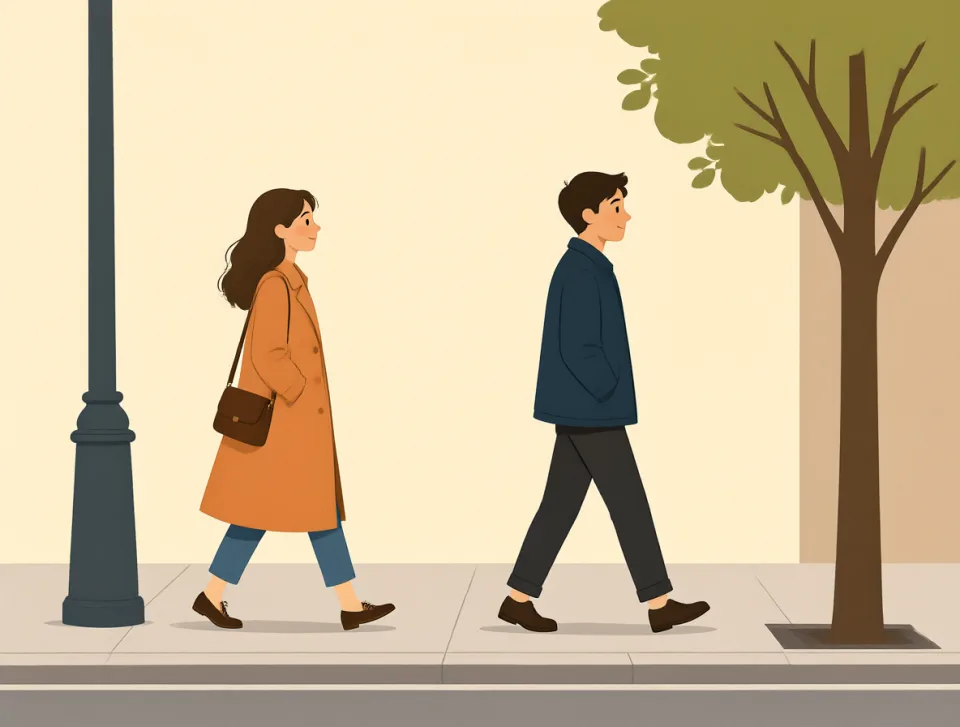
I met her once, but have not spoken since.
তার সঙ্গে একবার দেখা হয়েছিল, কিন্তু তারপর আর কথা হয়নি।

run
#192verb, noun
দৌড়ানো; পরিচালনা করা
to move quickly on foot, or to manage and operate something
দ্রুত পায়ে চলা, অথবা কোনো কিছু পরিচালনা করা ও চালানো

I run every morning before work.
কাজে যাওয়ার আগে প্রতিদিন সকালে আমি দৌড়াই।
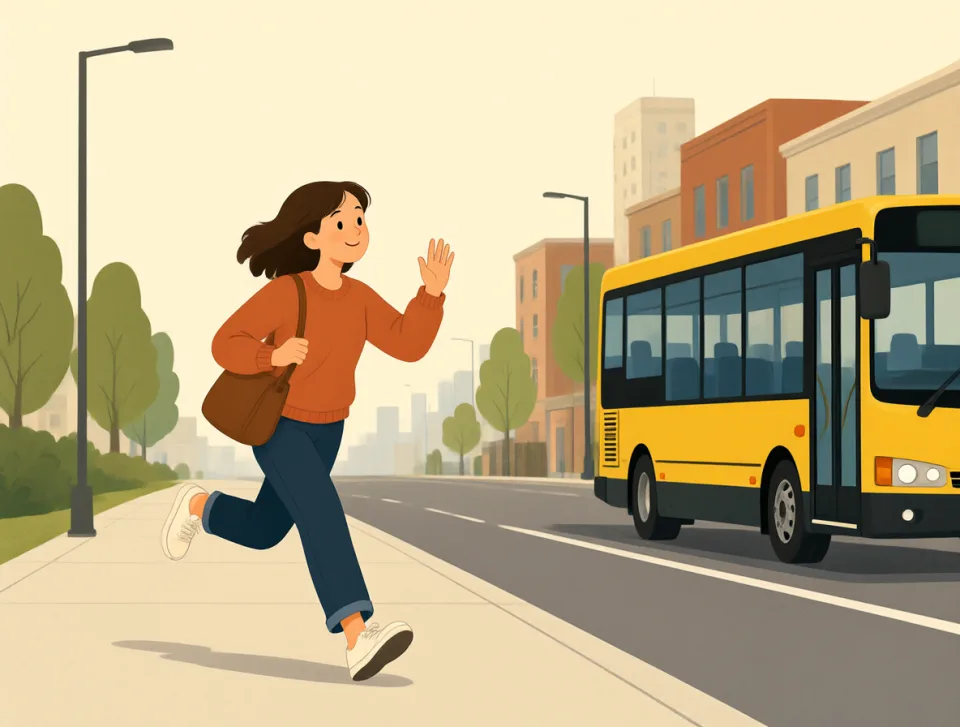
She ran to catch the bus.
বাস ধরার জন্য সে দৌড়ে গেল।
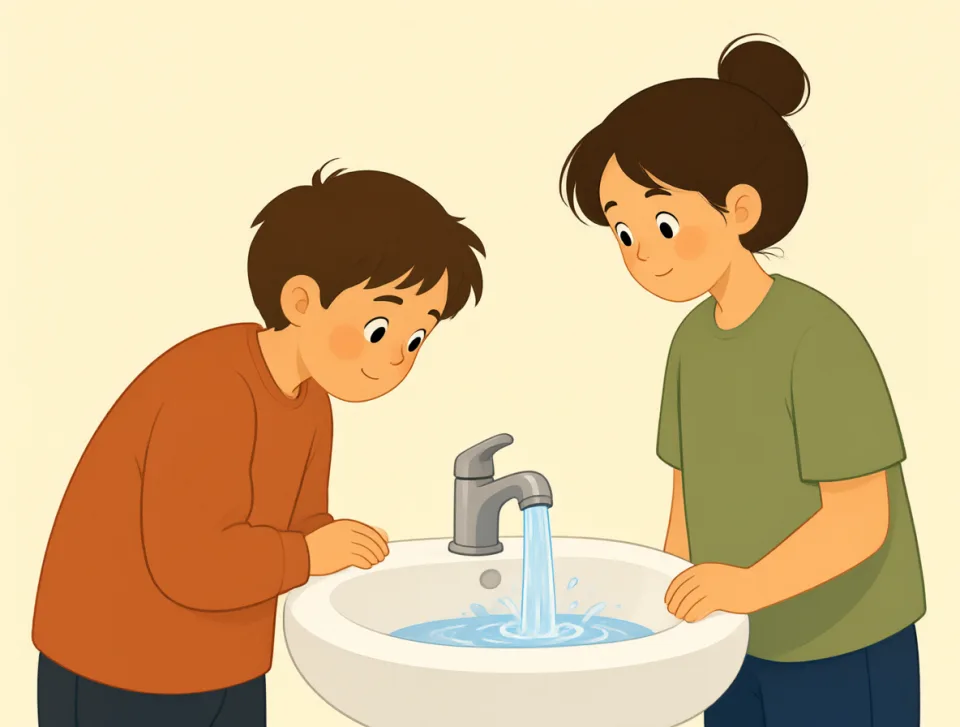
The water is running in the bathroom.
বাথরুমে পানি পড়ছে।

My uncle runs a small restaurant.
আমার চাচা একটি ছোট রেস্তোরাঁ চালান।

We went for a run after school.
স্কুলের পর আমরা দৌড়াতে গিয়েছিলাম।

under
#193preposition, adverb, adjective
নিচে; অধীনে
In or to a lower position than something else.
অন্য কিছুর চেয়ে নিচের অবস্থানে বা নিচের দিকে।
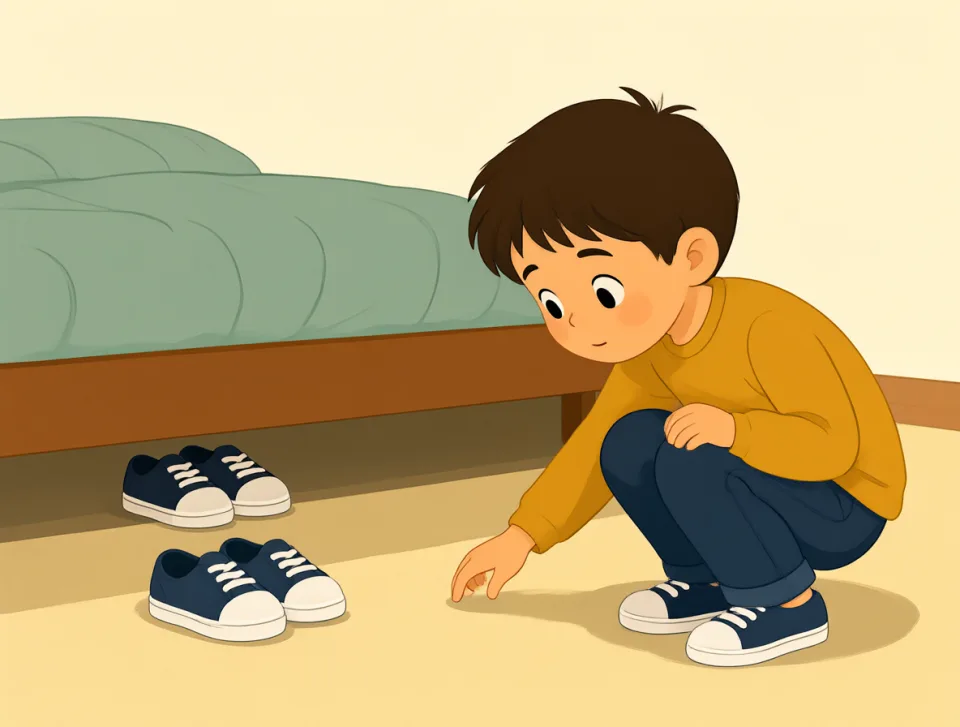
The shoes are under the bed.
জুতাগুলো বিছানার নিচে।

She works under a kind manager.
তিনি একজন সদয় ব্যবস্থাপকের অধীনে কাজ করেন।

The temperature fell under zero last night.
গত রাতে তাপমাত্রা শূন্যের নিচে নেমে গিয়েছিল।
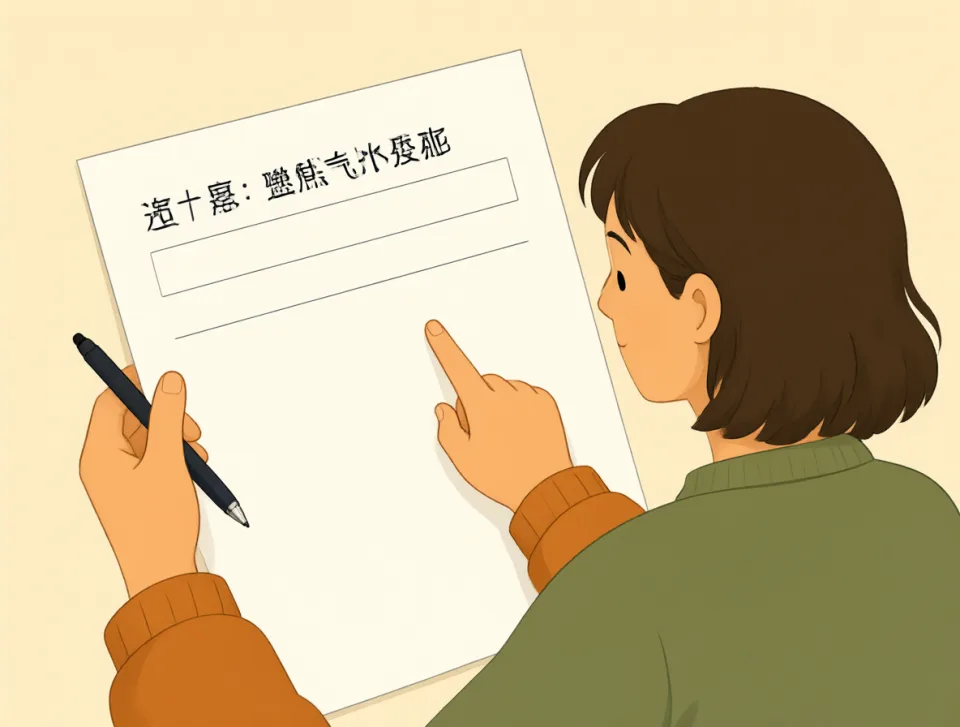
Please sign under your name.
দয়া করে আপনার নামের নিচে স্বাক্ষর করুন।

The children ran under the bridge.
শিশুরা সেতুর নিচ দিয়ে দৌড়ে গেল।

turn
#194verb, noun
মোড় নেওয়া; পালা
To move in a different direction, or the time when someone gets to do something.
অন্য দিকে ঘোরা, অথবা কারও কিছু করার পালা।
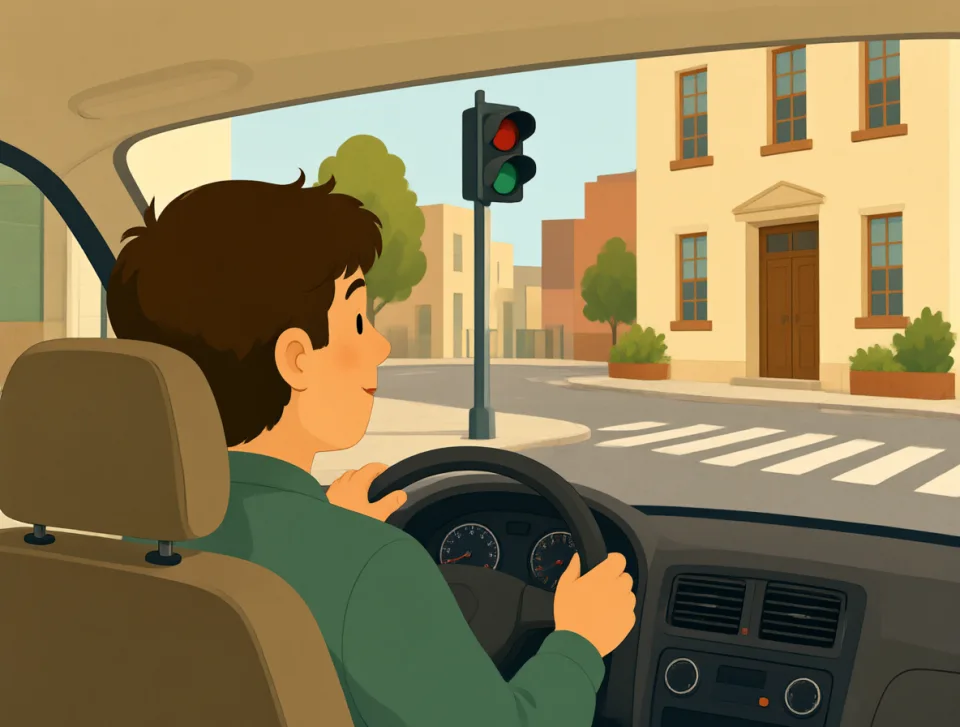
Turn left at the corner, please.
দয়া করে মোড়ে বাঁ দিকে ঘুরুন।
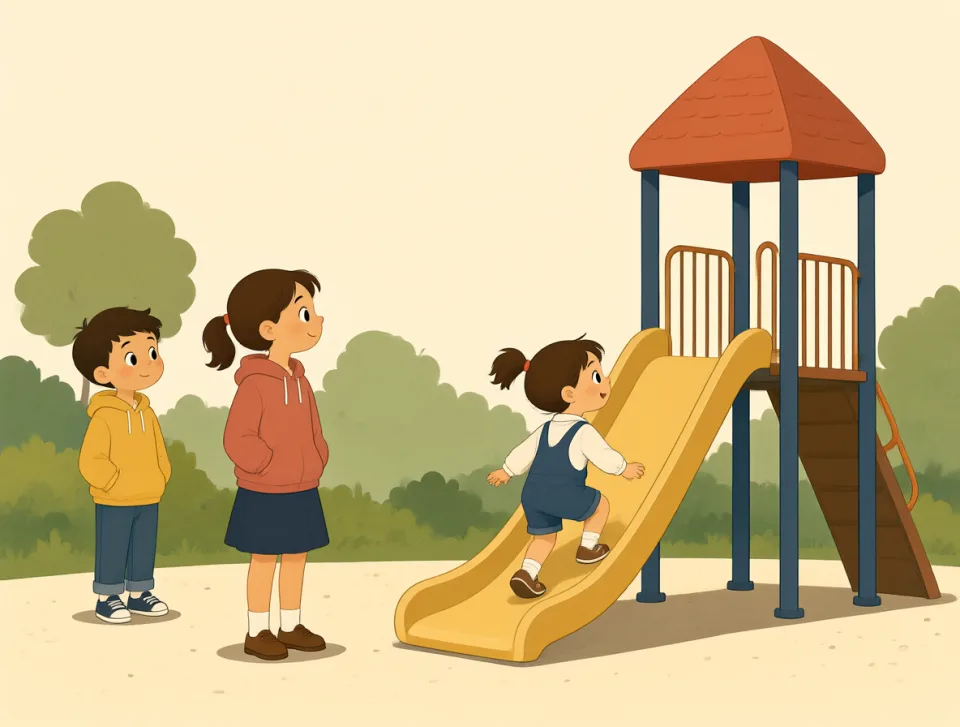
Please wait for your turn.
দয়া করে আপনার পালার জন্য অপেক্ষা করুন।

She turned the key in the lock.
সে তালার মধ্যে চাবিটা ঘোরাল।

The milk turned sour in the fridge.
ফ্রিজে দুধটা টক হয়ে গেল।

Our conversation turned into an argument.
আমাদের কথাবার্তা একসময় তর্কে গড়াল।
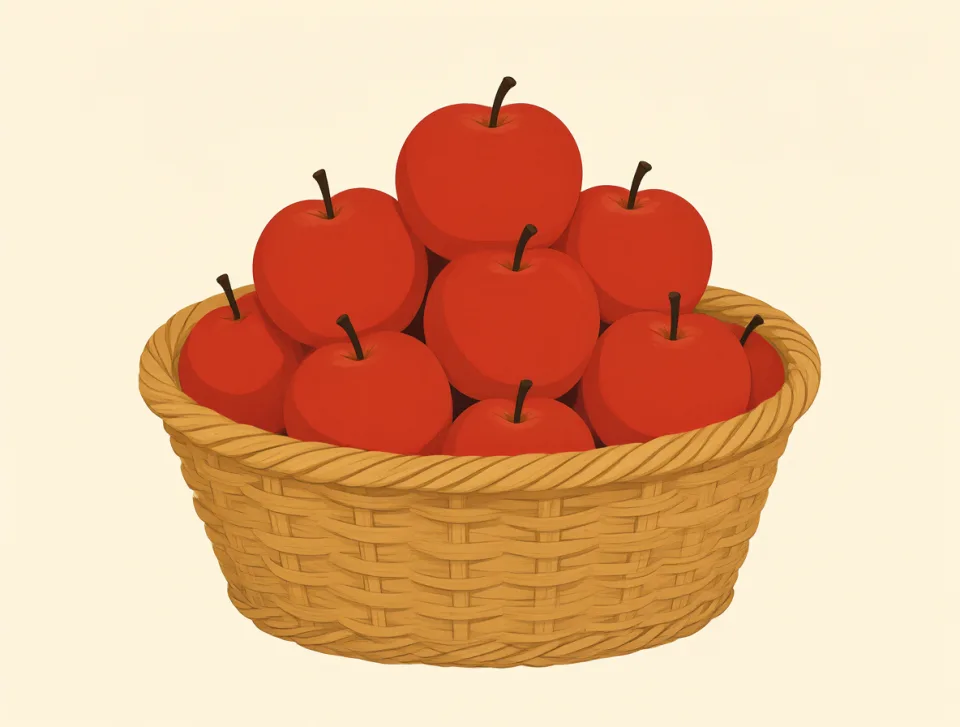
few
#195determiner, pronoun, adjective
অল্প কয়েকটি; অল্প কয়েকজন
A small number of people or things, usually less than expected.
মানুষ বা জিনিসের অল্পসংখ্যক—সাধারণত যা প্রত্যাশার চেয়ে কম।
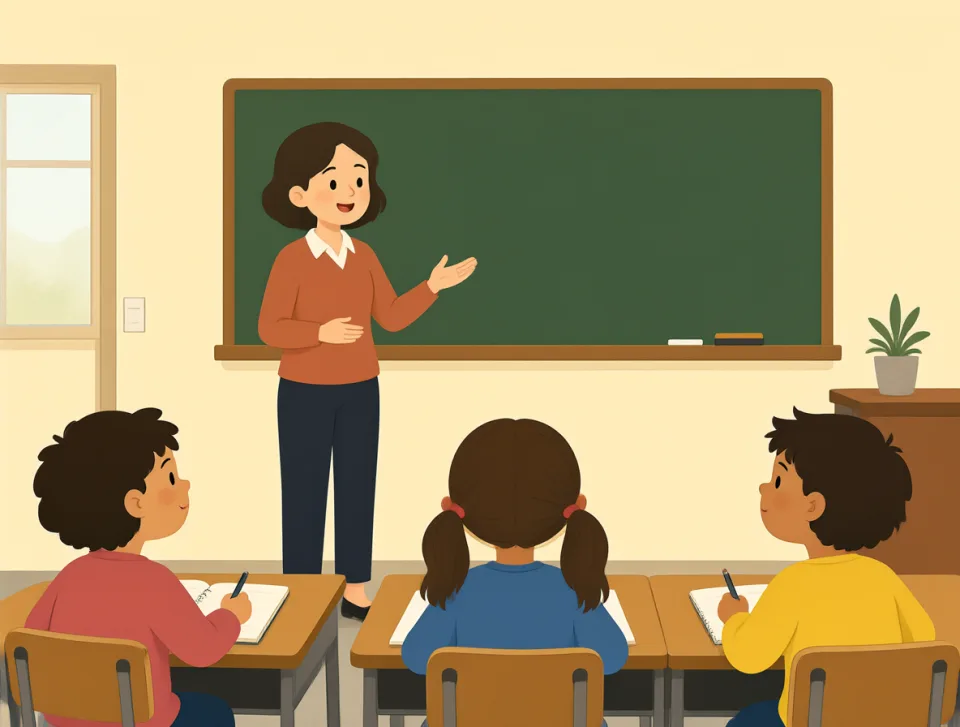
Only a few students came to class.
ক্লাসে মাত্র কয়েকজন শিক্ষার্থী এসেছিল।

I have a few questions about this job.
এই কাজটি নিয়ে আমার কয়েকটি প্রশ্ন আছে।
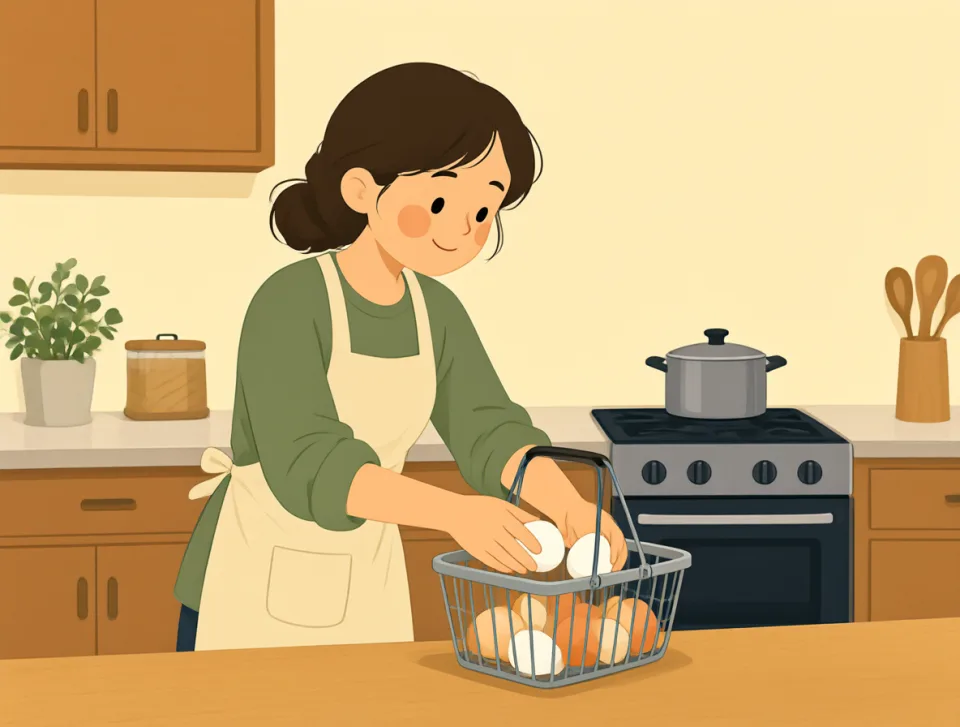
We need a few more eggs for breakfast.
সকালের নাশতার জন্য আমাদের আরও কয়েকটি ডিম দরকার।

Few people travel there in winter.
শীতকালে সেখানে খুব কম মানুষ ভ্রমণ করে।
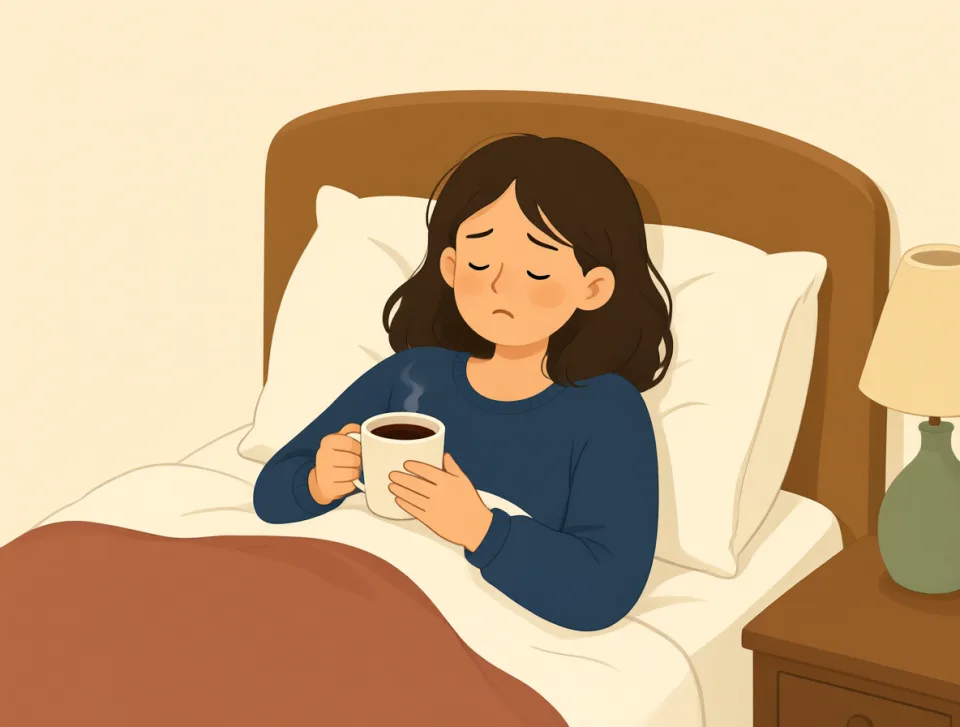
She stayed home for a few days.
সে কয়েক দিন বাড়িতে ছিল।
bring
#196verb
নিয়ে আসা
to take or carry someone or something with you to a place
কাউকে বা কোনো কিছুকে সঙ্গে করে কোনো জায়গায় নিয়ে যাওয়া বা আসা।

Please bring your book to class tomorrow.
আগামীকাল ক্লাসে দয়া করে তোমার বইটা নিয়ে এসো।

Can you bring me a glass of water?
আমাকে এক গ্লাস পানি এনে দিতে পারবে?
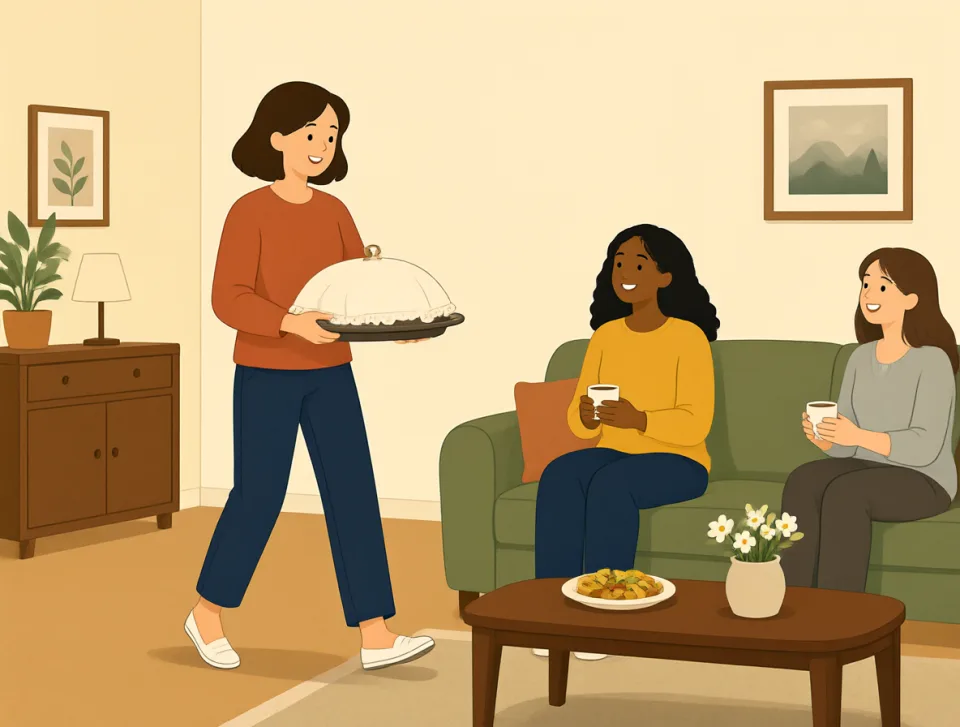
She brought some food for the party.
সে পার্টির জন্য কিছু খাবার নিয়ে এসেছিল।

The new job brought him more money.
নতুন চাকরিটা তার আয় বাড়িয়েছিল।
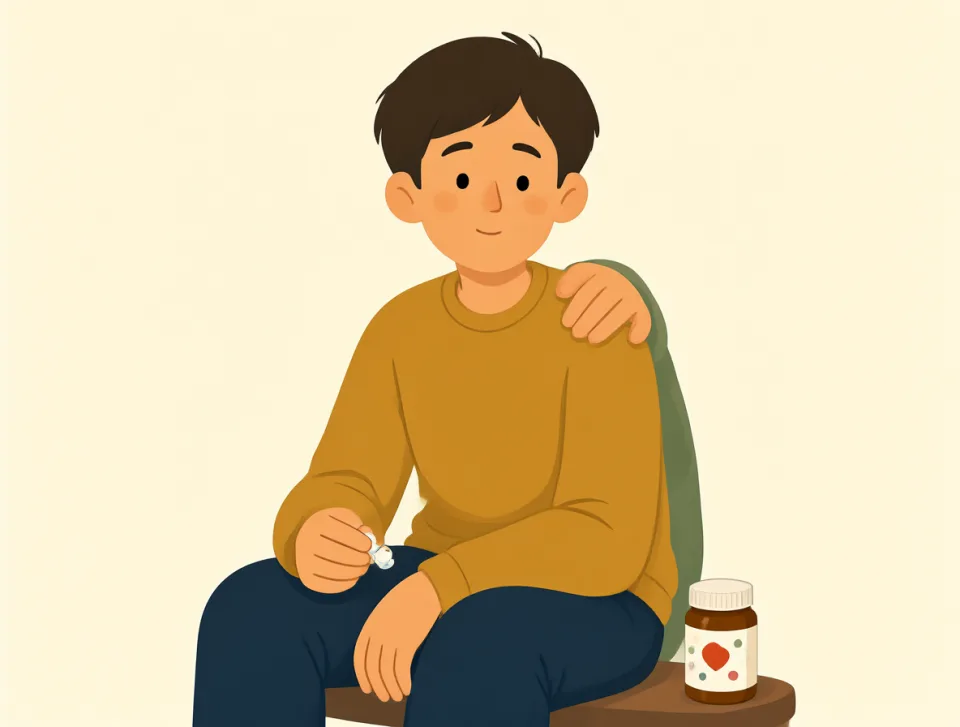
This medicine brings quick relief from pain.
এই ওষুধটি দ্রুত ব্যথা কমায়।

early
#197adjective, adverb
আগেভাগে
Happening or arriving before the usual or expected time.
স্বাভাবিক বা প্রত্যাশিত সময়ের আগে ঘটা বা পৌঁছানো।

I wake up early every morning.
আমি প্রতিদিন সকালে তাড়াতাড়ি ঘুম থেকে উঠি।
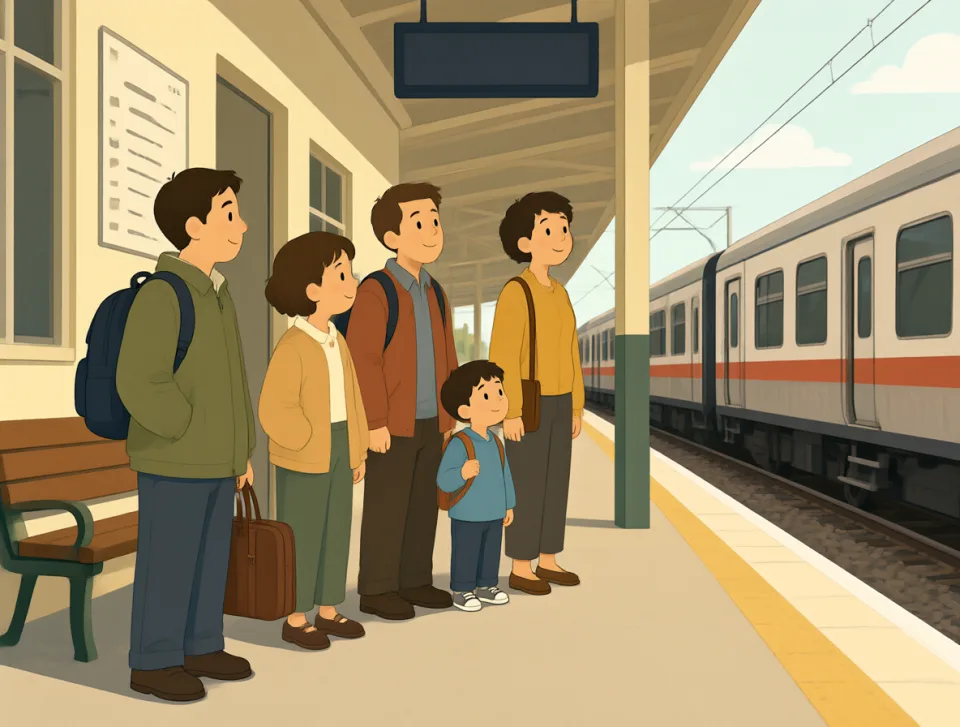
We arrived early for the train.
ট্রেন ধরতে আমরা আগেভাগেই পৌঁছেছিলাম।
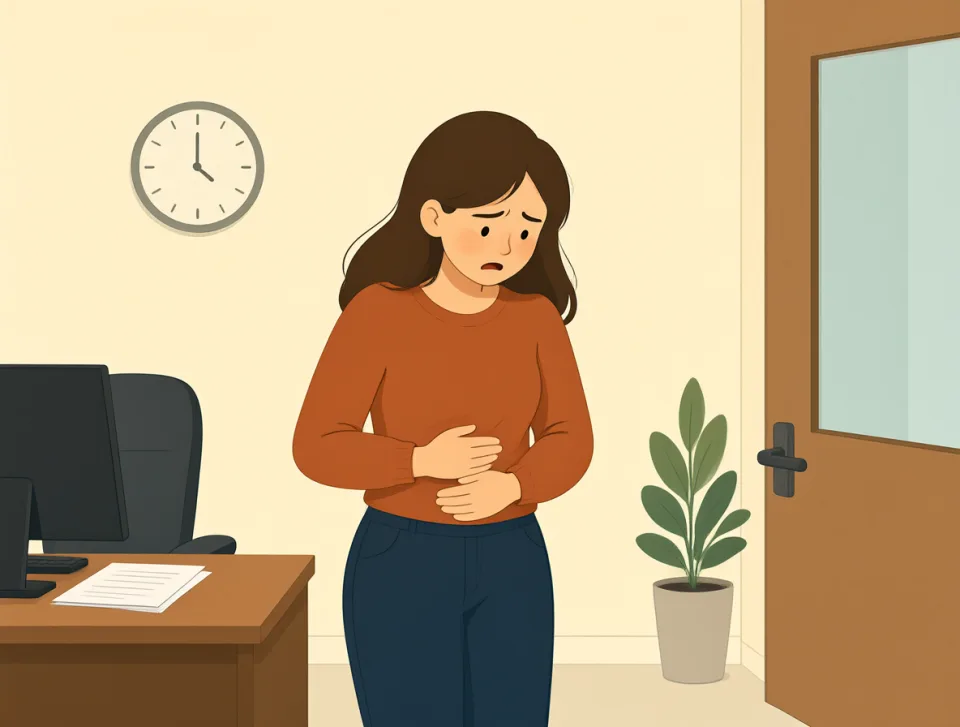
She left work early because she felt sick.
অসুস্থ বোধ করায় সে কাজ থেকে আগেভাগে চলে গিয়েছিল।

The shop opens early on Saturdays.
শনিবার দোকানটি তাড়াতাড়ি খোলে।

He finished his homework early.
সে তাড়াতাড়ি বাড়ির কাজ শেষ করেছিল।
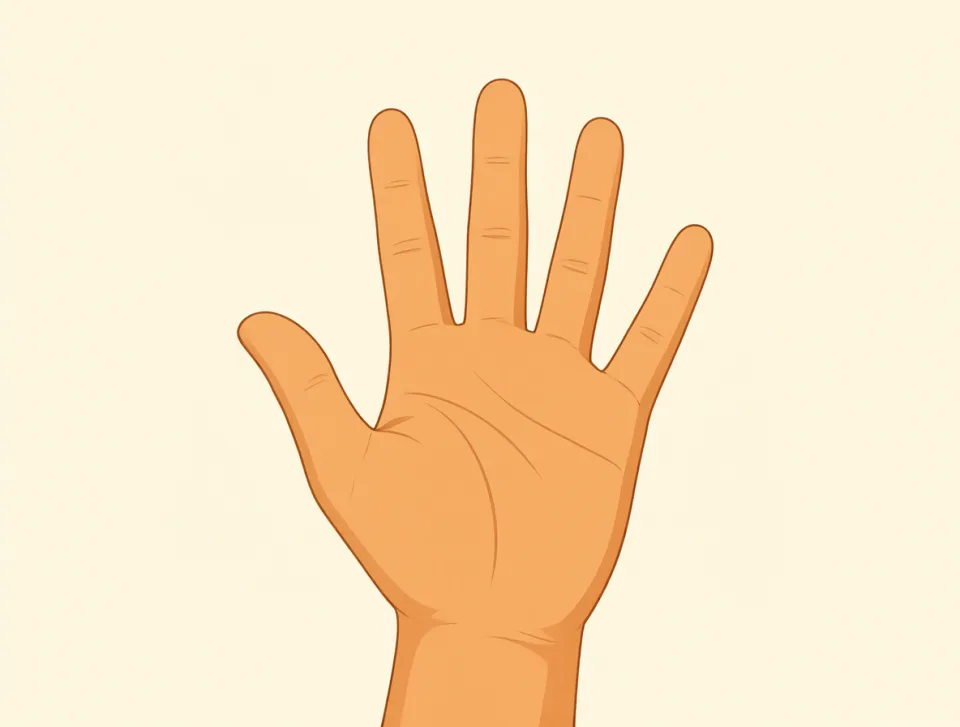
hand
#198noun, verb
হাত
The part of your body from your wrist to your fingers; to give or pass something.
কবজি থেকে আঙুল পর্যন্ত শরীরের অংশ; কাউকে কিছু দেওয়া বা এগিয়ে দেওয়া।

Wash your hands before you eat.
খাওয়ার আগে হাত ধুয়ে নাও।
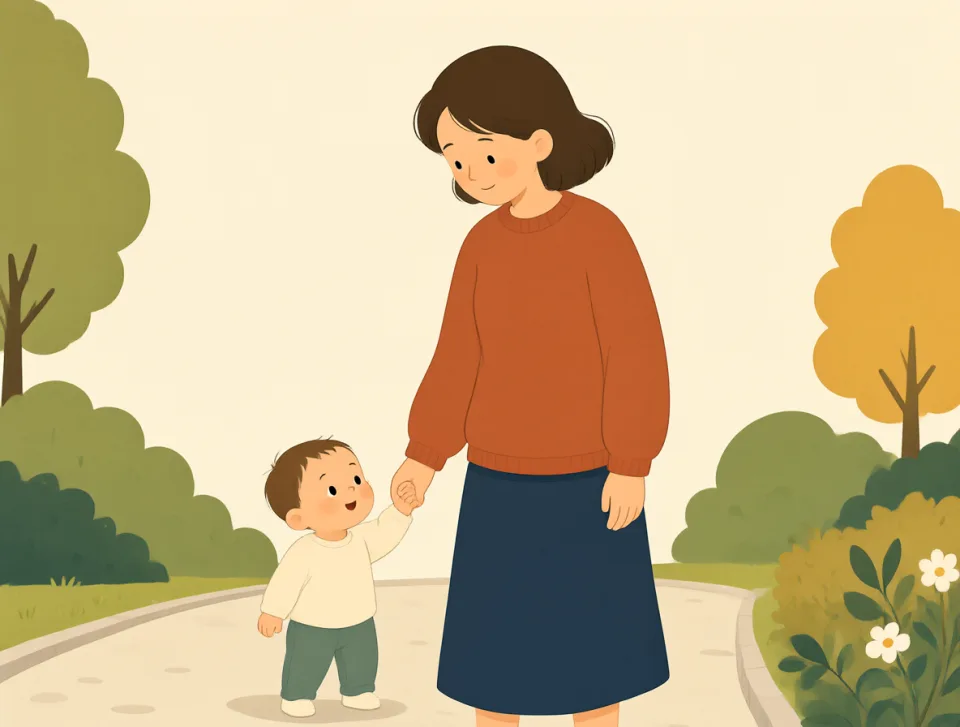
She held the baby’s hand tightly.
সে শিশুটির হাত শক্ত করে ধরে রেখেছিল।

Please hand me the salt.
দয়া করে আমাকে লবণটা এগিয়ে দাও।

He raised his hand in class.
সে ক্লাসে হাত তুলেছিল।

They shook hands after the meeting.
মিটিংয়ের পর তারা করমর্দন করেছিল।
state
#199noun, verb
অবস্থা
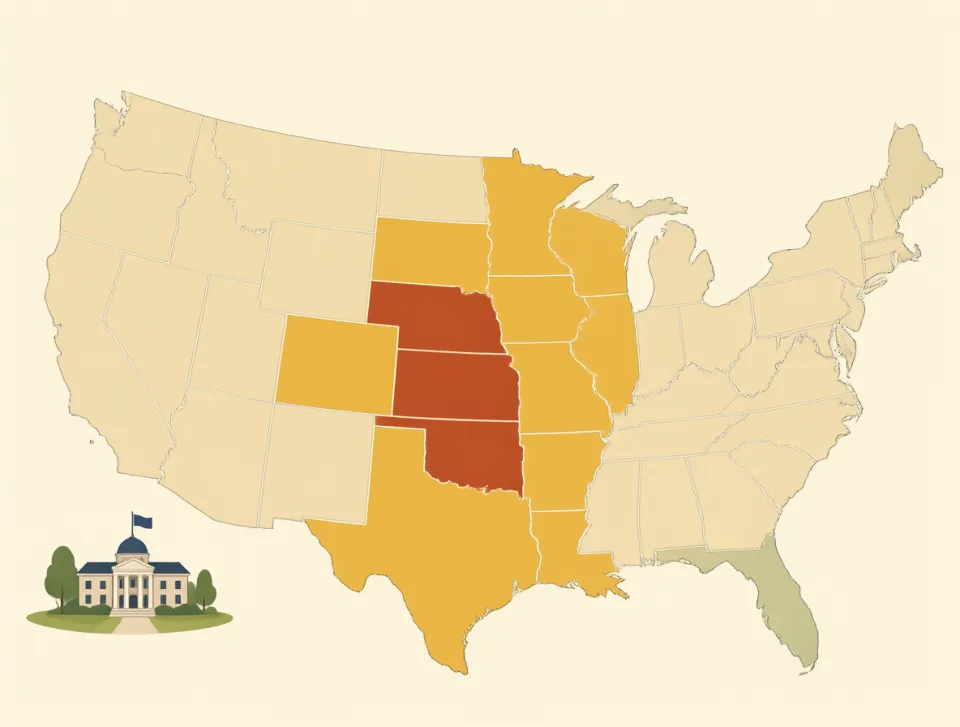
A state is a condition, or a large area with its own government.
কোনো অবস্থা বা নিজস্ব সরকারসহ একটি বড় অঞ্চল।

The house is in a very good state.
বাড়িটি খুব ভালো অবস্থায় আছে।

The company is in a difficult state.
কোম্পানিটি কঠিন অবস্থায় আছে।
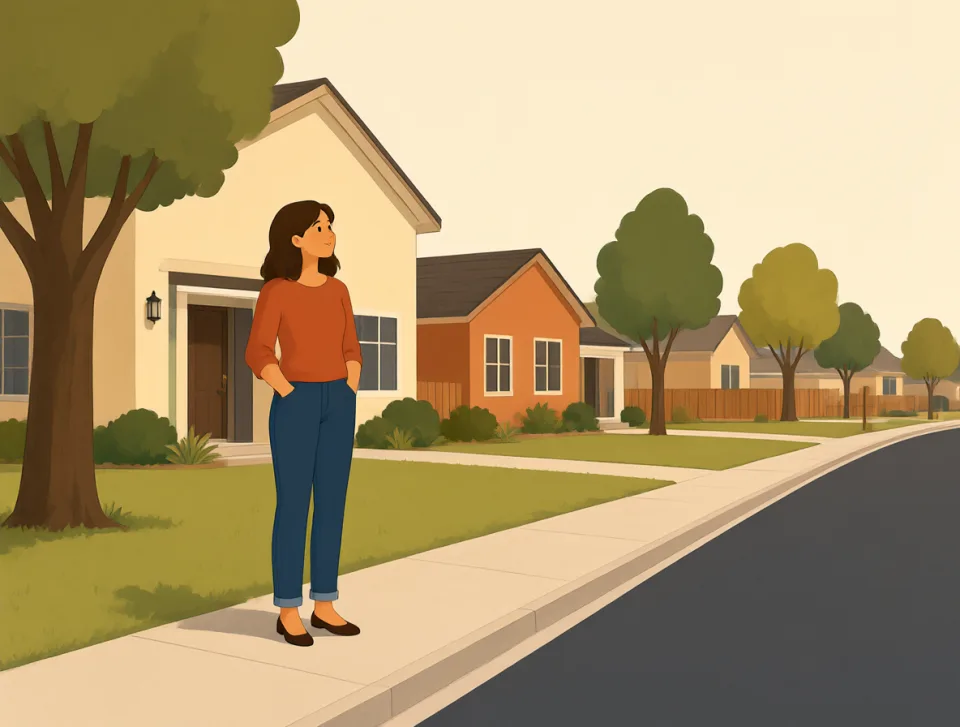
She lives in the state of Texas.
সে টেক্সাস অঙ্গরাজ্যে থাকে।
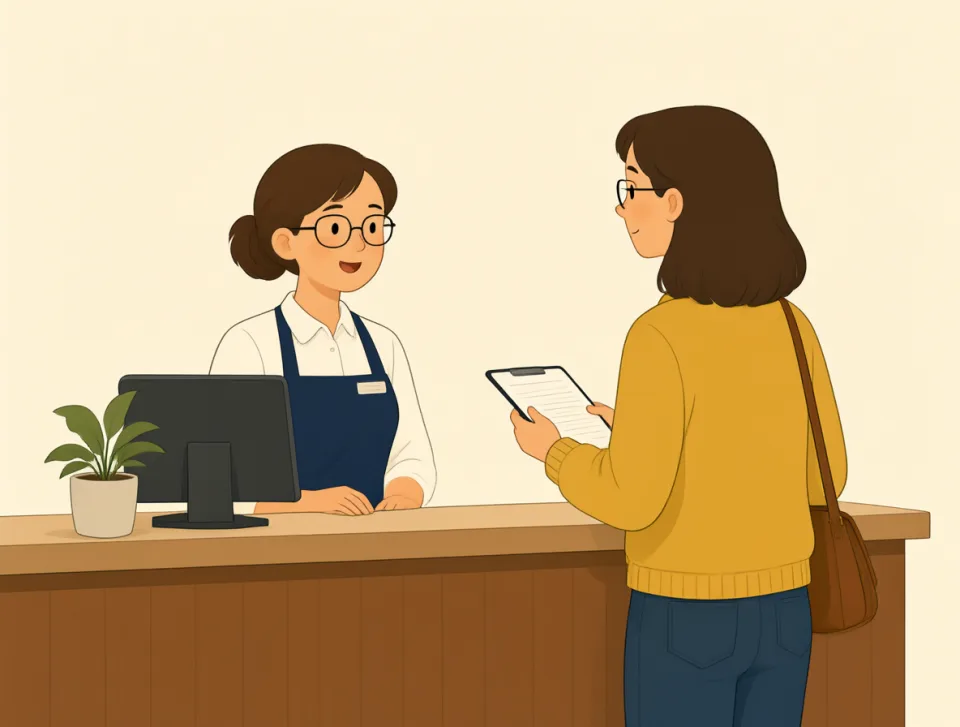
Please state your name and address.
দয়া করে আপনার নাম ও ঠিকানা বলুন।

The doctor stated that he was healthy.
ডাক্তার জানিয়েছিলেন যে তিনি সুস্থ।
move
#200verb, noun
নড়া; সরানো
to change position or place, or to make someone or something change position
অবস্থান বা জায়গা বদলানো, অথবা কাউকে বা কোনো কিছুকে অবস্থান বদলাতে বাধ্য করা।
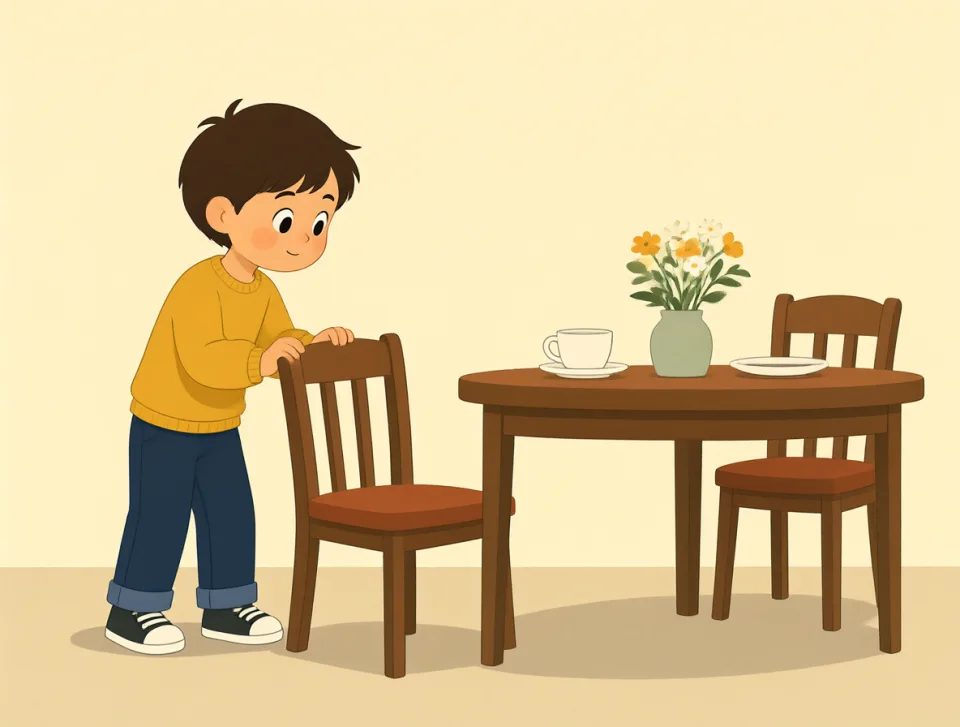
Please move your chair closer to the table.
দয়া করে তোমার চেয়ারটা টেবিলের আরও কাছে সরাও।

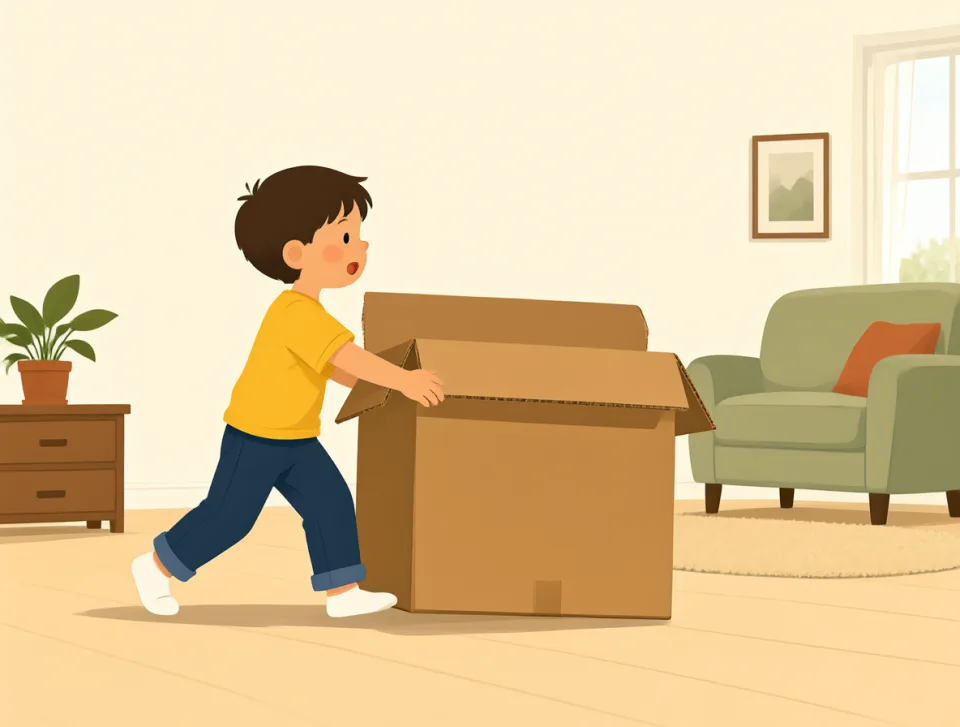
We moved to a new apartment last month.
গত মাসে আমরা নতুন অ্যাপার্টমেন্টে উঠেছি।
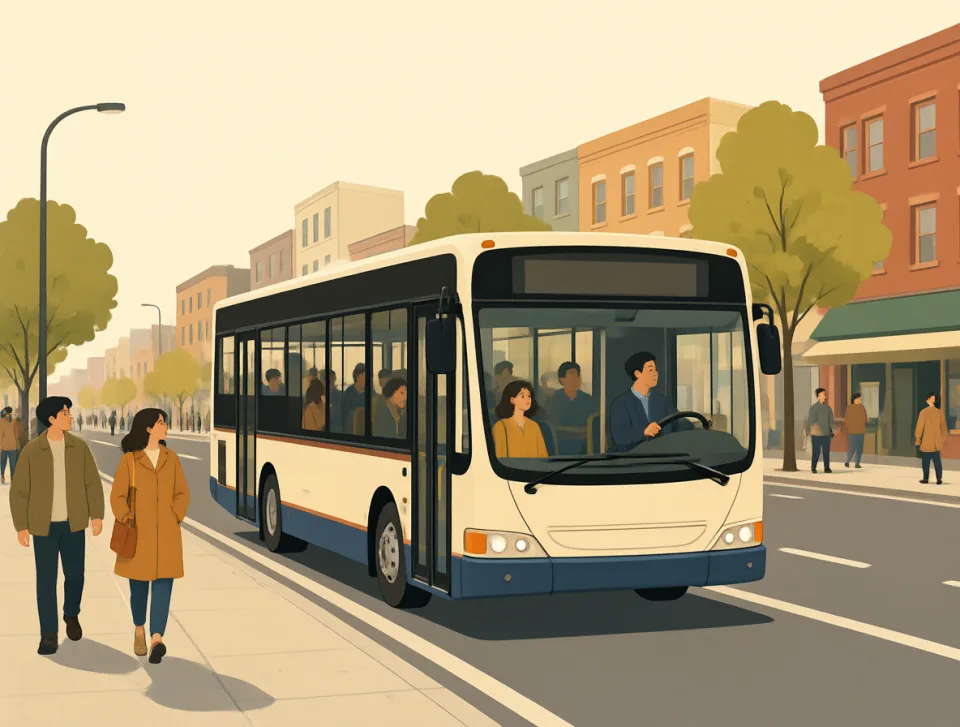
The bus moved slowly through the crowded street.
বাসটি ভিড়ভাট্টার রাস্তা দিয়ে ধীরে ধীরে এগোল।
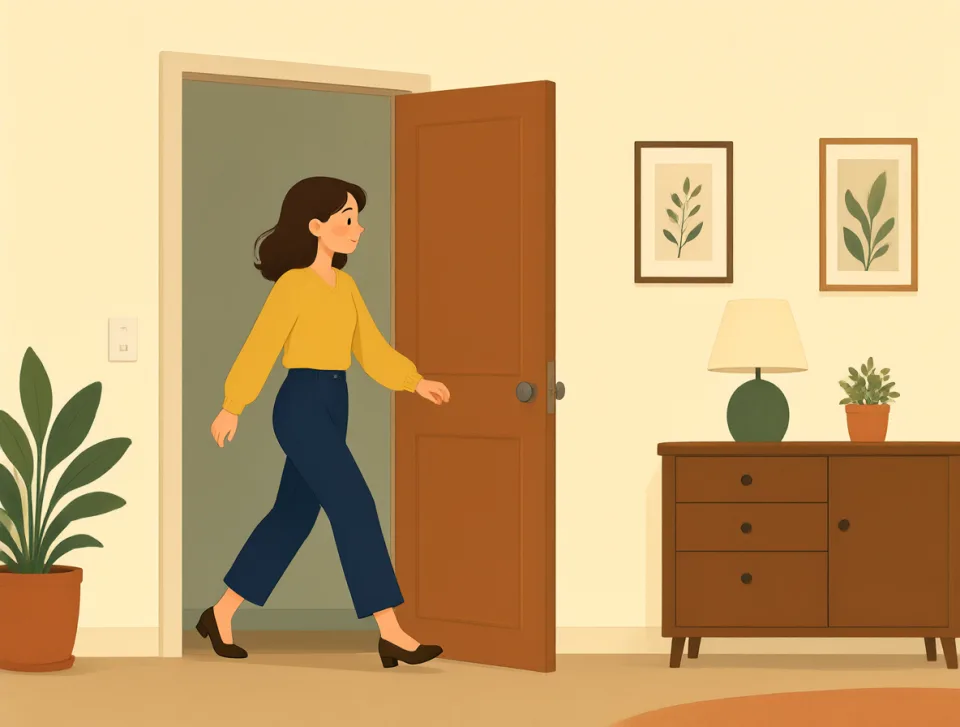
She made a quick move toward the door.
সে দ্রুত দরজার দিকে এগিয়ে গেল।
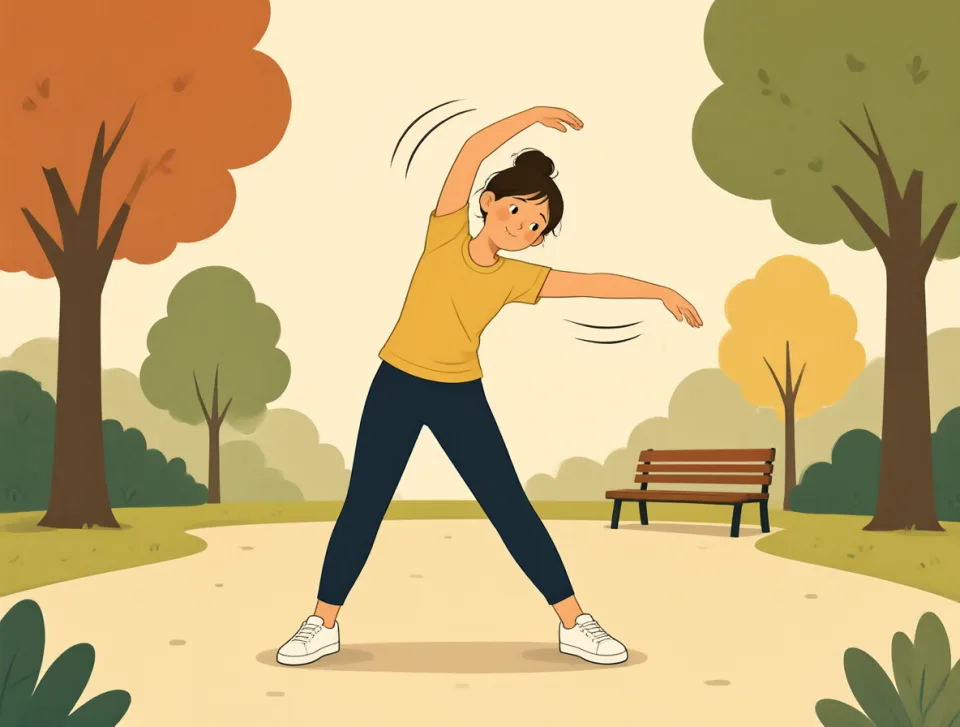
A little exercise helps move your body.
অল্প ব্যায়াম শরীরকে সচল রাখতে সাহায্য করে।