Đơn vị 10
Từ 181–200 · question, during, always, big, set, small

question
#181noun, verb
câu hỏi
A sentence used to ask for information or express doubt about something.
Một câu dùng để hỏi thông tin hoặc bày tỏ sự nghi ngờ về điều gì đó.
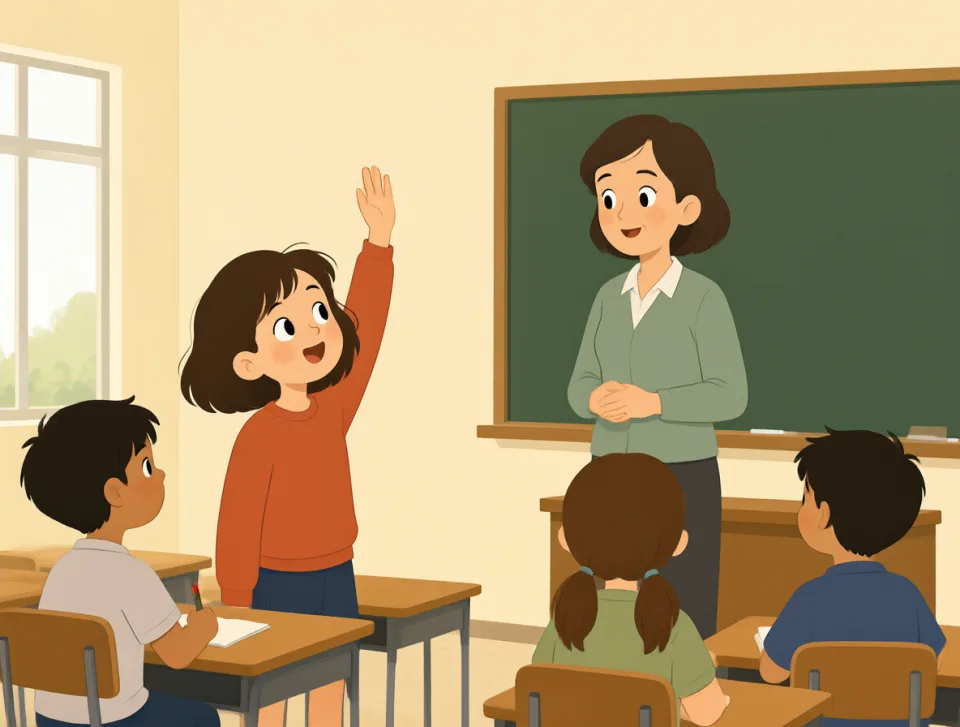
Please ask the teacher a question.
Hãy đặt câu hỏi cho giáo viên.
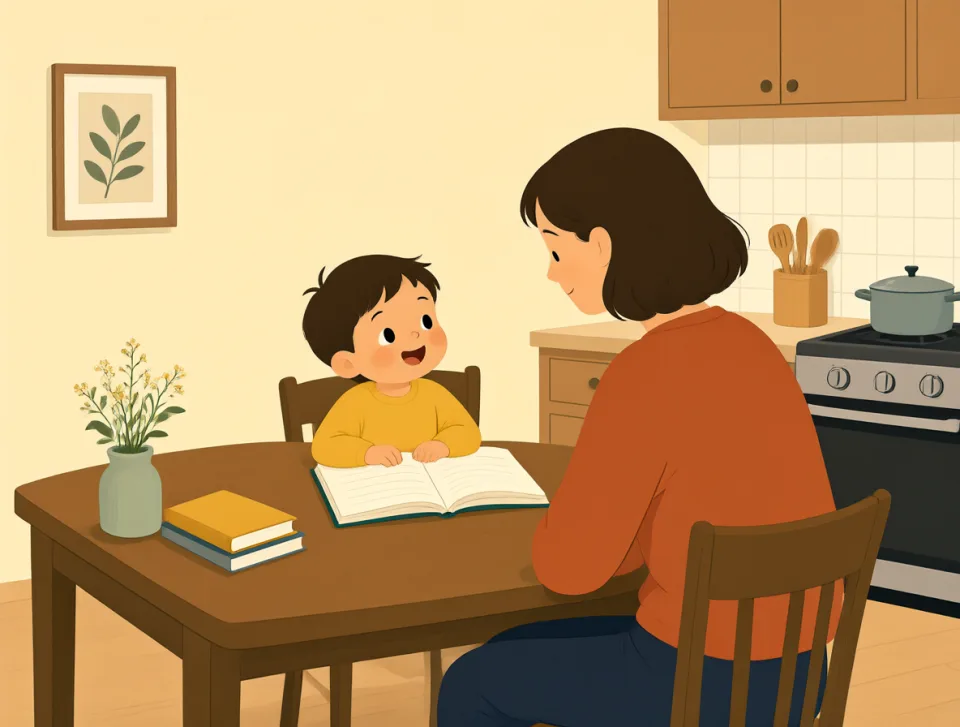
I have a question about my homework.
Mình có một câu hỏi về bài tập về nhà.
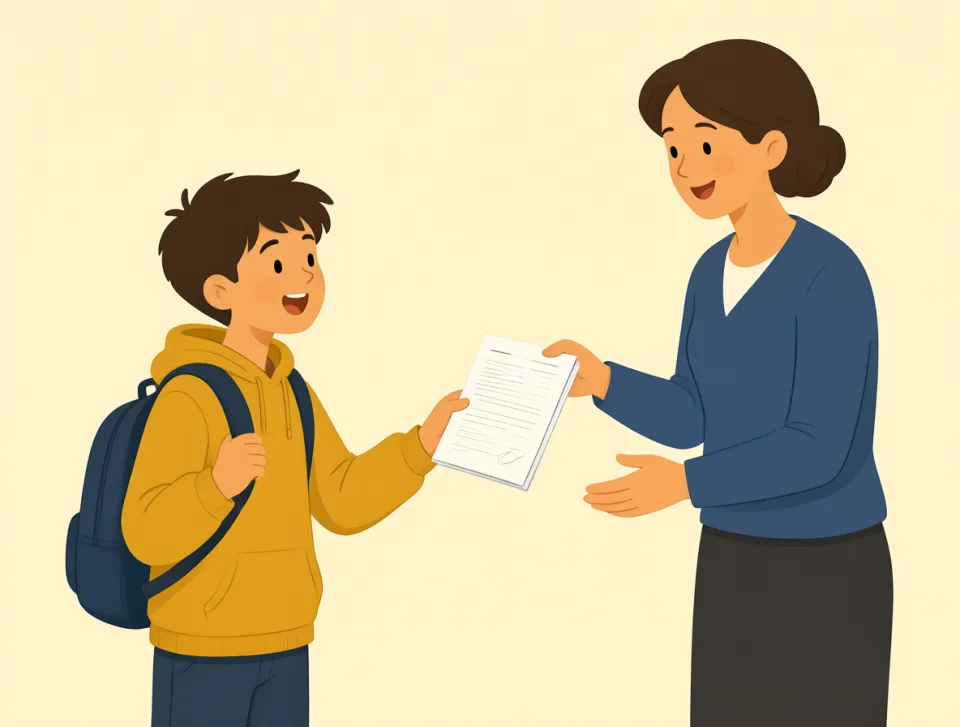
She answered all the questions correctly.
Cô ấy trả lời đúng tất cả các câu hỏi.

The customer questioned the price of the jacket.
Khách hàng thắc mắc về giá chiếc áo khoác.

The doctor asked me questions about my pain.
Bác sĩ hỏi tôi về cơn đau.

during
#182preposition
trong suốt
at some time between the beginning and end of an event or period
Vào một thời điểm nào đó trong khoảng từ lúc bắt đầu đến khi kết thúc một sự kiện hoặc một khoảng thời gian.
Please stay quiet during the movie.
Hãy giữ im lặng trong suốt bộ phim nhé.

I fell asleep during the flight.
Tôi ngủ thiếp đi trong chuyến bay.
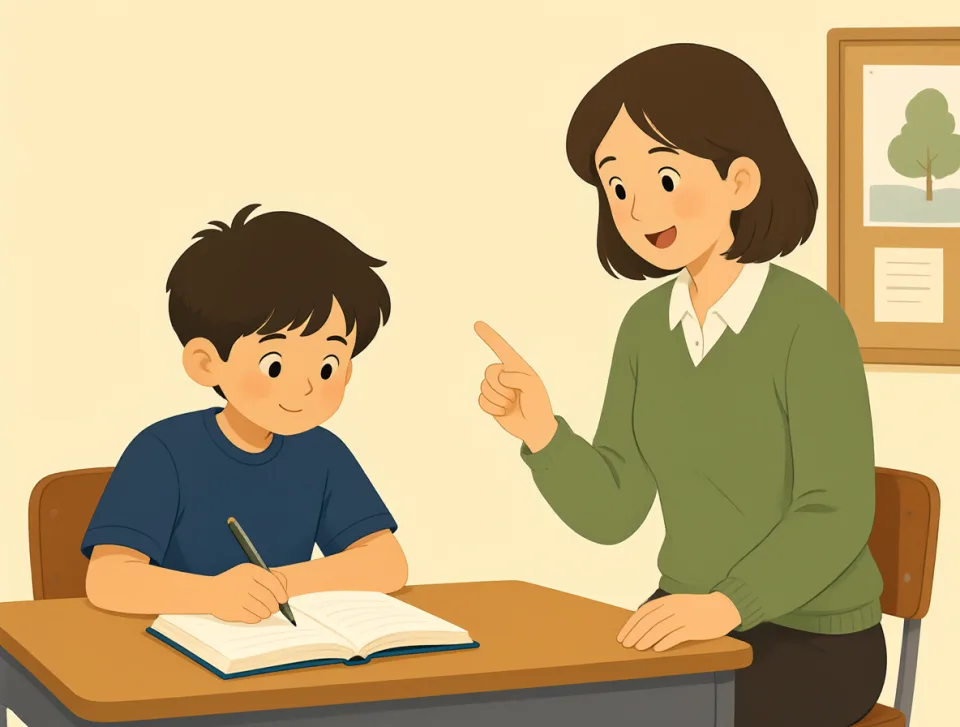
She took notes during the lesson.
Cô ấy ghi chép trong giờ học.

We met many people during our trip.
Chúng tôi gặp nhiều người trong chuyến đi.
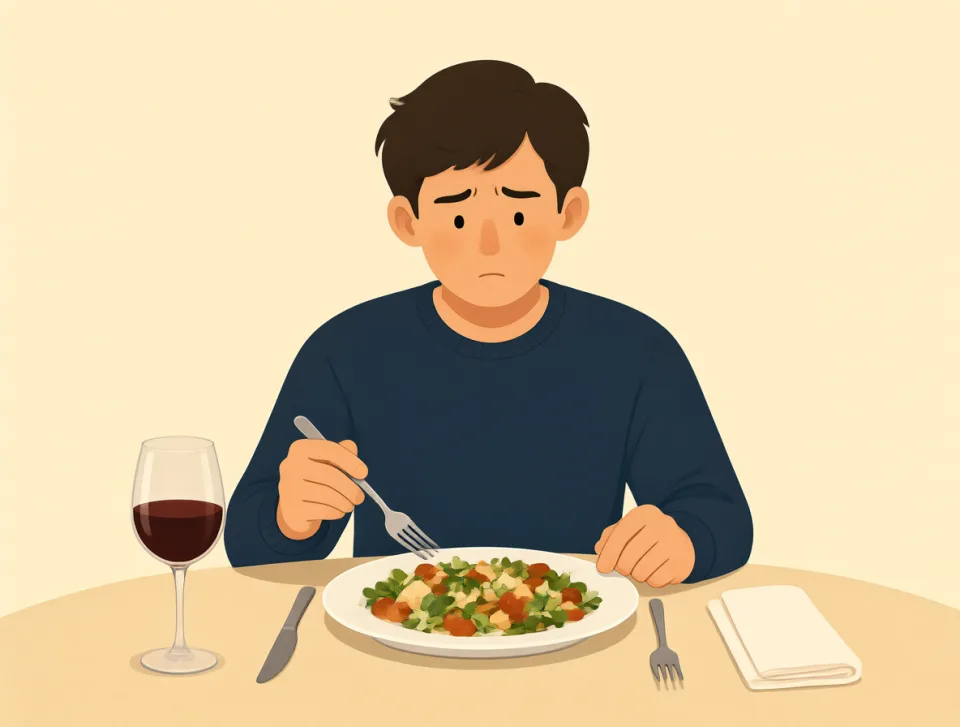
He felt sick during dinner.
Anh ấy cảm thấy khó chịu trong bữa tối.

always
#183adverb
luôn luôn
Every time, or at all times.
Lần nào cũng vậy hoặc vào mọi lúc.
She always drinks coffee in the morning.
Cô ấy luôn uống cà phê vào buổi sáng.

I always take my keys with me.
Tôi luôn mang theo chìa khóa.

He is always late for work.
Anh ấy luôn đi làm muộn.

We always eat dinner together.
Chúng tôi luôn ăn tối cùng nhau.
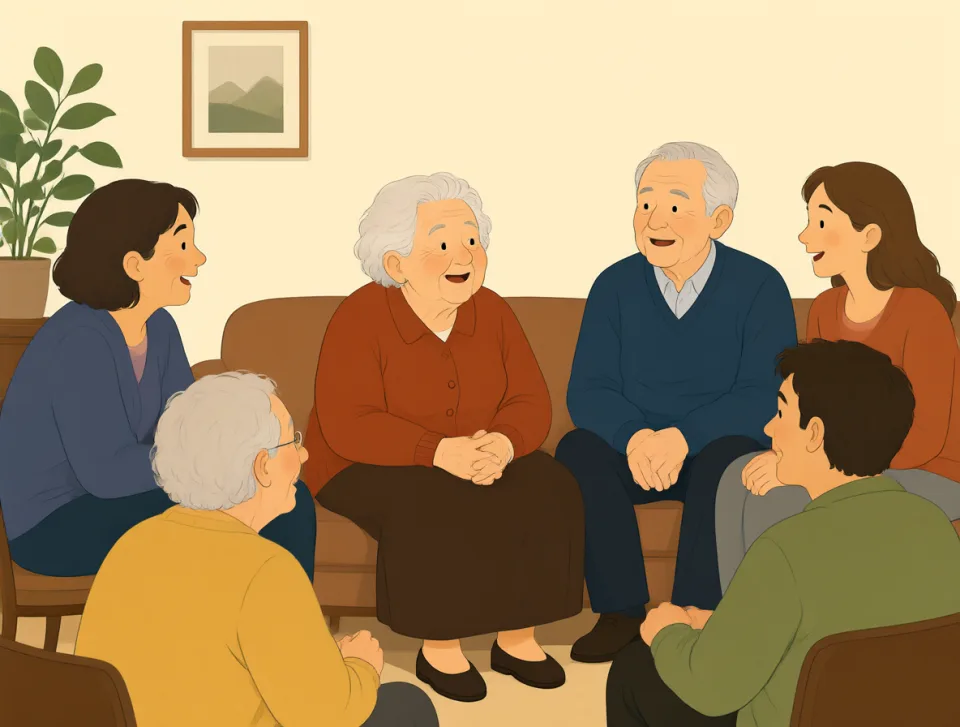
My grandmother always tells funny stories.
Bà tôi luôn kể những câu chuyện vui.

big
#184adjective, adverb, noun
to, lớn
Large in size, amount, importance, or popularity.
Có kích thước, số lượng, tầm quan trọng hoặc mức độ phổ biến lớn.

They live in a big house.
Họ sống trong một ngôi nhà lớn.

I need a big bowl for salad.
Tôi cần một cái tô lớn để đựng salad.

She got a big job at the company.
Cô ấy có được một công việc quan trọng ở công ty.

We had a big lunch after the trip.
Chúng tôi đã ăn một bữa trưa thịnh soạn sau chuyến đi.

That was a big mistake in my homework.
Đó là một lỗi lớn trong bài tập về nhà của tôi.

set
#185noun, verb, adjective
bộ; đặt
A group of things, or to put something in a particular place or position.
Một nhóm đồ vật; hoặc đặt thứ gì đó vào một vị trí cụ thể.
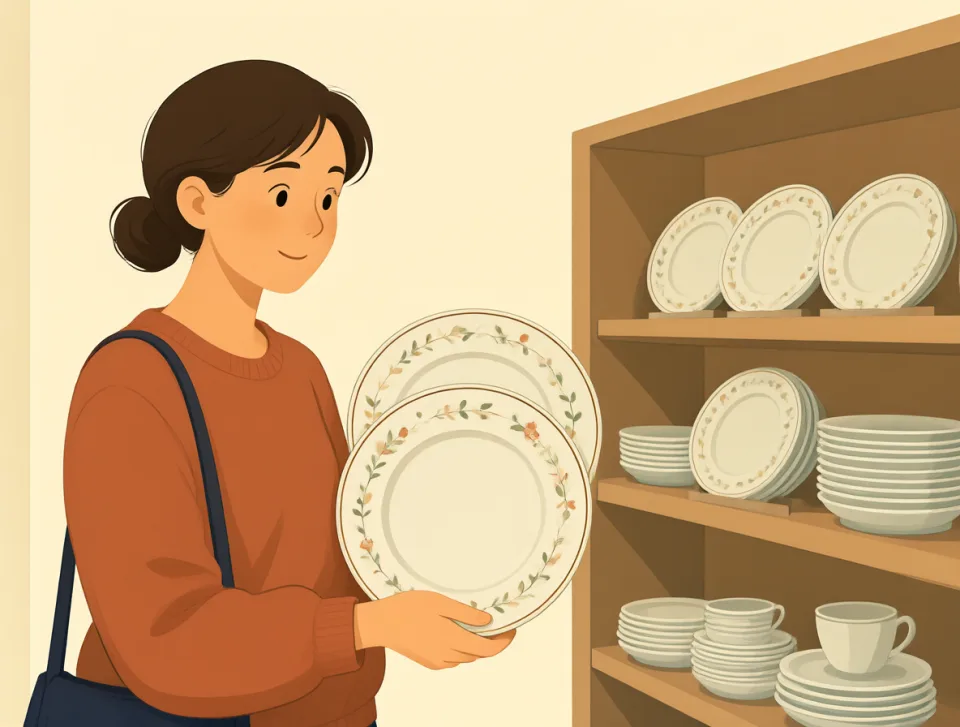
I bought a new set of plates.
Tôi đã mua một bộ đĩa mới.
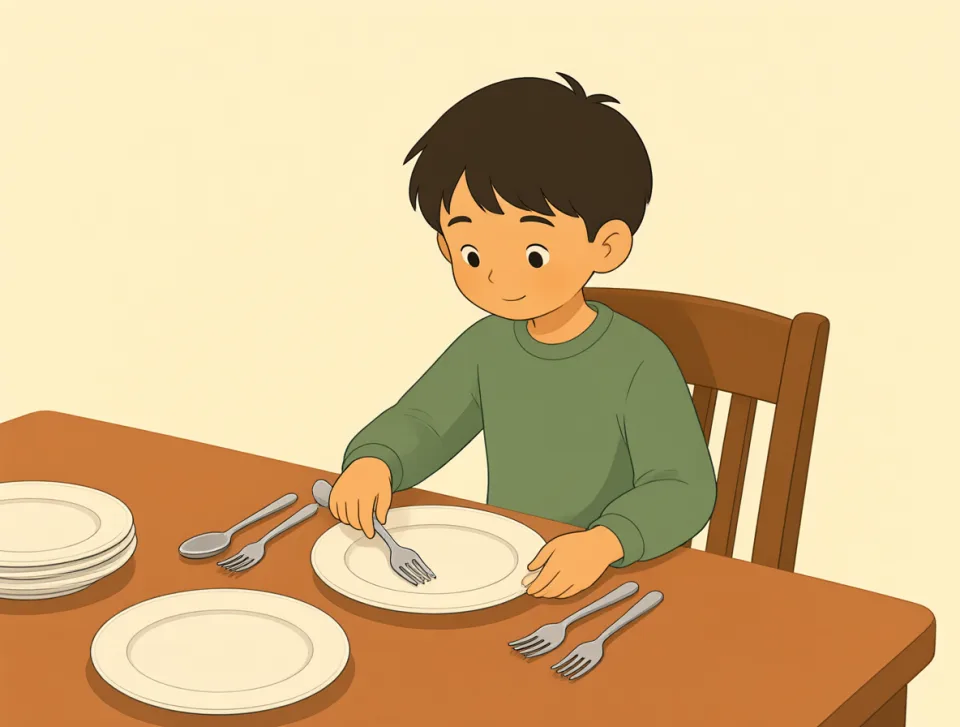
Please set the table for dinner.
Hãy dọn bàn ăn tối nhé.
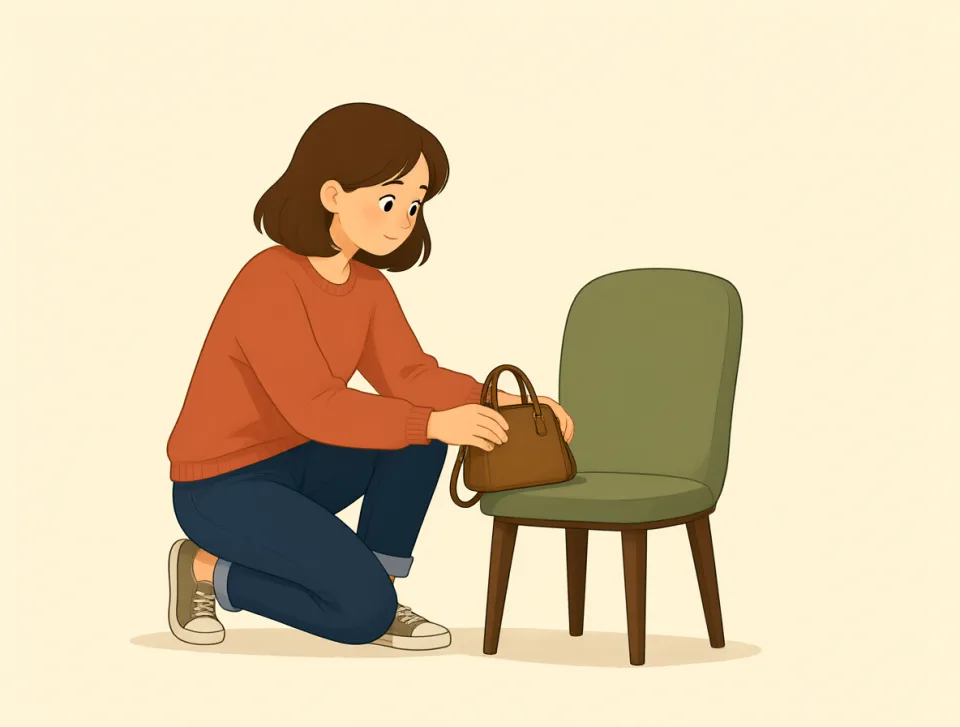
She set her bag beside the chair.
Cô ấy đặt túi bên cạnh ghế.
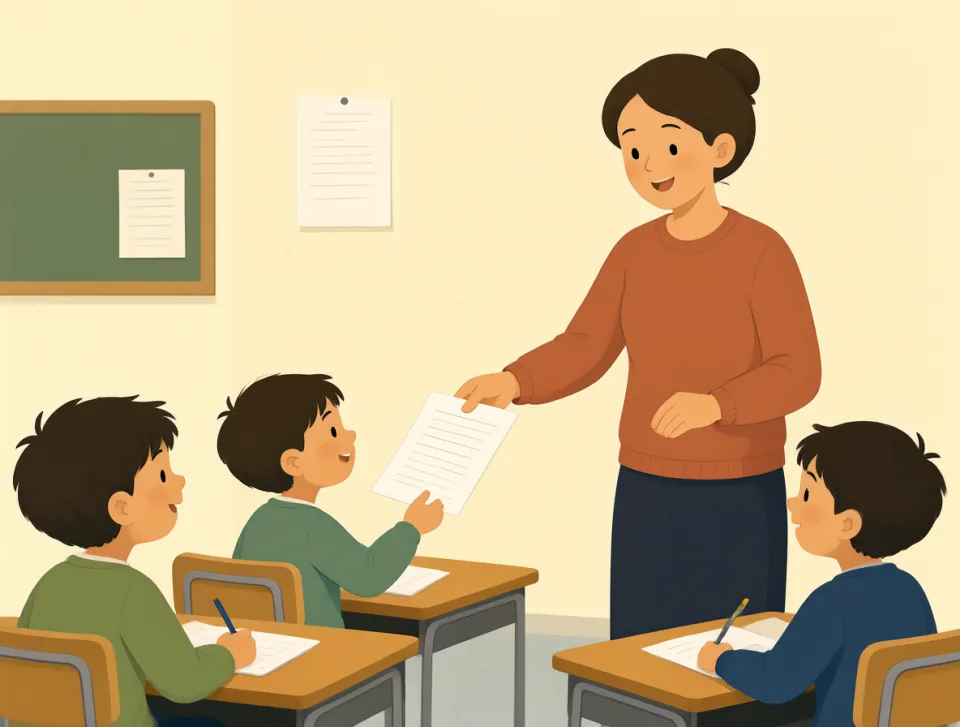
The teacher set a test for Friday.
Giáo viên ra bài kiểm tra vào thứ Sáu.

The sun sets over the sea.
Mặt trời lặn trên biển.

small
#186adjective, noun
nhỏ
Not large in size, amount, or number.
Không lớn về kích thước, số lượng hoặc mức độ.
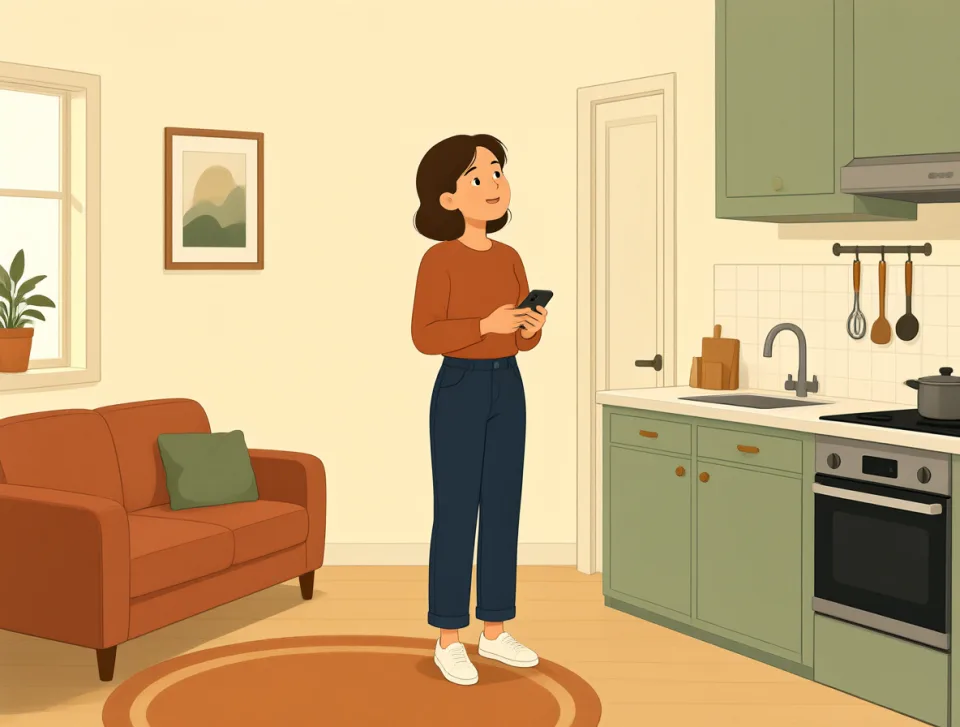
She lives in a small apartment downtown.
Cô ấy sống trong một căn hộ nhỏ ở trung tâm thành phố.

He bought a small coffee at the shop.
Anh ấy mua một ly cà phê cỡ nhỏ ở cửa hàng.
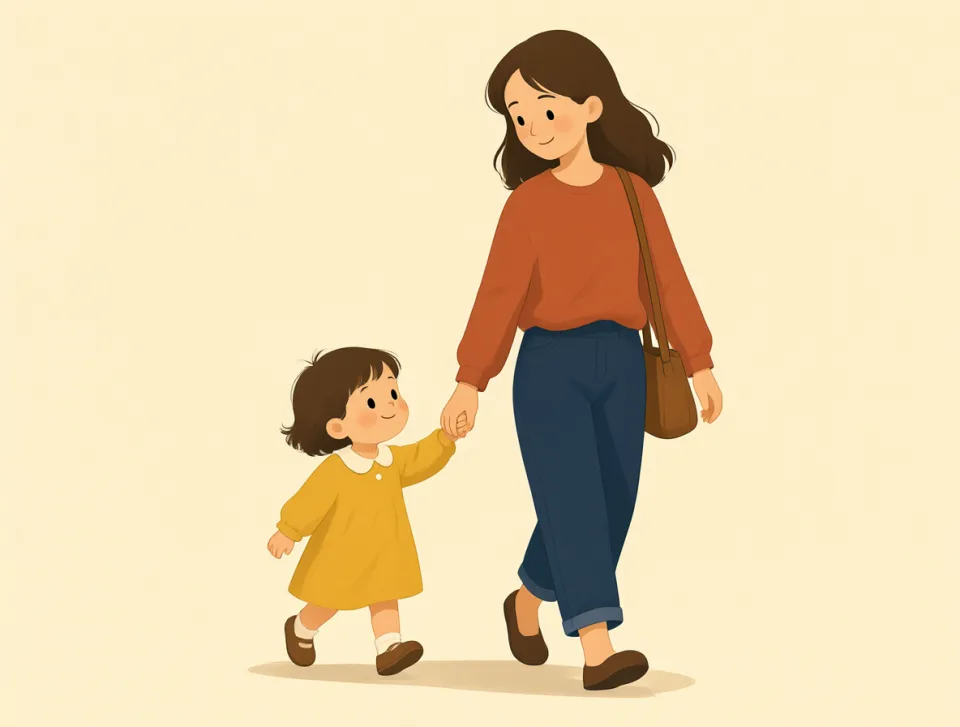
The small child held her mother’s hand.
Đứa trẻ nhỏ nắm tay mẹ.

We sat at a small table by the window.
Chúng tôi ngồi ở một chiếc bàn nhỏ cạnh cửa sổ.

I made a small mistake on the test.
Tôi mắc một lỗi nhỏ trong bài kiểm tra.
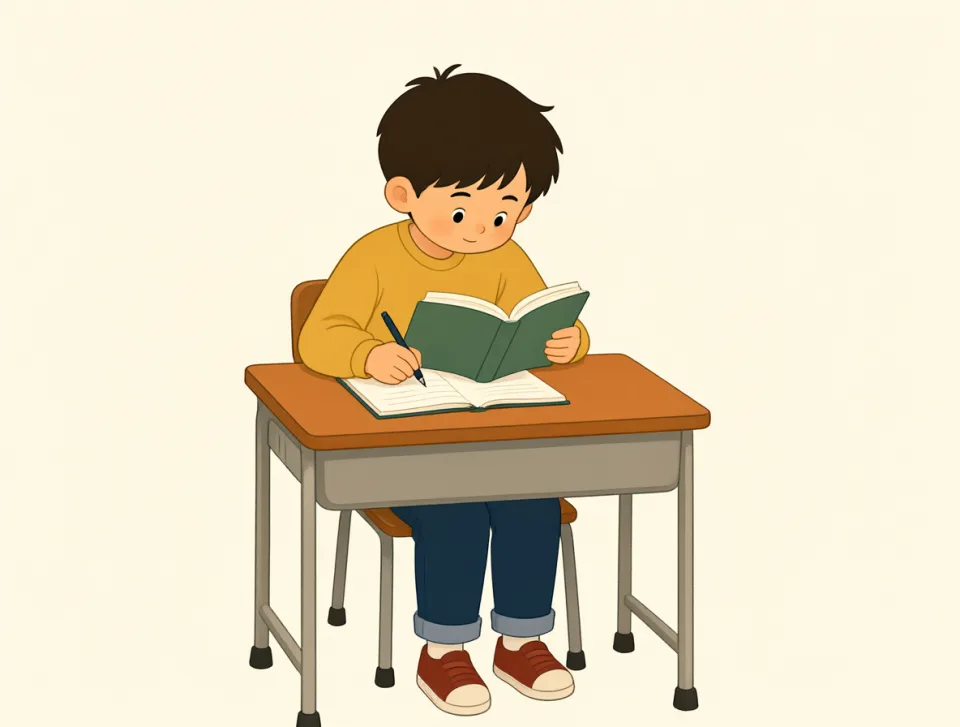
study
#187noun, verb
học
To learn about a subject by reading, practicing, or going to classes.
Tìm hiểu một môn học bằng cách đọc, luyện tập hoặc tham gia các lớp học.

I study English every evening at home.
Tối nào tôi cũng học tiếng Anh ở nhà.

She studied hard for her math test.
Cô ấy đã học rất chăm chỉ để chuẩn bị cho bài kiểm tra toán.

He is studying medicine at university.
Anh ấy đang học y ở trường đại học.

The scientists study plants in the forest.
Các nhà khoa học nghiên cứu thực vật trong rừng.

I need a quiet place to study.
Tôi cần một nơi yên tĩnh để học.

follow
#188verb, noun
theo
to go after someone or something, or do what comes next
Đi theo sau ai đó hoặc thứ gì đó, hoặc làm điều tiếp theo.
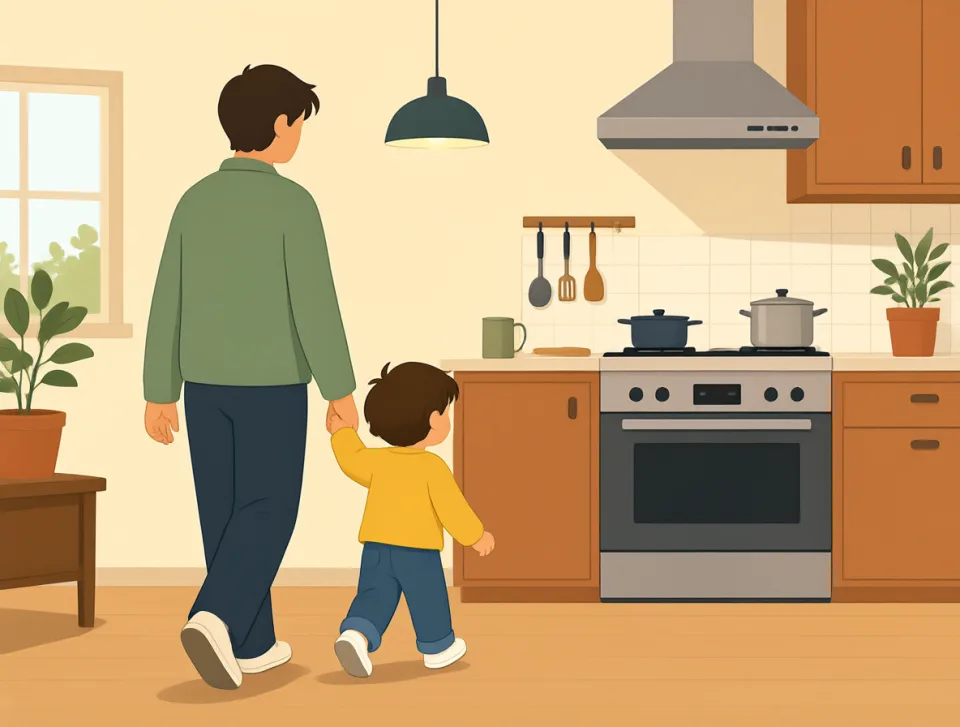
Please follow me to the kitchen.
Vui lòng đi theo tôi vào bếp.

Follow the teacher’s instructions carefully.
Hãy làm theo hướng dẫn của giáo viên thật cẩn thận.
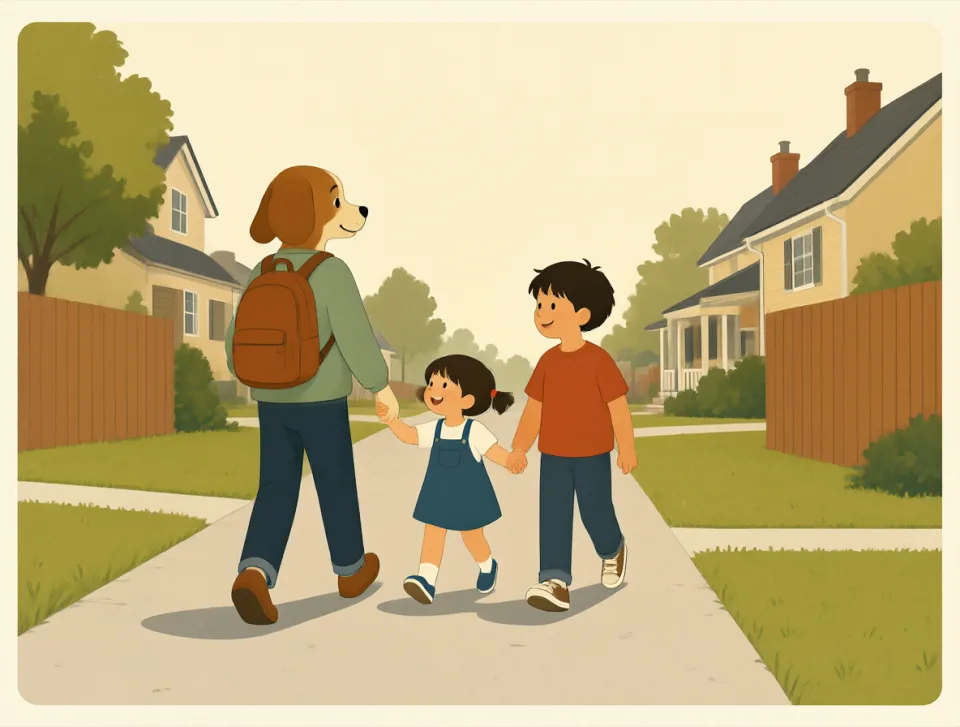
The dog followed us home from school.
Con chó đi theo chúng tôi về nhà từ trường học.
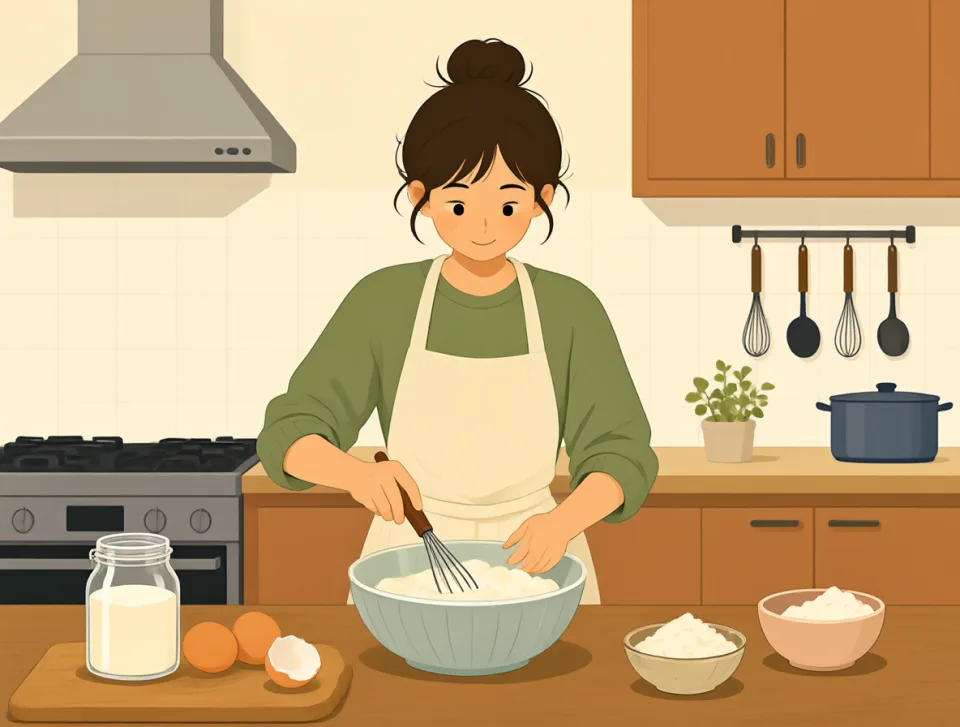
Follow this recipe for a delicious cake.
Hãy làm theo công thức này để làm một chiếc bánh thật ngon.

A short meeting followed lunch.
Một cuộc họp ngắn diễn ra sau bữa trưa.

begin
#189verb
bắt đầu
to start doing something or to happen for the first time
Bắt đầu làm việc gì đó hoặc xảy ra lần đầu tiên.

The class begins at nine o'clock.
Lớp học bắt đầu lúc chín giờ.

We began cooking dinner after work.
Chúng tôi bắt đầu nấu bữa tối sau giờ làm.

The movie began when we found our seats.
Bộ phim bắt đầu sau khi chúng tôi tìm được chỗ ngồi.

She began to feel better yesterday.
Hôm qua cô ấy bắt đầu cảm thấy khá hơn.

The rain began during our walk.
Trời bắt đầu mưa khi chúng tôi đang đi dạo.

important
#190adjective
quan trọng
Having great value, meaning, or effect; needing attention.
Có giá trị, ý nghĩa hoặc ảnh hưởng lớn; cần được chú ý.

This meeting is very important to our team.
Cuộc họp này rất quan trọng đối với nhóm chúng tôi.

It is important to drink water every day.
Uống nước mỗi ngày là điều quan trọng.

My teacher said sleep is important for learning.
Giáo viên của tôi nói rằng giấc ngủ rất quan trọng đối với việc học.
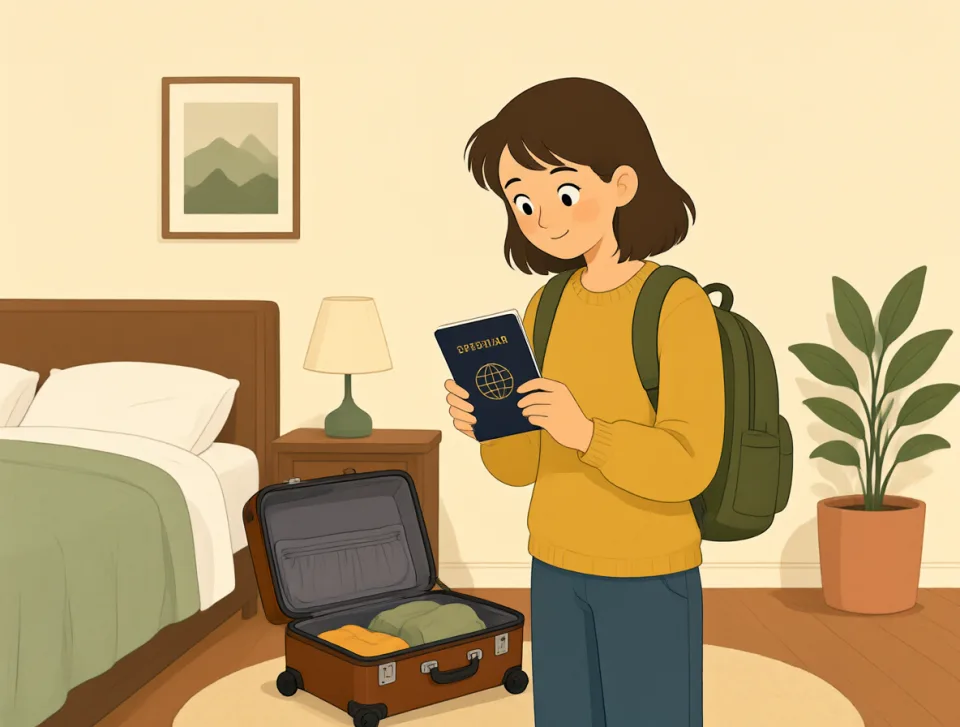
Please bring your passport; it is important.
Vui lòng mang theo hộ chiếu; nó rất quan trọng.

She bought an important gift for her mother.
Cô ấy đã mua một món quà ý nghĩa cho mẹ.

since
#191preposition, conjunction, adverb
kể từ khi; vì
from a time in the past until now, or because something happened
từ một thời điểm trong quá khứ cho đến hiện tại, hoặc vì điều gì đó đã xảy ra
I have lived here since 2020.
Tôi đã sống ở đây từ năm 2020.

She has felt better since yesterday.
Cô ấy cảm thấy khỏe hơn từ hôm qua.

Since it was raining, we stayed home.
Vì trời mưa nên chúng tôi đã ở nhà.
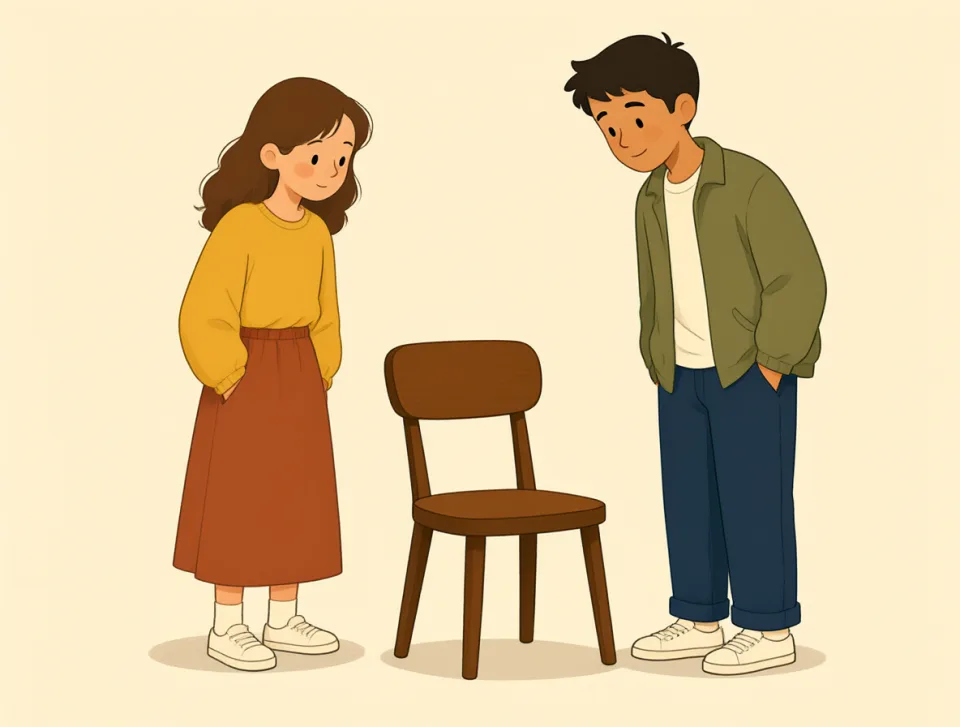
We have not seen Tom since Monday.
Chúng tôi chưa gặp Tom kể từ thứ Hai.

I met her once, but have not spoken since.
Tôi đã gặp cô ấy một lần, nhưng từ đó chưa nói chuyện lại.

run
#192verb, noun
chạy; vận hành
to move quickly on foot, or to manage and operate something
di chuyển nhanh bằng chân, hoặc quản lý và vận hành một thứ gì đó

I run every morning before work.
Tôi chạy bộ mỗi sáng trước khi đi làm.
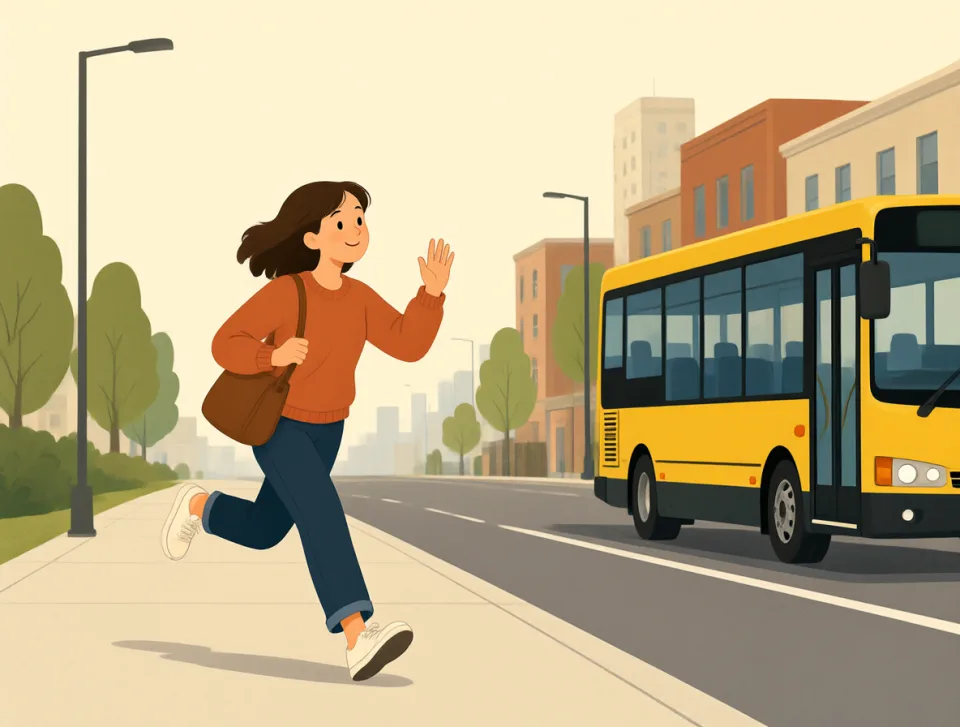
She ran to catch the bus.
Cô ấy chạy để bắt kịp xe buýt.

The water is running in the bathroom.
Nước đang chảy trong phòng tắm.

My uncle runs a small restaurant.
Chú tôi điều hành một nhà hàng nhỏ.

We went for a run after school.
Chúng tôi đi chạy bộ sau giờ học.

under
#193preposition, adverb, adjective
dưới
In or to a lower position than something else.
ở vị trí thấp hơn hoặc đi đến vị trí thấp hơn một thứ khác
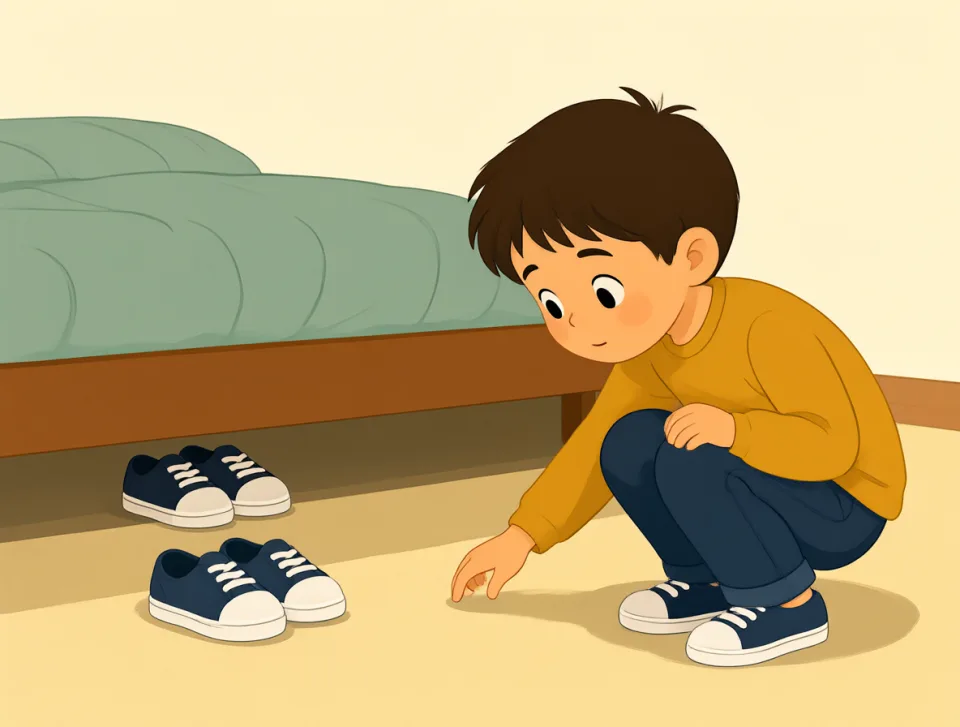
The shoes are under the bed.
Đôi giày ở dưới gầm giường.

She works under a kind manager.
Cô ấy làm việc dưới quyền một người quản lý tốt bụng.

The temperature fell under zero last night.
Nhiệt độ đã giảm xuống dưới 0 độ vào đêm qua.
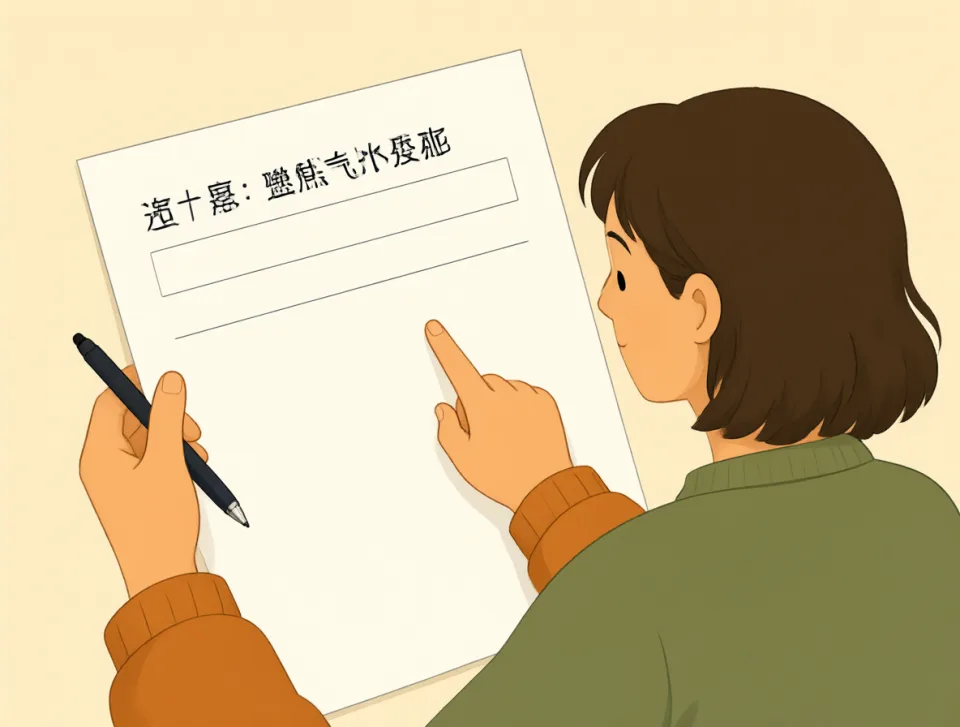
Please sign under your name.
Vui lòng ký tên bên dưới tên của bạn.

The children ran under the bridge.
Bọn trẻ chạy dưới gầm cầu.
turn
#194verb, noun
rẽ; lượt; trở thành
To move in a different direction, or the time when someone gets to do something.
di chuyển theo một hướng khác, hoặc thời điểm ai đó được làm một việc gì đó

Turn left at the corner, please.
Vui lòng rẽ trái ở góc đường.
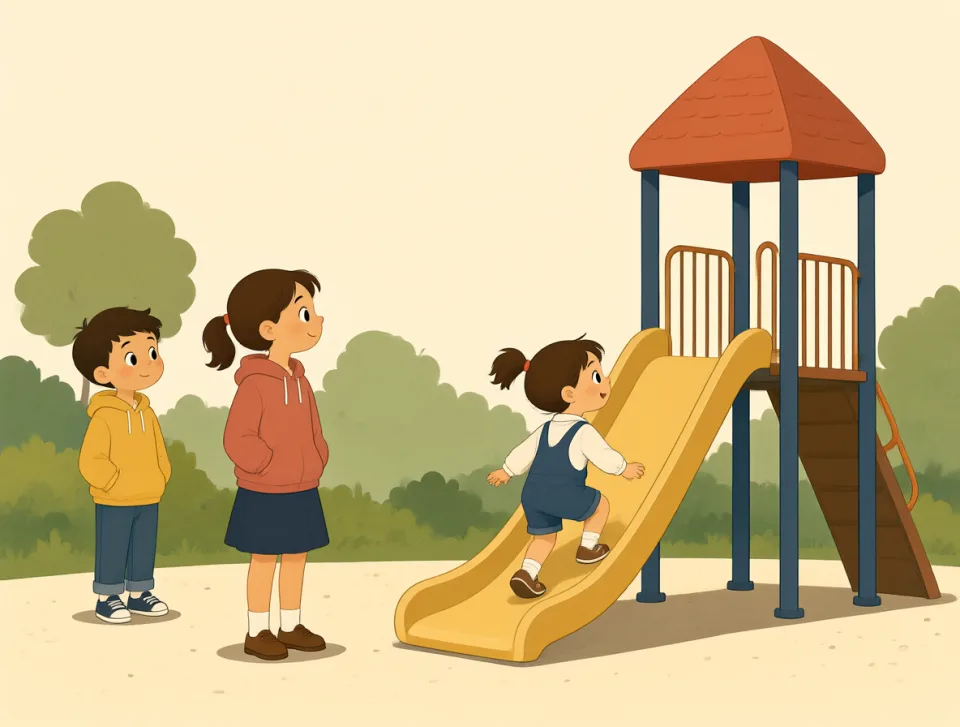
Please wait for your turn.
Vui lòng đợi đến lượt của bạn.

She turned the key in the lock.
Cô ấy xoay chìa khóa trong ổ khóa.

The milk turned sour in the fridge.
Sữa đã bị chua trong tủ lạnh.

Our conversation turned into an argument.
Cuộc trò chuyện của chúng tôi biến thành một cuộc tranh cãi.
few
#195determiner, pronoun, adjective
một vài; ít
A small number of people or things, usually less than expected.
một số lượng nhỏ người hoặc vật, thường ít hơn mong đợi
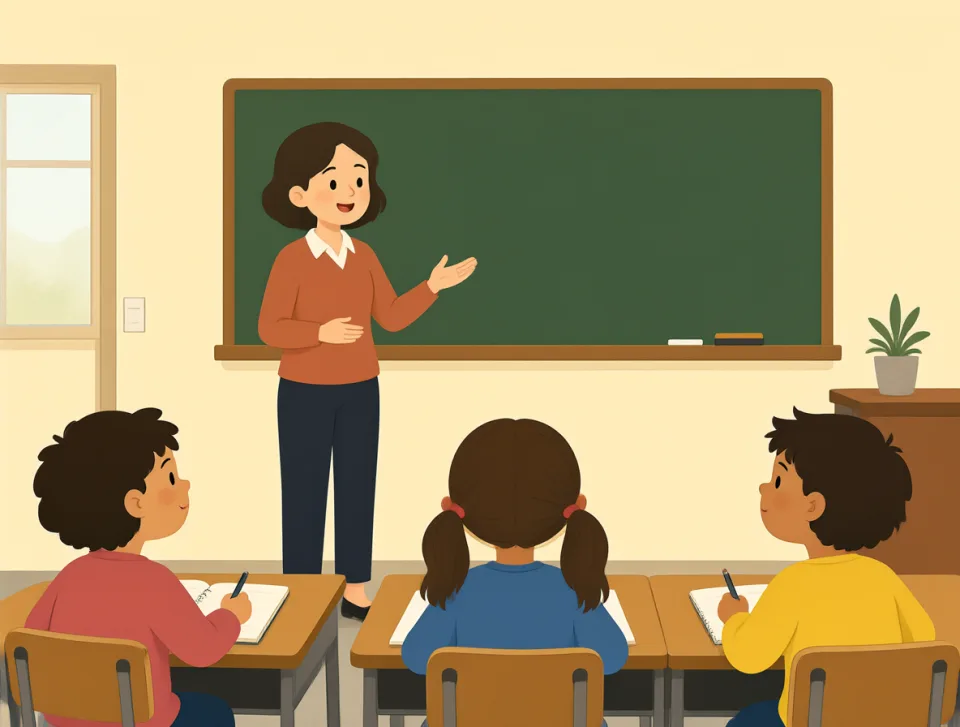
Only a few students came to class.
Chỉ có vài học sinh đến lớp.

I have a few questions about this job.
Tôi có vài câu hỏi về công việc này.
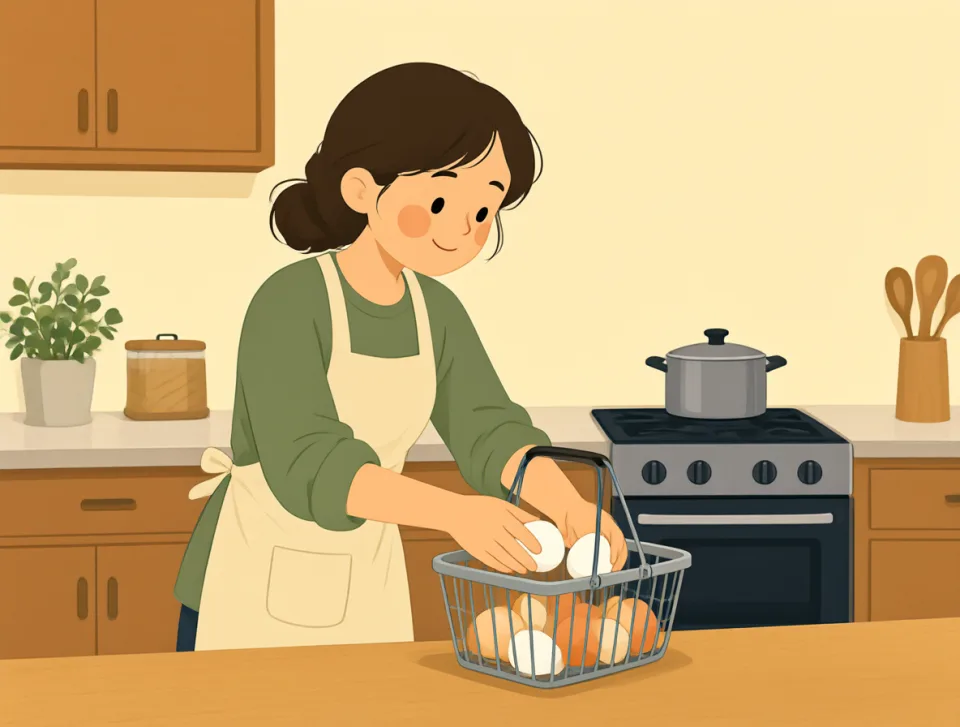
We need a few more eggs for breakfast.
Chúng ta cần thêm vài quả trứng cho bữa sáng.

Few people travel there in winter.
Có rất ít người đến đó du lịch vào mùa đông.

She stayed home for a few days.
Cô ấy đã ở nhà vài ngày.
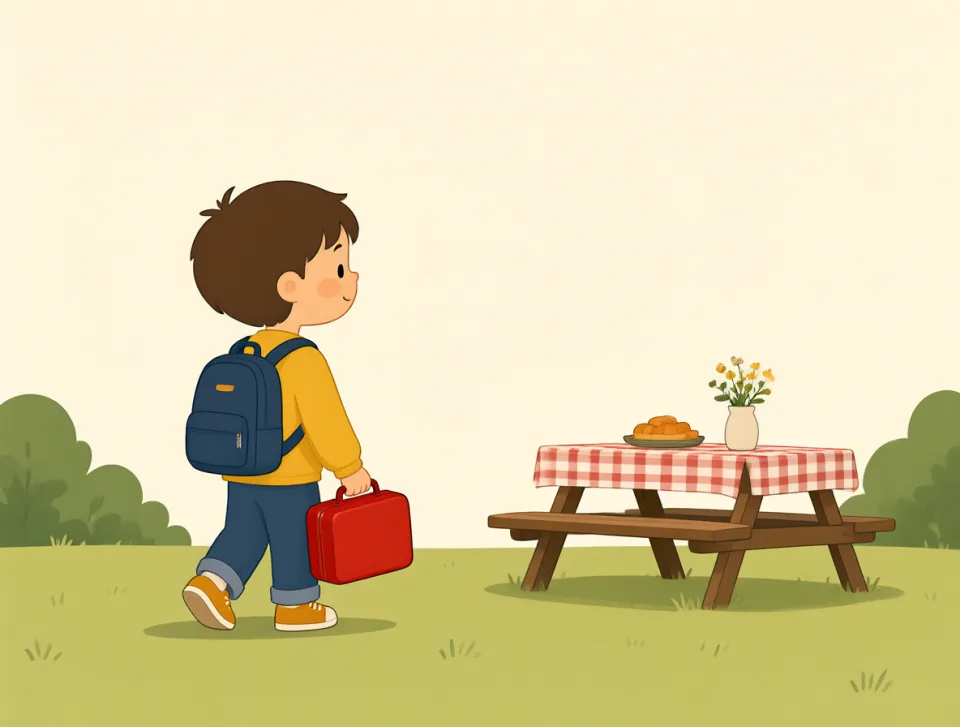
bring
#196verb
mang
to take or carry someone or something with you to a place
đưa hoặc mang theo ai đó hay thứ gì đó đến một nơi

Please bring your book to class tomorrow.
Vui lòng mang sách đến lớp vào ngày mai.

Can you bring me a glass of water?
Bạn mang cho tôi một cốc nước được không?
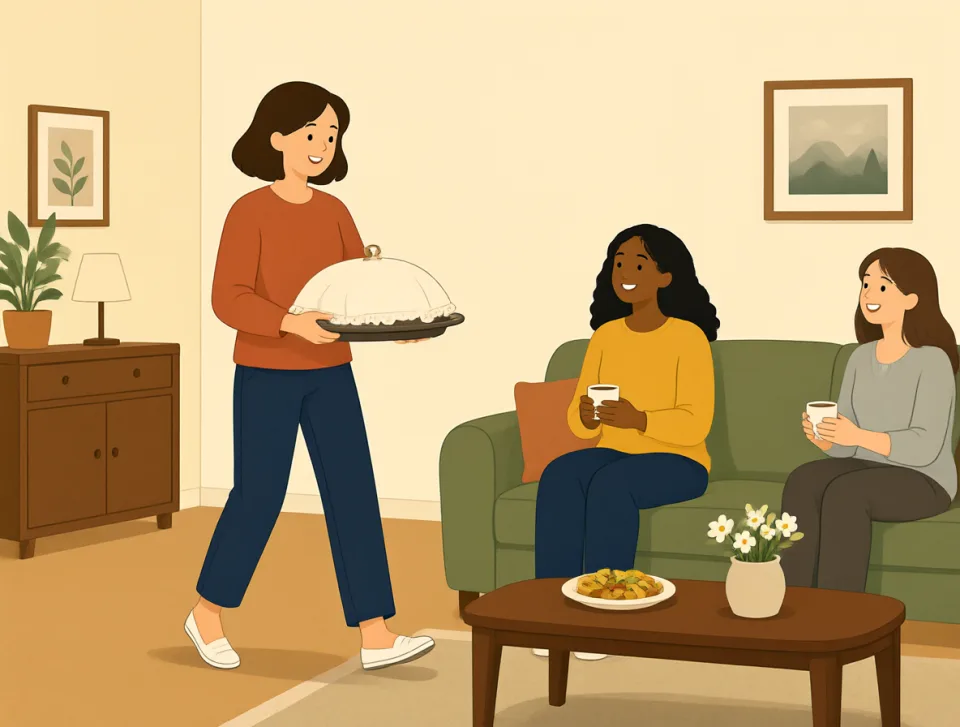
She brought some food for the party.
Cô ấy mang một ít đồ ăn đến bữa tiệc.

The new job brought him more money.
Công việc mới giúp anh ấy kiếm được nhiều tiền hơn.
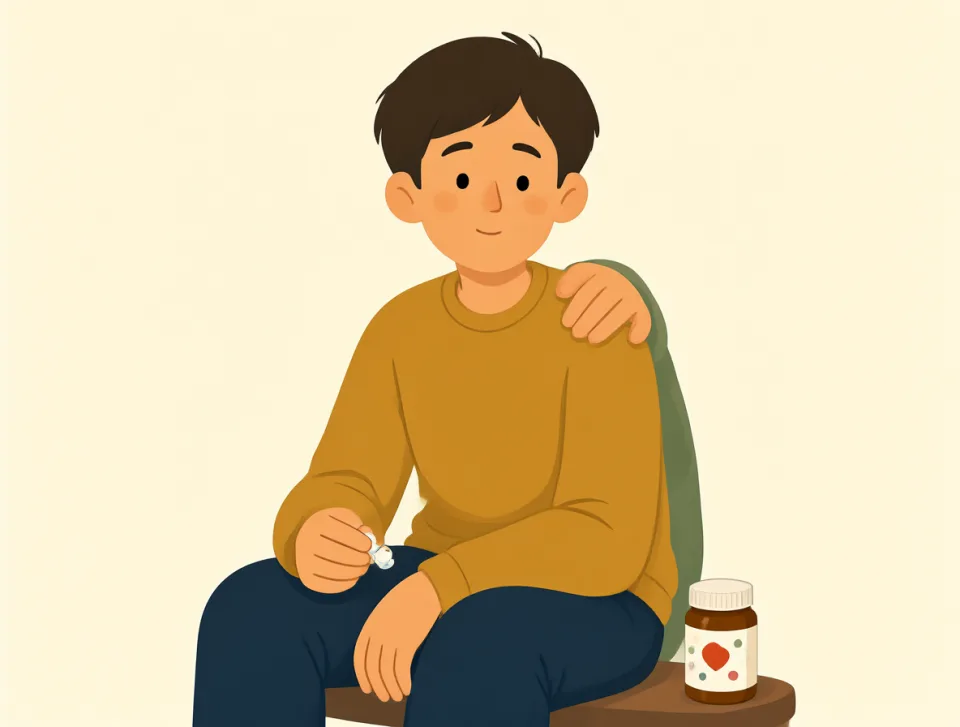
This medicine brings quick relief from pain.
Thuốc này giúp giảm đau nhanh chóng.

early
#197adjective, adverb
sớm
Happening or arriving before the usual or expected time.
Xảy ra hoặc đến trước thời gian thường lệ hay dự kiến.

I wake up early every morning.
Sáng nào tôi cũng thức dậy sớm.
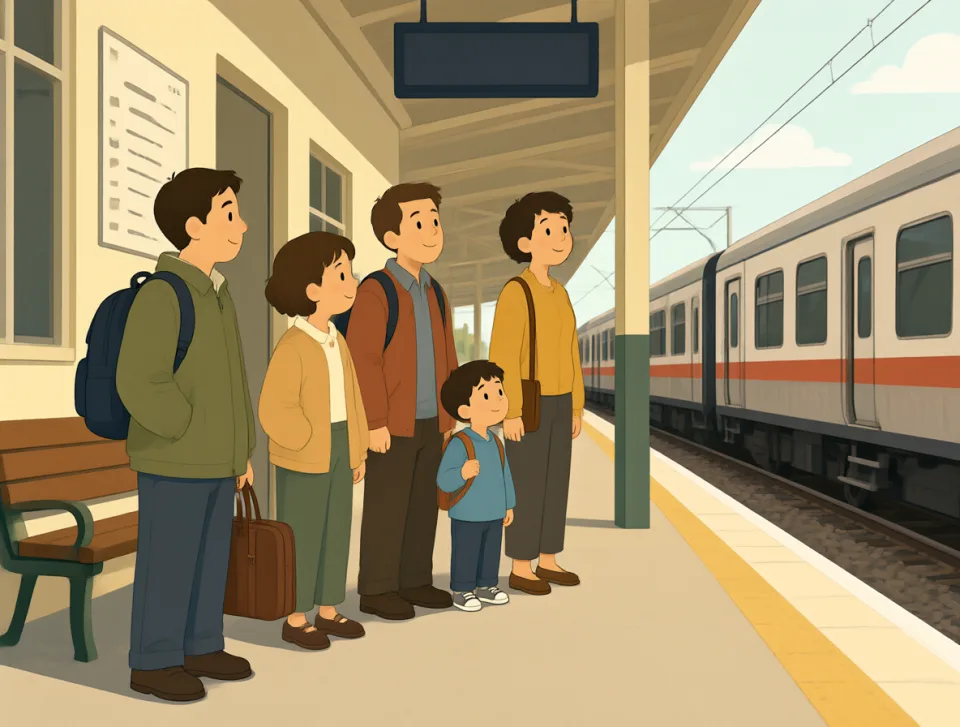
We arrived early for the train.
Chúng tôi đến sớm để bắt tàu.

She left work early because she felt sick.
Cô ấy tan làm sớm vì cảm thấy không khỏe.

The shop opens early on Saturdays.
Cửa hàng mở cửa sớm vào thứ Bảy.

He finished his homework early.
Anh ấy làm xong bài tập về nhà sớm.
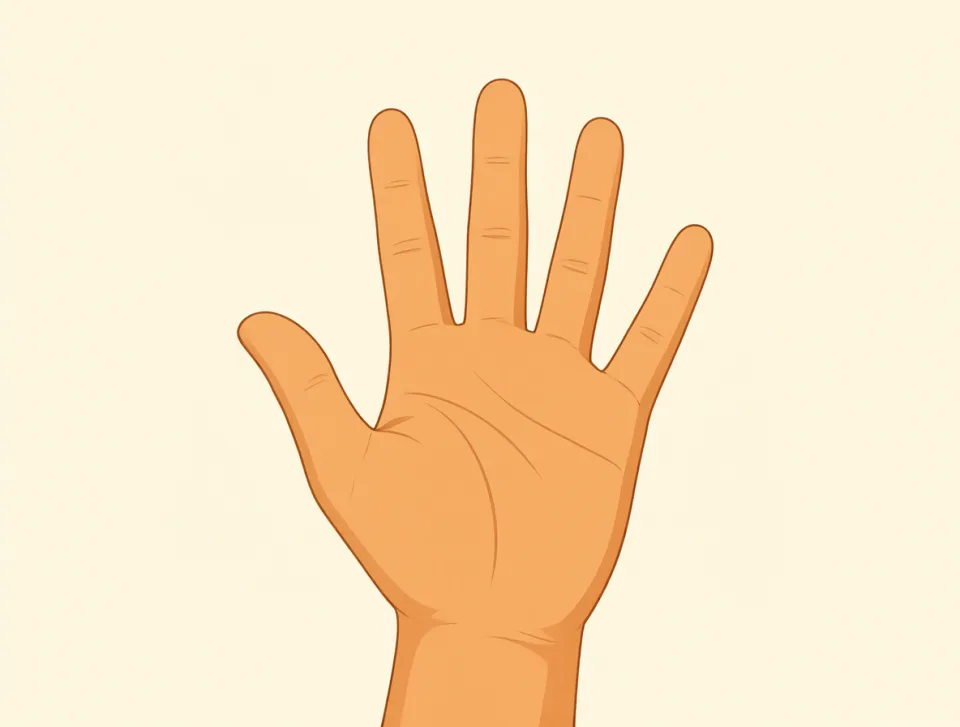
hand
#198noun, verb
bàn tay; đưa
The part of your body from your wrist to your fingers; to give or pass something.
Bộ phận cơ thể từ cổ tay đến các ngón tay; đưa hoặc chuyển thứ gì đó cho ai.

Wash your hands before you eat.
Hãy rửa tay trước khi ăn.
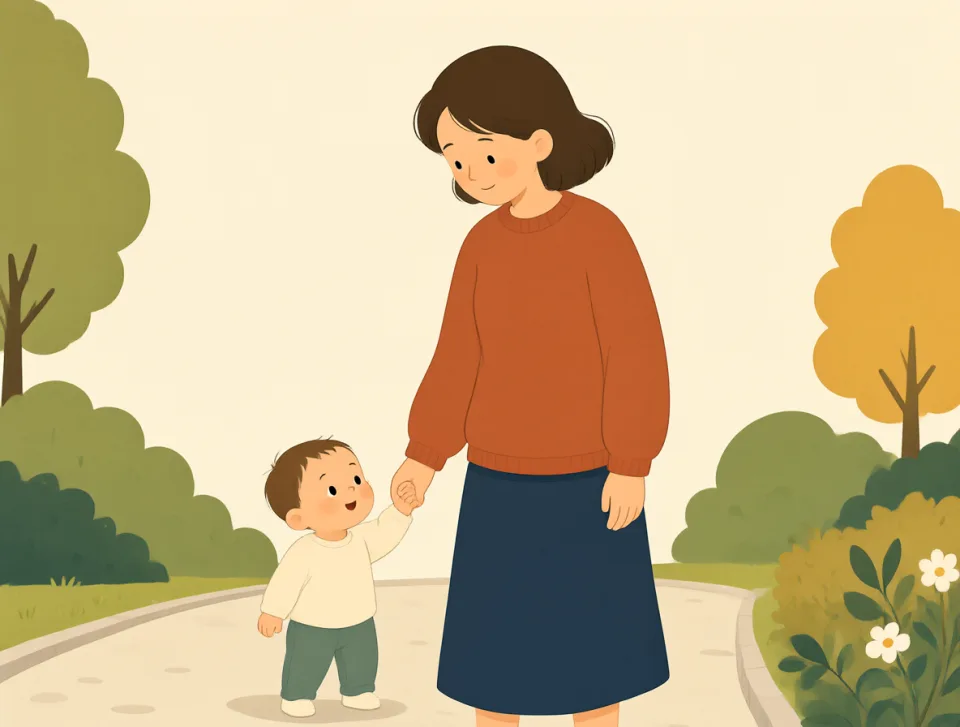
She held the baby’s hand tightly.
Cô ấy nắm chặt tay em bé.

Please hand me the salt.
Làm ơn đưa tôi lọ muối.

He raised his hand in class.
Cậu ấy giơ tay trong lớp.

They shook hands after the meeting.
Họ bắt tay nhau sau cuộc họp.
state
#199noun, verb
tình trạng; bang
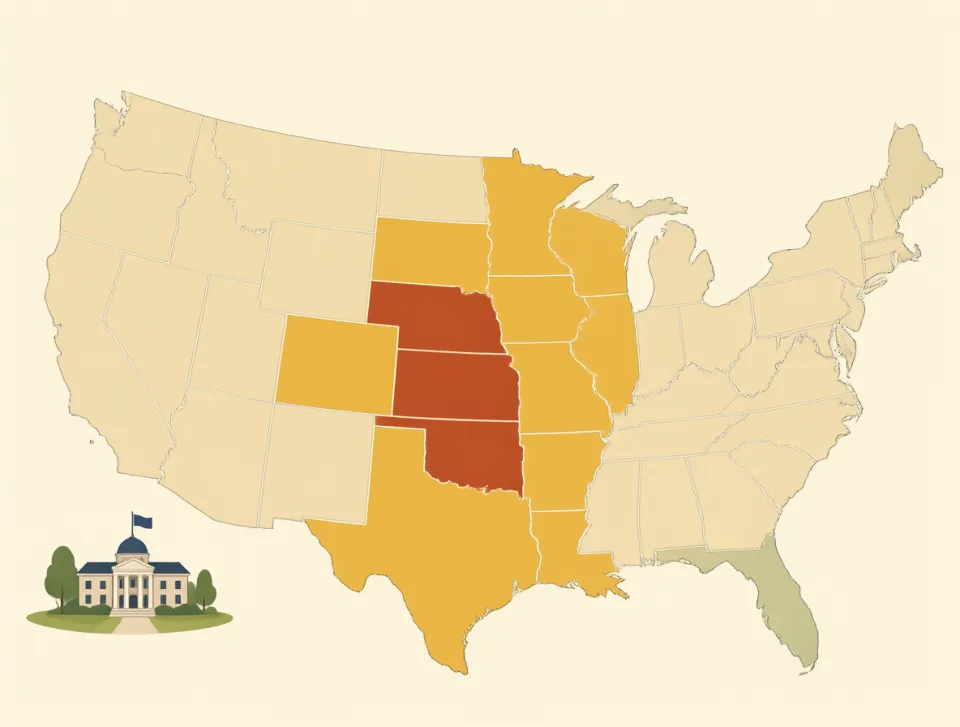
A state is a condition, or a large area with its own government.
“State” là tình trạng hoặc một khu vực rộng lớn có chính quyền riêng.

The house is in a very good state.
Ngôi nhà đang trong tình trạng rất tốt.

The company is in a difficult state.
Công ty đang ở trong tình trạng khó khăn.

She lives in the state of Texas.
Cô ấy sống ở bang Texas.
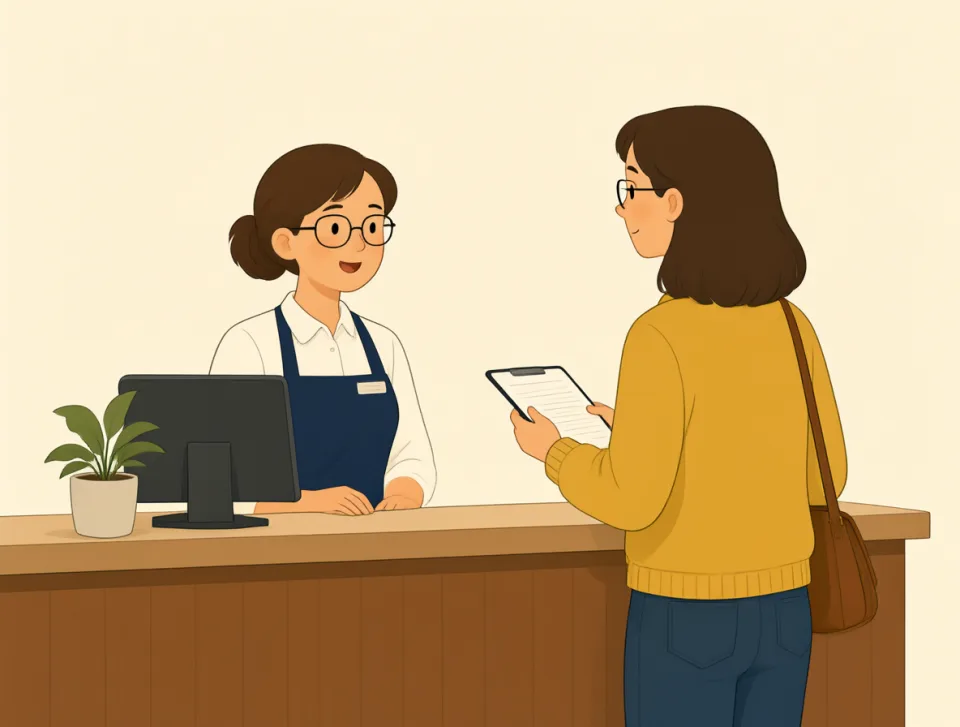
Please state your name and address.
Vui lòng khai họ tên và địa chỉ của bạn.

The doctor stated that he was healthy.
Bác sĩ cho biết ông ấy khỏe mạnh.
move
#200verb, noun
di chuyển
to change position or place, or to make someone or something change position
thay đổi vị trí hoặc nơi chốn, hoặc làm cho ai đó hay thứ gì đó thay đổi vị trí
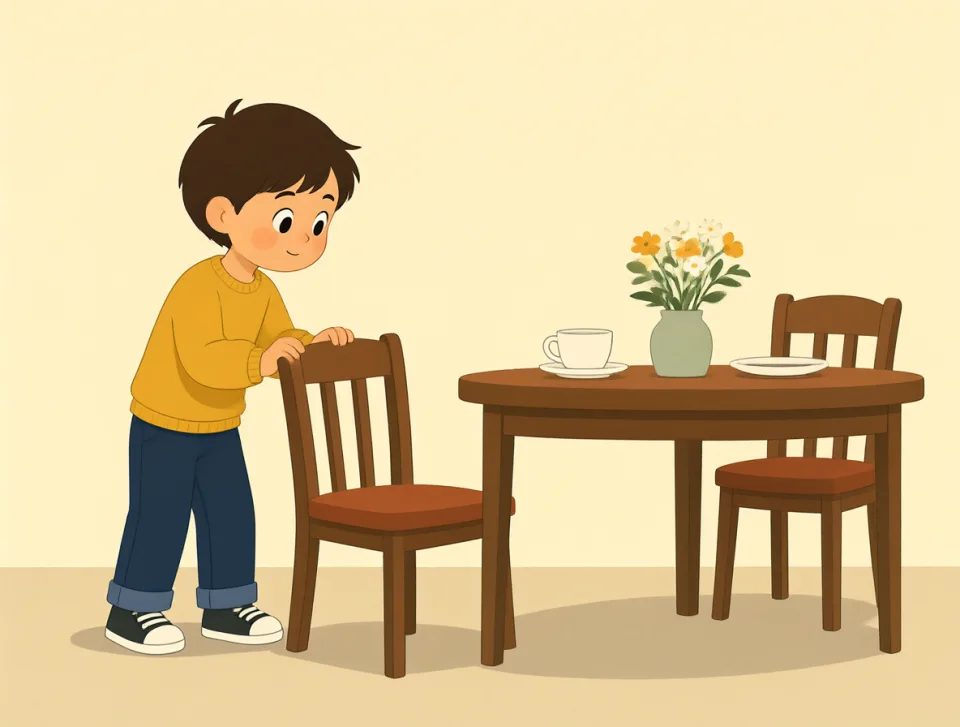
Please move your chair closer to the table.
Vui lòng dịch ghế của bạn lại gần bàn hơn.

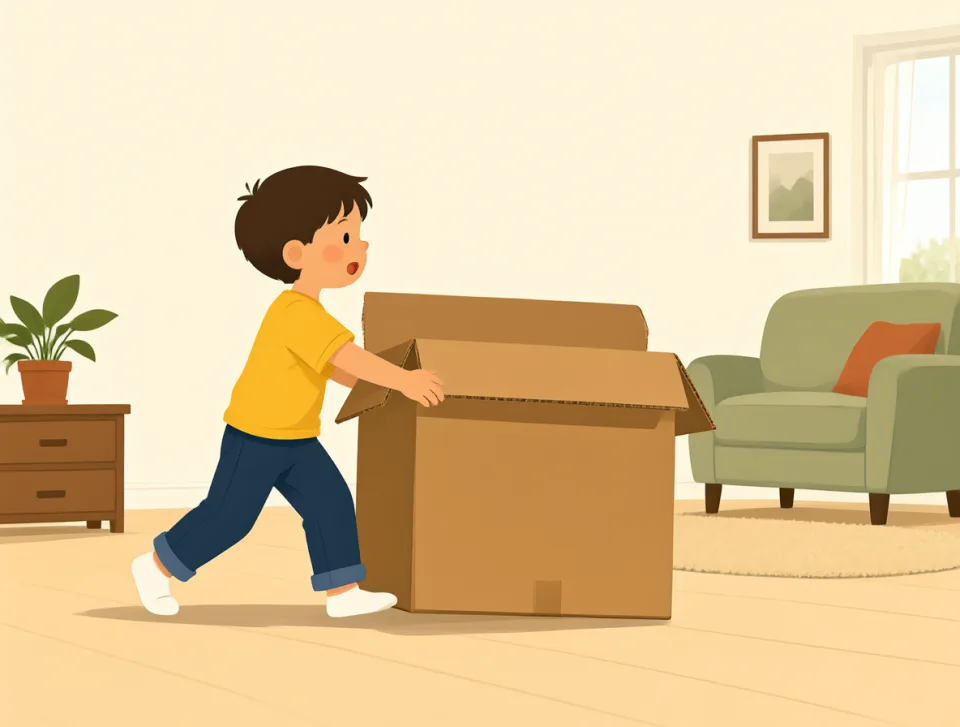
We moved to a new apartment last month.
Tháng trước, chúng tôi chuyển đến một căn hộ mới.
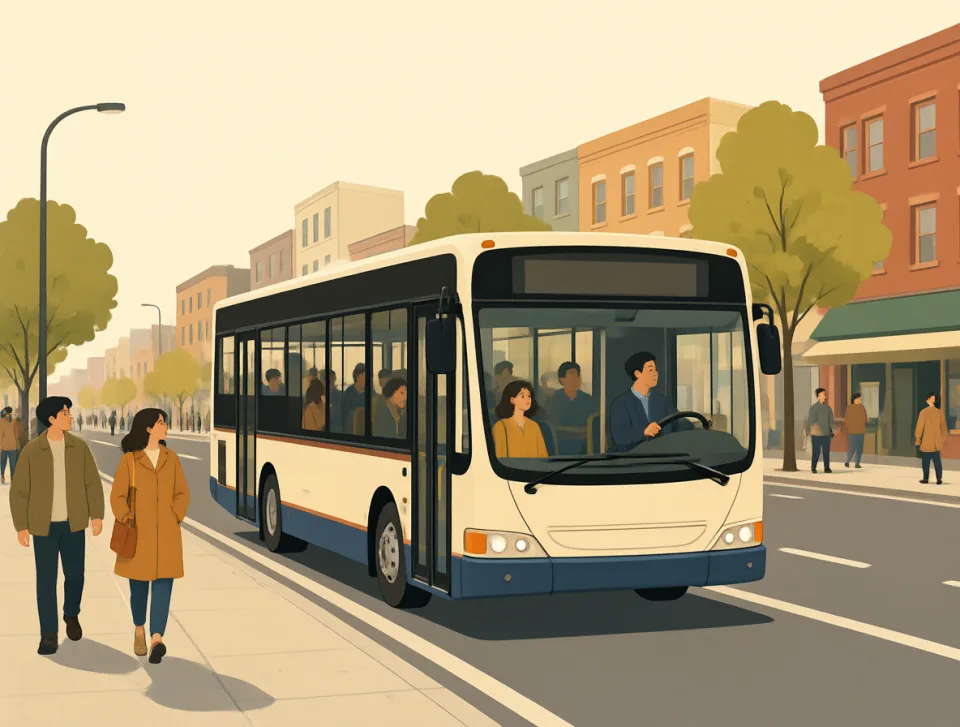
The bus moved slowly through the crowded street.
Xe buýt di chuyển chậm qua con phố đông đúc.

She made a quick move toward the door.
Cô ấy nhanh chóng tiến về phía cửa.
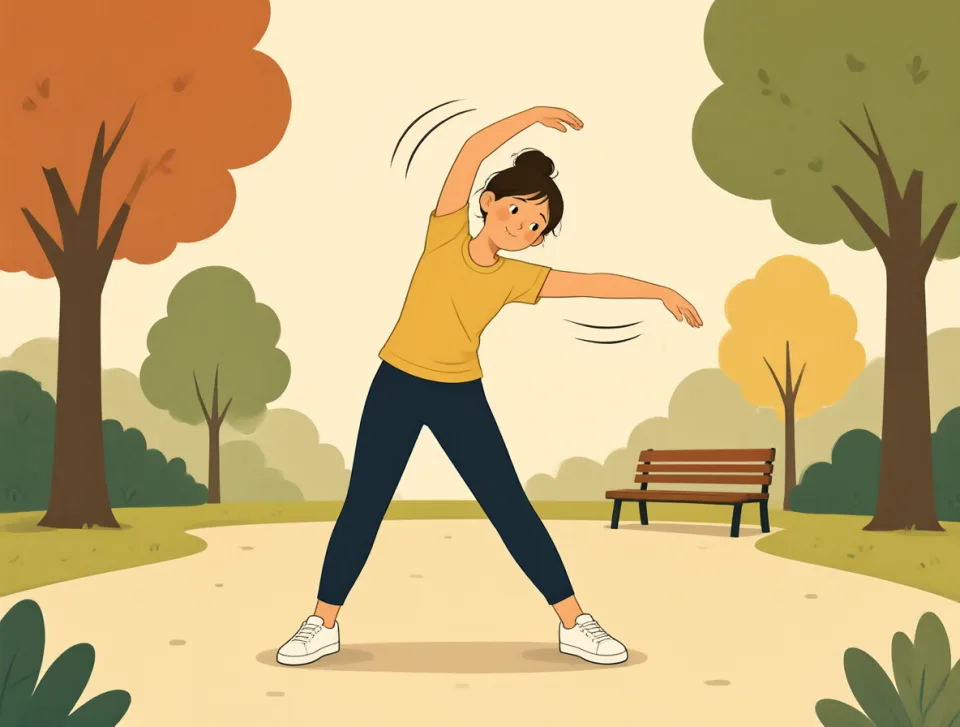
A little exercise helps move your body.
Tập thể dục nhẹ giúp cơ thể vận động.