單元 10
單字 181–200 · question, during, always, big, set, small
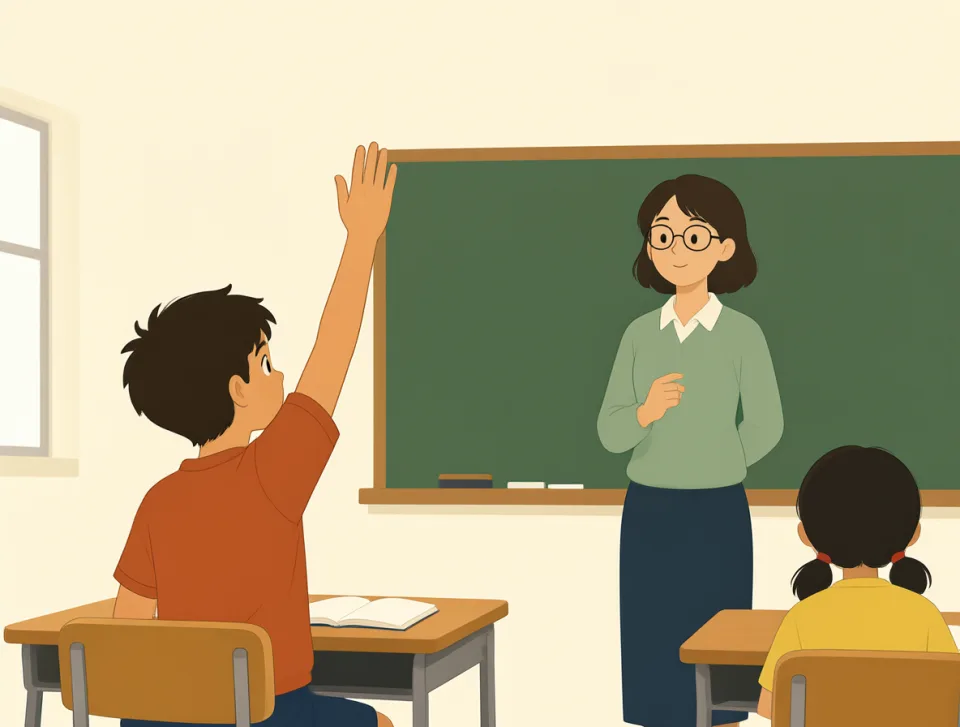
question
#181noun, verb
問題;提問;質疑
A sentence used to ask for information or express doubt about something.
用於詢問資訊或表達對某事懷疑的句子。
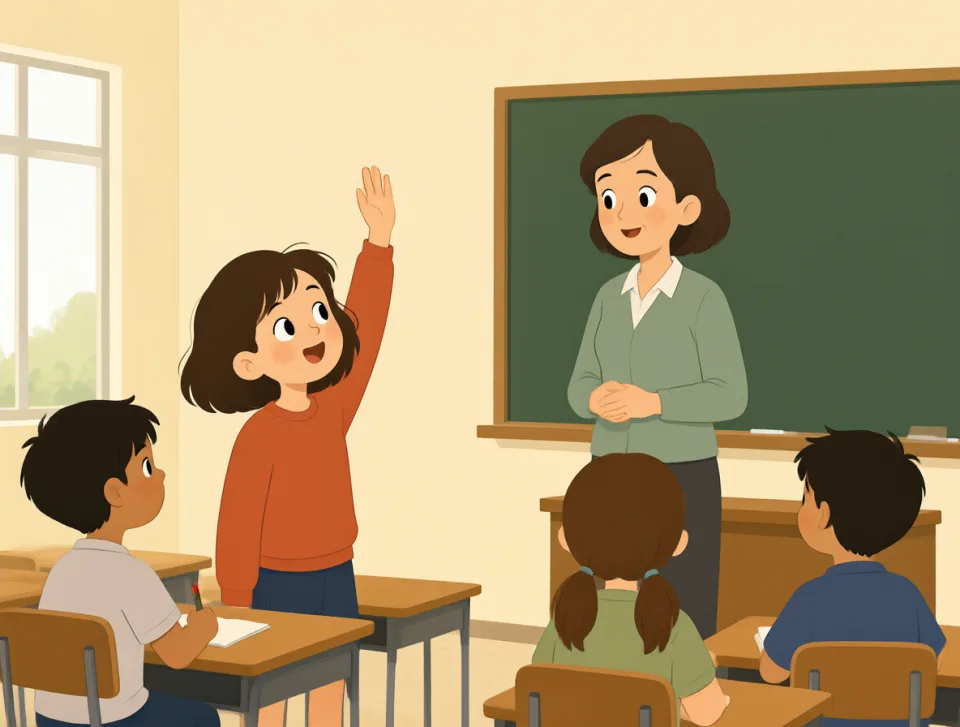
Please ask the teacher a question.
請問老師一個問題。
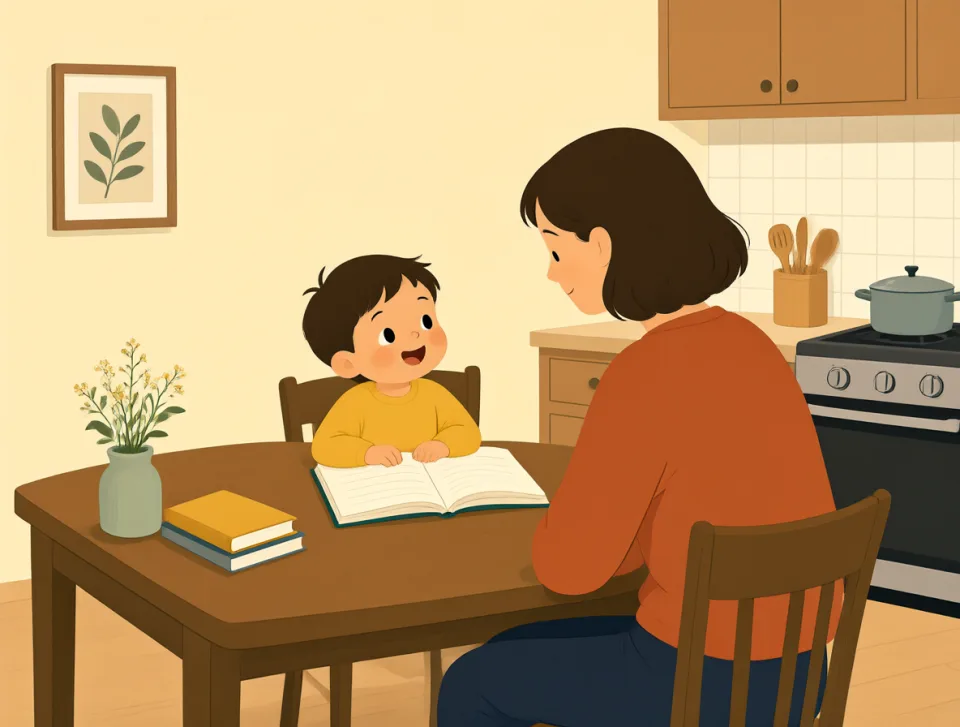
I have a question about my homework.
我有個關於作業的問題。
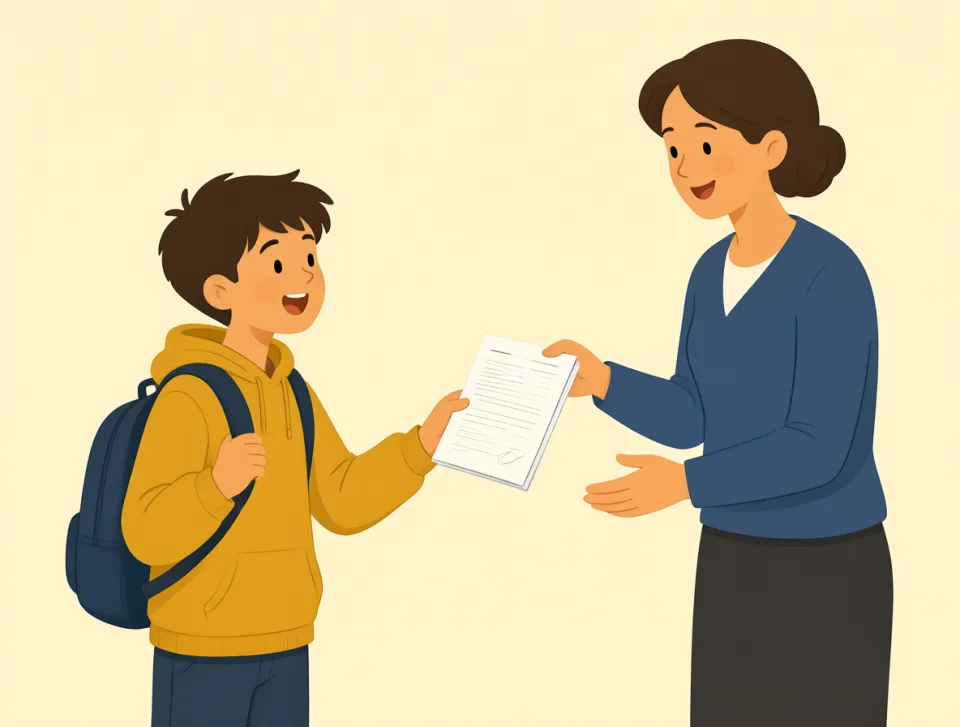
She answered all the questions correctly.
她正確地回答了所有問題。

The customer questioned the price of the jacket.
顧客質疑了這件夾克的價格。
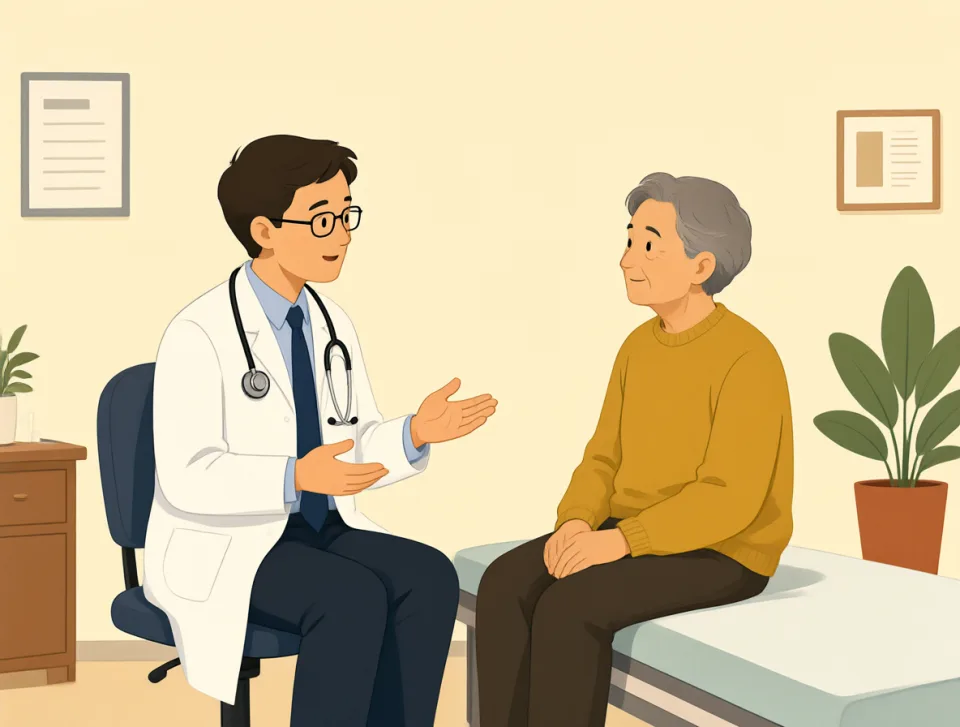
The doctor asked me questions about my pain.
醫生問了我一些關於疼痛的問題。
during
#182preposition
在……期間;在……時候
at some time between the beginning and end of an event or period
在某個事件或一段時間開始到結束之間的某個時候
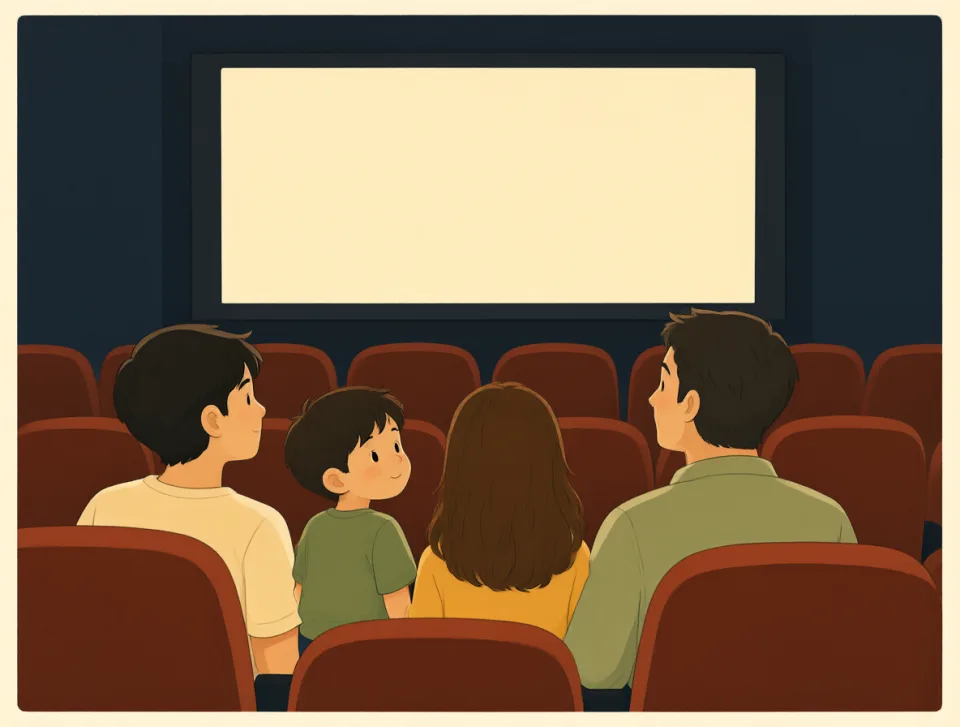
Please stay quiet during the movie.
電影放映期間請保持安靜。
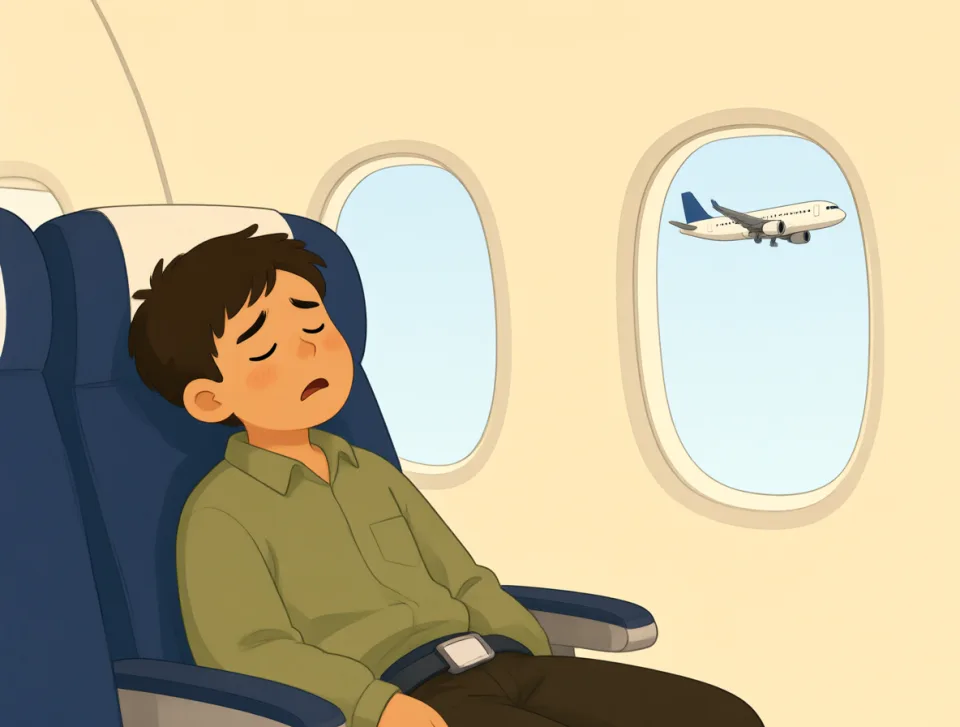
I fell asleep during the flight.
我在飛行途中睡著了。
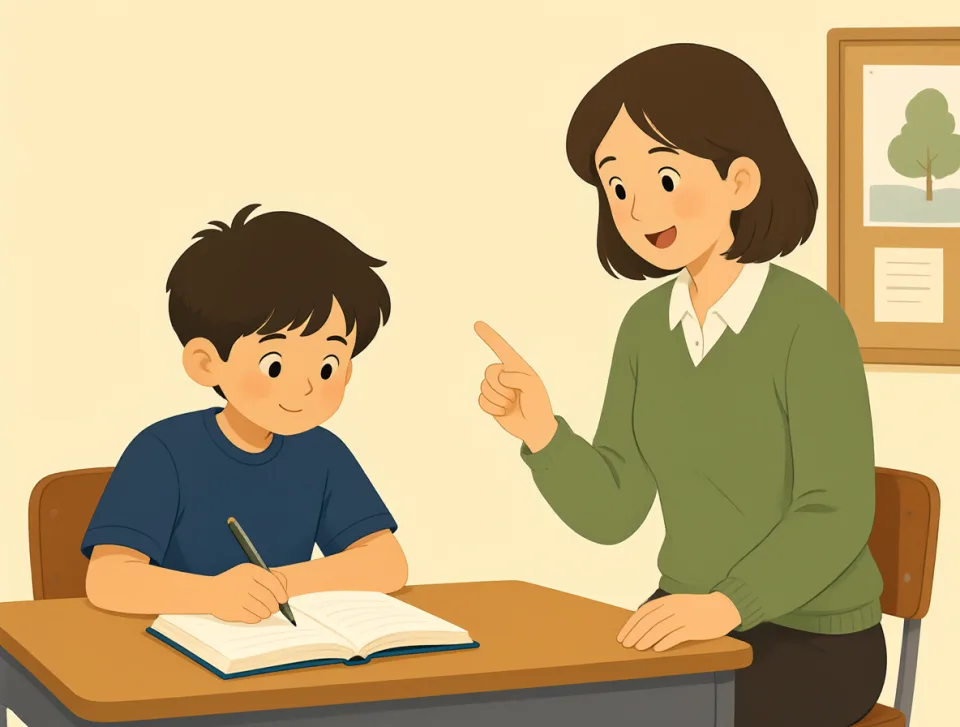
She took notes during the lesson.
她在上課時做了筆記。
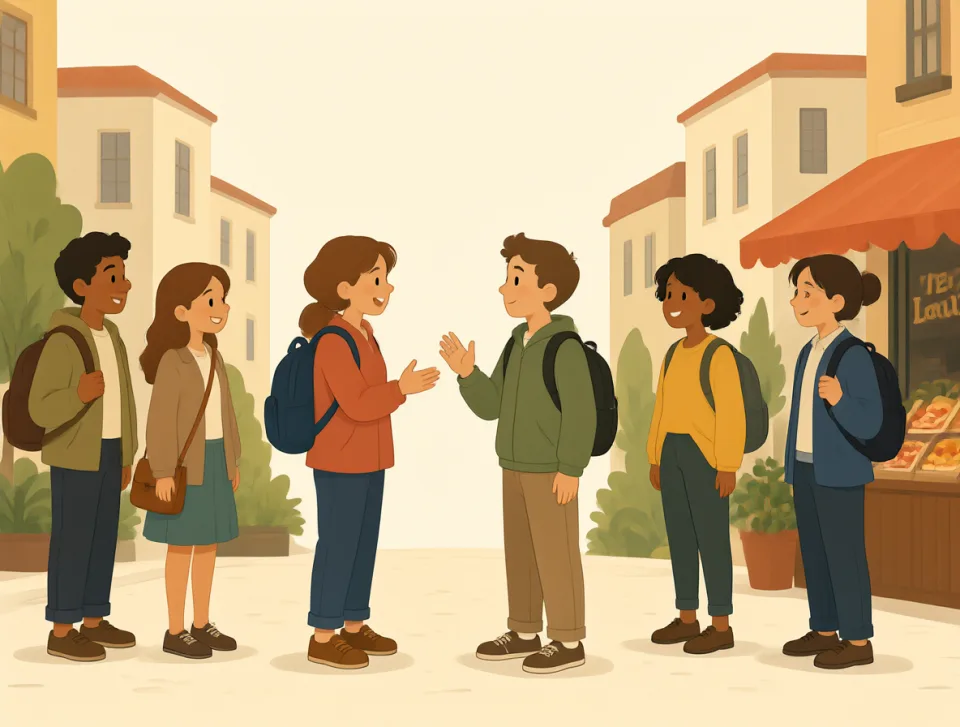
We met many people during our trip.
我們旅行期間認識了很多人。
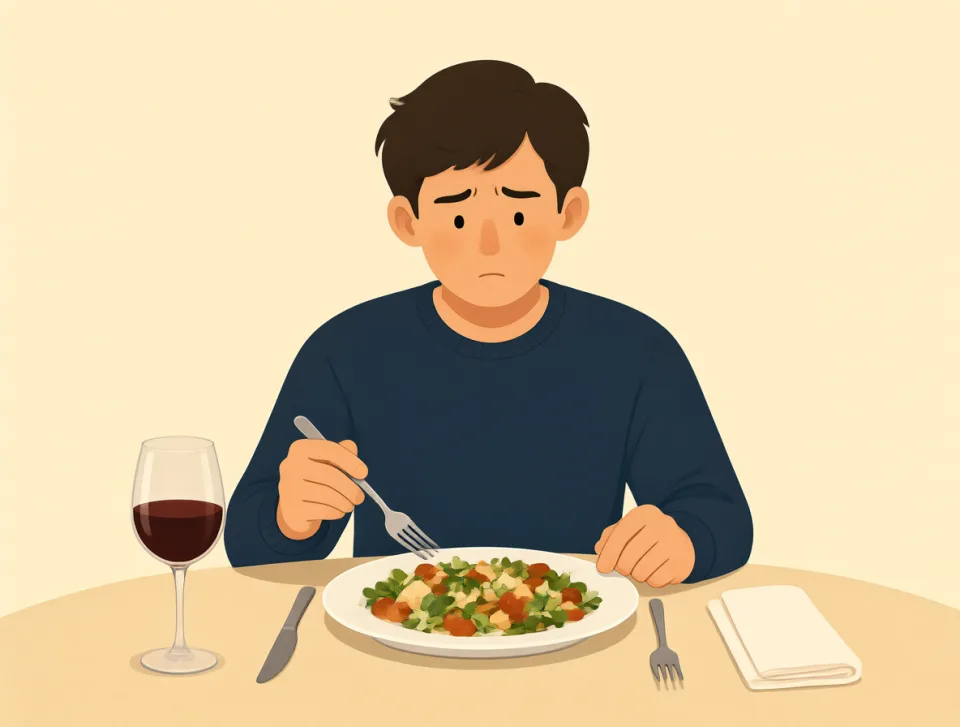
He felt sick during dinner.
他吃晚飯時感到不舒服。
always
#183adverb
總是;一直
Every time, or at all times.
每次都這樣,或始終如此。
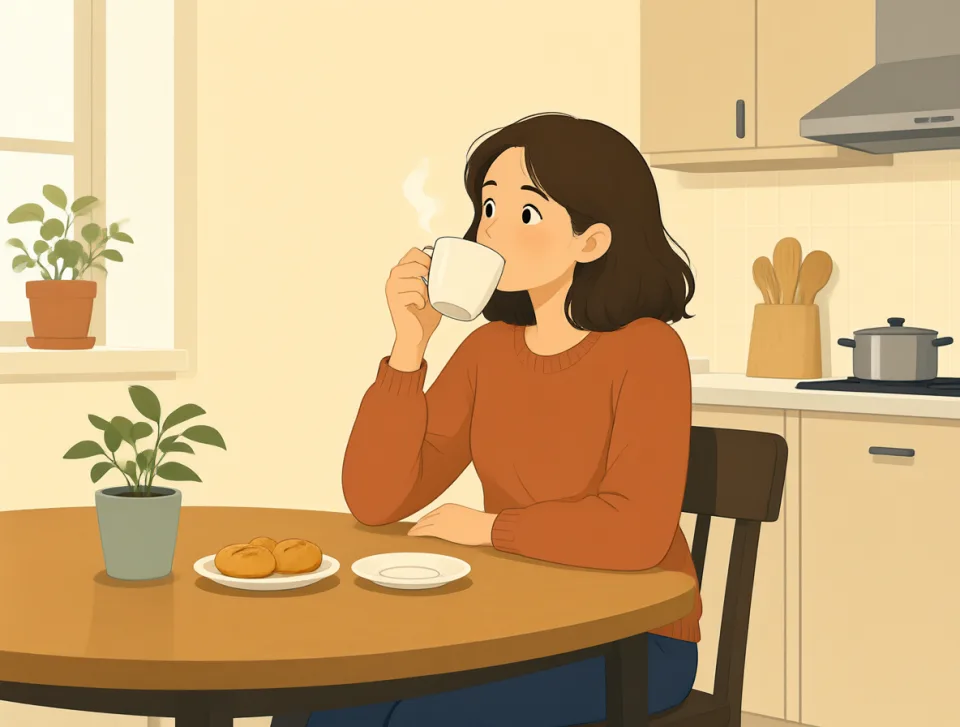
She always drinks coffee in the morning.
她早上總是喝咖啡。
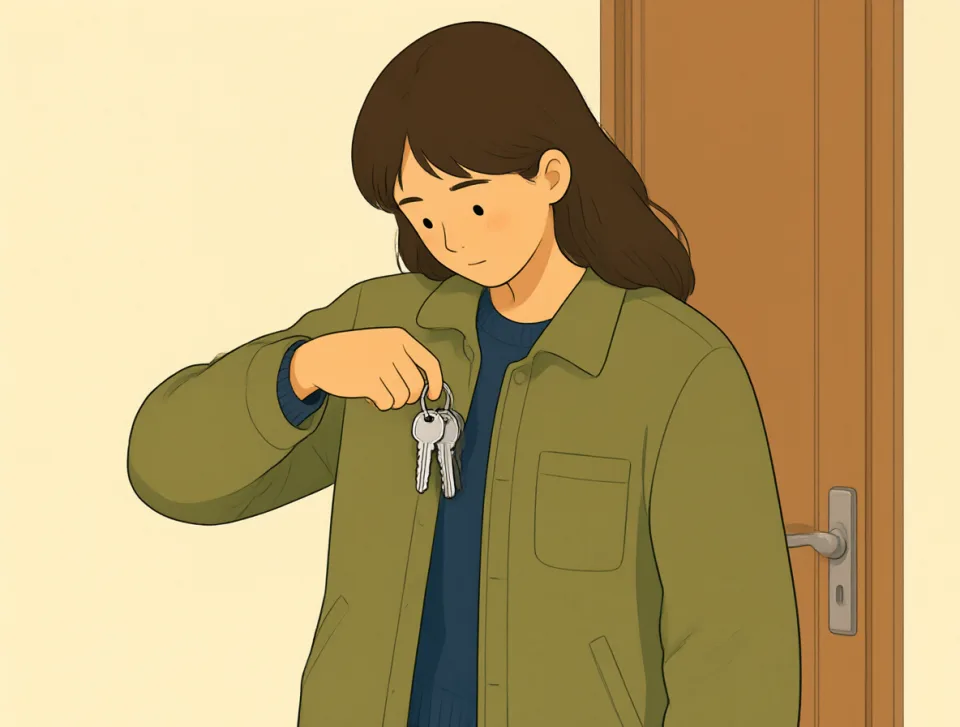
I always take my keys with me.
我總是隨身帶著鑰匙。

He is always late for work.
他上班總是遲到。
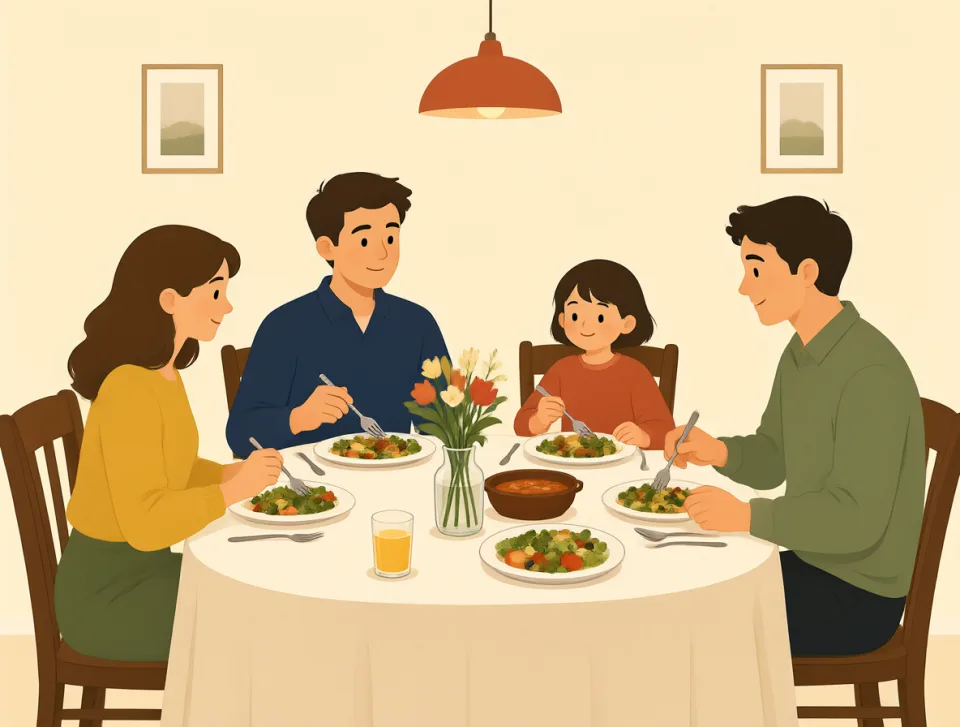
We always eat dinner together.
我們總是一起吃晚飯。
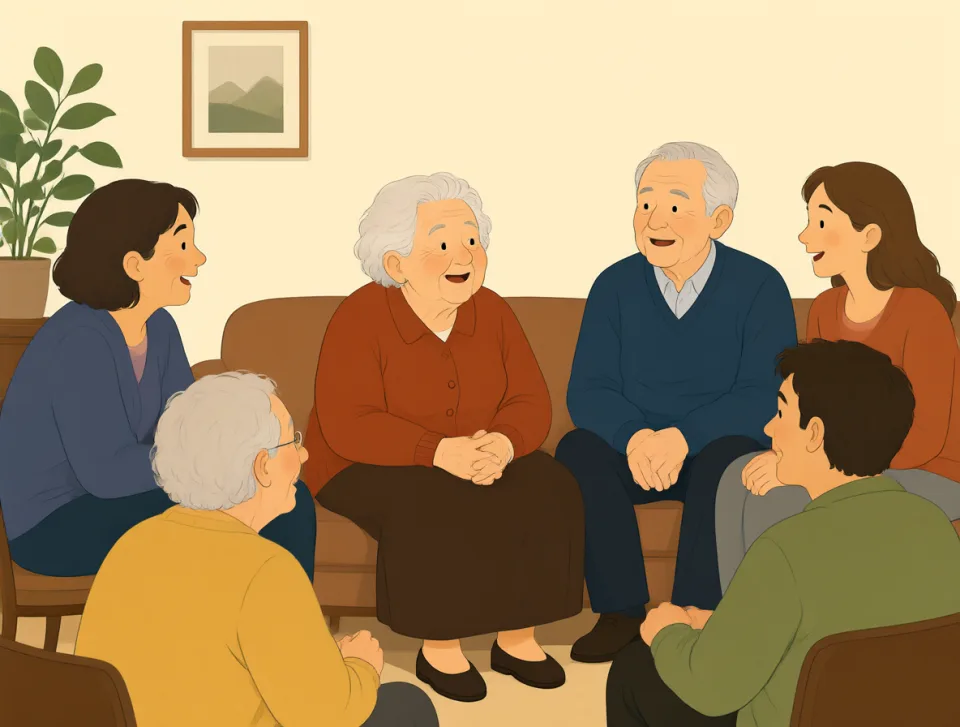
My grandmother always tells funny stories.
我奶奶總是講有趣的故事。
big
#184adjective, adverb, noun
大的;重要的
Large in size, amount, importance, or popularity.
在尺寸、數量、重要性或受歡迎程度上較大的。

They live in a big house.
他們住在一棟大房子裡。
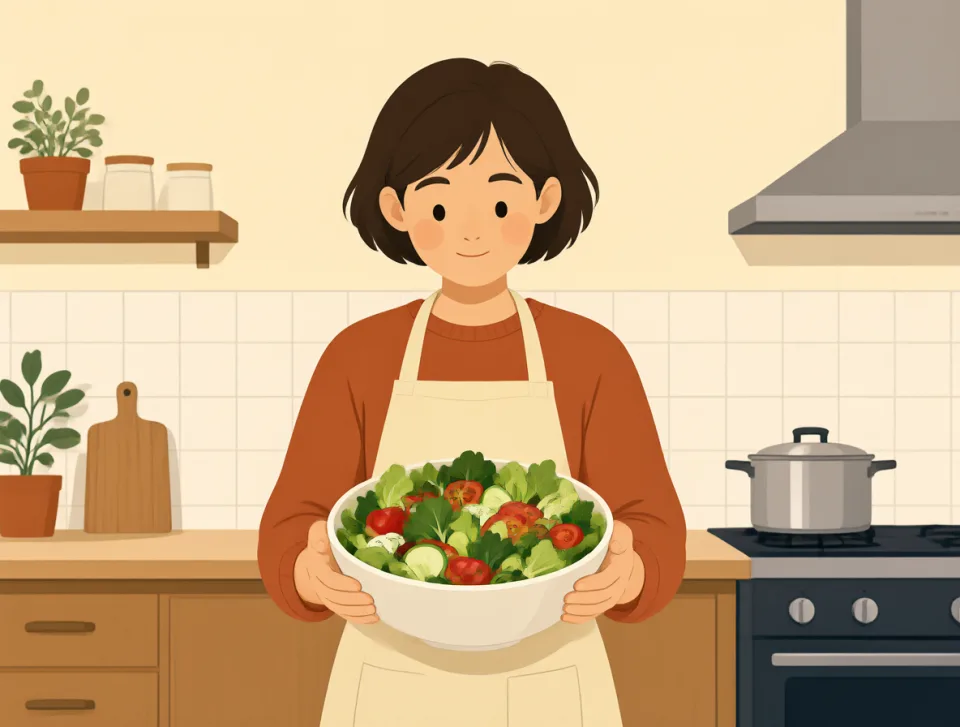
I need a big bowl for salad.
我需要一個大碗來裝沙拉。

She got a big job at the company.
她在公司獲得了一份重要的工作。

We had a big lunch after the trip.
旅行結束後,我們吃了一頓豐盛的午餐。

That was a big mistake in my homework.
那是我作業中犯的一個大錯誤。
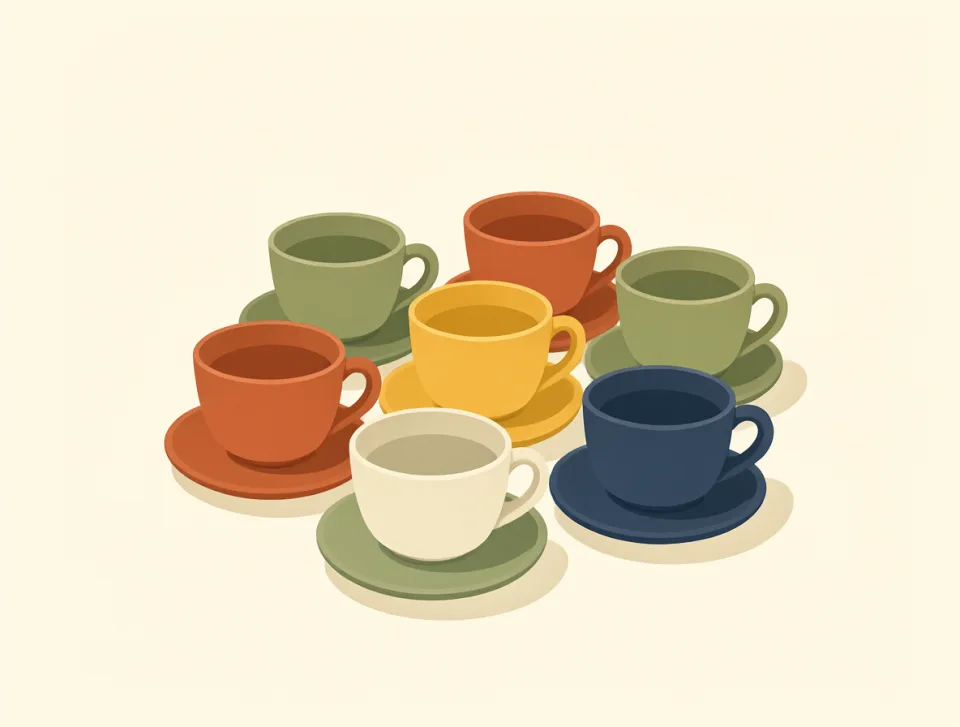
set
#185noun, verb, adjective
一套;放置;安排;落下
A group of things, or to put something in a particular place or position.
一組東西;把某物放在特定的地方或位置
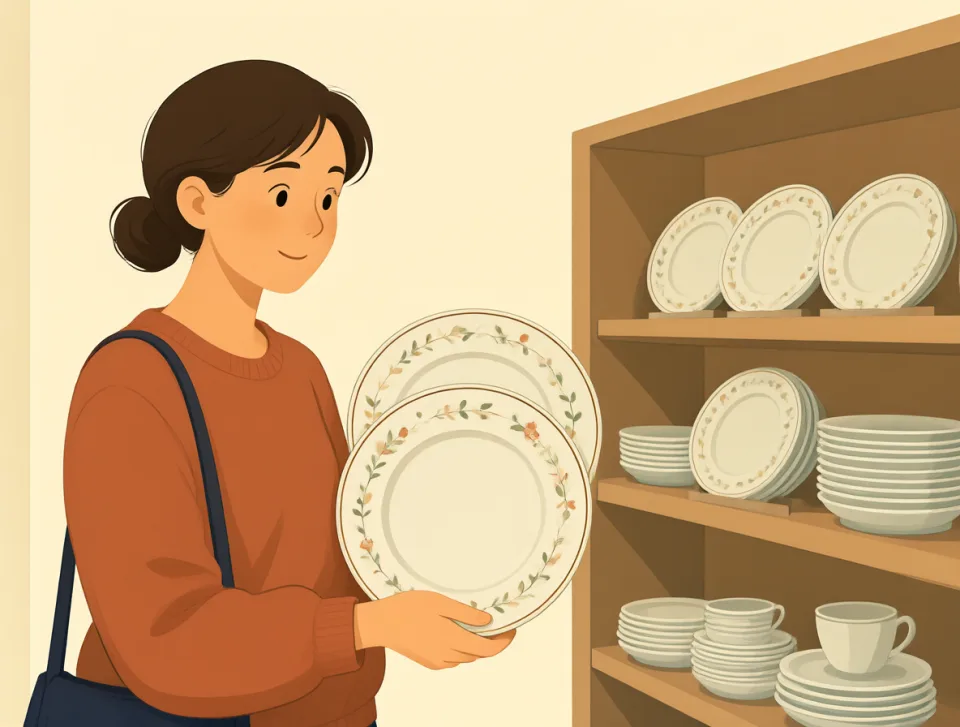
I bought a new set of plates.
我買了一套新盤子。
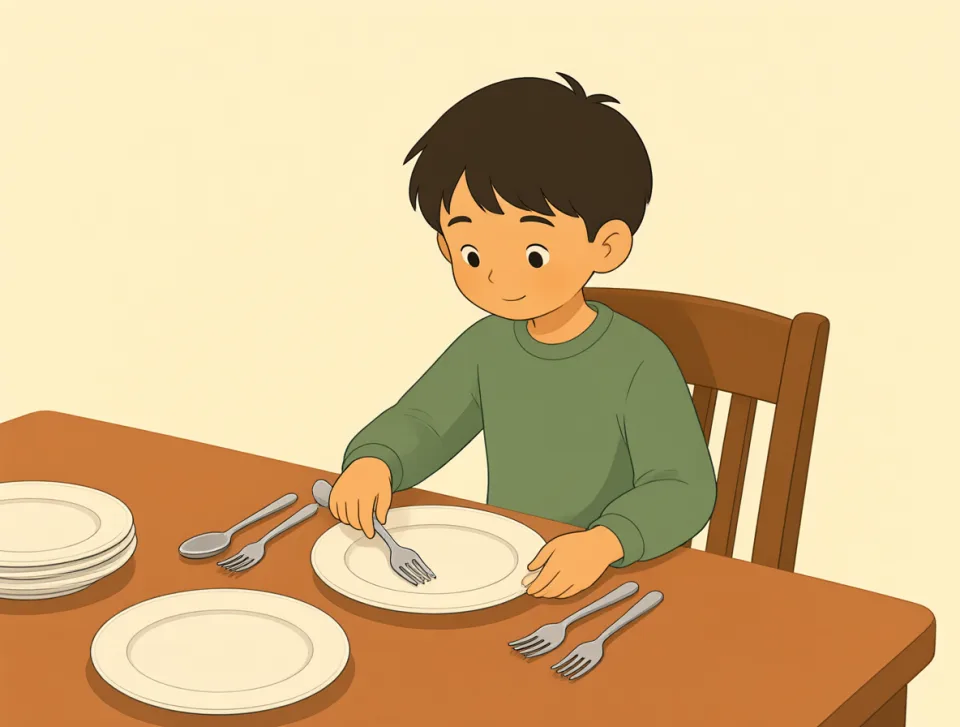
Please set the table for dinner.
請把餐桌擺好,準備吃晚飯。
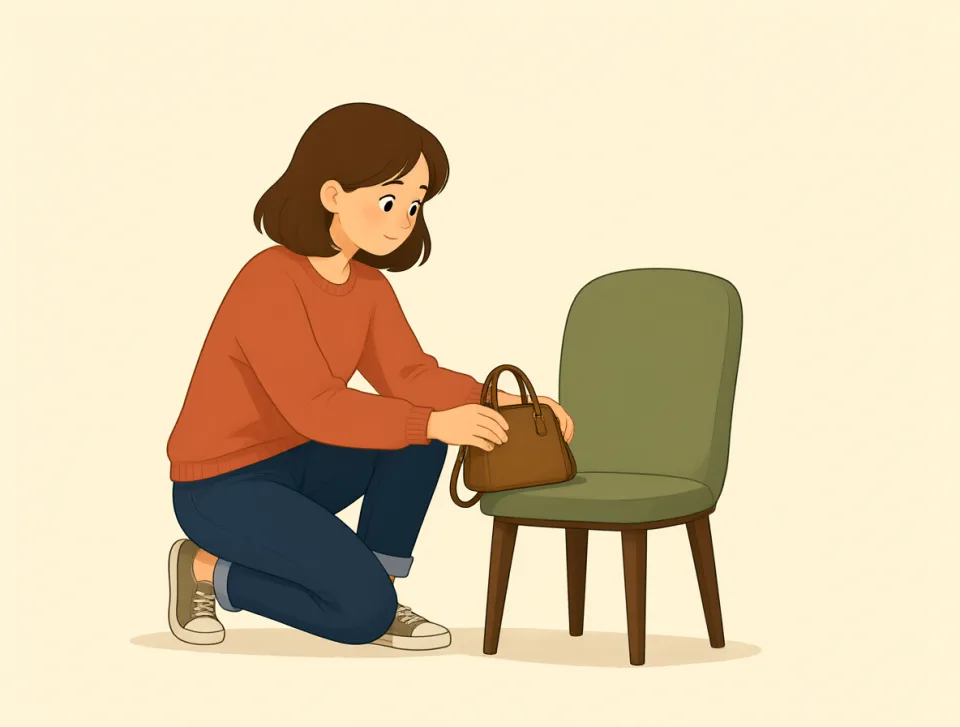
She set her bag beside the chair.
她把包放在椅子旁邊。
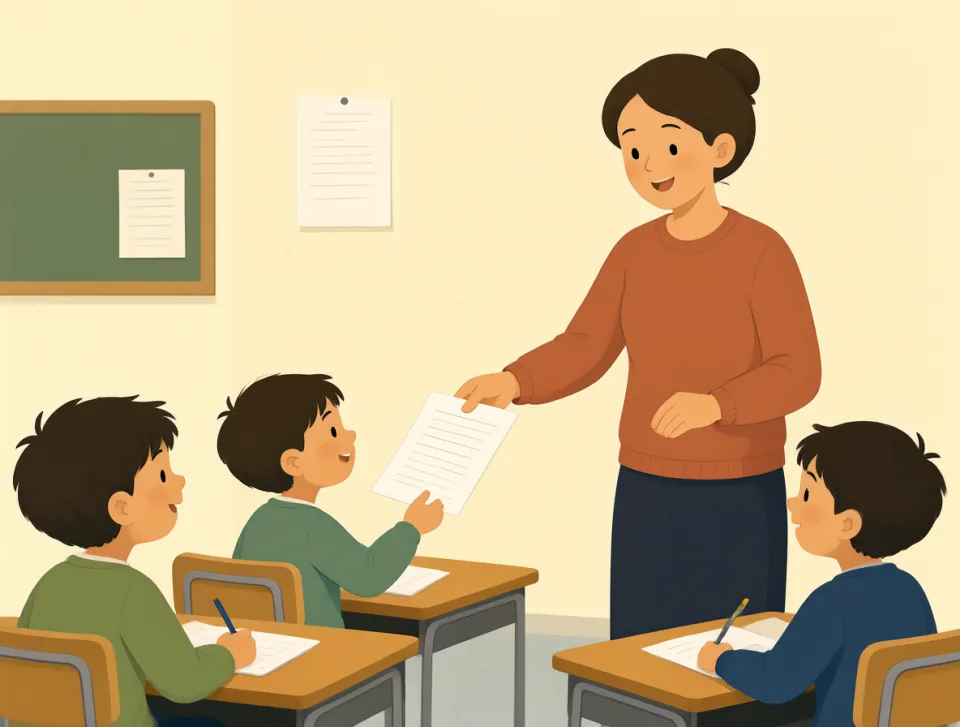
The teacher set a test for Friday.
老師安排週五進行考試。

The sun sets over the sea.
太陽從海面上落下。

small
#186adjective, noun
小的;少量的
Not large in size, amount, or number.
尺寸、數量或數目不大的。
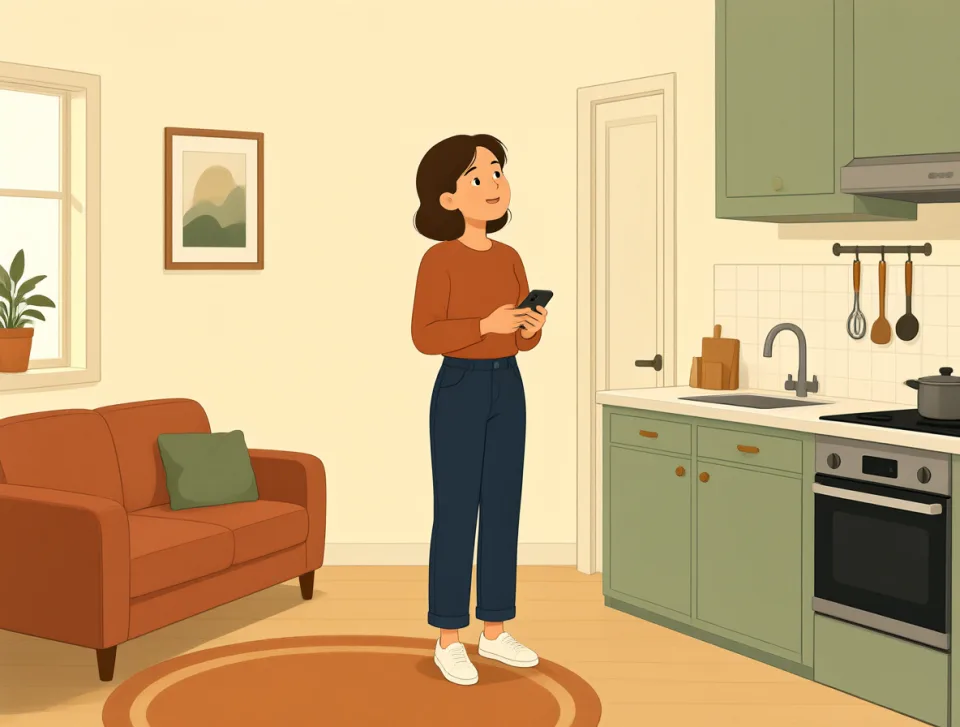
She lives in a small apartment downtown.
她住在市中心的一間小公寓裡。

He bought a small coffee at the shop.
他在店裡買了一杯小杯咖啡。
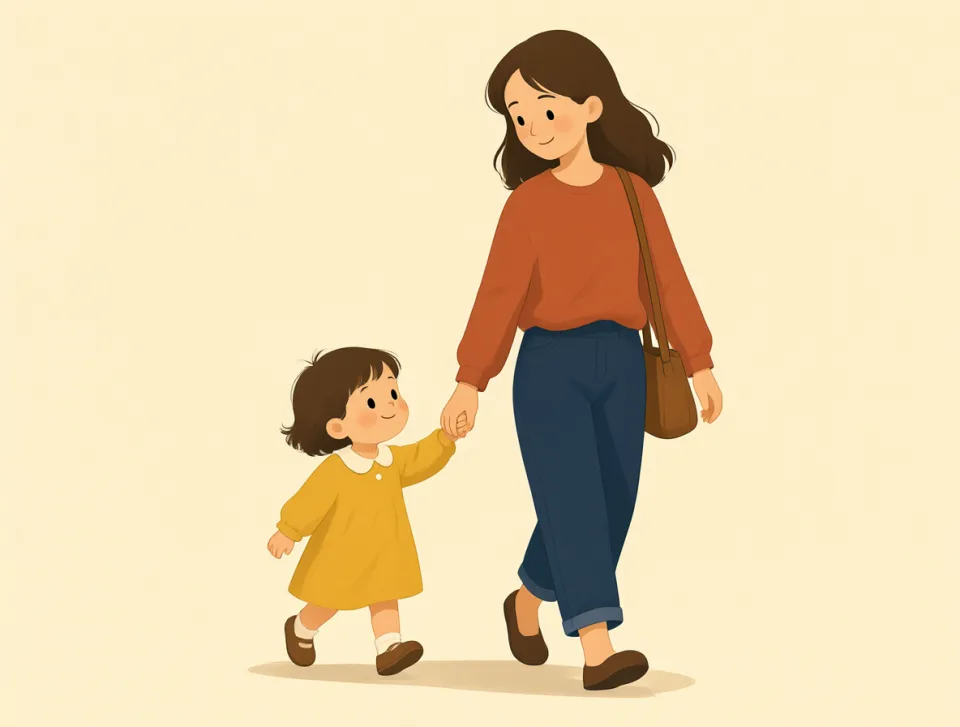
The small child held her mother’s hand.
那個小女孩牽著媽媽的手。

We sat at a small table by the window.
我們坐在窗邊的一張小桌子旁。
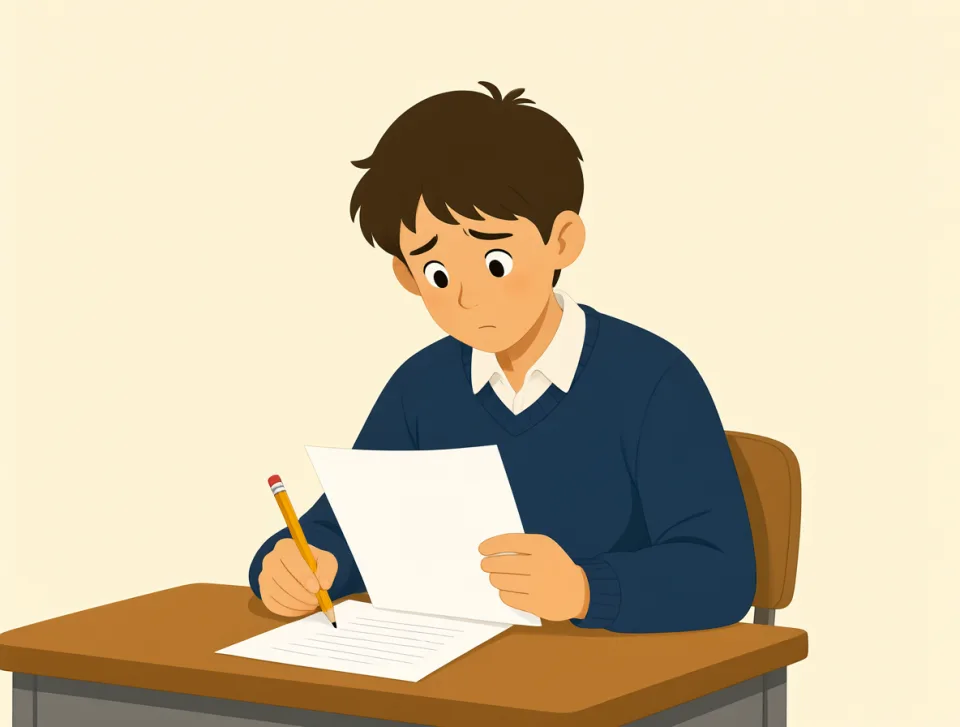
I made a small mistake on the test.
我考試時犯了一個小錯誤。
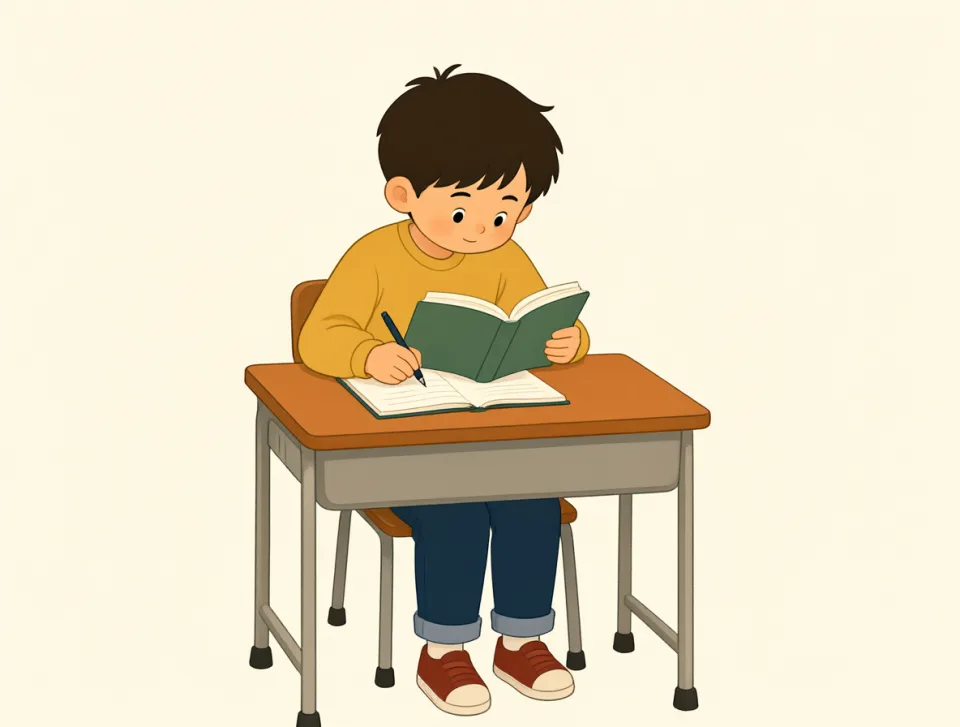
study
#187noun, verb
學習;研究
To learn about a subject by reading, practicing, or going to classes.
透過閱讀、練習或上課來了解某個學科。
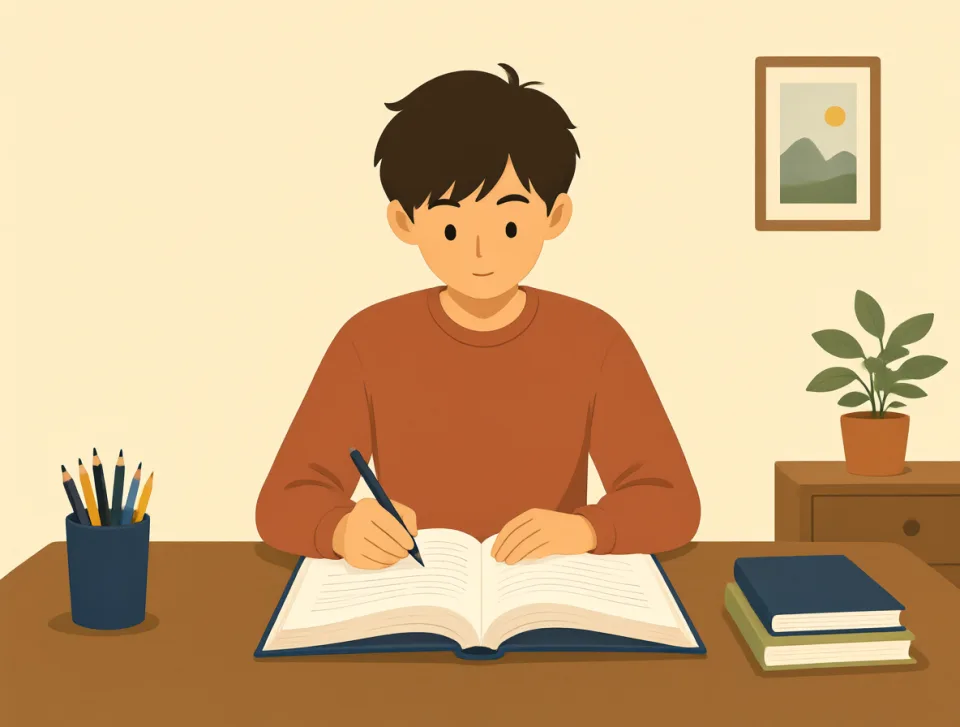
I study English every evening at home.
我每天晚上在家學習英語。
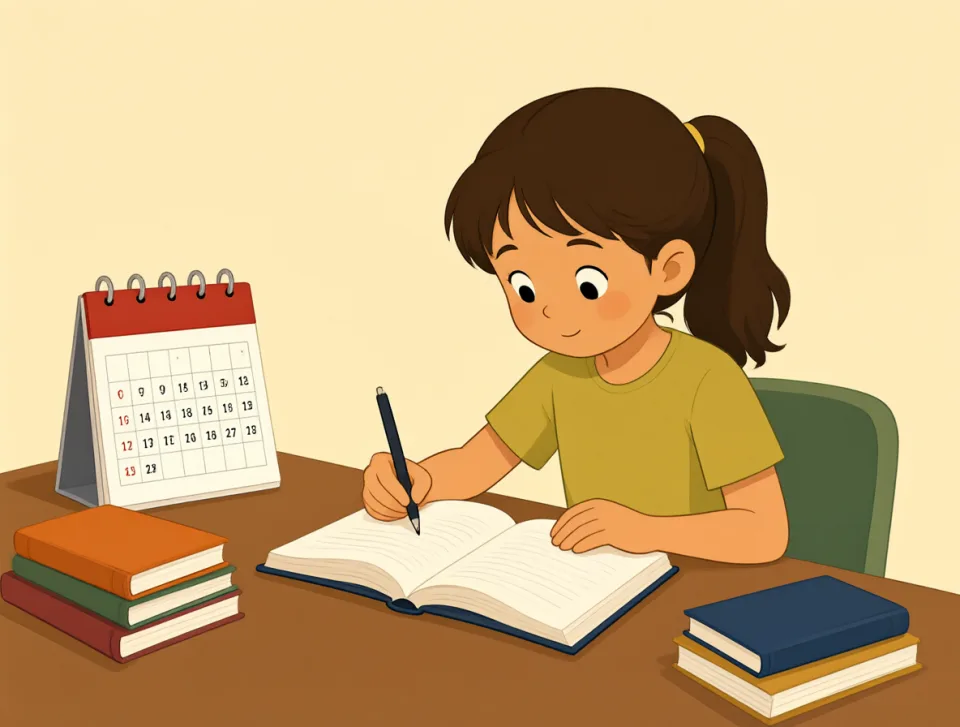
She studied hard for her math test.
她為了數學考試努力學習。
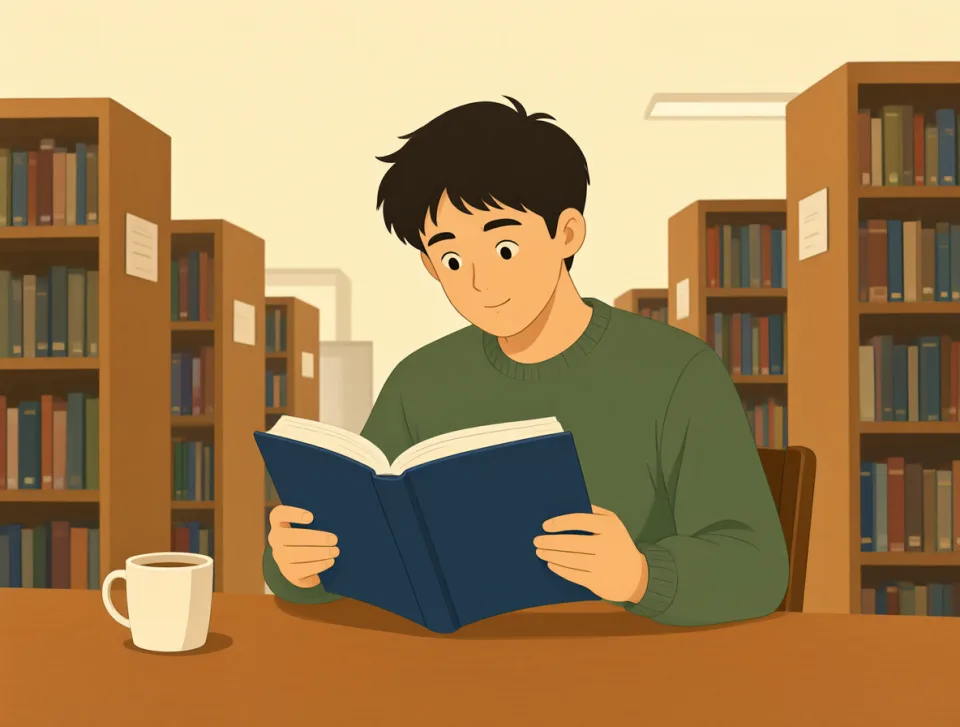
He is studying medicine at university.
他在大學學習醫學。

The scientists study plants in the forest.
科學家們在森林裡研究植物。
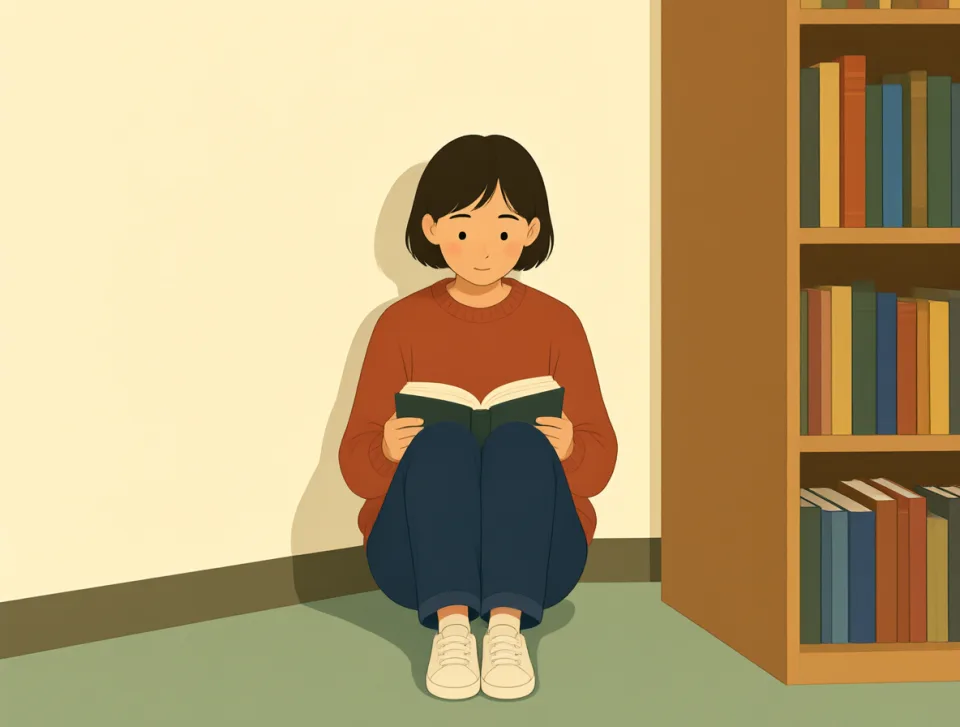
I need a quiet place to study.
我需要一個安靜的地方學習。
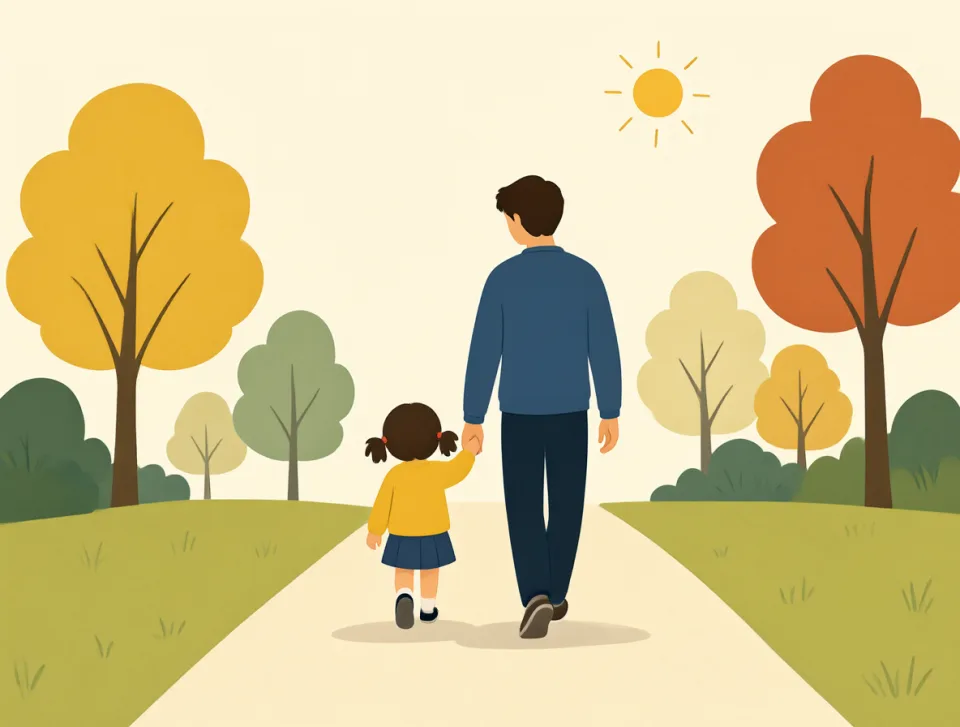
follow
#188verb, noun
跟隨;遵循;按照;接著發生
to go after someone or something, or do what comes next
跟在某人或某物後面,或做接下來要做的事
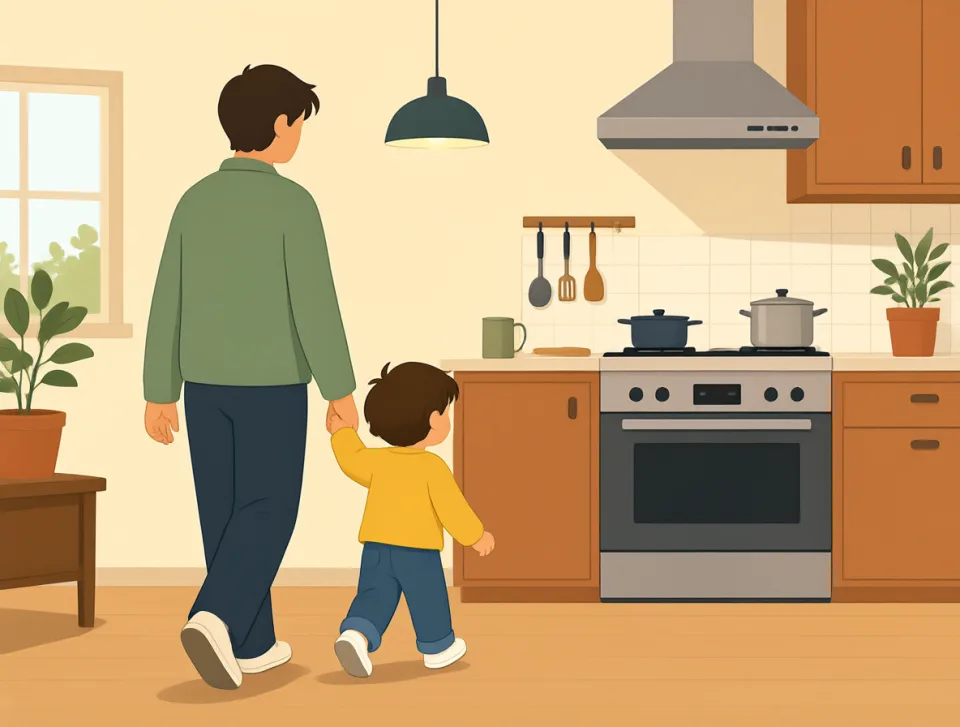
Please follow me to the kitchen.
請跟我到廚房來。
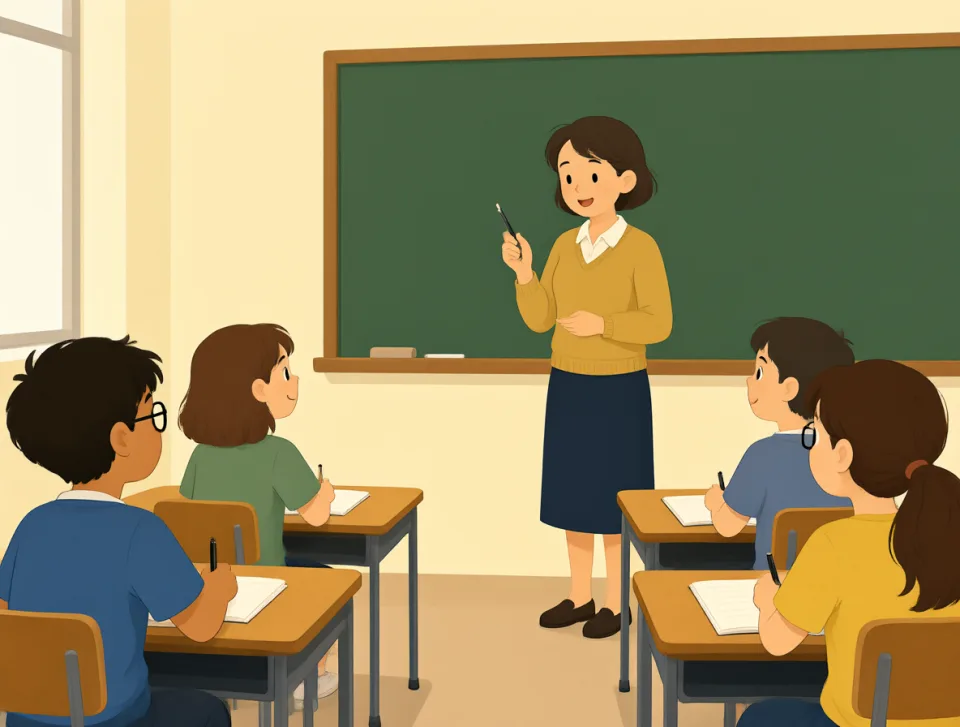
Follow the teacher’s instructions carefully.
請認真遵循老師的指示。
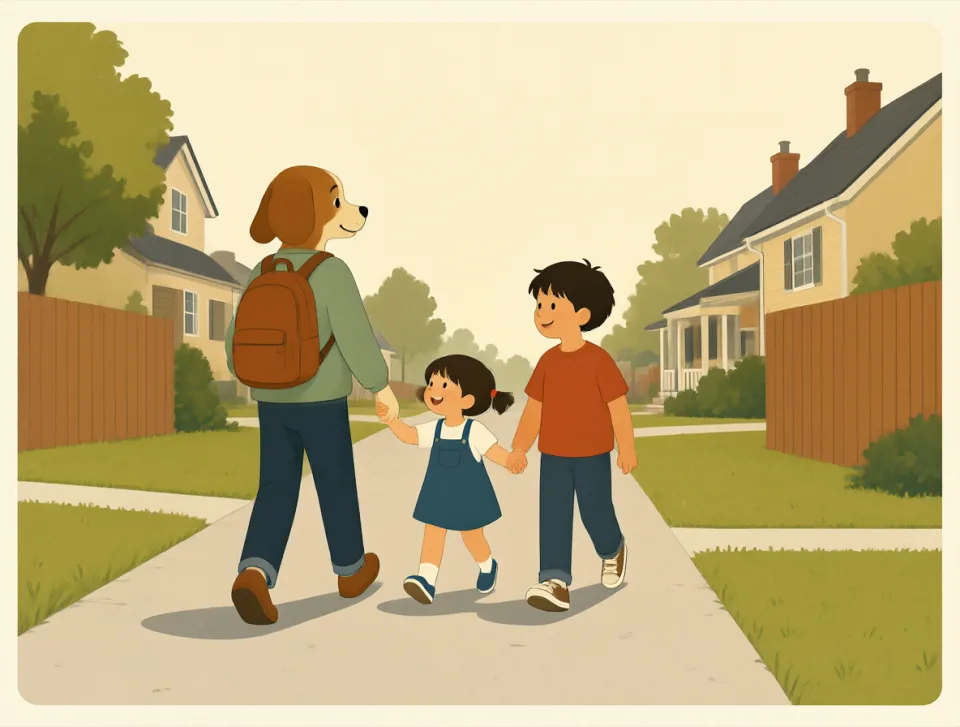
The dog followed us home from school.
那隻狗從學校一路跟著我們回了家。
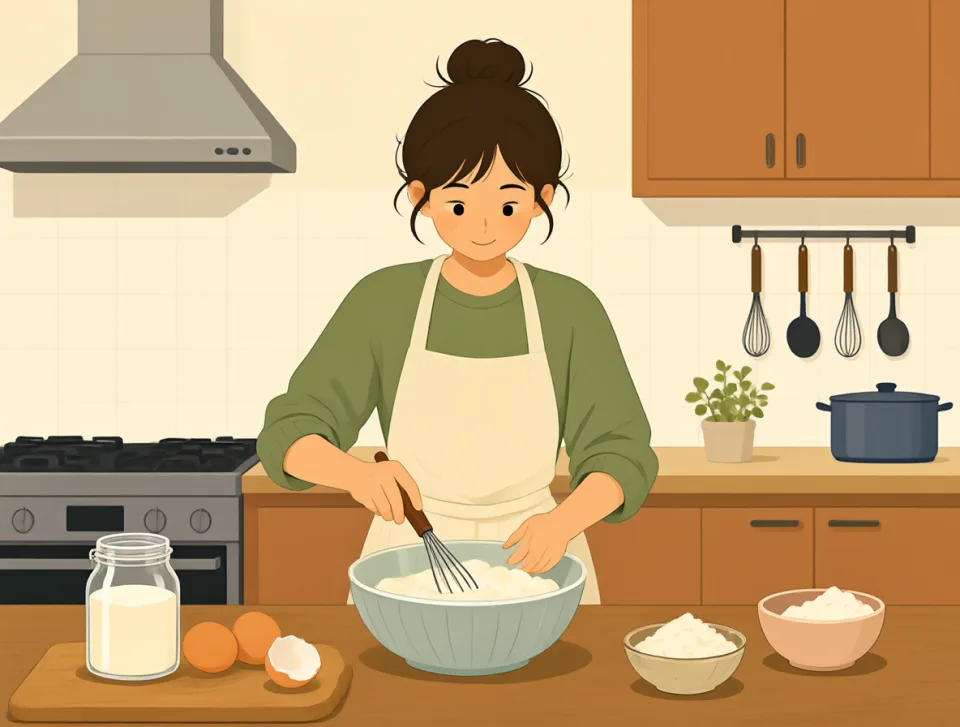
Follow this recipe for a delicious cake.
按照這個食譜做,就能做出美味的蛋糕。
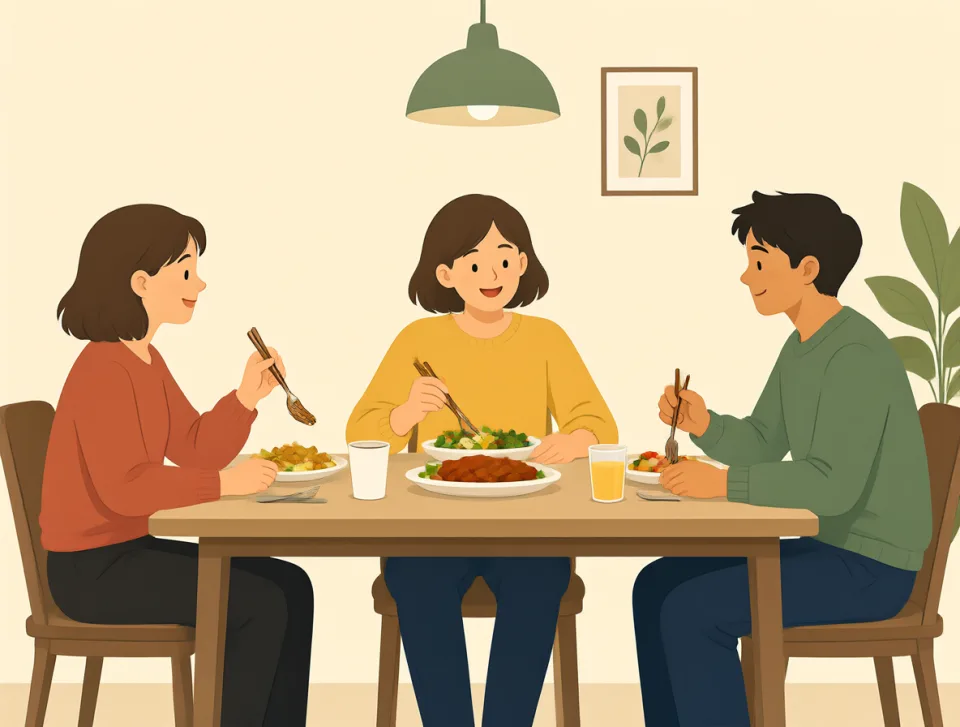
A short meeting followed lunch.
午餐後接著開了一個簡短的會議。
begin
#189verb
開始;開始發生
to start doing something or to happen for the first time
開始做某事,或第一次發生
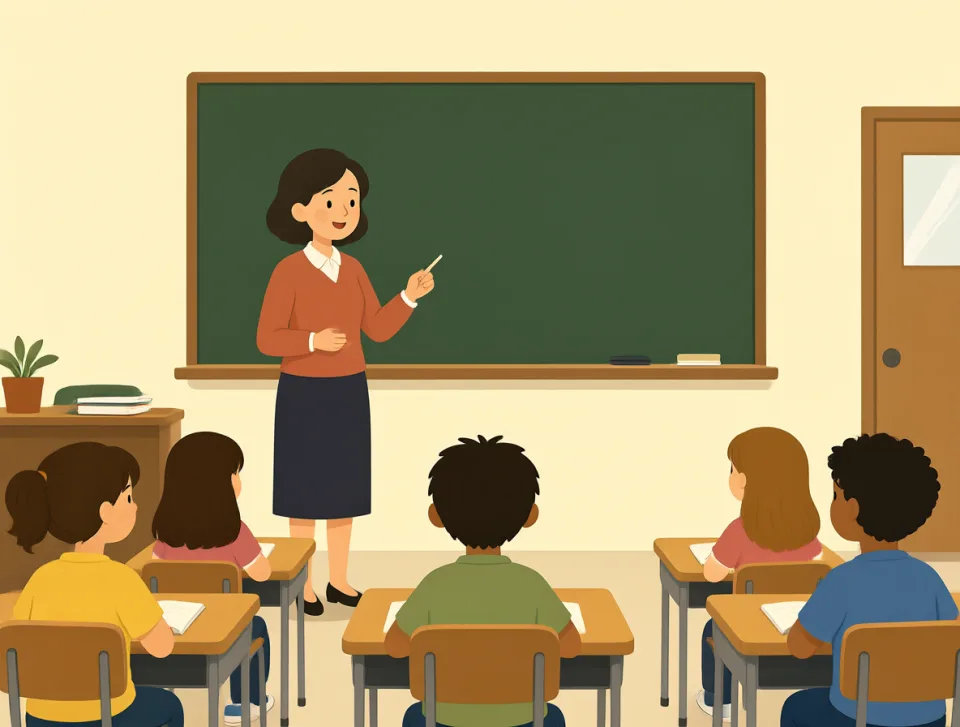
The class begins at nine o'clock.
這節課九點開始。
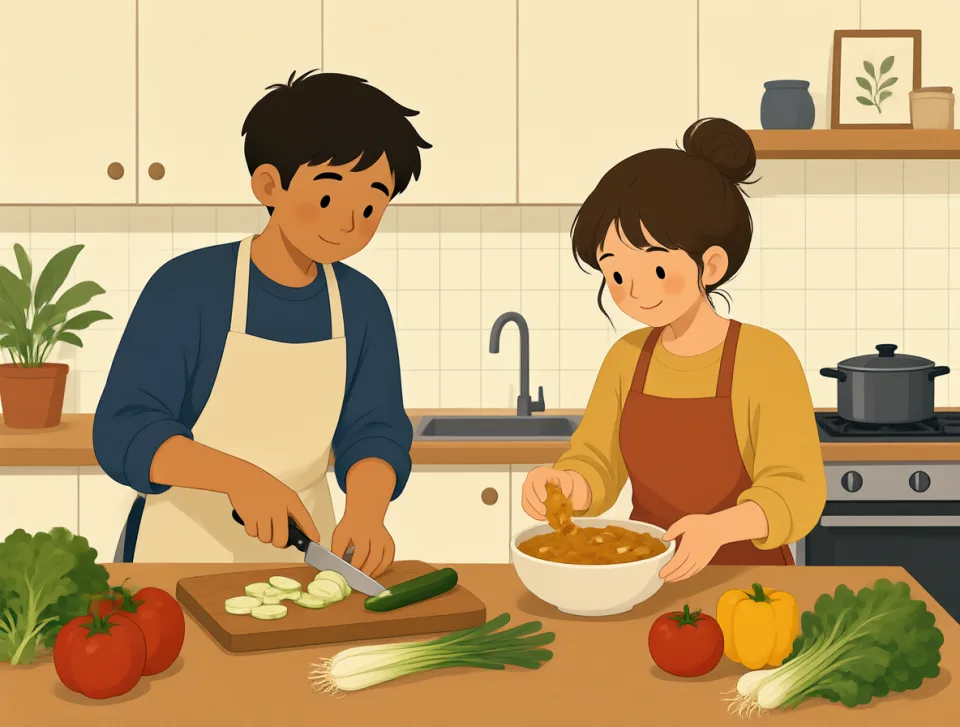
We began cooking dinner after work.
我們下班後開始做晚飯。

The movie began when we found our seats.
我們找到座位後,電影就開始了。

She began to feel better yesterday.
她昨天開始感覺好些了。

The rain began during our walk.
我們散步時開始下雨了。

important
#190adjective
重要的;有意義的
Having great value, meaning, or effect; needing attention.
具有很大價值、意義或影響;需要受到重視。

This meeting is very important to our team.
這次會議對我們團隊非常重要。

It is important to drink water every day.
每天喝水很重要。
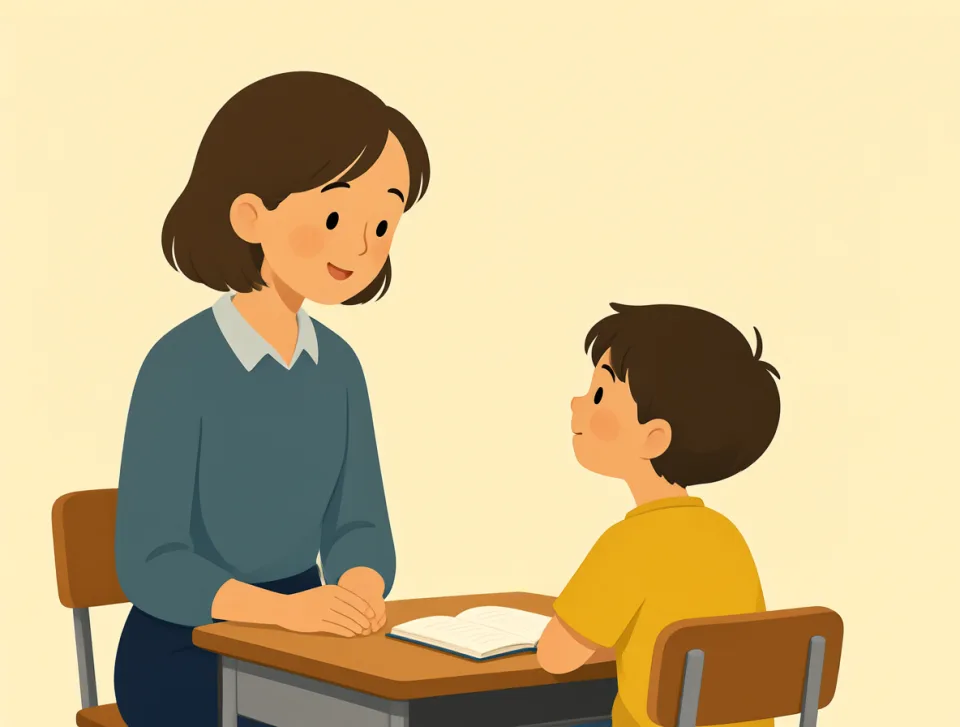
My teacher said sleep is important for learning.
我的老師說,睡眠對學習很重要。
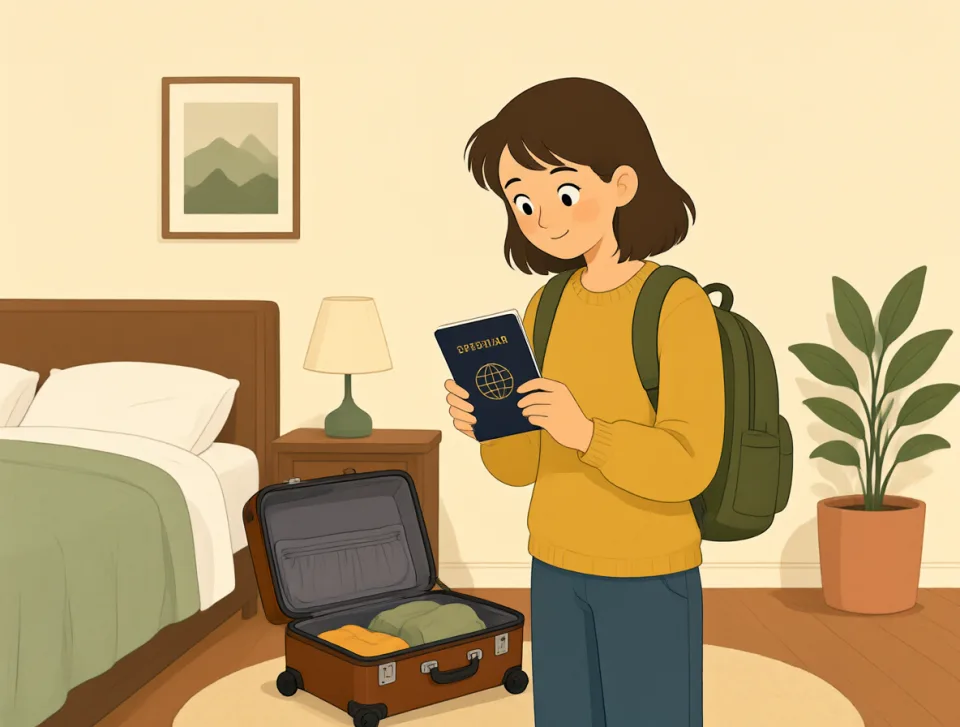
Please bring your passport; it is important.
請帶上你的護照,這很重要。

She bought an important gift for her mother.
她給媽媽買了一份重要的禮物。

since
#191preposition, conjunction, adverb
自從;因為;從那以後
from a time in the past until now, or because something happened
從過去某個時間一直到現在,或因為某事發生
I have lived here since 2020.
我從2020年起就一直住在這裡。

She has felt better since yesterday.
她從昨天起感覺好多了。
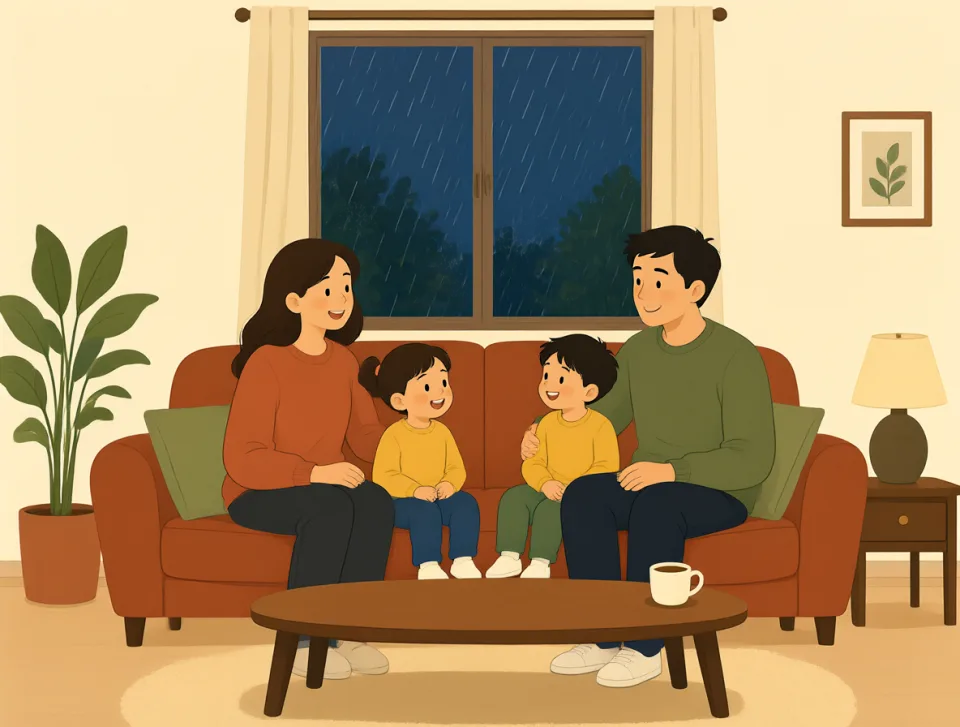
Since it was raining, we stayed home.
因為下雨了,我們待在家裡。
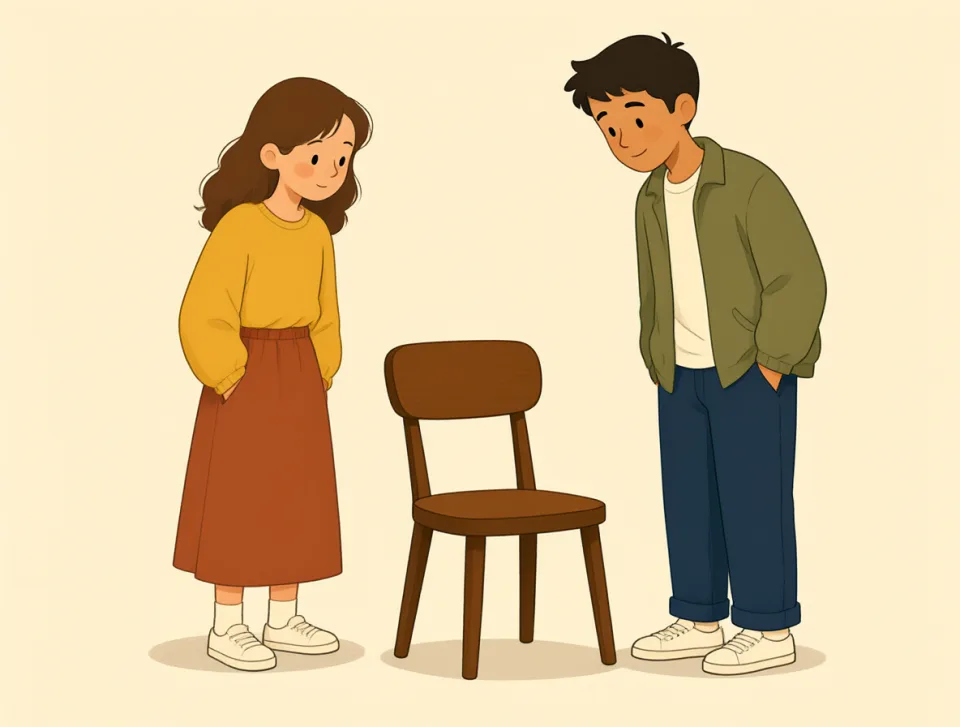
We have not seen Tom since Monday.
我們從星期一以後就沒見過湯姆。
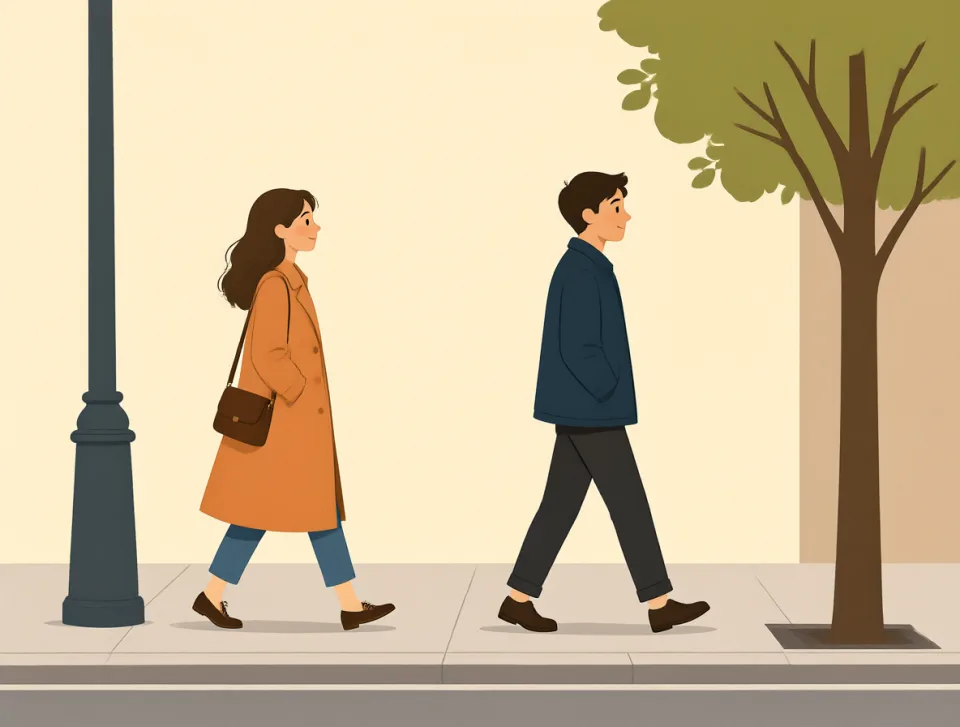
I met her once, but have not spoken since.
我見過她一次,但從那以後就沒再和她說過話。

run
#192verb, noun
跑;經營;運轉;跑步
to move quickly on foot, or to manage and operate something
用腳快速移動,或管理和經營某事物
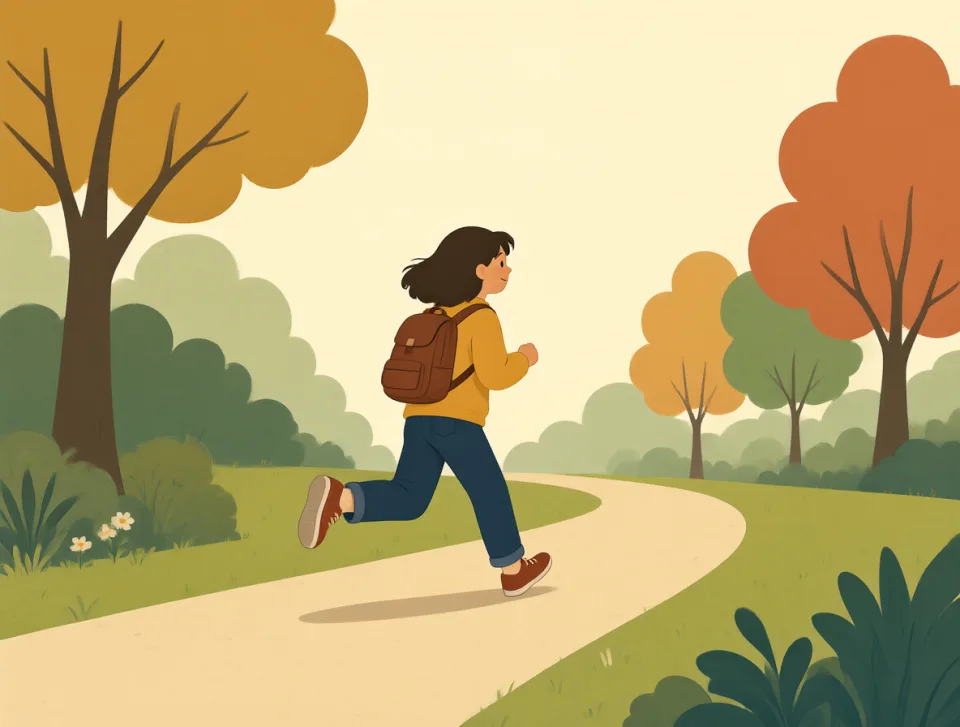
I run every morning before work.
我每天早上上班前都會跑步。
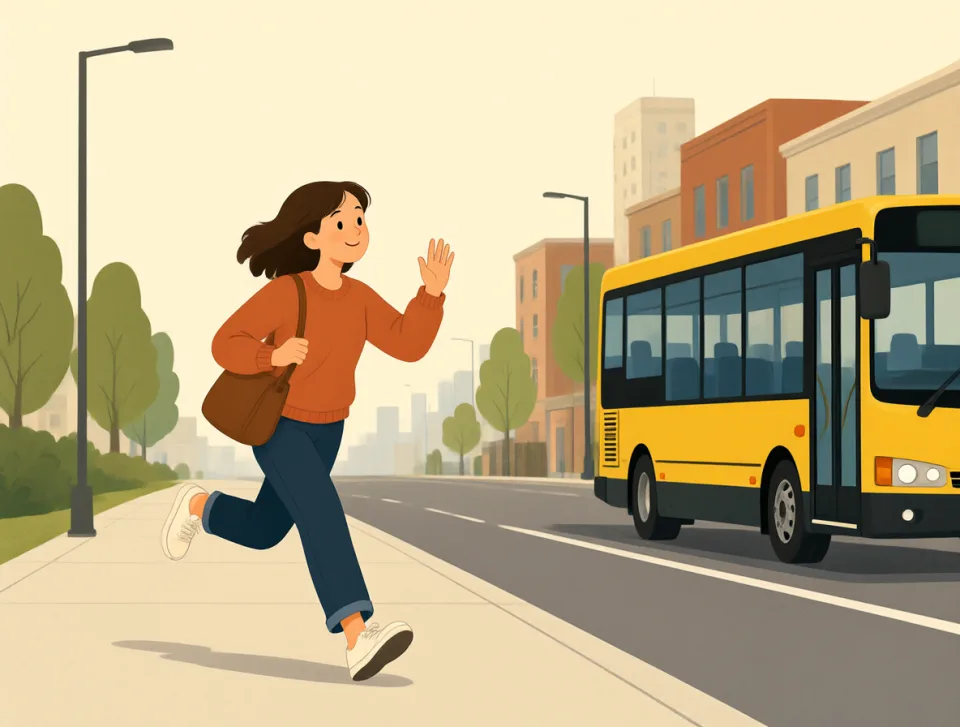
She ran to catch the bus.
她跑著去趕公交車。
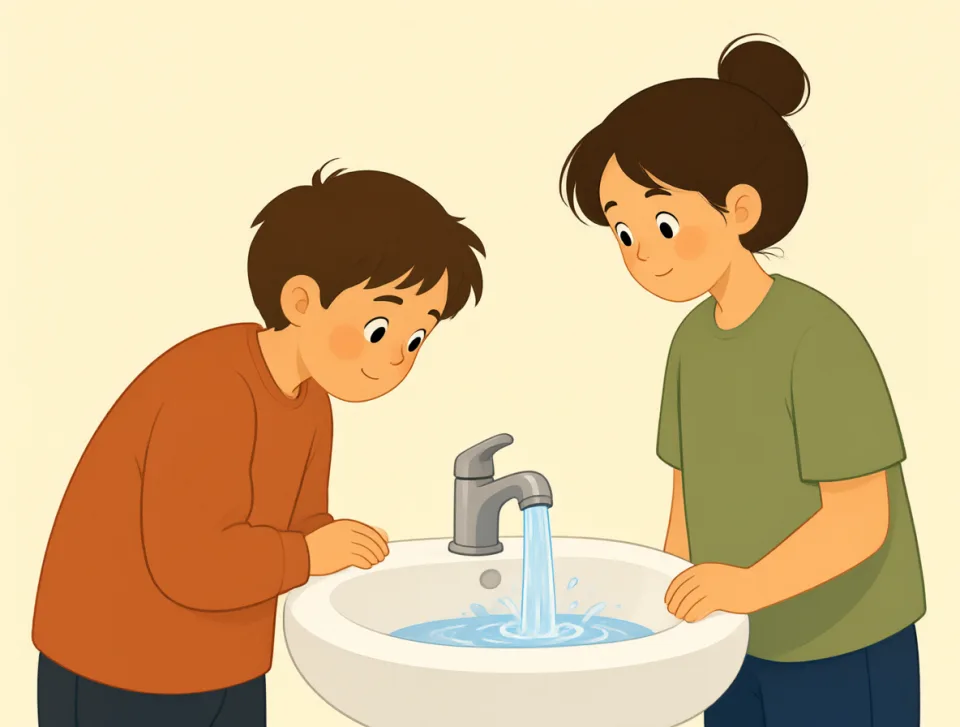
The water is running in the bathroom.
浴室裡的水正流著。
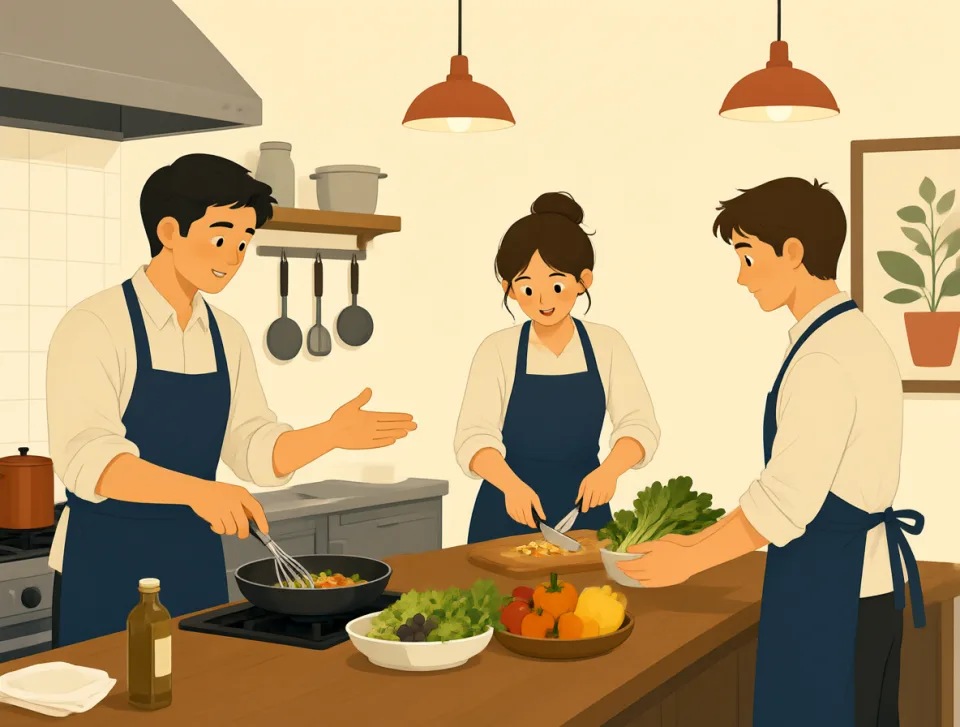
My uncle runs a small restaurant.
我叔叔經營一家小餐館。

We went for a run after school.
放學後我們去跑步了。
under
#193preposition, adverb, adjective
在……下面;低於;在……領導下;在……下方
In or to a lower position than something else.
處於或朝向比其他事物更低的位置。
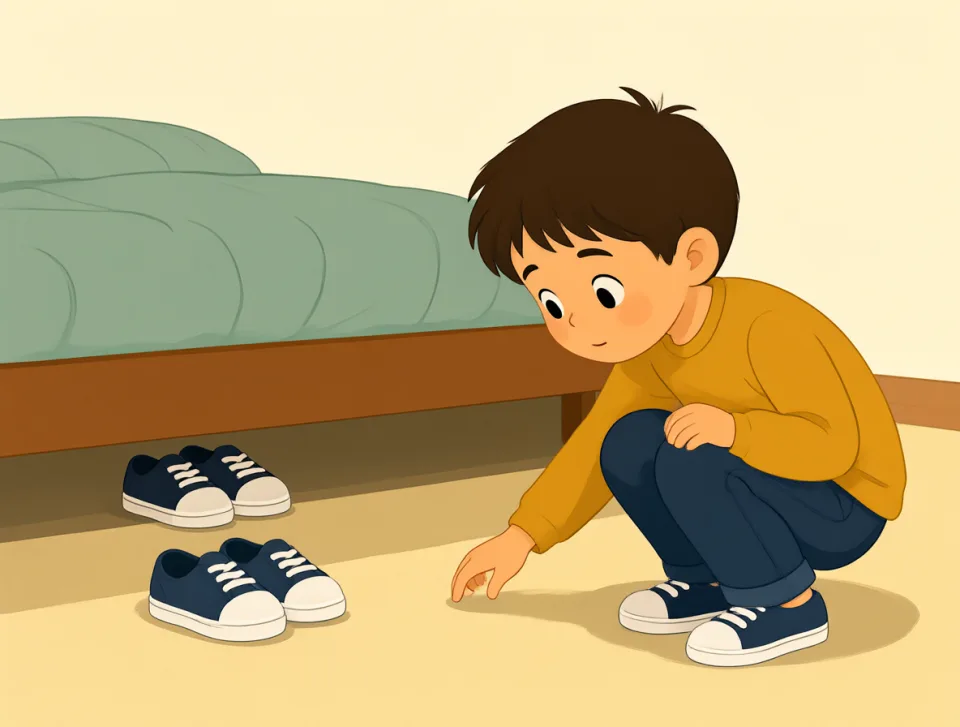
The shoes are under the bed.
鞋子在床底下。

She works under a kind manager.
她在一位和善的經理手下工作。

The temperature fell under zero last night.
昨晚氣溫降到了零度以下。
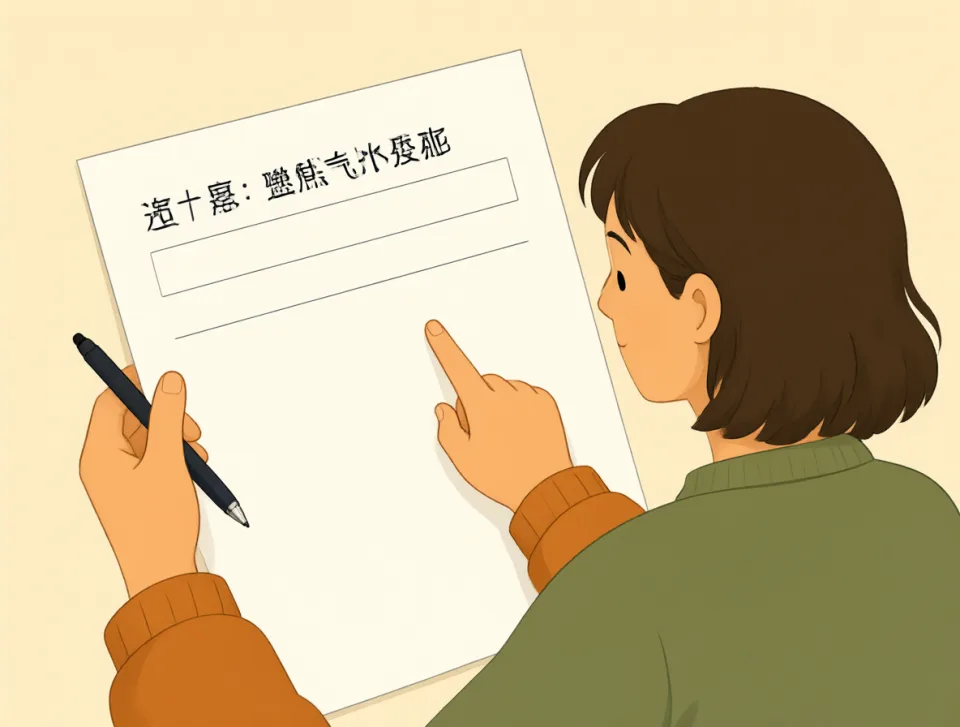
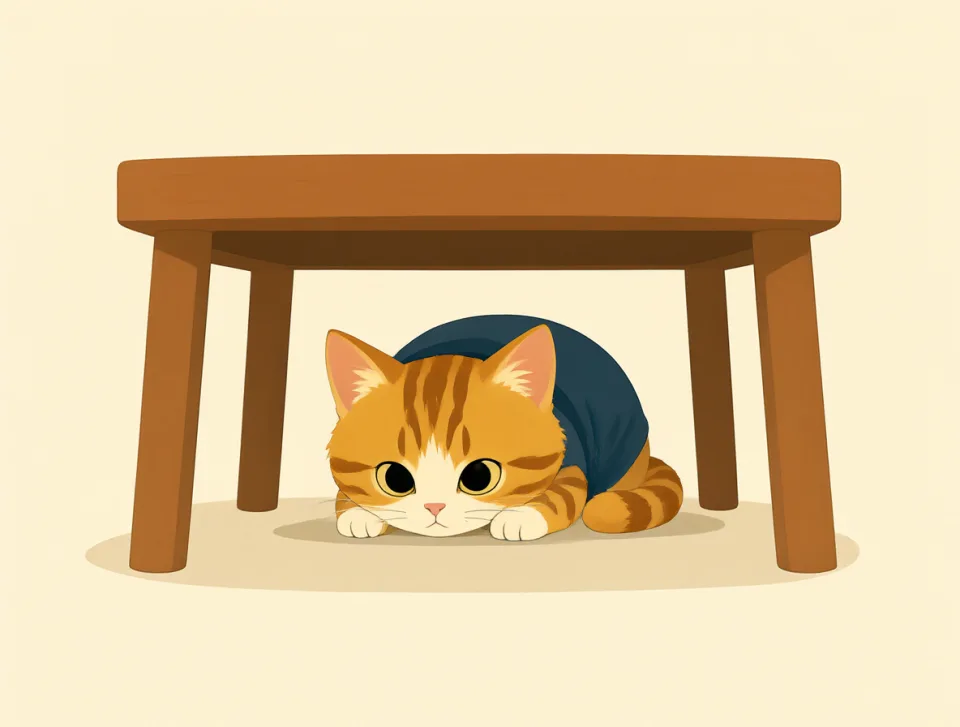
Please sign under your name.
請在你的名字下面簽名。

The children ran under the bridge.
孩子們從橋下跑過。
turn
#194verb, noun
轉彎;輪到;轉動;變成
To move in a different direction, or the time when someone gets to do something.
朝不同的方向移動,或某人可以做某事的時候。
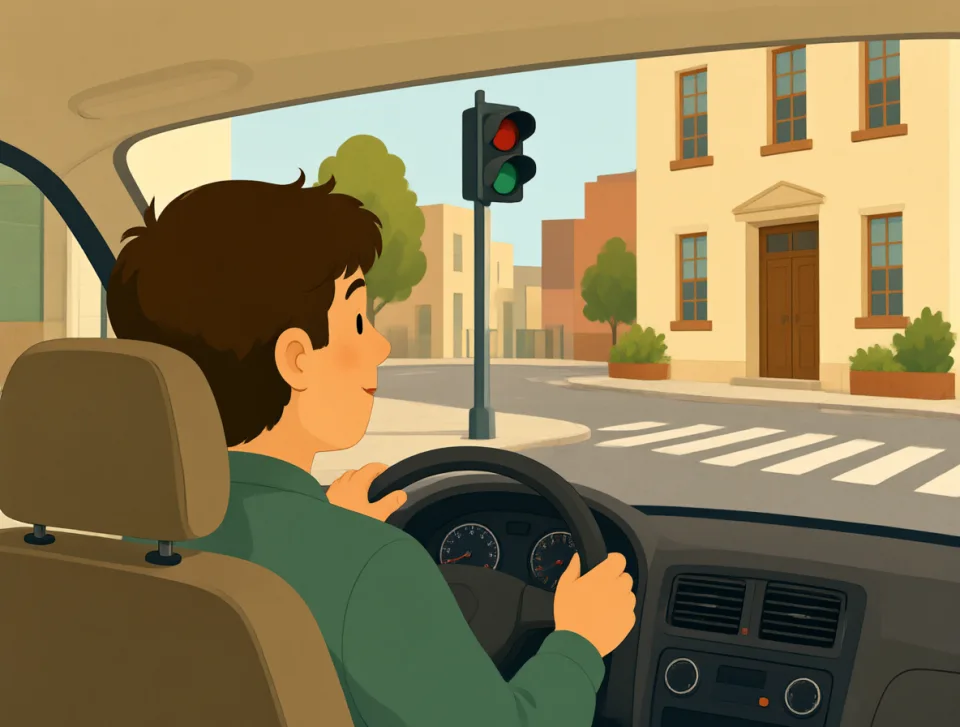
Turn left at the corner, please.
請在拐角處左轉。
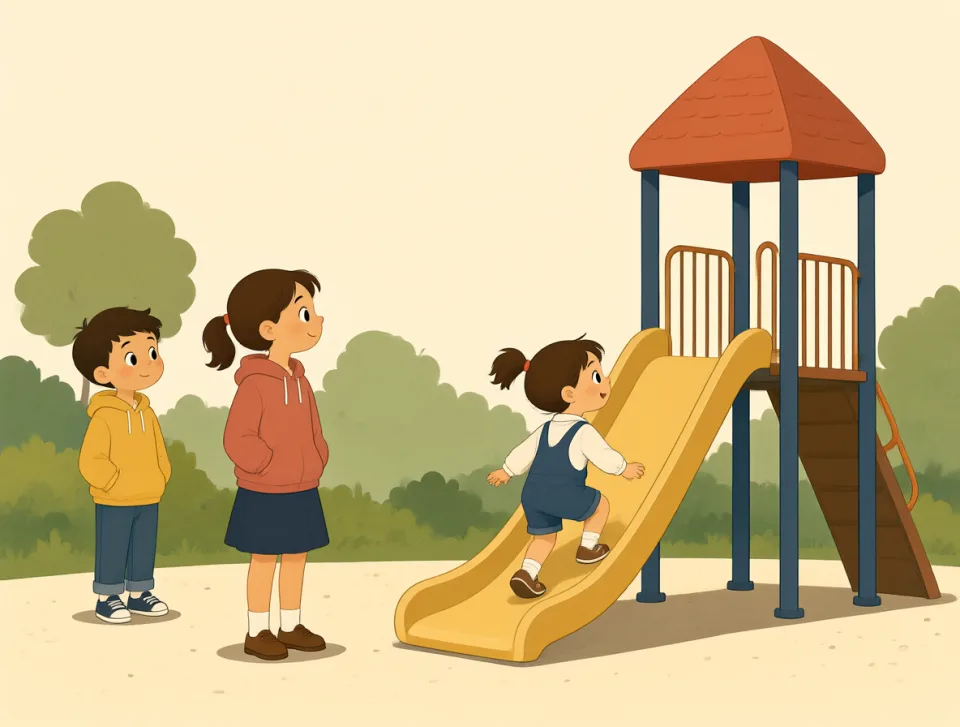
Please wait for your turn.
請等輪到你。
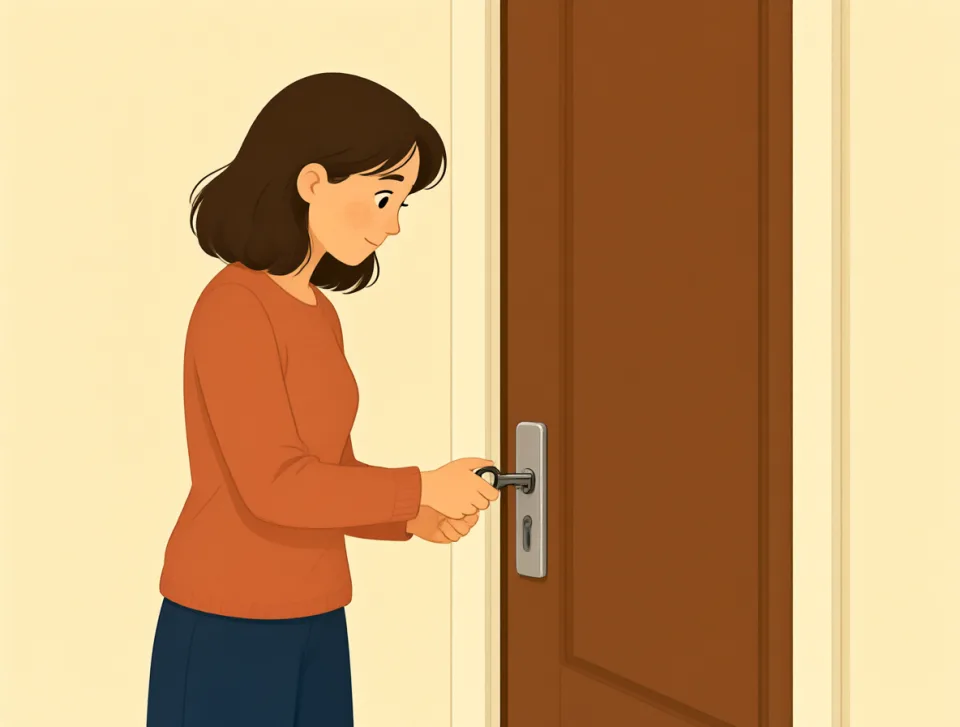
She turned the key in the lock.
她轉動鎖裡的鑰匙。

The milk turned sour in the fridge.
牛奶在冰箱裡變酸了。

Our conversation turned into an argument.
我們的談話變成了爭吵。
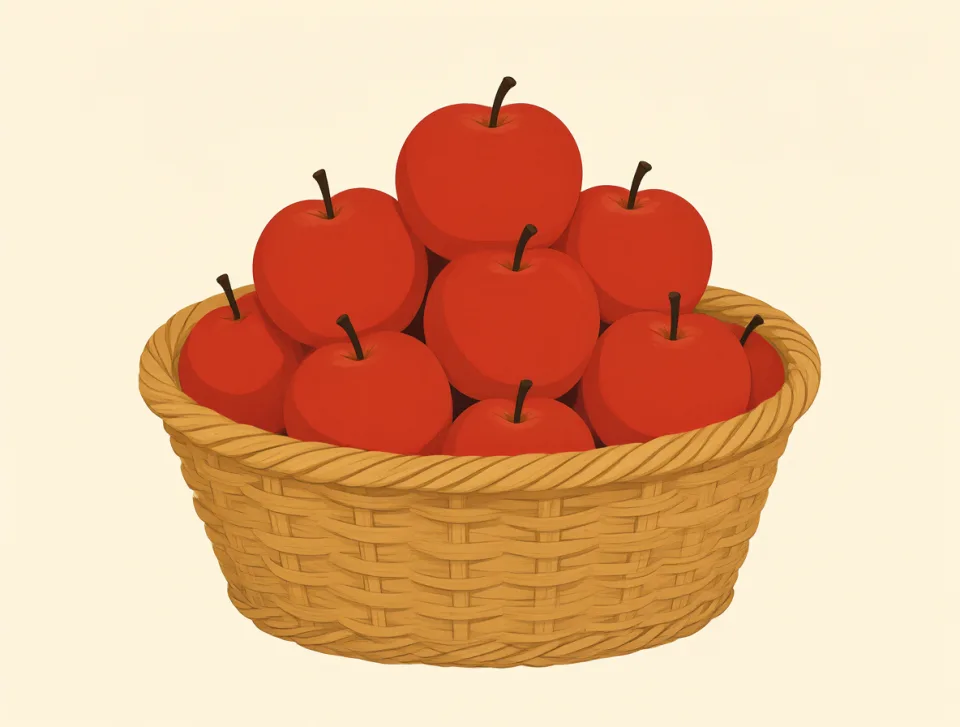
few
#195determiner, pronoun, adjective
幾個;少數
A small number of people or things, usually less than expected.
數量不多的人或事物,通常比預期的少。
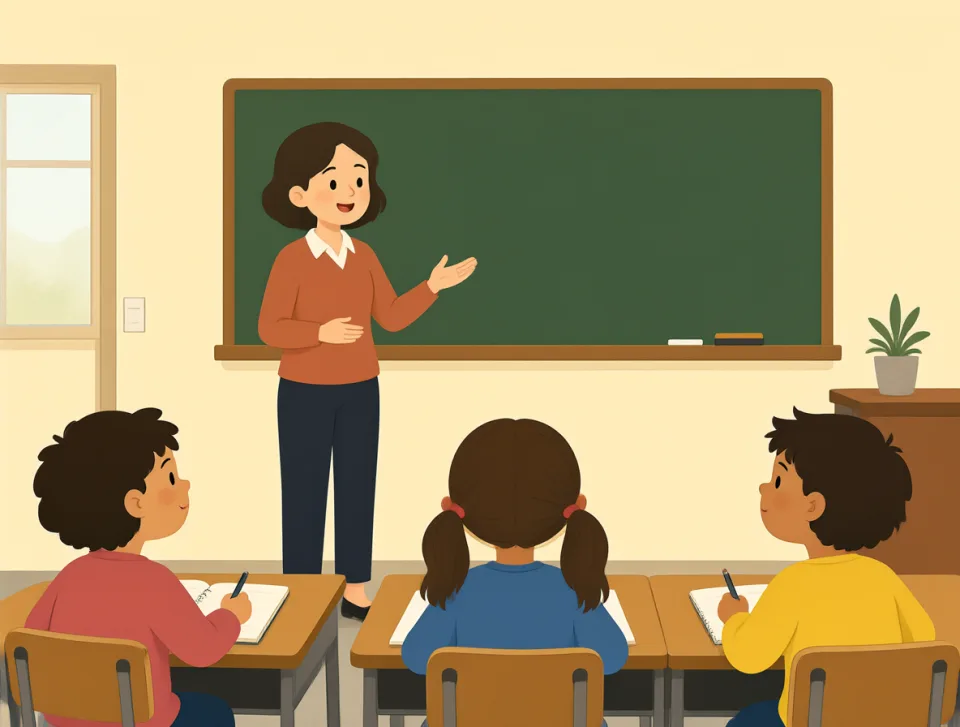
Only a few students came to class.
只有幾個學生來上課。

I have a few questions about this job.
關於這份工作,我有幾個問題。
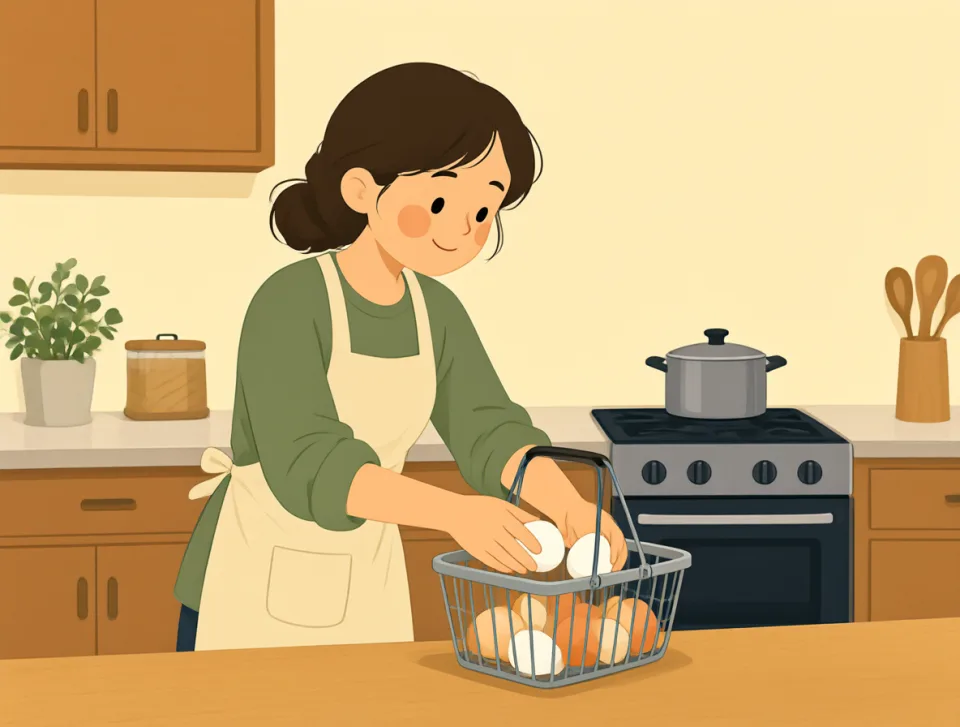
We need a few more eggs for breakfast.
我們早餐還需要幾個雞蛋。
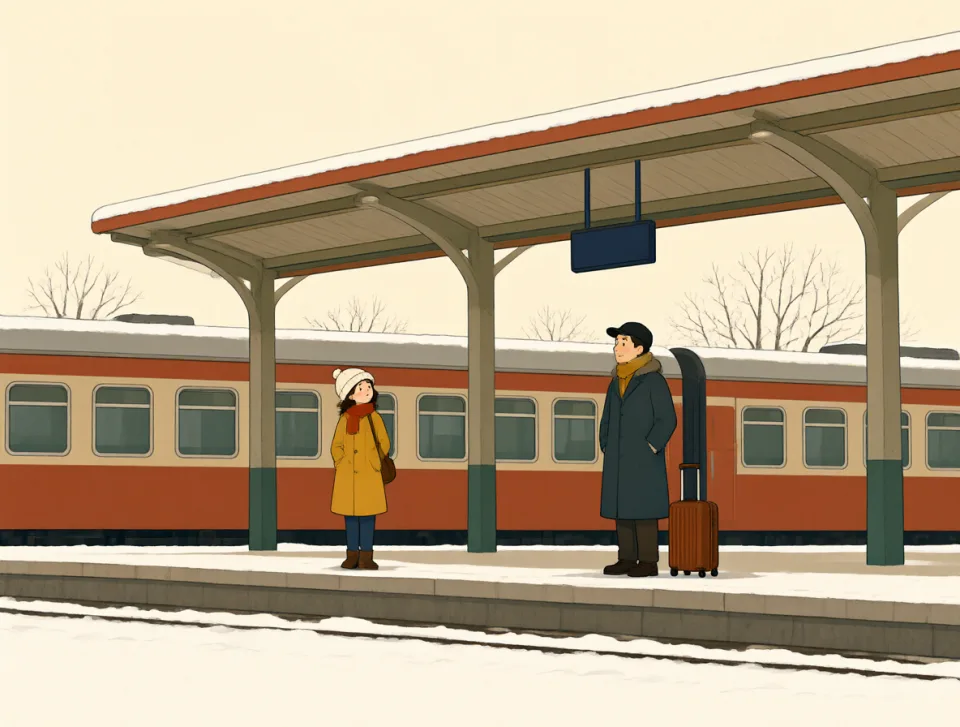
Few people travel there in winter.
冬天很少有人去那裡旅行。
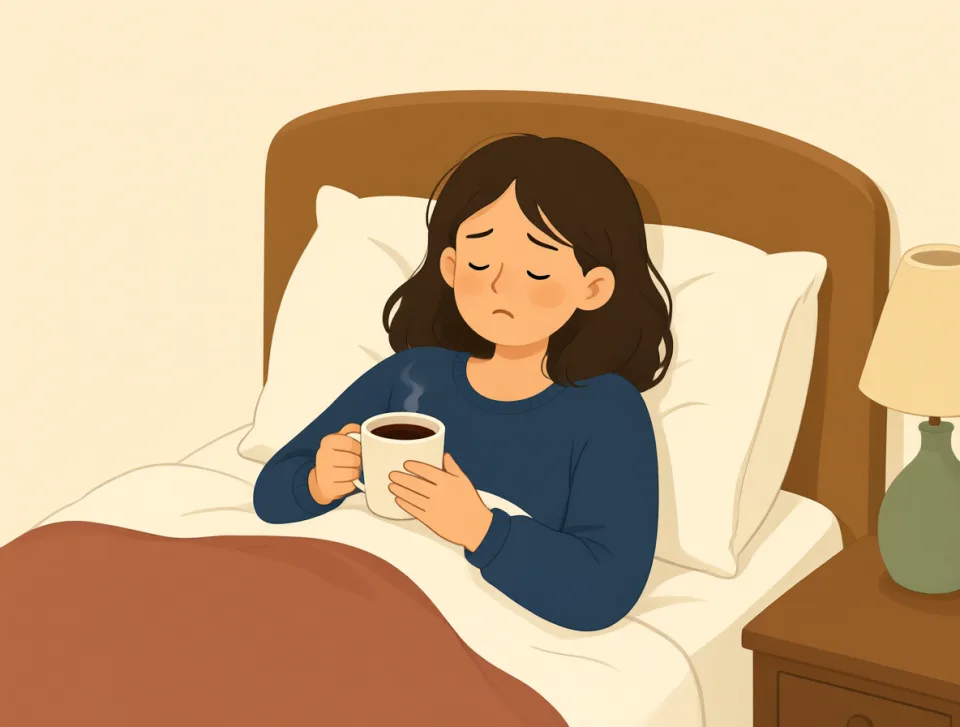
She stayed home for a few days.
她在家待了幾天。
bring
#196verb
帶來;帶去;導致
to take or carry someone or something with you to a place
帶著某人或某物一起到某個地方

Please bring your book to class tomorrow.
請明天把你的書帶到課堂上。
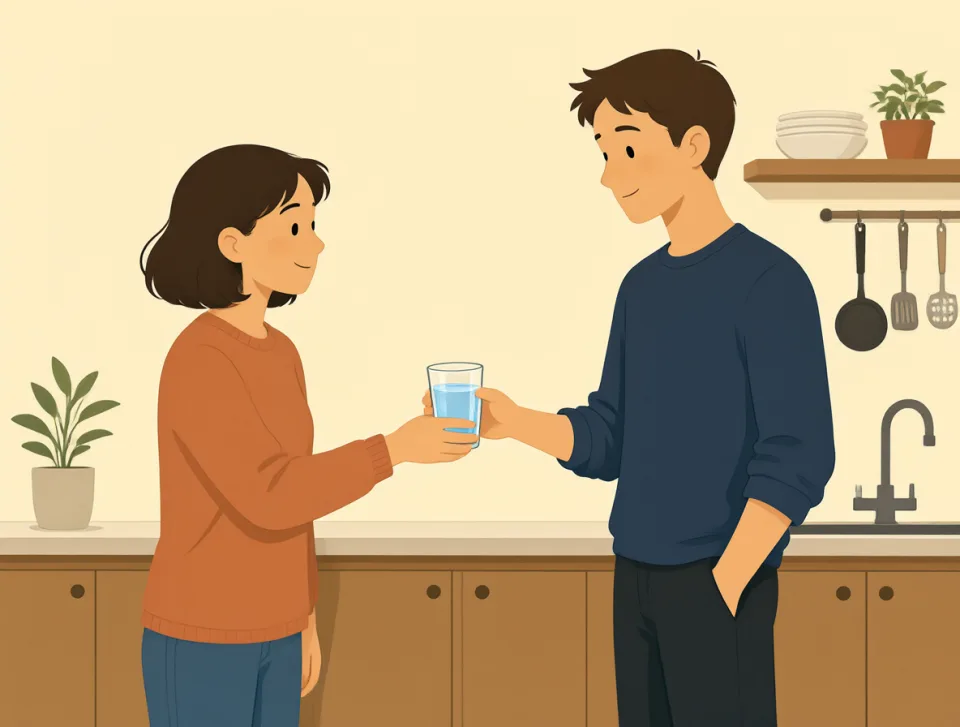
Can you bring me a glass of water?
你能給我拿一杯水嗎?
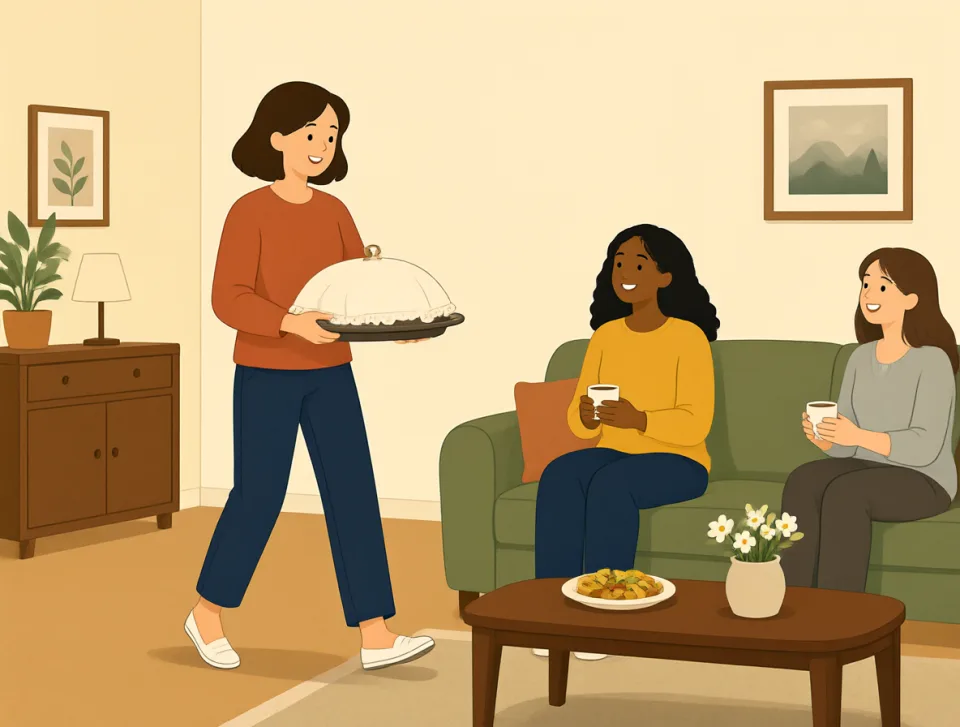
She brought some food for the party.
她為聚會帶來了一些食物。

The new job brought him more money.
這份新工作給他帶來了更多收入。
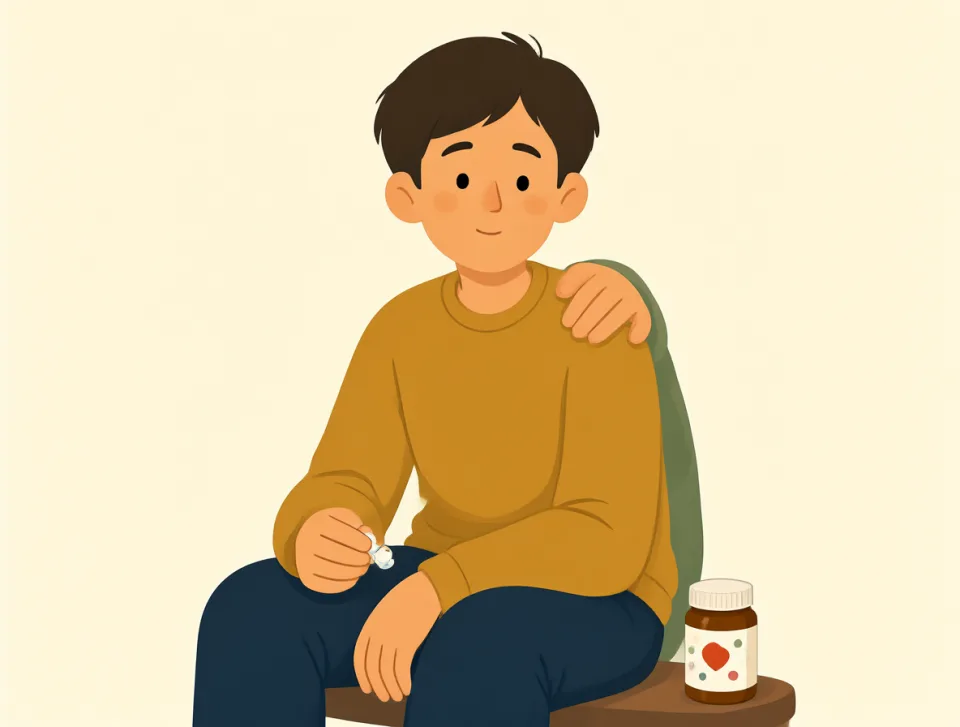
This medicine brings quick relief from pain.
這種藥能迅速緩解疼痛。

early
#197adjective, adverb
早;提前
Happening or arriving before the usual or expected time.
在通常或預期的時間之前發生或到達。
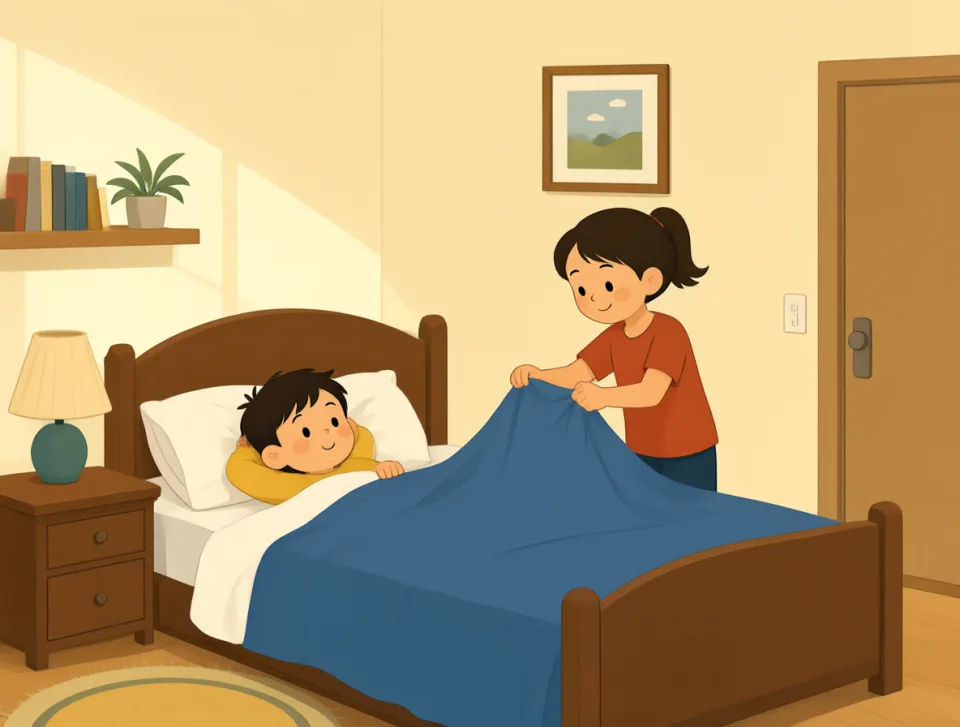
I wake up early every morning.
我每天早上都早起。
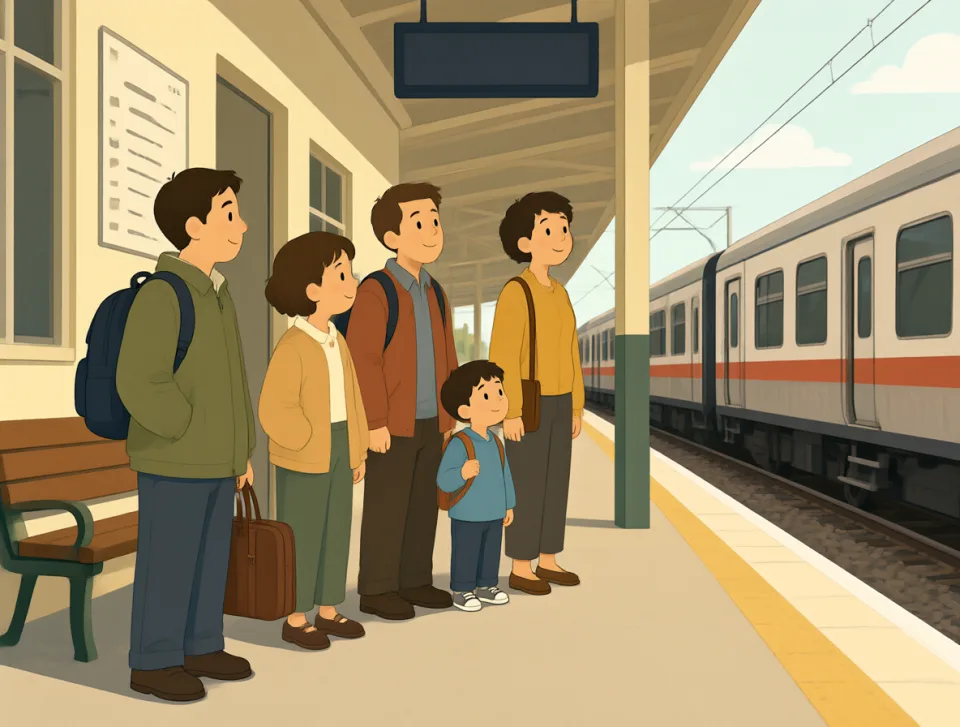
We arrived early for the train.
我們提前到達了火車站。
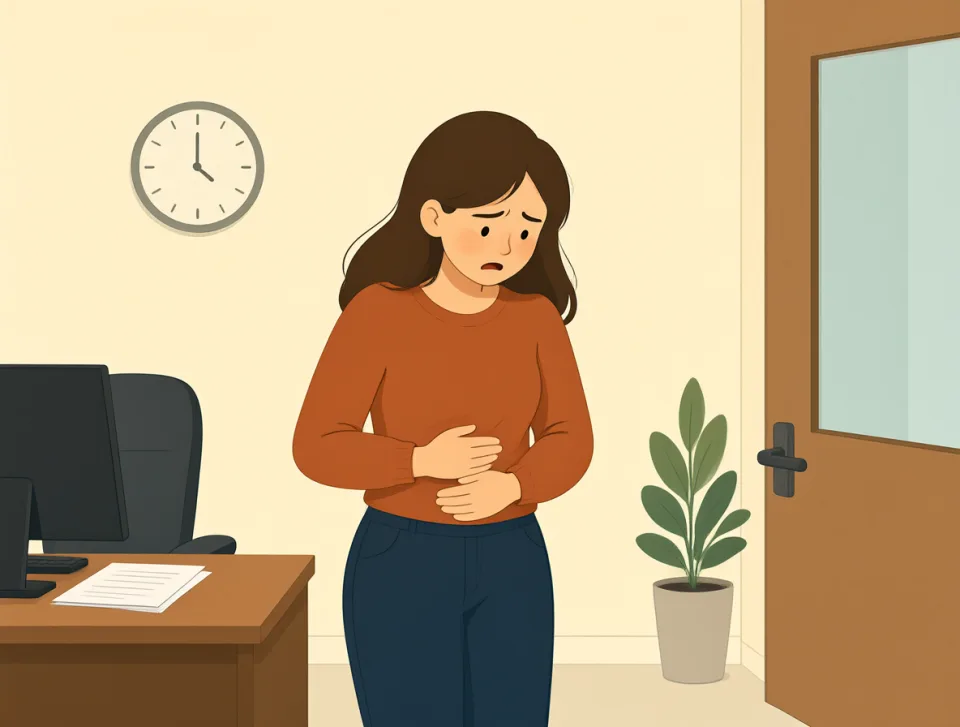
She left work early because she felt sick.
她感到不舒服,所以提前下班了。

The shop opens early on Saturdays.
這家商店週六開門很早。
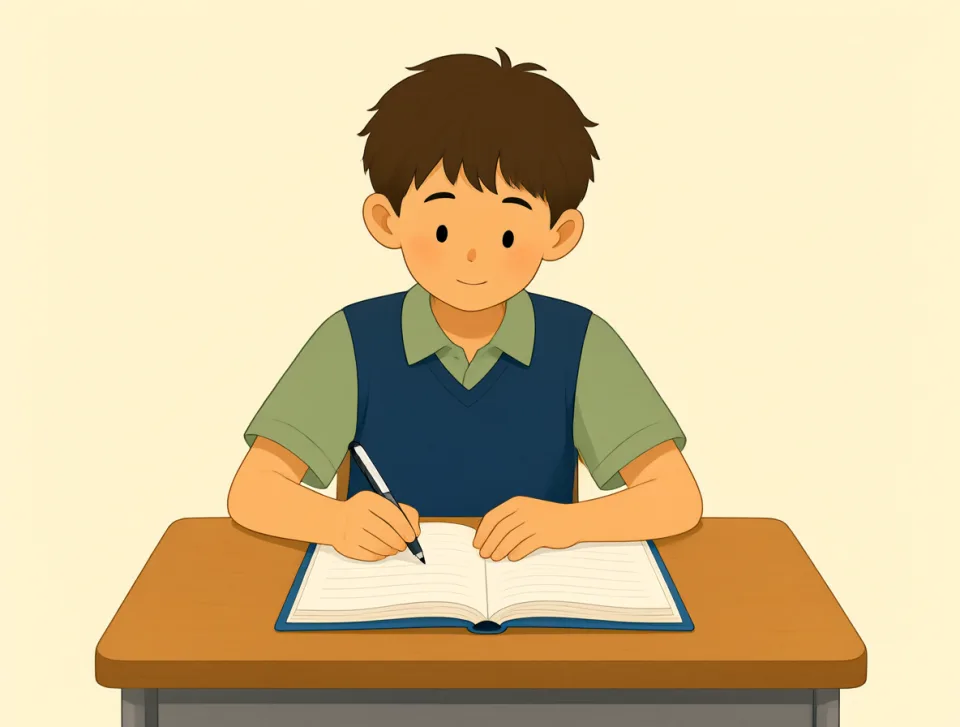
He finished his homework early.
他很早就完成了作業。
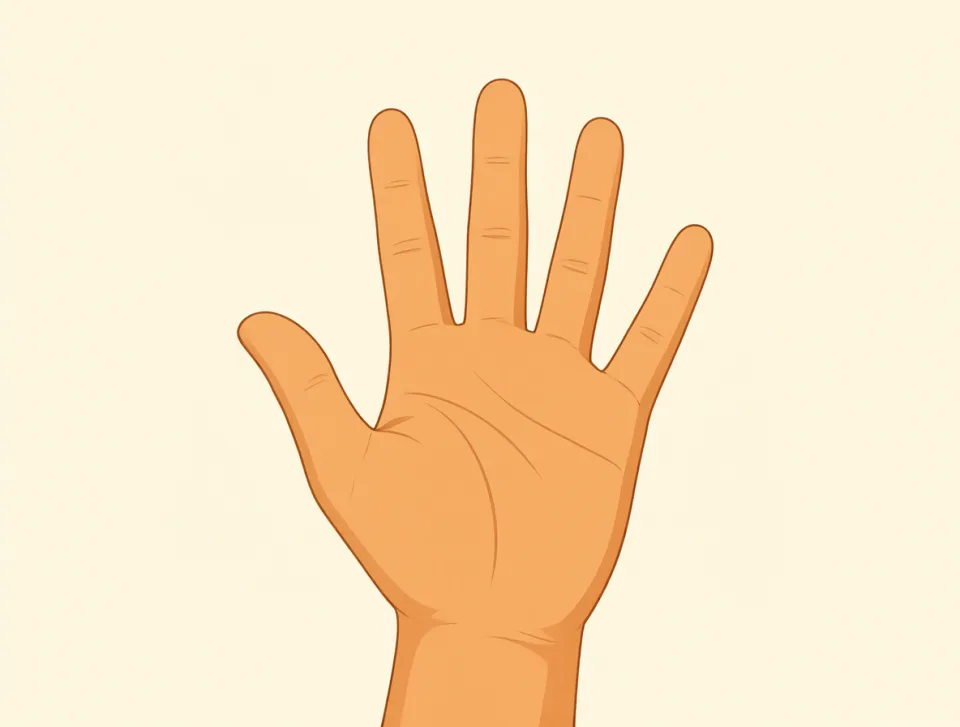
hand
#198noun, verb
手;遞給
The part of your body from your wrist to your fingers; to give or pass something.
從手腕到手指的身體部位;把某物遞給或傳給別人
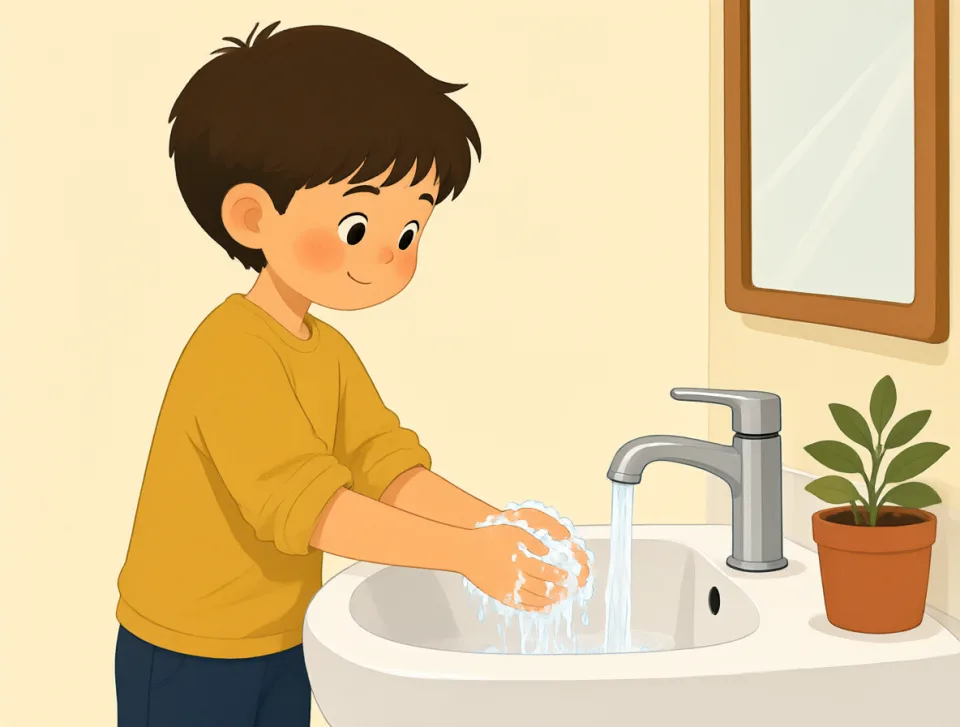
Wash your hands before you eat.
吃飯前洗手。
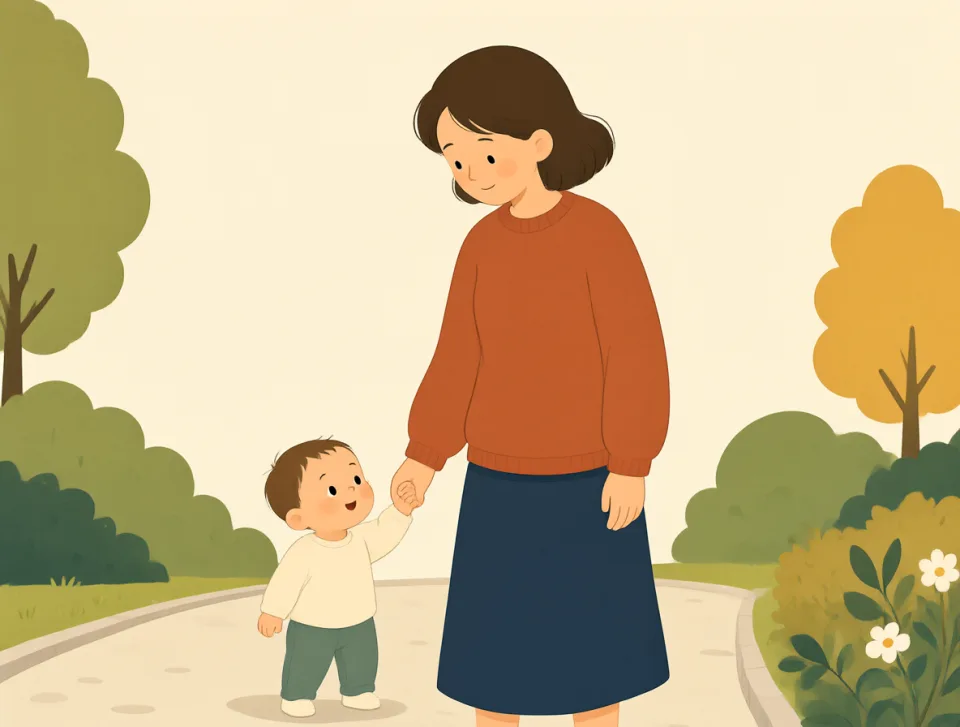
She held the baby’s hand tightly.
她緊緊地握著嬰兒的手。

Please hand me the salt.
請把鹽遞給我。

He raised his hand in class.
他在課堂上舉起了手。

They shook hands after the meeting.
會議結束後,他們握了握手。
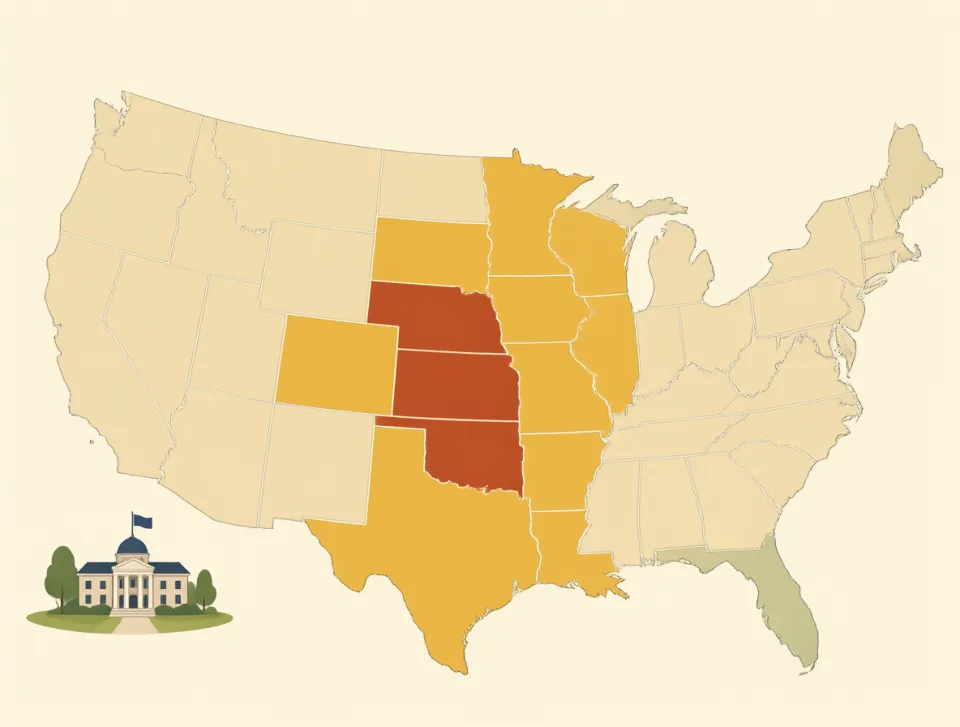
state
#199noun, verb
狀態;州;陳述
A state is a condition, or a large area with its own government.
State 可以指一種狀況,也可以指一個擁有自己政府的大地區。
The house is in a very good state.
這所房子的狀況很好。

The company is in a difficult state.
這家公司正處於困難時期。
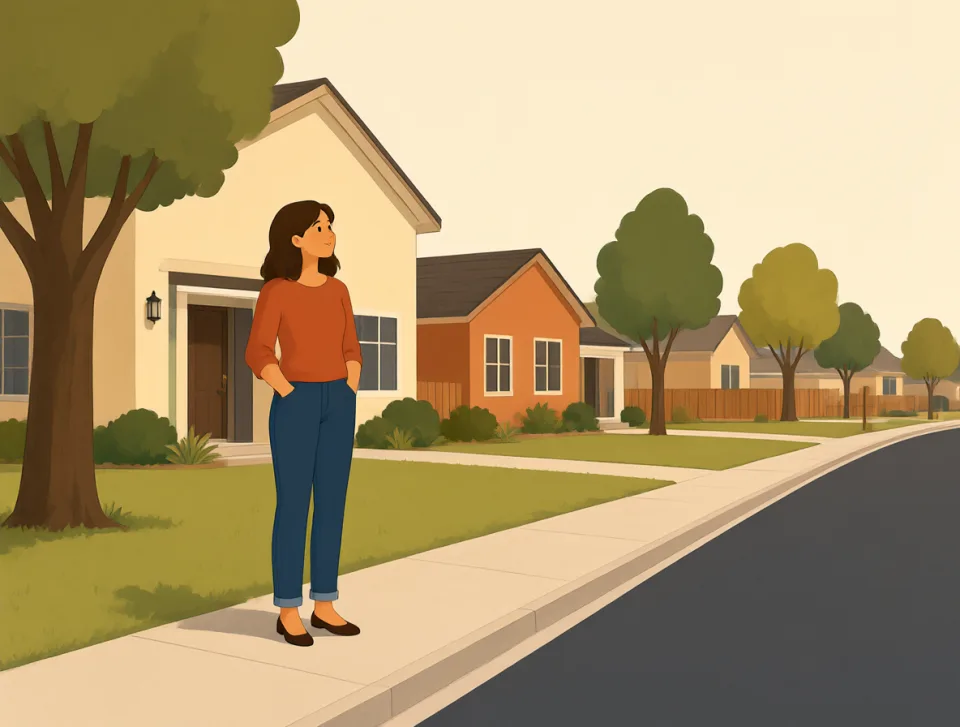
She lives in the state of Texas.
她住在德克薩斯州。
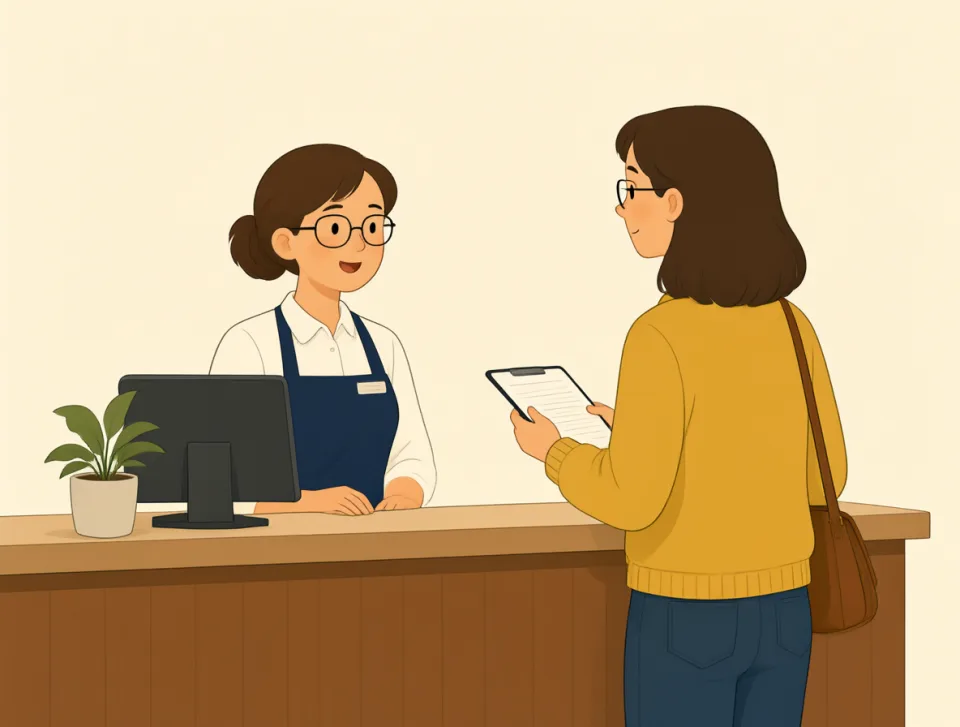
Please state your name and address.
請說出你的姓名和地址。

The doctor stated that he was healthy.
醫生說他很健康。
move
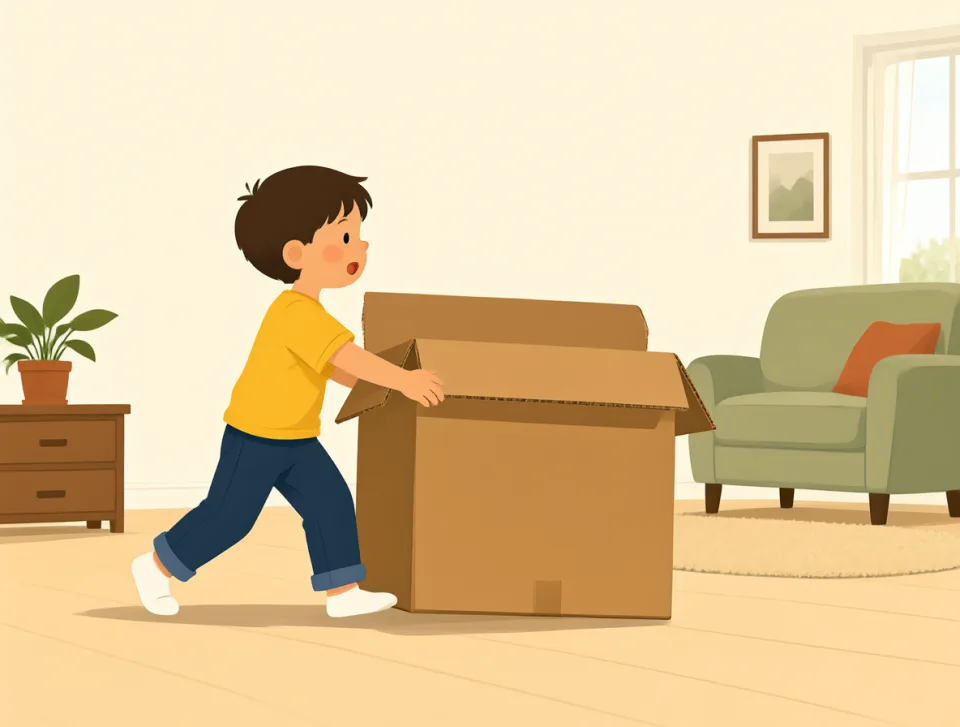
#200verb, noun
移動;搬家;行動
to change position or place, or to make someone or something change position
改變位置或地點,或使某人或某物改變位置
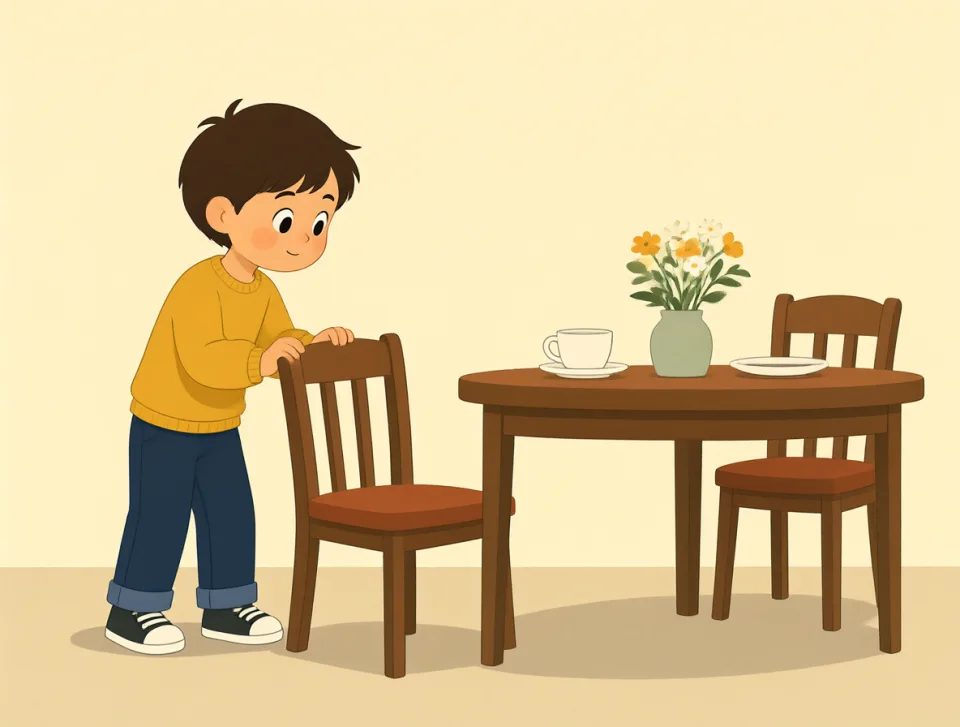
Please move your chair closer to the table.
請把你的椅子挪得離桌子近一些。

We moved to a new apartment last month.
我們上個月搬進了一套新公寓。
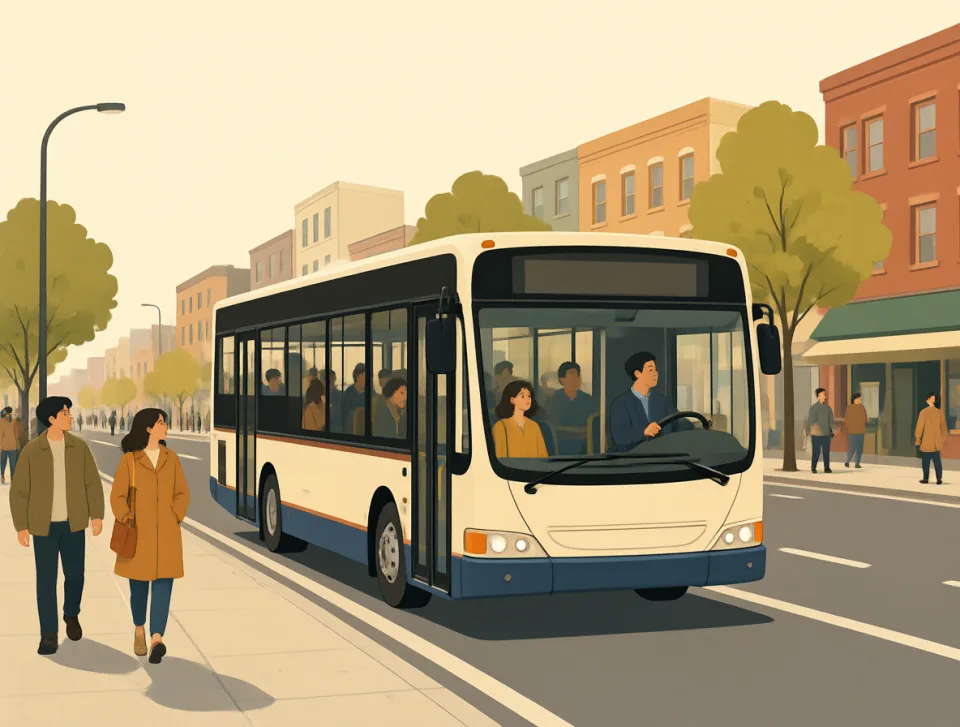
The bus moved slowly through the crowded street.
公交車緩慢地穿過擁擠的街道。
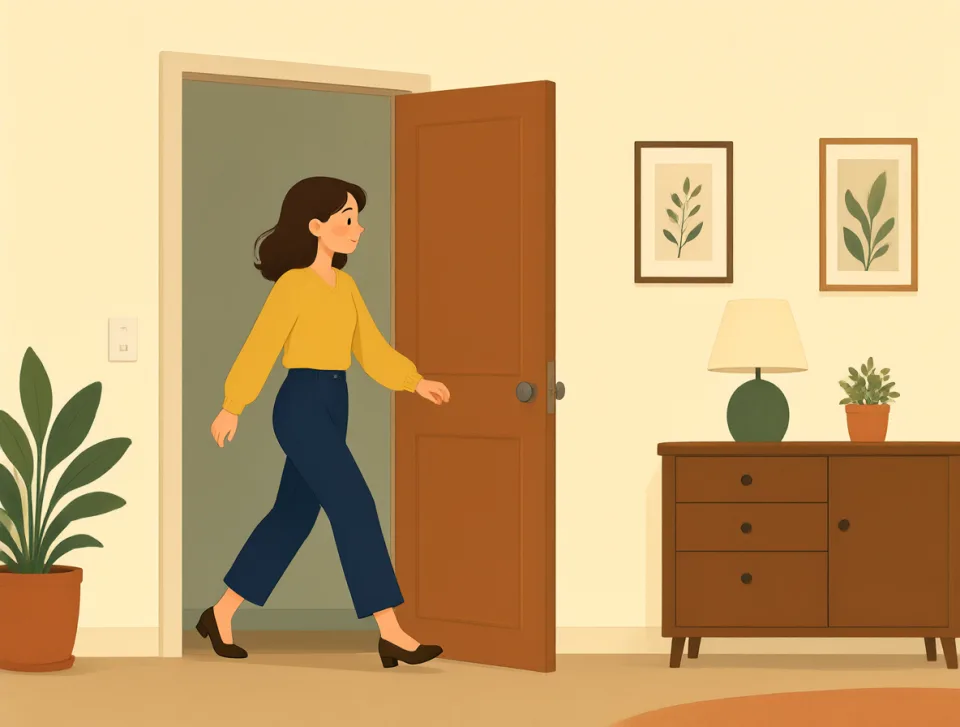
She made a quick move toward the door.
她迅速朝門口邁了一步。
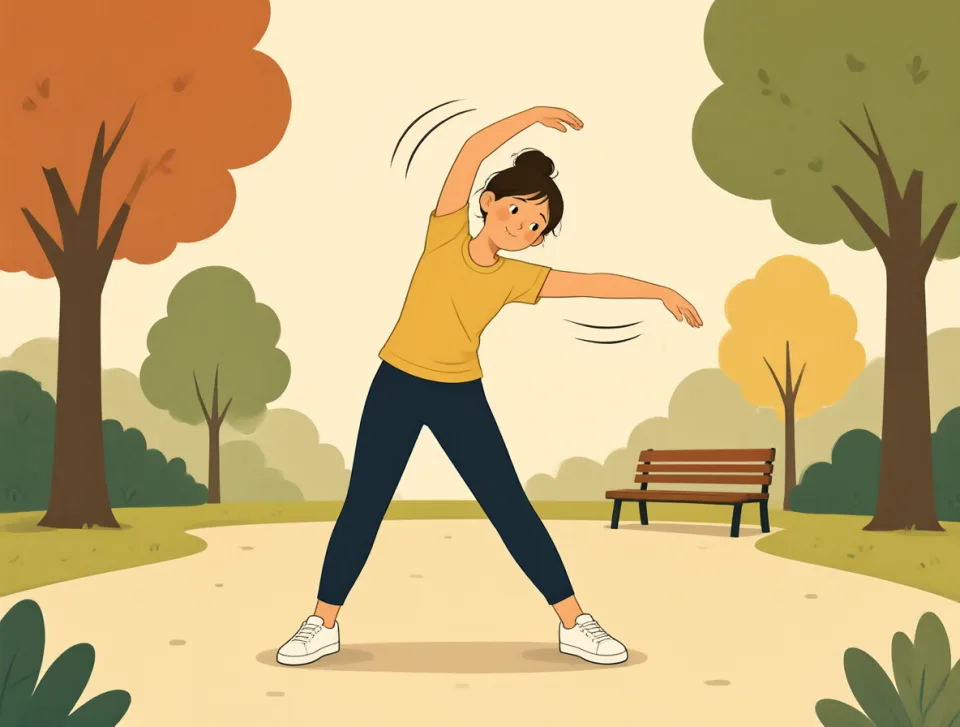
A little exercise helps move your body.
做一點運動有助於活動身體。