10단원
181–200번 단어 · question, during, always, big, set, small
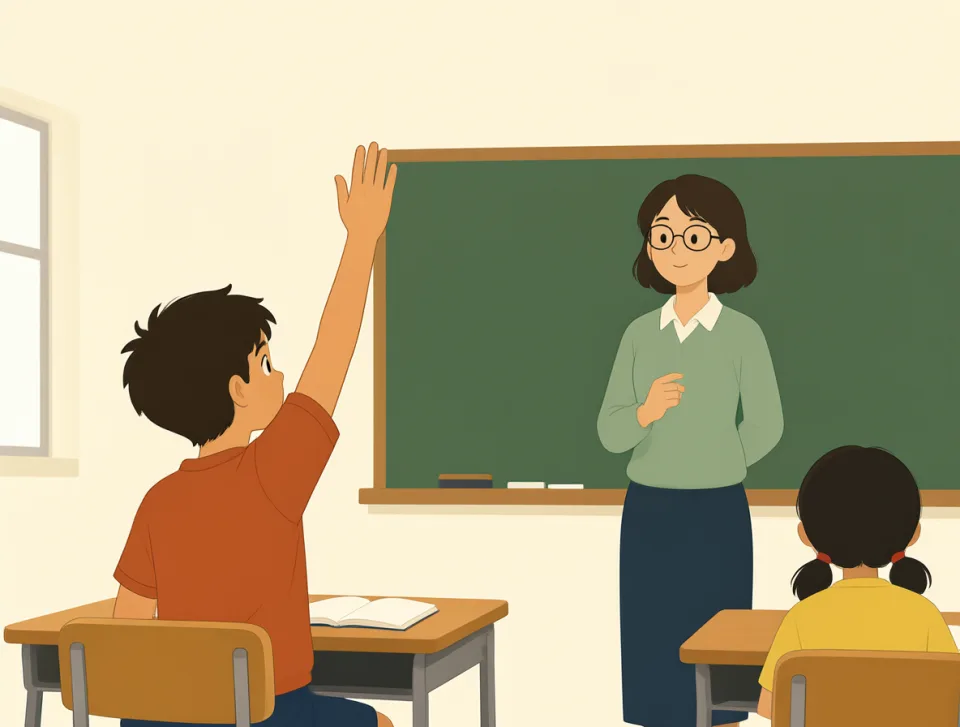
question
#181noun, verb
질문; 묻다; 의문을 제기하다
A sentence used to ask for information or express doubt about something.
정보를 묻거나 어떤 것에 대해 의문을 나타내기 위해 사용하는 문장
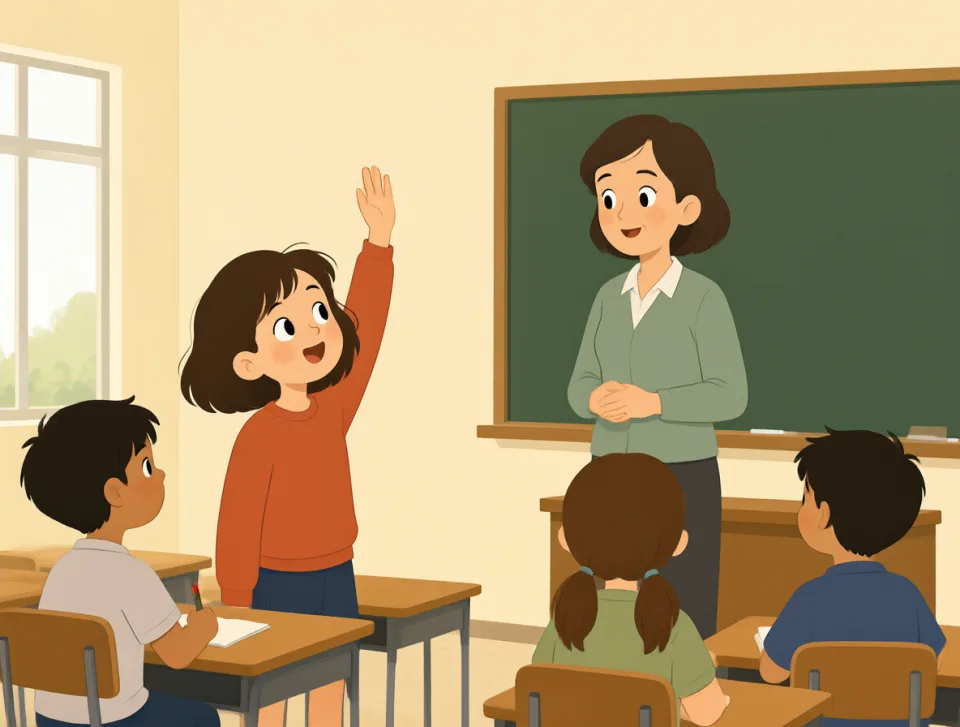
Please ask the teacher a question.
선생님께 질문을 하나 해 보세요.
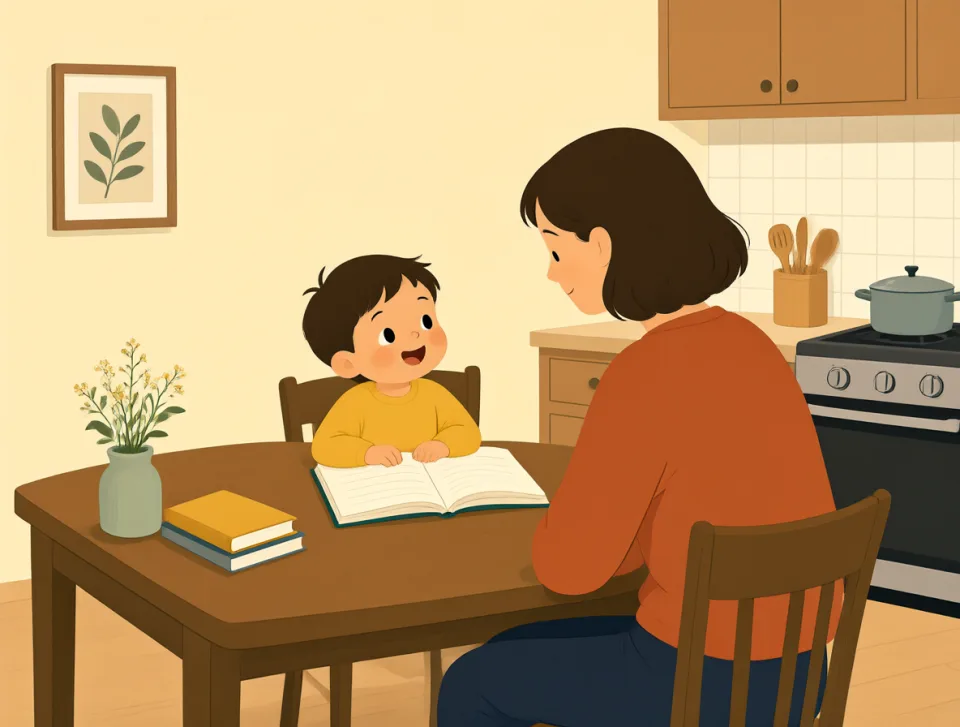
I have a question about my homework.
숙제에 대해 궁금한 점이 있어요.
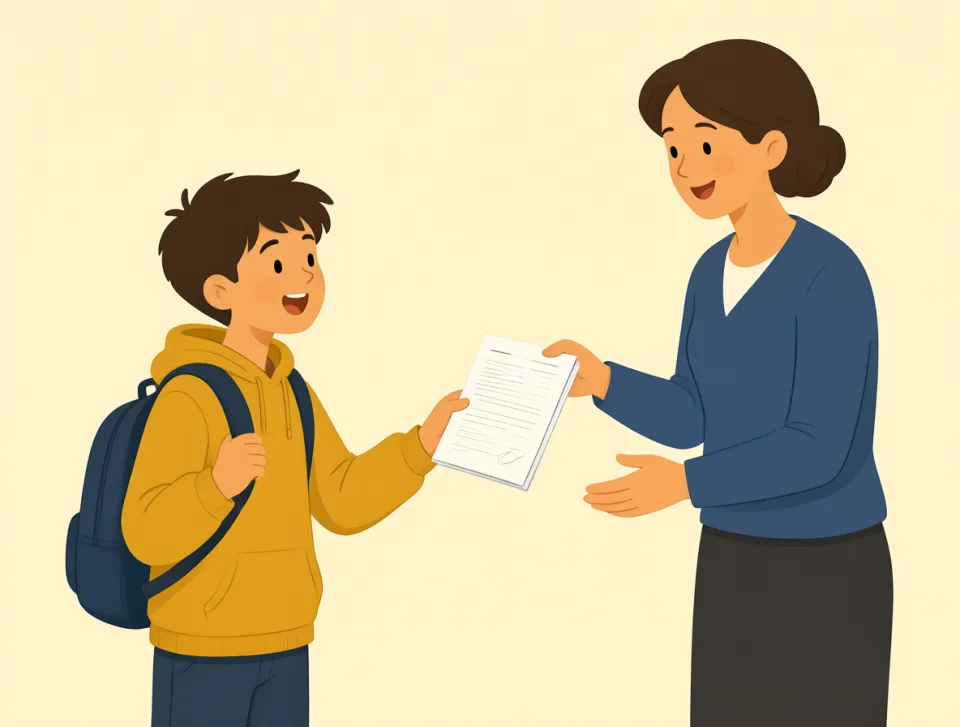
She answered all the questions correctly.
그녀는 모든 질문에 정확하게 대답했어요.

The customer questioned the price of the jacket.
그 고객은 재킷 가격에 의문을 제기했어요.
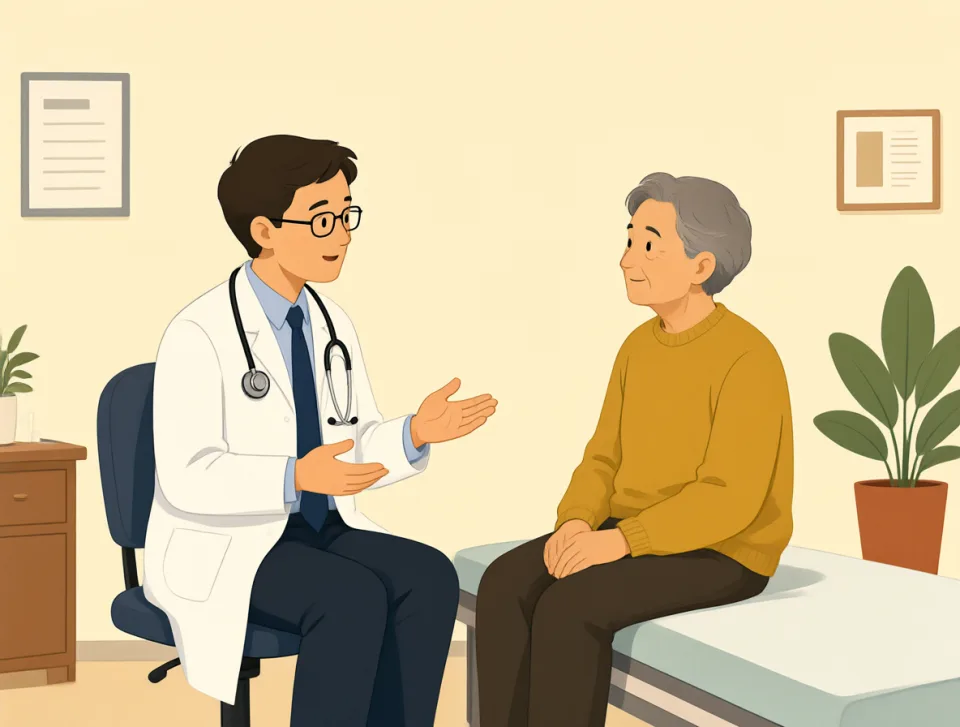
The doctor asked me questions about my pain.
의사는 제 통증에 대해 여러 가지를 물어봤어요.
during
#182preposition
동안; 중에
at some time between the beginning and end of an event or period
어떤 사건이나 기간이 시작된 때부터 끝날 때까지의 어느 시점에
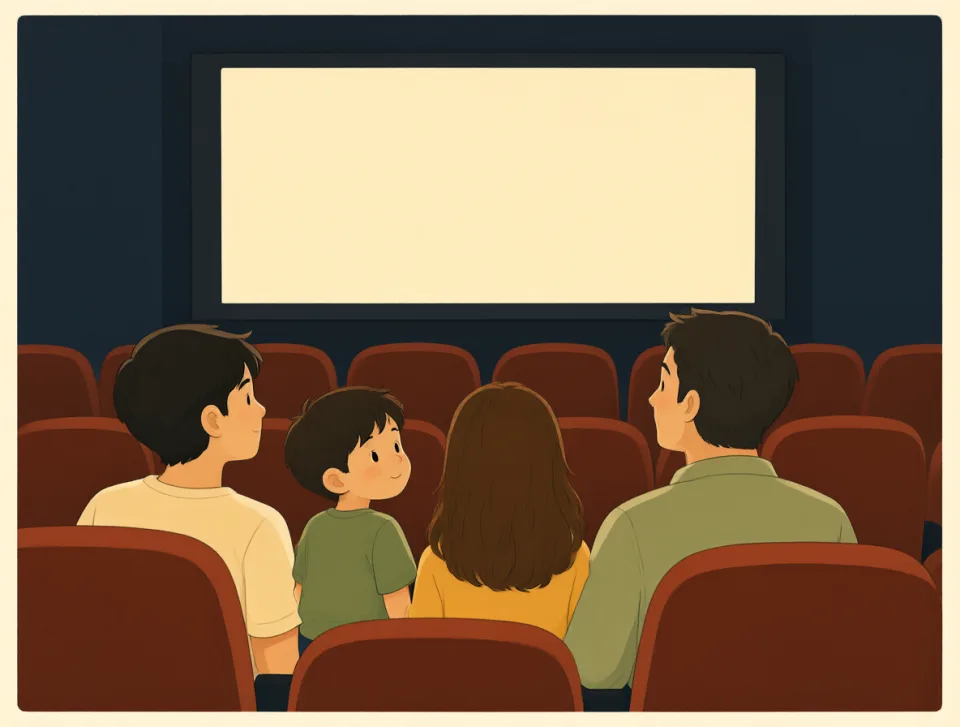
Please stay quiet during the movie.
영화 보는 동안 조용히 해 주세요.
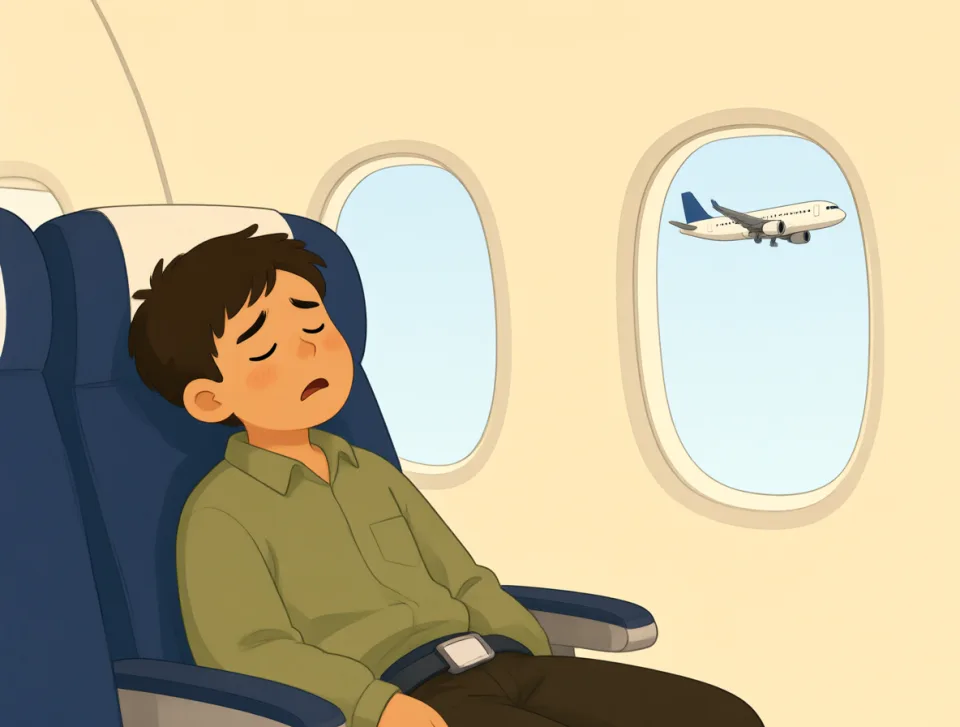
I fell asleep during the flight.
비행 중에 잠들었어요.
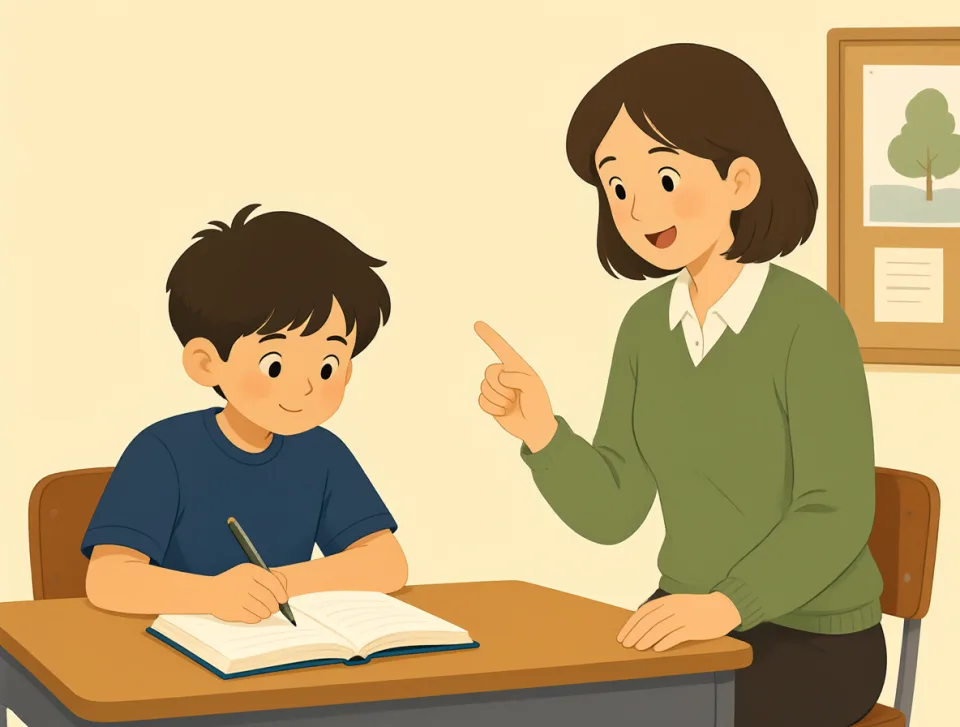
She took notes during the lesson.
수업 중에 필기를 했어요.
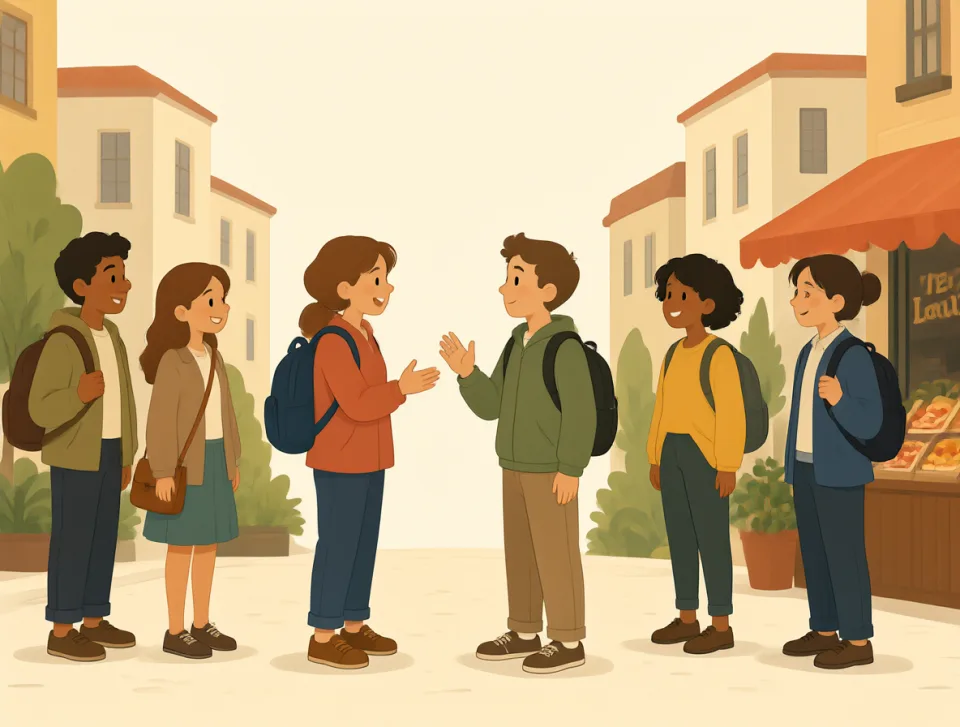
We met many people during our trip.
여행 중에 많은 사람을 만났어요.
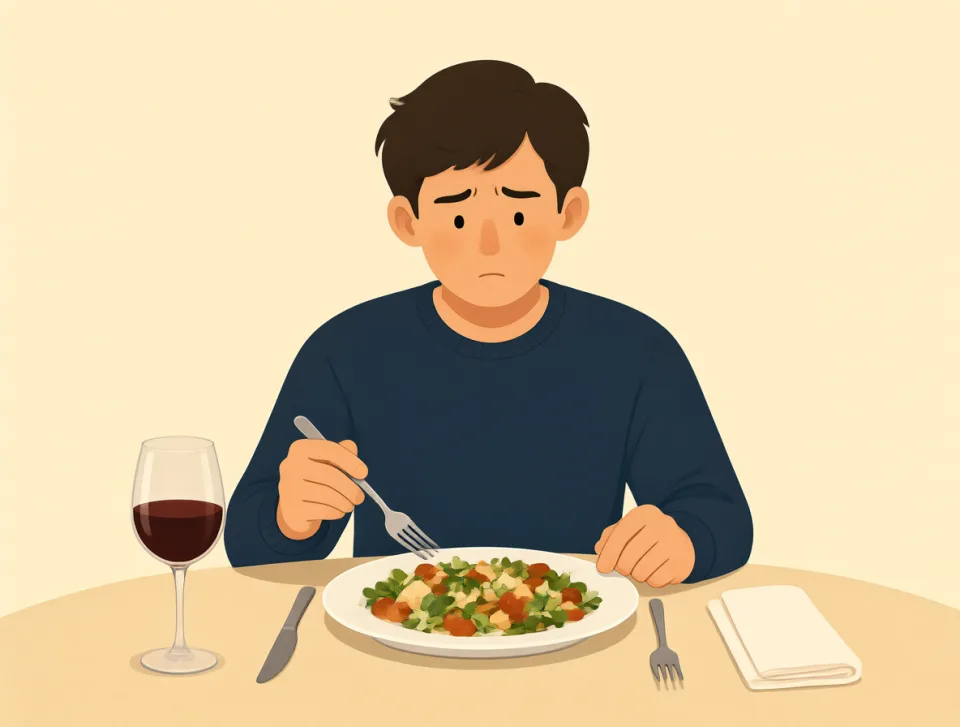
He felt sick during dinner.
저녁 식사 중에 몸이 안 좋았어요.
always
#183adverb
항상; 늘
Every time, or at all times.
매번, 또는 모든 시간에.
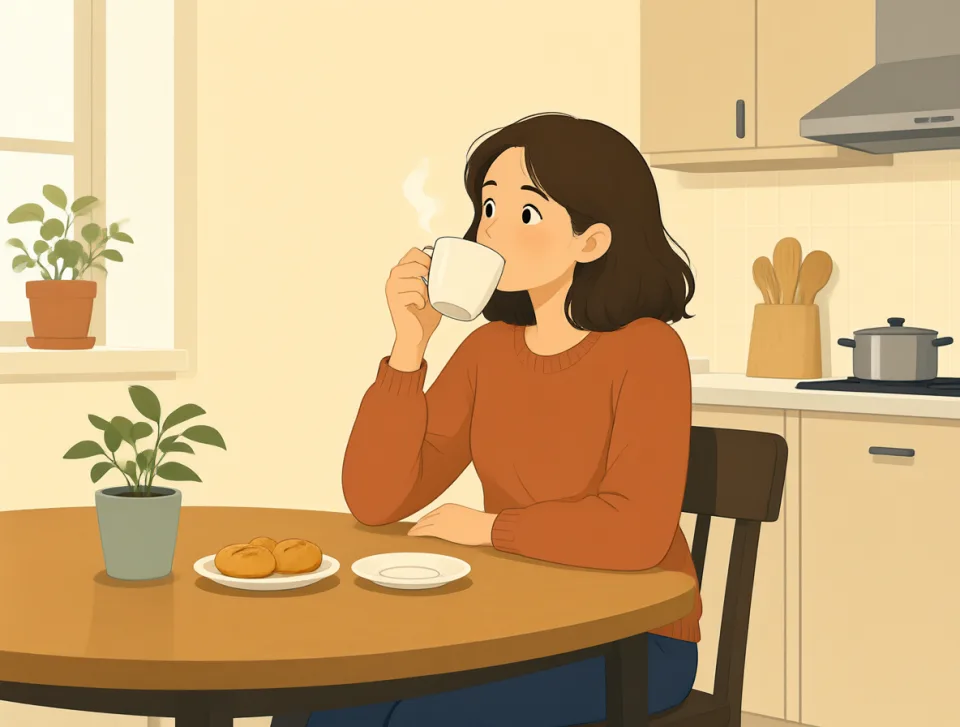
She always drinks coffee in the morning.
그녀는 아침마다 항상 커피를 마셔요.
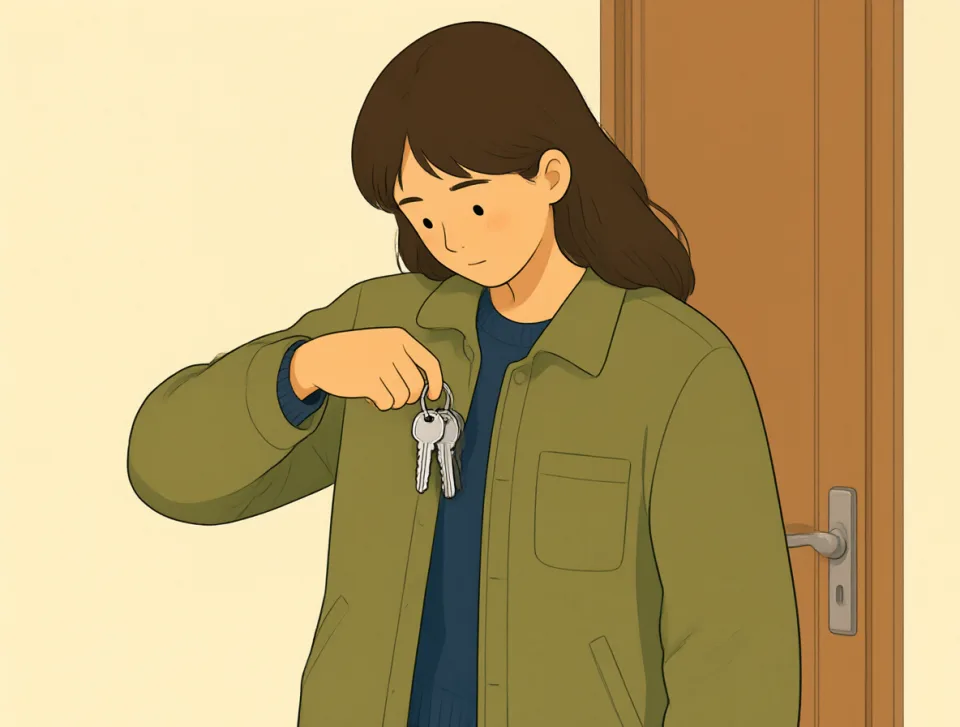
I always take my keys with me.
나는 항상 열쇠를 가지고 다녀요.

He is always late for work.
그는 항상 회사에 늦어요.
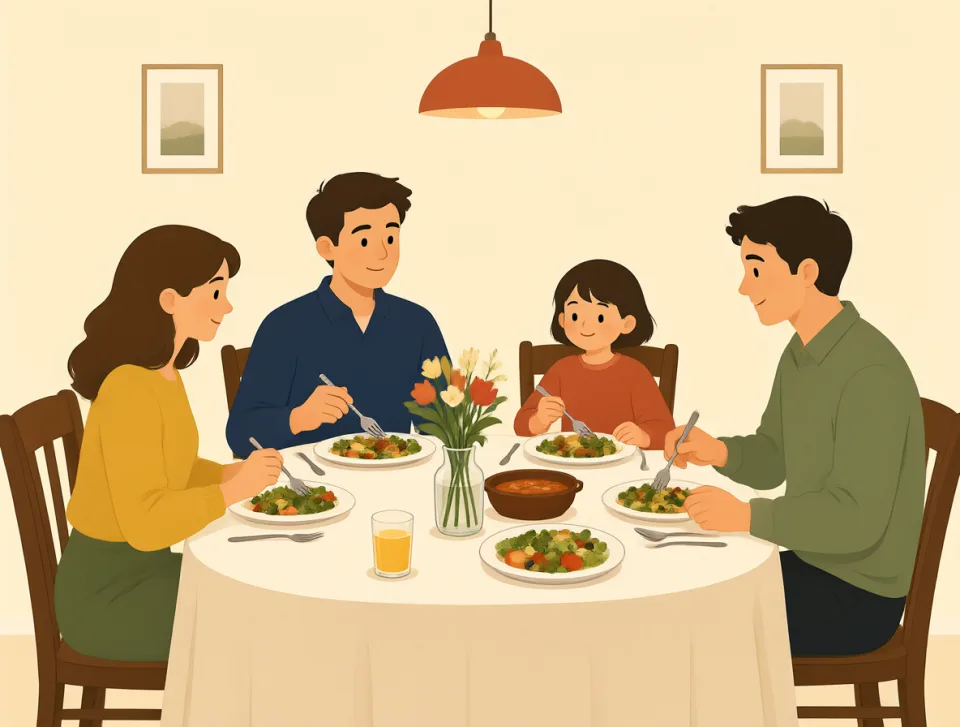
We always eat dinner together.
우리는 항상 함께 저녁을 먹어요.
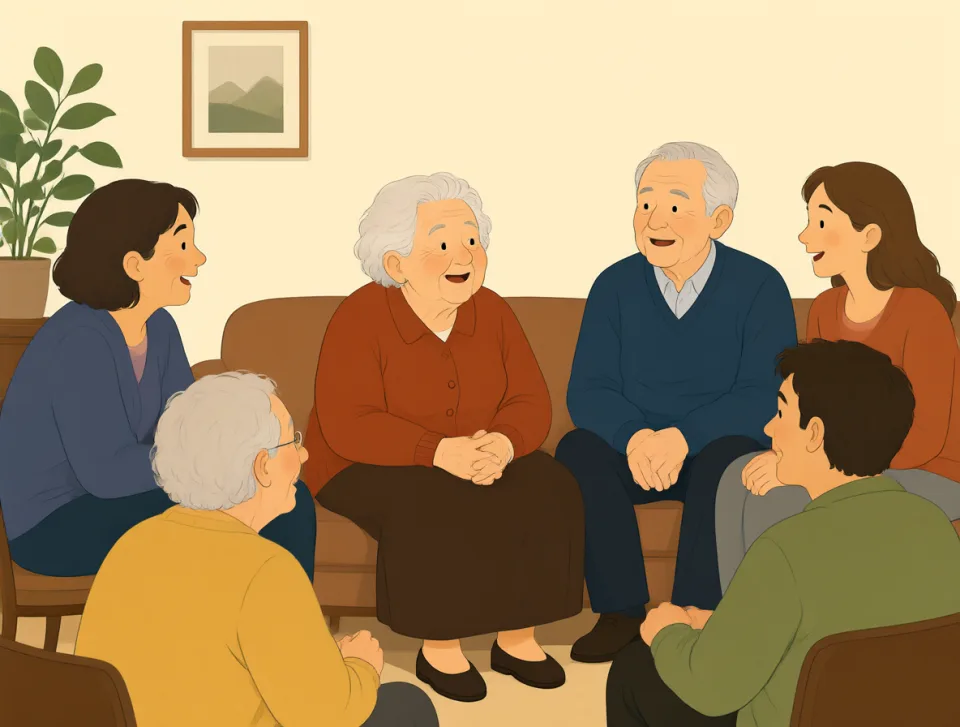
My grandmother always tells funny stories.
우리 할머니는 항상 재미있는 이야기를 들려주세요.
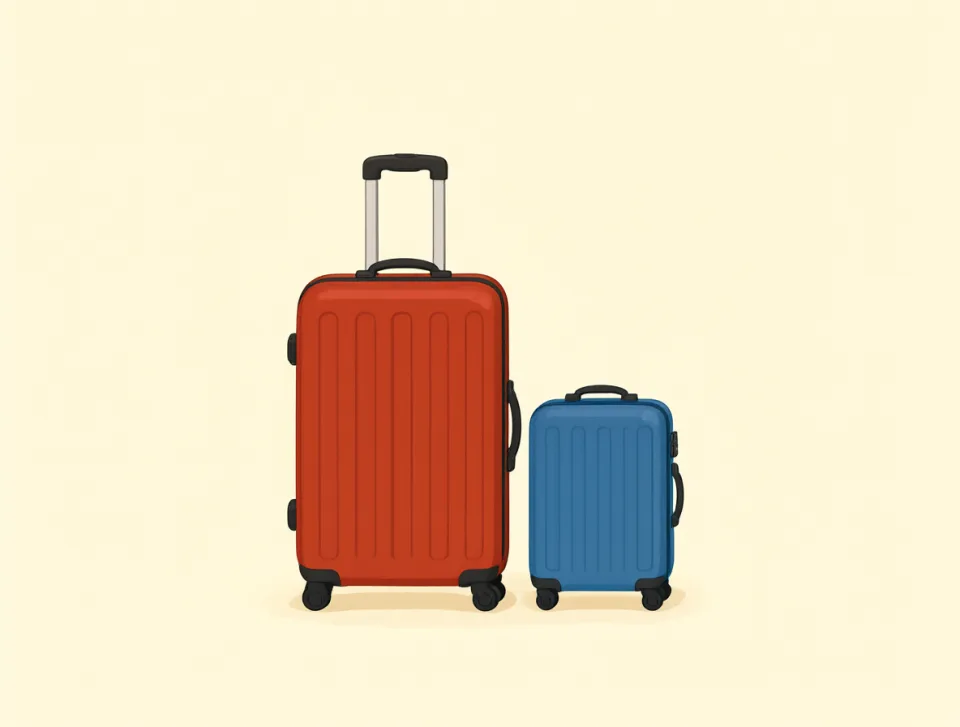
big
#184adjective, adverb, noun
큰; 많은; 중요한
Large in size, amount, importance, or popularity.
크기나 양이 크거나, 중요성이나 인기가 높은.
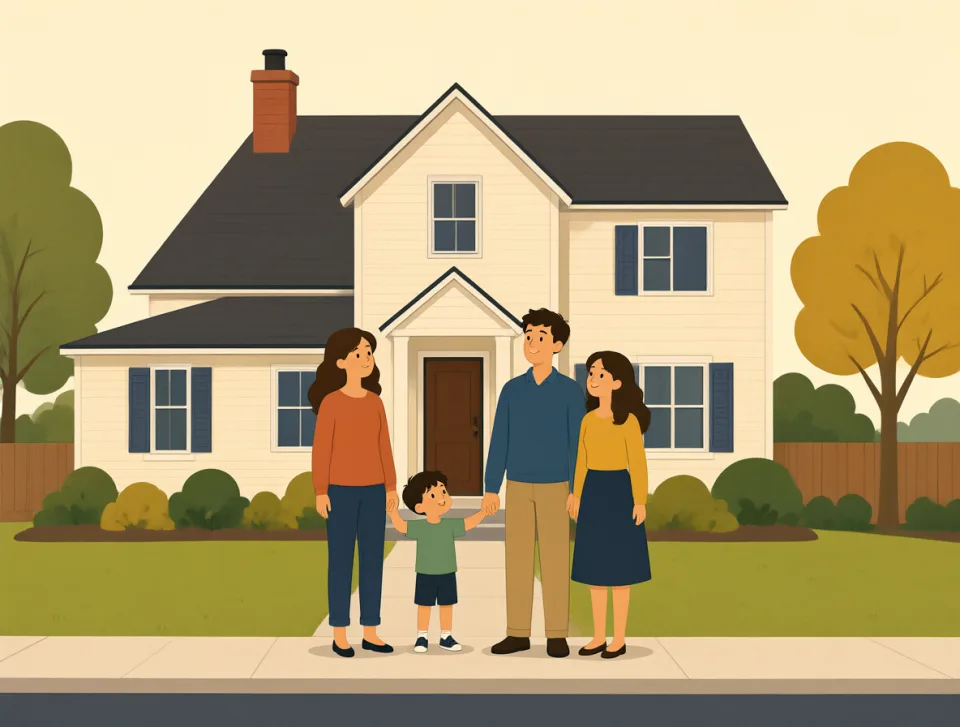
They live in a big house.
그들은 큰 집에 살아요.
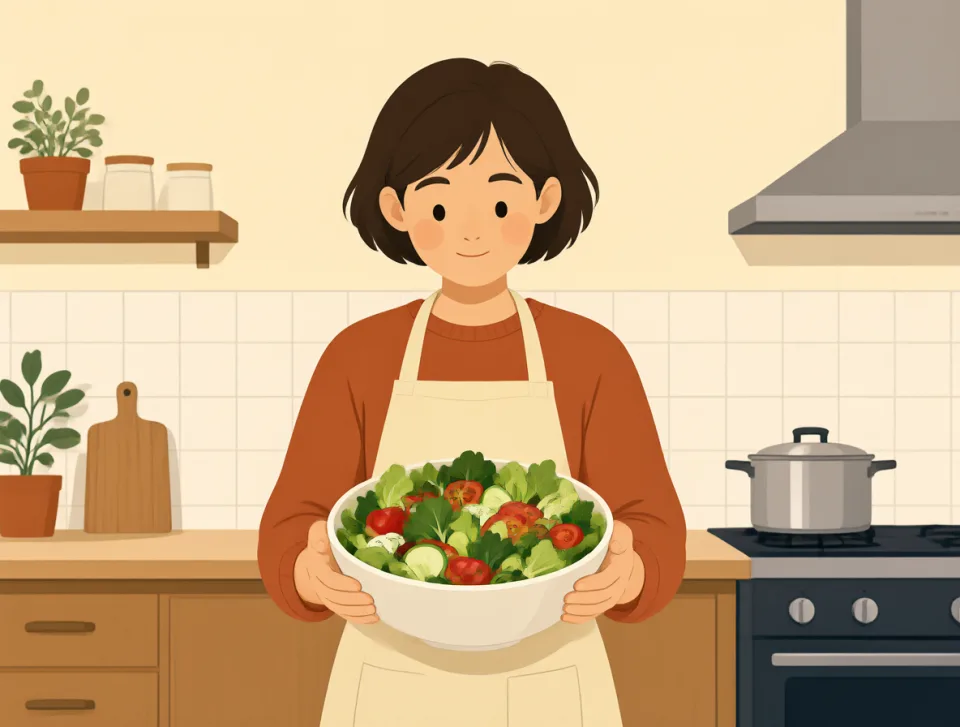
I need a big bowl for salad.
샐러드 담을 큰 그릇이 필요해요.

She got a big job at the company.
그녀는 회사에서 중요한 직책을 맡게 됐어요.
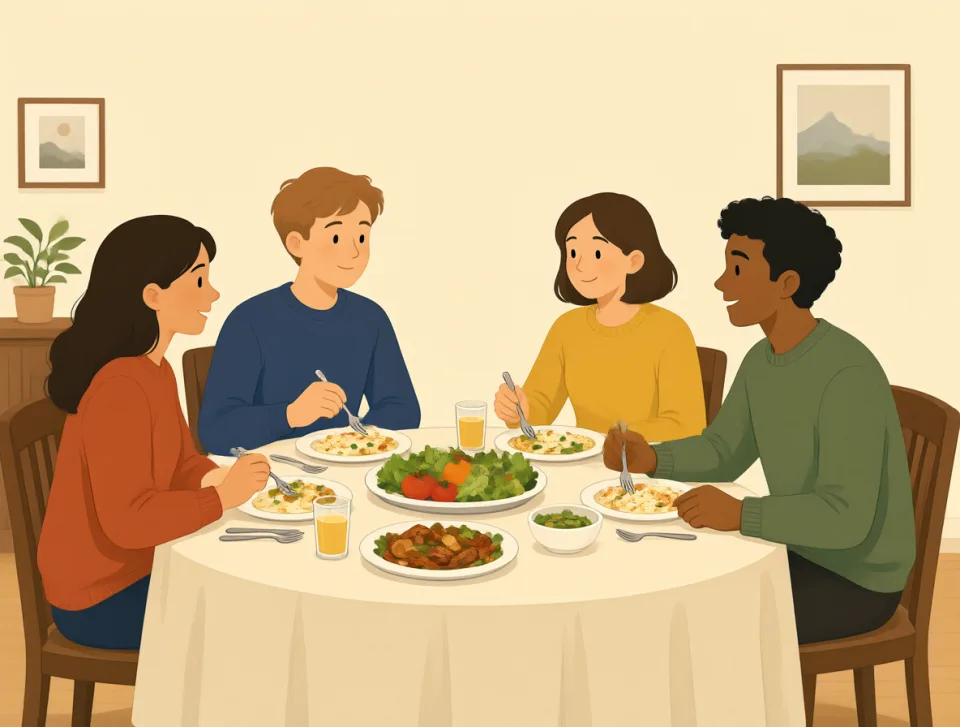
We had a big lunch after the trip.
여행을 다녀온 뒤 푸짐하게 점심을 먹었어요.
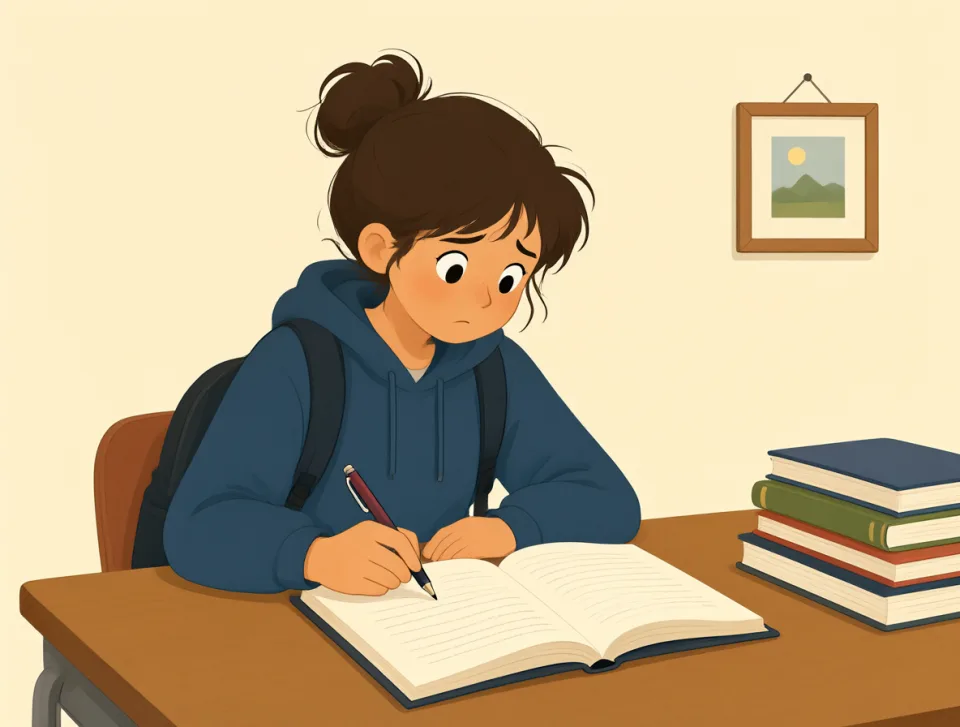
That was a big mistake in my homework.
그건 내 숙제에서 큰 실수였어요.
set
#185noun, verb, adjective
세트; 놓다; 차리다; 정하다
A group of things, or to put something in a particular place or position.
여러 물건의 한 묶음, 또는 무언가를 특정한 장소나 위치에 놓다.
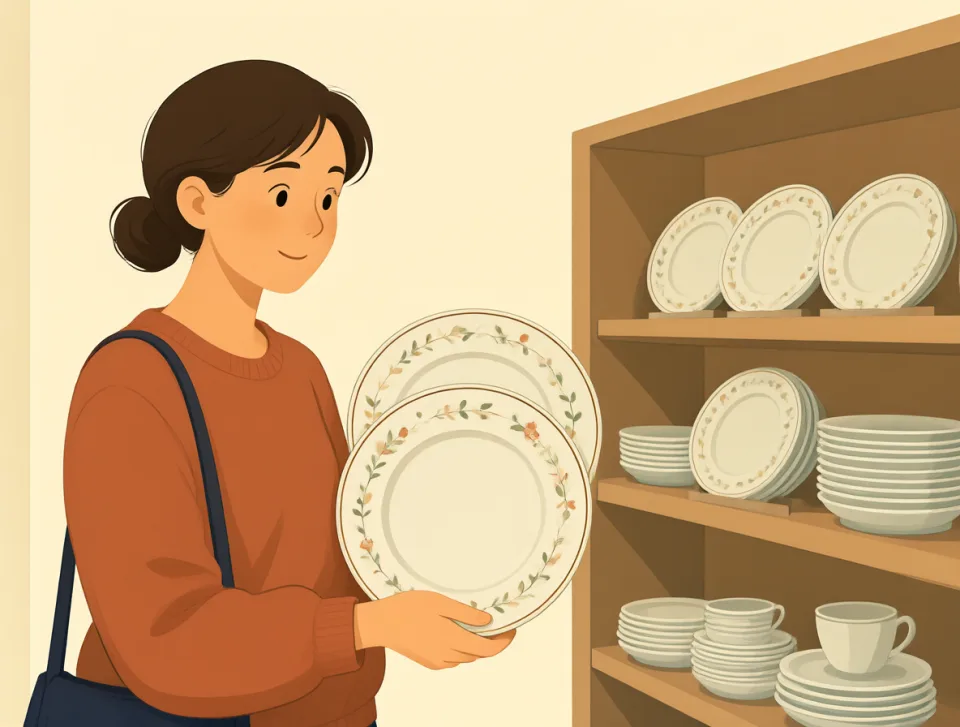
I bought a new set of plates.
새 접시 세트를 샀어요.
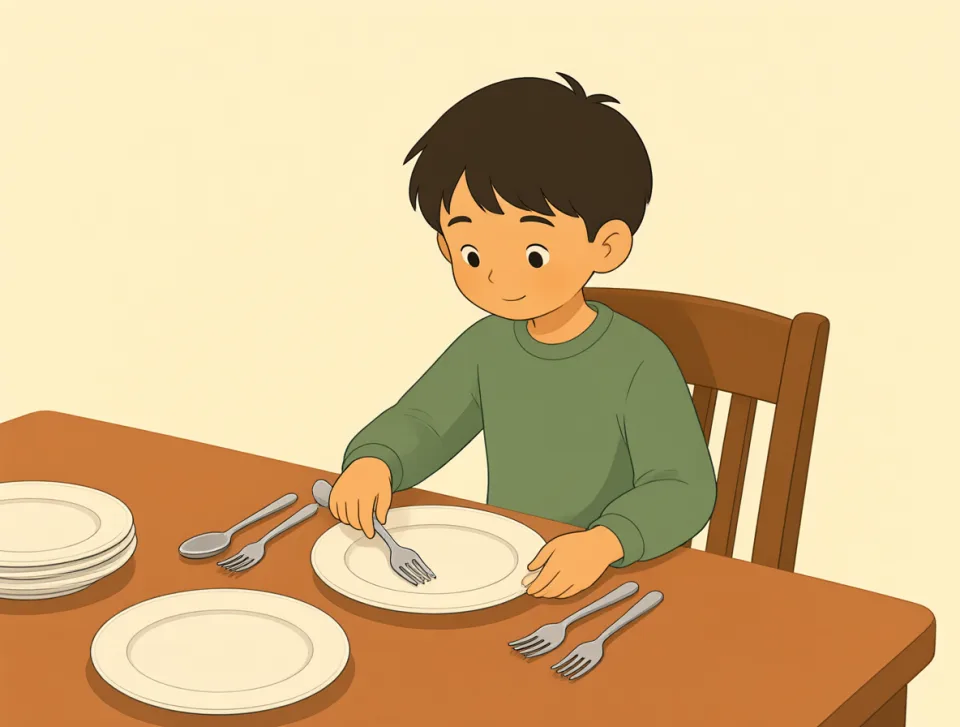
Please set the table for dinner.
저녁 식사 준비로 식탁을 차려 주세요.
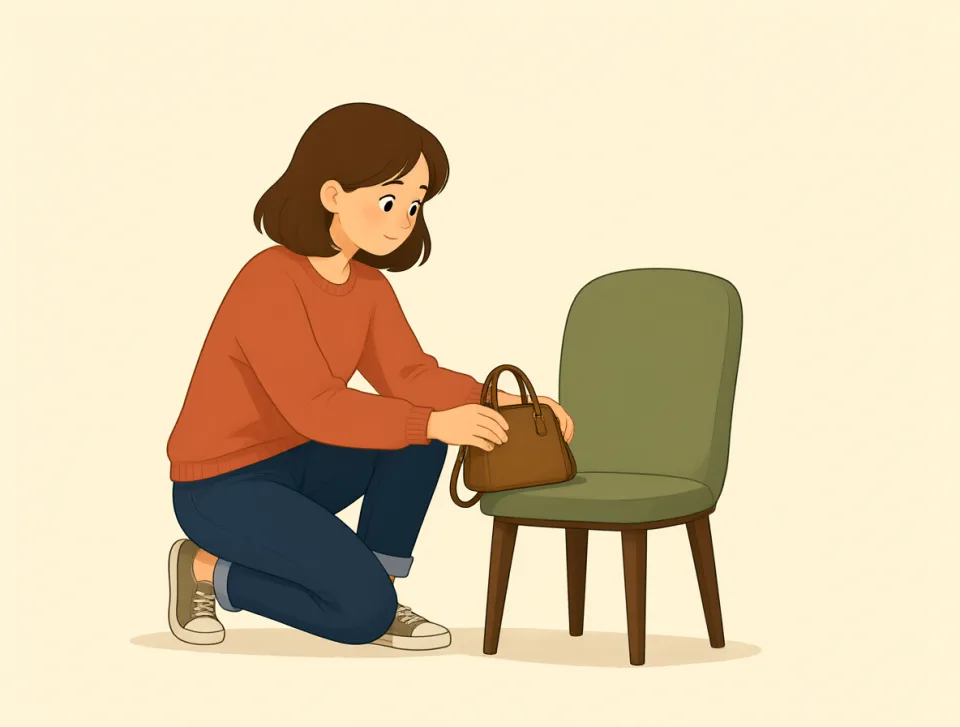
She set her bag beside the chair.
그녀는 의자 옆에 가방을 놓았어요.
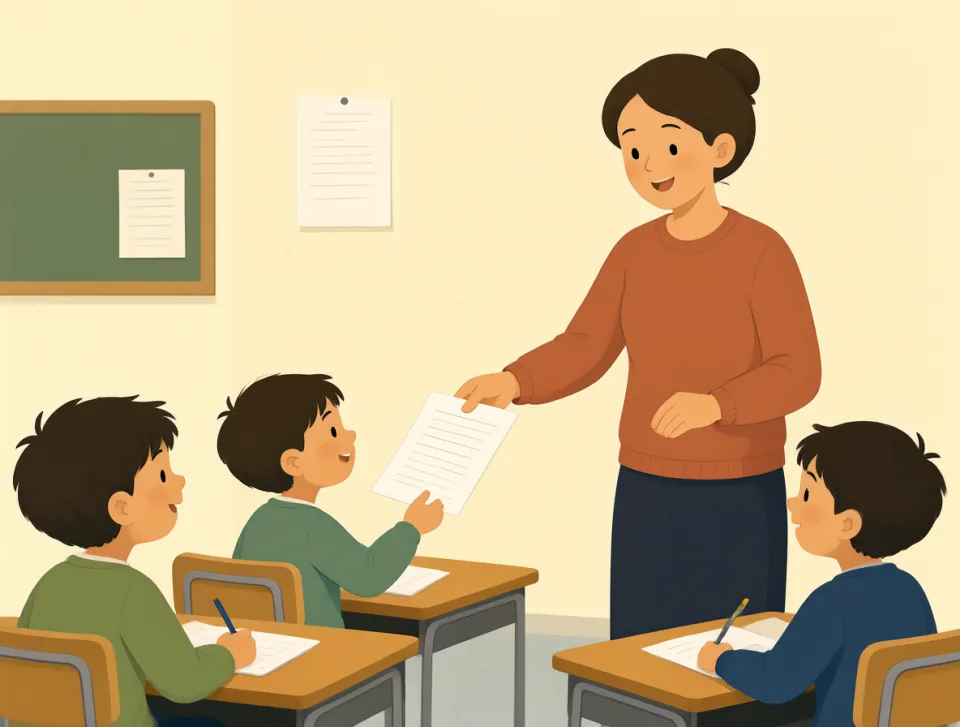
The teacher set a test for Friday.
선생님은 금요일에 시험을 보도록 정하셨어요.

The sun sets over the sea.
해가 바다 너머로 져요.

small
#186adjective, noun
작은; 소량의; 적은
Not large in size, amount, or number.
크기, 양 또는 수가 많지 않은.
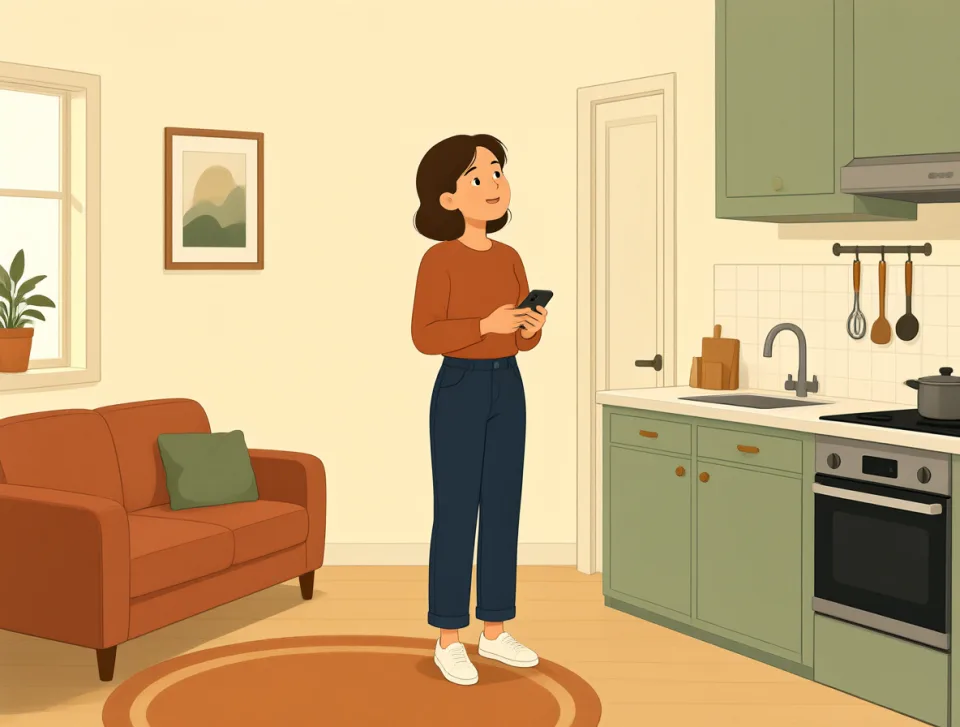
She lives in a small apartment downtown.
그녀는 시내의 작은 아파트에 산다.
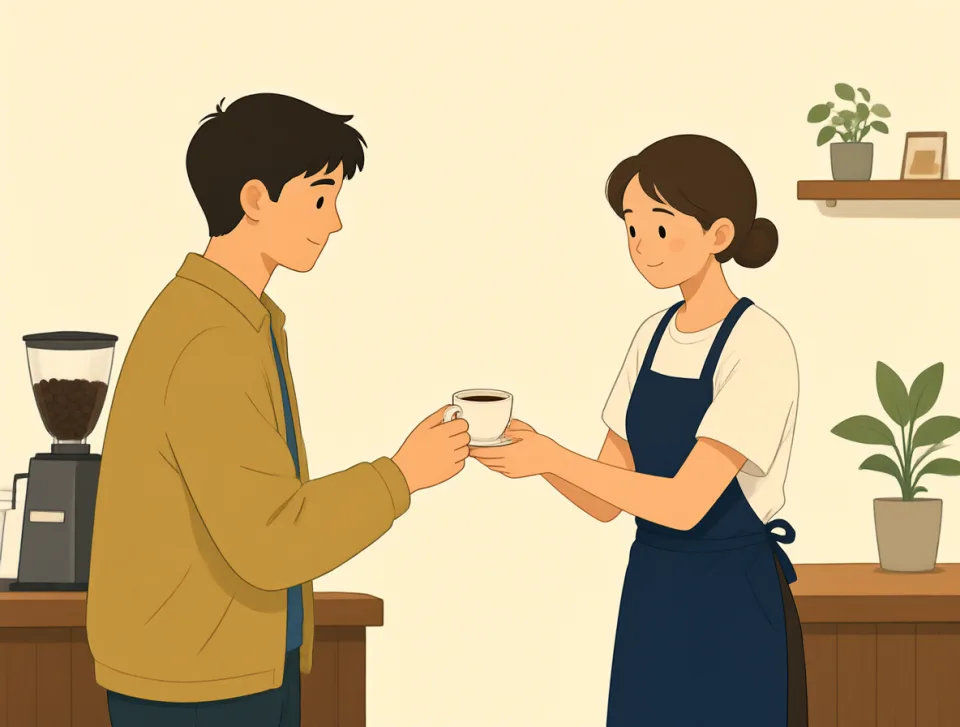
He bought a small coffee at the shop.
그는 가게에서 작은 커피를 샀다.
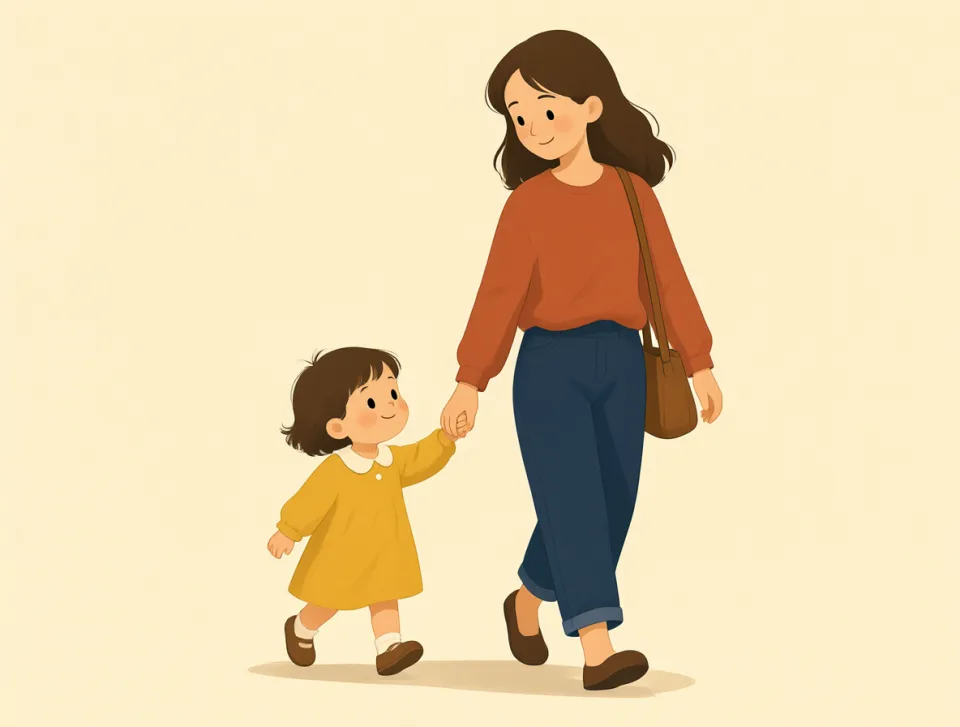
The small child held her mother’s hand.
그 어린아이는 엄마의 손을 잡았다.

We sat at a small table by the window.
우리는 창가의 작은 테이블에 앉았다.
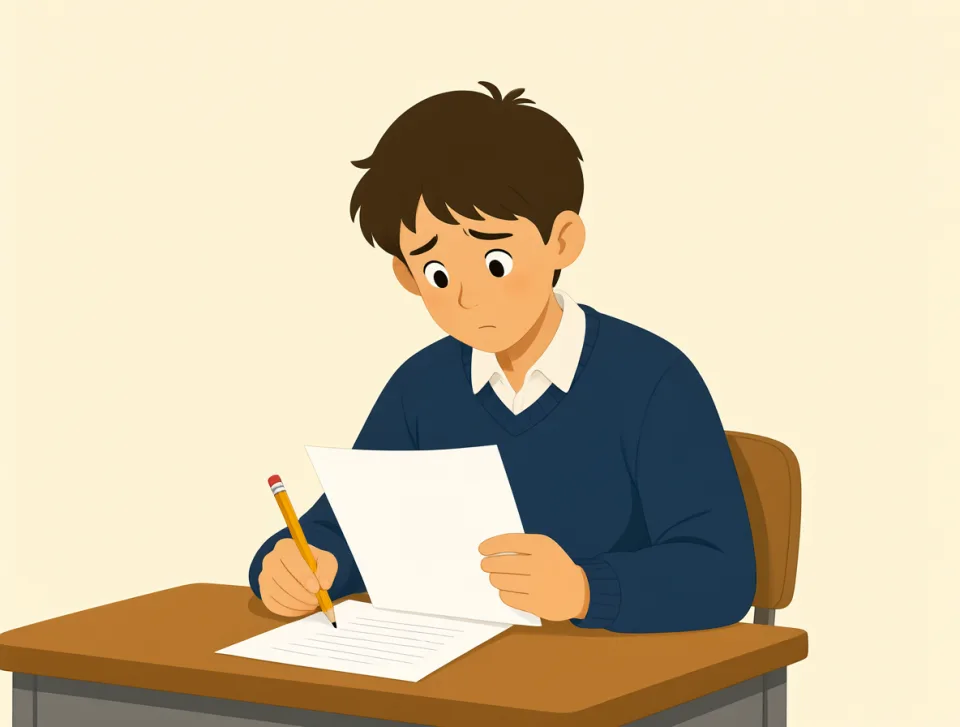
I made a small mistake on the test.
나는 시험에서 작은 실수를 했다.
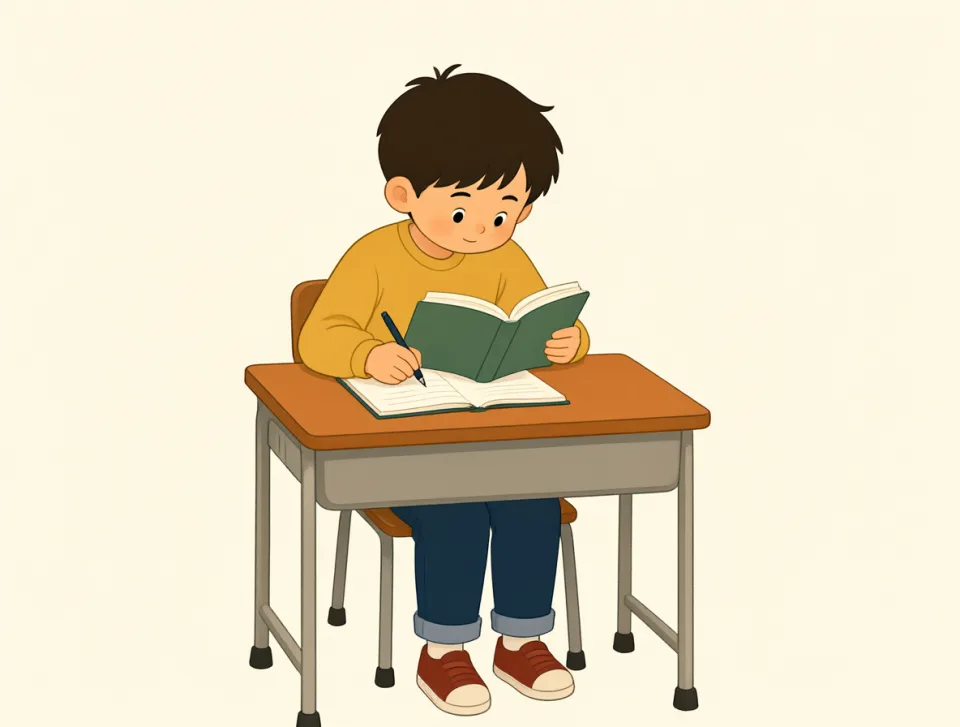
study
#187noun, verb
공부; 공부하다
To learn about a subject by reading, practicing, or going to classes.
읽거나 연습하거나 수업을 들으며 어떤 과목을 배우는 것.
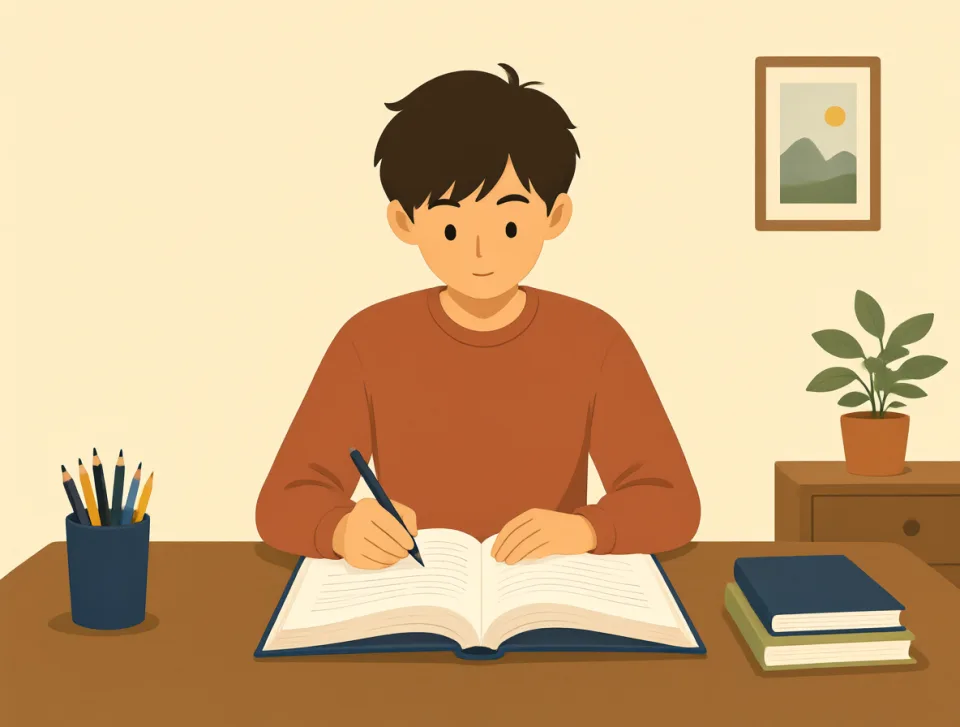
I study English every evening at home.
나는 매일 저녁 집에서 영어를 공부한다.
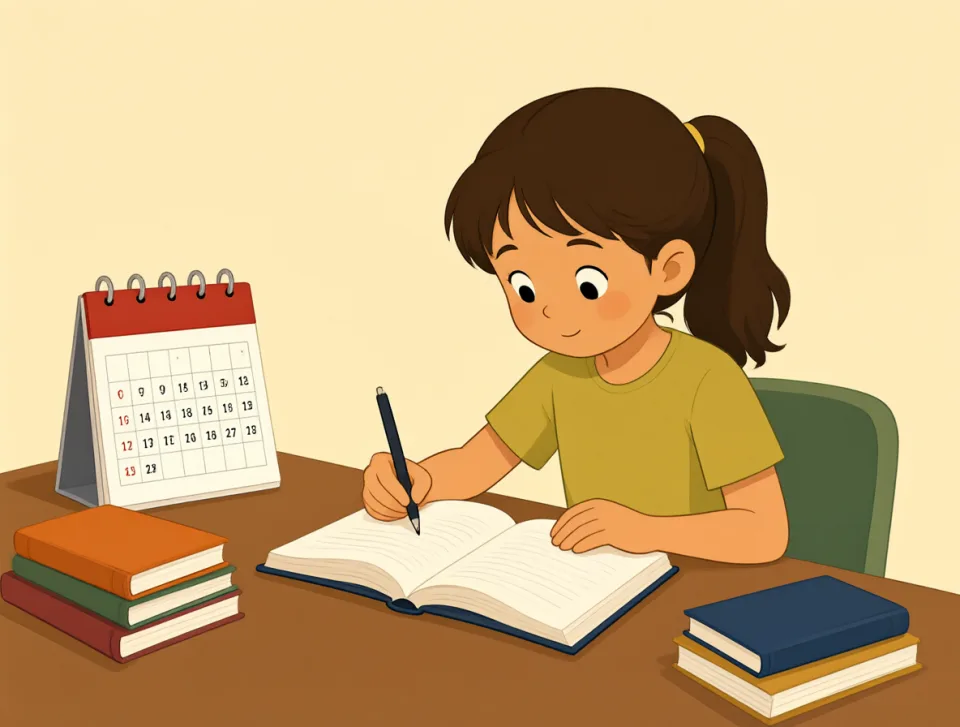
She studied hard for her math test.
그녀는 수학 시험을 열심히 준비했다.
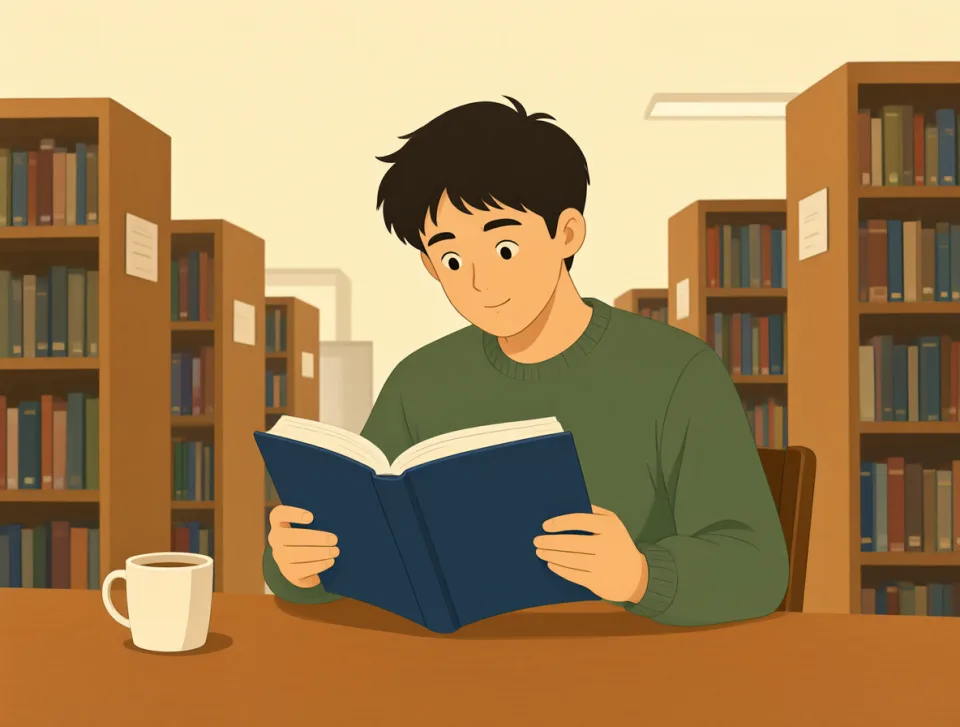
He is studying medicine at university.
그는 대학에서 의학을 공부하고 있다.
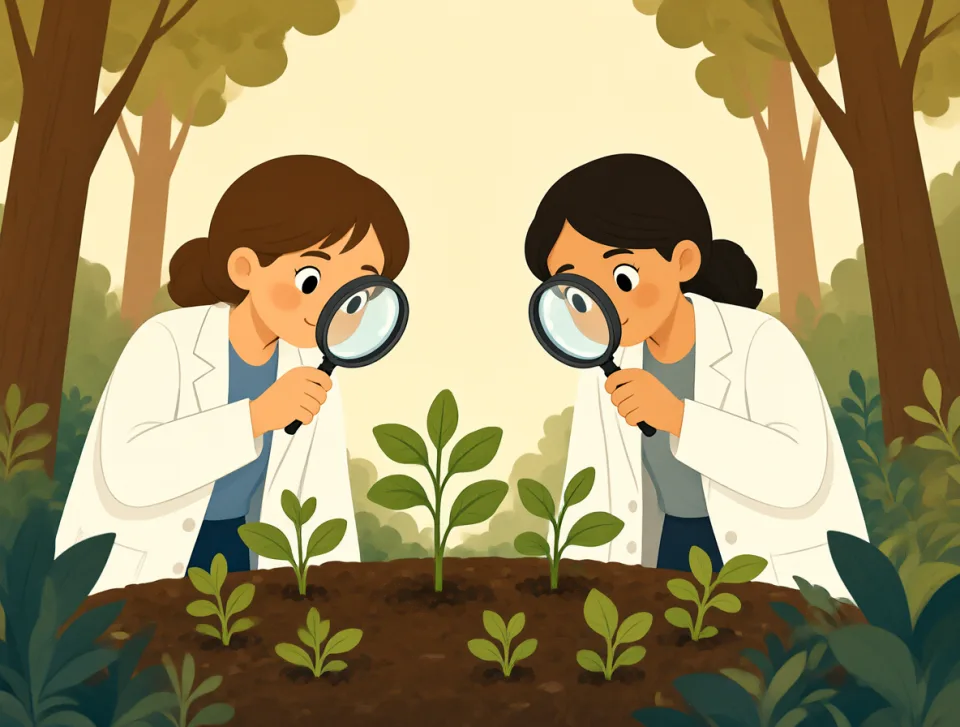
The scientists study plants in the forest.
과학자들은 숲에서 식물을 연구한다.
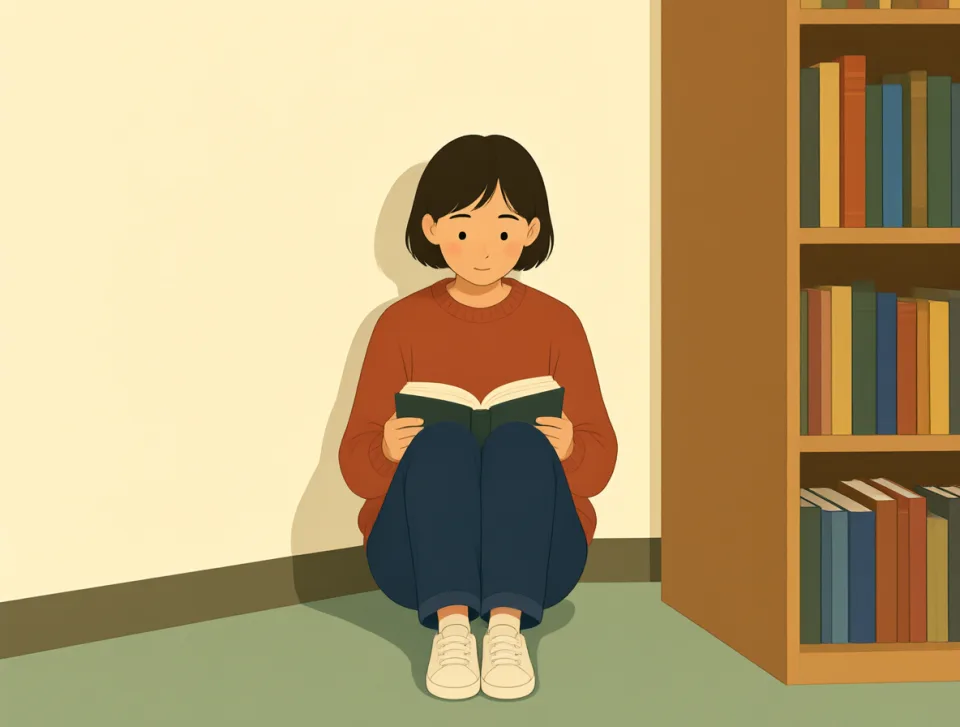
I need a quiet place to study.
나는 공부할 조용한 장소가 필요하다.
follow
#188verb, noun
따라가다; 따르다; 뒤따르다
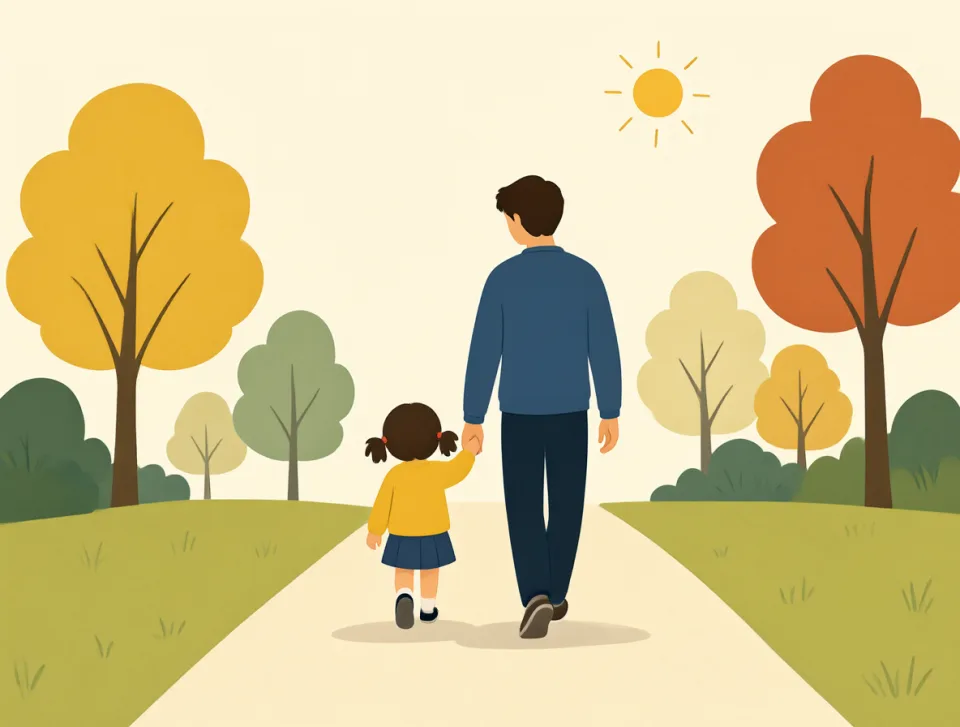
to go after someone or something, or do what comes next
누군가 또는 무언가를 따라가거나, 다음에 이어지는 일을 하다
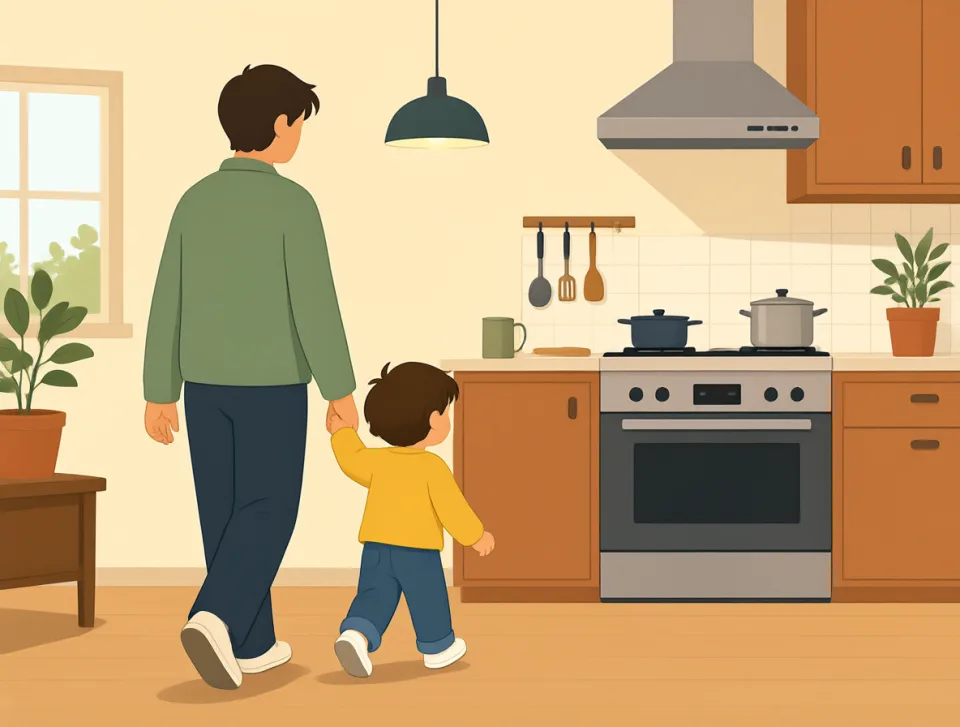
Please follow me to the kitchen.
저를 따라 주방으로 오세요.
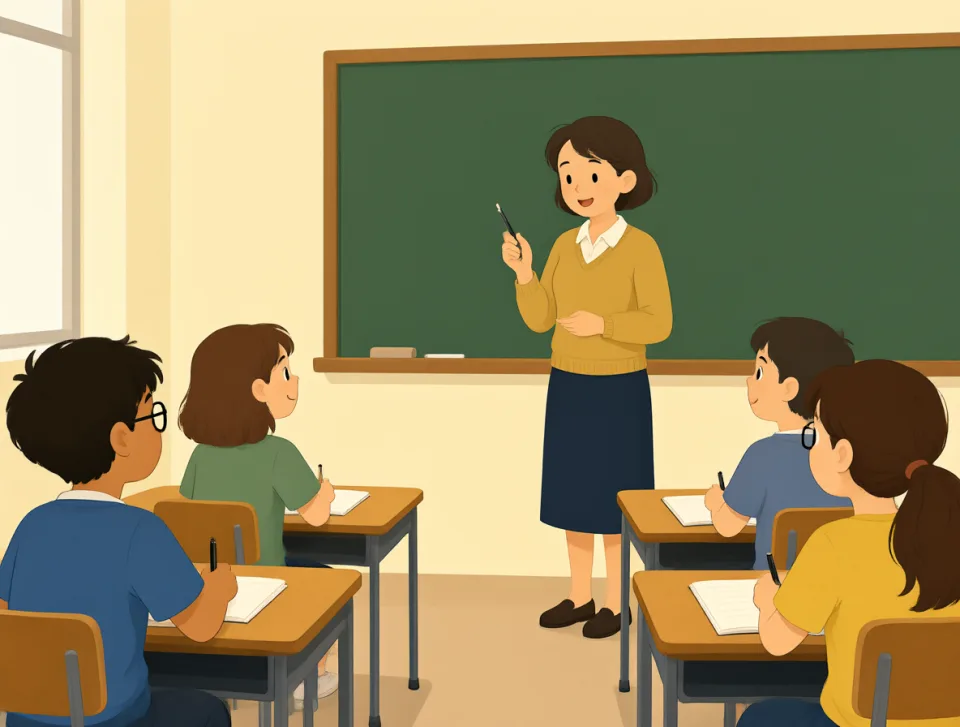
Follow the teacher’s instructions carefully.
선생님의 지시를 주의 깊게 따르세요.
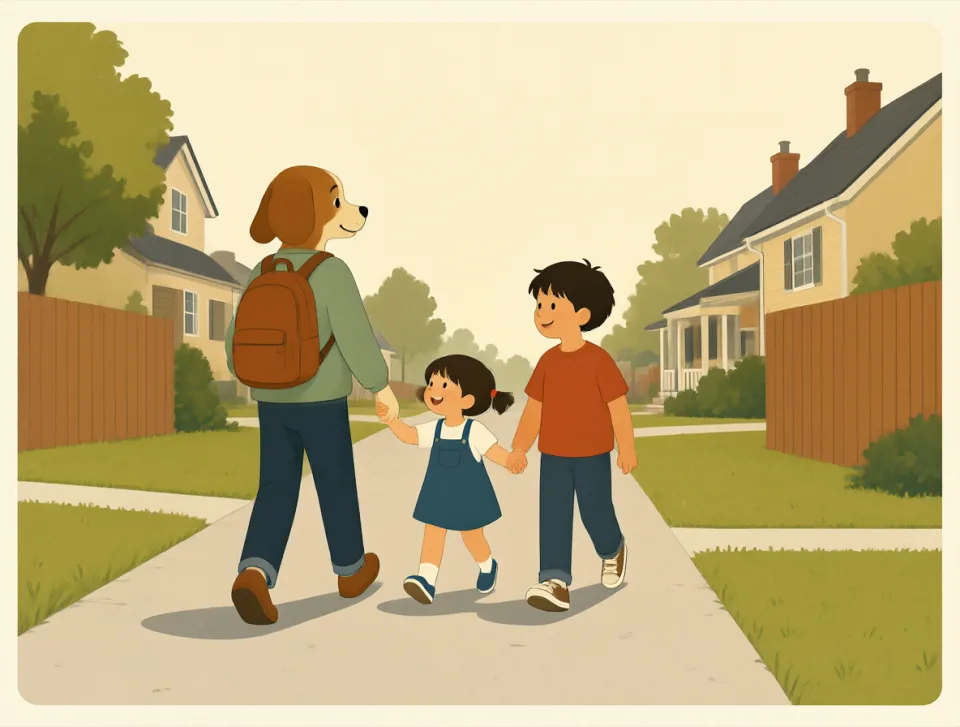
The dog followed us home from school.
그 개는 학교에서 집까지 우리를 따라왔어요.
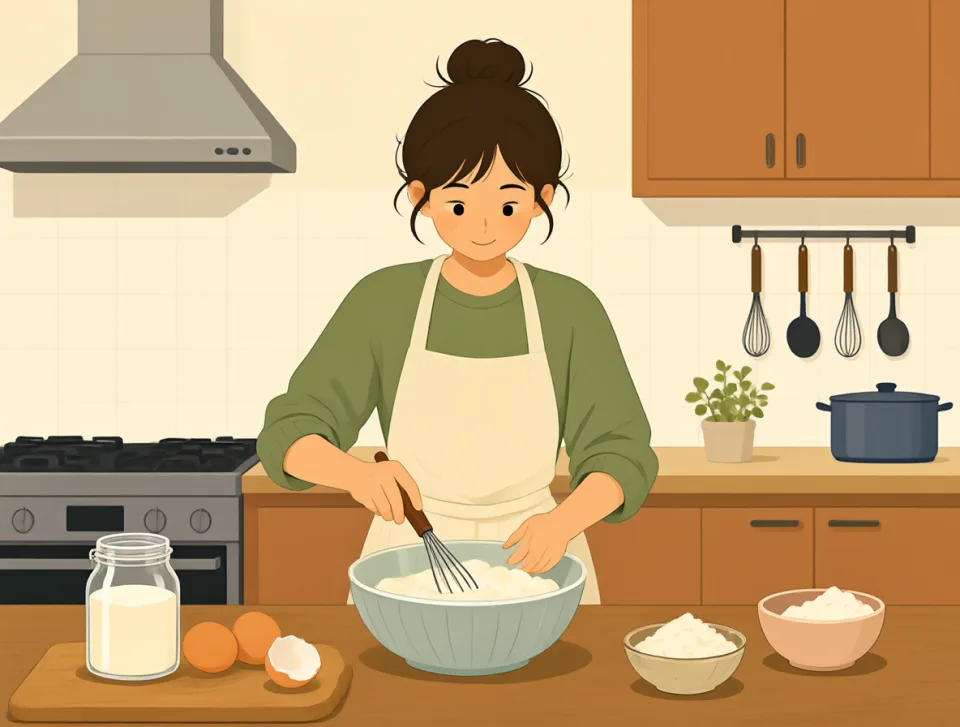
Follow this recipe for a delicious cake.
맛있는 케이크를 만들려면 이 레시피를 따라 하세요.
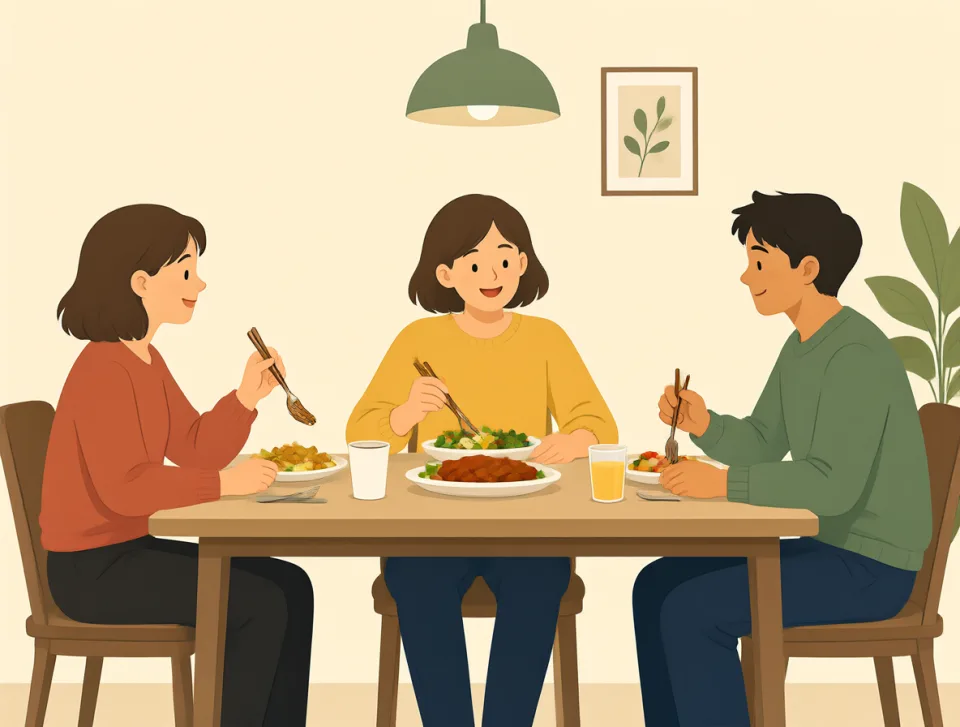
A short meeting followed lunch.
점심 식사 후에 짧은 회의가 이어졌어요.
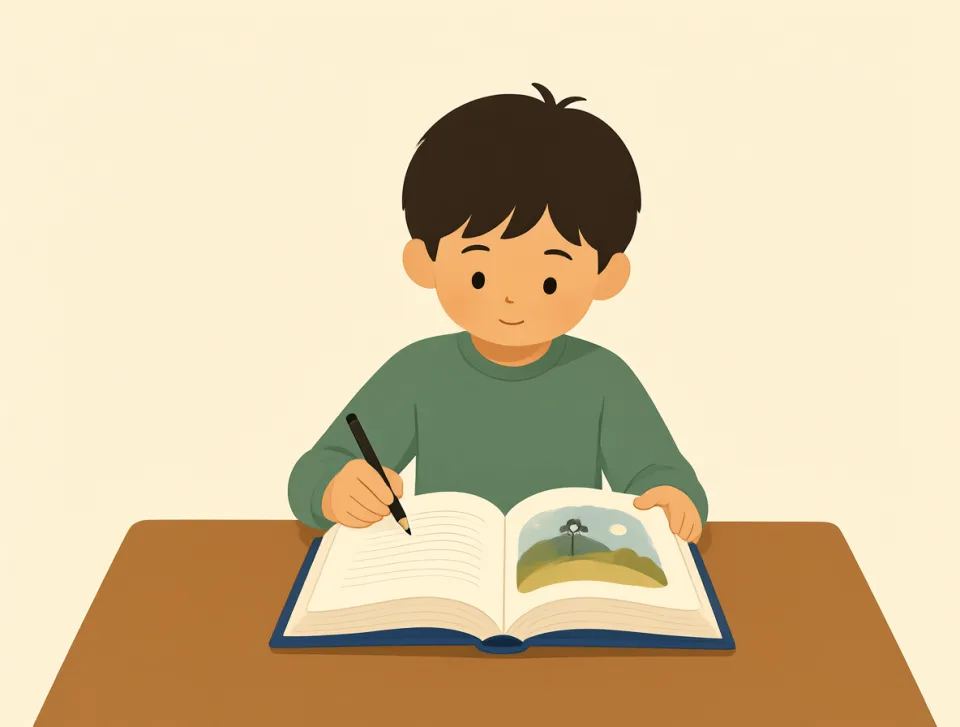
begin
#189verb
시작하다; 시작되다
to start doing something or to happen for the first time
어떤 일을 시작하거나 처음으로 일어나다
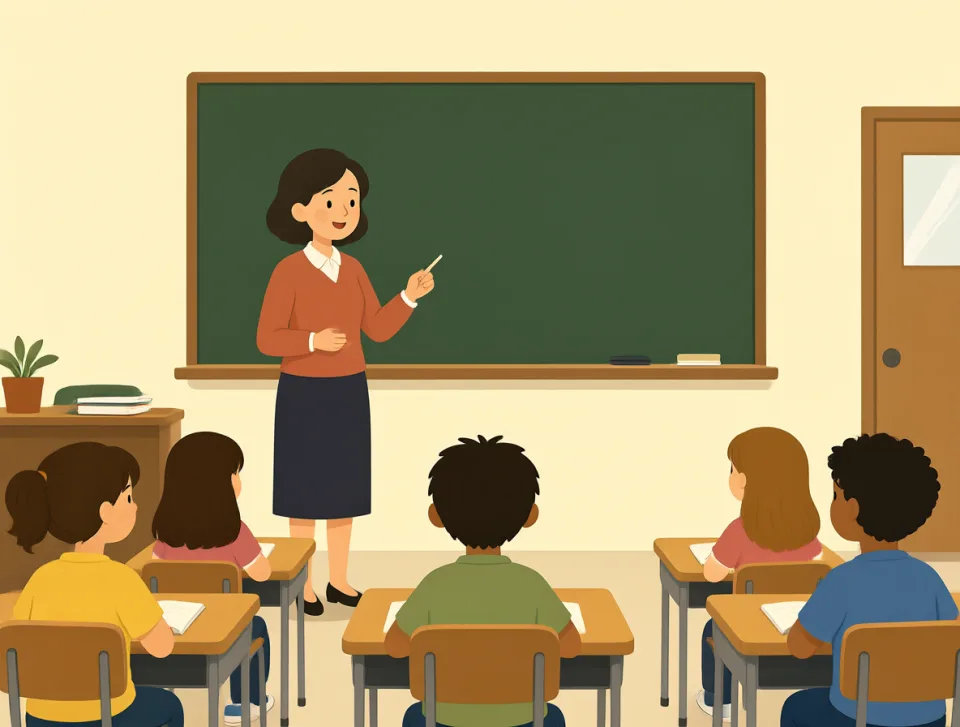
The class begins at nine o'clock.
수업은 9시에 시작해요.
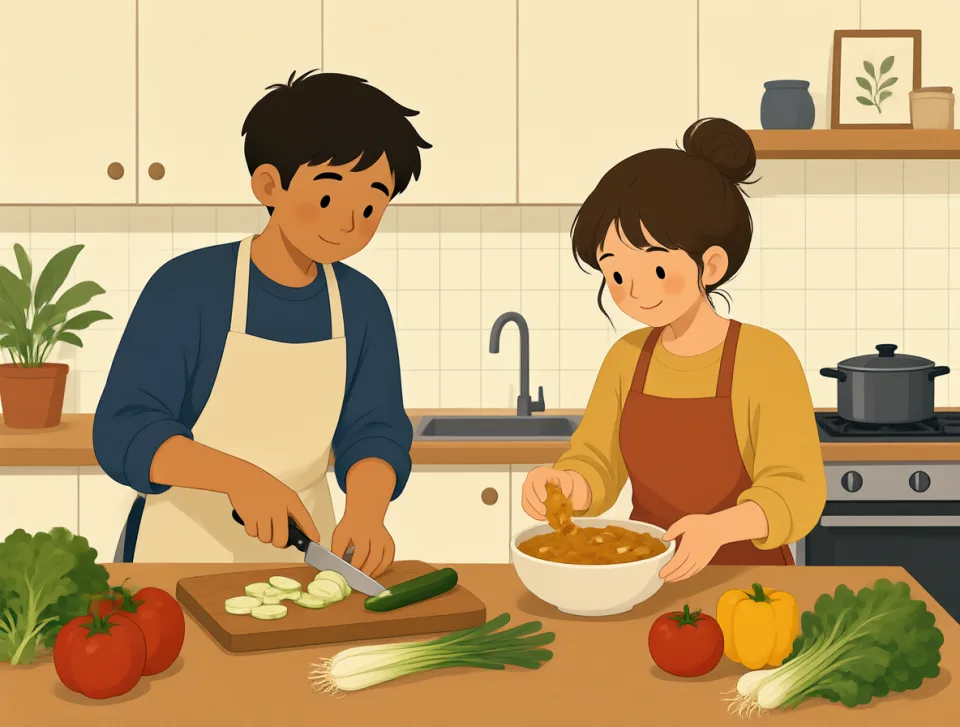
We began cooking dinner after work.
퇴근하고 저녁을 만들기 시작했어요.
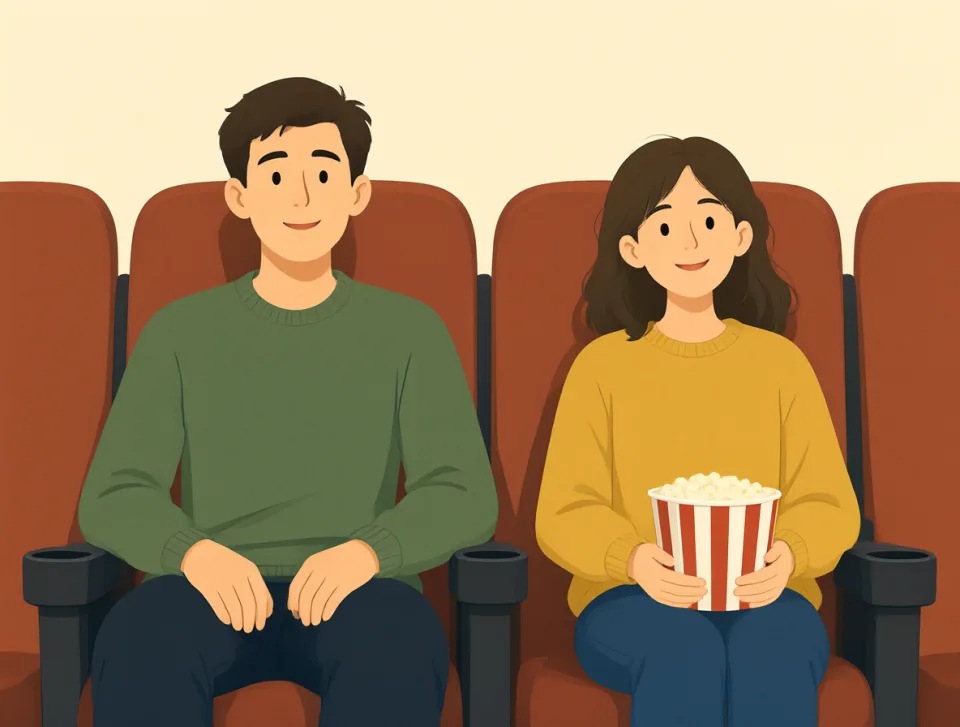
The movie began when we found our seats.
우리가 자리를 찾았을 때 영화가 시작됐어요.

She began to feel better yesterday.
그녀는 어제부터 몸이 나아지기 시작했어요.
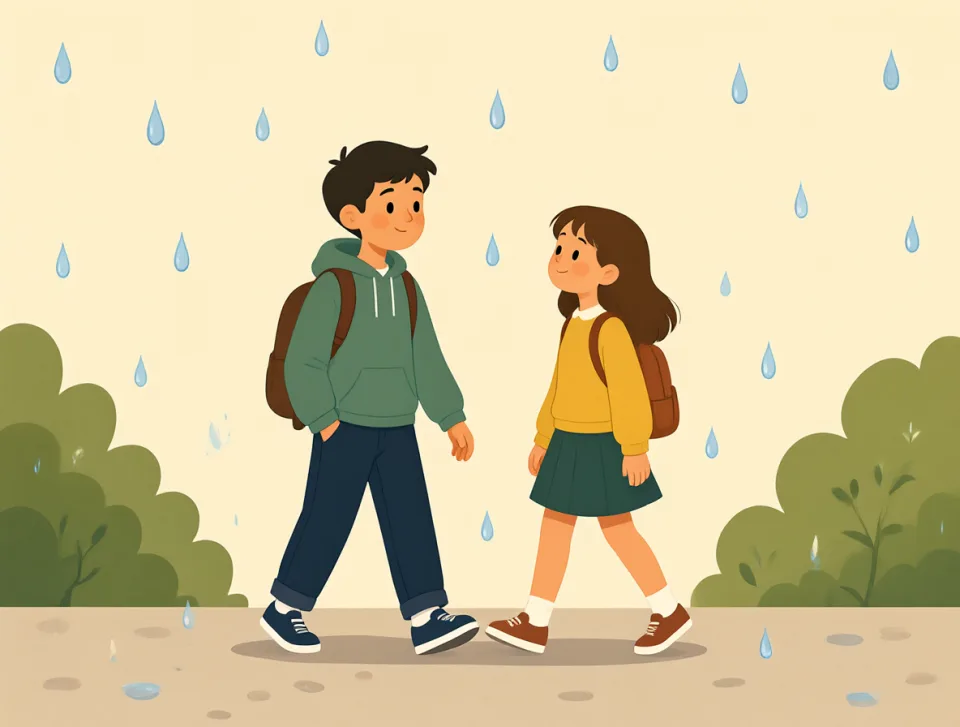
The rain began during our walk.
산책하는 동안 비가 내리기 시작했어요.
important
#190adjective
중요한; 소중한
Having great value, meaning, or effect; needing attention.
가치나 의미 또는 영향이 매우 크고, 주의가 필요한

This meeting is very important to our team.
이 회의는 우리 팀에 매우 중요해요.

It is important to drink water every day.
매일 물을 마시는 것은 중요해요.
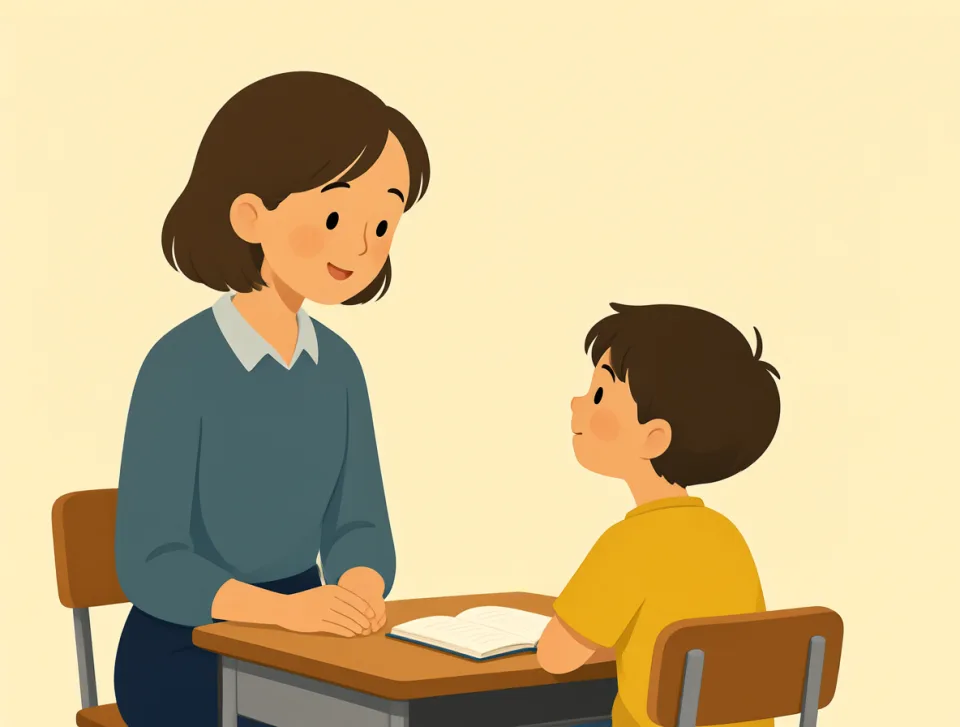
My teacher said sleep is important for learning.
선생님께서 잠은 학습에 중요하다고 말씀하셨어요.
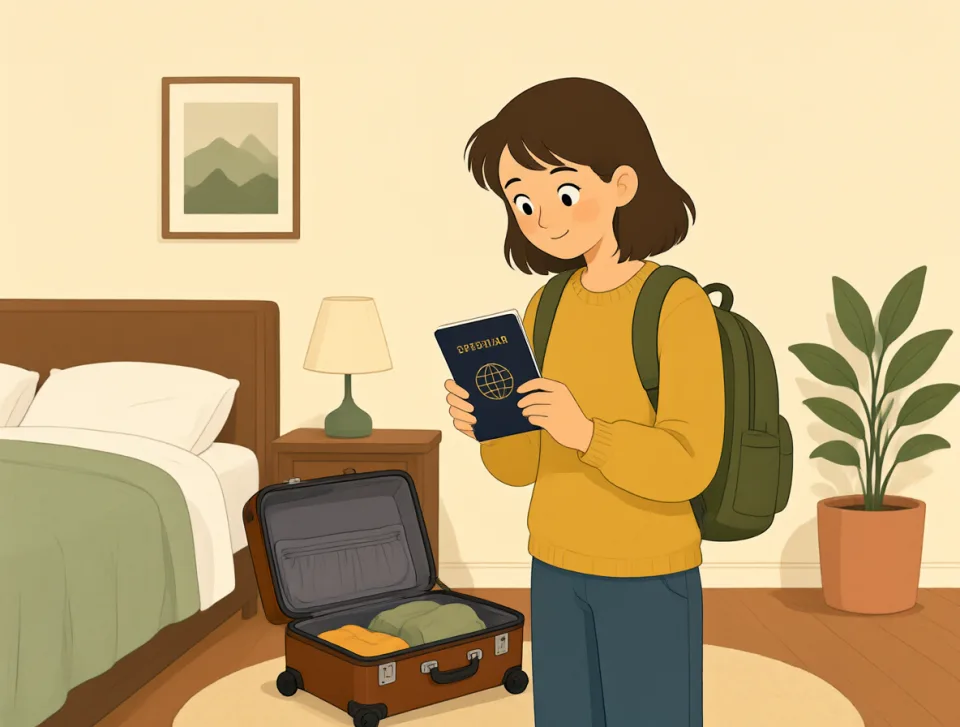
Please bring your passport; it is important.
여권을 가져오세요. 중요해요.

She bought an important gift for her mother.
그녀는 어머니께 드릴 중요한 선물을 샀어요.

since
#191preposition, conjunction, adverb
~부터 지금까지; ~이후로; ~이므로; 그 이후로
from a time in the past until now, or because something happened
과거의 어느 시점부터 지금까지, 또는 어떤 일이 일어났기 때문에
I have lived here since 2020.
나는 2020년부터 이곳에 살고 있다.
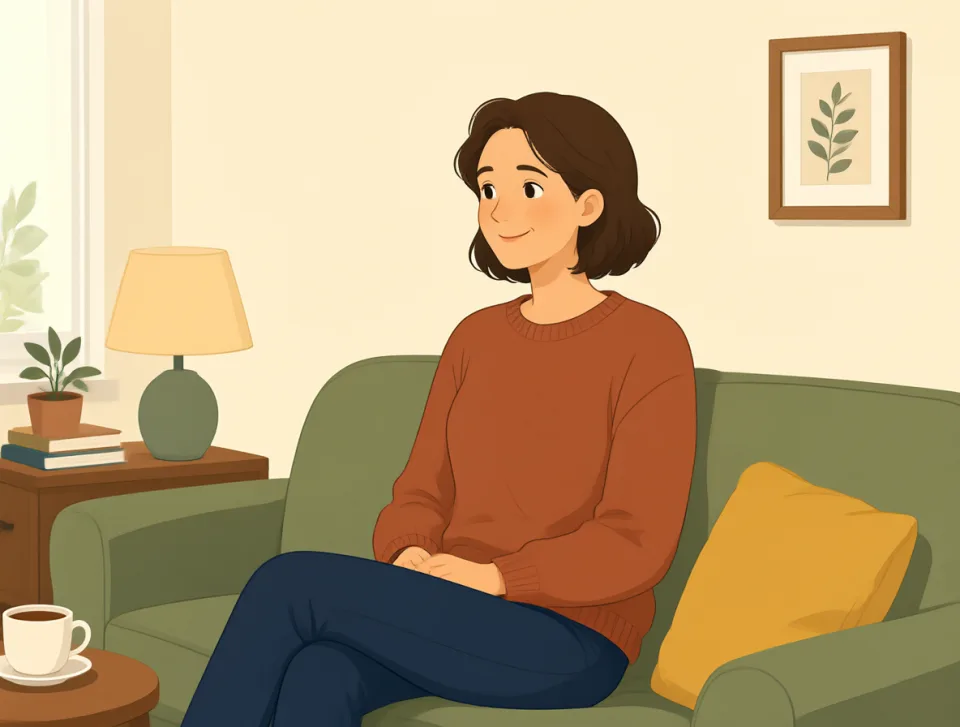
She has felt better since yesterday.
그녀는 어제부터 몸이 나아졌다.
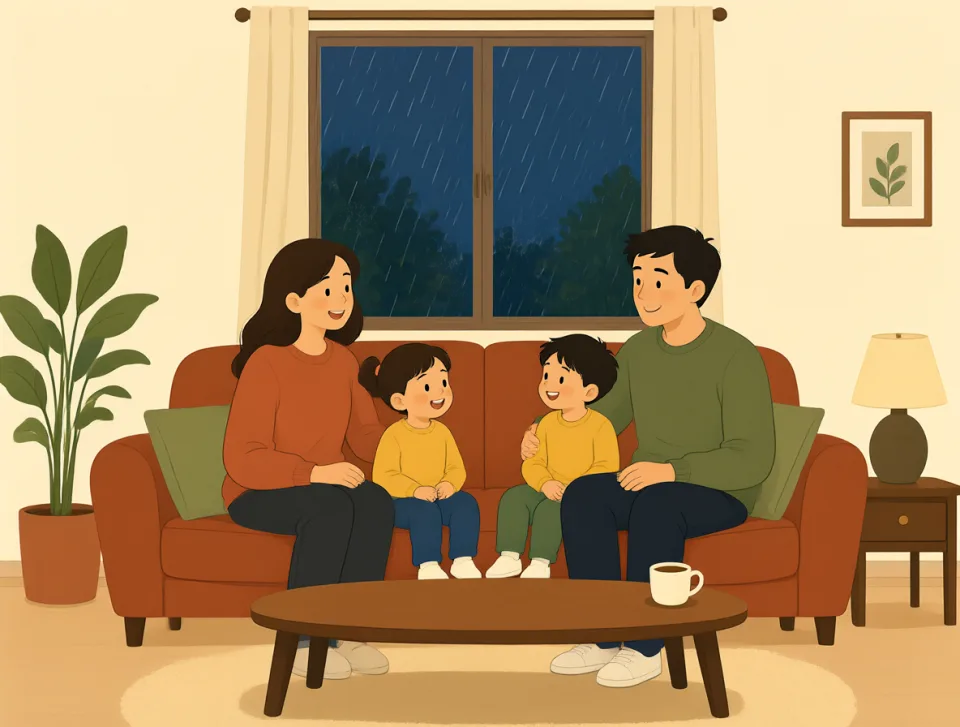
Since it was raining, we stayed home.
비가 오고 있었기 때문에 우리는 집에 있었다.
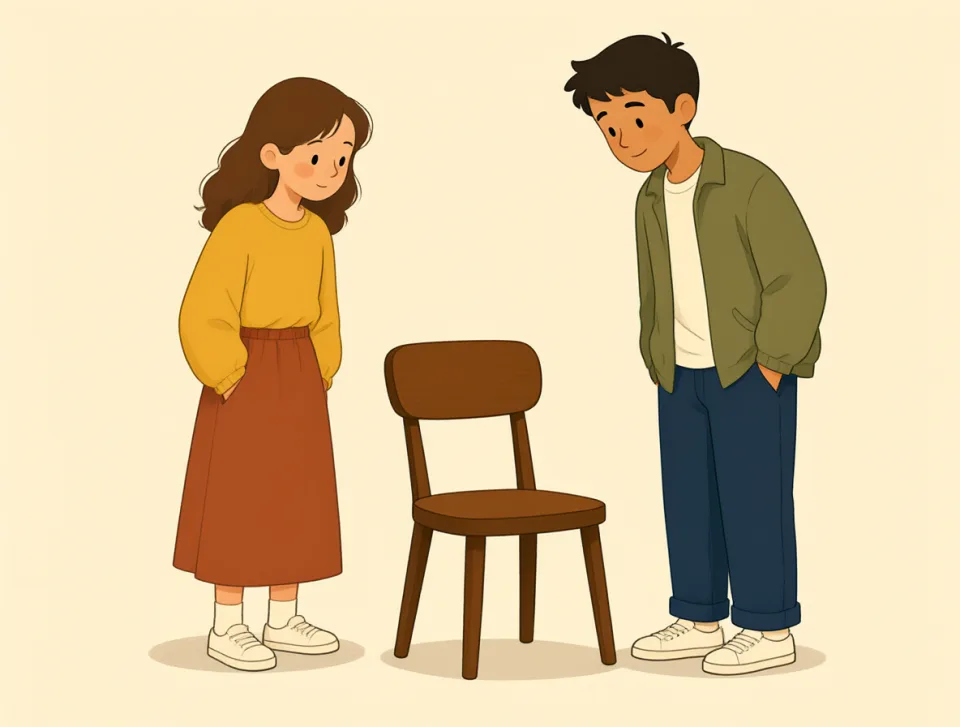
We have not seen Tom since Monday.
우리는 월요일 이후로 Tom을 보지 못했다.
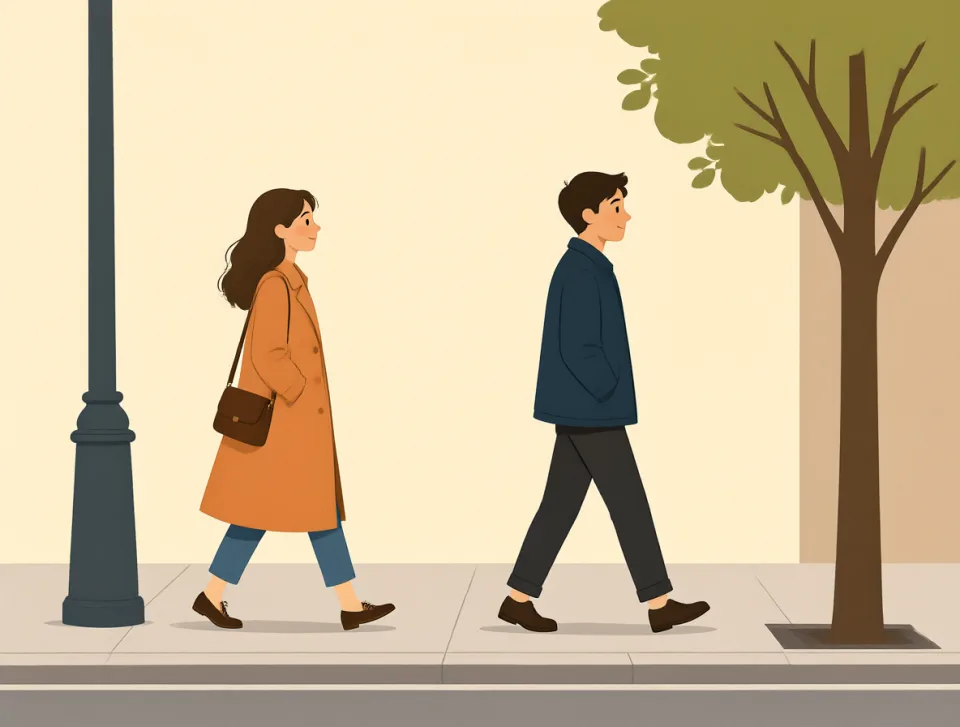
I met her once, but have not spoken since.
그녀를 한 번 만났지만, 그 이후로는 이야기하지 않았다.
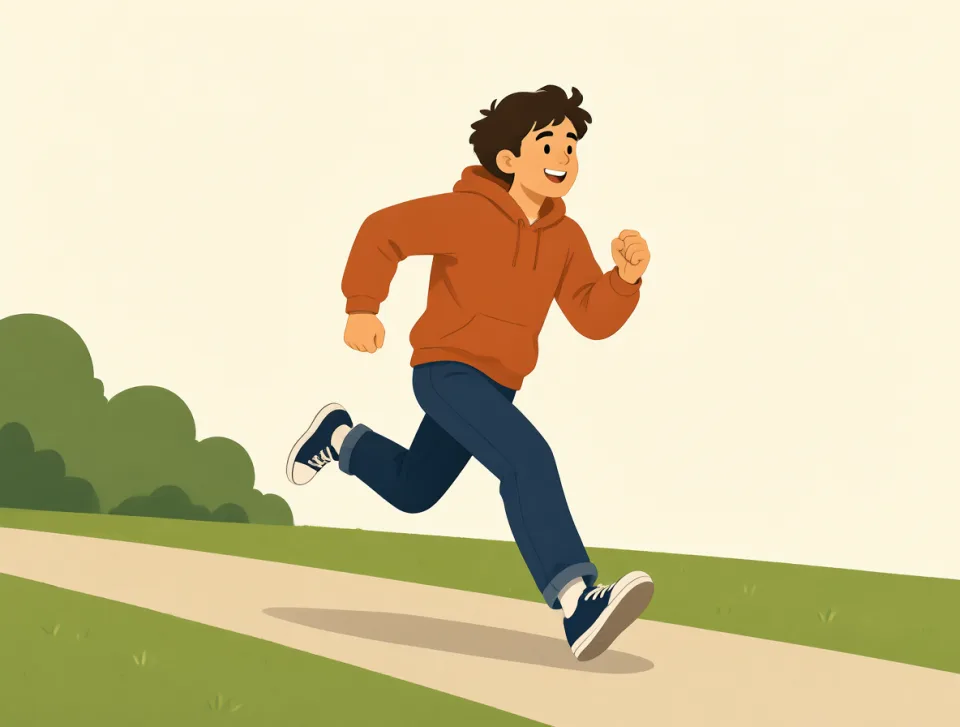
run
#192verb, noun
달리다; 운영하다
to move quickly on foot, or to manage and operate something
발로 빠르게 움직이거나 무언가를 관리하고 운영하다
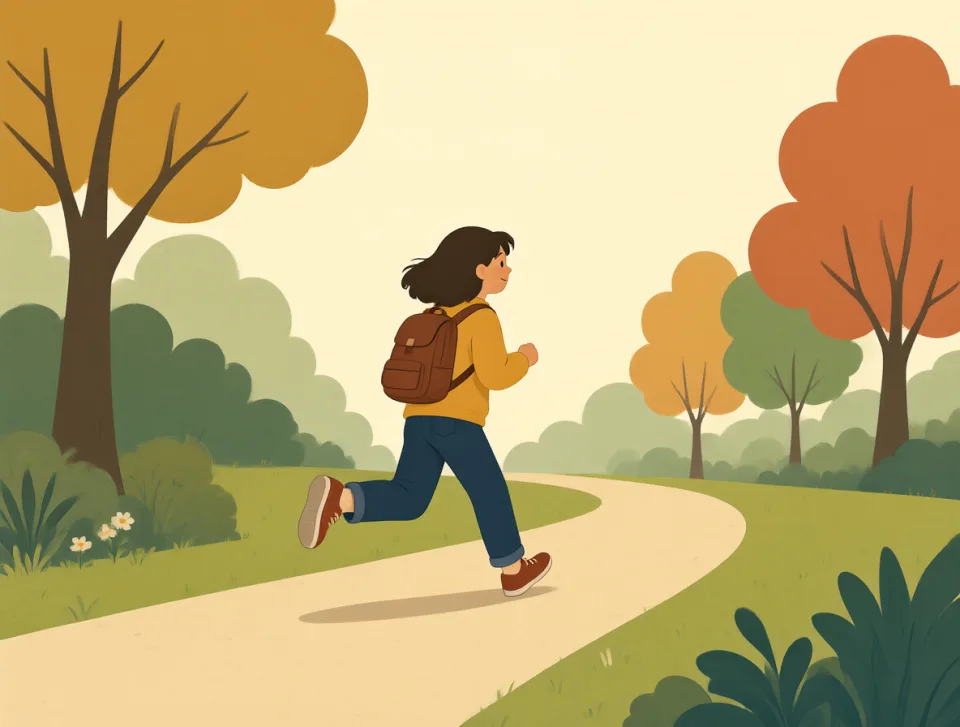
I run every morning before work.
나는 출근하기 전에 매일 아침 달린다.
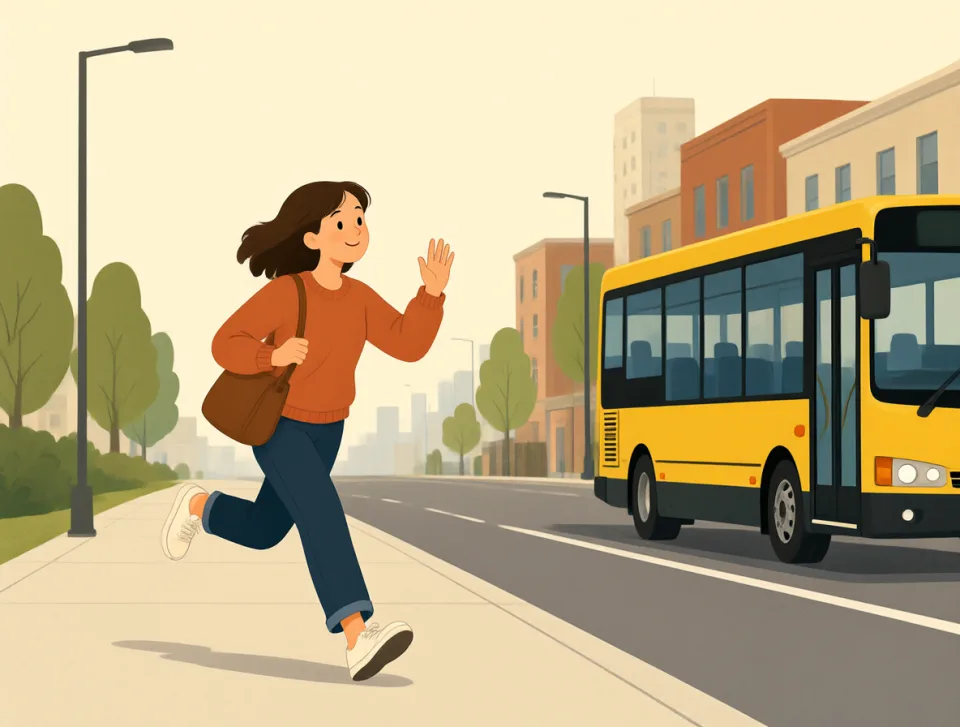
She ran to catch the bus.
그녀는 버스를 타려고 달려갔다.
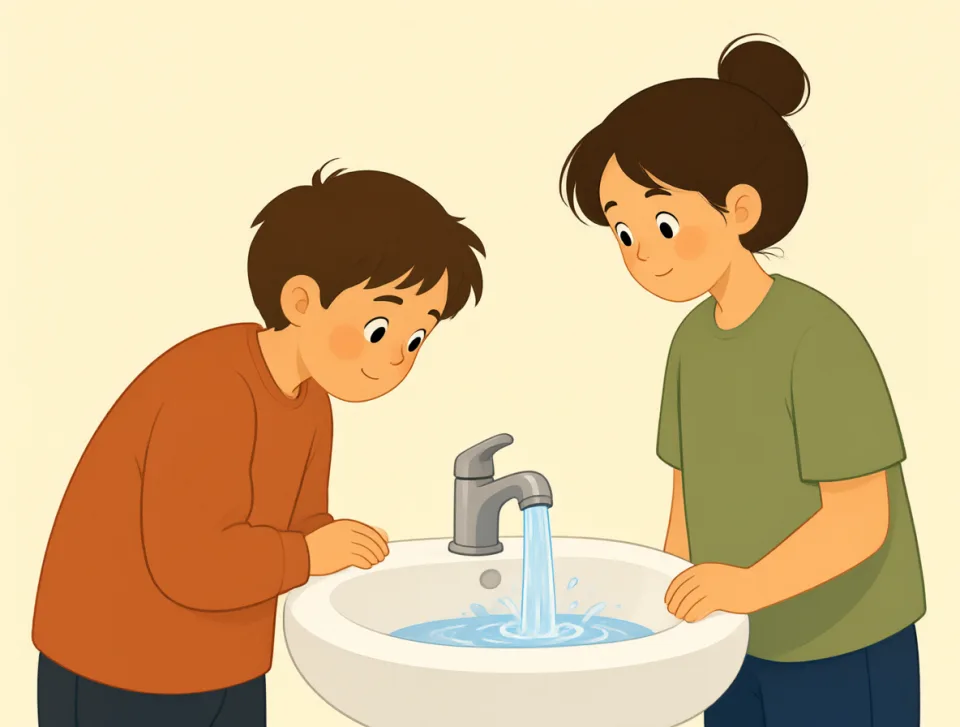
The water is running in the bathroom.
욕실에서 물이 나오고 있다.
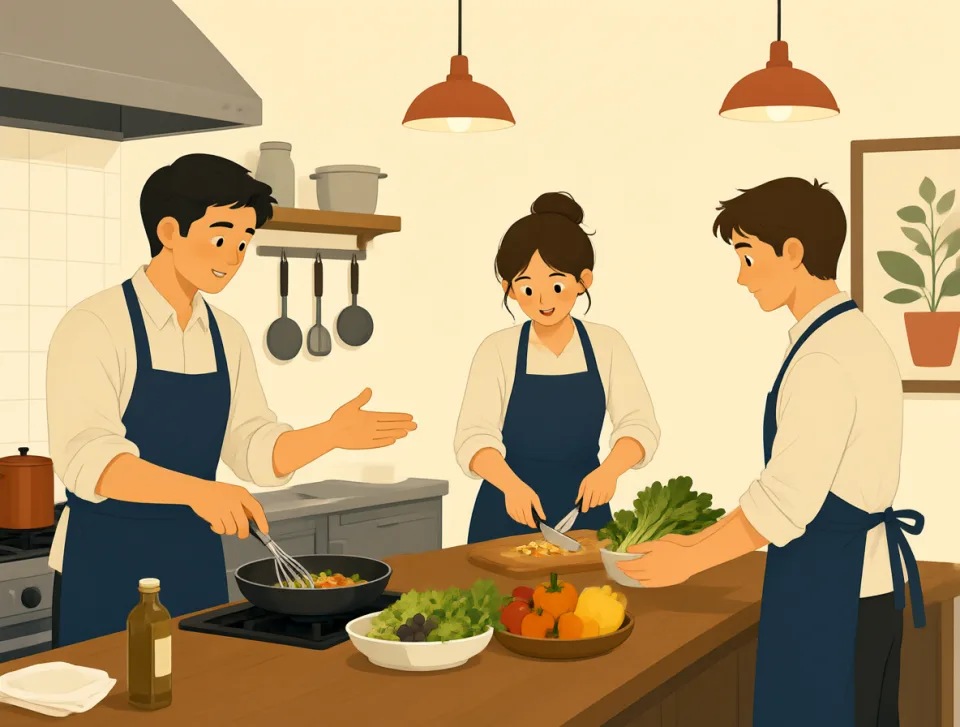
My uncle runs a small restaurant.
우리 삼촌은 작은 식당을 운영하신다.

We went for a run after school.
우리는 방과 후에 달리기를 하러 갔다.
under
#193preposition, adverb, adjective
아래에; 밑에; ~의 지배 아래
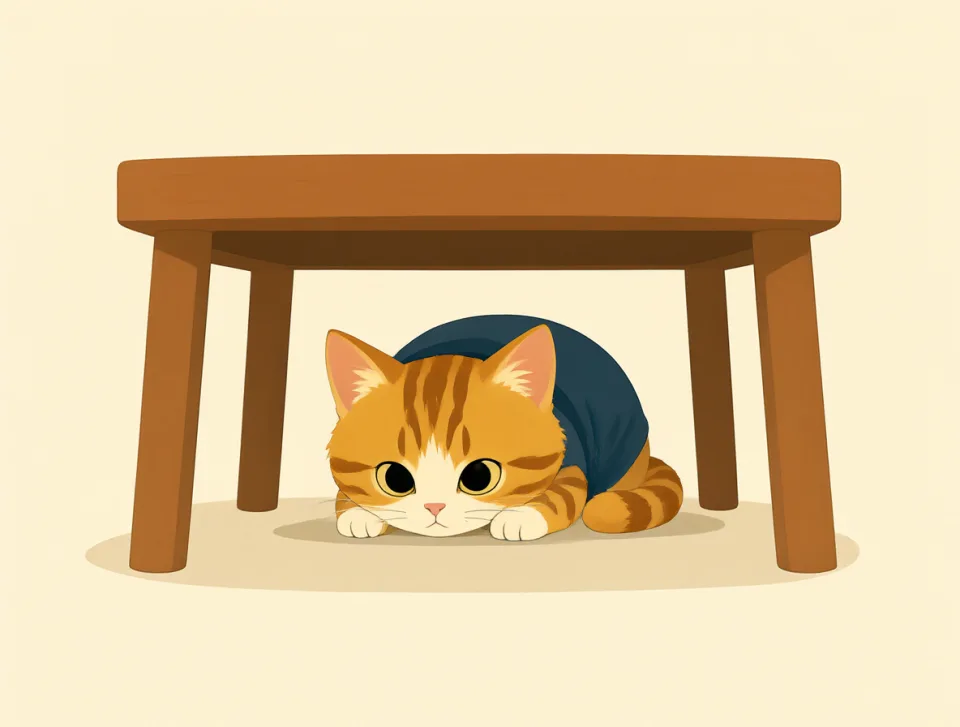
In or to a lower position than something else.
다른 것보다 낮은 위치에 있거나 그 위치로.
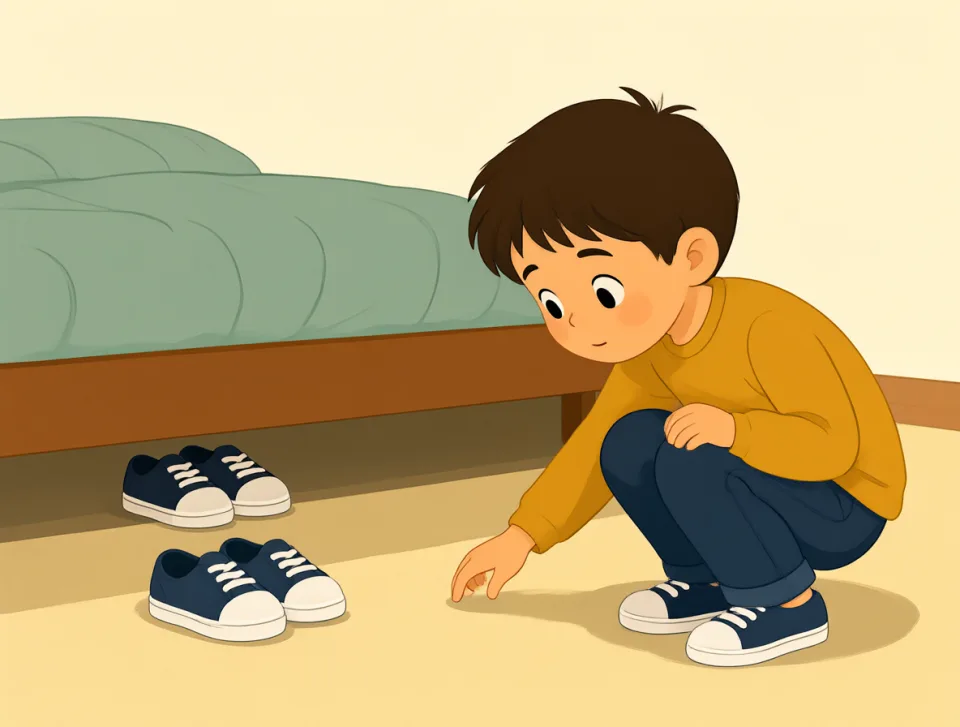
The shoes are under the bed.
신발은 침대 아래에 있어요.
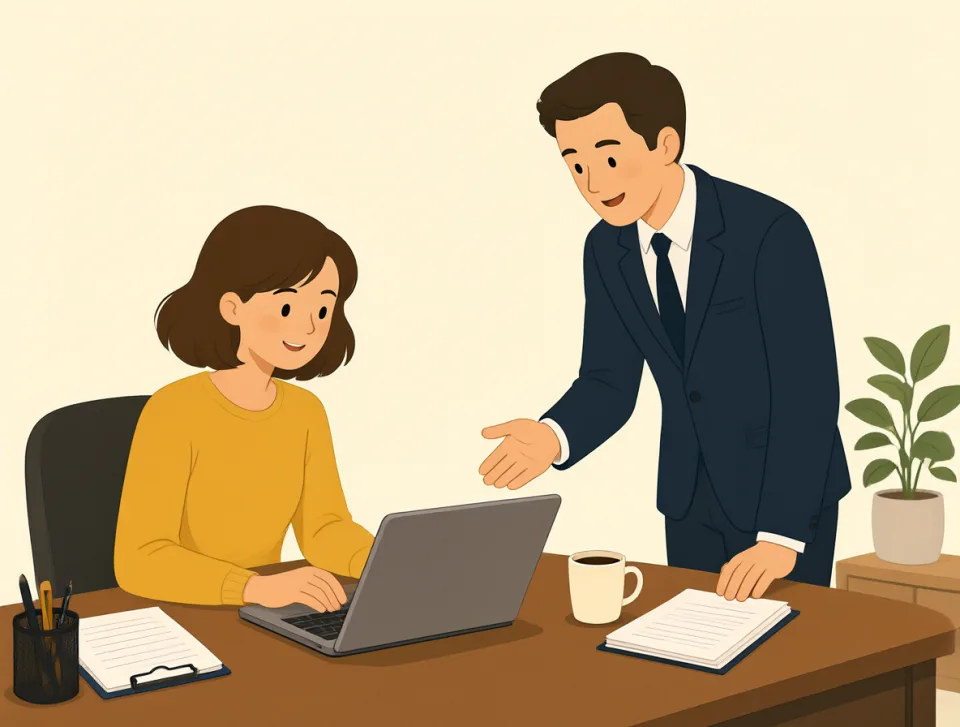
She works under a kind manager.
그녀는 친절한 관리자 밑에서 일해요.
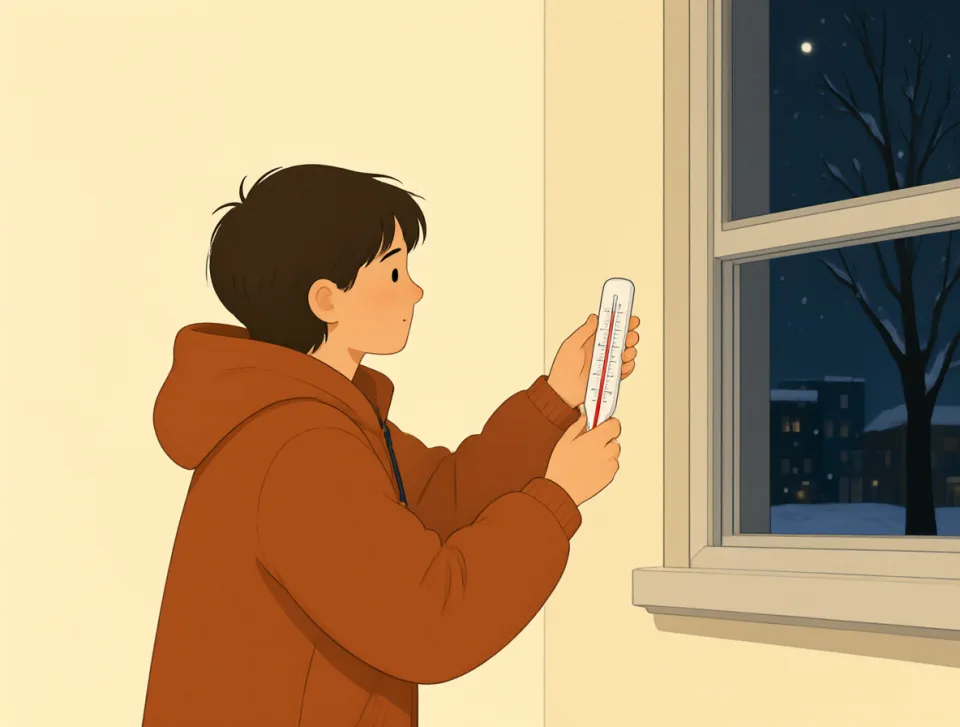
The temperature fell under zero last night.
어젯밤 기온이 영하로 떨어졌어요.
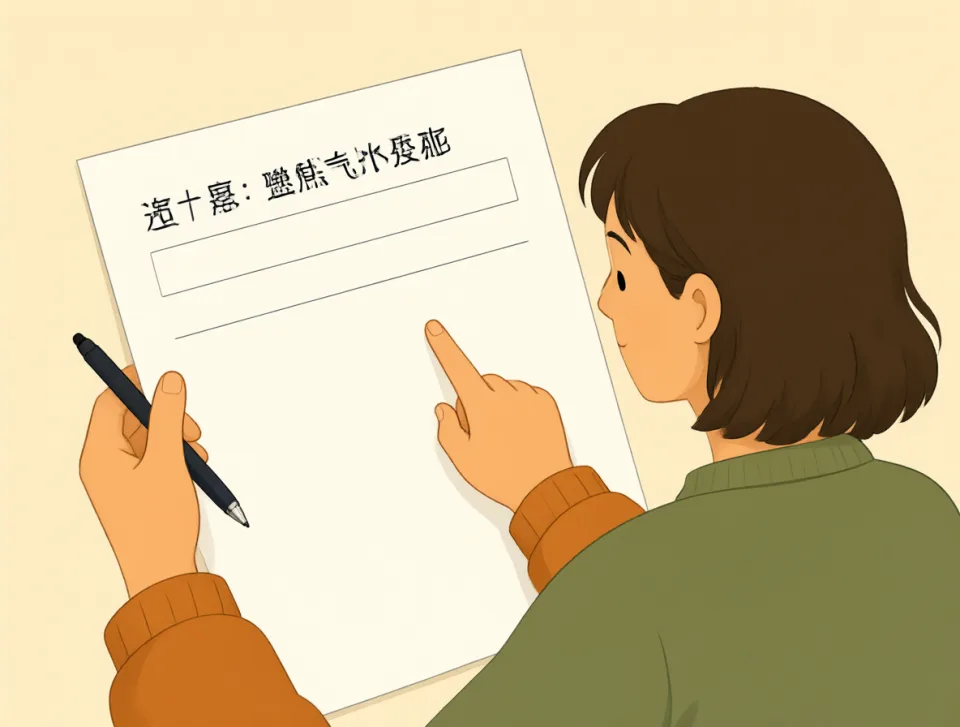
Please sign under your name.
이름 아래에 서명해 주세요.

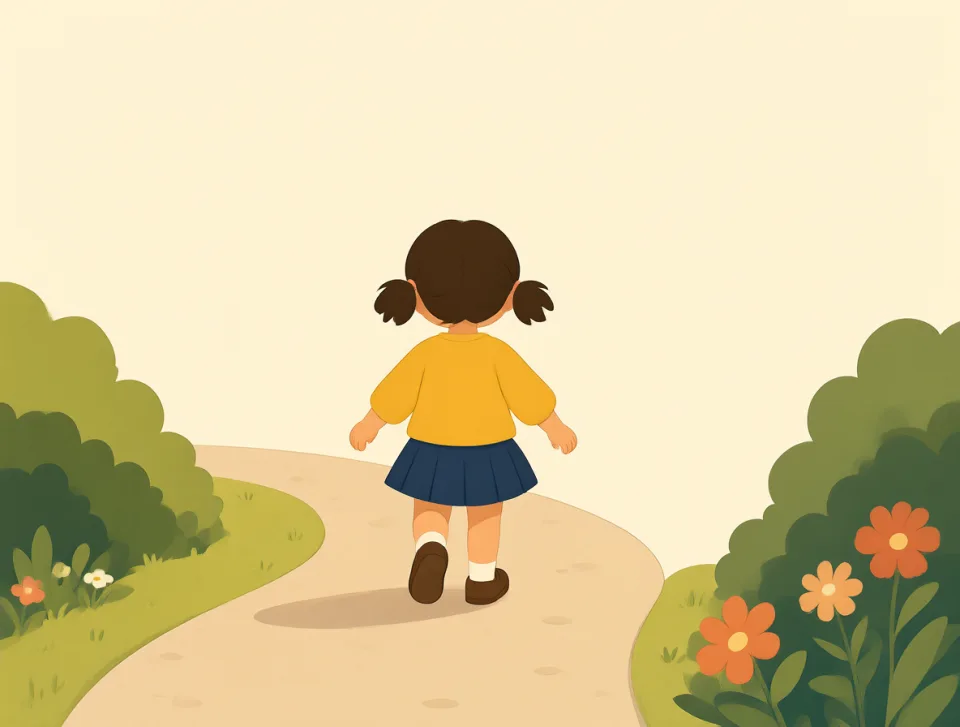
The children ran under the bridge.
아이들이 다리 아래로 달려갔어요.
turn
#194verb, noun
돌다; 차례; 돌리다; 변하다
To move in a different direction, or the time when someone gets to do something.
다른 방향으로 움직이거나, 누군가가 무언가를 할 차례가 되는 것
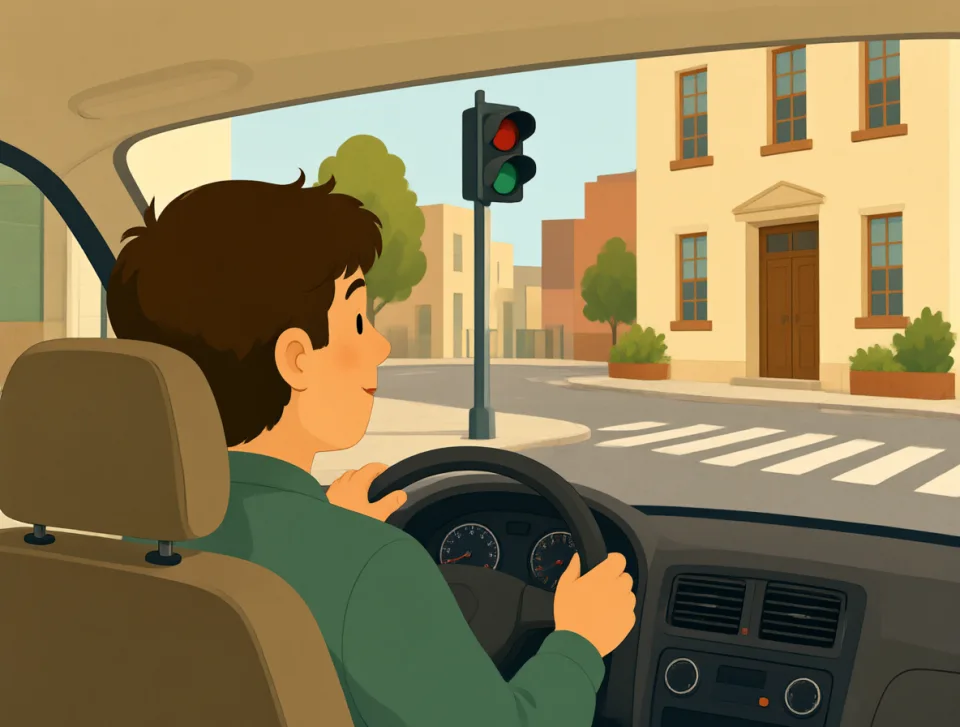
Turn left at the corner, please.
모퉁이에서 왼쪽으로 도세요.
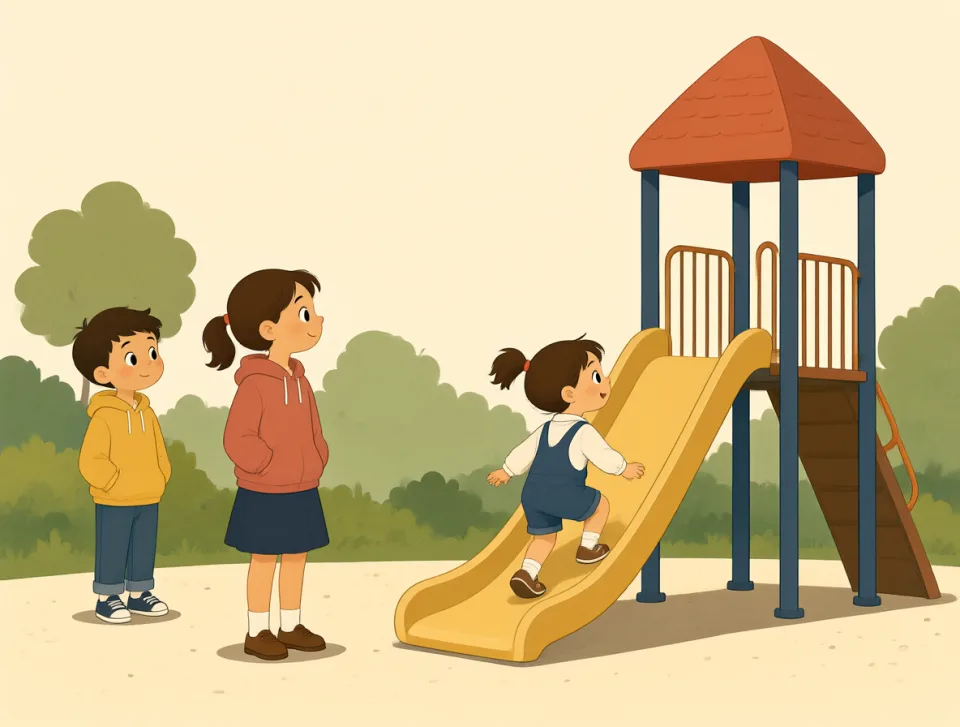
Please wait for your turn.
차례를 기다려 주세요.
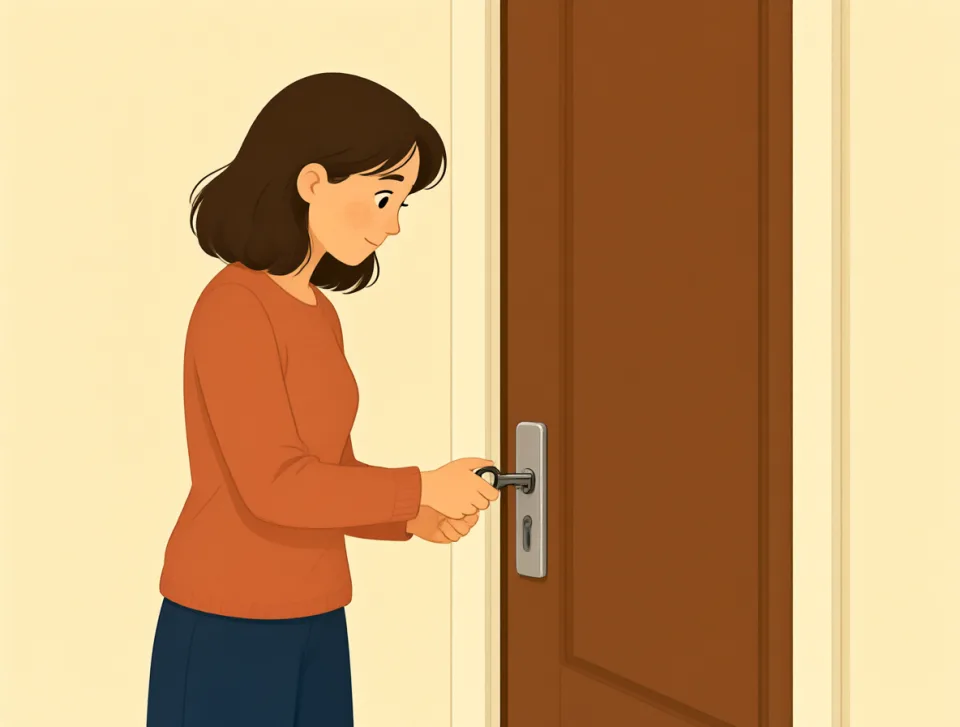
She turned the key in the lock.
그녀는 자물쇠 안에서 열쇠를 돌렸다.
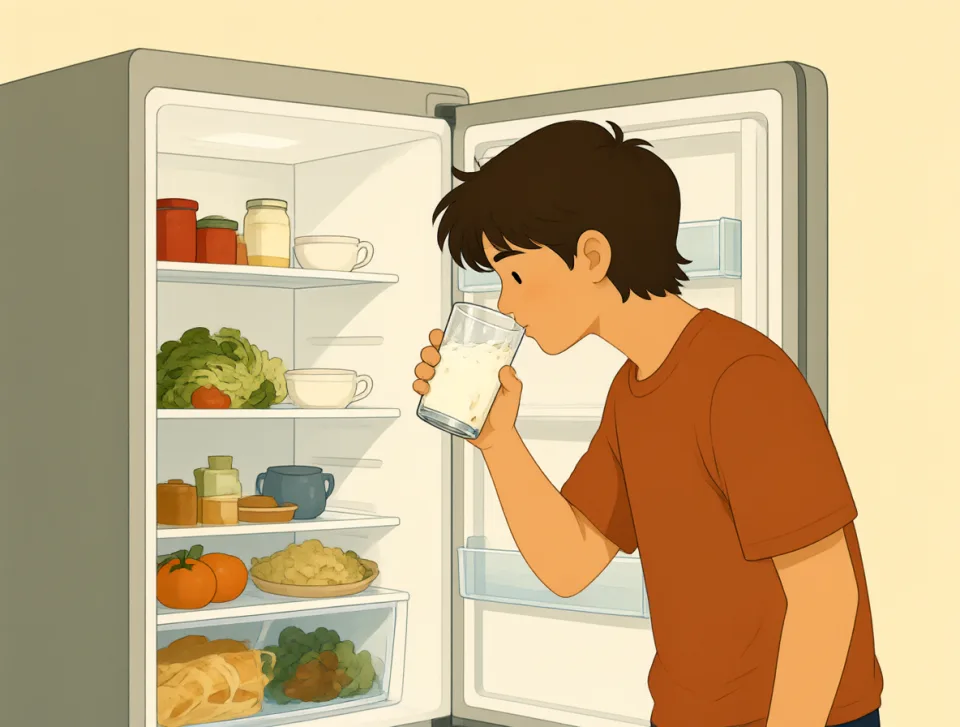
The milk turned sour in the fridge.
냉장고 안에서 우유가 상했다.
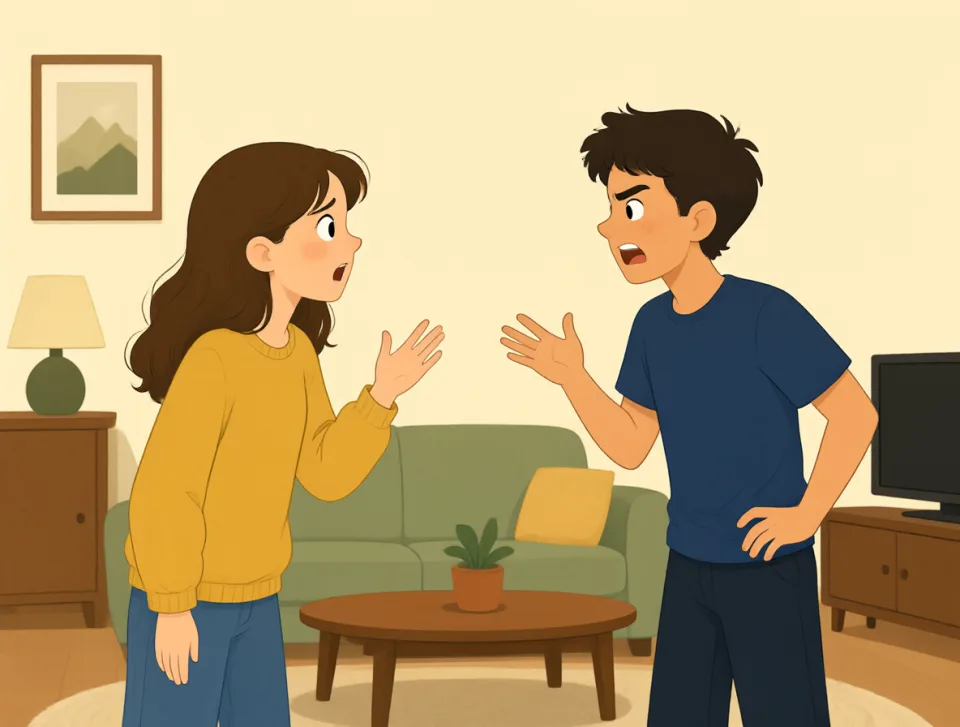
Our conversation turned into an argument.
우리의 대화는 말다툼으로 변했다.
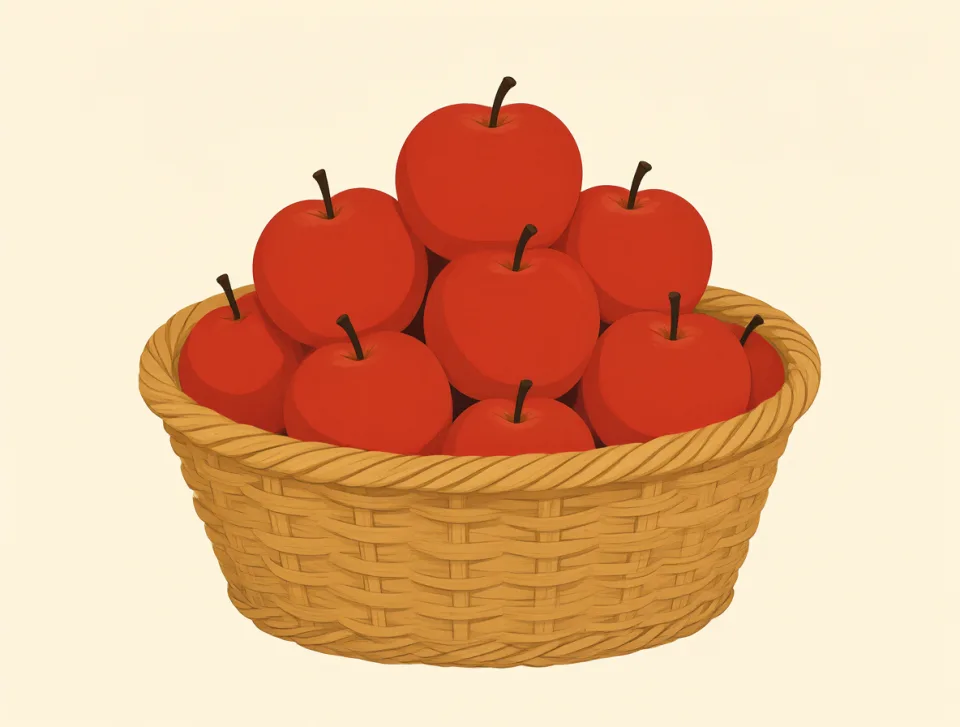
few
#195determiner, pronoun, adjective
몇 안 되는; 몇몇의
A small number of people or things, usually less than expected.
사람이나 사물의 수가 적은, 보통 기대했던 것보다 적은
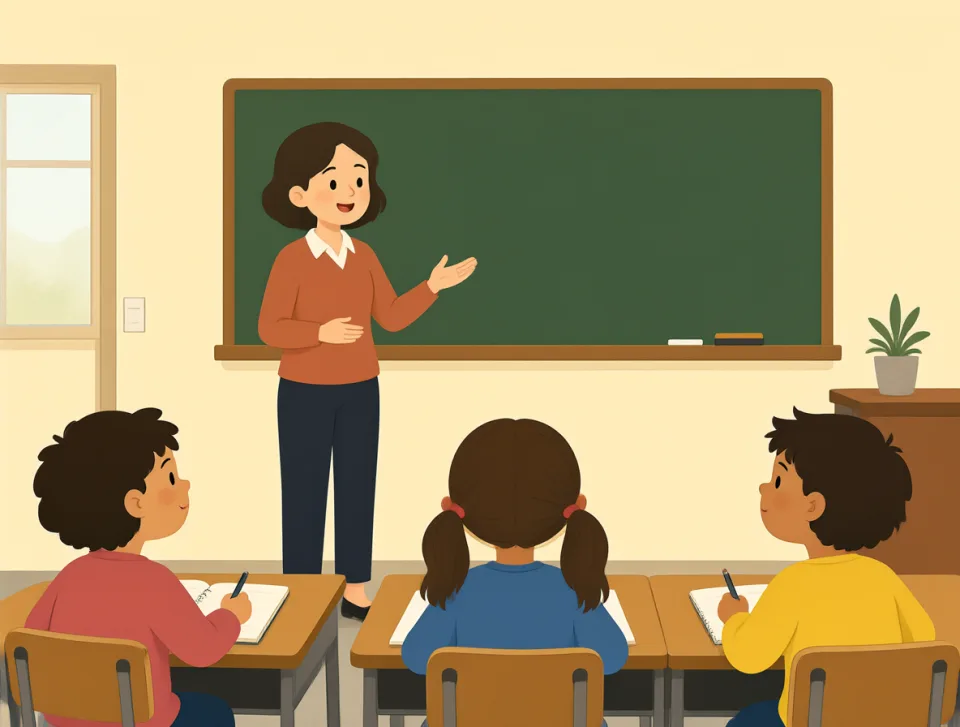
Only a few students came to class.
수업에 온 학생은 몇 명 안 됐다.
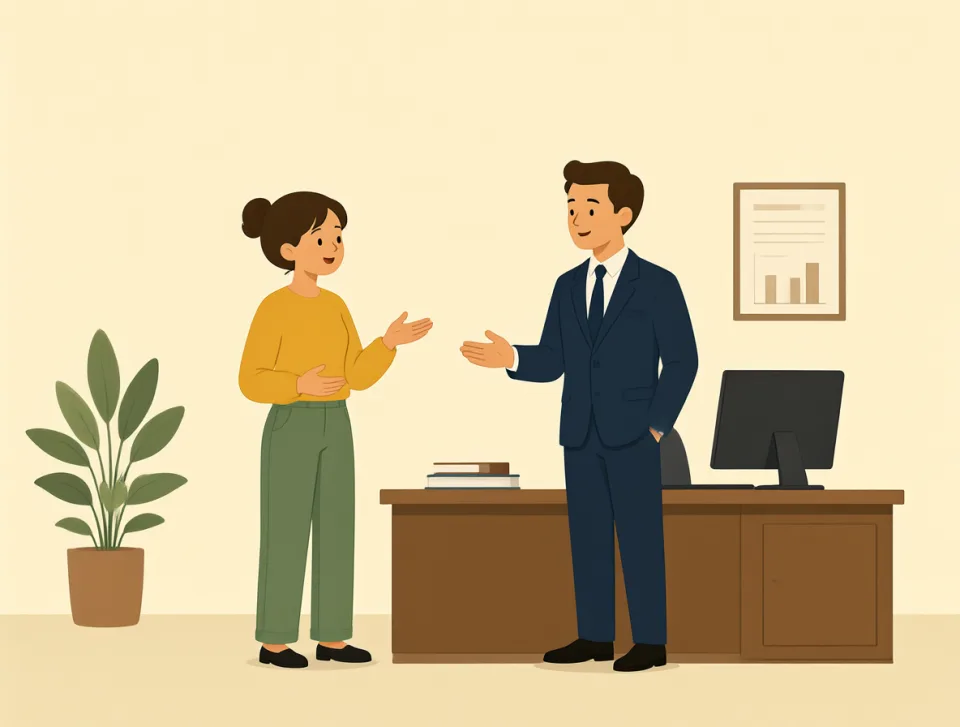
I have a few questions about this job.
이 일에 대해 몇 가지 질문이 있어요.
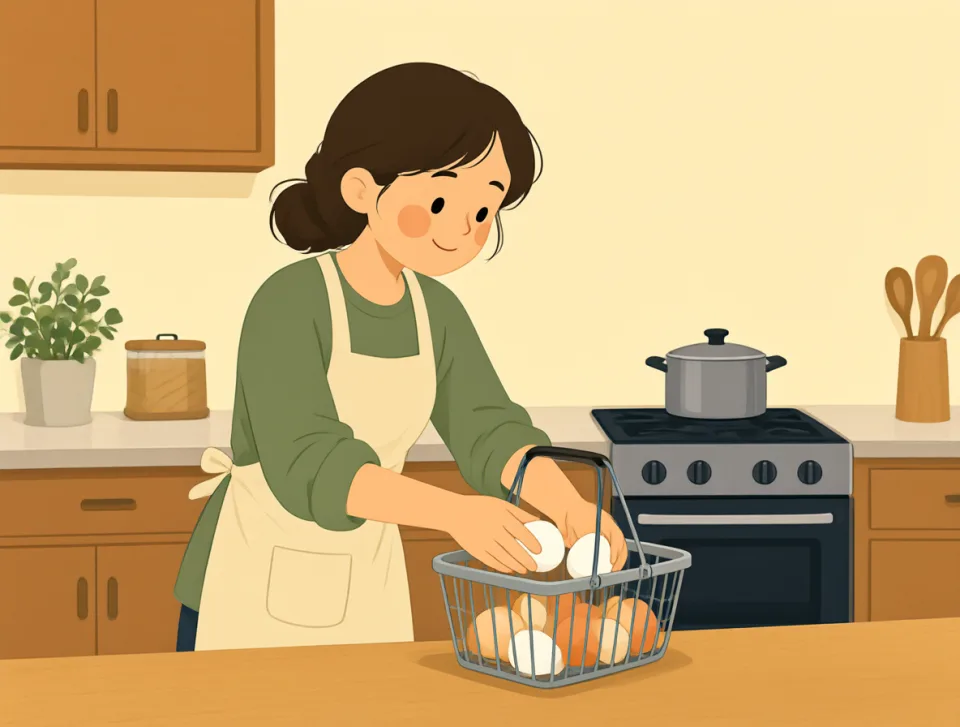
We need a few more eggs for breakfast.
아침 식사로 달걀이 몇 개 더 필요해요.
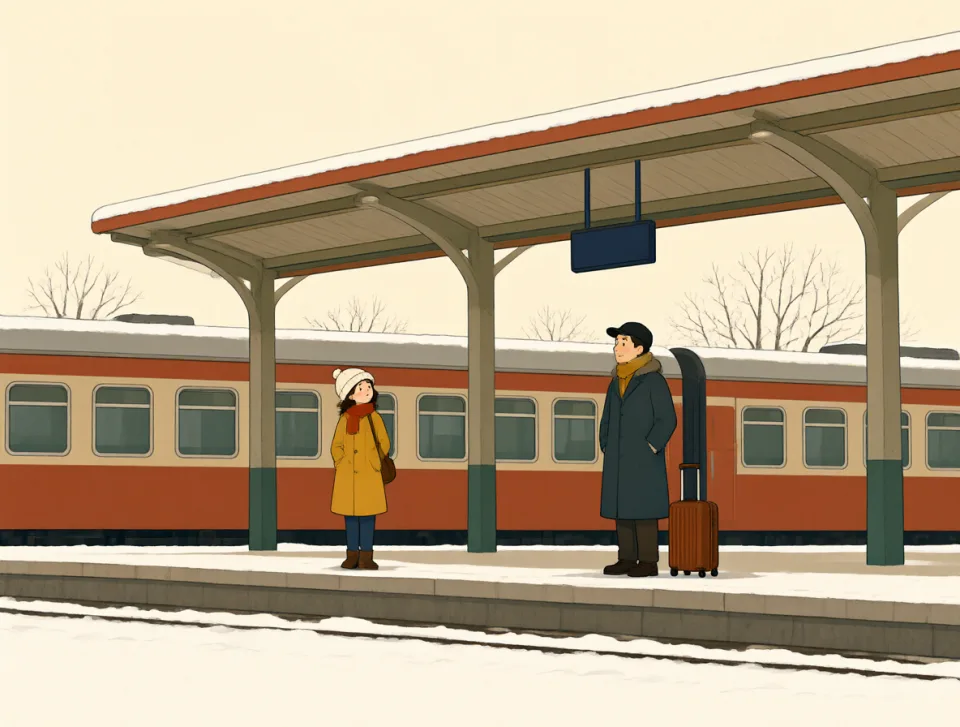
Few people travel there in winter.
겨울에는 그곳을 여행하는 사람이 거의 없다.
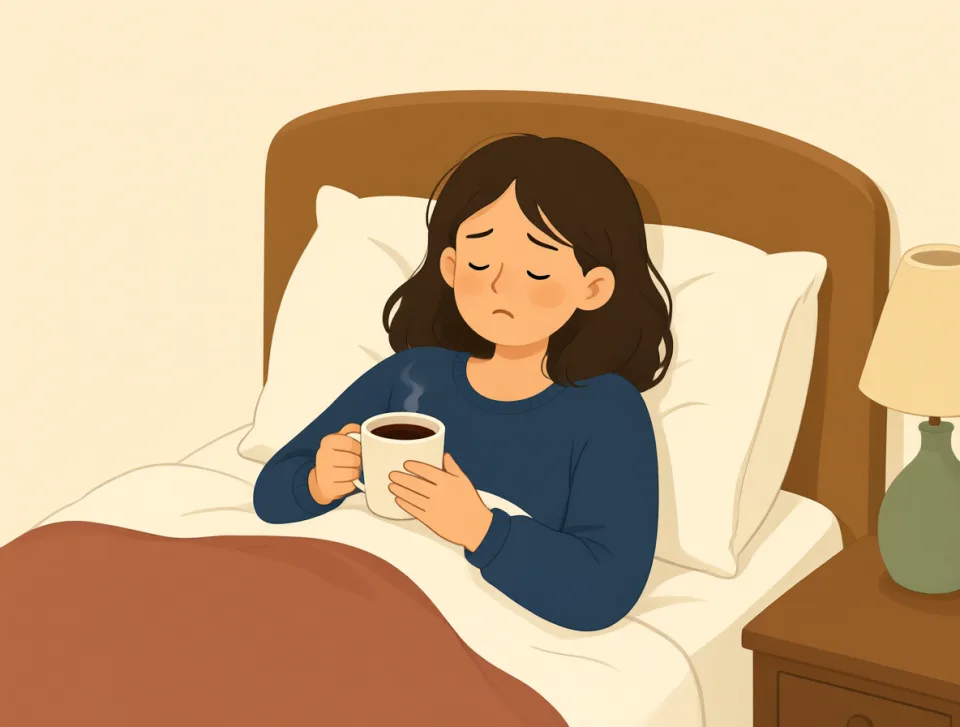
She stayed home for a few days.
그녀는 며칠 동안 집에 있었다.
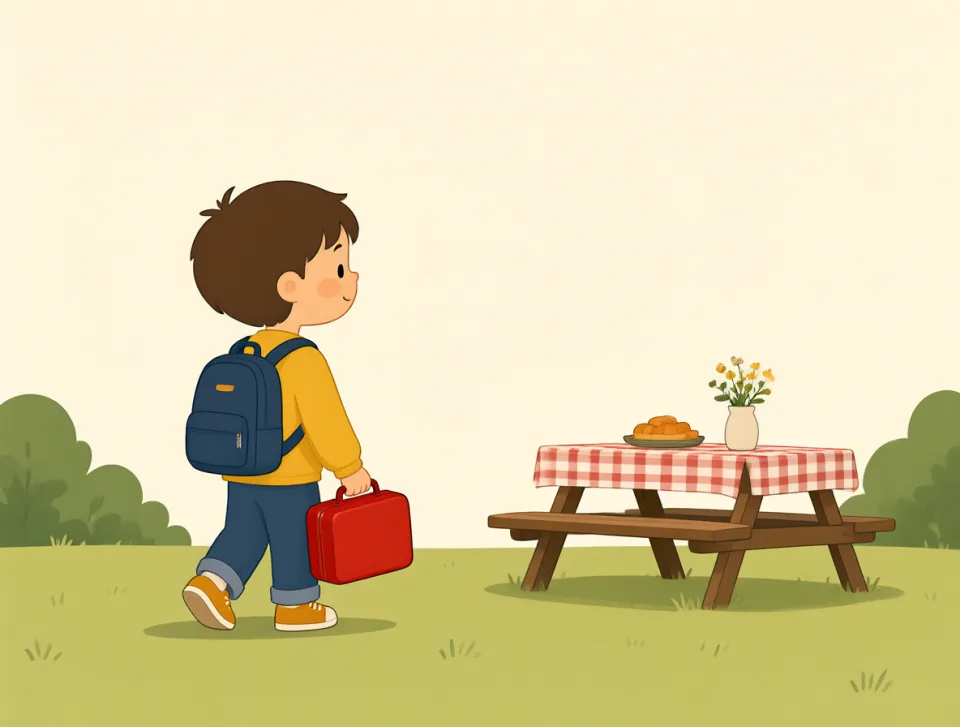
bring
#196verb
가져오다; 데려오다; 초래하다
to take or carry someone or something with you to a place
누군가 또는 무언가를 가지고 함께 어떤 장소로 가다
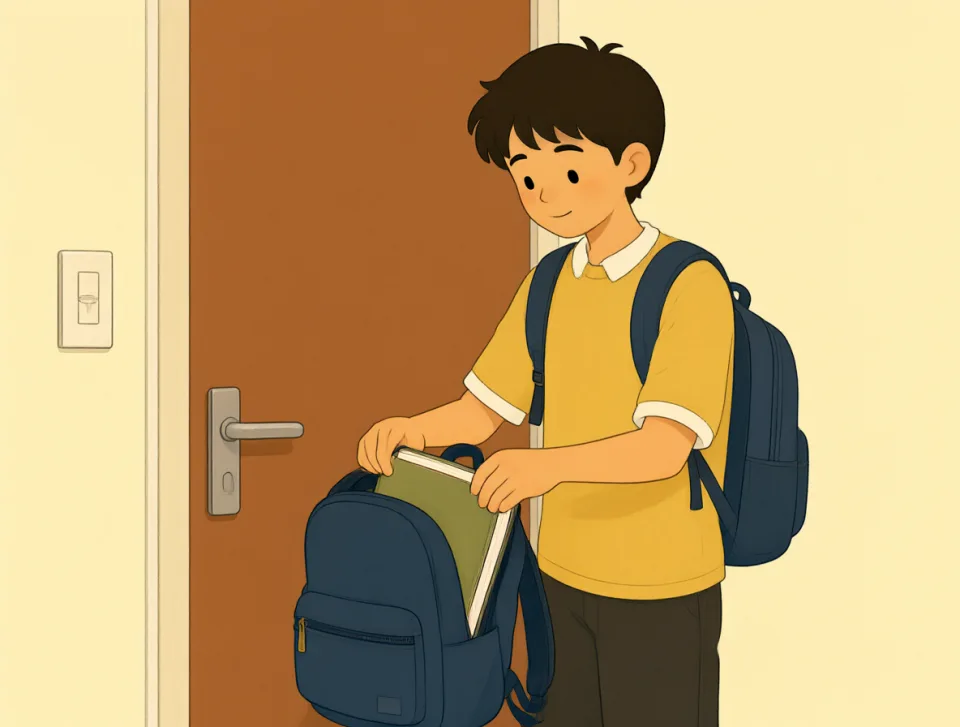
Please bring your book to class tomorrow.
내일 수업에 책을 가져오세요.
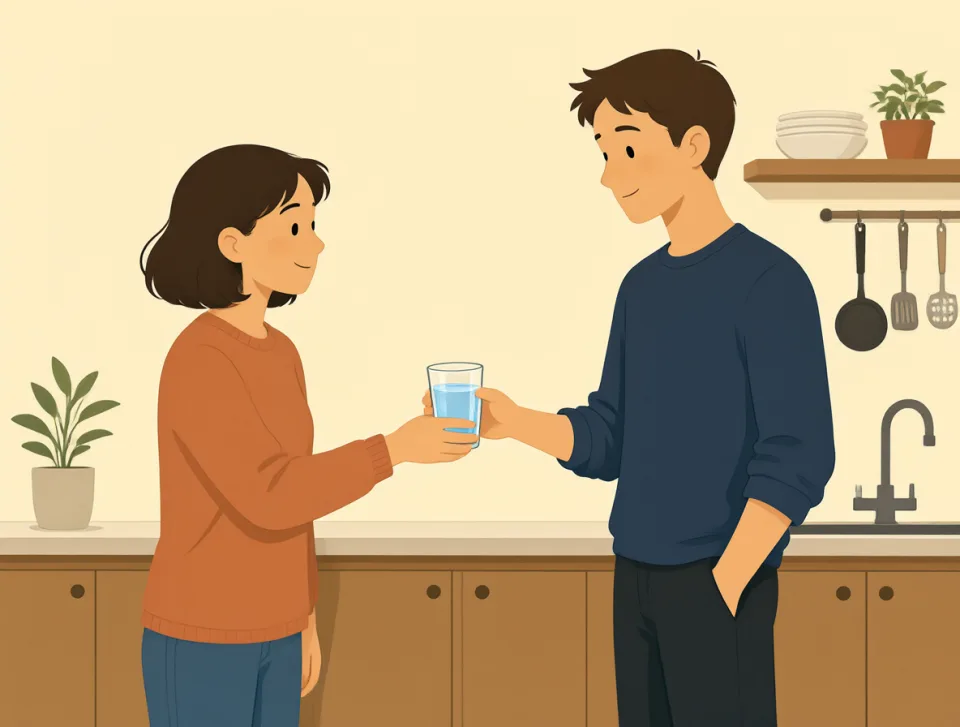
Can you bring me a glass of water?
물 한 잔 가져다줄래요?
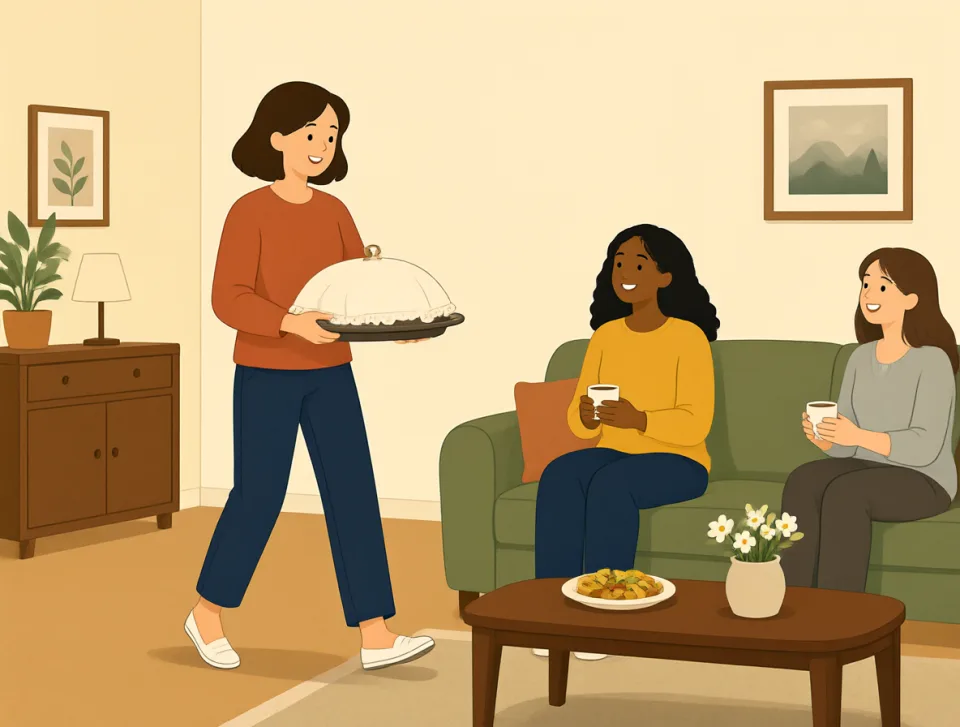
She brought some food for the party.
그녀는 파티에 먹을 것을 가져왔어요.
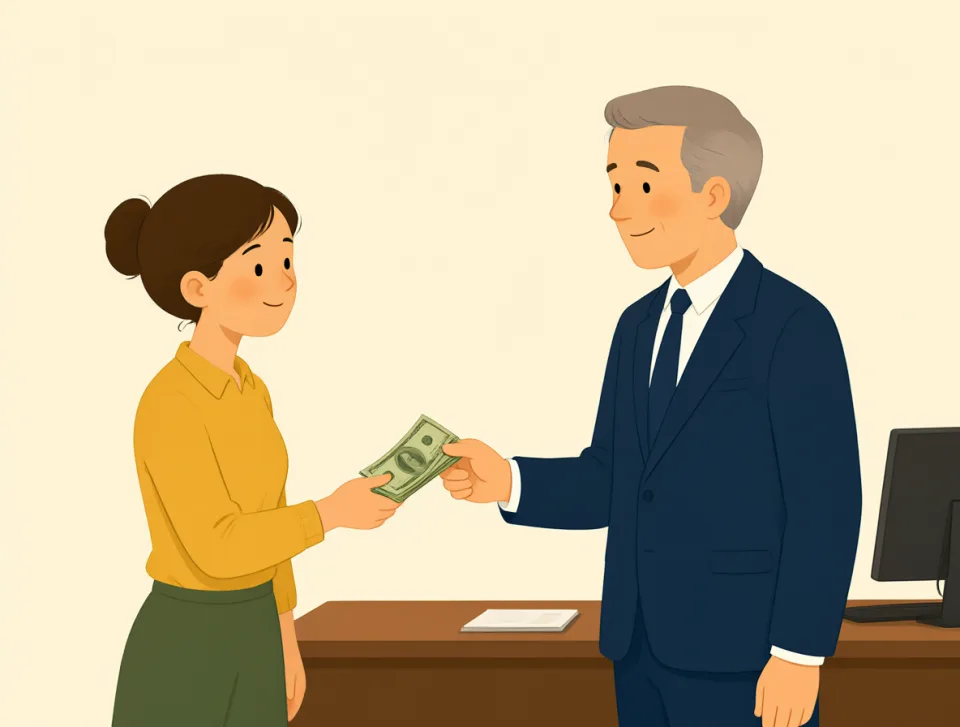
The new job brought him more money.
새 직장은 그에게 더 많은 돈을 벌게 해 주었어요.
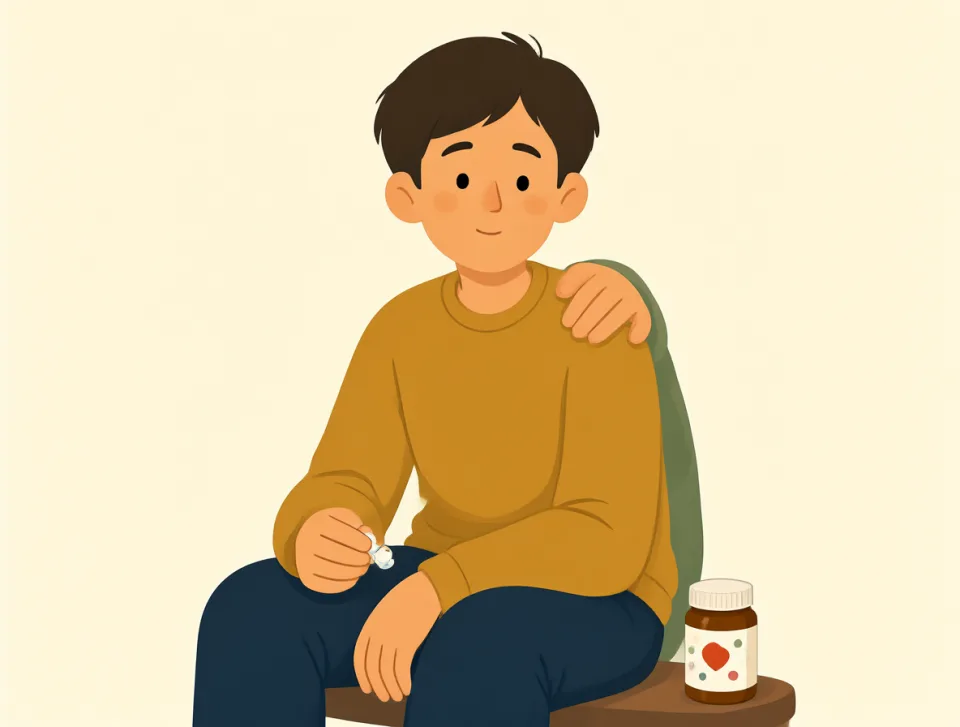
This medicine brings quick relief from pain.
이 약은 통증을 빠르게 완화해 줍니다.
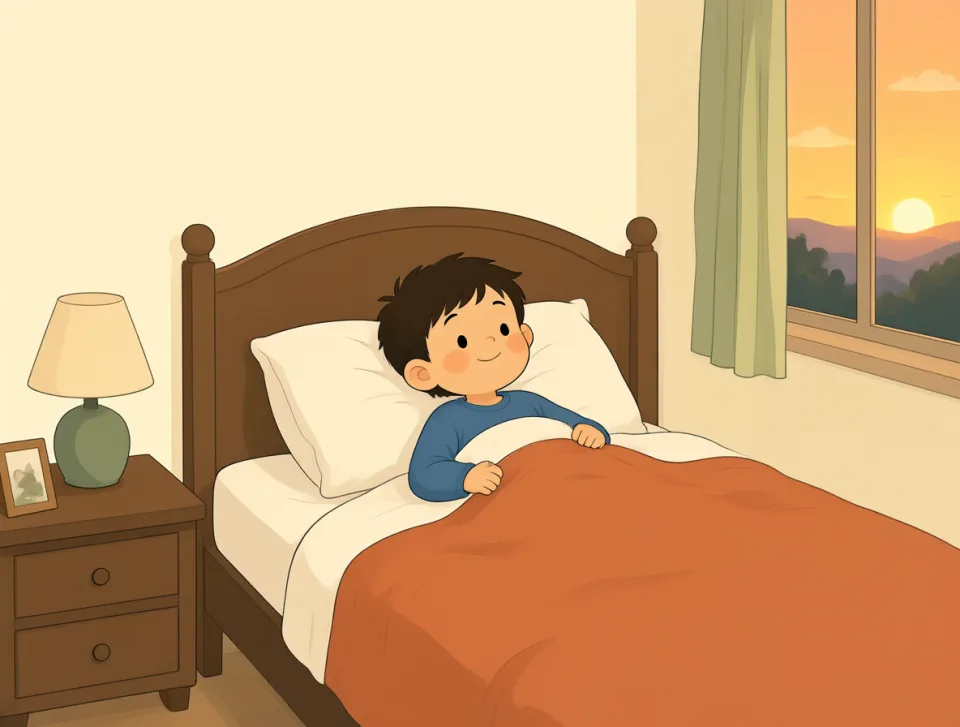
early
#197adjective, adverb
이른; 일찍
Happening or arriving before the usual or expected time.
평소보다 또는 예상한 시간보다 일찍 일어나거나 도착하는
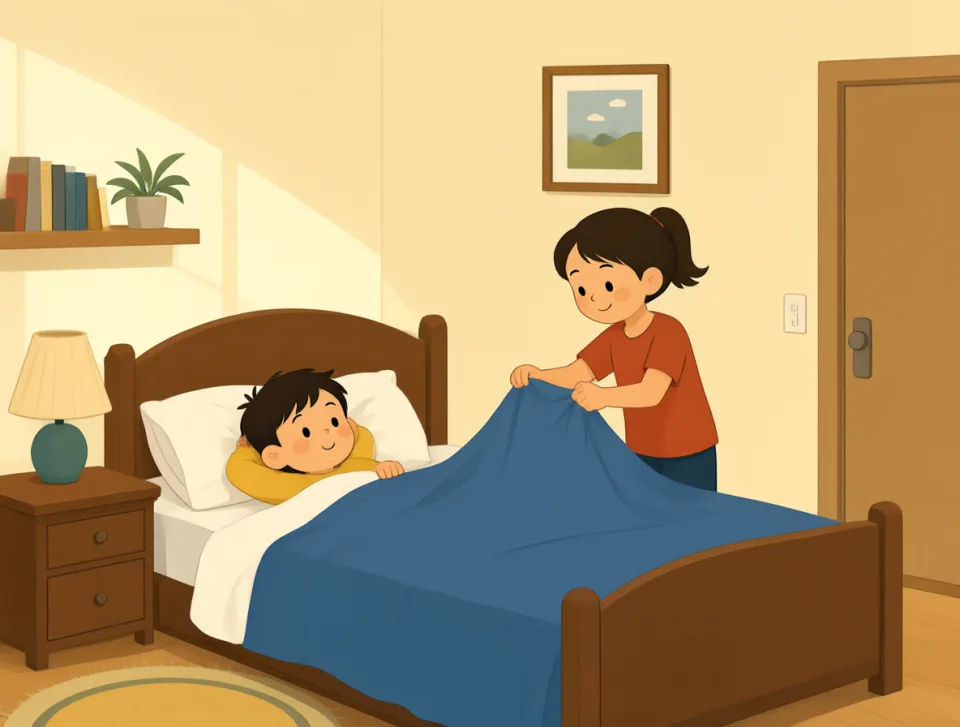
I wake up early every morning.
나는 매일 아침 일찍 일어난다.
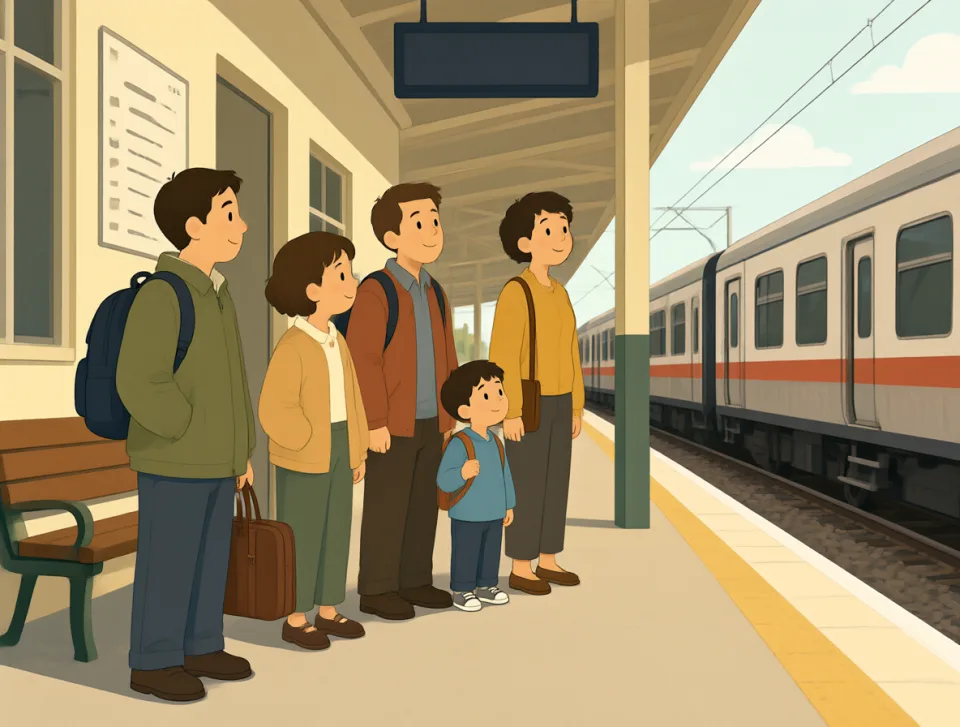
We arrived early for the train.
우리는 기차를 타러 일찍 도착했다.
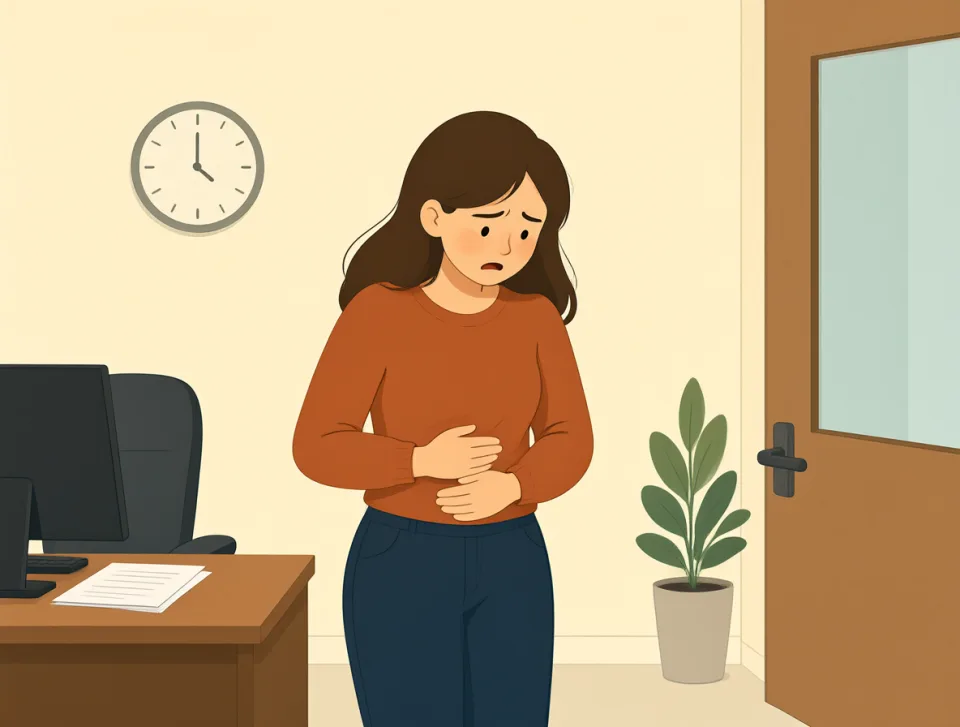
She left work early because she felt sick.
그녀는 몸이 아파서 일찍 퇴근했다.

The shop opens early on Saturdays.
그 가게는 토요일마다 일찍 문을 연다.
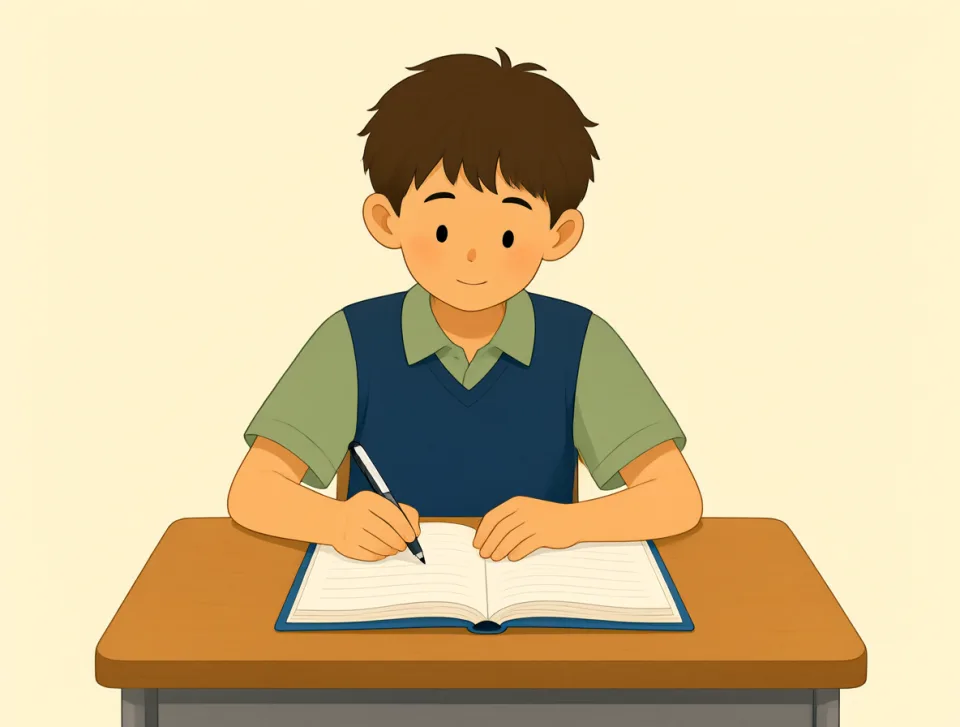
He finished his homework early.
그는 숙제를 일찍 끝냈다.
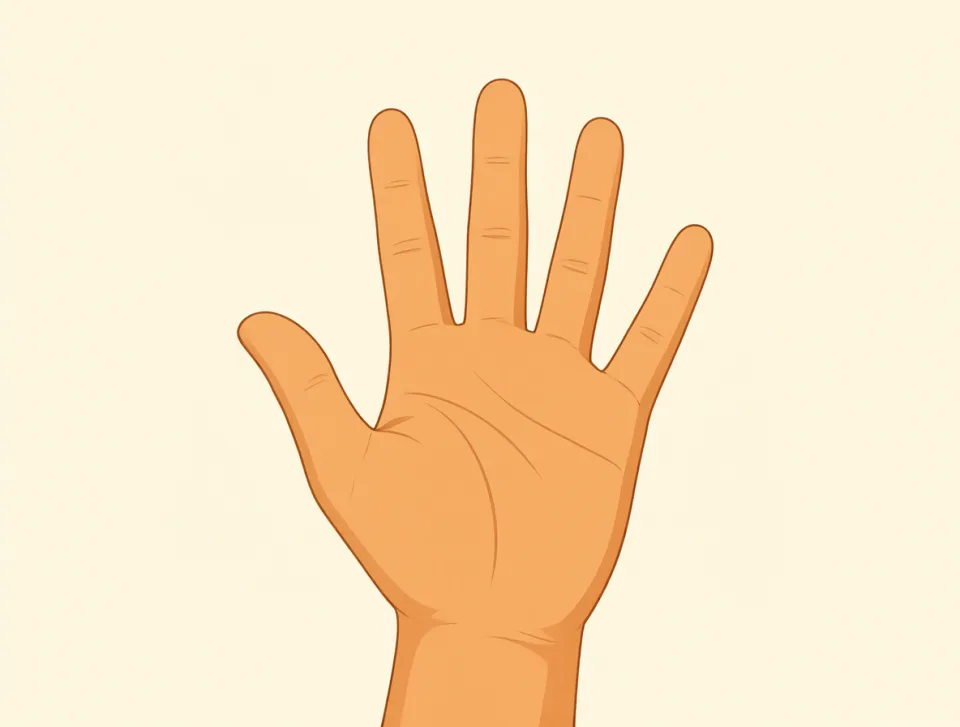
hand
#198noun, verb
손; 건네다
The part of your body from your wrist to your fingers; to give or pass something.
손목부터 손가락까지 이어지는 신체 부위; 무언가를 건네거나 전달하다.
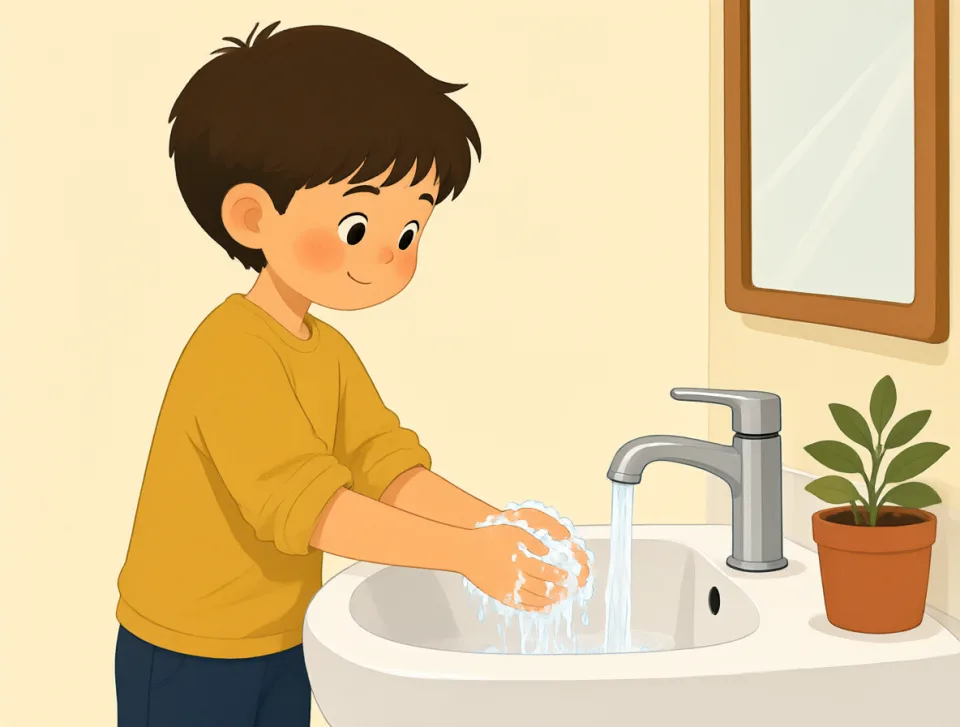
Wash your hands before you eat.
먹기 전에 손을 씻으세요.
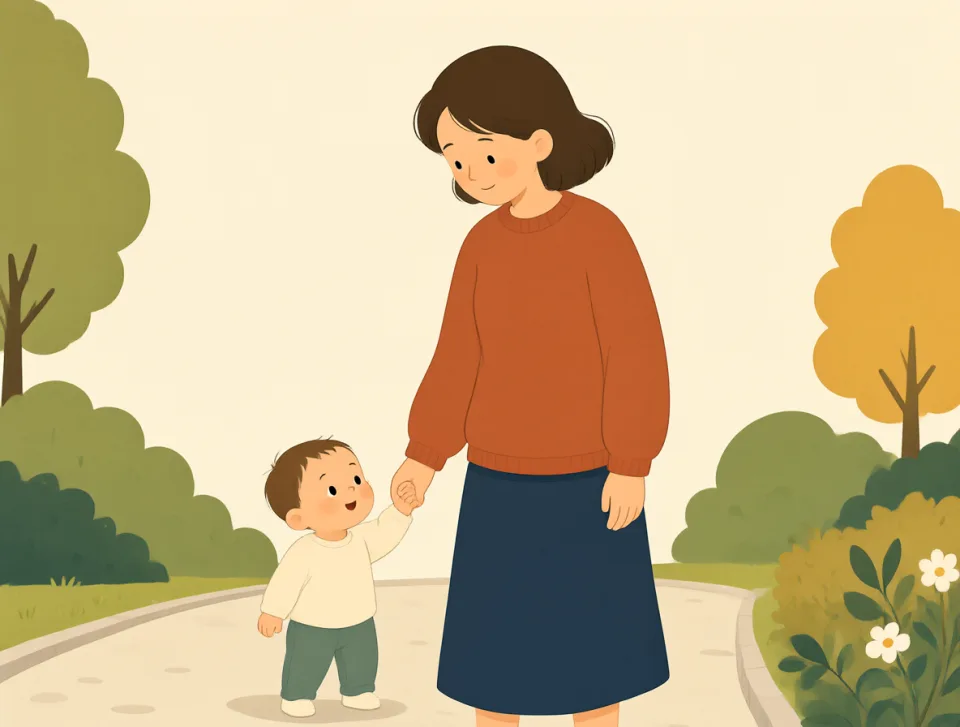
She held the baby’s hand tightly.
그녀는 아기의 손을 꼭 잡았다.
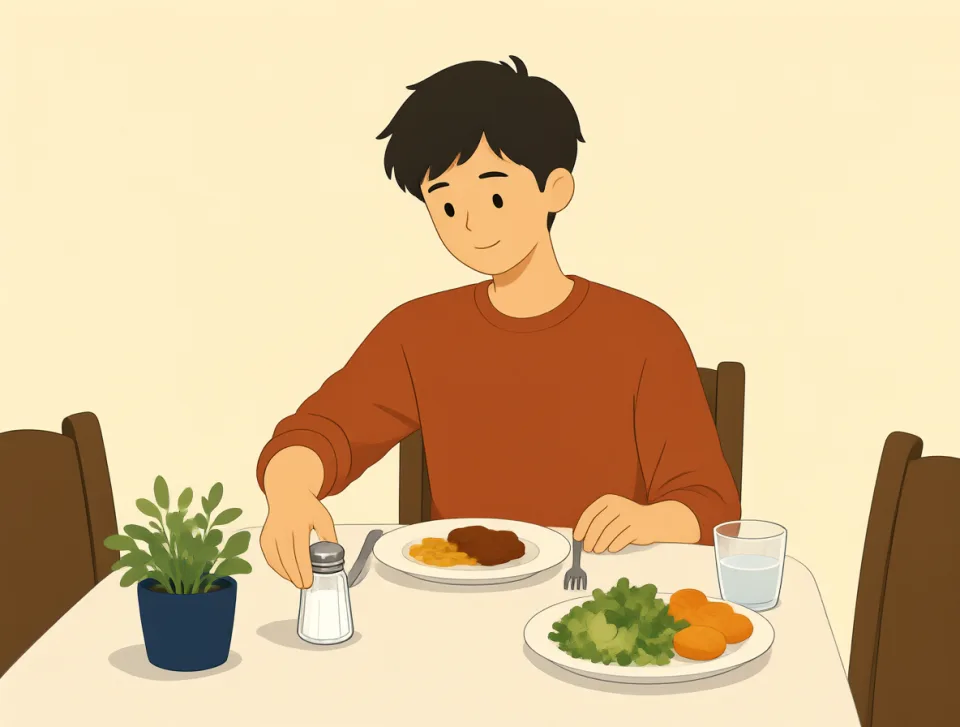
Please hand me the salt.
소금 좀 건네주세요.
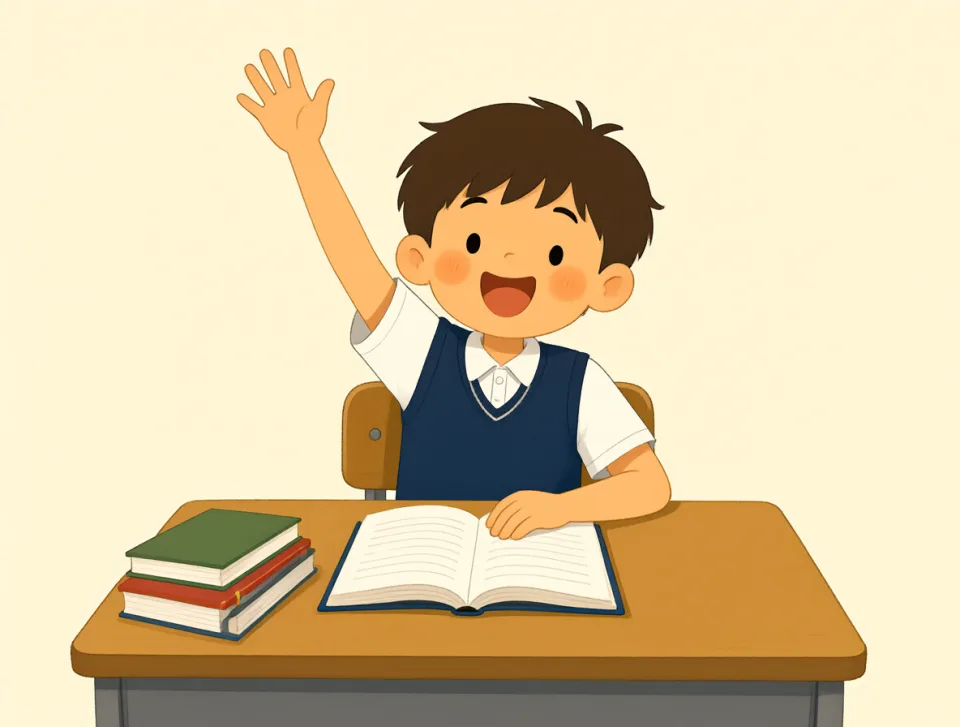
He raised his hand in class.
그는 수업 시간에 손을 들었다.

They shook hands after the meeting.
그들은 회의가 끝난 뒤 악수를 했다.
state
#199noun, verb
상태; 주; 진술하다
A state is a condition, or a large area with its own government.
상태란 어떤 조건이나 상황을 뜻하거나, 자체적인 정부가 있는 넓은 지역을 뜻합니다.
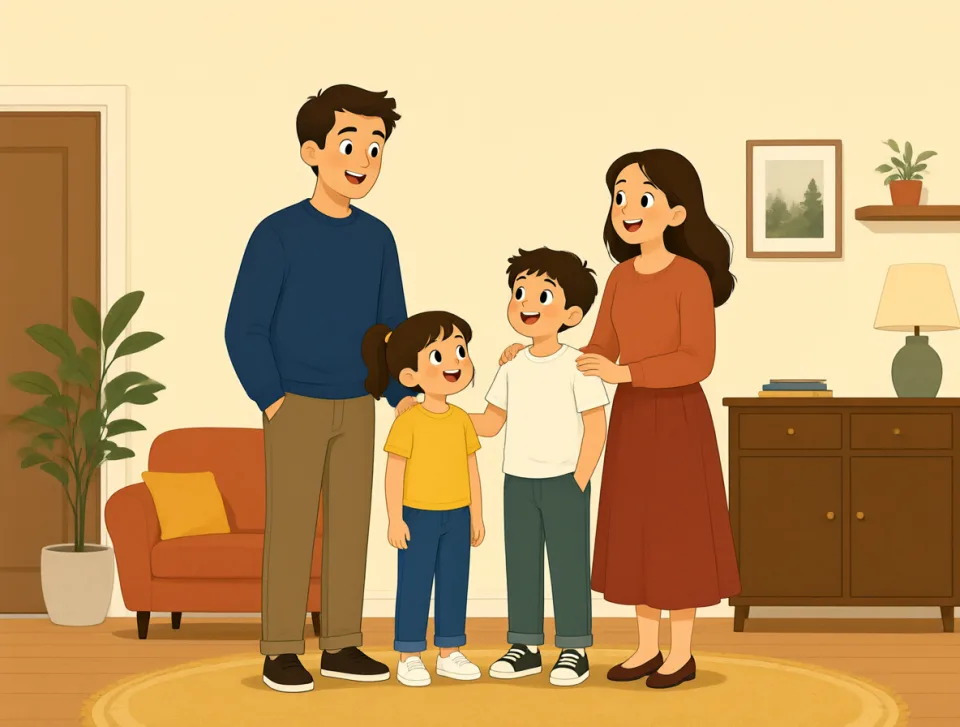
The house is in a very good state.
그 집은 상태가 아주 좋습니다.

The company is in a difficult state.
그 회사는 어려운 상황에 처해 있습니다.
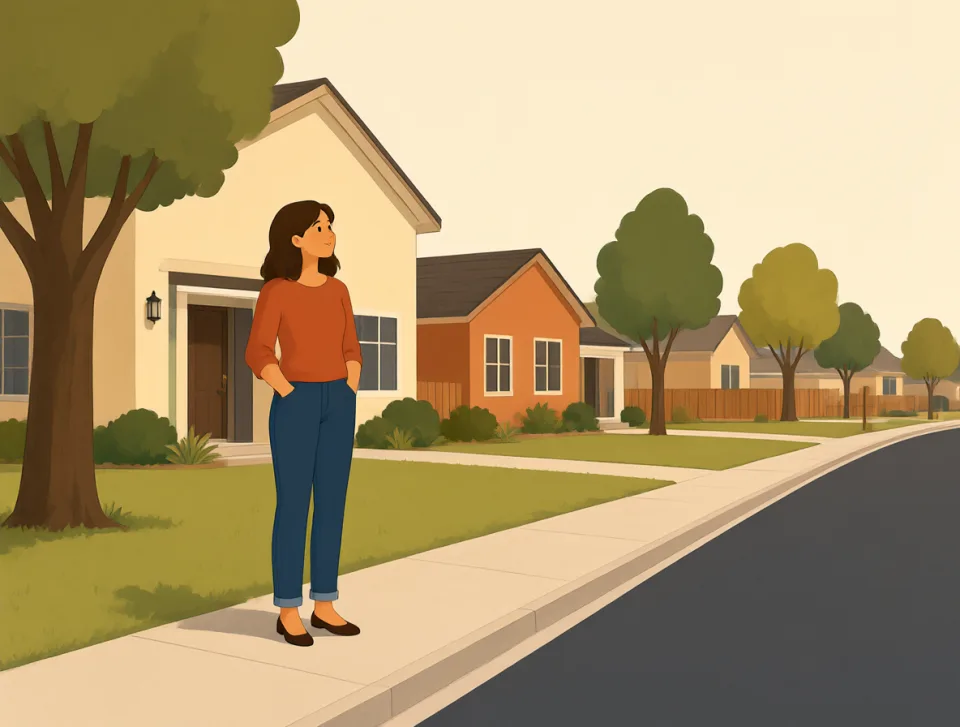
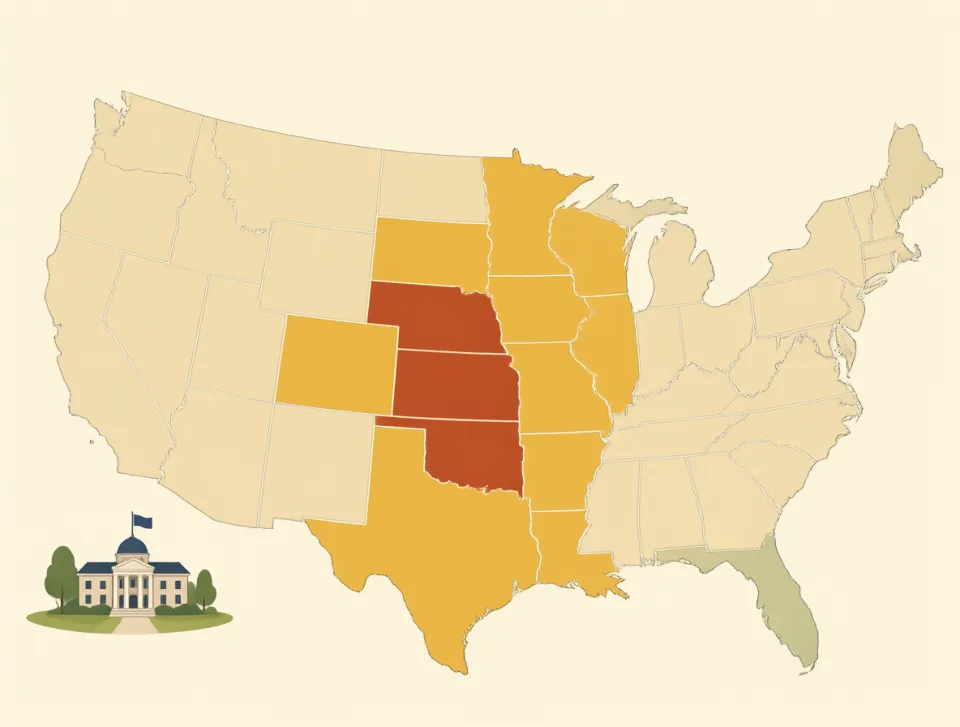
She lives in the state of Texas.
그녀는 텍사스주에 삽니다.
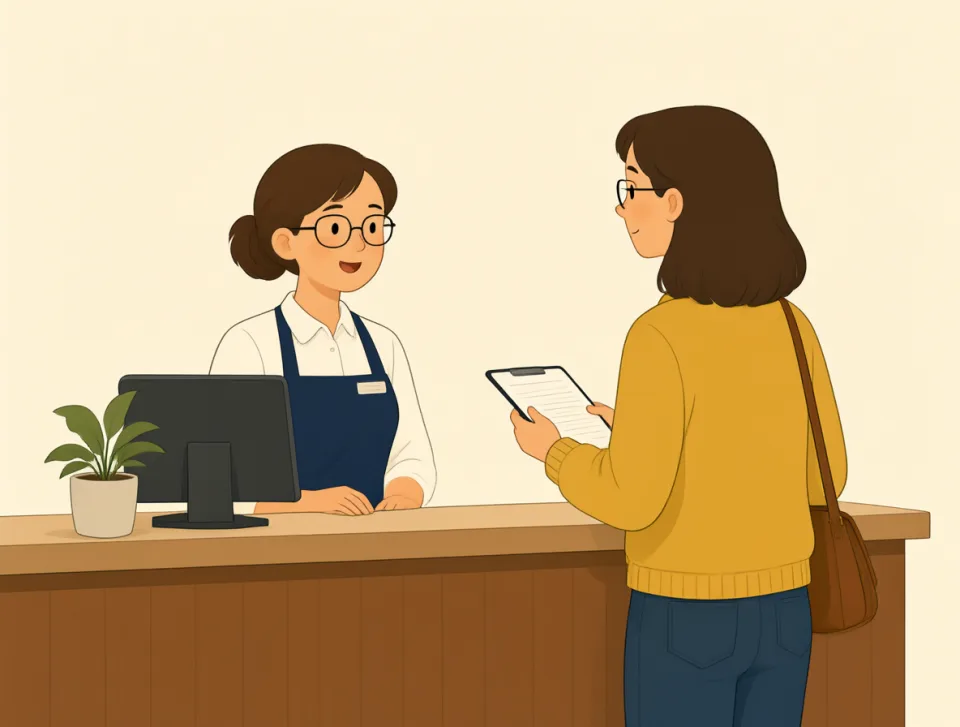
Please state your name and address.
이름과 주소를 말씀해 주세요.
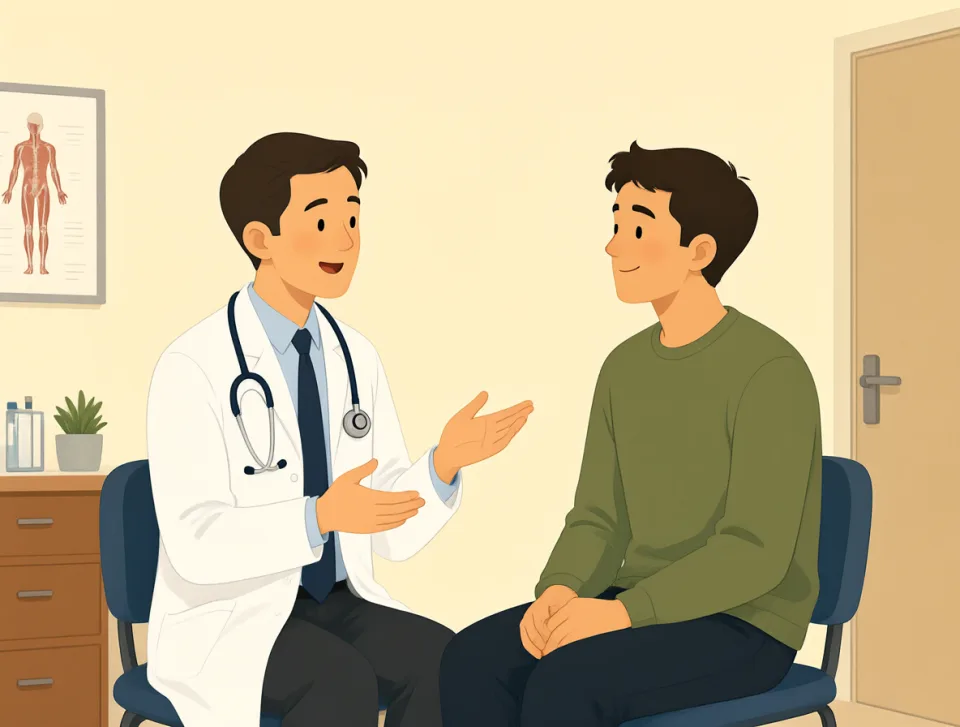
The doctor stated that he was healthy.
의사는 그가 건강하다고 말했습니다.
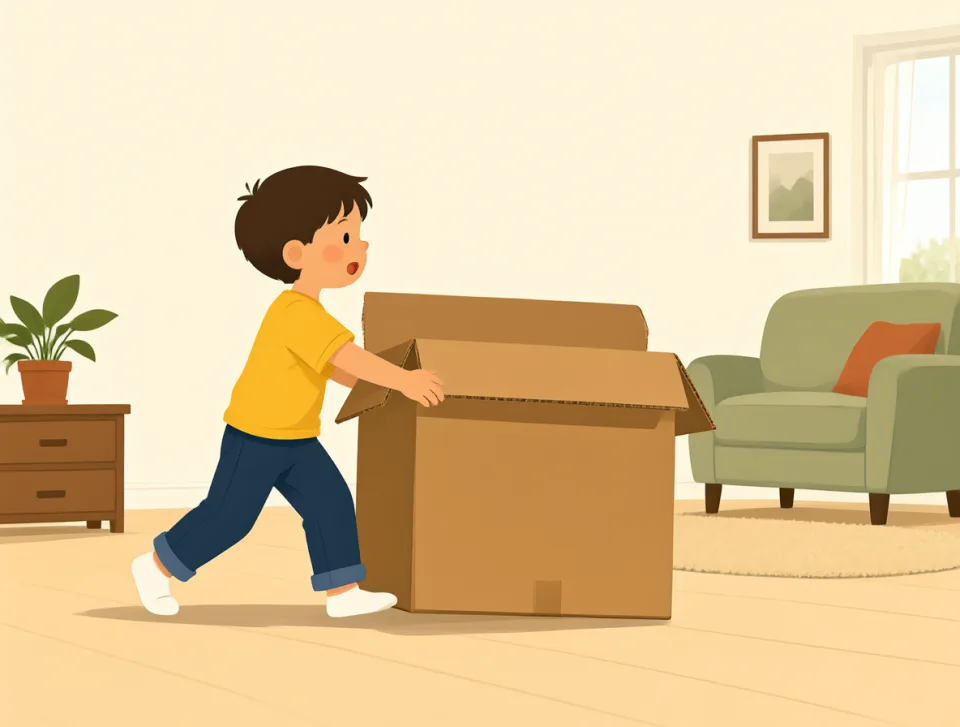
move
#200verb, noun
움직이다; 옮기다; 이사하다; 움직임
to change position or place, or to make someone or something change position
위치나 장소를 바꾸거나, 사람이나 사물의 위치를 바꾸다
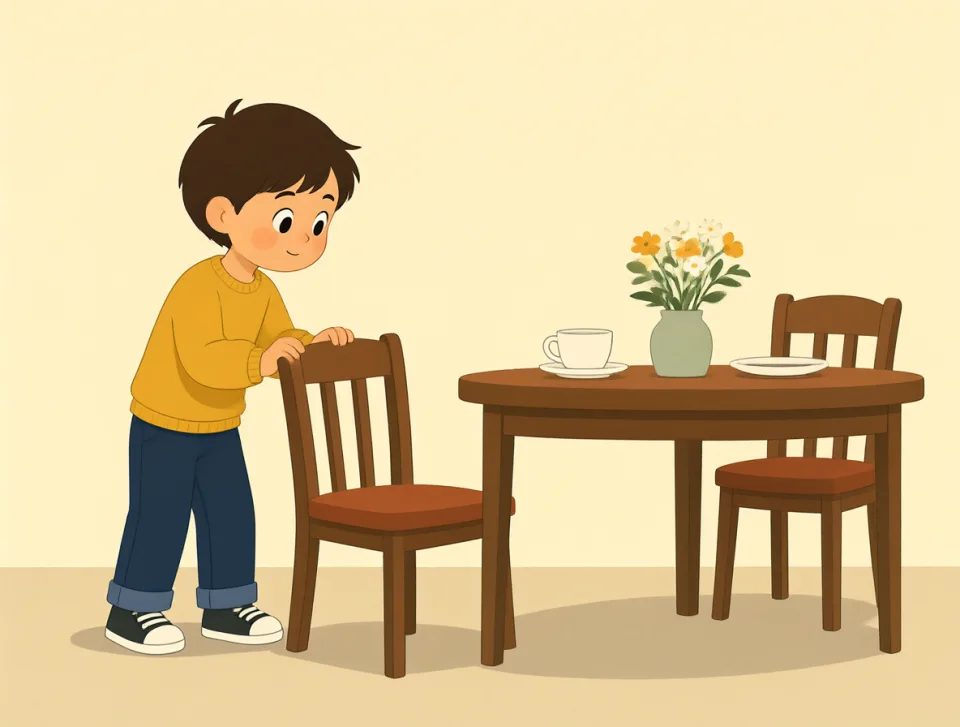
Please move your chair closer to the table.
의자를 탁자 쪽으로 좀 옮겨 주세요.
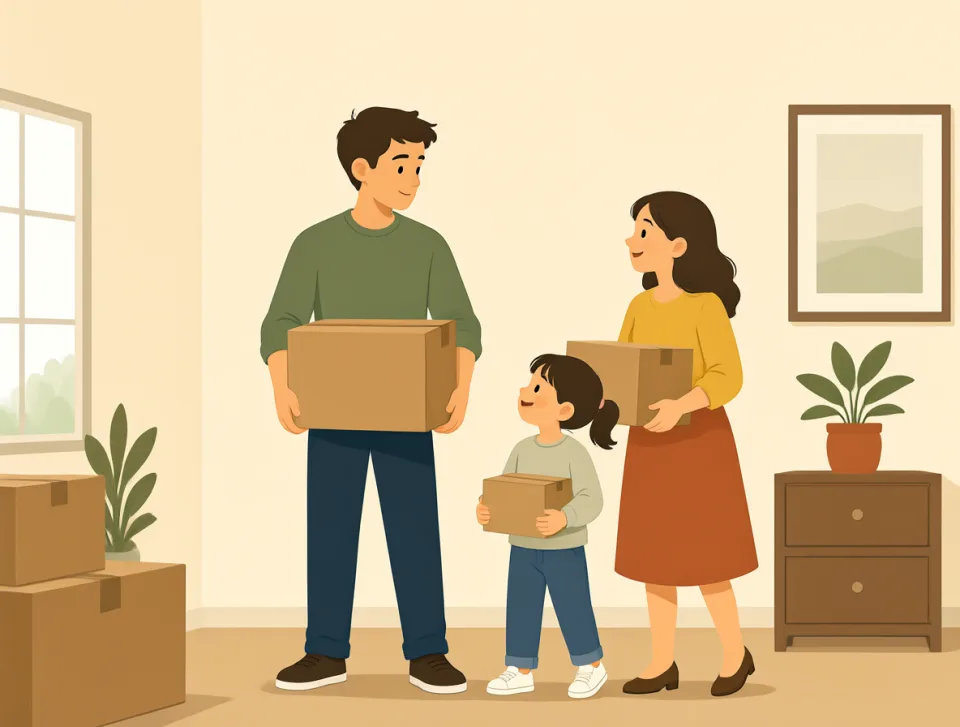
We moved to a new apartment last month.
우리는 지난달에 새 아파트로 이사했어요.
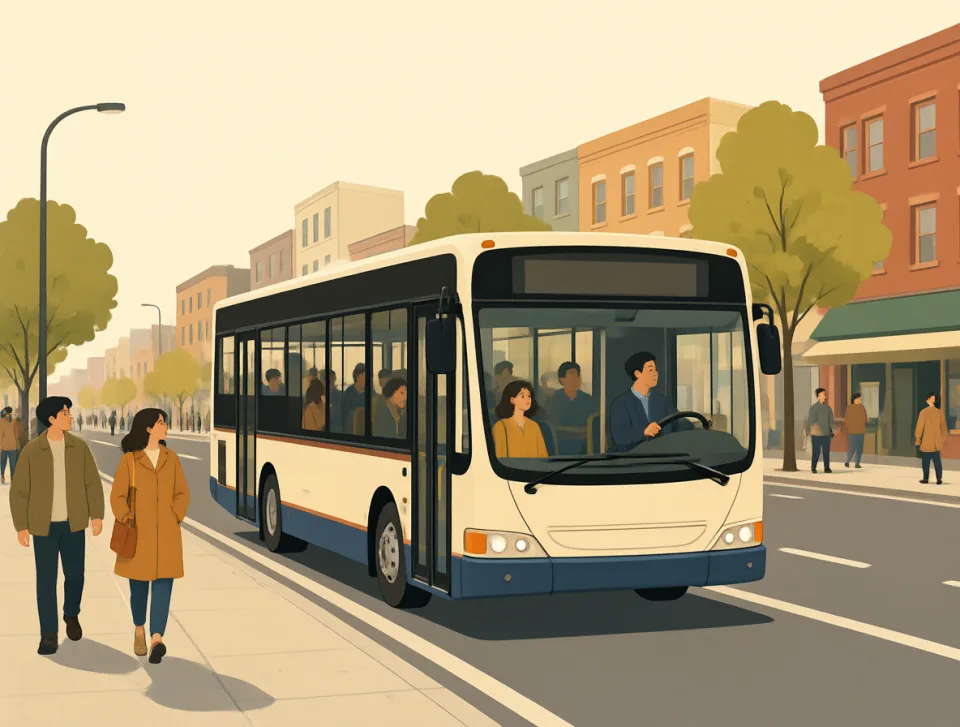
The bus moved slowly through the crowded street.
버스는 붐비는 거리를 천천히 지나갔어요.
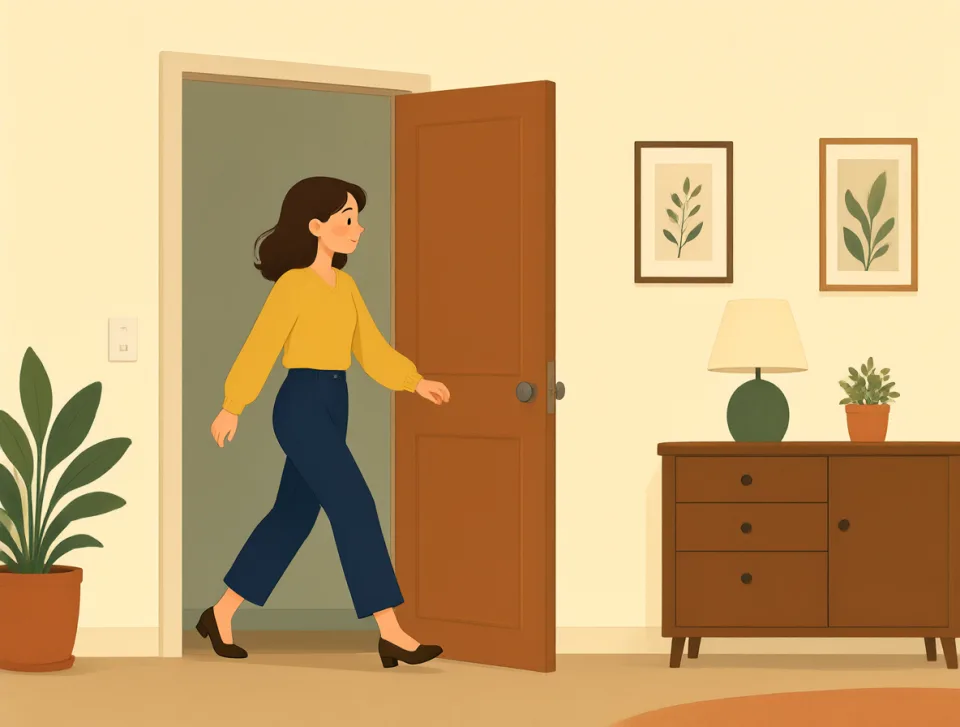
She made a quick move toward the door.
그녀는 문 쪽으로 재빨리 움직였어요.
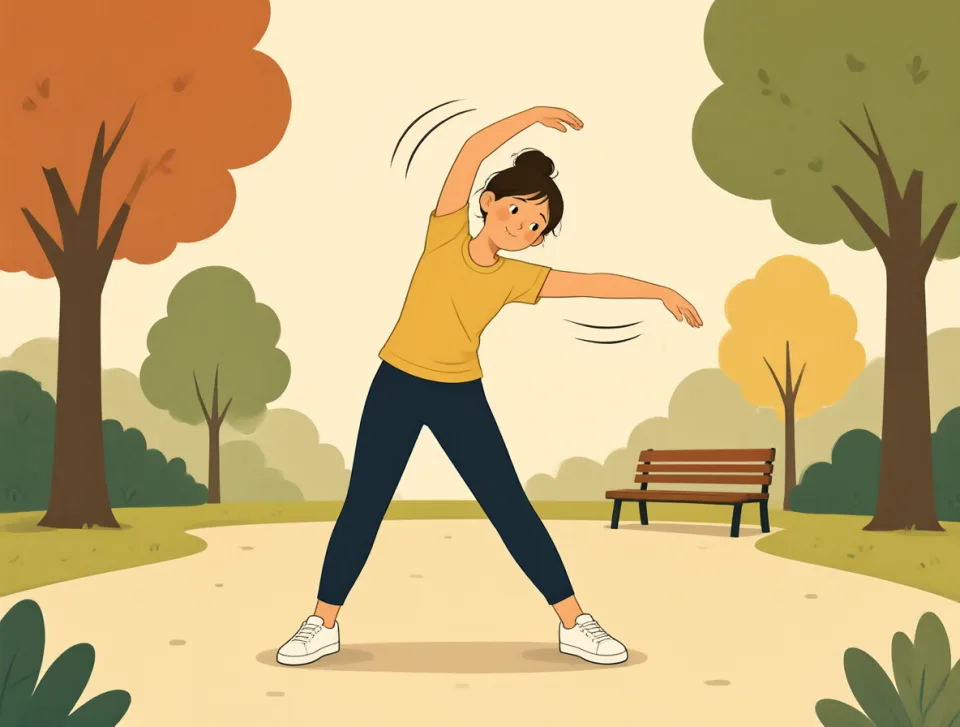
A little exercise helps move your body.
가벼운 운동은 몸을 움직이는 데 도움이 돼요.