Блок 98
Слова 1941–1960 · advertisement, consistent, originally, aside, comfort, secondly
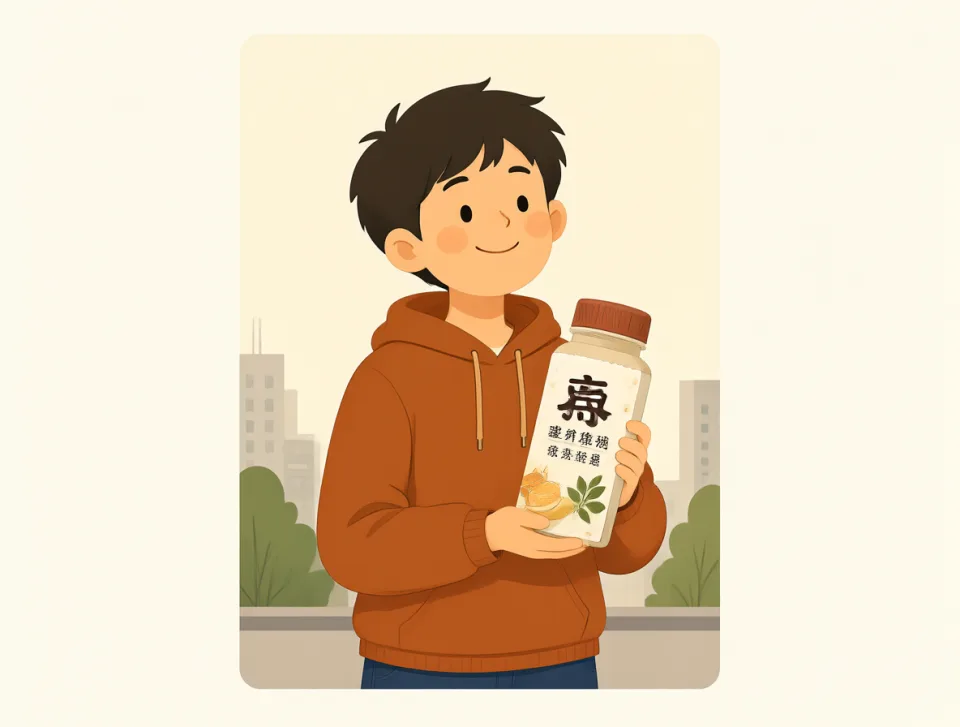
advertisement
#1941noun
реклама
a message that tries to make people buy a product or service
сообщение, которое призывает людей купить товар или услугу

I saw an advertisement for a new phone on television.
Я увидел по телевизору рекламу нового телефона.
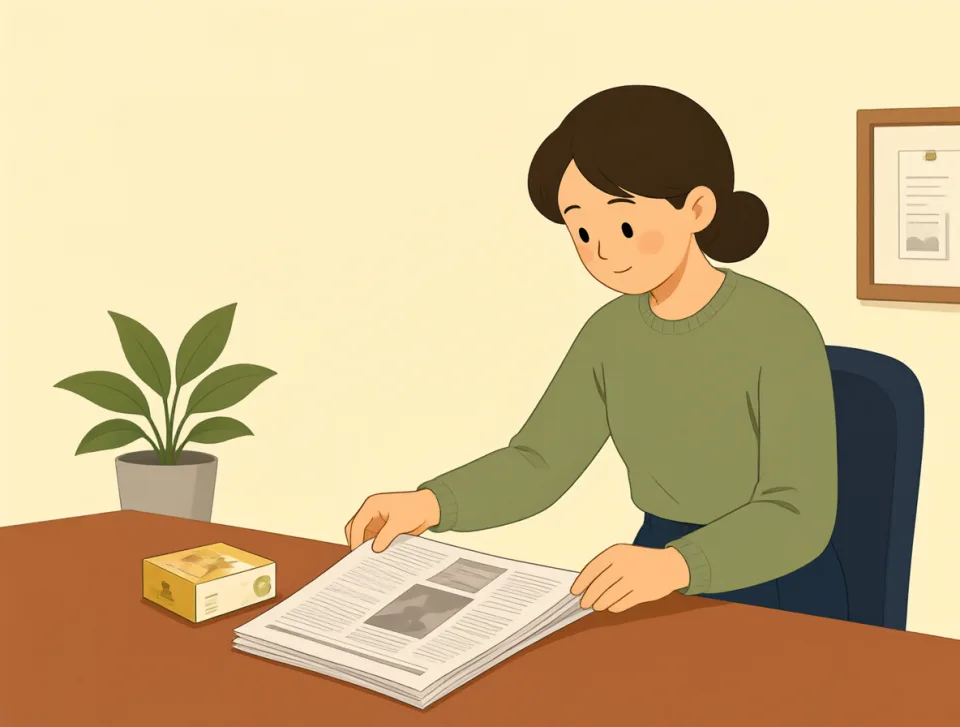
The company placed an advertisement in the local newspaper.
Компания разместила рекламу в местной газете.

She answered an advertisement for a part-time job.
Она откликнулась на объявление о работе на неполный день.

We noticed several advertisements while walking through the shopping center.
Мы заметили несколько рекламных объявлений, пока гуляли по торговому центру.

The doctor warned that some food advertisements can encourage unhealthy choices.
Врач предупредил, что реклама некоторых продуктов питания может побуждать к нездоровому выбору.

consistent
#1942adjective
последовательный; стабильный
Always behaving or happening in the same reliable way.
Всегда ведущий себя или происходящий одинаково и предсказуемо.
She is consistent with her exercise routine every morning.
Каждое утро она регулярно выполняет свой комплекс упражнений.
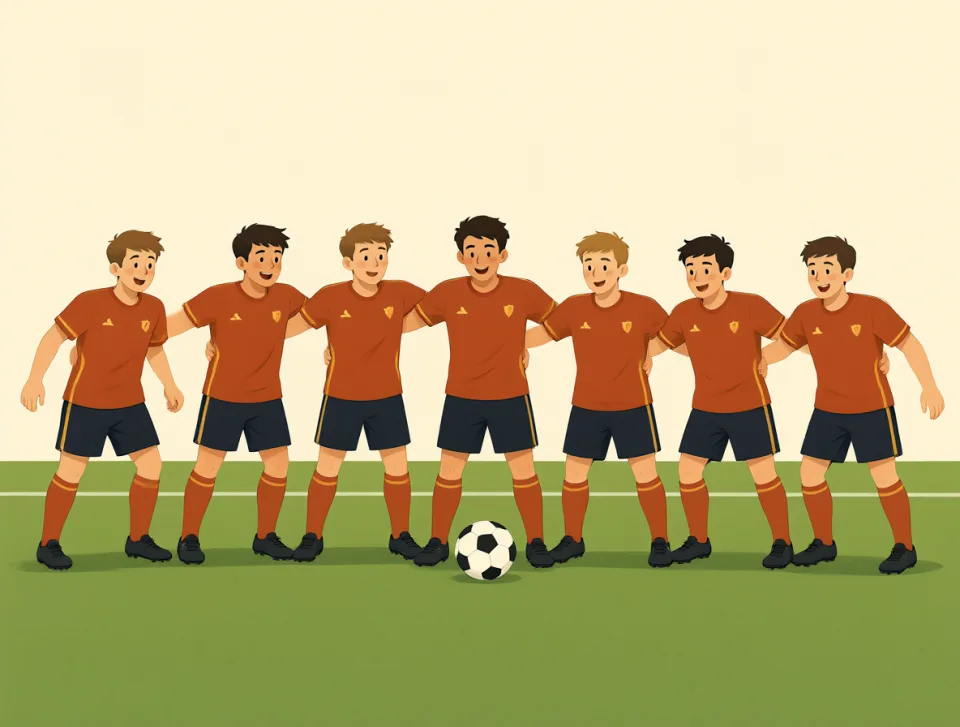
The team has played consistent football all season.
На протяжении всего сезона команда стабильно показывала хороший футбол.

Try to be consistent when you practice new English words.
Старайся заниматься регулярно, когда учишь новые английские слова.

The restaurant serves consistent food at reasonable prices.
В этом ресторане всегда готовят одинаково хорошо и по разумным ценам.

His health improved after he made consistent changes to his diet.
Его здоровье улучшилось, когда он стал последовательно менять свой рацион.

originally
#1943adverb
изначально
At the beginning, before something changed or developed.
Вначале, до того как что-то изменилось или развилось.
The house was originally a small farm building.
Изначально этот дом был небольшим фермерским строением.

She originally planned to study medicine at university.
Изначально она планировала изучать медицину в университете.

This restaurant was originally a family home.
Изначально этот ресторан был семейным домом.
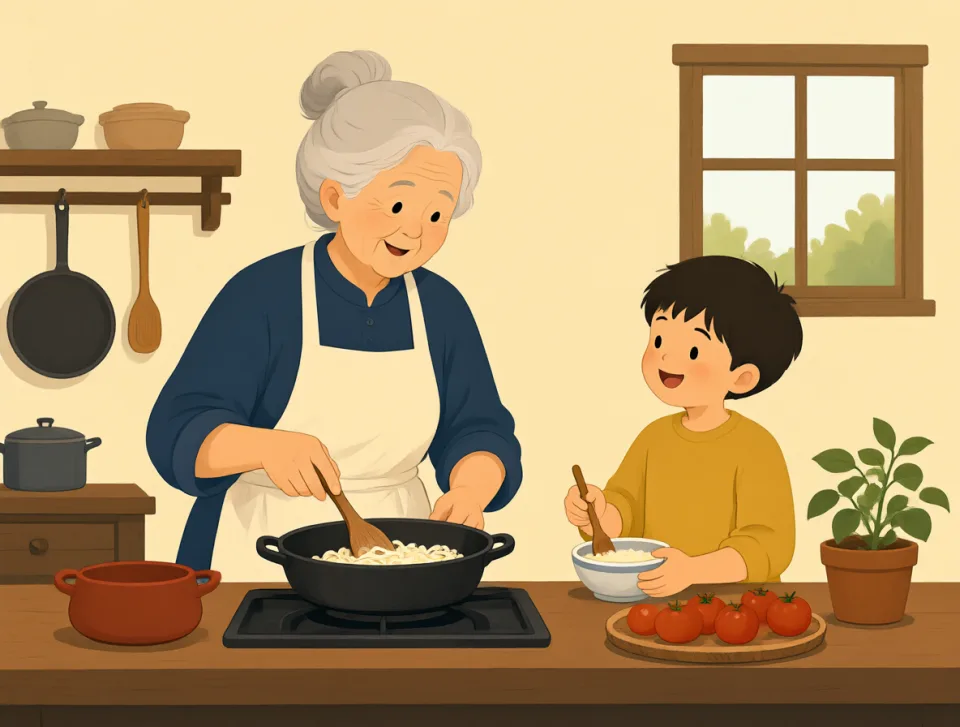
The recipe originally came from my grandmother's village.
Изначально этот рецепт пришёл из деревни моей бабушки.

We originally met on a train to London.
Мы познакомились в поезде до Лондона.
aside
#1944adverb, preposition, noun
в сторону; в стороне; aside — замечание в сторону
to or at one side; away from the main subject; a private comment
В сторону или в стороне; в стороне от главной темы; личное замечание.

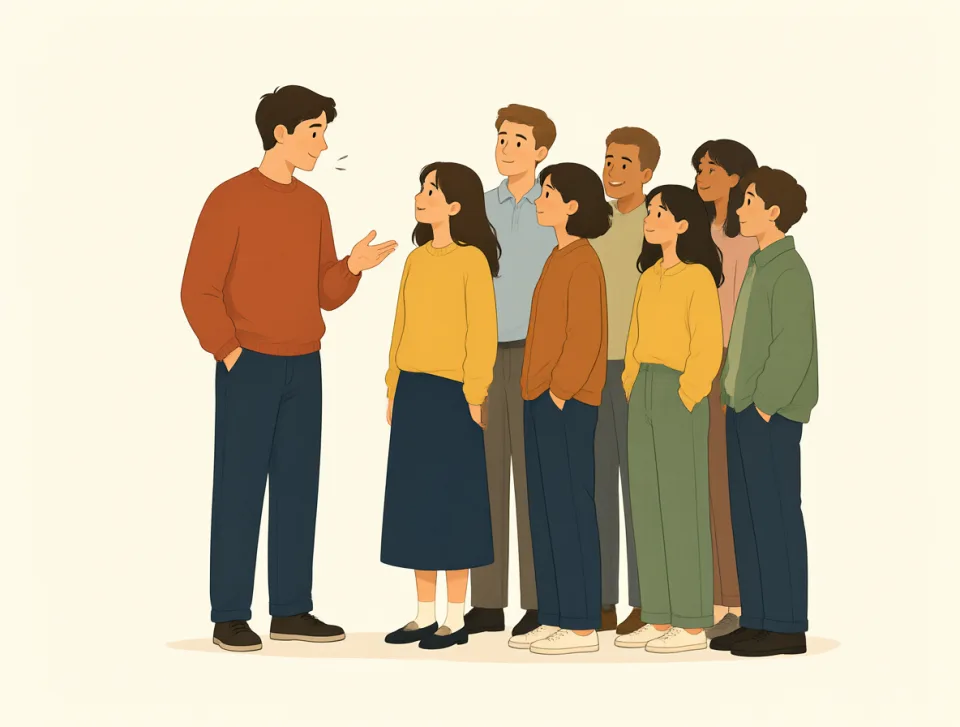
Please move aside so I can carry this box through.
Пожалуйста, отойдите в сторону, чтобы я мог пронести эту коробку.

She took me aside to ask about the missing report.
Она отвела меня в сторону, чтобы спросить о пропавшем отчёте.
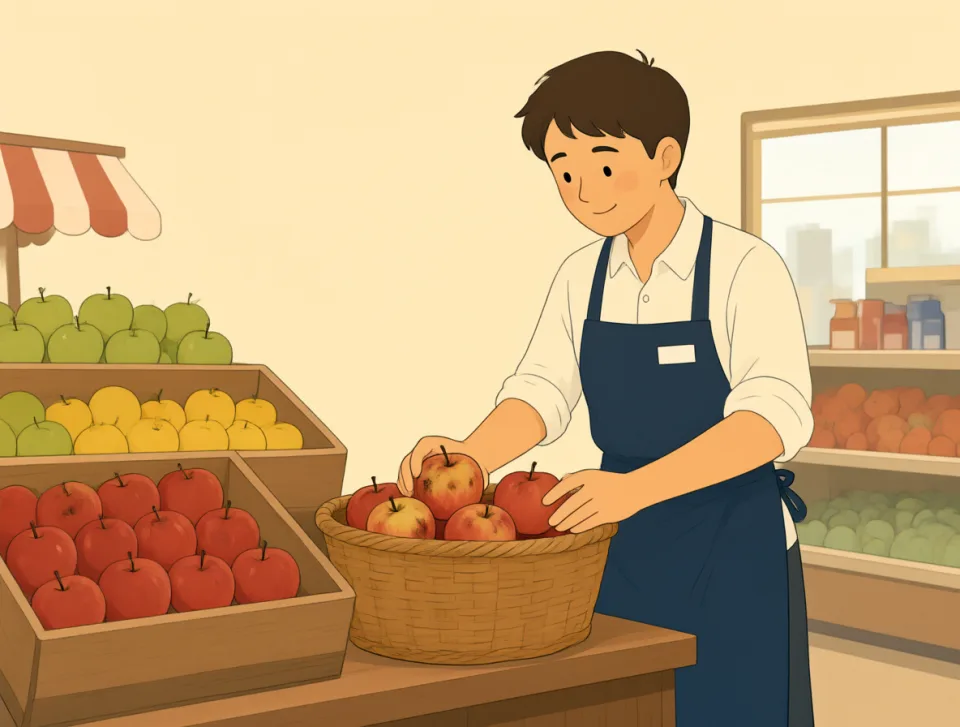
The shopkeeper put the damaged apples aside for inspection.
Продавец отложил повреждённые яблоки в сторону для проверки.

He pushed his worries aside and enjoyed dinner with friends.
Он отбросил тревоги и насладился ужином с друзьями.

Aside from a small headache, I feel completely healthy today.
Если не считать лёгкой головной боли, сегодня я чувствую себя совершенно здоровым.
comfort
#1945noun, verb
комфорт; утешение
A feeling of physical ease, or something that makes you feel less worried or sad.
Ощущение физического удобства или то, что помогает меньше тревожиться или грустить.

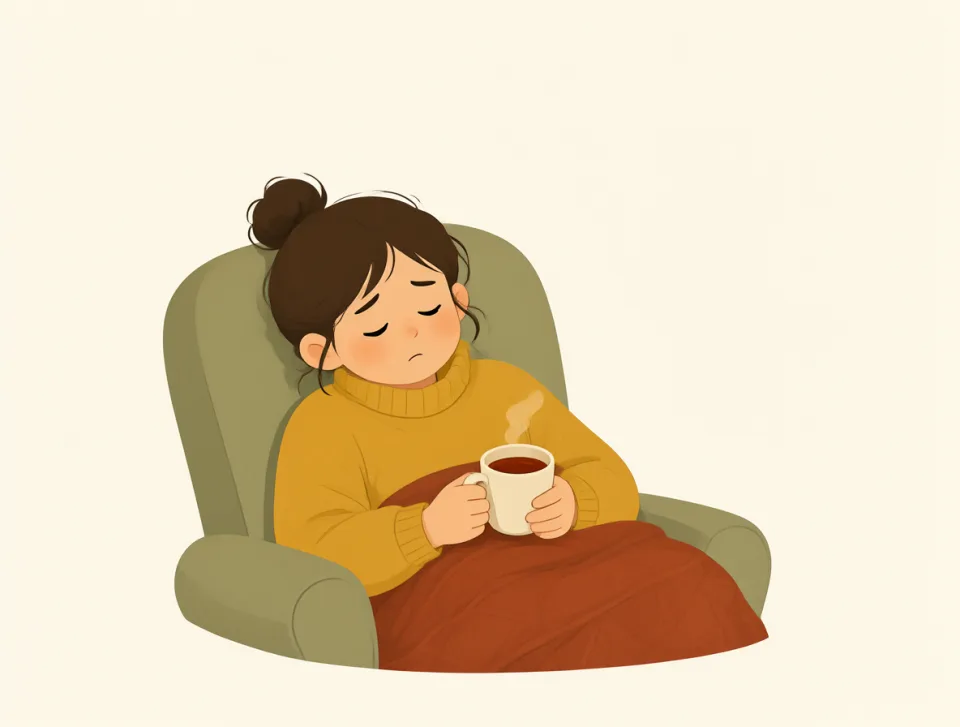
This soft chair provides great comfort after a long day.
После долгого дня это мягкое кресло дарит настоящий комфорт.
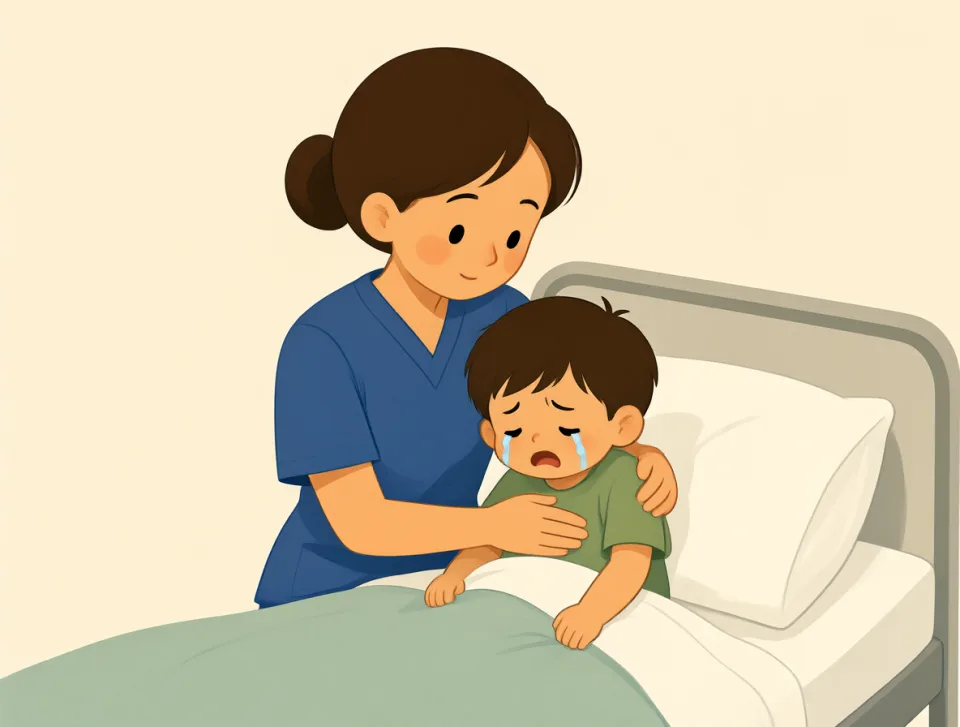
The nurse comforted the crying child at the hospital.
Медсестра утешала плачущего ребёнка в больнице.

These shoes offer comfort during long walks around the city.
В этой обуви удобно подолгу гулять по городу.

She found comfort in talking with her best friend.
Разговор с лучшей подругой помог ей обрести утешение.

The hotel room had every comfort we needed for the weekend.
В номере отеля было всё необходимое для комфортного отдыха на выходных.

secondly
#1946adverb
во-вторых
Used to introduce the second reason, point, or item in a list.
Используется, чтобы представить вторую причину, мысль или позицию в списке.
Firstly, the hotel is cheap; secondly, it is near the station.
Во-первых, отель дешёвый; во-вторых, он находится рядом со станцией.
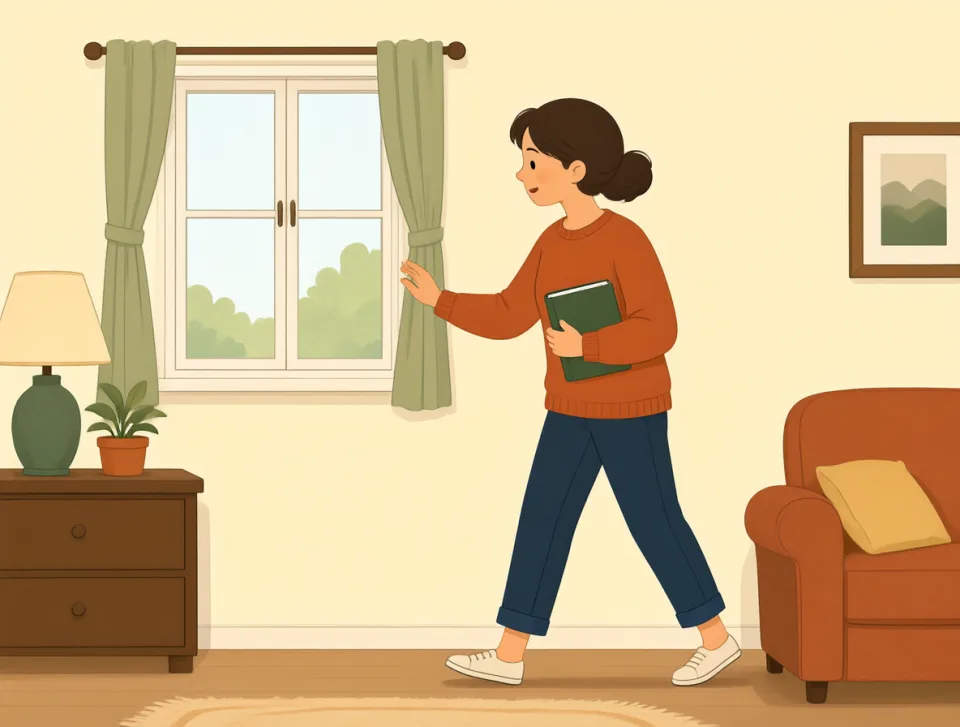
Secondly, please check that all the windows are closed.
Во-вторых, пожалуйста, проверьте, что все окна закрыты.

Secondly, we need to decide who will bring the food.
Во-вторых, нам нужно решить, кто принесёт еду.

Secondly, write your answer in the space below the question.
Во-вторых, напишите свой ответ в поле под вопросом.

The doctor said, firstly, rest; secondly, drink plenty of water.
Врач сказал: во-первых, отдыхать; во-вторых, пить много воды.
severe
#1947adjective
серьёзный; сильный
Very serious, painful, or harmful.
Очень серьёзный, болезненный или наносящий вред.

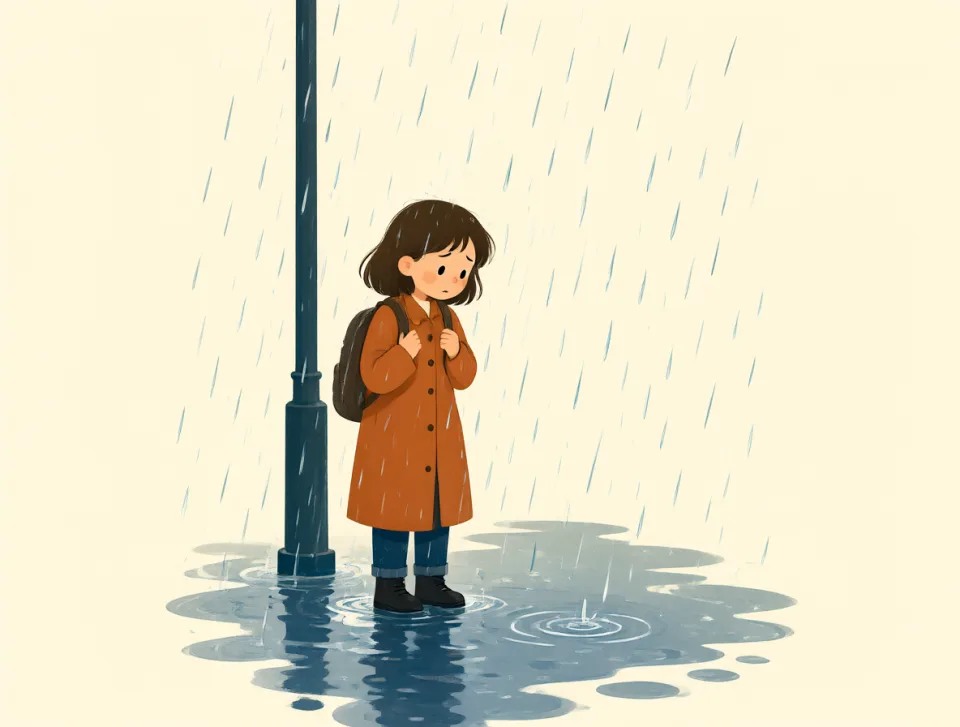
The storm caused severe damage to several homes.
Из-за шторма несколько домов получили серьёзные повреждения.
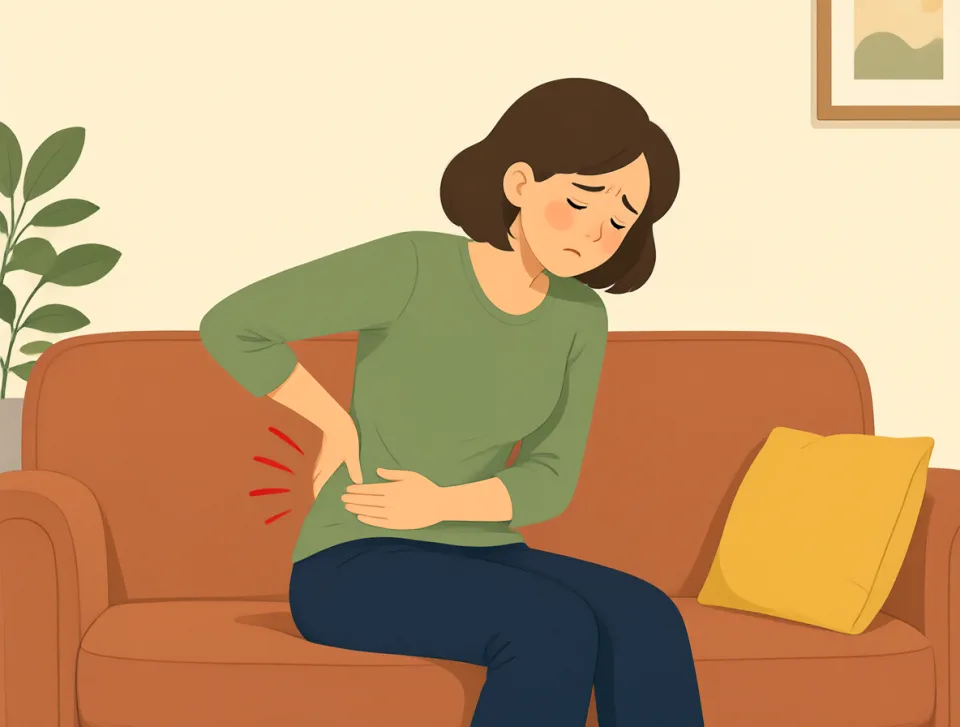
She has severe pain in her back today.
Сегодня у неё сильная боль в спине.

The doctor treated his severe infection with strong medicine.
Врач лечил его тяжёлую инфекцию сильнодействующими лекарствами.

The school closed because of severe winter weather.
Школу закрыли из-за суровой зимней погоды.
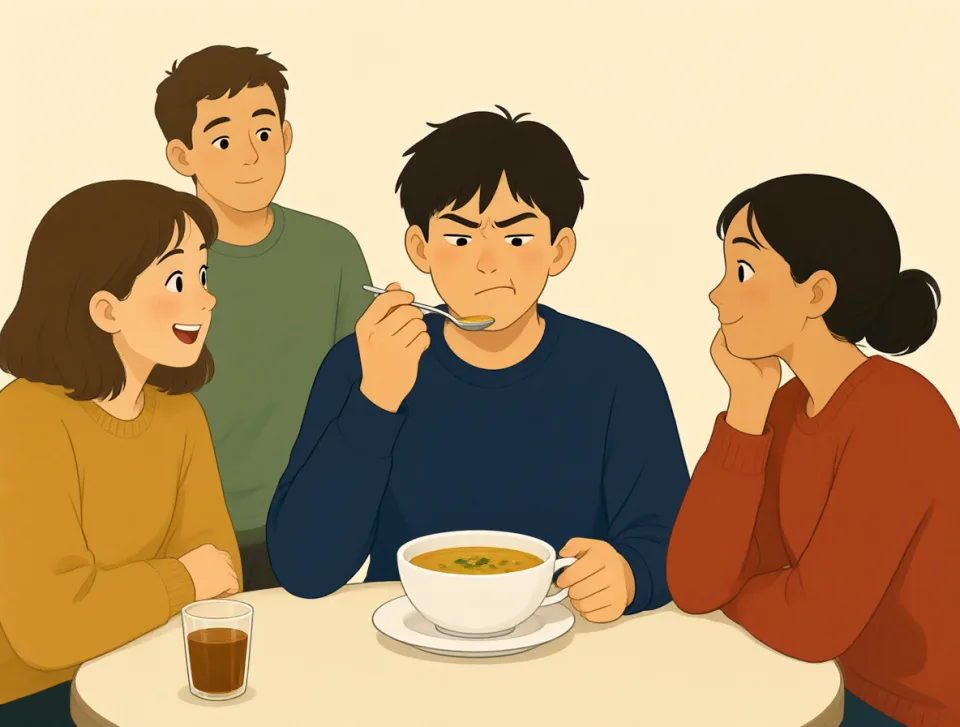
This soup has a severe taste that most guests dislike.
У этого супа резкий вкус, который не нравится большинству гостей.
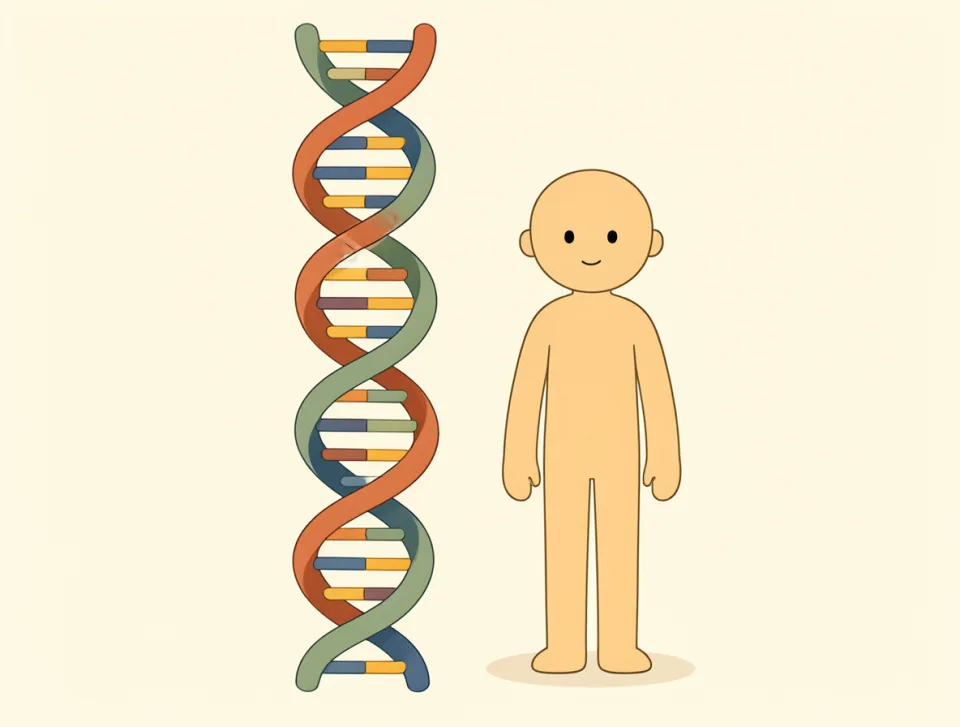
gene
#1948noun
ген
A part of a living thing's DNA that controls a particular feature.
Участок ДНК живого организма, который определяет определённый признак.

Genes help decide the color of your eyes and hair.
Гены помогают определить цвет ваших глаз и волос.

Some genes can increase a person's risk of certain diseases.
Некоторые гены могут повышать риск определённых заболеваний.
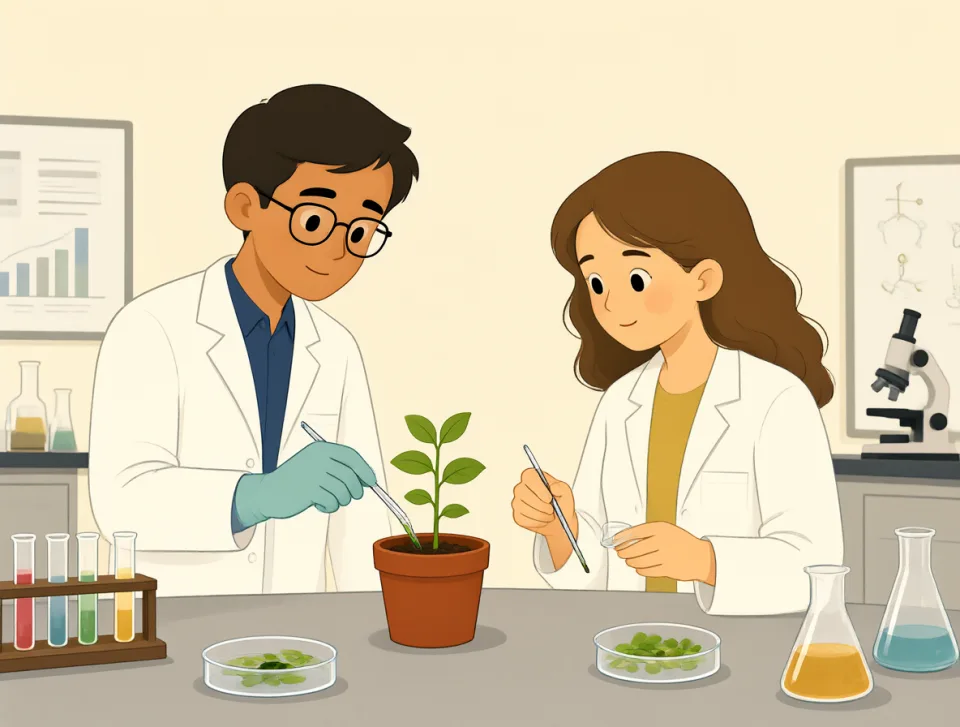
Scientists study genes to understand how plants grow.
Учёные изучают гены, чтобы понять, как растут растения.

Children inherit genes from both their mother and father.
Дети наследуют гены от матери и отца.
The researchers found a gene linked to stronger muscles.
Исследователи обнаружили ген, связанный с более сильными мышцами.
prospect
#1949noun, verb
перспектива; потенциальный клиент; искать
a possible future event, job, customer, or person; to search for something
Возможное событие в будущем, работа, клиент или человек; искать что-либо.
The prospect of a holiday made everyone feel excited.
Перспектива отпуска заставила всех почувствовать воодушевление.
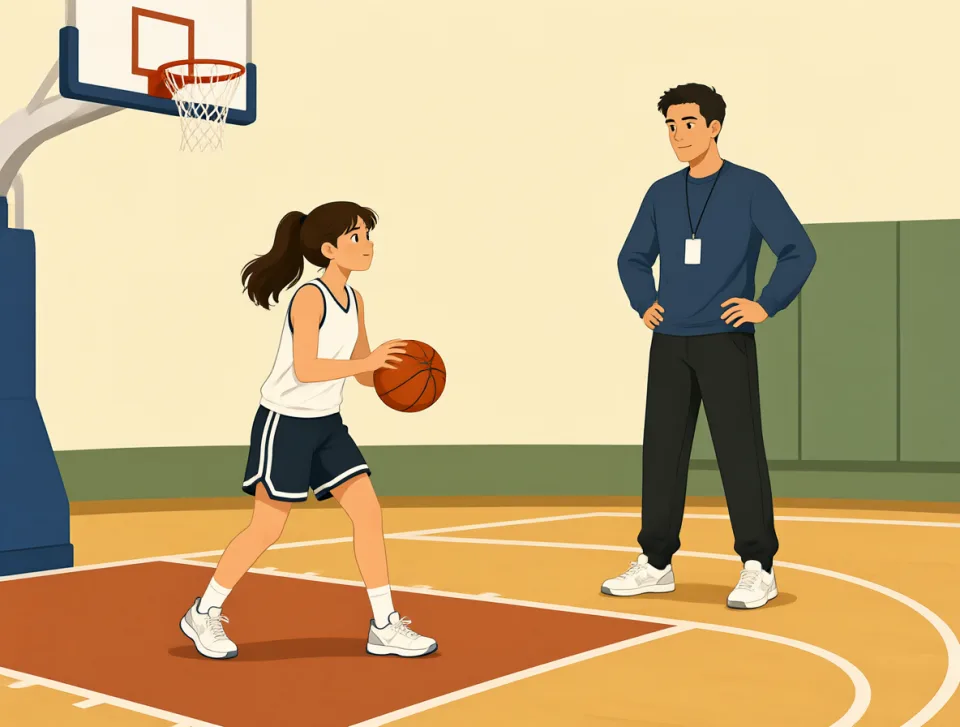
She is a good prospect for the school basketball team.
Она — хороший кандидат в школьную баскетбольную команду.

The company sees strong prospects for growth next year.
Компания видит хорошие перспективы роста в следующем году.

We are prospecting for gold near the river.
Мы ищем золото возле реки.

He prospects for new customers by visiting local shops.
Он ищет новых клиентов, посещая местные магазины.
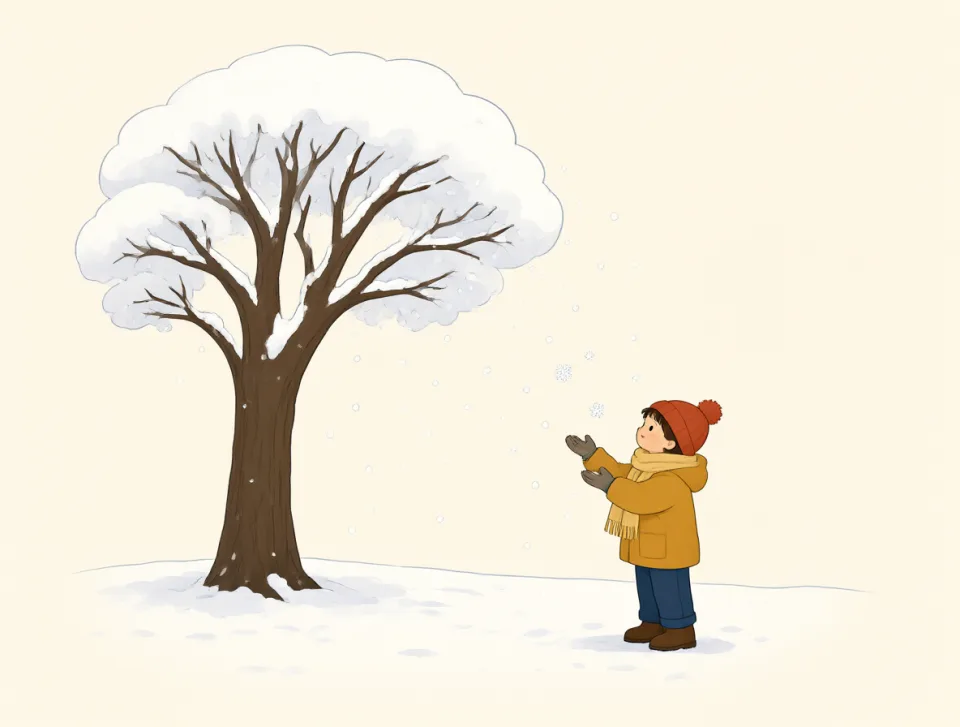
snow
#1950noun, verb
снег; идти (о снеге)
soft white ice that falls from the sky; to fall as soft white ice
Мягкий белый лёд, падающий с неба; падать в виде мягкого белого льда.
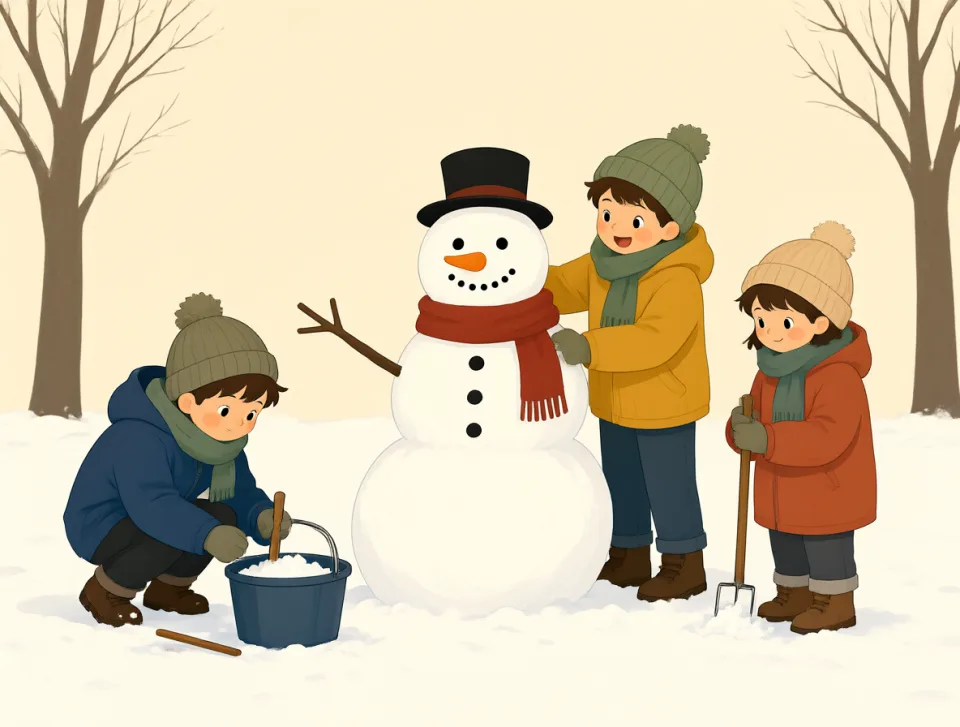
The children are playing in the snow after school.
После школы дети играют в снегу.

Heavy snow closed the roads to the mountain village.
Из-за сильного снегопада дороги в горную деревню закрыли.

Please clear the snow from the front steps.
Пожалуйста, уберите снег с крыльца.

It started snowing while we were waiting for the bus.
Снег пошёл, пока мы ждали автобус.

We bought warm boots because it may snow tomorrow.
Мы купили тёплые ботинки, потому что завтра может пойти снег.
plot
#1951noun, verb
сюжет; заговор; участок
A story's events, or a secret plan to do something wrong; to mark land for building.
События, из которых складывается история; тайный план совершить что-то незаконное; участок земли, отведённый под застройку.
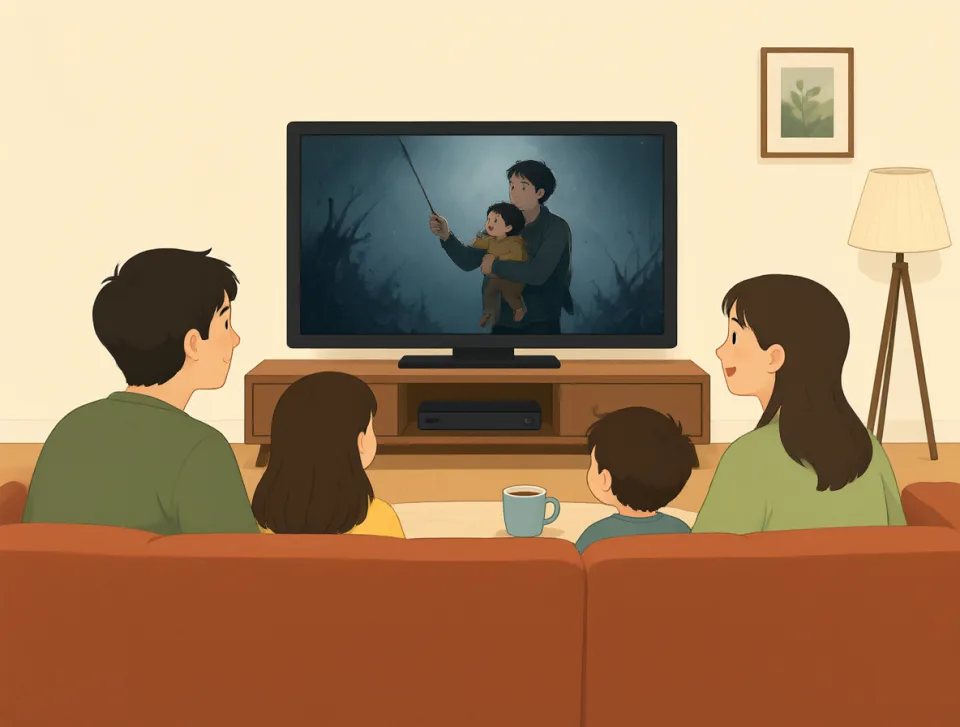
The movie has an exciting plot about a lost treasure.
В фильме захватывающий сюжет о поисках потерянного сокровища.

The police discovered a plot to rob the bank.
Полиция раскрыла заговор с целью ограбить банк.
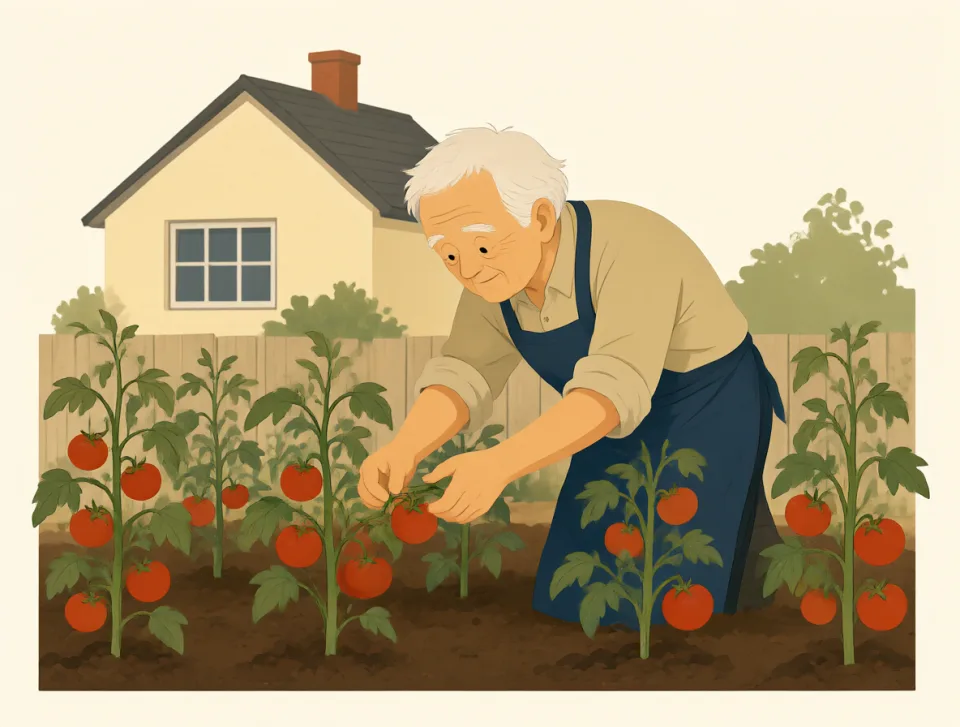
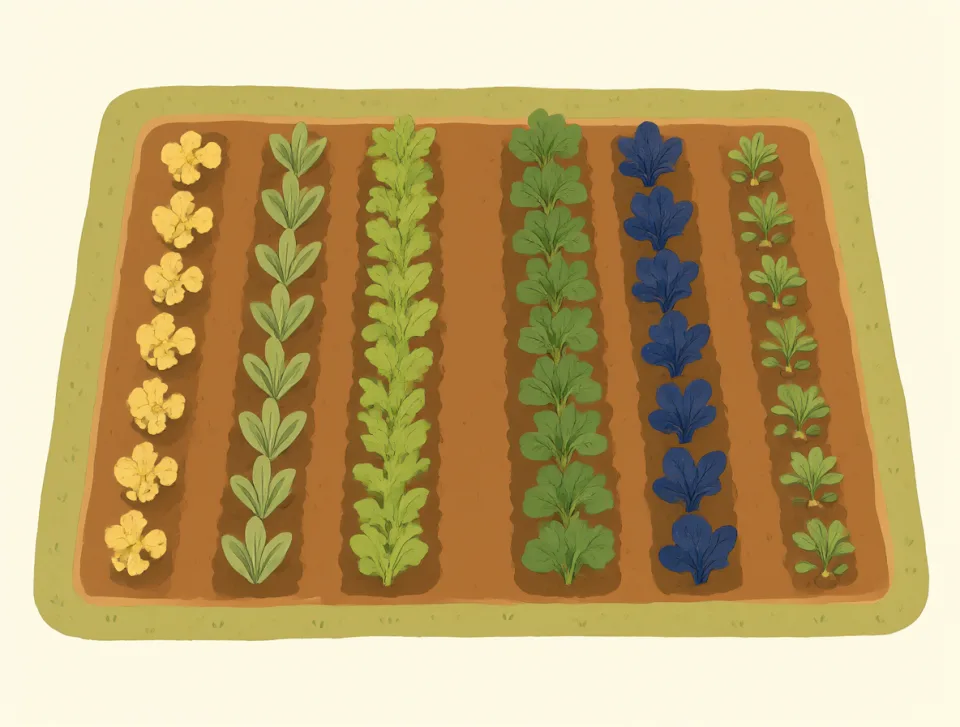
My grandfather grows tomatoes in a small plot behind his house.
Мой дедушка выращивает помидоры на небольшом участке за домом.

They plotted the route before starting their journey.
Перед началом путешествия они проложили маршрут.

Workers are clearing the plot for a new supermarket.
Рабочие расчищают участок под строительство нового супермаркета.

neck
#1952noun
шея
The part of your body between your head and shoulders.
Часть тела между головой и плечами.

She wore a warm scarf around her neck in winter.
Зимой она носила на шее тёплый шарф.

He turned his neck to look behind him.
Он повернул голову, чтобы посмотреть назад.

My neck hurts after working at the computer all day.
У меня болит шея после целого дня за компьютером.

The doctor checked my neck for swollen glands.
Врач проверил, не увеличены ли у меня лимфатические узлы на шее.

The shirt feels tight around my neck.
Мне тесно в этой рубашке в области шеи.

criteria
#1953noun
критерии
Standards used to judge or decide something.
Стандарты, по которым что-либо оценивают или принимают решение.
The school has clear criteria for choosing new students.
В школе есть чёткие критерии отбора новых учеников.

Price and quality are important criteria when we shop.
При покупке важны цена и качество.

Your essay meets all the criteria for this class.
Твоё эссе соответствует всем критериям этого курса.

The hotel was chosen because it met our travel criteria.
Мы выбрали этот отель, потому что он соответствовал нашим критериям для поездки.

The doctor explained the criteria for joining the health study.
Врач объяснил критерии участия в исследовании здоровья.
primarily
#1954adverb
главным образом
Mostly or mainly; more than anything else.
В основном, преимущественно; больше всего.
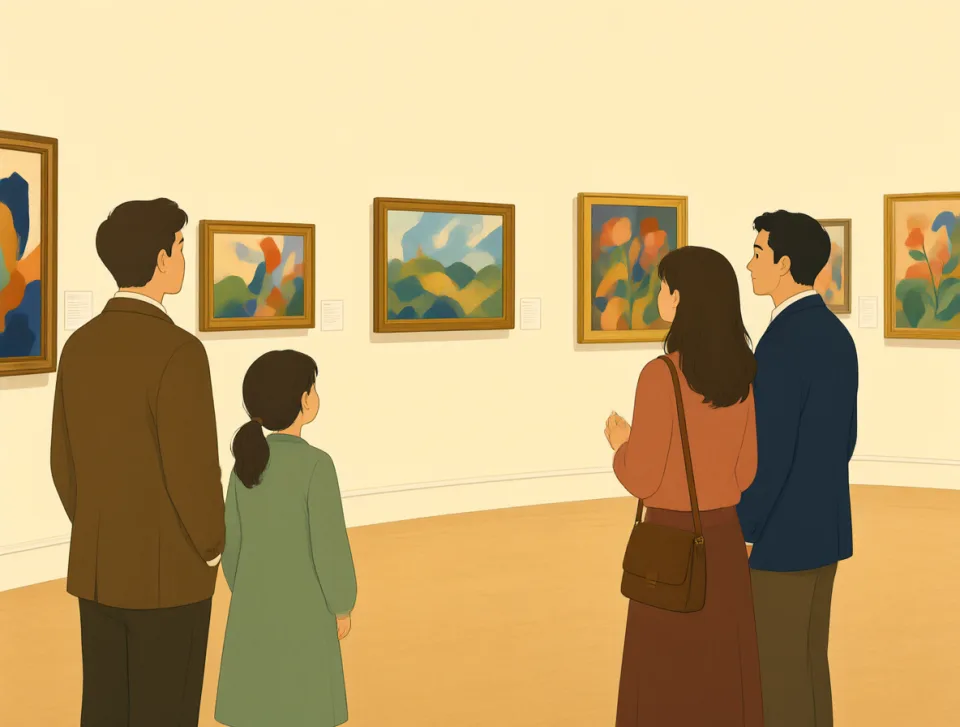
The museum is primarily known for its beautiful paintings.
Музей в первую очередь известен своими прекрасными картинами.
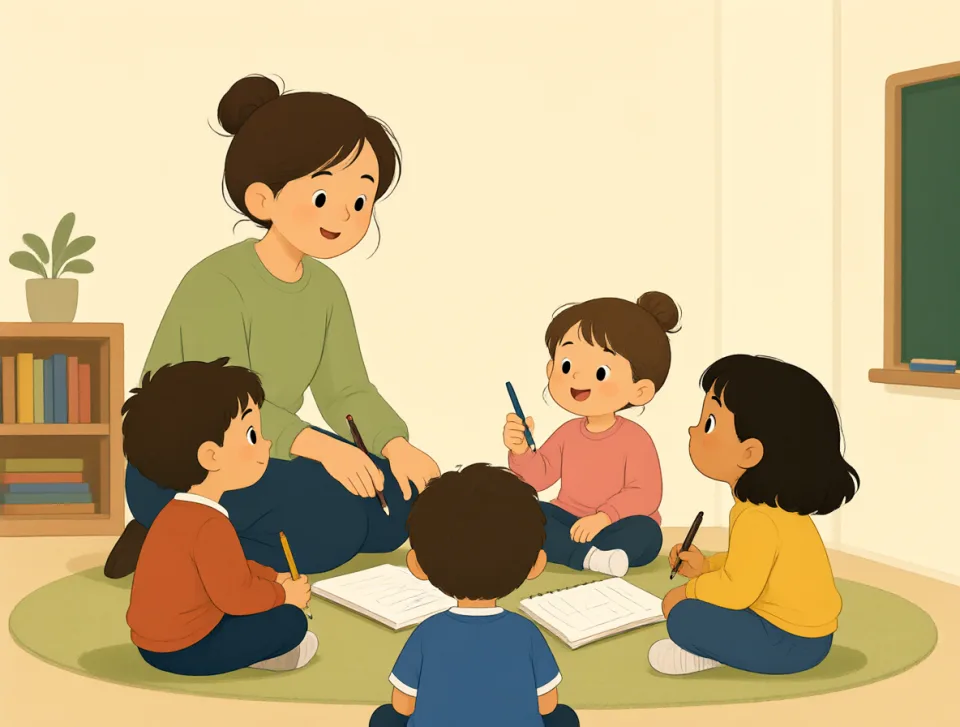
This course is primarily for students who need extra practice.
Этот курс предназначен главным образом для студентов, которым нужна дополнительная практика.
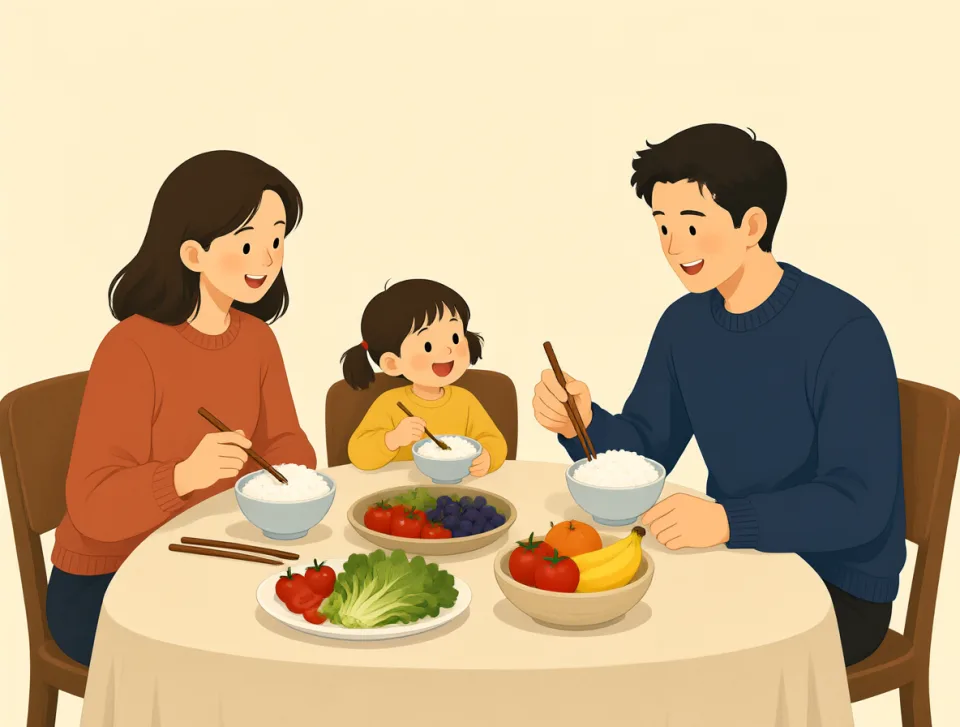
We eat primarily vegetables, rice, and fresh fruit at home.
Дома мы едим в основном овощи, рис и свежие фрукты.

The shop sells clothes primarily made from recycled materials.
Магазин продаёт одежду, изготовленную преимущественно из переработанных материалов.

The trip is primarily about relaxing and spending time with friends.
Эта поездка — прежде всего возможность отдохнуть и провести время с друзьями.
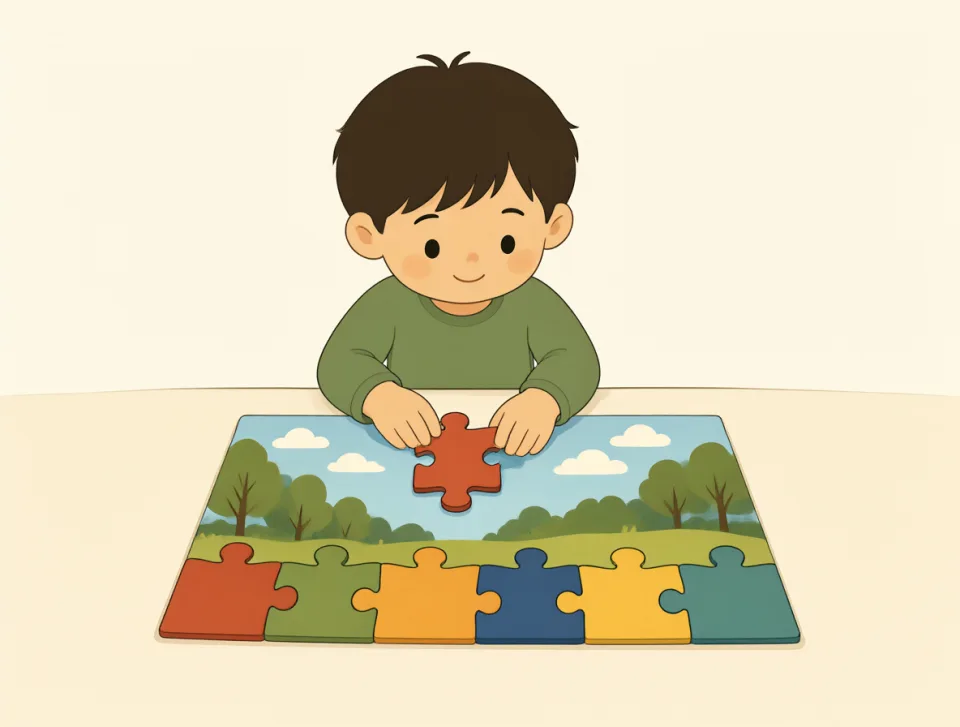
integrate
#1955verb
объединять; интегрировать
to combine something with other parts so that they work together
Объединять что-либо с другими частями так, чтобы они работали вместе.
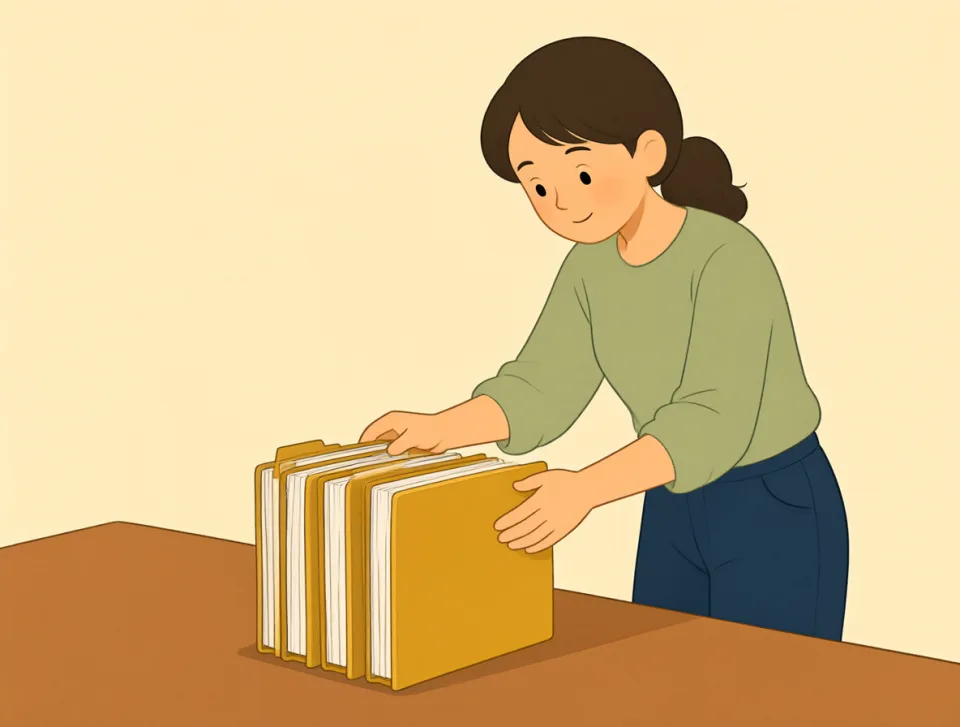
The new system integrates all our customer information in one place.
Новая система объединяет всю информацию о наших клиентах в одном месте.
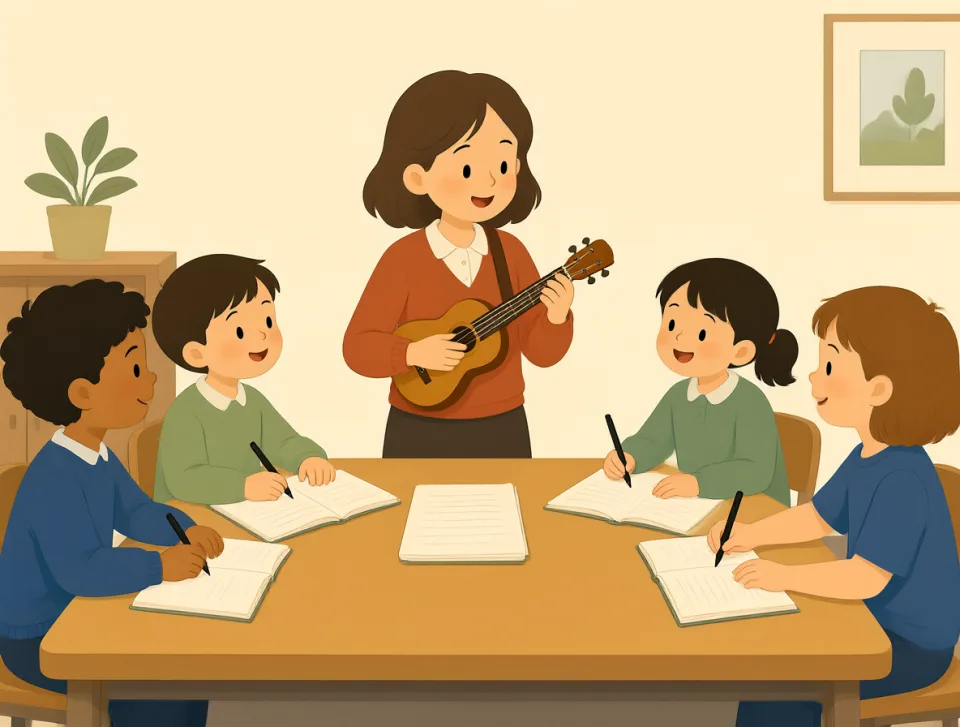
The school integrates music into its language lessons.
Школа включает музыку в уроки языка.
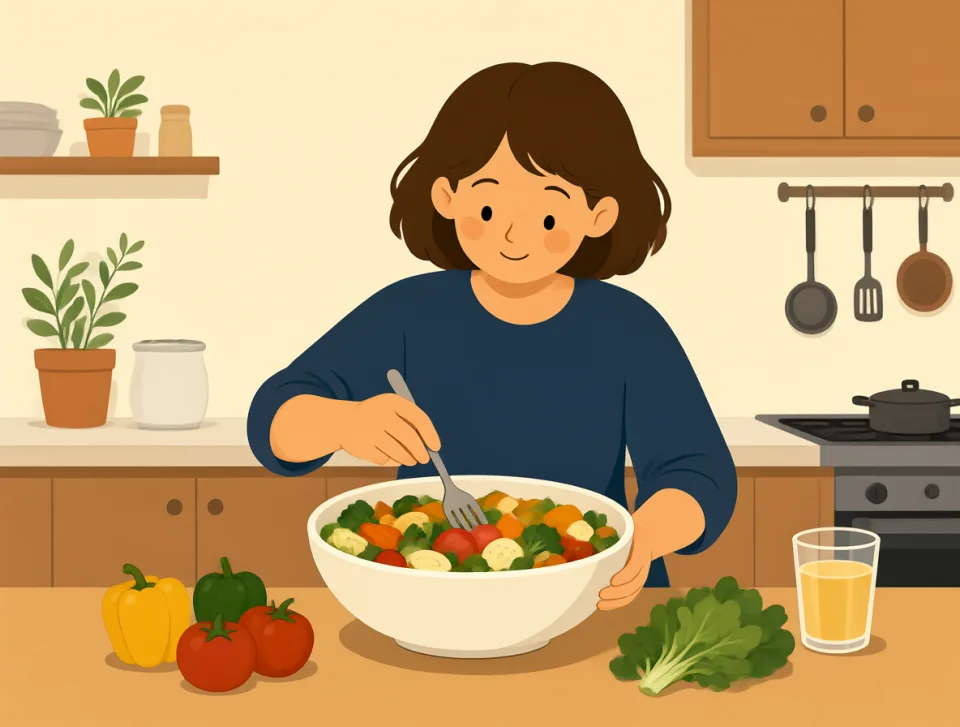
We are integrating more vegetables into our family meals.
Мы добавляем в семейный рацион всё больше овощей.
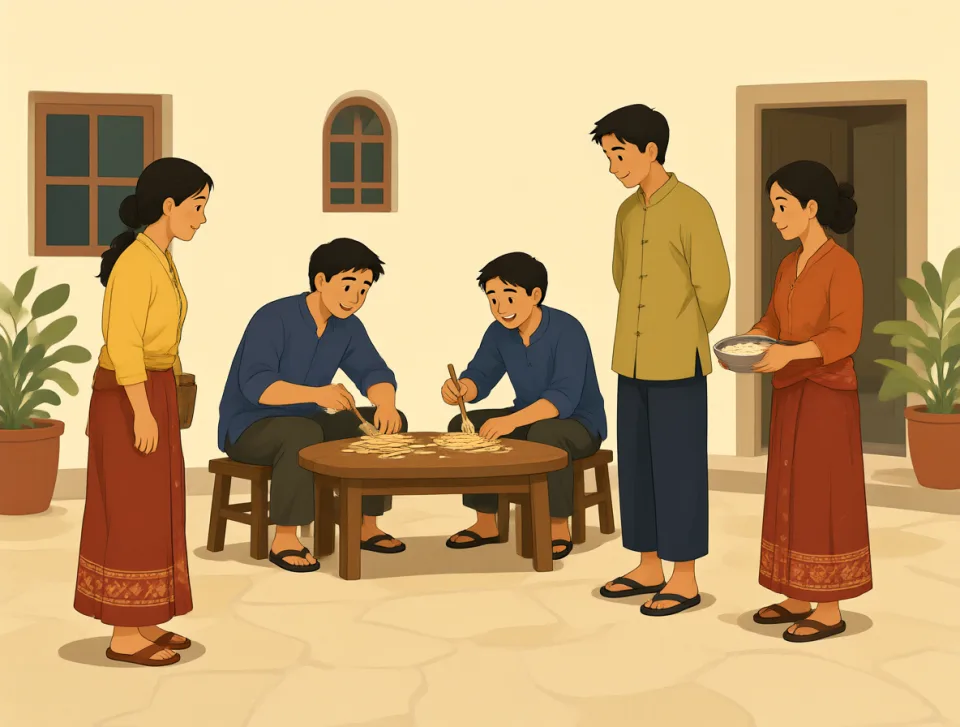
The hotel integrates local traditions into its guest activities.
Отель включает местные традиции в программу мероприятий для гостей.
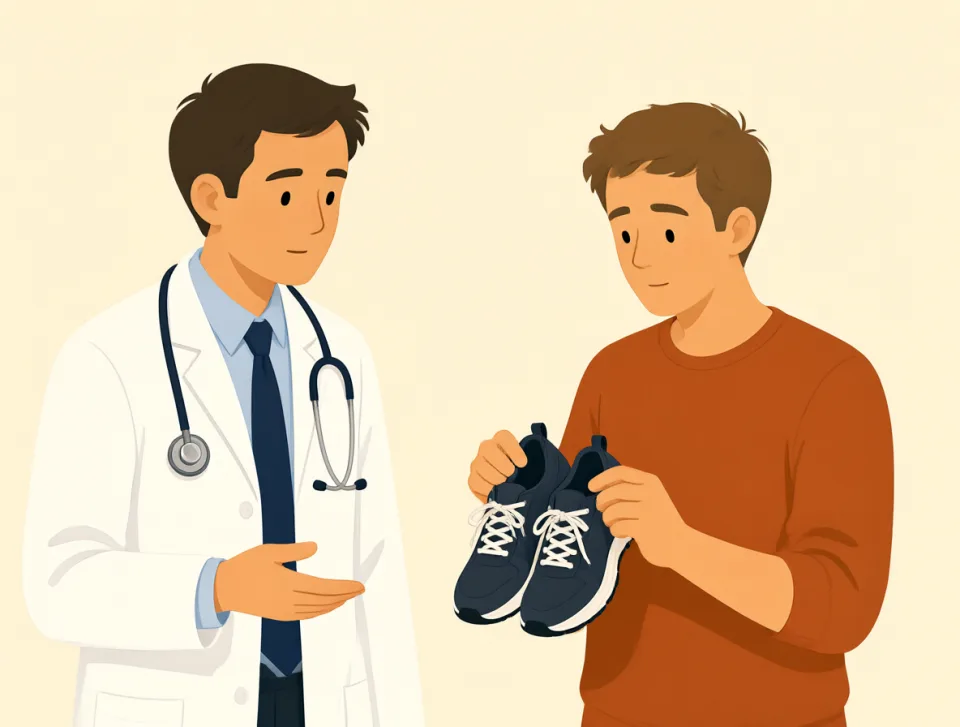
The doctor helped him integrate exercise into his daily routine.
Врач помог ему включить физические упражнения в распорядок дня.

criticism
#1956noun
критика
An opinion that points out the good and bad parts of something.
Мнение, в котором указывают на достоинства и недостатки чего-либо.
She received criticism for arriving late to work every day.
Её критиковали за то, что она каждый день опаздывала на работу.

The teacher gave helpful criticism on my English homework.
Учитель дал полезные замечания по моей домашней работе по английскому.
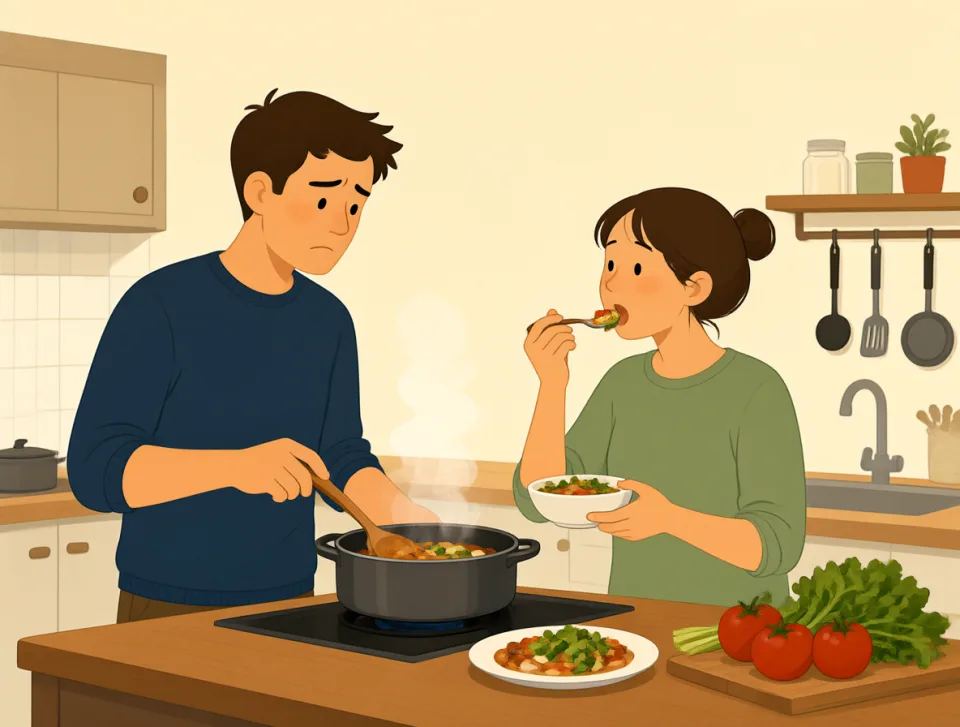
He does not like criticism about his cooking.
Ему не нравится, когда критикуют его готовку.

The new hotel faced criticism from guests about its dirty rooms.
Гости критиковали новый отель за грязные номера.

Try to accept criticism and use it to improve your health.
Постарайся принимать критику и использовать её, чтобы улучшить своё здоровье.

convention
#1957noun
обычай; съезд
a usual way of doing something, or a large meeting for people with similar interests
Принятый способ что-либо делать или большое собрание людей с общими интересами.

By convention, guests remove their shoes before entering the house.
По обычаю гости снимают обувь, прежде чем войти в дом.
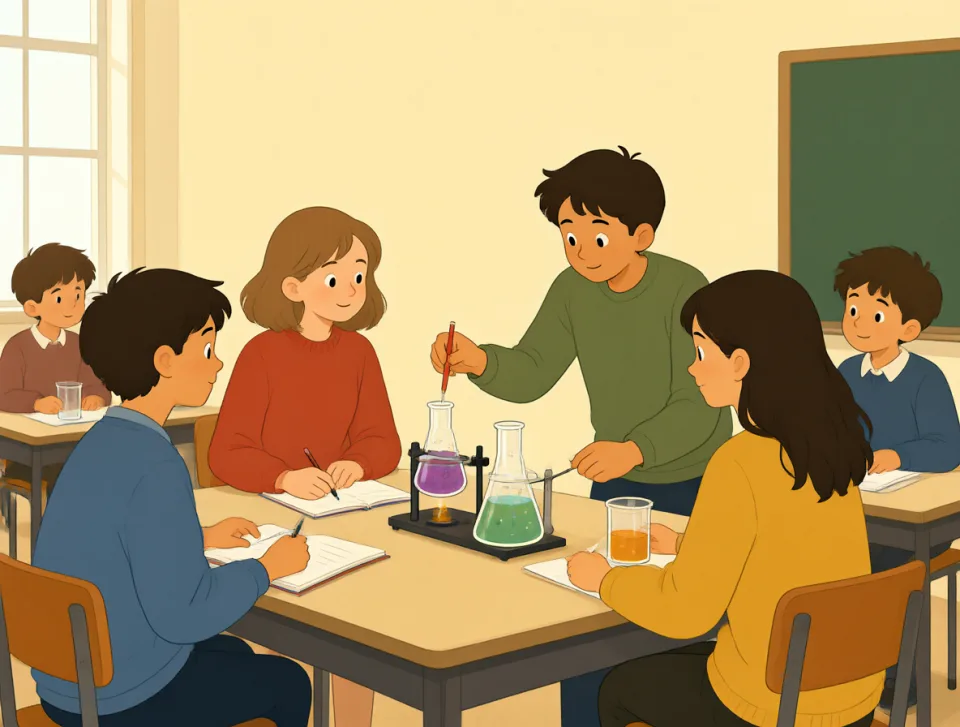
The school held a science convention for students from nearby towns.
Школа провела научный съезд для учеников из близлежащих городов.

Our company sent three employees to a business convention in Chicago.
Наша компания отправила троих сотрудников на деловой съезд в Чикаго.

At the food convention, we tasted cheese from several countries.
На съезде, посвящённом продуктам питания, мы попробовали сыры из нескольких стран.

The doctor explained a new convention for sharing patient information safely.
Врач рассказал о новом порядке безопасного обмена информацией о пациентах.

bet
#1958noun, verb
держать пари; ставка
To risk money or something valuable on the result of a game or event.
Рисковать деньгами или чем-то ценным, ставя на исход игры или события.

I bet ten dollars on the blue team to win.
Я поставил десять долларов на победу синей команды.

We made a bet about who would arrive first.
Мы поспорили на то, кто придёт первым.
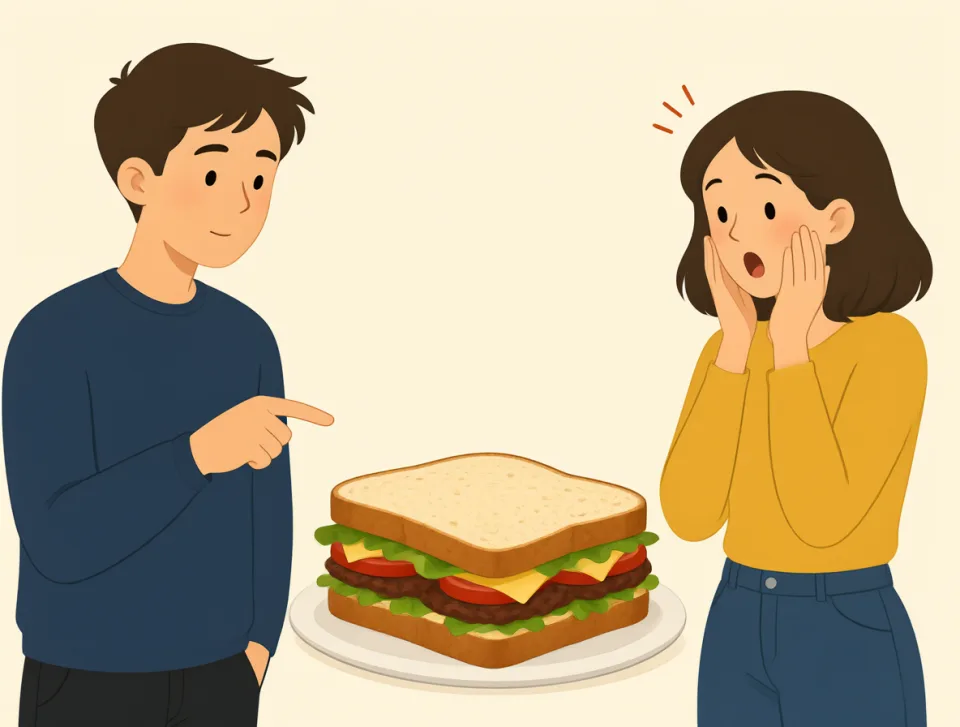
I bet you can't finish this huge sandwich.
Спорим, ты не осилишь этот огромный бутерброд.

She bet her brother that it would rain today.
Она поспорила с братом, что сегодня будет дождь.

I bet he forgot his keys again.
Держу пари, он опять забыл ключи.
retain
#1959verb
сохранять
to keep something or continue to have it
Оставлять что-либо у себя или продолжать этим обладать.
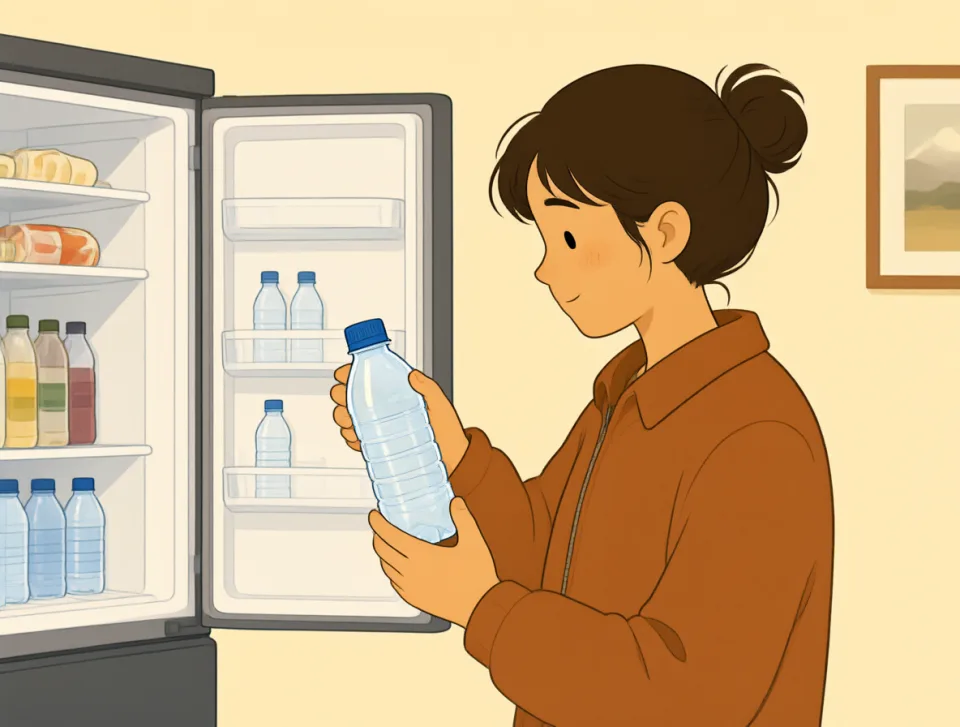
This bottle retains its shape after being frozen.
Эта бутылка сохраняет форму после замораживания.

The hotel retains your room until six o'clock.
Отель сохраняет за вами номер до шести часов.

She retained the information from yesterday's lesson.
Она запомнила информацию с вчерашнего урока.
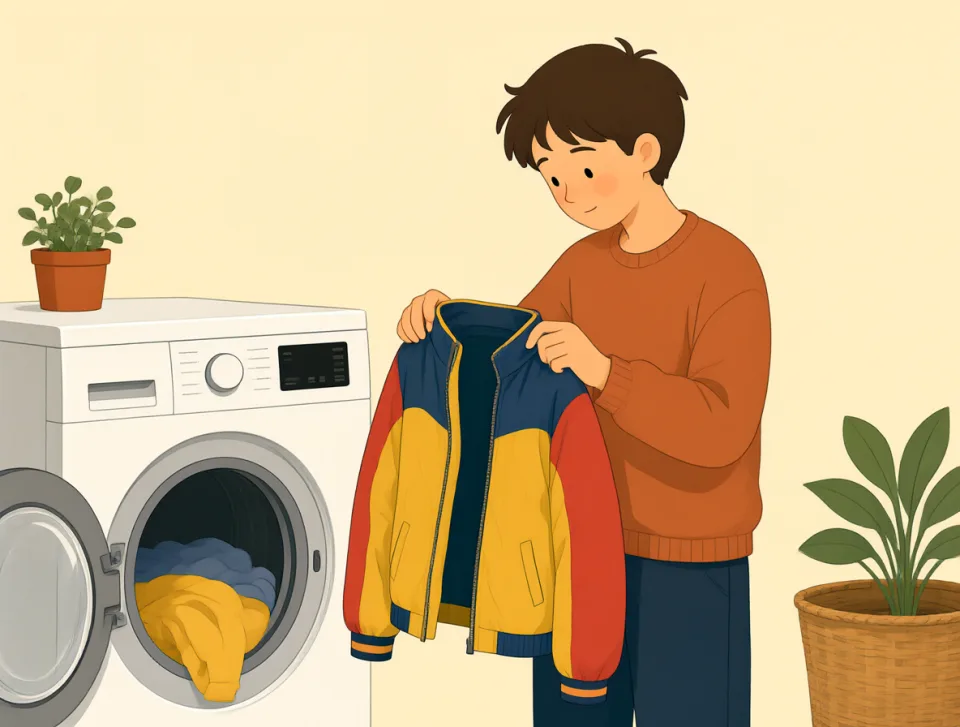
The jacket retained its color after many washes.
Куртка сохранила цвет даже после многих стирок.

Doctors hope the patient will retain full movement in her hand.
Врачи надеются, что пациентка сохранит полную подвижность кисти.

sequence
#1960noun
последовательность
The order in which people or things happen or come one after another.
Порядок, в котором люди или предметы происходят или следуют друг за другом.
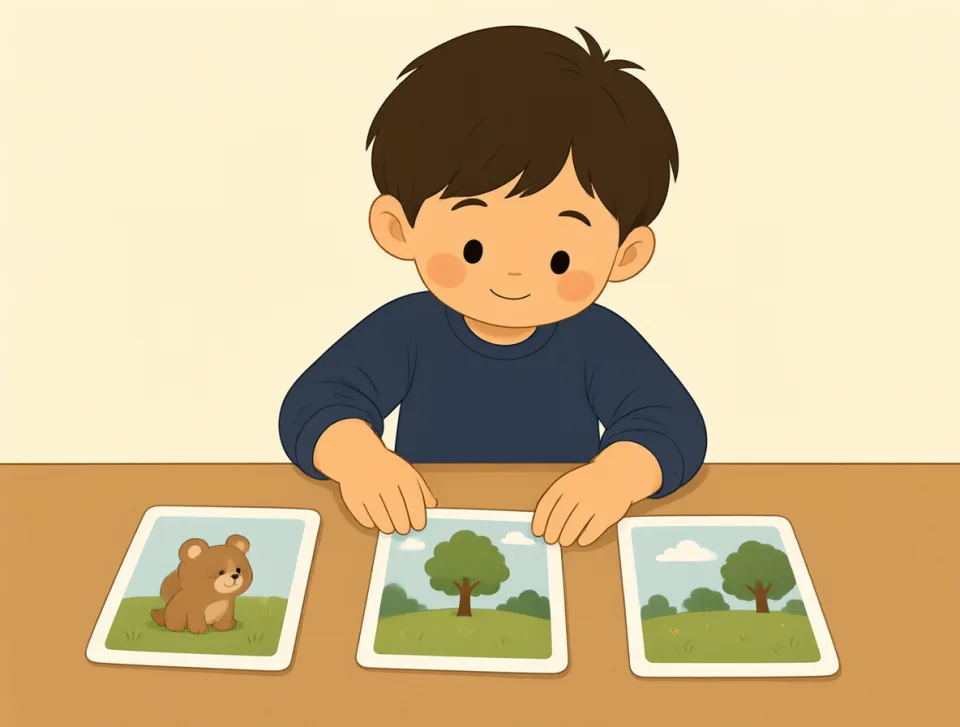
Put the pictures in the correct sequence before telling the story.
Расположи картинки в правильном порядке, прежде чем рассказывать историю.
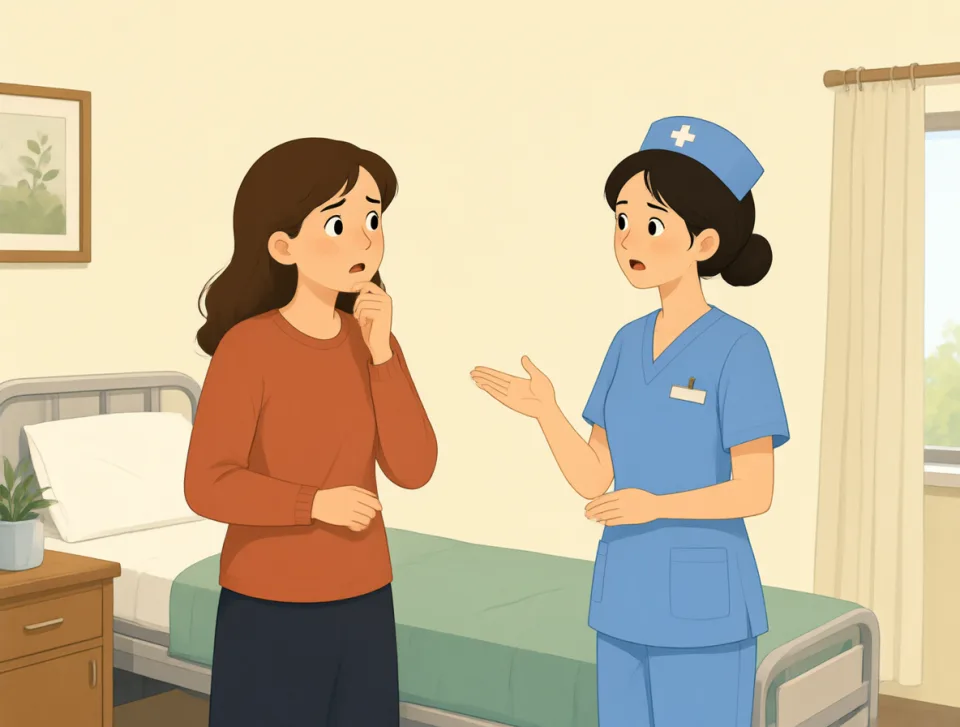
The nurse asked about the sequence of events after the accident.
Медсестра спросила о последовательности событий после аварии.
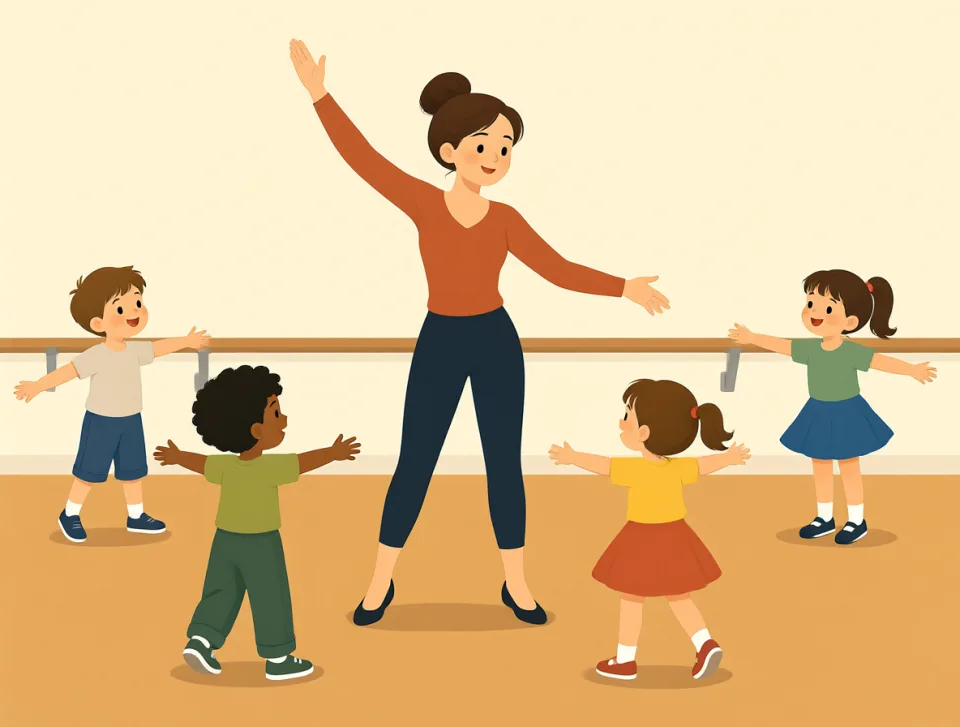
The dance teacher showed us the steps in a simple sequence.
Учитель танцев показал нам простую последовательность шагов.
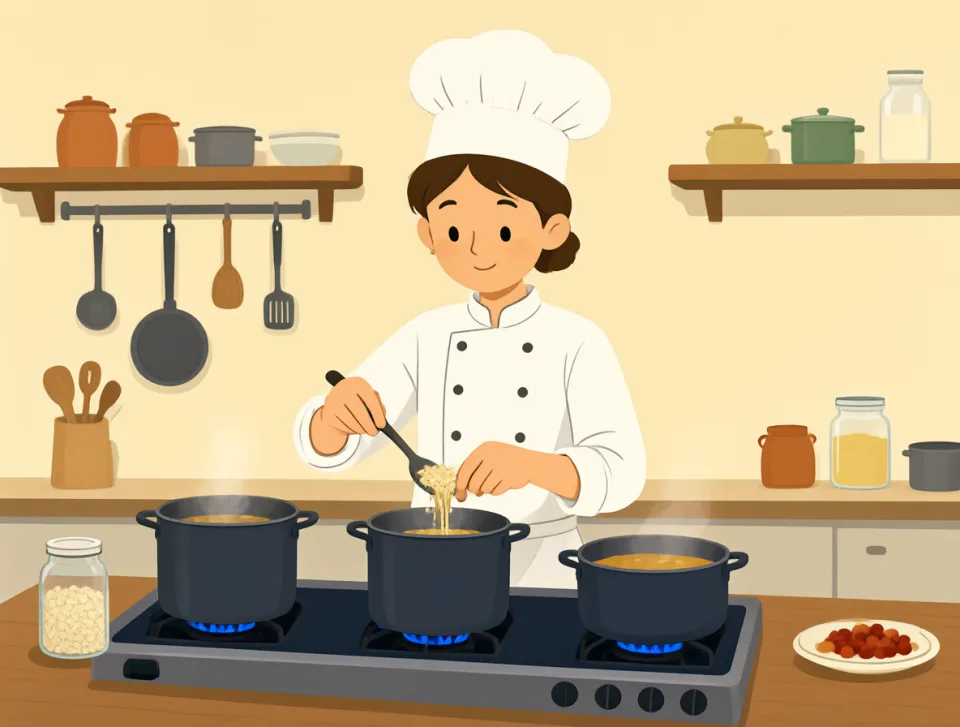
The chef prepared the meal in the right sequence.
Повар приготовил еду в правильном порядке.
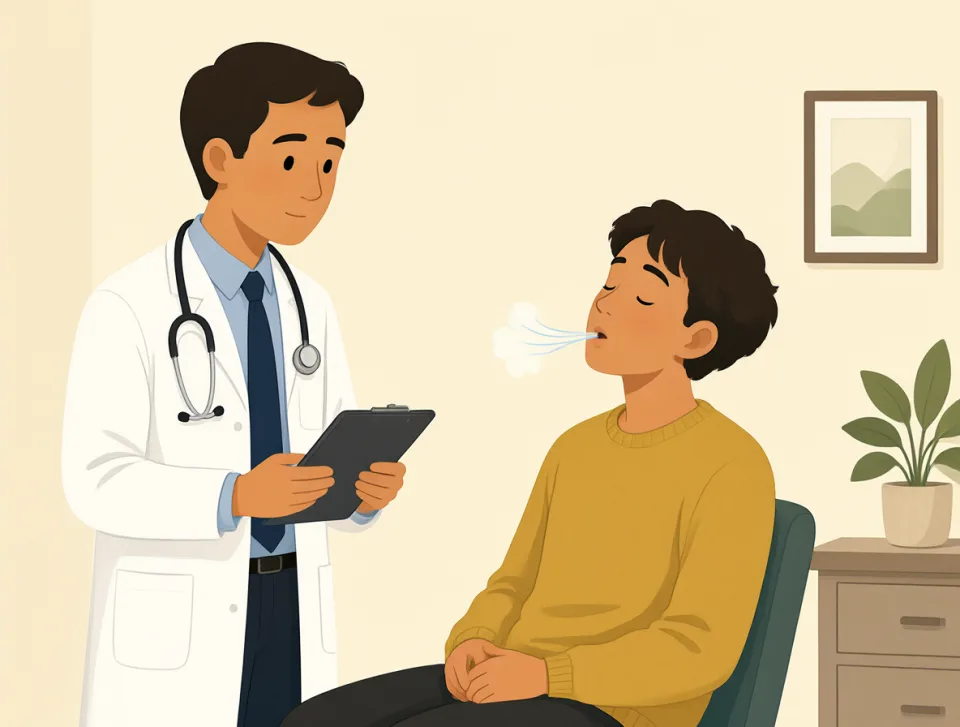
The doctor watched the patient's breathing sequence during the test.
Во время обследования врач наблюдал за последовательностью дыхания пациента.