單元 98
單字 1941–1960 · advertisement, consistent, originally, aside, comfort, secondly
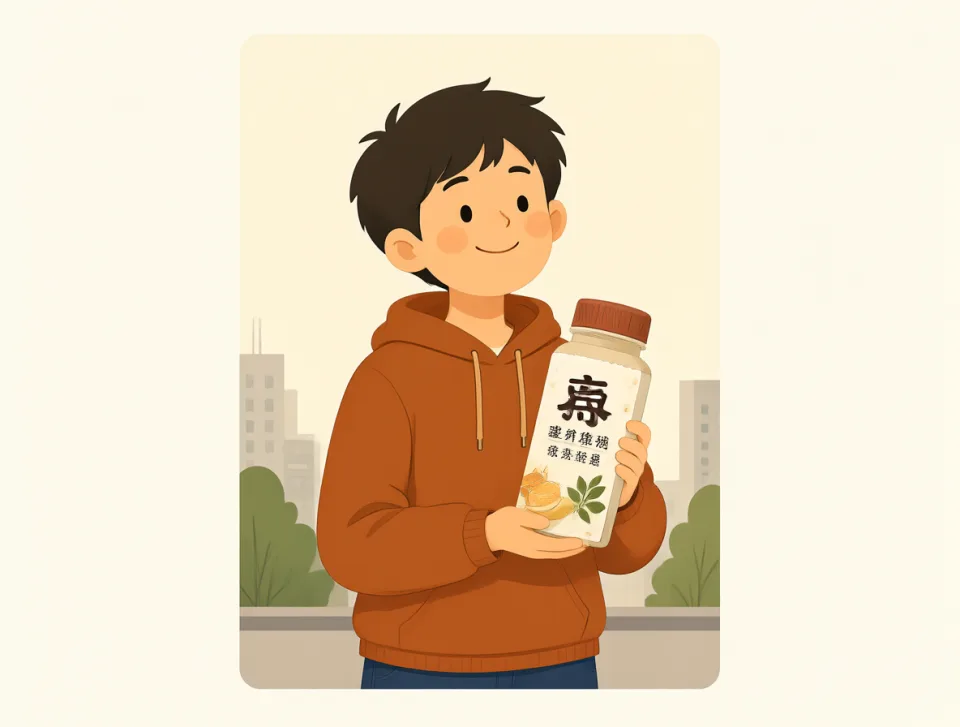
advertisement
#1941noun
廣告
a message that tries to make people buy a product or service
試圖讓人們購買某種產品或服務的資訊

I saw an advertisement for a new phone on television.
我在電視上看到了一則新款手機的廣告。
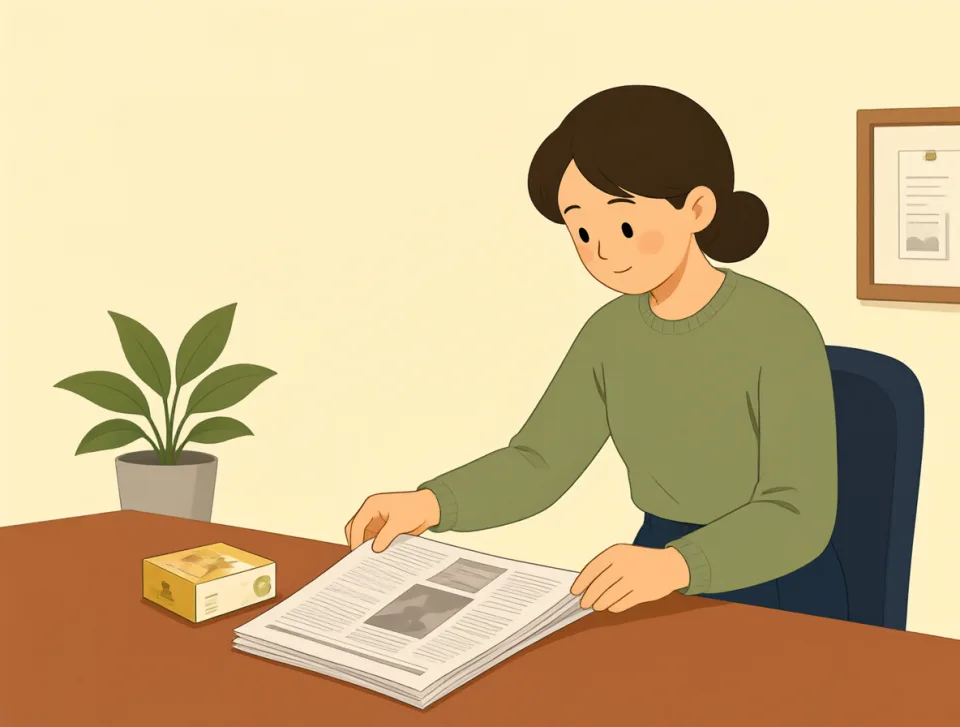
The company placed an advertisement in the local newspaper.
這家公司在當地報紙上刊登了一則廣告。

She answered an advertisement for a part-time job.
她應聘了一則兼職工作的招聘廣告。

We noticed several advertisements while walking through the shopping center.
我們逛購物中心時看到了好幾則廣告。
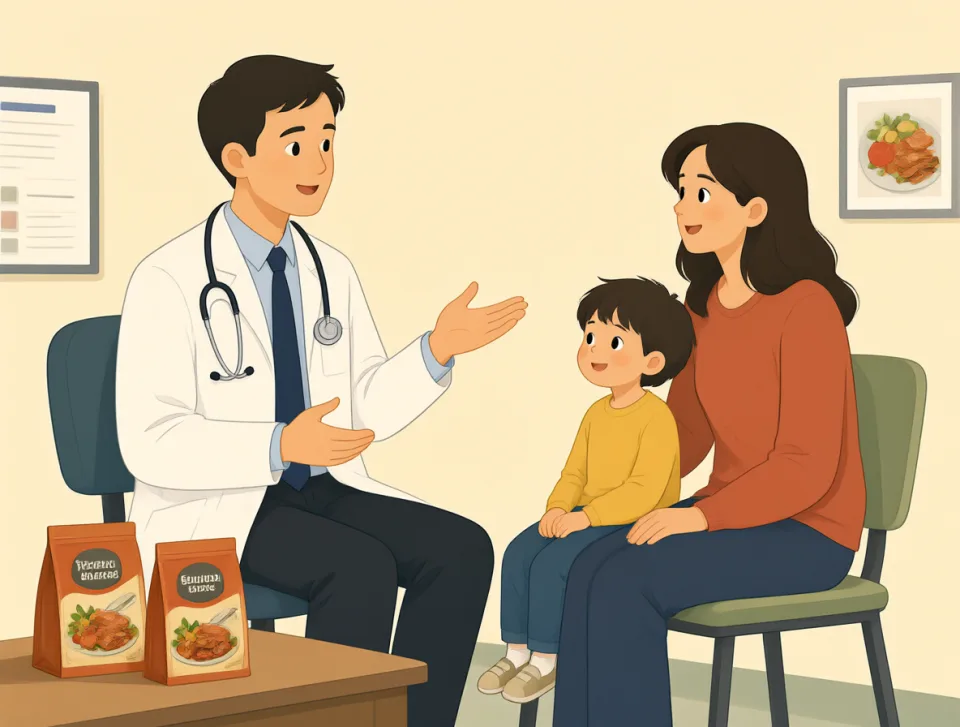
The doctor warned that some food advertisements can encourage unhealthy choices.
醫生提醒說,有些食品廣告可能會讓人做出不健康的選擇。

consistent
#1942adjective
一貫的;穩定的;持續的
Always behaving or happening in the same reliable way.
總是以同樣可靠的方式表現或發生。
She is consistent with her exercise routine every morning.
她每天早上都堅持鍛鍊,始終如一。
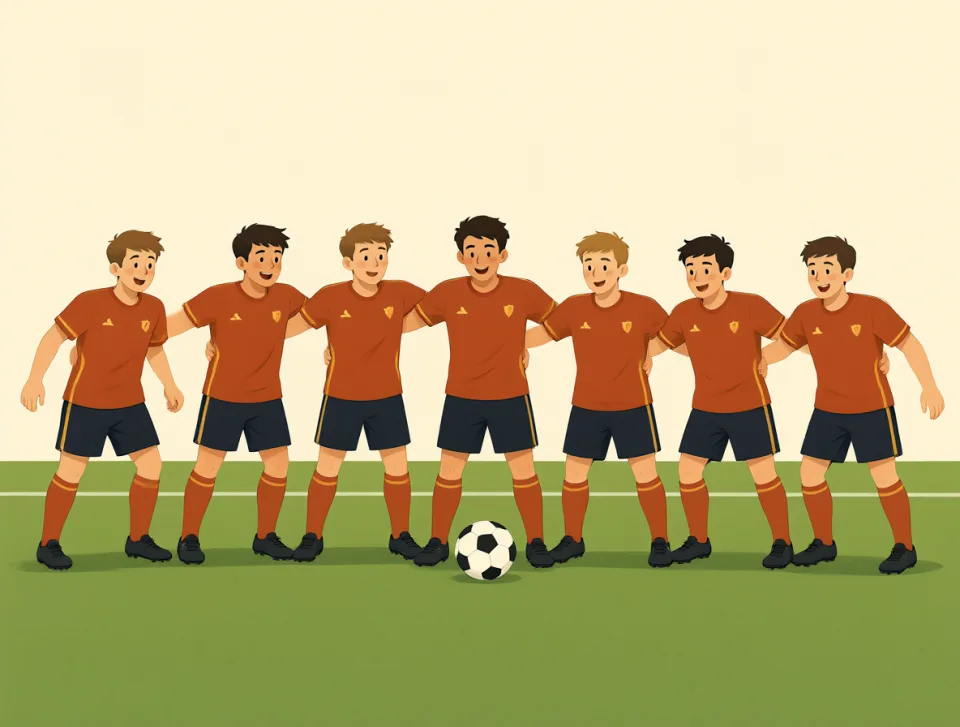
The team has played consistent football all season.
球隊整個賽季的表現都很穩定。

Try to be consistent when you practice new English words.
練習新英語單詞時,儘量堅持下去。
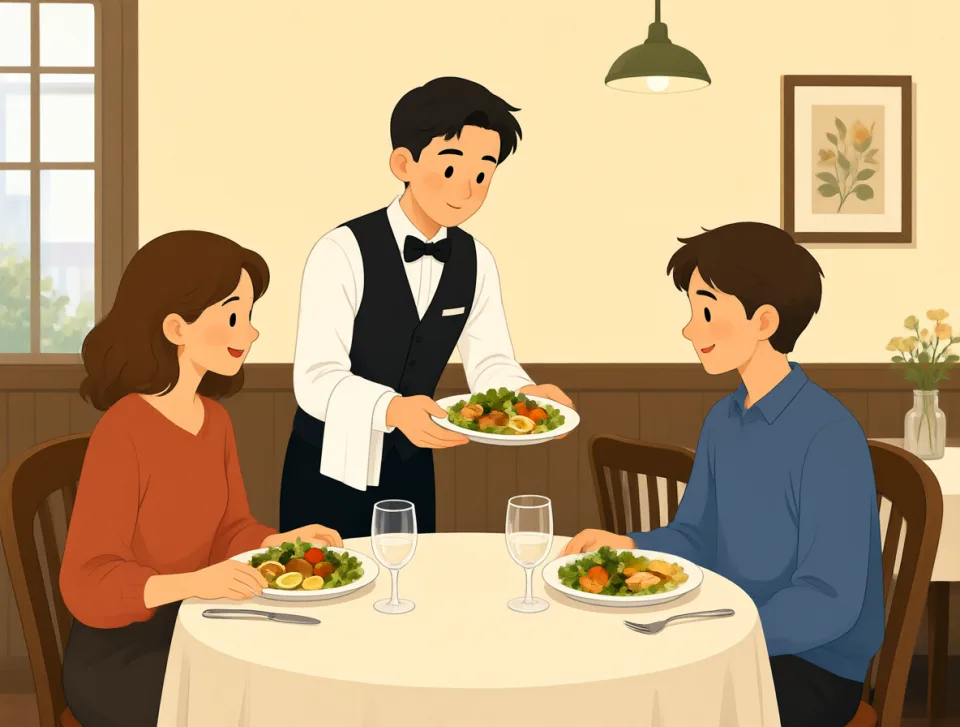
The restaurant serves consistent food at reasonable prices.
這家餐廳以合理的價格提供品質穩定的食物。

His health improved after he made consistent changes to his diet.
他堅持改變飲食後,健康狀況有所改善。

originally
#1943adverb
最初;原來
At the beginning, before something changed or developed.
在開始時,在某事發生變化或發展之前。
The house was originally a small farm building.
這座房子最初是一棟小農舍。

She originally planned to study medicine at university.
她最初計劃在大學學習醫學。
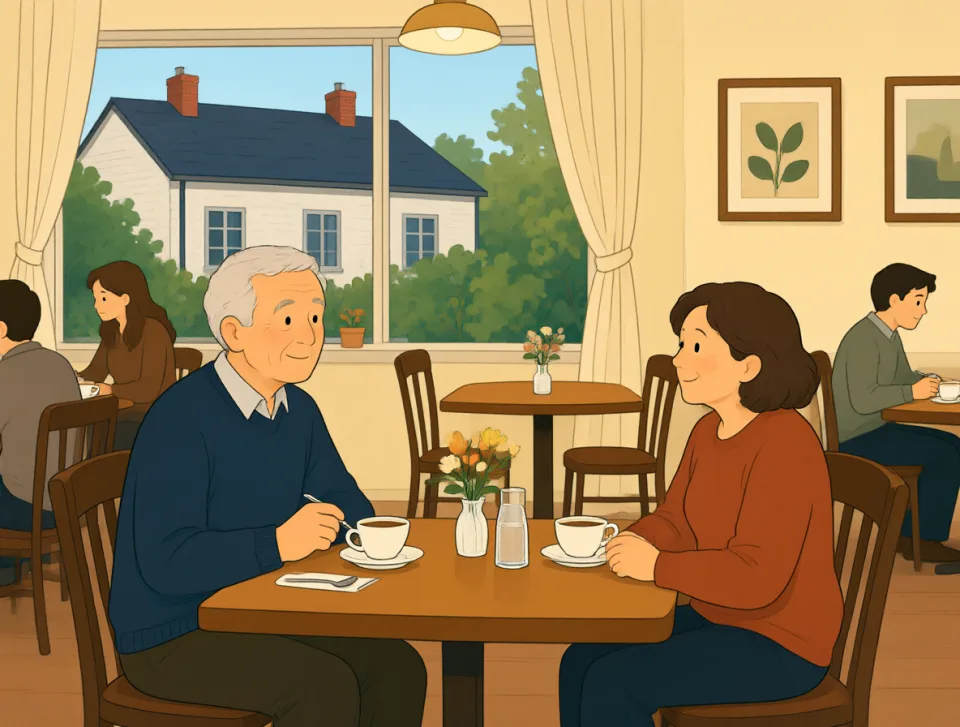
This restaurant was originally a family home.
這家餐館原來是一座家庭住宅。
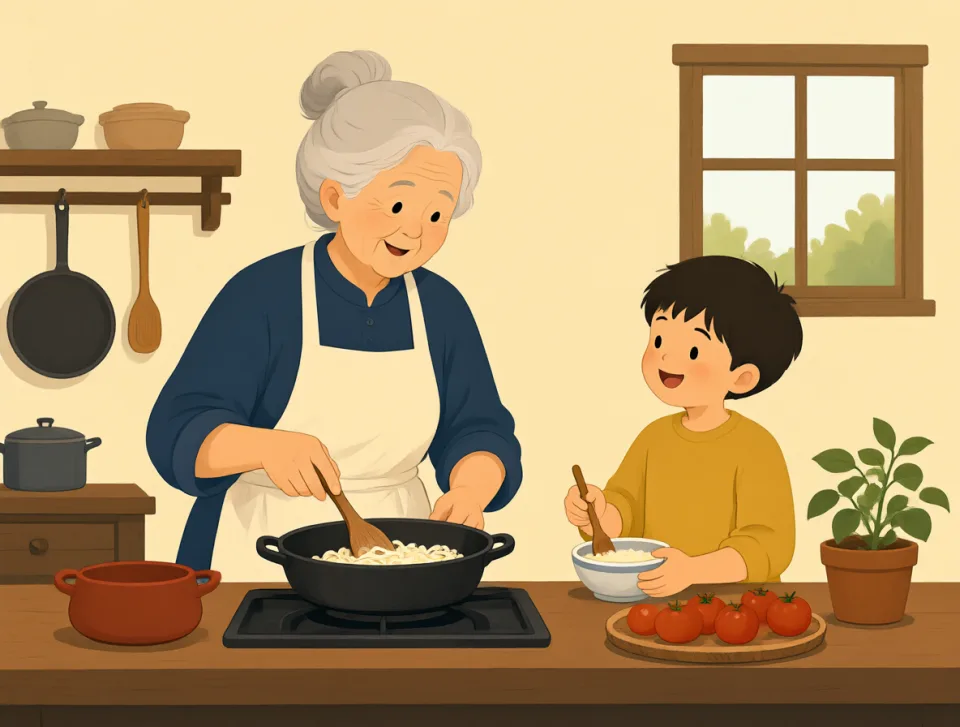
The recipe originally came from my grandmother's village.
這個食譜最初來自我祖母的村莊。

We originally met on a train to London.
我們最初是在一列開往倫敦的火車上認識的。
aside
#1944adverb, preposition, noun
在一邊;撇開;除……之外;旁白
to or at one side; away from the main subject; a private comment
到一邊或在一邊;偏離主要話題;私下說的話

Please move aside so I can carry this box through.
請讓開,我好把這個箱子搬過去。

She took me aside to ask about the missing report.
她把我叫到一邊,問起那份丟失的報告。
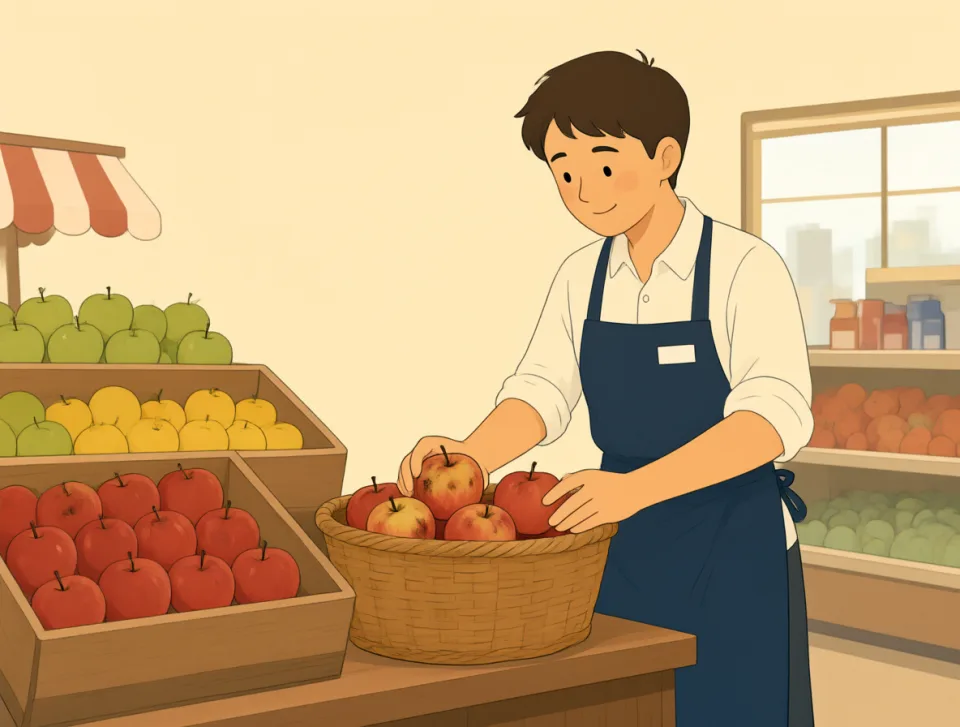
The shopkeeper put the damaged apples aside for inspection.
店主把那些壞蘋果放在一邊,留待檢查。

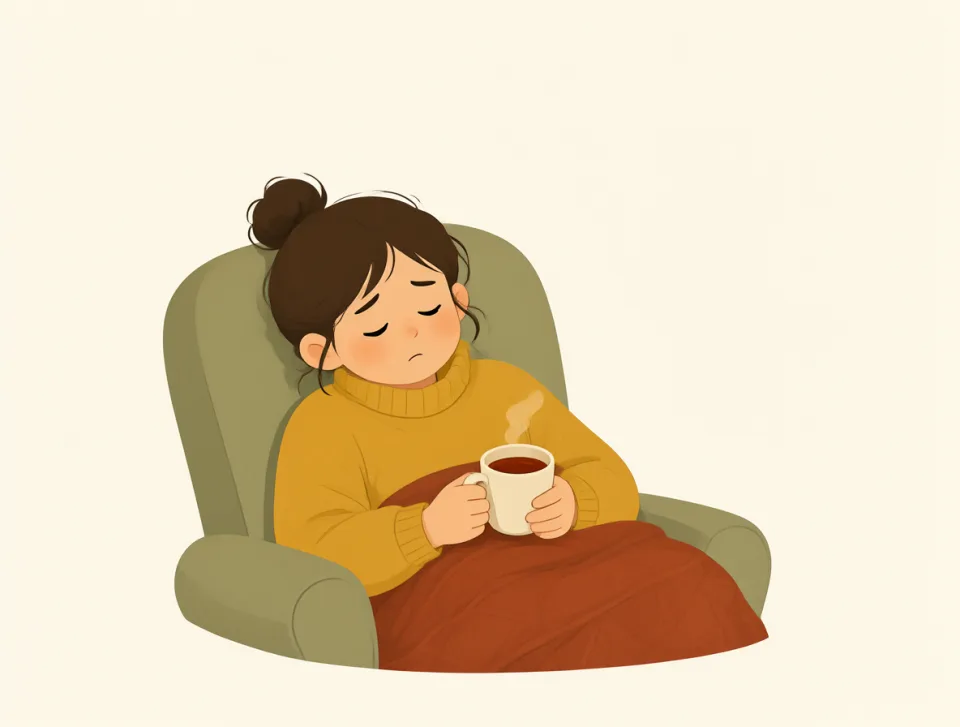
He pushed his worries aside and enjoyed dinner with friends.
他把煩惱拋到一邊,和朋友們享受了一頓晚餐。

Aside from a small headache, I feel completely healthy today.
除了有點頭疼之外,我今天感覺完全健康。
comfort
#1945noun, verb
舒適;安慰;慰藉
A feeling of physical ease, or something that makes you feel less worried or sad.
身體感到輕鬆舒適,或能讓你不再那麼擔心或難過的事物。

This soft chair provides great comfort after a long day.
忙了一整天后,這把軟椅坐起來特別舒服。
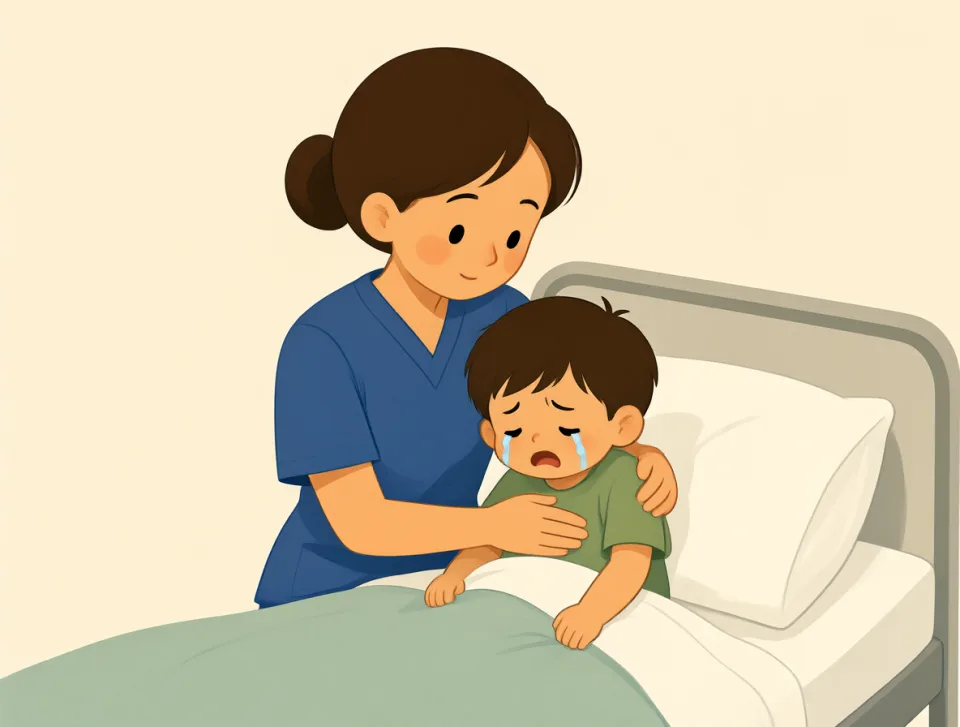
The nurse comforted the crying child at the hospital.
護士在醫院裡安慰那個哭泣的孩子。

These shoes offer comfort during long walks around the city.
這雙鞋穿著很舒服,適合在城裡長時間步行。

She found comfort in talking with her best friend.
和最好的朋友聊天讓她感到寬慰。

The hotel room had every comfort we needed for the weekend.
這家酒店的房間裡有我們度過週末所需的一切舒適設施。

secondly
#1946adverb
第二;其次
Used to introduce the second reason, point, or item in a list.
用於引出列表中的第二個理由、觀點或專案。
Firstly, the hotel is cheap; secondly, it is near the station.
首先,這家酒店價格便宜;其次,離車站很近。
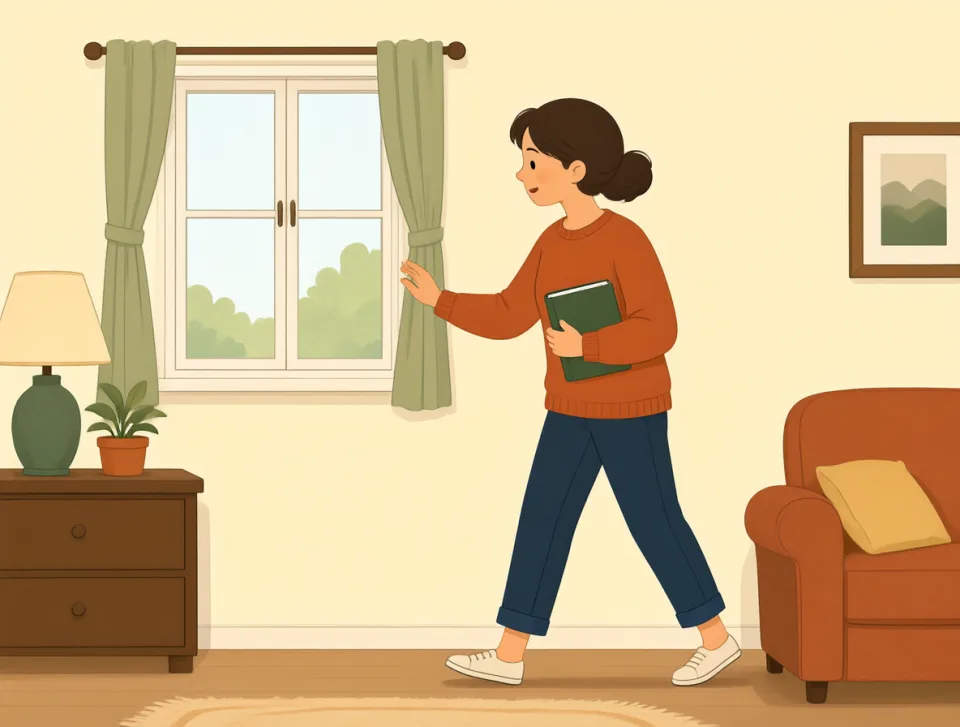
Secondly, please check that all the windows are closed.
其次,請檢查所有窗戶是否都關好了。

Secondly, we need to decide who will bring the food.
其次,我們需要決定誰來帶食物。
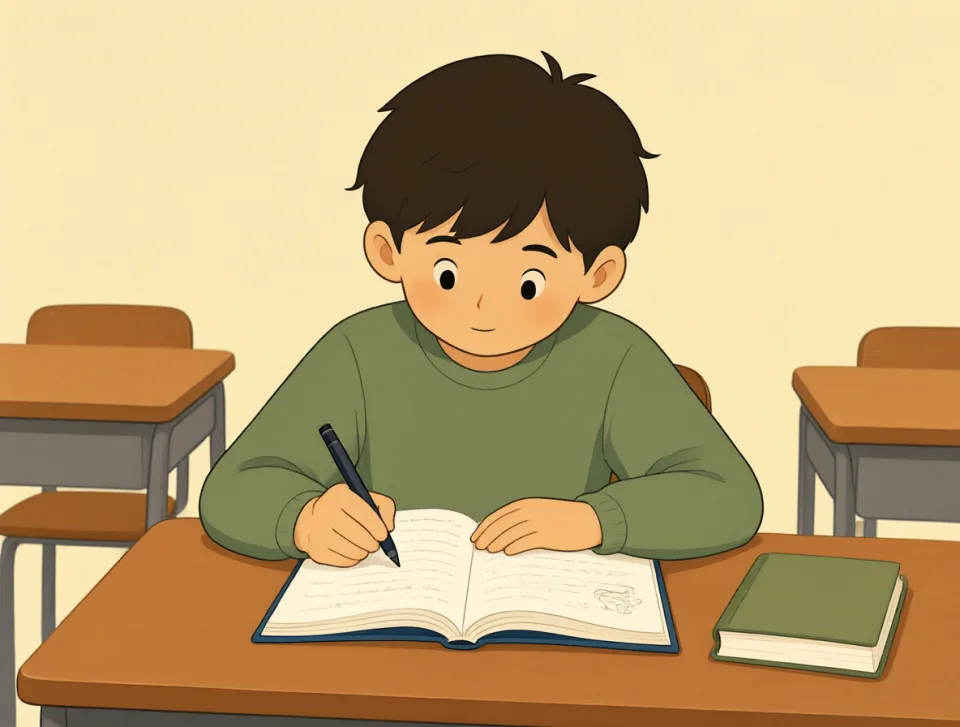
Secondly, write your answer in the space below the question.
其次,請把答案寫在題目下方的空白處。
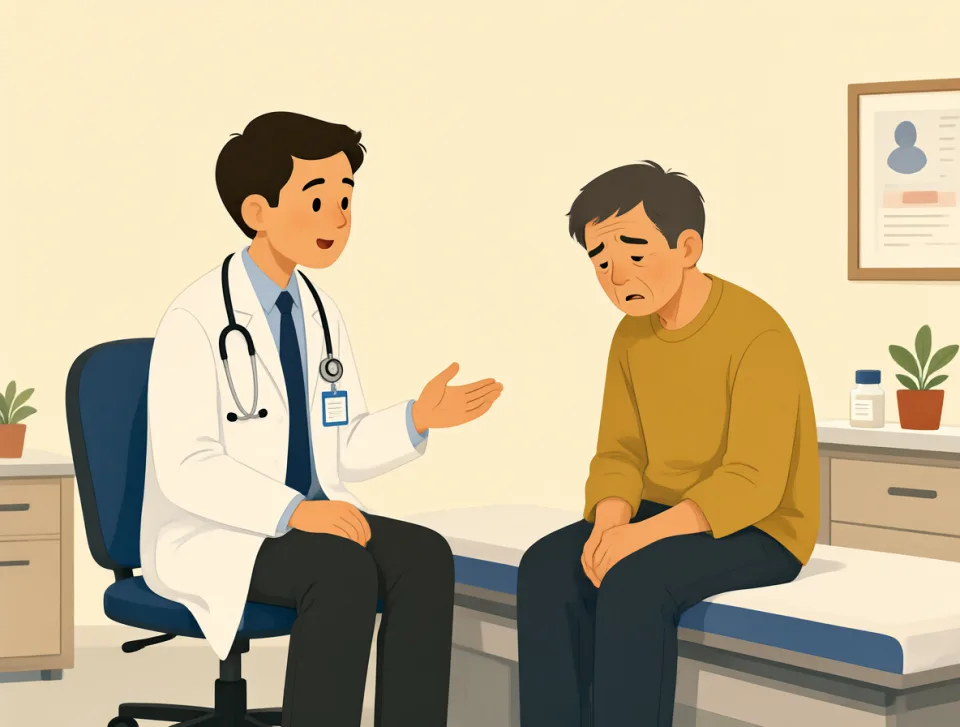
The doctor said, firstly, rest; secondly, drink plenty of water.
醫生說,第一,要休息;第二,要多喝水。
severe
#1947adjective
嚴重的;劇烈的;嚴厲的
Very serious, painful, or harmful.
非常嚴重、痛苦或有害的。

The storm caused severe damage to several homes.
暴風雨給好幾戶人家造成了嚴重損失。
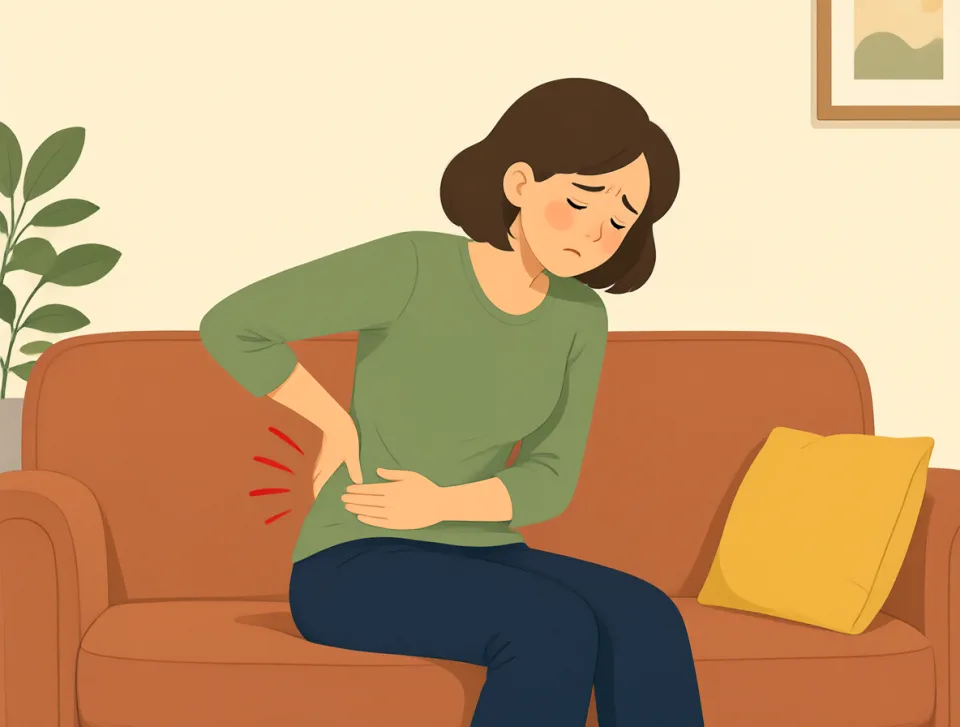
She has severe pain in her back today.
她今天背疼得很厲害。
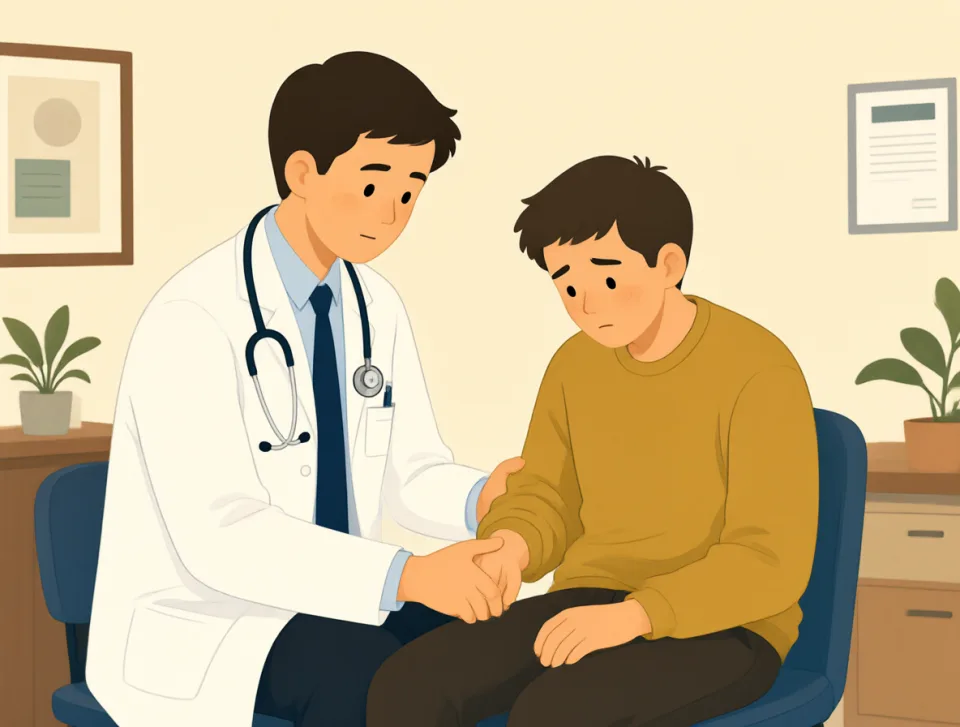
The doctor treated his severe infection with strong medicine.
醫生用強效藥物治療了他的嚴重感染。

The school closed because of severe winter weather.
由於冬季天氣惡劣,學校停課了。
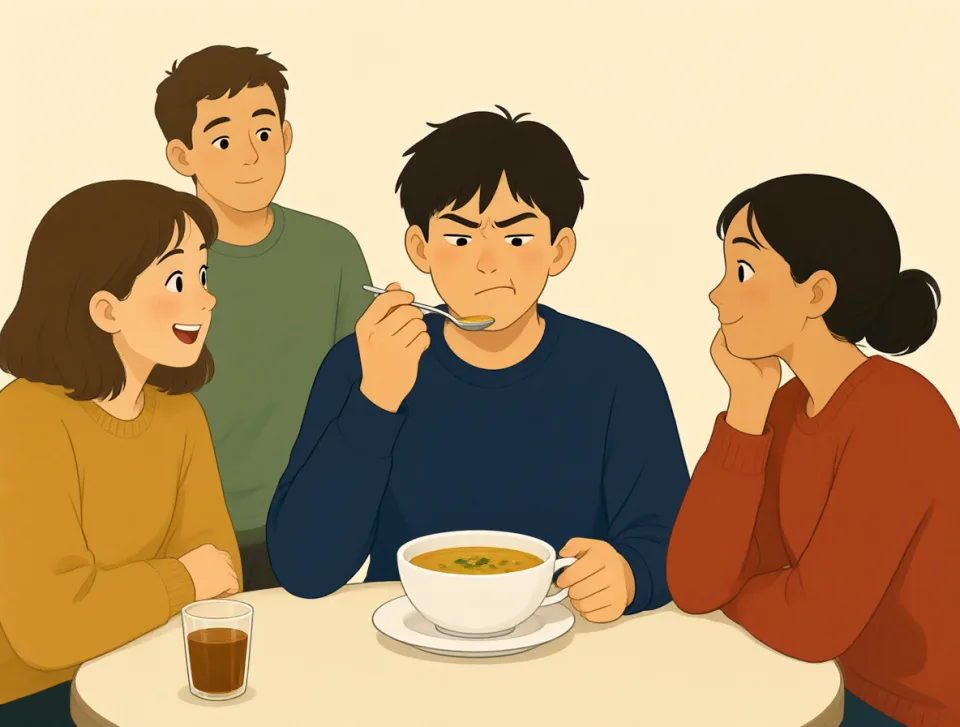
This soup has a severe taste that most guests dislike.
這道湯的味道很濃烈,大多數客人都不喜歡。
gene
#1948noun
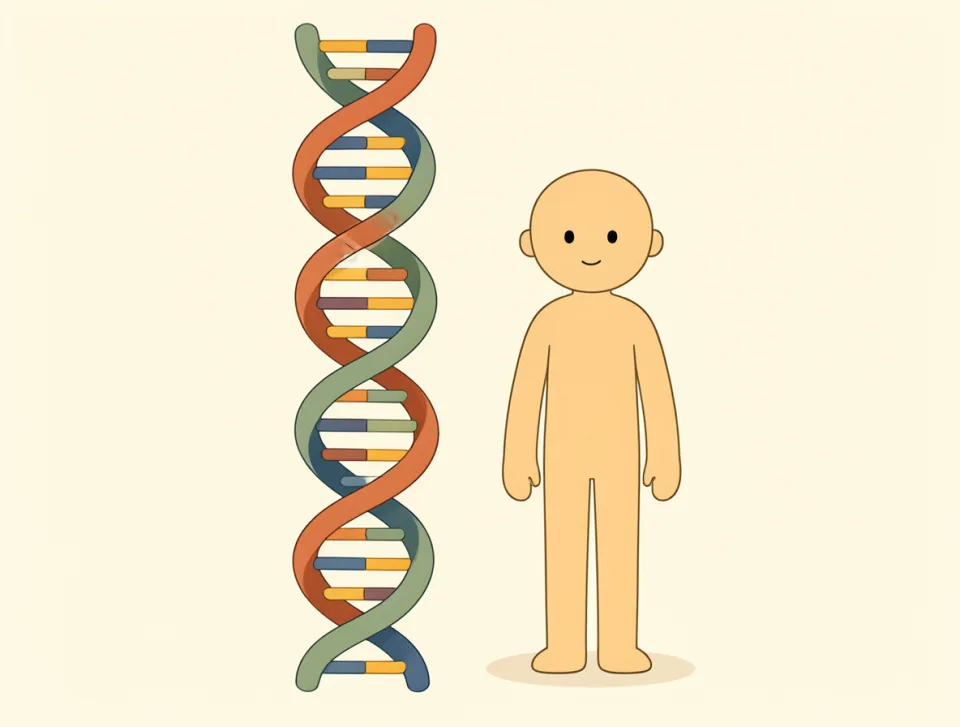
基因
A part of a living thing's DNA that controls a particular feature.
生物體 DNA 中的一部分,控制著某種特徵。

Genes help decide the color of your eyes and hair.
基因有助於決定你的眼睛和頭髮是什麼顏色。

Some genes can increase a person's risk of certain diseases.
有些基因會增加一個人患某些疾病的風險。
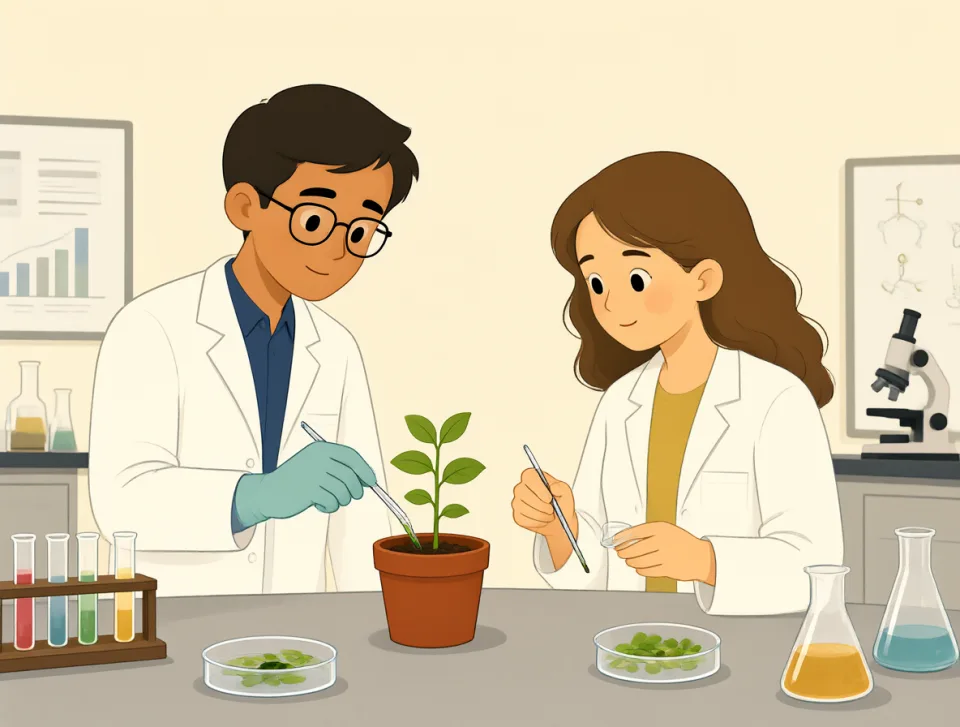
Scientists study genes to understand how plants grow.
科學家研究基因,以瞭解植物是如何生長的。

Children inherit genes from both their mother and father.
孩子會從父母雙方遺傳基因。
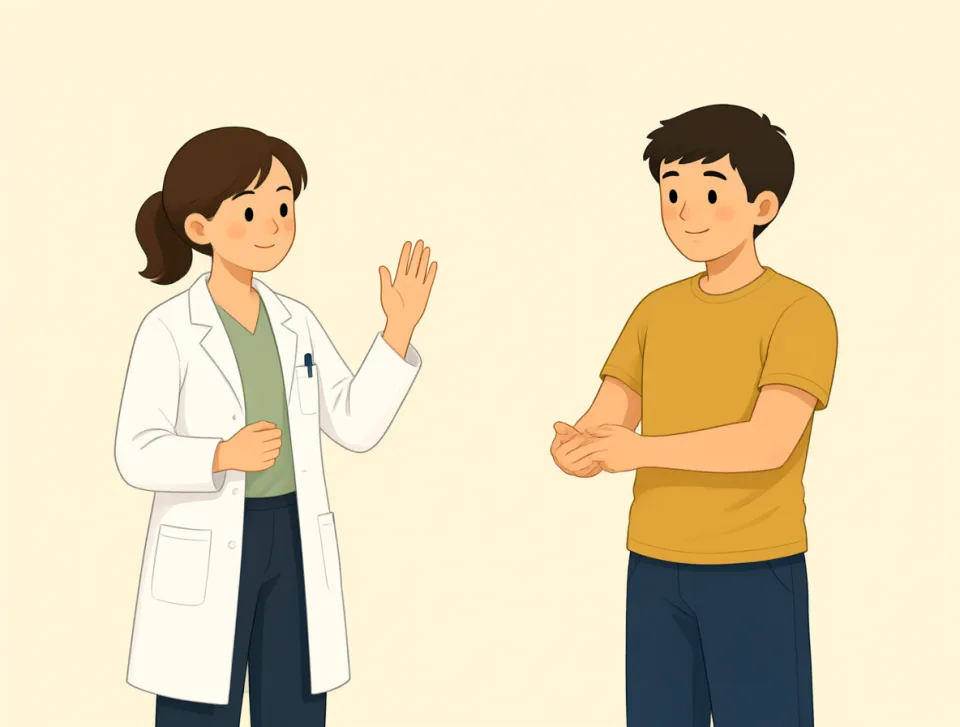
The researchers found a gene linked to stronger muscles.
研究人員發現了一個與肌肉更強健有關的基因。
prospect
#1949noun, verb
前景;可能性;勘探;尋找
a possible future event, job, customer, or person; to search for something
可能發生的未來事件、可能得到的工作、潛在客戶或人;尋找某物
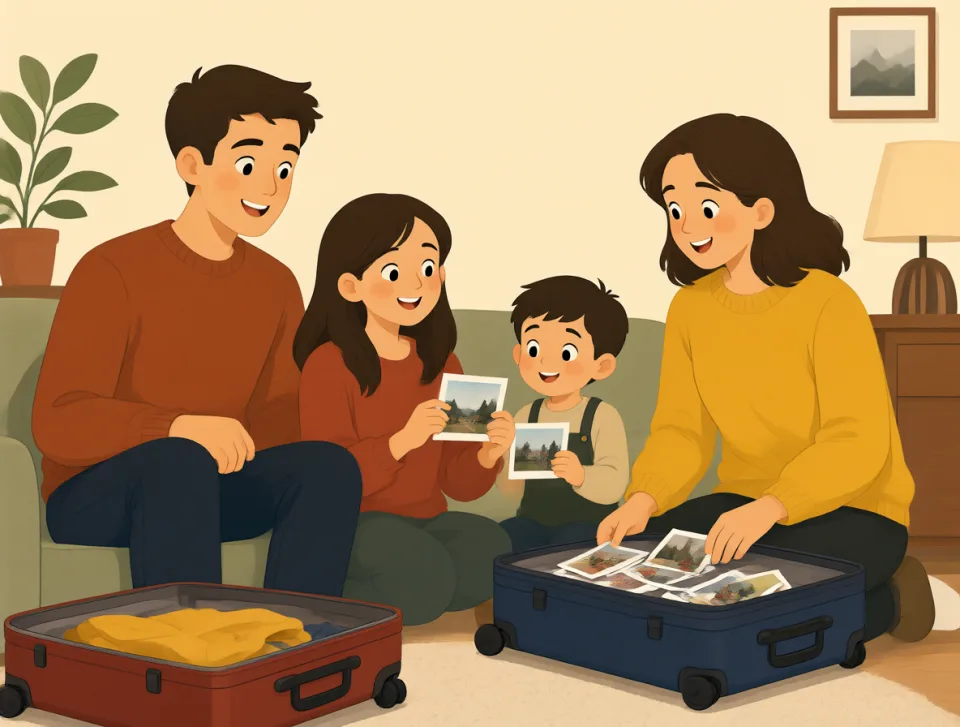
The prospect of a holiday made everyone feel excited.
想到即將到來的假期,大家都興奮不已。
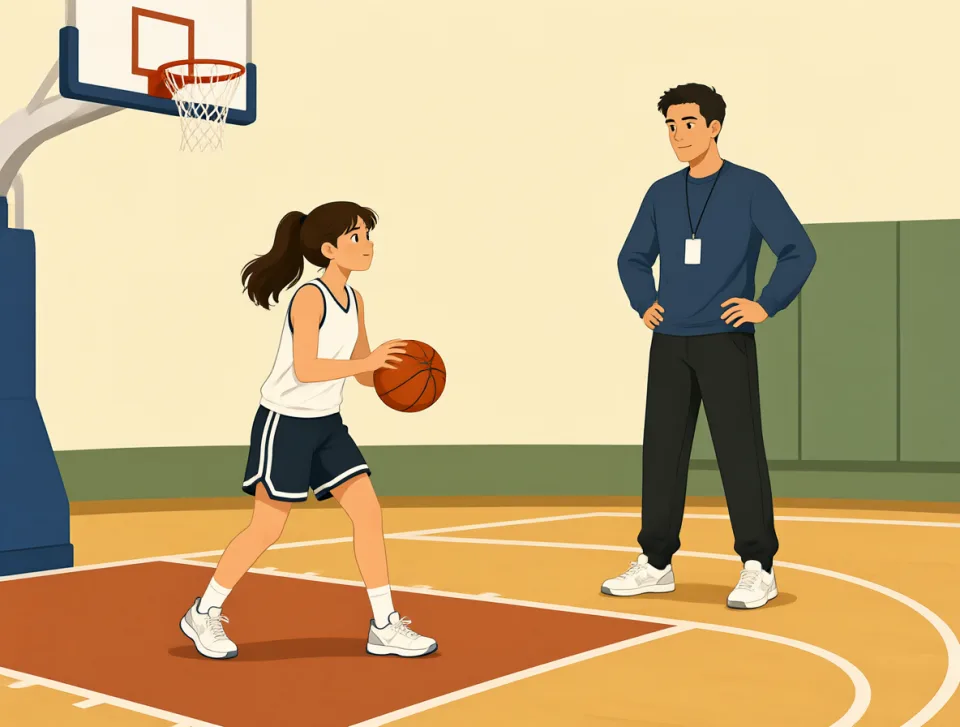
She is a good prospect for the school basketball team.
她很有希望入選學校籃球隊。

The company sees strong prospects for growth next year.
公司認為明年的增長前景很好。
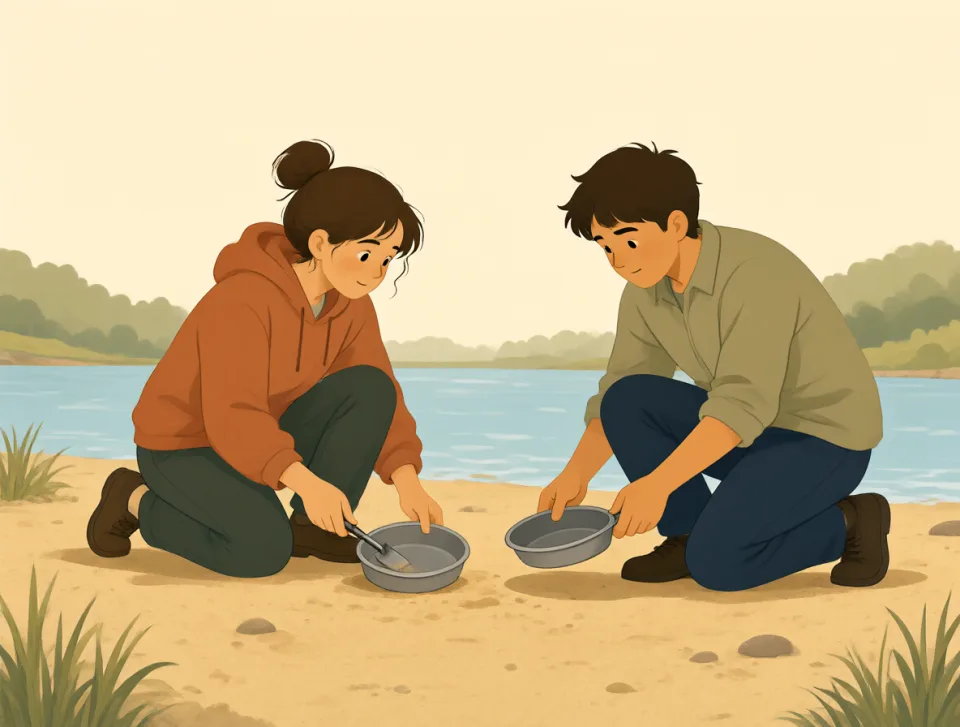
We are prospecting for gold near the river.
我們正在河流附近勘探金礦。

He prospects for new customers by visiting local shops.
他透過走訪當地商店尋找新客戶。
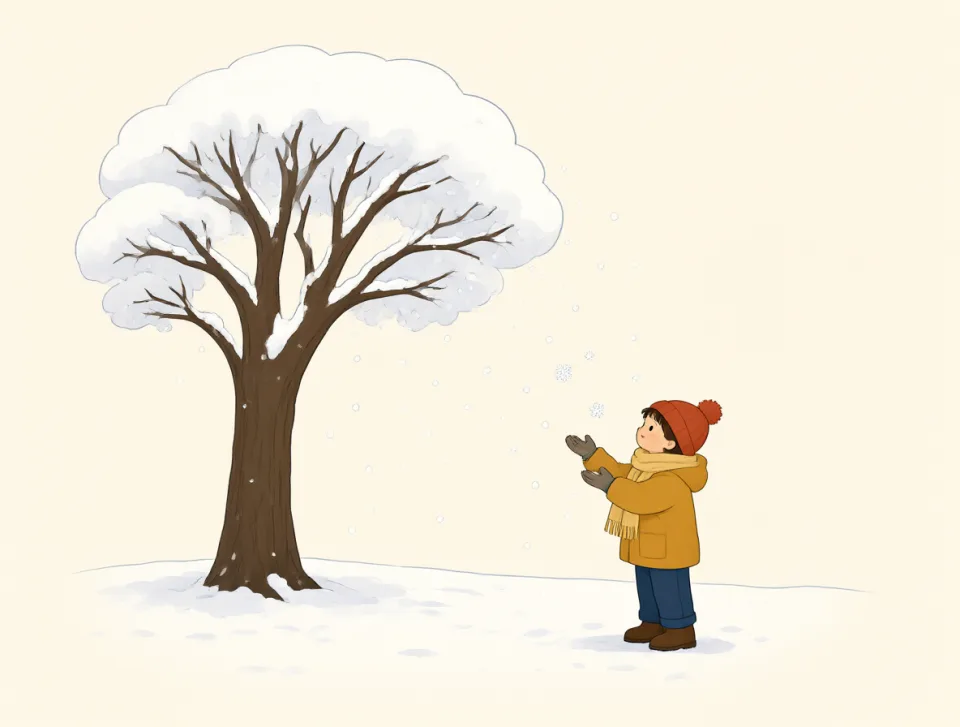
snow
#1950noun, verb
雪;下雪
soft white ice that falls from the sky; to fall as soft white ice
從天空落下的白色軟冰;像這樣落下
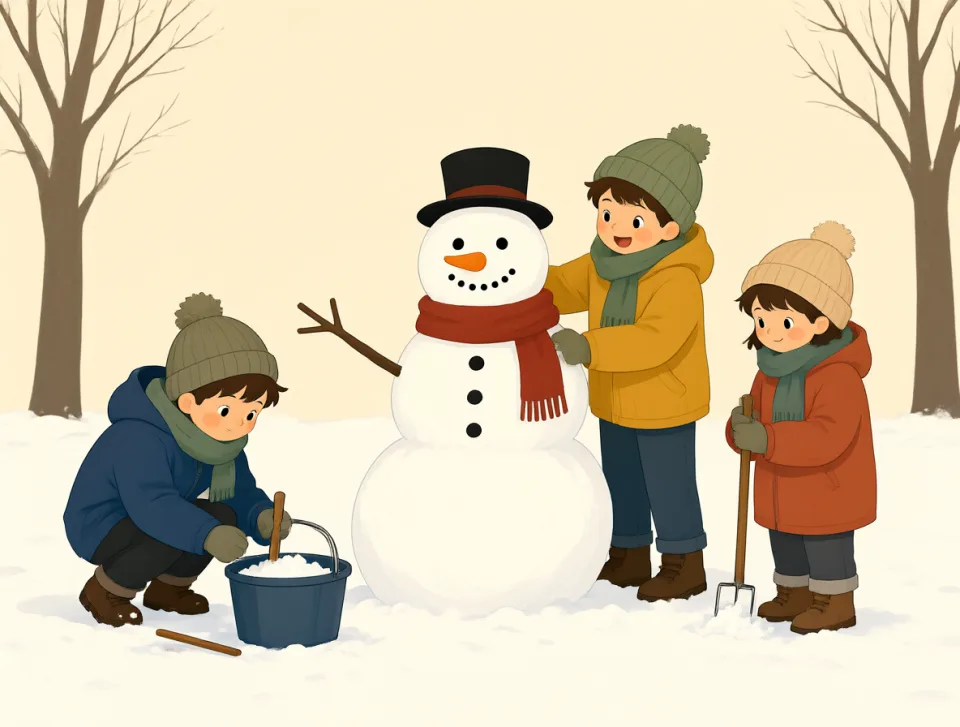
The children are playing in the snow after school.
放學後,孩子們在雪地裡玩。

Heavy snow closed the roads to the mountain village.
大雪封閉了通往山村的道路。

Please clear the snow from the front steps.
請把前門臺階上的雪清理掉。

It started snowing while we were waiting for the bus.
我們等公交車時,天開始下雪了。
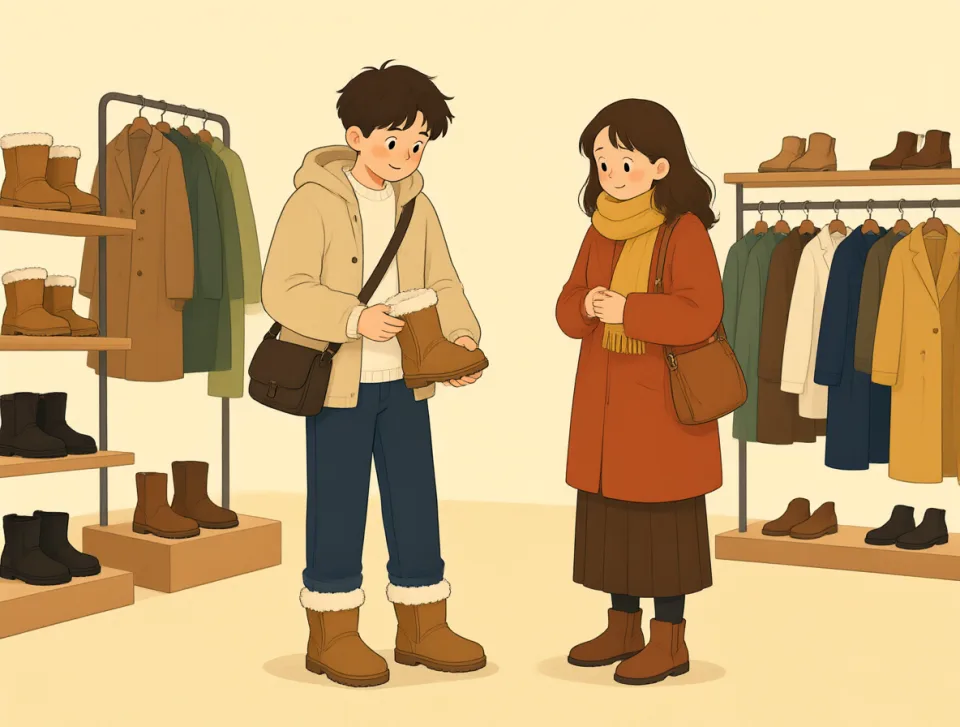
We bought warm boots because it may snow tomorrow.
我們買了暖和的靴子,因為明天可能會下雪。
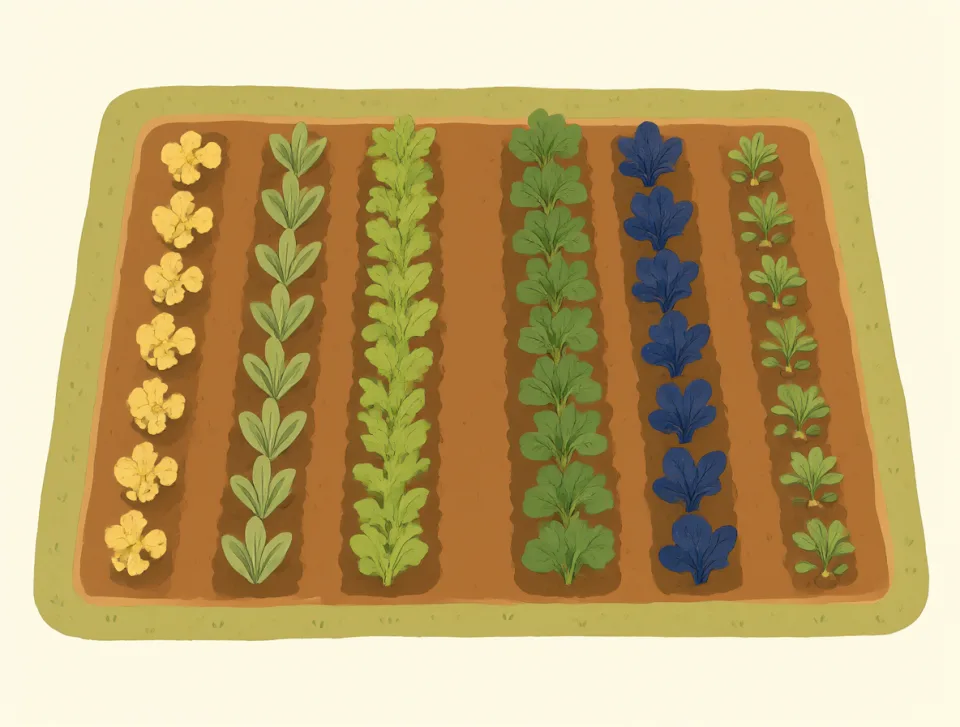
plot
#1951noun, verb
情節;陰謀;地塊;規劃
A story's events, or a secret plan to do something wrong; to mark land for building.
故事中的事件發展,或為做錯事而制訂的秘密計劃;劃出用於建造的土地。
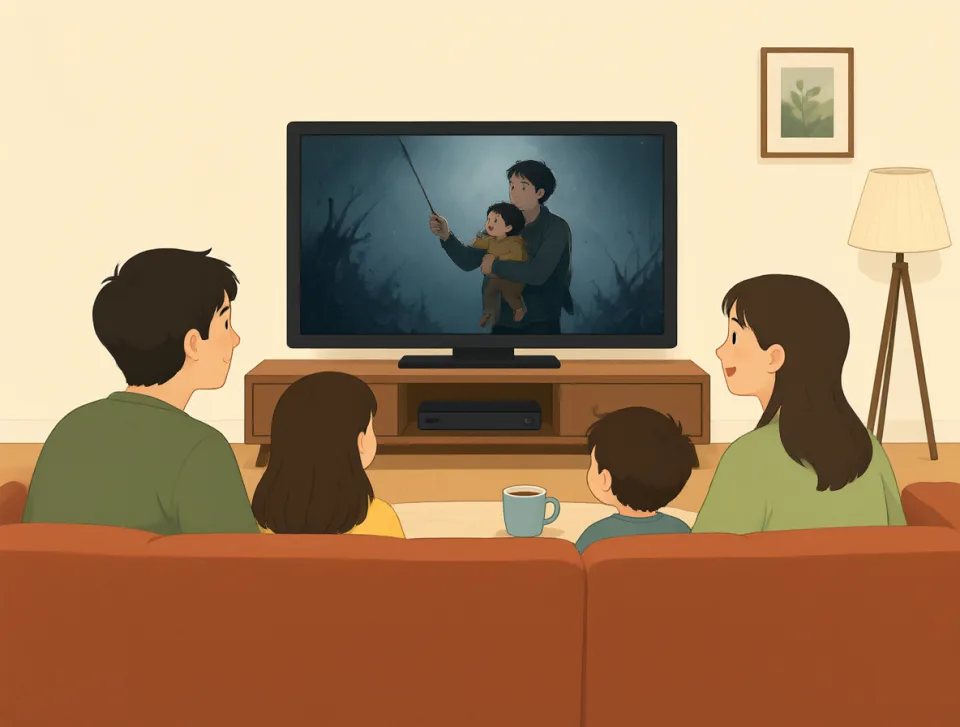
The movie has an exciting plot about a lost treasure.
這部電影講述了一個尋找失落寶藏的故事,情節十分精彩。

The police discovered a plot to rob the bank.
警方發現了一個搶劫銀行的陰謀。
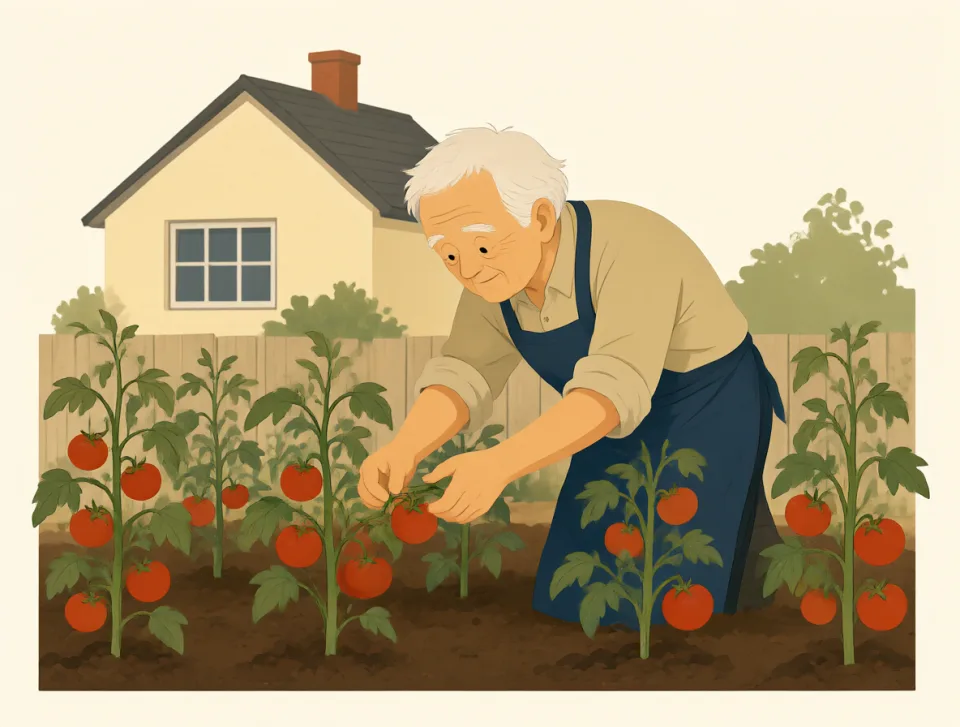
My grandfather grows tomatoes in a small plot behind his house.
我爺爺在房子後面的一小塊地裡種西紅柿。

They plotted the route before starting their journey.
他們在出發旅行前規劃好了路線。
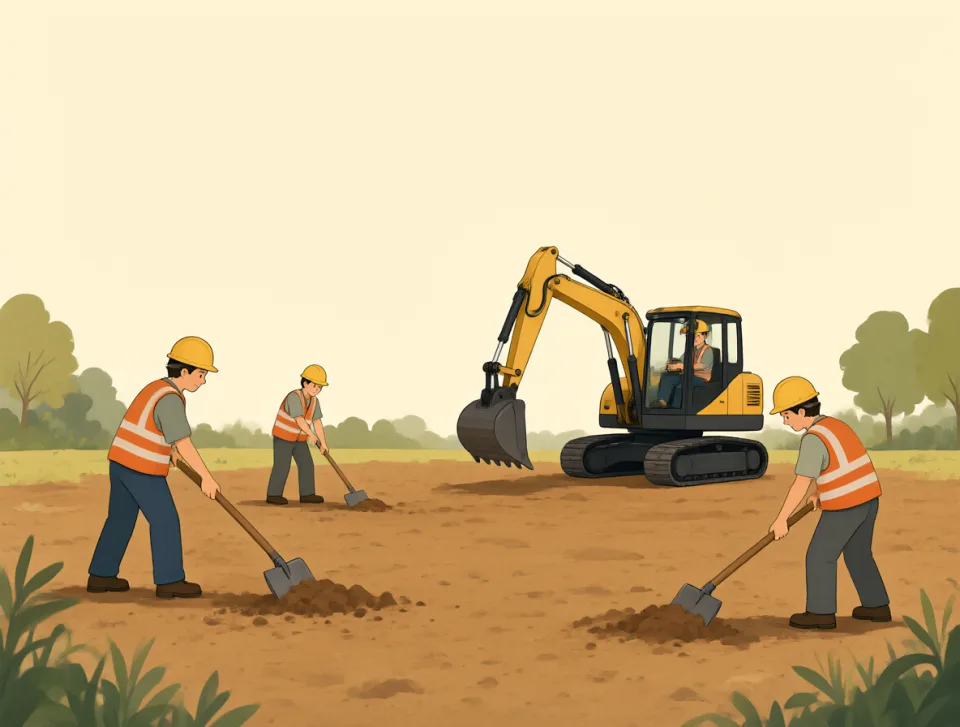
Workers are clearing the plot for a new supermarket.
工人們正在清理這塊地,準備建一家新超市。
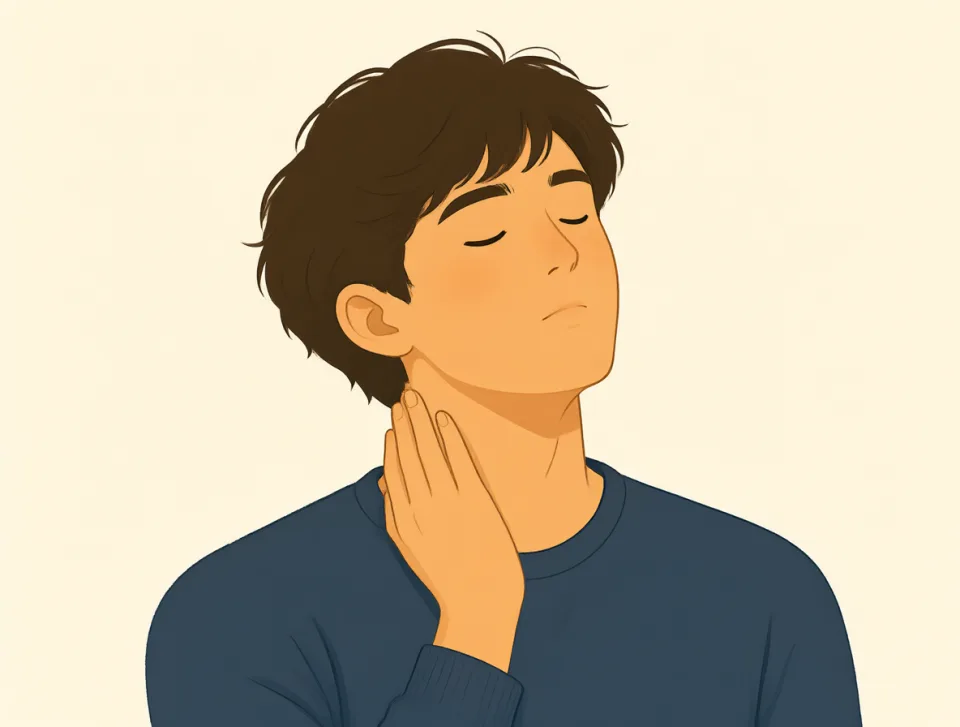
neck
#1952noun
脖子;頸部
The part of your body between your head and shoulders.
頭部和肩膀之間的身體部位。
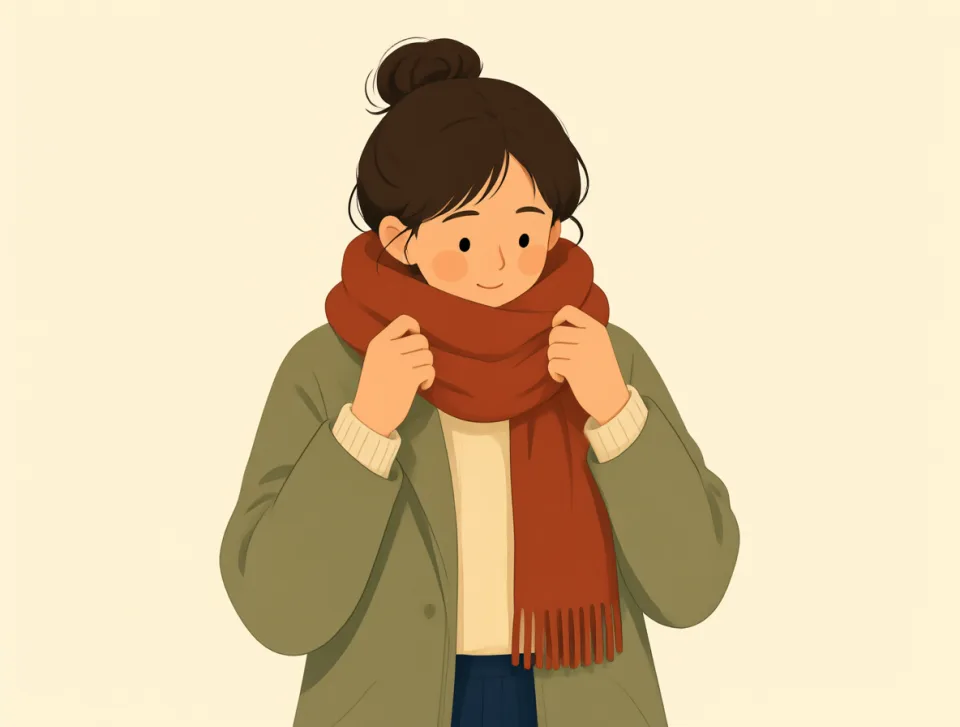
She wore a warm scarf around her neck in winter.
冬天她在脖子上圍了一條保暖的圍巾。

He turned his neck to look behind him.
他轉過脖子,向身後看去。

My neck hurts after working at the computer all day.
我整天在電腦前工作,脖子疼。
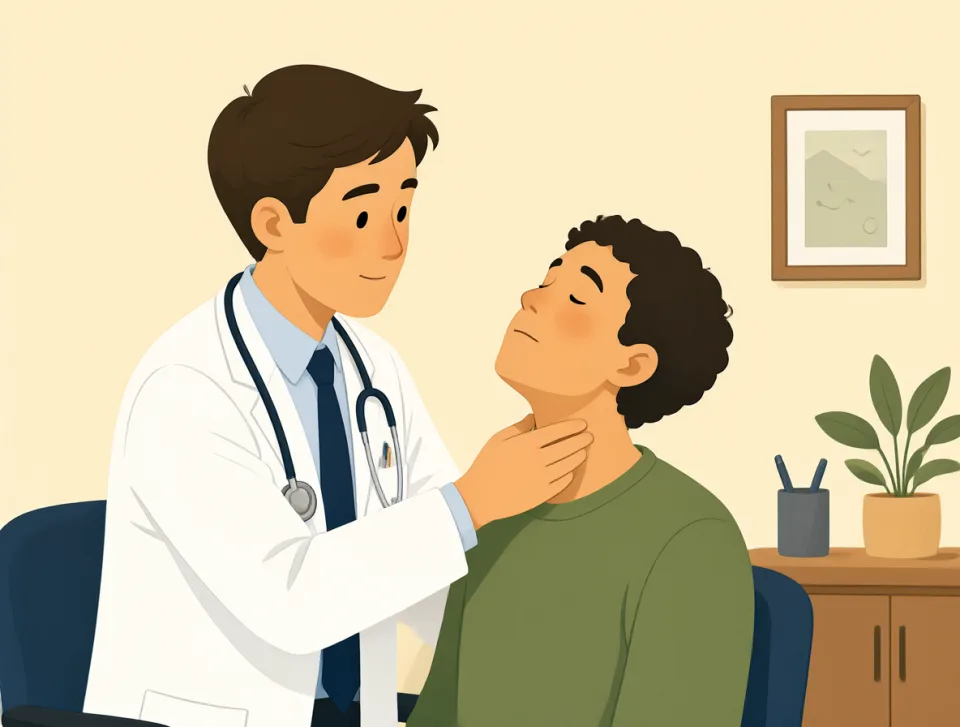
The doctor checked my neck for swollen glands.
醫生檢查了我的脖子,看淋巴結有沒有腫大。

The shirt feels tight around my neck.
這件襯衫穿在脖子那裡感覺很緊。

criteria
#1953noun
標準;準則
Standards used to judge or decide something.
用於評判或決定某事的標準。
The school has clear criteria for choosing new students.
學校有明確的標準來選拔新生。
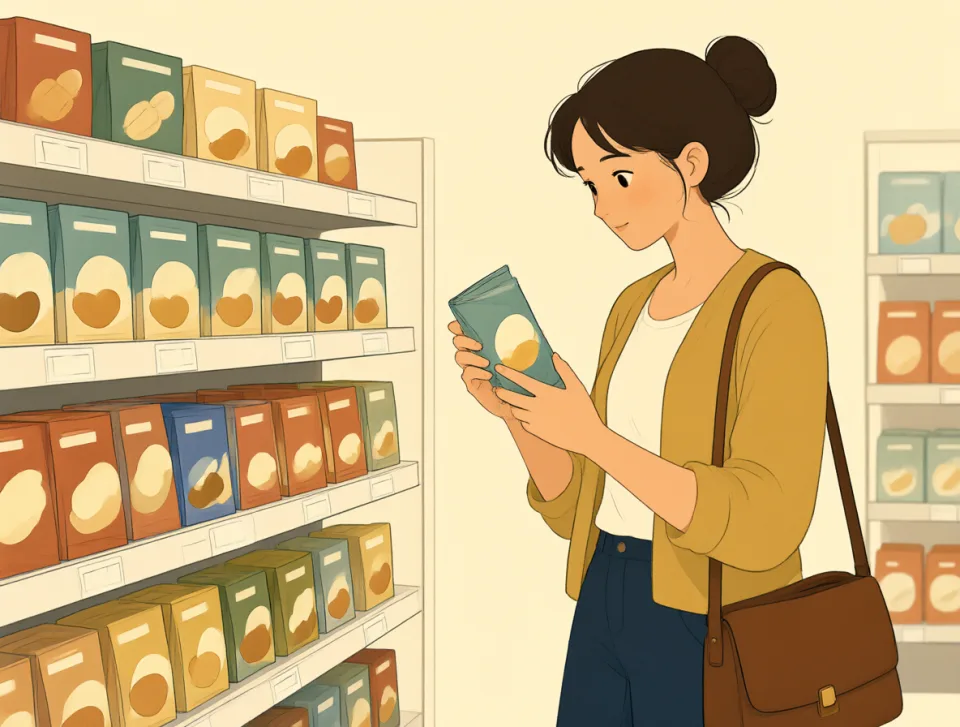
Price and quality are important criteria when we shop.
購物時,價格和質量是重要的標準。

Your essay meets all the criteria for this class.
你的作文符合這門課的所有標準。

The hotel was chosen because it met our travel criteria.
這家酒店因為符合我們的旅行標準而被選中。
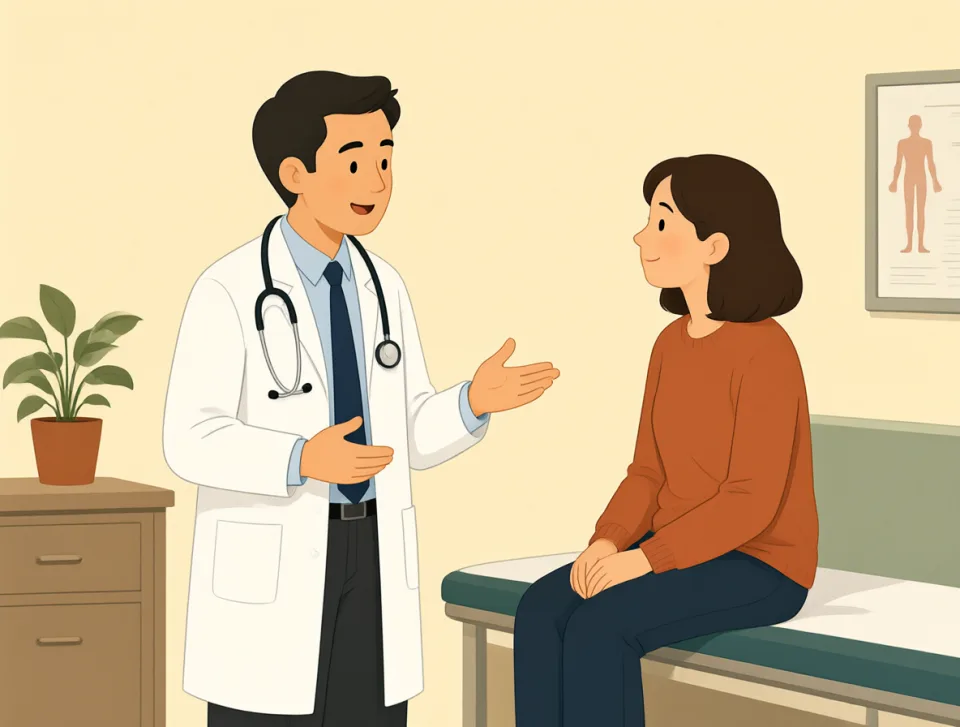
The doctor explained the criteria for joining the health study.
醫生解釋了參加這項健康研究的標準。
primarily
#1954adverb
主要;大多
Mostly or mainly; more than anything else.
主要地;最重要的是,勝過其他任何方面。
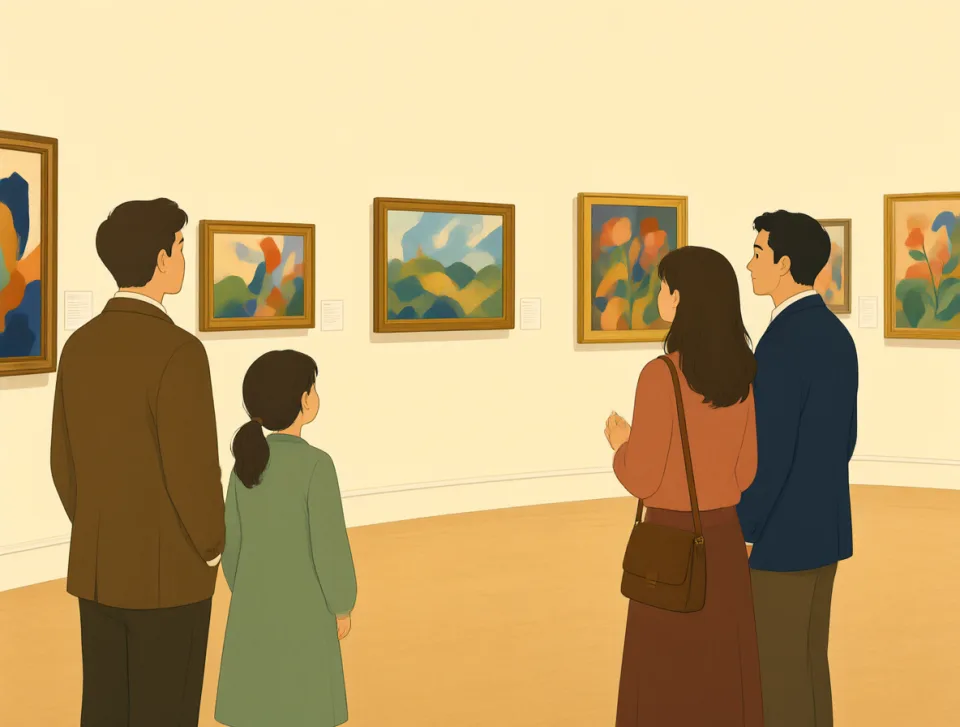
The museum is primarily known for its beautiful paintings.
這座博物館主要以館藏的精美畫作聞名。
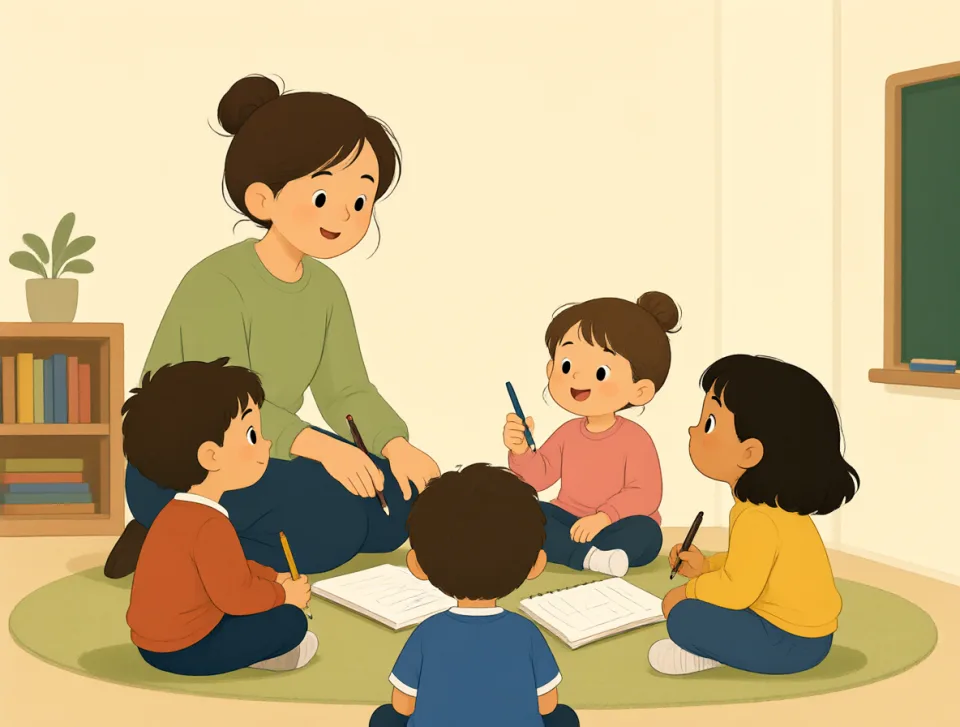
This course is primarily for students who need extra practice.
這門課程主要面向需要額外練習的學生。
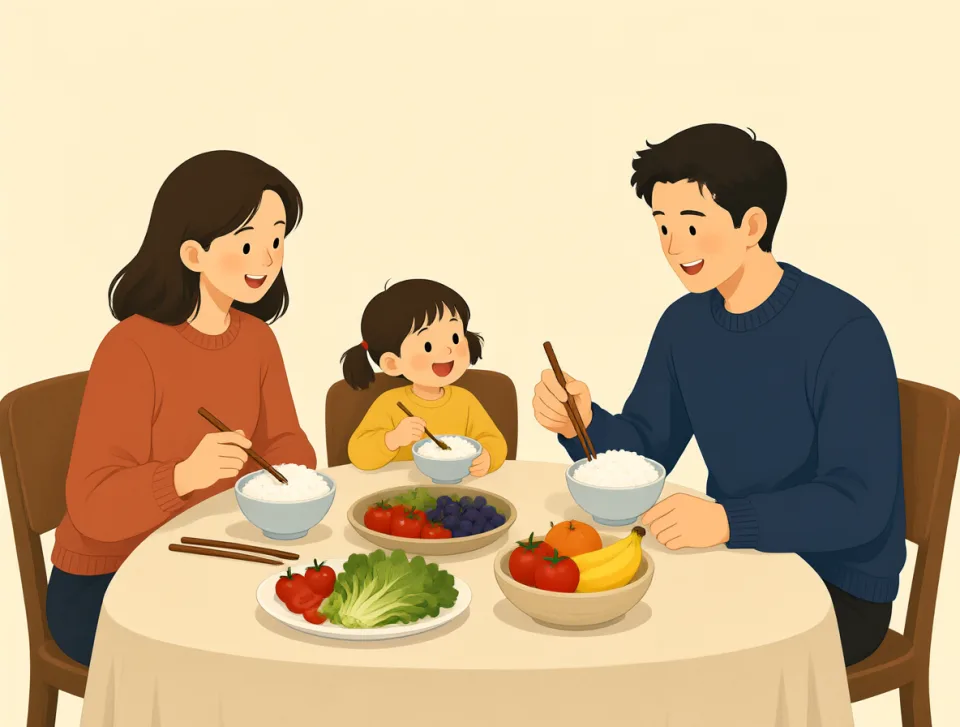
We eat primarily vegetables, rice, and fresh fruit at home.
我們在家主要吃蔬菜、米飯和新鮮水果。

The shop sells clothes primarily made from recycled materials.
這家商店主要銷售用回收材料製成的衣服。

The trip is primarily about relaxing and spending time with friends.
這趟旅行主要是為了放鬆身心,和朋友們共度時光。
integrate
#1955verb
整合;融入;結合
to combine something with other parts so that they work together
把某物與其他部分結合起來,使它們能夠協同工作
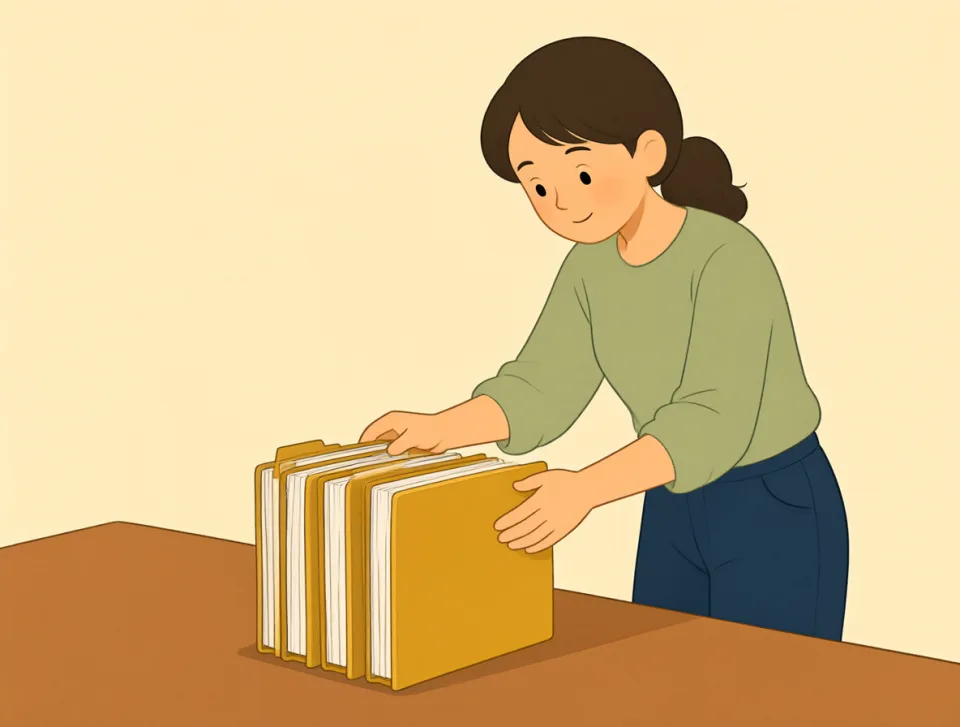
The new system integrates all our customer information in one place.
新系統把我們所有的客戶資訊整合到了一處。
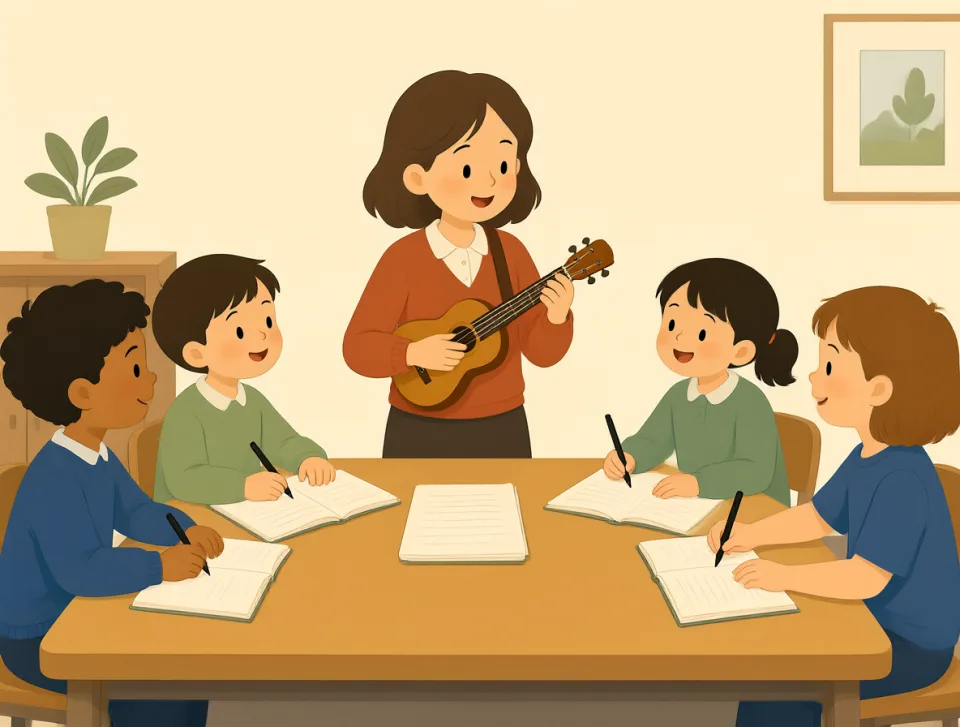
The school integrates music into its language lessons.
這所學校把音樂融入語言課中。
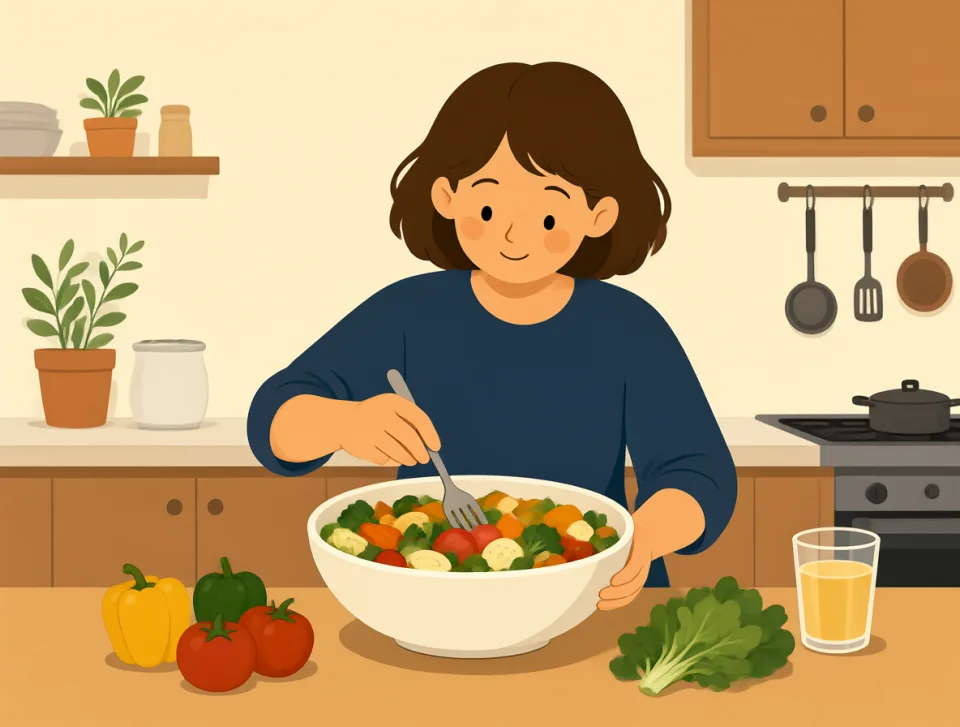
We are integrating more vegetables into our family meals.
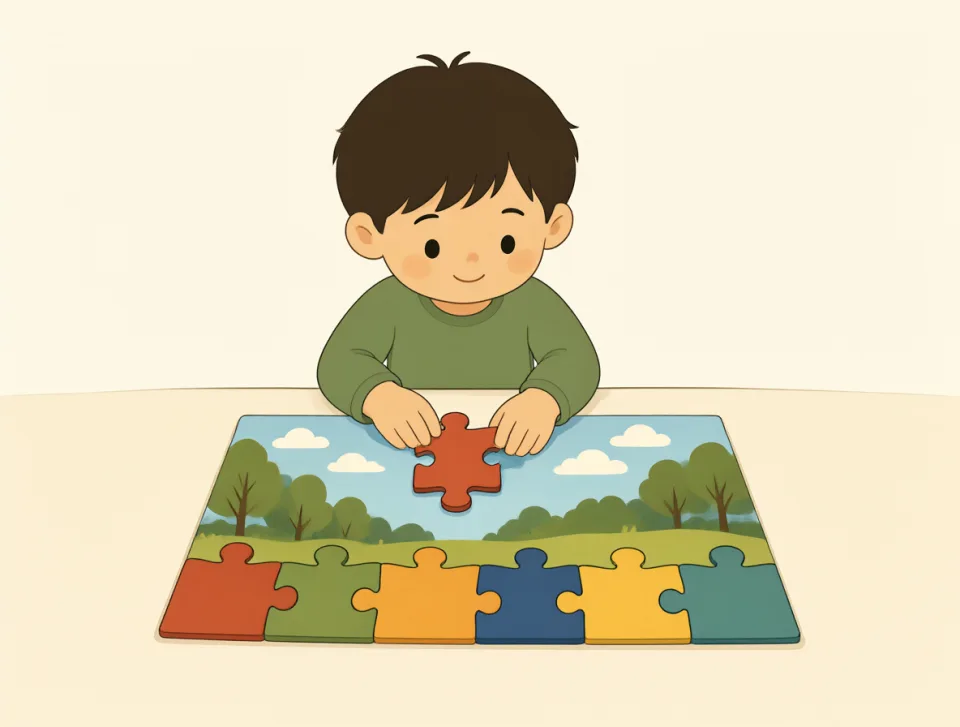
我們正在一日三餐中加入更多蔬菜。
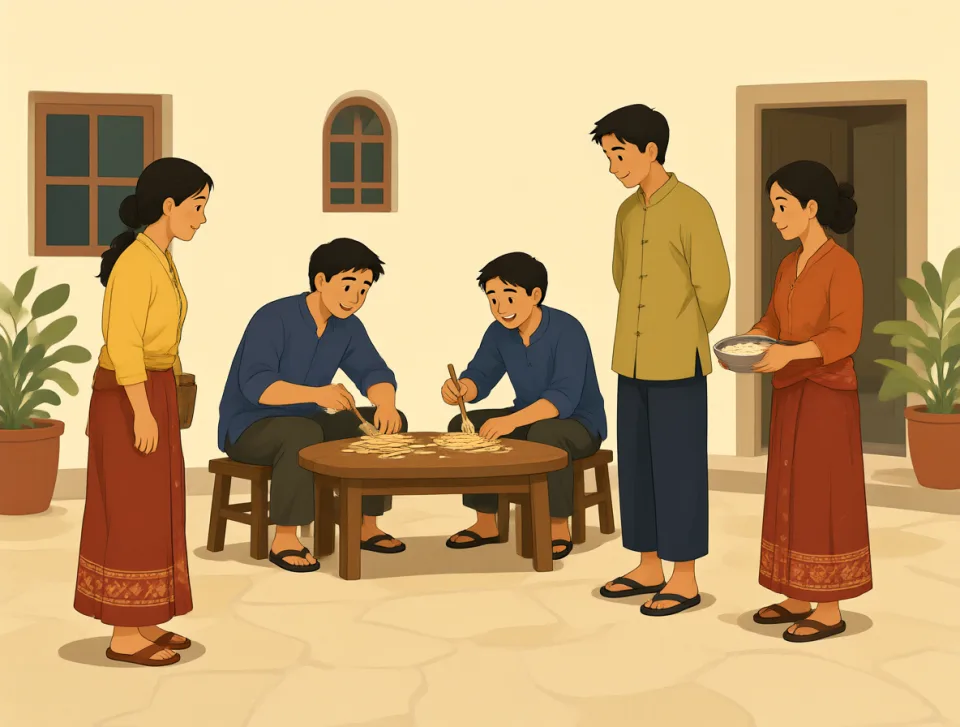
The hotel integrates local traditions into its guest activities.
這家酒店把當地傳統融入賓客活動中。
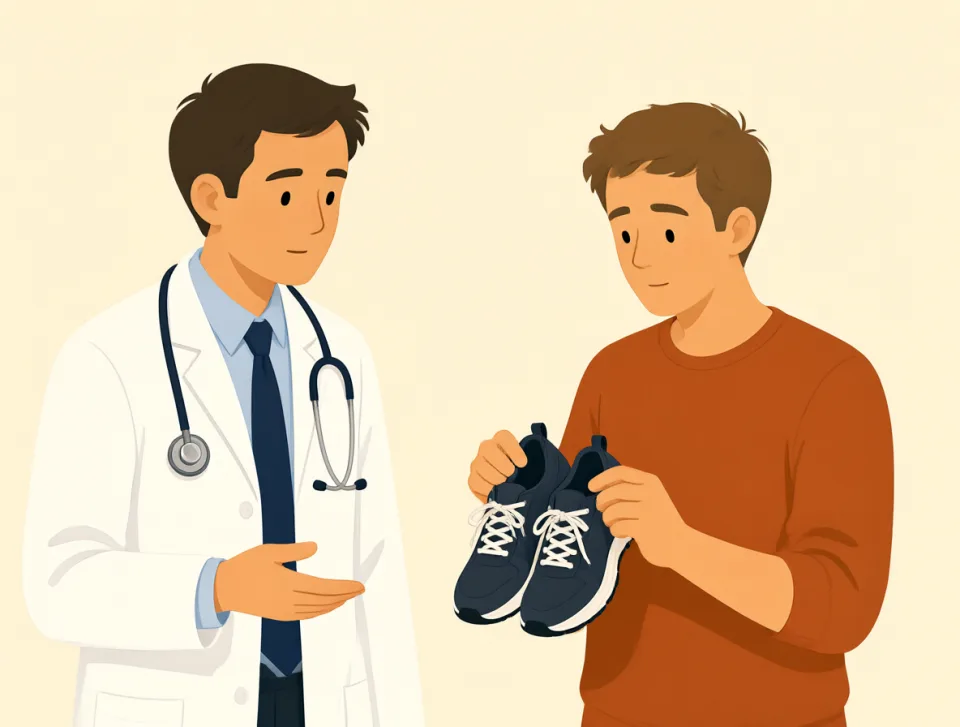
The doctor helped him integrate exercise into his daily routine.
醫生幫助他把鍛鍊融入日常生活。

criticism
#1956noun
批評;批評意見
An opinion that points out the good and bad parts of something.
對某事物提出看法,指出其中好與不好的地方。
She received criticism for arriving late to work every day.
她每天上班都遲到,因此受到了批評。
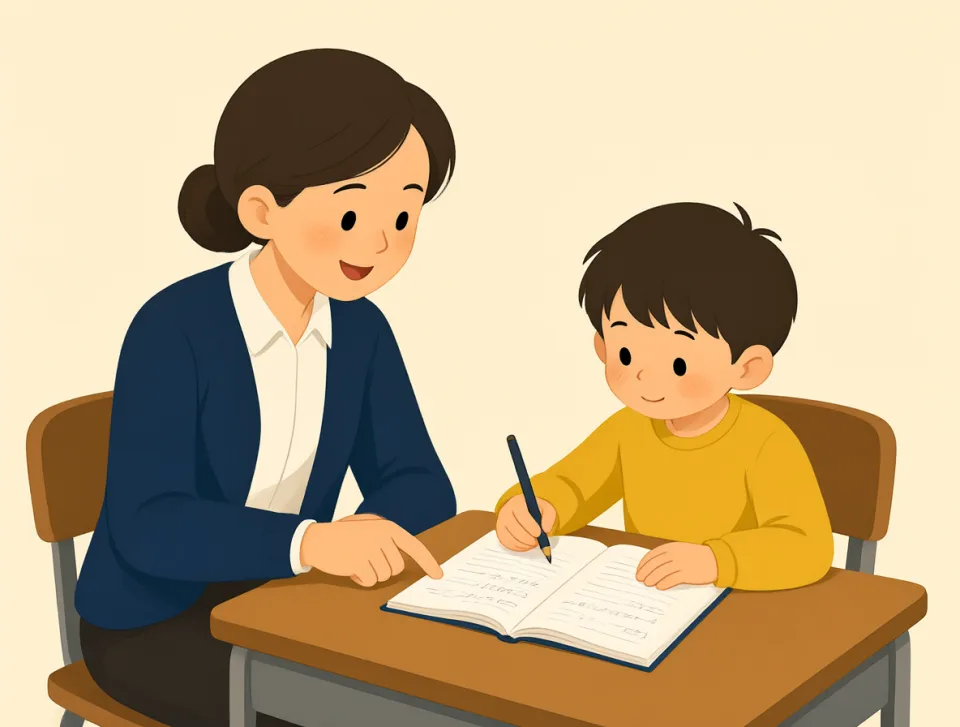
The teacher gave helpful criticism on my English homework.
老師對我的英語作業提出了有幫助的意見。
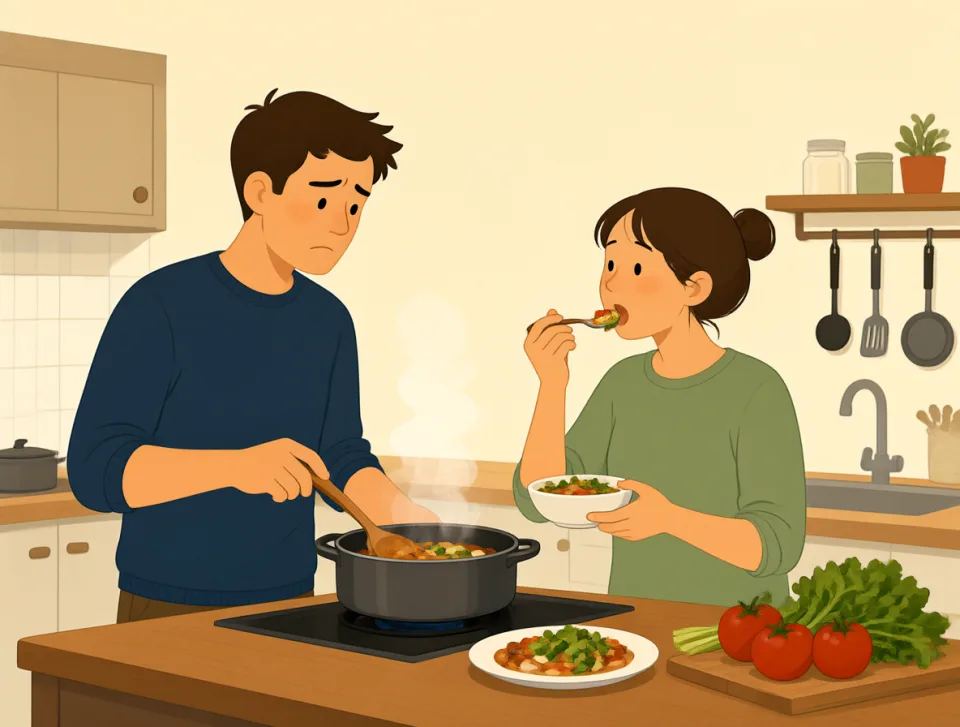
He does not like criticism about his cooking.
他不喜歡別人批評他的廚藝。

The new hotel faced criticism from guests about its dirty rooms.
這家新酒店因客房髒亂而受到住客批評。

Try to accept criticism and use it to improve your health.
試著接受批評,並以此來改善自己的健康。
convention
#1957noun
慣例;大會
a usual way of doing something, or a large meeting for people with similar interests
做某事的慣常方式,或興趣相同的人參加的大型會議

By convention, guests remove their shoes before entering the house.
按照慣例,客人進屋前要脫鞋。
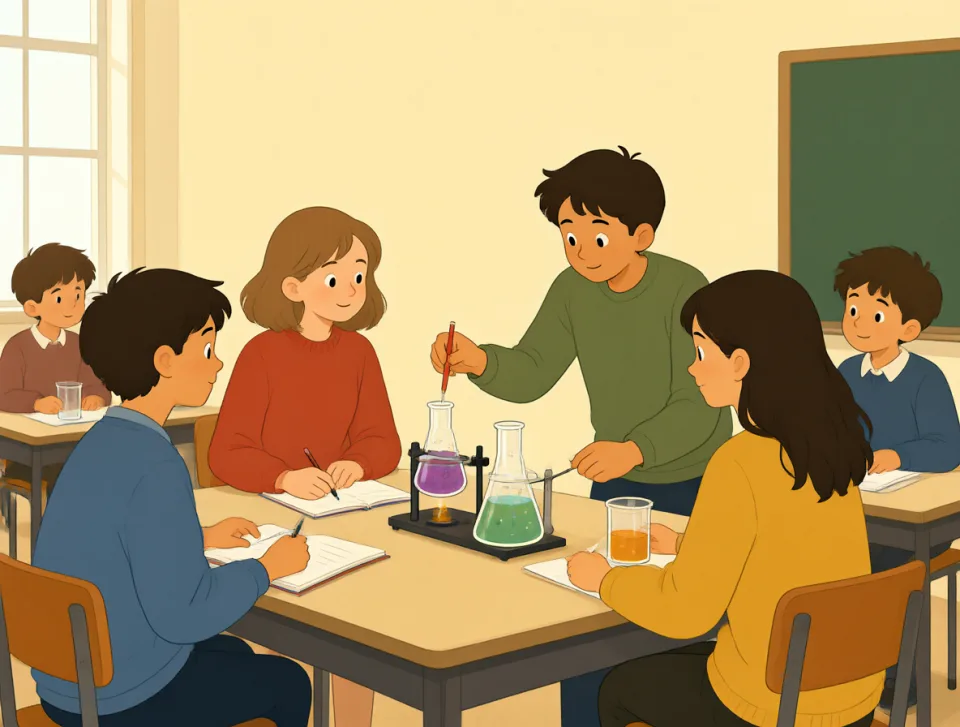
The school held a science convention for students from nearby towns.
學校為附近城鎮的學生舉辦了一場科學大會。

Our company sent three employees to a business convention in Chicago.
我們公司派了三名員工去芝加哥參加商務大會。
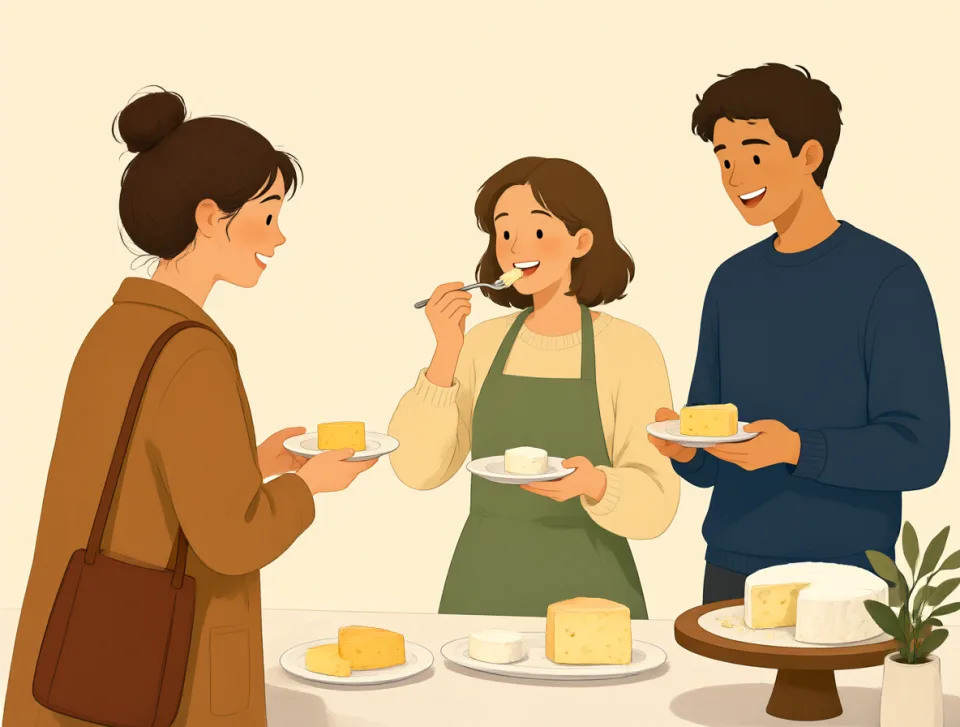
At the food convention, we tasted cheese from several countries.
在食品展會上,我們品嚐了來自多個國家的乳酪。
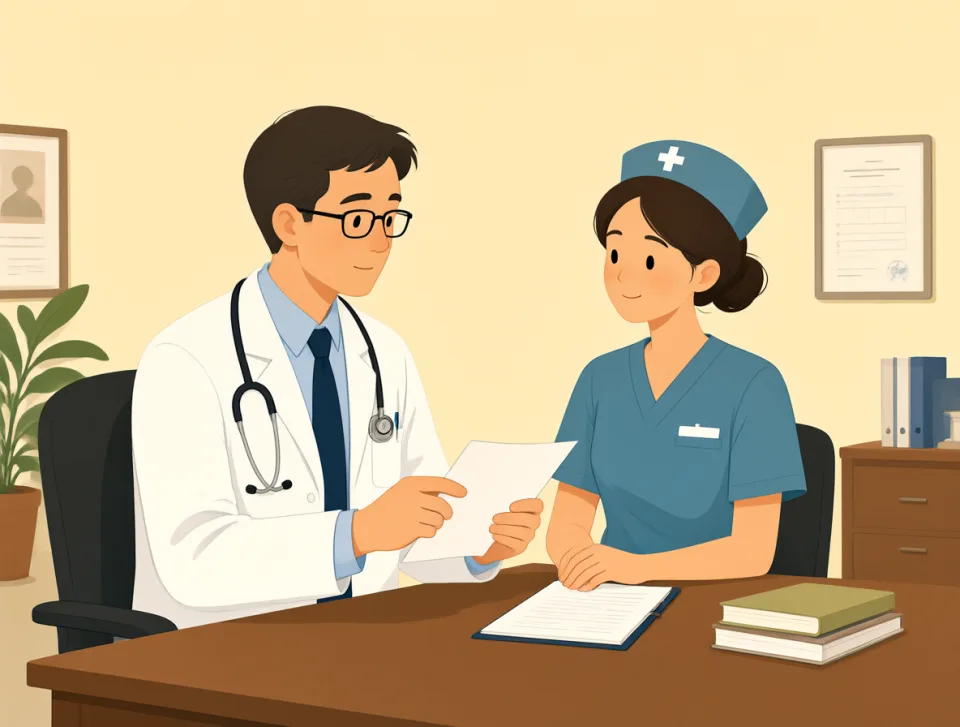
The doctor explained a new convention for sharing patient information safely.
醫生解釋了一種安全共享患者資訊的新慣例。

bet
#1958noun, verb
打賭;賭注;敢說
To risk money or something valuable on the result of a game or event.
對比賽或事件的結果押上錢或其他有價值的東西。

I bet ten dollars on the blue team to win.
我押了十美元,賭藍隊會贏。

We made a bet about who would arrive first.
我們打賭誰會先到。
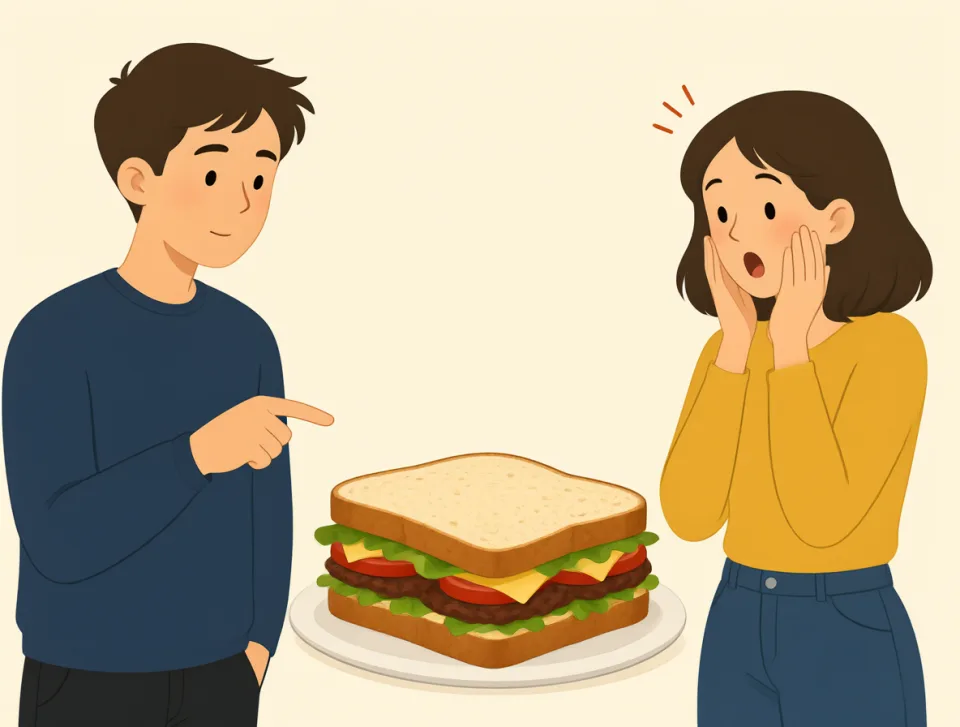
I bet you can't finish this huge sandwich.
我敢說你吃不完這個超大的三明治。

She bet her brother that it would rain today.
她跟弟弟打賭,說今天會下雨。

I bet he forgot his keys again.
我敢說他又忘帶鑰匙了。
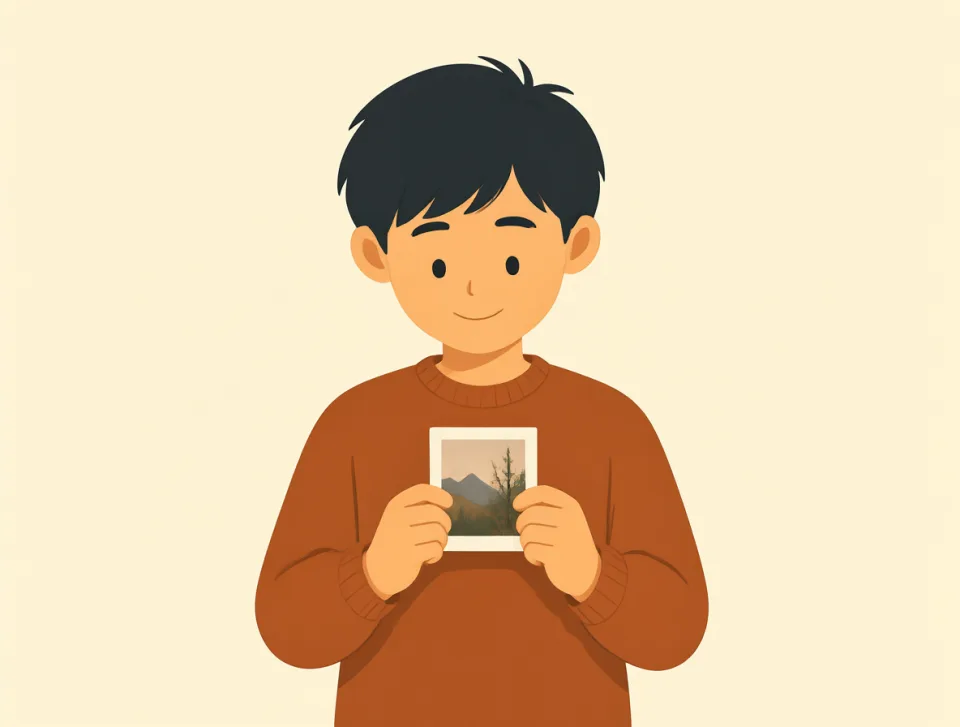
retain
#1959verb
保留;保持
to keep something or continue to have it
保留某物或繼續擁有某物
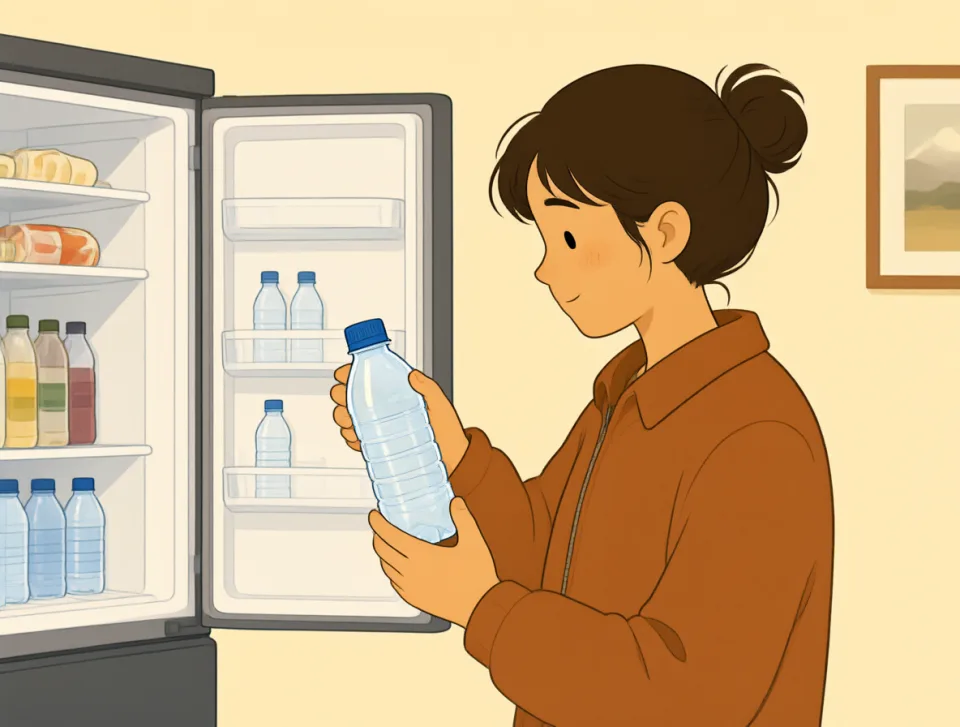
This bottle retains its shape after being frozen.
這個瓶子冷凍後仍能保持原來的形狀。

The hotel retains your room until six o'clock.
酒店會為你保留房間到六點。

She retained the information from yesterday's lesson.
她記住了昨天課上學的內容。
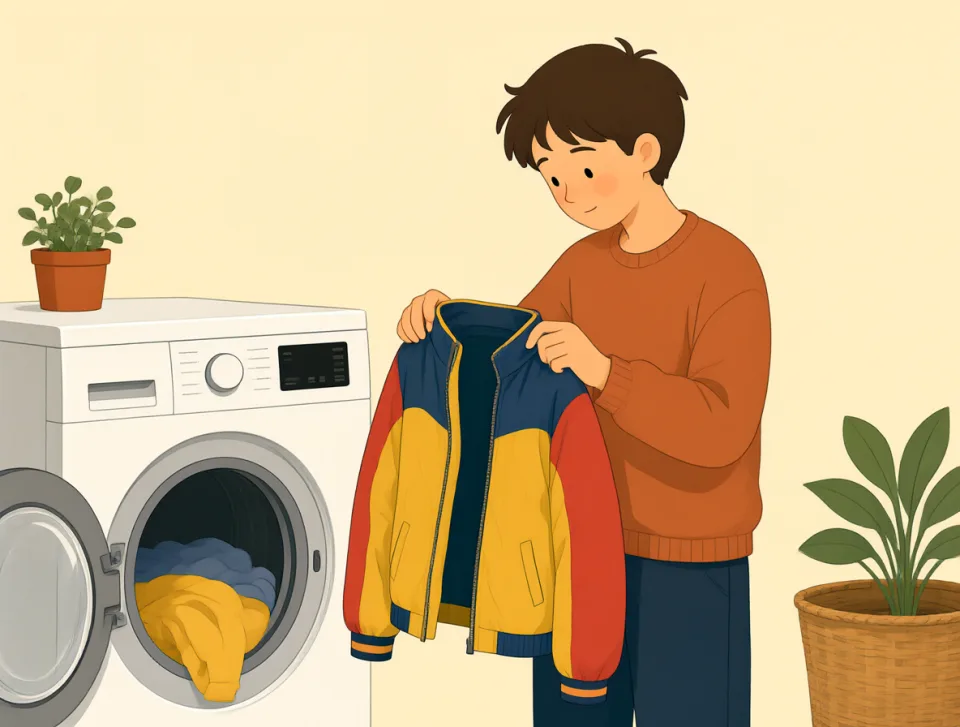
The jacket retained its color after many washes.
這件夾克洗了很多次後仍然沒有褪色。
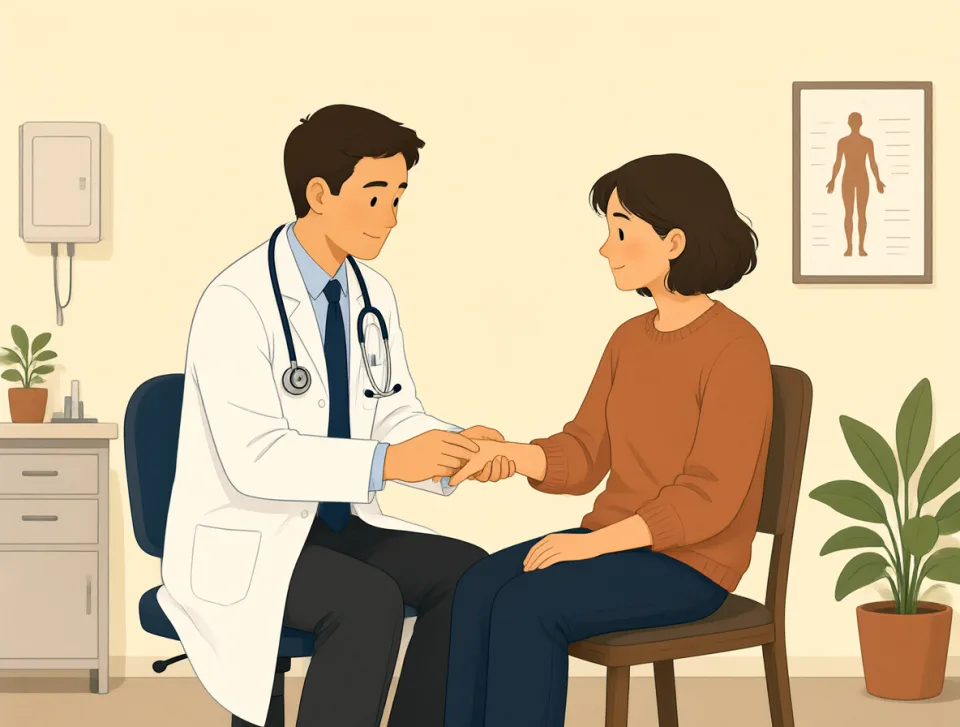
Doctors hope the patient will retain full movement in her hand.
醫生希望這位患者的手能恢復全部活動能力。

sequence
#1960noun
順序;次序;排列;序列
The order in which people or things happen or come one after another.
人或事物一個接一個發生或出現的先後順序。
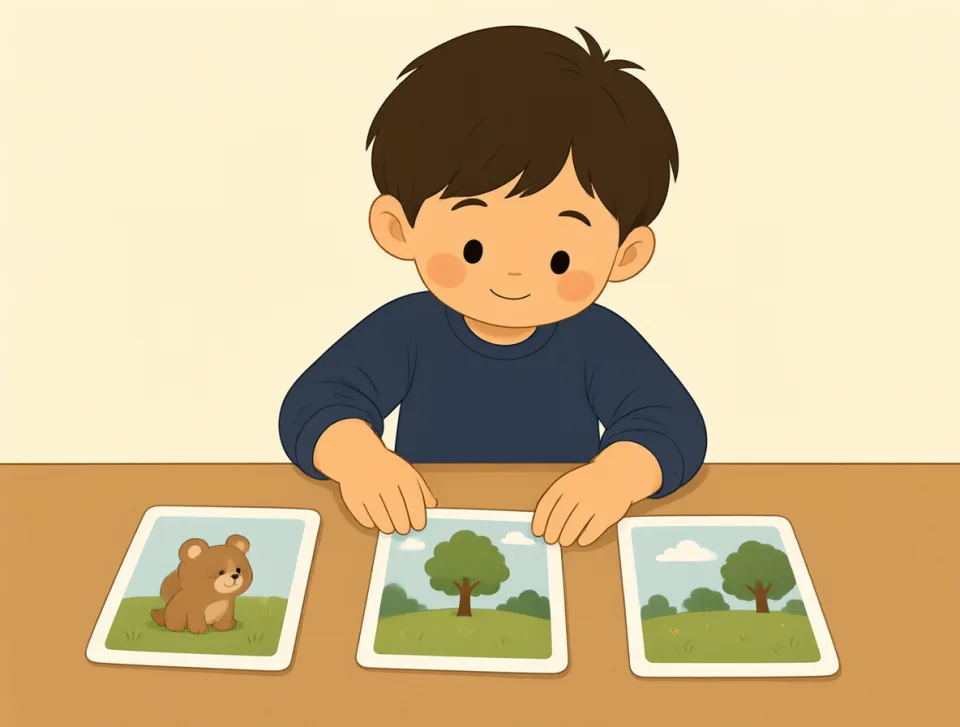
Put the pictures in the correct sequence before telling the story.
講故事前,把圖片按正確的順序排列好。
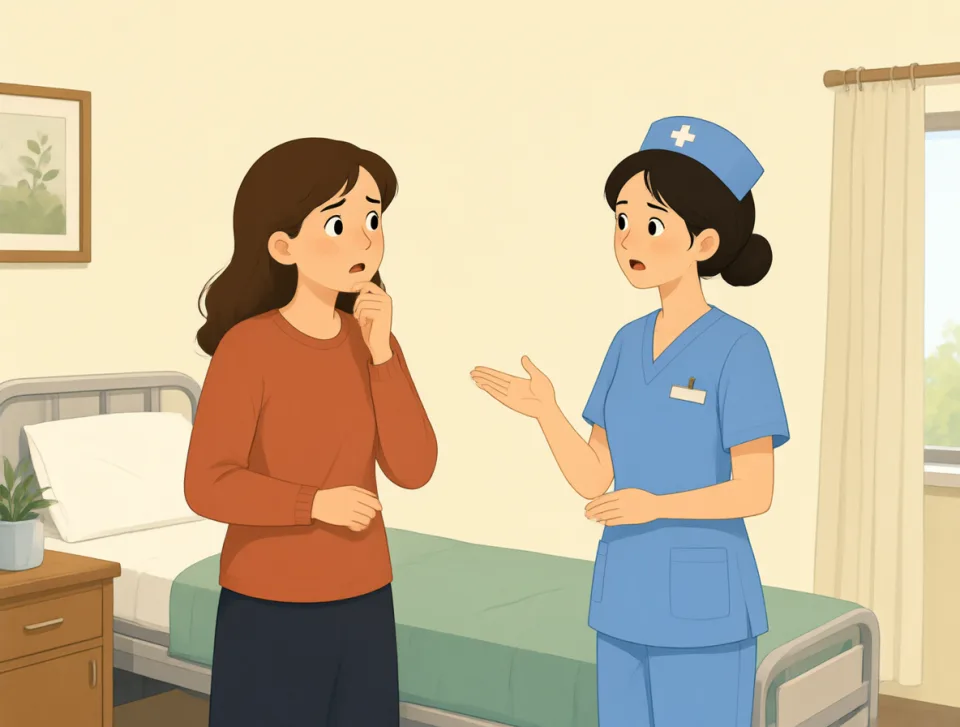
The nurse asked about the sequence of events after the accident.
事故發生後,護士詢問了事件發生的先後順序。

The dance teacher showed us the steps in a simple sequence.
舞蹈老師按簡單的順序向我們展示了舞步。
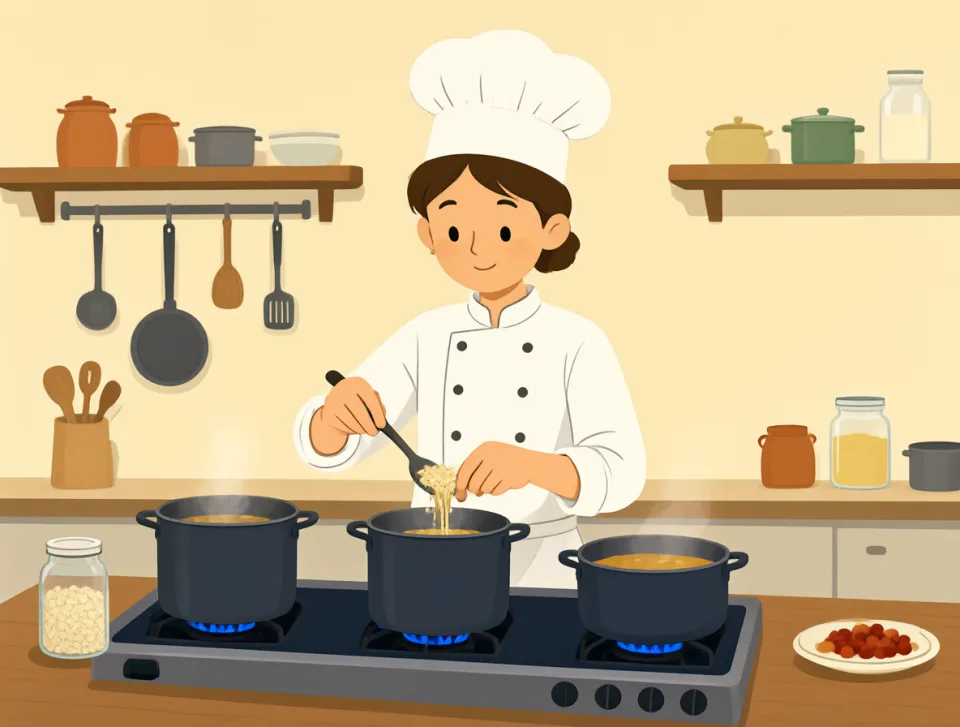
The chef prepared the meal in the right sequence.
廚師按照正確的順序準備了這頓飯。
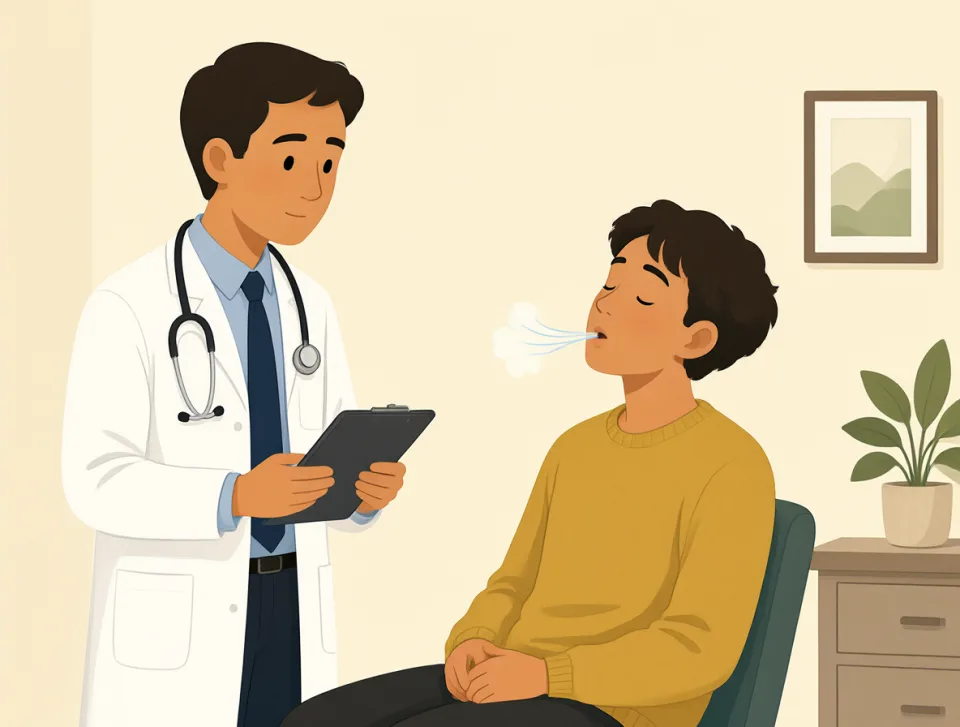
The doctor watched the patient's breathing sequence during the test.
測試期間,醫生觀察了病人的呼吸節奏。