इकाई 98
शब्द 1941–1960 · advertisement, consistent, originally, aside, comfort, secondly
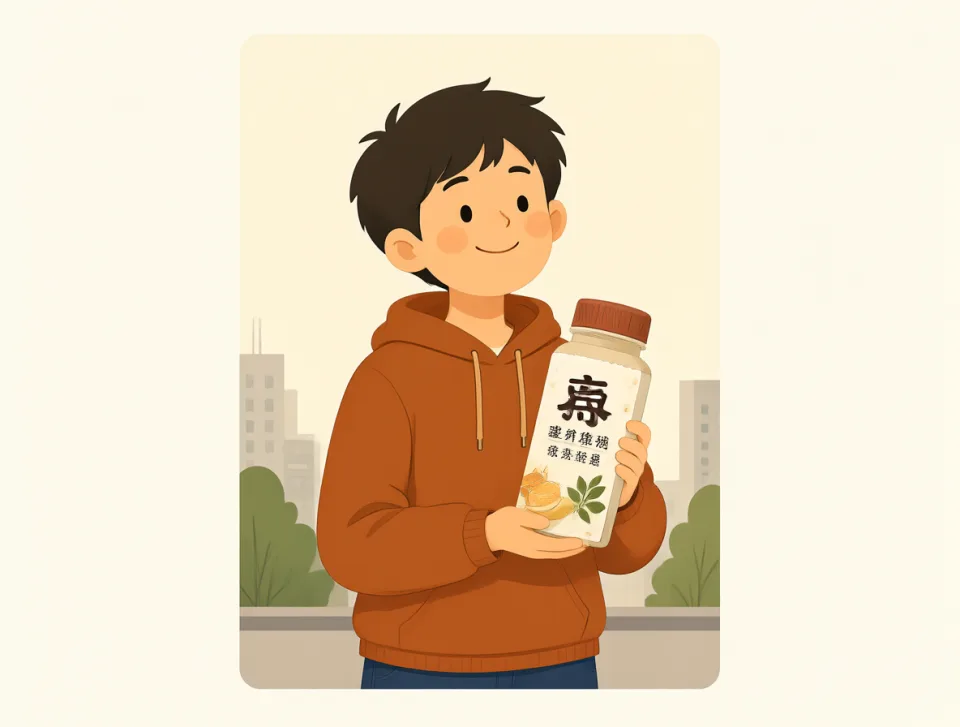
advertisement
#1941noun
विज्ञापन
a message that tries to make people buy a product or service
ऐसा संदेश जो लोगों को कोई उत्पाद या सेवा खरीदने के लिए प्रेरित करता है।
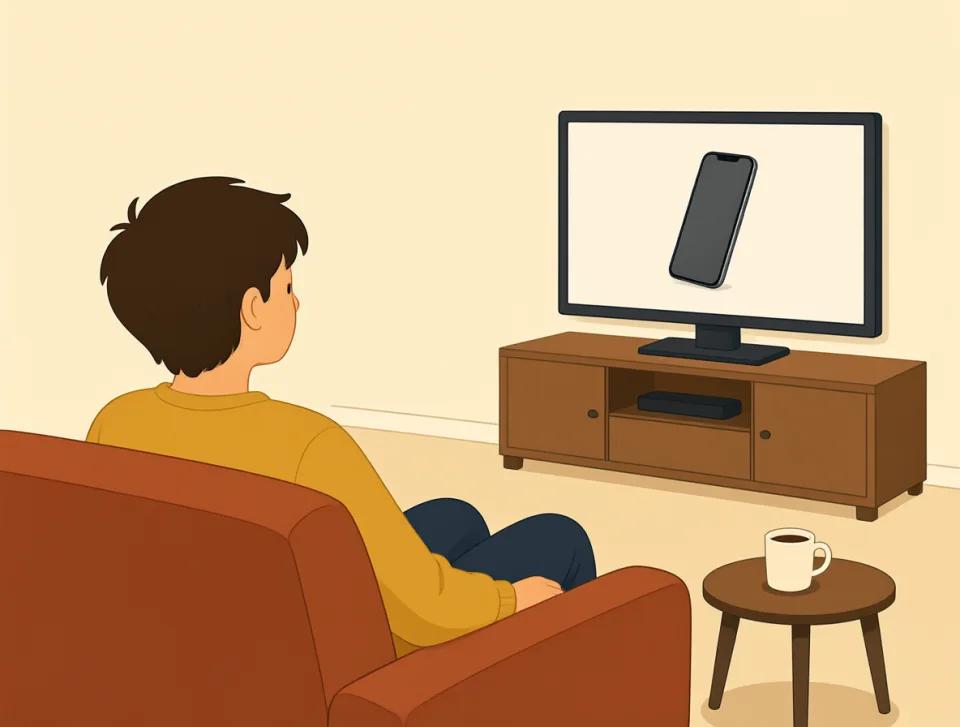
I saw an advertisement for a new phone on television.
मैंने टेलीविज़न पर एक नए फ़ोन का विज्ञापन देखा।
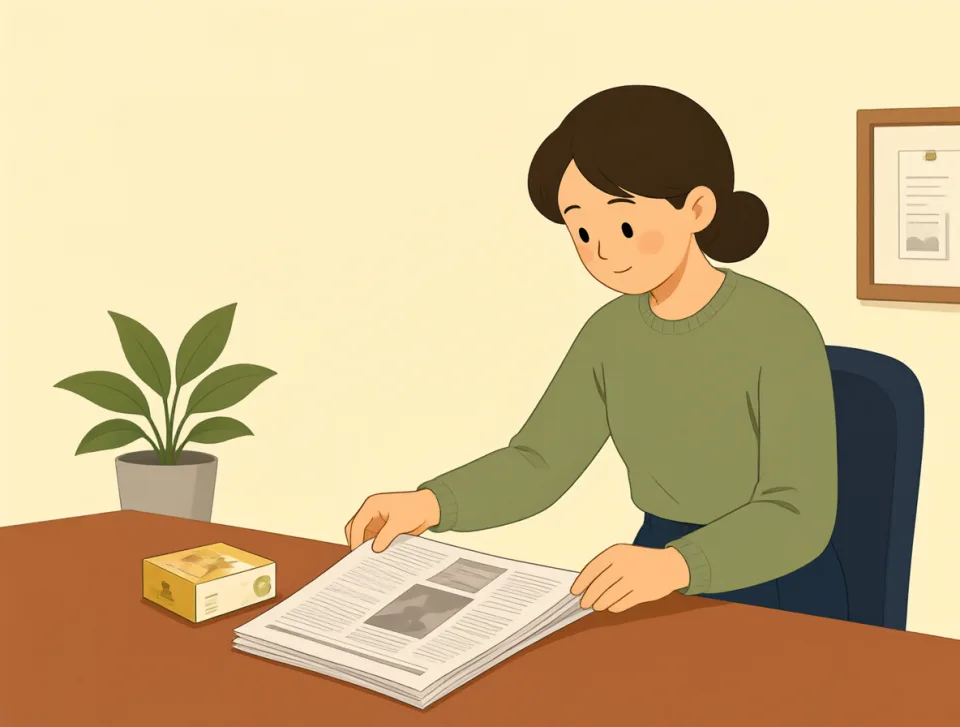
The company placed an advertisement in the local newspaper.
कंपनी ने स्थानीय अख़बार में एक विज्ञापन दिया।

She answered an advertisement for a part-time job.
उसने अंशकालिक नौकरी के एक विज्ञापन का जवाब दिया।

We noticed several advertisements while walking through the shopping center.
शॉपिंग सेंटर से गुज़रते हुए हमने कई विज्ञापन देखे।

The doctor warned that some food advertisements can encourage unhealthy choices.
डॉक्टर ने चेतावनी दी कि खाने-पीने की कुछ चीज़ों के विज्ञापन अस्वास्थ्यकर विकल्प चुनने के लिए प्रेरित कर सकते हैं।

consistent
#1942adjective
निरंतर
Always behaving or happening in the same reliable way.
जो हमेशा एक ही भरोसेमंद तरीके से किया या घटित होता हो।
She is consistent with her exercise routine every morning.
वह हर सुबह अपने व्यायाम के नियम का लगातार पालन करती है।
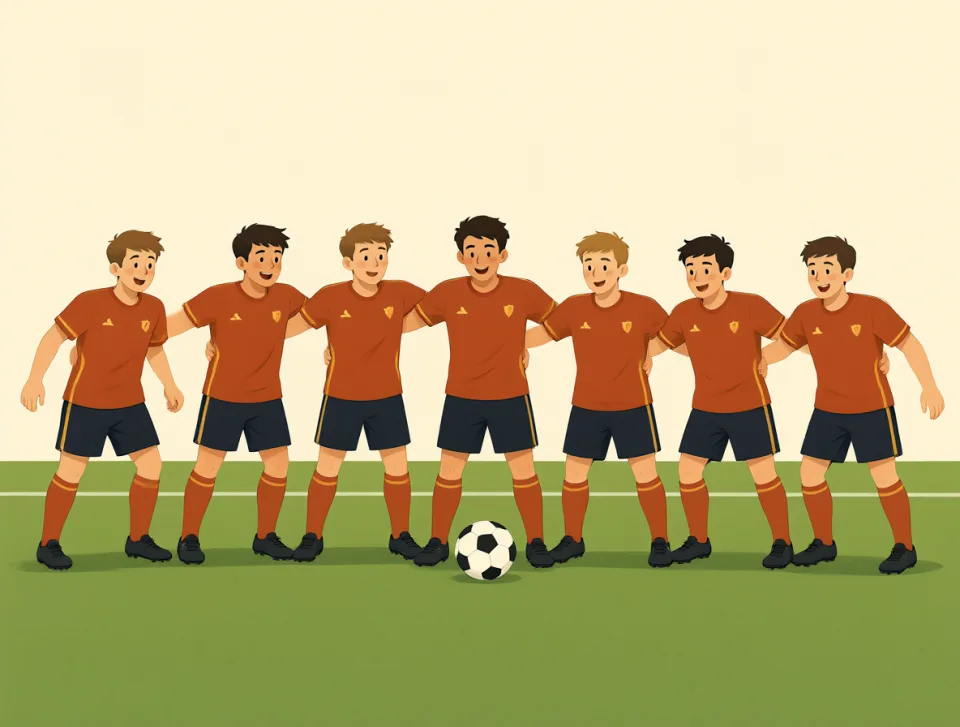
The team has played consistent football all season.
पूरे सीज़न में टीम ने लगातार अच्छा फ़ुटबॉल खेला है।

Try to be consistent when you practice new English words.
नए अंग्रेज़ी शब्दों का अभ्यास करते समय नियमित रहने की कोशिश करो।

The restaurant serves consistent food at reasonable prices.
यह रेस्टोरेंट उचित दामों पर हर बार एक जैसी अच्छी गुणवत्ता का खाना परोसता है।

His health improved after he made consistent changes to his diet.
खाने-पीने की आदतों में लगातार बदलाव करने के बाद उसकी सेहत में सुधार हुआ।

originally
#1943adverb
मूल रूप से
At the beginning, before something changed or developed.
शुरुआत में, किसी बदलाव या विकास से पहले।
The house was originally a small farm building.
यह घर मूल रूप से खेती के काम आने वाली एक छोटी इमारत था।

She originally planned to study medicine at university.
उसने मूल रूप से विश्वविद्यालय में चिकित्सा की पढ़ाई करने की योजना बनाई थी।
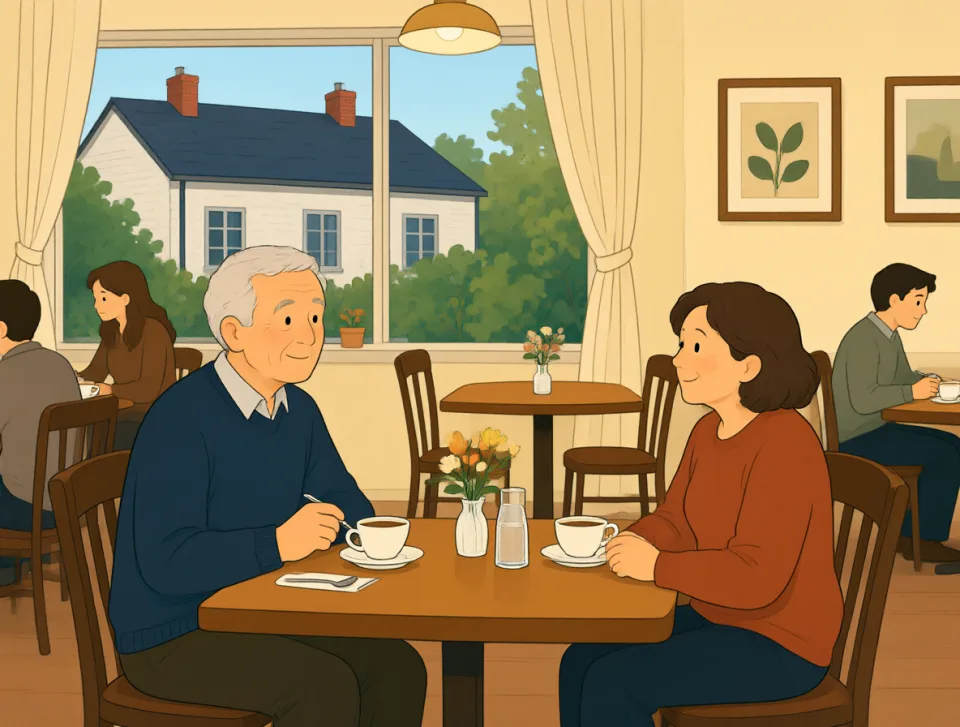
This restaurant was originally a family home.
यह रेस्टोरेंट मूल रूप से एक परिवार का घर था।
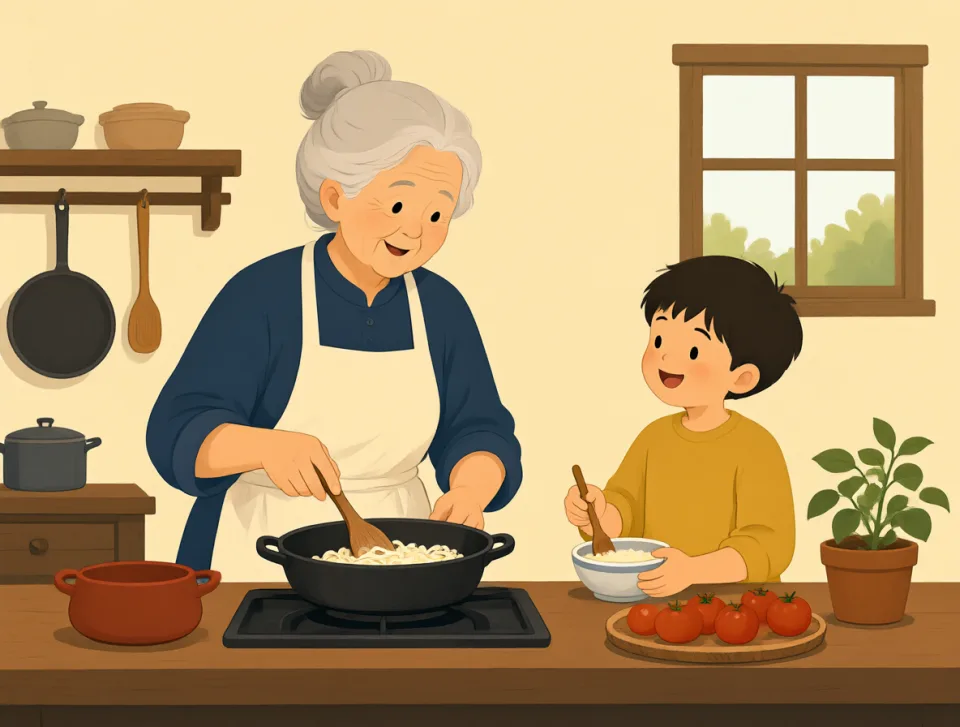
The recipe originally came from my grandmother's village.
यह नुस्खा मूल रूप से मेरी दादी के गाँव का है।

We originally met on a train to London.
हम मूल रूप से लंदन जाने वाली ट्रेन में मिले थे।
aside
#1944adverb, preposition, noun
एक ओर
to or at one side; away from the main subject; a private comment
एक तरफ़ या किनारे की ओर; मुख्य विषय से हटकर; निजी तौर पर कही गई टिप्पणी।

Please move aside so I can carry this box through.
कृपया एक तरफ़ हो जाइए ताकि मैं यह डिब्बा लेकर निकल सकूँ।

She took me aside to ask about the missing report.
लापता रिपोर्ट के बारे में पूछने के लिए वह मुझे एक तरफ़ ले गई।
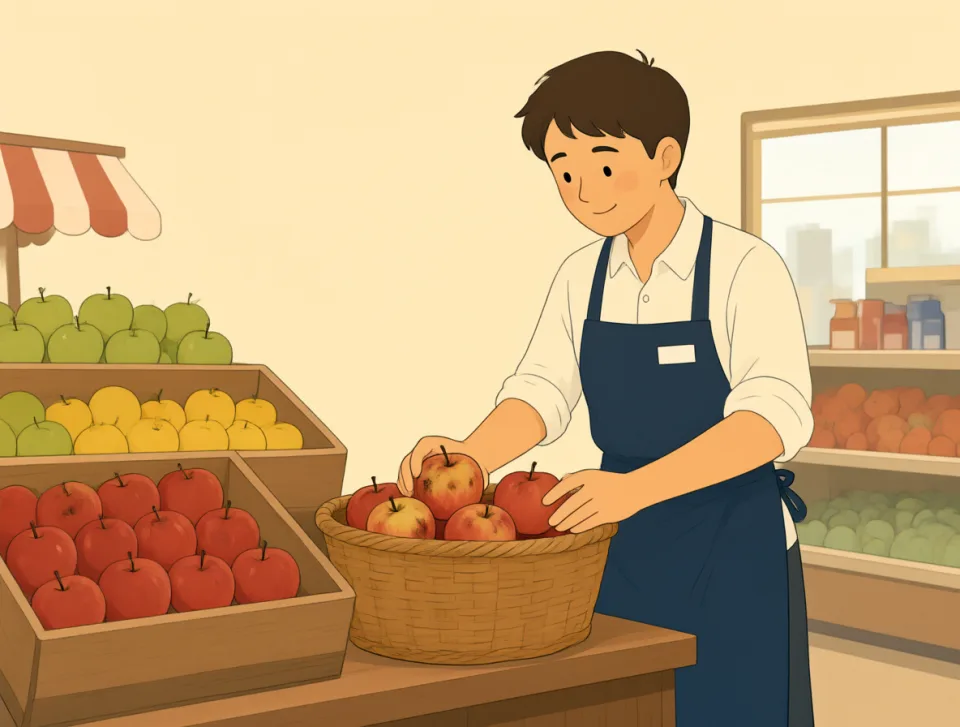
The shopkeeper put the damaged apples aside for inspection.
दुकानदार ने खराब सेबों को जाँच के लिए अलग रख दिया।

He pushed his worries aside and enjoyed dinner with friends.
उसने अपनी चिंताओं को किनारे रख दिया और दोस्तों के साथ रात के खाने का आनंद लिया।

Aside from a small headache, I feel completely healthy today.
हल्के सिरदर्द को छोड़कर, आज मैं बिल्कुल स्वस्थ महसूस कर रहा हूँ।
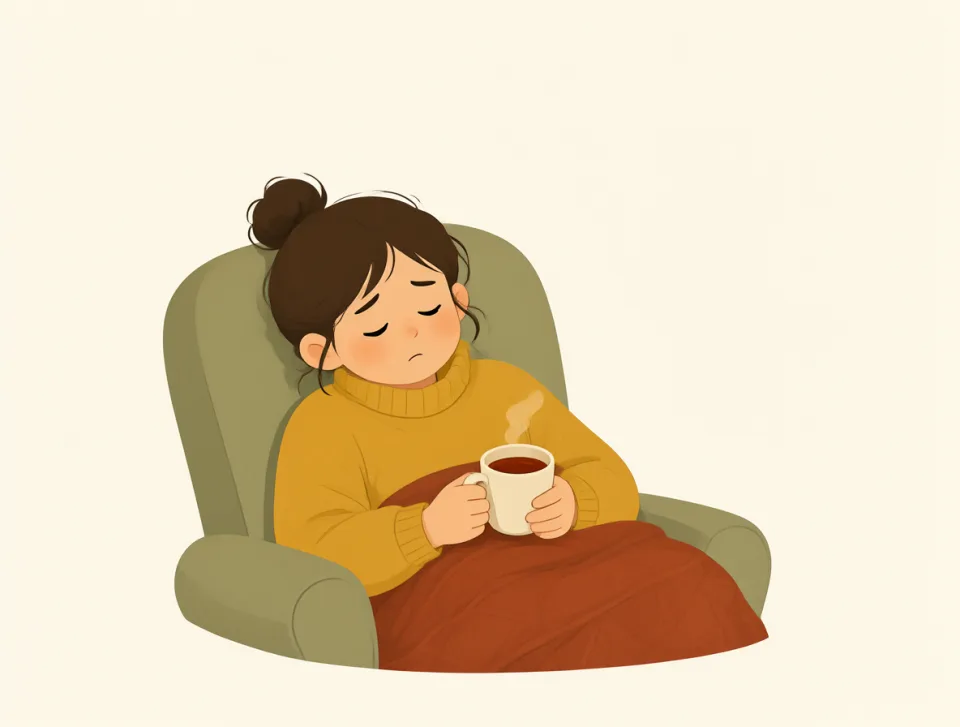
comfort
#1945noun, verb
आराम
A feeling of physical ease, or something that makes you feel less worried or sad.
शारीरिक सहजता का एहसास, या ऐसी चीज़ जो आपकी चिंता या उदासी कम करे।
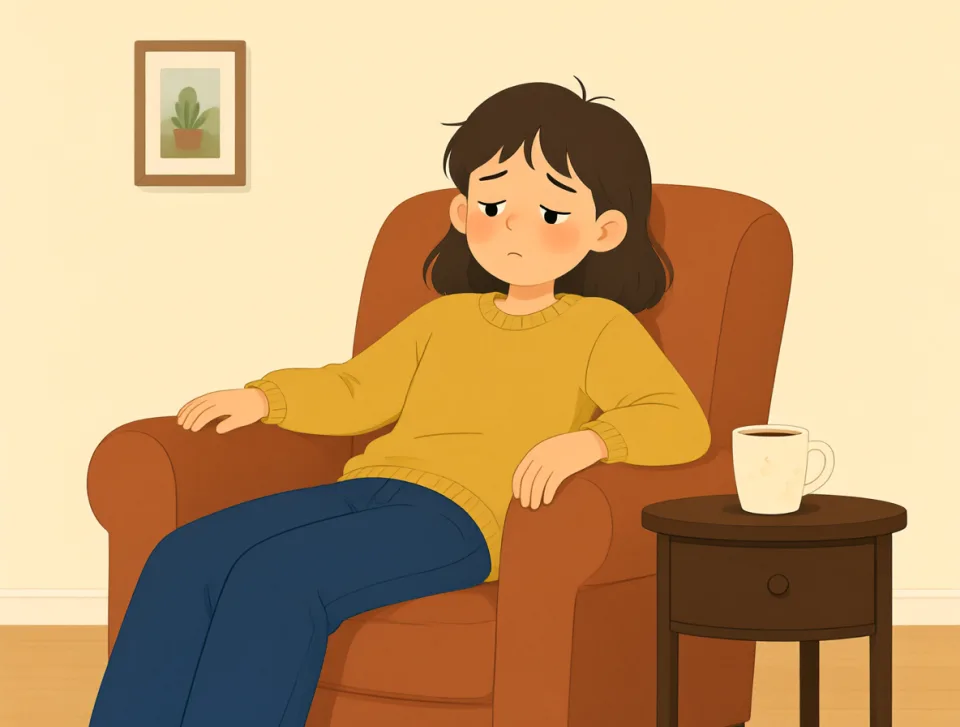
This soft chair provides great comfort after a long day.
लंबे दिन के बाद यह मुलायम कुर्सी बहुत आराम देती है।
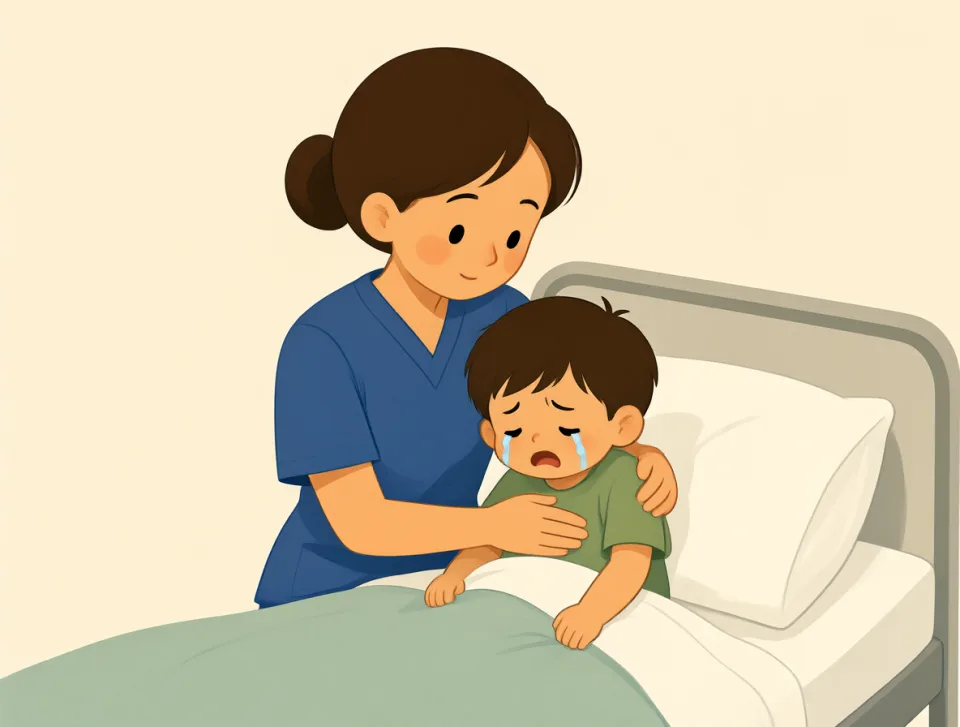
The nurse comforted the crying child at the hospital.
अस्पताल में नर्स ने रोते हुए बच्चे को दिलासा दिया।

These shoes offer comfort during long walks around the city.
शहर में लंबी सैर के दौरान ये जूते आराम देते हैं।

She found comfort in talking with her best friend.
उसे अपनी सबसे अच्छी दोस्त से बात करके सुकून मिला।

The hotel room had every comfort we needed for the weekend.
होटल के कमरे में सप्ताहांत के लिए ज़रूरी हर सुख-सुविधा मौजूद थी।

secondly
#1946adverb
दूसरे क्रम पर
Used to introduce the second reason, point, or item in a list.
सूची में दूसरा कारण, बिंदु या चीज़ बताने के लिए इस्तेमाल होता है।
Firstly, the hotel is cheap; secondly, it is near the station.
पहले, होटल सस्ता है; दूसरे, यह स्टेशन के पास है।
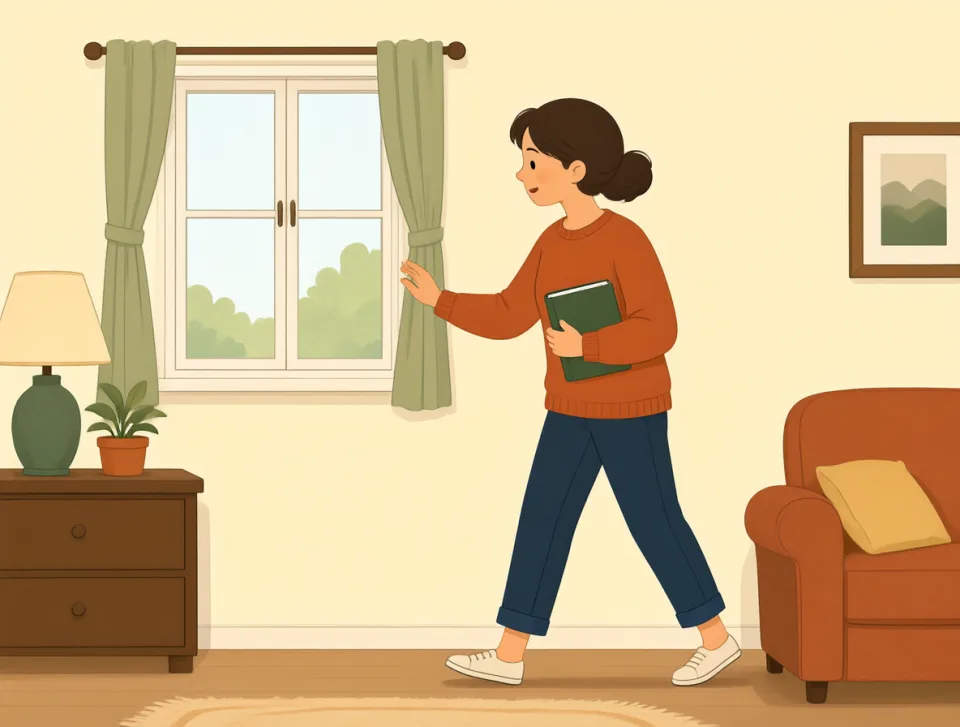
Secondly, please check that all the windows are closed.
दूसरे, कृपया जाँच लें कि सभी खिड़कियाँ बंद हैं।

Secondly, we need to decide who will bring the food.
दूसरे, हमें तय करना है कि खाना कौन लाएगा।
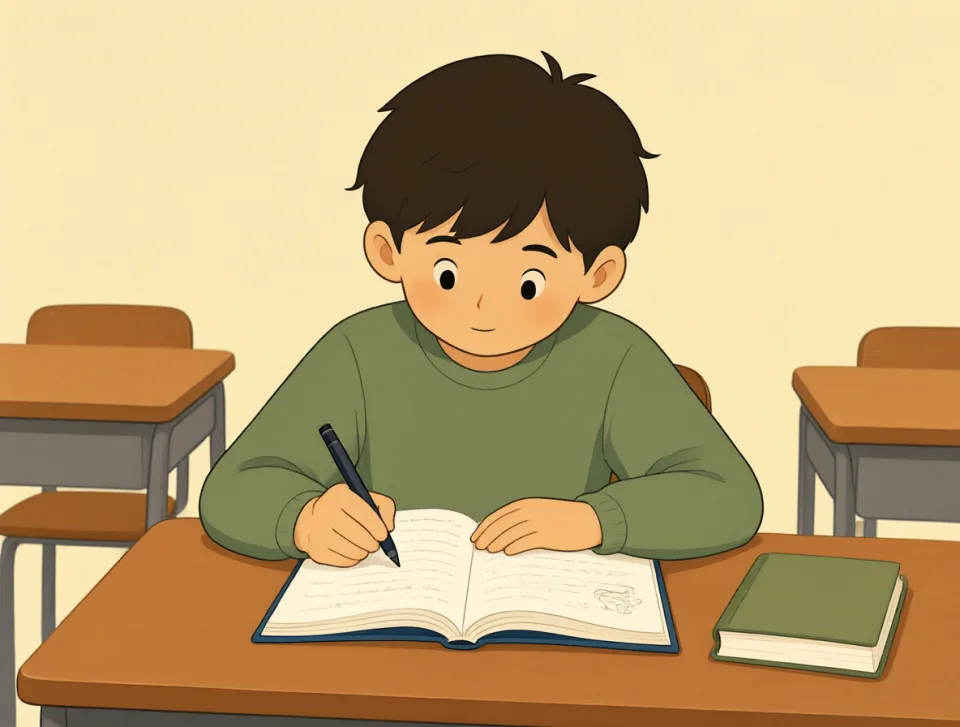
Secondly, write your answer in the space below the question.
दूसरे, अपना उत्तर सवाल के नीचे दी गई जगह में लिखें।

The doctor said, firstly, rest; secondly, drink plenty of water.
डॉक्टर ने कहा, पहले आराम करें; दूसरे, खूब पानी पिएँ।
severe
#1947adjective
गंभीर
Very serious, painful, or harmful.
बहुत गंभीर, दर्दनाक या हानिकारक।

The storm caused severe damage to several homes.
तूफ़ान से कई घरों को भारी नुकसान पहुँचा।
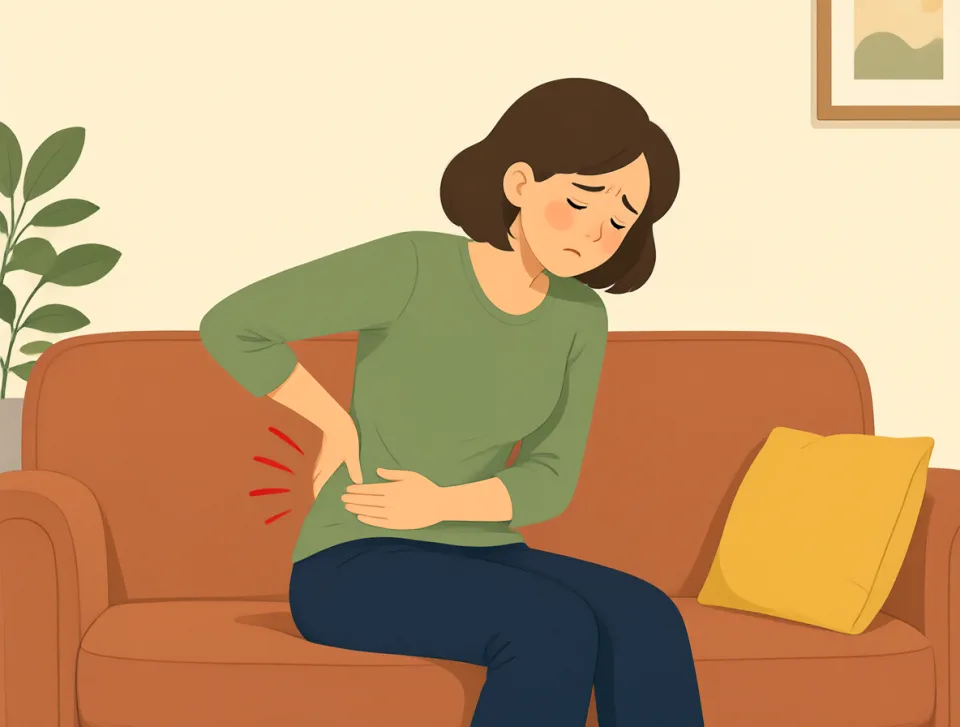
She has severe pain in her back today.
आज उसकी पीठ में बहुत तेज़ दर्द है।
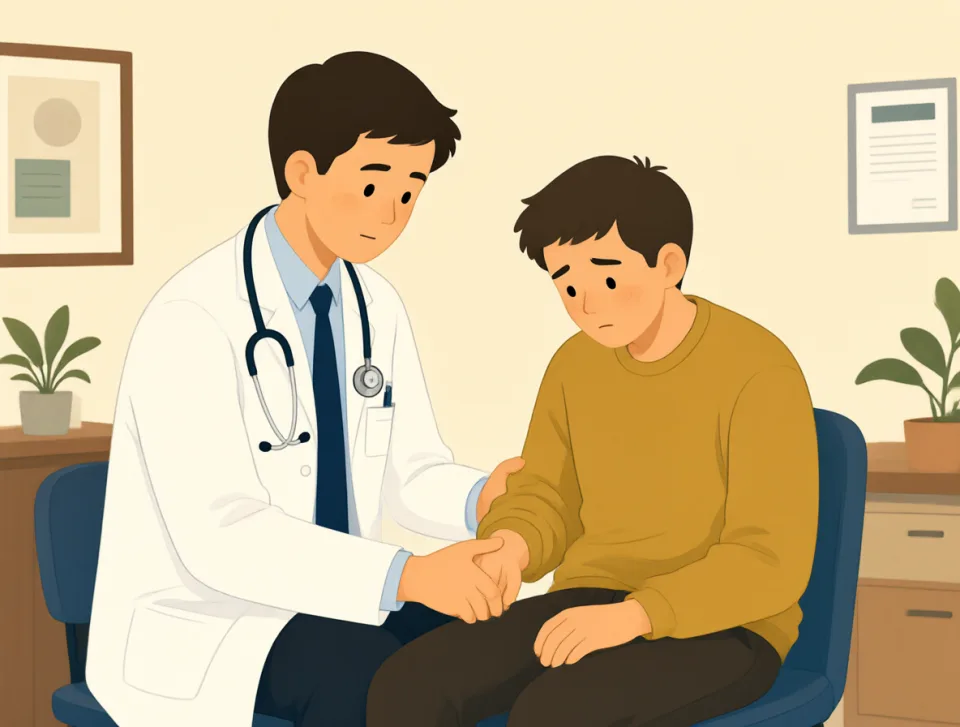
The doctor treated his severe infection with strong medicine.
डॉक्टर ने उसके गंभीर संक्रमण का इलाज तेज़ असर वाली दवा से किया।

The school closed because of severe winter weather.
सर्दियों के खराब मौसम के कारण स्कूल बंद हो गया।
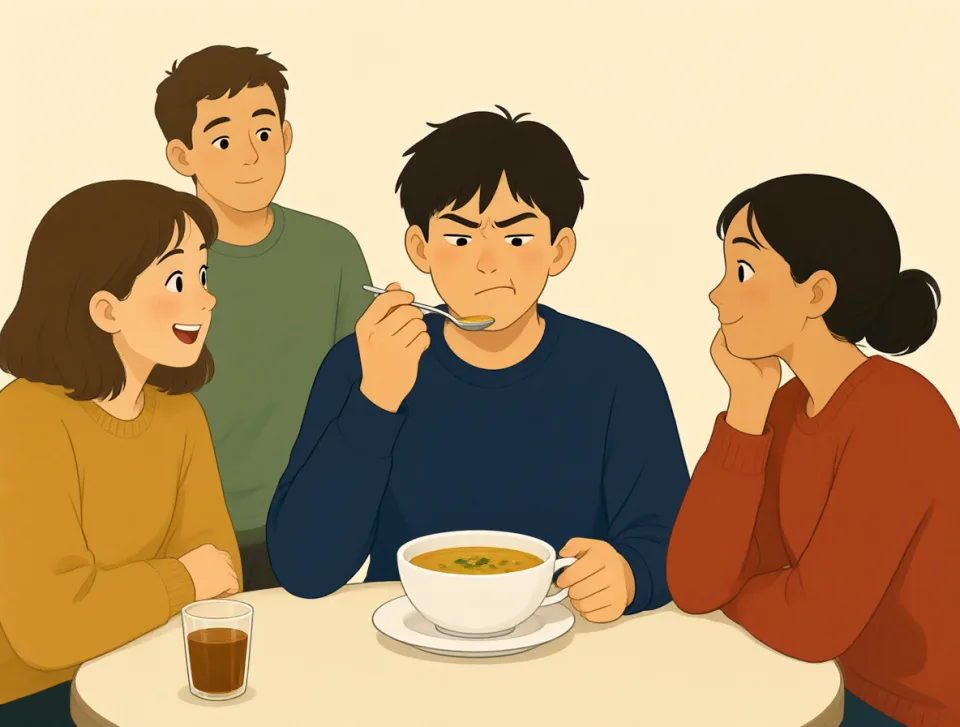
This soup has a severe taste that most guests dislike.
इस सूप का स्वाद बहुत तीखा है, जो ज़्यादातर मेहमानों को पसंद नहीं आता।
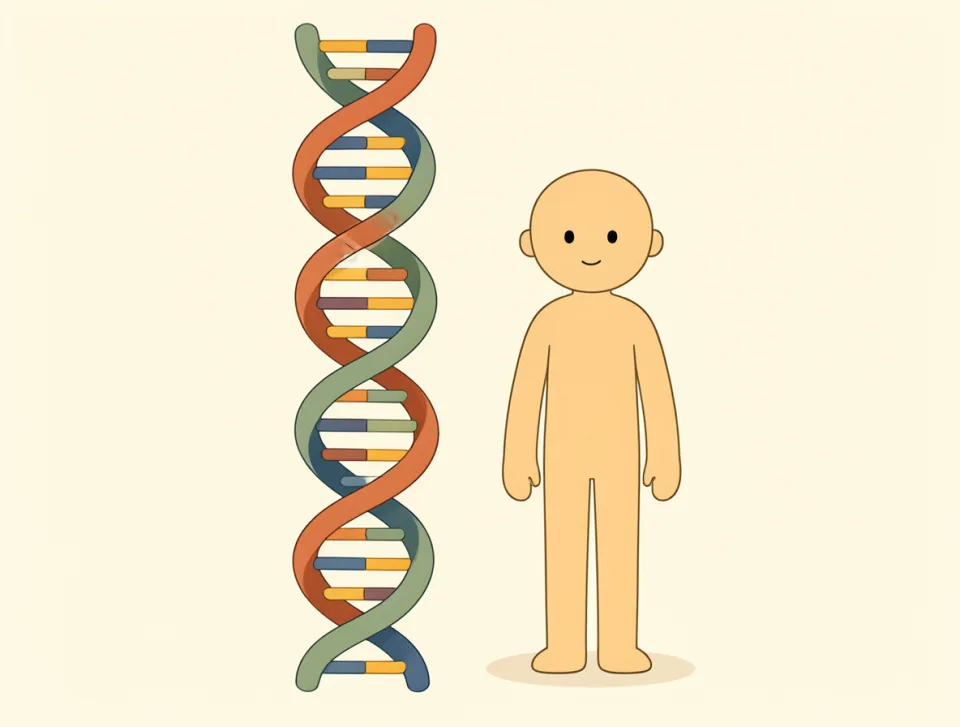
gene
#1948noun
जीन
A part of a living thing's DNA that controls a particular feature.
किसी जीव के डीएनए का वह हिस्सा जो किसी खास गुण को नियंत्रित करता है।

Genes help decide the color of your eyes and hair.
जीन हमारी आँखों और बालों का रंग तय करने में मदद करते हैं।

Some genes can increase a person's risk of certain diseases.
कुछ जीनों से किसी व्यक्ति को कुछ बीमारियाँ होने का खतरा बढ़ सकता है।
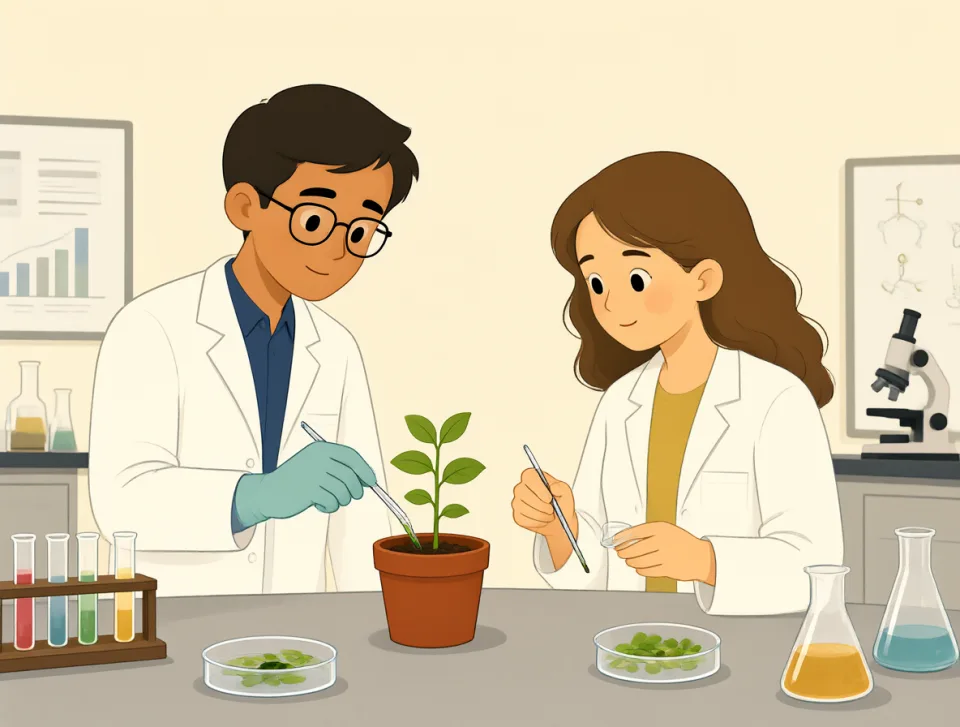
Scientists study genes to understand how plants grow.
वैज्ञानिक यह समझने के लिए जीनों का अध्ययन करते हैं कि पौधे कैसे बढ़ते हैं।

Children inherit genes from both their mother and father.
बच्चों को जीन माँ और पिता, दोनों से मिलते हैं।
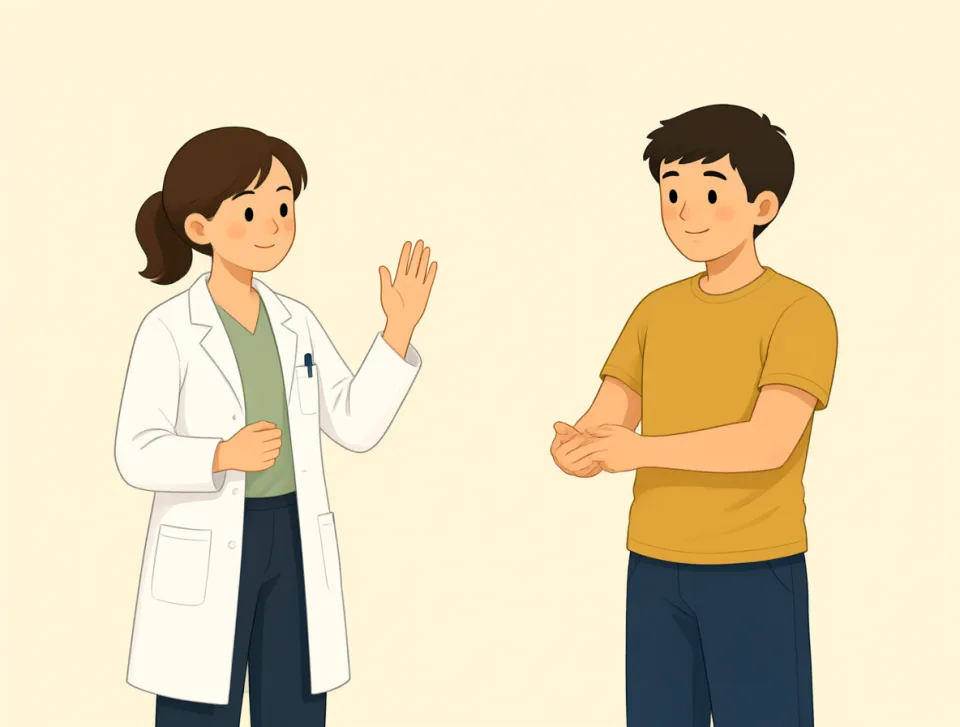
The researchers found a gene linked to stronger muscles.
शोधकर्ताओं को एक ऐसा जीन मिला जो मज़बूत मांसपेशियों से जुड़ा है।
prospect
#1949noun, verb
संभावना
a possible future event, job, customer, or person; to search for something
भविष्य में होने वाली संभावित घटना, नौकरी, ग्राहक या व्यक्ति; किसी चीज़ की तलाश करना।
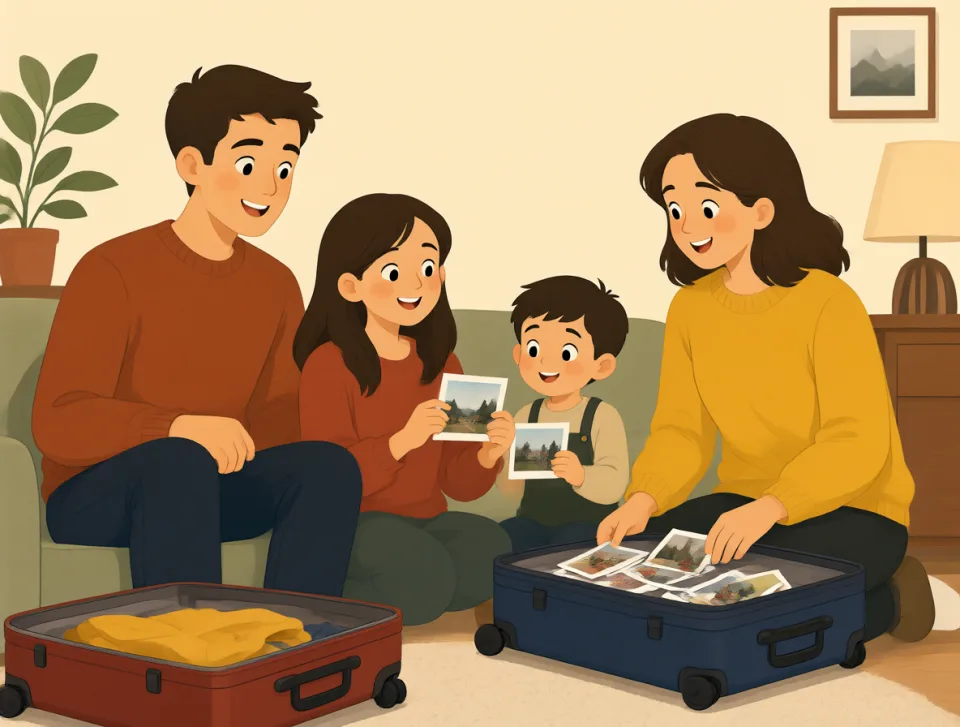
The prospect of a holiday made everyone feel excited.
छुट्टी पर जाने की संभावना से सभी उत्साहित हो गए।
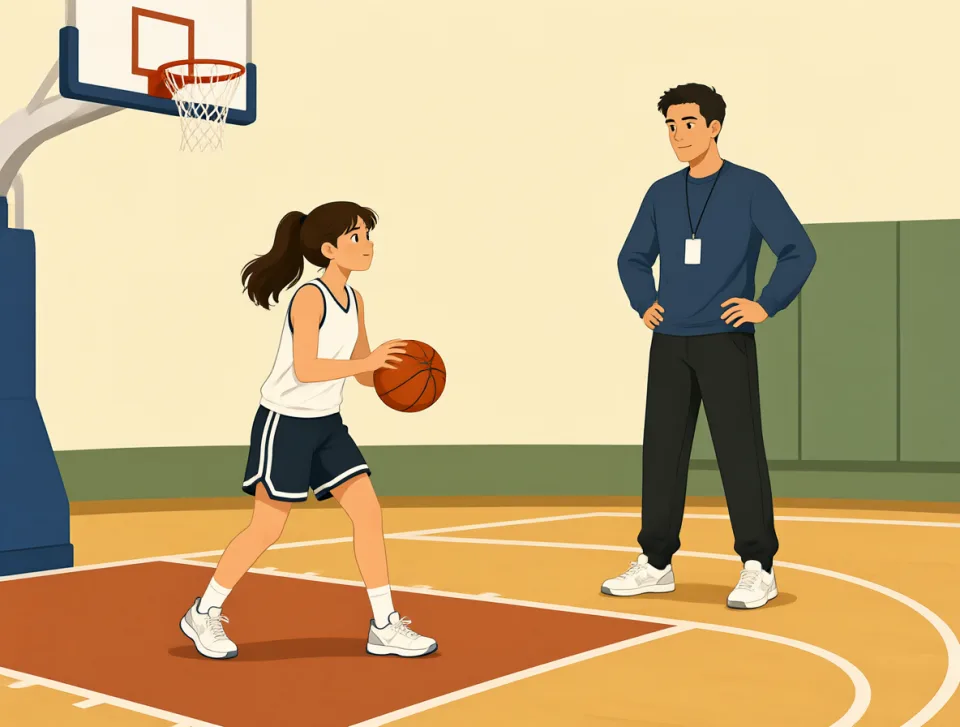
She is a good prospect for the school basketball team.
वह स्कूल की बास्केटबॉल टीम के लिए एक अच्छी उम्मीदवार है।

The company sees strong prospects for growth next year.
कंपनी को अगले साल विकास की अच्छी संभावनाएँ दिख रही हैं।
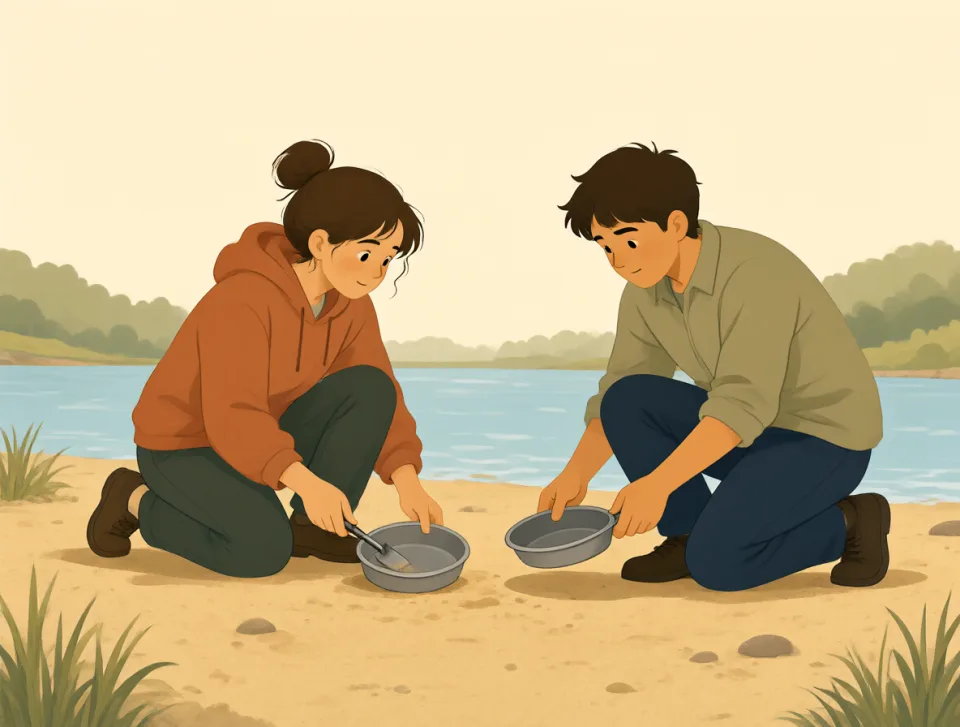
We are prospecting for gold near the river.
हम नदी के पास सोने की तलाश कर रहे हैं।

He prospects for new customers by visiting local shops.
वह स्थानीय दुकानों में जाकर नए ग्राहकों की तलाश करता है।
snow
#1950noun, verb
बर्फ़
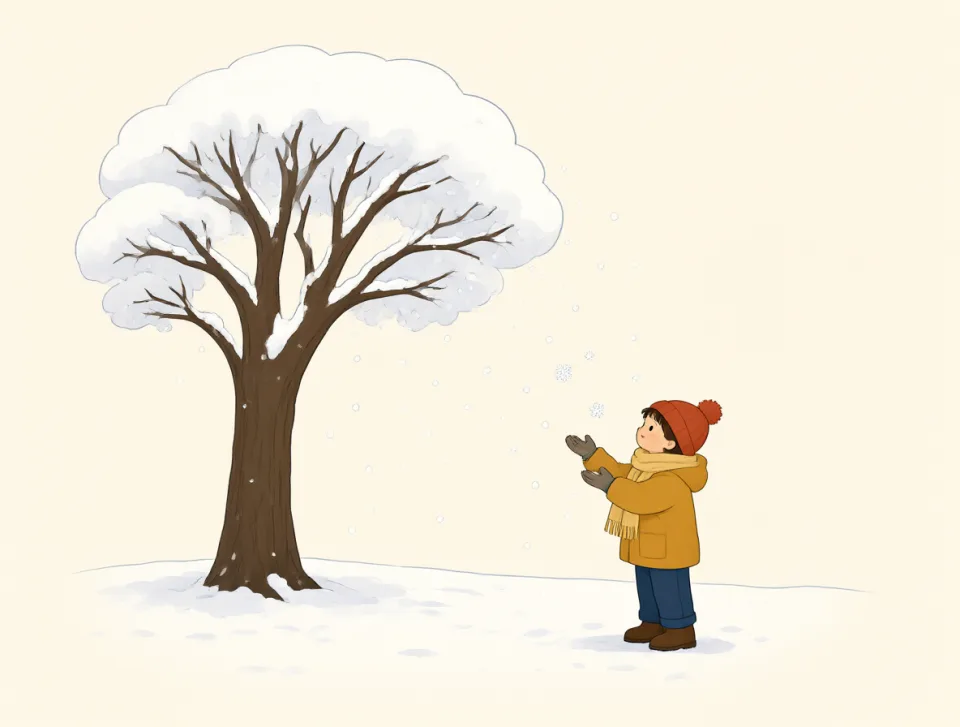
soft white ice that falls from the sky; to fall as soft white ice
आसमान से गिरने वाली नरम सफ़ेद बर्फ़; नरम सफ़ेद बर्फ़ के रूप में गिरना।

The children are playing in the snow after school.
बच्चे स्कूल के बाद बर्फ़ में खेल रहे हैं।

Heavy snow closed the roads to the mountain village.
भारी बर्फ़बारी के कारण पहाड़ी गाँव की सड़कें बंद हो गईं।

Please clear the snow from the front steps.
कृपया सामने की सीढ़ियों से बर्फ़ हटा दें।

It started snowing while we were waiting for the bus.
जब हम बस का इंतज़ार कर रहे थे, तब बर्फ़ गिरने लगी।

We bought warm boots because it may snow tomorrow.
हमने गर्म जूते खरीदे, क्योंकि कल बर्फ़ पड़ सकती है।
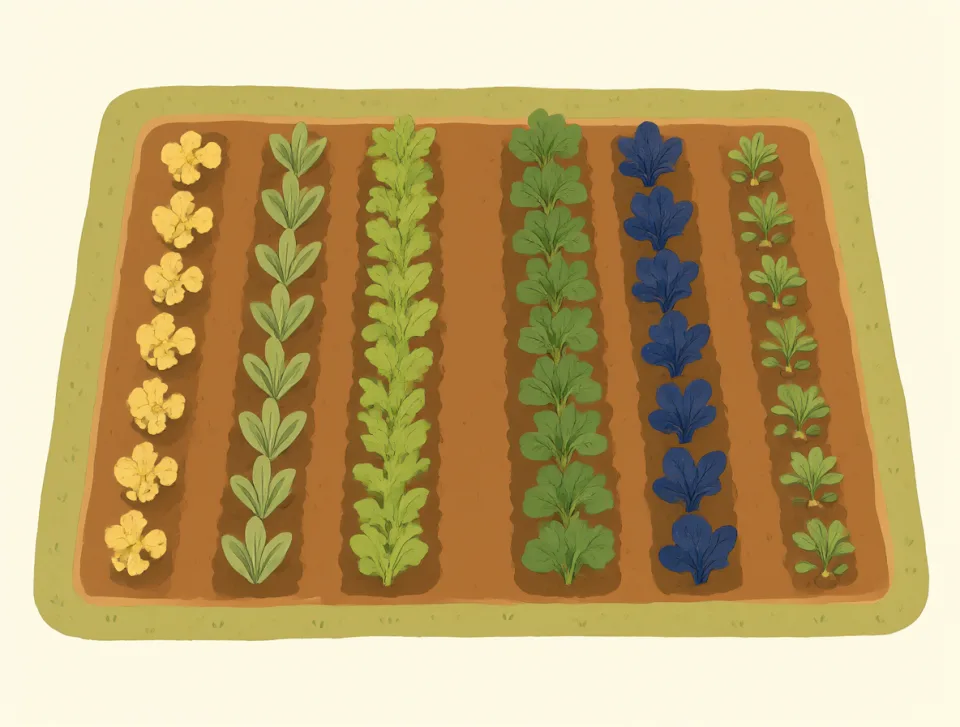
plot
#1951noun, verb
कथानक; साज़िश; भूखंड
A story's events, or a secret plan to do something wrong; to mark land for building.
कहानी की घटनाएँ; कुछ गलत करने की गुप्त योजना; या निर्माण के लिए तय की गई ज़मीन।
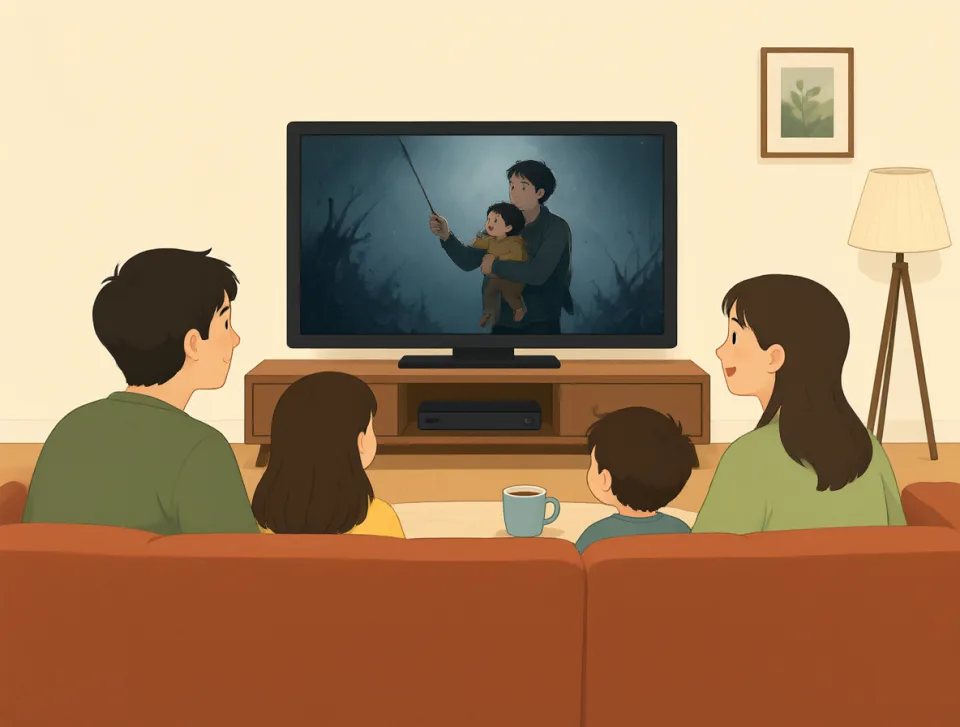
The movie has an exciting plot about a lost treasure.
इस फ़िल्म का कथानक एक खोए हुए ख़ज़ाने के बारे में रोमांचक है।

The police discovered a plot to rob the bank.
पुलिस ने बैंक लूटने की साज़िश का पता लगाया।
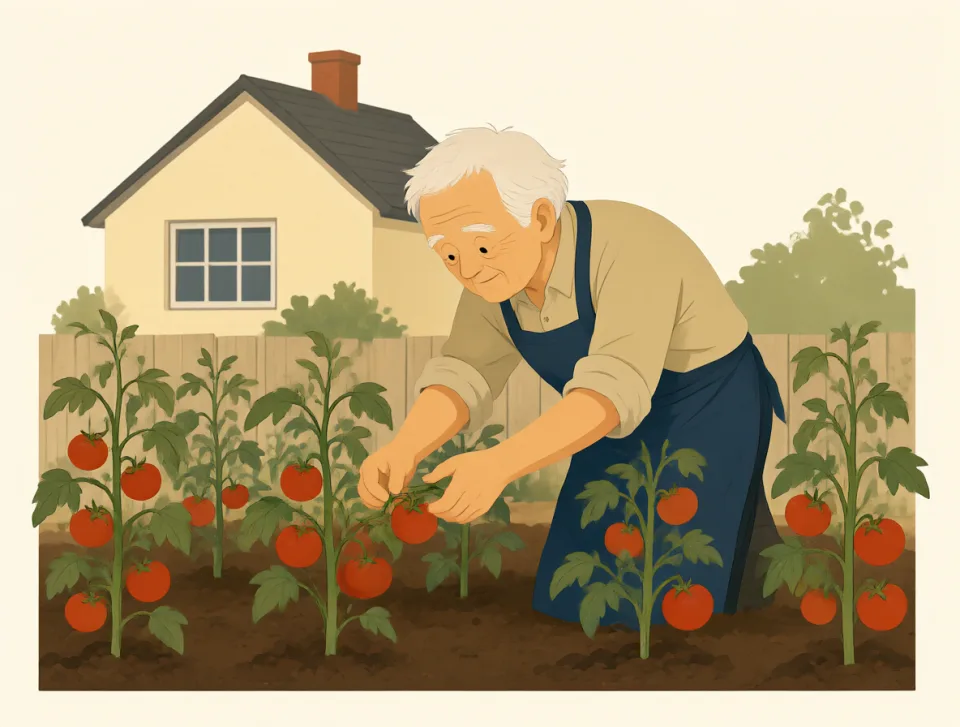
My grandfather grows tomatoes in a small plot behind his house.
मेरे दादाजी अपने घर के पीछे ज़मीन के एक छोटे से टुकड़े में टमाटर उगाते हैं।

They plotted the route before starting their journey.
उन्होंने यात्रा शुरू करने से पहले रास्ते का नक्शा बनाया।
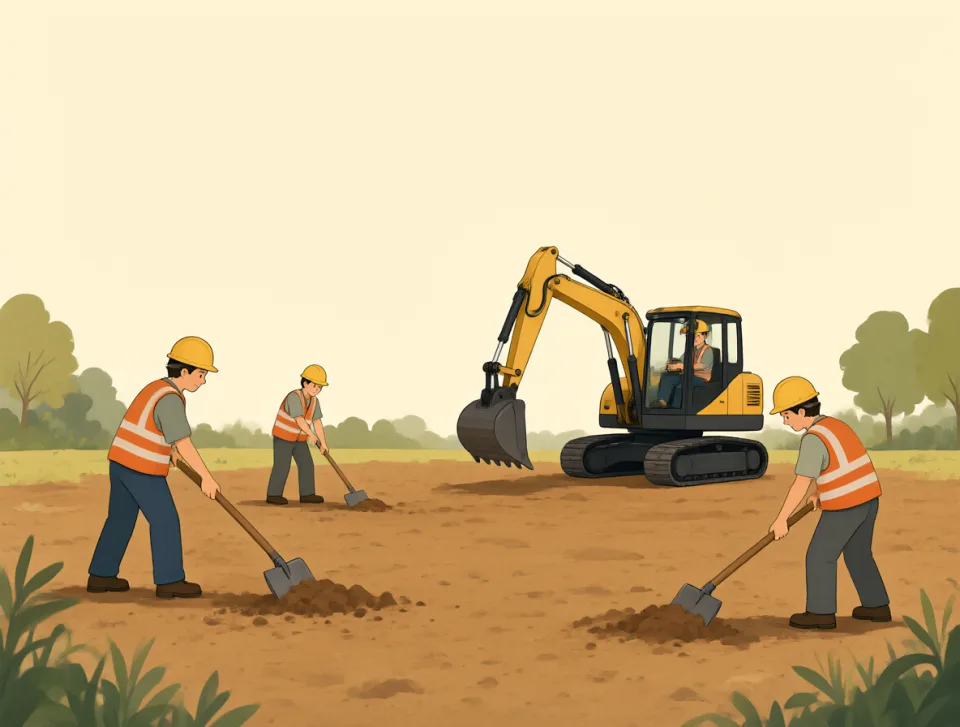
Workers are clearing the plot for a new supermarket.
मज़दूर नए सुपरमार्केट के लिए ज़मीन साफ़ कर रहे हैं।

neck
#1952noun
गर्दन
The part of your body between your head and shoulders.
आपके शरीर का वह हिस्सा जो सिर और कंधों के बीच होता है।

She wore a warm scarf around her neck in winter.
सर्दियों में उसने अपनी गर्दन के चारों ओर गर्म मफ़लर लपेटा।

He turned his neck to look behind him.
उसने पीछे देखने के लिए अपनी गर्दन घुमाई।

My neck hurts after working at the computer all day.
दिन भर कंप्यूटर पर काम करने के बाद मेरी गर्दन में दर्द है।

The doctor checked my neck for swollen glands.
डॉक्टर ने सूजी हुई ग्रंथियों के लिए मेरी गर्दन की जाँच की।

The shirt feels tight around my neck.
कमीज़ मेरी गर्दन के आसपास बहुत तंग लगती है।

criteria
#1953noun
मानदंड
Standards used to judge or decide something.
किसी चीज़ का आकलन करने या फ़ैसला लेने के लिए इस्तेमाल किए जाने वाले मानक।
The school has clear criteria for choosing new students.
नए छात्रों को चुनने के लिए स्कूल के स्पष्ट मानदंड हैं।

Price and quality are important criteria when we shop.
खरीदारी करते समय कीमत और गुणवत्ता अहम मानदंड होते हैं।

Your essay meets all the criteria for this class.
तुम्हारा निबंध इस कक्षा के सभी मानदंडों पर खरा उतरता है।

The hotel was chosen because it met our travel criteria.
होटल इसलिए चुना गया क्योंकि वह हमारी यात्रा के मानदंडों पर खरा उतरा।

The doctor explained the criteria for joining the health study.
डॉक्टर ने स्वास्थ्य अध्ययन में शामिल होने के मानदंड समझाए।
primarily
#1954adverb
मुख्य रूप से
Mostly or mainly; more than anything else.
ज़्यादातर या मुख्य रूप से; किसी और चीज़ की तुलना में अधिक।
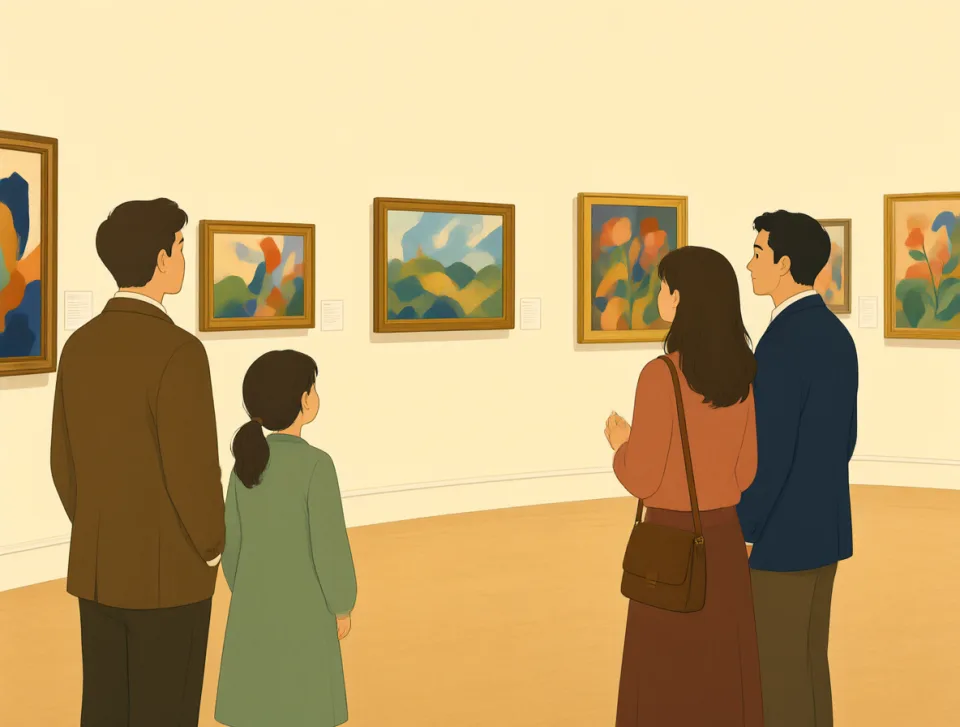
The museum is primarily known for its beautiful paintings.
यह संग्रहालय मुख्य रूप से अपनी सुंदर चित्रकलाओं के लिए जाना जाता है।
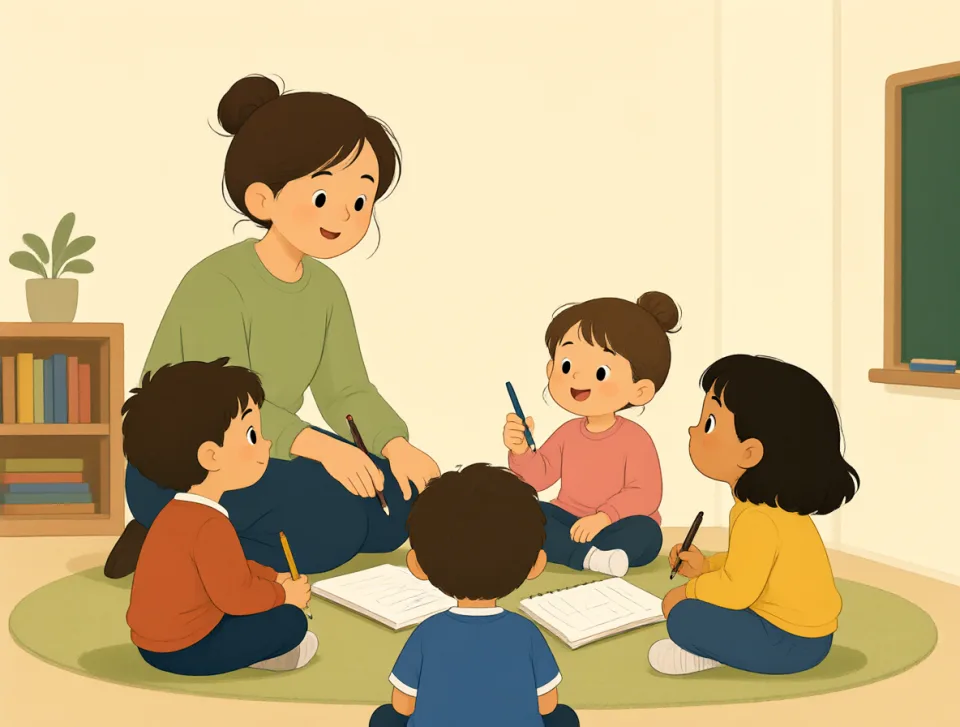
This course is primarily for students who need extra practice.
यह पाठ्यक्रम मुख्य रूप से उन छात्रों के लिए है जिन्हें अतिरिक्त अभ्यास की ज़रूरत है।
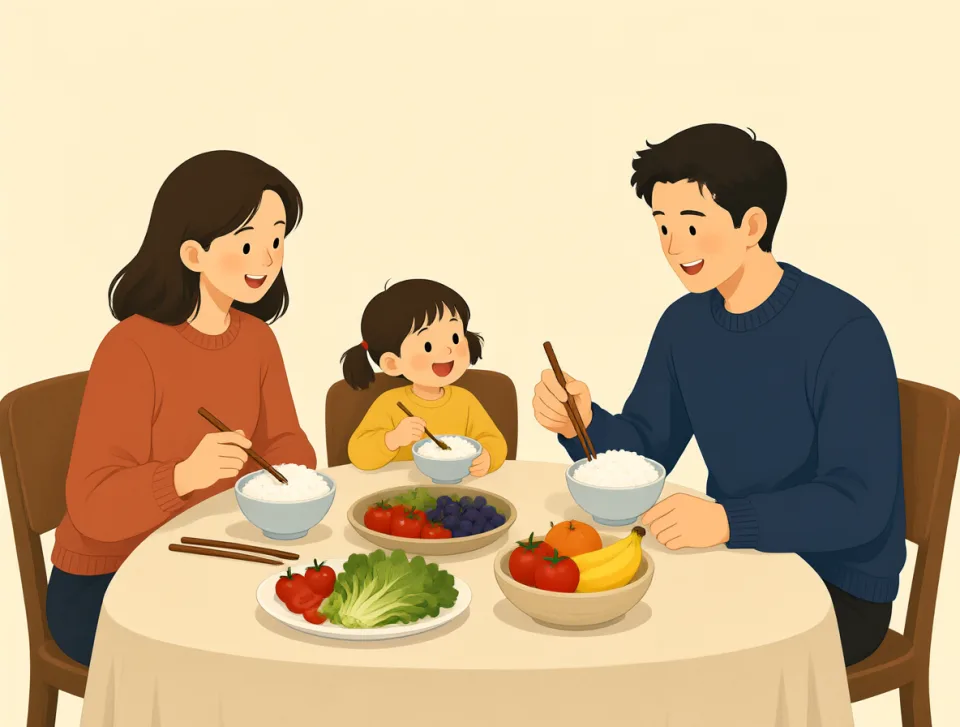
We eat primarily vegetables, rice, and fresh fruit at home.
हम घर पर मुख्य रूप से सब्ज़ियाँ, चावल और ताज़े फल खाते हैं।

The shop sells clothes primarily made from recycled materials.
यह दुकान मुख्य रूप से पुनर्चक्रित सामग्रियों से बने कपड़े बेचती है।

The trip is primarily about relaxing and spending time with friends.
इस यात्रा का मुख्य उद्देश्य आराम करना और दोस्तों के साथ समय बिताना है।

integrate
#1955verb
एकीकृत करना
to combine something with other parts so that they work together
किसी चीज़ को दूसरे हिस्सों के साथ इस तरह मिलाना कि वे मिलकर काम करें।
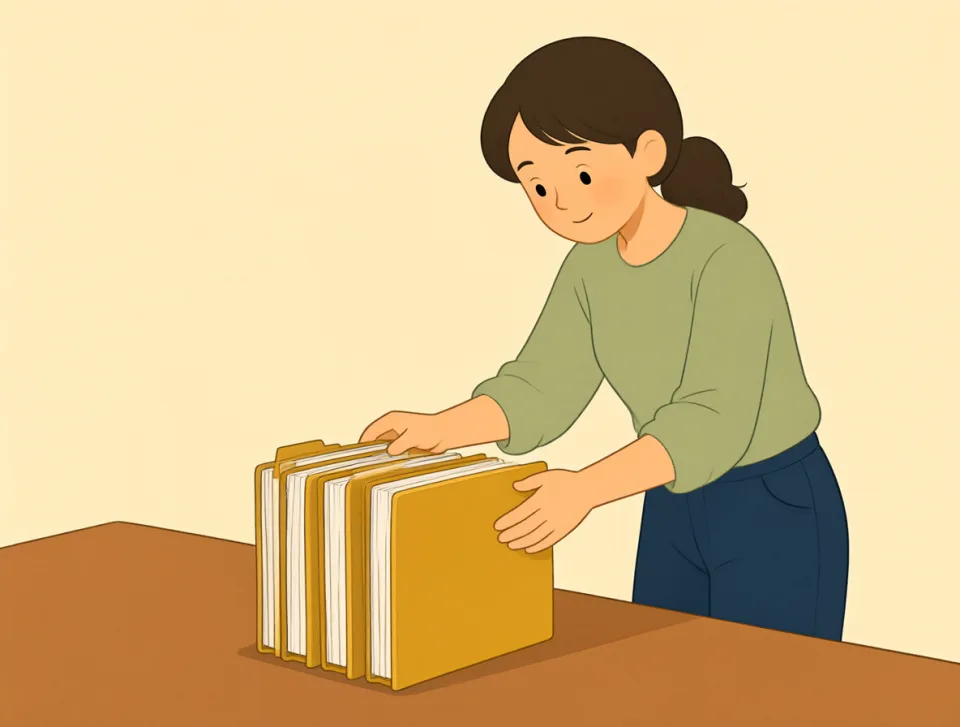
The new system integrates all our customer information in one place.
नई प्रणाली हमारे ग्राहकों की सारी जानकारी को एक ही जगह पर एकीकृत करती है।
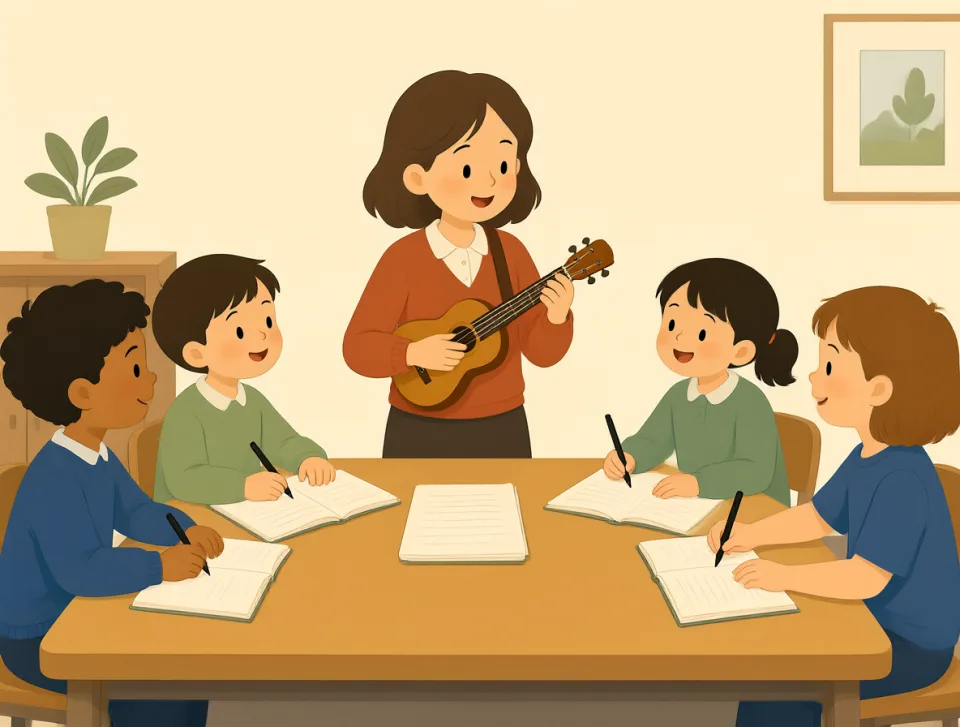
The school integrates music into its language lessons.
स्कूल अपने भाषा-पाठों में संगीत को शामिल करता है।
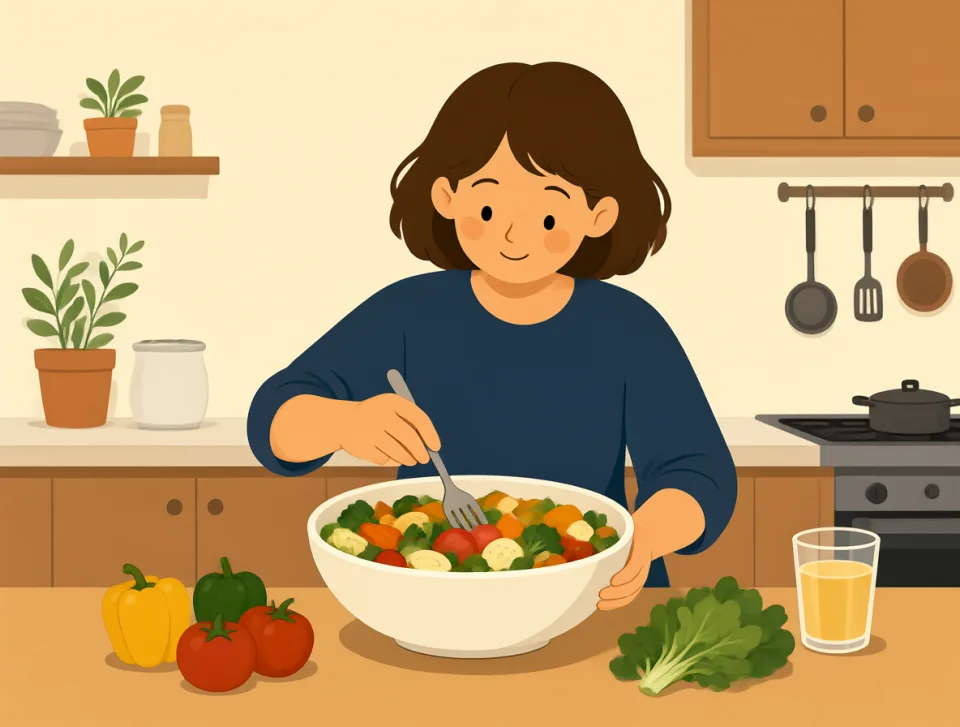
We are integrating more vegetables into our family meals.
हम अपने पारिवारिक भोजन में और सब्ज़ियाँ शामिल कर रहे हैं।
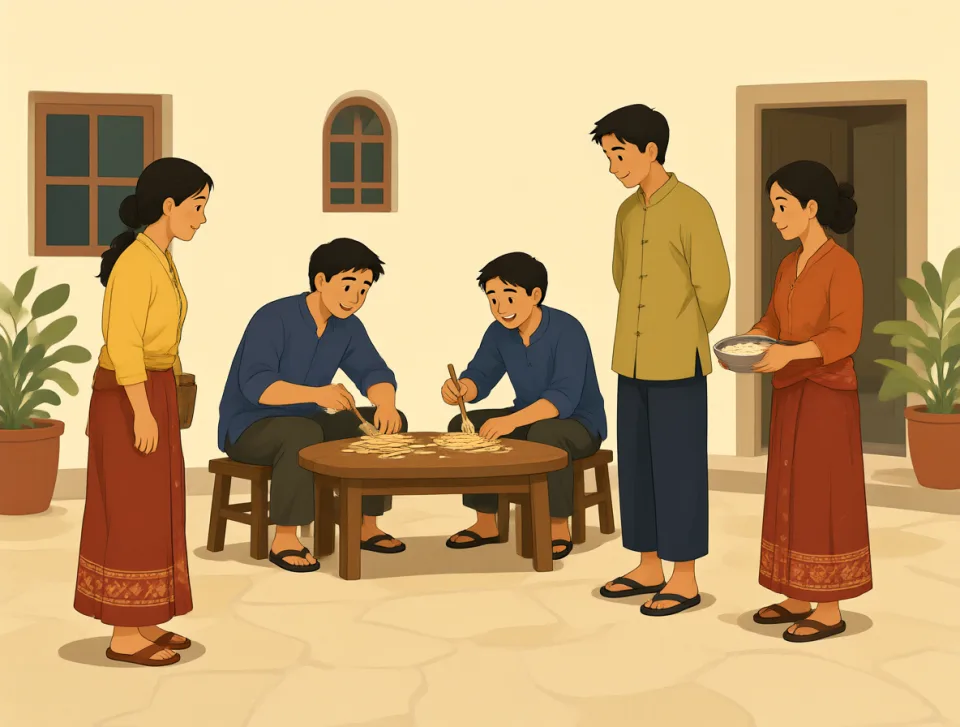
The hotel integrates local traditions into its guest activities.
होटल अपने मेहमानों की गतिविधियों में स्थानीय परंपराओं को शामिल करता है।
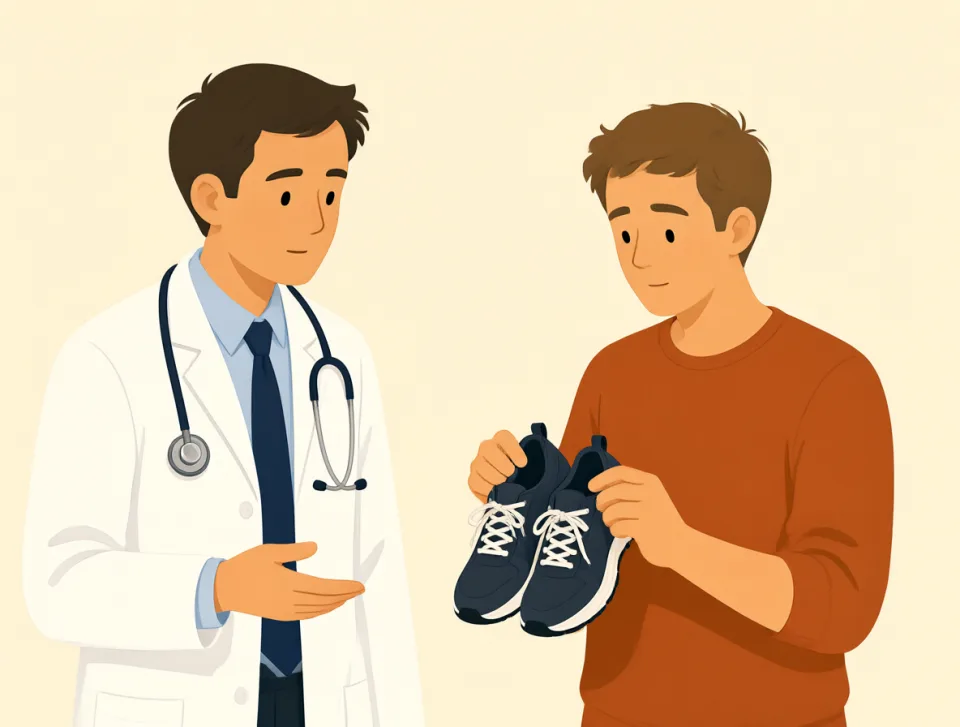
The doctor helped him integrate exercise into his daily routine.
डॉक्टर ने उसे अपनी रोज़मर्रा की दिनचर्या में व्यायाम शामिल करने में मदद की।

criticism
#1956noun
आलोचना
An opinion that points out the good and bad parts of something.
किसी चीज़ के अच्छे और बुरे पहलुओं को बताने वाली राय।
She received criticism for arriving late to work every day.
उसे हर दिन काम पर देर से पहुँचने के लिए आलोचना झेलनी पड़ी।

The teacher gave helpful criticism on my English homework.
शिक्षक ने मेरे अंग्रेज़ी के गृहकार्य पर उपयोगी सुझाव दिए।
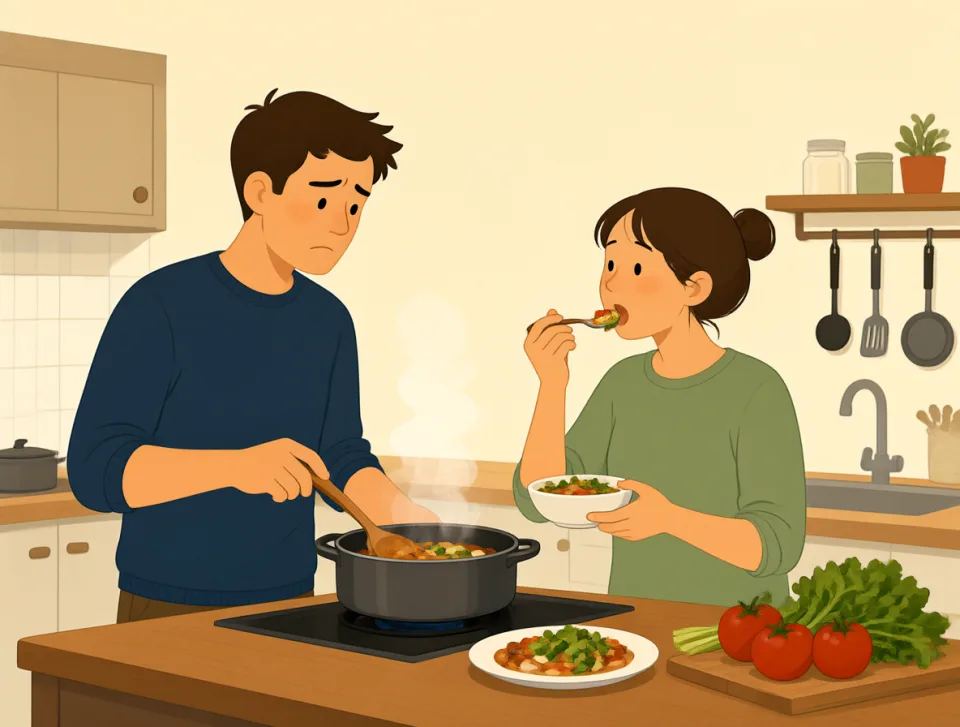
He does not like criticism about his cooking.
उसे अपने खाना पकाने के तरीके की आलोचना पसंद नहीं है।

The new hotel faced criticism from guests about its dirty rooms.
नए होटल को अपने गंदे कमरों के लिए मेहमानों की आलोचना का सामना करना पड़ा।

Try to accept criticism and use it to improve your health.
आलोचना स्वीकार करने की कोशिश करें और अपनी सेहत बेहतर बनाने के लिए उसका इस्तेमाल करें।
convention
#1957noun
परंपरा; सम्मेलन
a usual way of doing something, or a large meeting for people with similar interests
किसी काम को करने का आम तरीका, या समान रुचियों वाले लोगों की बड़ी सभा।

By convention, guests remove their shoes before entering the house.
परंपरा के अनुसार, मेहमान घर में दाखिल होने से पहले अपने जूते उतारते हैं।
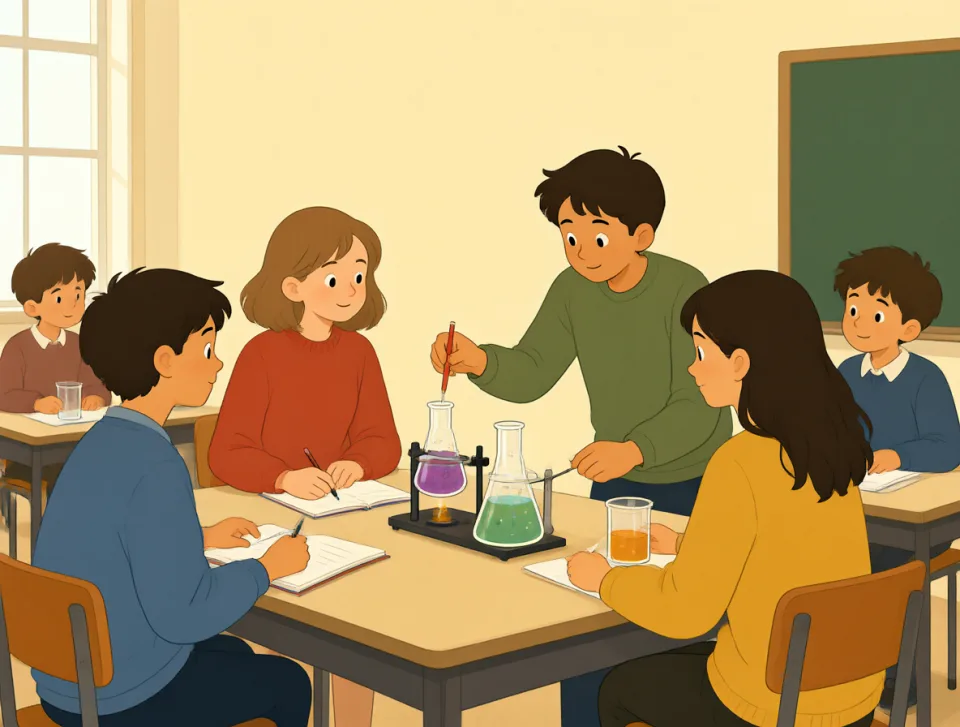
The school held a science convention for students from nearby towns.
स्कूल ने आस-पास के कस्बों के छात्रों के लिए विज्ञान सम्मेलन आयोजित किया।

Our company sent three employees to a business convention in Chicago.
हमारी कंपनी ने तीन कर्मचारियों को शिकागो में एक व्यावसायिक सम्मेलन में भेजा।

At the food convention, we tasted cheese from several countries.
खाद्य सम्मेलन में हमने कई देशों के पनीर चखे।

The doctor explained a new convention for sharing patient information safely.
डॉक्टर ने मरीज़ों की जानकारी सुरक्षित रूप से साझा करने की एक नई परंपरा के बारे में बताया।

bet
#1958noun, verb
शर्त लगाना
To risk money or something valuable on the result of a game or event.
किसी खेल या घटना के नतीजे पर पैसे या कोई मूल्यवान चीज़ दाँव पर लगाना।

I bet ten dollars on the blue team to win.
मैंने नीली टीम के जीतने पर दस डॉलर की शर्त लगाई।

We made a bet about who would arrive first.
हमने शर्त लगाई कि सबसे पहले कौन पहुँचेगा।
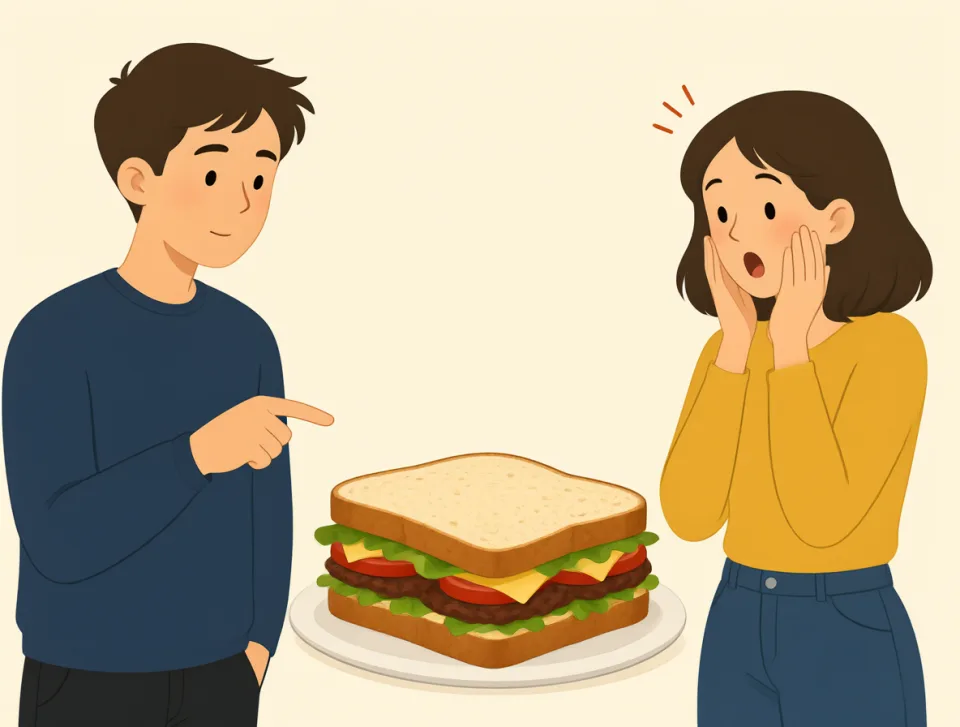
I bet you can't finish this huge sandwich.
शर्त है, तुम यह बहुत बड़ा सैंडविच खत्म नहीं कर पाओगे।

She bet her brother that it would rain today.
उसने अपने भाई से शर्त लगाई कि आज बारिश होगी।

I bet he forgot his keys again.
मुझे पूरा यकीन है कि वह फिर से अपनी चाबियाँ भूल गया।
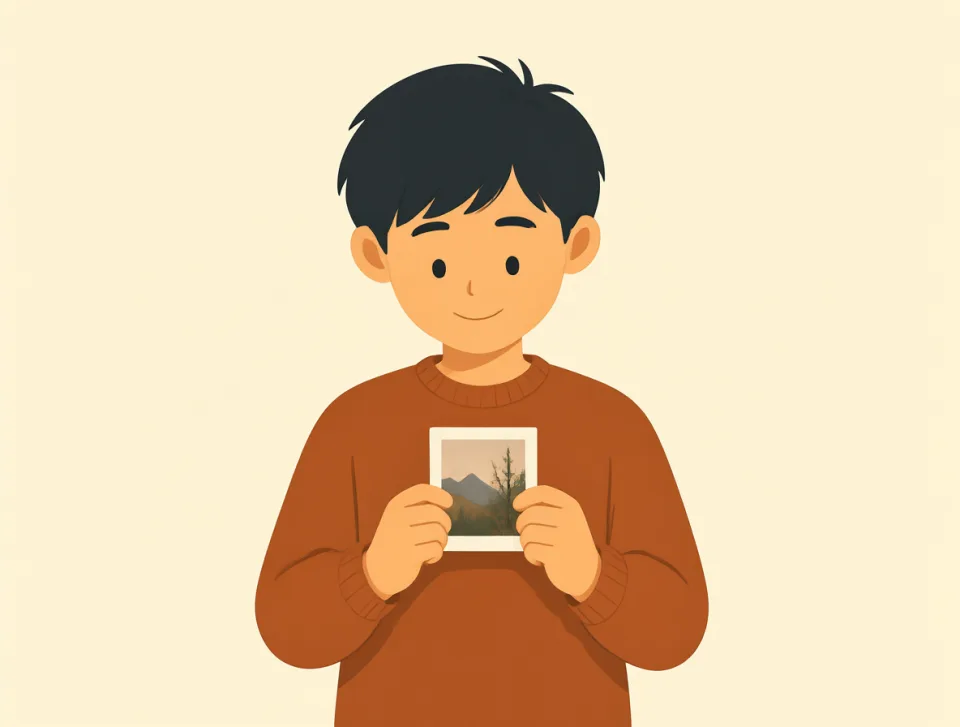
retain
#1959verb
बनाए रखना
to keep something or continue to have it
किसी चीज़ को अपने पास रखना या उसे बनाए रखना।
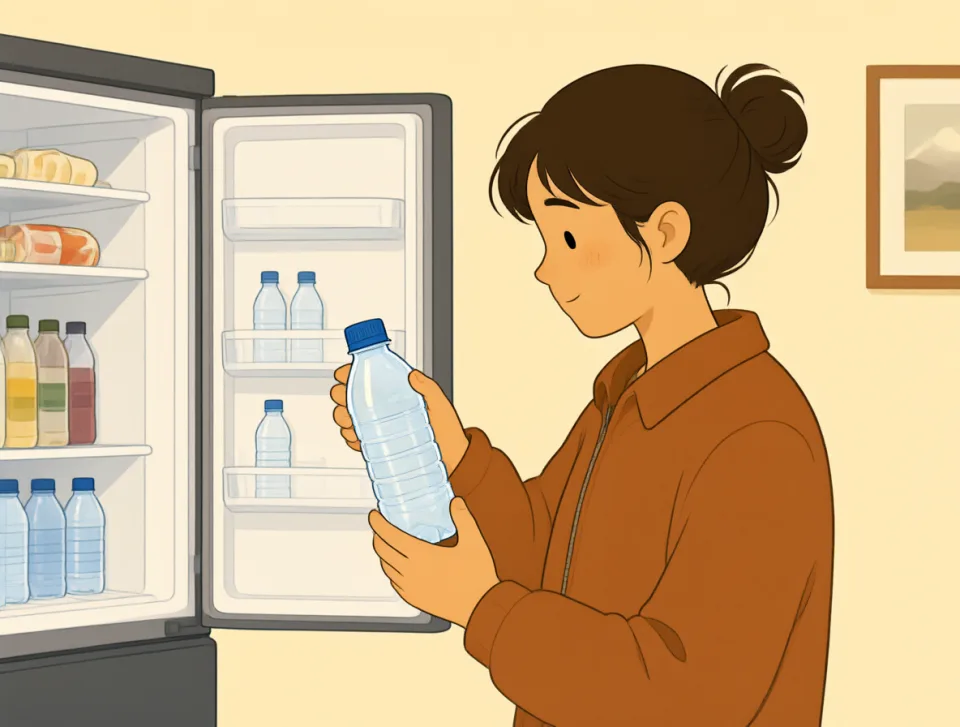
This bottle retains its shape after being frozen.
जमने के बाद भी यह बोतल अपना आकार बनाए रखती है।

The hotel retains your room until six o'clock.
होटल आपका कमरा छह बजे तक रोके रखता है।
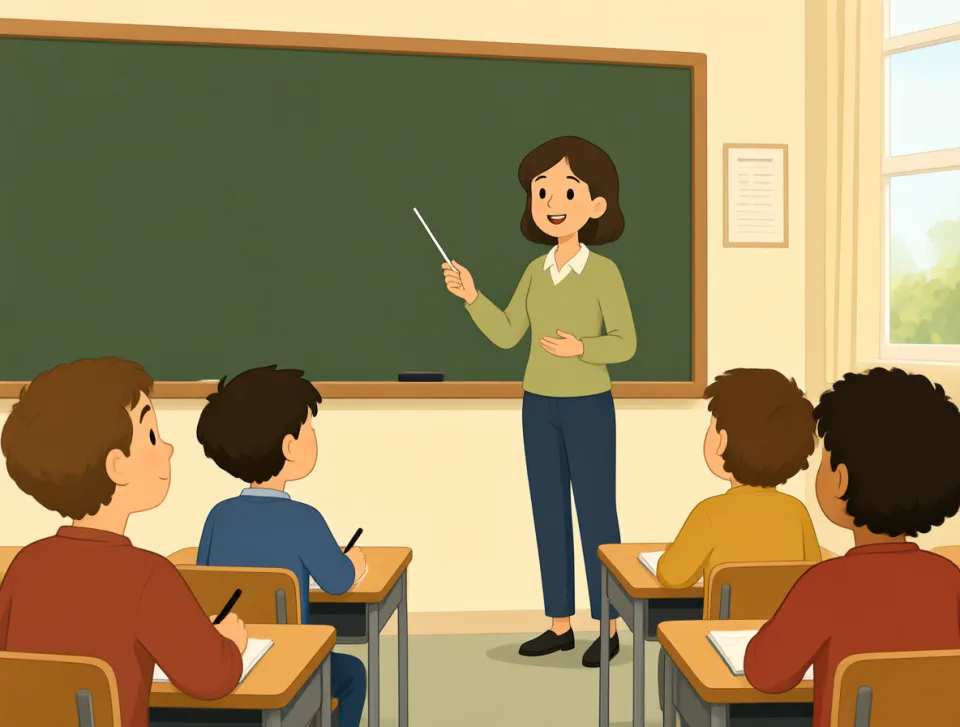
She retained the information from yesterday's lesson.
उसे कल के पाठ की बातें याद रहीं।
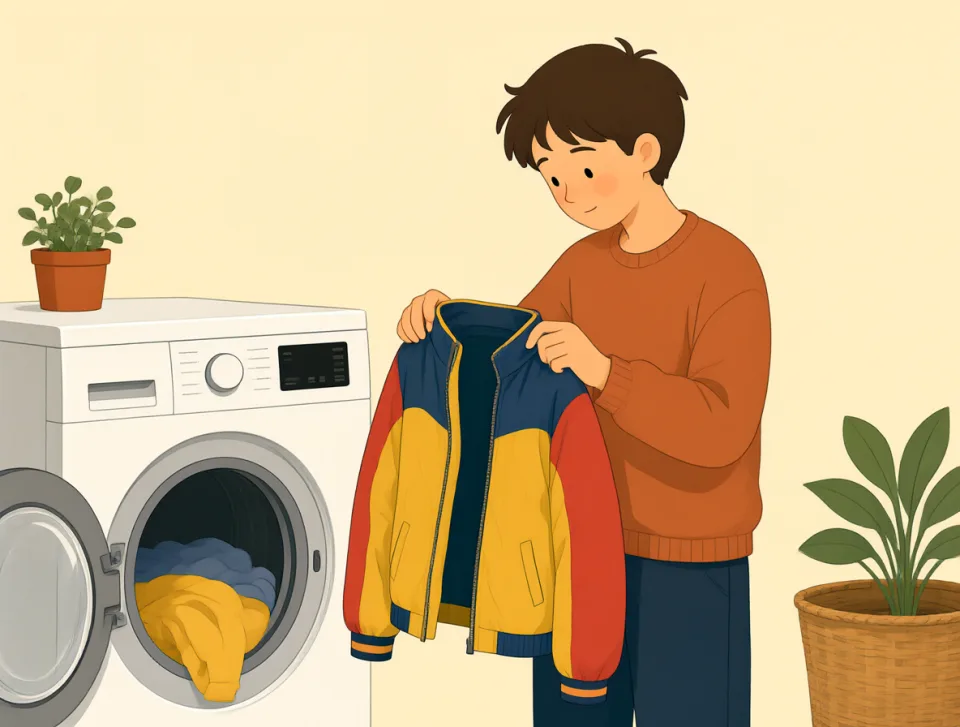
The jacket retained its color after many washes.
कई बार धोने के बाद भी जैकेट का रंग बना रहा।

Doctors hope the patient will retain full movement in her hand.
डॉक्टरों को उम्मीद है कि मरीज़ अपने हाथ की पूरी गति बनाए रखेगी।

sequence
#1960noun
क्रम
The order in which people or things happen or come one after another.
वह क्रम जिसमें लोग या चीज़ें घटित होते हैं या एक के बाद एक आते हैं।
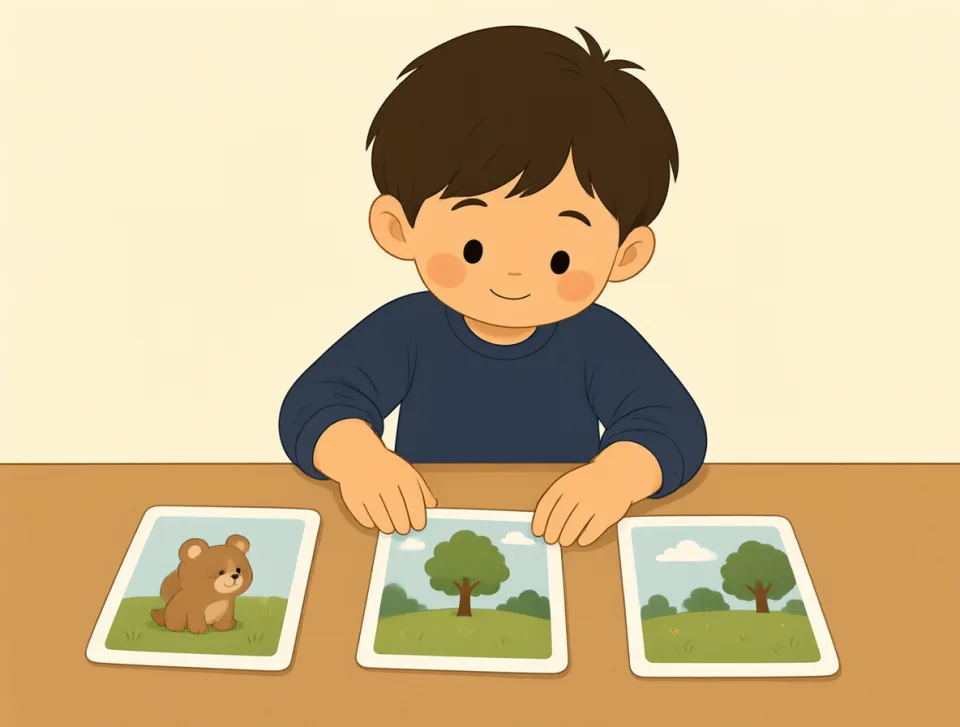
Put the pictures in the correct sequence before telling the story.
कहानी सुनाने से पहले तस्वीरों को सही क्रम में लगाएँ।
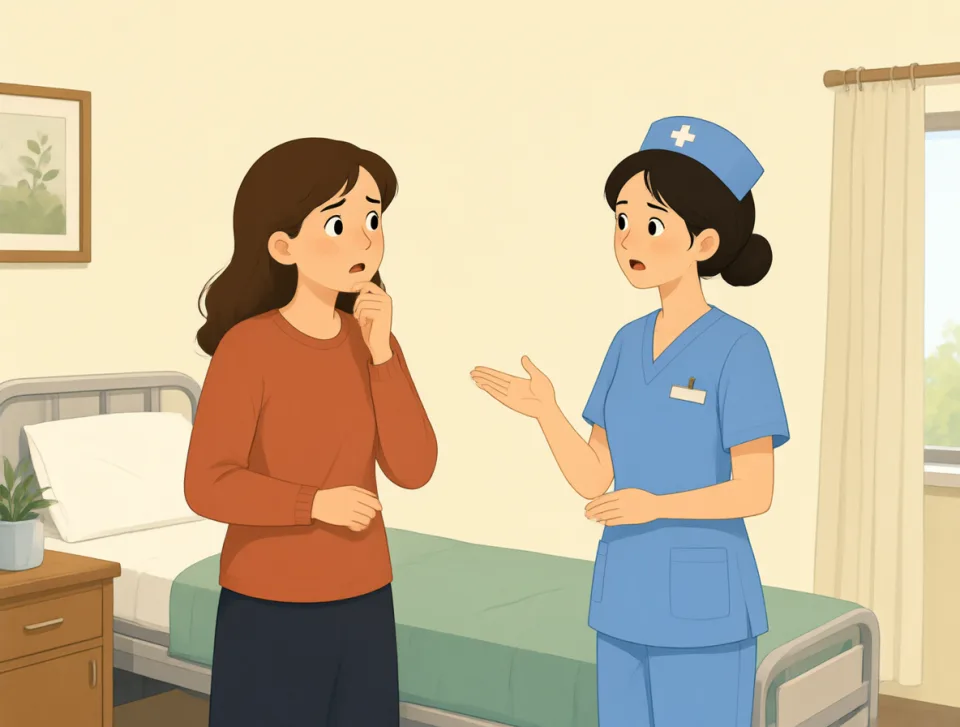
The nurse asked about the sequence of events after the accident.
नर्स ने दुर्घटना के बाद हुई घटनाओं का क्रम पूछा।

The dance teacher showed us the steps in a simple sequence.
नृत्य शिक्षक ने हमें आसान क्रम में कदम करके दिखाए।
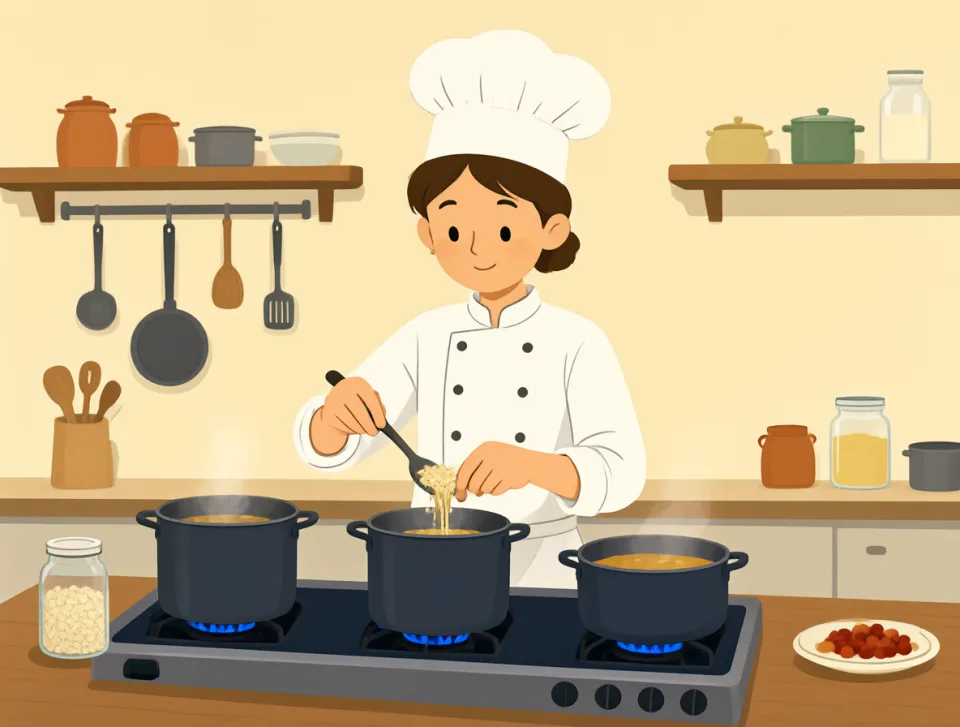
The chef prepared the meal in the right sequence.
शेफ ने सही क्रम में खाना तैयार किया।

The doctor watched the patient's breathing sequence during the test.
जाँच के दौरान डॉक्टर ने मरीज़ की साँस लेने के क्रम पर नज़र रखी।