इकाई 72
शब्द 1421–1440 · hurt, council, editor, normally, sight, generate
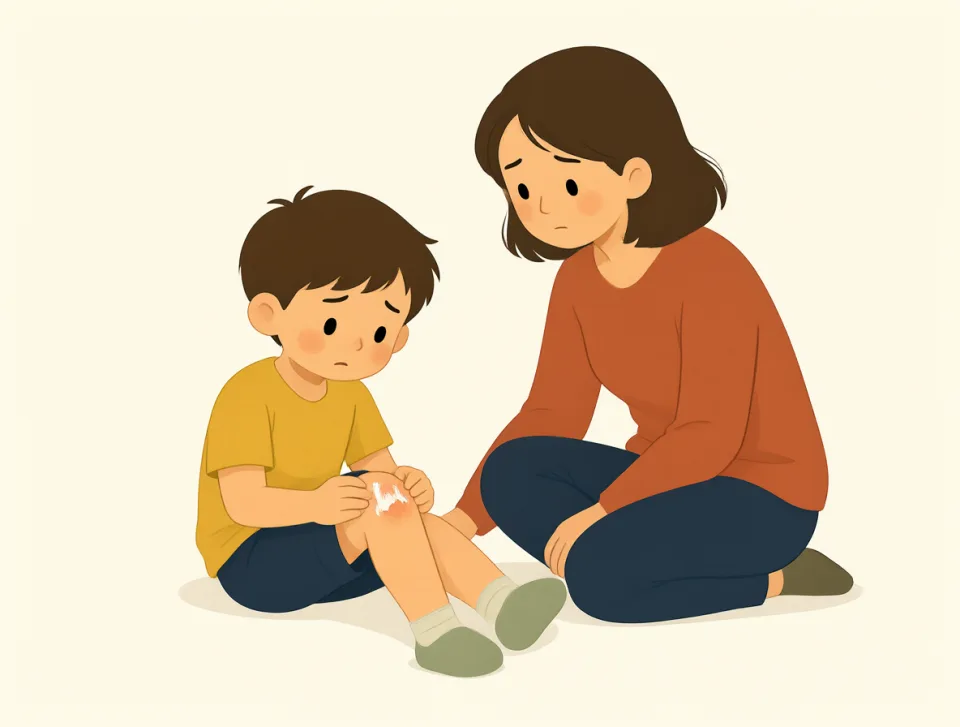
hurt
#1421verb, noun, adjective
दर्द होना
to feel pain or cause someone to feel pain
दर्द महसूस करना या किसी को दर्द पहुँचाना।
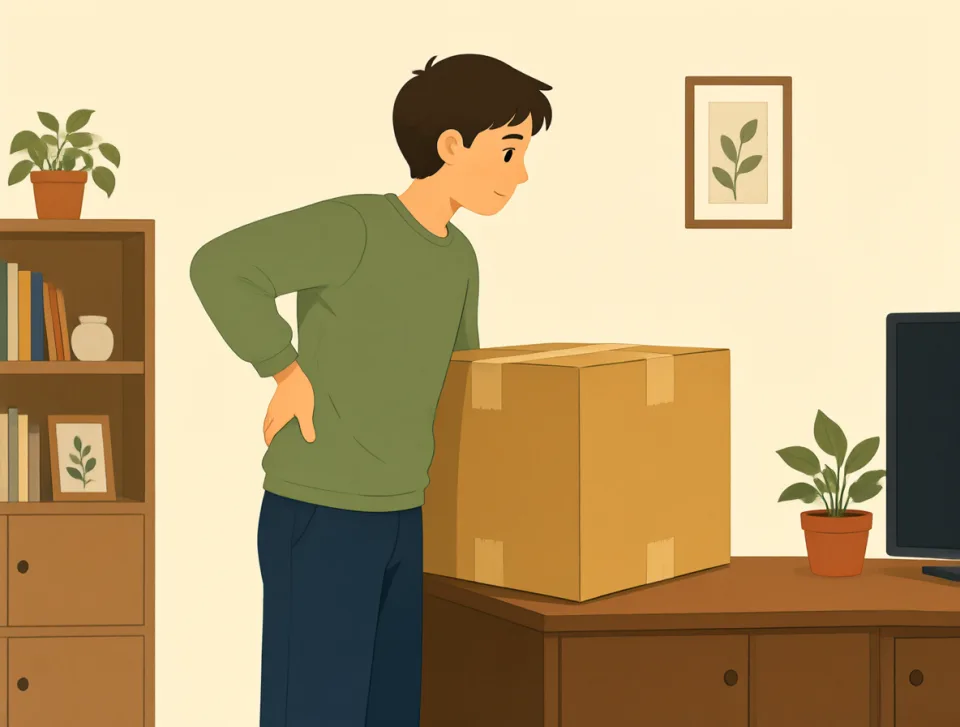
My back hurts after carrying that heavy box.
वह भारी डिब्बा उठाने के बाद मेरी पीठ में दर्द होता है।
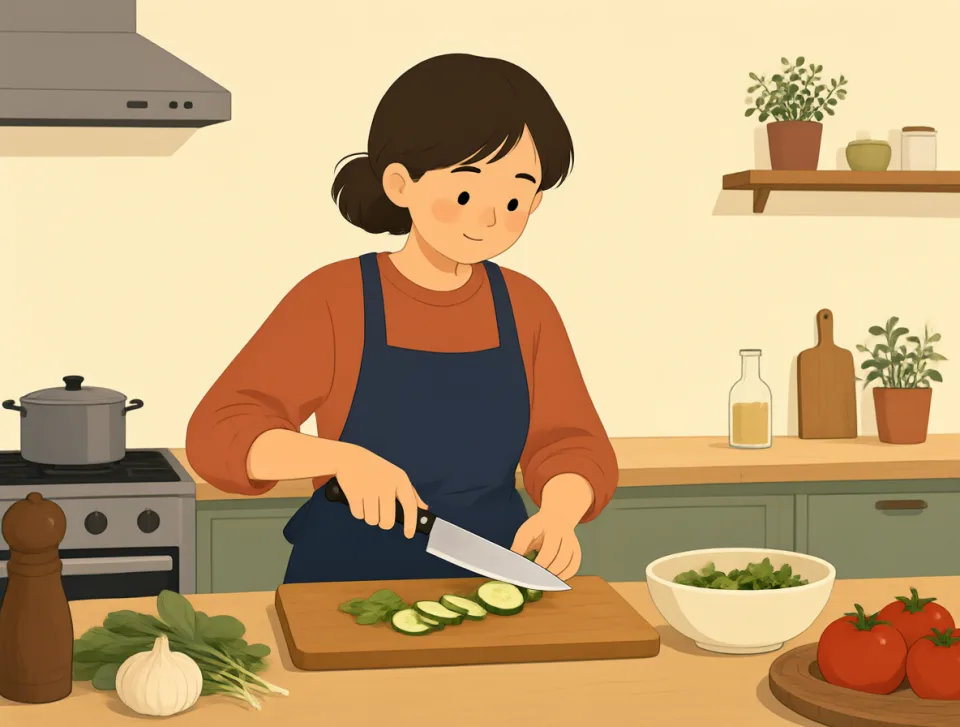
Be careful not to hurt yourself with that sharp knife.
उस तेज़ चाकू से खुद को चोट न लगे, इसका ध्यान रखना।
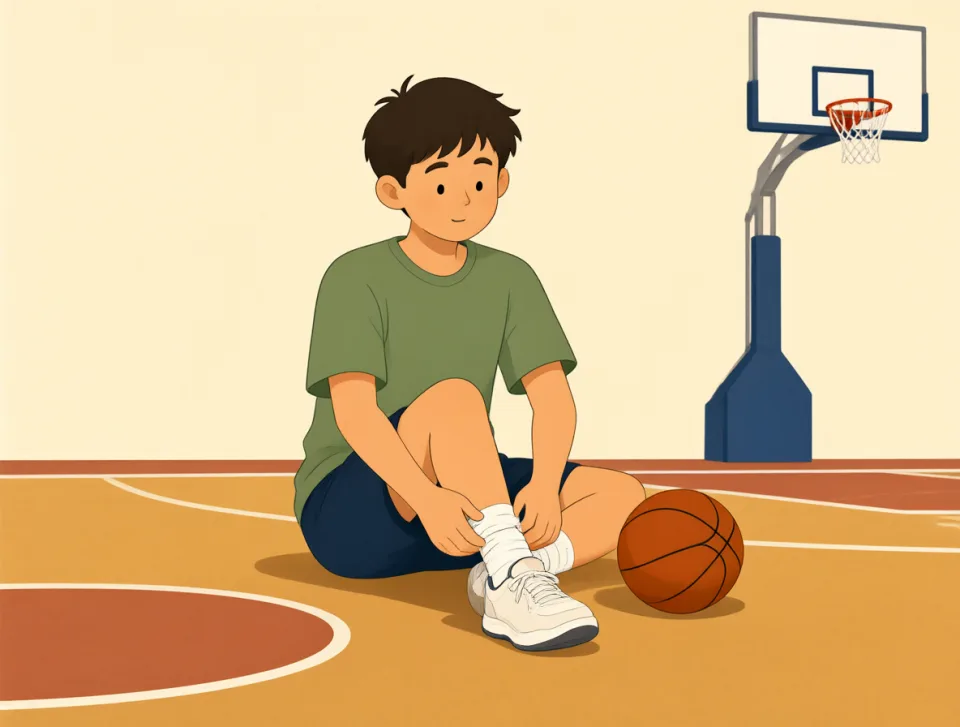
She hurt her ankle while playing basketball at school.
स्कूल में बास्केटबॉल खेलते समय उसके टखने में चोट लग गई।
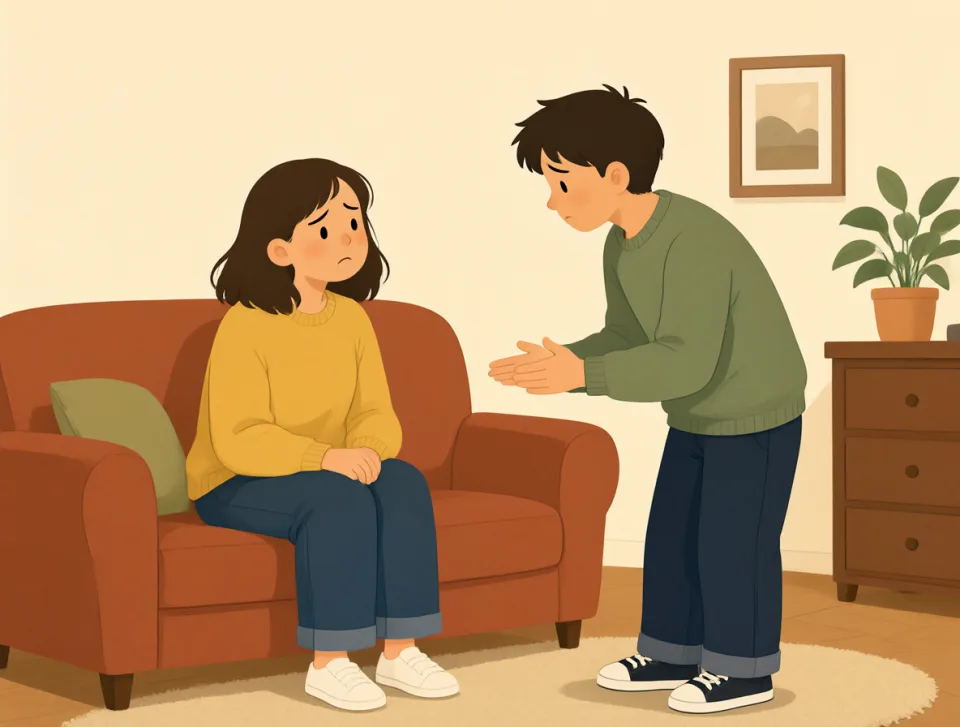
It hurt when my friend forgot my birthday.
जब मेरे दोस्त को मेरा जन्मदिन याद नहीं रहा, तो मुझे दुख हुआ।
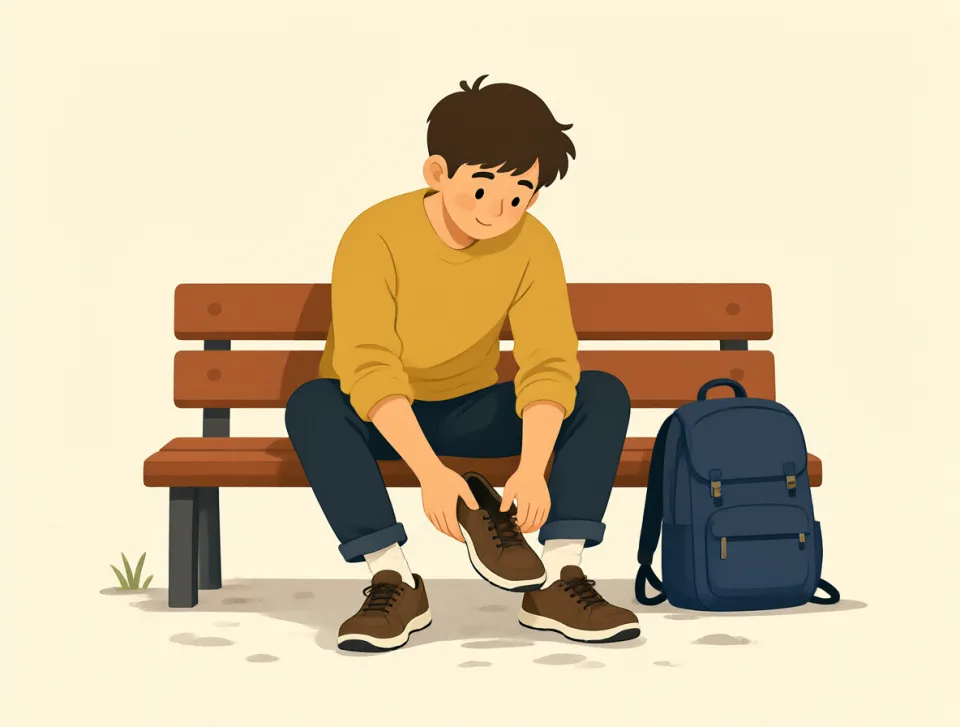
The new shoes hurt my feet during the long walk.
लंबी पैदल यात्रा के दौरान नए जूतों से मेरे पैरों में दर्द हुआ।
council
#1422noun
नगर परिषद
A group of people elected to manage a town, city, or local area.
लोगों का ऐसा समूह जिसे किसी कस्बे, शहर या स्थानीय क्षेत्र का प्रबंधन करने के लिए चुना जाता है।
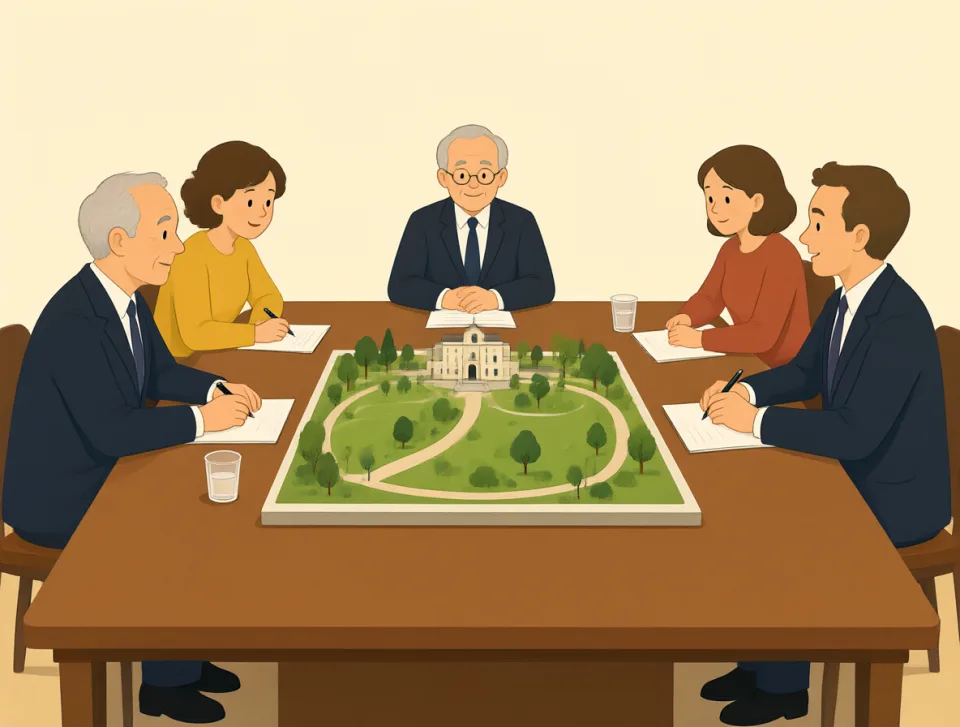
The city council approved plans for a new public park.
नगर परिषद ने नए सार्वजनिक पार्क की योजनाओं को मंज़ूरी दे दी।
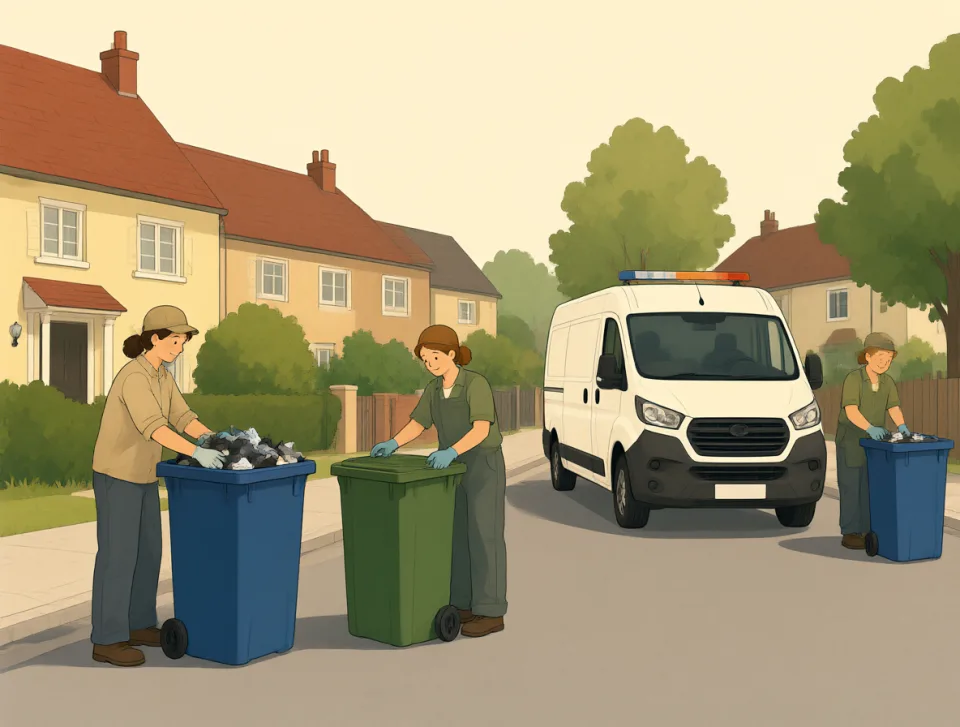
The council collects rubbish from our street every Tuesday.
नगर परिषद हर मंगलवार को हमारी गली से कचरा उठाती है।
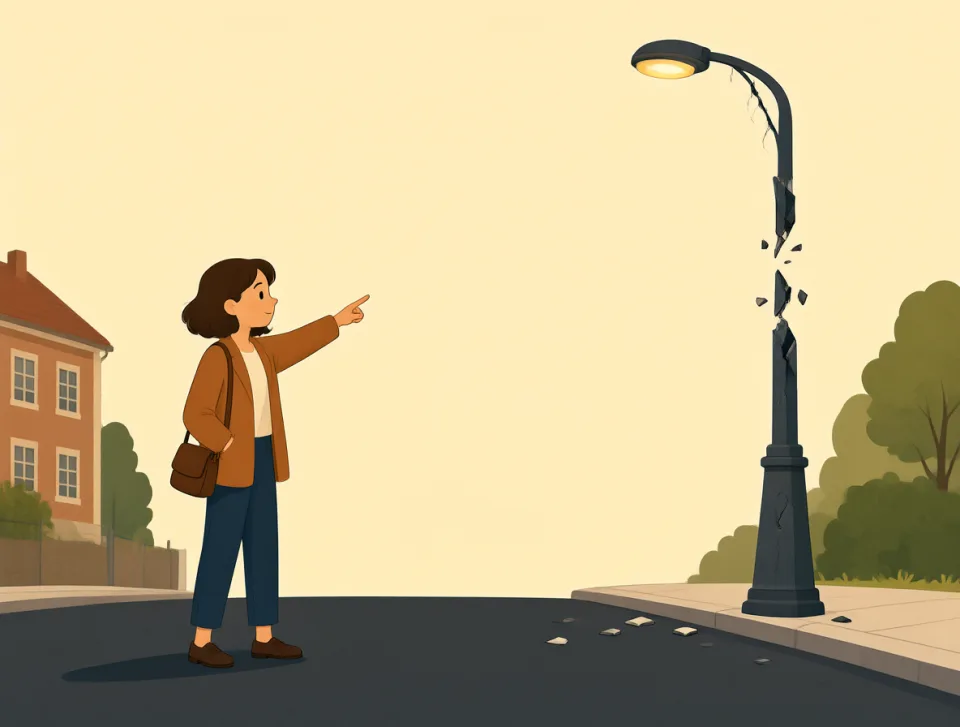
She wrote to the council about the broken streetlights.
टूटी हुई स्ट्रीट लाइटों के बारे में उसने नगर परिषद को पत्र लिखा।
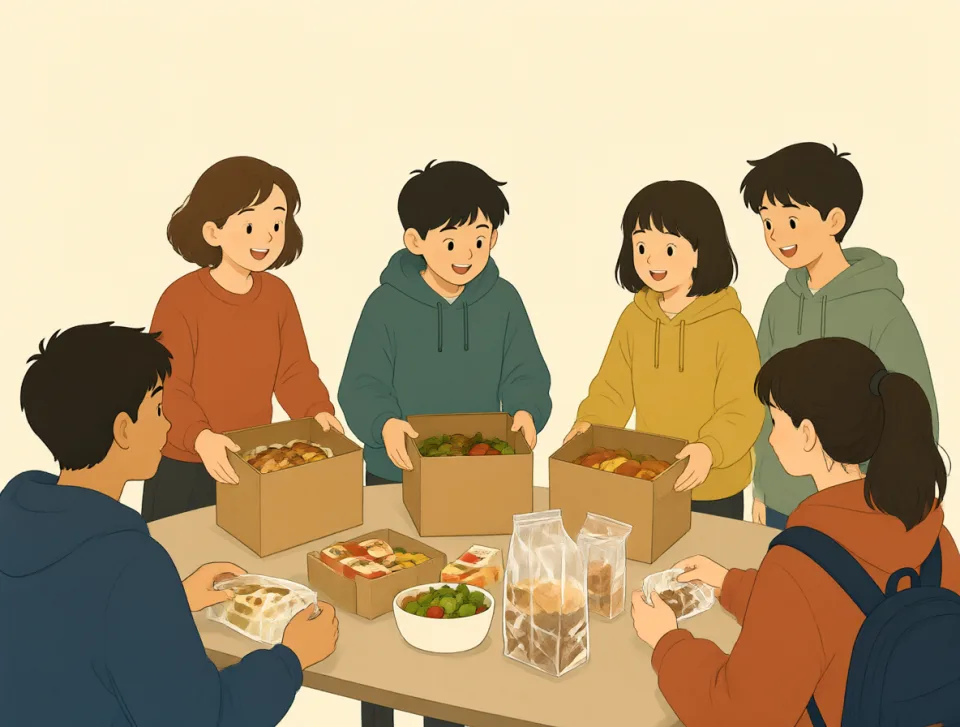
The school council planned a charity food sale.
स्कूल परिषद ने चैरिटी के लिए भोजन बेचने का कार्यक्रम आयोजित किया।
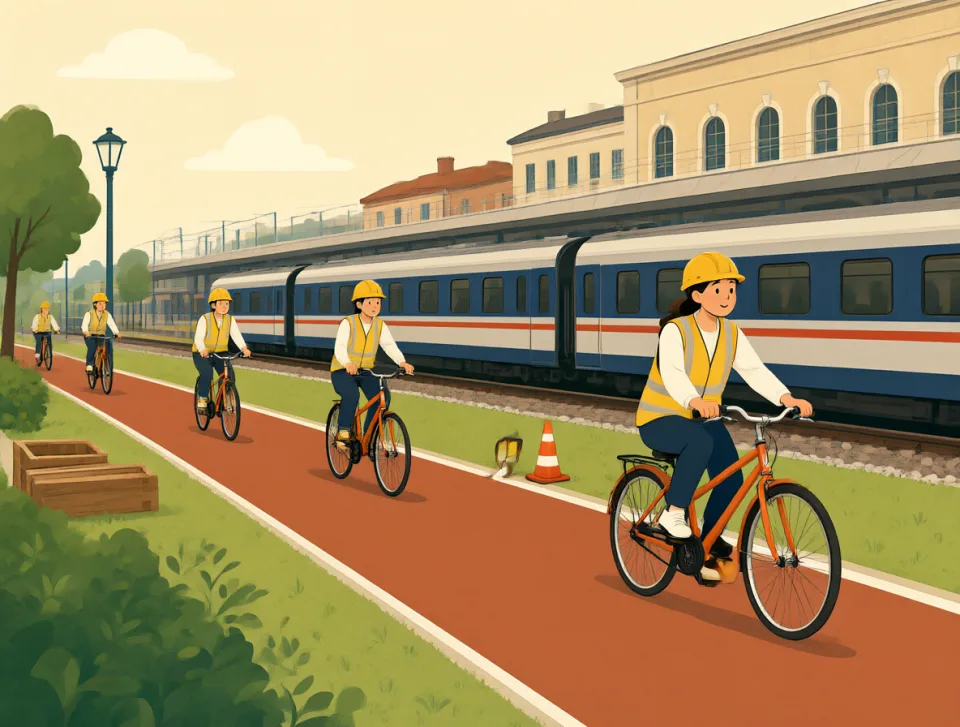
The council is building a safer cycle path near the station.
नगर परिषद स्टेशन के पास एक अधिक सुरक्षित साइकिल पथ बना रही है।

editor
#1423noun
संपादक
A person who checks and prepares writing, films, or other content for publication.
वह व्यक्ति जो लेखन, फ़िल्मों या अन्य सामग्री को प्रकाशित करने से पहले जाँचता और तैयार करता है।

The editor checked my article before it appeared in the magazine.
पत्रिका में छपने से पहले संपादक ने मेरा लेख जाँचा।

She works as an editor for a large publishing company.
वह एक बड़ी प्रकाशन कंपनी में संपादक के रूप में काम करती है।
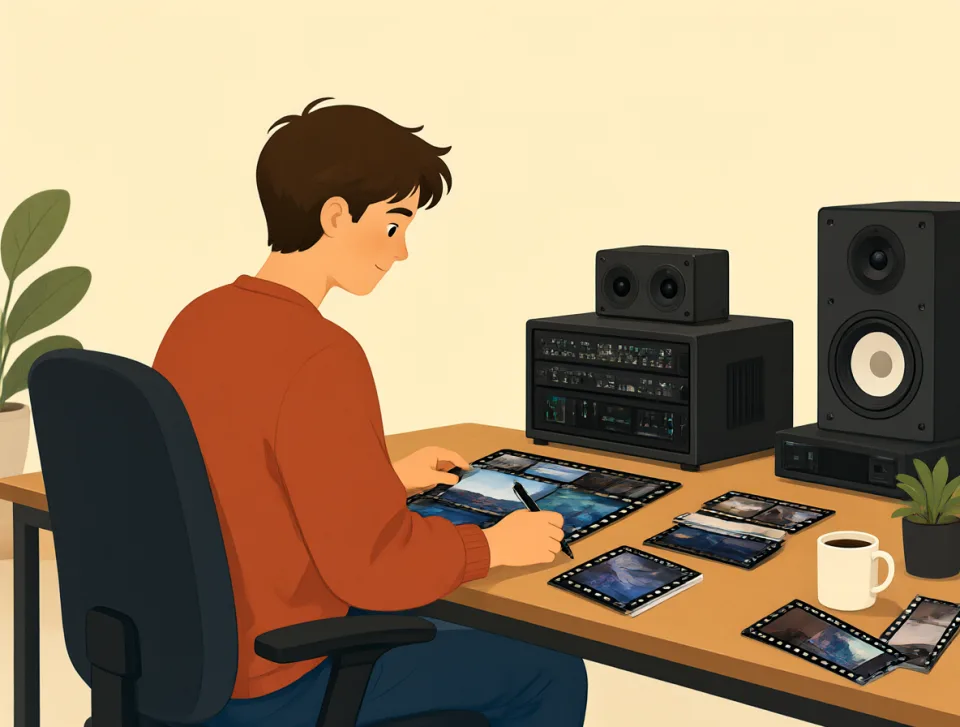
The film editor cut the long movie into a shorter version.
फ़िल्म संपादक ने लंबी फ़िल्म को काटकर छोटा संस्करण बनाया।
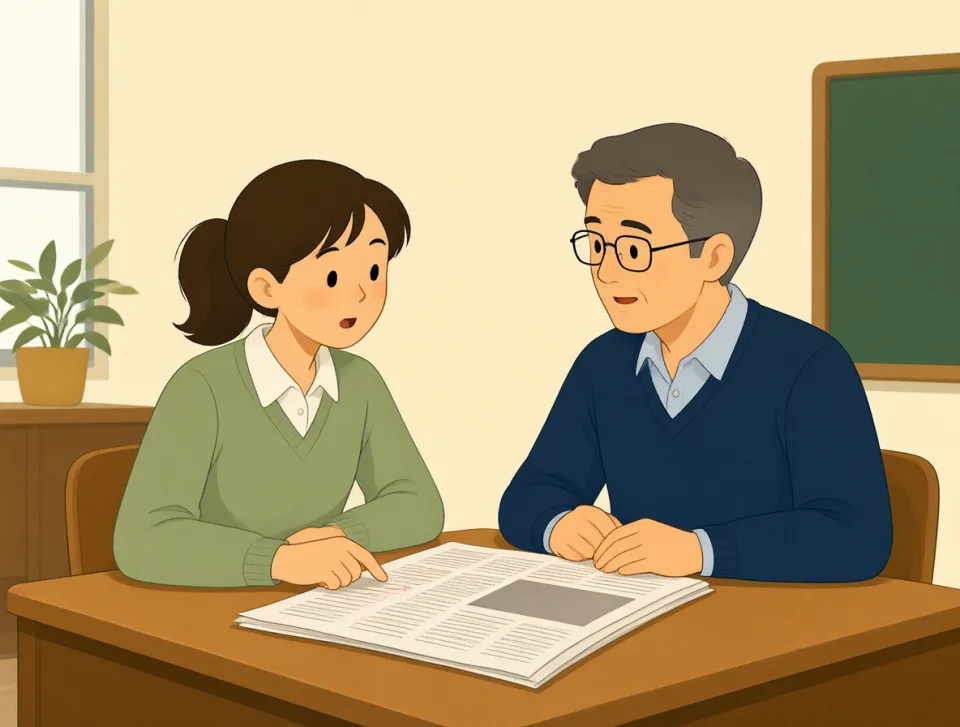
Ask the editor to correct this mistake in the school newspaper.
स्कूल के अख़बार में इस गलती को ठीक करने के लिए संपादक से कहो।

The editor is looking for interesting stories about local food.
संपादक स्थानीय खाने के बारे में दिलचस्प कहानियाँ ढूँढ़ रहा है।
normally
#1424adverb
आमतौर पर
Usually or in the usual way.
सामान्यतः या सामान्य तरीके से।
I normally drink coffee before I leave for work.
काम पर निकलने से पहले मैं आमतौर पर कॉफ़ी पीता हूँ।
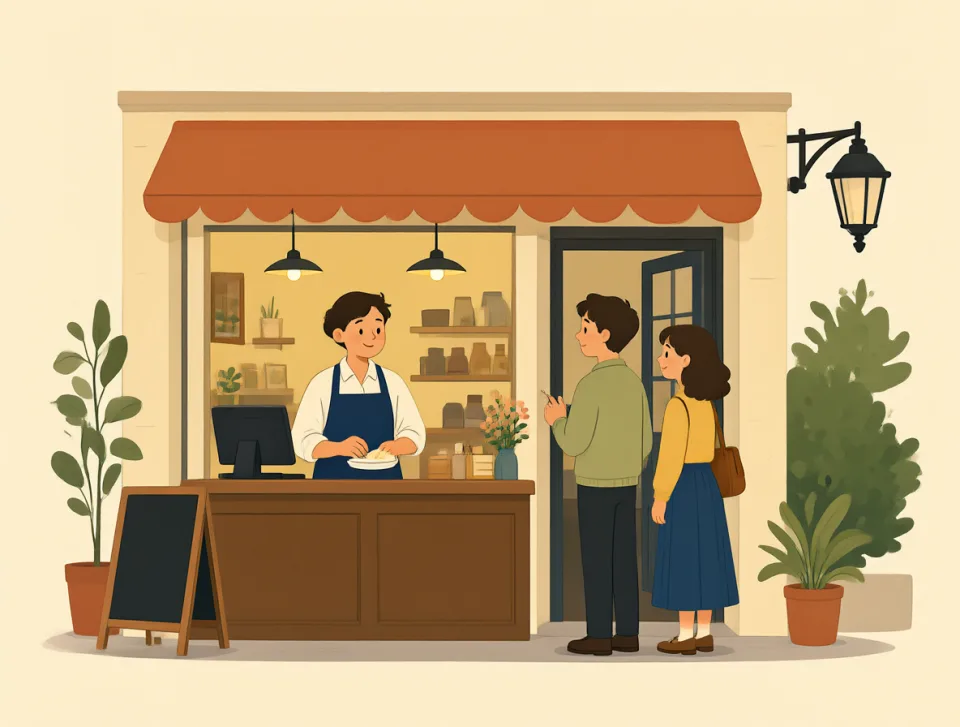
The shop normally closes at six on weekdays.
दुकान आमतौर पर सप्ताह के दिनों में छह बजे बंद हो जाती है।
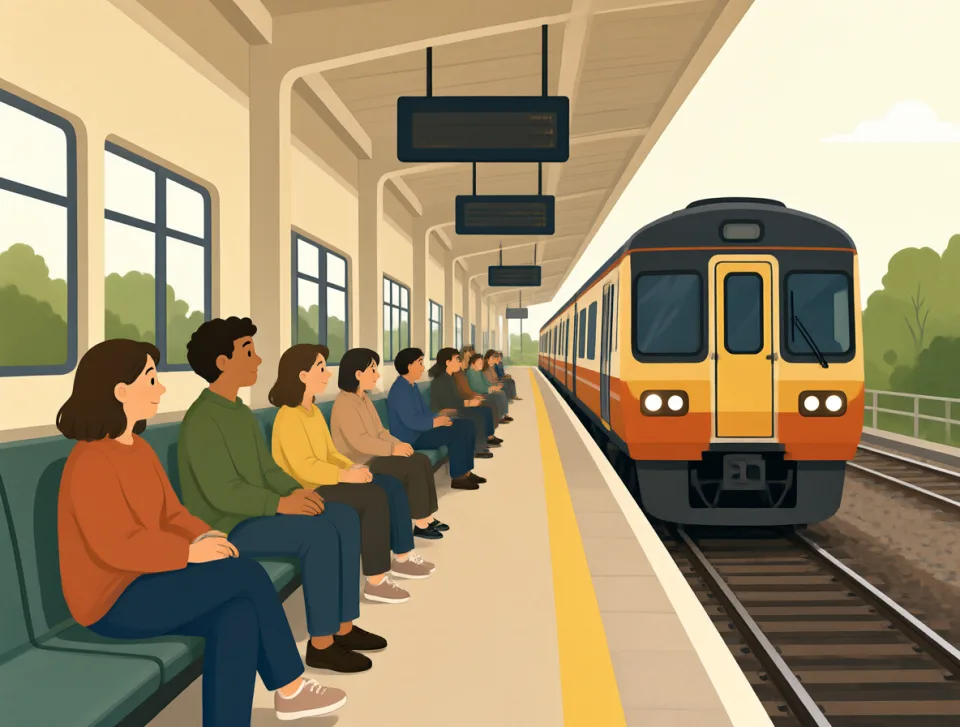
Normally, trains arrive every twenty minutes during the day.
दिन में आमतौर पर हर बीस मिनट में ट्रेनें आती हैं।

She is normally very calm during difficult meetings.
मुश्किल बैठकों के दौरान वह आमतौर पर बहुत शांत रहती है।

You can normally find fresh bread near the entrance.
आमतौर पर प्रवेश द्वार के पास ताज़ी रोटी मिल जाती है।

sight
#1425noun
दृष्टि
The ability to see, or something you see.
देखने की क्षमता या कोई चीज़ जो आपको दिखाई दे।

The beautiful view came into sight as we reached the hill.
पहाड़ी पर पहुँचते ही सुंदर नज़ारा दिखाई देने लगा।
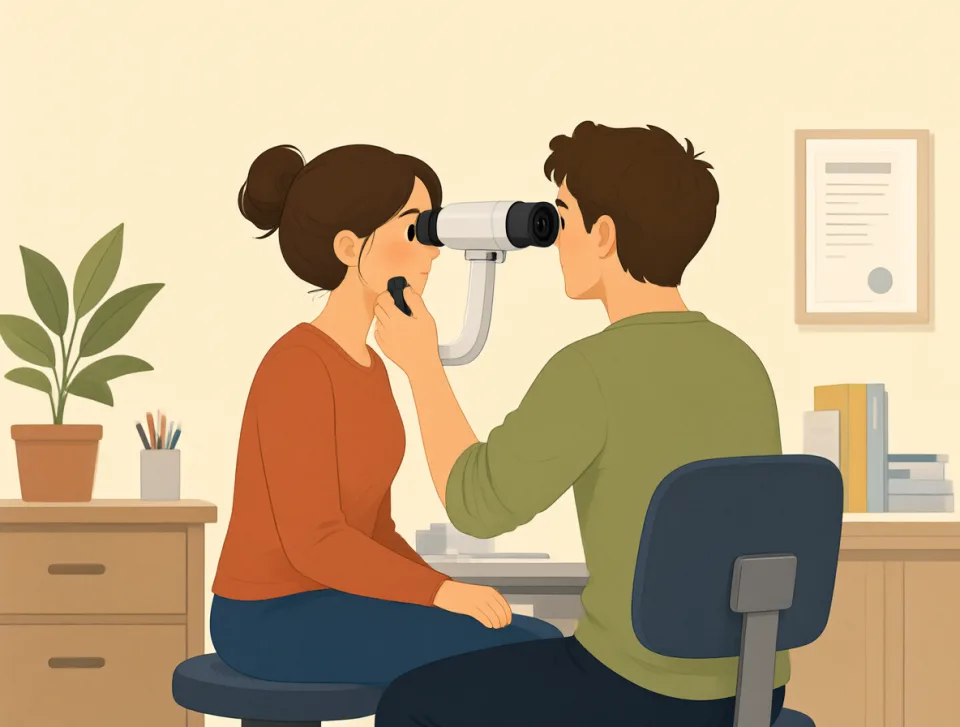
The doctor tested my sight during my eye examination.
आँखों की जाँच के दौरान डॉक्टर ने मेरी दृष्टि की जाँच की।
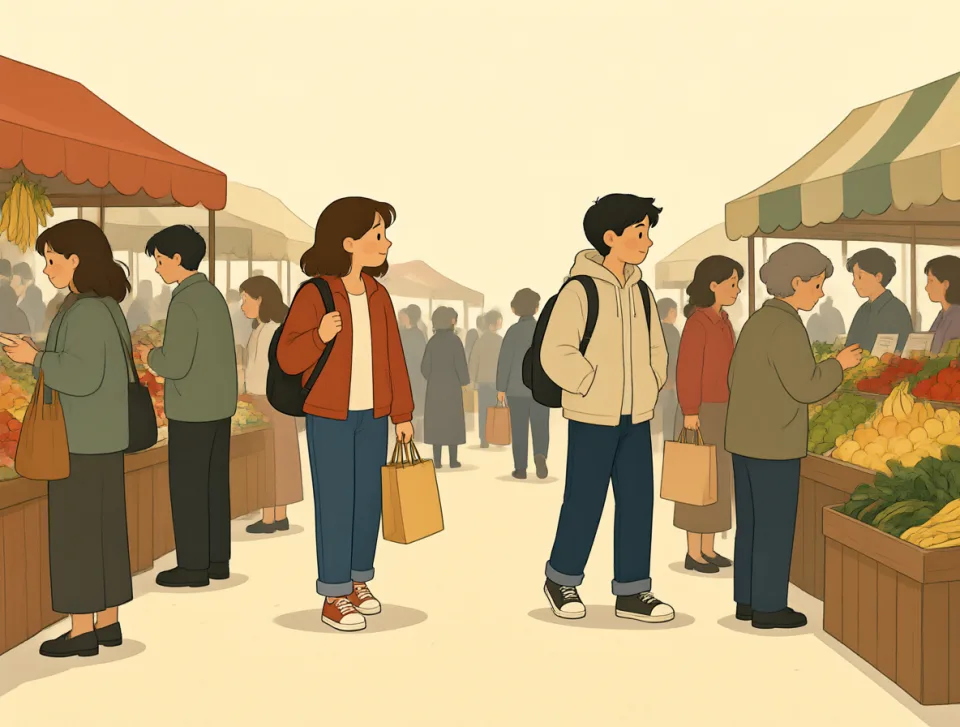
We lost sight of our friends in the crowded market.
भीड़-भाड़ वाले बाज़ार में हमने अपने दोस्तों को नज़रों से ओझल कर दिया।
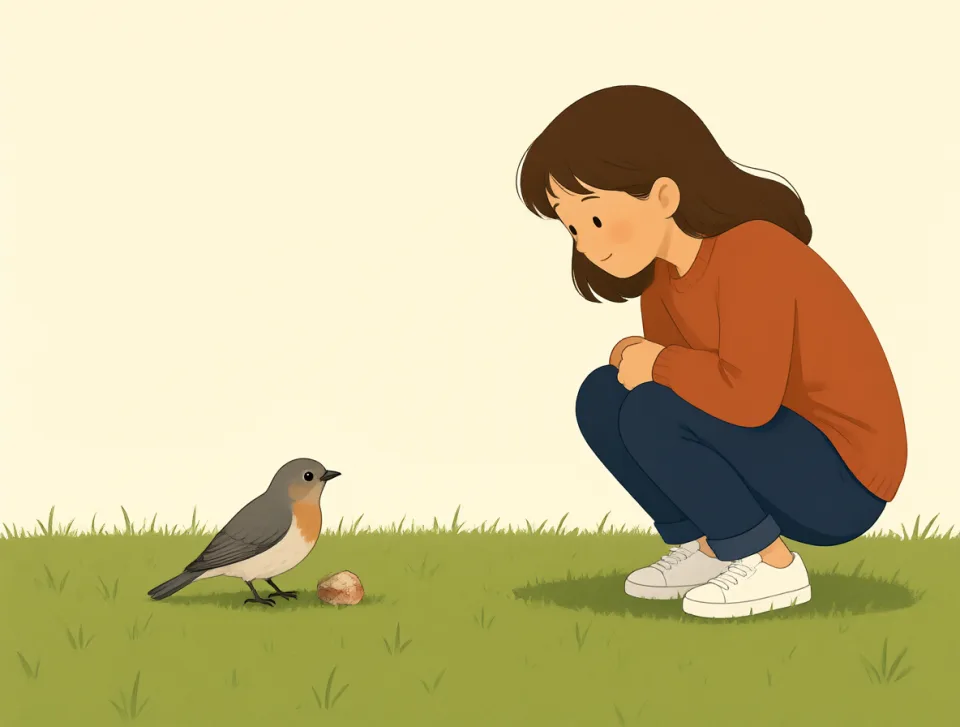
The injured bird was a sad sight in the garden.
बगीचे में घायल पक्षी को देखकर दुख हुआ।
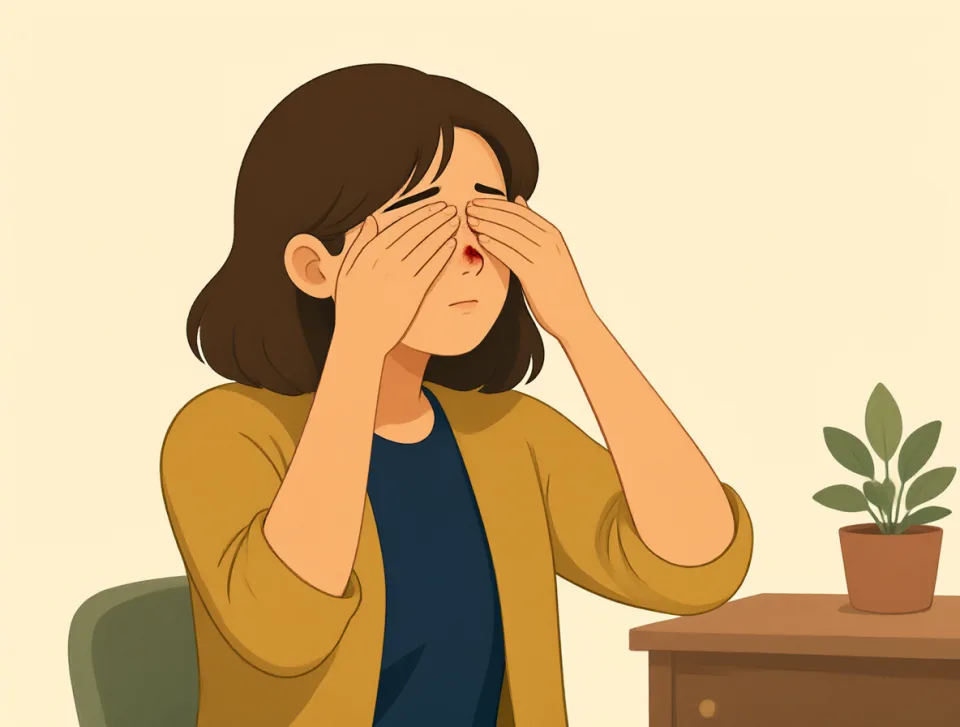
She felt sick at the sight of blood.
खून देखते ही उसे मितली महसूस हुई।

generate
#1426verb
उत्पन्न करना
to produce or create something, especially energy, ideas, or a result
कुछ पैदा करना या बनाना, खासकर ऊर्जा, विचार या कोई परिणाम

Solar panels generate electricity for many homes.
सौर पैनल कई घरों के लिए बिजली पैदा करते हैं।

This exercise generates enough heat to warm your body.
यह कसरत आपके शरीर को गर्म रखने के लिए पर्याप्त गर्मी पैदा करती है।

The new job generated a lot of interest.
नई नौकरी ने बहुत दिलचस्पी पैदा की।
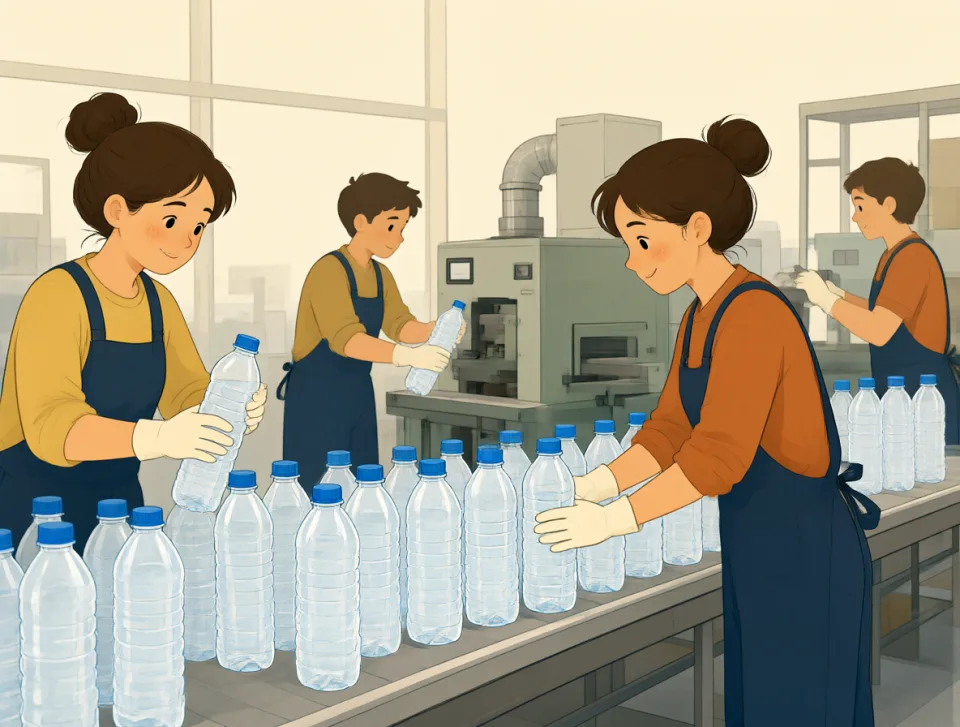
The factory generates thousands of plastic bottles each day.
कारखाना हर दिन हज़ारों प्लास्टिक की बोतलें बनाता है।
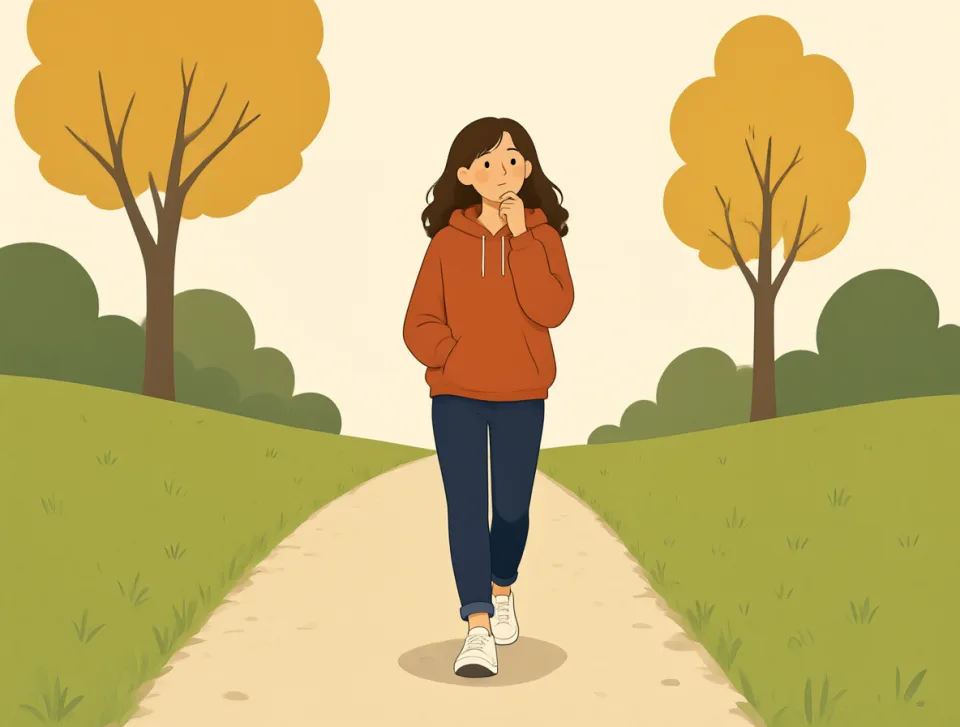
Walking after dinner generates good ideas for my projects.
रात के खाने के बाद टहलने से मेरे प्रोजेक्ट्स के लिए अच्छे विचार आते हैं।

gift
#1427noun, verb
उपहार; प्रतिभा
A present given to someone, or a special natural ability.
किसी को दिया जाने वाला तोहफ़ा, या जन्मजात विशेष योग्यता।

She gave me a beautiful gift for my birthday.
उसने मेरे जन्मदिन पर मुझे एक खूबसूरत उपहार दिया।

We bought a wedding gift for our neighbors.
हमने अपने पड़ोसियों के लिए शादी का तोहफ़ा खरीदा।
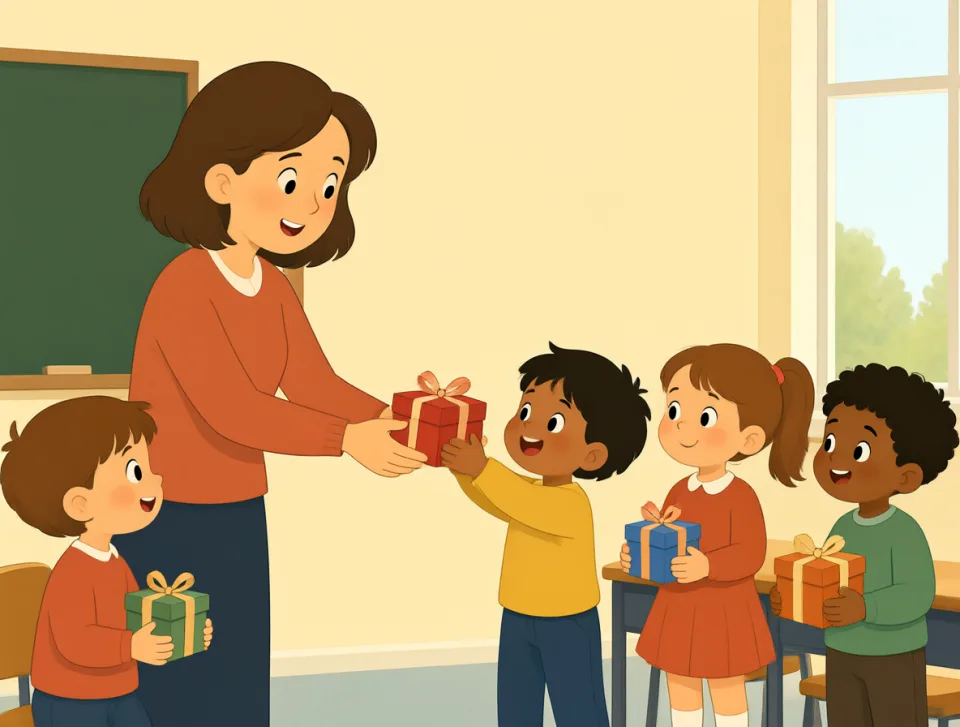
The teacher gave each student a gift after the school show.
स्कूल के कार्यक्रम के बाद शिक्षक ने हर विद्यार्थी को एक उपहार दिया।
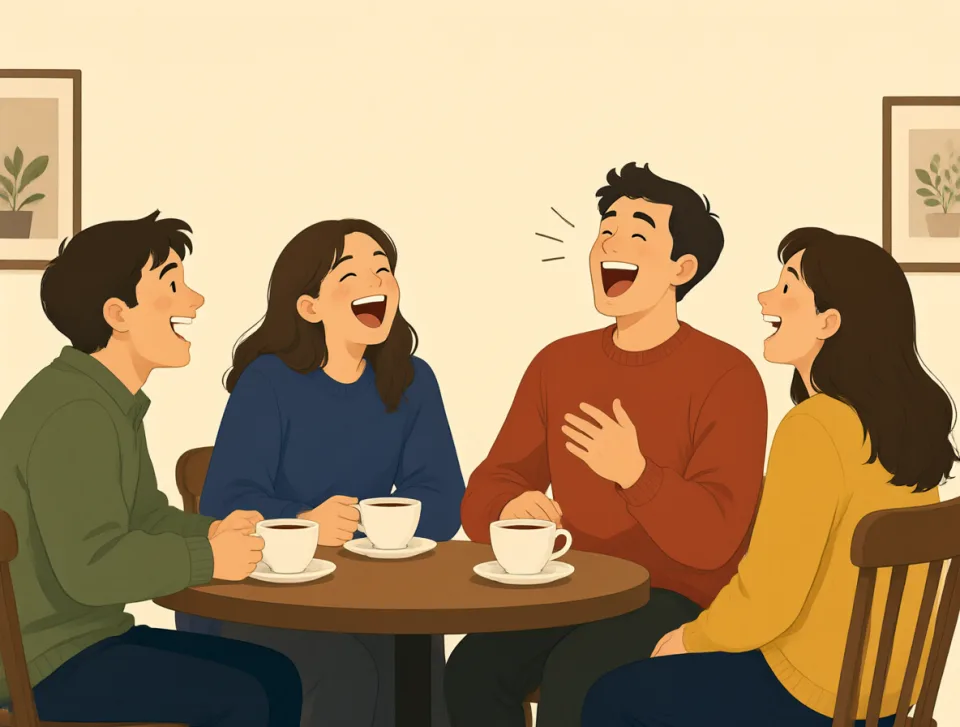
He has a gift for making people laugh.
उसे लोगों को हँसाने की प्रतिभा हासिल है।

Her gift for music helped her become a successful singer.
संगीत की उसकी प्रतिभा ने उसे एक सफल गायिका बनने में मदद की।

delivery
#1428noun
डिलीवरी
The act of bringing something to a person or place.
किसी चीज़ को किसी व्यक्ति या जगह तक पहुँचाने की प्रक्रिया।

Your delivery should arrive before dinner tonight.
आपकी डिलीवरी आज रात खाने से पहले पहुँच जानी चाहिए।
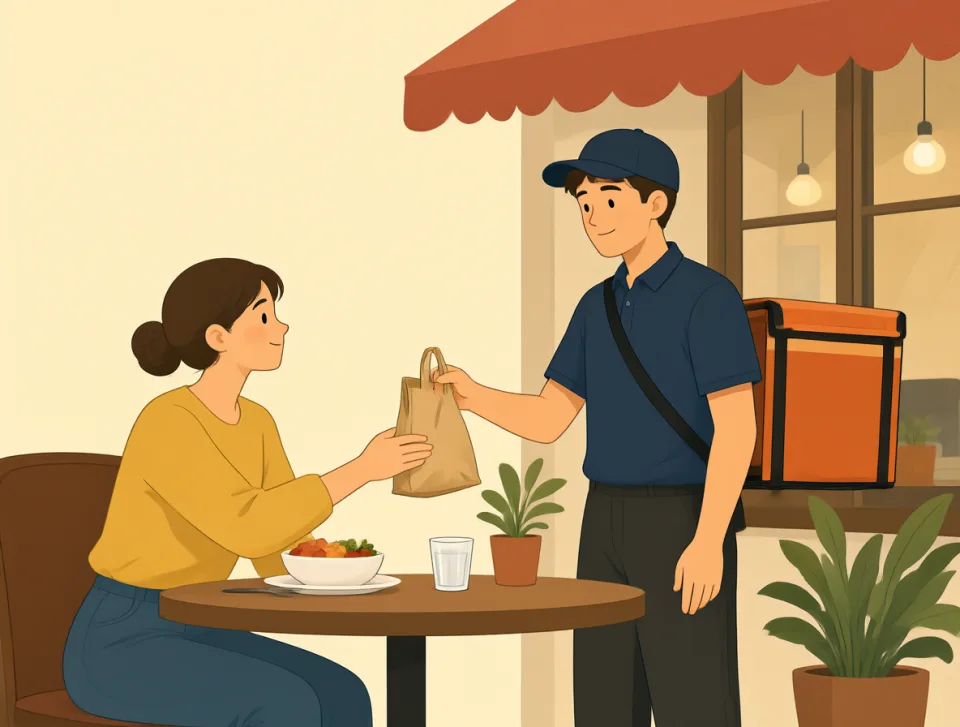
The restaurant offers free delivery on orders over twenty dollars.
रेस्तराँ बीस डॉलर से ज़्यादा के ऑर्डर पर मुफ़्त डिलीवरी देता है।
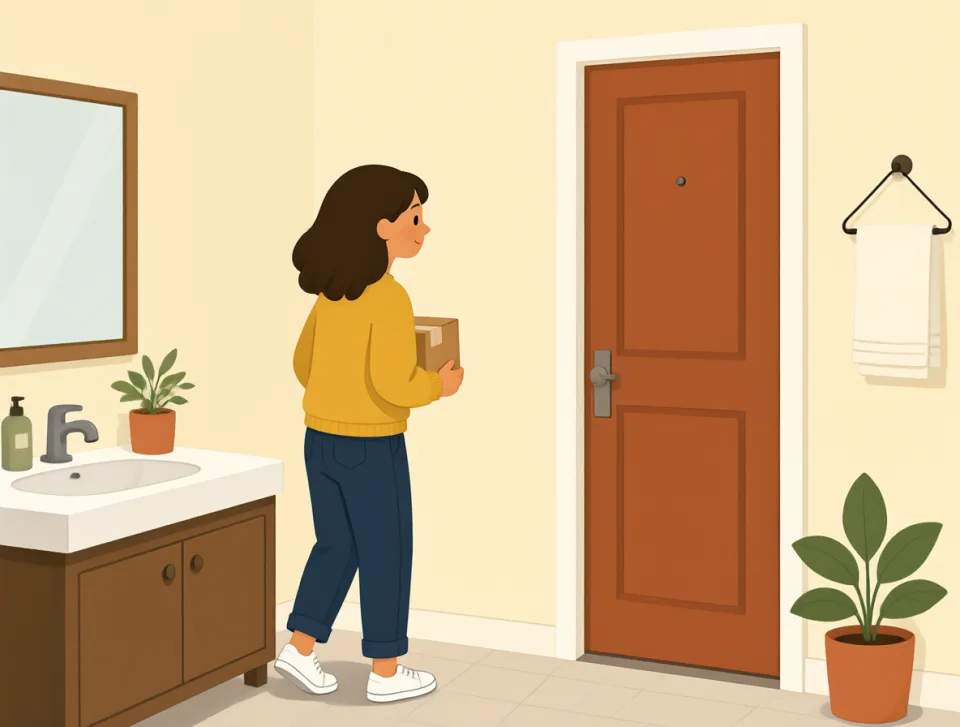
I missed the delivery because I was taking a shower.
मैं डिलीवरी नहीं ले पाया क्योंकि मैं नहा रहा था।
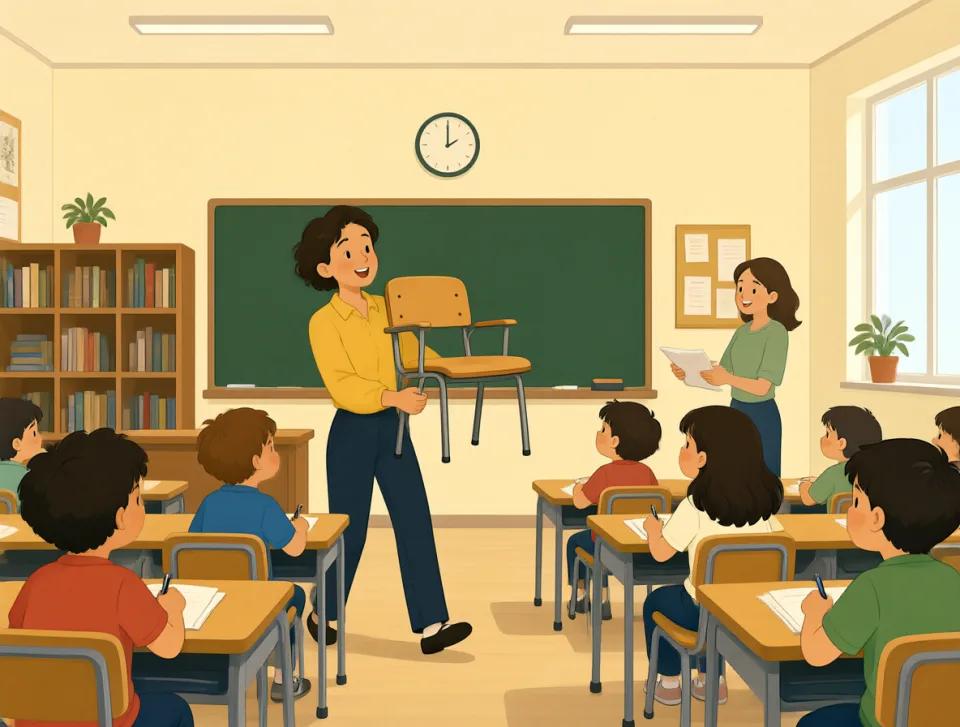
The delivery of new chairs made the classroom more comfortable.
नई कुर्सियों की डिलीवरी से कक्षा ज़्यादा आरामदायक हो गई।
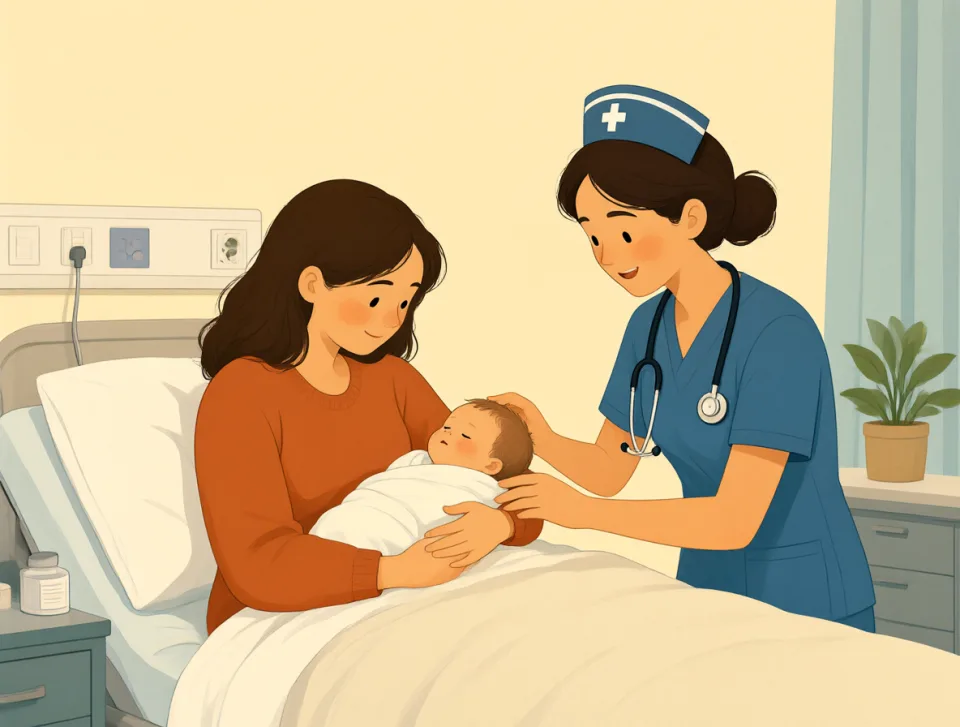
The doctor was surprised by the quick delivery of the baby.
बच्चे का जल्दी जन्म होना डॉक्टर के लिए हैरानी की बात थी।
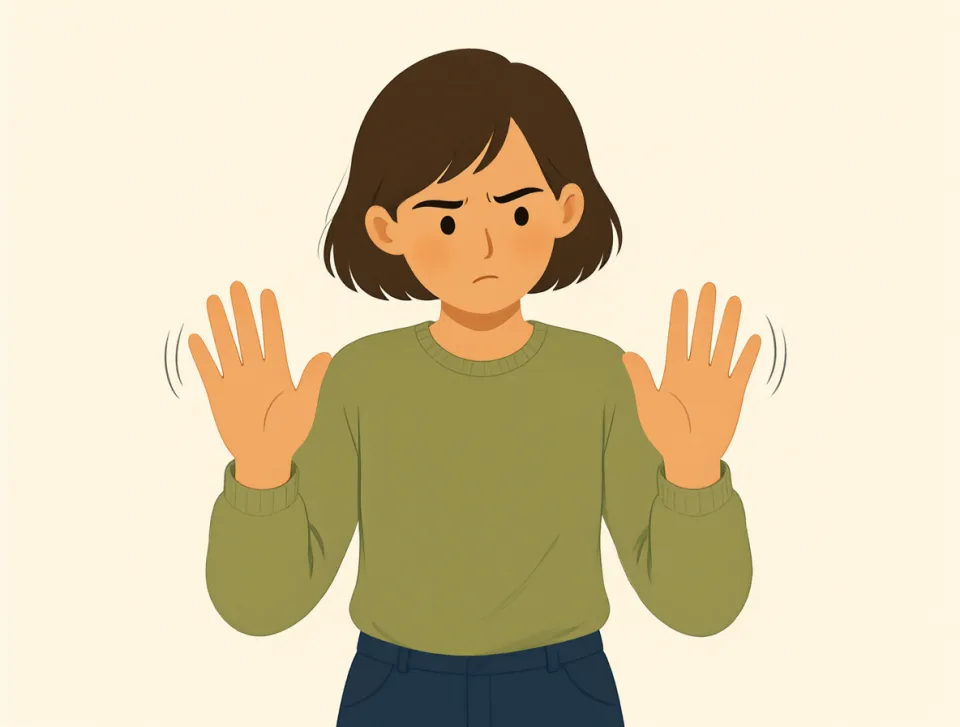
deny
#1429verb
इनकार करना
to say that something is not true or that you did not do it
यह कहना कि कोई बात सच नहीं है या आपने वह काम नहीं किया।

He denied taking the money from my desk.
उसने मेरी मेज़ से पैसे लेने की बात से इनकार किया।
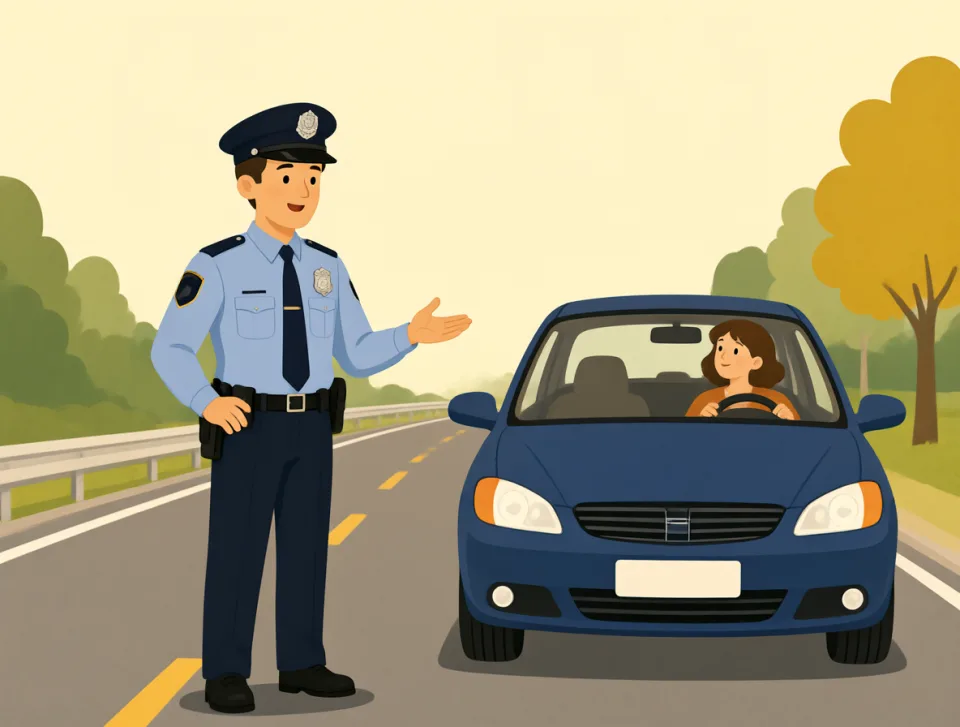
The driver denied speeding when the police stopped him.
पुलिस के रोकने पर ड्राइवर ने तेज़ गाड़ी चलाने से इनकार किया।

She denied that she was feeling sick.
उसने इस बात से इनकार किया कि उसकी तबीयत खराब थी।
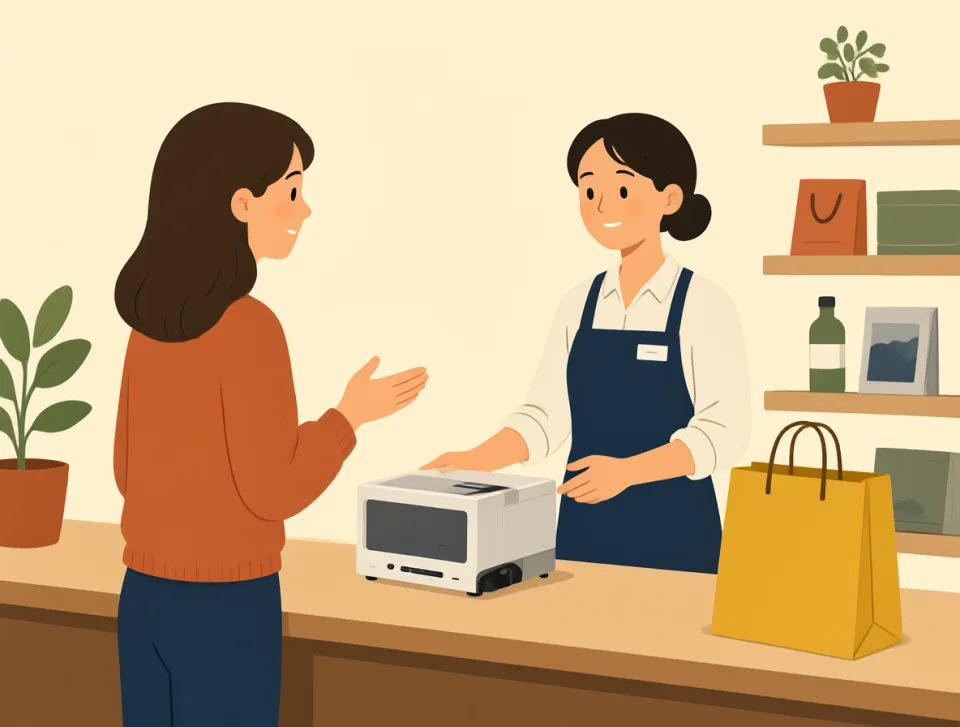
The shop denied my request for a refund.
दुकान ने पैसे वापस करने की मेरी माँग ठुकरा दी।
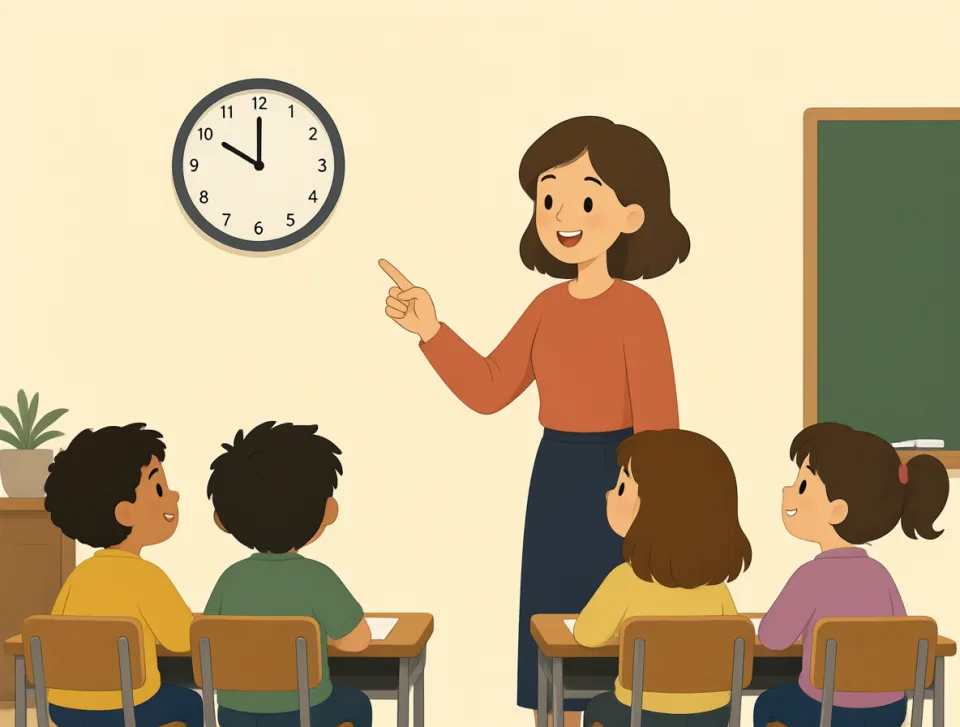
The teacher denied the students extra time for the test.
शिक्षक ने विद्यार्थियों को परीक्षा के लिए अतिरिक्त समय देने से इनकार कर दिया।
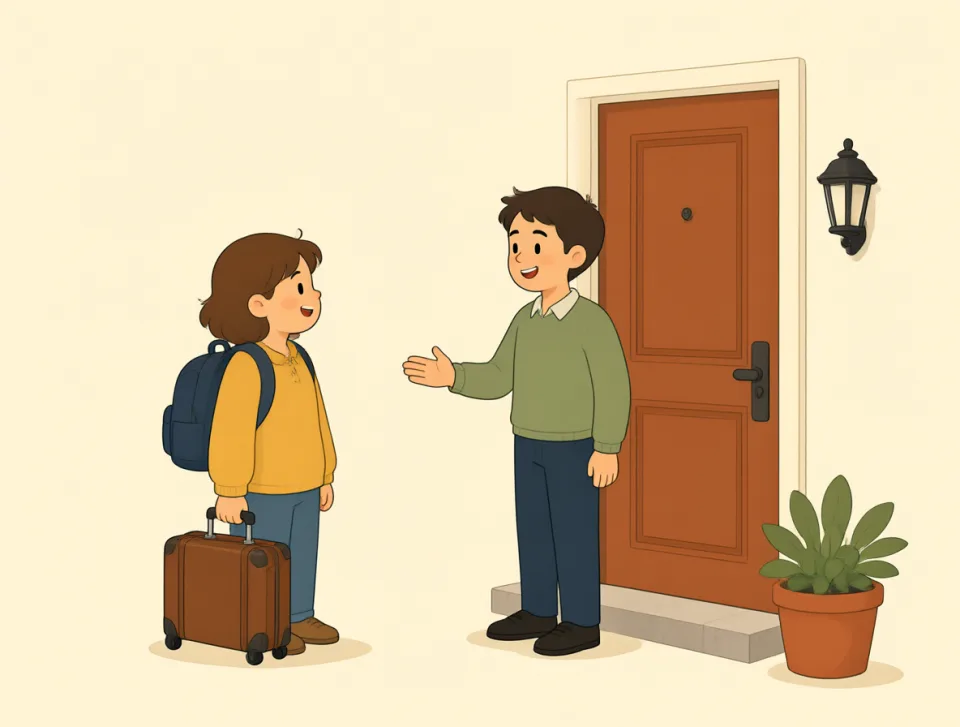
guest
#1430noun, verb
मेहमान
A guest is someone invited to visit, stay, eat, or attend an event.
मेहमान वह व्यक्ति होता है जिसे मिलने, ठहरने, खाना खाने या किसी कार्यक्रम में शामिल होने के लिए बुलाया गया हो।
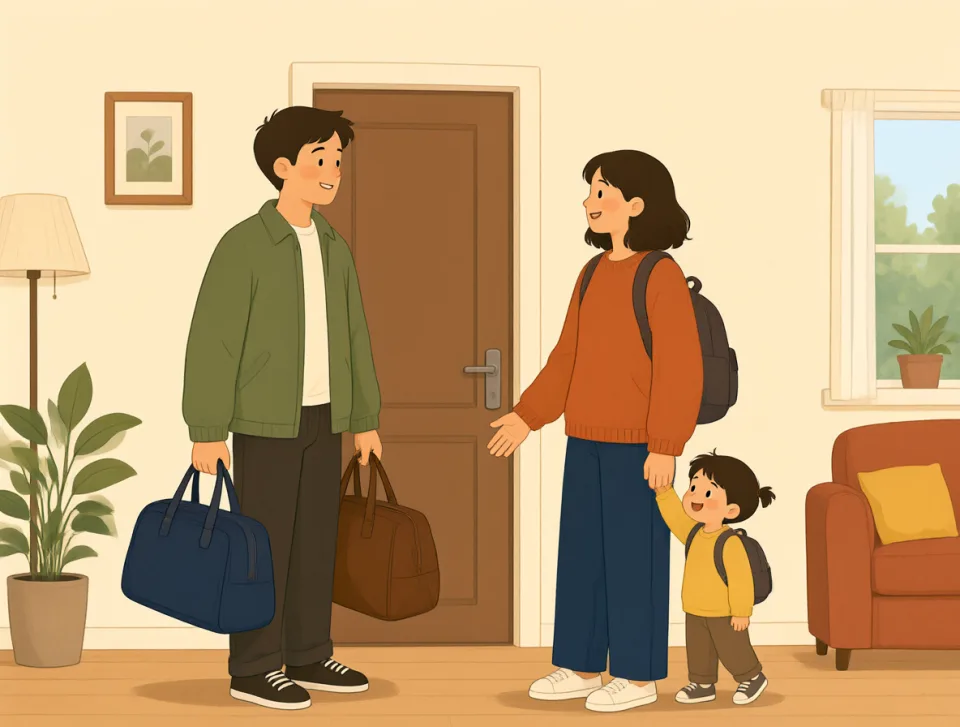
We have two guests staying with us this weekend.
इस सप्ताहांत हमारे यहाँ दो मेहमान ठहर रहे हैं।

The hotel guest asked for a quieter room.
होटल के एक मेहमान ने और शांत कमरा माँगा।

Please make our guest comfortable while I prepare dinner.
जब तक मैं रात का खाना तैयार करूँ, कृपया हमारे मेहमान का ध्यान रखिए।

She was a guest on a popular radio show yesterday.
कल वह एक लोकप्रिय रेडियो कार्यक्रम में मेहमान के तौर पर आई थी।
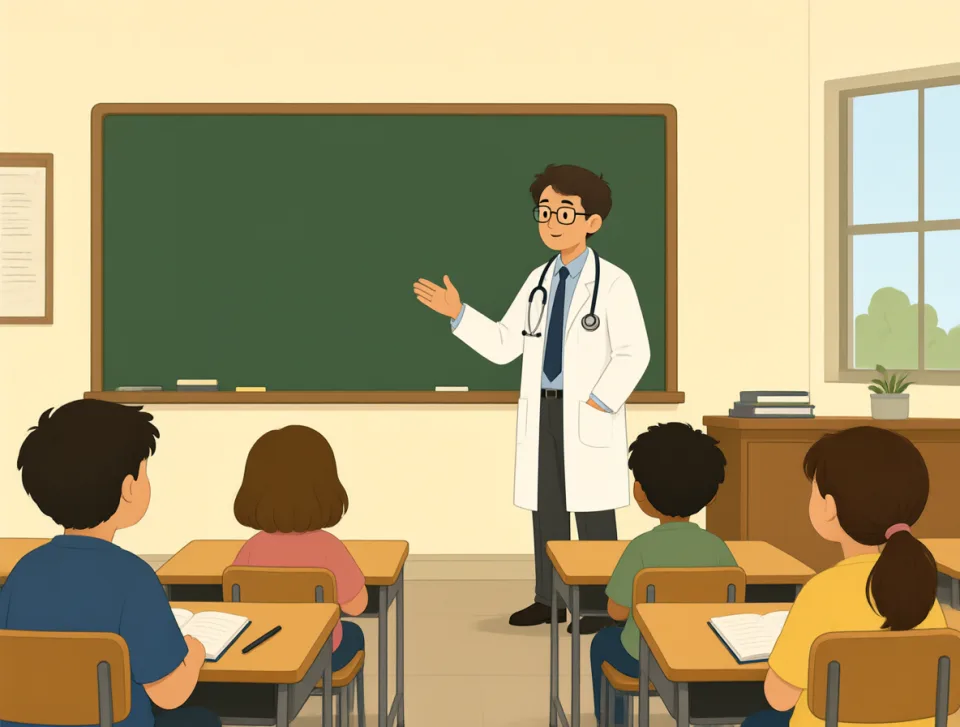
The doctor invited him to guest teach the medical class.
डॉक्टर ने उसे चिकित्सा कक्षा में अतिथि शिक्षक के रूप में पढ़ाने के लिए बुलाया।
anybody
#1431pronoun, determiner
कोई भी
any person at all, or any person in a particular group
कोई भी व्यक्ति, या किसी खास समूह का कोई भी व्यक्ति
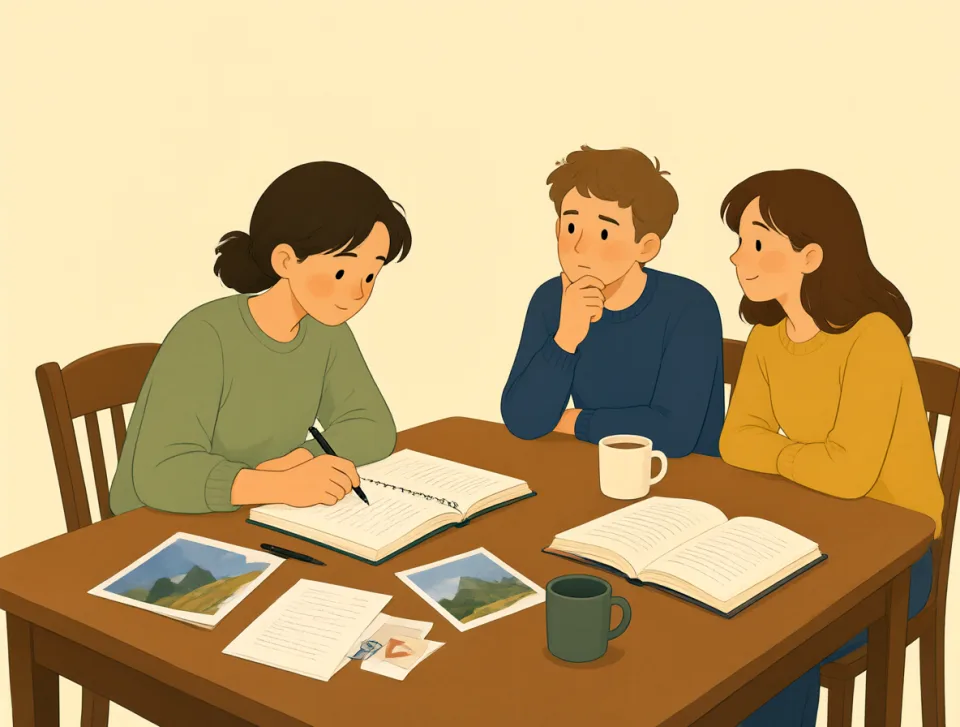
Does anybody know where I left my keys?
क्या किसी को पता है कि मैंने अपनी चाबियाँ कहाँ रखी थीं?

I do not think anybody is home right now.
मुझे नहीं लगता कि अभी घर पर कोई है।
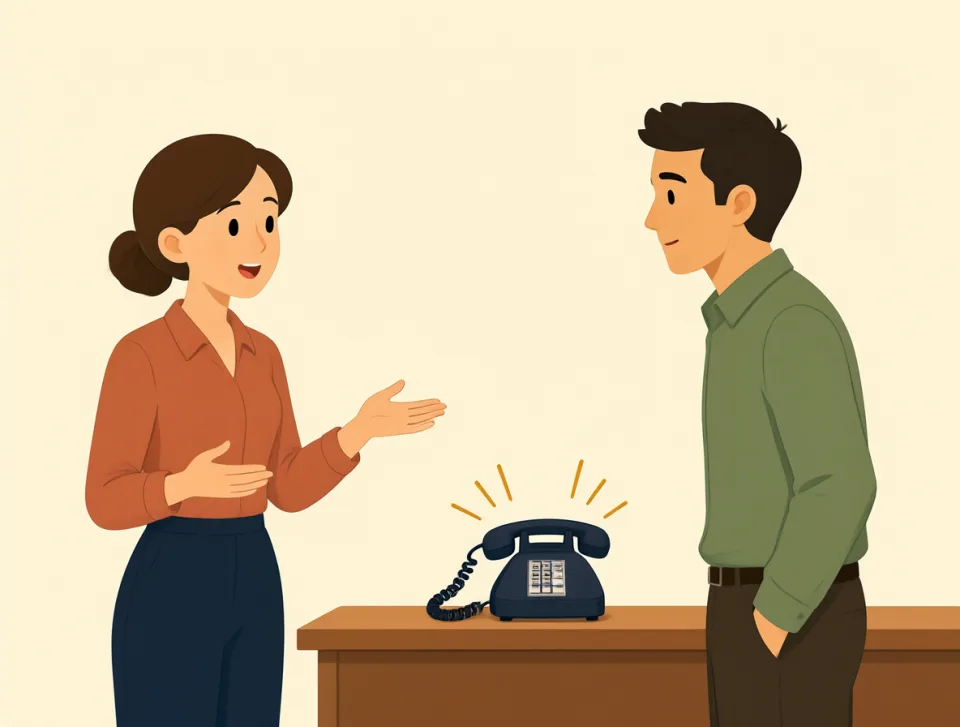
If anybody calls, please tell them I am at work.
अगर किसी का फ़ोन आए, तो कृपया उन्हें बता देना कि मैं काम पर हूँ।
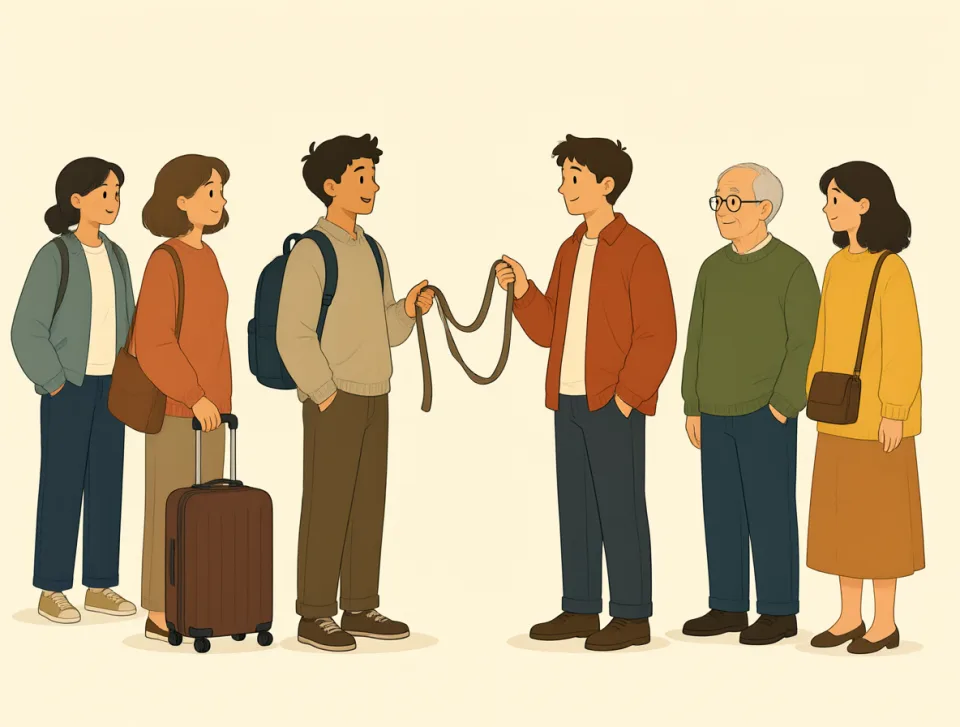
Has anybody seen my bag at the airport?
क्या हवाई अड्डे पर किसी ने मेरा बैग देखा है?
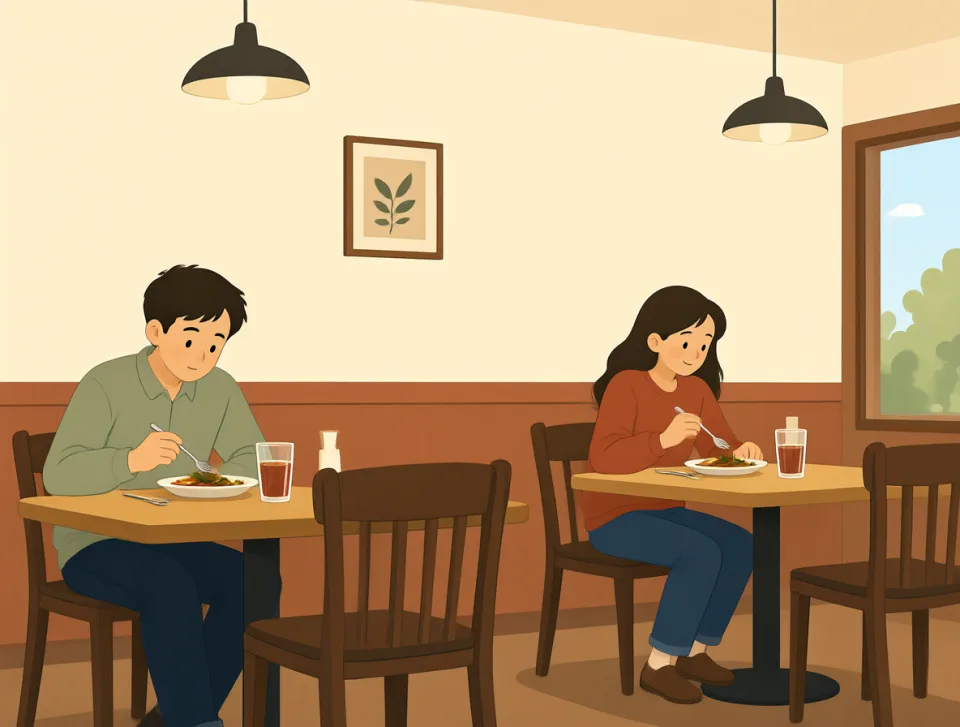
There was hardly anybody in the restaurant at lunchtime.
दोपहर के खाने के समय रेस्तराँ में लगभग कोई नहीं था।

bedroom
#1432noun
शयनकक्ष
A room in a home where people sleep.
घर का वह कमरा जहाँ लोग सोते हैं।
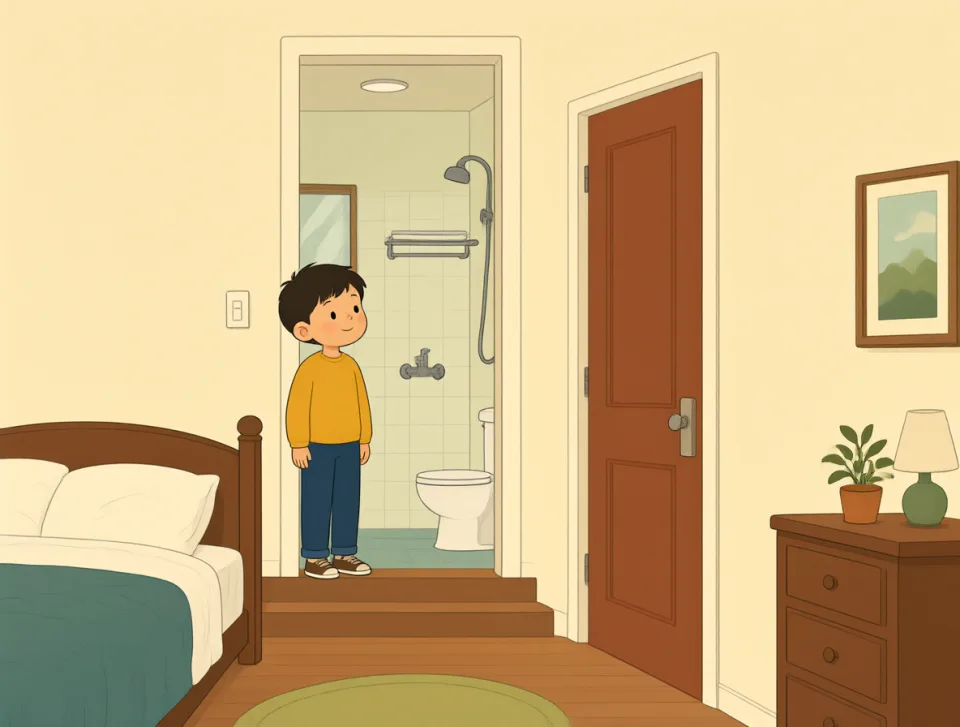
My bedroom is upstairs next to the bathroom.
मेरा शयनकक्ष ऊपर है, बाथरूम के पास।
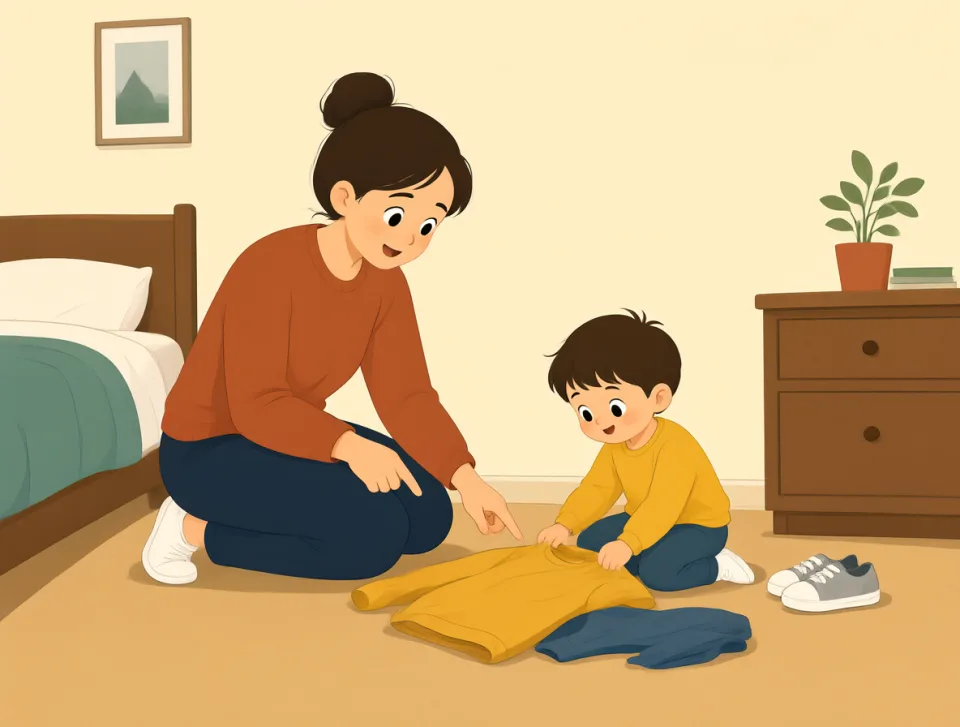
Please tidy your bedroom before our guests arrive.
मेहमानों के आने से पहले अपना शयनकक्ष साफ़-सुथरा कर लो।

The hotel gave us a bedroom with a beautiful view.
होटल ने हमें खूबसूरत नज़ारे वाला एक कमरा दिया।
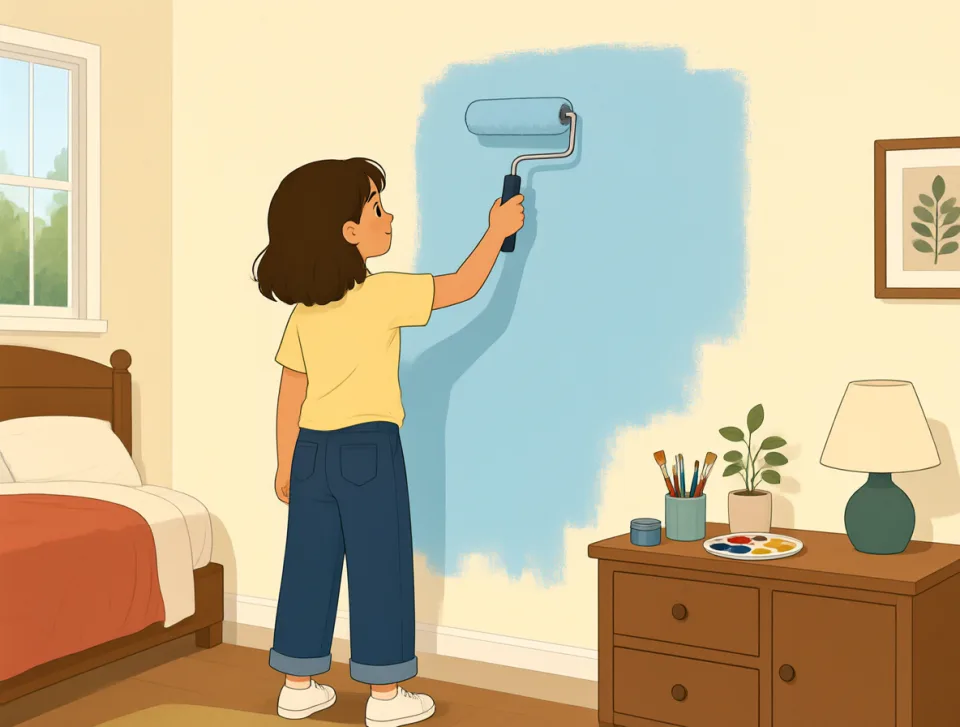
She painted her bedroom walls light blue last weekend.
उसने पिछले सप्ताहांत अपने शयनकक्ष की दीवारों को हल्का नीला रंग दिया।
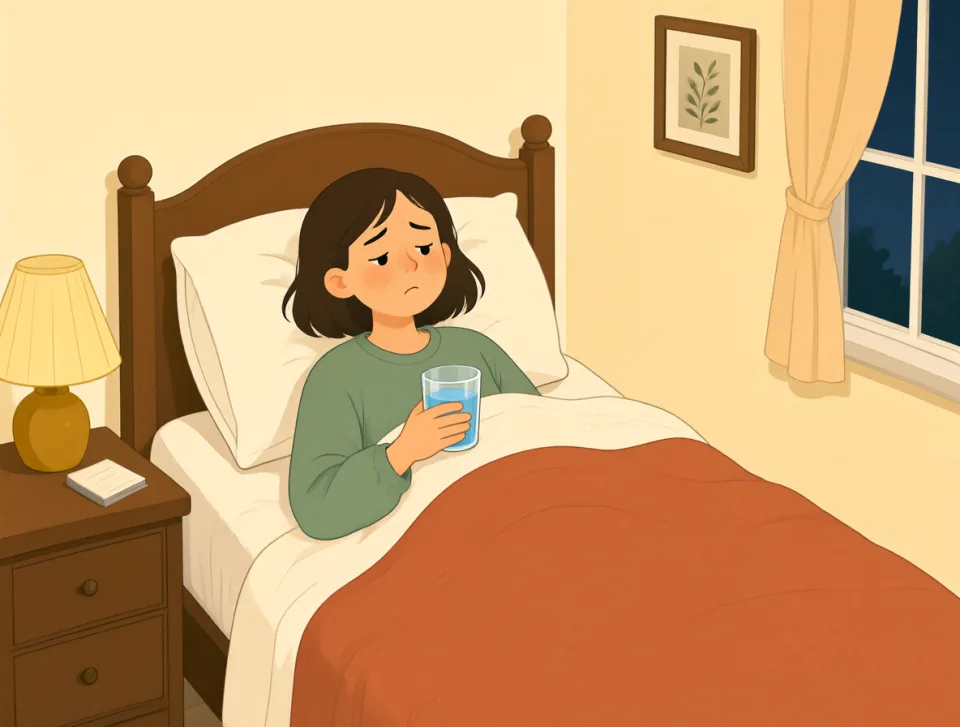
He stayed in his bedroom because he felt sick.
तबीयत ठीक न होने की वजह से वह अपने कमरे में ही रहा।
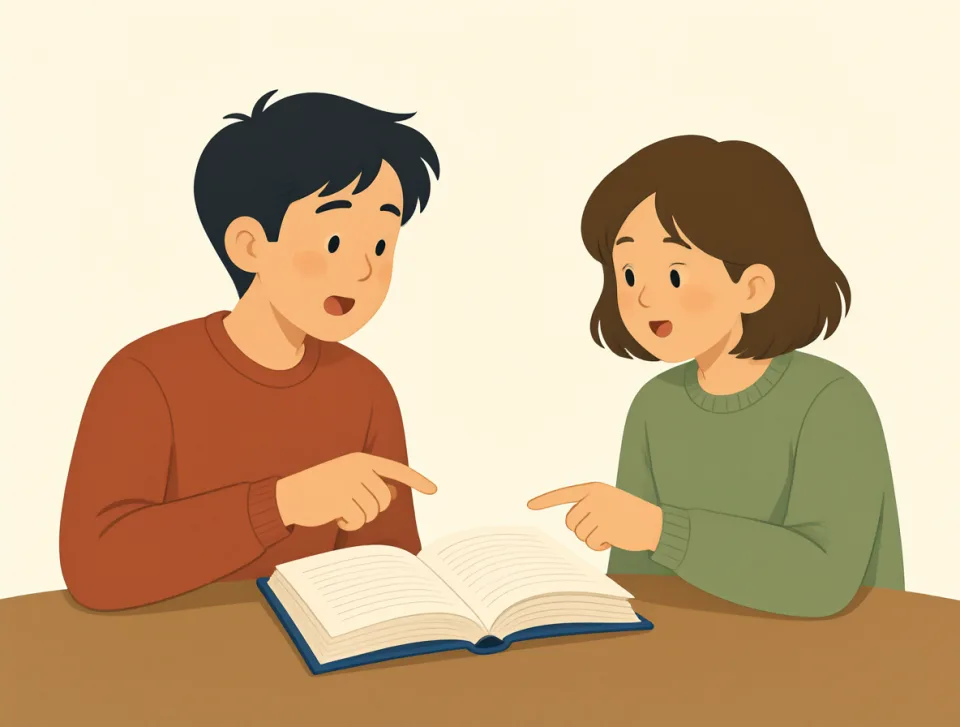
quote
#1433noun, verb
उद्धरण
Words repeated from someone else, or the act of repeating those words.
किसी और के कहे हुए शब्द, या उन शब्दों को दोहराने की क्रिया।
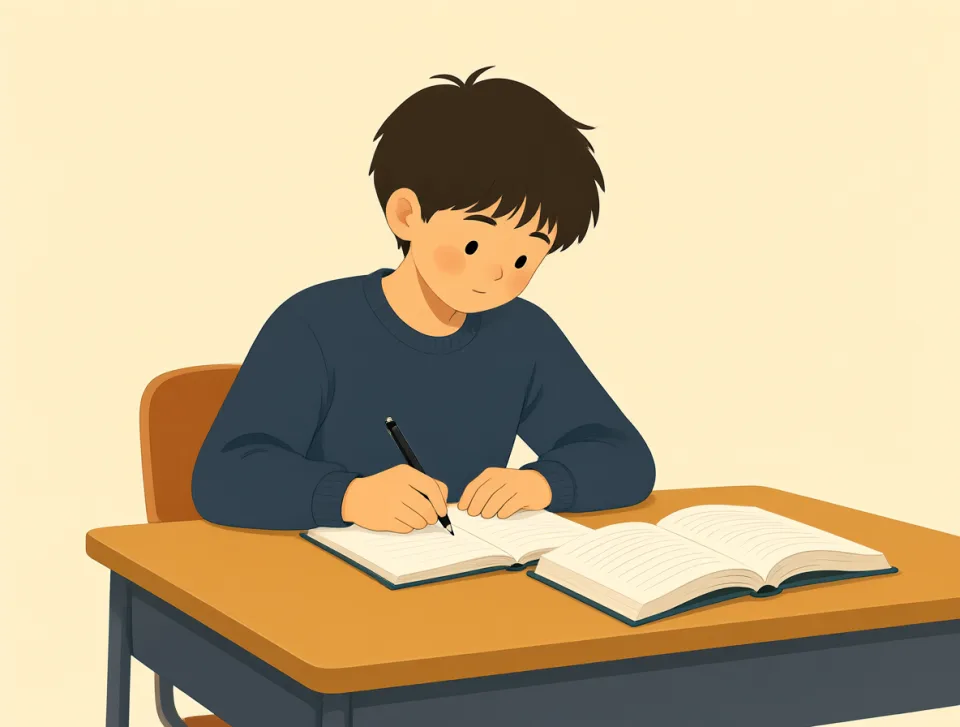
She used a famous quote in her school essay.
उसने अपने स्कूल के निबंध में एक मशहूर उद्धरण इस्तेमाल किया।

Can you give me a quote for repairing my car?
क्या आप मेरी कार की मरम्मत का अनुमानित खर्च बता सकते हैं?

The newspaper quoted the doctor about the health problem.
अख़बार ने स्वास्थ्य समस्या के बारे में डॉक्टर के बयान का हवाला दिया।

He quoted a lower price when I asked for a discount.
जब मैंने छूट माँगी, तो उसने कम कीमत बताई।

My friend keeps quoting funny lines from that movie.
मेरा दोस्त उस फ़िल्म के मज़ेदार संवाद बार-बार दोहराता रहता है।
climb
#1434verb, noun
चढ़ना
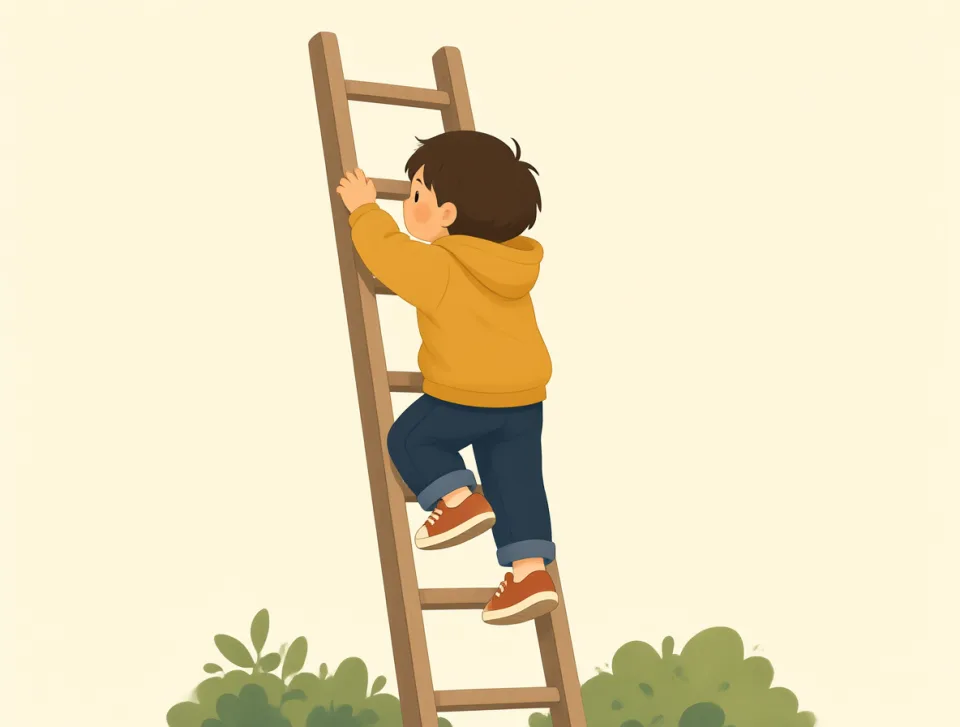
To move up something, or to go higher from a lower place.
किसी चीज़ पर ऊपर की ओर बढ़ना, या नीचे की जगह से ऊँचाई पर जाना।
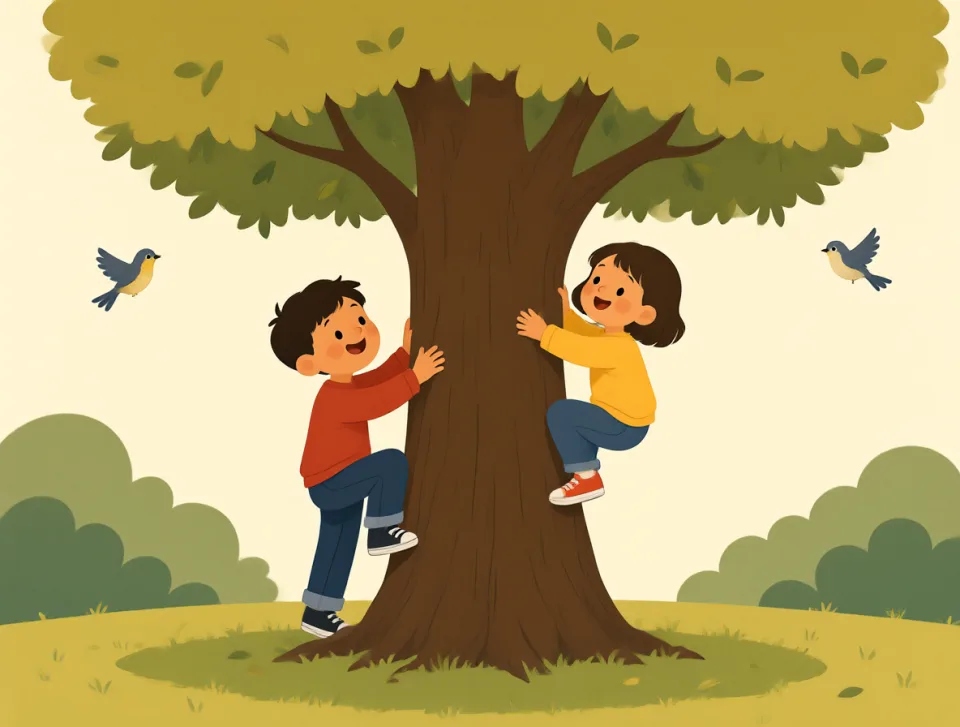
The children climbed the tree to look for birds.
बच्चे पक्षियों को देखने के लिए पेड़ पर चढ़ गए।

We climbed the stairs to reach the apartment.
अपार्टमेंट तक पहुँचने के लिए हम सीढ़ियाँ चढ़े।

The climber reached the top of the mountain before sunset.
पर्वतारोही सूर्यास्त से पहले पहाड़ की चोटी पर पहुँच गया।

House prices have climbed quickly in our town this year.
इस साल हमारे कस्बे में घरों की कीमतें तेज़ी से बढ़ी हैं।
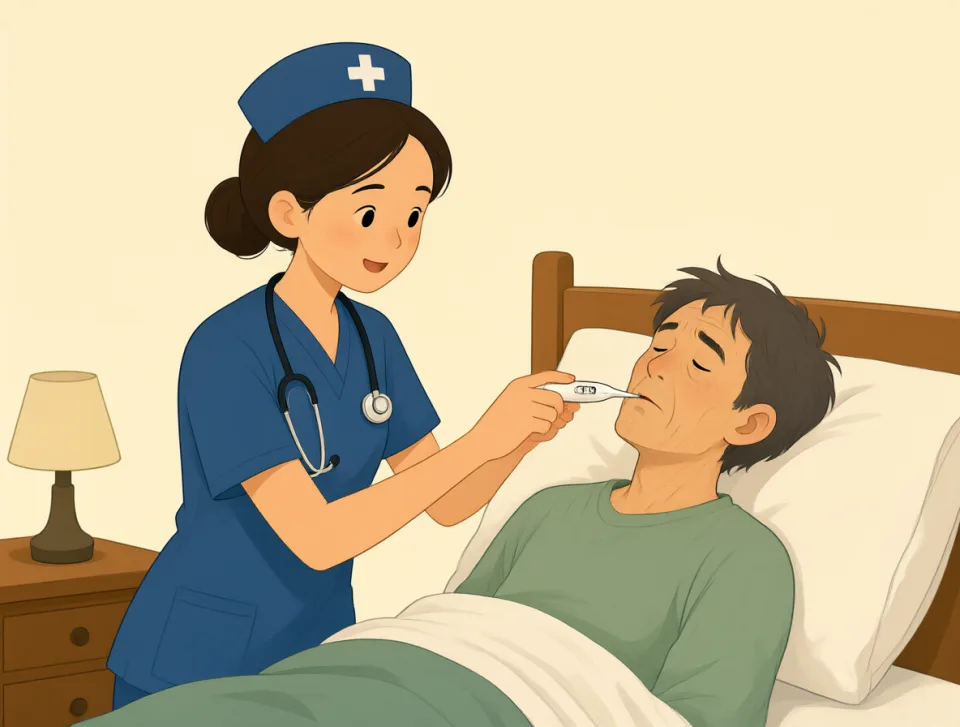
The nurse checked my temperature as my fever climbed.
बुखार बढ़ने के साथ नर्स ने मेरा तापमान जाँचा।

basically
#1435adverb
मूल रूप से
used to say what is most important or true in a simple way
सबसे अहम या सही बात को सरल ढंग से बताने के लिए इस्तेमाल होता है।
Basically, we need more time to finish the project.
मूल रूप से, परियोजना पूरी करने के लिए हमें और समय चाहिए।

The job is basically answering emails and helping customers.
इस नौकरी में मुख्य रूप से ईमेल का जवाब देना और ग्राहकों की मदद करना है।

I basically stayed home and watched movies all weekend.
मैंने मूल रूप से पूरा सप्ताहांत घर पर रहकर फ़िल्में देखते हुए बिताया।
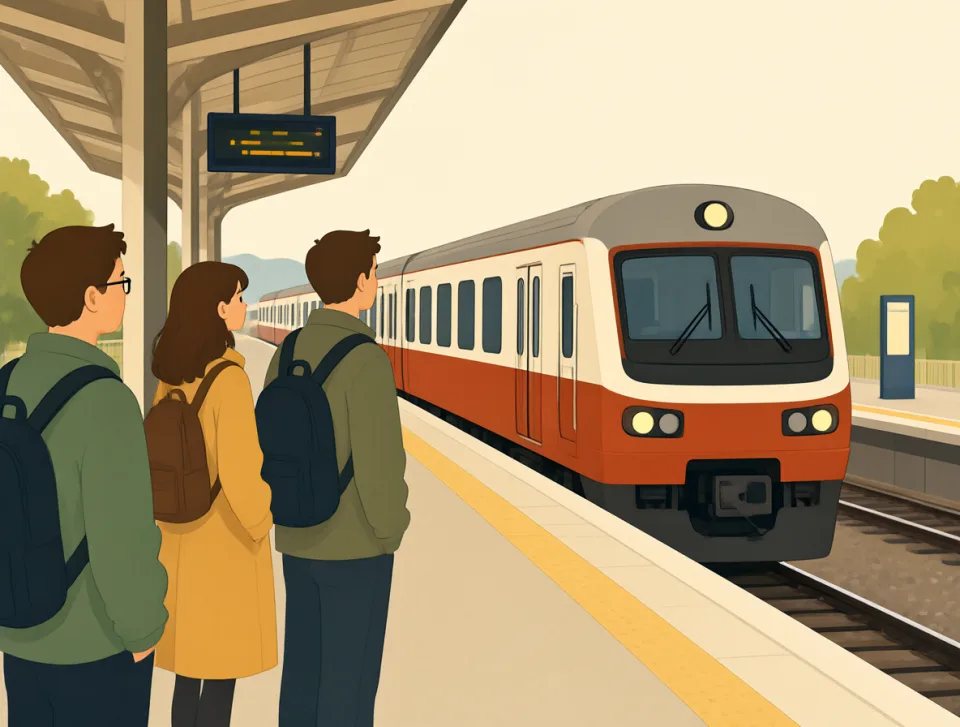
Basically, the train leaves every hour from this station.
मूल रूप से, इस स्टेशन से हर घंटे ट्रेन रवाना होती है।
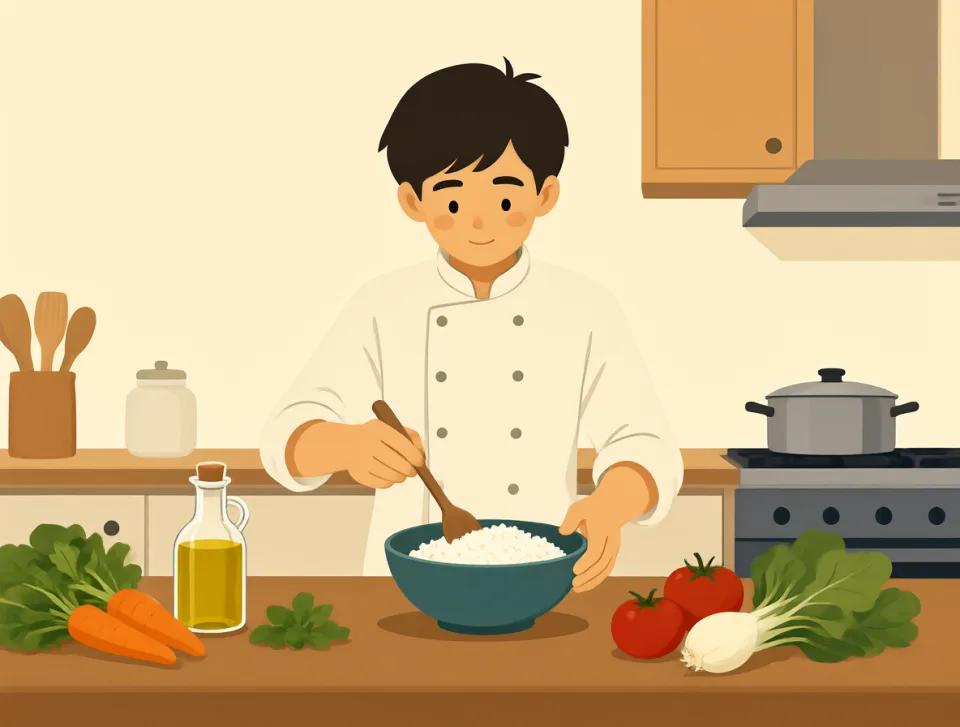
The recipe is basically vegetables, rice, and a little oil.
इस रेसिपी में मुख्य रूप से सब्ज़ियाँ, चावल और थोड़ा-सा तेल है।
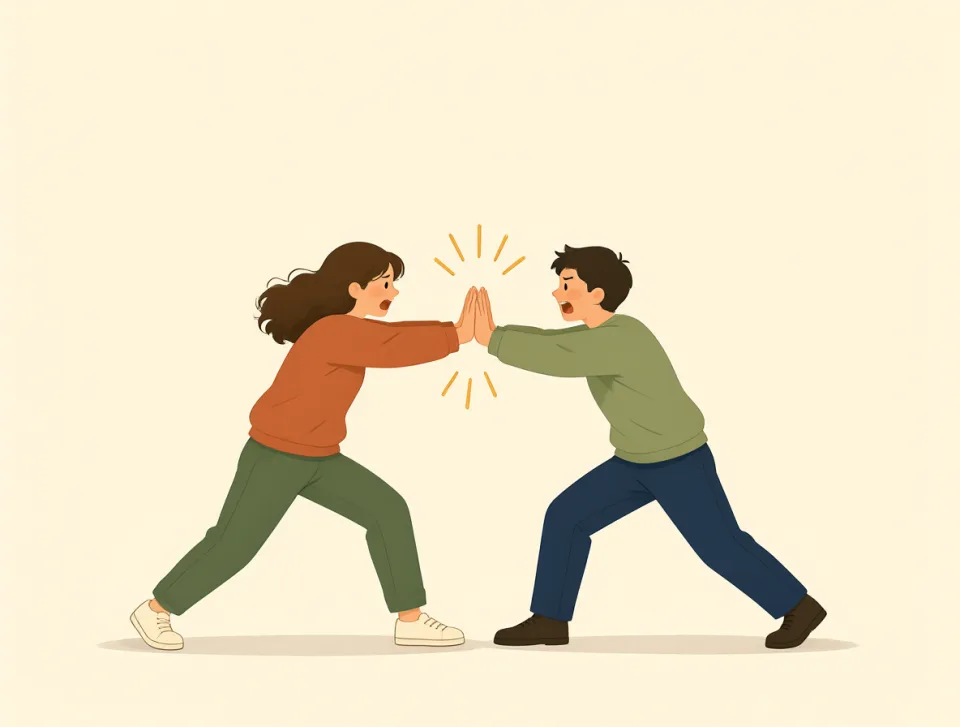
violence
#1436noun
हिंसा
The use of physical force to hurt people or damage things.
लोगों को चोट पहुँचाने या चीज़ों को नुकसान पहुँचाने के लिए शारीरिक बल का इस्तेमाल।

The police are working to reduce violence in the city.
पुलिस शहर में हिंसा कम करने के लिए काम कर रही है।
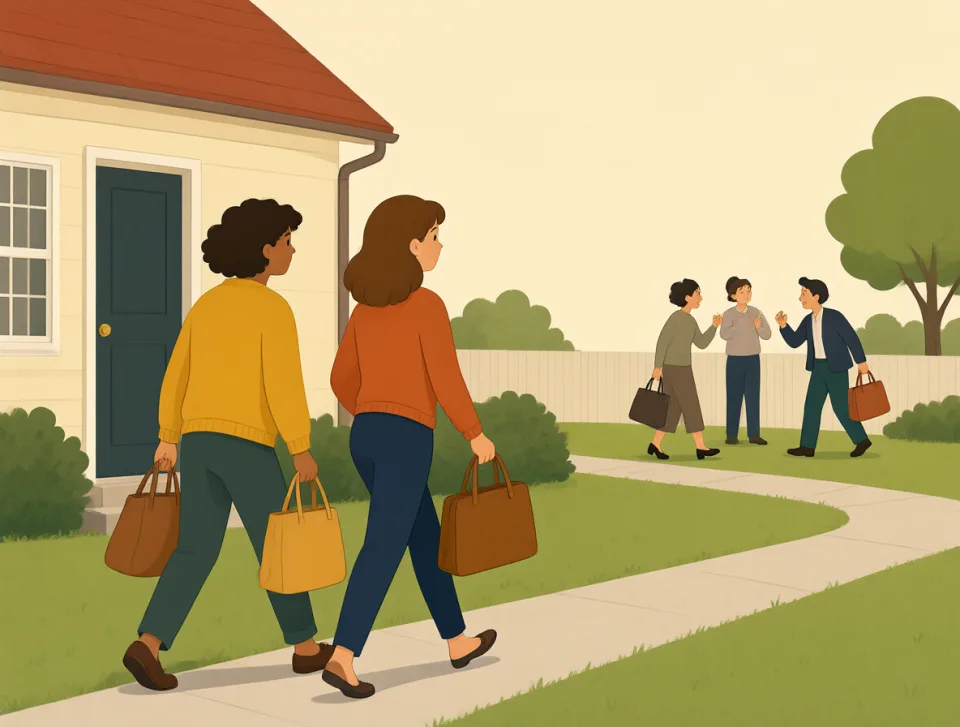
The family left their home because of violence nearby.
पास में हो रही हिंसा के कारण परिवार अपना घर छोड़कर चला गया।
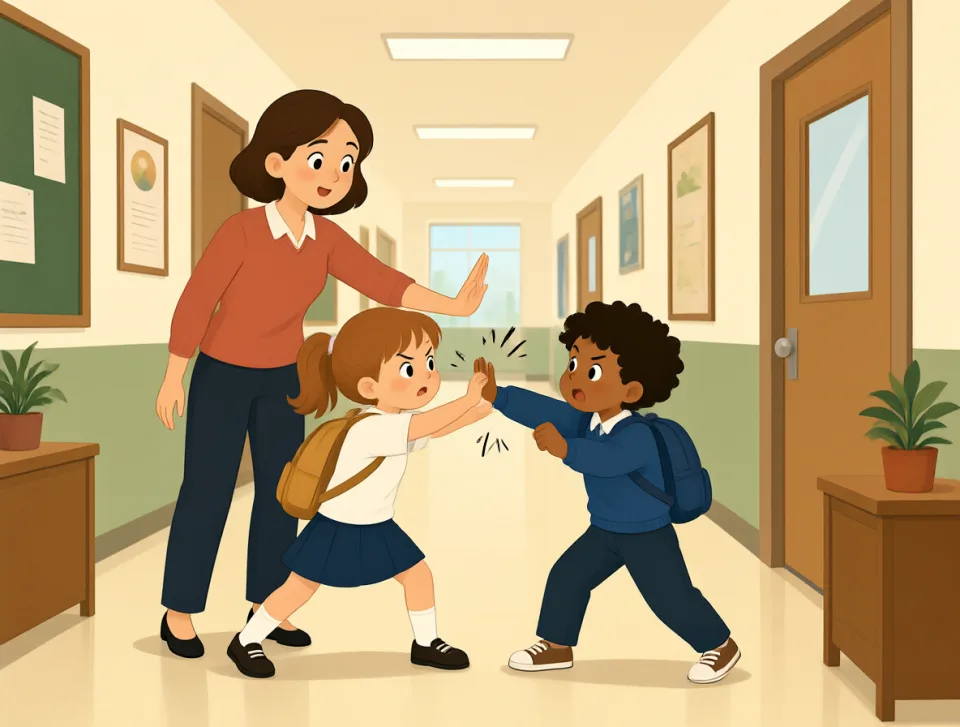
The school has strict rules against violence.
स्कूल में हिंसा के ख़िलाफ़ सख़्त नियम हैं।
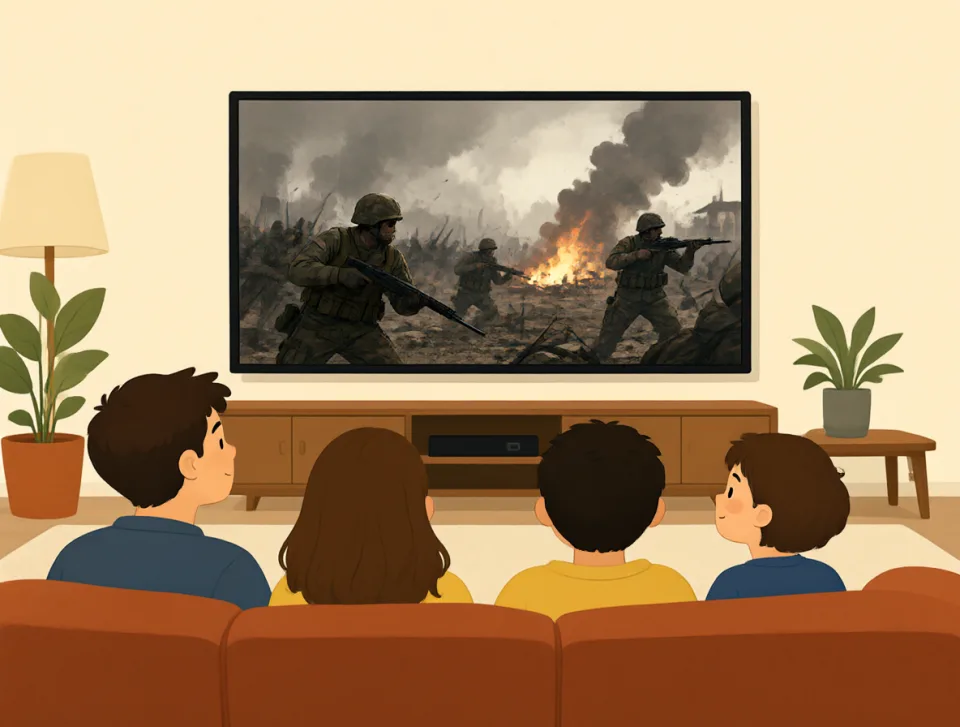
They watched a film about war and violence last night.
उन्होंने कल रात युद्ध और हिंसा पर बनी एक फ़िल्म देखी।
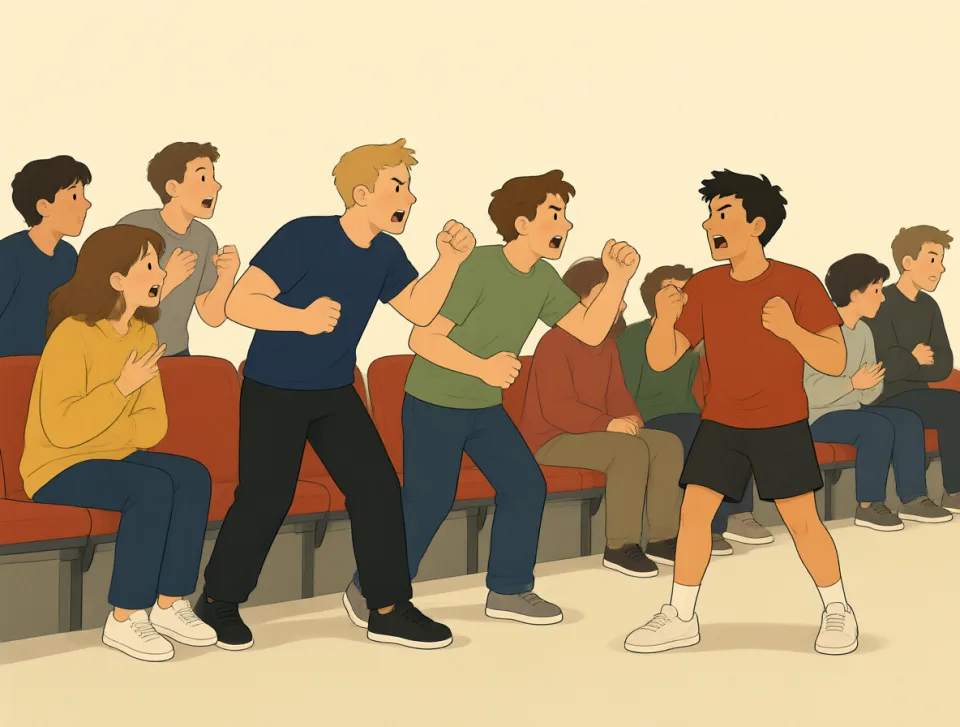
The match ended early after violence broke out among fans.
प्रशंसकों के बीच हिंसा भड़कने के बाद मैच जल्दी ख़त्म हो गया।
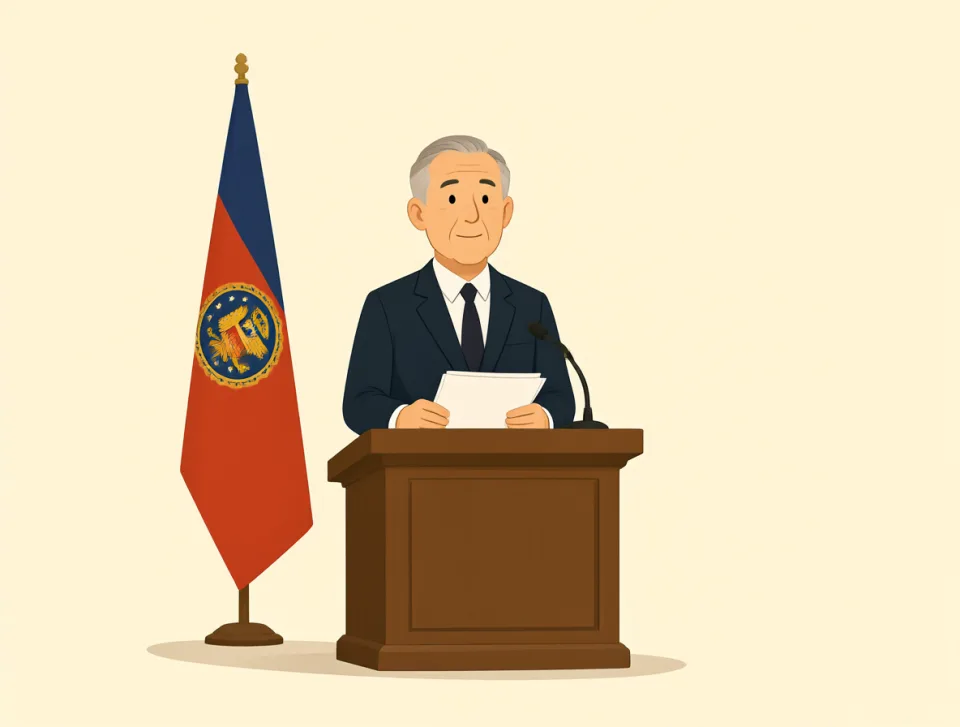
minister
#1437noun, verb
मंत्री
A government official, or to give careful attention to someone’s needs.
सरकार का कोई अधिकारी; या किसी की ज़रूरतों का ध्यान रखना।
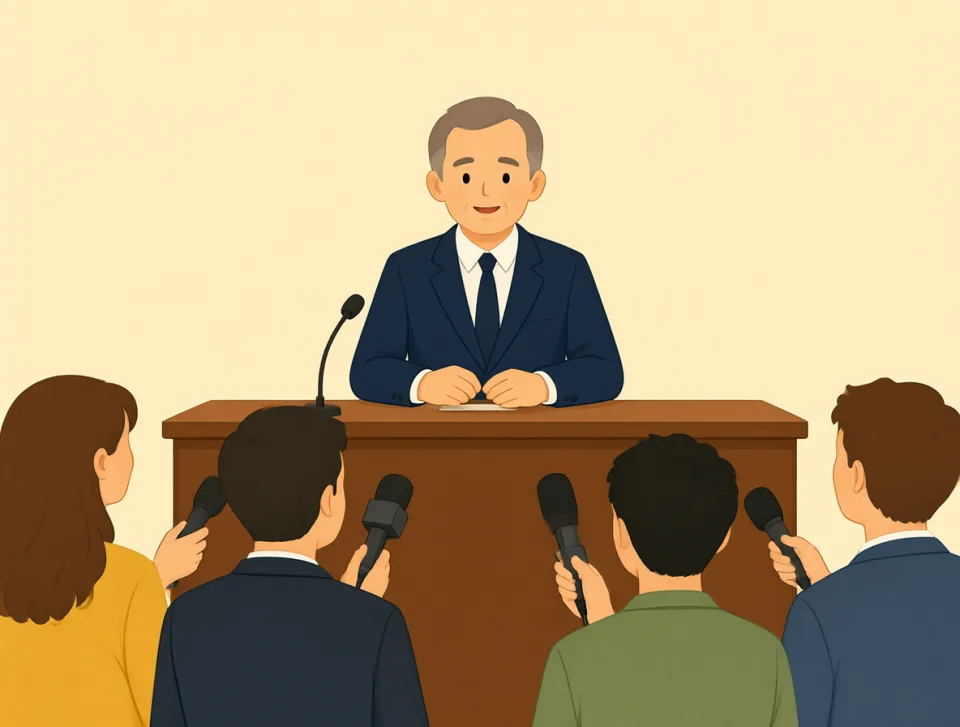
The minister announced new plans for local schools.
मंत्री ने स्थानीय स्कूलों के लिए नई योजनाओं की घोषणा की।
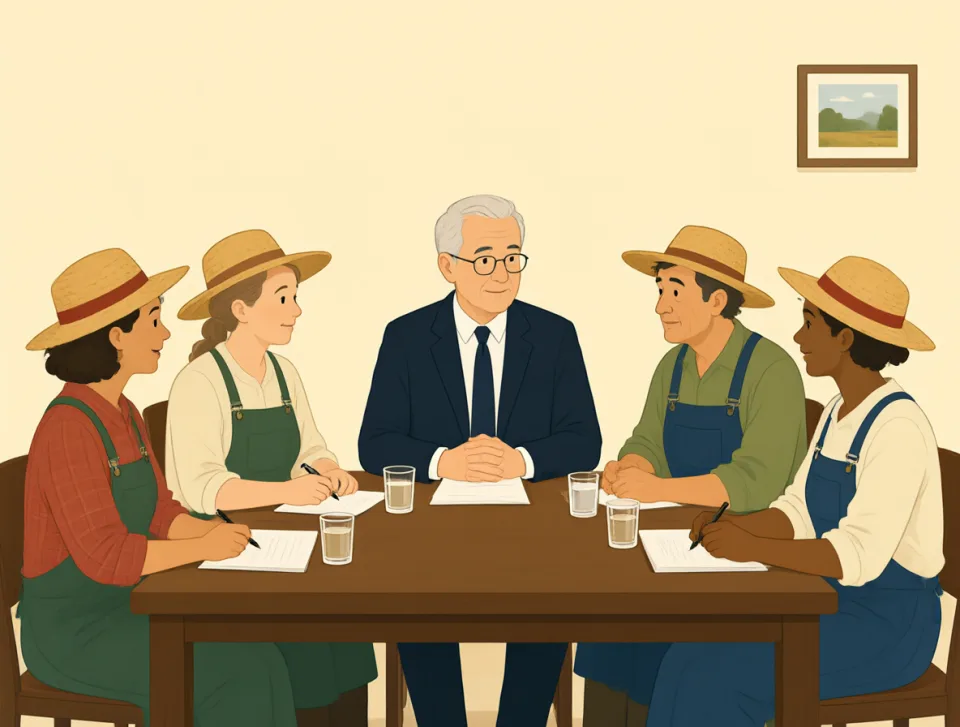
The minister met farmers to discuss rising food prices.
मंत्री ने बढ़ती खाद्य कीमतों पर चर्चा करने के लिए किसानों से मुलाक़ात की।
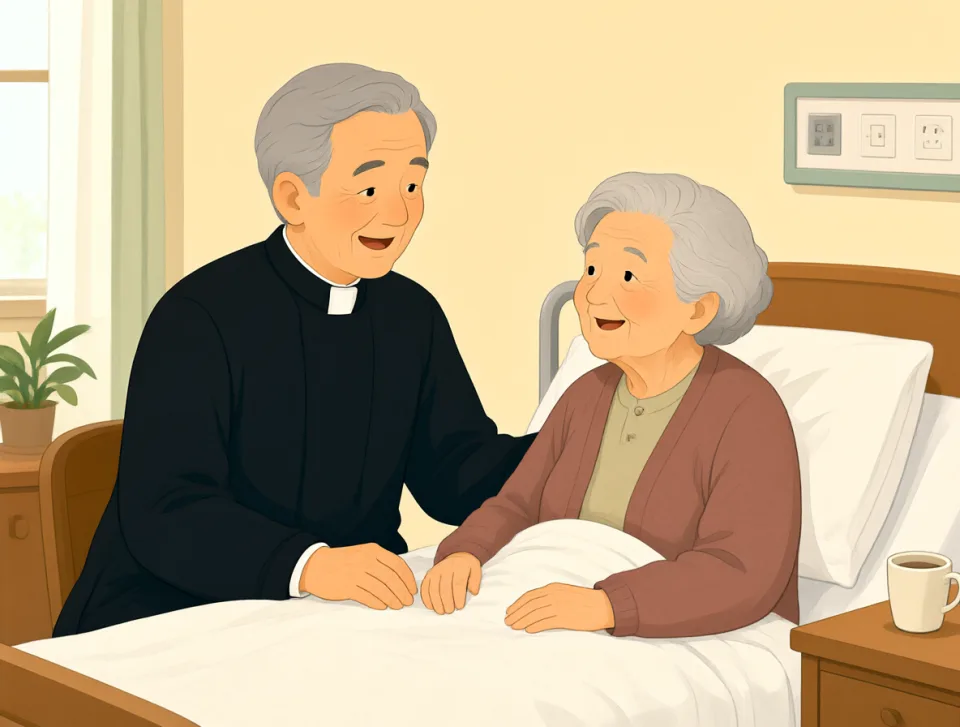
Our church minister visited my grandmother in hospital.
हमारे चर्च के पादरी अस्पताल में मेरी दादी से मिलने आए।
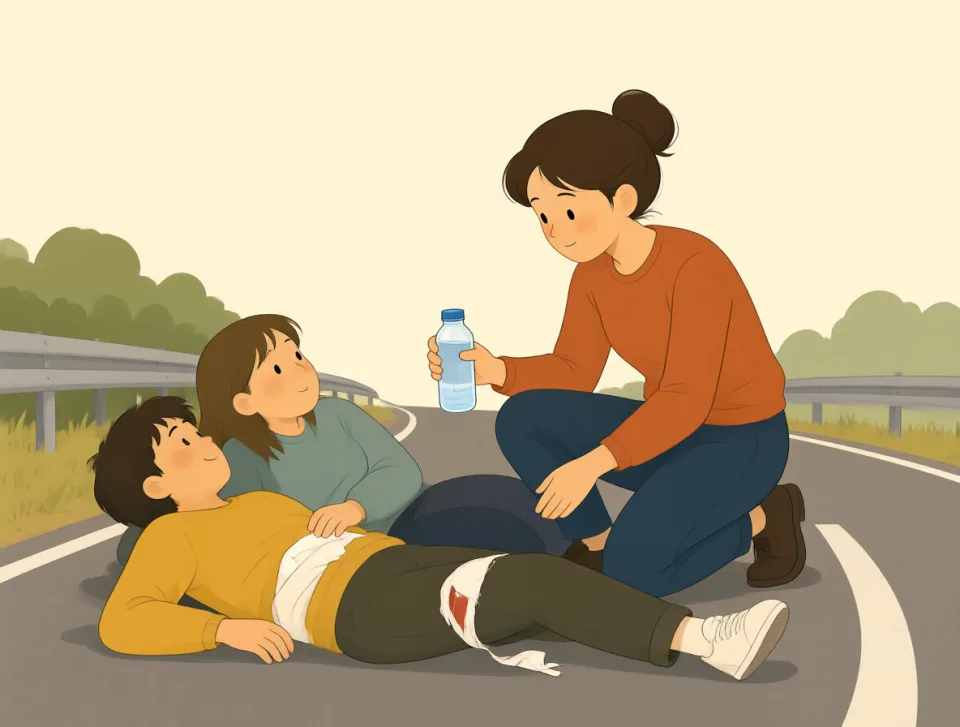
She ministered to the injured passengers after the accident.
दुर्घटना के बाद उसने घायल यात्रियों की देखभाल की।
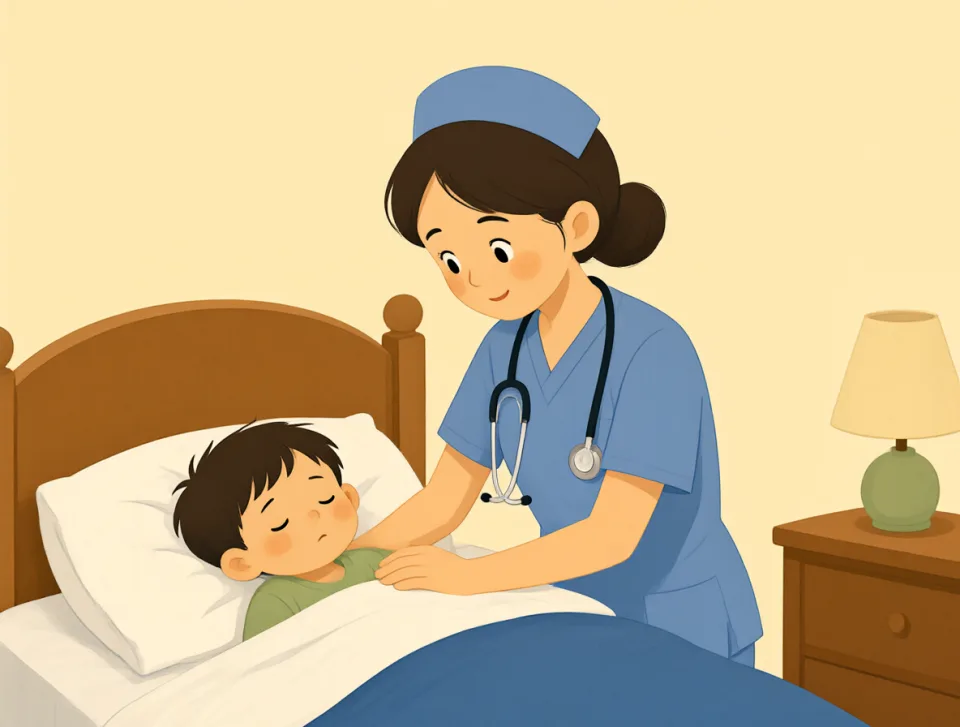
The nurse ministered to the sick child throughout the night.
नर्स ने पूरी रात बीमार बच्चे की देखभाल की।
mainly
#1438adverb
मुख्य रूप से
Mostly or usually, with only a small part coming from something else.
ज़्यादातर या आम तौर पर; इसका केवल थोड़ा-सा हिस्सा किसी दूसरी चीज़ से आता है।
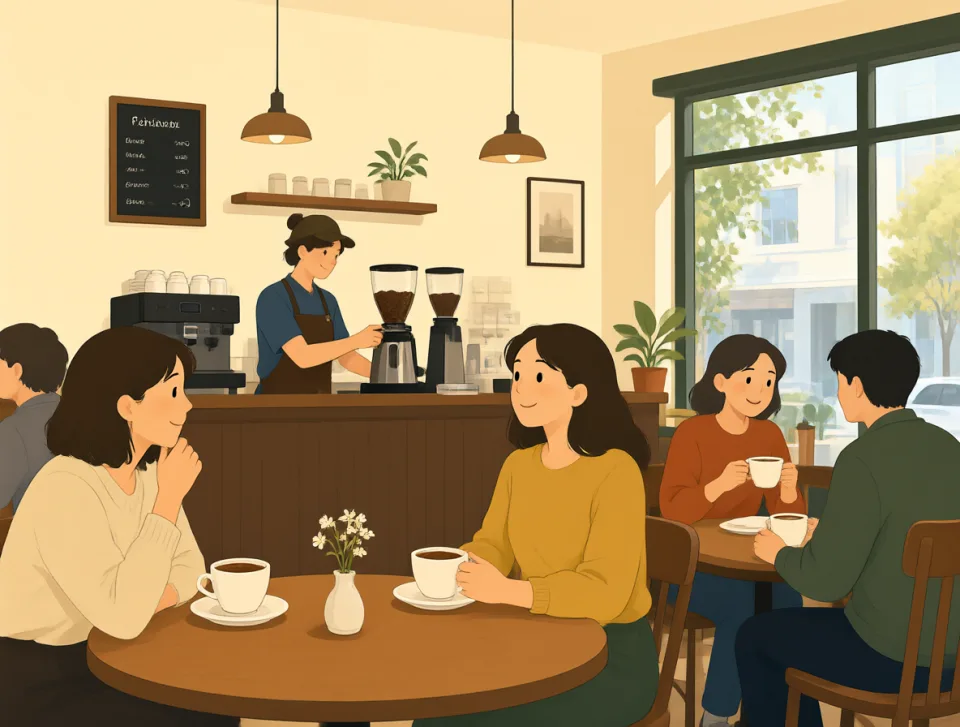
The cafe is mainly busy in the mornings.
कैफ़े में ज़्यादातर सुबह के समय भीड़ रहती है।

She mainly works from home during the week.
वह हफ़्ते के दिनों में ज़्यादातर घर से काम करती है।
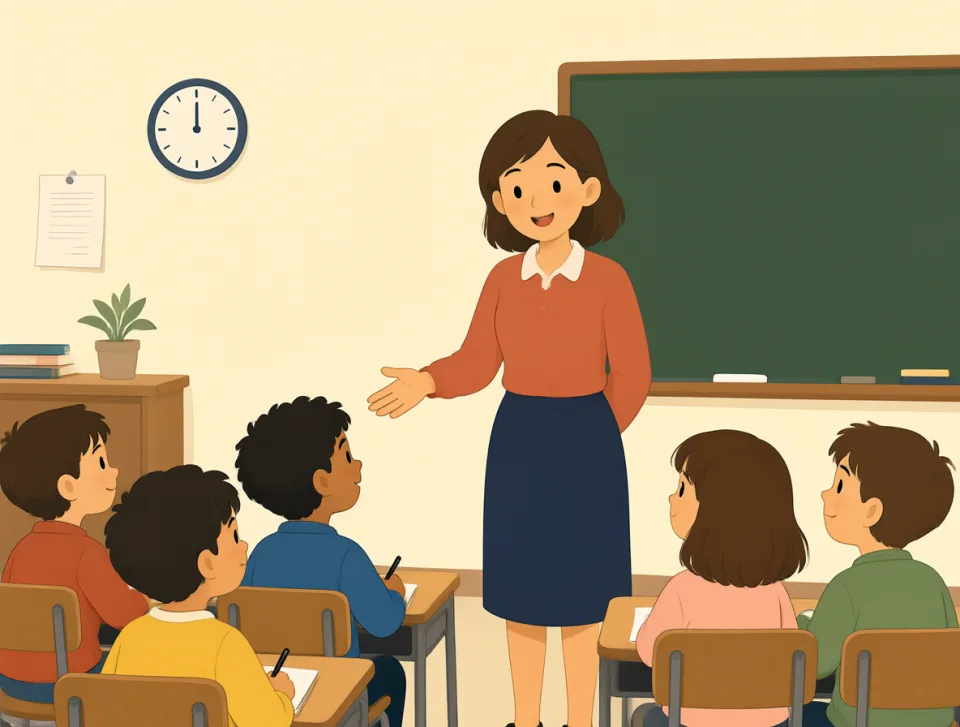
The class is made up mainly of new students.
इस कक्षा में ज़्यादातर नए विद्यार्थी हैं।

We bought mainly fruit and vegetables at the market.
हमने बाज़ार से मुख्य रूप से फल और सब्ज़ियाँ खरीदीं।

The train is used mainly by people traveling to work.
इस ट्रेन का इस्तेमाल मुख्य रूप से काम पर जाने वाले लोग करते हैं।

mouth
#1439noun, verb
मुँह
The opening in your face used for eating, speaking, and breathing.
चेहरे का वह खुला हिस्सा जिससे आप खाते, बोलते और साँस लेते हैं।

Please open your mouth and say your name.
कृपया अपना मुँह खोलिए और अपना नाम बताइए।
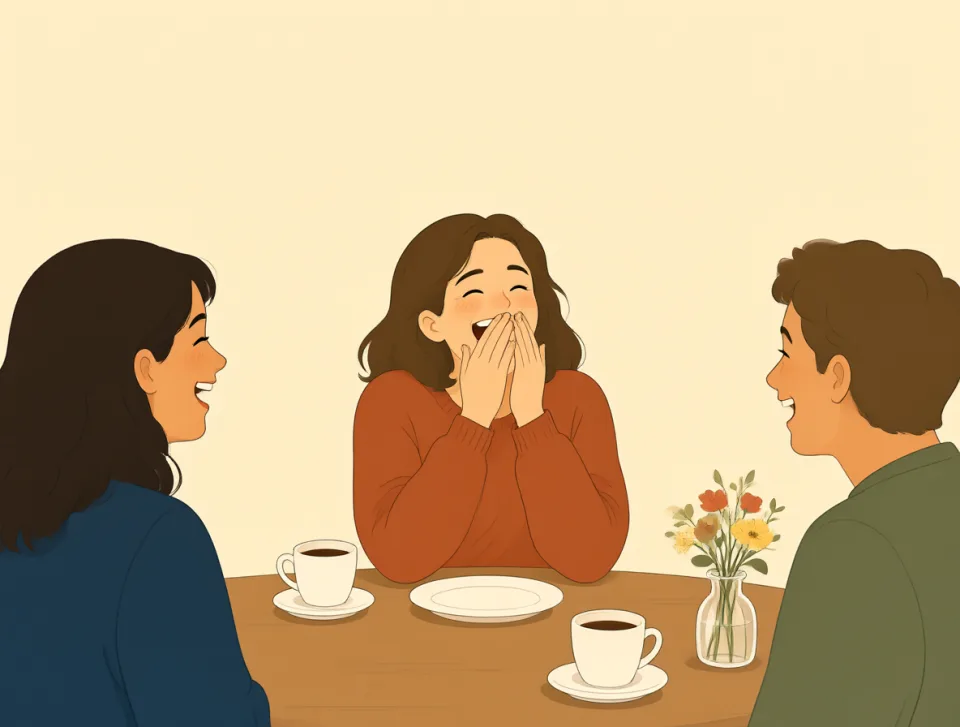
She covered her mouth when she started laughing.
हँसना शुरू करते ही उसने अपना मुँह ढक लिया।
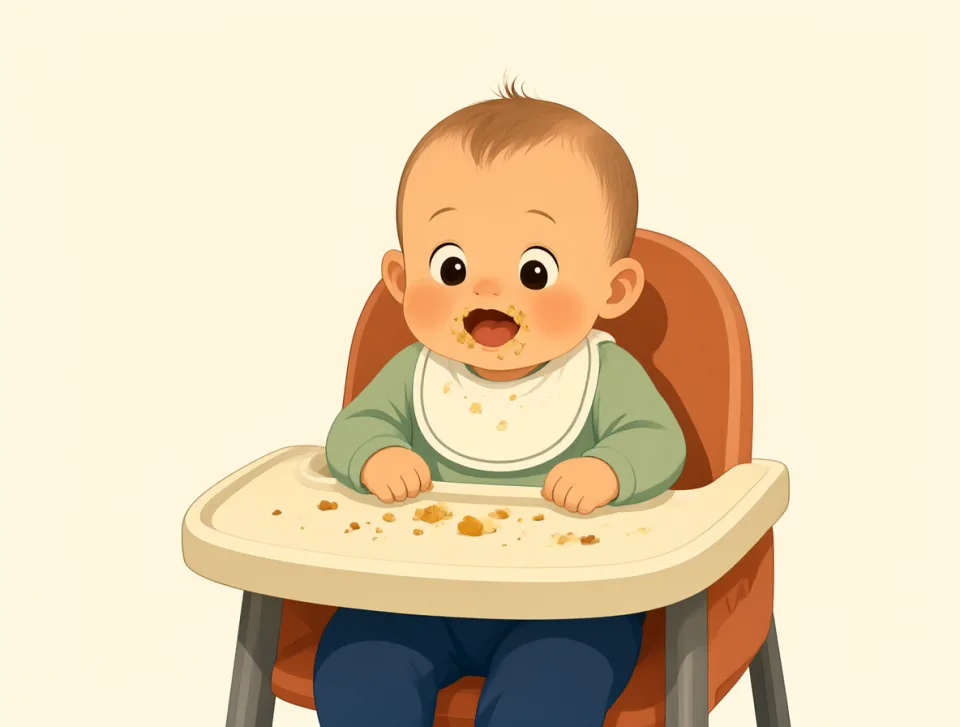
The baby had food around his mouth.
बच्चे के मुँह के आसपास खाना लगा हुआ था।
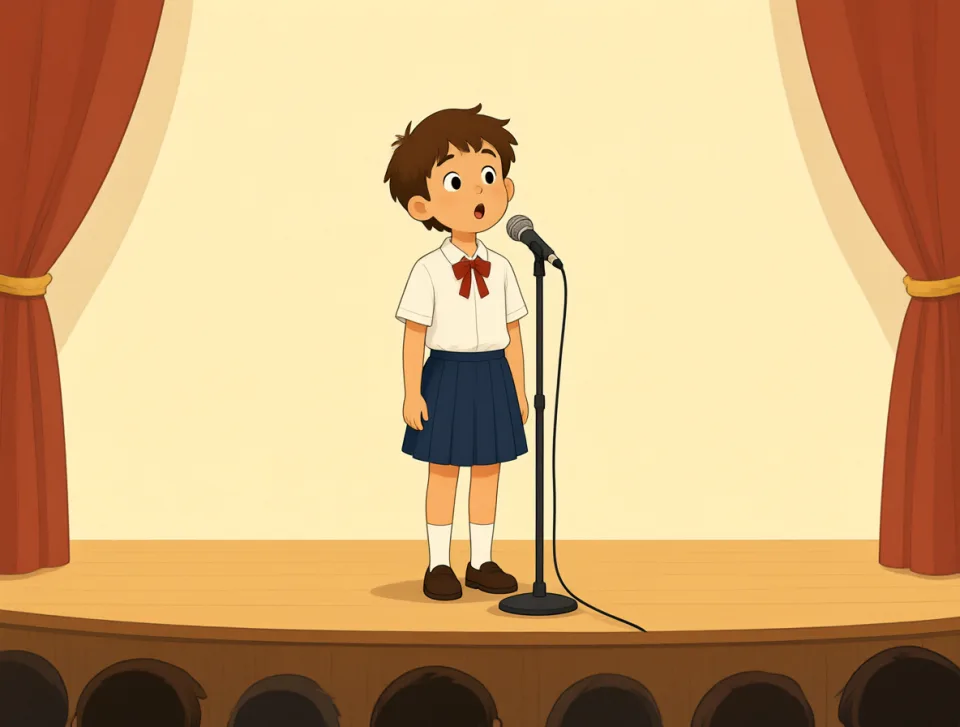
He mouthed the words during the school performance.
स्कूल के कार्यक्रम के दौरान उसने बिना आवाज़ किए शब्दों को होंठों से दोहराया।
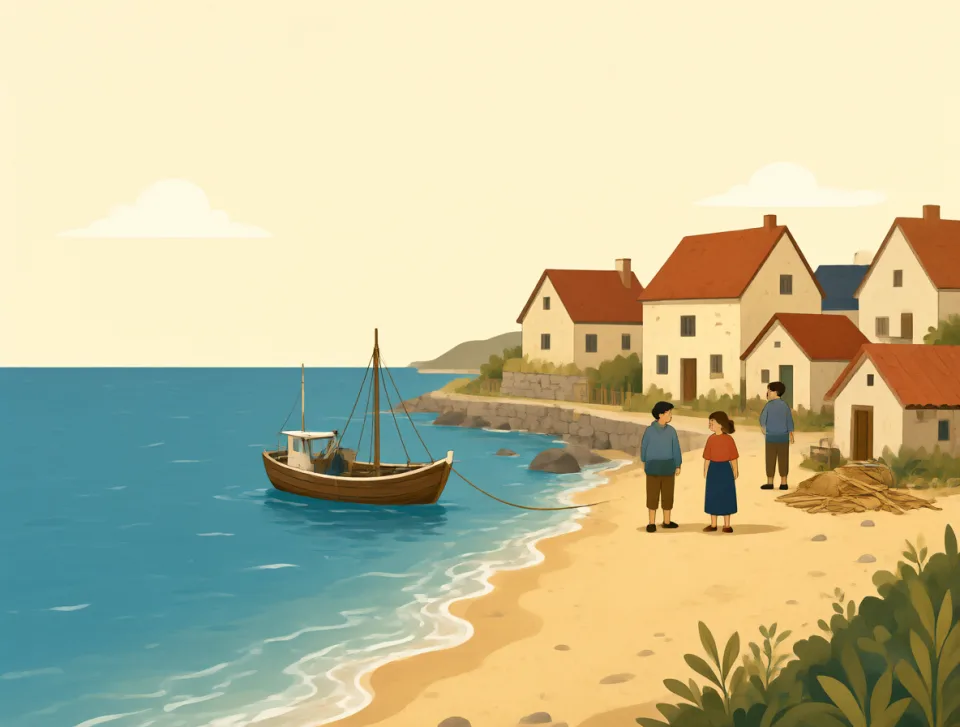
The river mouth was near the small fishing village.
नदी का मुहाना मछुआरों के छोटे-से गाँव के पास था।
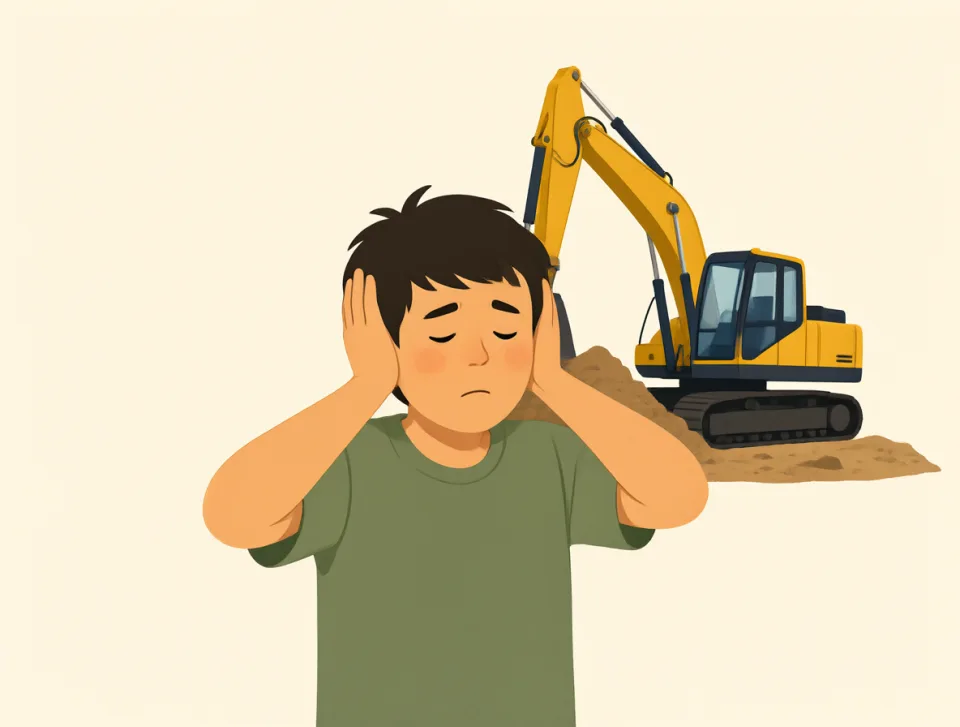
noise
#1440noun
शोर
A loud or unpleasant sound that makes it difficult to hear, think, or sleep.
तेज़ या अप्रिय आवाज़, जिससे सुनना, सोचना या सोना मुश्किल हो जाता है।
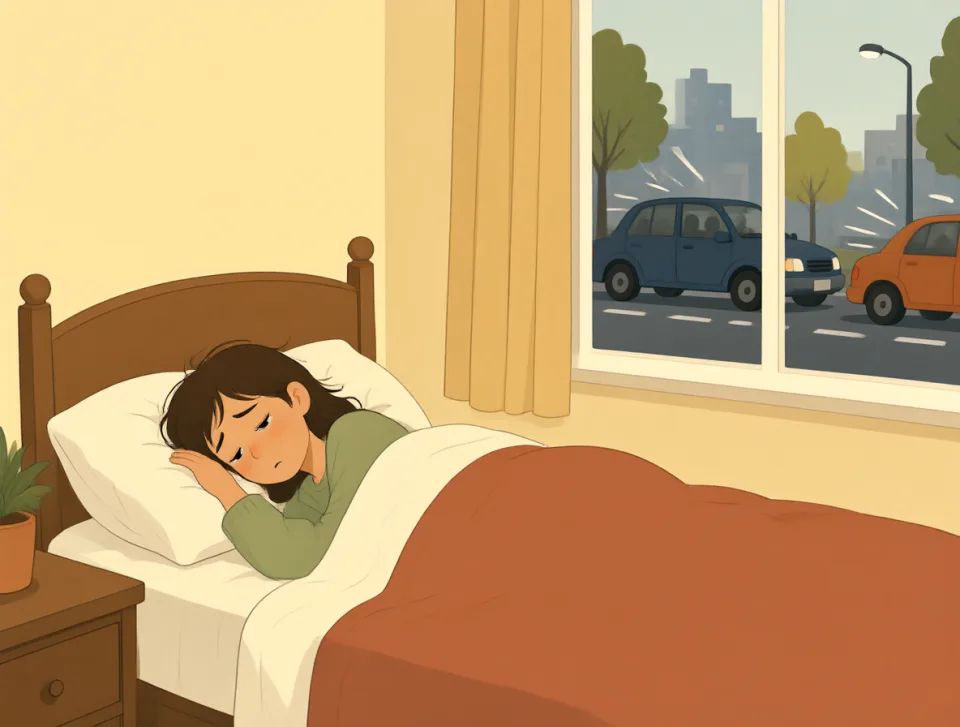
The traffic noise kept me awake last night.
कल रात ट्रैफ़िक के शोर ने मुझे सोने नहीं दिया।
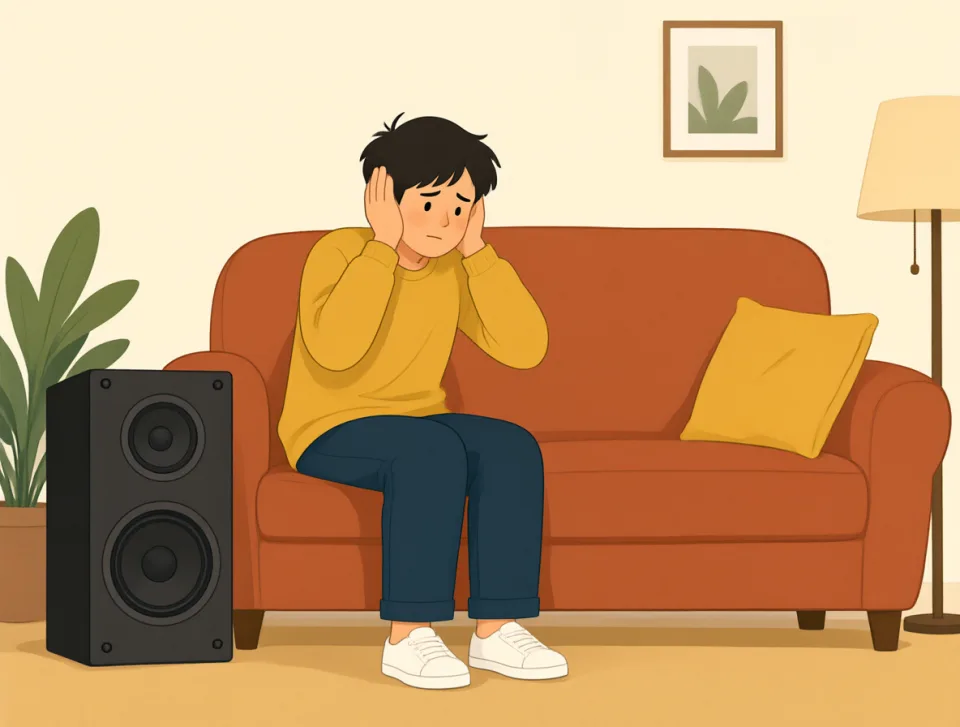
Please turn down the music; the noise is too loud.
कृपया संगीत धीमा कर दीजिए; शोर बहुत ज़्यादा है।
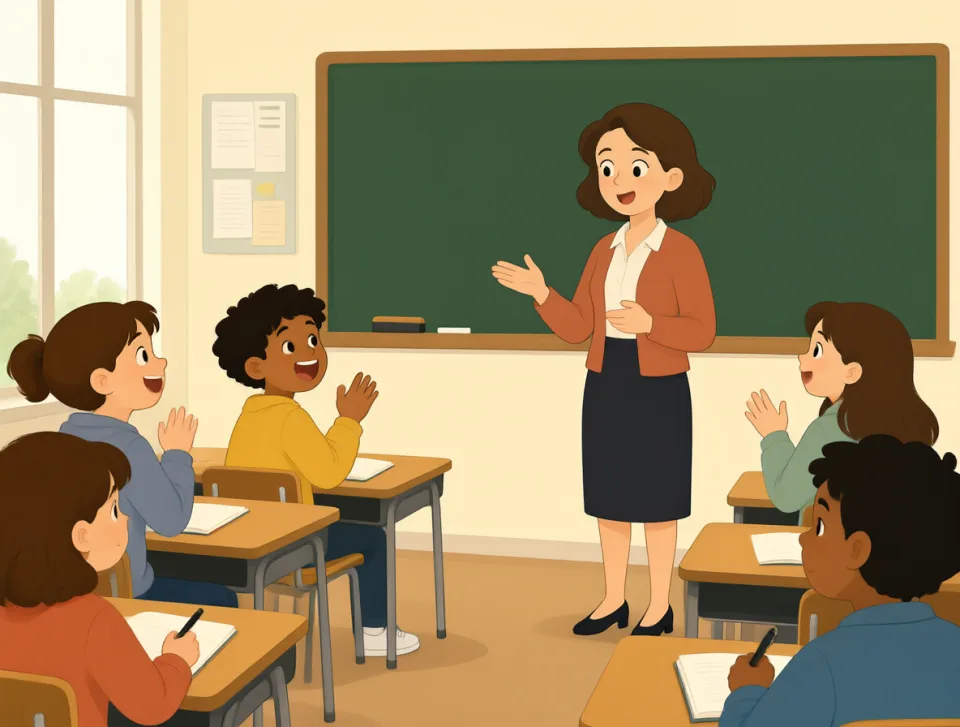
We could not hear the teacher because of the classroom noise.
कक्षा के शोर के कारण हम शिक्षक की बात नहीं सुन सके।
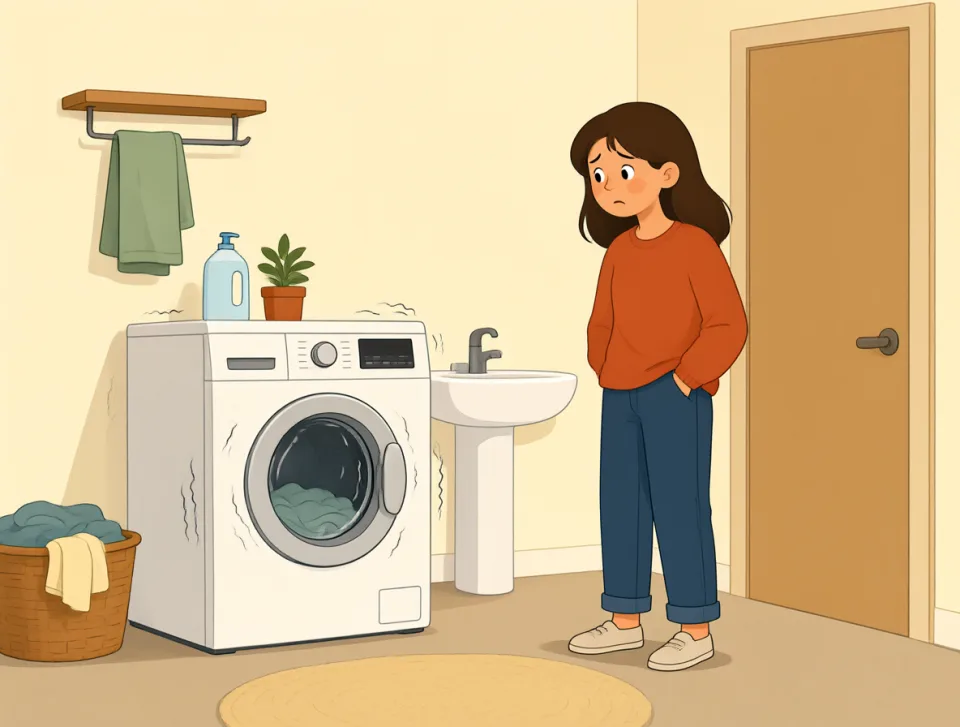
The washing machine is making a strange noise.
वॉशिंग मशीन से अजीब-सी आवाज़ आ रही है।

The neighbors apologized for the noise during their party.
पड़ोसियों ने अपनी पार्टी के दौरान हुए शोर के लिए माफ़ी माँगी।