Zestaw 72
Słowa 1421–1440 · hurt, council, editor, normally, sight, generate
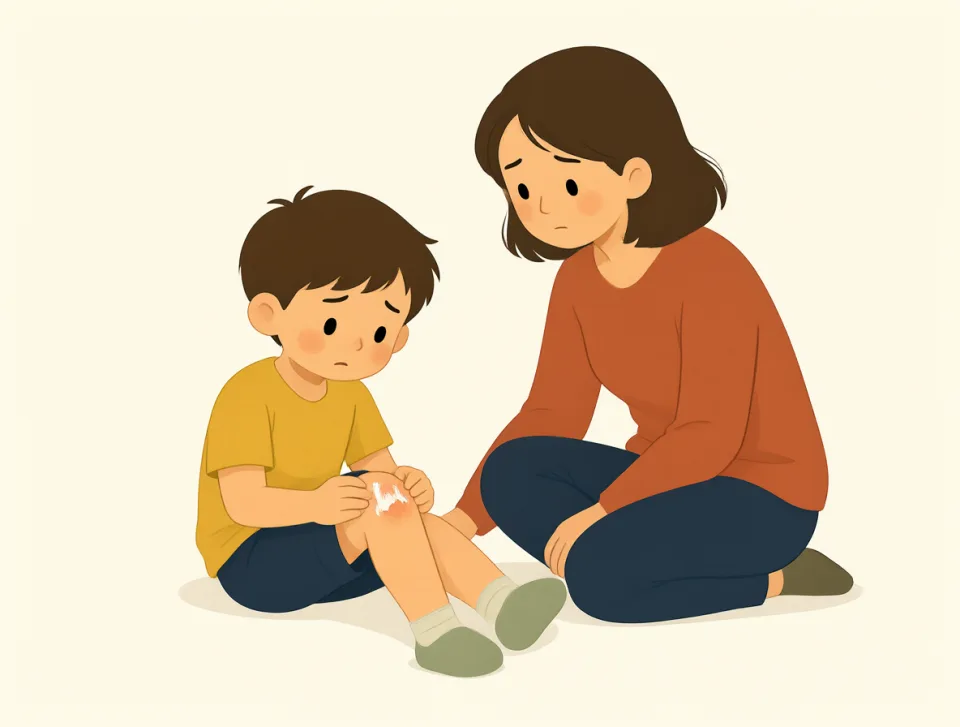
hurt
#1421verb, noun, adjective
ranić; boleć
to feel pain or cause someone to feel pain
odczuwać ból lub sprawiać komuś ból
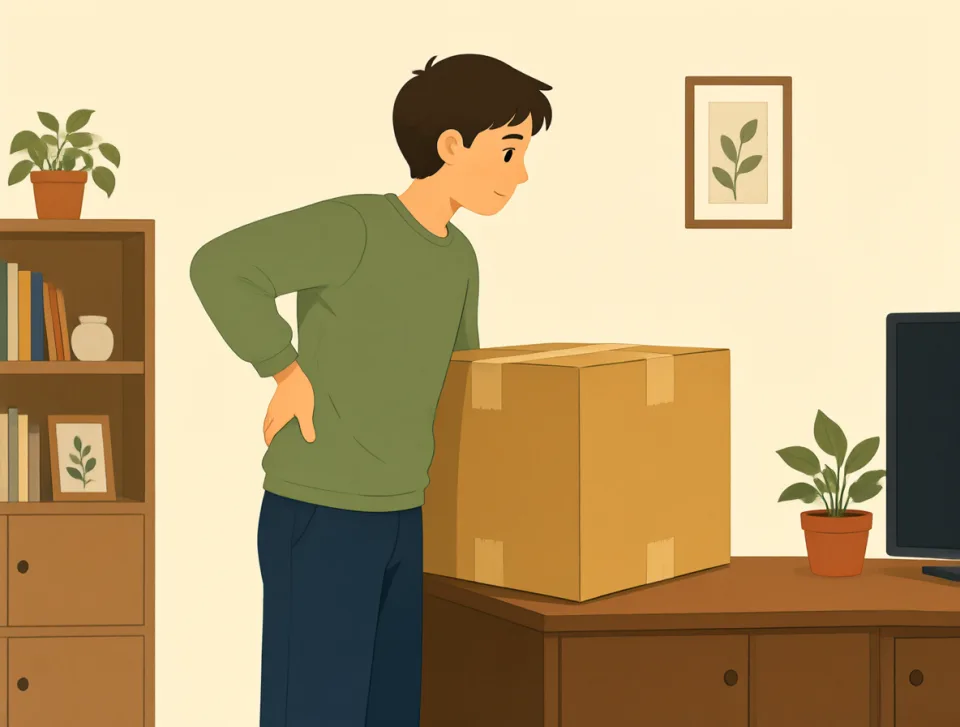
My back hurts after carrying that heavy box.
Po noszeniu tego ciężkiego pudła boli mnie plecy.
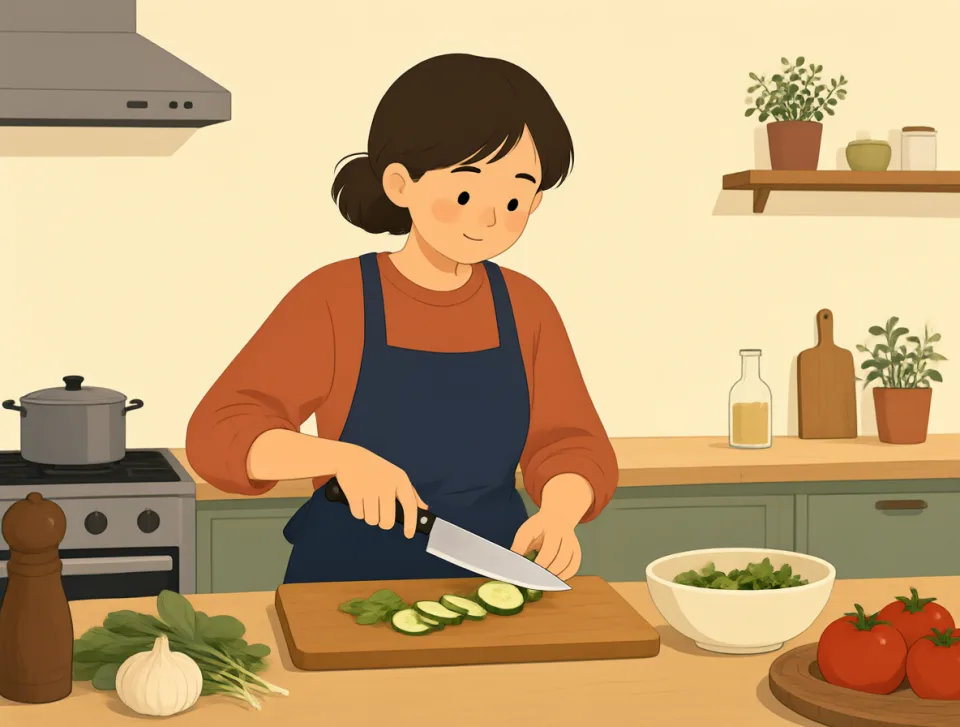
Be careful not to hurt yourself with that sharp knife.
Uważaj, żeby nie skaleczyć się tym ostrym nożem.
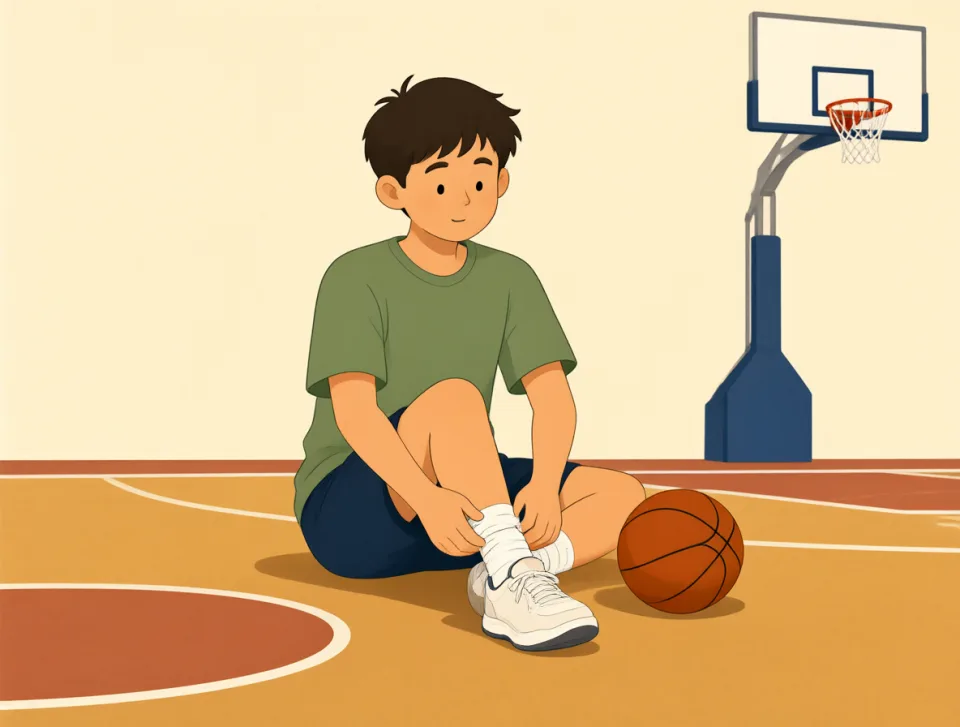
She hurt her ankle while playing basketball at school.
Skręciła kostkę podczas gry w koszykówkę w szkole.
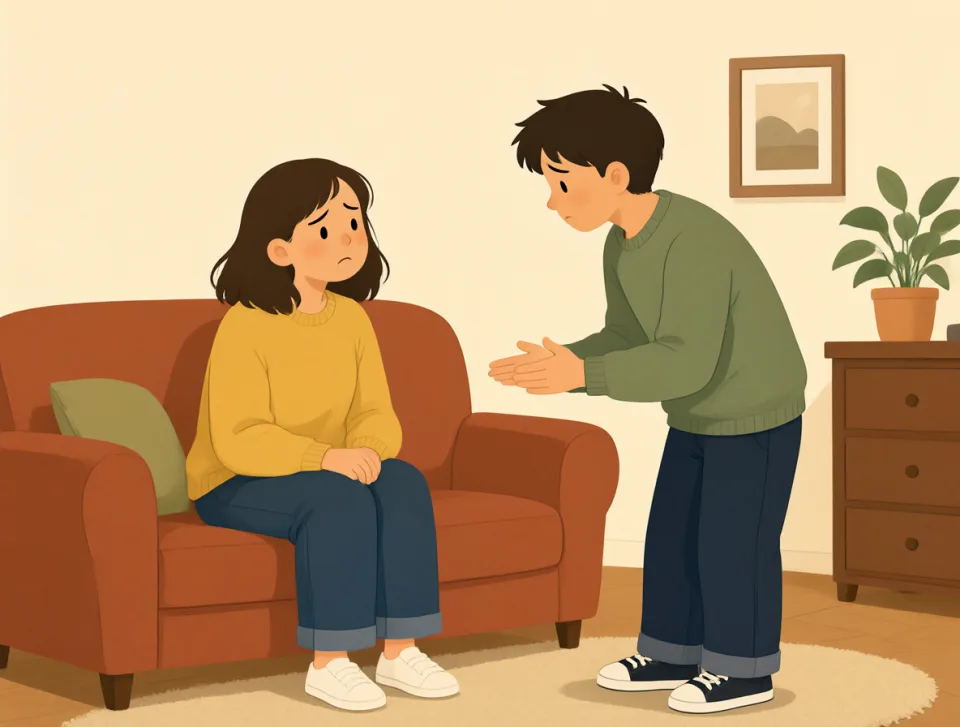
It hurt when my friend forgot my birthday.
Zabolało mnie, kiedy mój przyjaciel zapomniał o moich urodzinach.
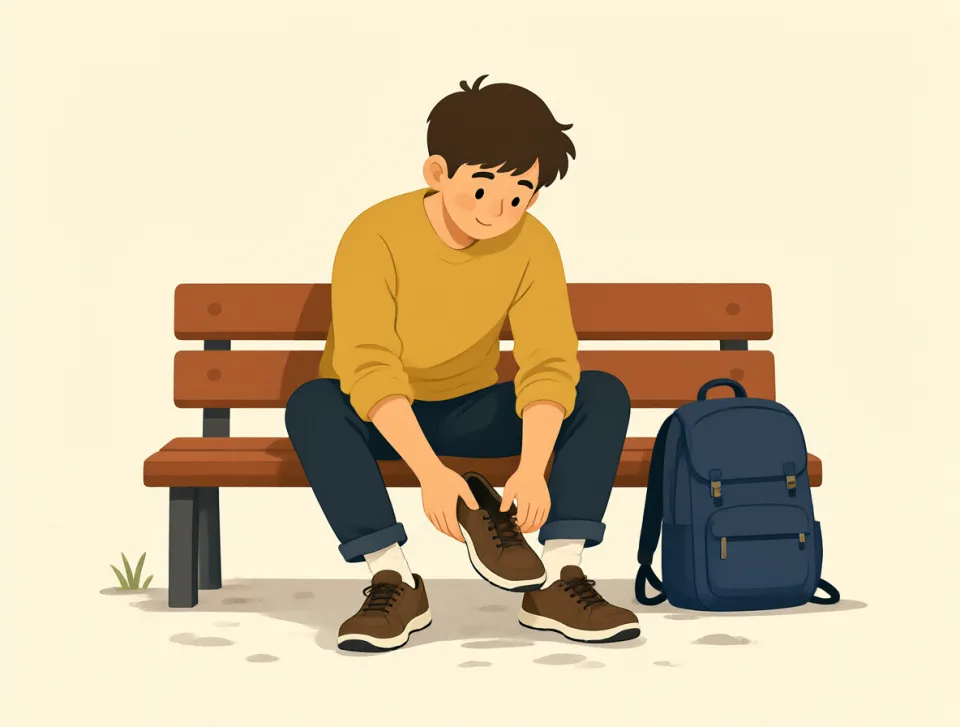
The new shoes hurt my feet during the long walk.
Nowe buty obcierały mi stopy podczas długiego spaceru.
council
#1422noun
rada
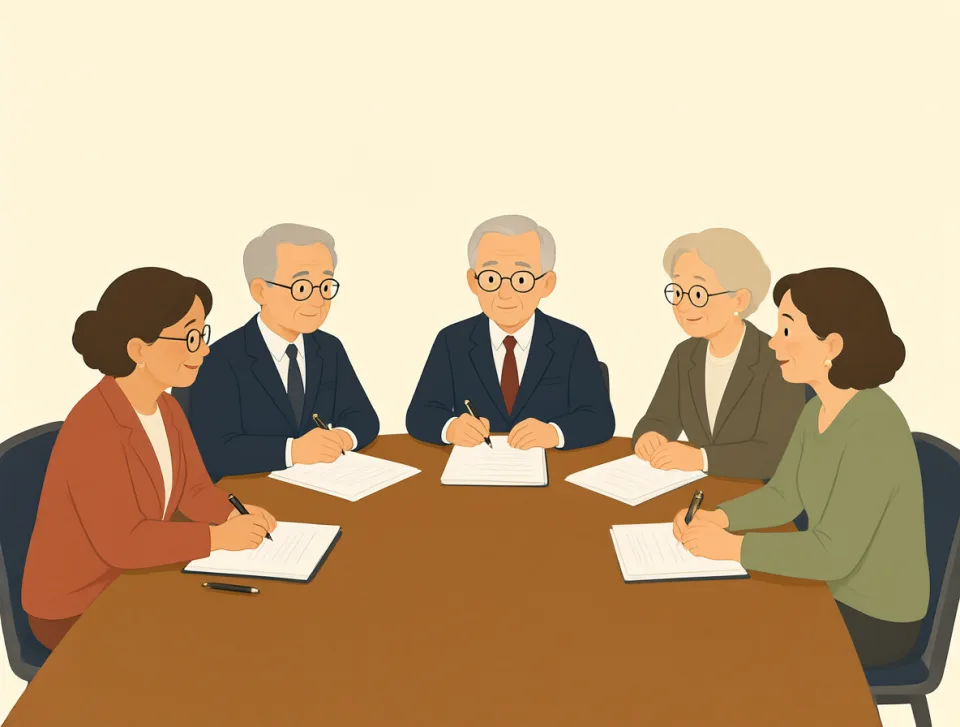
A group of people elected to manage a town, city, or local area.
Grupa osób wybieranych do zarządzania miasteczkiem, miastem lub lokalnym obszarem.
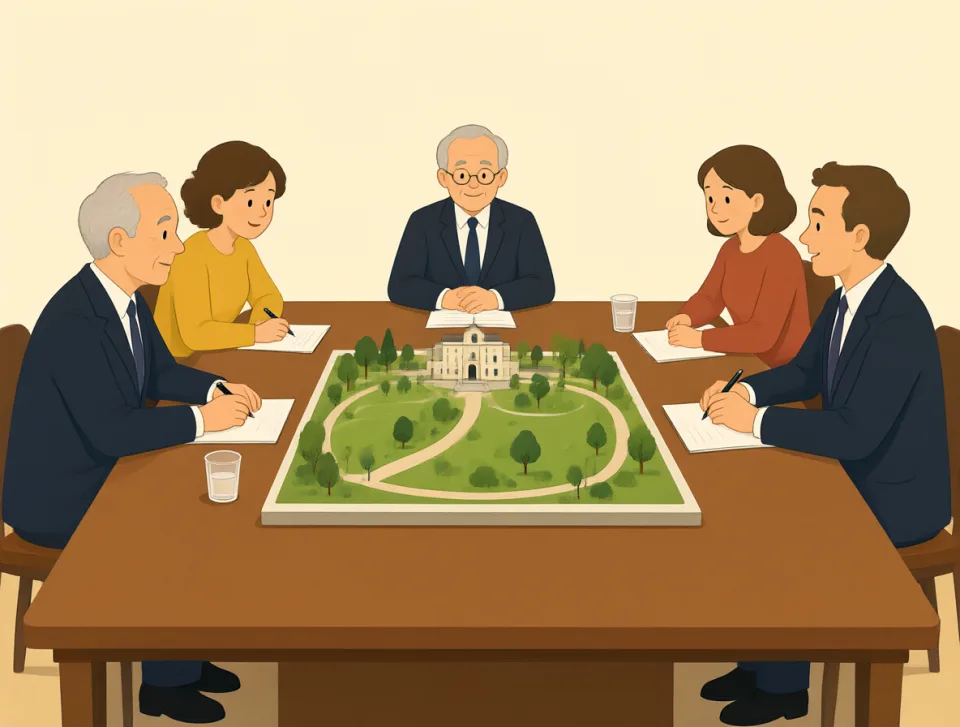
The city council approved plans for a new public park.
Rada miasta zatwierdziła plany budowy nowego parku publicznego.
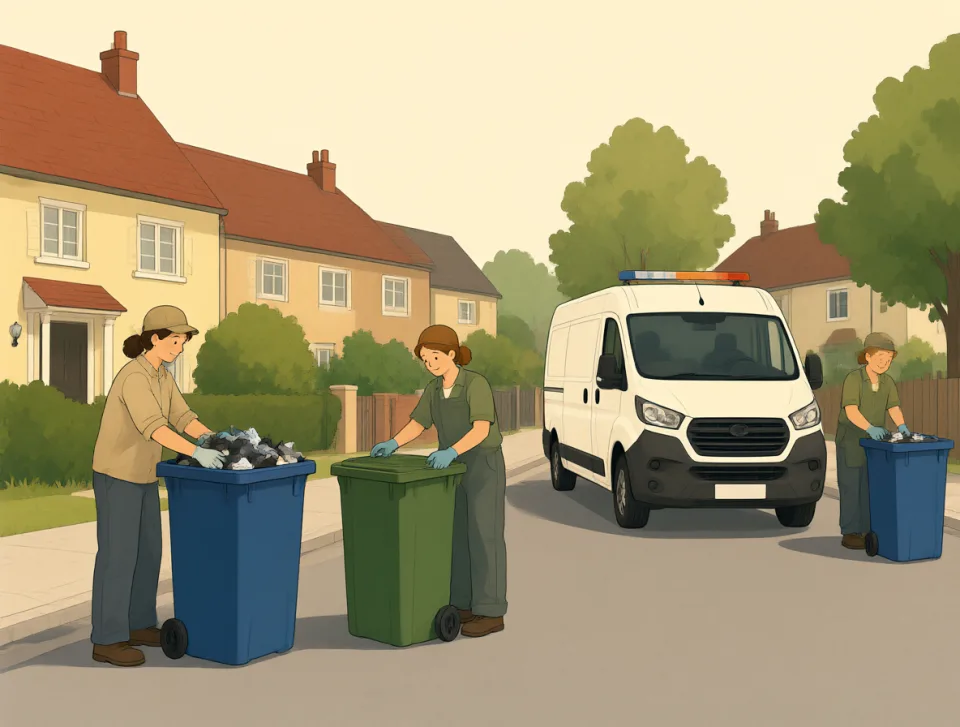
The council collects rubbish from our street every Tuesday.
Rada odbiera śmieci z naszej ulicy w każdy wtorek.
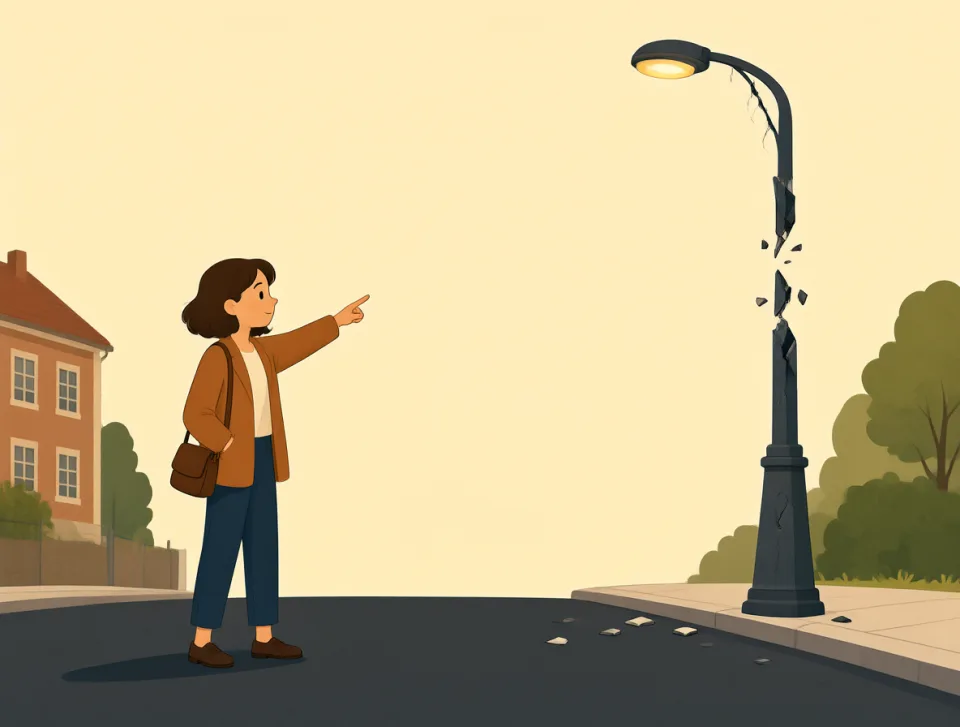
She wrote to the council about the broken streetlights.
Napisała do rady w sprawie zepsutych latarni ulicznych.
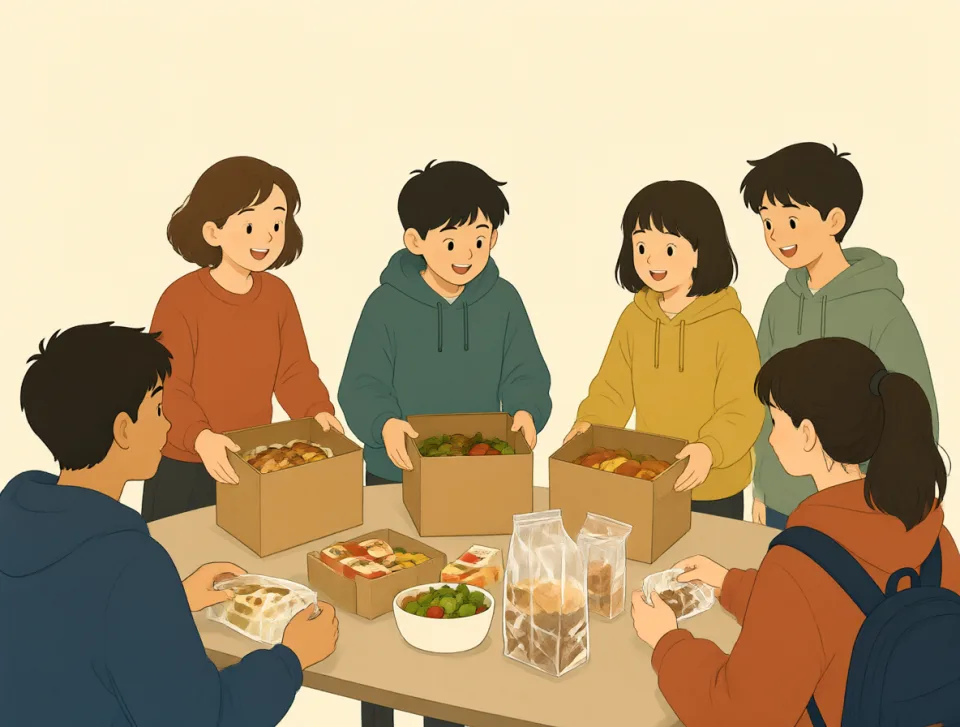
The school council planned a charity food sale.
Rada uczniowska zorganizowała charytatywną sprzedaż jedzenia.
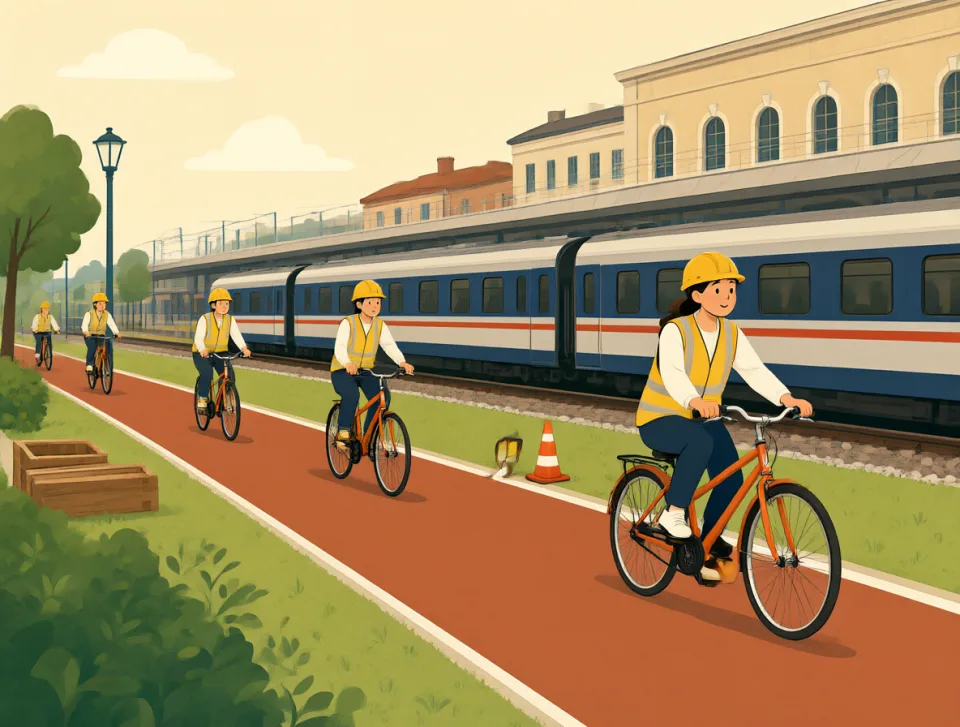
The council is building a safer cycle path near the station.
Rada buduje bezpieczniejszą ścieżkę rowerową w pobliżu stacji.
editor
#1423noun
redaktor; redaktorka
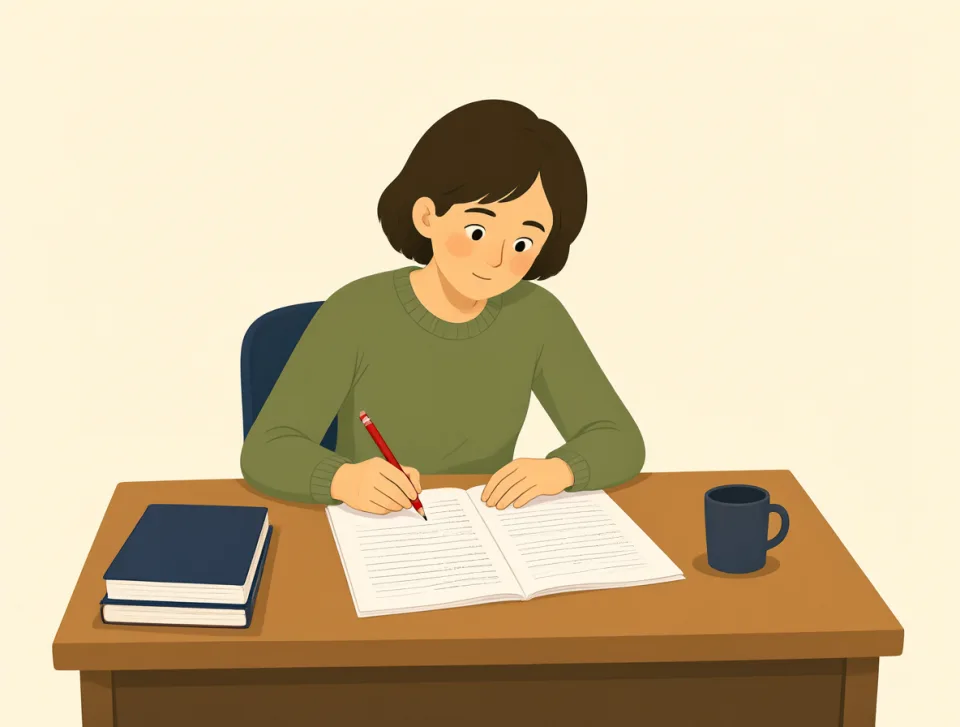
A person who checks and prepares writing, films, or other content for publication.
Osoba, która sprawdza i przygotowuje teksty, filmy lub inne materiały do publikacji.
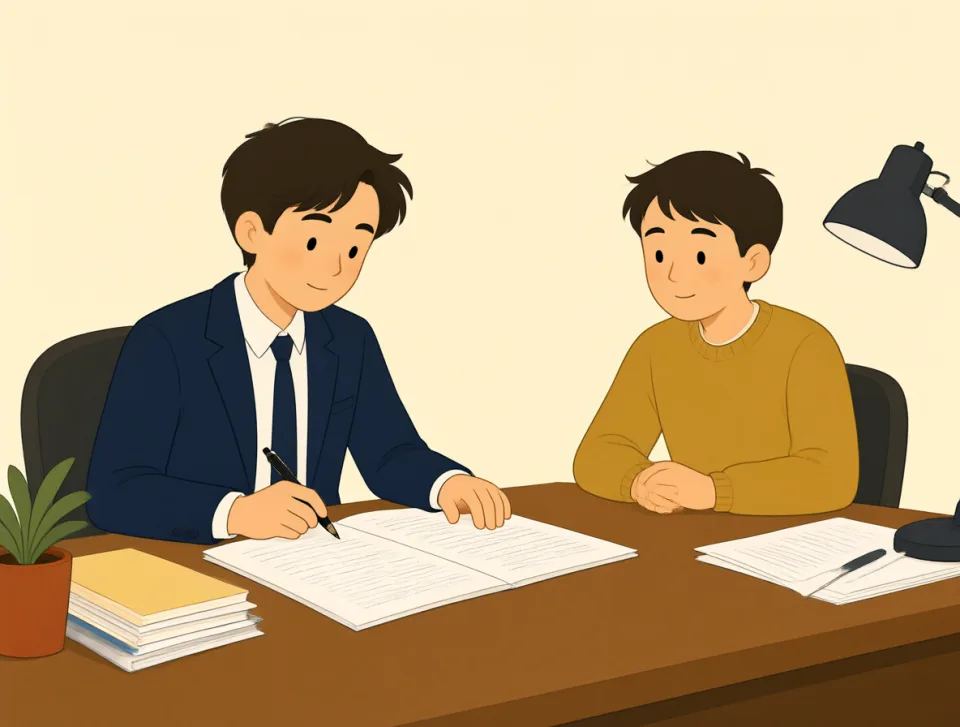
The editor checked my article before it appeared in the magazine.
Redaktor sprawdził mój artykuł, zanim ukazał się w magazynie.
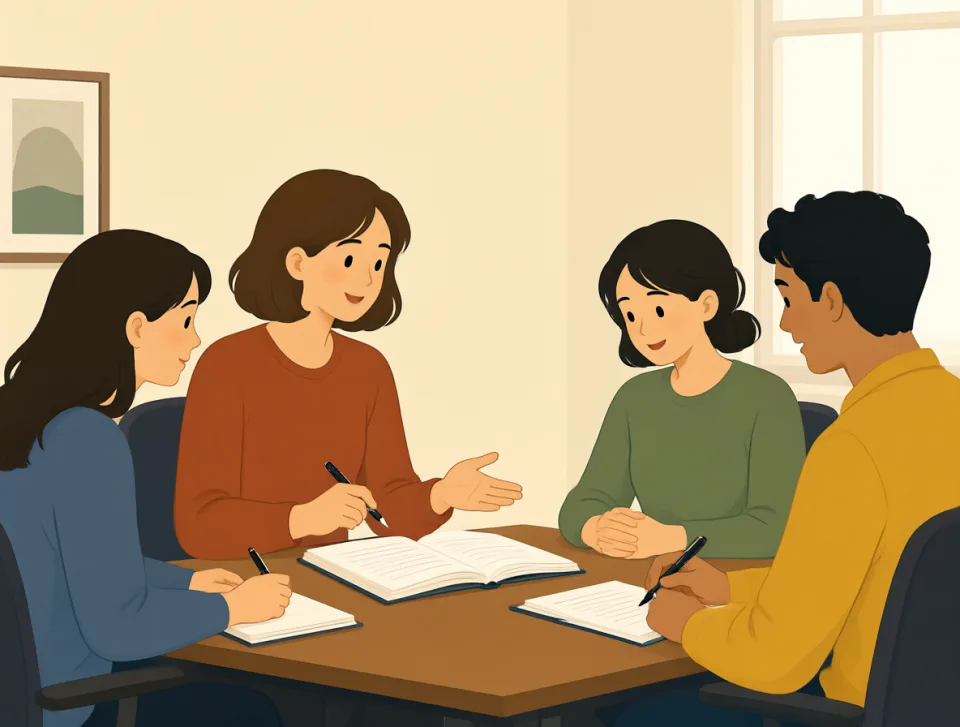
She works as an editor for a large publishing company.
Pracuje jako redaktorka w dużym wydawnictwie.
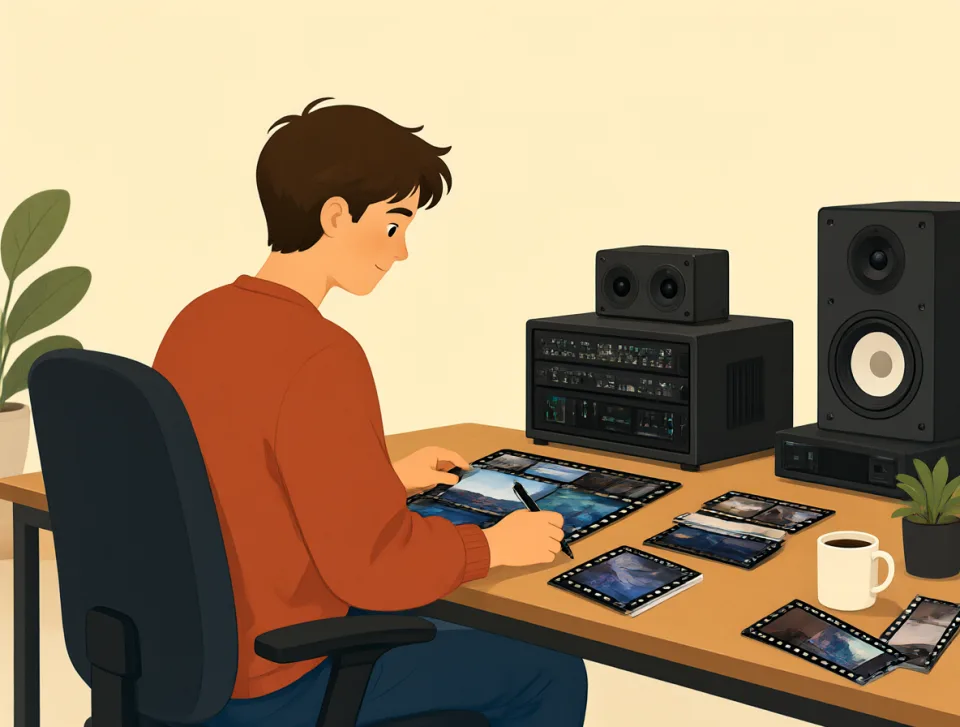
The film editor cut the long movie into a shorter version.
Montażysta skrócił długi film.
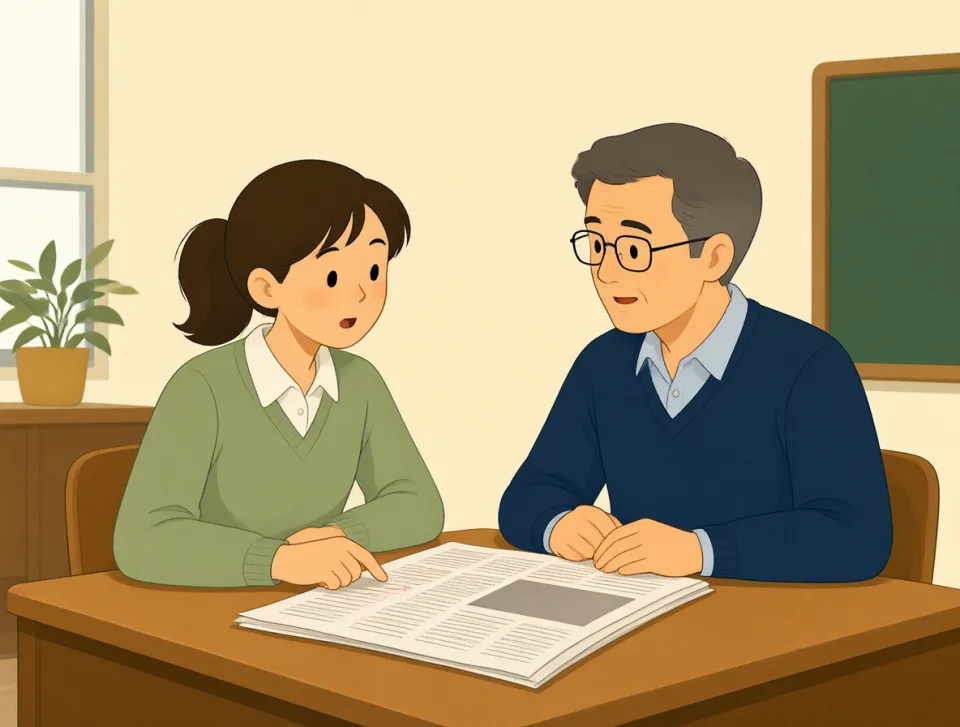
Ask the editor to correct this mistake in the school newspaper.
Poproś redaktora, żeby poprawił ten błąd w szkolnej gazecie.
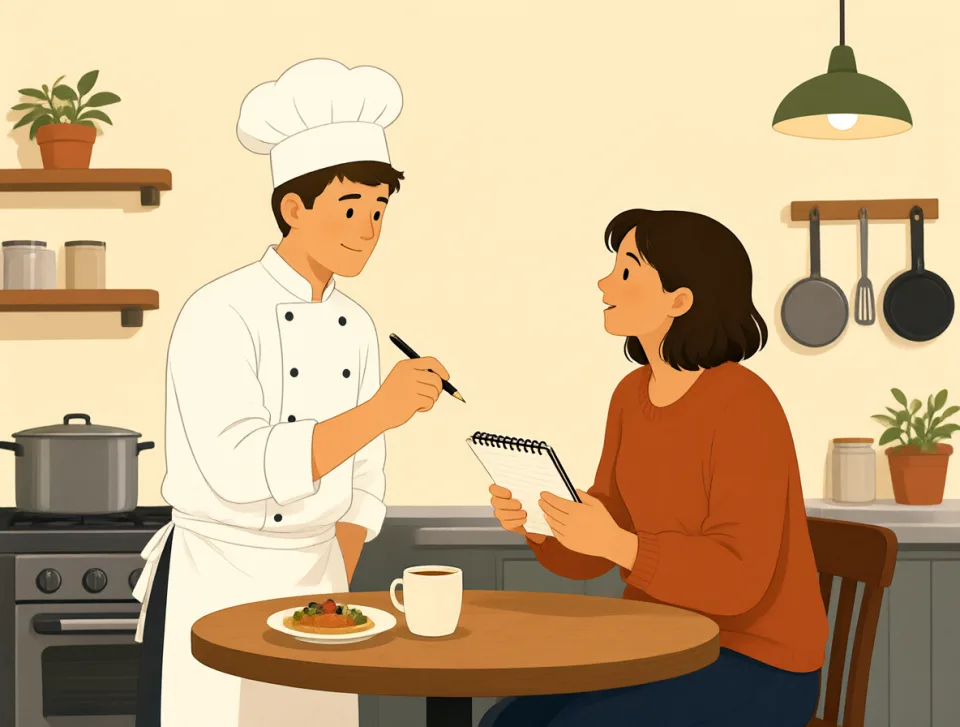
The editor is looking for interesting stories about local food.
Redaktor szuka ciekawych opowieści o lokalnych potrawach.
normally
#1424adverb
zazwyczaj
Usually or in the usual way.
Zwykle lub w zwykły sposób.
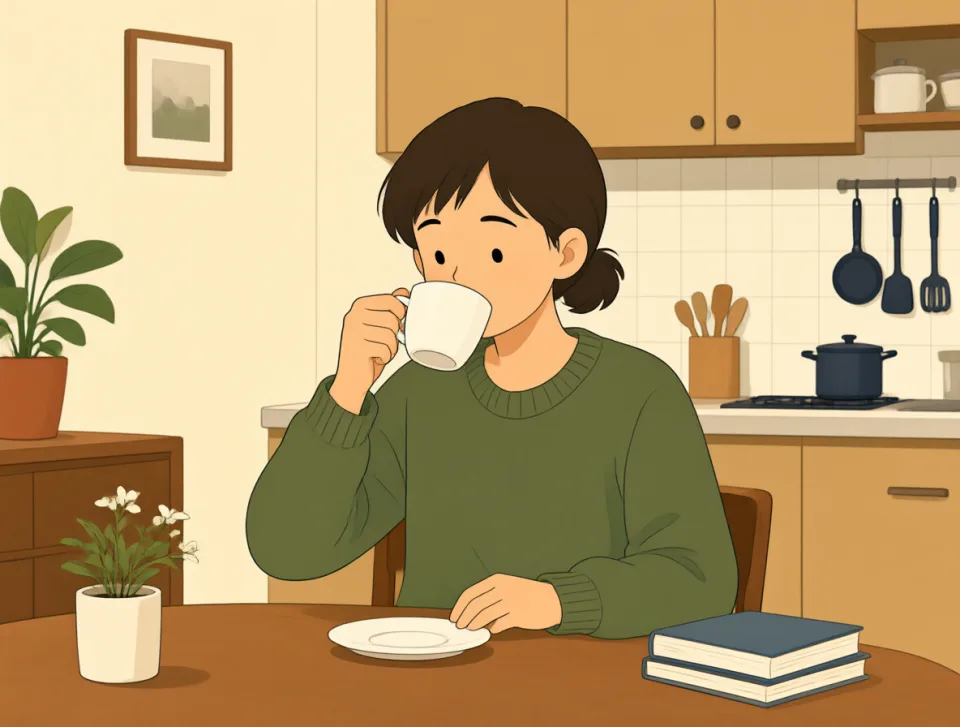
I normally drink coffee before I leave for work.
Zazwyczaj piję kawę, zanim wyjdę do pracy.
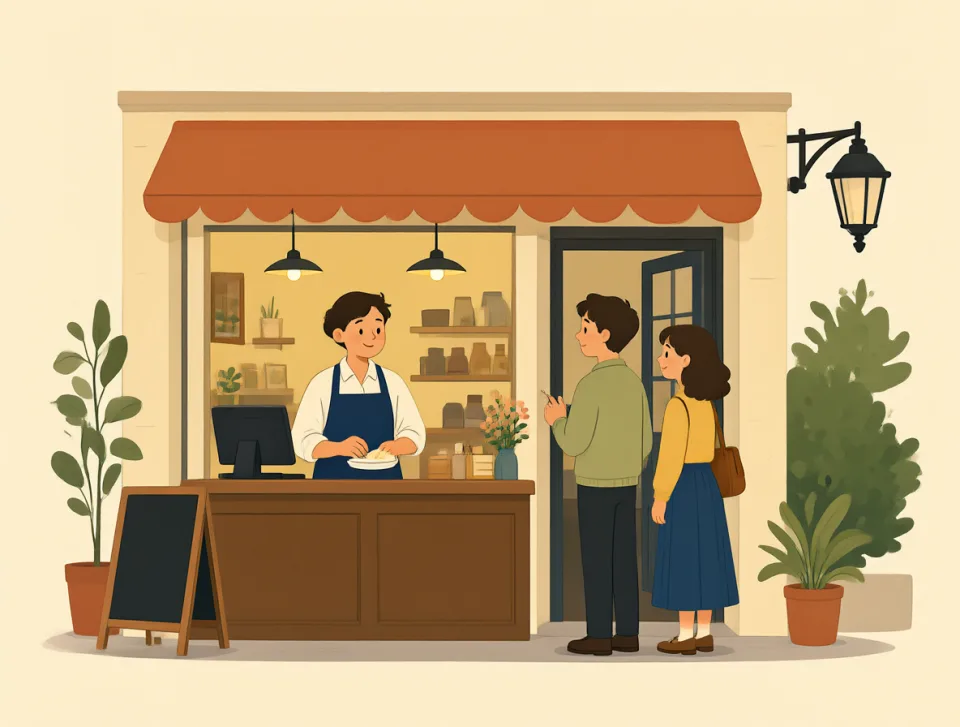
The shop normally closes at six on weekdays.
Sklep zazwyczaj zamyka się o szóstej w dni powszednie.
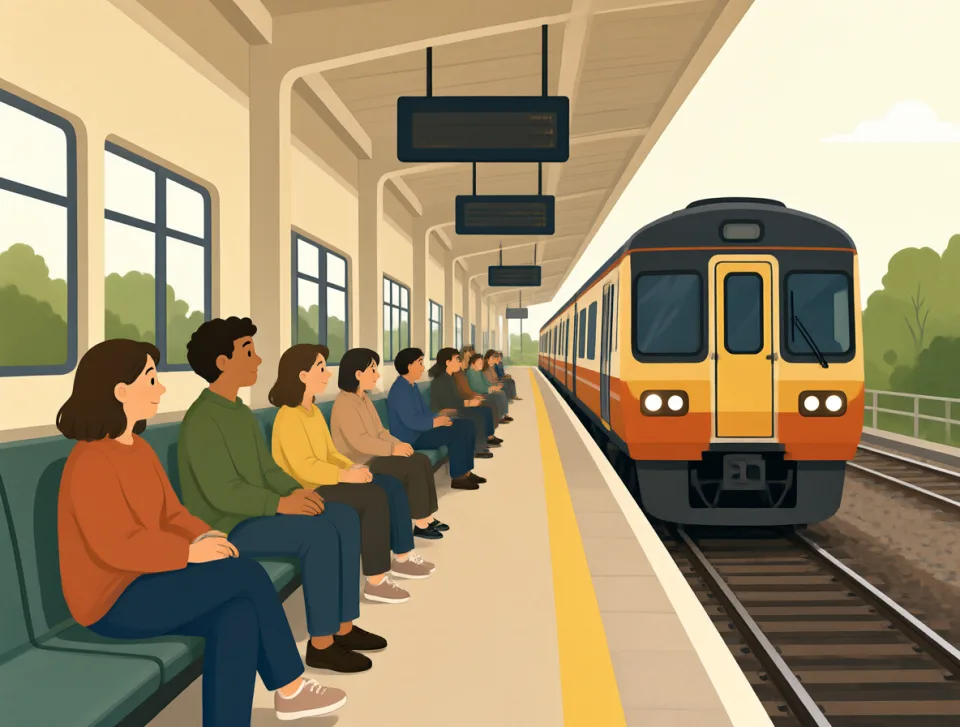
Normally, trains arrive every twenty minutes during the day.
W ciągu dnia pociągi zazwyczaj przyjeżdżają co dwadzieścia minut.

She is normally very calm during difficult meetings.
Podczas trudnych spotkań zazwyczaj zachowuje spokój.

You can normally find fresh bread near the entrance.
Zazwyczaj można znaleźć świeży chleb blisko wejścia.

sight
#1425noun
wzrok; widok
The ability to see, or something you see.
Zdolność widzenia albo coś, co widzisz.
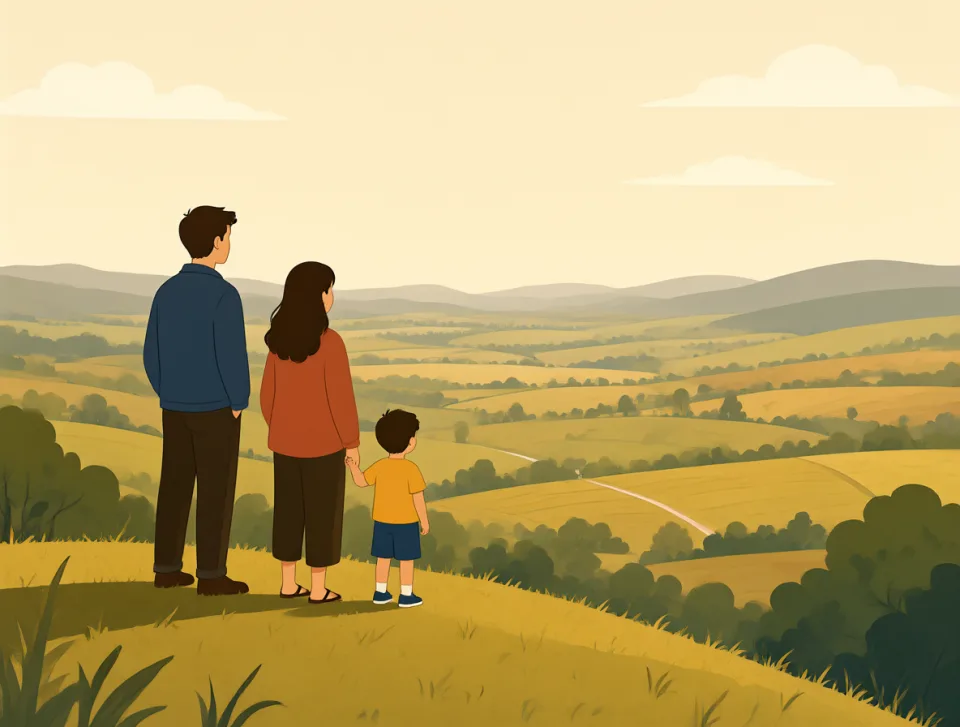
The beautiful view came into sight as we reached the hill.
Gdy dotarliśmy na wzgórze, ukazał się nam piękny widok.
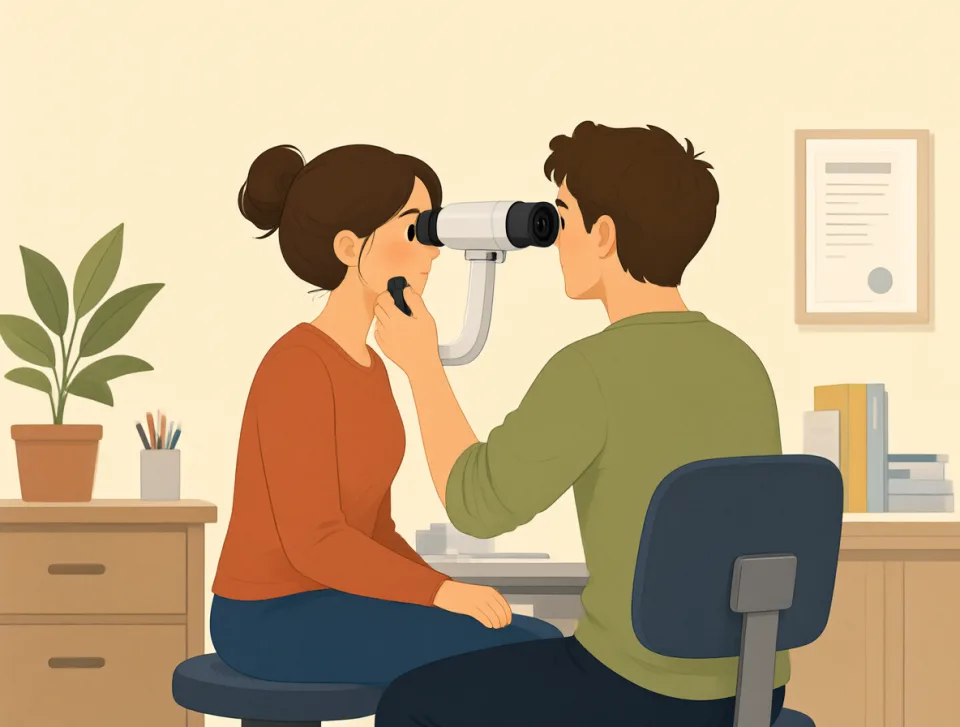
The doctor tested my sight during my eye examination.
Podczas badania wzroku lekarz sprawdził mój wzrok.
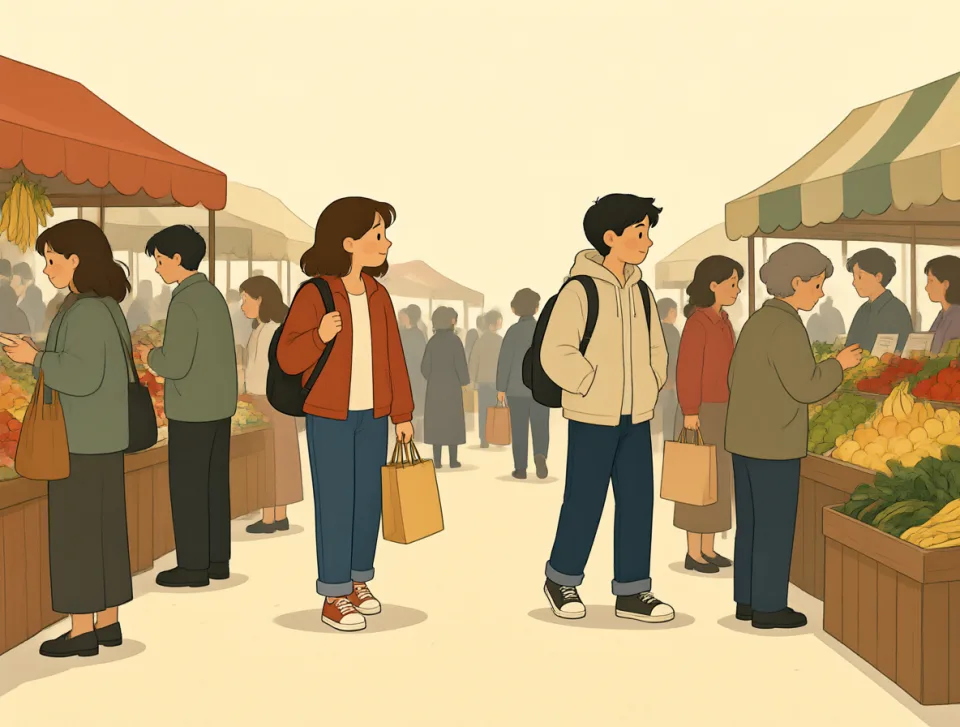
We lost sight of our friends in the crowded market.
Zgubiliśmy z oczu naszych przyjaciół na zatłoczonym targu.
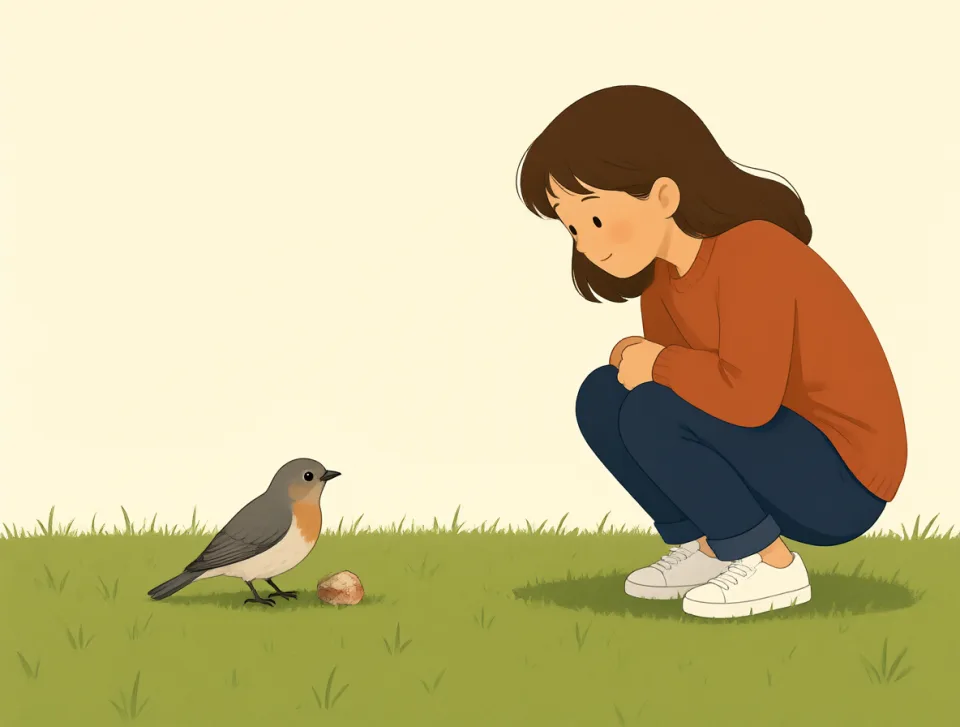
The injured bird was a sad sight in the garden.
Widok rannego ptaka w ogrodzie był smutny.
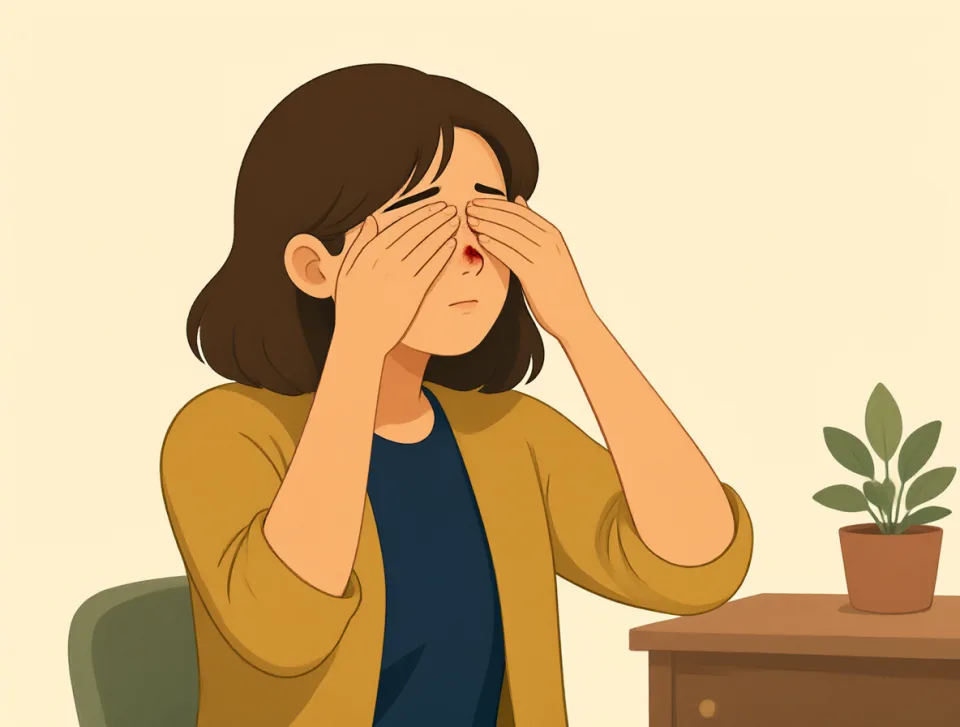
She felt sick at the sight of blood.
Zrobiło jej się niedobrze na widok krwi.

generate
#1426verb
generować
to produce or create something, especially energy, ideas, or a result
wytwarzać lub tworzyć coś, zwłaszcza energię, pomysły albo rezultat

Solar panels generate electricity for many homes.
Panele słoneczne wytwarzają energię elektryczną dla wielu domów.

This exercise generates enough heat to warm your body.
To ćwiczenie wytwarza wystarczająco dużo ciepła, żeby rozgrzać ciało.

The new job generated a lot of interest.
Nowa praca wzbudziła duże zainteresowanie.
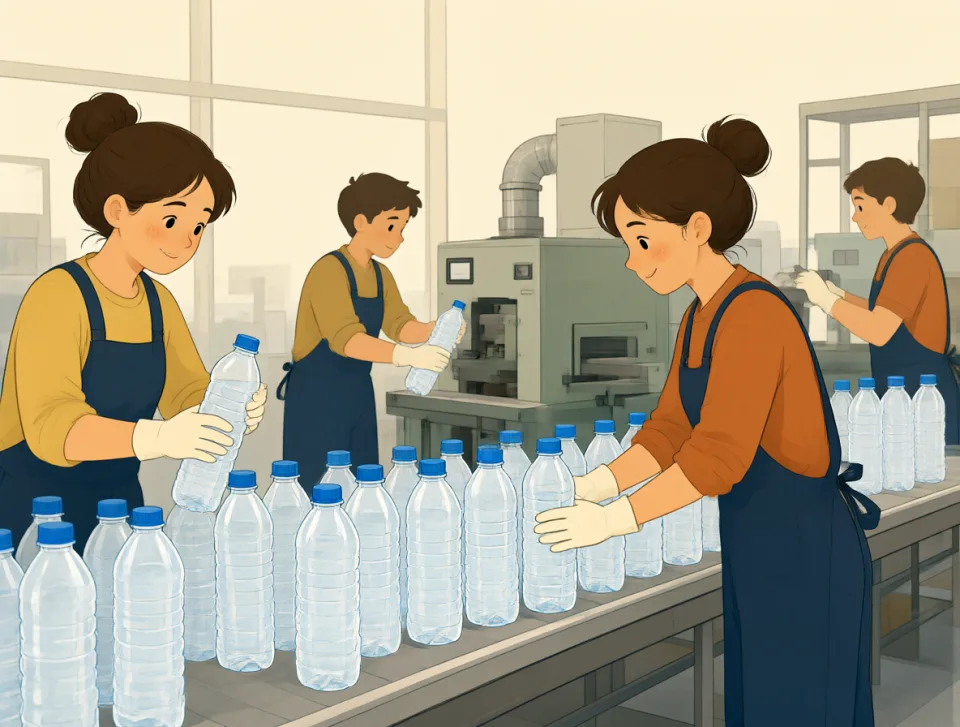
The factory generates thousands of plastic bottles each day.
Fabryka produkuje codziennie tysiące plastikowych butelek.
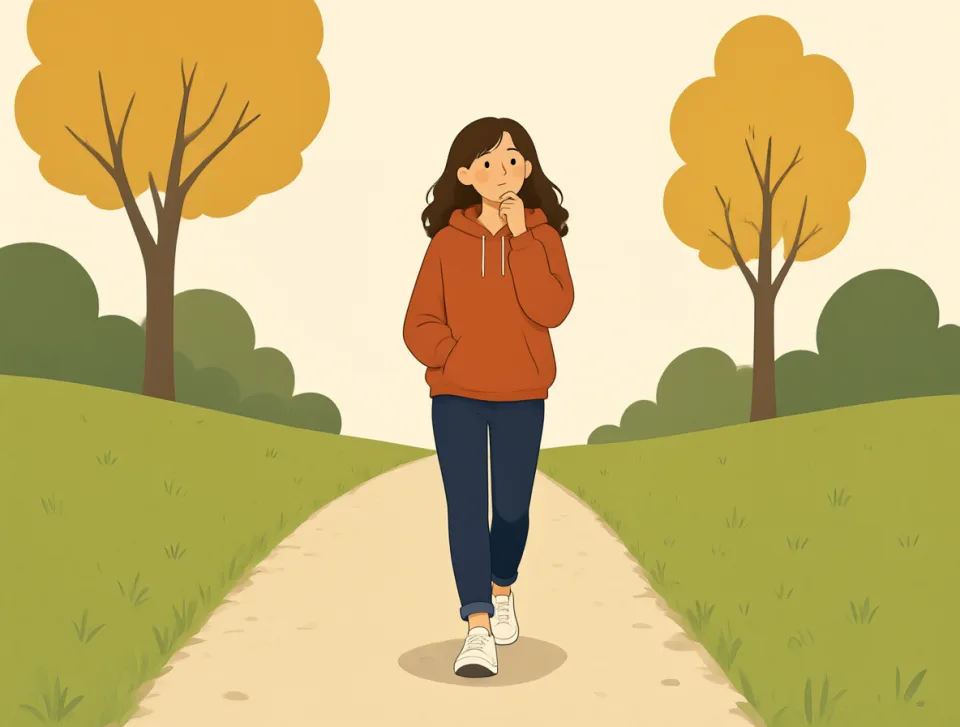
Walking after dinner generates good ideas for my projects.
Spacer po kolacji pomaga mi wpadać na dobre pomysły do moich projektów.

gift
#1427noun, verb
prezent; dar
A present given to someone, or a special natural ability.
Prezent podarowany komuś albo szczególny naturalny talent.
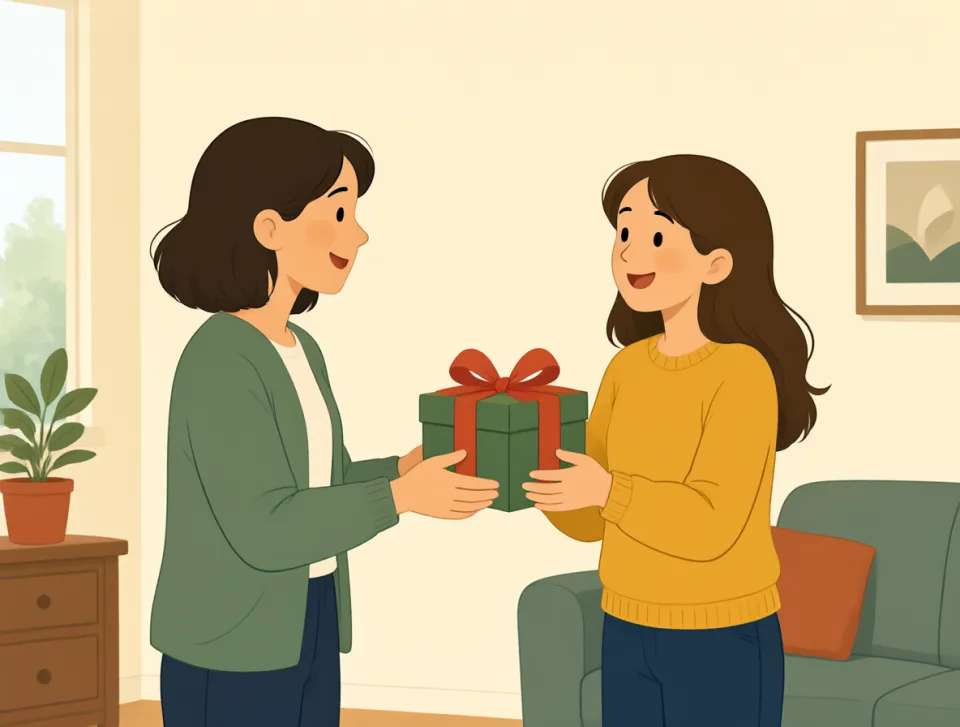
She gave me a beautiful gift for my birthday.
Dała mi piękny prezent urodzinowy.

We bought a wedding gift for our neighbors.
Kupiliśmy prezent ślubny dla naszych sąsiadów.
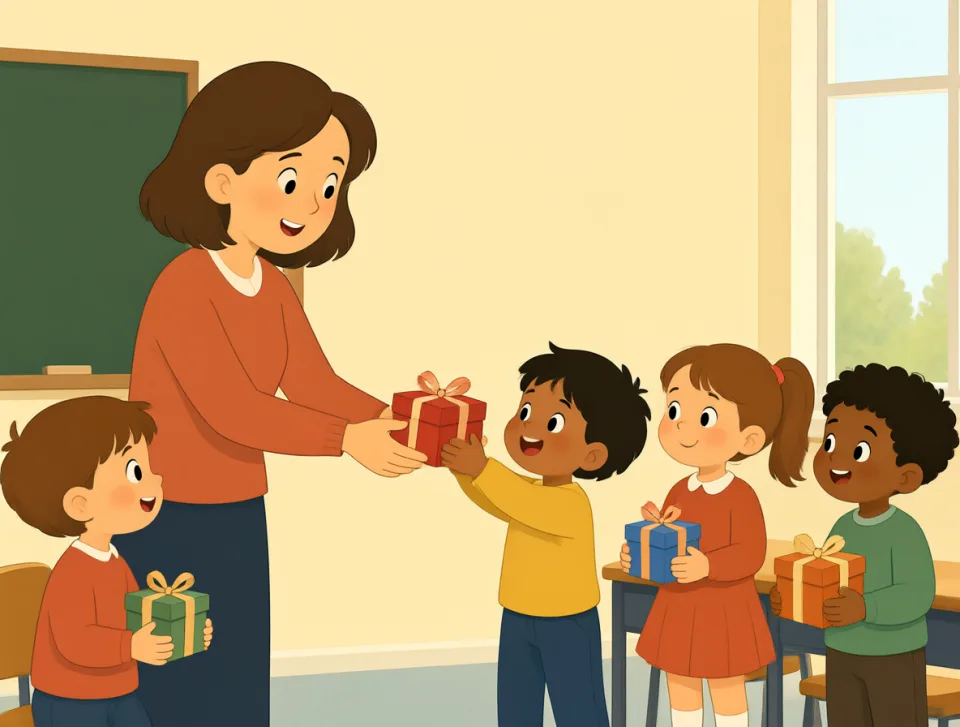
The teacher gave each student a gift after the school show.
Nauczyciel dał każdemu uczniowi prezent po szkolnym przedstawieniu.
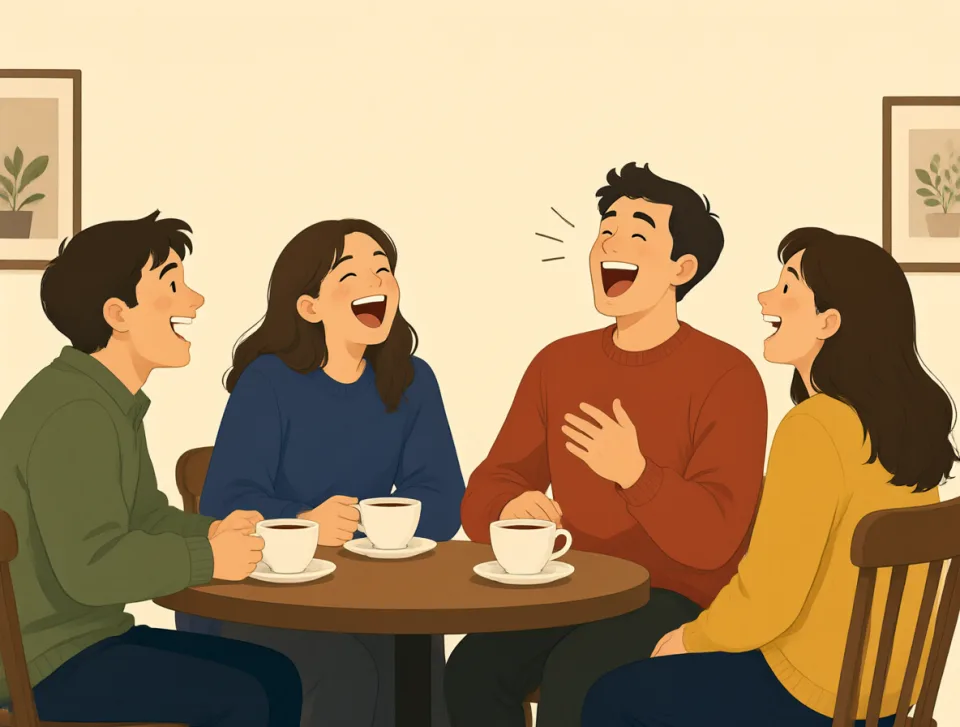
He has a gift for making people laugh.
Ma talent do rozśmieszania ludzi.

Her gift for music helped her become a successful singer.
Jej talent muzyczny pomógł jej zostać odnoszącą sukcesy piosenkarką.
delivery
#1428noun
dostawa
The act of bringing something to a person or place.
Czynność polegająca na dostarczeniu czegoś osobie lub do jakiegoś miejsca.
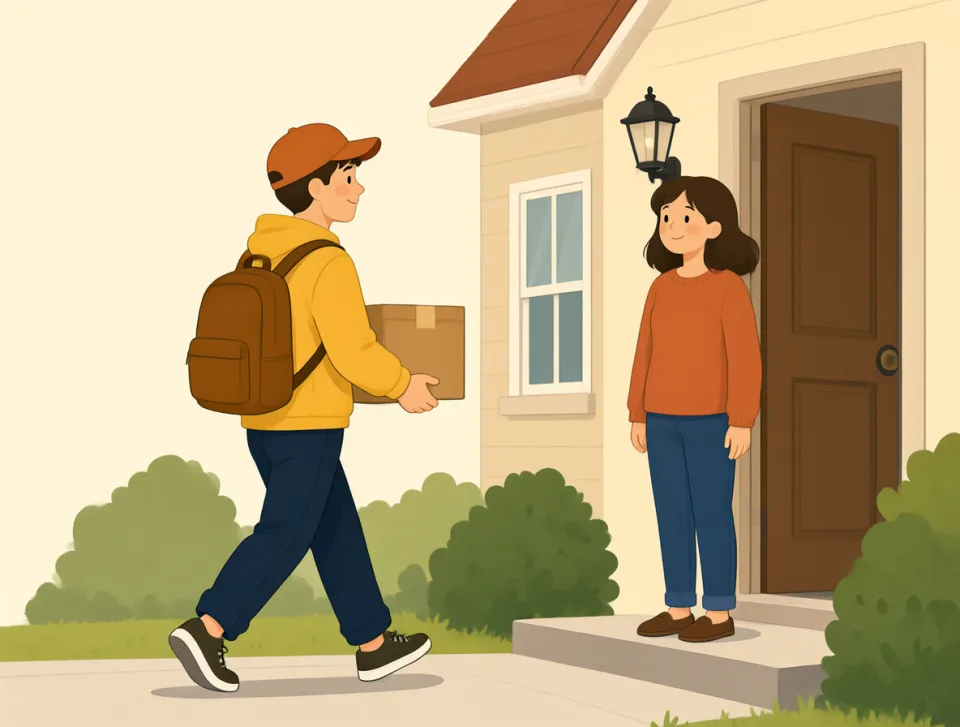
Your delivery should arrive before dinner tonight.
Twoja przesyłka powinna dotrzeć dziś wieczorem przed kolacją.
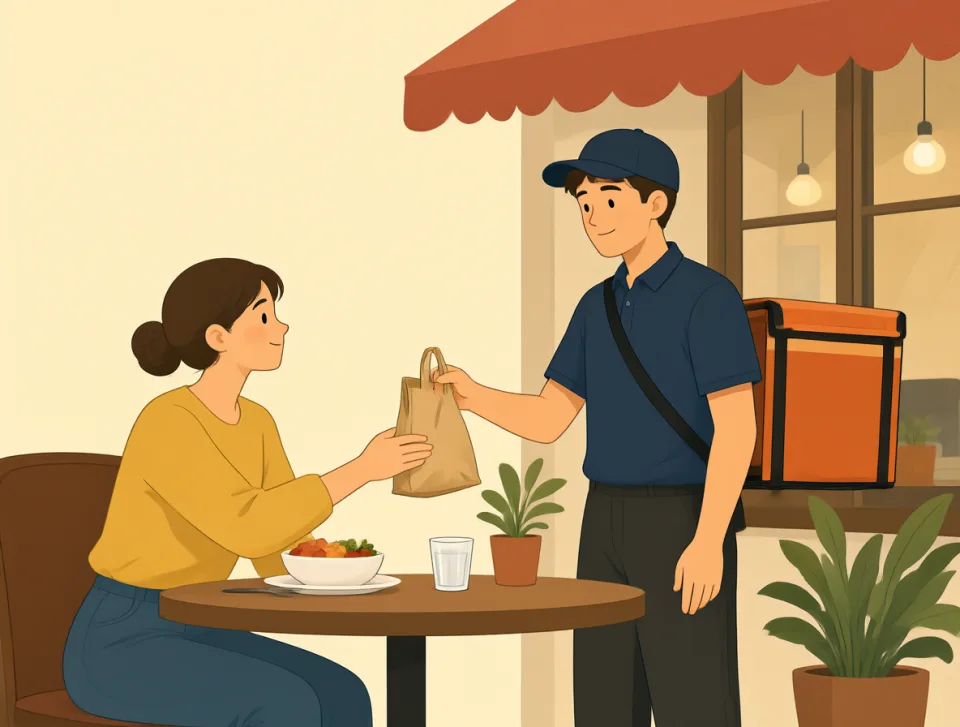
The restaurant offers free delivery on orders over twenty dollars.
Restauracja oferuje bezpłatną dostawę przy zamówieniach powyżej dwudziestu dolarów.
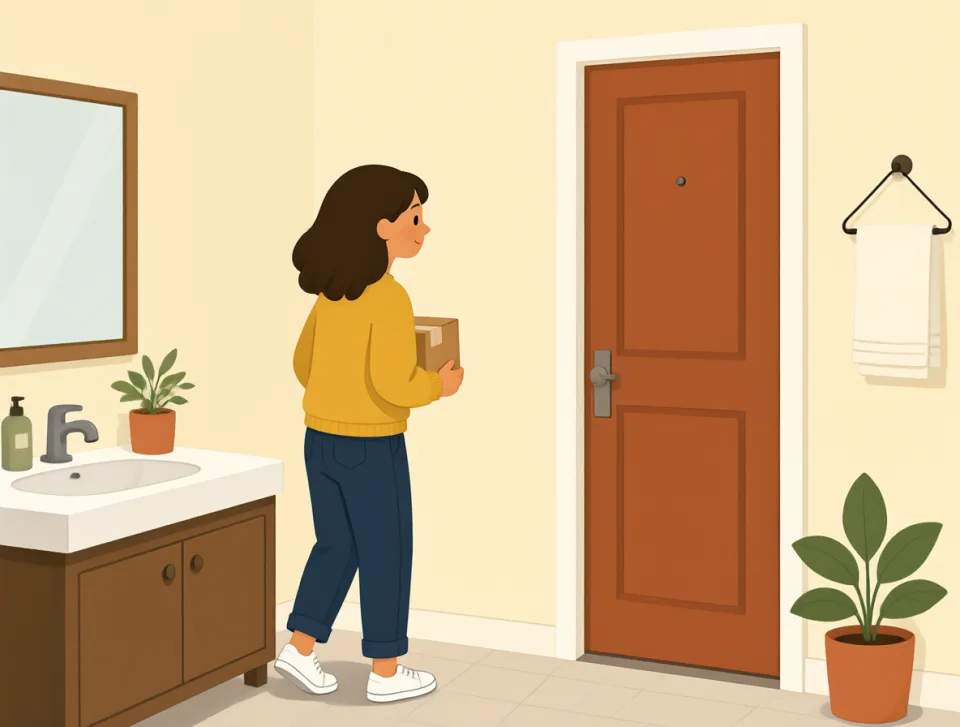
I missed the delivery because I was taking a shower.
Przegapiłem dostawę, ponieważ brałem prysznic.
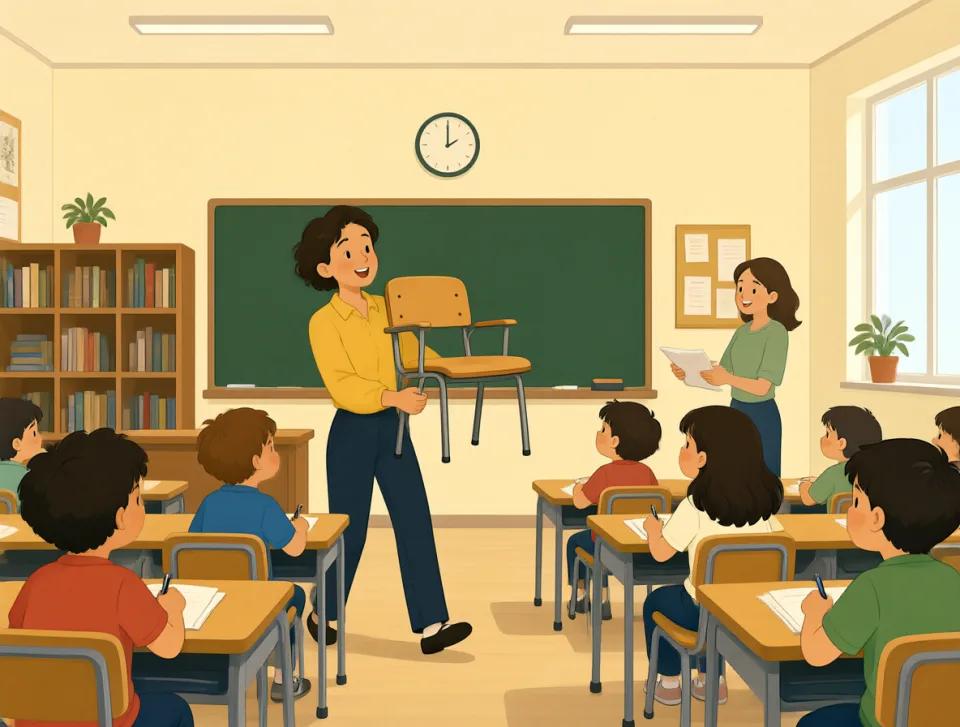
The delivery of new chairs made the classroom more comfortable.
Dostawa nowych krzeseł sprawiła, że w klasie zrobiło się wygodniej.
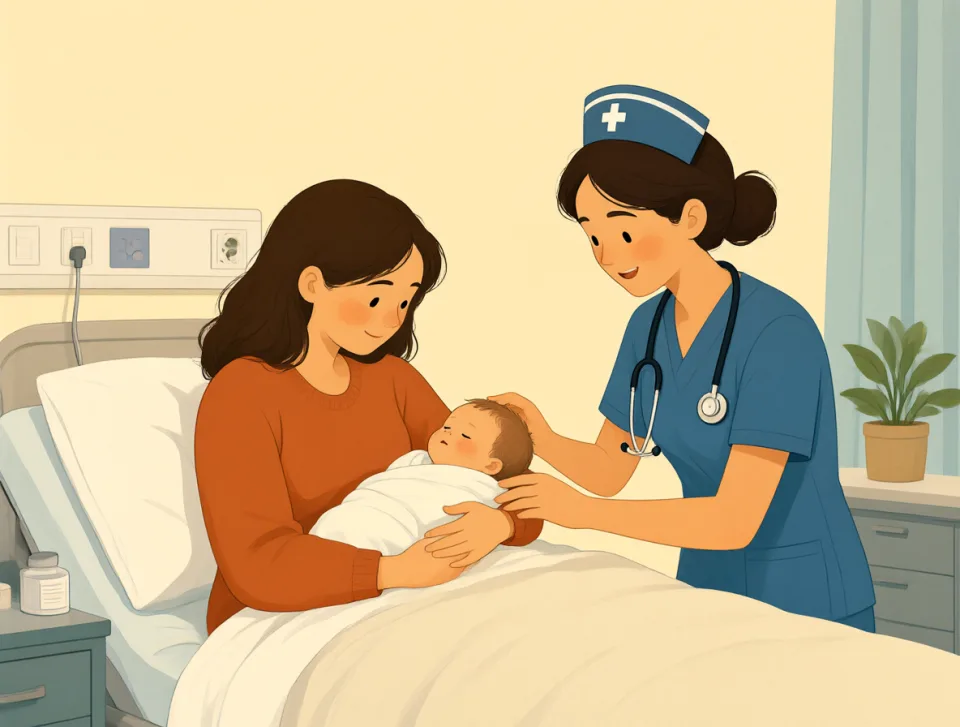
The doctor was surprised by the quick delivery of the baby.
Lekarz był zaskoczony szybkim porodem.
deny
#1429verb
zaprzeczać
to say that something is not true or that you did not do it
mówić, że coś nie jest prawdą albo że się tego nie zrobiło
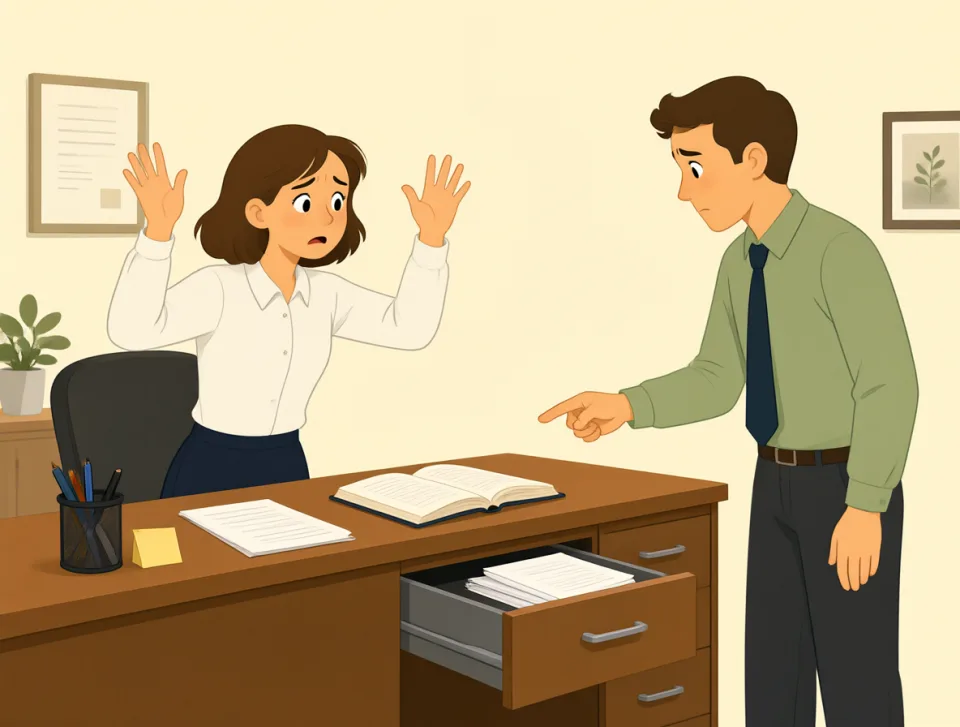
He denied taking the money from my desk.
Zaprzeczył, że wziął pieniądze z mojego biurka.
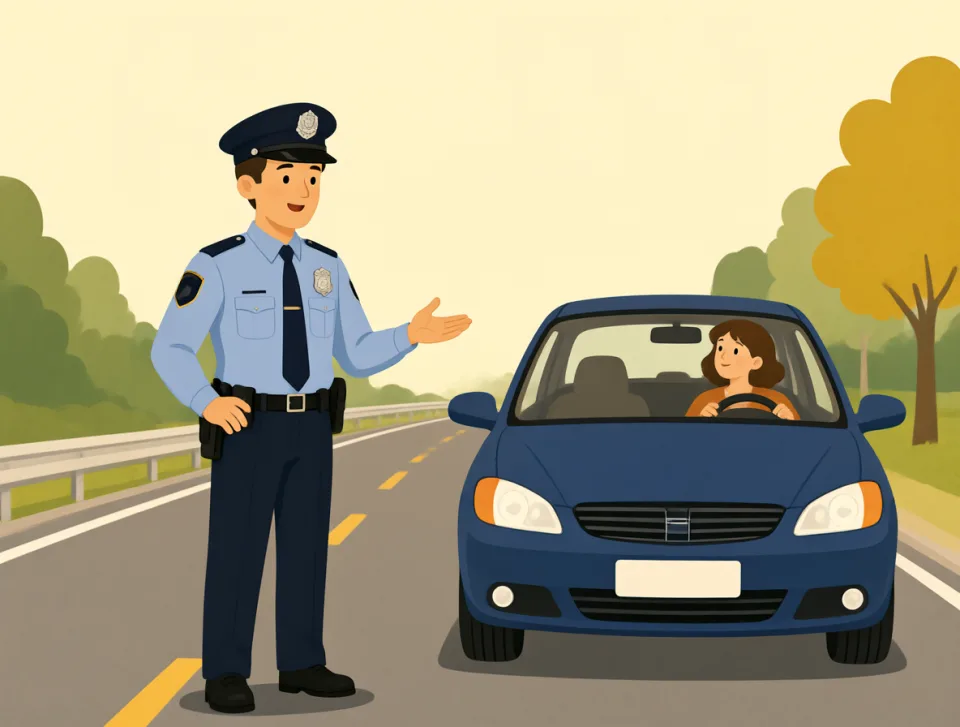
The driver denied speeding when the police stopped him.
Kierowca zaprzeczył, że przekroczył prędkość, gdy zatrzymała go policja.
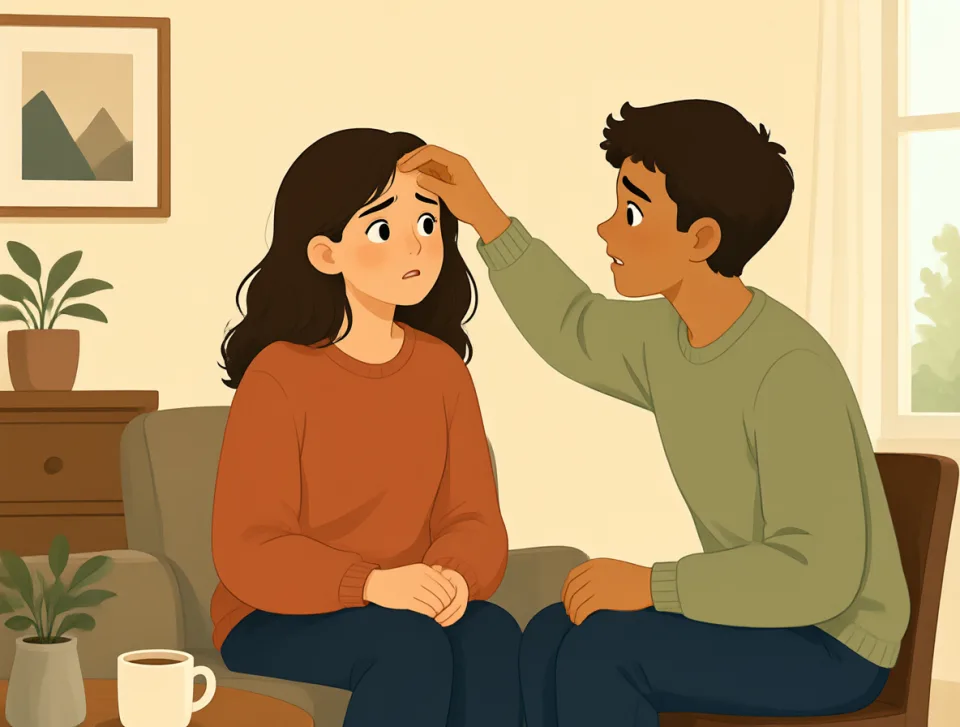
She denied that she was feeling sick.
Zaprzeczyła, że źle się czuła.
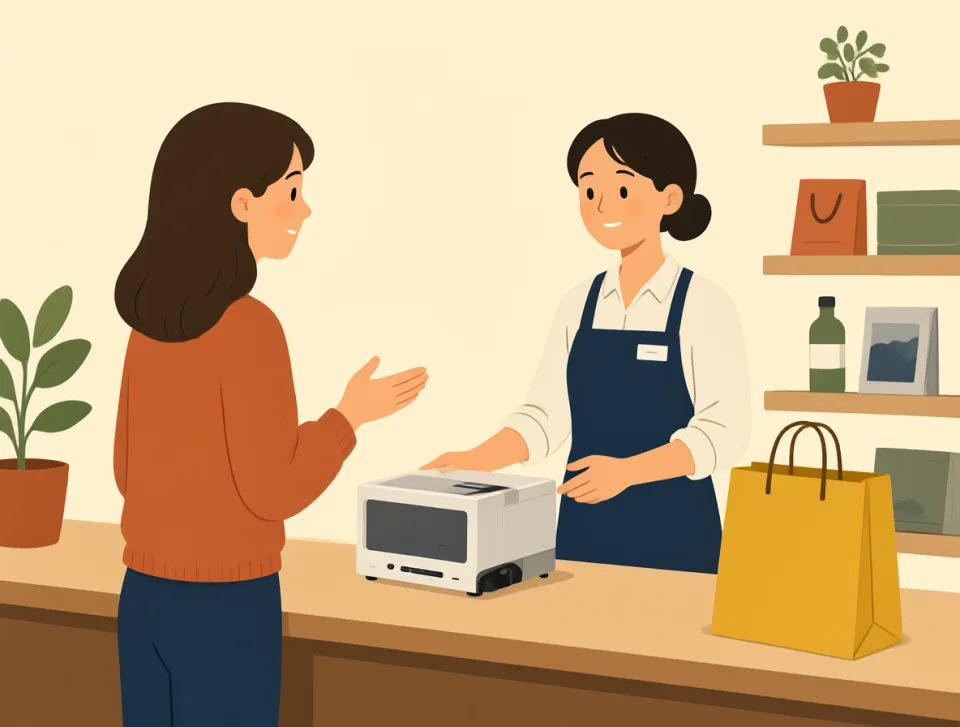
The shop denied my request for a refund.
Sklep odrzucił moją prośbę o zwrot pieniędzy.
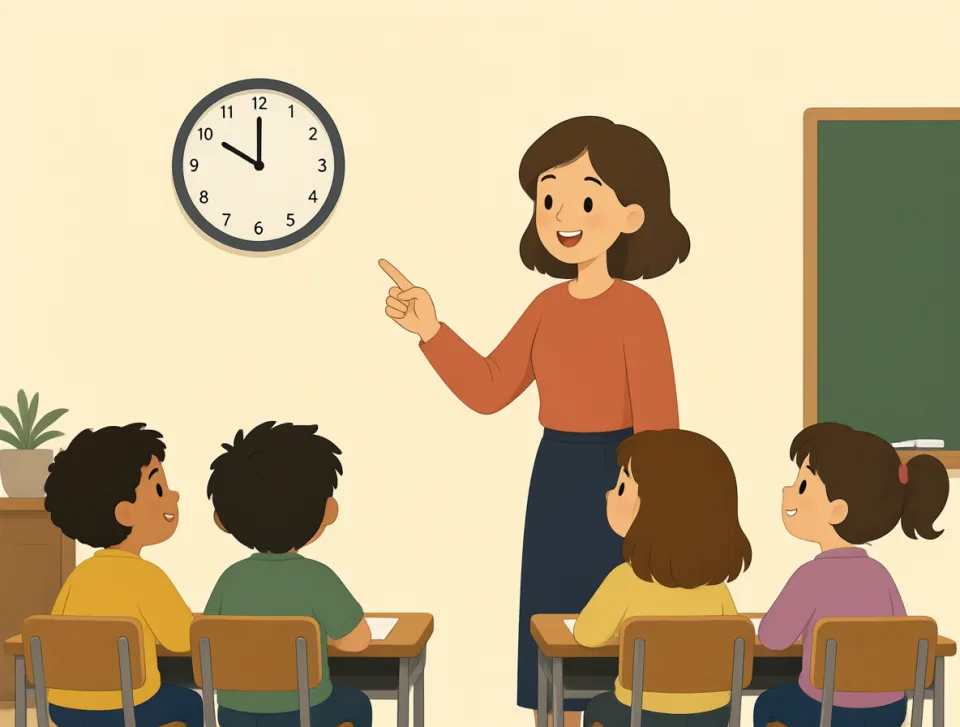
The teacher denied the students extra time for the test.
Nauczyciel nie zgodził się dać uczniom dodatkowego czasu na test.
guest
#1430noun, verb
gość
A guest is someone invited to visit, stay, eat, or attend an event.
Gość to osoba zaproszona z wizytą, na pobyt, posiłek albo wydarzenie.
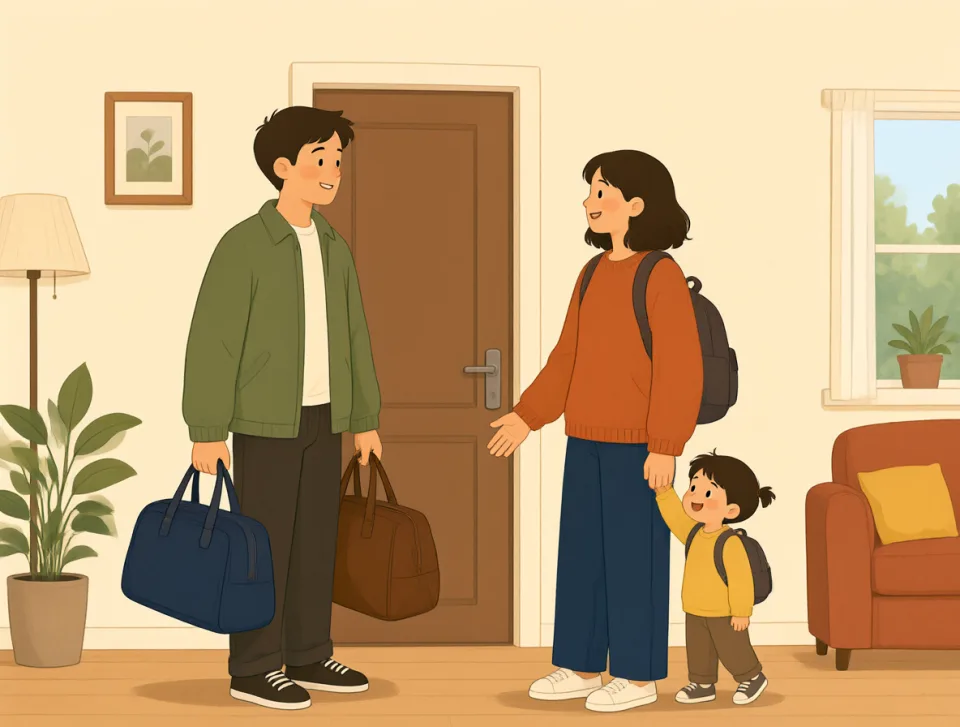
We have two guests staying with us this weekend.
W ten weekend zatrzyma się u nas dwoje gości.

The hotel guest asked for a quieter room.
Gość hotelowy poprosił o cichszy pokój.

Please make our guest comfortable while I prepare dinner.
Proszę zapewnić naszemu gościowi wygodę, a ja przygotuję kolację.
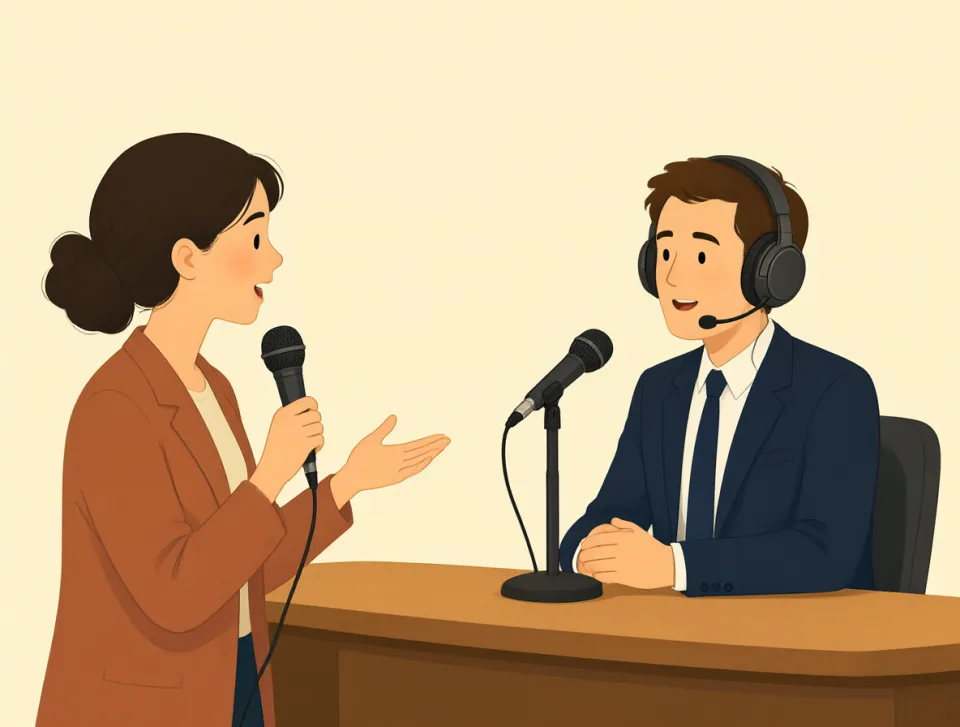
She was a guest on a popular radio show yesterday.
Wczoraj była gościem popularnej audycji radiowej.
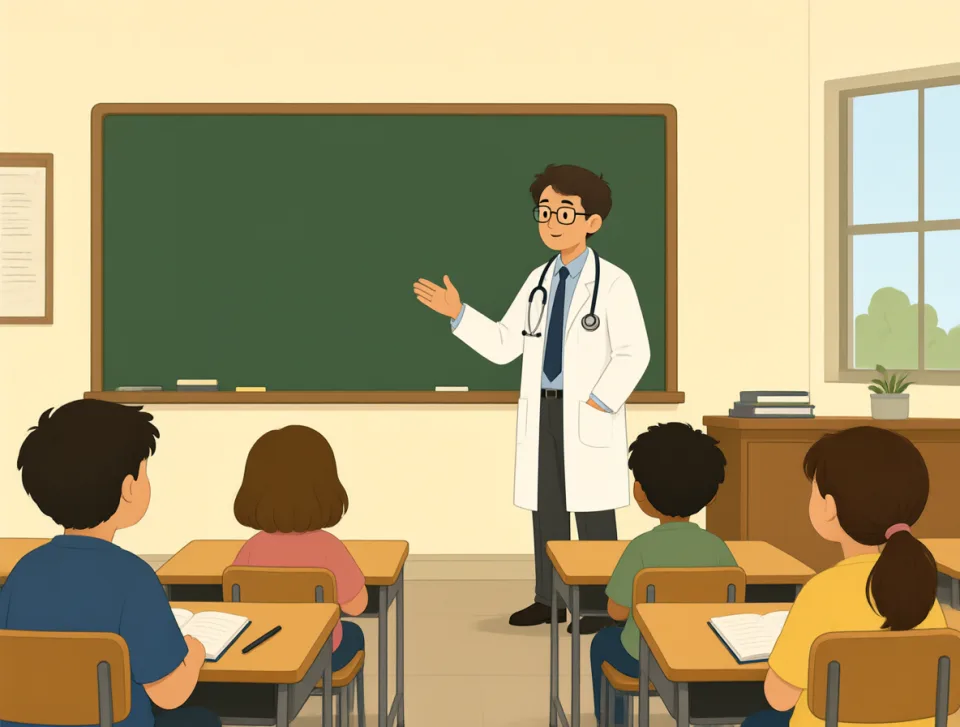
The doctor invited him to guest teach the medical class.
Lekarz zaprosił go, żeby gościnnie poprowadził zajęcia z medycyny.
anybody
#1431pronoun, determiner
ktokolwiek
any person at all, or any person in a particular group
dowolna osoba albo dowolna osoba należąca do określonej grupy
Does anybody know where I left my keys?
Czy ktoś wie, gdzie odłożyłem klucze?
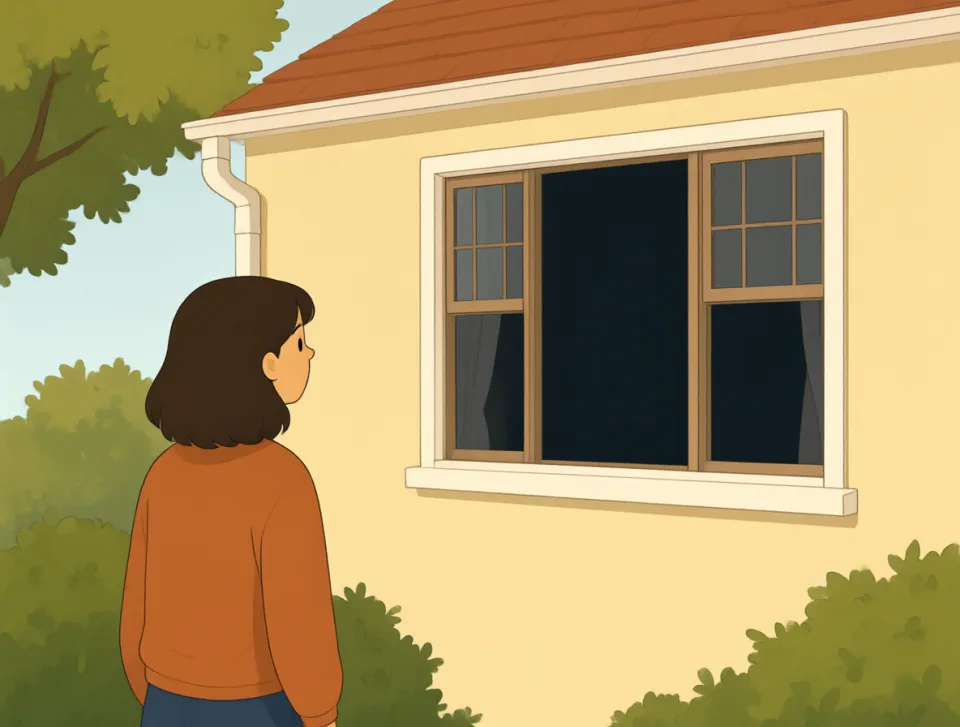
I do not think anybody is home right now.
Nie sądzę, żeby ktoś był teraz w domu.
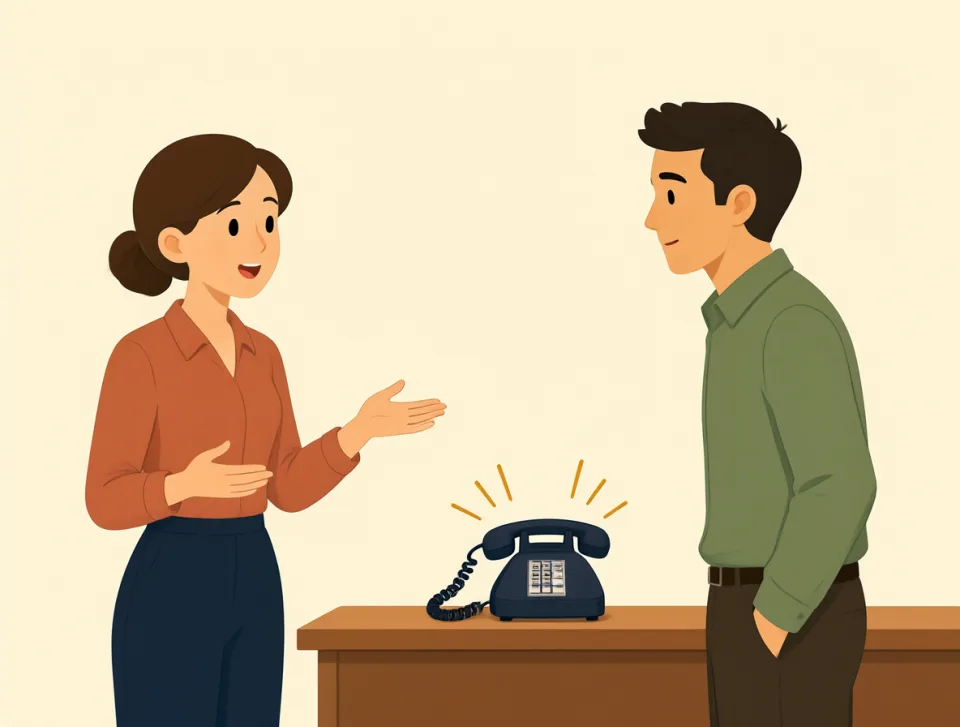
If anybody calls, please tell them I am at work.
Jeśli ktoś zadzwoni, powiedz mu, proszę, że jestem w pracy.
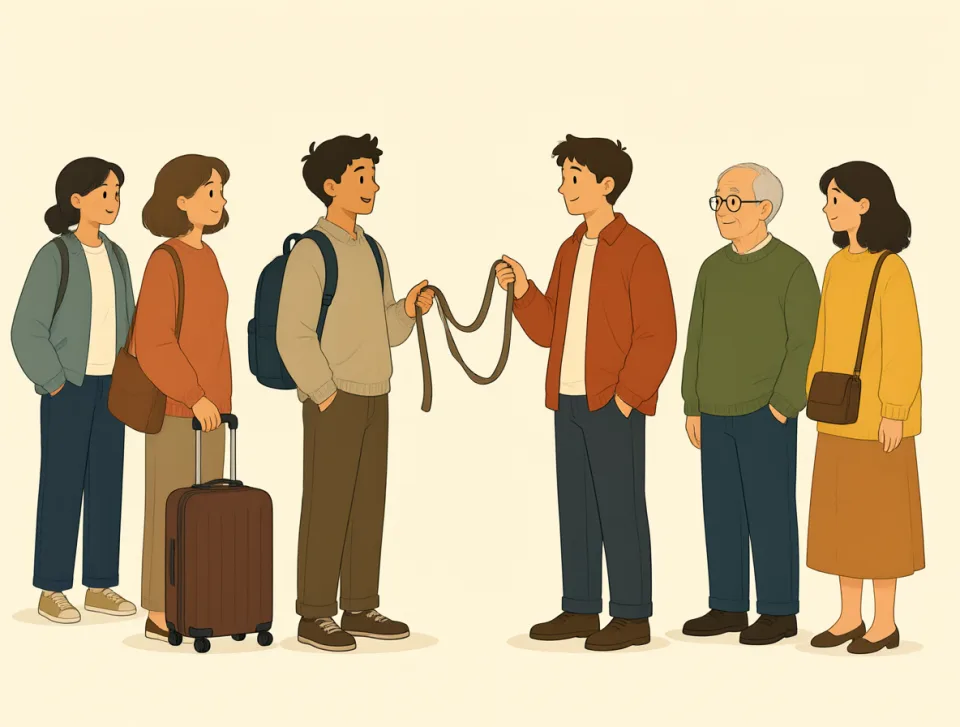
Has anybody seen my bag at the airport?
Czy ktoś widział moją torbę na lotnisku?
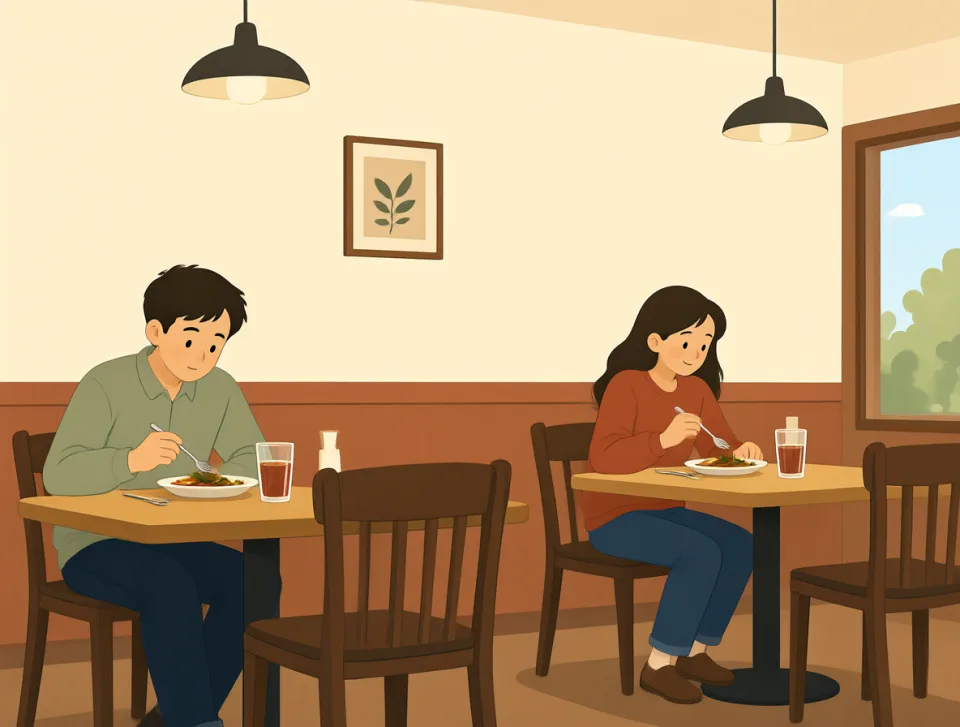
There was hardly anybody in the restaurant at lunchtime.
W porze lunchu w restauracji prawie nikogo nie było.

bedroom
#1432noun
sypialnia
A room in a home where people sleep.
Pokój w domu, w którym się śpi.
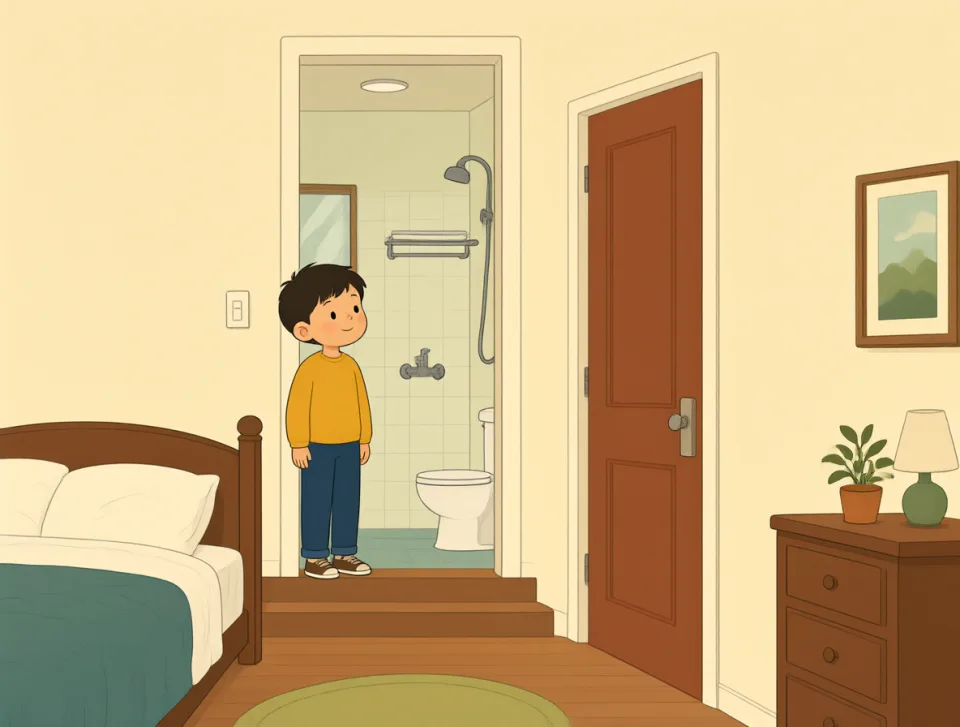
My bedroom is upstairs next to the bathroom.
Moja sypialnia jest na piętrze, obok łazienki.
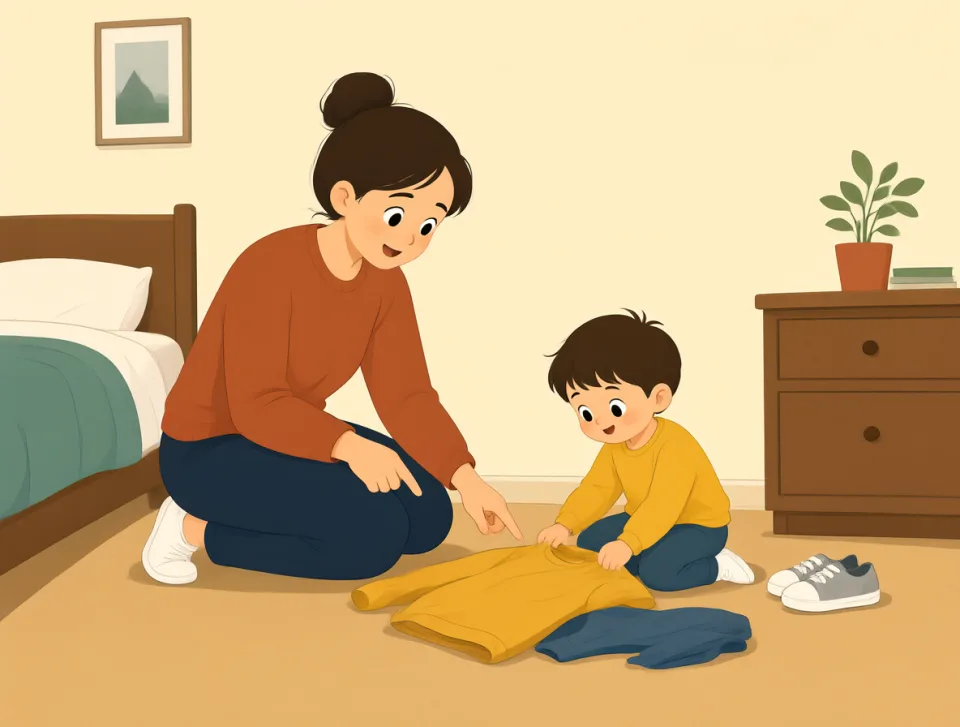
Please tidy your bedroom before our guests arrive.
Posprzątaj proszę swoją sypialnię, zanim przyjdą nasi goście.

The hotel gave us a bedroom with a beautiful view.
Hotel dał nam pokój z pięknym widokiem.
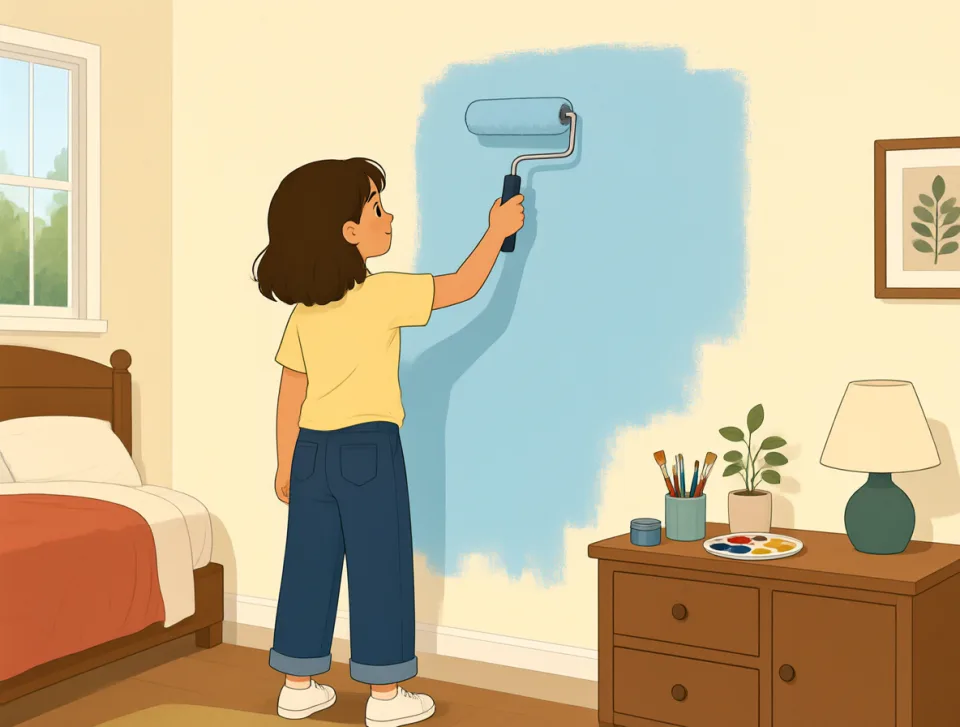
She painted her bedroom walls light blue last weekend.
W zeszły weekend pomalowała ściany w swojej sypialni na jasnoniebiesko.
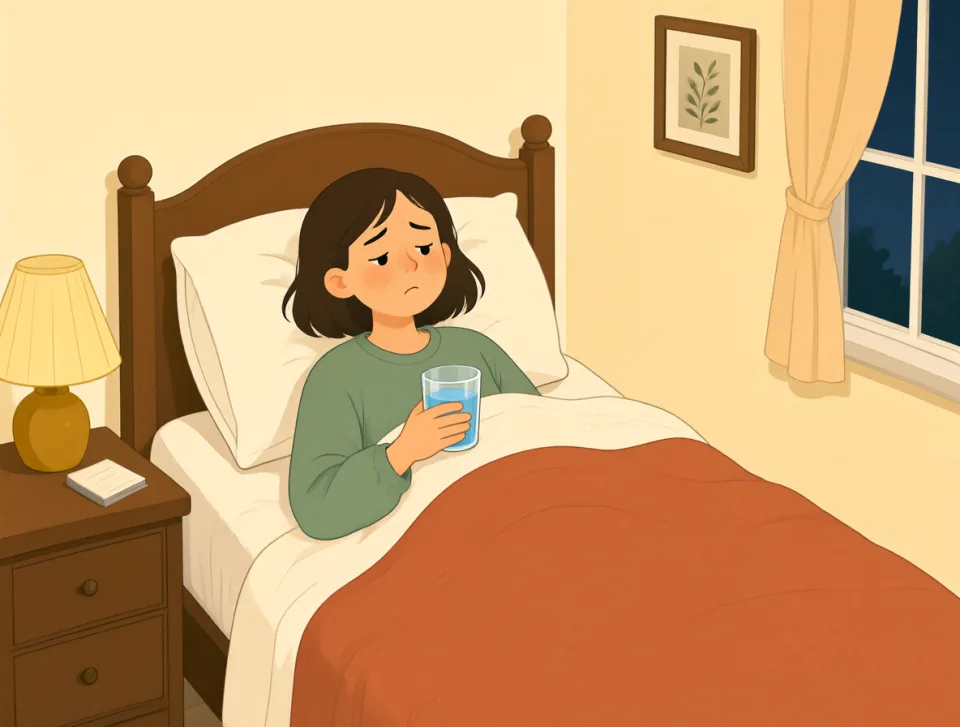
He stayed in his bedroom because he felt sick.
Został w swojej sypialni, bo źle się czuł.
quote
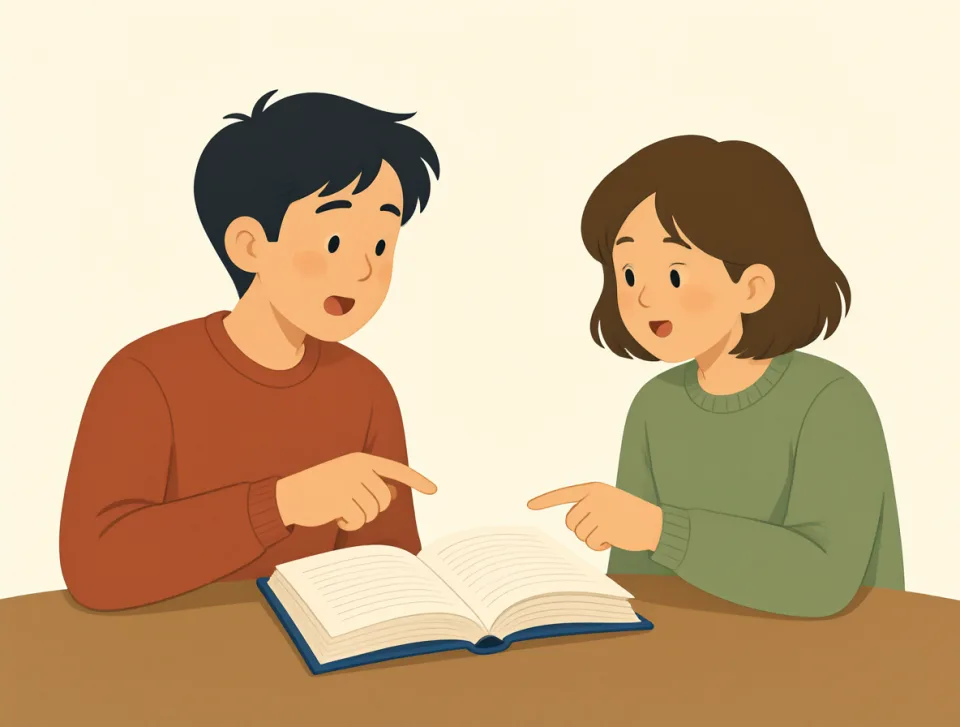
#1433noun, verb
cytat
Words repeated from someone else, or the act of repeating those words.
Słowa powtórzone za kimś innym albo czynność ich powtarzania.
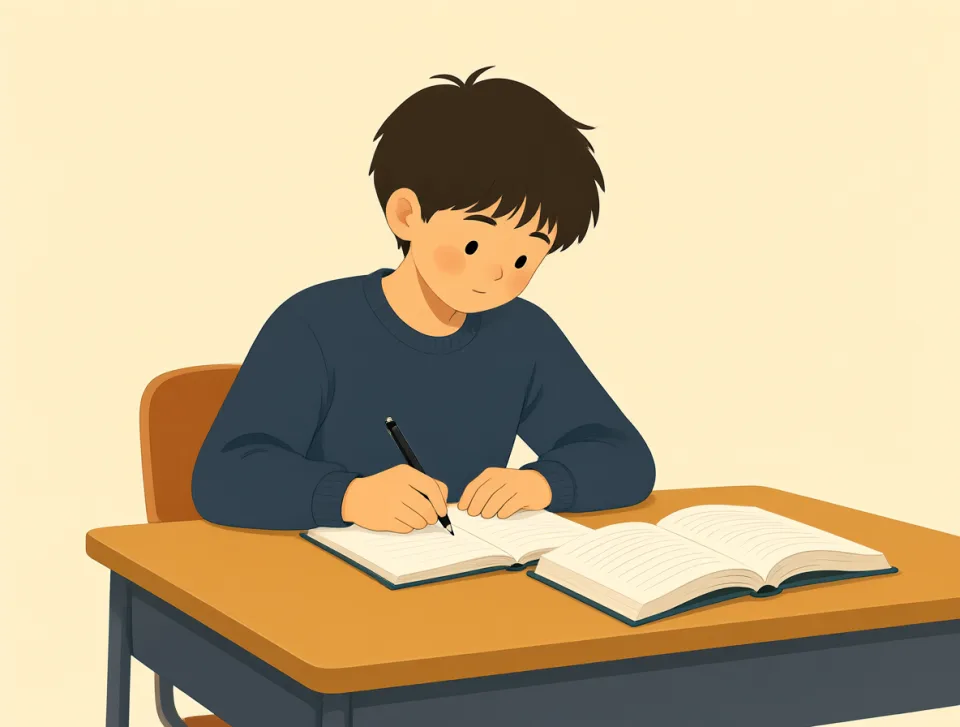
She used a famous quote in her school essay.
W swoim szkolnym wypracowaniu użyła znanego cytatu.
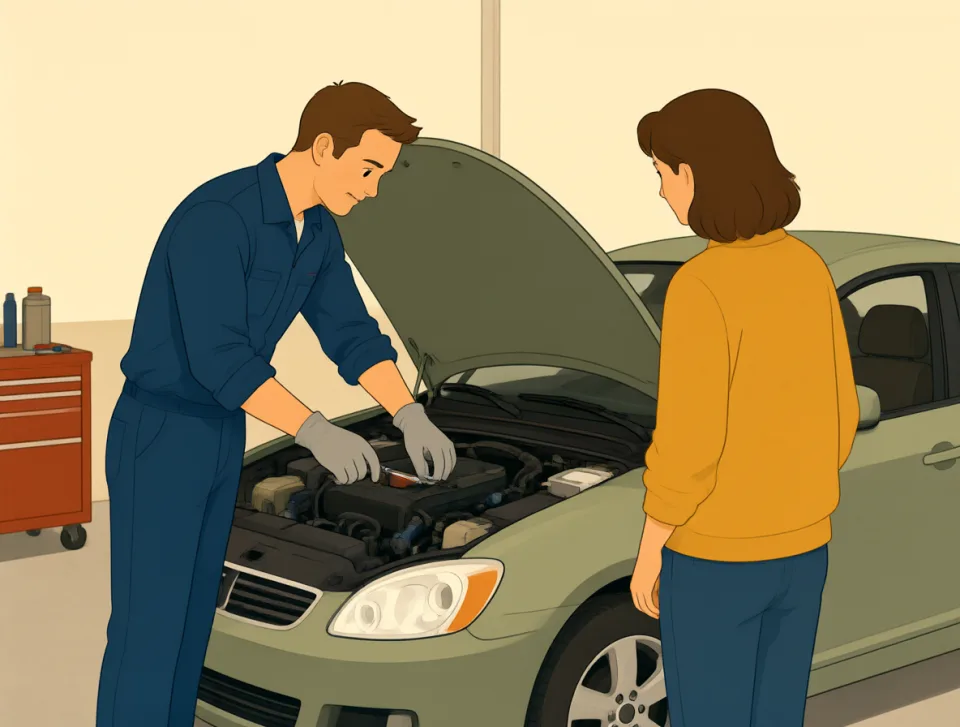
Can you give me a quote for repairing my car?
Możesz podać mi wycenę naprawy samochodu?

The newspaper quoted the doctor about the health problem.
Gazeta zacytowała lekarza wypowiadającego się na temat problemu zdrowotnego.

He quoted a lower price when I asked for a discount.
Kiedy poprosiłem o zniżkę, podał niższą cenę.

My friend keeps quoting funny lines from that movie.
Mój znajomy wciąż cytuje zabawne teksty z tamtego filmu.
climb
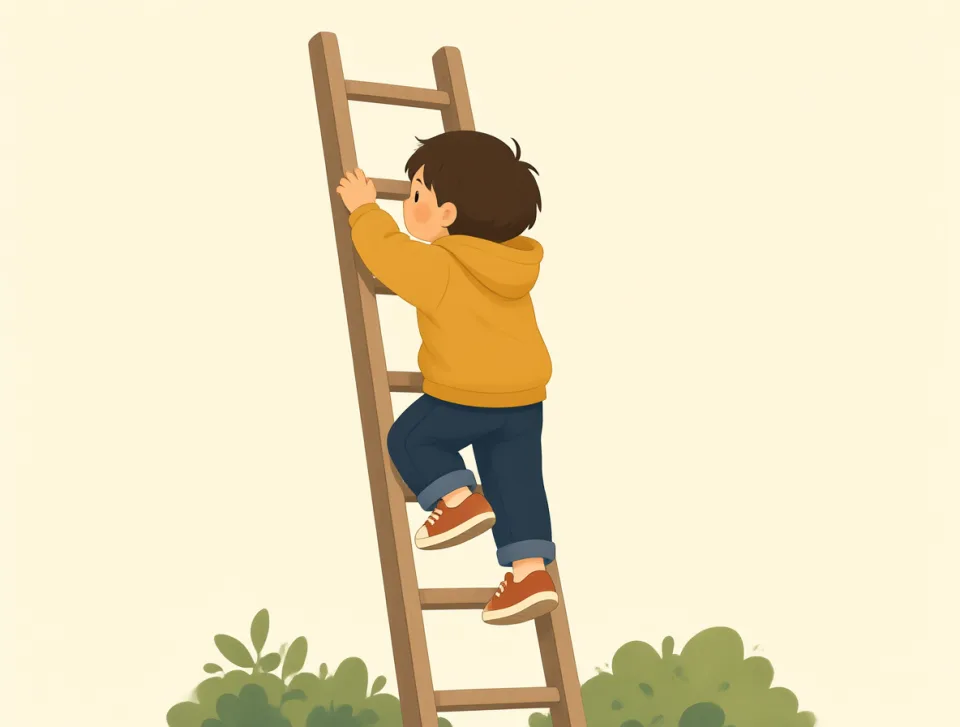
#1434verb, noun
wspinać się
To move up something, or to go higher from a lower place.
Przemieszczać się w górę po czymś albo wznosić się z niższego miejsca.
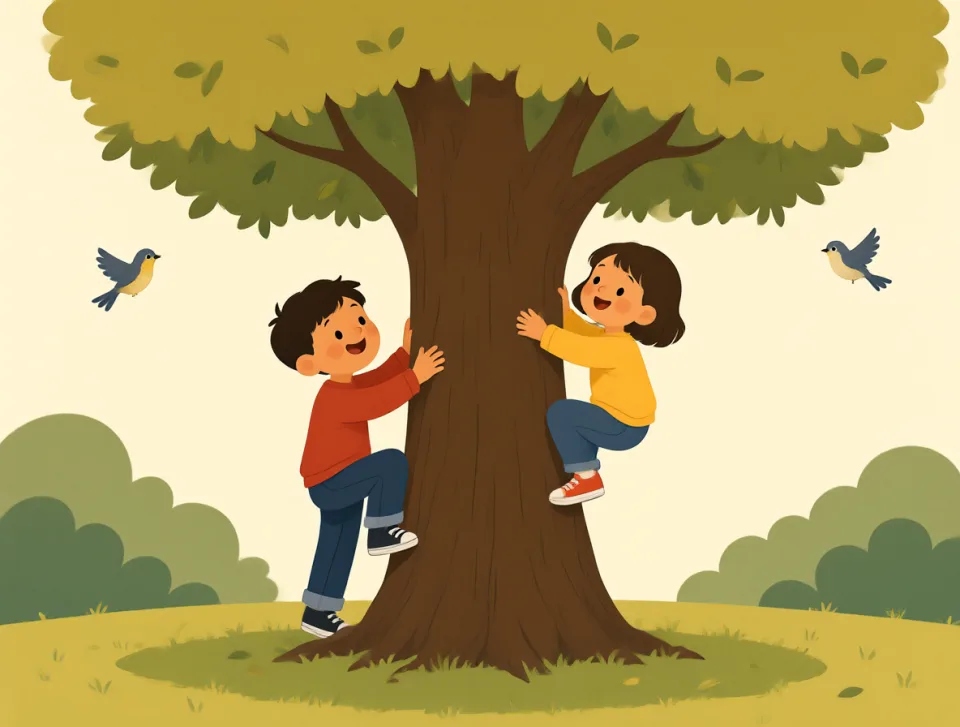
The children climbed the tree to look for birds.
Dzieci wspięły się na drzewo, żeby poszukać ptaków.
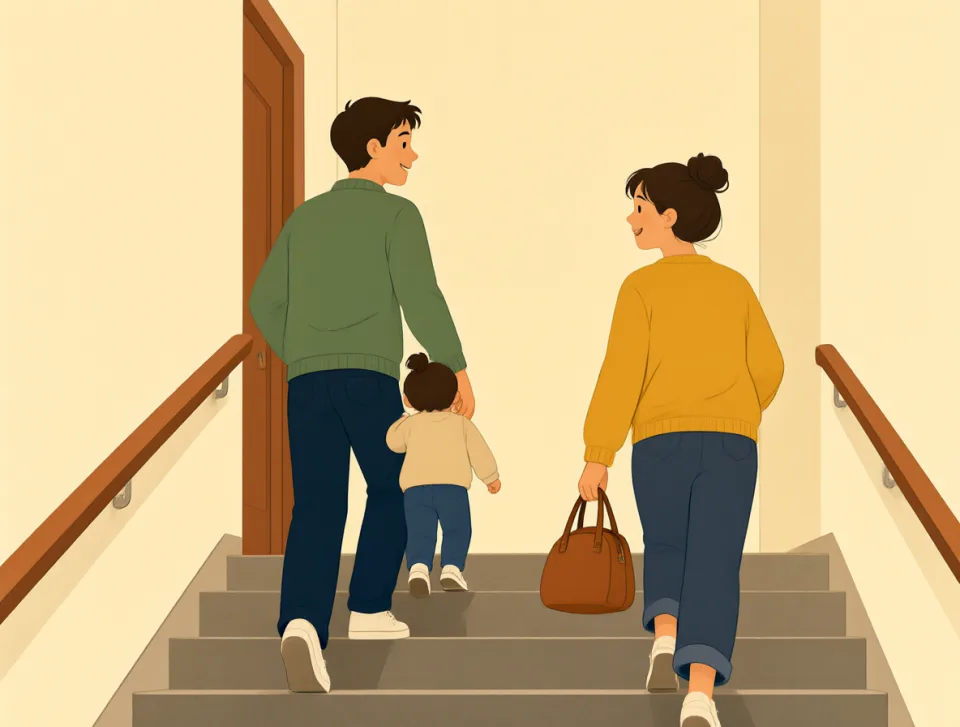
We climbed the stairs to reach the apartment.
Weszliśmy po schodach, żeby dostać się do mieszkania.

The climber reached the top of the mountain before sunset.
Wspinacz dotarł na szczyt góry przed zachodem słońca.
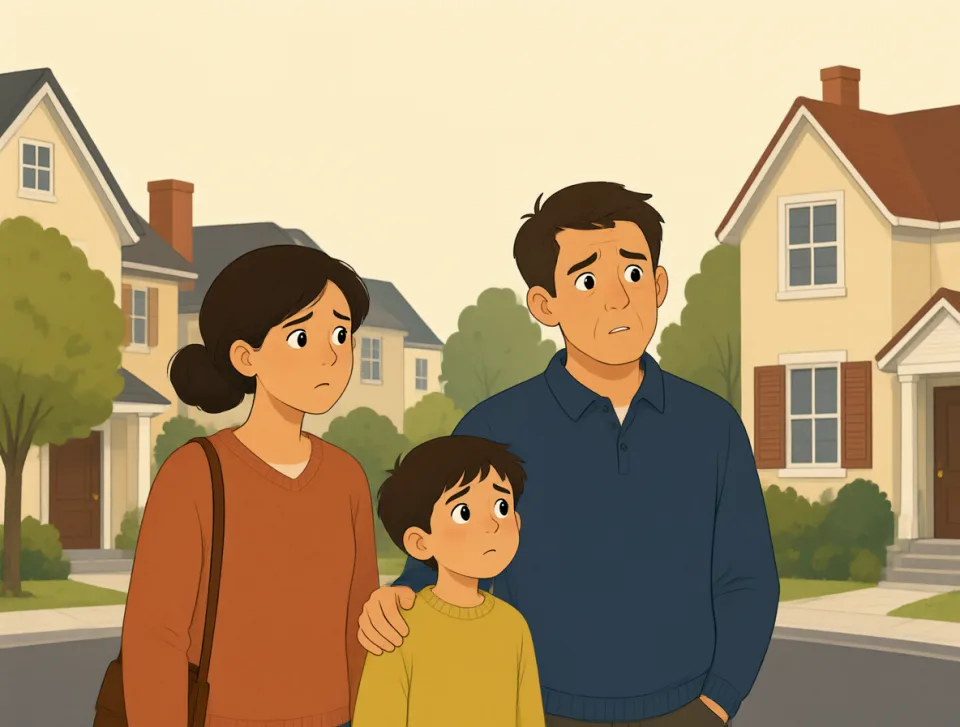
House prices have climbed quickly in our town this year.
W tym roku ceny domów w naszym mieście szybko wzrosły.
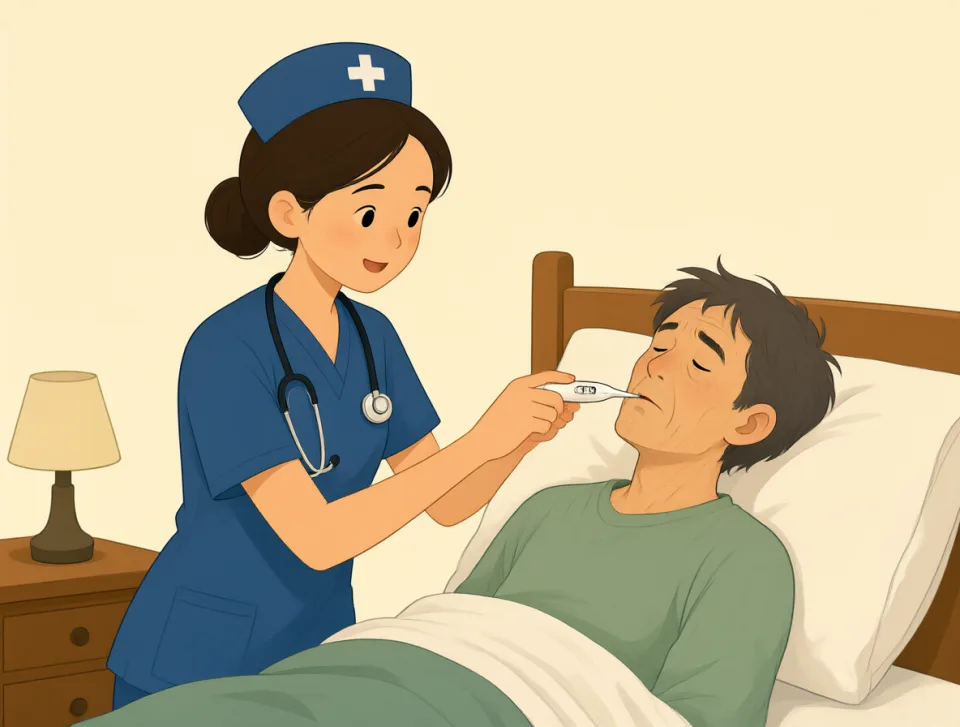
The nurse checked my temperature as my fever climbed.
Pielęgniarka mierzyła mi temperaturę, gdy gorączka rosła.

basically
#1435adverb
zasadniczo
used to say what is most important or true in a simple way
Używane, by w prosty sposób powiedzieć, co jest najważniejsze lub prawdziwe.
Basically, we need more time to finish the project.
Zasadniczo potrzebujemy więcej czasu, żeby skończyć projekt.

The job is basically answering emails and helping customers.
Ta praca polega głównie na odpowiadaniu na e-maile i pomaganiu klientom.

I basically stayed home and watched movies all weekend.
Przez cały weekend właściwie siedziałem w domu i oglądałem filmy.
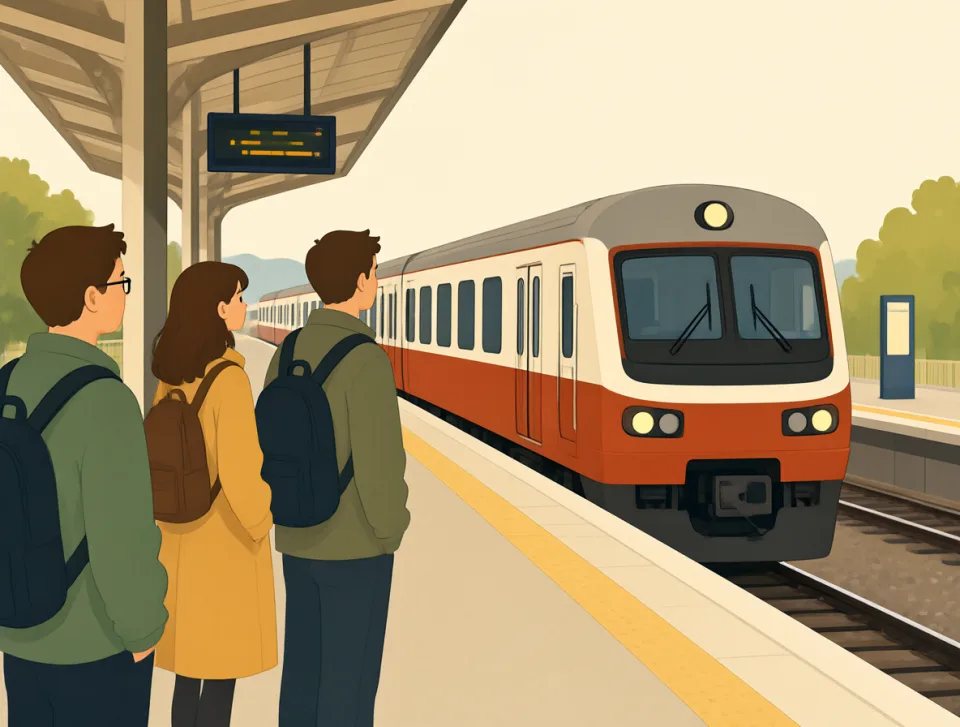
Basically, the train leaves every hour from this station.
Zasadniczo pociąg z tej stacji odjeżdża co godzinę.
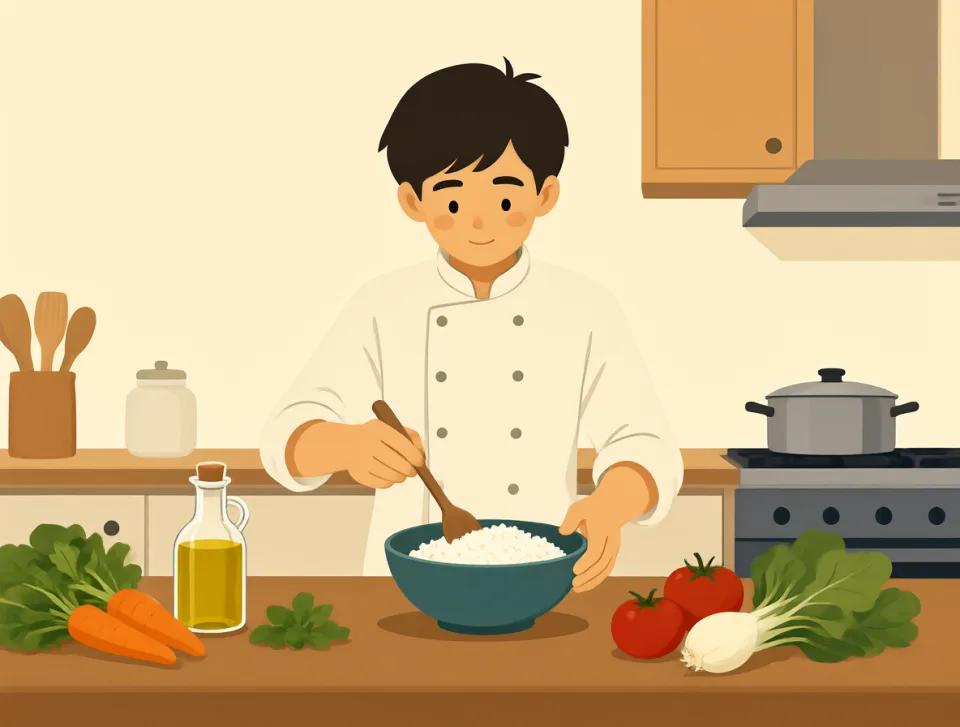
The recipe is basically vegetables, rice, and a little oil.
Przepis składa się głównie z warzyw, ryżu i odrobiny oleju.
violence
#1436noun
przemoc
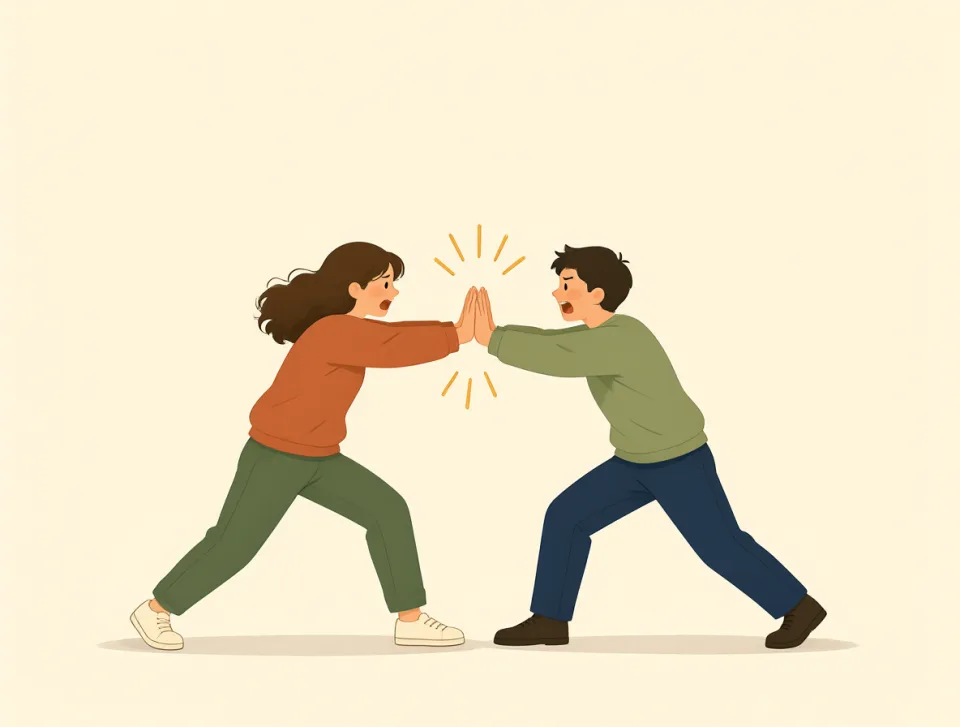
The use of physical force to hurt people or damage things.
Używanie siły fizycznej, by krzywdzić ludzi lub niszczyć rzeczy.
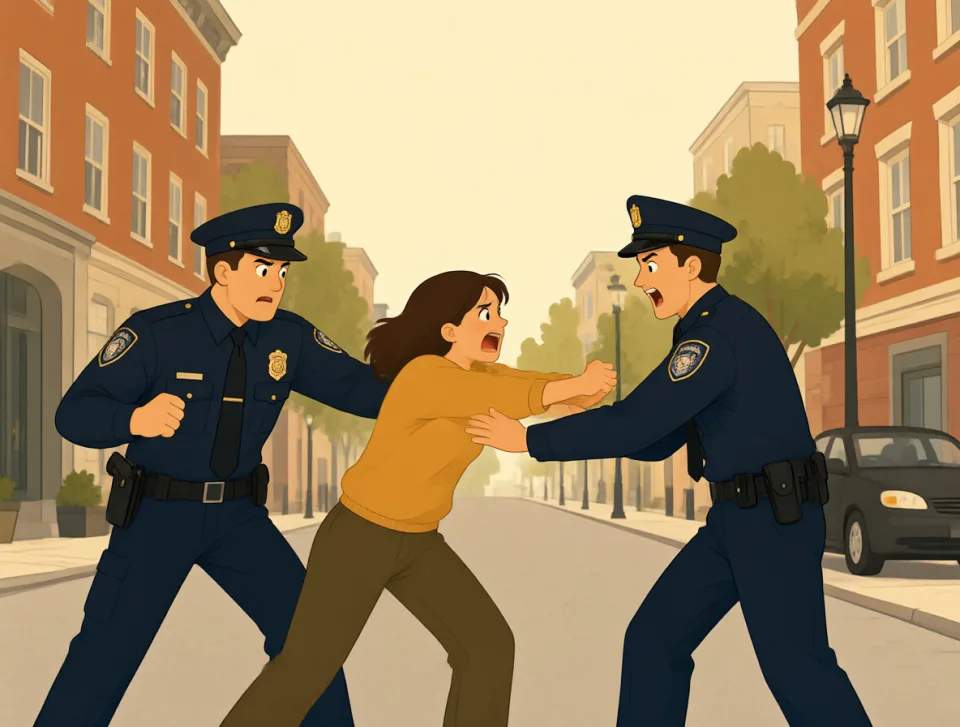
The police are working to reduce violence in the city.
Policja stara się ograniczyć przemoc w mieście.
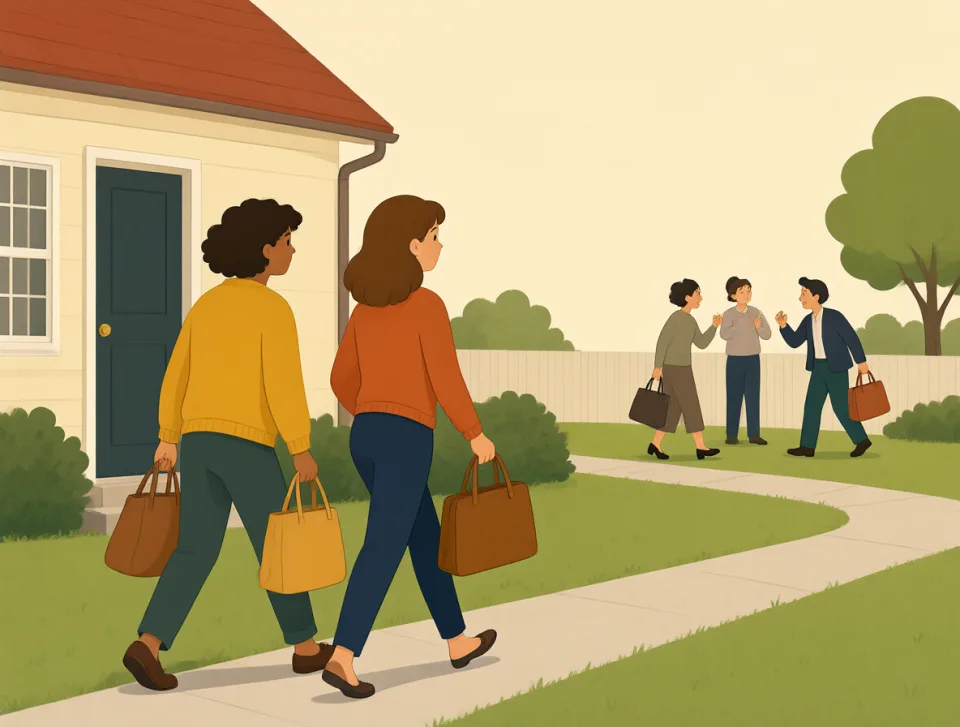
The family left their home because of violence nearby.
Rodzina opuściła swój dom z powodu przemocy w okolicy.
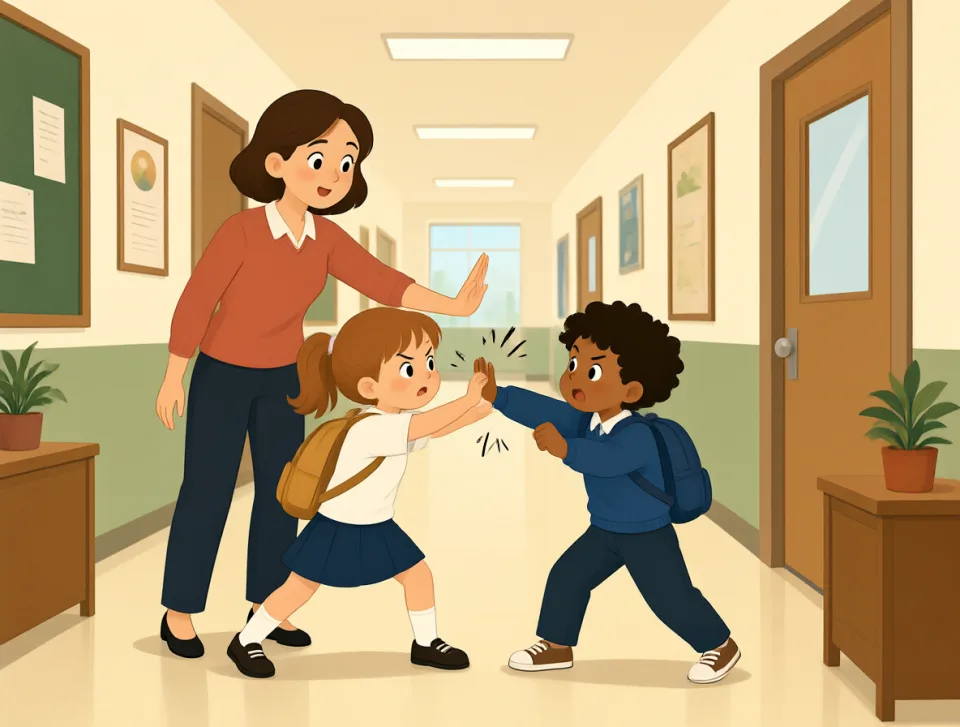
The school has strict rules against violence.
W szkole obowiązują surowe zasady zakazujące przemocy.
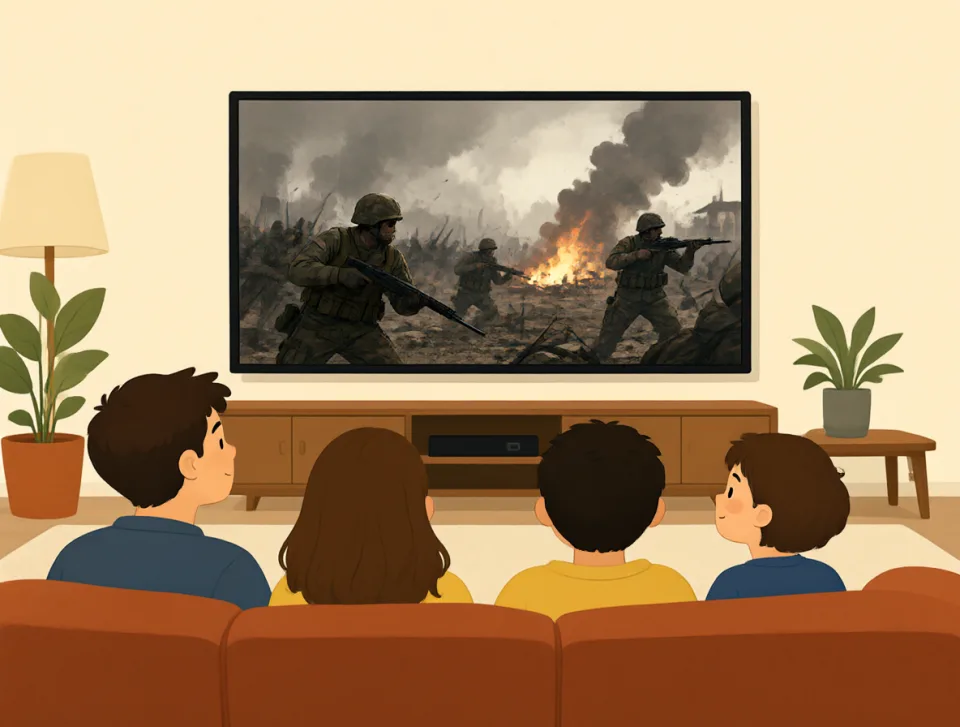
They watched a film about war and violence last night.
Wczoraj wieczorem oglądali film o wojnie i przemocy.
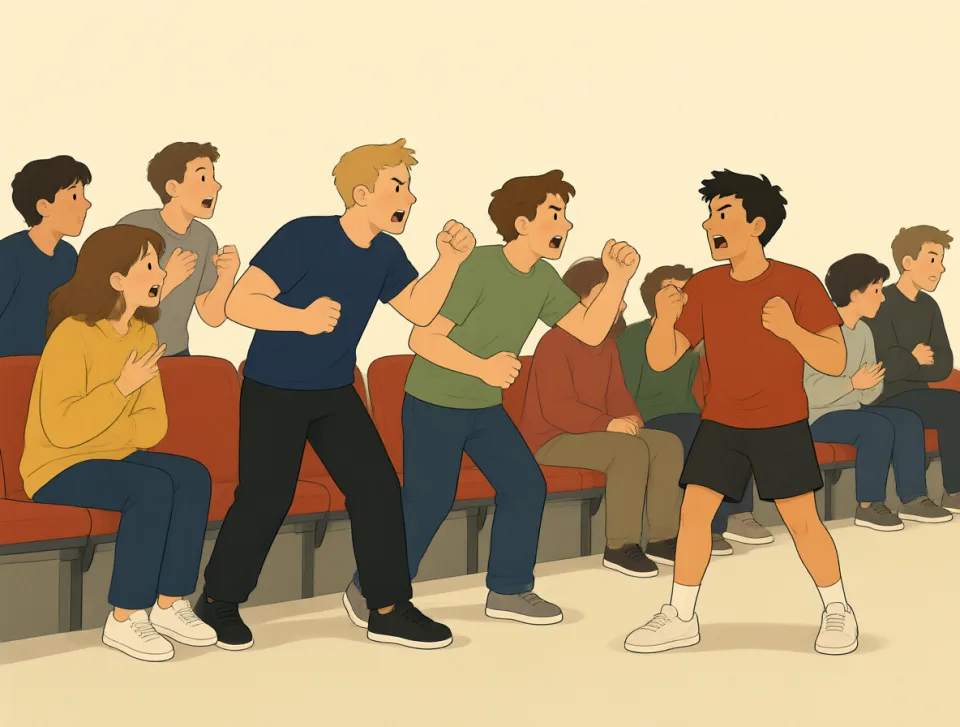
The match ended early after violence broke out among fans.
Mecz zakończył się przed czasem, gdy wśród kibiców wybuchła przemoc.
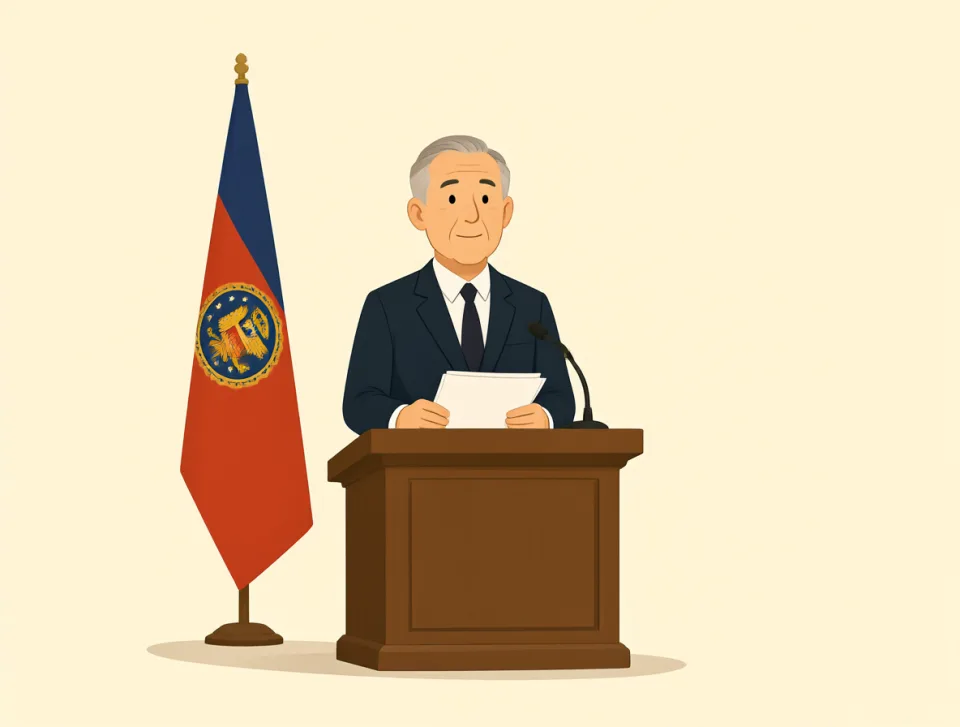
minister
#1437noun, verb
minister
A government official, or to give careful attention to someone’s needs.
Urzędnik państwowy albo troszczyć się o czyjeś potrzeby.
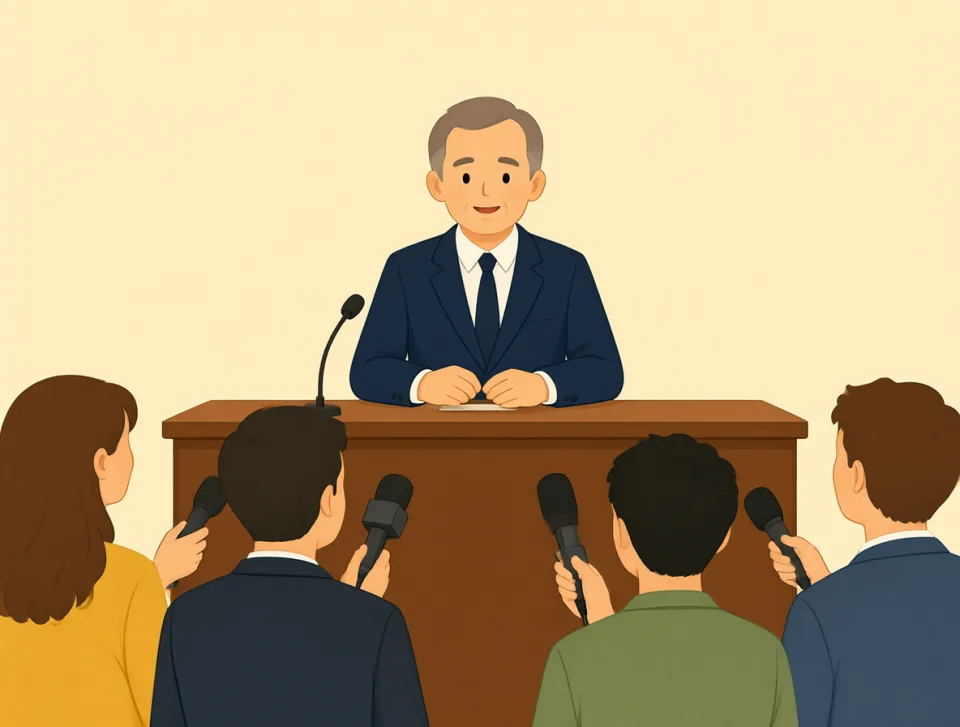
The minister announced new plans for local schools.
Minister ogłosił nowe plany dotyczące lokalnych szkół.
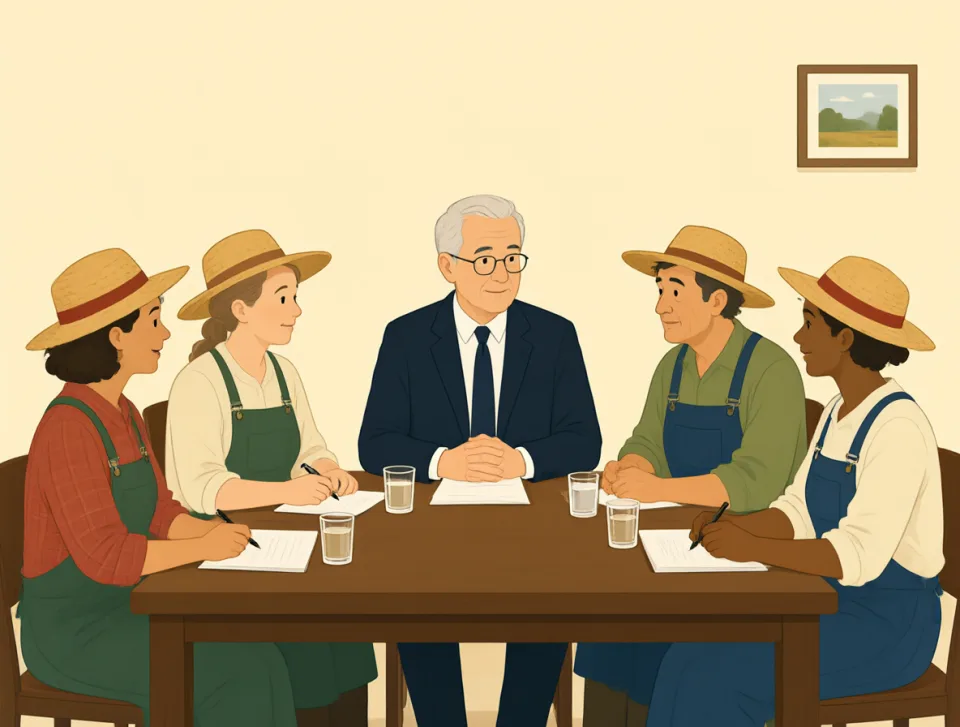
The minister met farmers to discuss rising food prices.
Minister spotkał się z rolnikami, aby omówić rosnące ceny żywności.
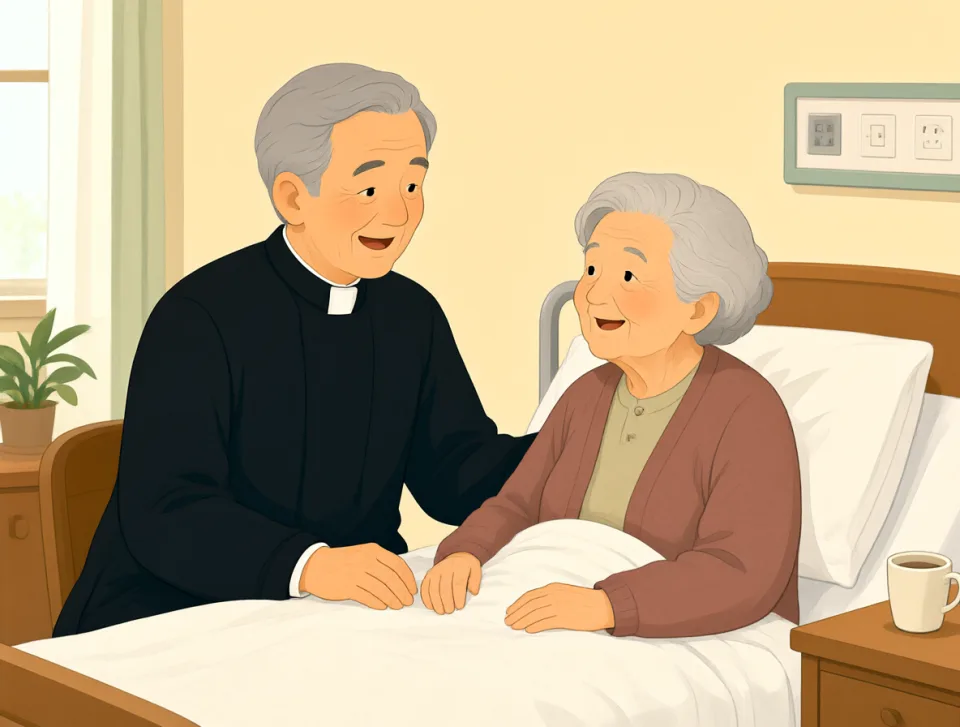
Our church minister visited my grandmother in hospital.
Nasz pastor odwiedził moją babcię w szpitalu.
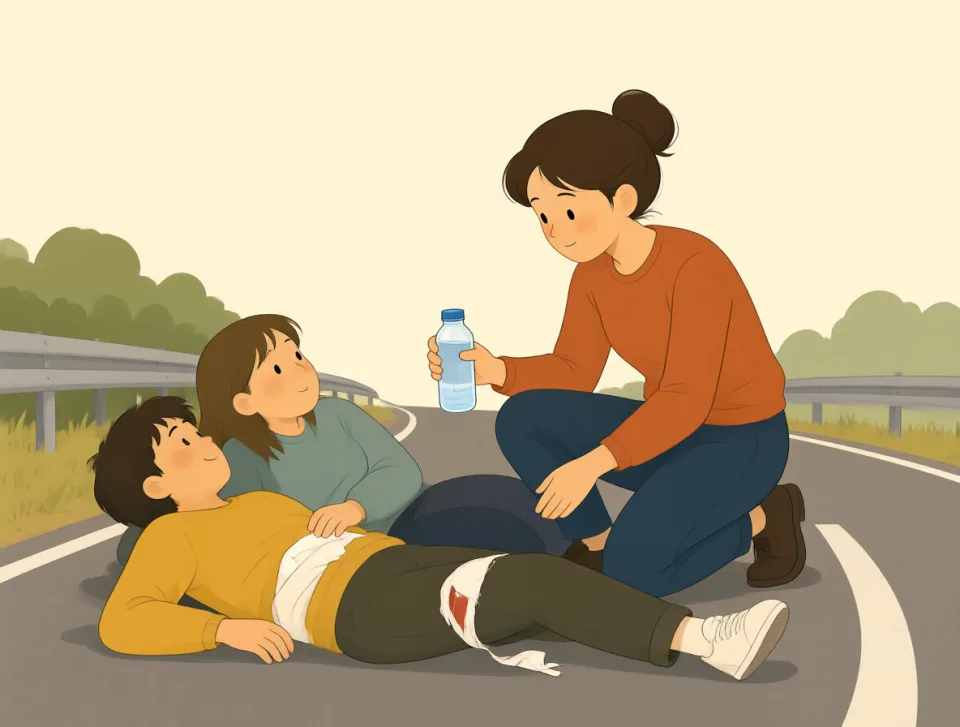
She ministered to the injured passengers after the accident.
Po wypadku opiekowała się rannymi pasażerami.
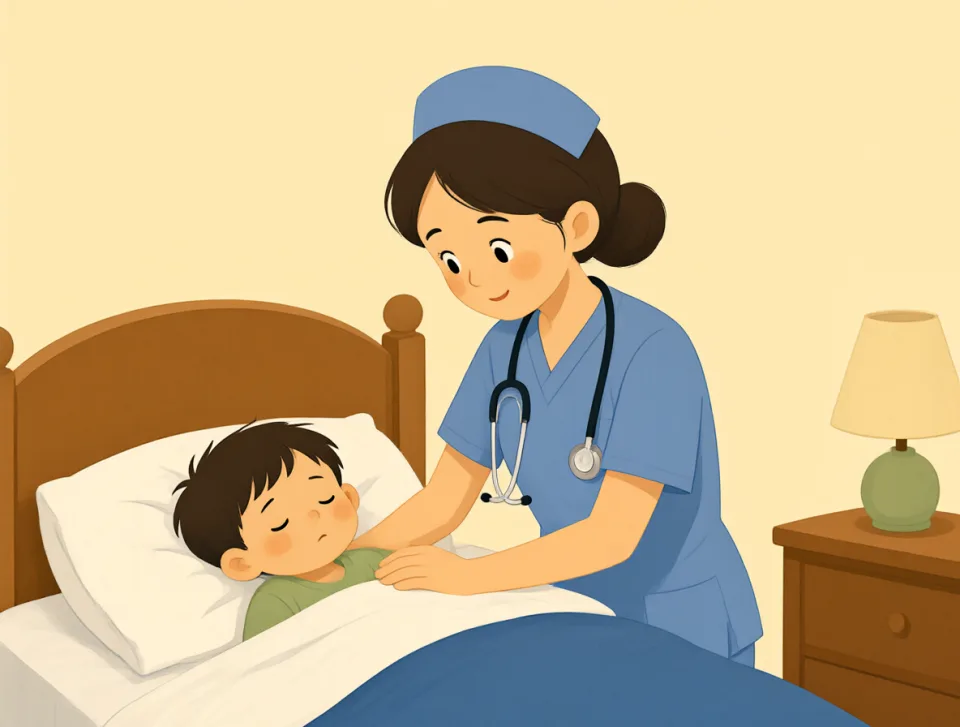
The nurse ministered to the sick child throughout the night.
Pielęgniarka opiekowała się chorym dzieckiem przez całą noc.
mainly
#1438adverb
głównie
Mostly or usually, with only a small part coming from something else.
W większości lub zazwyczaj; tylko niewielka część pochodzi z czegoś innego.
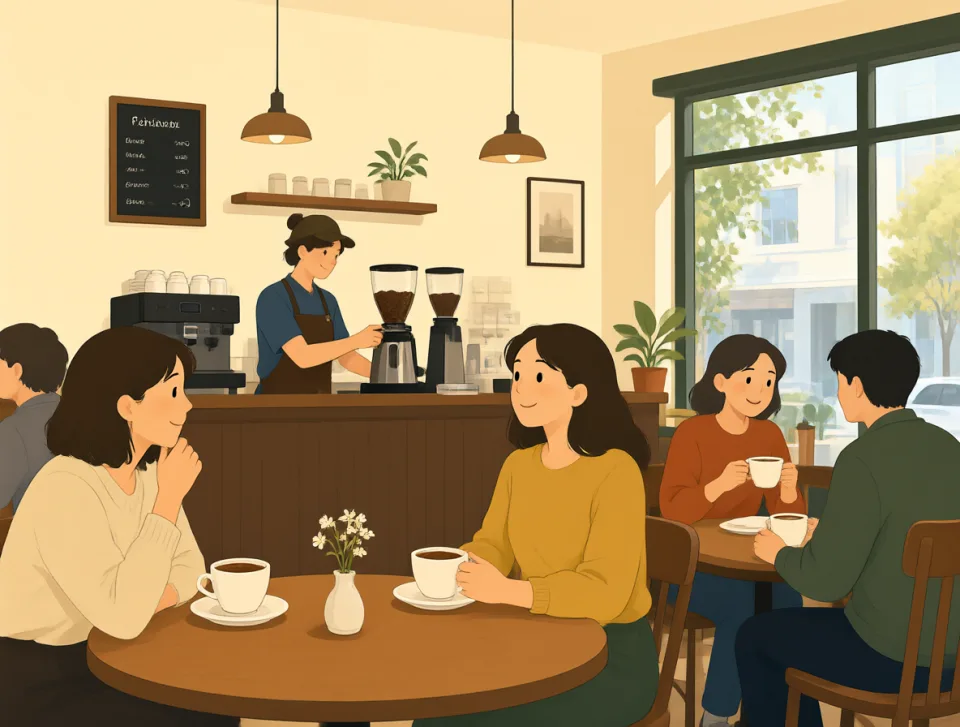
The cafe is mainly busy in the mornings.
Kawiarnia jest zatłoczona głównie rano.

She mainly works from home during the week.
W tygodniu pracuje głównie z domu.
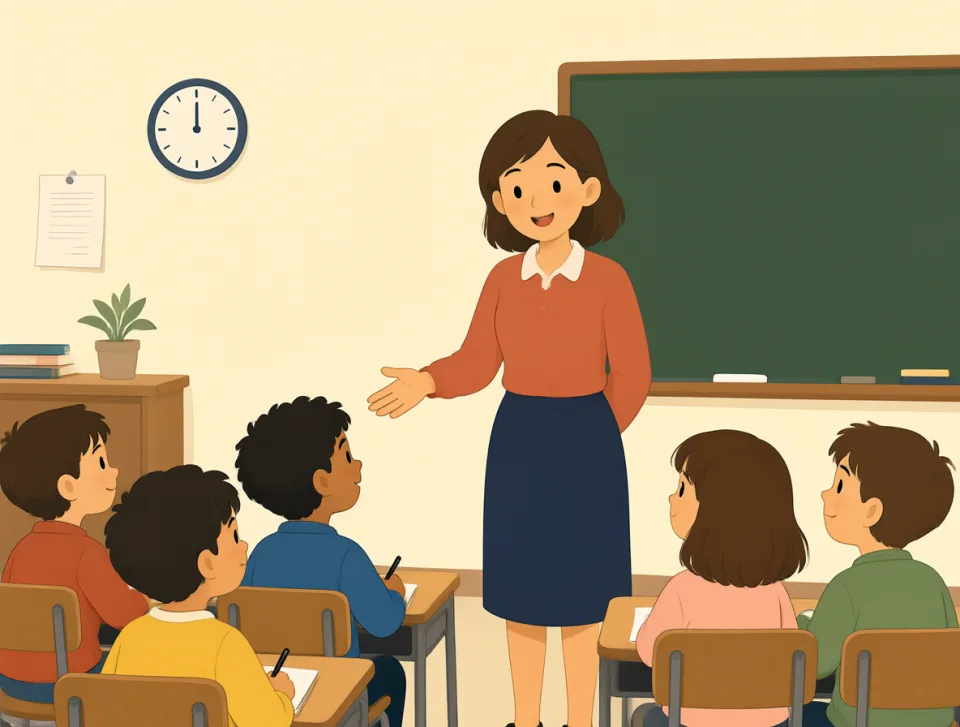
The class is made up mainly of new students.
W klasie są głównie nowi uczniowie.
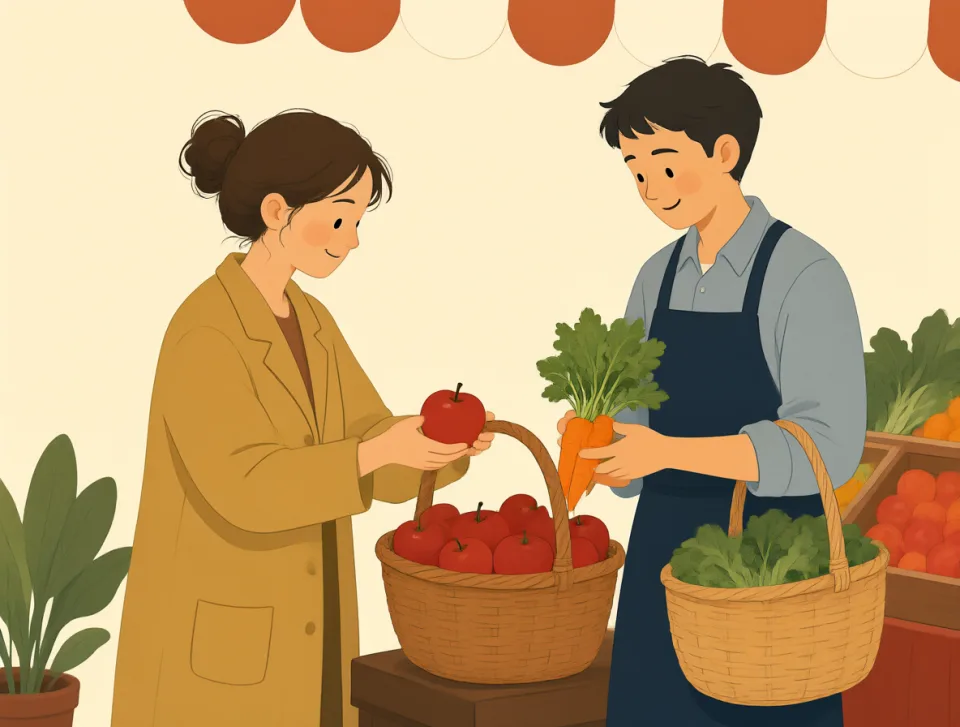
We bought mainly fruit and vegetables at the market.
Na targu kupiliśmy głównie owoce i warzywa.
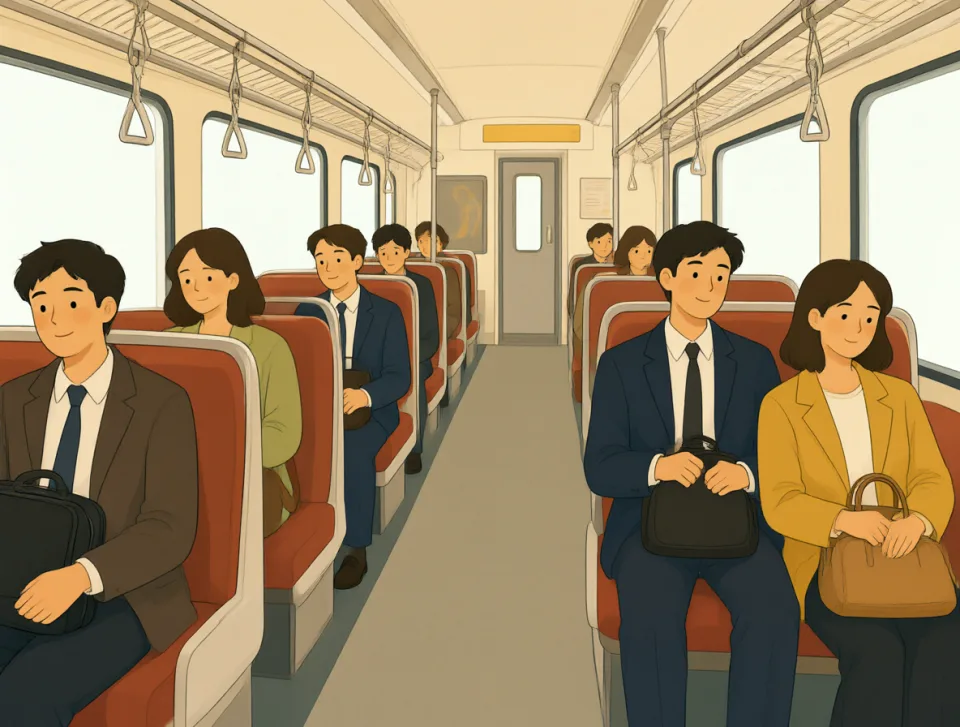
The train is used mainly by people traveling to work.
Z pociągu korzystają głównie osoby dojeżdżające do pracy.

mouth
#1439noun, verb
usta
The opening in your face used for eating, speaking, and breathing.
Otwór w twarzy, którym jesz, mówisz i oddychasz.
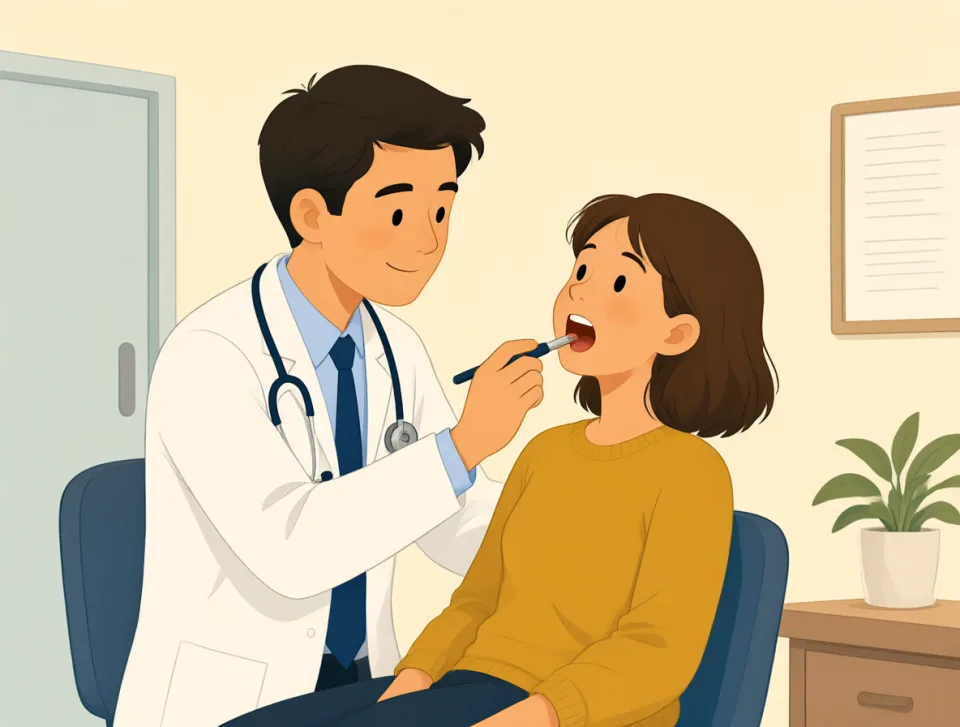
Please open your mouth and say your name.
Proszę otworzyć usta i powiedzieć, jak się pan/pani nazywa.
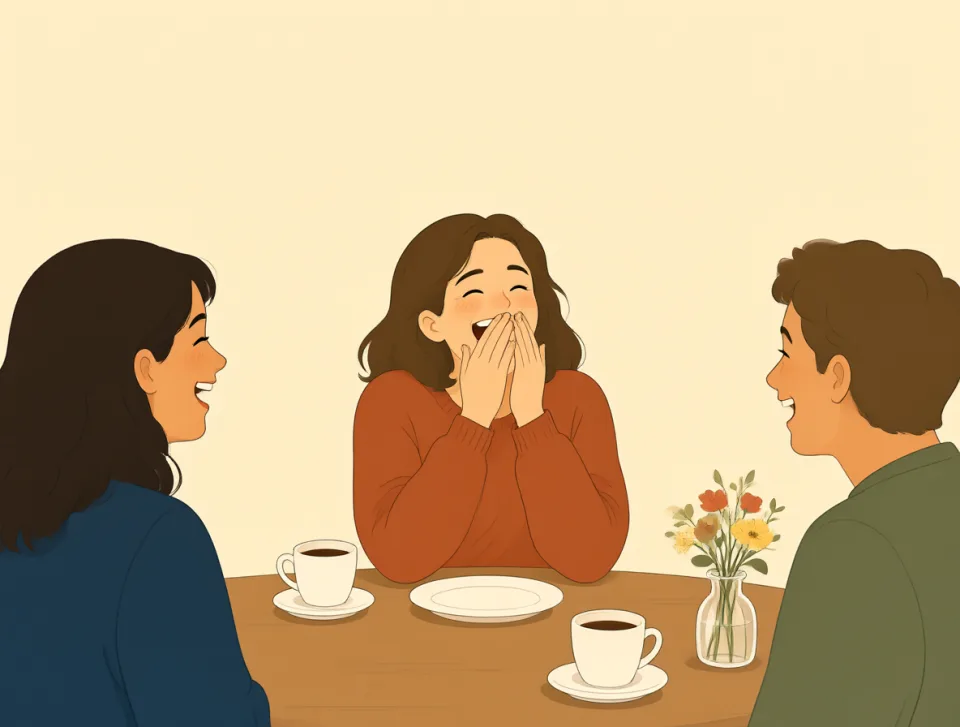
She covered her mouth when she started laughing.
Zakryła usta, gdy zaczęła się śmiać.
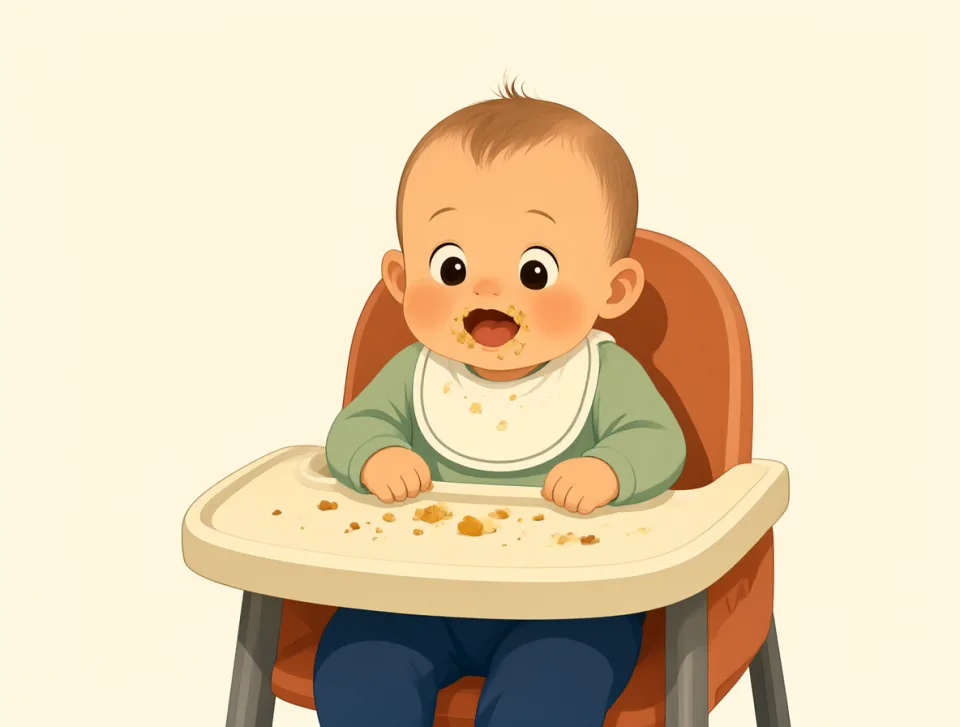
The baby had food around his mouth.
Dziecko miało jedzenie wokół ust.
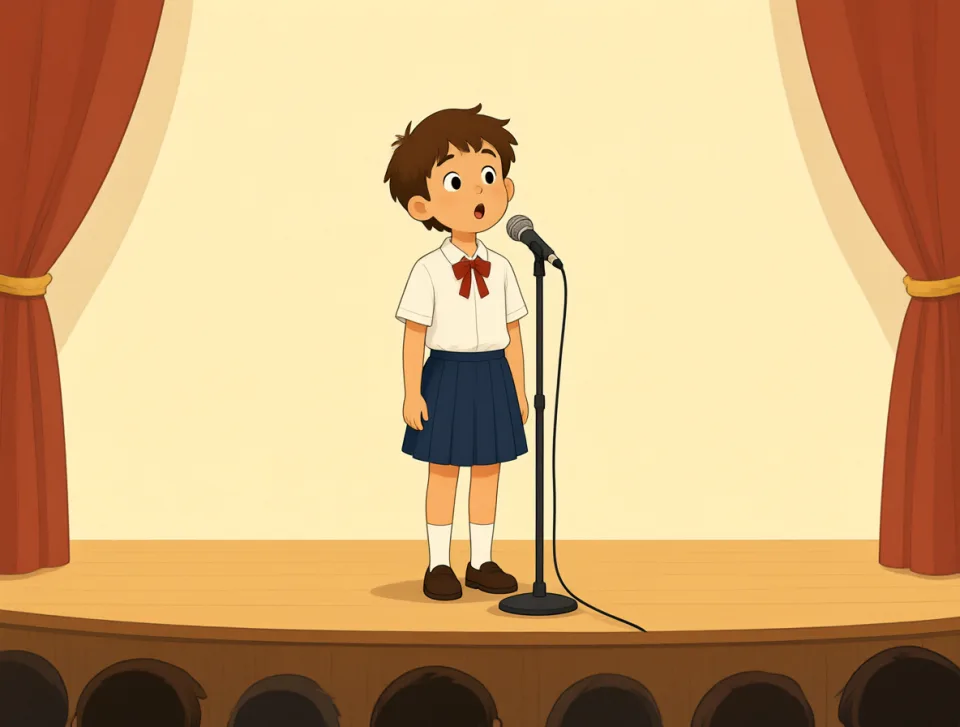
He mouthed the words during the school performance.
Podczas szkolnego występu poruszał ustami, wypowiadając słowa.
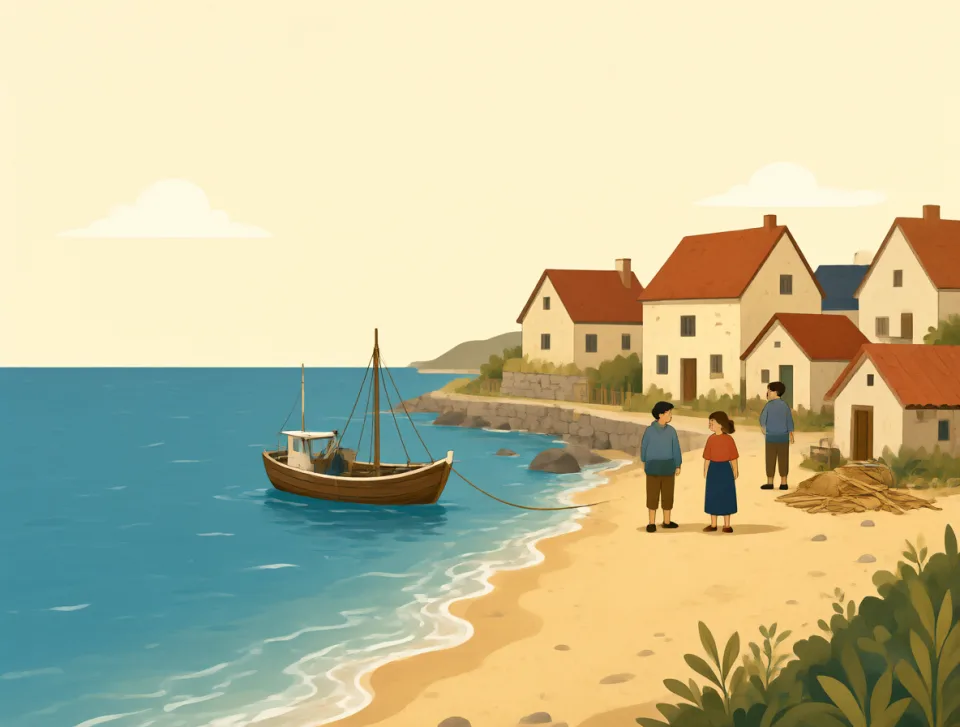
The river mouth was near the small fishing village.
Ujście rzeki znajdowało się niedaleko małej wioski rybackiej.
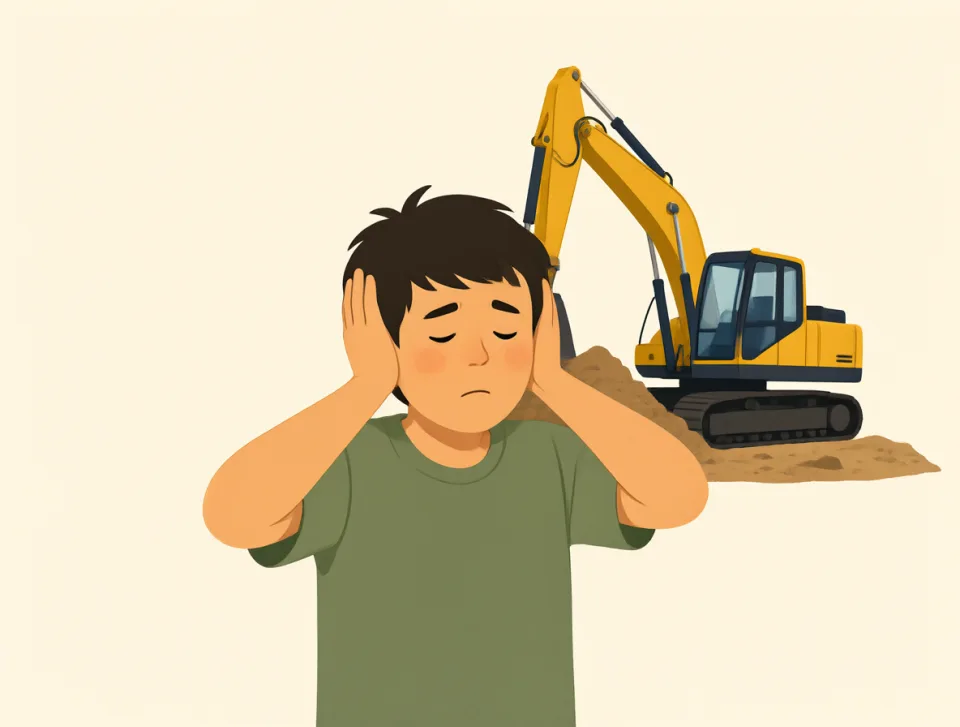
noise
#1440noun
hałas
A loud or unpleasant sound that makes it difficult to hear, think, or sleep.
Głośny lub nieprzyjemny dźwięk, który utrudnia słyszenie, myślenie albo spanie.
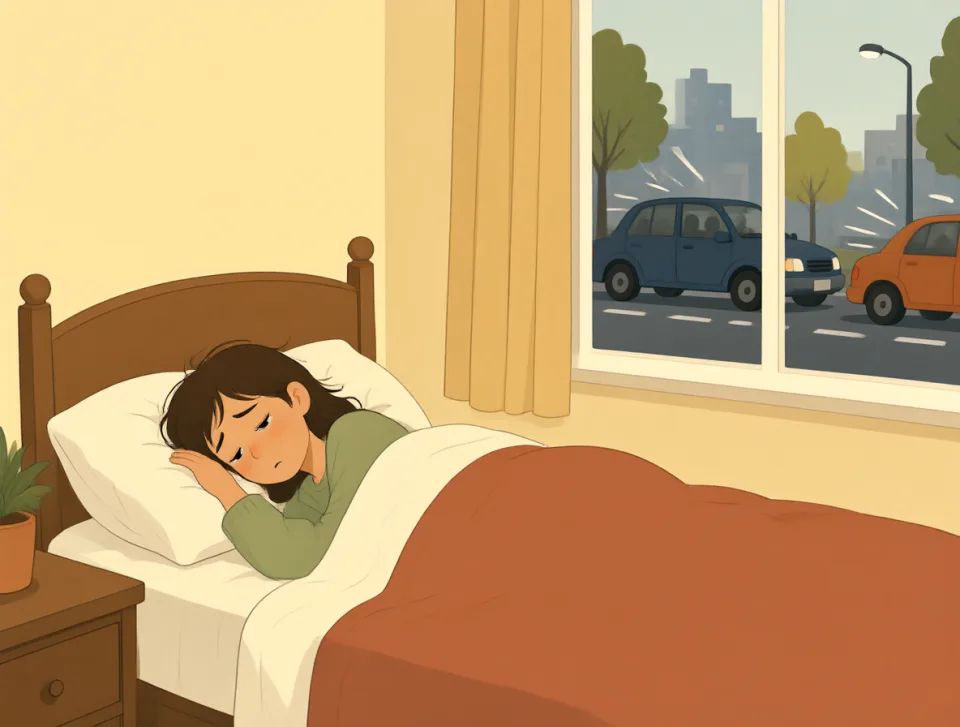
The traffic noise kept me awake last night.
Hałas uliczny nie dawał mi spać zeszłej nocy.
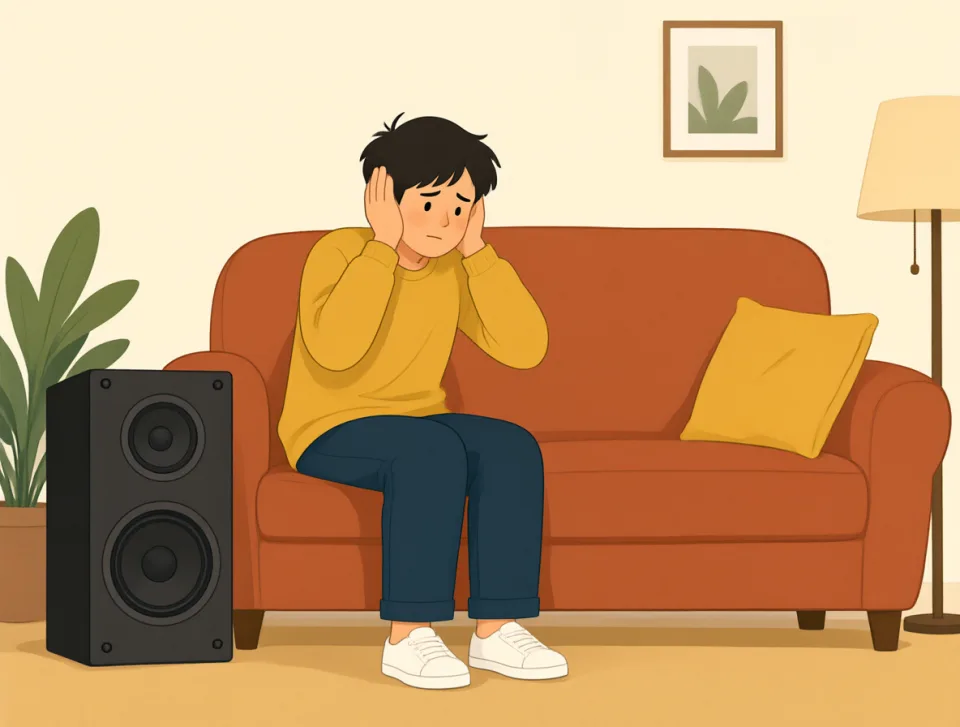
Please turn down the music; the noise is too loud.
Proszę ściszyć muzykę; jest za głośno.
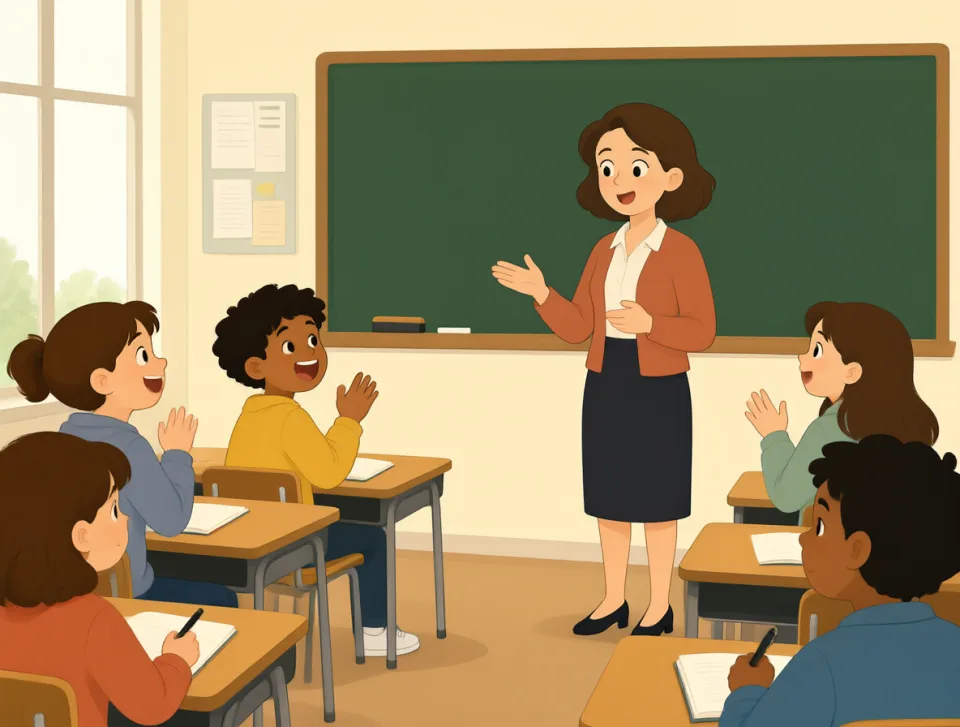
We could not hear the teacher because of the classroom noise.
Nie mogliśmy usłyszeć nauczyciela przez hałas w klasie.
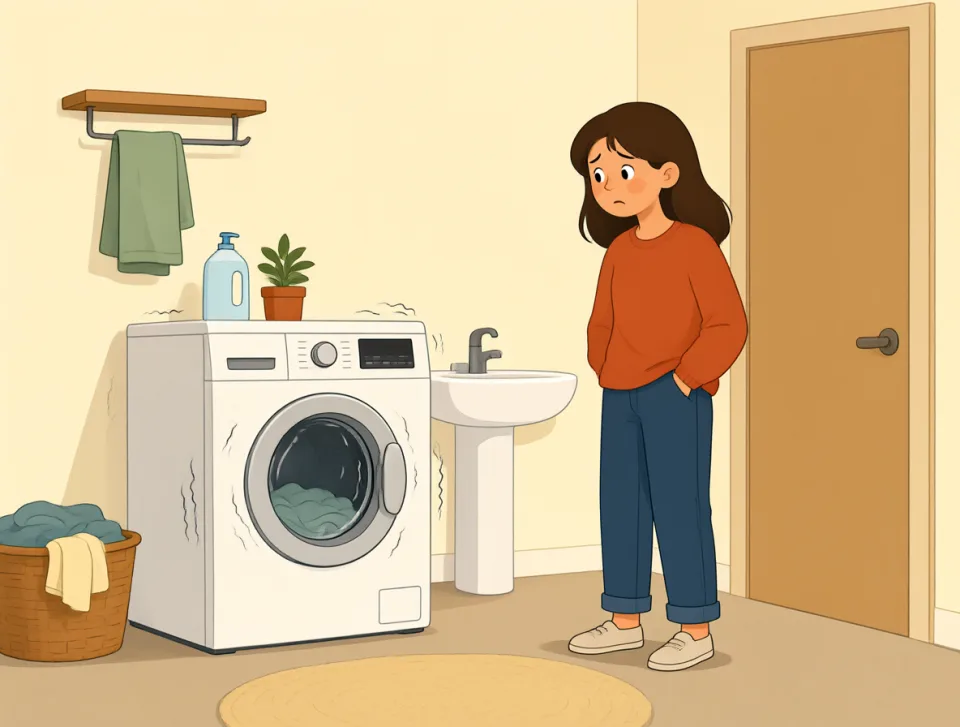
The washing machine is making a strange noise.
Pralka wydaje dziwny dźwięk.
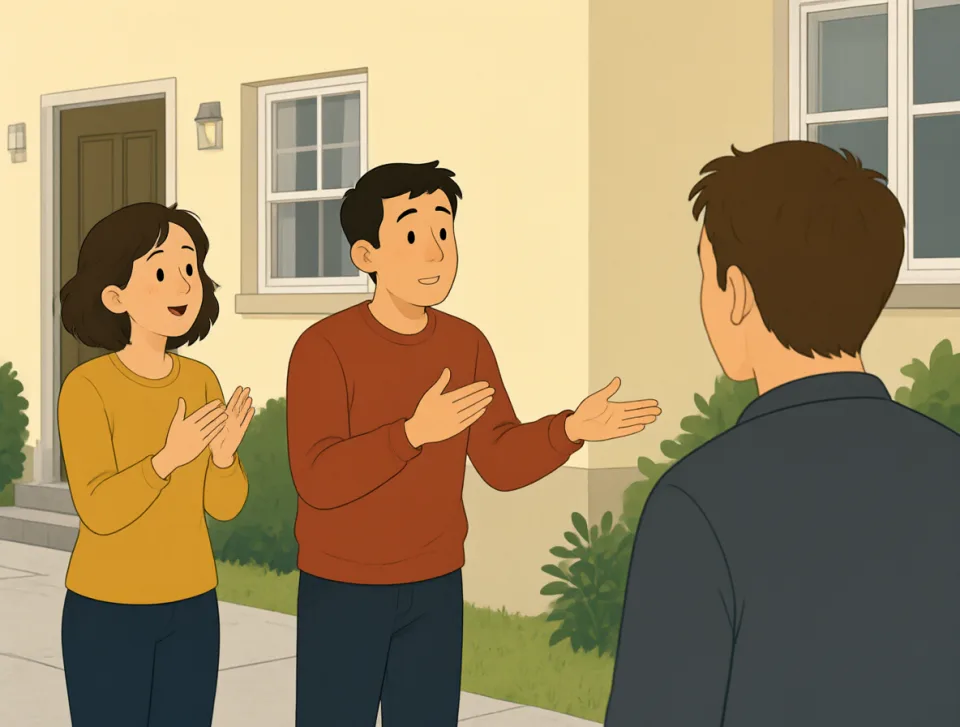
The neighbors apologized for the noise during their party.
Sąsiedzi przeprosili za hałas podczas swojej imprezy.