單元 72
單字 1421–1440 · hurt, council, editor, normally, sight, generate
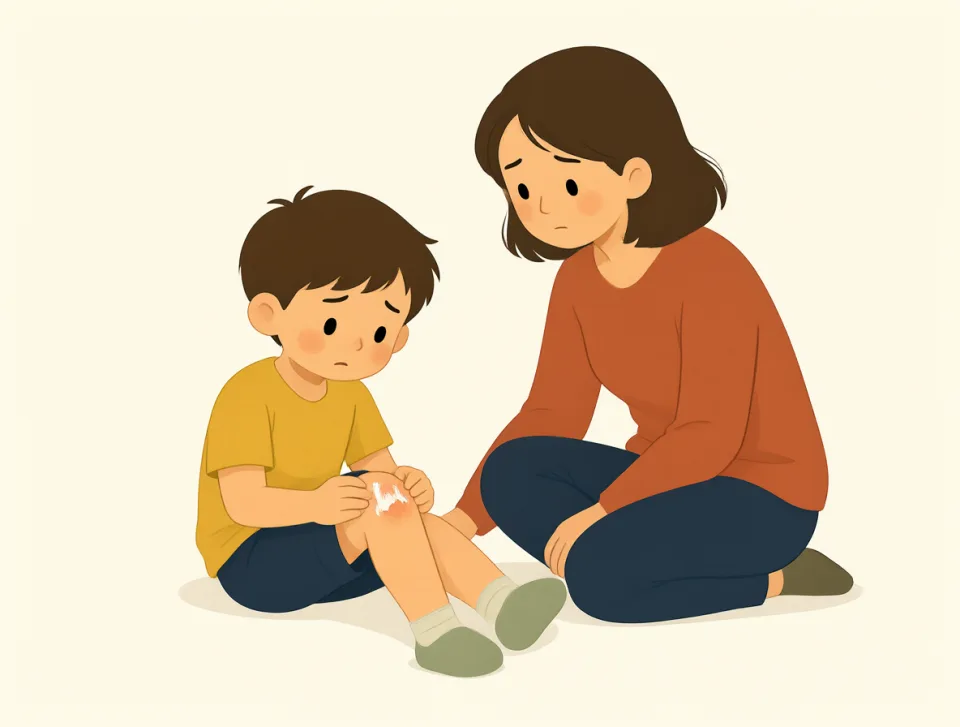
hurt
#1421verb, noun, adjective
疼;受傷;傷害
to feel pain or cause someone to feel pain
感到疼痛或使某人感到疼痛
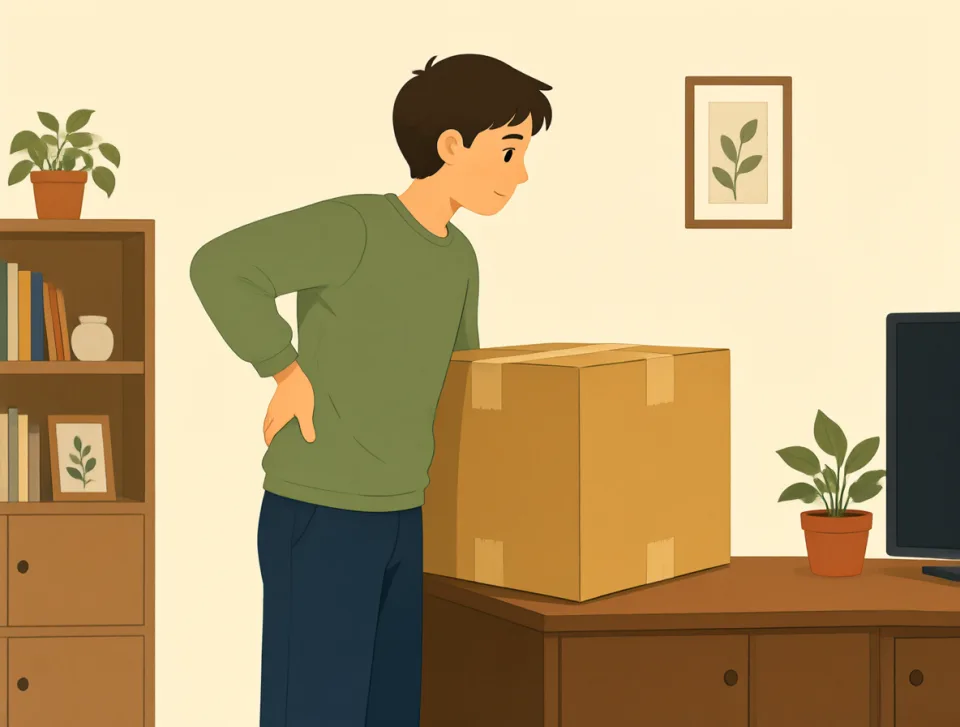
My back hurts after carrying that heavy box.
搬完那個重箱子後,我的背很疼。
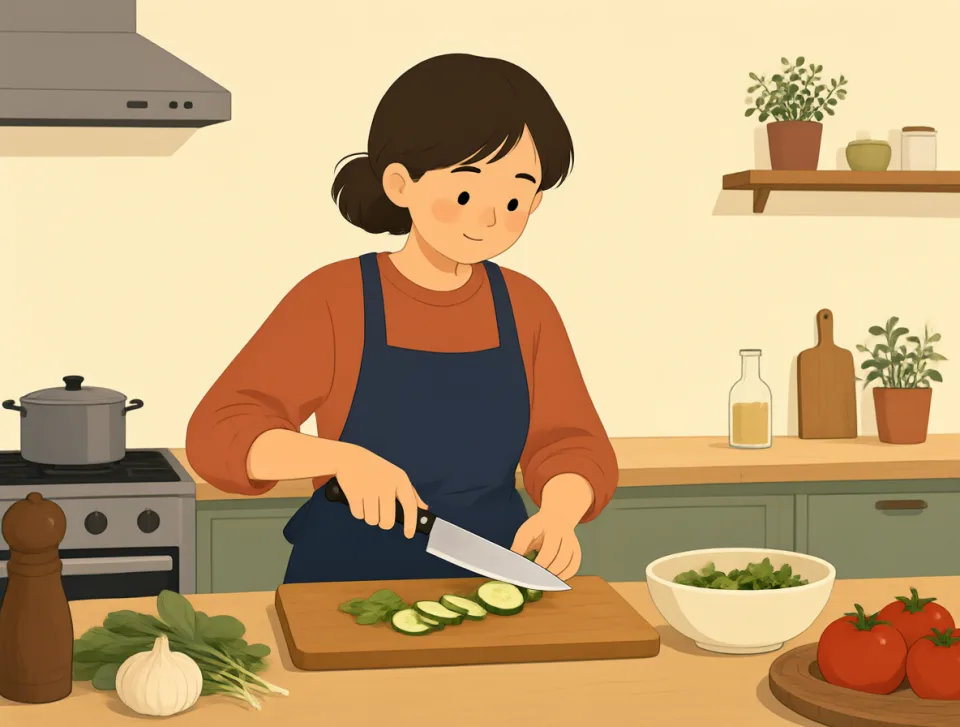
Be careful not to hurt yourself with that sharp knife.
小心,別讓那把鋒利的刀傷到自己。
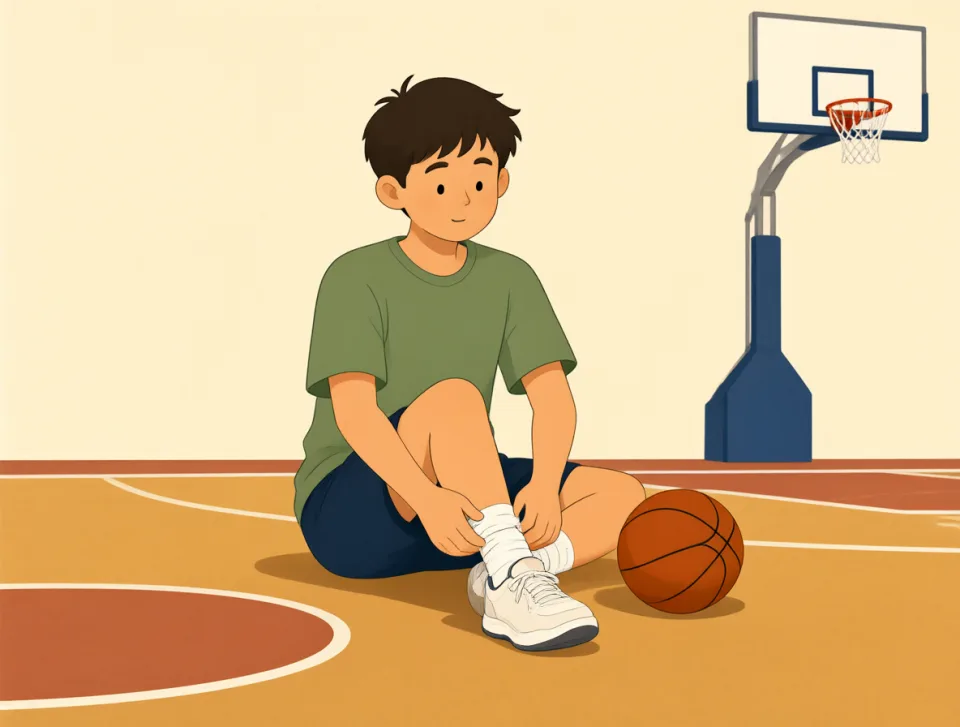
She hurt her ankle while playing basketball at school.
她在學校打籃球時扭傷了腳踝。

It hurt when my friend forgot my birthday.
朋友忘了我的生日,這讓我很難過。

The new shoes hurt my feet during the long walk.
走了很長一段路時,那雙新鞋把我的腳磨得很疼。
council
#1422noun
市議會;委員會
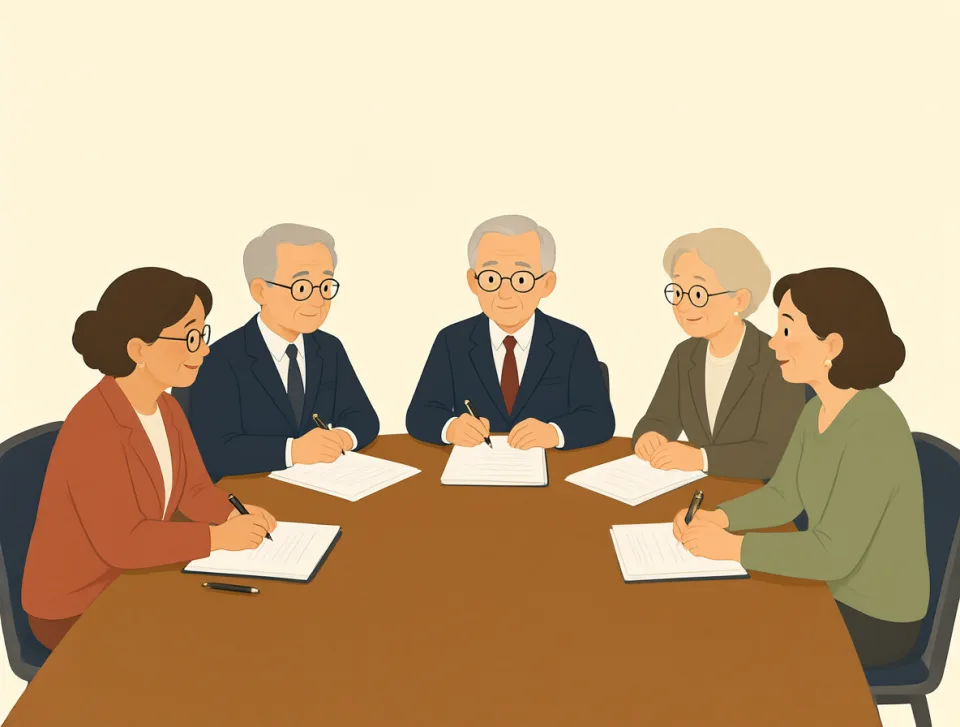
A group of people elected to manage a town, city, or local area.
由選舉產生、負責管理城鎮、城市或地方區域的一群人。
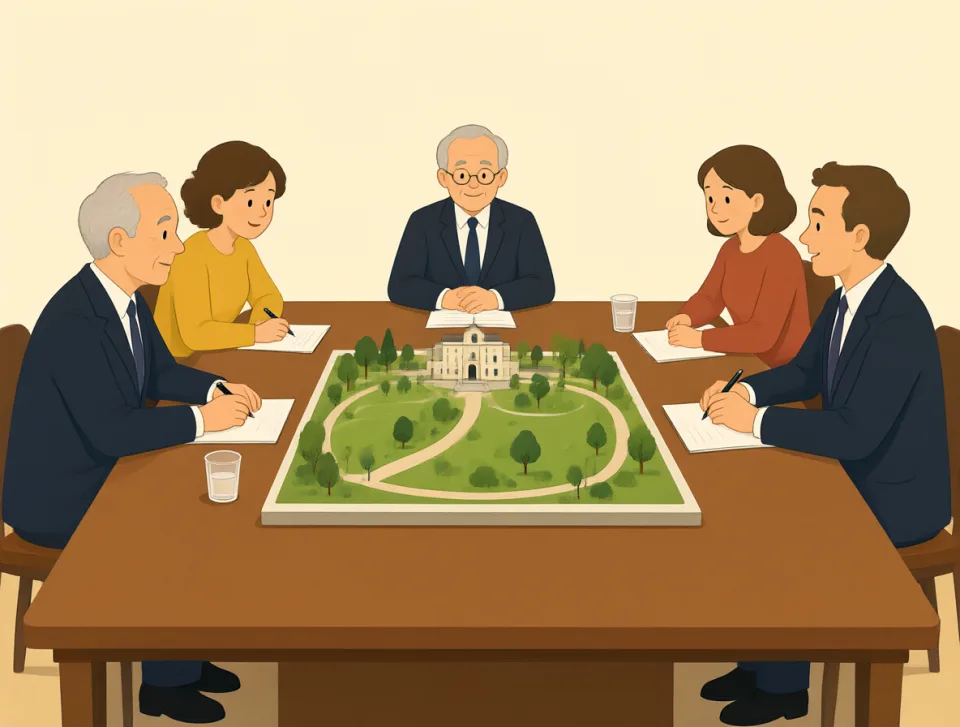
The city council approved plans for a new public park.
市議會批准了新建一座公共公園的計劃。
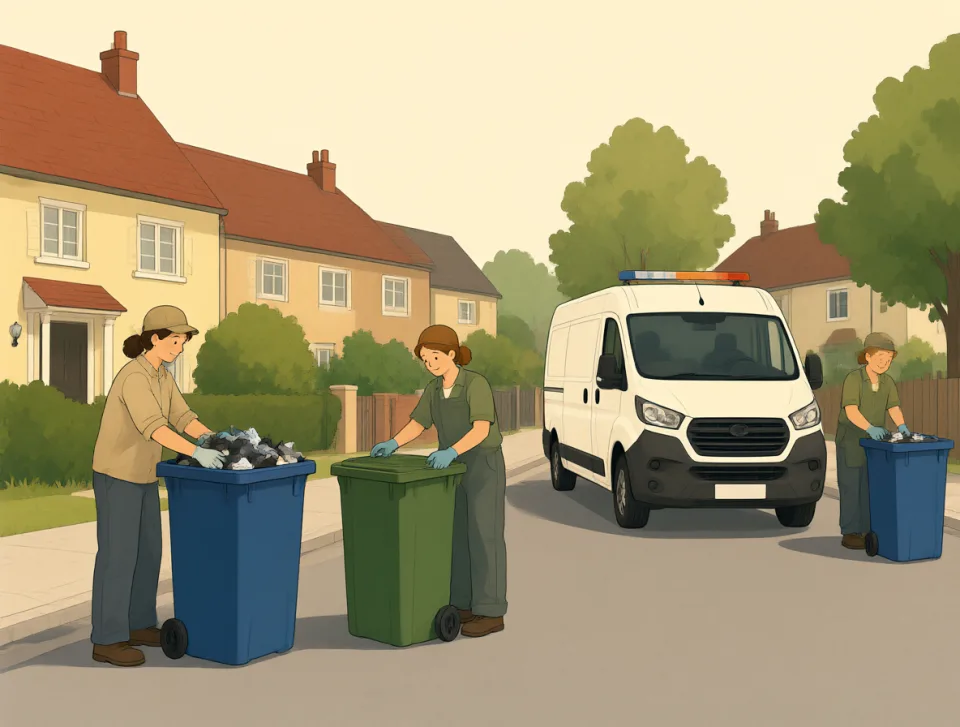
The council collects rubbish from our street every Tuesday.
市政委員會每週二都會來我們這條街收垃圾。
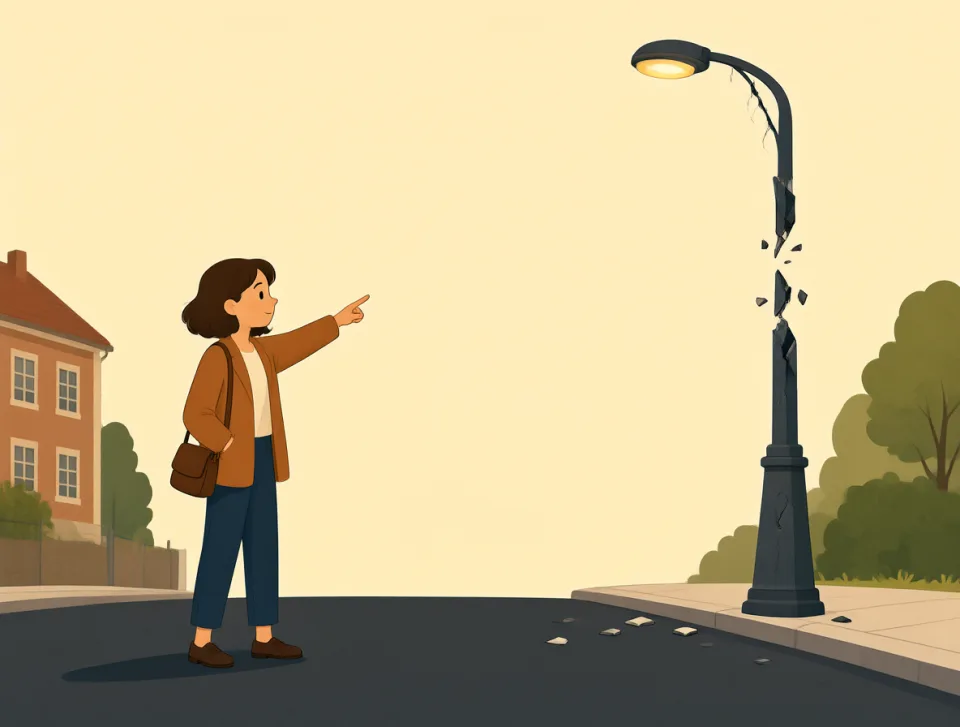
She wrote to the council about the broken streetlights.
她寫信給市政委員會,反映路燈壞了。
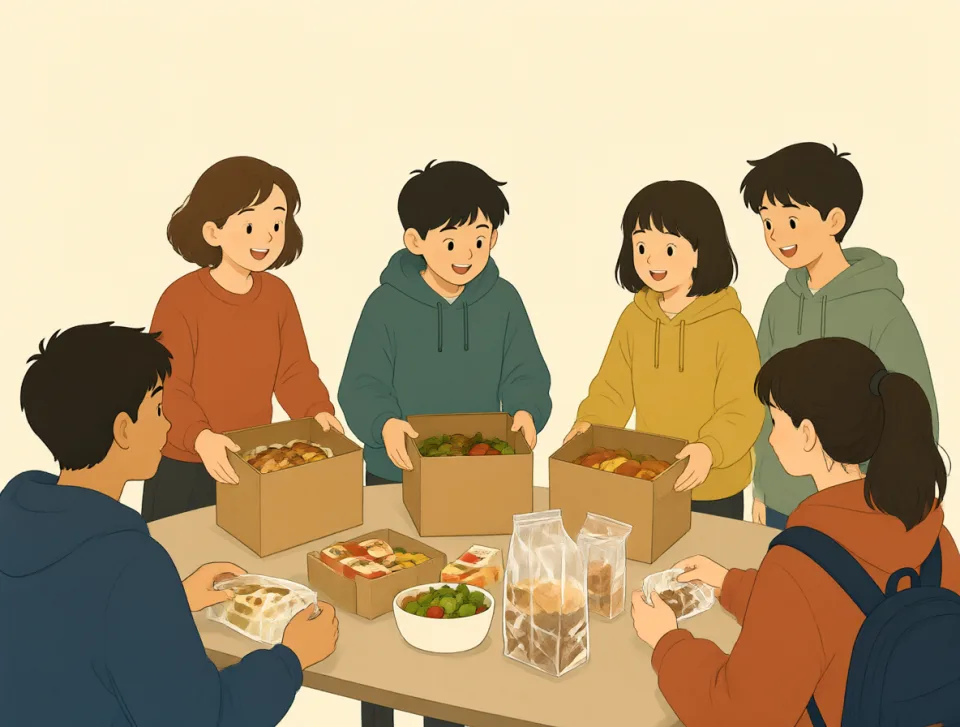
The school council planned a charity food sale.
學生會策劃了一場慈善義賣食品活動。
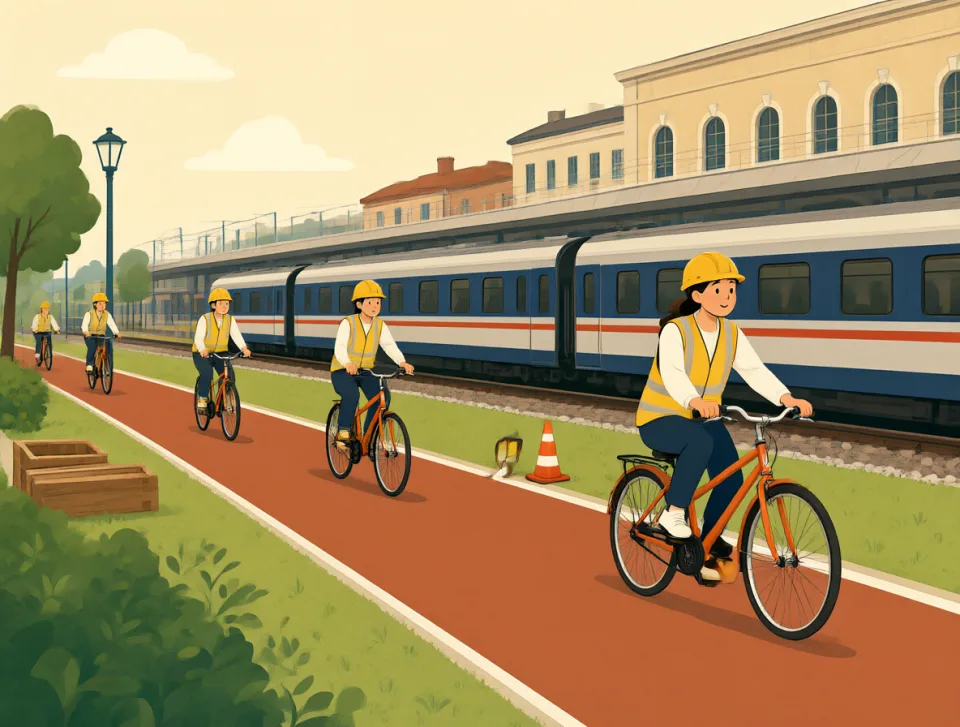
The council is building a safer cycle path near the station.
市政委員會正在車站附近修建一條更安全的腳踏車道。

editor
#1423noun
編輯
A person who checks and prepares writing, films, or other content for publication.
負責檢查和準備文章、電影或其他內容以供出版的人。

The editor checked my article before it appeared in the magazine.
雜誌刊登我的文章之前,編輯檢查了文章。

She works as an editor for a large publishing company.
她在一家大型出版公司擔任編輯。
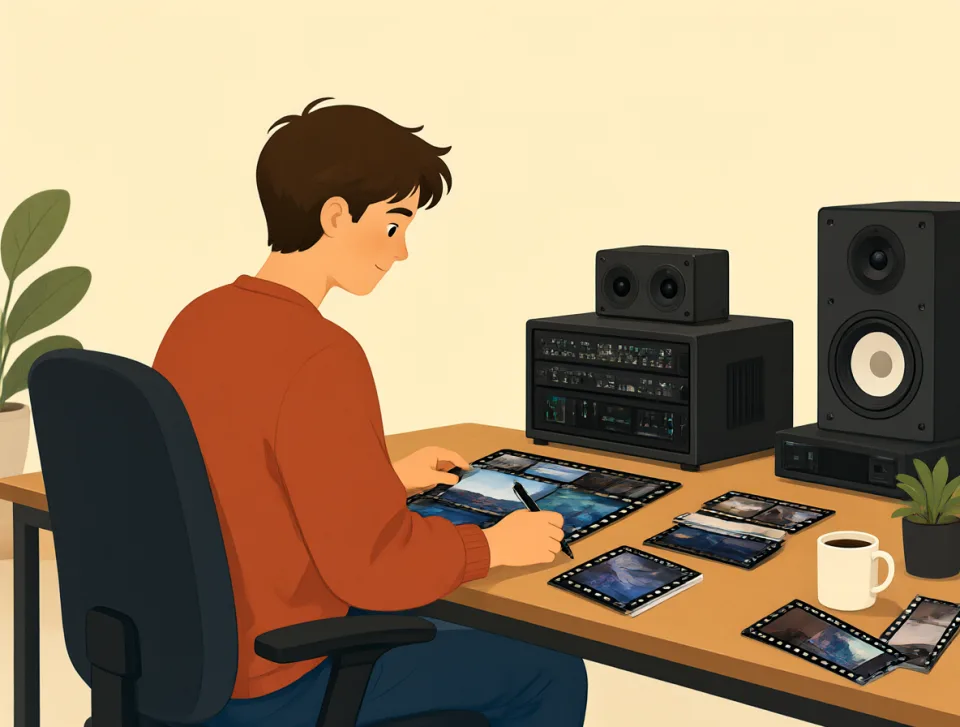
The film editor cut the long movie into a shorter version.
電影剪輯師把這部很長的電影剪成了一個較短的版本。
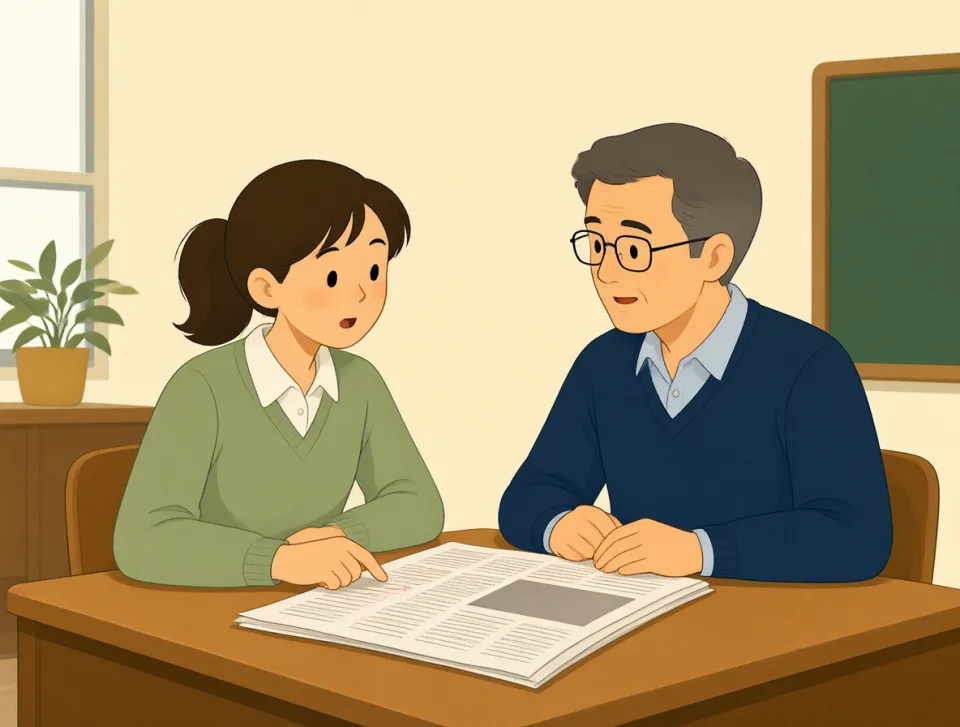
Ask the editor to correct this mistake in the school newspaper.
請讓編輯改正校報上的這個錯誤。

The editor is looking for interesting stories about local food.
編輯正在尋找有關當地美食的有趣故事。

normally
#1424adverb
通常;一般
Usually or in the usual way.
通常,或以通常的方式。
I normally drink coffee before I leave for work.
我通常會在出門上班前喝咖啡。
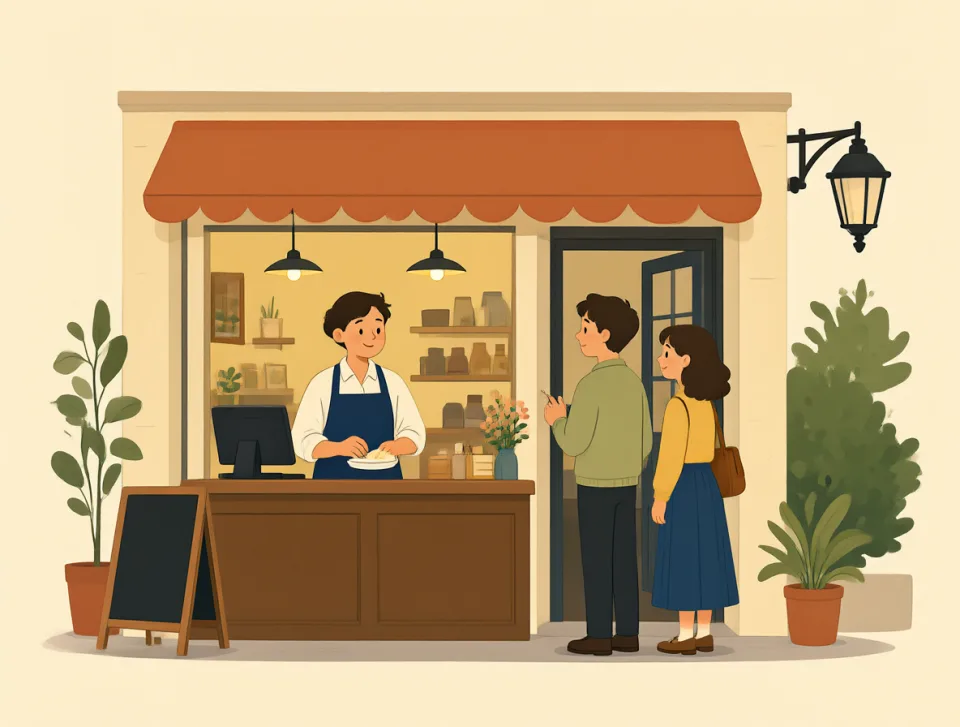
The shop normally closes at six on weekdays.
這家商店工作日通常六點關門。
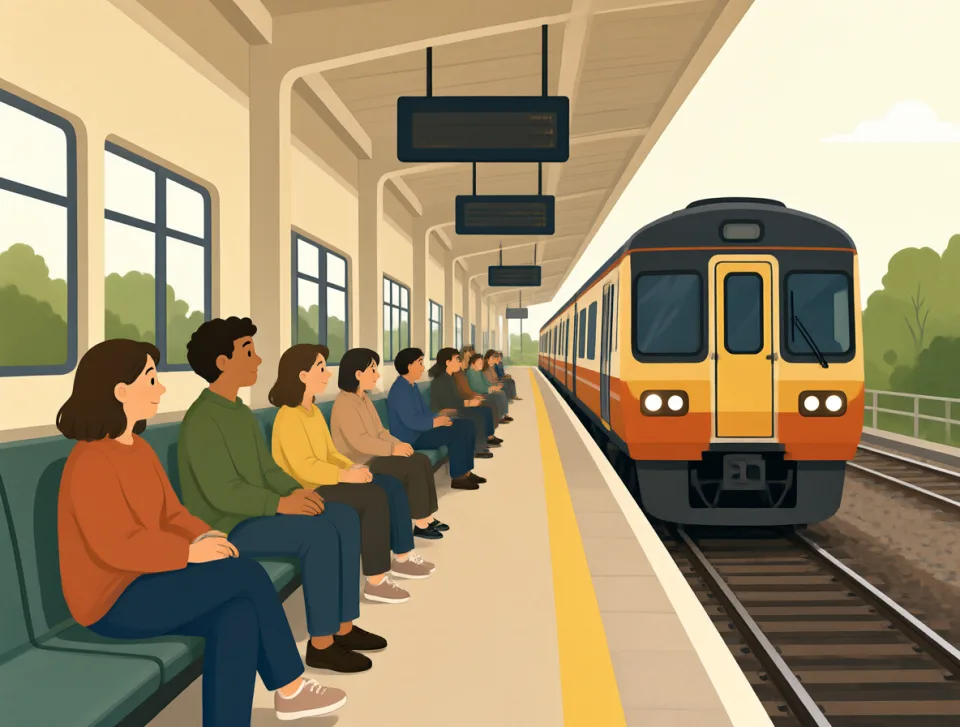
Normally, trains arrive every twenty minutes during the day.
白天火車通常每二十分鐘一班。

She is normally very calm during difficult meetings.
在艱難的會議中,她通常都很冷靜。

You can normally find fresh bread near the entrance.
你通常可以在入口附近找到新鮮麵包。

sight
#1425noun
視力;視野;景象
The ability to see, or something you see.
看見東西的能力,或你所看到的事物。
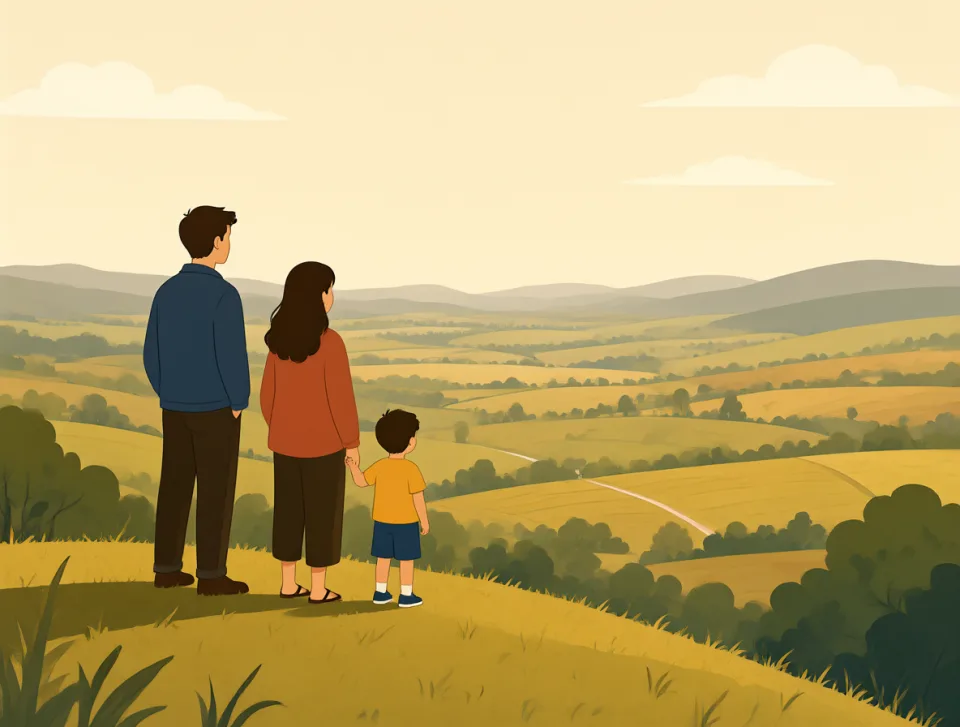
The beautiful view came into sight as we reached the hill.
我們走到山頂時,美麗的景色映入眼簾。
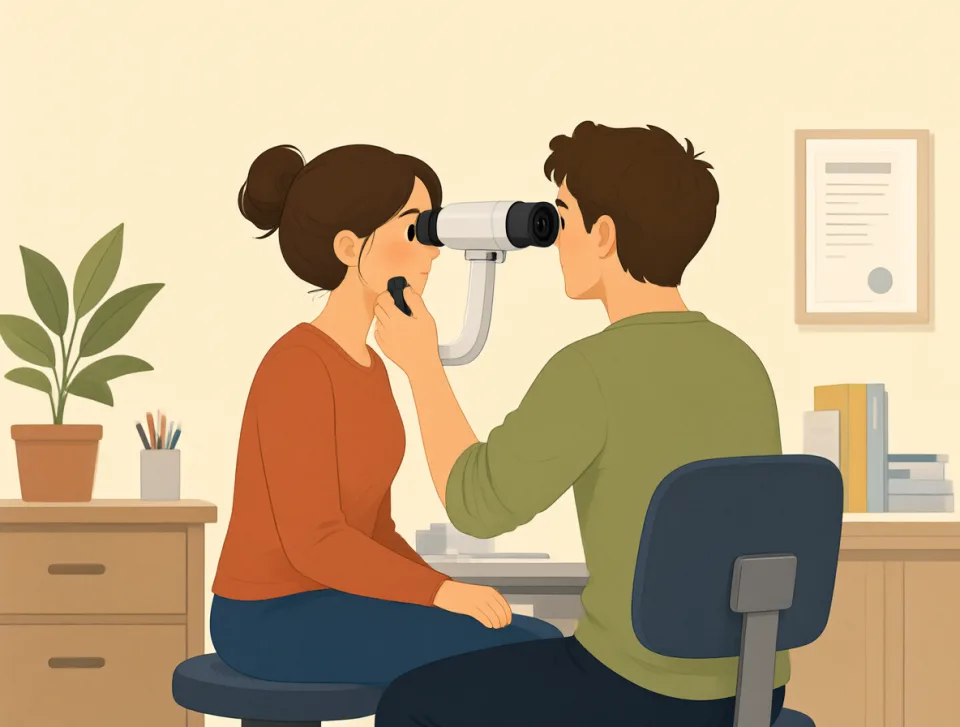
The doctor tested my sight during my eye examination.
做眼科檢查時,醫生檢查了我的視力。
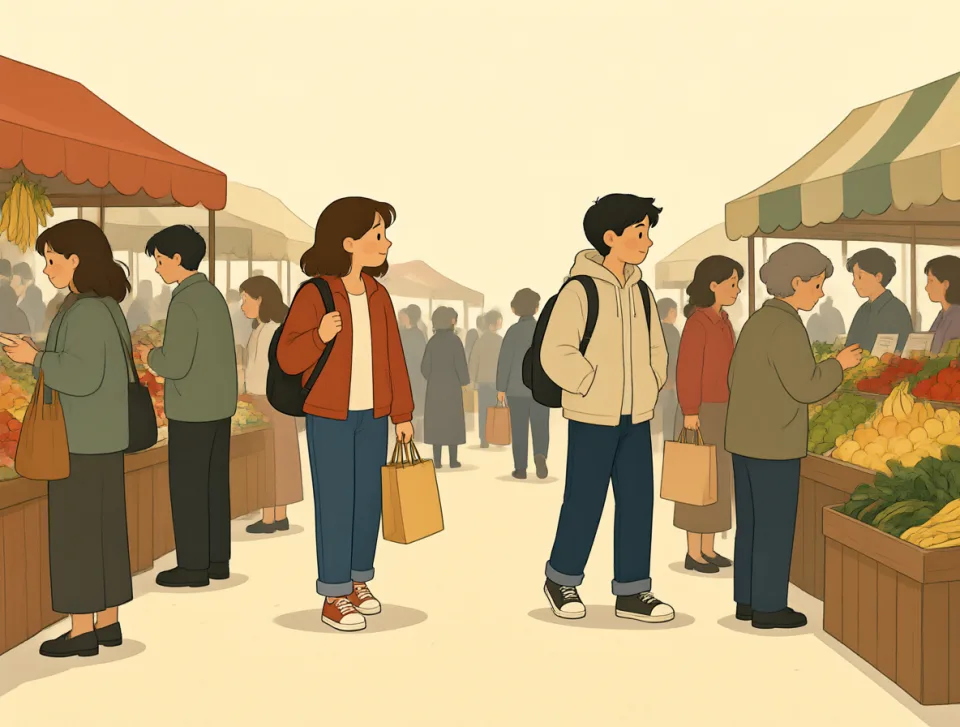
We lost sight of our friends in the crowded market.
在擁擠的集市上,我們和朋友走散了。
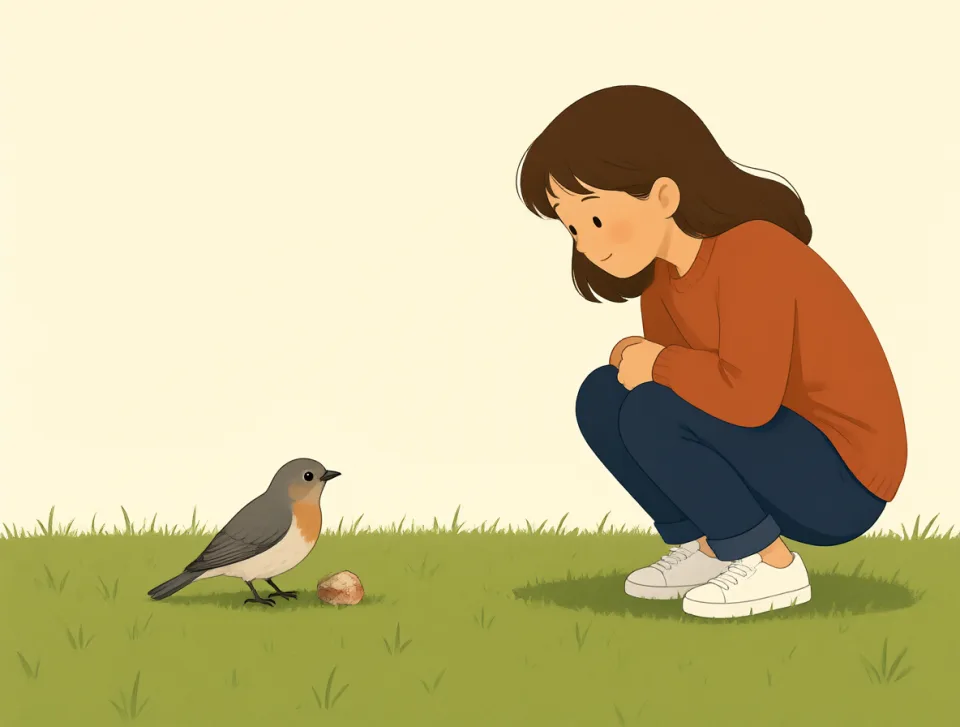
The injured bird was a sad sight in the garden.
花園裡那隻受傷的小鳥看起來真讓人難過。

She felt sick at the sight of blood.
她一看到血就覺得噁心。

generate
#1426verb
產生;生成;創造
to produce or create something, especially energy, ideas, or a result
生產或創造某種東西,尤其是能源、想法或結果

Solar panels generate electricity for many homes.
太陽能板為許多家庭發電。

This exercise generates enough heat to warm your body.
這個練習能產生足夠的熱量,讓身體暖和起來。

The new job generated a lot of interest.
這份新工作引起了很多關注。
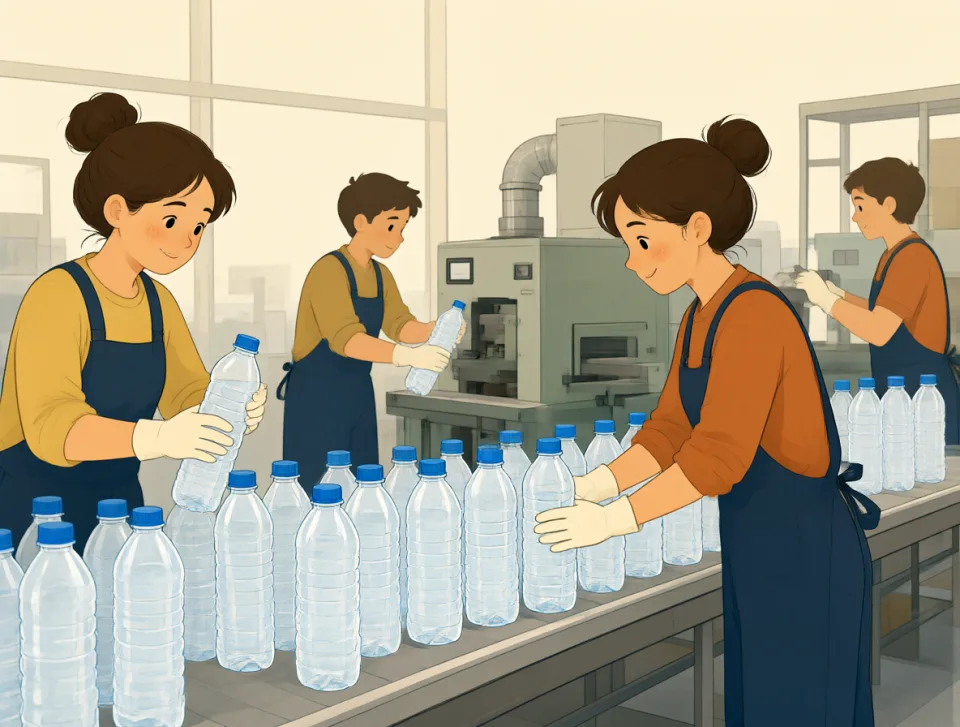
The factory generates thousands of plastic bottles each day.
這家工廠每天生產數千個塑膠瓶。

Walking after dinner generates good ideas for my projects.
晚飯後散步能讓我為專案產生不少好點子。

gift
#1427noun, verb
禮物;天賦
A present given to someone, or a special natural ability.
送給某人的禮物,或與生俱來的特殊才能。

She gave me a beautiful gift for my birthday.
她送了我一份漂亮的生日禮物。

We bought a wedding gift for our neighbors.
我們給鄰居買了一份結婚禮物。
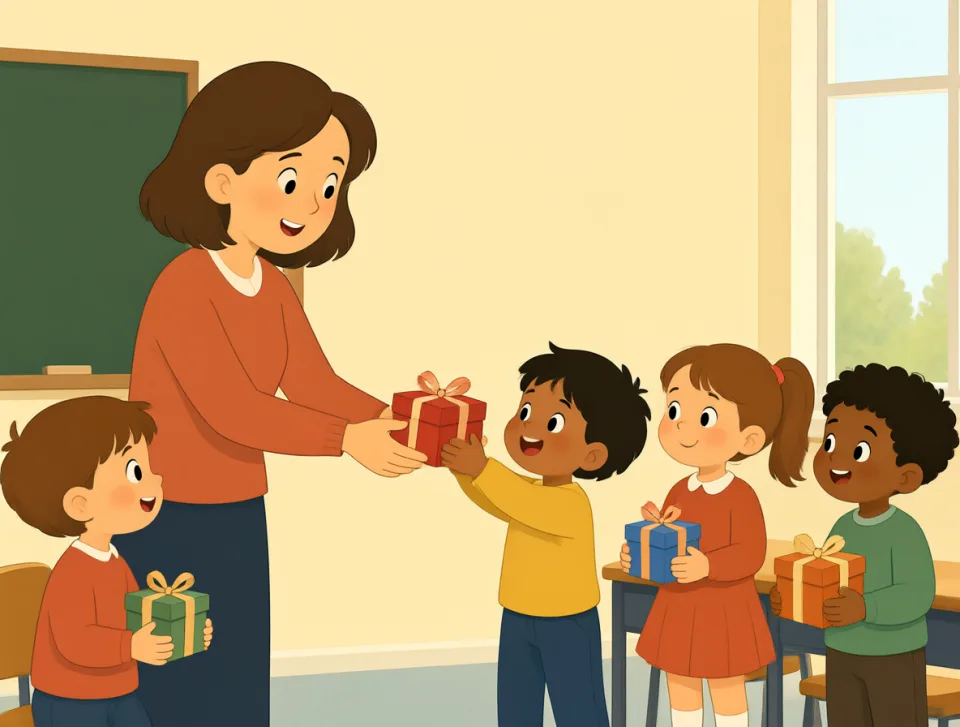
The teacher gave each student a gift after the school show.
學校演出結束後,老師給每位學生送了一份禮物。

He has a gift for making people laugh.
他很有逗人發笑的天賦。

Her gift for music helped her become a successful singer.
她的音樂天賦幫助她成為一名成功的歌手。

delivery
#1428noun
送貨;遞送;分娩
The act of bringing something to a person or place.
把東西送到某個人或某個地方的行為。

Your delivery should arrive before dinner tonight.
你的包裹今晚晚飯前應該能送到。
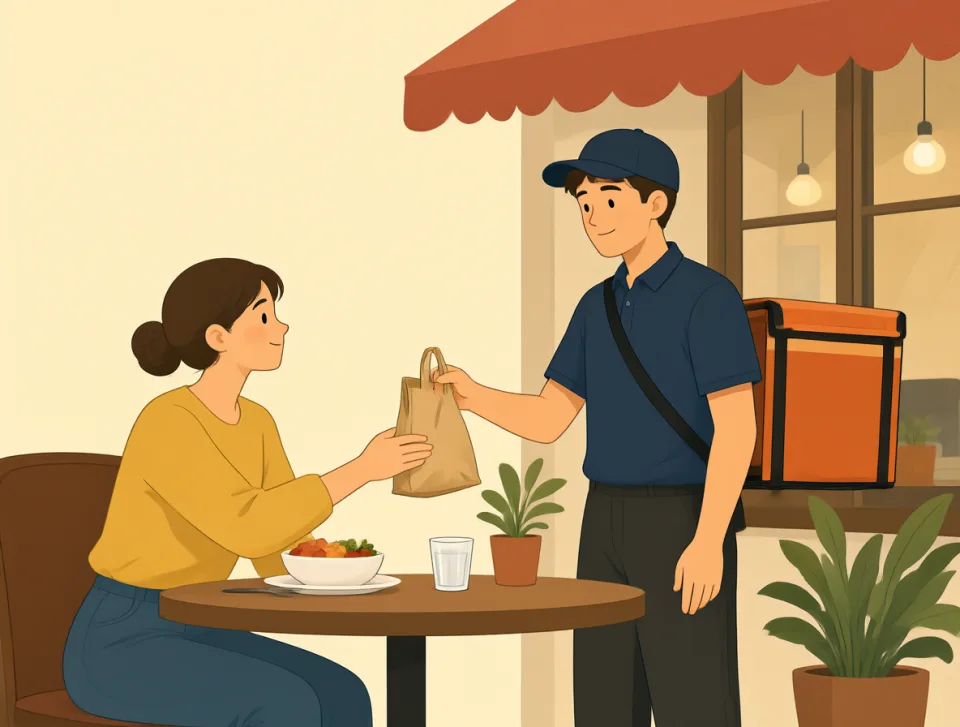
The restaurant offers free delivery on orders over twenty dollars.
這家餐廳的訂單滿二十美元就可以免費配送。
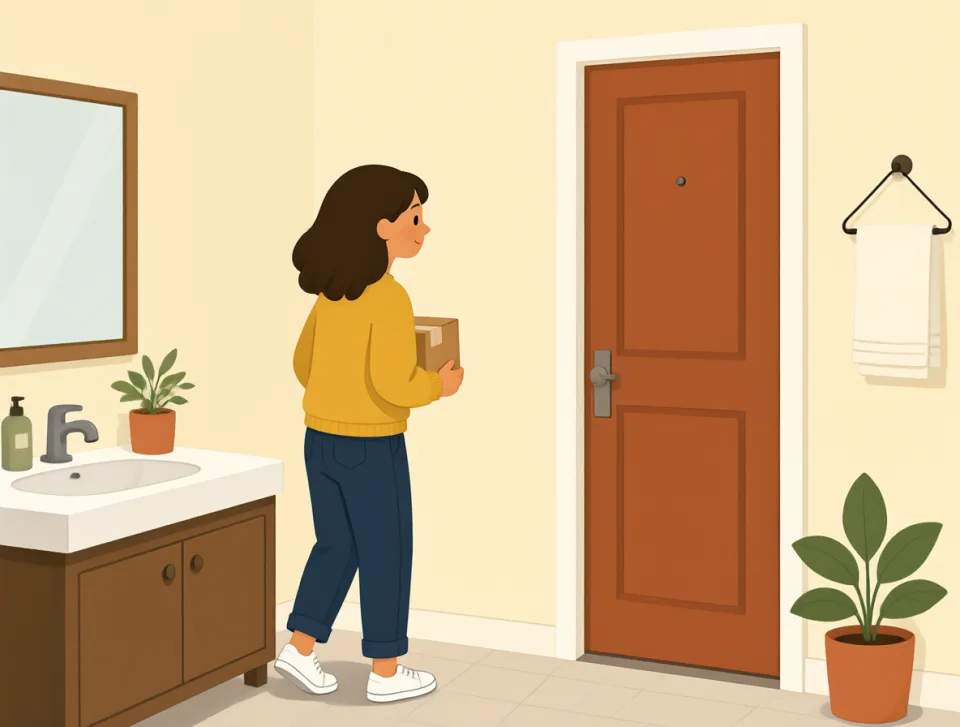
I missed the delivery because I was taking a shower.
我洗澡的時候錯過了送貨。
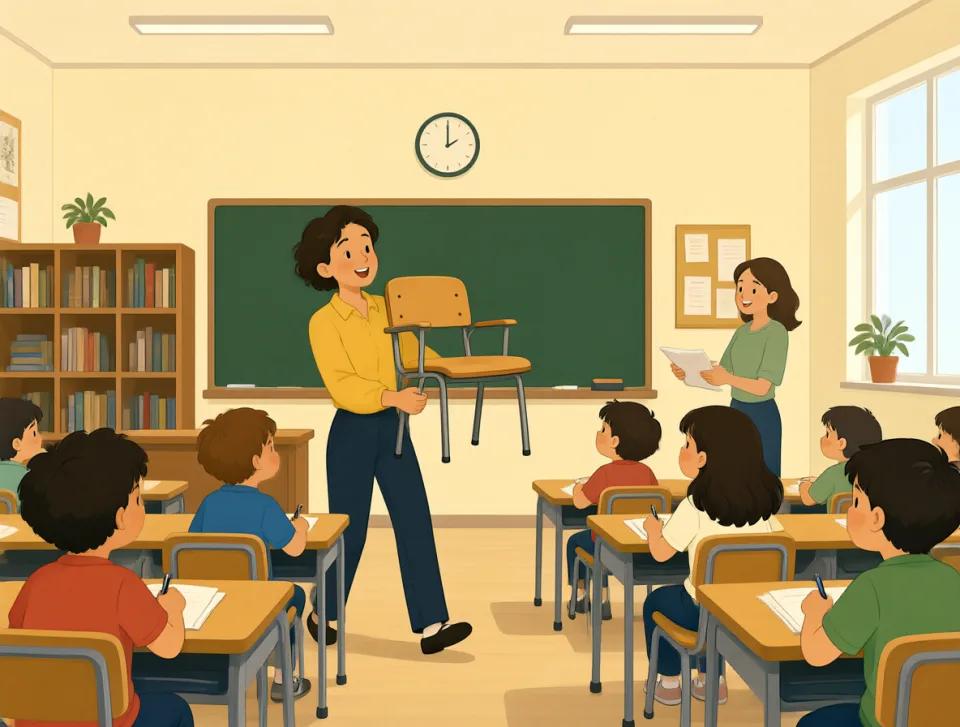
The delivery of new chairs made the classroom more comfortable.
新椅子送到後,教室變得舒服多了。
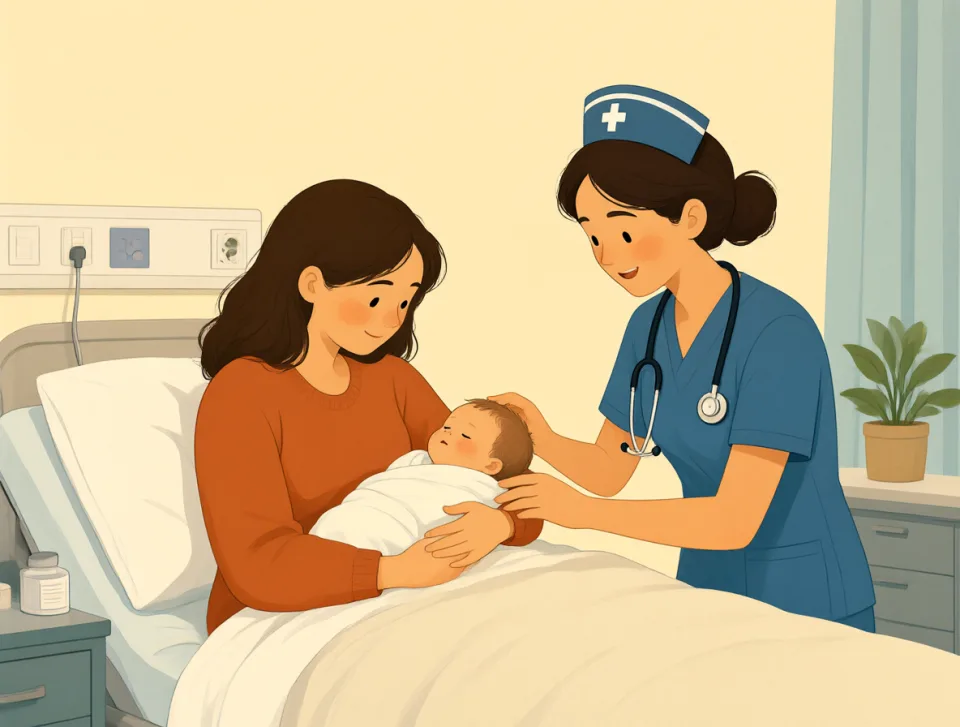
The doctor was surprised by the quick delivery of the baby.
醫生對寶寶這麼快就出生感到很驚訝。
deny
#1429verb
否認;拒絕
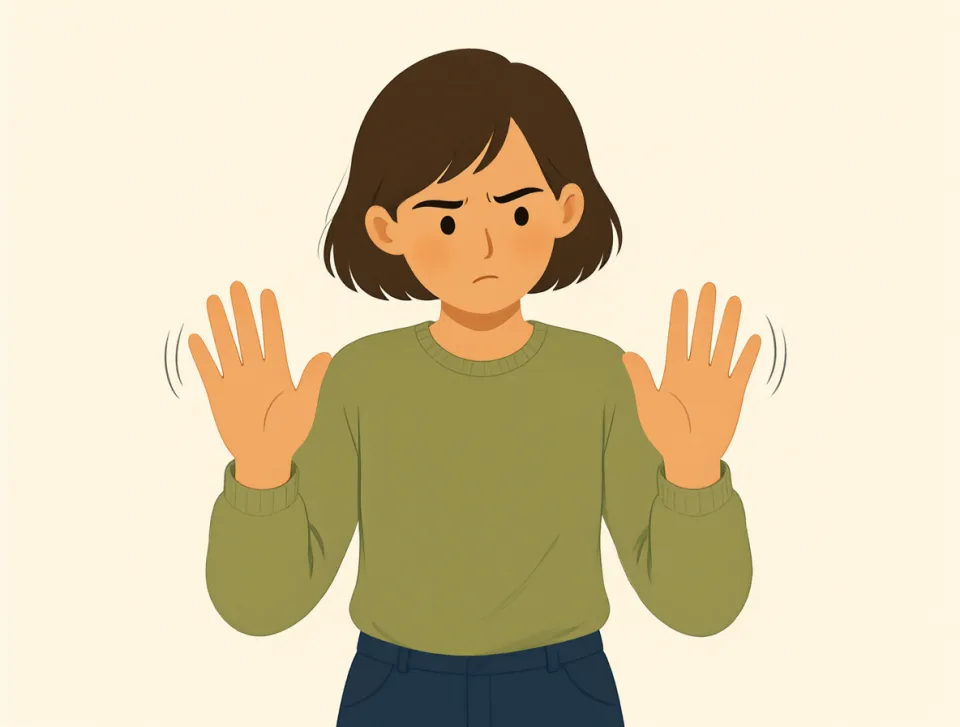
to say that something is not true or that you did not do it
說某件事不是真的,或說自己沒有做過某事

He denied taking the money from my desk.
他否認拿了我桌上的錢。
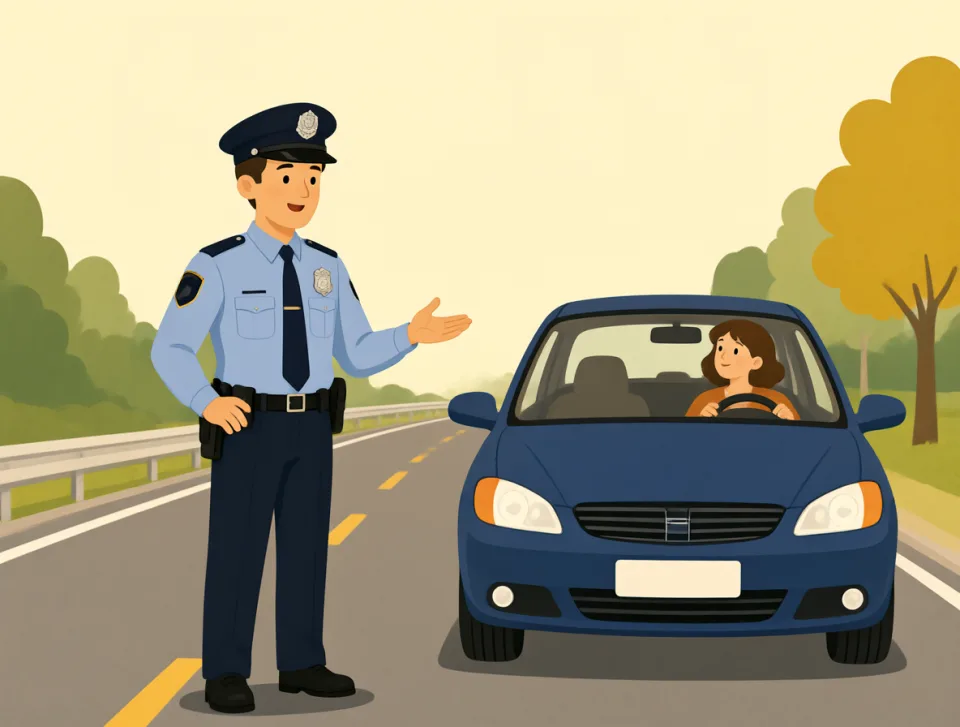
The driver denied speeding when the police stopped him.
警察攔下那名司機時,他否認自己超速了。

She denied that she was feeling sick.
她否認自己感覺不舒服。
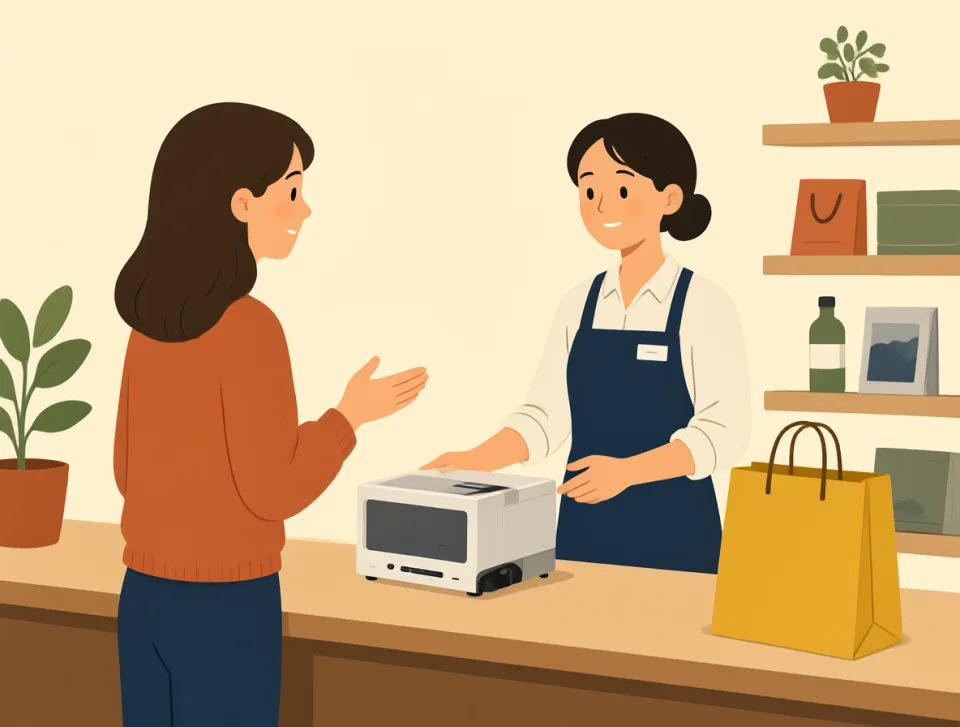
The shop denied my request for a refund.
那家商店拒絕了我的退款請求。
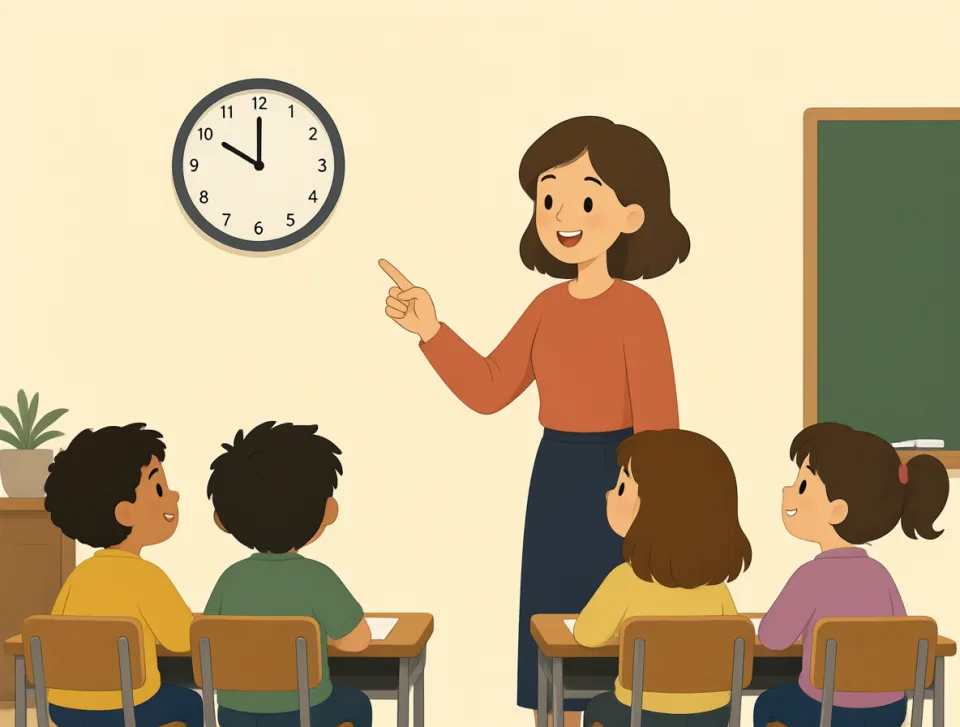
The teacher denied the students extra time for the test.
老師沒有批准給學生額外的考試時間。
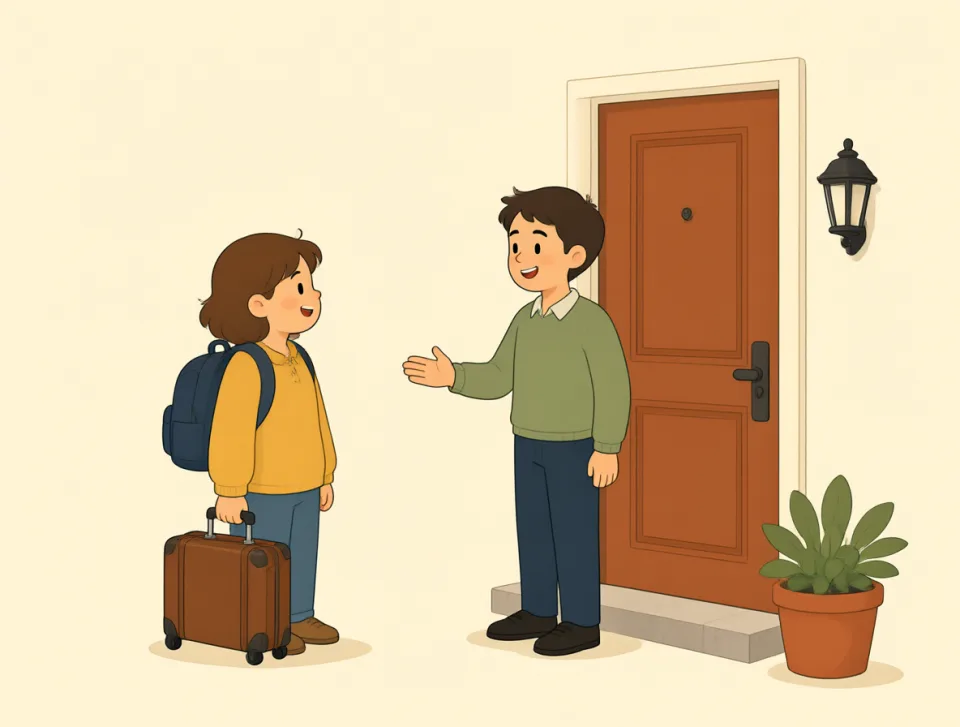
guest
#1430noun, verb
客人; 嘉賓; 做客; 客座
A guest is someone invited to visit, stay, eat, or attend an event.
客人是受邀來拜訪、留宿、用餐或參加活動的人。
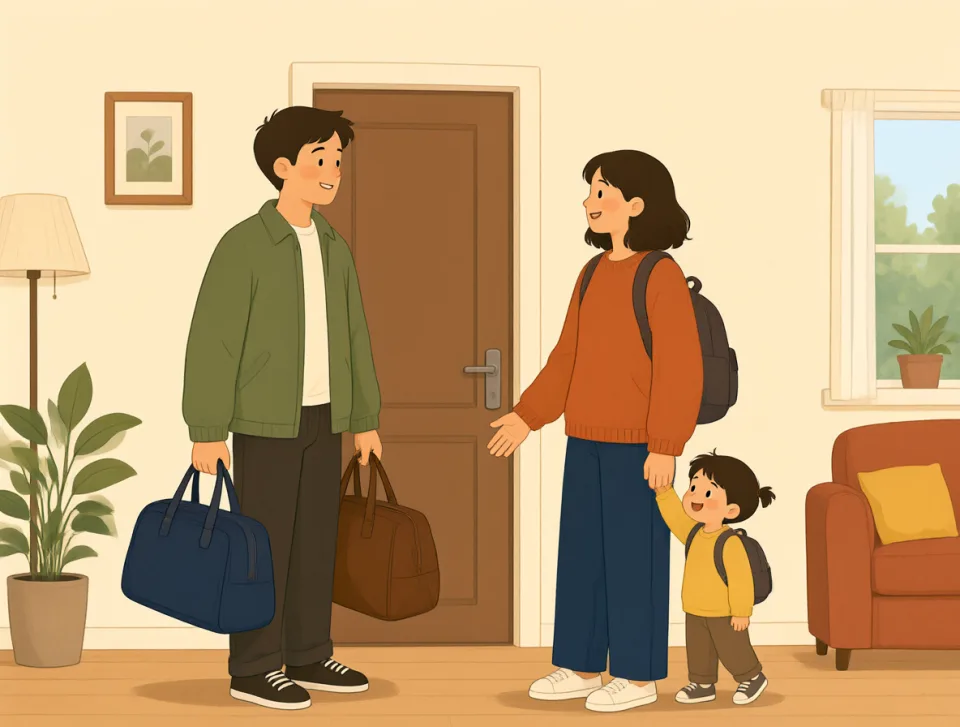
We have two guests staying with us this weekend.
這個週末有兩位客人要住在我們家。

The hotel guest asked for a quieter room.
那位酒店客人要求換一間安靜些的房間。

Please make our guest comfortable while I prepare dinner.
我準備晚餐的時候,請先招待好我們的客人。

She was a guest on a popular radio show yesterday.
她昨天作為嘉賓參加了一個很受歡迎的廣播節目。
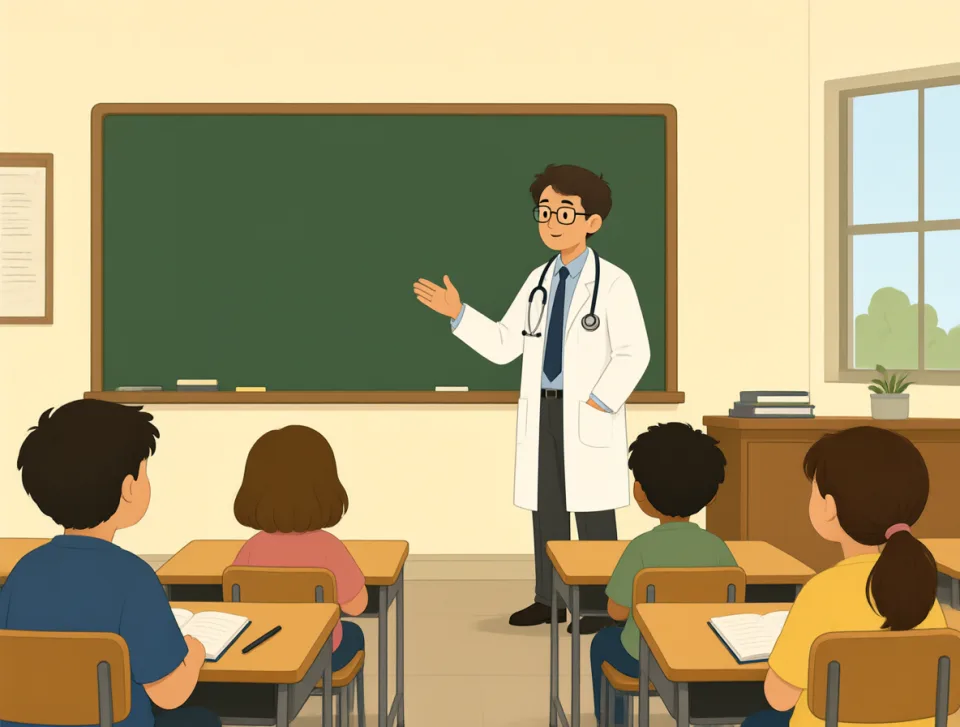
The doctor invited him to guest teach the medical class.
醫生邀請他以客座教師的身份給醫學院的班級授課。
anybody
#1431pronoun, determiner
任何人;誰
any person at all, or any person in a particular group
任何人,或某個特定群體中的任何一個人
Does anybody know where I left my keys?
有人知道我把鑰匙落在哪兒了嗎?

I do not think anybody is home right now.
我覺得現在沒有人在家。

If anybody calls, please tell them I am at work.
如果有人打電話來,請告訴他們我在上班。
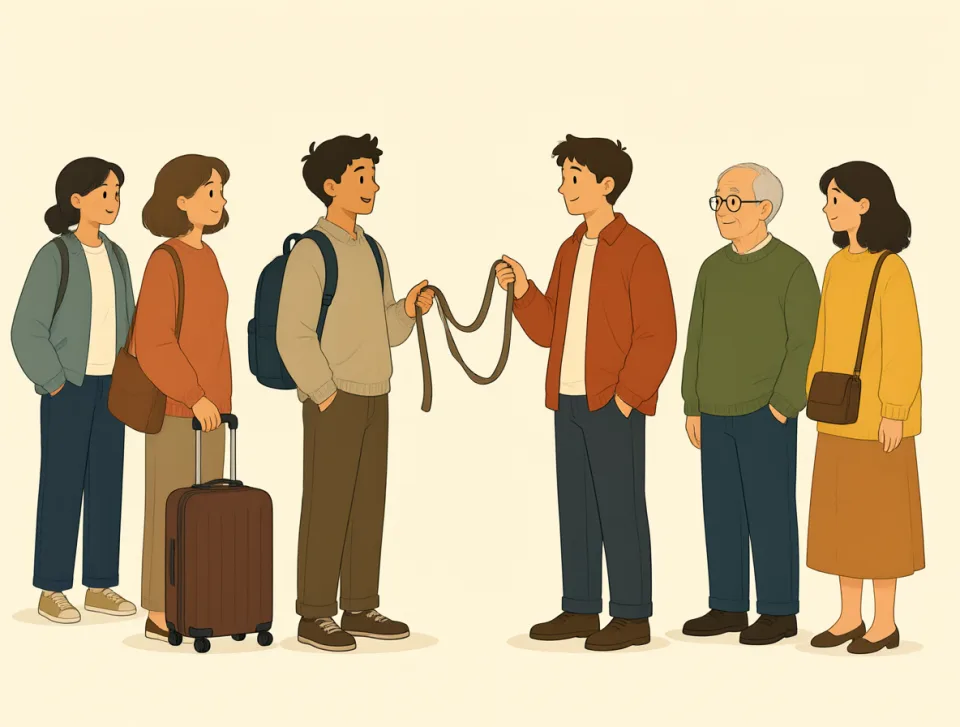
Has anybody seen my bag at the airport?
有人在機場看到我的包嗎?
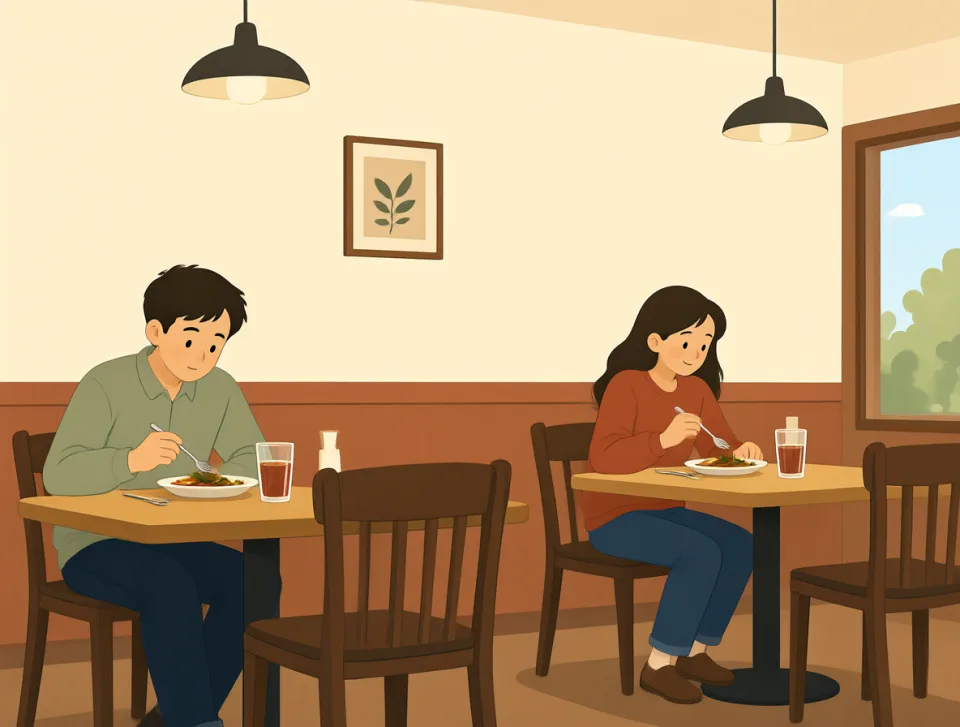
There was hardly anybody in the restaurant at lunchtime.
午餐時間,餐館裡幾乎沒什麼人。

bedroom
#1432noun
臥室;寢室
A room in a home where people sleep.
家中供人睡覺的房間。
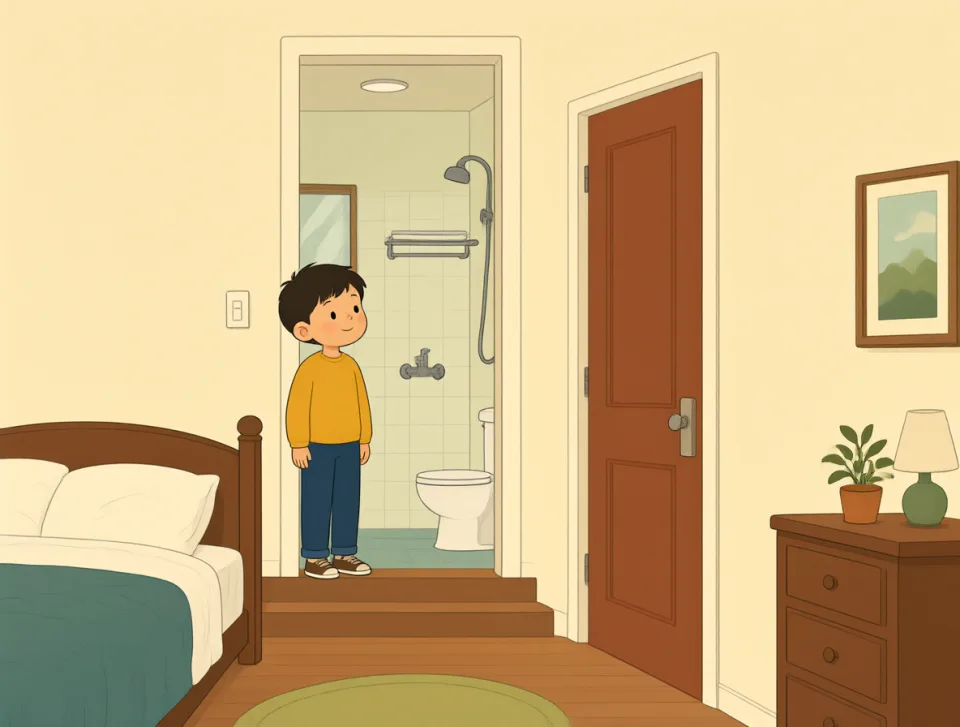
My bedroom is upstairs next to the bathroom.
我的臥室在樓上,浴室旁邊。
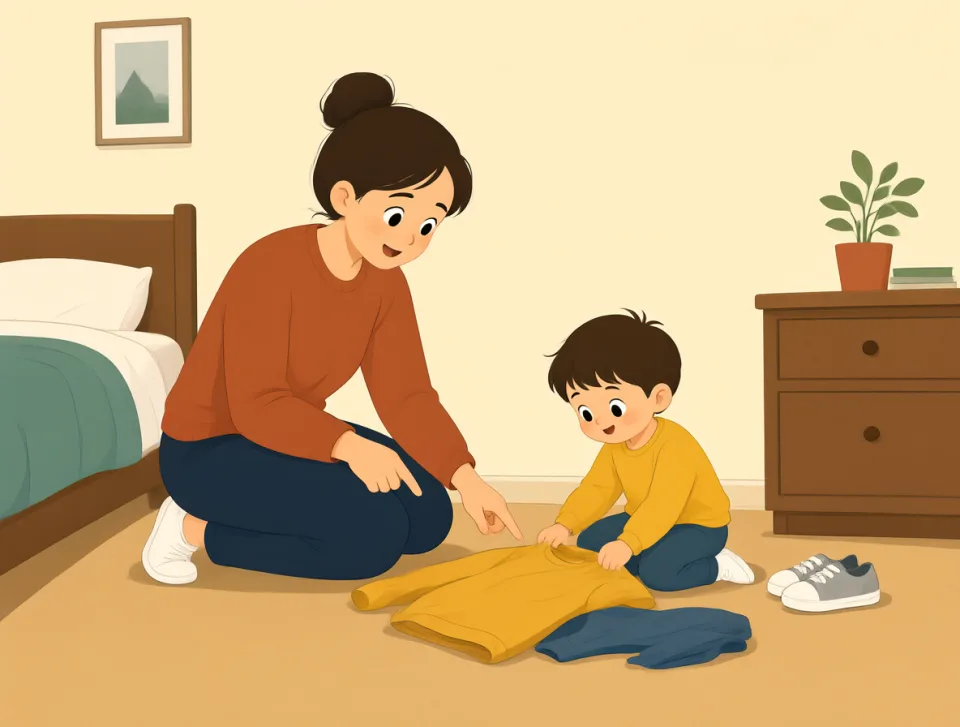
Please tidy your bedroom before our guests arrive.
客人來之前,請把你的臥室收拾整齊。

The hotel gave us a bedroom with a beautiful view.
酒店給我們安排了一間景色優美的臥室。

She painted her bedroom walls light blue last weekend.
上週末,她把臥室的牆刷成了淺藍色。
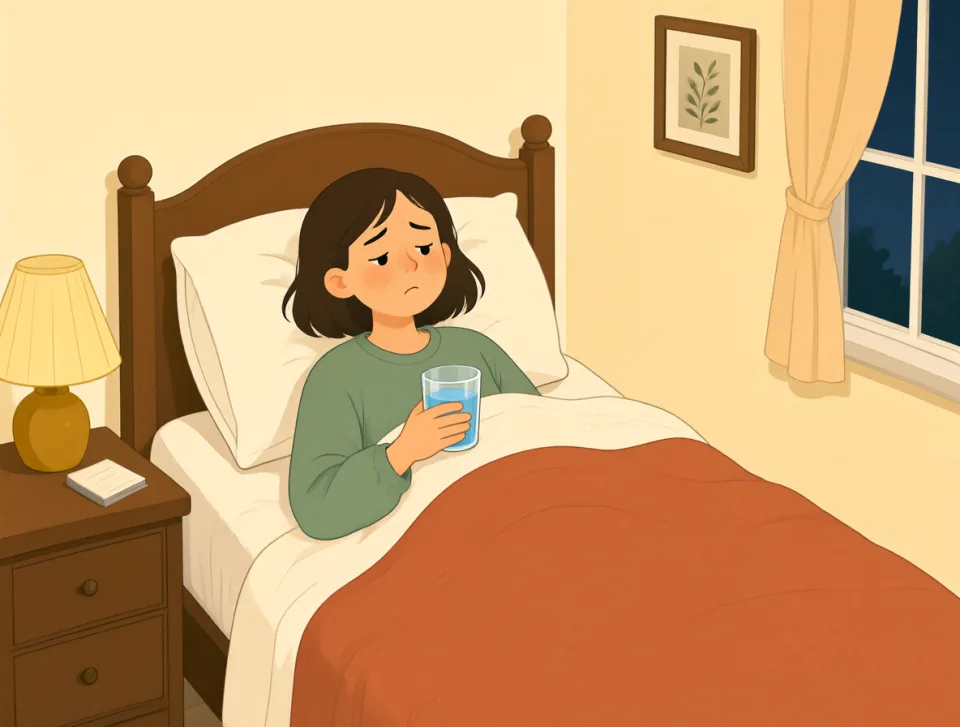
He stayed in his bedroom because he felt sick.
他因為身體不舒服,一直待在臥室裡。
quote
#1433noun, verb
引語; 報價; 引用
Words repeated from someone else, or the act of repeating those words.
引用他人的話,或重複這些話的行為。
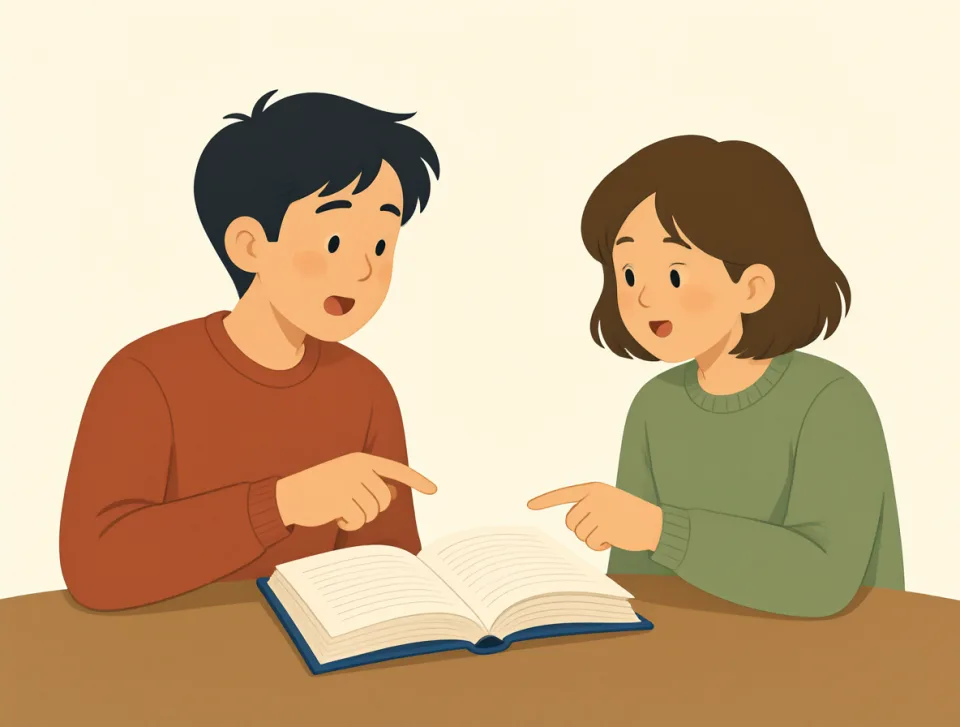
She used a famous quote in her school essay.
她在學校作文中引用了一句名言。

Can you give me a quote for repairing my car?
你能給我報一個修車的價嗎?

The newspaper quoted the doctor about the health problem.
那家報紙引用了那位醫生關於這一健康問題的話。

He quoted a lower price when I asked for a discount.
我要求打折時,他報了一個更低的價格。

My friend keeps quoting funny lines from that movie.
我的朋友總是引用那部電影裡的搞笑臺詞。
climb
#1434verb, noun
爬;攀登;上升
To move up something, or to go higher from a lower place.
向上移動,或從較低處升到更高處。
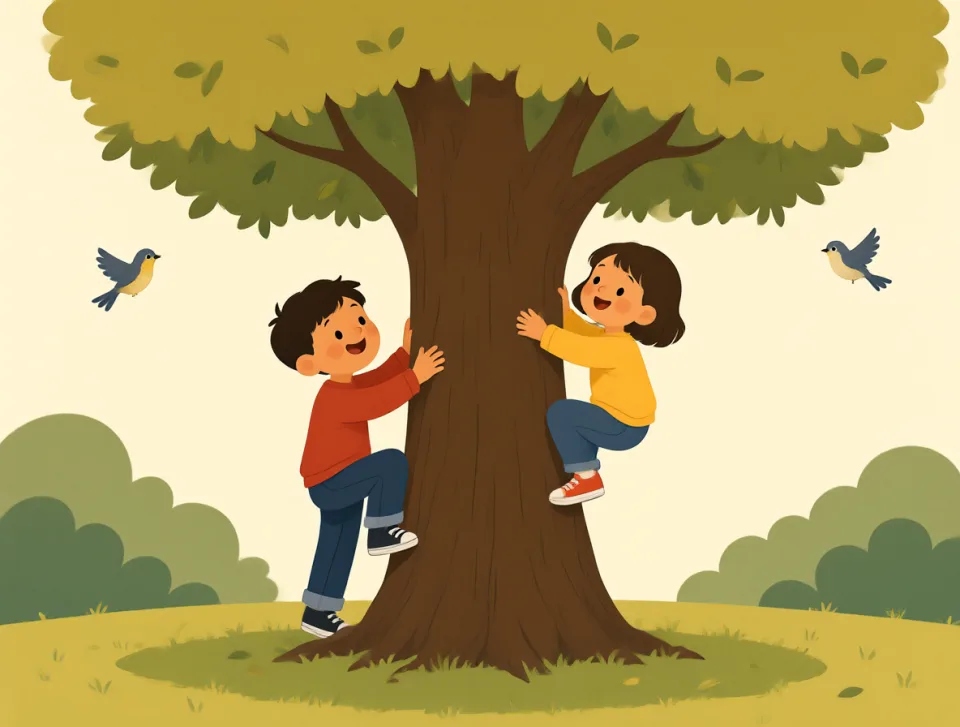
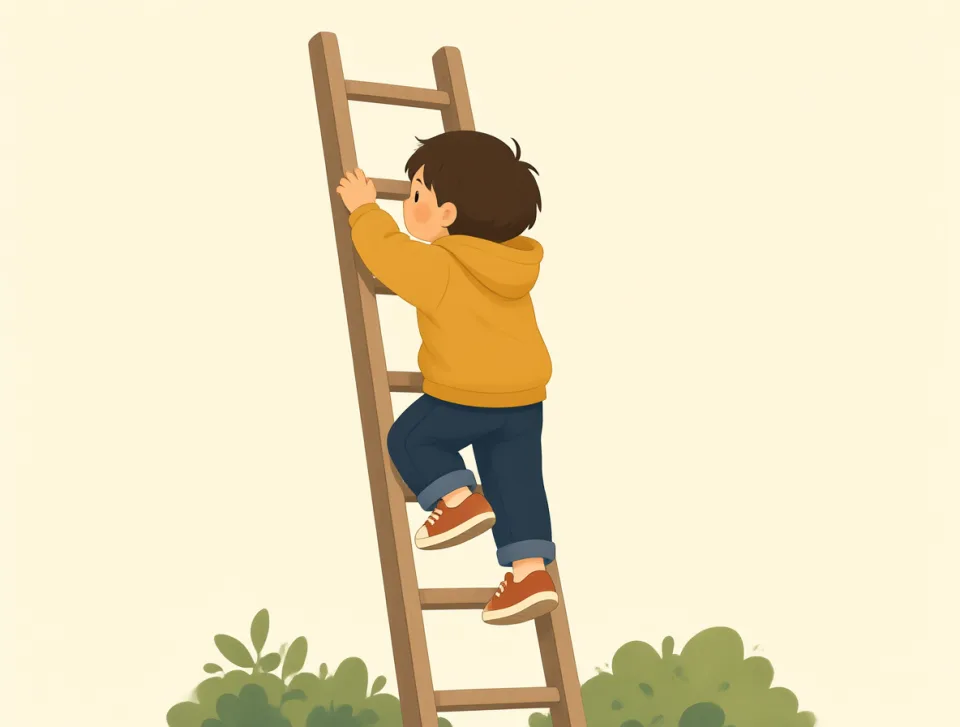
The children climbed the tree to look for birds.
孩子們爬上樹去找鳥。

We climbed the stairs to reach the apartment.
我們爬樓梯到達公寓。

The climber reached the top of the mountain before sunset.
那名登山者在日落前到達了山頂。

House prices have climbed quickly in our town this year.
今年我們鎮上的房價漲得很快。
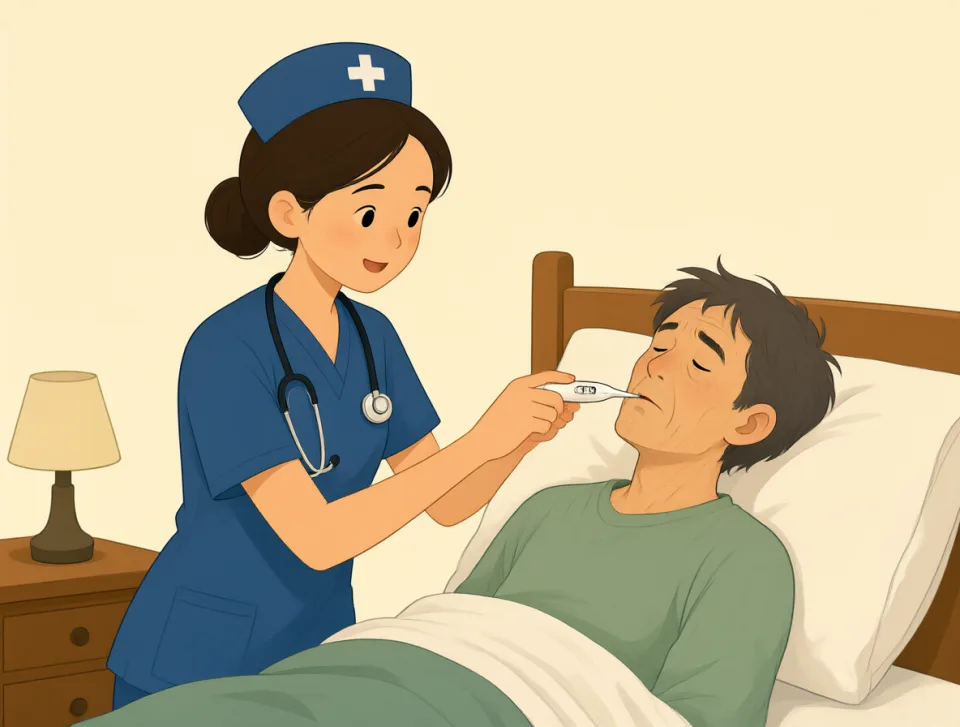
The nurse checked my temperature as my fever climbed.
護士給我量體溫時,我的體溫越來越高。

basically
#1435adverb
基本上;大體上
used to say what is most important or true in a simple way
用簡單的方式說明最重要或真實的情況
Basically, we need more time to finish the project.
基本上,我們需要更多時間來完成這個專案。

The job is basically answering emails and helping customers.
這份工作主要就是回覆郵件和幫助客戶。

I basically stayed home and watched movies all weekend.
整個週末我基本上都待在家裡看電影。
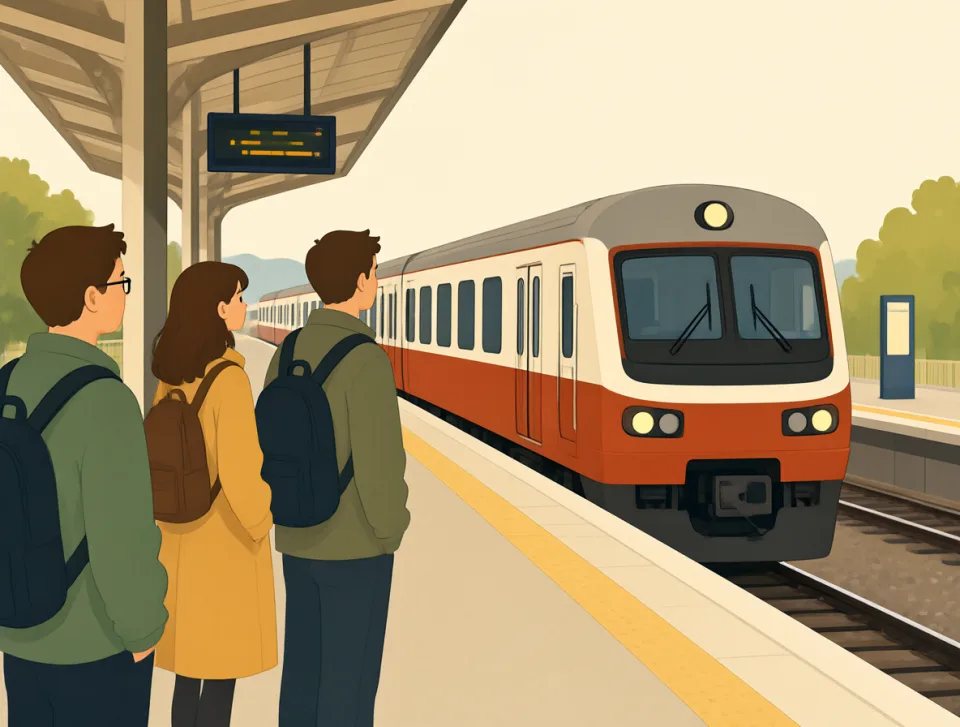
Basically, the train leaves every hour from this station.
基本上,這個車站每小時都有一班火車。
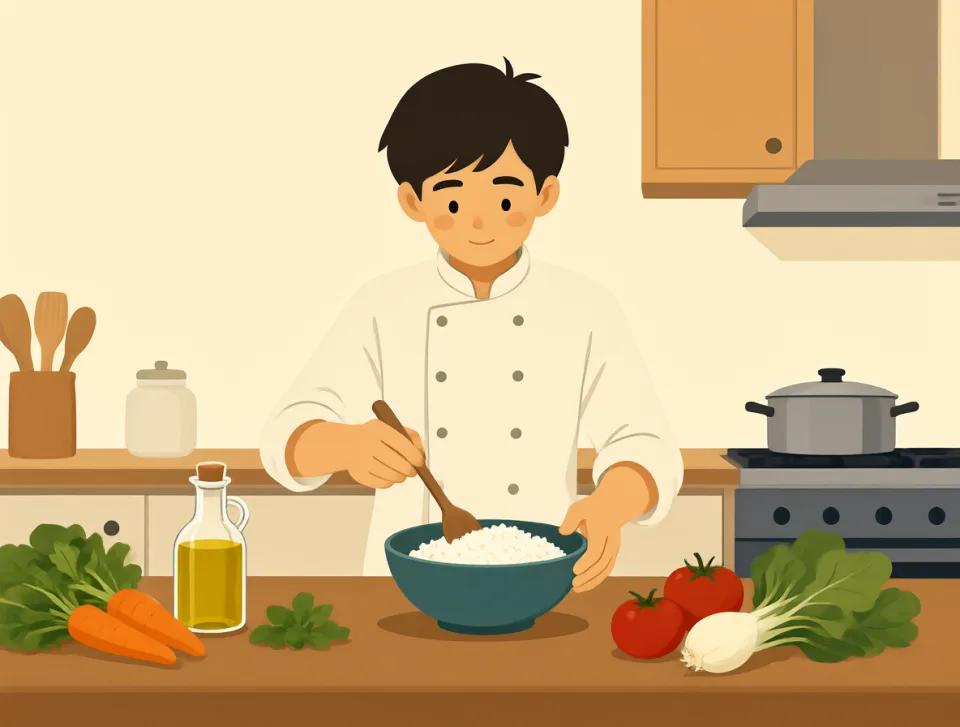
The recipe is basically vegetables, rice, and a little oil.
這道菜主要由蔬菜、米飯和少許油組成。
violence
#1436noun
暴力;暴行
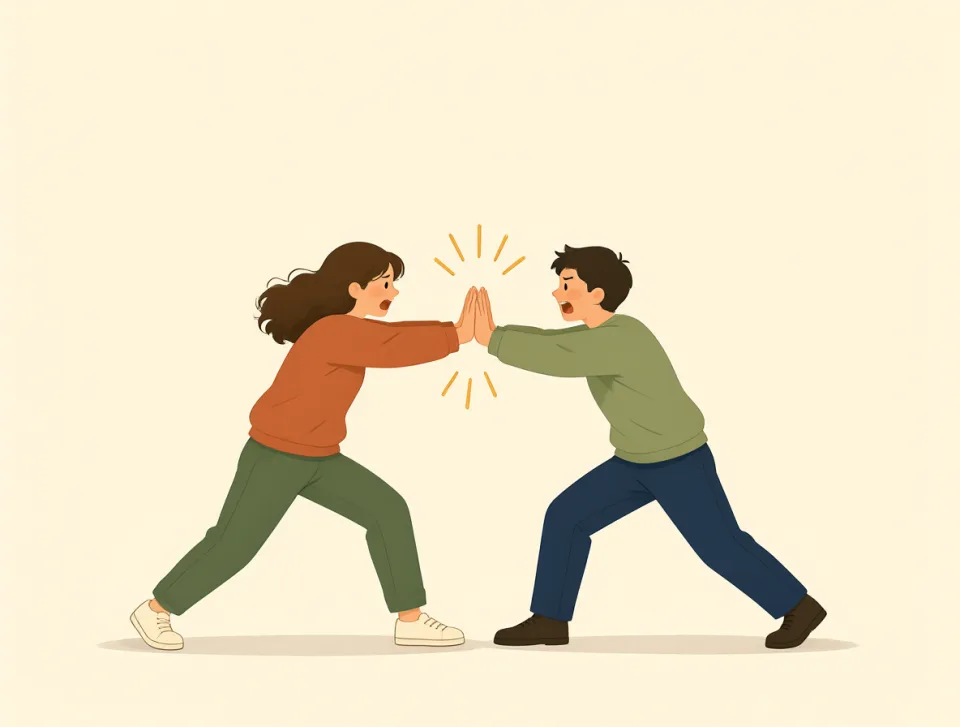
The use of physical force to hurt people or damage things.
使用武力傷害他人或破壞物品。

The police are working to reduce violence in the city.
警方正在努力減少這座城市的暴力事件。
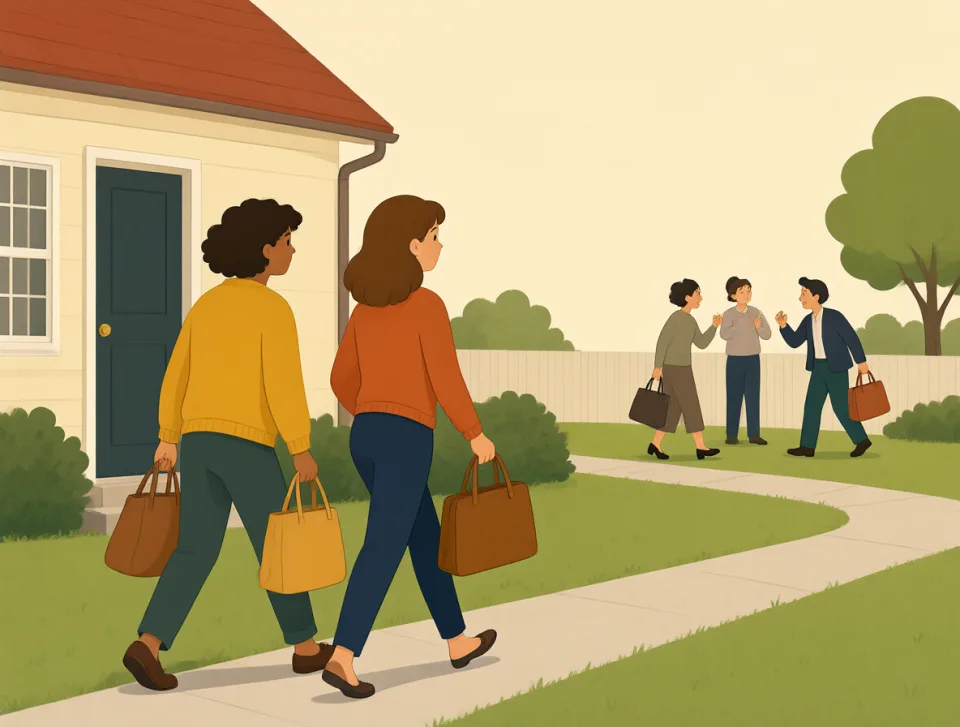
The family left their home because of violence nearby.
由於附近發生暴力事件,這家人離開了自己的家。
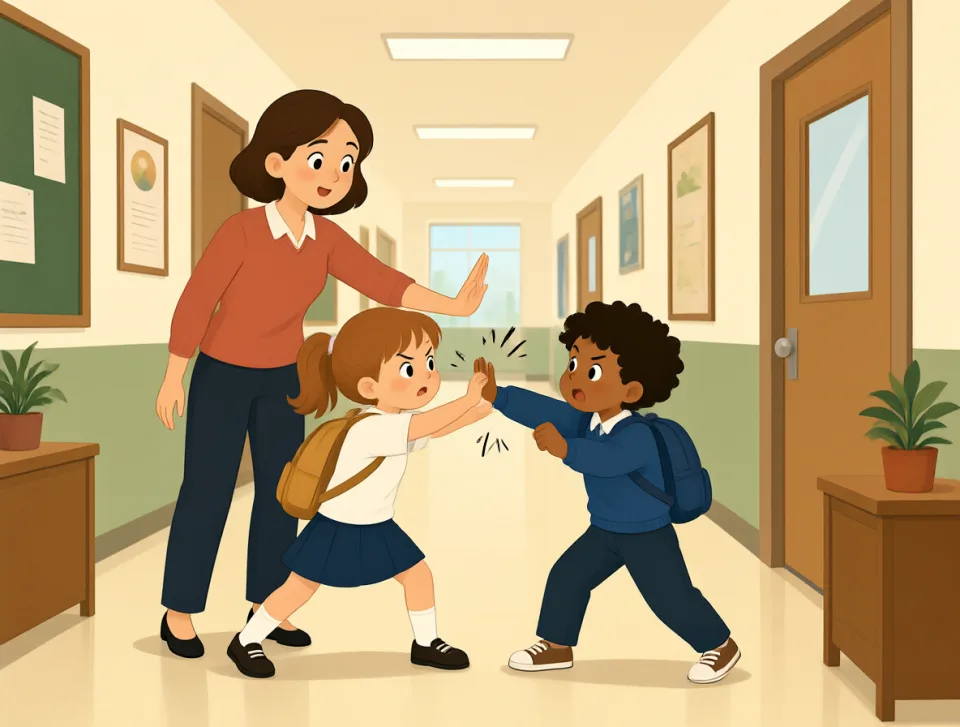
The school has strict rules against violence.
學校嚴禁暴力行為。
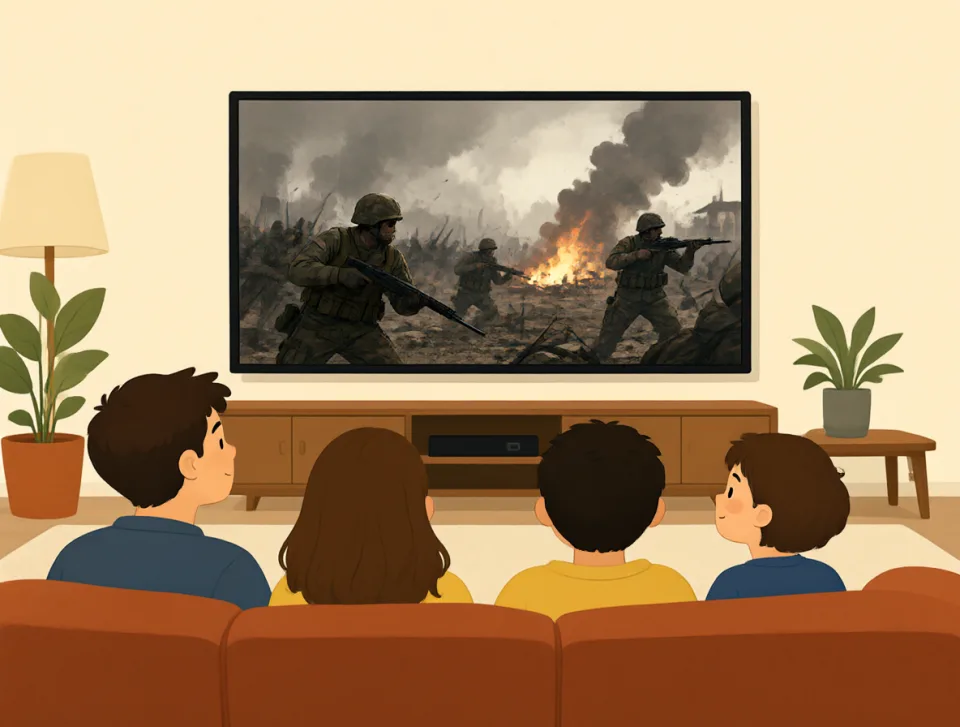
They watched a film about war and violence last night.
昨晚他們看了一部關於戰爭和暴力的電影。
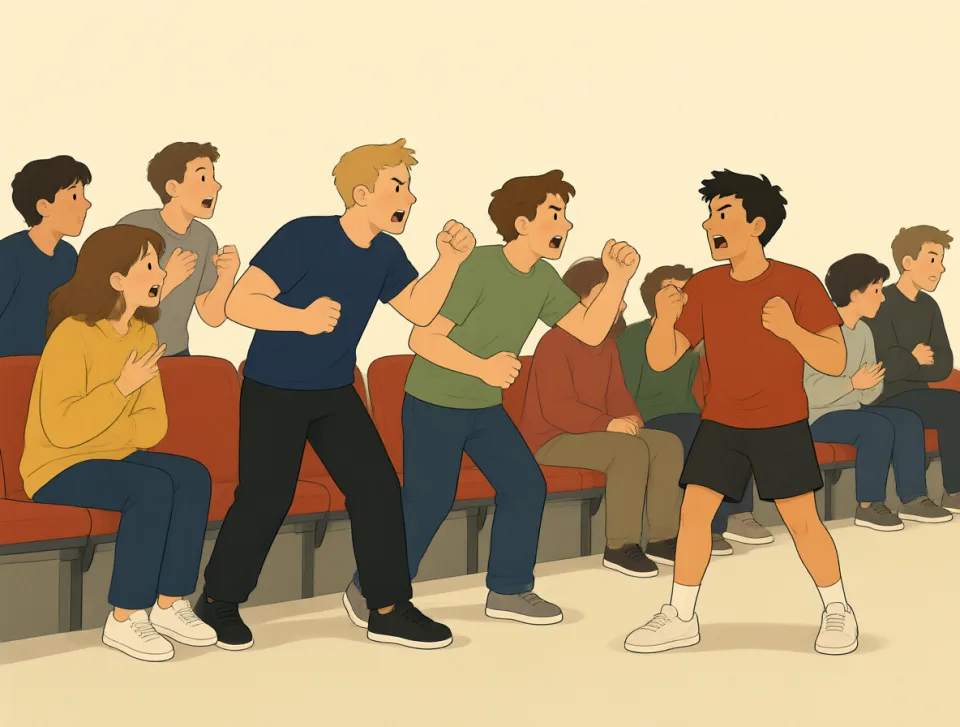
The match ended early after violence broke out among fans.
球迷之間爆發暴力衝突後,比賽提前結束了。
minister
#1437noun, verb
部長;牧師;照料
A government official, or to give careful attention to someone’s needs.
政府官員;或悉心照料某人的需要

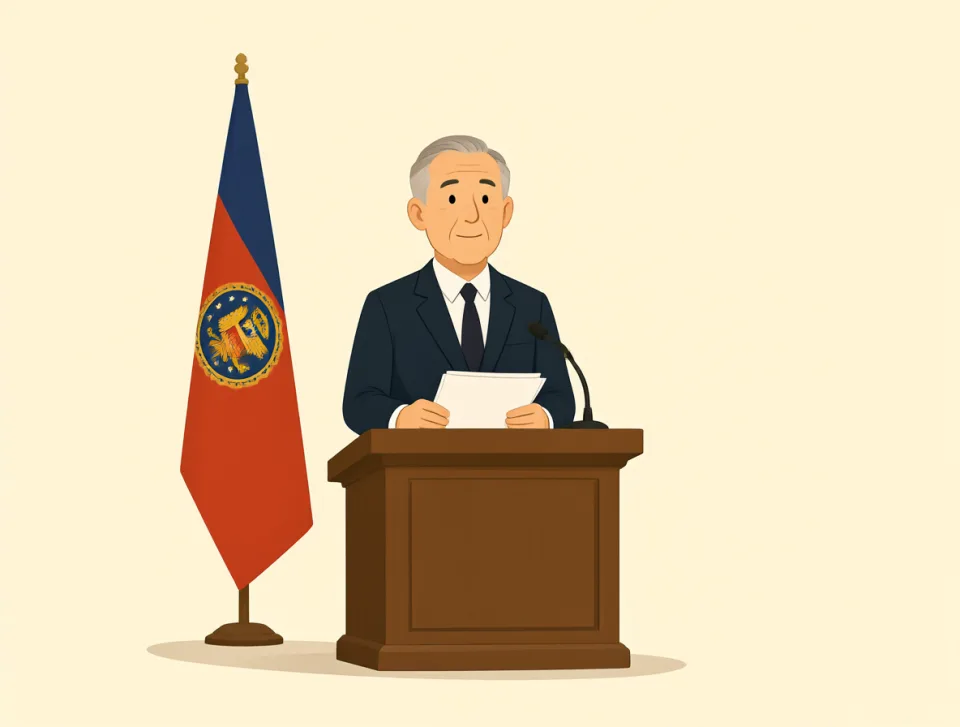
The minister announced new plans for local schools.
部長宣佈了當地學校的新計劃。
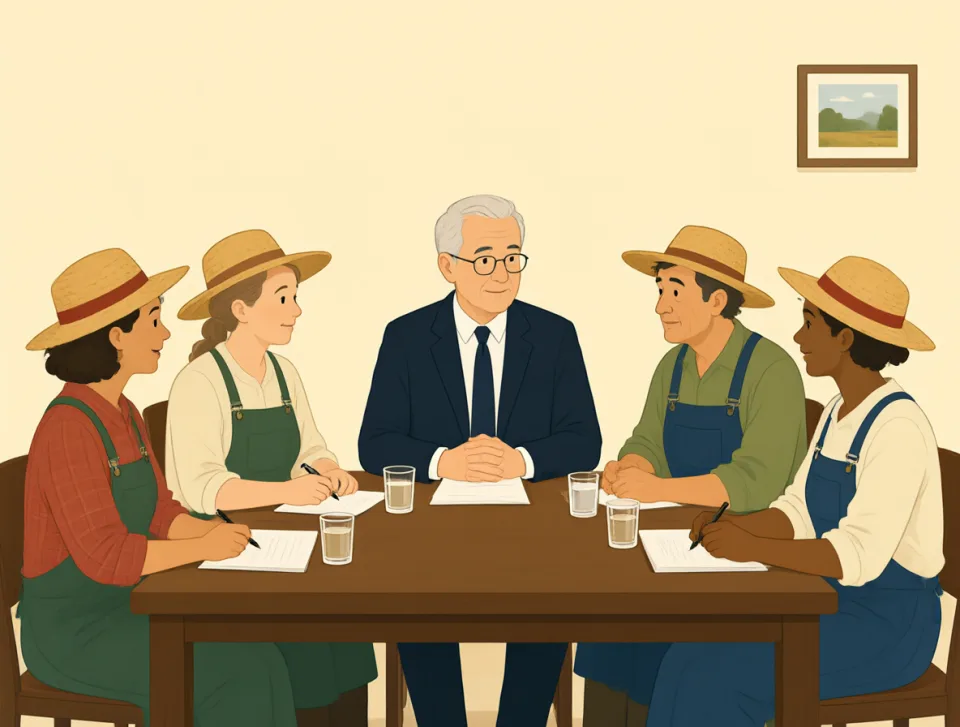
The minister met farmers to discuss rising food prices.
部長會見了農民,討論不斷上漲的食品價格。
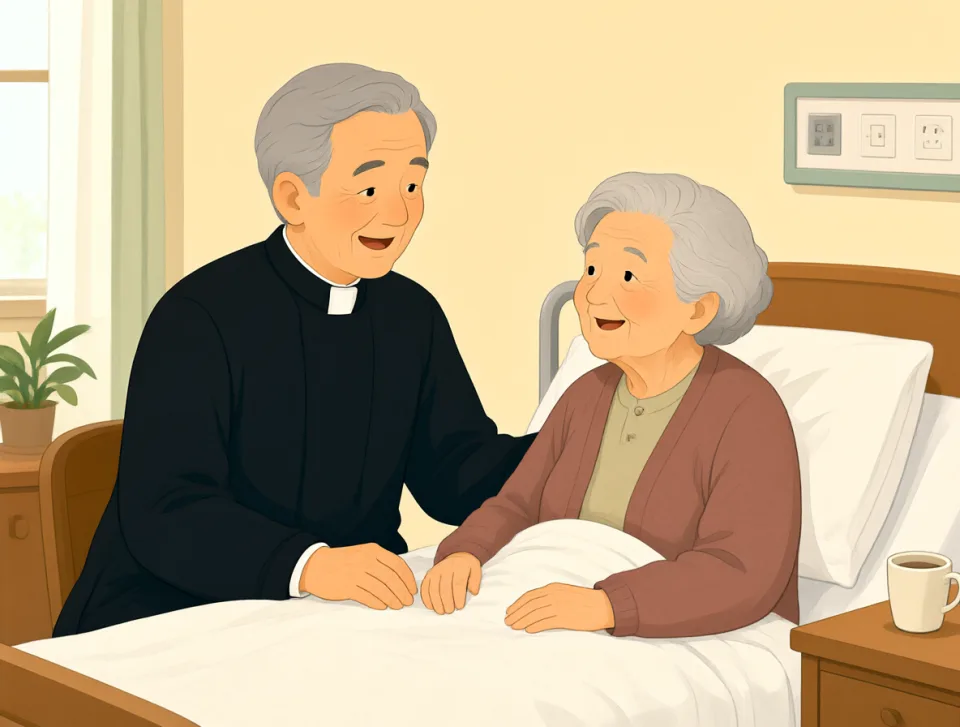
Our church minister visited my grandmother in hospital.
我們教會的牧師去醫院探望了我的祖母。
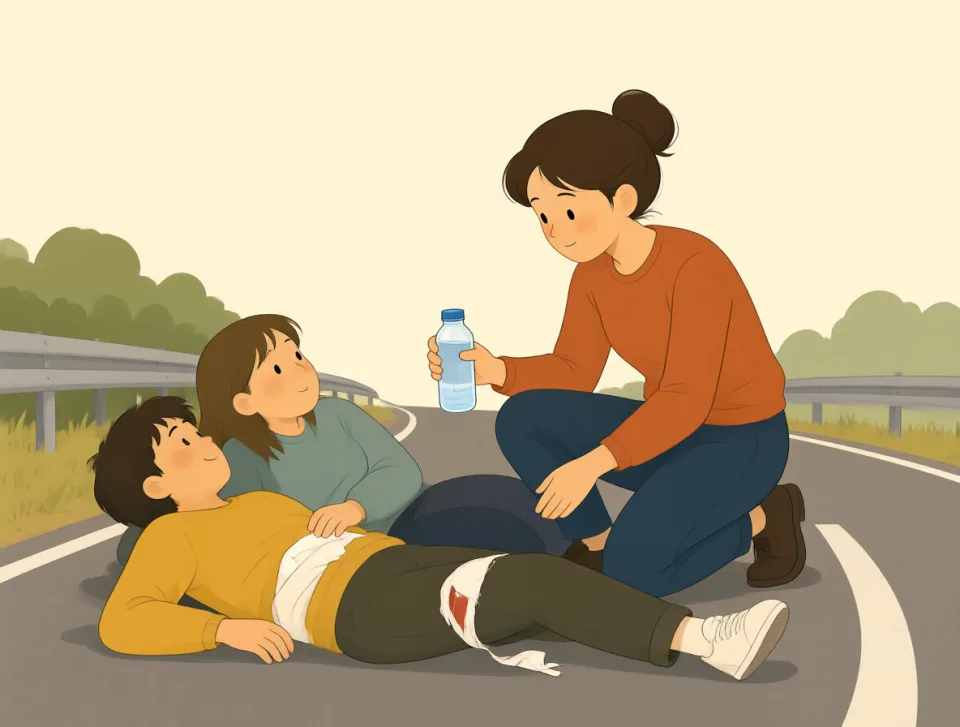
She ministered to the injured passengers after the accident.
事故發生後,她照料了受傷的乘客。
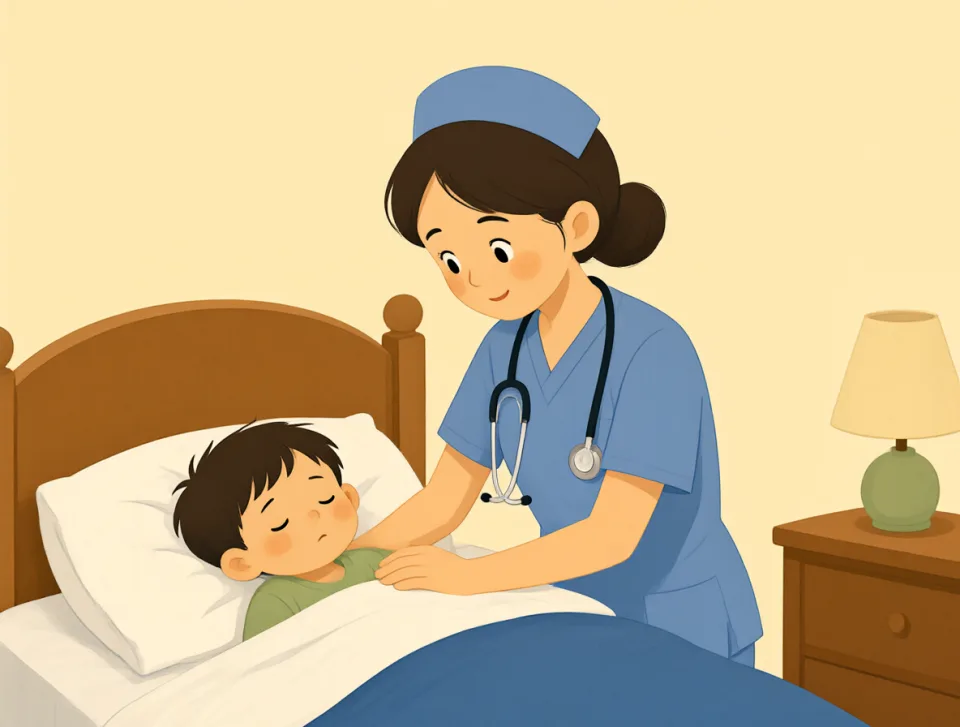
The nurse ministered to the sick child throughout the night.
護士整夜照料生病的孩子。
mainly
#1438adverb
主要;大部分
Mostly or usually, with only a small part coming from something else.
大部分或通常如此,只有一小部分來自其他方面。
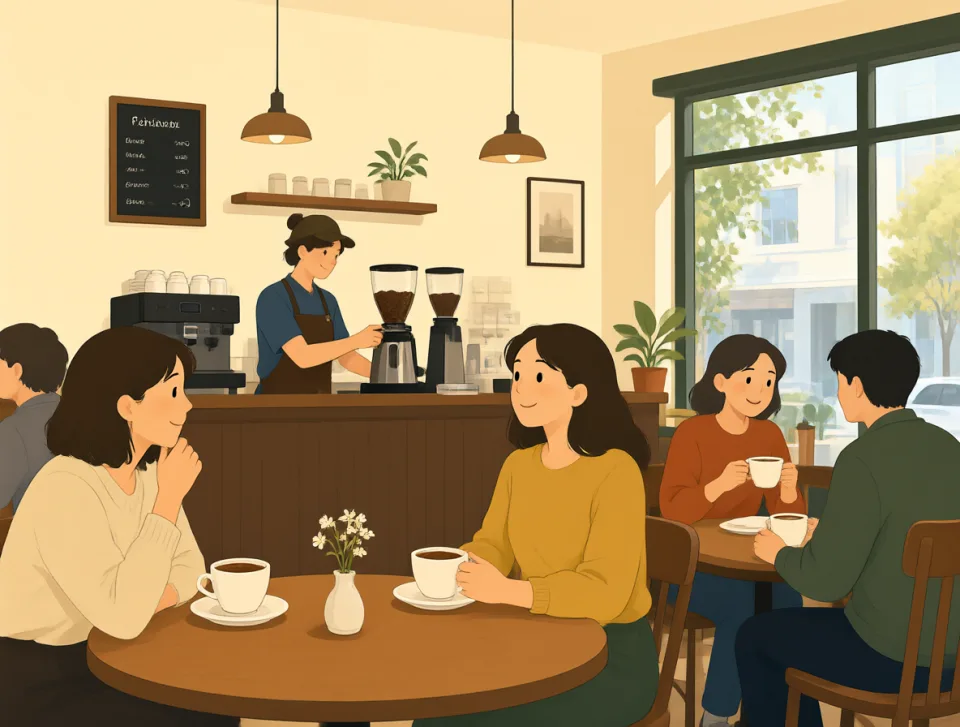
The cafe is mainly busy in the mornings.
這家咖啡館主要在早上比較忙。

She mainly works from home during the week.
她工作日主要在家辦公。
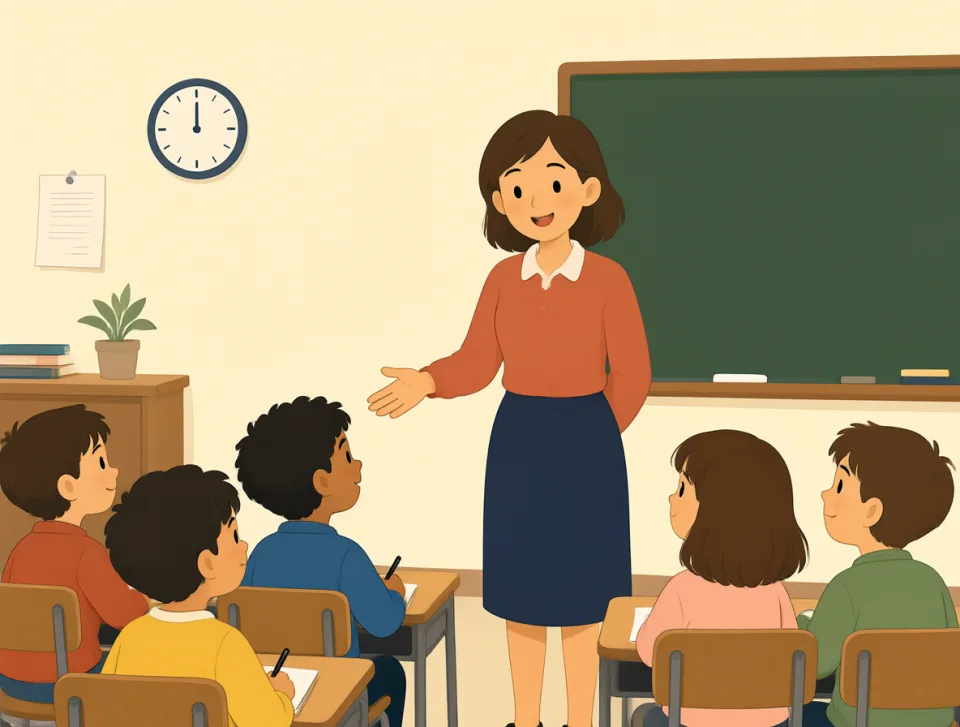
The class is made up mainly of new students.
這個班主要由新生組成。
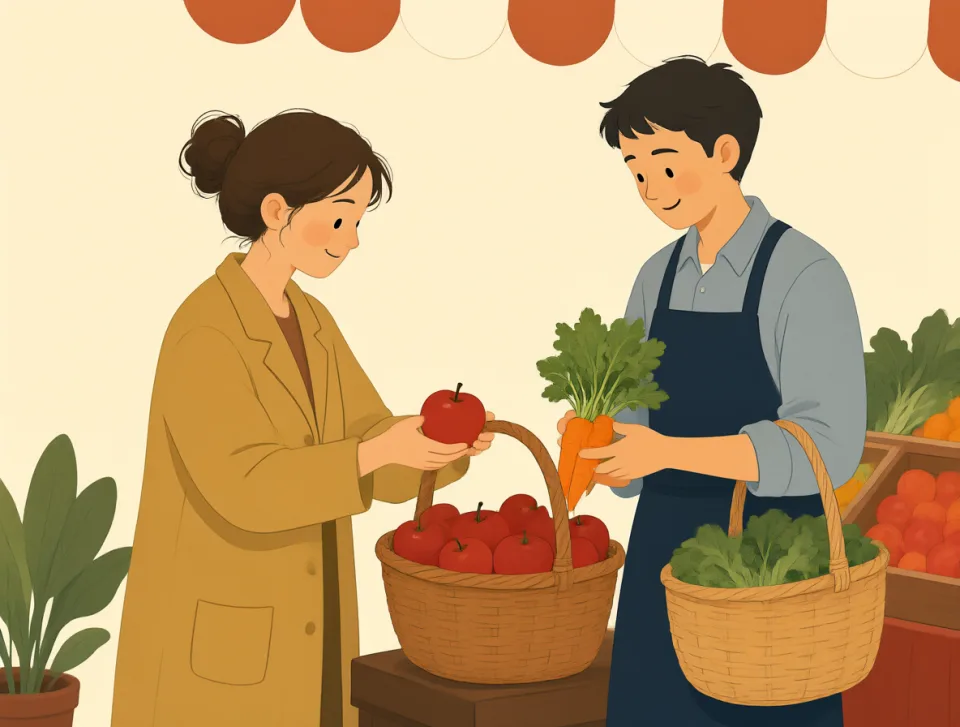
We bought mainly fruit and vegetables at the market.
我們在市場上主要買了水果和蔬菜。
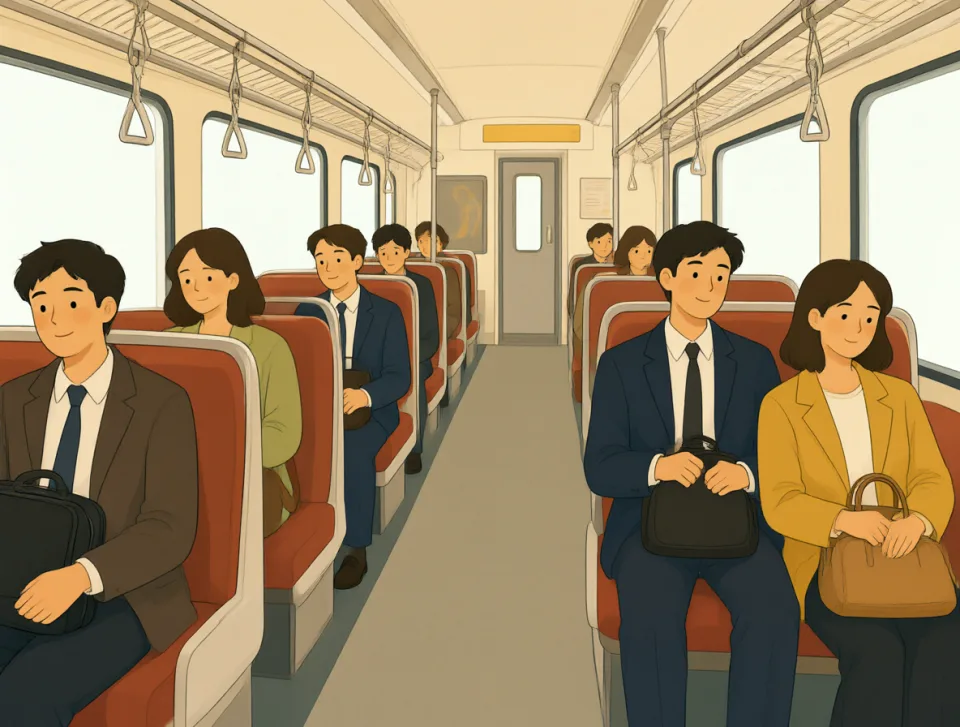
The train is used mainly by people traveling to work.
這趟火車主要是上下班的人乘坐。

mouth
#1439noun, verb
嘴;口;河口;用口型說出
The opening in your face used for eating, speaking, and breathing.
臉上的開口,用來吃東西、說話和呼吸。

Please open your mouth and say your name.
請張開嘴,說出你的名字。
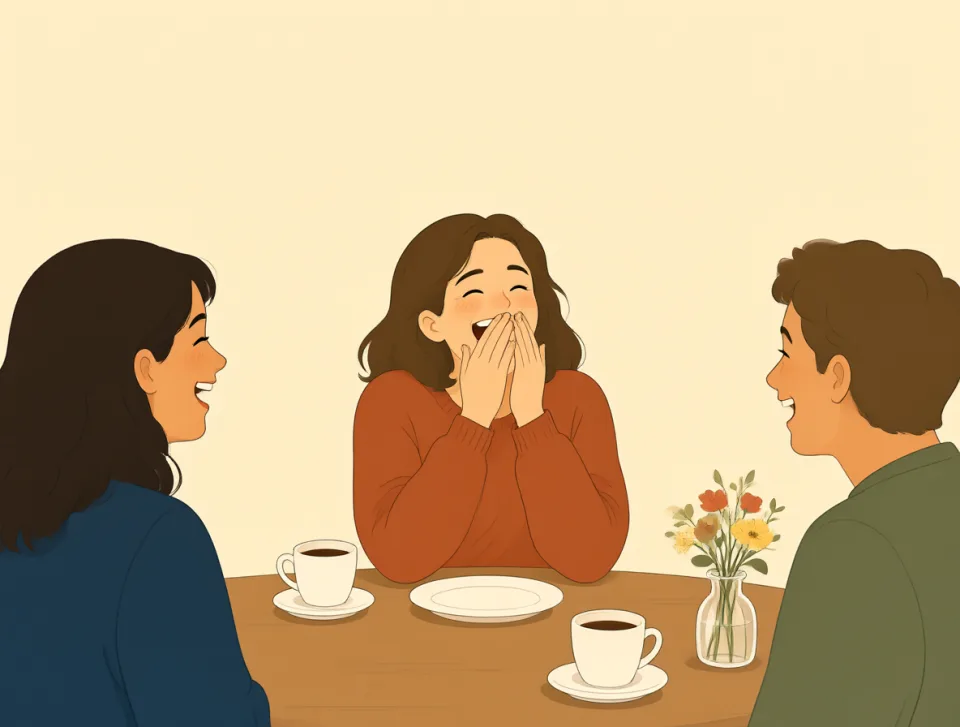
She covered her mouth when she started laughing.
她開始笑時捂住了嘴。
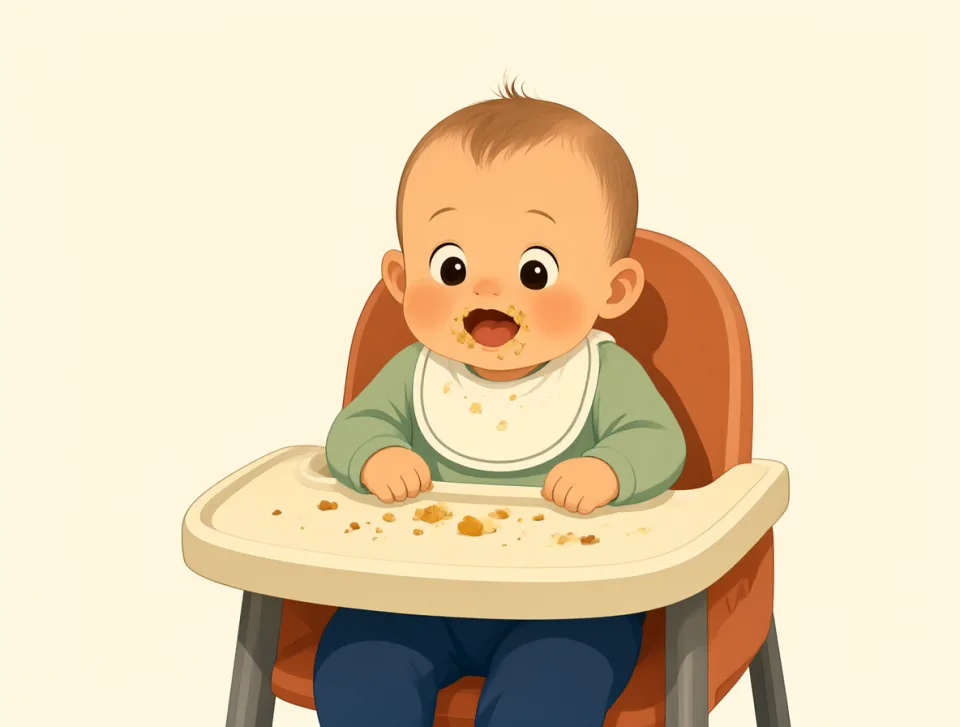
The baby had food around his mouth.
那個嬰兒嘴邊沾著食物。
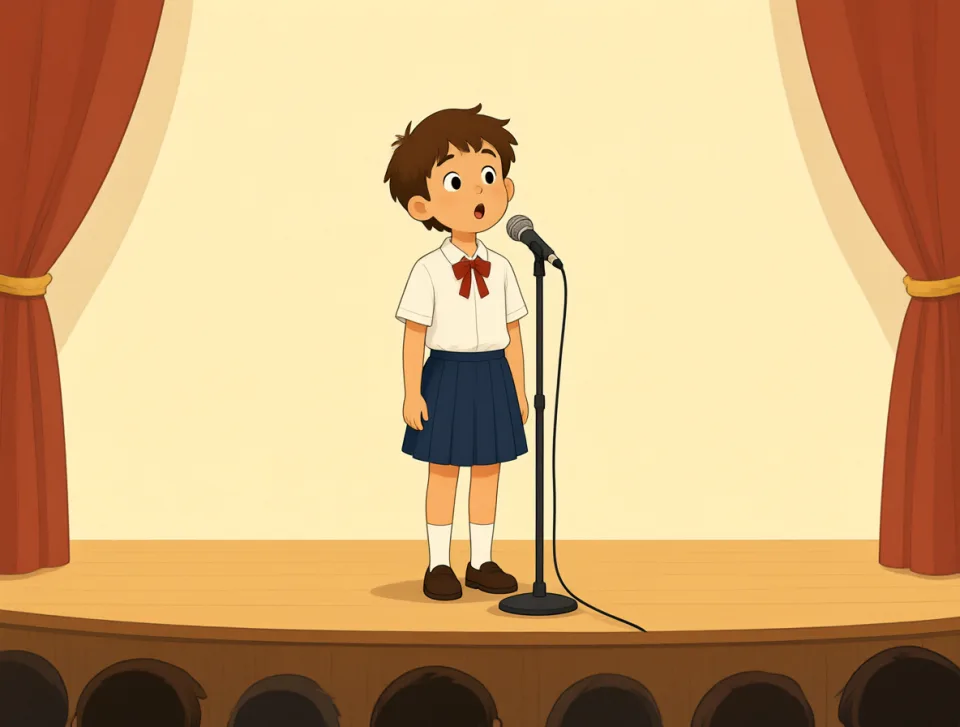
He mouthed the words during the school performance.
學校演出時,他用口型說出了臺詞。

The river mouth was near the small fishing village.
河口就在那個小漁村附近。
noise
#1440noun
噪音;嘈雜聲
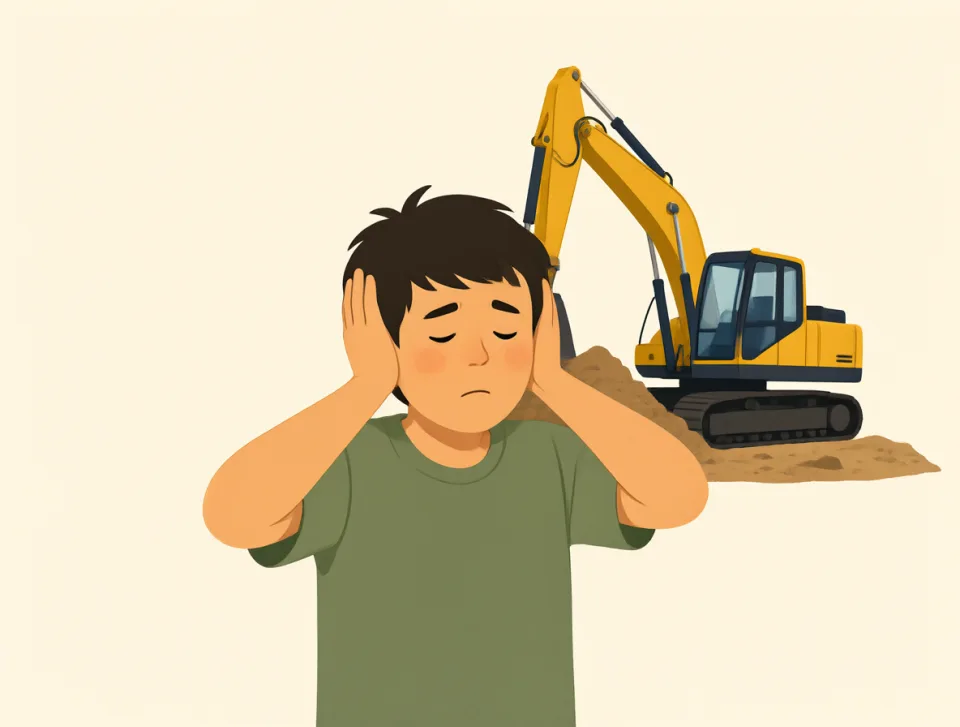
A loud or unpleasant sound that makes it difficult to hear, think, or sleep.
一種響亮或令人不快的聲音,讓人難以聽清、思考或入睡。
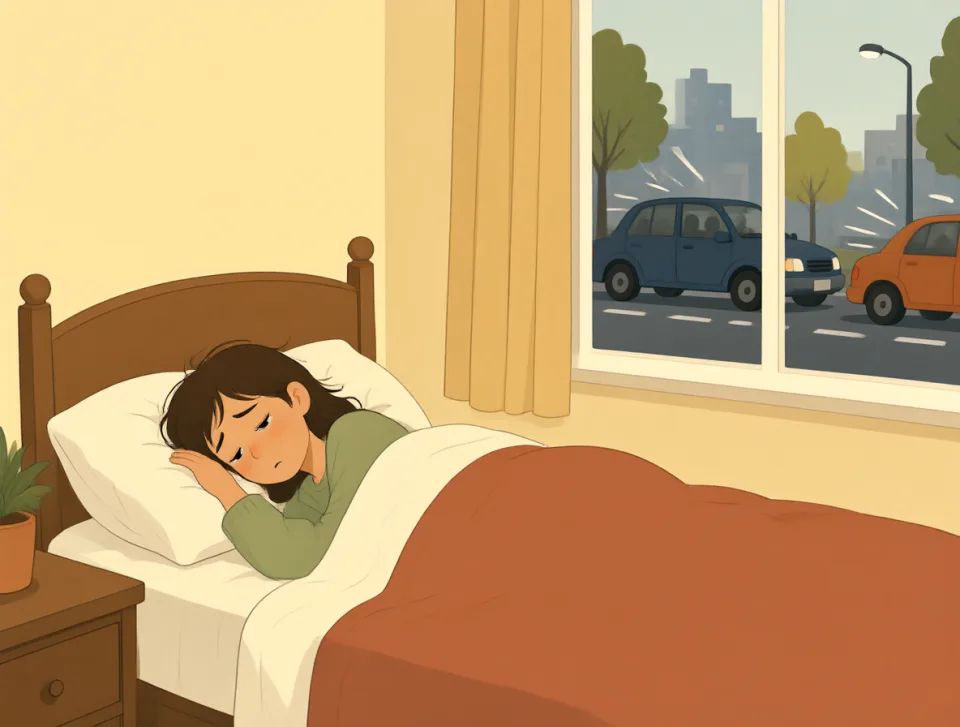
The traffic noise kept me awake last night.
昨晚交通噪音吵得我睡不著。
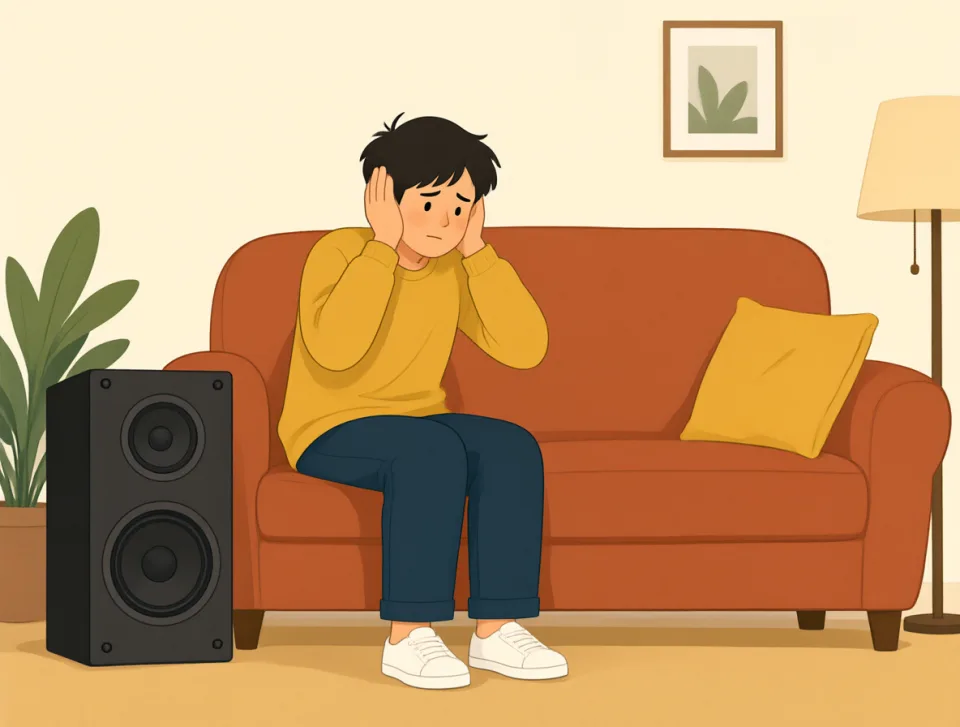
Please turn down the music; the noise is too loud.
請把音樂調小一點,噪音太大了。
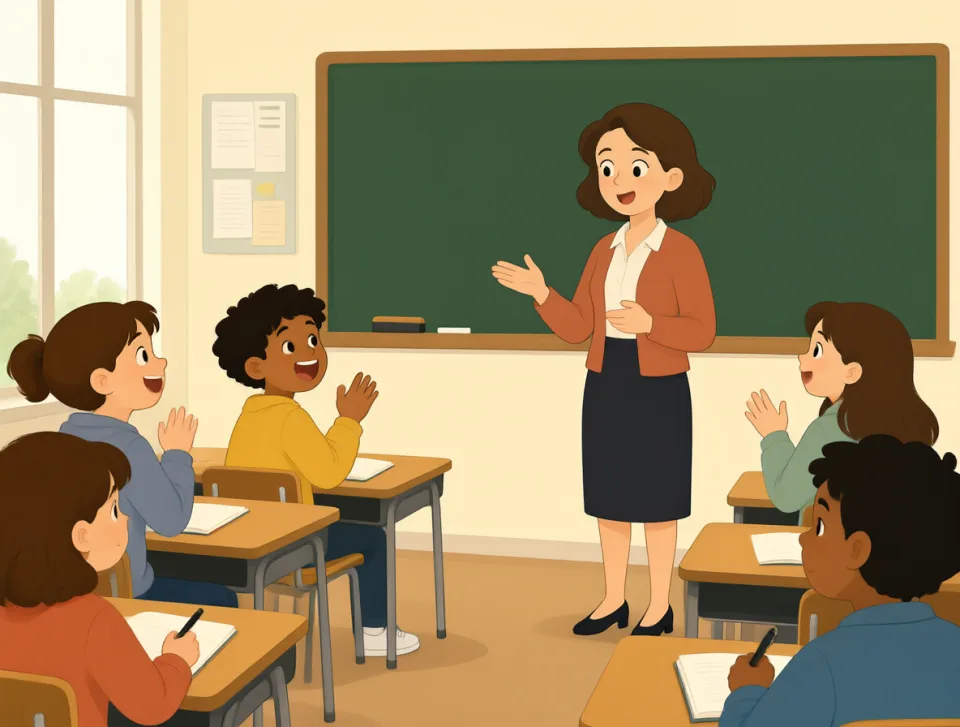
We could not hear the teacher because of the classroom noise.
因為教室裡的噪音,我們聽不清老師講課。
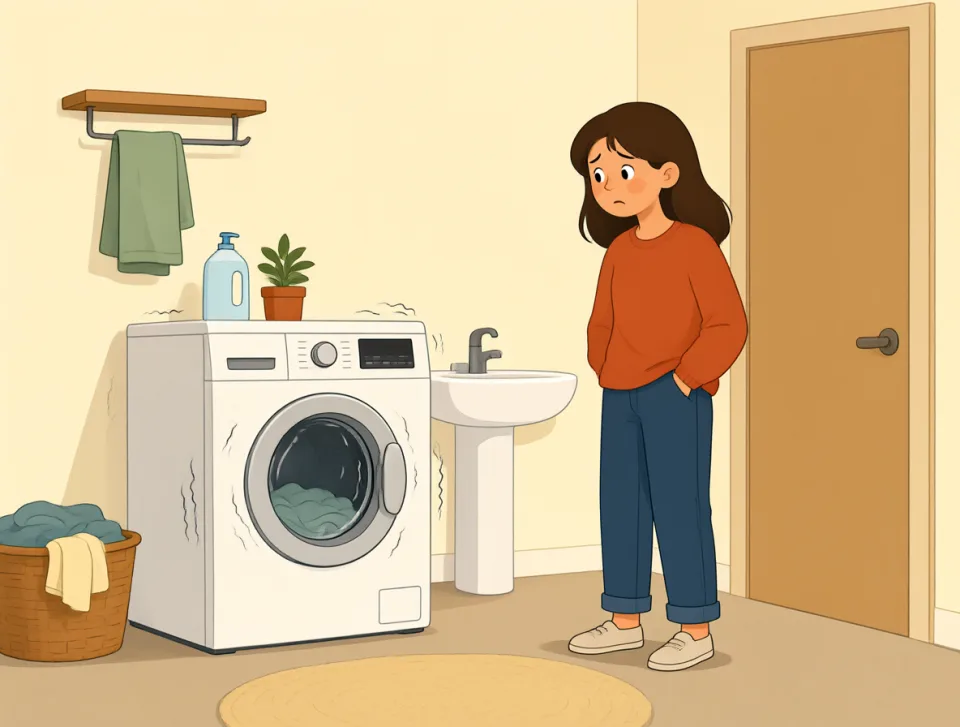
The washing machine is making a strange noise.
洗衣機發出一種奇怪的聲音。

The neighbors apologized for the noise during their party.
鄰居們為聚會期間製造的噪音道了歉。